Caspar David Friedrich
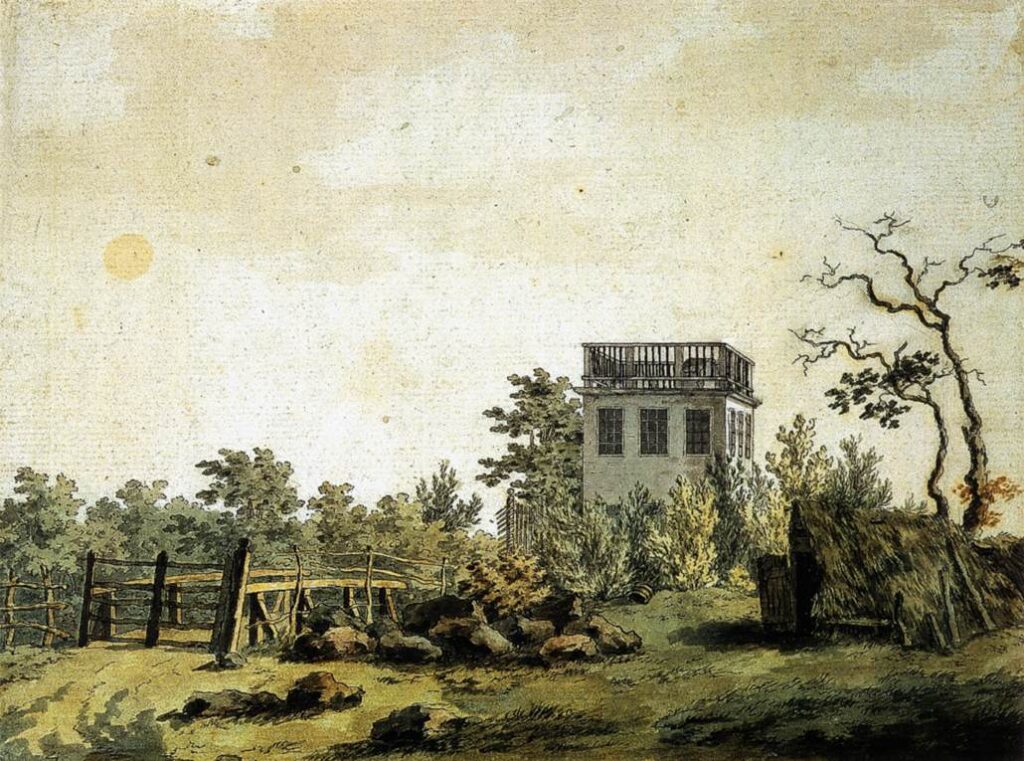
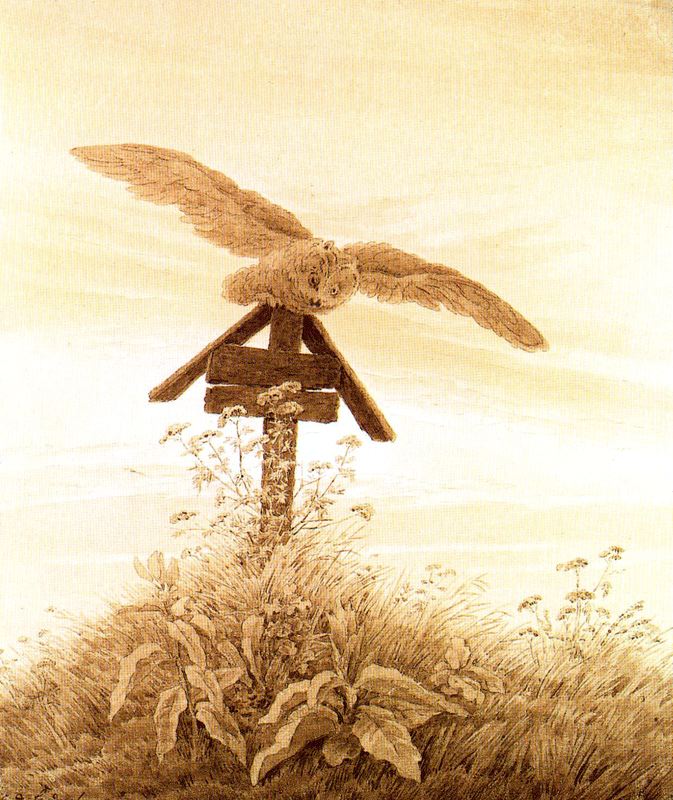
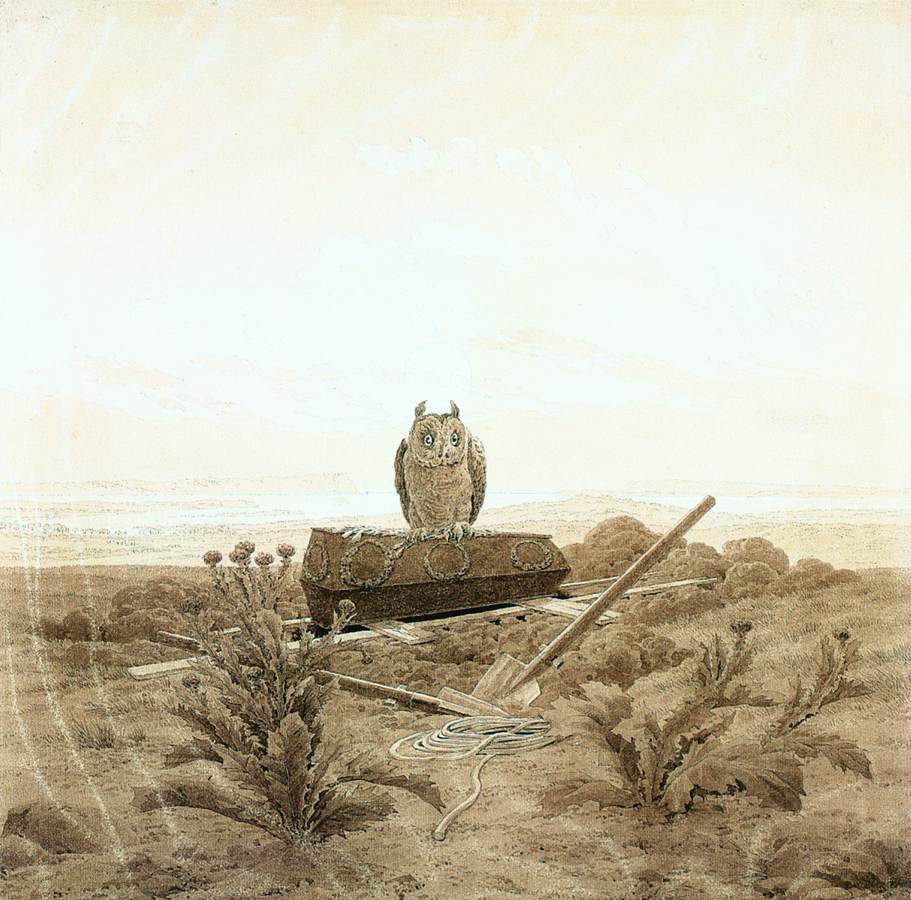
Caspar David Friedrich, September 5, 1774 – May 7, 1840, was a German Romantic landscape painter.
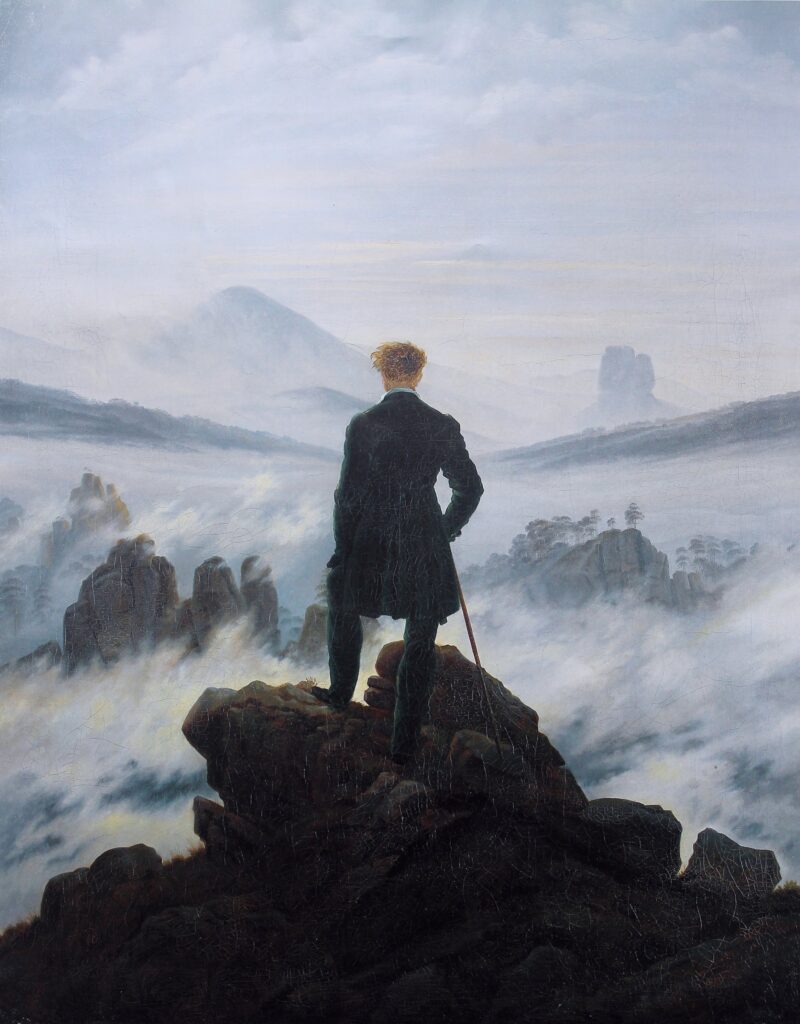
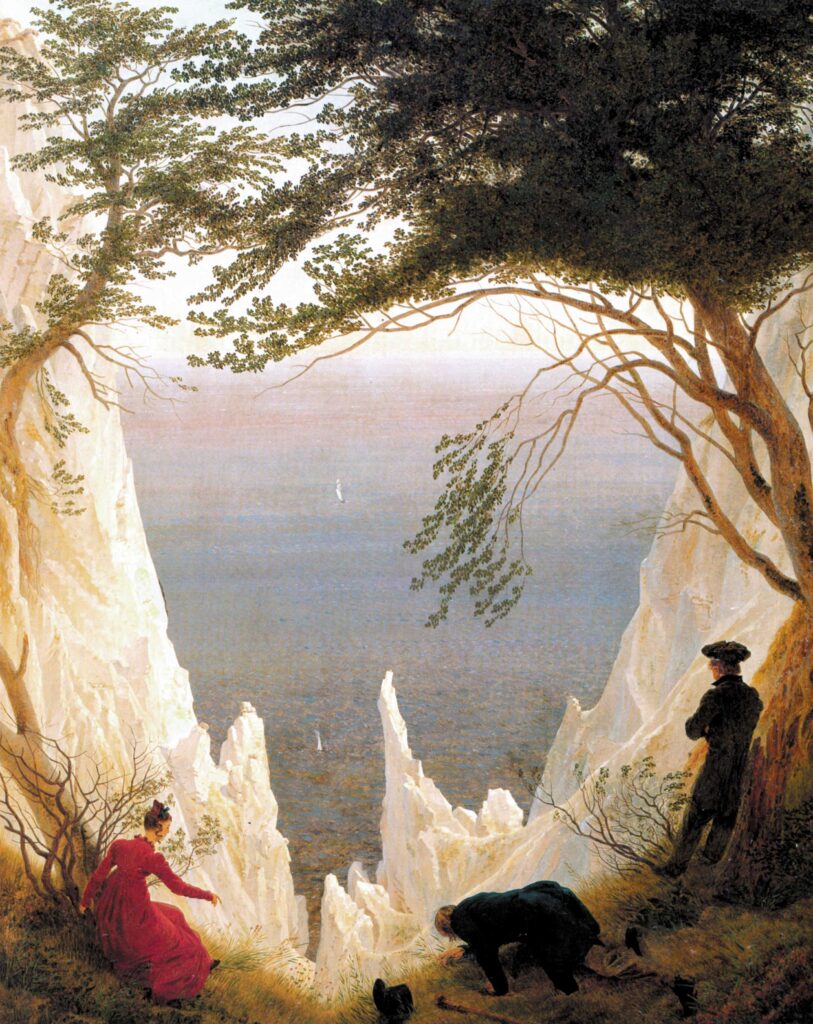
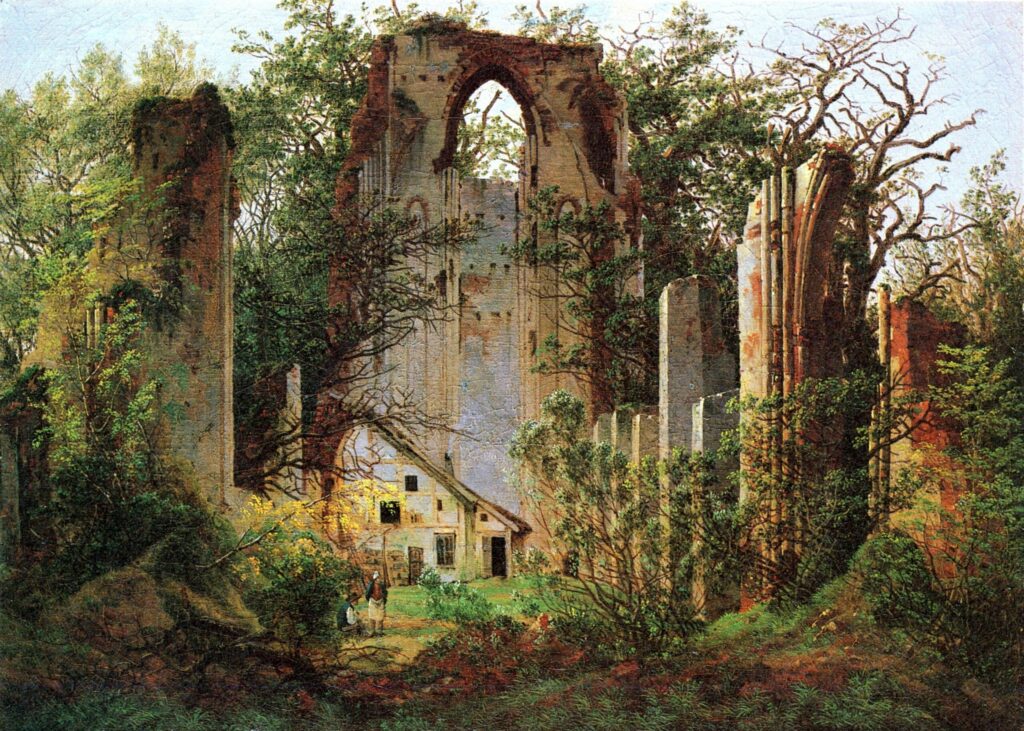
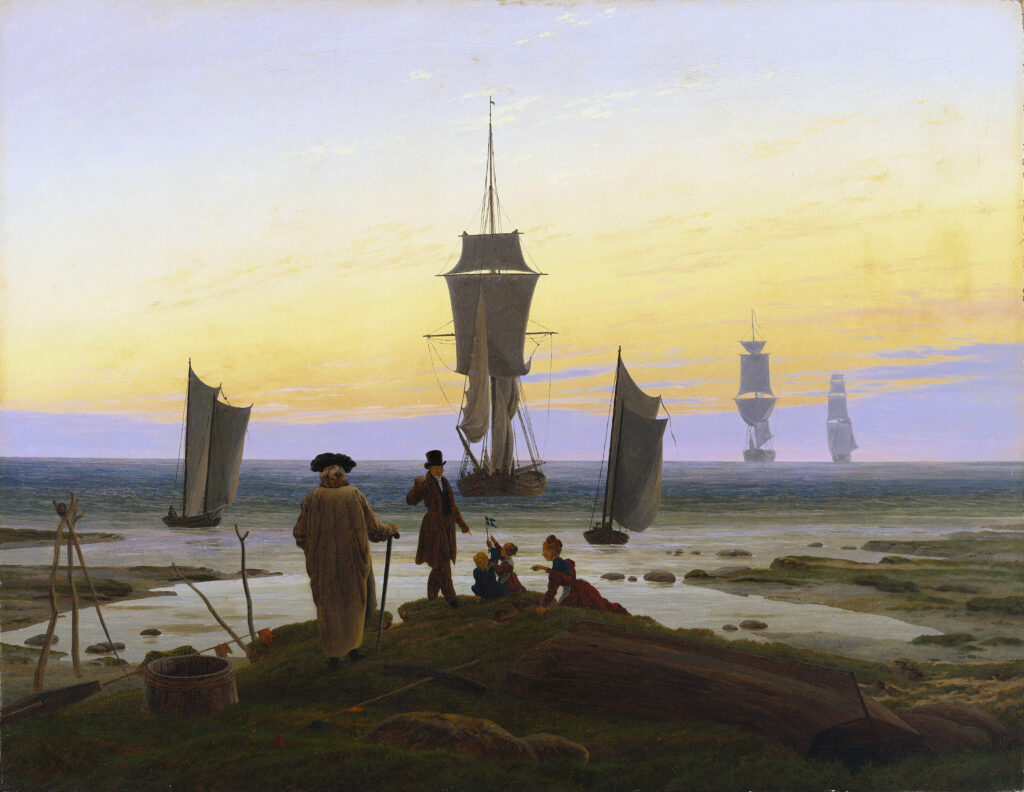
He studied at the Copenhagen Academy and later settled in Dresden, where he became associated with the central figures of German Romanticism. His paintings often combine carefully observed landscapes with solitary figures, ruins, crosses, graves, moonlight, fog and winter scenery.
Friedrich’s best-known works include Monk by the Sea, Abbey among Oak Trees, Wanderer above the Sea of Fog, Chalk Cliffs on Rügen and The Sea of Ice. His reputation declined late in his life but was substantially revived in the twentieth century.







Jusepe de Ribera
Jusepe de Ribera, January 12, 1591–September 2, 1652, was a Spanish painter and printmaker who spent most of his career in Italy. Born in Xàtiva near Valencia, he was documented in Parma by 1611 and in Rome by 1613; his early training is uncertain, and the traditional claim that he studied with Francisco Ribalta is unproven.
He settled permanently in Naples in 1616, married Caterina Azzolino, and worked for the Spanish viceroys and other Italian and Spanish patrons. He belonged to Rome’s Accademia di San Luca and maintained a Neapolitan workshop; Bartolomeo Passante, Francesco Fracanzano, Hendrick de Somer, and Luca Giordano are among the artists associated with his teaching or influence.
Principal holdings of his work are in the Museo Nacional del Prado, Museo e Real Bosco di Capodimonte, Musée du Louvre, National Gallery, London, The Metropolitan Museum of Art, and National Gallery of Art, Washington.


Elin Danielson-Gambogi
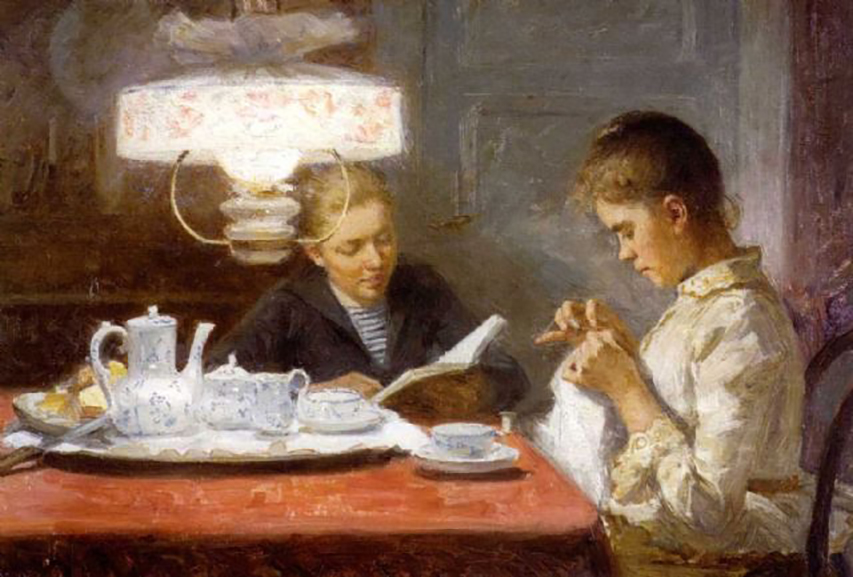
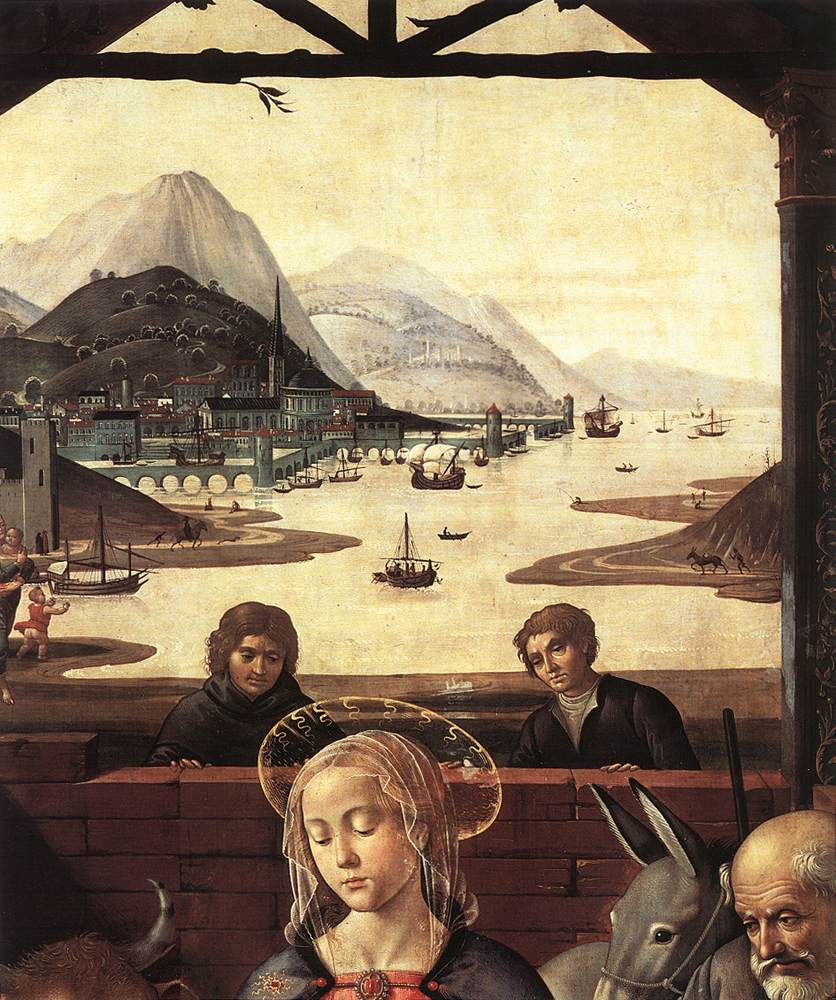
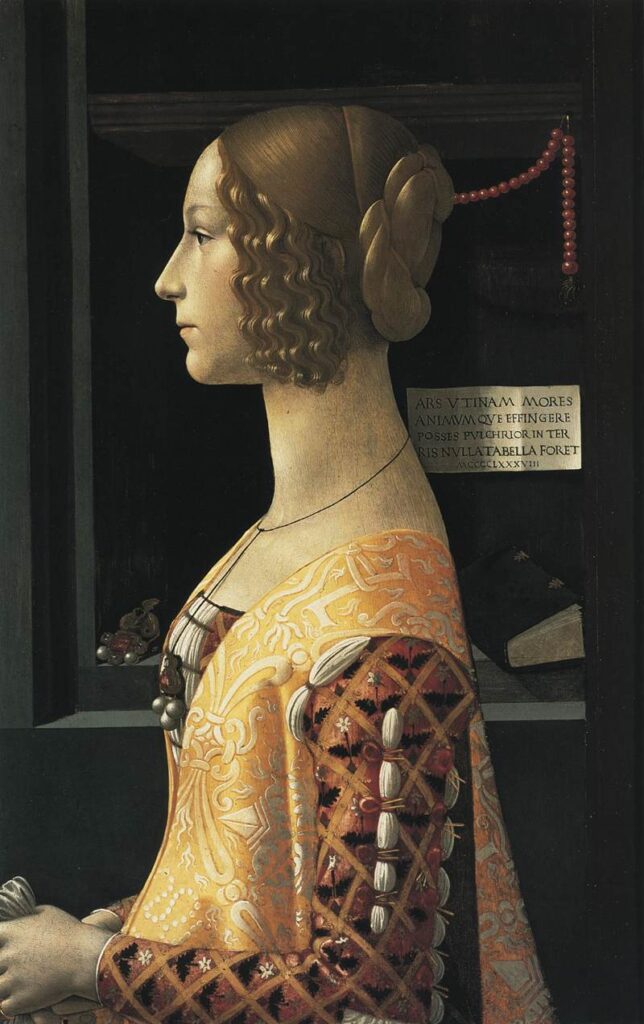
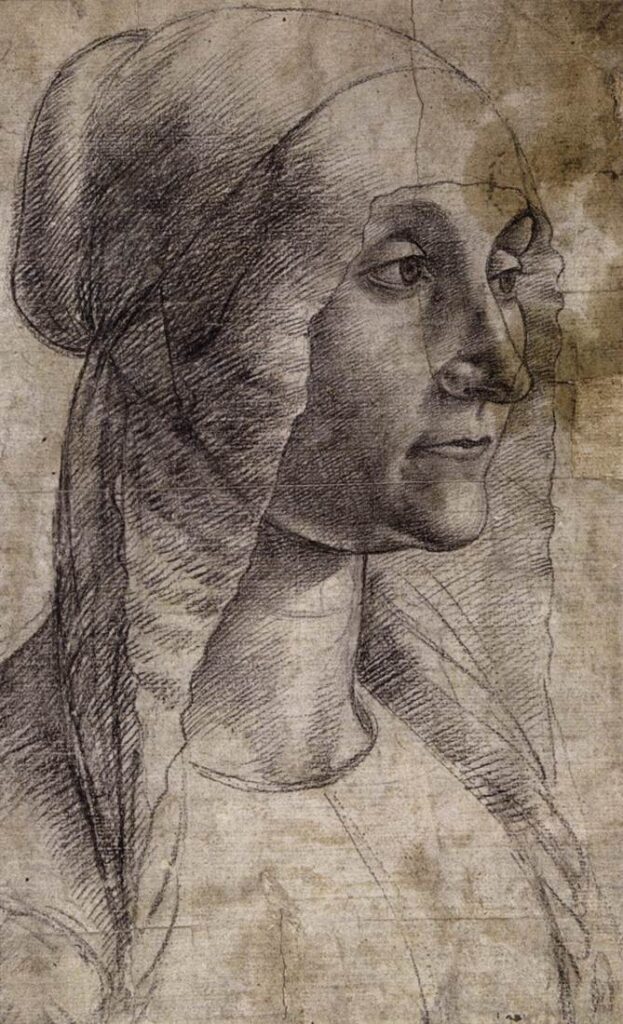
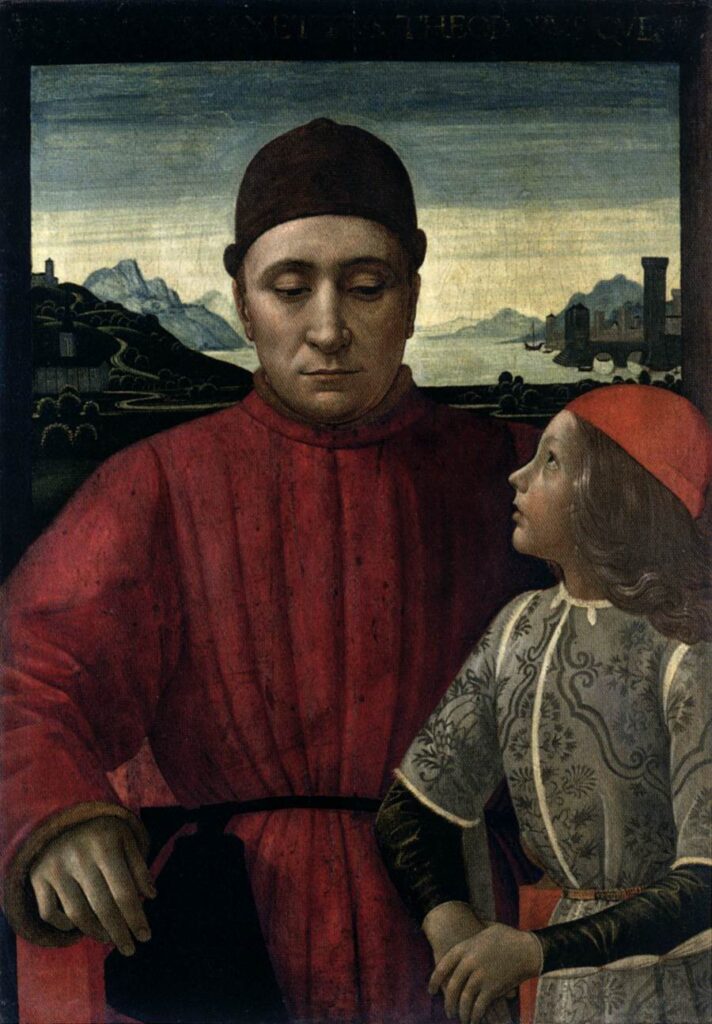
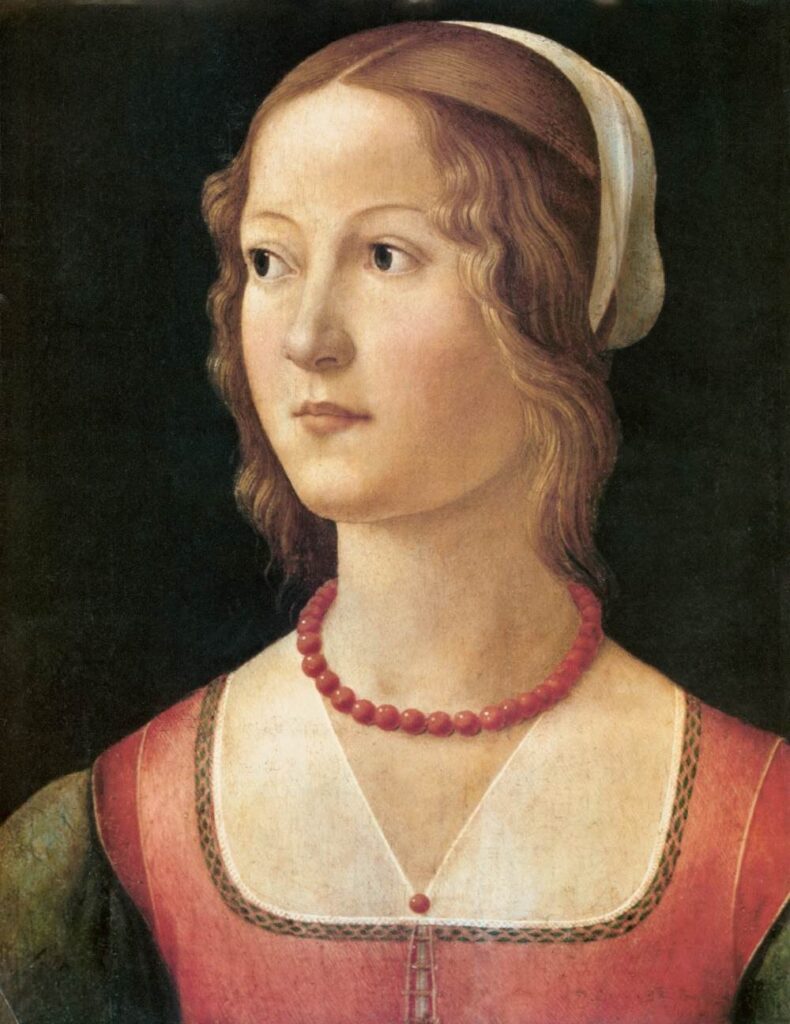
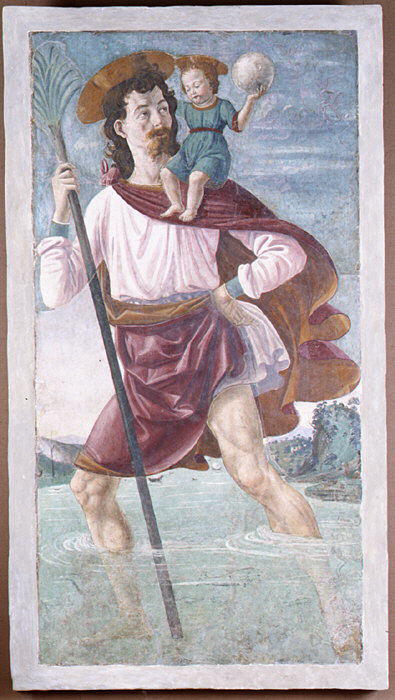
Elin Danielson-Gambogi, September 3, 1861 – December 31, 1919, was a Finnish painter associated with naturalism, plein-air painting, and the generation of Finnish women artists who received professional art training in the late nineteenth century. Her work includes portraits, interiors, domestic scenes, working women, landscapes, and Italian coastal subjects.
Danielson-Gambogi studied at the Finnish Art Society Drawing School in Helsinki and later with Adolf von Becker. In Paris she studied at the Académie Colarossi and received training from Gustave Courtois and Raphaël Collin; she also studied sculpture with Auguste Rodin and encountered Jules Bastien-Lepage, whose naturalism influenced her palette and approach to outdoor painting. In Finland she worked with the Önningeby artists’ colony around Victor Westerholm, and her artistic circle included painters such as Helene Schjerfbeck, Ellen Thesleff, Dora Wahlroos, and Akseli Gallen-Kallela. She also taught at Finnish art schools, including the Finnish Art Society Drawing School in Turku.
In 1898 she married the Italian painter Raffaello Gambogi and settled in Italy, where both artists worked between Finnish and Italian artistic circles. She exhibited in Finland and abroad, including in Venice, Florence, Paris, and other European venues, and received awards in Finland, Florence, and at the 1900 Paris Exposition. Danielson-Gambogi died in Antignano, Italy, in 1919.








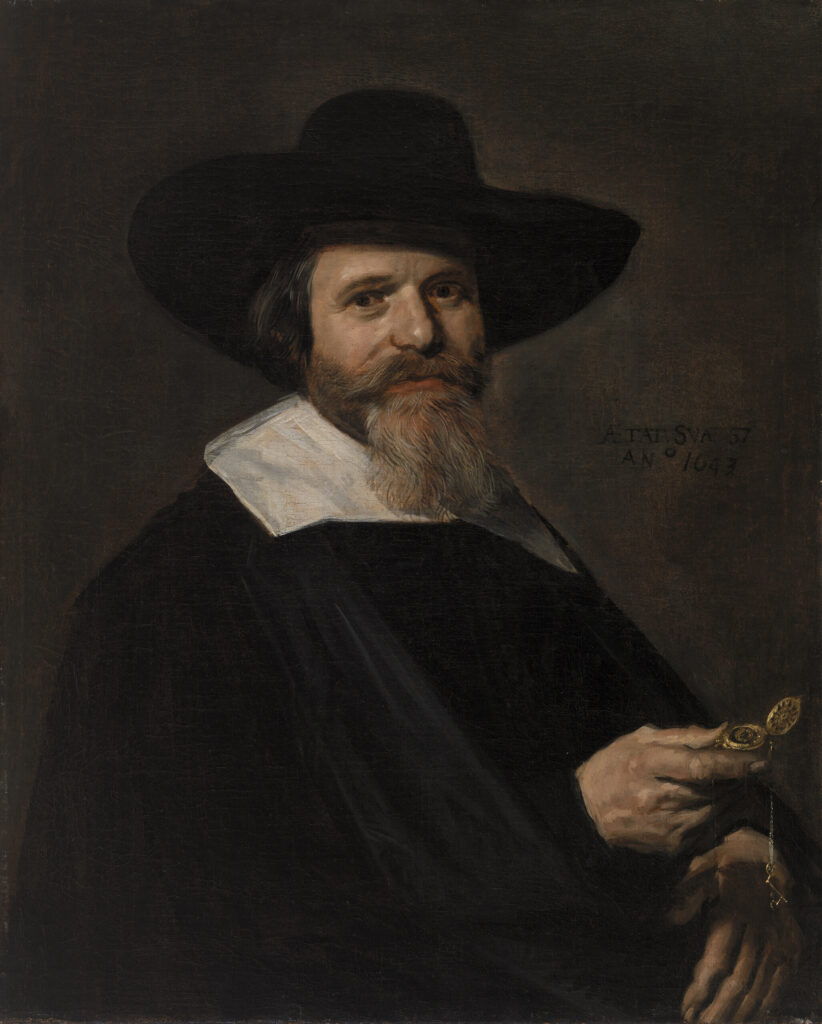
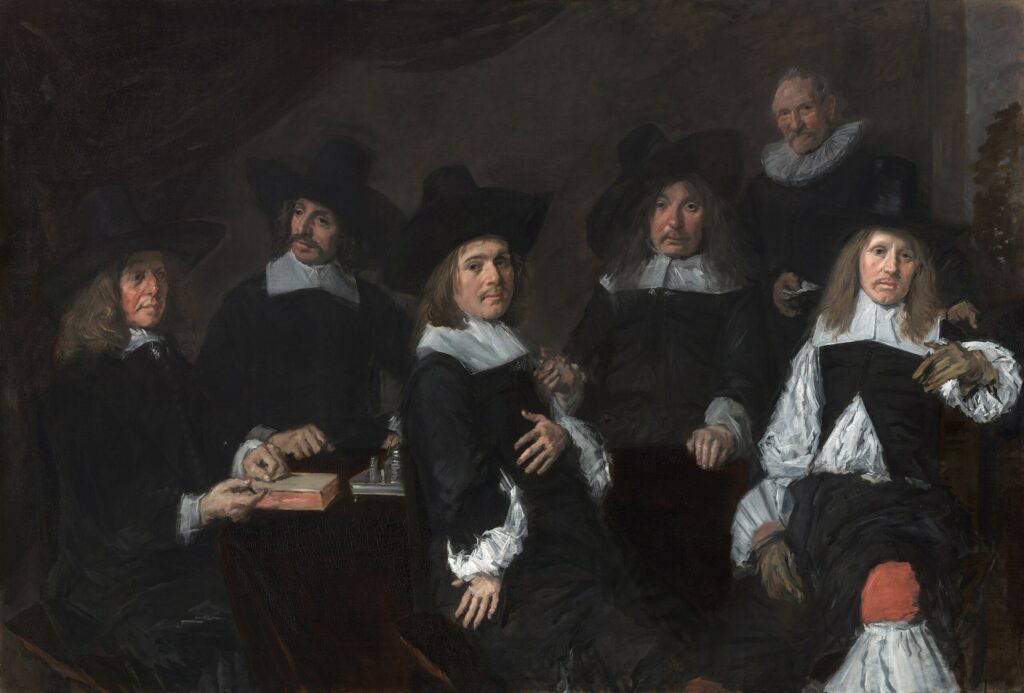
Frans Hals
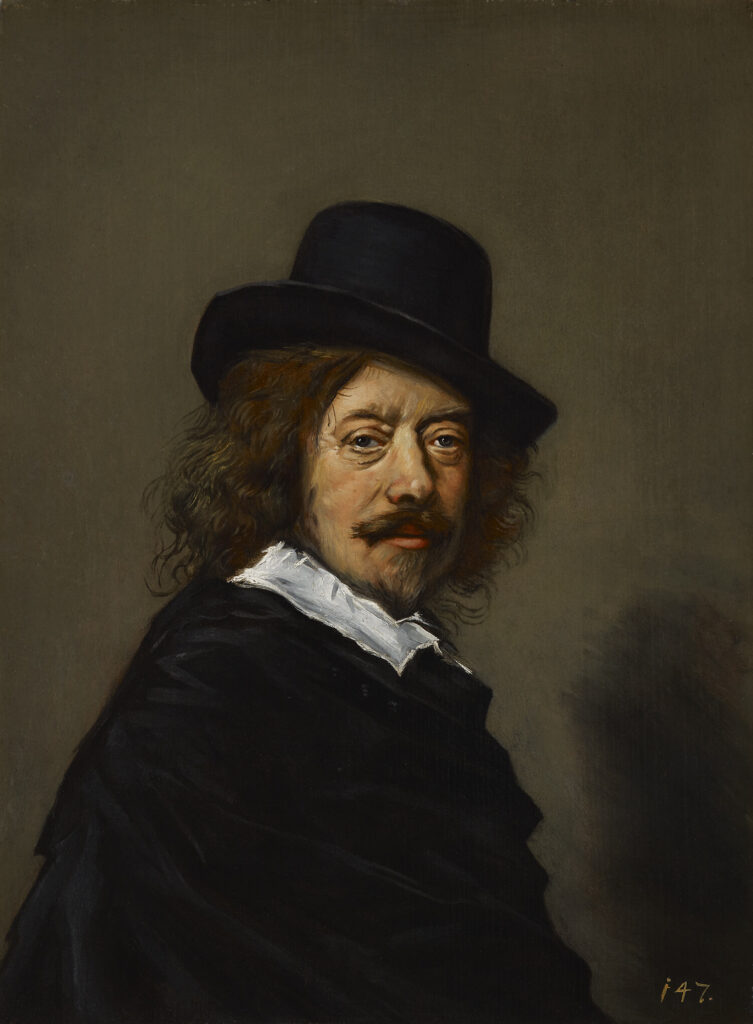
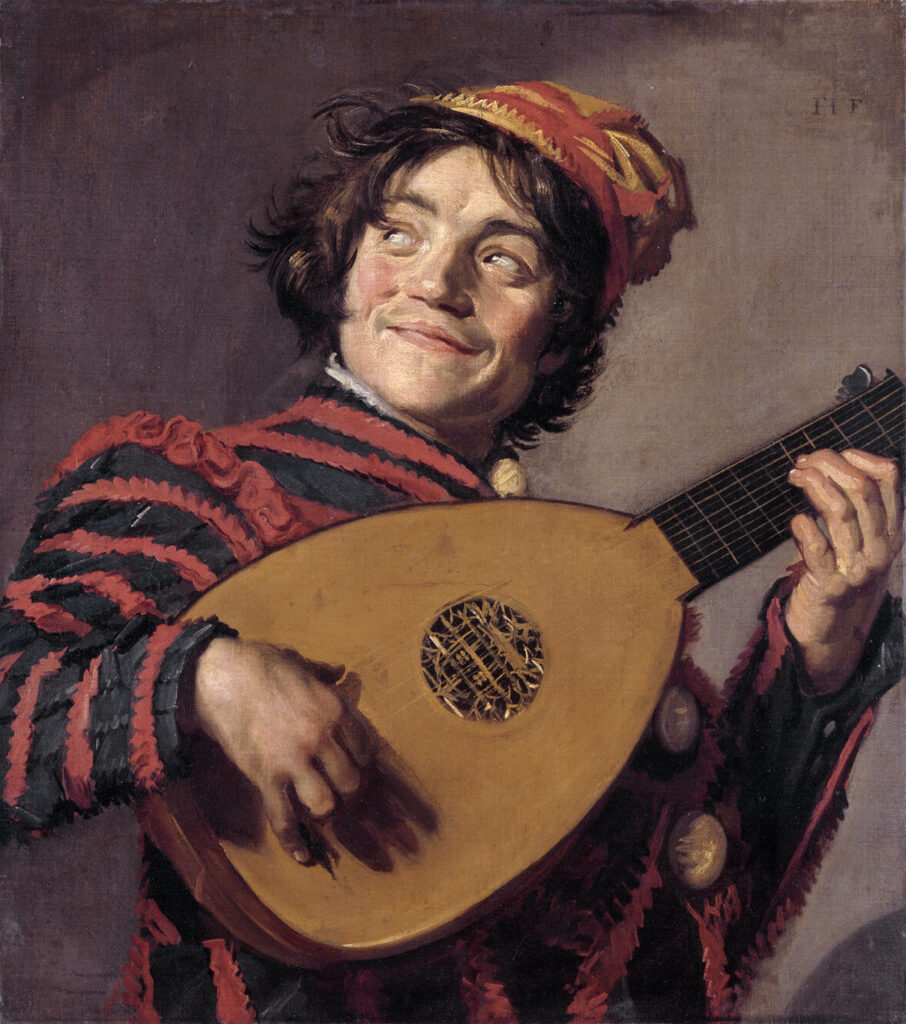
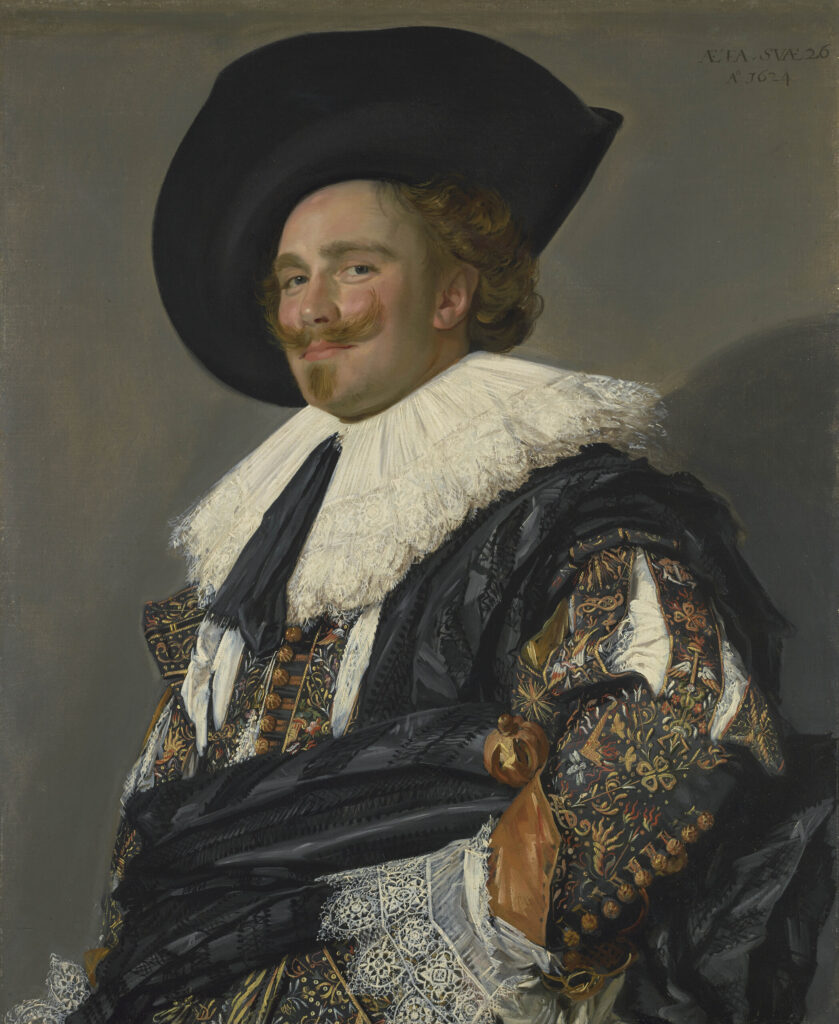
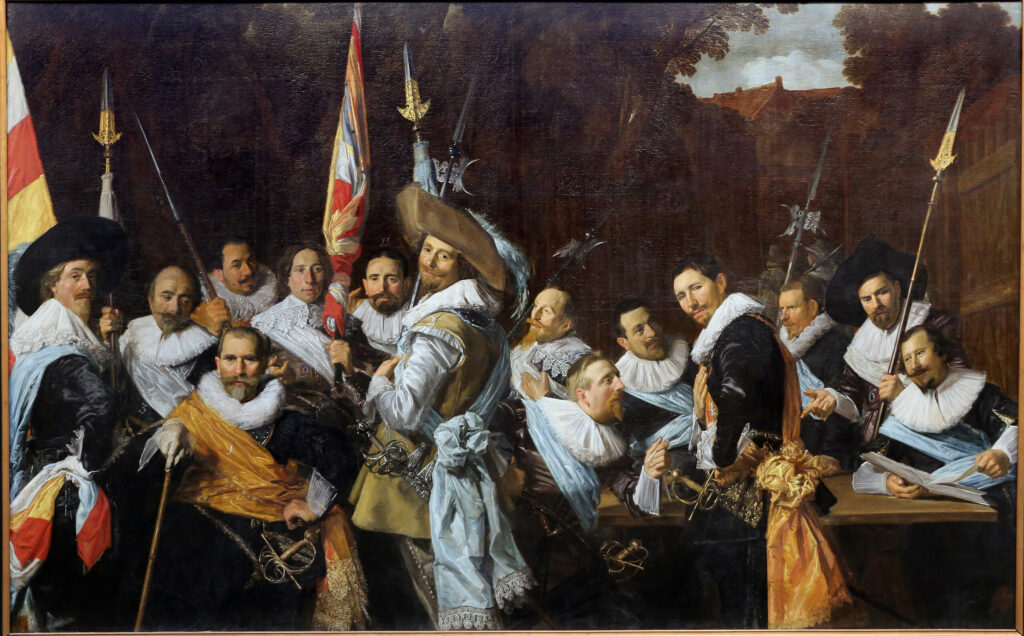
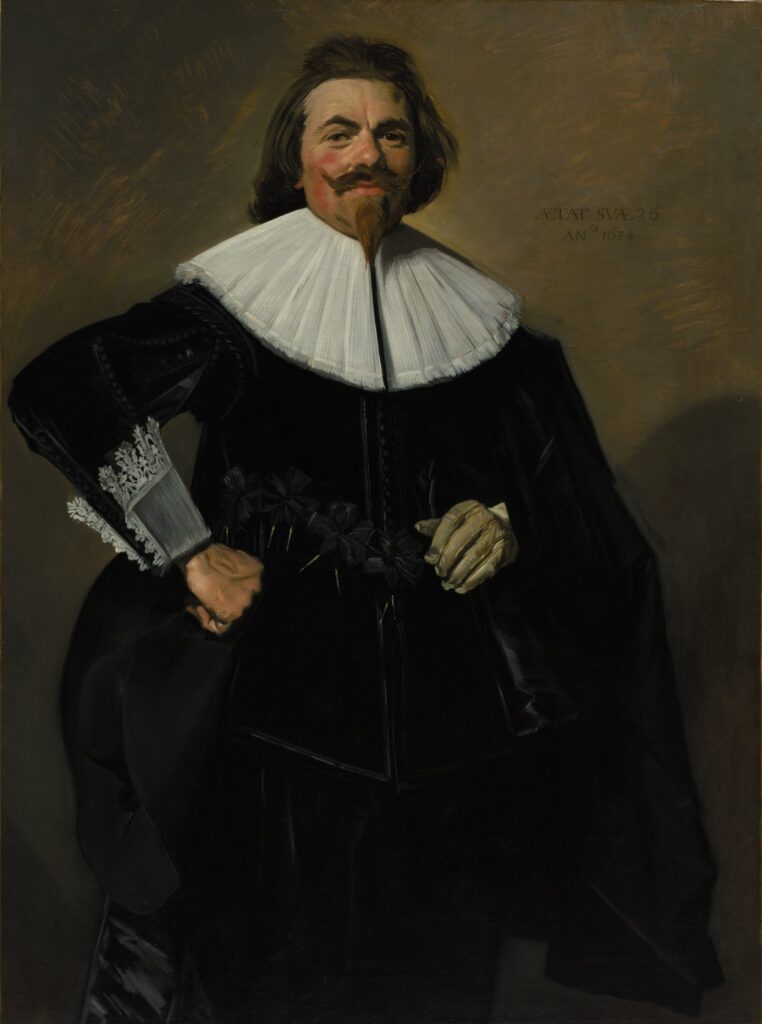
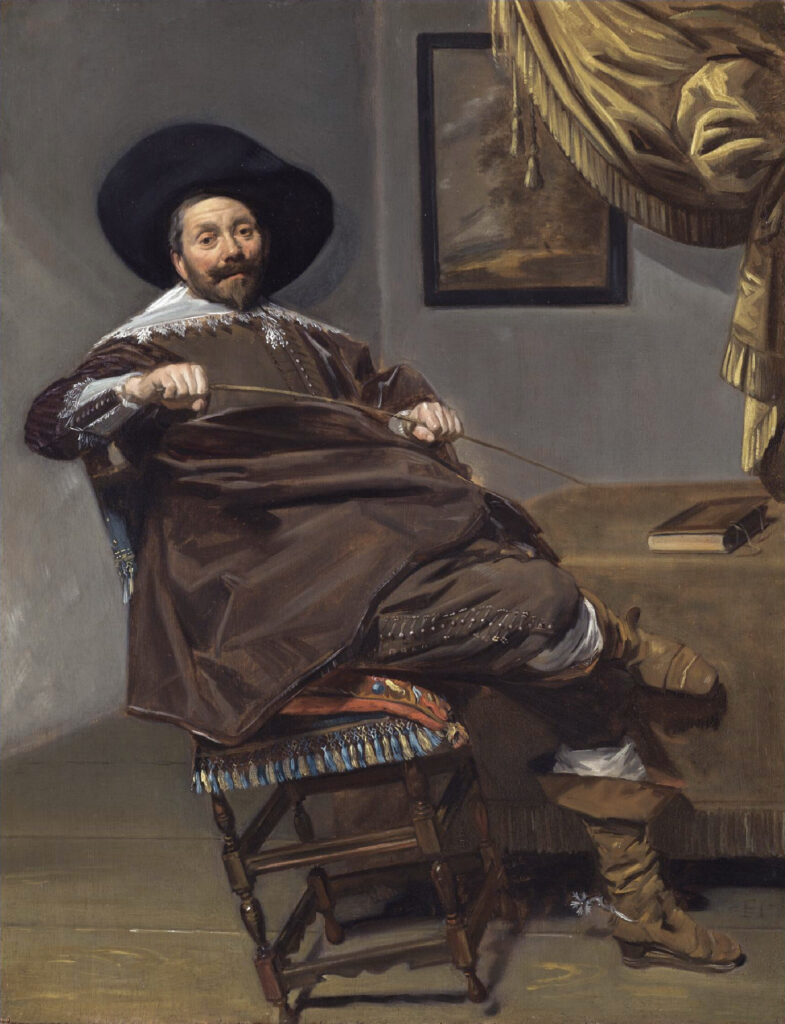
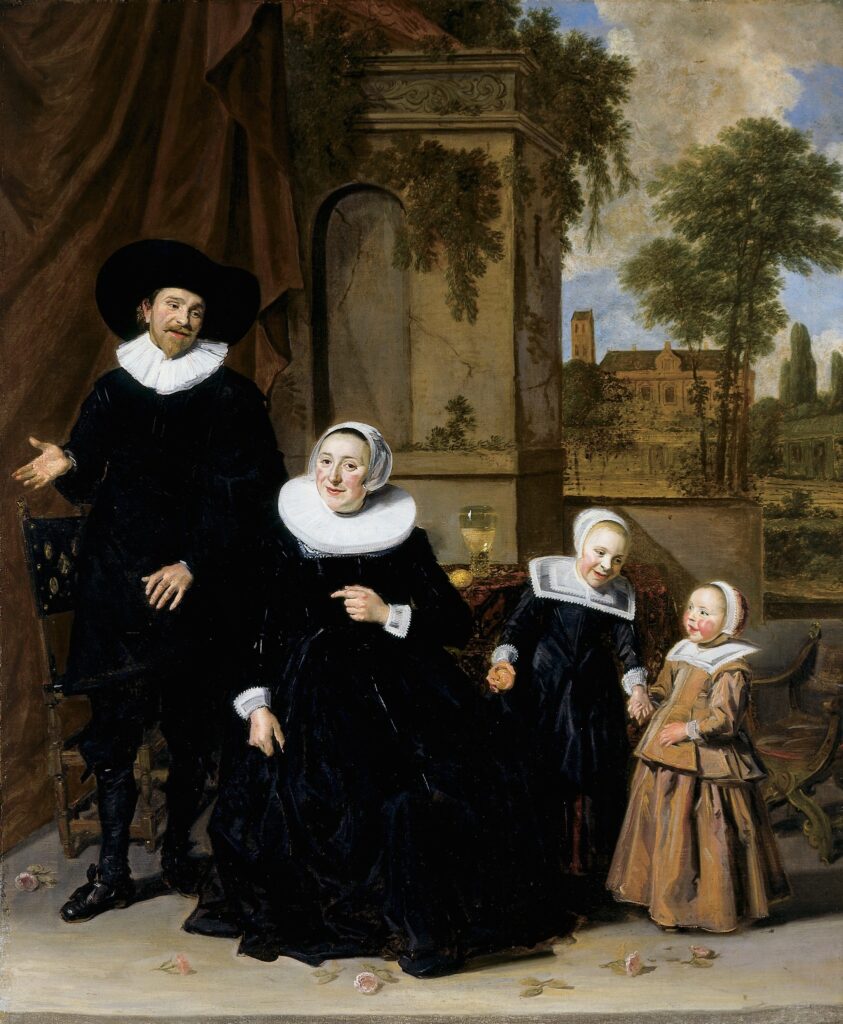
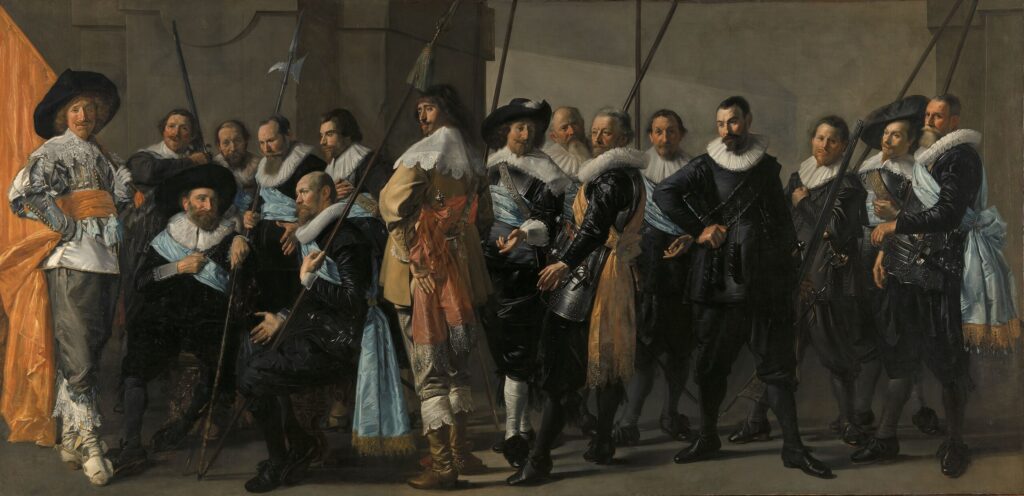
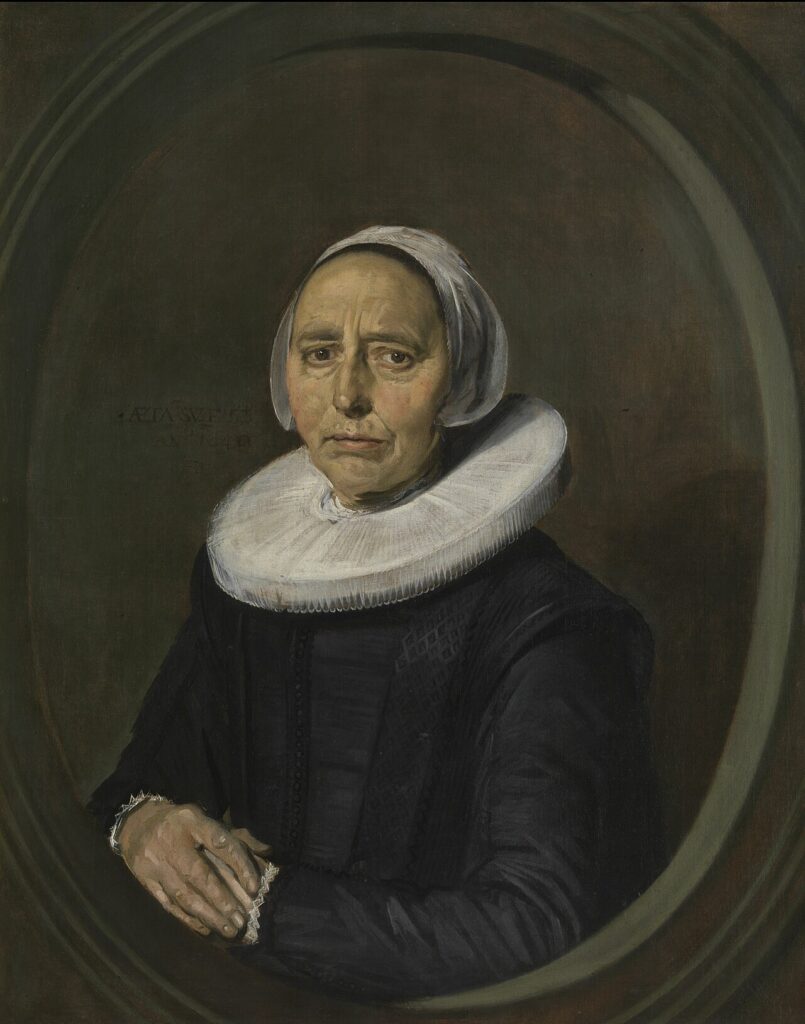
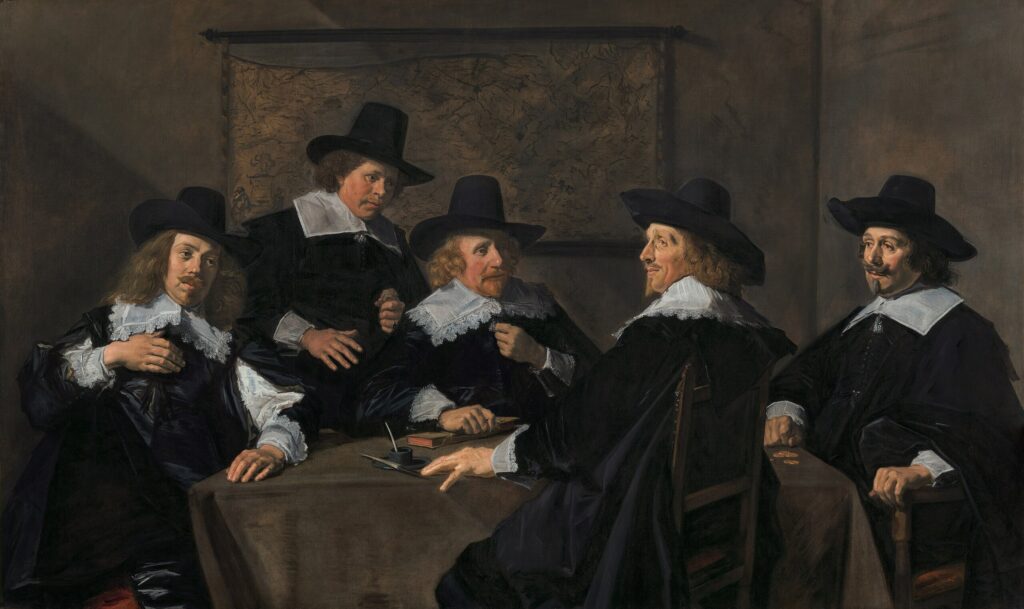
Frans Hals, c 1582–August 26, 1666, was a Dutch painter born in Antwerp and active chiefly in Haarlem. His documented training is uncertain, though the biographer Arnold Houbraken reported that he studied with Karel van Mander. Hals joined Haarlem’s Guild of Saint Luke by 1610.
Hals specialized in portraits, civic-guard group portraits, and genre figures. He was associated with Haarlem’s artistic community and served in the Saint George civic guard. His pupils and workshop associates included his sons Harmen, Frans the Younger, Reynier, and Nicolaes Hals; Judith Leyster is also traditionally linked with his circle.
Hals experienced financial difficulties late in life and received municipal assistance from Haarlem. He died there in 1666. His direct brushwork and animated portraiture influenced later painters, and the largest concentration of his civic-guard and regent portraits is preserved at the Frans Hals Museum.







Maurice Brazil Prendergast
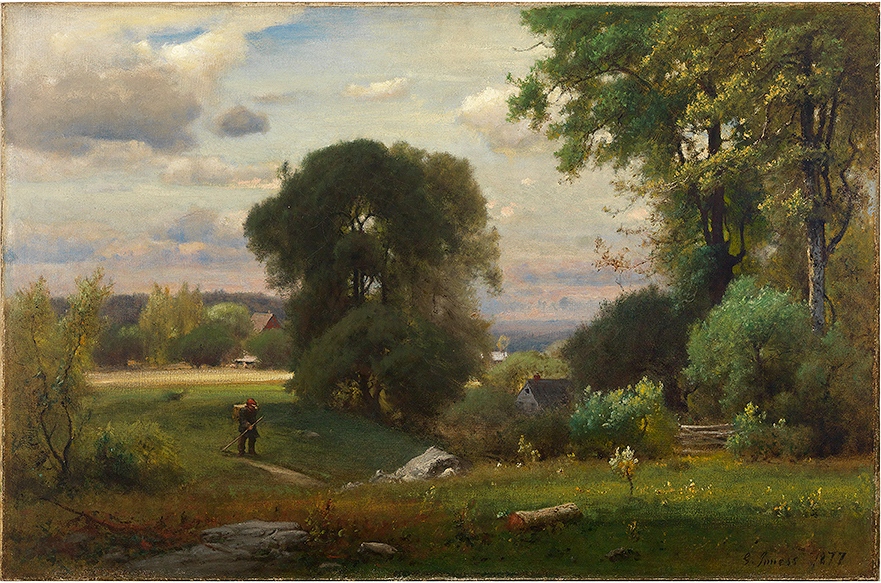
Maurice Brazil Prendergast, October 10, 1858 – February 1, 1924, was an American painter born in St. John’s, Newfoundland. His family moved to Boston in 1868, and he later studied in Paris with Gustave Courtois at the Académie Colarossi and at the Académie Julian.
Prendergast worked in watercolor, monotype, and oil, often depicting parks, beaches, city streets, and scenes of public leisure. He exhibited with The Eight in 1908, served on the selection committee for the 1913 Armory Show, and developed a post-impressionist style marked by flattened forms, strong outlines, and patterned color.
Prendergast moved to New York with his artist brother Charles in 1914 and remained there until his death. His work is held by the National Gallery of Art, Smithsonian American Art Museum, Metropolitan Museum of Art, Museum of Fine Arts, Boston, and Whitney Museum of American Art.


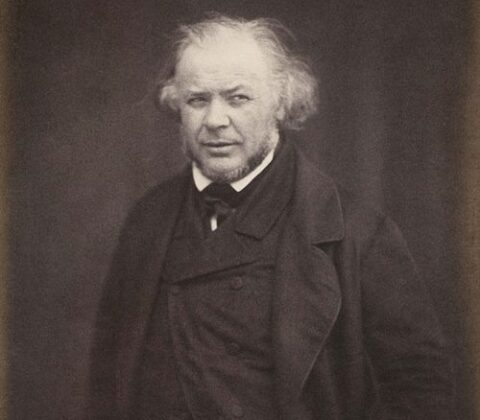
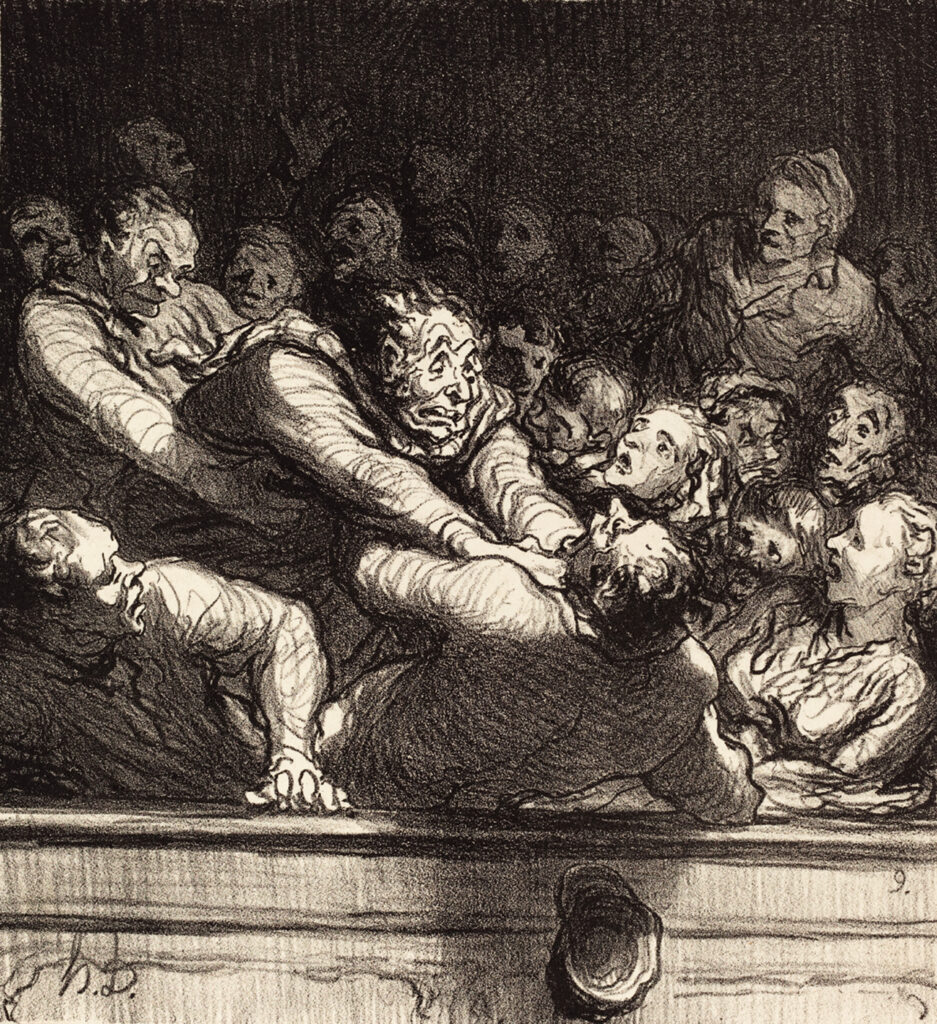
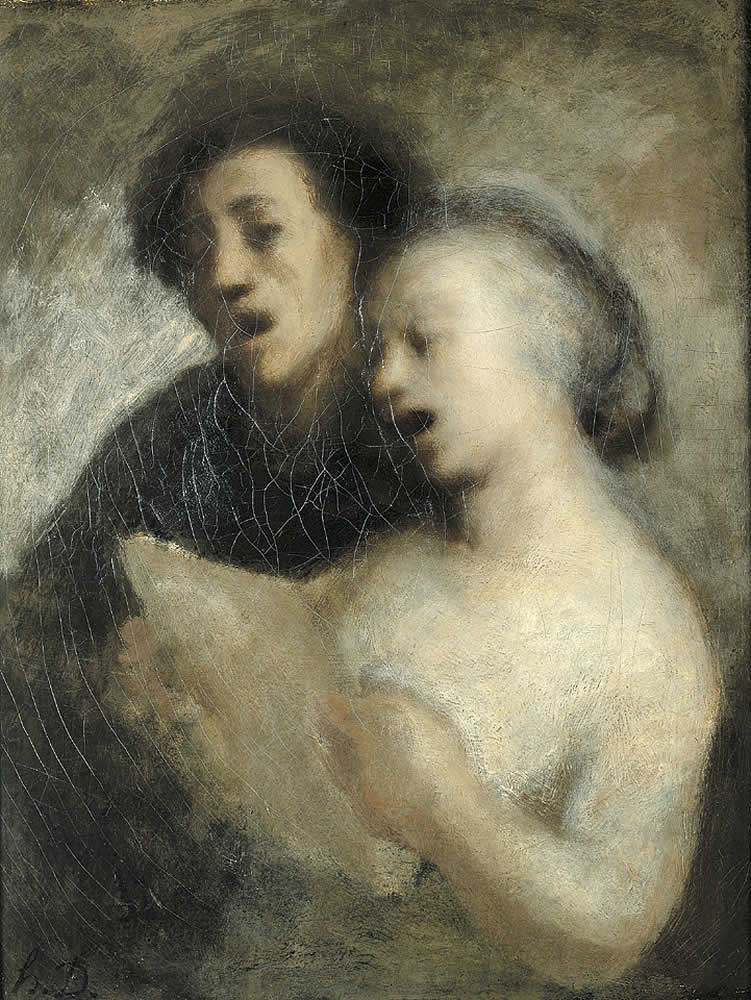
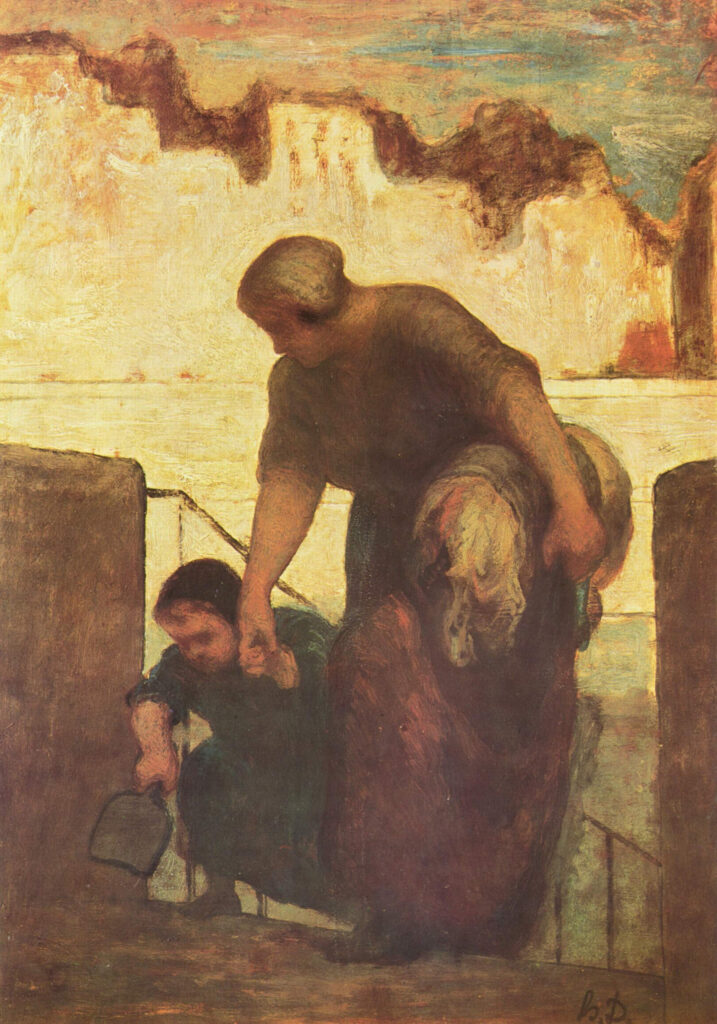
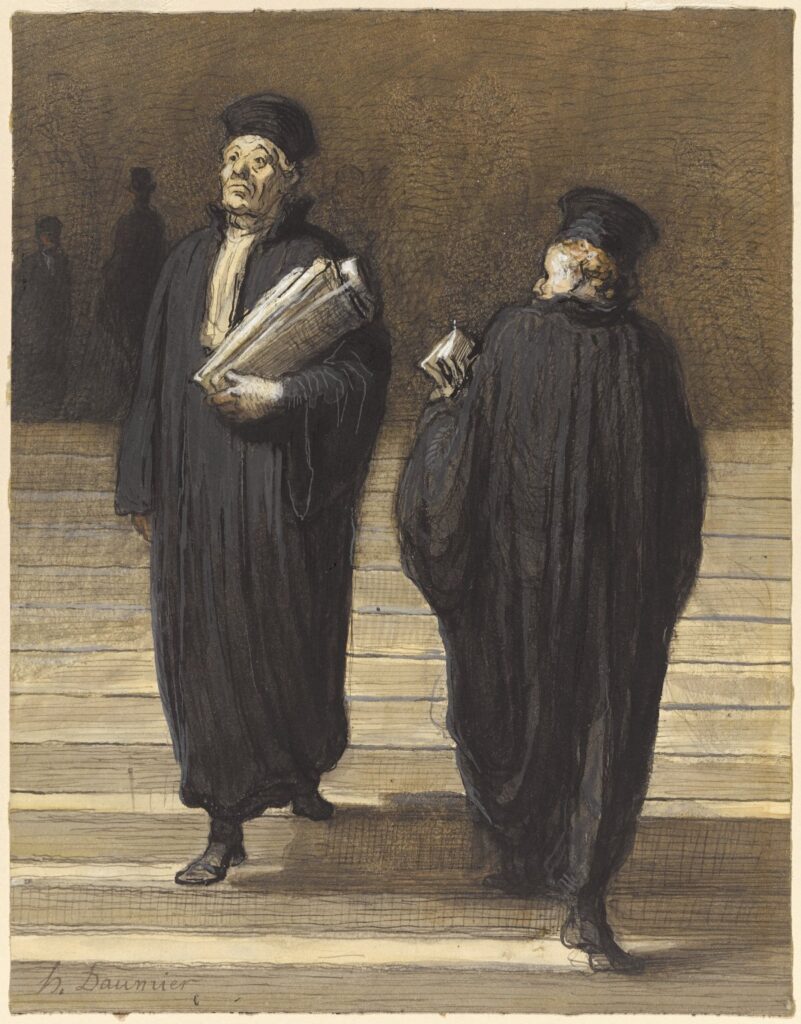
Honoré Daumier
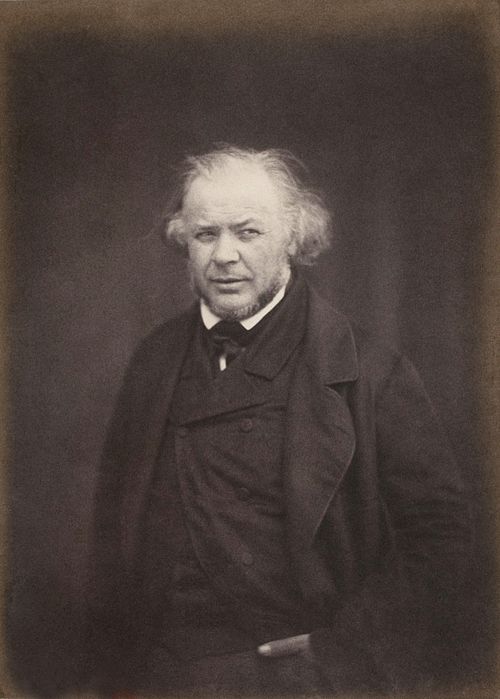
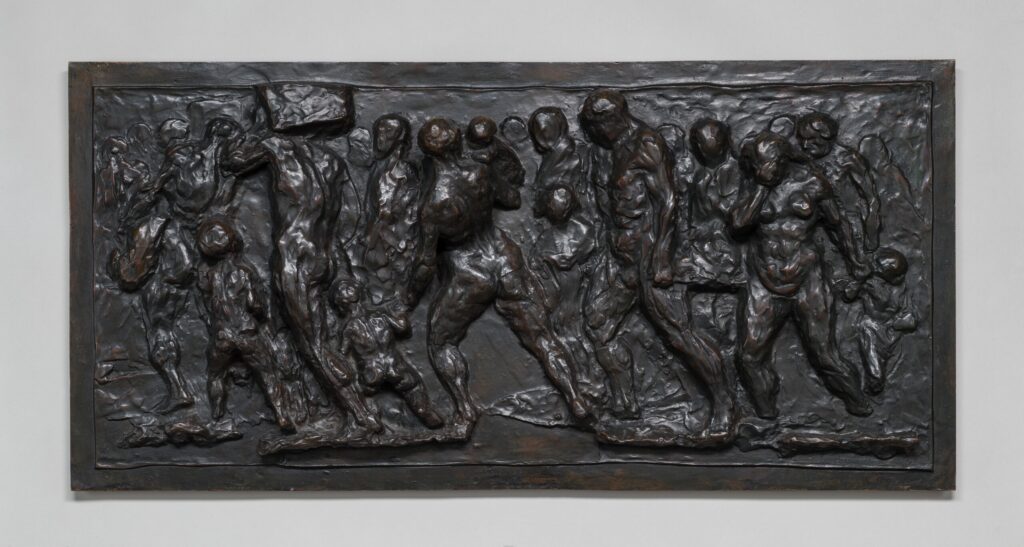
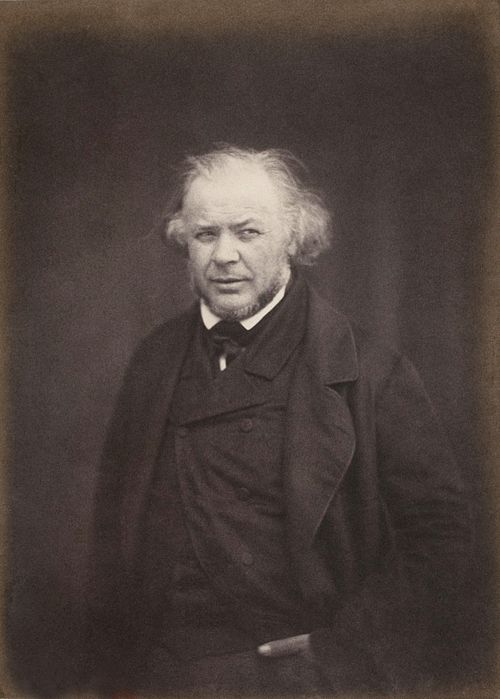
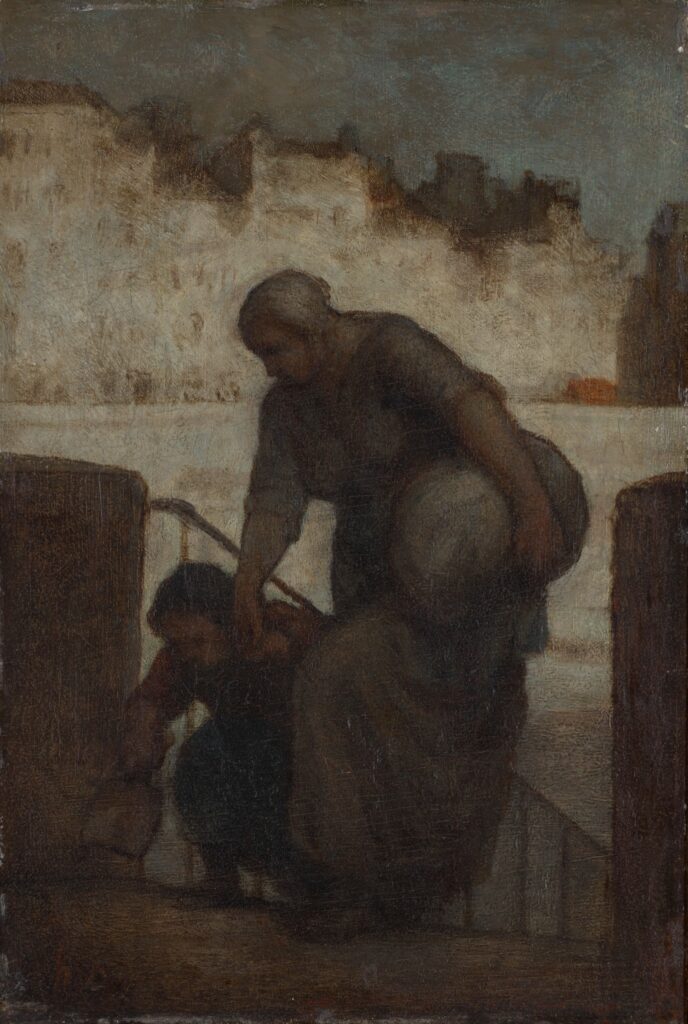
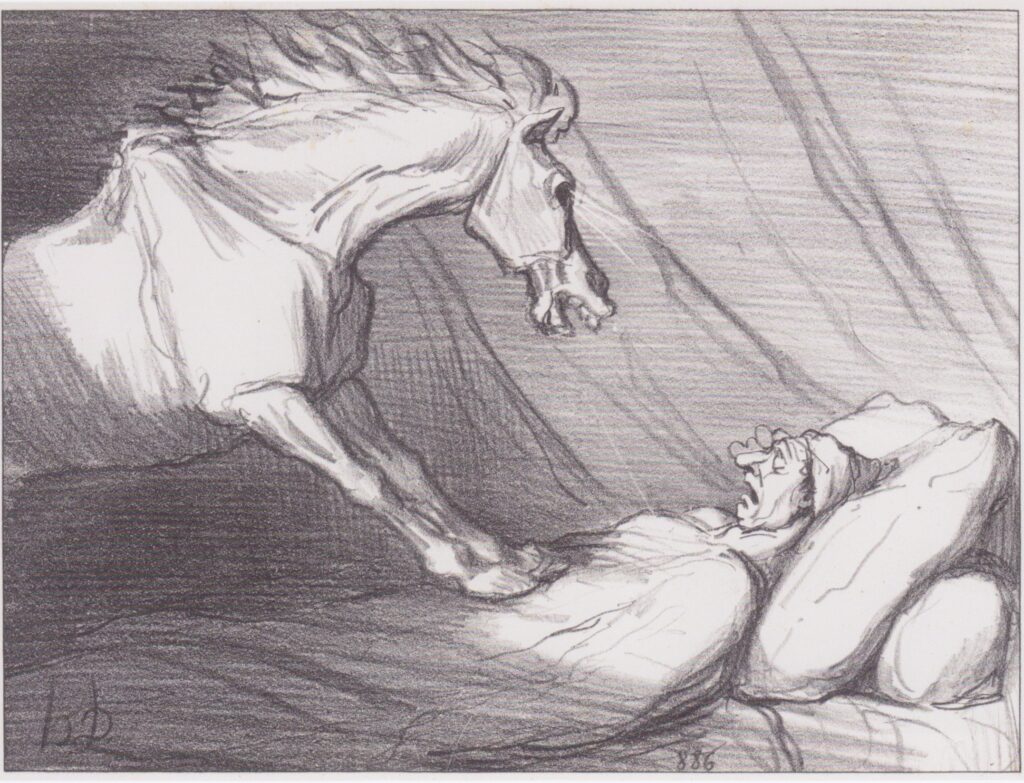
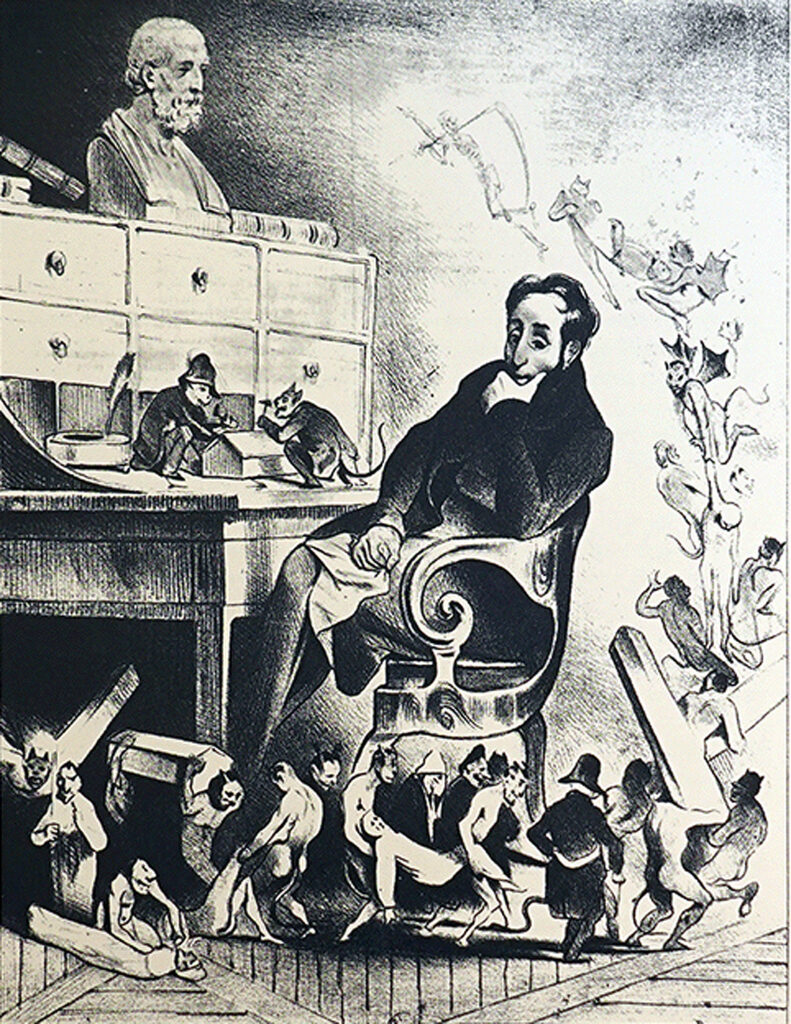
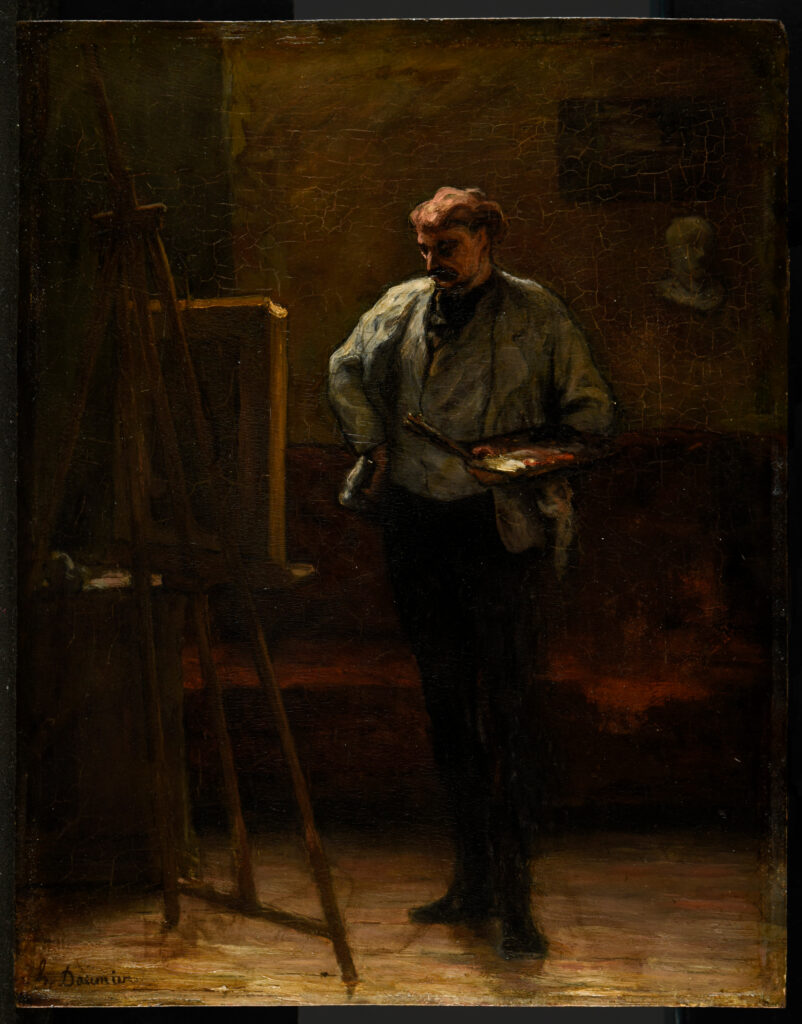
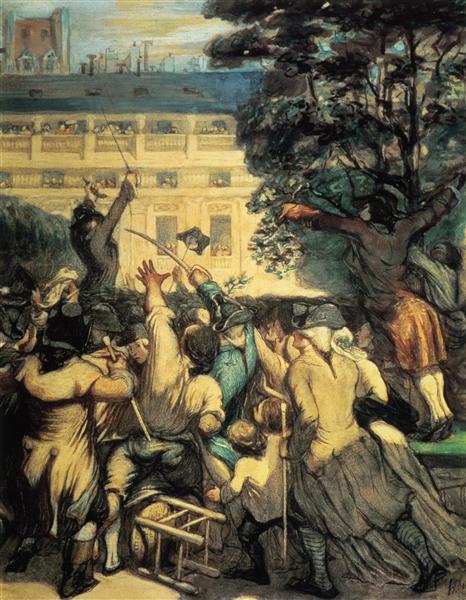
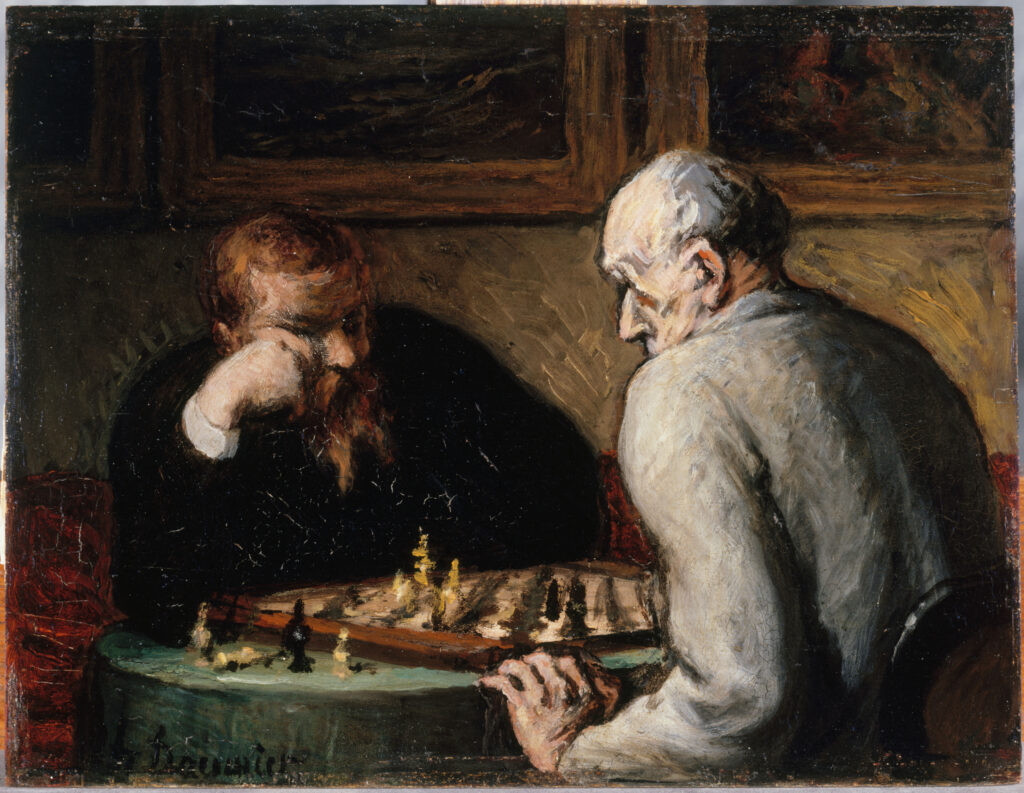
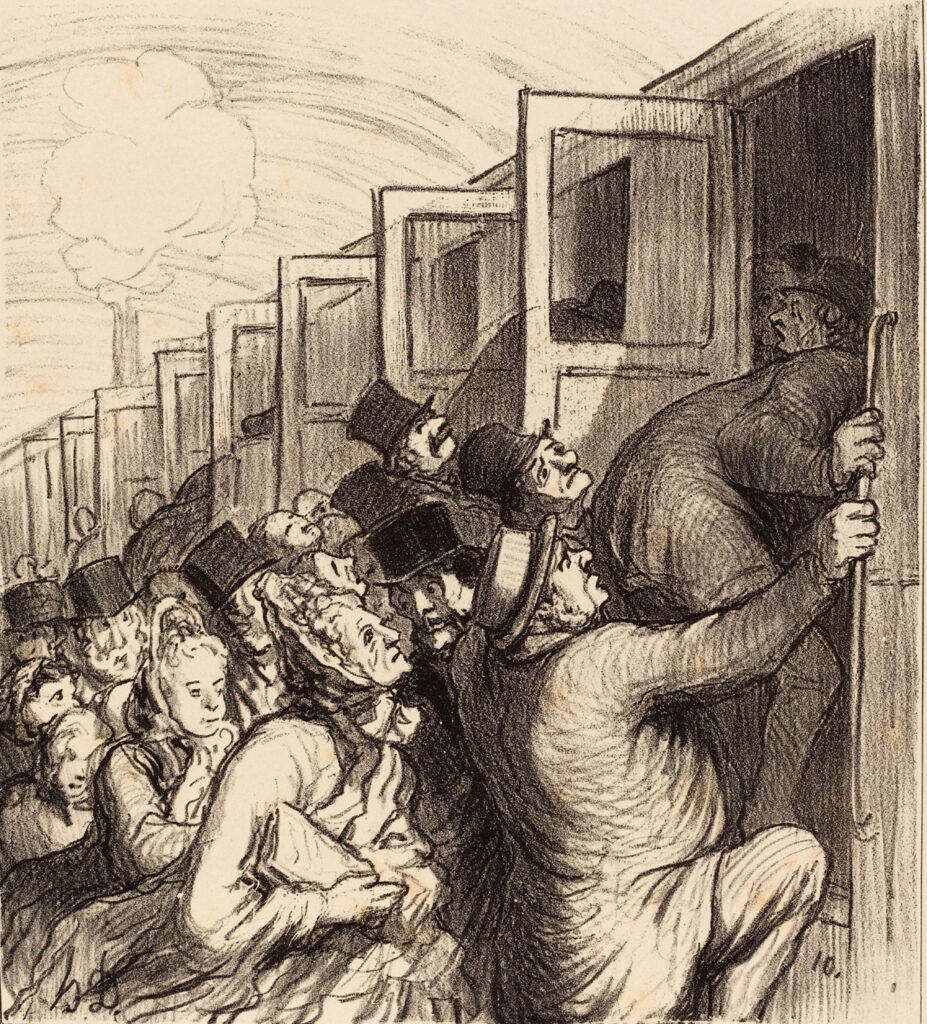
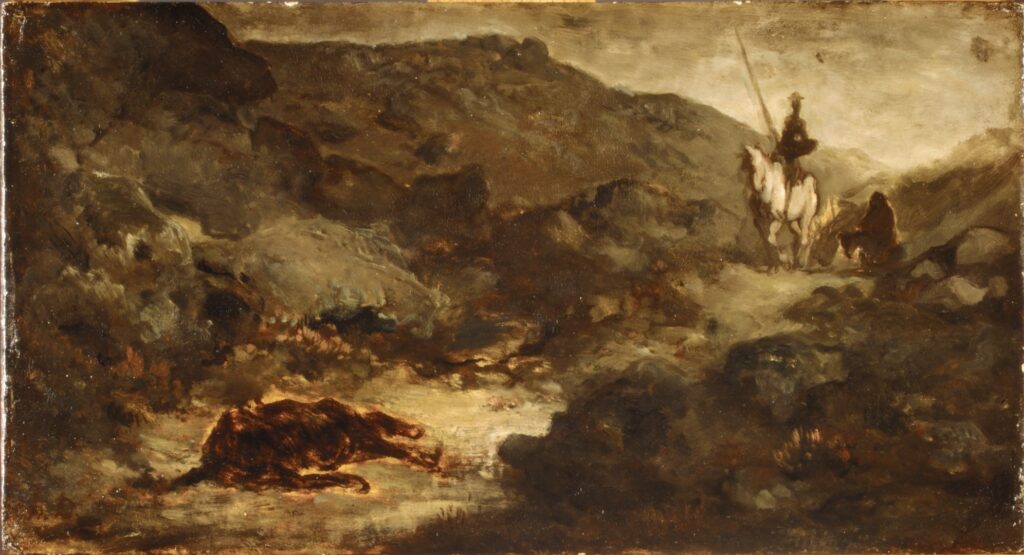
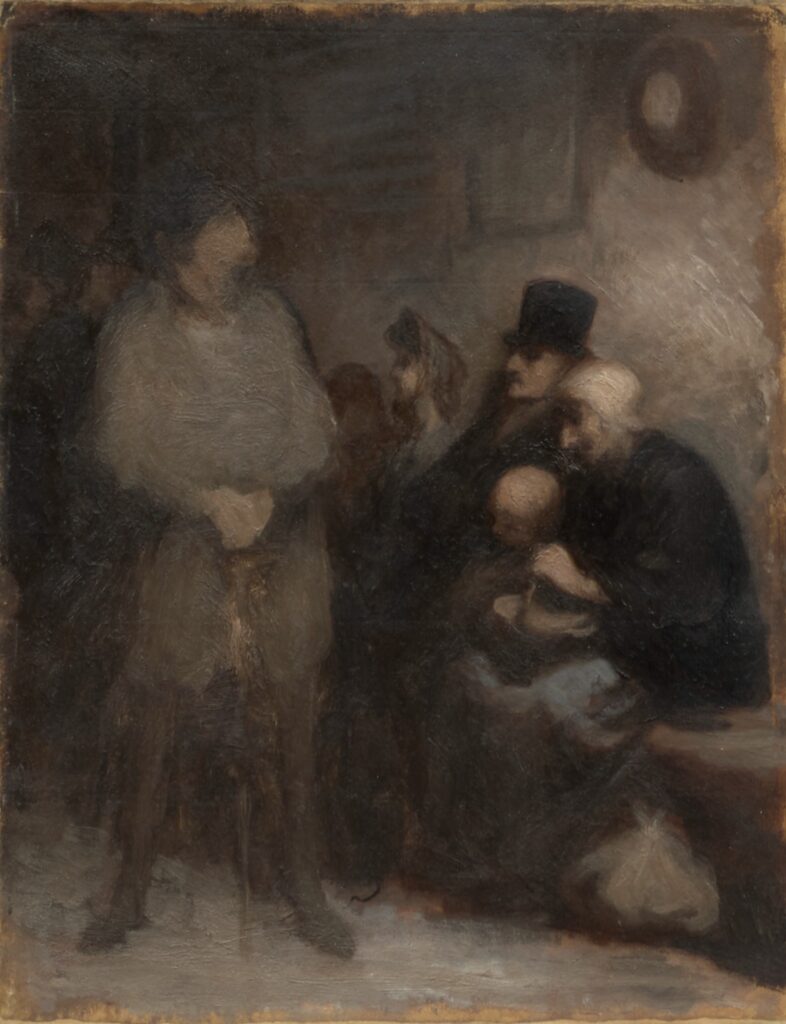
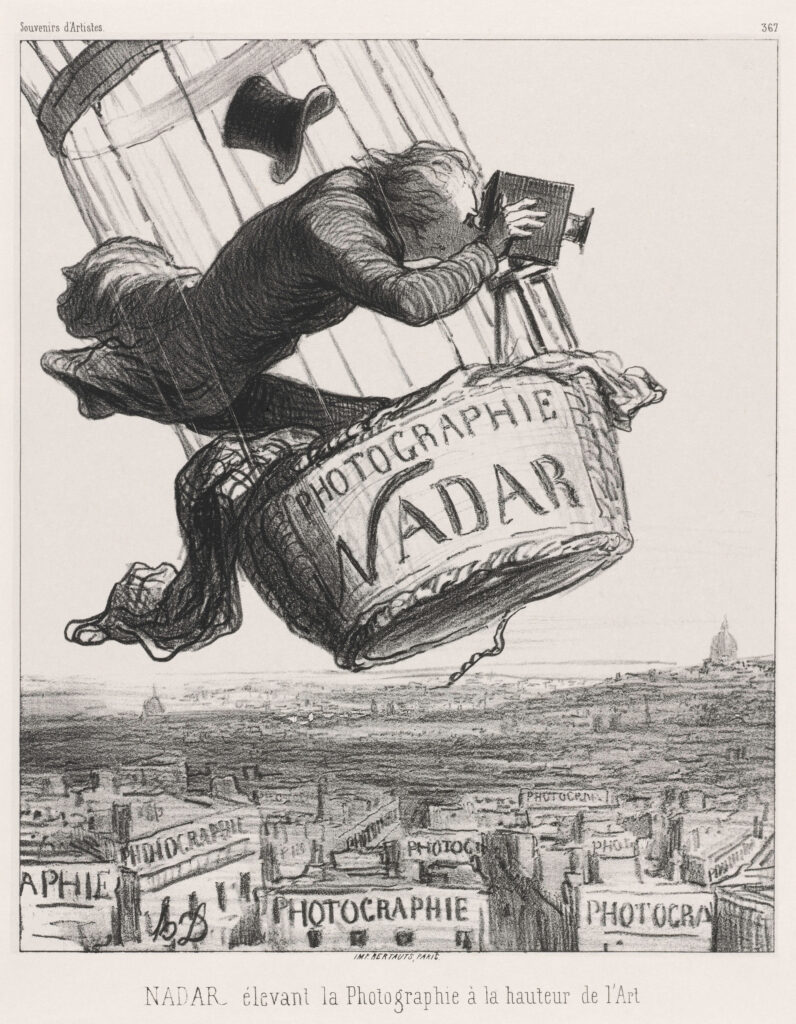
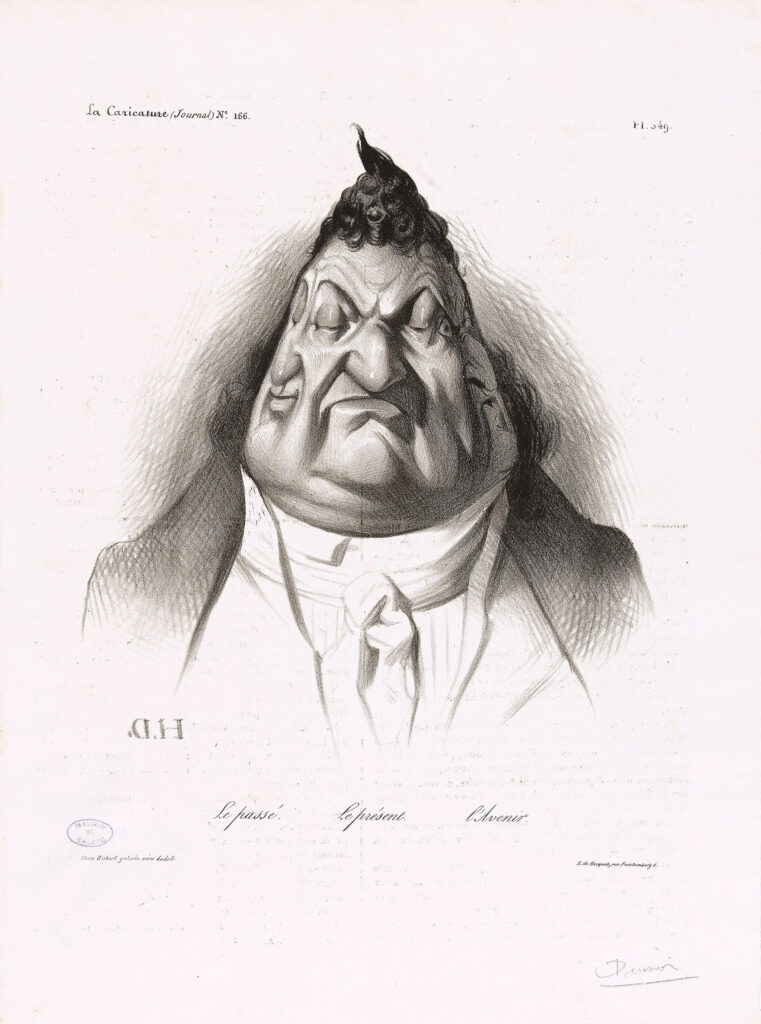
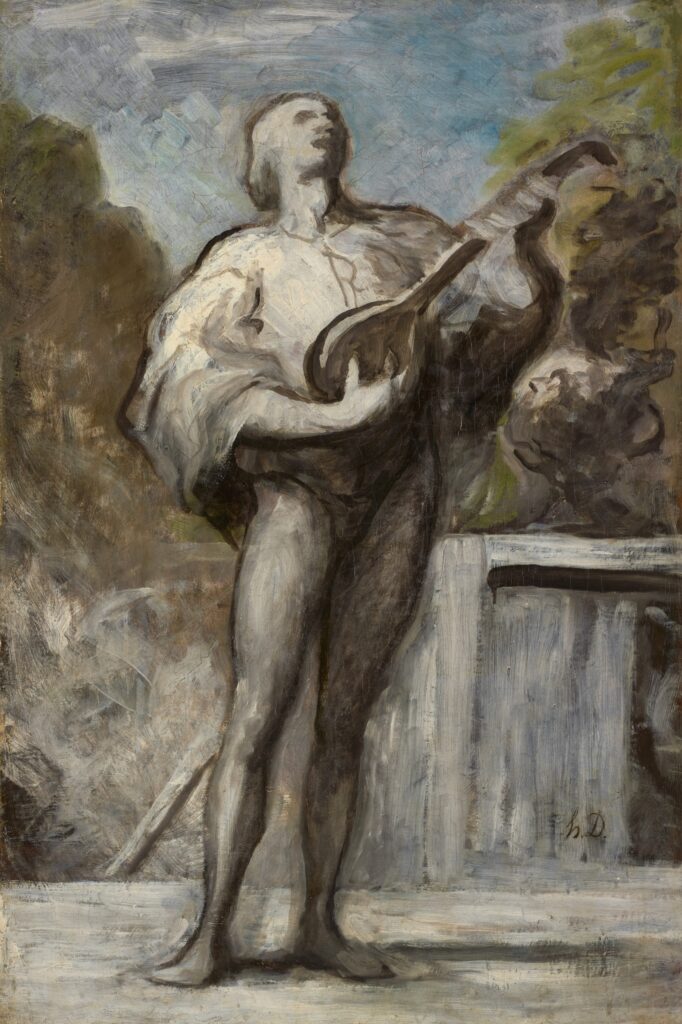
Honoré Daumier, February 26, 1808–February 10 or 11, 1879, was a French painter, sculptor, draftsman and lithographer born in Marseille. His family moved to Paris in 1816. He studied with Alexandre Lenoir and at the Académie Suisse, copied works in the Louvre and learned lithography while working with Zéphirin Belliard.
Daumier contributed political and social caricatures to Charles Philipon’s journals La Caricature and Le Charivari. His caricature of Louis-Philippe led to imprisonment in 1832. Alongside his printmaking, he made paintings, drawings and sculptures depicting lawyers, workers, performers and literary subjects, including Don Quixote. He maintained contacts with Eugène Delacroix, Jean-François Millet and Camille Corot.
Failing eyesight restricted Daumier’s work during the 1870s, when he lived at Valmondois. A major exhibition was held at Durand-Ruel in 1878, and he died at Valmondois the following year. His works are held by the Musée d’Orsay, the Metropolitan Museum of Art, the National Gallery of Art, the Rijksmuseum and other collections.
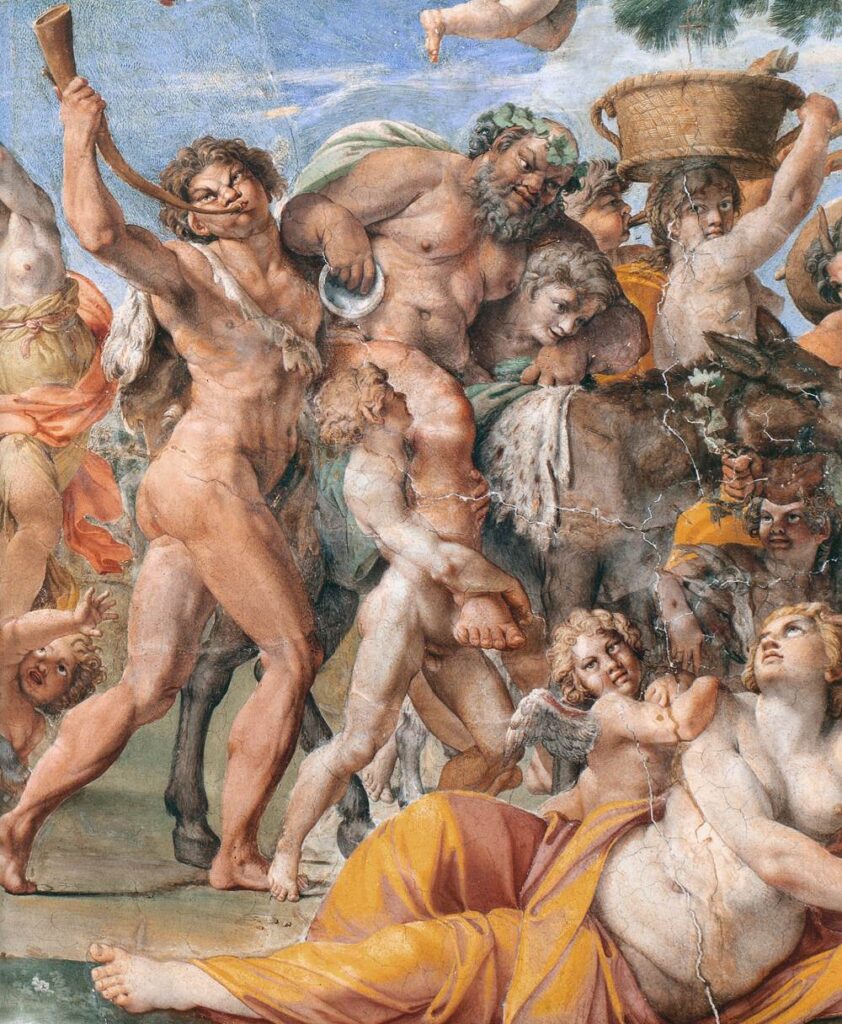
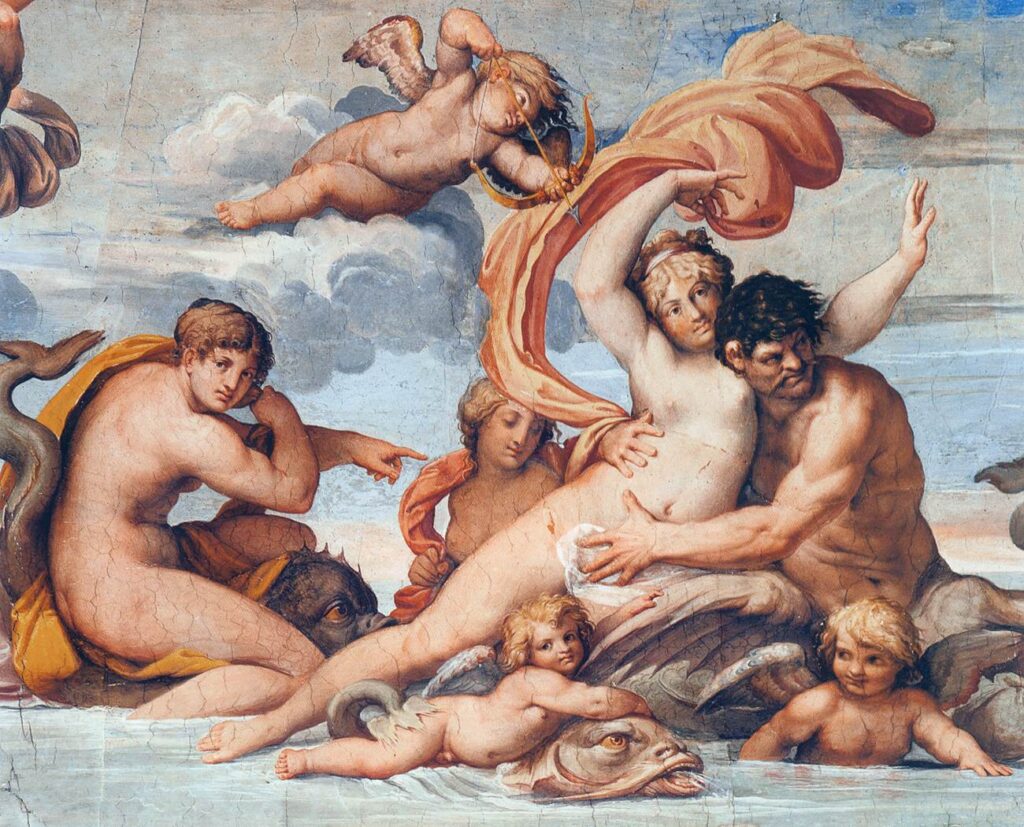
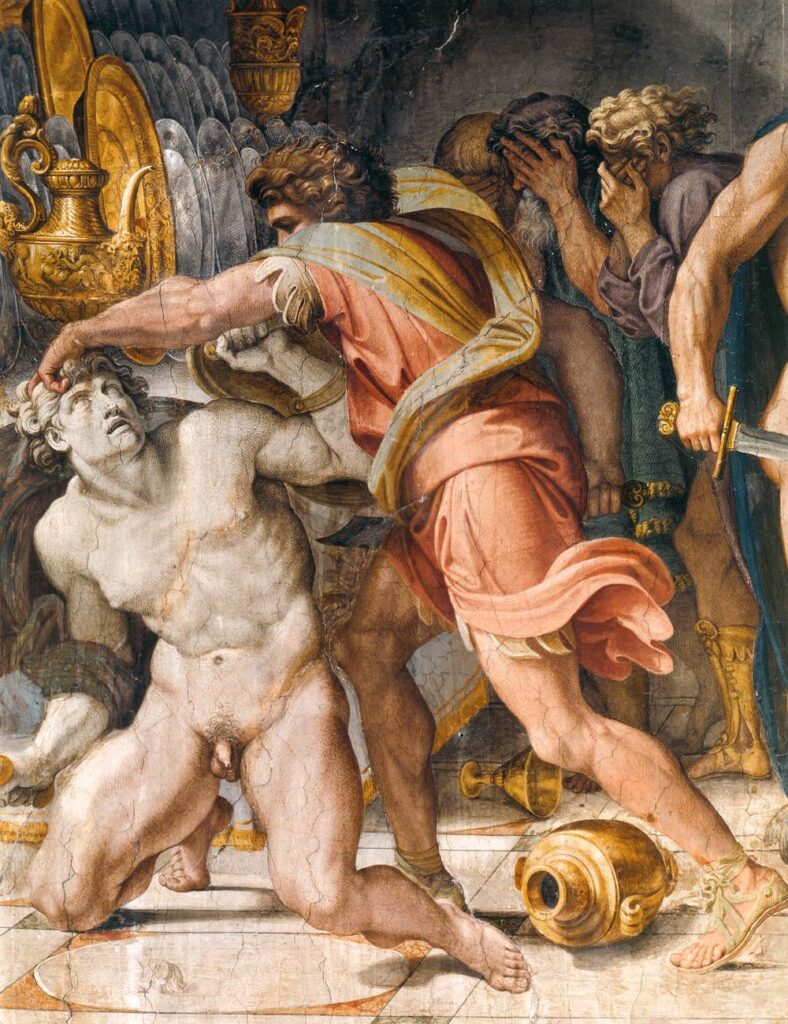
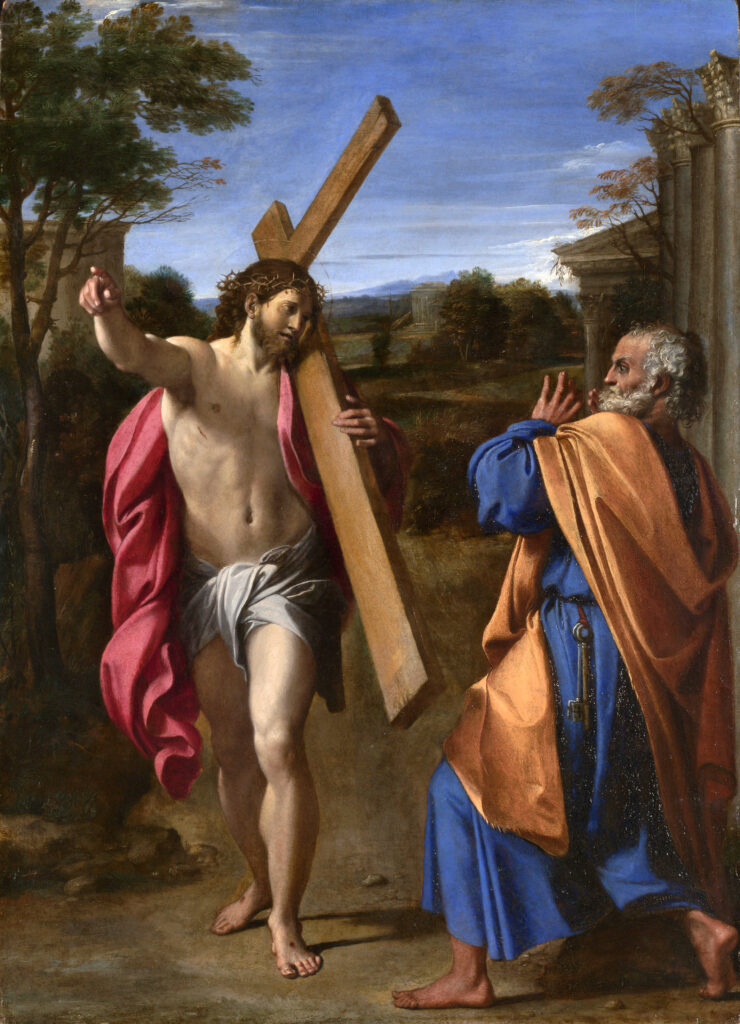
Annibale Carracci
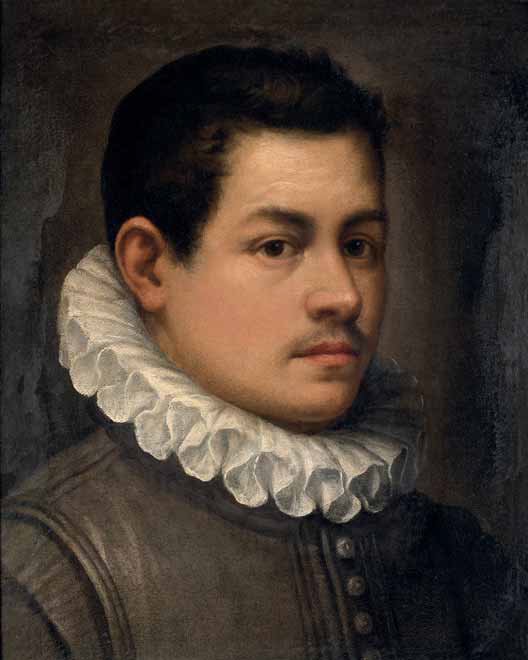
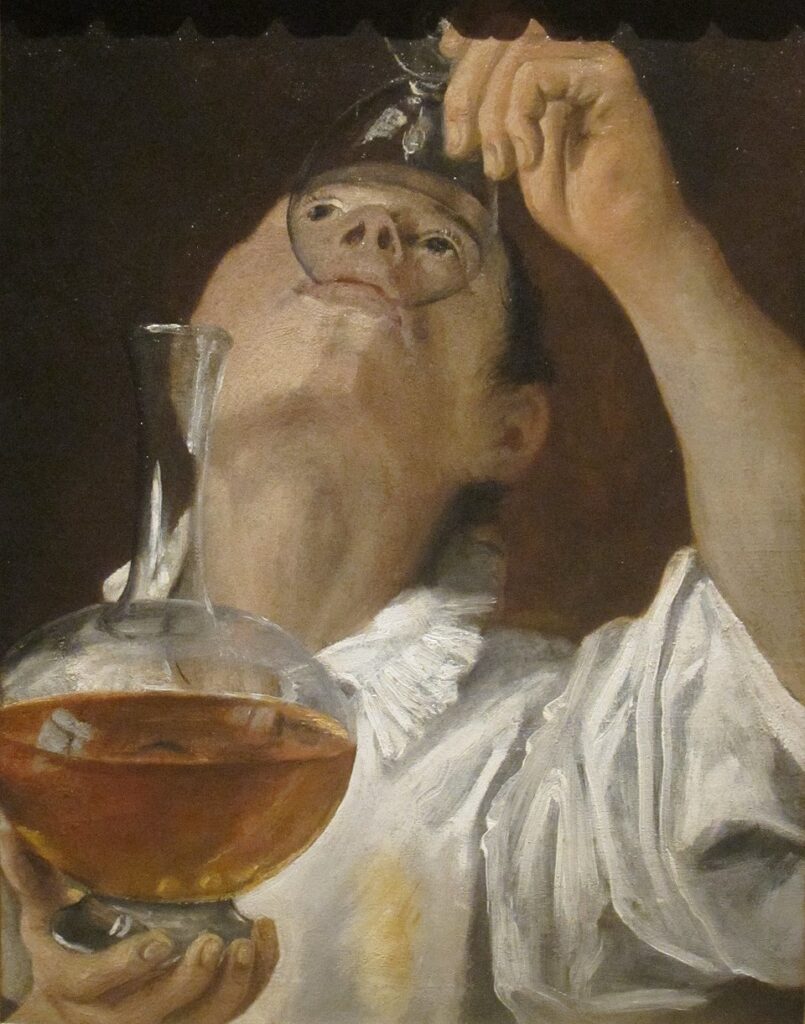
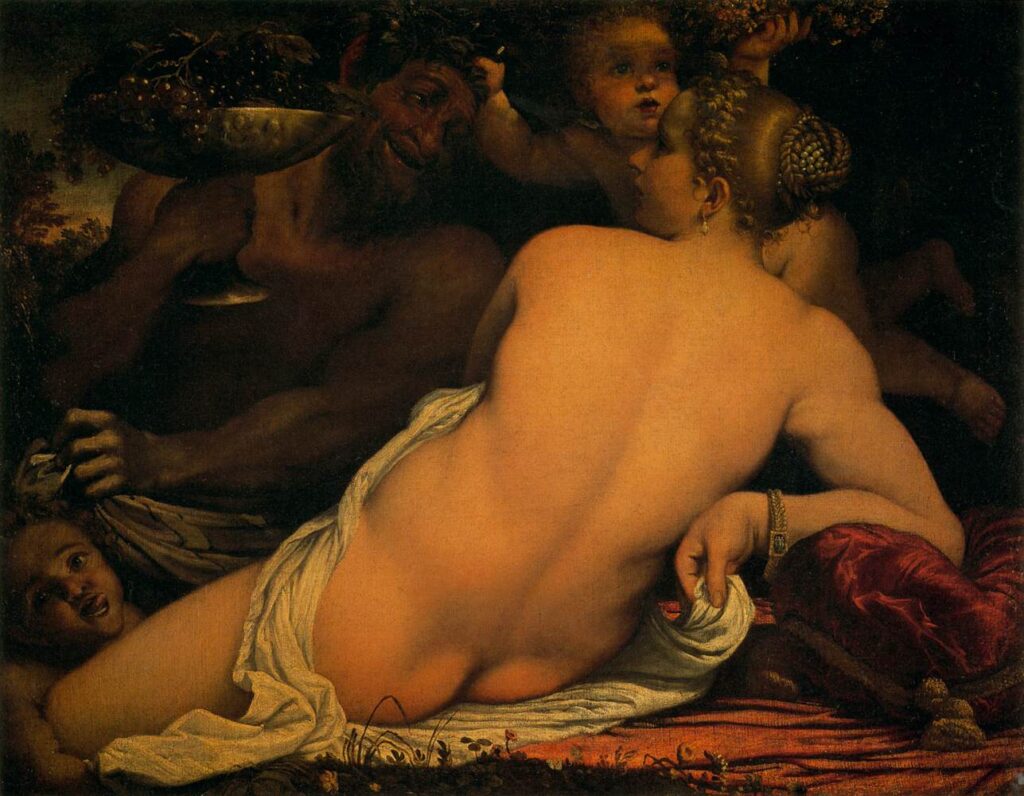
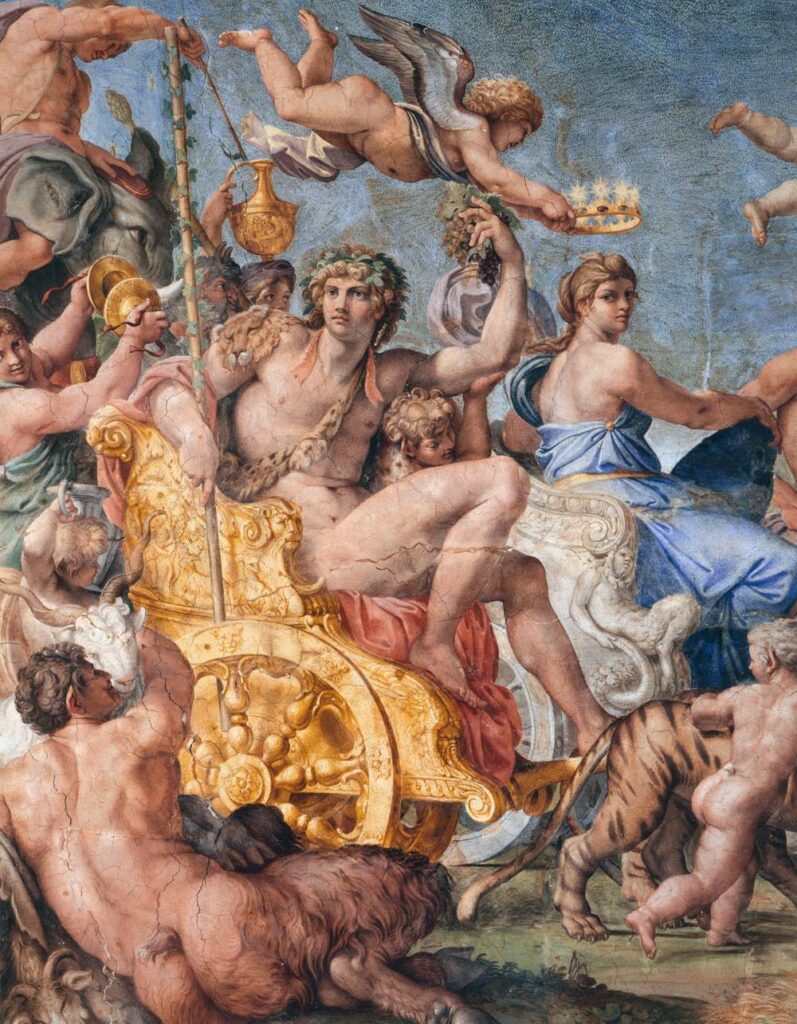
Annibale Carracci, November 3, 1560 – July 15, 1609, was an Italian painter and draftsman born in Bologna. His early training is not securely documented; he worked closely with his older brother Agostino and his cousin Ludovico, with whom he established the Accademia degli Incamminati, where instruction emphasized drawing from life and the study of earlier Italian masters.
Carracci worked in Bologna before moving to Rome in 1595 to serve Cardinal Odoardo Farnese. His painting combined close observation of nature with the study of Correggio, Titian, Veronese, Raphael, Michelangelo, and classical antiquity; his major Roman undertaking was the fresco decoration of the Farnese Gallery. The Carracci academy and his Roman workshop were associated with painters including Domenichino, Francesco Albani, Guido Reni, and Giovanni Lanfranco.
Ill health sharply reduced Carracci’s activity during his final years, and he died in Rome in 1609; he was buried in the Pantheon near Raphael. His work is held by major collections including the Metropolitan Museum of Art, National Gallery, Uffizi Gallery, Pinacoteca di Brera, and other European and American museums, and the Farnese Gallery remained an important model for seventeenth-century decorative painting.