Posts in Category: Spanish
Juan Gris
Juan Gris, March 23, 1887–May 11, 1927, was a Spanish painter born in Madrid. He studied engineering at the Madrid School of Arts and Manufactures from 1902 to 1904, then studied painting with José Moreno Carbonero.
He moved to Paris in 1906 and began painting seriously around 1910. He developed a personal Cubist style, exhibited in 1912, and signed an exclusive agreement with art dealer Daniel-Henry Kahnweiler that year.
Gris became a major practitioner of Synthetic Cubism, using collage and clearly organized compositions. His style became freer and more lyrical after 1921; he died in Boulogne-sur-Seine in 1927. His works are held by collections including the Metropolitan Museum of Art, the National Gallery of Art, and the Philadelphia Museum of Art.


Luis Egidio Meléndez
Luis Egidio Meléndez, Spanish painter, 1716–1780


Francisco de Zurbarán
Francisco de Zurbarán, November 7, 1598 – August 27, 1664, was a Spanish painter born in Fuente de Cantos in Extremadura. He was apprenticed in Seville to Pedro Díaz de Villanueva and established an early workshop in Llerena before returning to Seville.
Zurbarán became closely associated with the city’s religious institutions and received major commissions from the Dominicans, Mercedarians, Franciscans, and Carthusians. He specialized in devotional paintings, monastic subjects, saints, portraits, and still lifes, using sharply defined forms and strong contrasts of light and shadow.
Zurbarán moved to Madrid during the 1650s and remained there until his death. His paintings are held in major collections including the Museo Nacional del Prado, National Gallery in London, Metropolitan Museum of Art, and Museum of Fine Arts of Seville.


Jusepe de Ribera
Jusepe de Ribera, January 12, 1591–September 2, 1652, was a Spanish painter and printmaker who spent most of his career in Italy. Born in Xàtiva near Valencia, he was documented in Parma by 1611 and in Rome by 1613; his early training is uncertain, and the traditional claim that he studied with Francisco Ribalta is unproven.
He settled permanently in Naples in 1616, married Caterina Azzolino, and worked for the Spanish viceroys and other Italian and Spanish patrons. He belonged to Rome’s Accademia di San Luca and maintained a Neapolitan workshop; Bartolomeo Passante, Francesco Fracanzano, Hendrick de Somer, and Luca Giordano are among the artists associated with his teaching or influence.
Principal holdings of his work are in the Museo Nacional del Prado, Museo e Real Bosco di Capodimonte, Musée du Louvre, National Gallery, London, The Metropolitan Museum of Art, and National Gallery of Art, Washington.







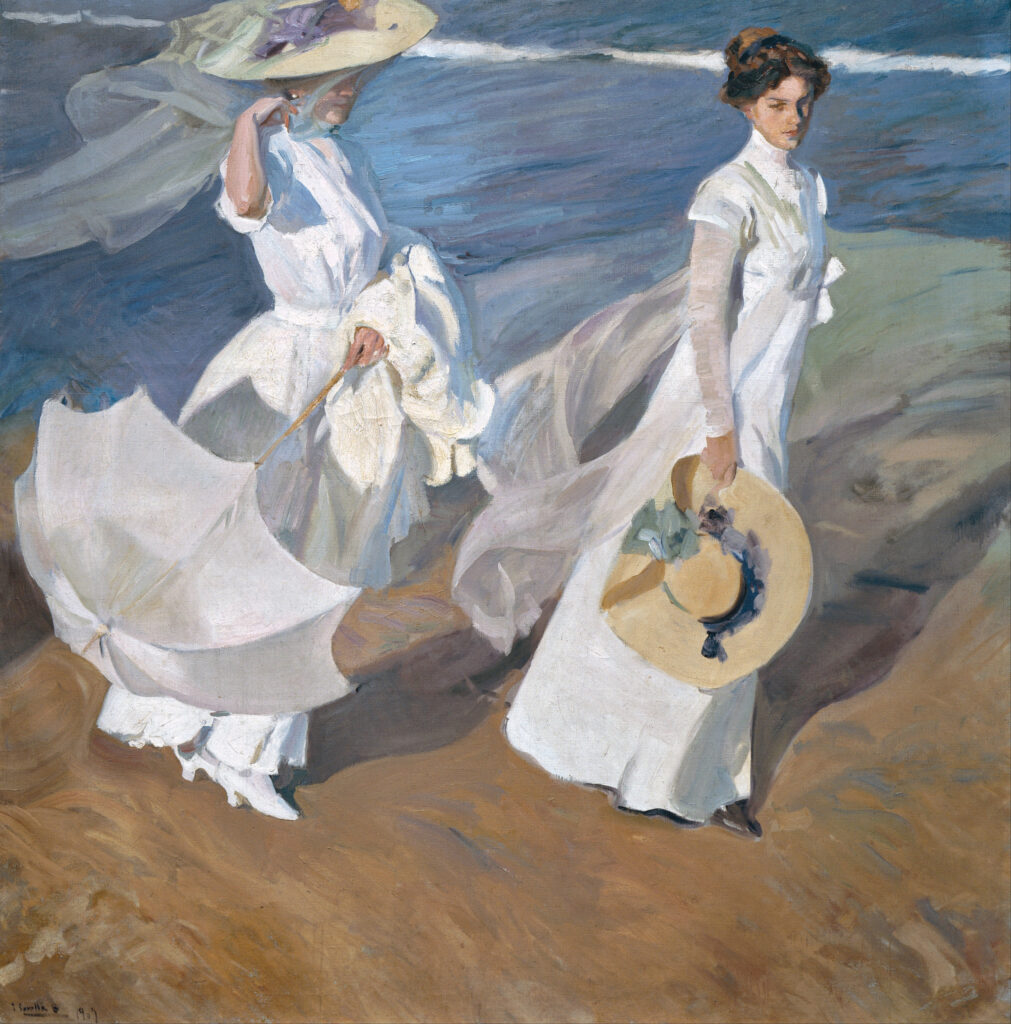
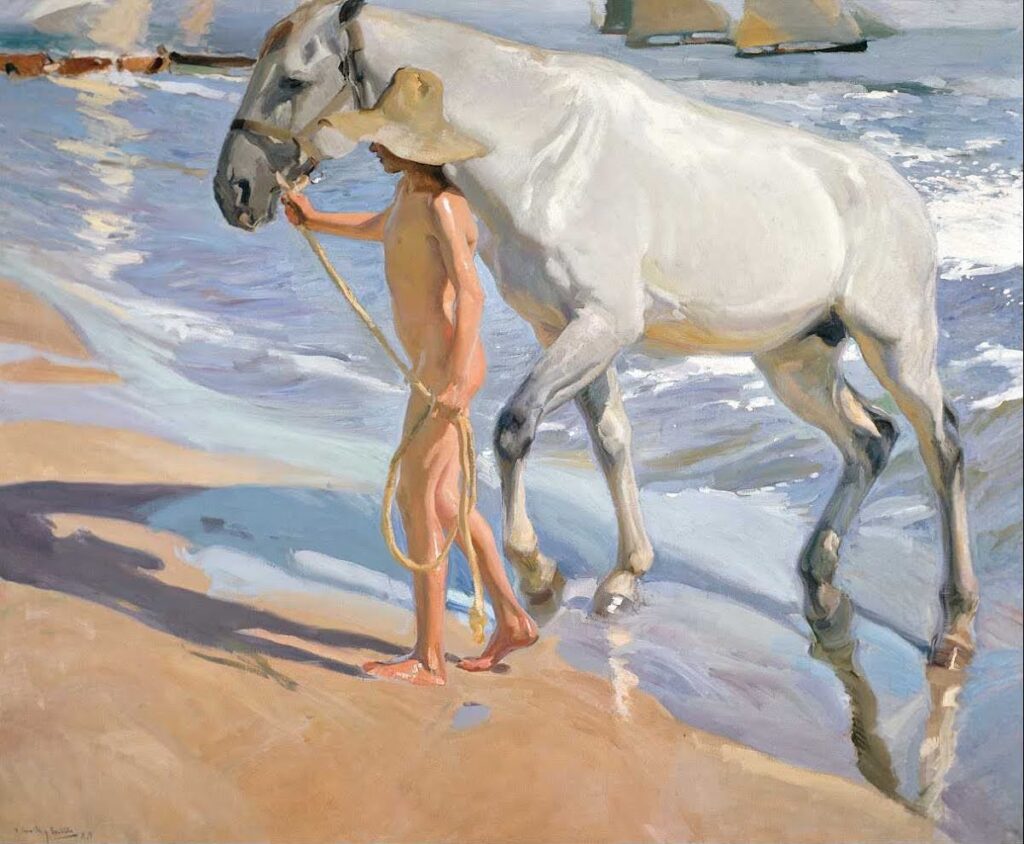
Joaquín Sorolla y Bastida
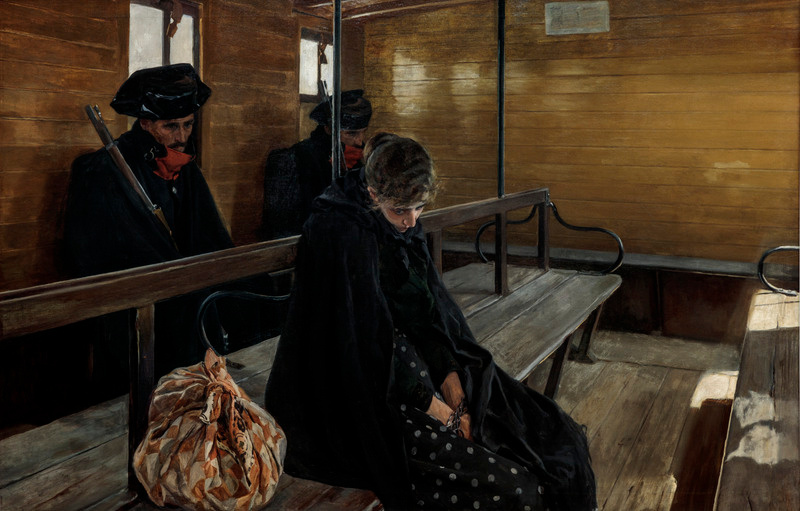
Joaquín Sorolla y Bastida, February 27, 1863–August 10, 1923, was a Spanish painter born in Valencia. Orphaned as a child, he was raised by an aunt and uncle. He trained at the School of Arts and Crafts and the Academy of San Carlos, where Gonzalo Salvá and Ignacio Pinazo introduced him to painting outdoors. A scholarship took him to Rome in 1885; he also studied contemporary painting in Paris.
Sorolla established his career in Madrid, painting portraits, landscapes, and scenes of working life, often outdoors. He received international awards and held exhibitions in Paris, London, and the United States. His 1909 exhibition at the Hispanic Society of America led to a close association with its founder, Archer Milton Huntington, who commissioned the fourteen-panel Vision of Spain.
A stroke in June 1920 ended Sorolla’s painting career. He died in Cercedilla in 1923. His widow, Clotilde García del Castillo, left their Madrid home and her collections to the Spanish state; the Sorolla Museum opened in 1932. His paintings are also held by the Museo Nacional del Prado, the Hispanic Society Museum & Library, The Metropolitan Museum of Art, and The San Diego Museum of Art.



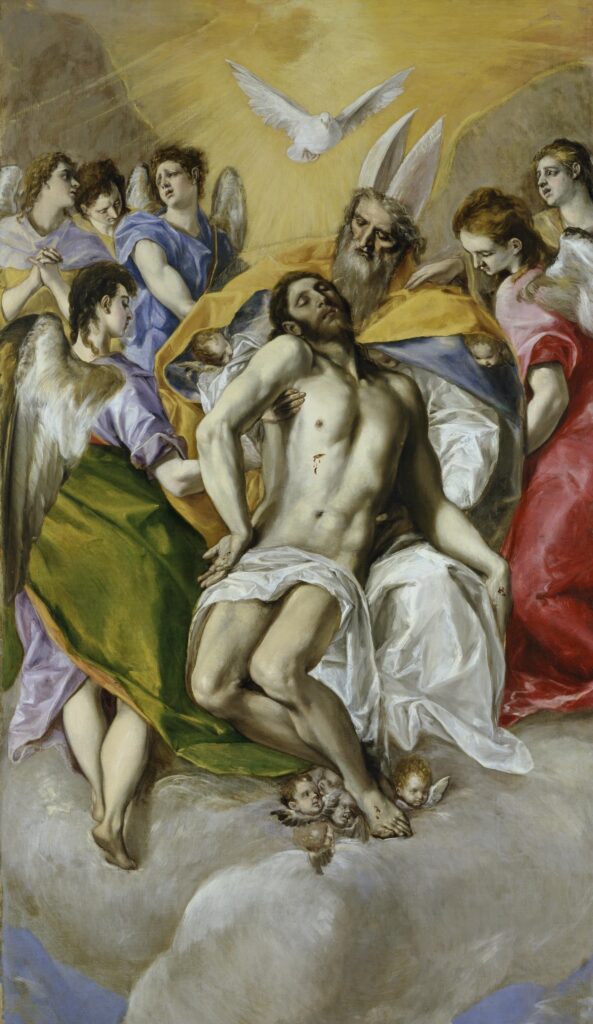
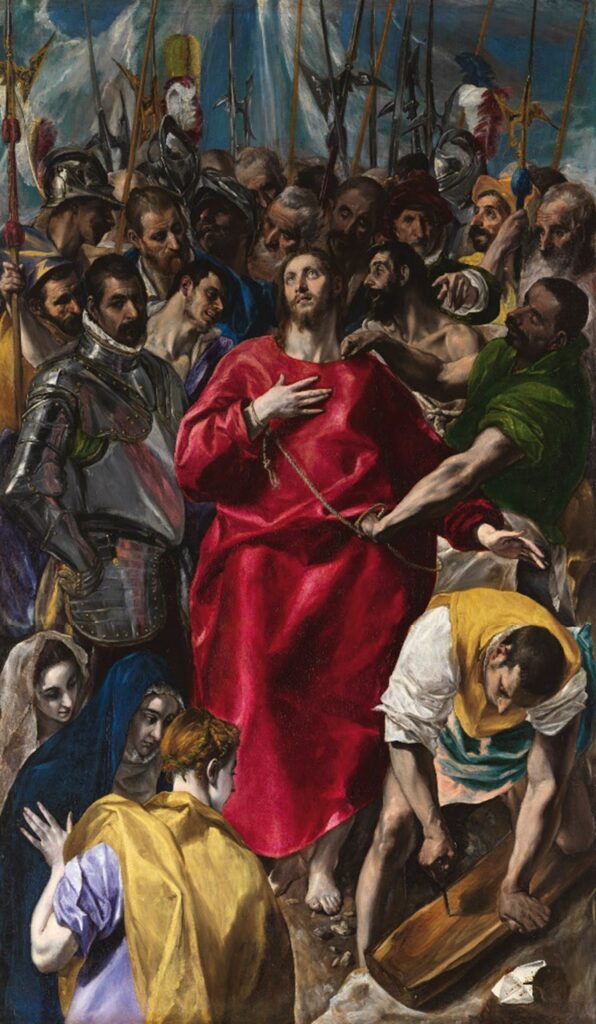
El Greco
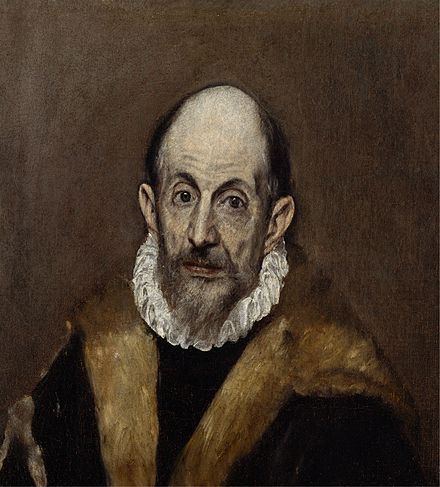
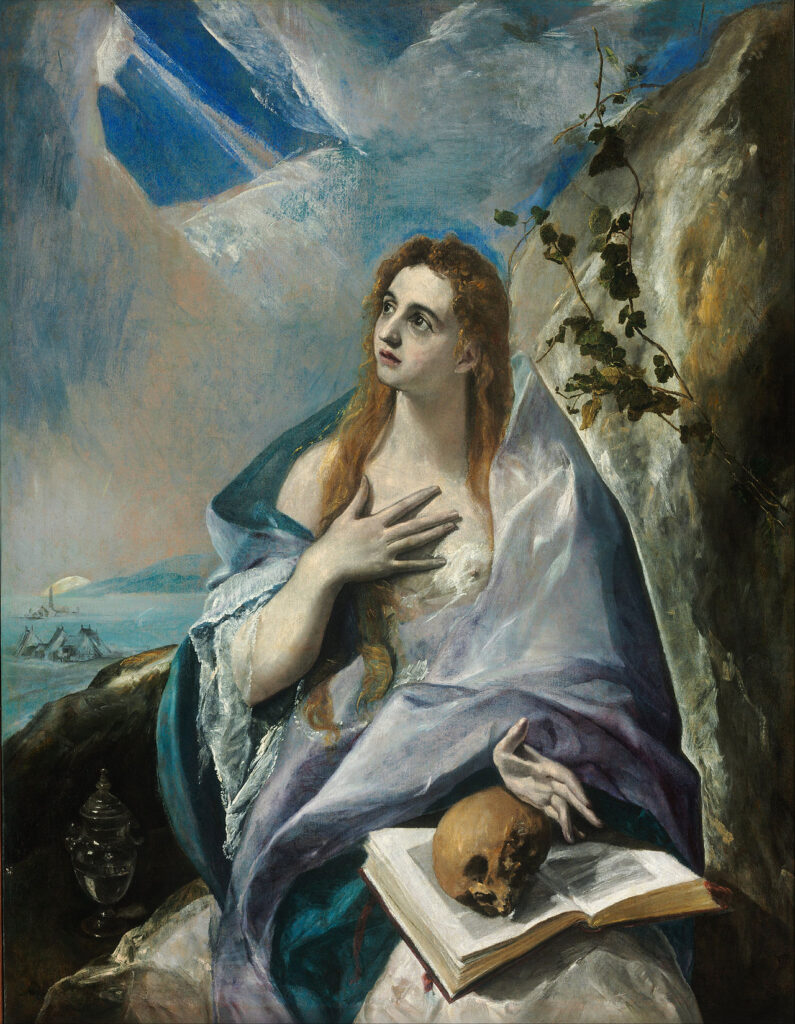
El Greco, October 1, 1541 – April 7, 1614, was a Cretan-born painter, born Domenikos Theotokopoulos in Candia. He trained in the Byzantine icon-painting tradition before working in Venice and Rome.
Known in Spain as El Greco, he settled in Toledo in 1577 and received commissions for religious foundations. His paintings combine elements of his Cretan formation with Venetian color and Roman Mannerist forms.
El Greco remained in Toledo for the rest of his life and died there in 1614. His work is represented in collections including the Museo del Prado, the National Gallery of Art, the Metropolitan Museum of Art, and the Art Institute of Chicago.






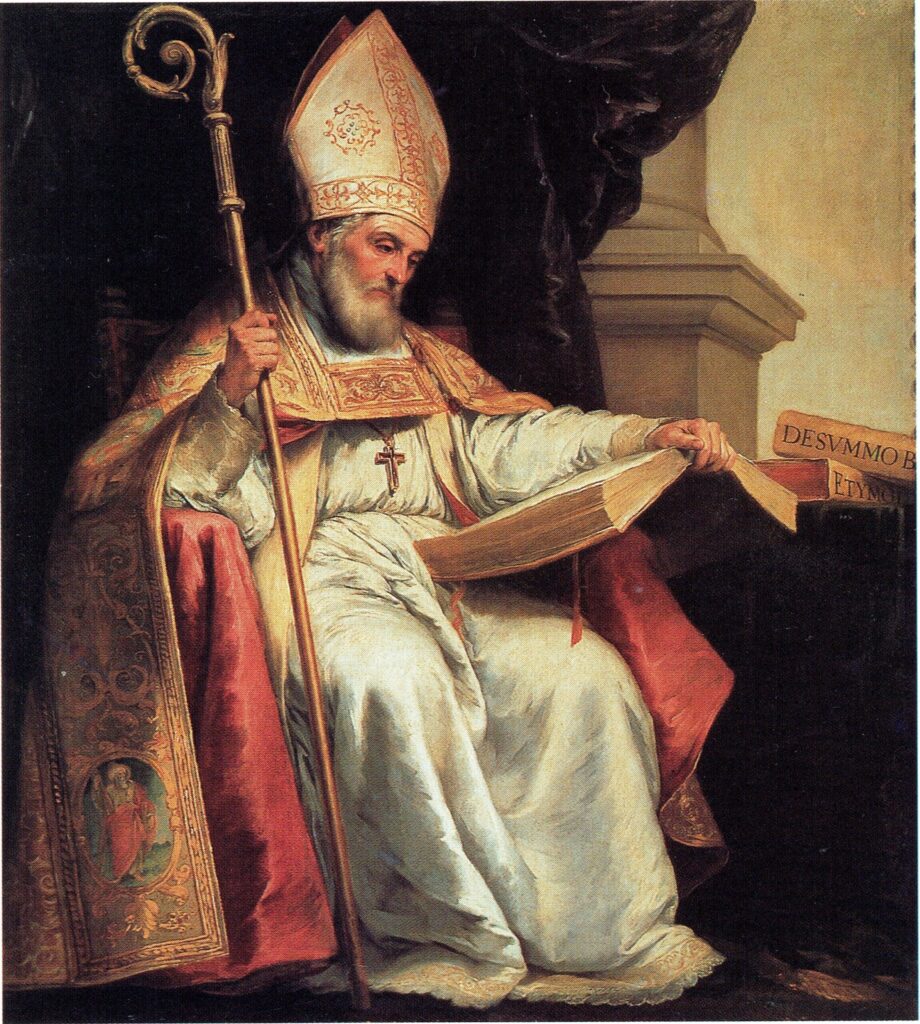
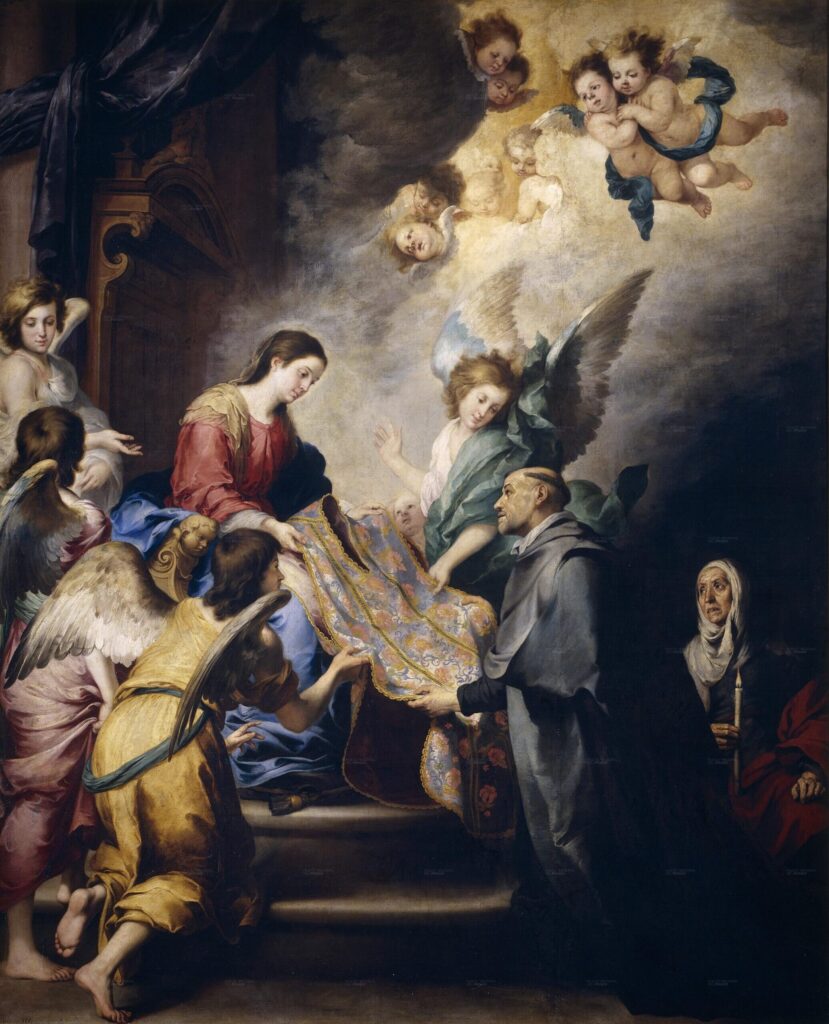
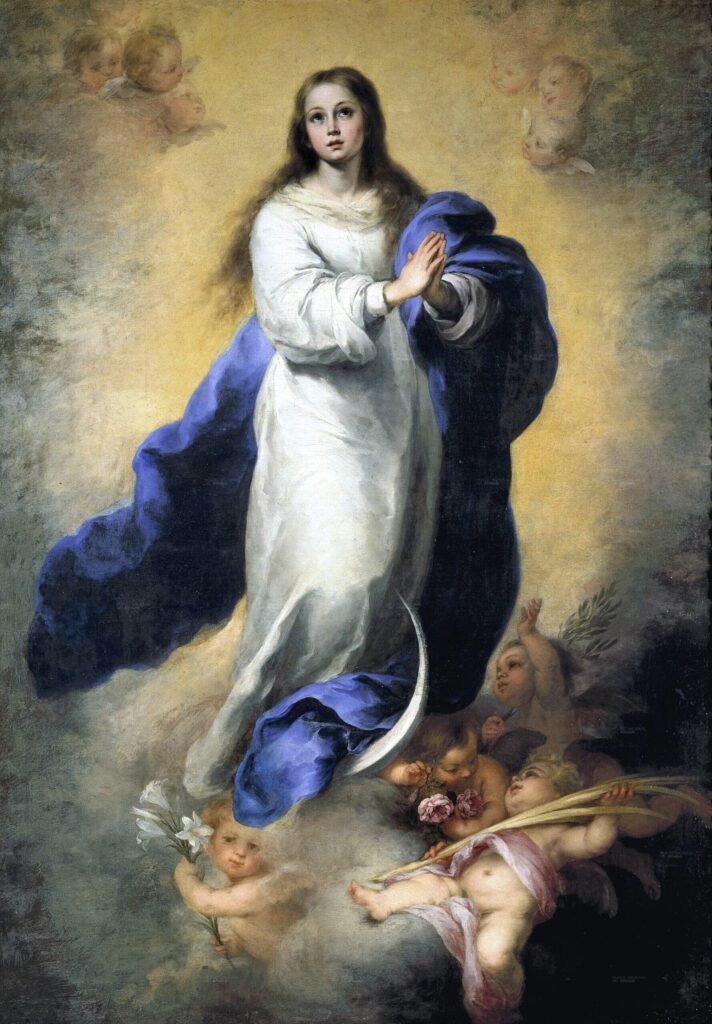
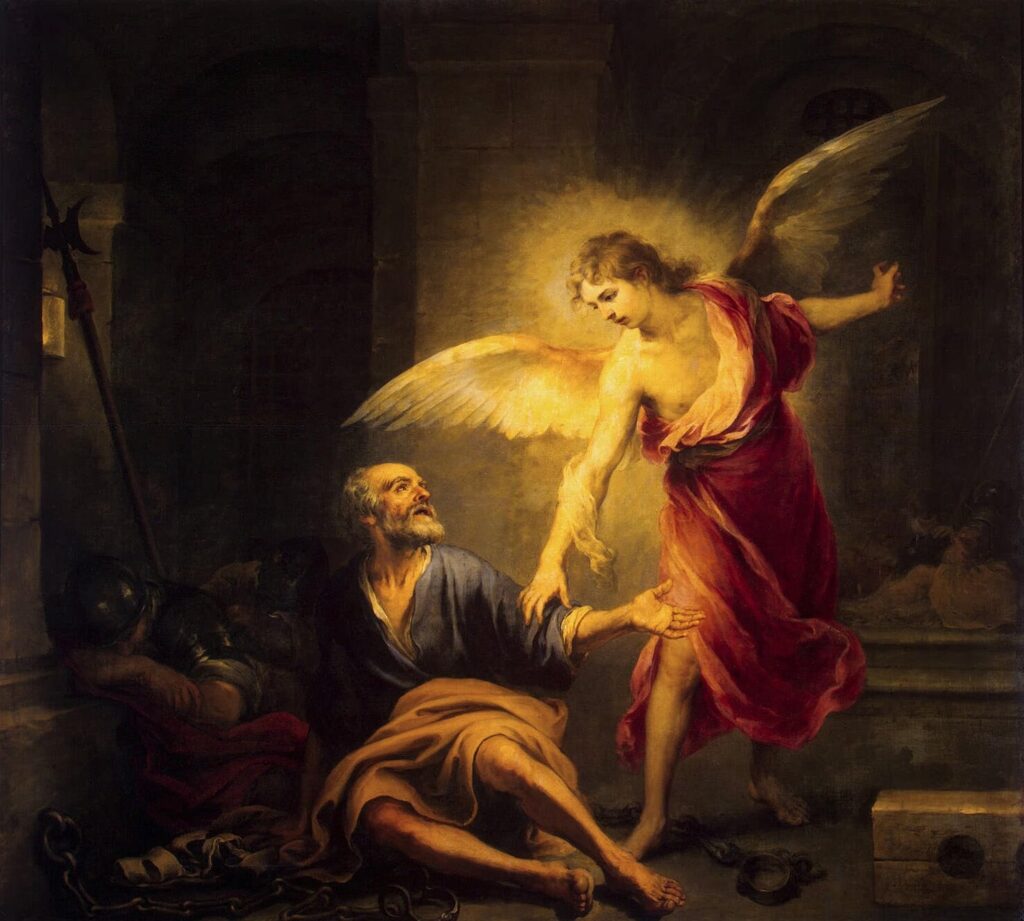
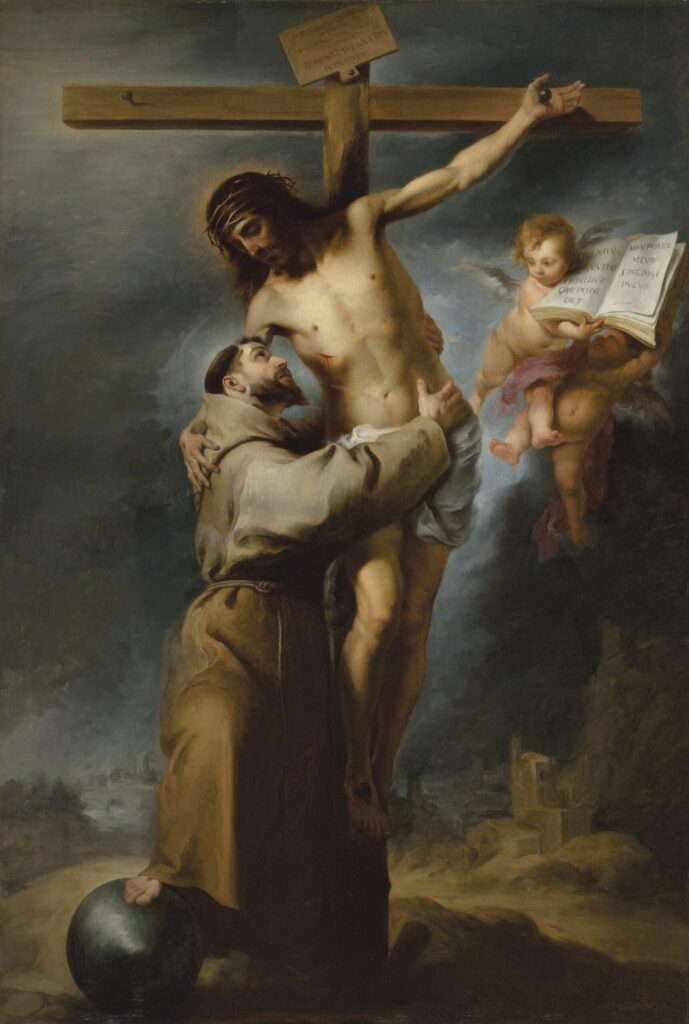
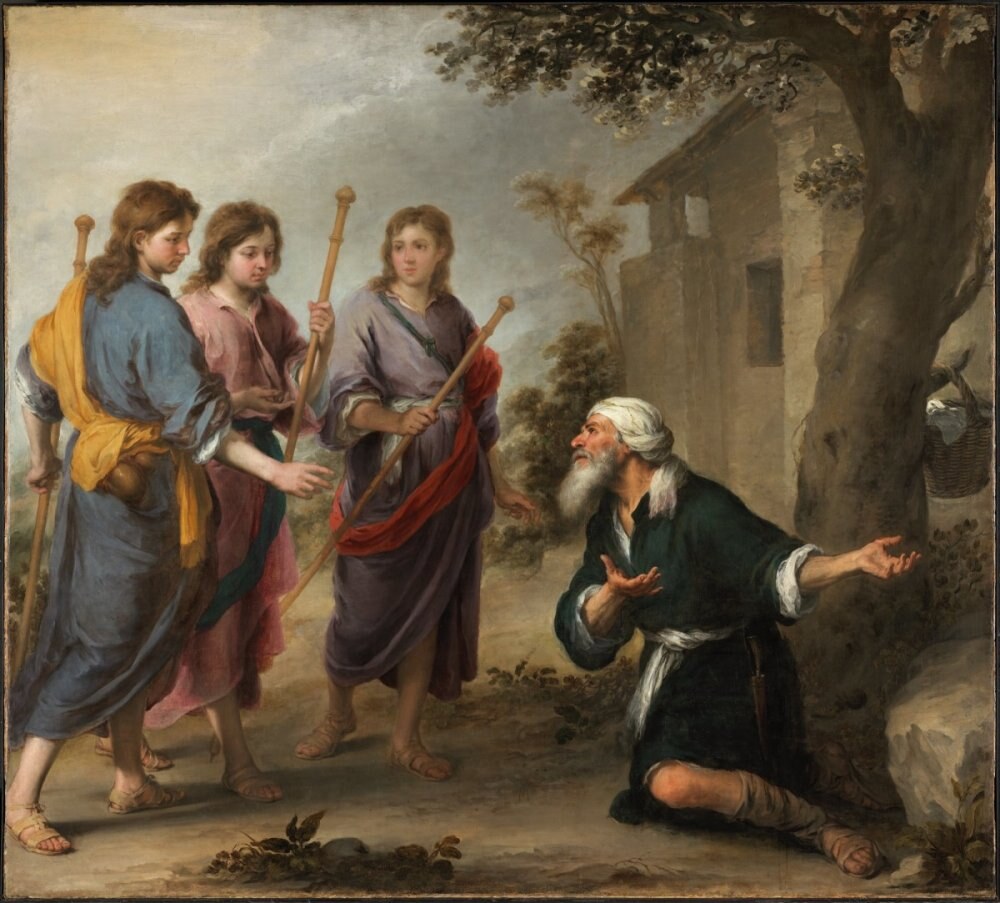
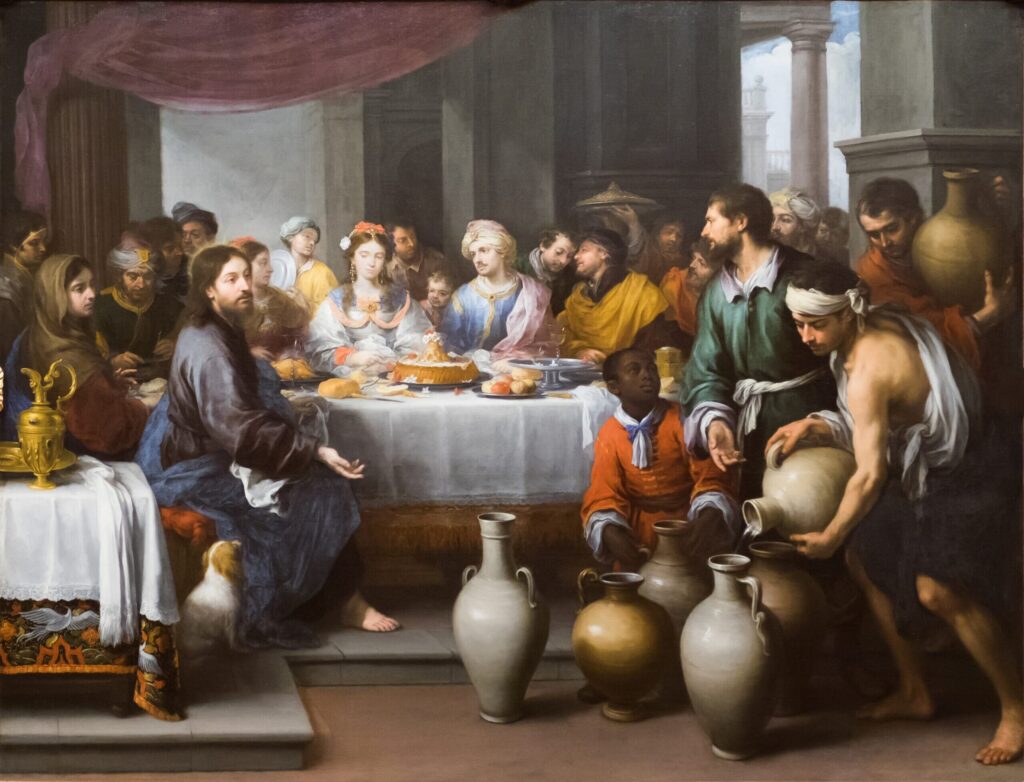
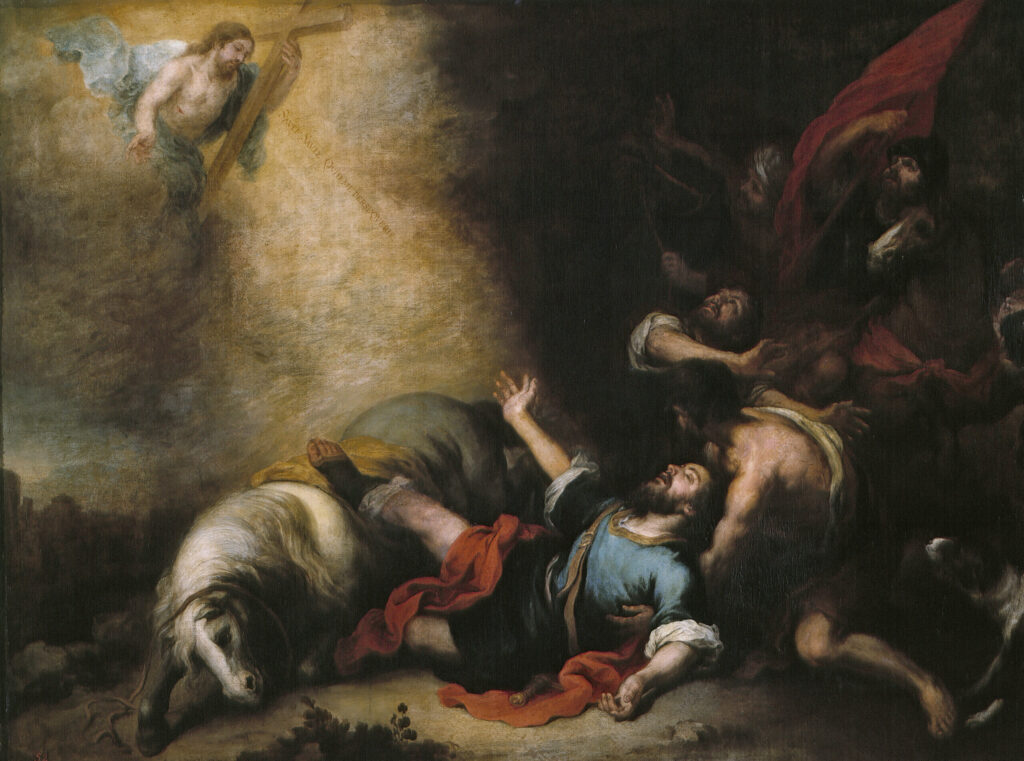
Bartolomé Esteban Murillo
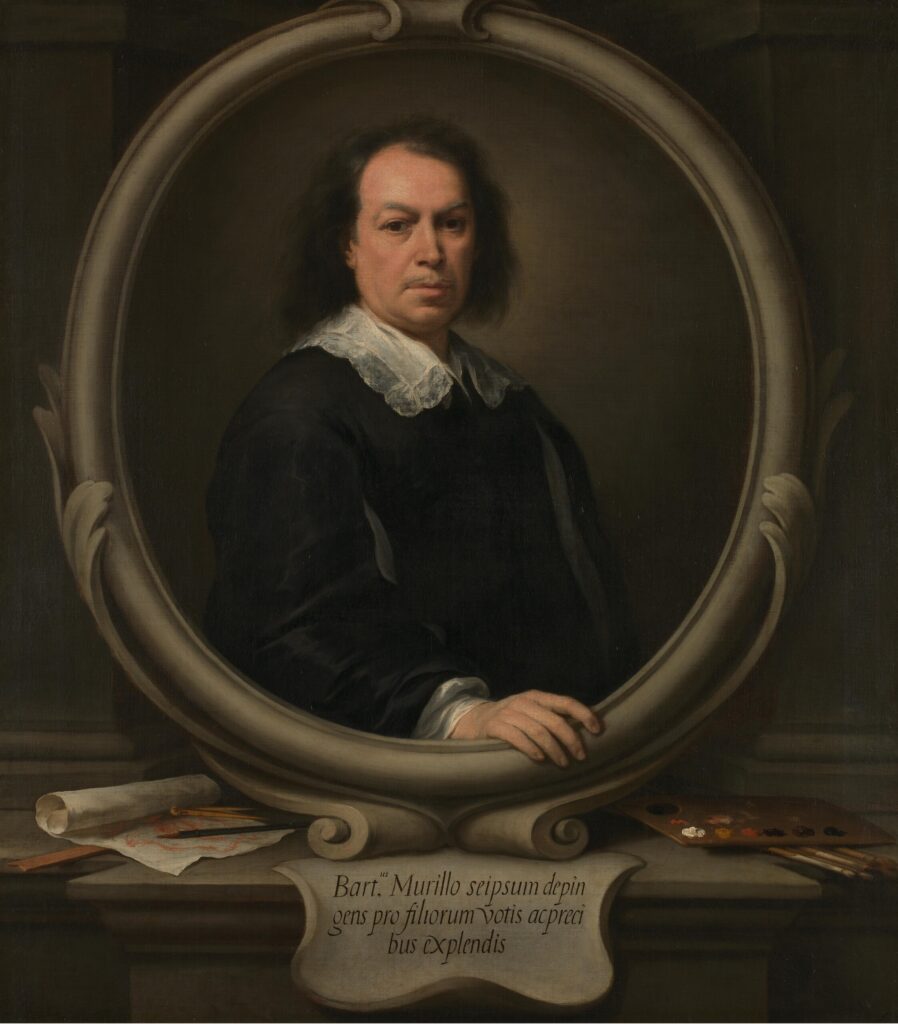
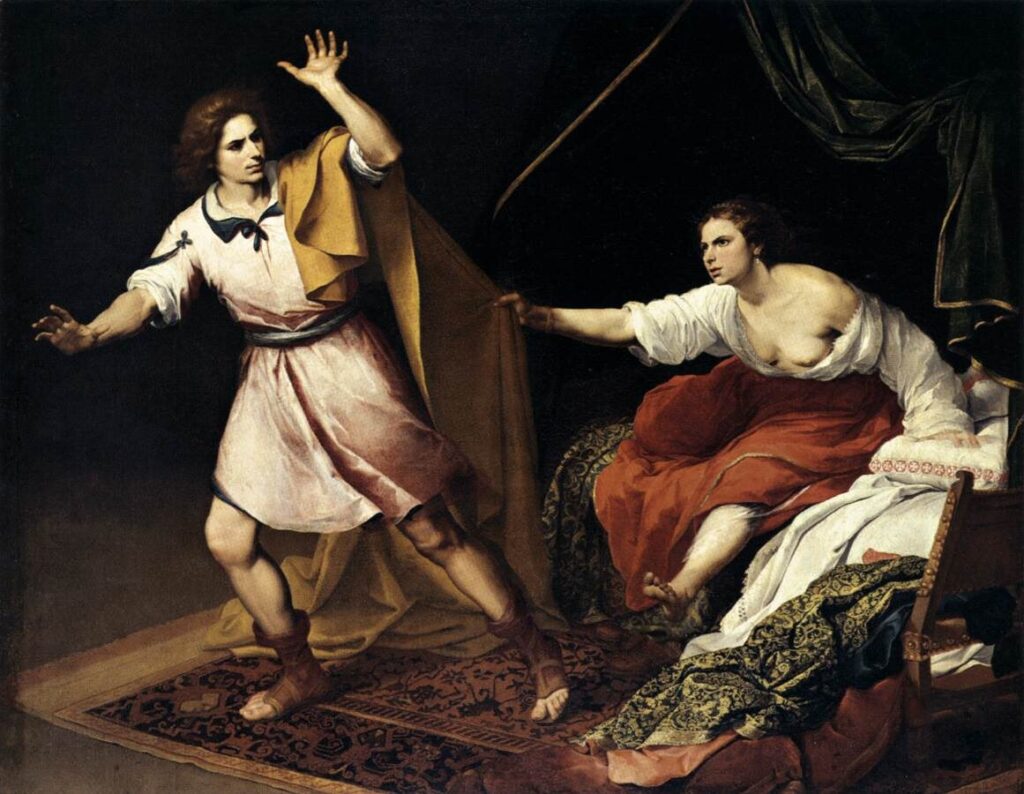
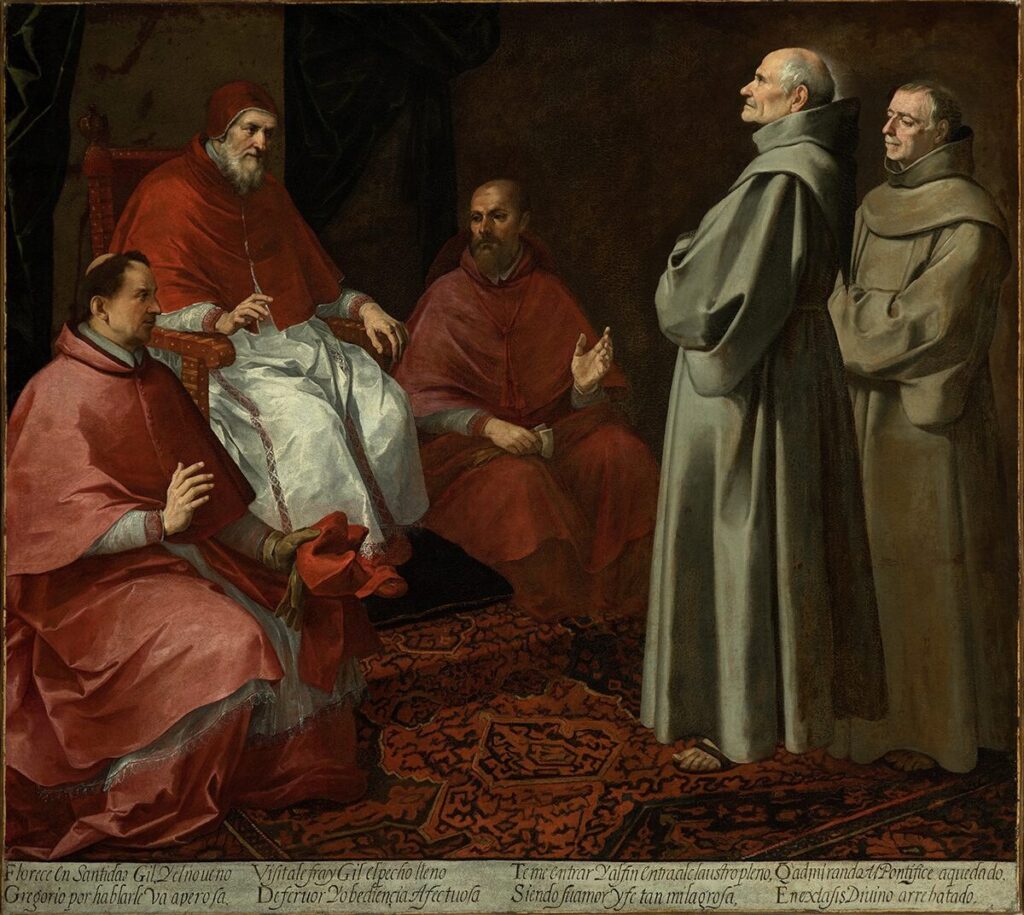
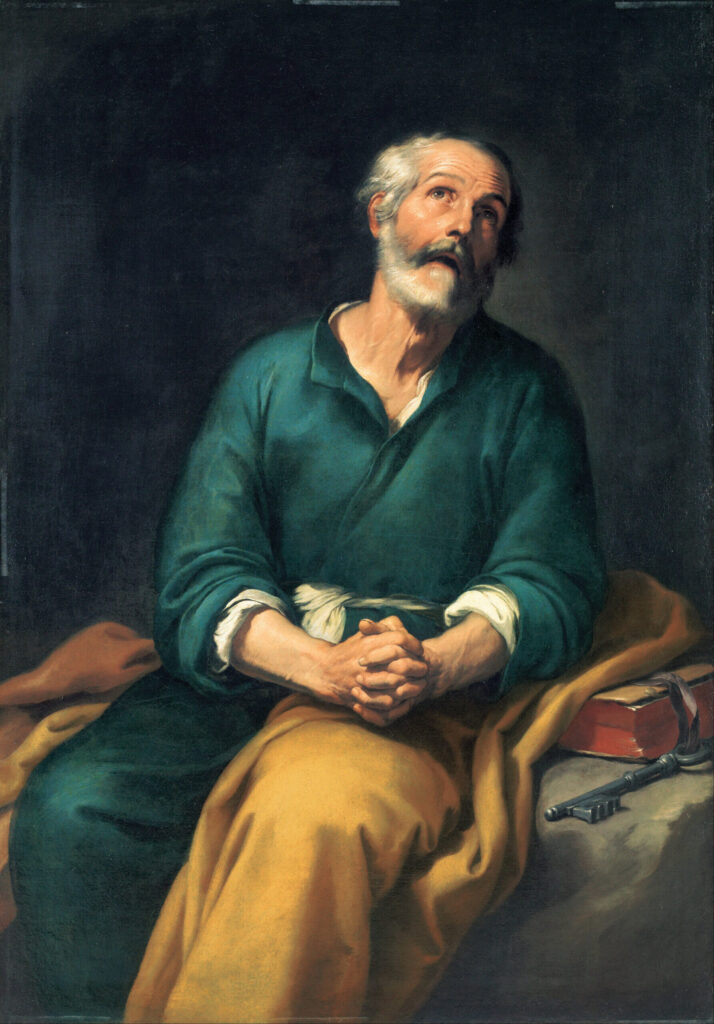
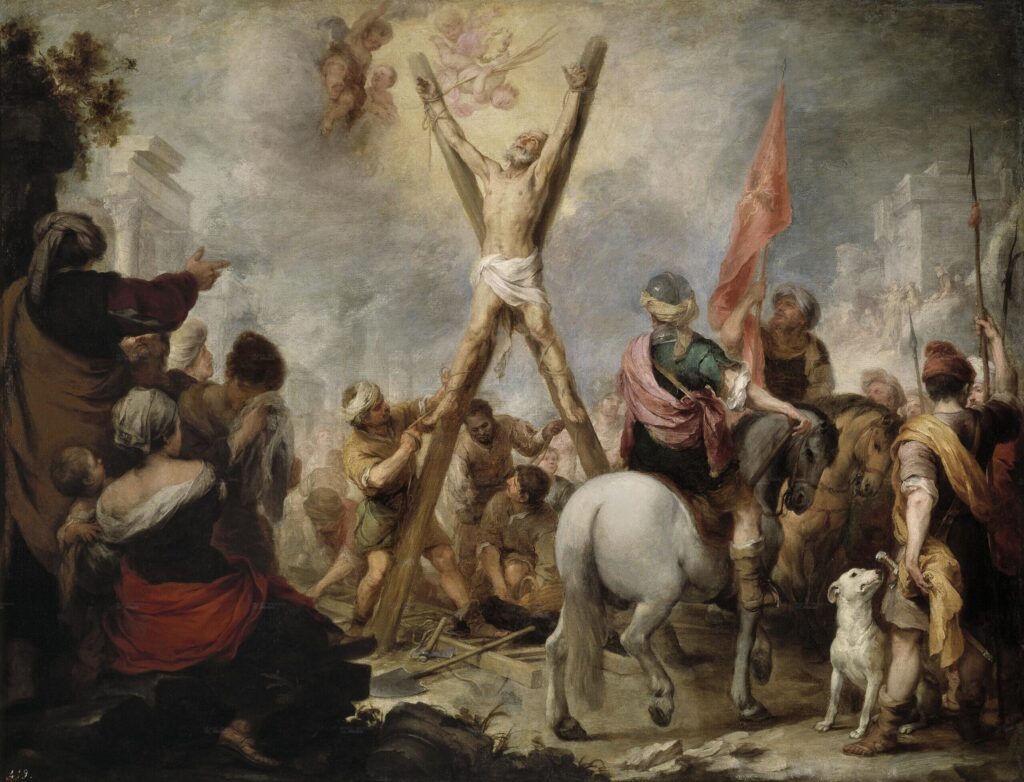
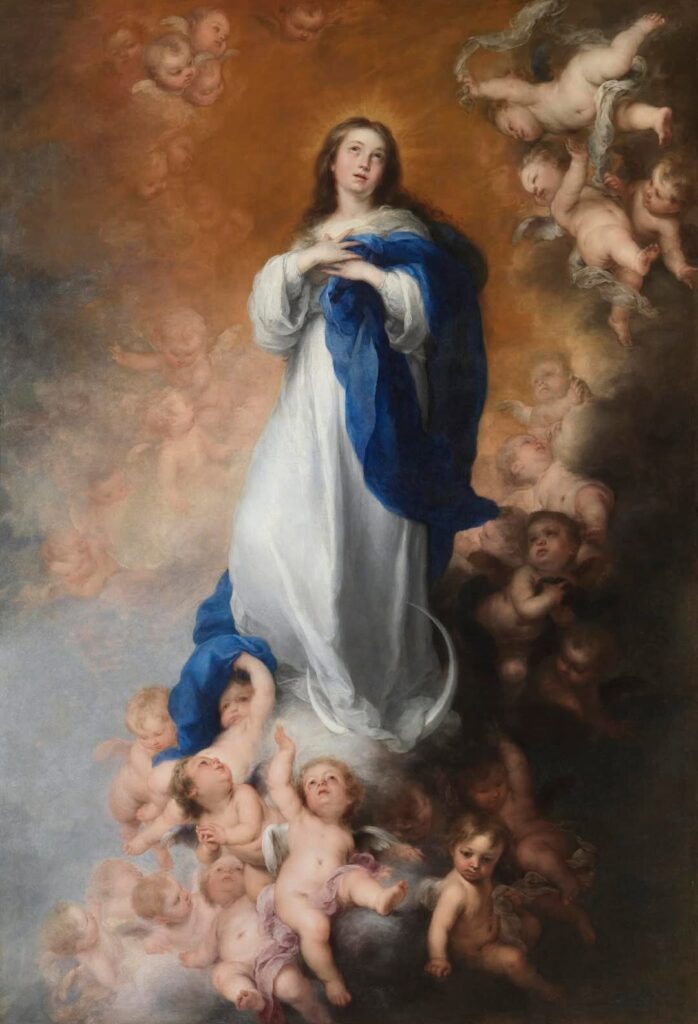
Bartolomé Esteban Murillo, December 31, 1617–April 3, 1682, was a Spanish painter born in Seville. Orphaned as a child, he trained with the Sevillian painter Juan del Castillo and studied the work of Francisco de Zurbarán, Jusepe de Ribera, Diego Velázquez, and Flemish painters.
Murillo established his career in Seville through commissions for churches, convents, charitable institutions, and private patrons. He was a founder and the first president of the Seville Academy of Fine Arts in 1660, and became known for religious paintings, genre scenes, and portraits.
Murillo died in Seville in 1682 after an injury sustained while working in Cádiz. His paintings are held in the Museo del Prado, National Gallery in London, Louvre Museum, Hermitage Museum, National Gallery of Art, and other major collections.