Posts in Category: october 1
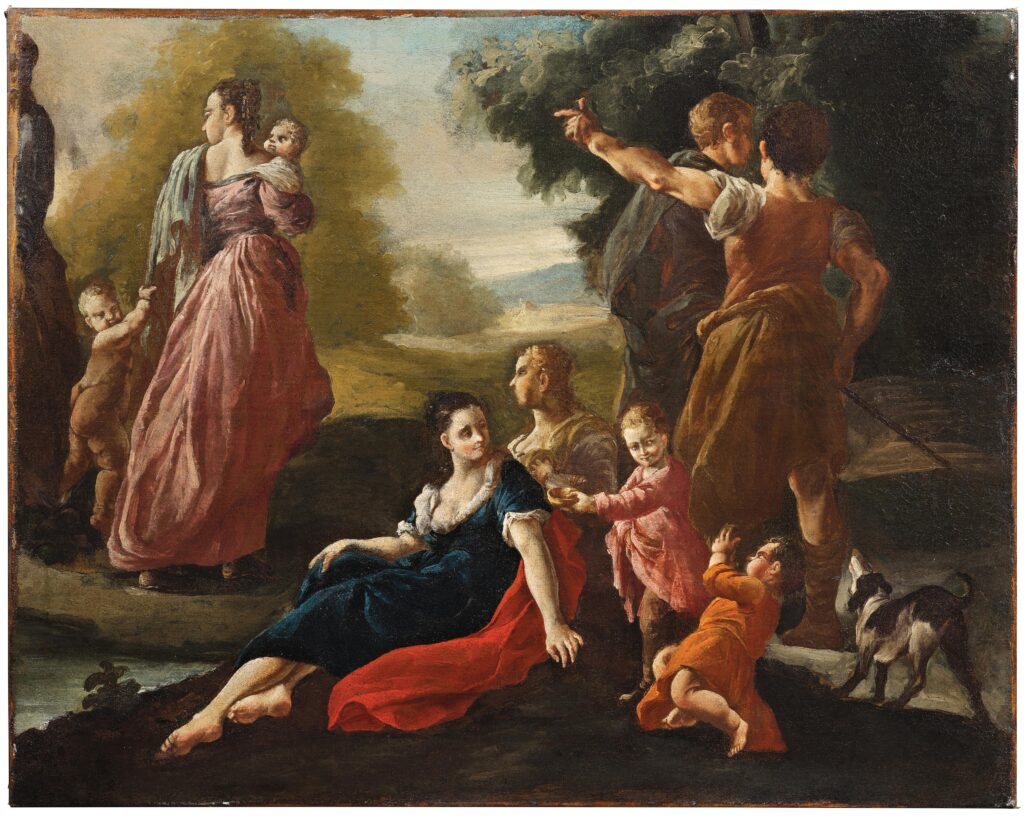
Giulia Lama
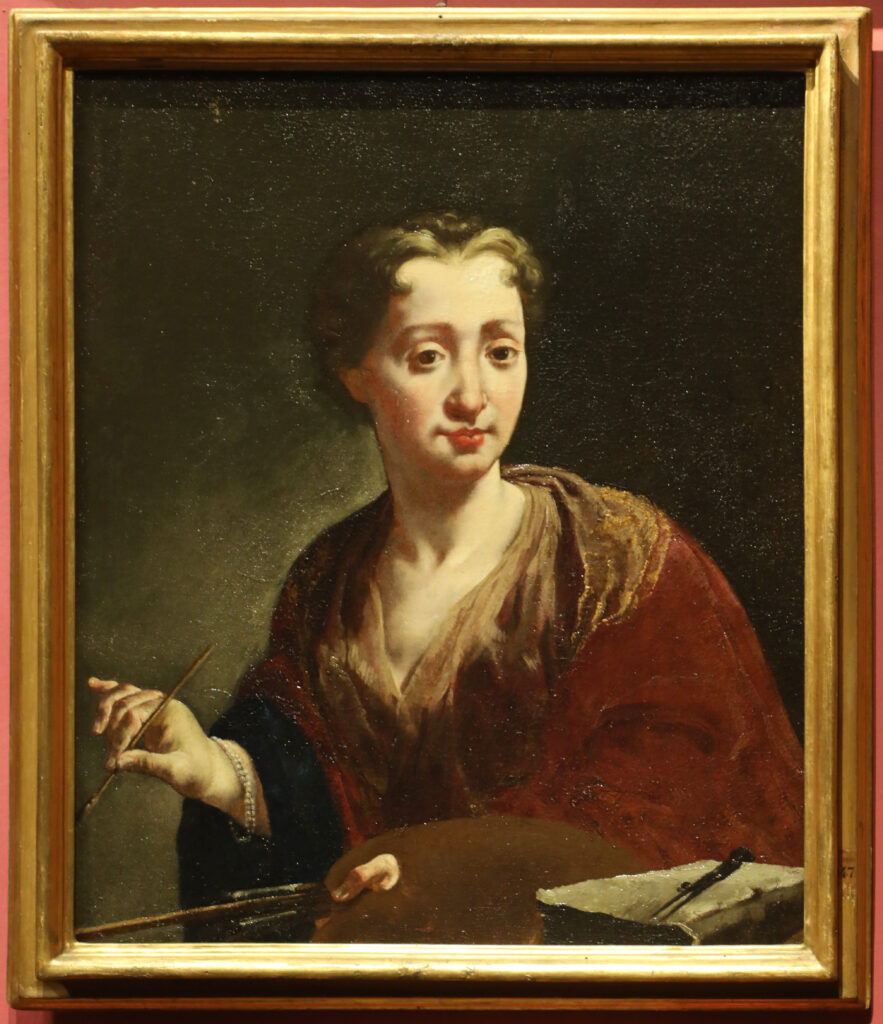
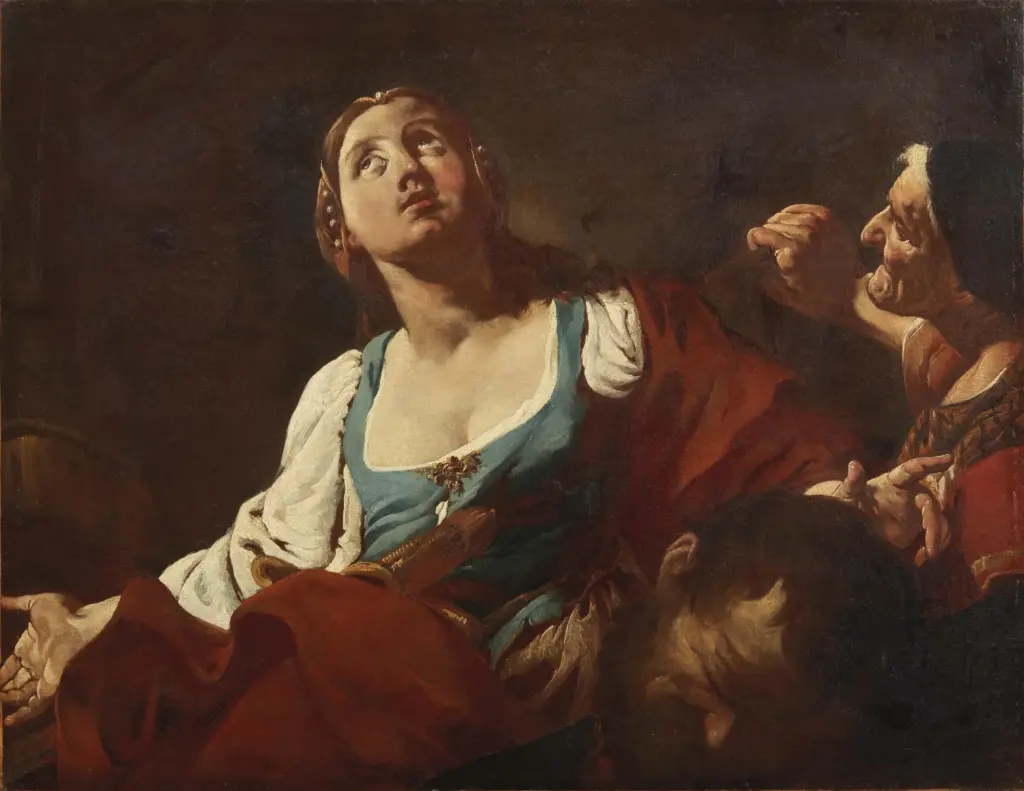
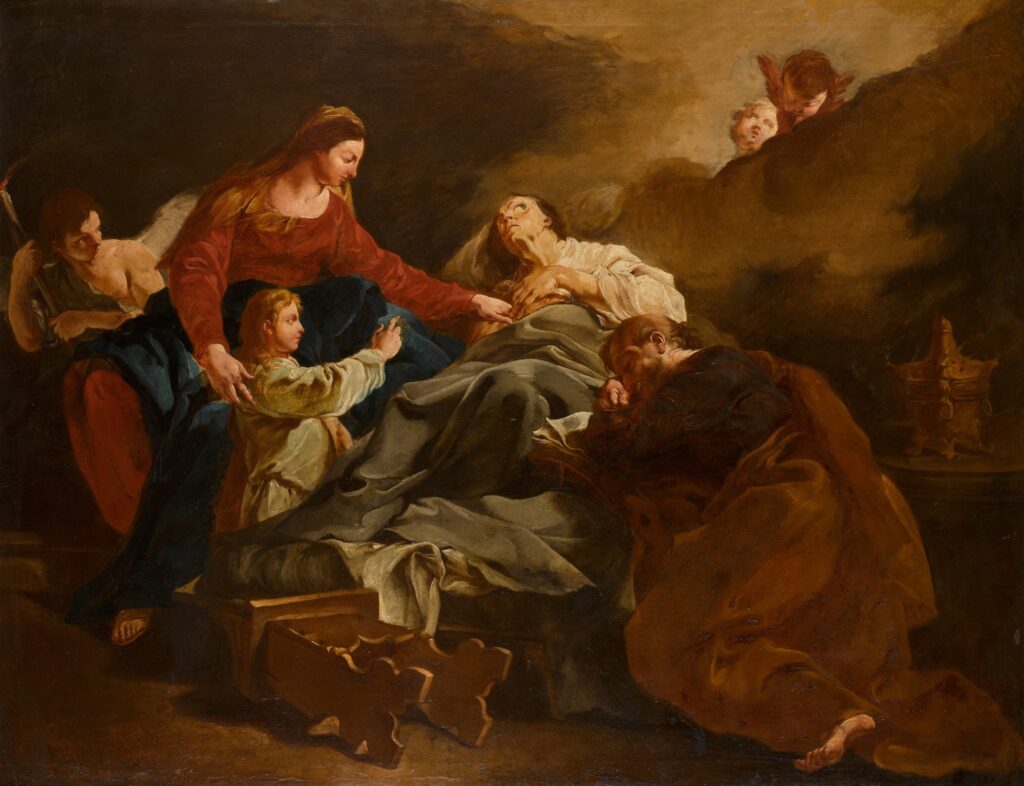
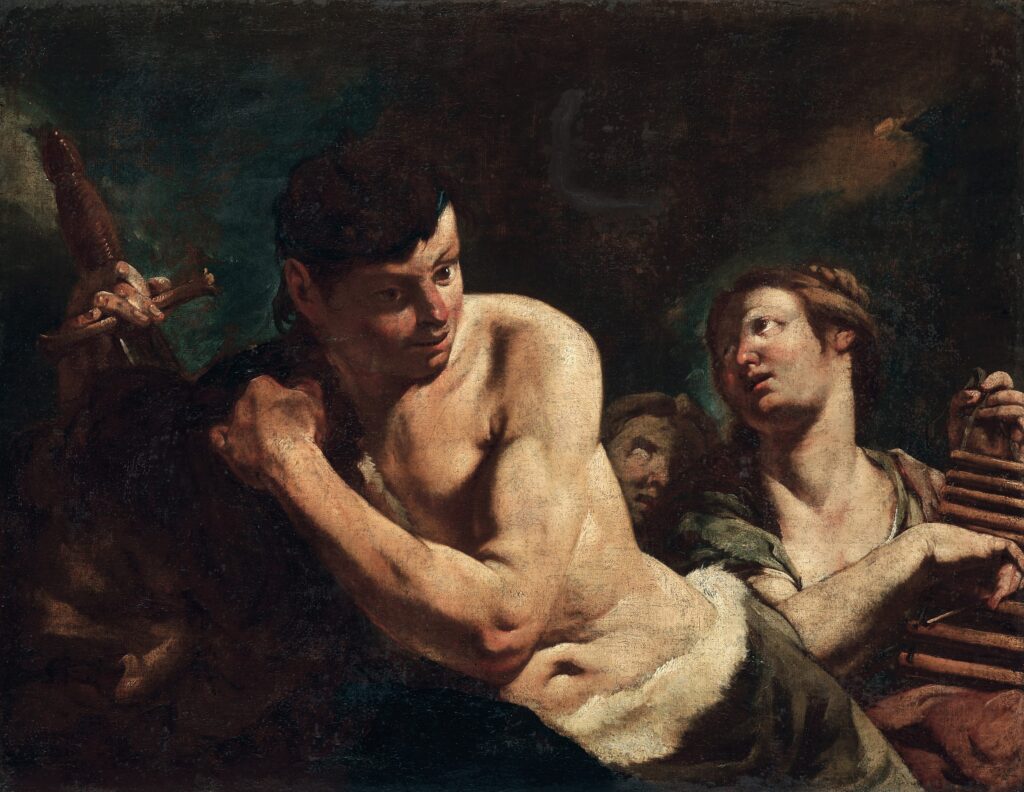
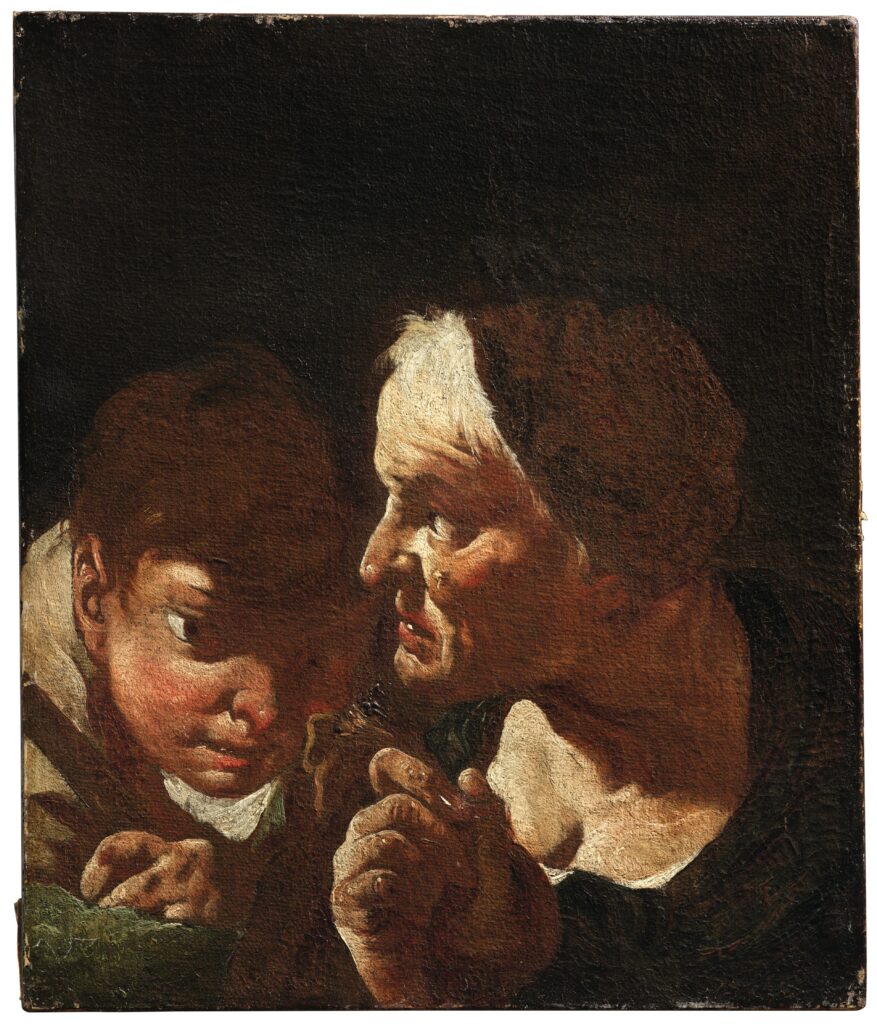
Giulia Lama, October 1, 1681 – October 8, 1747, was an Italian painter, draftsman, poet, and mathematician born and active in Venice. She received her first artistic and mathematical instruction from her father, the painter Agostino Lama, and trained in the circle of Antonio Molinari alongside her friend Giambattista Piazzetta.
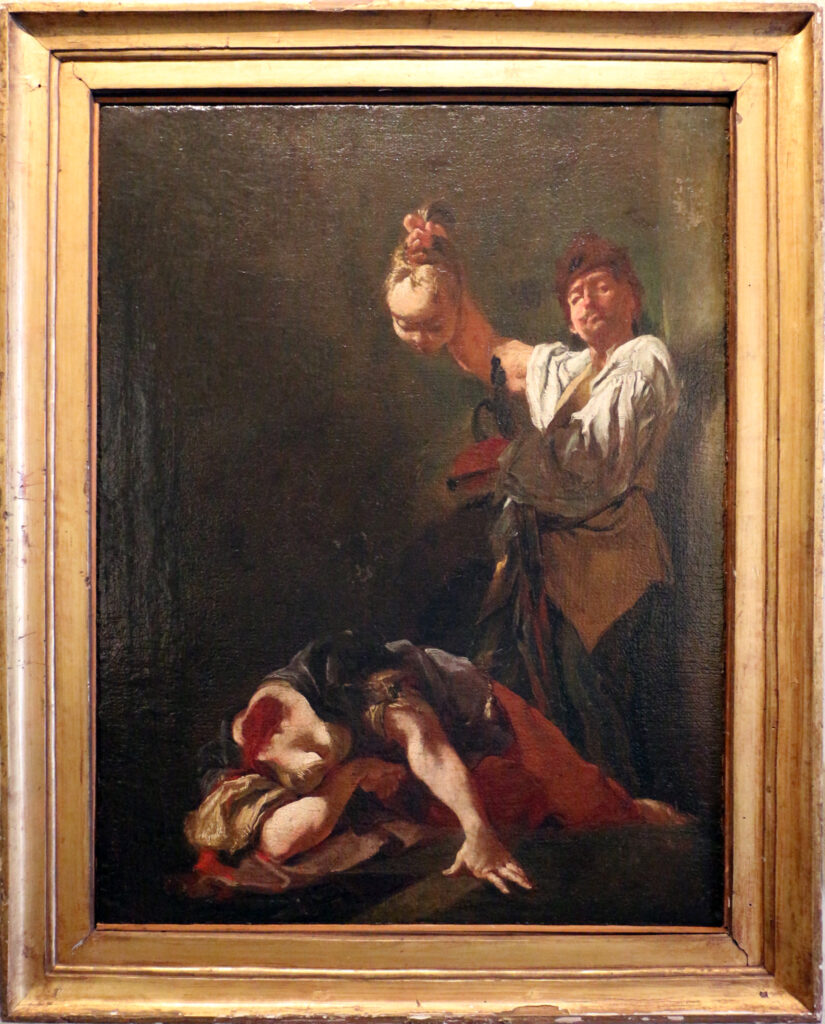
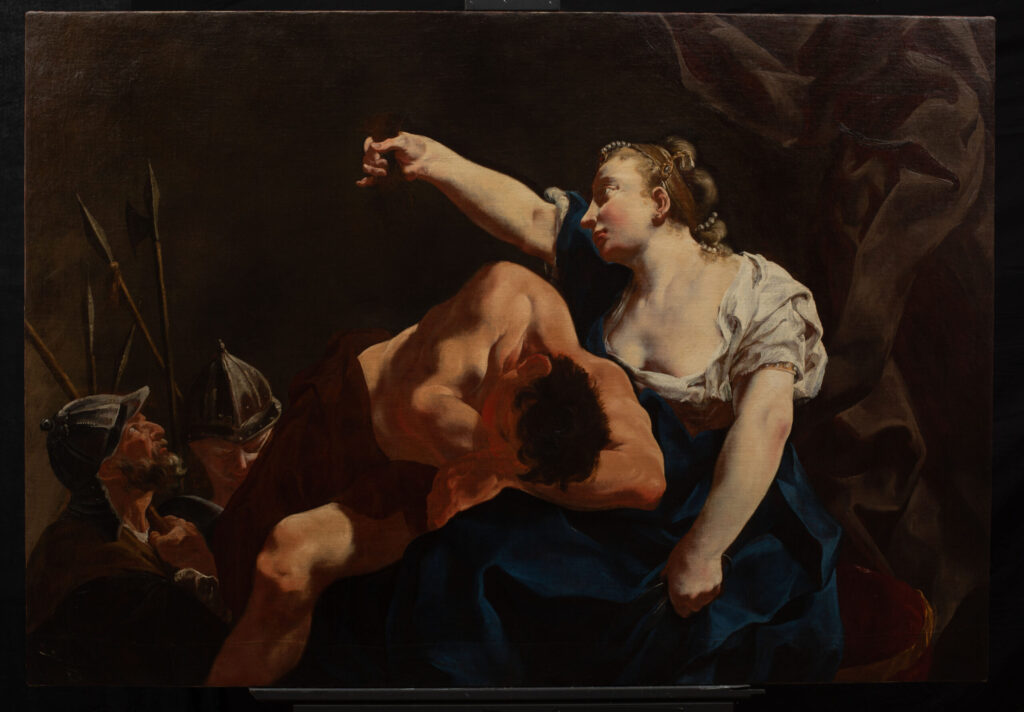
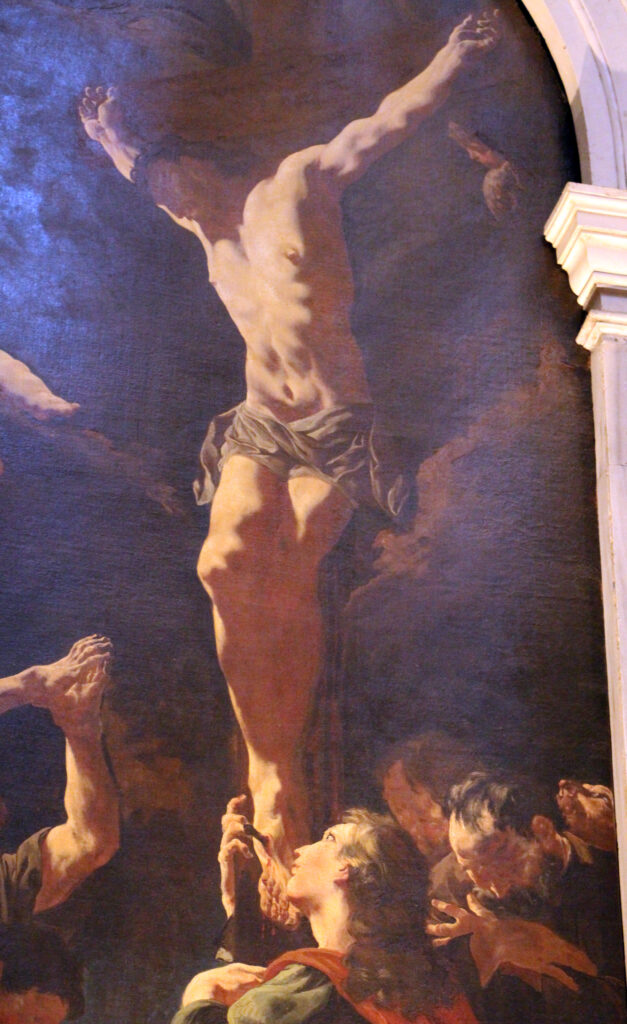
Lama established an independent career as a portraitist and history painter, receiving private commissions and producing large religious paintings and altarpieces for Venetian churches. Her surviving drawings show that she studied both male and female figures from life, and she was also known in contemporary intellectual circles for her poetry and mathematical learning.
Lama remained in Venice throughout her life and was buried in the Church of Santi Giovanni e Paolo. Her paintings and drawings are held by the Uffizi Gallery, Gallerie dell’Accademia, Ca’ Rezzonico, and Musée des Beaux-Arts, Quimper; the modern recovery of her work has included the reattribution of paintings formerly assigned to several male contemporaries.
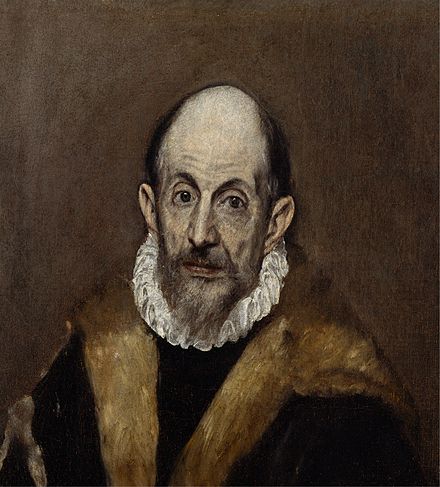
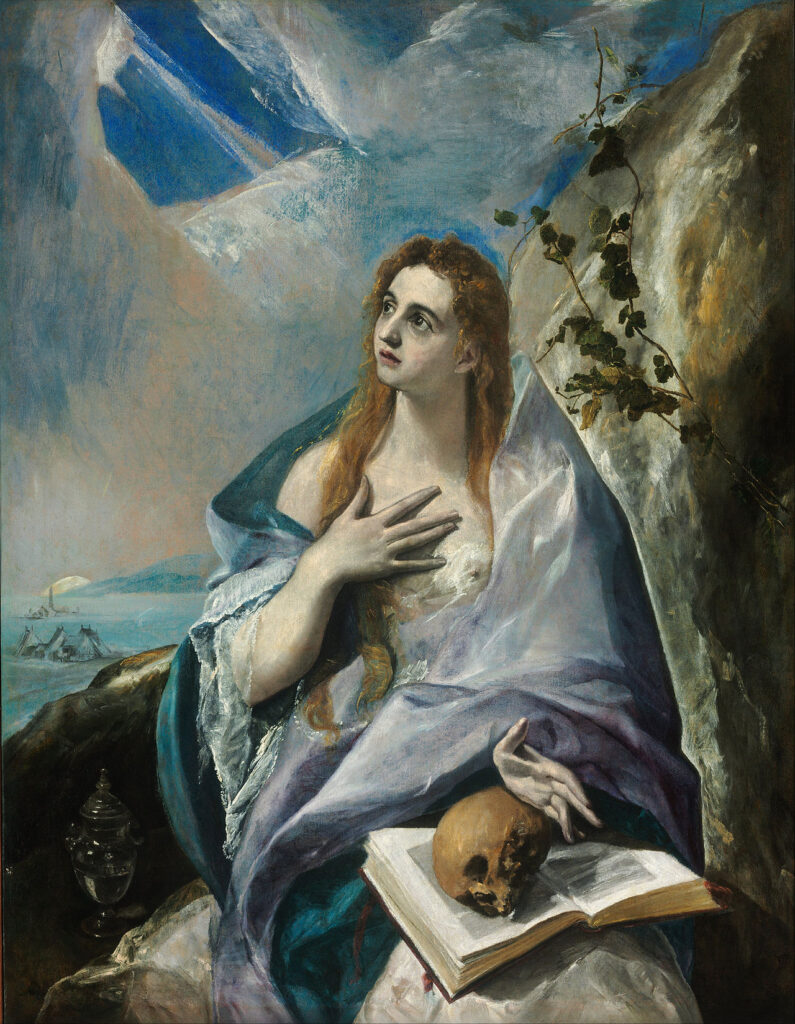
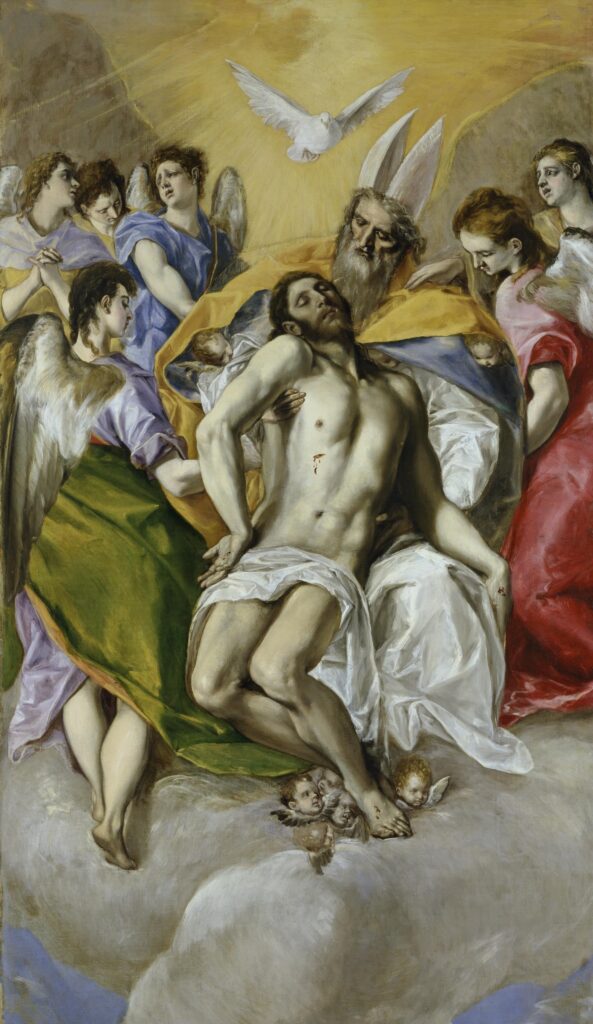
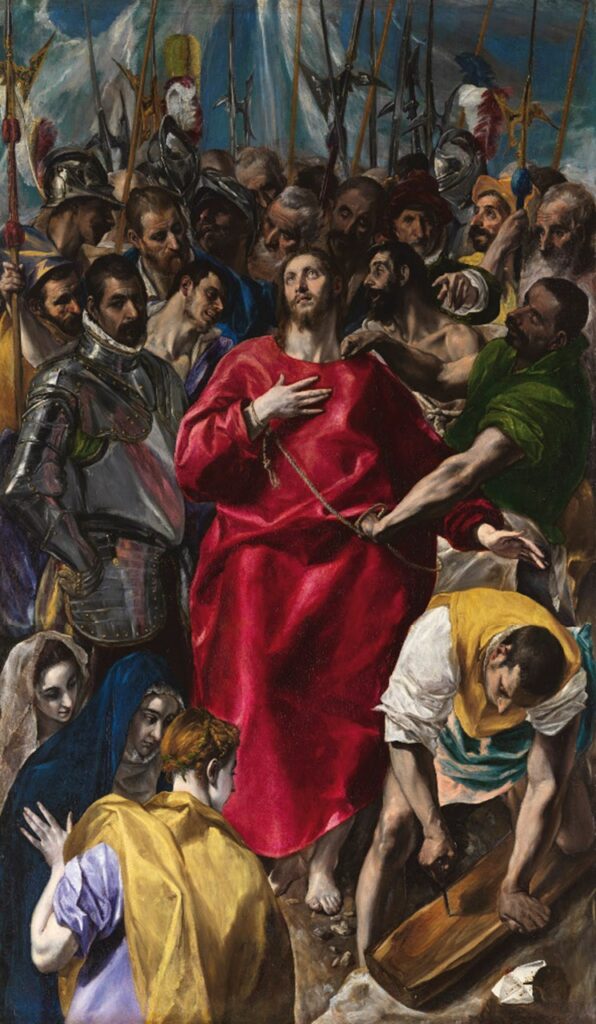
El Greco
El Greco, October 1, 1541 – April 7, 1614, was a Cretan-born painter, born Domenikos Theotokopoulos in Candia. He trained in the Byzantine icon-painting tradition before working in Venice and Rome.
Known in Spain as El Greco, he settled in Toledo in 1577 and received commissions for religious foundations. His paintings combine elements of his Cretan formation with Venetian color and Roman Mannerist forms.
El Greco remained in Toledo for the rest of his life and died there in 1614. His work is represented in collections including the Museo del Prado, the National Gallery of Art, the Metropolitan Museum of Art, and the Art Institute of Chicago.