Posts in Category: 18th Century
Giulia Lama
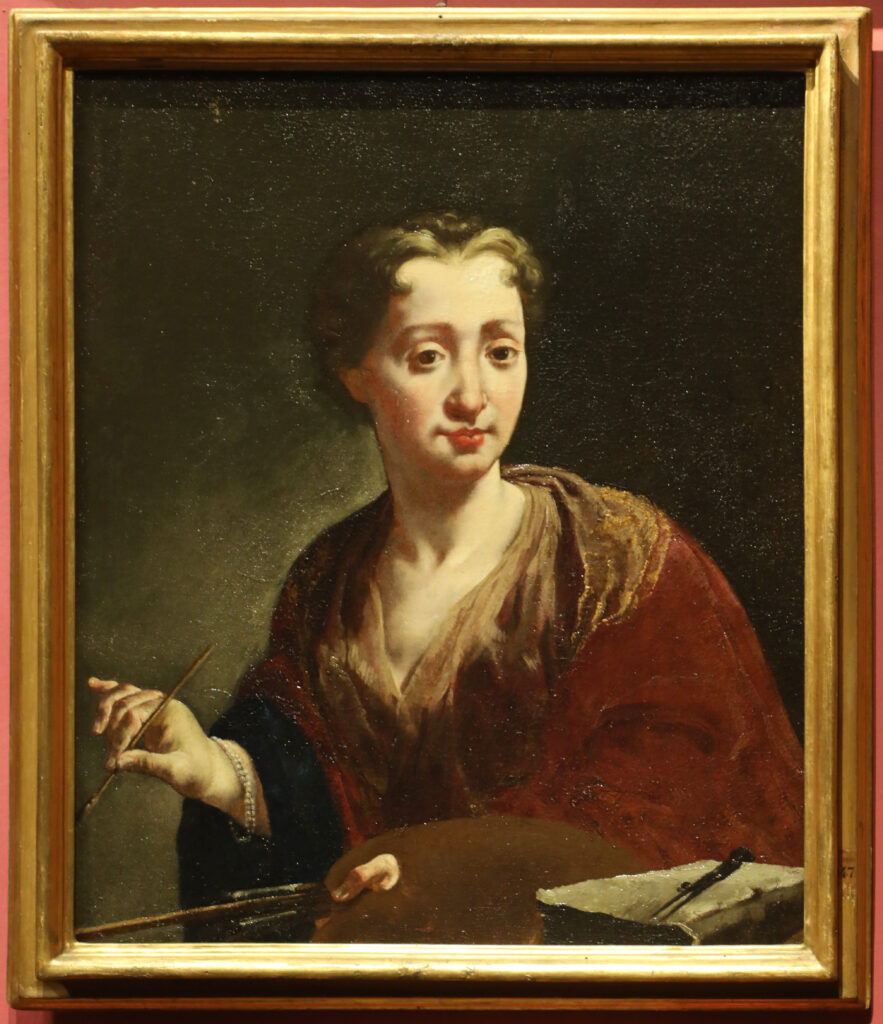
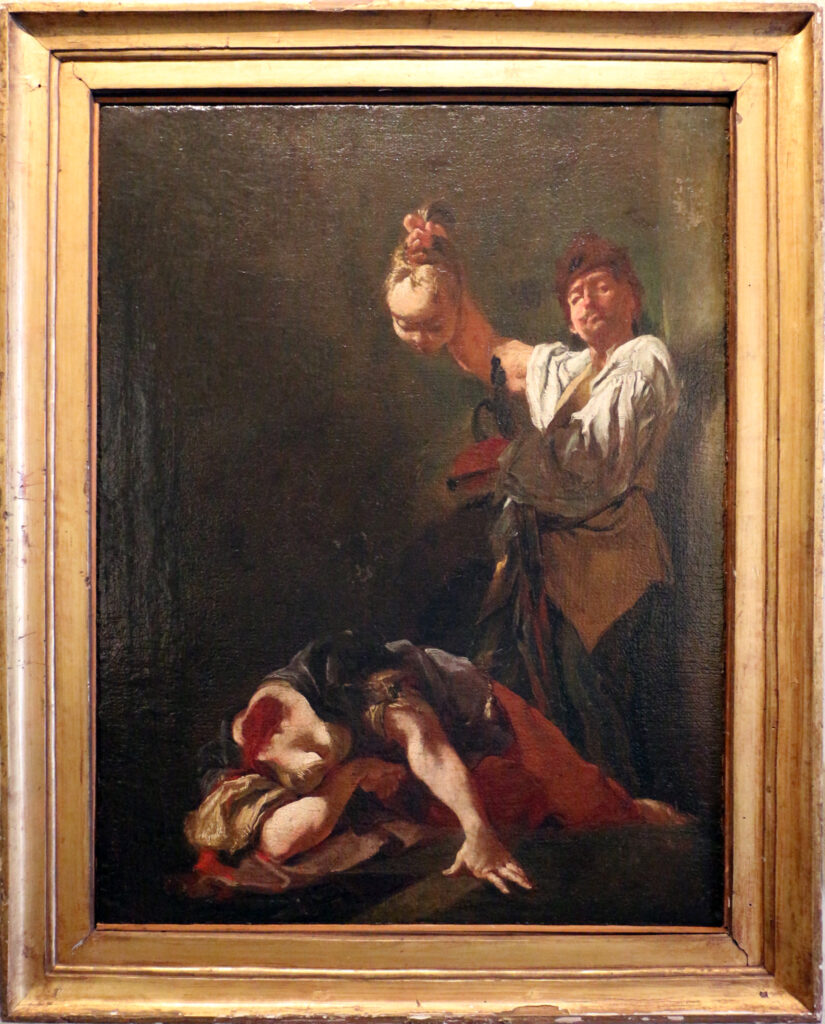
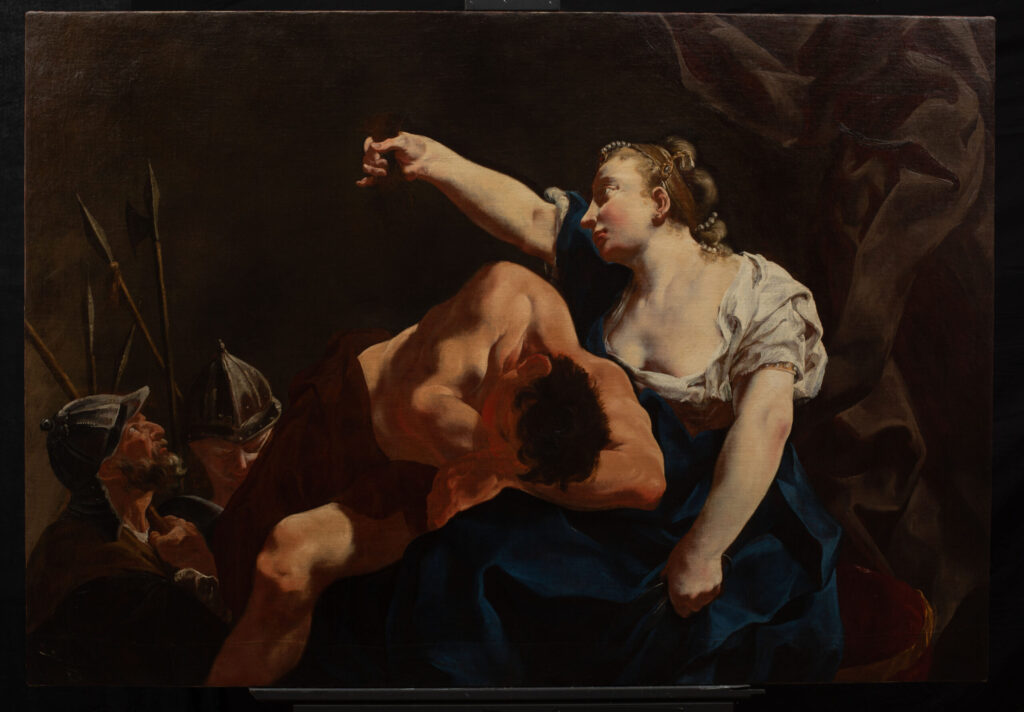
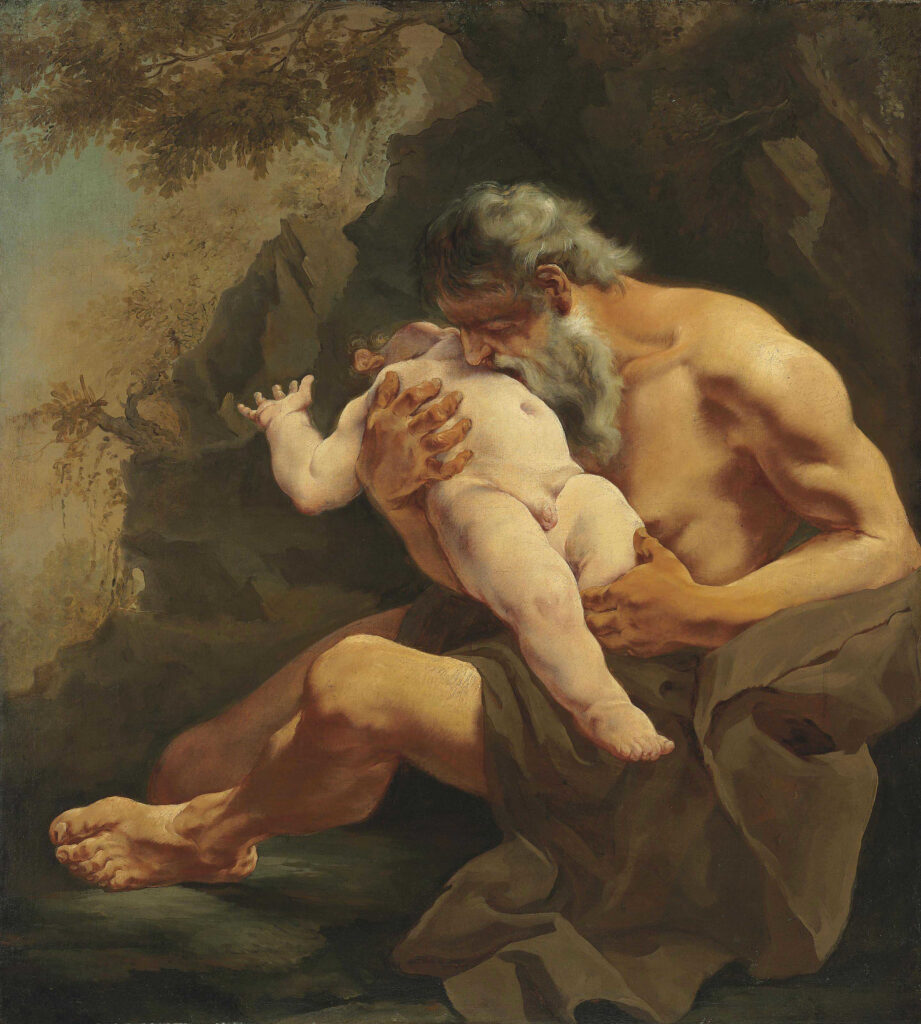
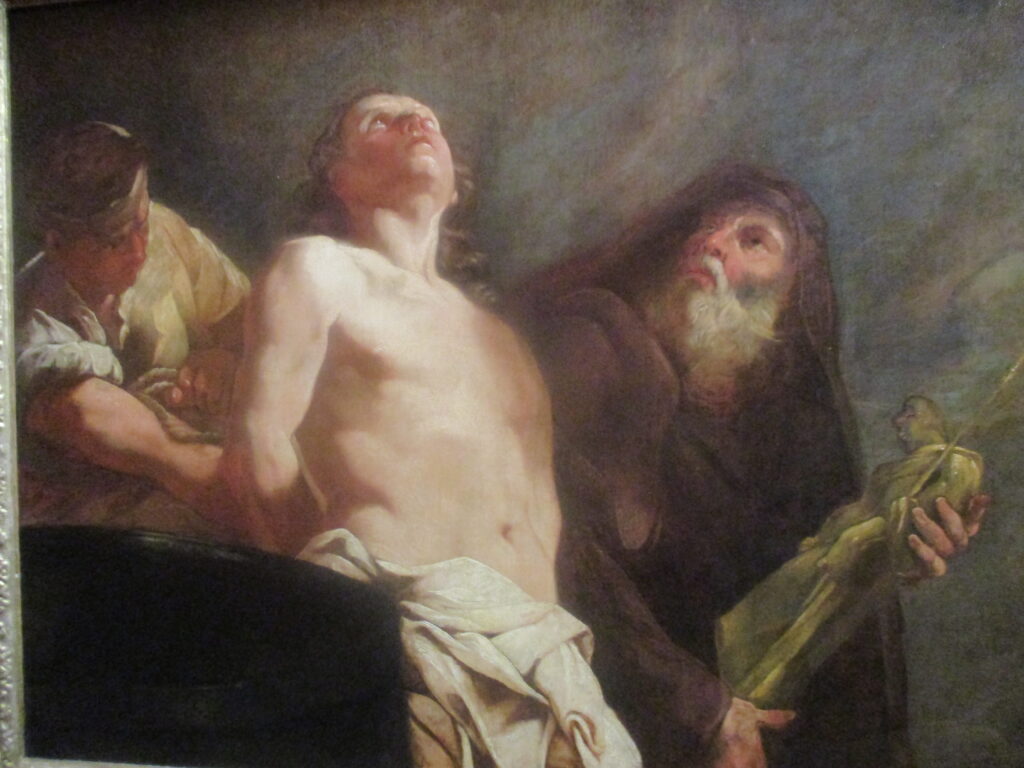
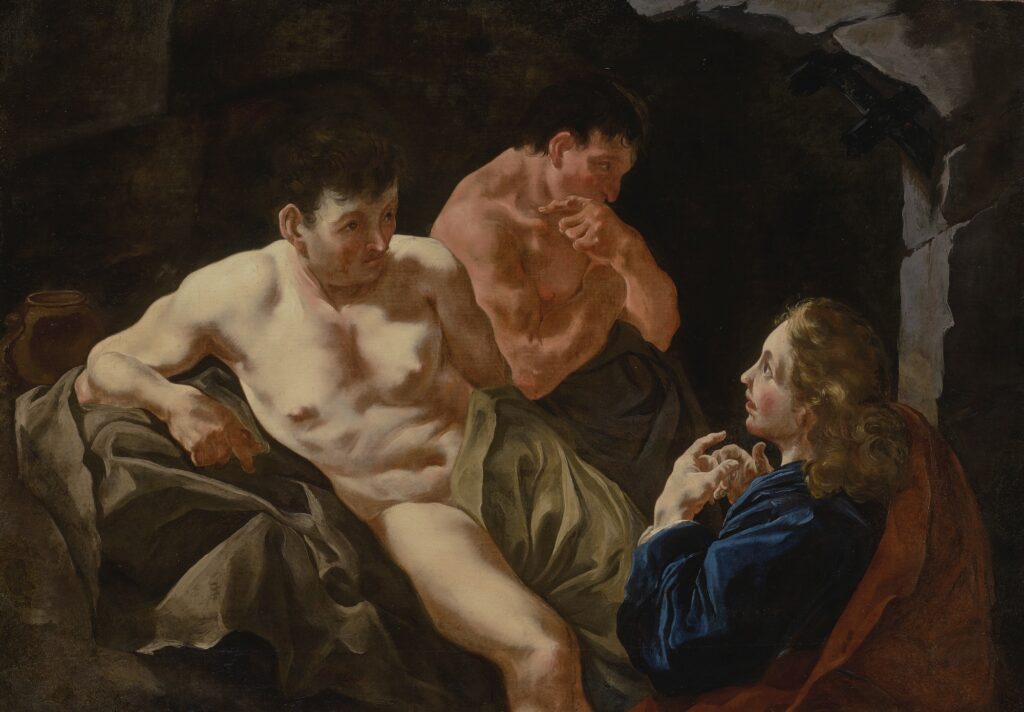
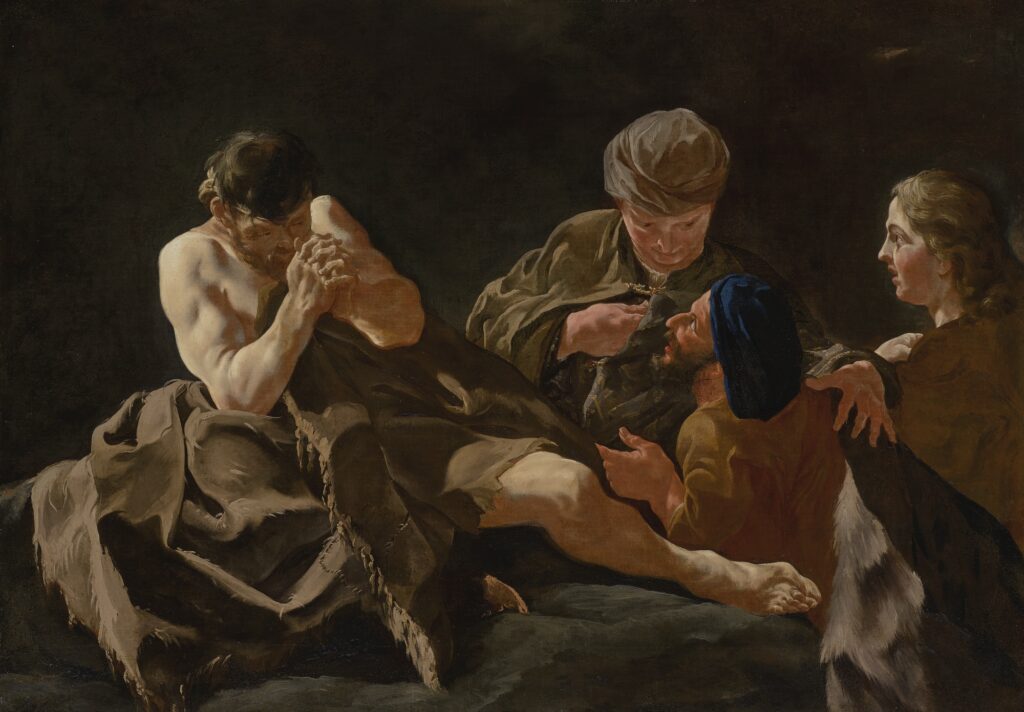
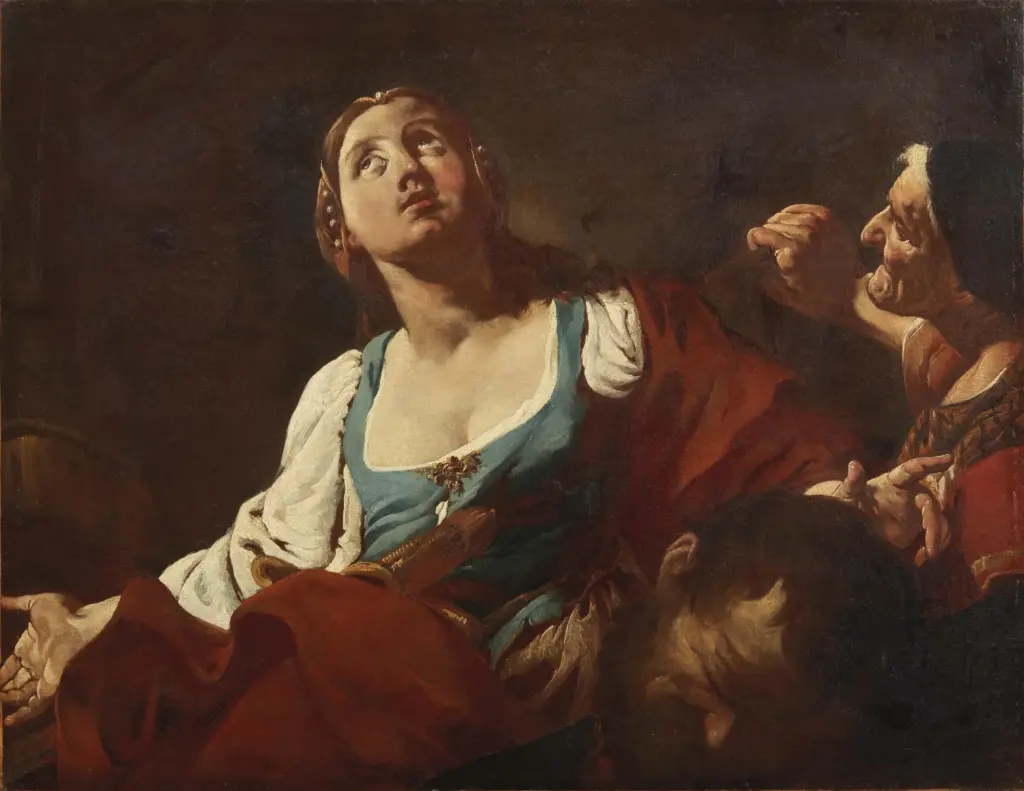
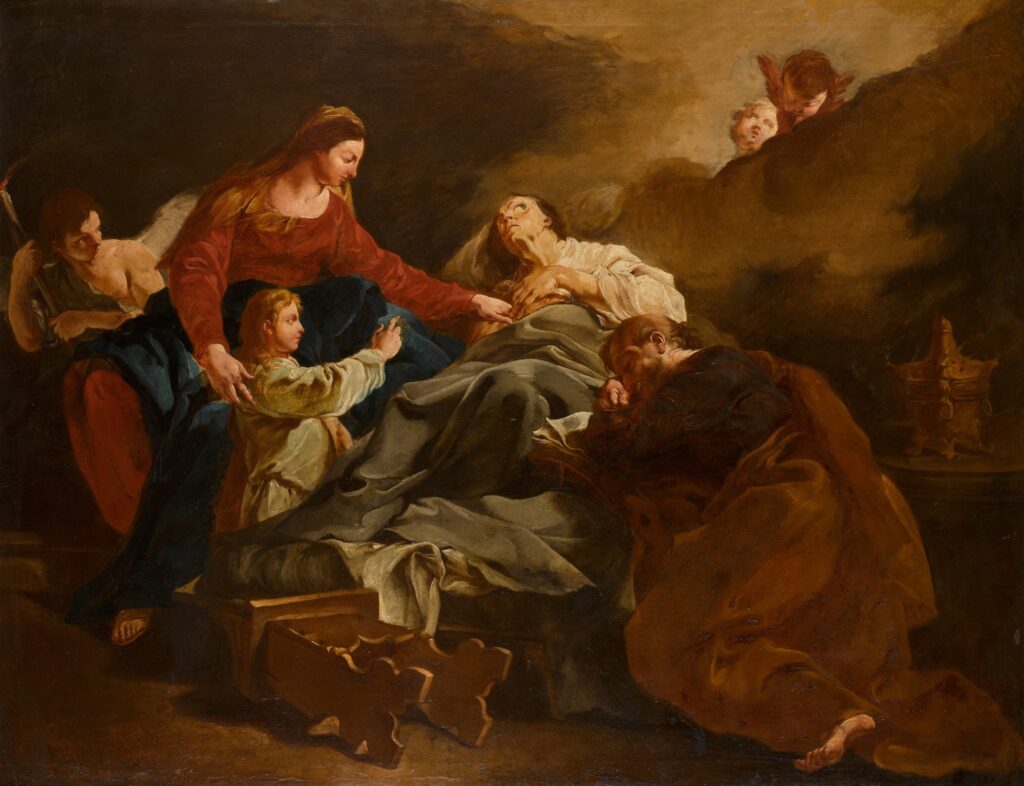
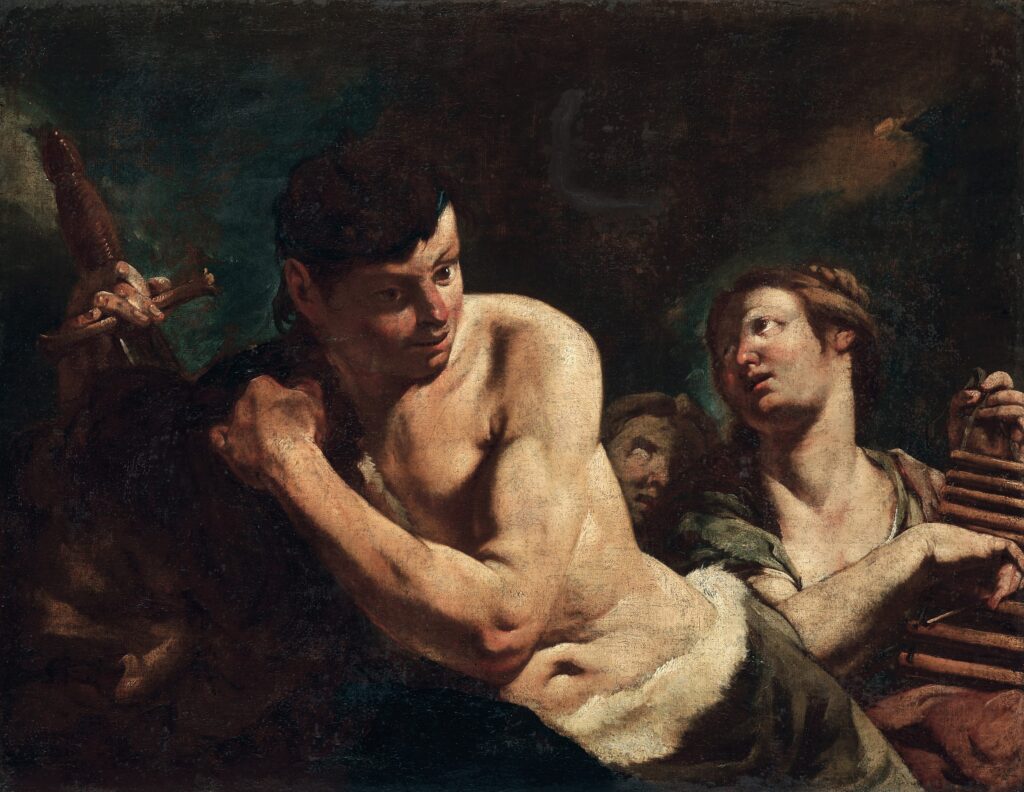
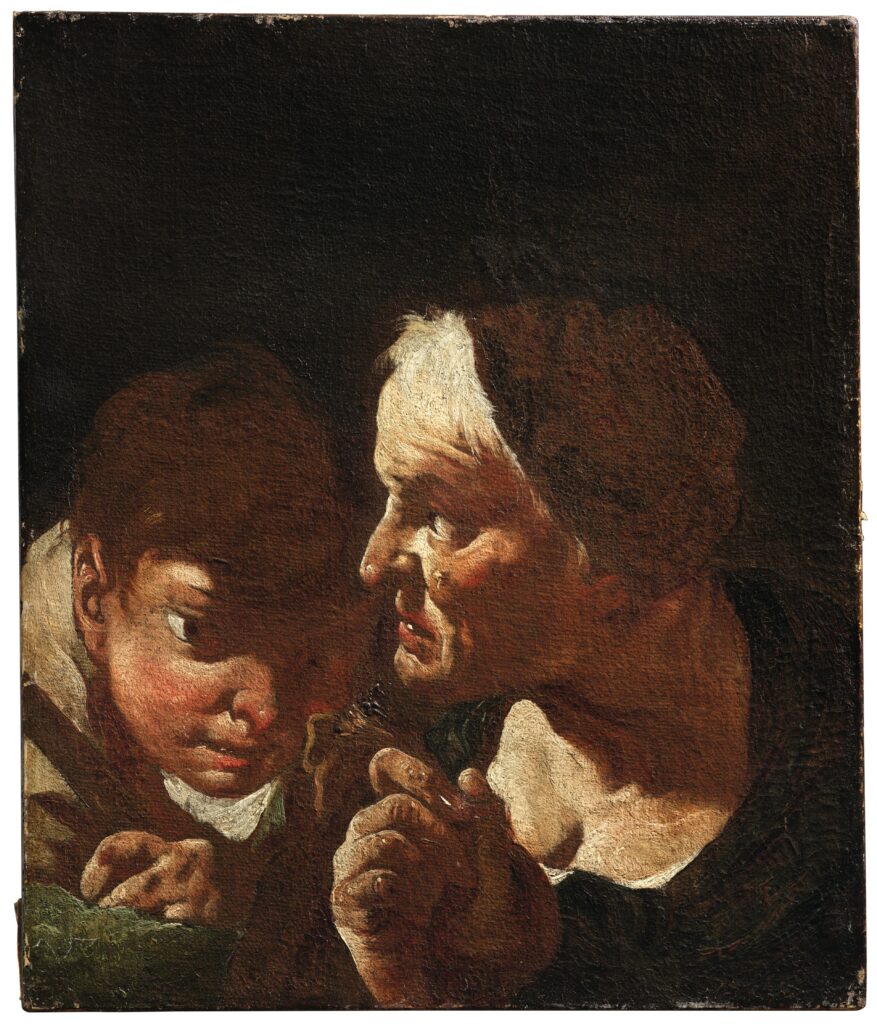
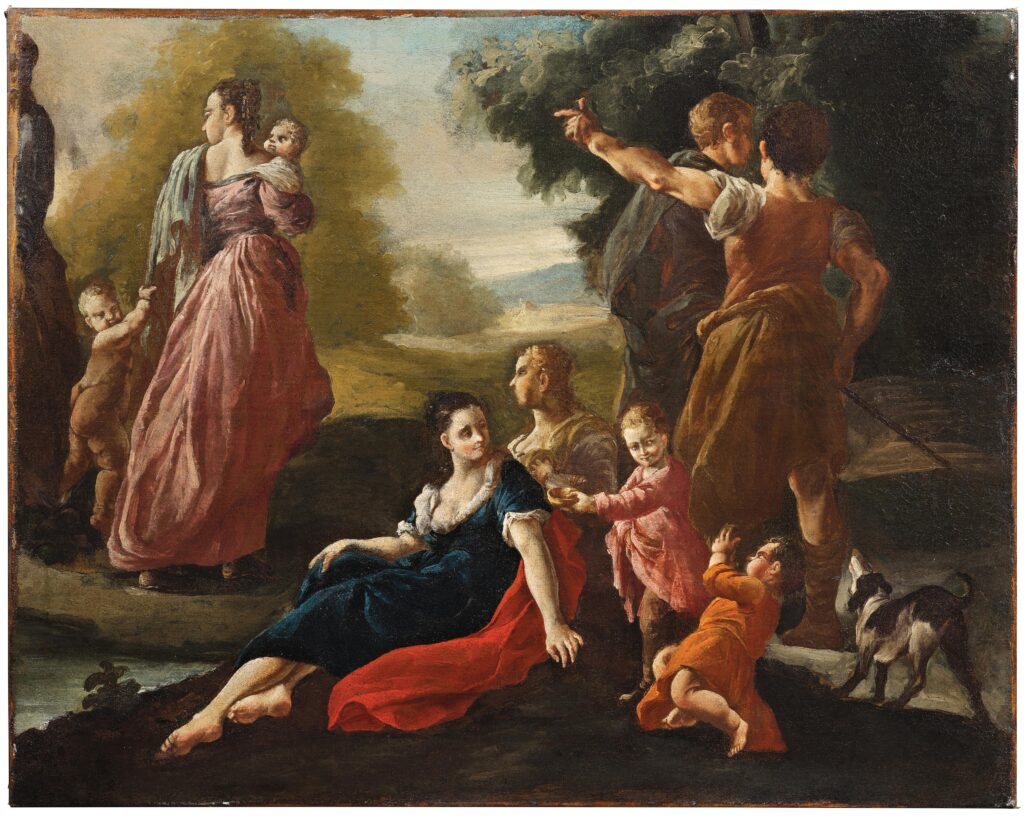
Giulia Lama, October 1, 1681 – October 8, 1747, was an Italian painter, draftsman, poet, and mathematician born and active in Venice. She received her first artistic and mathematical instruction from her father, the painter Agostino Lama, and trained in the circle of Antonio Molinari alongside her friend Giambattista Piazzetta.
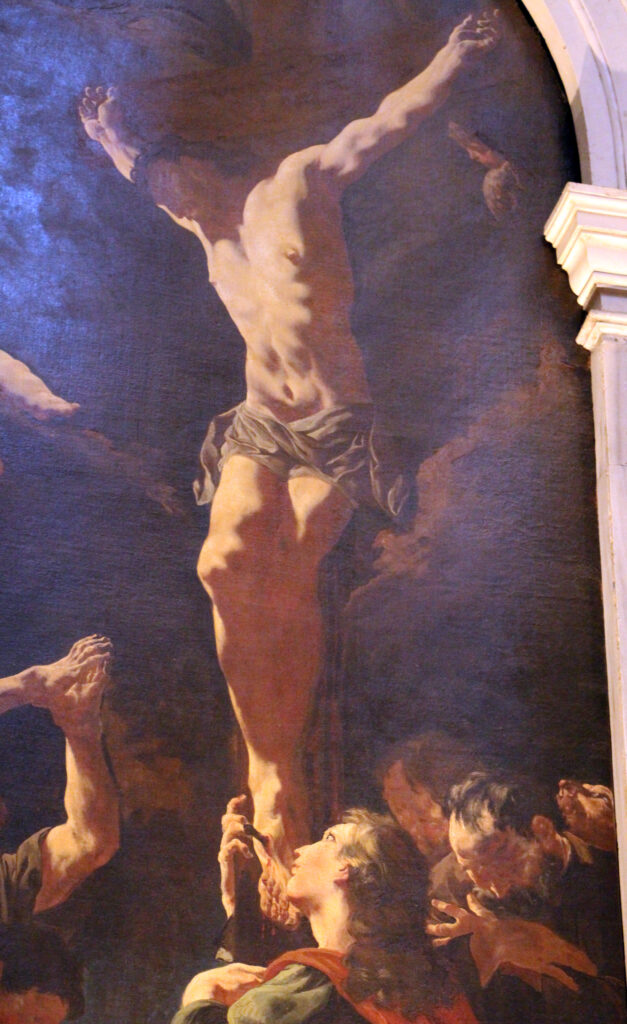
Lama established an independent career as a portraitist and history painter, receiving private commissions and producing large religious paintings and altarpieces for Venetian churches. Her surviving drawings show that she studied both male and female figures from life, and she was also known in contemporary intellectual circles for her poetry and mathematical learning.
Lama remained in Venice throughout her life and was buried in the Church of Santi Giovanni e Paolo. Her paintings and drawings are held by the Uffizi Gallery, Gallerie dell’Accademia, Ca’ Rezzonico, and Musée des Beaux-Arts, Quimper; the modern recovery of her work has included the reattribution of paintings formerly assigned to several male contemporaries.
Maurice Quentin de La Tour
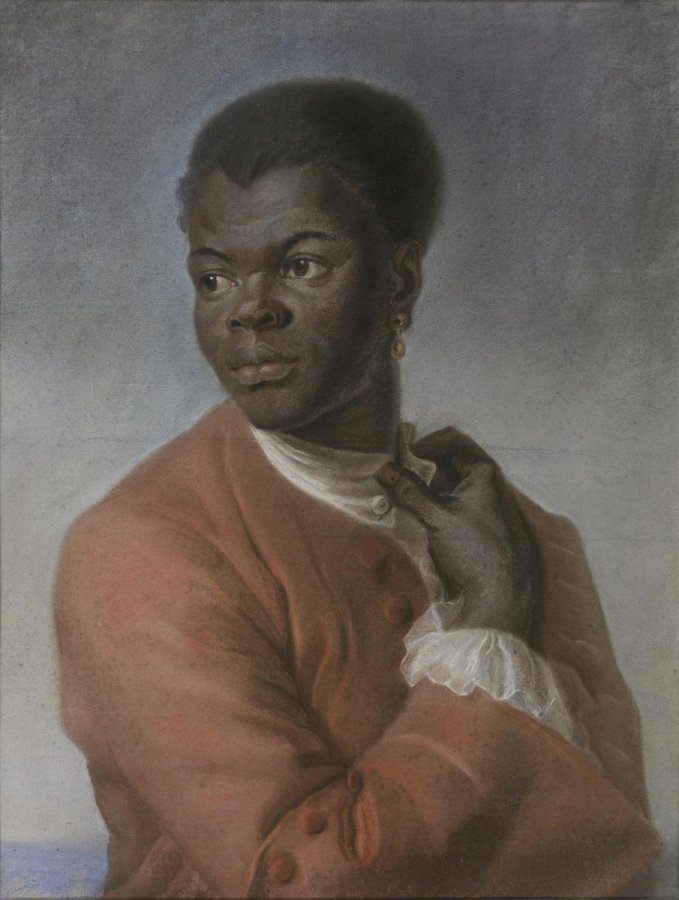
Maurice Quentin de La Tour, September 5, 1704 – February 17, 1788, was a French pastellist and portrait painter, born and died in Saint-Quentin. He attended the college at Saint-Quentin, moved to Paris in 1724, and studied with the Flemish artist Jacques Spoëde; accounts also identify training with the engraver Tardieu and the painter Jean Restout.
La Tour was agréé by the Académie royale de peinture et de sculpture in 1737 and became an academician in 1746. He exhibited at the Salon from 1740 to 1760 and worked in Paris and Saint-Quentin. His sitters included members of the French court, writers, philosophers, and other public figures. Adélaïde Labille-Guiard received instruction from him in pastel.
In 1778, La Tour founded a drawing school in Saint-Quentin. His works are held by the Louvre Museum, Musée des beaux-arts Antoine Lécuyer, Musée de Picardie, MAH Museum of Art and History, National Galleries of Scotland, Alte Pinakothek, Museu Nacional d'Art de Catalunya, the Metropolitan Museum of Art, and the National Gallery of Art.



Joseph Wright of Derby
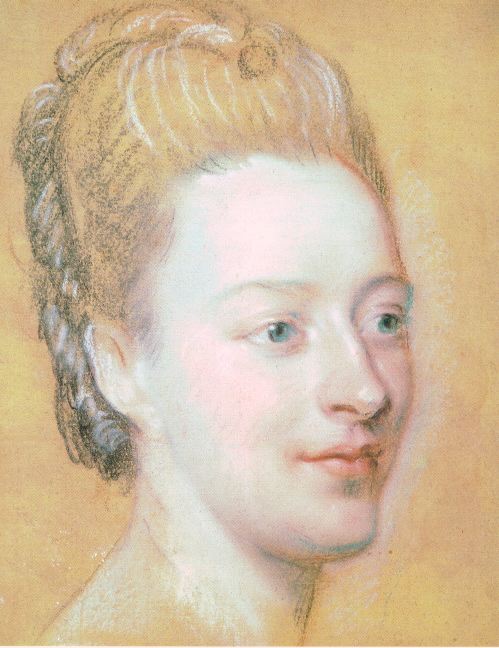
Joseph Wright of Derby, September 3, 1734 – August 29, 1797, was an English painter of portraits, narrative scenes, and landscapes. Born and active for much of his life in Derby, he trained in London under the portrait painter Thomas Hudson from 1751 and returned for further instruction in 1756–1757. He also worked in Liverpool from 1768 to 1771 and travelled in Italy from 1773 to 1775.
Wright exhibited with the Society of Artists and the Royal Academy of Arts. He was associated with Derby’s scientific and industrial circle and with figures connected to the Lunar Society, although he was not a member of it. The printmaker William Pether reproduced several of Wright’s paintings as mezzotints, helping to circulate his work. William Tate was among his pupils.
Derby Museums holds the largest collection of Wright’s work, including paintings, drawings, prints, letters, and related archives. Other principal collections include the National Gallery, London; the National Gallery of Art, Washington DC; the J. Paul Getty Museum, Los Angeles; the Yale Center for British Art, New Haven, CT; the National Gallery of Victoria, Melbourne; Tate; the Metropolitan Museum of Art, New York; and the Hermitage Museum, Saint Petersburg


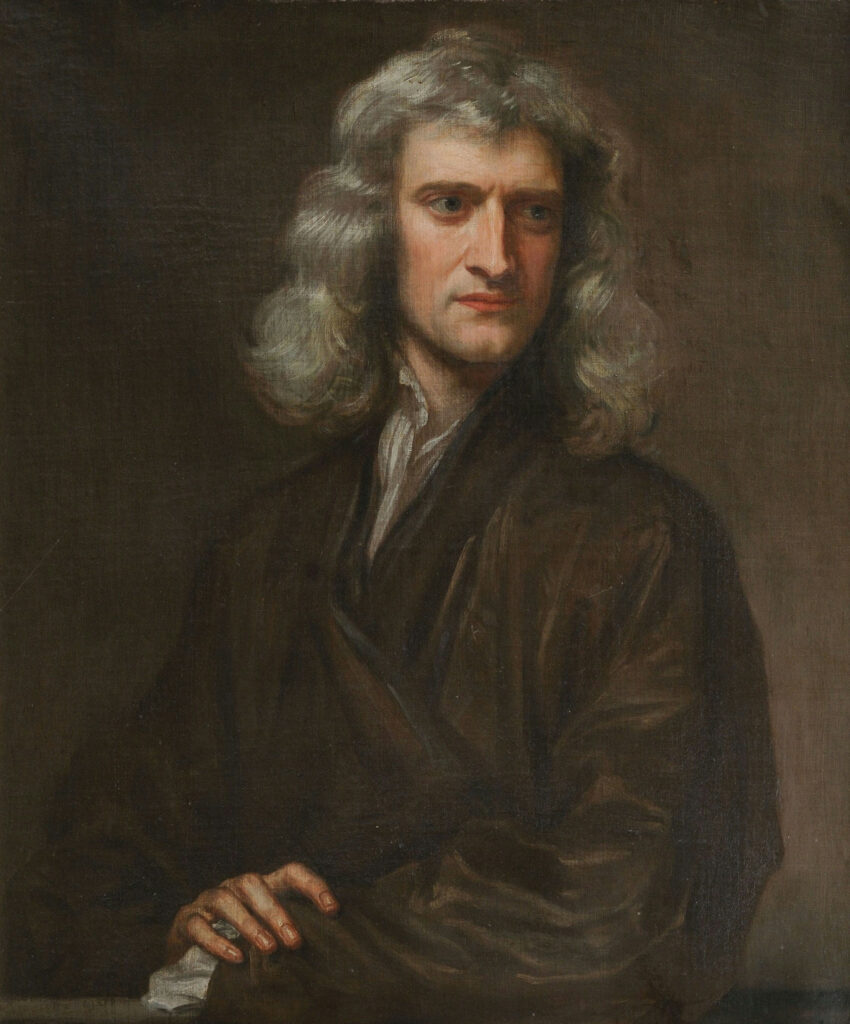
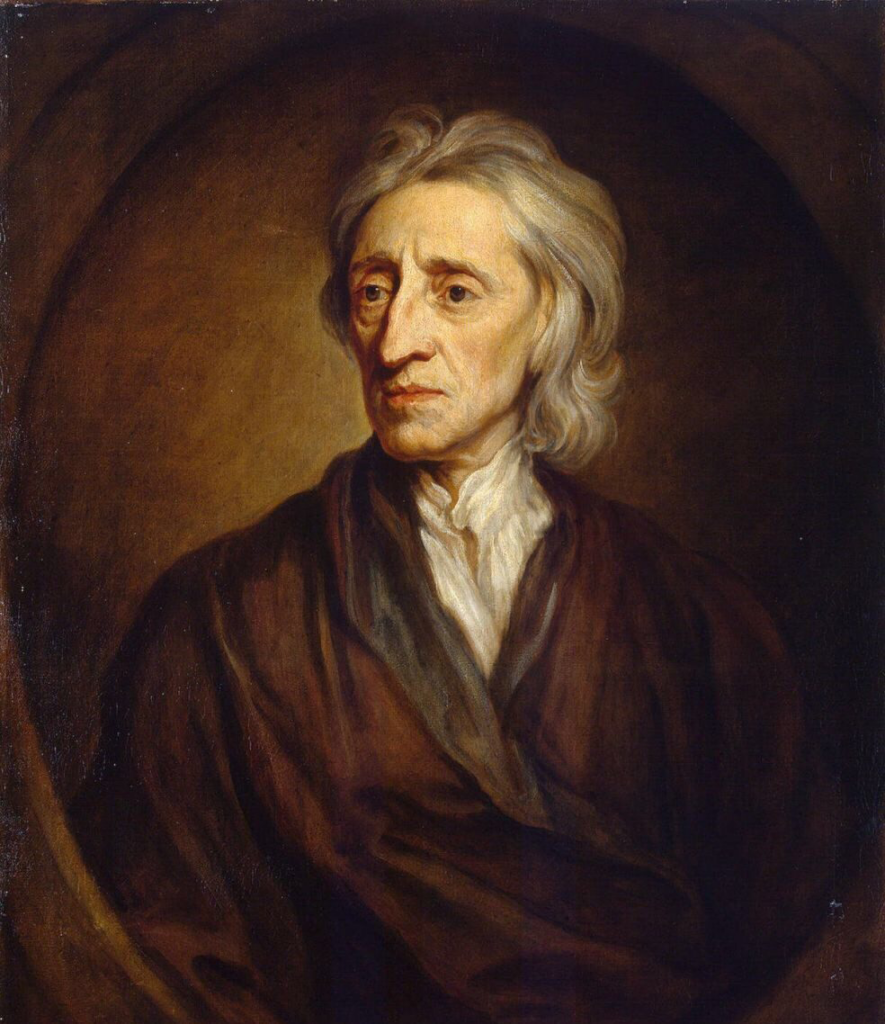
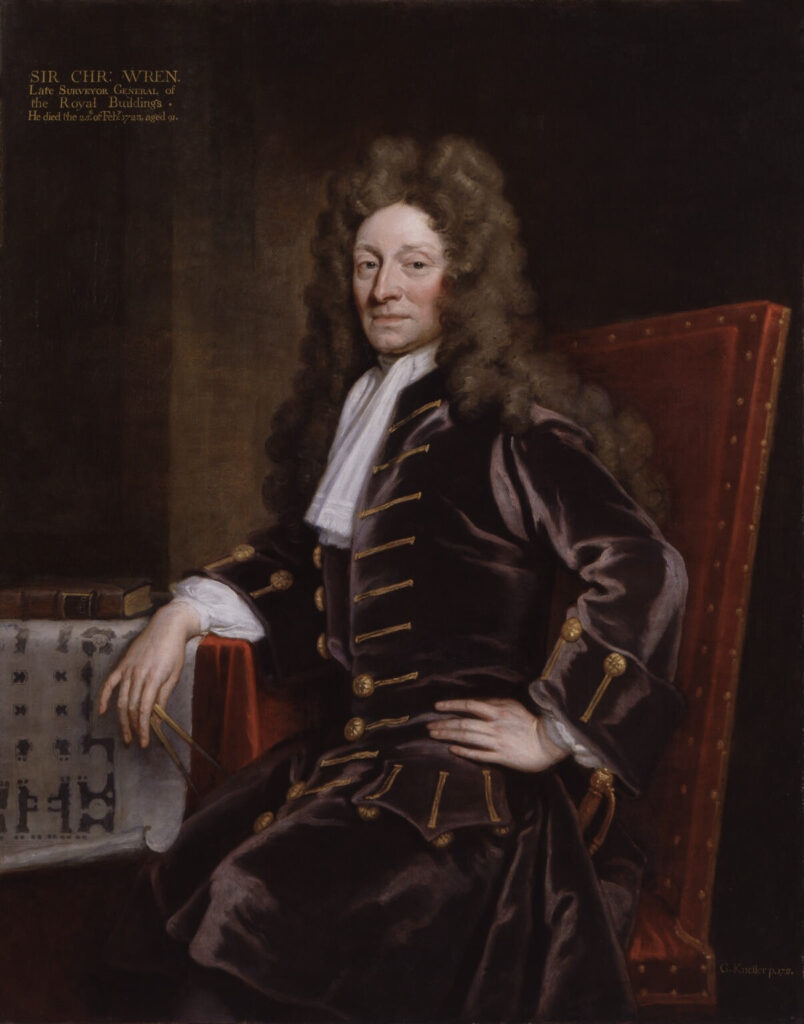
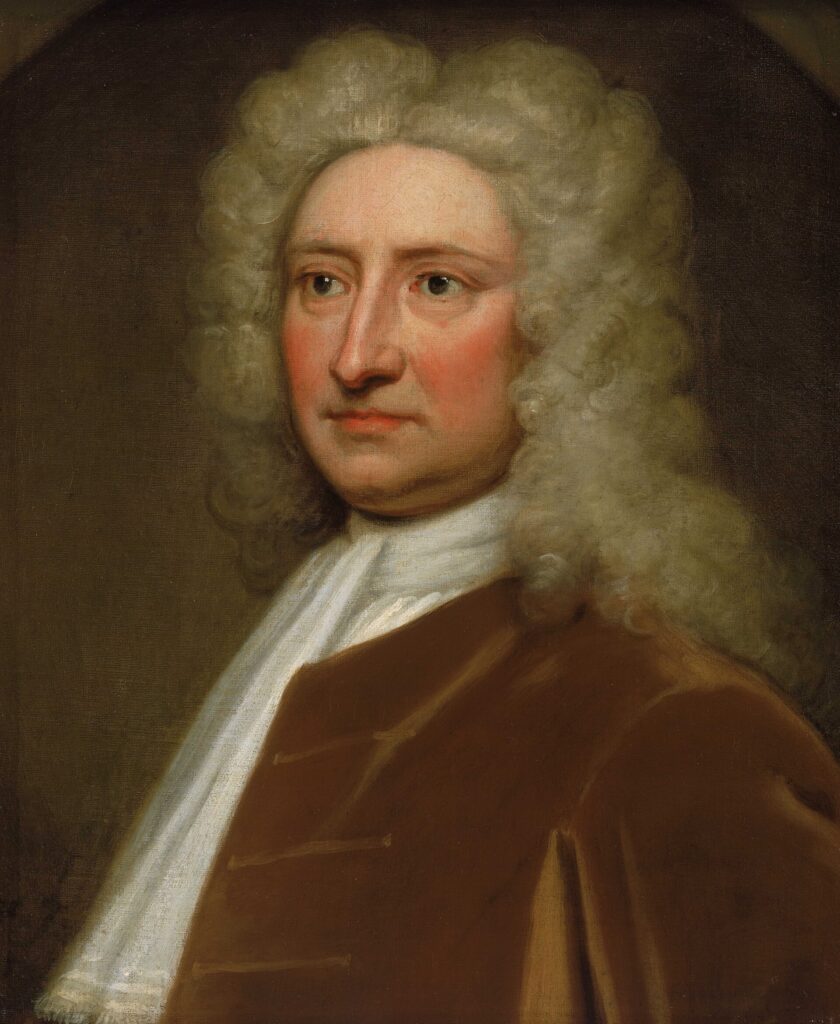
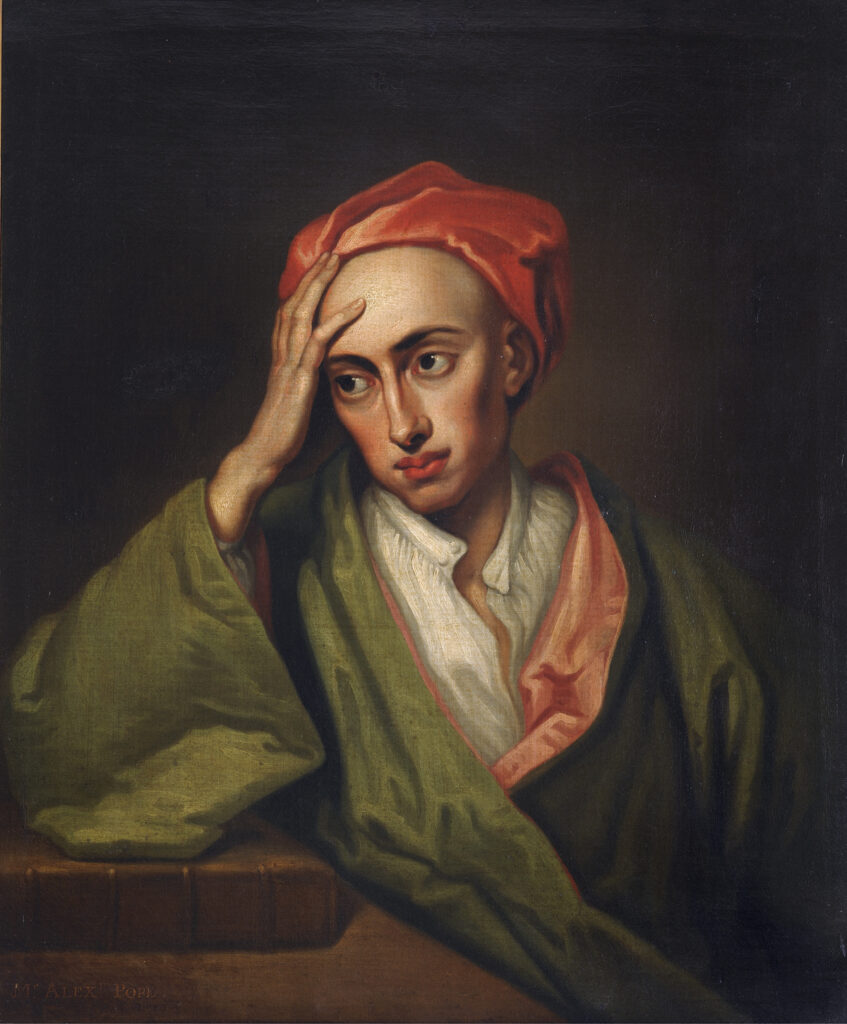
Sir Godfrey Kneller
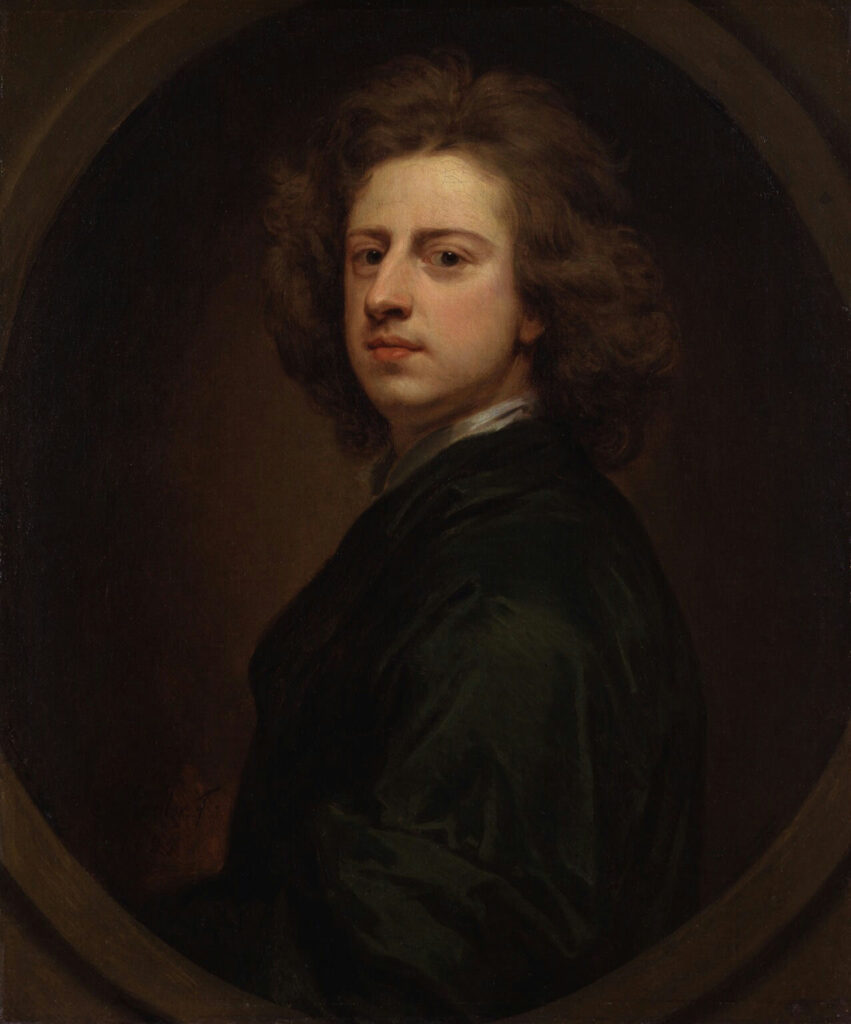
Sir Godfrey Kneller, August 8, 1646 – October 19, 1723, was a German-born painter who became the leading portraitist in England during the late seventeenth and early eighteenth centuries.
He worked for the courts of Charles II, James II, William III, Mary II, and Queen Anne, and painted many of the major political, scientific, literary, and aristocratic figures of his period.
Kneller is best known for formal state portraits, court portraits, and the Kit-Cat Club series. He was knighted in 1692 and made a baronet in 1715.





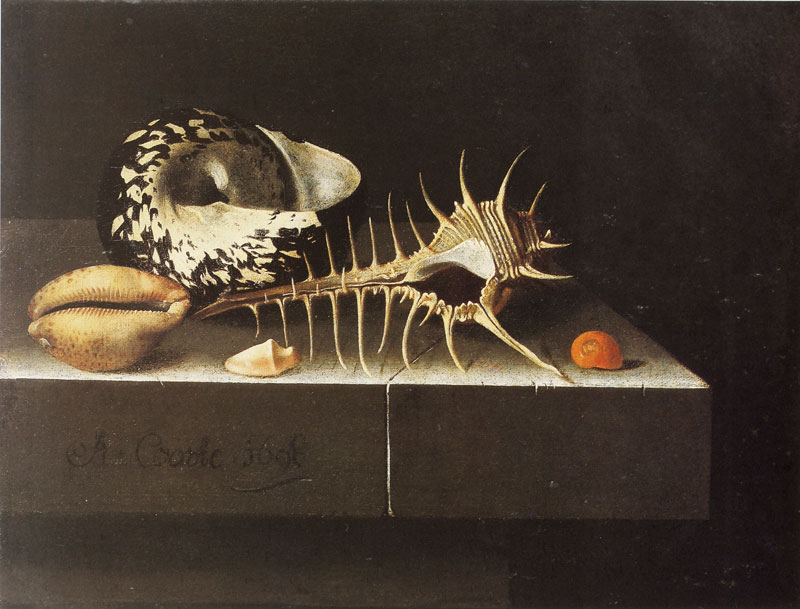
Adriaen Coorte
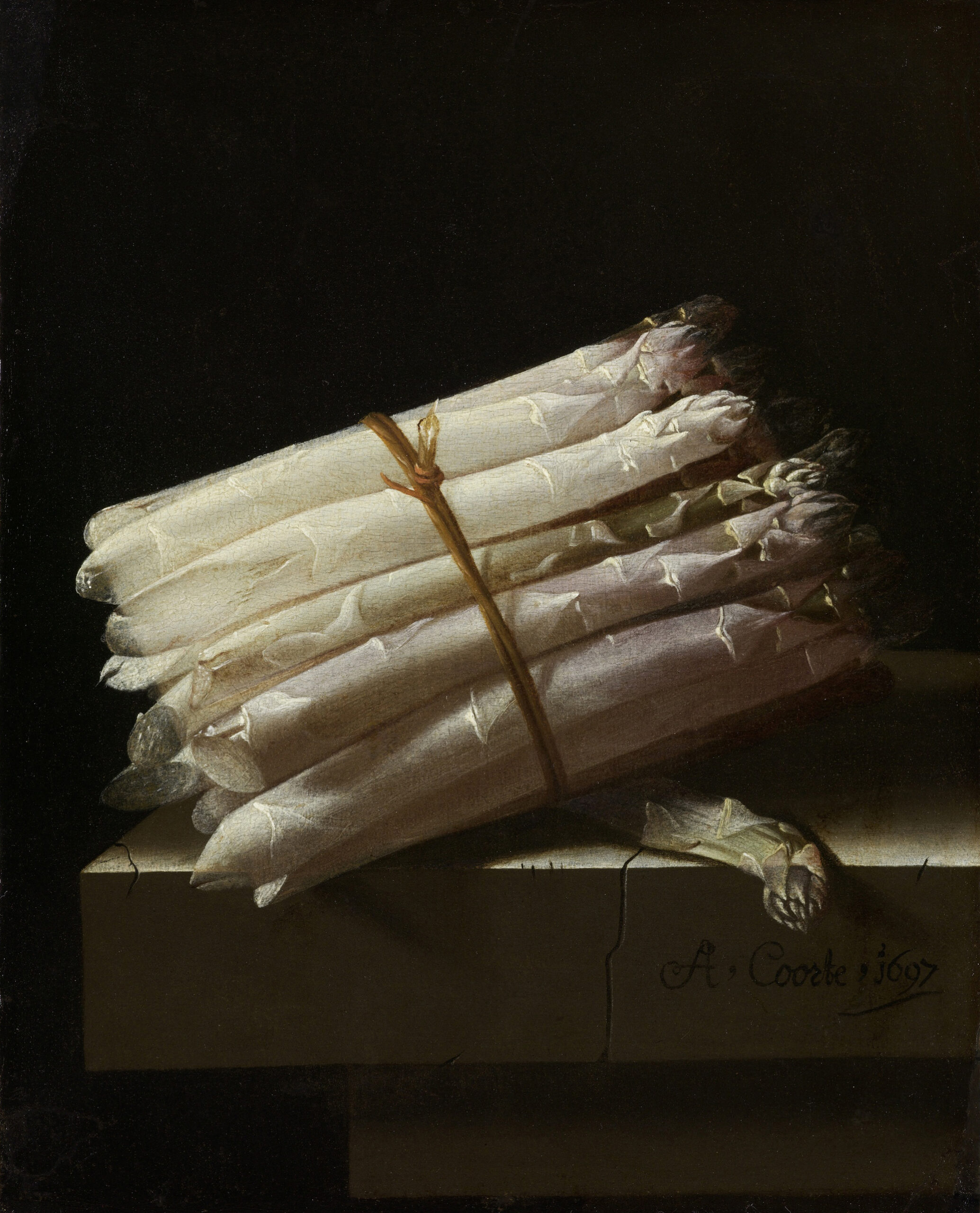
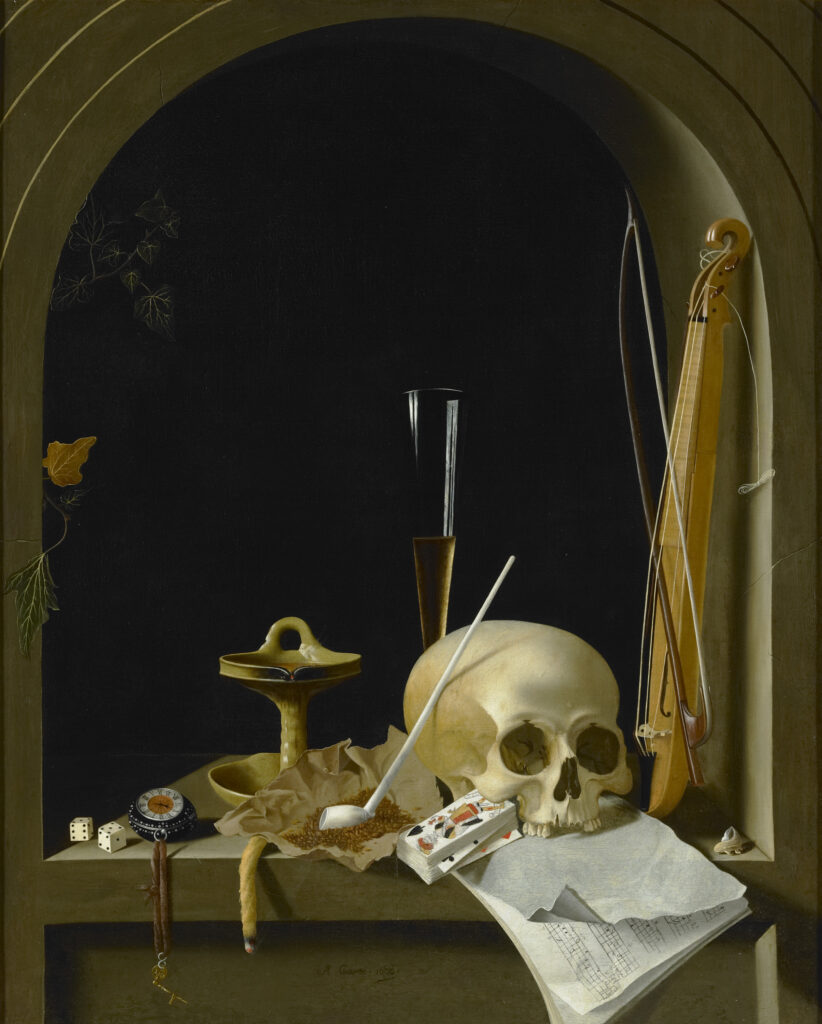
Adriaen Coorte, c 1665–after 1707, was a Dutch painter probably associated with Middelburg. Little documentary evidence about his life survives. He is thought to have trained in Amsterdam with the bird painter Melchior d’Hondecoeter around 1680.
Coorte’s earliest known works, dated 1683, are paintings of birds influenced by d’Hondecoeter. He later worked chiefly in Middelburg and specialized in small still lifes of fruit, vegetables, shells, and vanitas objects, often arranged on a stone ledge against a dark background.
His signed works range from 1683 to 1707. Paintings by Coorte are held by the Rijksmuseum, Mauritshuis, National Gallery of Art, Ashmolean Museum, Museum of Fine Arts Boston, and Zeeuws Museum.










Pierre-Paul Prud’hon
Pierre-Paul Prud'hon, French painter and draughtsman, April 4, 1758 – February 16, 1823


