Posts in Category: Austrian
Gabriel von Max
Gabriel von Max, August 23, 1840 – November 24, 1915, was an Austrian-born painter active mainly in Munich. He studied in Prague, Vienna, and Munich, and became associated with late nineteenth-century Symbolism and academic painting.
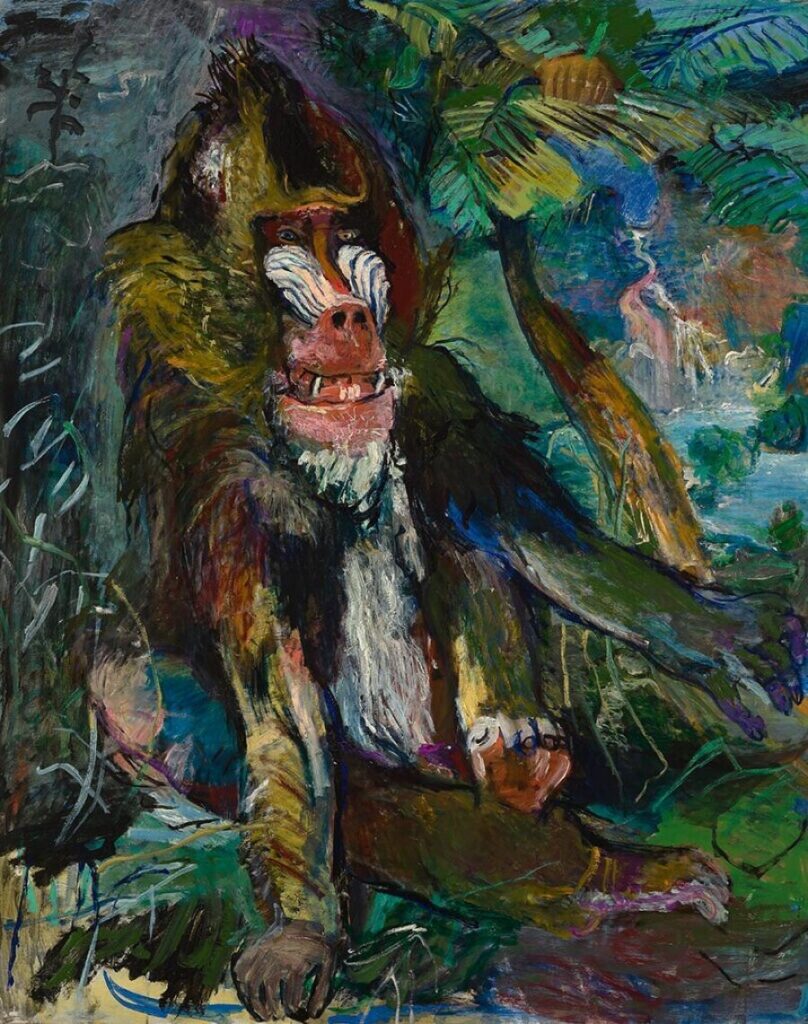
His work included religious subjects, literary scenes, portraits, and images connected with spiritualism and psychical research. He was also known for paintings of monkeys, often presenting them in human roles or situations.
Von Max taught at the Munich Academy and built large collections related to anthropology, ethnography, and natural history. His interests in science, mysticism, and animal behavior shaped much of his mature work.


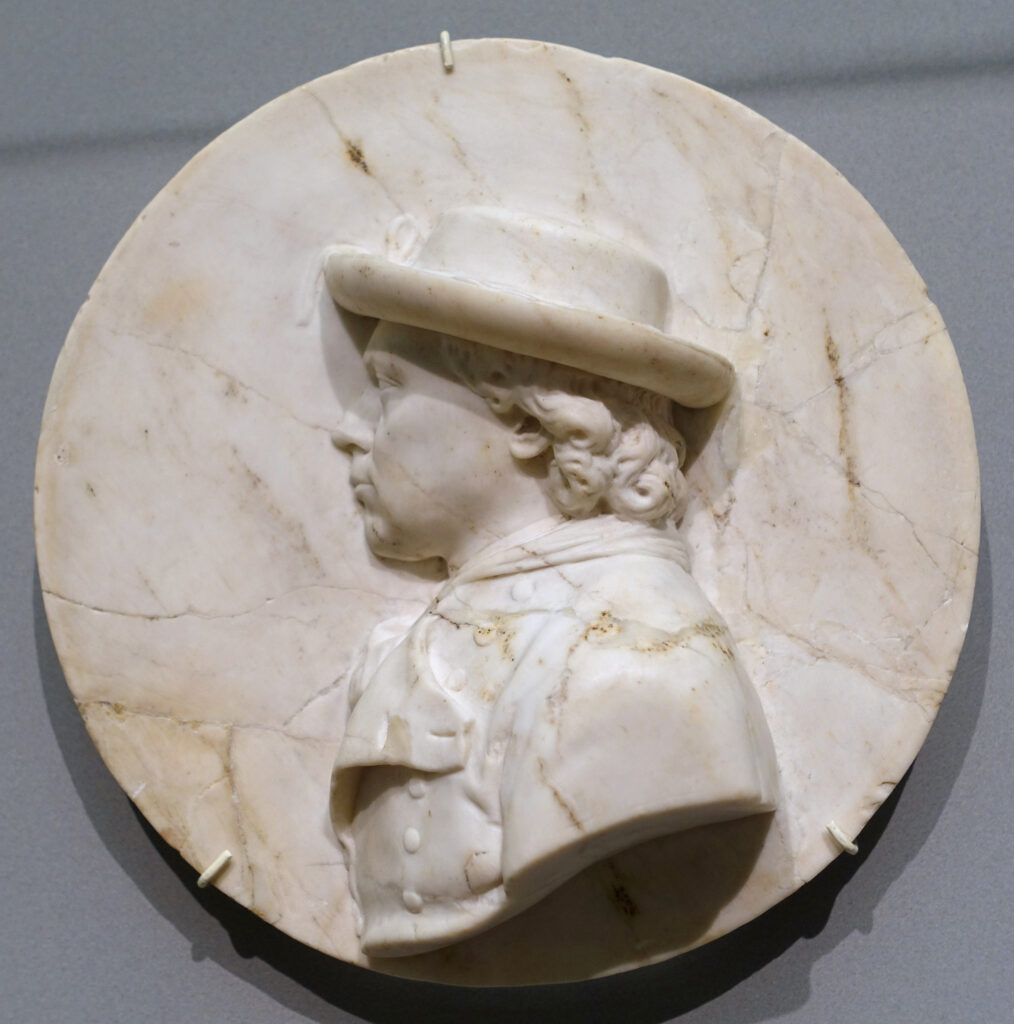
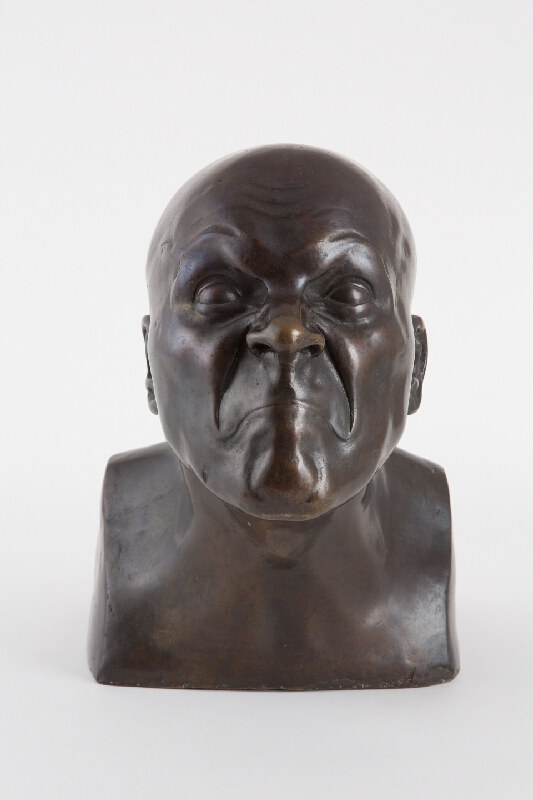
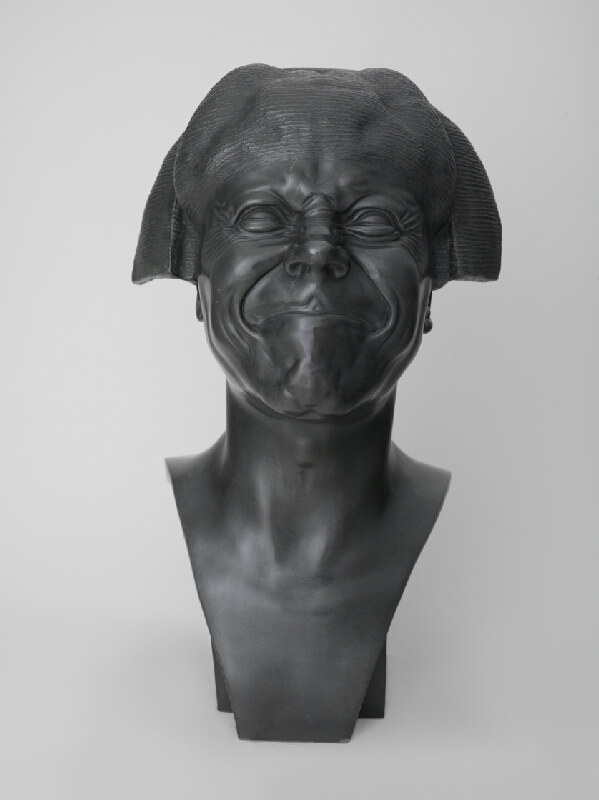
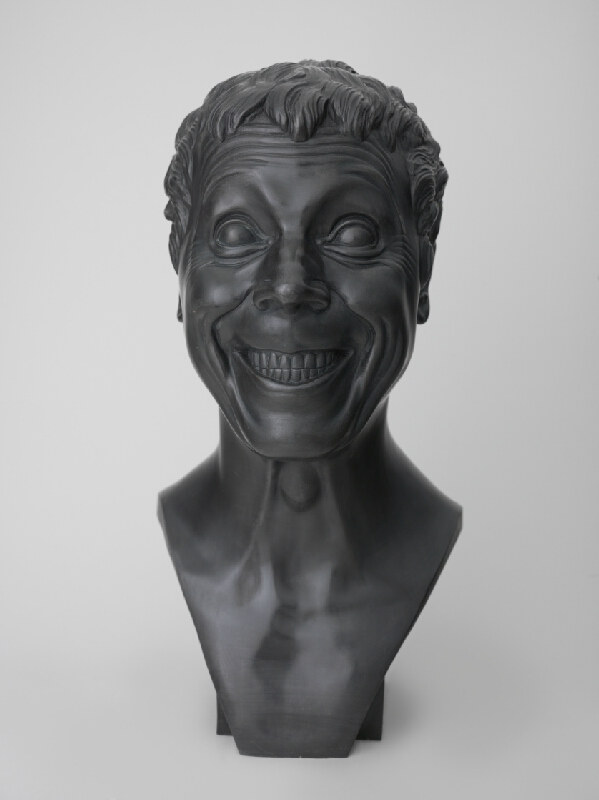
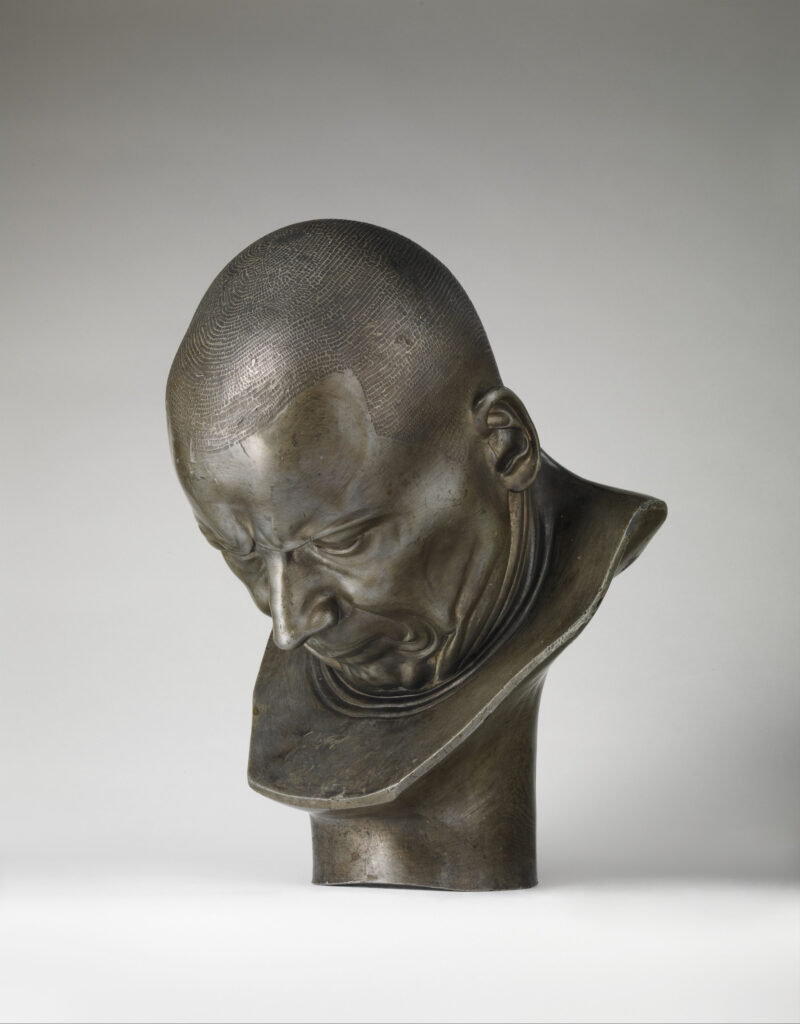
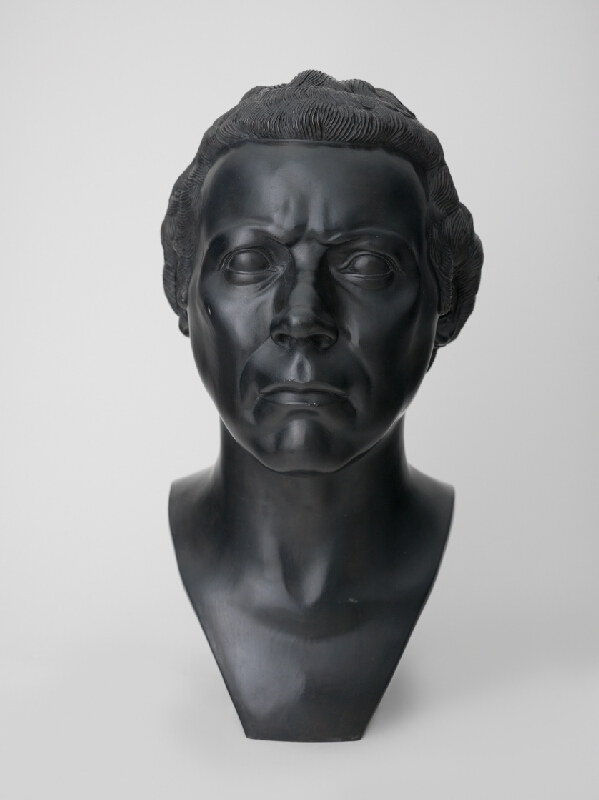
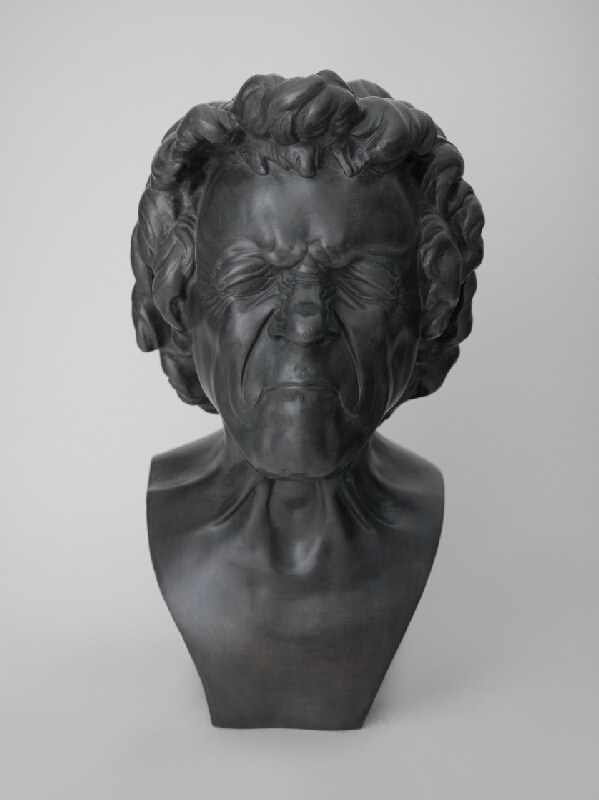
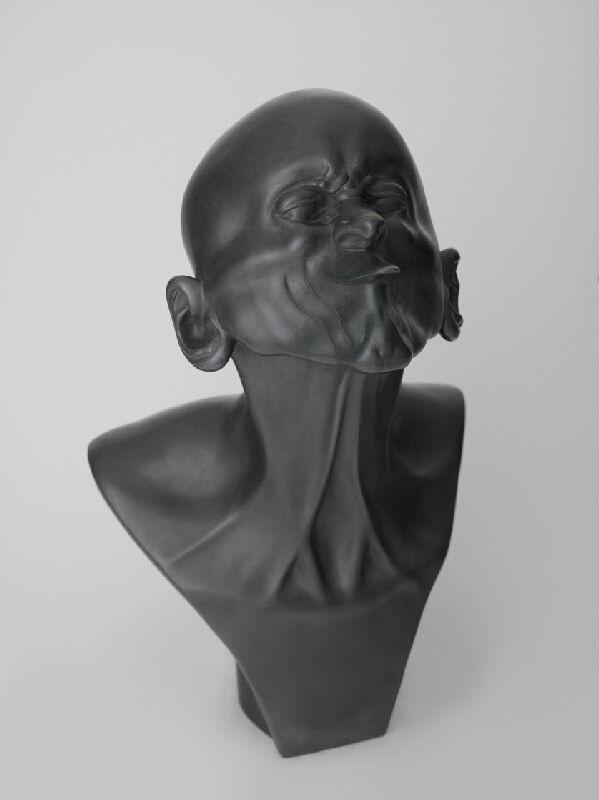
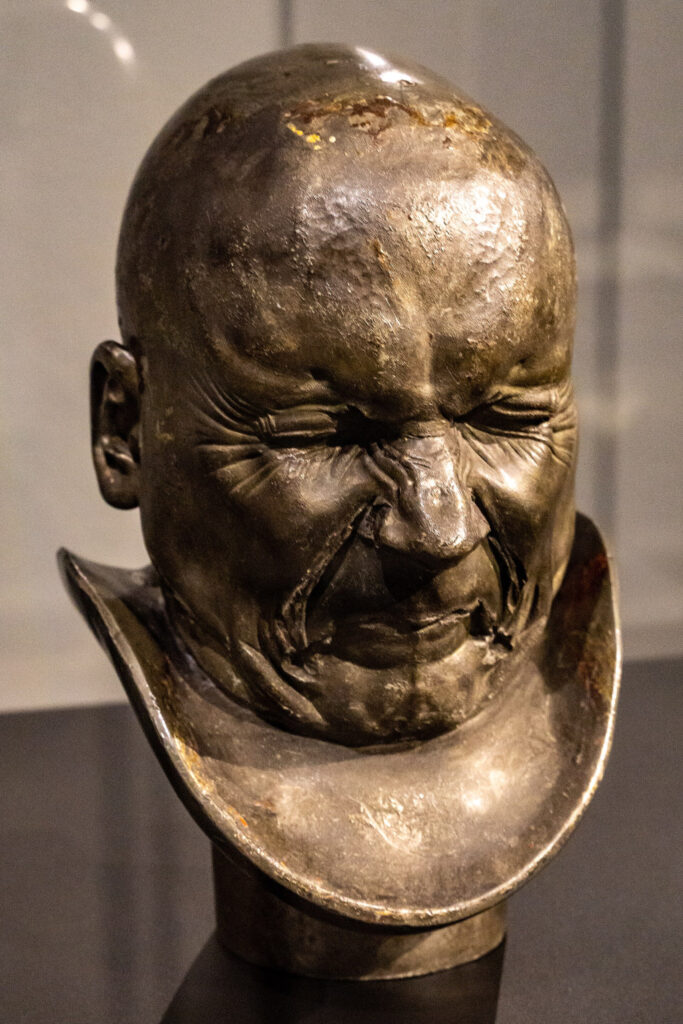
Franz Xaver Messerschmidt
Franz Xaver Messerschmidt, February 6, 1736–August 19, 1783, was a German-born sculptor active in Austria and Pressburg, now Bratislava. He trained with his uncles Johann Baptist Straub in Munich and Philipp Jakob Straub in Graz, then studied at the Vienna Academy of Fine Arts.
Working independently from 1760, Messerschmidt made portraits and other sculptures for aristocratic, imperial, and middle-class patrons. His commissions included work for the Habsburg court. He visited Rome in 1765 and later taught at the Vienna academy as a substitute professor.
Messerschmidt began his series of character heads around 1770. After leaving Vienna in 1775, he spent time in Wiesensteig and Munich before settling in Pressburg in 1777, where he continued making character heads and portraits until his death. Original heads and later casts are held by the Belvedere in Vienna, the Slovak National Gallery, the Metropolitan Museum of Art, and other collections.


Ferdinand Waldmüller
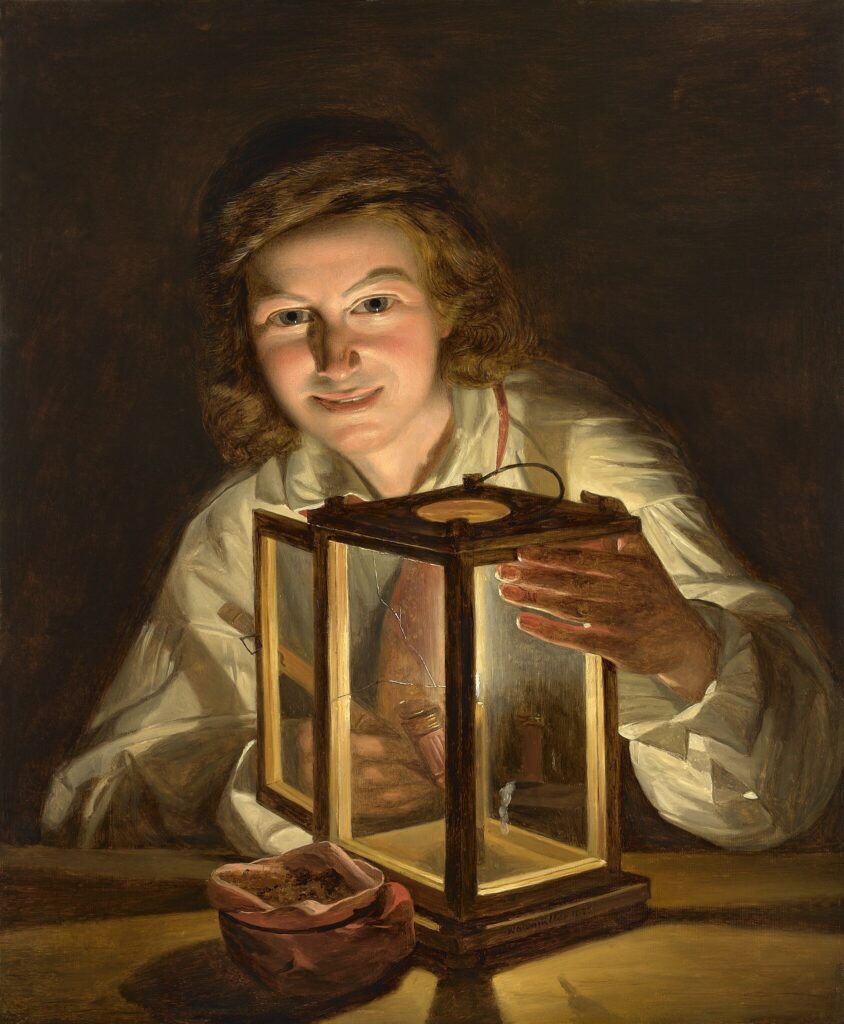
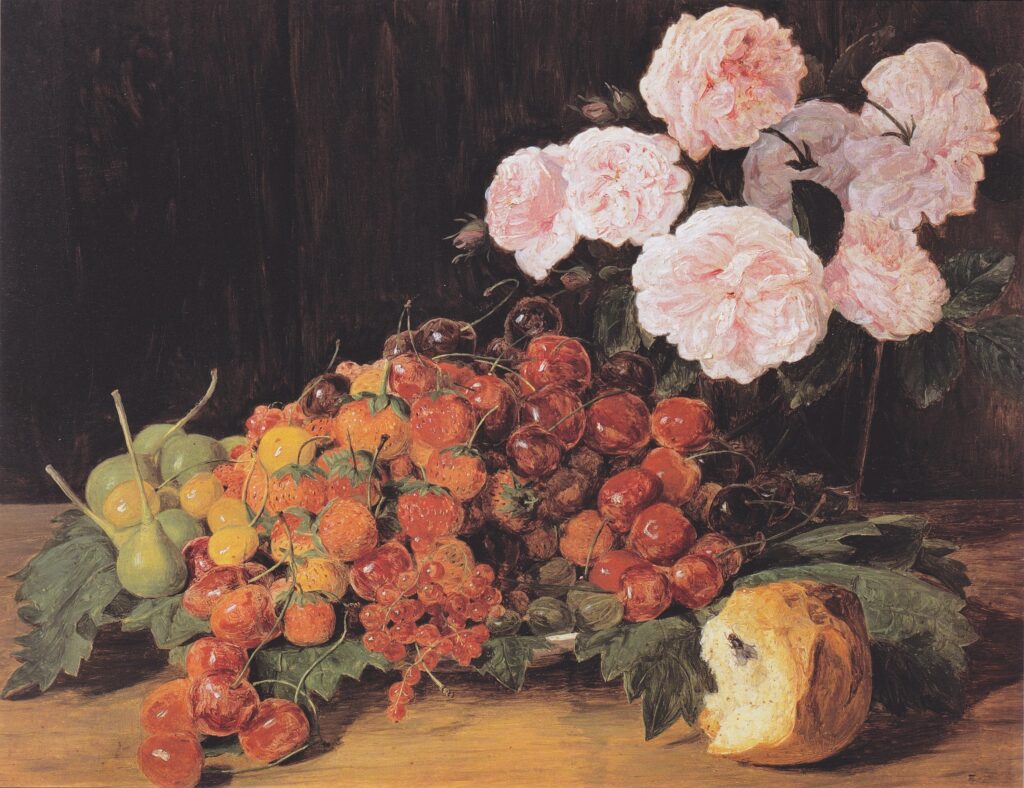
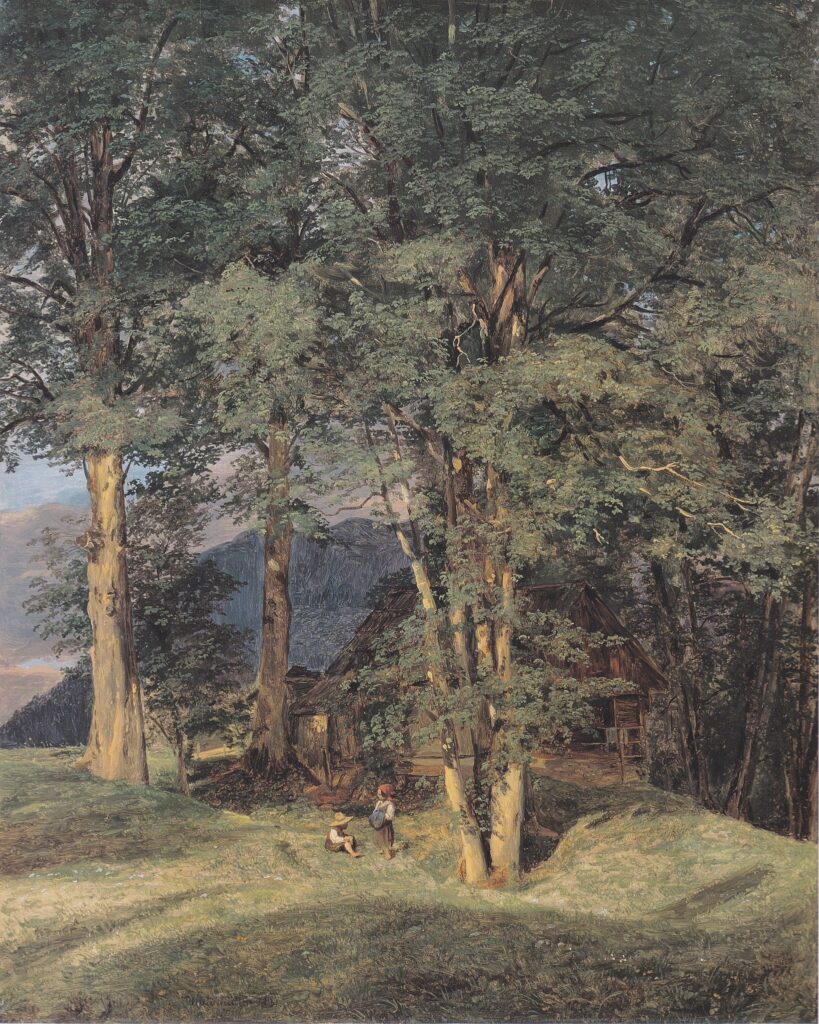
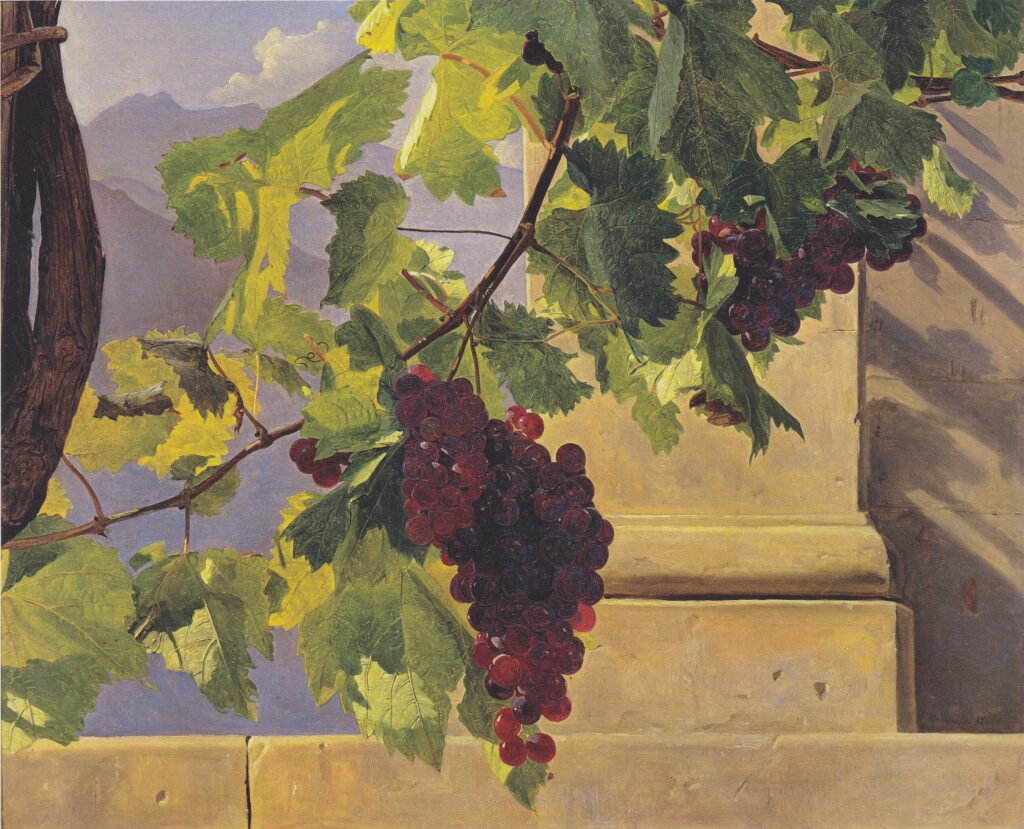
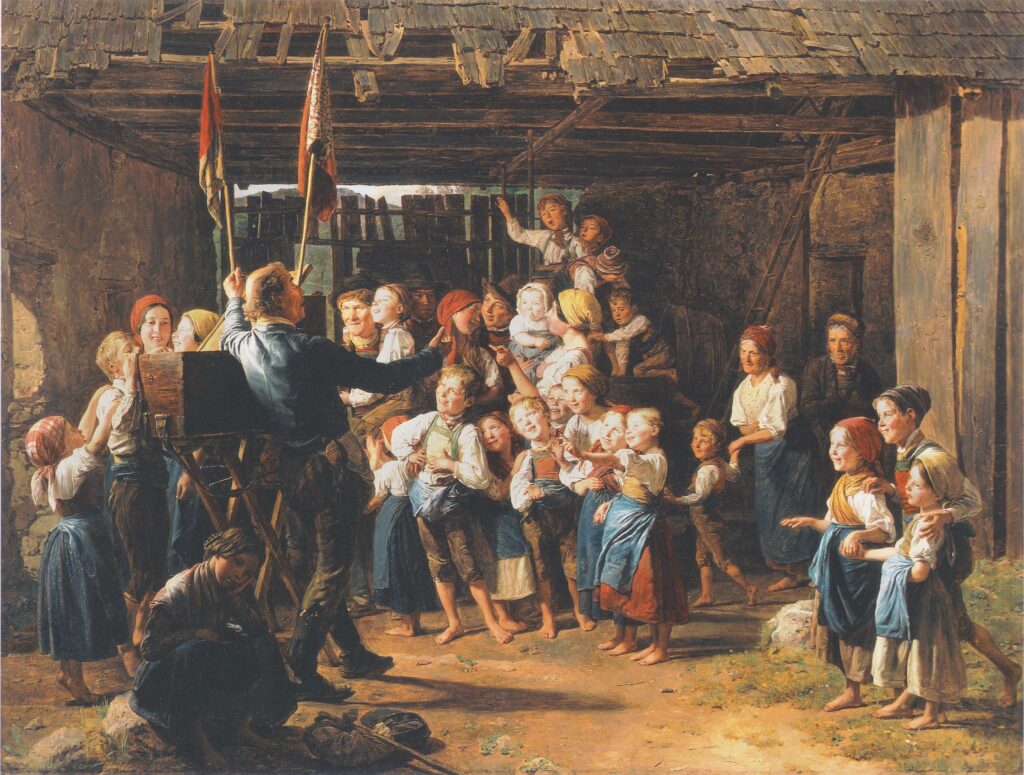
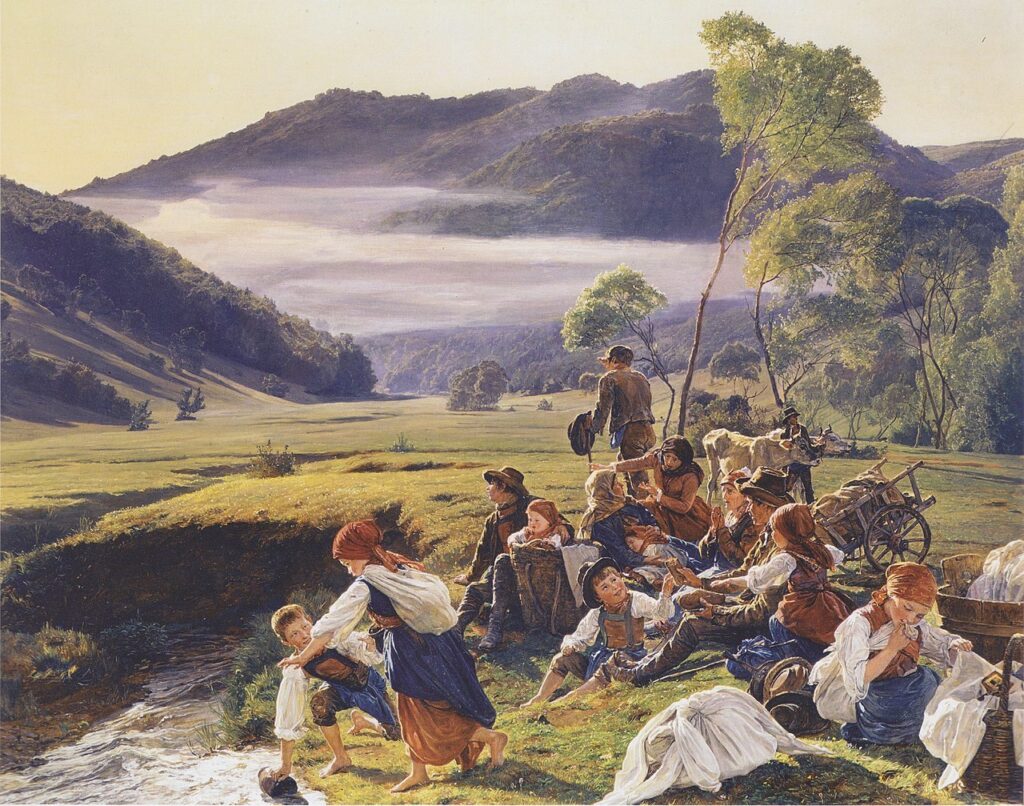
Ferdinand Georg Waldmüller, January 15, 1793–August 23, 1865, was an Austrian painter born in Vienna. He studied intermittently at the Academy of Fine Arts Vienna from 1807 to 1813 under Hubert Maurer and Johann Baptist Lampi, supported himself as a portrait miniaturist, and worked as a drawing teacher and theatrical scene painter.
He returned to Vienna in 1817 and painted portraits, landscapes, genre scenes, and still lifes. He joined the teaching staff of the Academy of Fine Arts Vienna, advocated direct study of nature, and also taught privately; his students included Hans Canon, Anton Romako, and Adam Brenner.
His proposals to reform academic instruction brought him into conflict with the Academy; he lost his studio in 1850 and was suspended in 1857. After renewed international exhibitions, Emperor Franz Joseph rehabilitated him in 1864; Waldmüller died in Hinterbrühl in 1865, and major holdings of his work are preserved at the Belvedere and Wien Museum.


Gustav Klimt
Gustav Klimt, July 14, 1862 – February 6, 1918, was an Austrian painter, draftsman, and decorative artist associated with the Vienna Secession. He was born in Baumgarten, then a suburb of Vienna, the son of the engraver Ernst Klimt. He studied at the Vienna School of Arts and Crafts (Kunstgewerbeschule), where he trained in architectural painting and decoration alongside his brother Ernst Klimt and Franz Matsch. Early in his career he received commissions for murals and decorative schemes in public buildings throughout the Austro-Hungarian Empire.
Klimt’s work includes allegorical paintings, portraits, landscapes, and a large body of drawings. He was a founding member and first president of the Vienna Secession, which promoted modern art independent of the established academic institutions. His style combined elements of Symbolism, Art Nouveau, and Byzantine-inspired ornament. During his so-called Golden Phase he produced many of his best-known portraits and allegorical compositions, while his later work increasingly emphasized landscape painting and freer handling of form and color.
Klimt did not maintain a formal teaching practice and left no organized school of pupils, although his work strongly influenced younger Austrian artists including Egon Schiele and Oskar Kokoschka. His work is held in major collections including the Belvedere Museum, the Leopold Museum, the Albertina, the Museum of Modern Art, and the Neue Galerie New York.


