Posts in Category: 19th Century
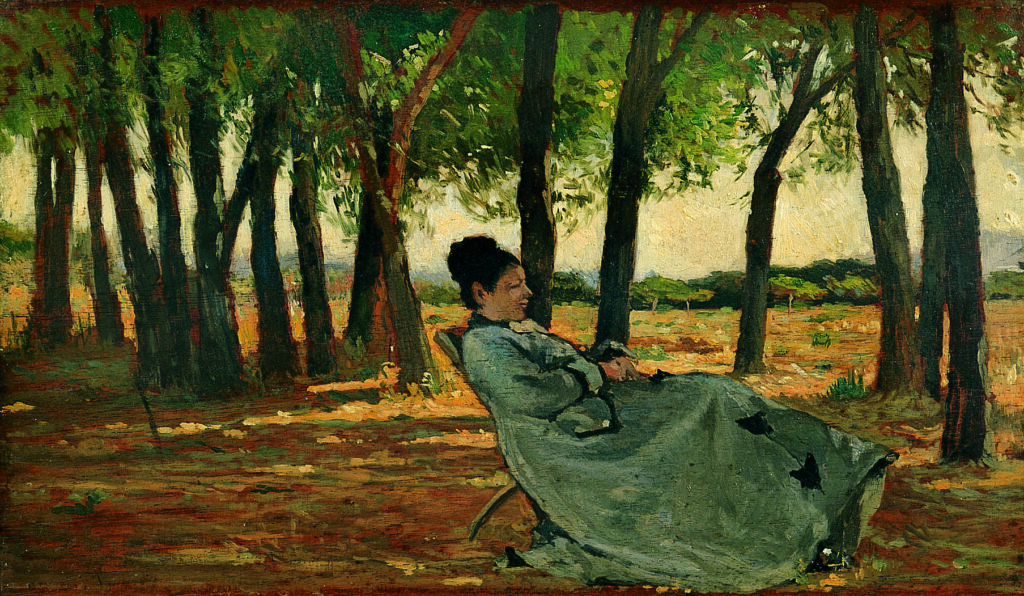
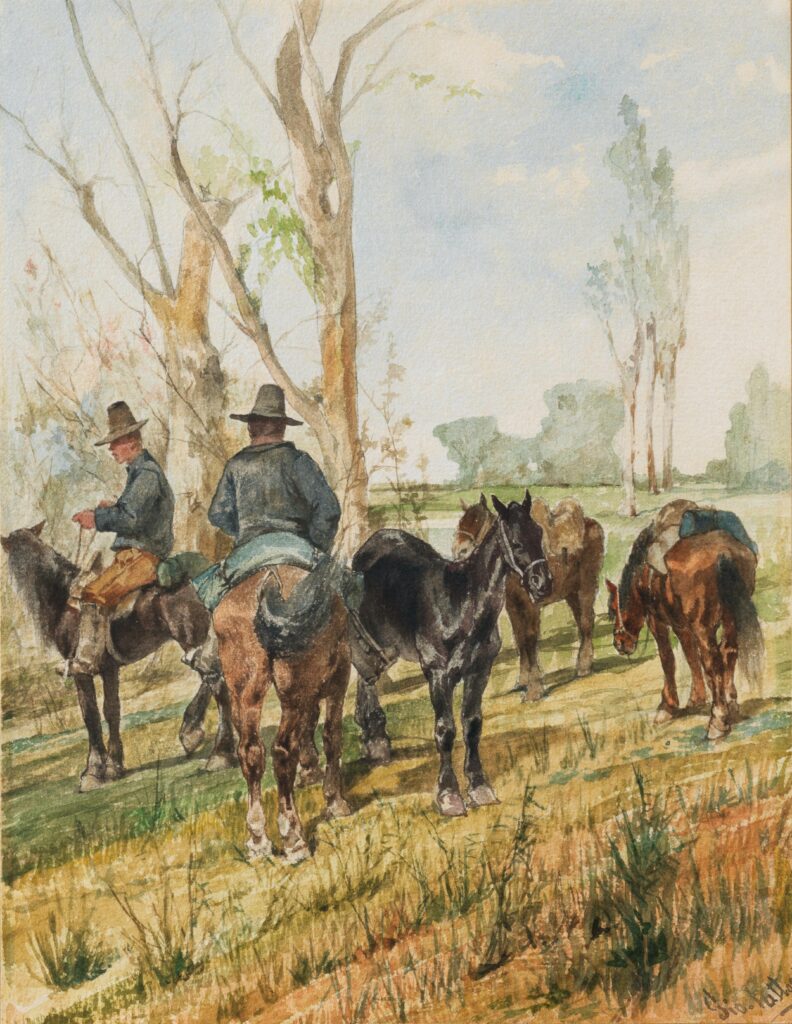
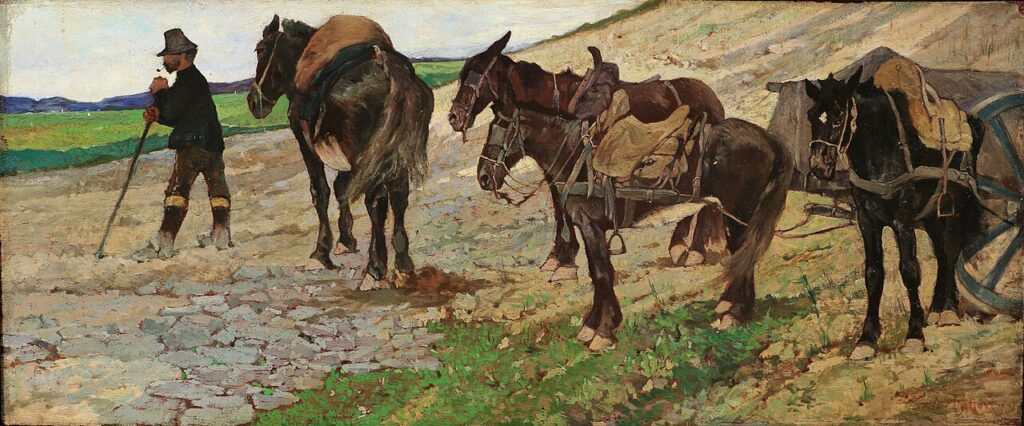
Giovanni Fattori
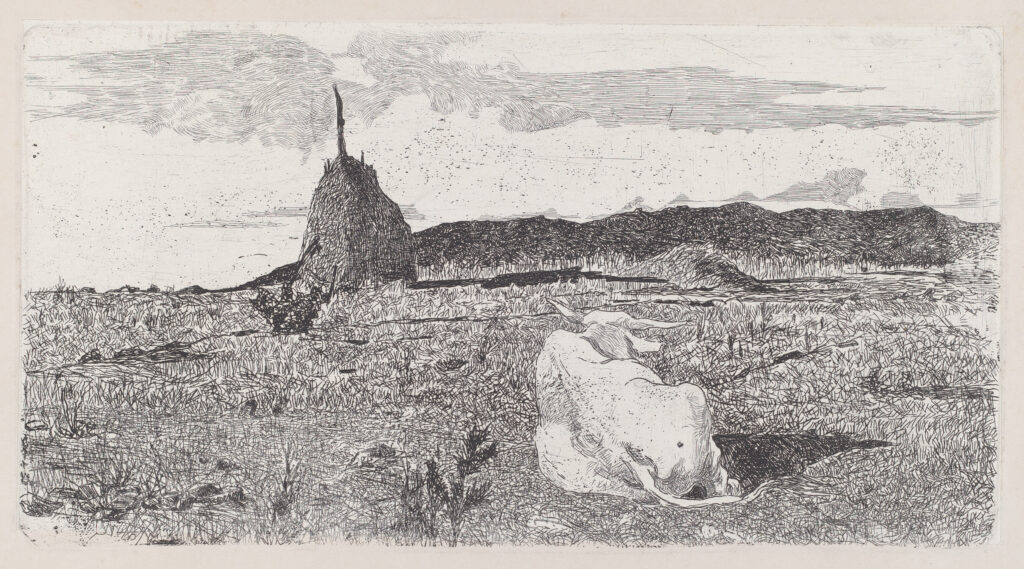
Giovanni Fattori, September 6, 1825 – August 30, 1908, was an Italian painter and printmaker born in Livorno. He studied there with Giuseppe Baldini before moving to Florence, where he trained with Giuseppe Bezzuoli and at the Academy of Fine Arts.
In Florence, Fattori frequented the Caffè Michelangiolo and became a leading member of the Macchiaioli. He painted historical subjects, scenes of military and rural life, landscapes, portraits, and later produced many etchings; from 1869 he taught at the Academy of Fine Arts, where his students included Plinio Nomellini and Amedeo Modigliani.
Fattori remained active in Florence until his death in 1908. Major holdings of his work are in the Museo Civico Giovanni Fattori, Livorno; the Gallery of Modern Art in the Pitti Palace, Florence; and the National Gallery of Modern and Contemporary Art, Rome.






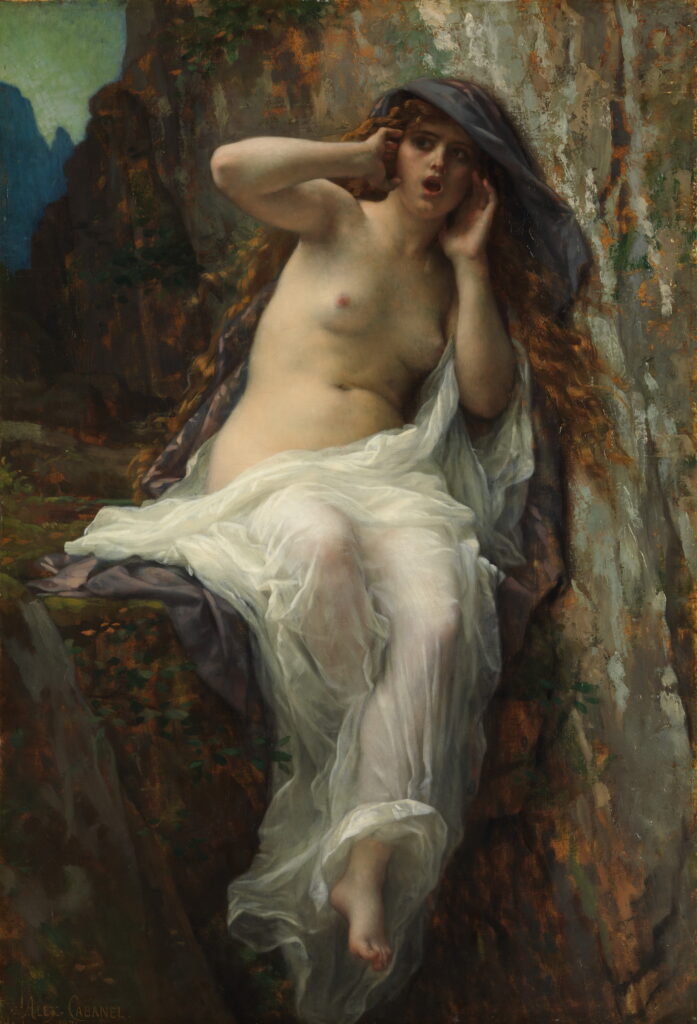
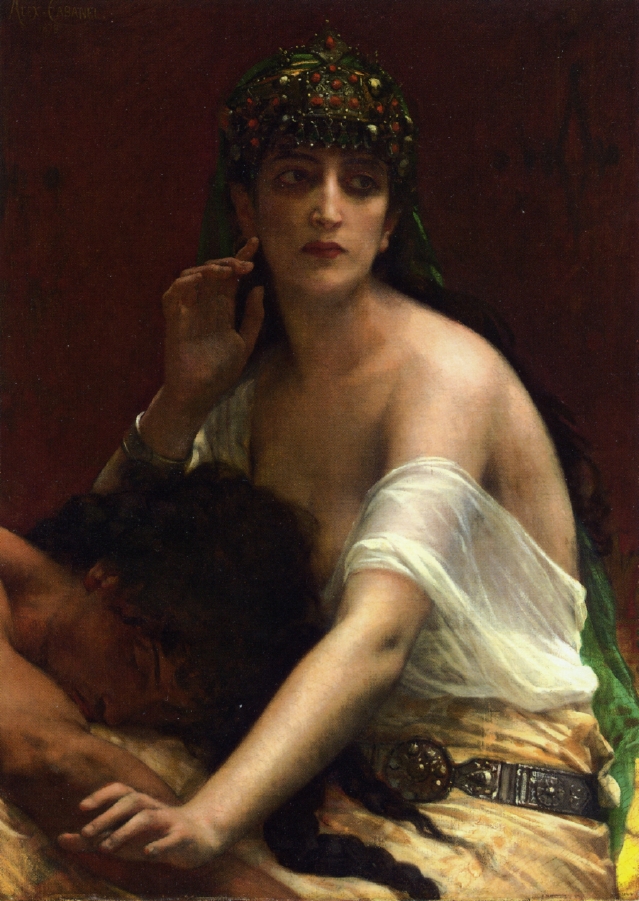
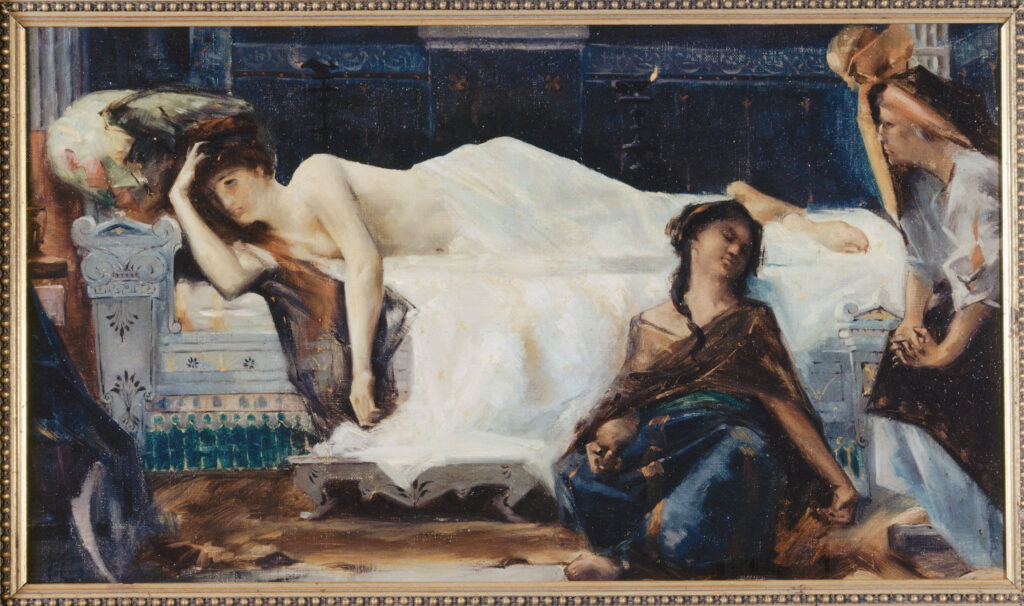
Alexandre Cabanel
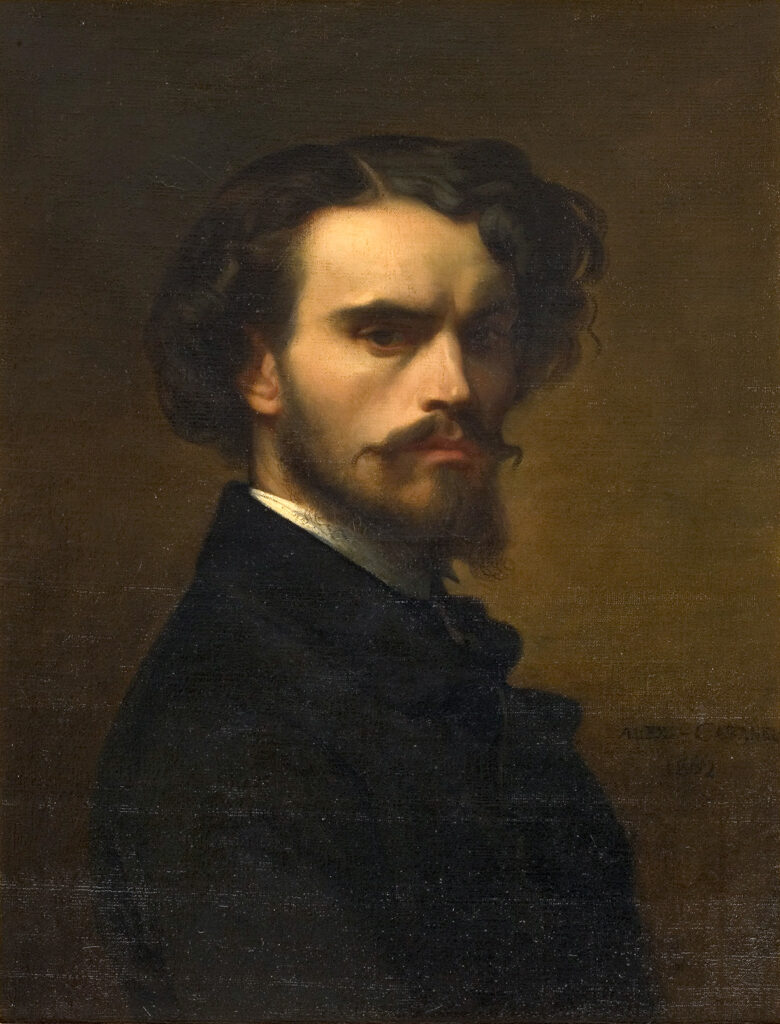
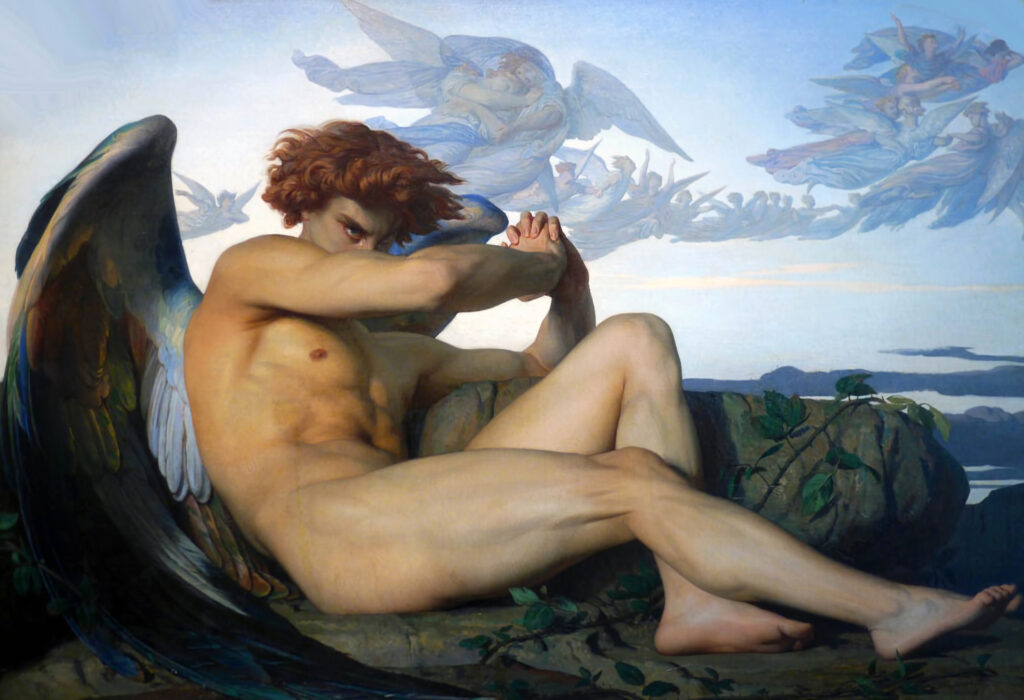
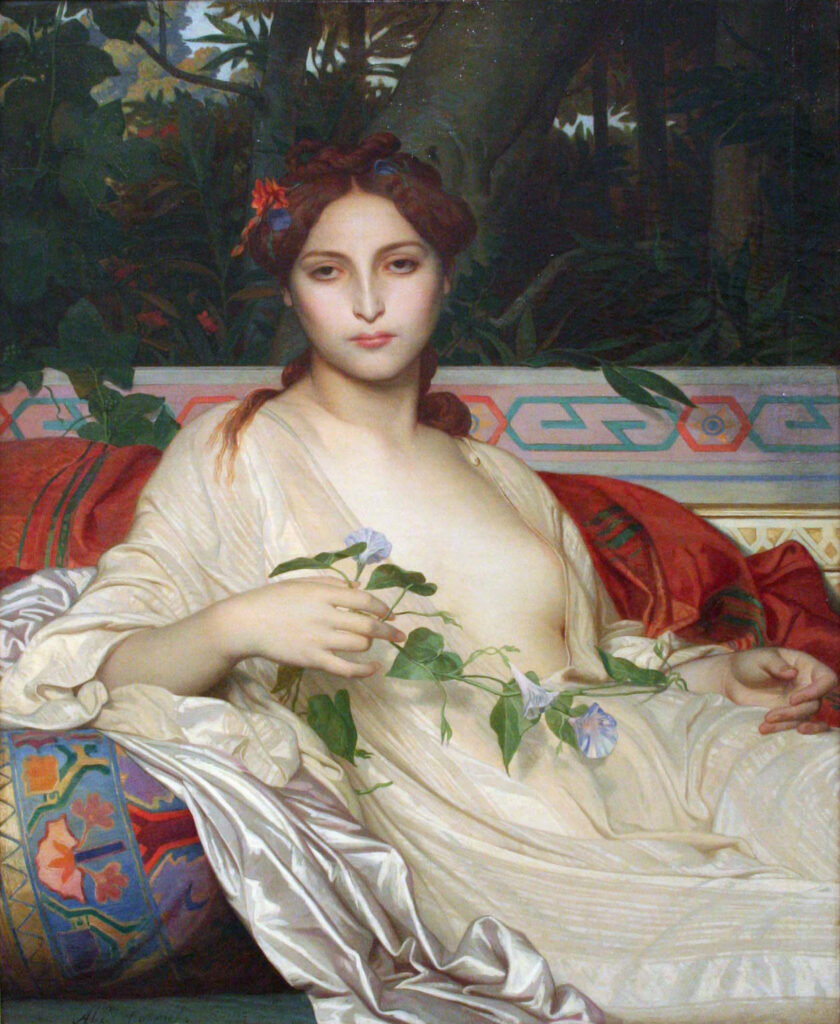
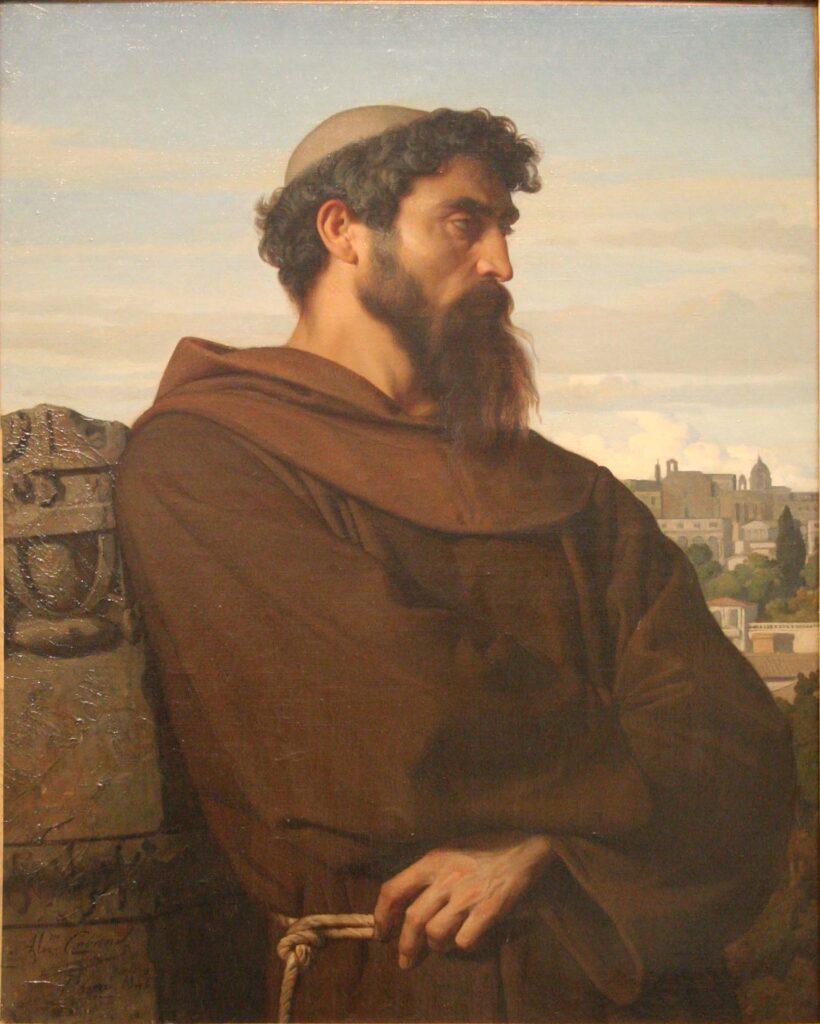
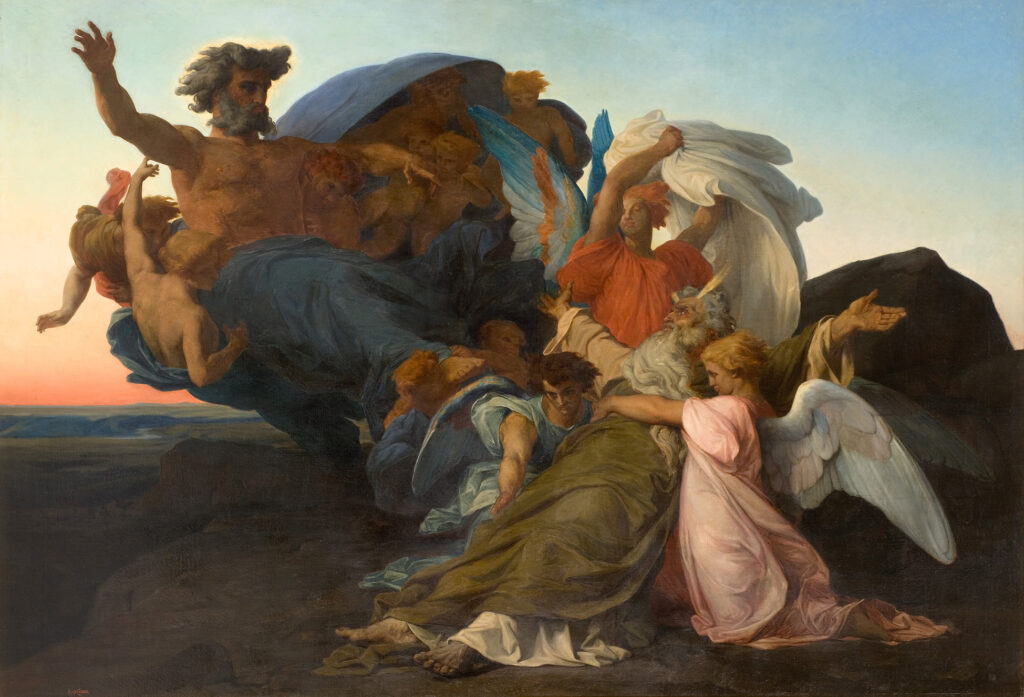
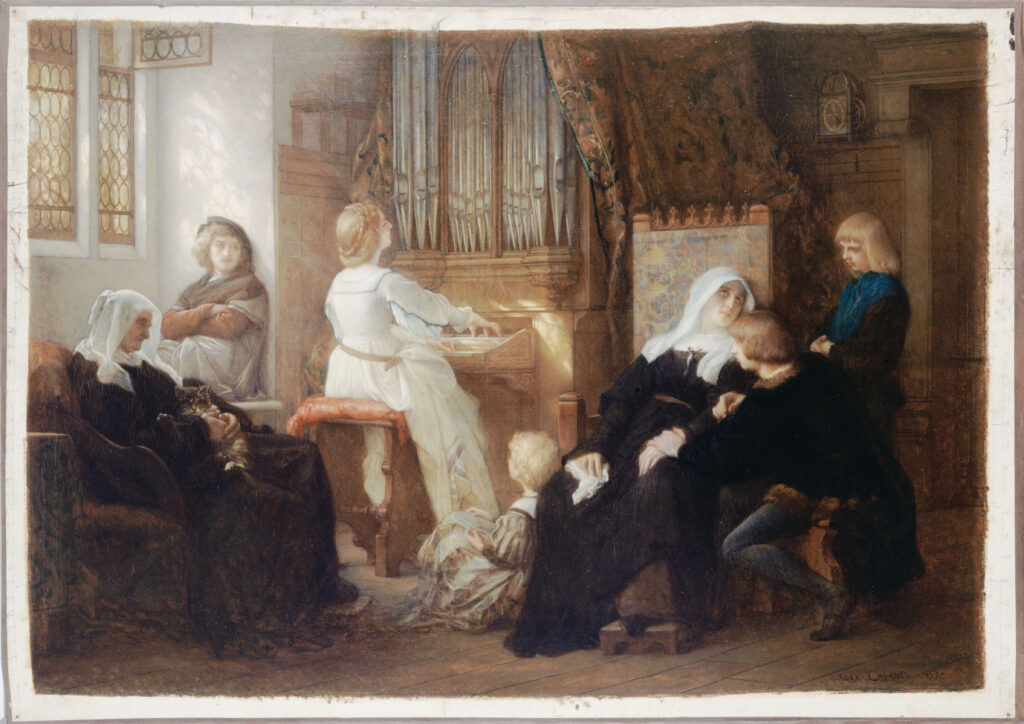
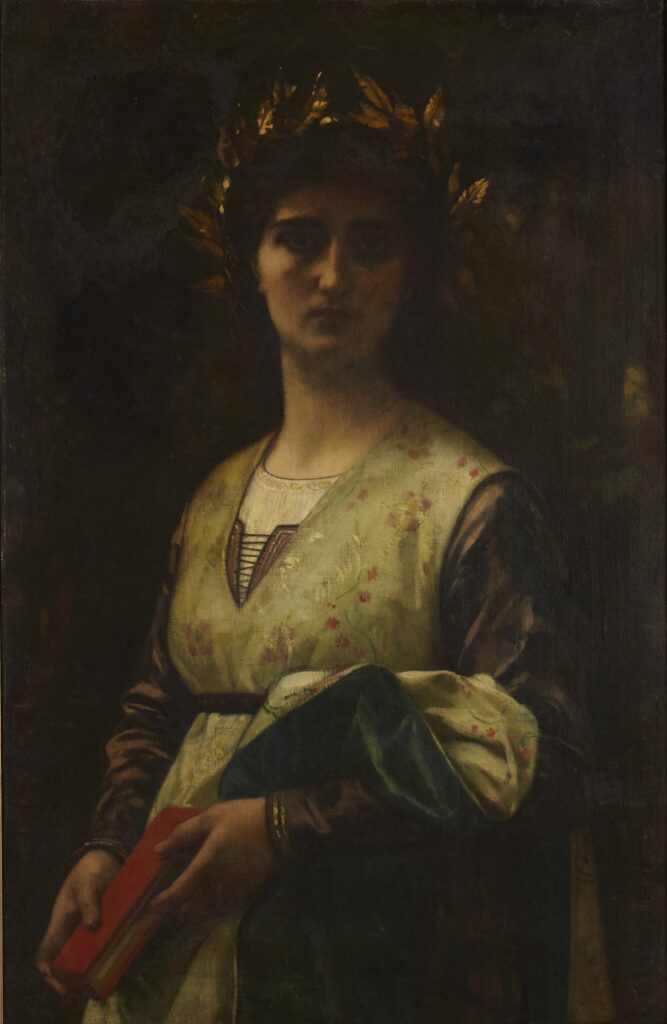
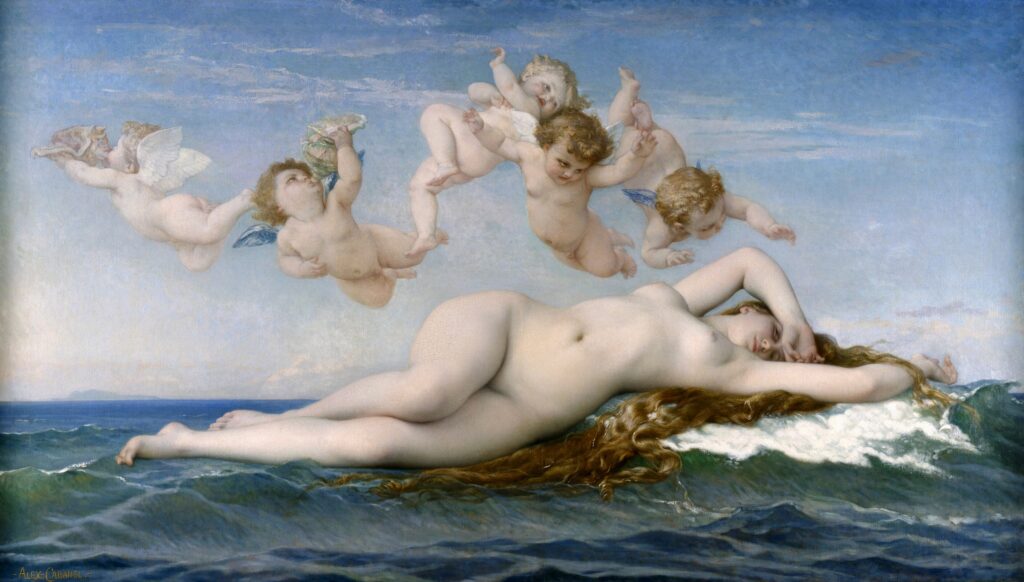
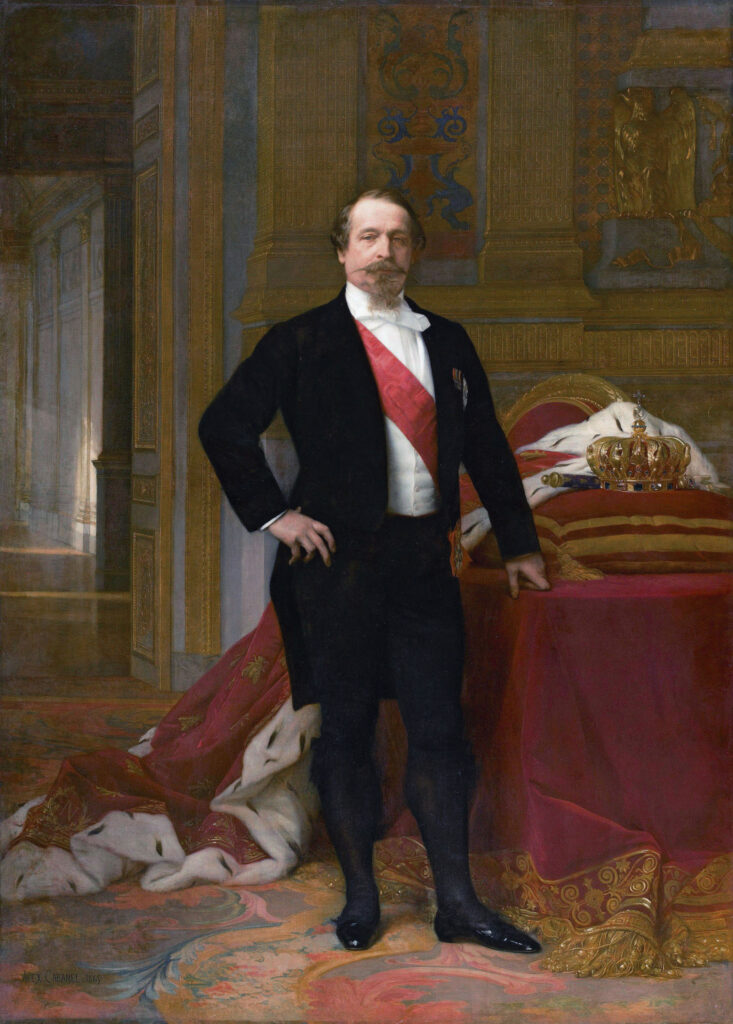
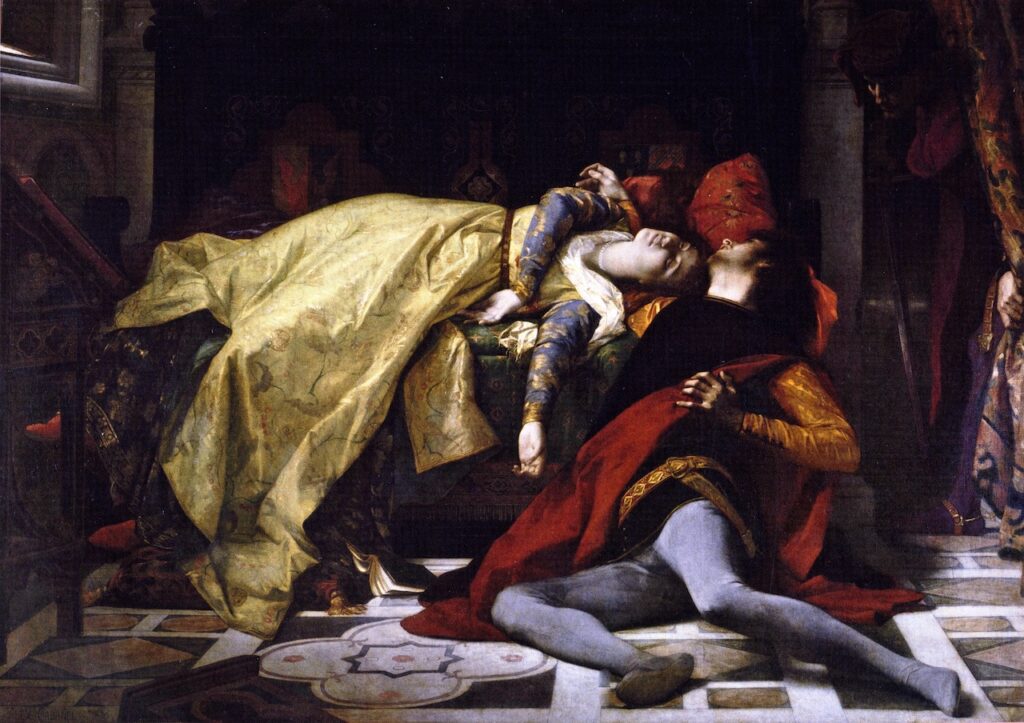
Alexandre Cabanel, September 28, 1823 – January 23, 1889, was a French painter and teacher. Born in Montpellier, he first studied at the city’s free drawing school and moved to Paris in 1839 on a municipal scholarship. From 1840 he studied at the École des Beaux-Arts in the studio of François-Édouard Picot. In 1845 he received the second first Prix de Rome and was a resident at the Villa Medici in Rome until 1850.
Cabanel returned to Paris in 1850 and worked on history, religious, mythological, decorative, and portrait paintings. He received commissions from Napoleon III and produced decorations for public buildings and Paris residences. From 1863, following the reform of the École des Beaux-Arts, he directed one of its three painting studios. He taught several hundred students, including Aristide Maillol, Jules Bastien-Lepage, Eugène Carrière, Henri Regnault, and Ernest Michel.
The Musée Fabre holds the largest group of Cabanel’s works, including about fifty paintings and nearly two hundred drawings. His works are also held by the Musée d’Orsay, the Metropolitan Museum of Art, the Princeton University Art Museum, the Petit Palais, and the Château de Compiègne
Mikalojus Konstantinas Čiurlionis
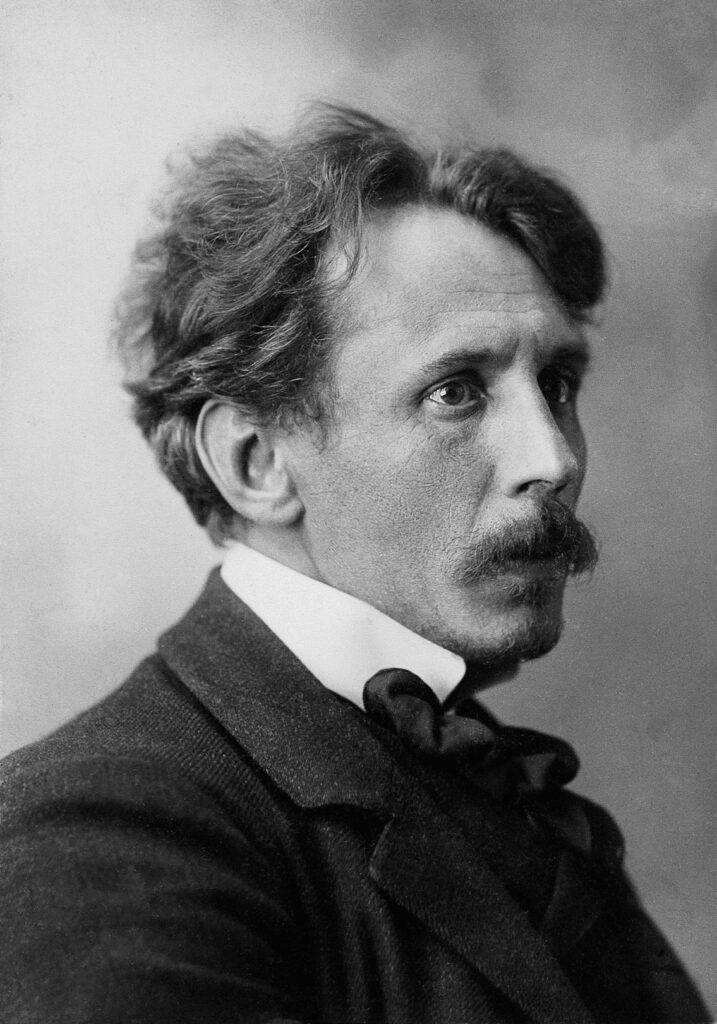
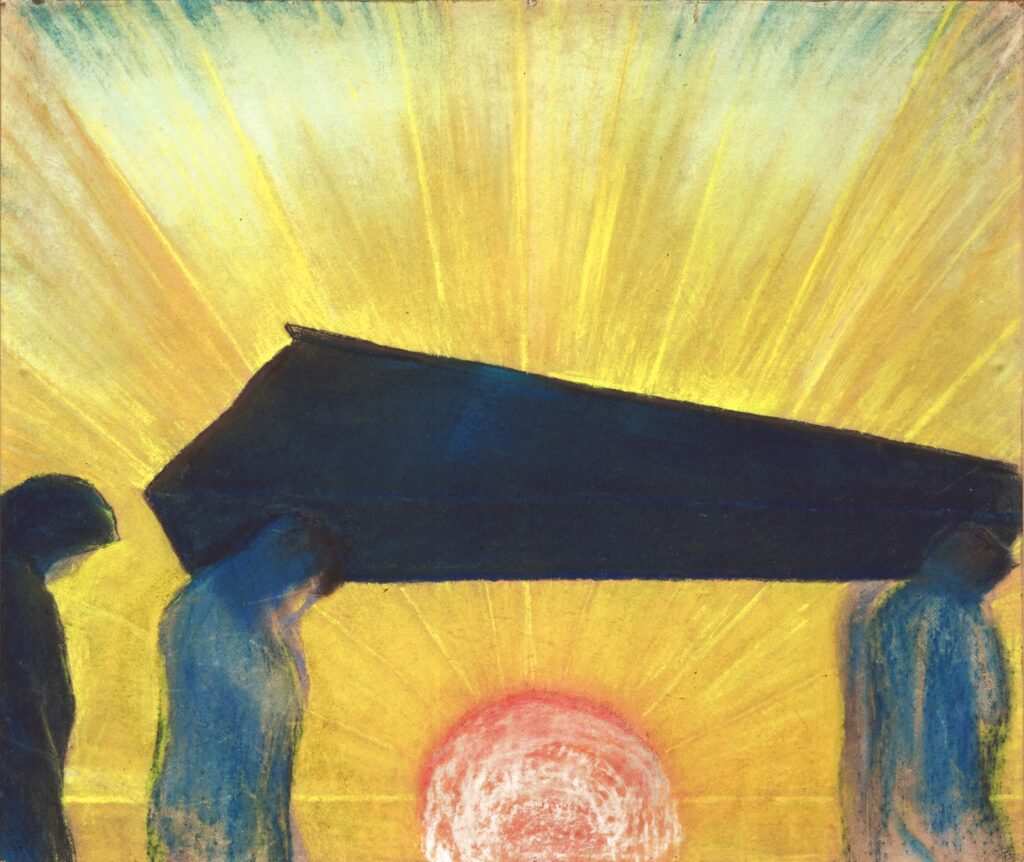
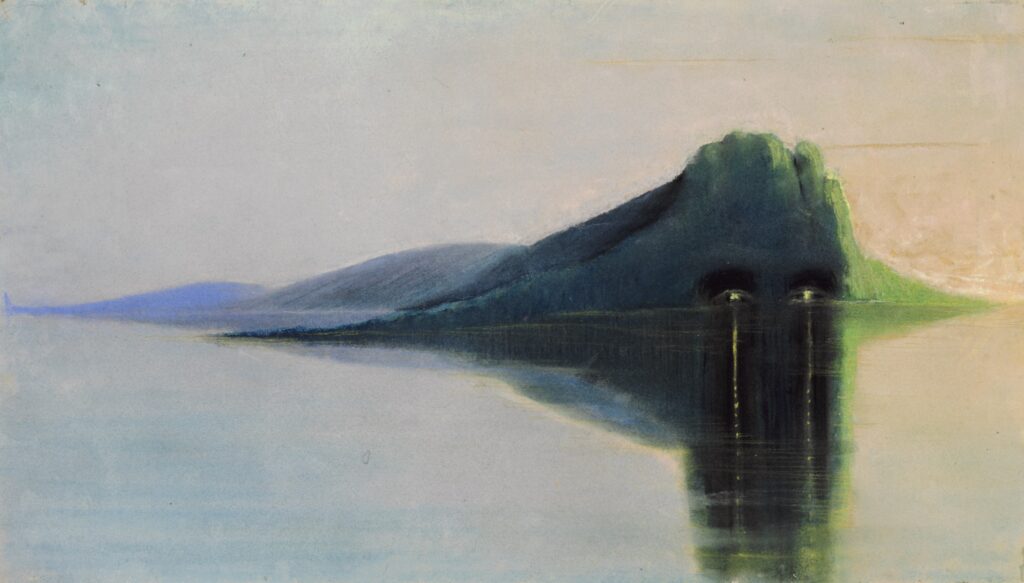
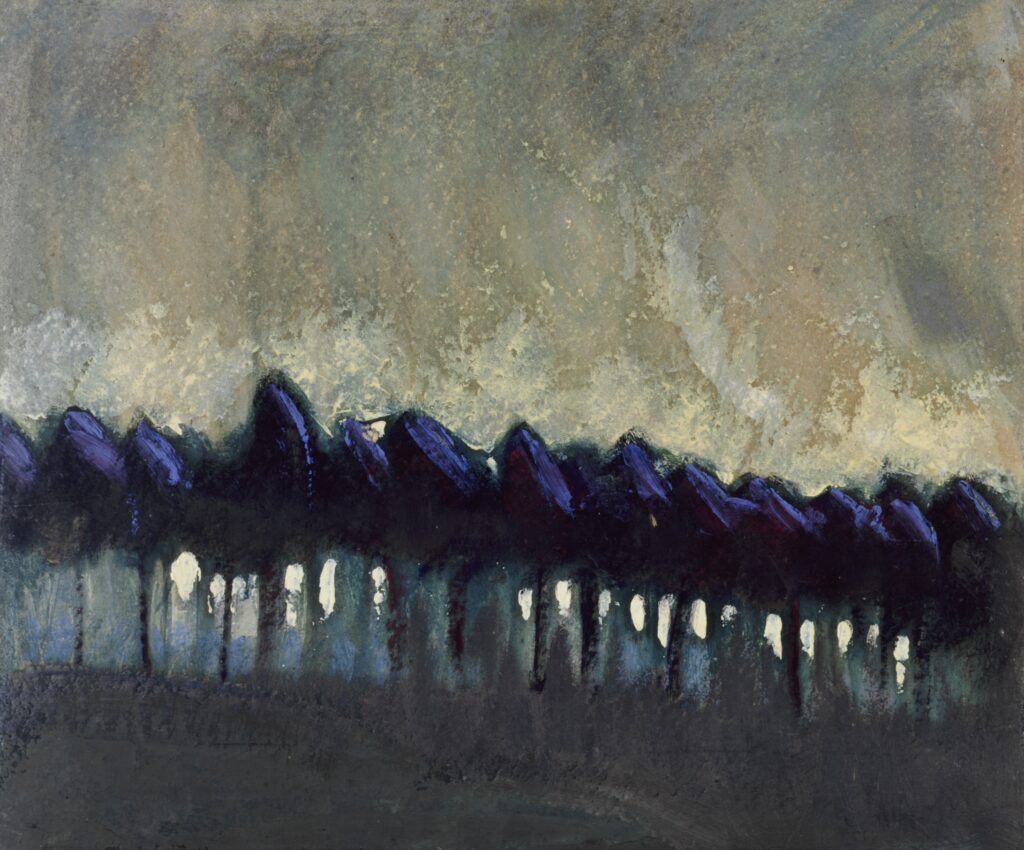
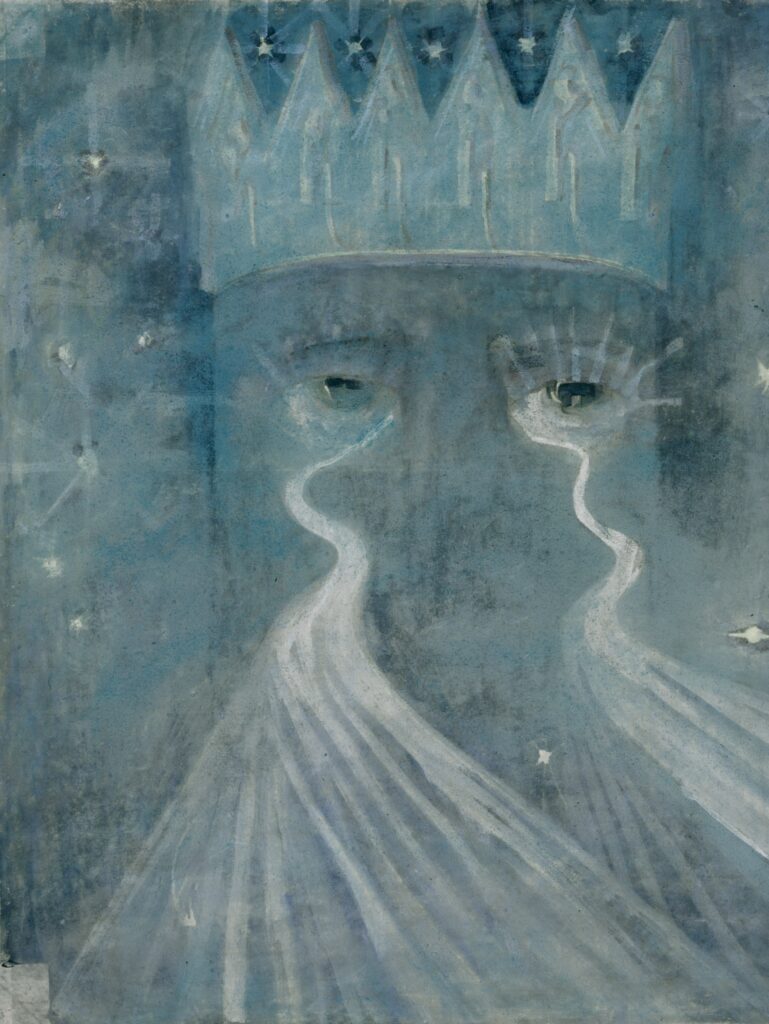
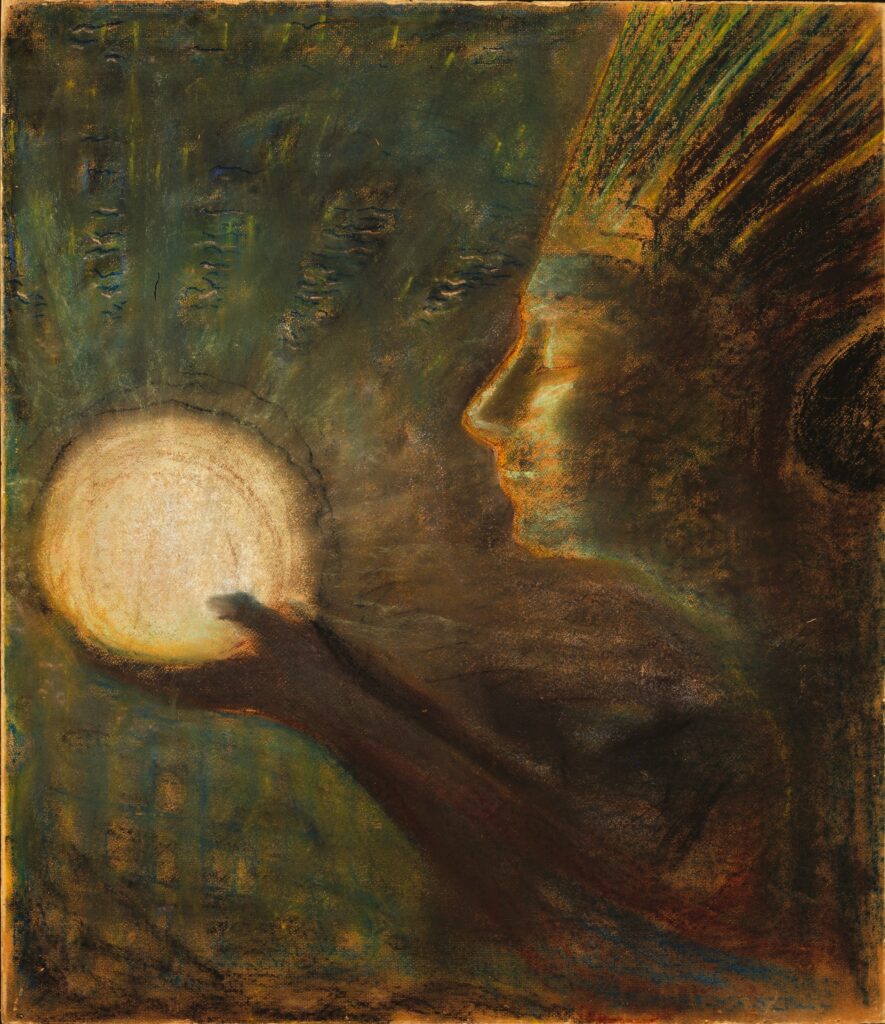
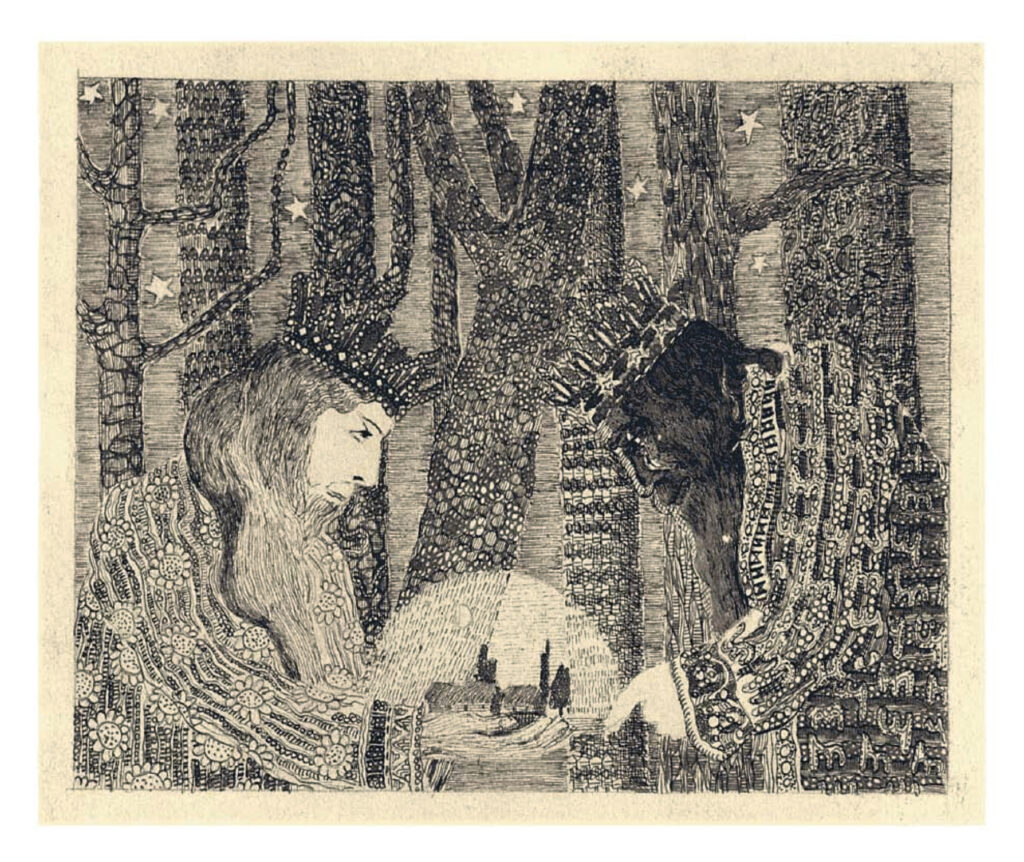
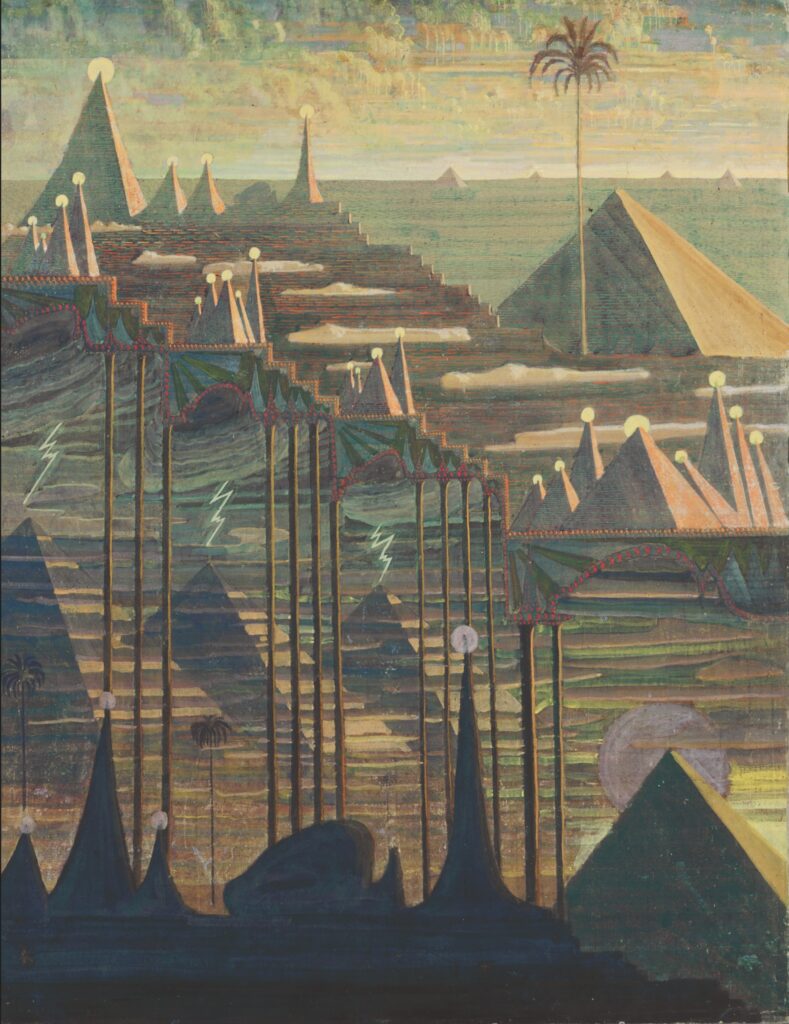
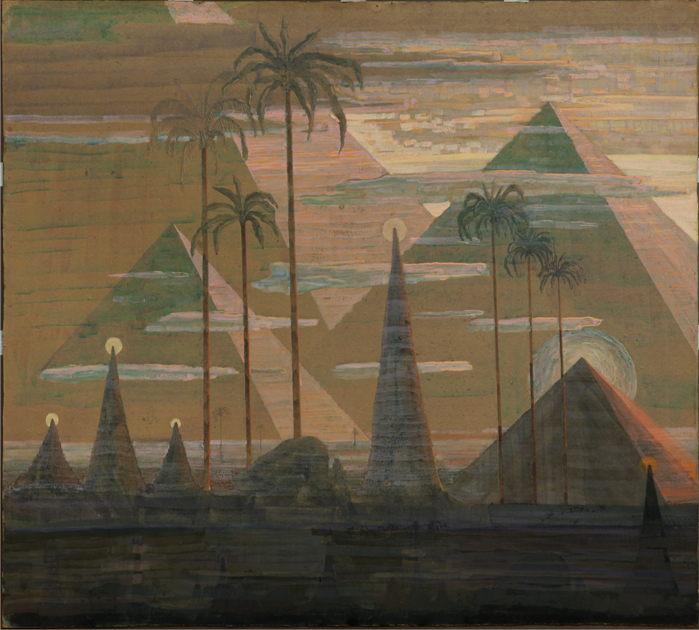
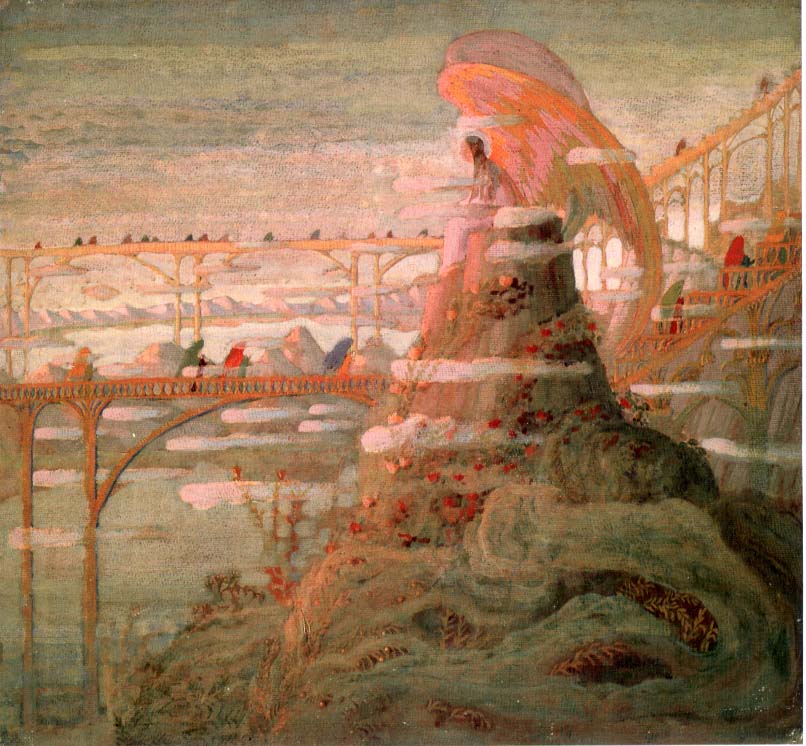
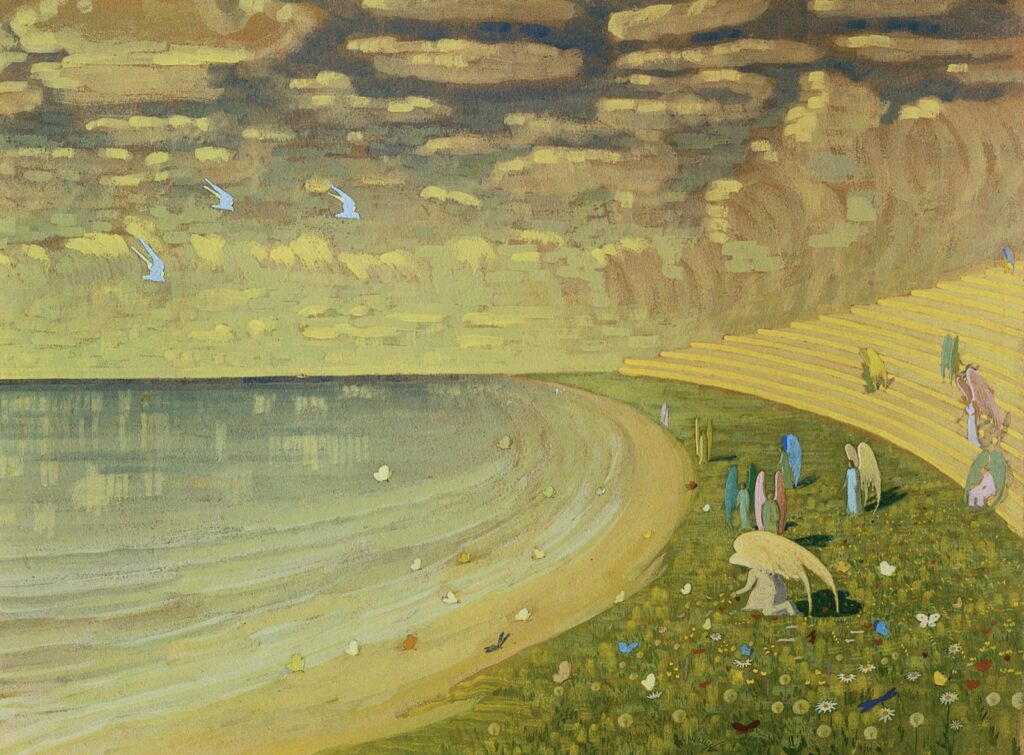
Mikalojus Konstantinas Čiurlionis, September 22, 1875 – April 10, 1911, was a Lithuanian painter, composer, and cultural worker. He studied piano and composition at the Warsaw Music Institute from 1894 to 1899 with Tadeusz Brzeziński, Antoni Sygietyński, and Zygmunt Noskowski, then composition and counterpoint at the Leipzig Conservatory with Carl Reinecke and Salomon Jadassohn.
Čiurlionis attended drawing classes in Warsaw in 1902–1903 and studied at the Warsaw School of Fine Arts from 1904 to 1906 under Kazimierz Stabrowski. He participated in the Lithuanian Art Society, helped organize Lithuanian art exhibitions, worked with its chorus, and was active in the cultural life of Vilnius and St Petersburg.
The principal collection of his work is held by M. K. Čiurlionis National Museum of Art, Kaunas, Lithuania. Other works are held by the Lithuanian National Museum of Art, National Museum in Warsaw, and the State Russian Museum.


Hiroshi Yoshida
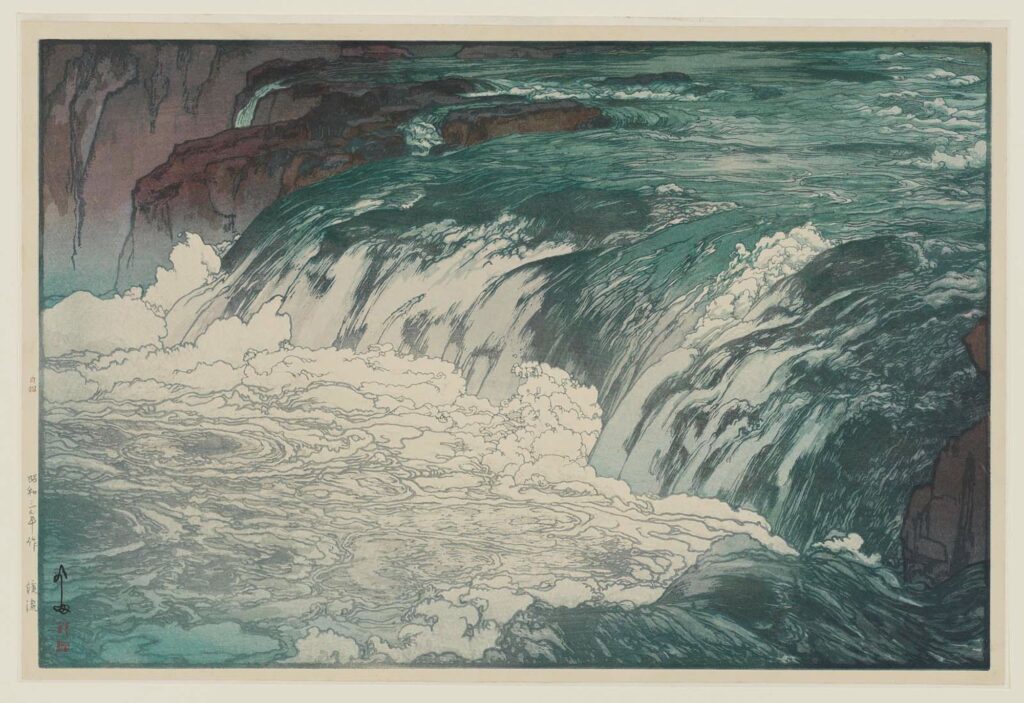
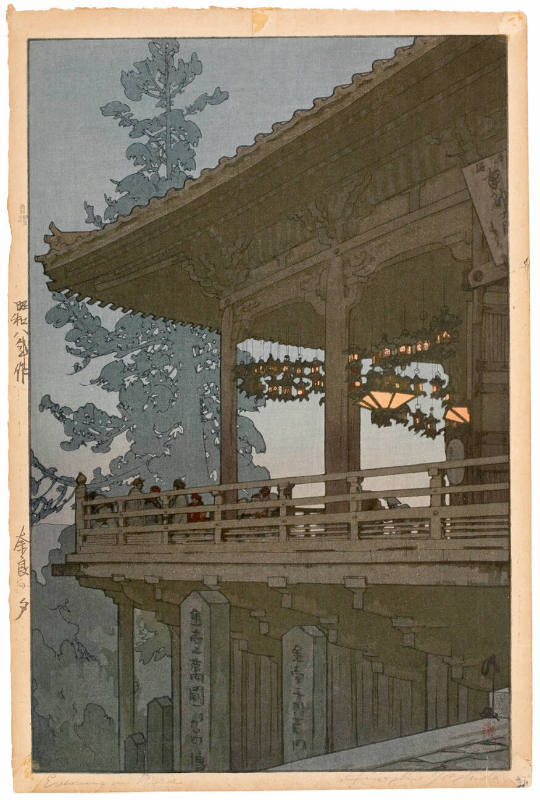
Hiroshi Yoshida, September 19, 1876 – April 5, 1950, was a Japanese painter and printmaker. Born Hiroshi Ueda in Kurume, he was adopted in 1891 by his art teacher, Yoshida Kasaburō. He studied painting in Kyoto with Tamura Sōritsu and then Western-style painting at Koyama Shōtarō’s Fudōsha school in Tokyo.
Yoshida joined the Meiji Fine Arts Society and helped establish the Taiheiyō Gakai (Pacific Art Society) in 1902. He traveled in the United States and Europe from 1899, published his first woodblock print in 1920, and later founded the Japan Mountain Painting Association. His sons Tōshi Yoshida and Hodaka Yoshida also became artists.
Yoshida’s work is held by the British Museum, the Art Institute of Chicago, the Museum of Fine Arts, Boston, the Honolulu Museum of Art, the Toledo Museum of Art, and the Tokyo Fuji Art Museum.






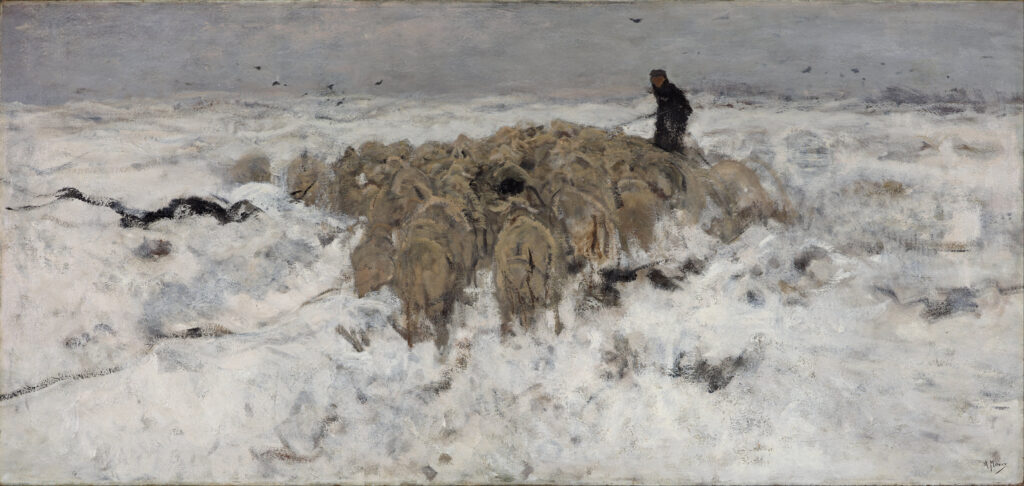
Anton Mauve
Anton Mauve, September 18, 1838 – February 5, 1888, was a Dutch painter, draughtsman, watercolorist, and etcher. Born in Zaandam, he grew up in Haarlem and trained there with the animal painter Pieter Frederik van Os from about 1854 to 1857; he also studied with Wouterus Verschuur and Paul Gabriël. He worked in Amsterdam before settling in The Hague in 1871, later moving to Laren, and died while visiting Arnhem.
Mauve was a leading member of the Hague School. In 1876 he founded the Hollandsche Teeken-Maatschappij with Willem Maris and Hendrik Willem Mesdag. He worked with Willem Maris early in his career and taught Vincent van Gogh in 1881–1882; Mauve was married to Ariëtte Sophia Jeannette Carbentus, Van Gogh’s cousin.
Mauve’s work is represented in the Rijksmuseum, Amsterdam; Kunstmuseum Den Haag; Museum of Fine Arts, Houston; Carnegie Museum of Art, Pittsburgh; Toledo Museum of Art; National Museum Cardiff; The Mesdag Collection, The Hague; and Dordrechts Museum, Dordrecht.




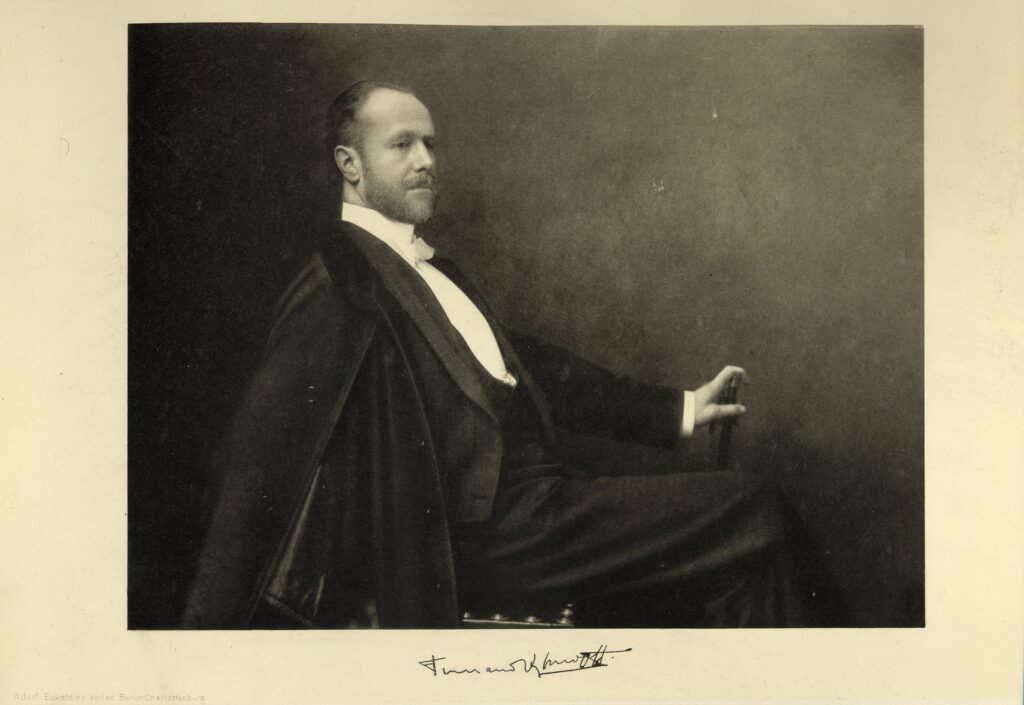
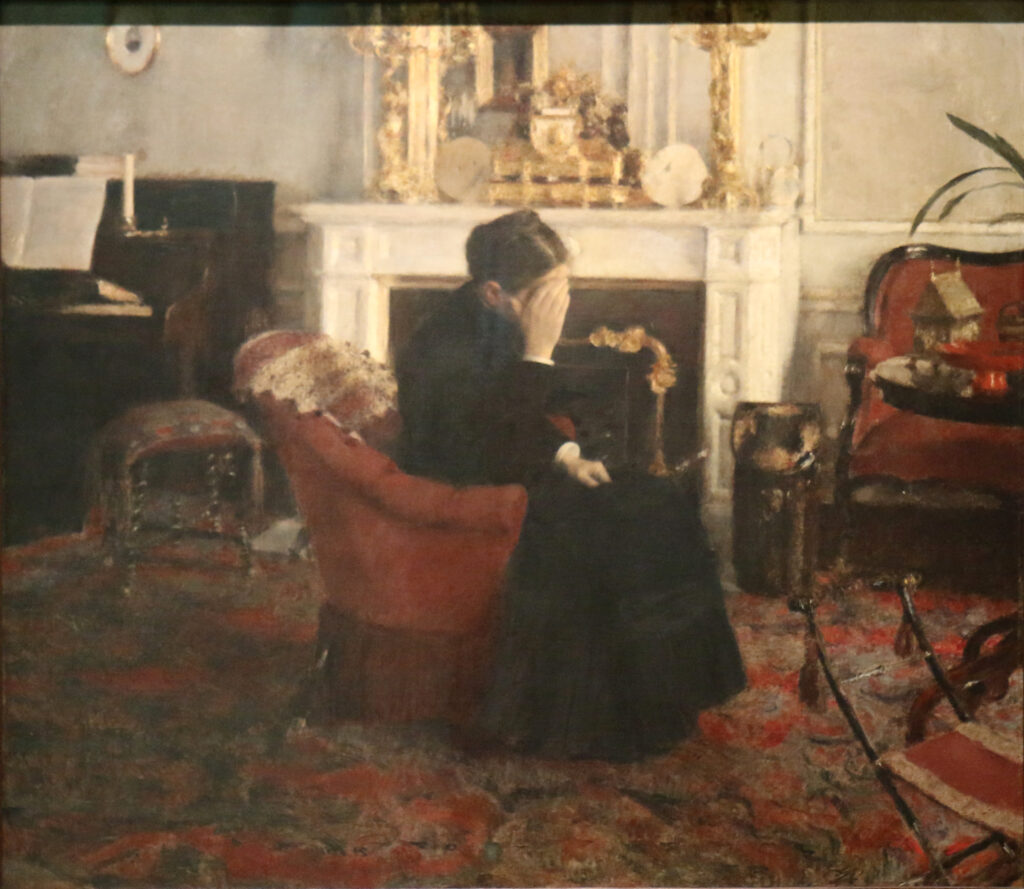
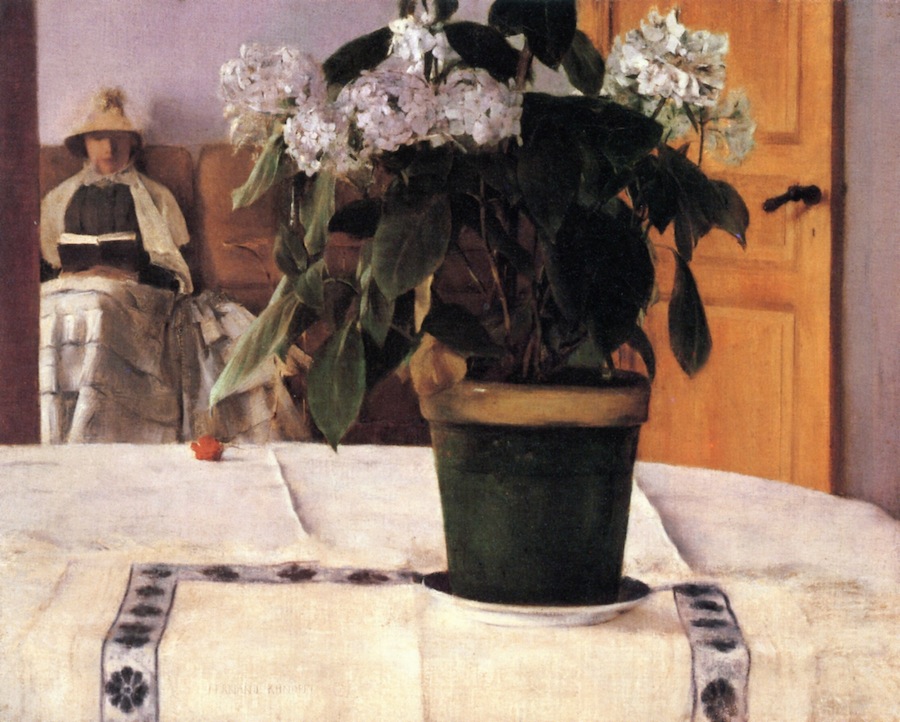
Fernand Khnopff
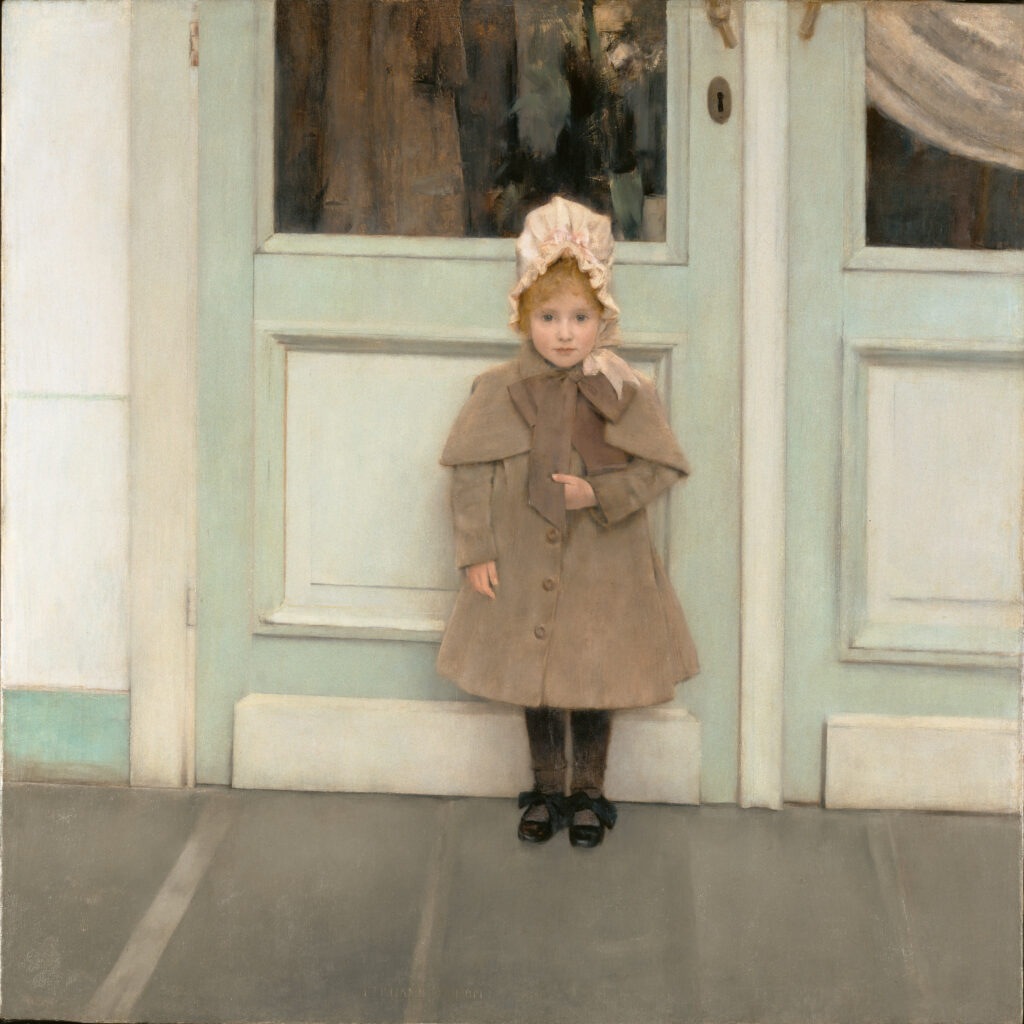
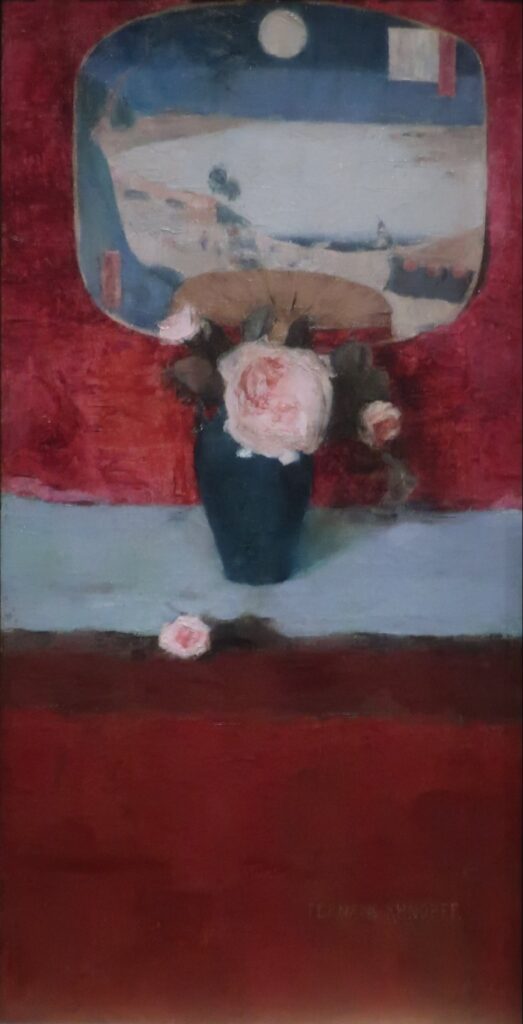
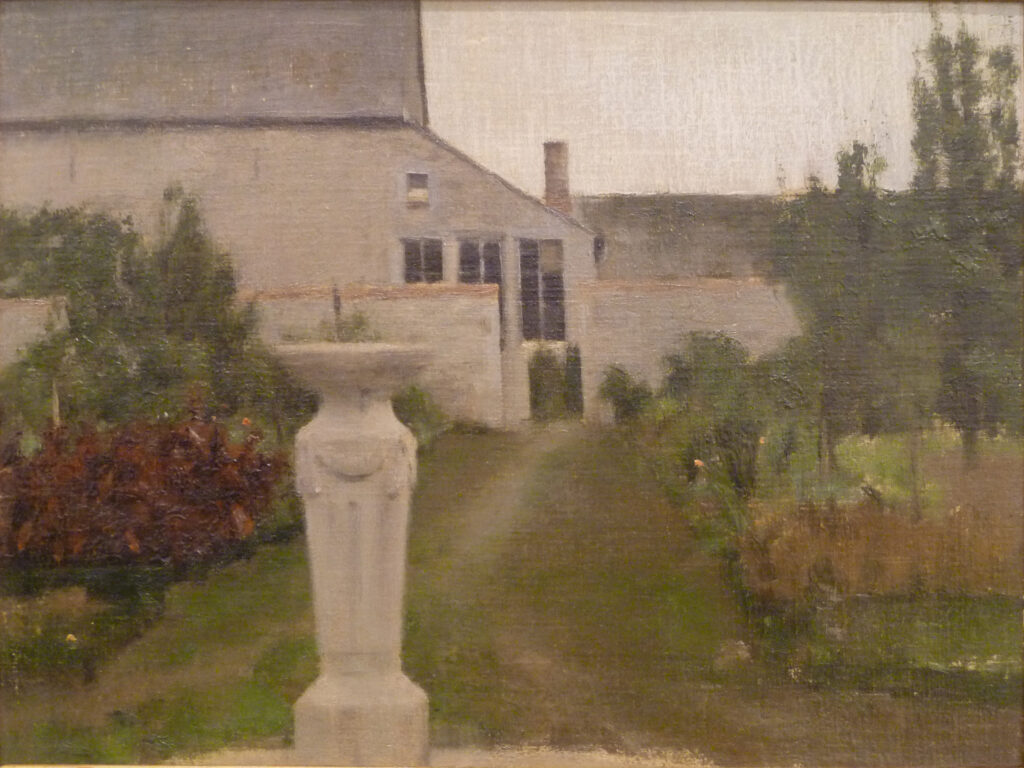
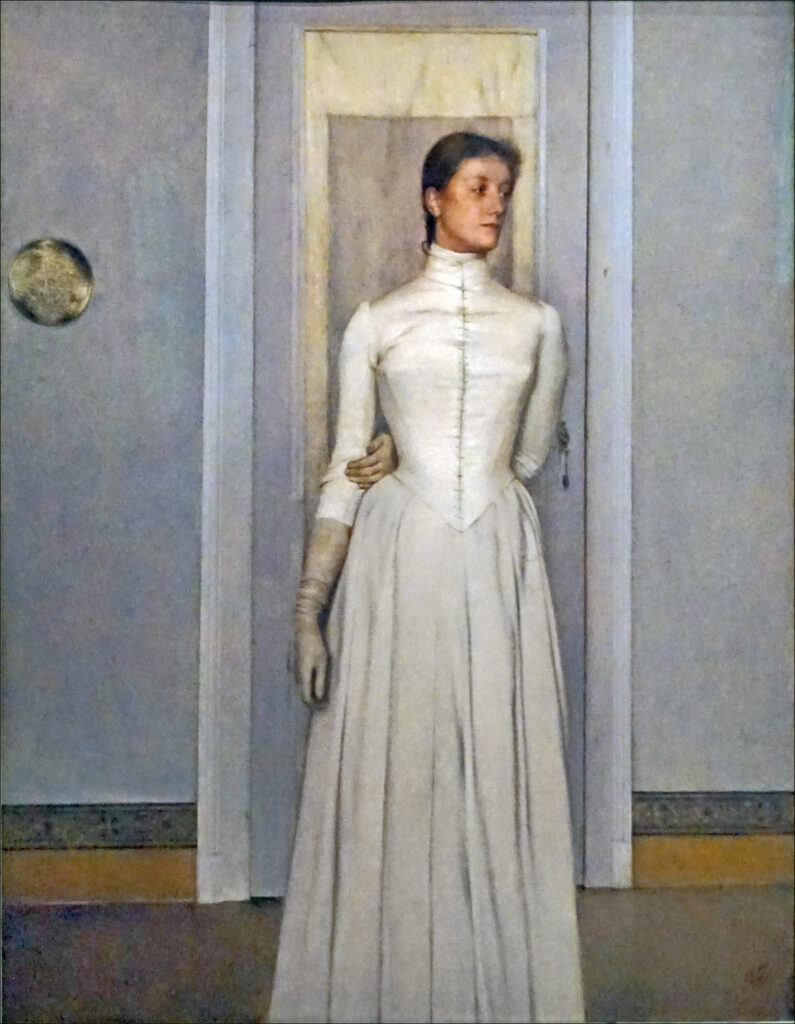
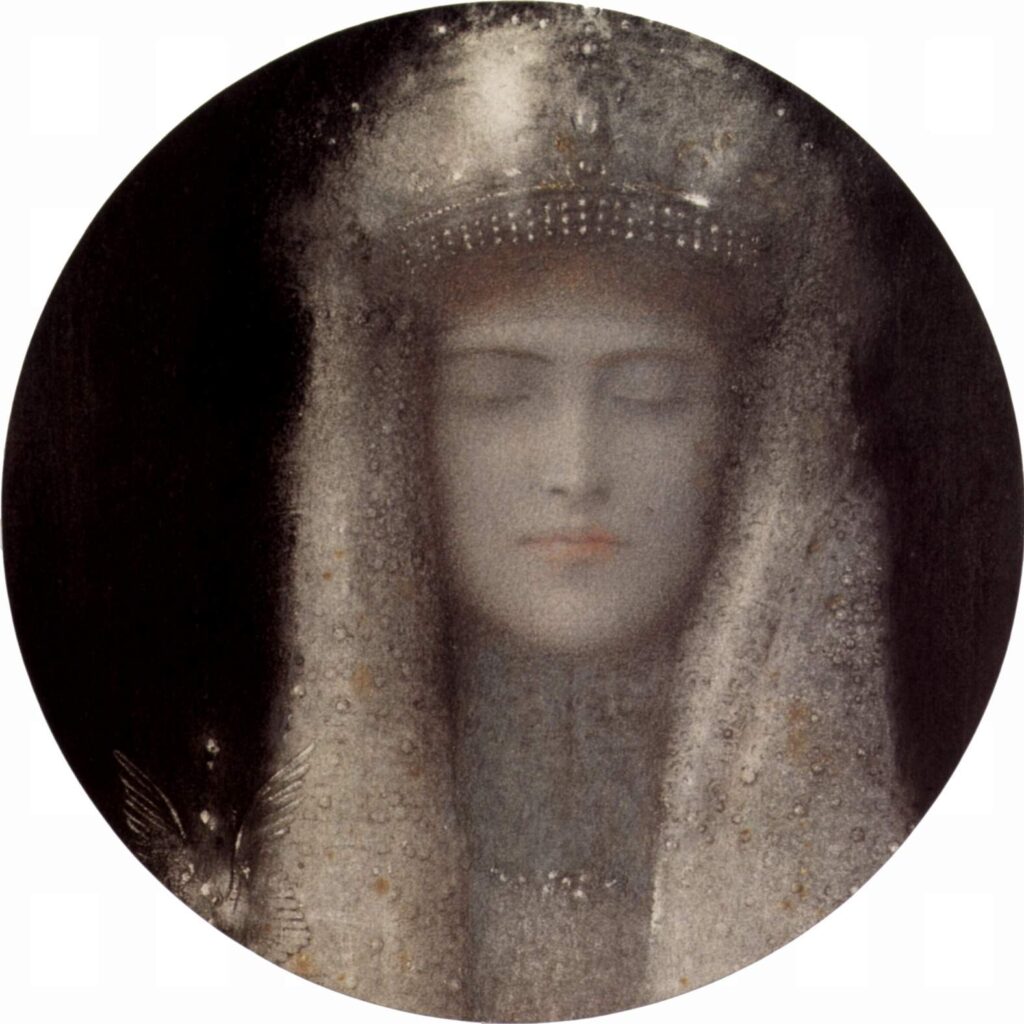
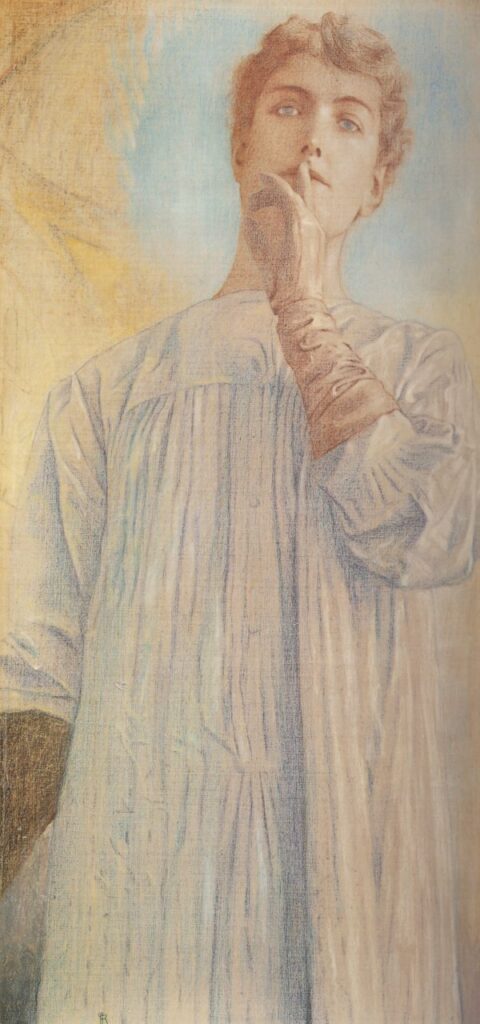
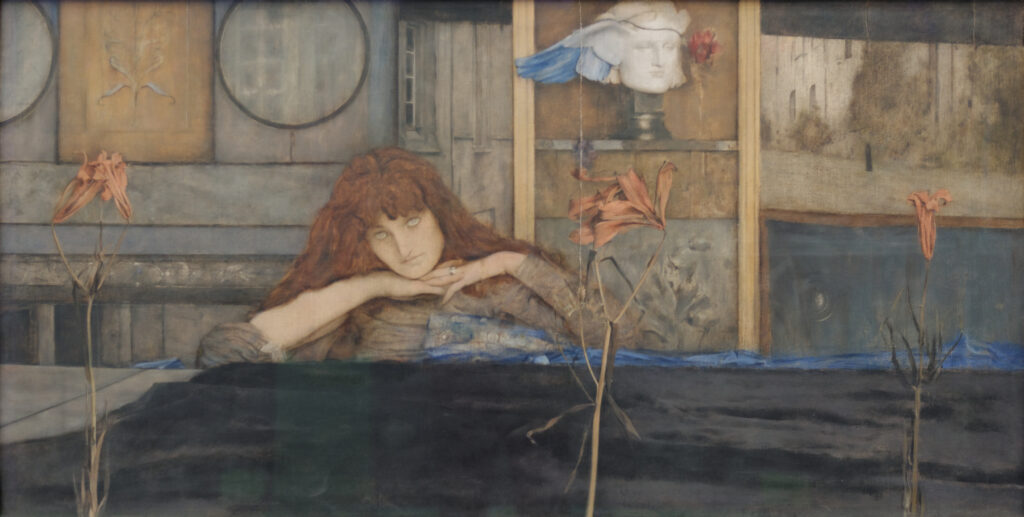
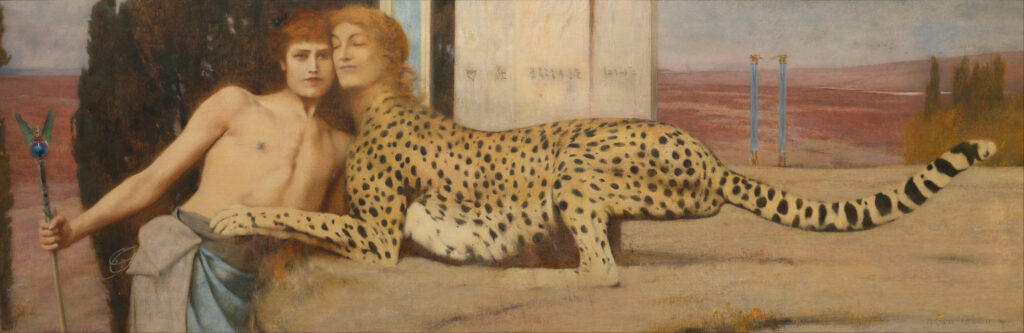
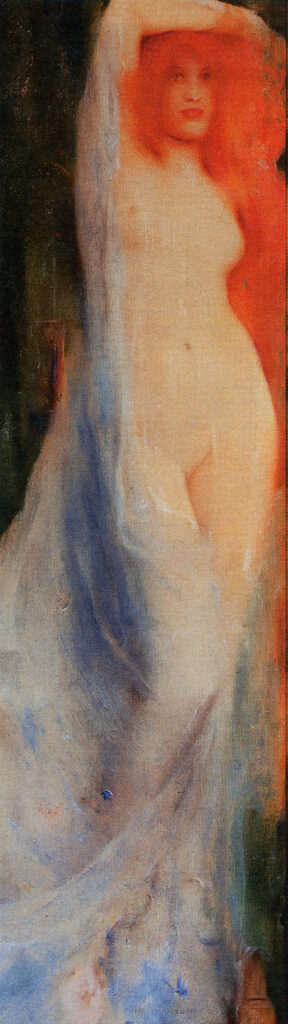
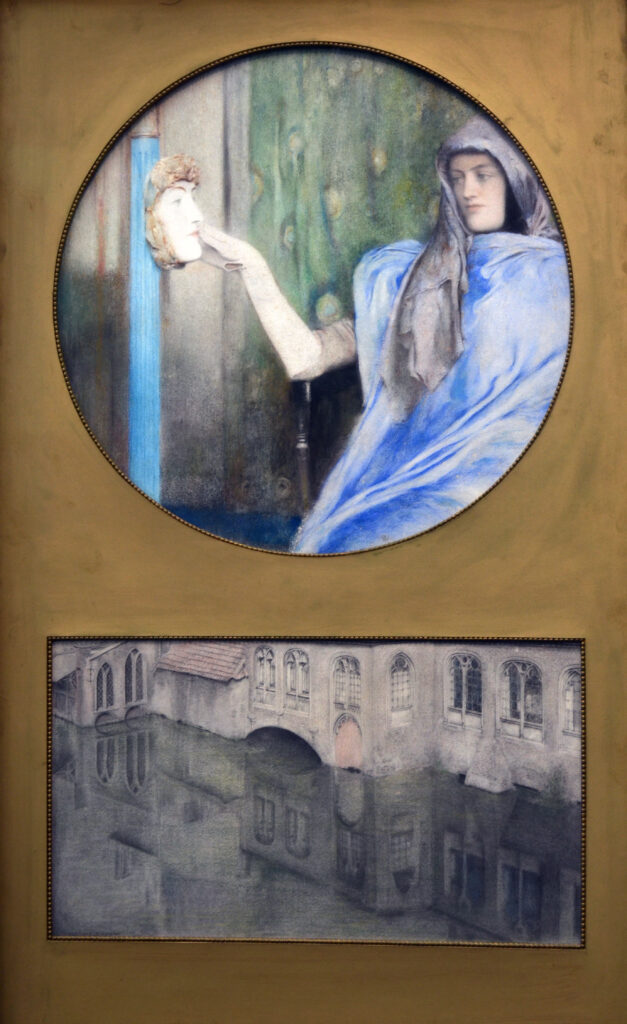
Fernand Khnopff, September 12, 1858 – November 12, 1921, was a Belgian painter, draftsman, printmaker, photographer, sculptor, and writer associated with Symbolism. Born in Grembergen, he spent part of his childhood in Bruges before his family moved to Brussels. He began legal studies at the Université libre de Bruxelles and entered the Académie Royale des Beaux-Arts in Brussels in 1876; he also worked in Paris from 1879 to 1880.
Khnopff was a founding member of Les XX in 1883 and exhibited with the group. He met Joséphin Péladan in 1885 and later exhibited with the Salon de la Rose+Croix. From 1892 until 1914, he wrote the Brussels correspondence for *The Studio*; in the following decade, he designed costumes and sets for productions at the Théâtre Royal de la Monnaie in Brussels.
His works are held by the Royal Museums of Fine Arts of Belgium, the Metropolitan Museum of Art, the J. Paul Getty Museum, the Groeningemuseum, the Neue Pinakothek, the Musée d'Orsay, the Royal Museum of Fine Arts Antwerp, and other public collections.
George Hendrik Breitner
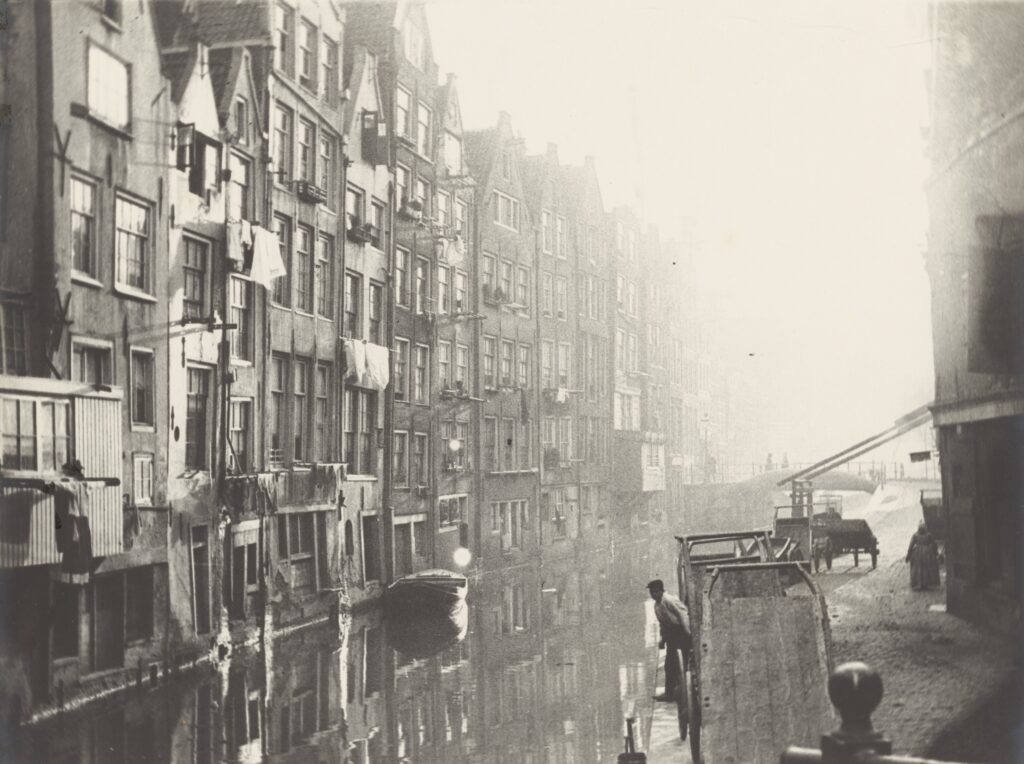
George Hendrik Breitner, September 12, 1857 – June 5, 1923, was a Dutch painter, draftsman, printmaker, and photographer. Born in Rotterdam, he received drawing instruction from Christoffel Neurdenburg and studied at the Royal Academy of Art in The Hague from 1876 to 1880. He then lived chiefly in The Hague and Amsterdam; Amsterdam was his principal base from 1886 until his death, apart from 1903–1906 in Aerdenhout.
Breitner joined the artists’ society Pulchri Studio in 1880 and contributed to the Panorama Mesdag in 1880–1881. In The Hague he associated with artists of the Hague School, including Jozef Israëls, Jacob Maris, and Anton Mauve, and he worked alongside Vincent van Gogh in 1882–1883. In Amsterdam he was associated with Amsterdam Impressionism and the Tachtigers; Arti et Amicitiae gave him a retrospective exhibition in 1902. His students included Kees Maks and Marie Henri Mackenzie.
Principal museum collections of Breitner’s work include the Rijksmuseum, Amsterdam; Stedelijk Museum Amsterdam; Museum Boijmans Van Beuningen, Rotterdam; Centraal Museum, Utrecht; Royal Museum of Fine Arts Antwerp; Dordrechts Museum; and RKD – Netherlands Institute for Art History, The Hague.



Kobayashi Kiyochika
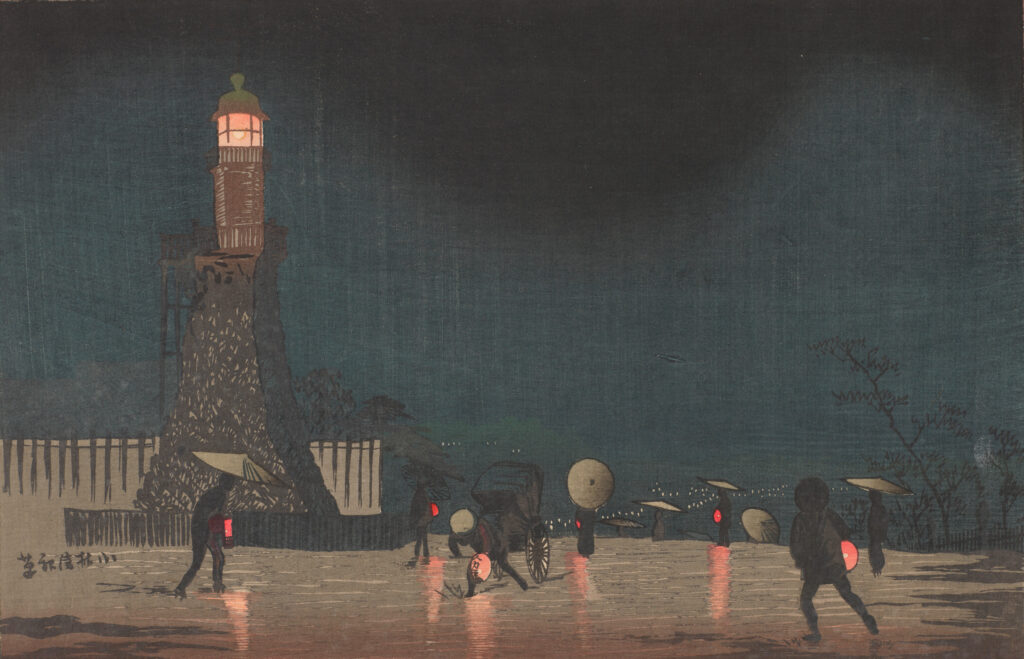
Kobayashi Kiyochika, September 10, 1847 – November 28, 1915, was a Japanese painter, print designer, and illustrator active from the late Edo period through the Meiji era. Born in Honjo, Edo, as Kobayashi Katsunosuke, he came from a family connected to the Tokugawa shogunate administration and left with the Tokugawa retinue after the restoration of imperial rule in 1868. He returned to Tokyo in 1874 and began producing woodblock prints there in 1876.
Kiyochika was largely self-taught. He associated with Shibata Zeshin and Kawanabe Kyōsai, though the extent of formal study with either artist is uncertain; he also engaged with Western pictorial methods circulating in Yokohama and Tokyo. From 1876 to 1881, he made ninety-three views of Tokyo, and he later worked in book, magazine, and newspaper illustration, painting, and prints relating to the Sino-Japanese and Russo-Japanese wars.
In 1894, Kiyochika opened an art school. His students included Inoue Yasuji, Taguchi Beisaku, and Tsuchiya Kōitsu. Principal collections of his work include the National Museum of Asian Art, Smithsonian Institution; the Metropolitan Museum of Art; the Los Angeles County Museum of Art; the Museum of Fine Arts, Boston; the Honolulu Museum of Art; the Ota Memorial Museum of Art; and the British Museum.




John Atkinson Grimshaw
John Atkinson Grimshaw, September 6, 1836 – October 31, 1893, was an English painter of landscapes, town views, dockyards, and figure subjects. Born in Leeds, he worked as a clerk for the Great Northern Railway before leaving that employment in 1861 to become an artist. He was self-taught and began exhibiting in Leeds in 1862.
Grimshaw exhibited under the patronage of the Leeds Philosophical and Literary Society and later showed at the Royal Academy and the Grosvenor Gallery. He lived and worked in Leeds, maintained a second home in Scarborough during the 1870s, and painted subjects in Leeds, London, Liverpool, Glasgow, Hull, Scarborough, and Whitby. His sons Arthur and Louis, and two other children, also became painters.
His work is held by Leeds Art Gallery, which has the largest public collection of his work, as well as the Ashmolean Museum, Scarborough Art Gallery, Laing Art Gallery, the Philadelphia Museum of Art, and the Fine Arts Museums of San Francisco.


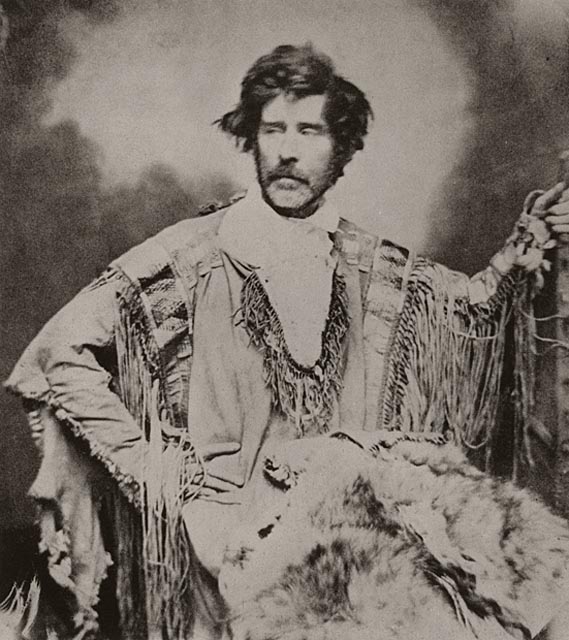
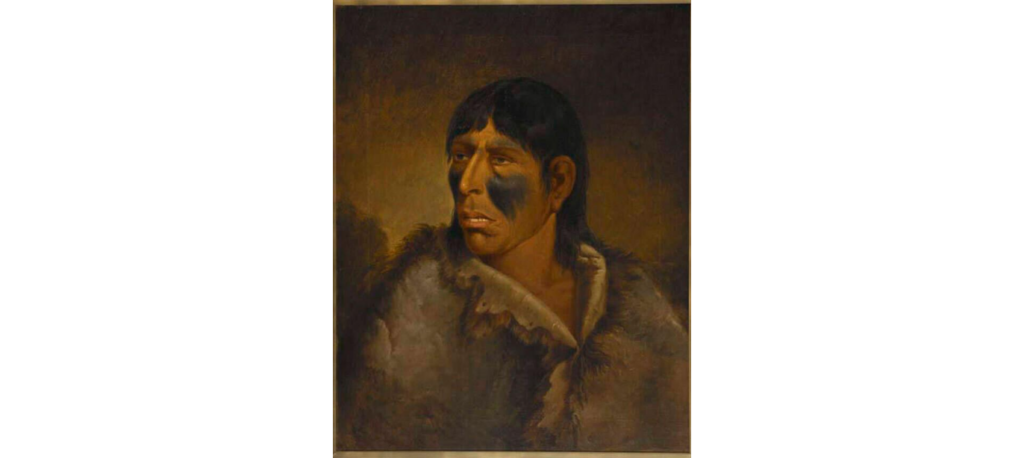
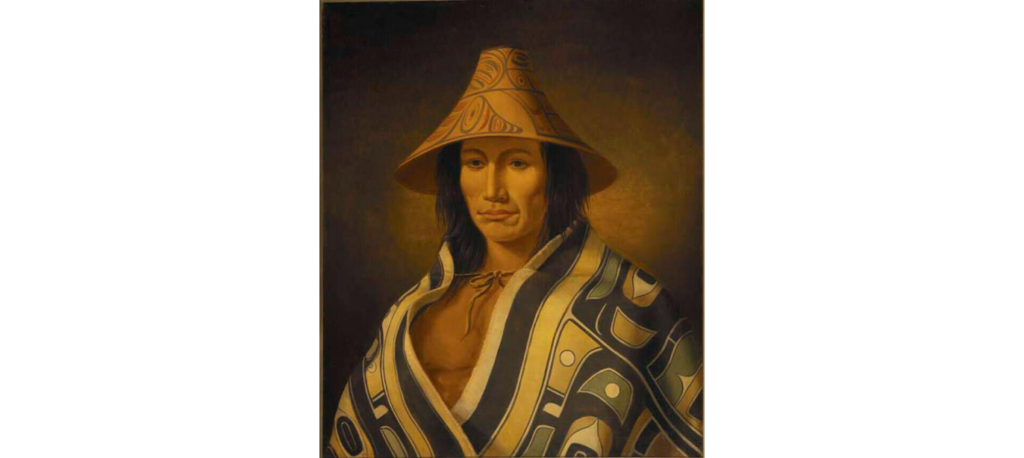
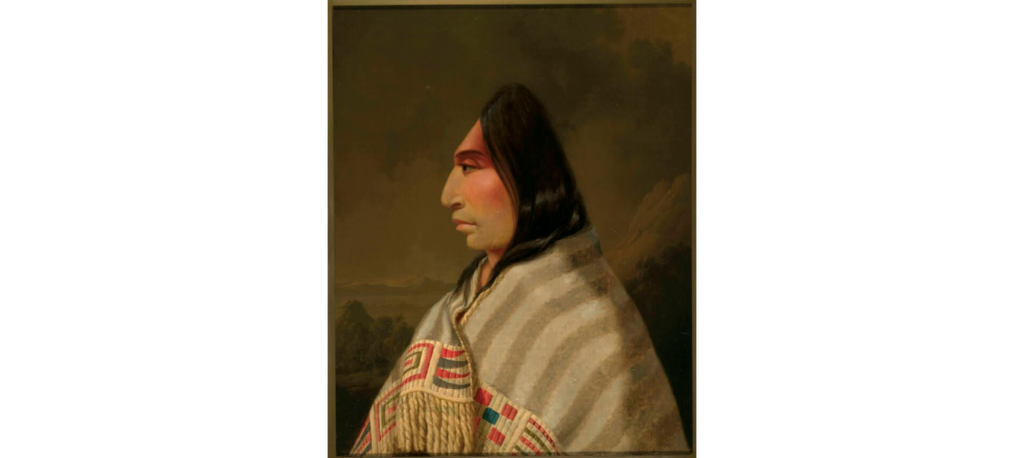
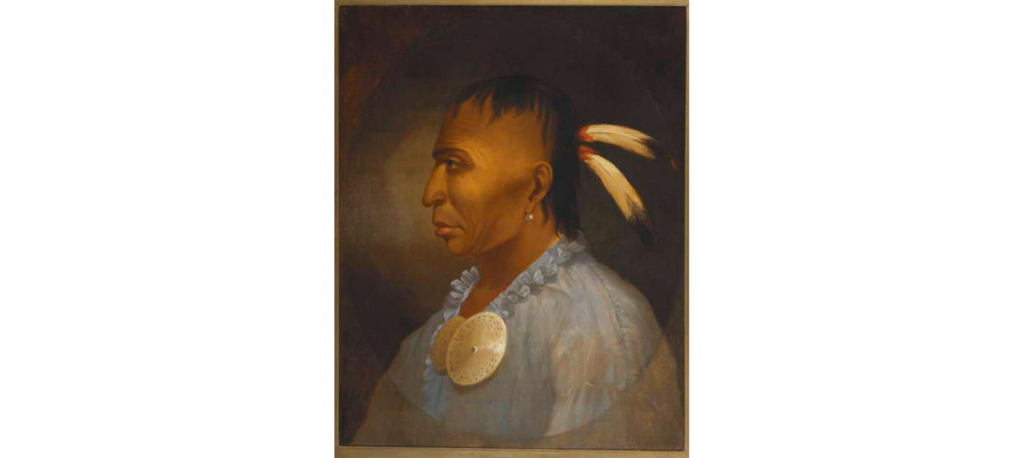
Paul Kane
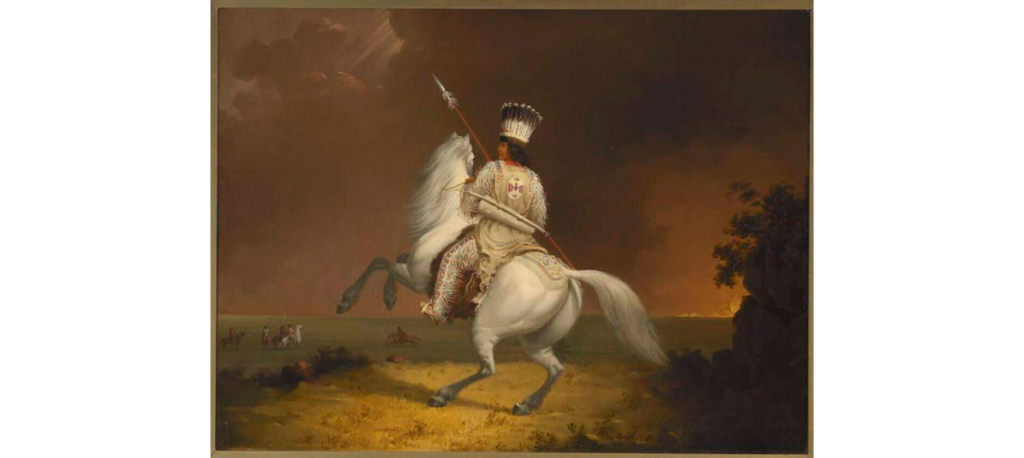
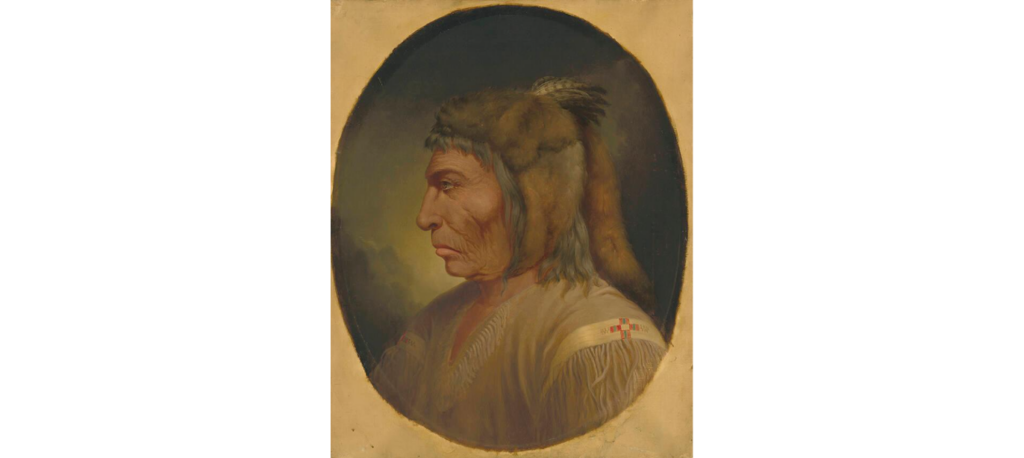
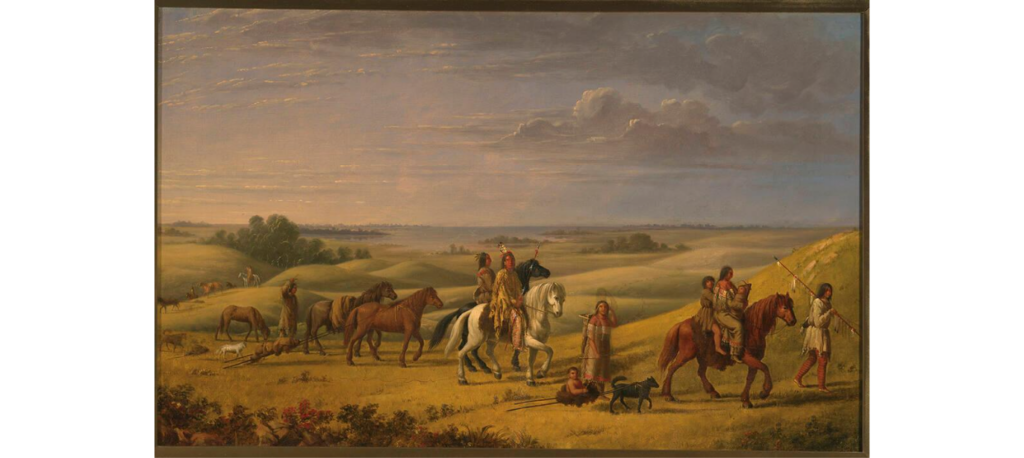
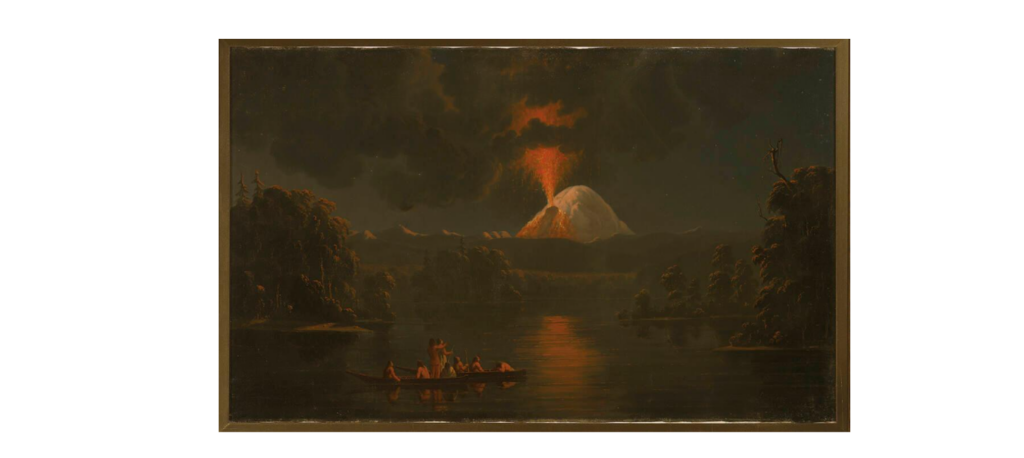
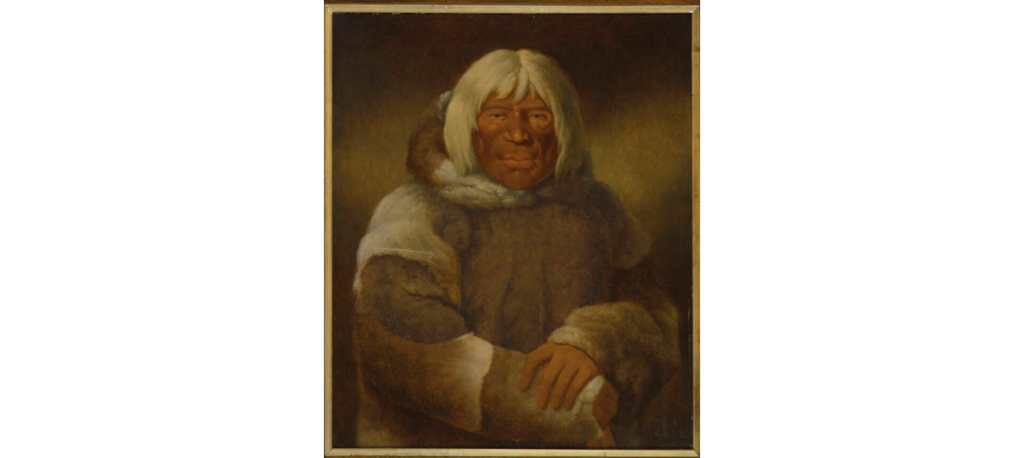
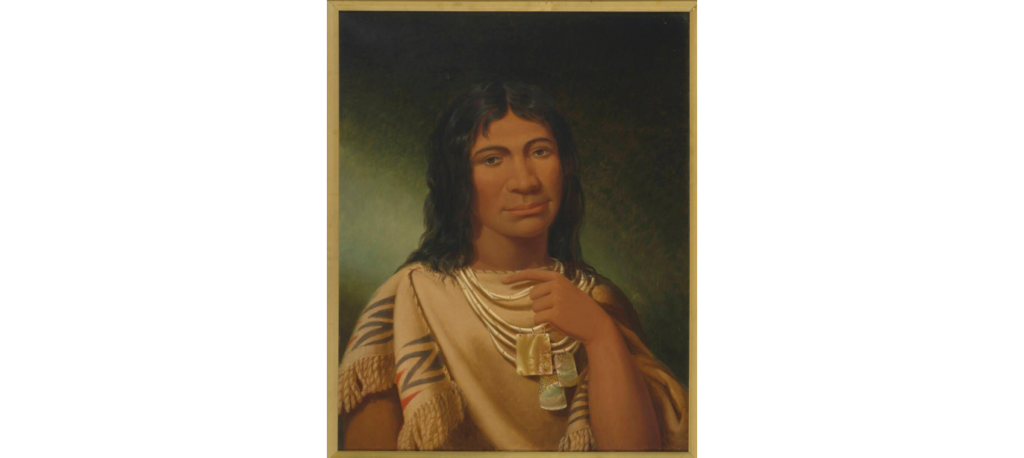
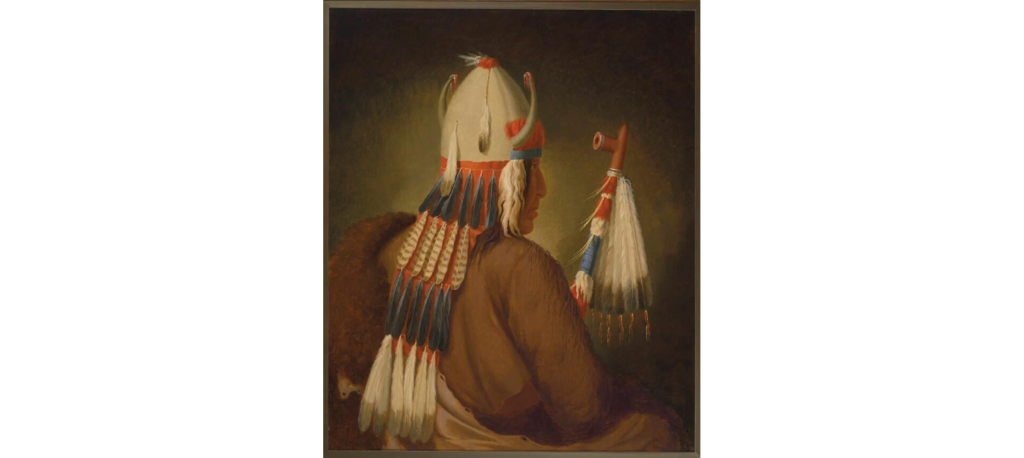
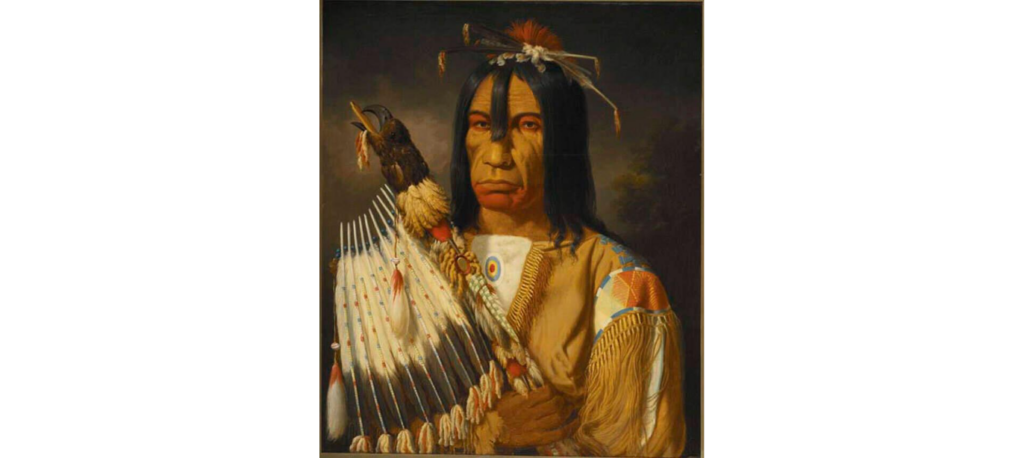
Paul Kane, September 3, 1810 – February 20, 1871, was an Irish-born Canadian artist. His family moved from Mallow, County Cork, to York, Upper Canada, around 1819. He was largely self-taught, worked as a furniture decorator and later as a coach, sign, and house painter, and may have received instruction from Thomas Drury, drawing master at Upper Canada College.
Kane exhibited with the Society of Artists and Amateurs of Toronto in 1834. He travelled in the United States and Europe before returning to Toronto in 1845, then made journeys through the Canadian West between 1845 and 1848. George William Allan became his principal patron and commissioned a cycle of one hundred paintings. Kane published Wanderings of an Artist among the Indians of North America in 1859. No documented students have been identified for this biography.
Principal collections of Kane's work include the Royal Ontario Museum, Toronto; the National Gallery of Canada, Ottawa; and the Stark Museum of Art, Orange, Texas. The Royal Ontario Museum holds the Allan cycle; the National Gallery of Canada holds eleven surviving paintings from the commission for the Library of Parliament; and the Stark Museum of Art holds a substantial group of field sketches.