Max Liebermann
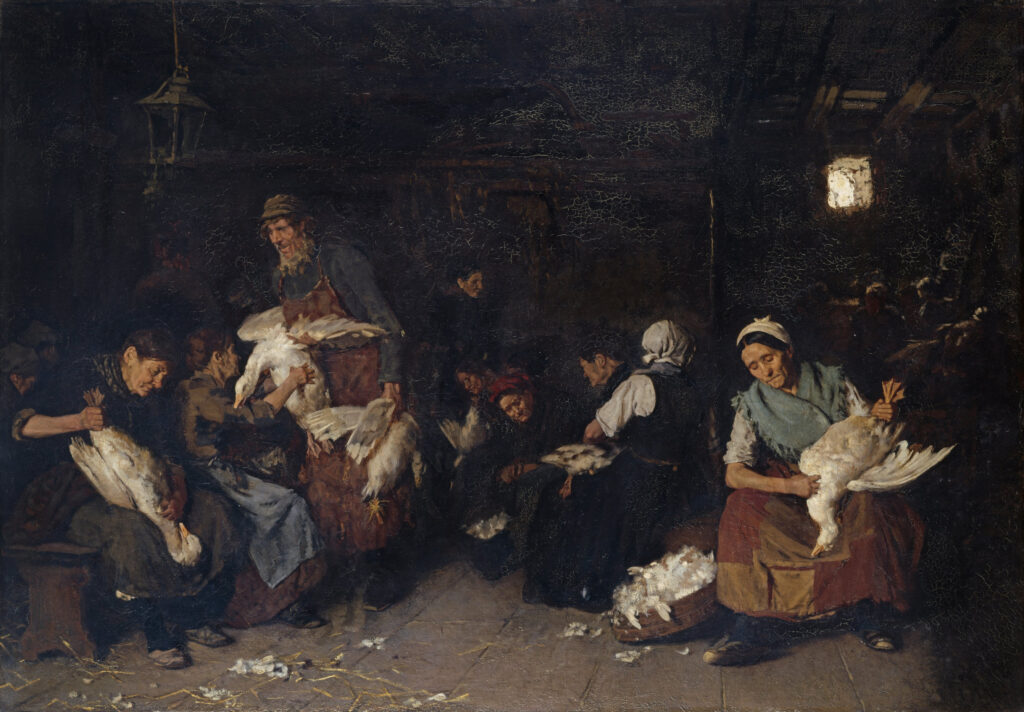
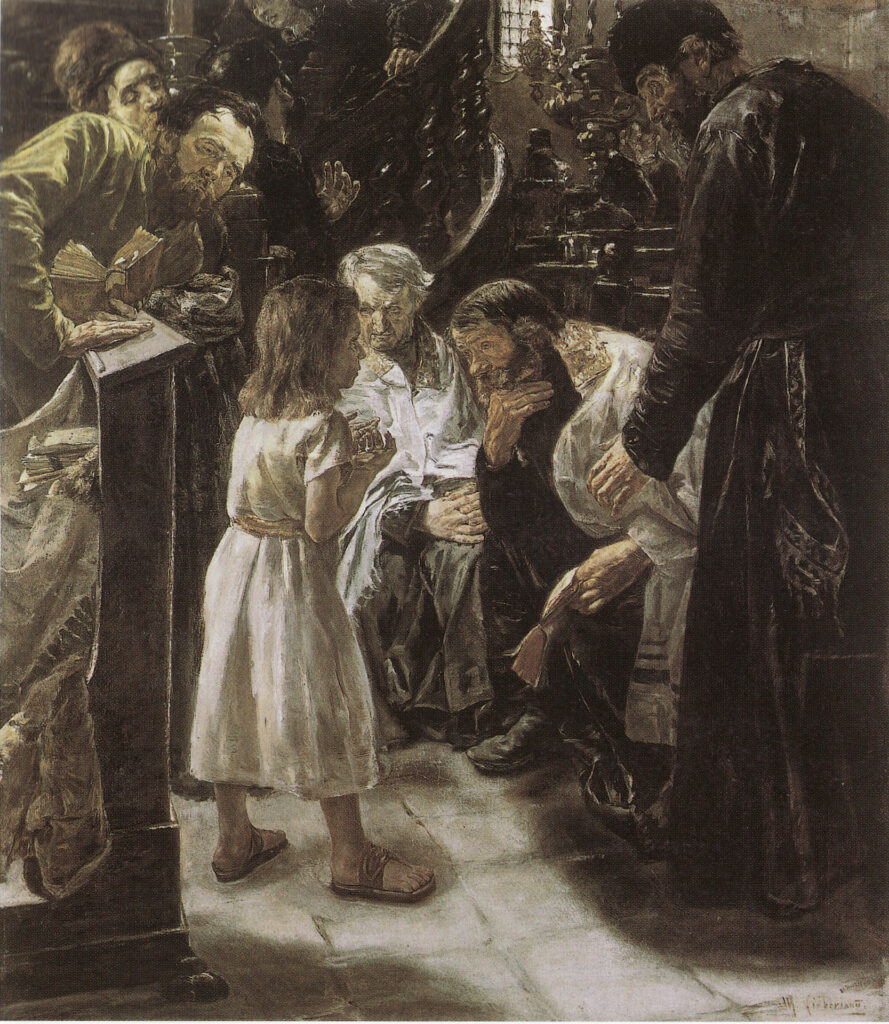
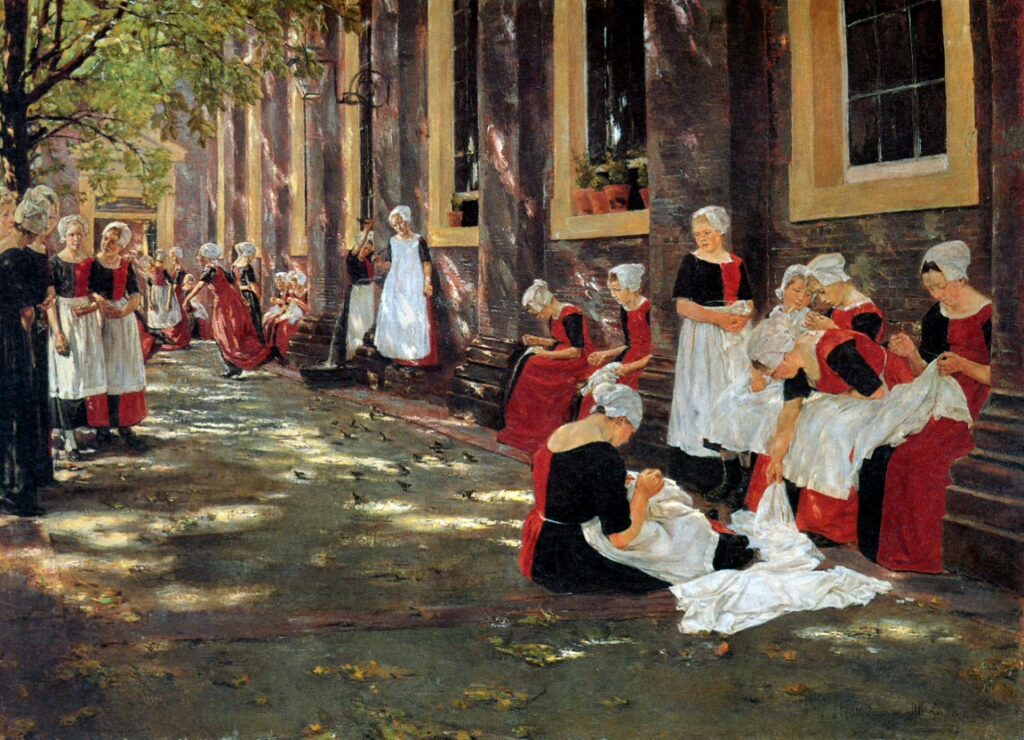
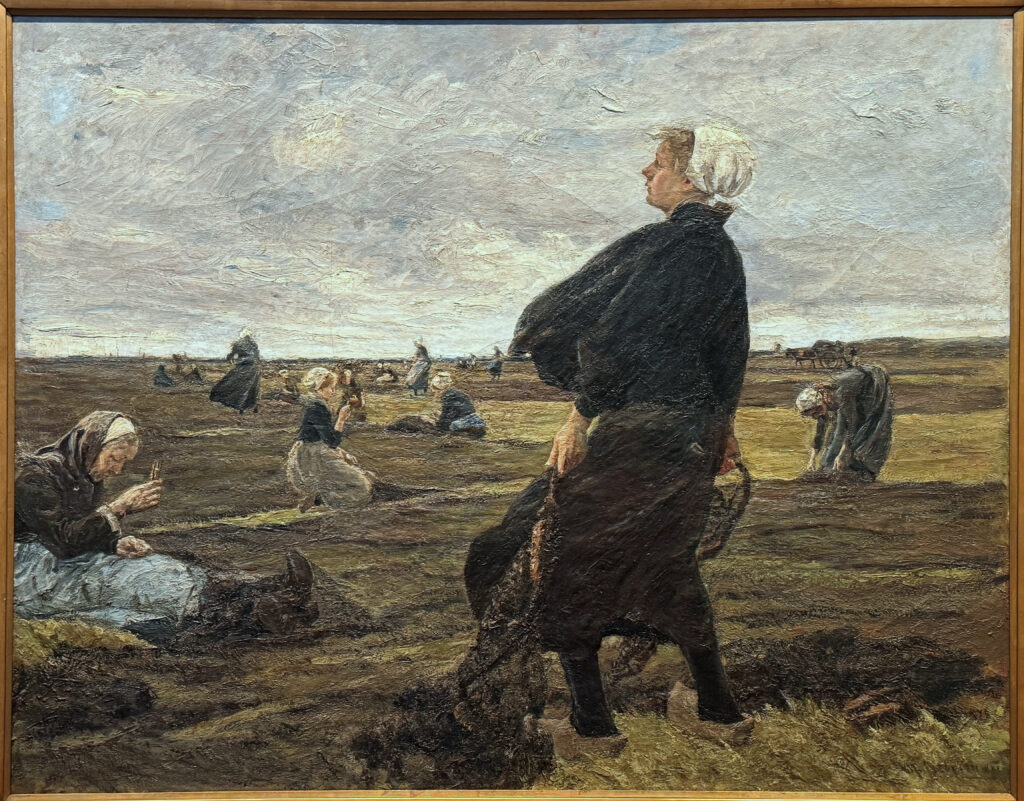
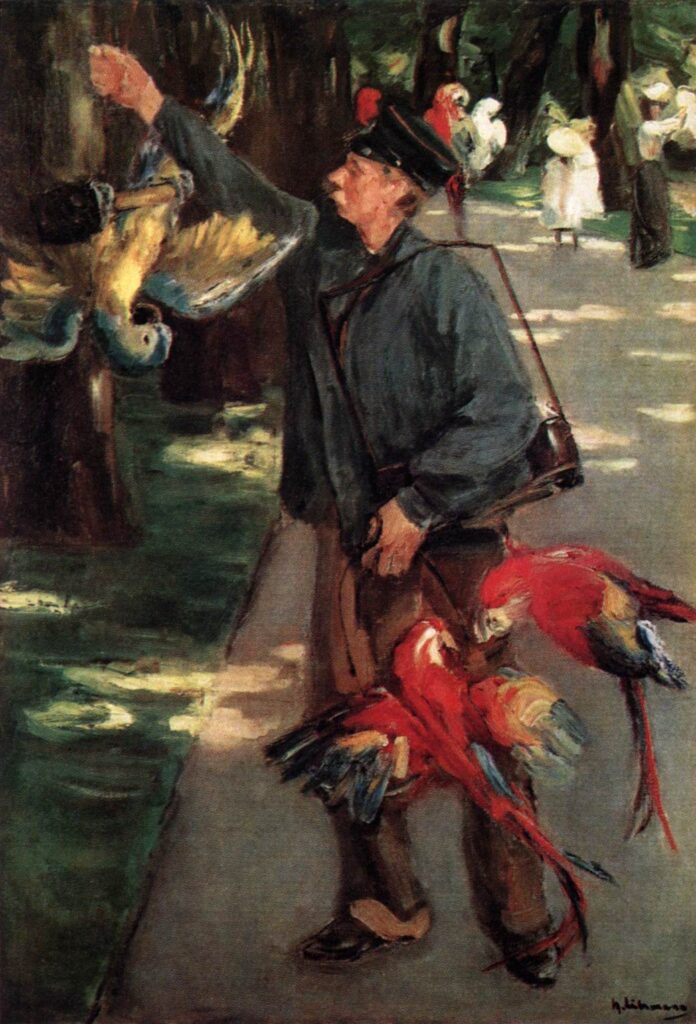
Max Liebermann, July 20, 1847 – February 8, 1935, was a German painter, printmaker, and draftsman associated with Realism, Impressionism, and the Berlin Secession. Born in Berlin to a Jewish textile-manufacturing family, he studied at the Weimar Saxon-Grand Ducal Art School and worked in Paris and the Netherlands, where he developed subjects drawn from labor, orphanages, rural life, and urban leisure.
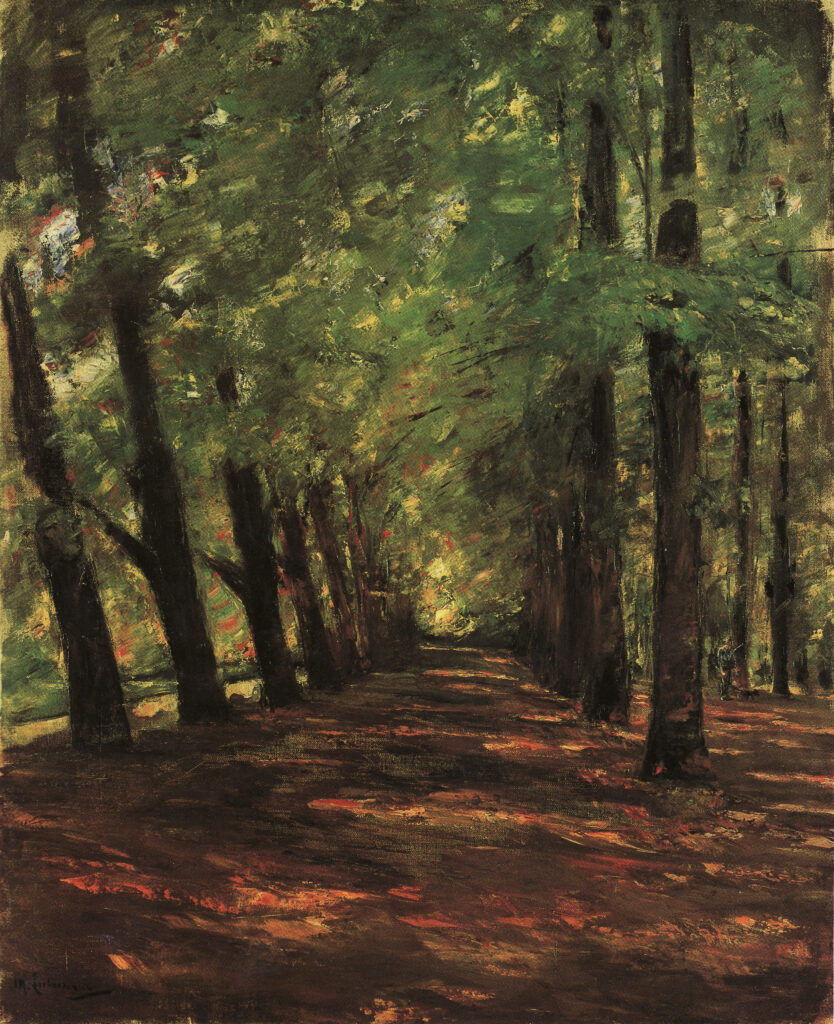
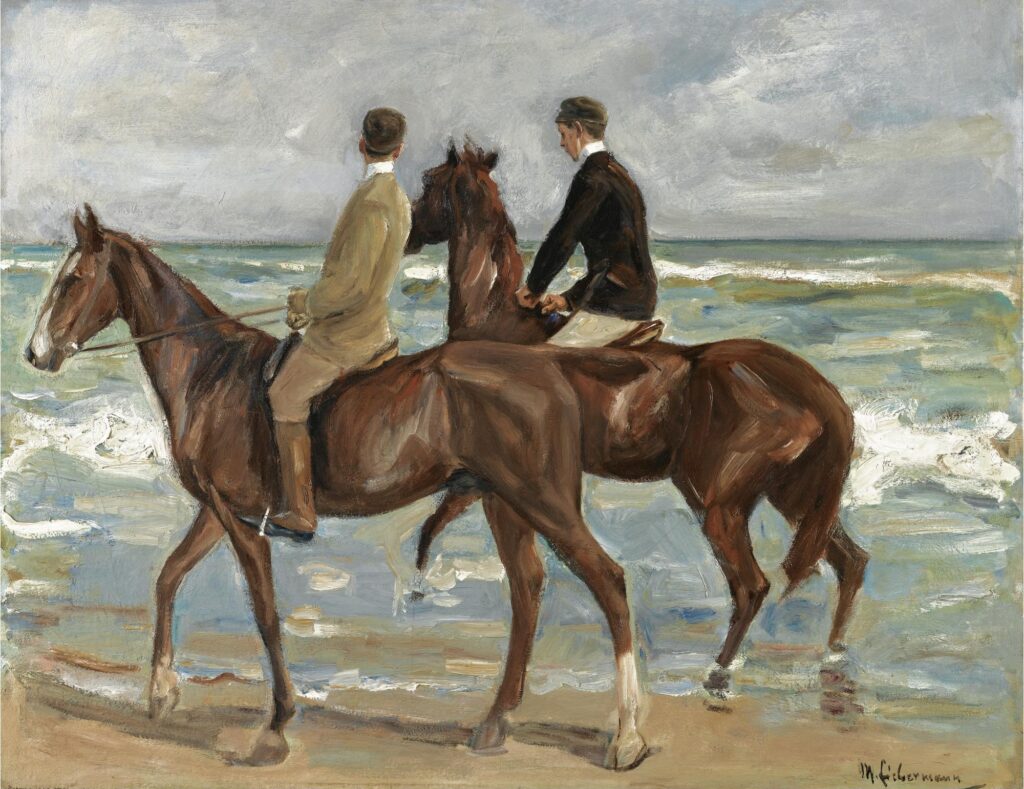
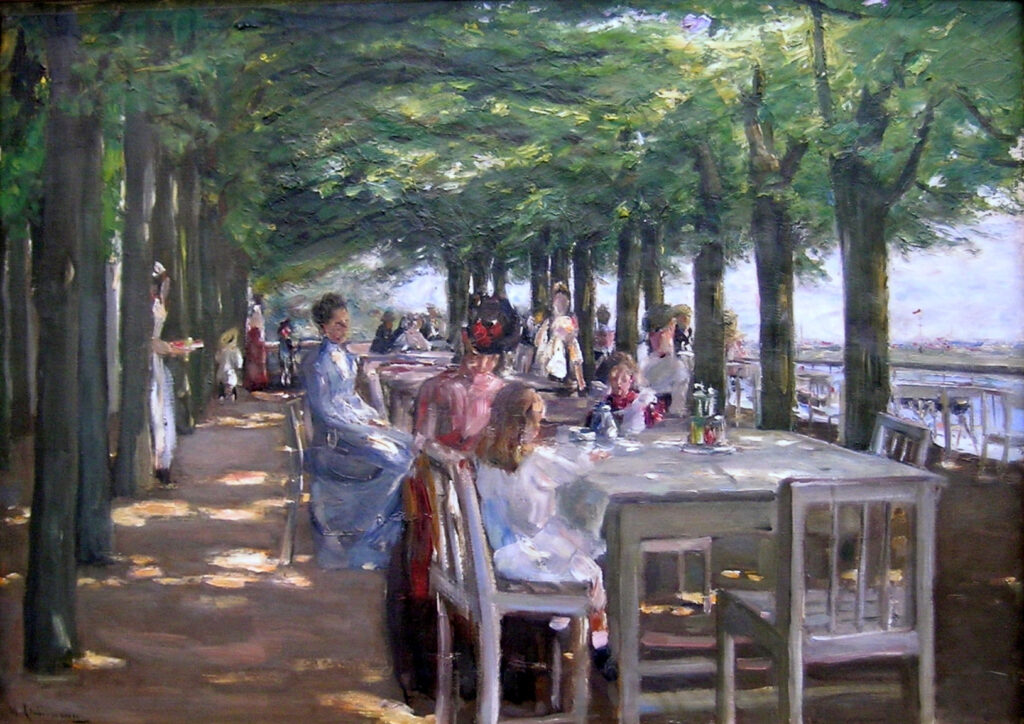
His paintings include early social-realist subjects, Dutch labor scenes, beach and terrace pictures, portraits, and late garden views at Wannsee. He was connected with German and French Impressionist circles and became a central figure in the Berlin Secession, serving as its president from 1899.
Liebermann influenced younger German painters through his exhibition leadership and public role rather than through a formal school. His work is held by the Alte Nationalgalerie, Berlin; Hamburger Kunsthalle, Hamburg; Städel Museum, Frankfurt; Neue Pinakothek, Munich; Museum Folkwang, Essen; and other major collections.





Comments are Disabled