Posts in Category: French
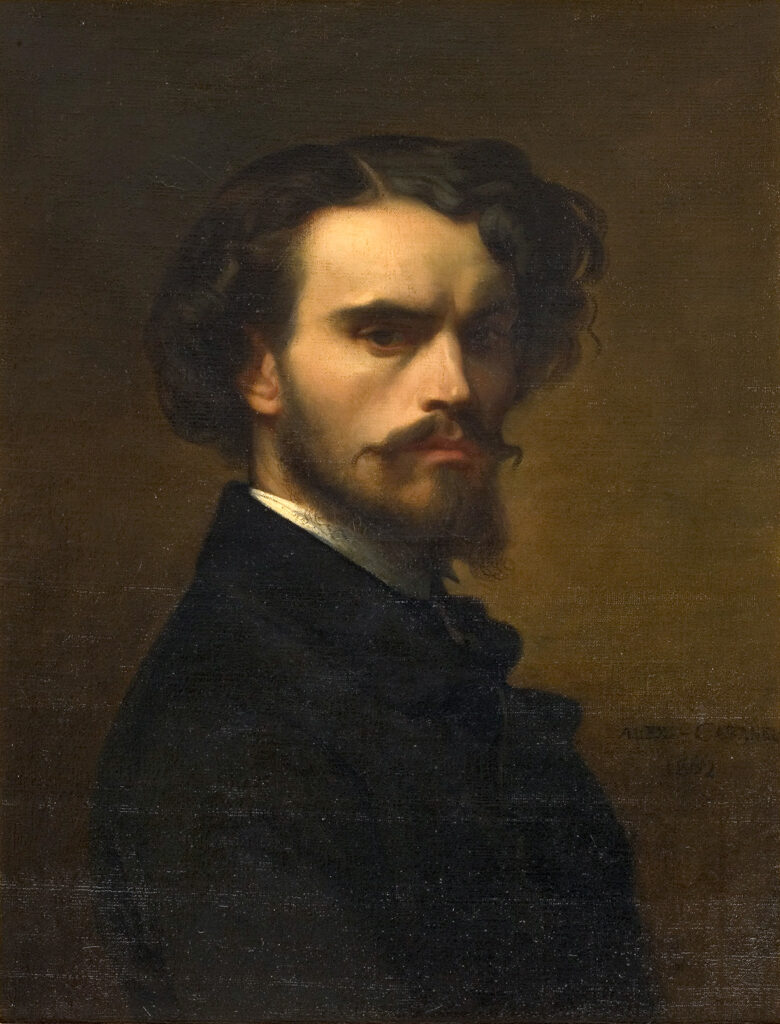
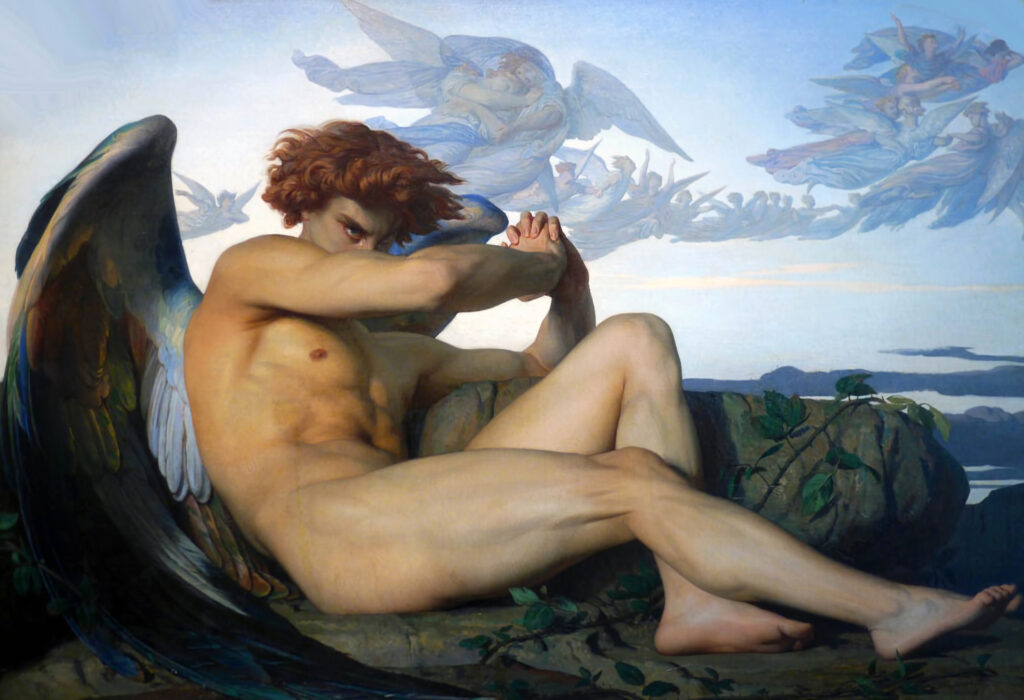
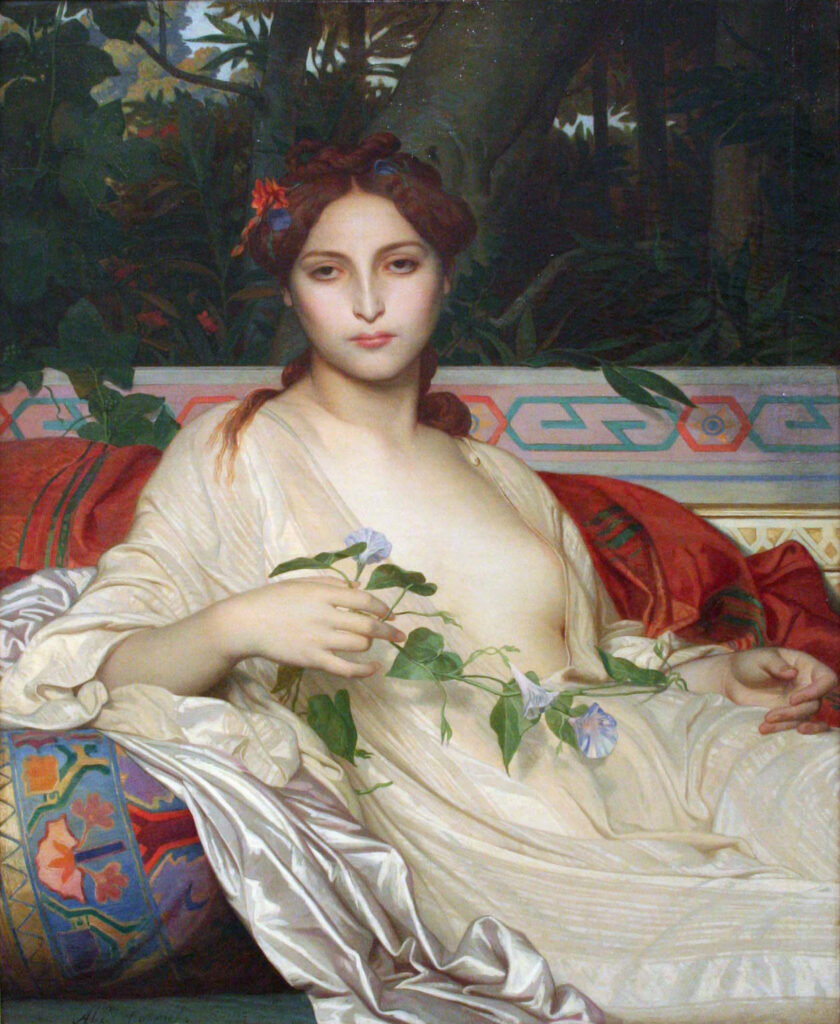
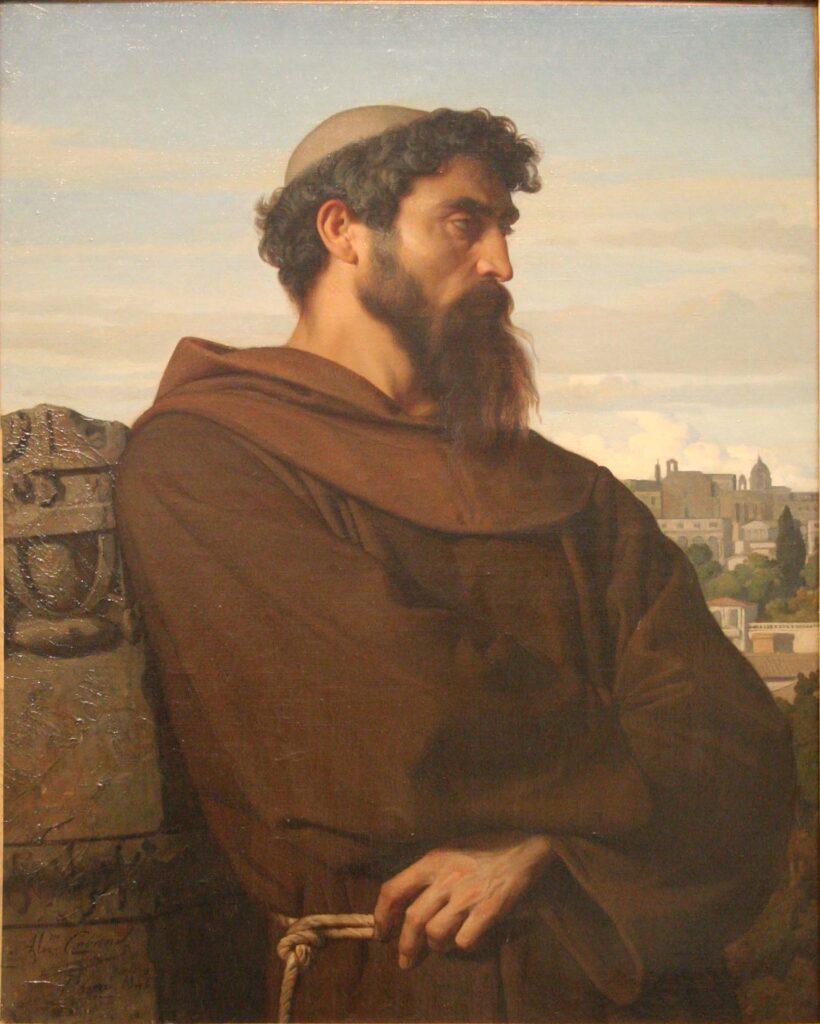
Alexandre Cabanel
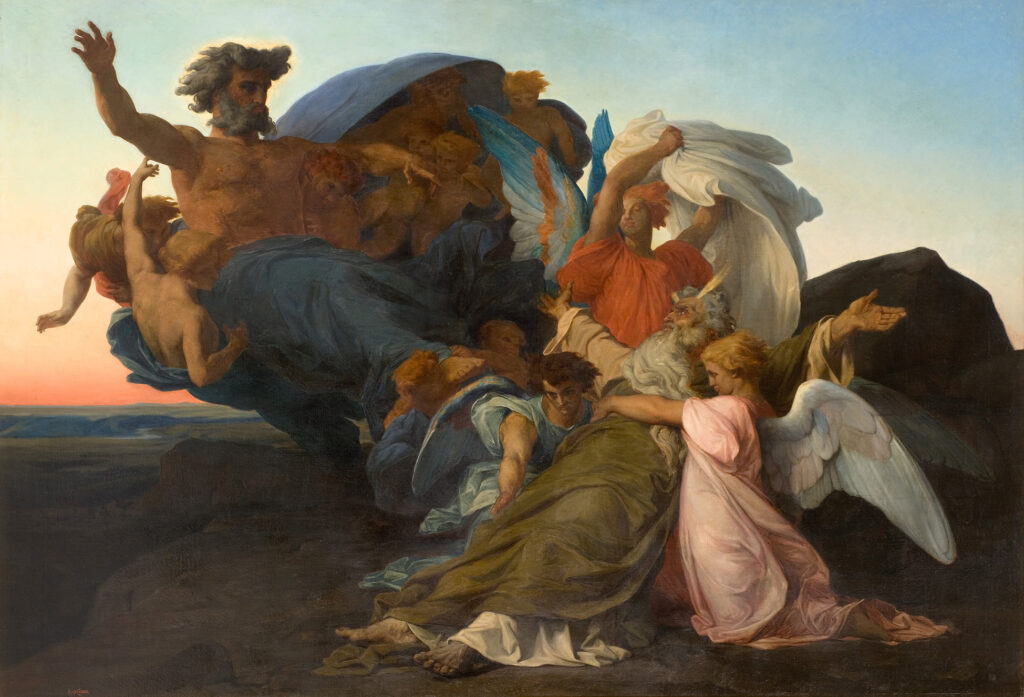
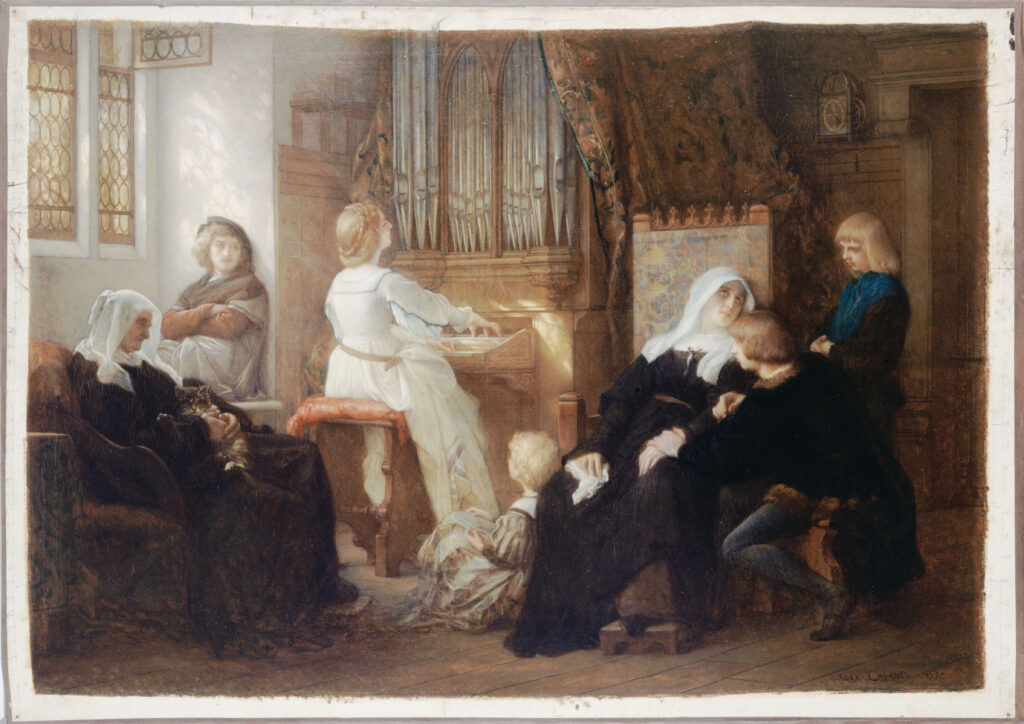
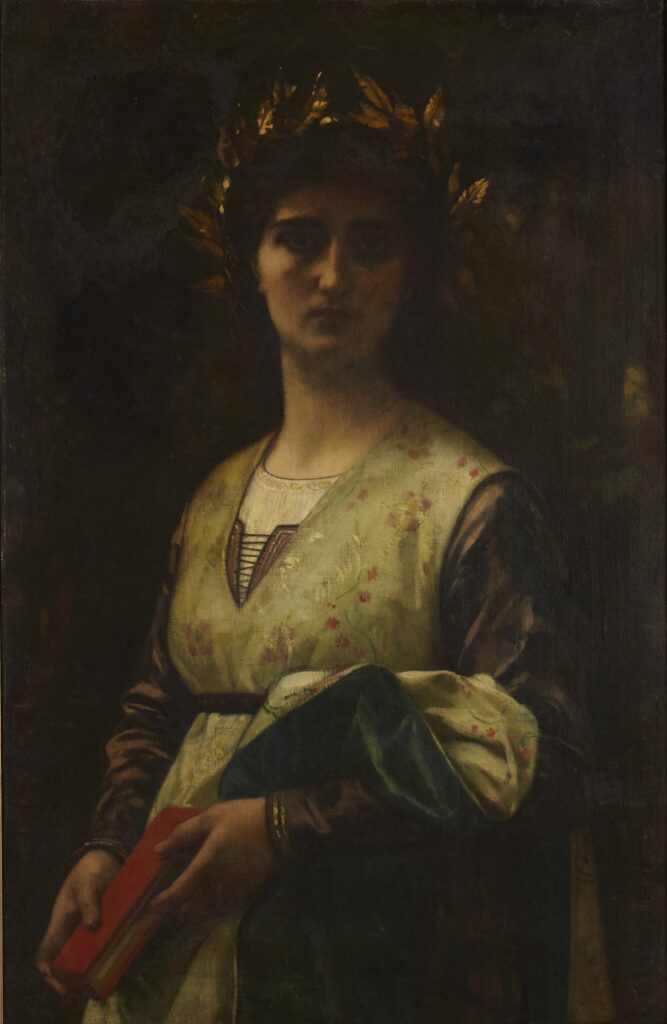
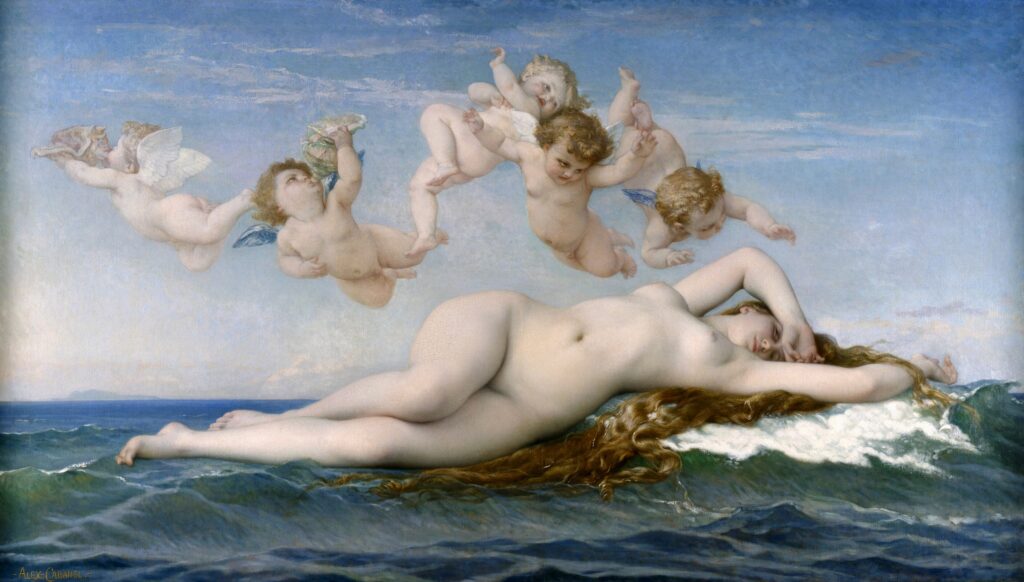
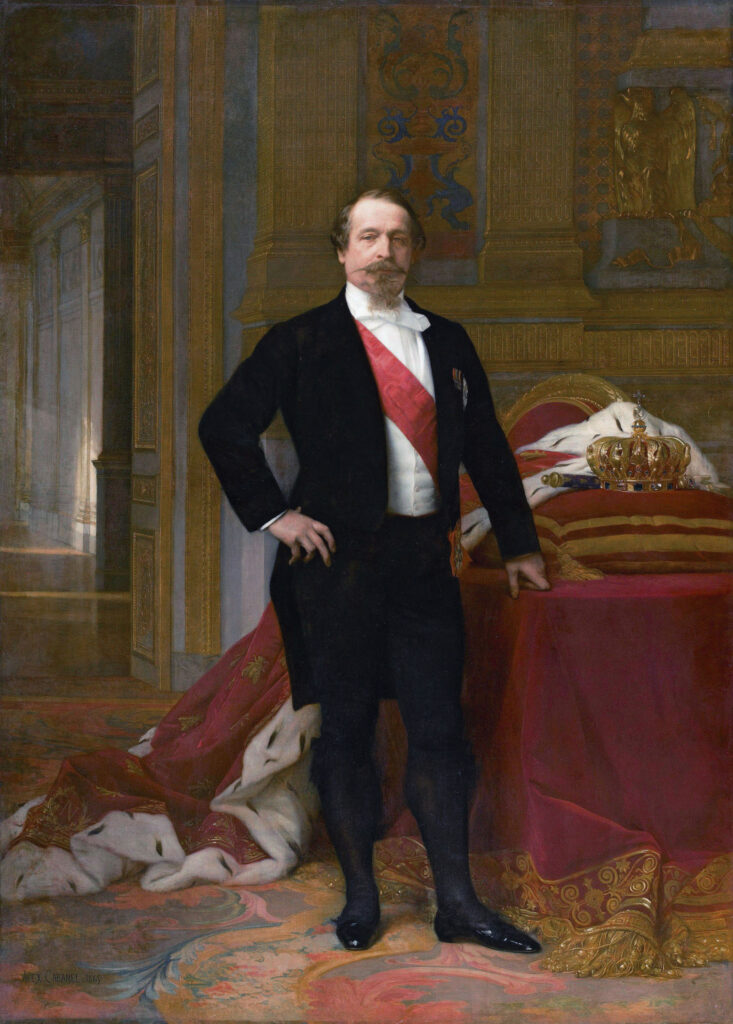
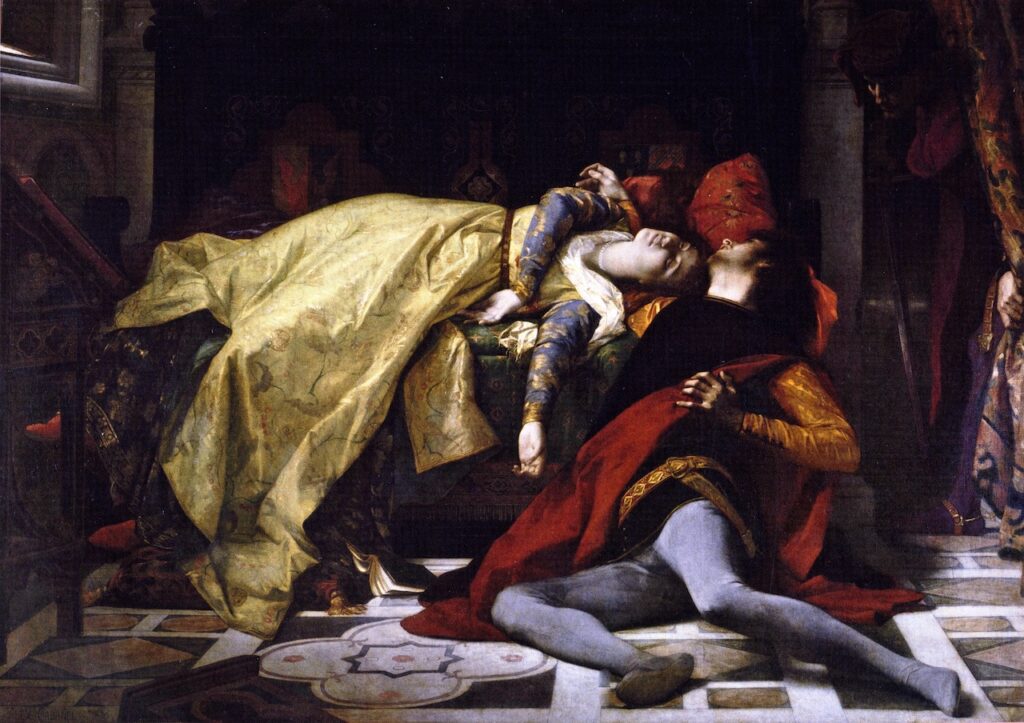
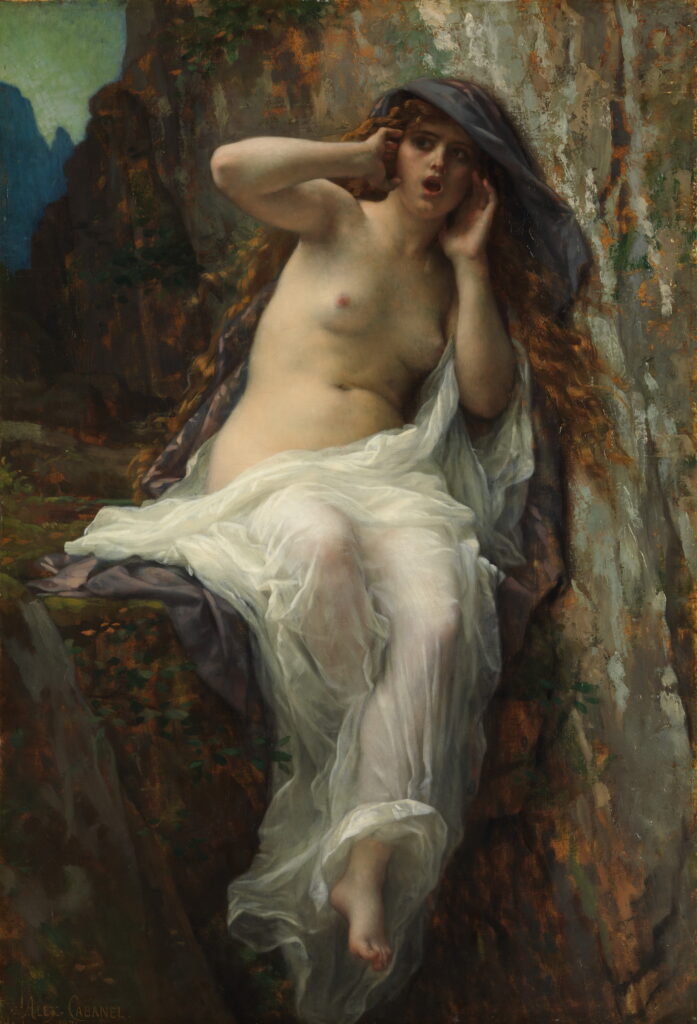
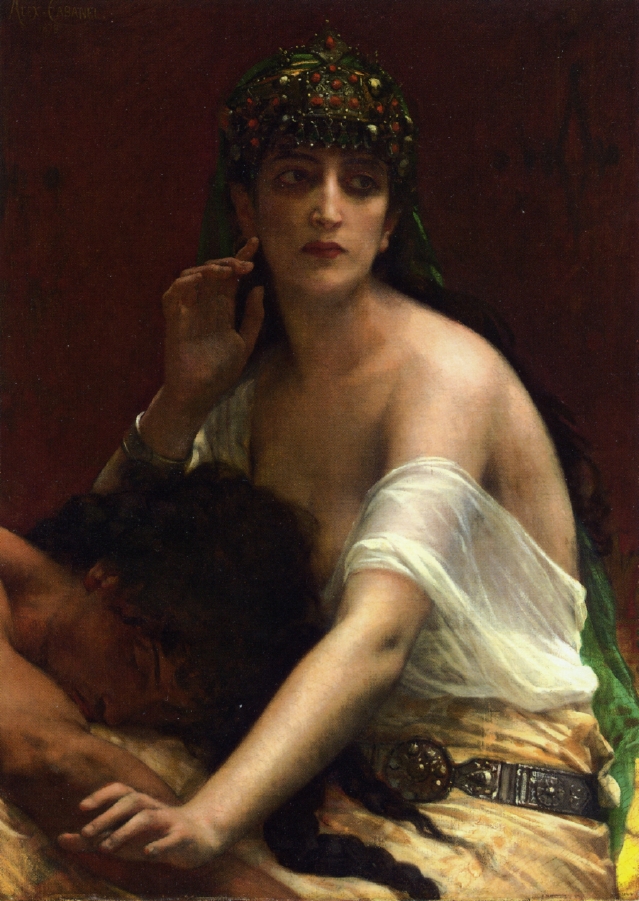
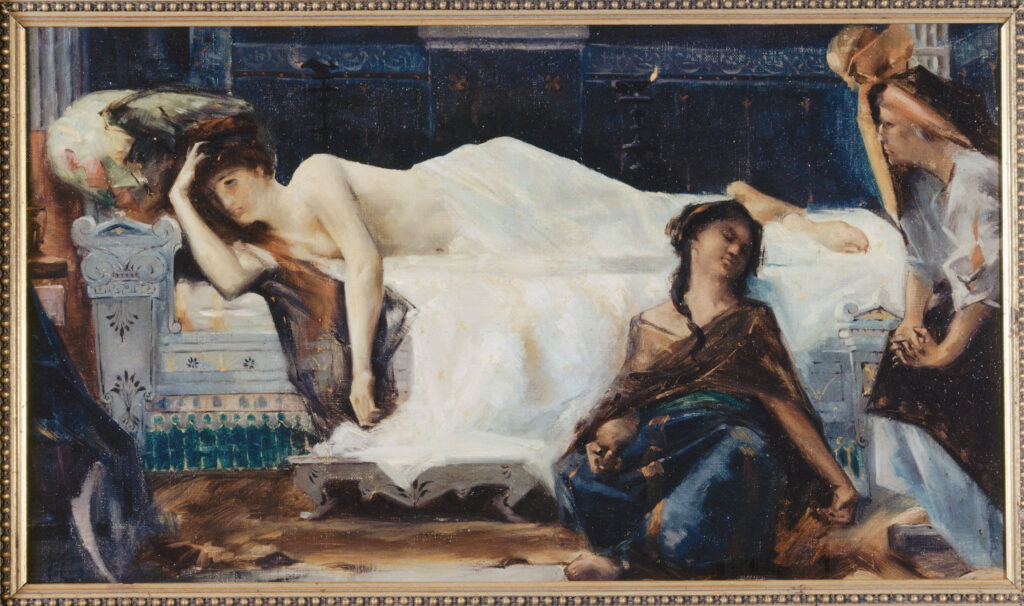
Alexandre Cabanel, September 28, 1823 – January 23, 1889, was a French painter and teacher. Born in Montpellier, he first studied at the city’s free drawing school and moved to Paris in 1839 on a municipal scholarship. From 1840 he studied at the École des Beaux-Arts in the studio of François-Édouard Picot. In 1845 he received the second first Prix de Rome and was a resident at the Villa Medici in Rome until 1850.
Cabanel returned to Paris in 1850 and worked on history, religious, mythological, decorative, and portrait paintings. He received commissions from Napoleon III and produced decorations for public buildings and Paris residences. From 1863, following the reform of the École des Beaux-Arts, he directed one of its three painting studios. He taught several hundred students, including Aristide Maillol, Jules Bastien-Lepage, Eugène Carrière, Henri Regnault, and Ernest Michel.
The Musée Fabre holds the largest group of Cabanel’s works, including about fifty paintings and nearly two hundred drawings. His works are also held by the Musée d’Orsay, the Metropolitan Museum of Art, the Princeton University Art Museum, the Petit Palais, and the Château de Compiègne
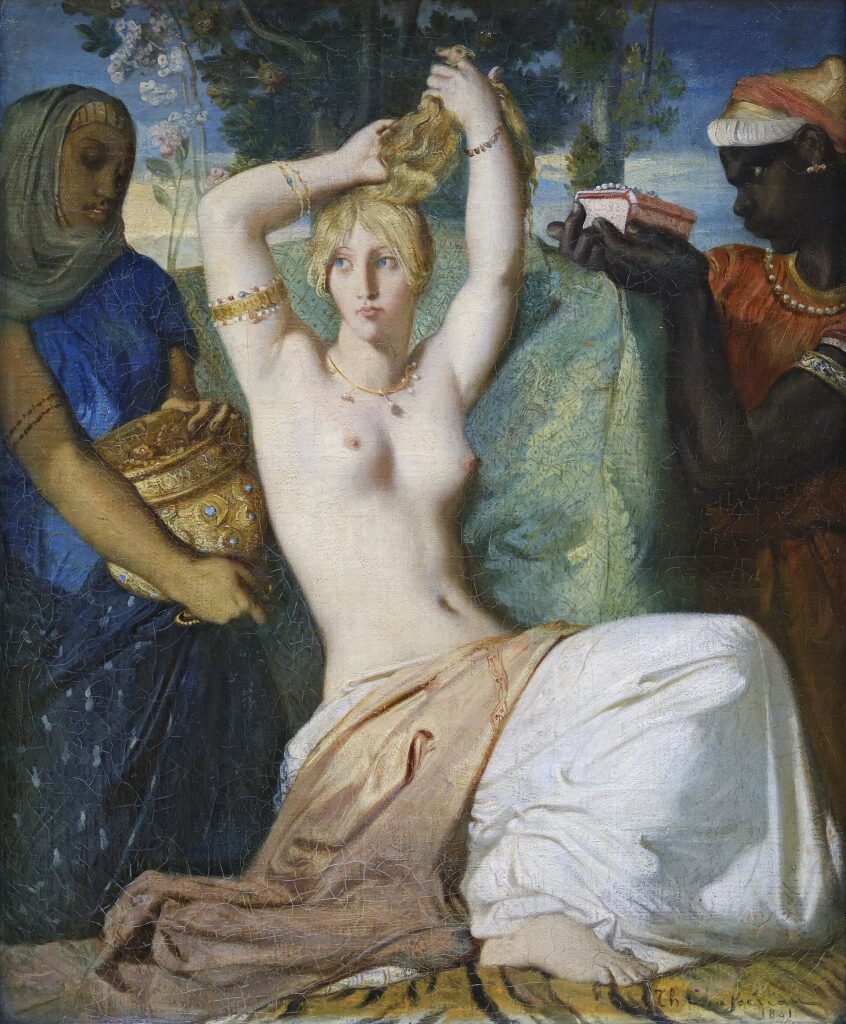
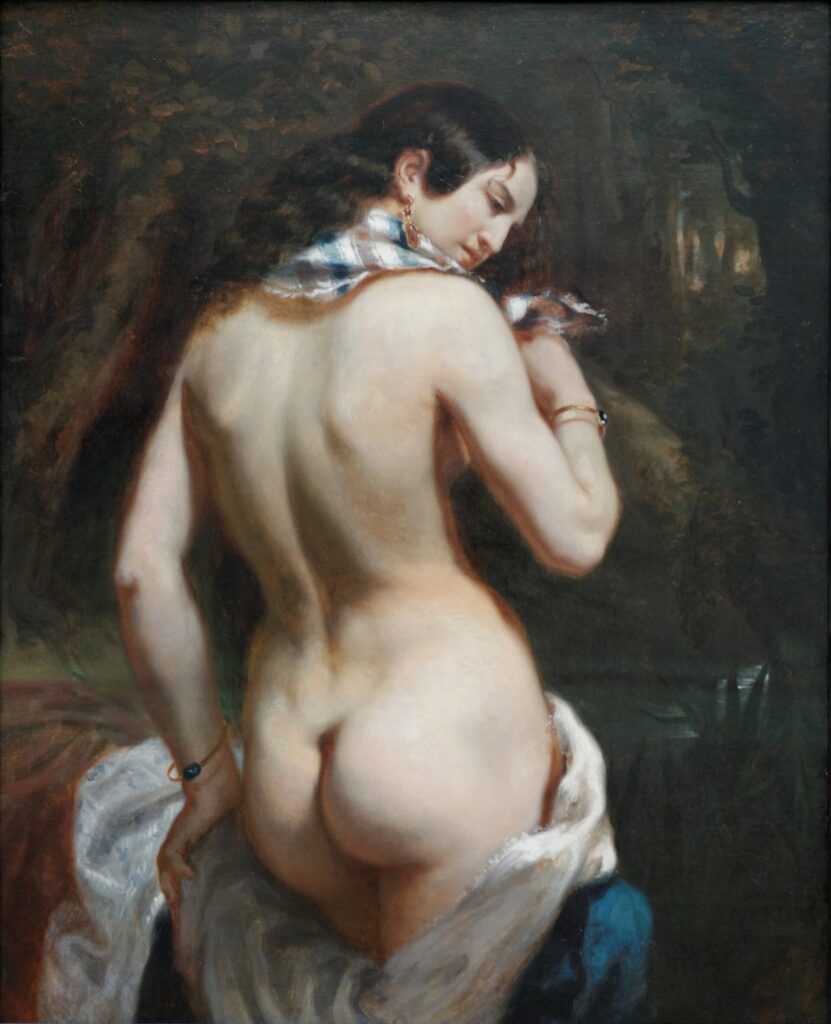
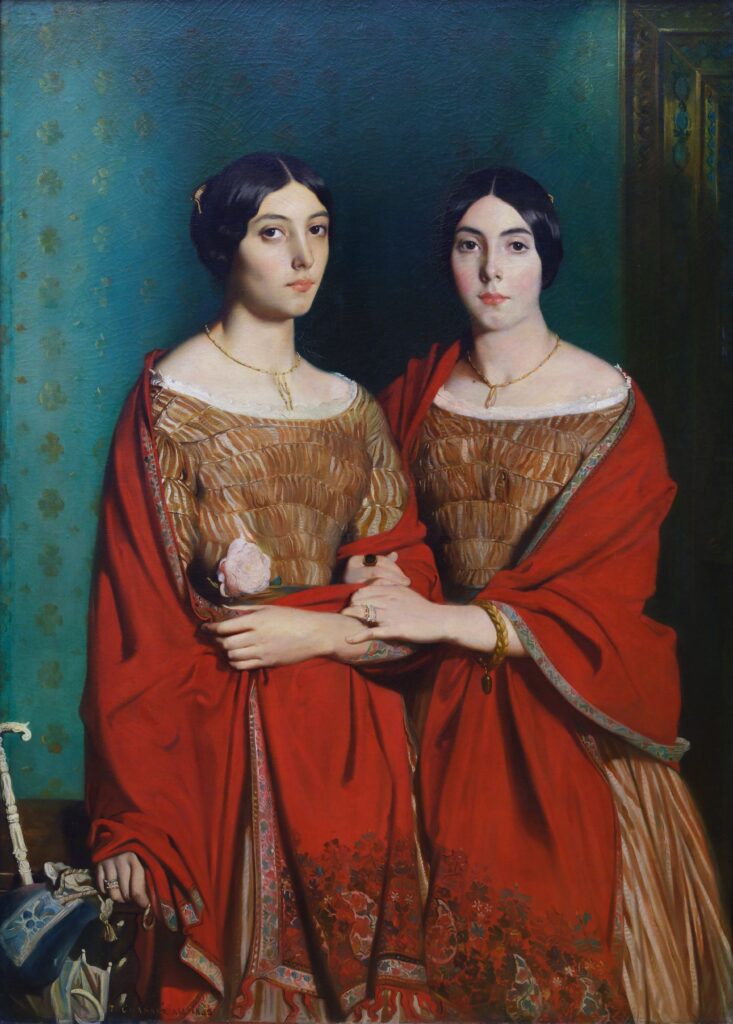
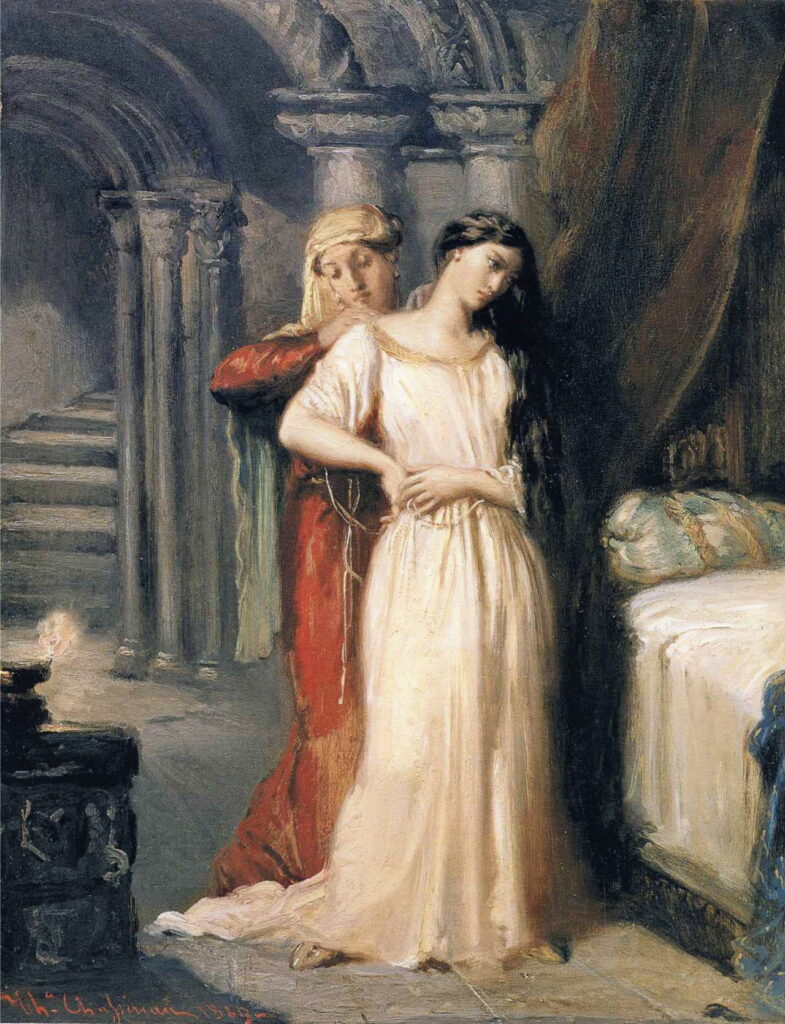
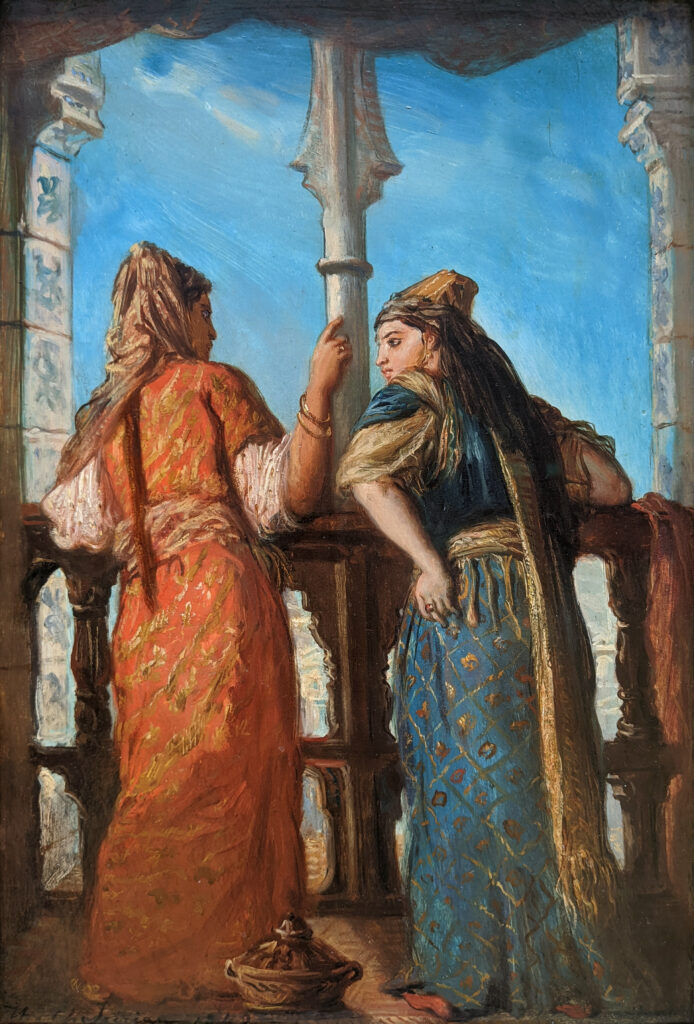
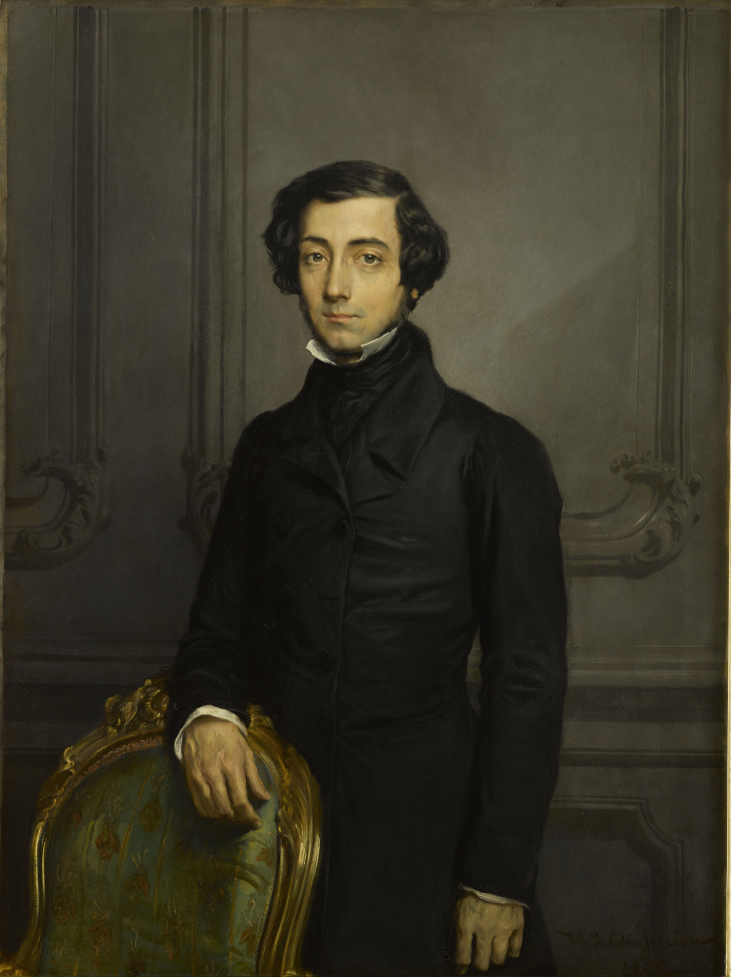
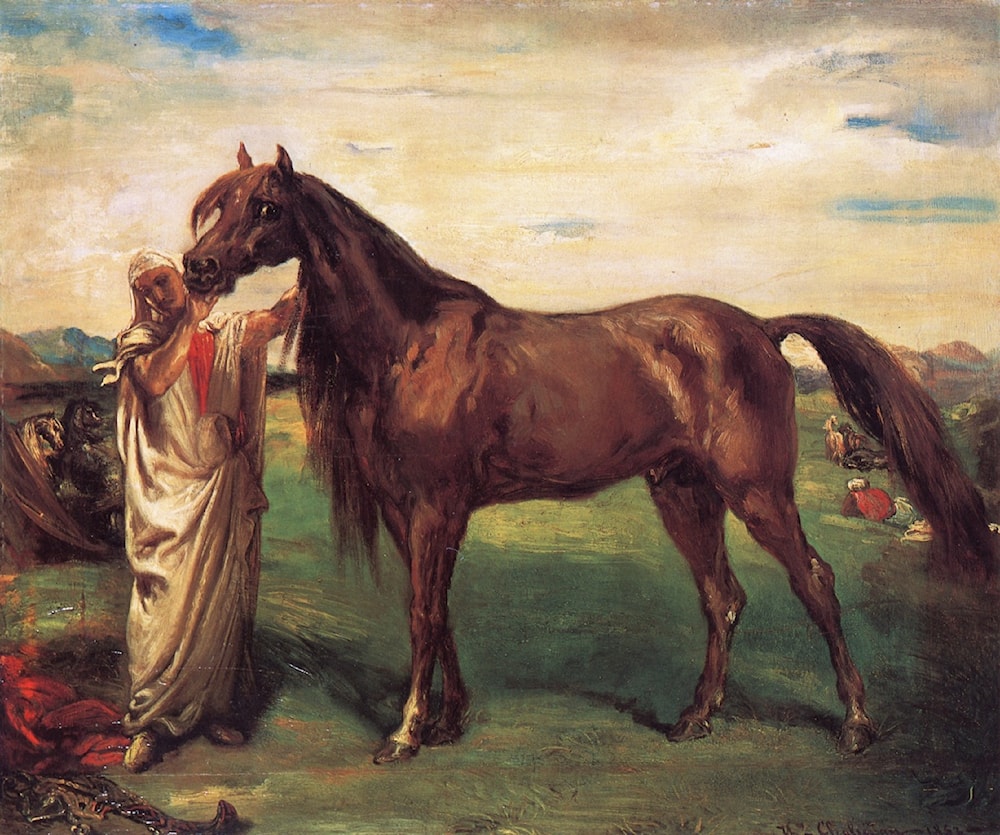
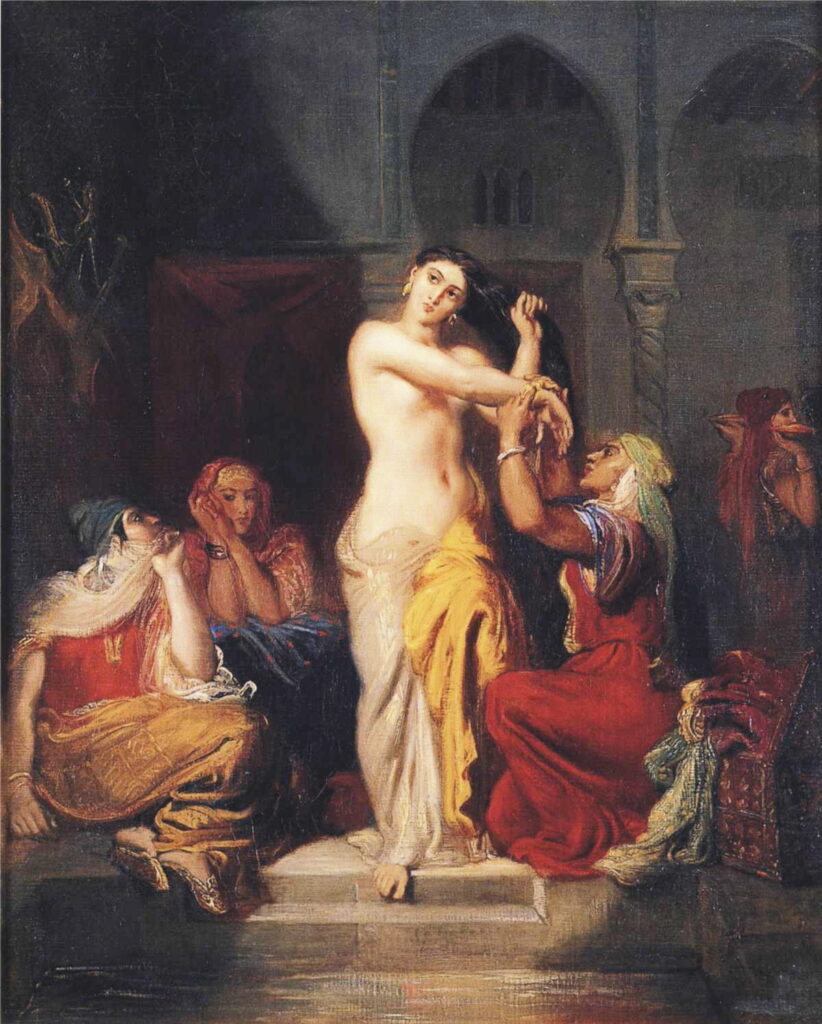
Théodore Chassériau
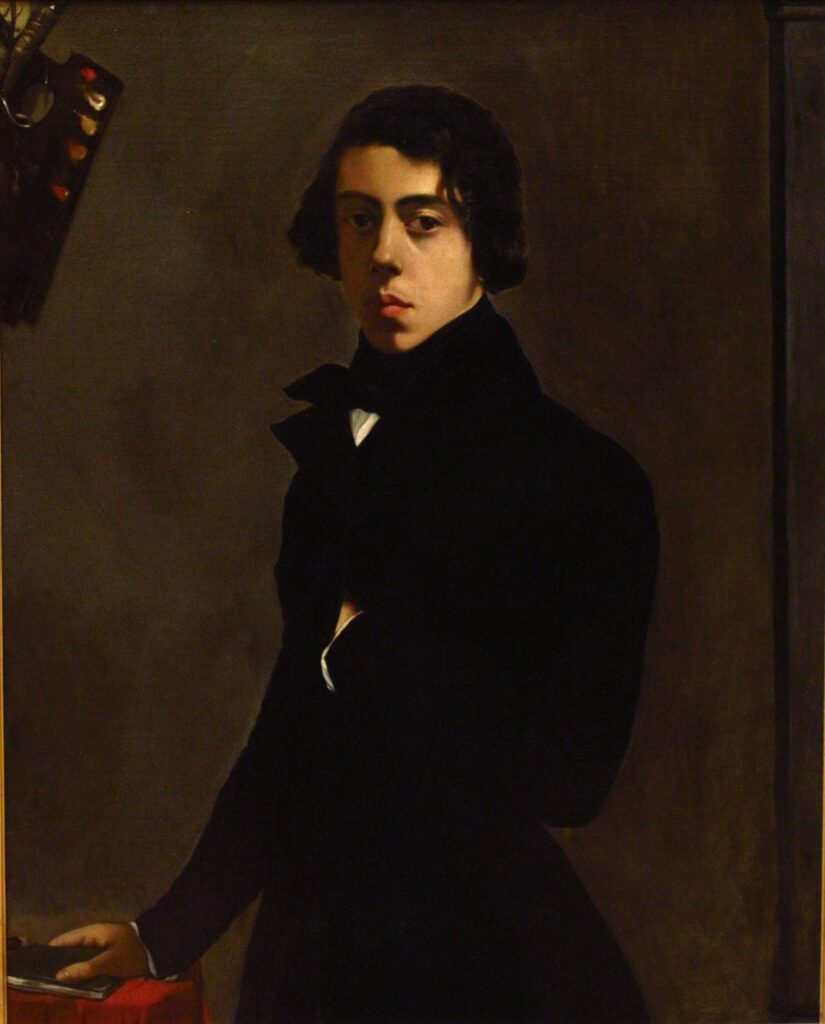
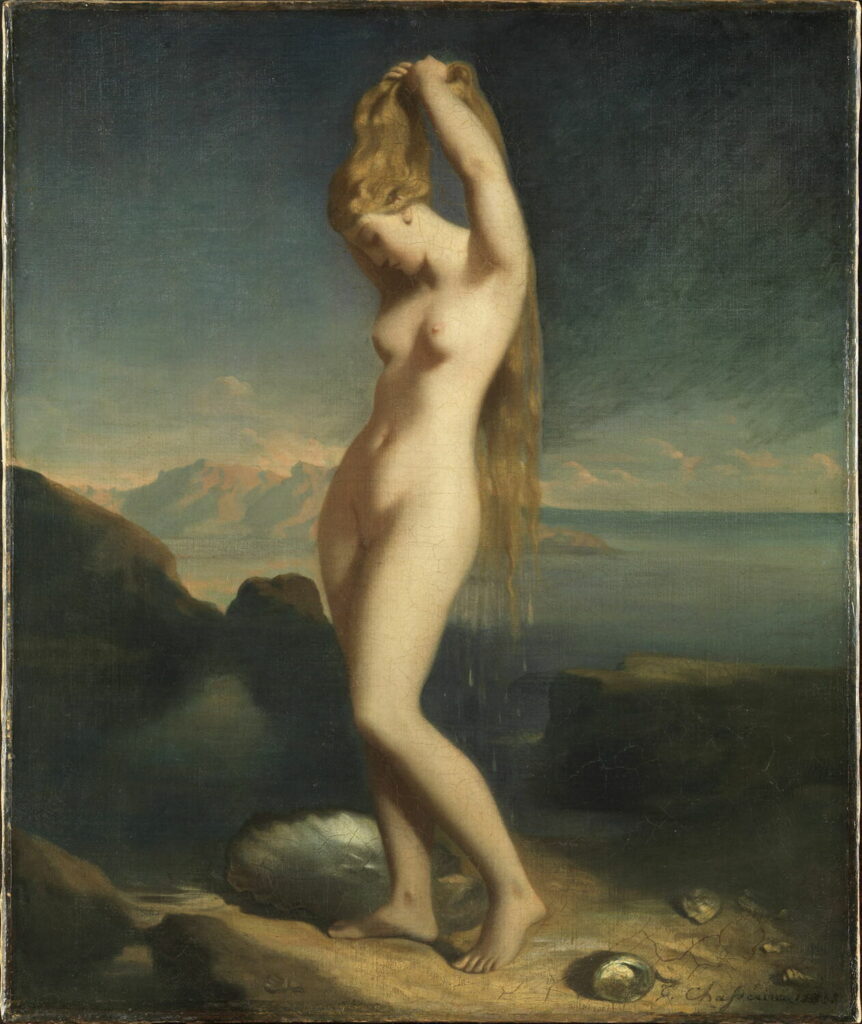
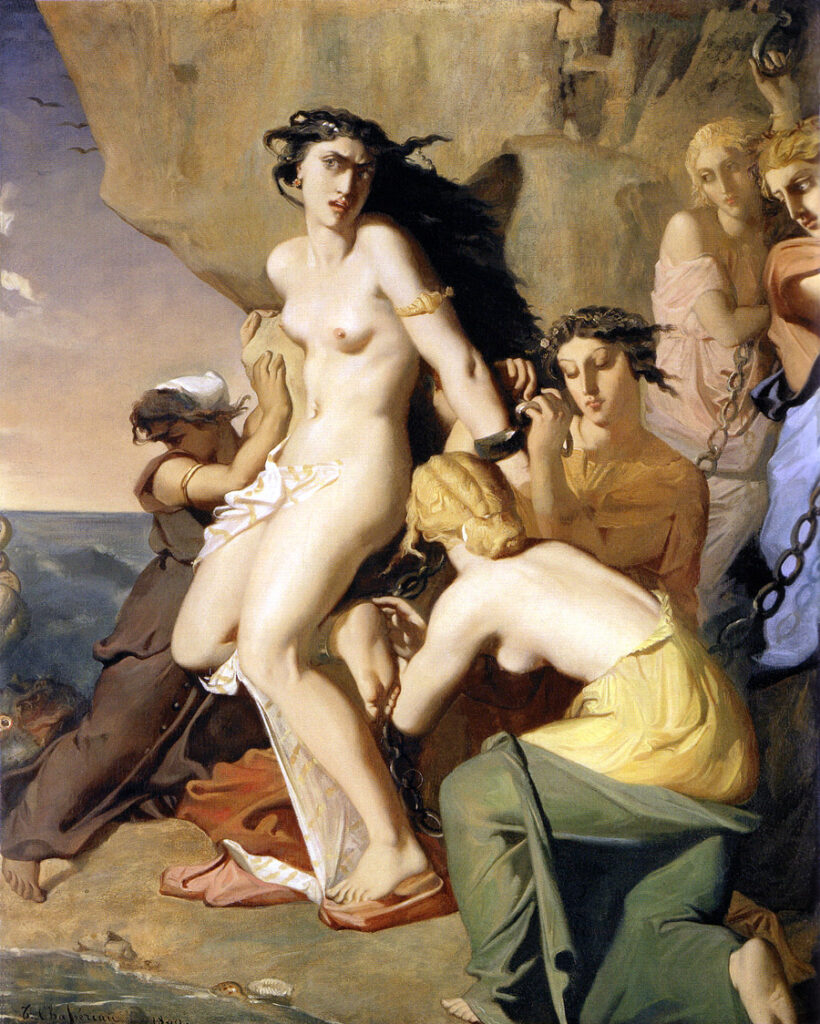
Théodore Chassériau, September 20, 1819 – October 8, 1856, was a French painter, watercolorist, draftsman, and printmaker. He was born at Sainte-Barbe de Samaná, Saint-Domingue, and died in Paris.
Chassériau studied with Jean-Auguste-Dominique Ingres from 1830 and entered Ingres’s studio at the École des Beaux-Arts in 1833. He exhibited at the Salon from 1836, joined Ingres in Rome in 1840, and later worked in Paris. His travel to Algeria in 1846 informed a group of North African subjects. He also undertook decorative commissions for Parisian public buildings and churches.
His works are held by the Musée du Louvre and Musée d’Orsay, Paris; the Musée des Beaux-Arts de Strasbourg; the Metropolitan Museum of Art, New York; the Harvard Art Museums; the National Gallery of Art, Washington; and the Musée Ingres Bourdelle, Montauban.


Maurice Quentin de La Tour
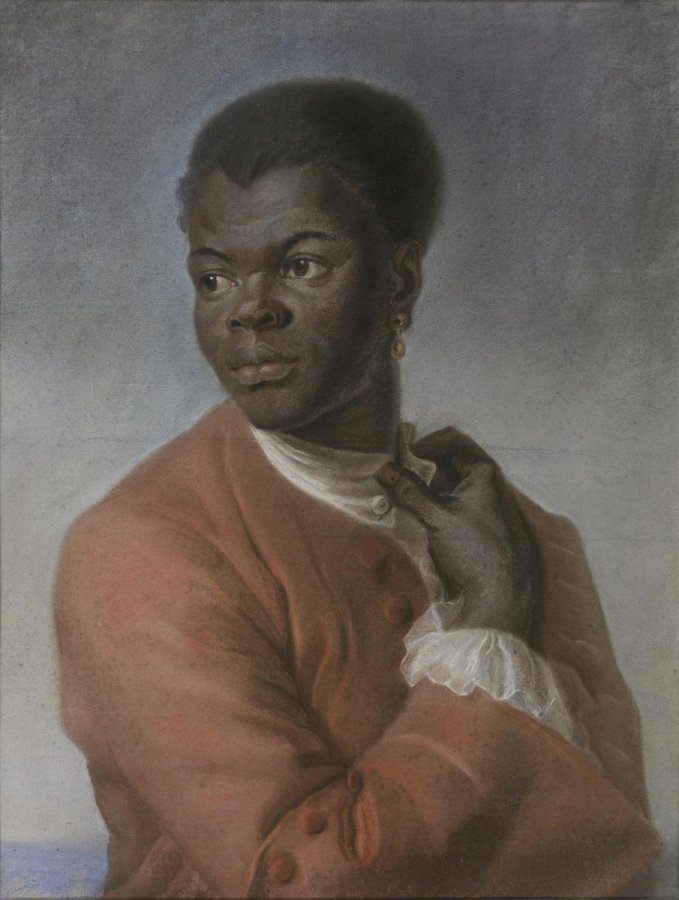
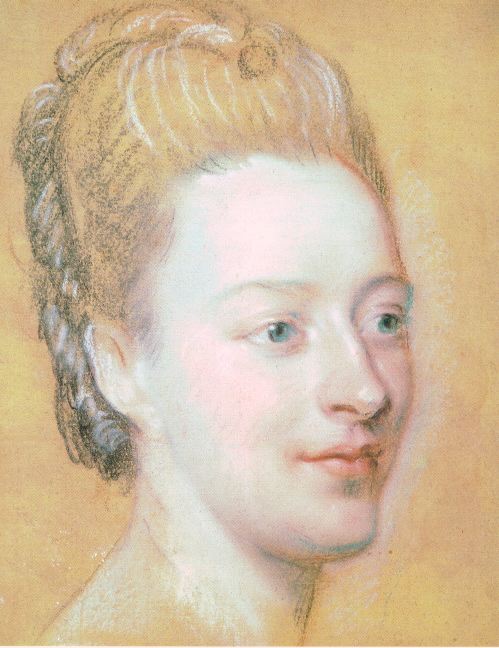
Maurice Quentin de La Tour, September 5, 1704 – February 17, 1788, was a French pastellist and portrait painter, born and died in Saint-Quentin. He attended the college at Saint-Quentin, moved to Paris in 1724, and studied with the Flemish artist Jacques Spoëde; accounts also identify training with the engraver Tardieu and the painter Jean Restout.
La Tour was agréé by the Académie royale de peinture et de sculpture in 1737 and became an academician in 1746. He exhibited at the Salon from 1740 to 1760 and worked in Paris and Saint-Quentin. His sitters included members of the French court, writers, philosophers, and other public figures. Adélaïde Labille-Guiard received instruction from him in pastel.
In 1778, La Tour founded a drawing school in Saint-Quentin. His works are held by the Louvre Museum, Musée des beaux-arts Antoine Lécuyer, Musée de Picardie, MAH Museum of Art and History, National Galleries of Scotland, Alte Pinakothek, Museu Nacional d'Art de Catalunya, the Metropolitan Museum of Art, and the National Gallery of Art.



Gustave Caillebotte
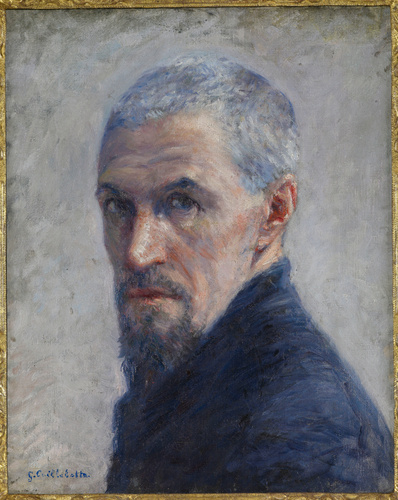
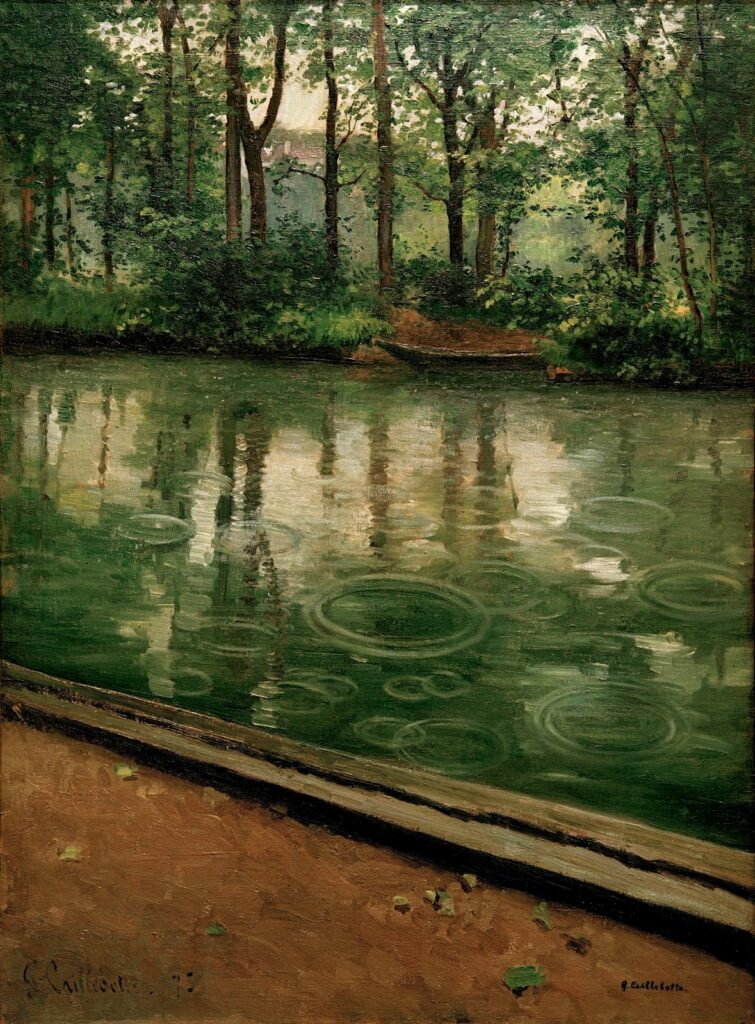
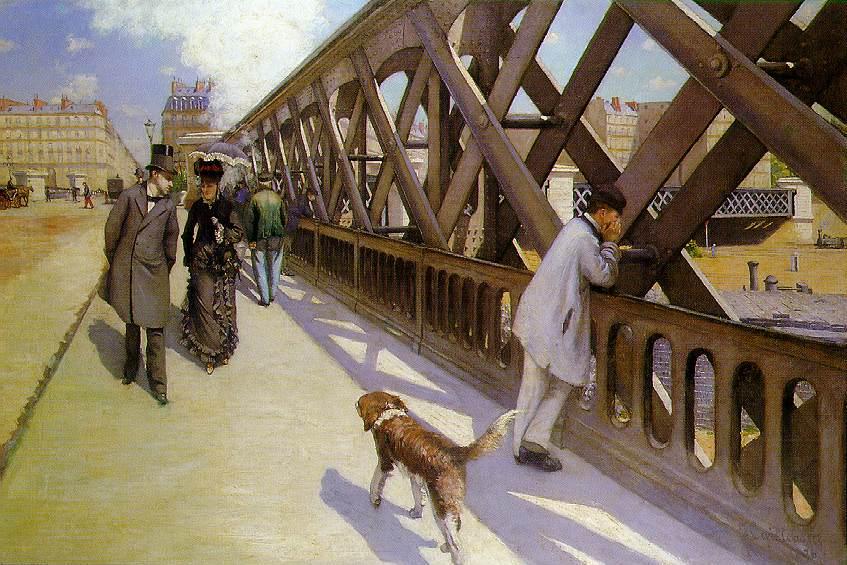
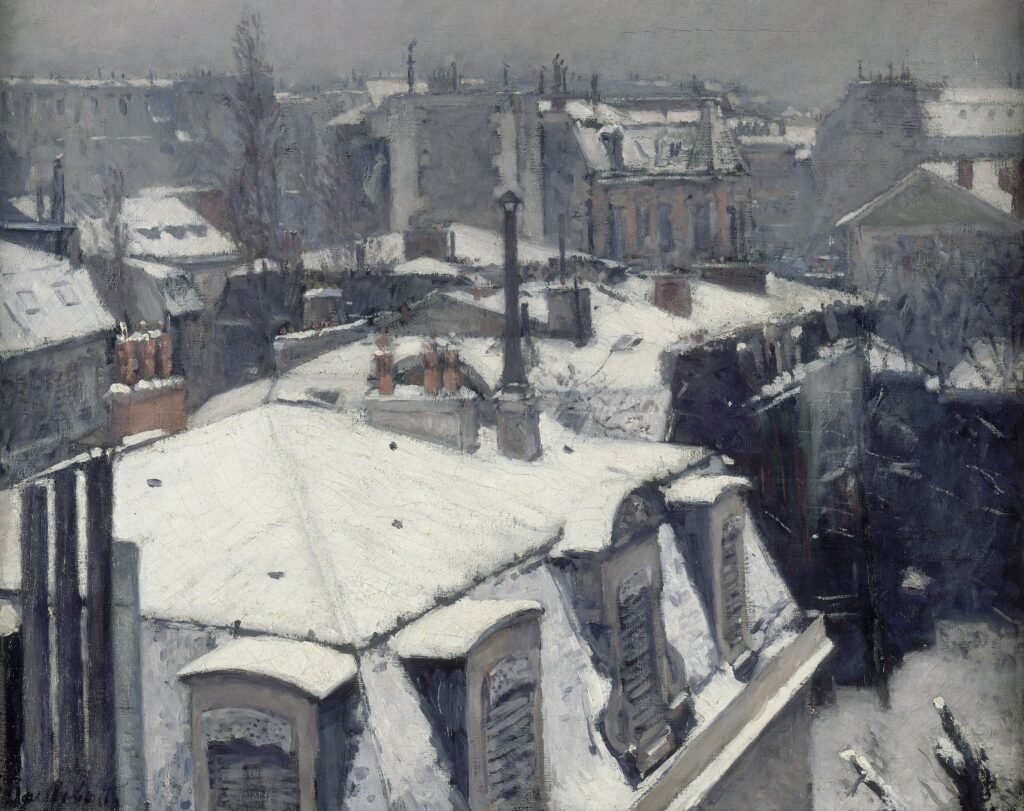
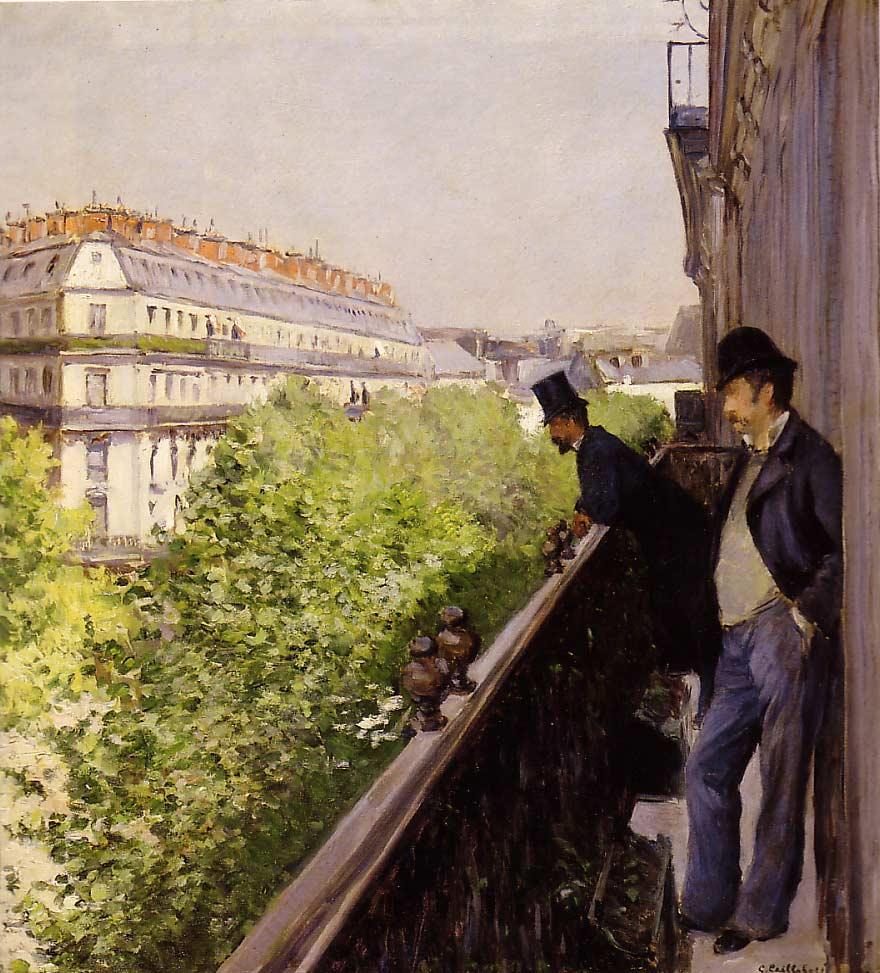
Gustave Caillebotte, August 19, 1848 – February 21, 1894, was a French painter, collector, and patron of the Impressionists. Although closely associated with the Impressionist movement, his paintings are distinguished by their precise draftsmanship, unusual perspectives, and realistic depictions of modern Paris and suburban life.
Caillebotte studied law before turning to art and trained under Léon Bonnat at the École des Beaux-Arts. He exhibited with the Impressionists beginning in 1876 and became one of the group’s principal financial supporters, helping to organize exhibitions and purchasing works by artists including Claude Monet, Pierre-Auguste Renoir, Edgar Degas, Camille Pissarro, Alfred Sisley, and Berthe Morisot. His collection later formed a major part of the French national holdings of Impressionist art.
His paintings explore Parisian boulevards, bridges, interiors, gardens, rivers, boating, and scenes along the Yerres and the Seine. Although less celebrated than some of his contemporaries during his lifetime, Caillebotte is now recognized as one of the leading painters of French Impressionism and one of its most important patrons.














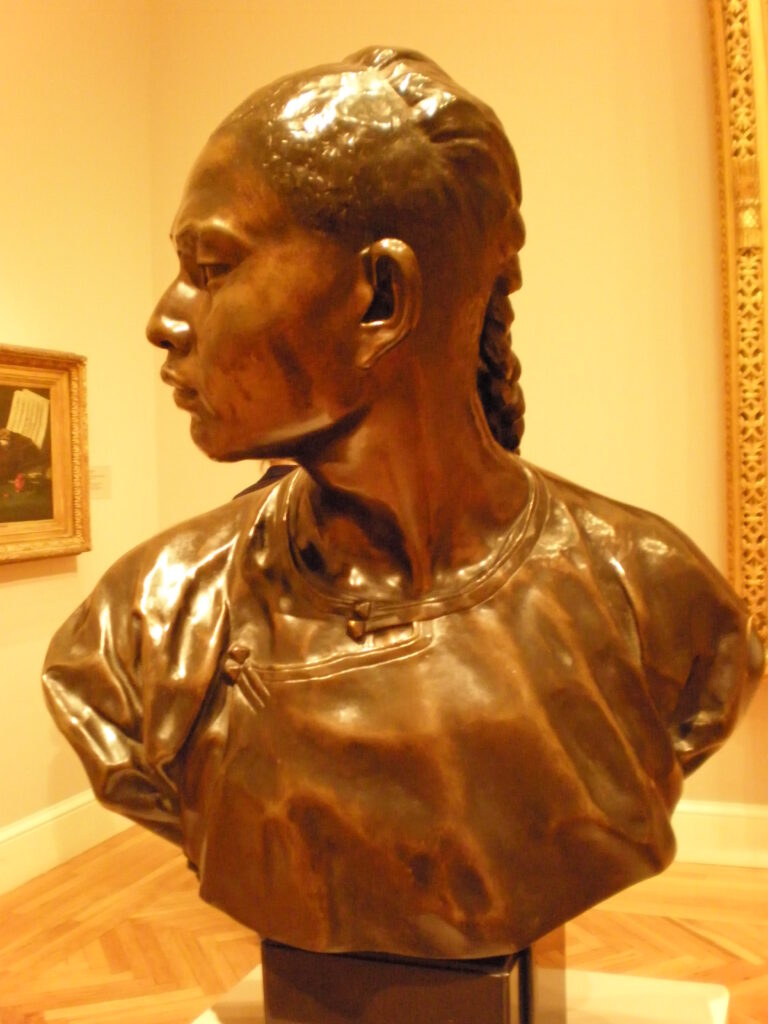
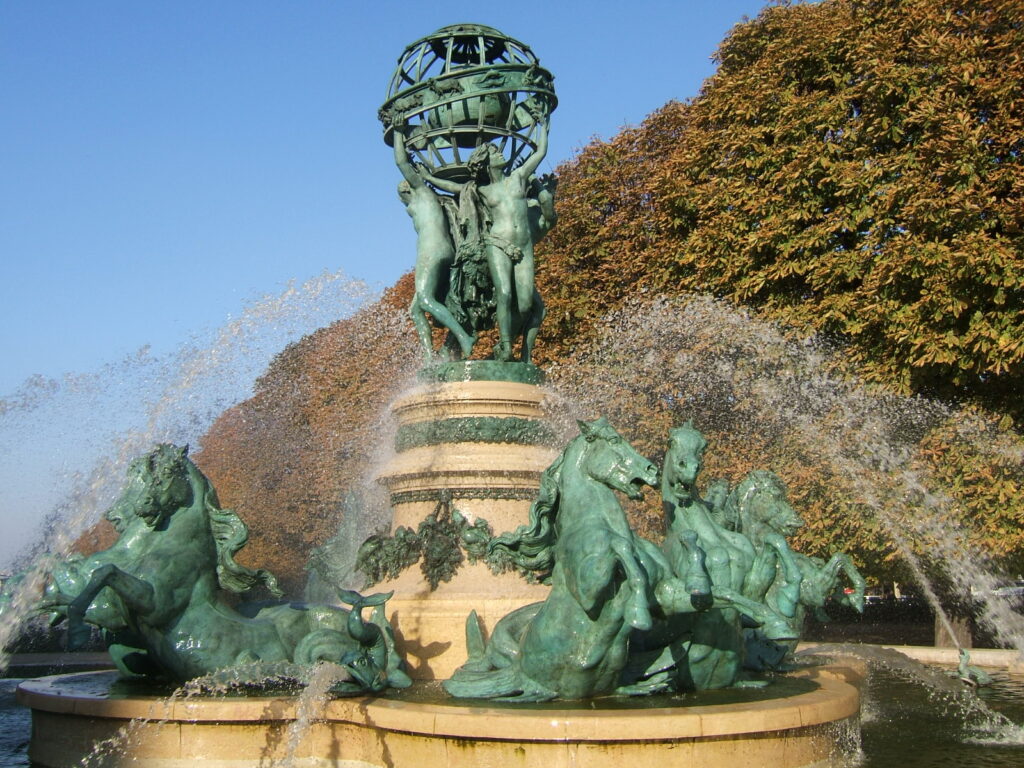
Jean-Baptiste Carpeaux
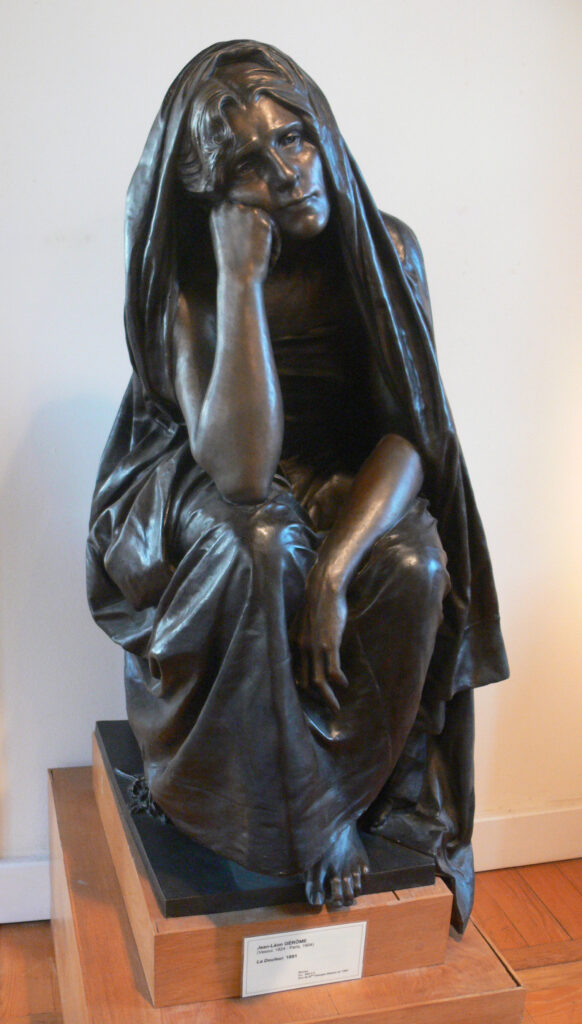
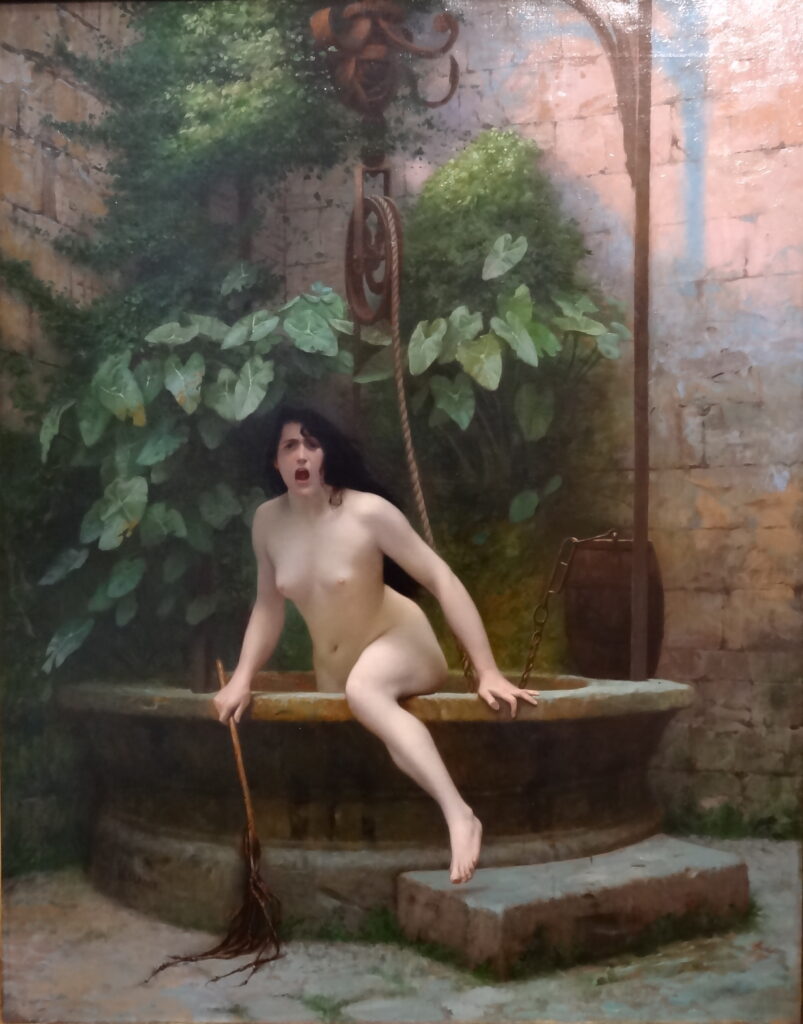
Jean-Baptiste Carpeaux, French sculptor and painter, May 11, 1827 – October 12, 1875








Théodore Rousseau
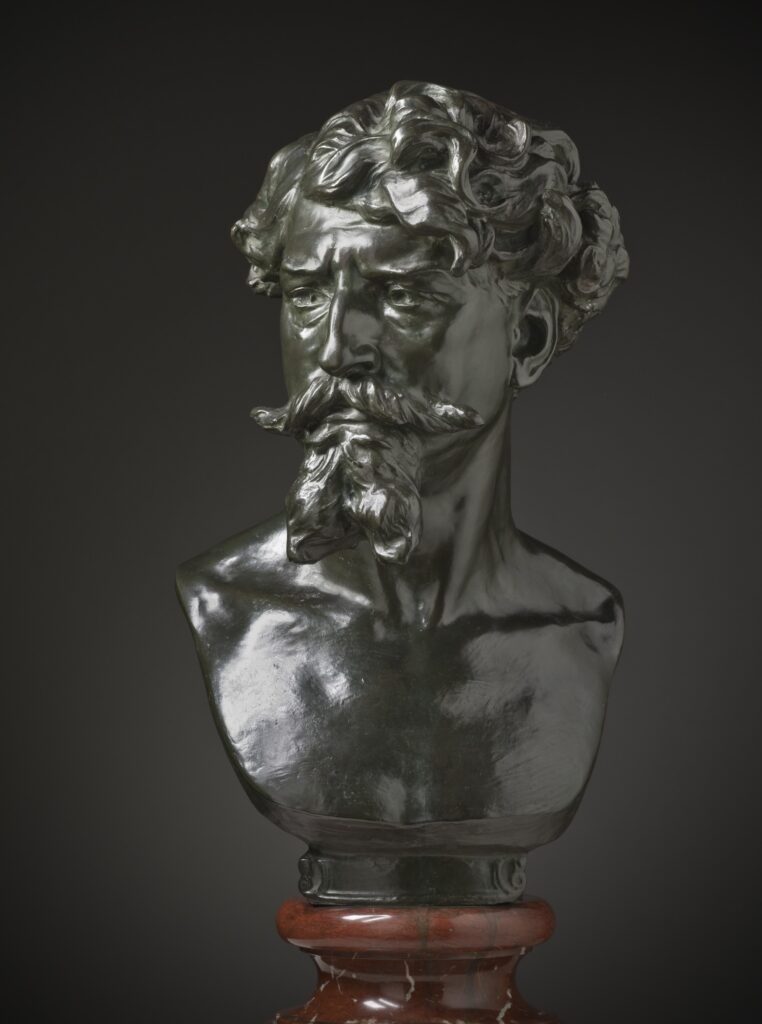
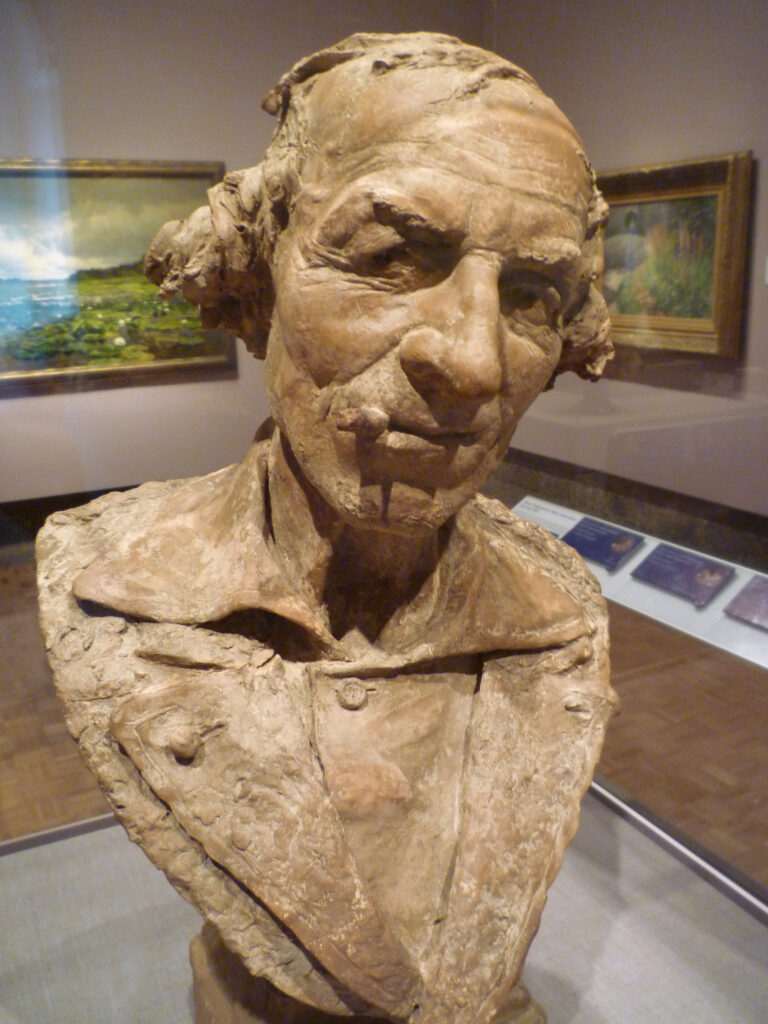
Théodore Rousseau, French painter, April 15, 1812 – December 22, 1867


