Posts in Category: American









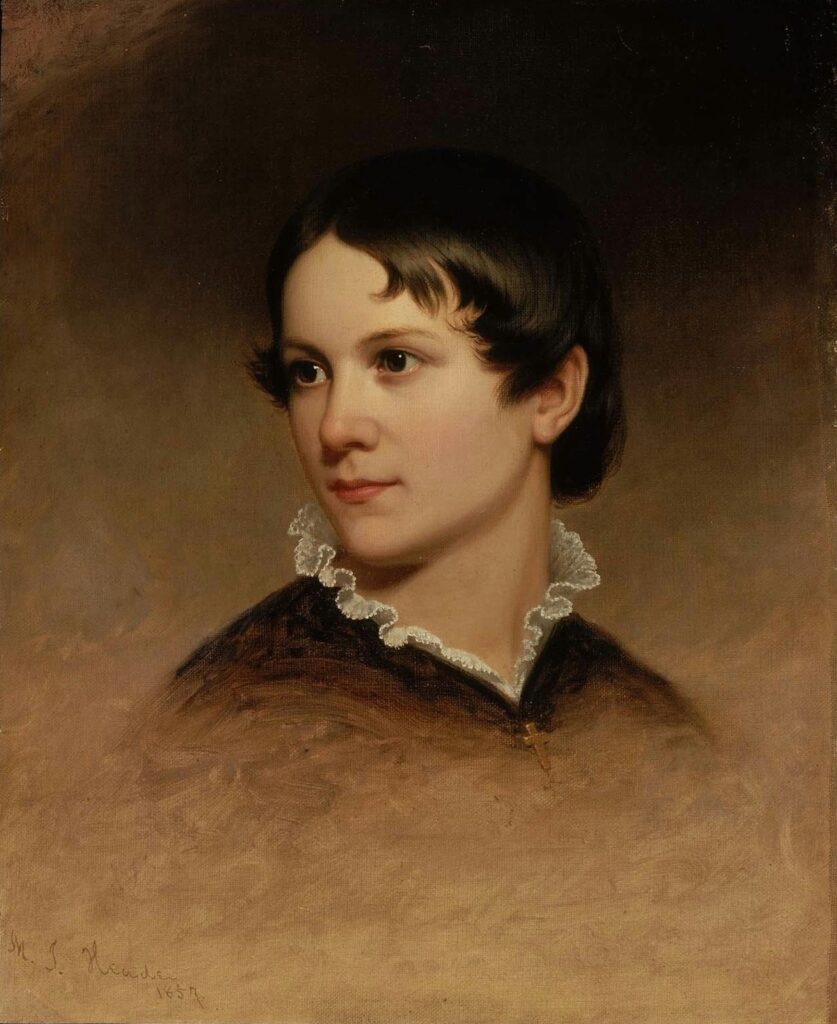
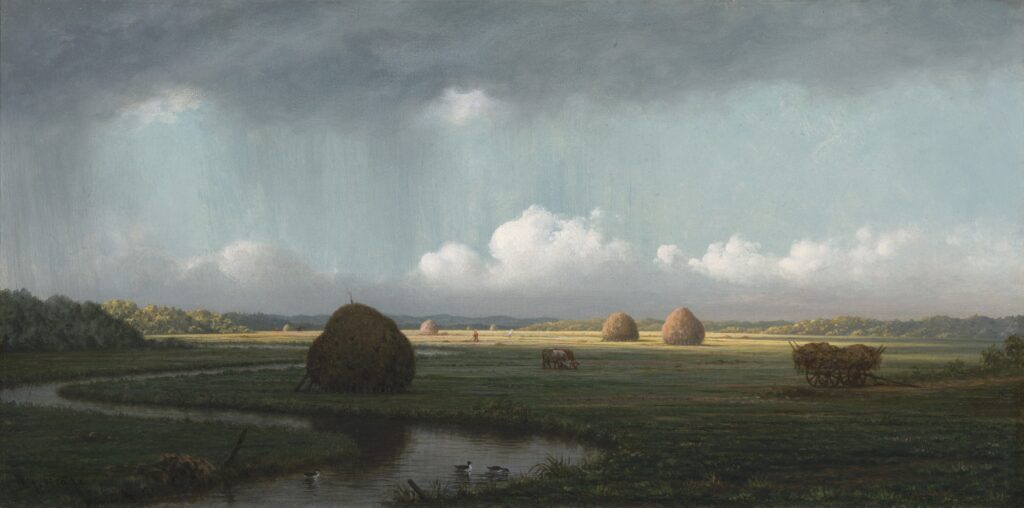
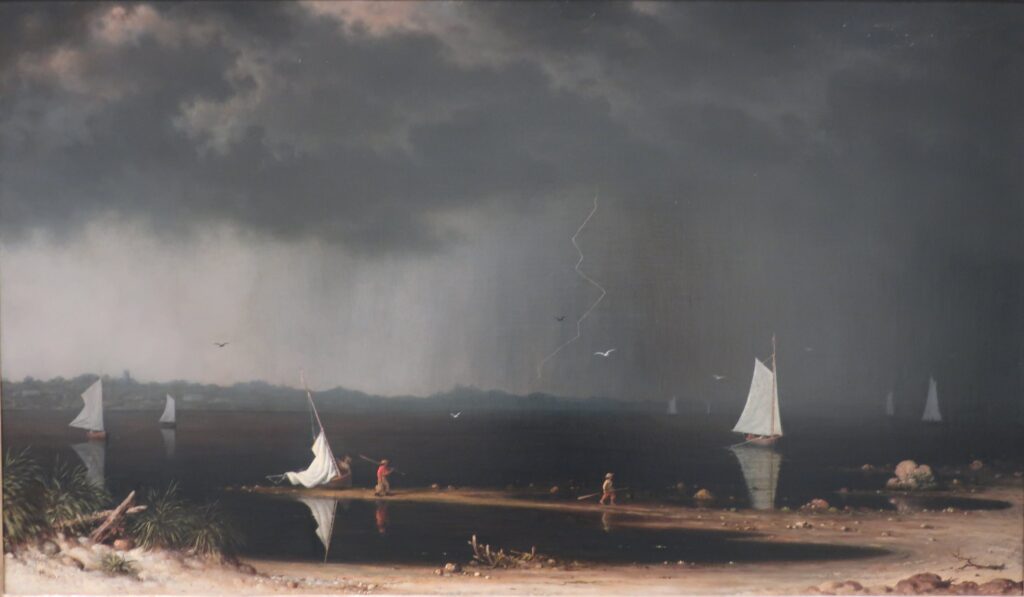
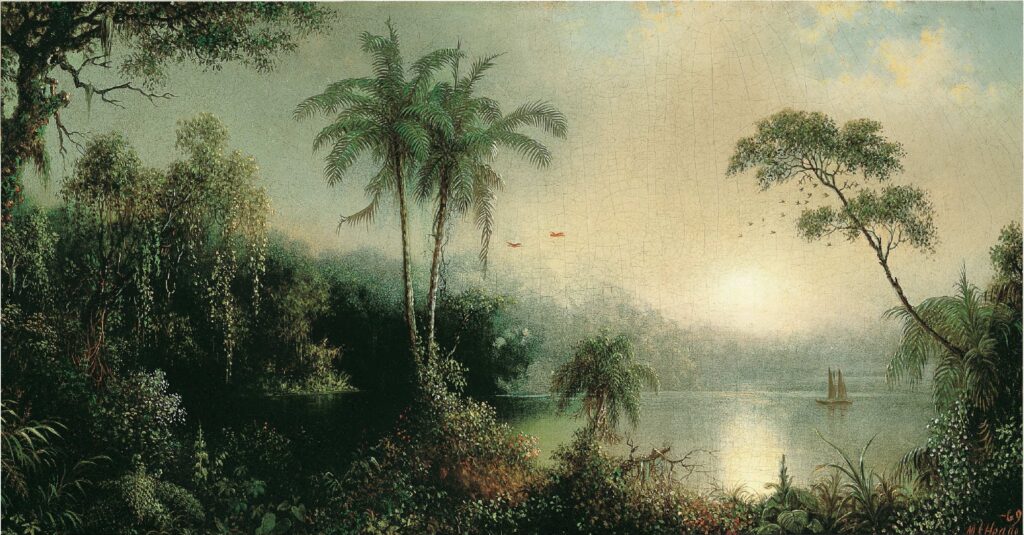
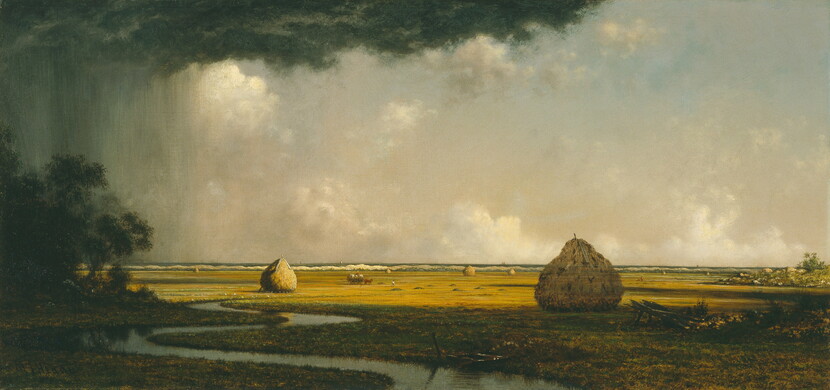
Martin Johnson Heade
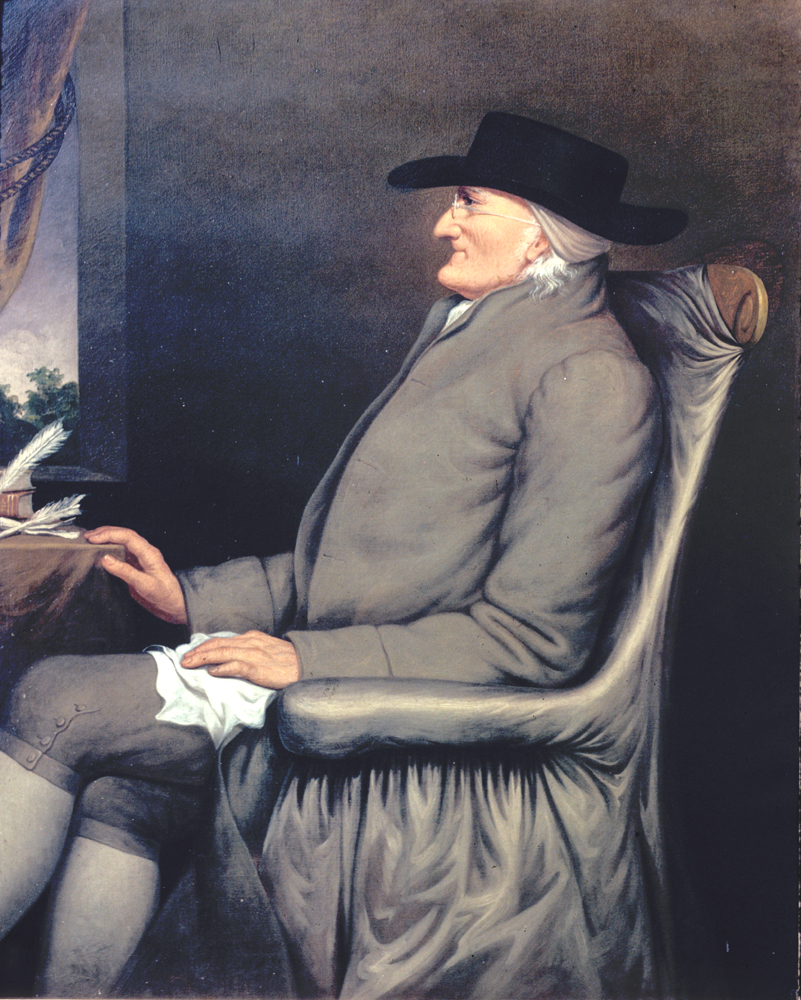
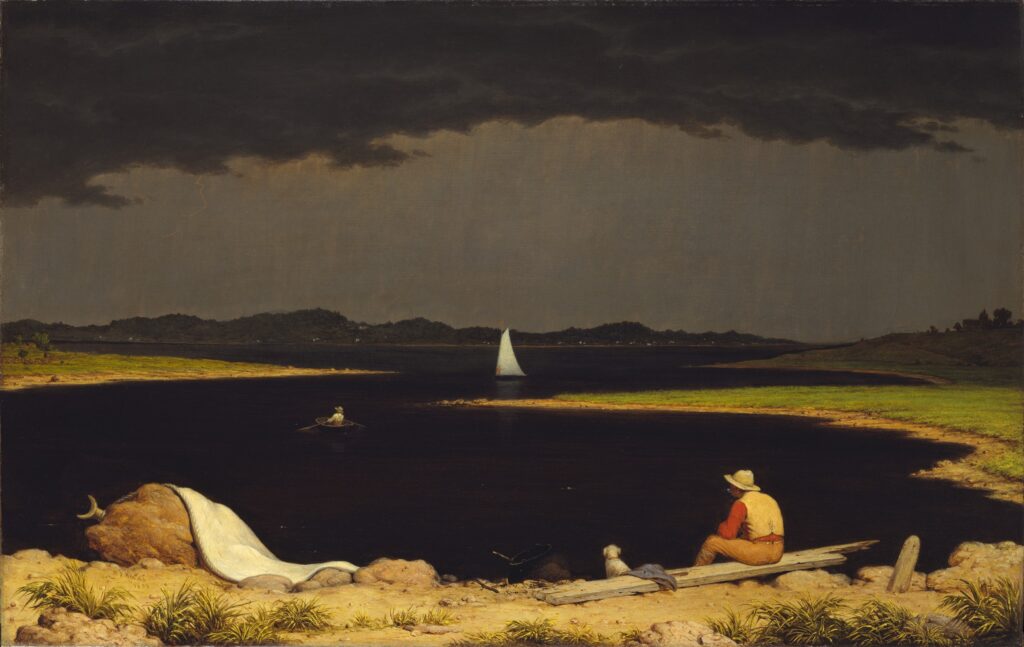
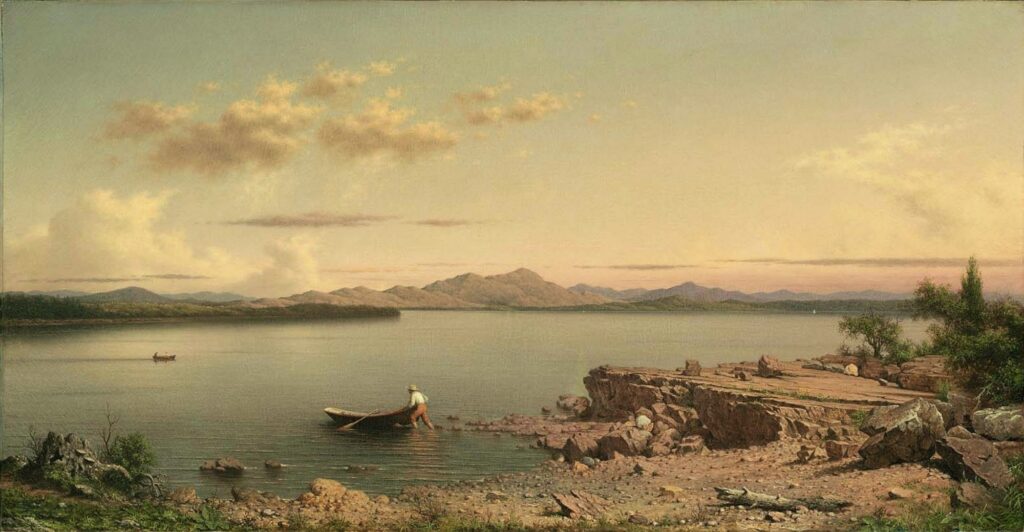
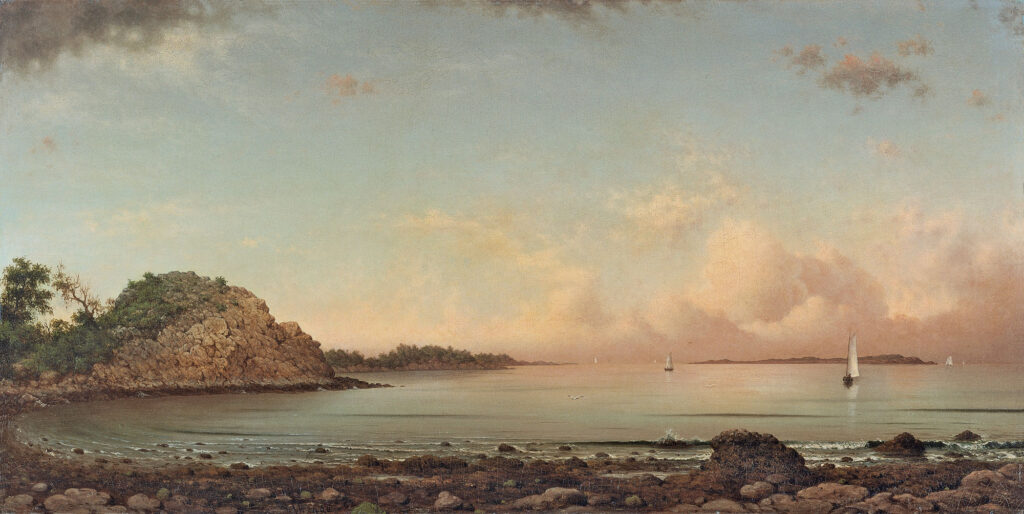
Martin Johnson Heade was born on August 11, 1819, in Lumberville, Pennsylvania, and died on September 4, 1904, in St. Augustine, Florida. He was an American painter associated with the Hudson River School and Luminism, although his mature work developed a distinctive style of its own. He is best known for landscapes, marsh scenes, tropical subjects, and paintings of hummingbirds and orchids.
Heade studied with the folk painter Edward Hicks and traveled widely throughout the eastern United States and Europe during the 1840s and 1850s. He was a friend of Frederic Edwin Church and maintained close ties with artists of the Hudson River School while pursuing his own interest in atmospheric light, coastal marshes, and the natural history of tropical America. During the 1860s and 1870s he made several trips to Central and South America, producing numerous paintings of hummingbirds, orchids, and tropical landscapes.
Although respected during his lifetime, Heade never achieved the fame of many of his contemporaries and was largely forgotten after his death. Interest in his work revived in the mid-twentieth century through the efforts of art historians and museum exhibitions. Today his paintings are held by major museums throughout the United States and he is recognized as one of the leading figures in nineteenth-century American landscape painting.
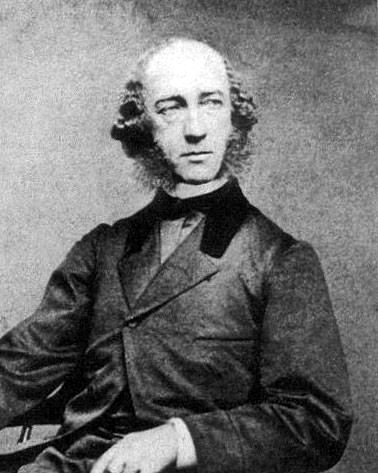
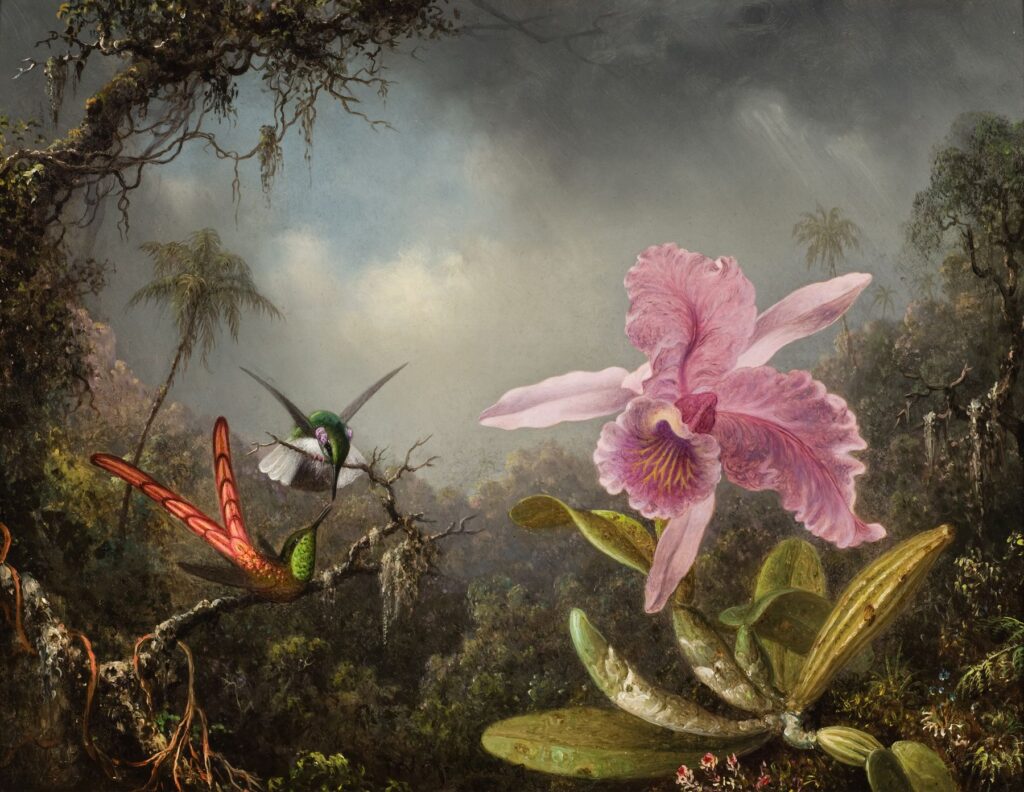
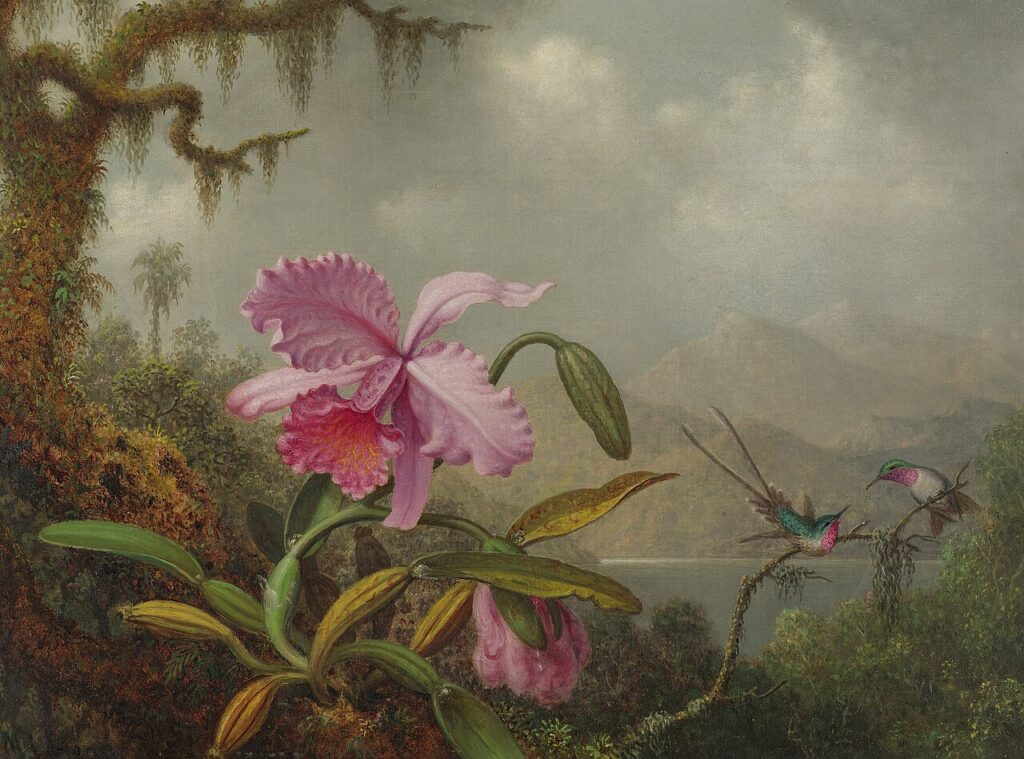
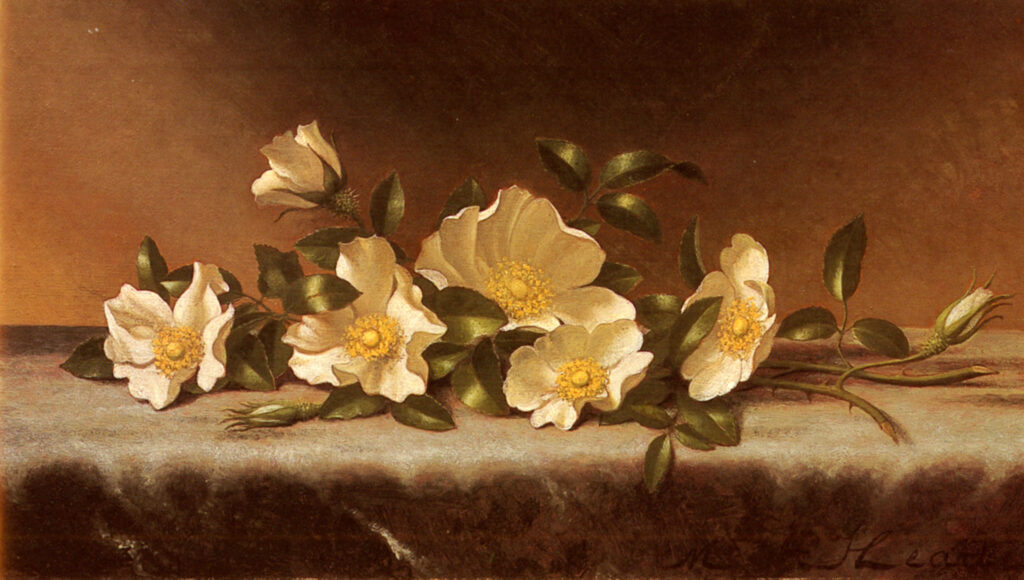
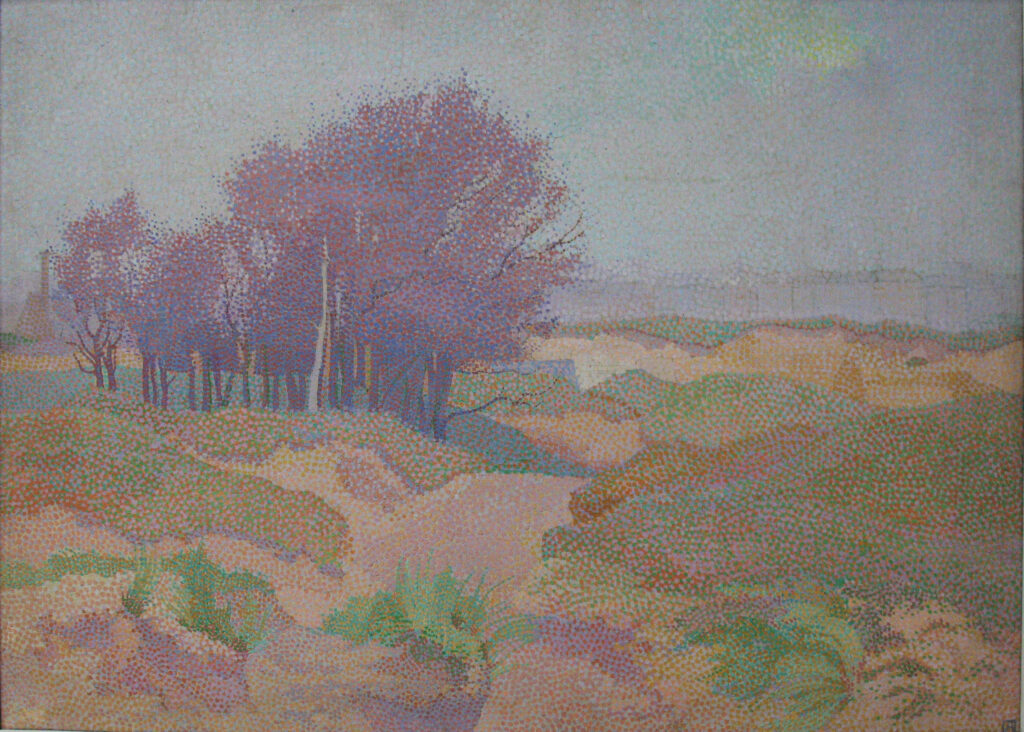
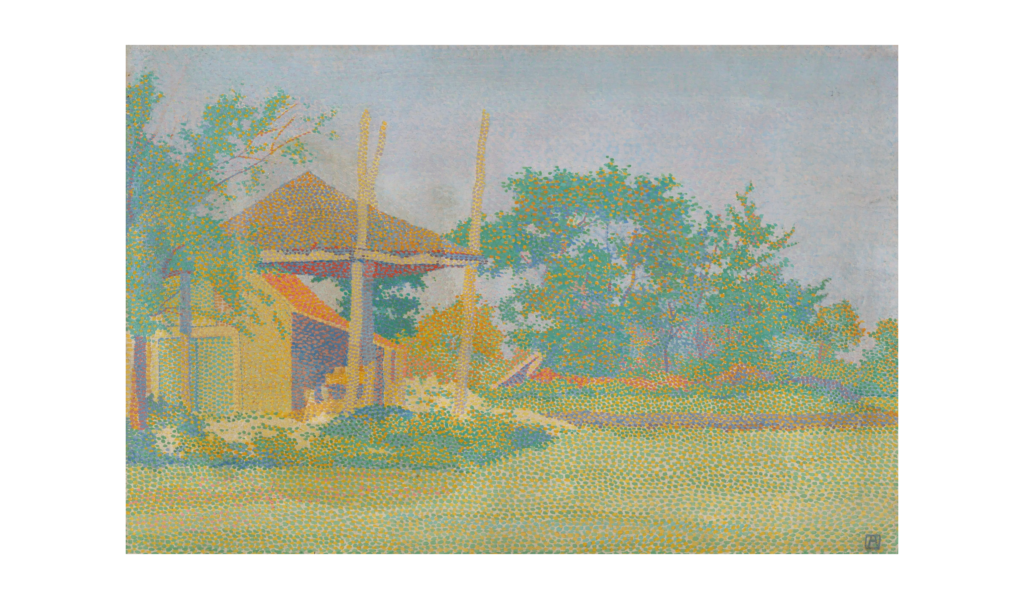
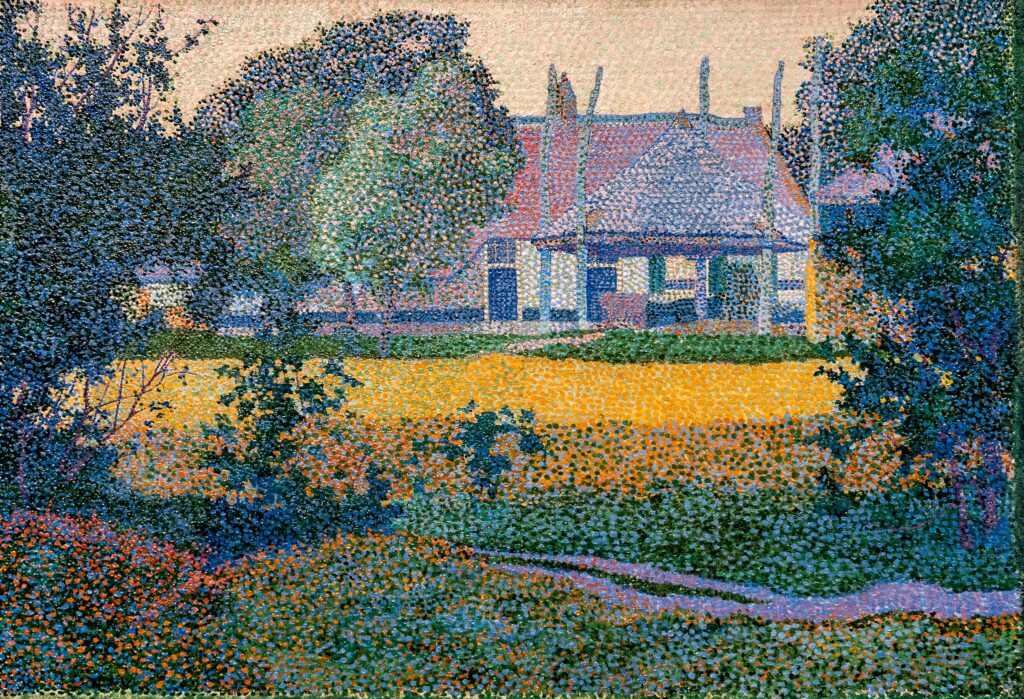
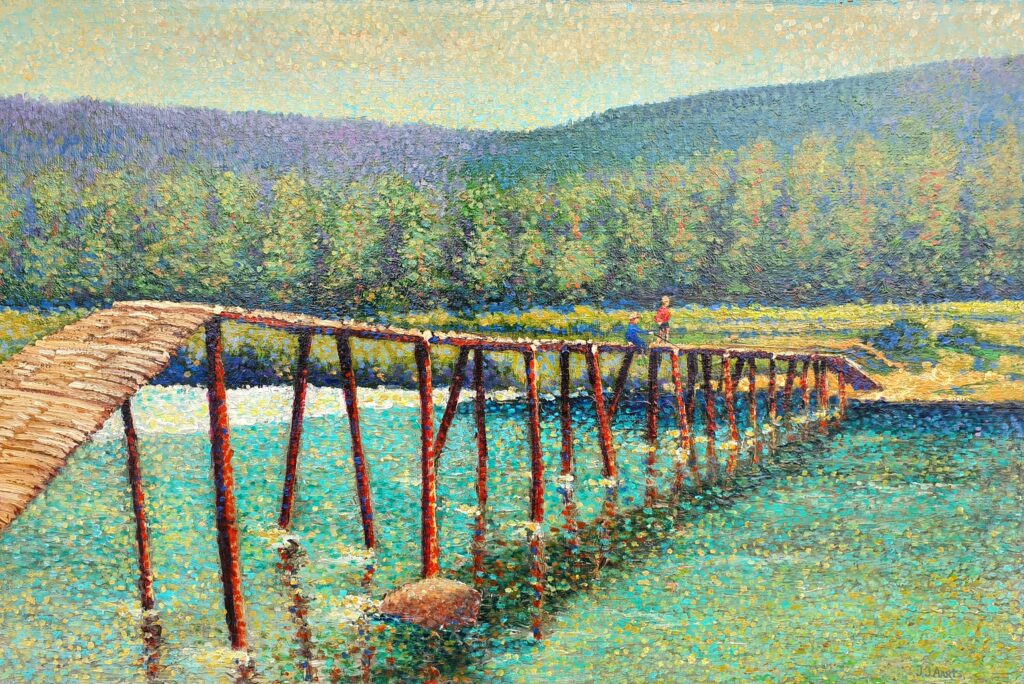
Johannes Josephus Aarts,
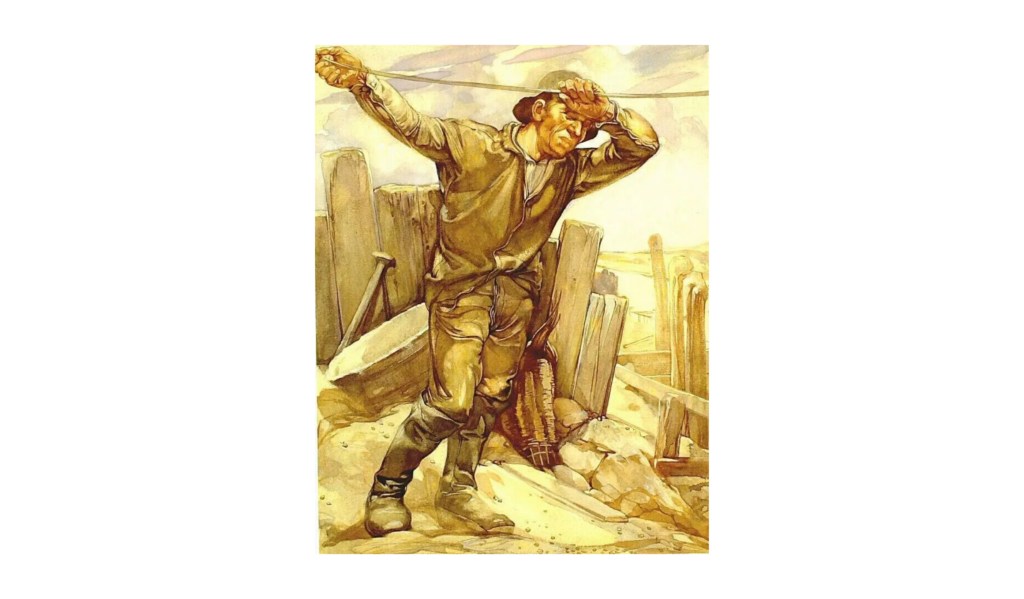
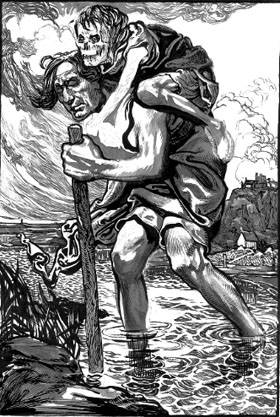
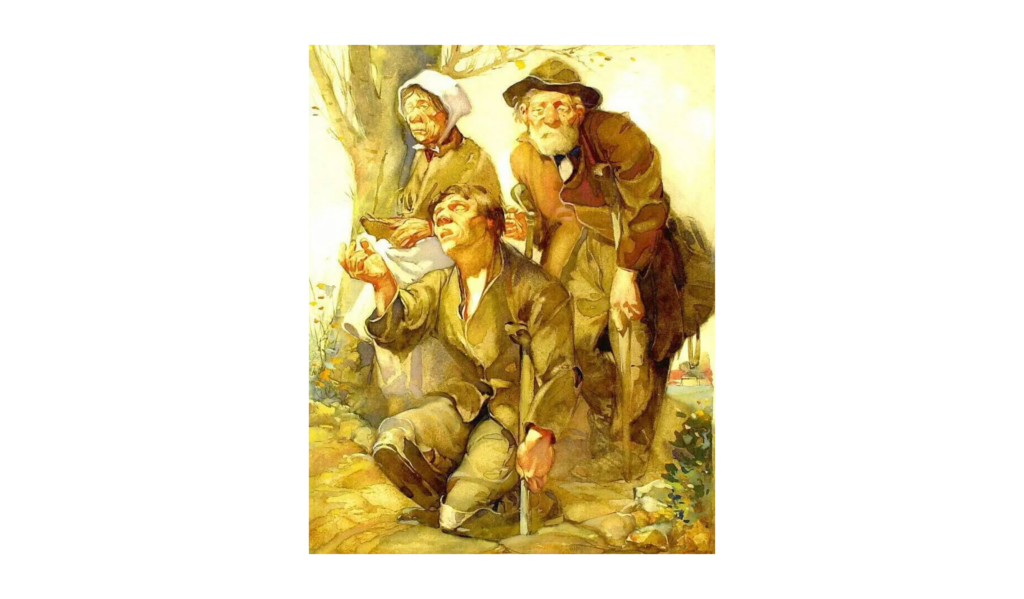
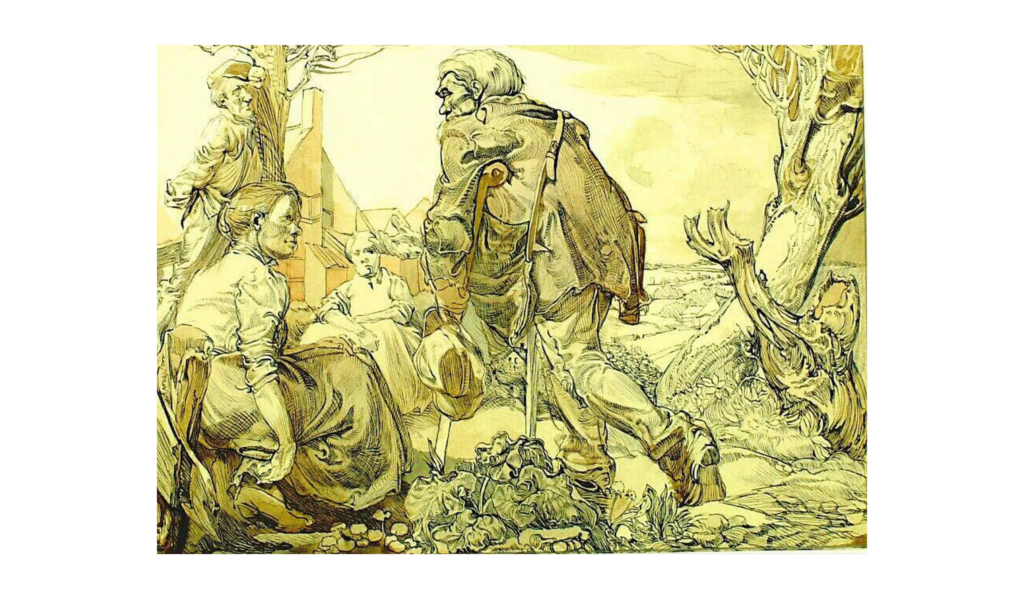
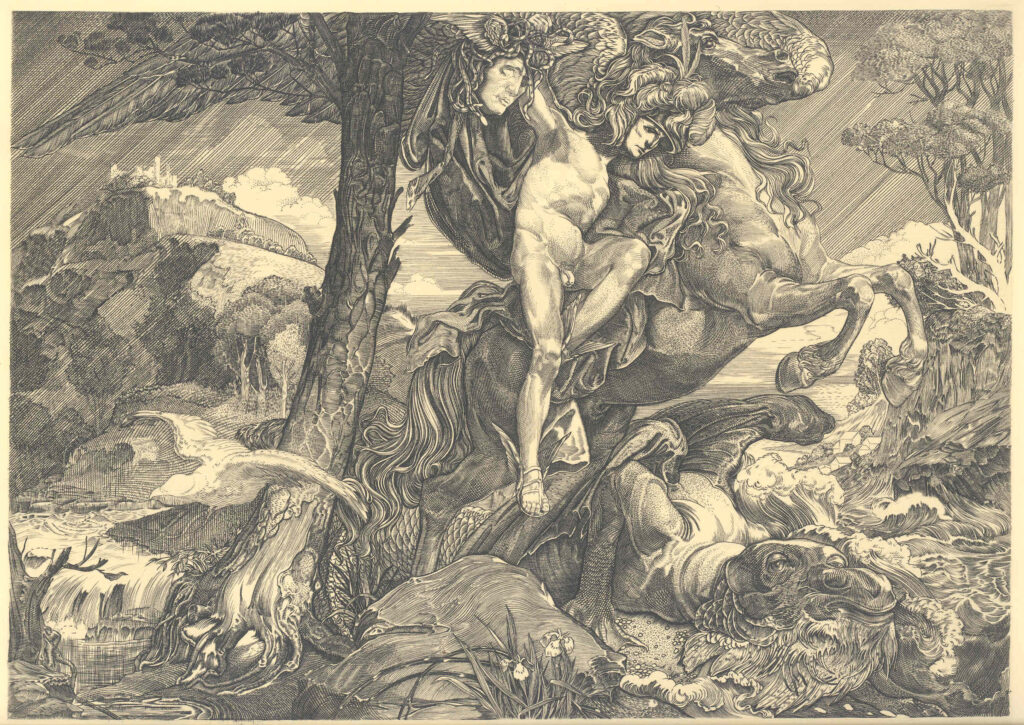
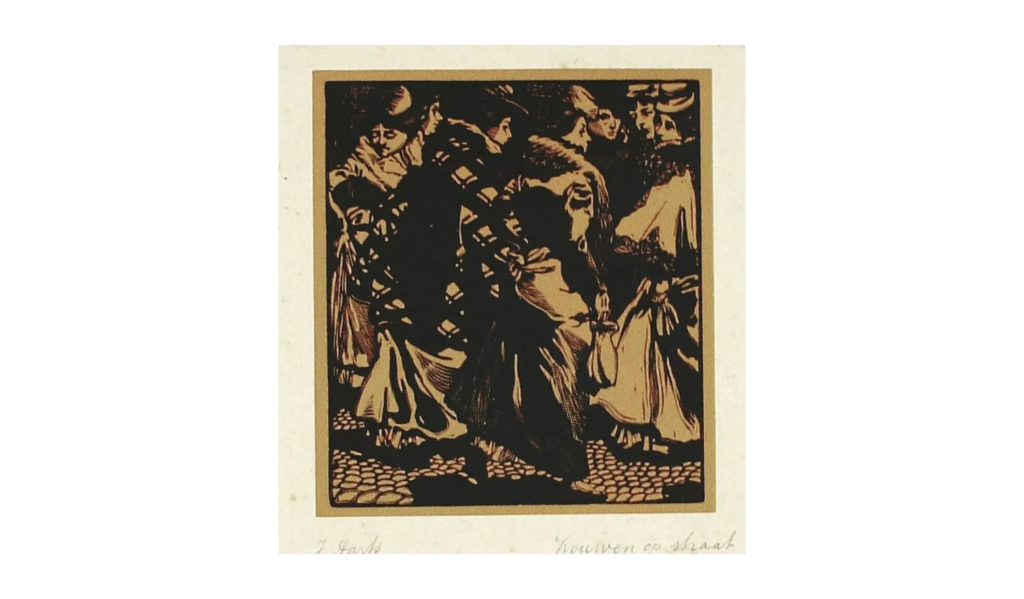
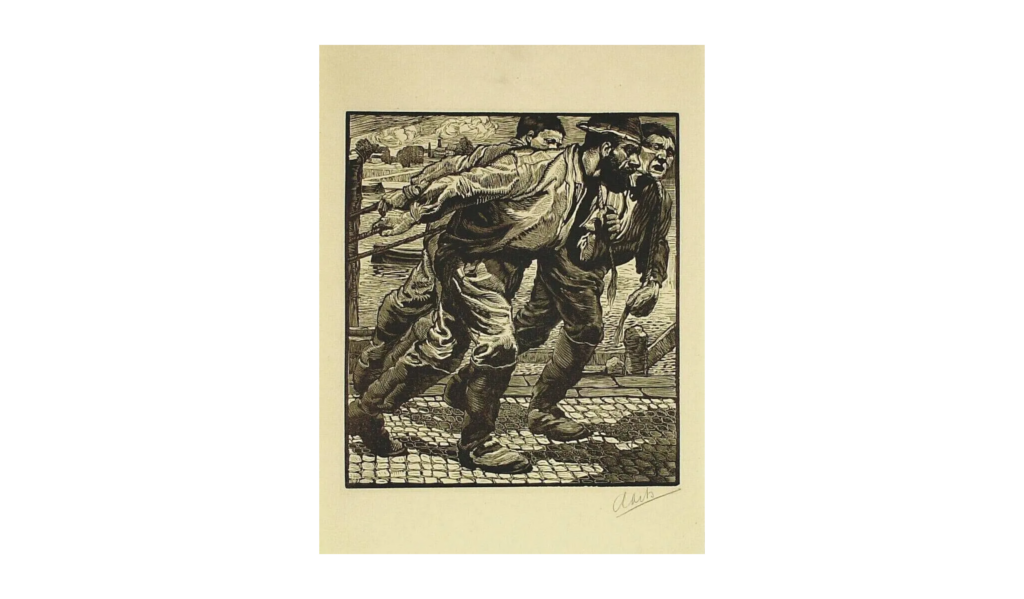
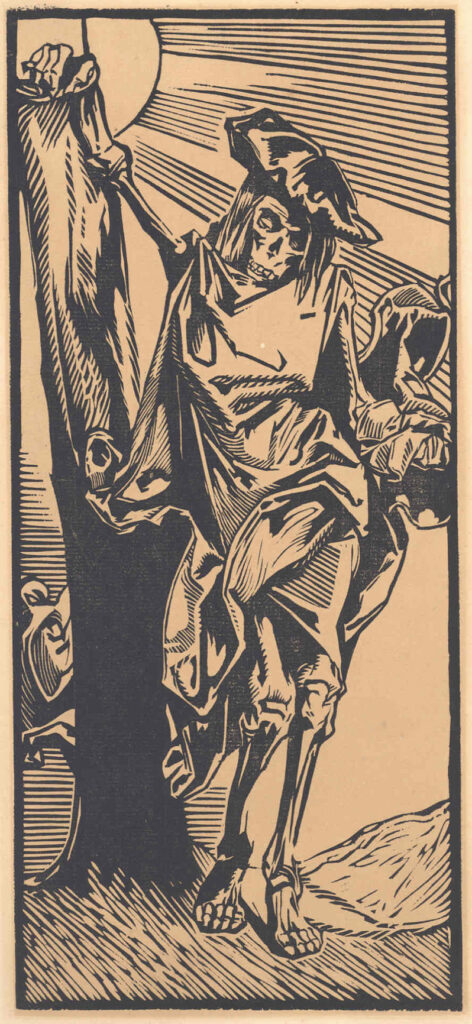
Johan Aarts, August 18, 1871 – October 19, 1934, was a Dutch painter, printmaker, illustrator, engraver, etcher, sculptor, and teacher. He studied at the Royal Academy of Art in The Hague, where he later taught, and spent the latter part of his career in Amsterdam as professor of graphic arts at the Royal Academy.
Aarts began his career as a painter but became one of the leading figures in the revival of original graphic art in the Netherlands. His work includes landscapes, rural life, laborers, fishermen, beggars, and symbolic subjects, executed in oil, watercolor, engraving, etching, woodcut, and other printmaking techniques. During the 1920s he increasingly explored visionary and apocalyptic themes while continuing to produce landscapes and figure studies.
As an artist and educator, Aarts played an important role in the development of Dutch graphic art during the early twentieth century. His work is represented in major Dutch museum collections, including the Kröller-Müller Museum, the Rijksmuseum, the Kunstmuseum Den Haag, and Leiden University Library.
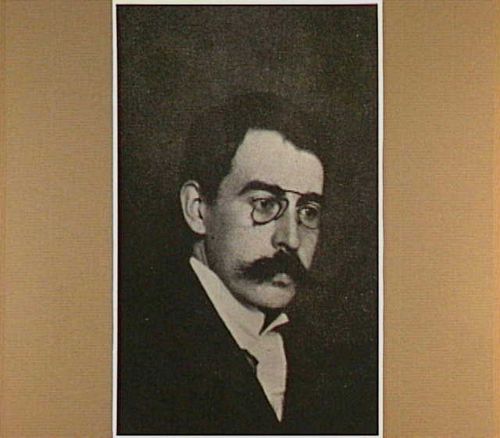

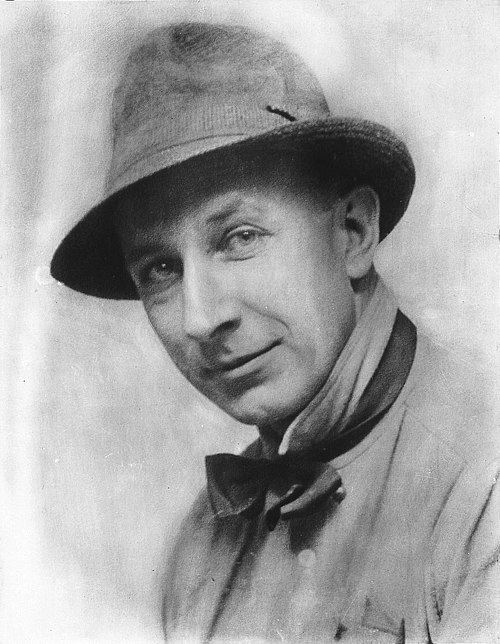
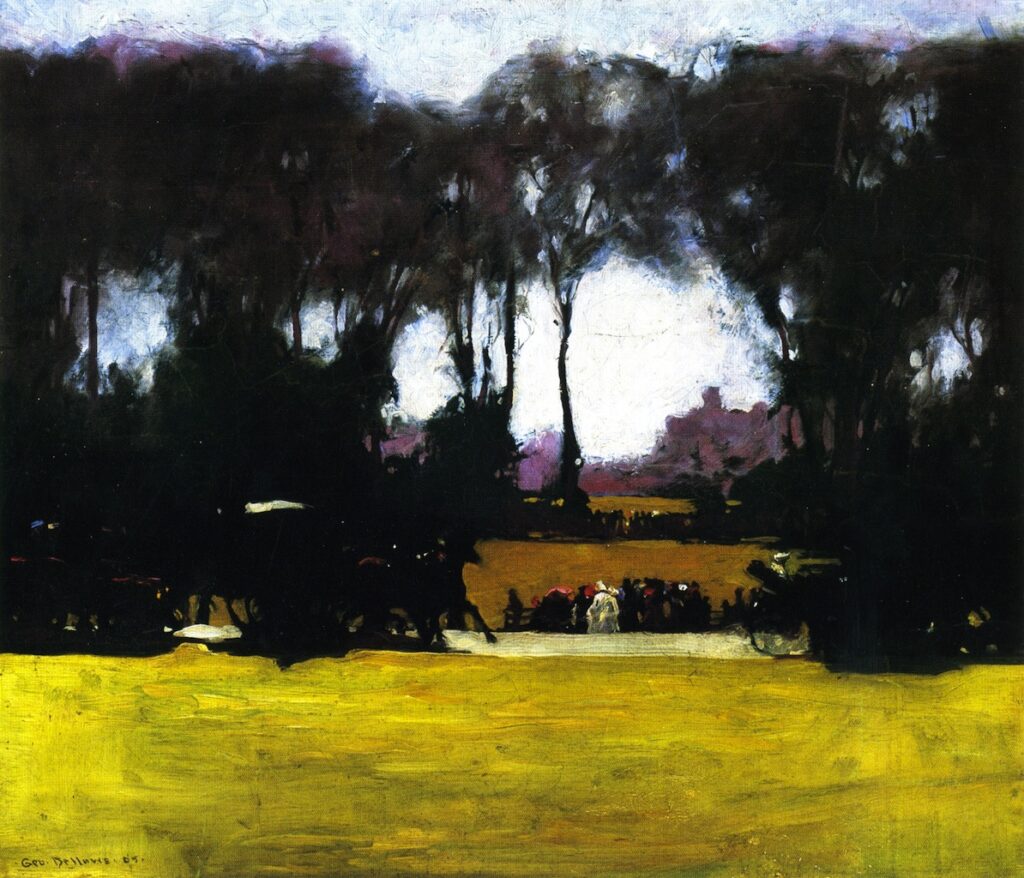
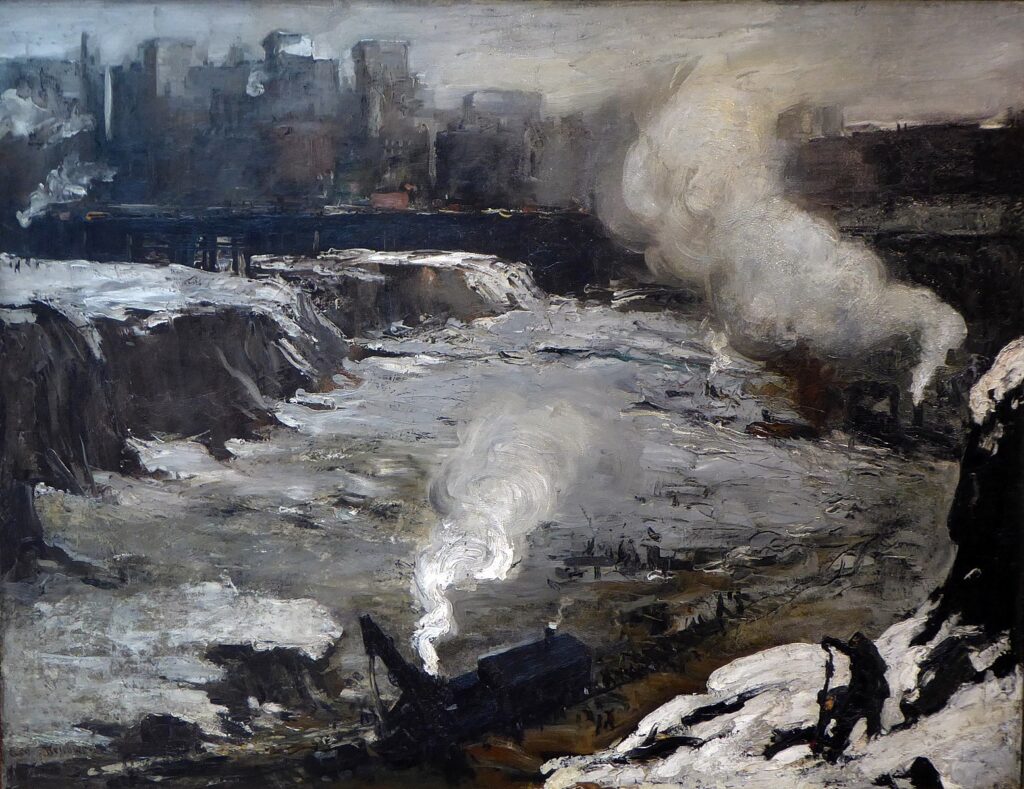
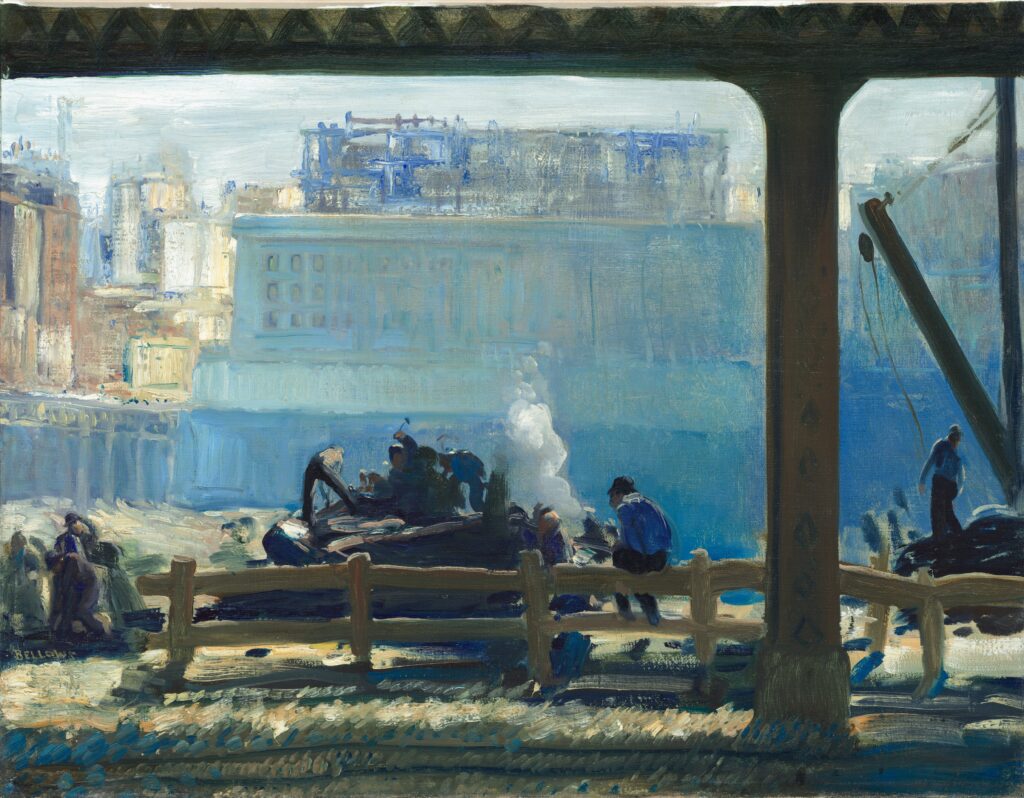
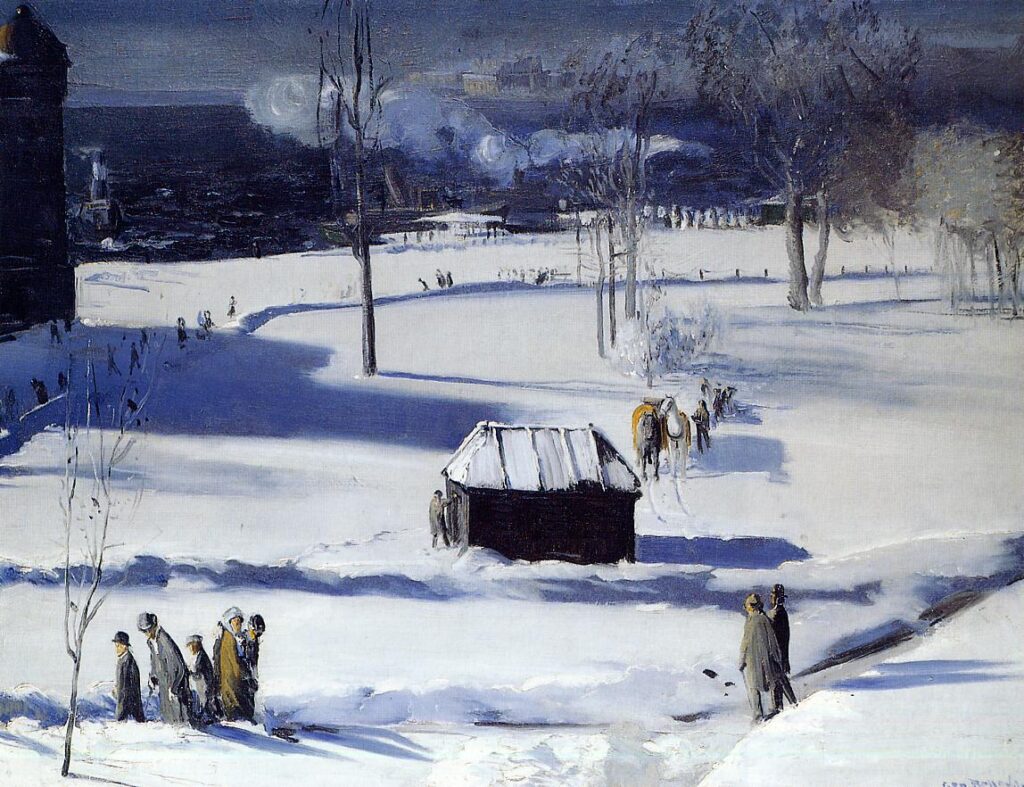
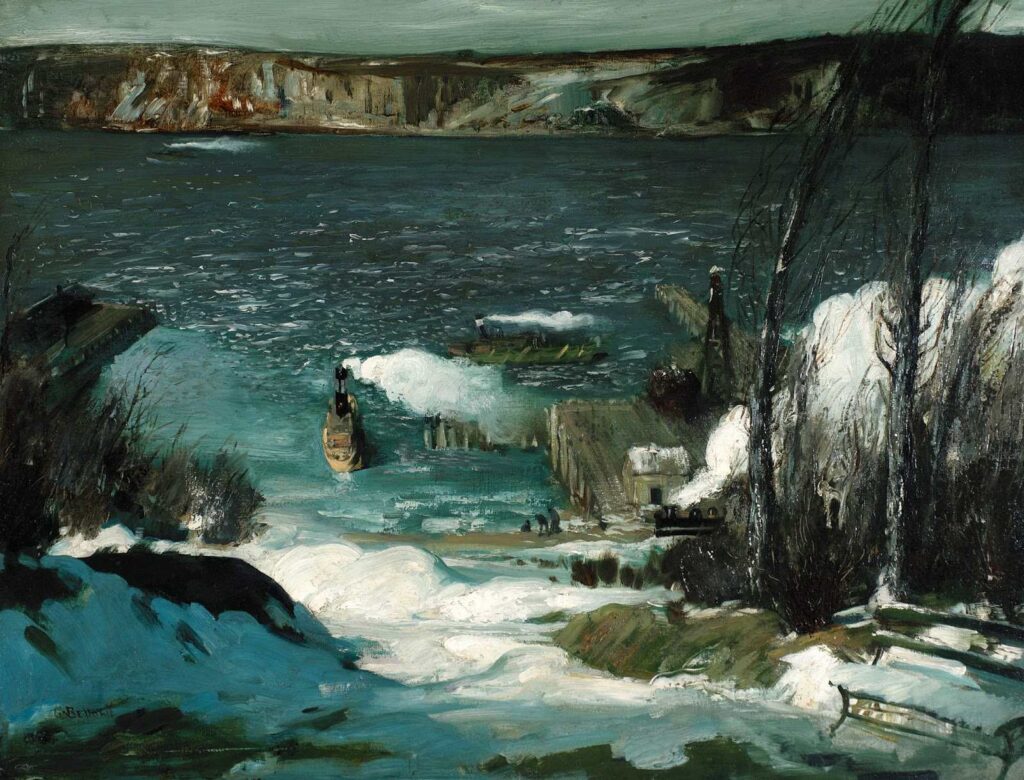
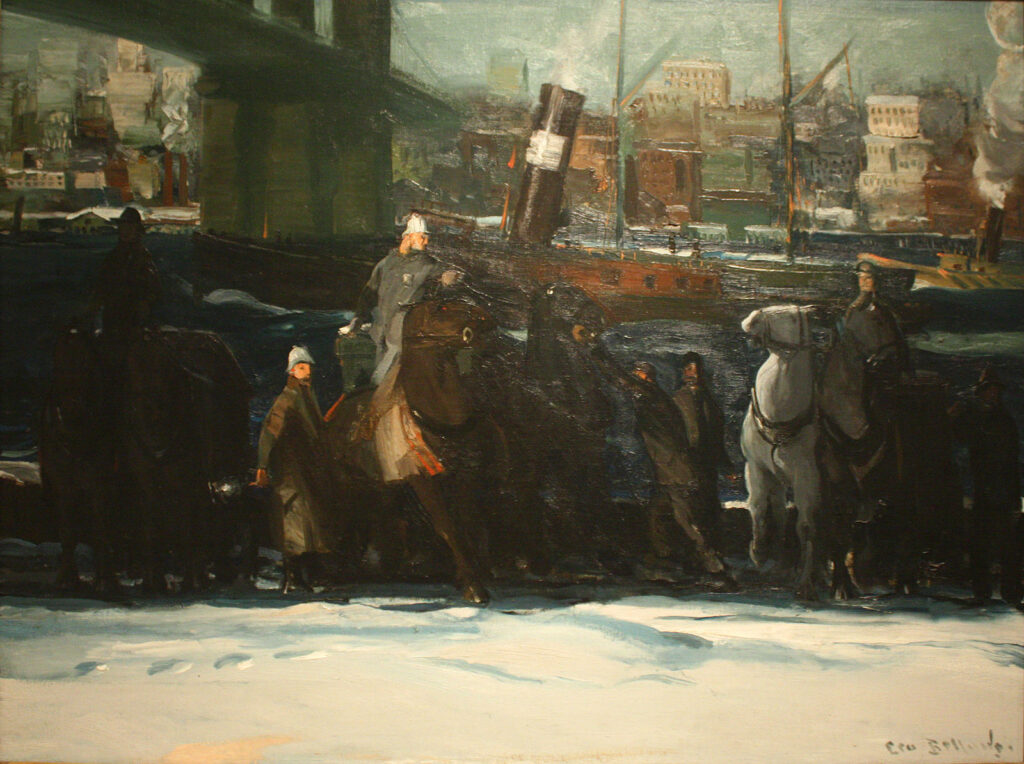
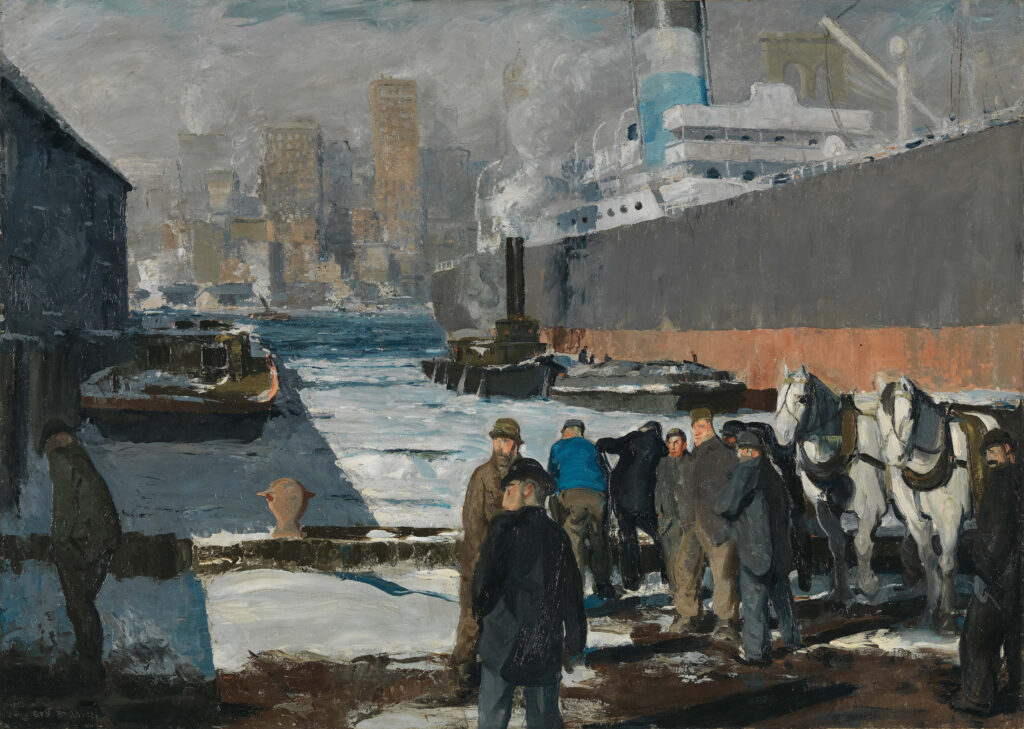
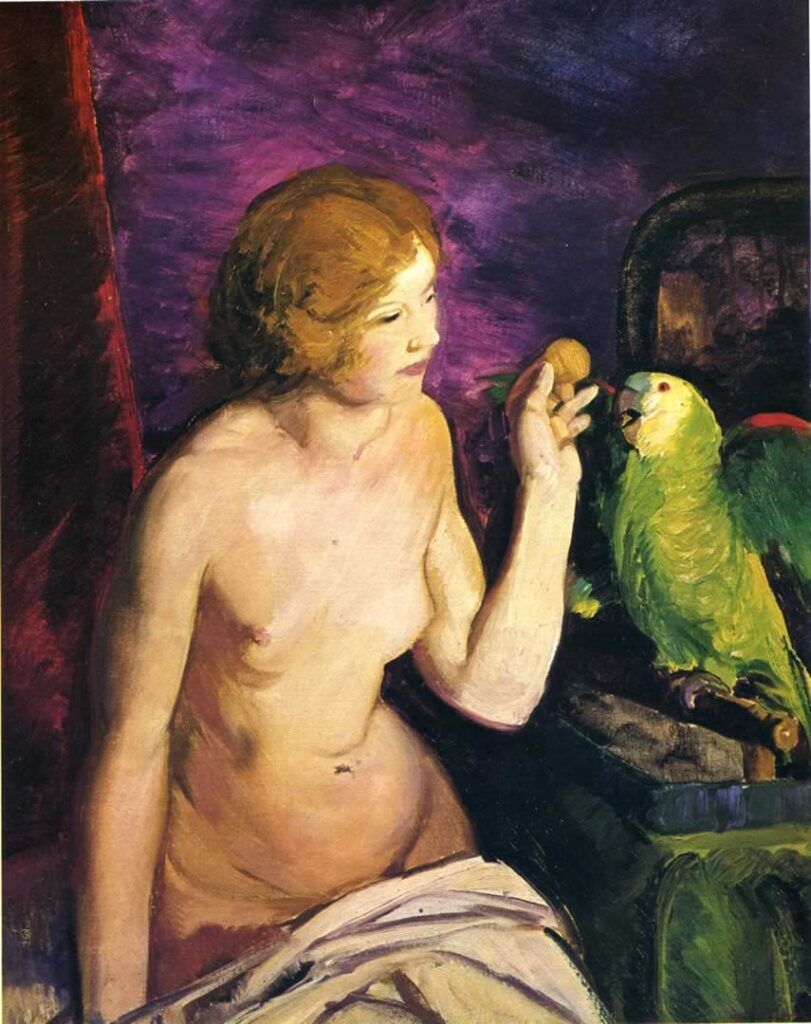
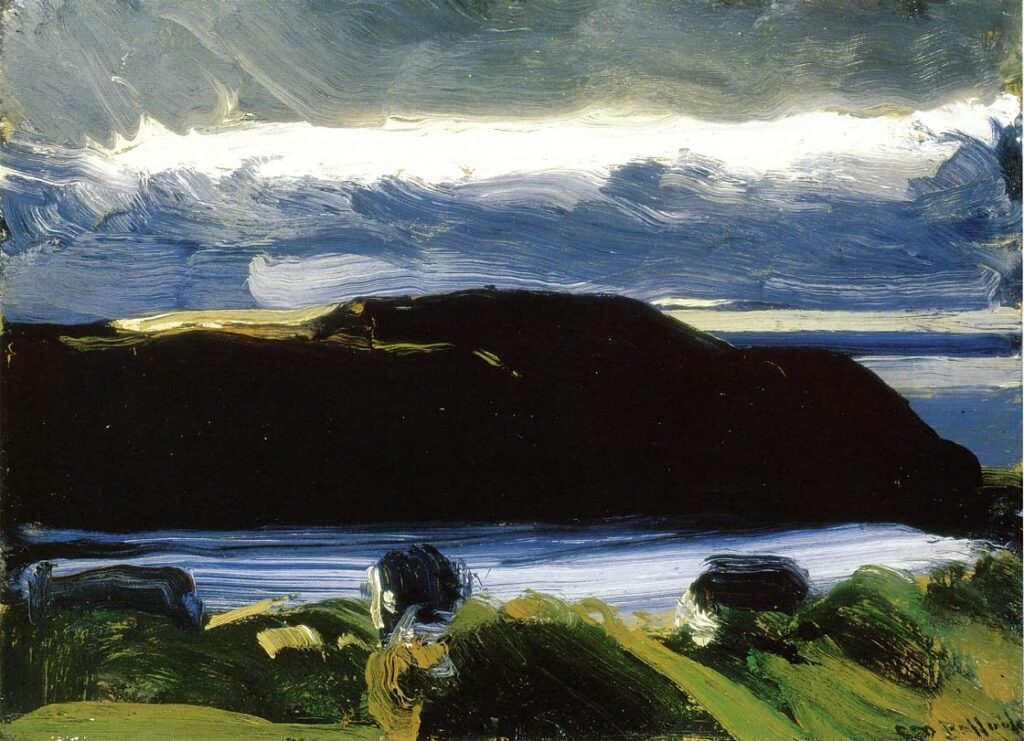
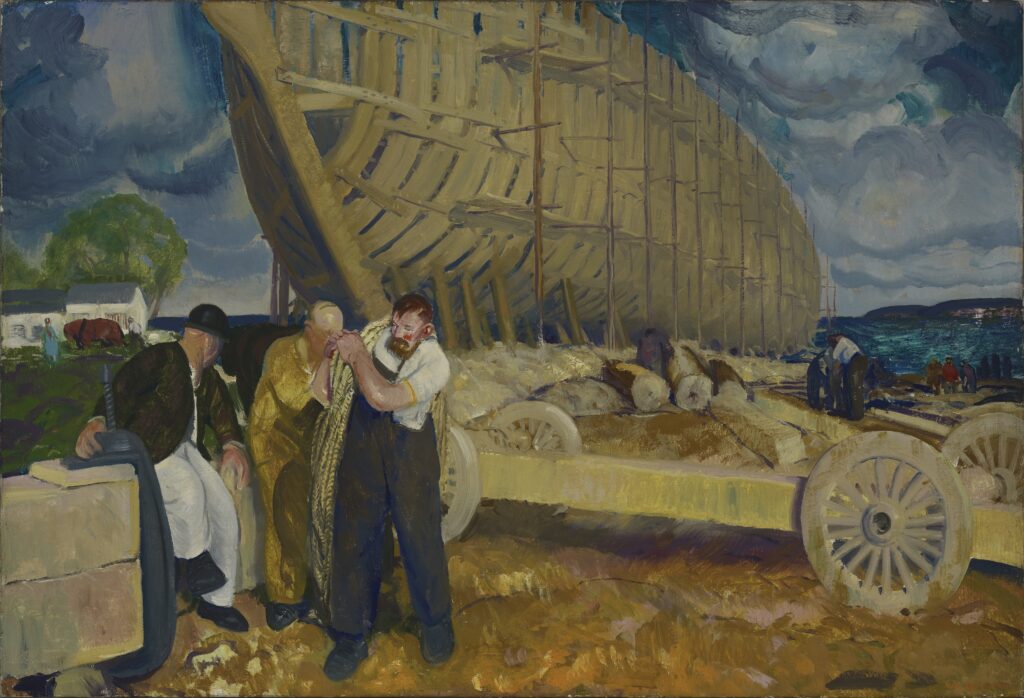
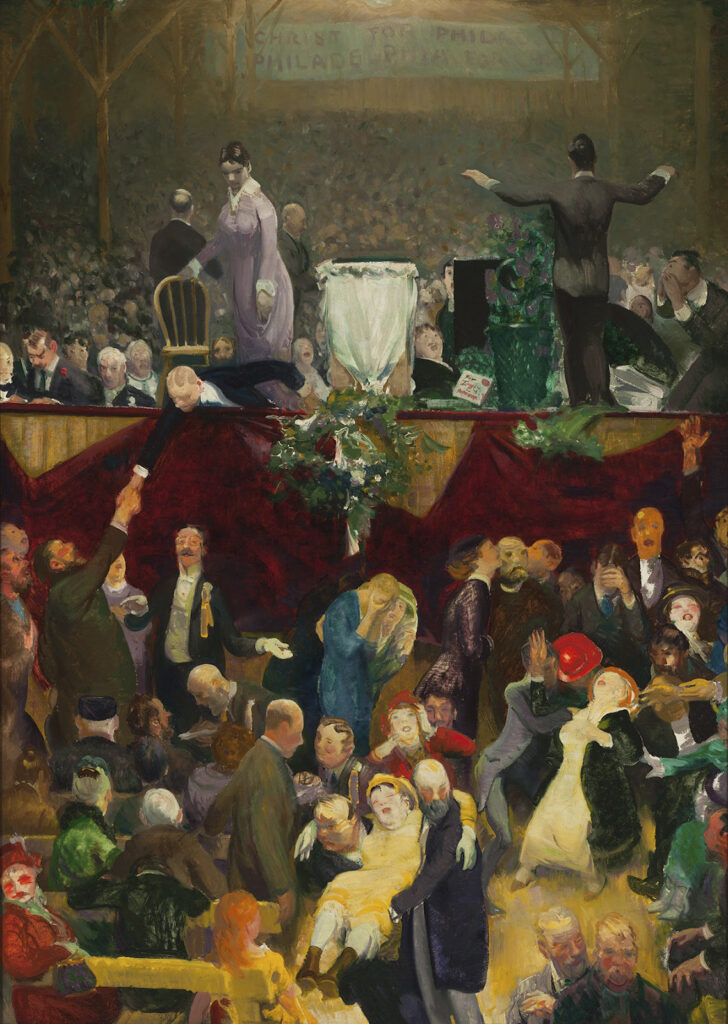
George Bellows
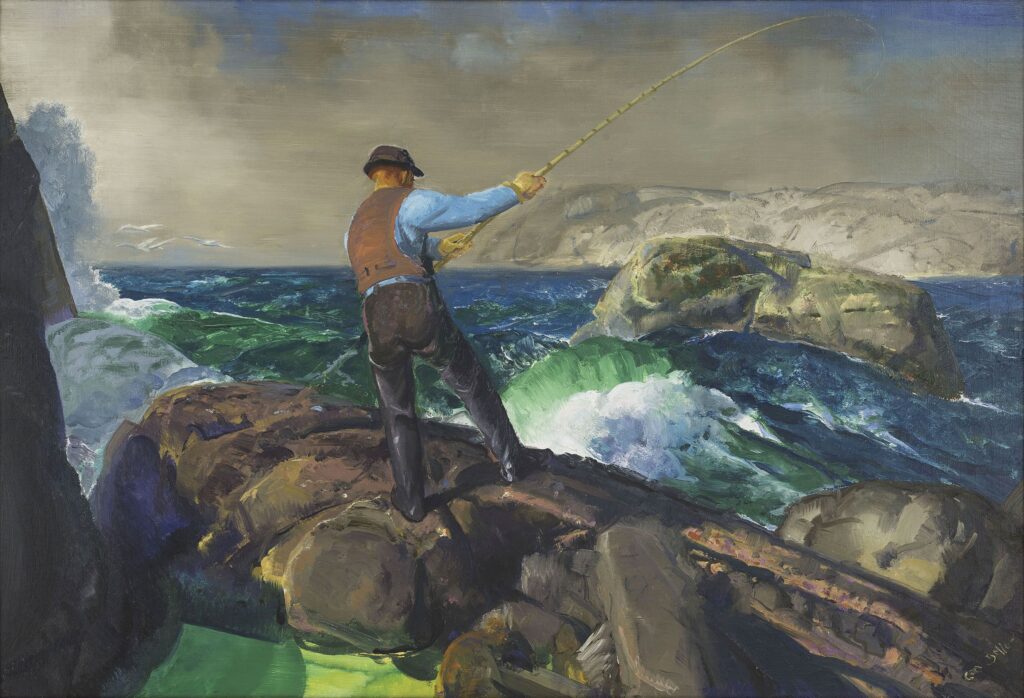
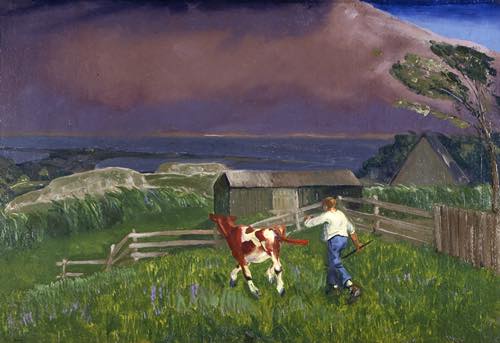
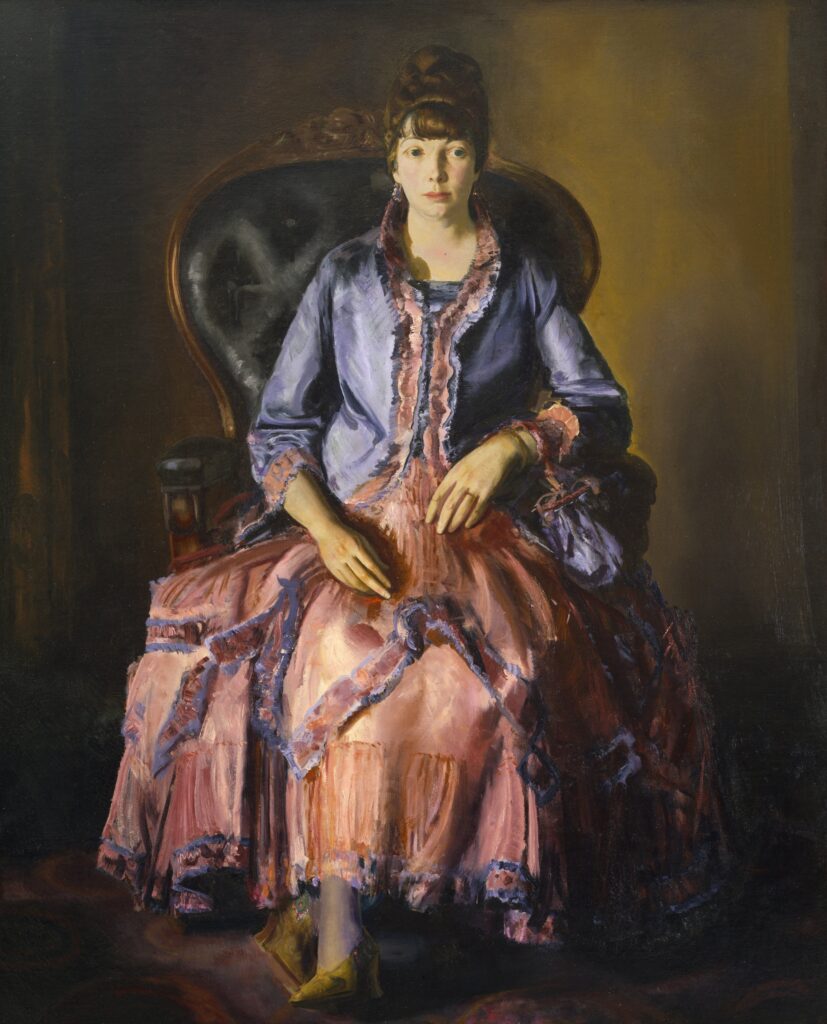
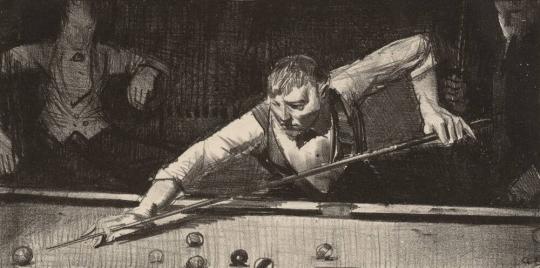
George Wesley Bellows, August 12, 1882 – January 8, 1925, was an American painter and lithographer associated with the Ashcan School. Born in Columbus, Ohio, he studied at Ohio State University before moving to New York, where he trained with Robert Henri at the New York School of Art.
Bellows painted urban street scenes, boxing subjects, construction sites, portraits, seascapes, and later family and rural subjects. He was associated with Henri’s circle and with artists including John Sloan, William Glackens, George Luks, and Everett Shinn.
Bellows taught at the Art Students League of New York and made lithographs as a major part of his later work. His work is held by the Columbus Museum of Art, the Metropolitan Museum of Art, the National Gallery of Art, the Art Institute of Chicago, the National Gallery, London, and other major collections.


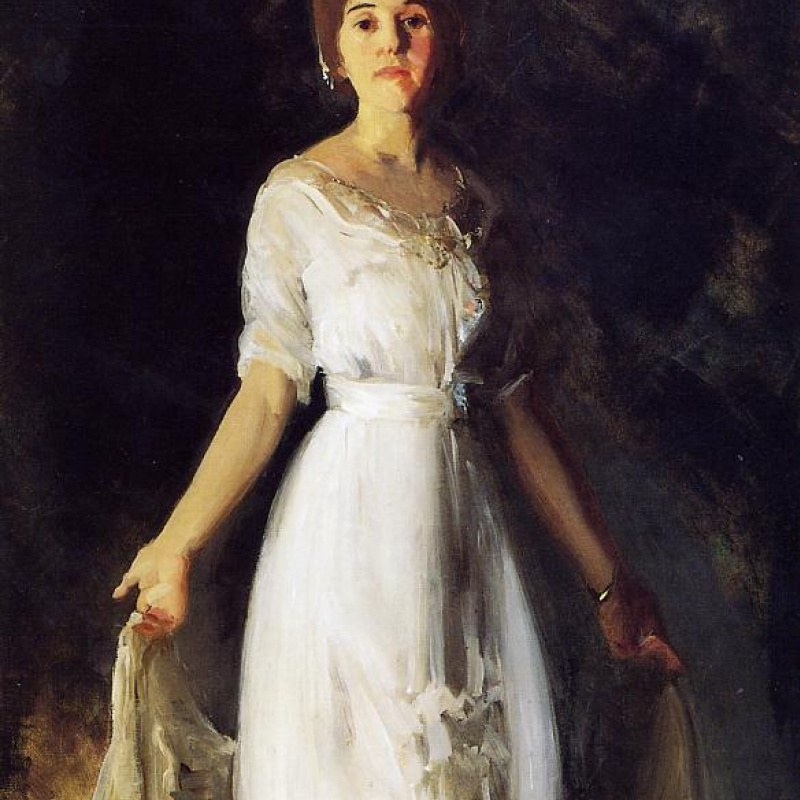
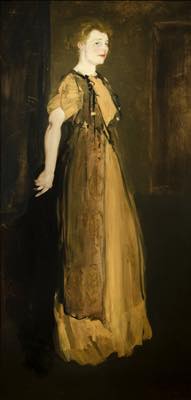
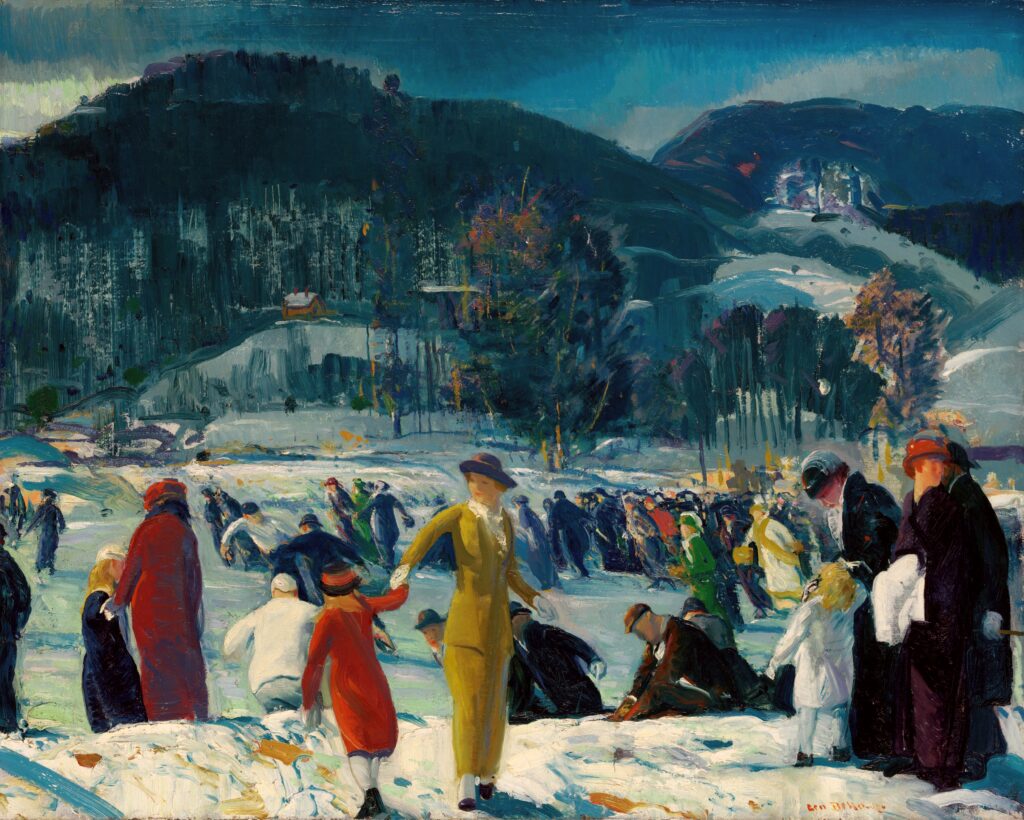
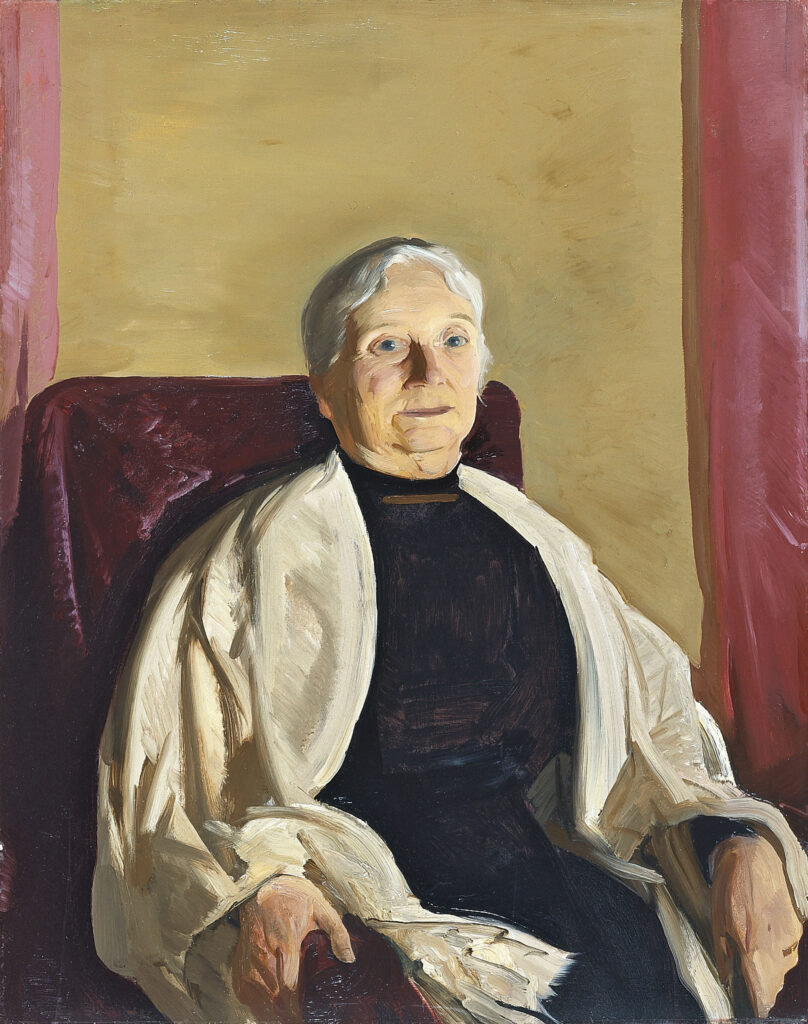

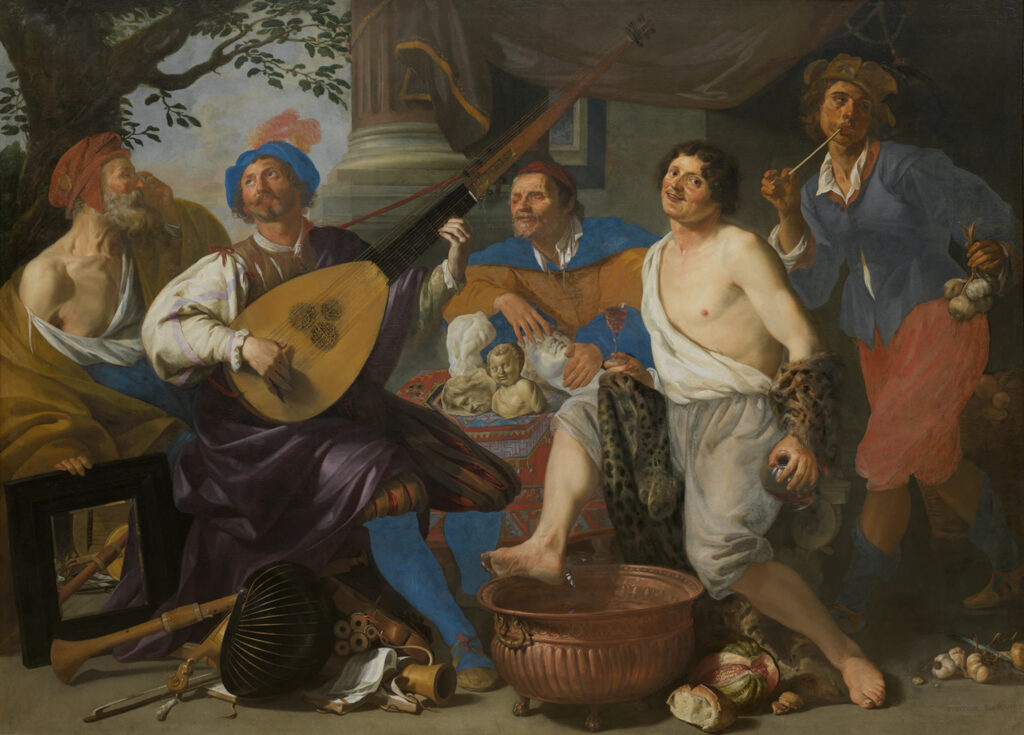
Theodoor Rombouts
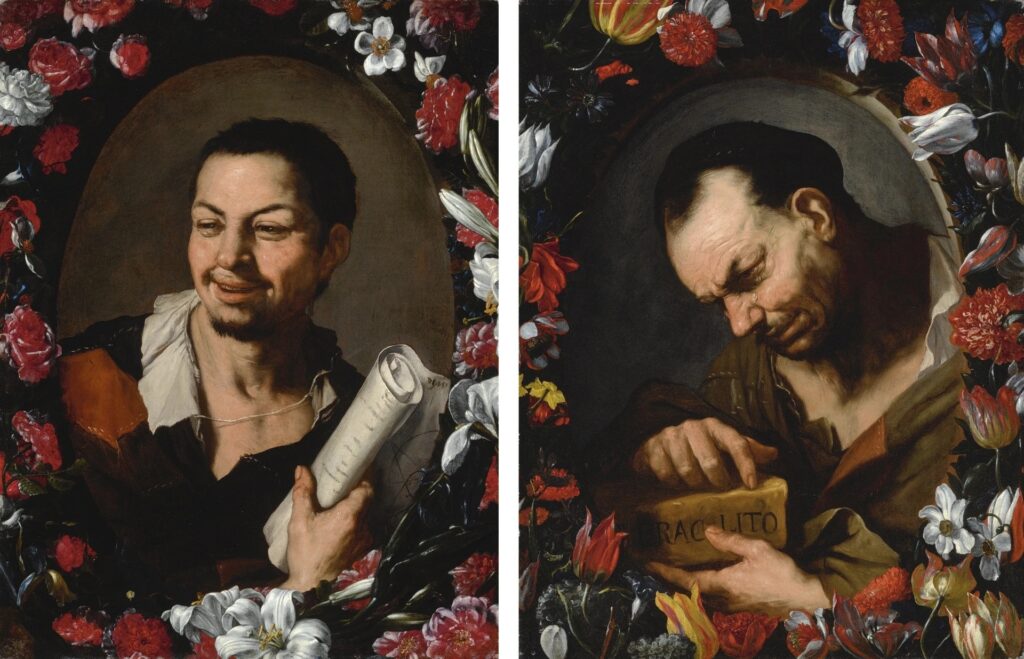
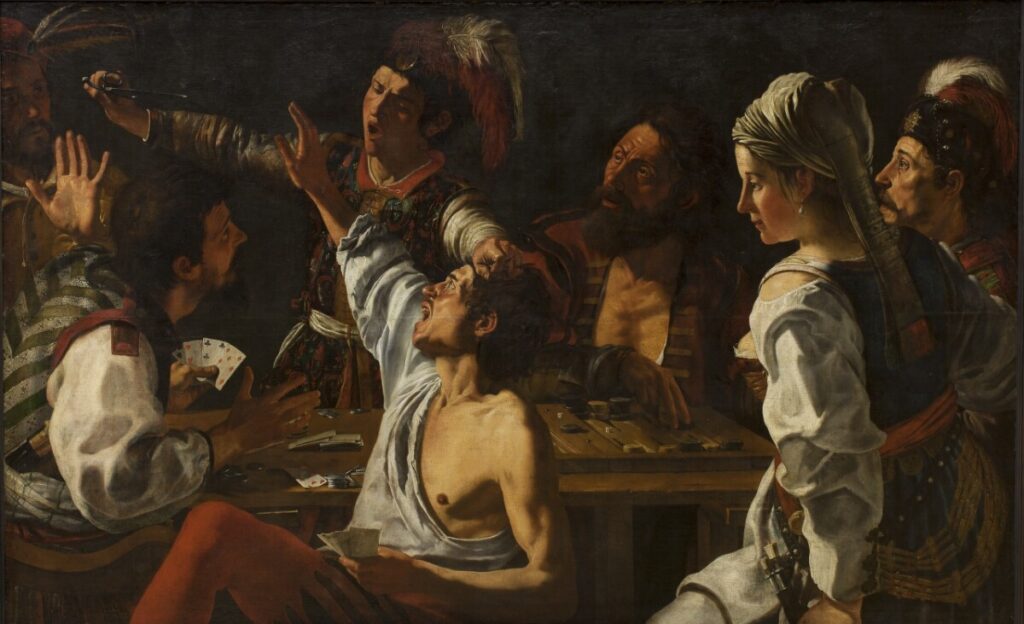
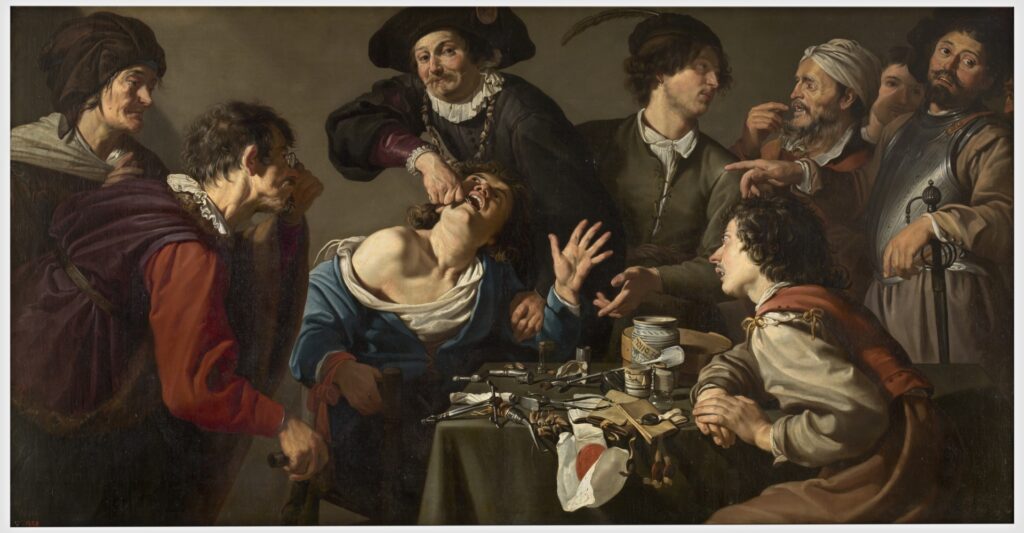
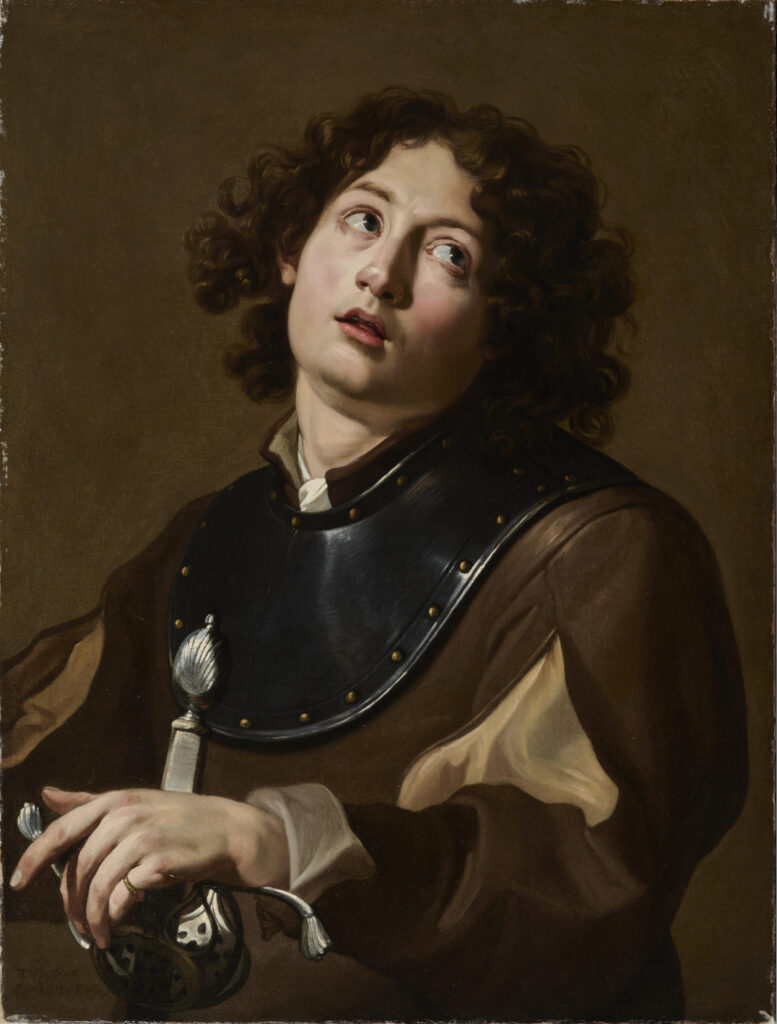
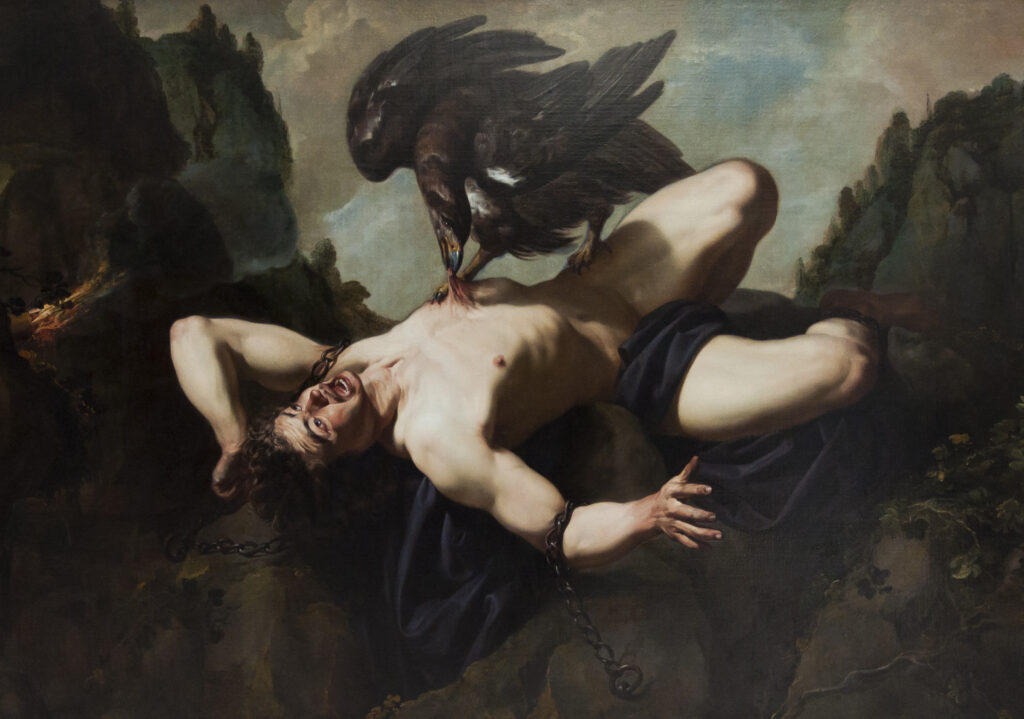
Theodoor Rombouts was a Flemish painter active in Antwerp in the early seventeenth century. He trained with Abraham Janssens and worked in Italy before returning to Antwerp, where he became a master in the Guild of Saint Luke in 1625. His paintings show the influence of Caravaggio and the Utrecht Caravaggists, especially in their dramatic lighting, half-length figures, musicians, card players, soldiers, and tavern scenes. He also painted religious and mythological subjects. Rombouts died in Antwerp in 1637.







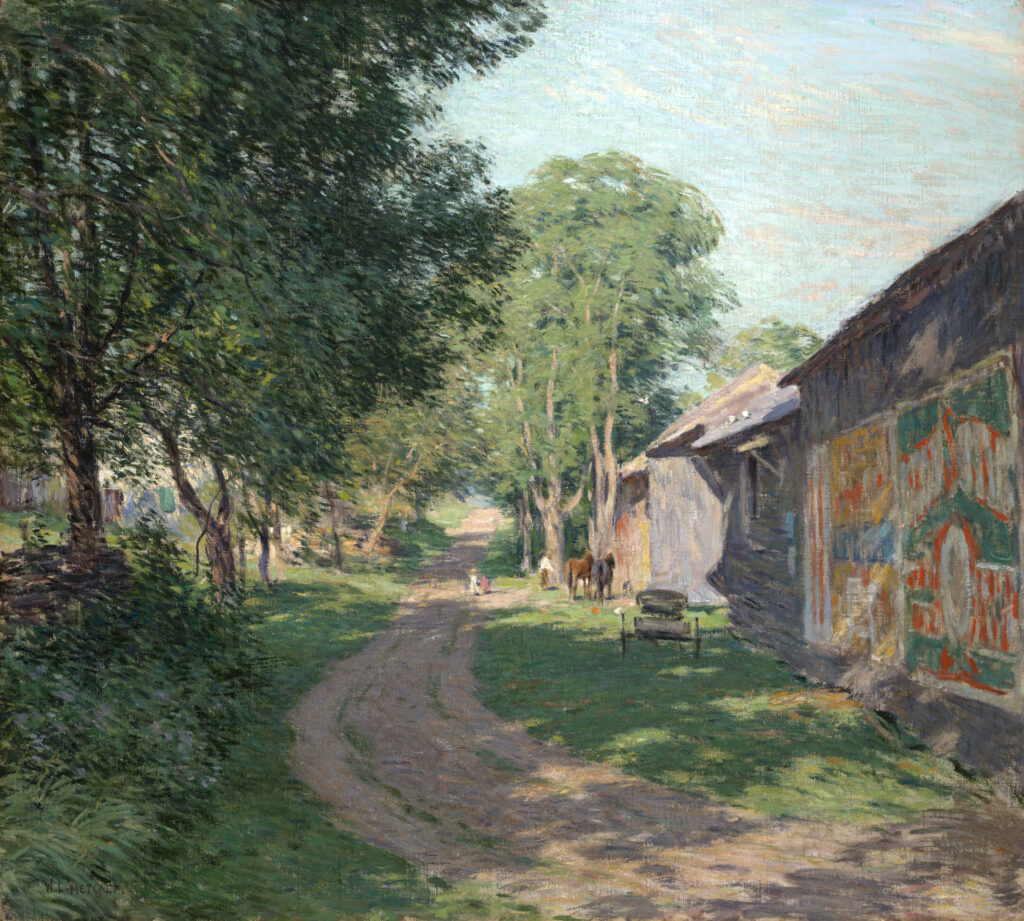
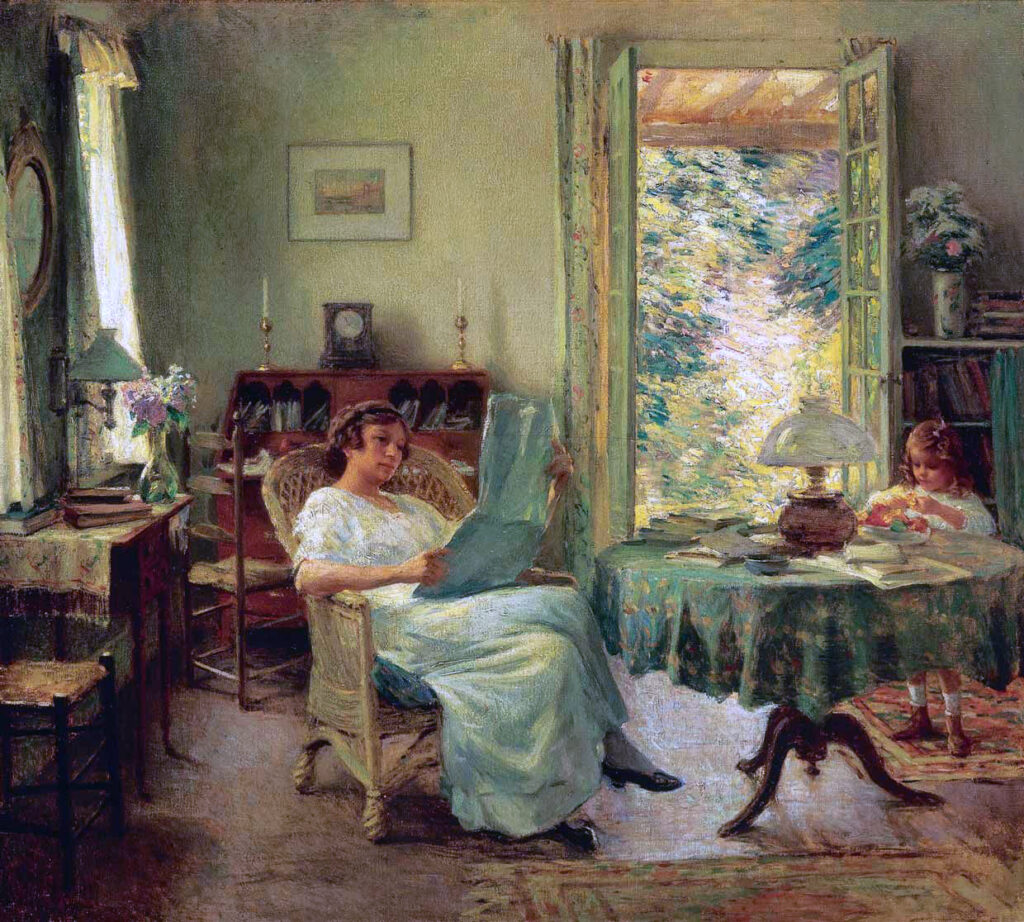
Willard Metcalf
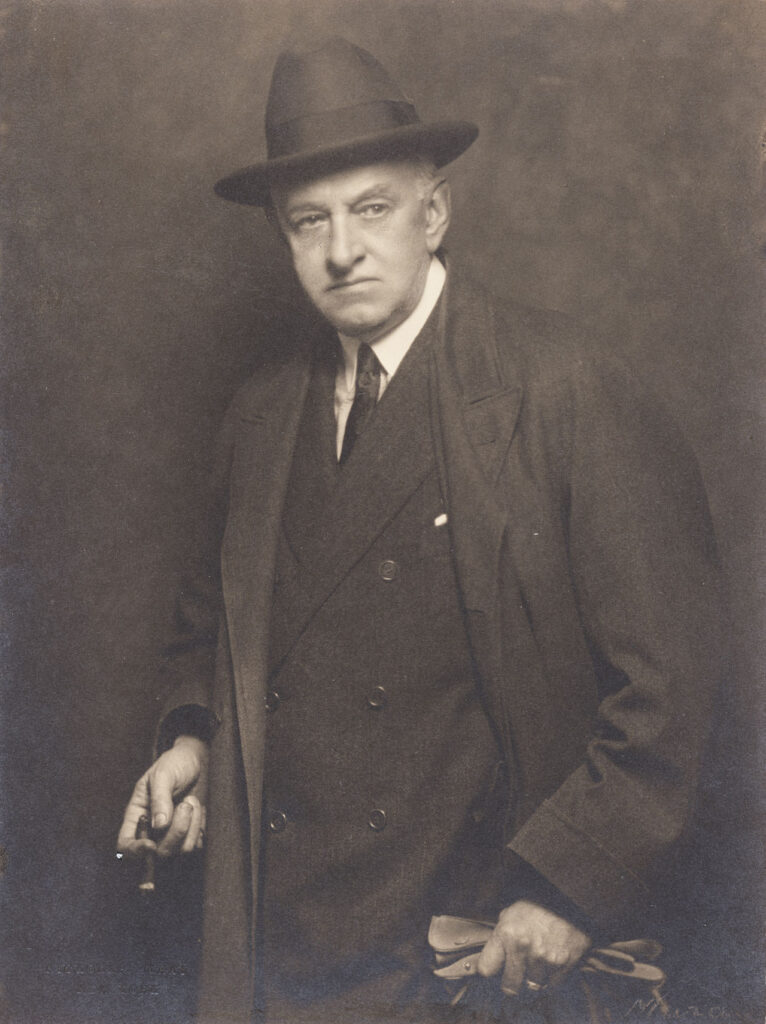
Willard Leroy Metcalf, American painter, July 1, 1858 – March 9, 1925.
Metcalf was born in Lowell, Massachusetts. He studied at the School of the Museum of Fine Arts, Boston, and later in Paris at the Académie Julian, where his teachers included Gustave Boulanger and Jules-Joseph Lefebvre. He also worked among American artists in Grez-sur-Loing and Giverny.
Metcalf lived and worked in Boston, Paris, Giverny, New York, Gloucester, Old Lyme, Cornish, and other New England locations. He returned from Europe in 1888, settled mainly in New York, and became closely associated with the Old Lyme Art Colony and the Cornish Art Colony.
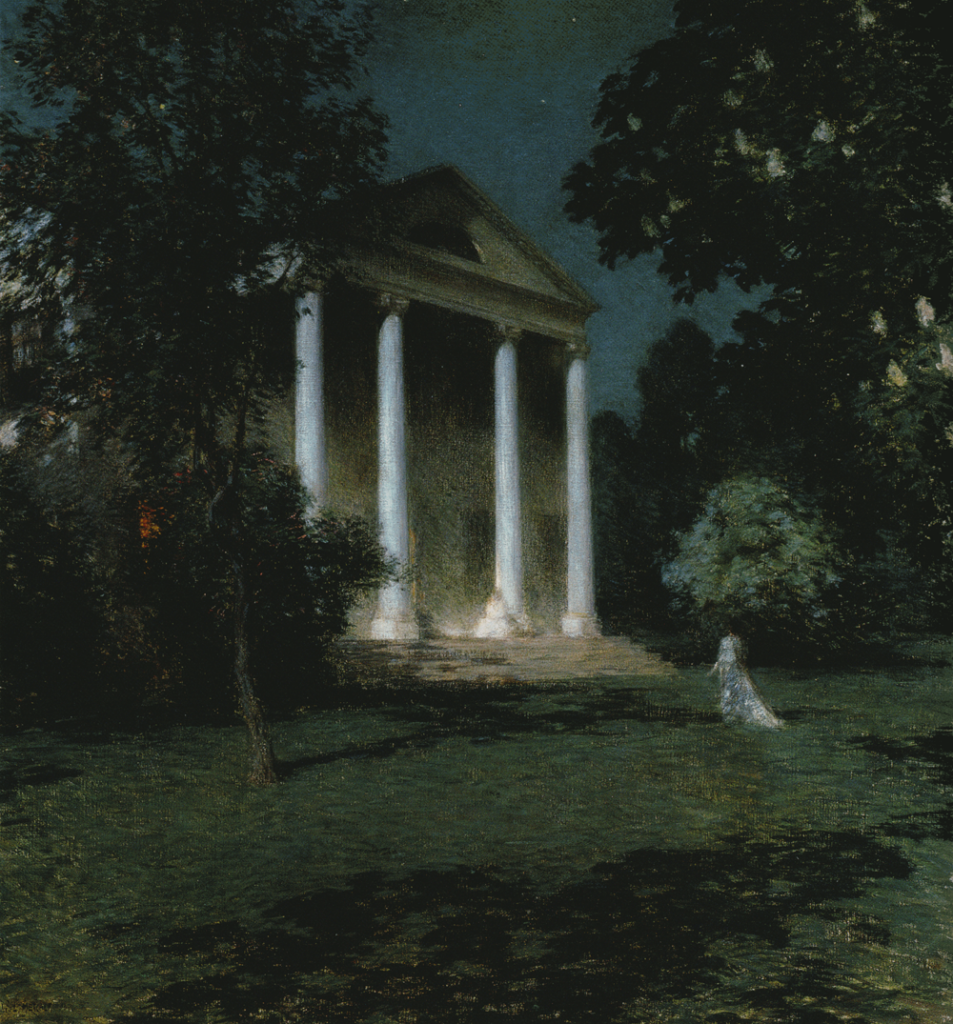
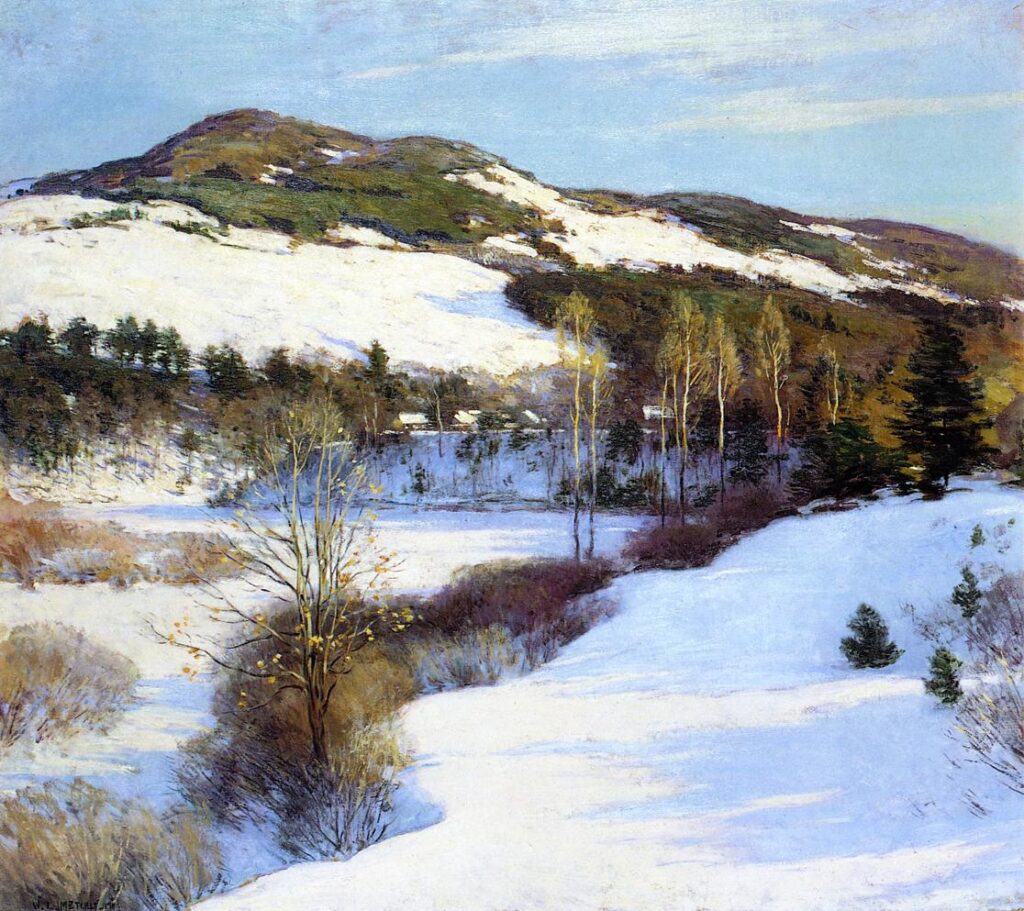
His early work included figure painting and illustration, but he became best known as an American Impressionist landscape painter. His major subjects include New England villages, meadows, hillsides, gardens, and seasonal landscapes, especially winter and spring scenes.
Metcalf was a member of the Ten American Painters, the group formed by artists who broke from the Society of American Artists in 1897–1898. He taught at Cooper Union and the Art Students League in New York. His honors included membership in the American Watercolor Society and later recognition by the American Academy of Arts and Letters.





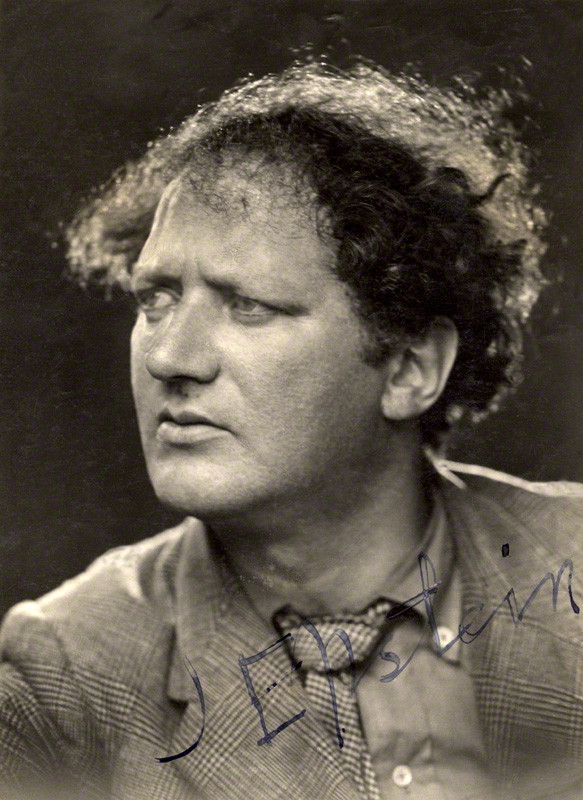
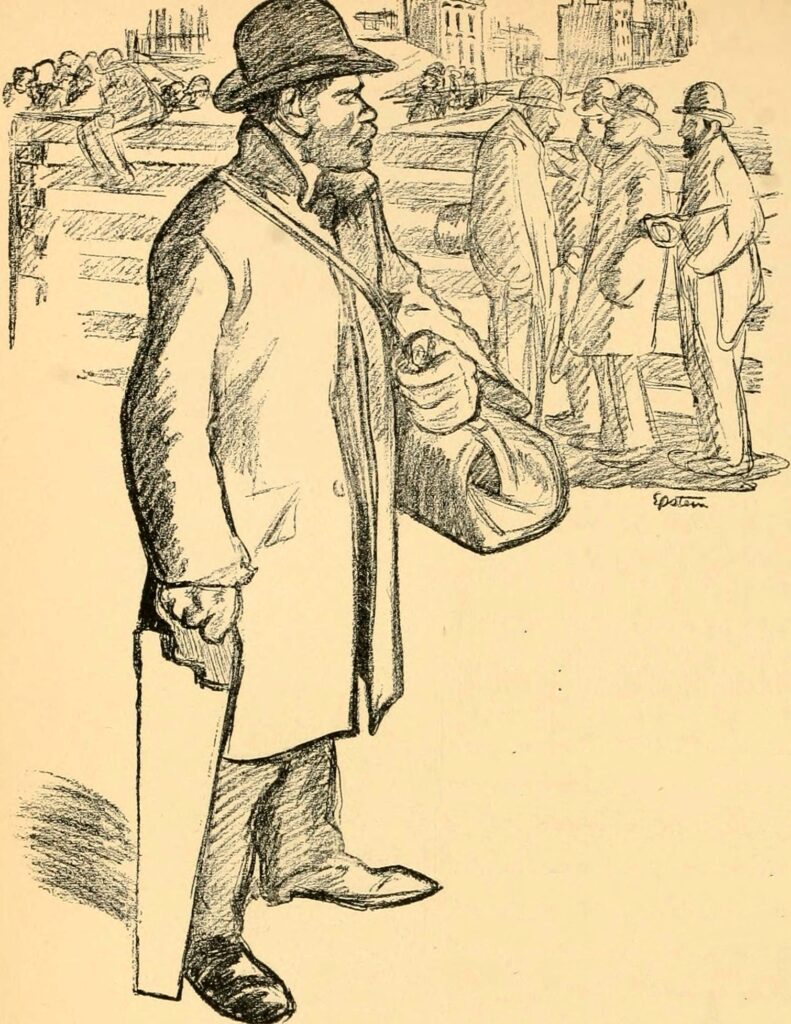
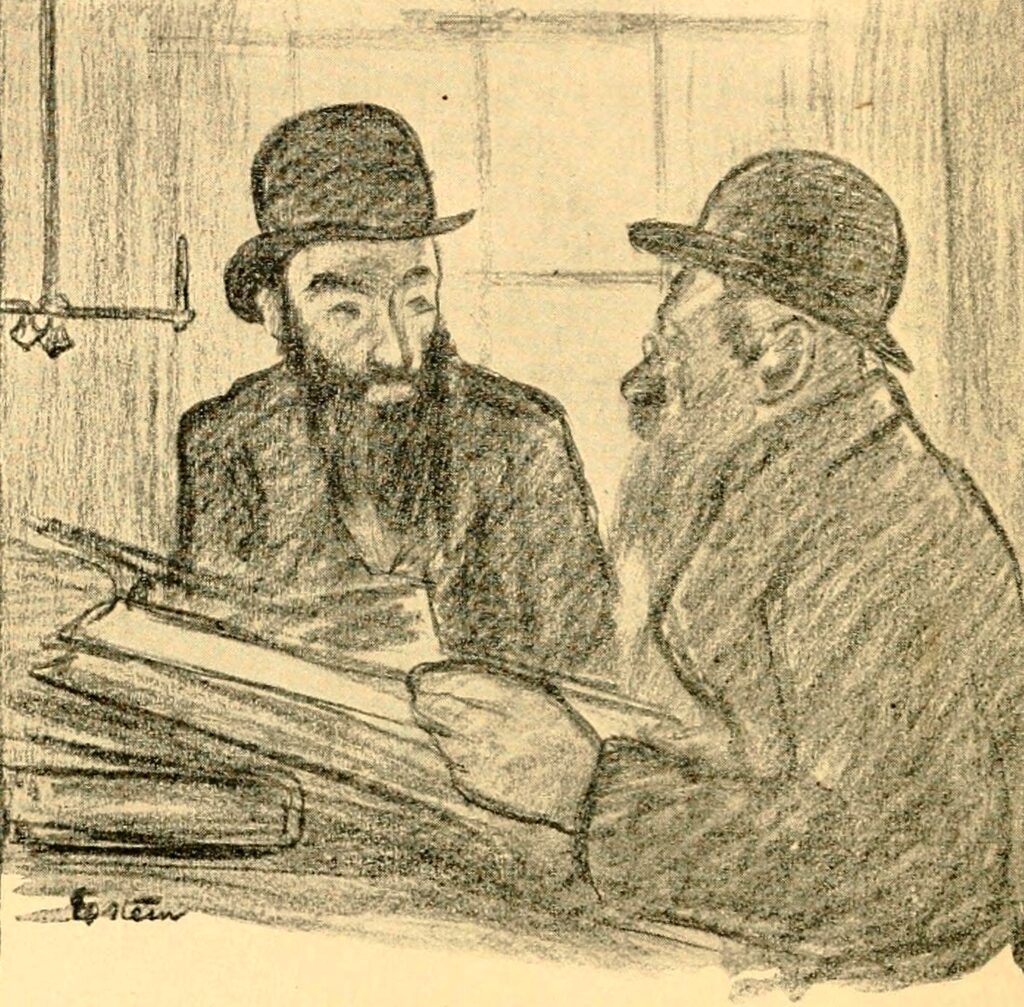
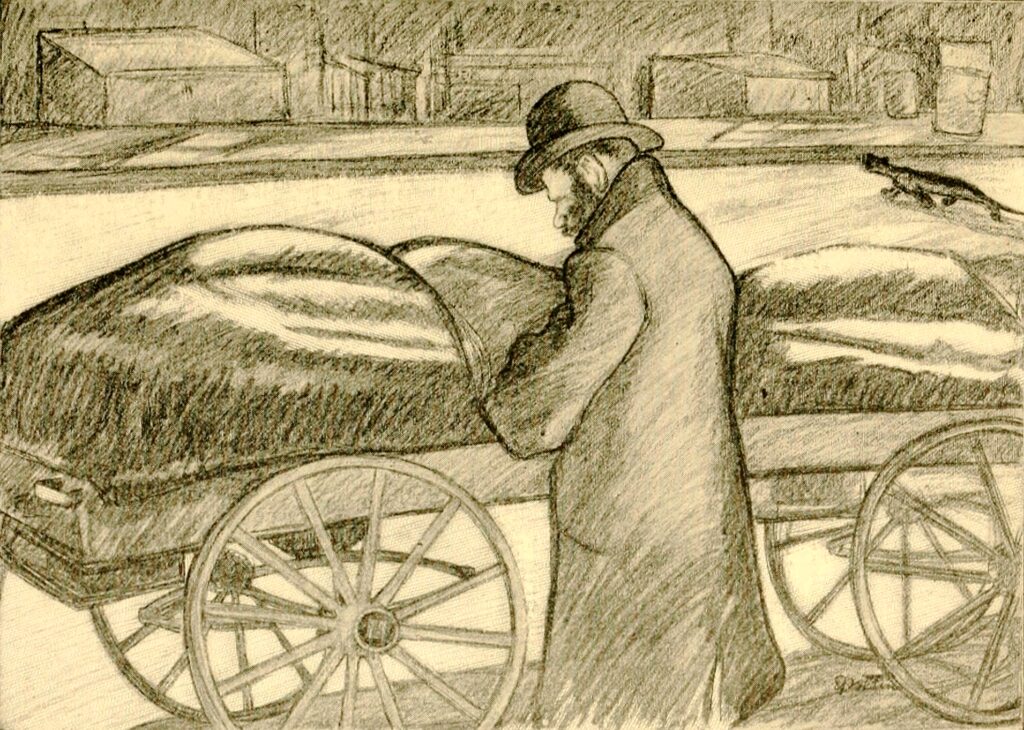
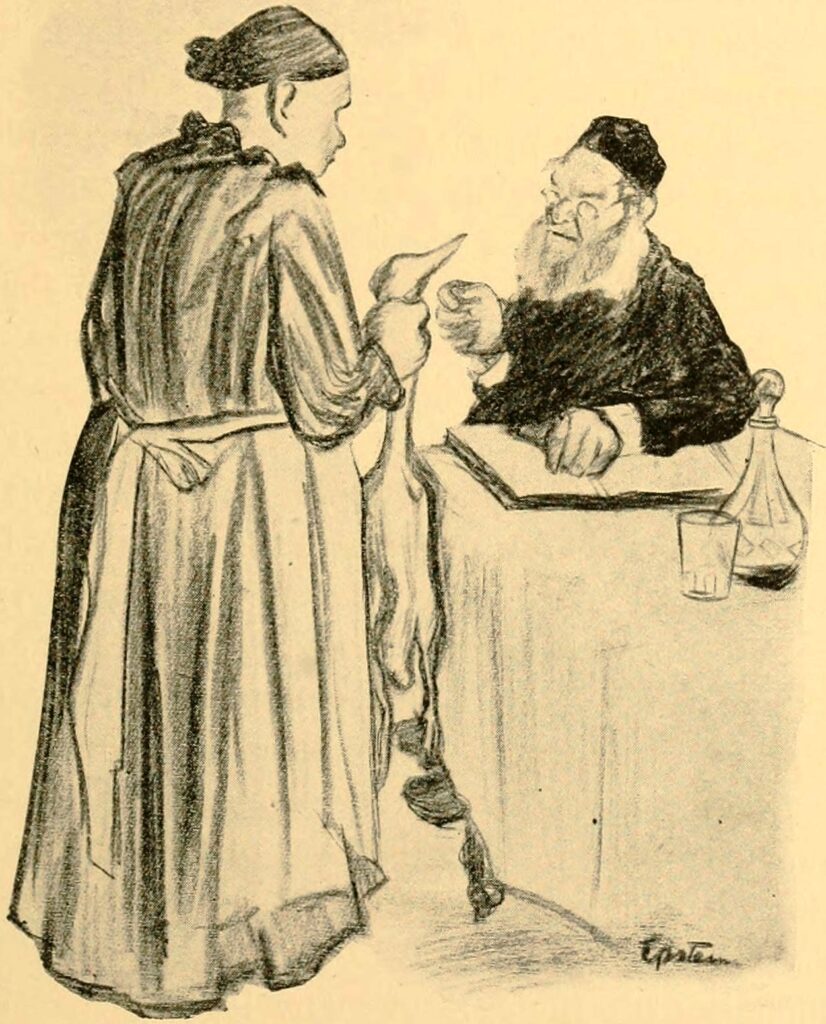
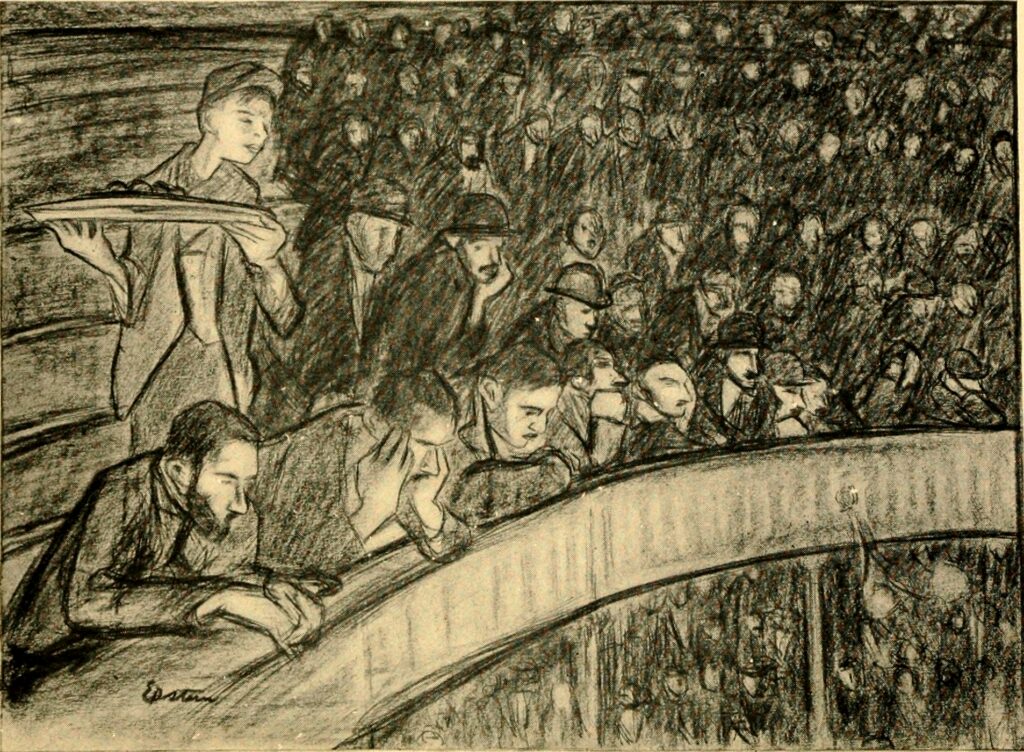
Sir Jacob Epstein
Sir Jacob Epstein, November 10, 1880–August 19, 1959, was an American-born British sculptor. Raised on New York’s Lower East Side, he attended the Art Students League from 1893 to 1898. He moved to Paris in 1902, studied at the École des Beaux-Arts and then at the Académie Julian under Jean-Paul Laurens, and settled in London in 1905. He became a naturalized British subject in 1910.
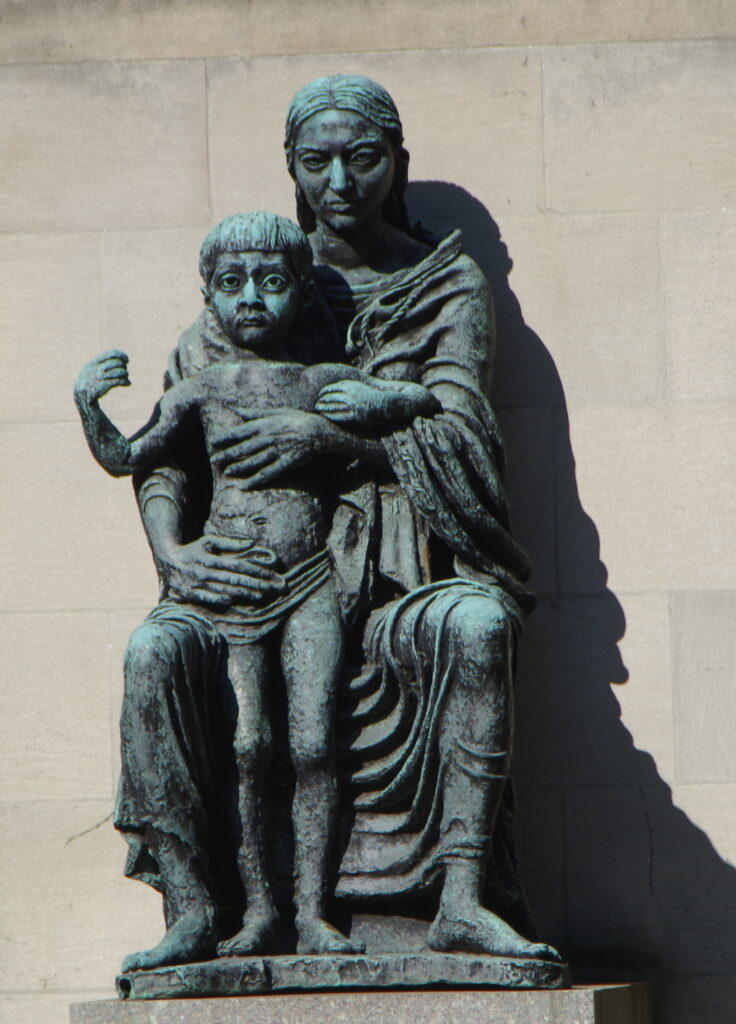
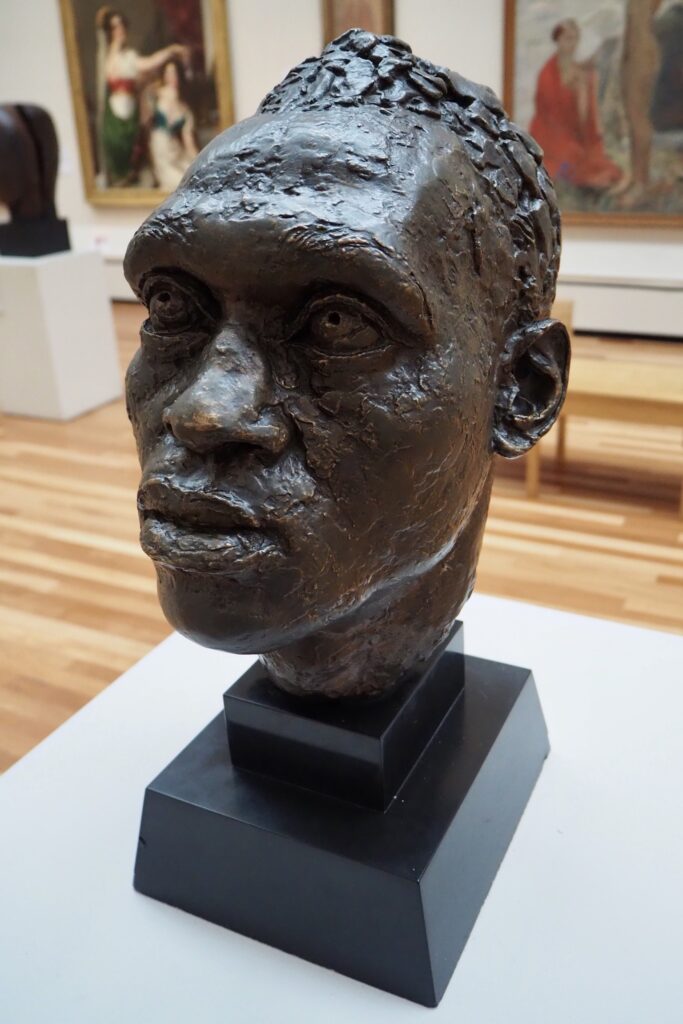
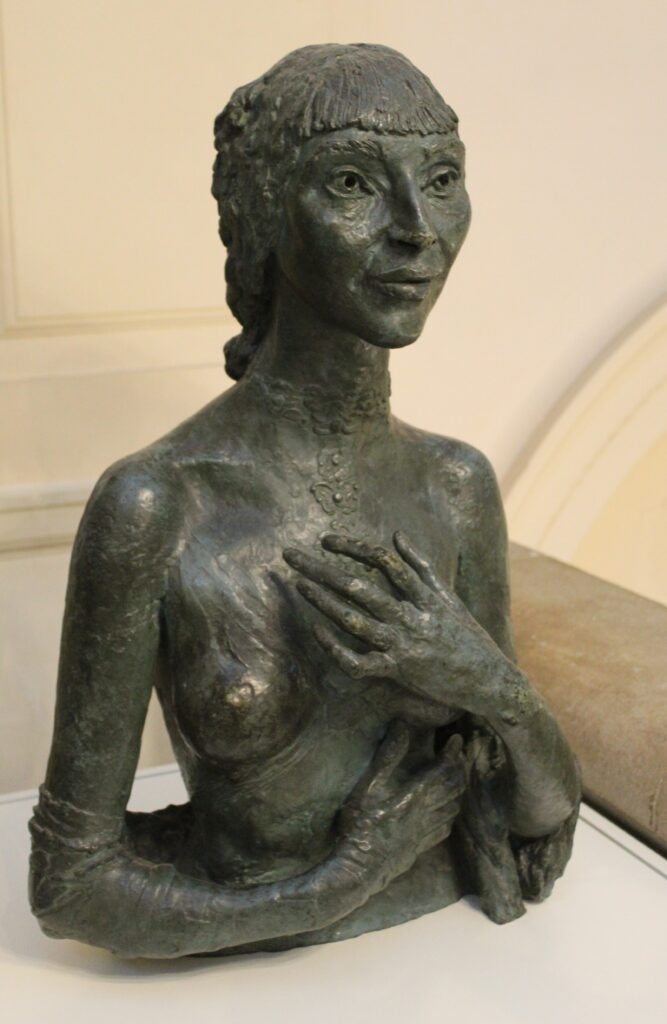
Epstein was a founding member of the London Group in 1913 and was associated with artists of the Vorticist movement. His work included carved figures, architectural sculpture, public monuments, and numerous portrait busts. Major commissions included the British Medical Association façade sculptures, the tomb of Oscar Wilde, the W. H. Hudson Memorial, Christ in Majesty at Llandaff Cathedral, and Social Consciousness in Philadelphia.
Epstein was knighted in 1954. His work is represented in the Tate, National Portrait Gallery, National Gallery of Art, Birmingham Museum and Art Gallery, and The New Art Gallery Walsall, as well as in public monuments and institutional collections in Britain and the United States.