Posts in Category: Flemish
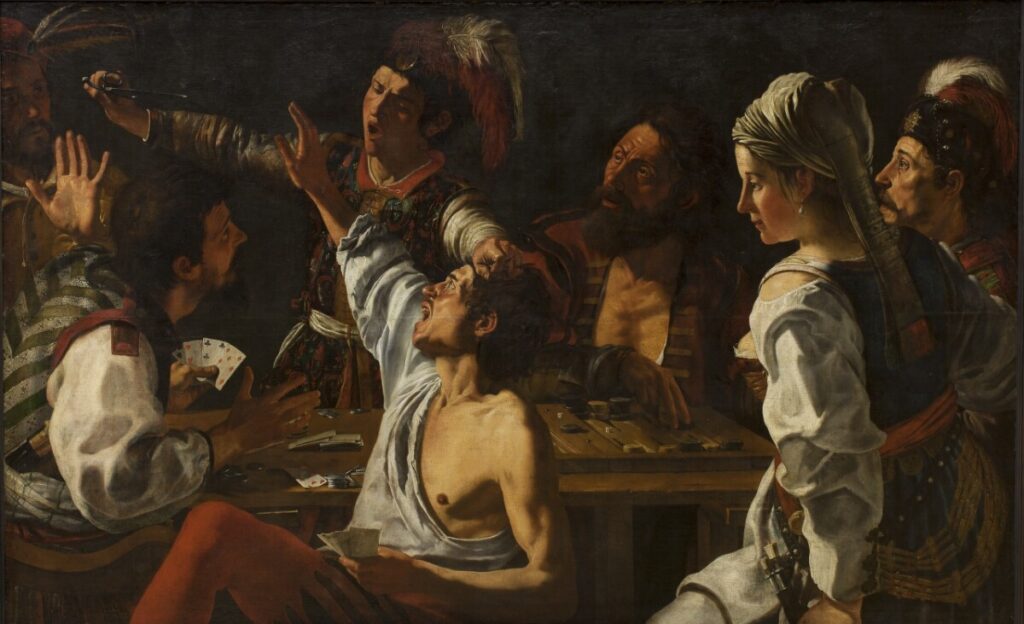
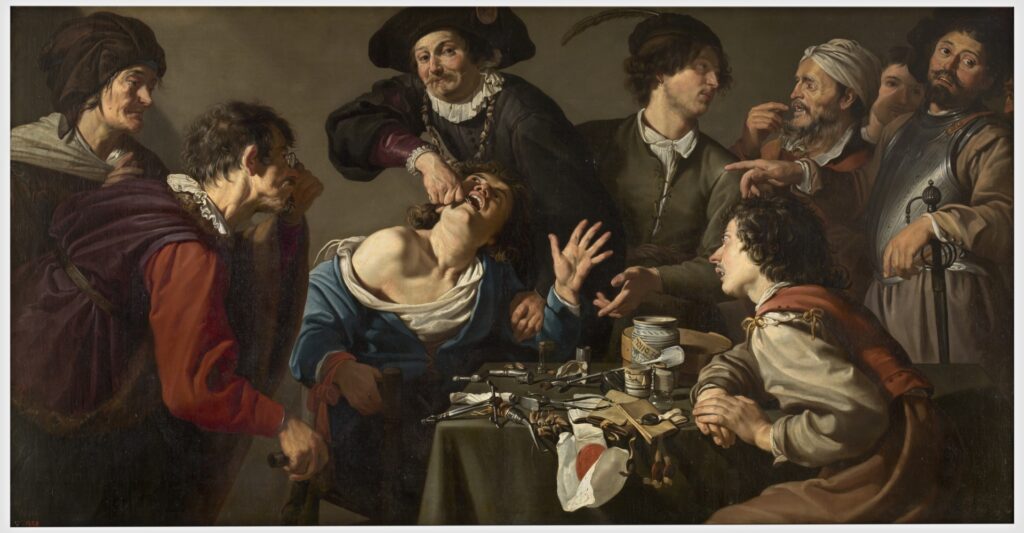
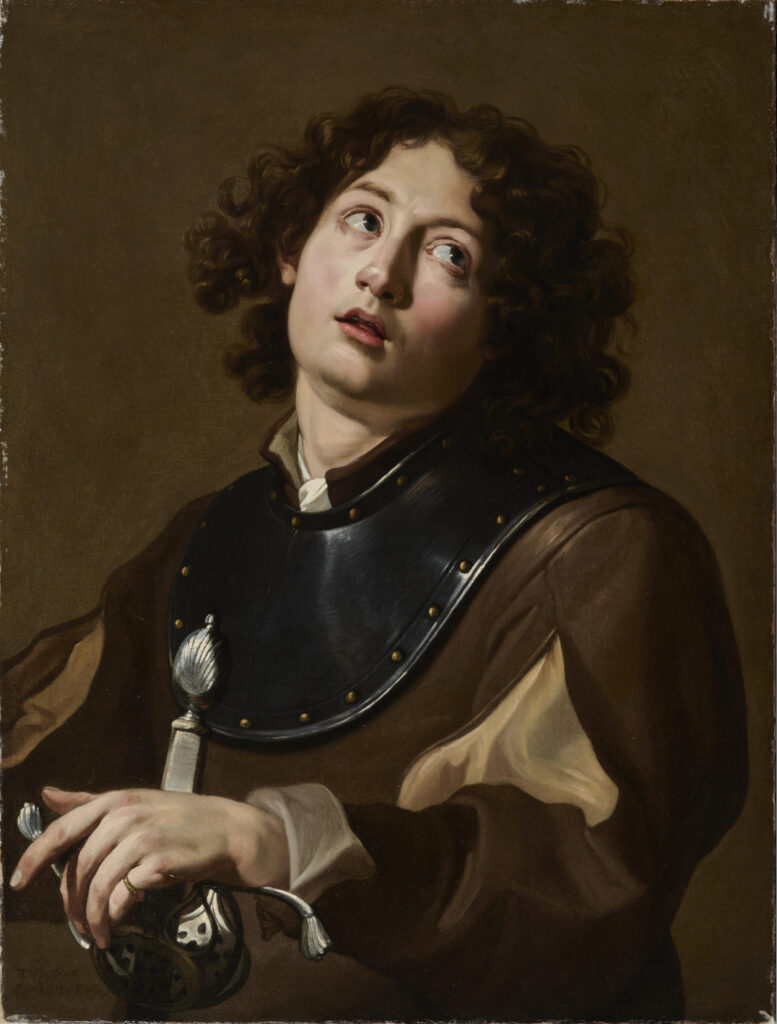
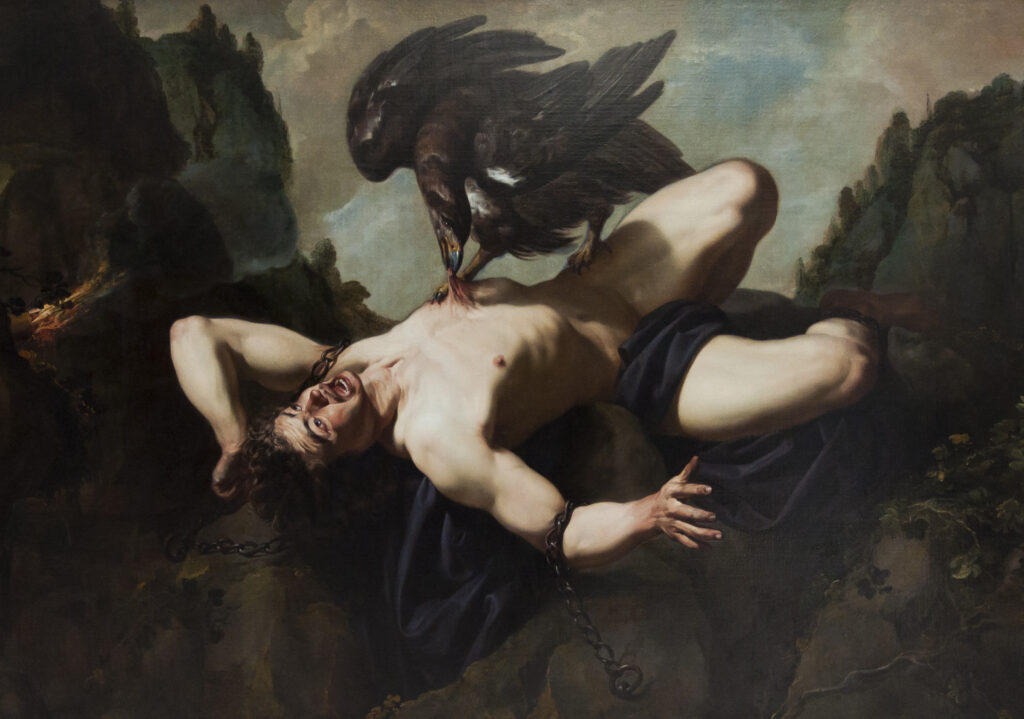
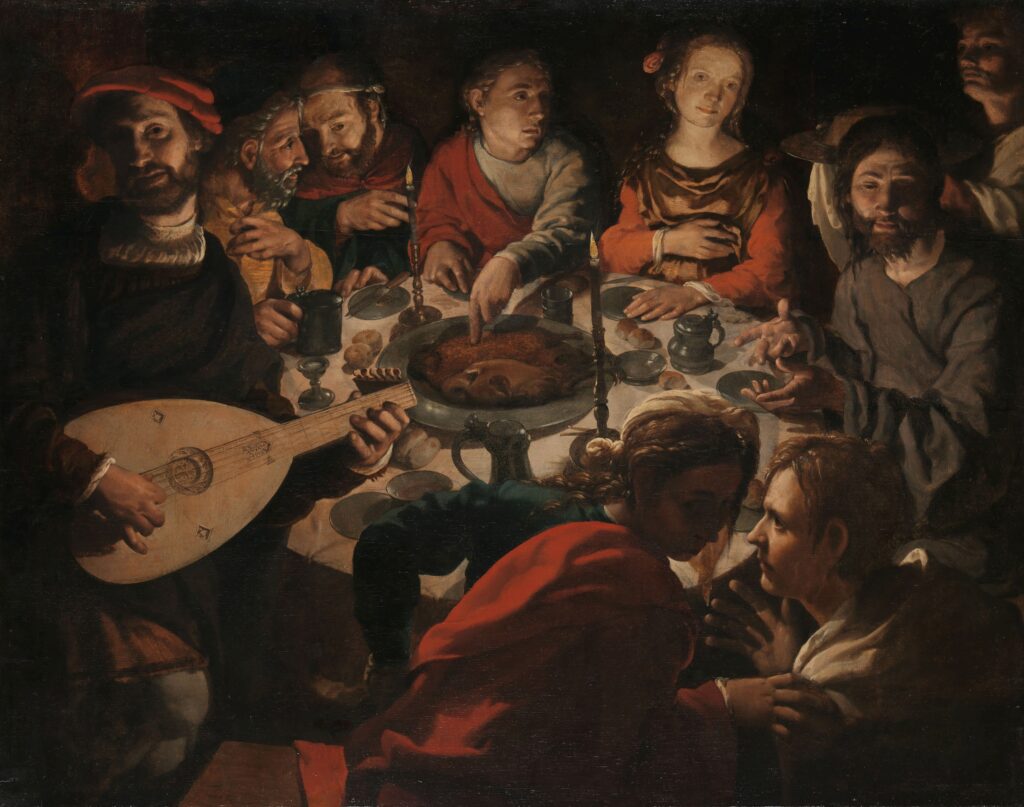
Theodoor Rombouts
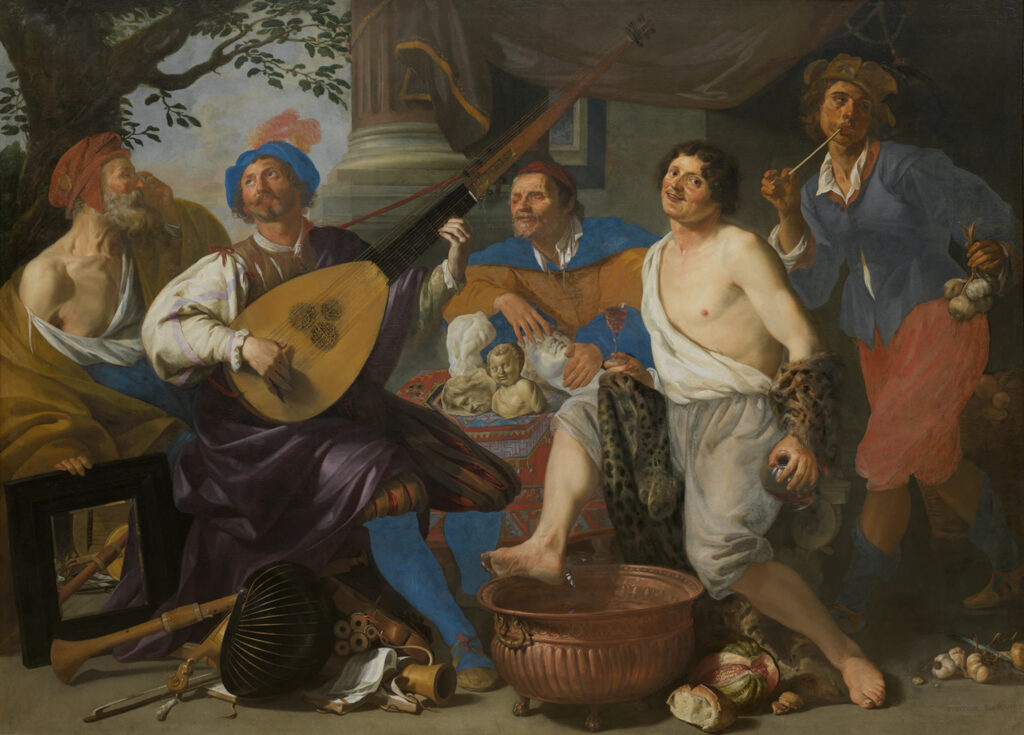
Theodoor Rombouts was a Flemish painter active in Antwerp in the early seventeenth century. He trained with Abraham Janssens and worked in Italy before returning to Antwerp, where he became a master in the Guild of Saint Luke in 1625. His paintings show the influence of Caravaggio and the Utrecht Caravaggists, especially in their dramatic lighting, half-length figures, musicians, card players, soldiers, and tavern scenes. He also painted religious and mythological subjects. Rombouts died in Antwerp in 1637.







Frans Snyders
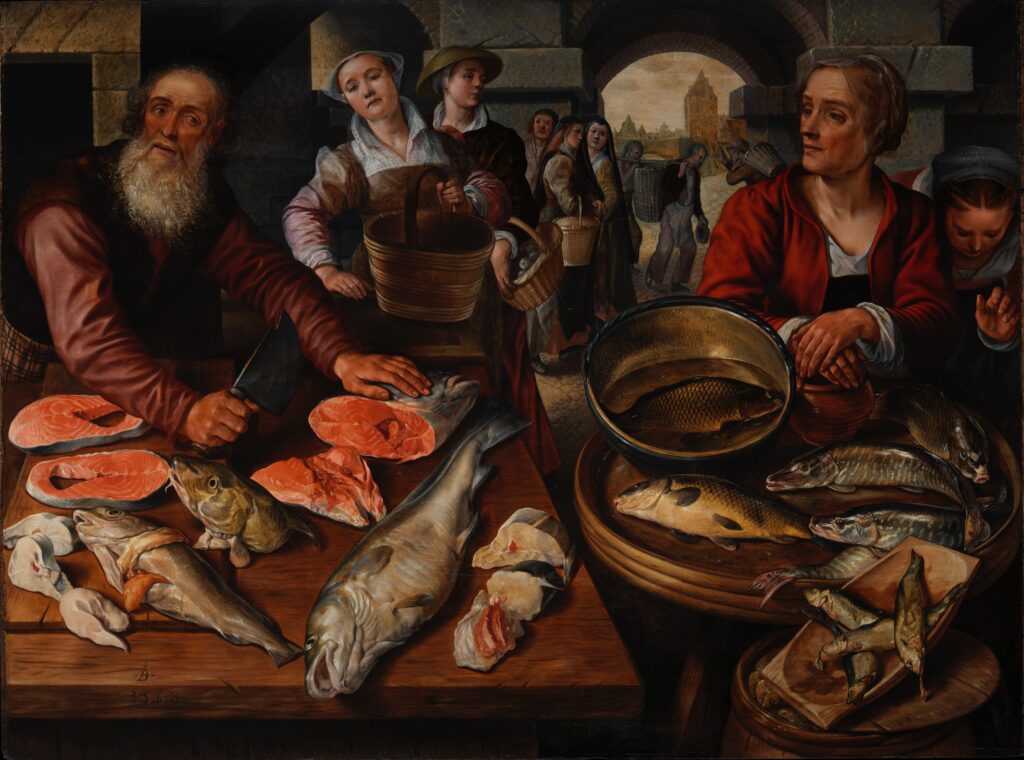
Frans Snyders, November 11, 1579 – August 19, 1657, was a Flemish painter born and based in Antwerp. He was recorded as a pupil of Pieter Brueghel the Younger in 1593 and later trained with Hendrick van Balen. He became a master in the Antwerp Guild of Saint Luke in 1602 and traveled to Rome and Milan in 1608–1609.
After returning to Antwerp, Snyders worked with Peter Paul Rubens and collaborated with artists including Anthony van Dyck, Jacob Jordaens, and Jan Wildens. He served as dean of the Guild of Saint Luke in 1628. Jan Fyt was among the painters who worked in his workshop.
Snyders produced still lifes, market scenes, hunting scenes, and animal paintings. His works are held by the Museo Nacional del Prado, Louvre Museum, State Hermitage Museum, Alte Pinakothek, National Gallery of Art, and Art Institute of Chicago, among other collections.


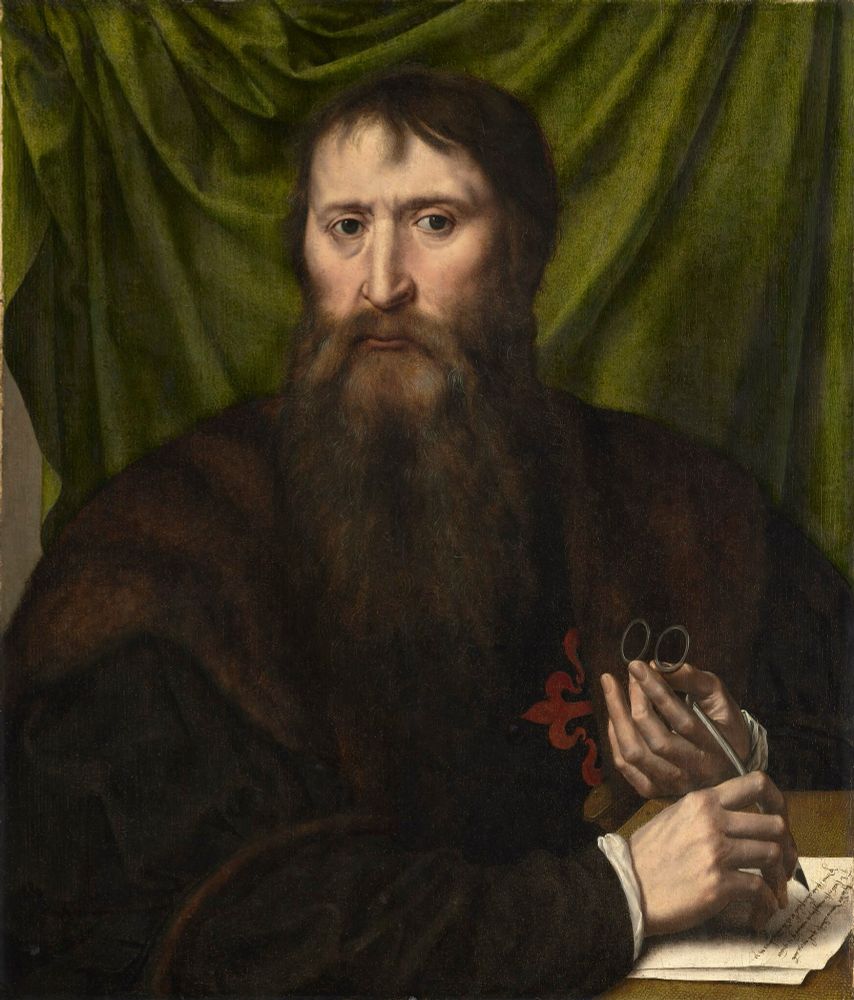
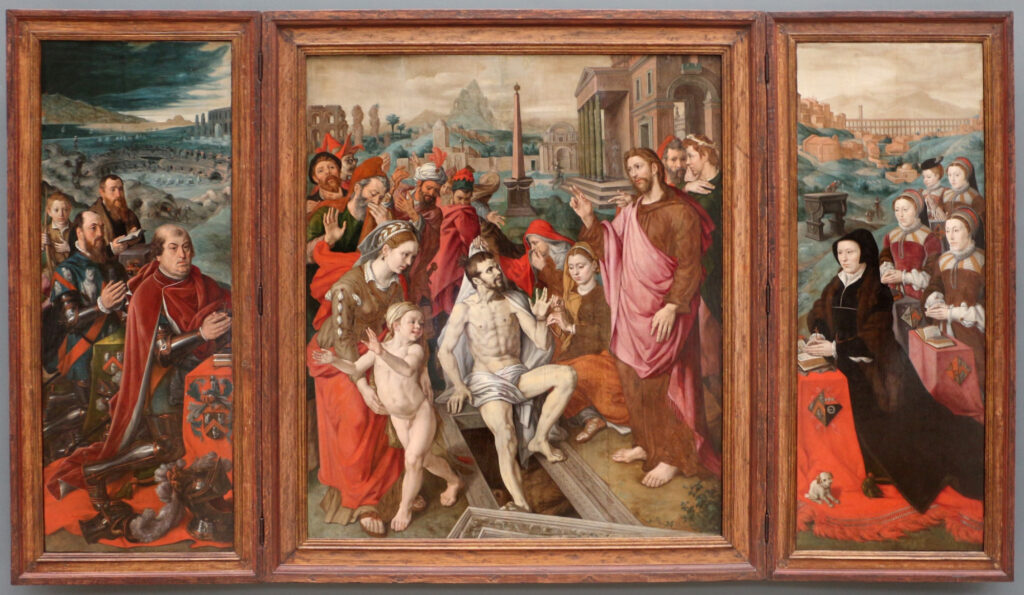
Jan Cornelisz Vermeyen
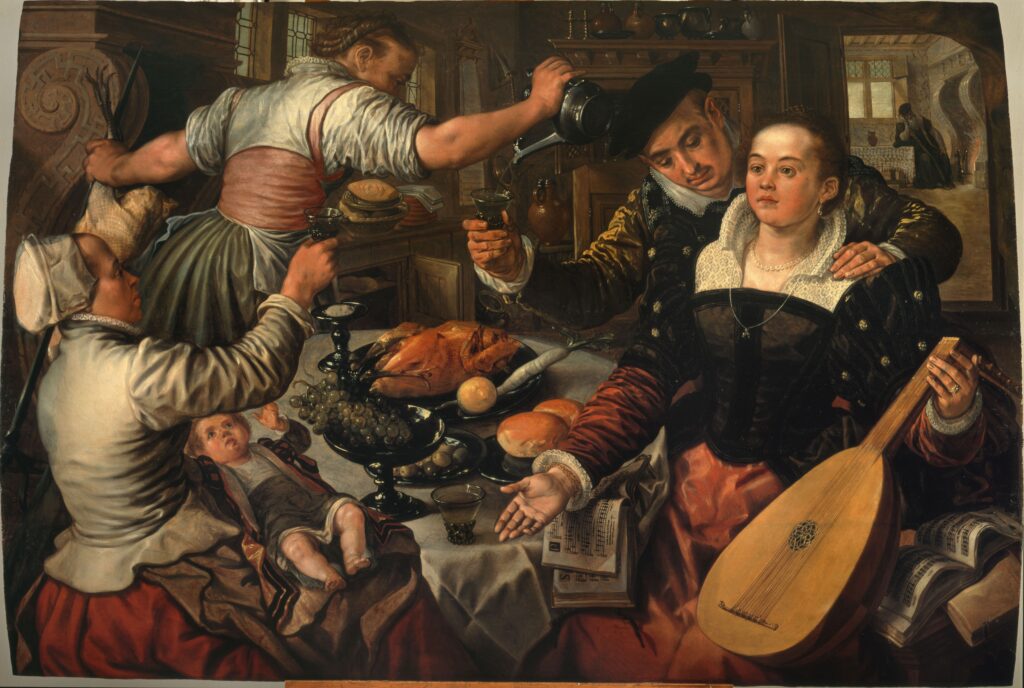
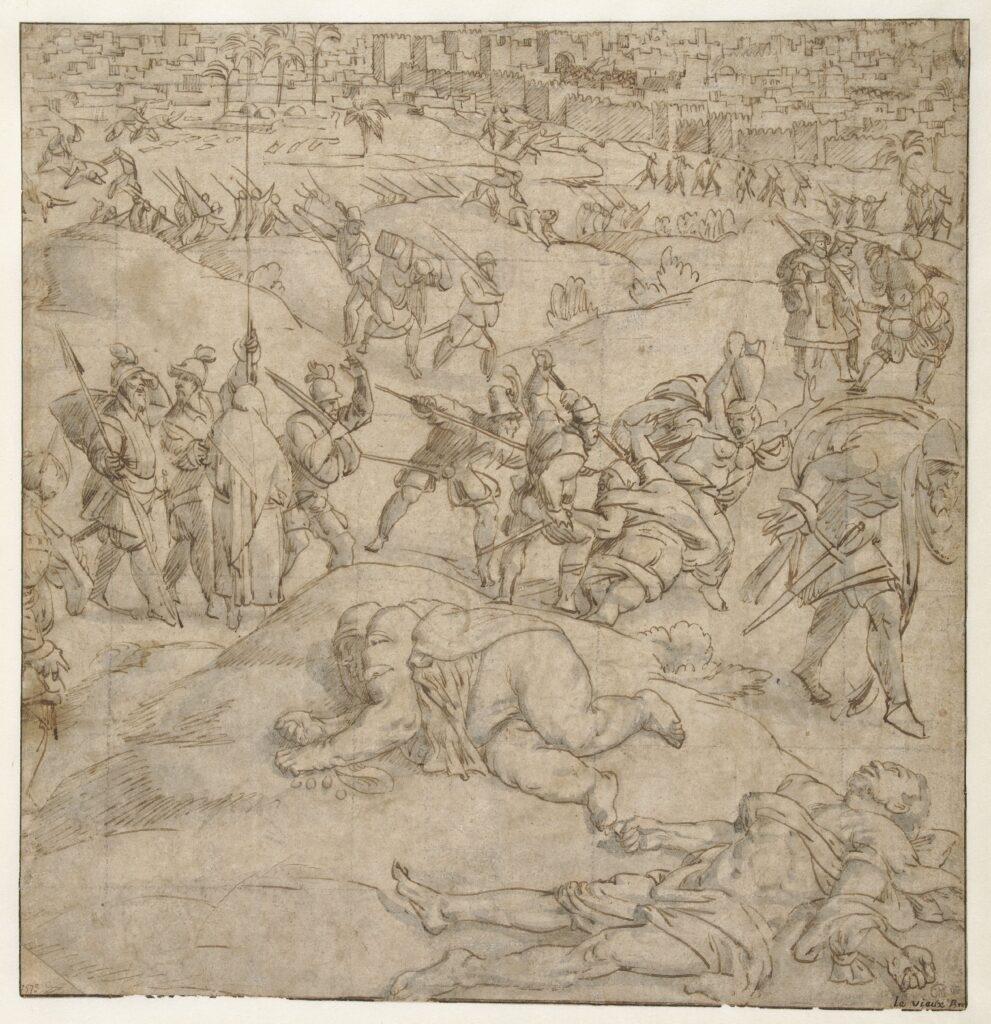
Jan Cornelisz Vermeyen, c 1500–1559, was a Netherlandish painter, draftsman, printmaker and tapestry designer. He was probably trained in the workshop of Jan van Scorel.
Around 1525, Vermeyen entered the service of Margaret of Austria at Mechelen. He later worked for Mary of Hungary and Emperor Charles V, whom he accompanied on the imperial expedition to Tunis in 1535.
Vermeyen produced portraits, religious paintings, prints and drawings. He is particularly known for his designs recording the Tunis campaign, which were developed into monumental tapestry cartoons for Mary of Hungary.









Gillis van Coninxloo
Gillis van Coninxloo, January 24, 1544–January 1607, was a Flemish landscape painter and draftsman. Born into a family of painters in Antwerp, he trained with Pieter Coecke van Aelst, Lenaert Kroes, and Gillis Mostaert, and became a master in the Antwerp Guild of Saint Luke in 1570.
After working in Antwerp, Coninxloo left the city in 1585, lived briefly in Middelburg, and worked in Frankenthal from 1587 to 1595 as a member of the group now called the Frankenthal school. He settled in Amsterdam in 1595; his pupils included Pieter Brueghel the Younger, Willem van den Bundel, and Hercules Segers.
His paintings and drawings are held by the State Hermitage Museum, Kunsthistorisches Museum, Cleveland Museum of Art, Museum Boijmans Van Beuningen, Museo del Prado, and other public collections.


Jan Sanders van Hemessen
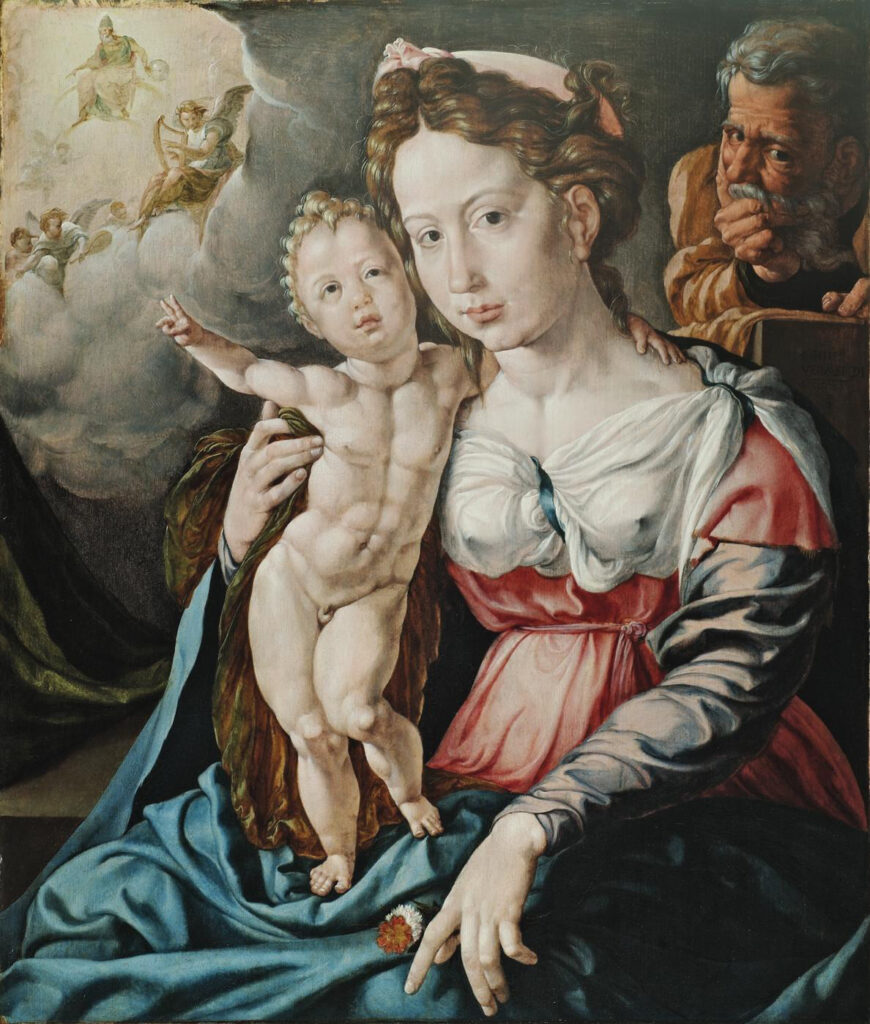
Jan Sanders van Hemessen, c 1500–c 1566, was a Flemish painter born in Hemiksem near Antwerp. He was apprenticed to Hendrick van Cleve I in Antwerp in 1519–1520 and became a master in the city’s Guild of Saint Luke in 1524.
Van Hemessen maintained a successful Antwerp workshop and served as dean of the Guild of Saint Luke in 1548. He painted religious subjects, portraits, and moralizing scenes drawn from contemporary life, and he trained his daughter Catharina van Hemessen, who became a successful portrait painter.
His last dated paintings are from the 1550s, and the circumstances and place of his death remain uncertain. His works are held by institutions including the Kunsthistorisches Museum, Museo del Prado, State Hermitage Museum, Art Institute of Chicago, and Royal Museums of Fine Arts of Belgium.


