Posts in Category: American








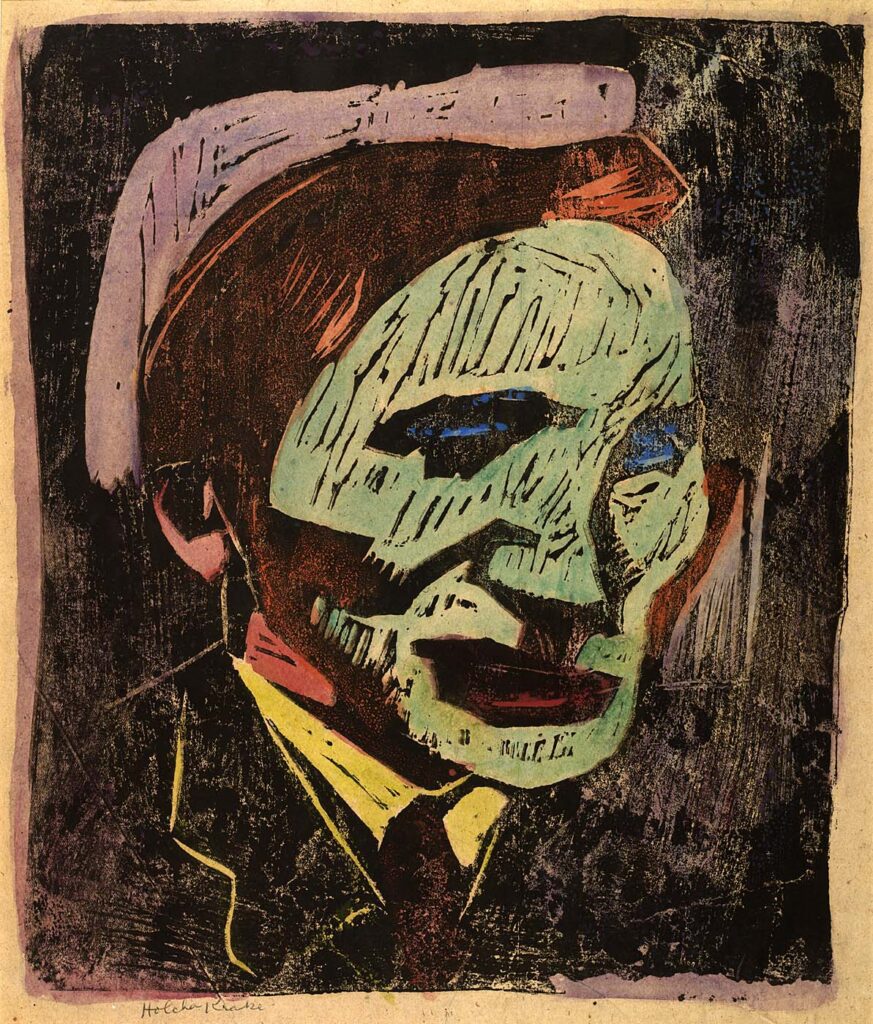


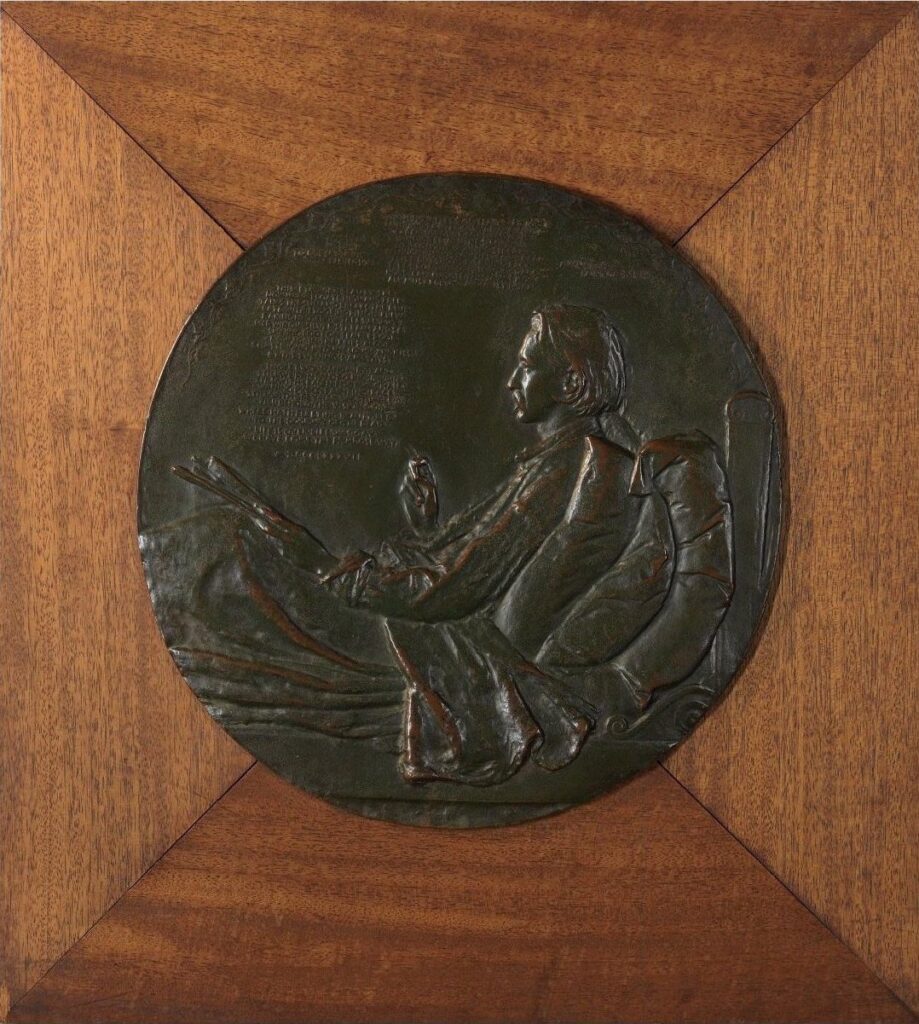
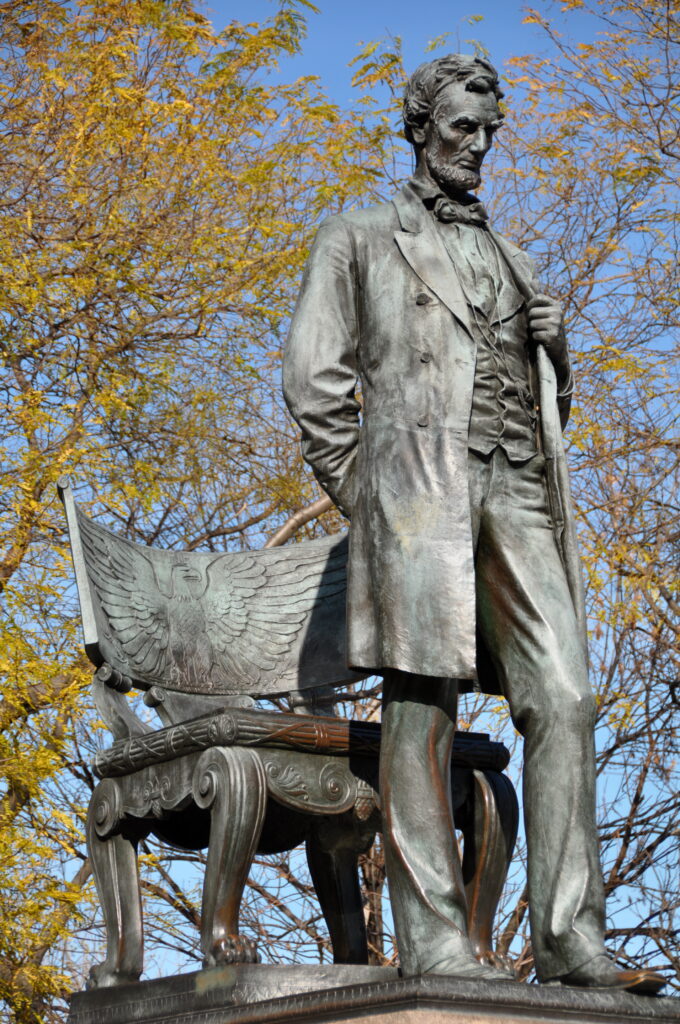
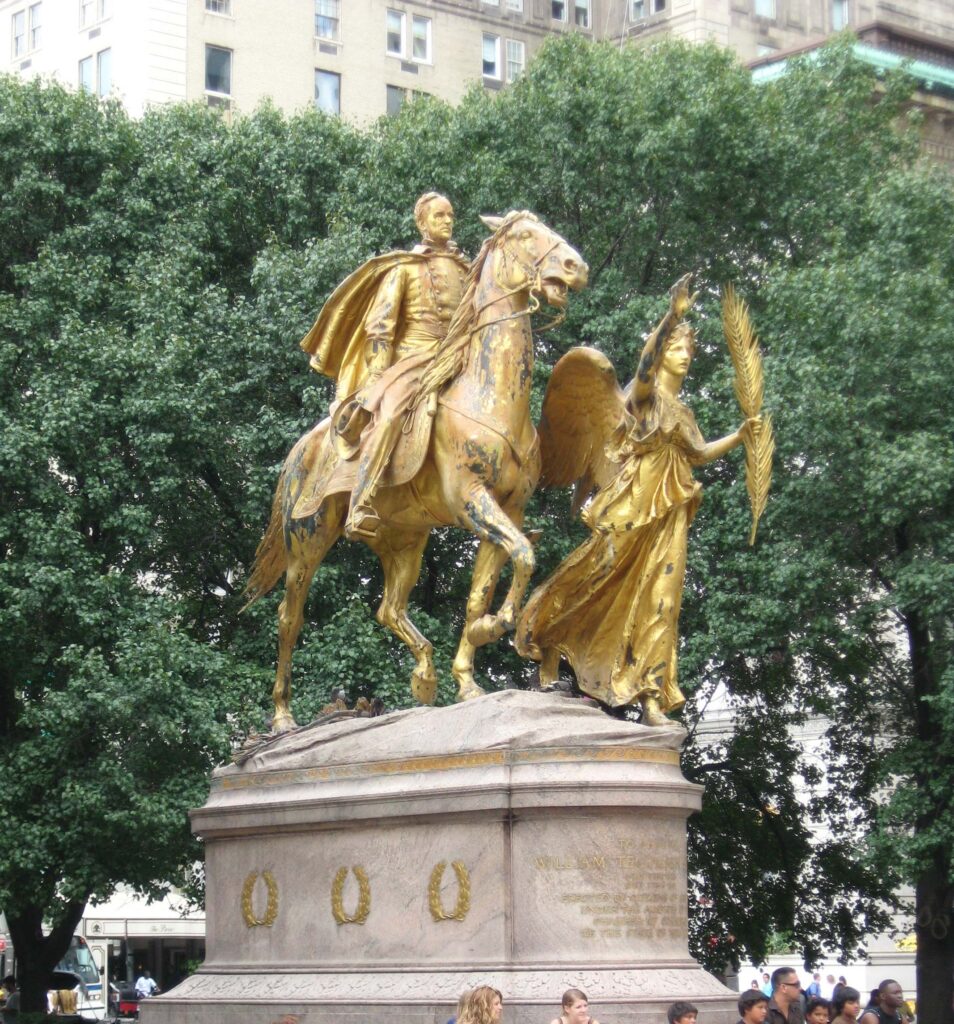
Augustus Saint-Gaudens
Augustus Saint-Gaudens, Irish and American sculptor, March 1, 1848 – August 3, 1907
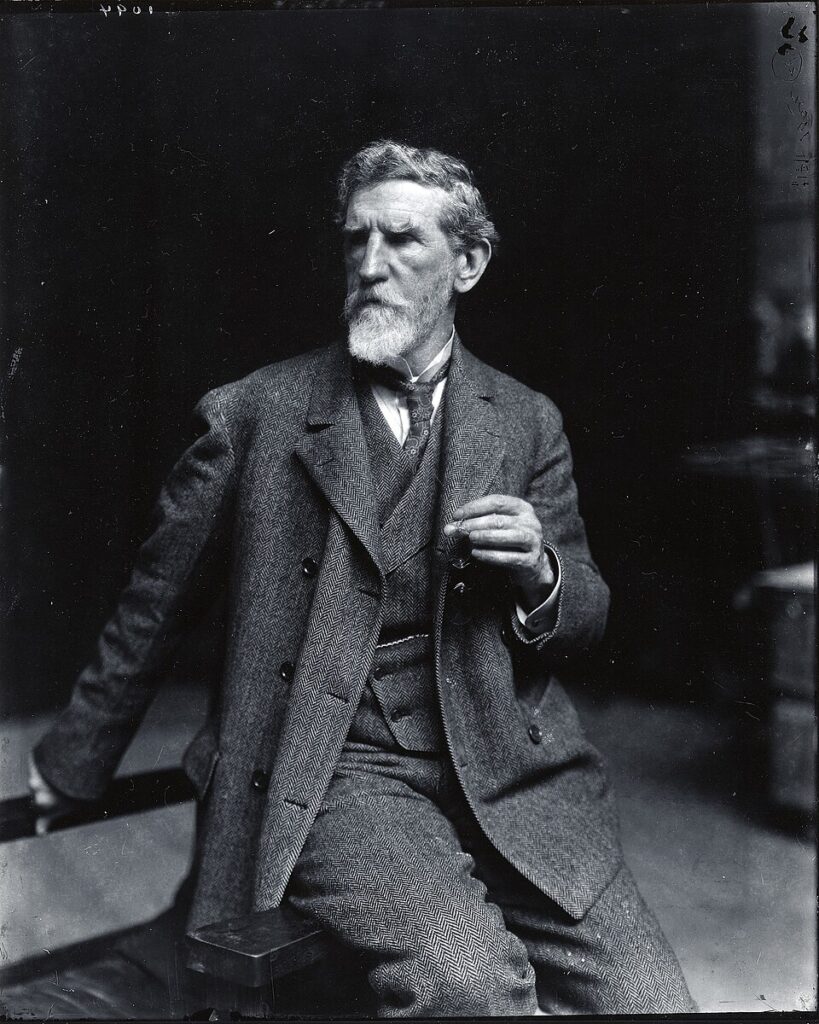





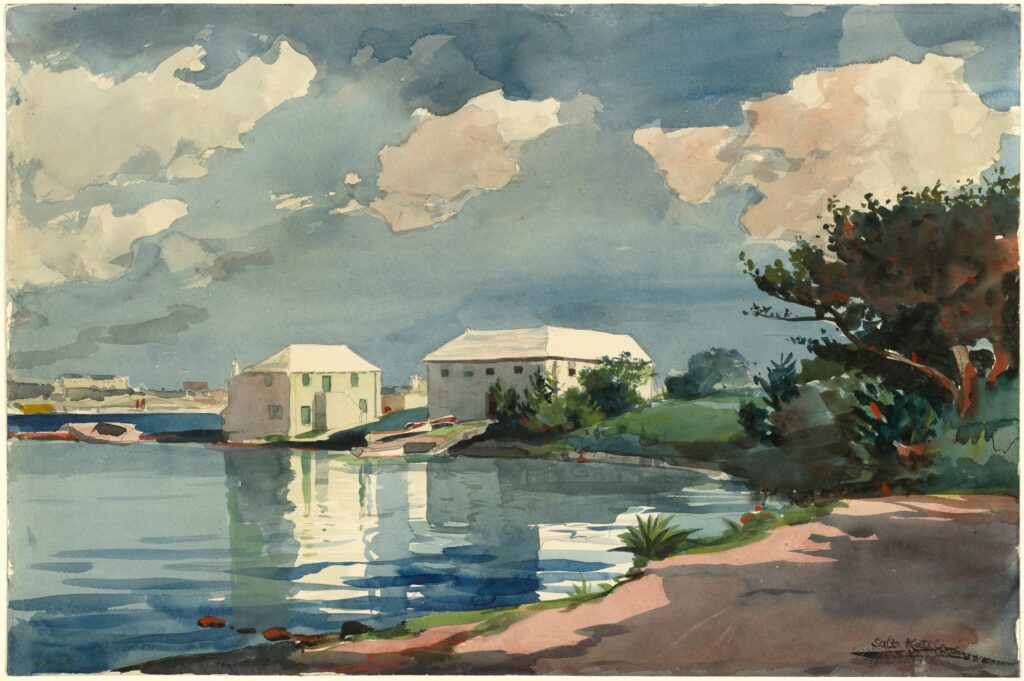
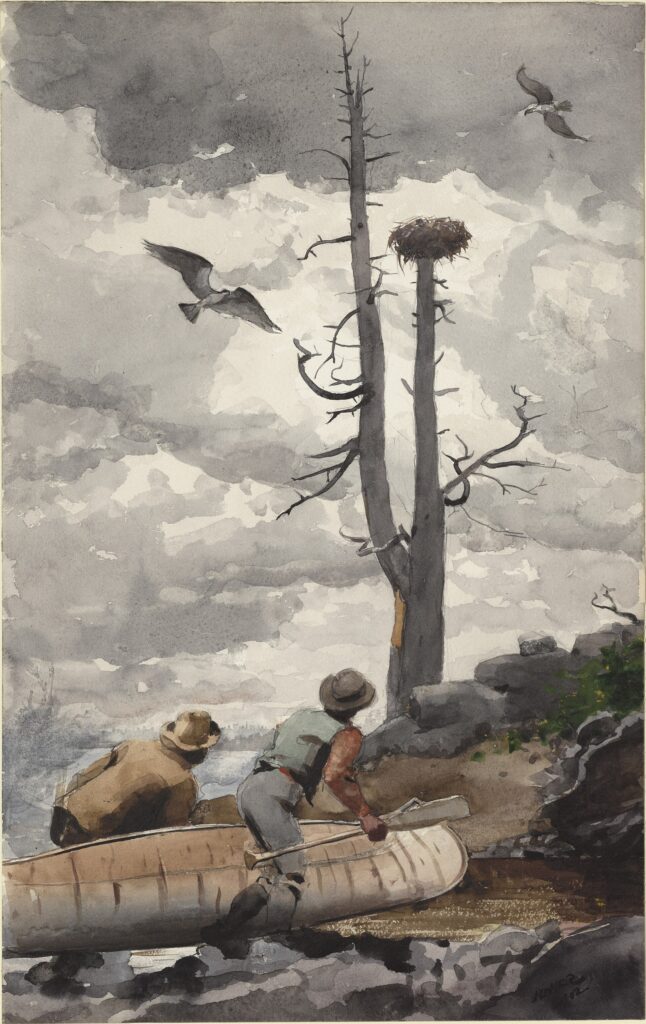
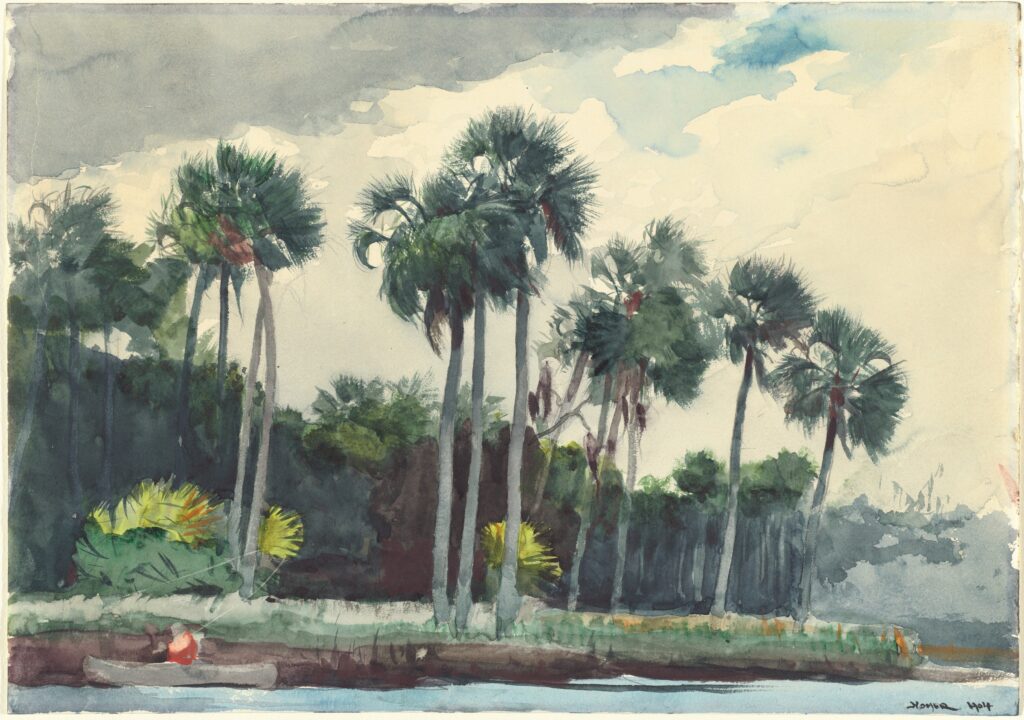
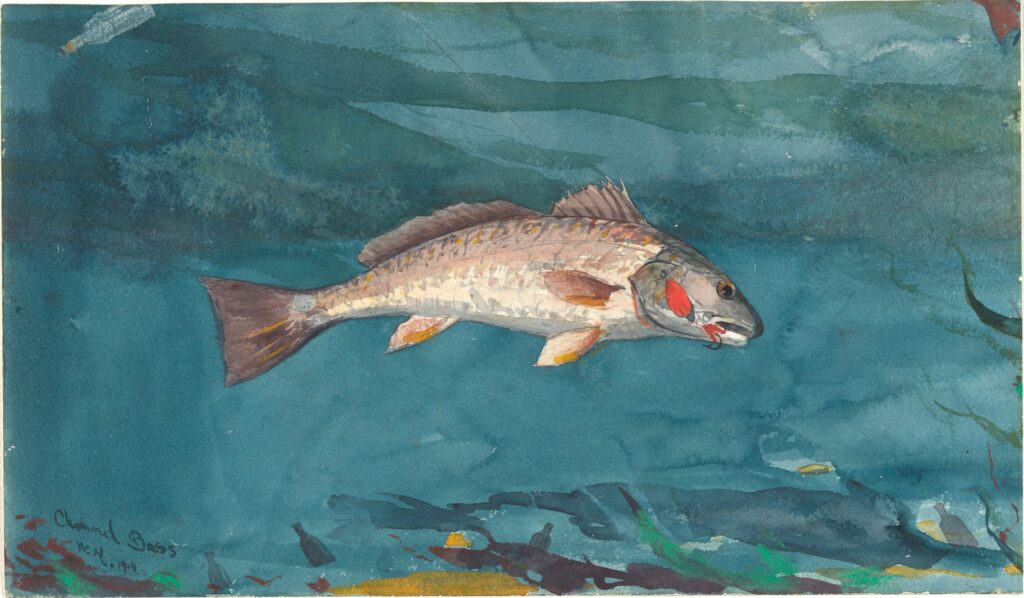
Winslow Homer
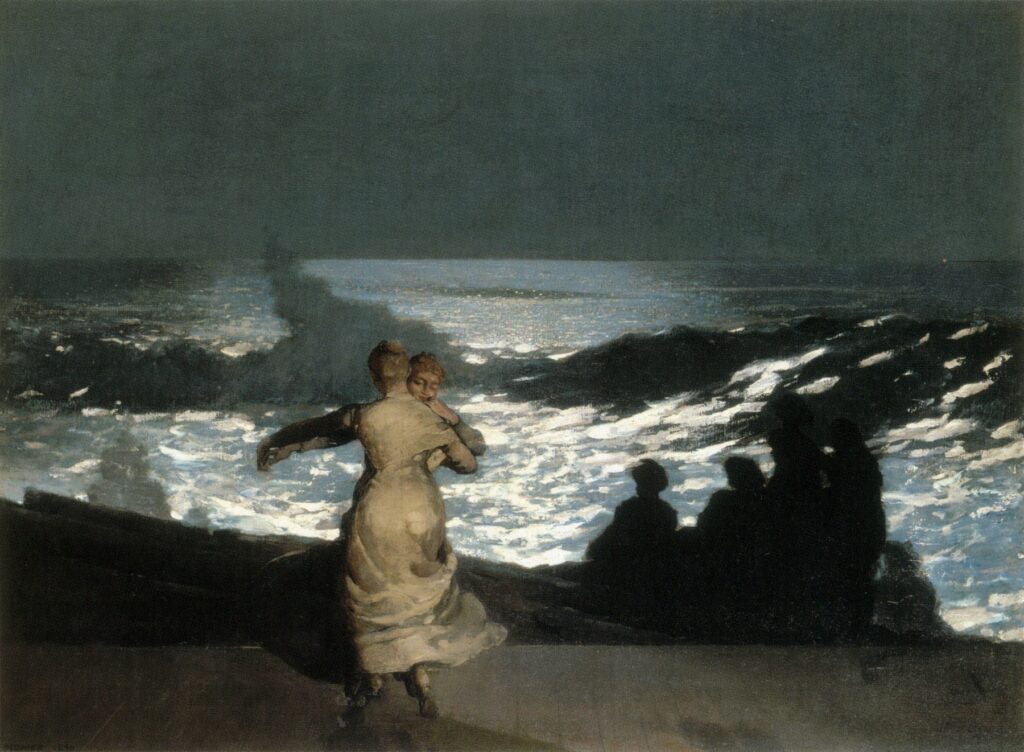
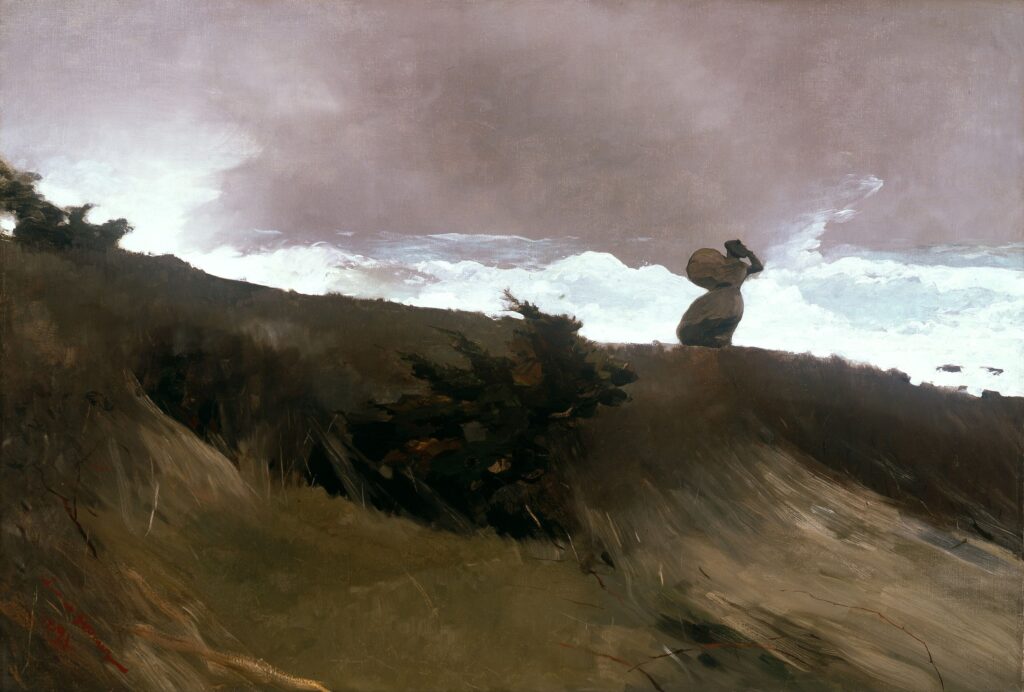
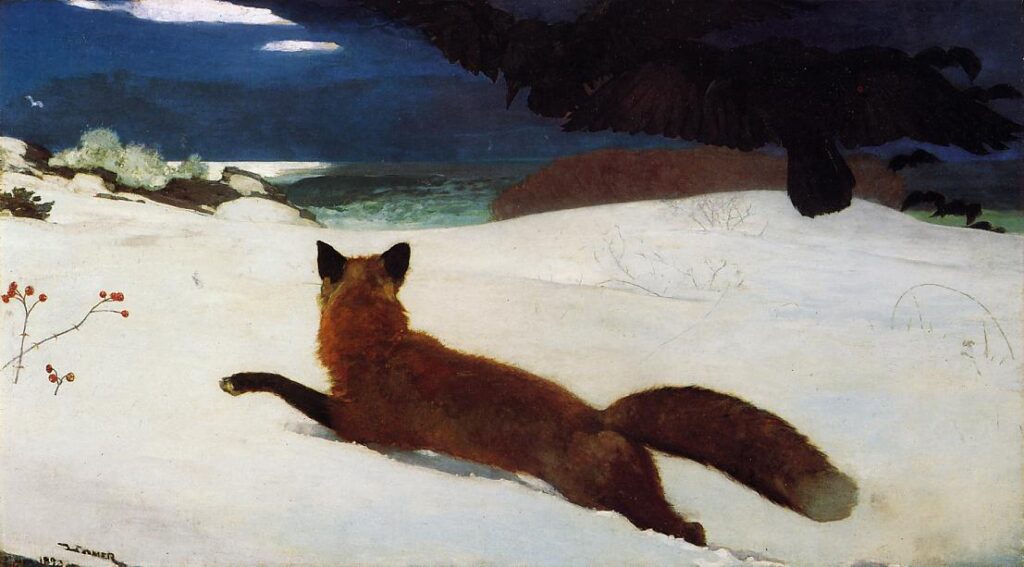
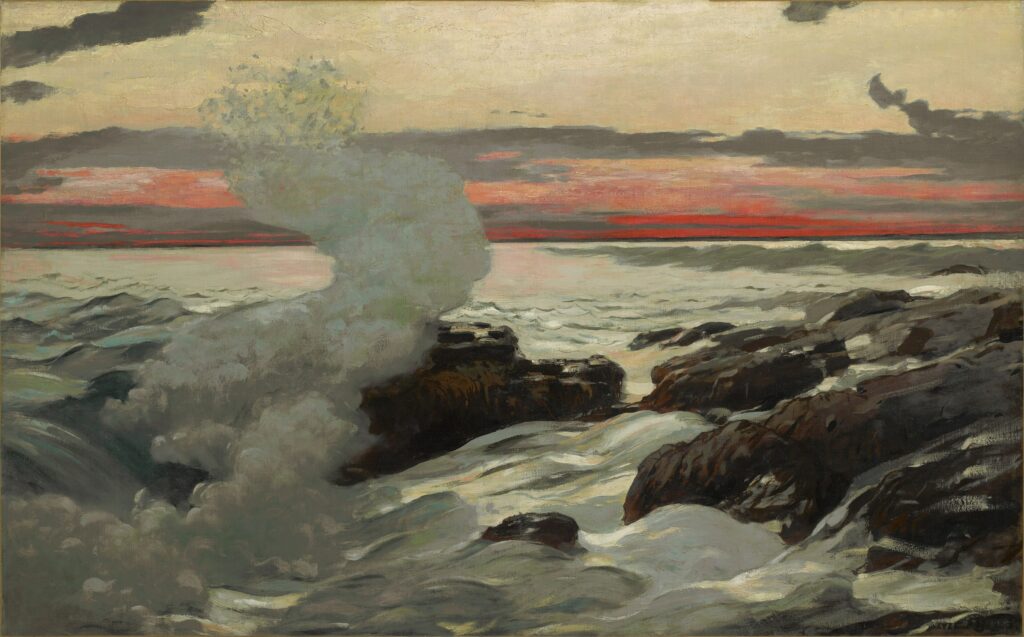
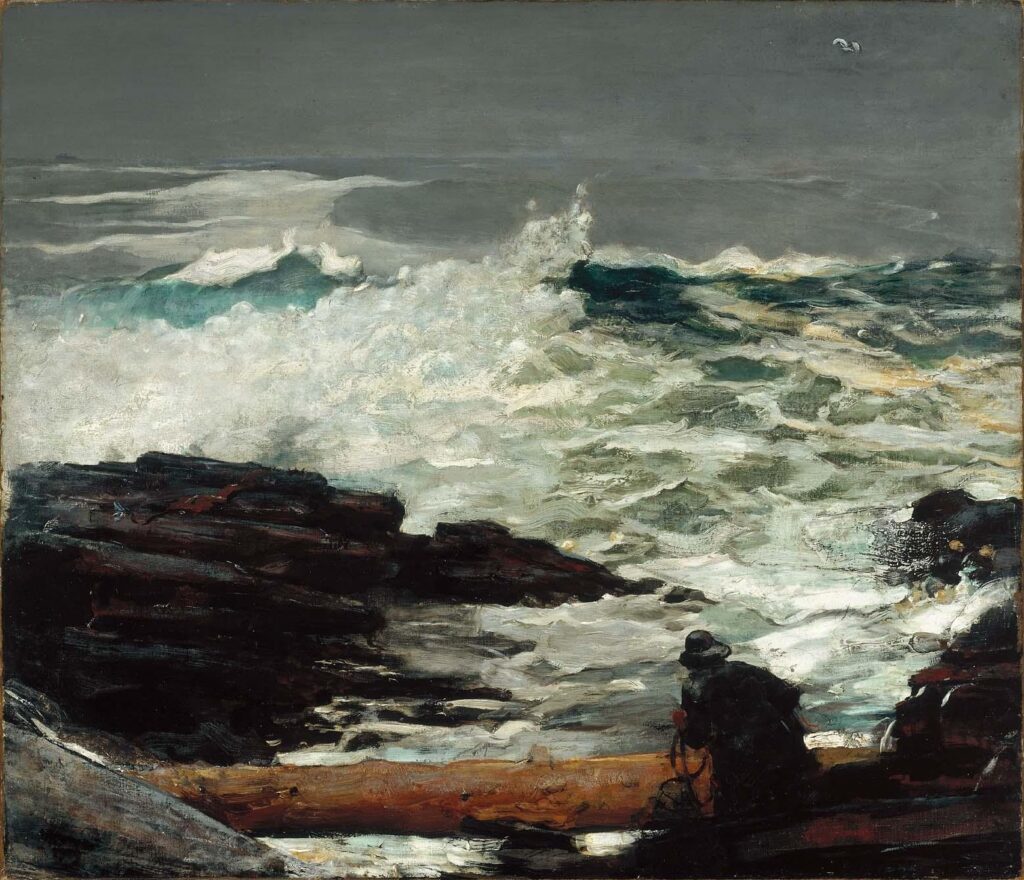
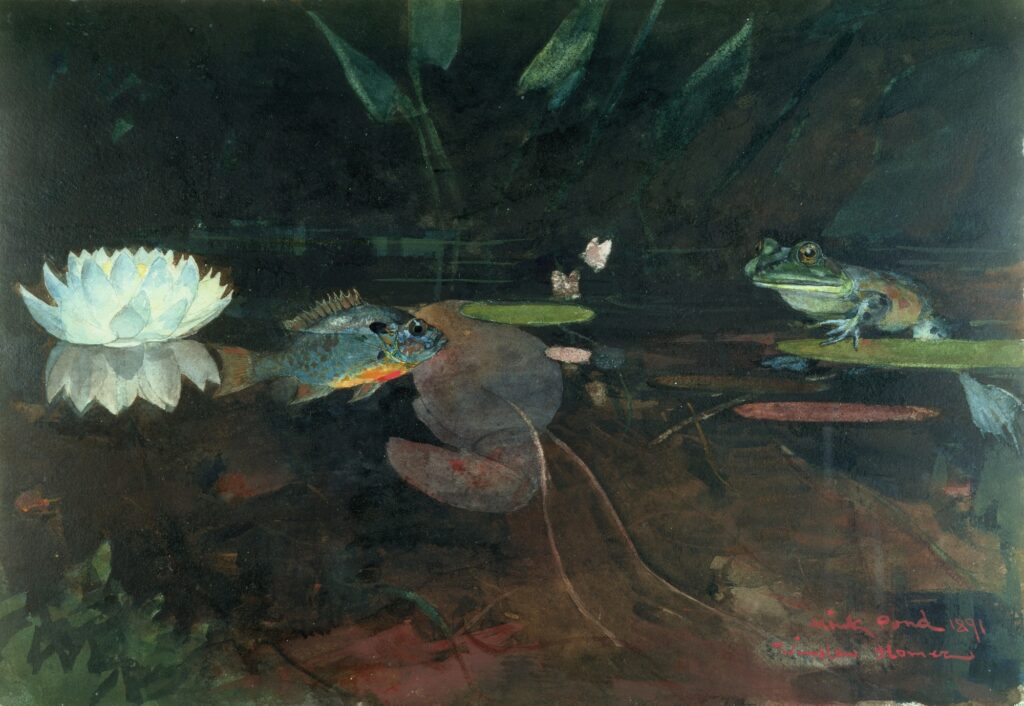
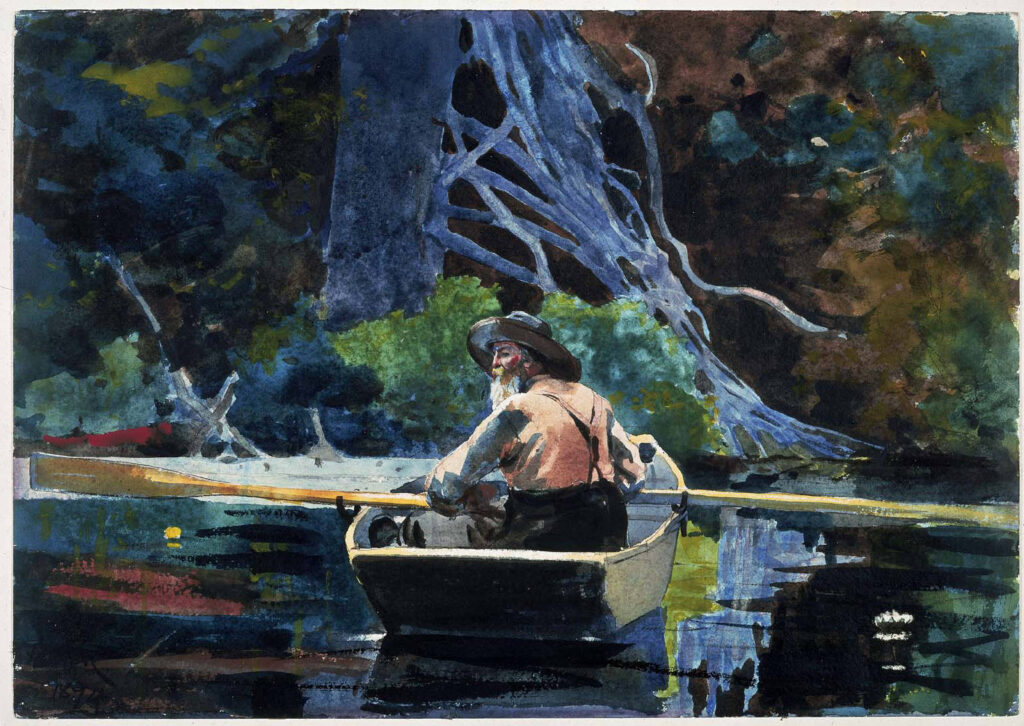
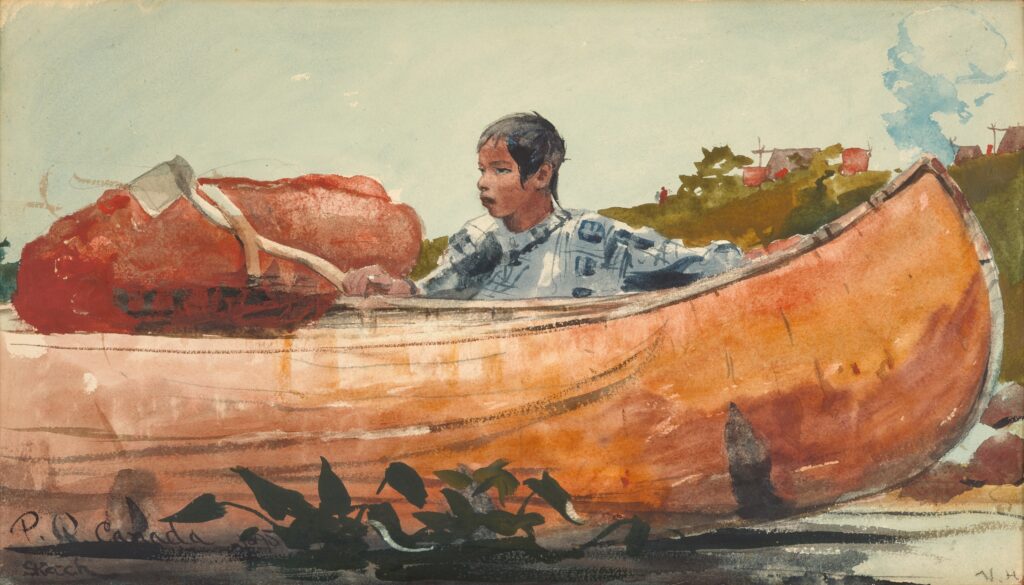
Winslow Homer, February 24, 1836–September 29, 1910, was an American painter, watercolorist, and illustrator born in Boston and raised in Cambridge, Massachusetts. He apprenticed with the lithographer John H. Bufford, later studied briefly at the National Academy of Design, and took painting lessons from Frédéric Rondel. He moved to New York in 1859 and worked as an illustrator for Harper’s Weekly, reporting on the Civil War.
Homer painted scenes of military life, rural communities, children, fishing, and the coast. He visited France in 1866–1867, began working extensively in watercolor in 1873, and ended his magazine illustration work in 1875. He lived in Cullercoats, England, in 1881–1882, where he depicted the local fishing community.
In 1883 Homer settled at Prouts Neck, Maine, continuing to make painting trips to the Adirondacks, Canada, Bermuda, Florida, and the Caribbean. He worked there until his death in 1910. His paintings and watercolors are held by the Metropolitan Museum of Art, National Gallery of Art, Museum of Fine Arts, Boston, and Clark Art Institute.
Elie Nadelman
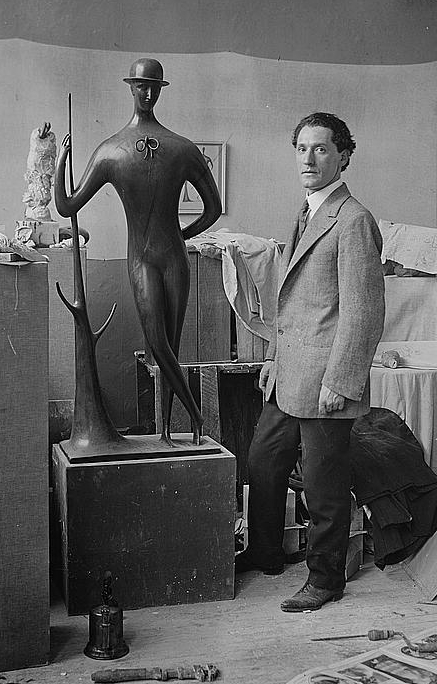
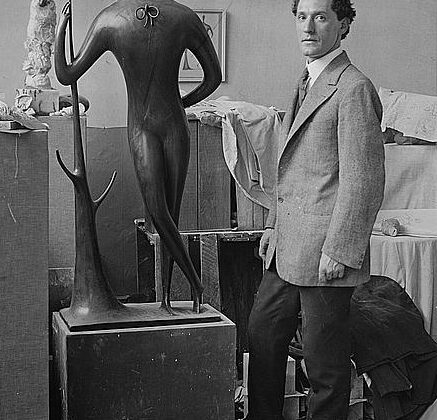
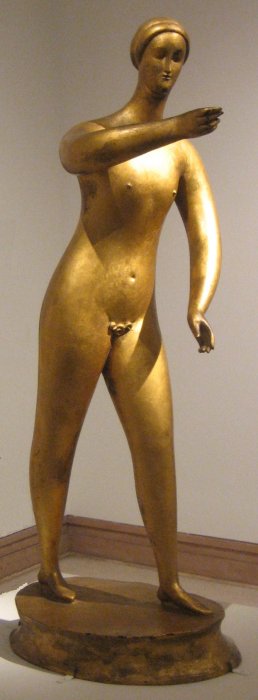
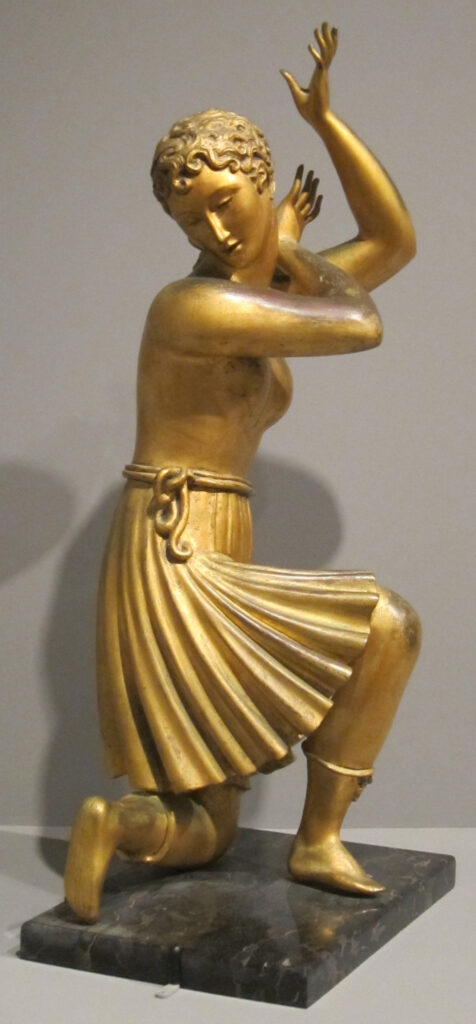
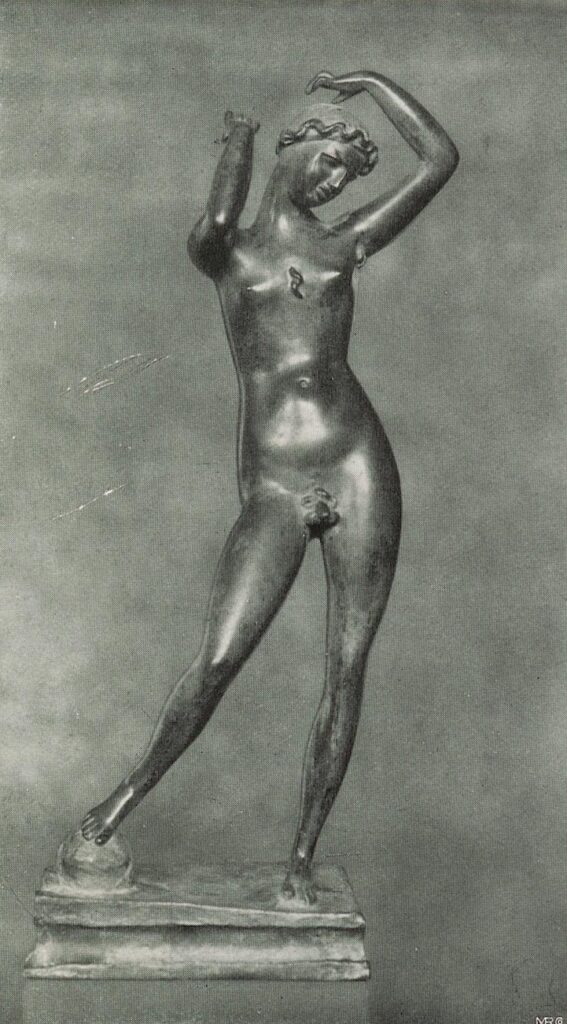
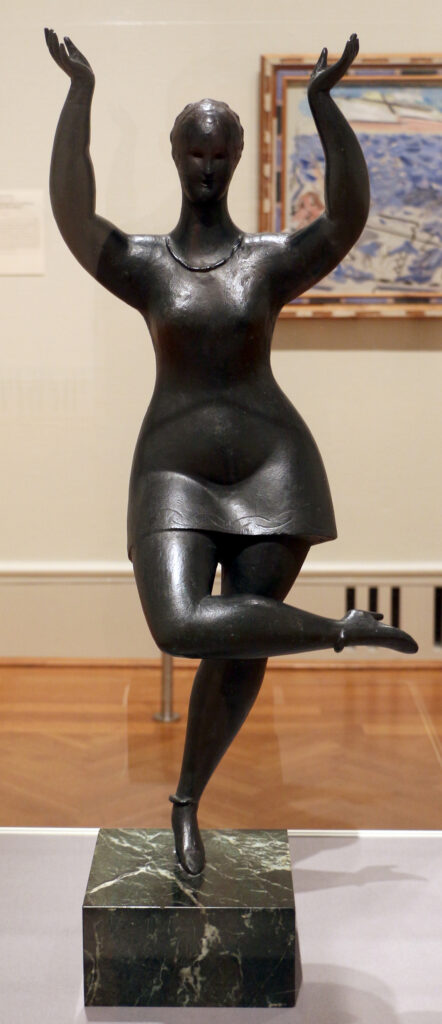
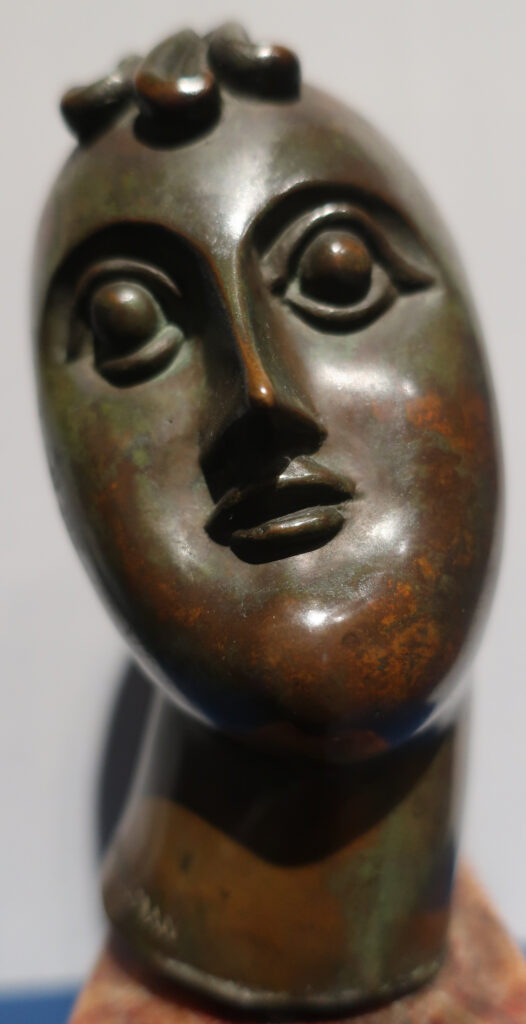
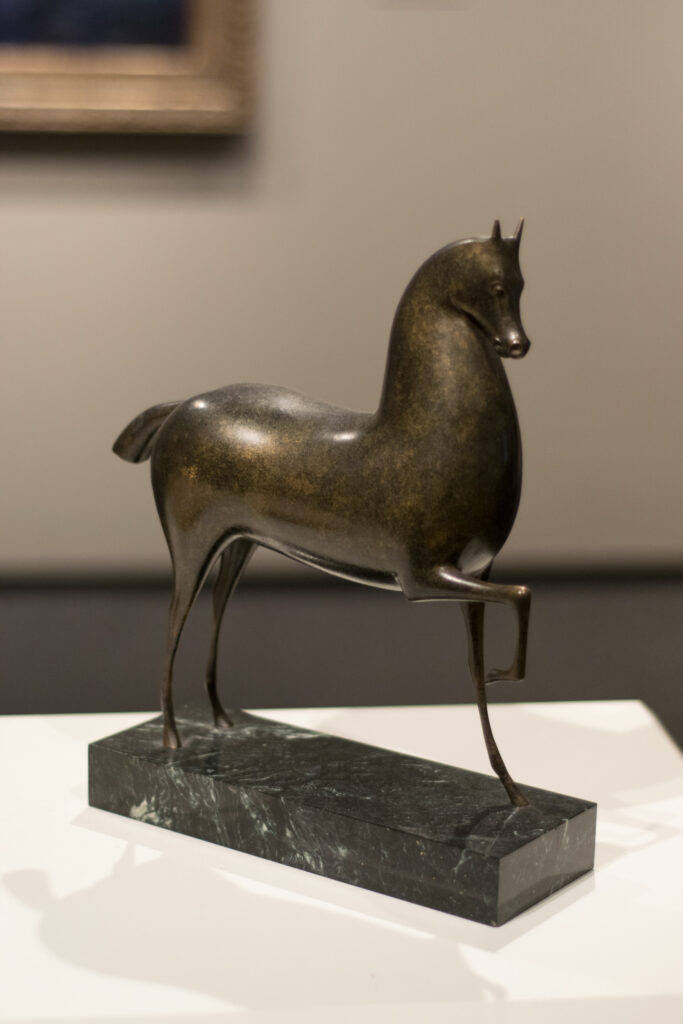
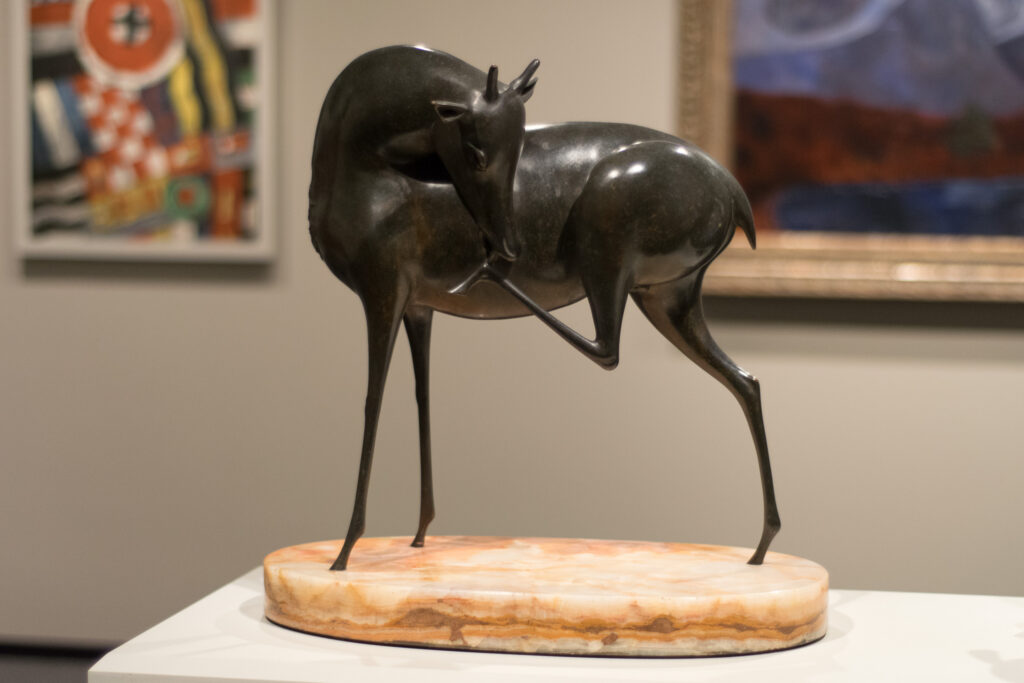
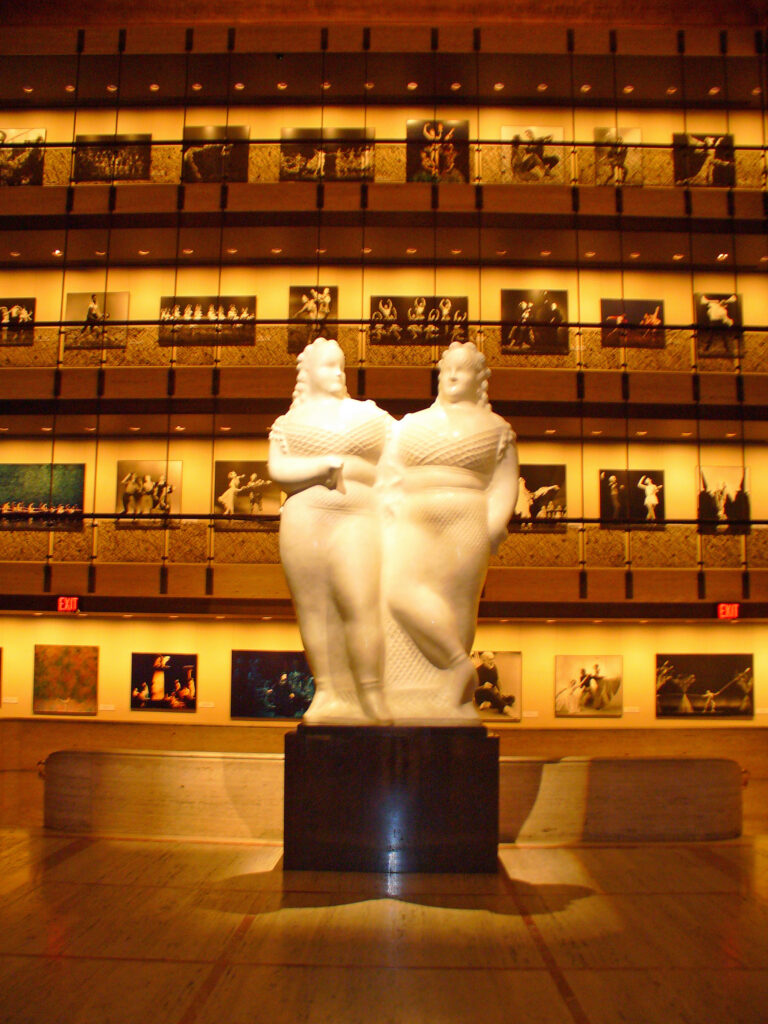
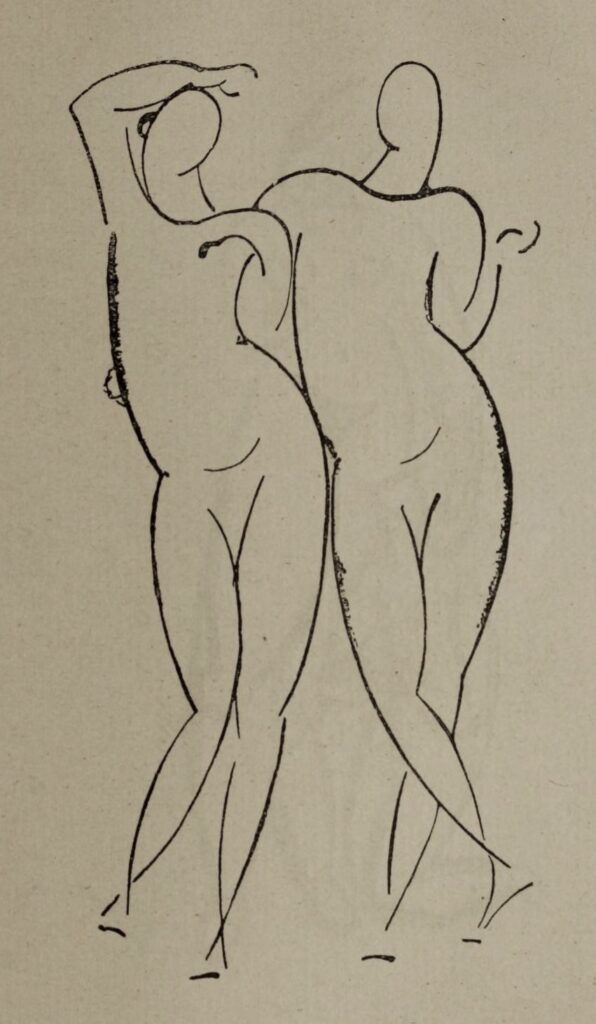
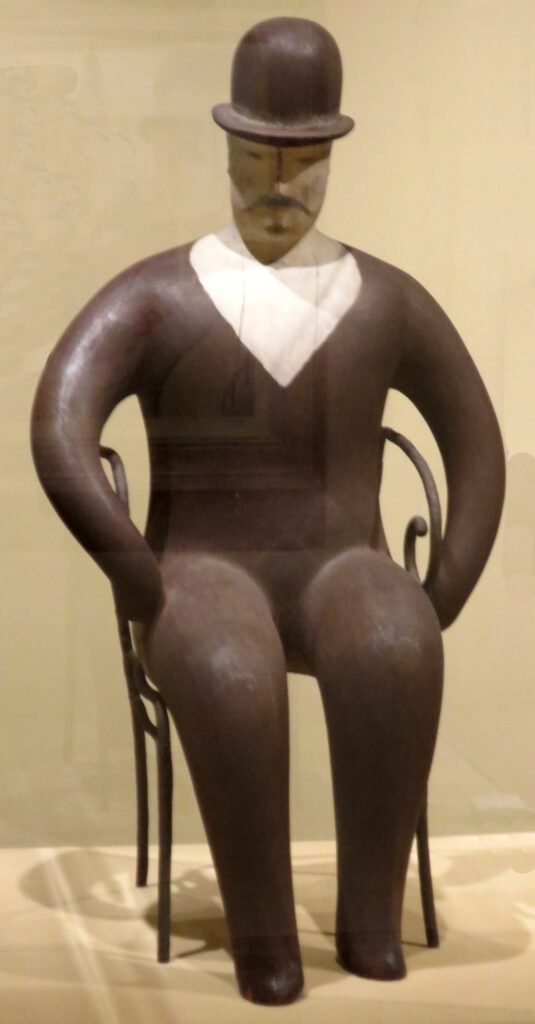
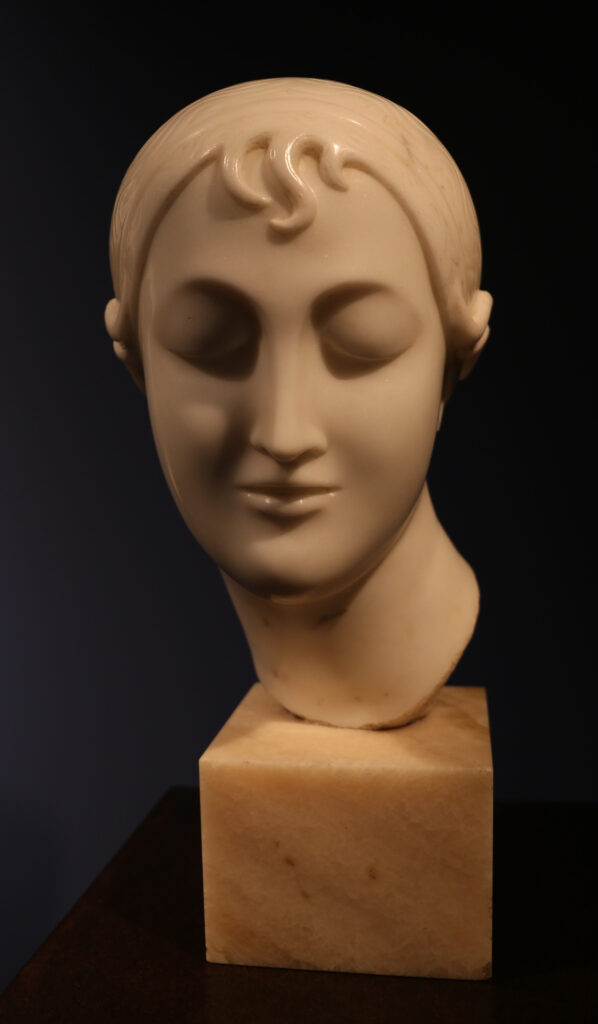
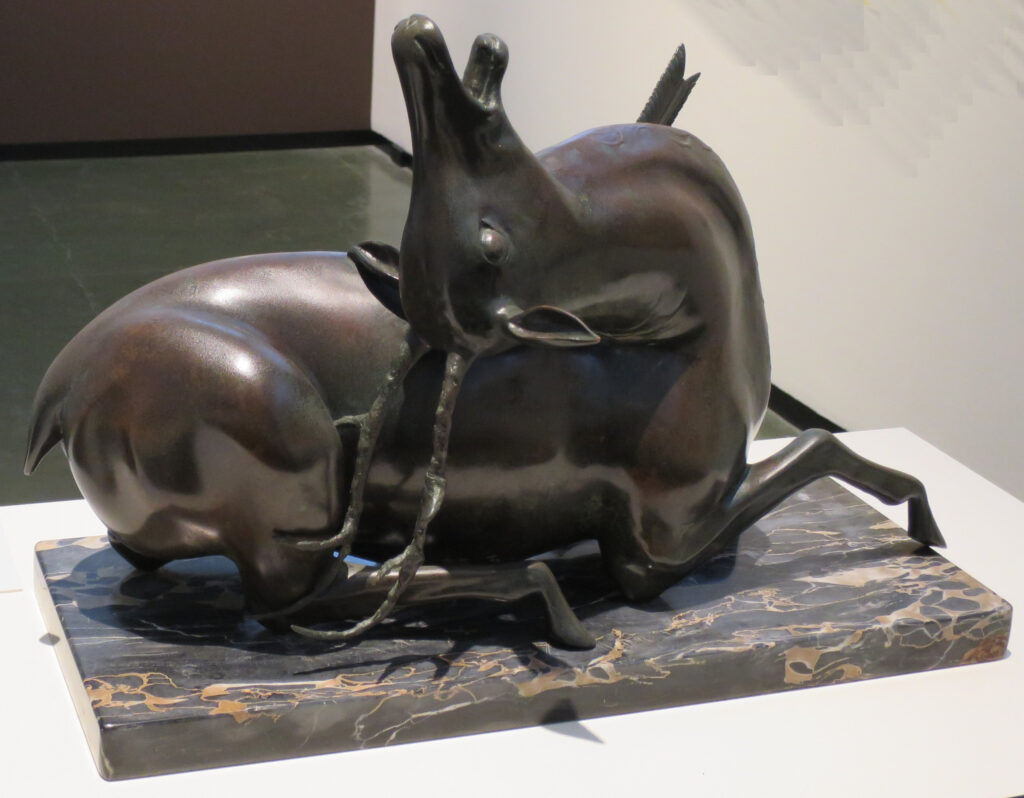
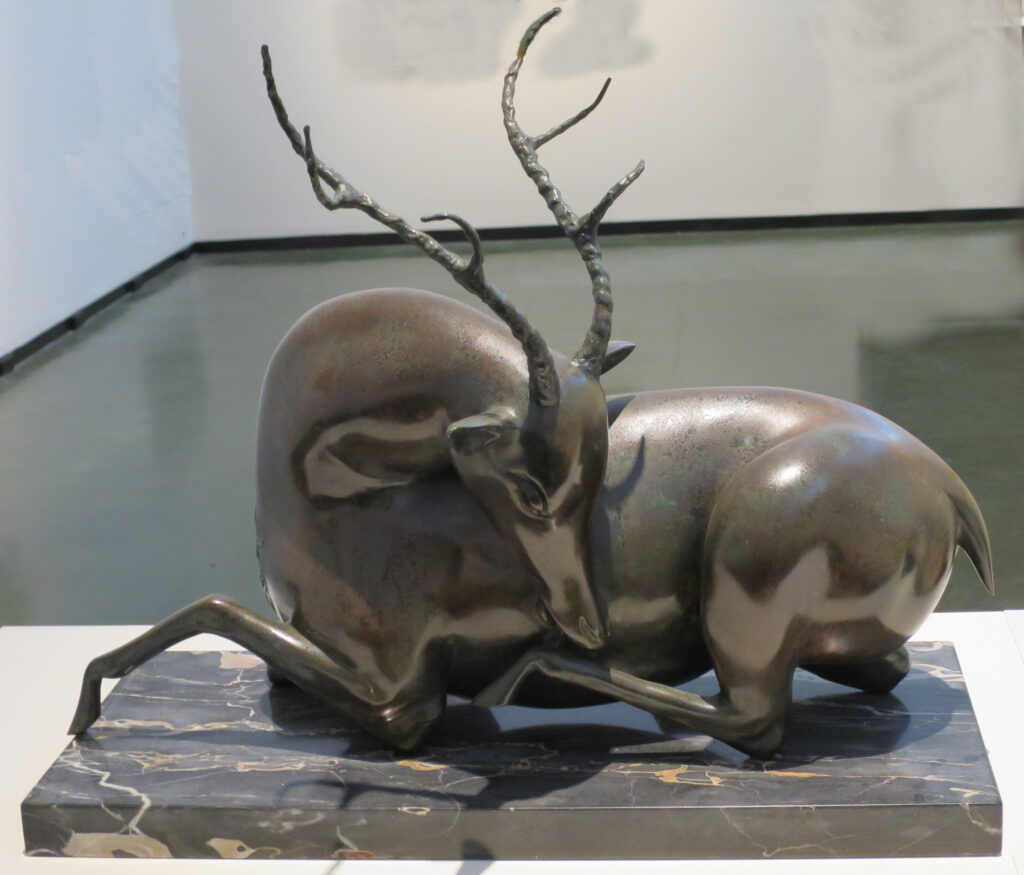
Elie Nadelman, February 20, 1882–December 28, 1946, was a Polish-American sculptor, draughtsman, and collector born in Warsaw. He studied briefly in Warsaw and continued his artistic development in Munich.
He lived in Paris from 1904 to 1914 and held his first solo exhibition at Galerie Druet in 1909. He immigrated to the United States in 1914 and exhibited at Alfred Stieglitz’s 291 gallery in 1915.
His work is held by the Metropolitan Museum of Art, the National Gallery of Art, the Art Institute of Chicago, the Museum of Modern Art, and the Whitney Museum of American Art.
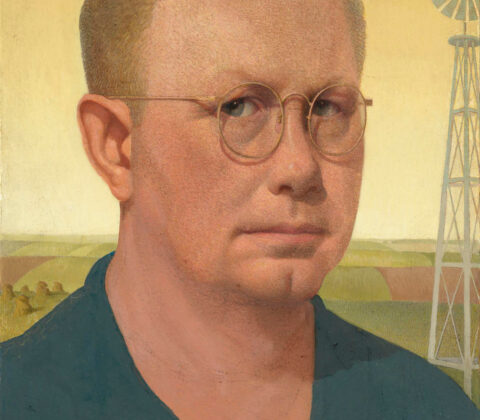
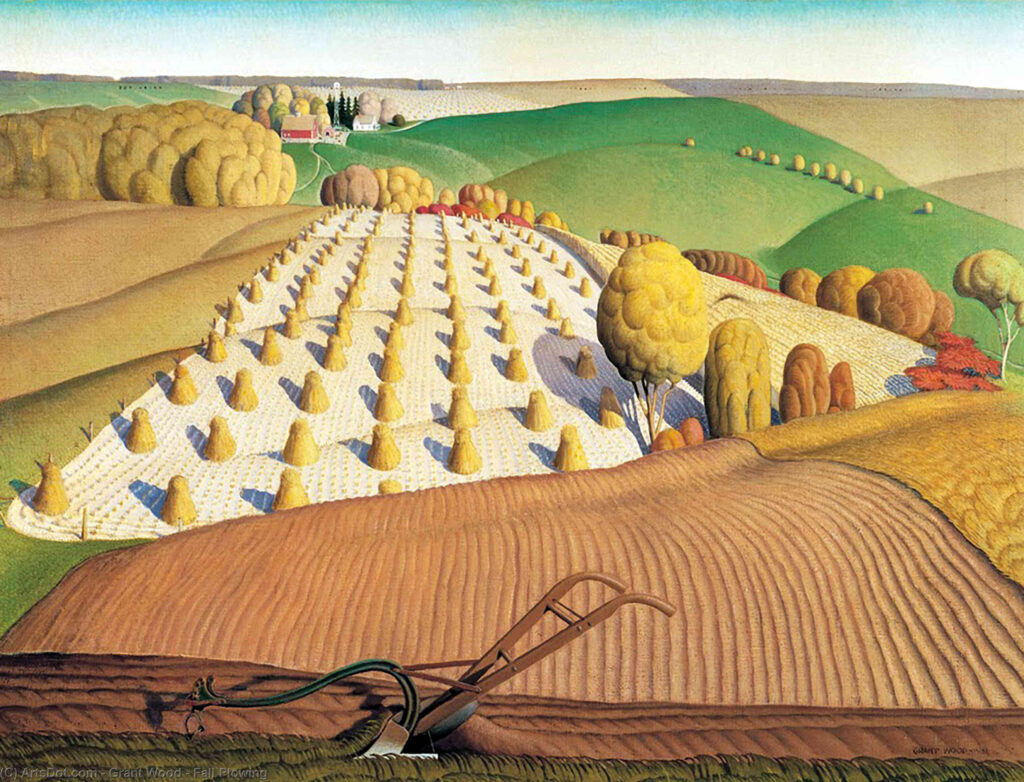
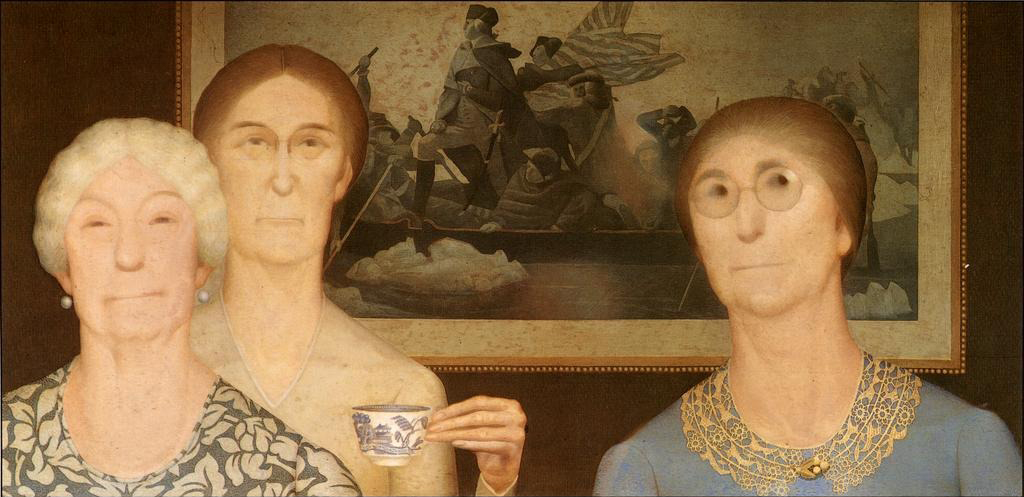
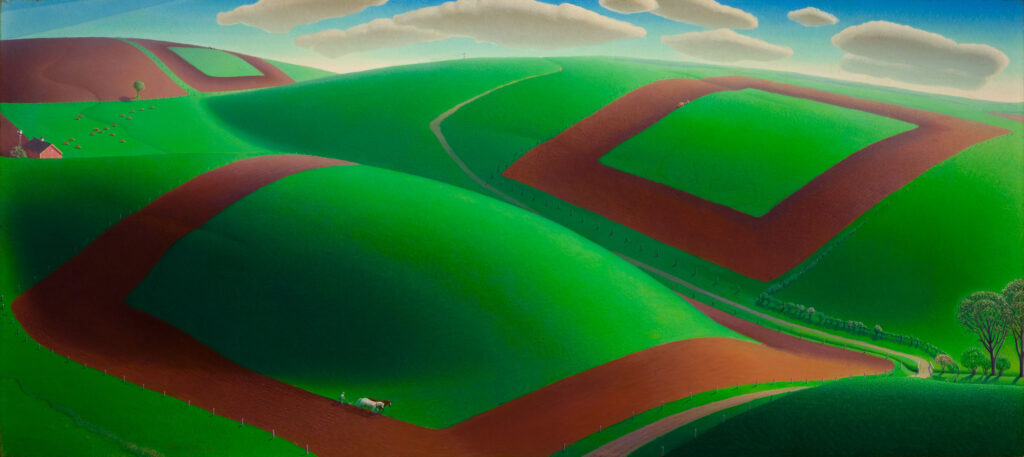
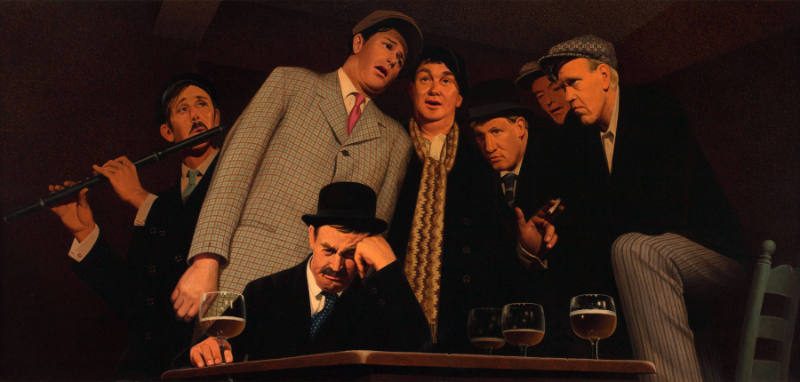
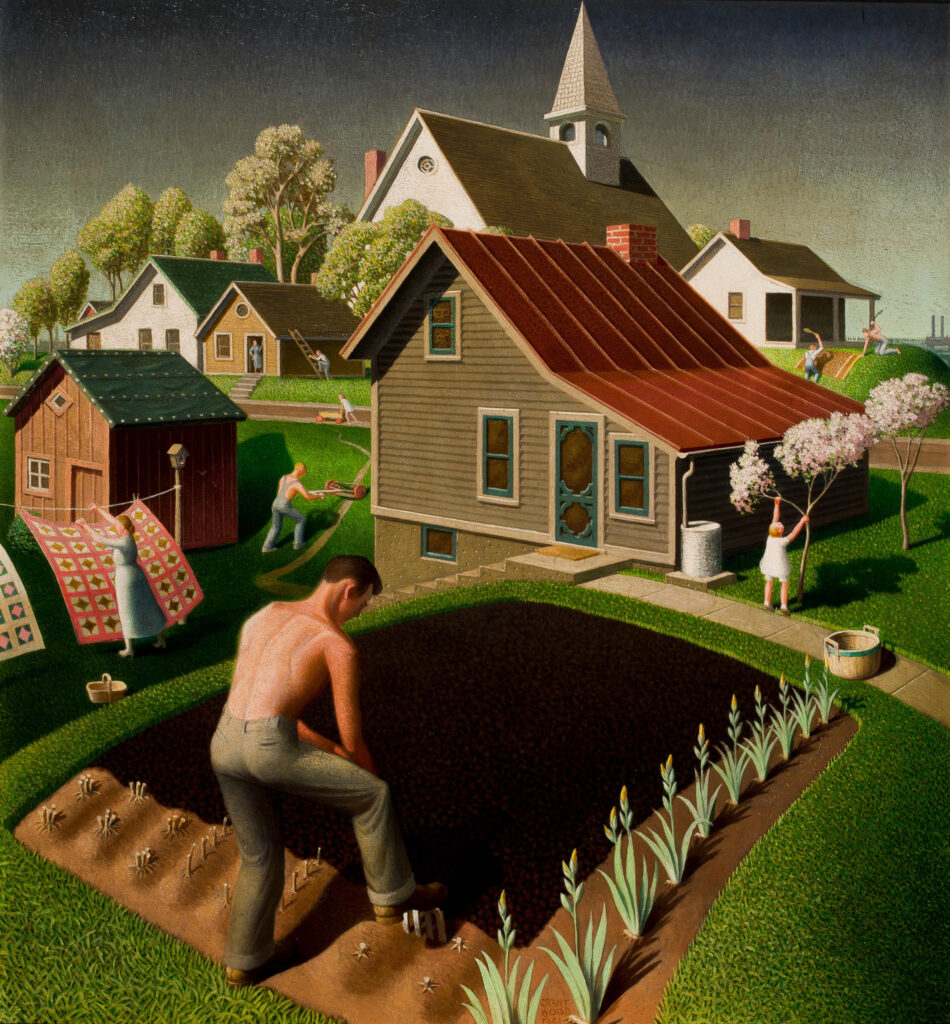
Grant Wood
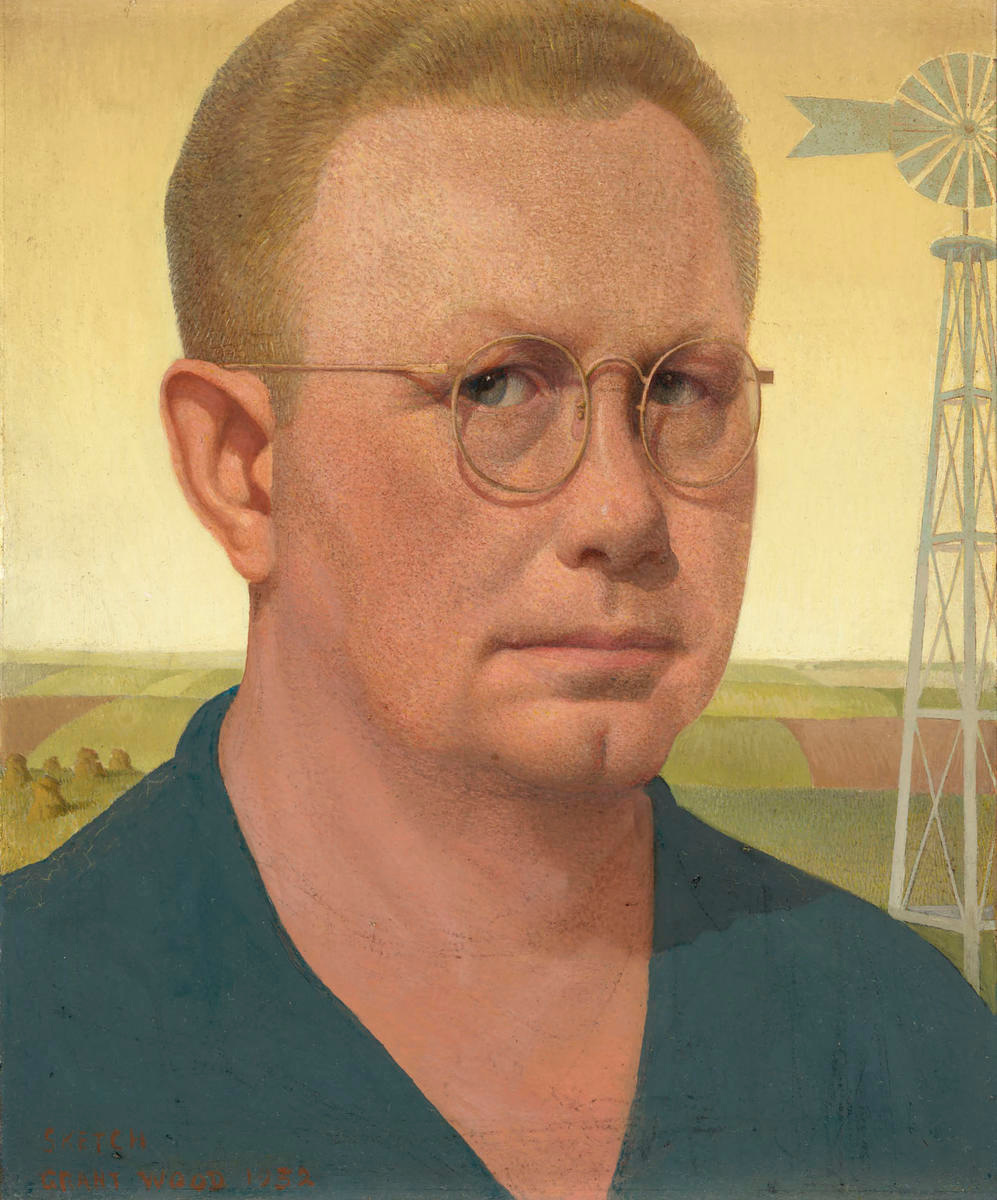
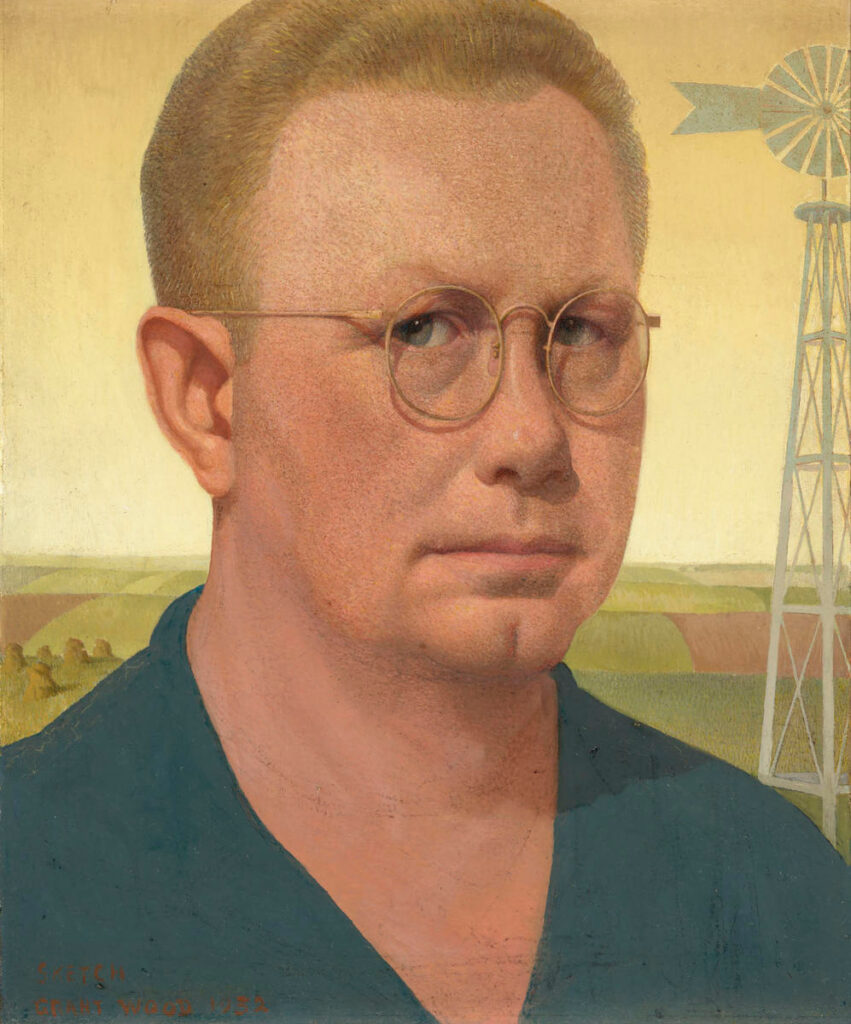
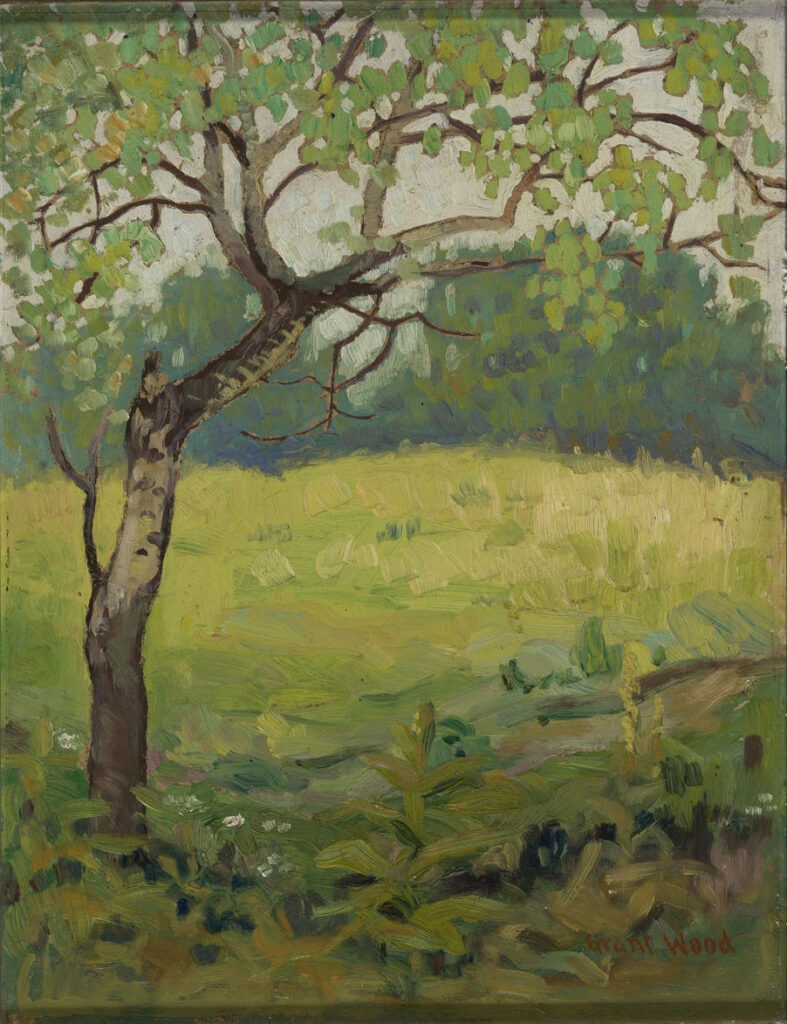
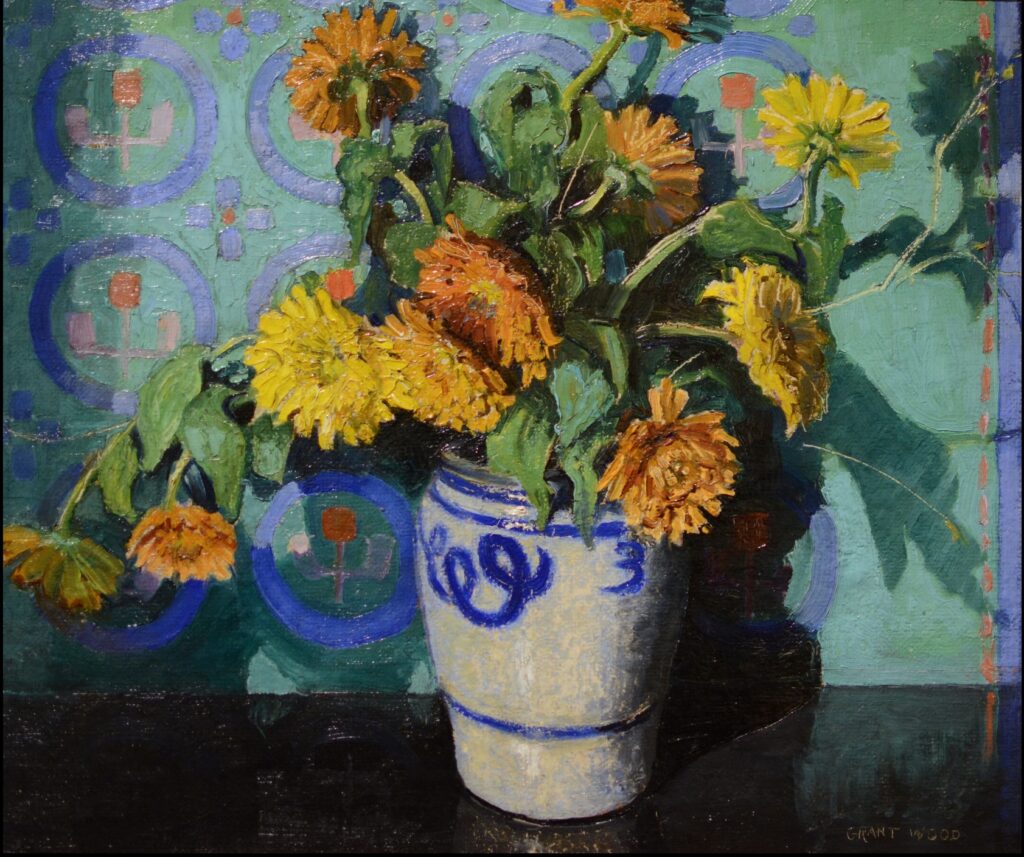
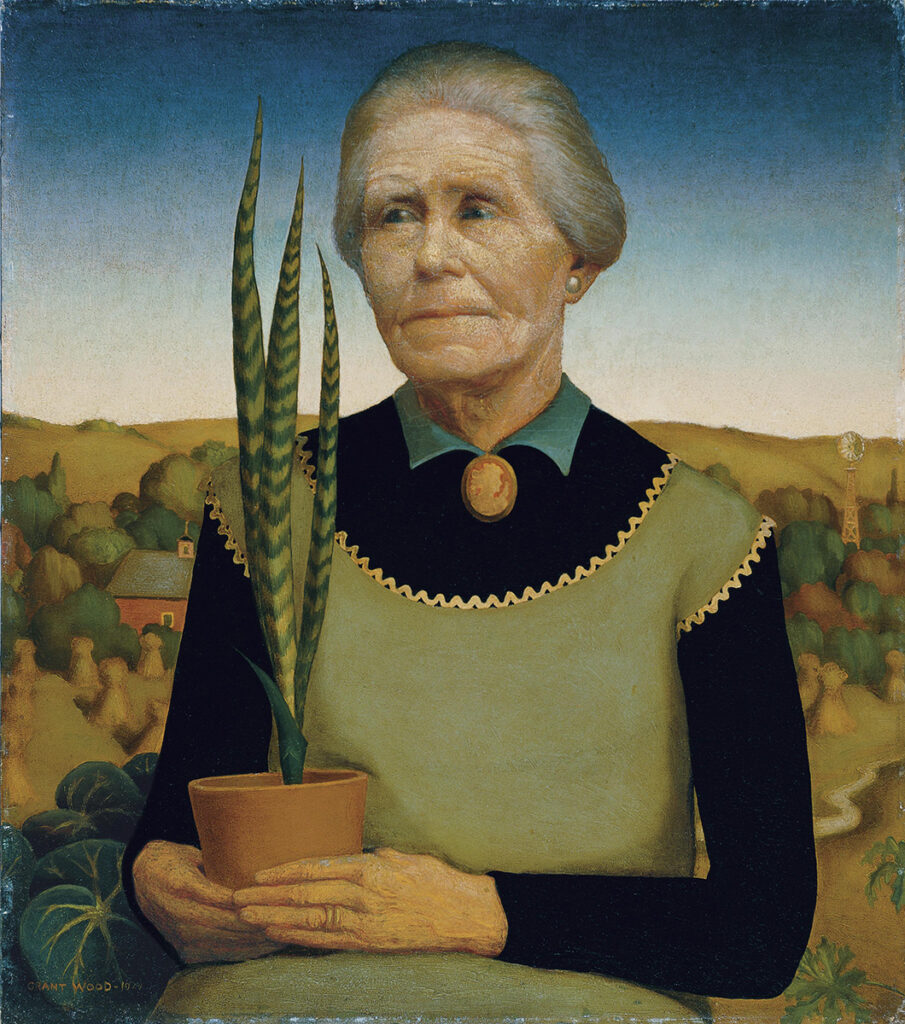
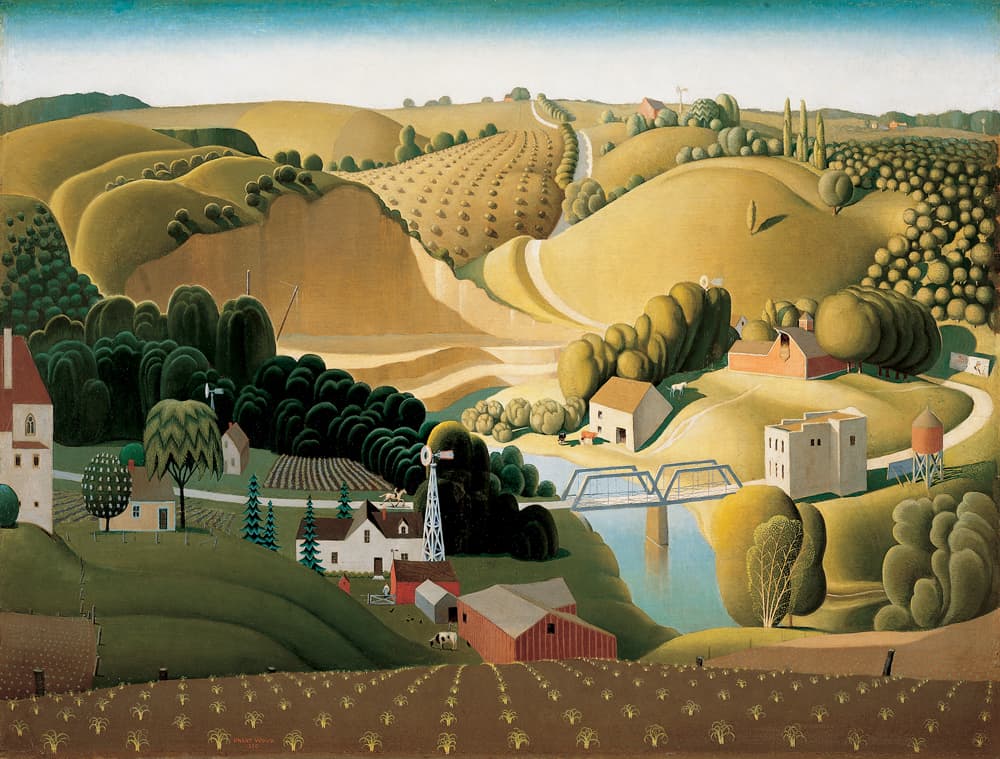
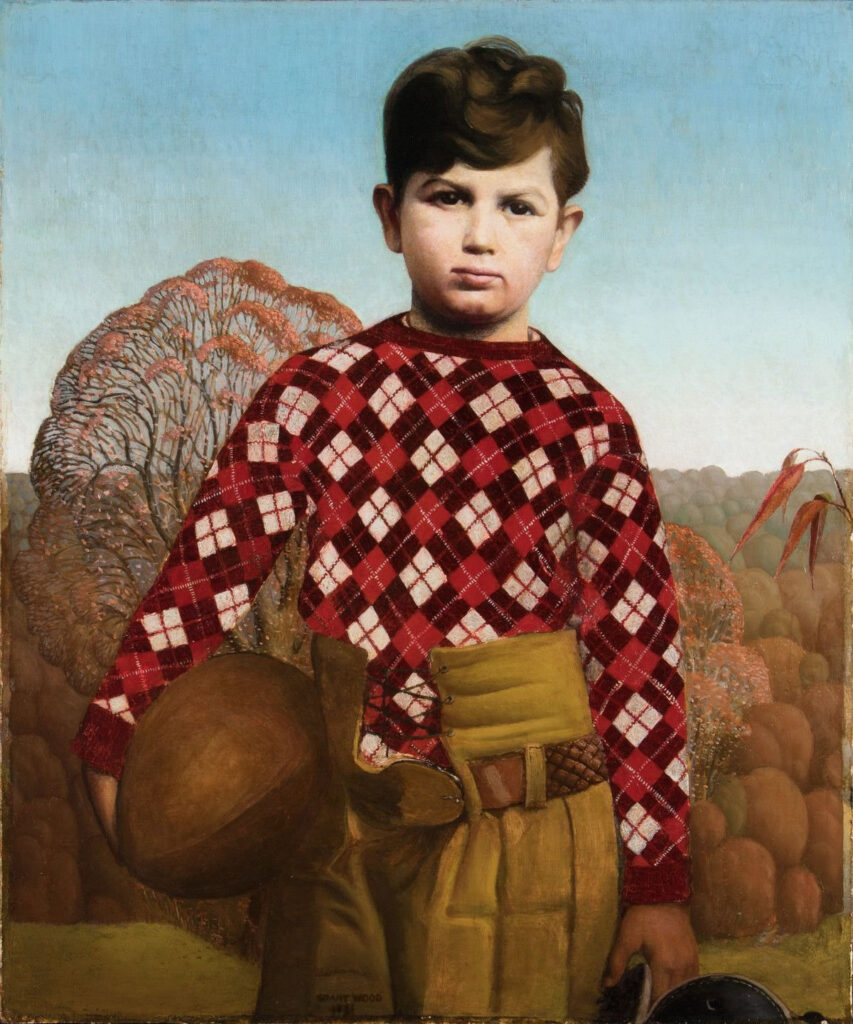
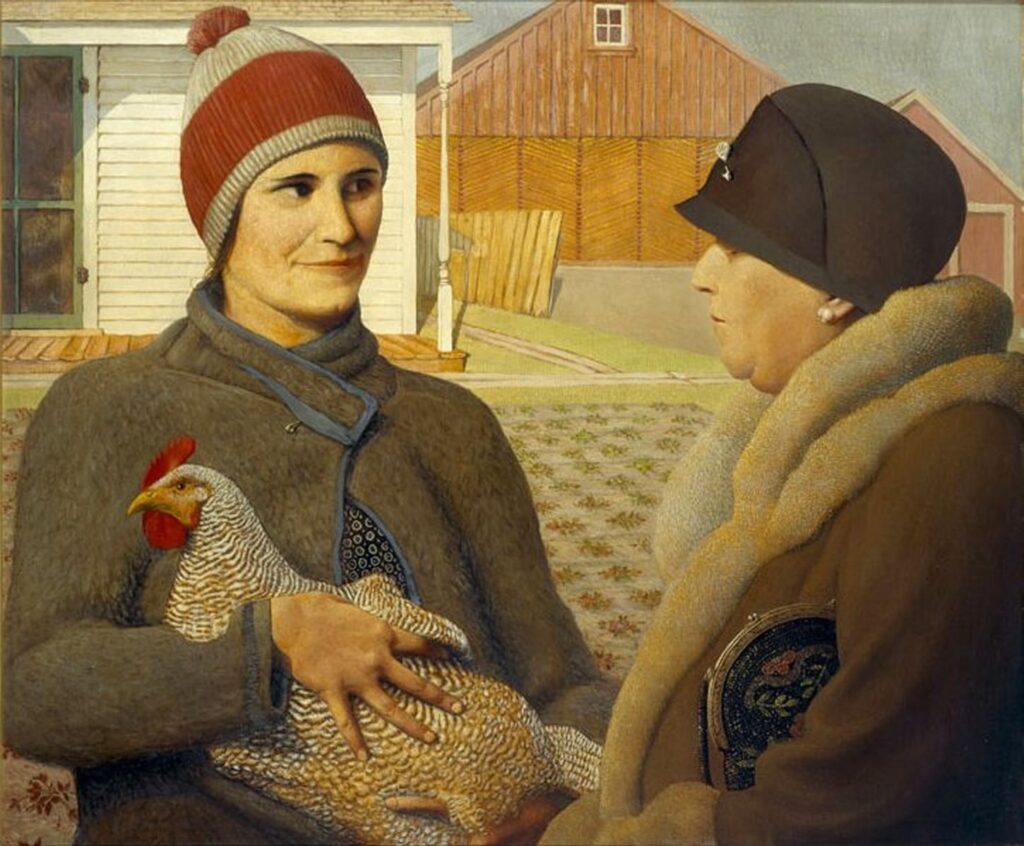
Grant Wood, February 13, 1891–February 12, 1942, was an American painter born near Anamosa, Iowa. He studied with Ernest A. Batchelder at the Minneapolis School of Design, Handicraft, and Normal Art, took life-drawing classes with Charles Cumming at the University of Iowa, and attended the School of the Art Institute of Chicago and the Académie Julian in Paris.
Wood was associated with American Regionalism alongside Thomas Hart Benton and John Steuart Curry. With his friend and fellow painter Marvin Cone, he established the Stone City Art Colony in Iowa in 1932. He taught at the University of Iowa from 1934 until his death in 1942.
His work is held by the Cedar Rapids Museum of Art and the Figge Art Museum in Iowa, the Art Institute of Chicago, the Whitney Museum of American Art in New York, and the National Gallery of Art in Washington, D.C.
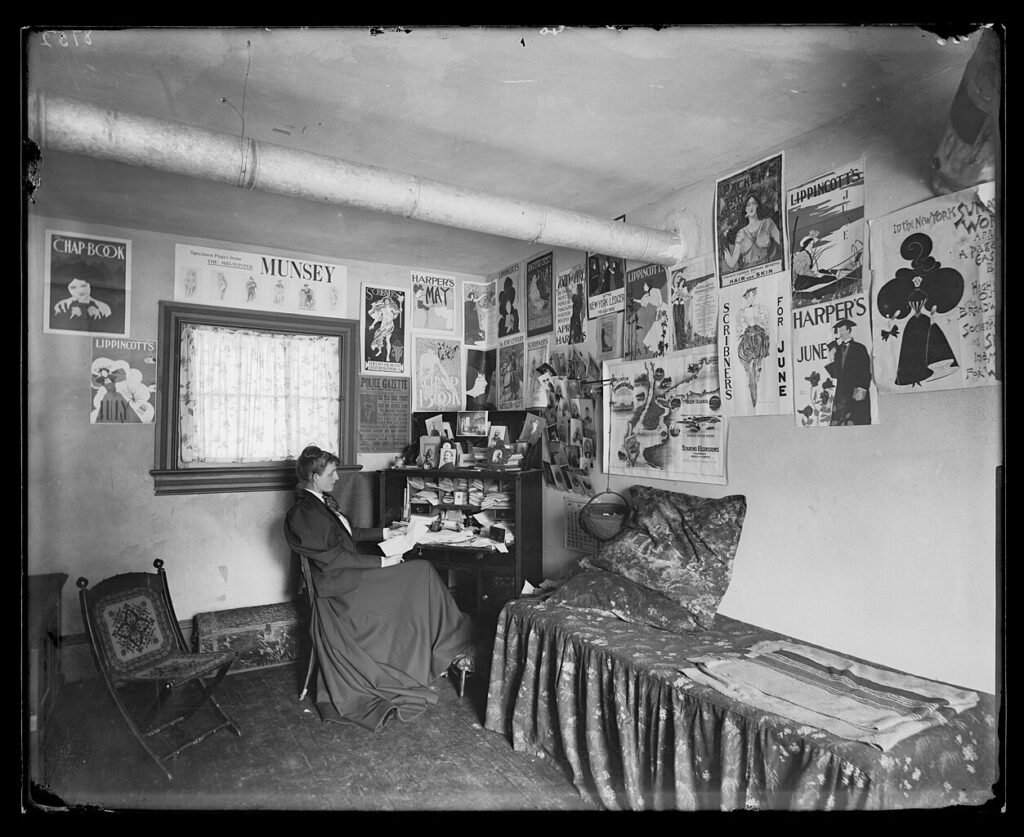
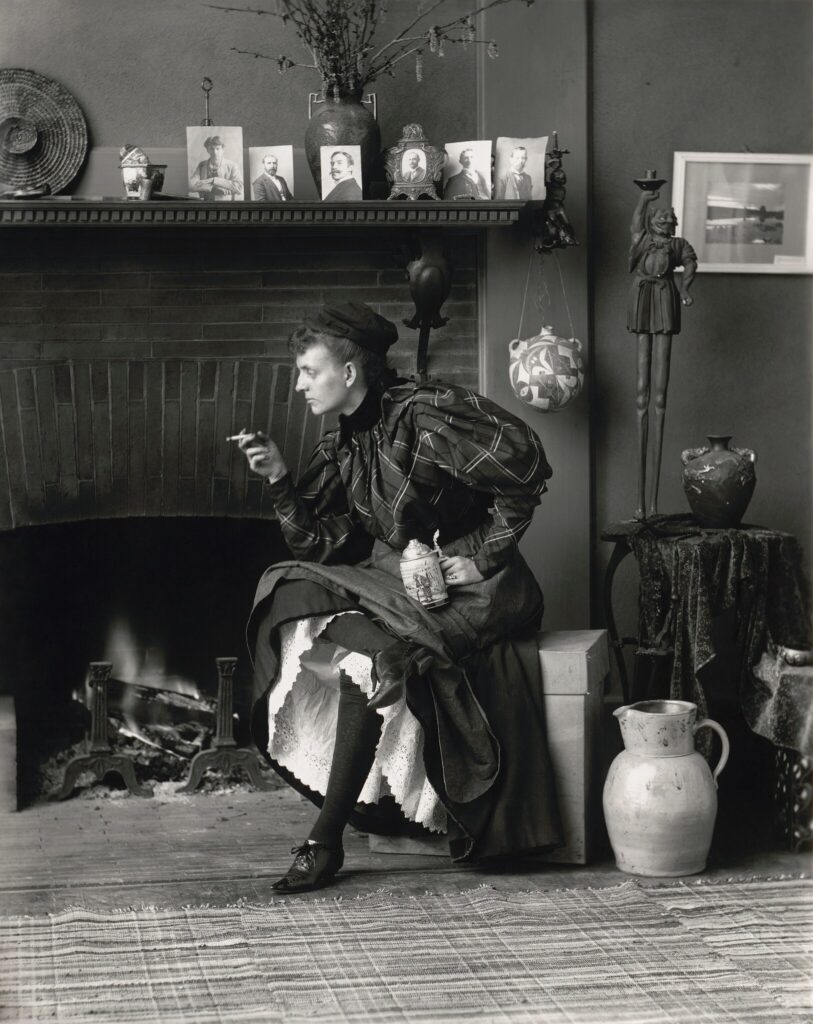
Frances Benjamin Johnston
Frances Benjamin Johnston, January 15, 1864–May 16, 1952, was an American photographer. Born in Grafton, West Virginia, and raised in Washington DC, she studied art in Paris and Washington before learning photography and opening a Washington studio in the 1890s.
Johnston built a career as a portraitist and photojournalist, photographing political and cultural figures as well as the White House. Her work also documented education at Hampton and Tuskegee Institutes, and in 1900 she organized an exhibition of photographs by American women for the Paris Exposition.
In later decades Johnston specialized in gardens and historic architecture across the American South. She settled in New Orleans in 1940 and died there in 1952; major holdings of her work are preserved by the Library of Congress.


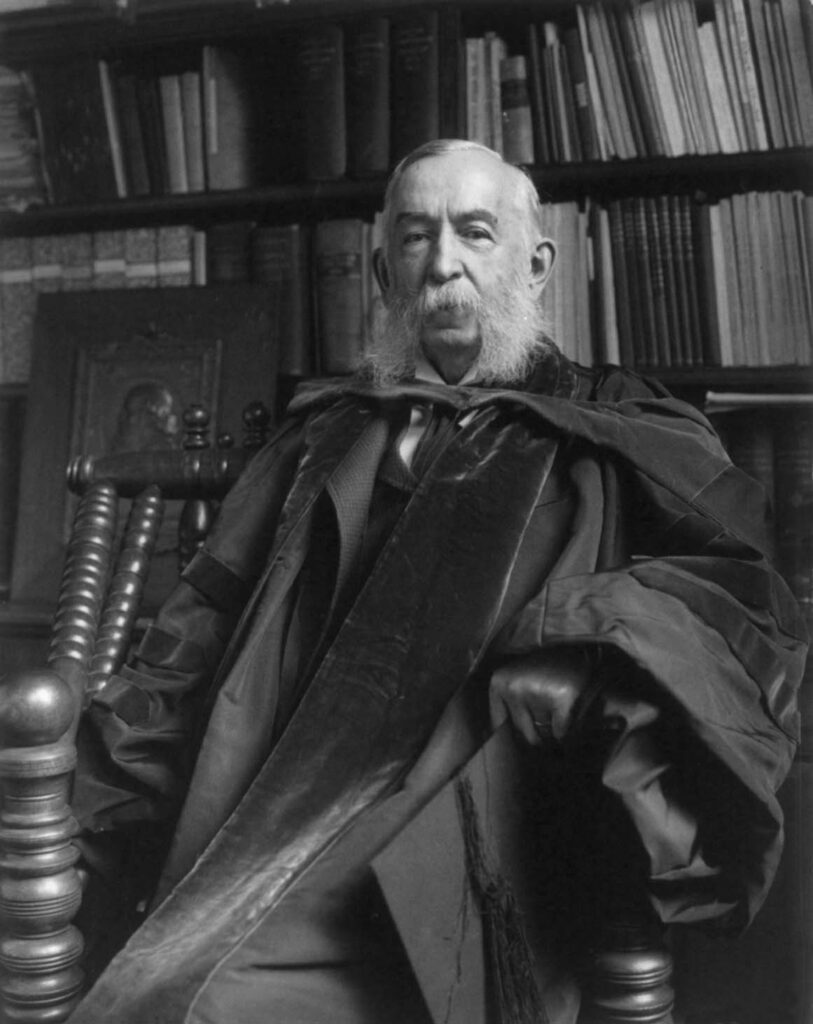


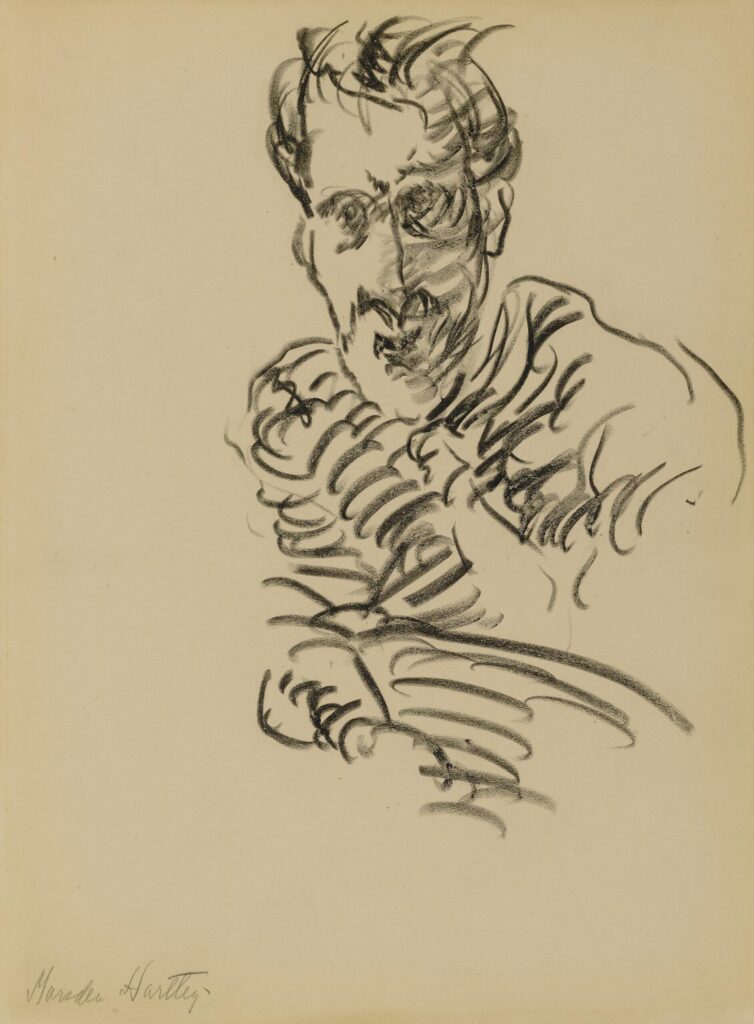
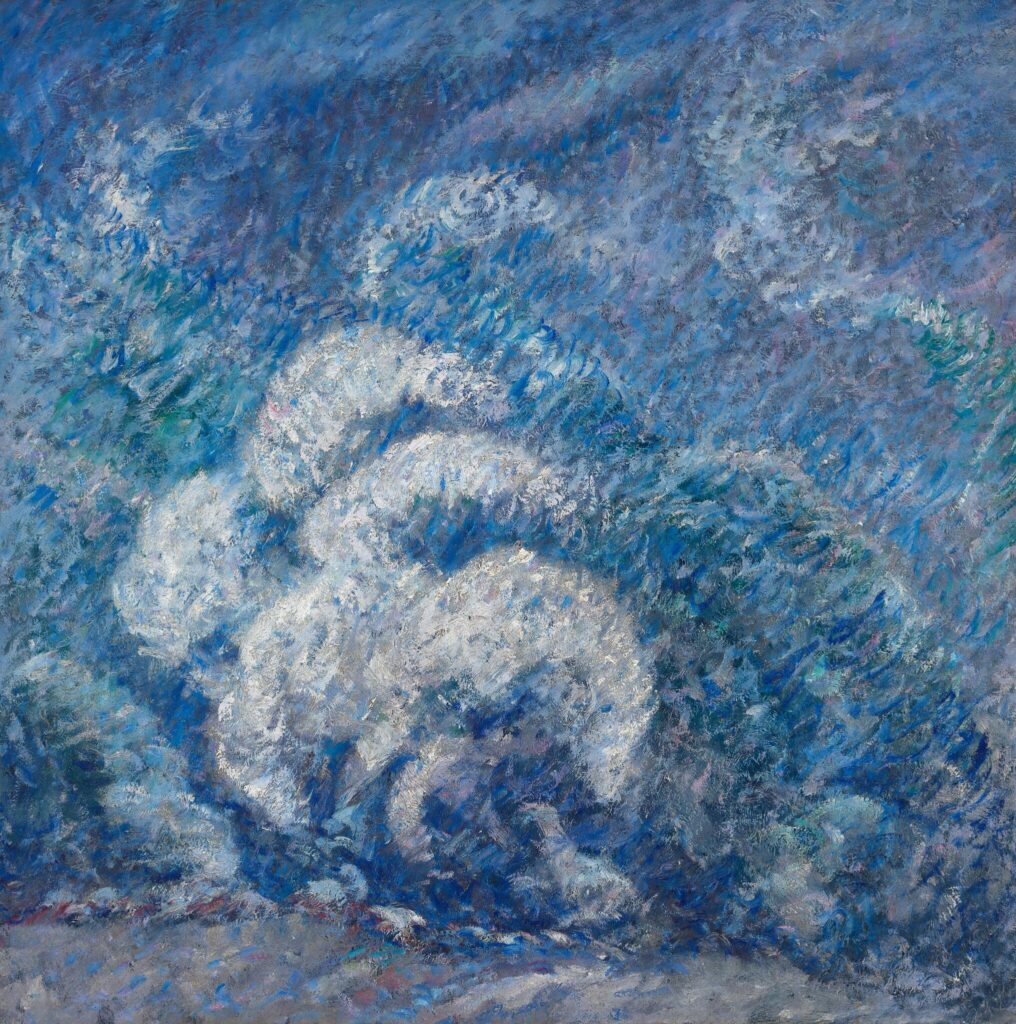
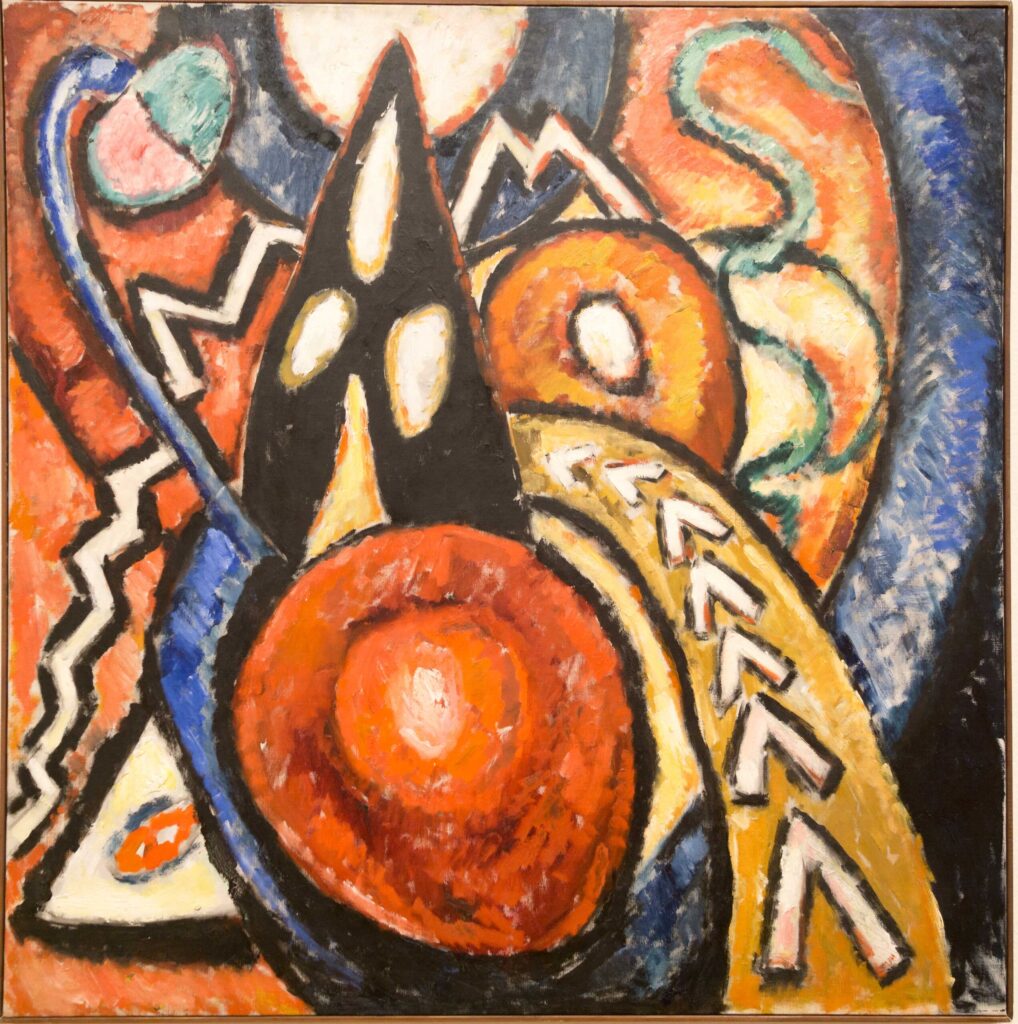
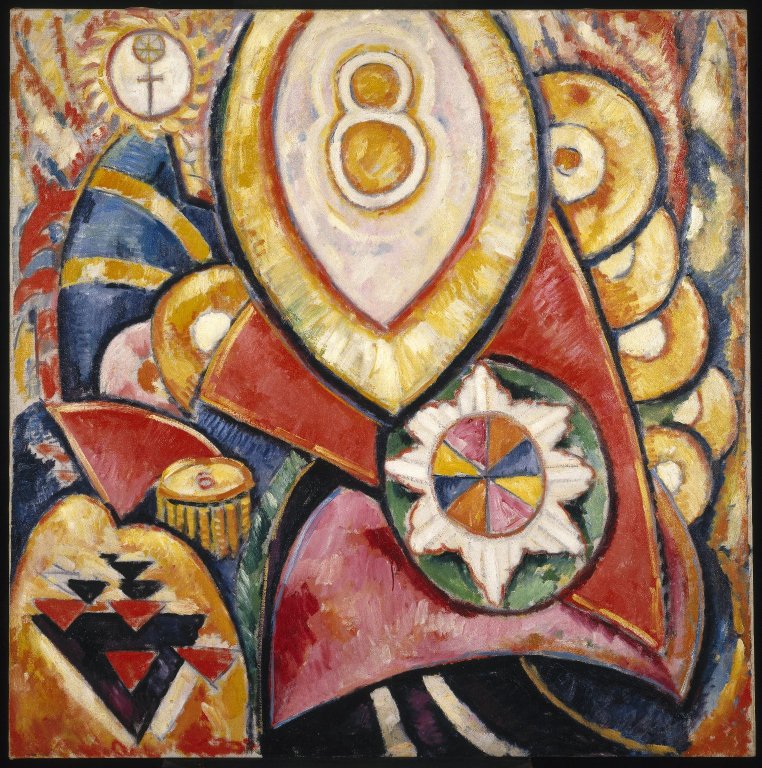
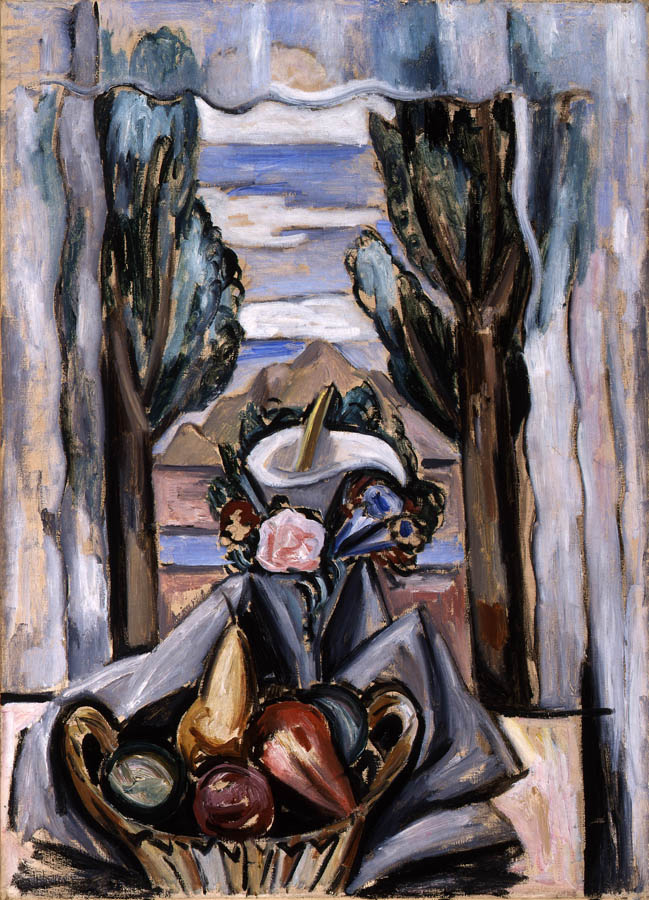
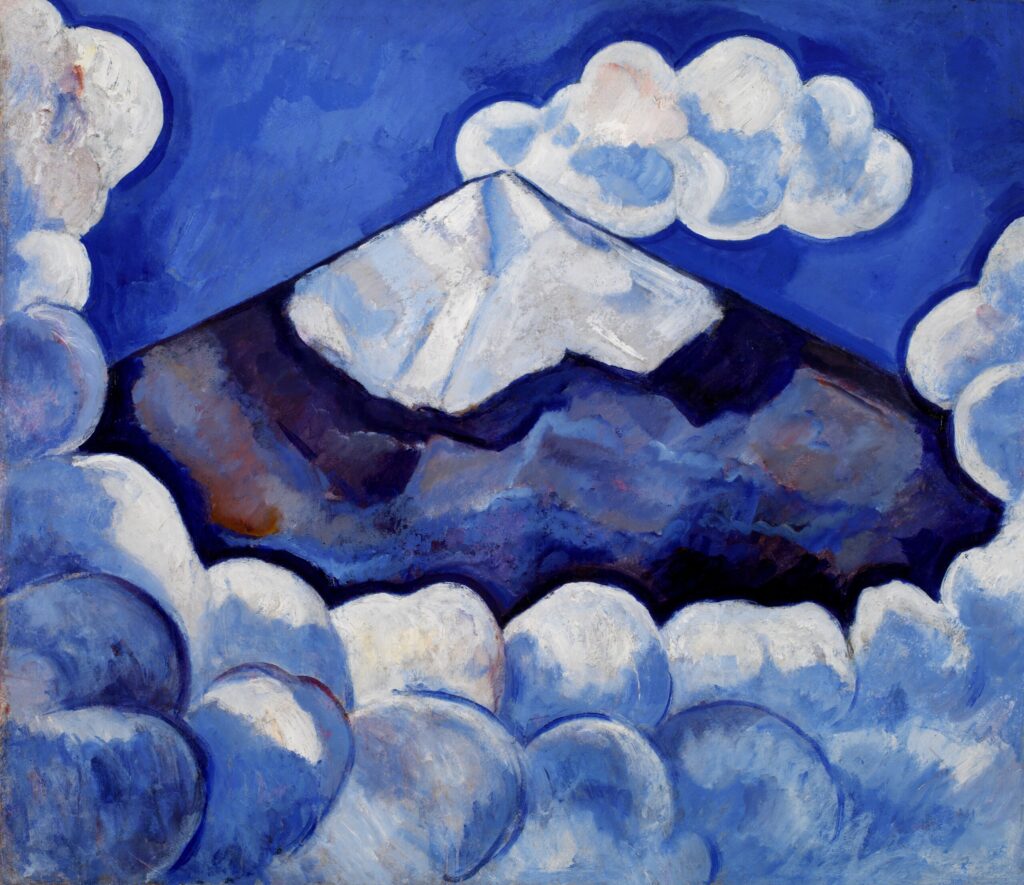
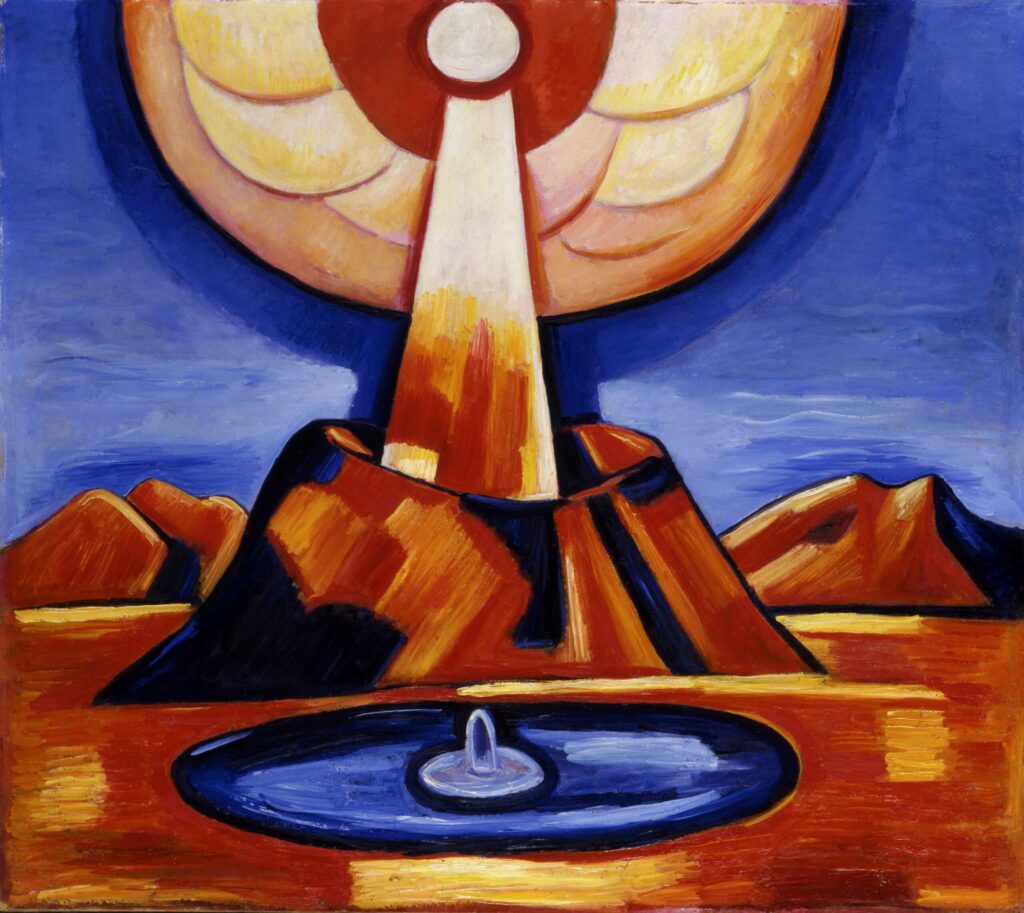
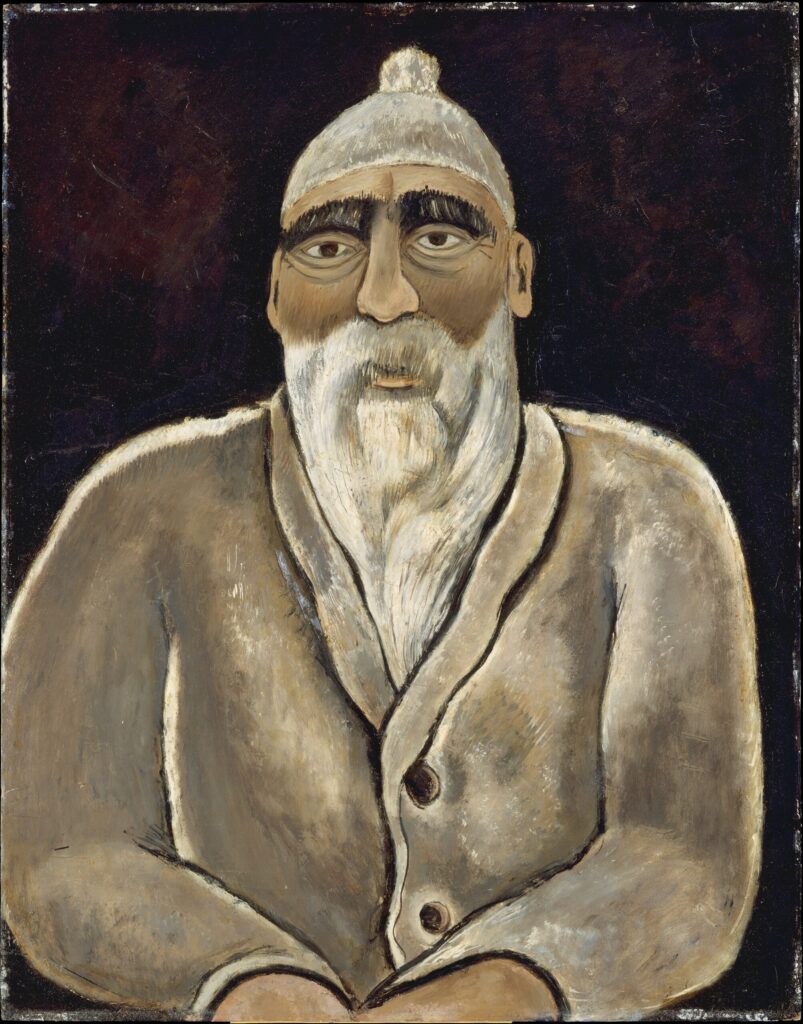
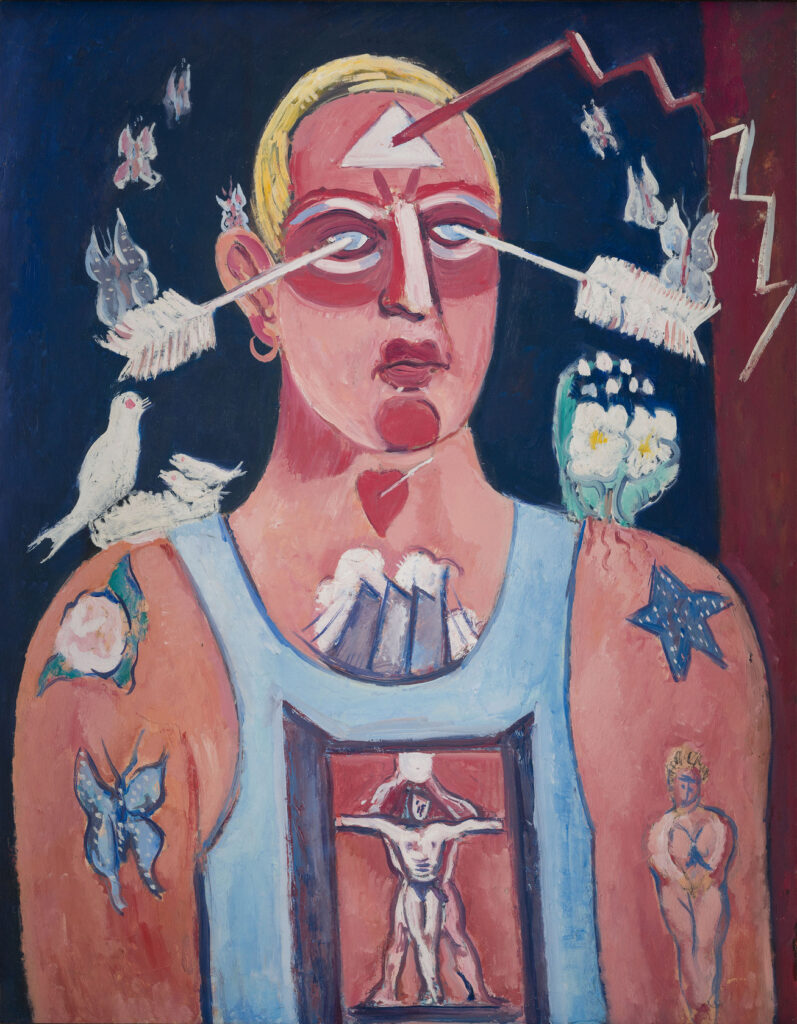
Marsden Hartley
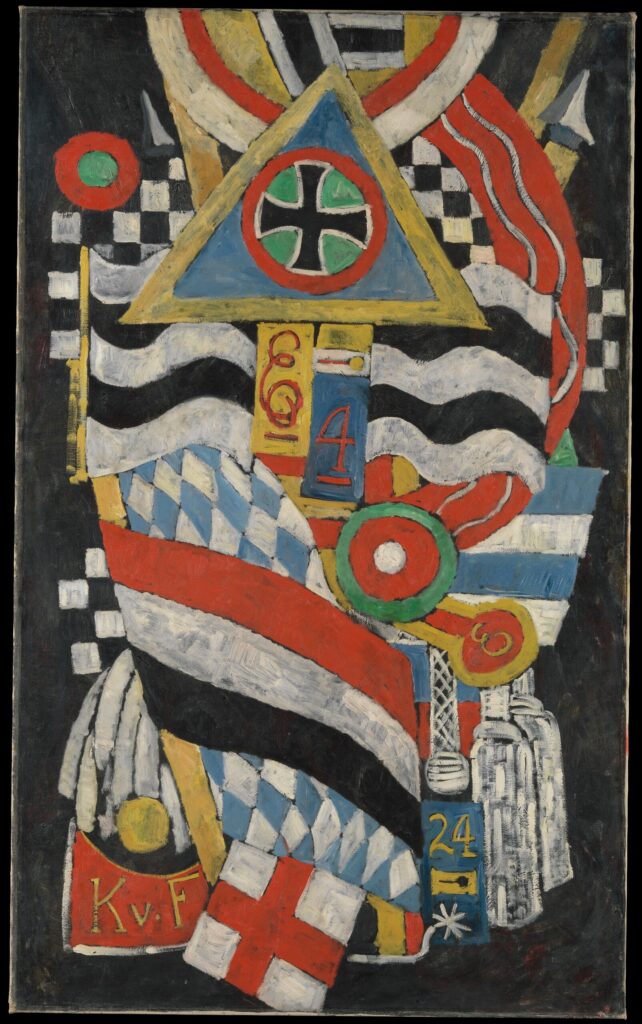
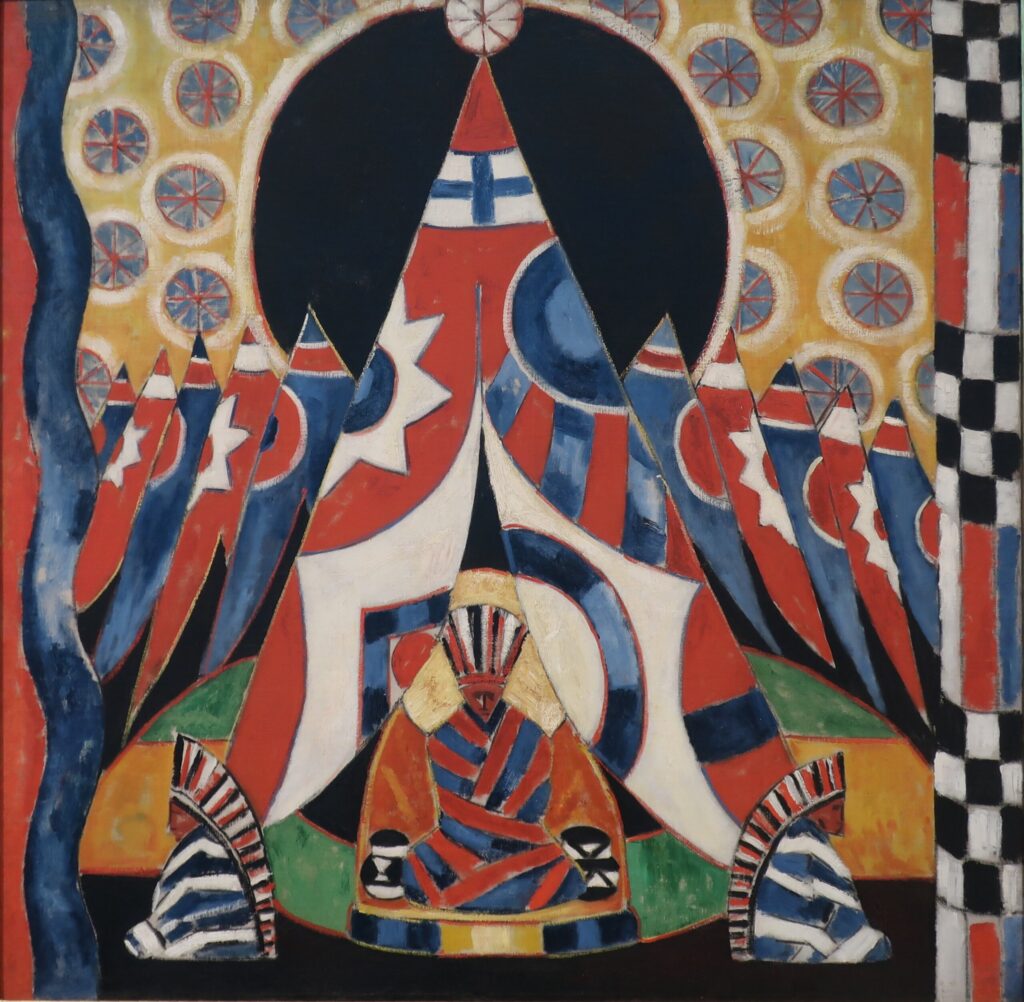
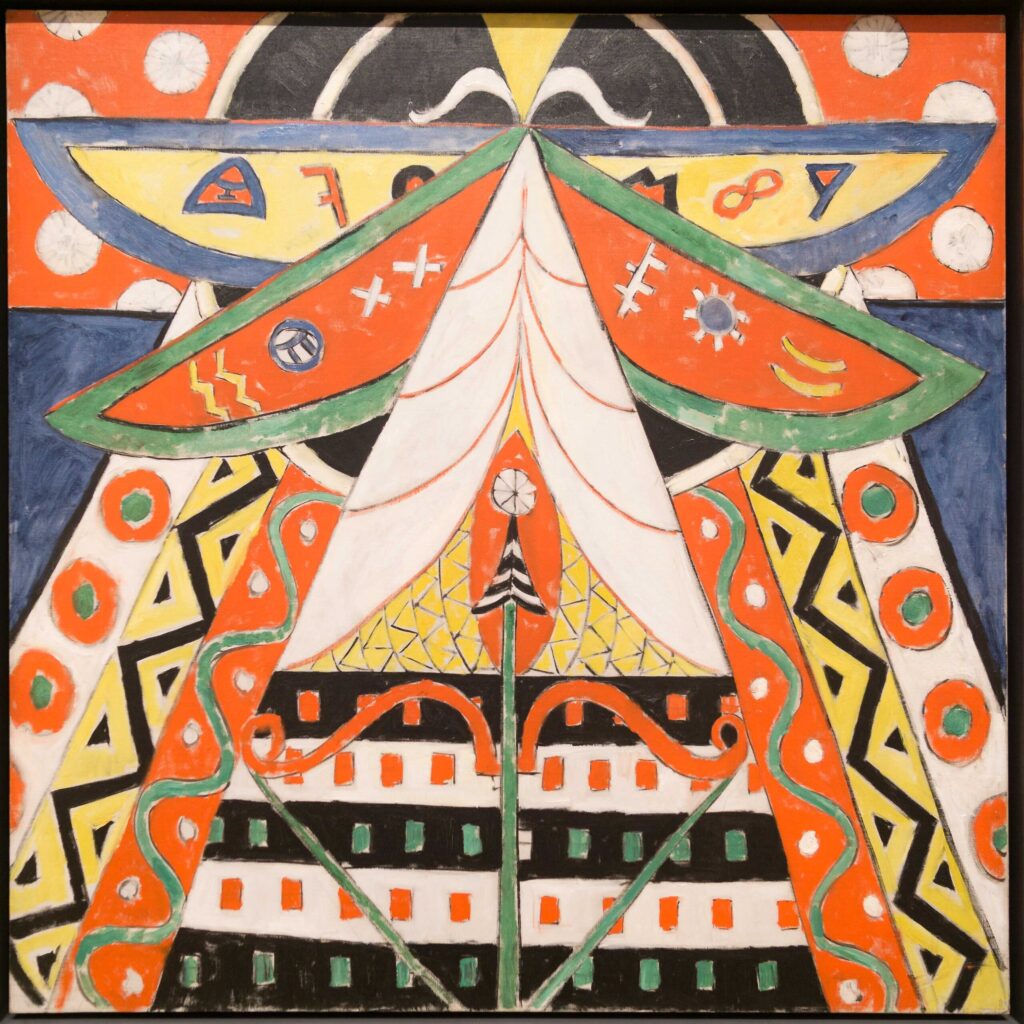
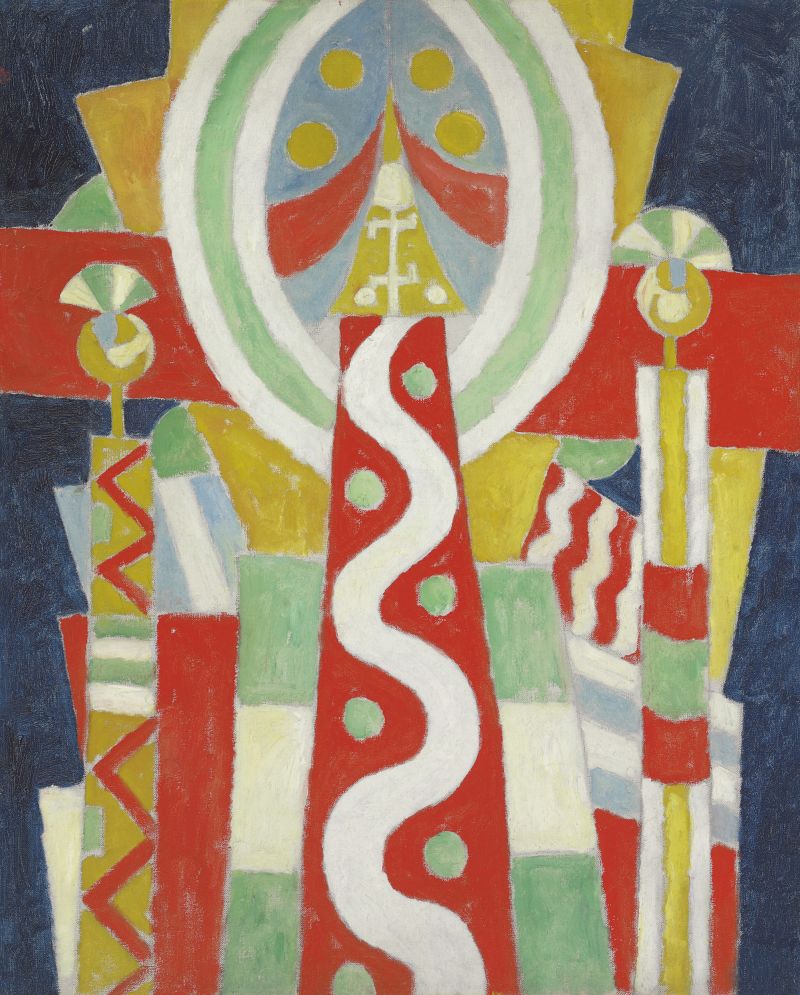
Marsden Hartley, January 4, 1877–September 2, 1943, was an American painter, poet, and essayist. Born in Lewiston, Maine, he studied at the Cleveland School of Art, William Merritt Chase’s New York School of Art, and the National Academy of Design.
His teachers included John Semon, Cullen Yates, and William Merritt Chase. Alfred Stieglitz presented Hartley’s first solo exhibition in New York at the 291 gallery in 1909, and Hartley became associated with the artists promoted by Stieglitz. He worked in the United States and Europe, including extended periods in Paris and Berlin, and returned to Maine during the final years of his life.
Hartley’s work is represented in the Metropolitan Museum of Art, Museum of Modern Art, Whitney Museum of American Art, National Gallery of Art, Smithsonian American Art Museum, Art Institute of Chicago, and other major public collections.
Joseph Cornell
Joseph Cornell, December 24, 1903–December 29, 1972, was an American artist and filmmaker born in Nyack, New York. He attended Phillips Academy in Andover but did not graduate and received no formal artistic training.
Cornell began making collages and assemblages in the early 1930s after encountering Surrealist art at Julien Levy’s New York gallery. He became known for glass-fronted box constructions assembled from found objects and printed ephemera, and he also made experimental films, including Rose Hobart.
Cornell lived and worked for most of his life in Flushing, Queens, where he cared for his mother and his brother Robert. Major holdings of his work are in the Museum of Modern Art, National Gallery of Art, Smithsonian American Art Museum, Metropolitan Museum of Art, Art Institute of Chicago, Menil Collection, Tate and Solomon R. Guggenheim Museum.


