Posts in Category: American
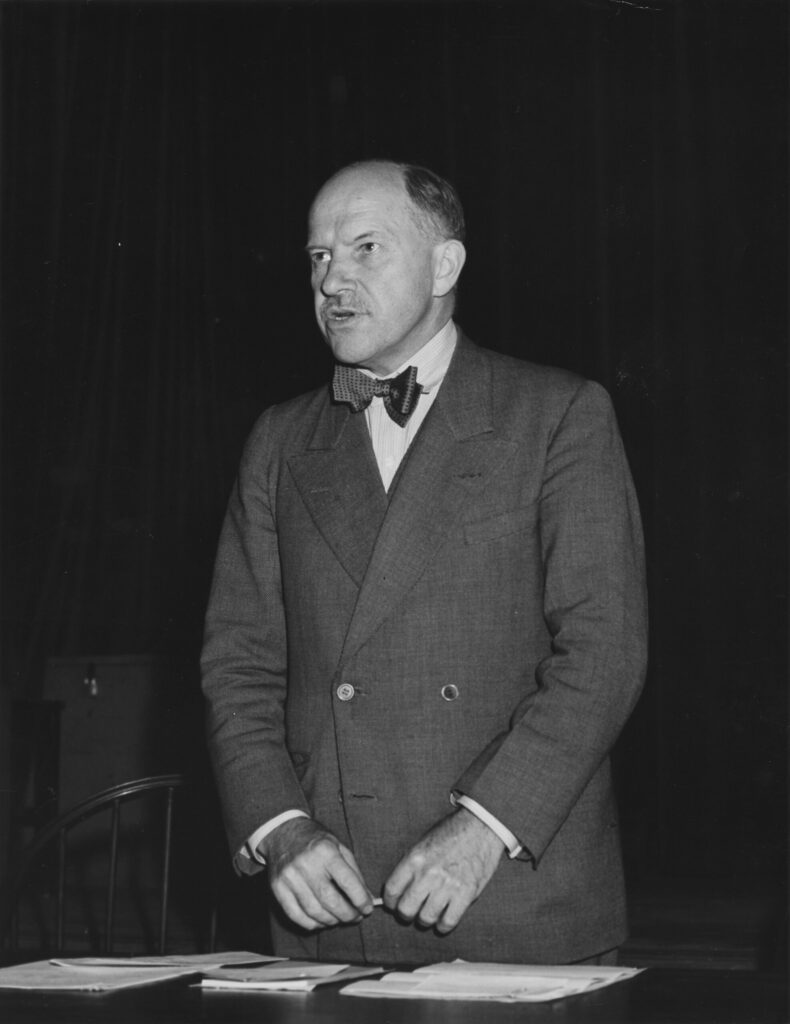
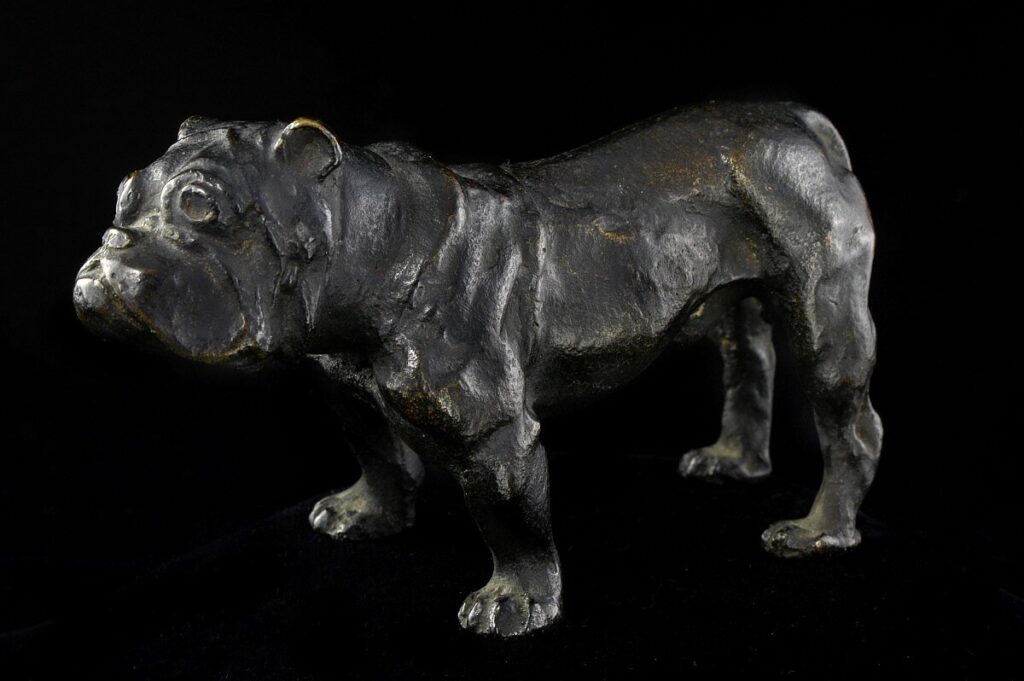
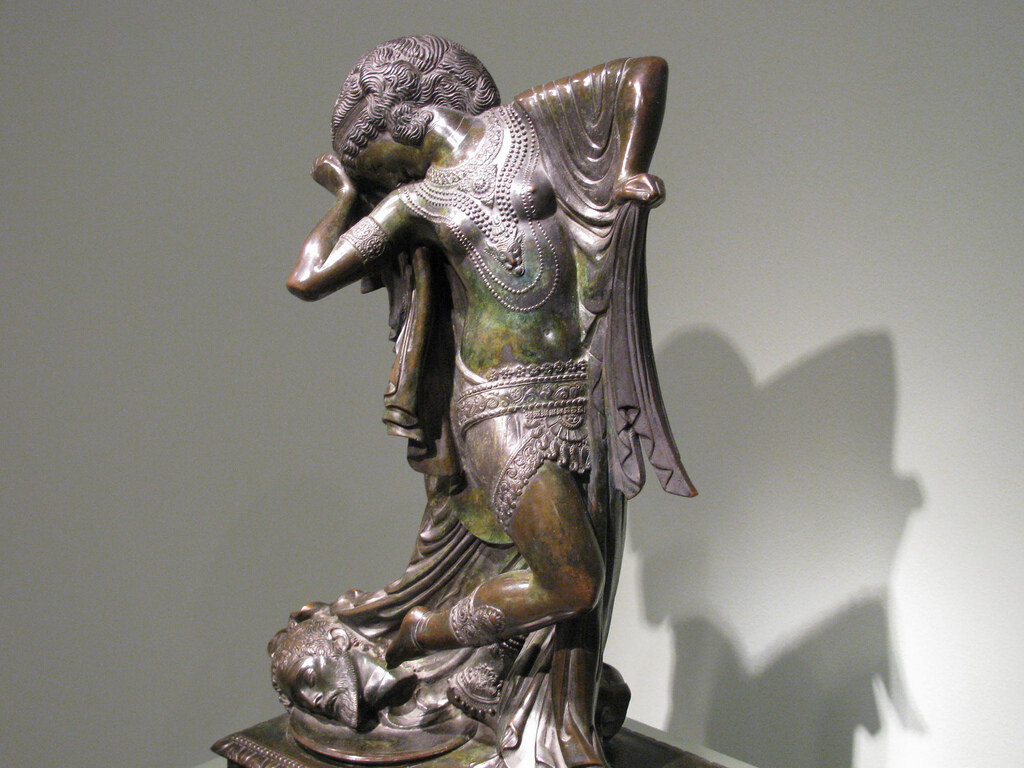
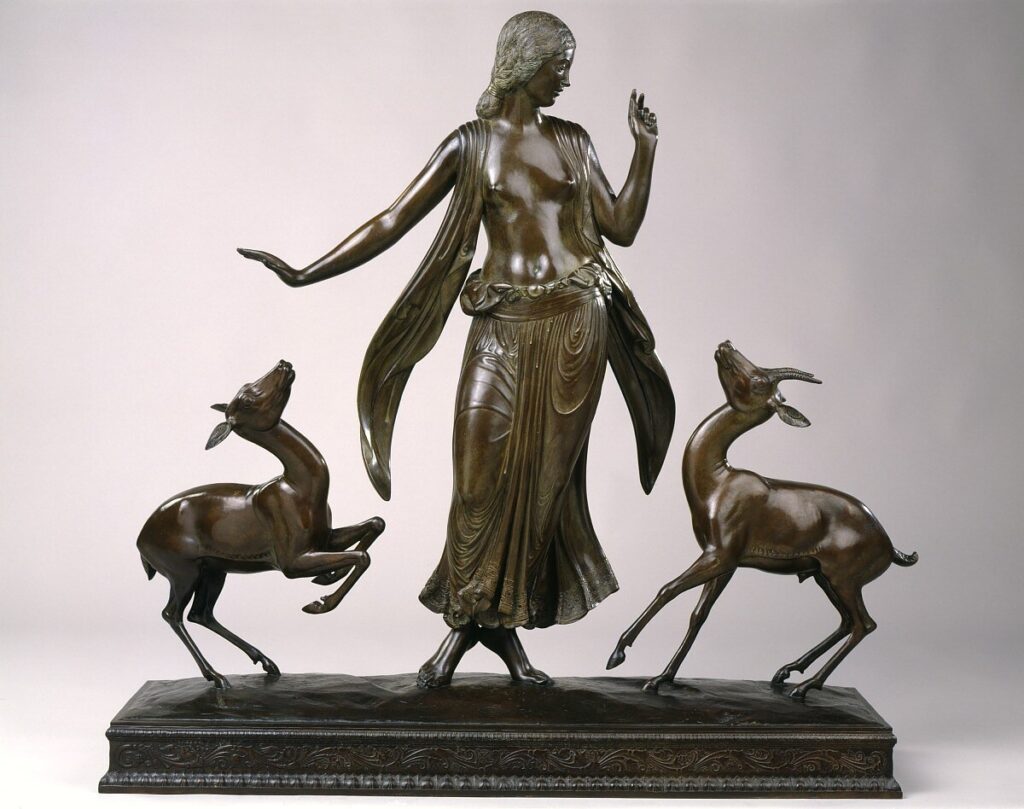
Paul Manship
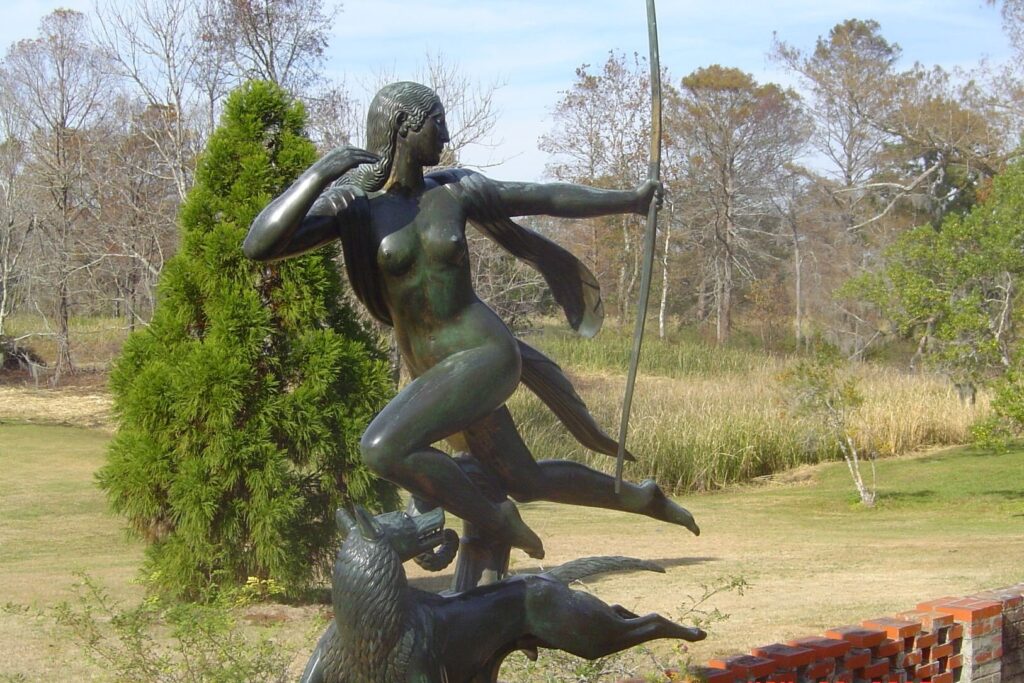
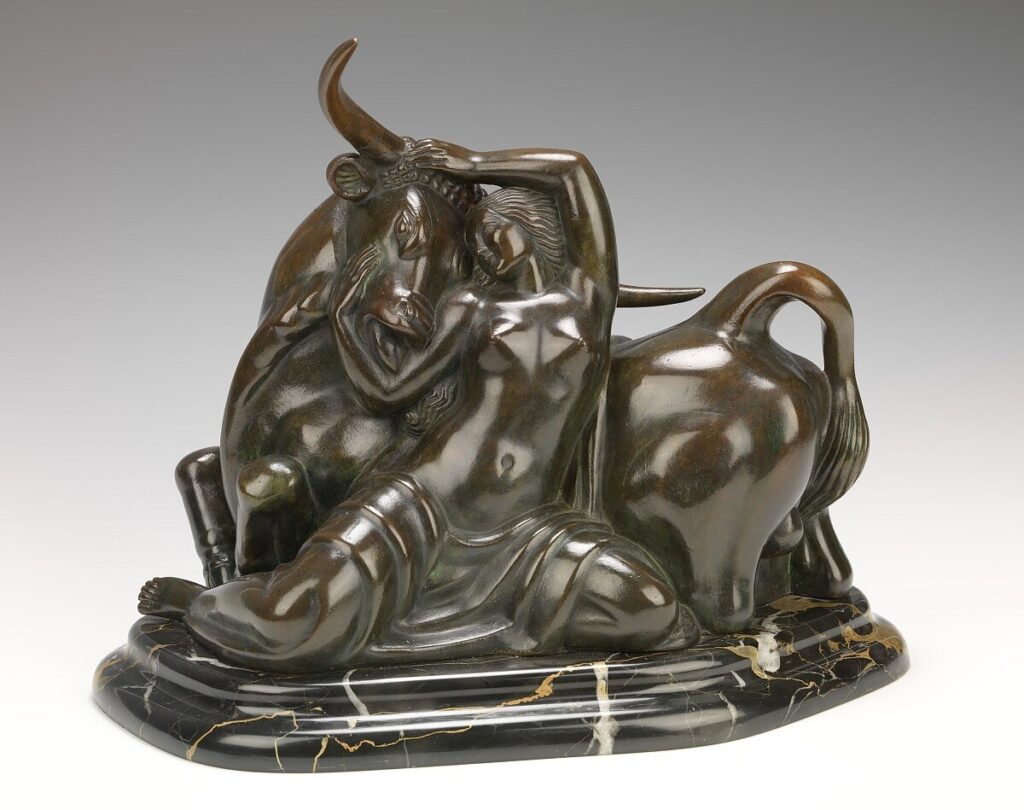
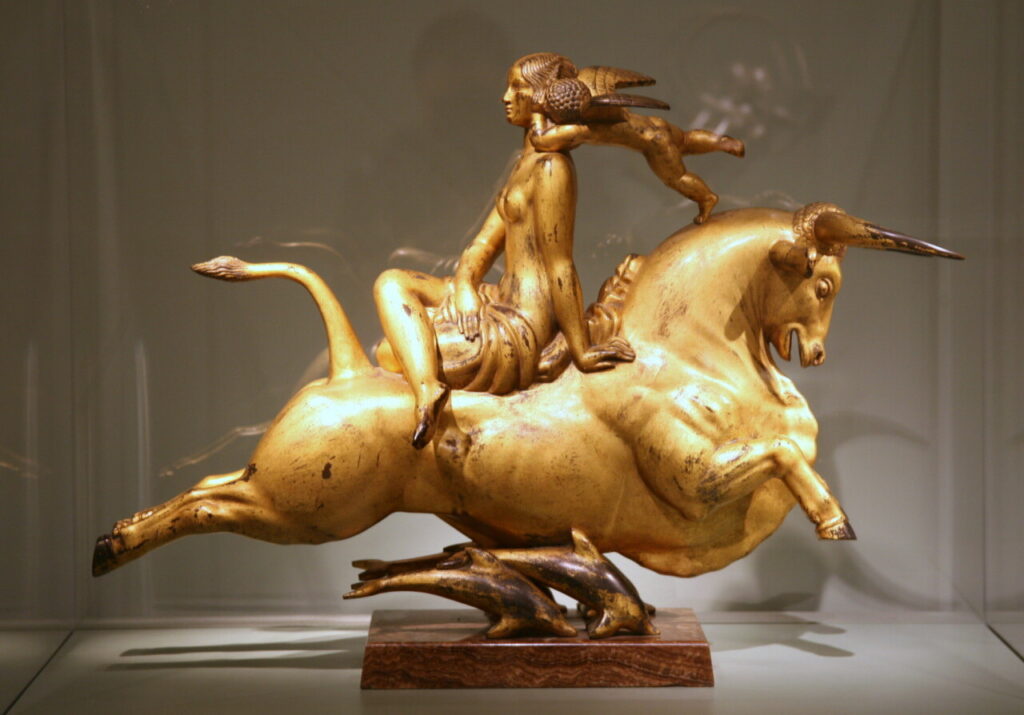
Paul Manship, December 25, 1885–January 28, 1966, was an American sculptor born in Saint Paul, Minnesota. He studied at the St. Paul School of Art, the Pennsylvania Academy of the Fine Arts, and the Art Students League in New York, and held the Rome Prize at the American Academy in Rome from 1909 to 1912.
Manship established a career in New York as a sculptor of bronzes, architectural reliefs, fountains, monuments, and medals. His work drew on Greek, Roman, Egyptian, Assyrian, and South Asian art; he served on the U.S. Commission of Fine Arts and was associated with the National Academy of Design, the National Sculpture Society, and the American Academy of Arts and Letters.
His major public commissions included The Four Elements for 195 Broadway, Prometheus at Rockefeller Center, the Rainey Memorial Gates at the Bronx Zoo, and the Celestial Sphere at the Palais des Nations in Geneva. Manship died in New York; substantial holdings of his work and papers are preserved by the Smithsonian American Art Museum and the Archives of American Art.





Georgia O’Keeffe
Georgia O’Keeffe, November 15, 1887–March 6, 1986, was an American painter born in Sun Prairie, Wisconsin. She studied at the School of the Art Institute of Chicago and the Art Students League of New York, then attended Teachers College, Columbia University, where the ideas of Arthur Wesley Dow were important to her development.
After teaching in Virginia, South Carolina, and Texas, O’Keeffe exhibited drawings at Alfred Stieglitz’s gallery 291 in 1916. She moved to New York in 1918, married Stieglitz in 1924, and developed a career that included abstraction, flowers, New York subjects, and landscapes.
O’Keeffe first worked in New Mexico in 1929 and made it her principal home after Stieglitz’s death in 1946, living at Ghost Ranch and Abiquiú. She died in Santa Fe; her work is represented in major collections including the Metropolitan Museum of Art, the Museum of Modern Art, the Art Institute of Chicago, the Whitney Museum of American Art, and the Georgia O’Keeffe Museum.


Childe Hassam
Childe Hassam, October 17, 1859 – August 27, 1935, was an American painter and printmaker born in Dorchester, Massachusetts. He began as a wood engraver and illustrator, attended drawing and painting classes in Boston, and studied in Paris from 1886 to 1889 at the Académie Julian.
Hassam settled in New York in 1889 and became a leading American Impressionist. He painted urban streets, New England gardens and coasts, and the flag-decorated avenues of New York during World War I; in 1898 he joined John Henry Twachtman, J. Alden Weir, and others in founding The Ten American Painters.
Hassam spent his later summers in East Hampton, New York, and continued working in oils, watercolors, and printmaking. He died in East Hampton in 1935, leaving a large body of work now held by the Metropolitan Museum of Art, National Gallery of Art, Smithsonian American Art Museum, Brooklyn Museum, and other major collections.


Gilbert Stuart
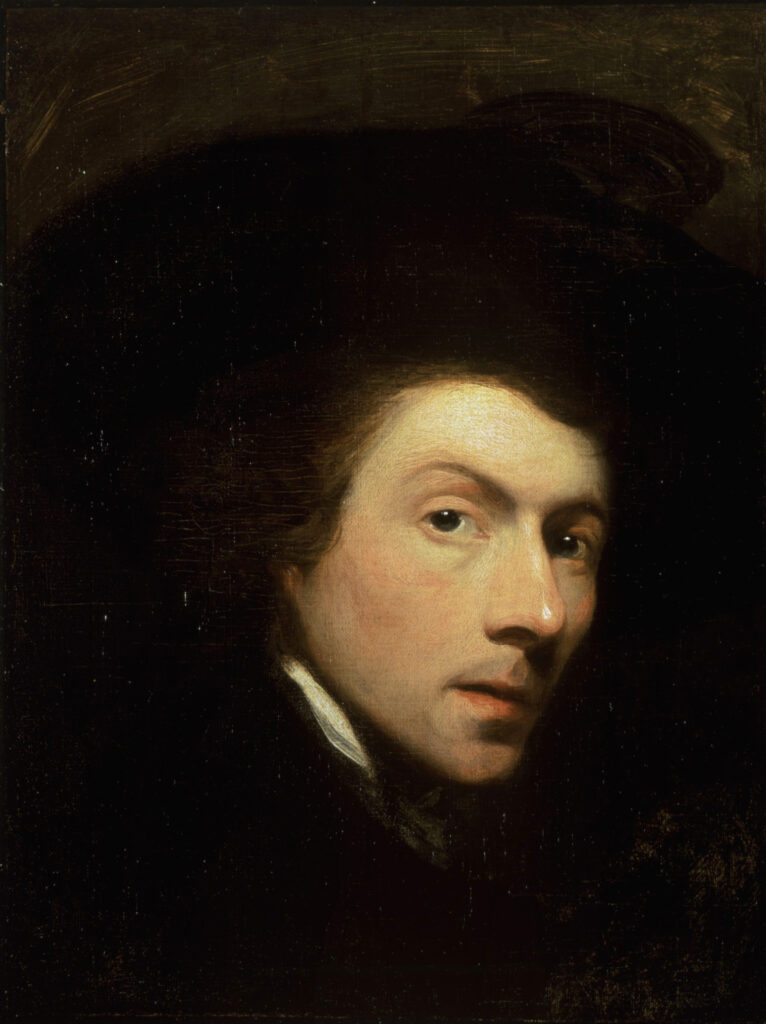
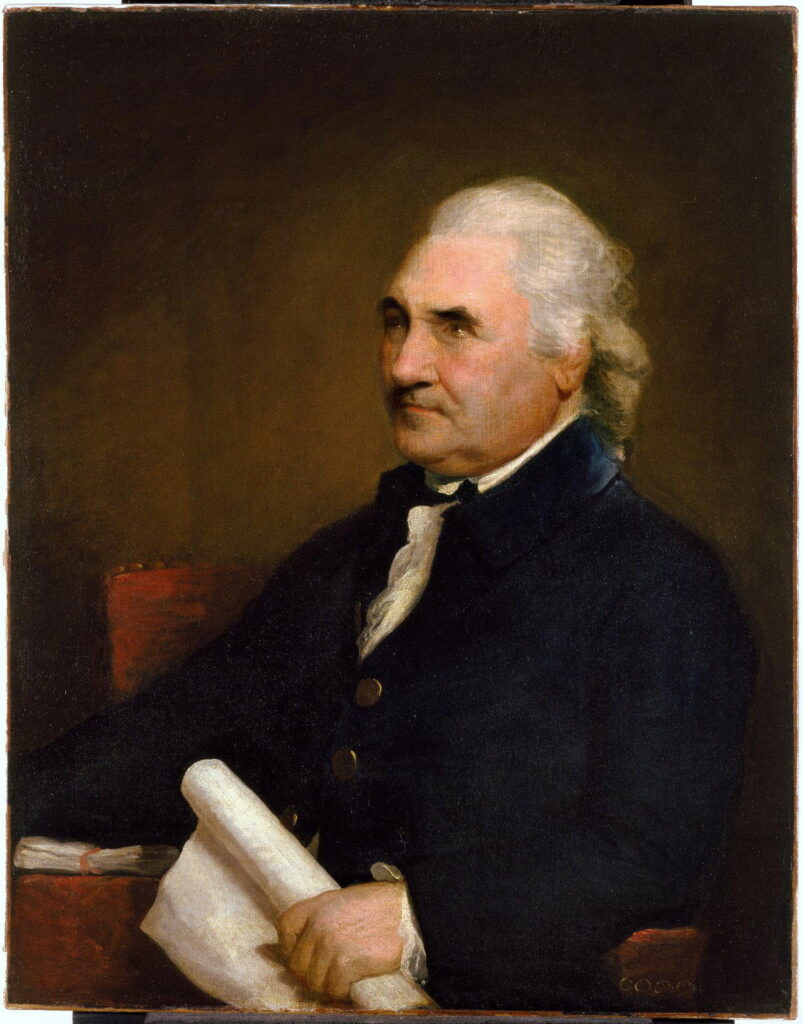
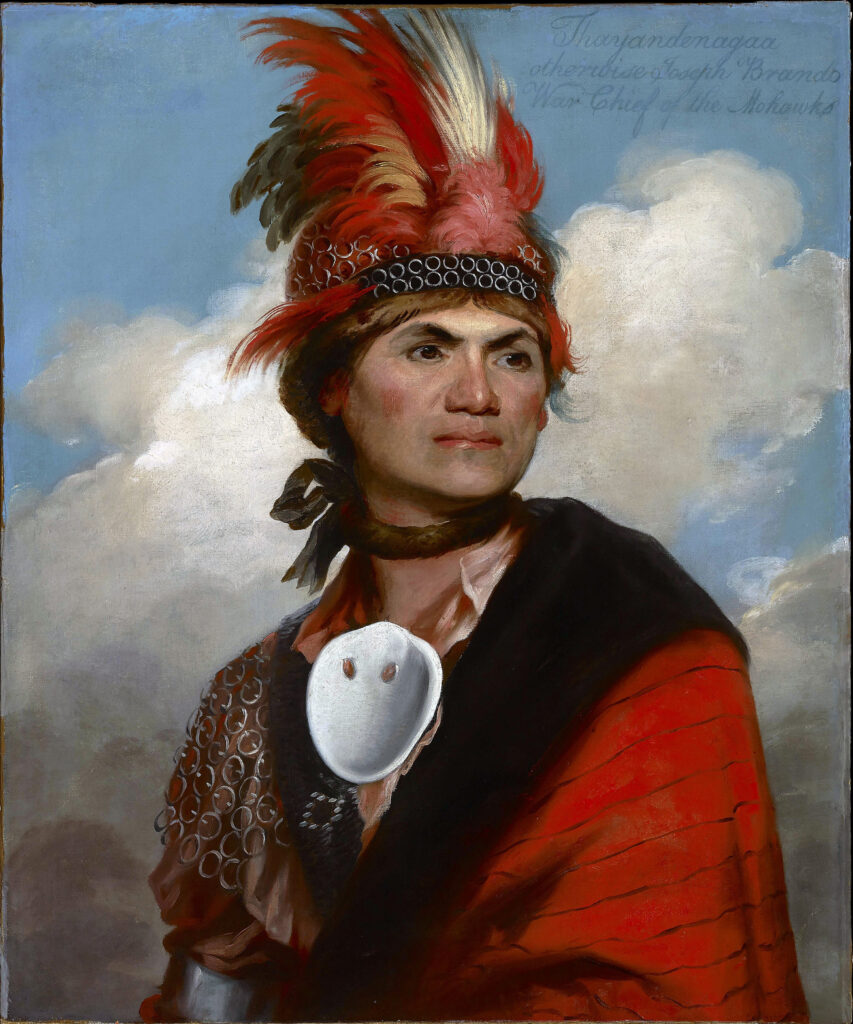
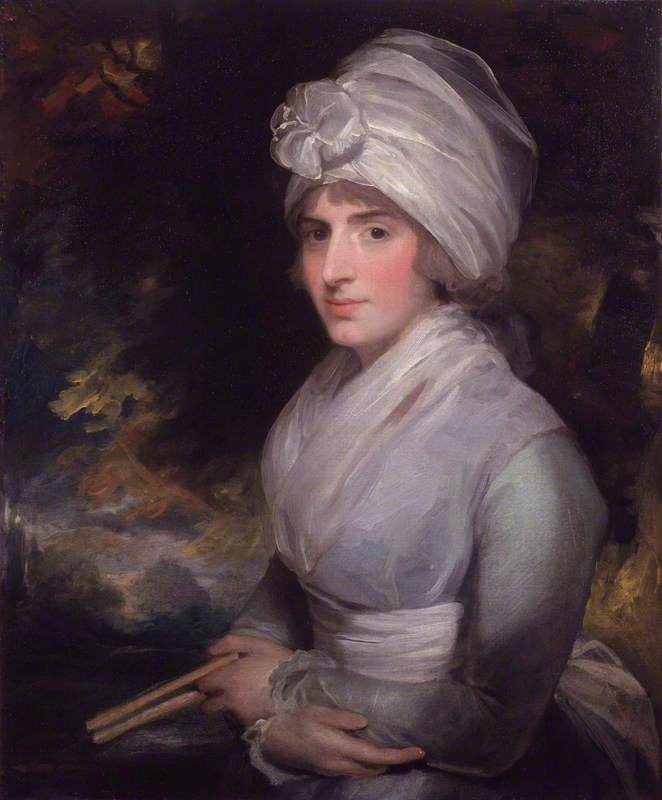
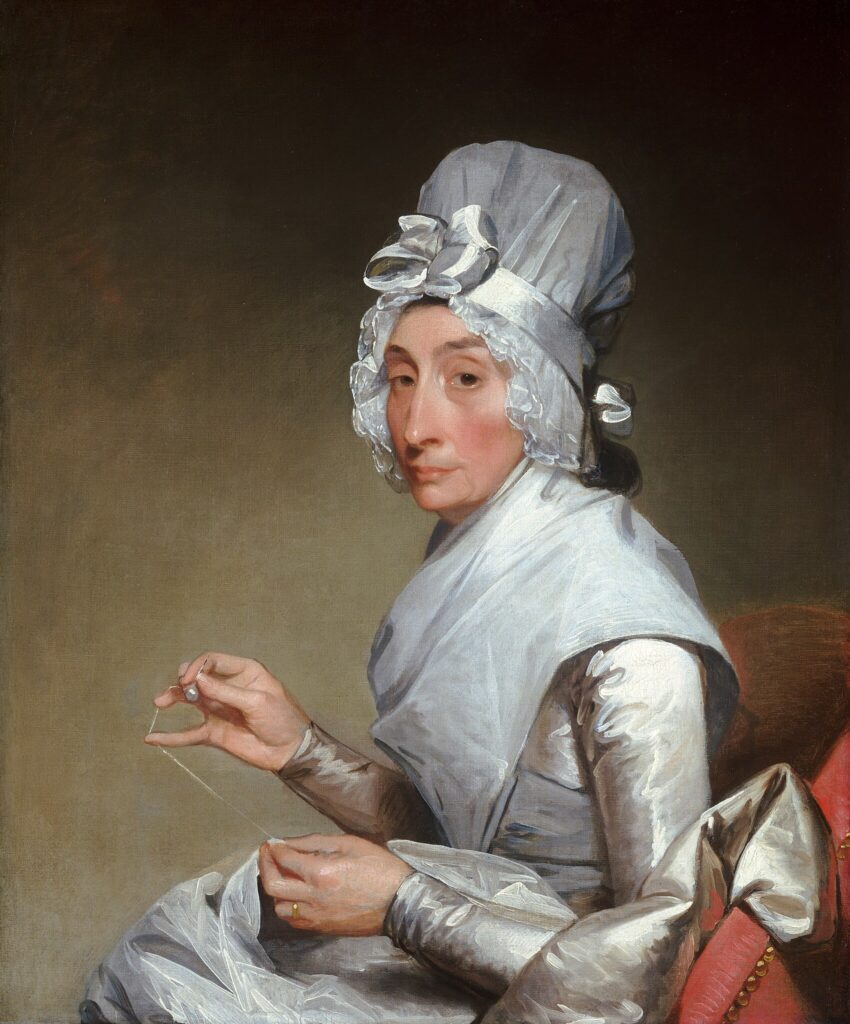
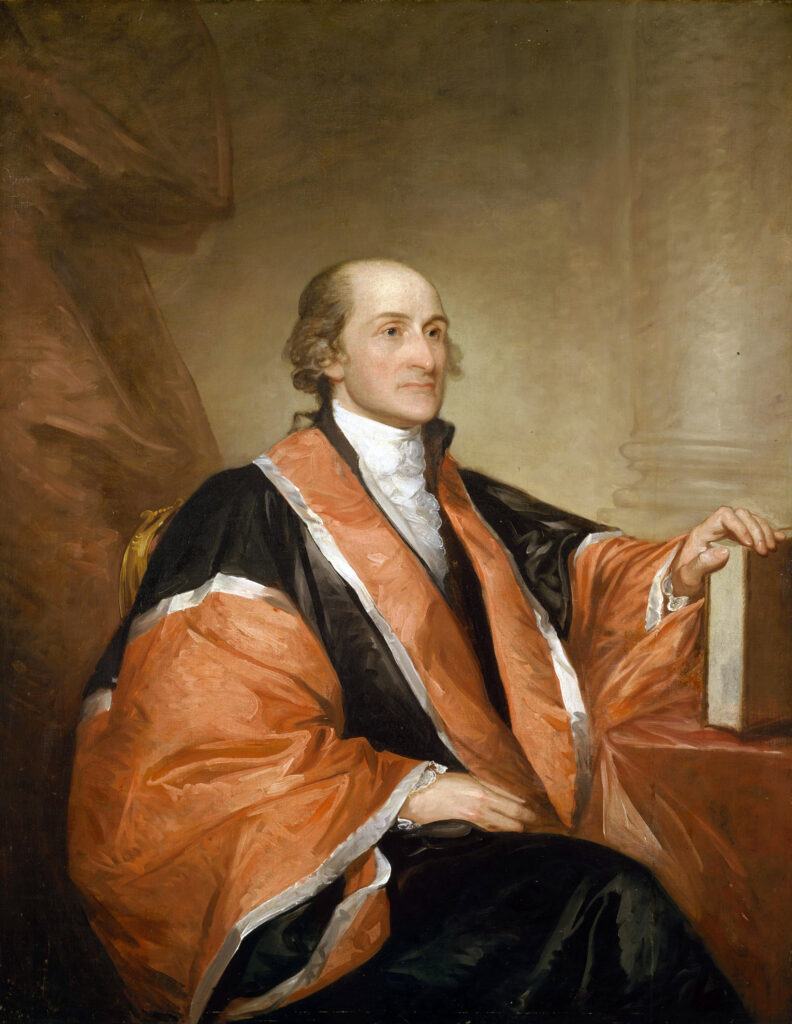
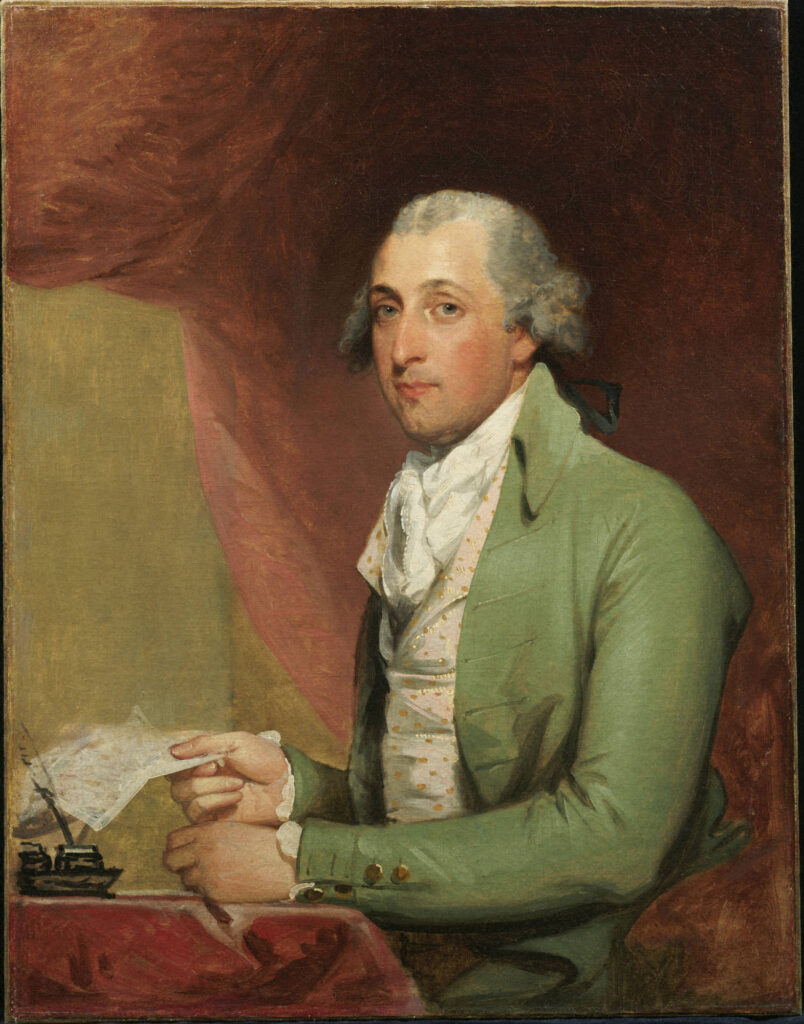
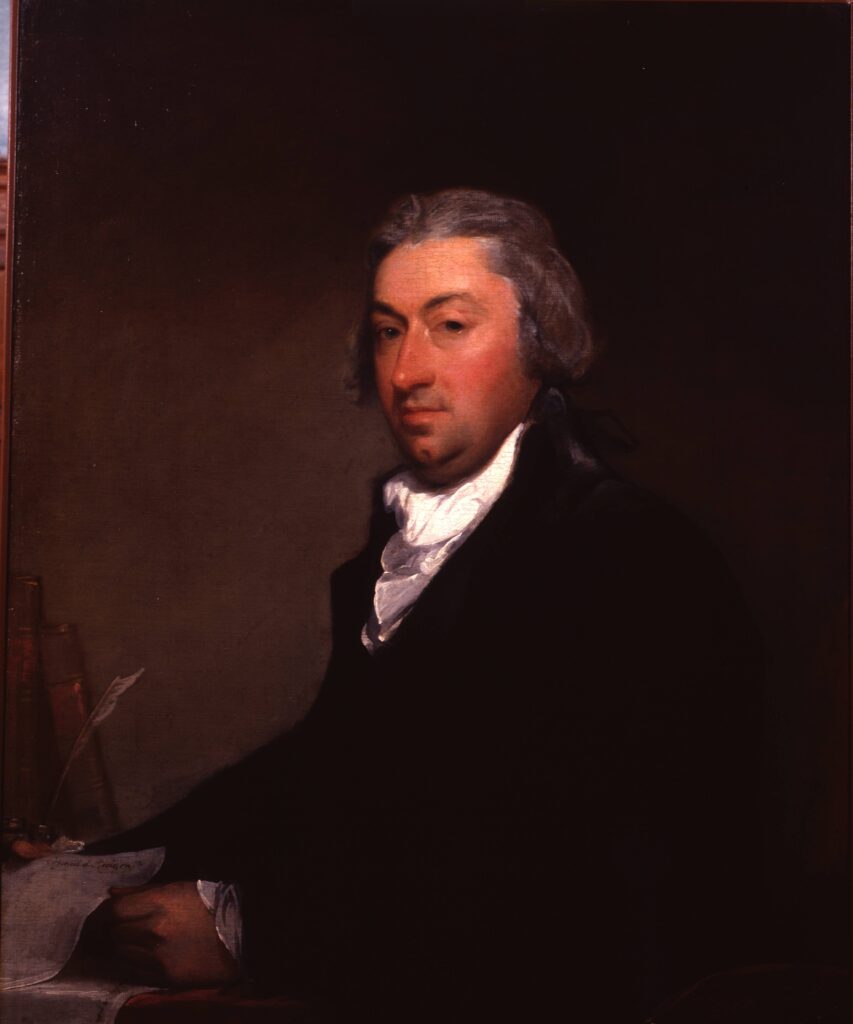
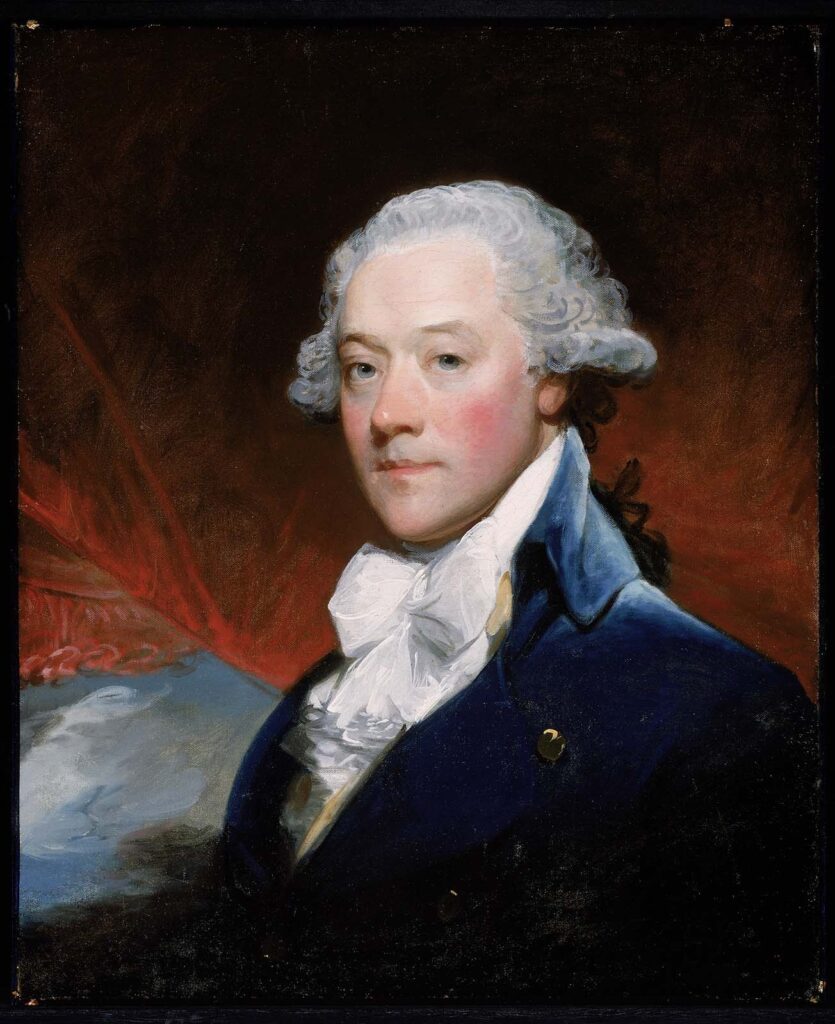
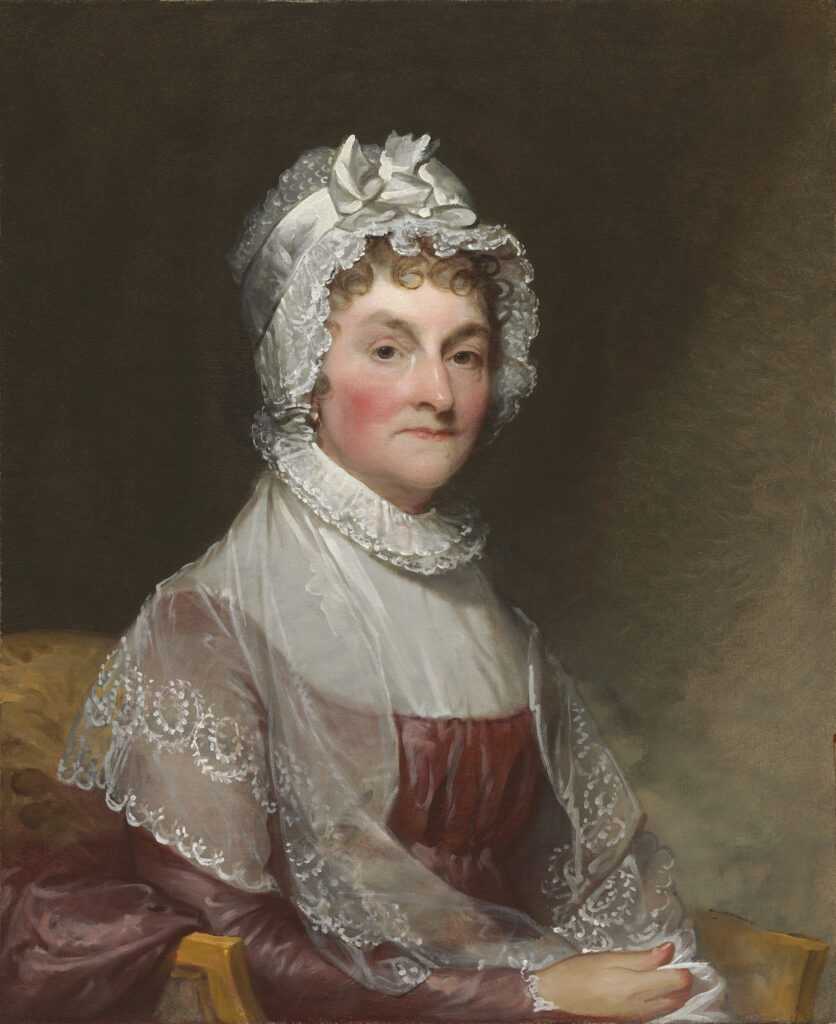
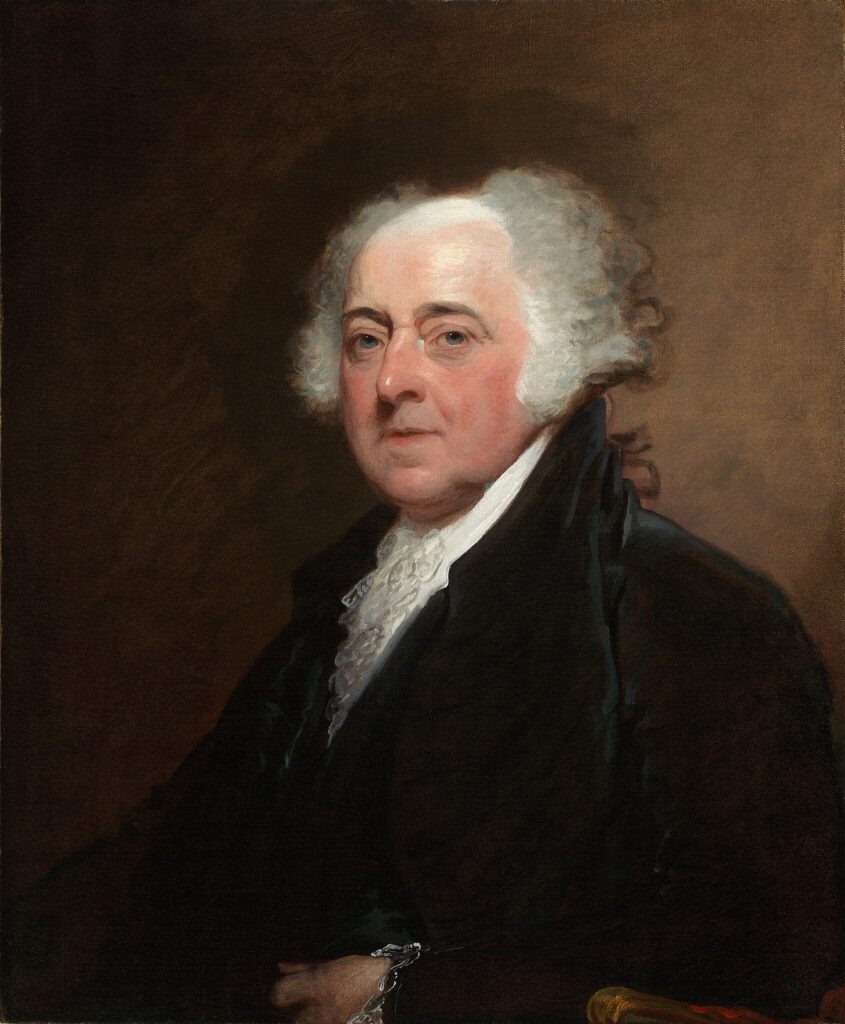
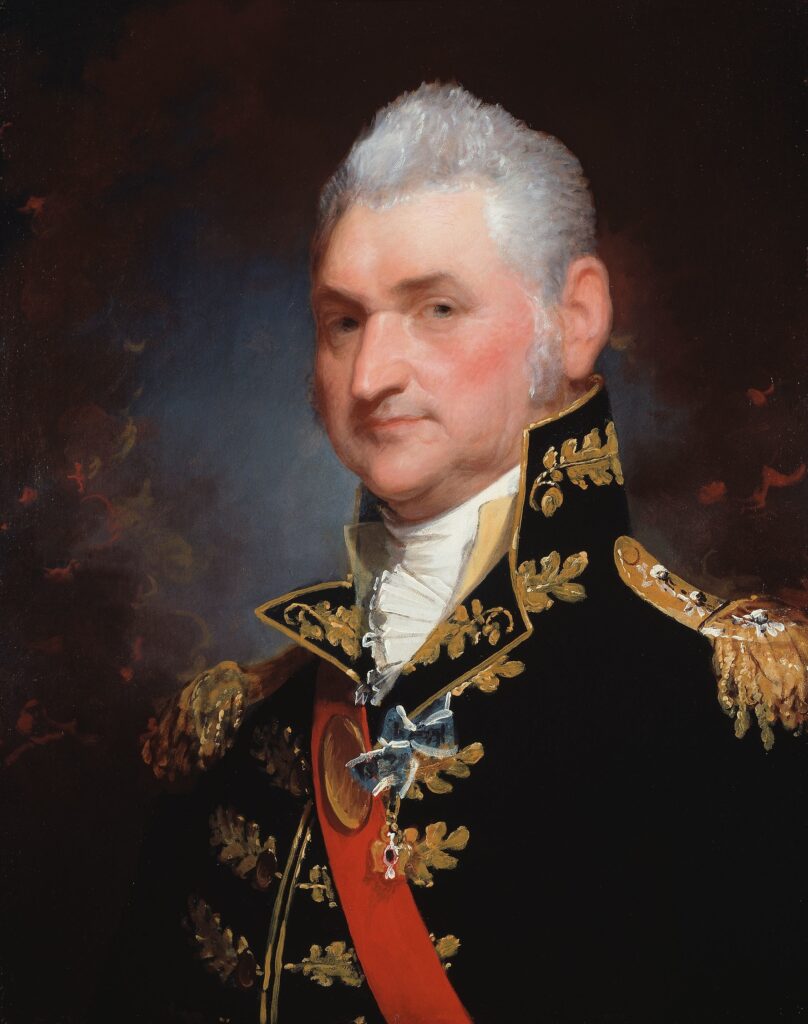
Gilbert Stuart, December 3, 1755–July 9, 1828, was an American painter born in North Kingstown, Rhode Island. He received early instruction from the Scottish artist Cosmo Alexander, then worked in London and Dublin, where he studied with Benjamin West and established a successful portrait practice.
Stuart returned to the United States in 1793 and became the leading portraitist of the early republic. He painted political leaders, merchants, military figures, and writers, including George Washington, John Adams, John Jay, and Abigail Adams. Major collections of his work are held by the Metropolitan Museum of Art, National Gallery of Art, Museum of Fine Arts, Boston, and many other American and British institutions.
After periods in Philadelphia, Washington, and New York, Stuart settled in Boston. He died there in 1828, leaving a large body of portraits that remains a principal visual record of the United States in its early national period.


Charles Demuth
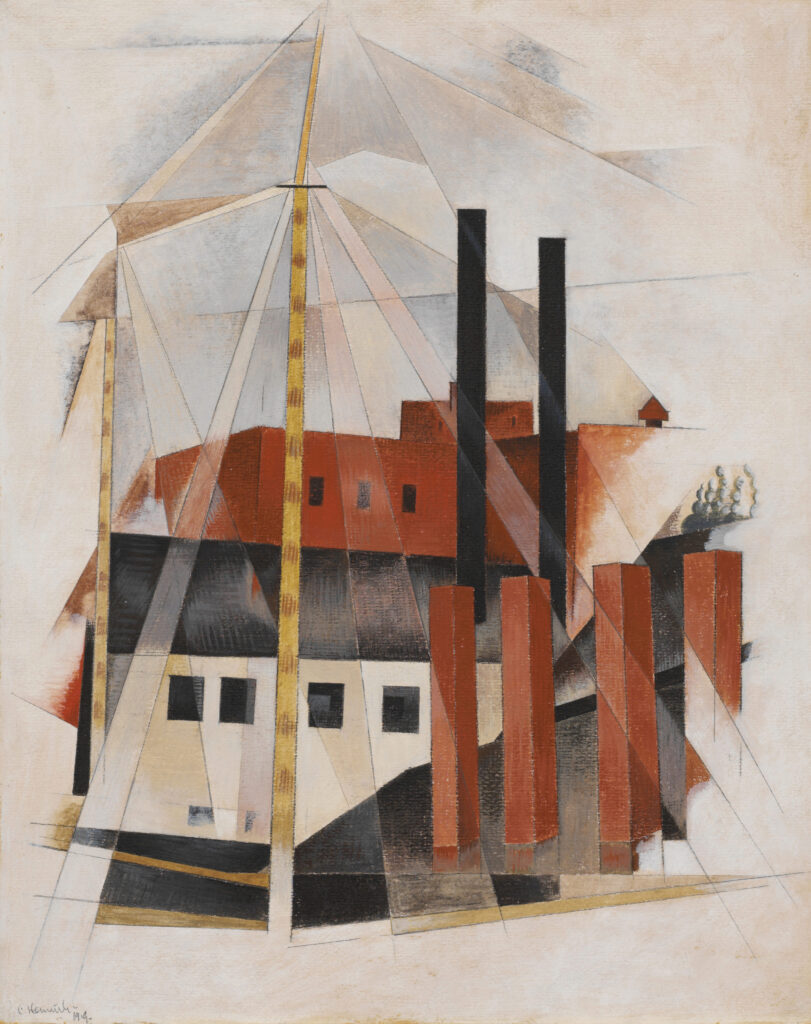
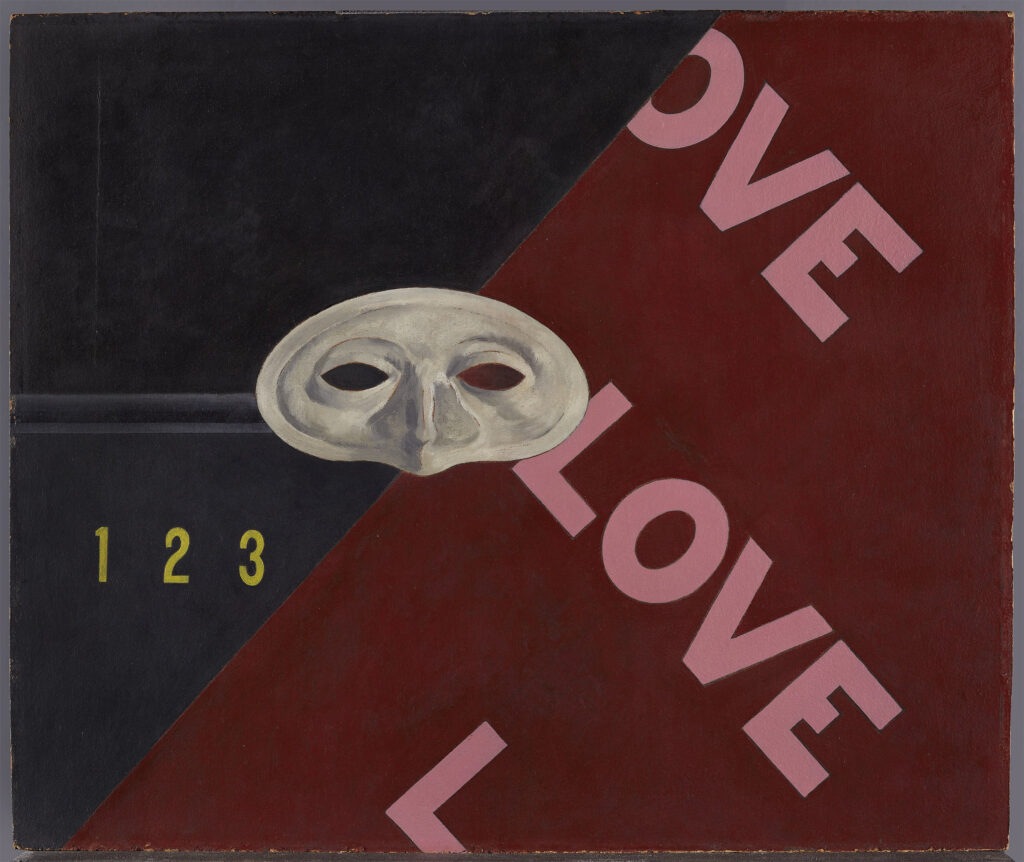
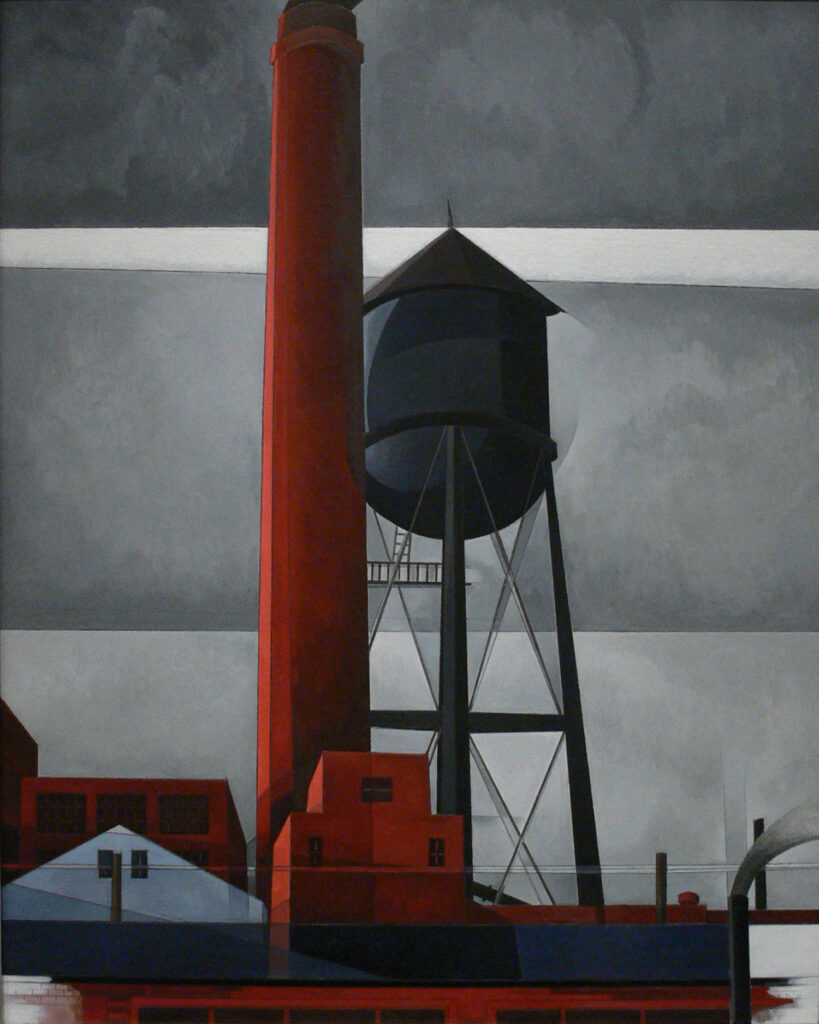
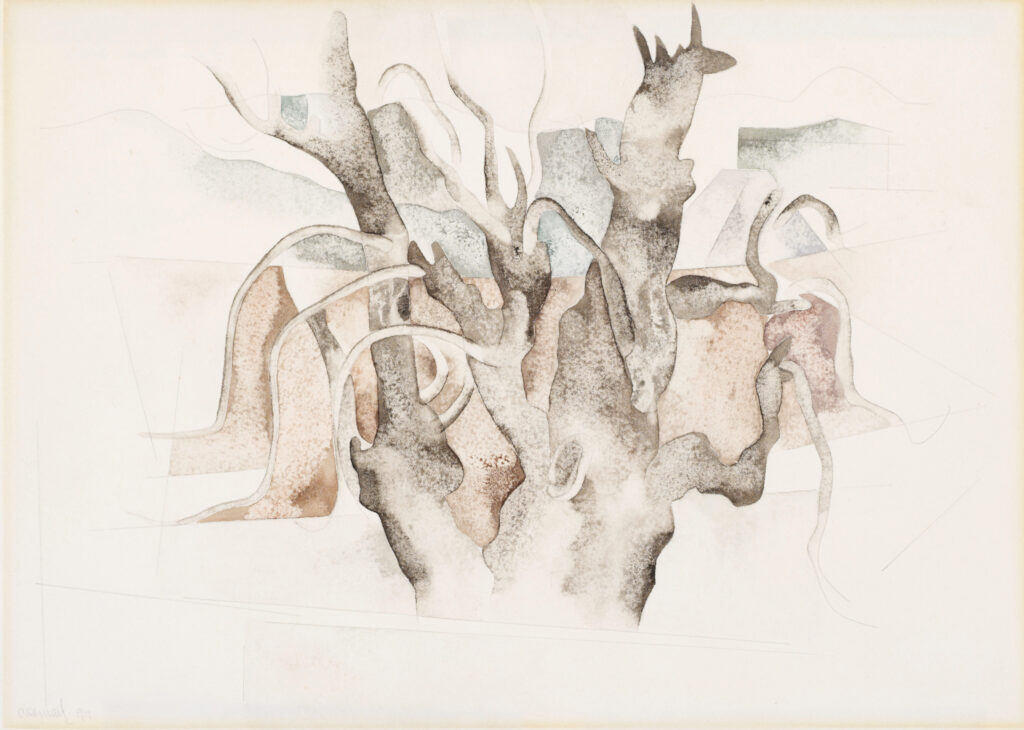
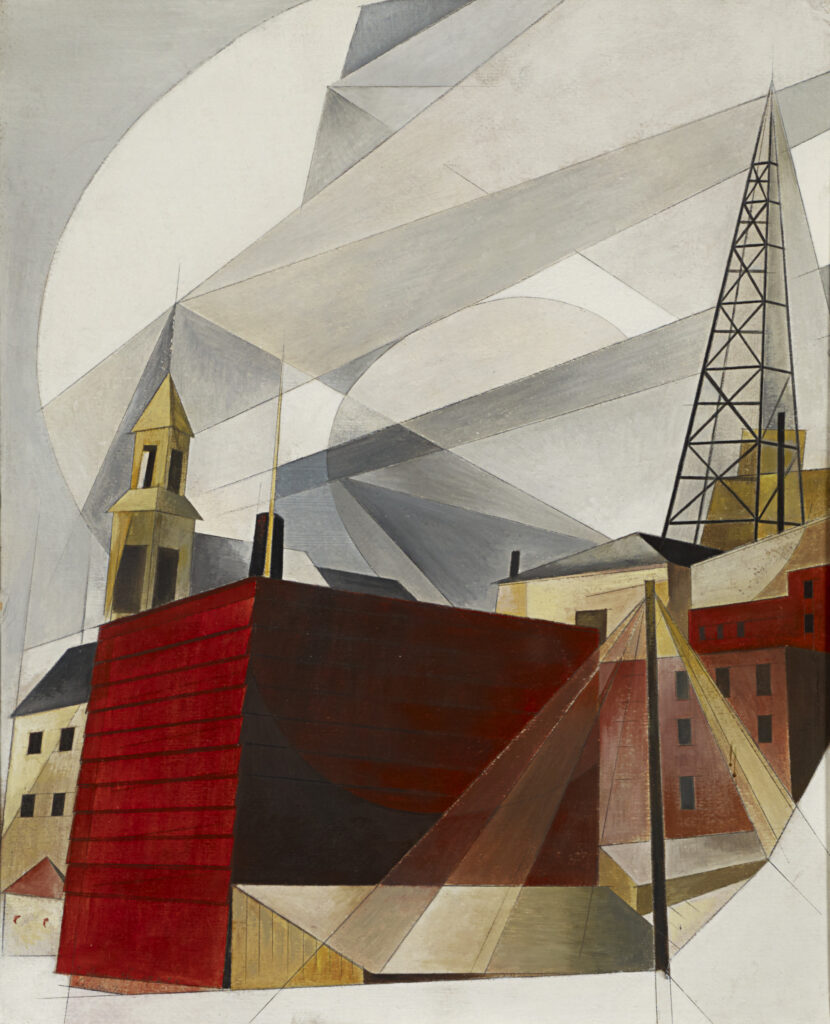
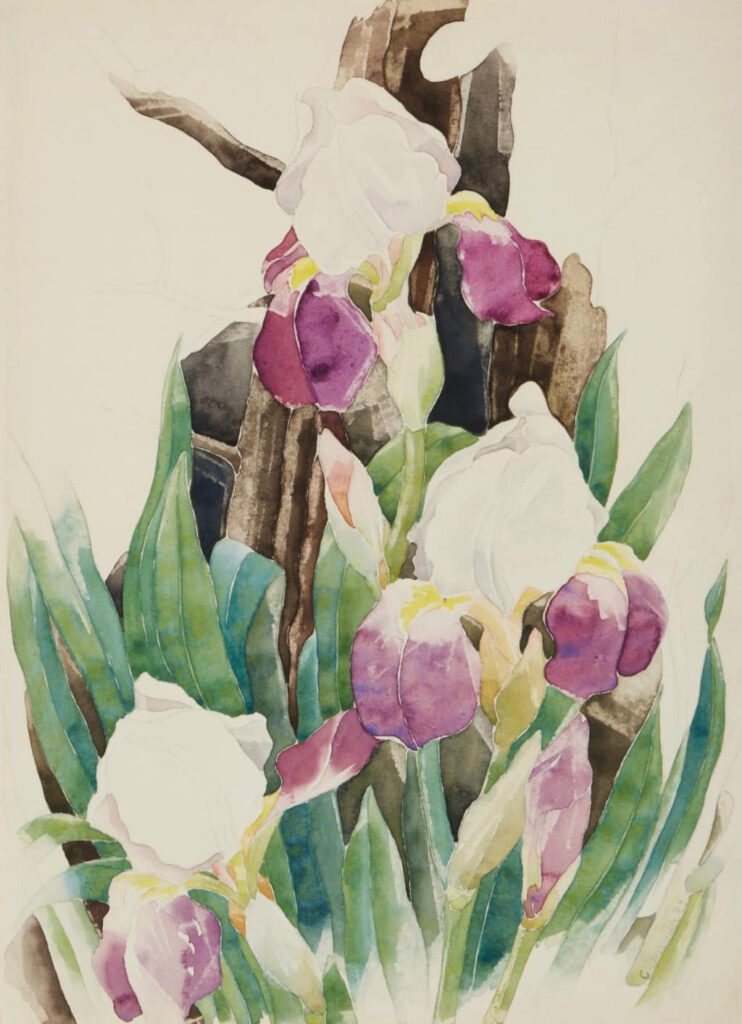
Charles Demuth, November 8, 1883 – October 23, 1935, was an American painter and watercolorist associated with Precisionism and early American modernism. He received his first formal art training at the Drexel Institute of Art and studied at the Pennsylvania Academy of the Fine Arts under Thomas Anshutz and William Merritt Chase. He also studied at art academies in Paris during extended European visits.
Demuth worked primarily in Lancaster, Pennsylvania, while participating in modernist circles in Philadelphia, New York, Paris, and Provincetown. He was a friend of William Carlos Williams, Marsden Hartley, Georgia O’Keeffe, and Albert C. Barnes, and his work was promoted by Alfred Stieglitz alongside that of Arthur Dove, John Marin, Hartley, and O’Keeffe.
Demuth is represented in the collections of the Metropolitan Museum of Art, Museum of Modern Art, Whitney Museum of American Art, Barnes Foundation, Philadelphia Museum of Art, Cleveland Museum of Art, Smithsonian American Art Museum, and Demuth Museum of Art.








William Merritt Chase
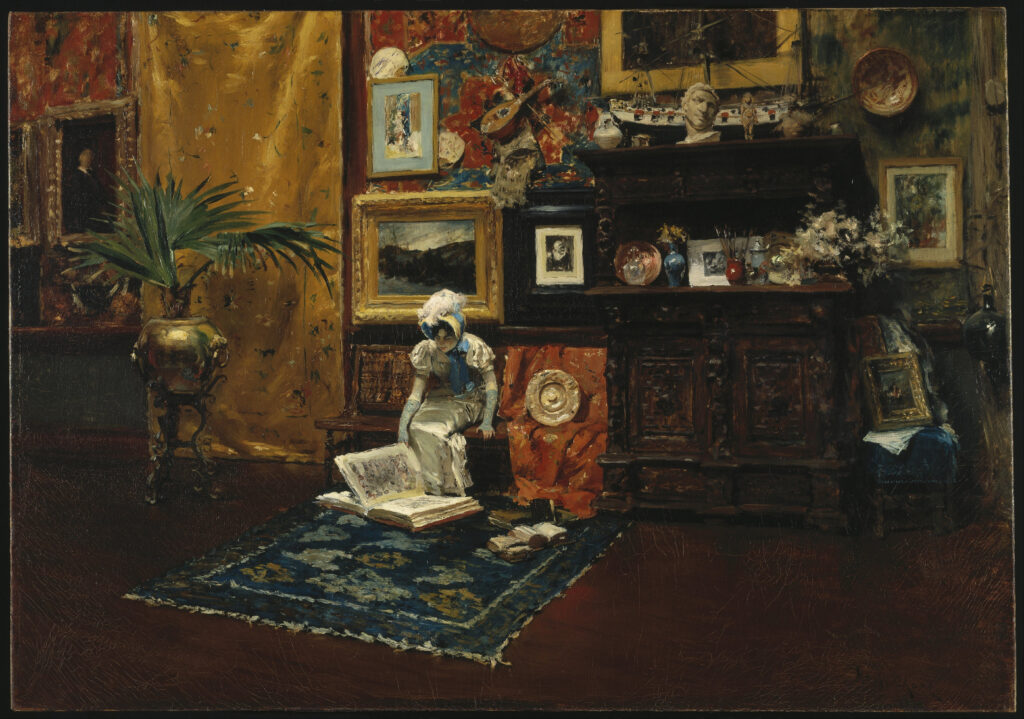
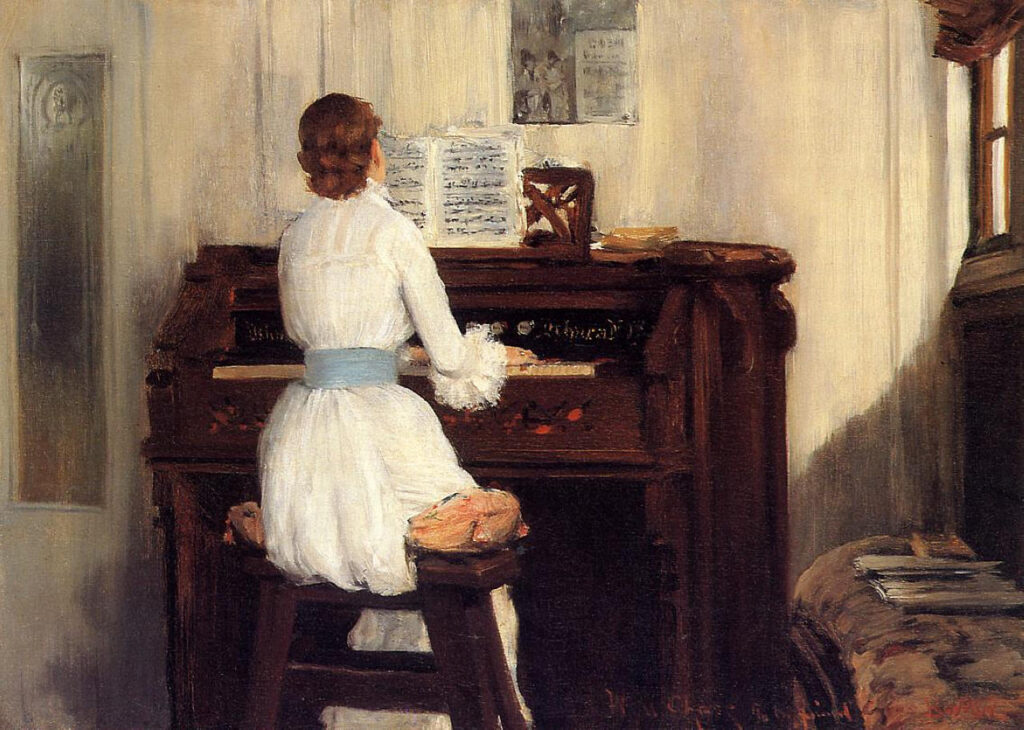
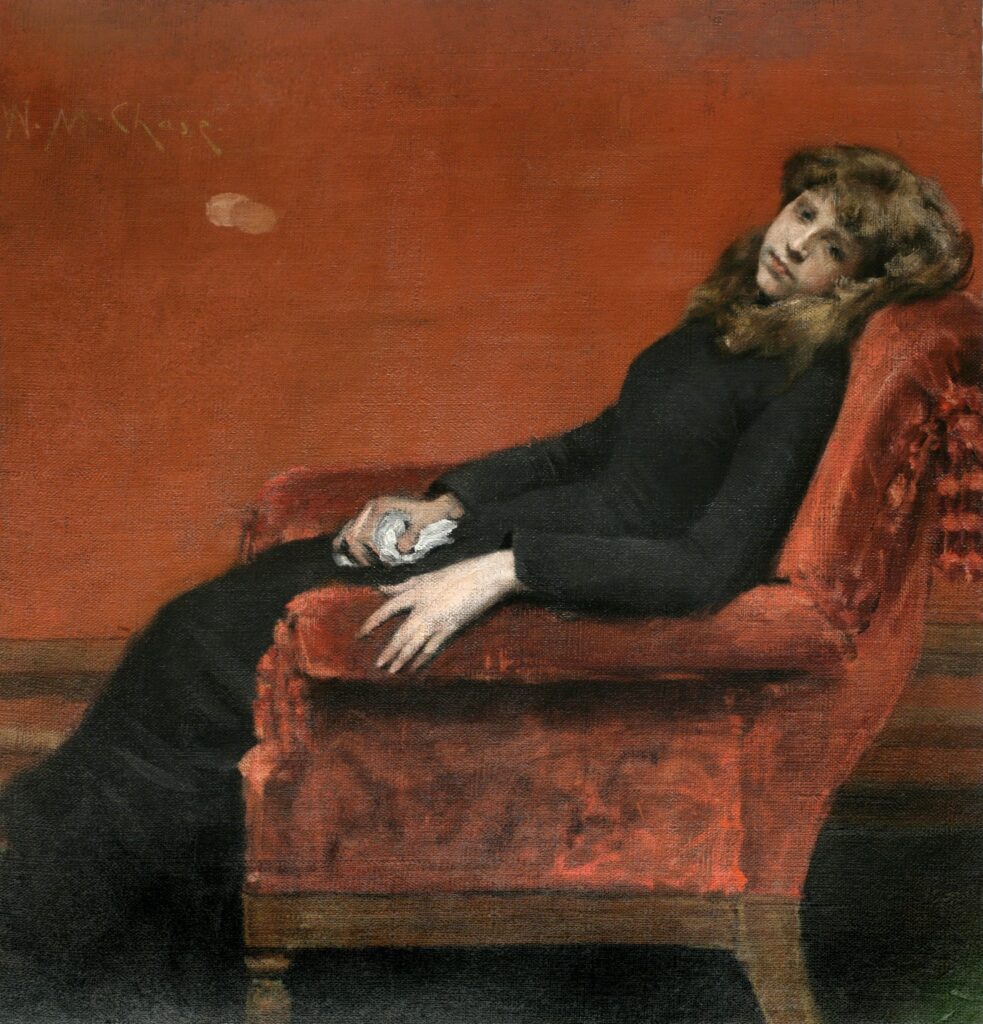
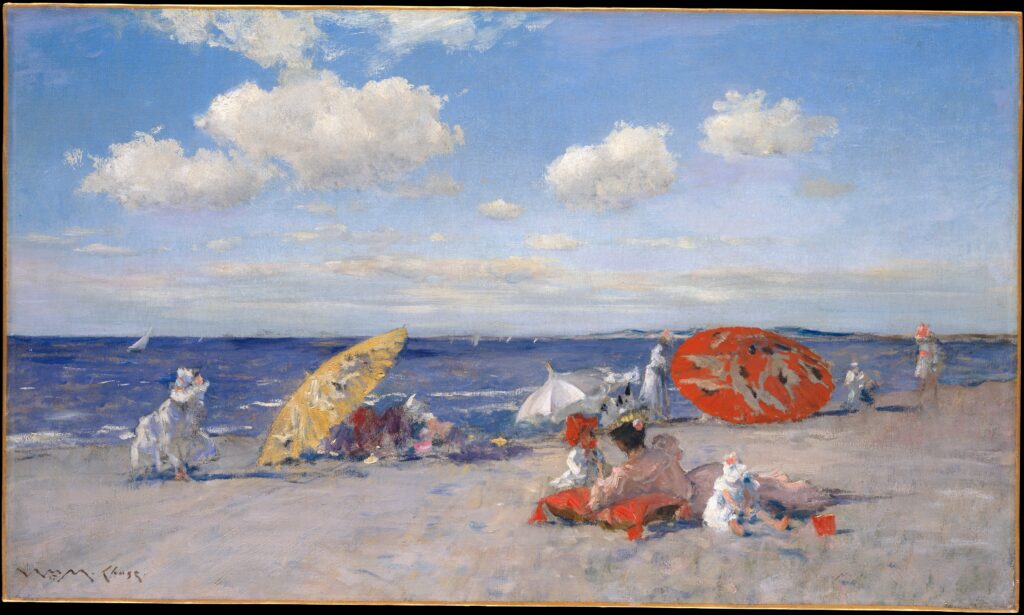
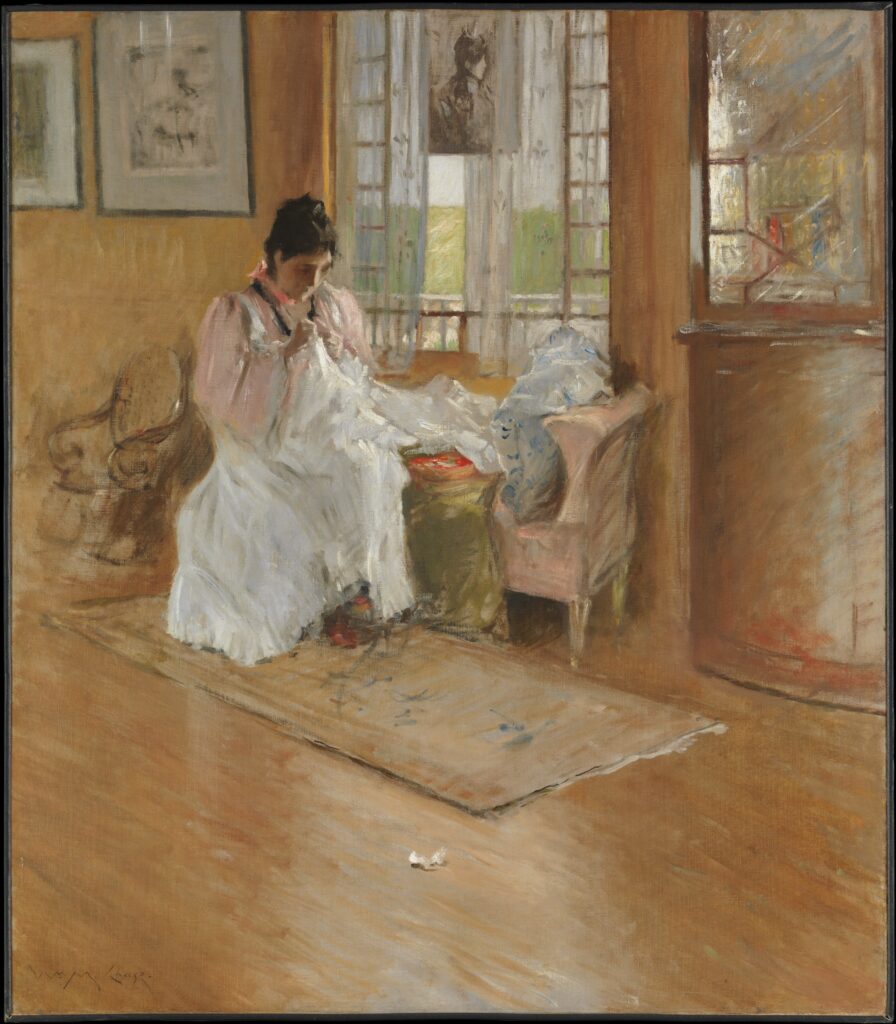
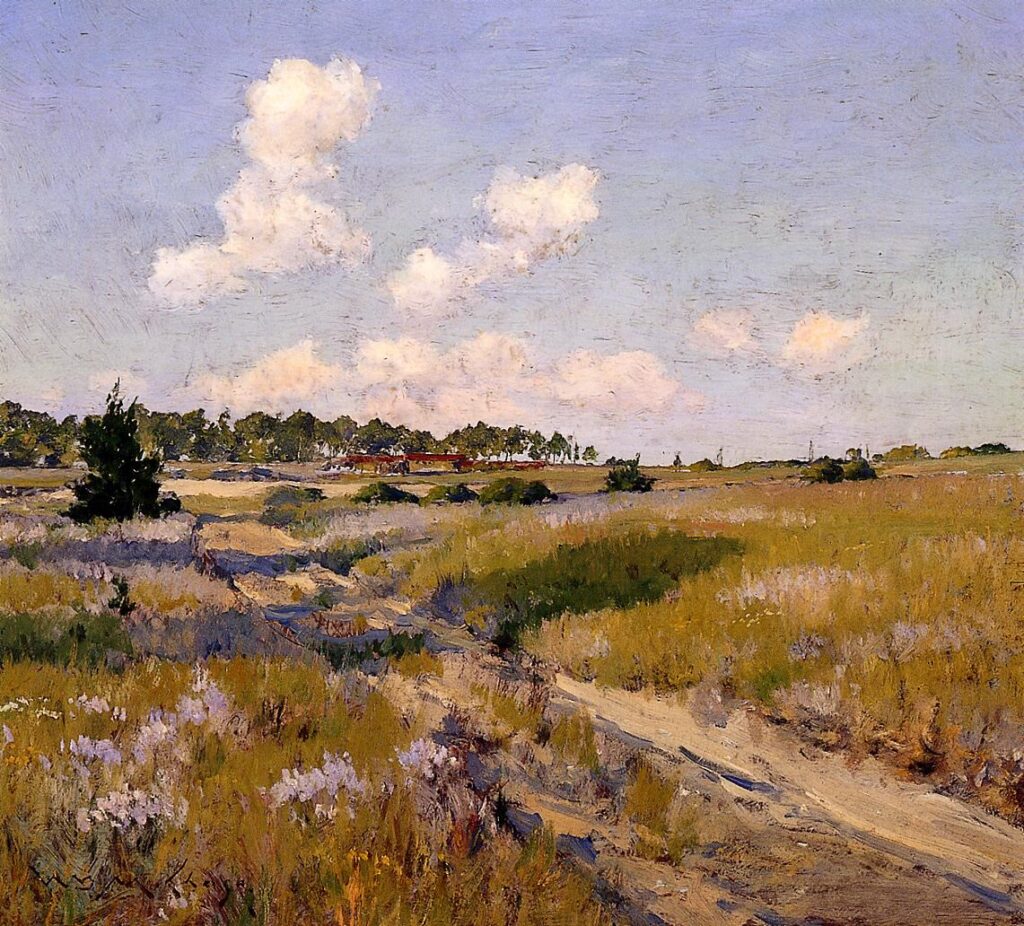
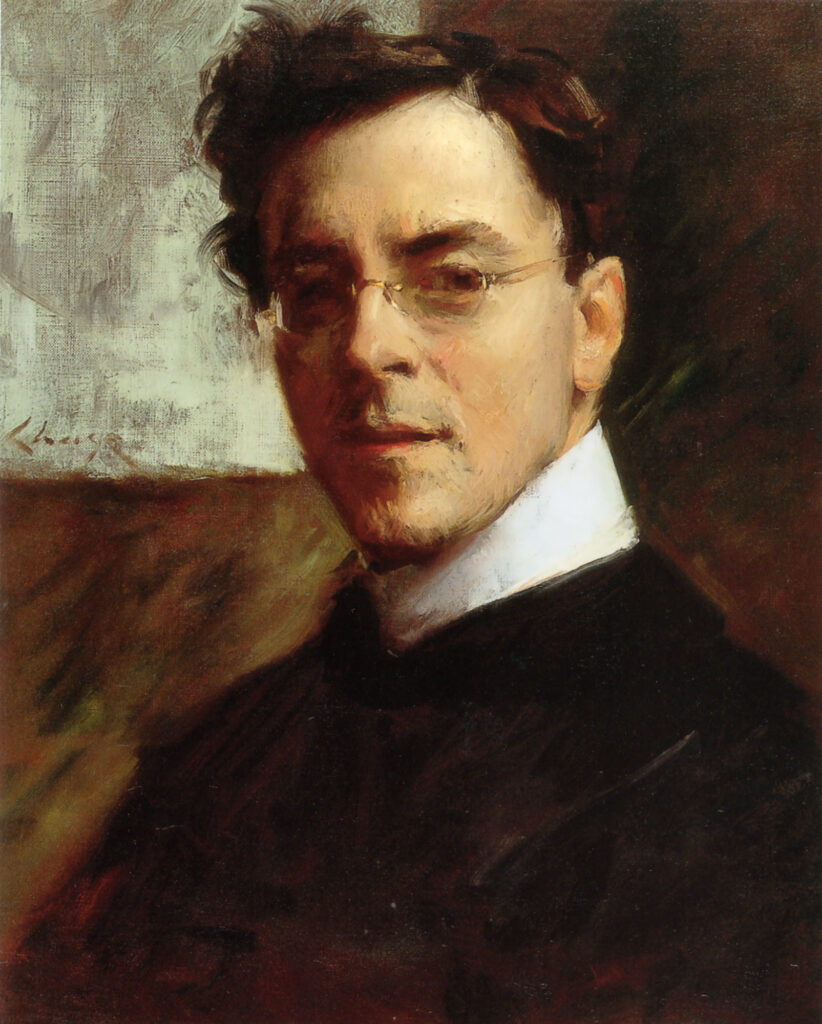
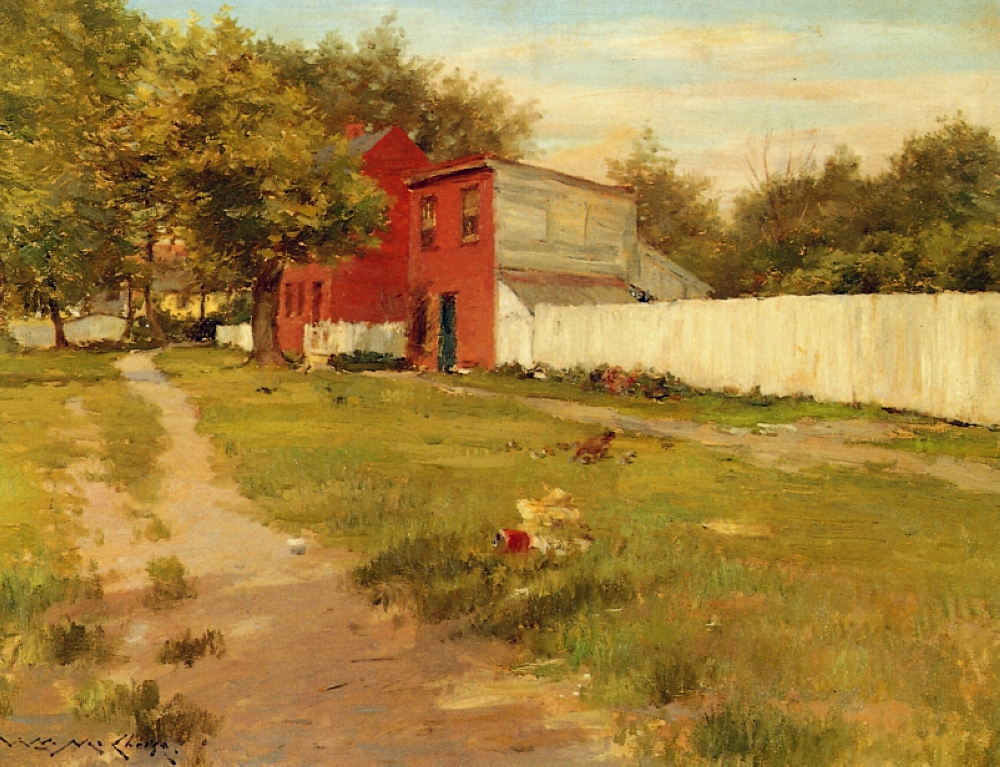
William Merritt Chase, November 1, 1849 – October 25, 1916, was an American painter and teacher. Born in Williamsburg, now Nineveh, Indiana, he studied in Indianapolis, at the National Academy of Design in New York, and from 1872 at the Royal Academy in Munich, where his teachers included Alexander von Wagner and Karl von Piloty; he also worked in Venice with fellow American artists including Frank Duveneck and John Twachtman.
Chase returned to New York in 1878 and taught at the Art Students League, later teaching at several other American art schools. He directed the Shinnecock Hills Summer School of Art from 1891 to 1902 and founded the Chase School of Art, later the New York School of Art. He worked in portraiture, still life, interiors, urban park scenes, and plein-air landscape in both oil and pastel; his students included Georgia O’Keeffe, Marsden Hartley, Edward Hopper, and Joseph Stella.
In 1902 Chase joined Ten American Painters and continued painting and teaching into his final years. He died in New York in 1916. His work is held by the Metropolitan Museum of Art, National Gallery of Art, Smithsonian American Art Museum, Brooklyn Museum, National Academy of Design, and other major American collections.




Frank Duveneck
Frank Duveneck, October 9, 1848 – January 3, 1919, was an American painter, printmaker, sculptor, and teacher. Born in Covington, Kentucky, to German immigrant parents, he apprenticed with a church-decoration firm before studying at the Royal Academy of Fine Arts in Munich under Wilhelm von Diez and working in the circle of Wilhelm Leibl.
Duveneck established schools in Munich and Polling and taught groups of American students in Germany and Italy who became known as the “Duveneck Boys.” His students included John Henry Twachtman, Otto Henry Bacher, John White Alexander, and Elizabeth Boott, whom he married in 1886. He worked chiefly as a portrait and figure painter and also produced etchings and sculpture.
After Elizabeth Duveneck’s death in 1888, he returned to the United States and taught at the Art Academy of Cincinnati, becoming chairman of its faculty in 1905. His work is held by the Cincinnati Art Museum, Metropolitan Museum of Art, National Gallery of Art, Smithsonian American Art Museum, Museum of Fine Arts, Boston, and other public collections.


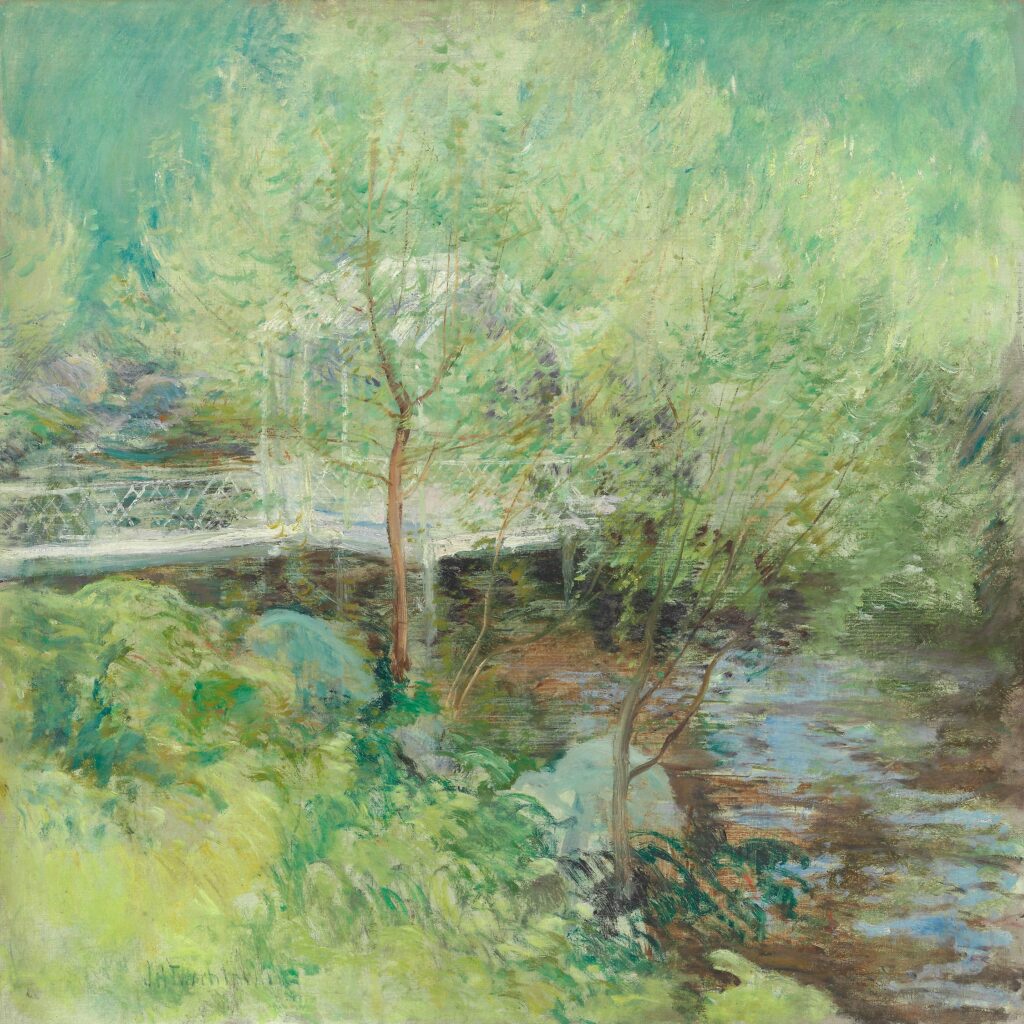
John Henry Twachtman
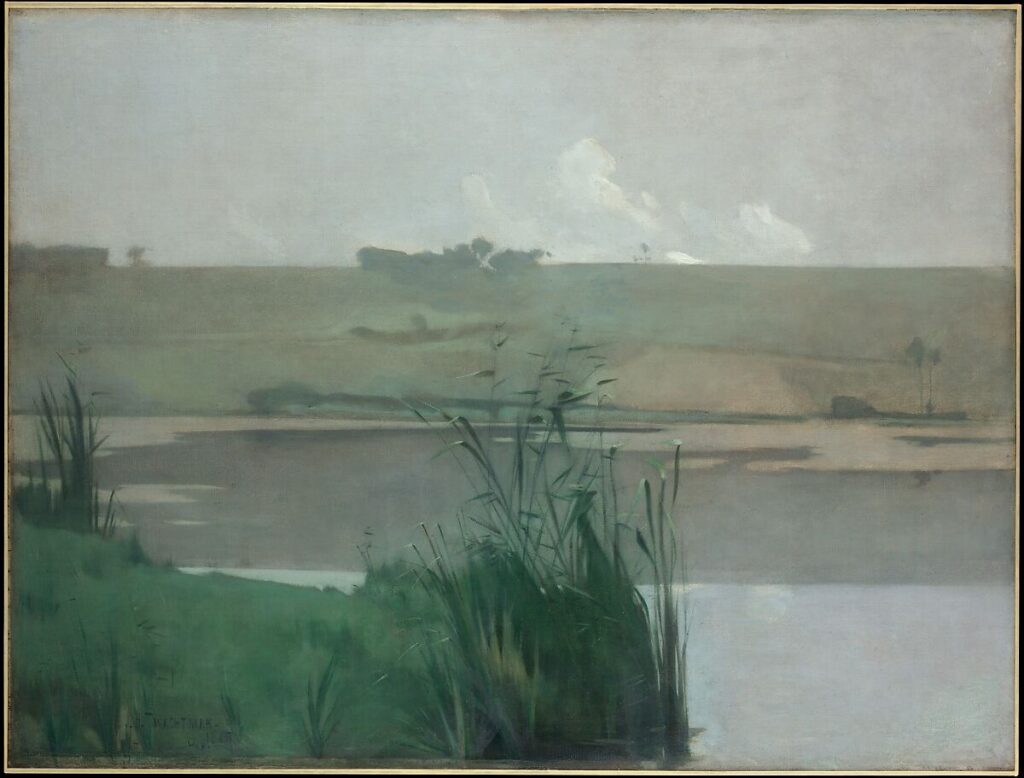
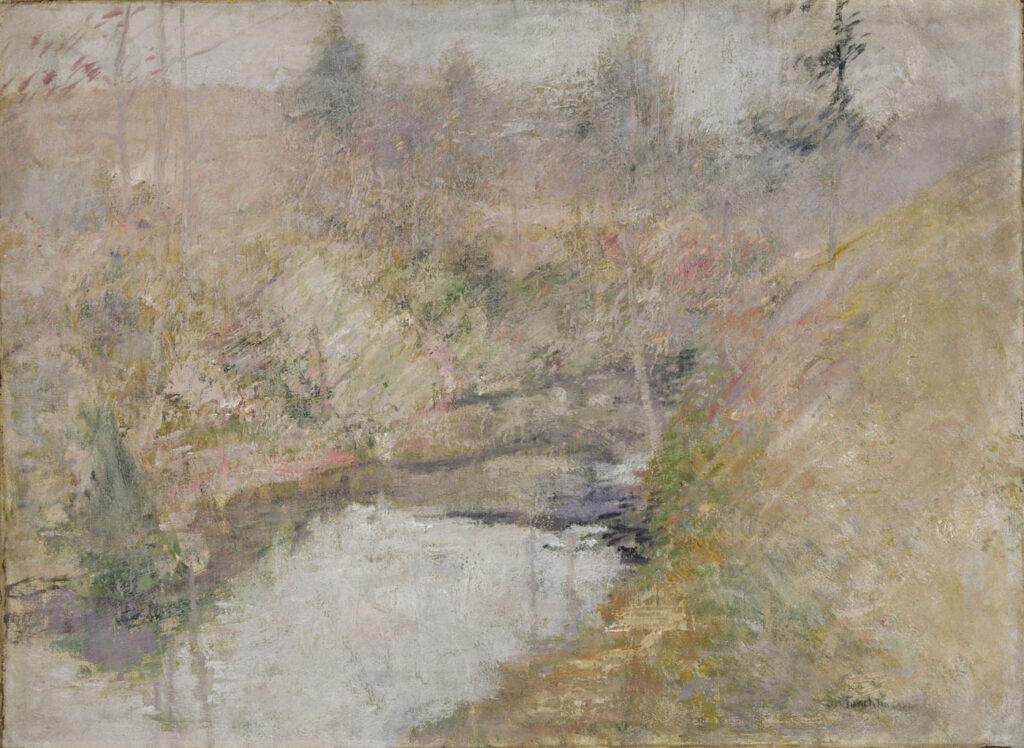
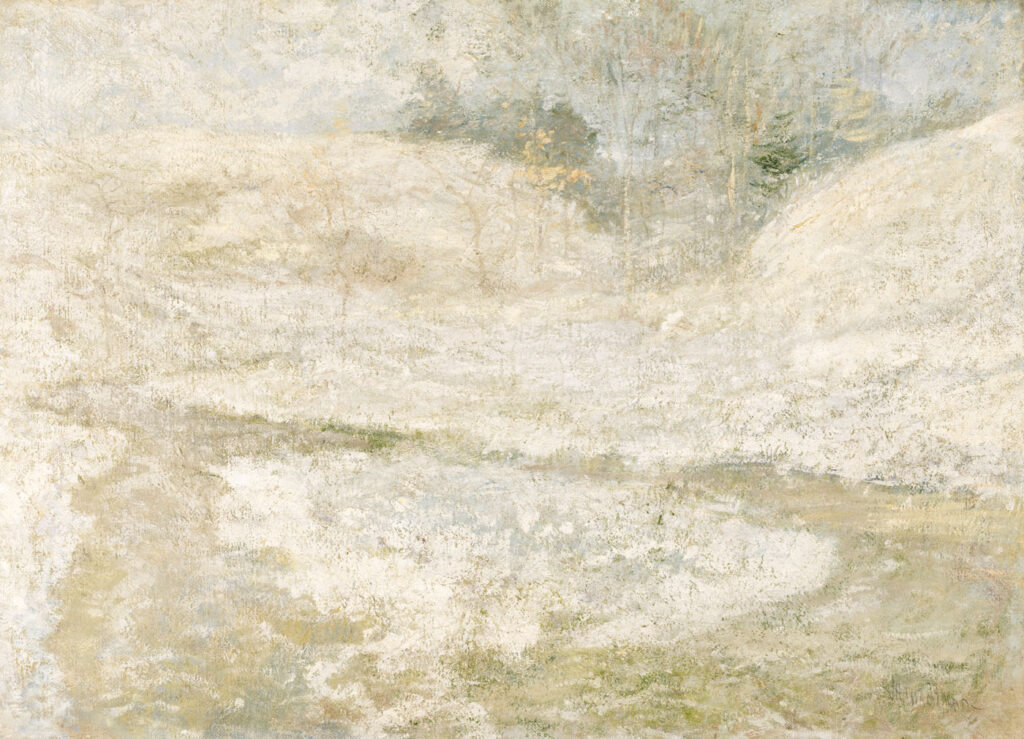
John Henry Twachtman, August 4, 1853 – August 8, 1902, was an American painter and printmaker associated with American Impressionism and Tonalism. He studied at the Ohio Mechanics Institute, the McMicken School of Design in Cincinnati, the Royal Academy of Fine Arts in Munich, and the Académie Julian in Paris.
Twachtman worked closely with J. Alden Weir and Theodore Robinson, and he was one of The Ten American Painters, the group that separated from the Society of American Artists in 1898. He taught at the Art Students League of New York, where his students included Ernest Lawson and Helen Turner.
His paintings are held by the Metropolitan Museum of Art, the Art Institute of Chicago, the Smithsonian American Art Museum, the National Gallery of Art, the Cincinnati Art Museum, and other major US collections.






John Singleton Copley
John Singleton Copley, American painter, July 3, 1738 - September 9, 1815
Copley was born in Boston and had no formal academic art education. He was largely self-taught, though he probably learned the use of painting and engraving tools from his stepfather, Peter Pelham, a portrait painter, engraver, and teacher. Benjamin West and Sir Joshua Reynolds later encouraged him to study in Europe.
Copley worked first in Boston, with a temporary stay in New York in 1771–1772 and a brief visit to Philadelphia. In 1774 he left Boston for London and then traveled through Paris, Genoa, Rome, Naples, Florence, Parma, Mantua, Venice, and other European cities before settling permanently in London.
His early work is best known for precise, direct, psychologically observant portraits of colonial Americans, often with sharply rendered fabrics, objects, and social details. After moving to Britain, he increasingly worked in grander historical, political, and narrative subjects, while continuing to paint portraits.
His honors included election as a Fellow of the Society of Artists of Great Britain in 1766, Associate of the Royal Academy in 1776, Royal Academician in 1783, and Foreign Honorary Member of the American Academy of Arts and Sciences in 1791. No formal pupils are securely associated with him, though John Trumbull was strongly impressed by him as a young artist.


