Posts in Category: American


Cabinet of Curiosities
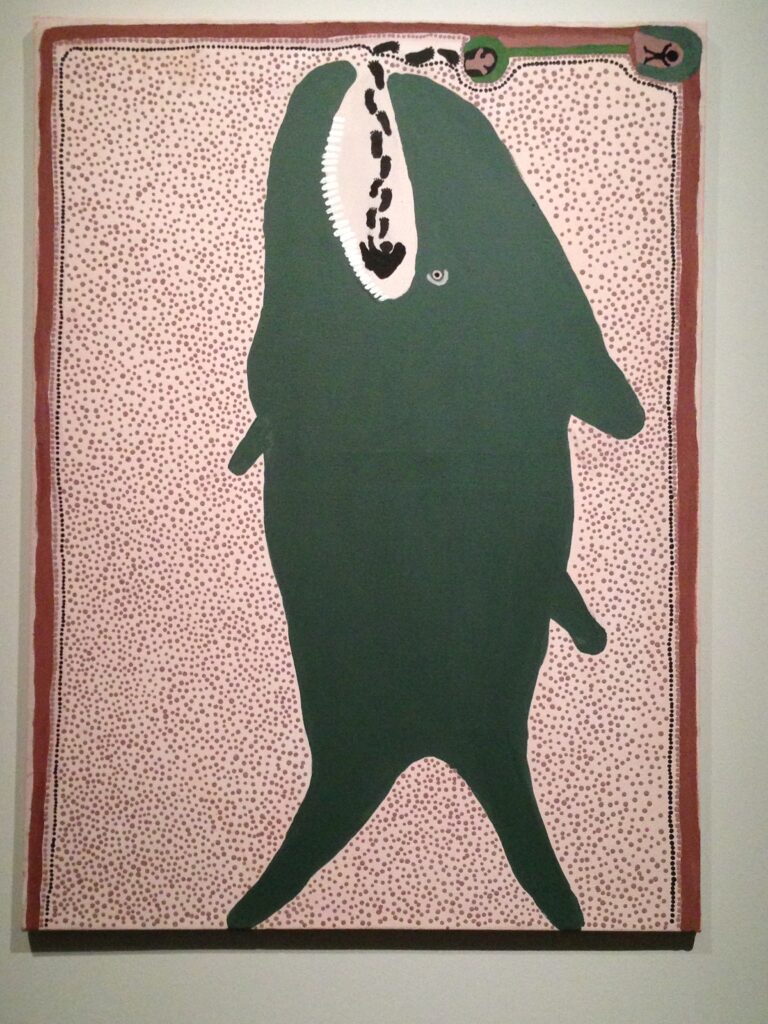
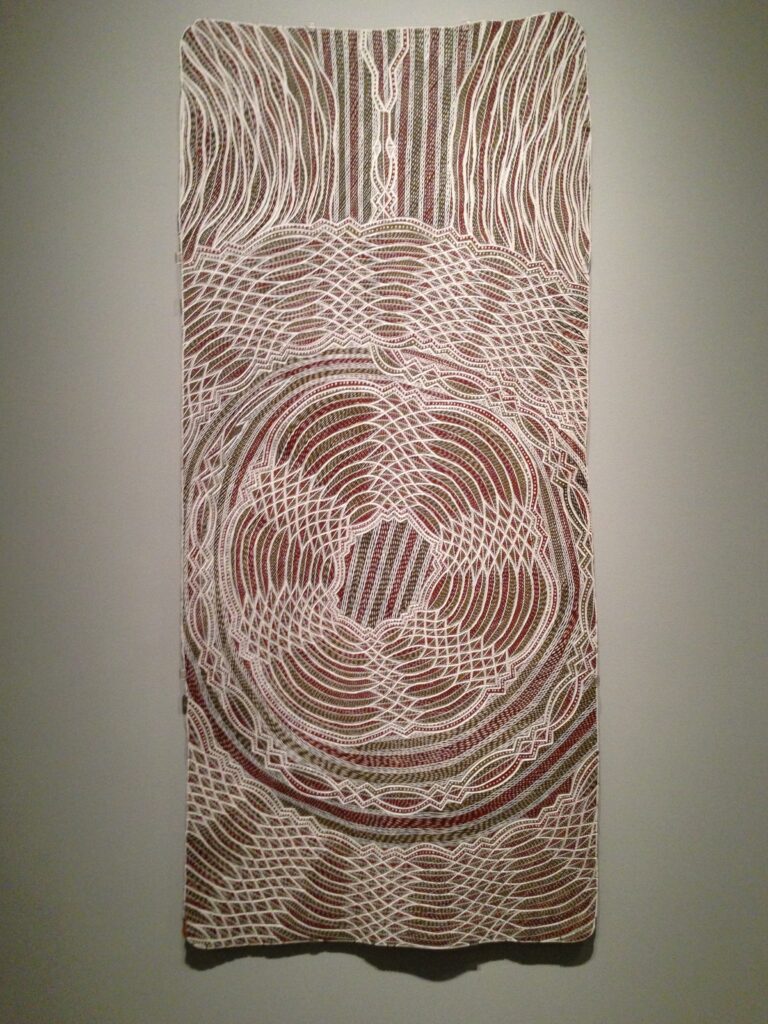
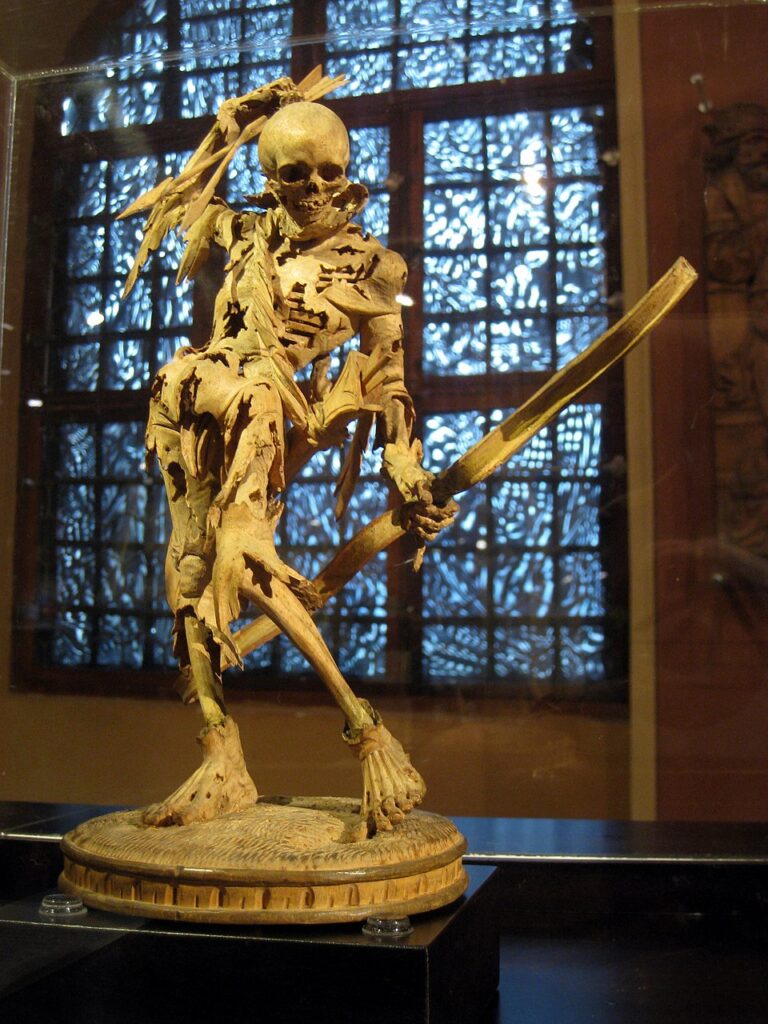
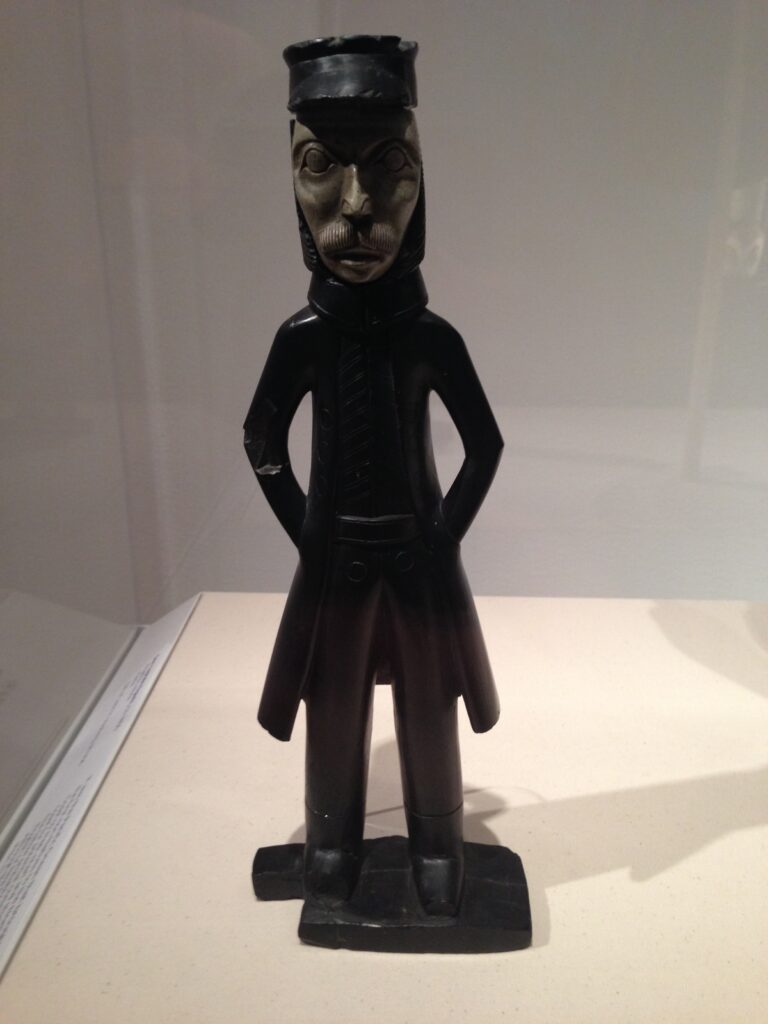
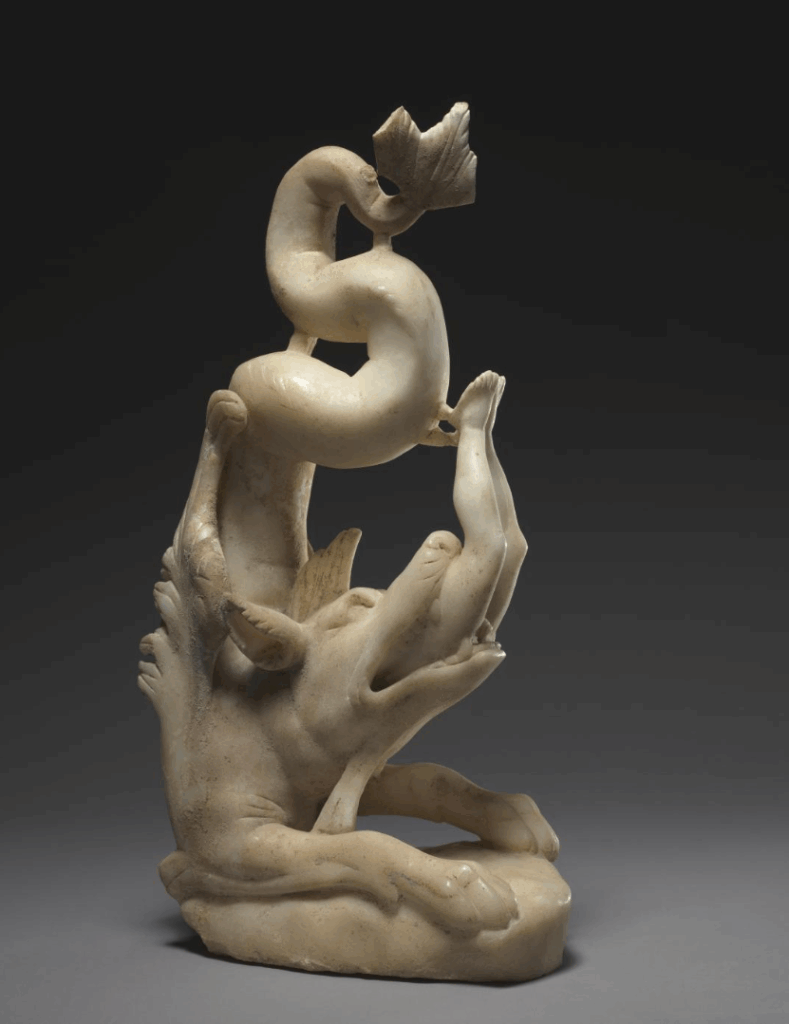
This is a collection of images I have collected and treasure that don’t lend themselves to traditional Art History arrangement. Aboriginal peoples arts and crafts, pottery, random objects from everywhere and every age.
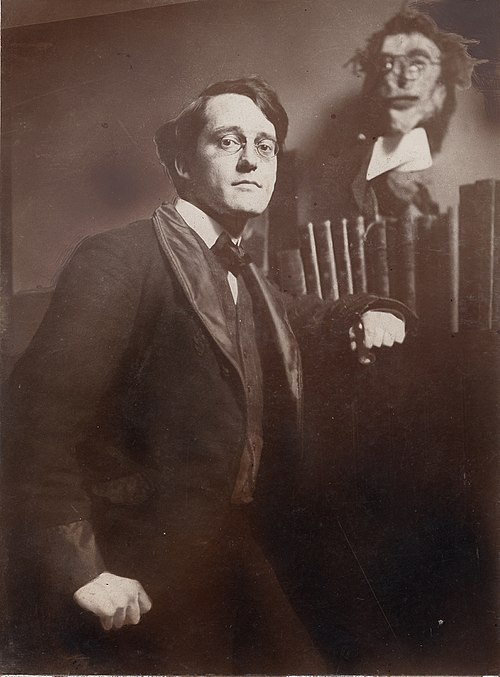
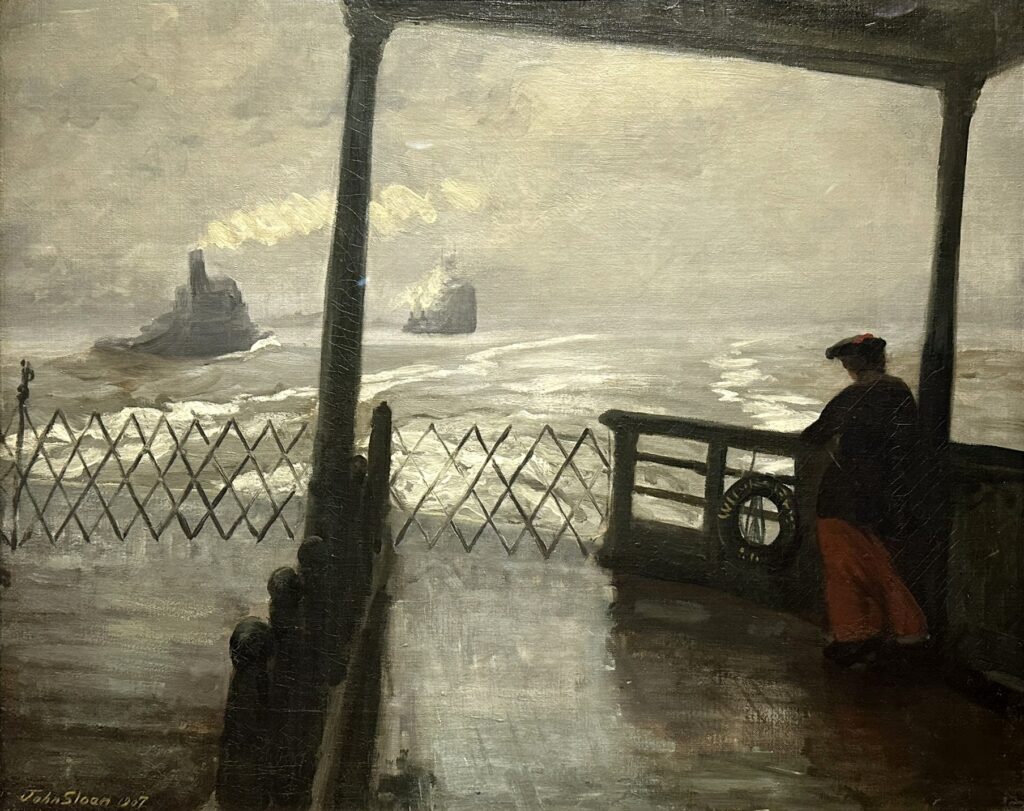
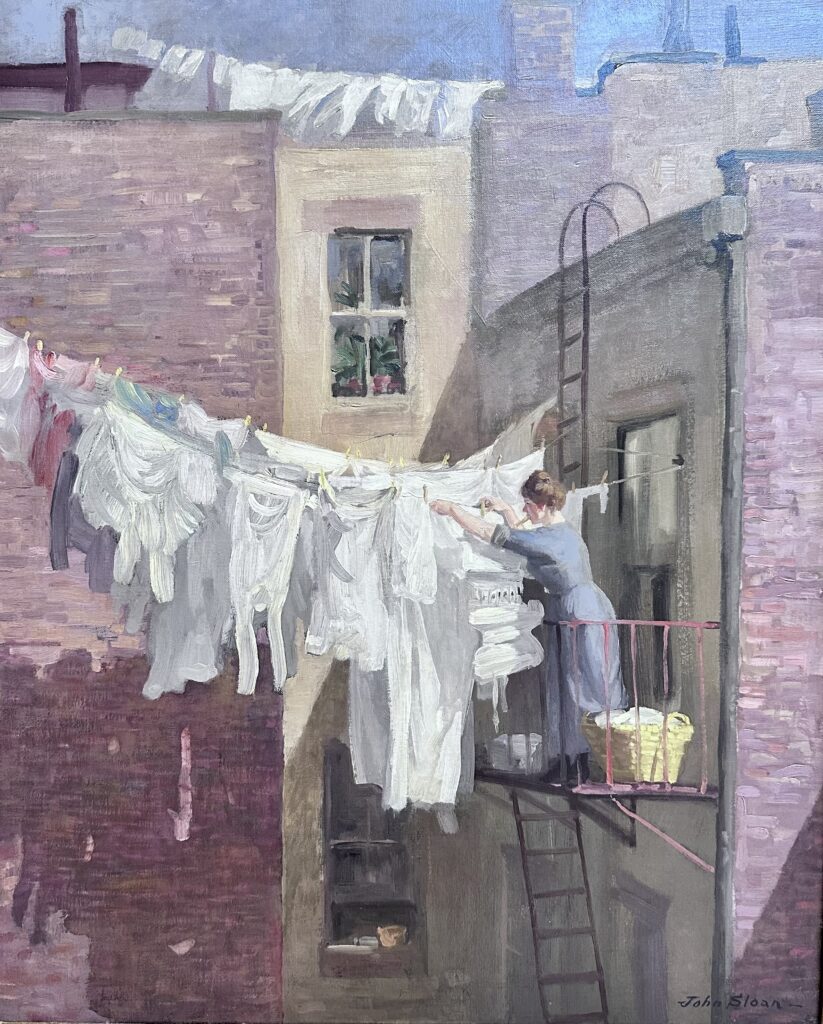
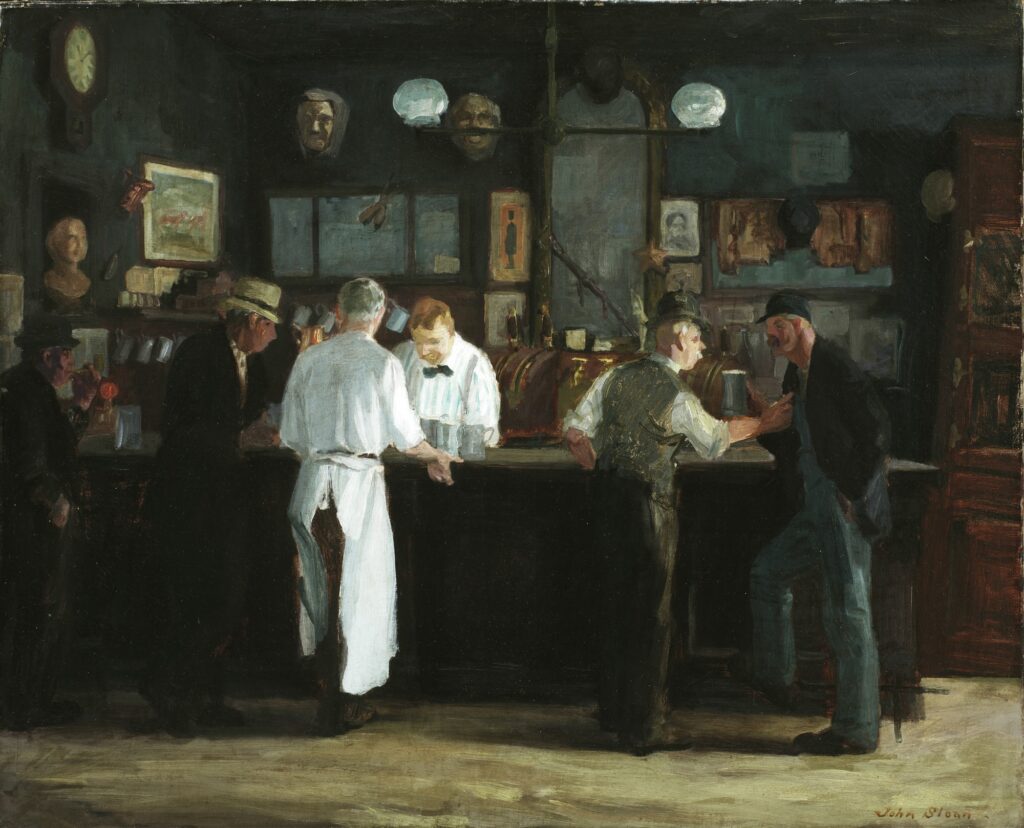
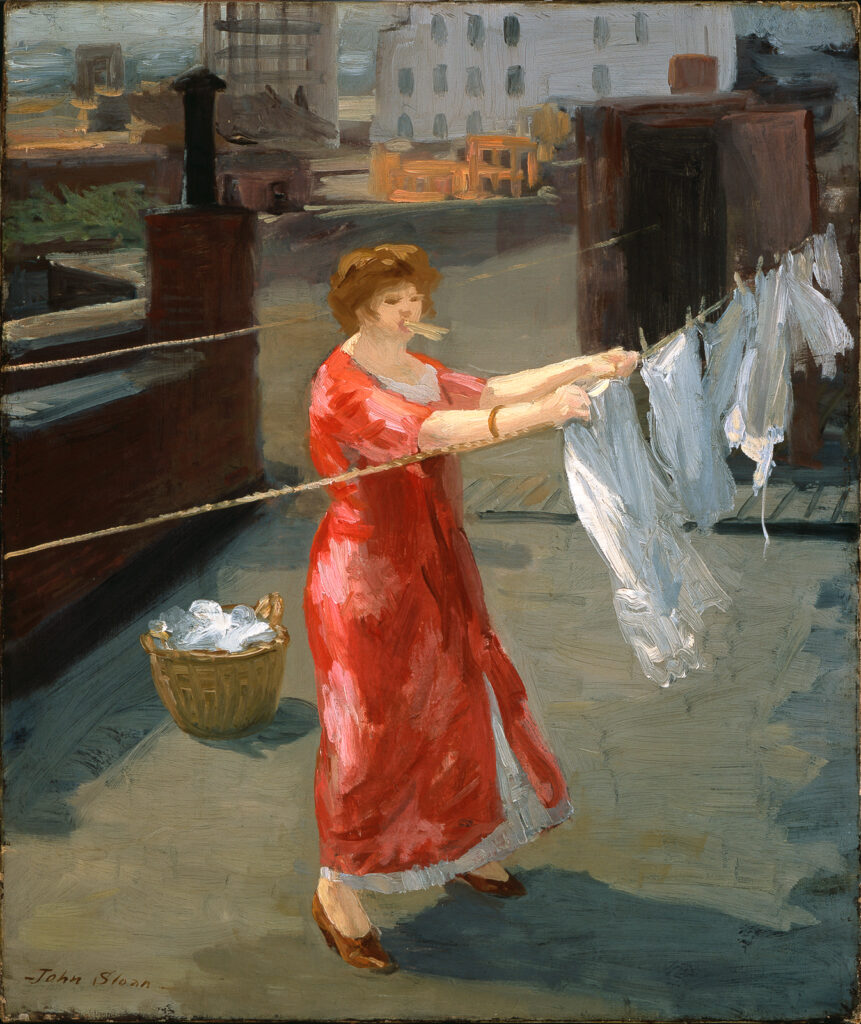
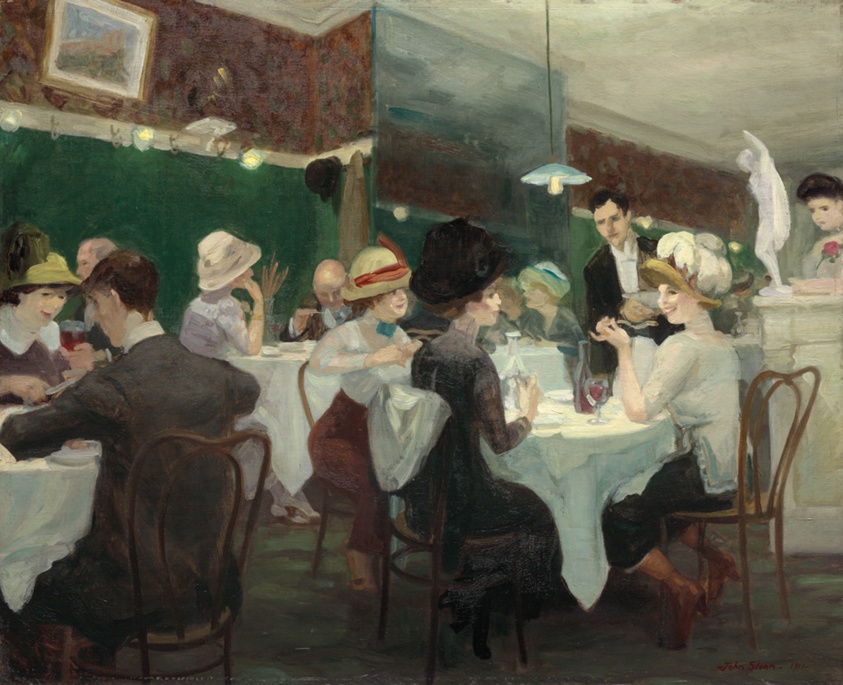
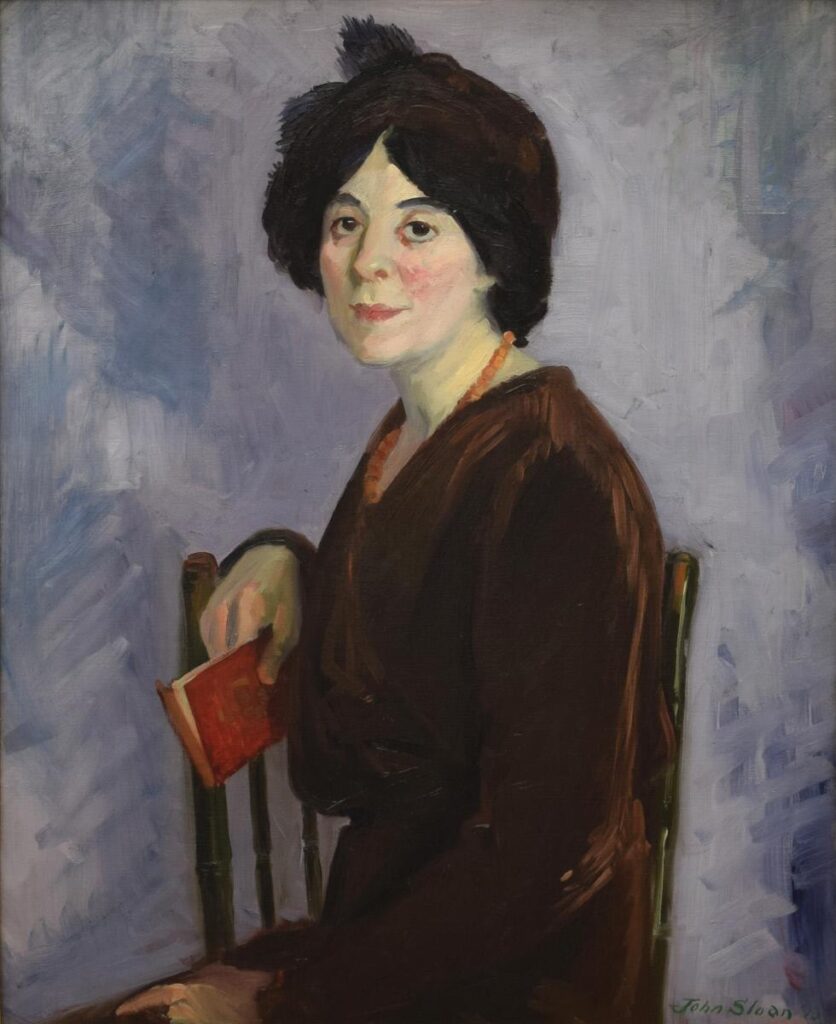
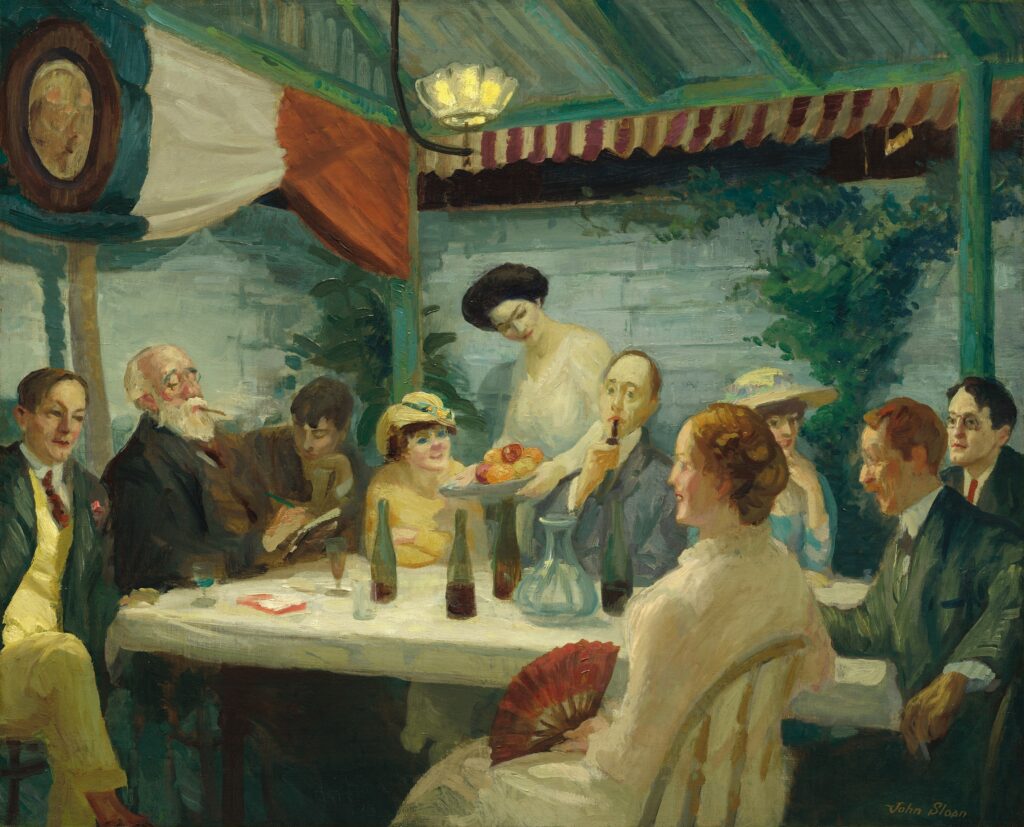
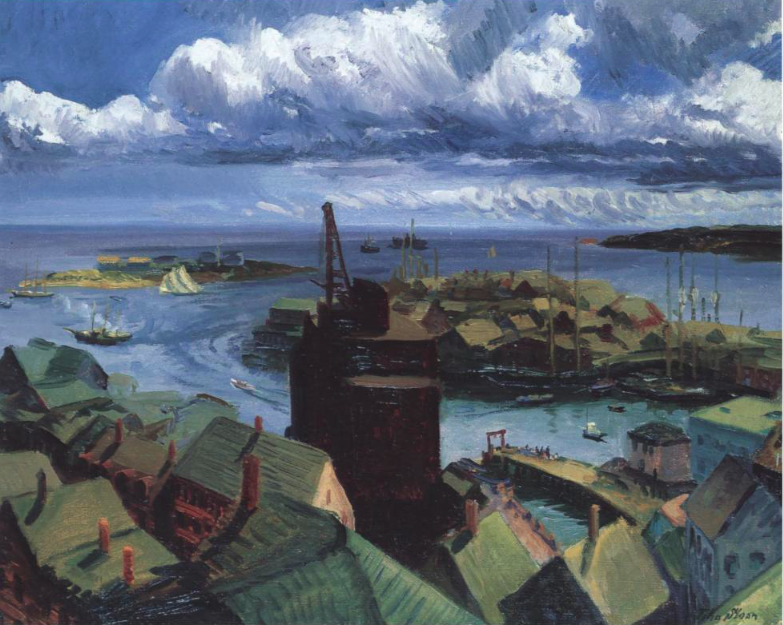
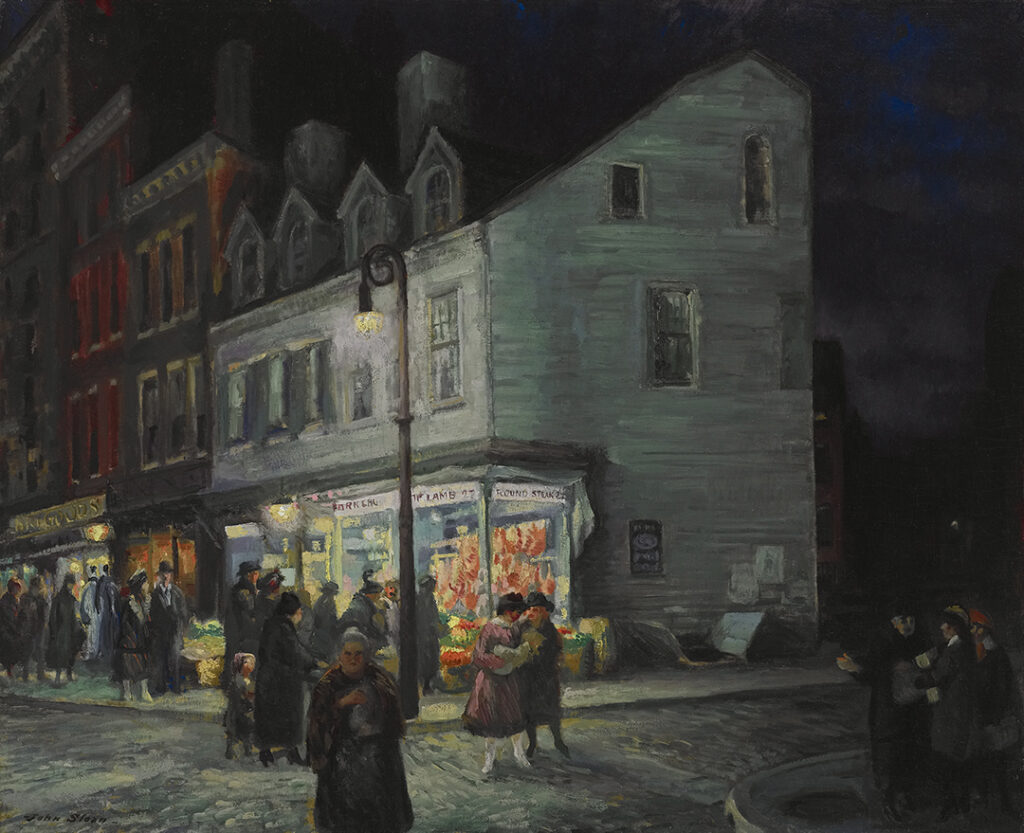
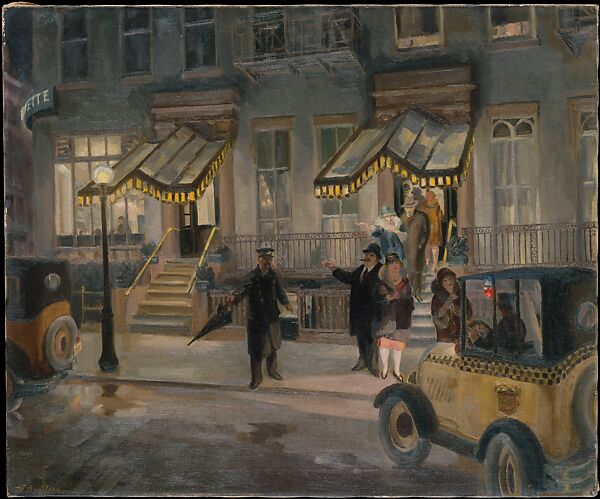
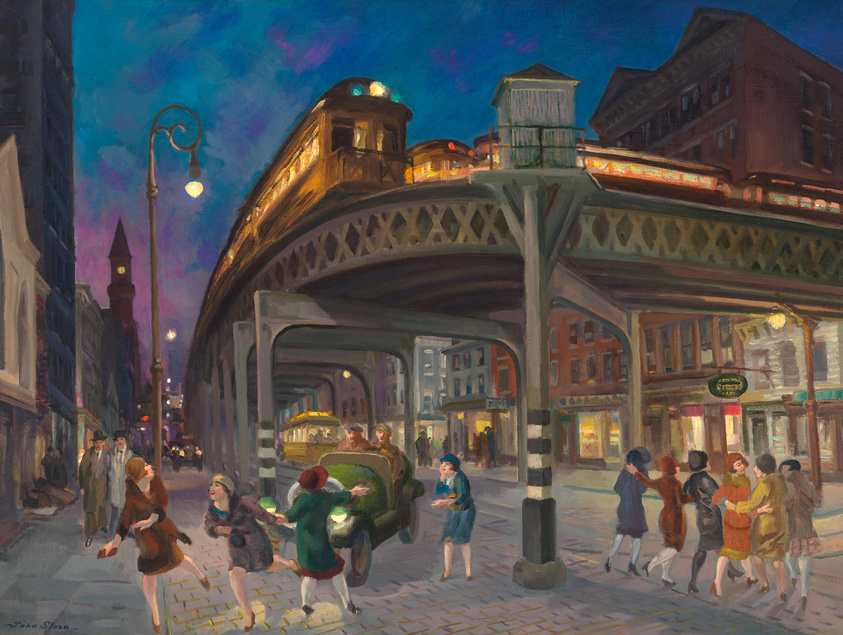
John Sloan
John French Sloan, August 2, 1871 – September 7, 1951, was an American painter, printmaker, illustrator, and teacher associated with the Ashcan School and The Eight. Born in Lock Haven, Pennsylvania, he trained at the Pennsylvania Academy of the Fine Arts and worked as a newspaper illustrator in Philadelphia.
Sloan was closely associated with Robert Henri, William Glackens, George Luks, and Everett Shinn. He painted urban scenes, interiors, rooftops, restaurants, and public spaces, especially in New York, and also made etchings documenting city life.
He taught at the Art Students League of New York, where his students included Alexander Calder, Reginald Marsh, and Barnett Newman. His work is held by the Metropolitan Museum of Art, National Gallery of Art, Whitney Museum of American Art, Smithsonian American Art Museum, and Cleveland Museum of Art.

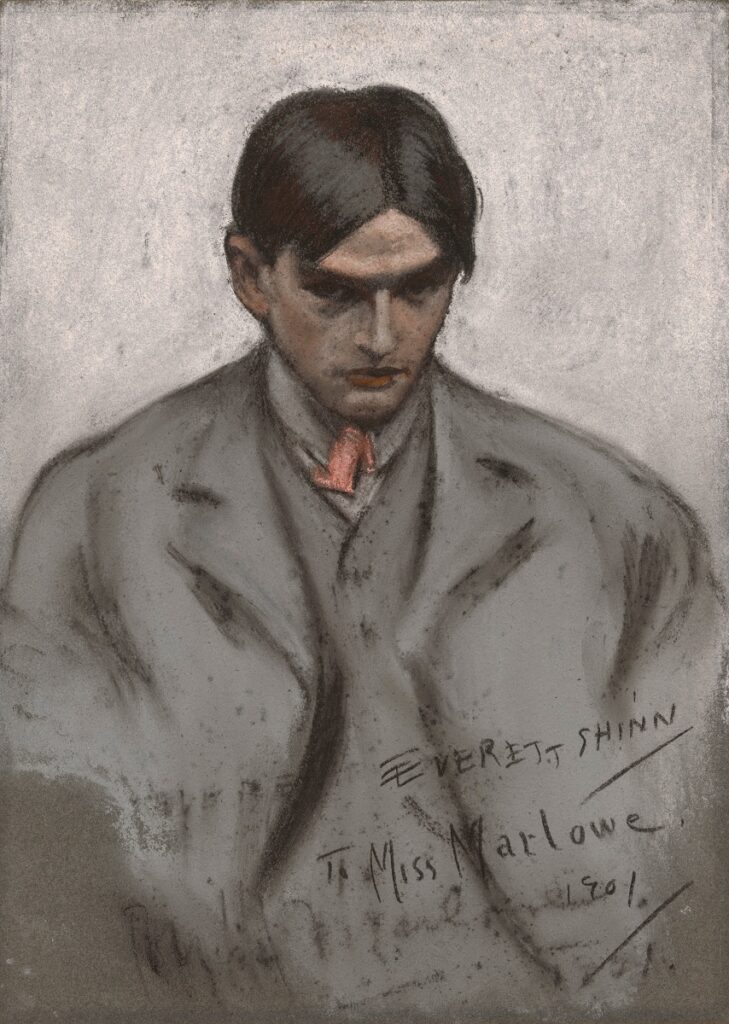
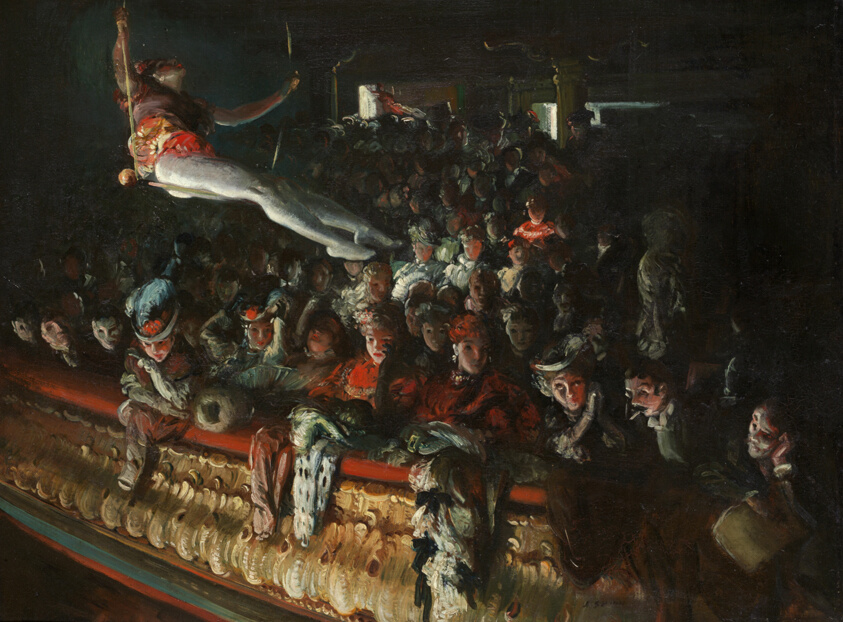
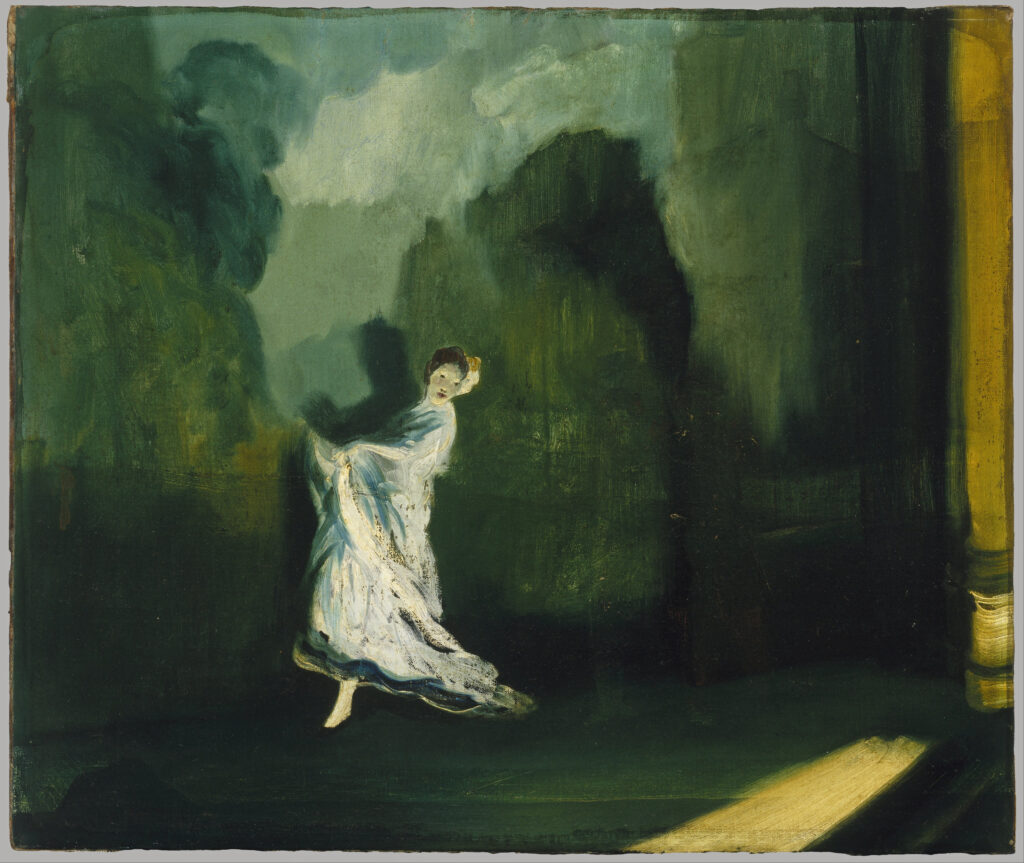
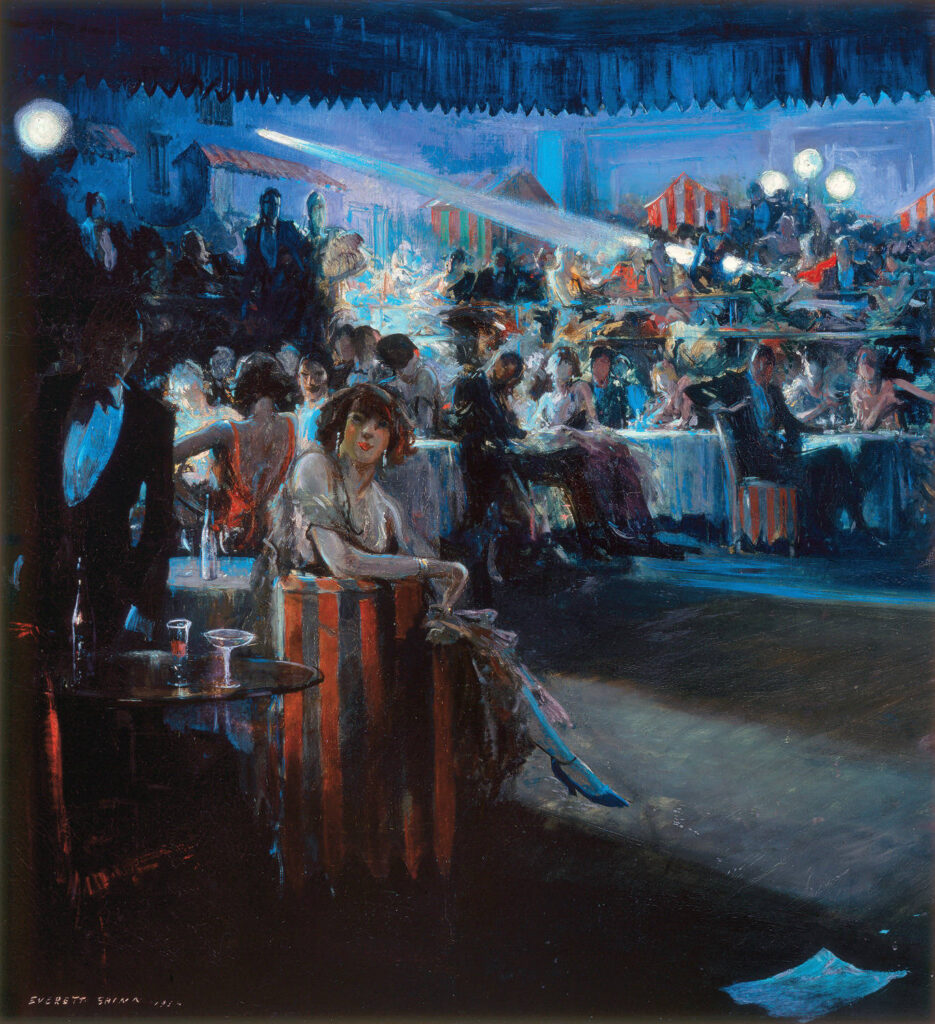
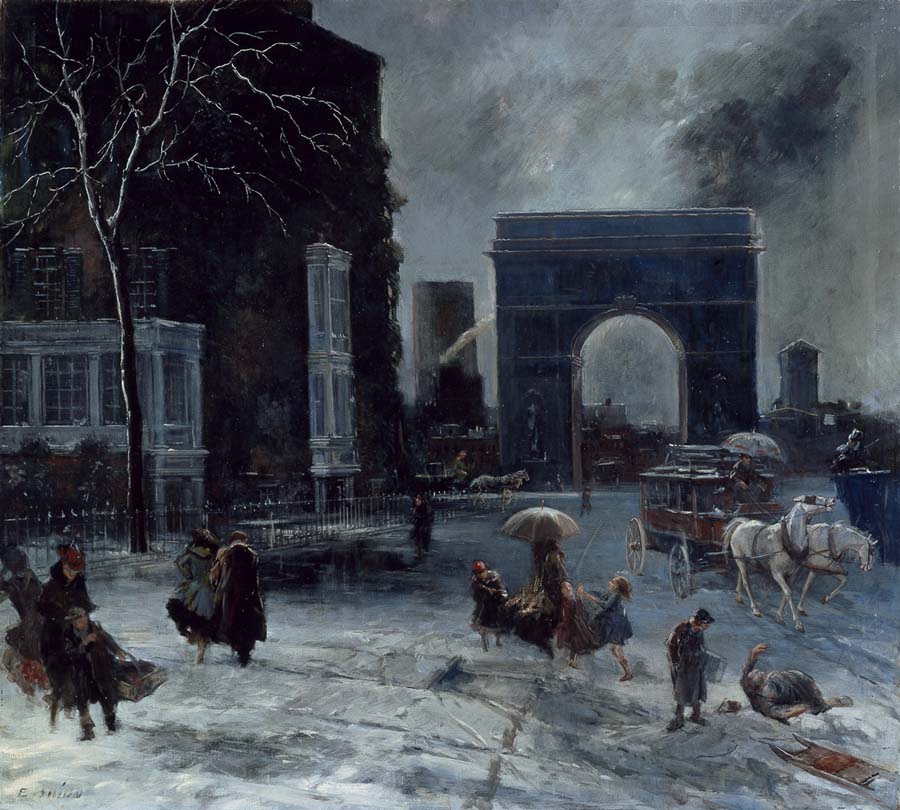
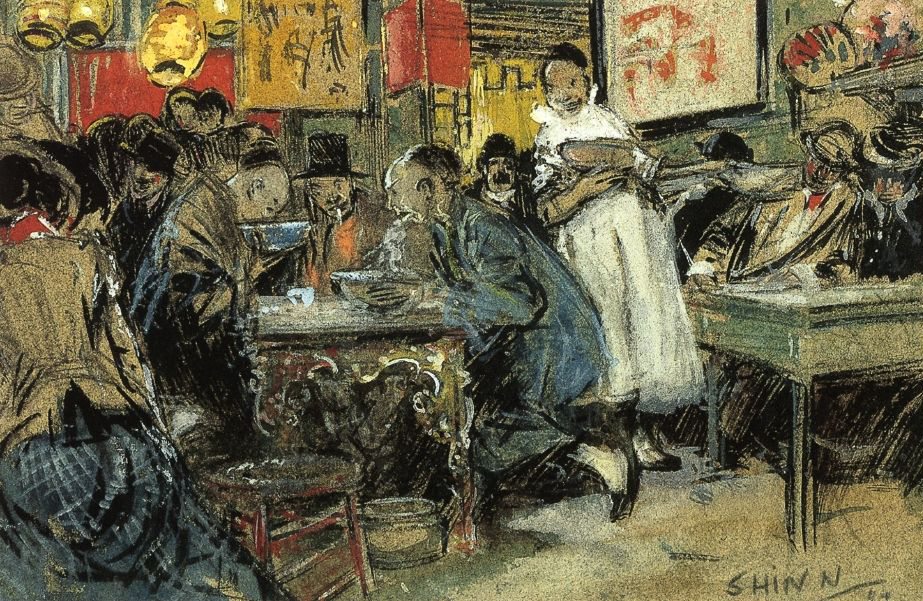
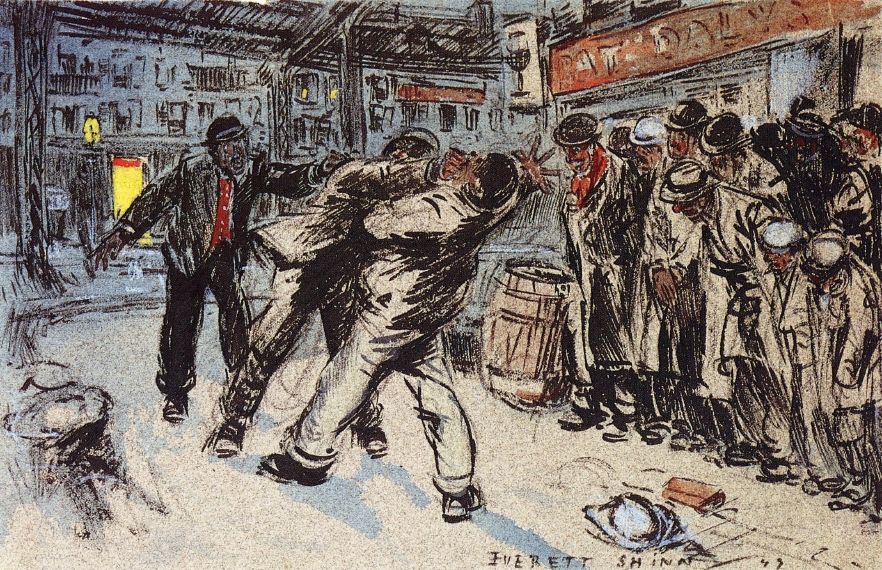
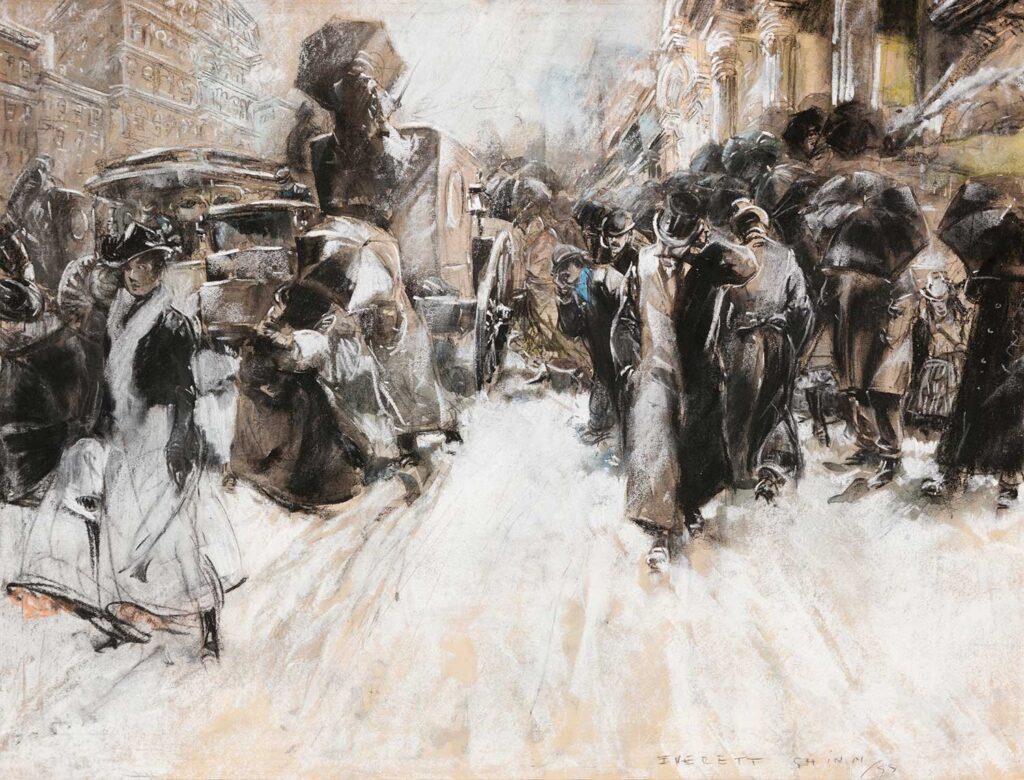
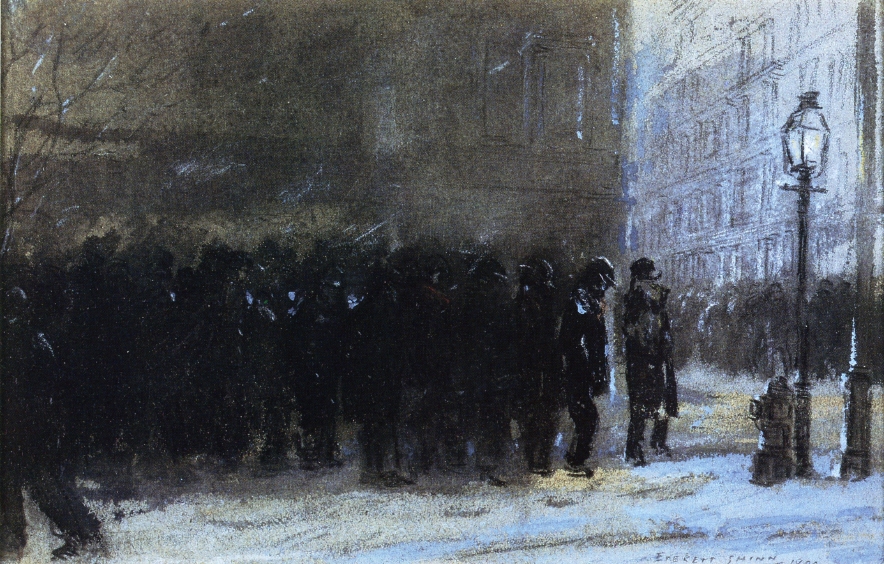
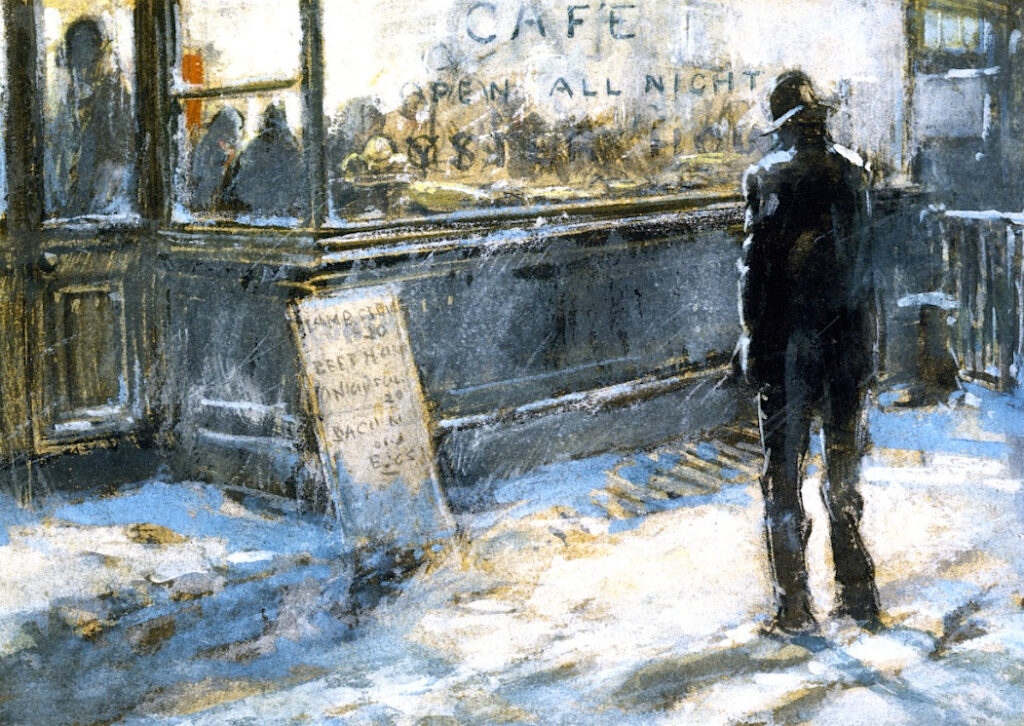
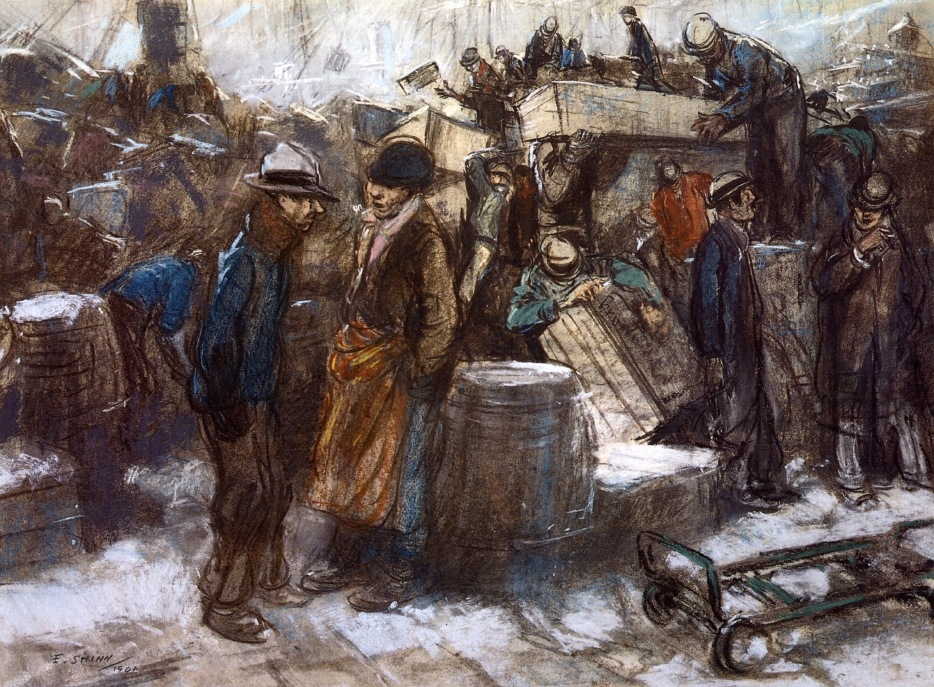
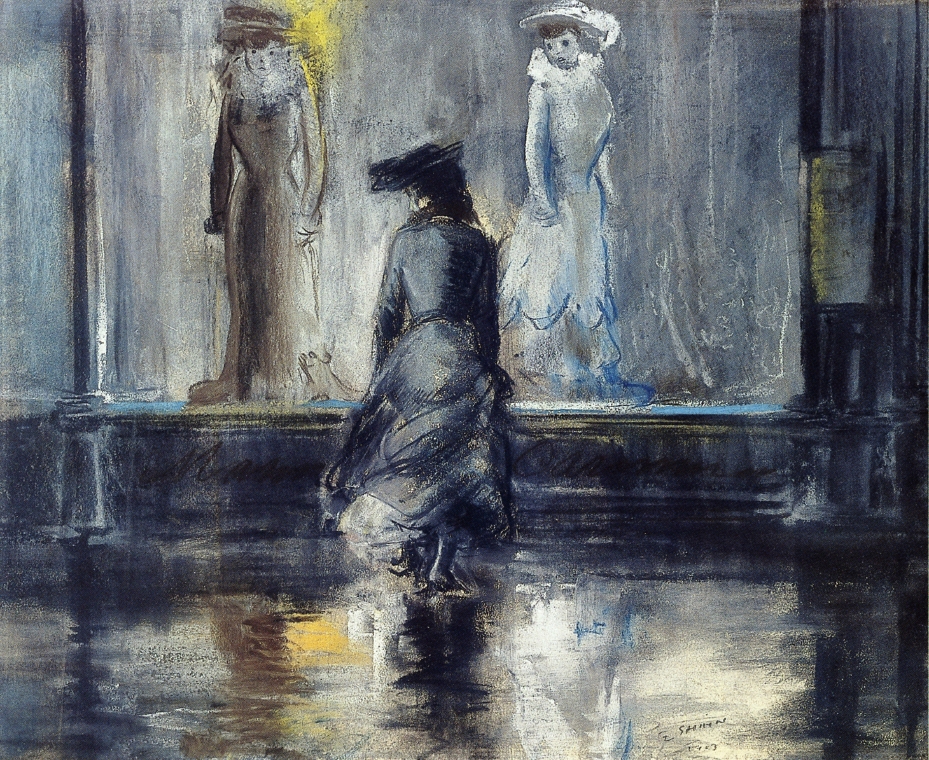
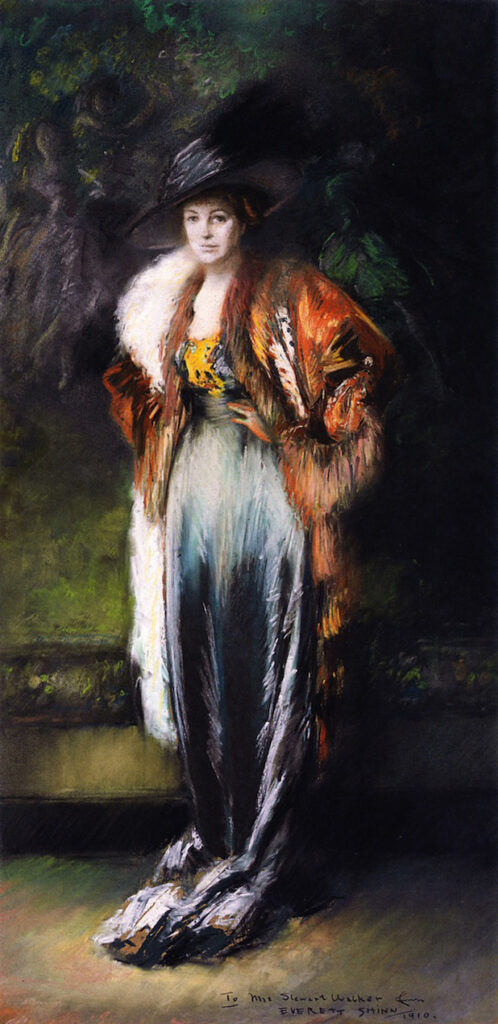
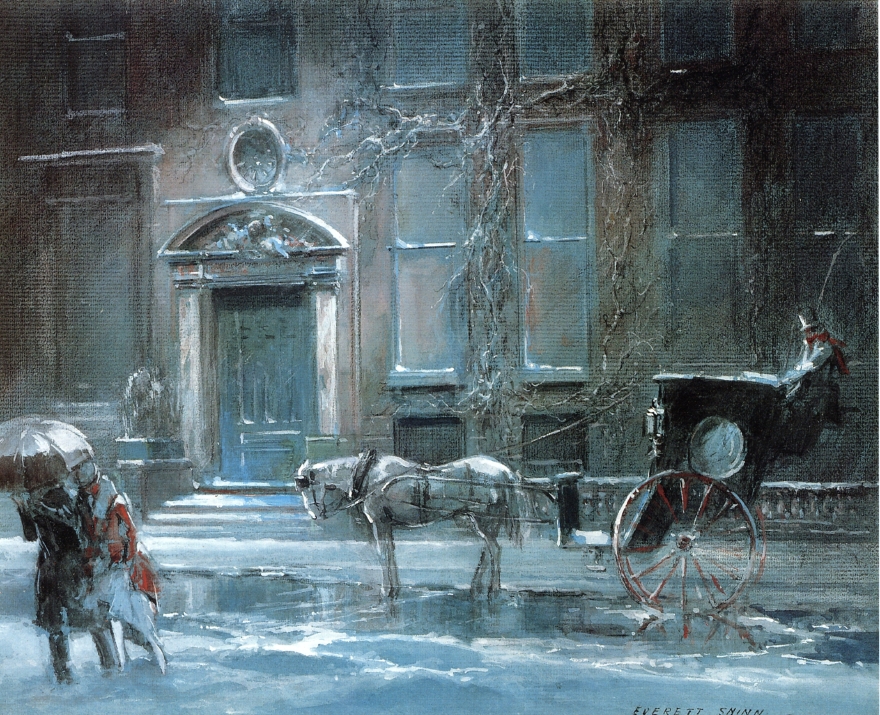
Everett Shinn
Everett Shinn, November 6, 1876 – May 1, 1953, was an American painter, illustrator, and designer born in Woodstown, New Jersey. He studied mechanical drawing at the Spring Garden Institute in Philadelphia and attended the Pennsylvania Academy of the Fine Arts, where Thomas Anshutz was among his teachers.
Shinn began his career as a newspaper illustrator at the Philadelphia Press and moved to New York in 1897. Associated with Robert Henri, John Sloan, William Glackens, and George Luks, he exhibited with The Eight in 1908 and became known for urban scenes, theatrical subjects, and extensive work in pastel.
Shinn also produced magazine illustrations, murals, theatrical designs, and later decorative commissions. His work is represented in the National Portrait Gallery, Art Institute of Chicago, Brooklyn Museum, Smithsonian American Art Museum, Milwaukee Art Museum, and other American collections. He died in New York City in 1953.


Maurice Brazil Prendergast
Maurice Brazil Prendergast, October 10, 1858 – February 1, 1924, was an American painter born in St. John’s, Newfoundland. His family moved to Boston in 1868, and he later studied in Paris with Gustave Courtois at the Académie Colarossi and at the Académie Julian.
Prendergast worked in watercolor, monotype, and oil, often depicting parks, beaches, city streets, and scenes of public leisure. He exhibited with The Eight in 1908, served on the selection committee for the 1913 Armory Show, and developed a post-impressionist style marked by flattened forms, strong outlines, and patterned color.
Prendergast moved to New York with his artist brother Charles in 1914 and remained there until his death. His work is held by the National Gallery of Art, Smithsonian American Art Museum, Metropolitan Museum of Art, Museum of Fine Arts, Boston, and Whitney Museum of American Art.


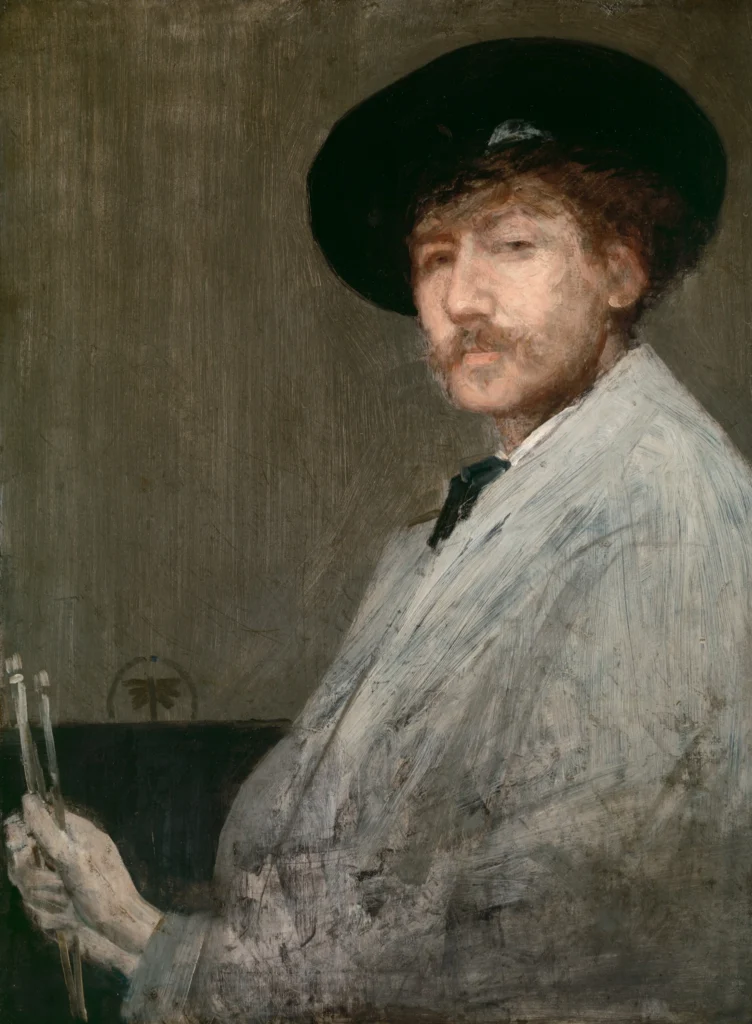
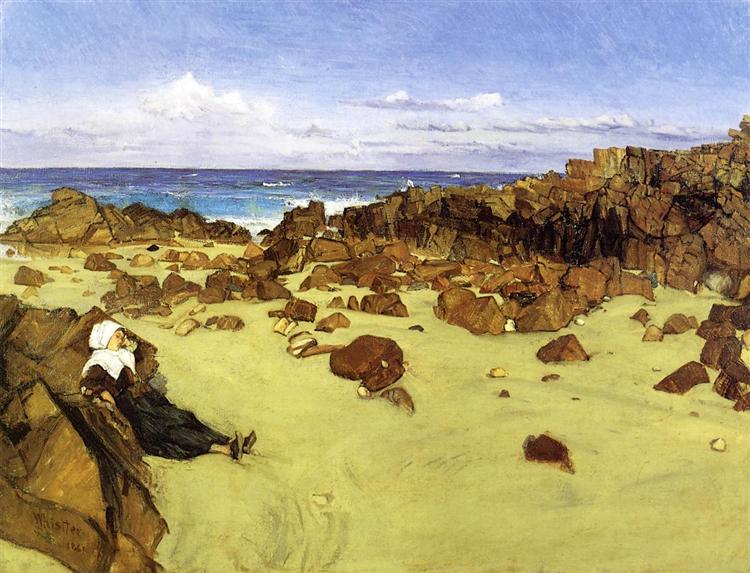
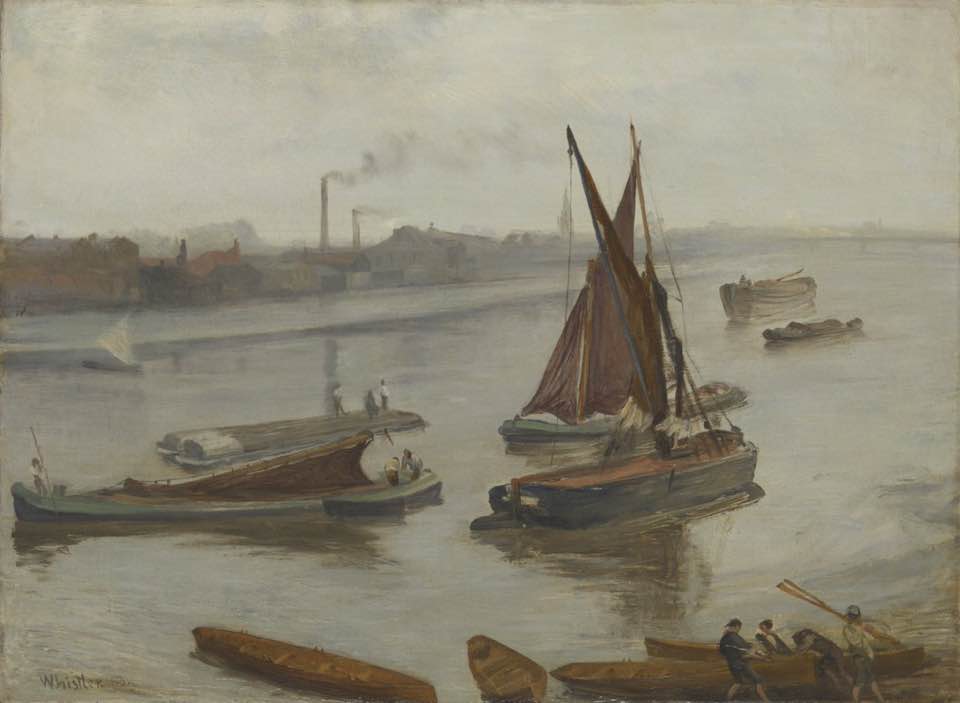
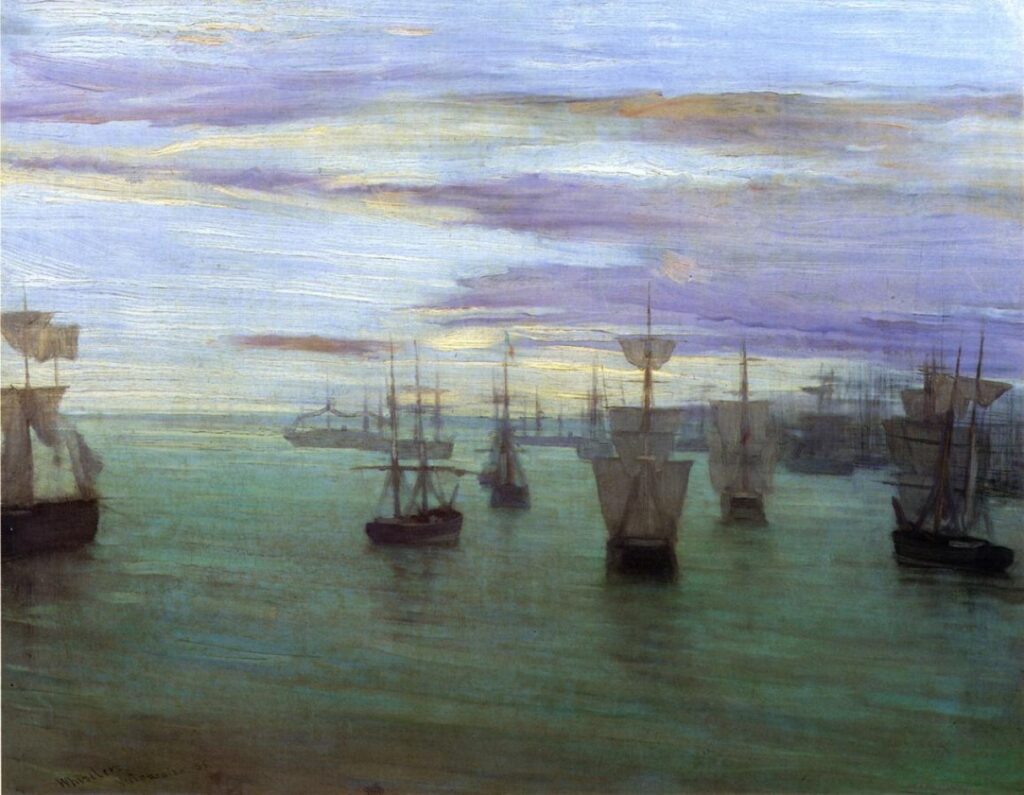
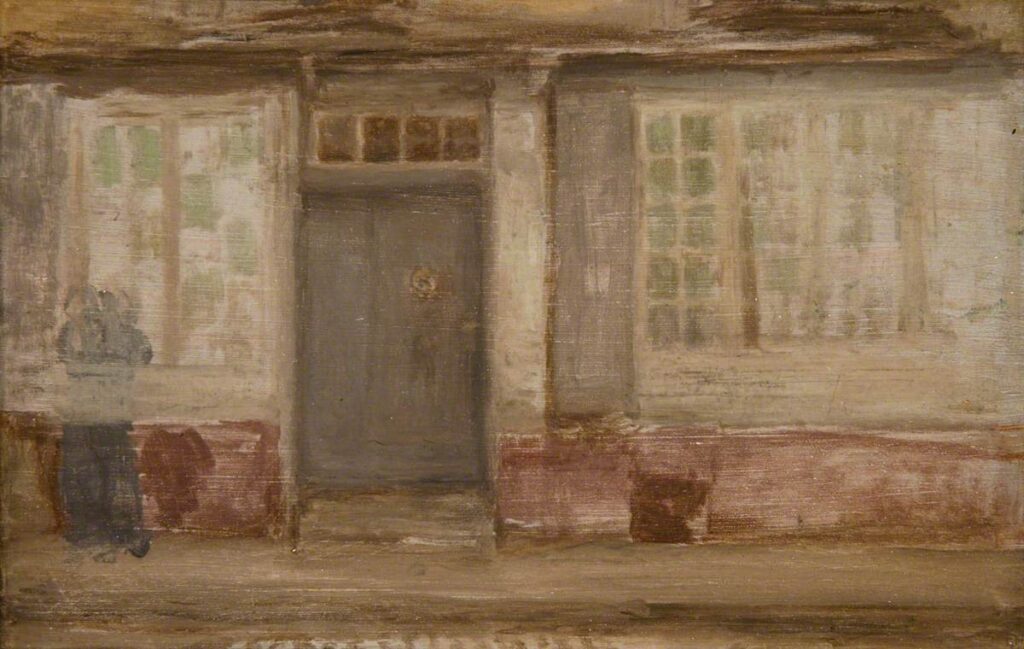
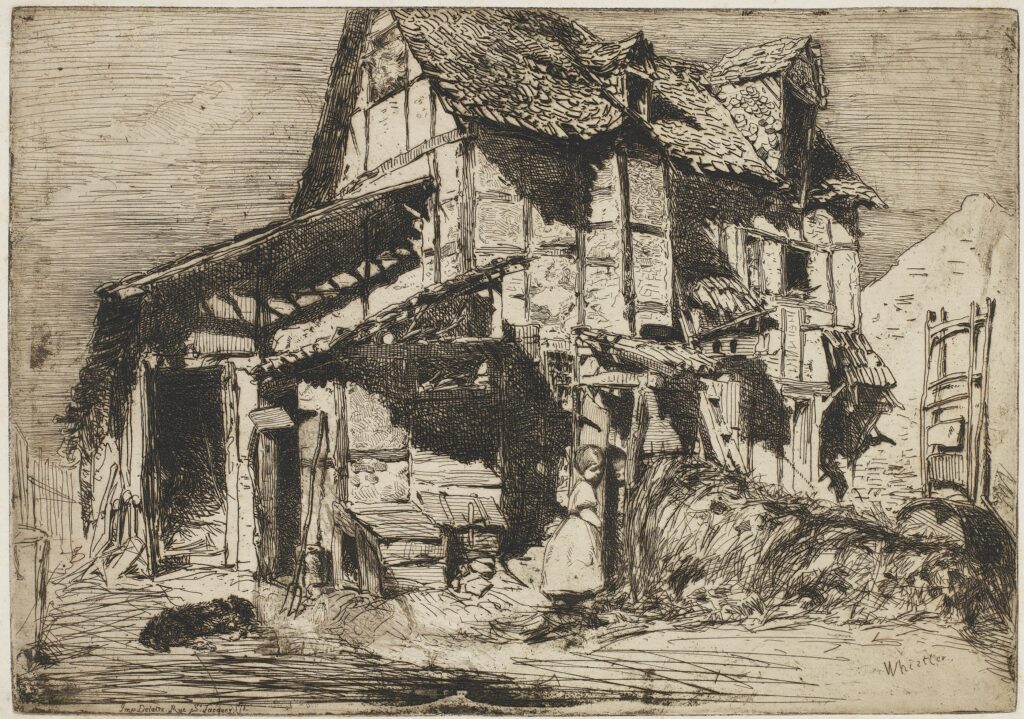
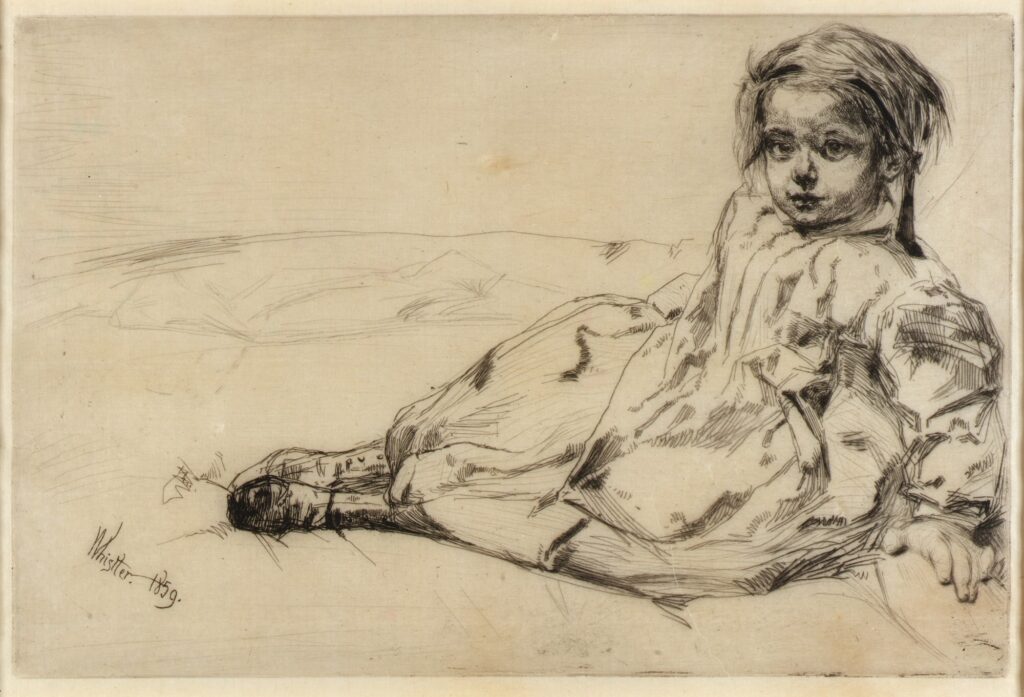
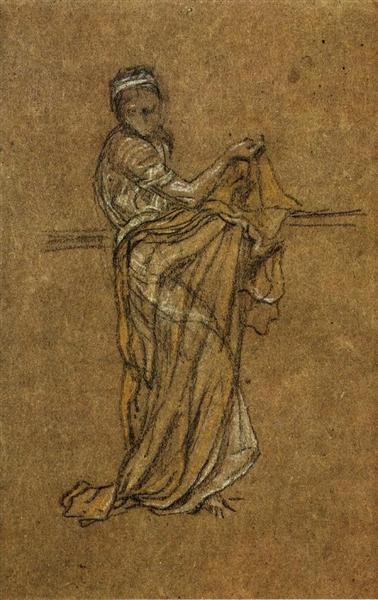
James McNeill Whistler
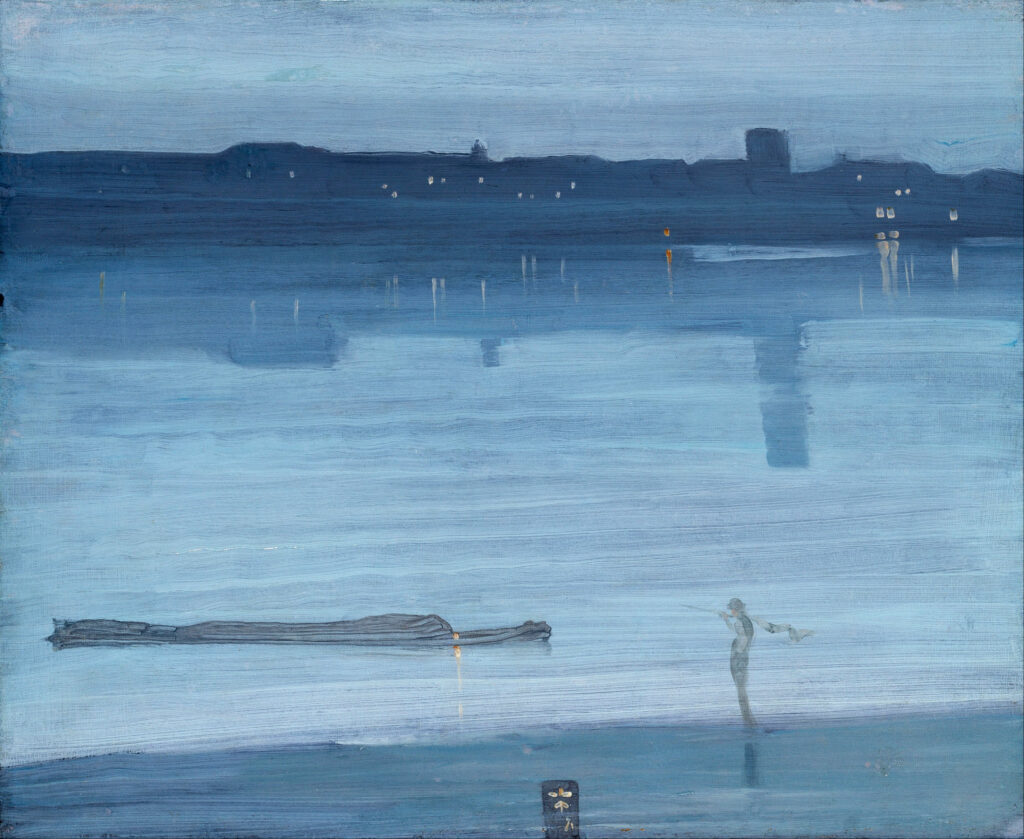
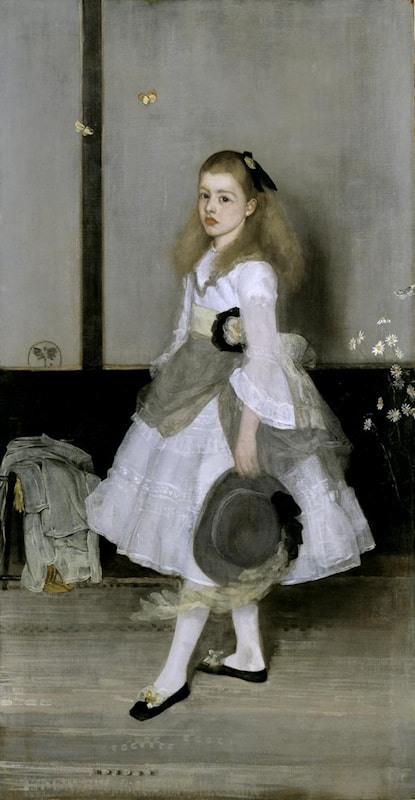
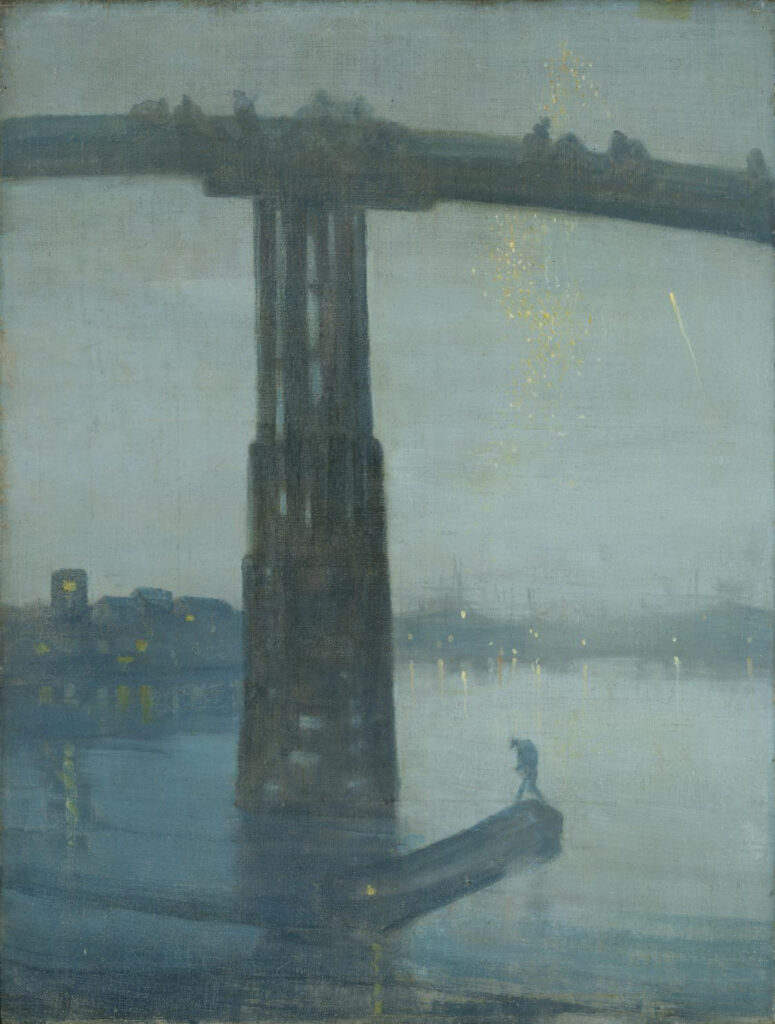
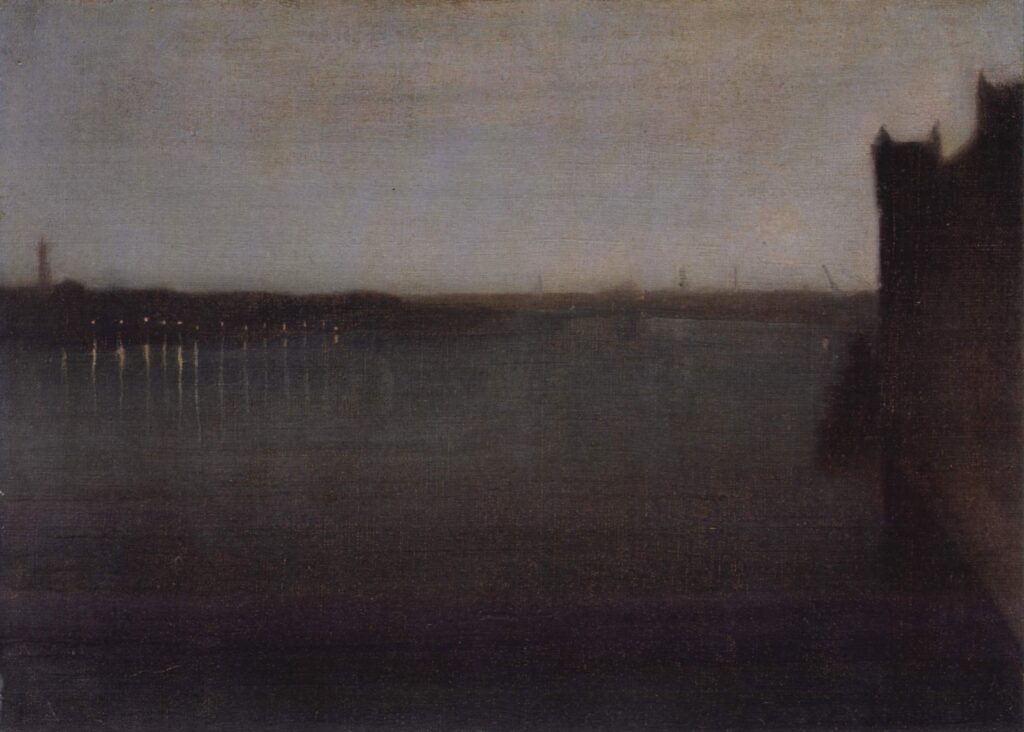
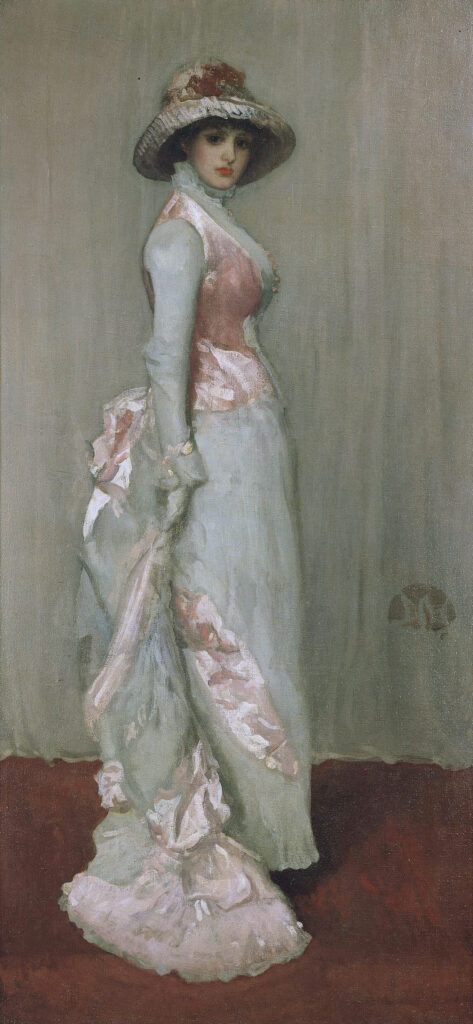
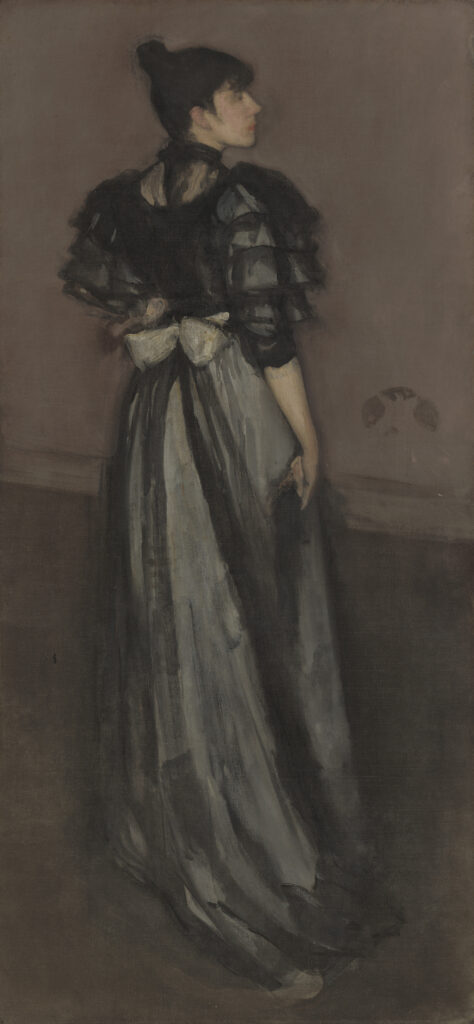
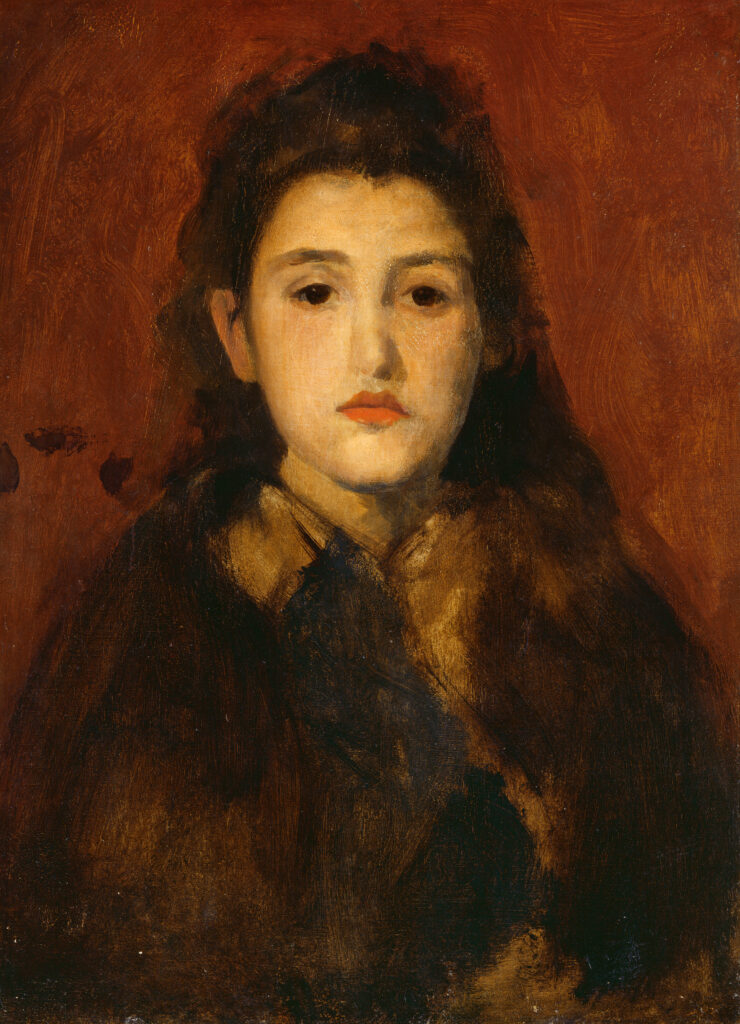
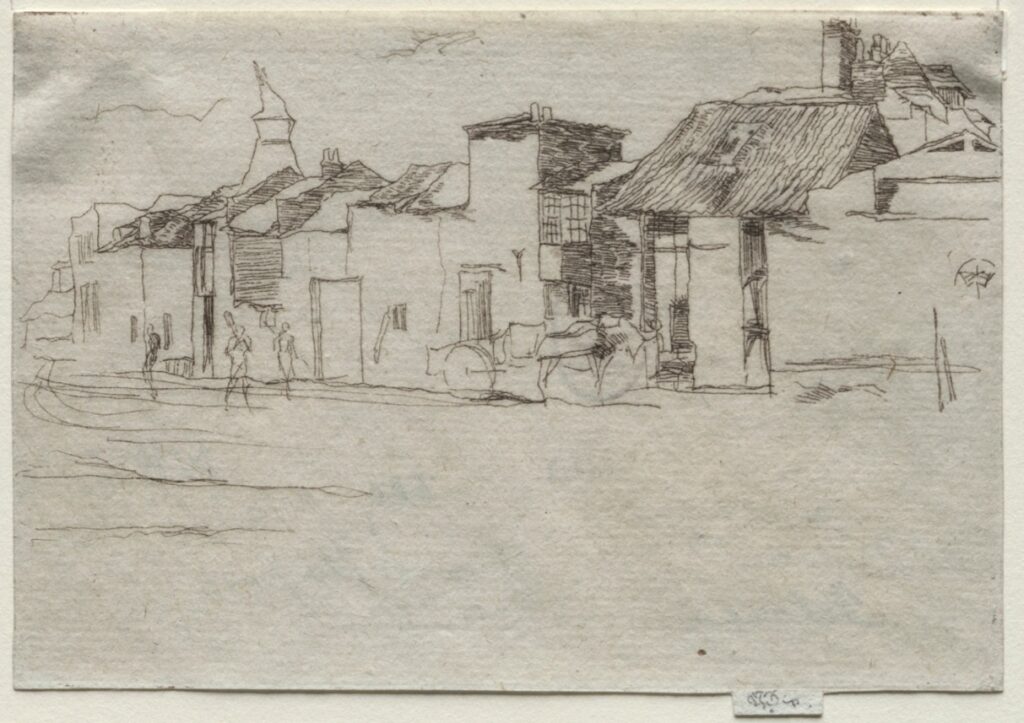
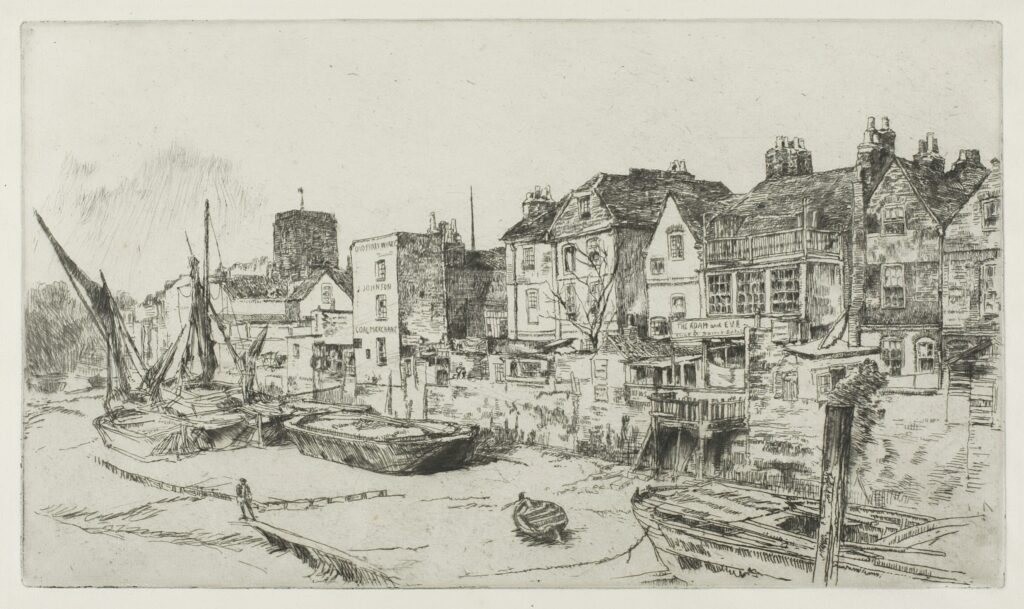
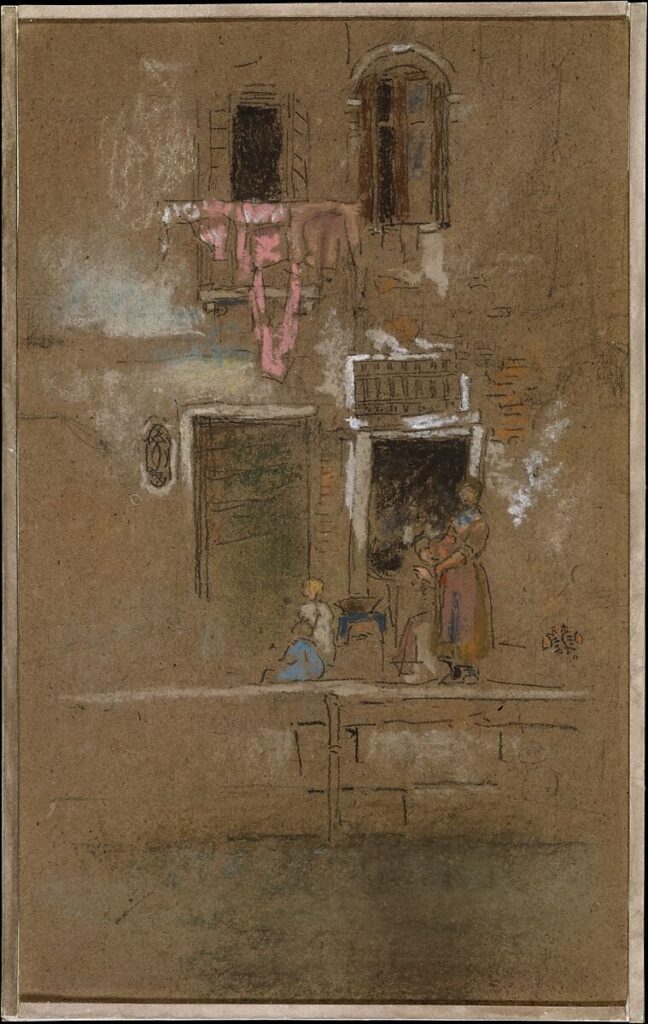
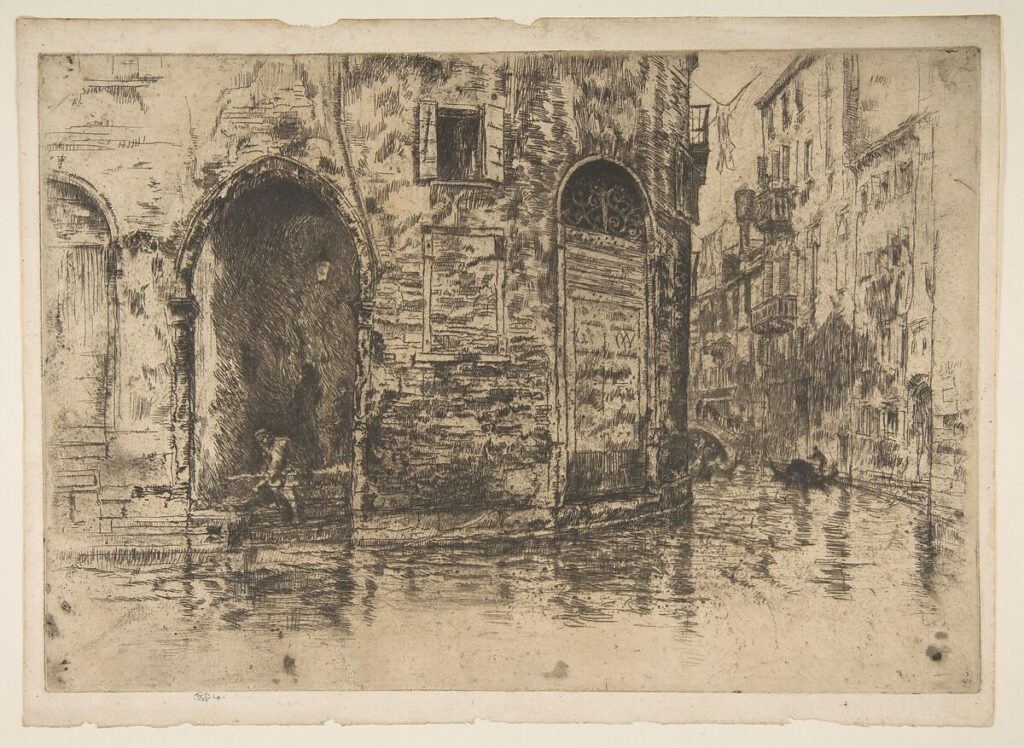
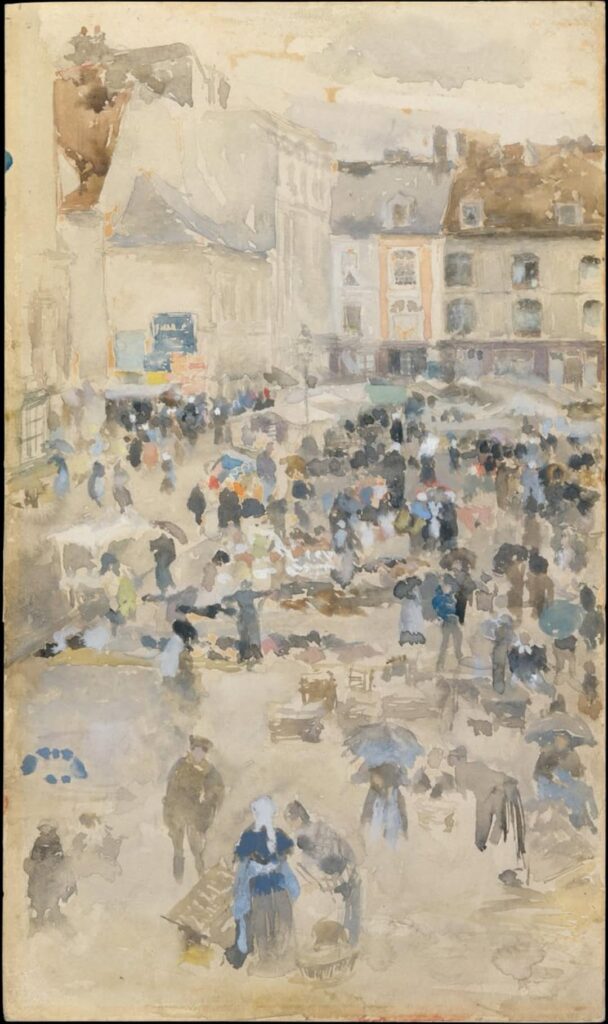
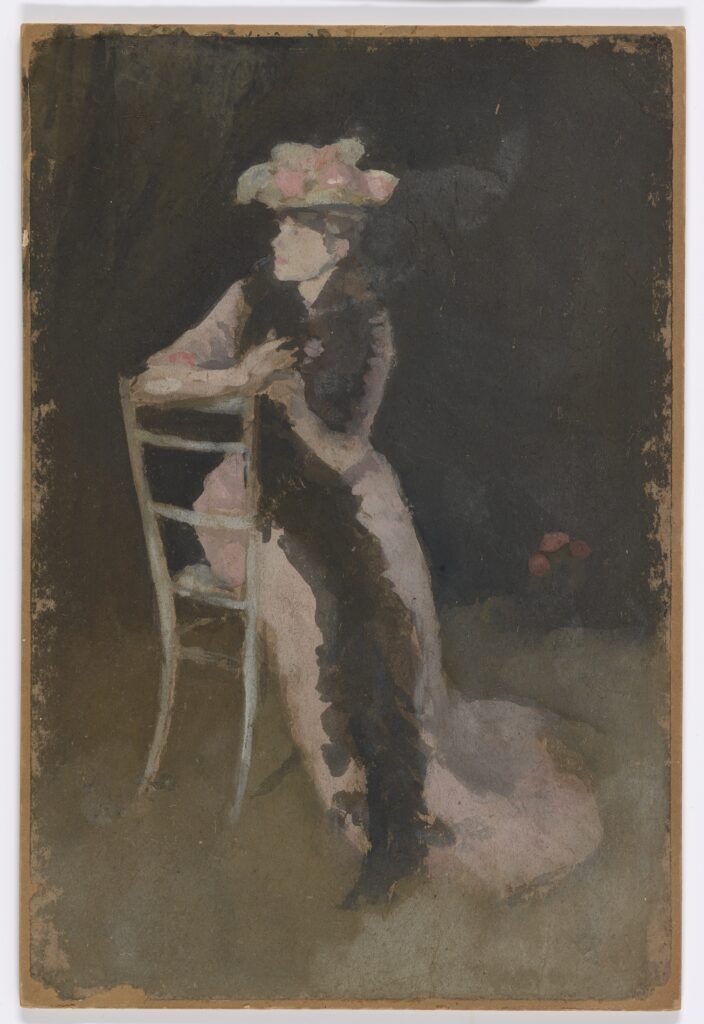
James Abbott McNeill Whistler, July 11, 1834 – July 17, 1903 was an American painter, printmaker, and draftsman best known for his portraits, nocturnes, and views of London, Venice, and the Thames. Born in Lowell, Massachusetts, he spent part of his youth in Russia, where his father worked as a railroad engineer. He studied drawing at the Imperial Academy of Arts in Saint Petersburg and later attended the United States Military Academy at West Point, from which he was dismissed.
After moving to Paris in 1855, Whistler studied briefly at the atelier of Charles Gleyre and absorbed the influence of French Realism. He settled in London, where he spent most of his career. His circle included artists such as Gustave Courbet, Dante Gabriel Rossetti, and Édouard Manet. Whistler became a leading advocate of the idea that art need not serve a moral or narrative purpose, a position reflected in works such as Arrangement in Grey and Black No. 1 (commonly known as Whistler’s Mother) and his celebrated nocturnes.
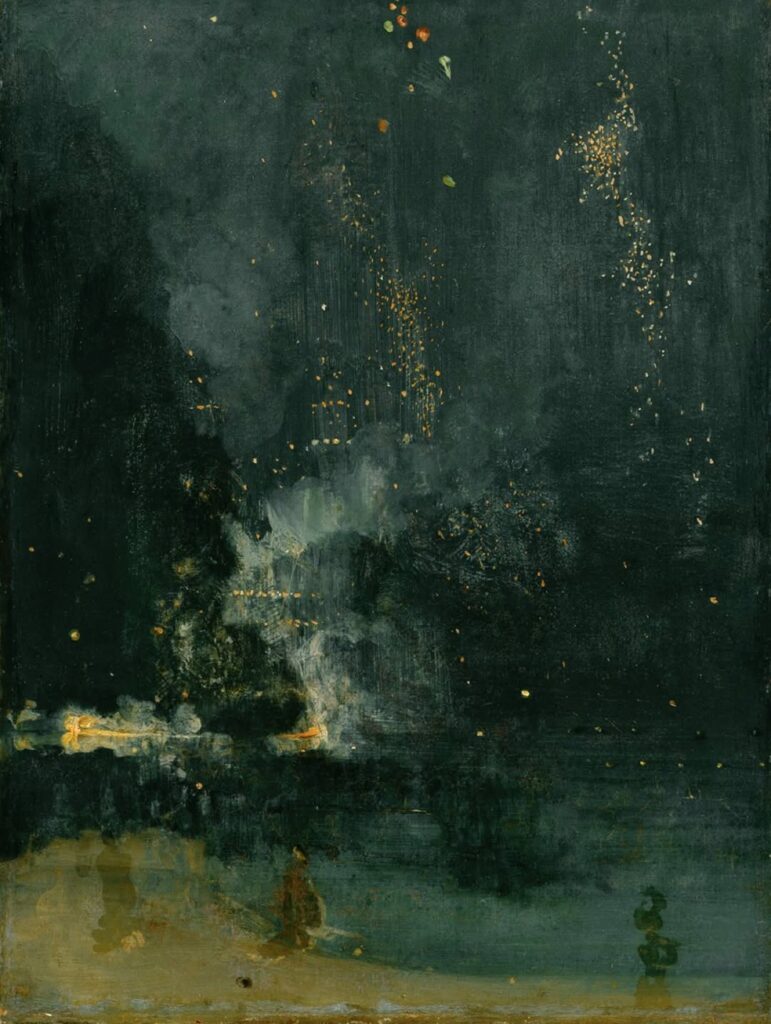
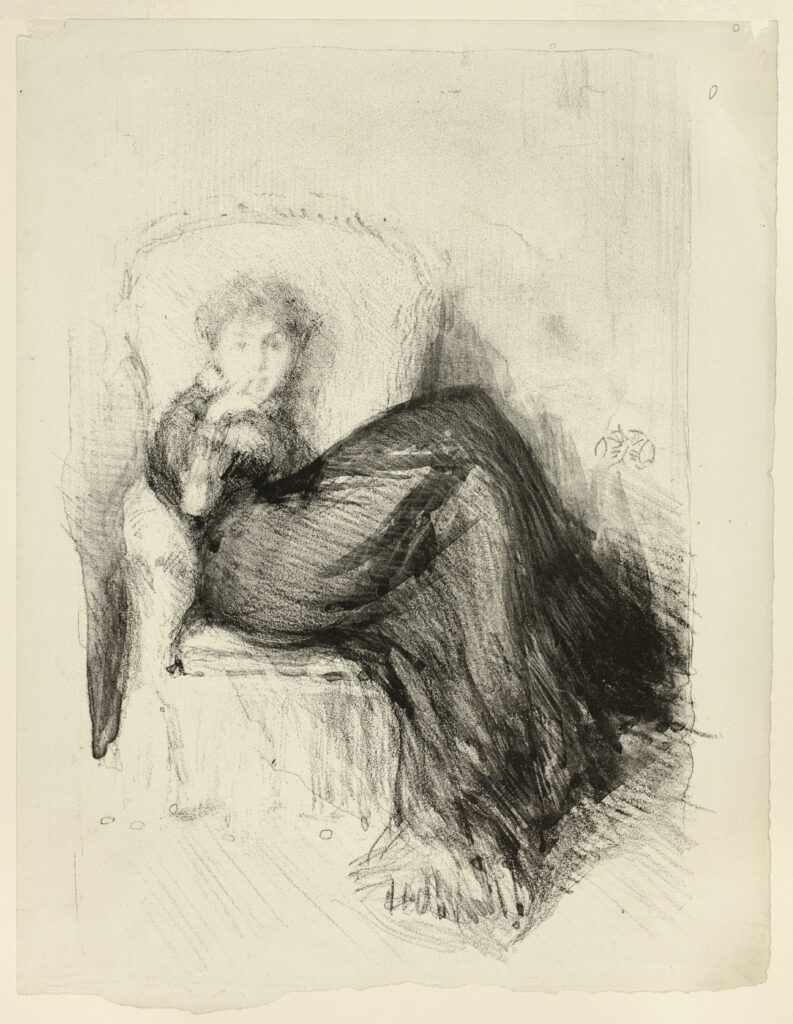
Whistler was also an accomplished etcher and lithographer. His series of Thames and Venice prints are regarded among the finest achievements in nineteenth-century printmaking. In 1878 he famously sued the critic John Ruskin for libel after Ruskin attacked Nocturne in Black and Gold: The Falling Rocket. Although Whistler won the case, the costs contributed to his bankruptcy.
As a teacher, Whistler influenced a generation of younger artists through his example and writings. His pupils included Walter Sickert, who became a major figure in British art. Whistler’s work can be found today in major collections including the Metropolitan Museum of Art, the National Gallery of Art, the Freer Gallery of Art, the Art Institute of Chicago, and Tate Britain.