Posts in Category: 18th Century


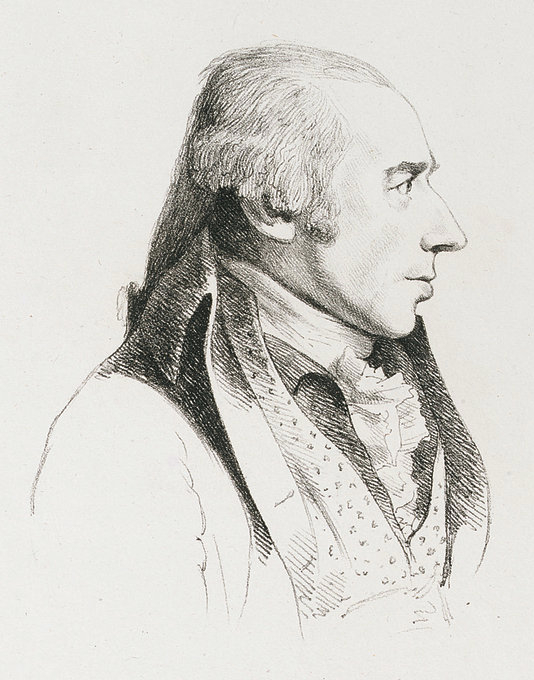
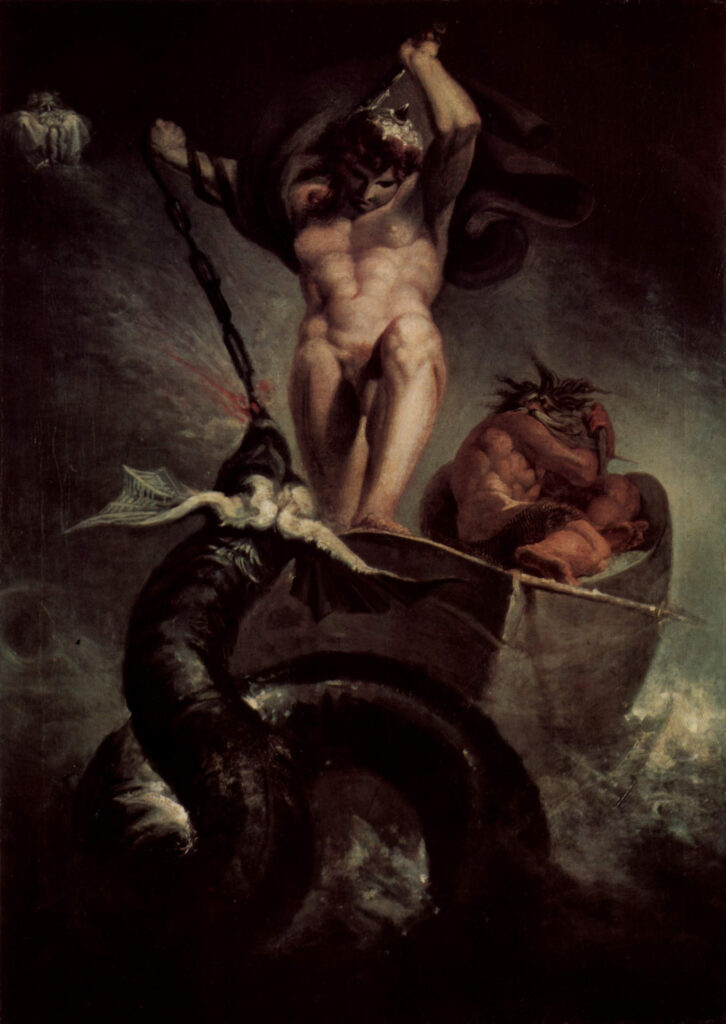
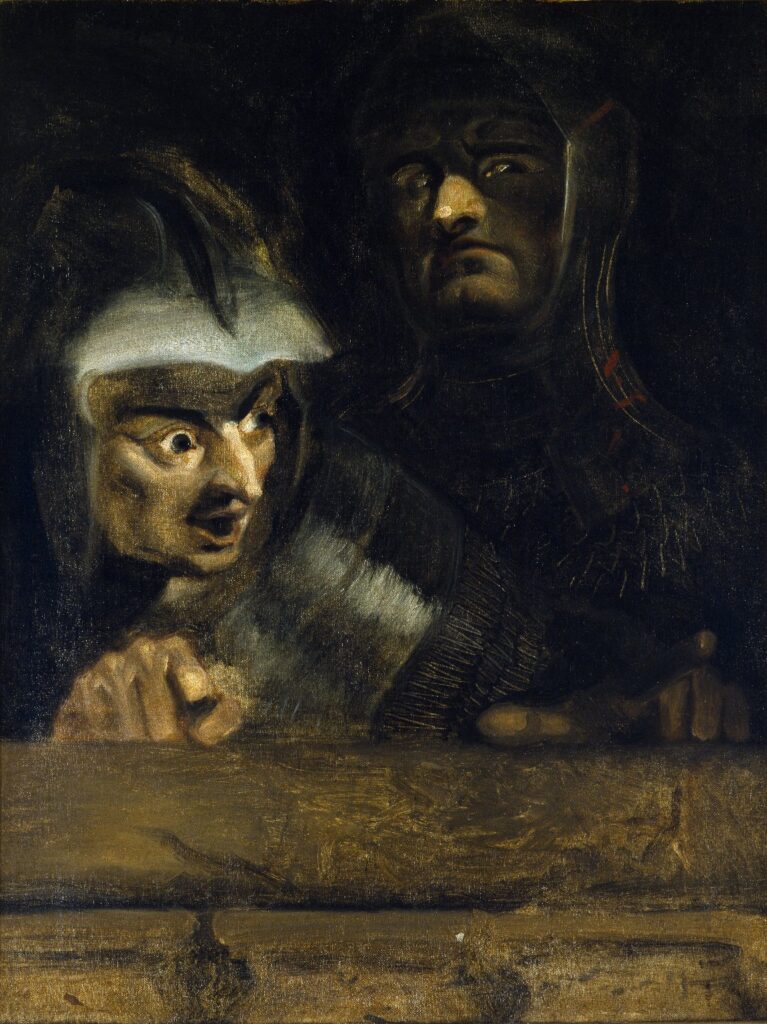
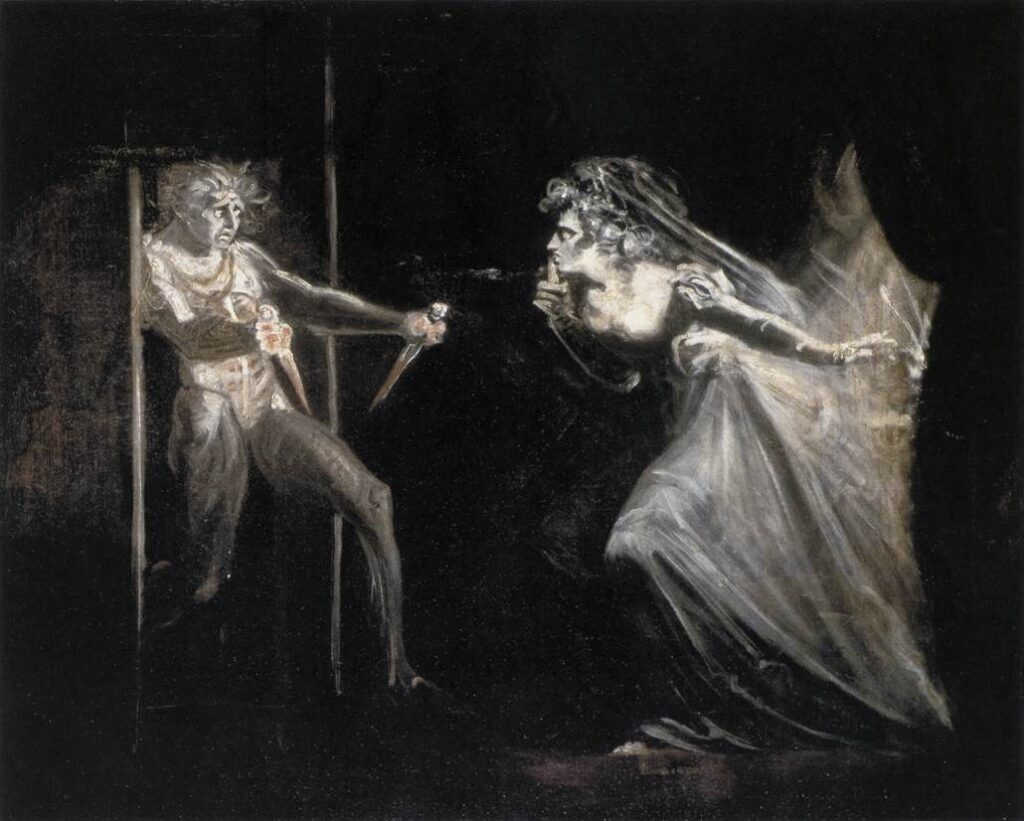
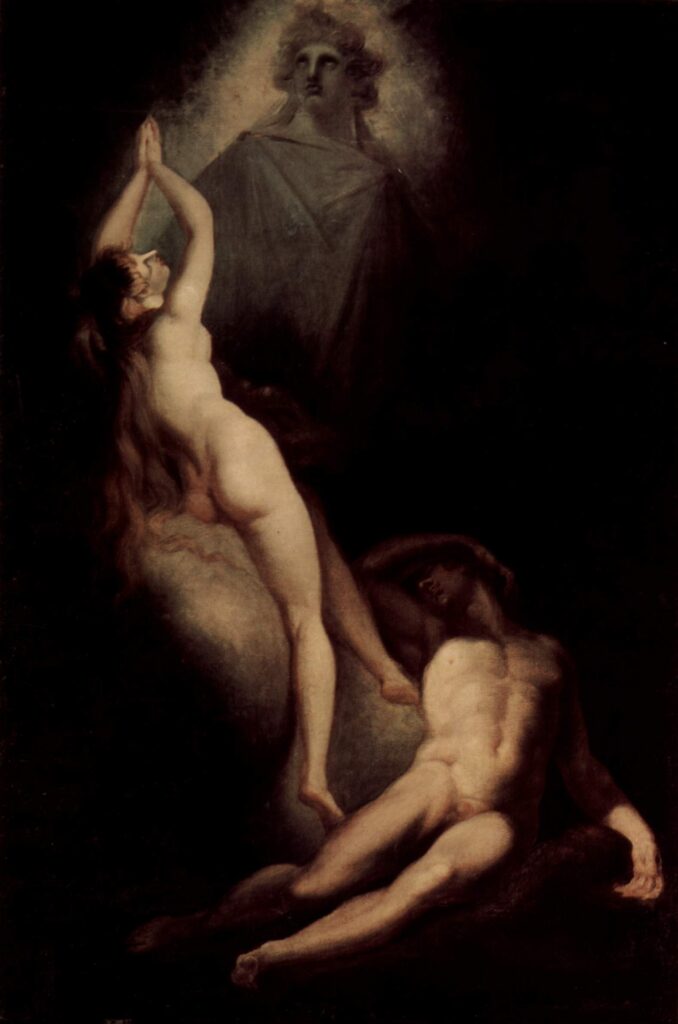
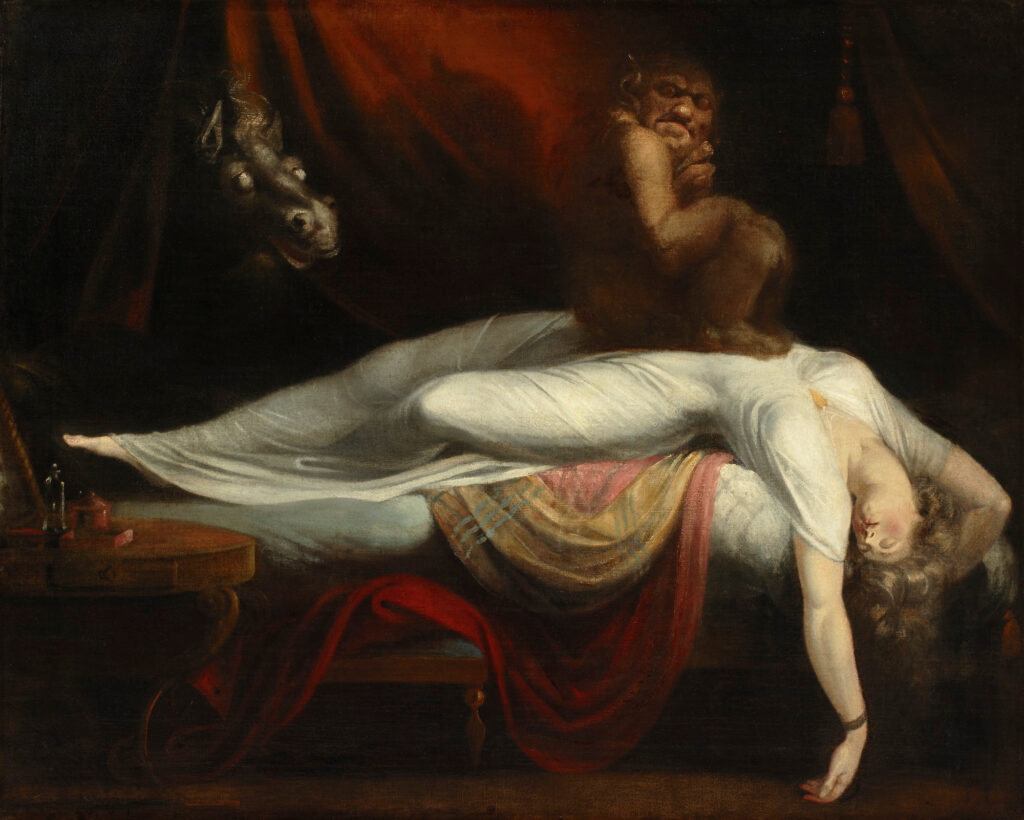
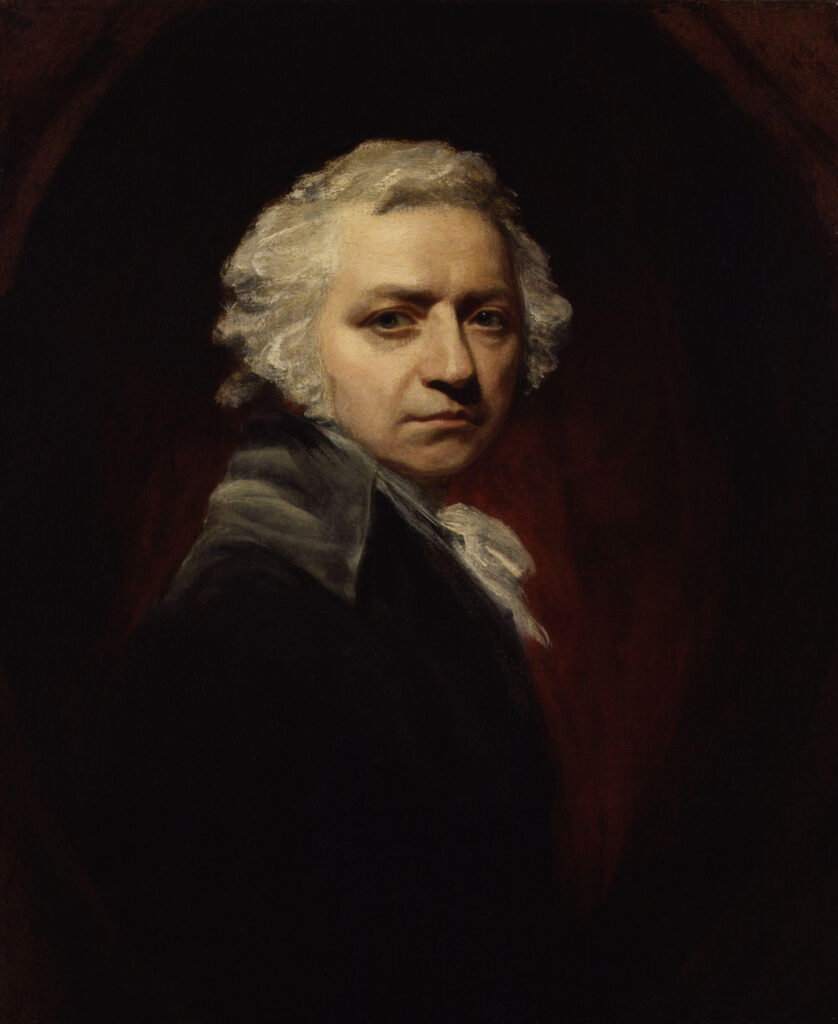
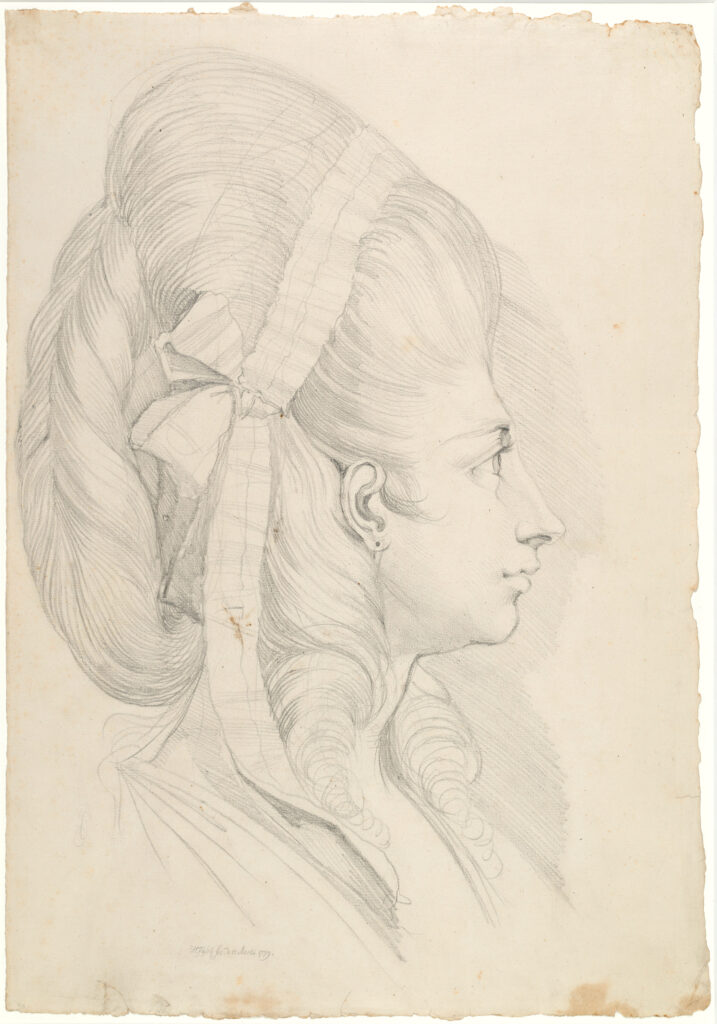
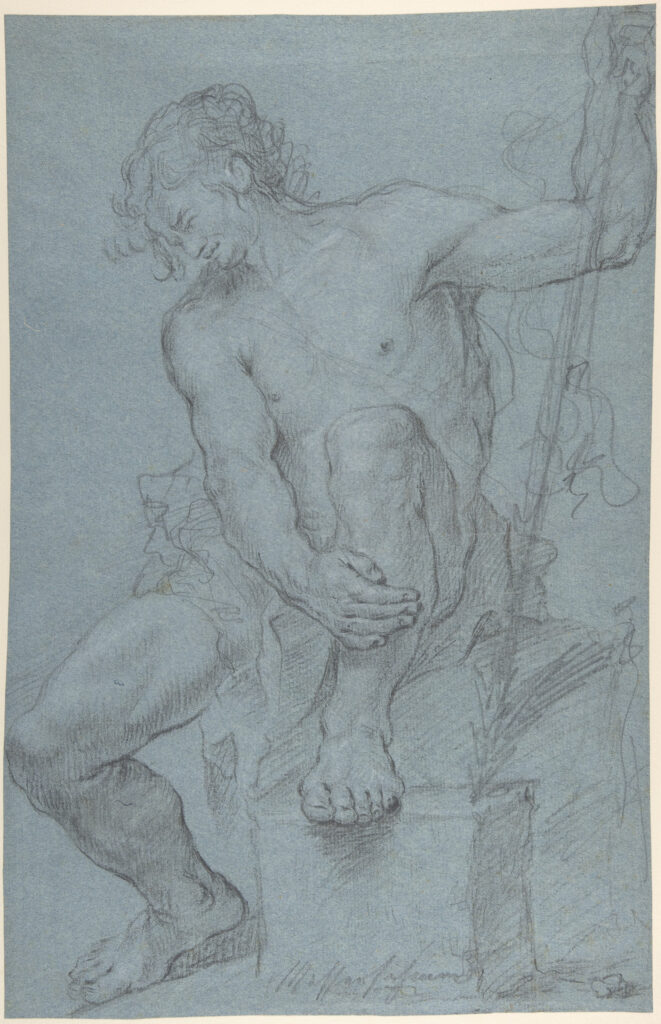
Henry Fuseli
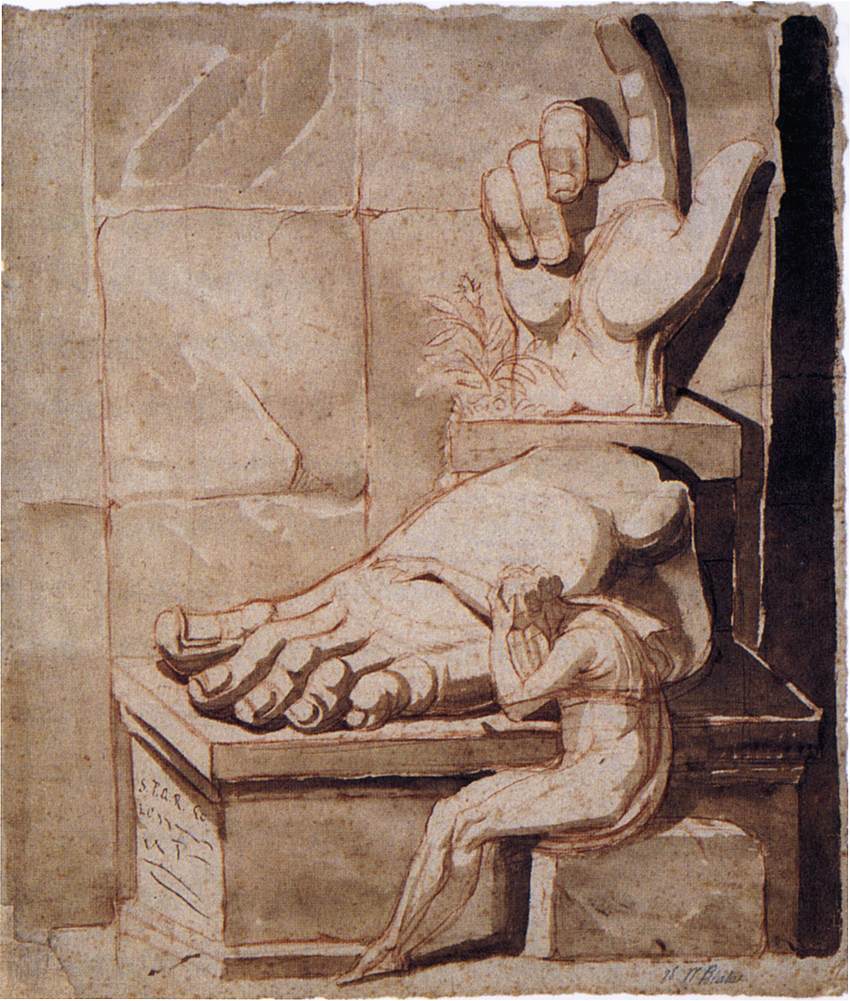
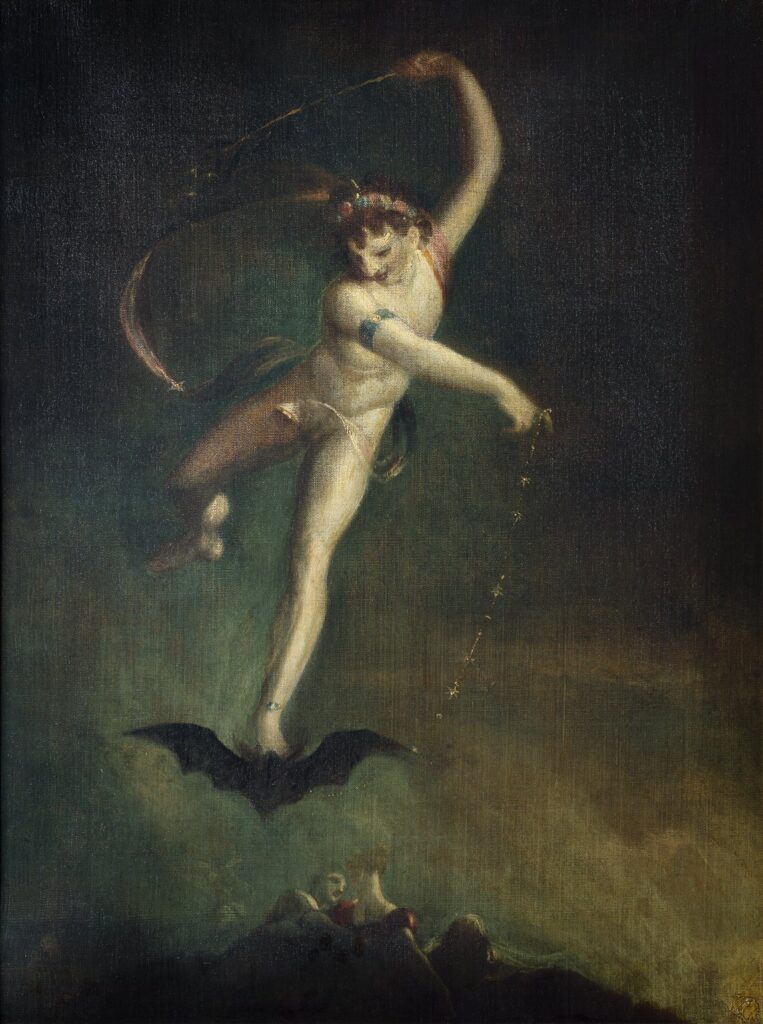
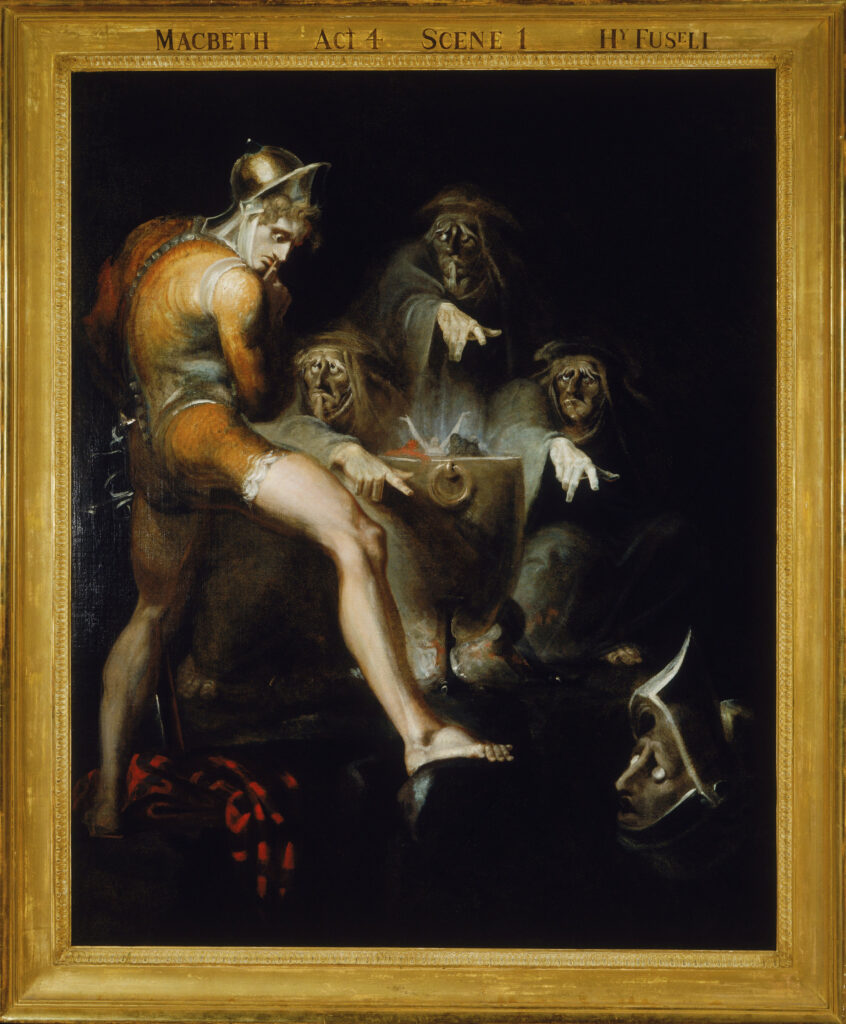
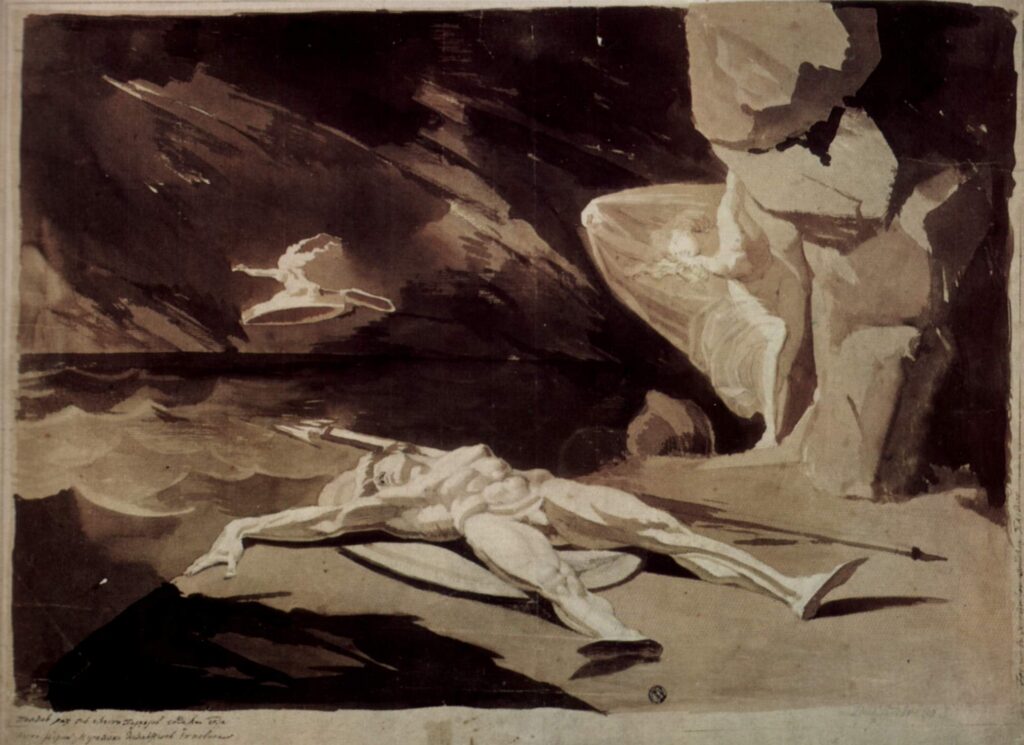
Henry Fuseli, February 7, 1741–April 17, 1825, was a Swiss painter, draughtsman and writer who worked chiefly in Britain. Born Johann Heinrich Füssli in Zürich, he received a classical and theological education before leaving Switzerland. In London, Joshua Reynolds encouraged him to pursue painting; he then spent several years studying art in Rome.
Fuseli returned to London in 1779. He made paintings for John Boydell’s Shakespeare Gallery and exhibited a series of subjects from John Milton. He was elected to the Royal Academy and later served as its Professor of Painting and Keeper.
His work is held by the Detroit Institute of Arts, Tate, the Folger Shakespeare Library, the Royal Academy of Arts and Kunsthaus Zürich, among other collections.


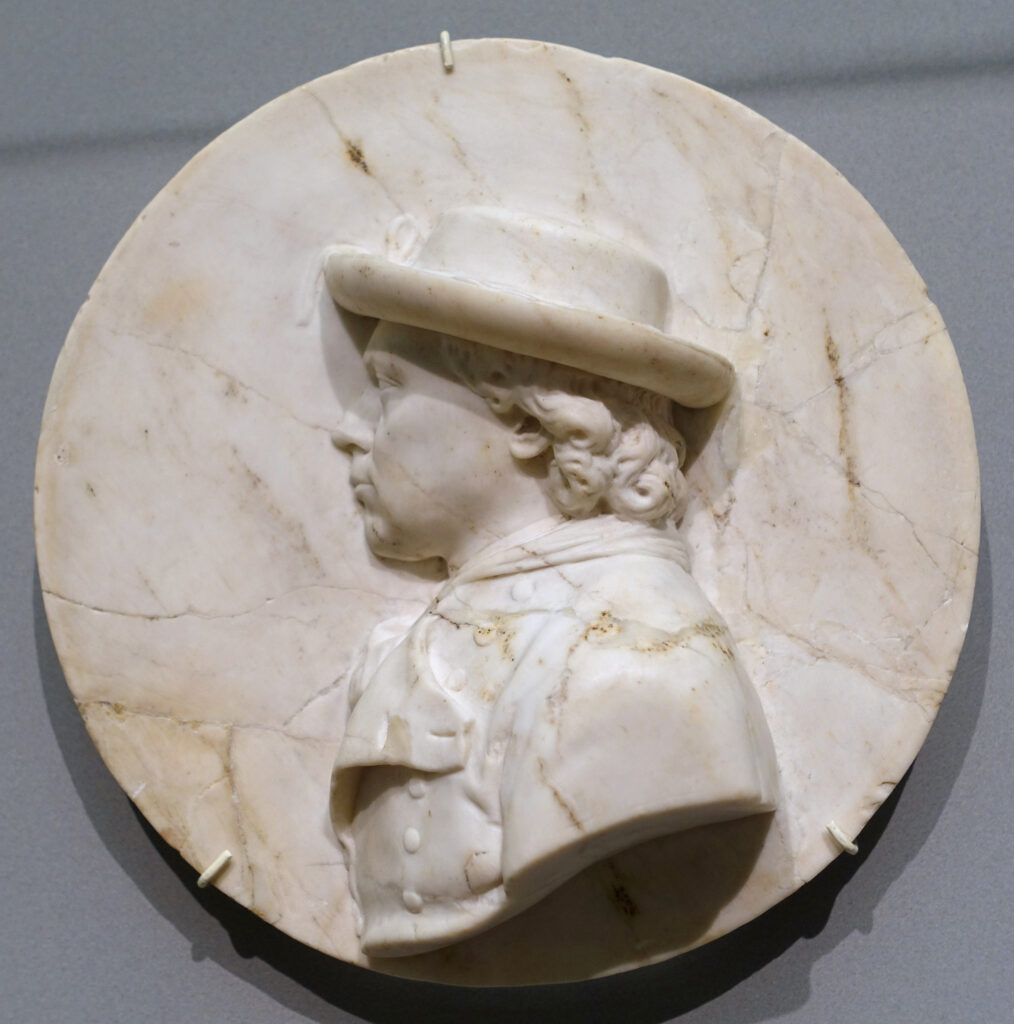
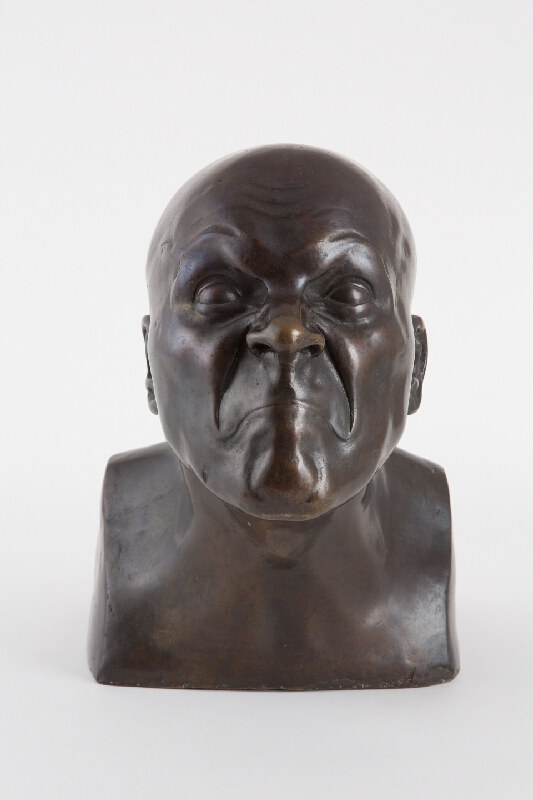
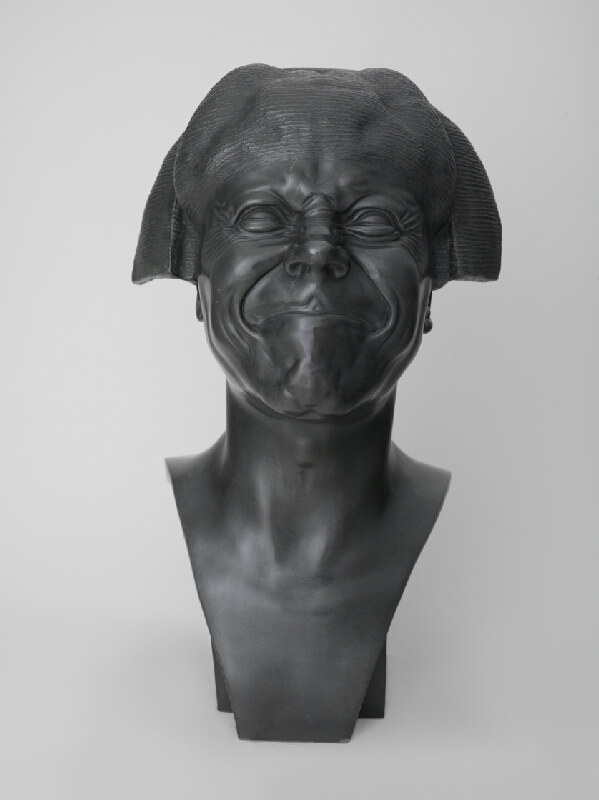
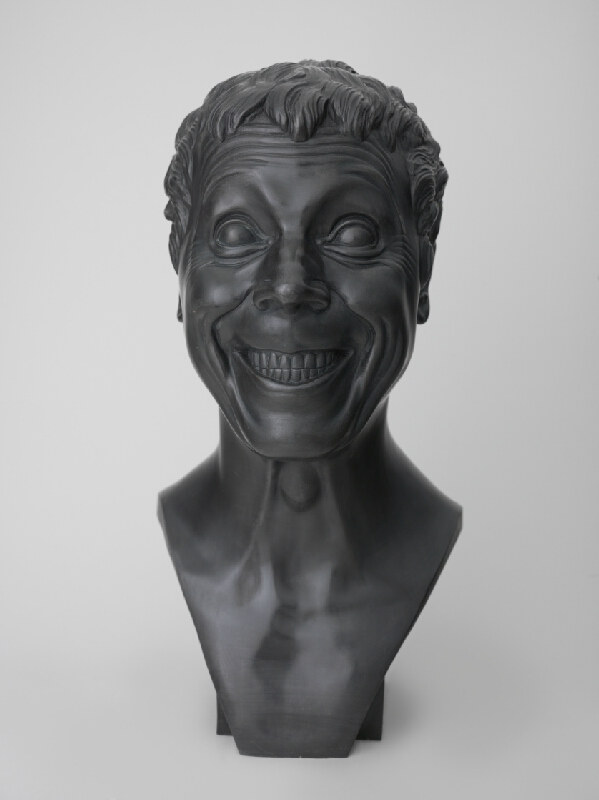
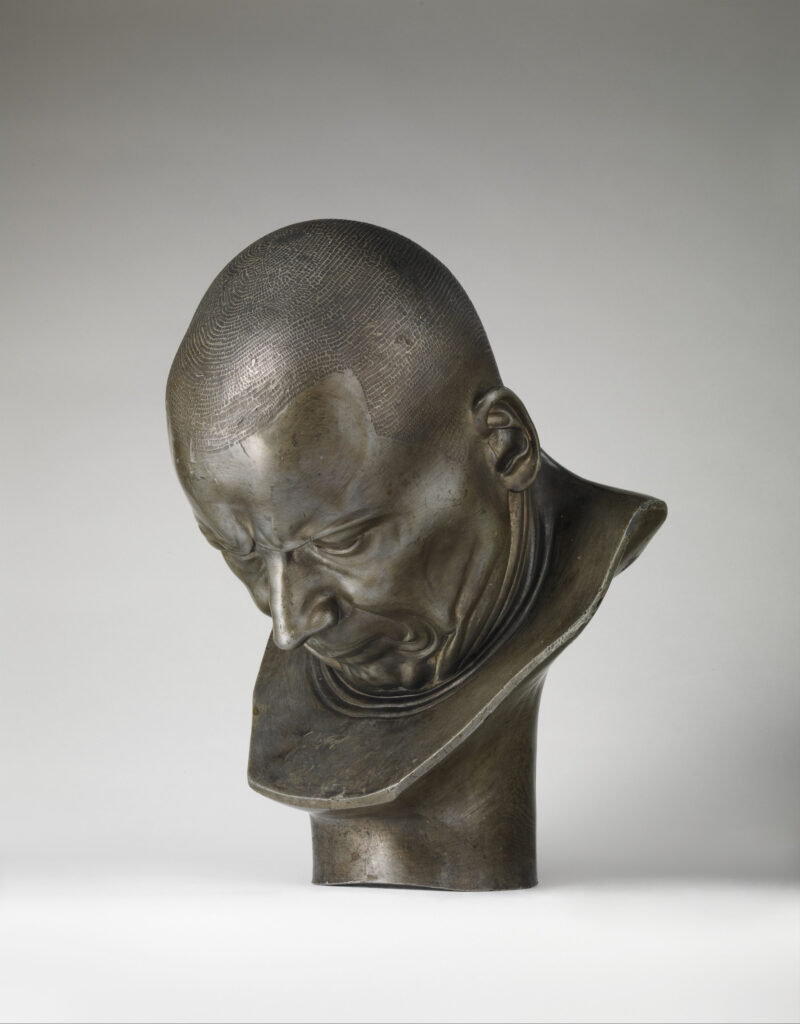
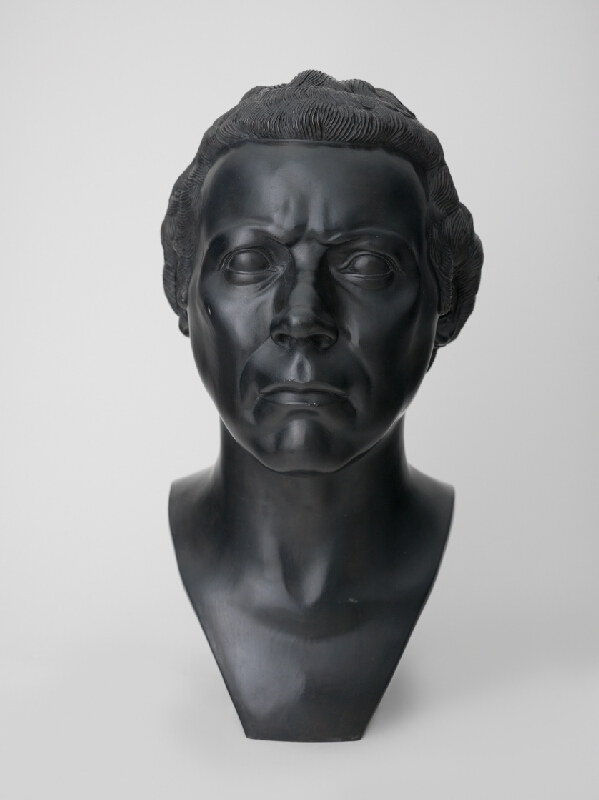
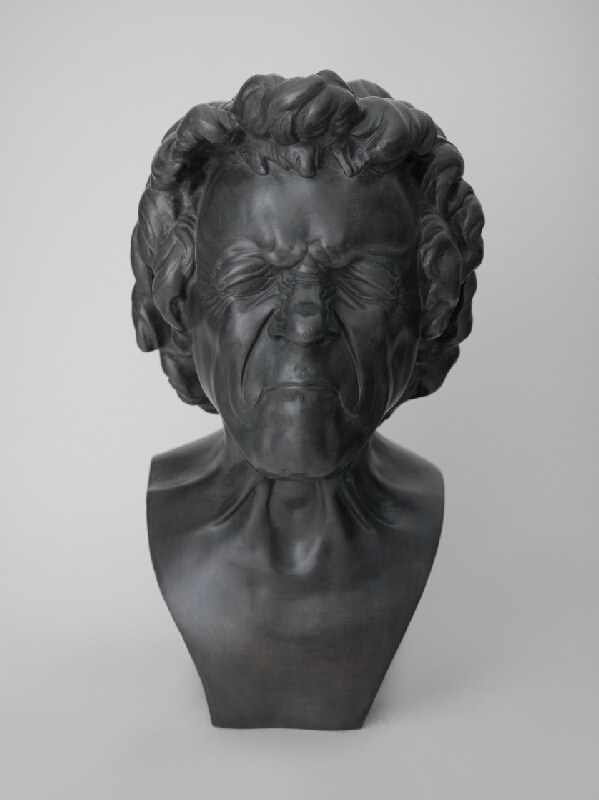
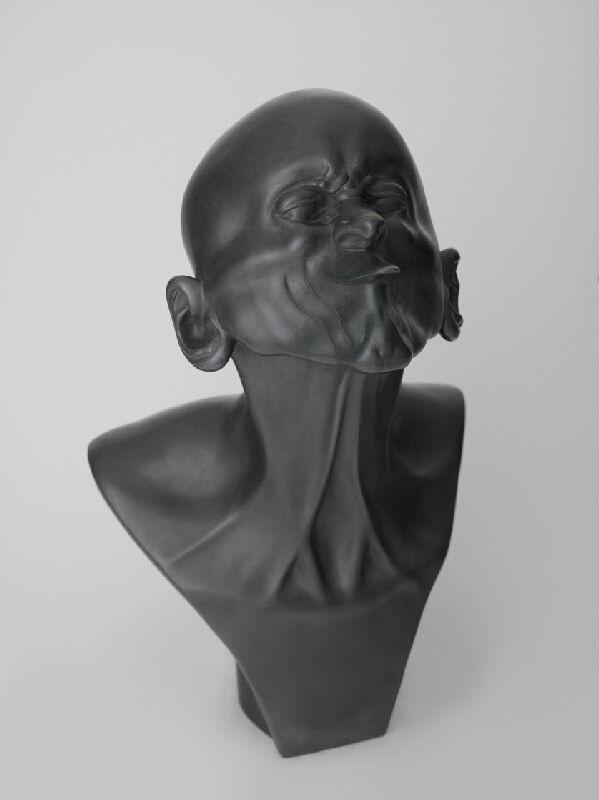
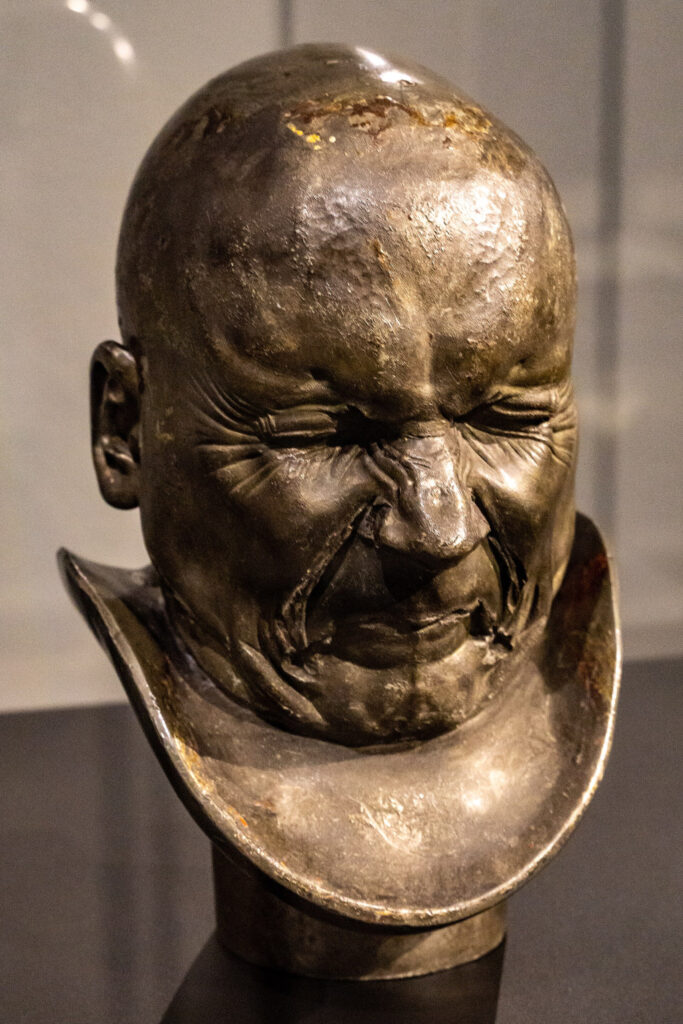
Franz Xaver Messerschmidt
Franz Xaver Messerschmidt, February 6, 1736–August 19, 1783, was a German-born sculptor active in Austria and Pressburg, now Bratislava. He trained with his uncles Johann Baptist Straub in Munich and Philipp Jakob Straub in Graz, then studied at the Vienna Academy of Fine Arts.
Working independently from 1760, Messerschmidt made portraits and other sculptures for aristocratic, imperial, and middle-class patrons. His commissions included work for the Habsburg court. He visited Rome in 1765 and later taught at the Vienna academy as a substitute professor.
Messerschmidt began his series of character heads around 1770. After leaving Vienna in 1775, he spent time in Wiesensteig and Munich before settling in Pressburg in 1777, where he continued making character heads and portraits until his death. Original heads and later casts are held by the Belvedere in Vienna, the Slovak National Gallery, the Metropolitan Museum of Art, and other collections.


Alessandro Magnasco
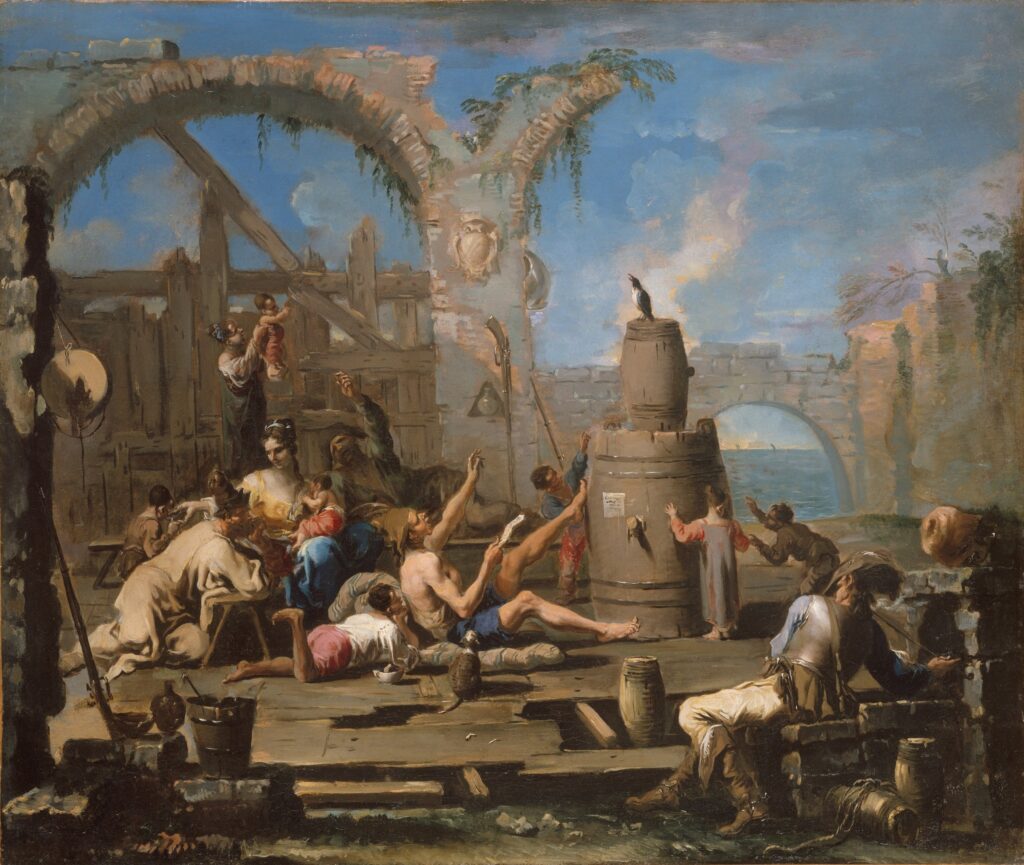
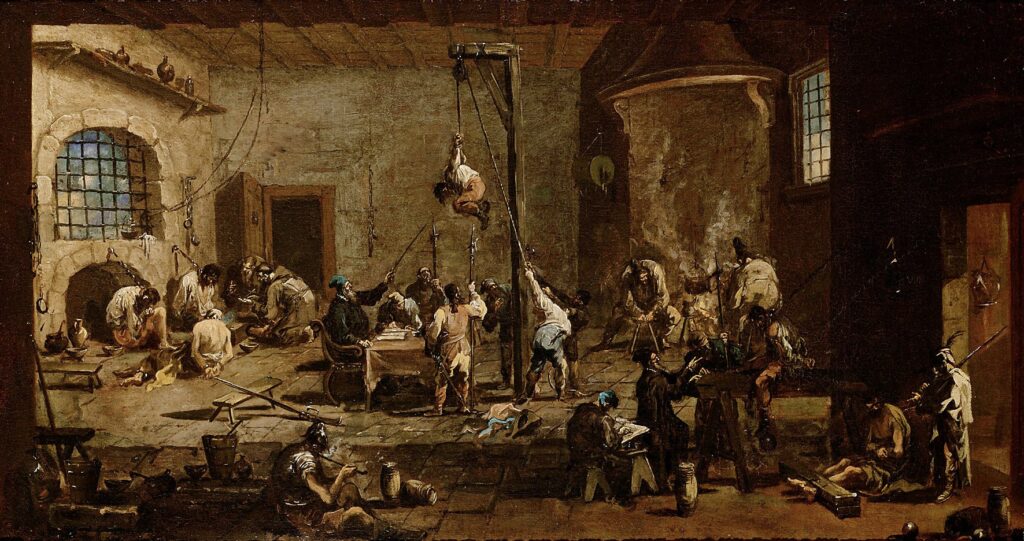
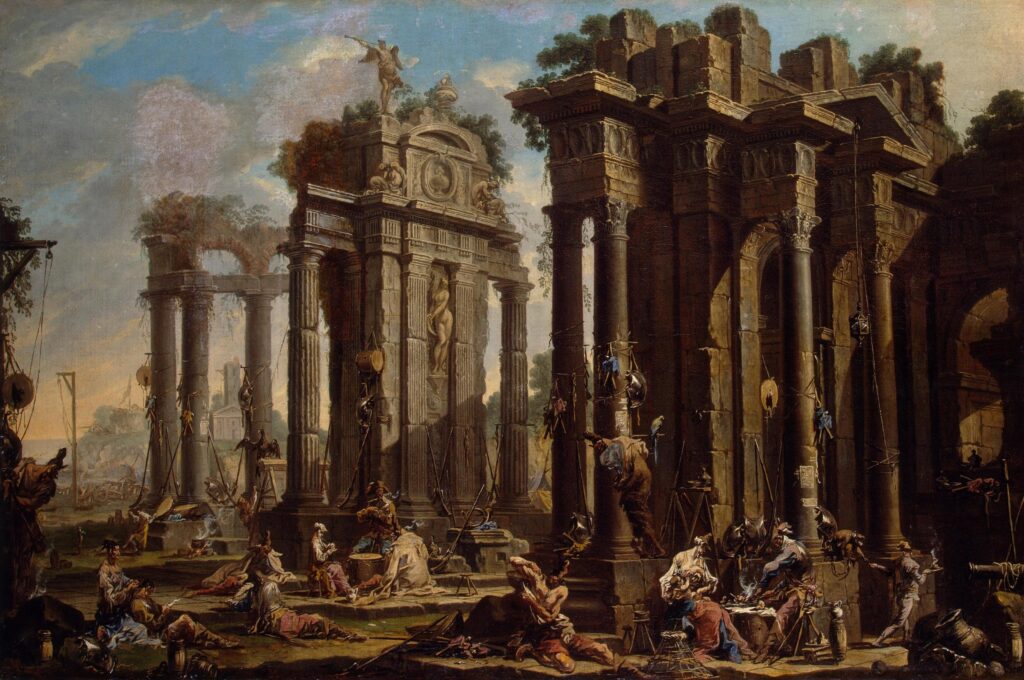
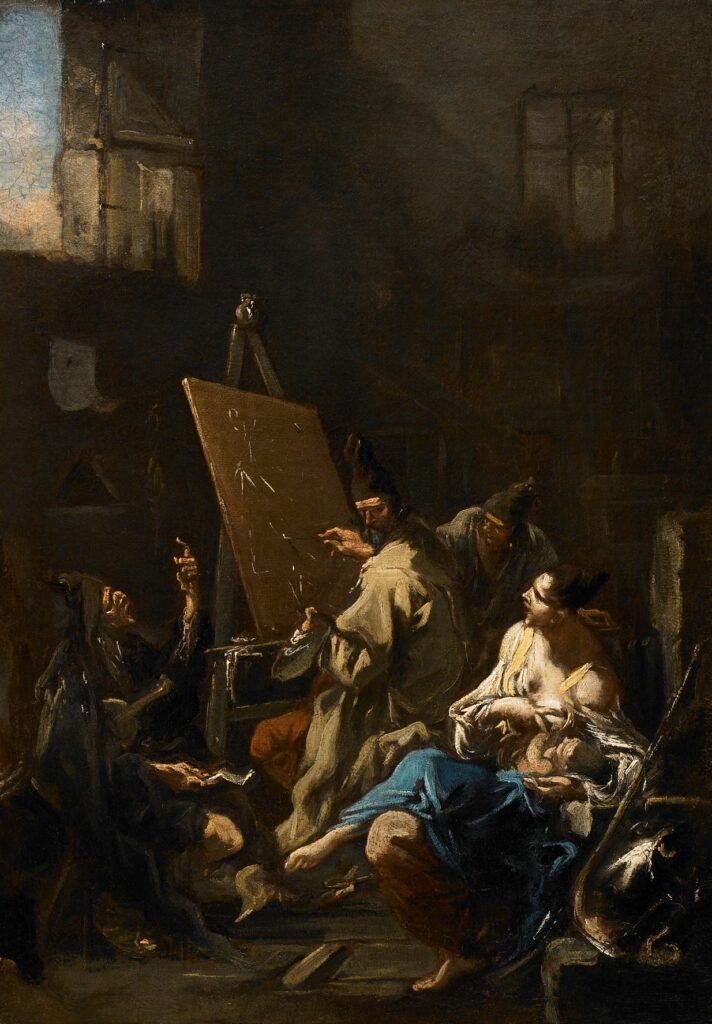
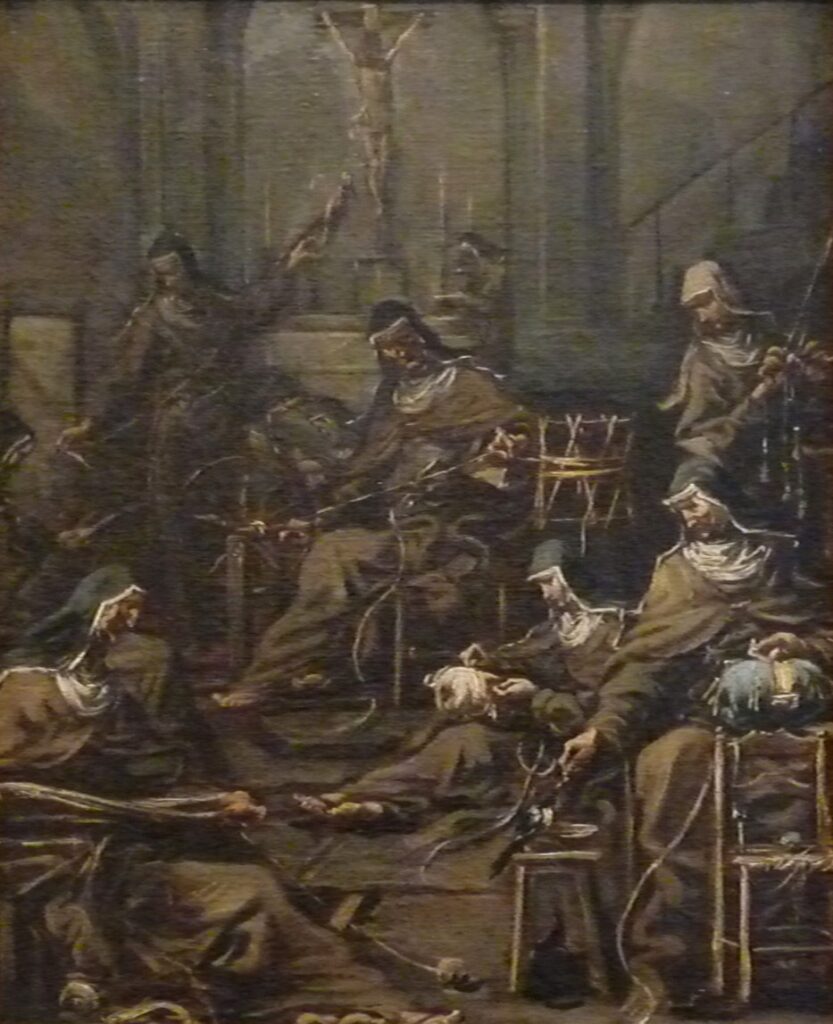
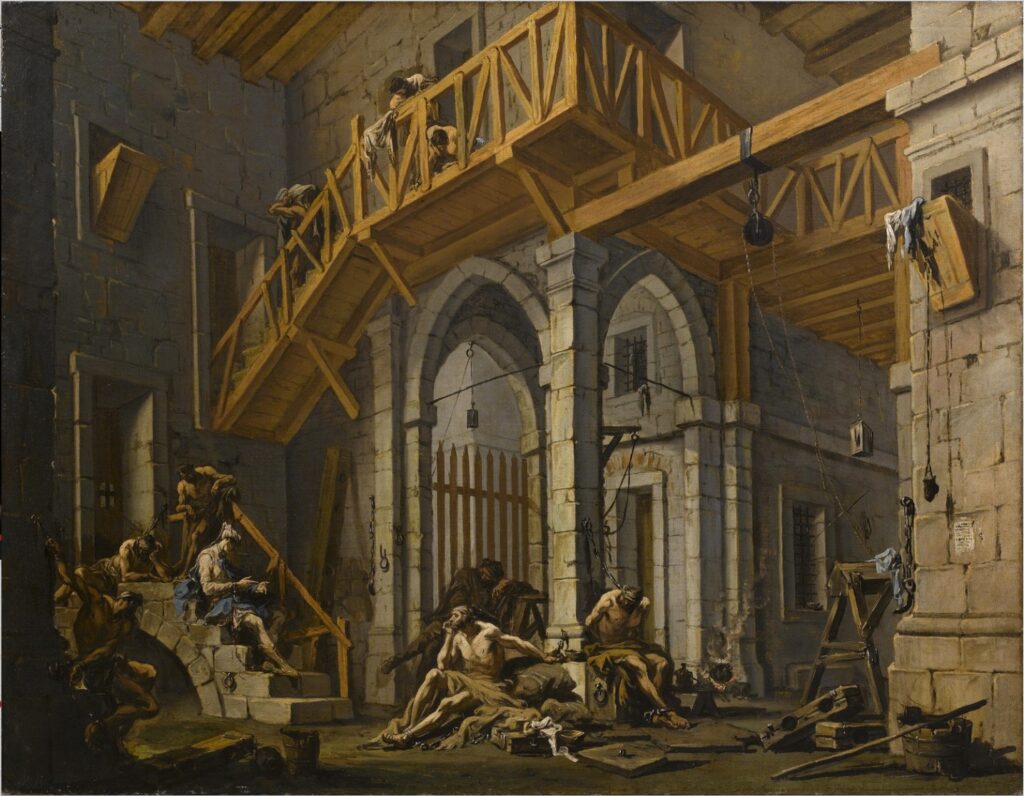
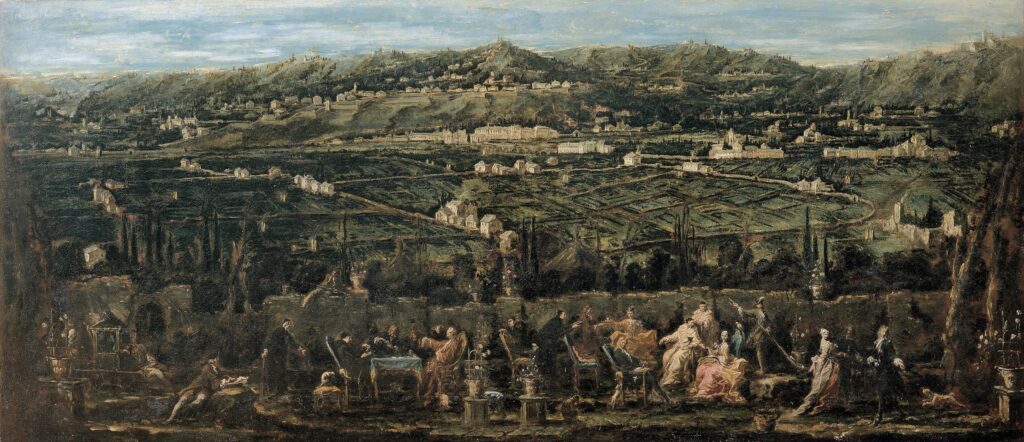
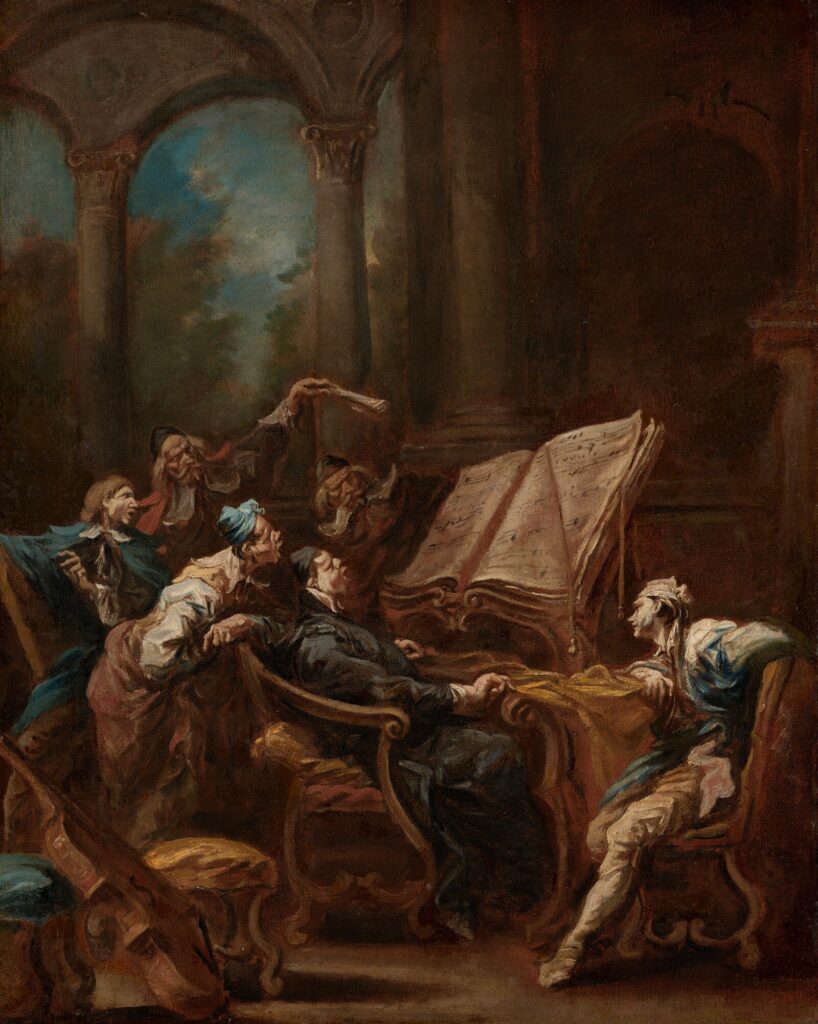
Alessandro Magnasco, February 4, 1667–March 12, 1749, was an Italian painter born and deceased in Genoa. He began his training with his father, Stefano Magnasco, and later studied with Filippo Abbiati in Milan.
Magnasco worked in Milan, Florence, and Genoa. He collaborated on paintings with landscape and architectural specialists, including Francesco Peruzzini and Clemente Spera. He returned to Genoa in 1735.
His works are held by the Metropolitan Museum of Art, the National Gallery of Art, the Kunsthistorisches Museum, and museums in Genoa, among other collections.




George Romney
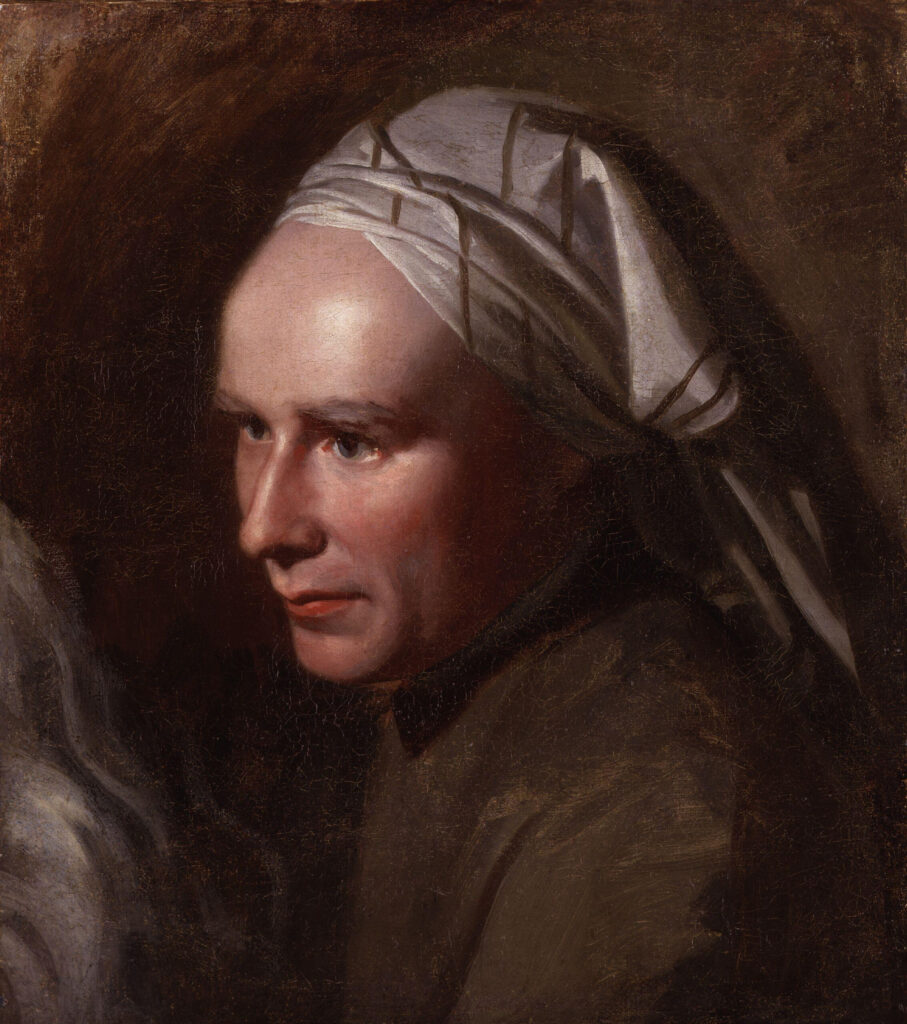
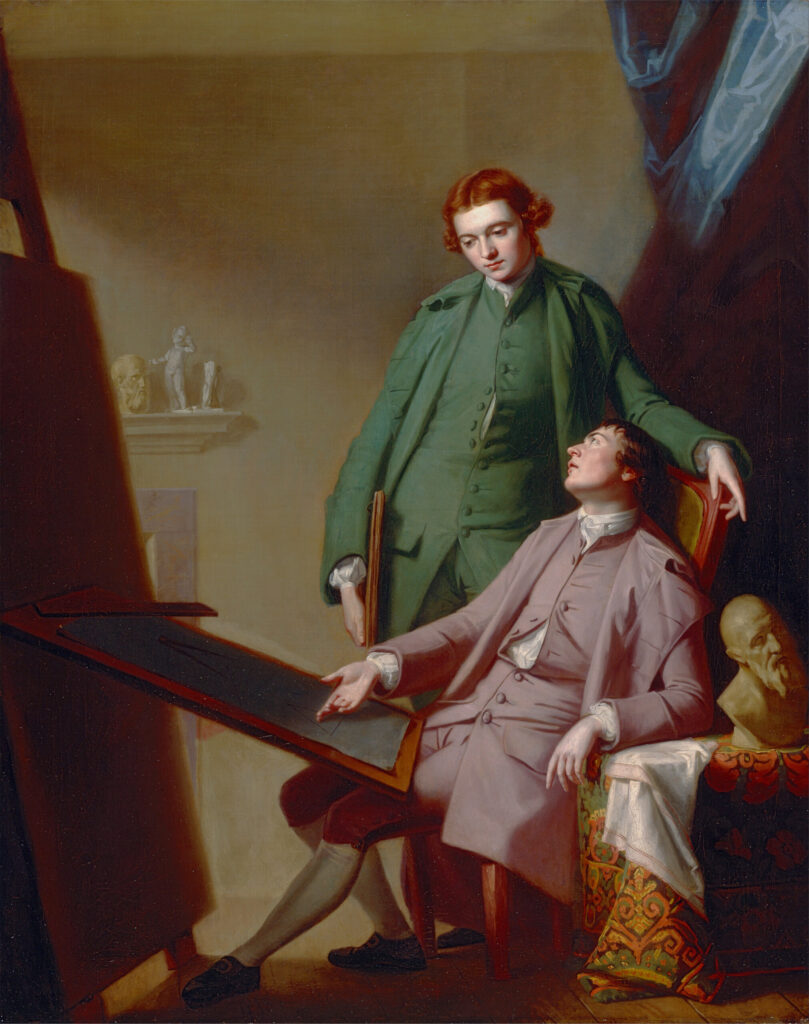
George Romney, December 26, 1734–November 15, 1802, was an English painter best known for portraits. Born at Beckside near Dalton-in-Furness, Lancashire, he was apprenticed to the portrait painter Christopher Steele in Kendal before moving to London in 1762.
Romney won early recognition from the Society of Arts and studied in Italy from 1773 to 1775. After returning to London, he became one of the leading portraitists of his generation; Emma Hart, later Lady Hamilton, was his most celebrated model.
Although he was a contemporary and rival of Joshua Reynolds and Thomas Gainsborough, Romney never joined the Royal Academy. Ill health led him back to Kendal in 1799, where his wife Mary cared for him until his death in 1802.



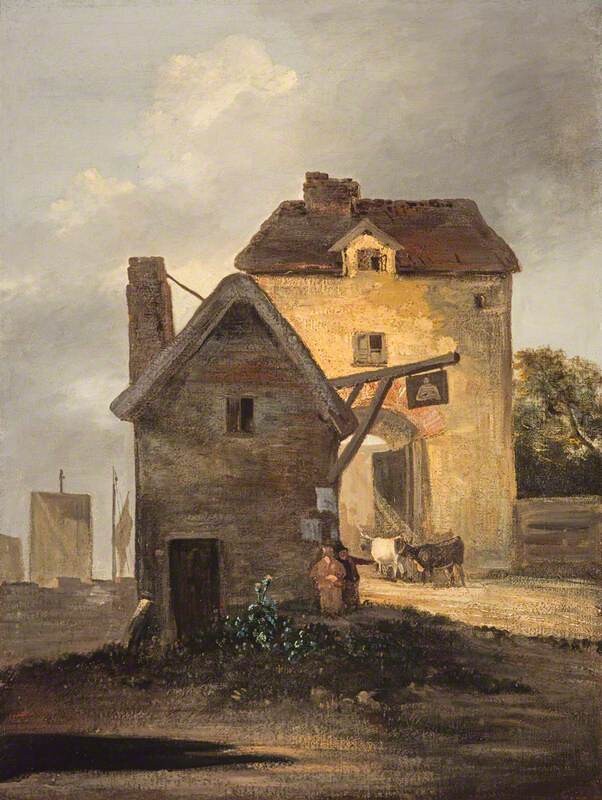
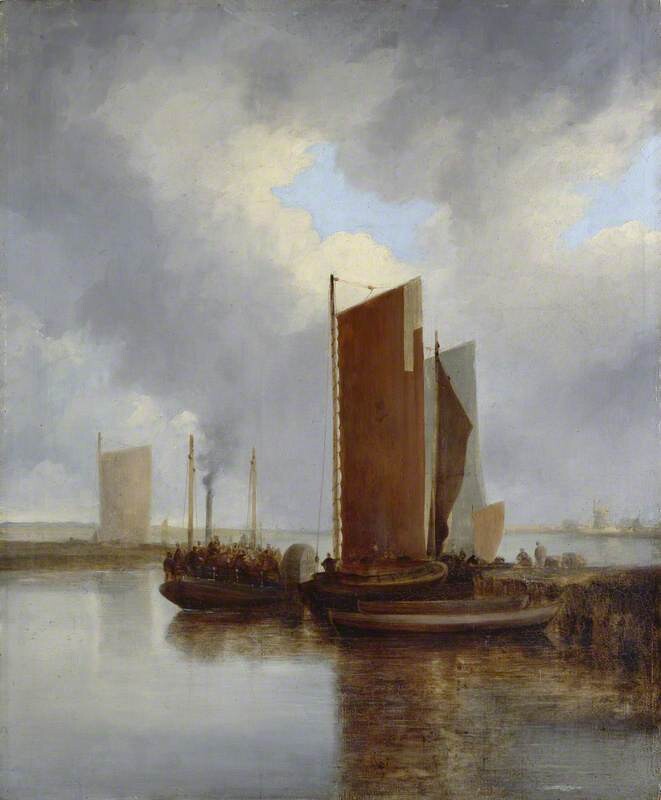
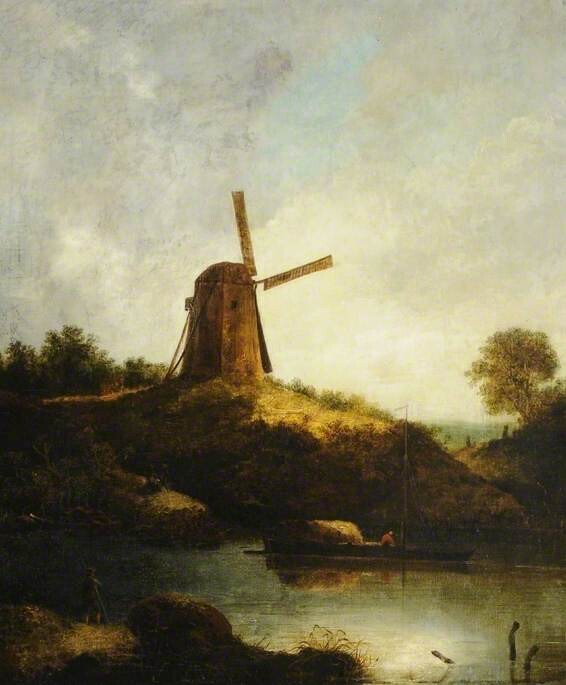
John Crome
John Crome, December 22, 1768–April 22, 1821, was an English landscape painter and etcher born in Norwich. Apprenticed to the coach and sign painter Francis Whisler, he later worked as a drawing master and studied the work of Dutch landscape painters.
Crome and Robert Ladbrooke founded the Norwich Society of Artists in 1803. He served repeatedly as its president, taught artists including James Stark and Edward Thomas Daniell, and painted landscapes centered on Norwich and the Norfolk countryside.
Crome remained in Norwich until his death in 1821. His work is held by Tate, the Yale Center for British Art, the National Galleries of Scotland, Norfolk Museums Collections and other British and American collections, and he is regarded as a principal founder of the Norwich School of painters.






Luis Egidio Meléndez
Luis Egidio Meléndez, Spanish painter, 1716–1780


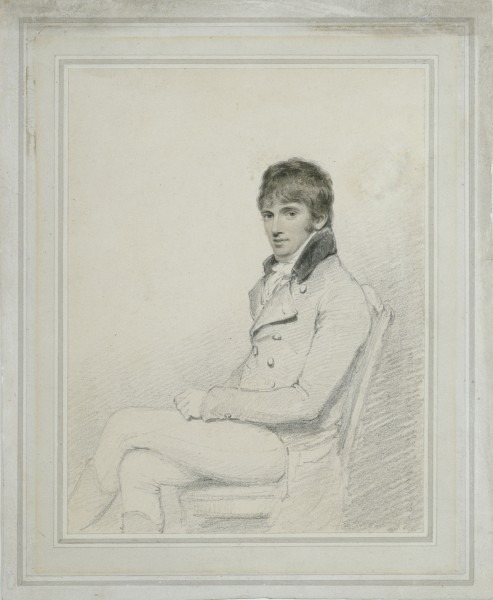
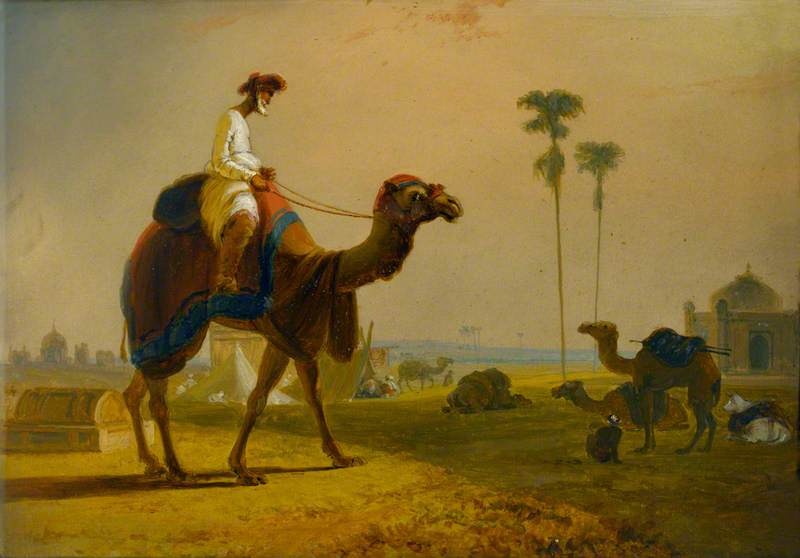
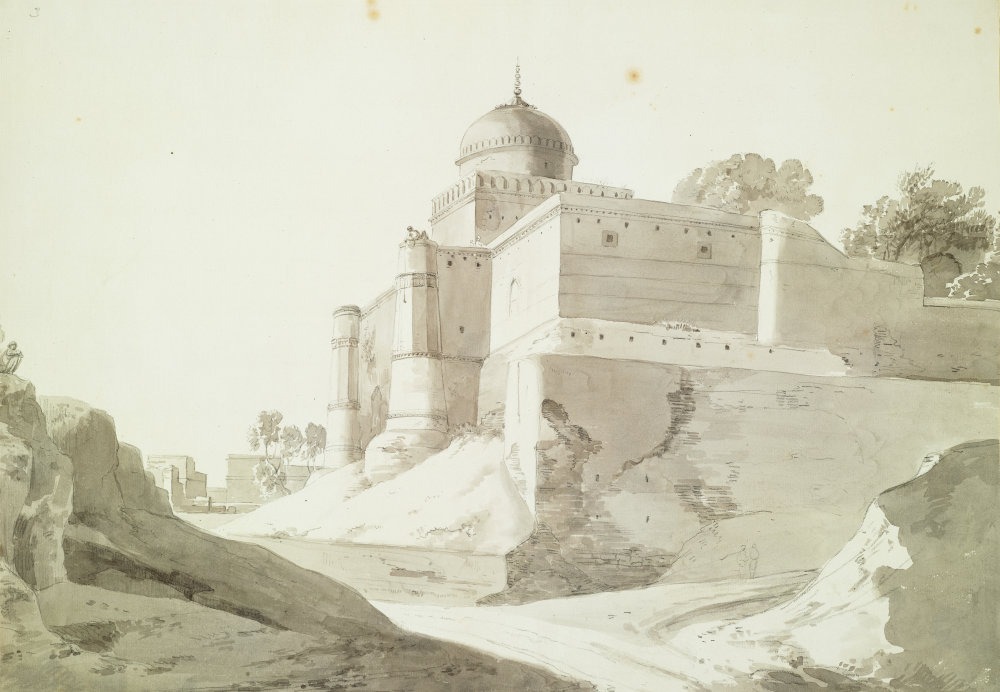
William Daniell
William Daniell was born in Kingston upon Thames in 1769 and trained under his uncle, Thomas Daniell. As a teenager he accompanied Thomas to India, where the pair traveled widely and recorded architecture, landscapes, and everyday life in drawings and paintings.
After returning to Britain in 1794, the Daniells transformed their Indian studies into Oriental Scenery, issued in six parts from 1795 to 1808. William became a highly accomplished aquatinter as well as a landscape and marine painter, combining topographical precision with dramatic atmosphere.
Daniell later traveled around the British coast for A Voyage Round Great Britain, published in eight volumes from 1814 to 1825 with 308 aquatints. Elected a Royal Academician in 1822, he continued exhibiting marine, Indian, and panoramic subjects until his death in London on August 16, 1837.





Meindert Hobbema
Meindert Hobbema, October 31, 1638 – December 7, 1709, was a Dutch landscape painter born and active in Amsterdam. Orphaned as a teenager, he became a pupil of Jacob van Ruisdael by 1655.
Hobbema specialized in wooded landscapes, watermills, cottages, roads, and streams. Most of his surviving paintings date from the late 1650s and 1660s, and his figures were sometimes supplied by other artists, including Adriaen van de Velde.
In 1668 Hobbema married and became a municipal wine gauger, after which his artistic production declined. He died in Amsterdam and is represented in collections including the Rijksmuseum, National Gallery, National Gallery of Art, Mauritshuis, and Frick Collection.


William Hodges
William Hodges, October 28, 1744 – March 6, 1797, was an English landscape painter and printmaker born in London. He trained at William Shipley’s drawing school and became a pupil and assistant of the landscape painter Richard Wilson.
Hodges accompanied Captain James Cook’s second Pacific voyage aboard Resolution from 1772 to 1775 as expedition artist. He later worked in India under the patronage of Warren Hastings, published Select Views in India, and was elected a Royal Academician in 1787.
After further travel in Europe, Hodges continued to exhibit at the Royal Academy until 1794 and retired from painting in 1795. He died at Brixham, Devon, in 1797; important holdings of his work are in the National Maritime Museum, British Museum, and Yale Center for British Art.