Posts in Category: 18th Century
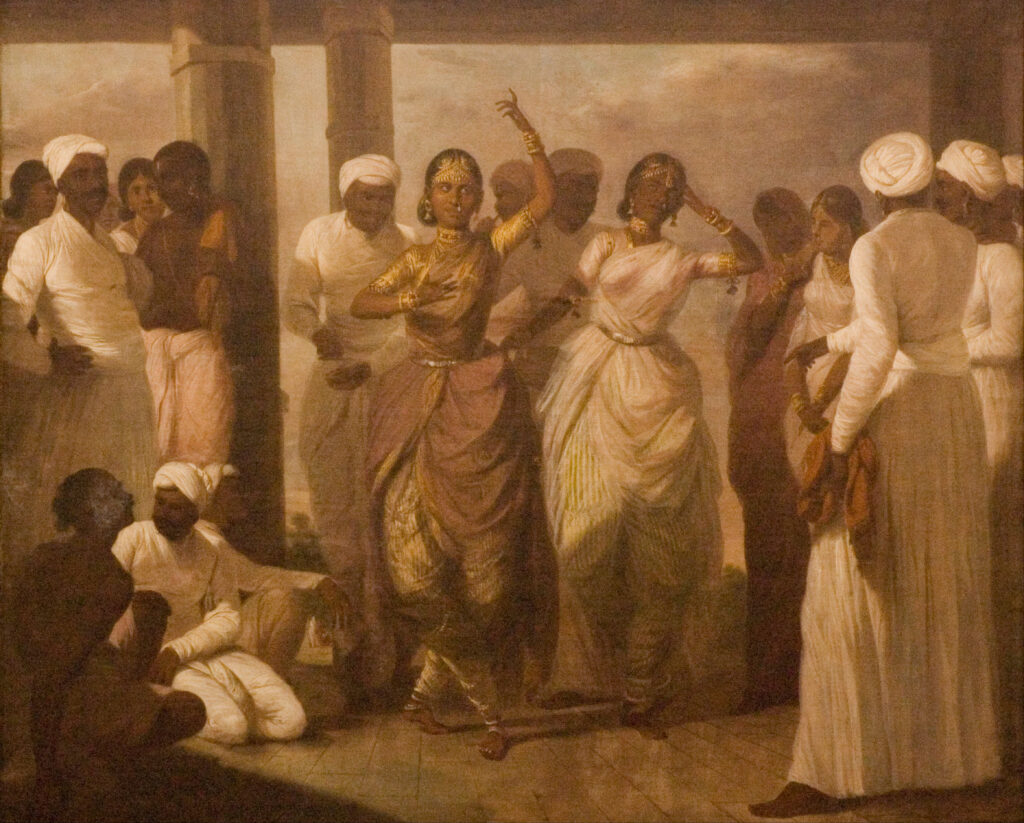
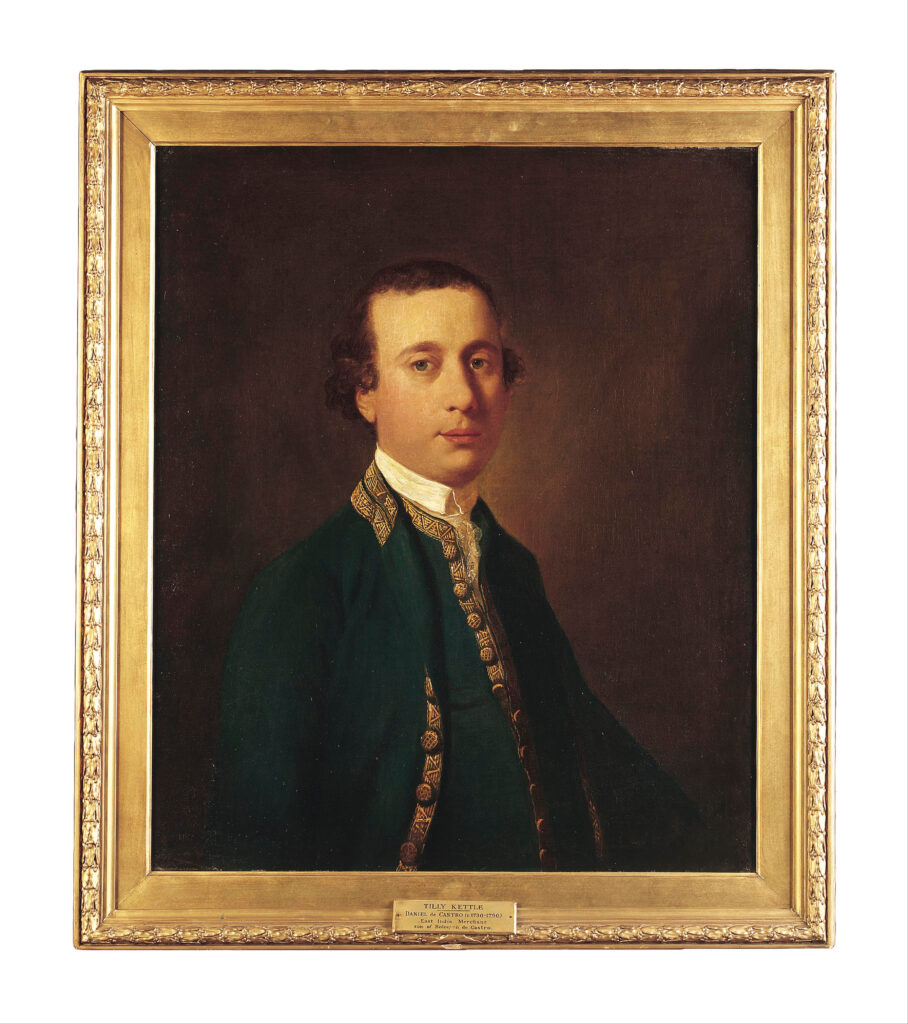
Tilly Kettle
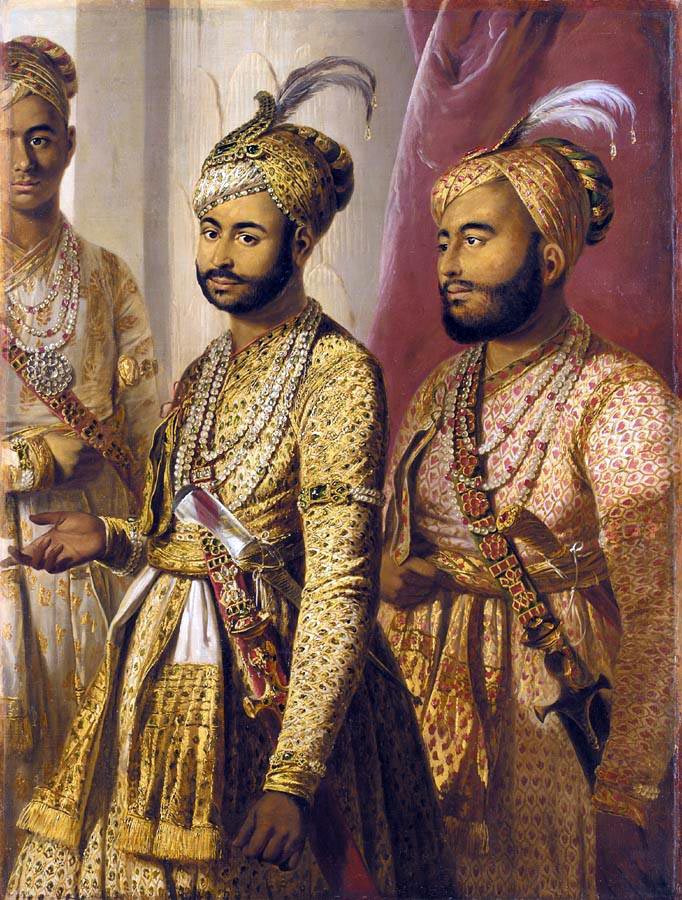
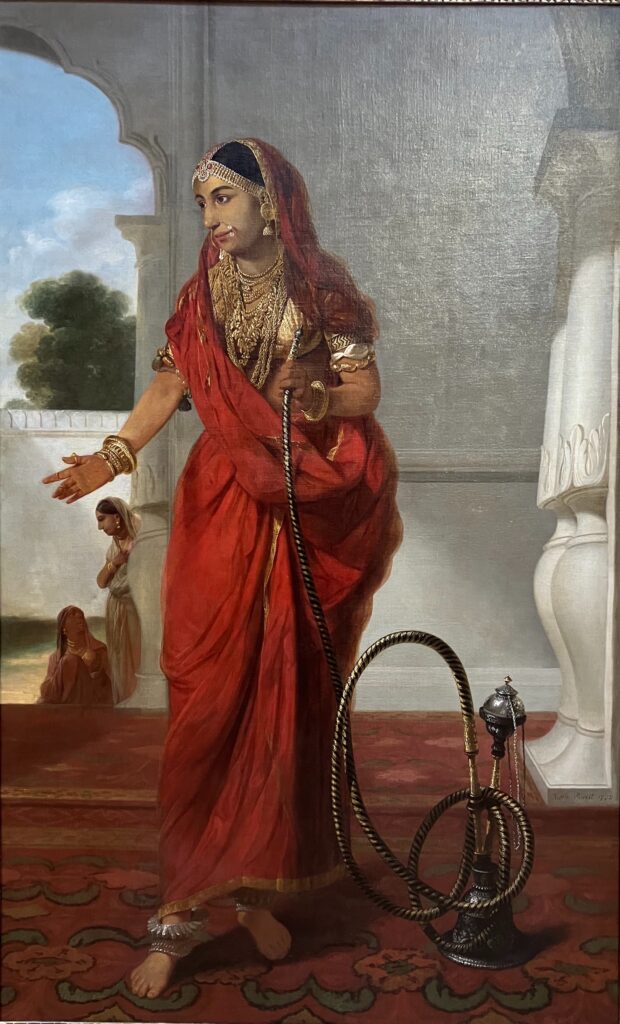
Tilly Kettle, January 31, 1735 – July 1786, was an English portrait painter who worked in Britain and India. He trained at William Shipley’s drawing academy, St Martin’s Lane Academy, and the Duke of Richmond’s academy in London.
Kettle established himself as a portraitist in Oxford and the English Midlands before travelling to India in 1768. He worked in Madras, Calcutta, and at the court of Shuja al-Daula in Awadh, painting British East India Company officials and Indian rulers.
His works are held by the Yale Center for British Art, Tate Britain, National Portrait Gallery, National Army Museum, National Galleries of Scotland, Auckland Art Gallery Toi o Tāmaki, and other public collections.







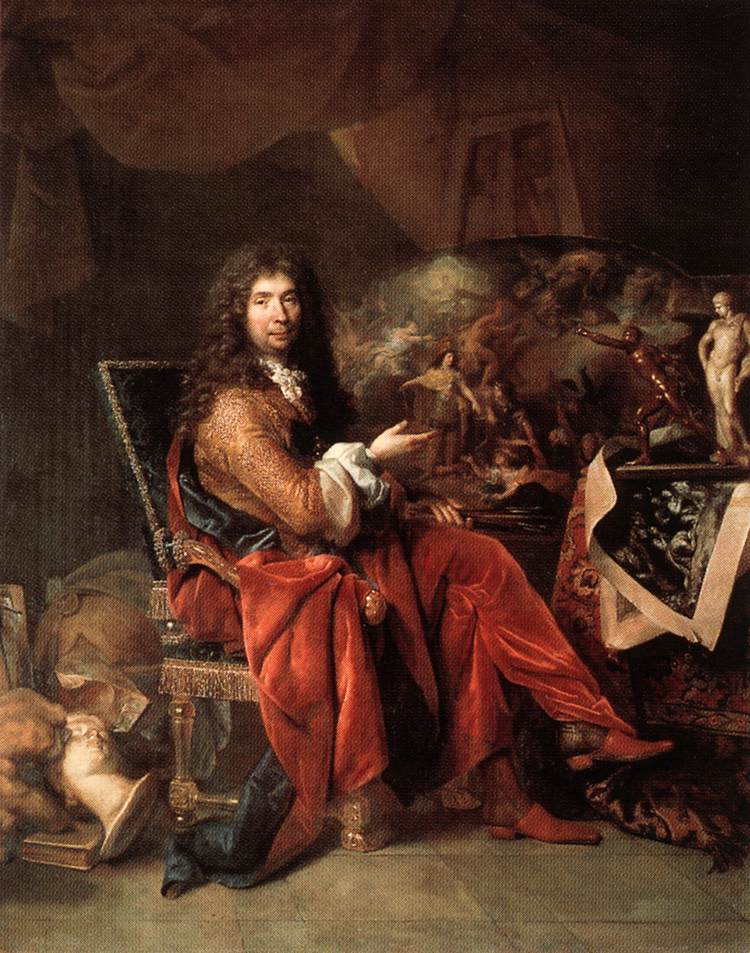
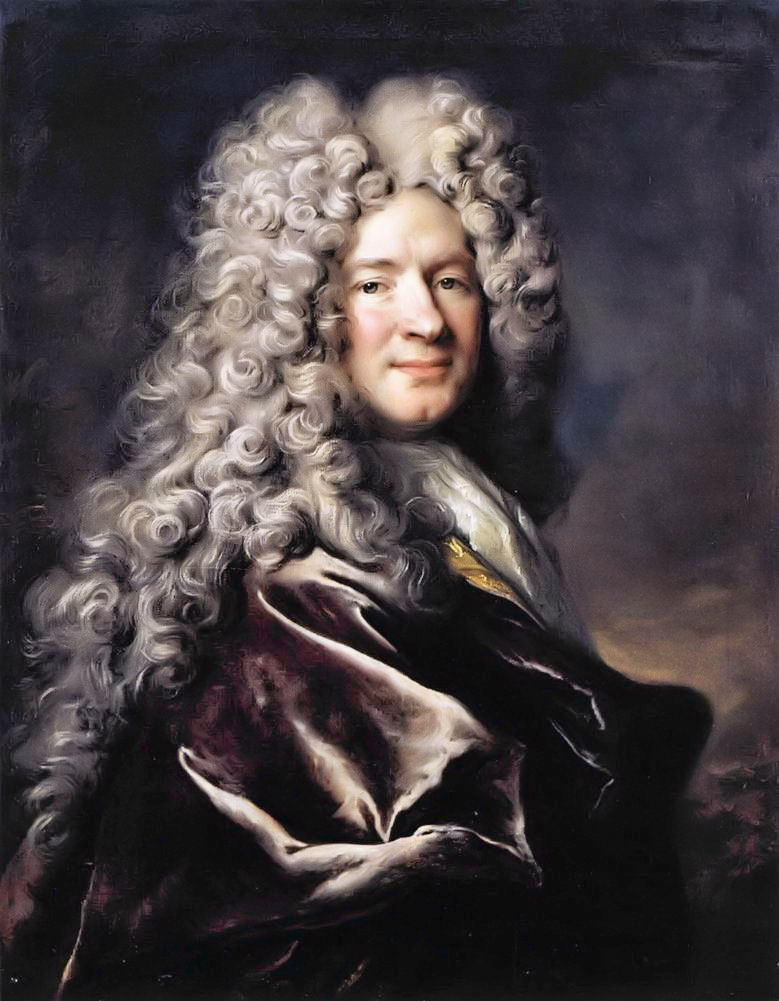
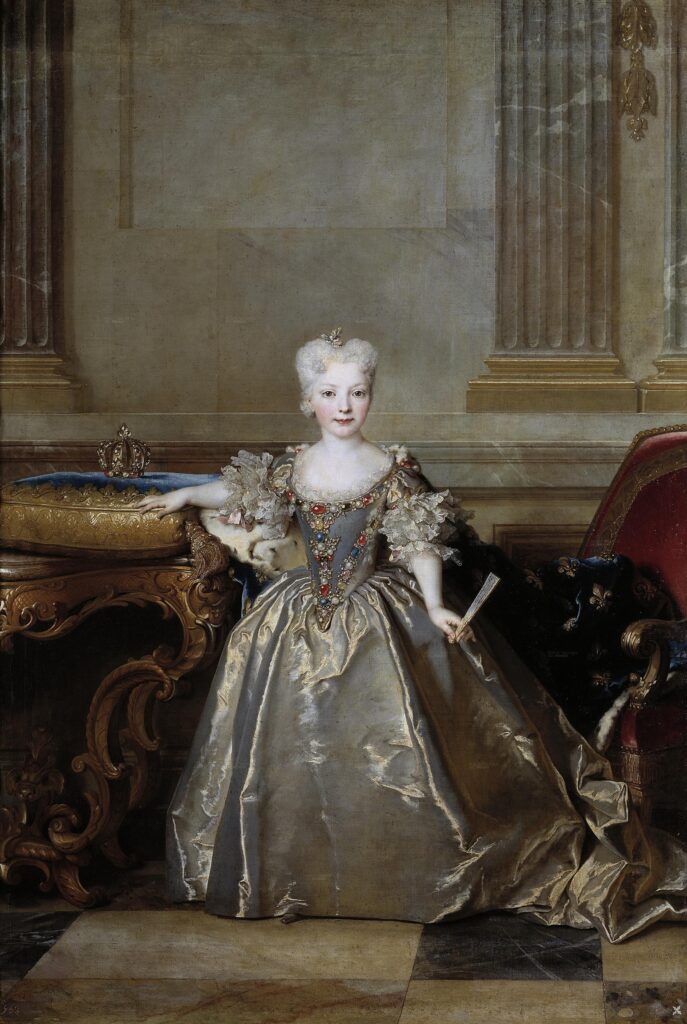
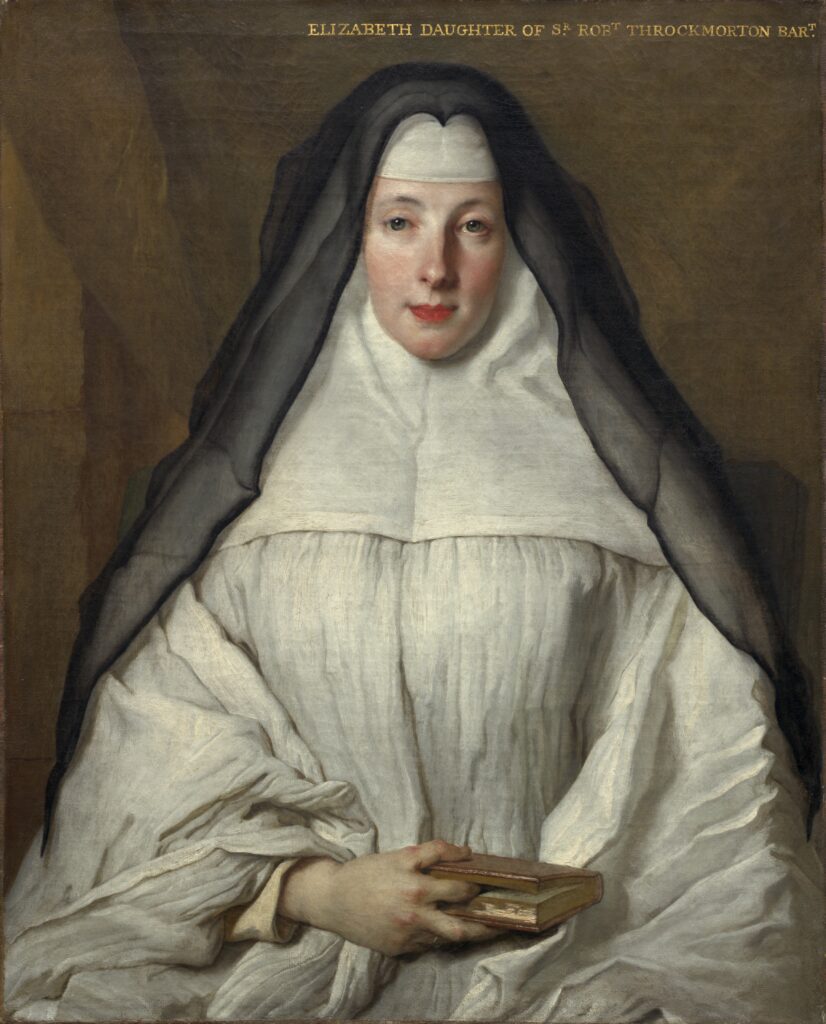
Nicolas de Largillière
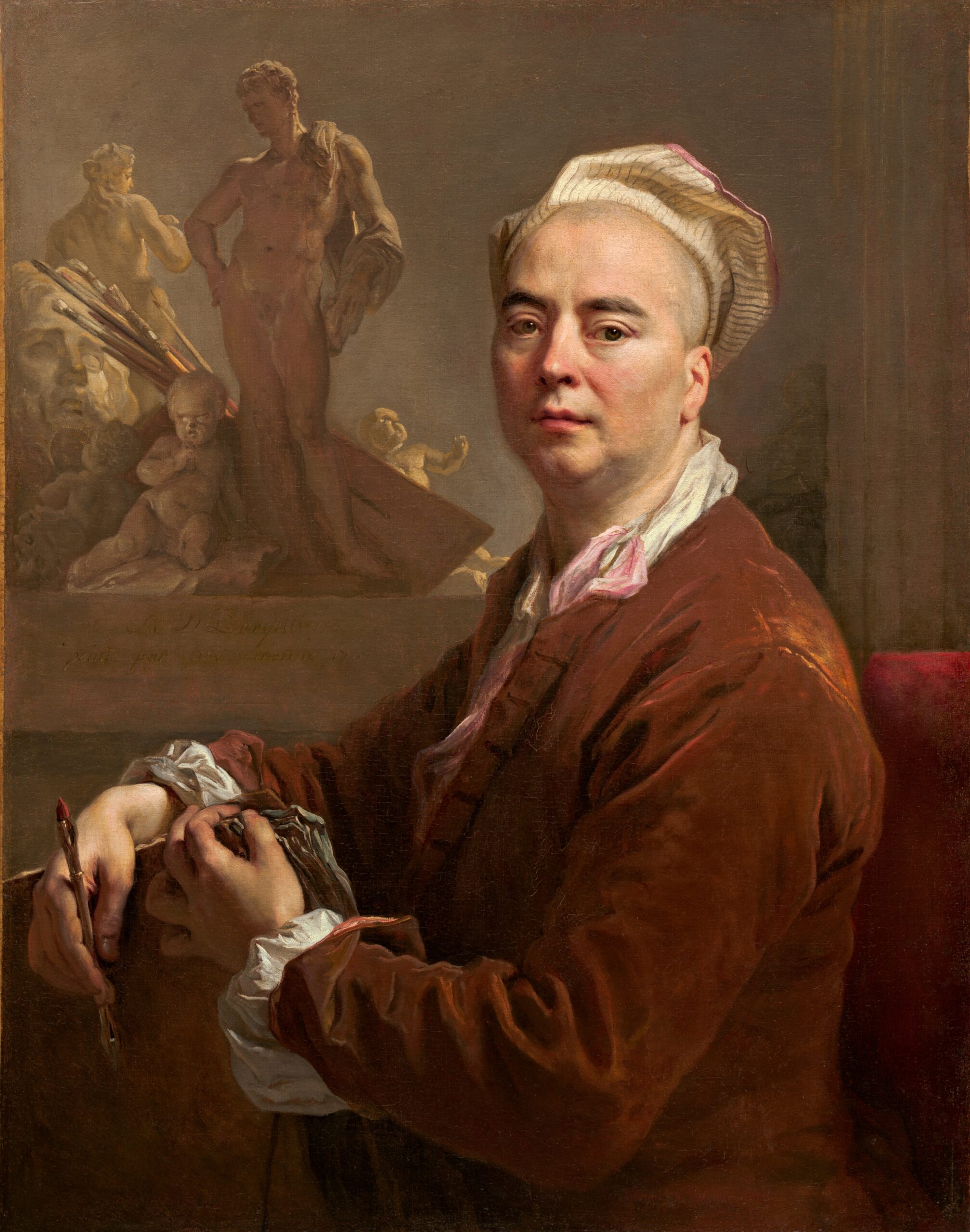
Nicolas de Largillière, October 10, 1656 – March 20, 1746, was a French painter born in Paris and raised in Antwerp. He trained there with Anton Goubau, then worked in England as an assistant to Peter Lely and Antonio Verrio.
Largillière returned to Paris and established a successful career chiefly as a portrait painter. He was admitted to the Académie royale de peinture et de sculpture in 1686 and later served as its director and chancellor; his pupils included Jean-Baptiste Oudry.
Largillière died in Paris at the age of eighty-nine. His works are held by the Louvre Museum, National Gallery of Art, Metropolitan Museum of Art, National Gallery, London, and other major public collections.






Domenico Antonio Vaccaro
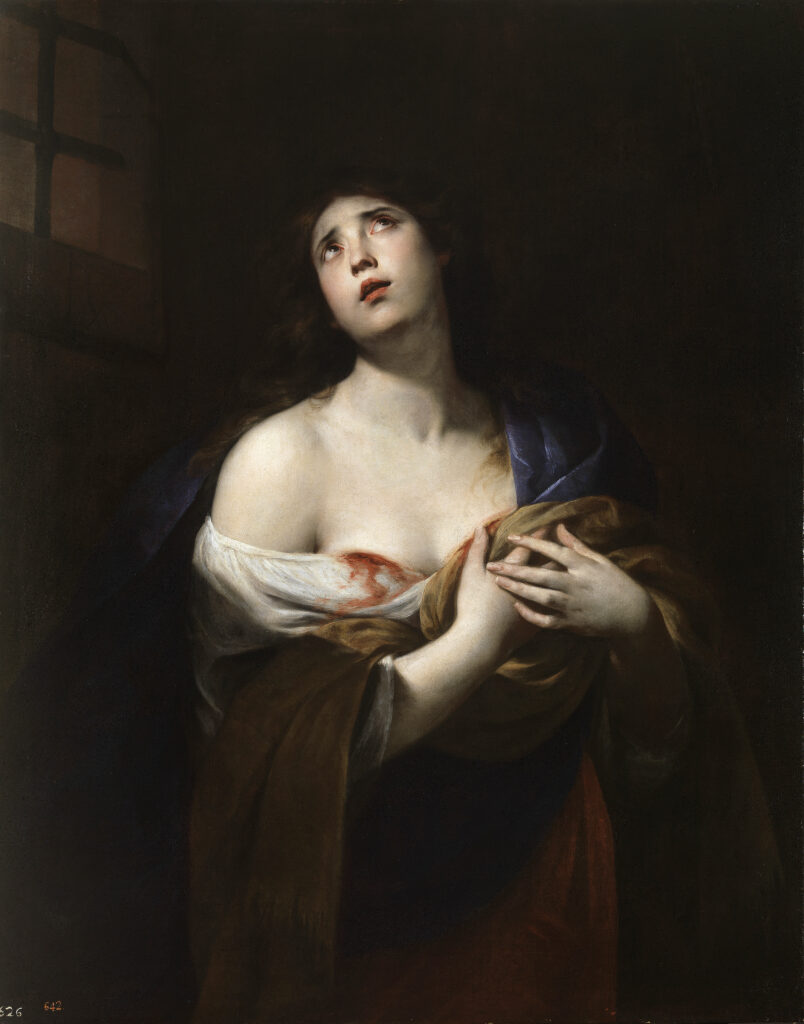
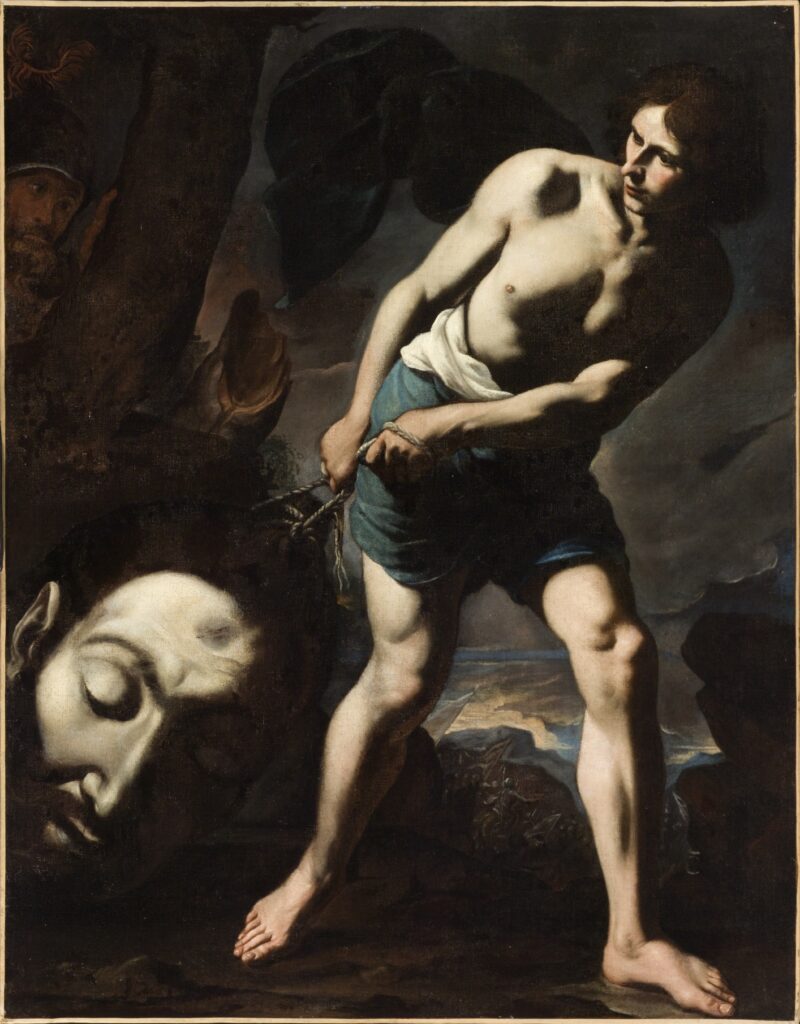
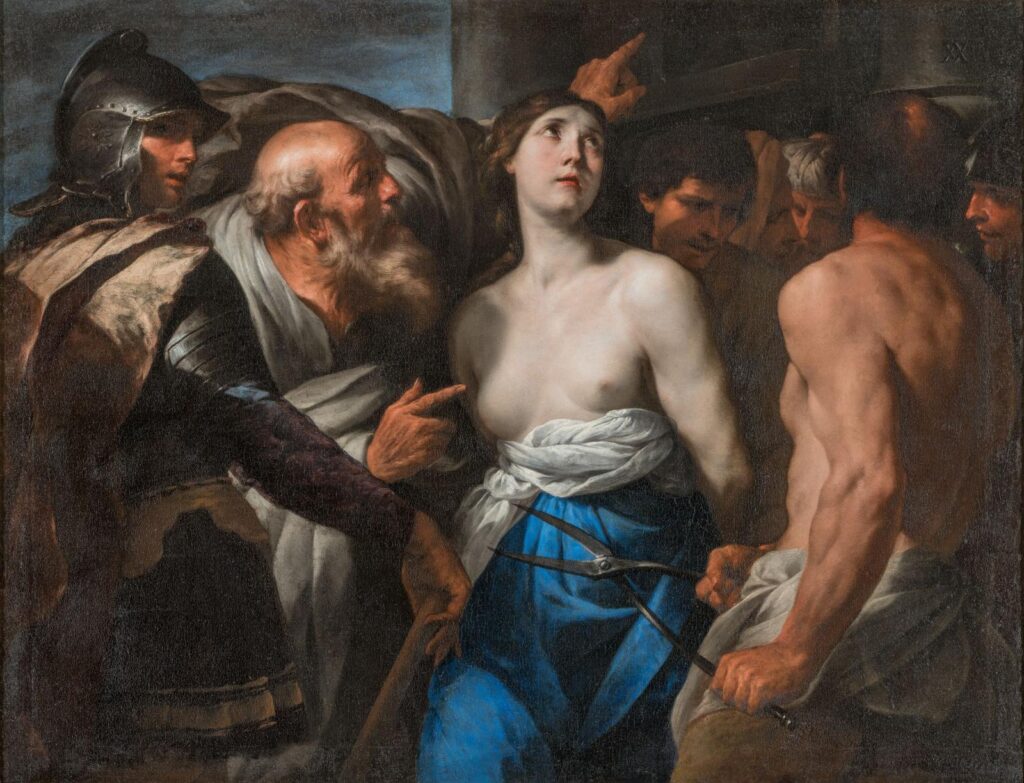
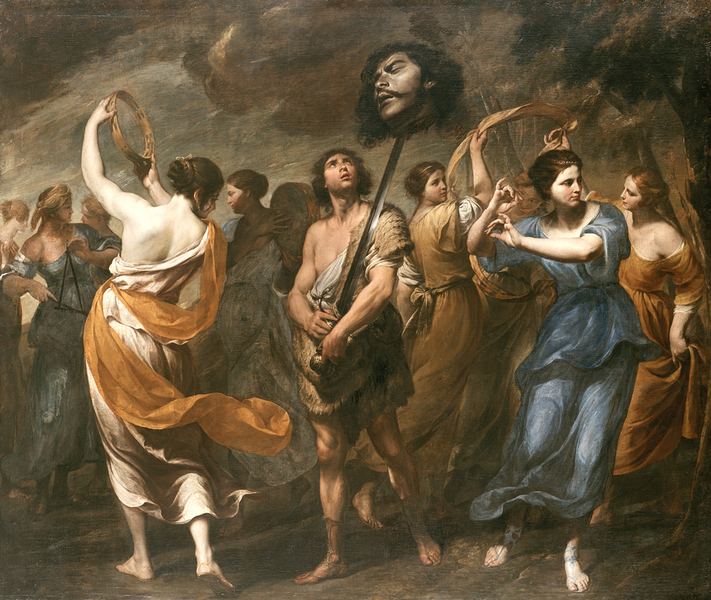
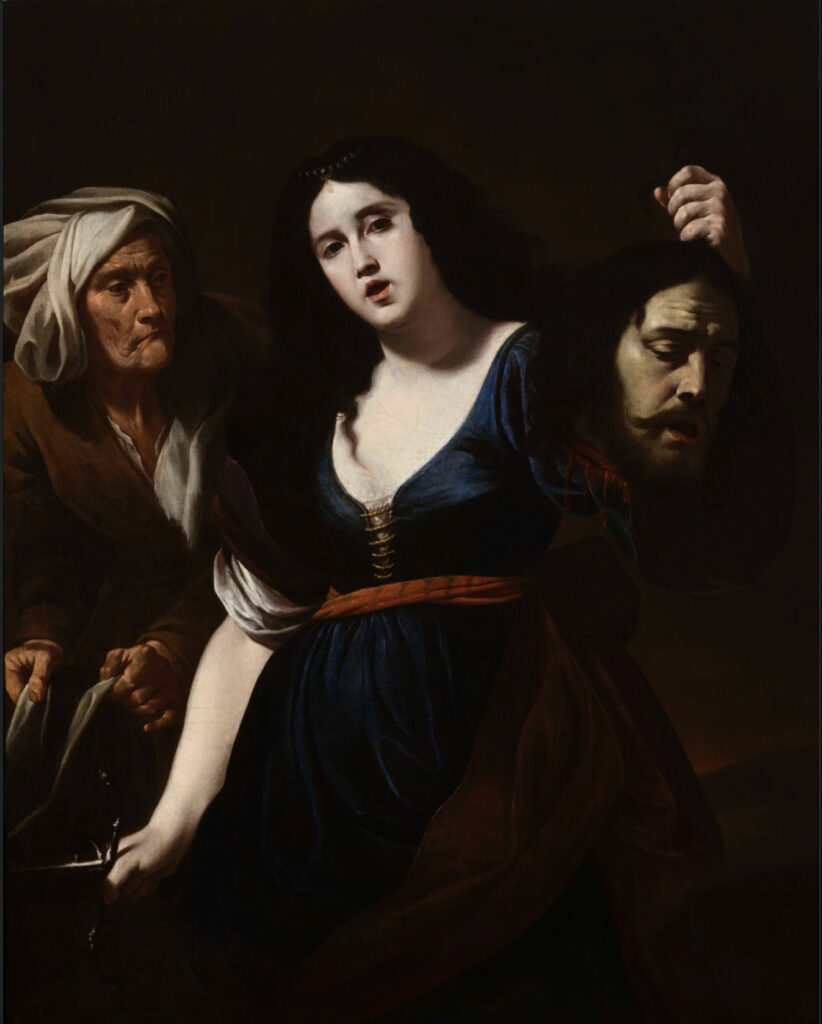
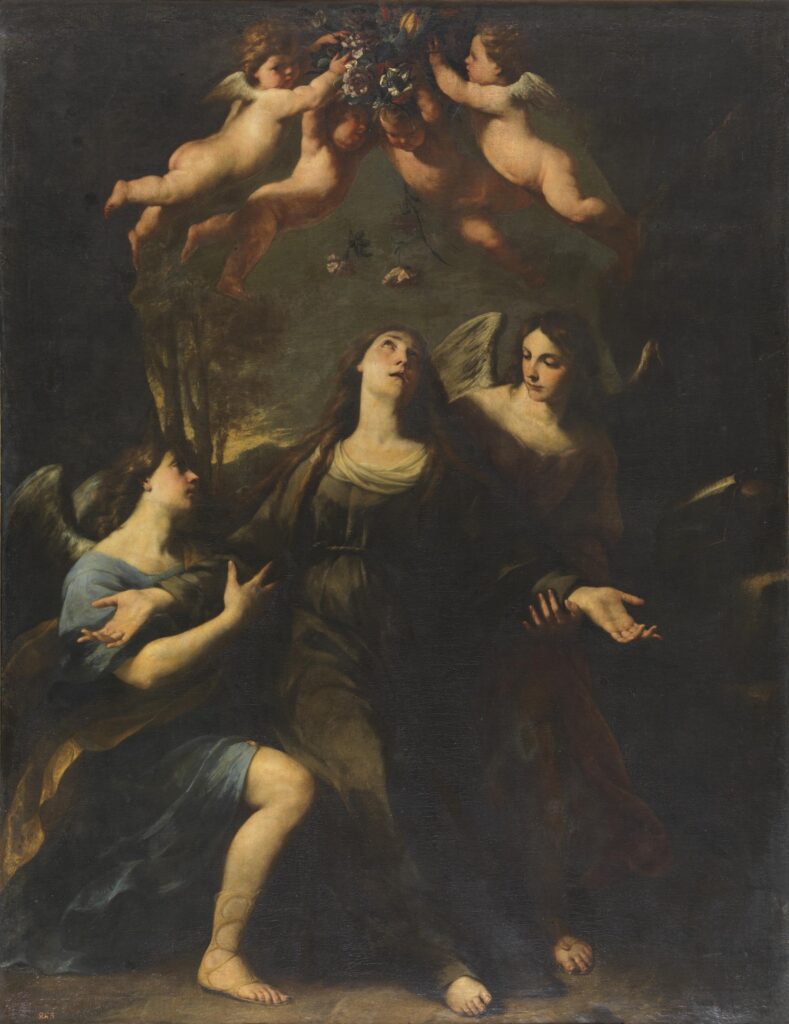
Domenico Antonio Vaccaro, Italian painter and architect, June 3, 1678 – June 13, 1745






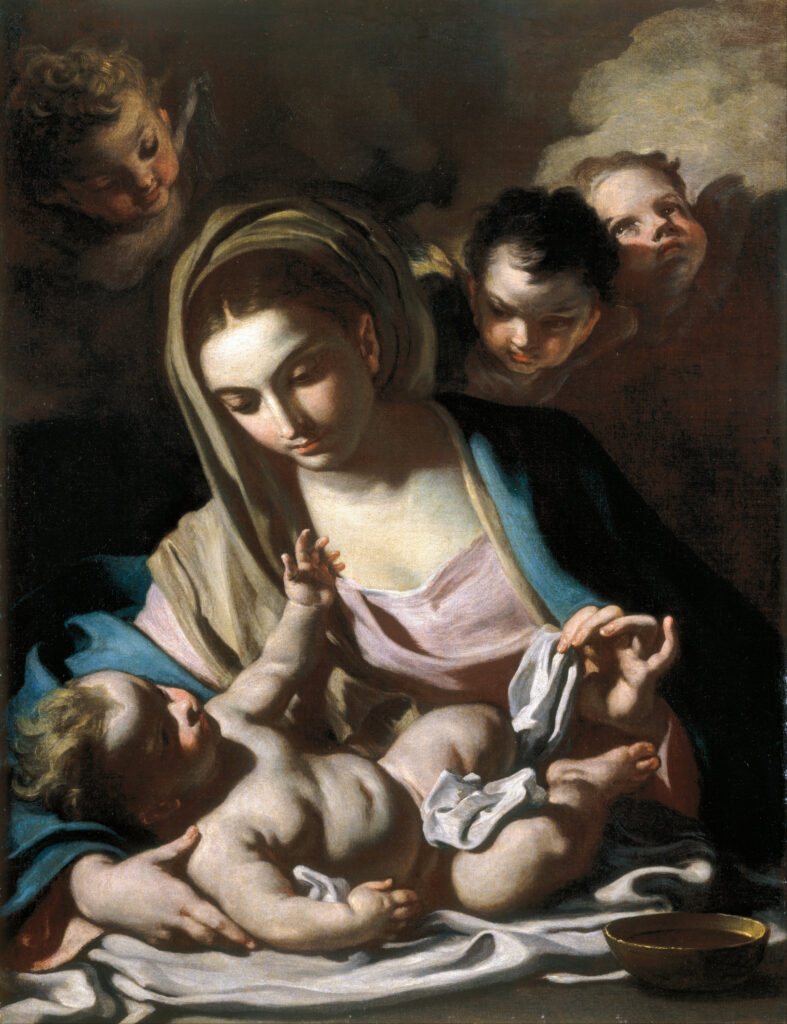
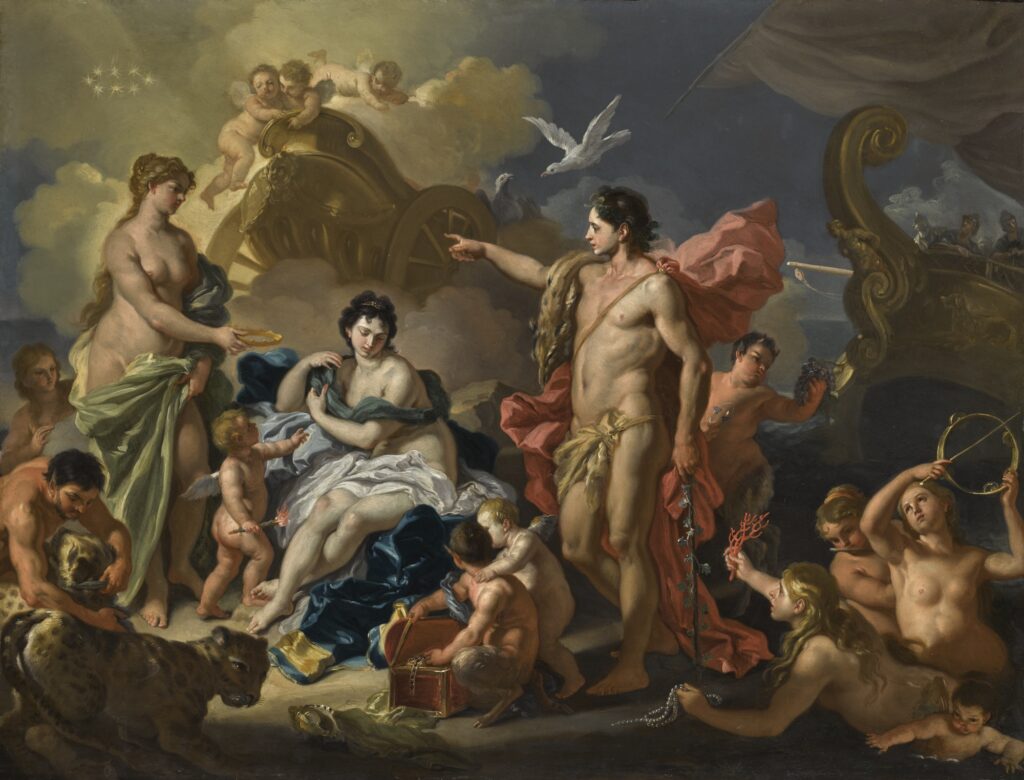
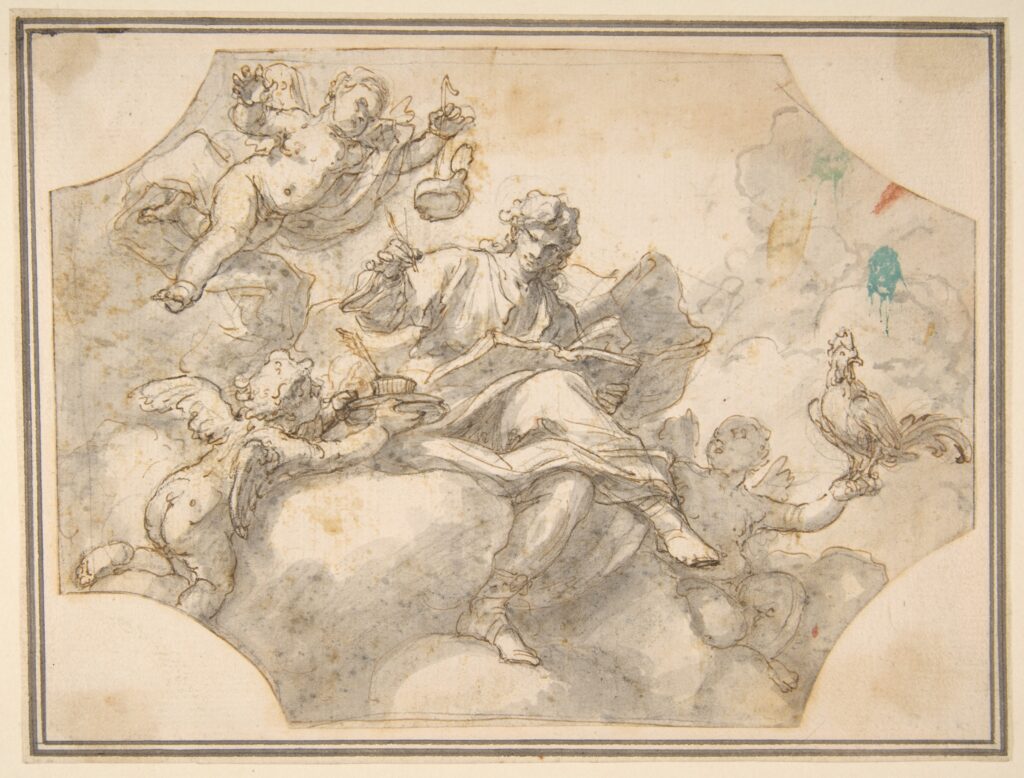
Francesco Solimena
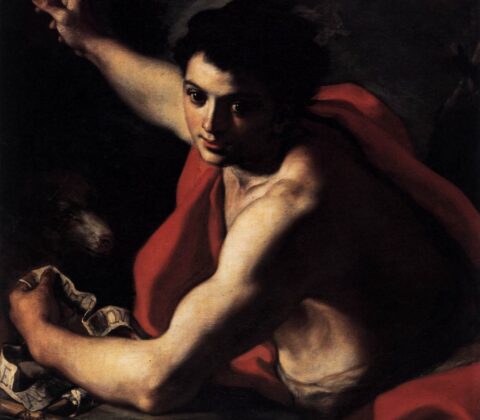
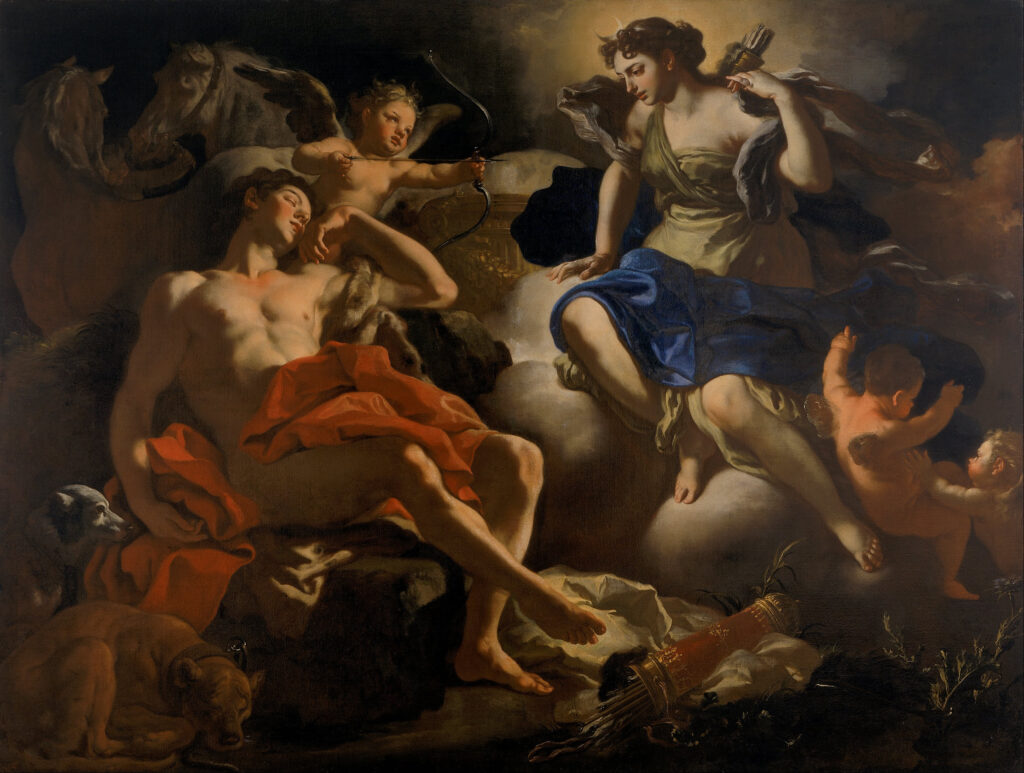
Francesco Solimena, October 4, 1657 – April 3, 1747, was an Italian painter and architect associated with Naples. He was born at Canale di Serino and received his early artistic training from his father, the painter Angelo Solimena.
Solimena worked for churches and patrons in Naples and elsewhere, producing frescoes, altarpieces, easel paintings, mythological scenes, portraits, and drawings. He directed a large workshop and taught artists including Francesco de Mura, Corrado Giaquinto, and Giuseppe Bonito.
He died at Barra, near Naples, in 1747. His work is represented in major collections including the Museo del Prado, the J. Paul Getty Museum, the Metropolitan Museum of Art, the Kunsthistorisches Museum, and the Museum of Fine Arts, Houston.







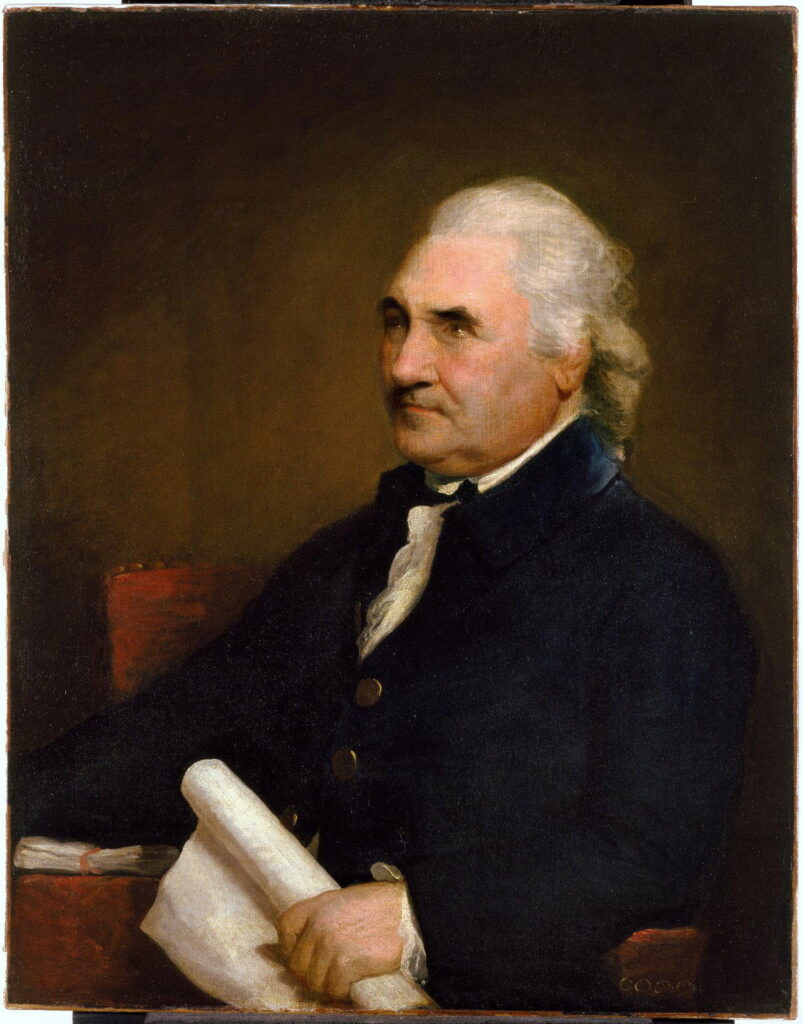
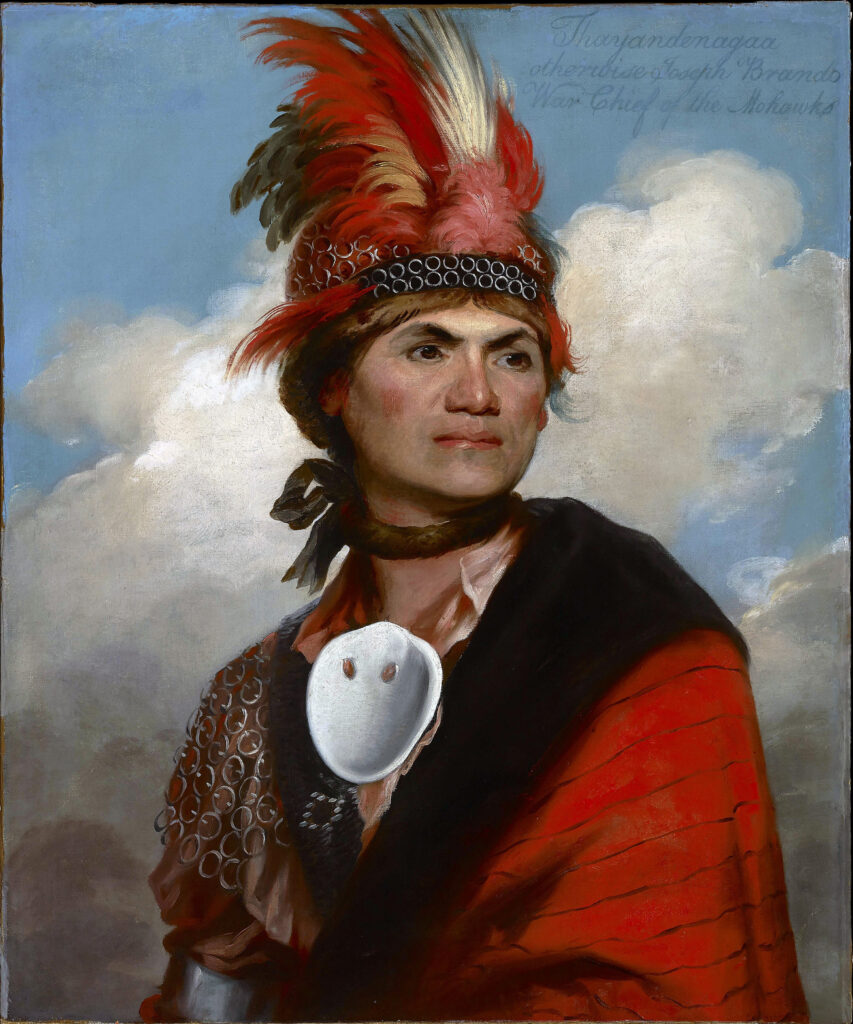
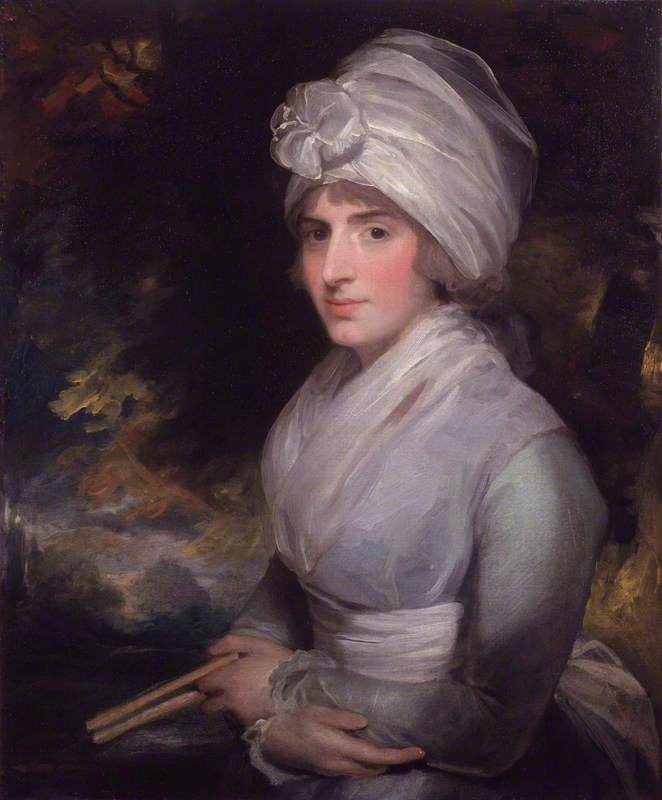
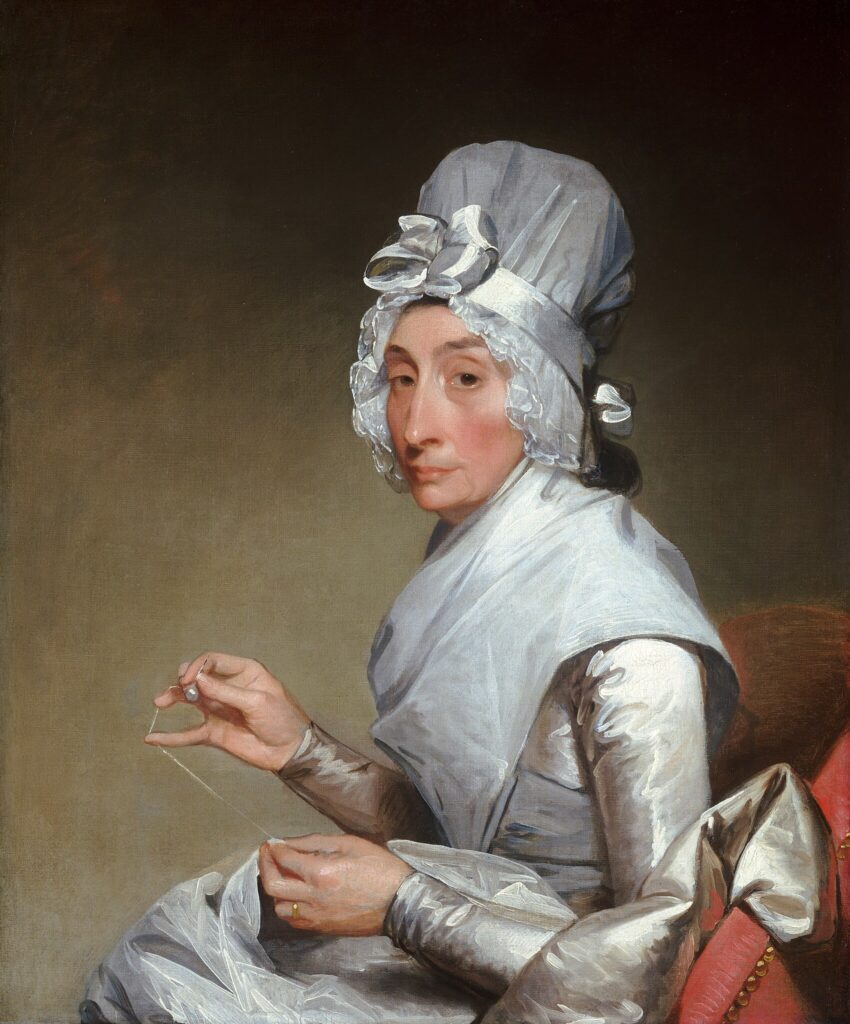
Gilbert Stuart
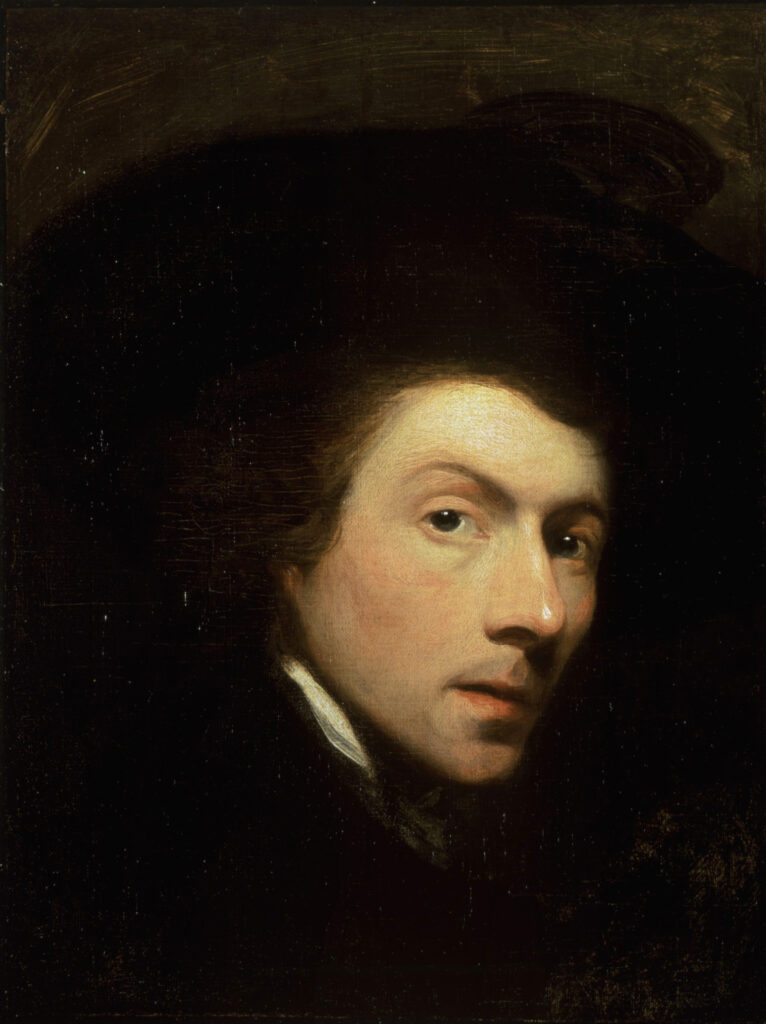
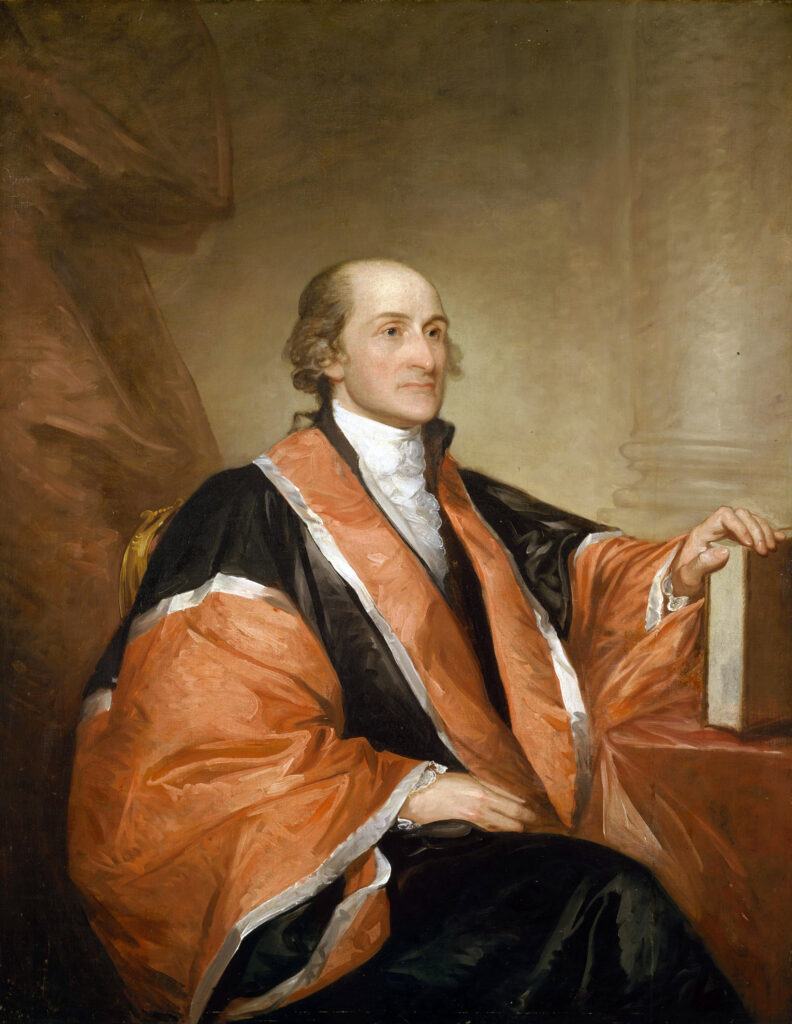
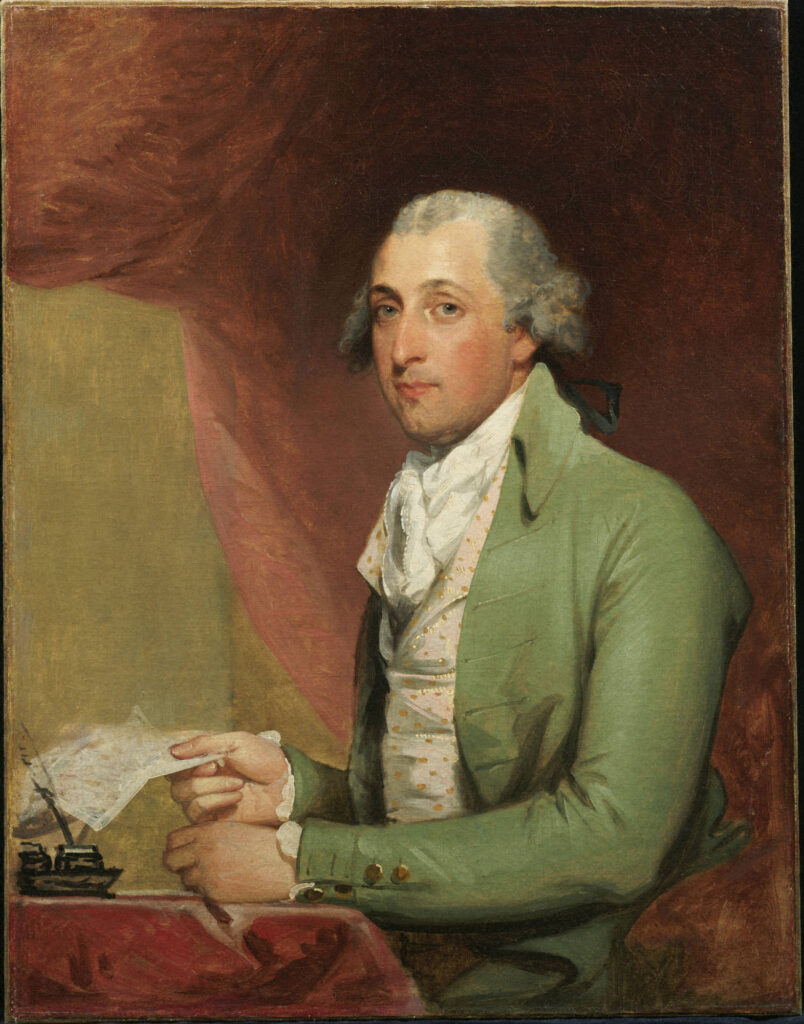
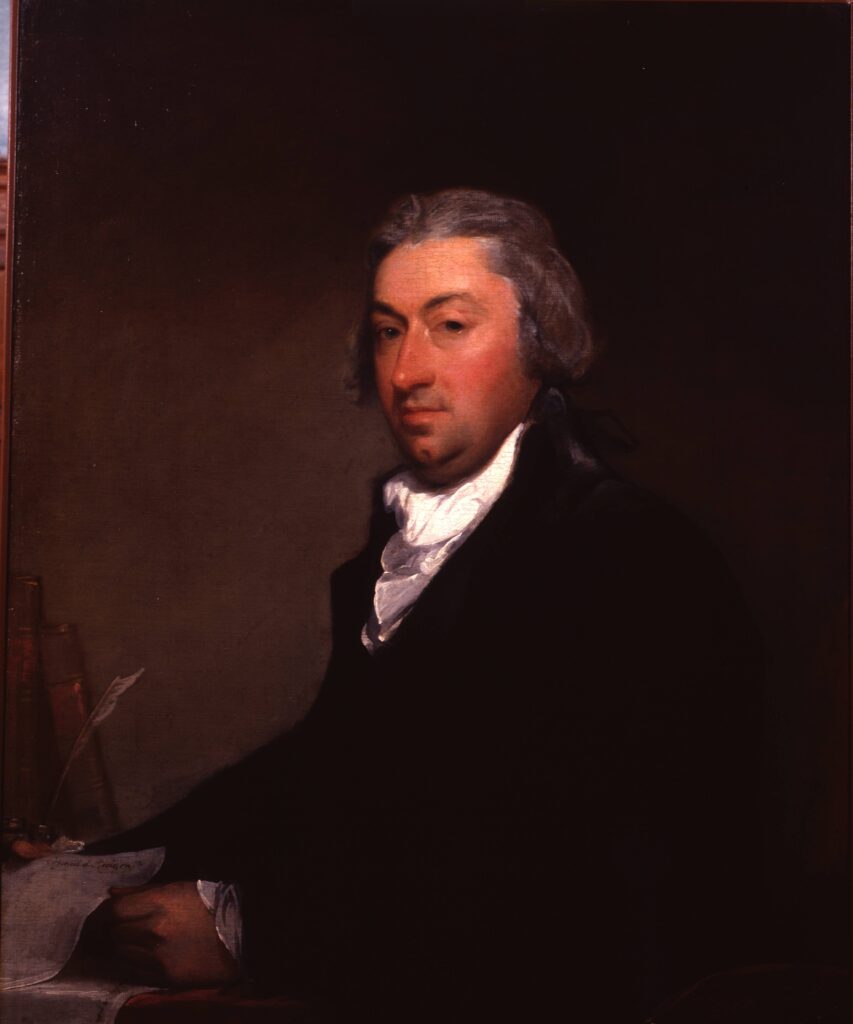
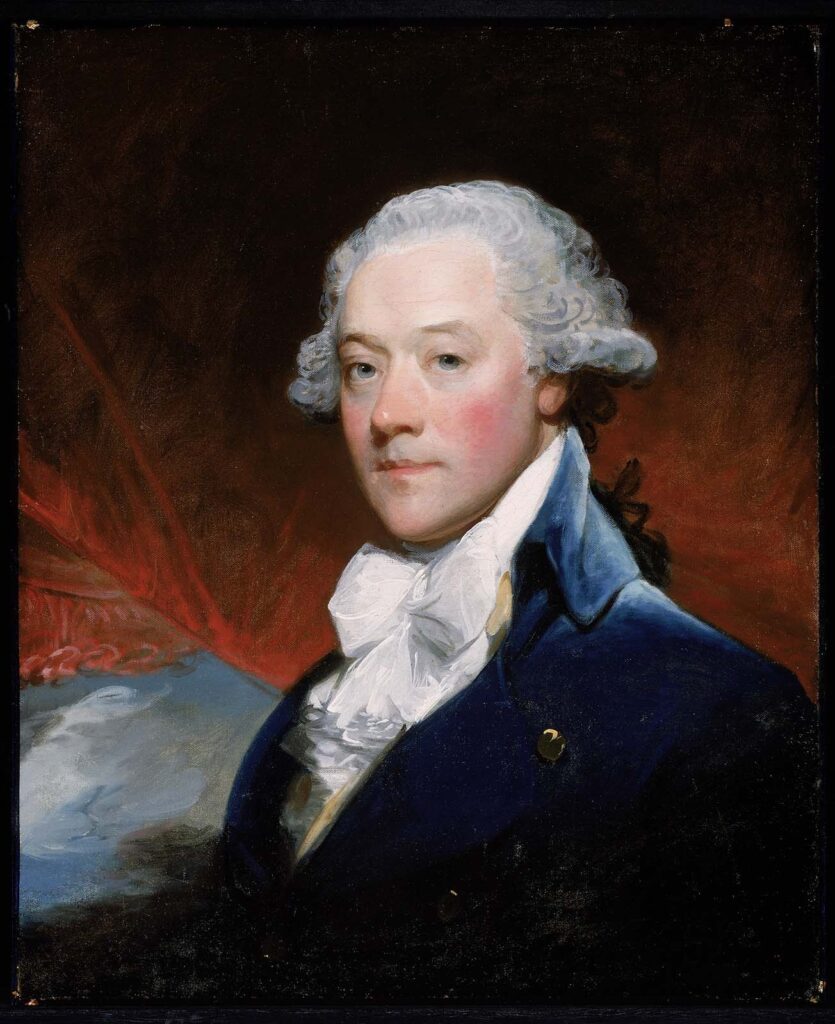
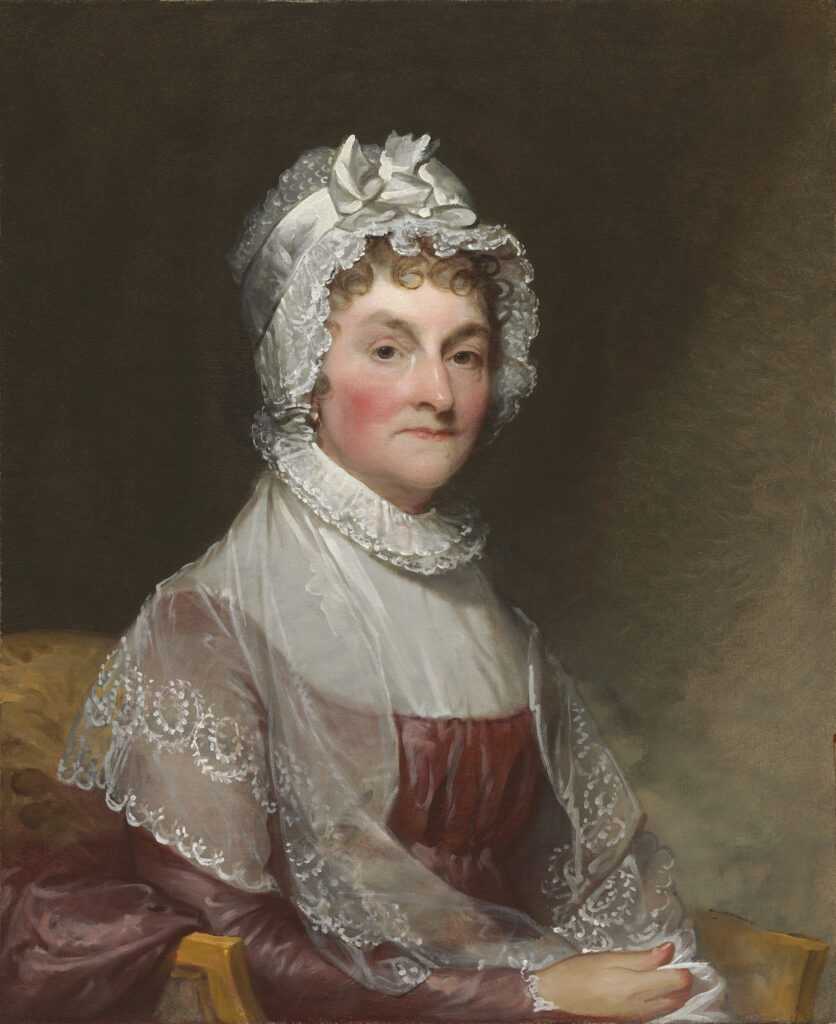
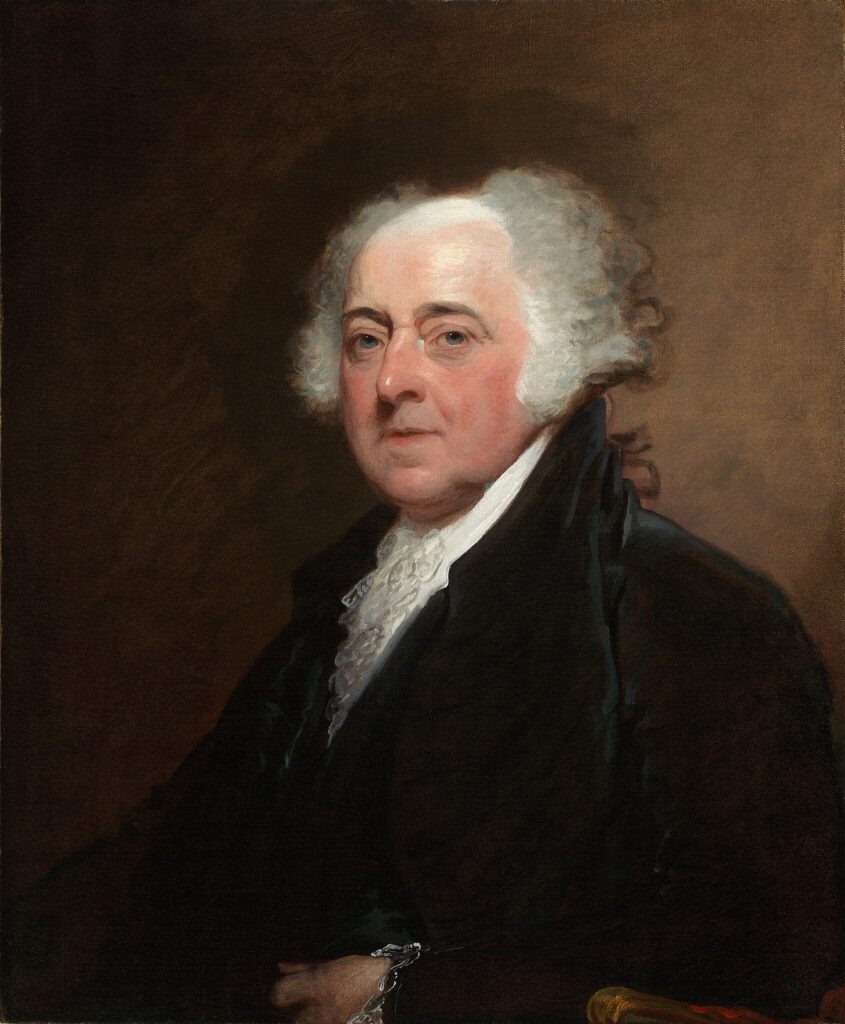
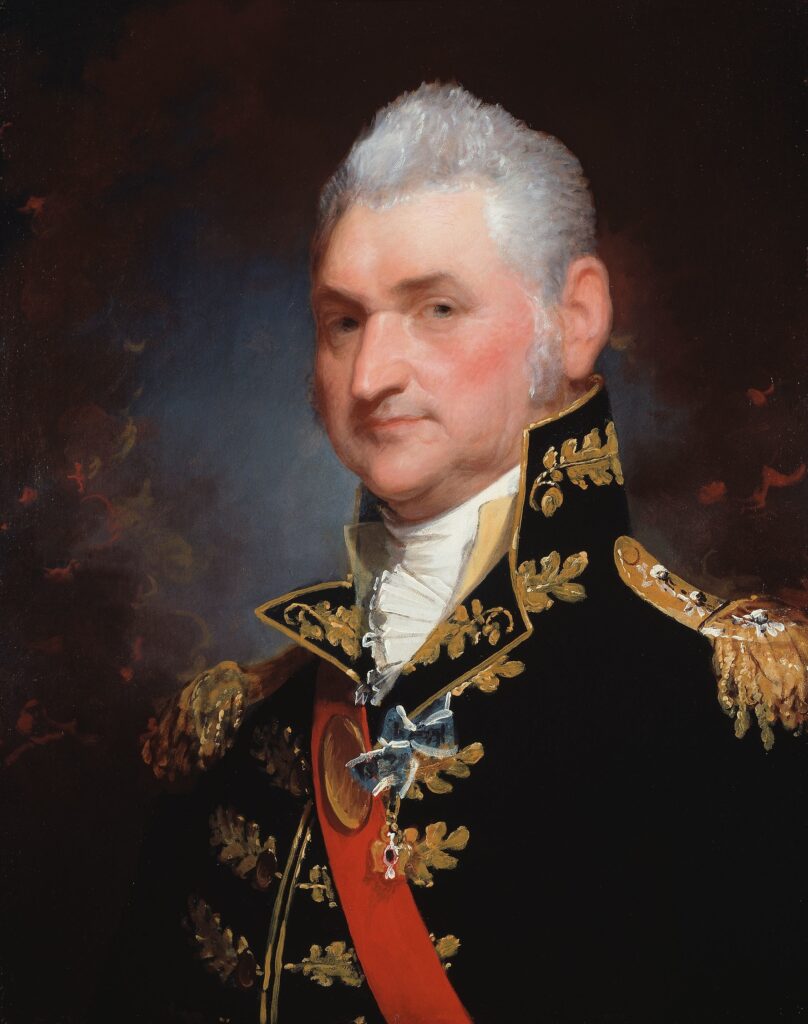
Gilbert Stuart, December 3, 1755–July 9, 1828, was an American painter born in North Kingstown, Rhode Island. He received early instruction from the Scottish artist Cosmo Alexander, then worked in London and Dublin, where he studied with Benjamin West and established a successful portrait practice.
Stuart returned to the United States in 1793 and became the leading portraitist of the early republic. He painted political leaders, merchants, military figures, and writers, including George Washington, John Adams, John Jay, and Abigail Adams. Major collections of his work are held by the Metropolitan Museum of Art, National Gallery of Art, Museum of Fine Arts, Boston, and many other American and British institutions.
After periods in Philadelphia, Washington, and New York, Stuart settled in Boston. He died there in 1828, leaving a large body of portraits that remains a principal visual record of the United States in its early national period.


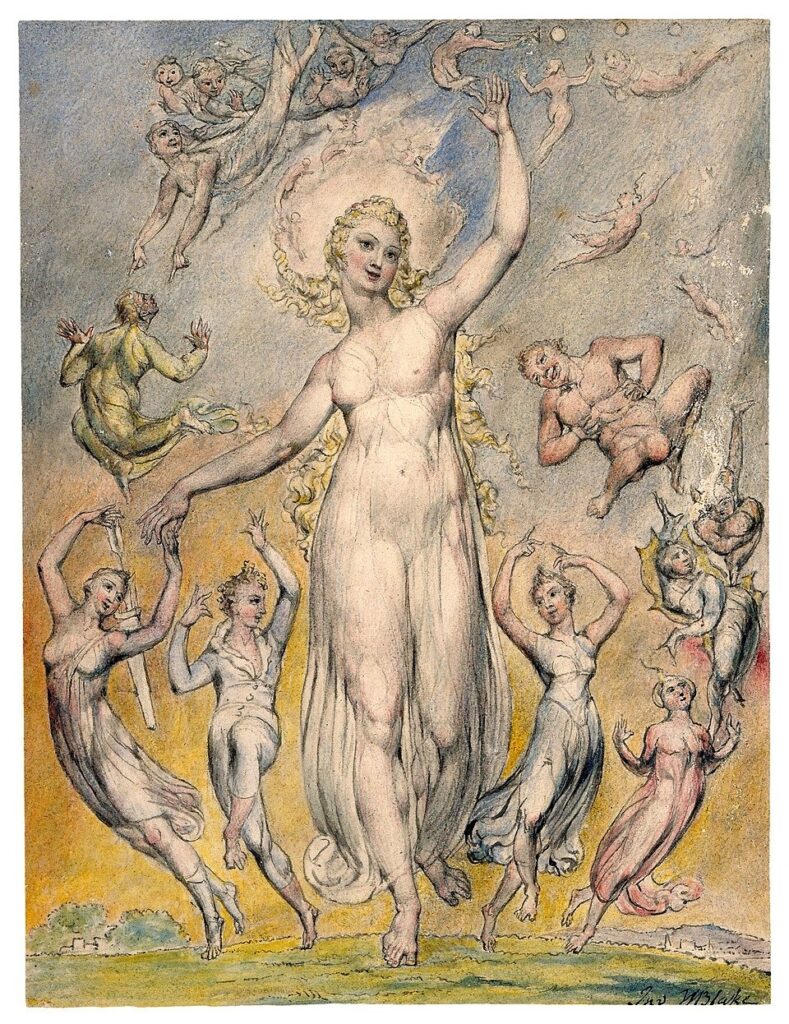
William Blake
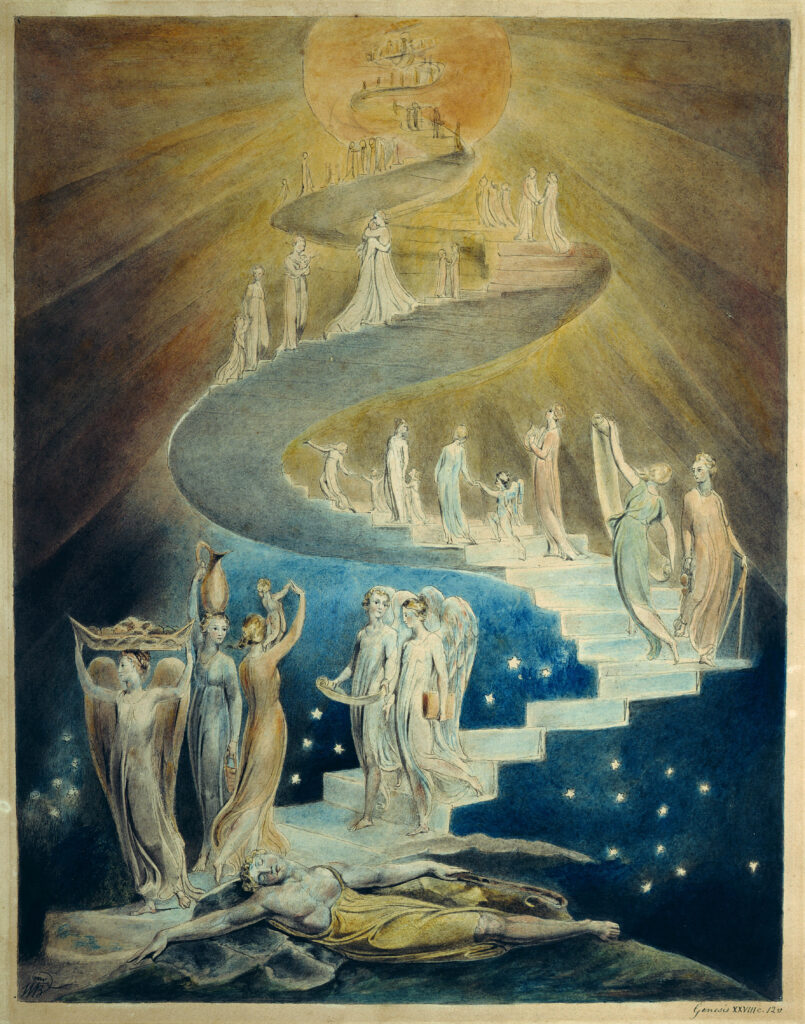
William Blake, November 28, 1757–August 12, 1827, was an English artist, engraver, poet, and printer, born in London. He trained at Henry Pars’s drawing school and as an engraver with James Basire before entering the Royal Academy Schools in 1779.
Blake supported himself chiefly through engraving and book illustration, working with his wife, Catherine Blake, to print and hand-color his illuminated books. He also made watercolors and prints for such patrons as Thomas Butts and John Linnell, and produced major late designs for Dante’s Divine Comedy.
Blake spent his final years in London, continuing to draw, engrave, and write until his death. His works are held in major collections including the British Museum, Tate, the Morgan Library & Museum, the National Gallery of Art, and the Yale Center for British Art.






Pierre Subleyras
Pierre Subleyras, November 25, 1699–May 28, 1749, was a French painter born in Saint-Gilles-du-Gard. He trained with his father and with Antoine Rivalz in Toulouse, then studied in Paris. He won the Prix de Rome in 1727 and moved to Rome in 1728 to study at the French Academy.
Subleyras painted altarpieces, portraits, mythological subjects, and scenes drawn from literature. His patrons included Pope Benedict XIV. His work for Saint Peter’s Basilica included The Mass of Saint Basil, a composition intended for translation into a mosaic altarpiece.
Subleyras remained based in Rome until his death in 1749. His paintings are held by the Musée du Louvre, the Paintings Gallery of the Academy of Fine Arts Vienna, the Metropolitan Museum of Art in New York, and the National Gallery in London.


Sir Joshua Reynolds
Sir Joshua Reynolds, July 16, 1723 – February 23, 1792, was an English painter and one of the leading portraitists of eighteenth-century Britain. Born in Plympton, Devon, he was the son of Samuel Reynolds, a clergyman and schoolmaster. Reynolds received his initial artistic training from Thomas Hudson in London and later traveled extensively in Italy between 1749 and 1752, studying the works of Raphael, Michelangelo, Titian, and other Old Masters. Upon returning to England, he established a highly successful portrait practice in London. In 1768 he became the first president of the Royal Academy of Arts and was knighted by King George III.
Reynolds specialized in portraiture, developing what became known as the British form of the Grand Manner. Drawing on Renaissance and Baroque precedents, he sought to elevate portrait painting by combining likeness with references to classical history, mythology, literature, and allegory. His sitters included members of the royal family, aristocracy, military officers, actors, writers, and intellectuals. Among his most notable portraits are those of Sarah Siddons, David Garrick, Omai, and numerous leading figures of Georgian Britain.
As president of the Royal Academy, Reynolds delivered a series of influential lectures known as the Discourses on Art, which shaped artistic education in Britain for generations. He was associated with many of the leading cultural figures of his era, including Samuel Johnson, Edmund Burke, Oliver Goldsmith, and James Boswell. Reynolds's works are held by major collections including the National Gallery, Tate Britain, the National Portrait Gallery, the Wallace Collection, the Royal Collection, the National Gallery of Art, the Metropolitan Museum of Art, and numerous regional museums and historic houses throughout the UK and abroad.


John Singleton Copley
John Singleton Copley, American painter, July 3, 1738 - September 9, 1815
Copley was born in Boston and had no formal academic art education. He was largely self-taught, though he probably learned the use of painting and engraving tools from his stepfather, Peter Pelham, a portrait painter, engraver, and teacher. Benjamin West and Sir Joshua Reynolds later encouraged him to study in Europe.
Copley worked first in Boston, with a temporary stay in New York in 1771–1772 and a brief visit to Philadelphia. In 1774 he left Boston for London and then traveled through Paris, Genoa, Rome, Naples, Florence, Parma, Mantua, Venice, and other European cities before settling permanently in London.
His early work is best known for precise, direct, psychologically observant portraits of colonial Americans, often with sharply rendered fabrics, objects, and social details. After moving to Britain, he increasingly worked in grander historical, political, and narrative subjects, while continuing to paint portraits.
His honors included election as a Fellow of the Society of Artists of Great Britain in 1766, Associate of the Royal Academy in 1776, Royal Academician in 1783, and Foreign Honorary Member of the American Academy of Arts and Sciences in 1791. No formal pupils are securely associated with him, though John Trumbull was strongly impressed by him as a young artist.


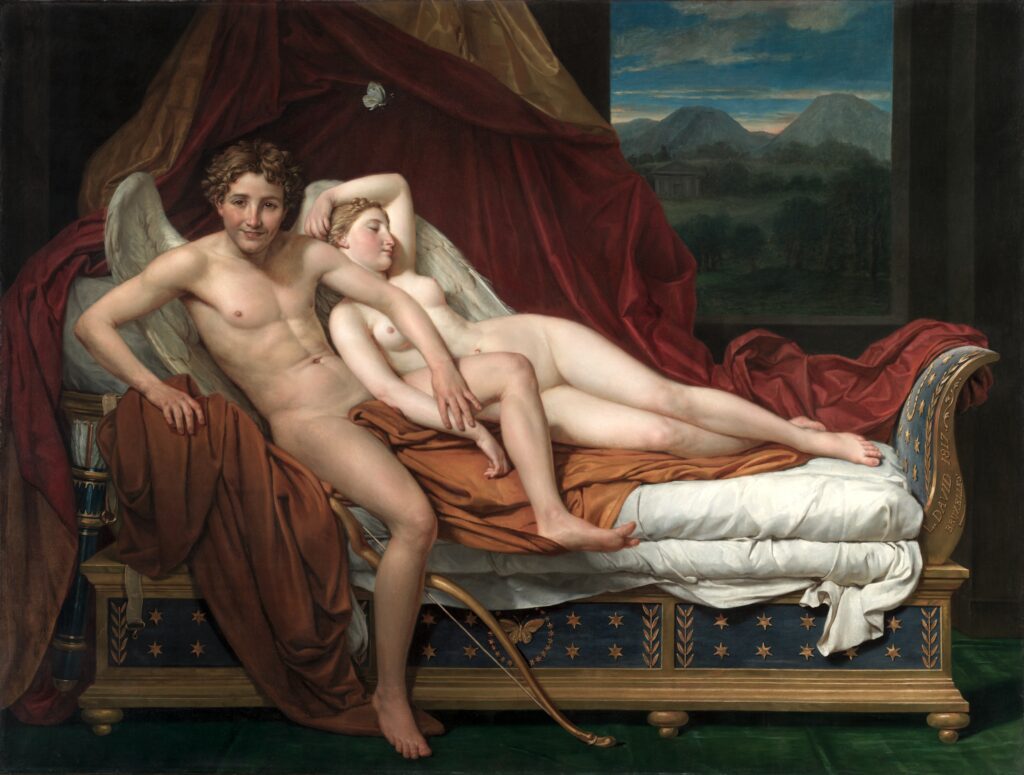
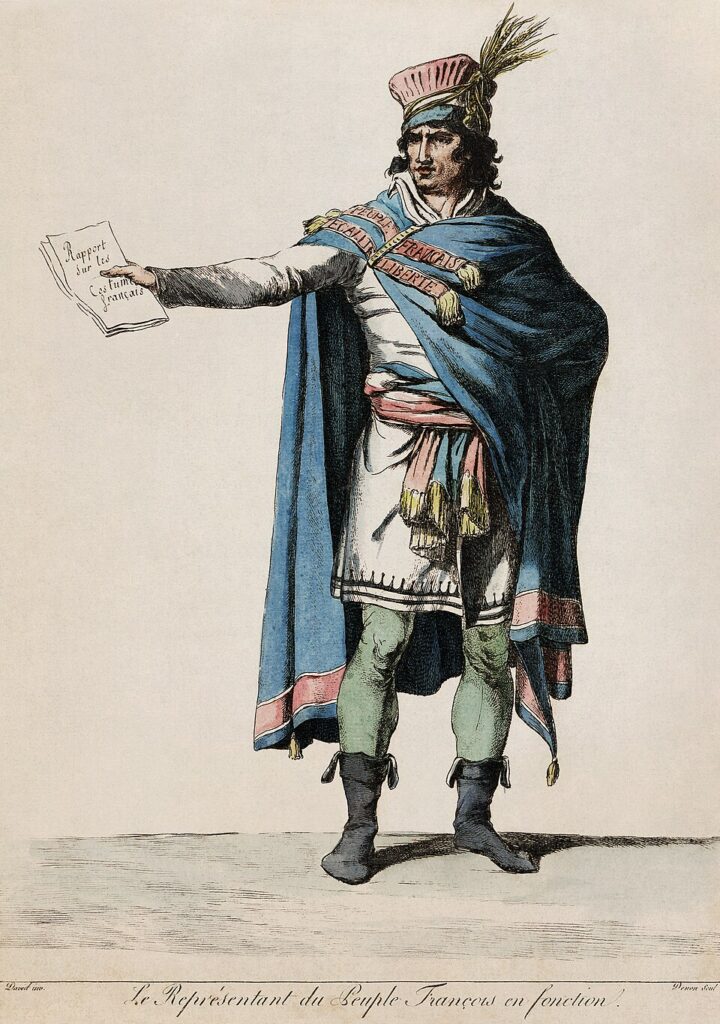
Jacques-Louis David
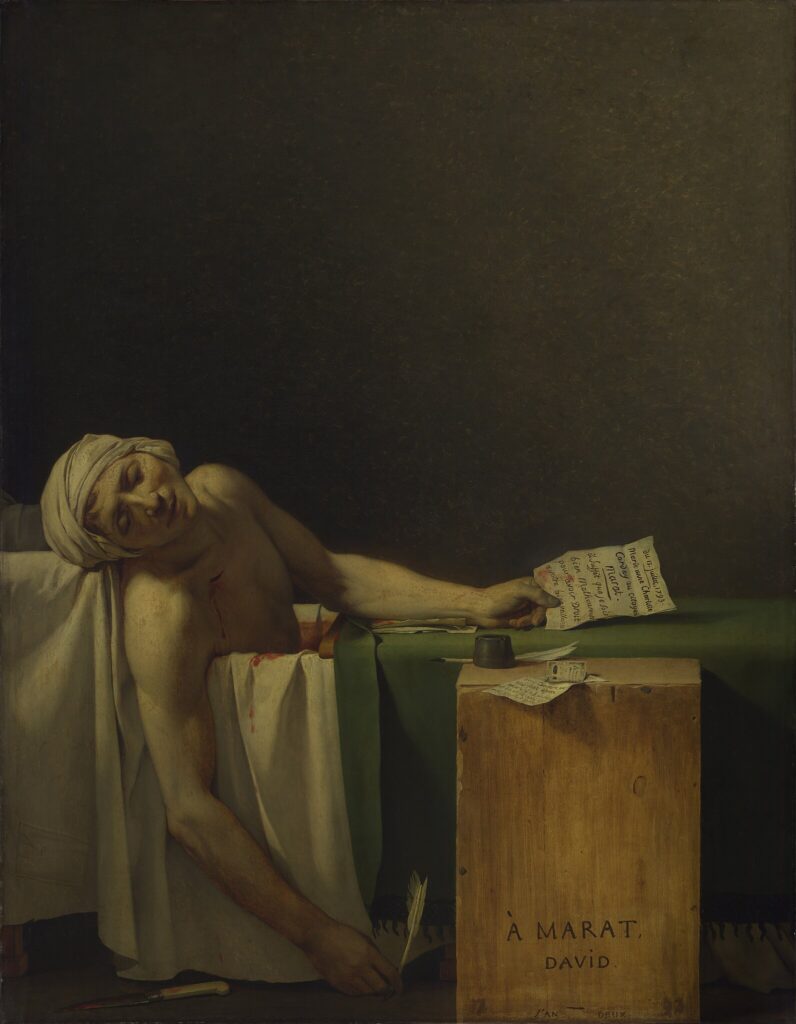
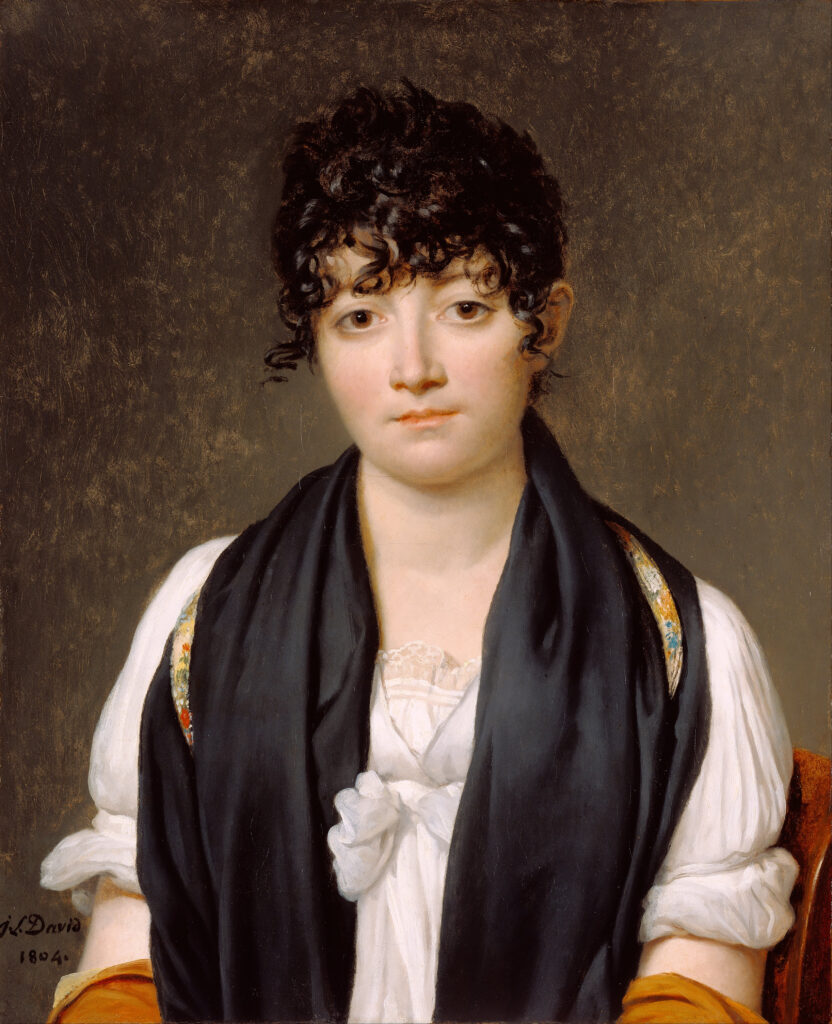
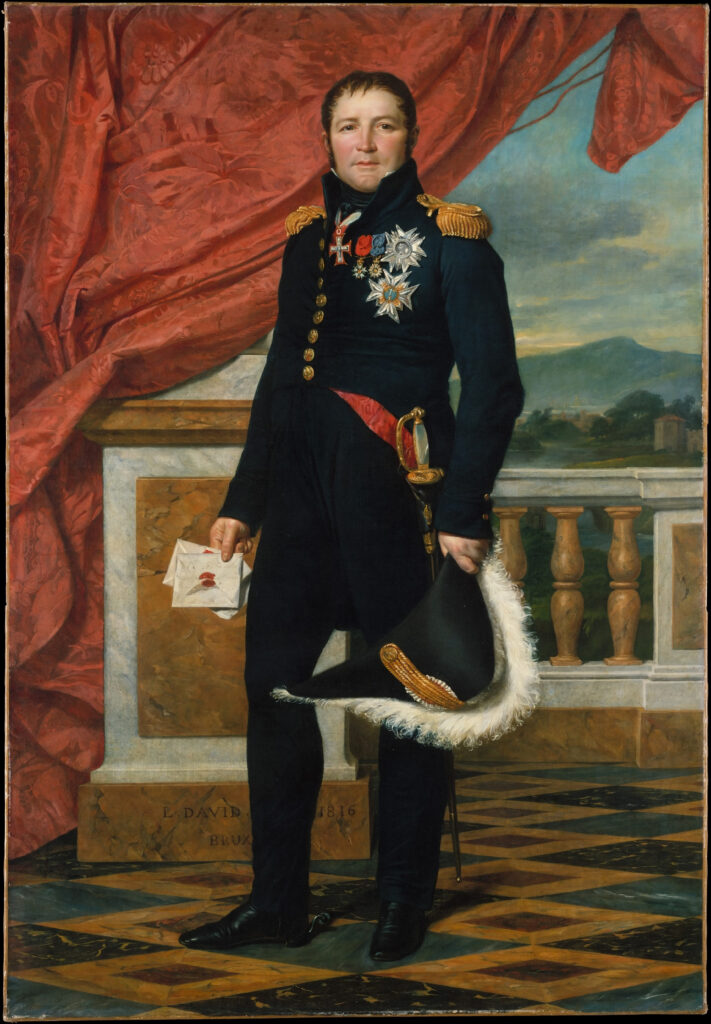
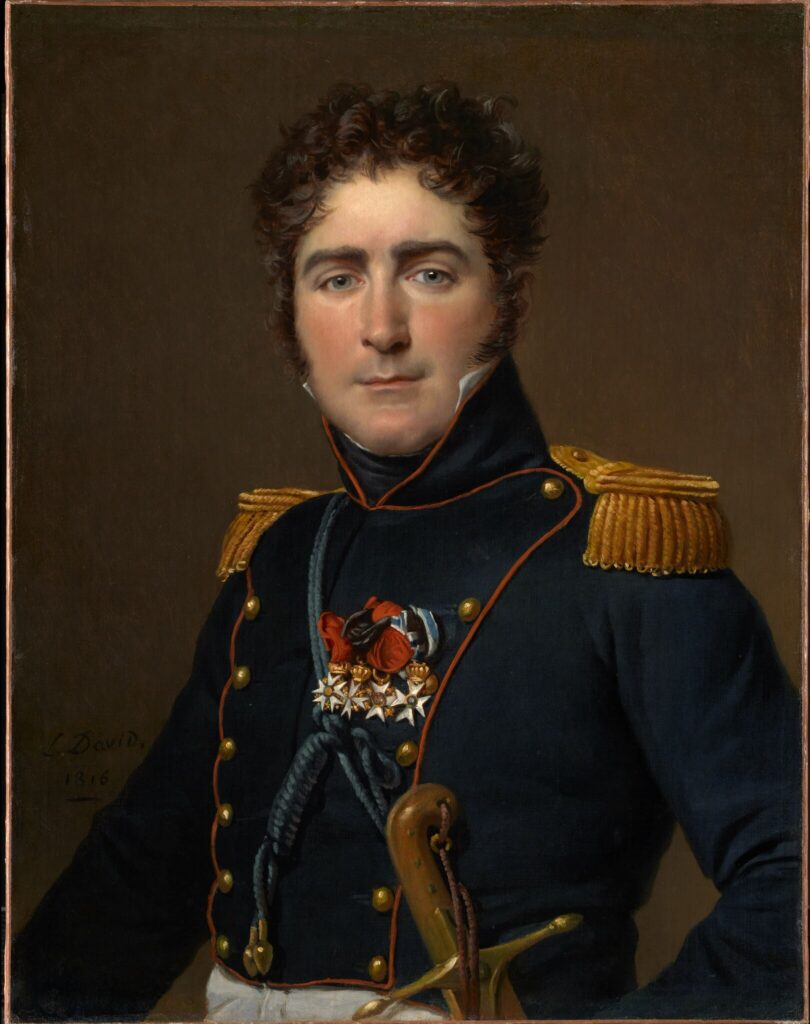
Jacques-Louis David, August 30, 1748 – December 29, 1825, was a French painter and the leading exponent of Neoclassicism. His career spanned the final decades of the Ancien Régime, the French Revolution, the Napoleonic Empire, and the Bourbon Restoration.
David studied under Joseph-Marie Vien and won the Prix de Rome in 1774, spending several years in Italy where he absorbed the art of classical antiquity and the High Renaissance. During the Revolution he served as a deputy to the National Convention, voted for the execution of Louis XVI, organized public festivals, and became the unofficial painter of the revolutionary government. After Napoleon’s rise to power, he became First Painter to the Emperor and produced many of the defining images of the Napoleonic era. Following the Bourbon Restoration, he went into exile in Brussels, where he spent the remainder of his life.
Among David’s many pupils were Antoine-Jean Gros, François Gérard, Anne-Louis Girodet de Roussy-Trioson, Jean-Auguste-Dominique Ingres, and Jean-Baptiste Isabey. Through both his own paintings and the accomplishments of his students, David established the French academic tradition that dominated European history painting during the first half of the nineteenth century.