Posts in Category: july 16
Sir Joshua Reynolds
Sir Joshua Reynolds, July 16, 1723 – February 23, 1792, was an English painter and one of the leading portraitists of eighteenth-century Britain. Born in Plympton, Devon, he was the son of Samuel Reynolds, a clergyman and schoolmaster. Reynolds received his initial artistic training from Thomas Hudson in London and later traveled extensively in Italy between 1749 and 1752, studying the works of Raphael, Michelangelo, Titian, and other Old Masters. Upon returning to England, he established a highly successful portrait practice in London. In 1768 he became the first president of the Royal Academy of Arts and was knighted by King George III.
Reynolds specialized in portraiture, developing what became known as the British form of the Grand Manner. Drawing on Renaissance and Baroque precedents, he sought to elevate portrait painting by combining likeness with references to classical history, mythology, literature, and allegory. His sitters included members of the royal family, aristocracy, military officers, actors, writers, and intellectuals. Among his most notable portraits are those of Sarah Siddons, David Garrick, Omai, and numerous leading figures of Georgian Britain.
As president of the Royal Academy, Reynolds delivered a series of influential lectures known as the Discourses on Art, which shaped artistic education in Britain for generations. He was associated with many of the leading cultural figures of his era, including Samuel Johnson, Edmund Burke, Oliver Goldsmith, and James Boswell. Reynolds's works are held by major collections including the National Gallery, Tate Britain, the National Portrait Gallery, the Wallace Collection, the Royal Collection, the National Gallery of Art, the Metropolitan Museum of Art, and numerous regional museums and historic houses throughout the UK and abroad.


Jean-Baptiste Camille Corot
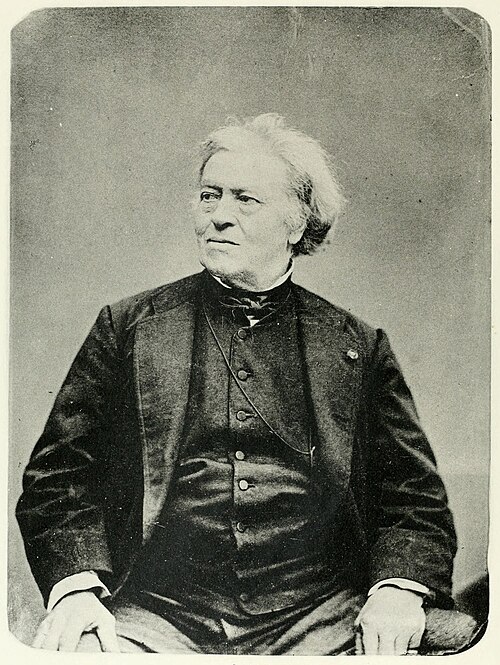
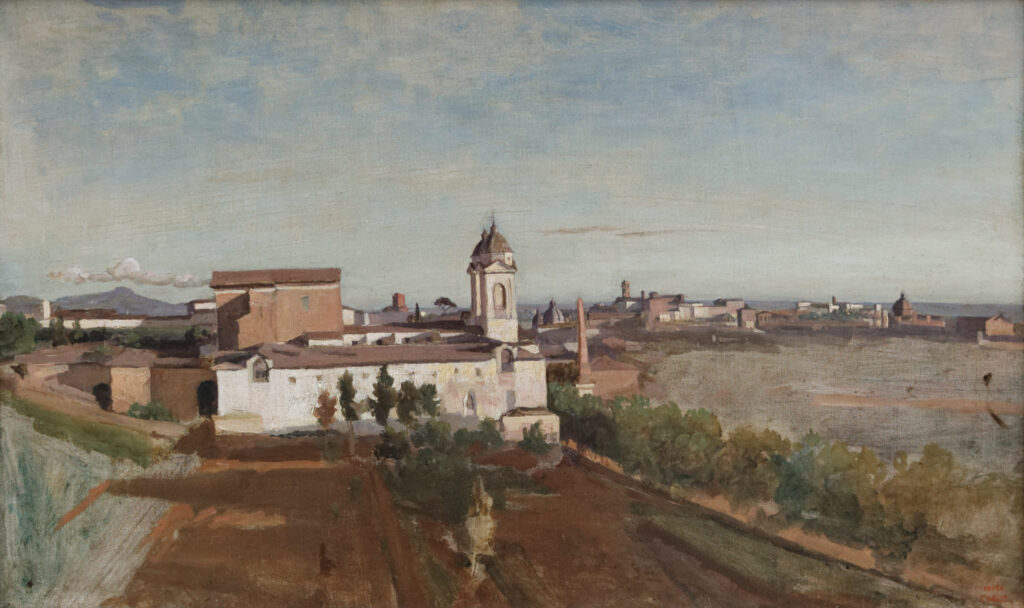
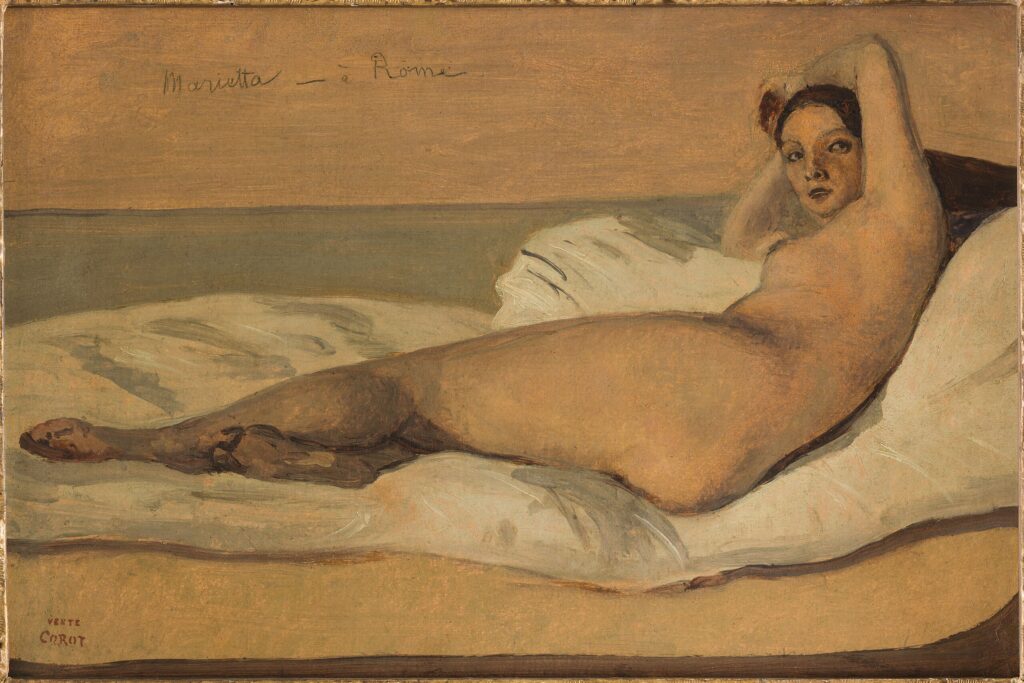
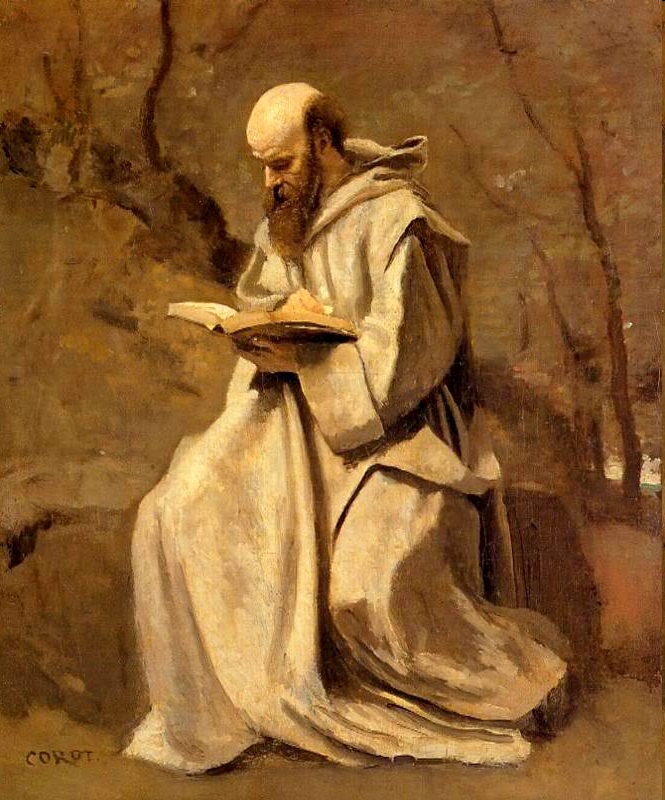
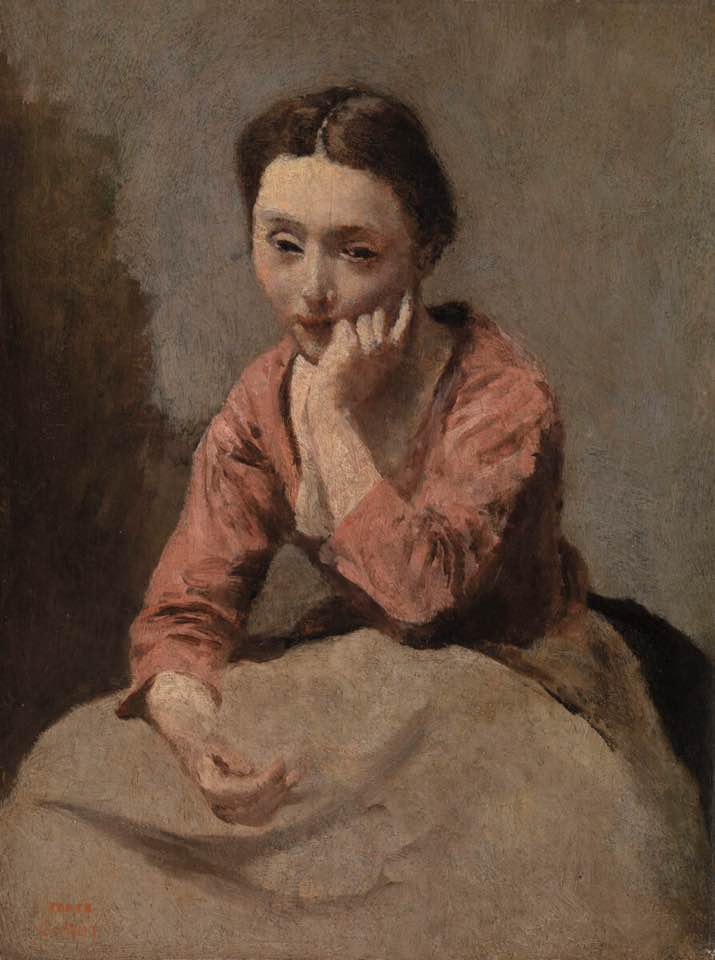
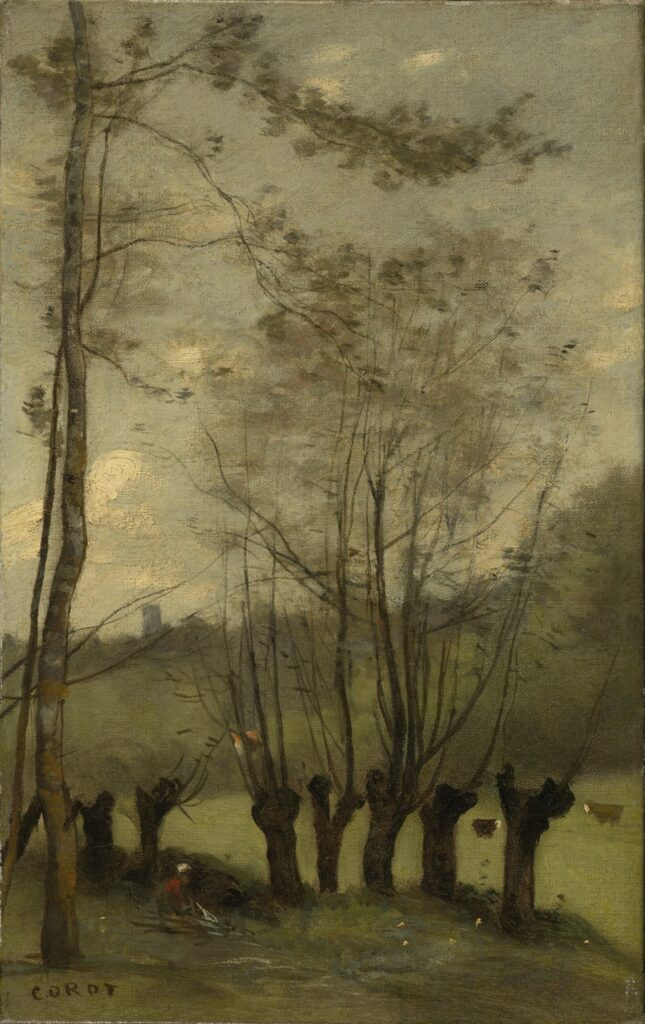
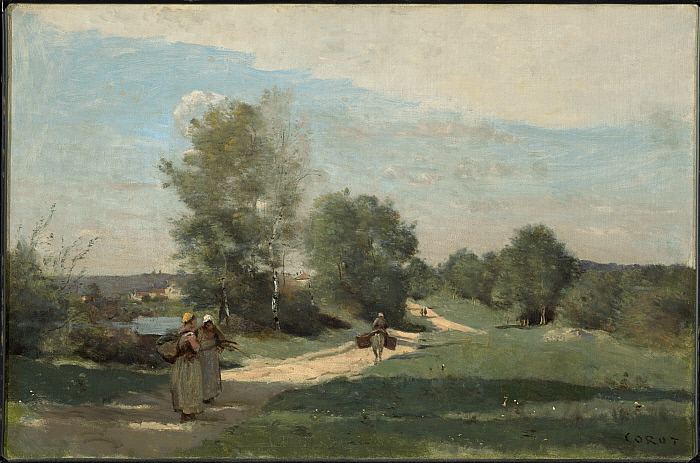
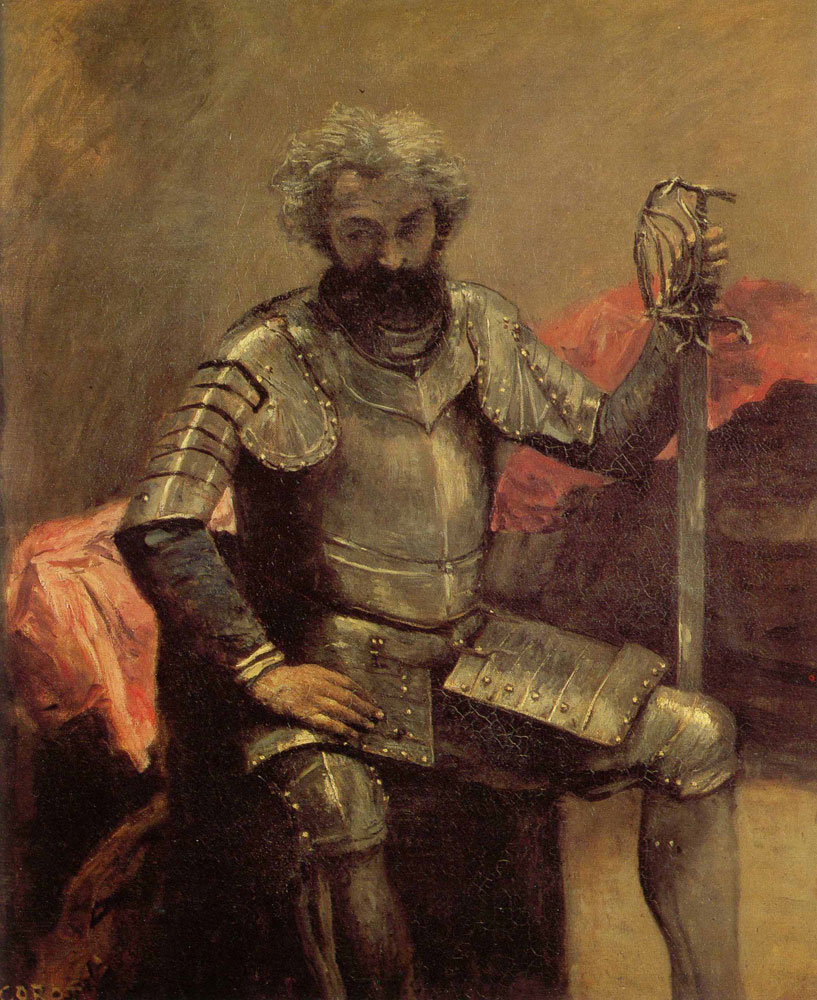
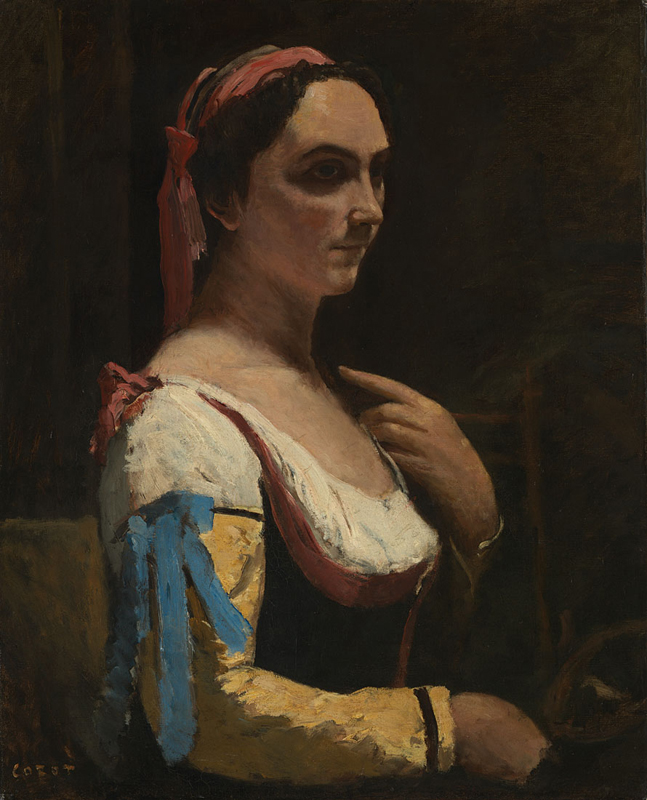
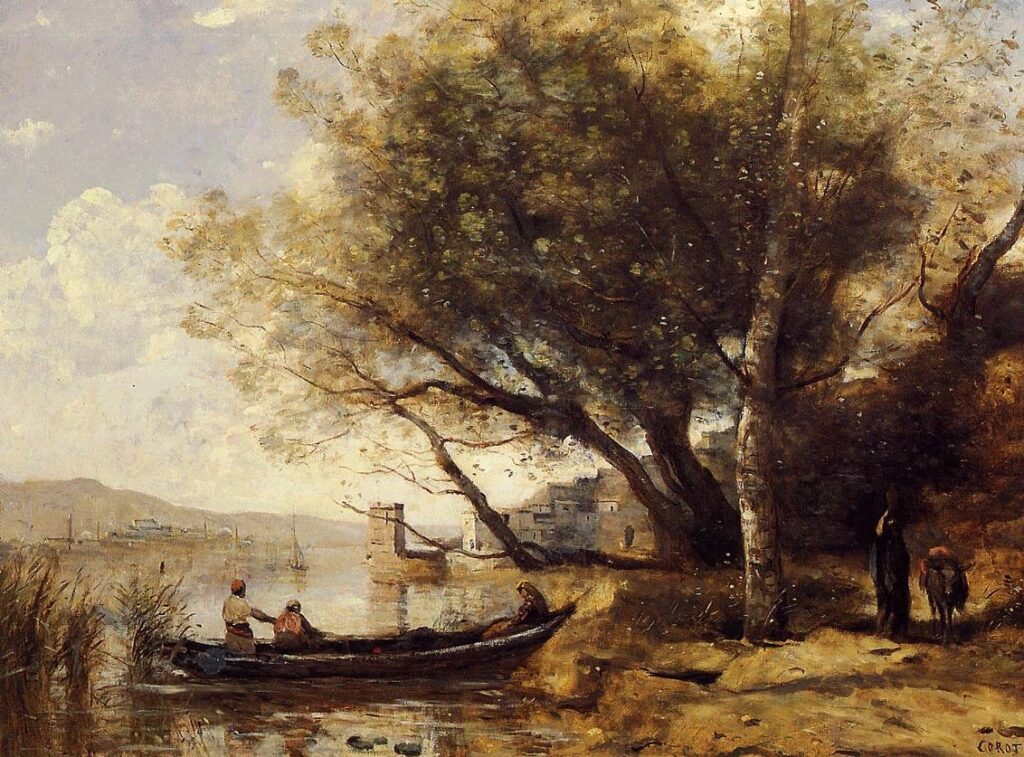
Jean-Baptiste-Camille Corot, July 16, 1796 – February 22, 1875, was a French painter and printmaker associated with the Barbizon School and the development of nineteenth-century landscape painting. Born in Paris, he was the son of prosperous cloth merchants Jacques Corot and Marie-Françoise Oberson. Intended at first for a business career, he worked in the family trade before receiving permission to pursue art. He studied with Achille Etna Michallon and later Jean-Victor Bertin, both heirs to the French classical landscape tradition. Corot made several extended trips to Italy between 1825 and 1843, working in Rome, the Campagna, Venice, and other locations while producing numerous studies from nature.
Corot became known for landscapes that combined direct observation with the compositional structure of classical painting. He worked throughout France and Italy, producing views of forests, rivers, villages, parks, and rural roads, as well as figure paintings and portraits in his later years. Although rooted in the classical landscape tradition of Claude Lorrain and Nicolas Poussin, his outdoor studies and handling of light influenced younger artists working toward naturalism and Impressionism. Corot was associated with painters of the Barbizon School, including Théodore Rousseau, Charles-François Daubigny, and Jean-François Millet, while maintaining an independent artistic practice.
Corot exhibited regularly at the Paris Salon and became one of the most respected French painters of his generation. He provided encouragement and practical assistance to younger artists, including Camille Pissarro and Berthe Morisot. His work is held by major collections including the Louvre Museum, Musée d’Orsay, National Gallery, Metropolitan Museum of Art, Clark Art Institute, National Gallery of Art, Thyssen-Bornemisza Museum, and many other institutions in Europe and North America.



Andrea del Sarto
Andrea del Sarto, July 16, 1486 – September 29, 1530, was an Italian painter of the High Renaissance and early Mannerist period. Born Andrea d’Agnolo di Francesco di Luca in Florence, he was the son of a tailor, from which he acquired the name “del Sarto.” He trained first with a goldsmith and then with the painters Gian Barile, Piero di Cosimo, and Raffaellino del Garbo. By the first decade of the sixteenth century he had established an independent workshop in Florence and received important commissions from religious institutions including the Santissima Annunziata.
Andrea del Sarto worked primarily in fresco and panel painting, producing altarpieces, devotional images, portraits, and large decorative cycles. His art combined the balanced composition and naturalism of the High Renaissance with a distinctive emphasis on color, atmosphere, and soft modeling. He was influenced by Leonardo da Vinci, Fra Bartolomeo, and Raphael, while developing an individual style that became highly influential in Florence. Major works include the frescoes of the Chiostrino dei Voti, the Madonna of the Harpies, the Assumption of the Virgin, and numerous portraits and religious paintings executed for patrons in Florence and elsewhere.
Andrea maintained one of the leading workshops in Florence and trained several important painters, including Jacopo Pontormo and Rosso Fiorentino, both of whom became central figures in the development of Mannerism. Through his pupils and followers, his influence extended well beyond his lifetime. His works are held by major collections including the Uffizi Gallery, Galleria Palatina, National Gallery, Metropolitan Museum of Art, National Gallery of Art, Kunsthistorisches Museum, Museo di Capodimonte, and many other institutions throughout Europe and North America.


