Jacques-Louis David
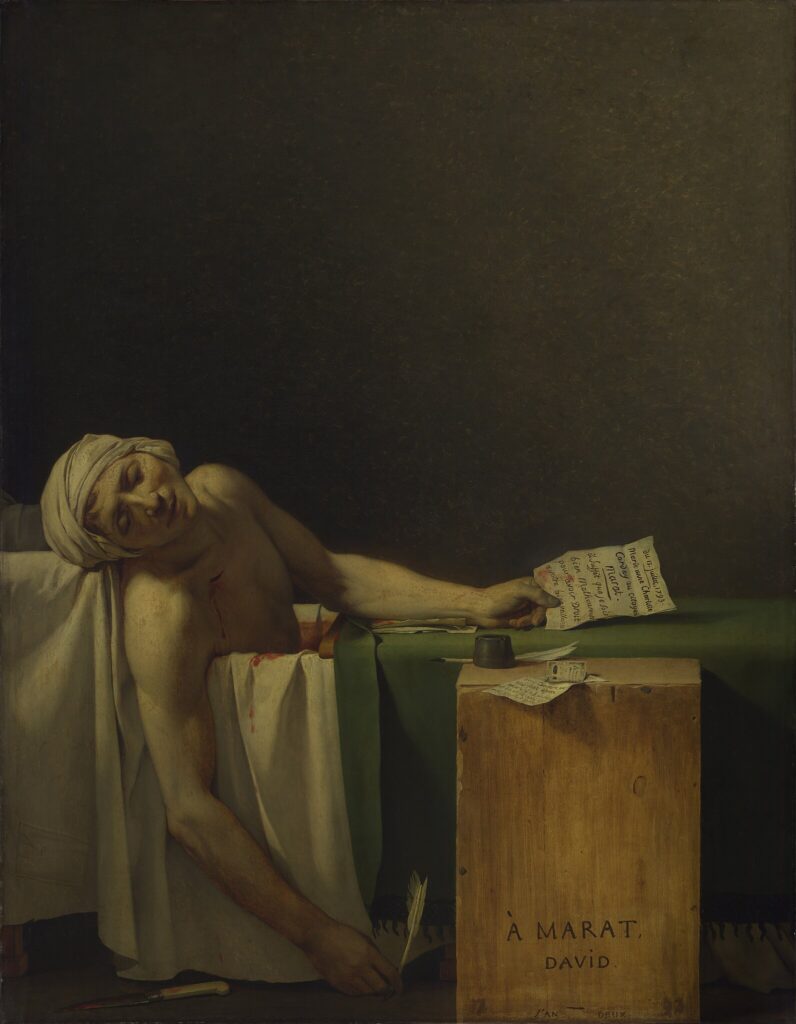
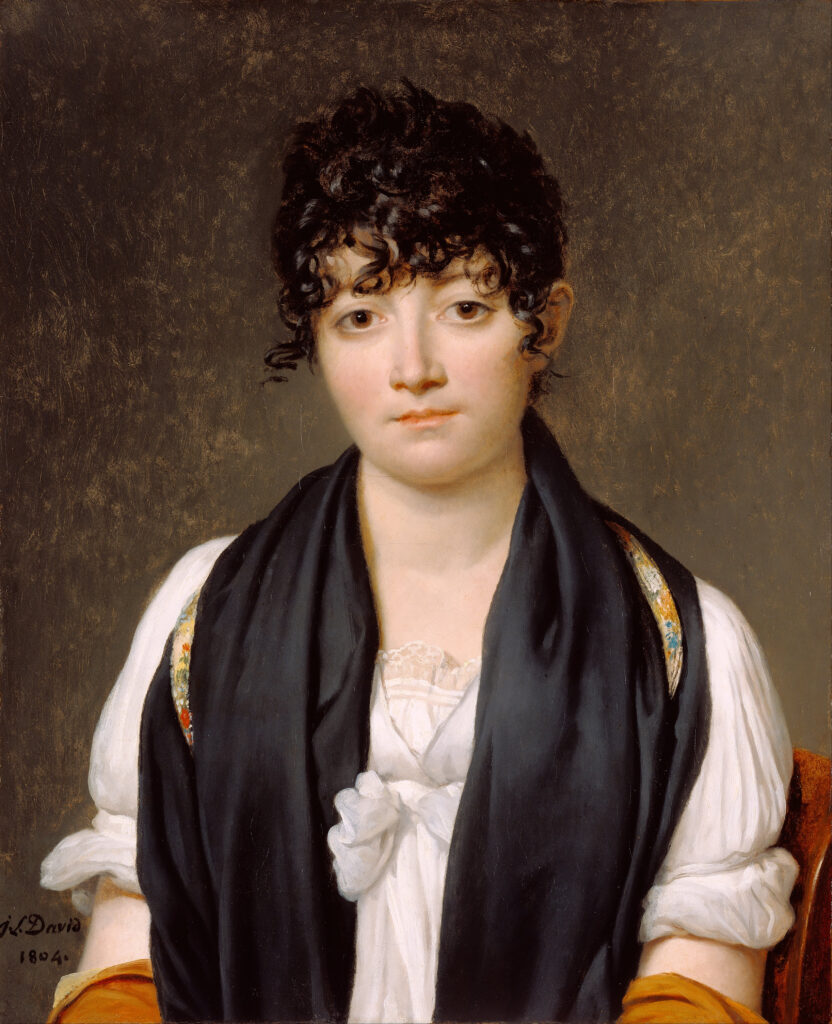
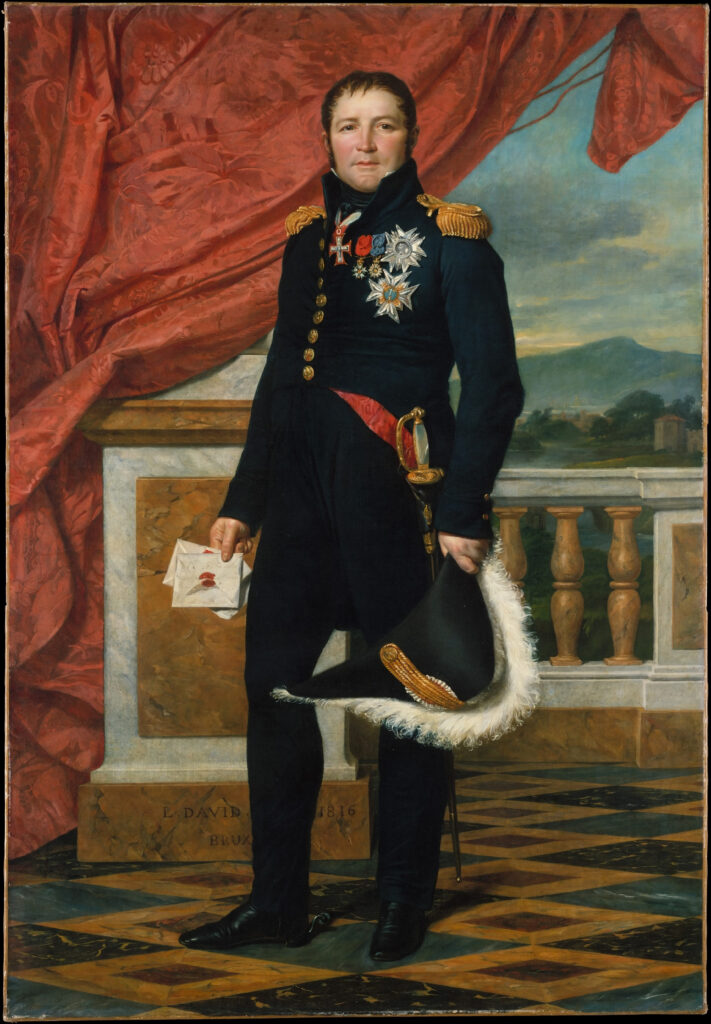
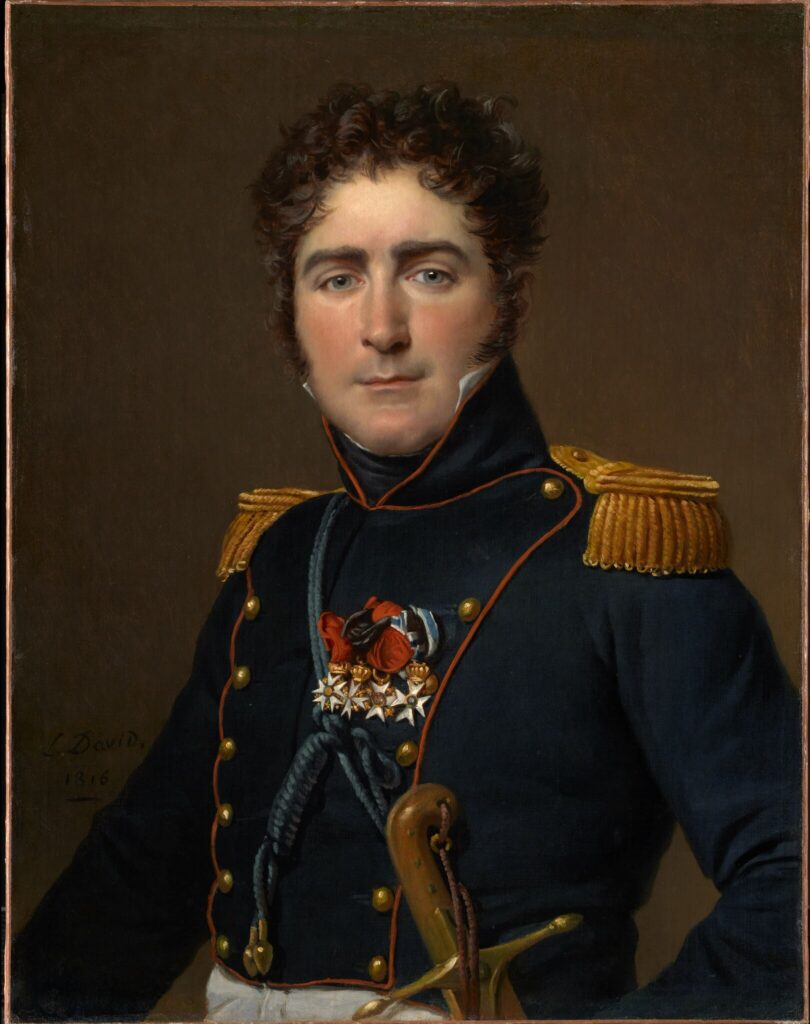
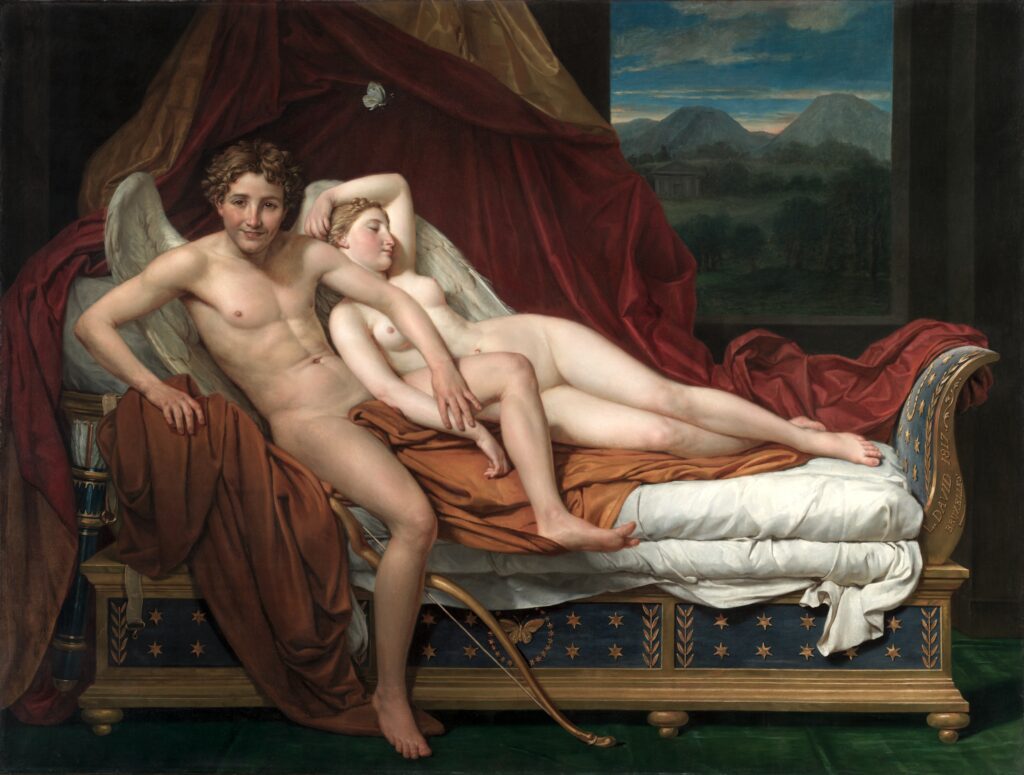
Jacques-Louis David, August 30, 1748 – December 29, 1825, was a French painter and the leading exponent of Neoclassicism. His career spanned the final decades of the Ancien Régime, the French Revolution, the Napoleonic Empire, and the Bourbon Restoration.
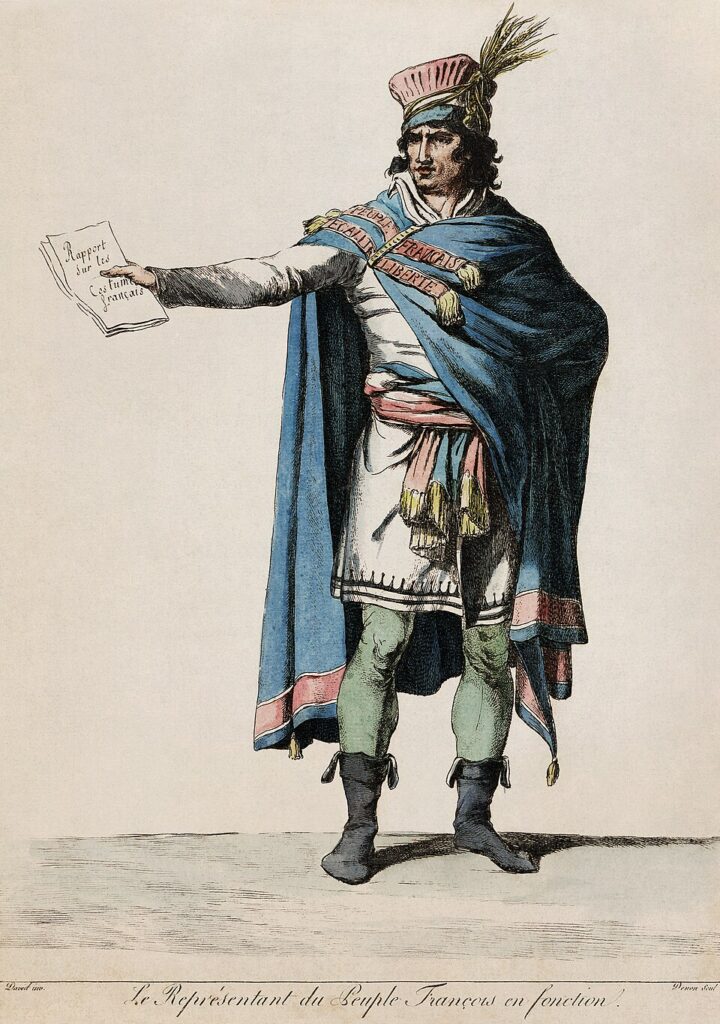
David studied under Joseph-Marie Vien and won the Prix de Rome in 1774, spending several years in Italy where he absorbed the art of classical antiquity and the High Renaissance. During the Revolution he served as a deputy to the National Convention, voted for the execution of Louis XVI, organized public festivals, and became the unofficial painter of the revolutionary government. After Napoleon’s rise to power, he became First Painter to the Emperor and produced many of the defining images of the Napoleonic era. Following the Bourbon Restoration, he went into exile in Brussels, where he spent the remainder of his life.
Among David’s many pupils were Antoine-Jean Gros, François Gérard, Anne-Louis Girodet de Roussy-Trioson, Jean-Auguste-Dominique Ingres, and Jean-Baptiste Isabey. Through both his own paintings and the accomplishments of his students, David established the French academic tradition that dominated European history painting during the first half of the nineteenth century.






Comments are Disabled