Posts in Category: 18th Century
Aert de Gelder
Aert de Gelder, October 26, 1645 – August 27, 1727, was a Dutch painter and draftsman born in Dordrecht. He trained there with Samuel van Hoogstraten before working in Rembrandt’s Amsterdam studio from 1661 to 1663.
De Gelder returned to Dordrecht and remained active there for the rest of his career. He painted biblical histories and portraits and continued to use the broad handling and dramatic lighting associated with Rembrandt’s late work.
De Gelder died in Dordrecht. His works are held by the Rijksmuseum, J. Paul Getty Museum, Mauritshuis, State Hermitage Museum, and other major collections.


Jean Siméon Chardin
Jean Siméon Chardin, November 2, 1699 – December 6, 1779, was a French painter born in Paris, the son of a billiard-table maker. He trained in the studios of Pierre-Jacques Cazes and Noël-Nicolas Coypel and became a master painter in the Académie de Saint-Luc in 1724.
In 1728 Chardin was admitted to the Académie Royale de Peinture et de Sculpture as a painter of animals and fruits. He worked principally in still life and domestic genre painting, exhibited at the Salon from 1737, and received lodgings in the Louvre from Louis XV in 1757.
In his final decade Chardin increasingly worked in pastel, producing portraits and self-portraits. He died in the Louvre in Paris in 1779; his work is held by the Louvre Museum, National Gallery, Metropolitan Museum of Art, National Gallery of Art, and other major collections.


François Boucher
François Boucher, September 29, 1703–May 30, 1770, was a French painter, draughtsman, printmaker and designer associated with the Rococo style.
Born in Paris, Boucher trained with his father and briefly with François Lemoyne. He won the Grand Prix in 1723, worked as an engraver, traveled to Italy in 1728 and became a full member of the Académie royale de peinture et de sculpture in 1734.
Boucher produced mythological paintings, pastoral scenes, portraits, landscapes and designs for tapestries, porcelain and the theater. Patronized by Madame de Pompadour and the court of Louis XV, he was appointed First Painter to the King and director of the Académie Royale in 1765.


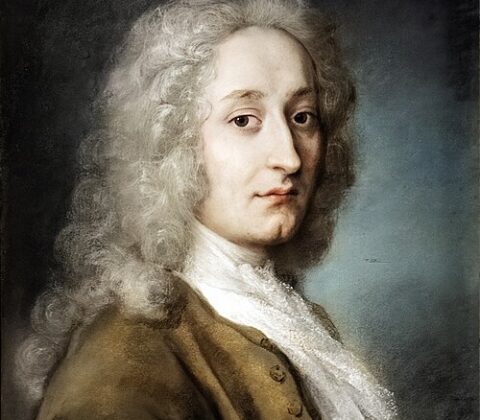
Jean-Antoine Watteau
Jean-Antoine Watteau, October 10, 1684 – July 18, 1721, was a French painter and draftsman born in Valenciennes. He moved to Paris around 1702 and trained with Claude Gillot and Claude Audran III, whose work connected him with theatrical subjects and decorative painting.
Watteau became a member of the Royal Academy of Painting and Sculpture in 1717, presenting The Embarkation for Cythera as his reception piece. His paintings of actors, musicians, and elegant figures in landscape settings established the fête galante as an academic category and influenced painters including Nicolas Lancret and Jean-Baptiste Pater.
In declining health, Watteau traveled to London in 1720 and returned to France before dying at Nogent-sur-Marne at thirty-six. His paintings and drawings are held by the Louvre Museum, Metropolitan Museum of Art, Wallace Collection, National Gallery, and other major collections.


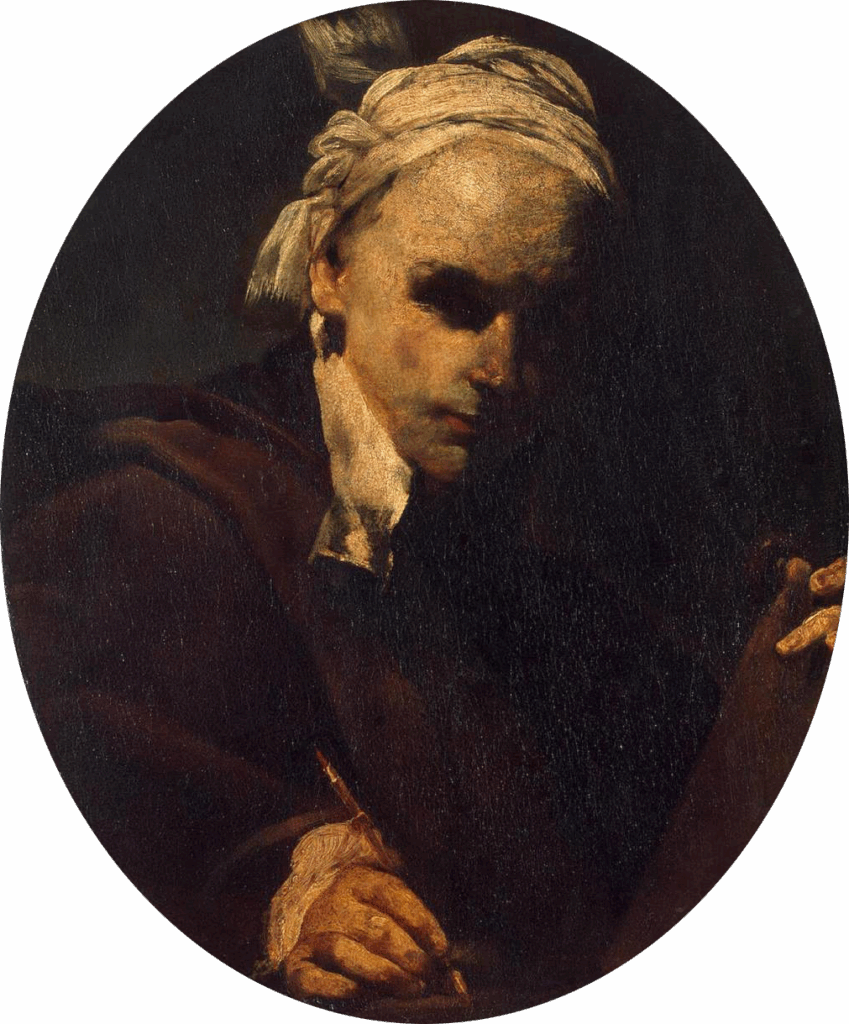


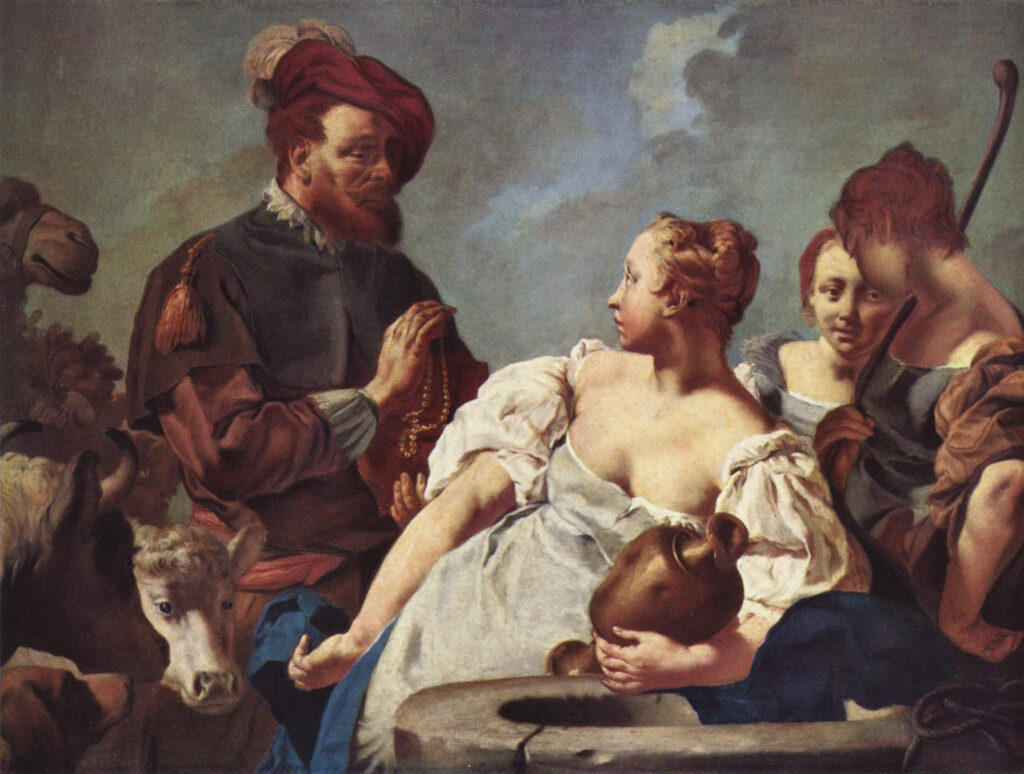
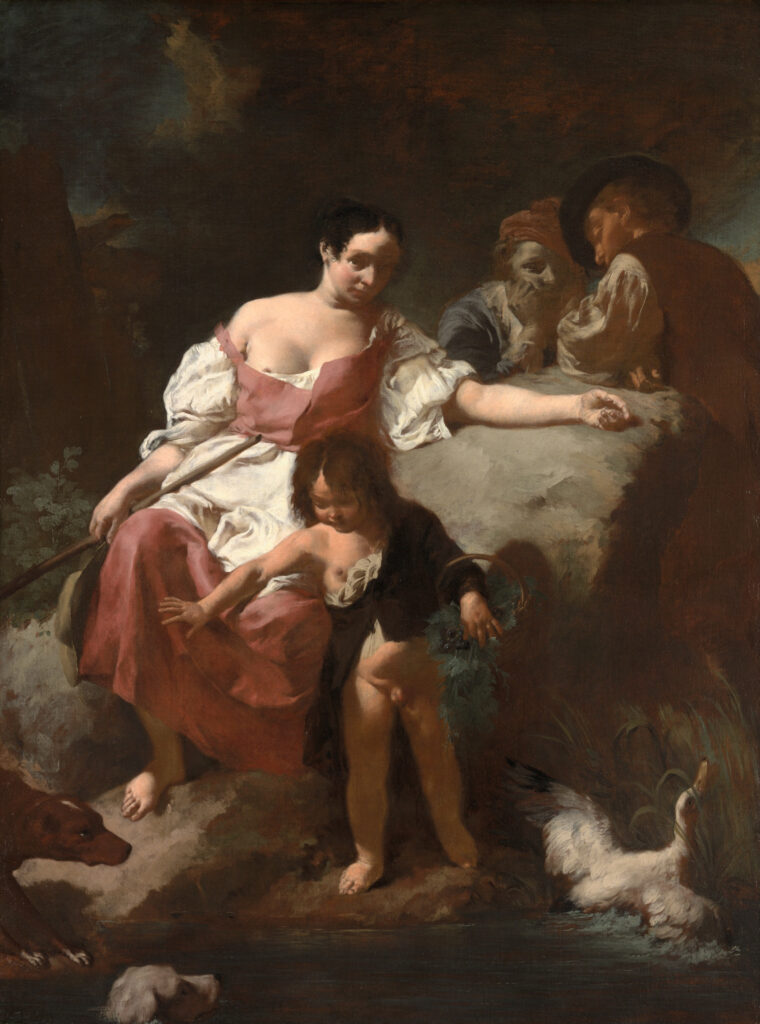
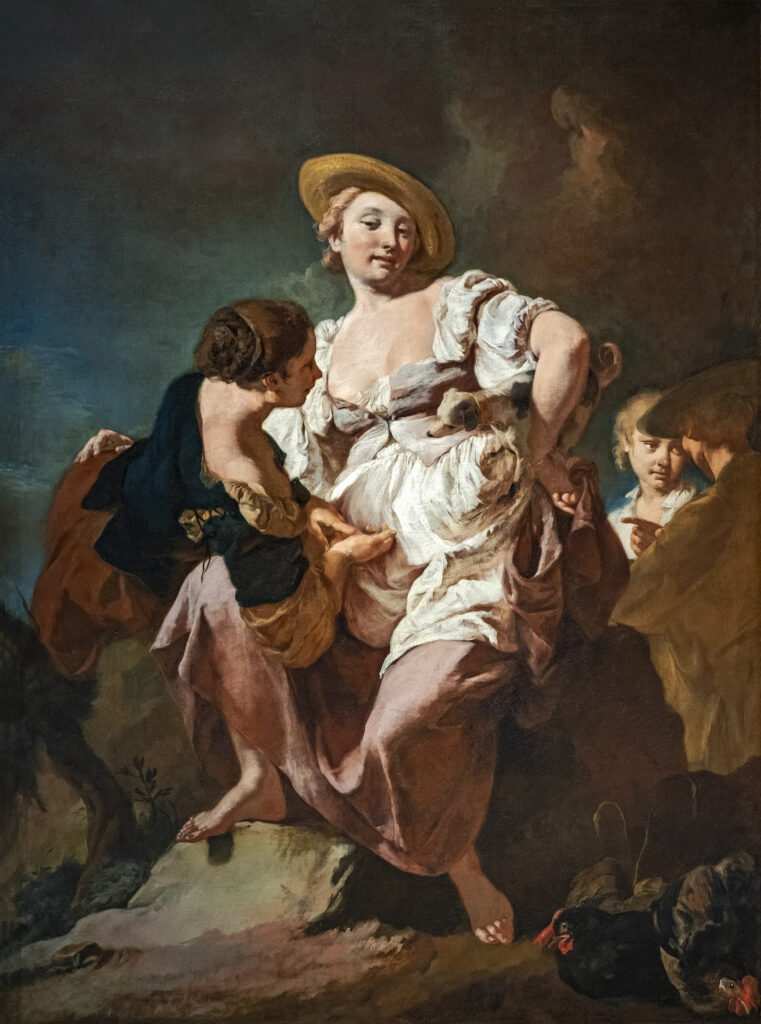
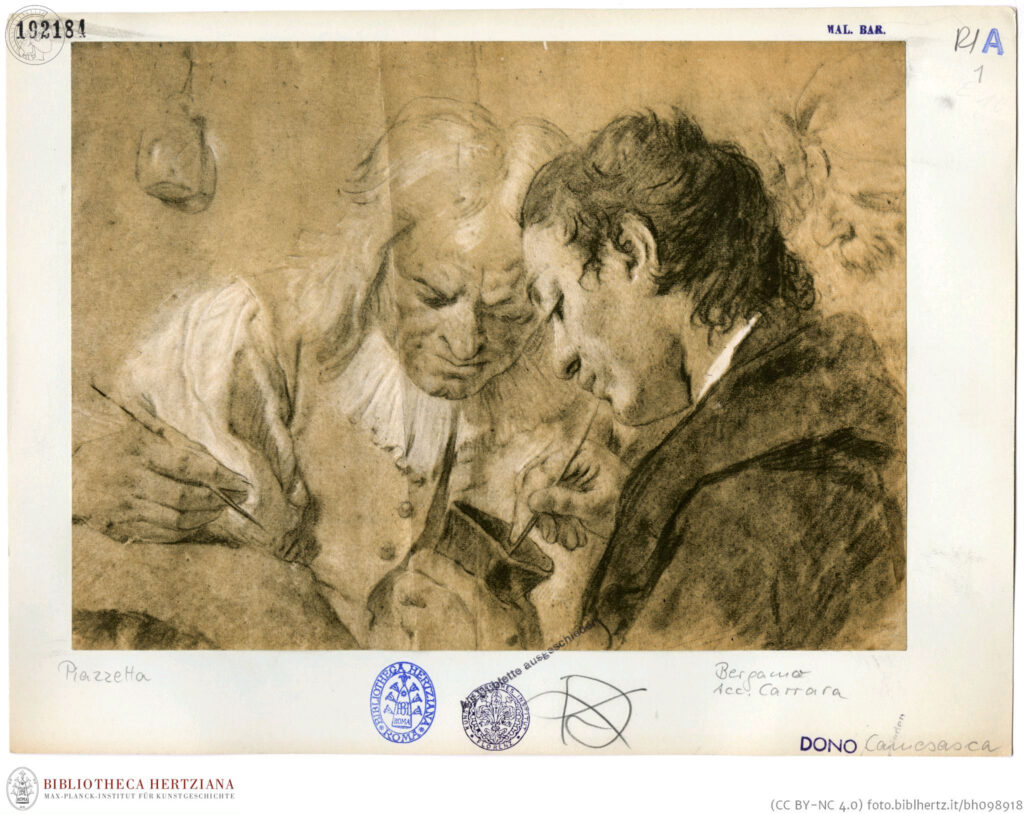
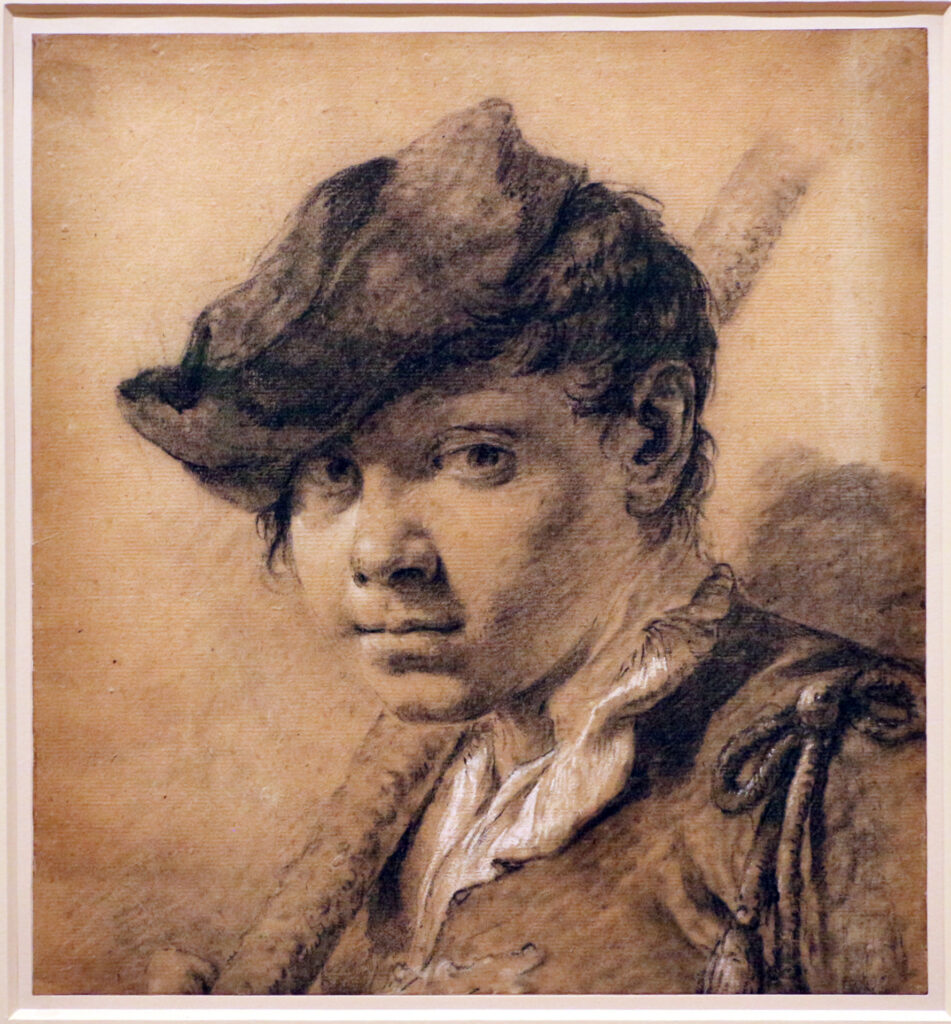
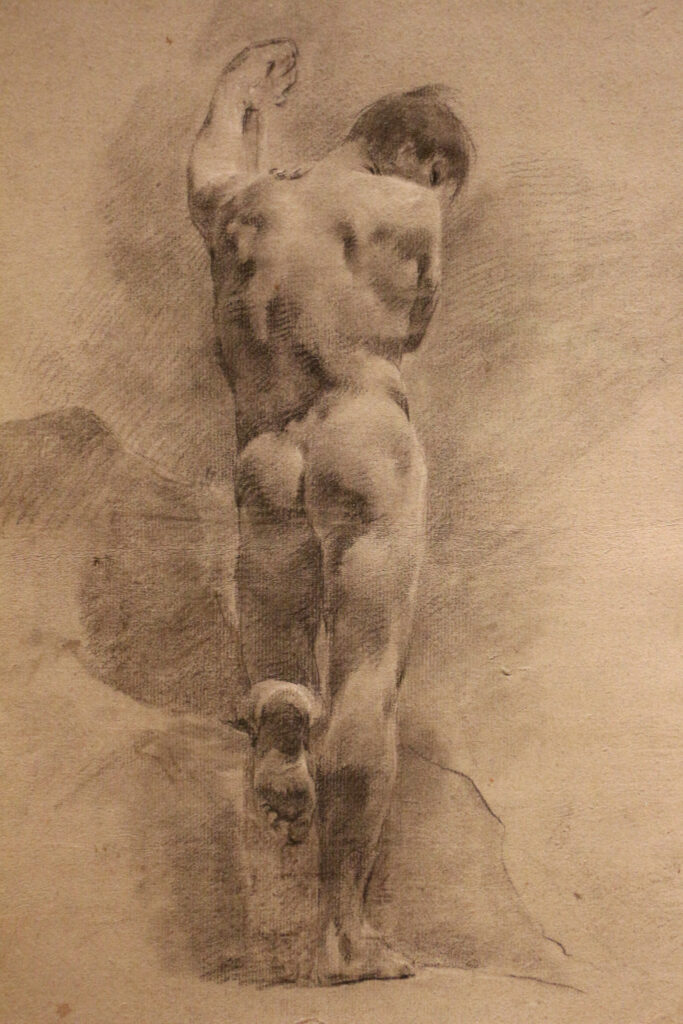
Giovanni Battista Piazzetta
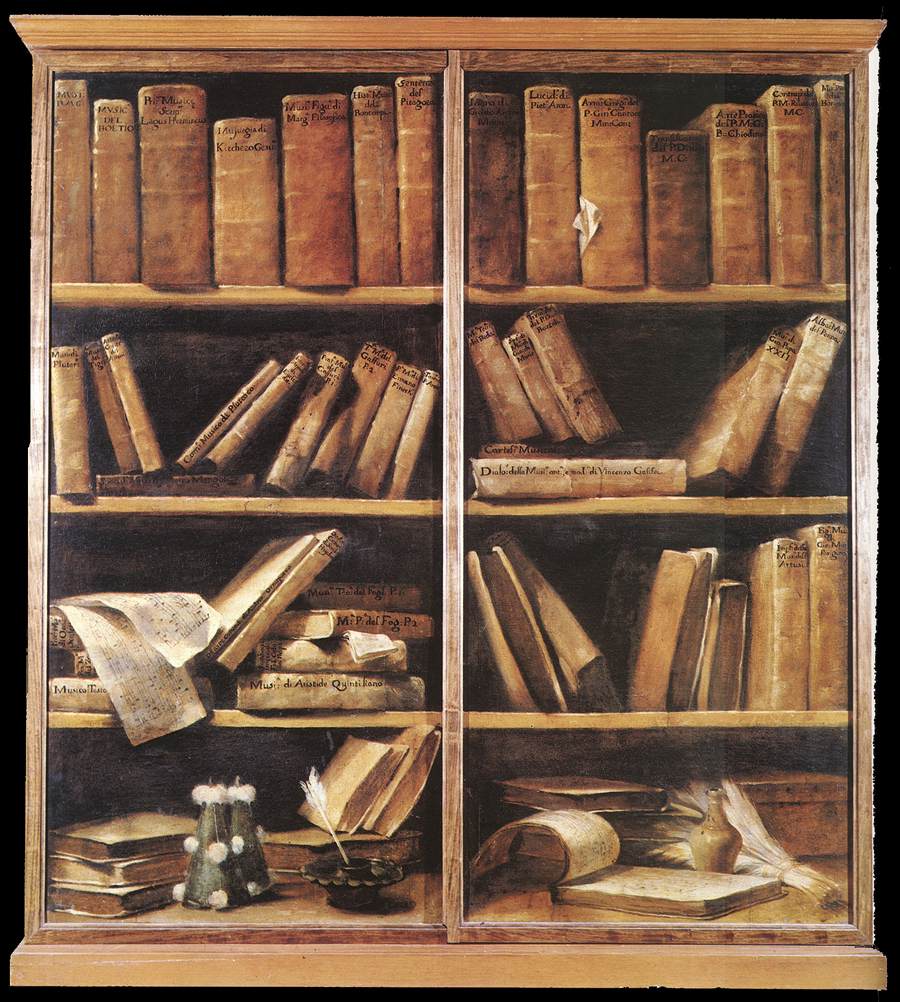
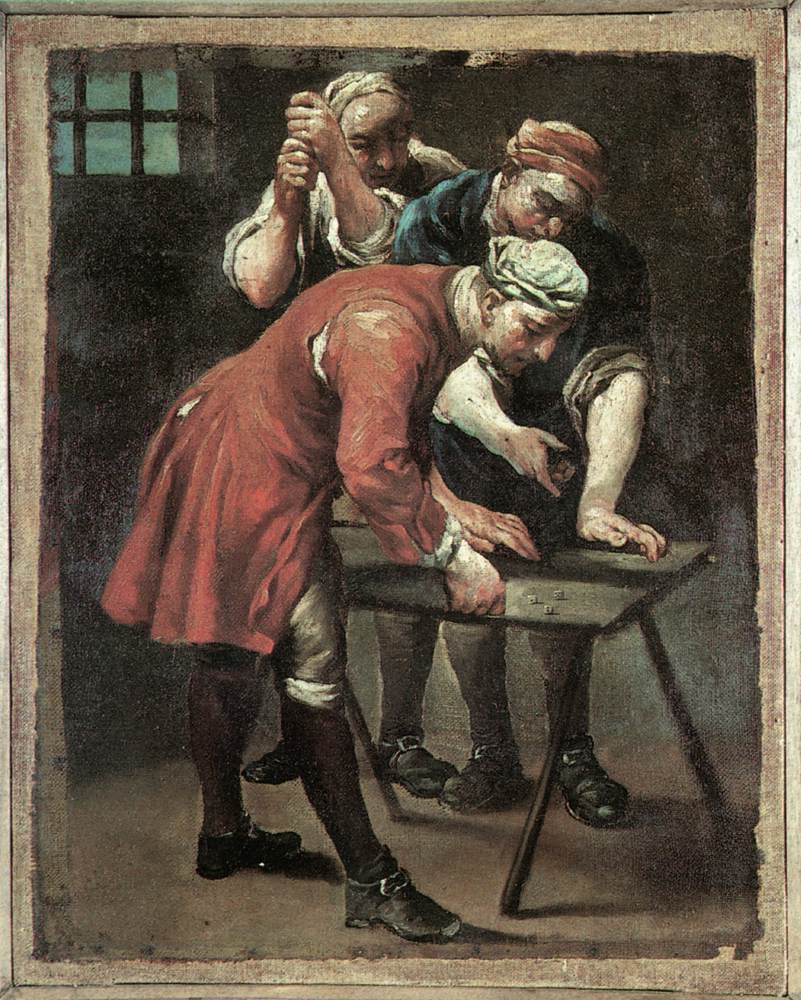
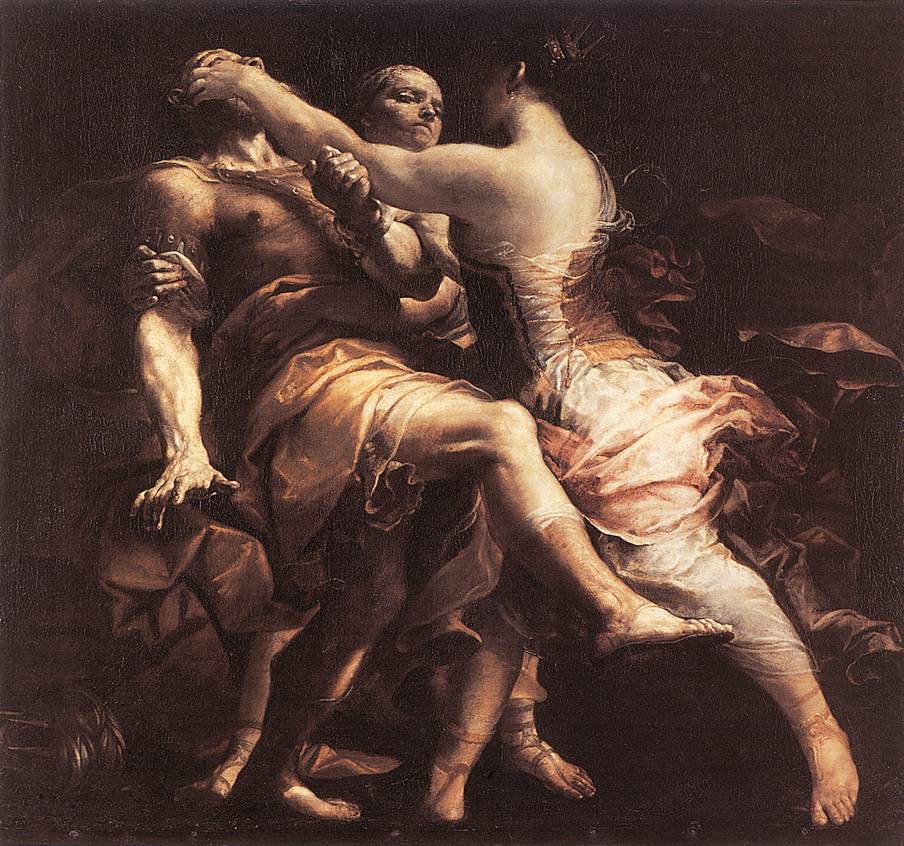
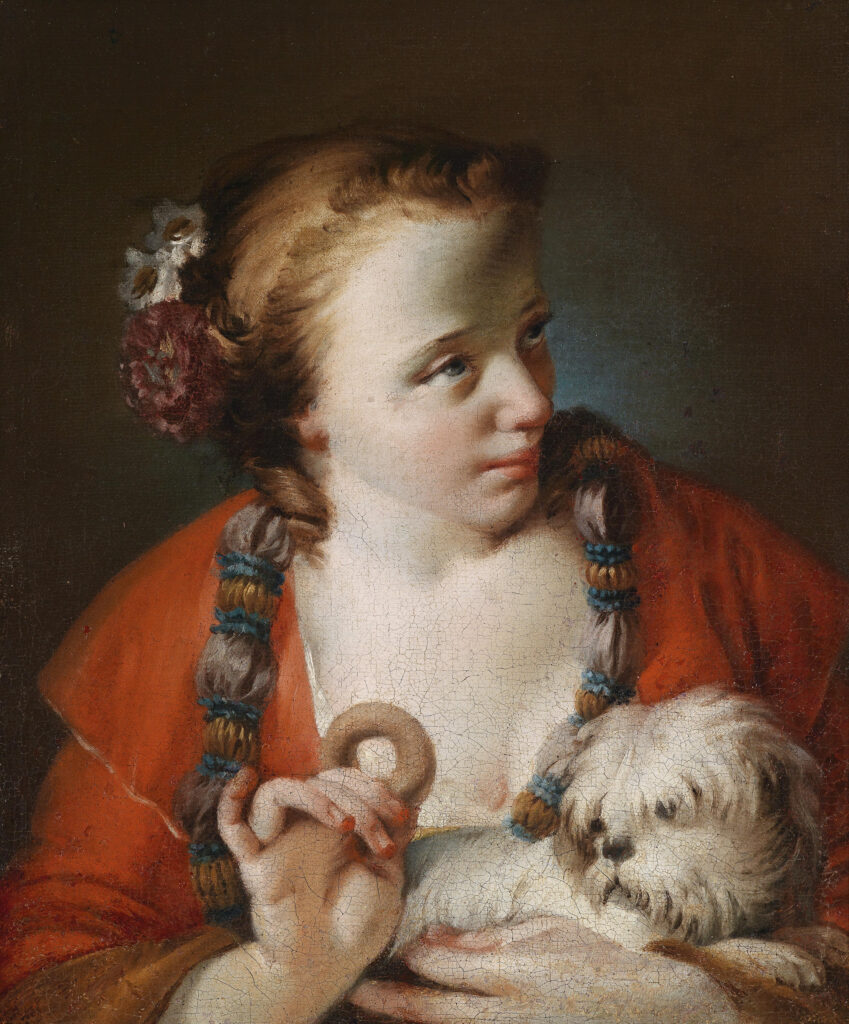
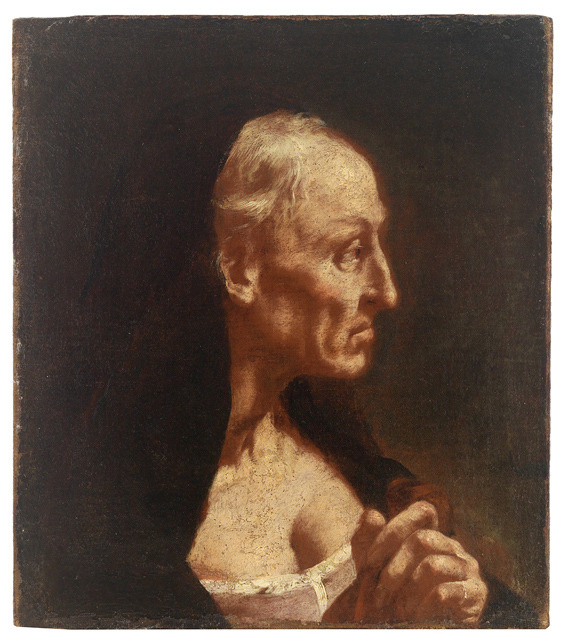
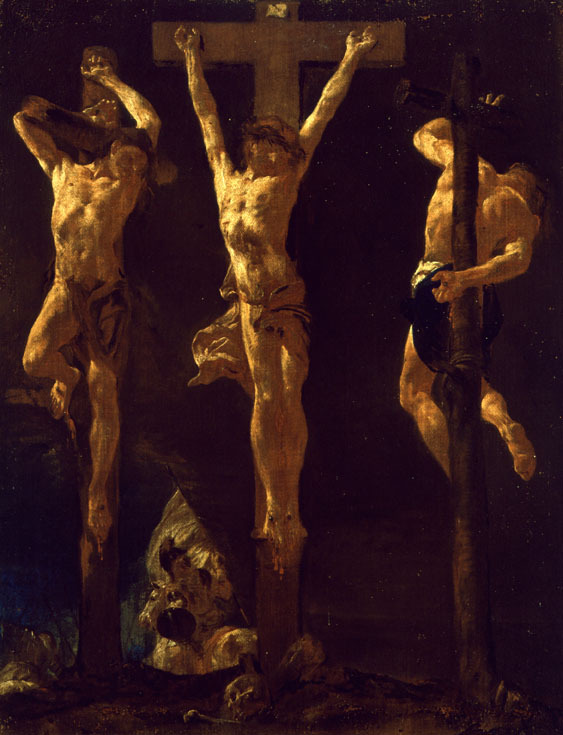
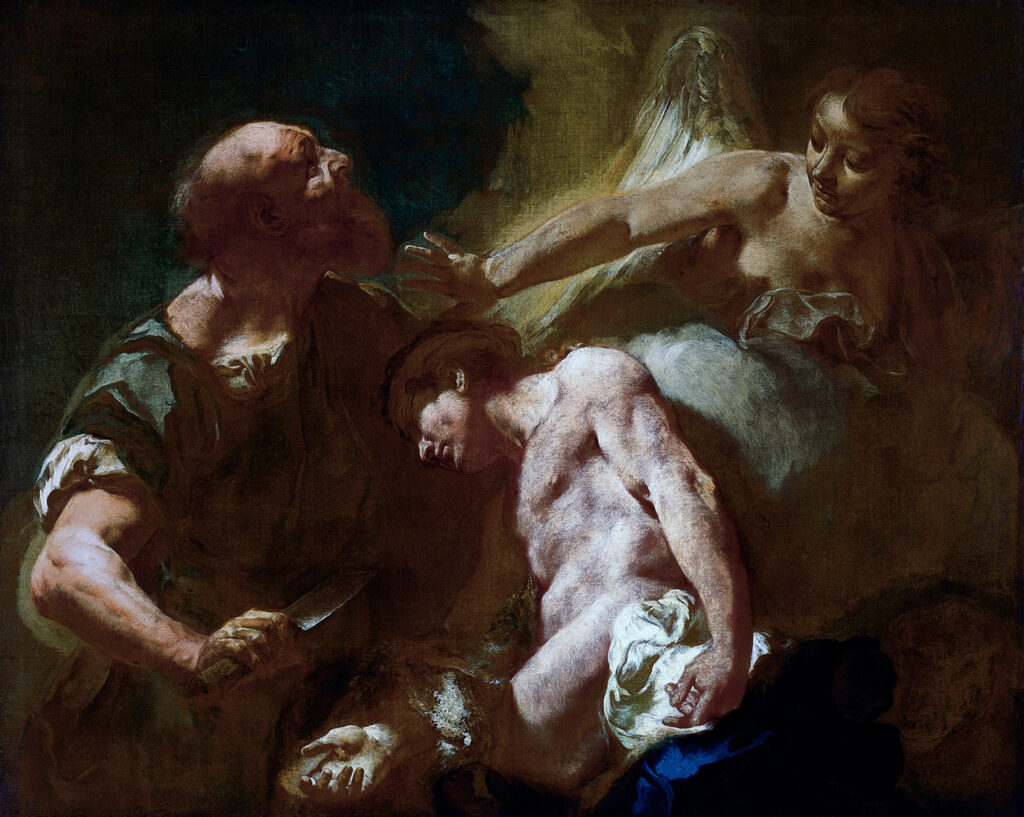
Giovanni Battista Piazzetta, February 13, 1682 or 1683–April 28, 1754, was an Italian painter and draughtsman born in Venice. He trained in the workshop of his father, a woodcarver and sculptor, before studying painting with Antonio Molinari. He continued his studies with Giuseppe Maria Crespi in Bologna.
Piazzetta worked chiefly in Venice and became a member of Bologna’s Accademia Clementina in 1727. In 1750 he was appointed director of the Venetian academy. His pupils included Giuseppe Angeli and Domenico Maggiotto. He collaborated with the engraver Marco Pitteri and the publisher Giovanni Battista Albrizzi.
His paintings and drawings are held by the Gallerie dell’Accademia in Venice, the Louvre Museum, the Art Institute of Chicago, the Detroit Institute of Arts, the Metropolitan Museum of Art, the Ashmolean Museum, and the Museo Nacional Thyssen-Bornemisza.
Giovanni Domenico Tiepolo
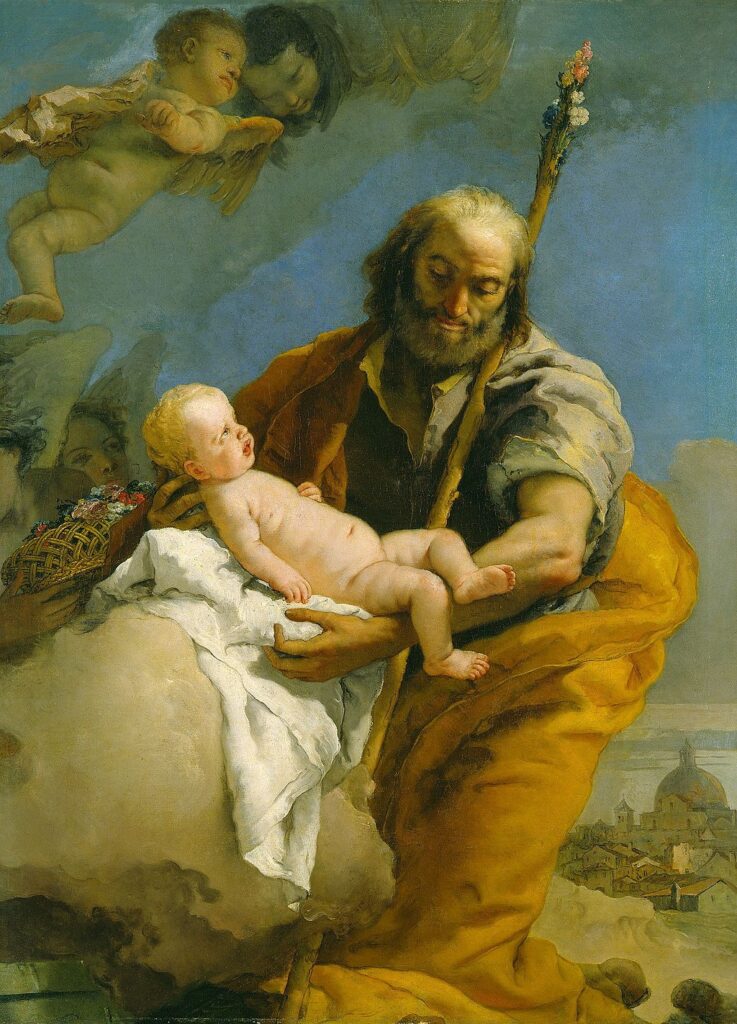
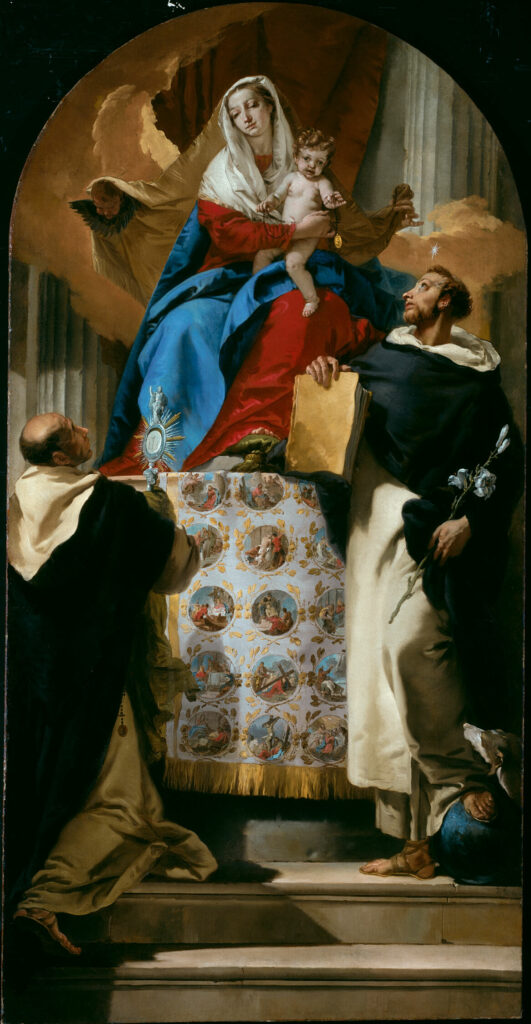
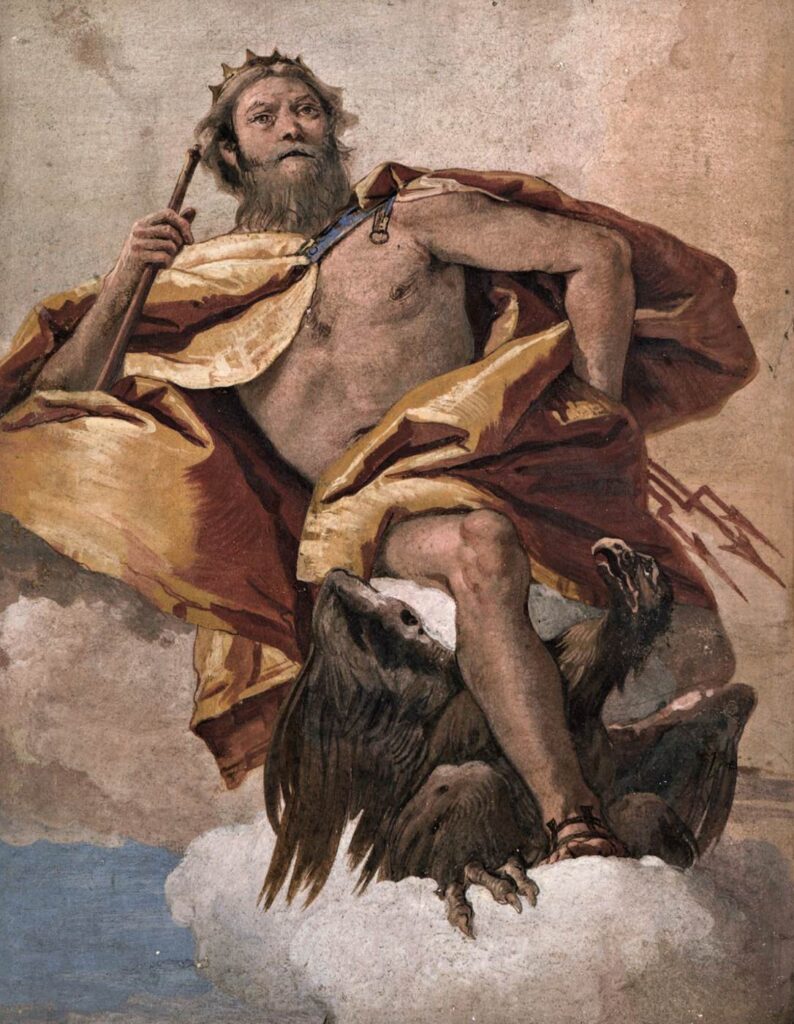
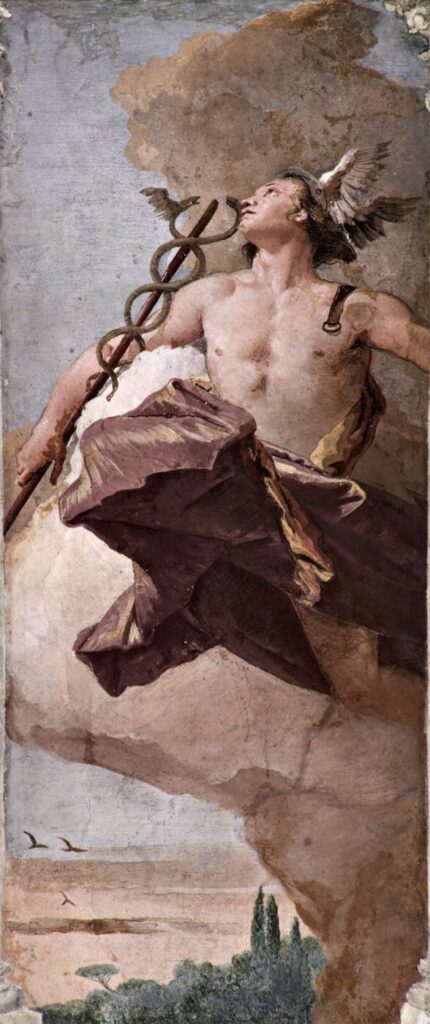
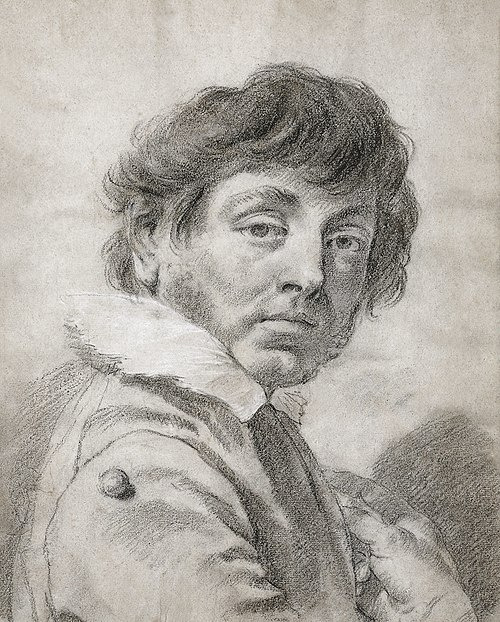
Giovanni Domenico Tiepolo, August 30, 1727 – March 3, 1804, was an Italian painter, printmaker, and draftsman.
He was the son and pupil of Giovanni Battista Tiepolo and worked with him in Venice, Würzburg, and Madrid. His independent work includes religious paintings, frescoes, genre scenes, and drawings.
His late work is especially associated with Punchinello subjects and the frescoes from the Villa Zianigo, now at Ca’ Rezzonico in Venice.