Paolo Veronese
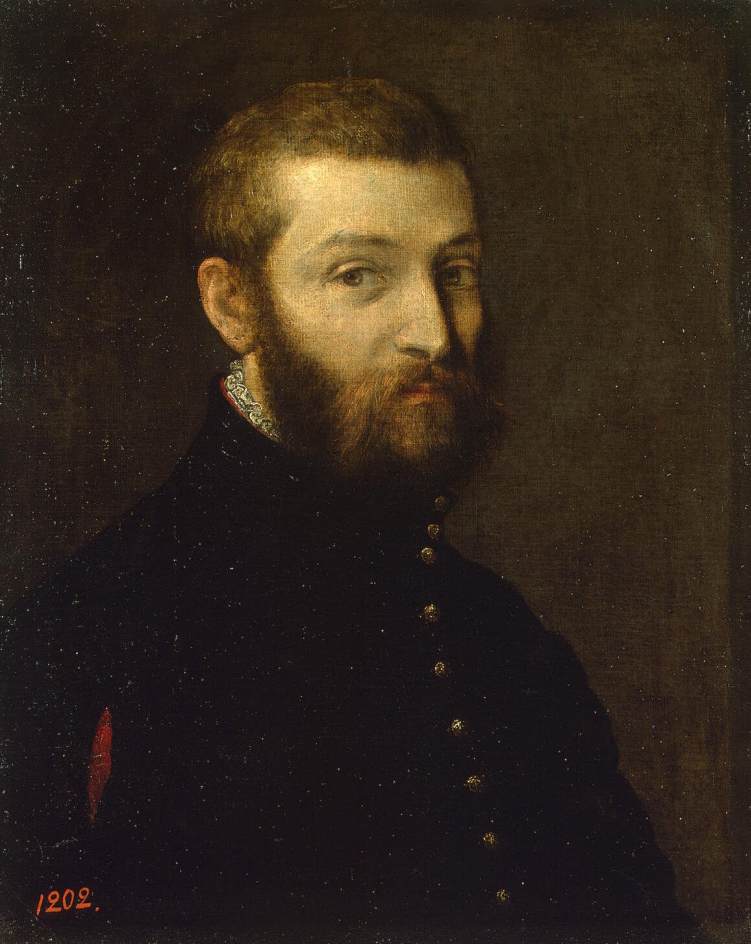
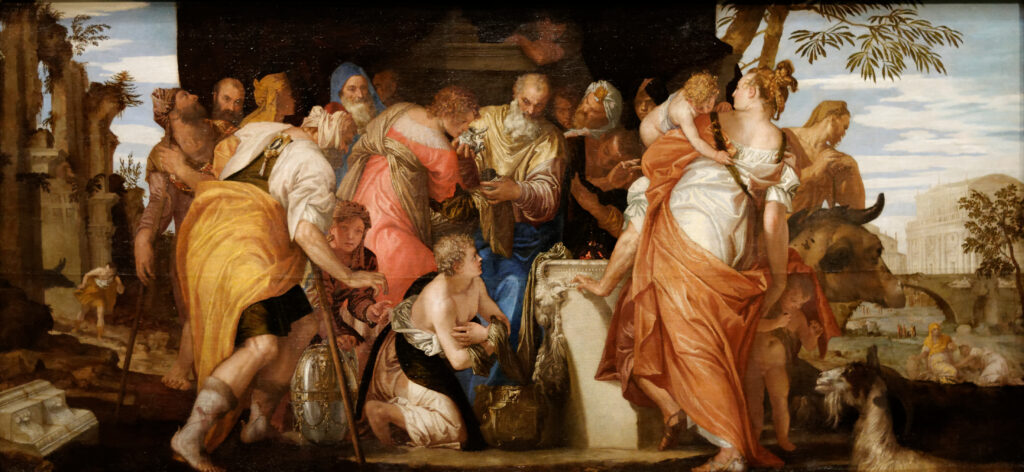
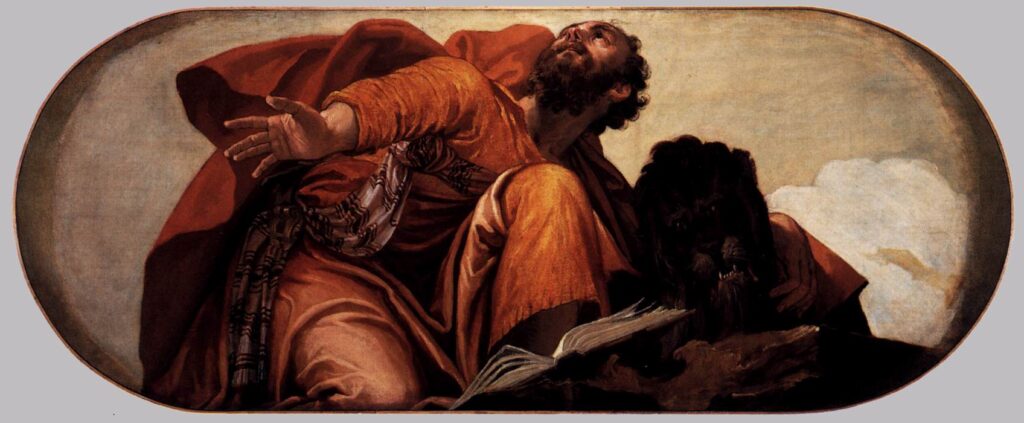
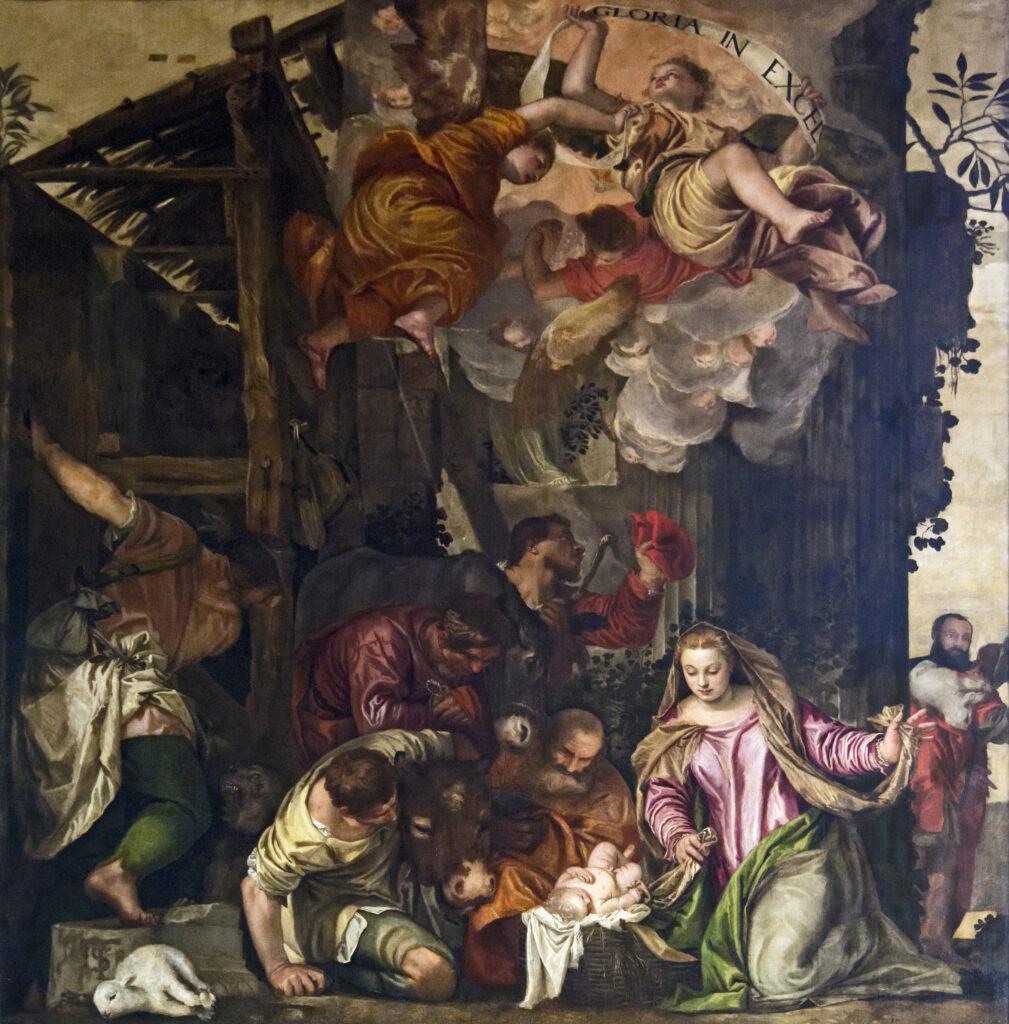
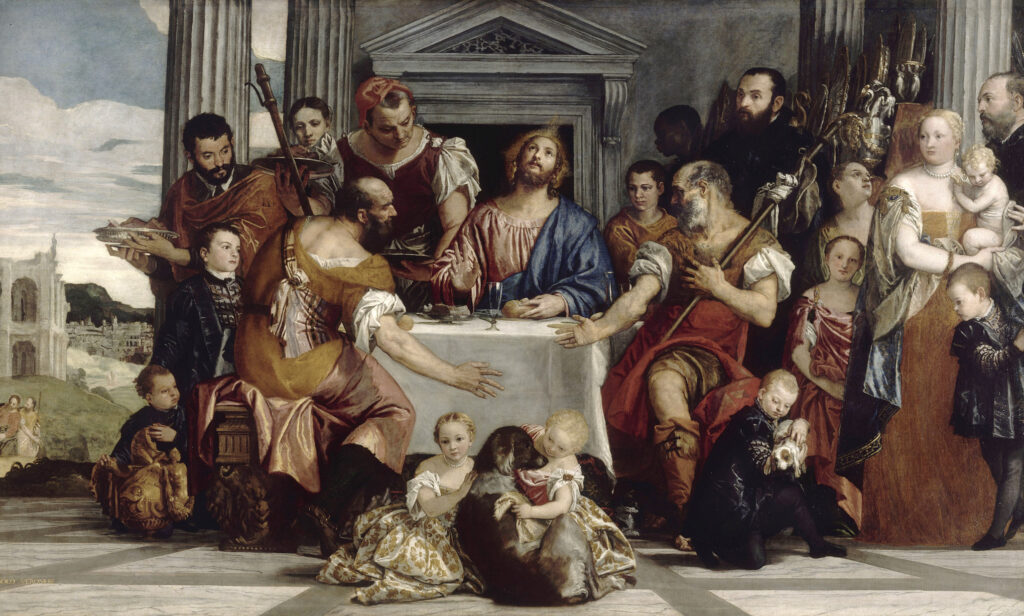
Paolo Veronese (1528–1588) was an Italian Renaissance painter of the Venetian school. Born Paolo Caliari in Verona, he trained with local painters before moving to Venice in the early 1550s, where he became one of the city’s leading artists alongside Titian and Tintoretto.
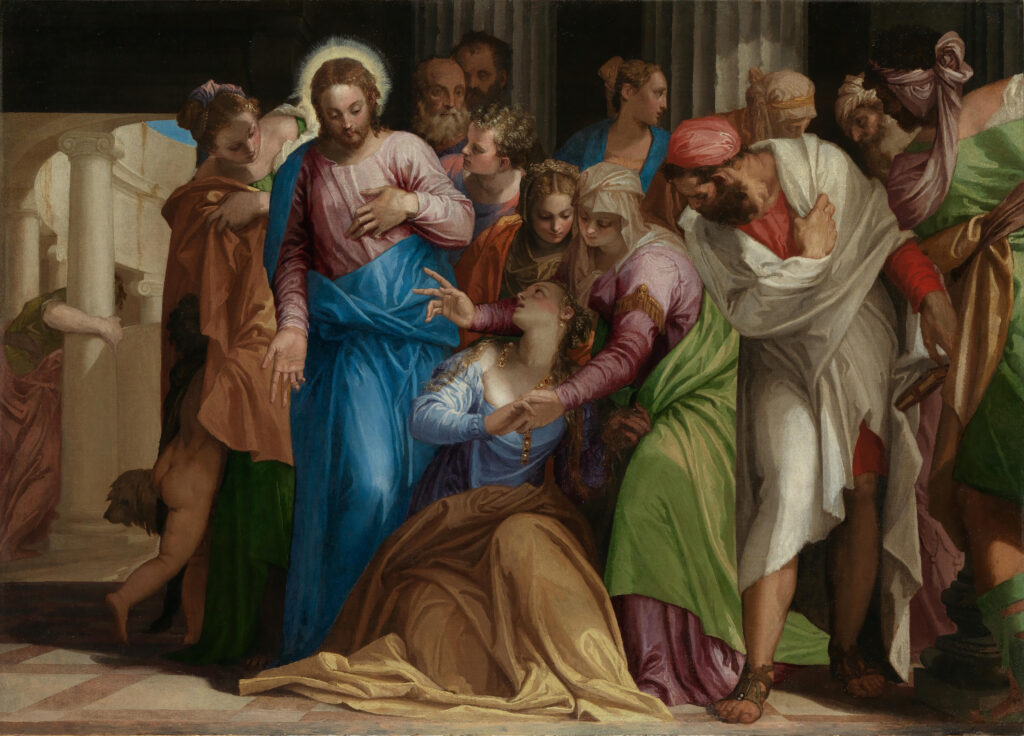
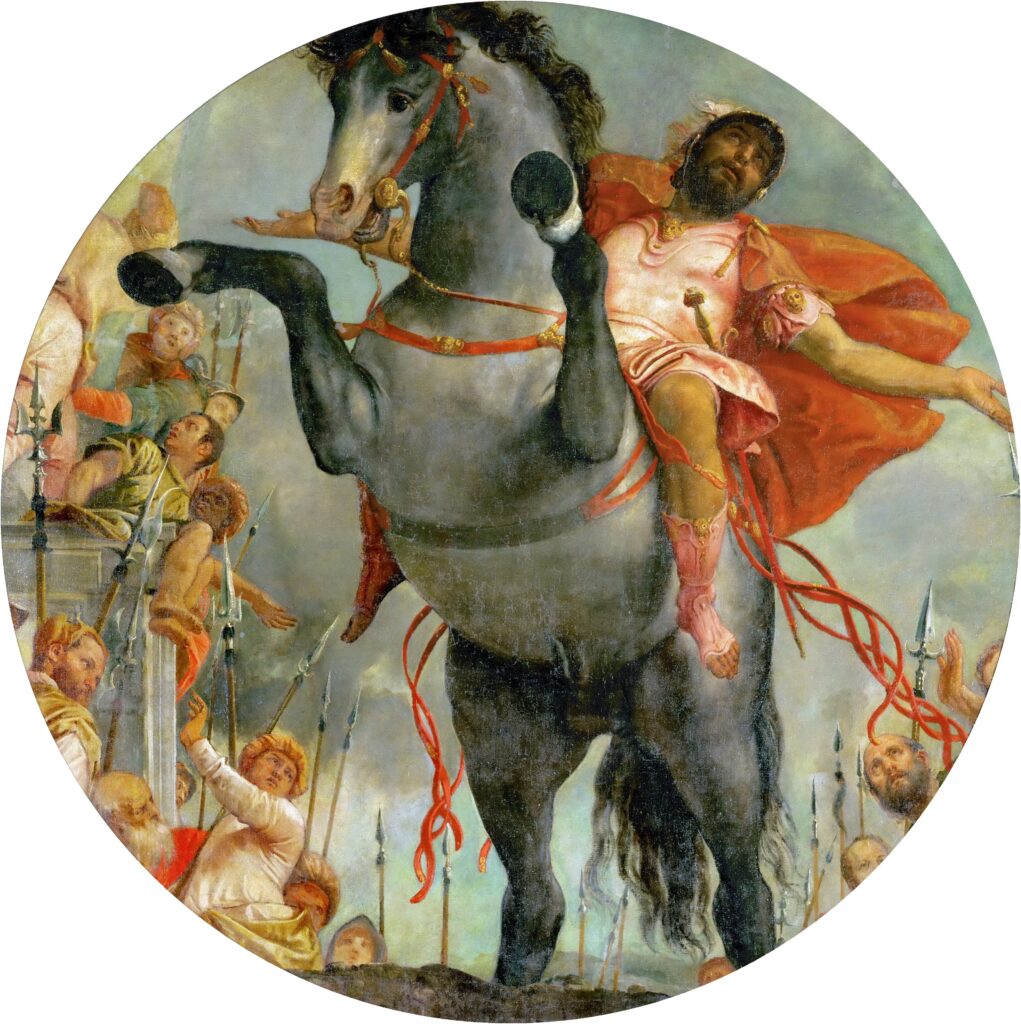
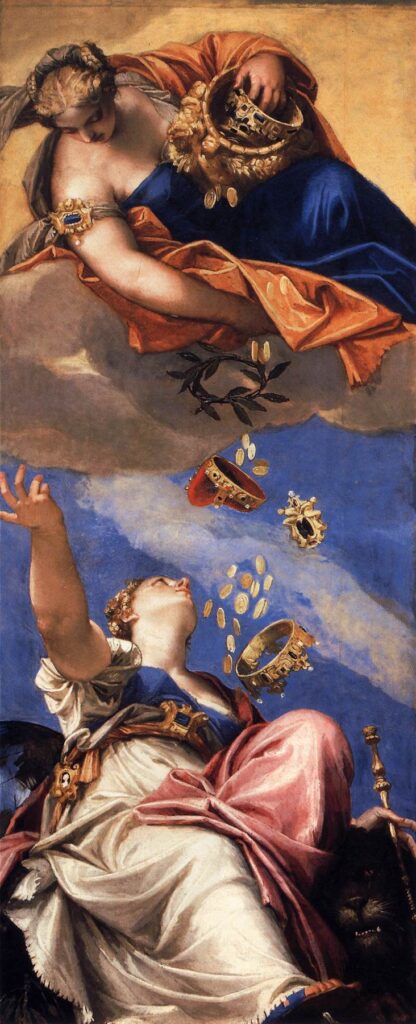
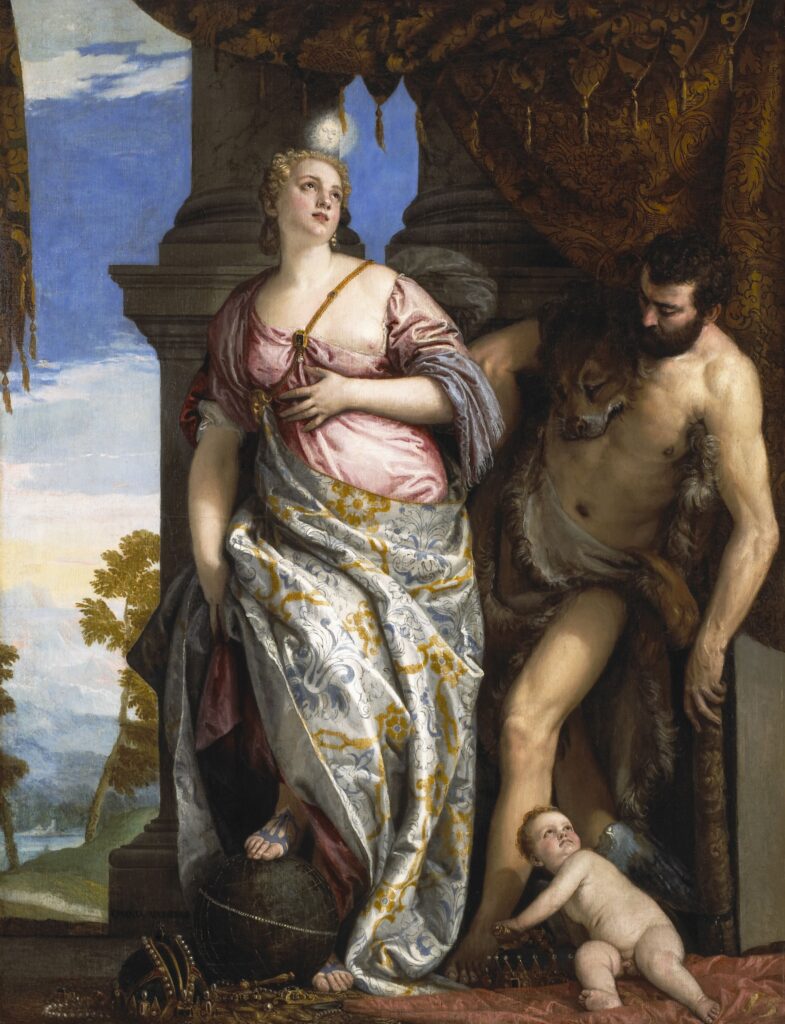
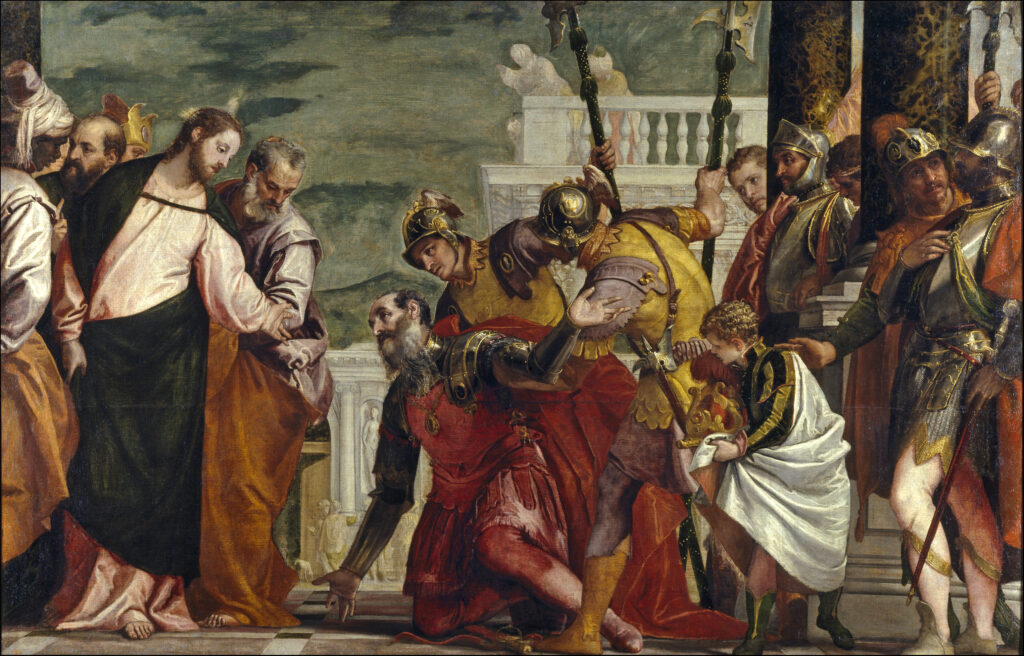
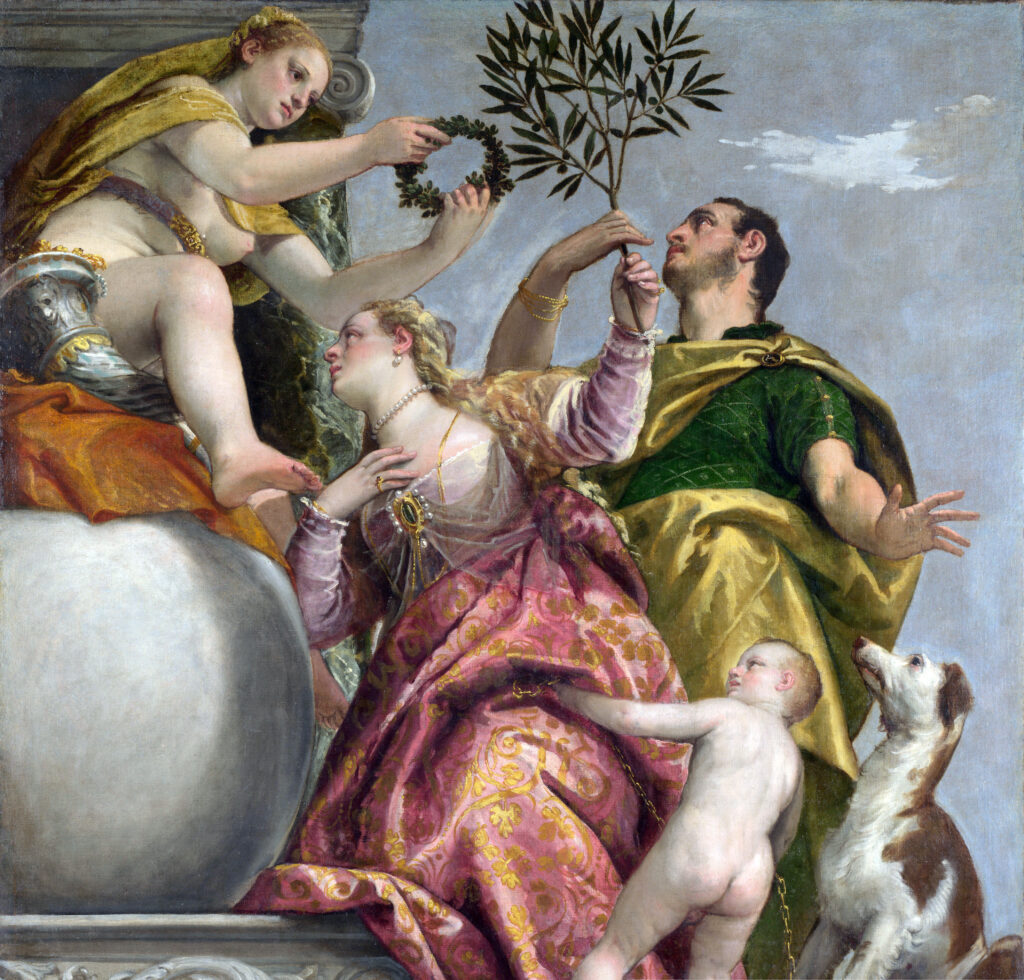
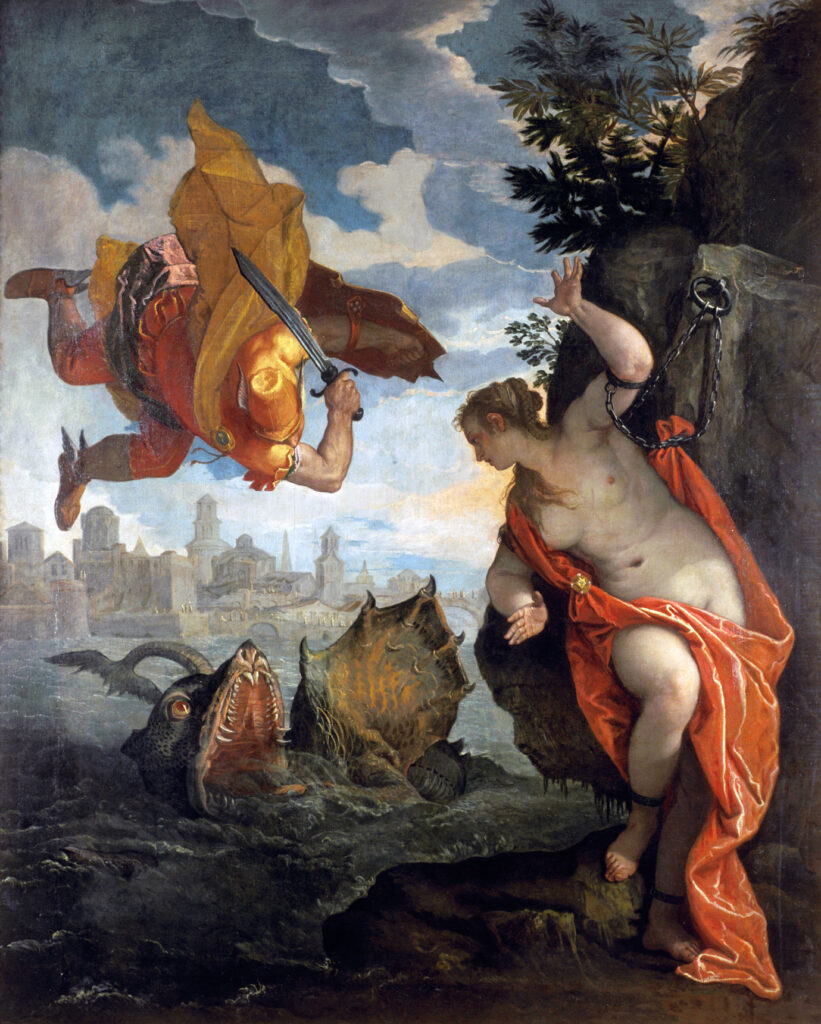
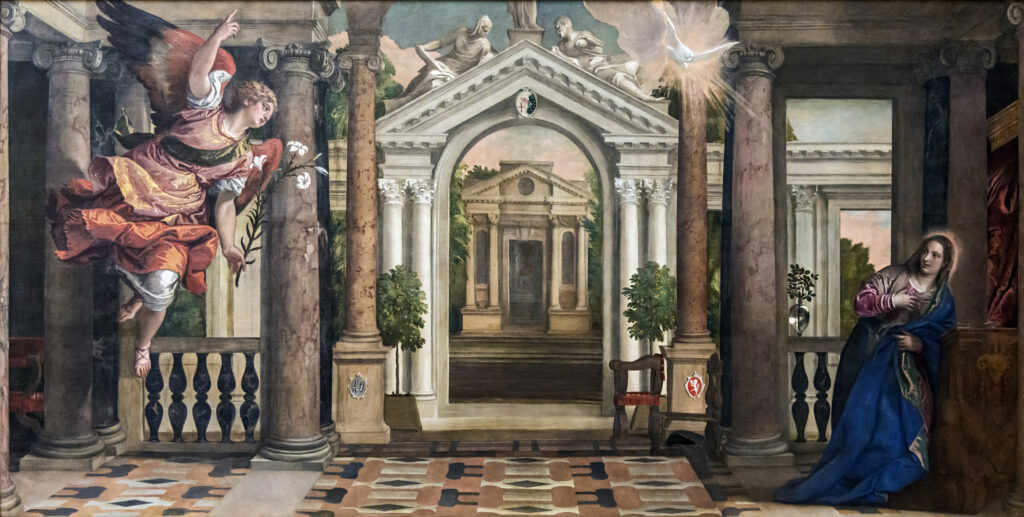
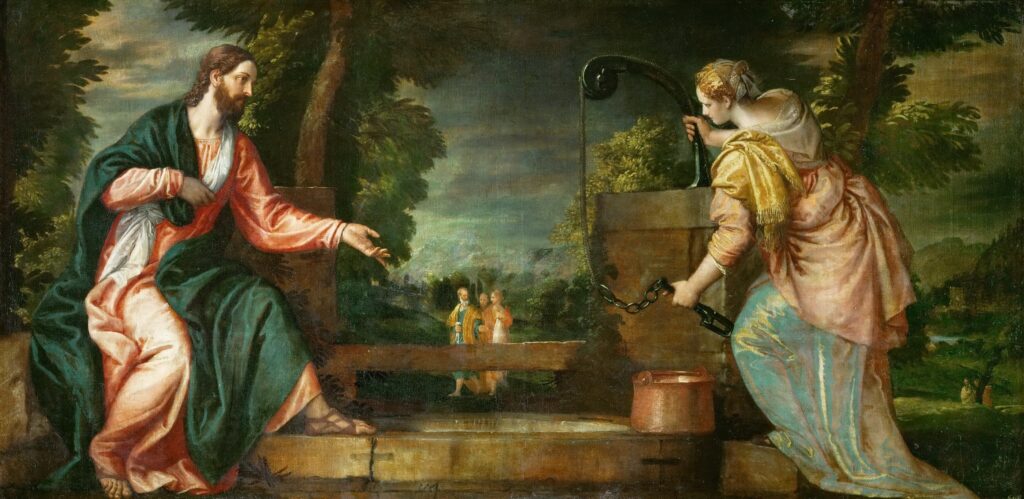
Veronese specialized in large religious paintings, mythological subjects, allegories, and portraits. He received major commissions for churches, monasteries, government buildings, and private patrons throughout Venice and the Veneto. His monumental decorative cycles are notable for their grand architectural settings, brilliant color, and richly dressed figures. In 1573, his Last Supper was investigated by the Venetian Inquisition, after which he simply retitled the painting Feast in the House of Levi rather than alter the composition.
Veronese’s work had a lasting influence on European painting, particularly on the Venetian tradition and later Baroque artists. Today his paintings are held in major museums worldwide, including the Louvre Museum, the National Gallery in London, the Kunsthistorisches Museum in Vienna, the Museo Nacional del Prado, and the Gallerie dell’Accademia in Venice.


Comments are Disabled