Jean-Antoine Houdon
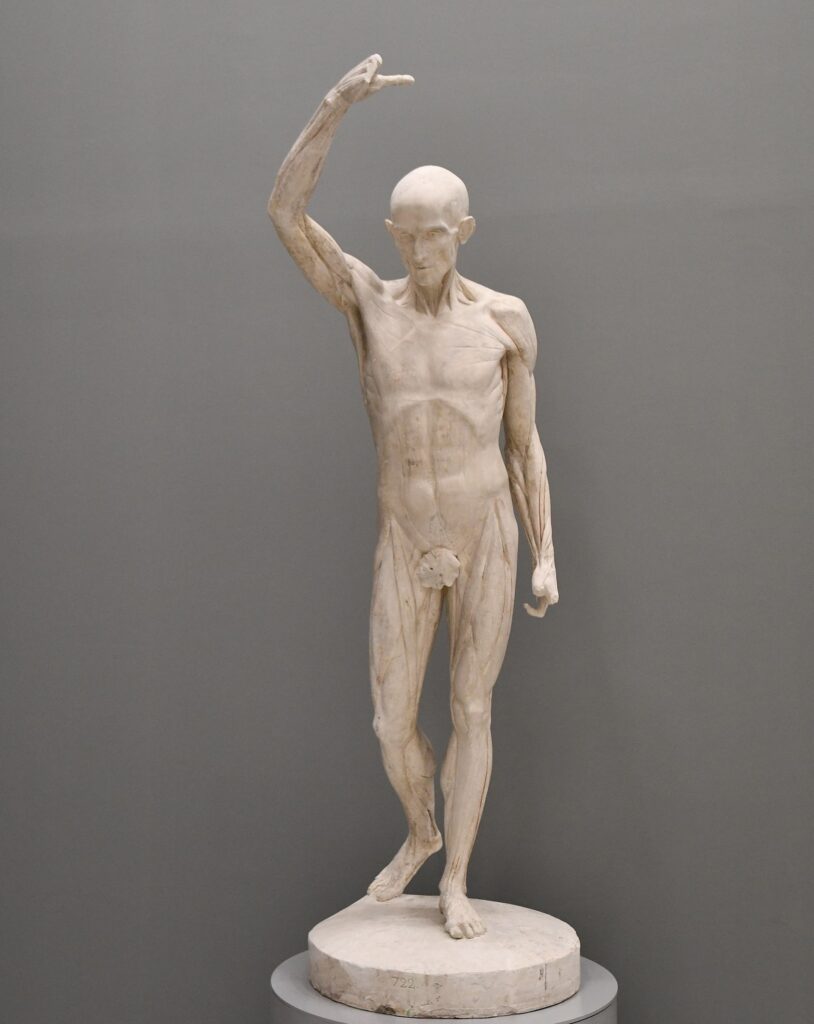
Jean-Antoine Houdon, March 20, 1741–July 15, 1828, was a French sculptor born in Versailles. He studied with René-Michel Slodtz, Jean-Baptiste Lemoyne, and Jean-Baptiste Pigalle, won the Prix de Rome in 1761, and continued his training at the French Academy in Rome from 1764 to 1768. There he studied classical sculpture and human anatomy.
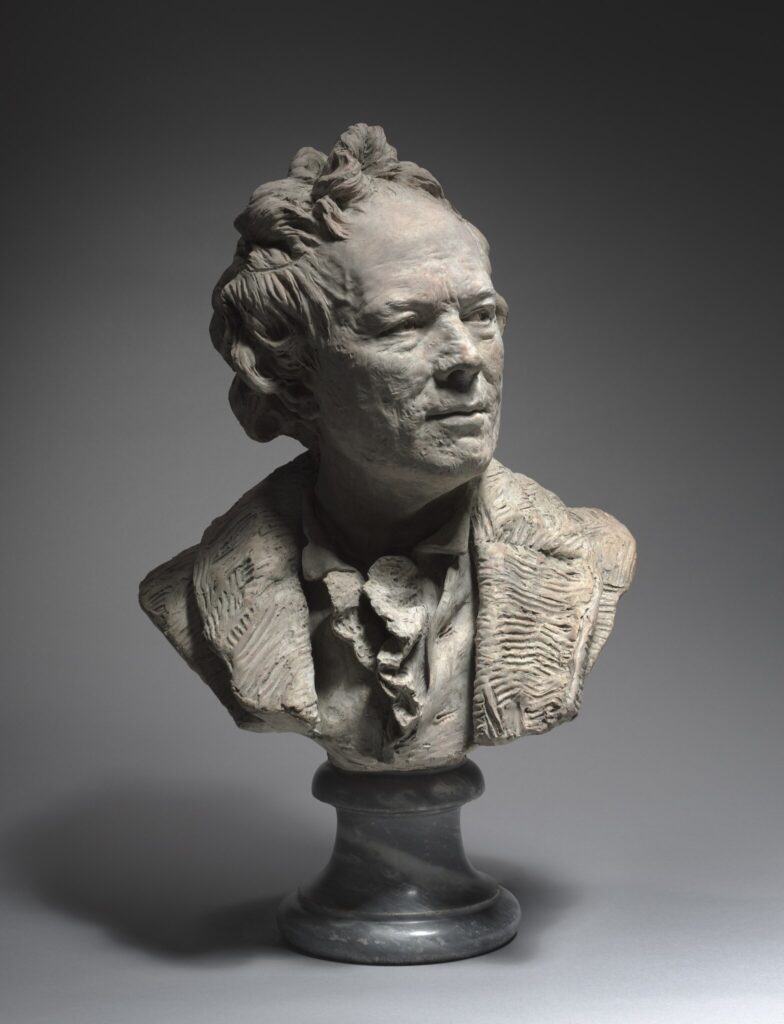
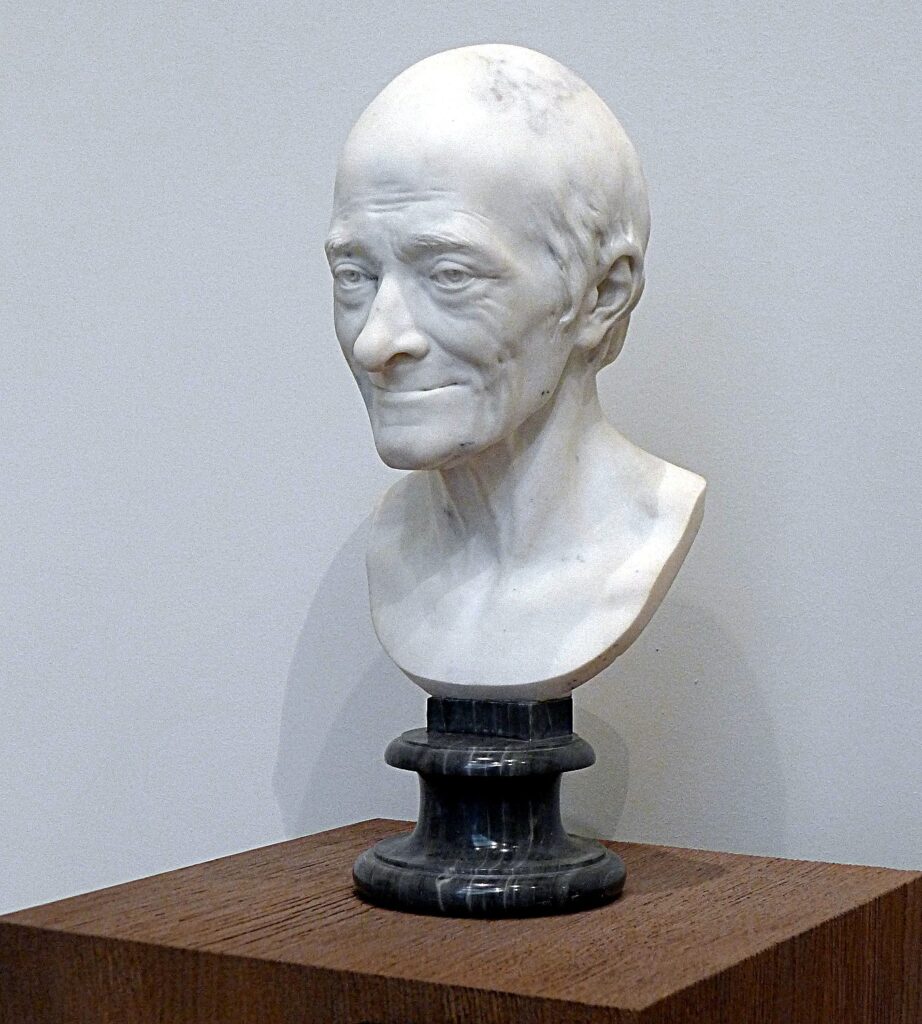
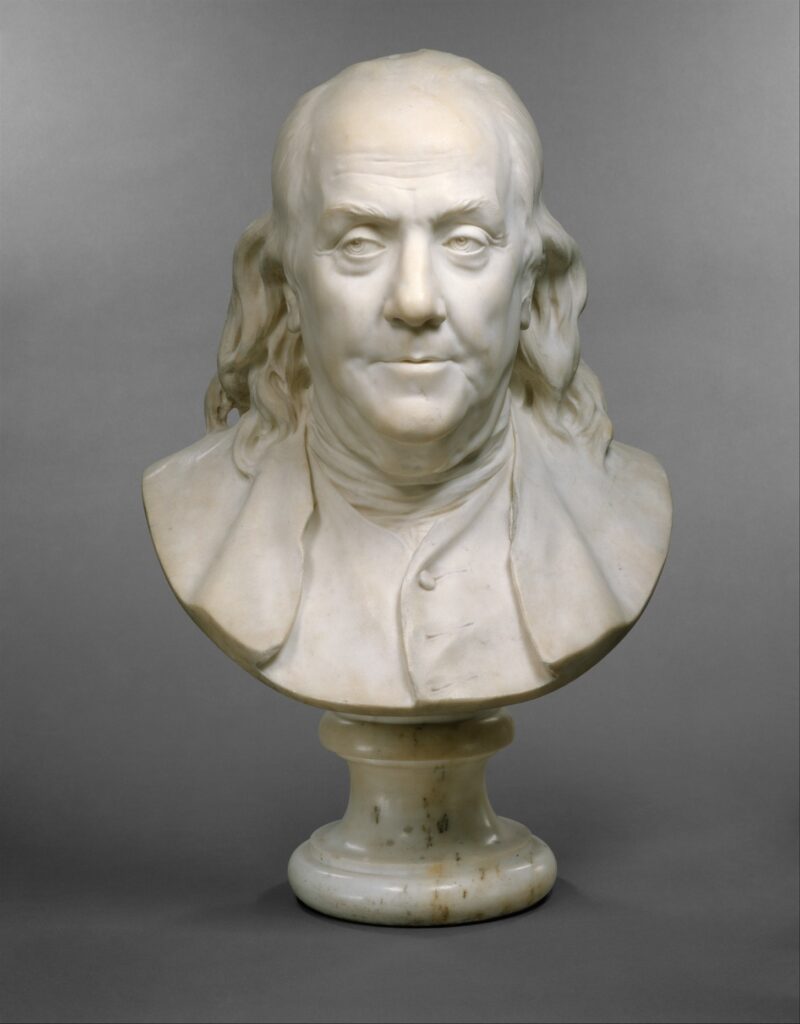
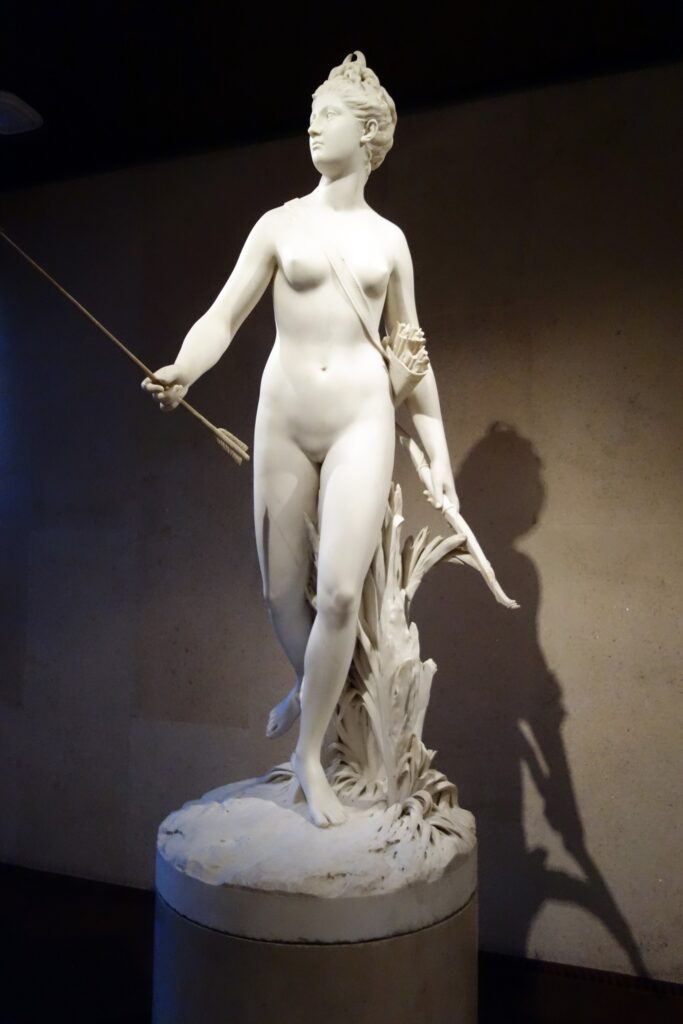
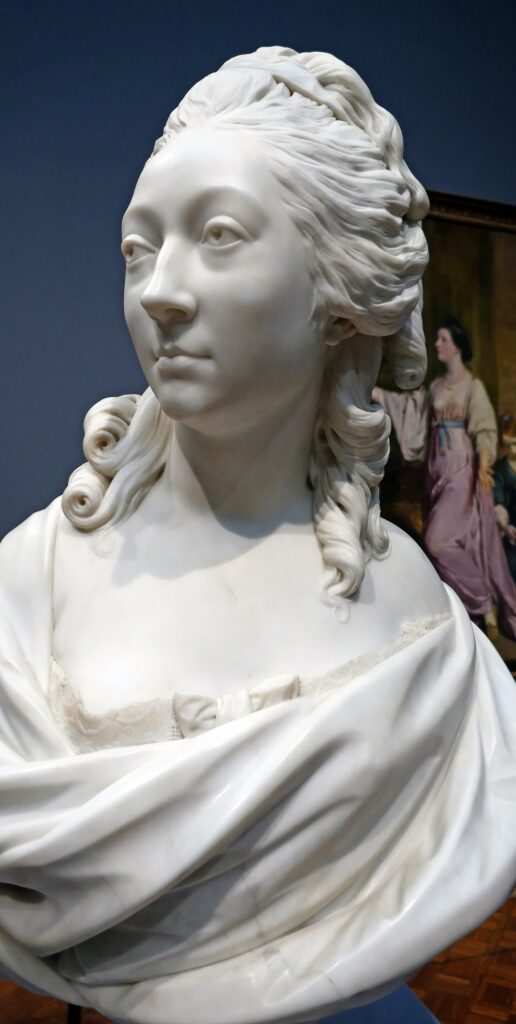
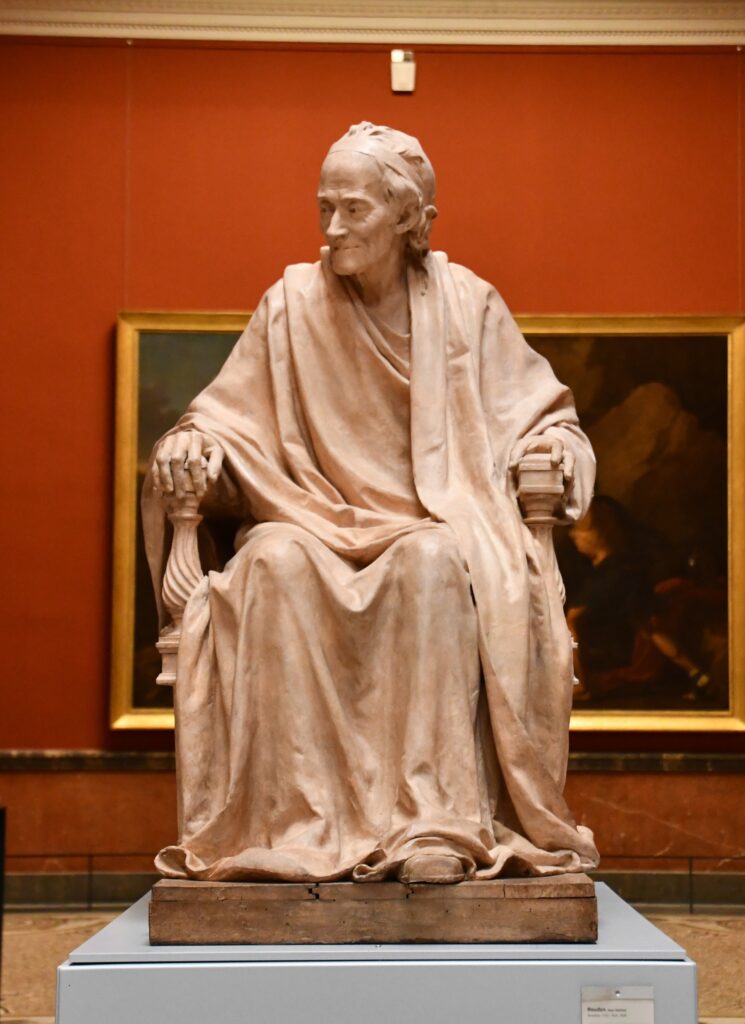
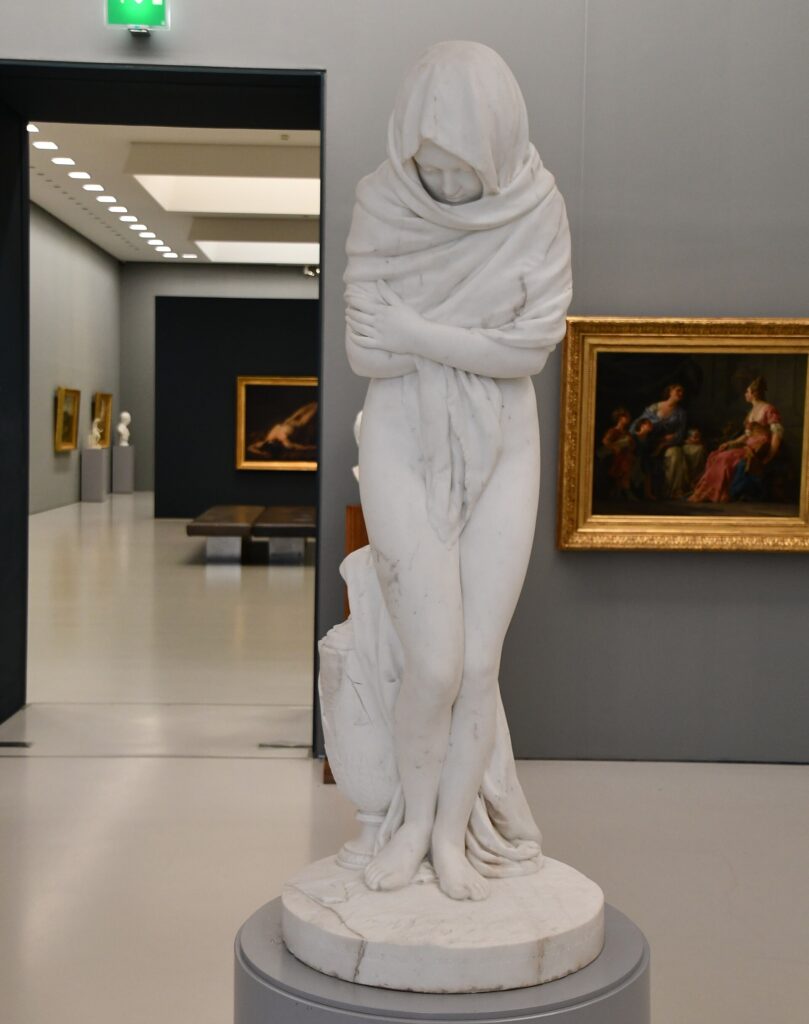
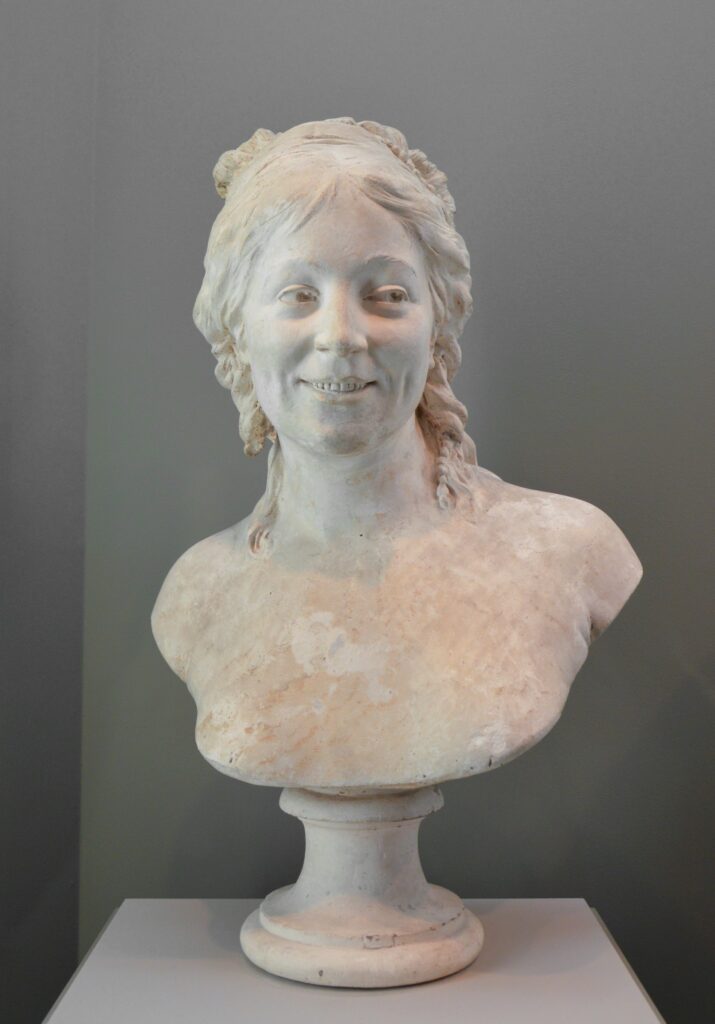
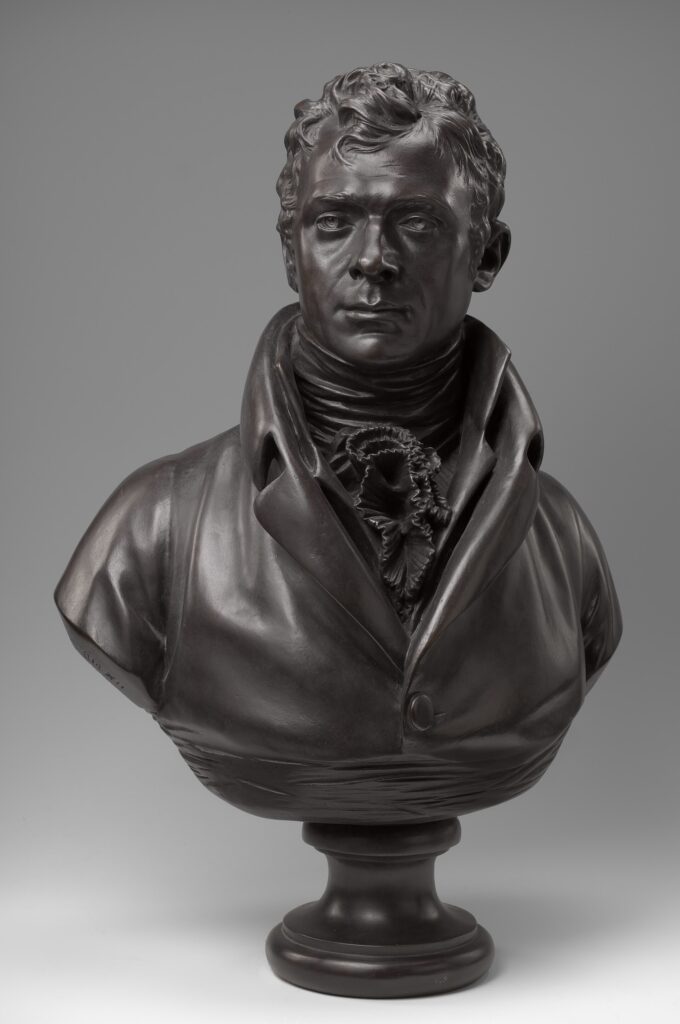
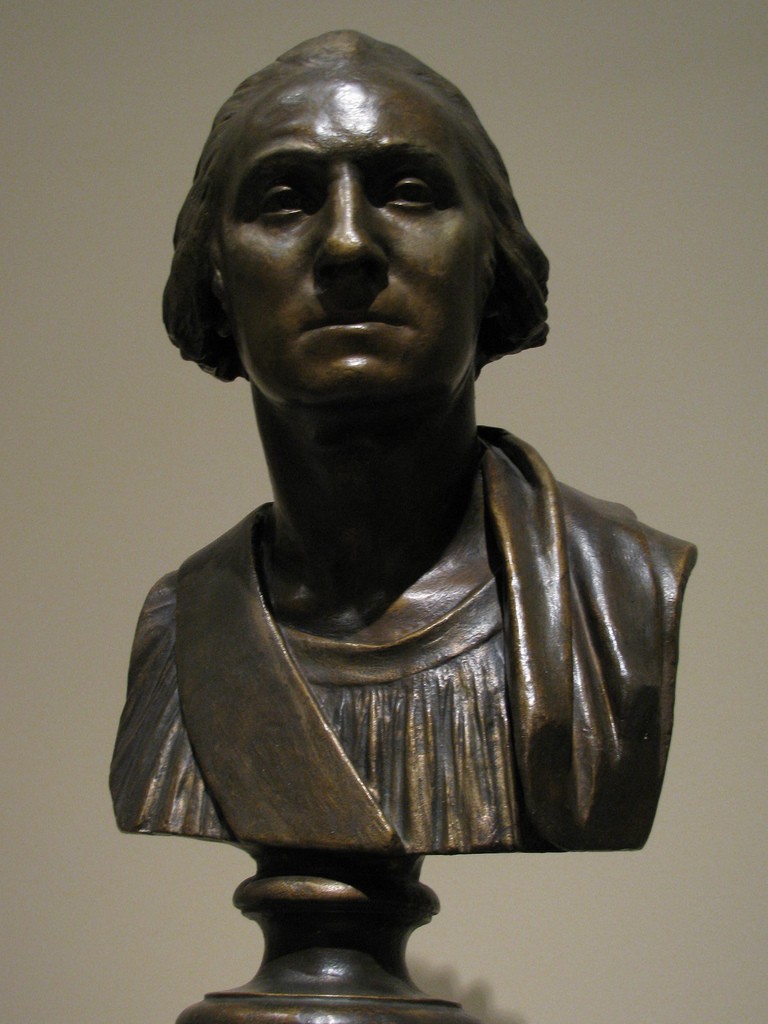
Houdon became known for portraits marked by close observation and naturalism. His subjects included Voltaire, Denis Diderot, Benjamin Franklin, and George Washington; he traveled to the United States in 1785 to model Washington. He was elected to the Académie royale de peinture et de sculpture and later taught there. His work spans portrait busts, monuments, and mythological and allegorical sculpture.
Houdon’s sculpture is represented in major collections including the Louvre, the Metropolitan Museum of Art, the National Gallery of Art, the Smithsonian American Art Museum, and the Musée Fabre. He worked for patrons in France and abroad, including Catherine II of Russia, and maintained connections with Enlightenment figures and American diplomats in Paris.
Comments are Disabled