Posts in Category: february 27
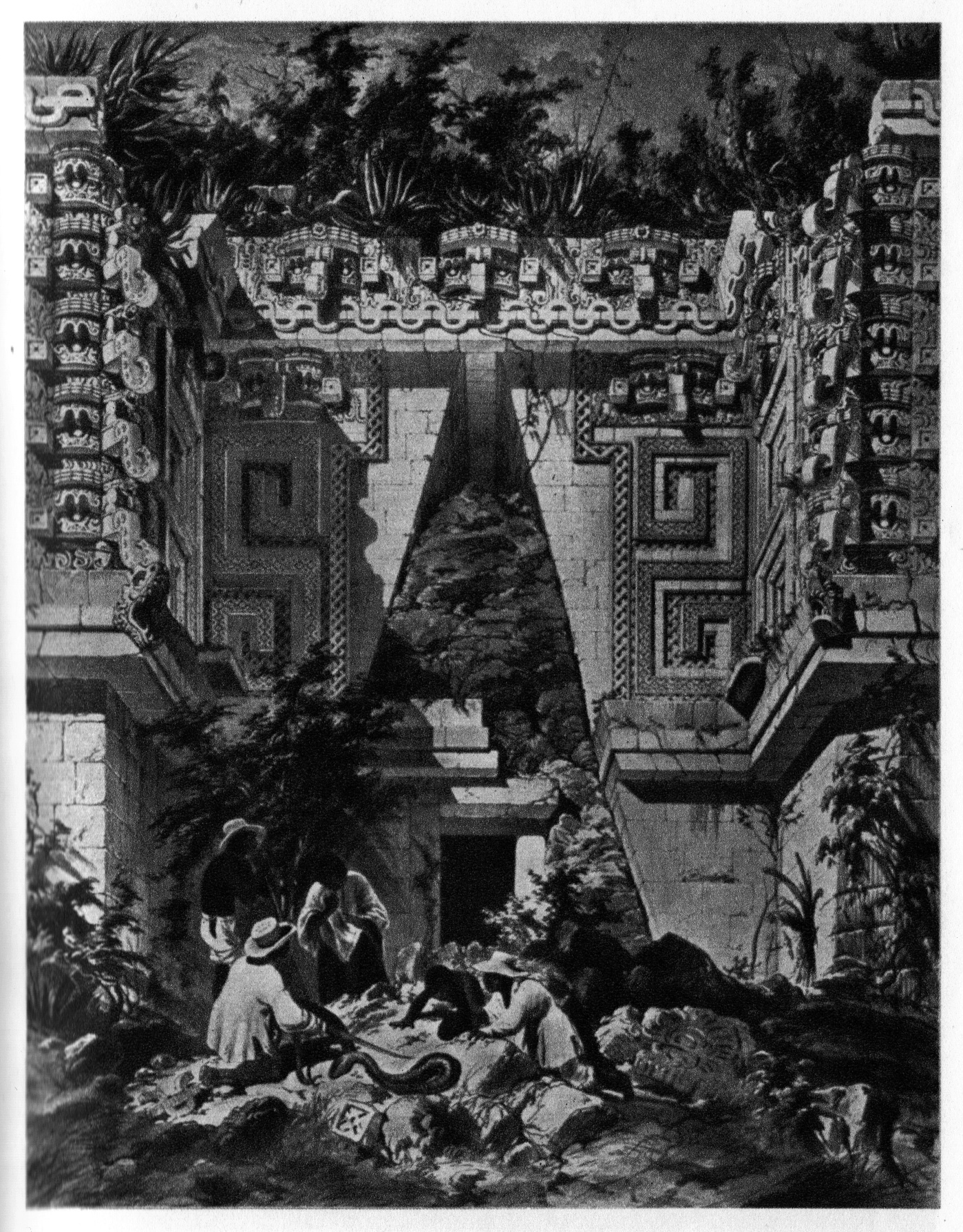
Frederick Catherwood
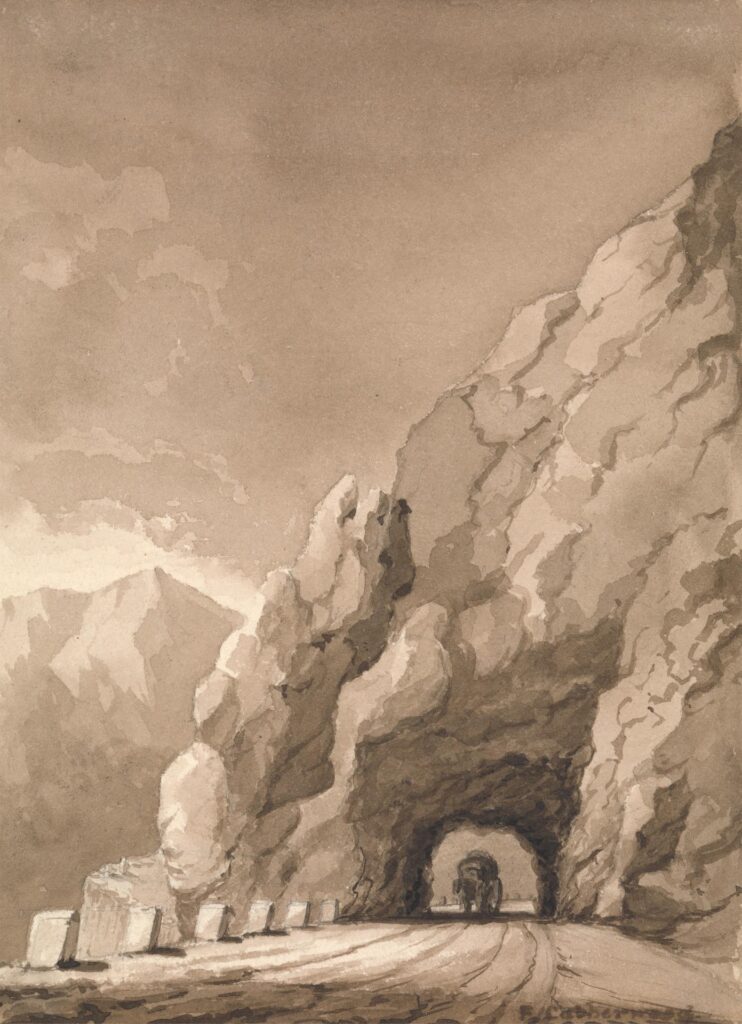
Frederick Catherwood, February 27, 1799–September 27, 1854, was an English artist, architect and explorer born in Hoxton, London. He trained with the architect Michael Meredith and attended classes at the Royal Academy, where he encountered the teaching of John Soane. He subsequently studied ancient architecture in Italy, Greece and Egypt and worked with Joseph Bonomi.
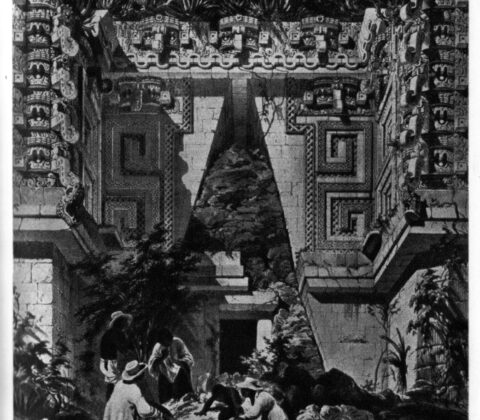
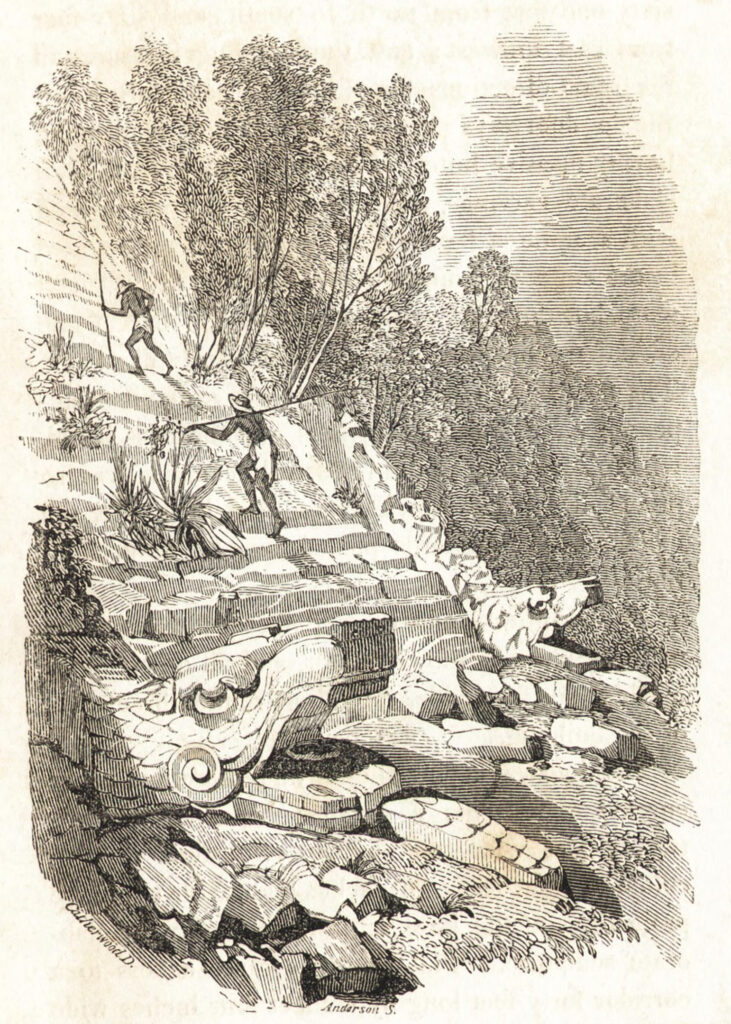
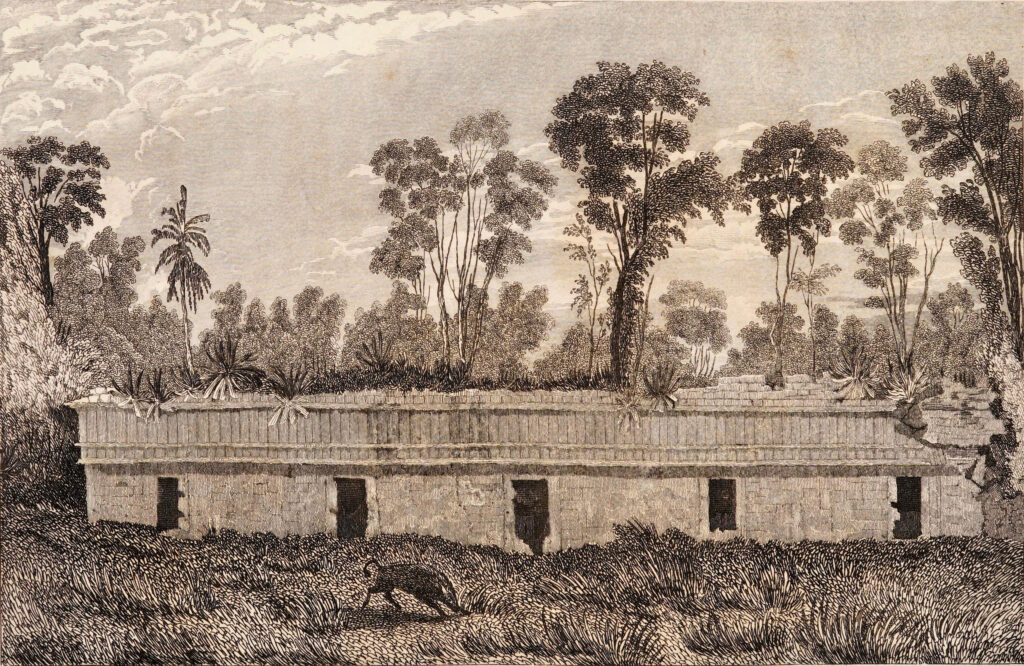
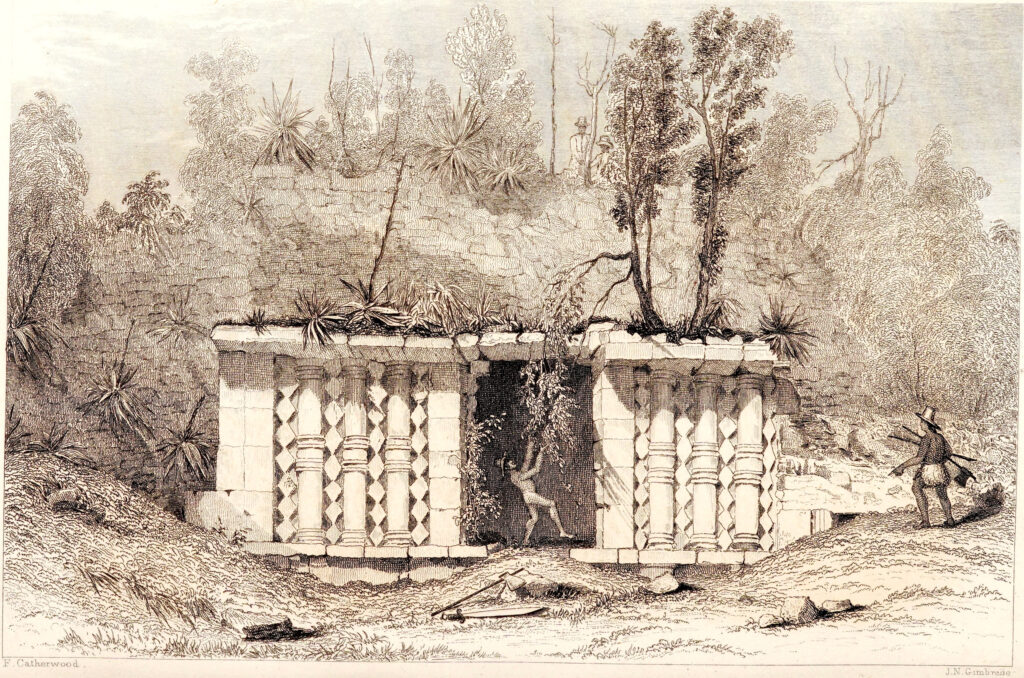
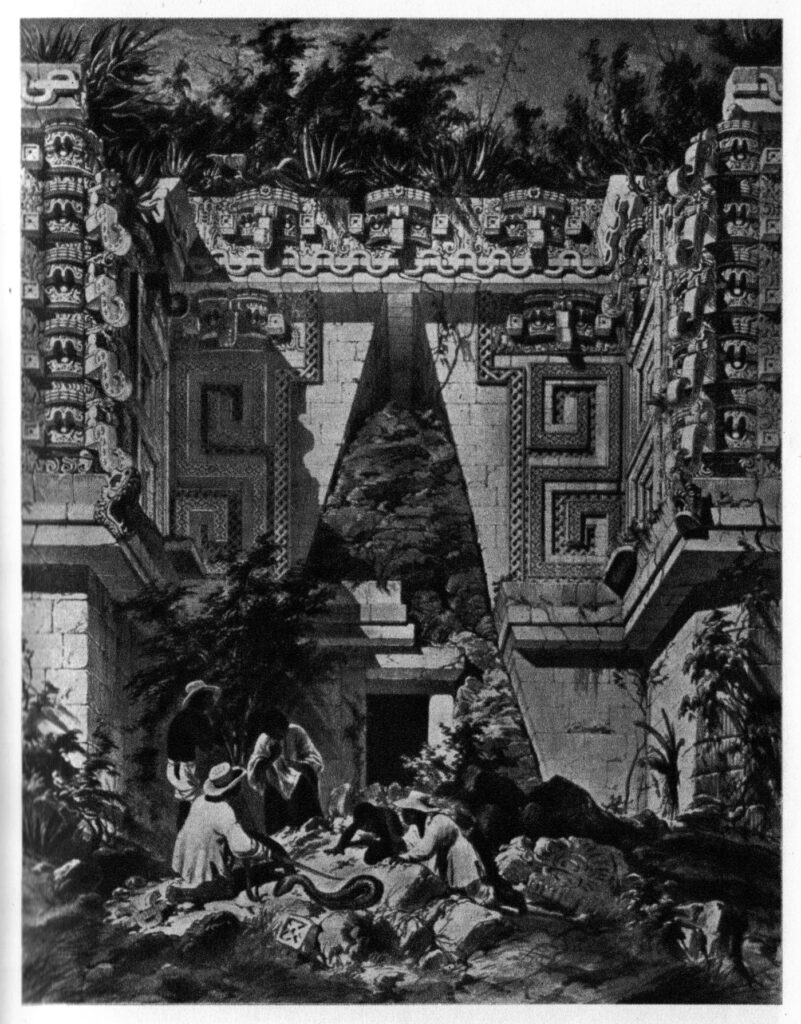
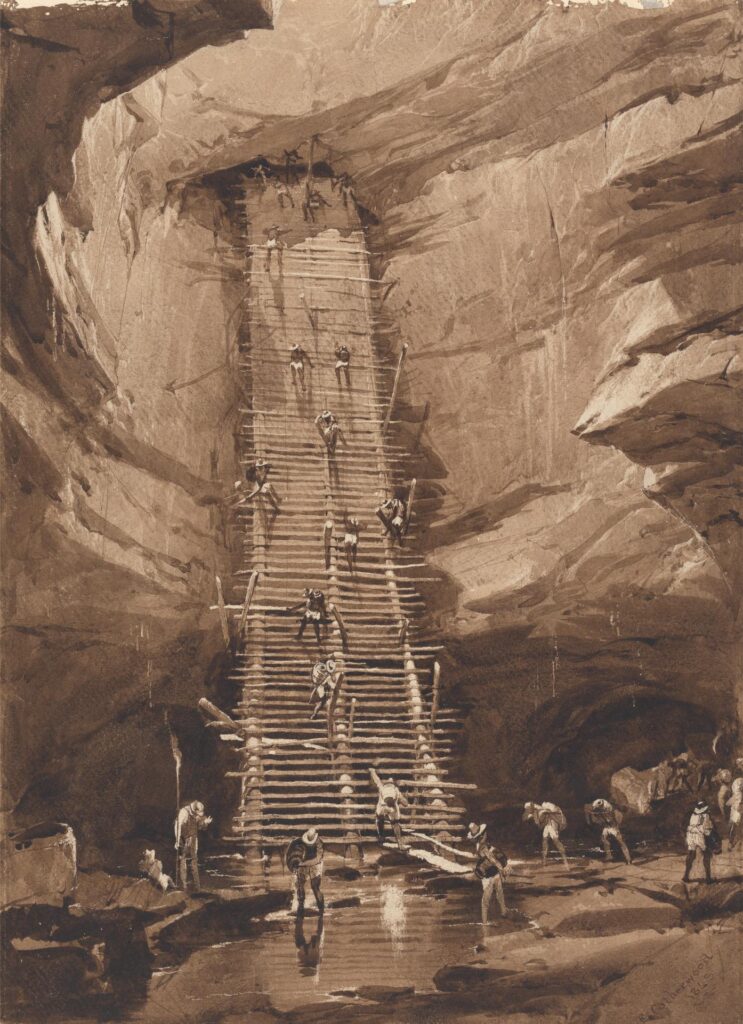
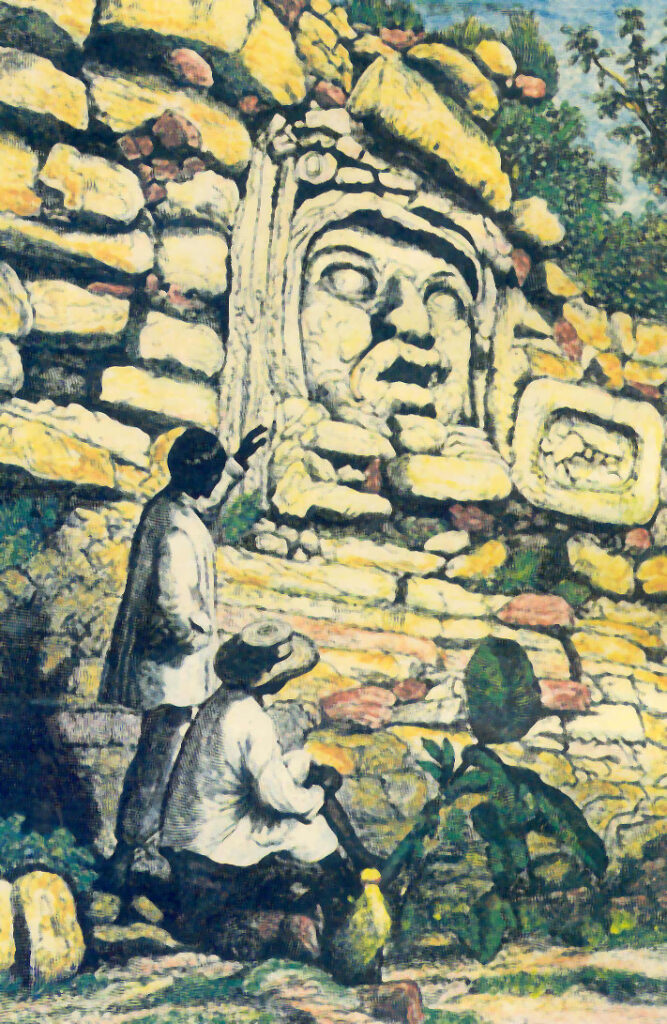
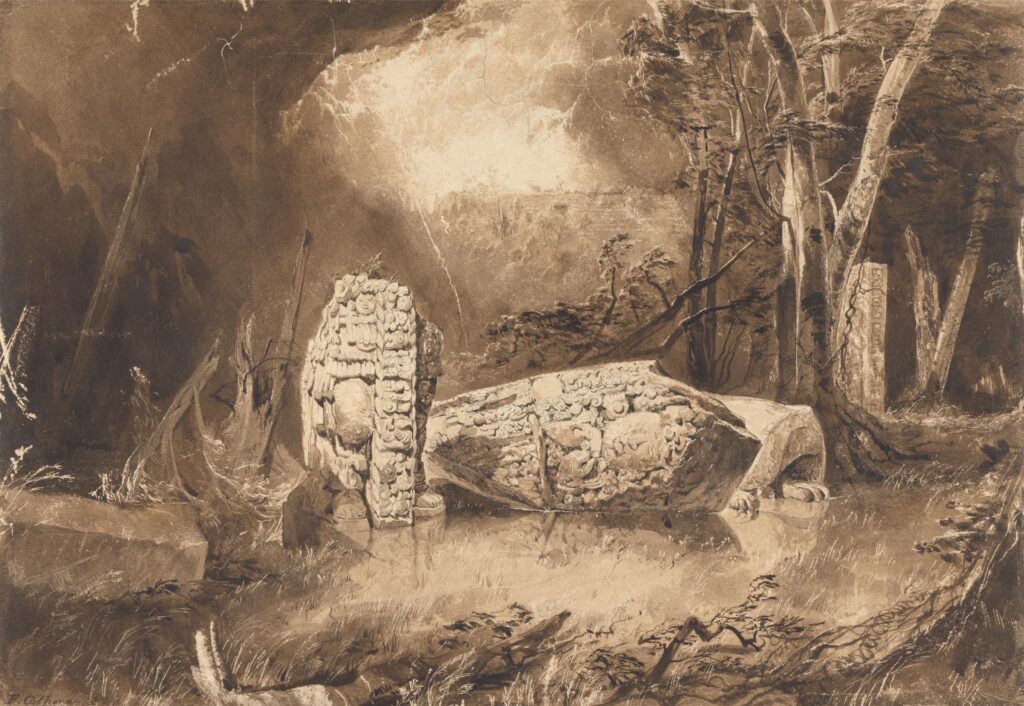
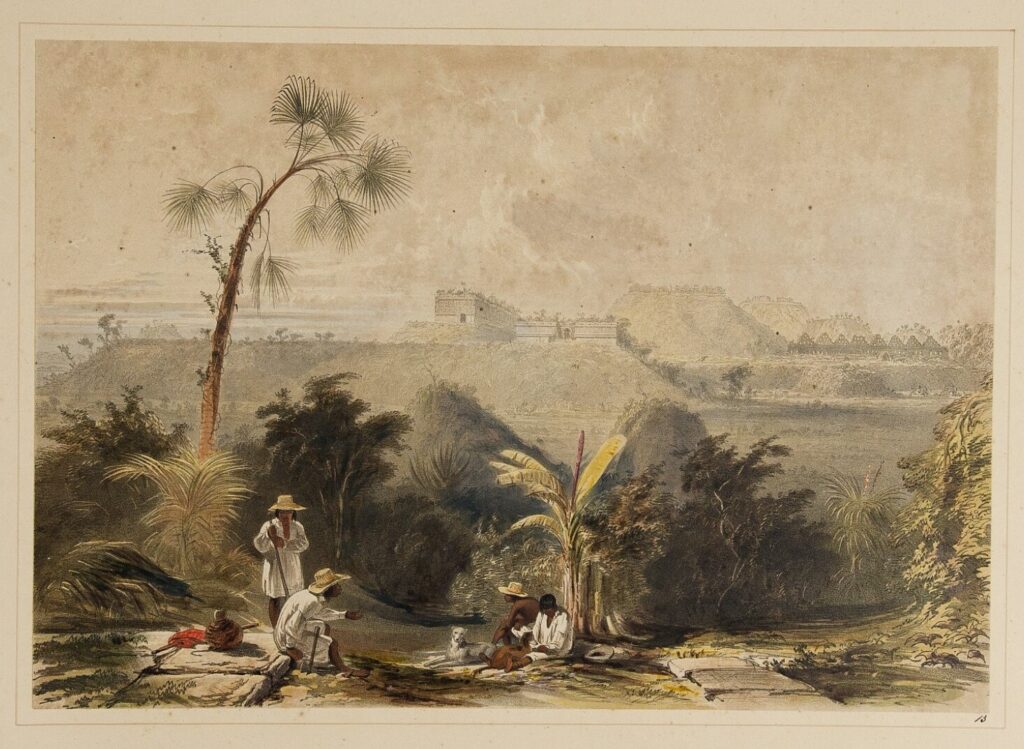
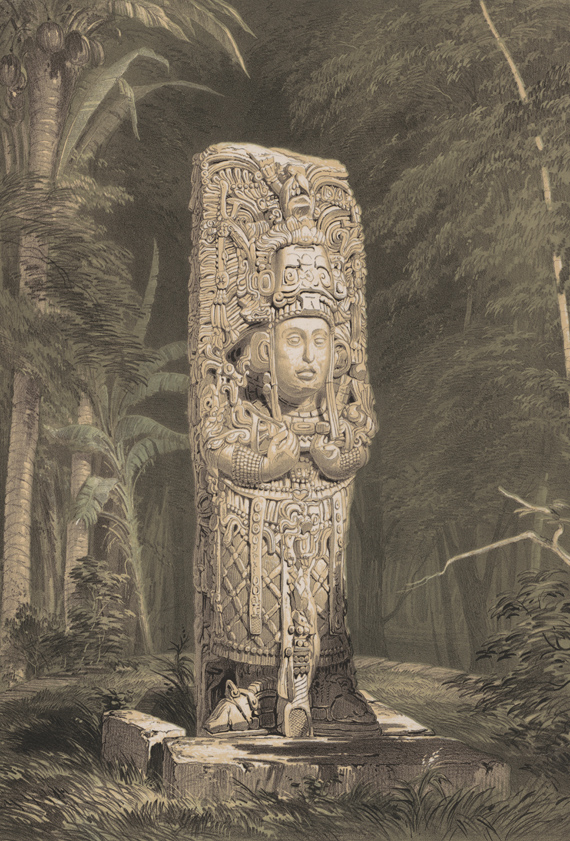
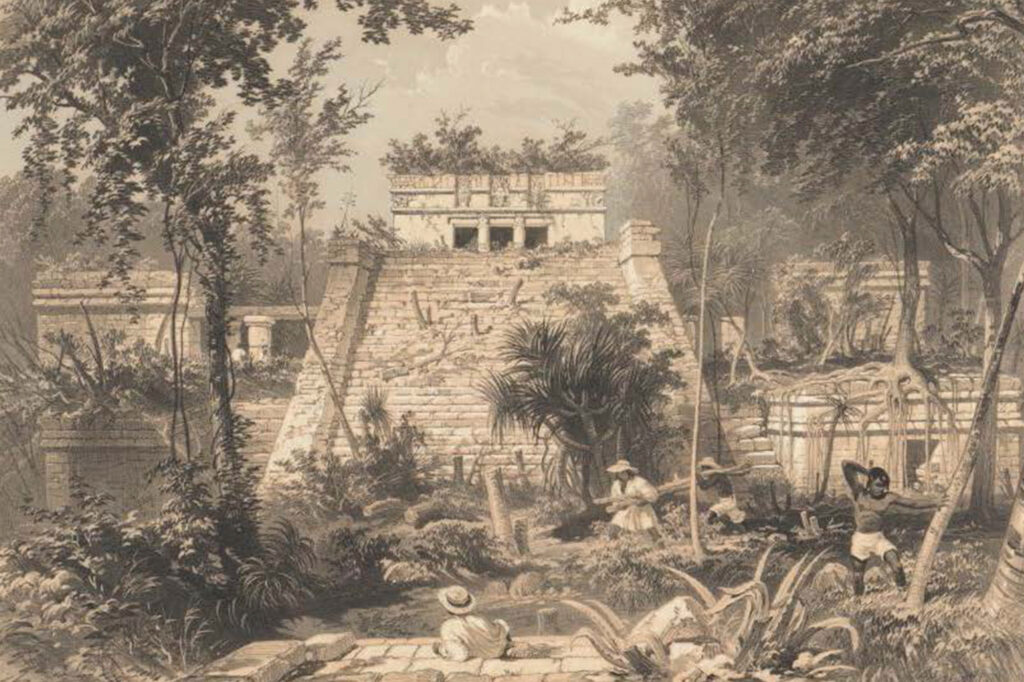
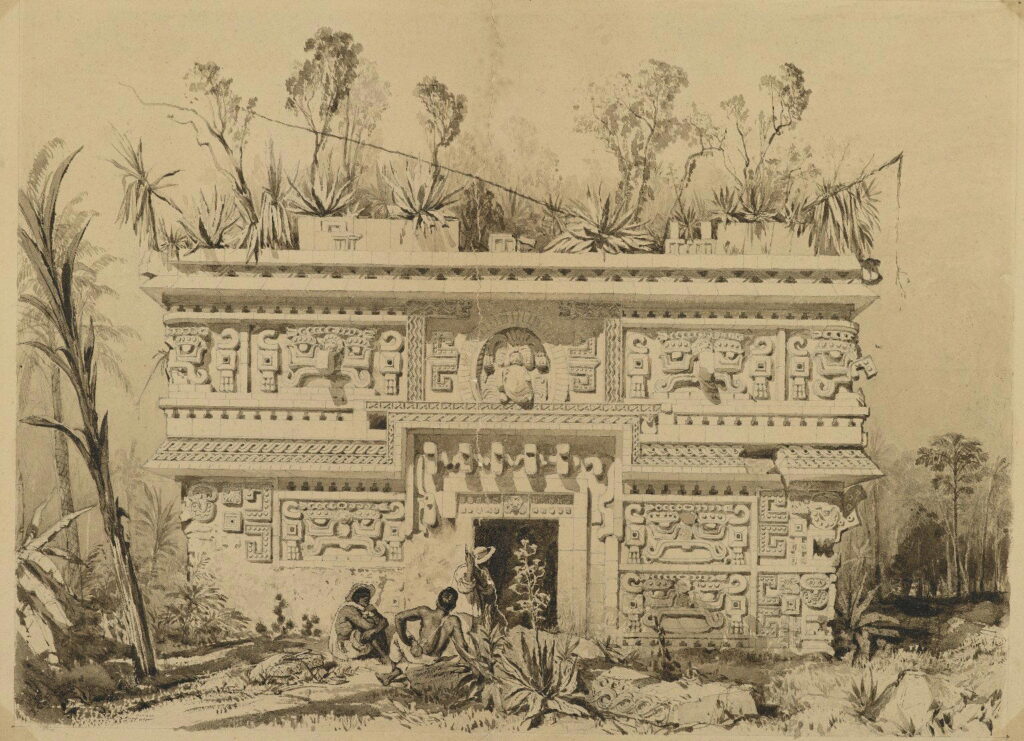
Catherwood traveled through Central America and Yucatan with the American writer John Lloyd Stephens in 1839–1840 and 1841–1842. His drawings of Maya architecture and sculpture supplied illustrations for Stephens’s travel books, published in 1841 and 1843. In 1844 he published Views of Ancient Monuments in Central America, Chiapas and Yucatan, a folio of 25 lithographs based on his drawings.
In his later years Catherwood worked on railway projects in British Guiana, Panama and California. He died in the sinking of the steamship Arctic off Newfoundland in 1854. His surviving drawings are held by the Brooklyn Museum, Yale Center for British Art and Metropolitan Museum of Art; his published images remain records of Maya monuments before subsequent deterioration and restoration.

Carel Pietersz. Fabritius
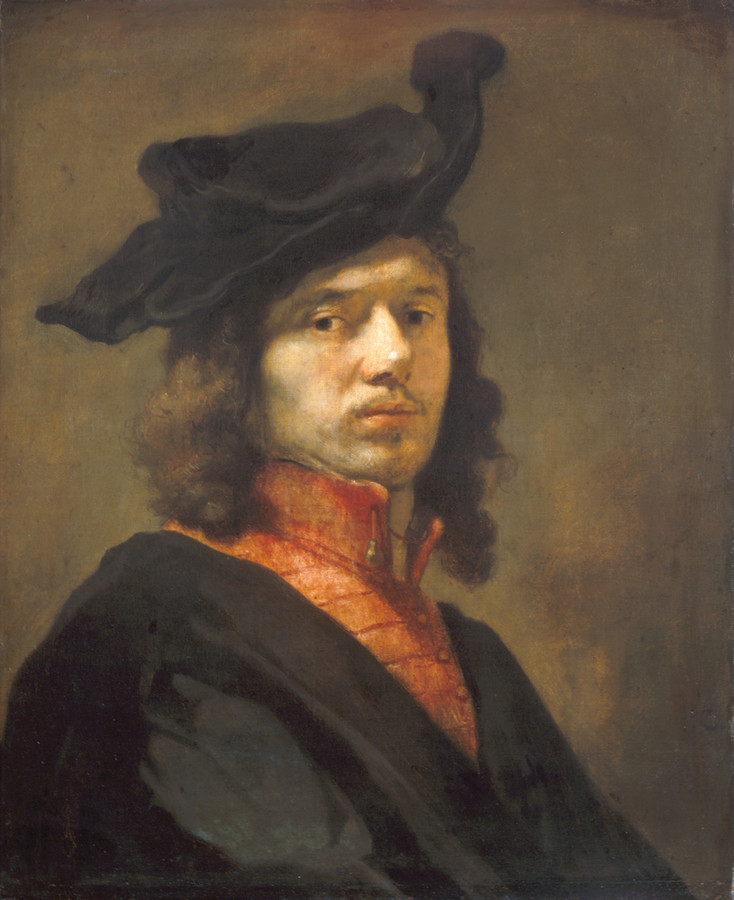
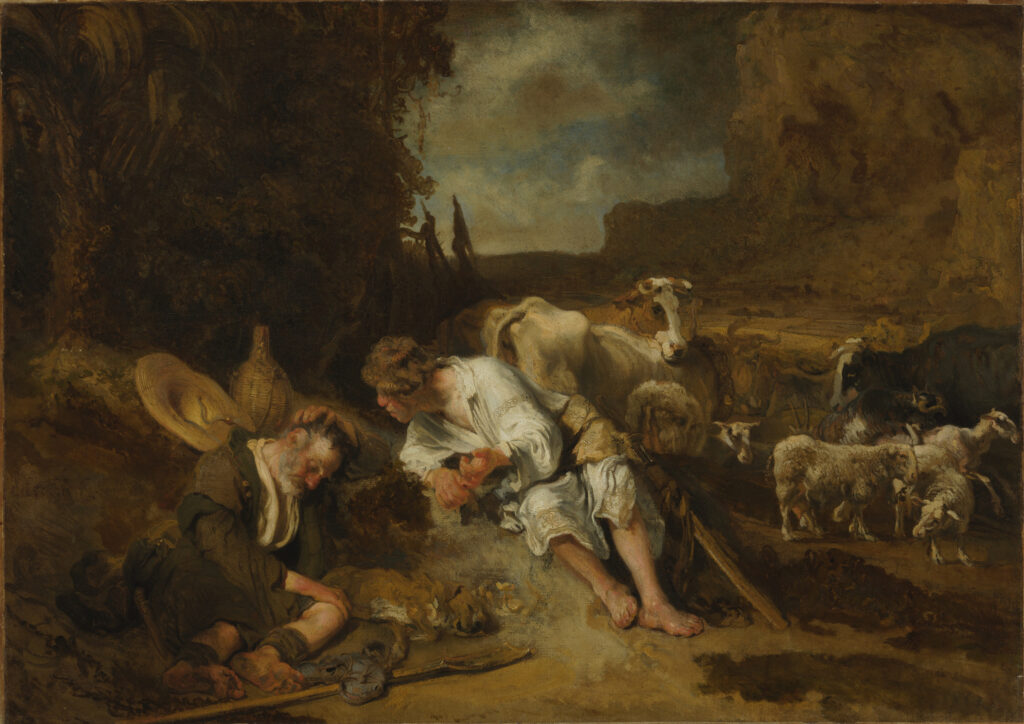
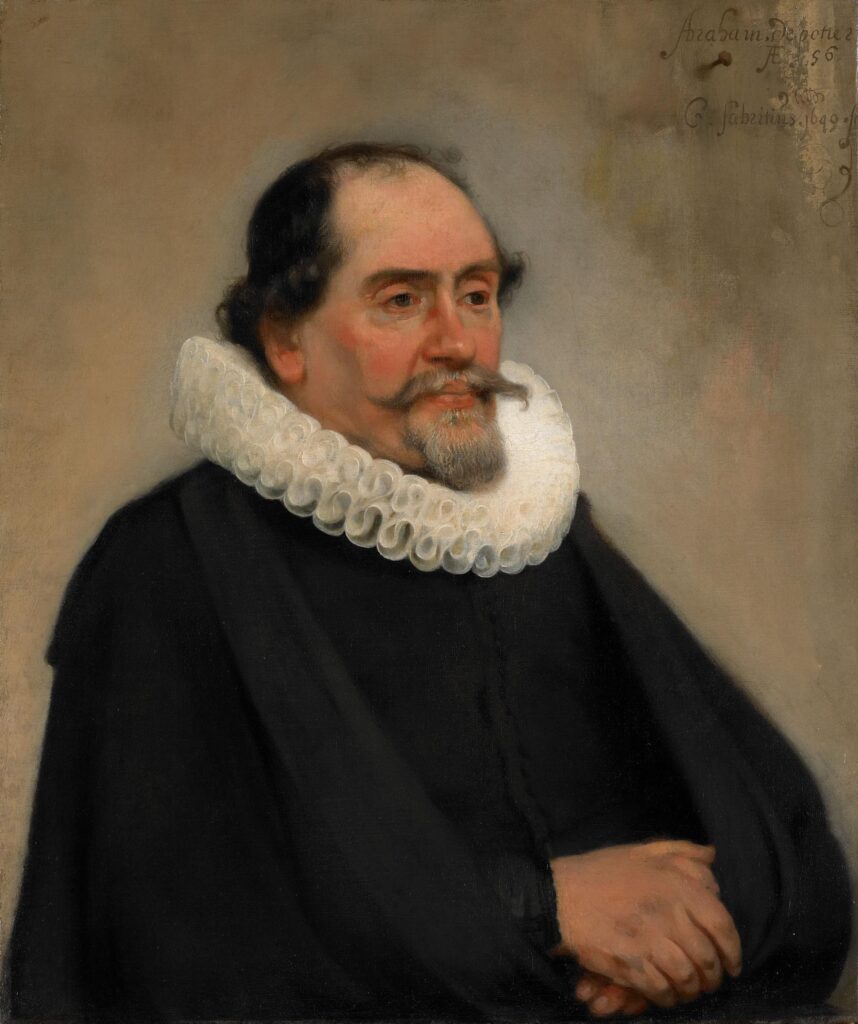
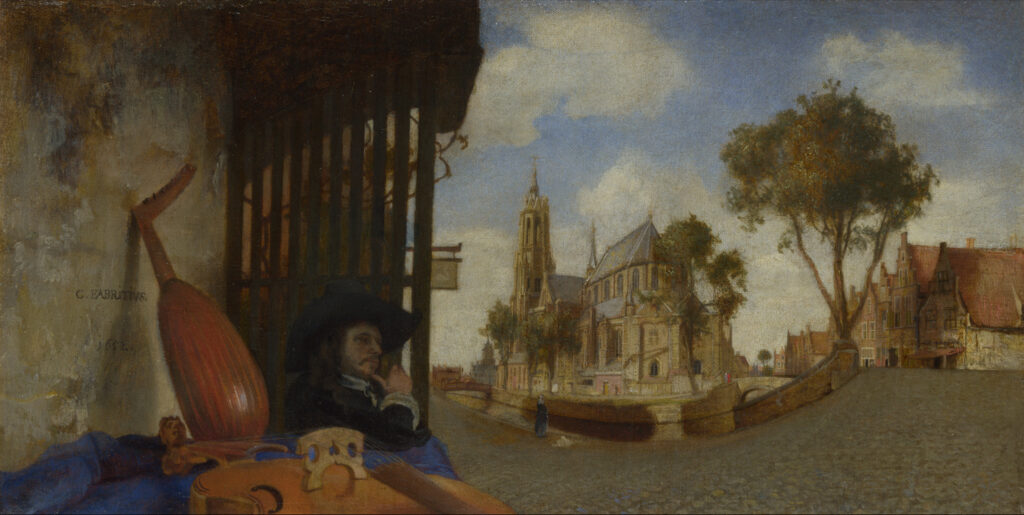
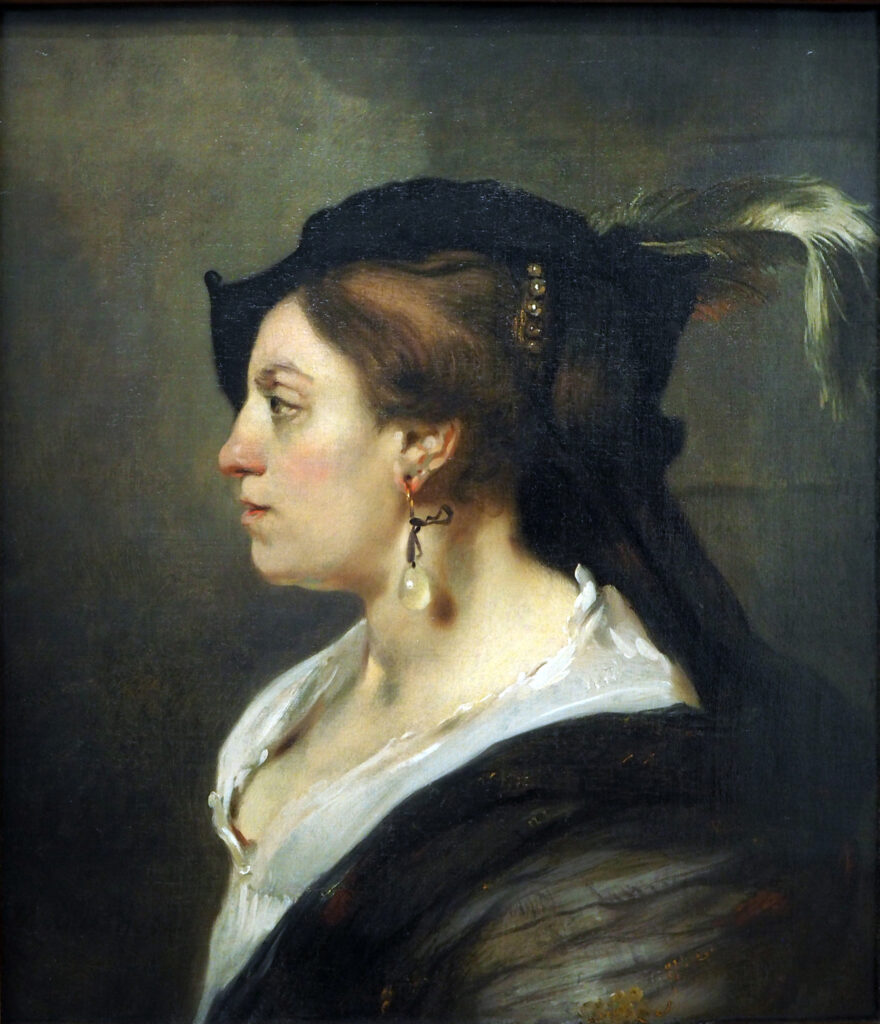
Carel Pietersz. Fabritius (baptized February 27, 1622; died October 12, 1654) was a Dutch painter from Middenbeemster. His father, Pieter Carelsz. Fabritius, was a schoolteacher and painter. Carel trained with Rembrandt in Amsterdam in the early 1640s, alongside Samuel van Hoogstraten.
Fabritius moved to Delft in 1650 and joined its Guild of Saint Luke in 1652. He painted portraits, biblical and mythological subjects, and town views. He also produced perspective paintings designed to create spatial illusions. His Delft works used lighter backgrounds than many of his earlier paintings.
Fabritius died in the Delft gunpowder explosion of October 12, 1654. His surviving paintings are held by the Mauritshuis, the Rijksmuseum, the National Gallery in London, and other collections. His work was rediscovered in the nineteenth century and is associated with the development of painting in Delft.






Laurent de La Hyre
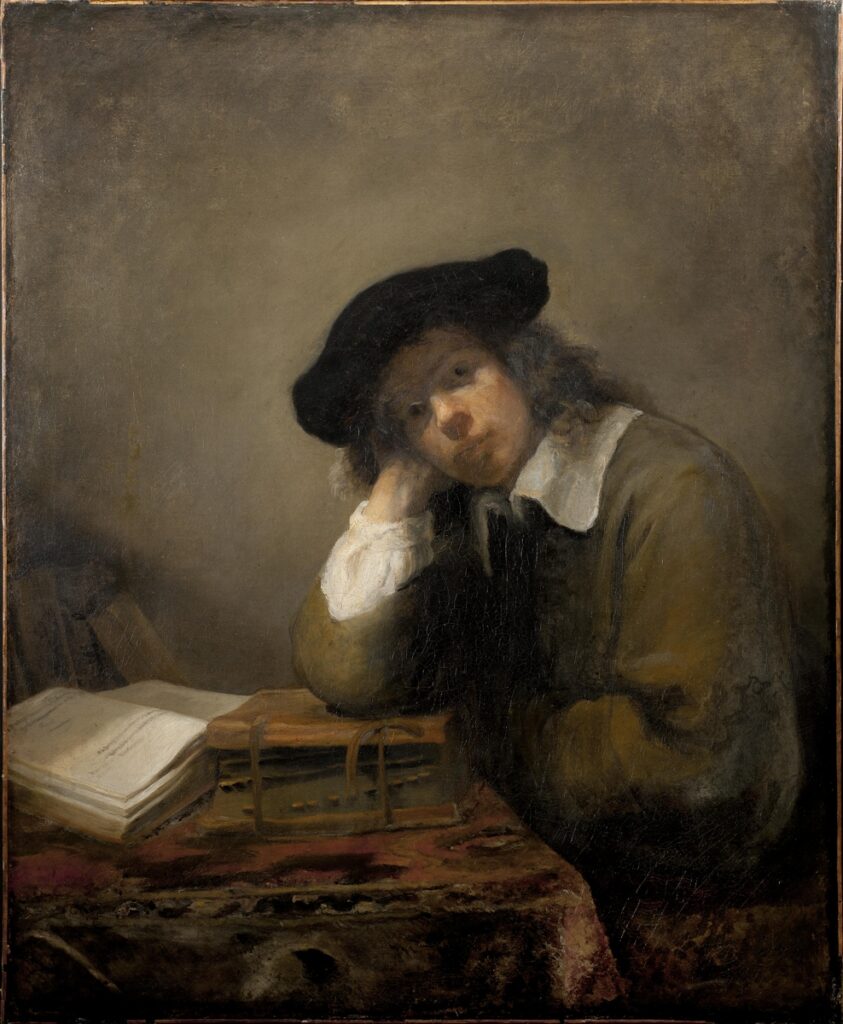
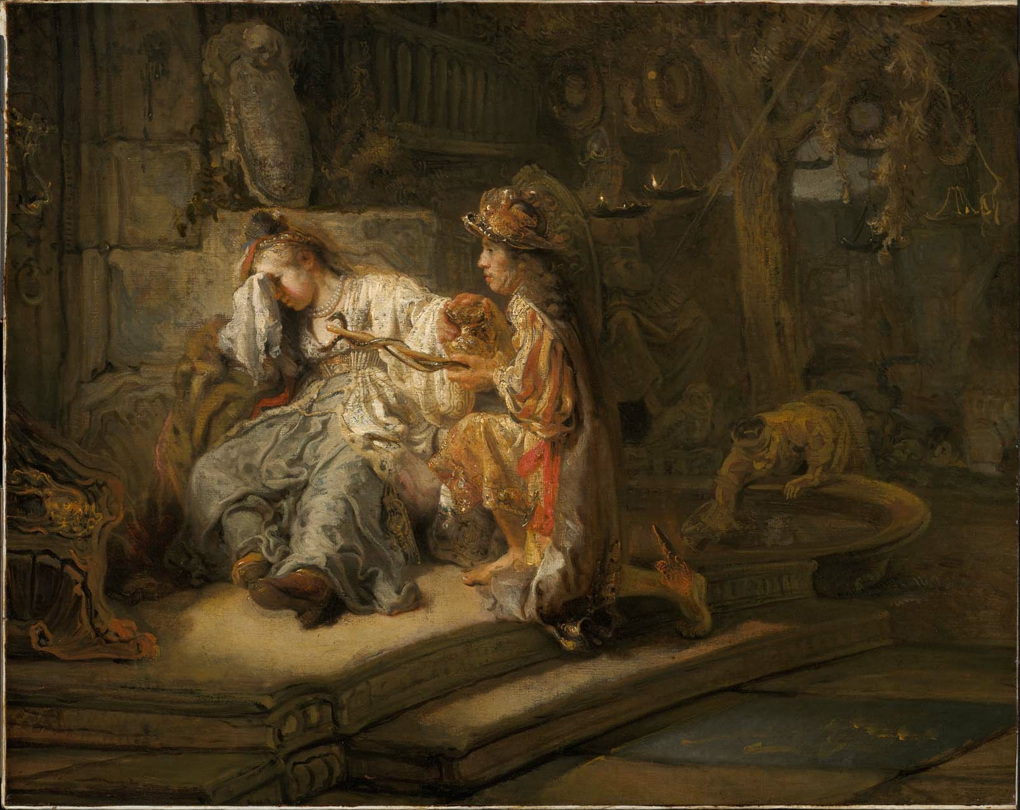
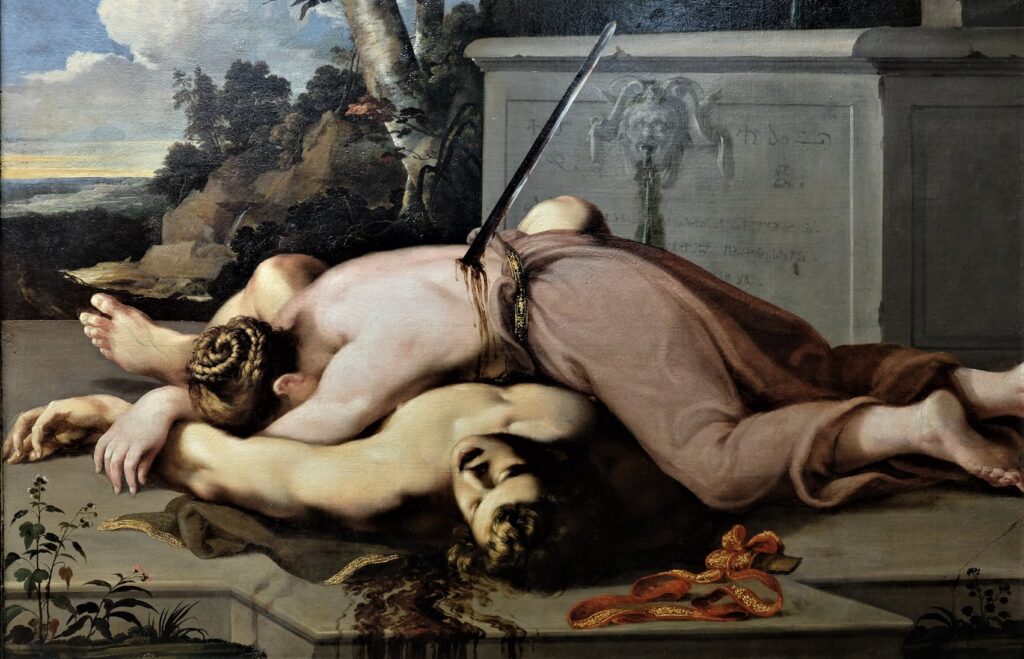
Laurent de La Hyre, February 27, 1606–December 28, 1656, was a French painter, draftsman, and etcher born in Paris. He trained with his father, Étienne de La Hyre, and with Georges Lallemand, and studied the decorations at Fontainebleau. He never traveled to Italy.
La Hyre worked chiefly in Paris, painting religious, mythological, and allegorical subjects, landscapes, and decorative commissions. He produced paintings for Notre-Dame in 1635 and 1637 and helped found the Royal Academy of Painting and Sculpture in 1648. His work developed from the mannerist tradition of Fontainebleau toward Parisian classicism. His pupils included François Chauveau and his son Philippe de La Hire.
During his final years, La Hyre continued painting religious subjects and landscapes. He died in Paris in 1656. His paintings and drawings are held by the Louvre Museum, Metropolitan Museum of Art, Museum of Fine Arts, Houston, Rijksmuseum, and Städel Museum.


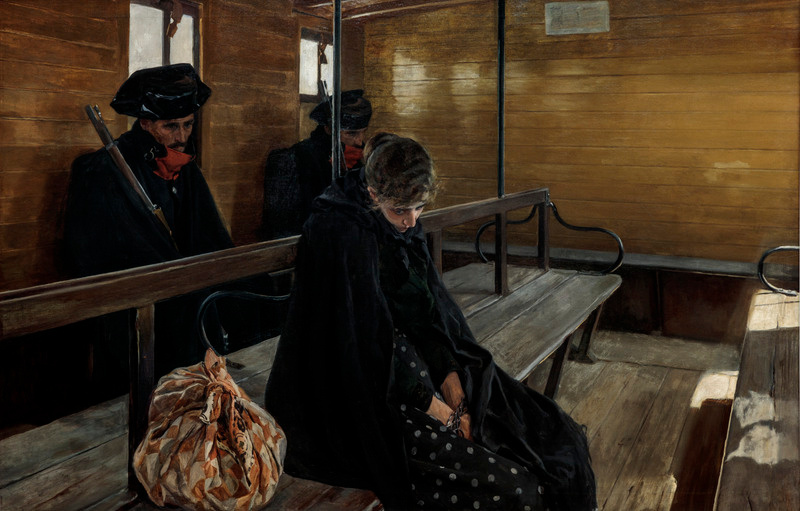
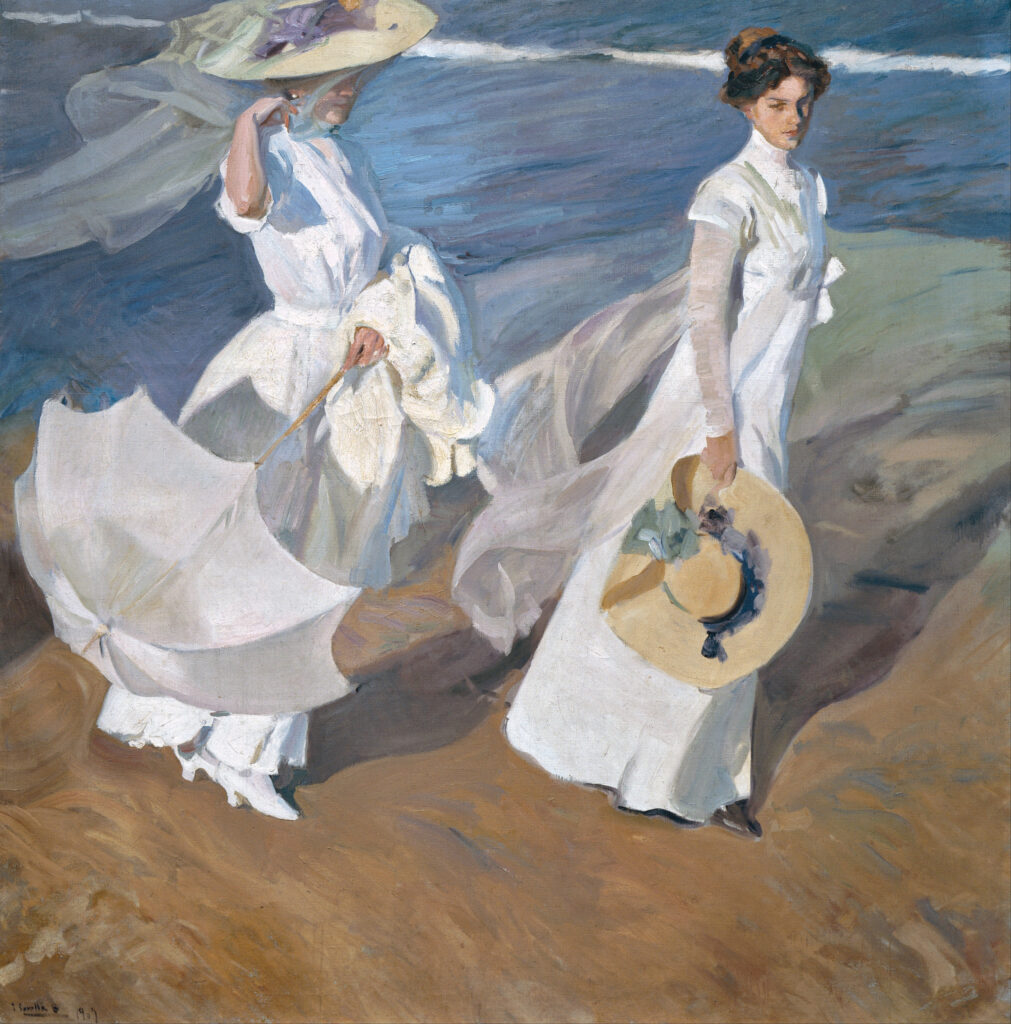
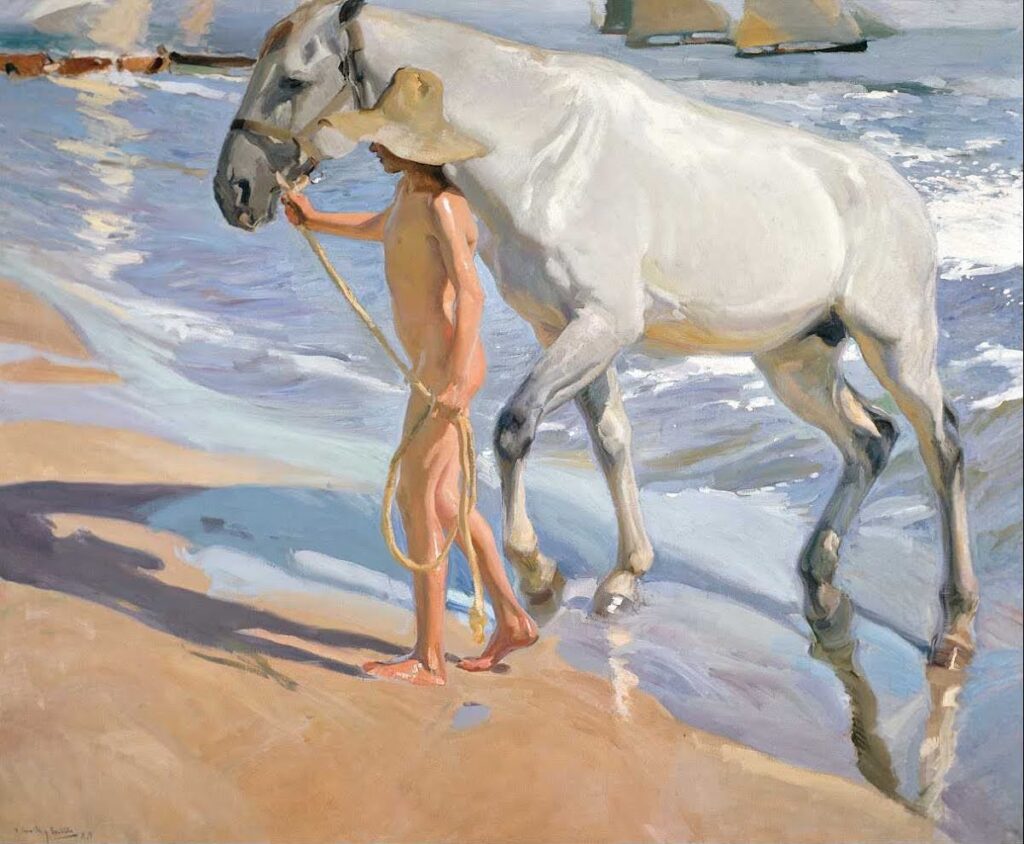
Joaquín Sorolla y Bastida
Joaquín Sorolla y Bastida, February 27, 1863–August 10, 1923, was a Spanish painter born in Valencia. Orphaned as a child, he was raised by an aunt and uncle. He trained at the School of Arts and Crafts and the Academy of San Carlos, where Gonzalo Salvá and Ignacio Pinazo introduced him to painting outdoors. A scholarship took him to Rome in 1885; he also studied contemporary painting in Paris.
Sorolla established his career in Madrid, painting portraits, landscapes, and scenes of working life, often outdoors. He received international awards and held exhibitions in Paris, London, and the United States. His 1909 exhibition at the Hispanic Society of America led to a close association with its founder, Archer Milton Huntington, who commissioned the fourteen-panel Vision of Spain.
A stroke in June 1920 ended Sorolla’s painting career. He died in Cercedilla in 1923. His widow, Clotilde García del Castillo, left their Madrid home and her collections to the Spanish state; the Sorolla Museum opened in 1932. His paintings are also held by the Museo Nacional del Prado, the Hispanic Society Museum & Library, The Metropolitan Museum of Art, and The San Diego Museum of Art.