Posts in Category: november 3
Annibale Carracci
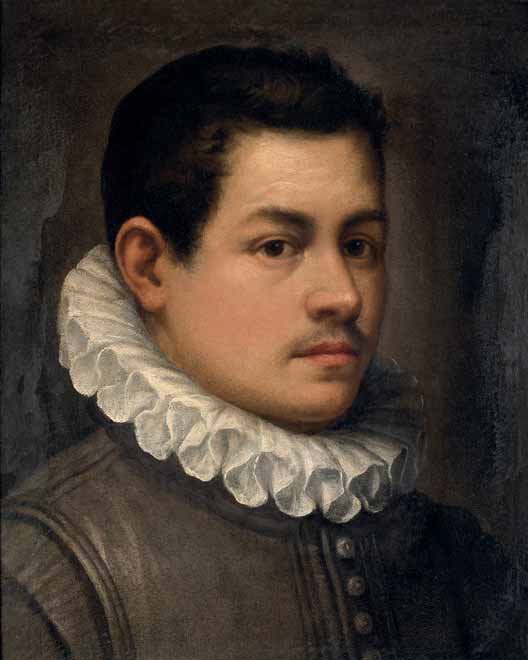
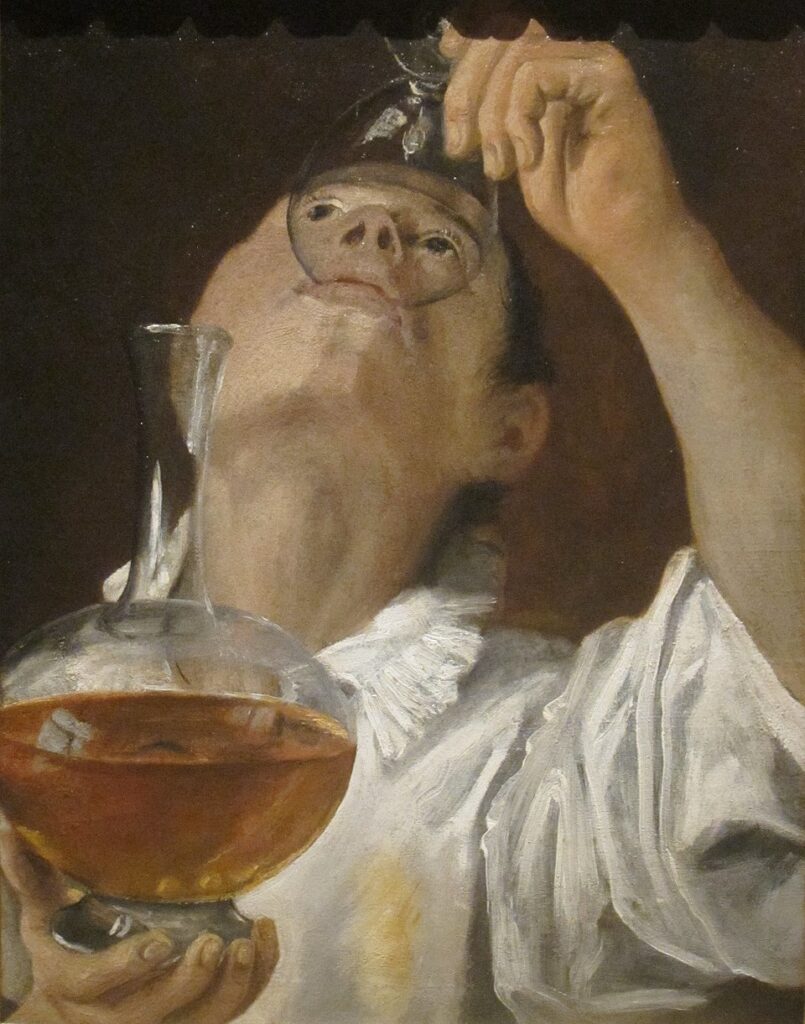
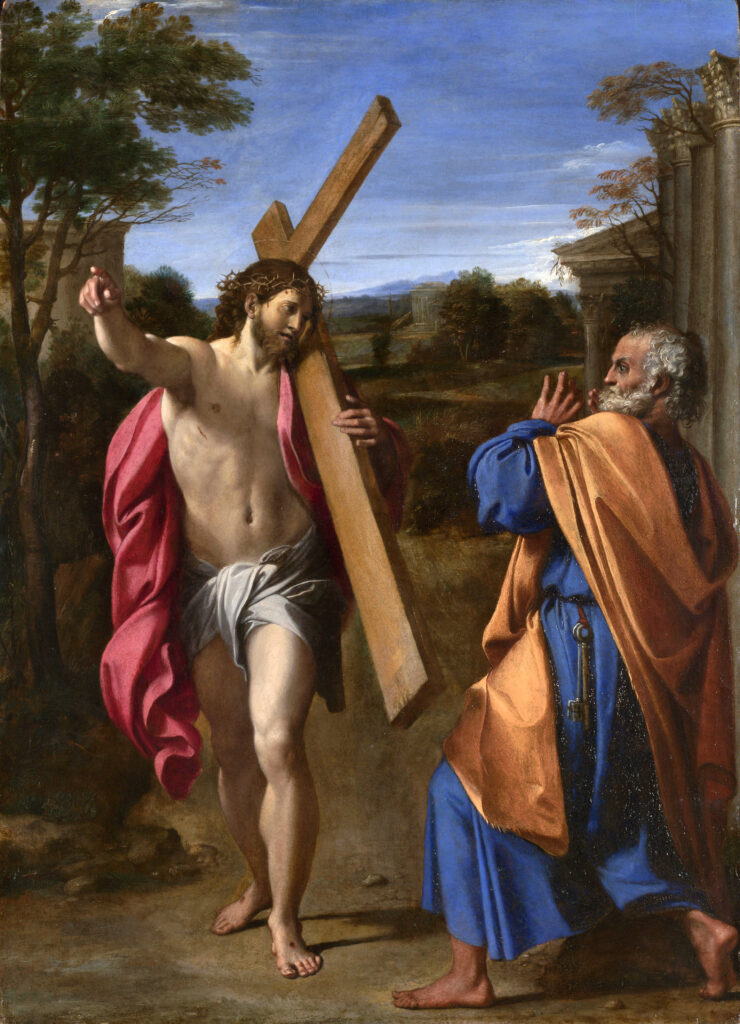
Annibale Carracci, November 3, 1560 – July 15, 1609, was an Italian painter and draftsman born in Bologna. His early training is not securely documented; he worked closely with his older brother Agostino and his cousin Ludovico, with whom he established the Accademia degli Incamminati, where instruction emphasized drawing from life and the study of earlier Italian masters.
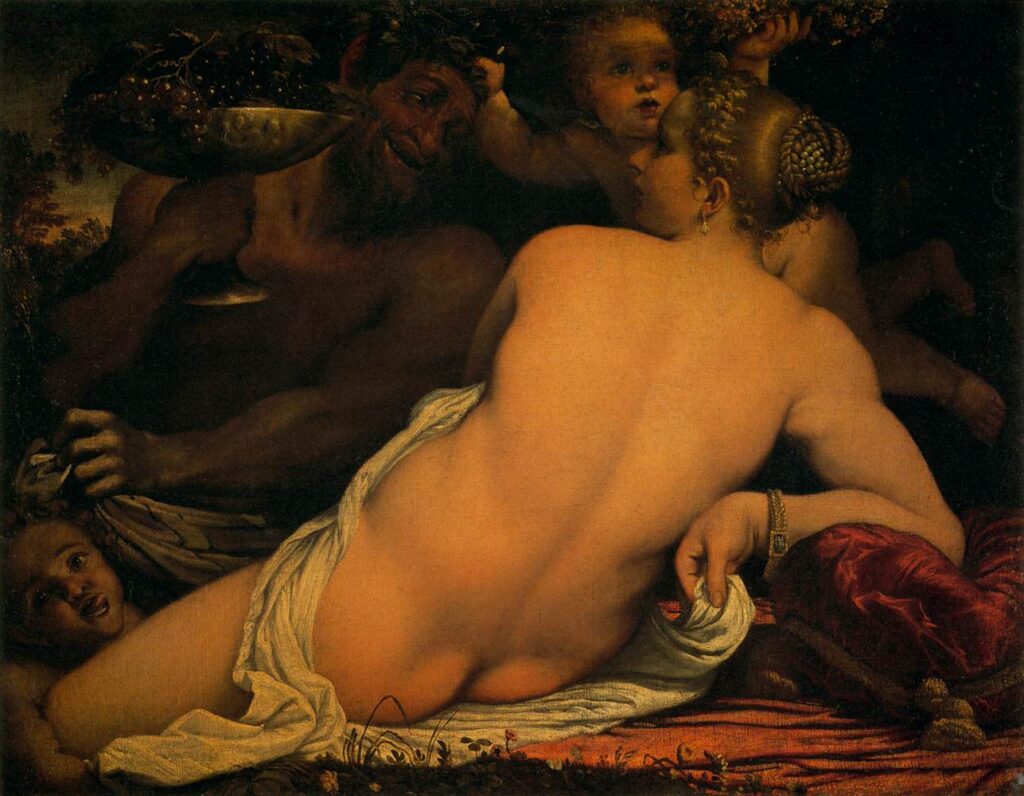
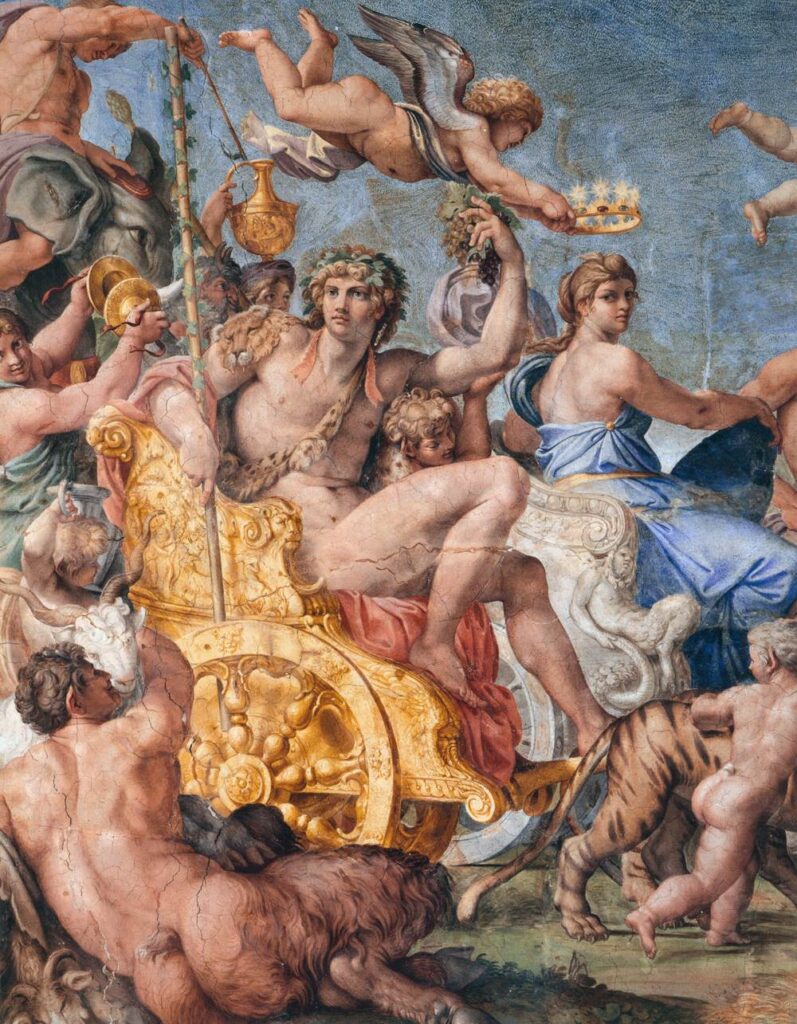
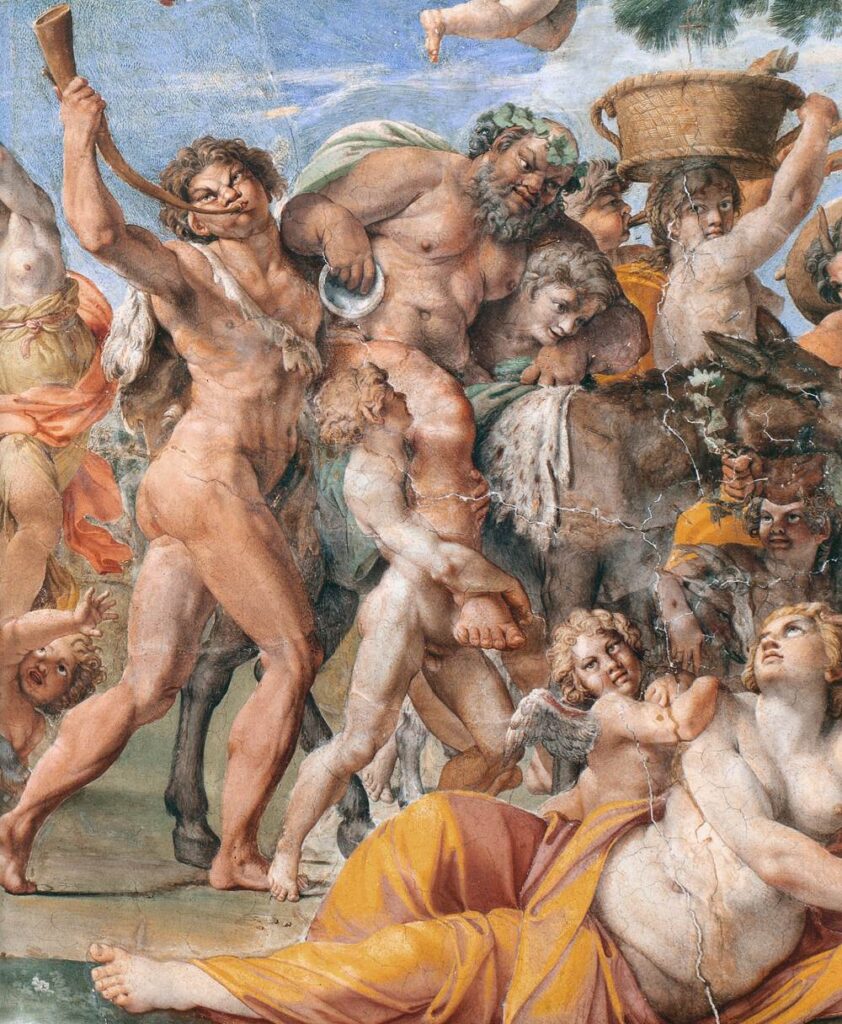
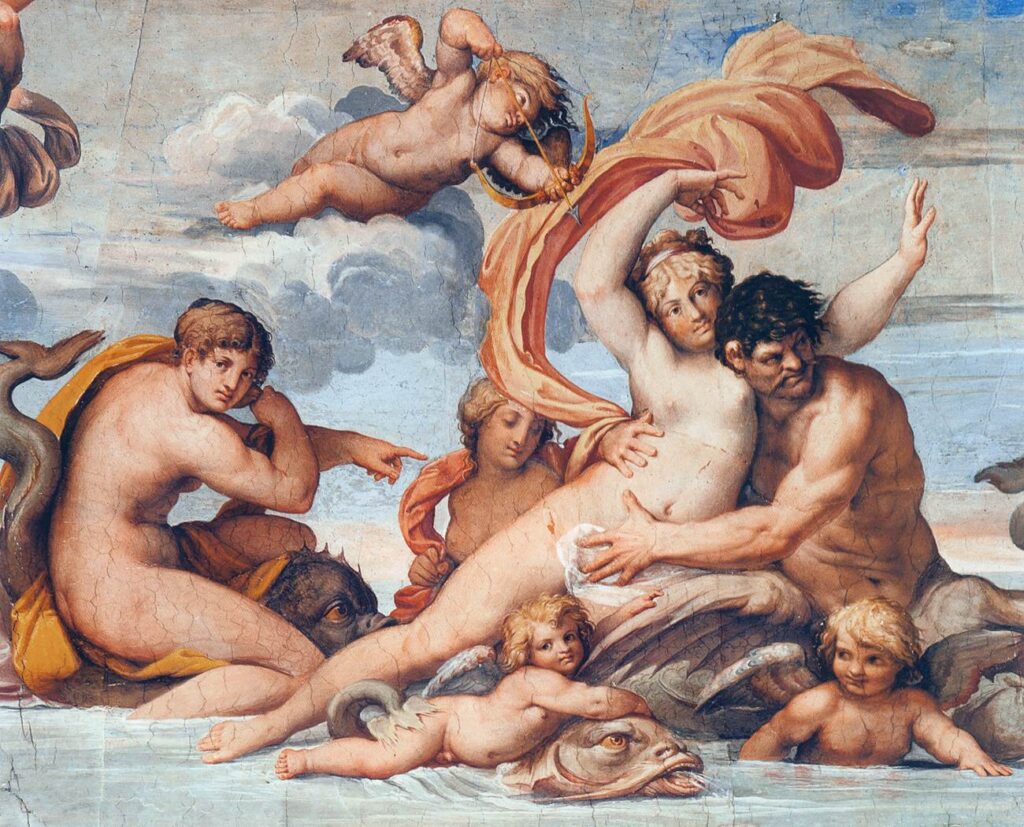
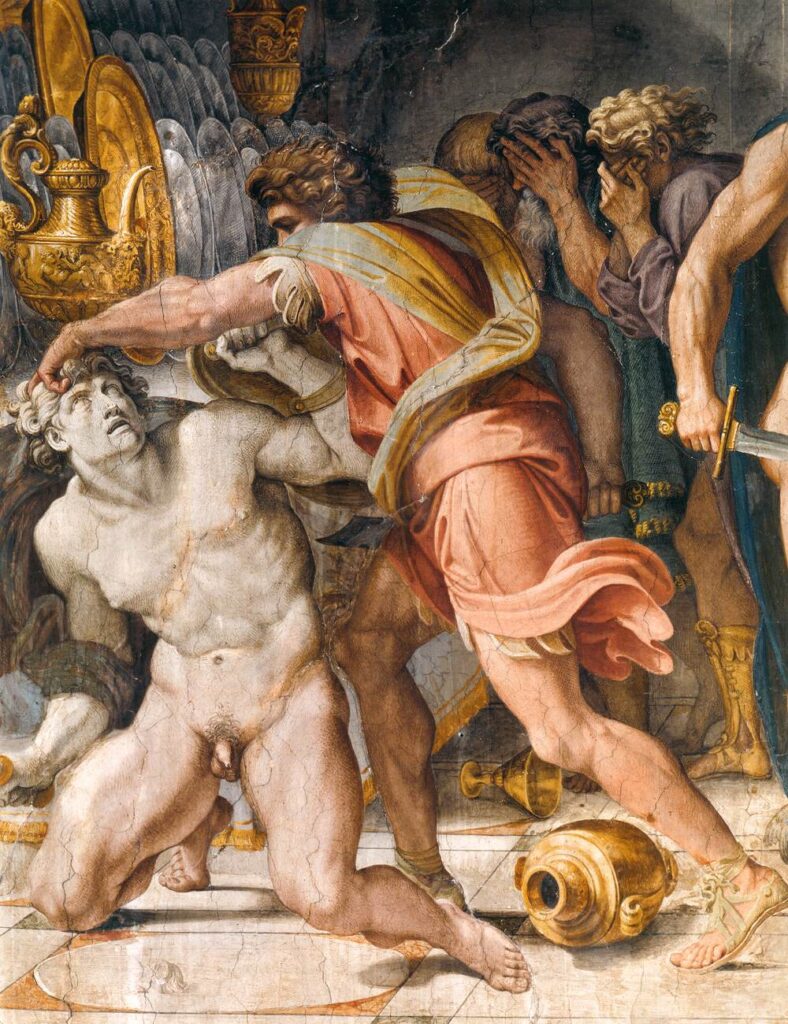
Carracci worked in Bologna before moving to Rome in 1595 to serve Cardinal Odoardo Farnese. His painting combined close observation of nature with the study of Correggio, Titian, Veronese, Raphael, Michelangelo, and classical antiquity; his major Roman undertaking was the fresco decoration of the Farnese Gallery. The Carracci academy and his Roman workshop were associated with painters including Domenichino, Francesco Albani, Guido Reni, and Giovanni Lanfranco.
Ill health sharply reduced Carracci’s activity during his final years, and he died in Rome in 1609; he was buried in the Pantheon near Raphael. His work is held by major collections including the Metropolitan Museum of Art, National Gallery, Uffizi Gallery, Pinacoteca di Brera, and other European and American museums, and the Farnese Gallery remained an important model for seventeenth-century decorative painting.