
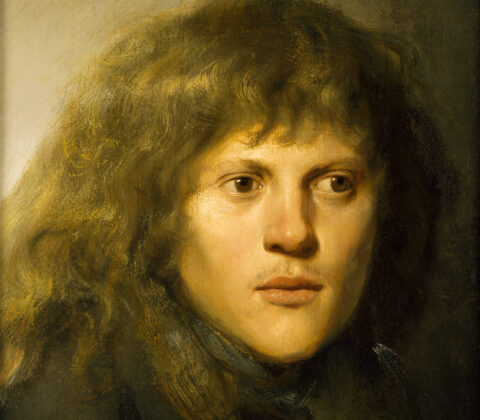
Jan Lievens
Jan Lievens, October 24, 1607 – June 4, 1674, was a Dutch painter, draftsman, and printmaker born in Leiden. He trained with Joris van Schooten in Leiden and Pieter Lastman in Amsterdam, and began working independently while still young.
Lievens worked alongside Rembrandt in Leiden during the 1620s, producing history paintings, portraits, and character studies. He later worked in England, Antwerp, The Hague, and Amsterdam, and received commissions from princely courts and civic patrons.
Lievens settled in Amsterdam in his final years and died there in 1674. His paintings, drawings, and prints are held by the Rijksmuseum, the Louvre Museum, the National Gallery of Art, and other major collections.


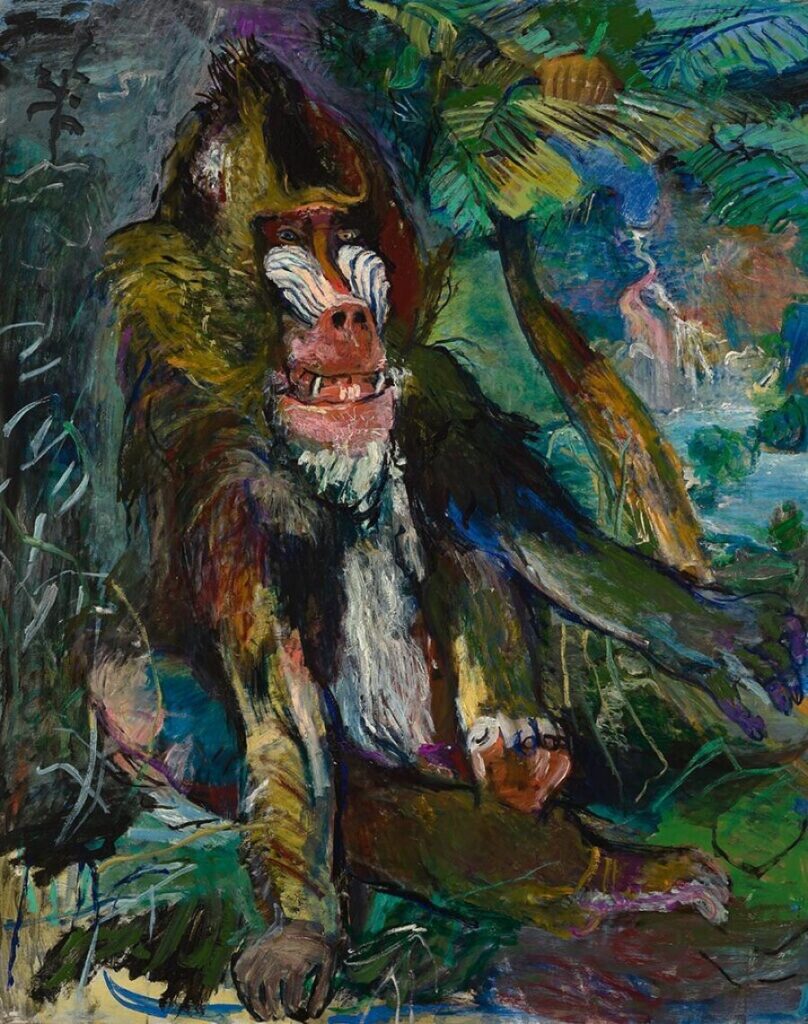
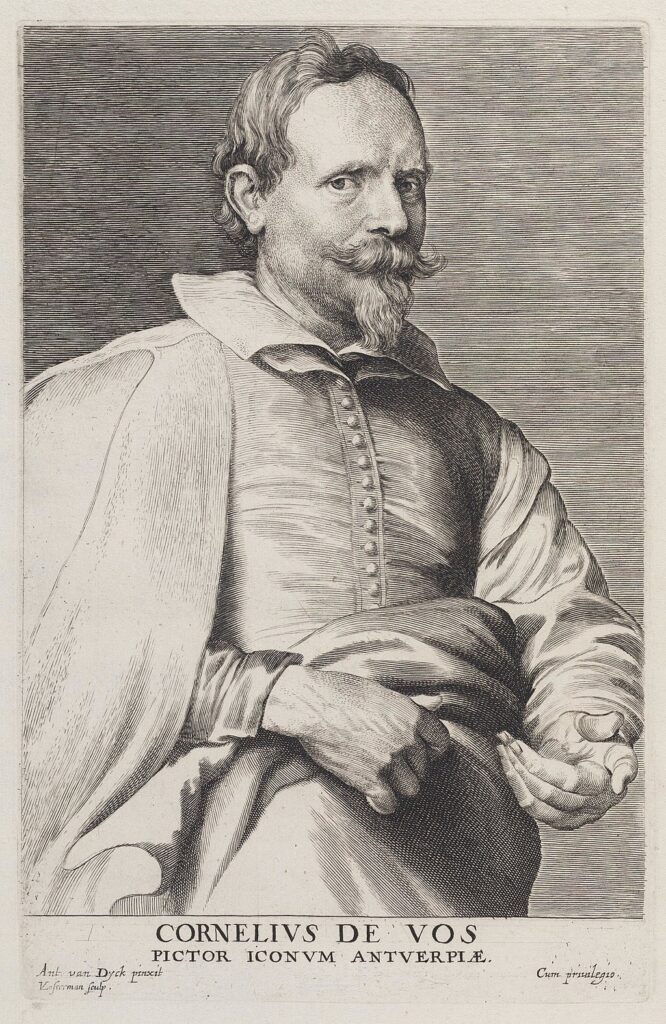
Cornelis de Vos
Cornelis de Vos (October 1584 – May 9, 1651) was a Flemish Baroque painter, draftsman, and art dealer. He was born in Hulst, then in the Spanish Netherlands, and spent nearly all of his career in Antwerp. He became a master in the Guild of Saint Luke in 1608.
De Vos specialized in portraiture, history painting, and genre scenes. He maintained one of Antwerp’s leading portrait studios during the first half of the seventeenth century and received commissions from wealthy merchants, civic officials, and prominent families. He also collaborated with Peter Paul Rubens, Anthony van Dyck, Jan Wildens, and his younger brother Paul de Vos, contributing figures to large collaborative compositions.
His paintings are represented in major museums including the Royal Museums of Fine Arts of Belgium, the Metropolitan Museum of Art, the Louvre Museum, the Museo Nacional del Prado, the Gemäldegalerie in Berlin, and many other public collections.


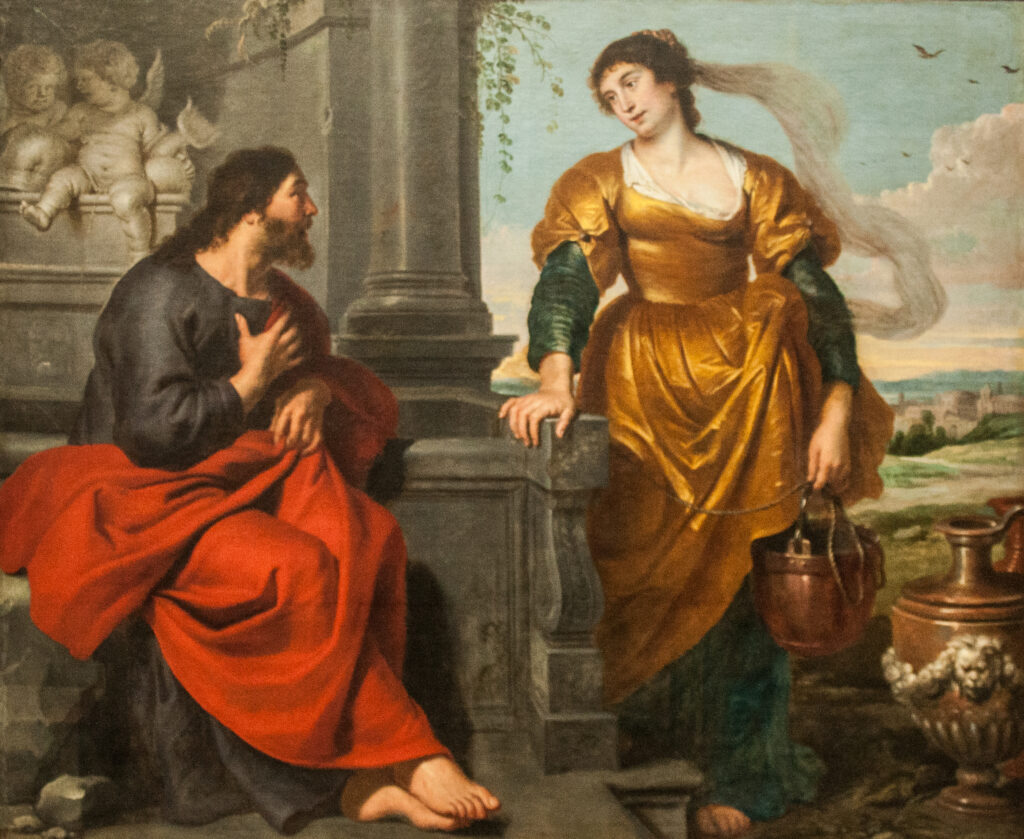


Laurent de La Hyre
Laurent de La Hyre, February 27, 1606–December 28, 1656, was a French painter, draftsman, and etcher born in Paris. He trained with his father, Étienne de La Hyre, and with Georges Lallemand, and studied the decorations at Fontainebleau. He never traveled to Italy.
La Hyre worked chiefly in Paris, painting religious, mythological, and allegorical subjects, landscapes, and decorative commissions. He produced paintings for Notre-Dame in 1635 and 1637 and helped found the Royal Academy of Painting and Sculpture in 1648. His work developed from the mannerist tradition of Fontainebleau toward Parisian classicism. His pupils included François Chauveau and his son Philippe de La Hire.
During his final years, La Hyre continued painting religious subjects and landscapes. He died in Paris in 1656. His paintings and drawings are held by the Louvre Museum, Metropolitan Museum of Art, Museum of Fine Arts, Houston, Rijksmuseum, and Städel Museum.




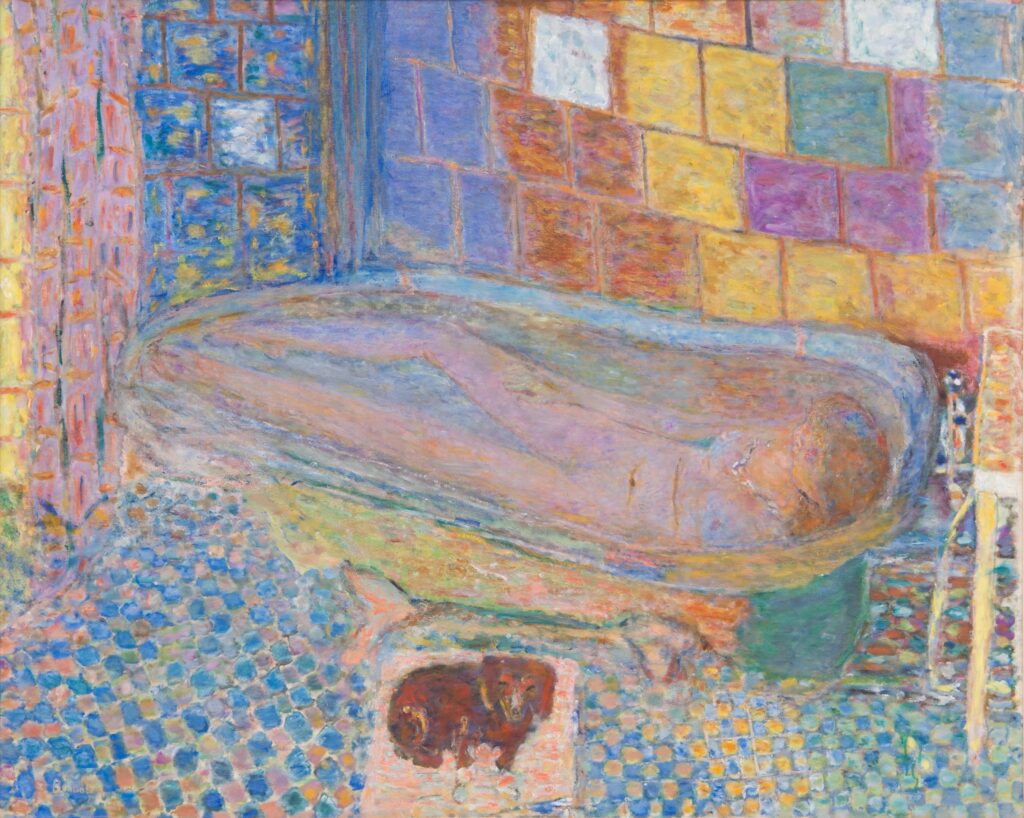
Pierre Bonnard
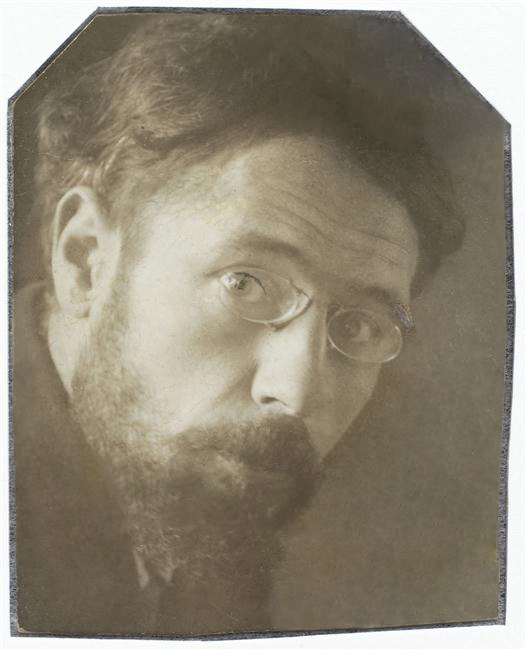
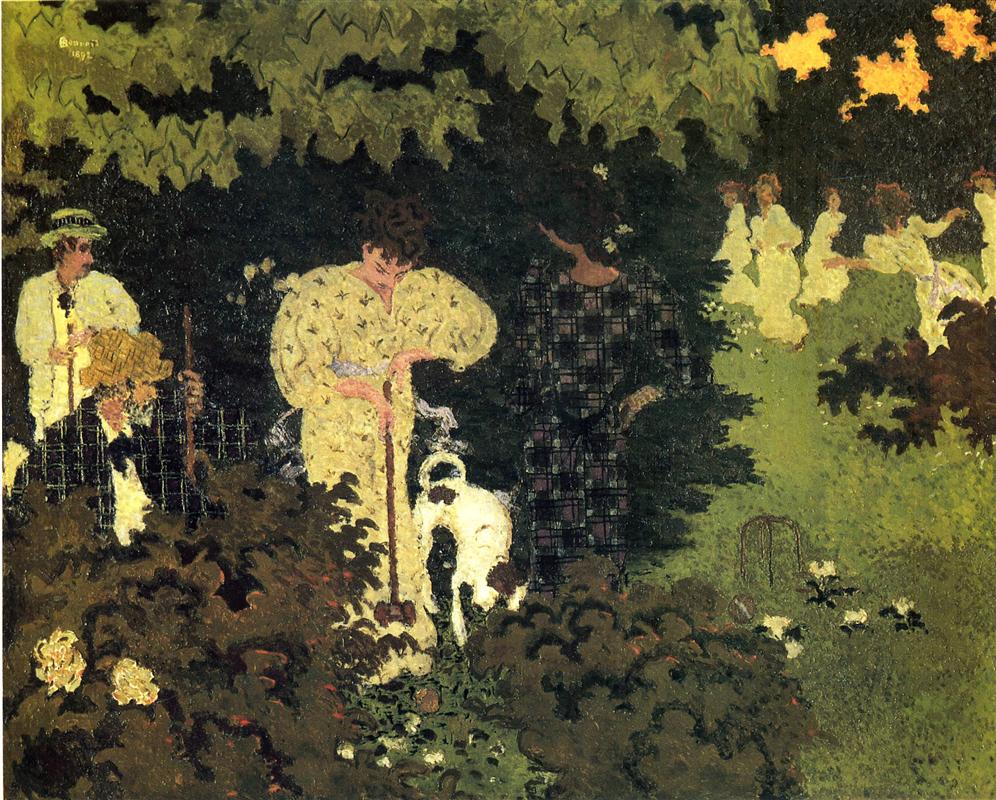
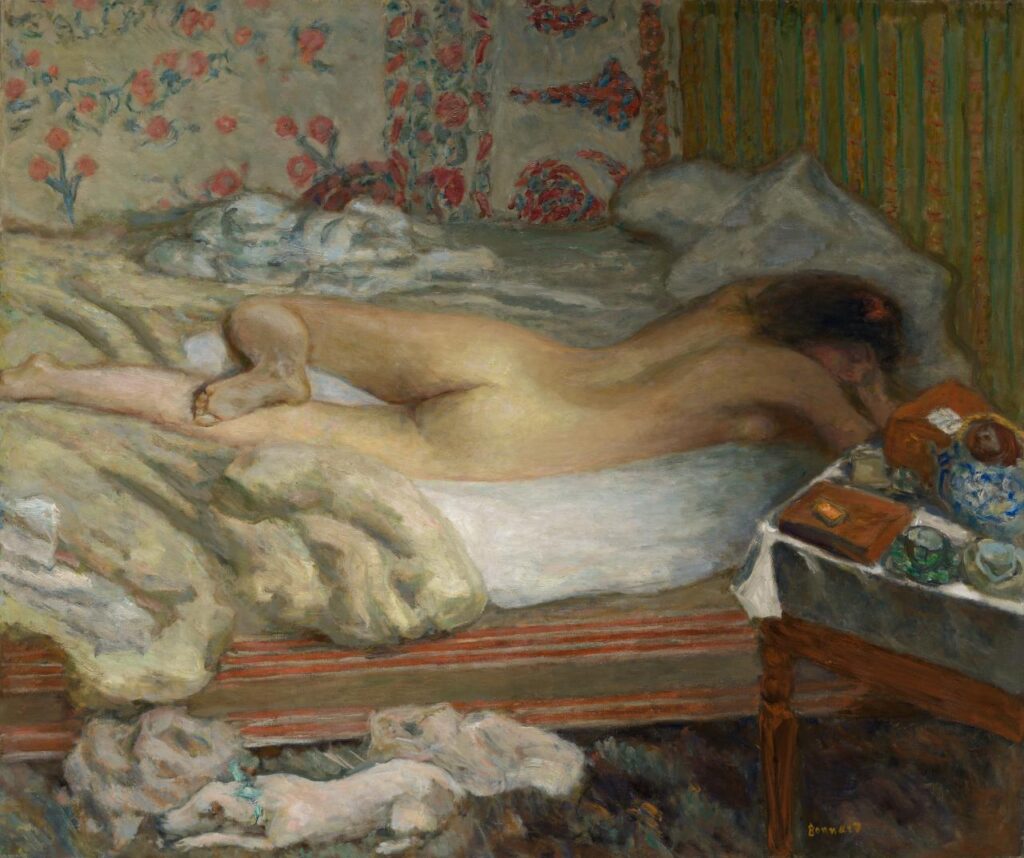
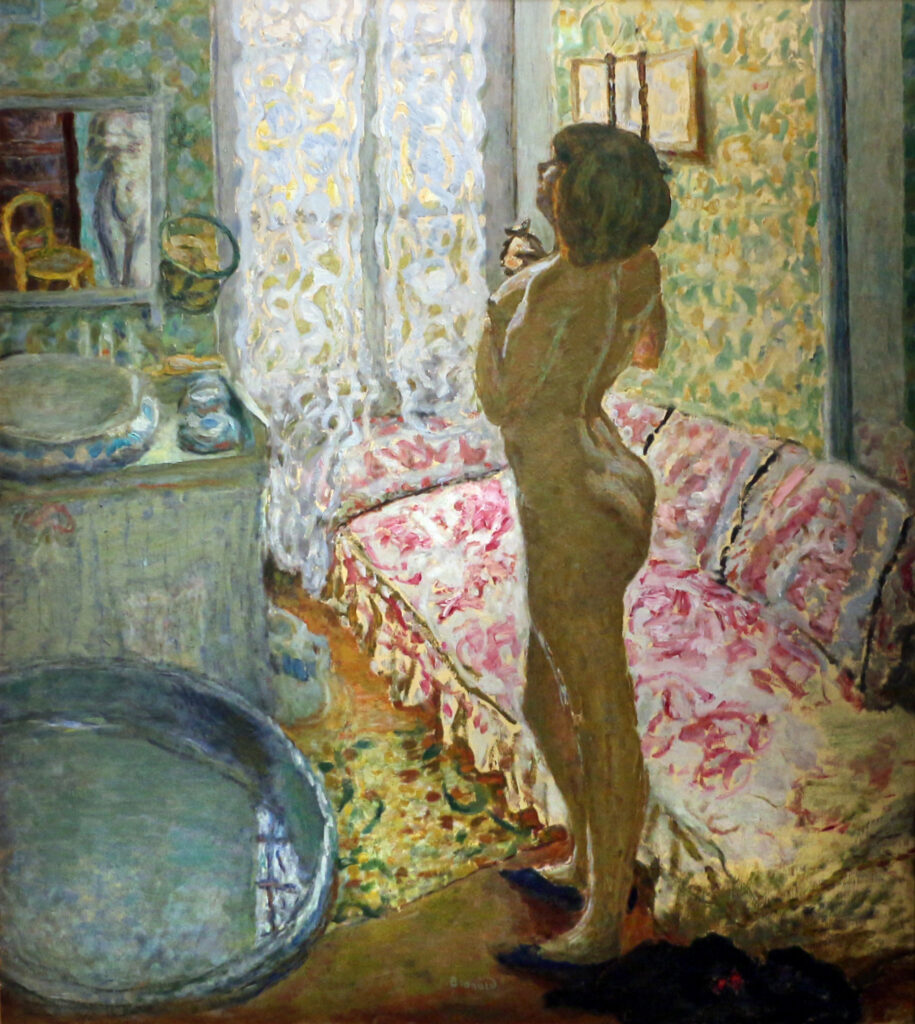
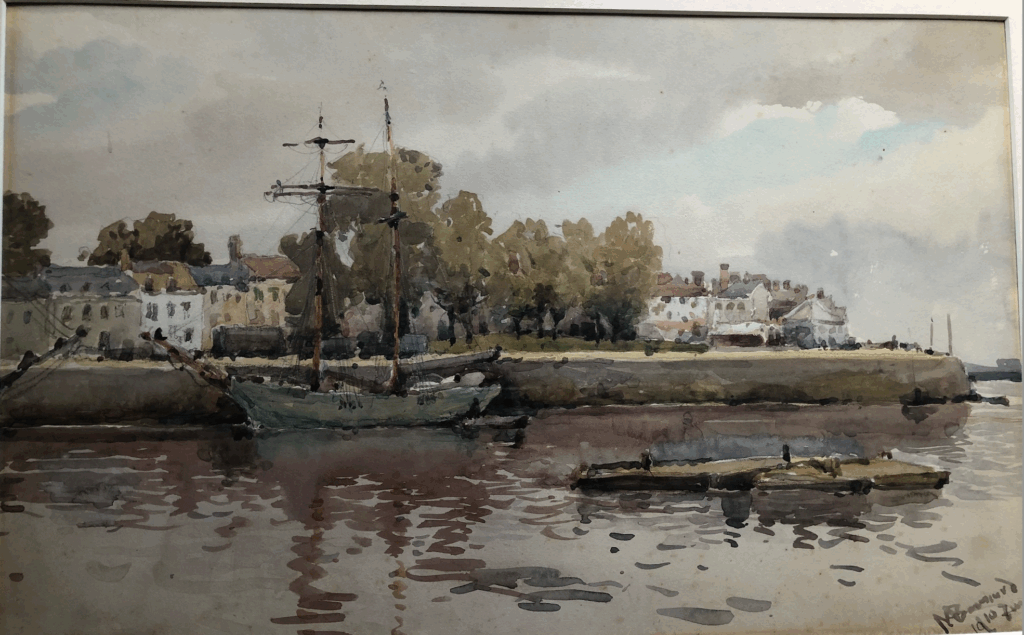
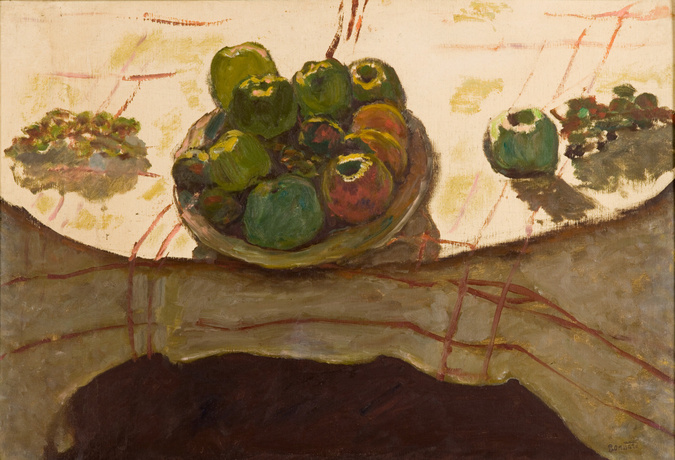
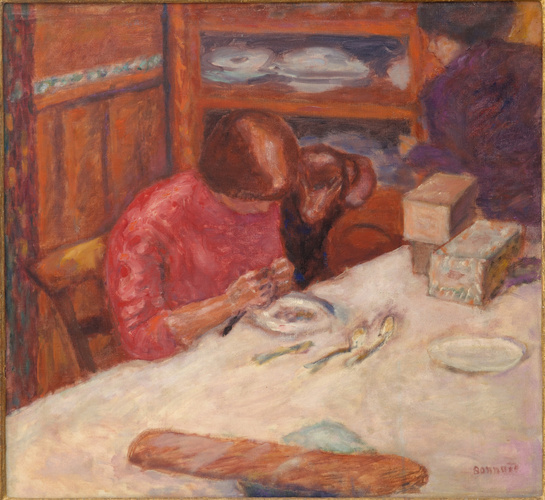
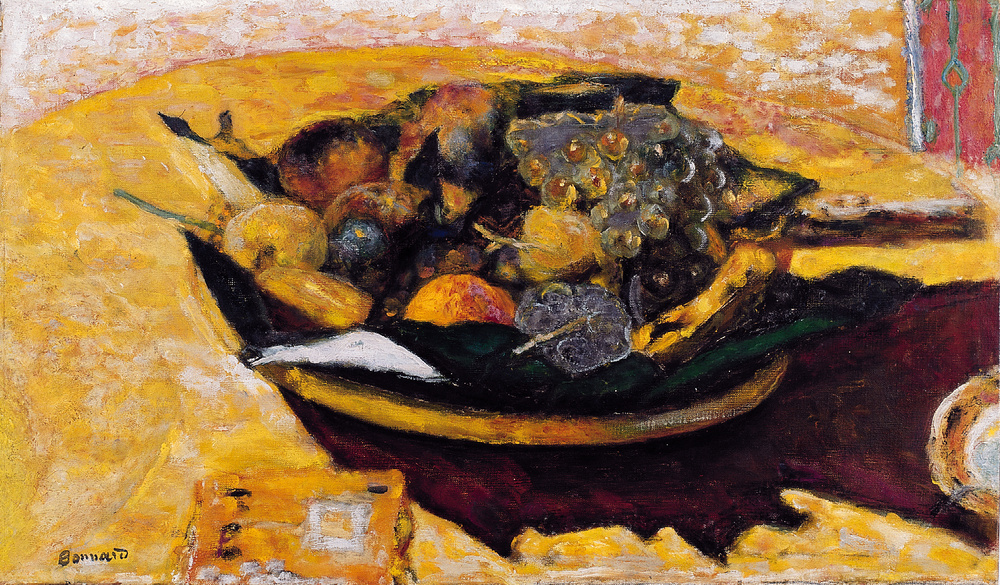
Pierre Bonnard, October 3, 1867 – January 23, 1947, was a French painter and printmaker born in Fontenay-aux-Roses and died at Le Cannet. He studied law before attending the Académie Julian in 1887, where he formed lasting associations with Édouard Vuillard, Félix Vallotton, Paul Sérusier, and other artists of the Nabis.
Bonnard worked in painting, lithography, illustration, decoration, and theatre design. He exhibited at the Salon des Indépendants from 1891 and made pictures of Parisian life, domestic interiors, still lifes, gardens, and the places where he stayed in Normandy and southern France.
After discovering the Côte d’Azur in 1909, Bonnard increasingly worked in the south of France and later settled at Le Cannet. His work is held in major collections including the Musée d’Orsay, Paris, and the National Gallery of Art, Washington DC.






Tilman Riemenschneider
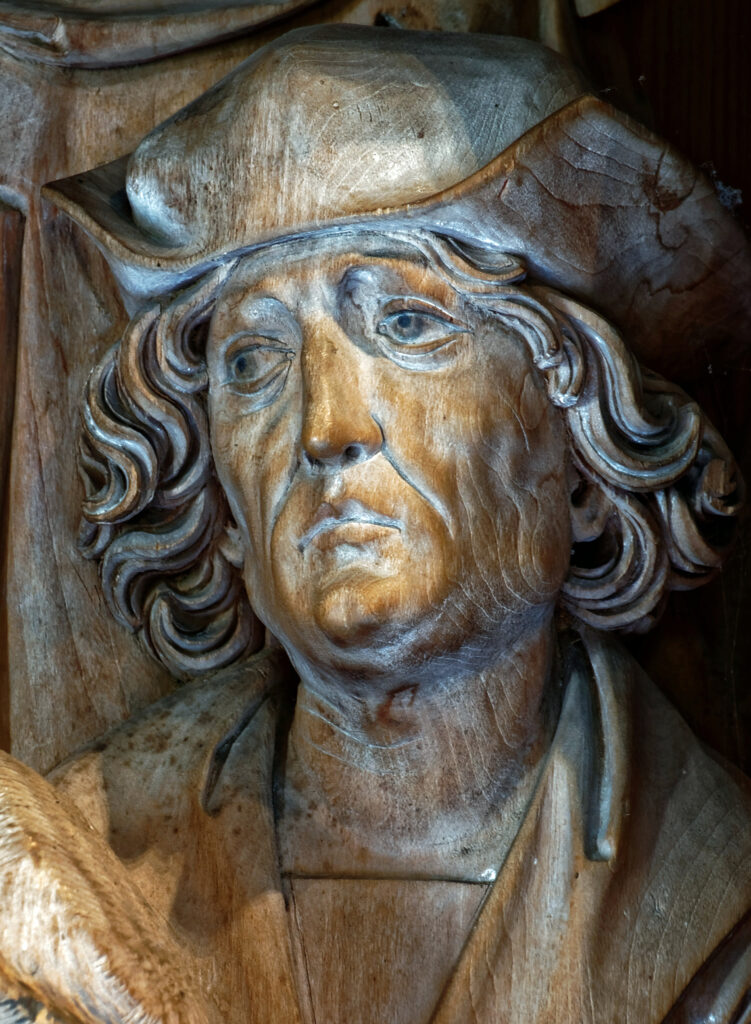
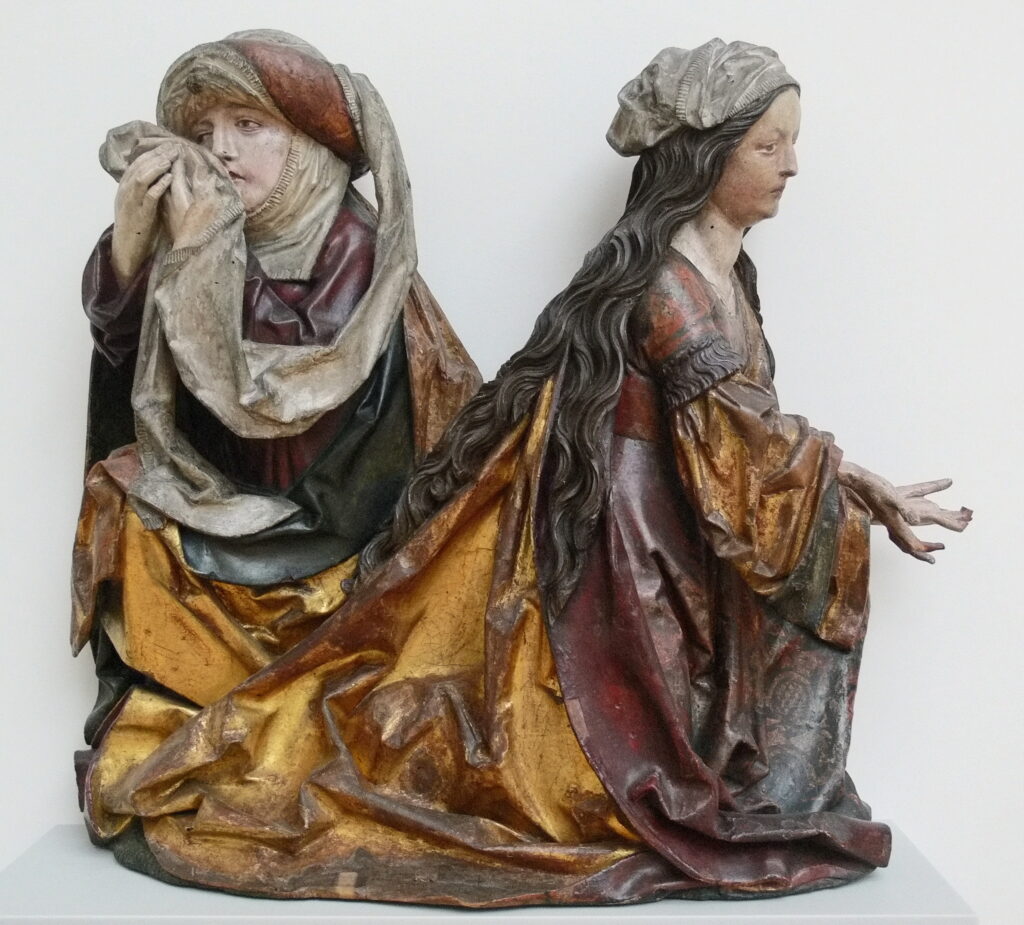
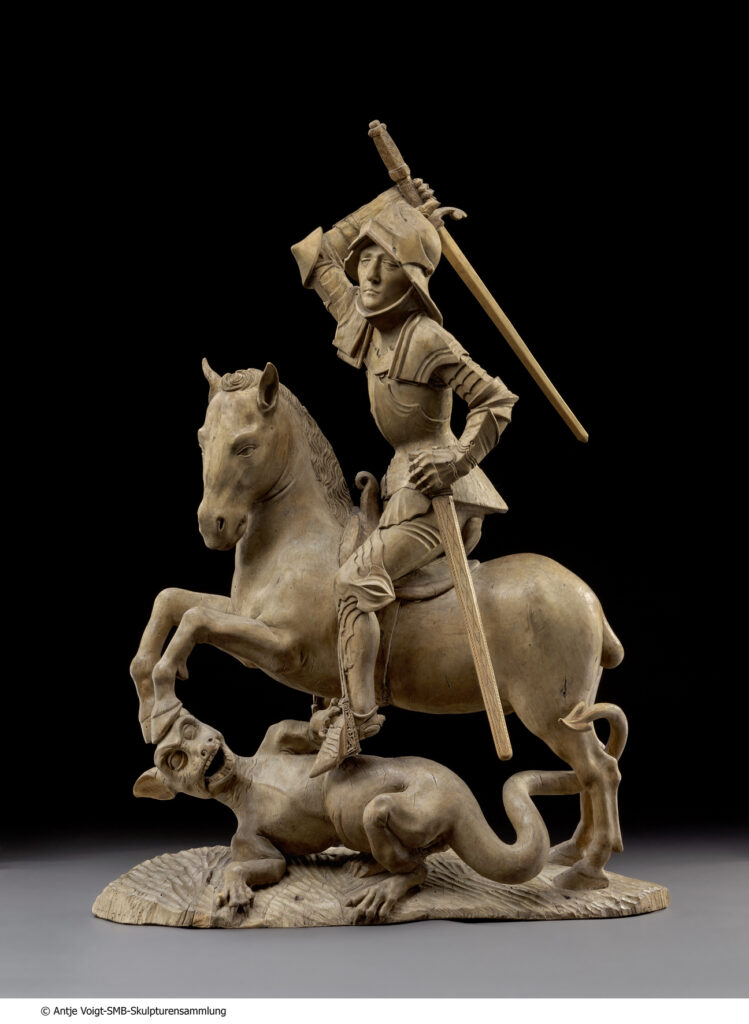
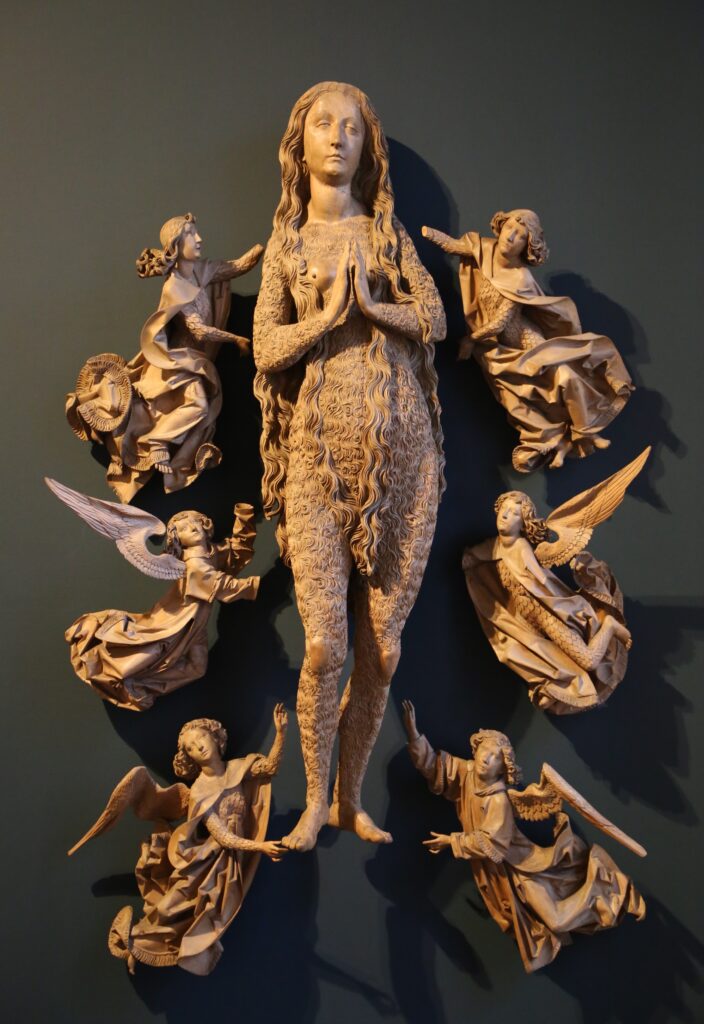
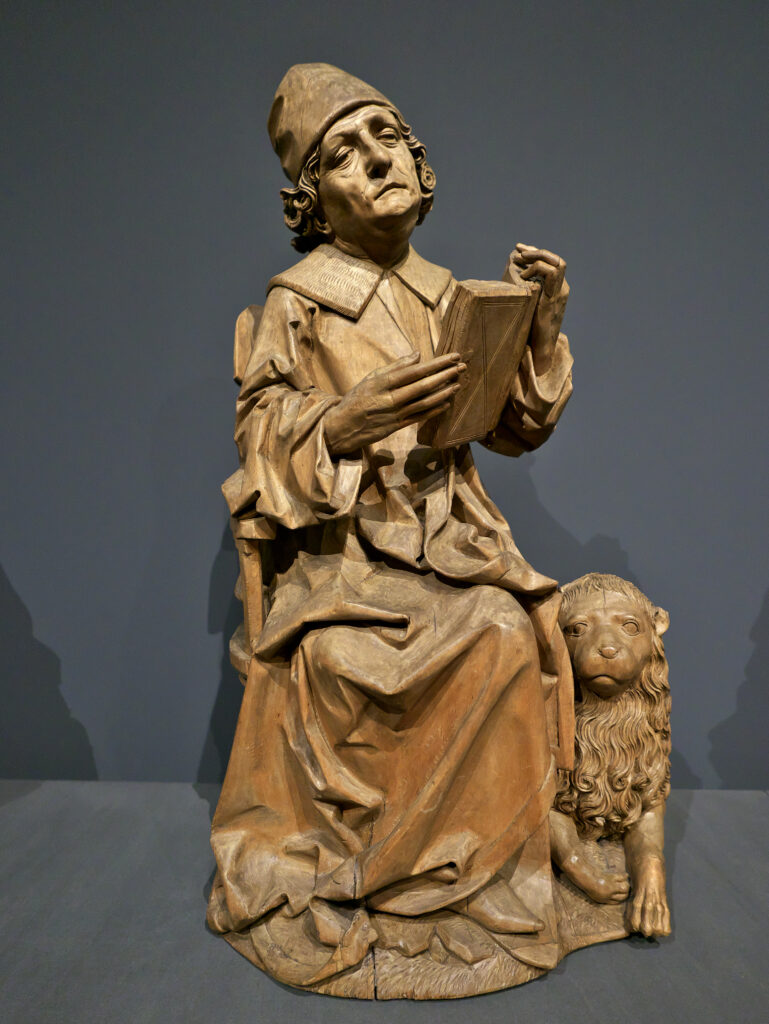
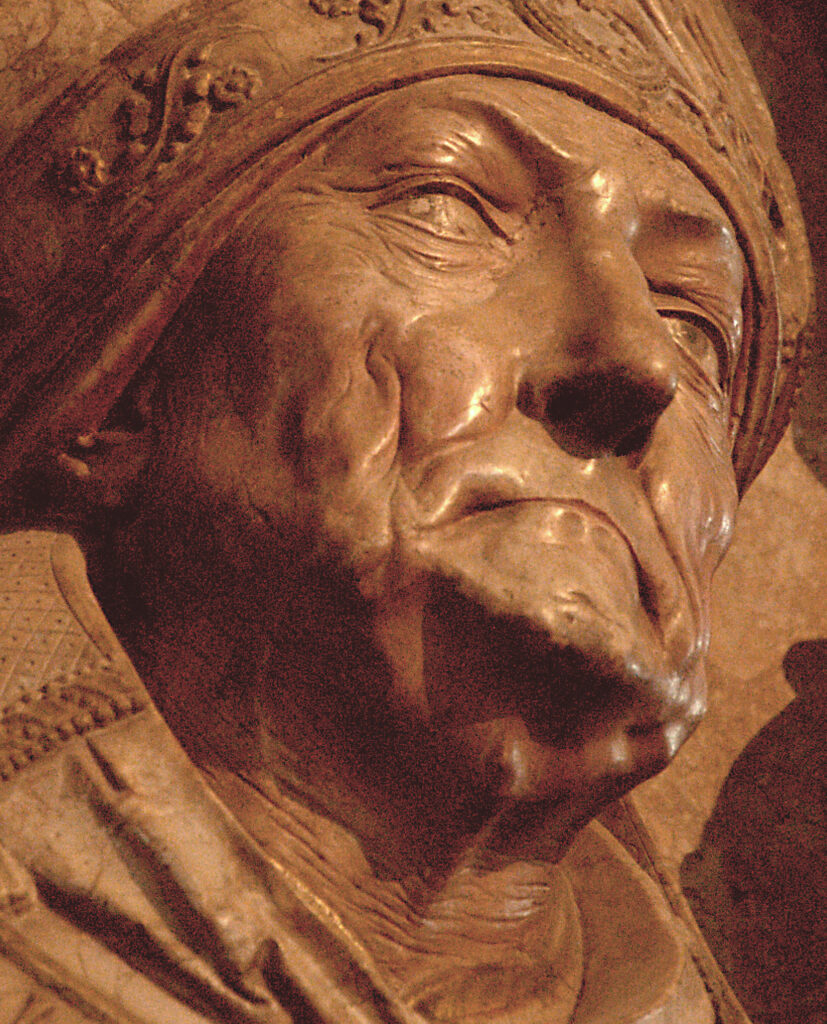
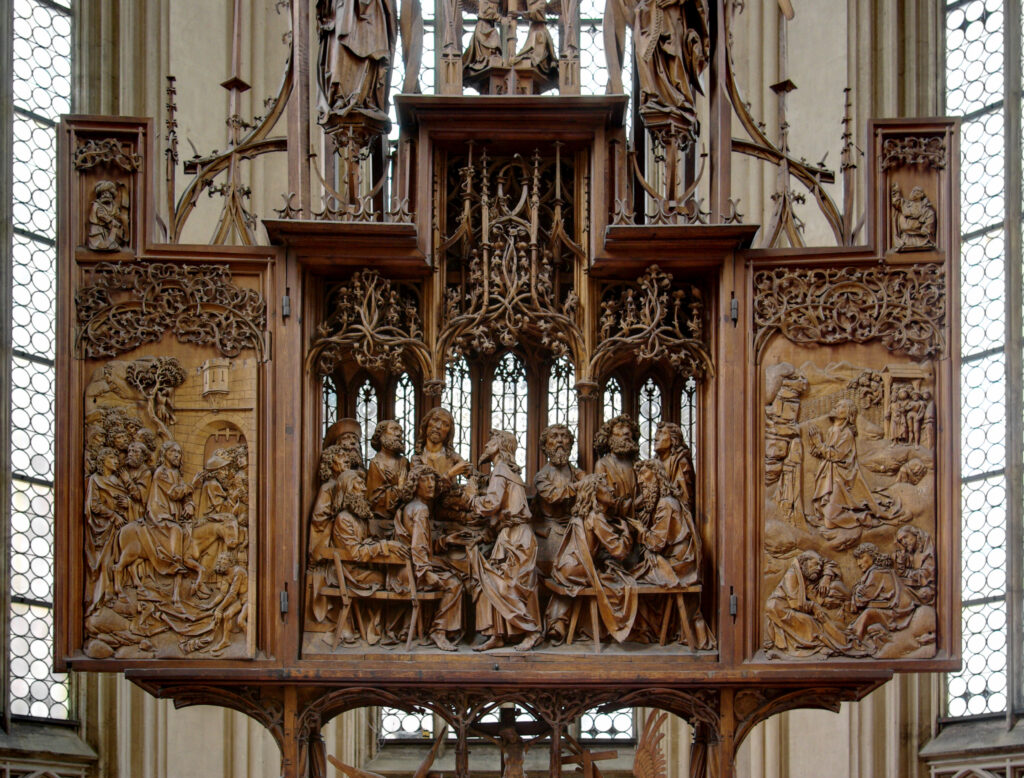
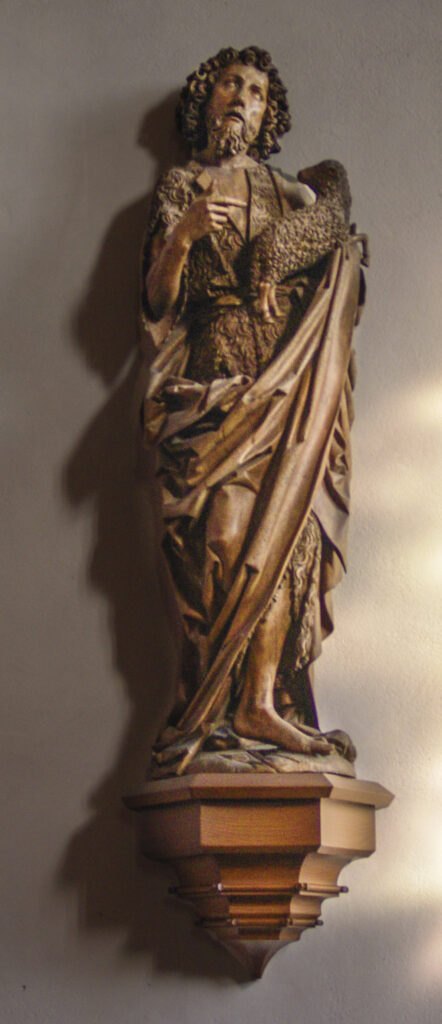
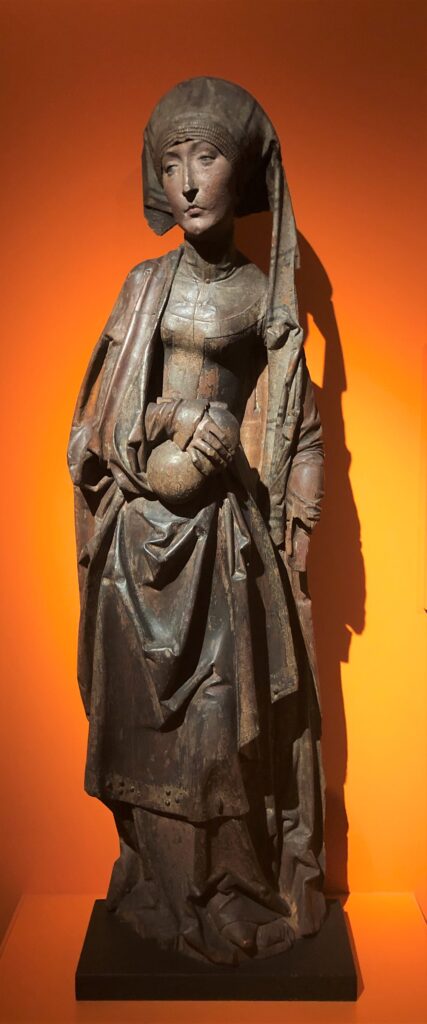
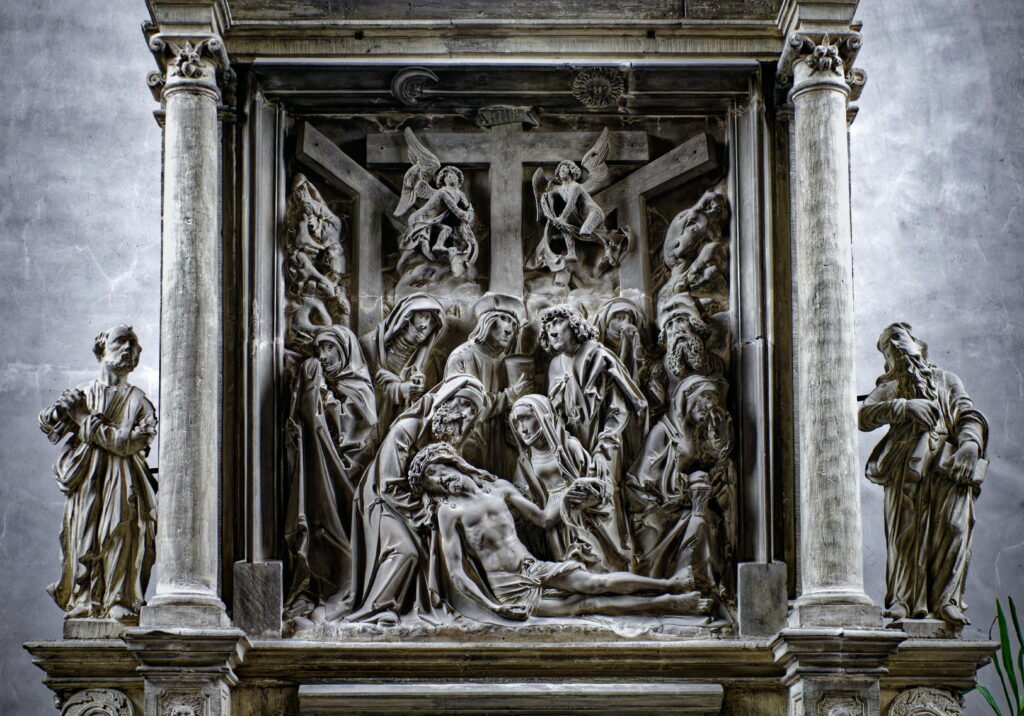
Tilman Riemenschneider, German woodcarver and sculptor, c. 1460 – July 7, 1531






Hans Holbein the Elder
Hans Holbein the Elder, c 1460 – 1524, was a German painter and draftsman active chiefly in Augsburg. He was probably born in Augsburg and became one of the leading painters of the late Gothic and early Renaissance period in southern Germany. His workshop produced altarpieces, devotional panels, portraits, and drawings for Augsburg patrons and religious institutions.
Holbein worked in a style shaped by late Gothic panel painting, Netherlandish realism, and early Renaissance design. His major works include the Grey Passion, the Saint Sebastian Altarpiece, portraits of Augsburg sitters, and drawings in silverpoint and other media. He was the father and teacher of Ambrosius Holbein and Hans Holbein the Younger.
His works are held by the Staatsgalerie Stuttgart, Alte Pinakothek, Gemäldegalerie Berlin, Städel Museum, Museum of Fine Arts Budapest, Condé Museum, Thyssen-Bornemisza Museum, Statens Museum for Kunst, and other European collections.


