Posts in Category: 15th Century
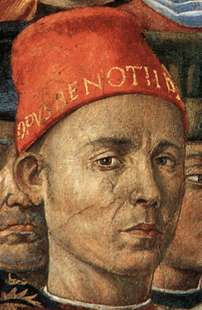
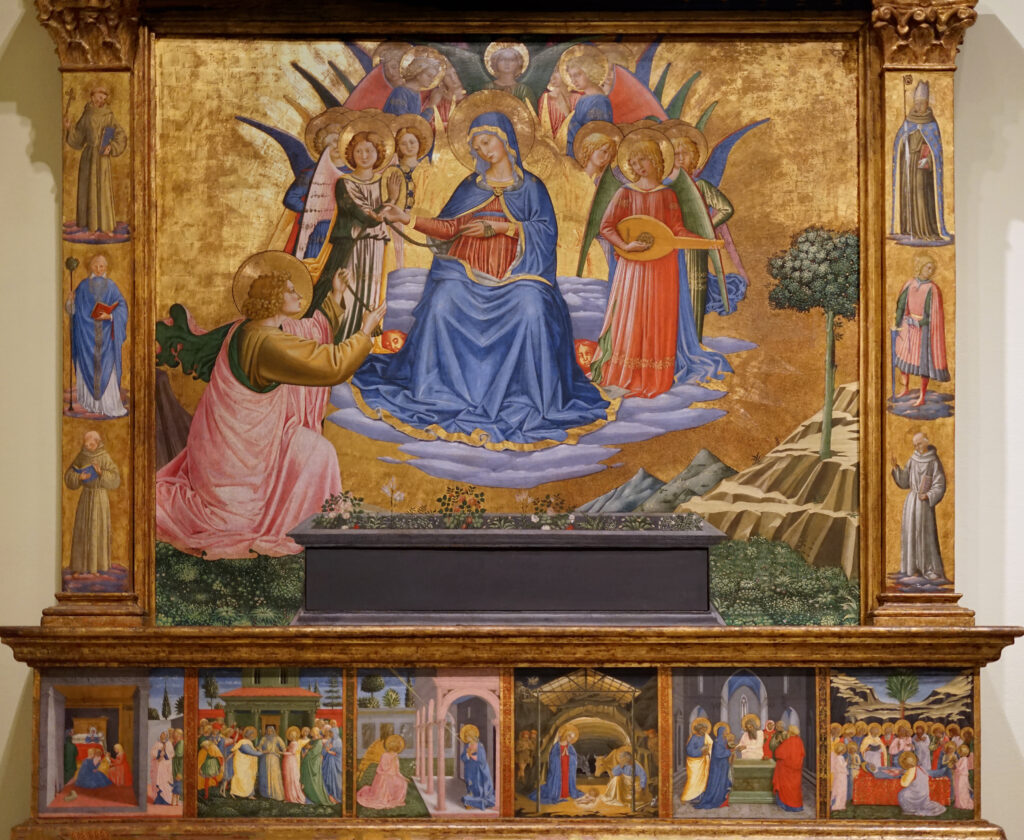
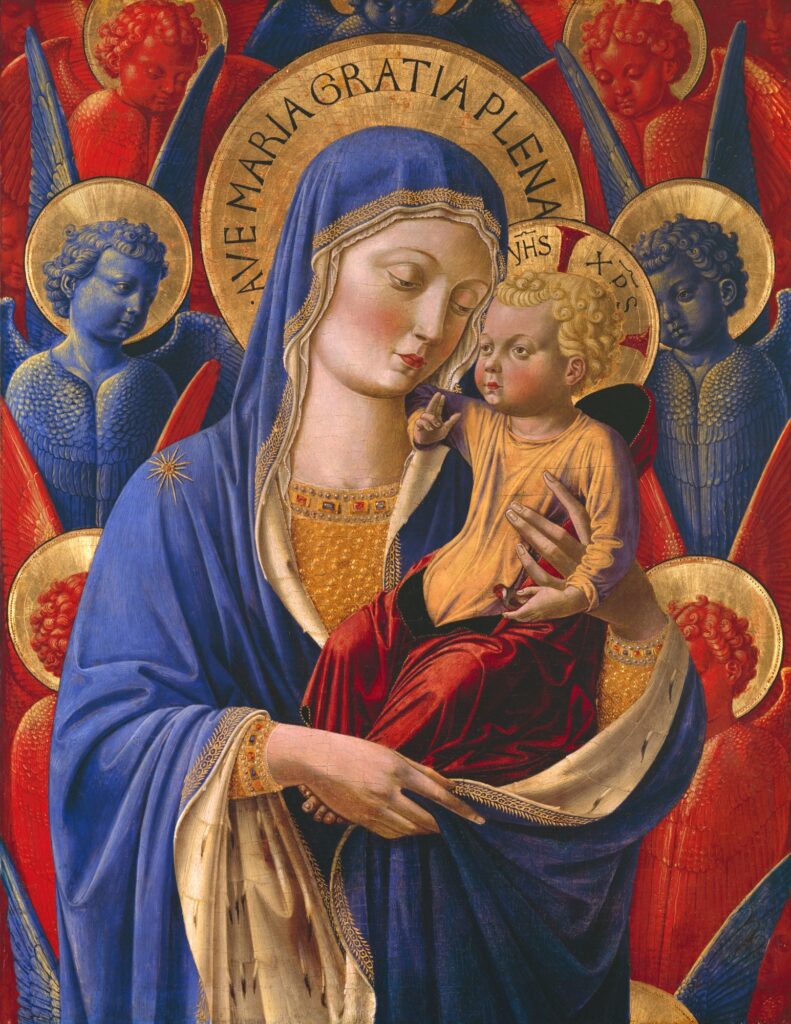
Benozzo Gozzoli
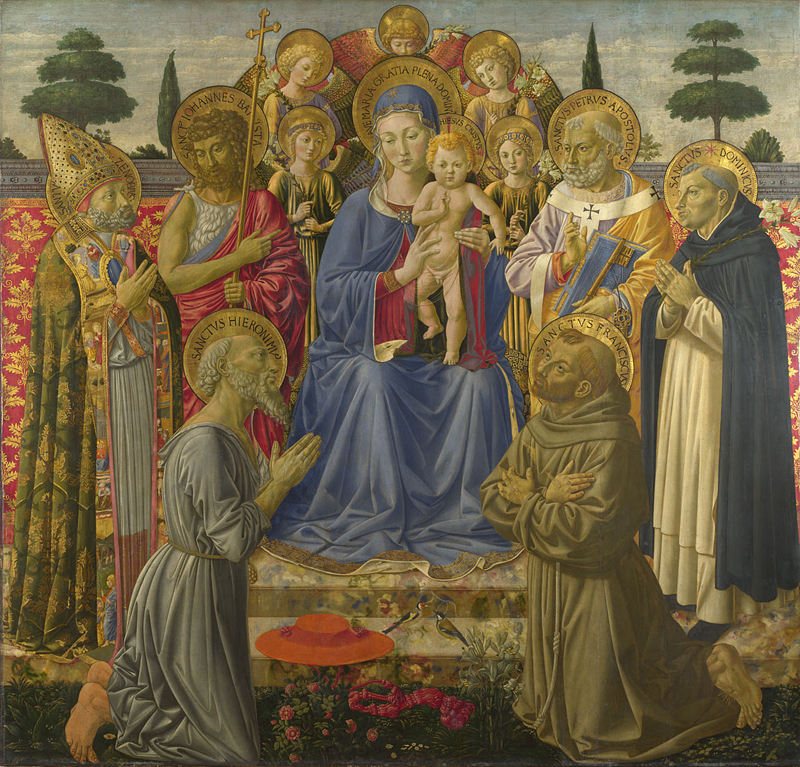
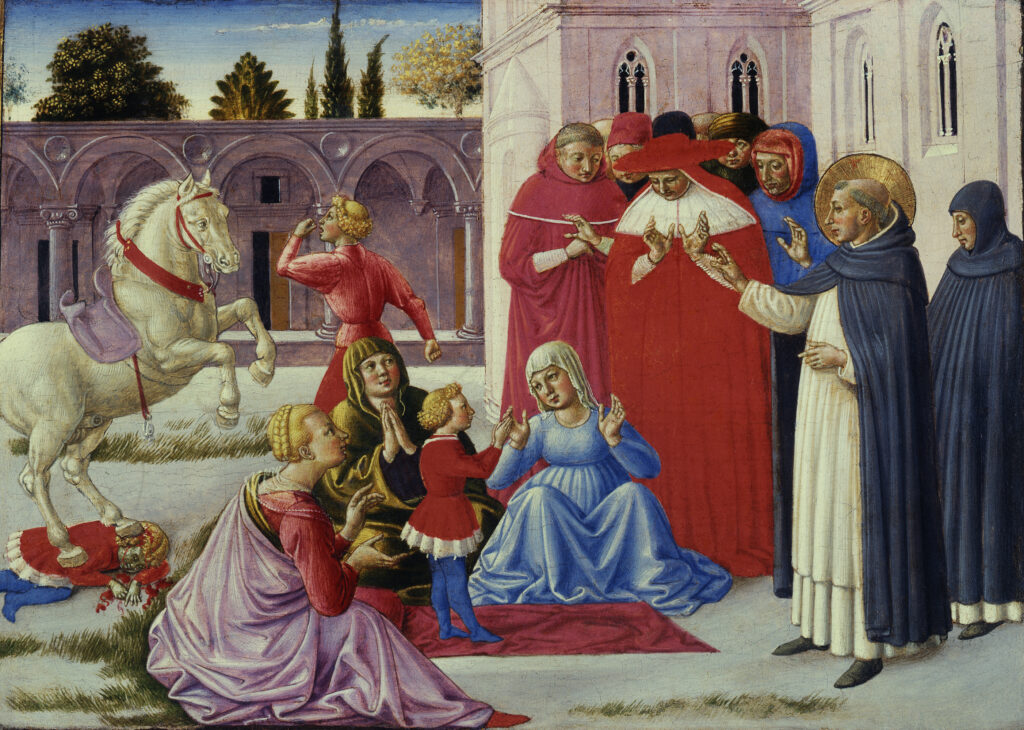
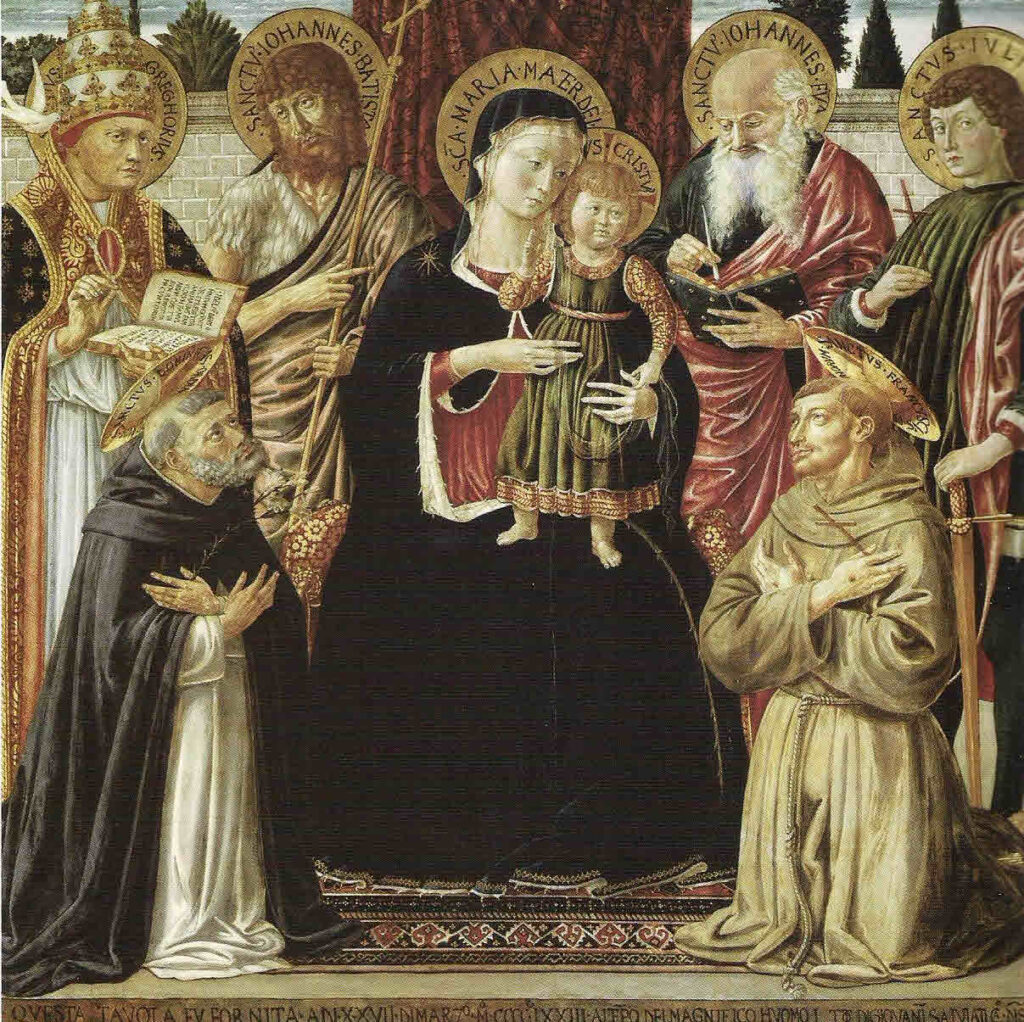
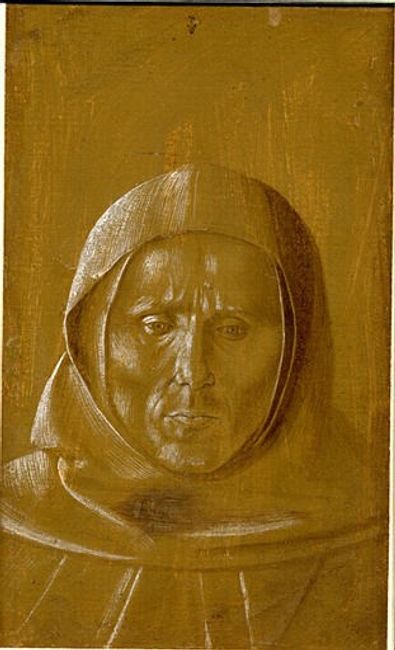
Benozzo Gozzoli, Italian painter, c.1421 1497








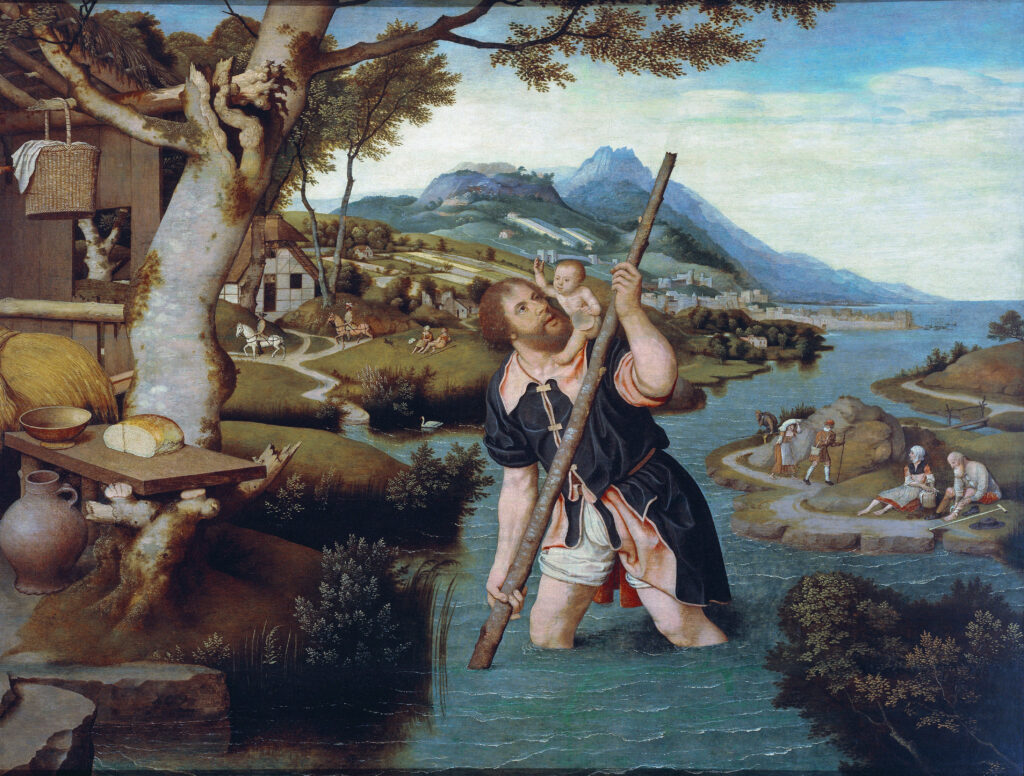
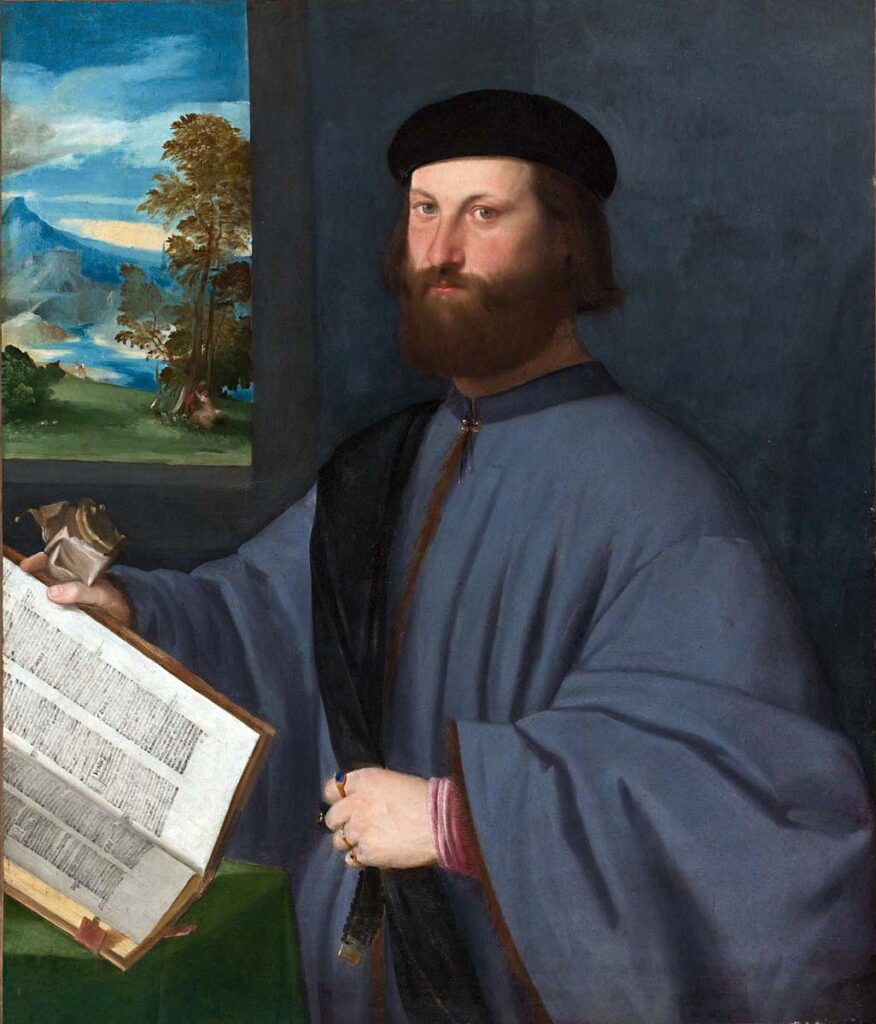
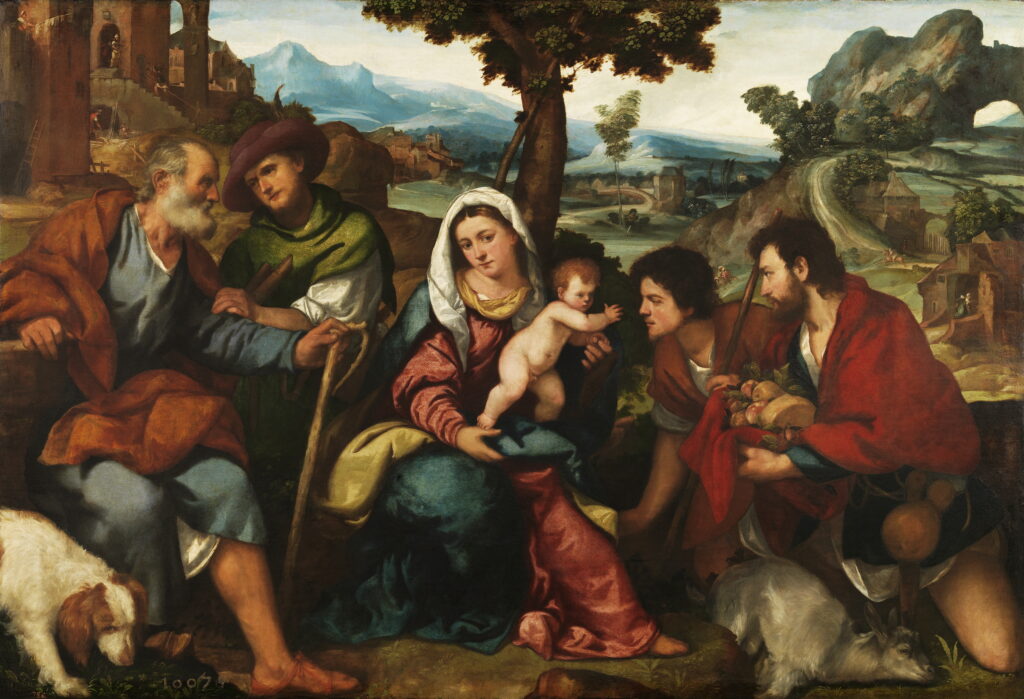
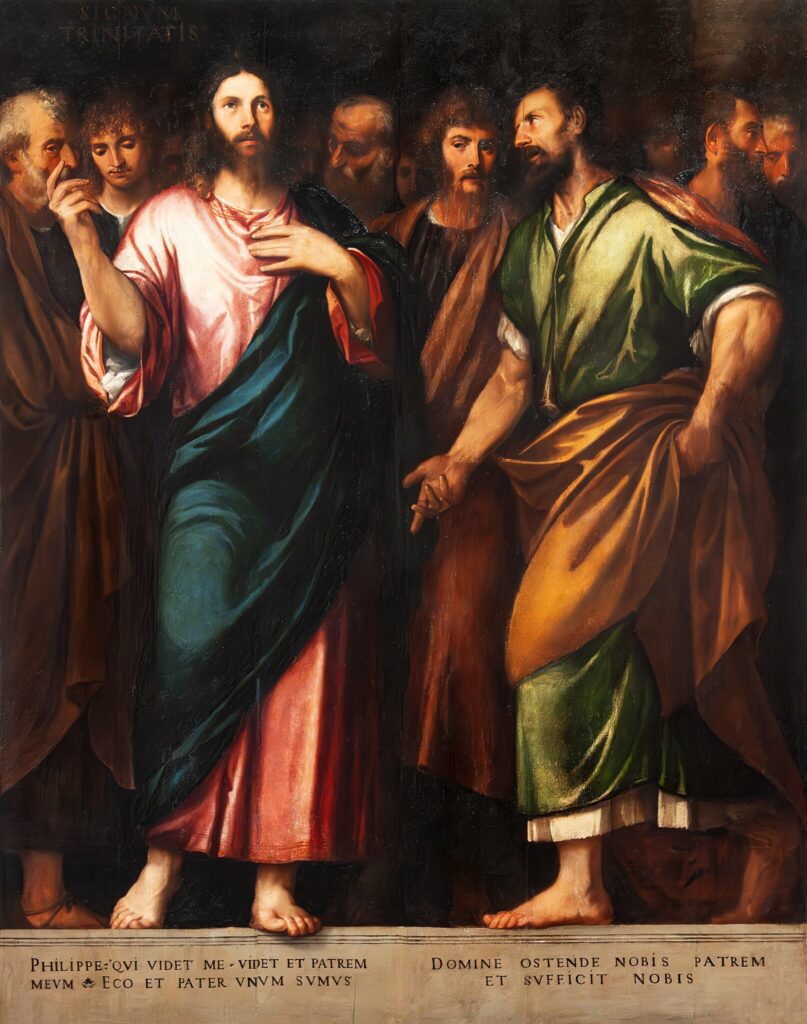
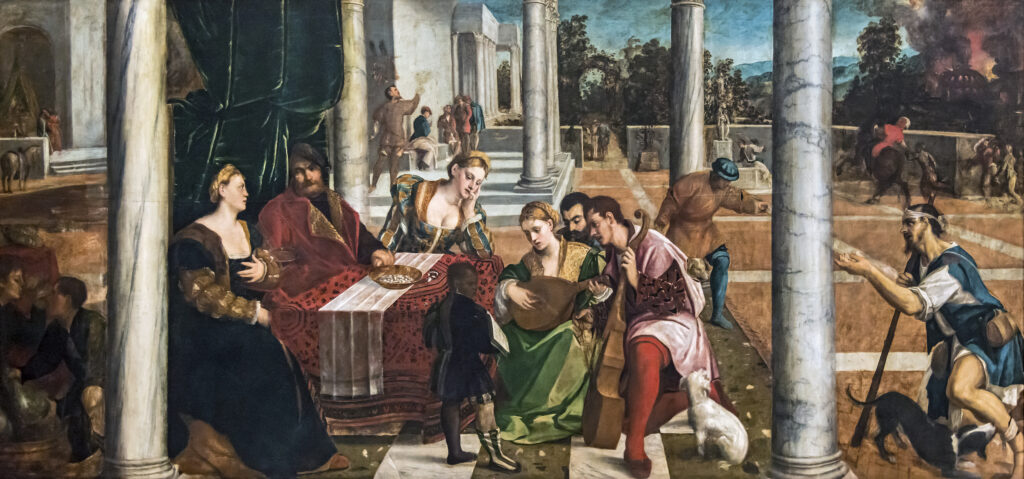
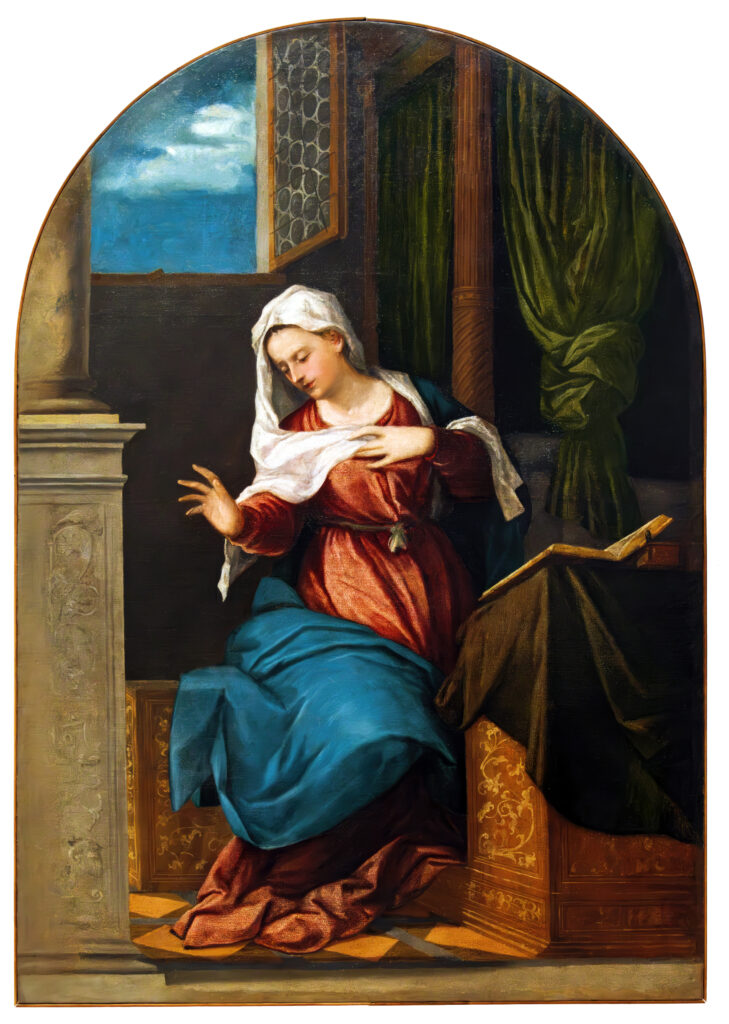
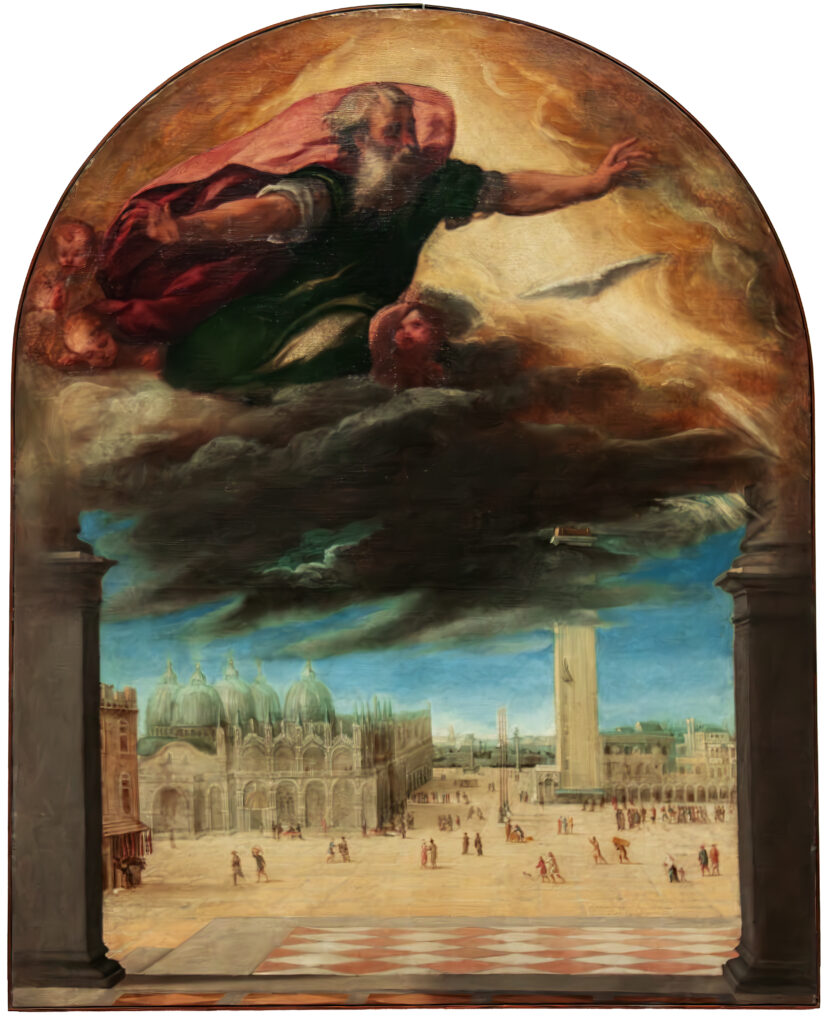
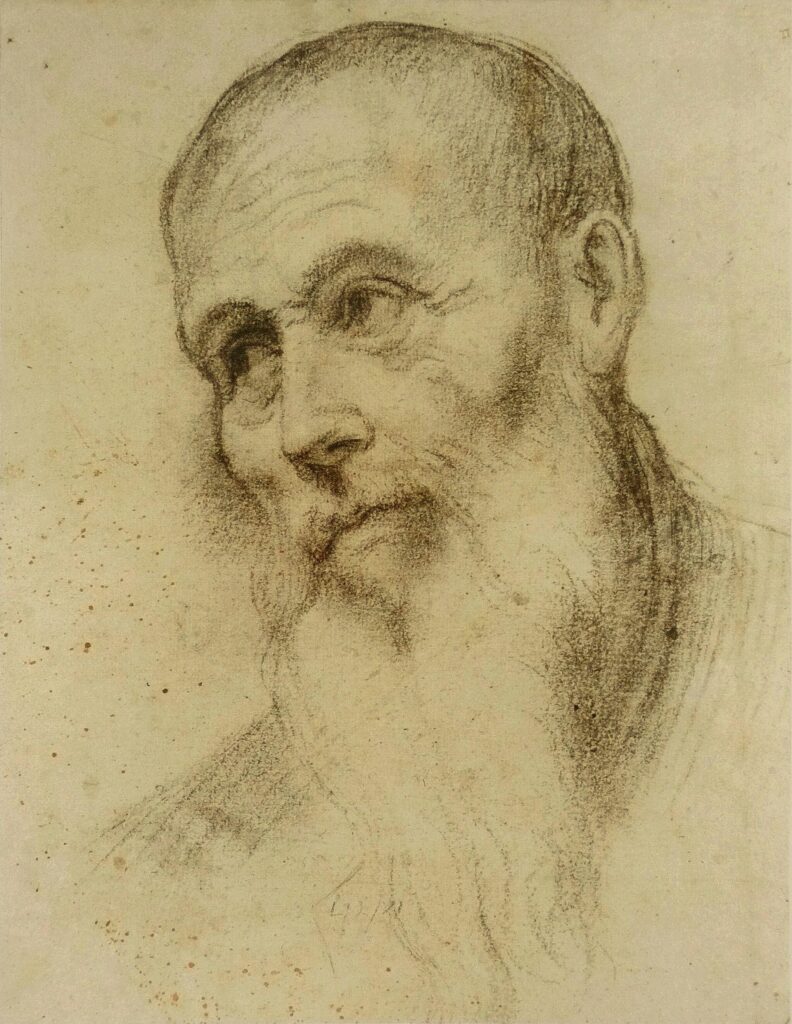
Bonifazio Veronese
Bonifazio Veronese, c 1487 – October 19, 1553, was an Italian Renaissance painter born Bonifazio de’ Pitati in Verona. His family moved to Venice around 1505, and he is generally believed to have trained in the workshop of Palma Vecchio.
He established a large workshop in Venice and produced altarpieces, devotional paintings, portraits, and large narrative cycles. His work reflects the influence of Palma Vecchio, Giorgione, and Titian; among his principal commissions was the long series painted for the Palazzo dei Camerlenghi.
Bonifazio remained active in Venice until his final years and died there in 1553. His paintings are held by the Gallerie dell’Accademia, Museo del Prado, Louvre Museum, National Gallery in London, and other major collections, and his workshop influenced younger Venetian painters including Andrea Schiavone and Tintoretto.





Jean Fouquet
Jean Fouquet, born c 1420 and died between 1478 and 1481, was a French painter and manuscript illuminator associated with Tours. Little is known about his training. He traveled to Italy early in his career and painted a now-lost portrait of Pope Eugenius IV in Rome.
Fouquet worked for members of the French royal court, including Charles VII and the royal treasurer Étienne Chevalier. He combined French and Netherlandish traditions with forms encountered in Italy, working in panel painting, portraiture, painted enamel, and manuscript illumination. His major commissions included the Melun Diptych, the Étienne Chevalier Hours, and the Grandes Chroniques de France.
Fouquet spent his later career in Tours and was appointed painter to Louis XI. Surviving works are held by the Louvre Museum, the Bibliothèque nationale de France, the Metropolitan Museum of Art, the Gemäldegalerie in Berlin, and the Royal Museum of Fine Arts Antwerp.


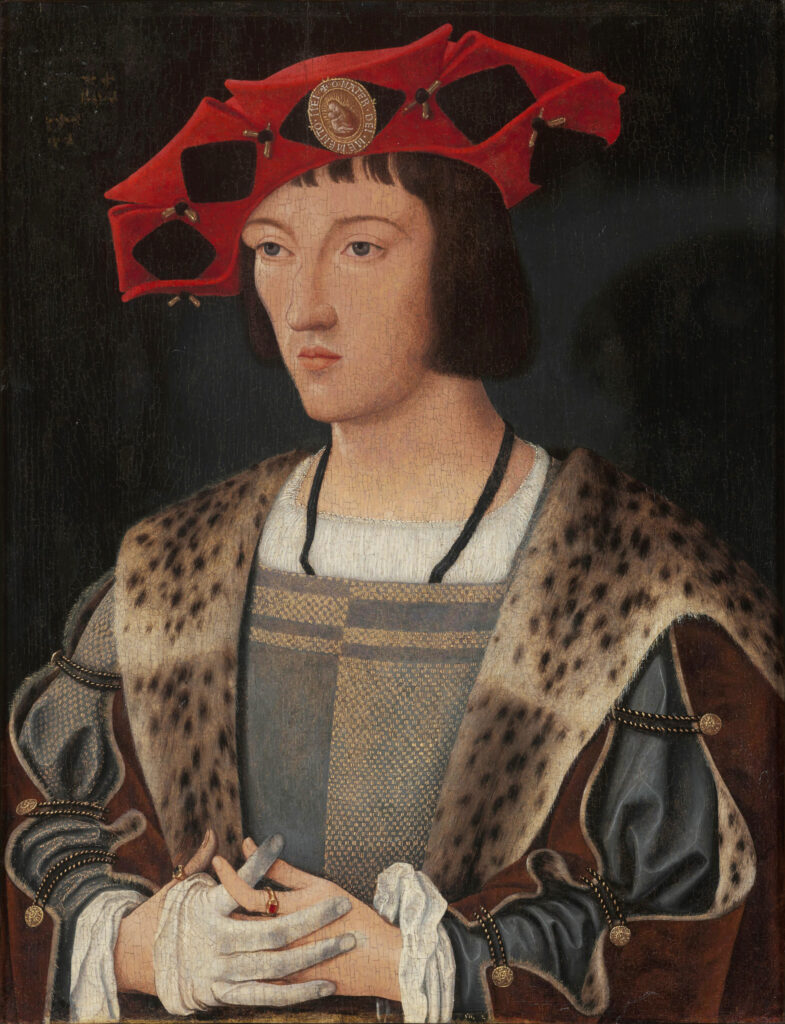
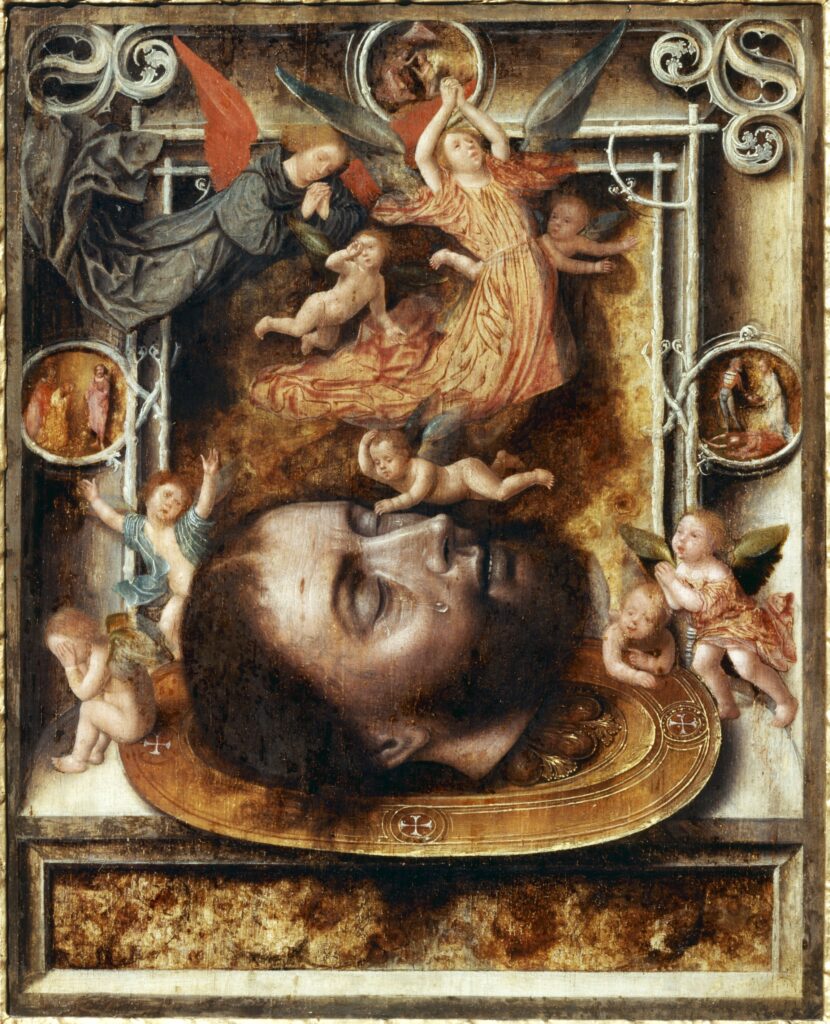
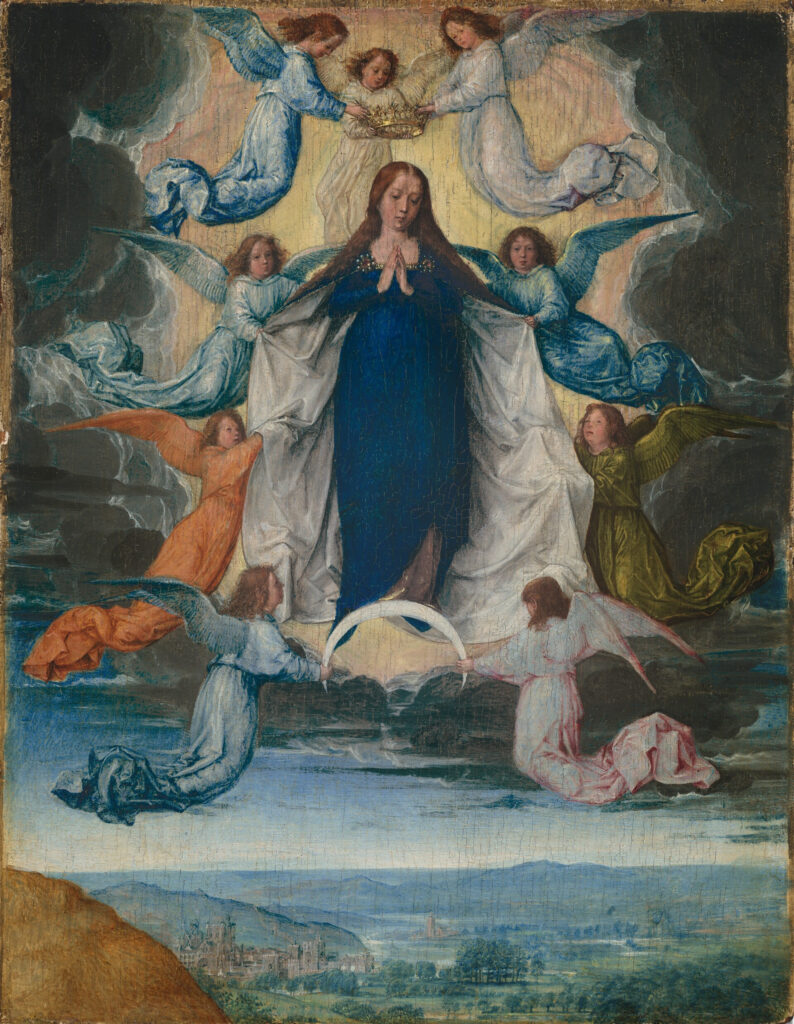
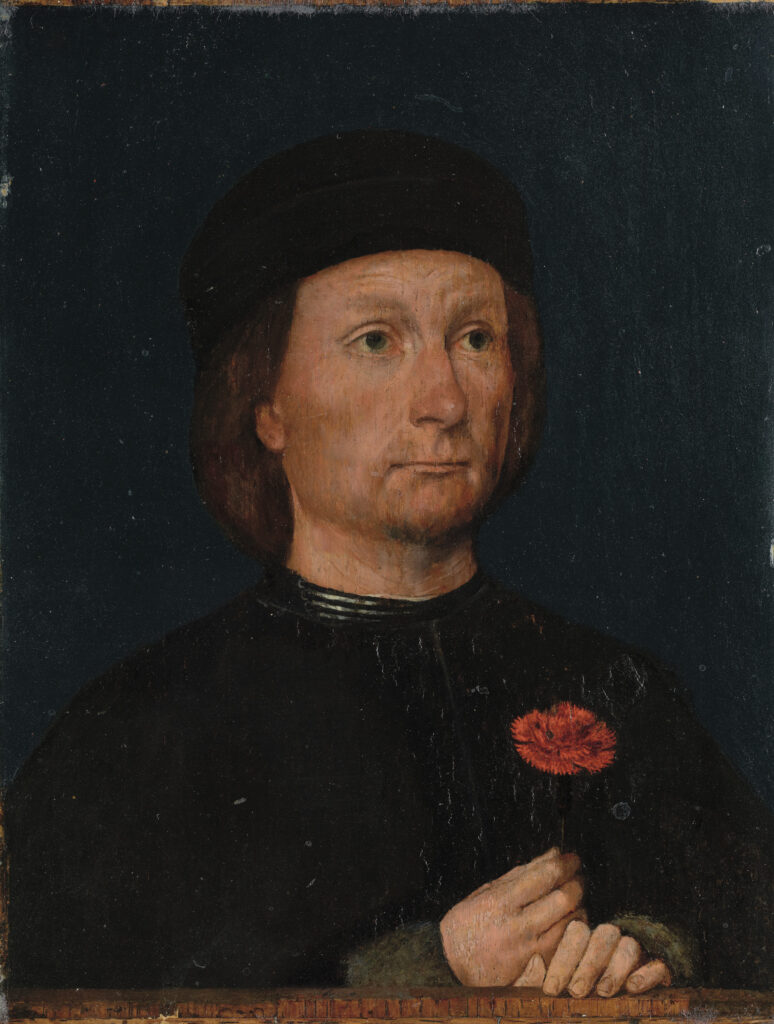
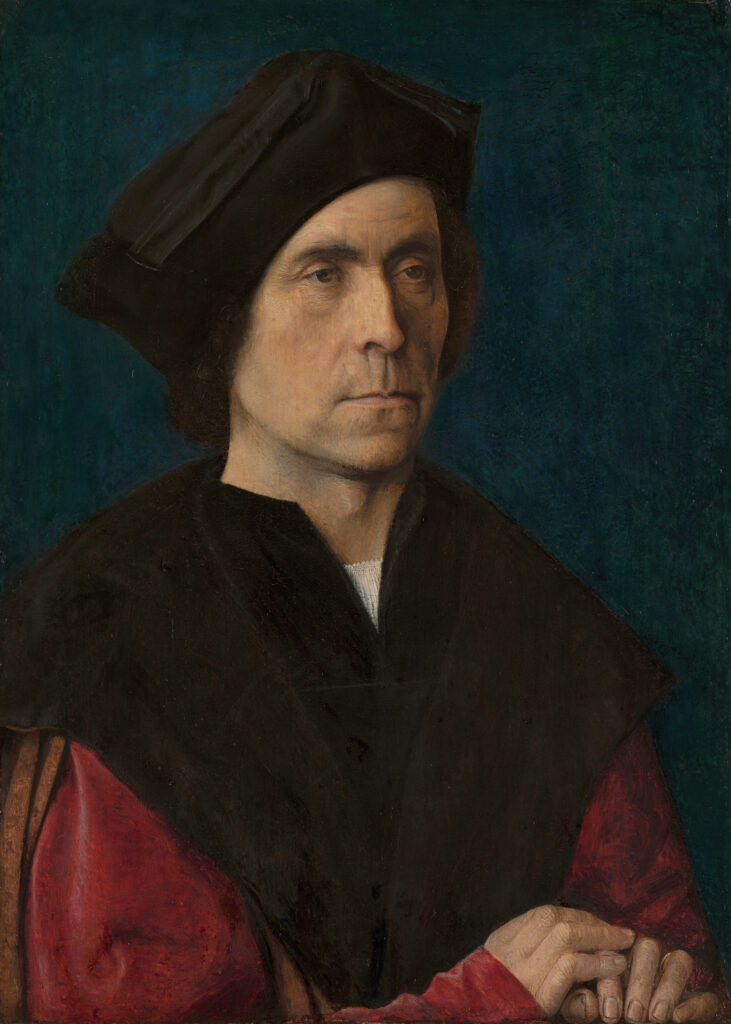
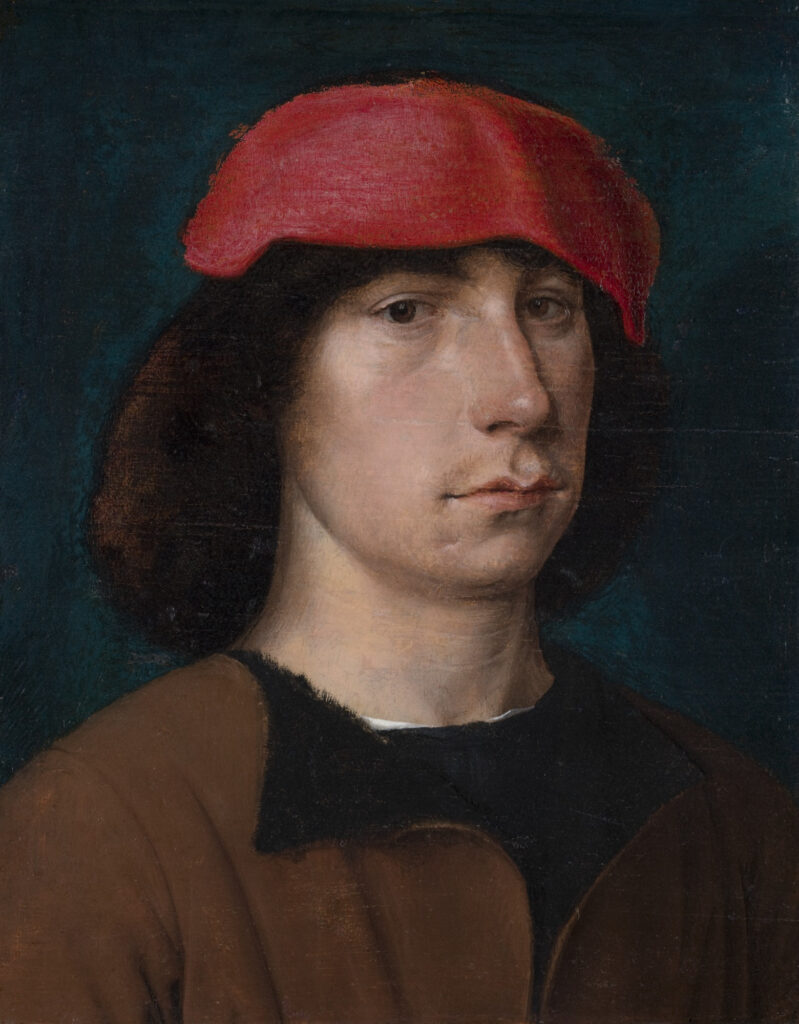
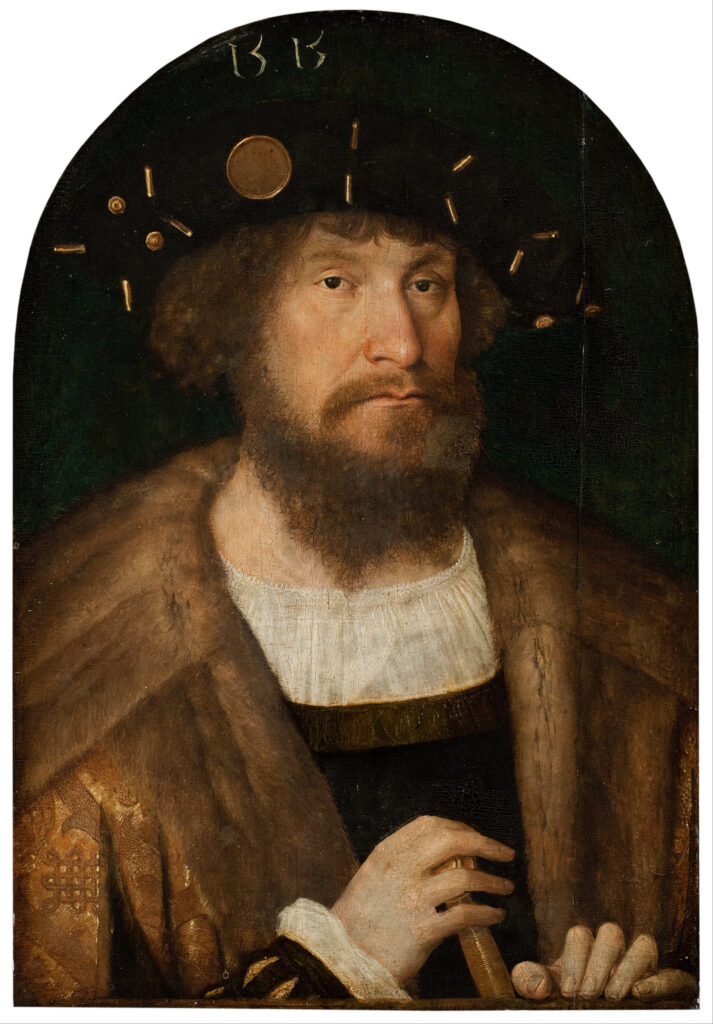
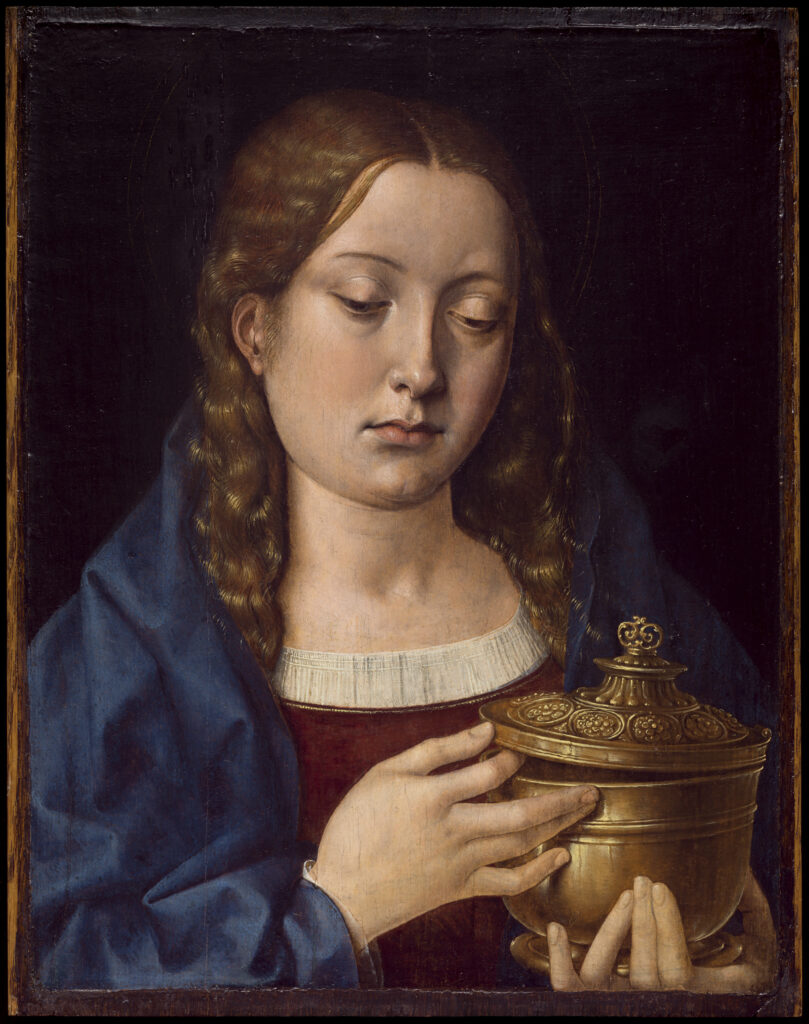
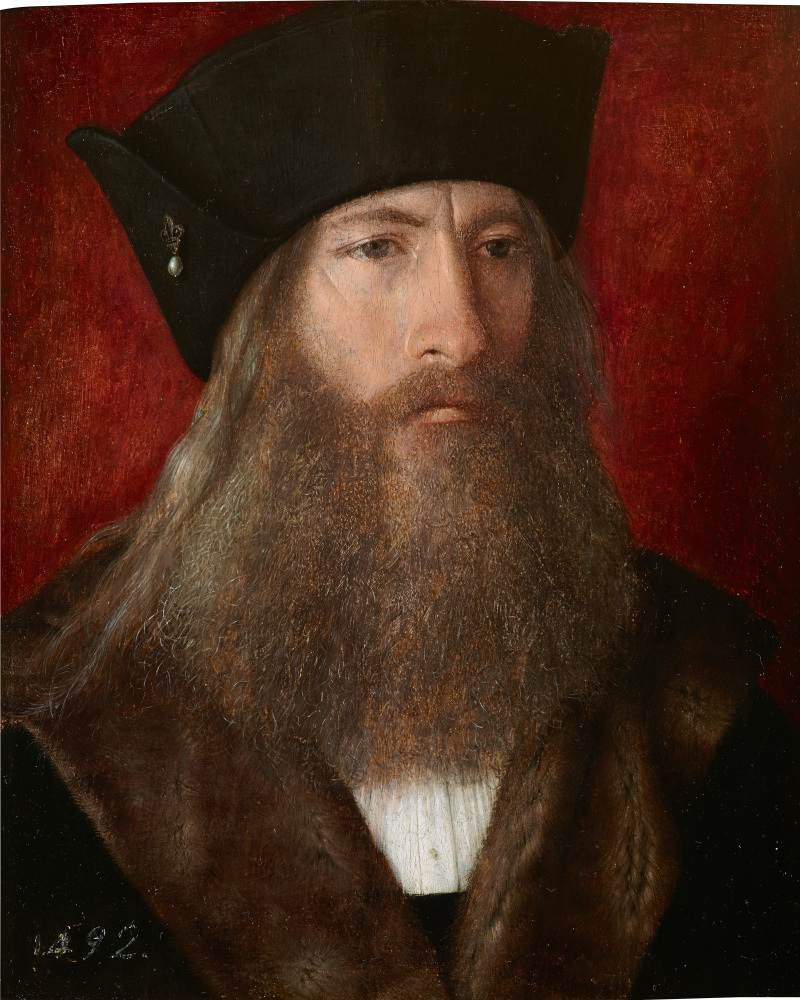
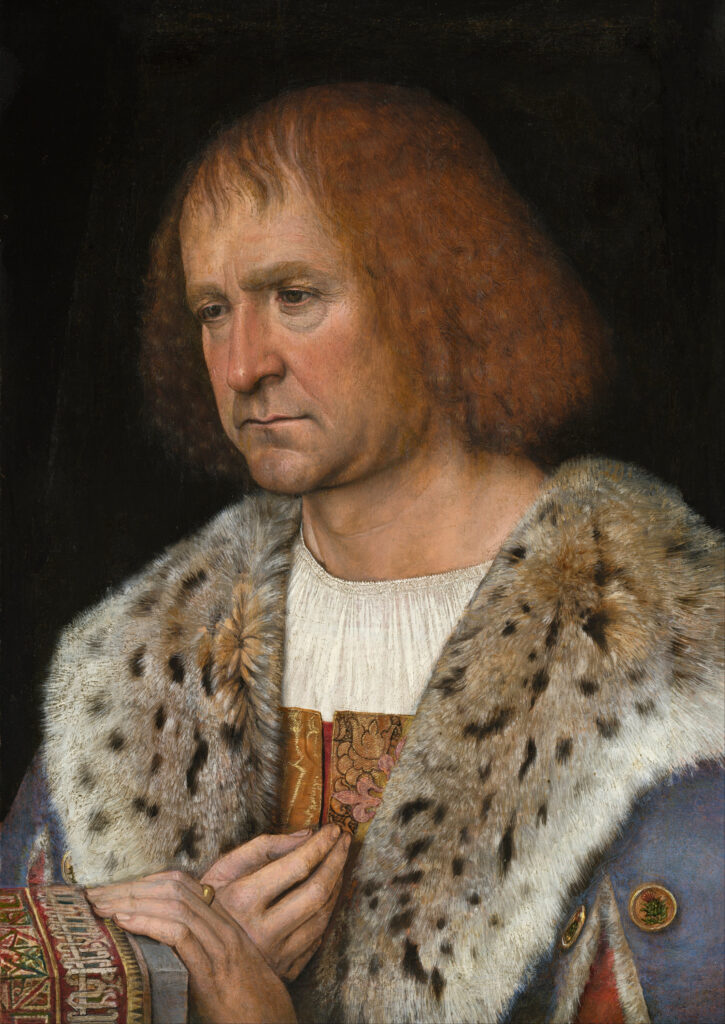
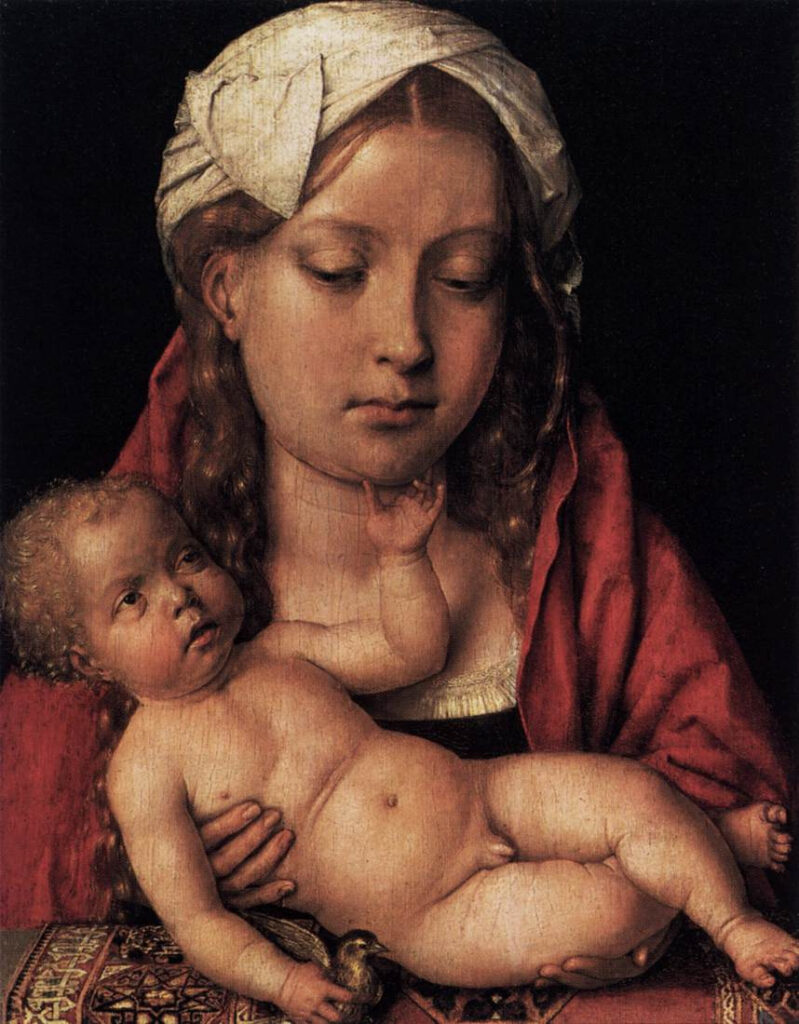
Michel Sittow
Michel Sittow, c 1469–December 1525, was an Estonian painter born in Reval, now Tallinn, and associated with Early Netherlandish art. He probably received his earliest training from his father, the painter and sculptor Clawes van der Sittow, before moving to Bruges in 1484; an apprenticeship with Hans Memling is plausible but undocumented.
By 1492 Sittow served Queen Isabella of Castile as a court painter and portraitist and collaborated with Juan de Flandes on small devotional panels for her collection. After Isabella’s death, his work took him among several European courts, including those of Philip the Fair, Margaret of Austria, Charles V, and Christian II of Denmark. He returned to Reval in 1506, joined the local artists’ guild in 1507, and resumed work there after further court service by 1518.
Paintings by or attributed to Sittow are held by the National Gallery of Art, the Mauritshuis, the J. Paul Getty Museum, the Detroit Institute of Arts, the Kunsthistorisches Museum, Statens Museum for Kunst, the Gemäldegalerie, and the Art Museum of Estonia’s Niguliste Museum. He remained active in Reval until his death in late December 1525.

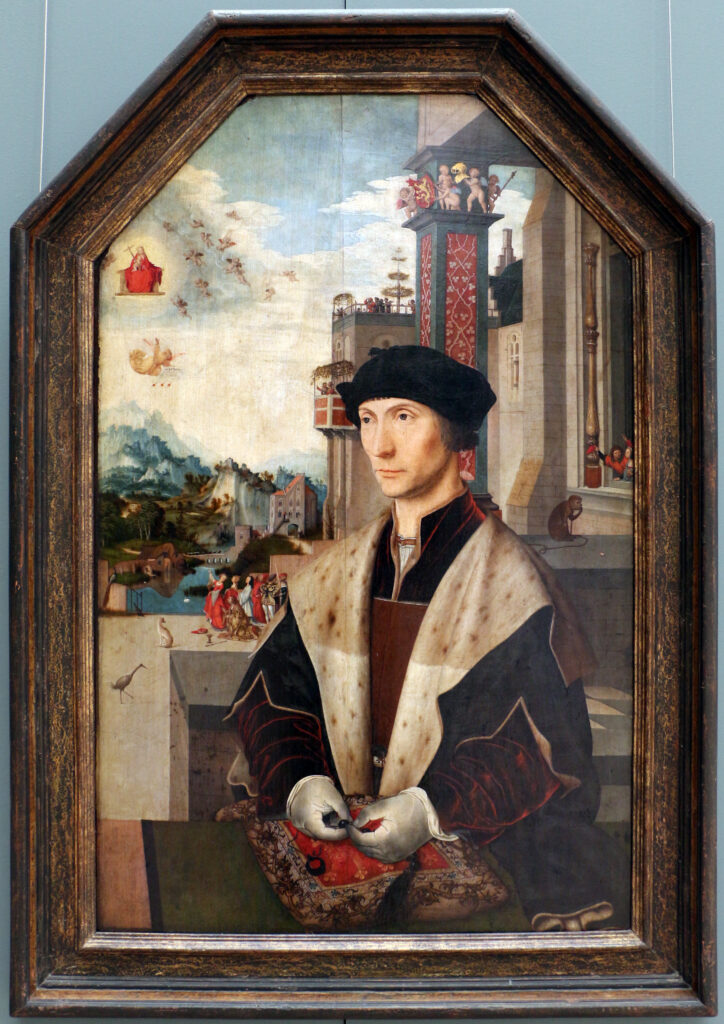
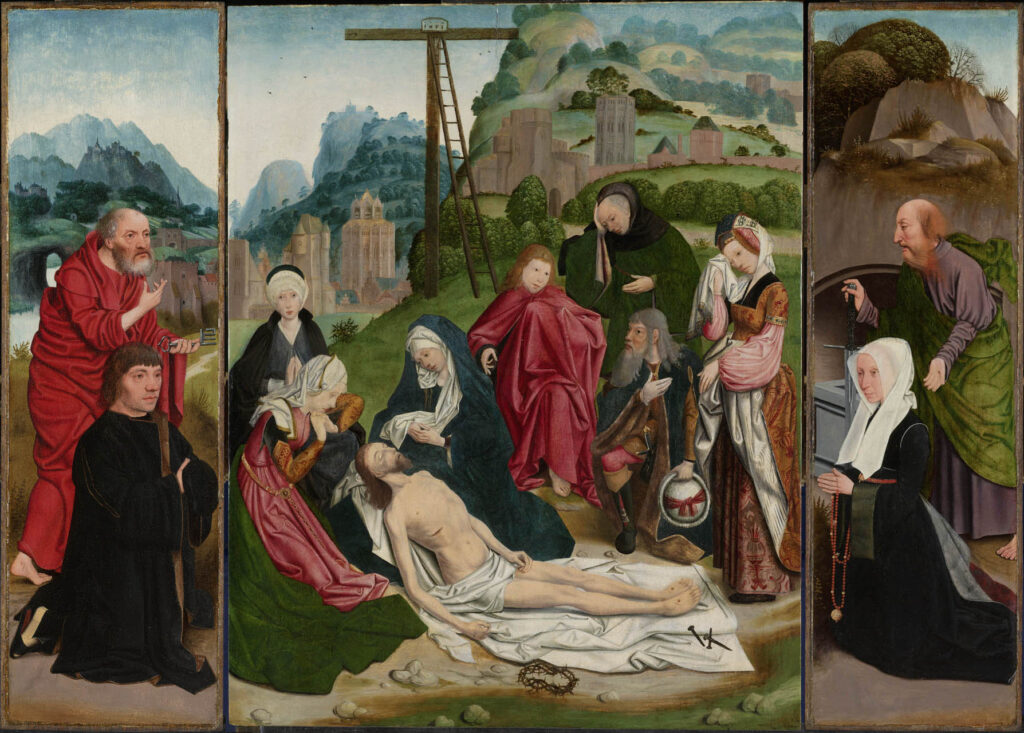
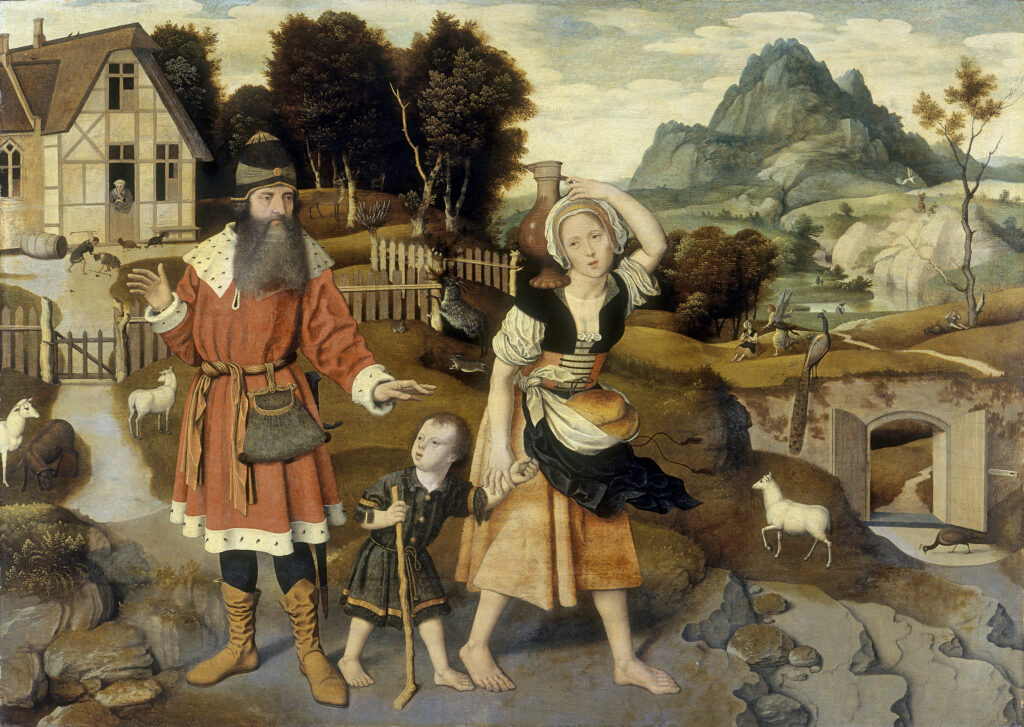
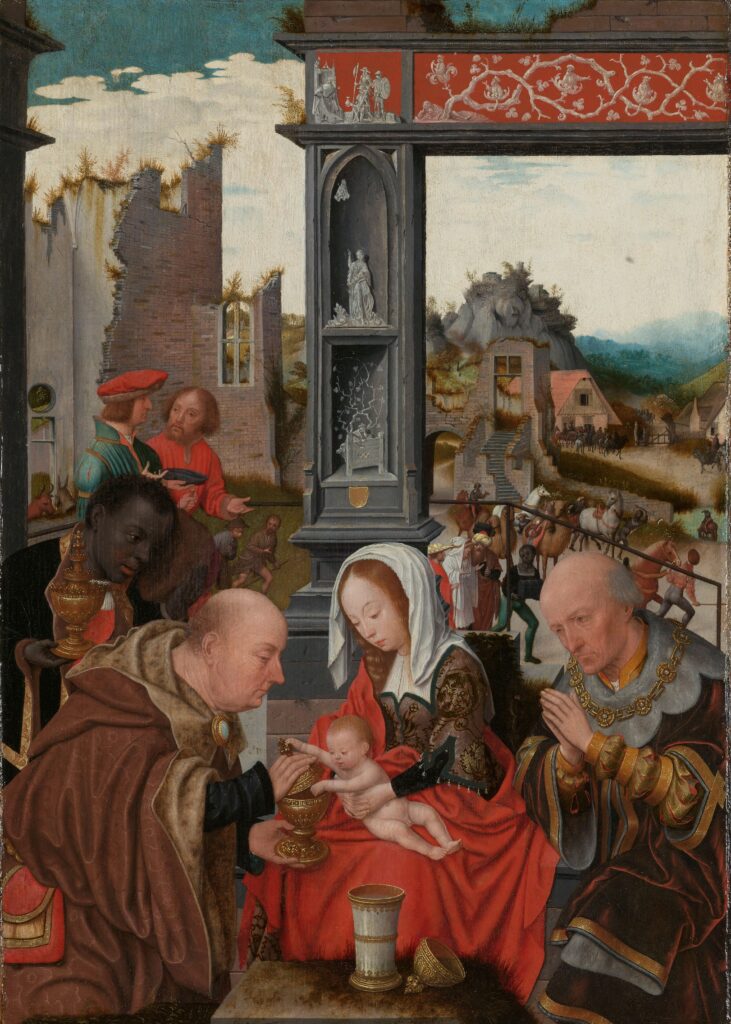
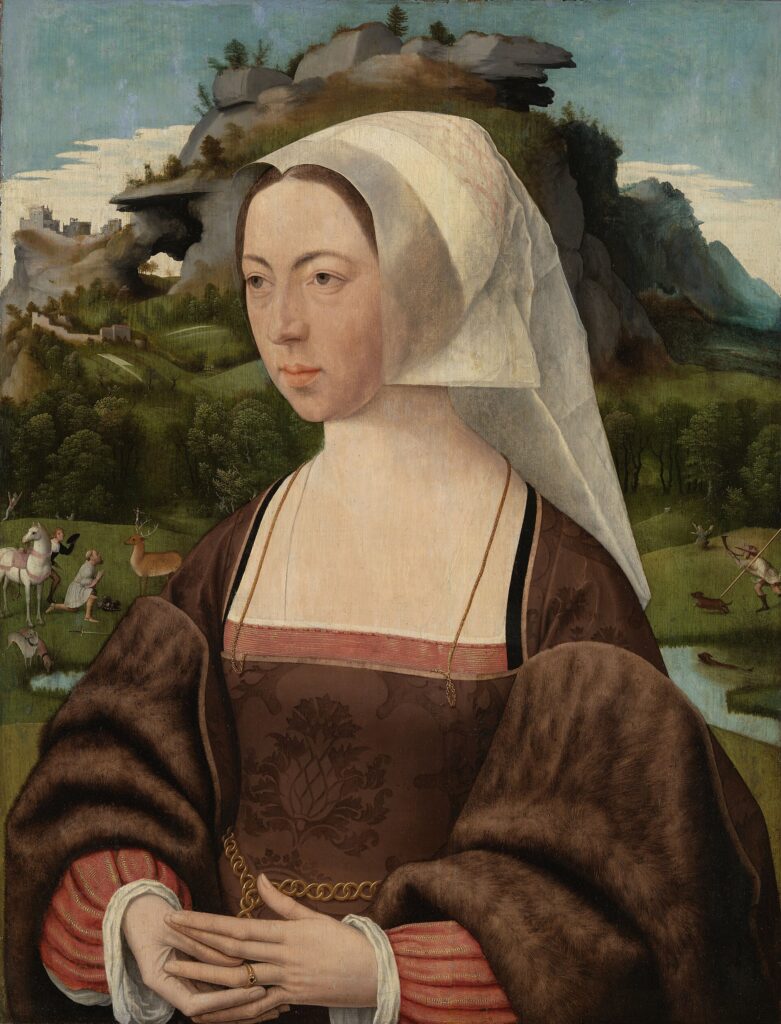
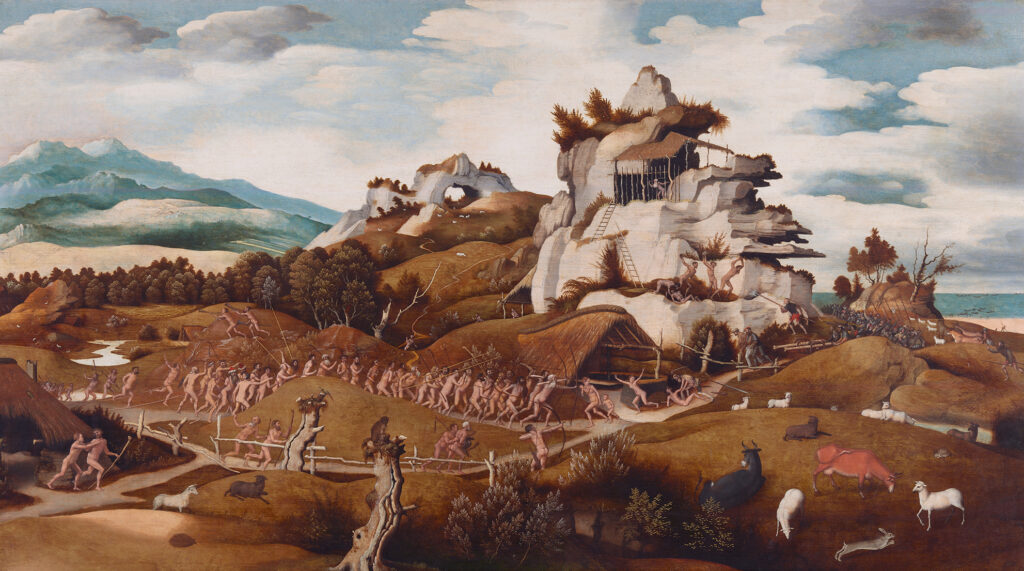
Jan Mostaert
Jan Mostaert, c 1475 – 1552/1553, was a Dutch painter active mainly in Haarlem. He was associated with the late Gothic and early Netherlandish tradition and is thought to have trained in Haarlem, where he became a member of the painters’ guild and later served as dean.
Mostaert painted portraits, religious subjects, and narrative panels. His work is connected with courtly and civic patrons in the northern Netherlands, including Margaret of Austria’s circle. His paintings combine Netherlandish detail with early sixteenth-century figure types, architectural settings, and landscape backgrounds.
His works are held by the Rijksmuseum, Amsterdam; Saint Louis Art Museum; Philadelphia Museum of Art; Thyssen-Bornemisza Museum, Madrid; Royal Museums of Fine Arts of Belgium, Brussels; and Museum Mayer van den Bergh, Antwerp.