Posts in Category: 15th Century


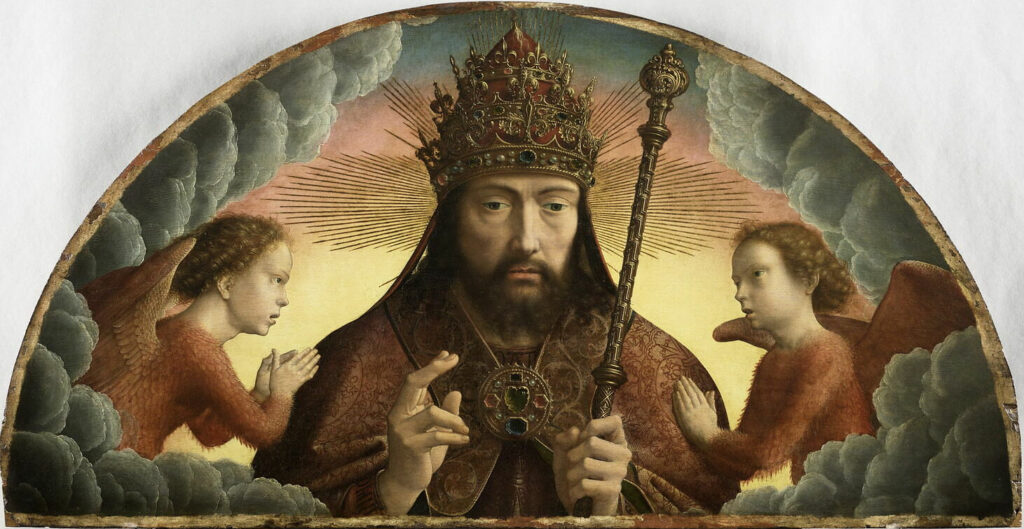
Gerard David
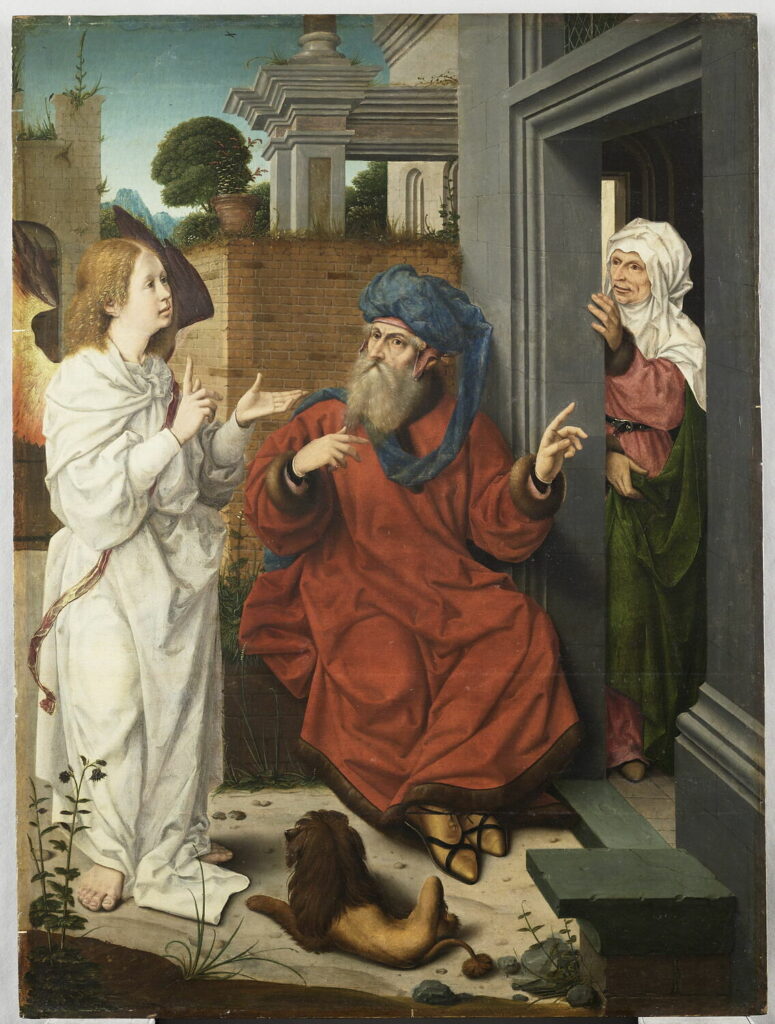
Gerard David, c 1460 – August 13, 1523, was a Netherlandish painter active mainly in Bruges. He was probably born in Oudewater and entered the Bruges painters’ guild in 1484. His training is not securely documented, but his work reflects the Bruges tradition associated with Jan van Eyck, Hans Memling, and Hugo van der Goes.
David painted altarpieces, devotional panels, portraits, and civic commissions. His Bruges work also included large public paintings such as The Judgement of Cambyses for the city authorities. He later received commissions connected with Genoese patrons, including the Cervara Polyptych and works associated with Jean de Sedano.
His workshop influenced later Bruges painters, including Adriaen Isenbrandt and Ambrosius Benson. David’s work is held by major collections including the Metropolitan Museum of Art, the National Gallery, London, the Musée du Louvre, the Kunsthistorisches Museum, the Groeningemuseum, and the Royal Museums of Fine Arts of Belgium.




Gentile Bellini
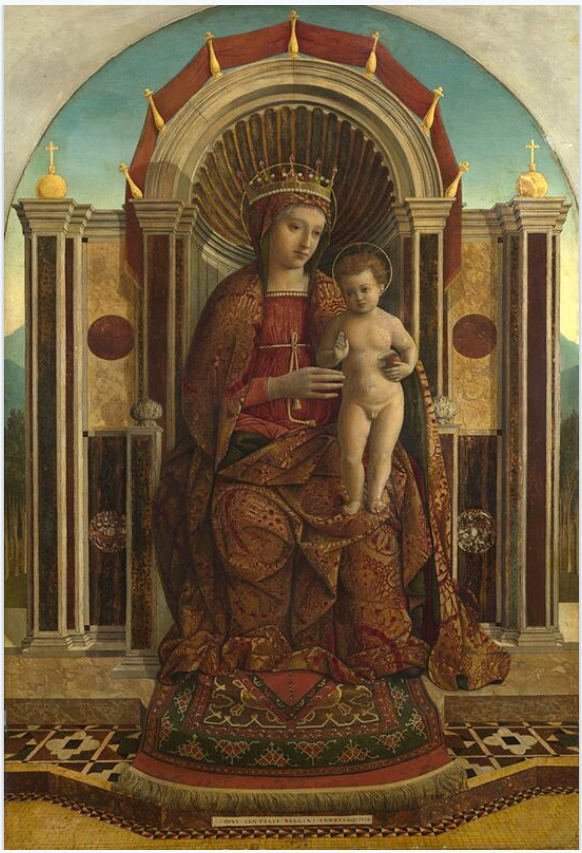
Gentile Bellini, c 1429 – February 23, 1507, was a Venetian painter of the Early Renaissance. He was born in Venice, the son of the painter Jacopo Bellini and brother of Giovanni Bellini. He trained in his father’s workshop, which was one of the leading artistic centers in Venice and helped shape the city’s developing Renaissance style. Gentile worked primarily for the Venetian state, religious confraternities, and prominent civic patrons.
His paintings are known for detailed depictions of public ceremonies, religious processions, and urban life in Venice. In 1479 he was sent by the Venetian Republic to Constantinople, where he worked at the court of Sultan Mehmed II and produced portraits and drawings that became important visual records of Ottoman society. His work combined Venetian traditions of color and pageantry with an unusually strong interest in architecture, costume, and contemporary events. He collaborated at times with Giovanni Bellini and was associated with the generation of Venetian painters that bridged the late Gothic and Renaissance periods.
Gentile maintained an active workshop and contributed to major state commissions in Venice, although he is not chiefly remembered as a teacher. His works are held by institutions including the Gallerie dell’Accademia, National Gallery, Victoria and Albert Museum, Isabella Stewart Gardner Museum, British Museum, and Gemäldegalerie. His paintings and drawings remain important sources for the study of late fifteenth-century Venice and the Ottoman world.






Piero di Cosimo
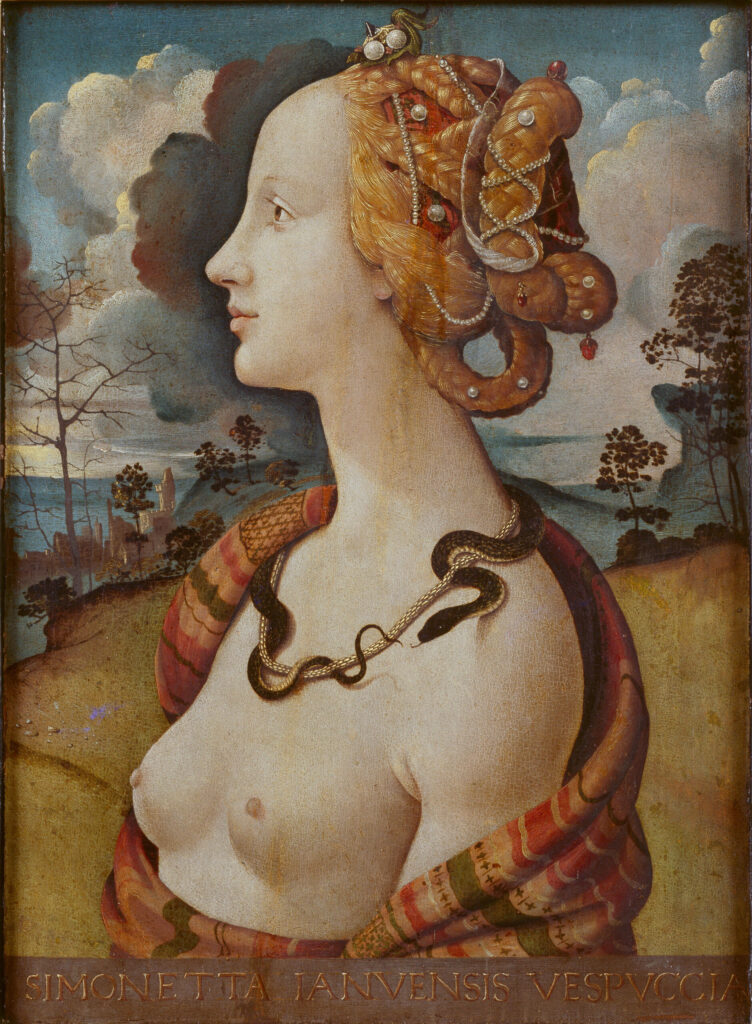
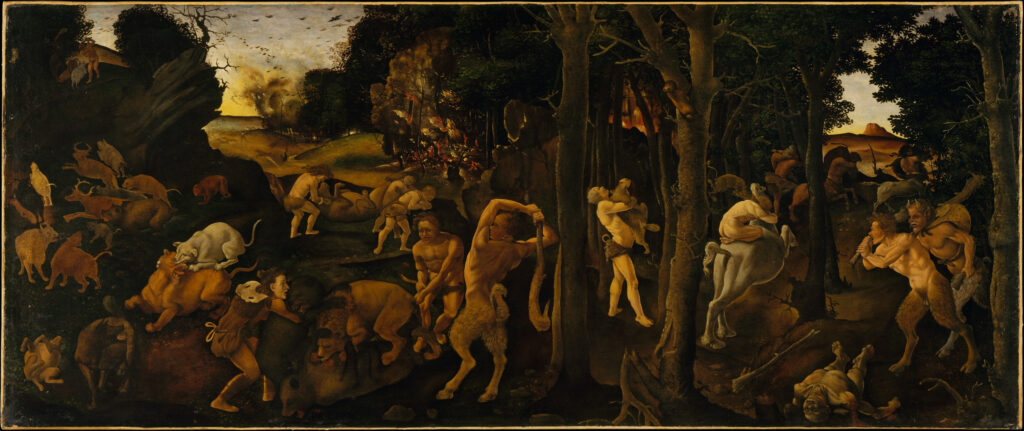
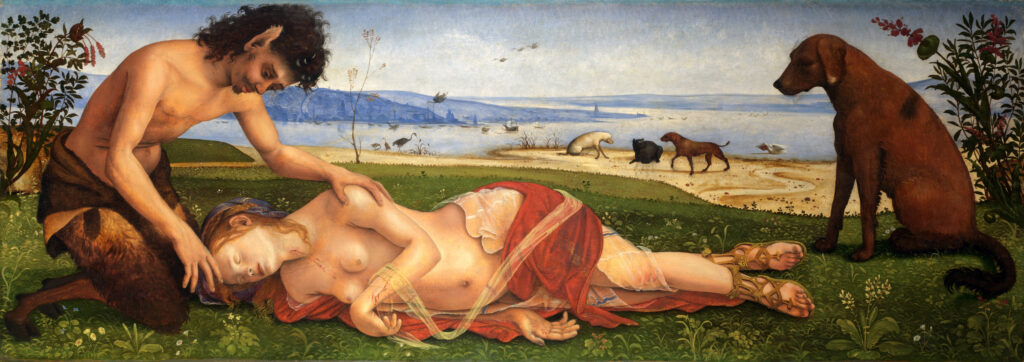
Piero di Cosimo, January 2, 1462–April 12, 1522, was an Italian Renaissance painter born and active in Florence. The son of Lorenzo di Piero d’Antonio, he entered Cosimo Rosselli’s workshop by 1480 and assisted him on the Sistine Chapel frescoes in Rome in 1481–1482.
He painted altarpieces, portraits, and mythological and allegorical scenes, including long spalliera panels for Florentine interiors. His work combined Florentine traditions with influences from Early Netherlandish painting and Leonardo da Vinci, and he was particularly noted for landscapes, animals, and narratives of humanity’s early history.
Piero spent his later career in Florence and died there in 1522. Andrea del Sarto was associated with his workshop according to Vasari. Major works are held by the Uffizi Gallery, National Gallery, Metropolitan Museum of Art, National Gallery of Art, and other European and North American collections.





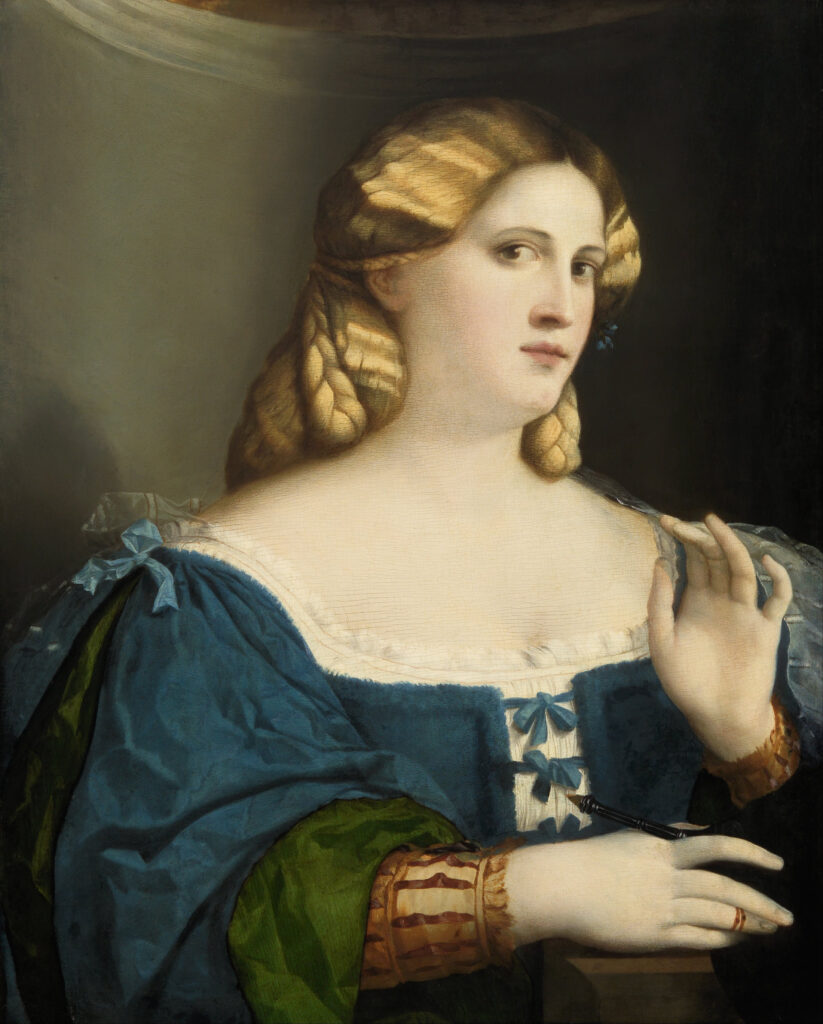
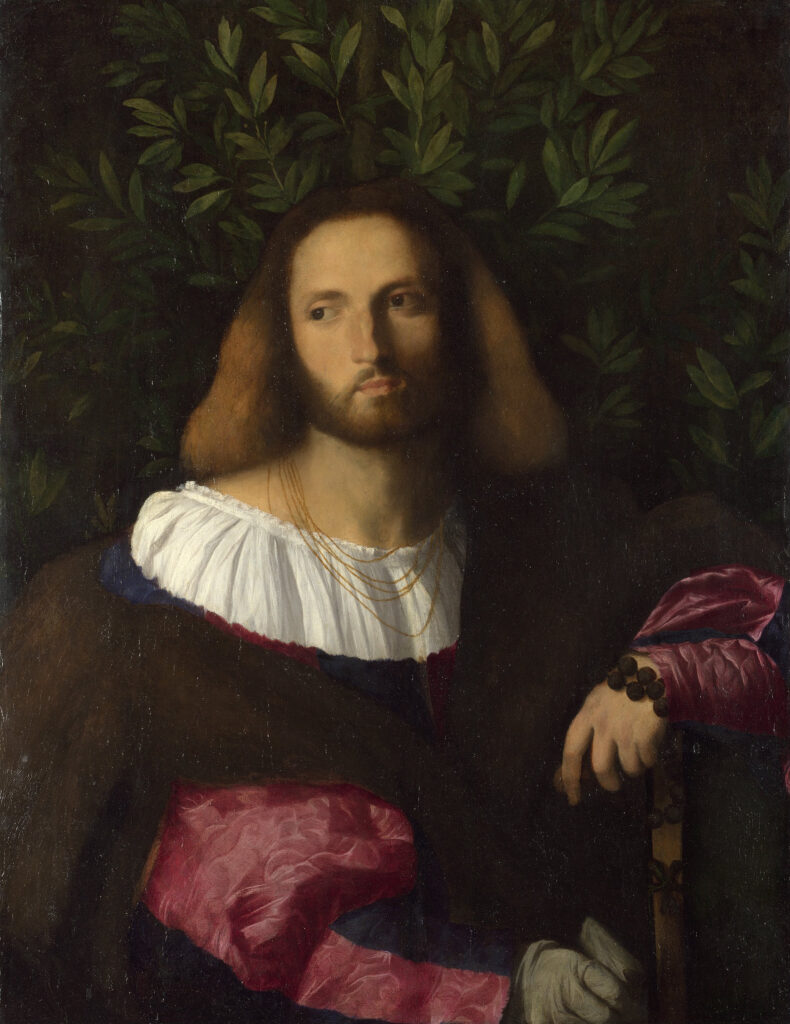
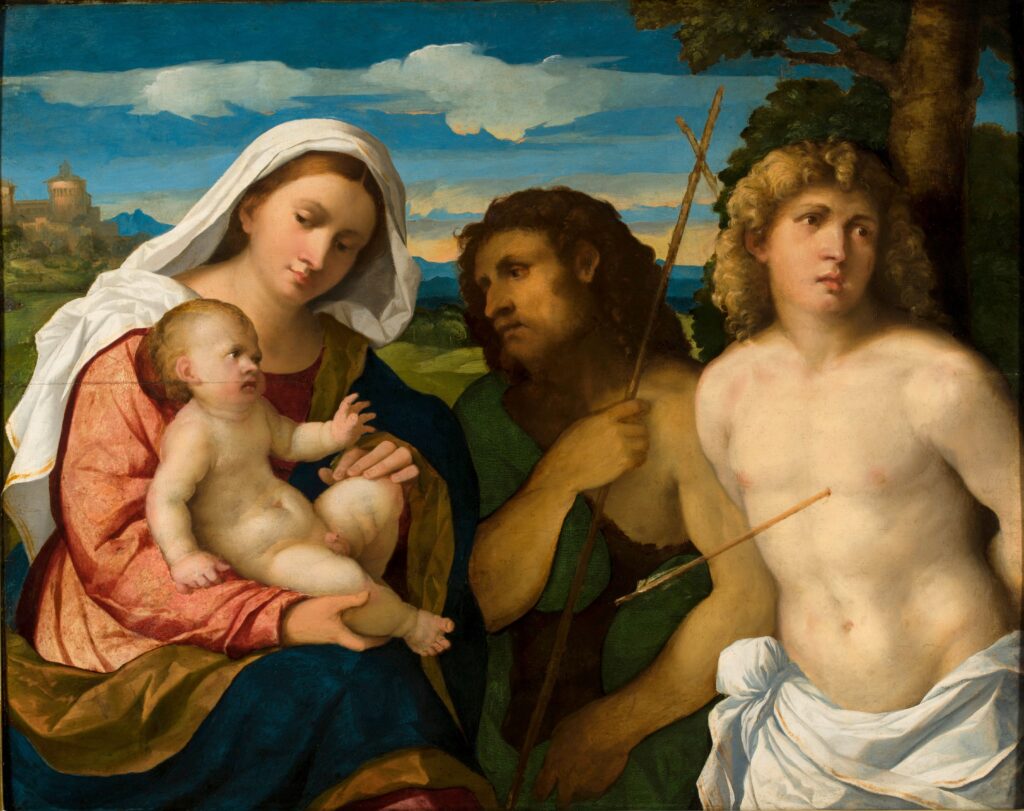
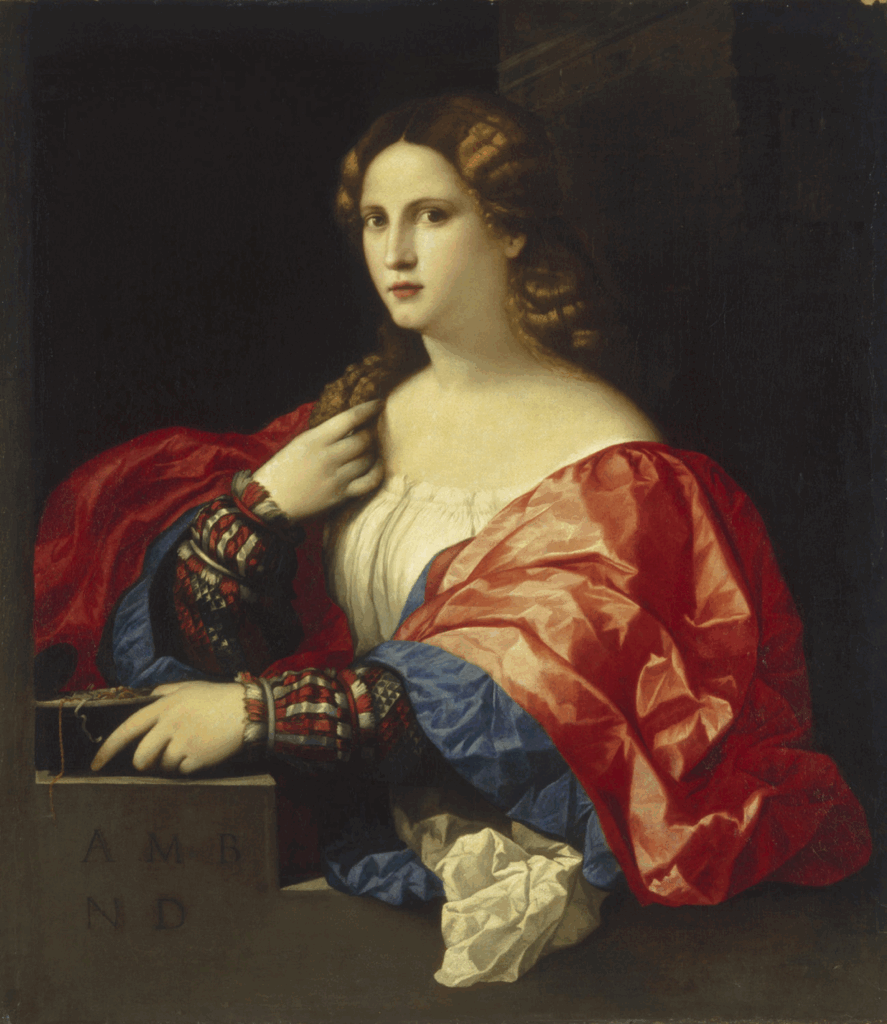
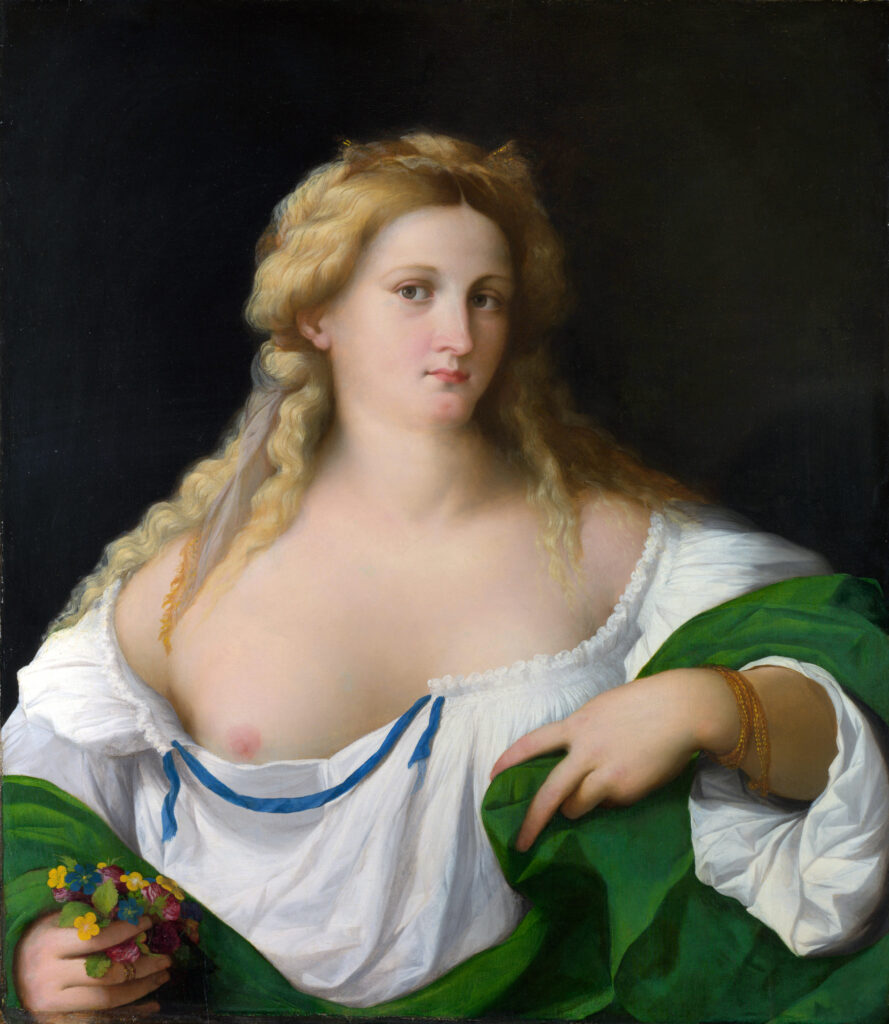
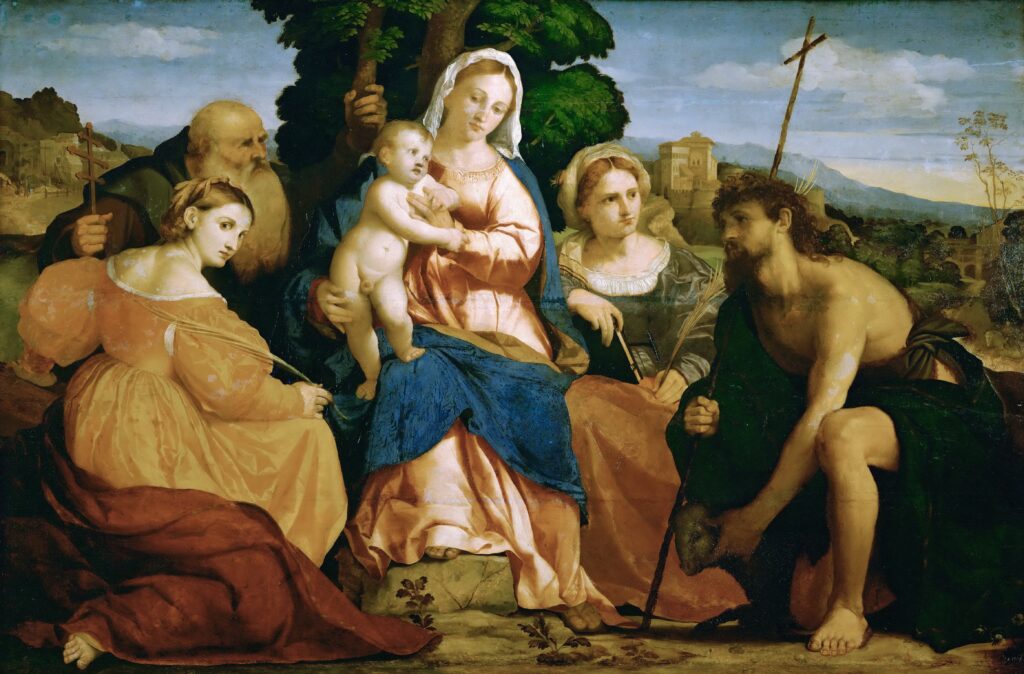
Palma Vecchio
Palma Vecchio was born Jacopo Negretti around 1480 in Serina, near Bergamo. He was established in Venice by 1510 and may have trained with Andrea Previtali or another Bergamasque painter working there.
He became a successful painter of the Venetian Renaissance, specializing in sacred conversations, portraits, and idealized half-length images of women. His work combined Giorgionesque landscape and atmosphere with the rich color and substantial figures associated with Titian and contemporary Venetian painting.
Palma remained active in Venice until his death there in 1528. His paintings were widely admired and collected, and his grandnephew Jacopo Palma the Younger later became a prominent Venetian painter.