Posts in Category: 15th Century
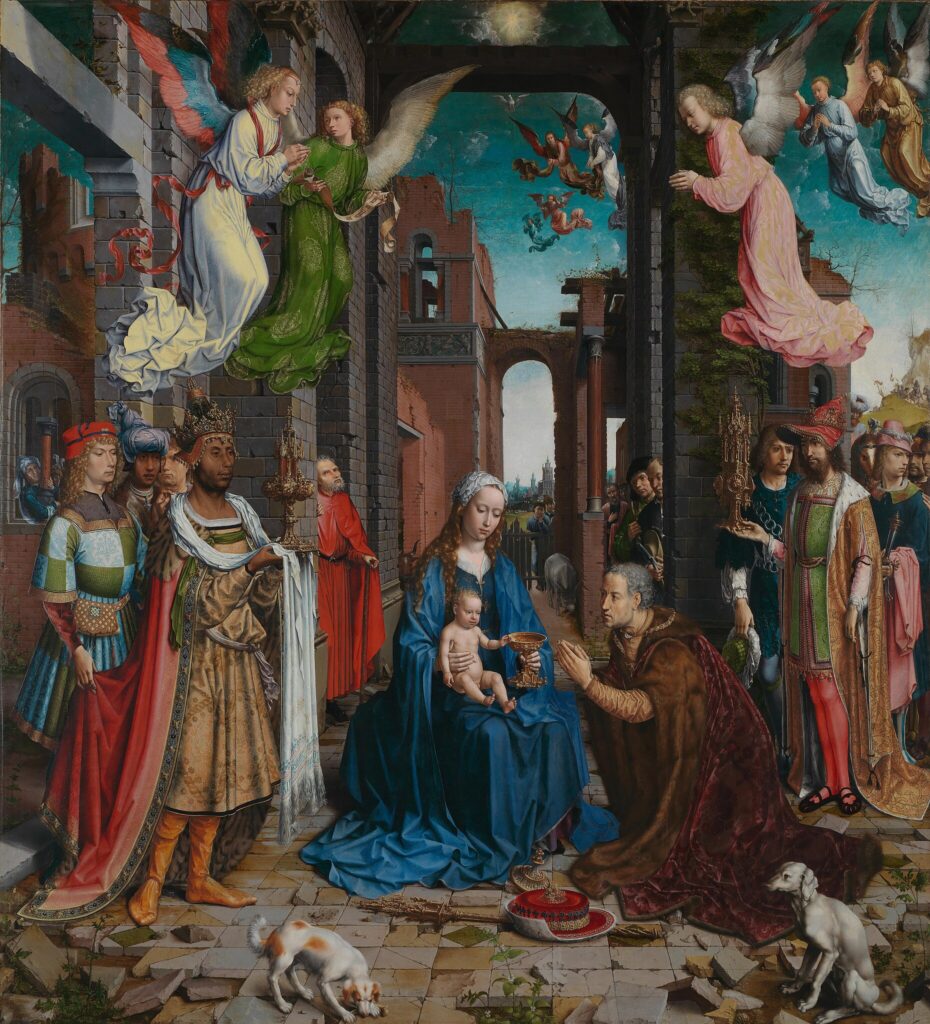
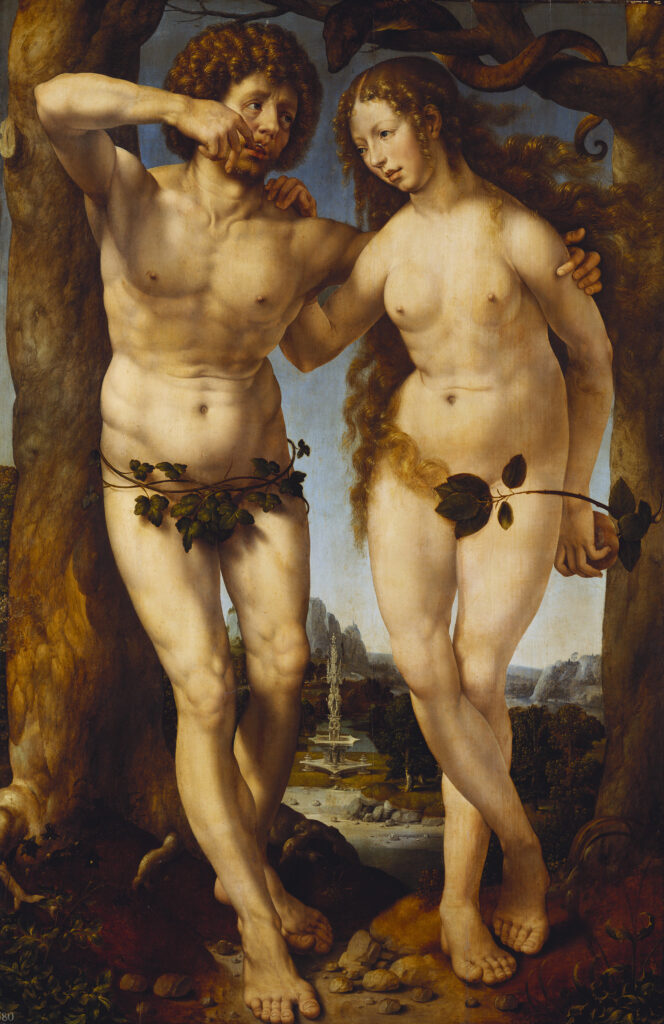
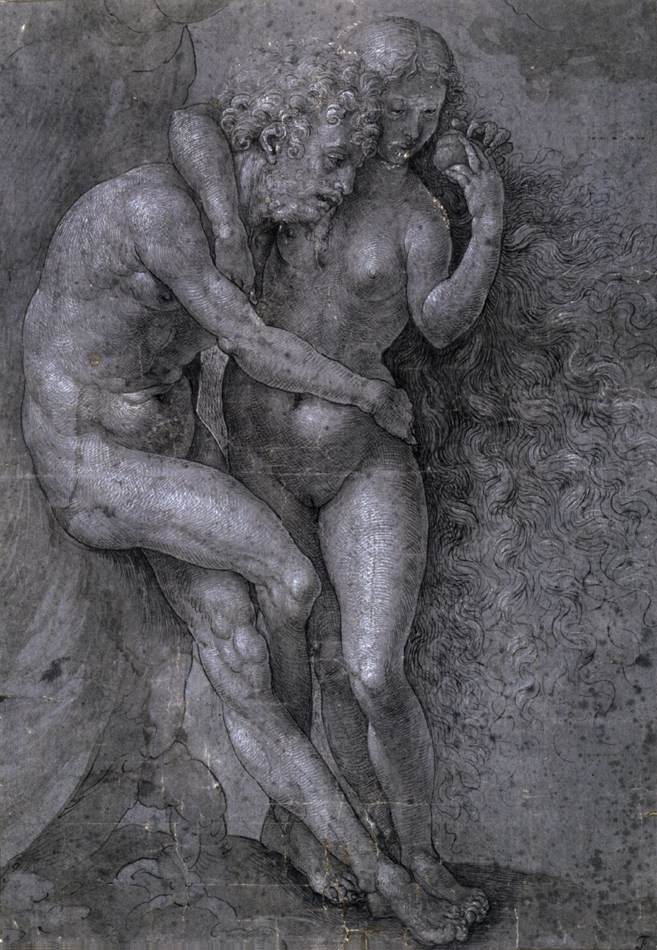
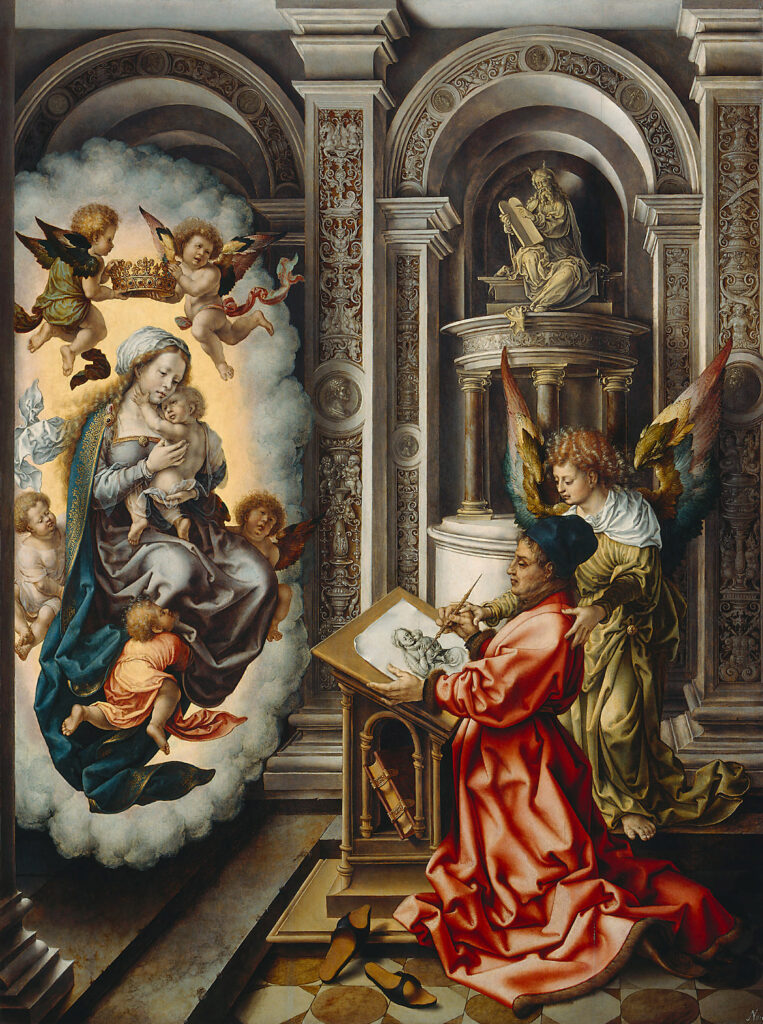
Jan Gossaert
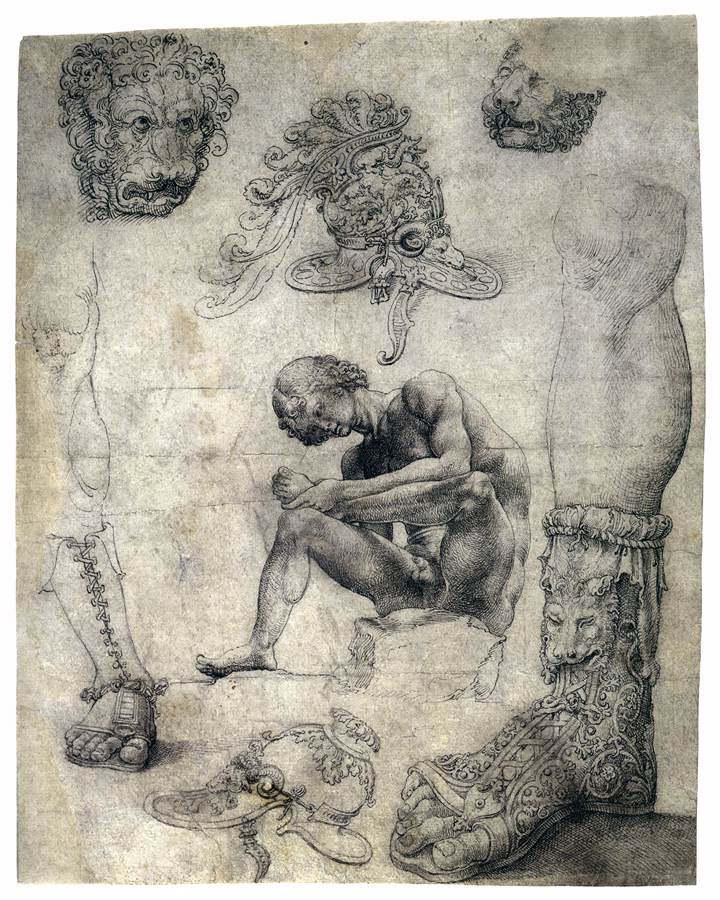
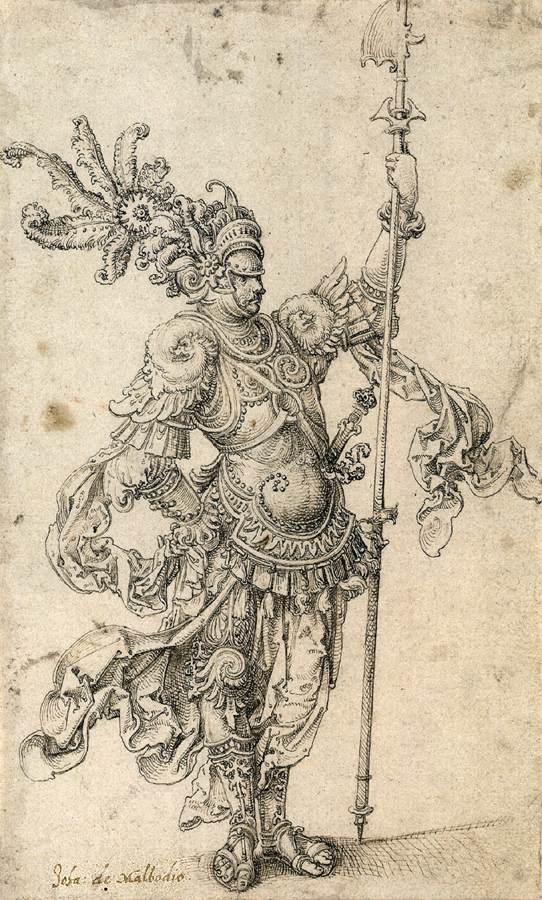
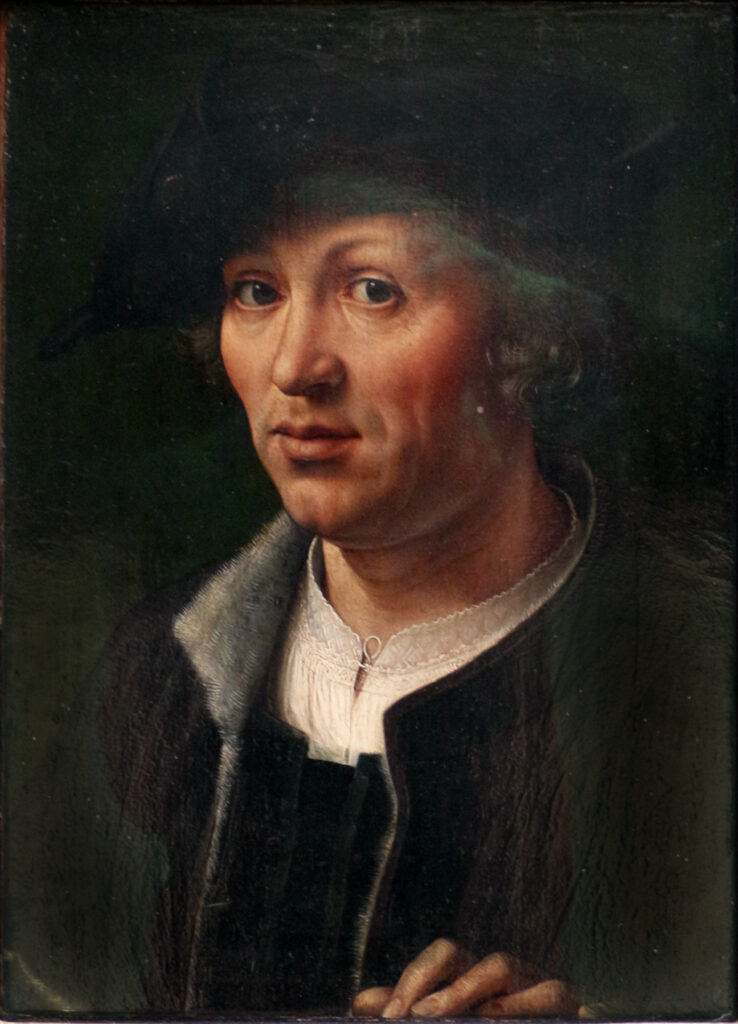
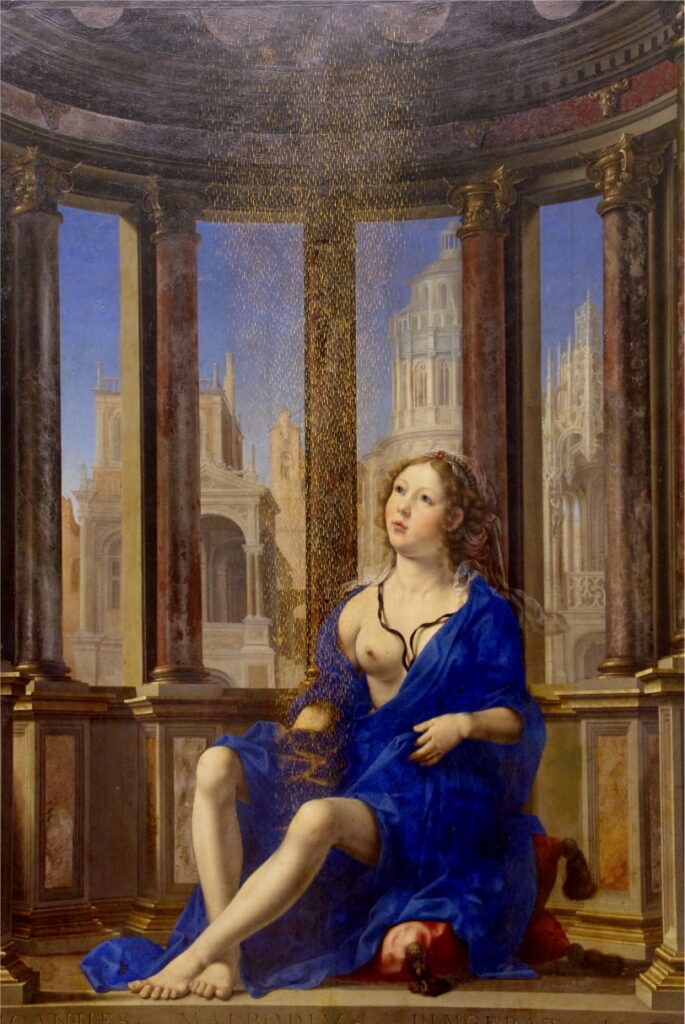
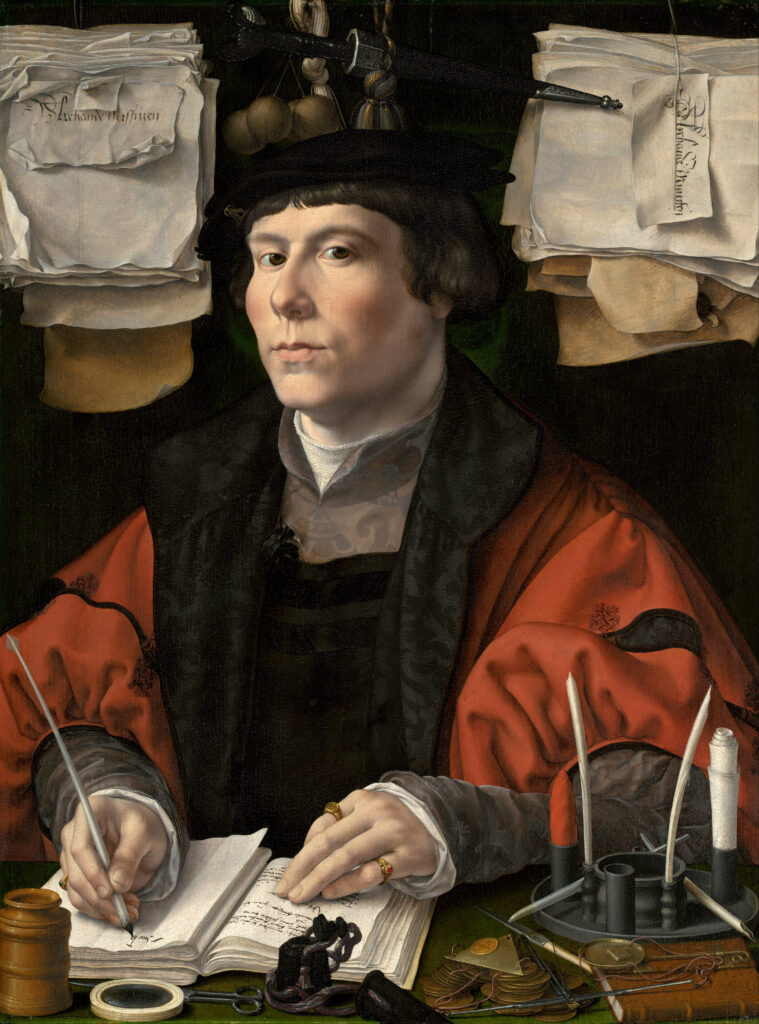
Jan Gossaert, c 1478 – October 1, 1532, was a Netherlandish painter, draftsman, and print designer of the Northern Renaissance. He was probably born in Maubeuge, then in the County of Hainaut, which gave rise to the name “Mabuse” by which he is often known. Little is known of his early training, but he was active in Antwerp by 1503 and became a master in the Guild of Saint Luke. In 1508–1509 he accompanied Philip of Burgundy on a diplomatic mission to Italy, where he studied classical antiquities and Italian Renaissance art firsthand.
Gossaert worked for Philip of Burgundy and other aristocratic patrons in the Low Countries. His paintings include religious subjects, portraits, mythological scenes, and some of the earliest fully developed Renaissance nudes produced north of the Alps. He combined Netherlandish techniques of detailed observation and oil painting with Italianate architecture, classical motifs, and figure types derived from Renaissance models.
He helped introduce Renaissance forms into Netherlandish art and influenced a generation of painters working in the Habsburg Netherlands. His works are held in major collections including the National Gallery, London, the Metropolitan Museum of Art, the Rijksmuseum, the Gemäldegalerie, Berlin, the Prado Museum, and the Royal Museums of Fine Arts of Belgium.






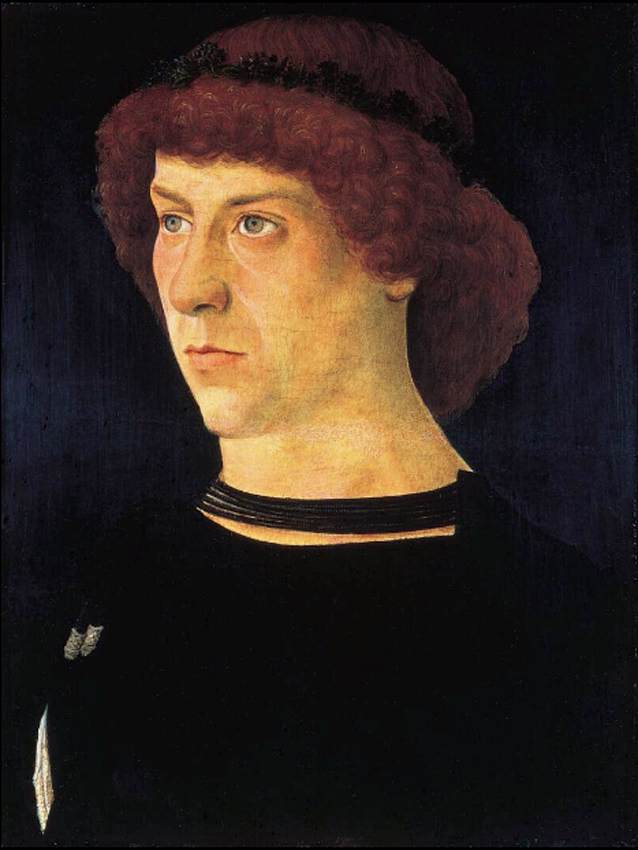
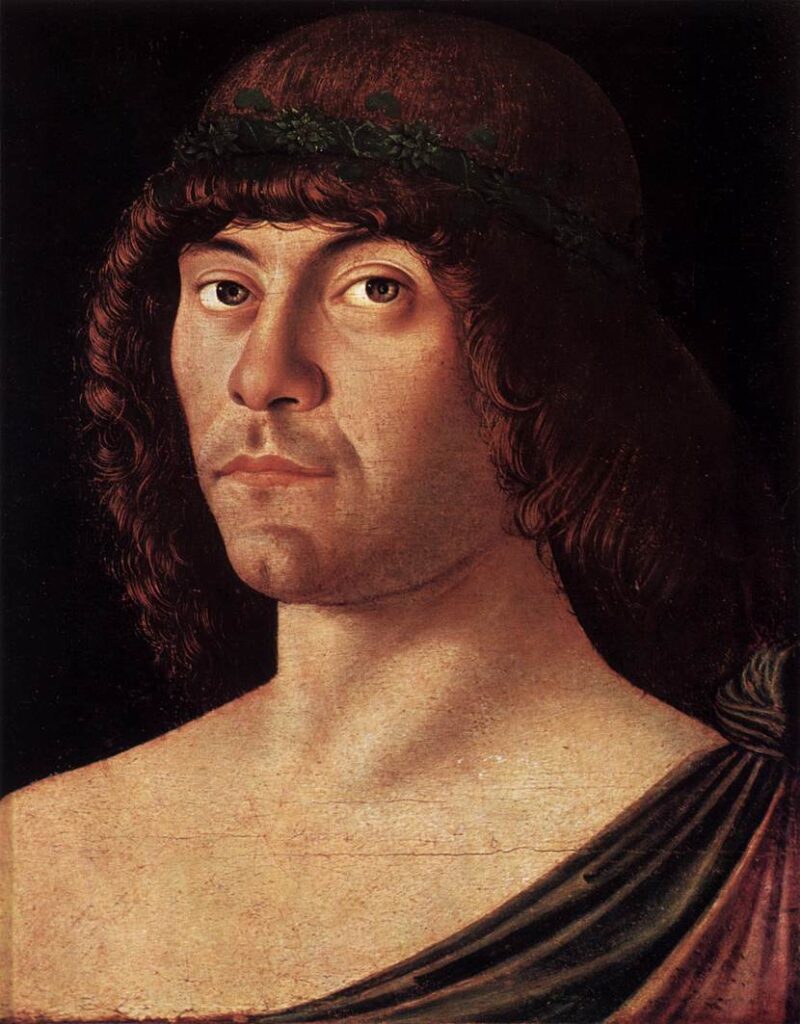
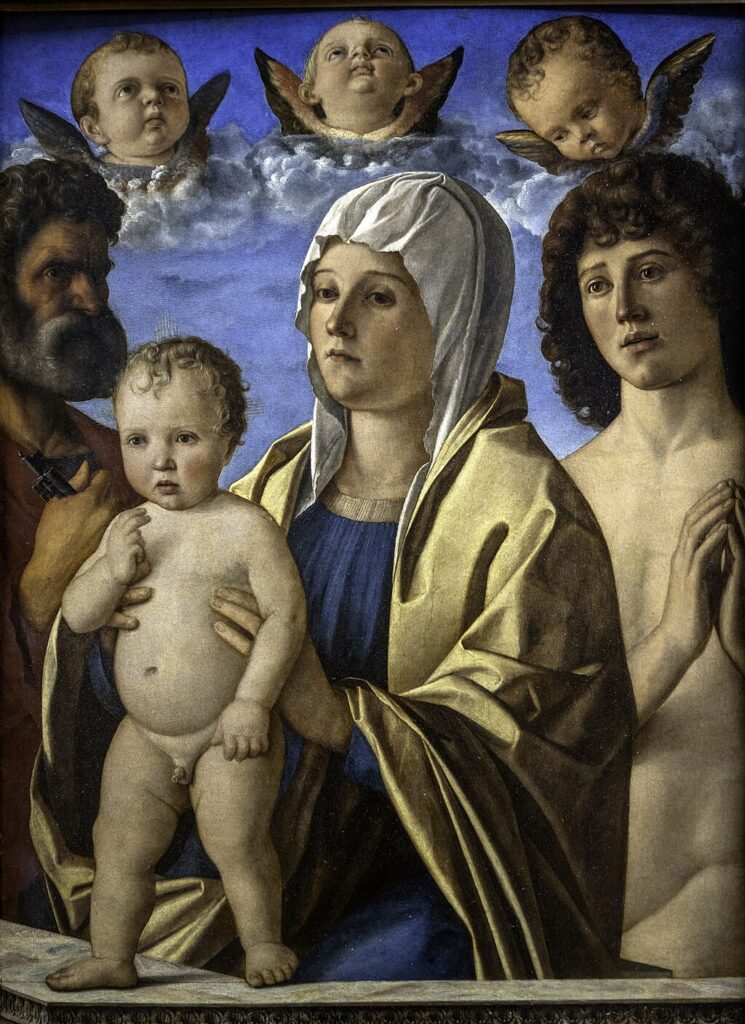
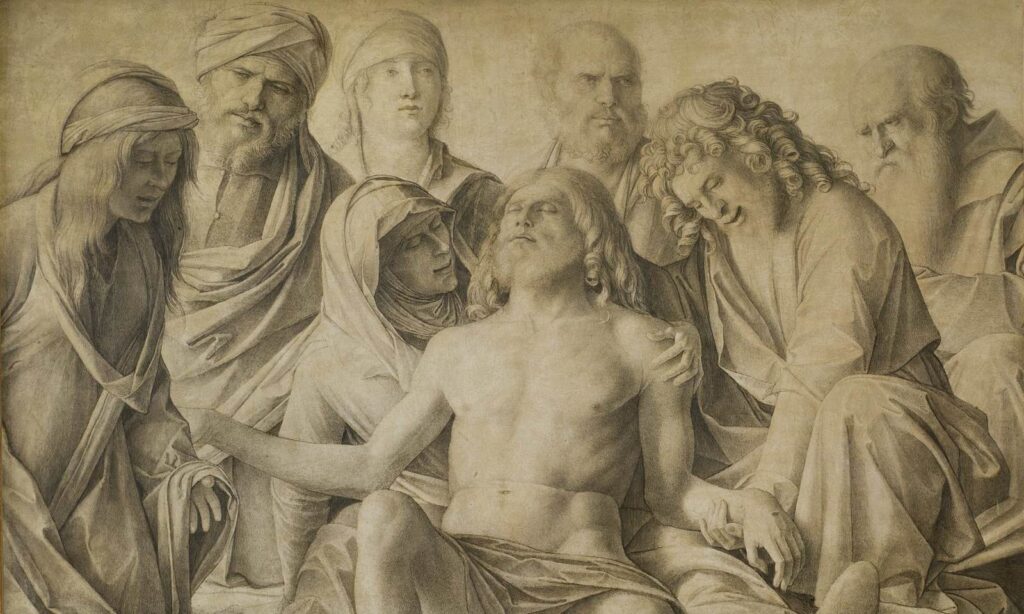
Carlo Crivelli
Carlo Crivelli, c 1430–c 1495, was an Italian painter born in Venice who worked chiefly in the Marche. He came from a family of painters: his father, Jacopo, and his younger brother, Vittore, were painters. He probably received his first training in his father’s workshop and may have trained with Francesco Squarcione in Padua.
Crivelli was documented as a painter in Venice in 1457. After periods in Venice and Zara, he worked in the Marche, including Ascoli Piceno, Camerino, Fabriano, and Matelica. His early formation was shaped by Venetian painters including the Vivarini and by the Paduan circle of Squarcione; Giorgio Schiavone and Andrea Mantegna were important artistic influences.
He was a successful maker of altarpieces and painted for churches and religious institutions in the Marche. Principal collections of his work include the National Gallery, London; the Vatican Museums; the Metropolitan Museum of Art; the Museo Poldi Pezzoli; the Rijksmuseum; and the National Gallery of Art.




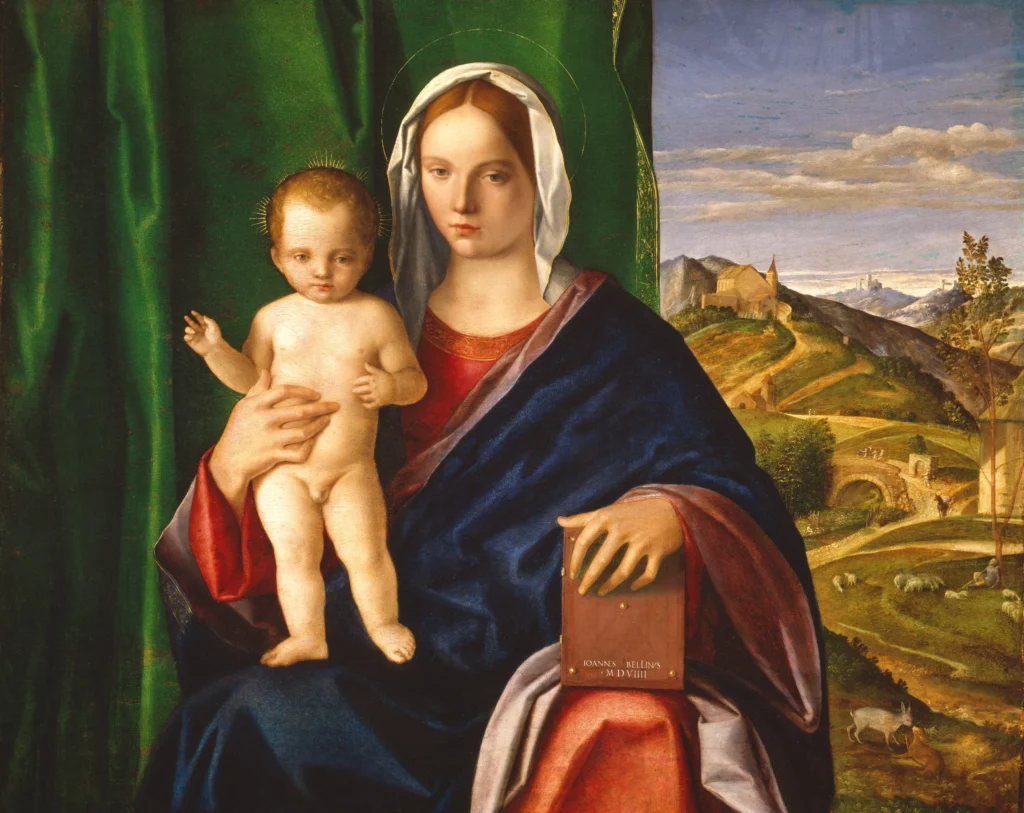
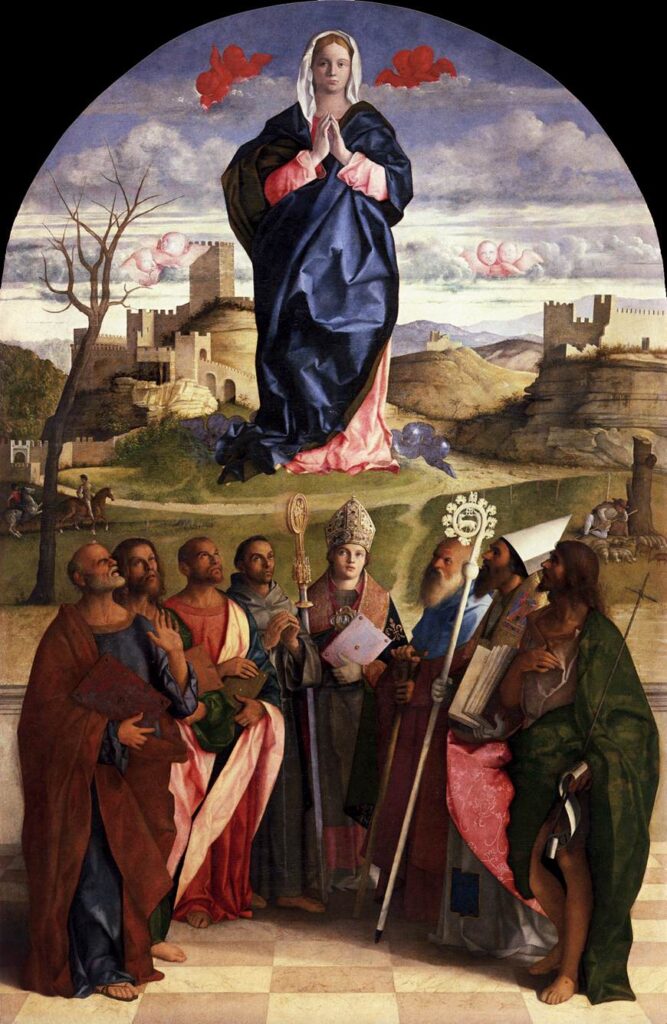
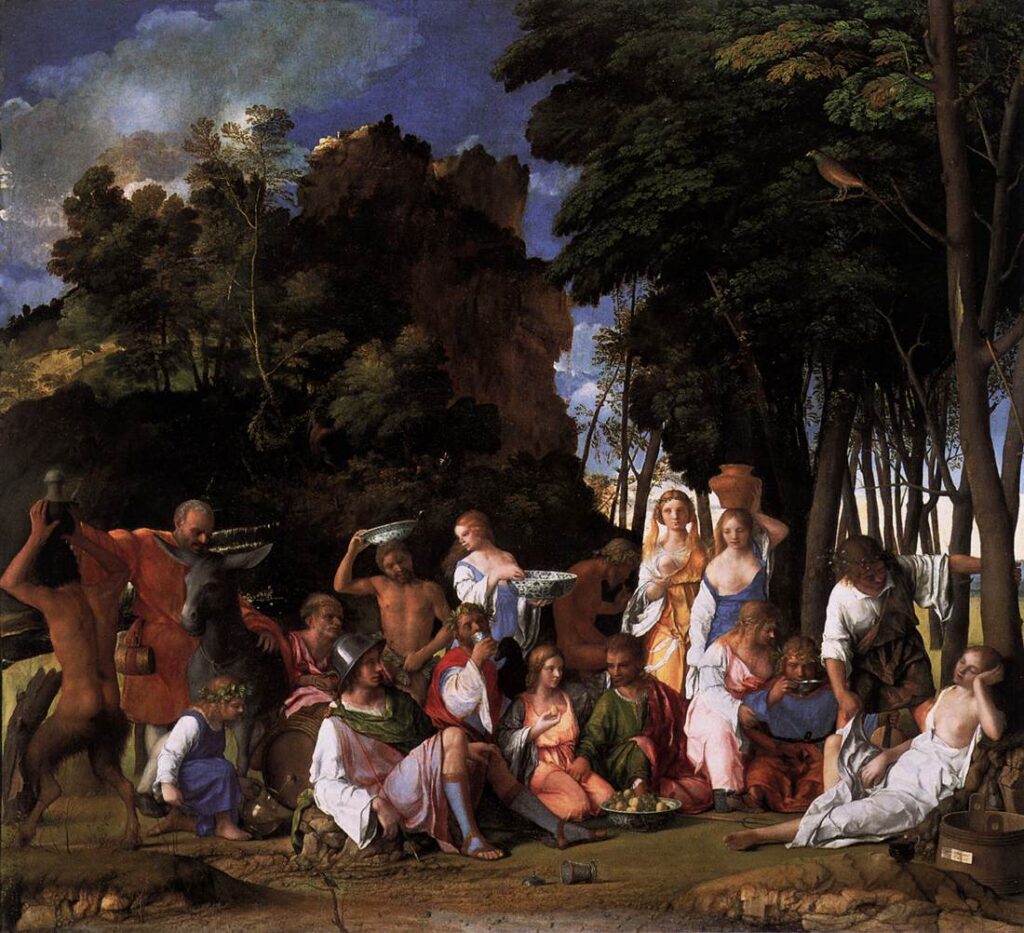
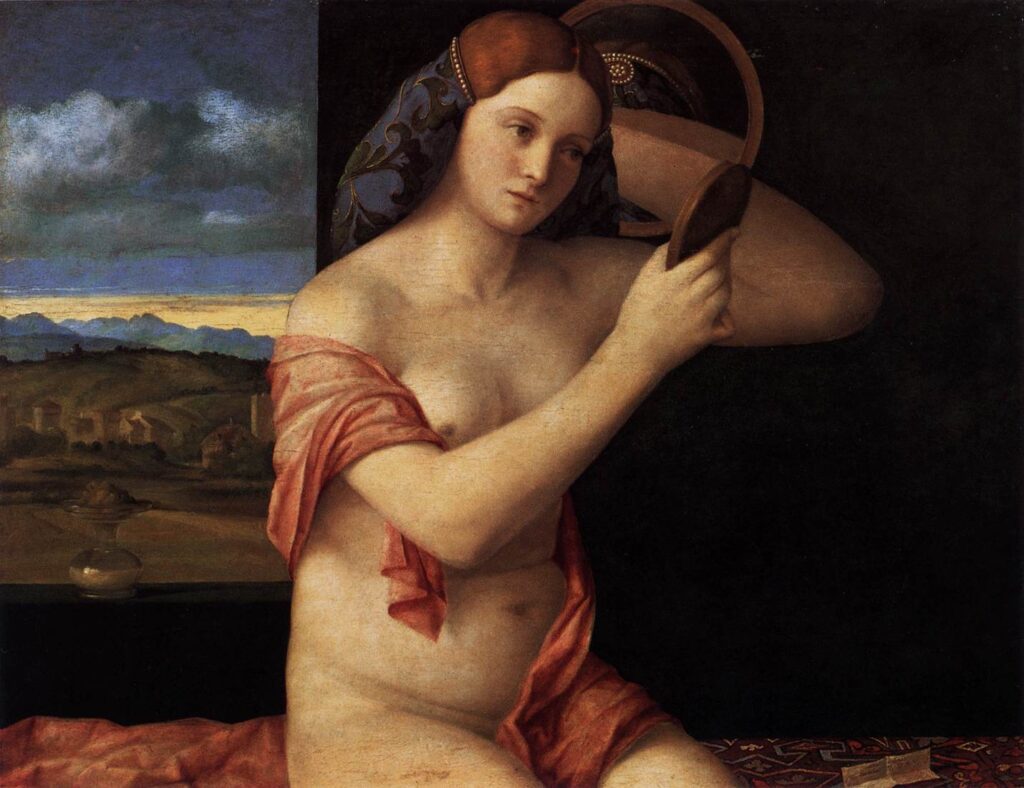
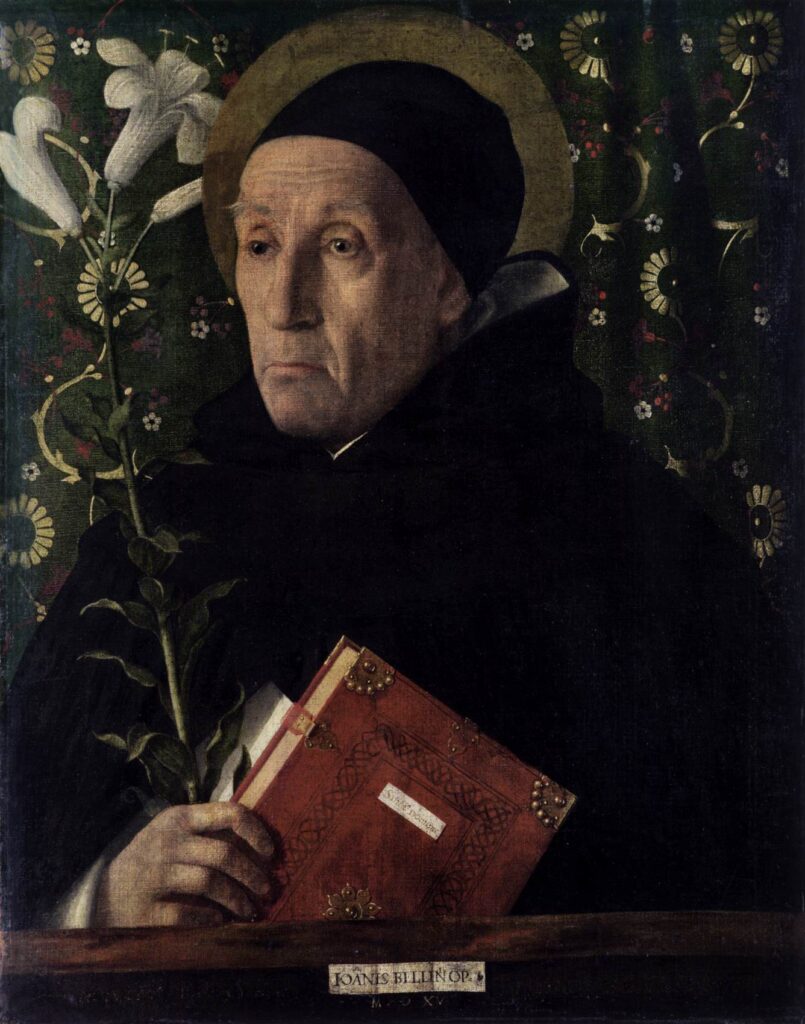
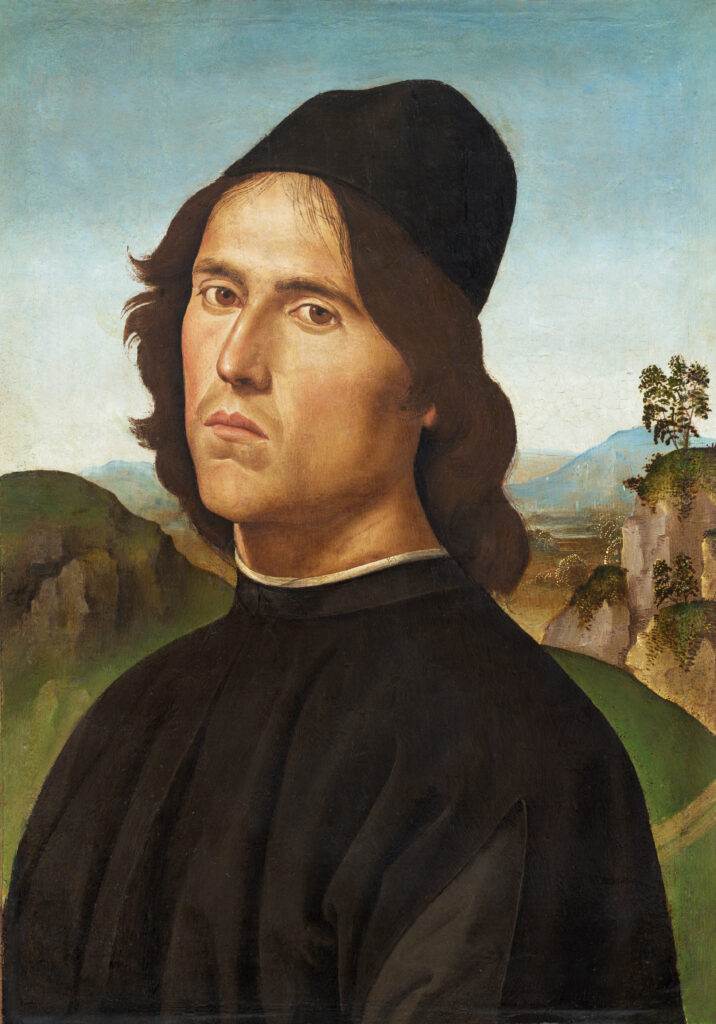
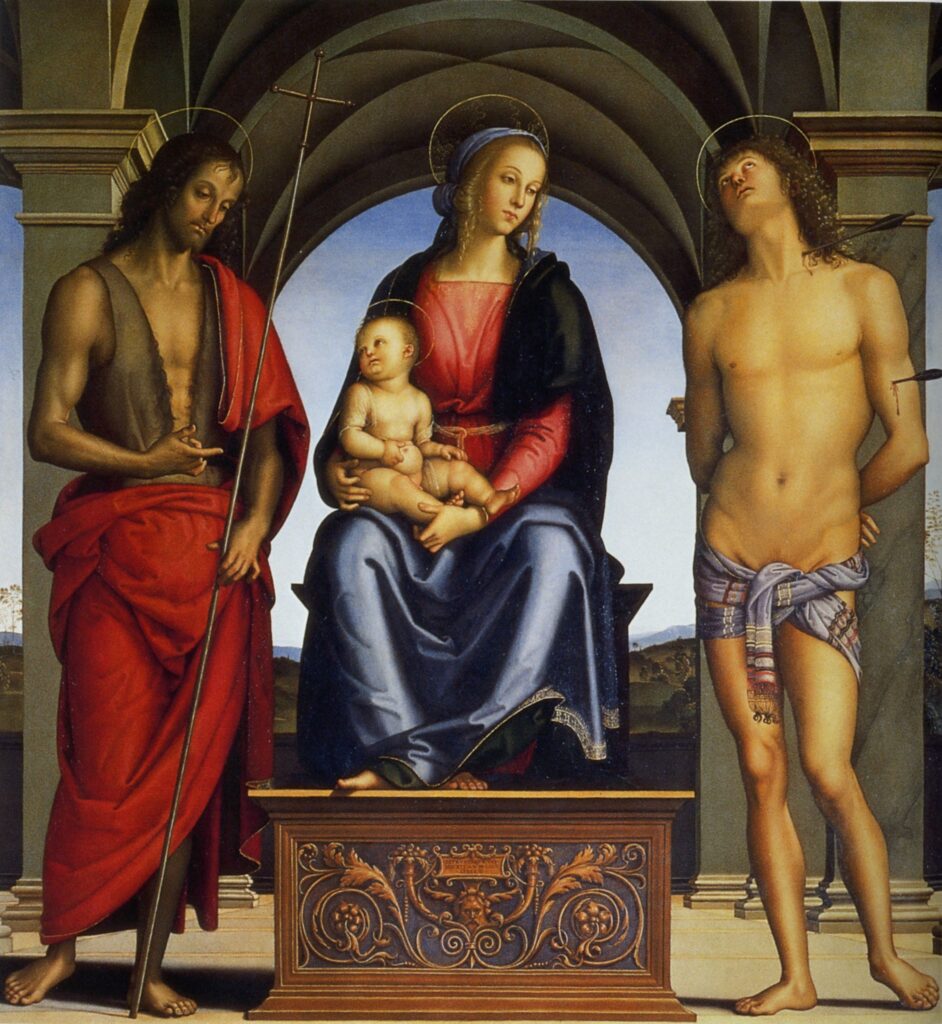
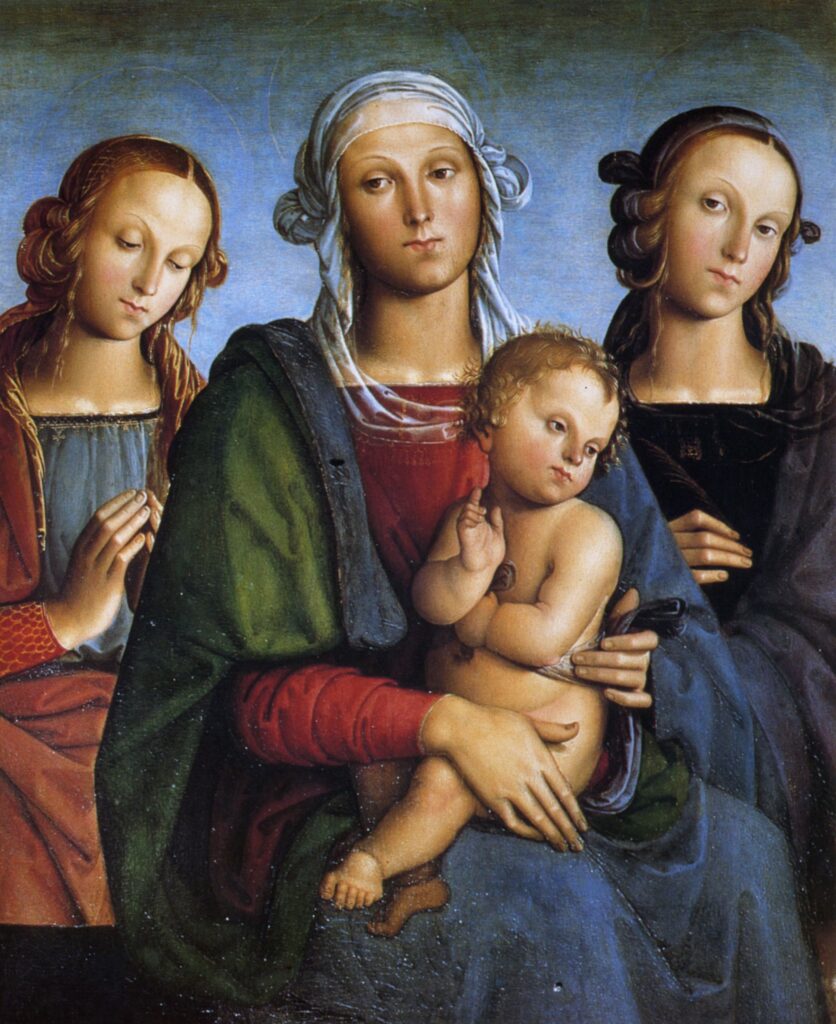
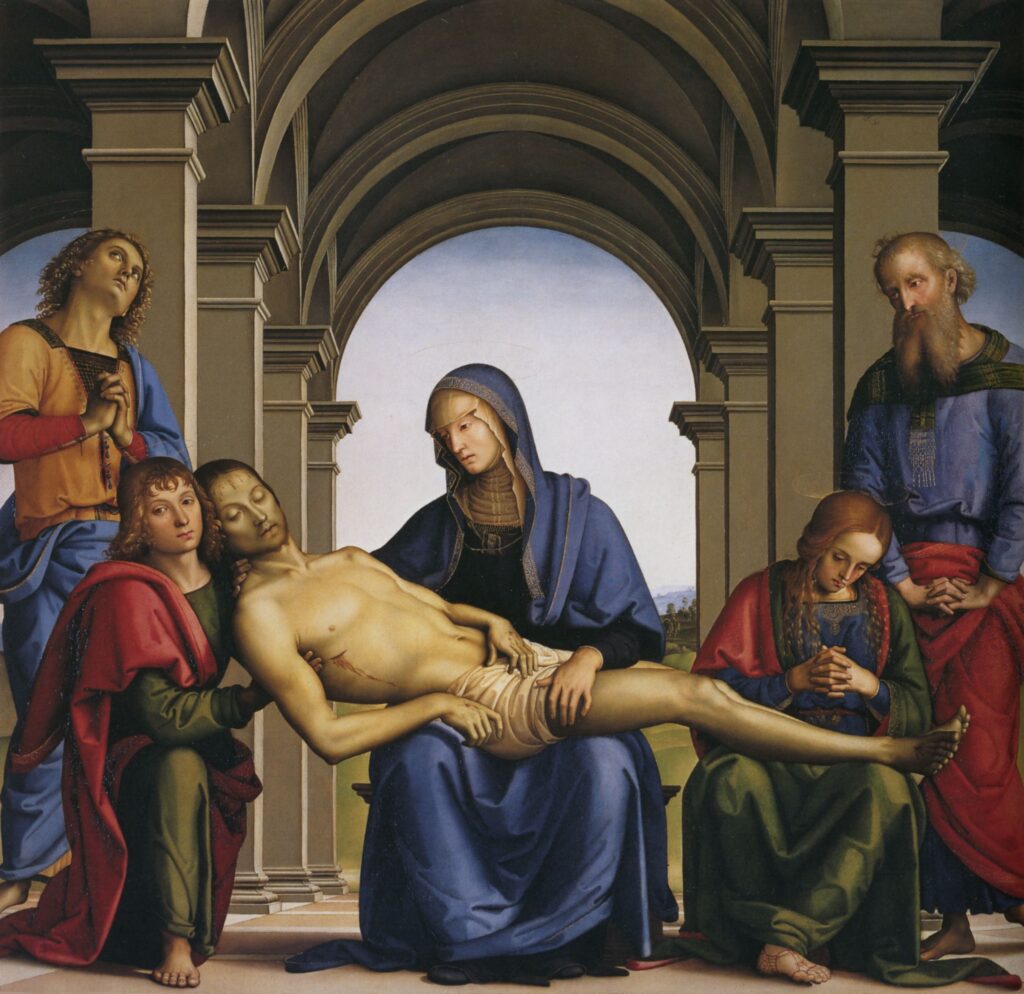
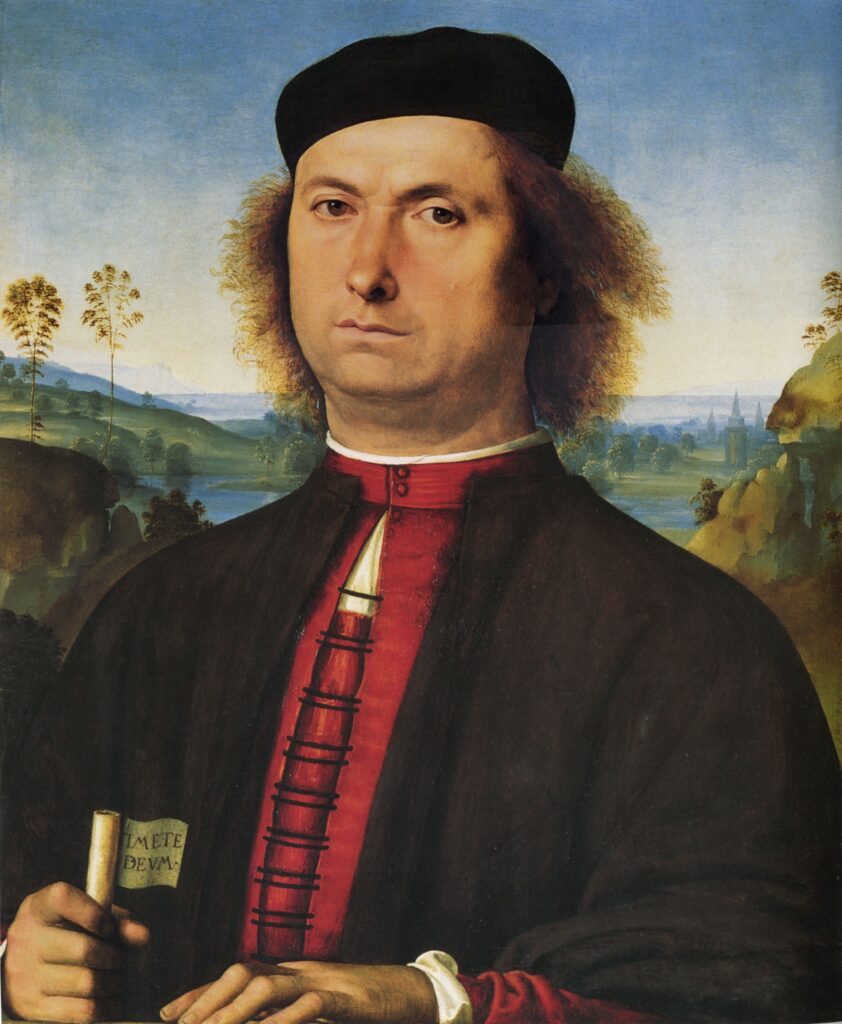
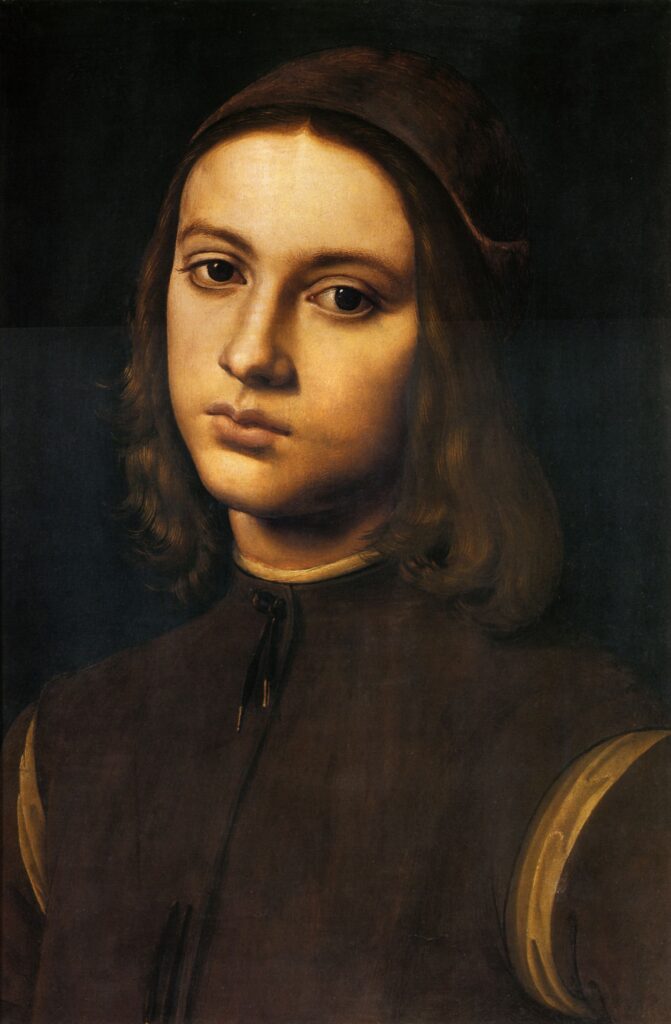
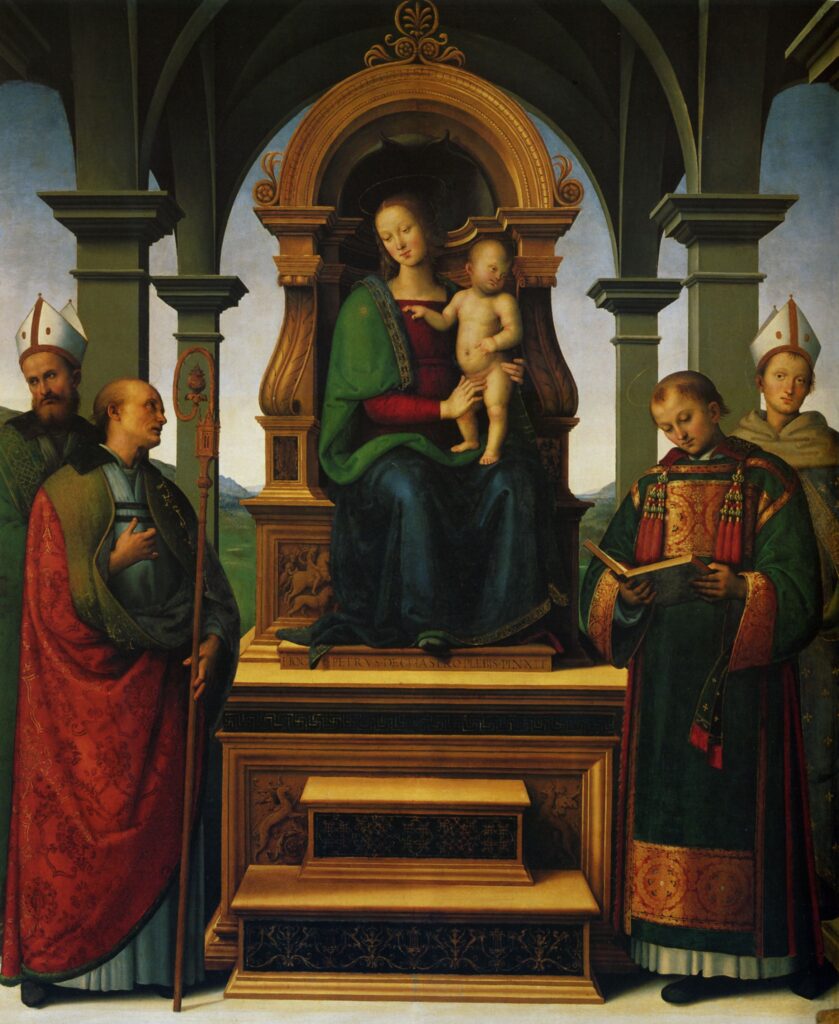
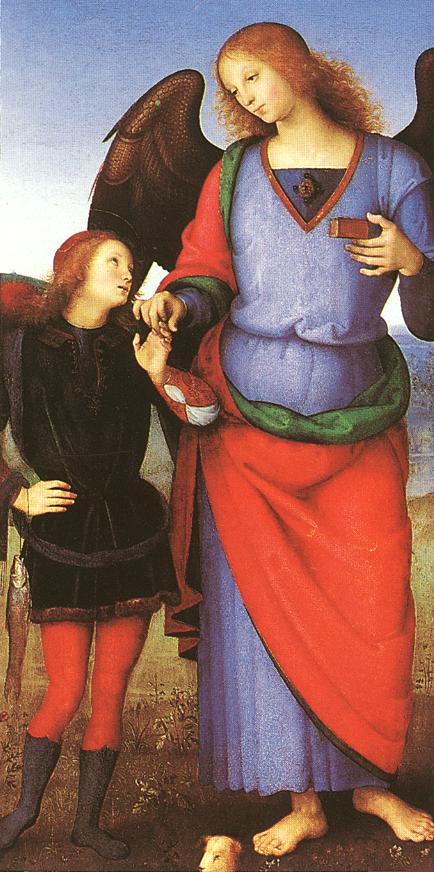
Pietro Perugino
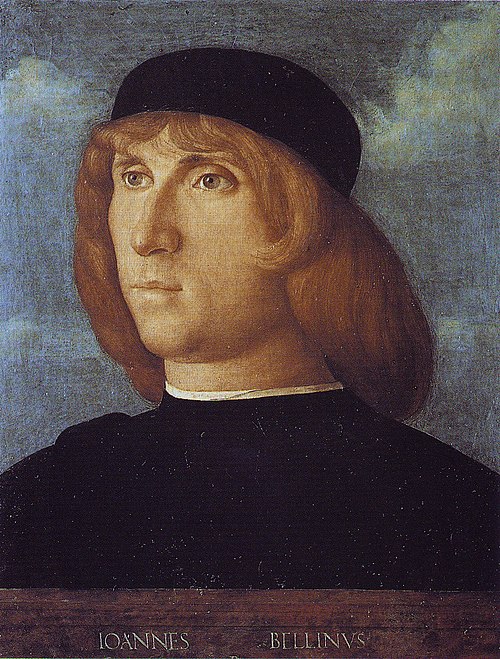
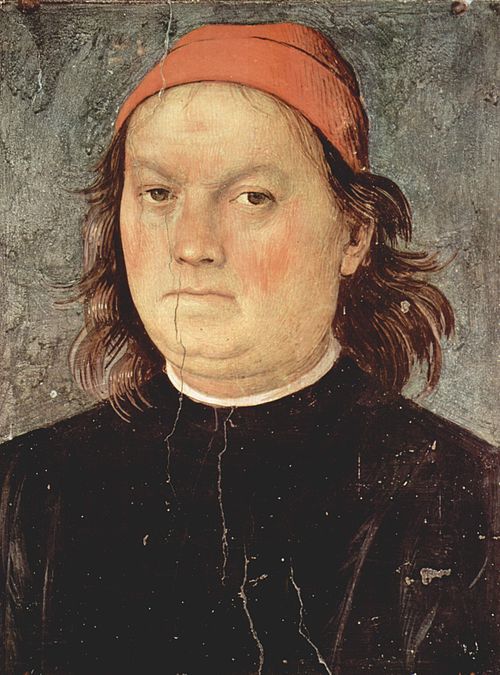
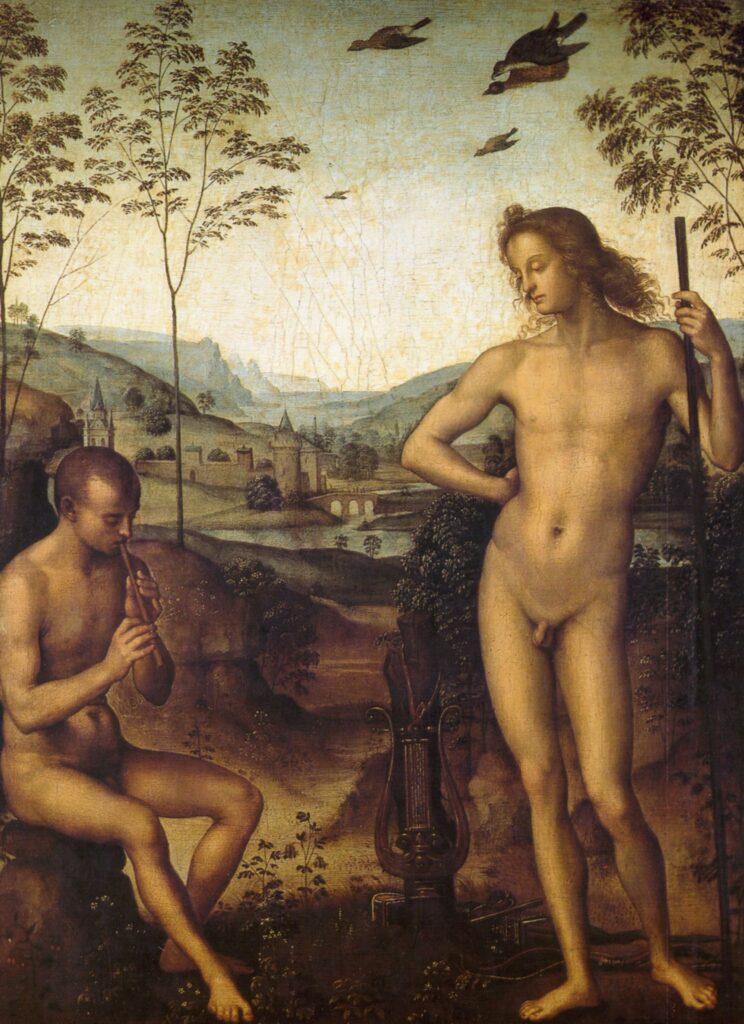
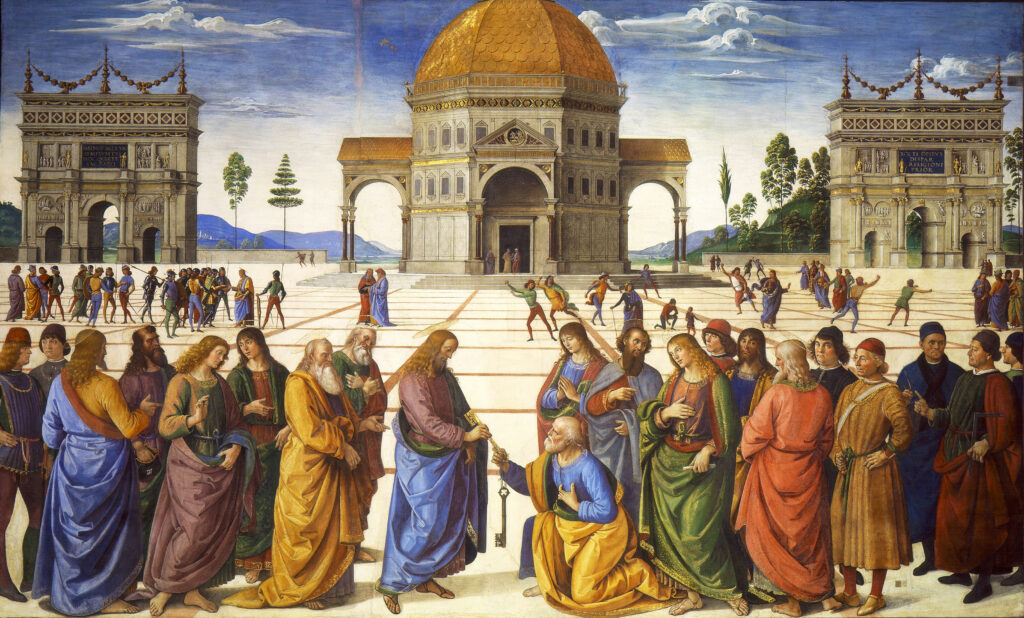
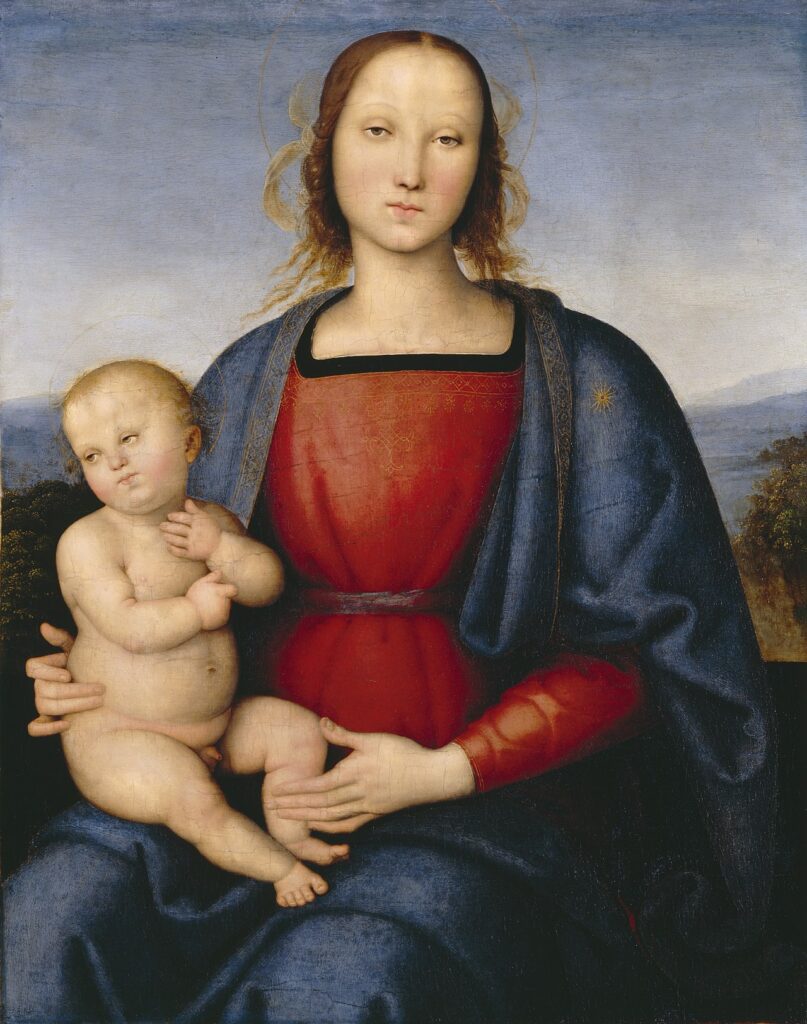
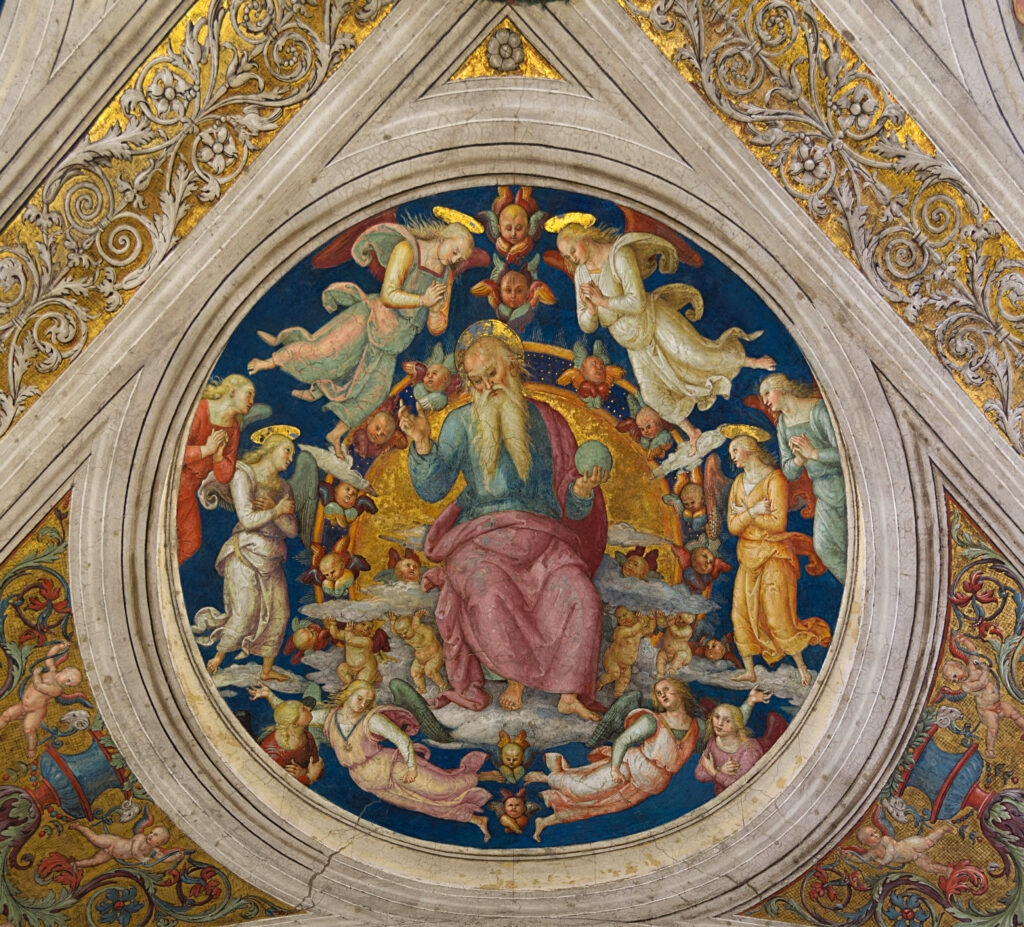
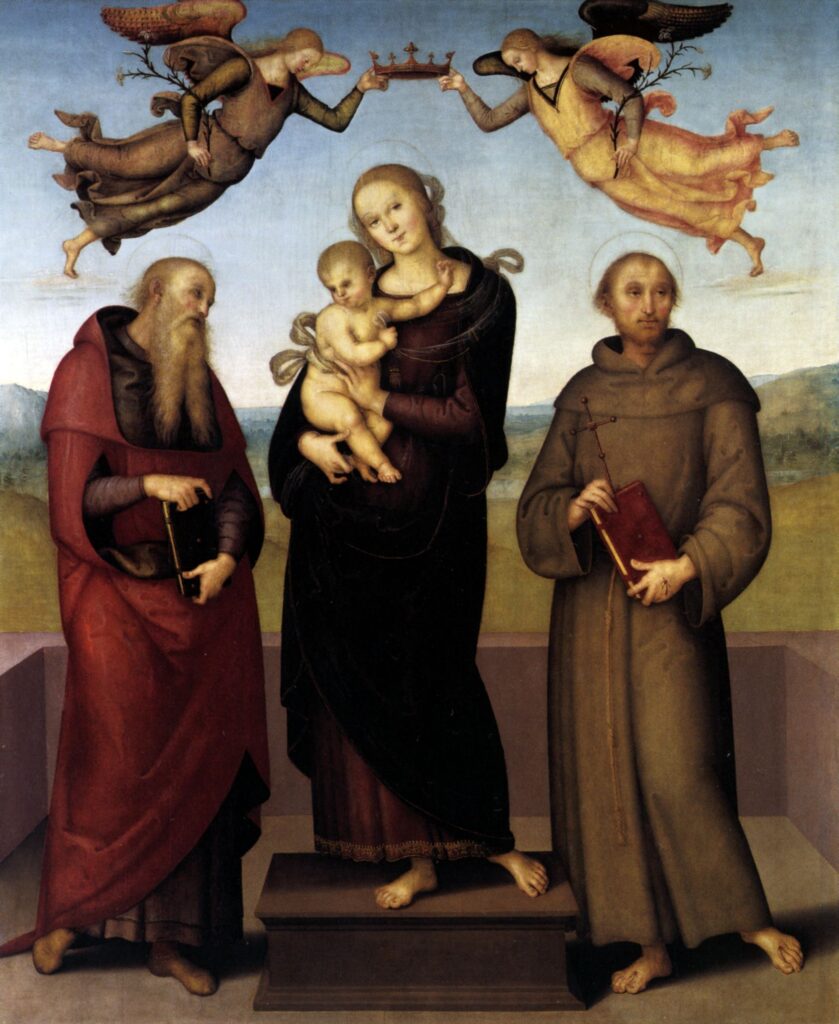
Pietro Perugino, c 1450–1523, was an Italian painter of the Umbrian school. Born Pietro Vannucci at Città della Pieve, he worked in Perugia, Florence, Rome, and other Italian cities.
He is generally associated with the Florentine workshop of Andrea del Verrocchio and was active alongside artists including Sandro Botticelli, Domenico Ghirlandaio, and Cosimo Rosselli on the decoration of the Sistine Chapel. Raphael is traditionally counted among his pupils.
Major collections of Perugino’s work include the Uffizi Galleries, Florence; Vatican Museums, Vatican City; National Gallery, London; National Gallery of Art, Washington DC; Detroit Institute of Arts; and Kunsthistorisches Museum, Vienna.






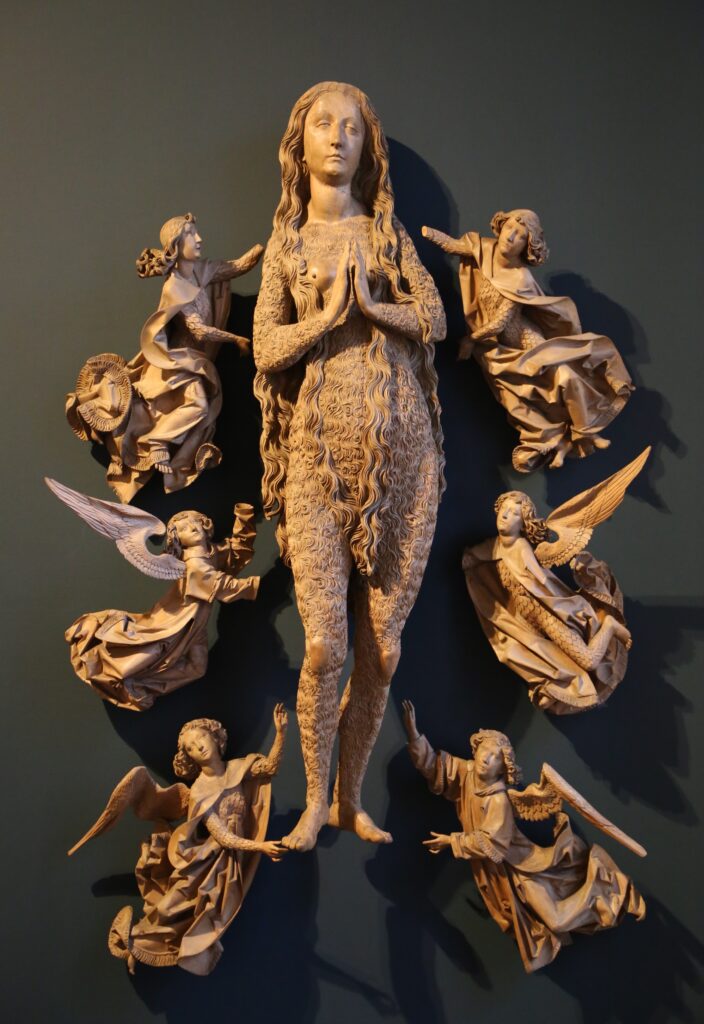
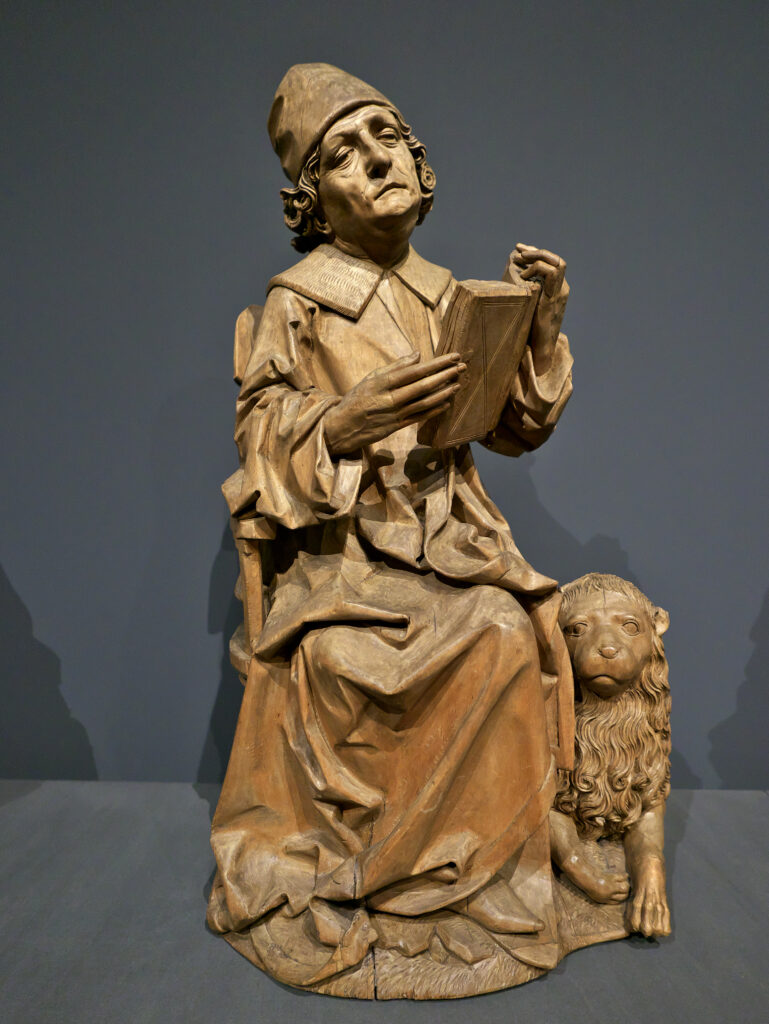
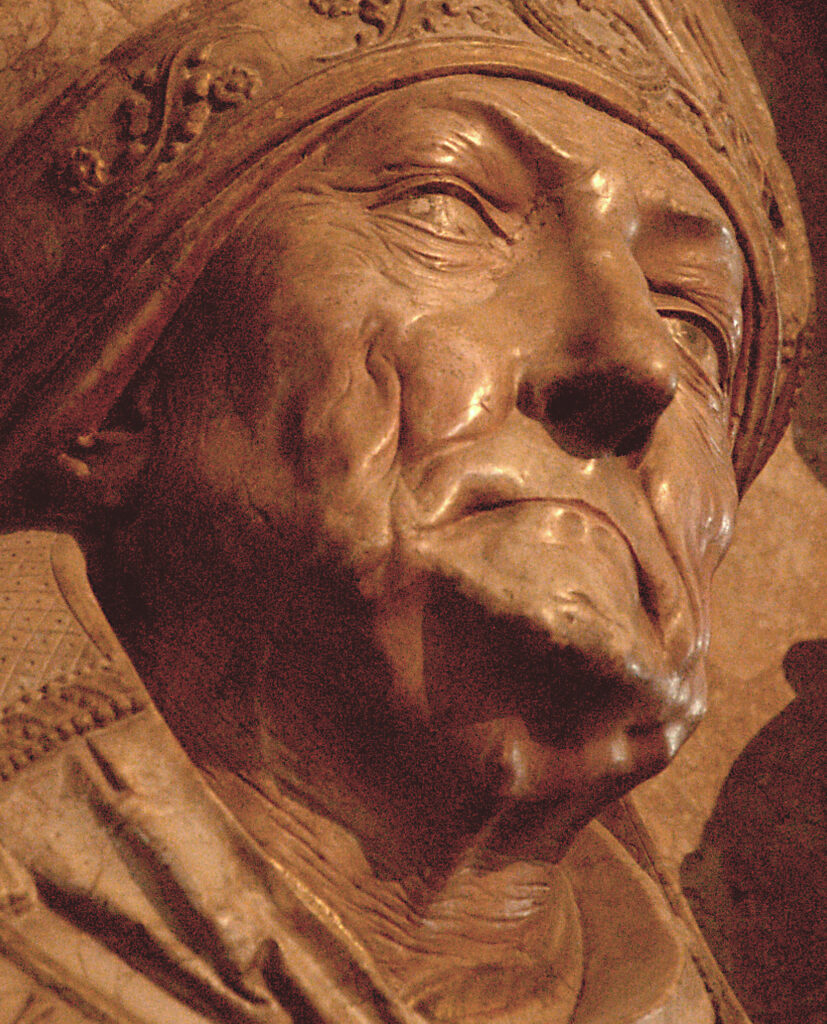
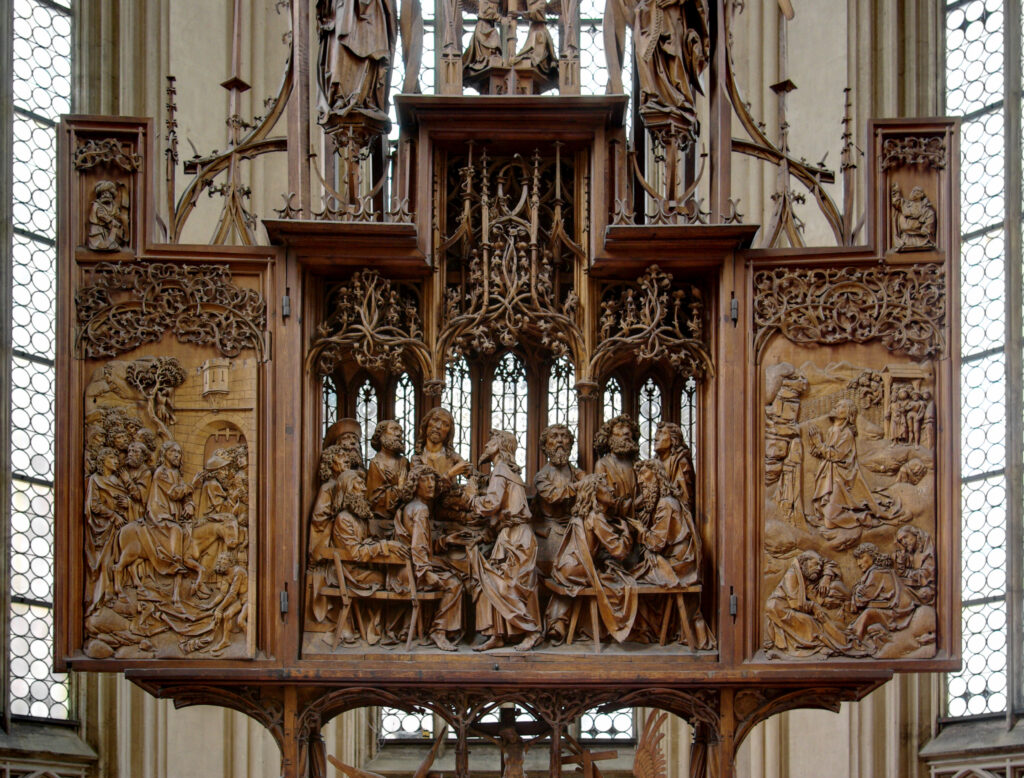
Tilman Riemenschneider
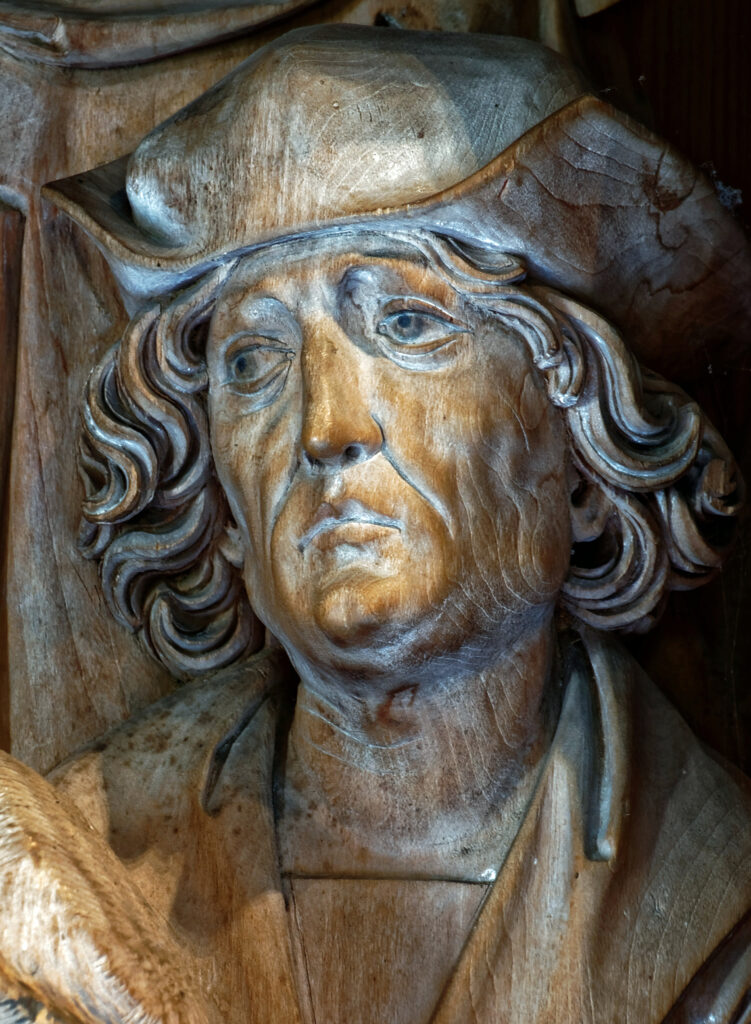
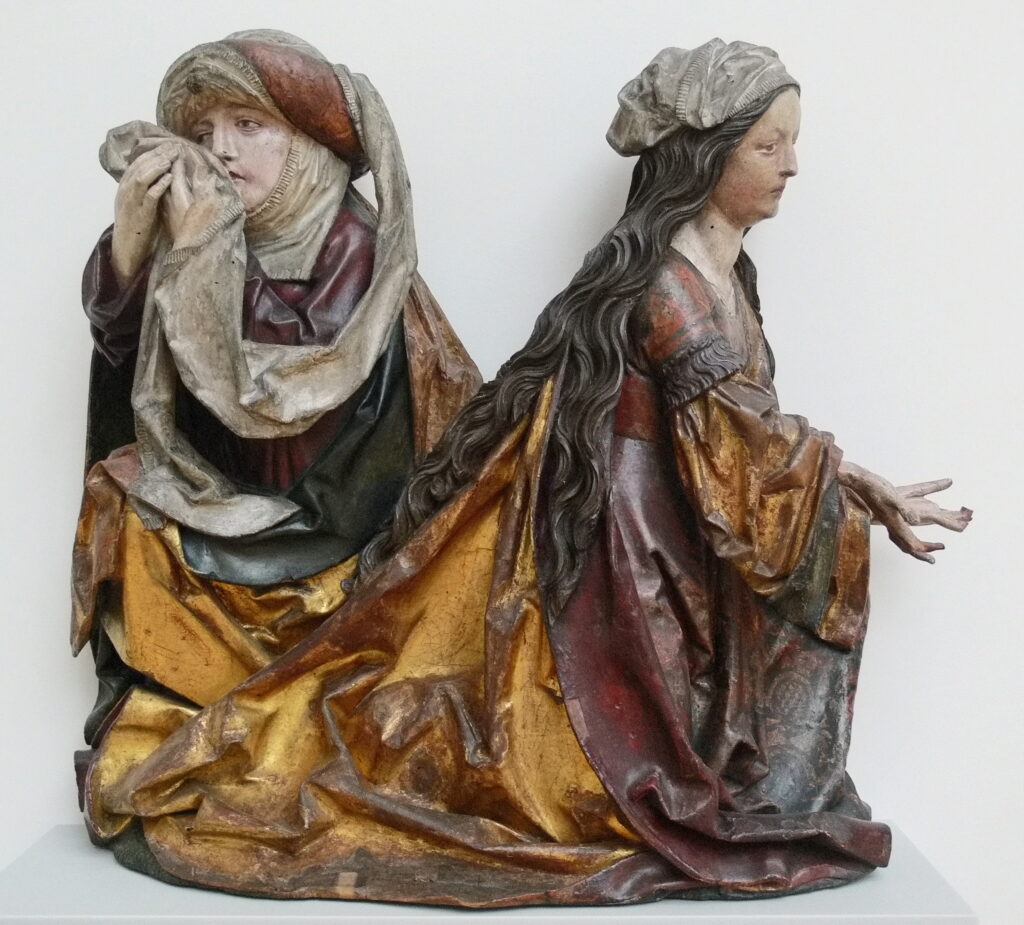
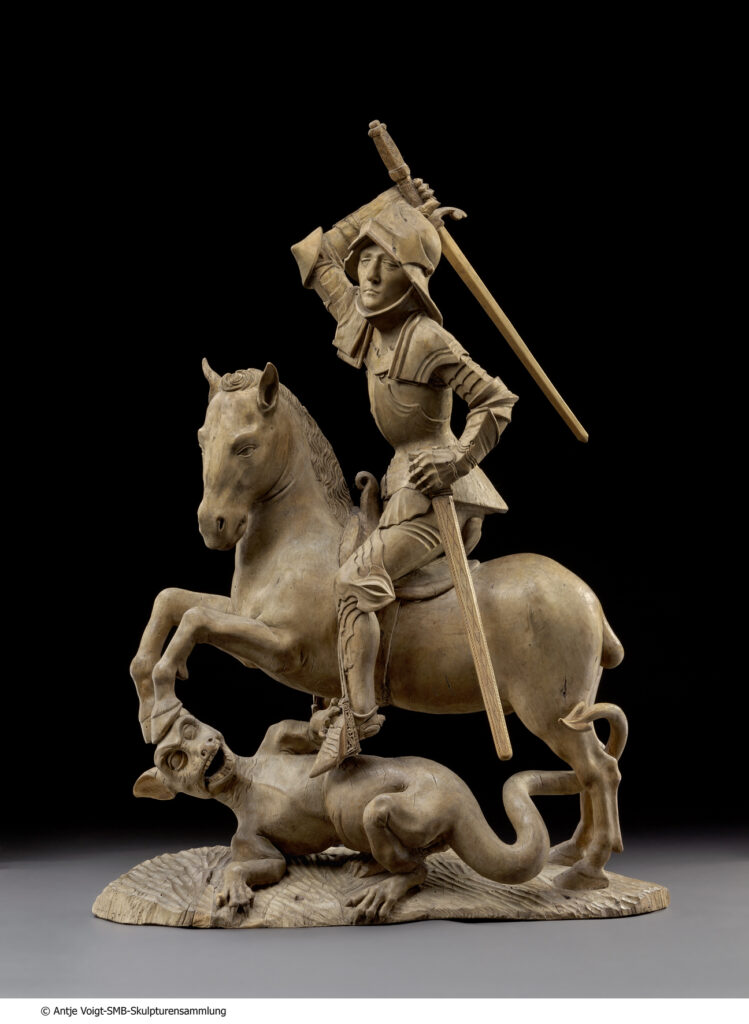
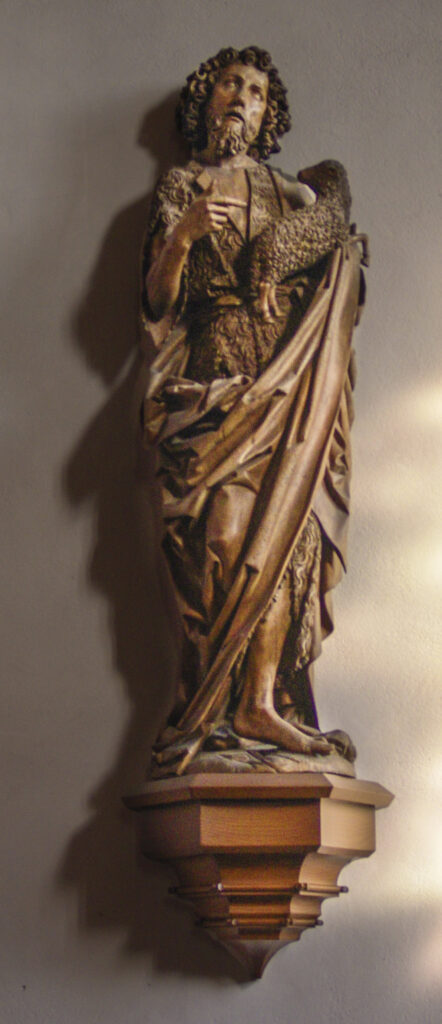
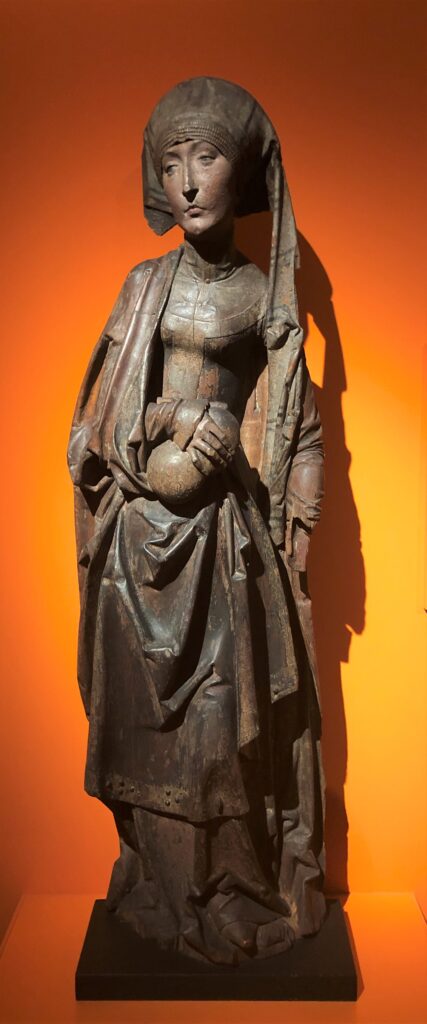
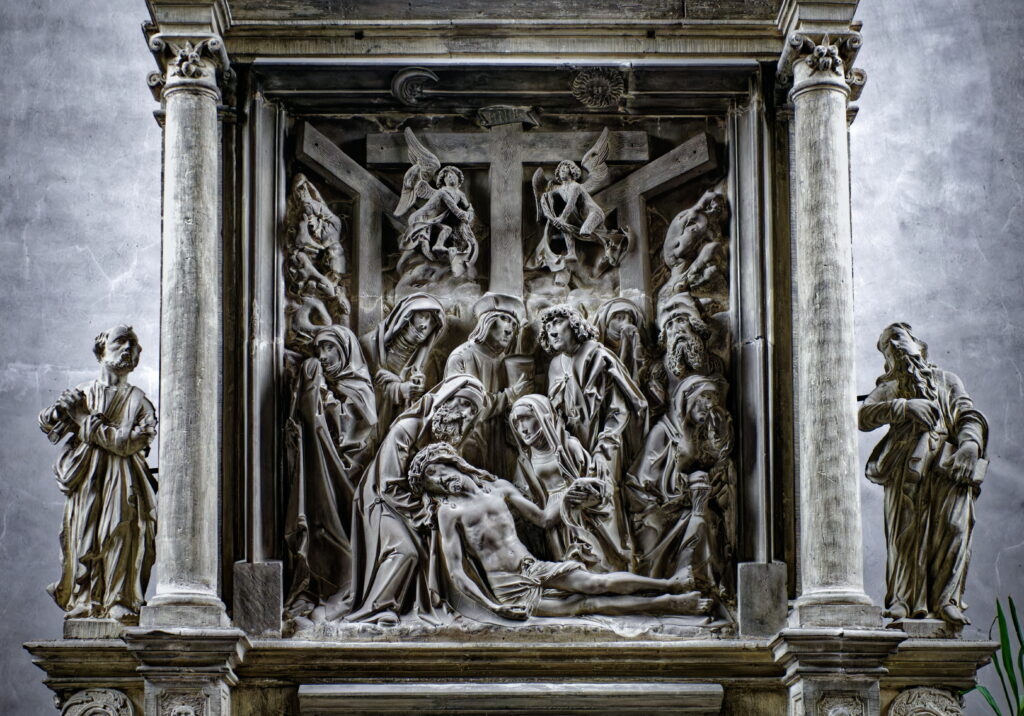
Tilman Riemenschneider, German woodcarver and sculptor, c. 1460 – July 7, 1531






Hans Holbein the Elder
Hans Holbein the Elder, c 1460 – 1524, was a German painter and draftsman active chiefly in Augsburg. He was probably born in Augsburg and became one of the leading painters of the late Gothic and early Renaissance period in southern Germany. His workshop produced altarpieces, devotional panels, portraits, and drawings for Augsburg patrons and religious institutions.
Holbein worked in a style shaped by late Gothic panel painting, Netherlandish realism, and early Renaissance design. His major works include the Grey Passion, the Saint Sebastian Altarpiece, portraits of Augsburg sitters, and drawings in silverpoint and other media. He was the father and teacher of Ambrosius Holbein and Hans Holbein the Younger.
His works are held by the Staatsgalerie Stuttgart, Alte Pinakothek, Gemäldegalerie Berlin, Städel Museum, Museum of Fine Arts Budapest, Condé Museum, Thyssen-Bornemisza Museum, Statens Museum for Kunst, and other European collections.