Posts in Category: september 3
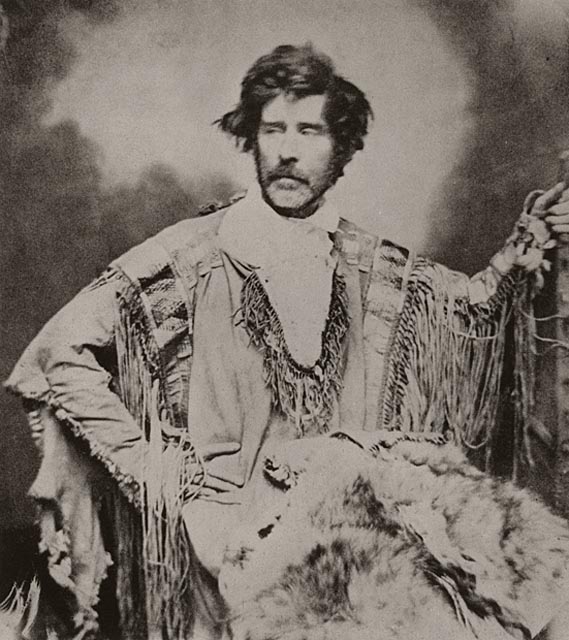
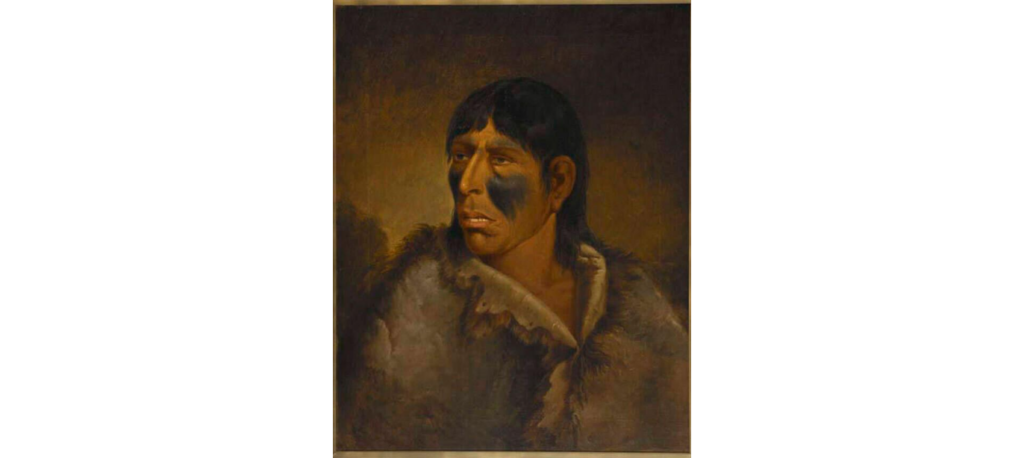
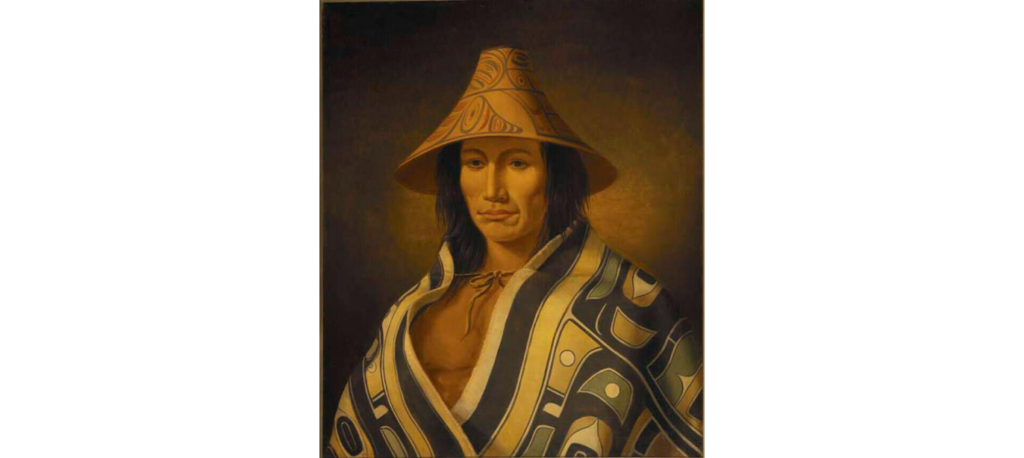
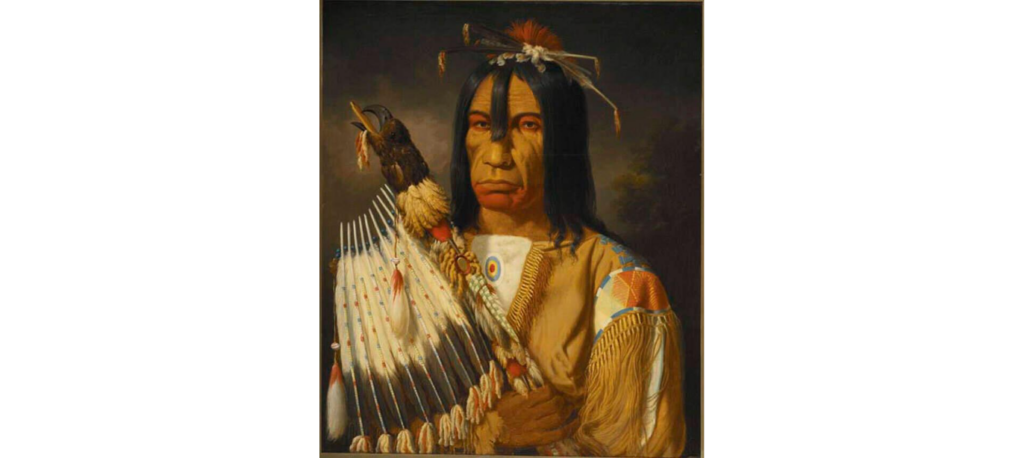
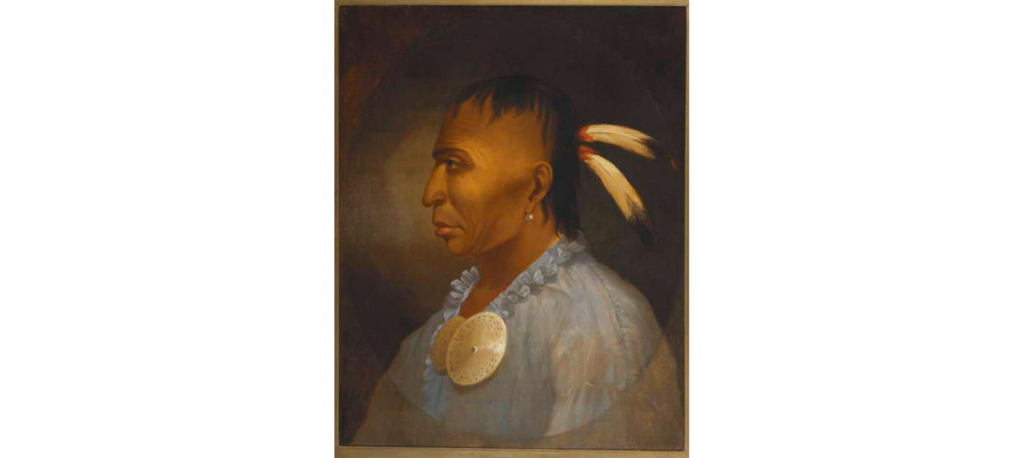
Paul Kane
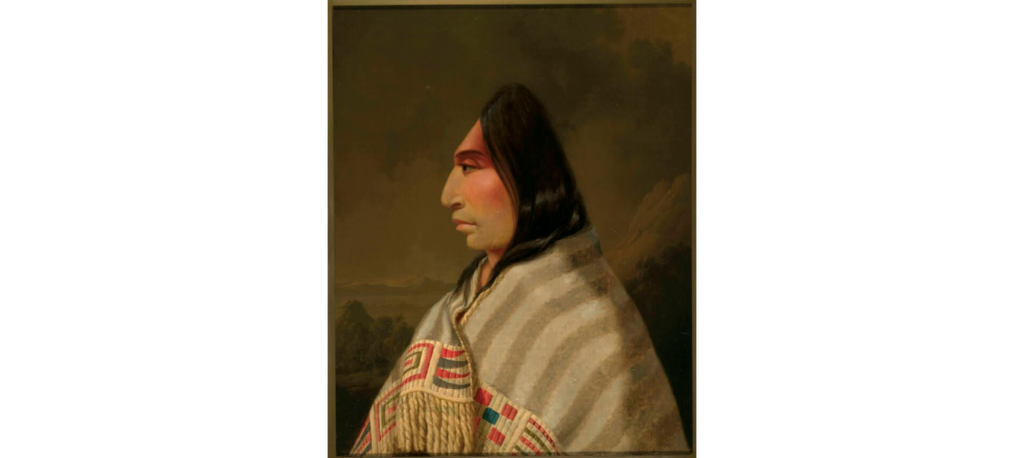
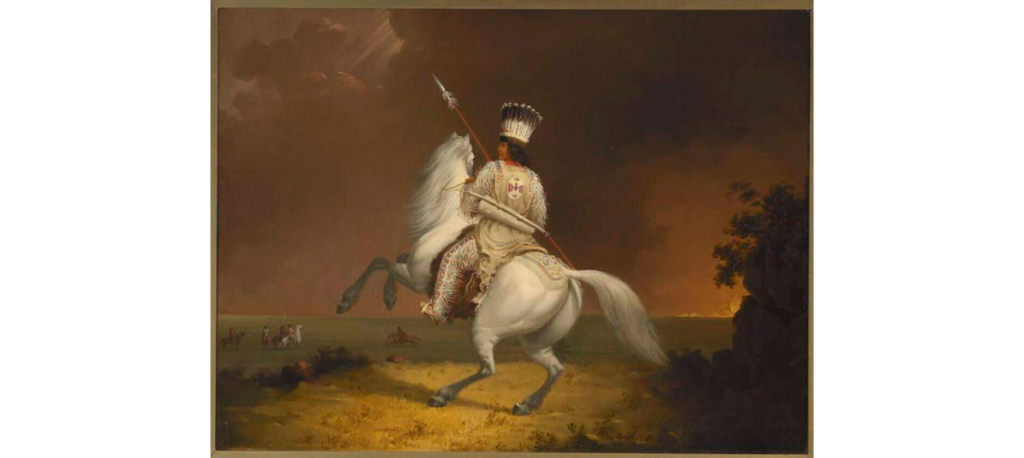
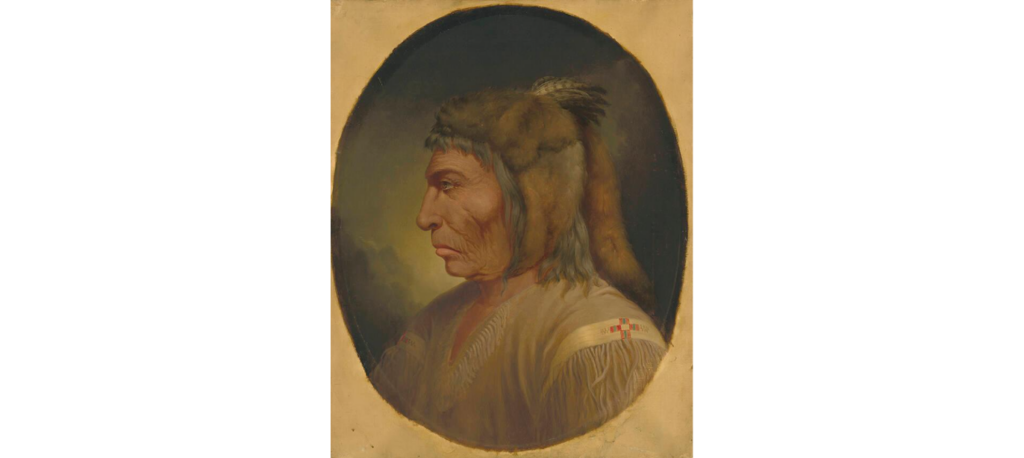
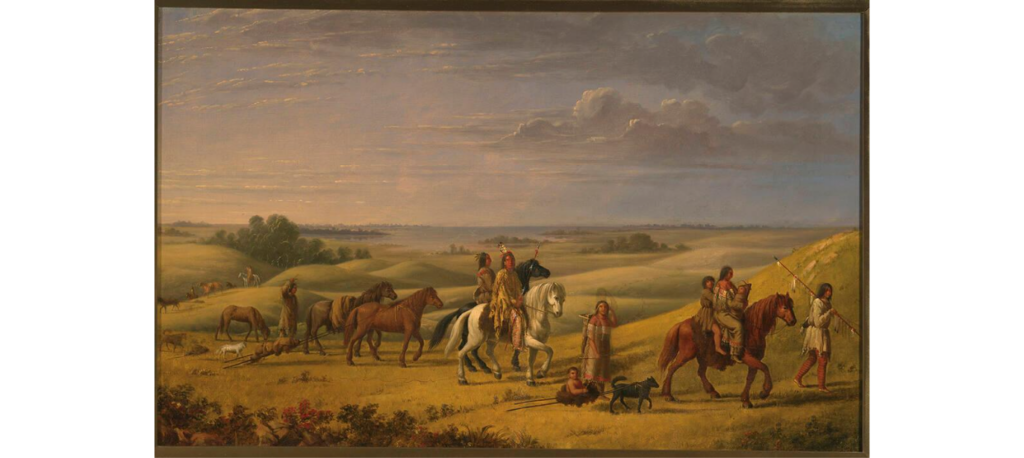
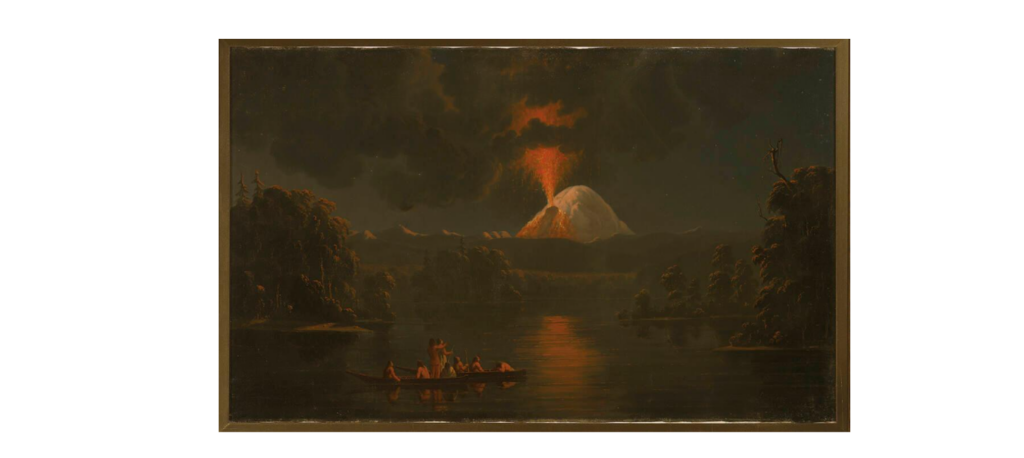
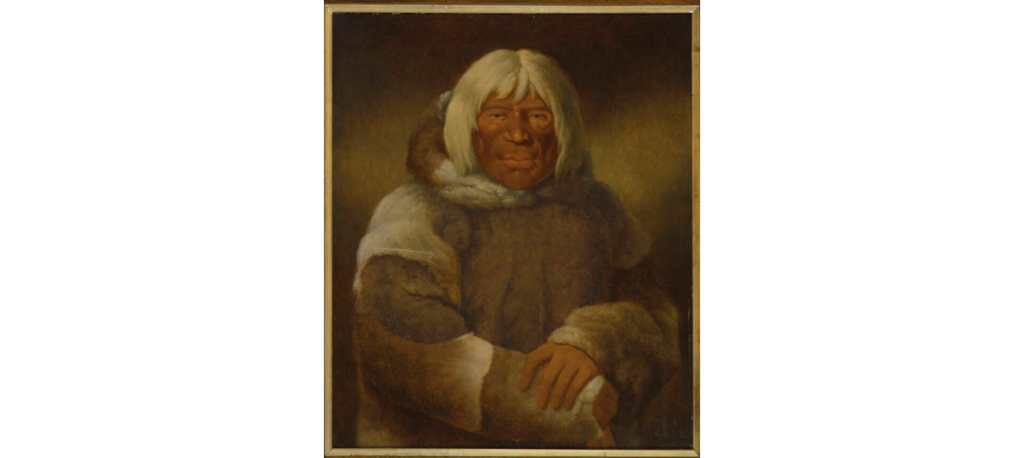
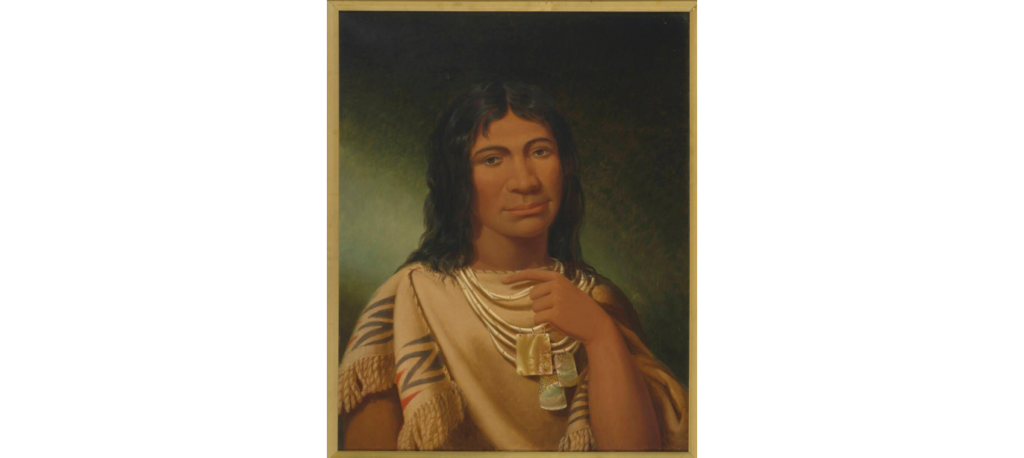
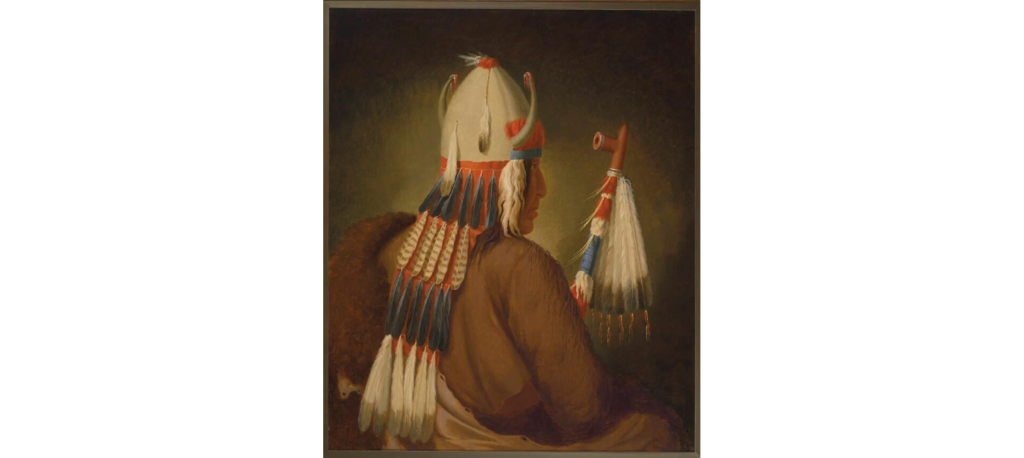
Paul Kane, September 3, 1810 – February 20, 1871, was an Irish-born Canadian artist. His family moved from Mallow, County Cork, to York, Upper Canada, around 1819. He was largely self-taught, worked as a furniture decorator and later as a coach, sign, and house painter, and may have received instruction from Thomas Drury, drawing master at Upper Canada College.
Kane exhibited with the Society of Artists and Amateurs of Toronto in 1834. He travelled in the United States and Europe before returning to Toronto in 1845, then made journeys through the Canadian West between 1845 and 1848. George William Allan became his principal patron and commissioned a cycle of one hundred paintings. Kane published Wanderings of an Artist among the Indians of North America in 1859. No documented students have been identified for this biography.
Principal collections of Kane's work include the Royal Ontario Museum, Toronto; the National Gallery of Canada, Ottawa; and the Stark Museum of Art, Orange, Texas. The Royal Ontario Museum holds the Allan cycle; the National Gallery of Canada holds eleven surviving paintings from the commission for the Library of Parliament; and the Stark Museum of Art holds a substantial group of field sketches.
Joseph Wright of Derby
Joseph Wright of Derby, September 3, 1734 – August 29, 1797, was an English painter of portraits, narrative scenes, and landscapes. Born and active for much of his life in Derby, he trained in London under the portrait painter Thomas Hudson from 1751 and returned for further instruction in 1756–1757. He also worked in Liverpool from 1768 to 1771 and travelled in Italy from 1773 to 1775.
Wright exhibited with the Society of Artists and the Royal Academy of Arts. He was associated with Derby’s scientific and industrial circle and with figures connected to the Lunar Society, although he was not a member of it. The printmaker William Pether reproduced several of Wright’s paintings as mezzotints, helping to circulate his work. William Tate was among his pupils.
Derby Museums holds the largest collection of Wright’s work, including paintings, drawings, prints, letters, and related archives. Other principal collections include the National Gallery, London; the National Gallery of Art, Washington DC; the J. Paul Getty Museum, Los Angeles; the Yale Center for British Art, New Haven, CT; the National Gallery of Victoria, Melbourne; Tate; the Metropolitan Museum of Art, New York; and the Hermitage Museum, Saint Petersburg


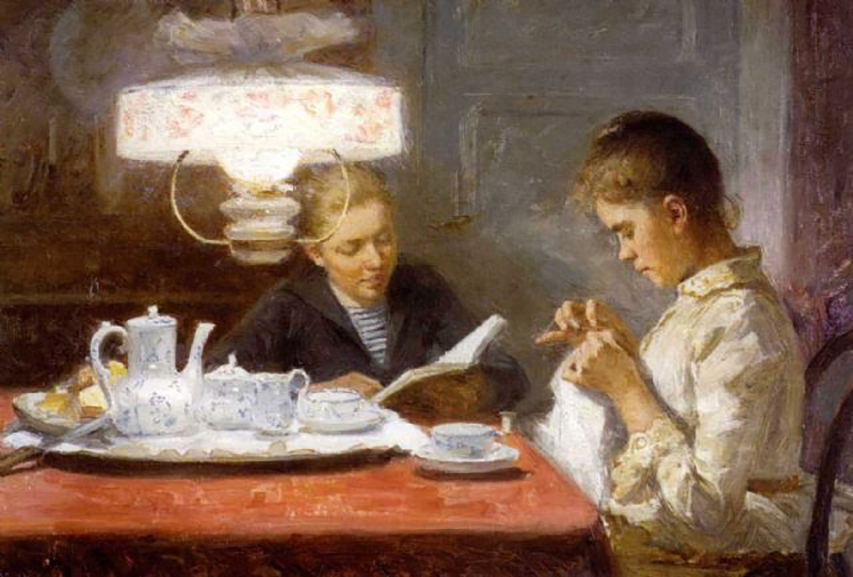
Elin Danielson-Gambogi
Elin Danielson-Gambogi, September 3, 1861 – December 31, 1919, was a Finnish painter associated with naturalism, plein-air painting, and the generation of Finnish women artists who received professional art training in the late nineteenth century. Her work includes portraits, interiors, domestic scenes, working women, landscapes, and Italian coastal subjects.
Danielson-Gambogi studied at the Finnish Art Society Drawing School in Helsinki and later with Adolf von Becker. In Paris she studied at the Académie Colarossi and received training from Gustave Courtois and Raphaël Collin; she also studied sculpture with Auguste Rodin and encountered Jules Bastien-Lepage, whose naturalism influenced her palette and approach to outdoor painting. In Finland she worked with the Önningeby artists’ colony around Victor Westerholm, and her artistic circle included painters such as Helene Schjerfbeck, Ellen Thesleff, Dora Wahlroos, and Akseli Gallen-Kallela. She also taught at Finnish art schools, including the Finnish Art Society Drawing School in Turku.
In 1898 she married the Italian painter Raffaello Gambogi and settled in Italy, where both artists worked between Finnish and Italian artistic circles. She exhibited in Finland and abroad, including in Venice, Florence, Paris, and other European venues, and received awards in Finland, Florence, and at the 1900 Paris Exposition. Danielson-Gambogi died in Antignano, Italy, in 1919.