Posts in Category: Canadian
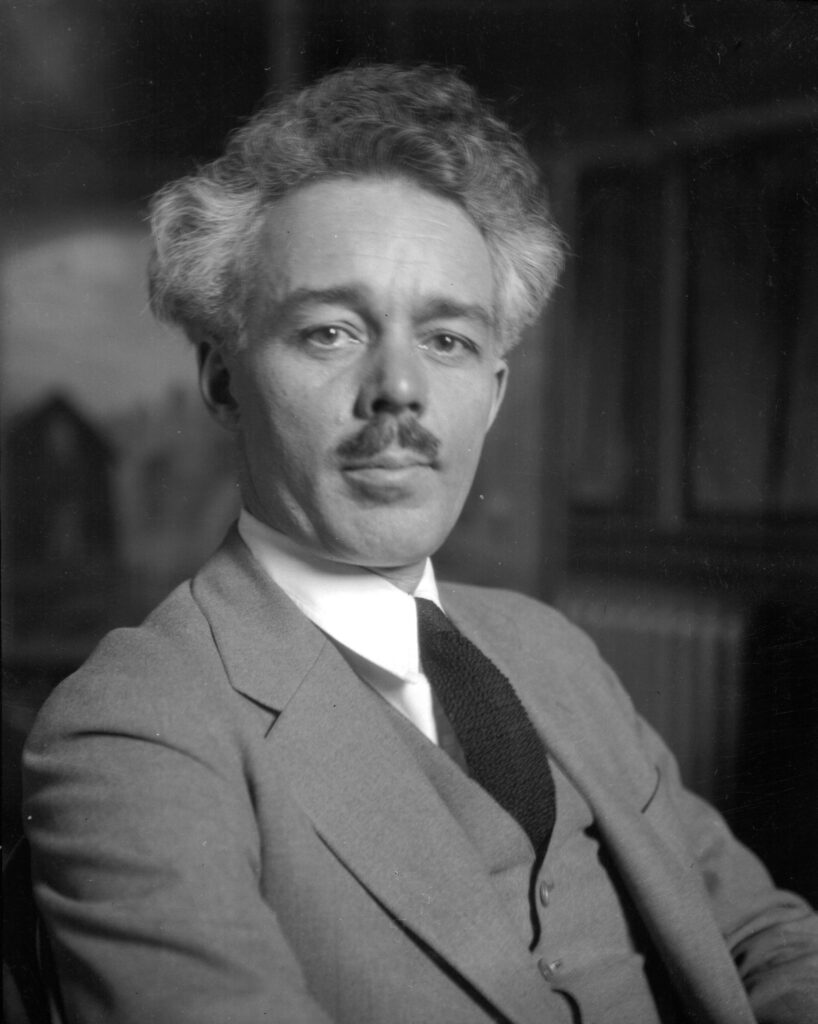
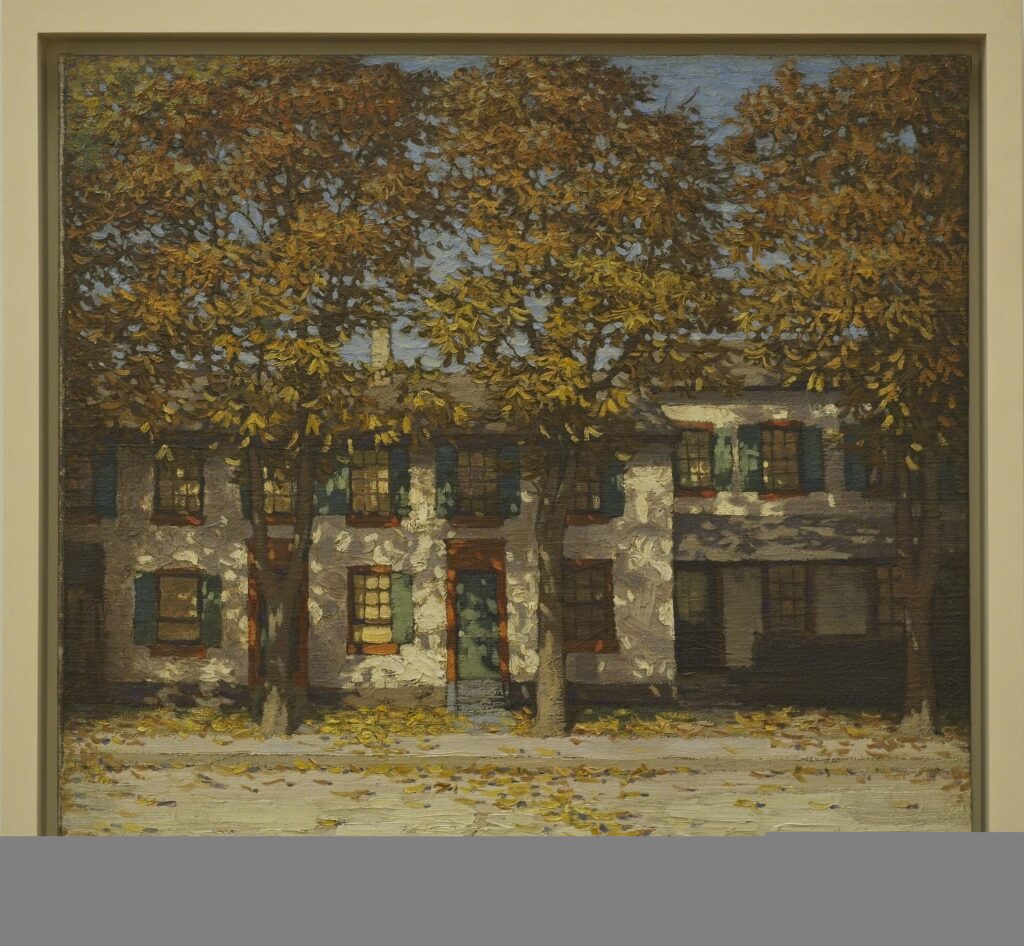
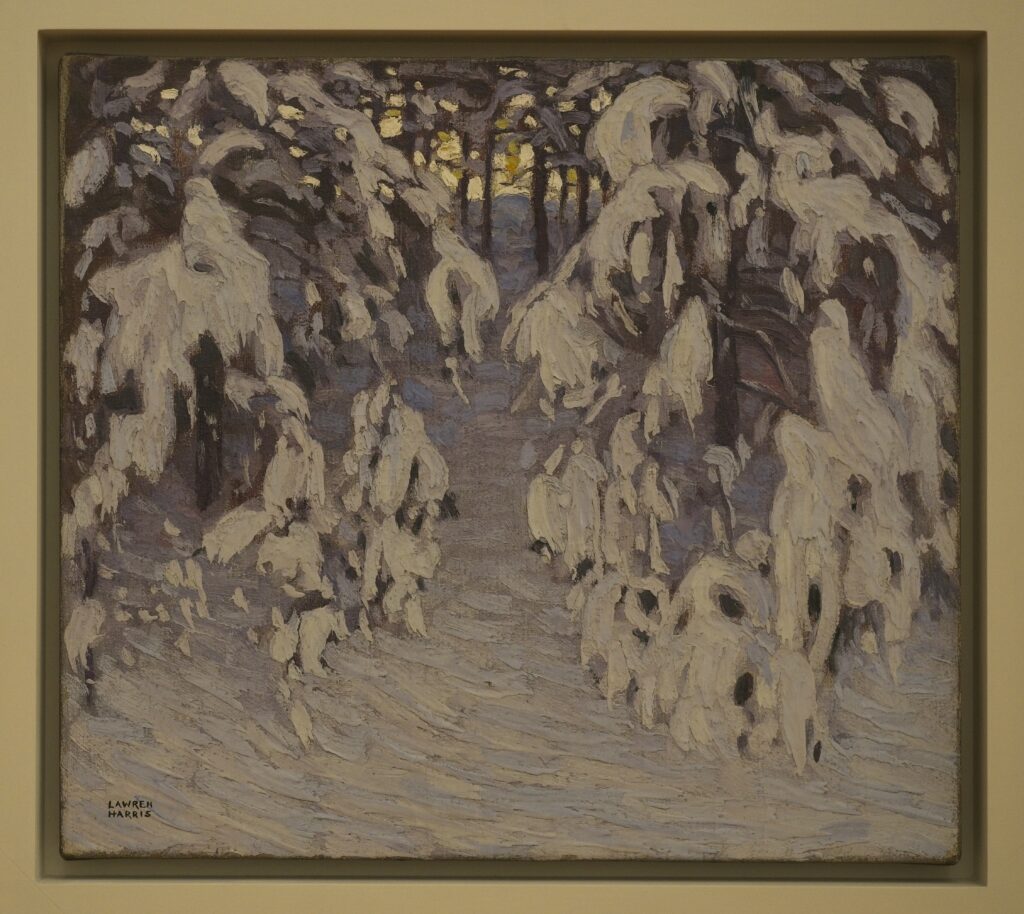
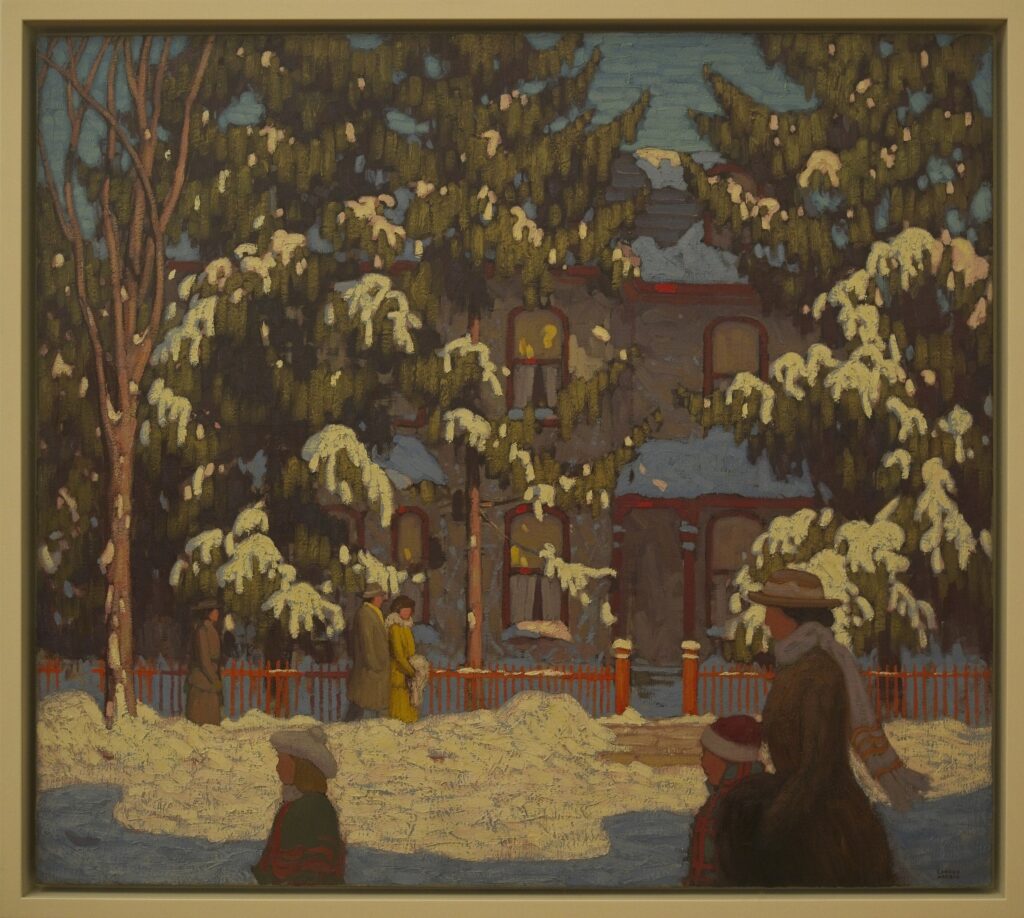
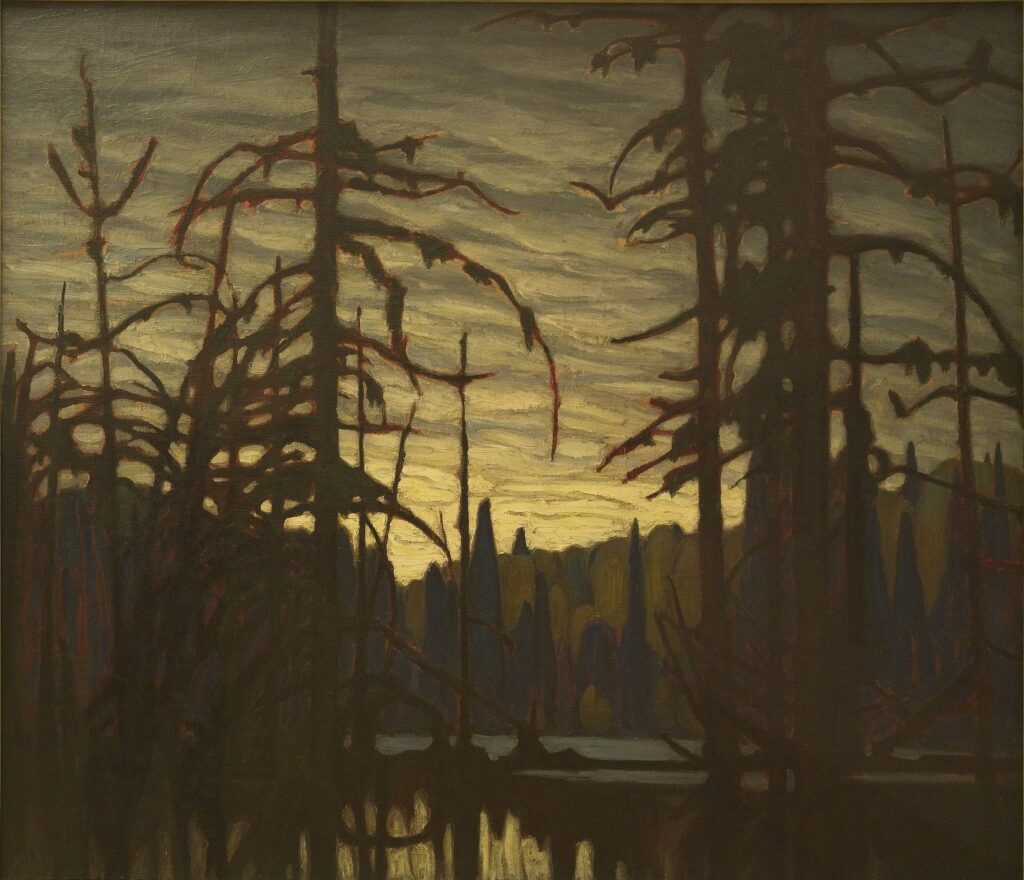
Lawren Harris
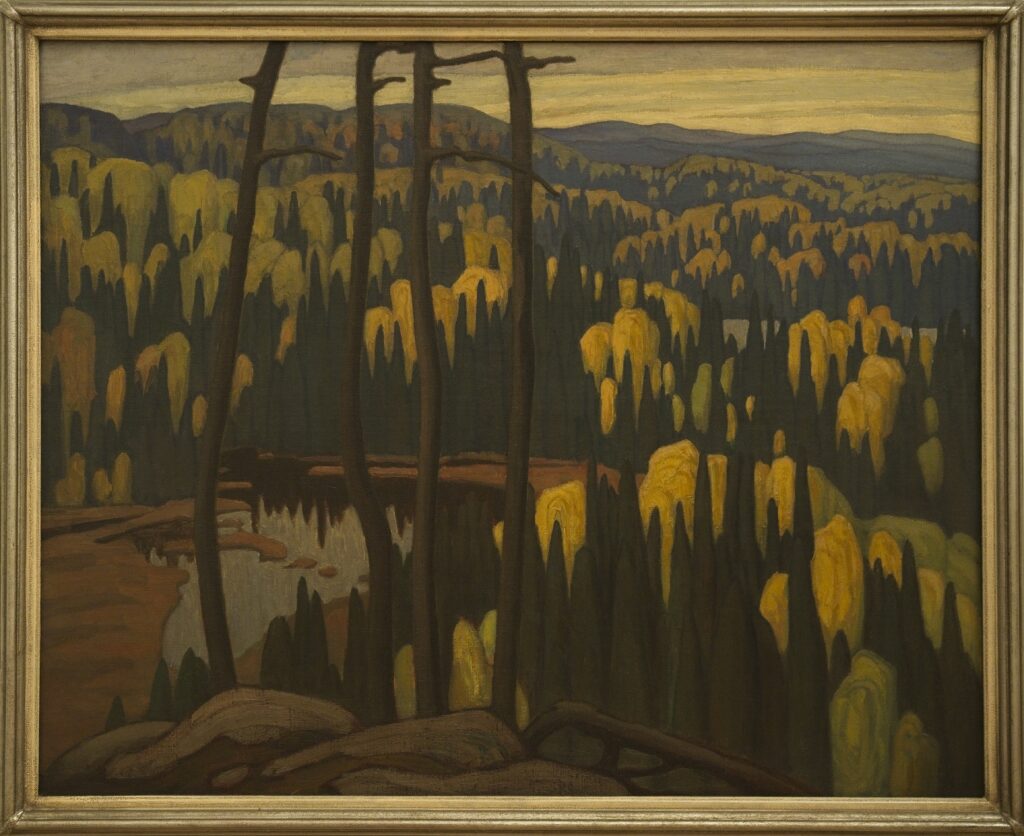
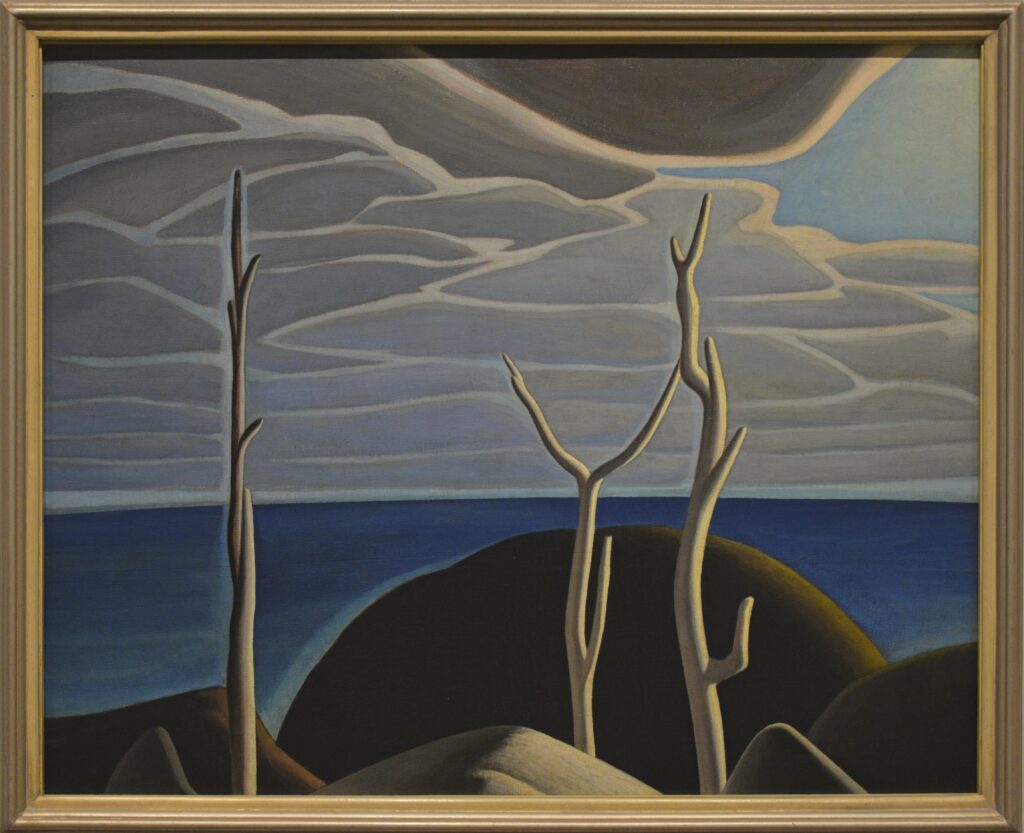
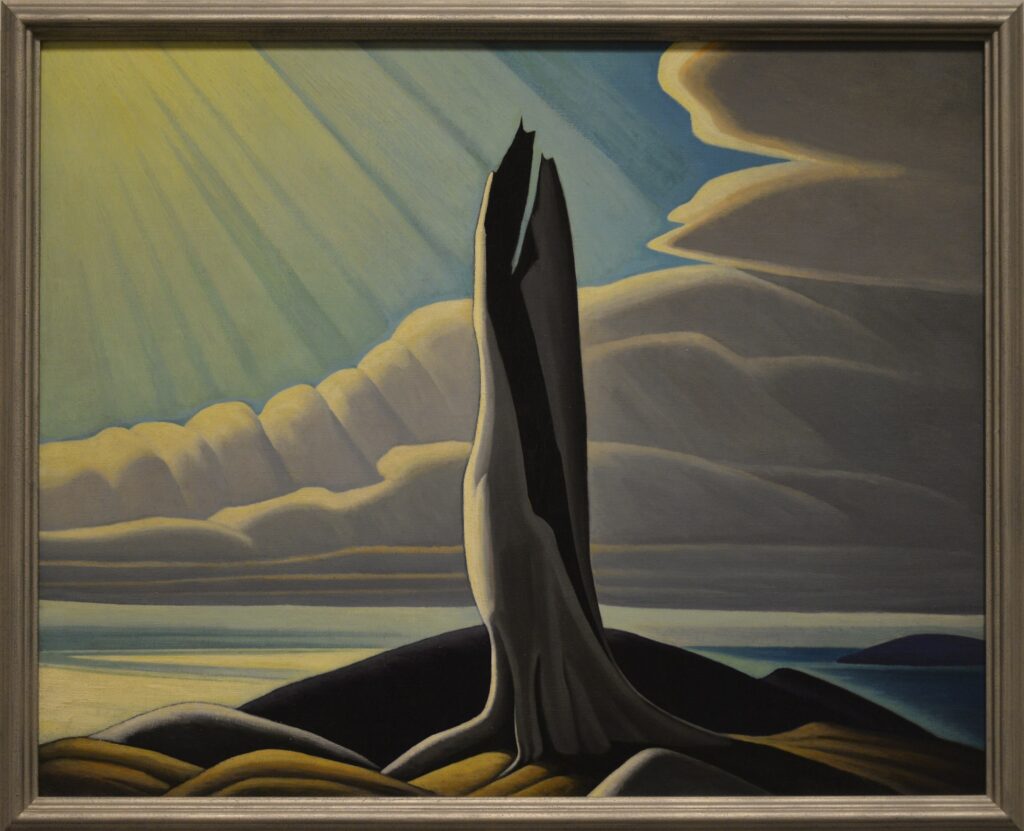
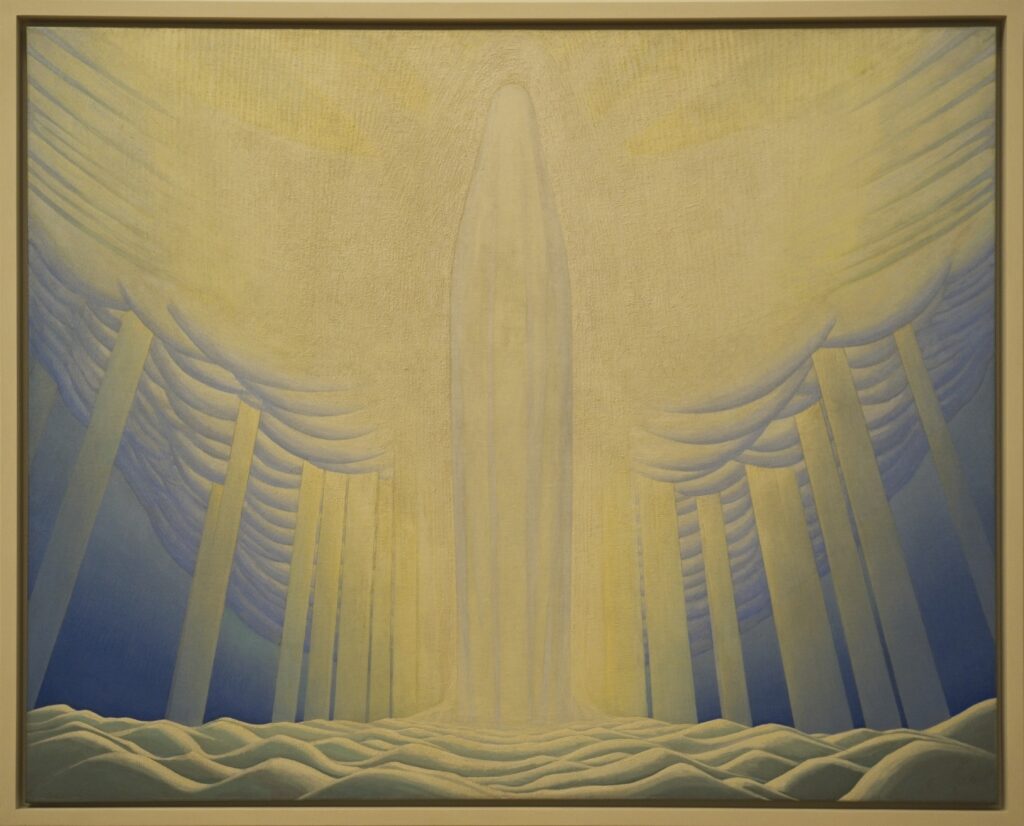
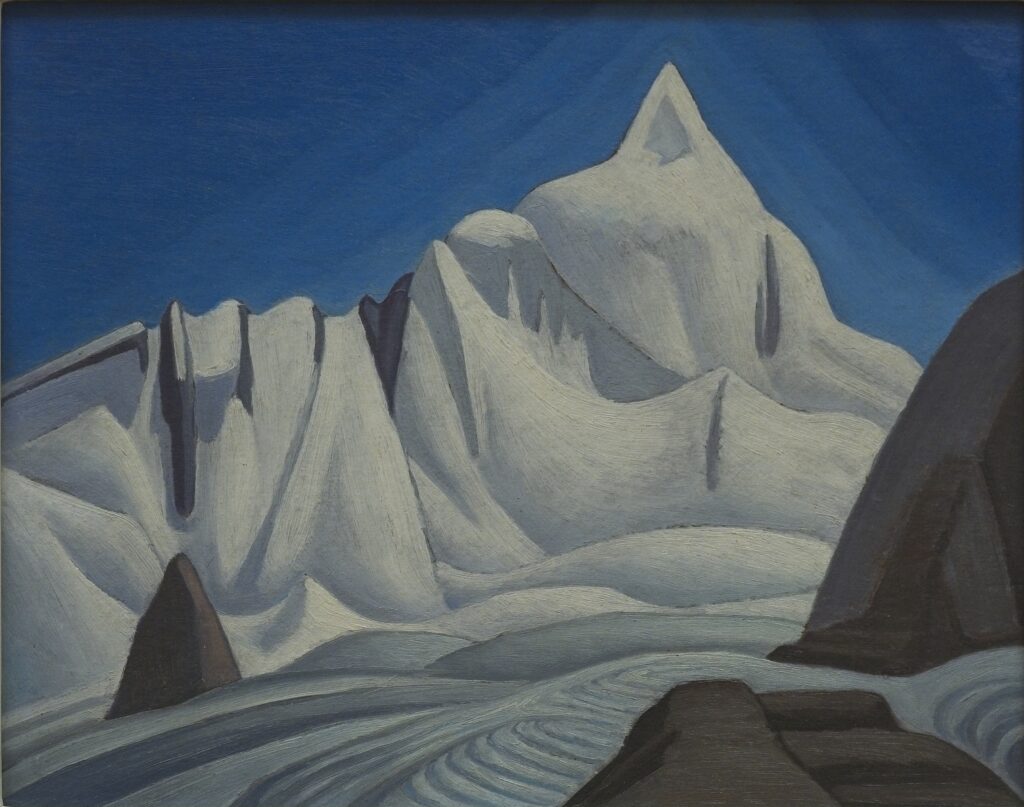
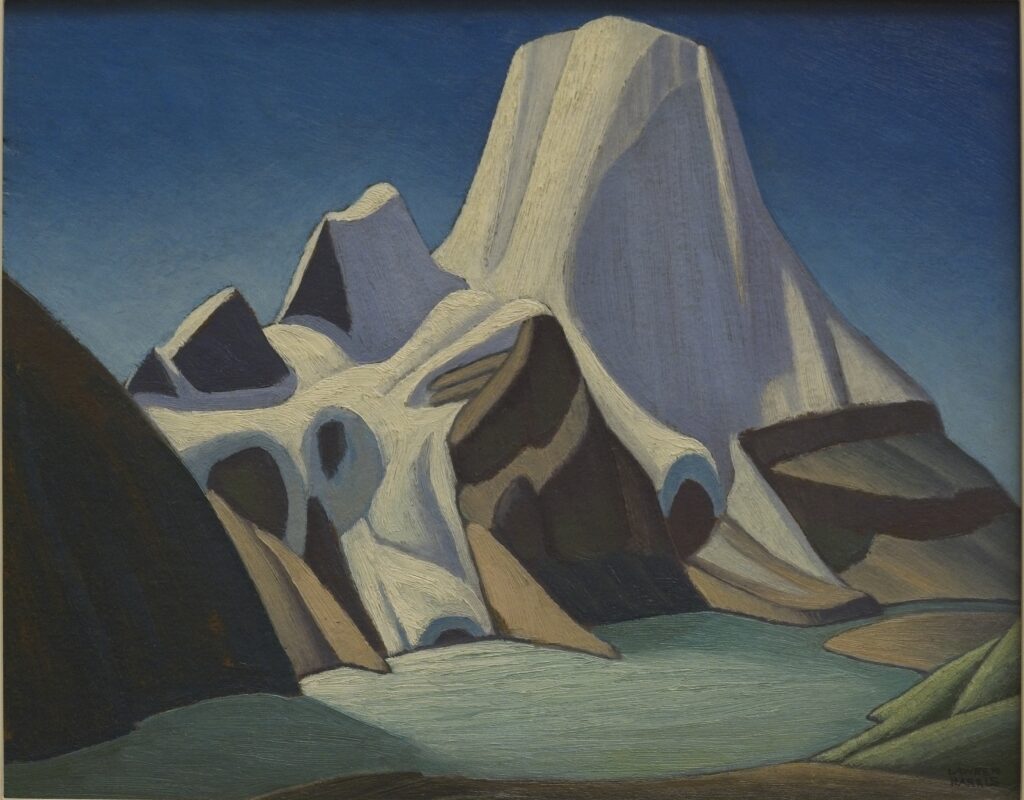
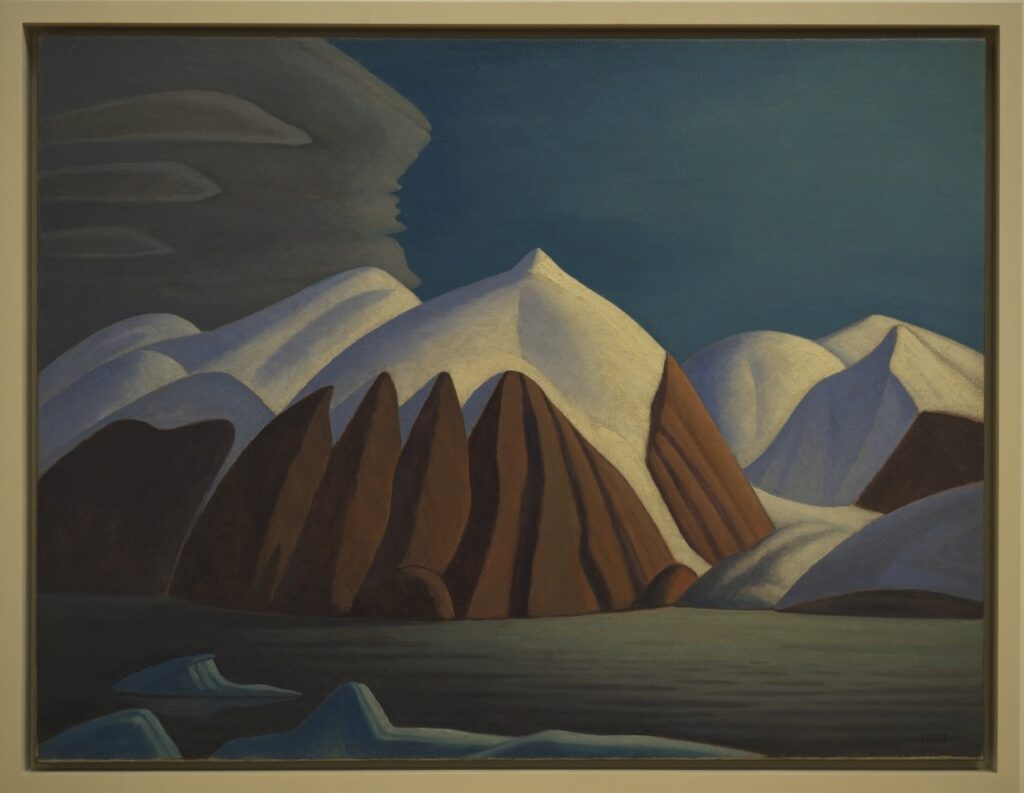
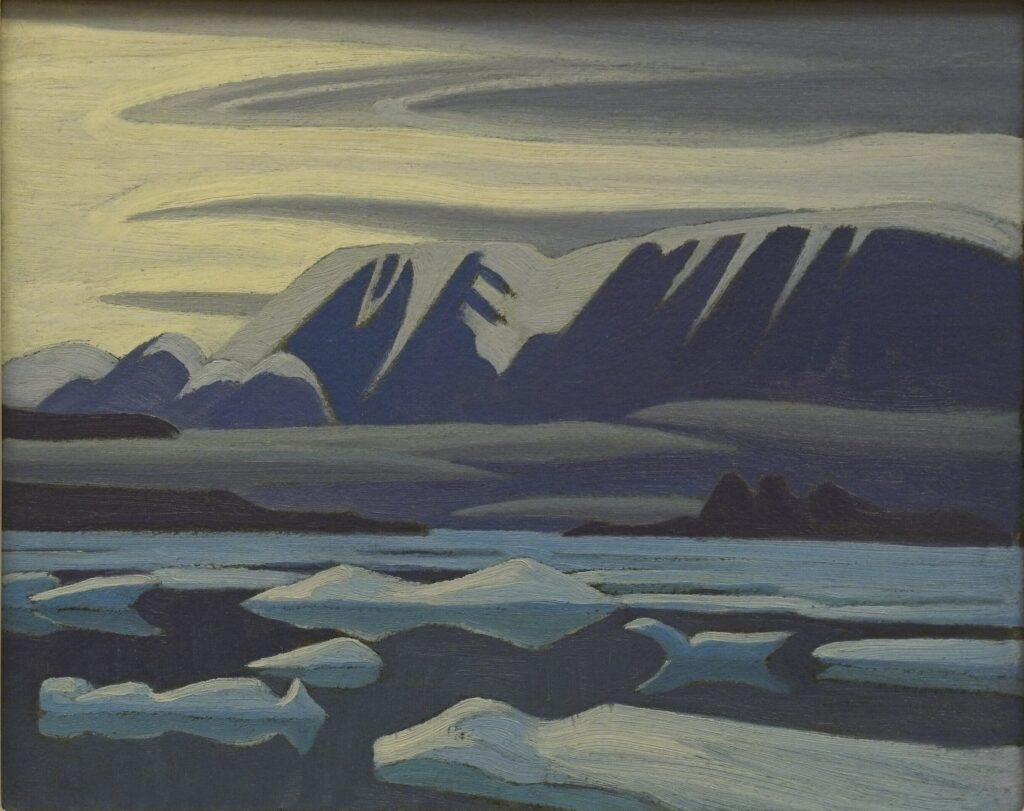
Lawren Stewart Harris, October 23, 1885 – January 29, 1970, was a Canadian painter born in Brantford, Ontario. He attended St. Andrew’s College and the University of Toronto before studying art in Berlin from 1904 to 1907, principally under Adolf Schlabitz and Franz Skarbina.
After returning to Toronto, Harris painted urban subjects and helped finance the Studio Building for Canadian artists. He was a founding member of the Group of Seven in 1920 and worked in Algoma, along Lake Superior, in the Rocky Mountains, and in the Arctic; during the 1930s he increasingly turned to abstraction and helped establish the Canadian Group of Painters and the Transcendental Painting Group.
Harris settled in Vancouver in 1940 and continued painting and writing about abstraction until his death there in 1970. His work is held by the National Gallery of Canada, the Art Gallery of Ontario, the McMichael Canadian Art Collection, and the Vancouver Art Gallery.
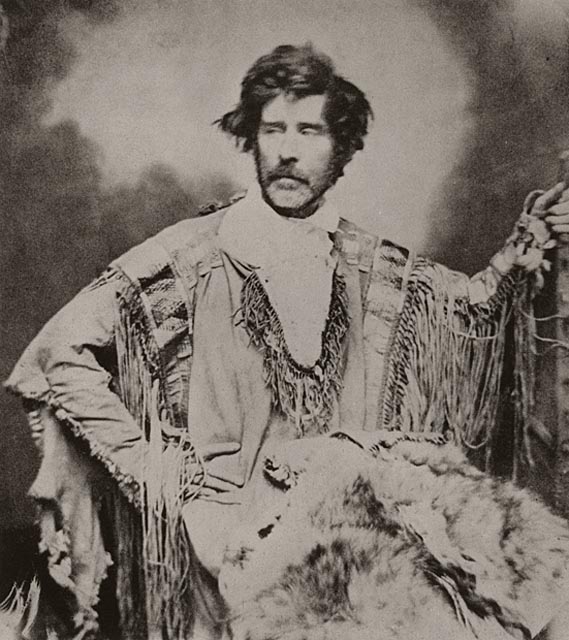
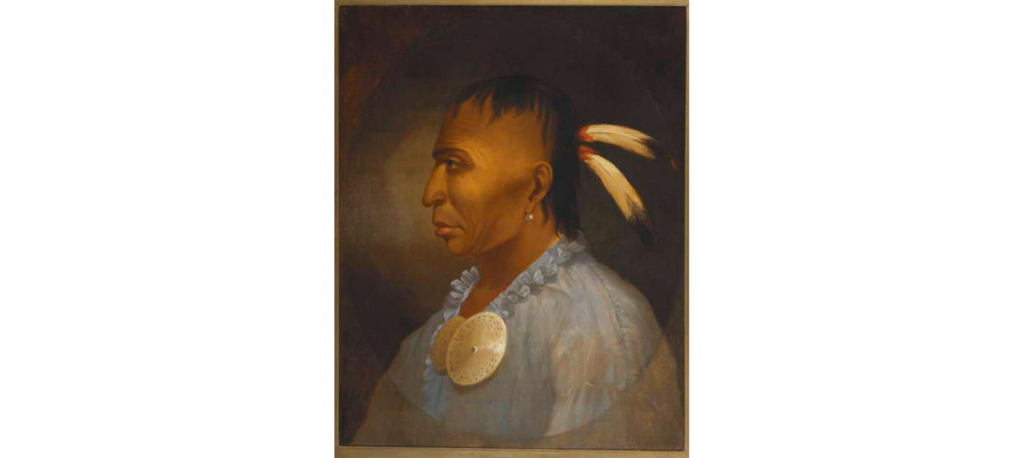
Paul Kane
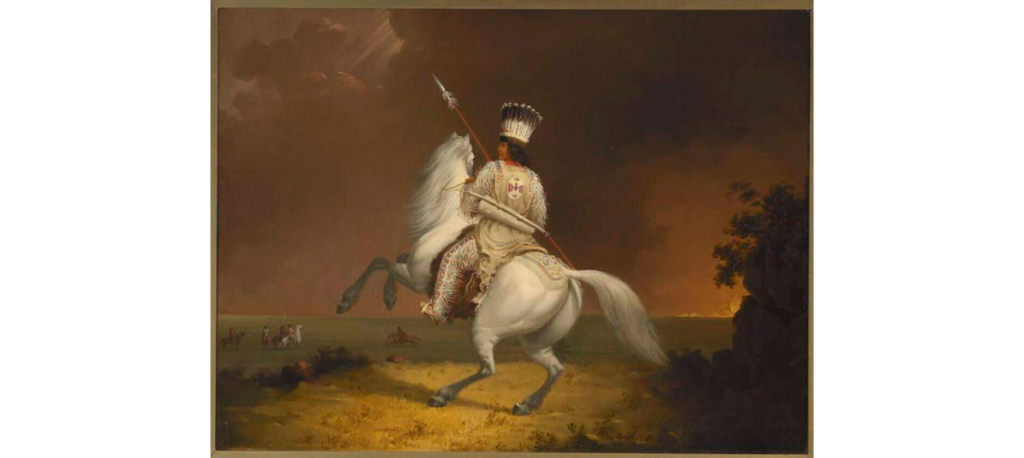
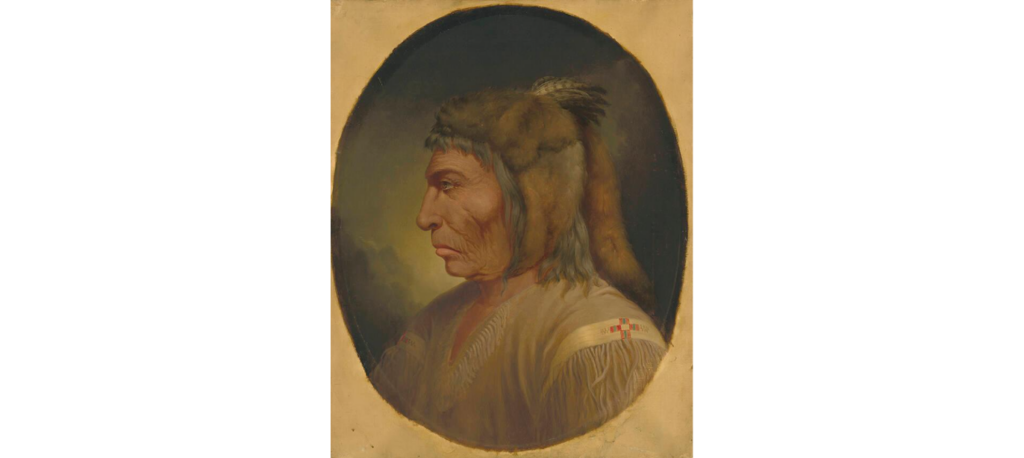
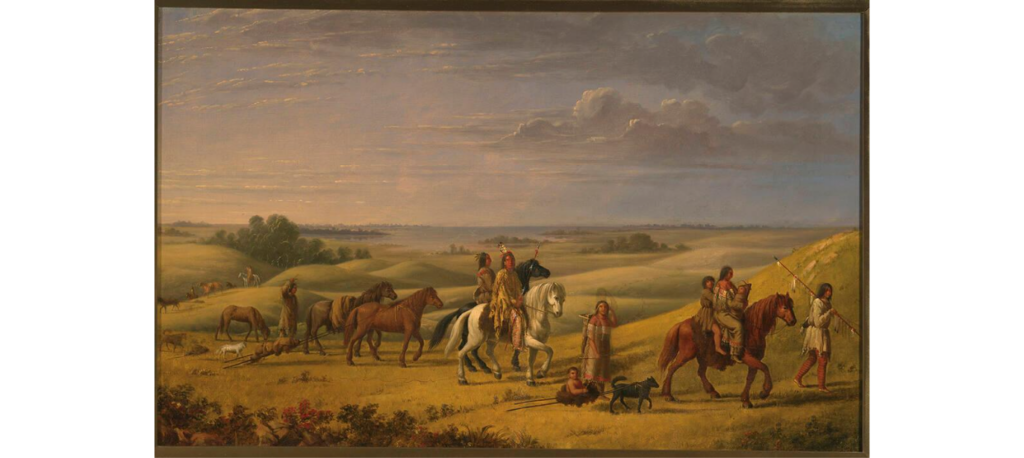
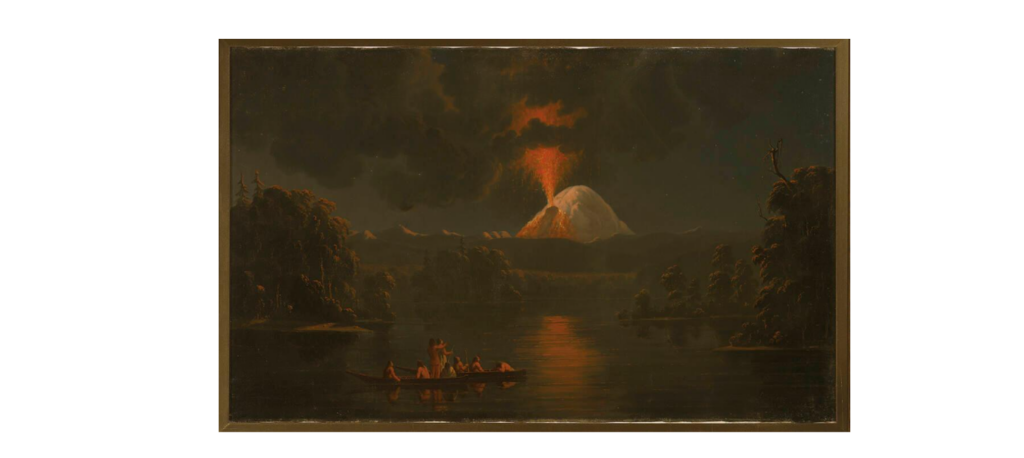
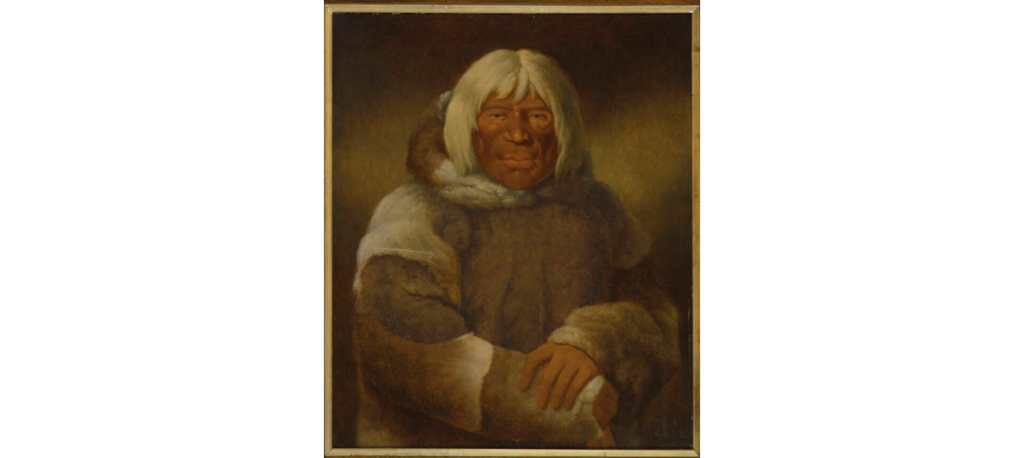
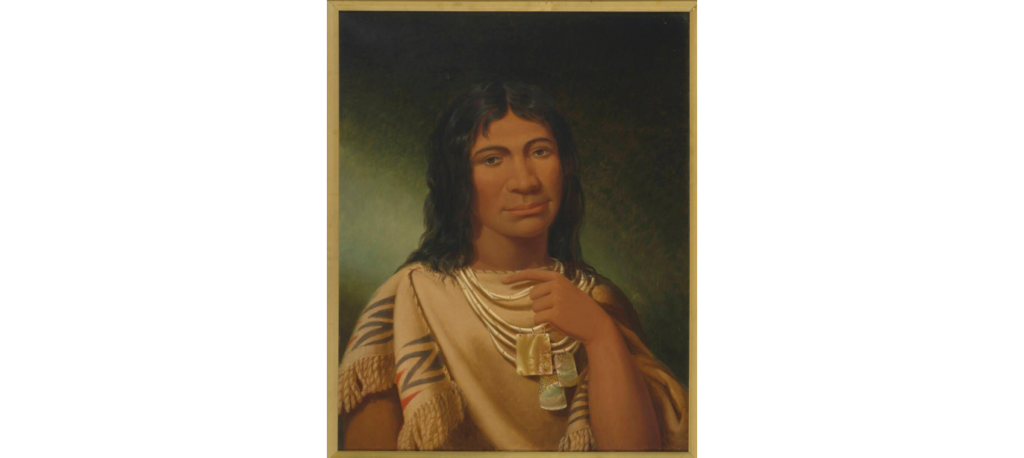
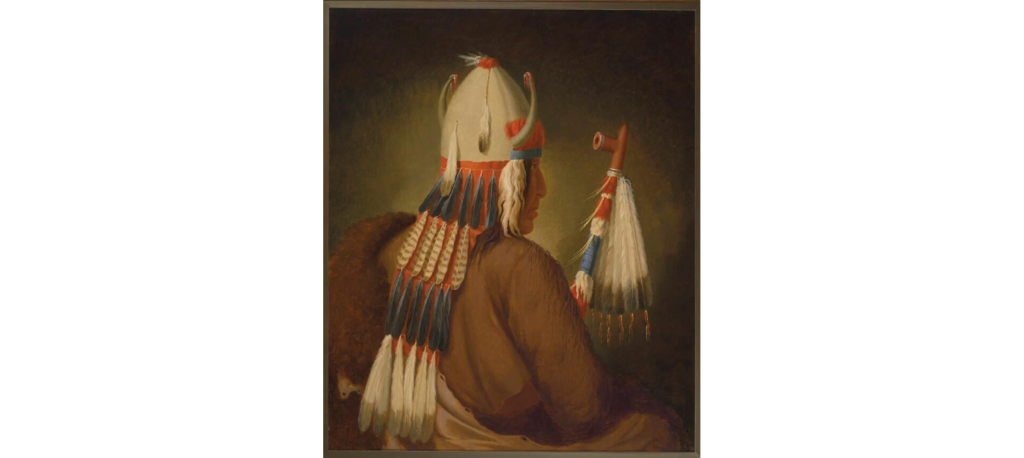
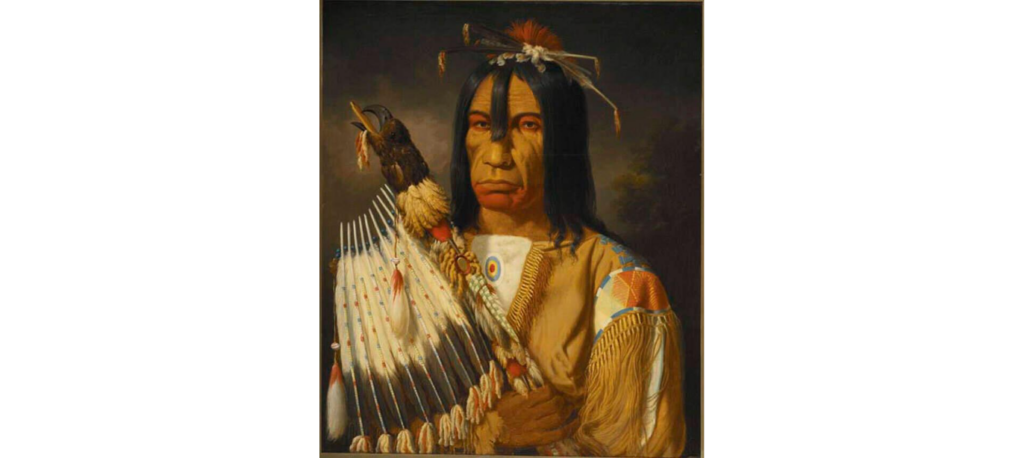
Paul Kane, September 3, 1810 – February 20, 1871, was an Irish-born Canadian artist. His family moved from Mallow, County Cork, to York, Upper Canada, around 1819. He was largely self-taught, worked as a furniture decorator and later as a coach, sign, and house painter, and may have received instruction from Thomas Drury, drawing master at Upper Canada College.
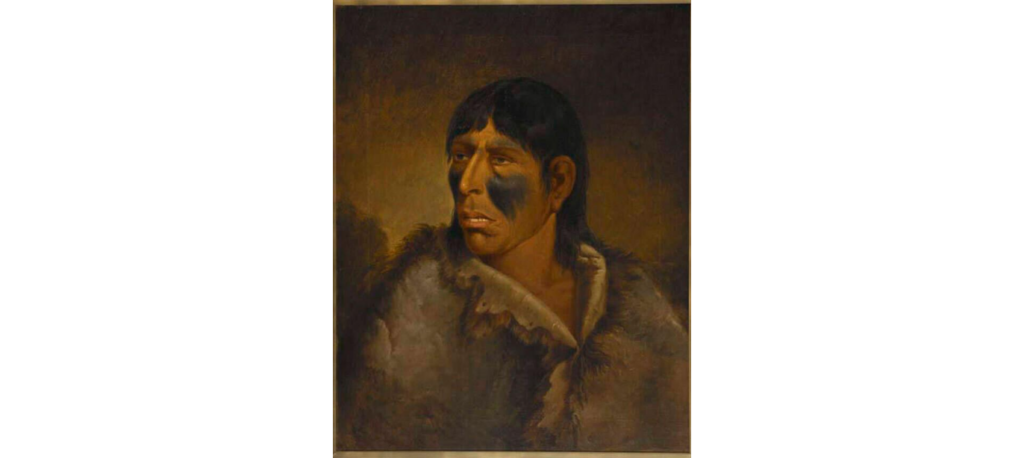
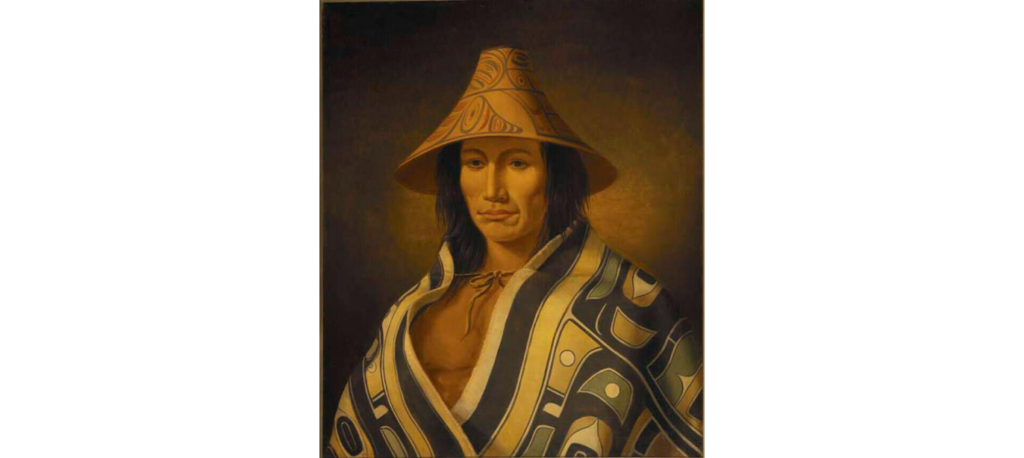
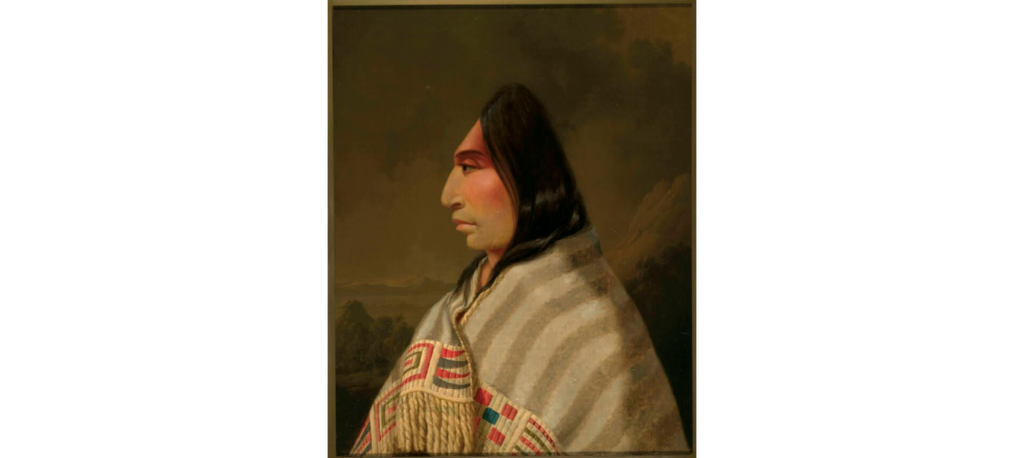
Kane exhibited with the Society of Artists and Amateurs of Toronto in 1834. He travelled in the United States and Europe before returning to Toronto in 1845, then made journeys through the Canadian West between 1845 and 1848. George William Allan became his principal patron and commissioned a cycle of one hundred paintings. Kane published Wanderings of an Artist among the Indians of North America in 1859. No documented students have been identified for this biography.
Principal collections of Kane's work include the Royal Ontario Museum, Toronto; the National Gallery of Canada, Ottawa; and the Stark Museum of Art, Orange, Texas. The Royal Ontario Museum holds the Allan cycle; the National Gallery of Canada holds eleven surviving paintings from the commission for the Library of Parliament; and the Stark Museum of Art holds a substantial group of field sketches.
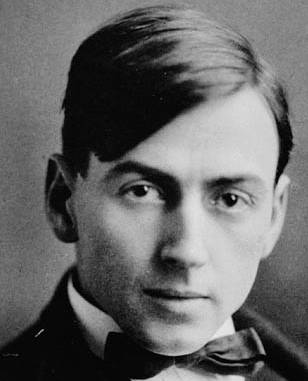
Tom Thomson
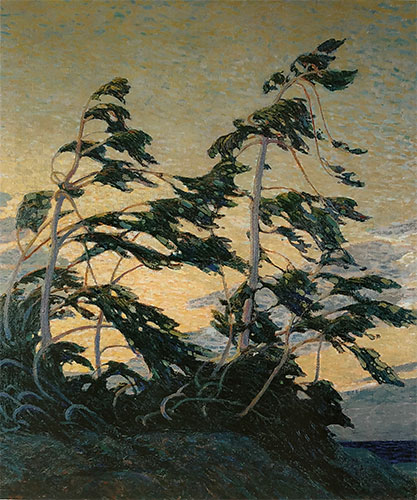
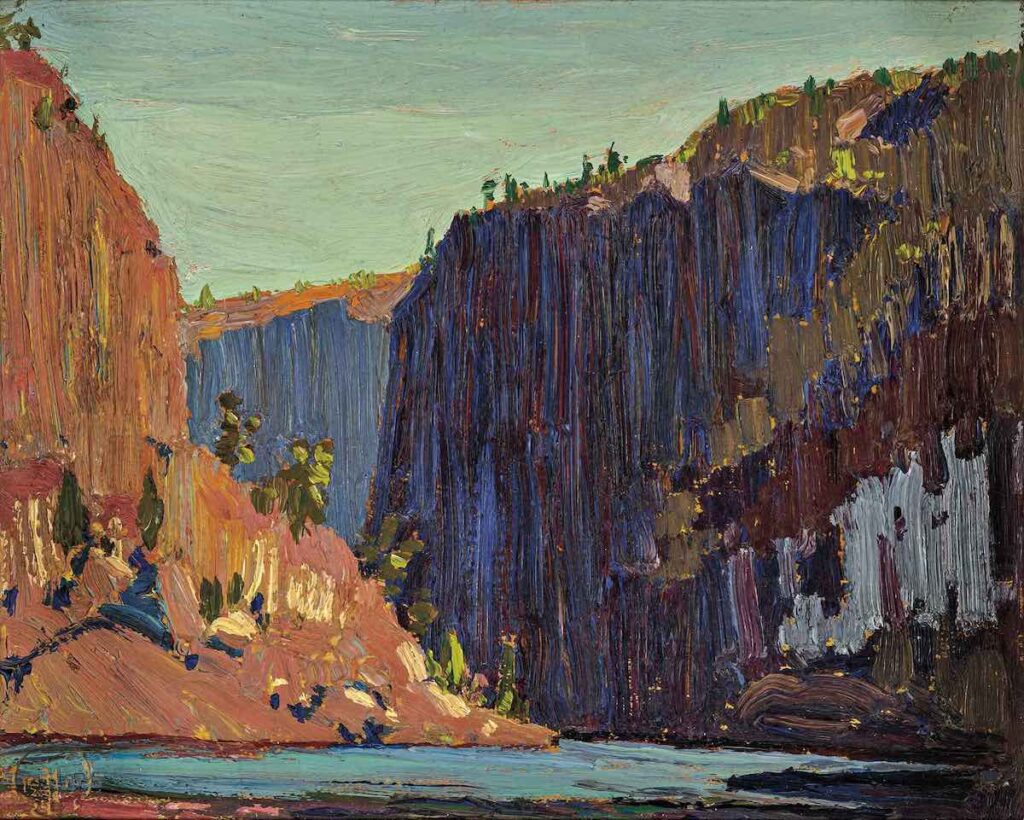
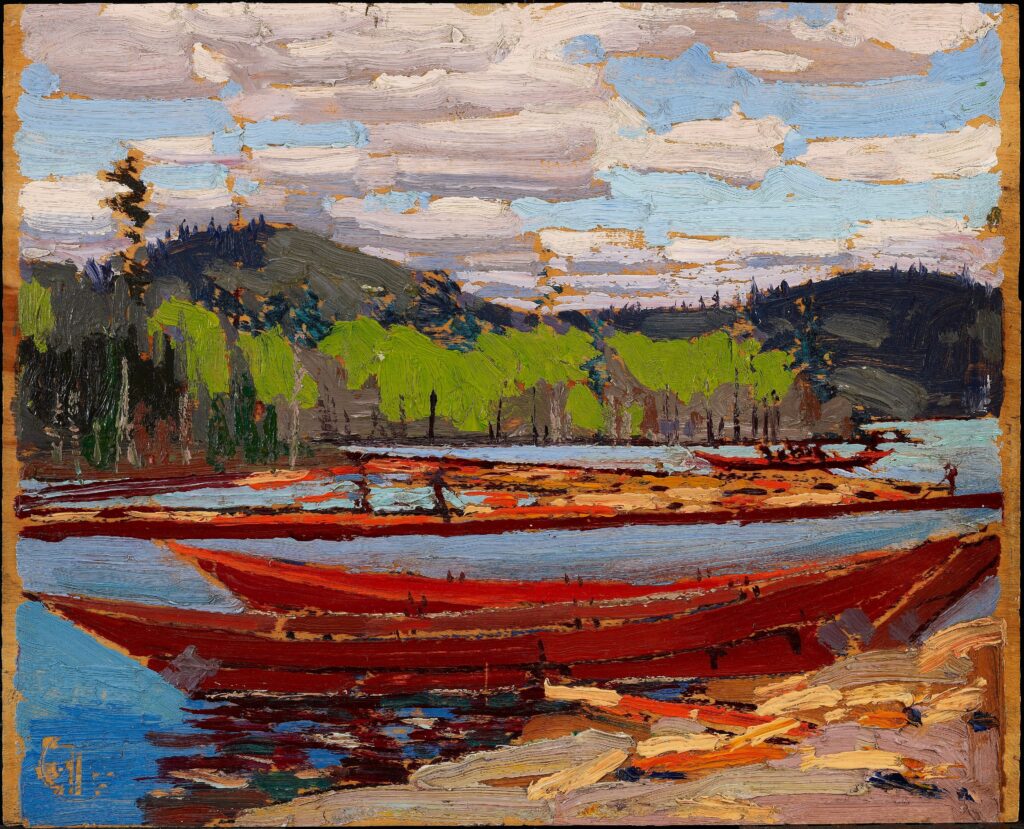
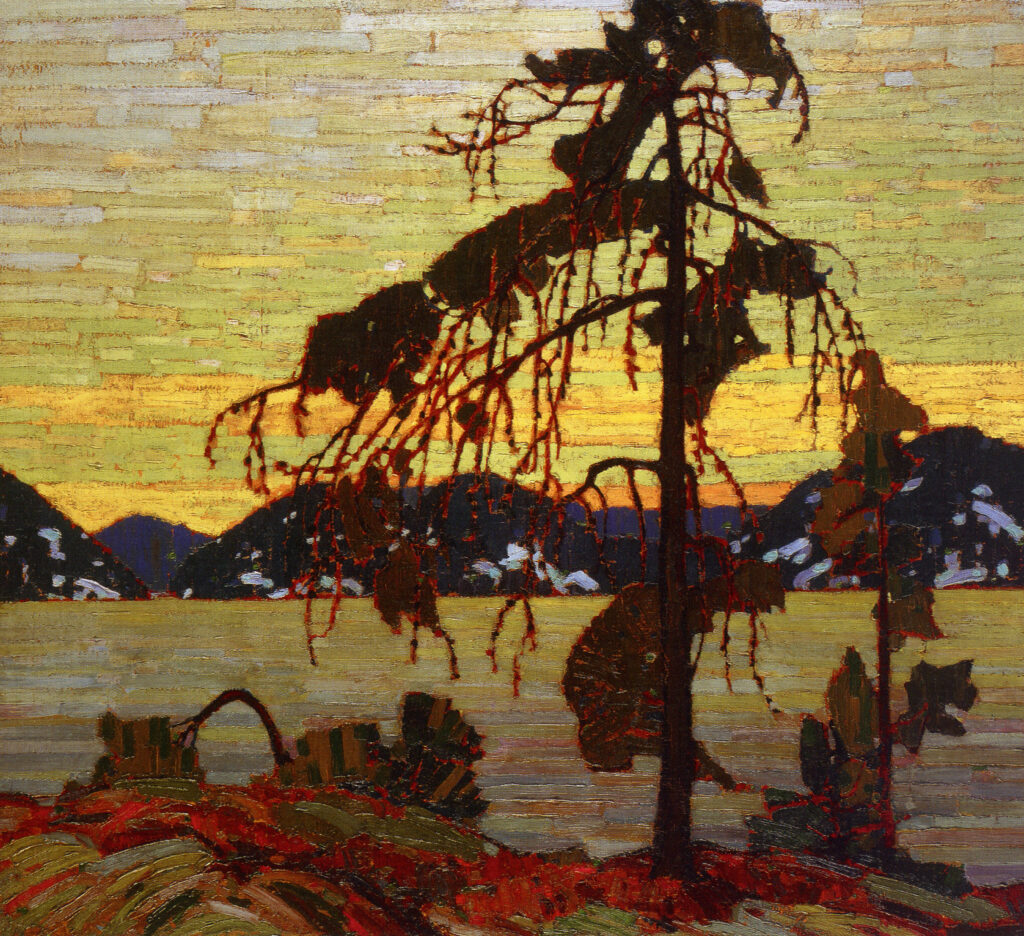
Tom Thomson, August 5, 1877 – July 8, 1917, was a Canadian painter best known for his landscapes of Algonquin Park and Georgian Bay. Largely self-taught as a fine artist, he worked as a commercial designer in Toronto before devoting himself to landscape painting. Although never a formal member of the Group of Seven, his work had a profound influence on the group’s formation and aesthetic.
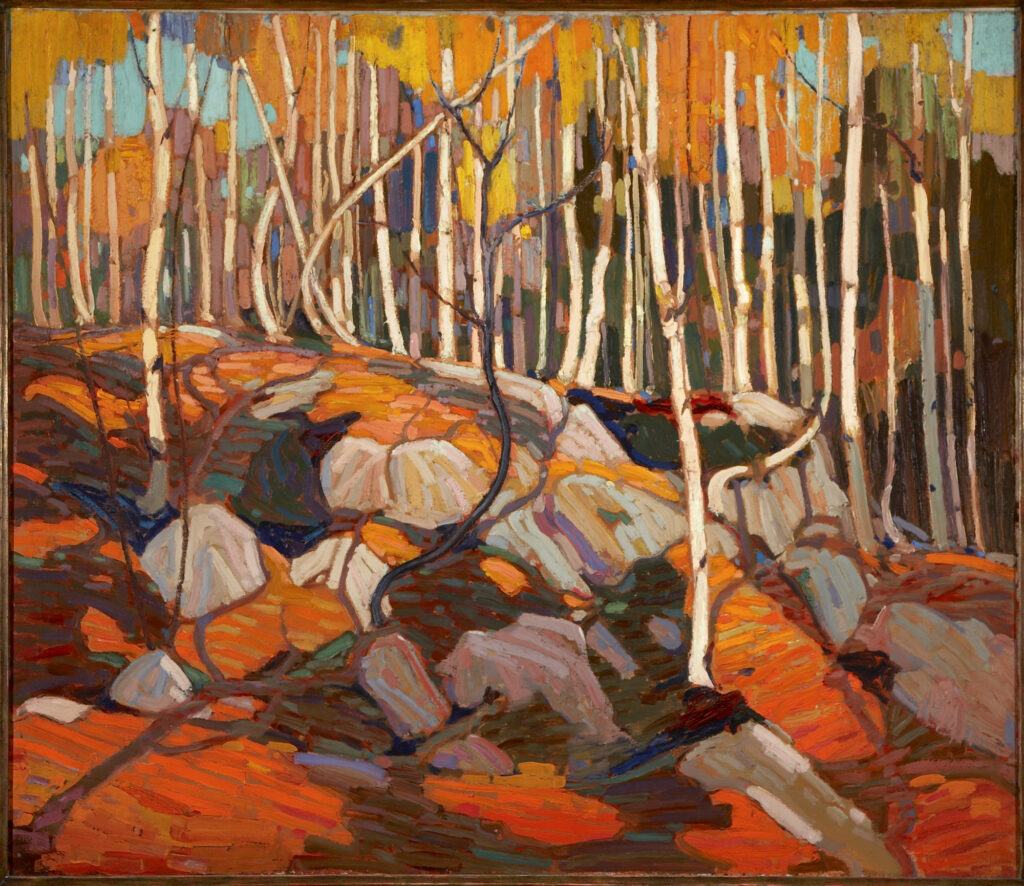
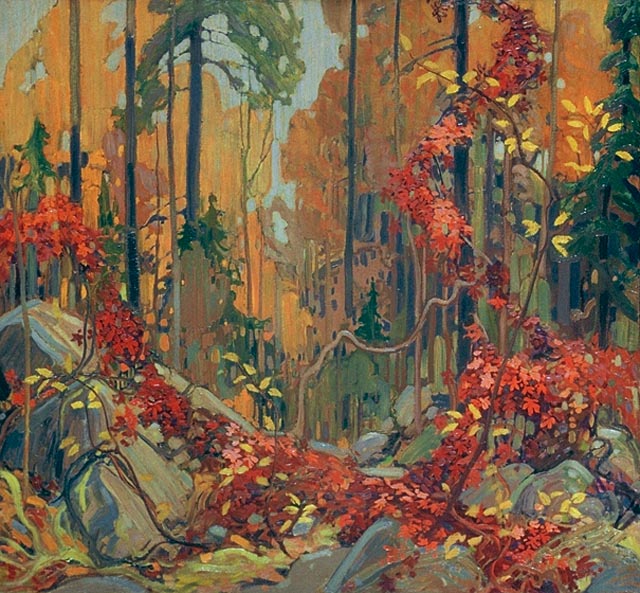
Beginning in 1912, Thomson made frequent sketching trips into the Canadian wilderness, producing hundreds of oil sketches painted directly from nature and a smaller number of larger studio canvases. His bold brushwork, vivid color, and direct observation of the northern landscape helped establish a distinctly Canadian approach to landscape painting.
Thomson died unexpectedly by drowning in Canoe Lake at the age of thirty-nine. His paintings are held principally by the Art Gallery of Ontario, the National Gallery of Canada, and the McMichael Canadian Art Collection, and he is widely regarded as one of the foundational figures of Canadian art.