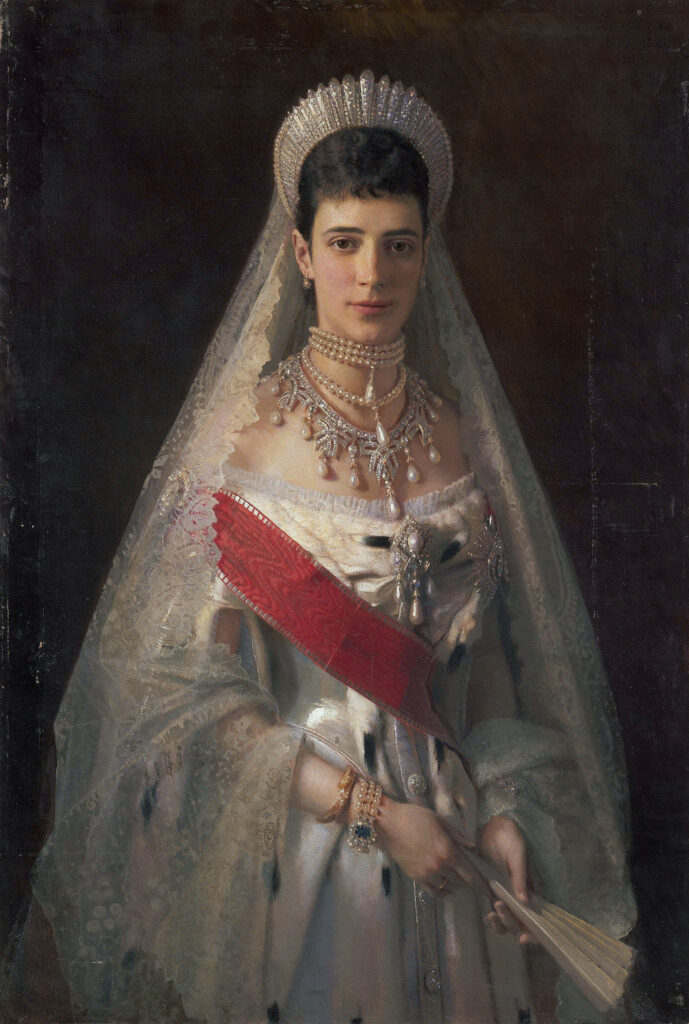
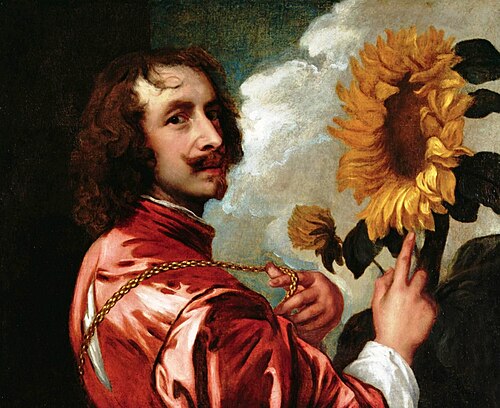
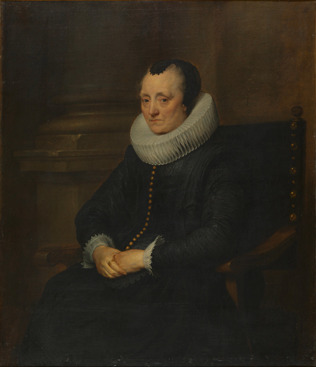
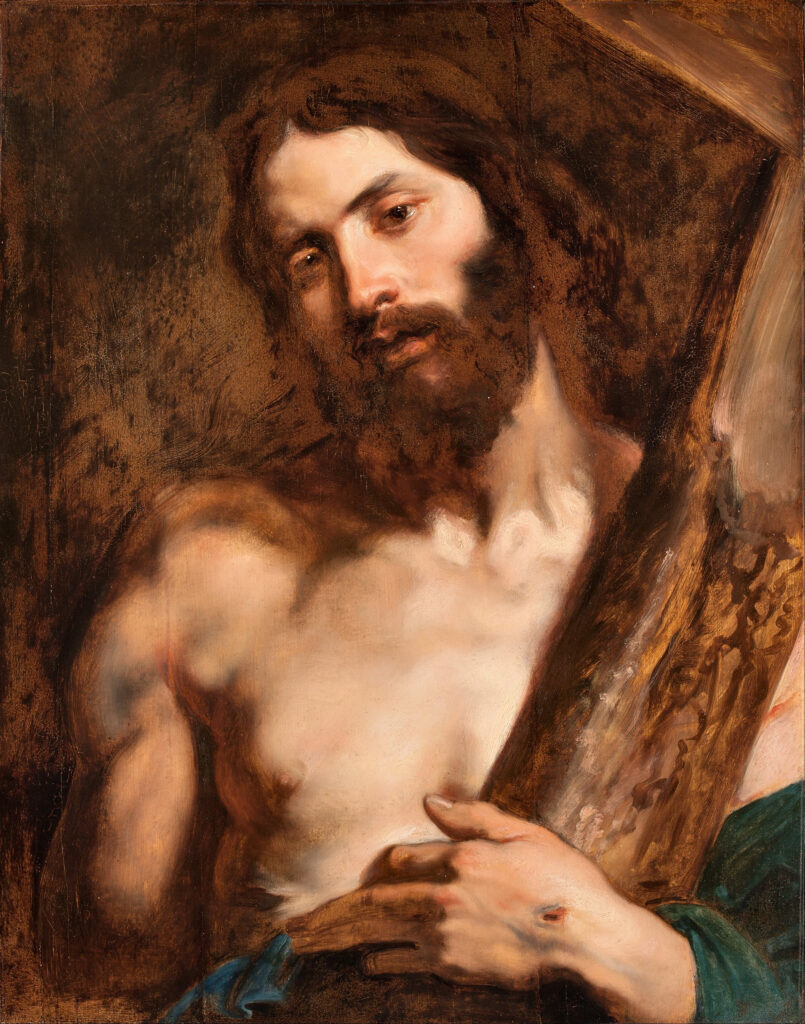
Anthony van Dyck
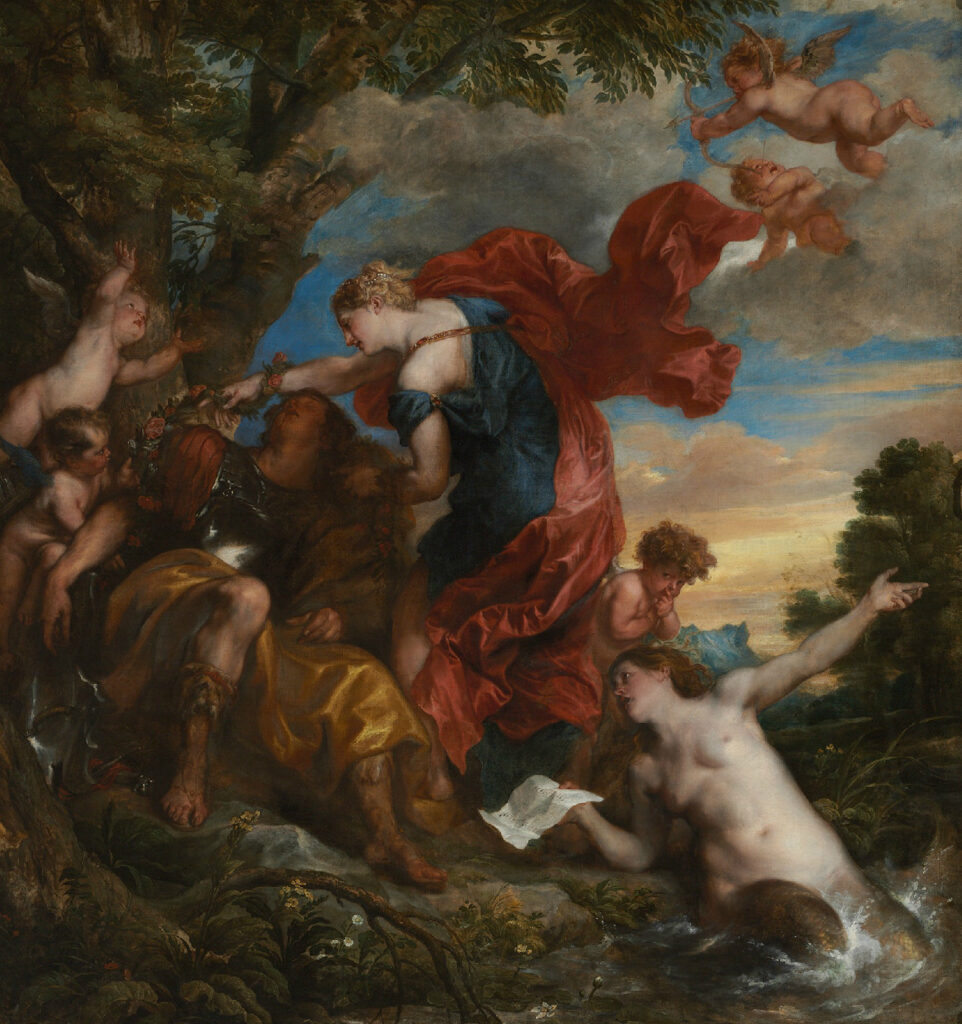
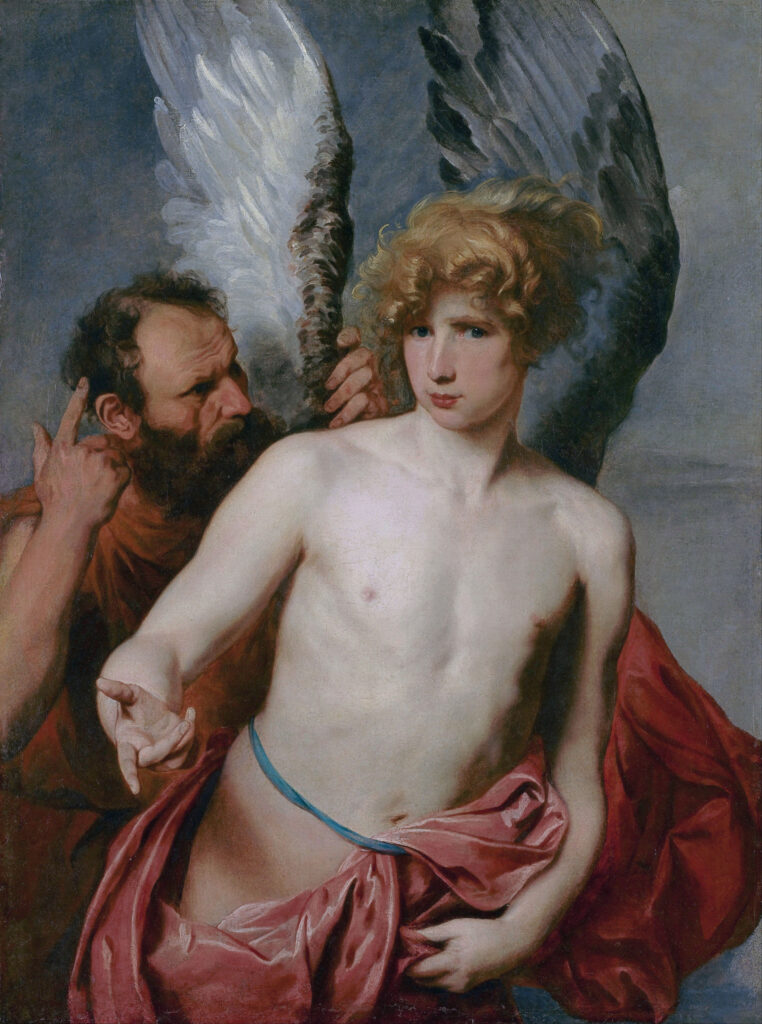
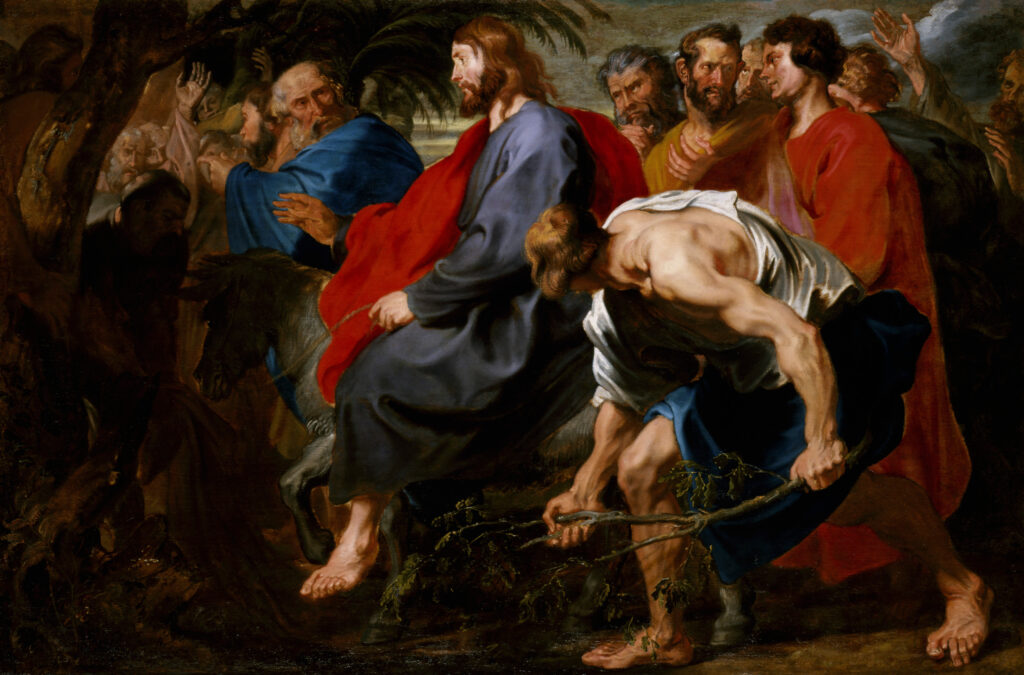
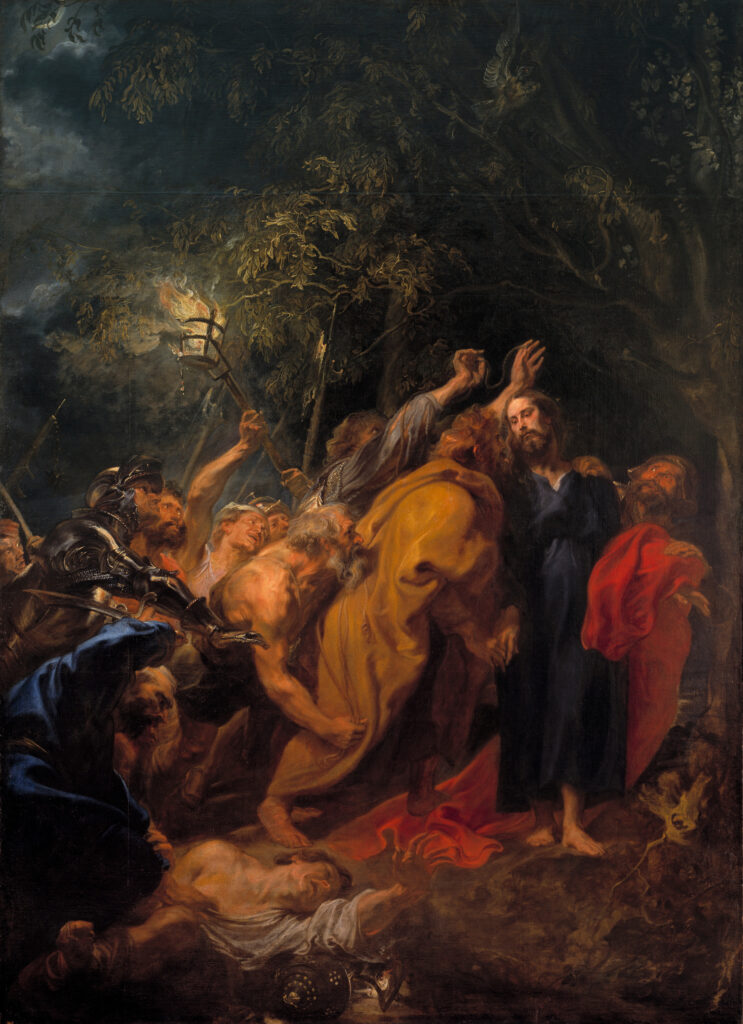
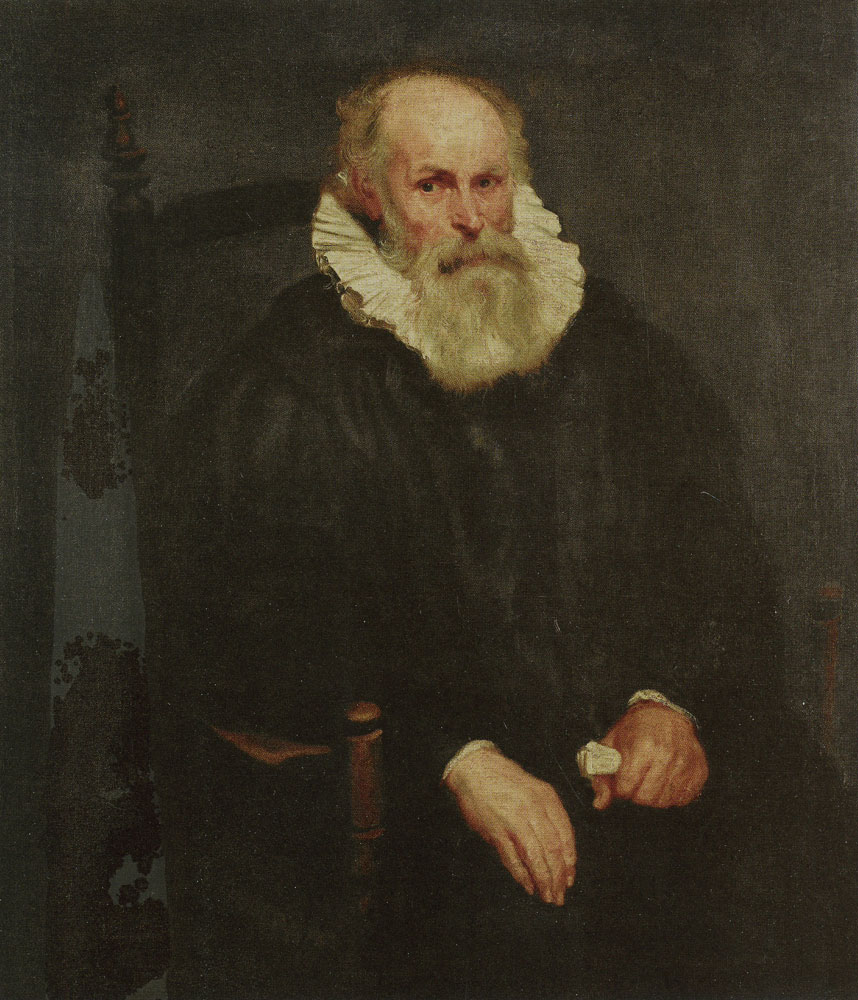
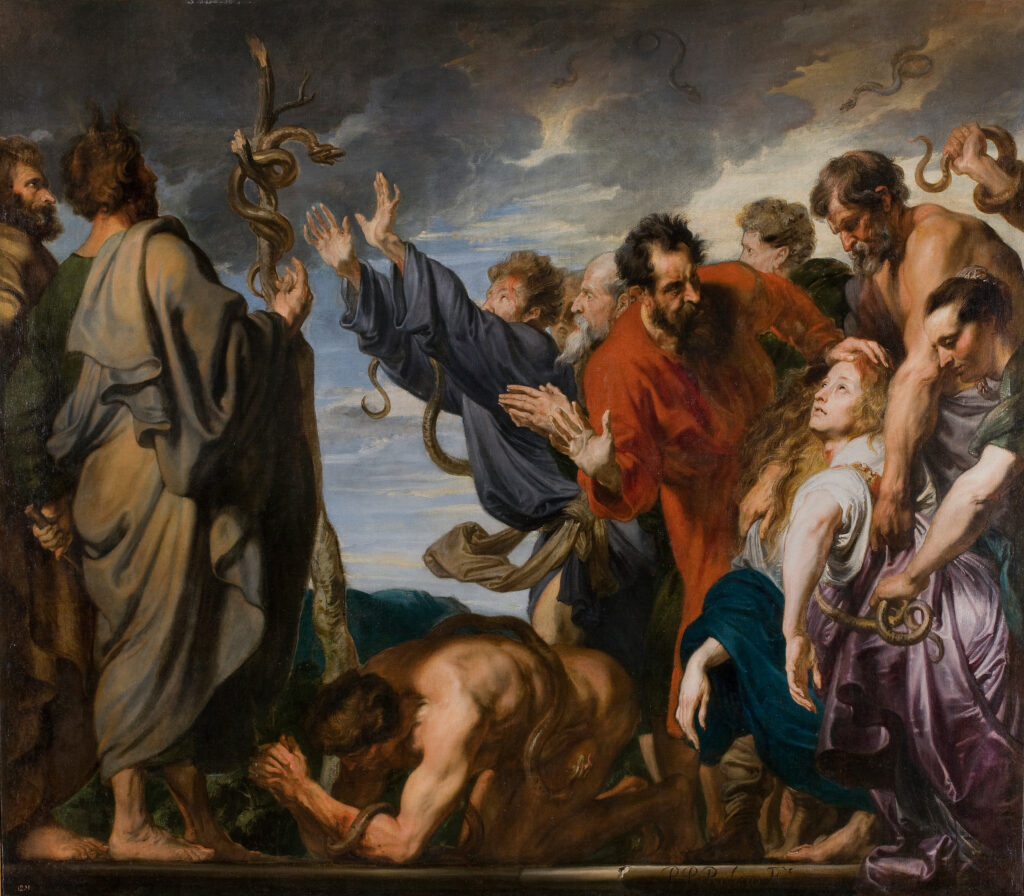
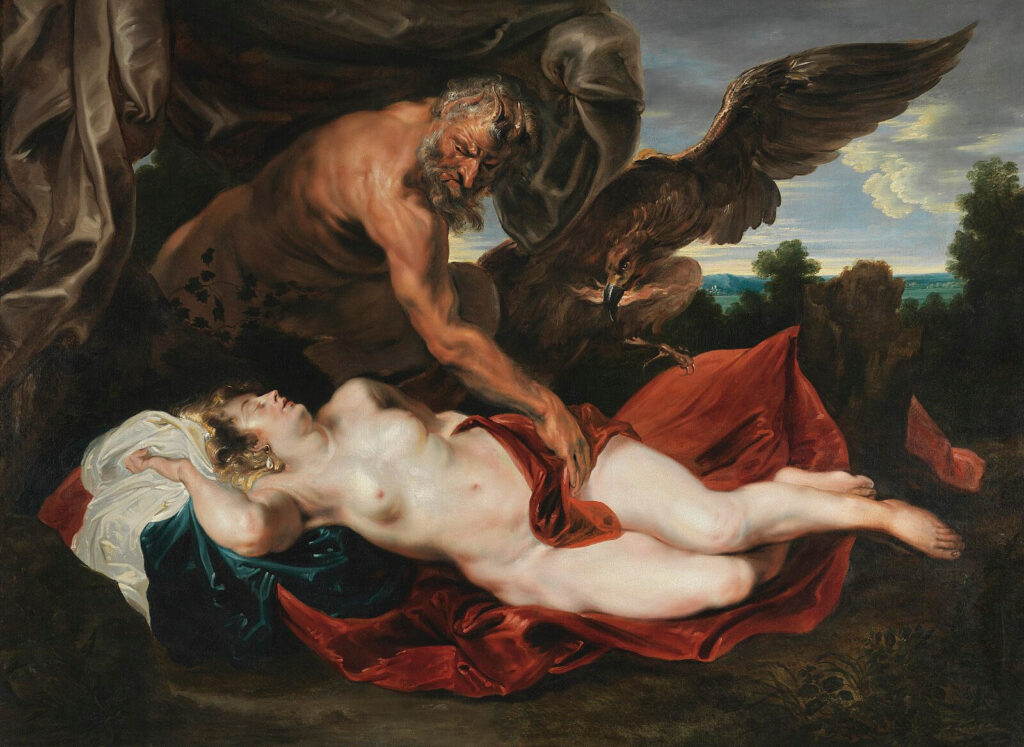
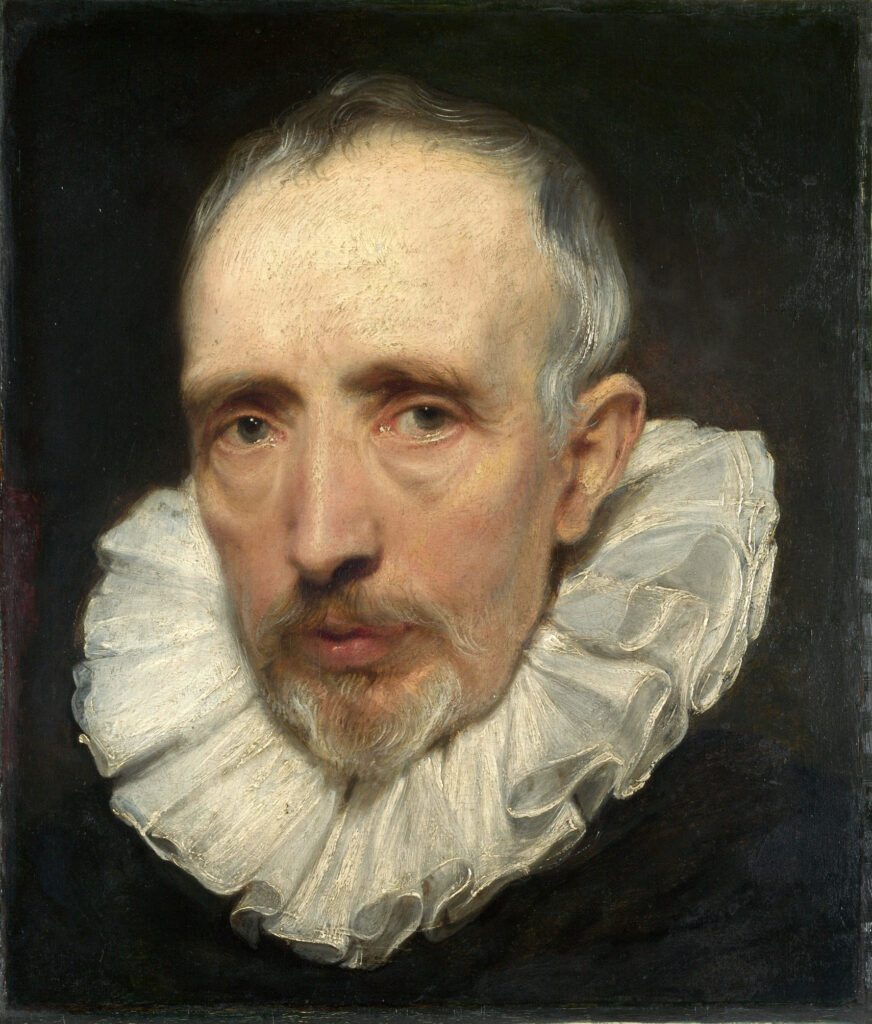
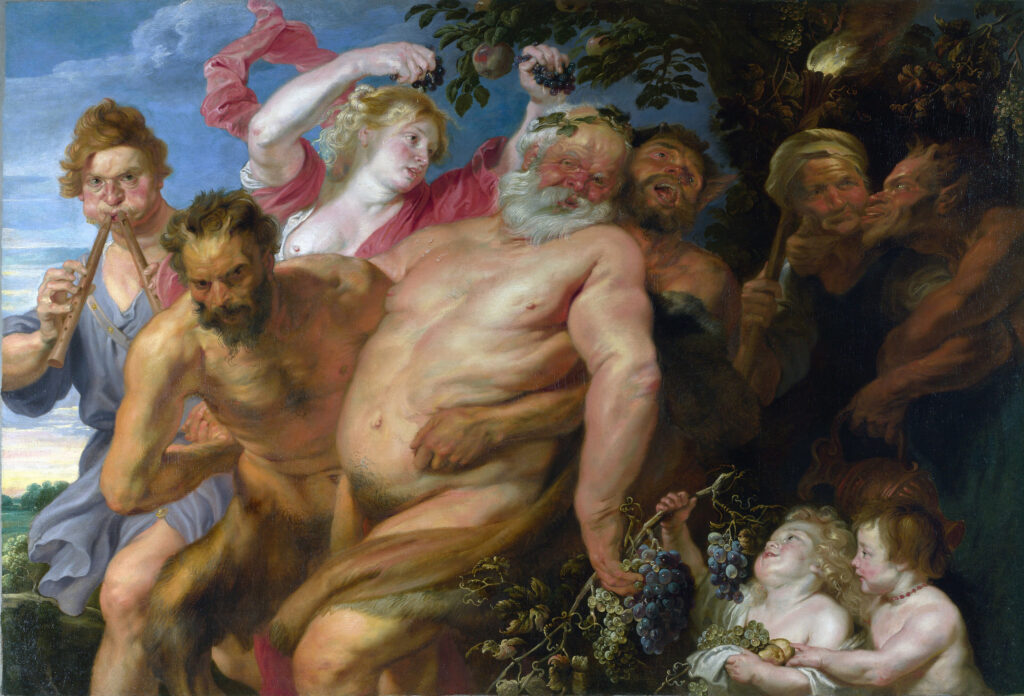
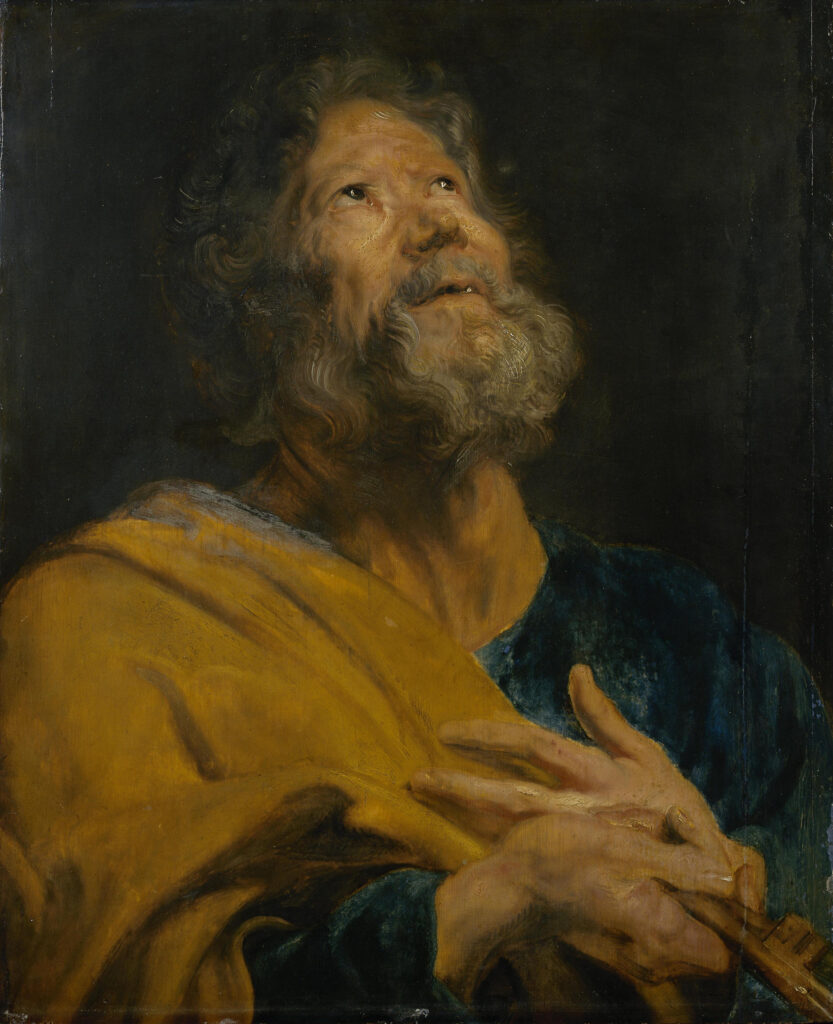
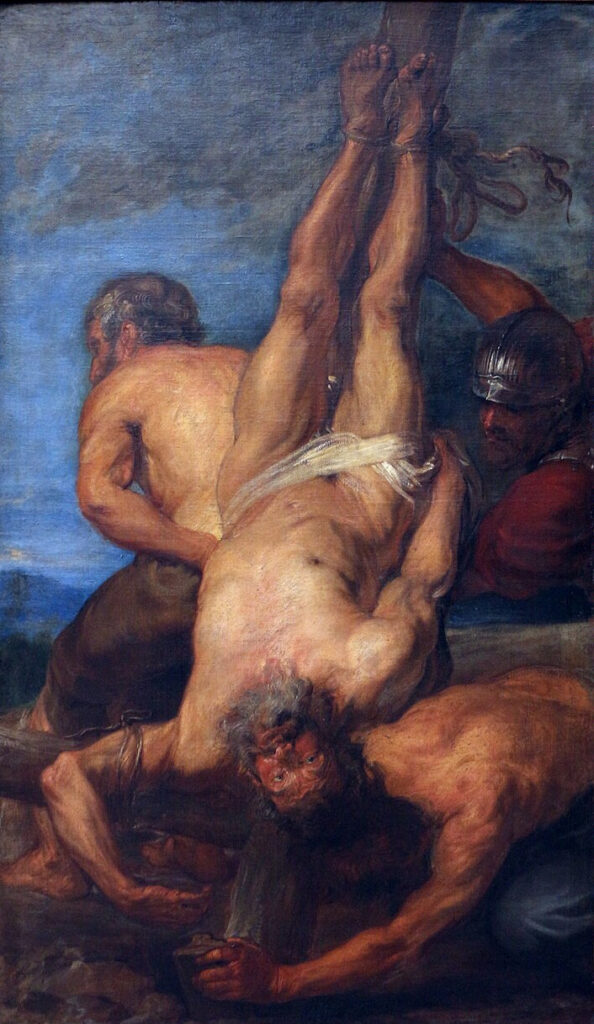
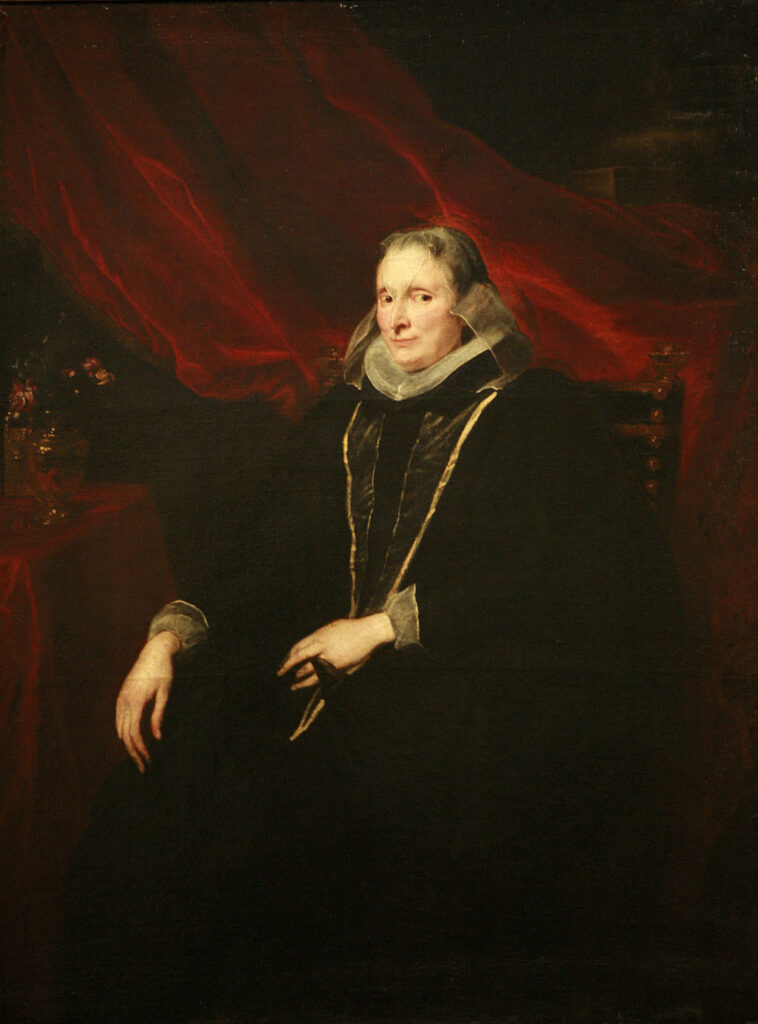
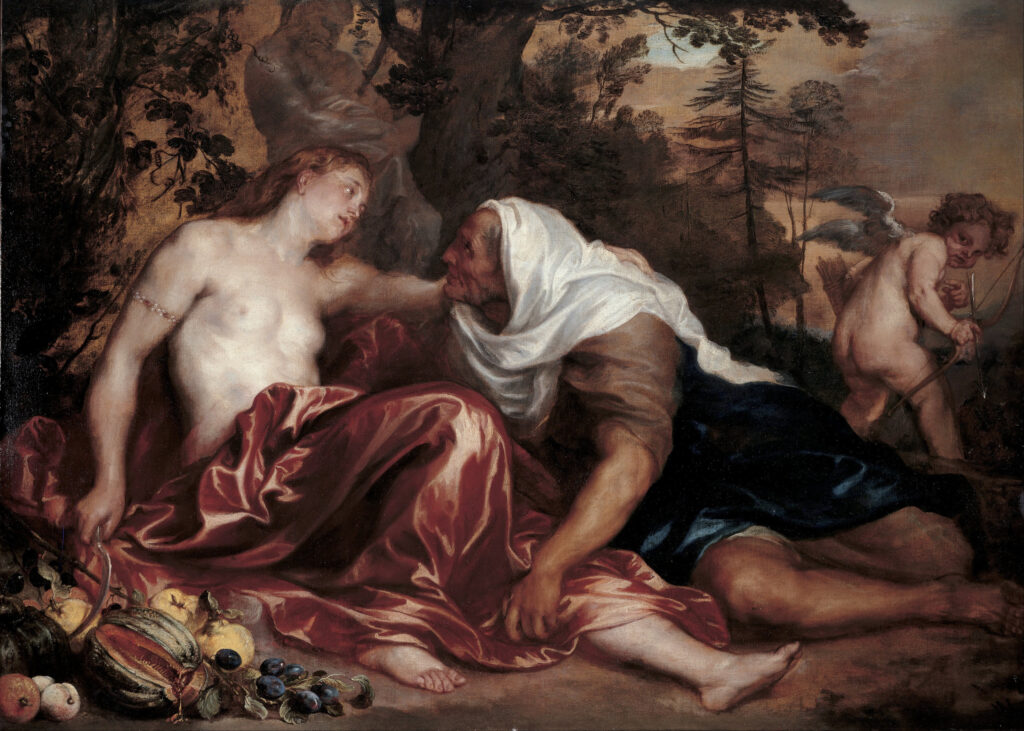
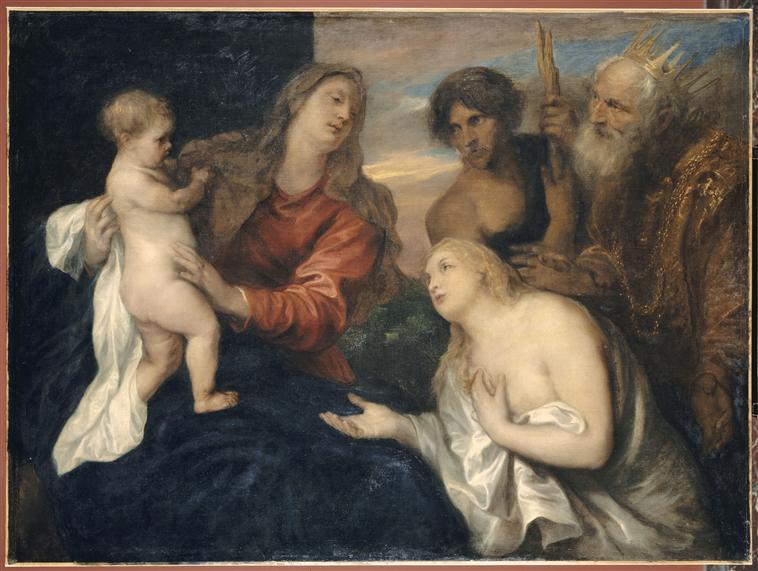
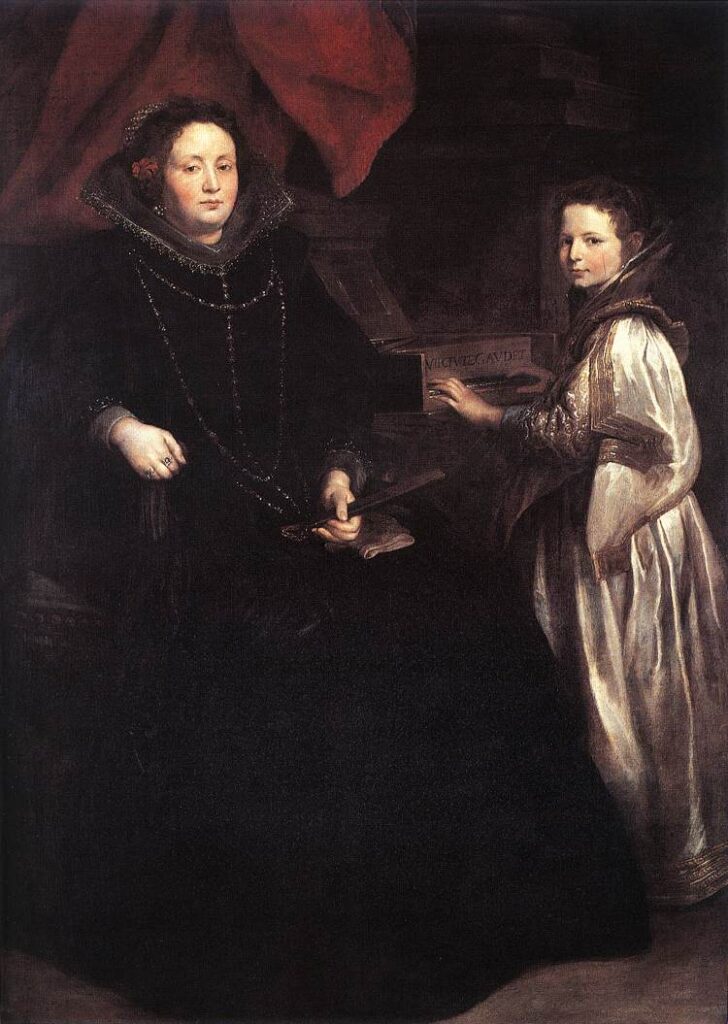
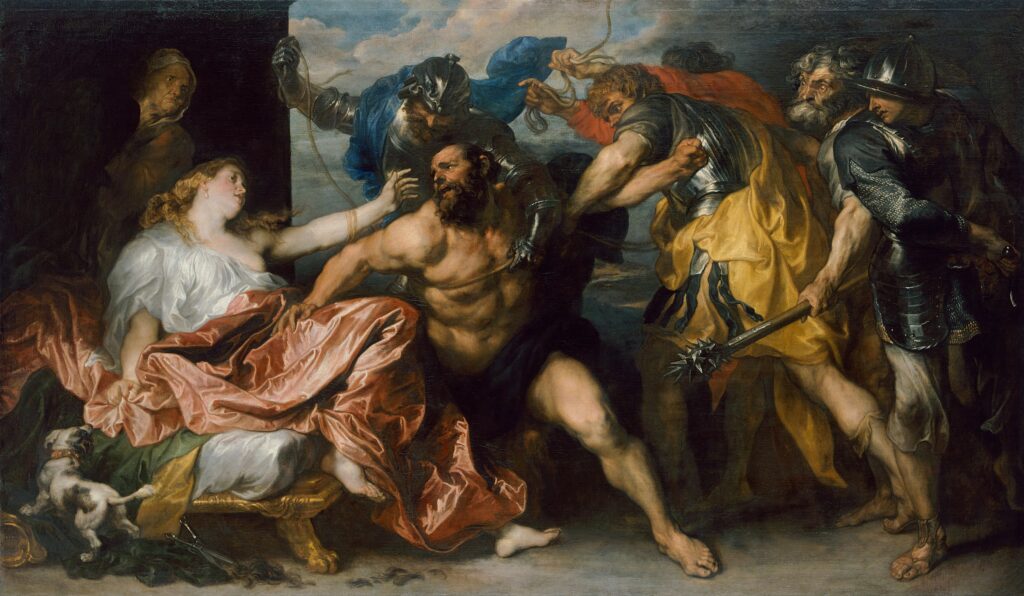
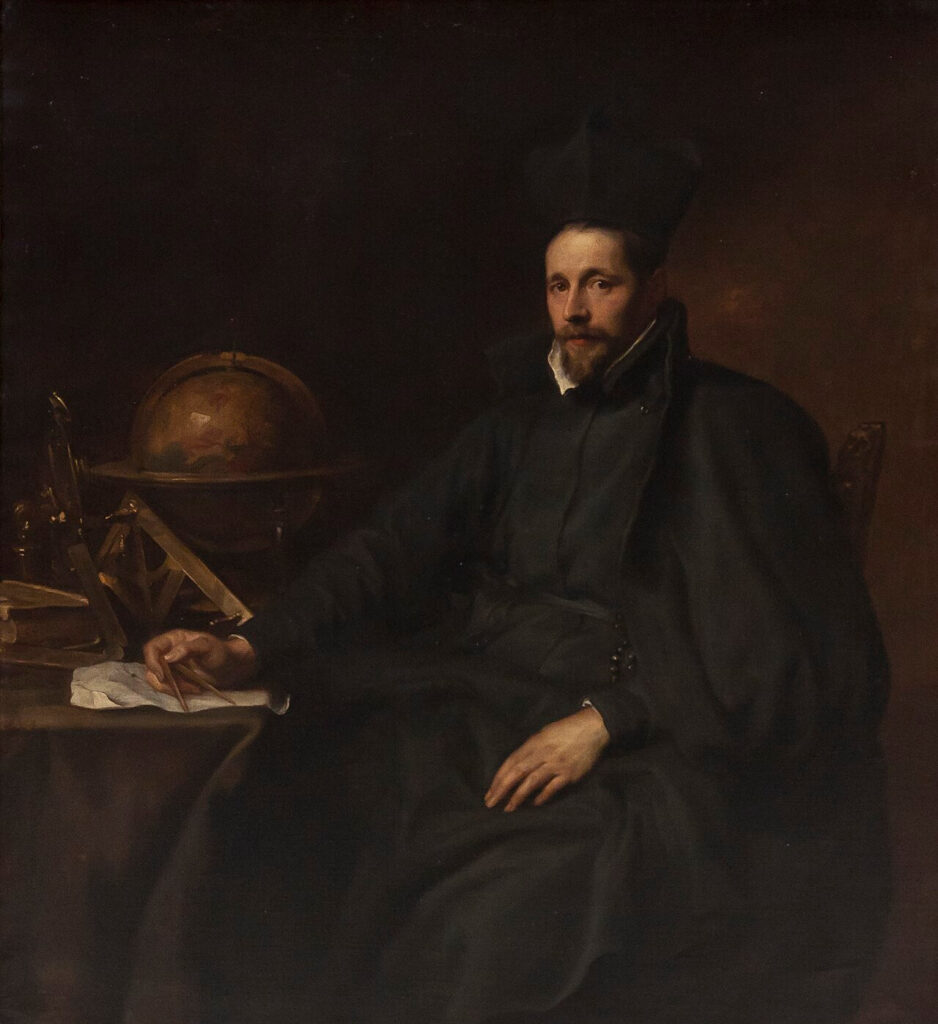
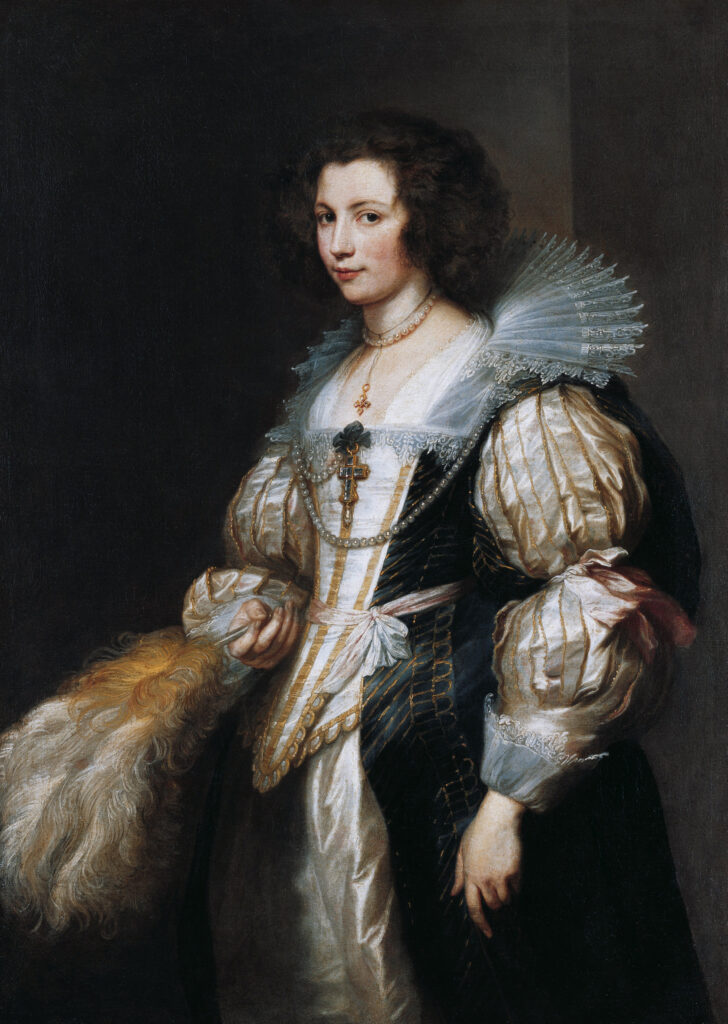
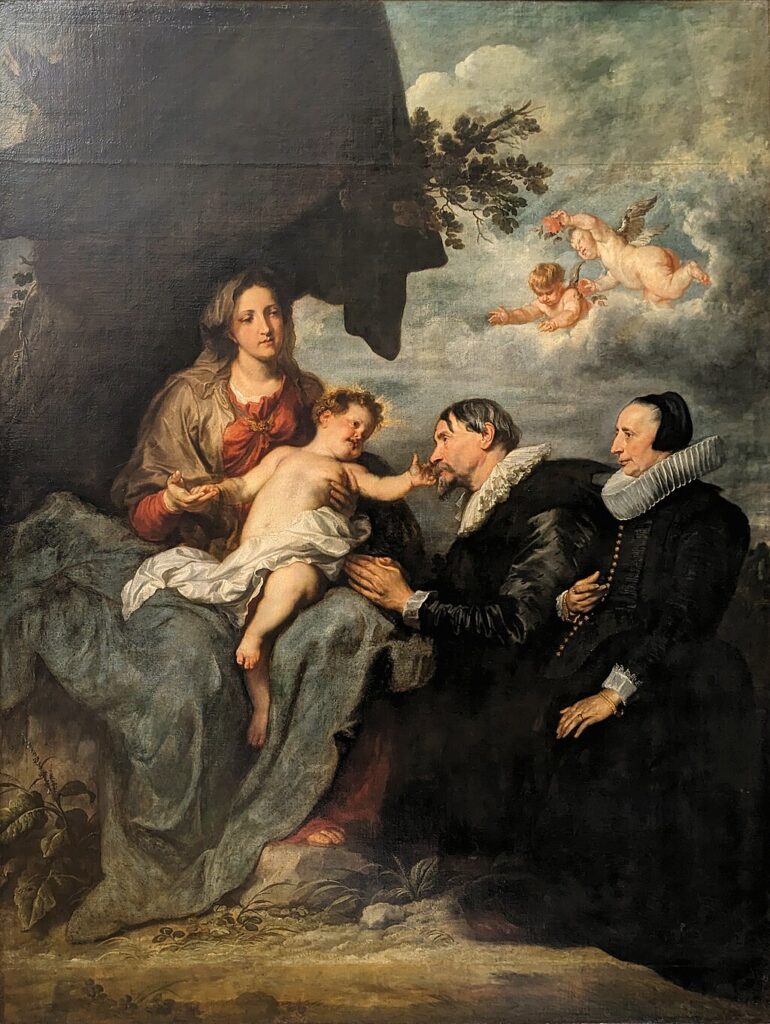
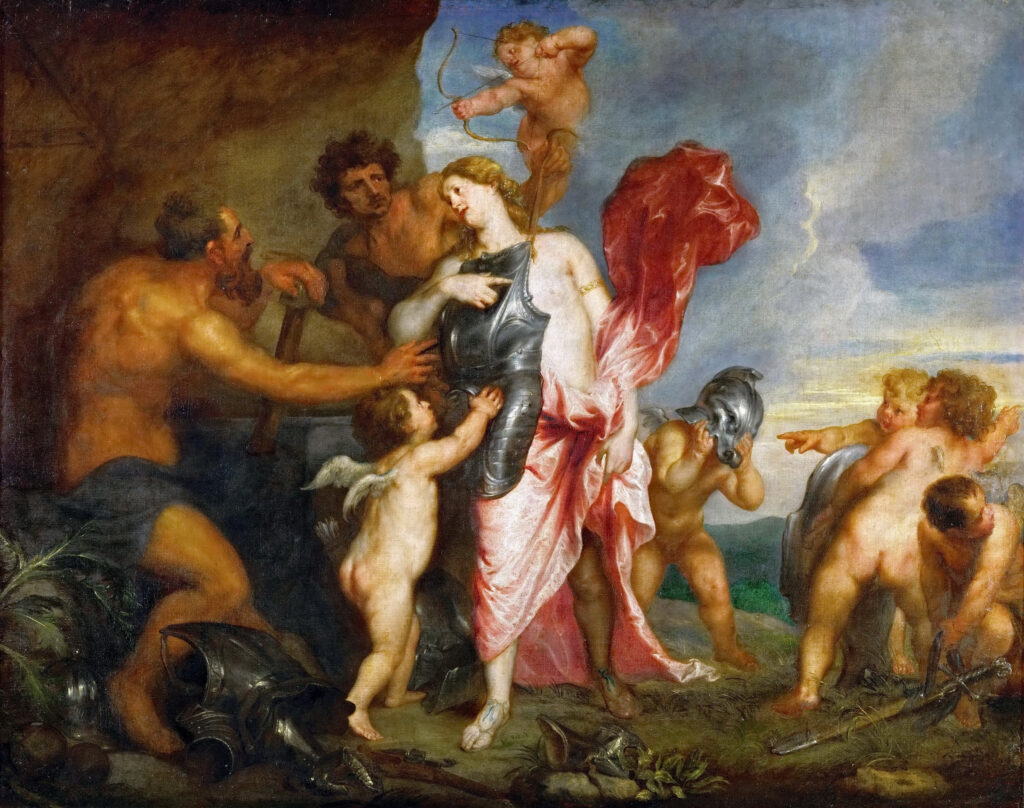
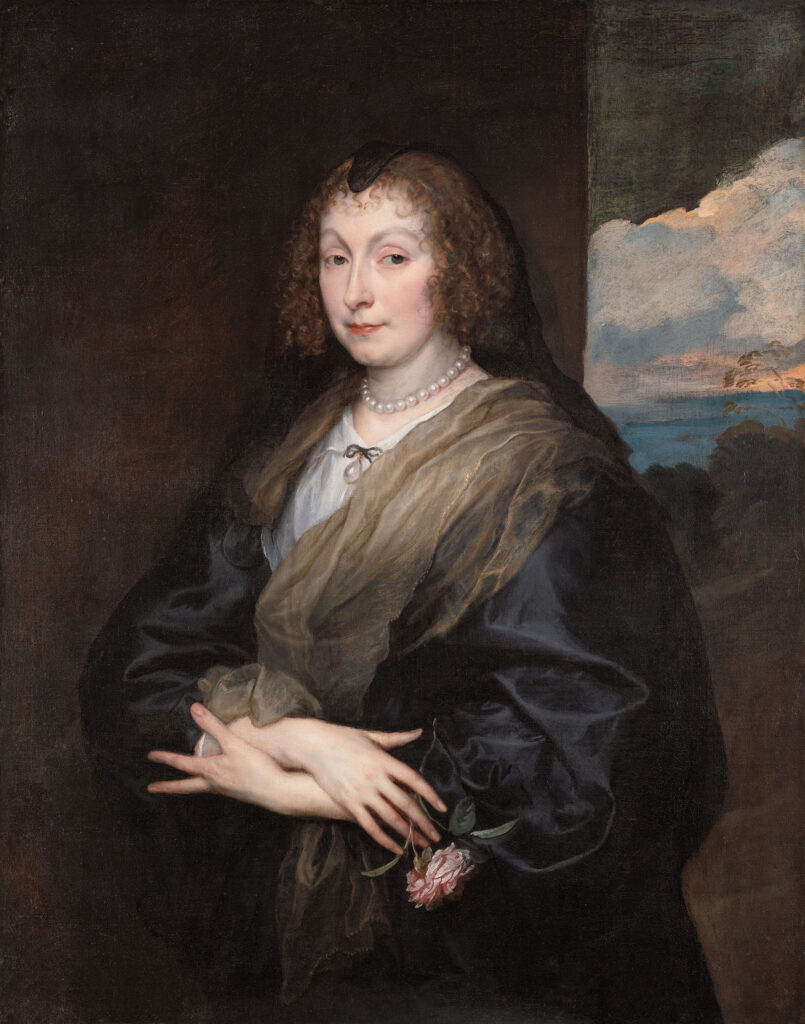
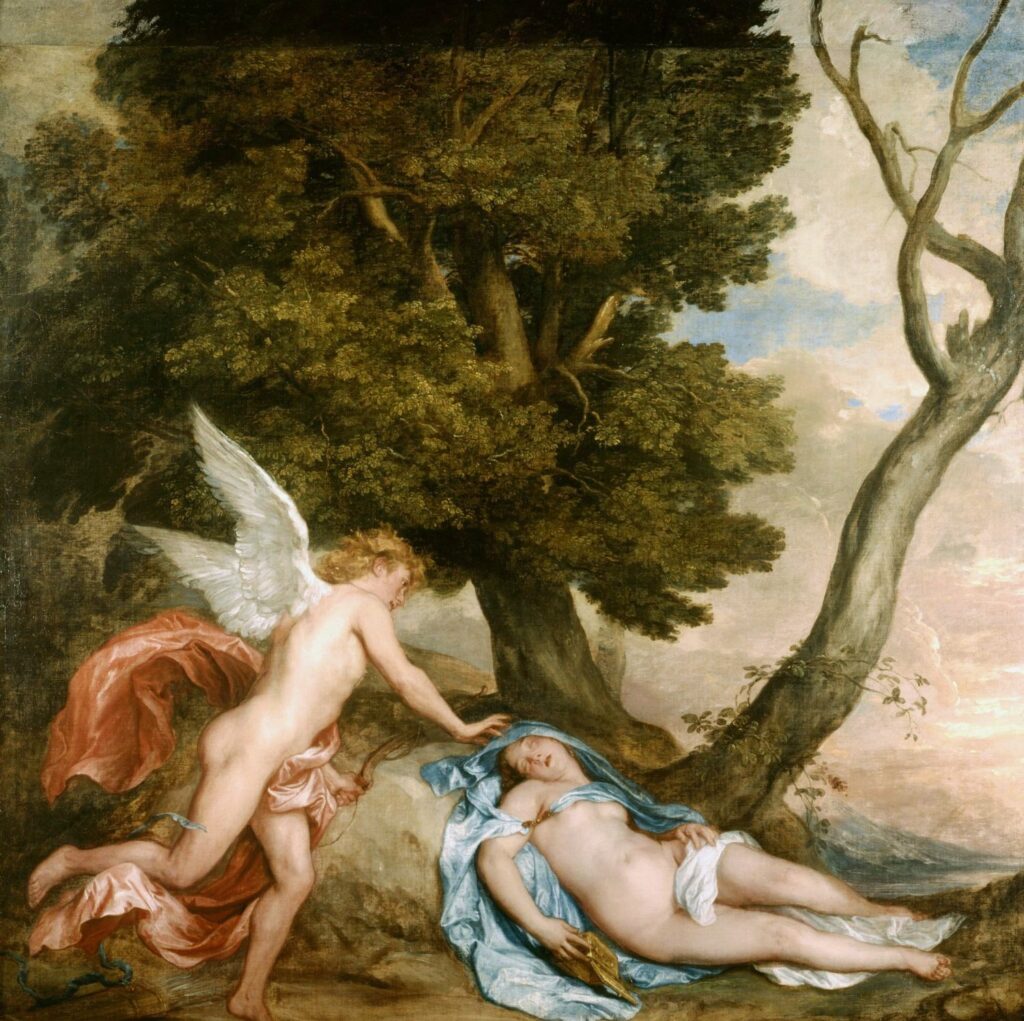
Anthony van Dyck, March 22, 1599–December 9, 1641, was a Flemish painter born in Antwerp. He trained with Hendrick van Balen and entered the Antwerp Guild of Saint Luke in 1618. He worked in Peter Paul Rubens’s studio before traveling to Italy in 1621.
Van Dyck returned to Antwerp in 1627 and painted portraits, religious subjects, and mythological scenes. In 1632 he settled in England as court painter to Charles I, was knighted, and established a London workshop. His portraits became influential models for European court painting.
Van Dyck died in London in 1641. His paintings are held in the Royal Collection, the Prado, the Louvre, the National Gallery in London, the National Gallery of Art, and other major public collections.
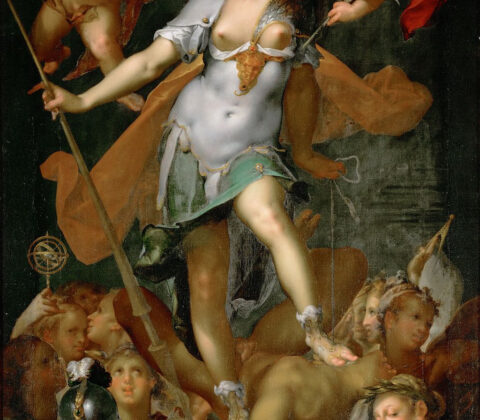
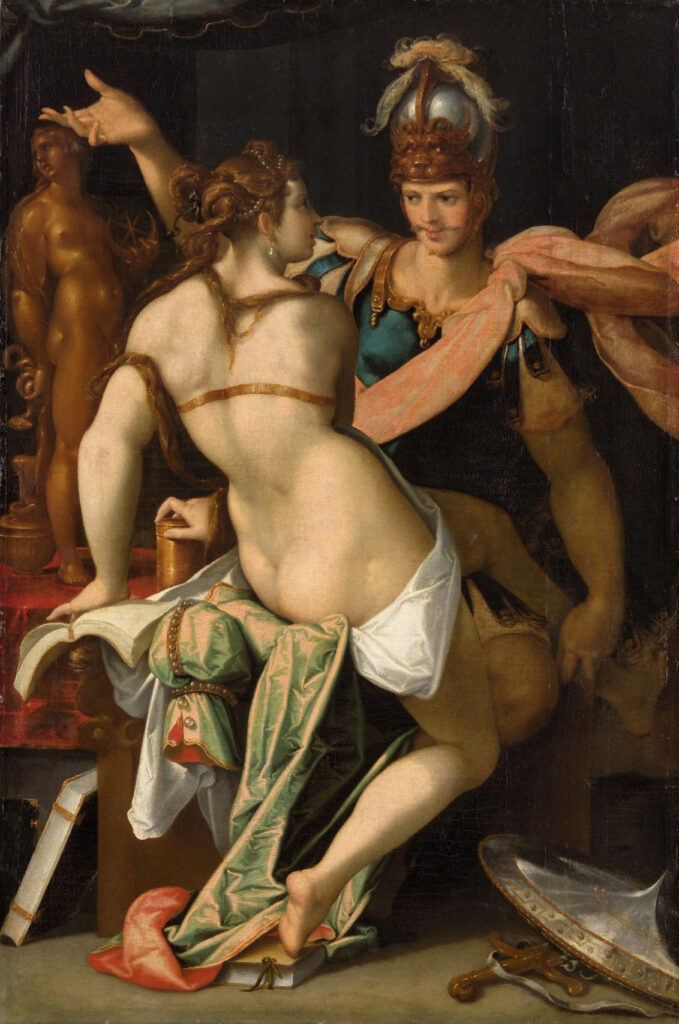
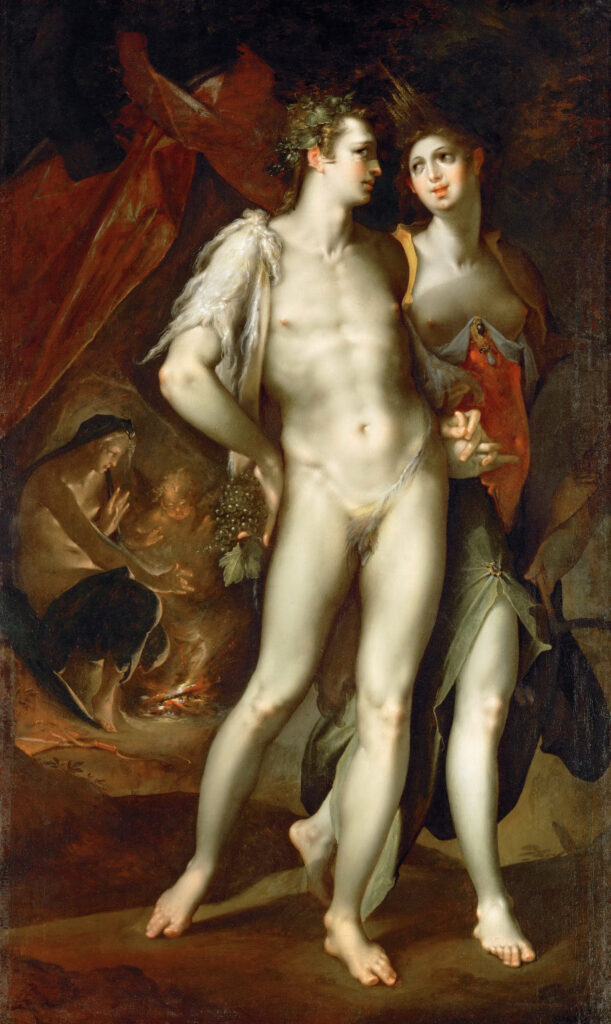
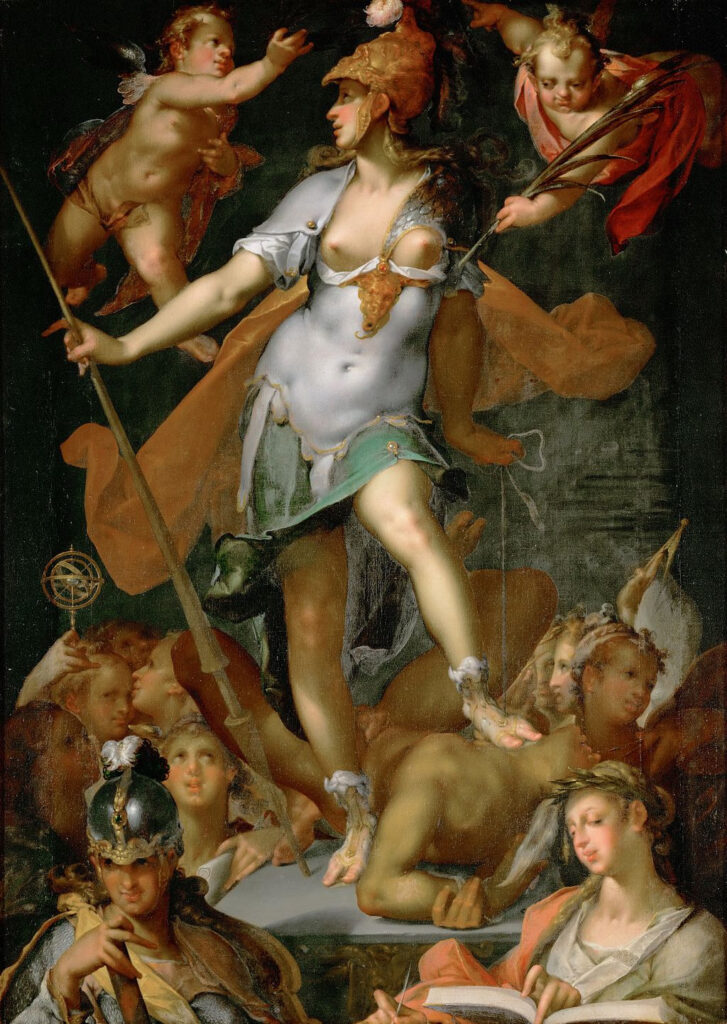
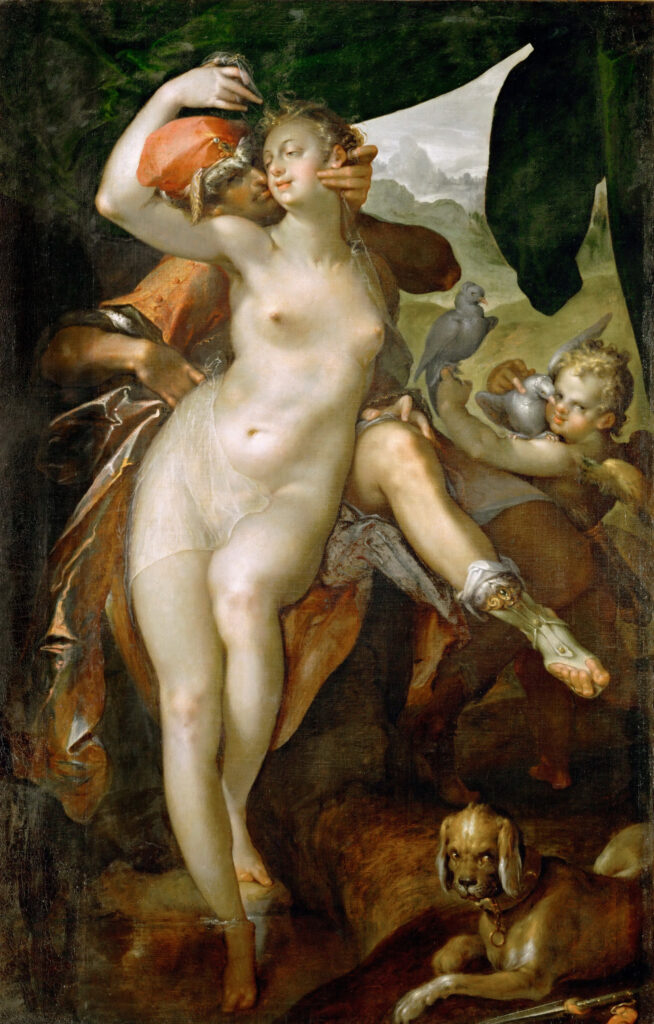
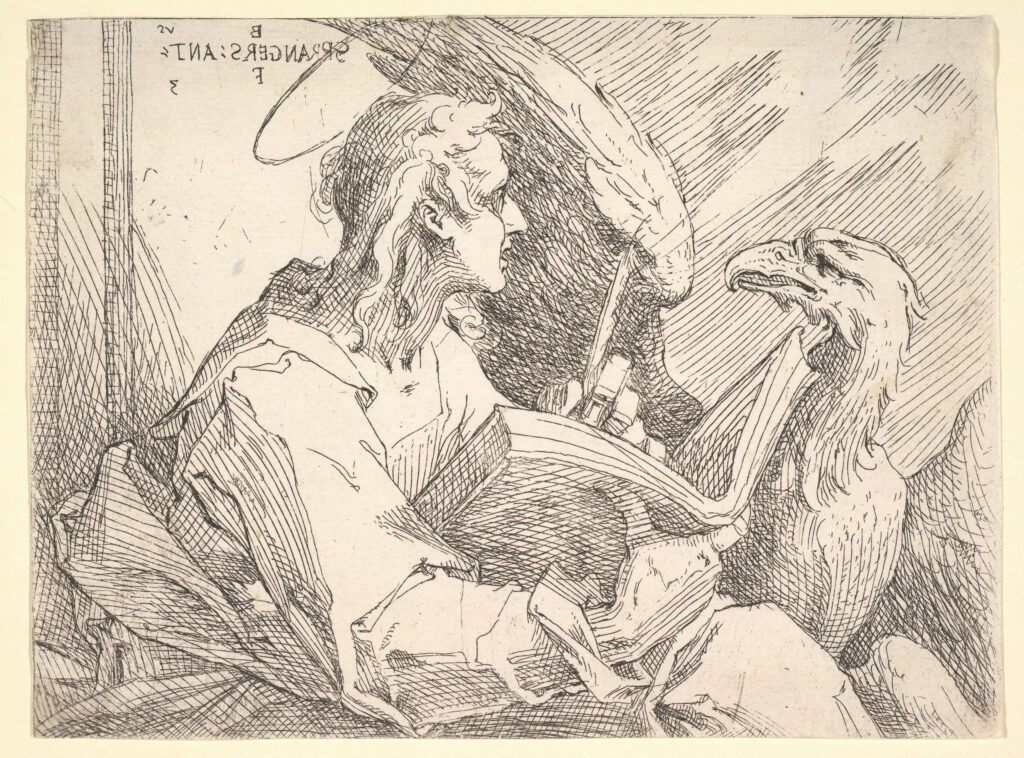
Bartholomeus Spranger
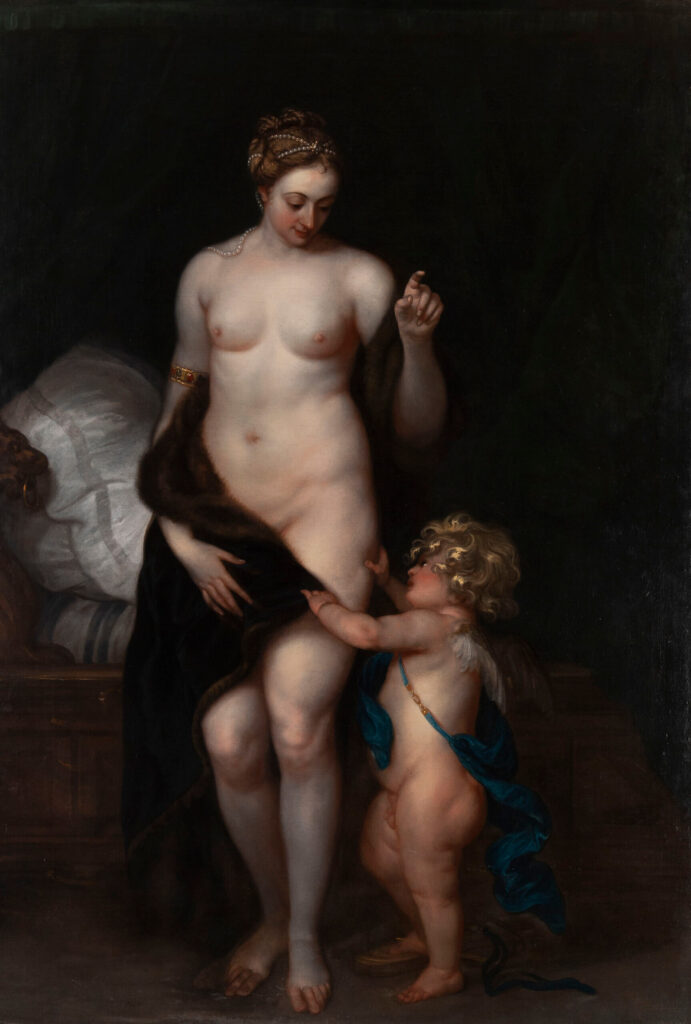
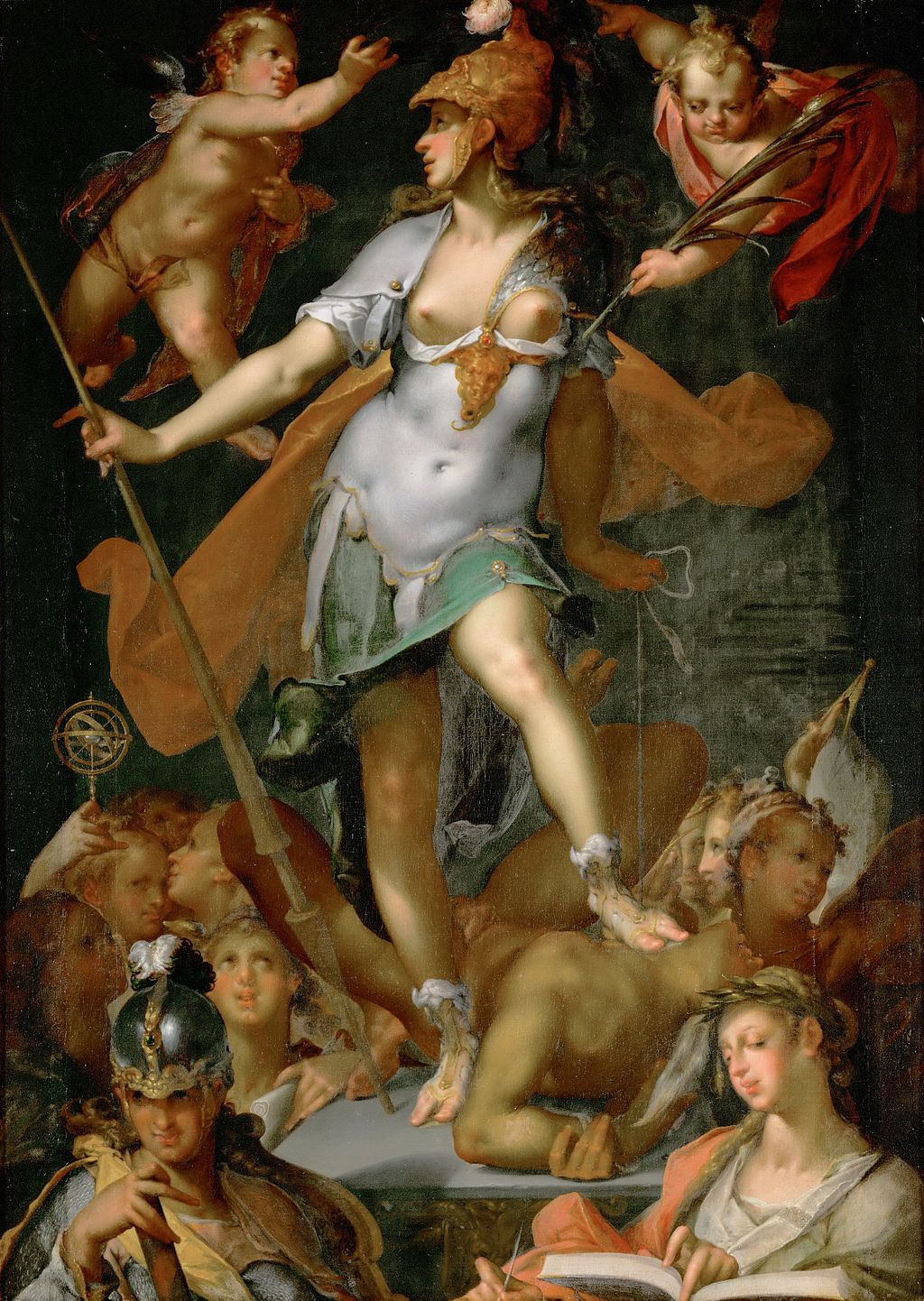
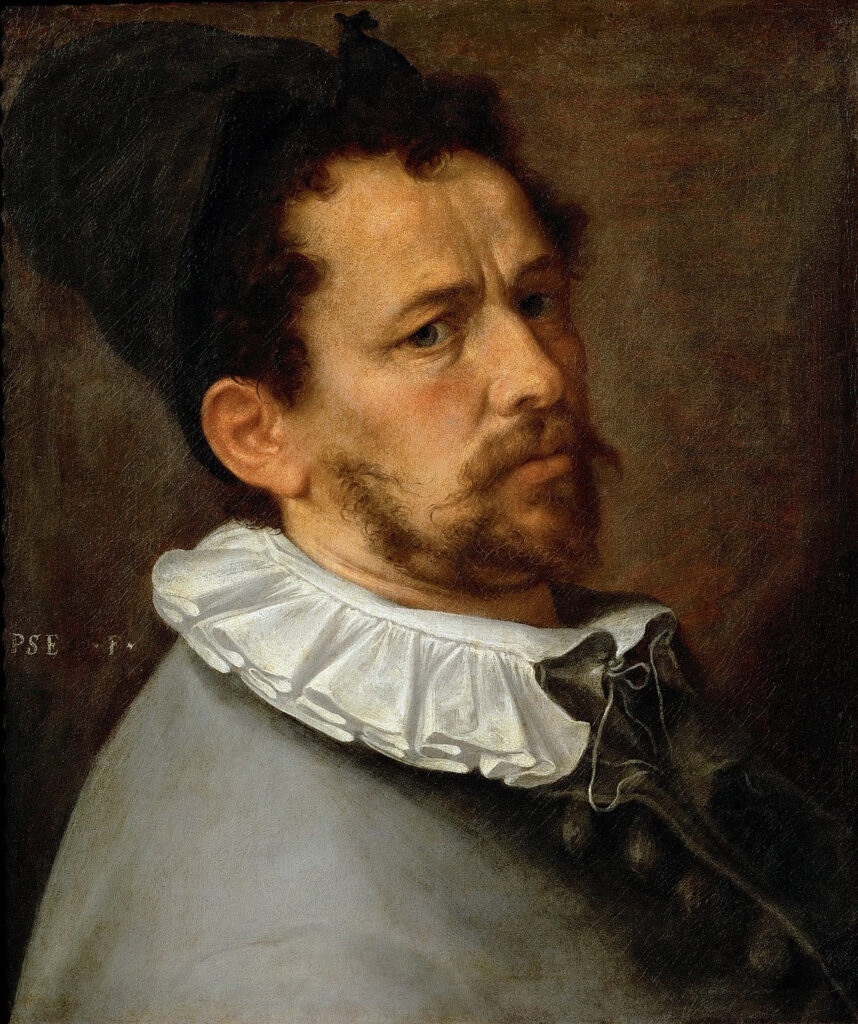
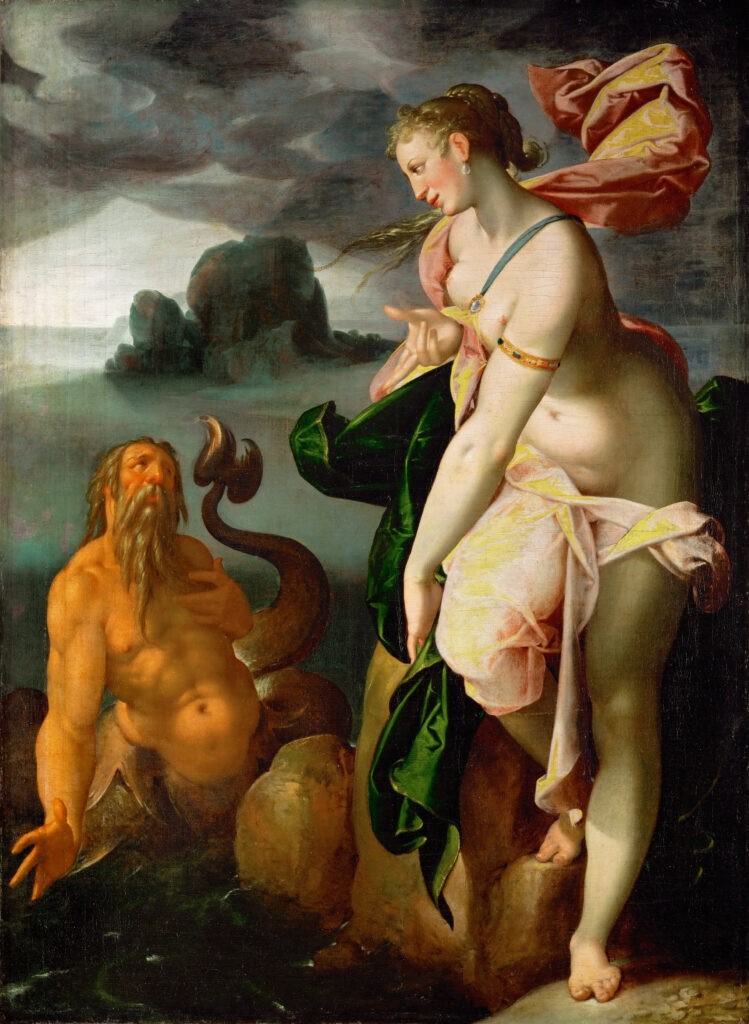
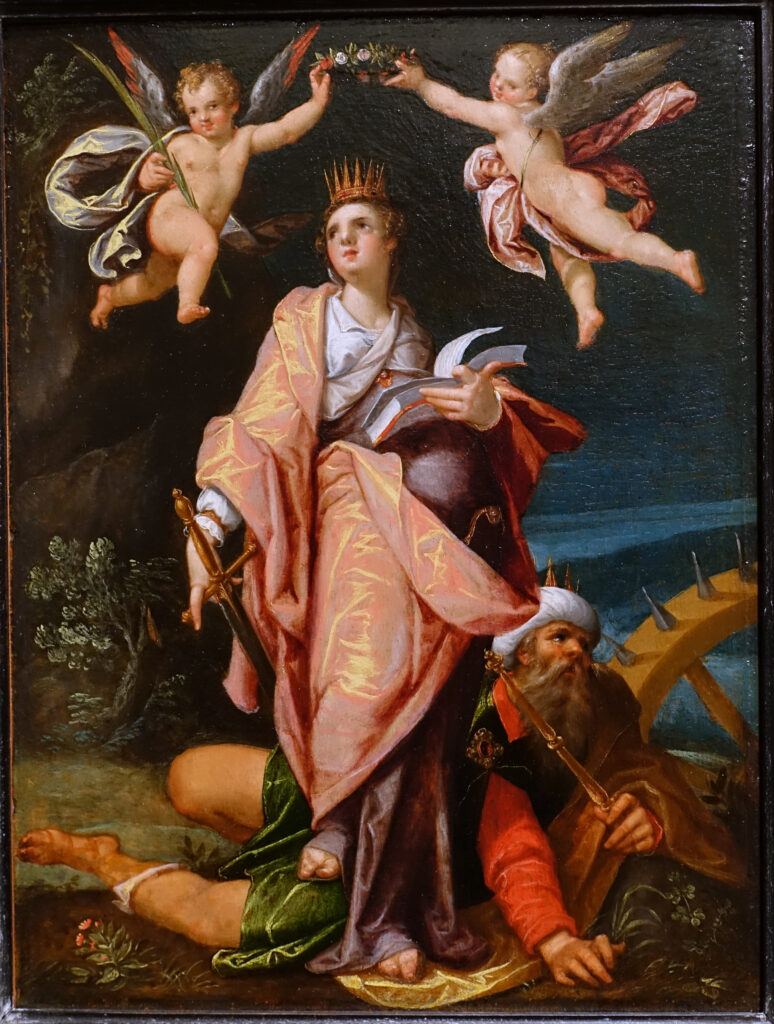
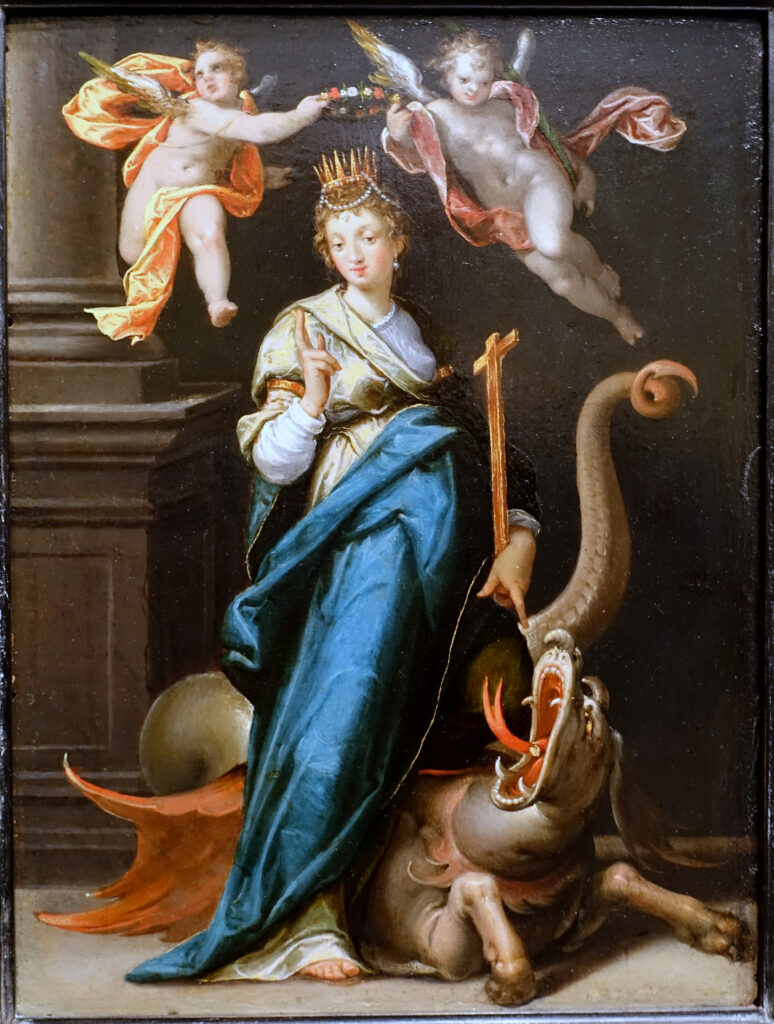
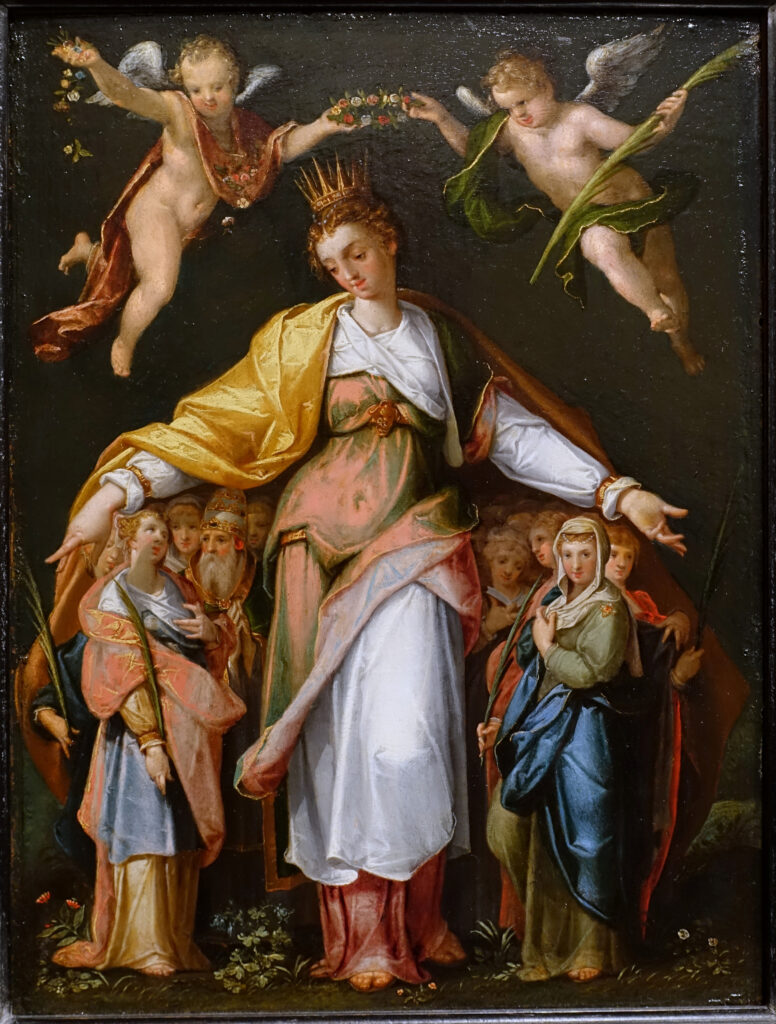
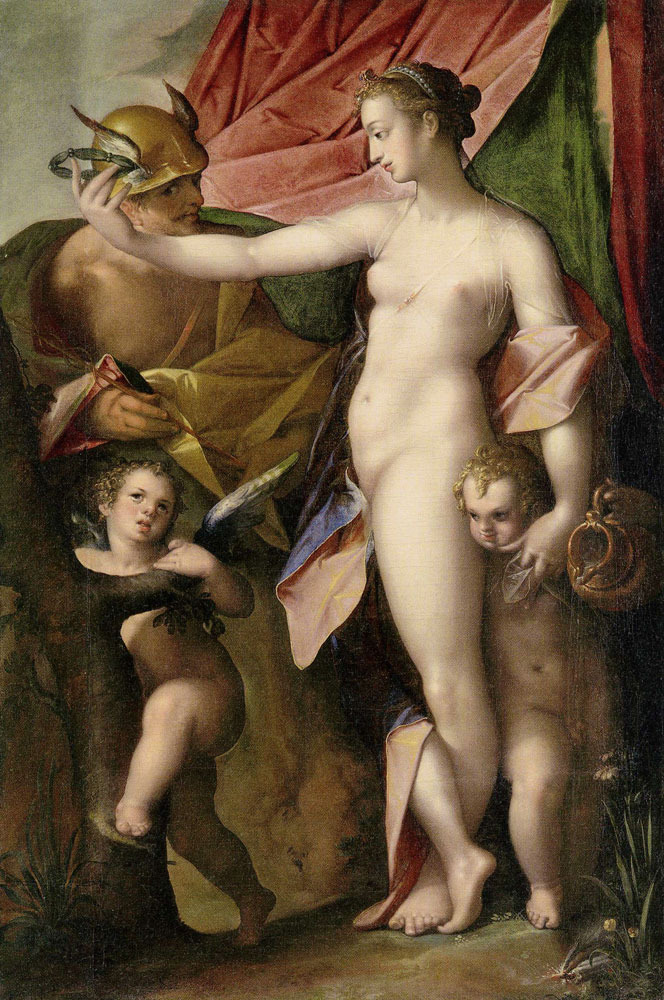
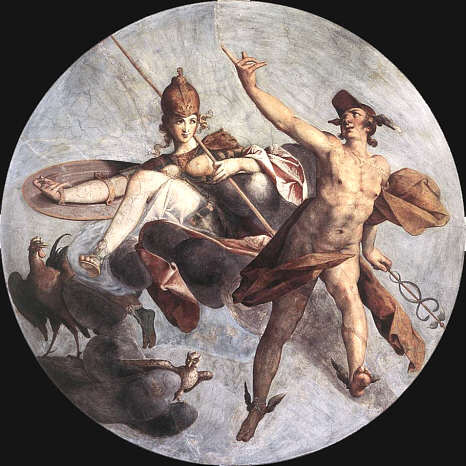
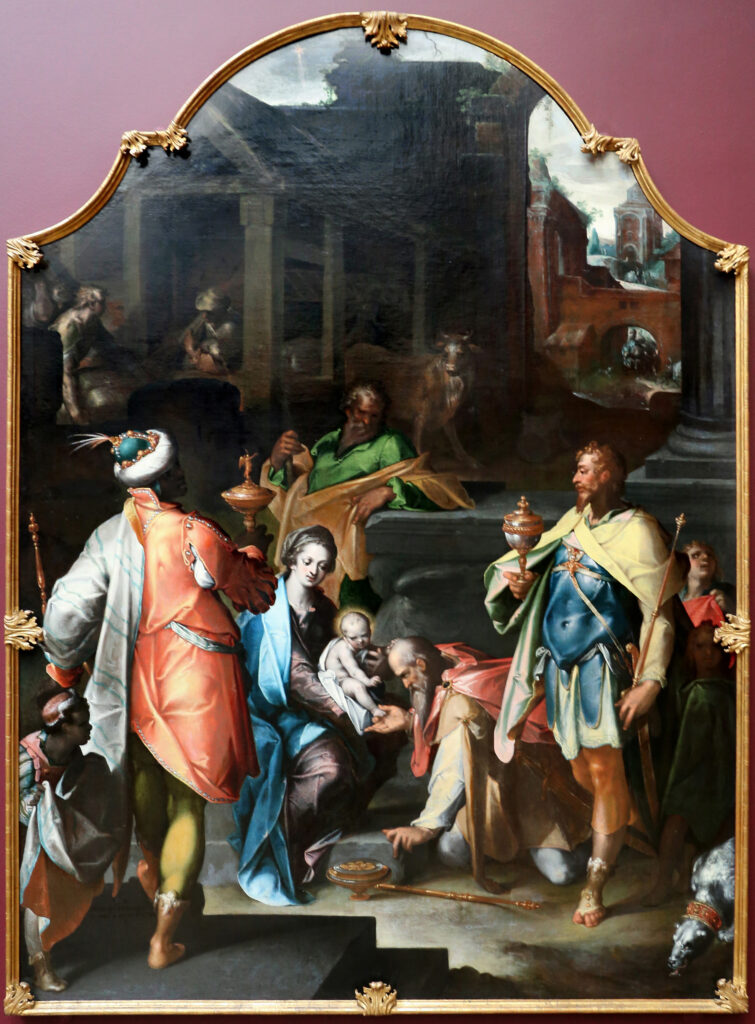
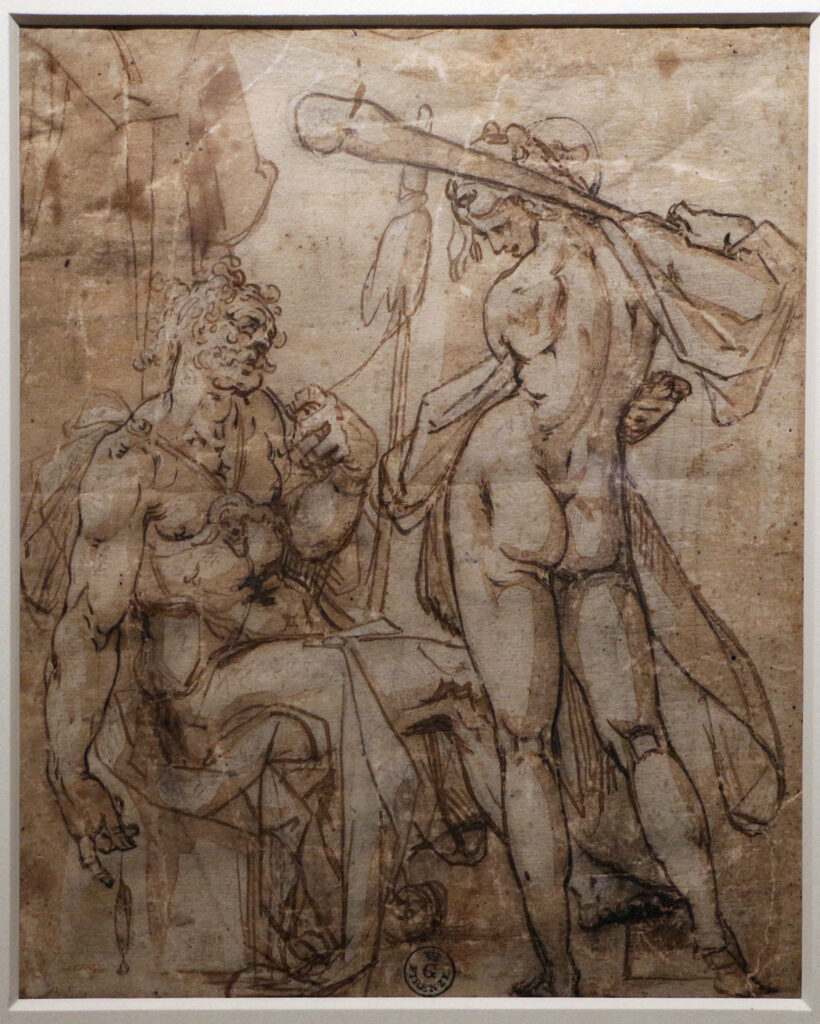
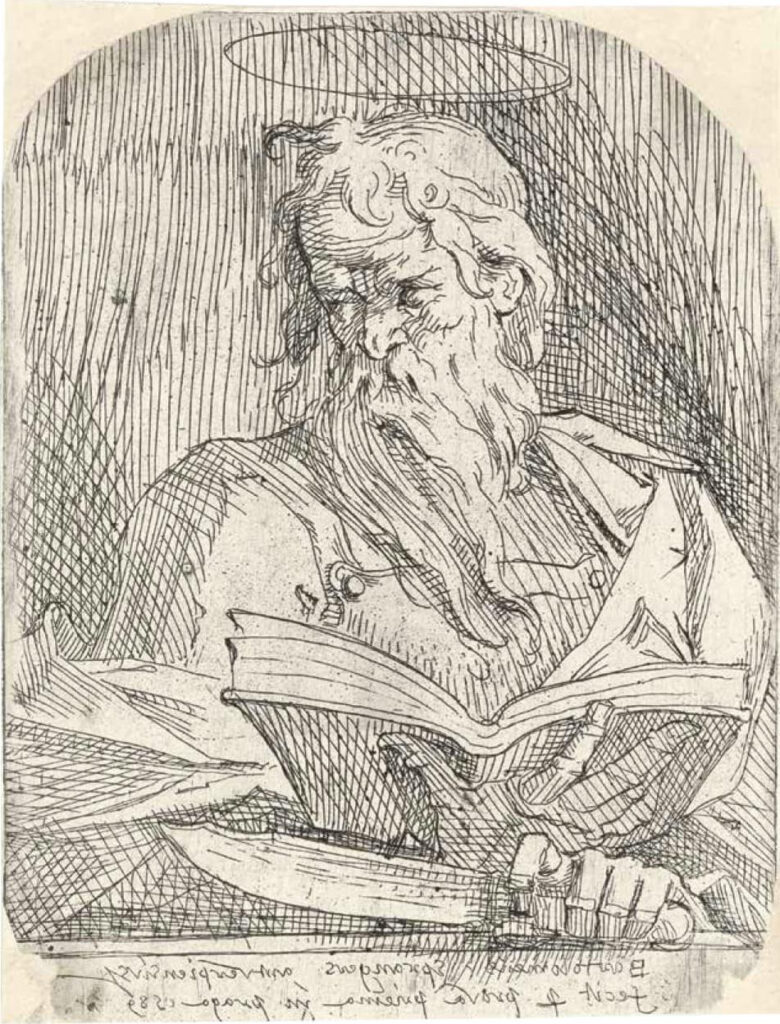
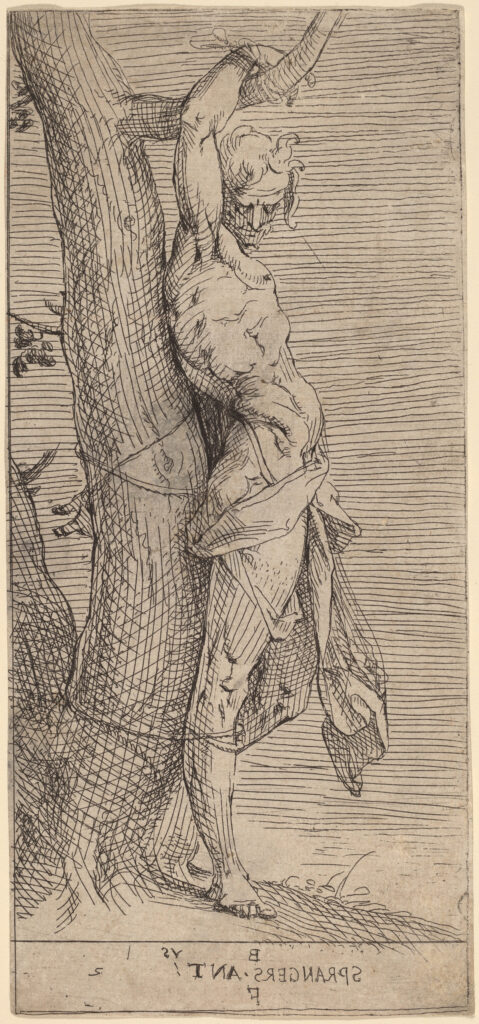
Bartholomeus Spranger, March 21, 1546–1611, was a Flemish painter, draughtsman, and etcher born in Antwerp. He trained with Jan Mandyn, Frans Mostaert, and Cornelis van Dalem, and continued his artistic education in Italy, including study with Giulio Clovio.
After working for Cardinal Alessandro Farnese and Pope Pius V in Rome, Spranger became court painter to Maximilian II in Vienna and later to Rudolf II in Prague. His work included paintings, drawings, frescoes, and etchings.
Spranger settled in Prague around 1580 and worked there until his death in 1611. His paintings, drawings, and prints are held in collections including the Kunsthistorisches Museum, the National Gallery in London, the Blanton Museum of Art, the Albertina, and The Metropolitan Museum of Art. Prints after his designs helped circulate his work beyond the imperial court.
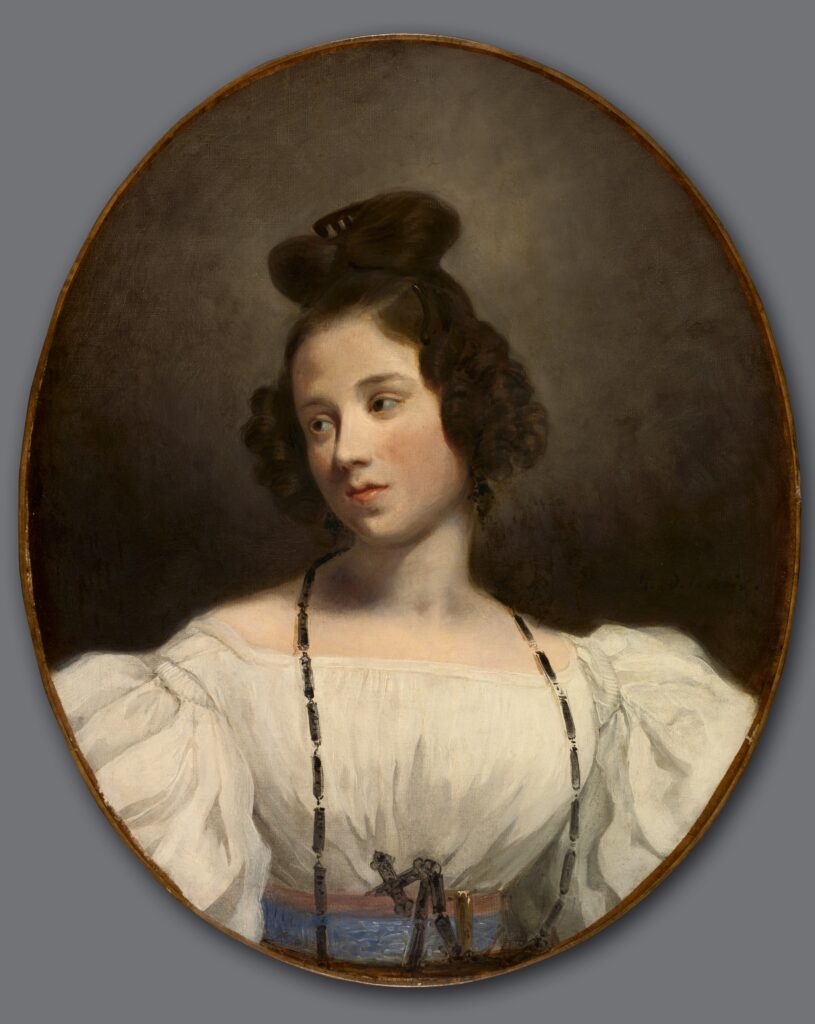
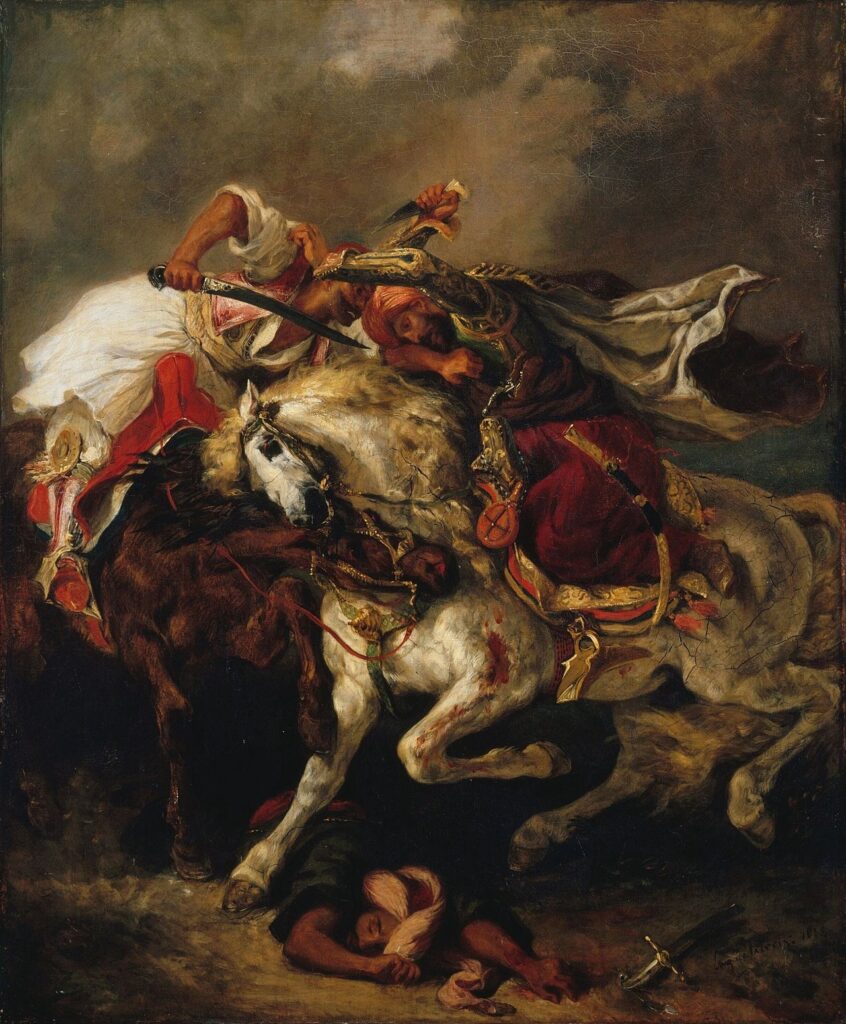
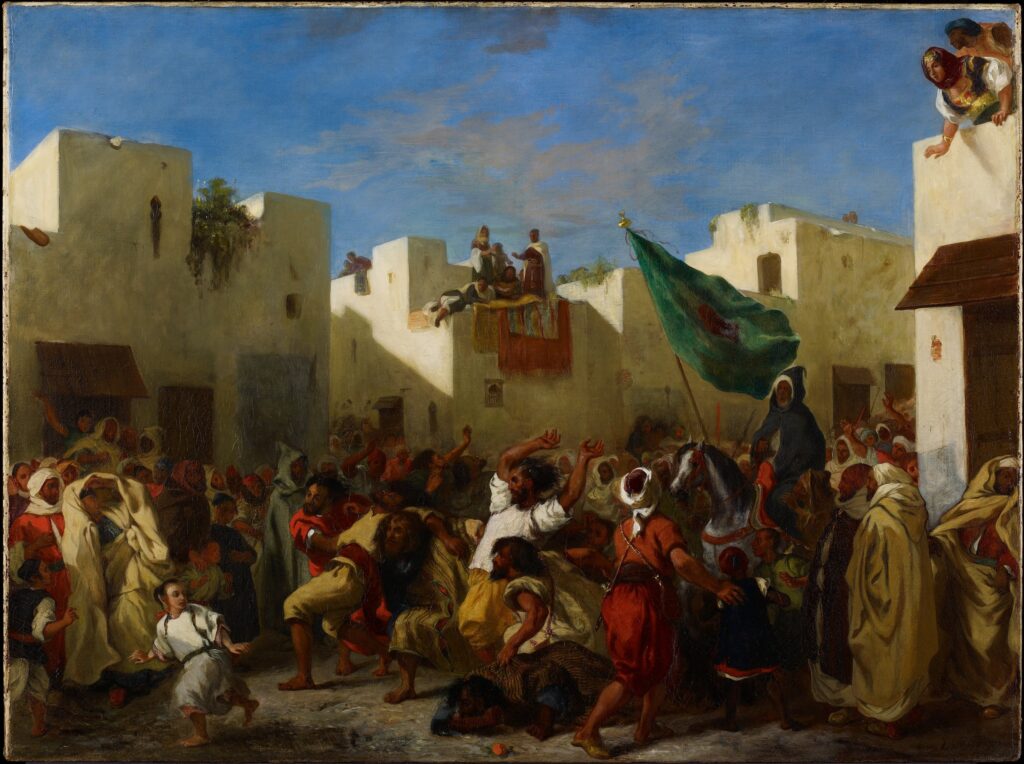
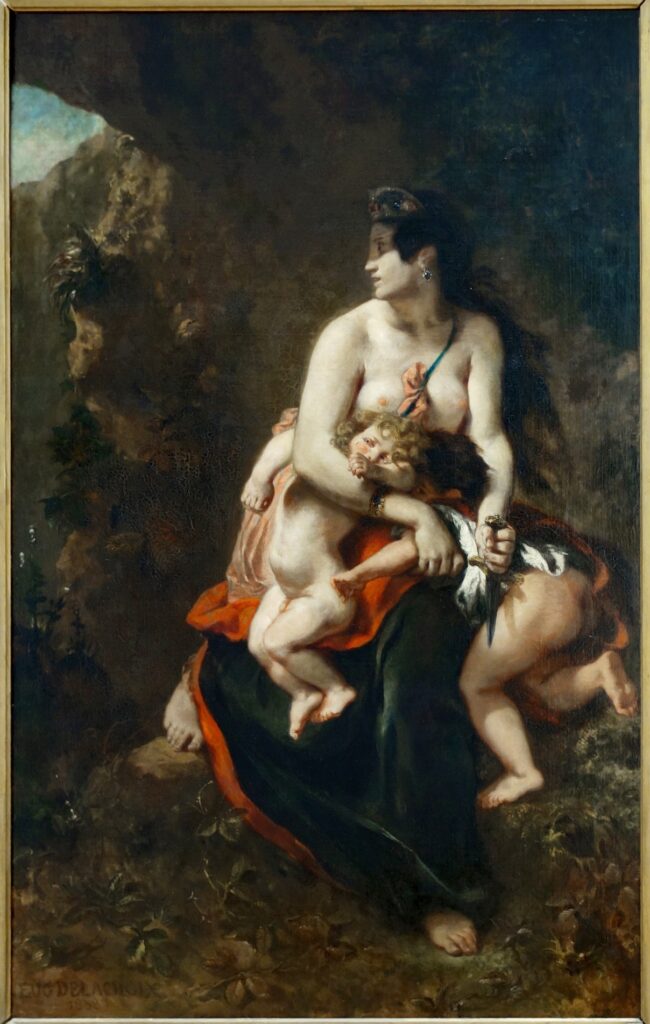
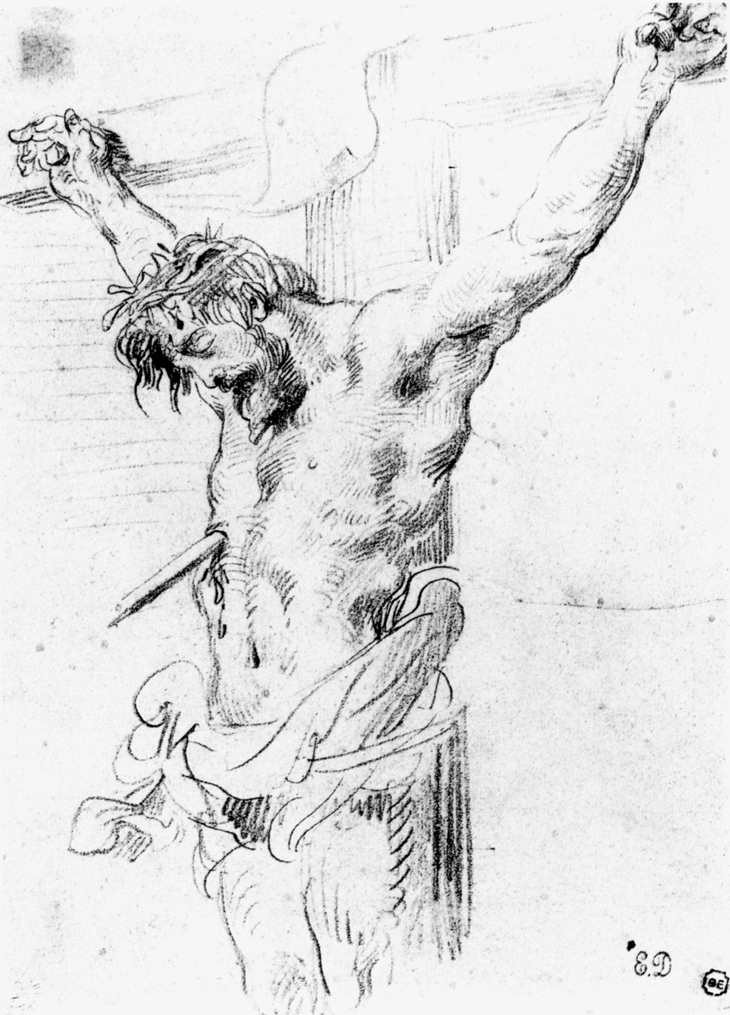
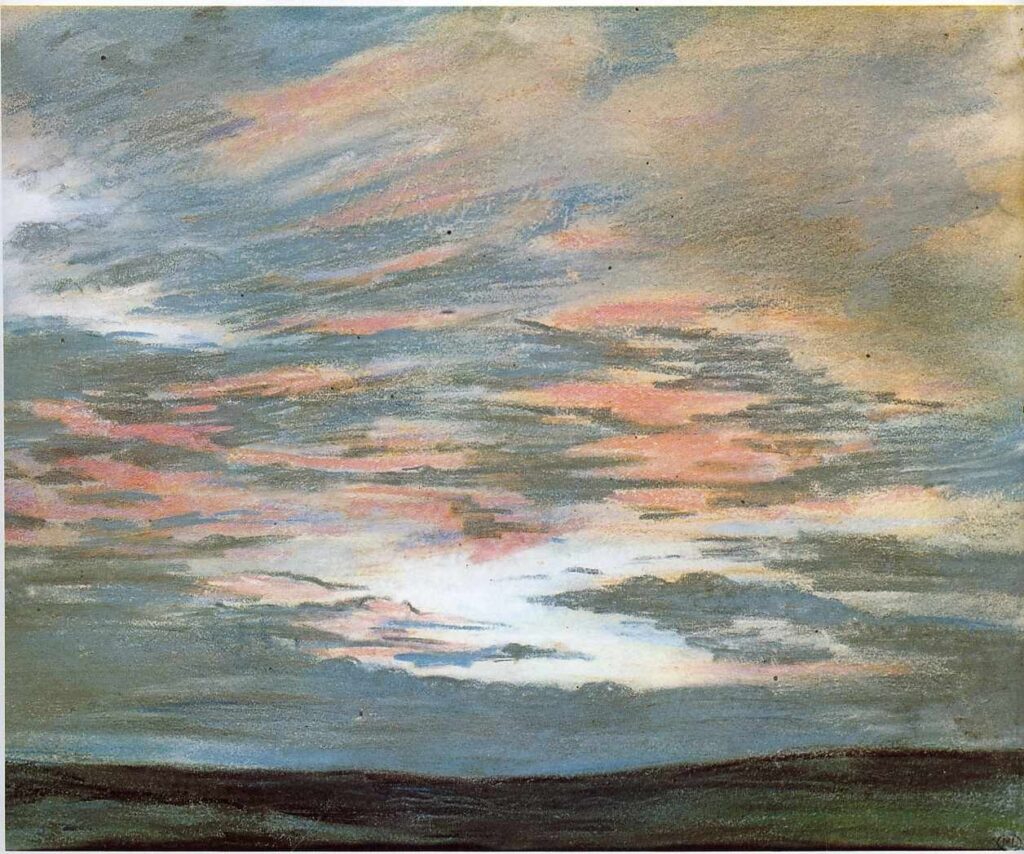
Eugène Delacroix
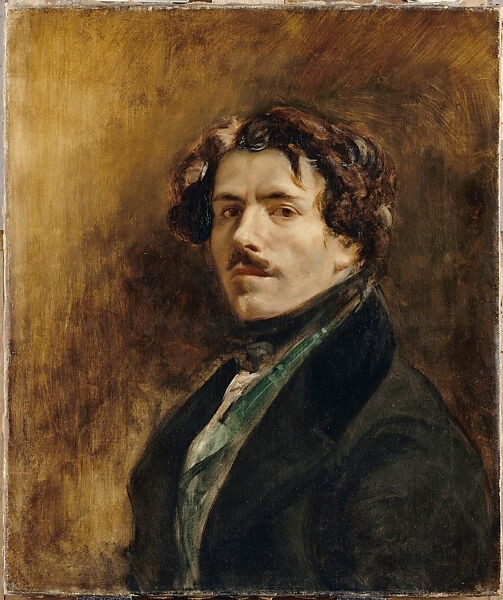
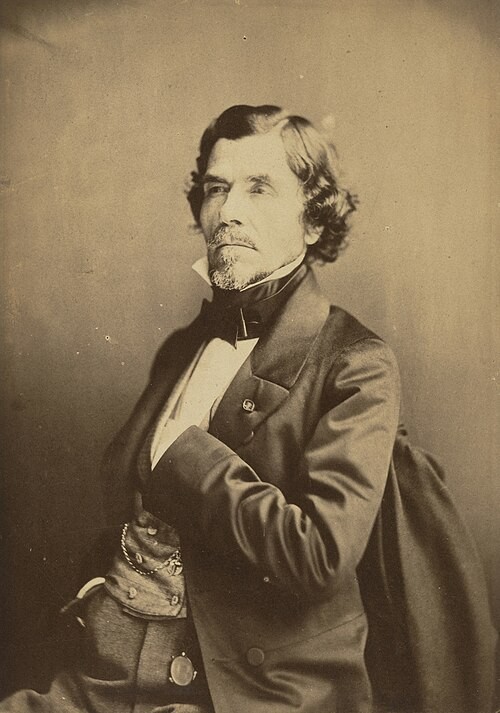
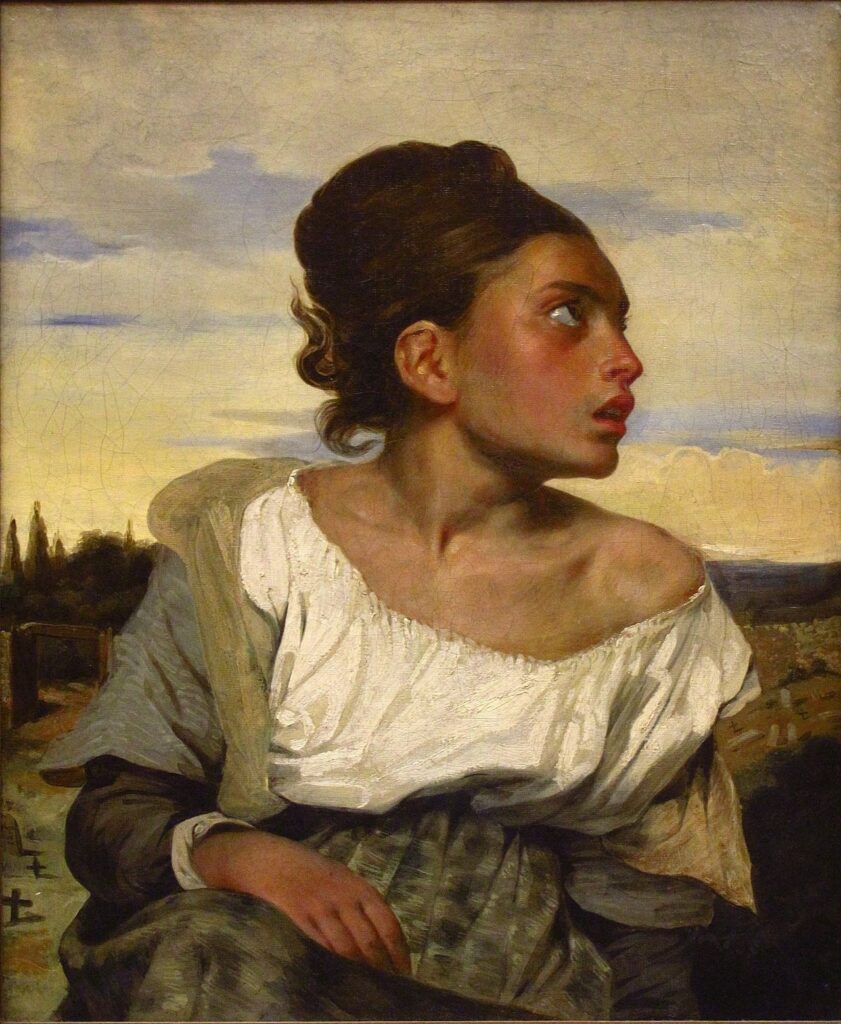
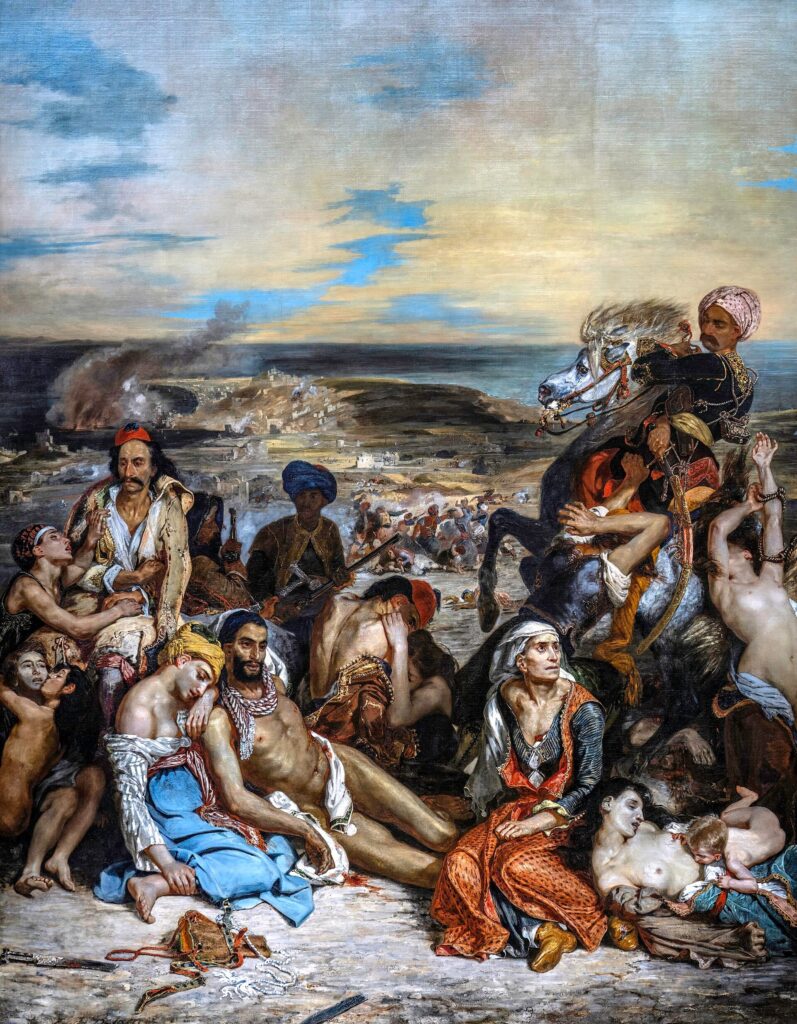
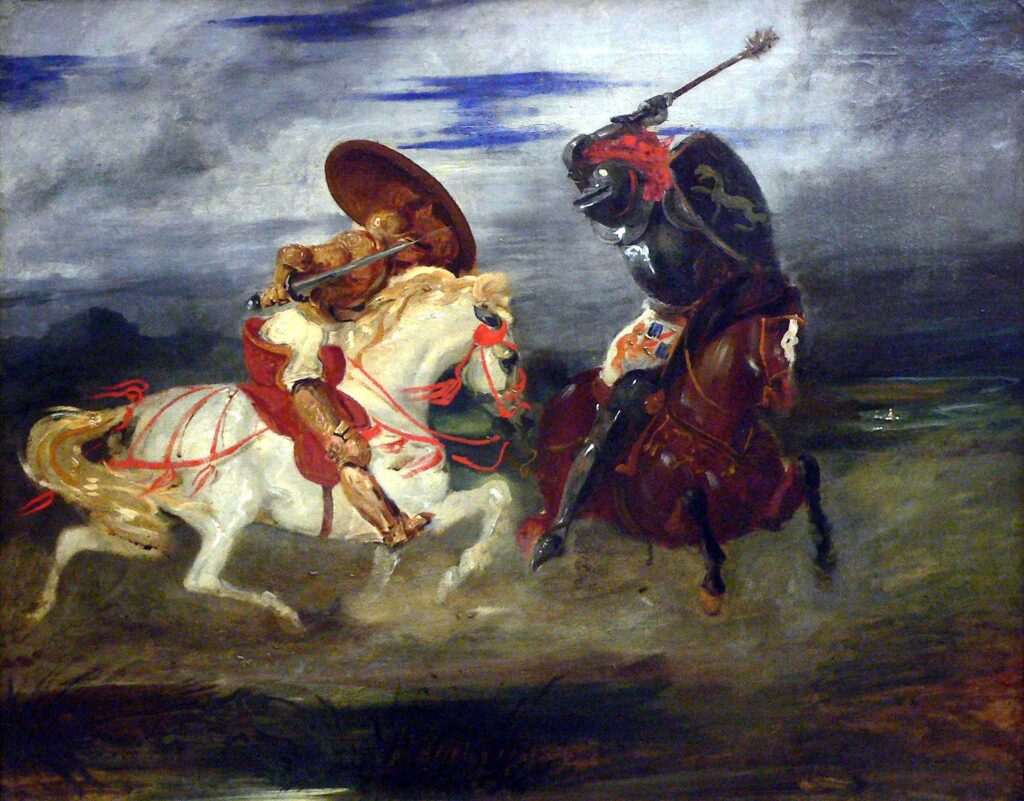
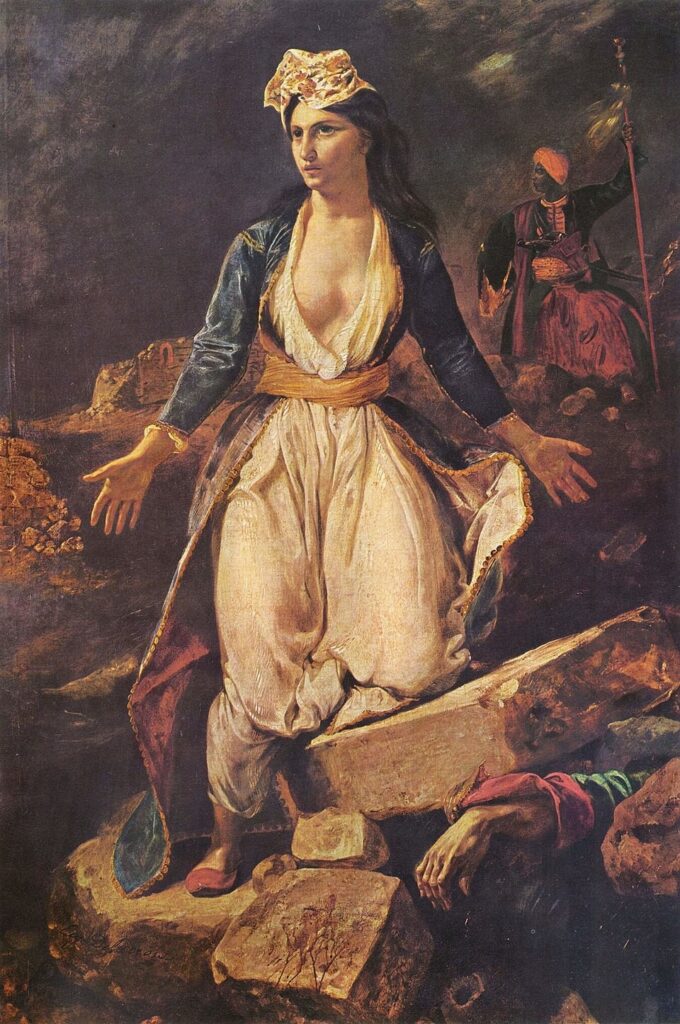
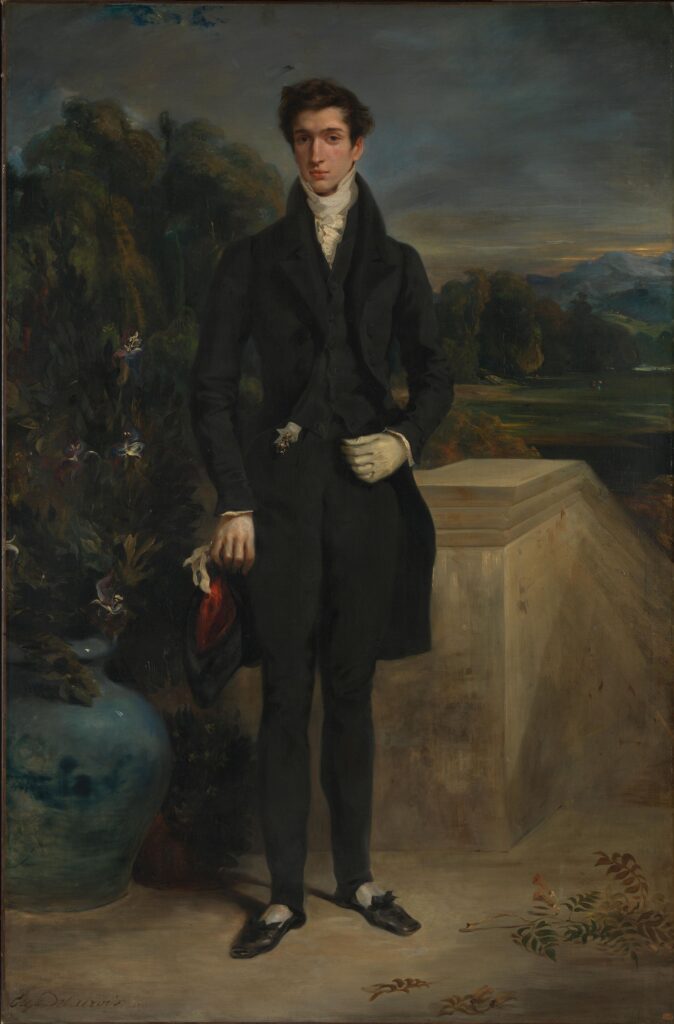
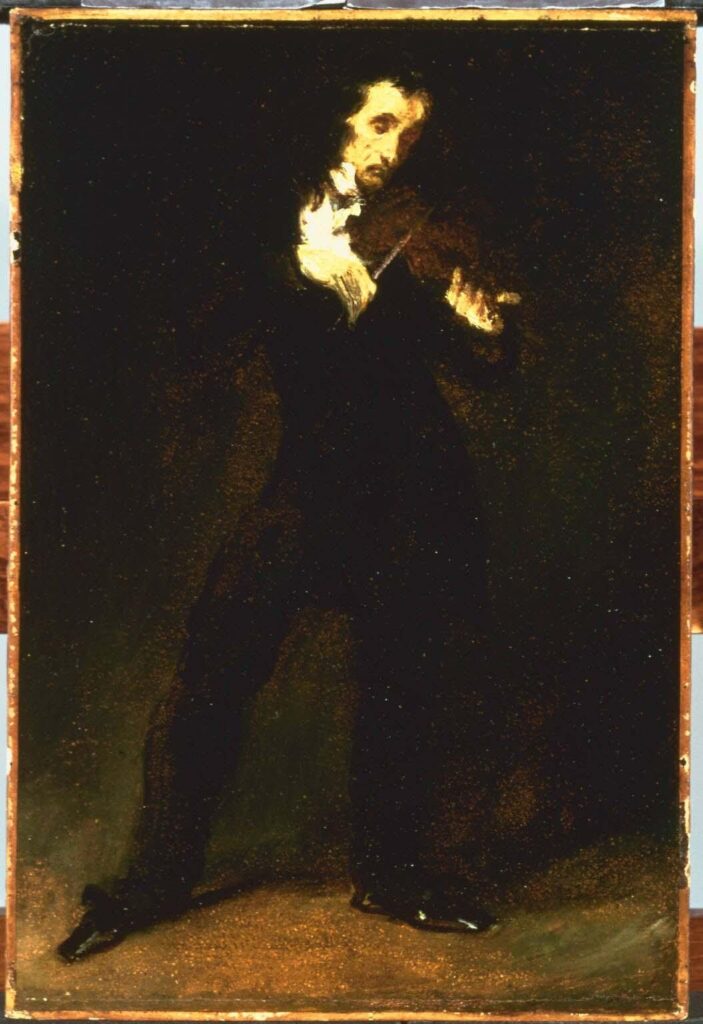
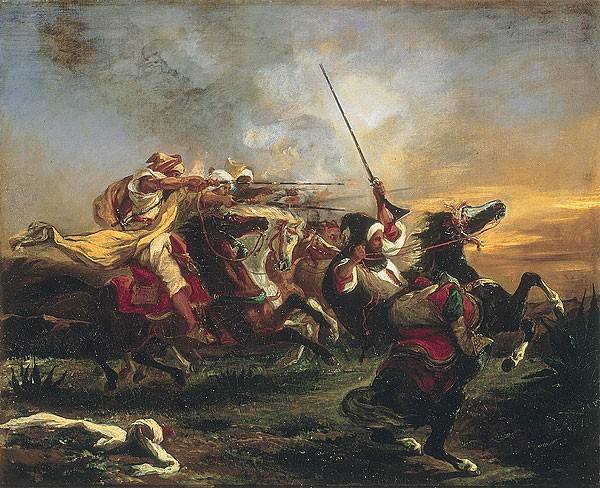
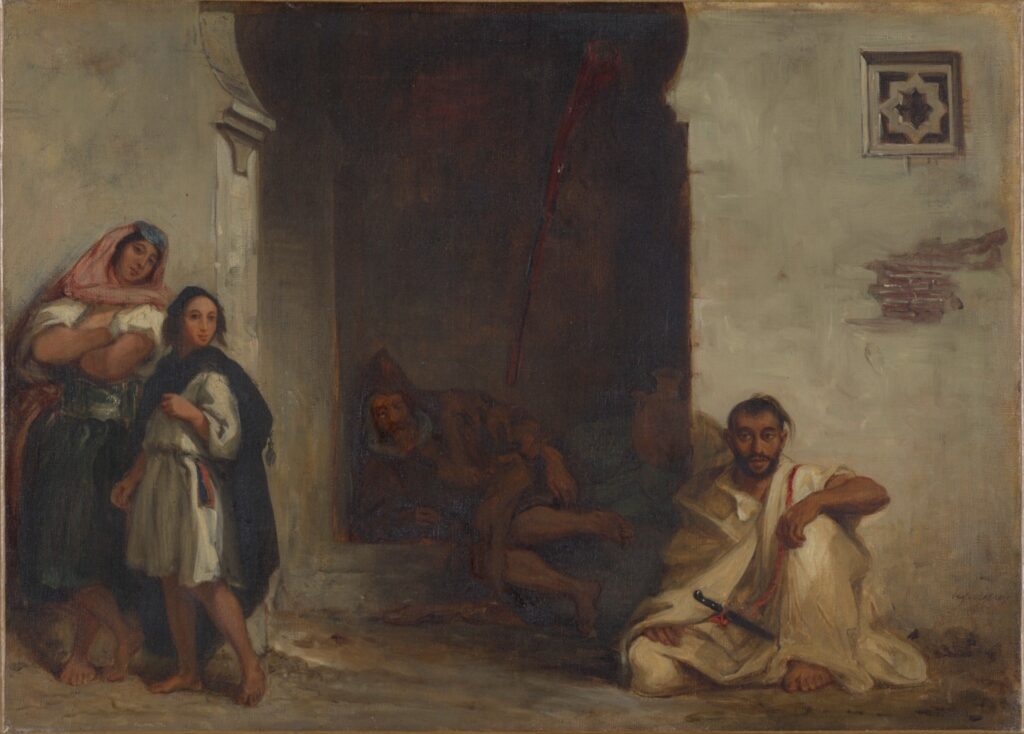
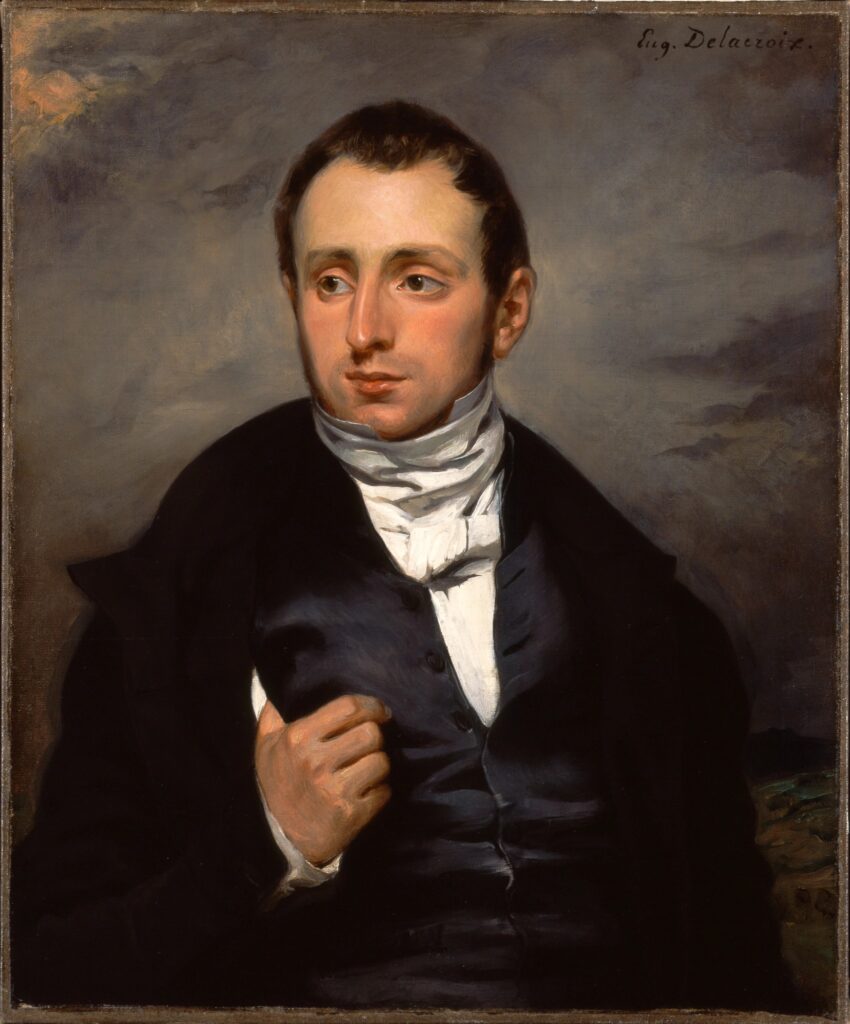
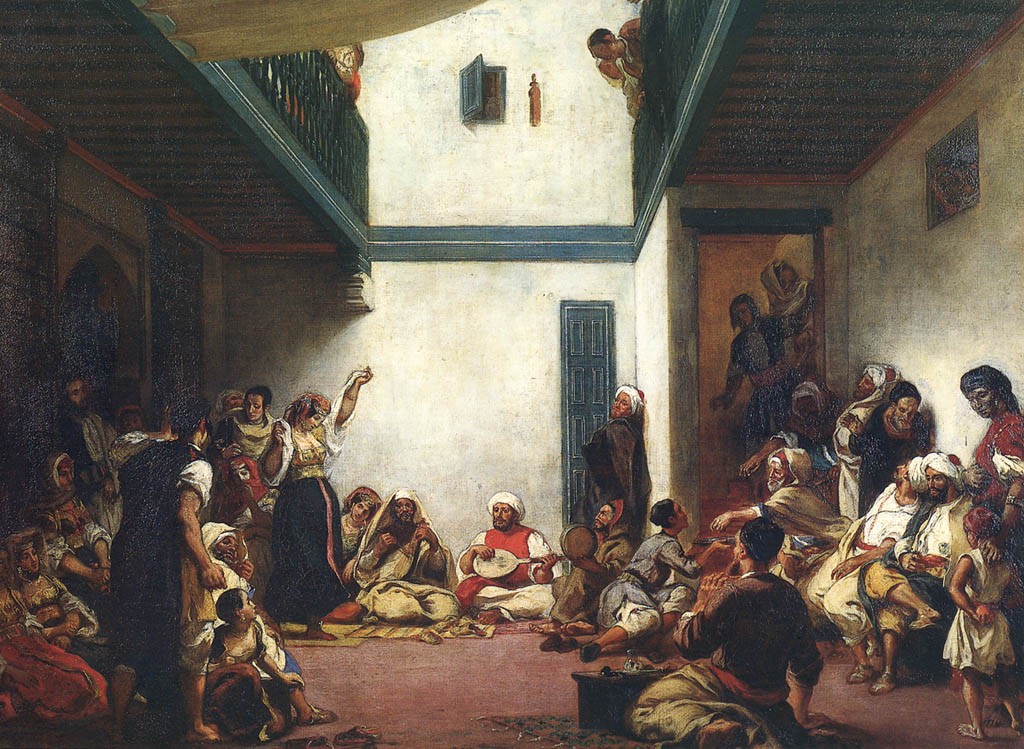
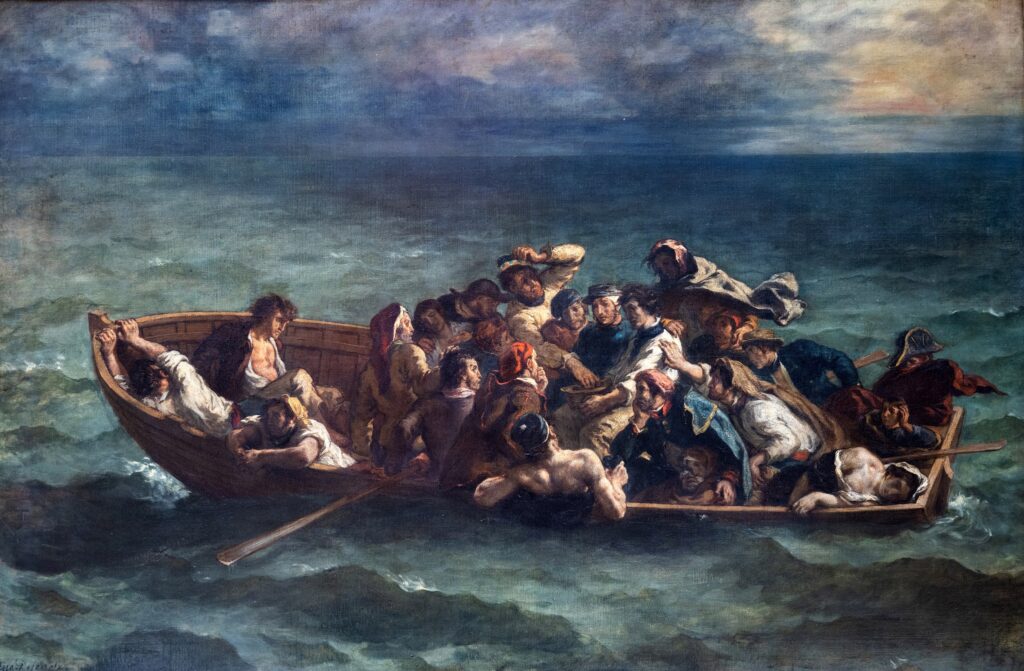
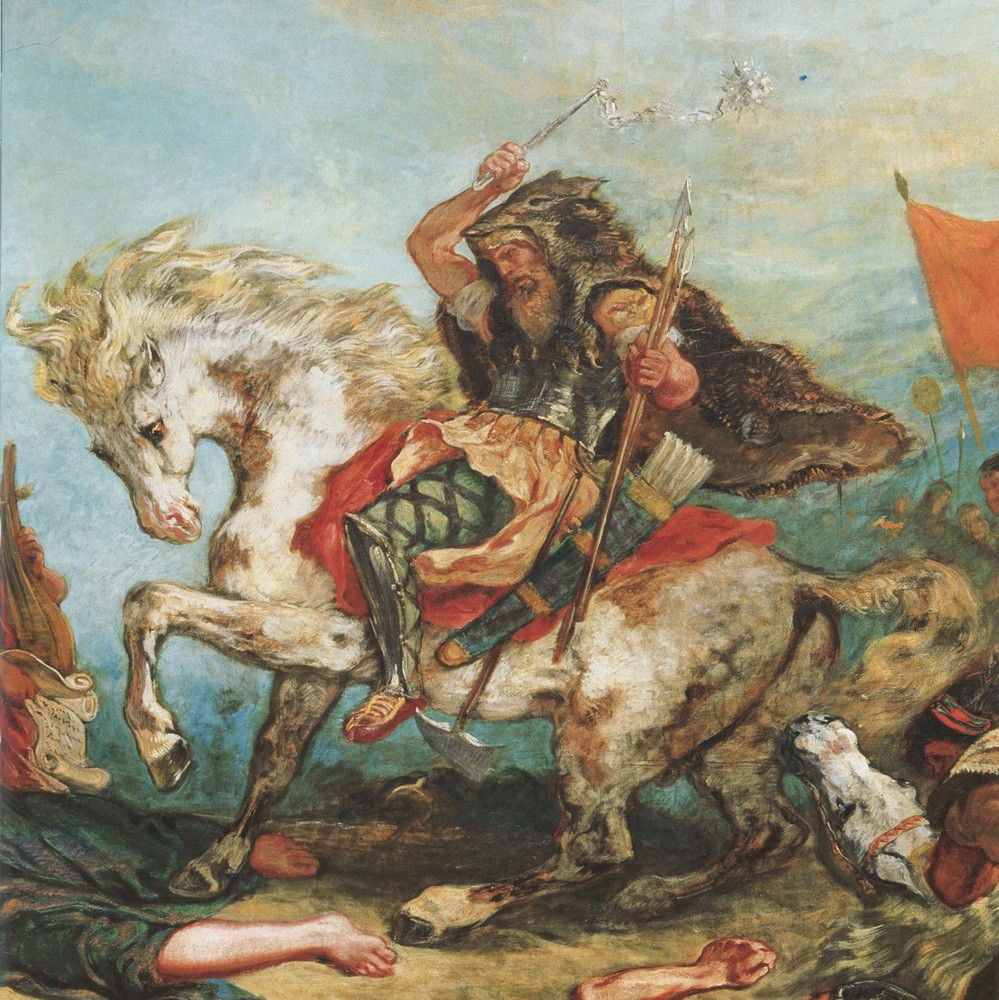
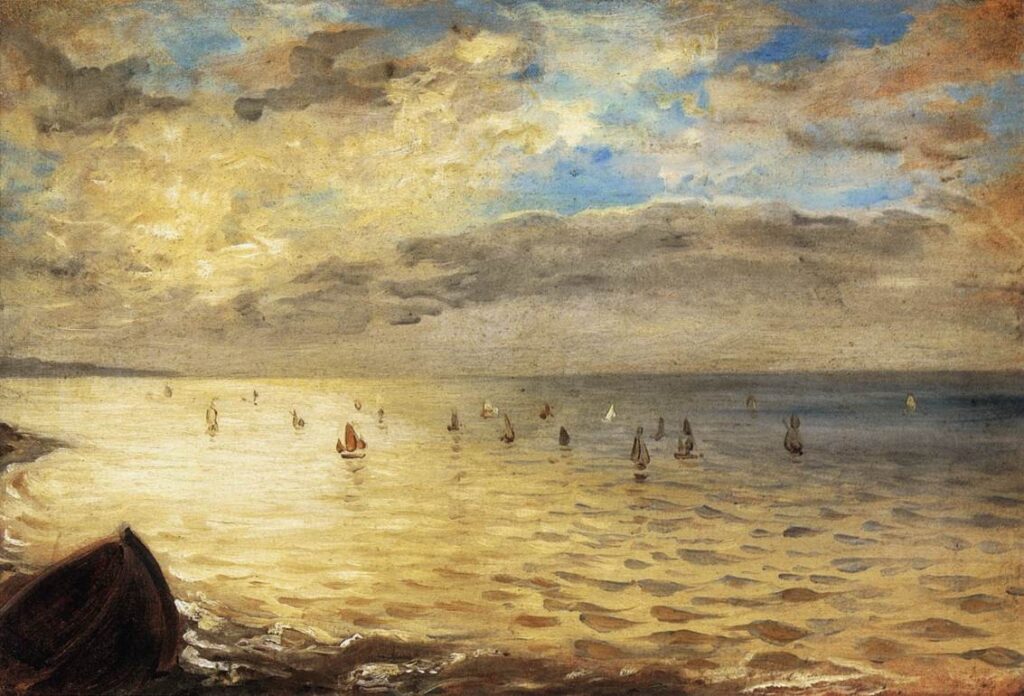
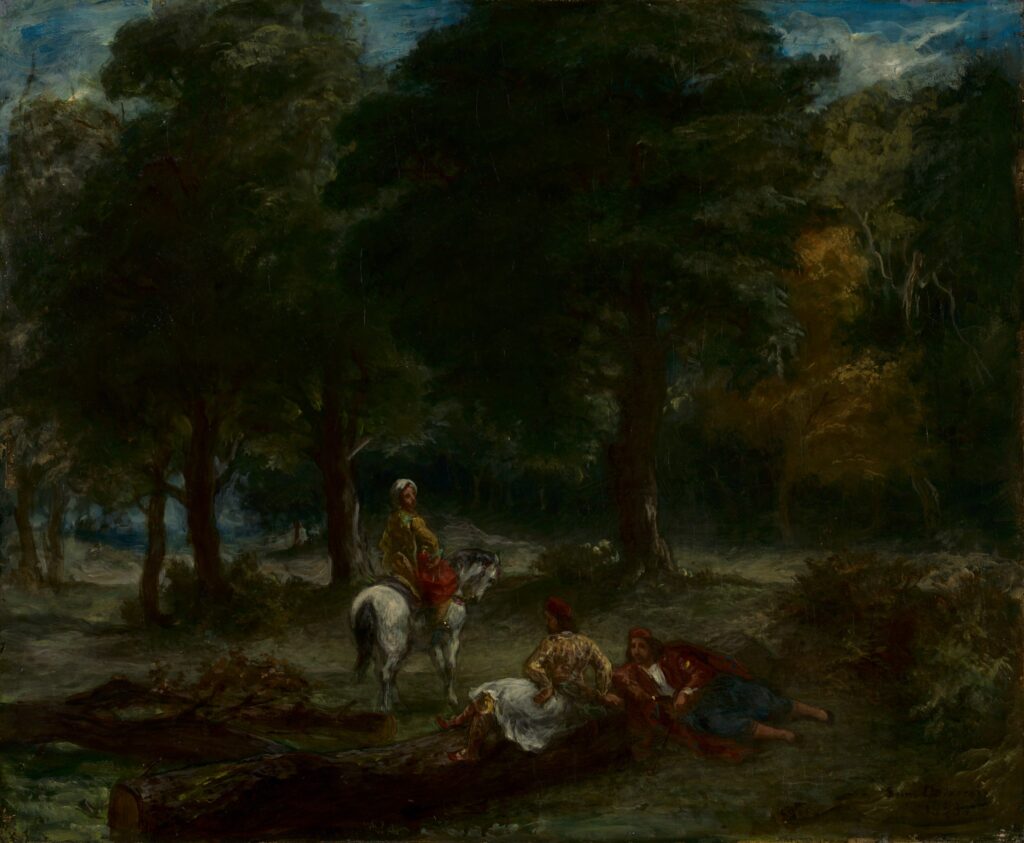
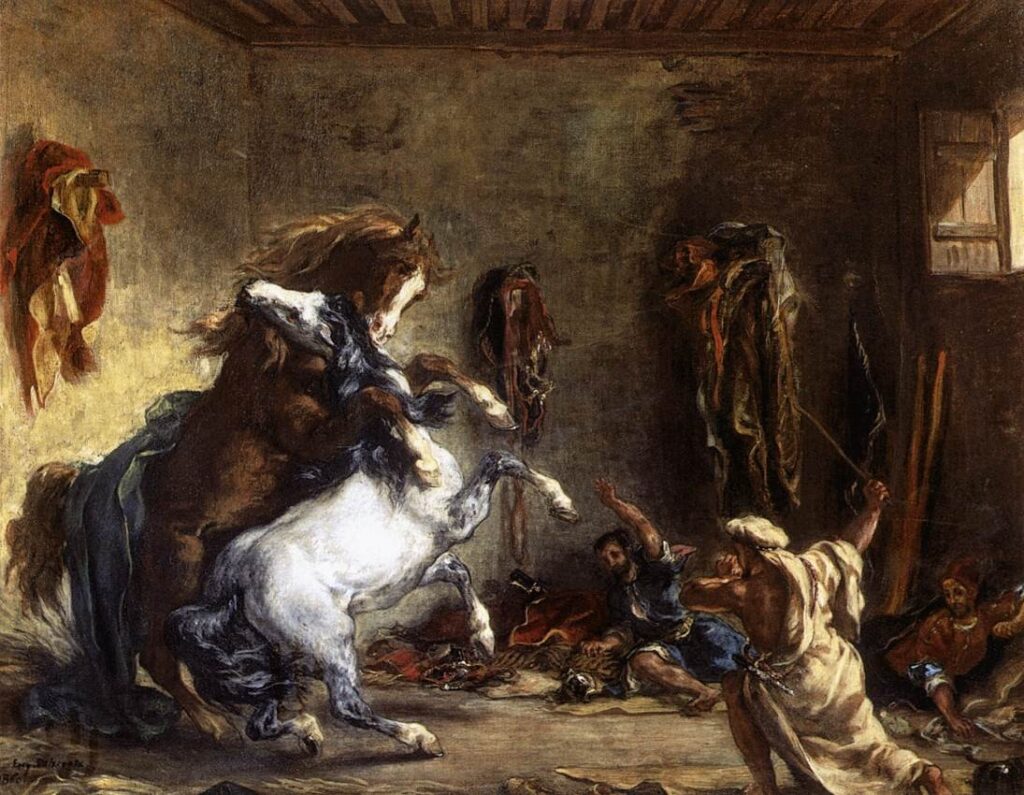
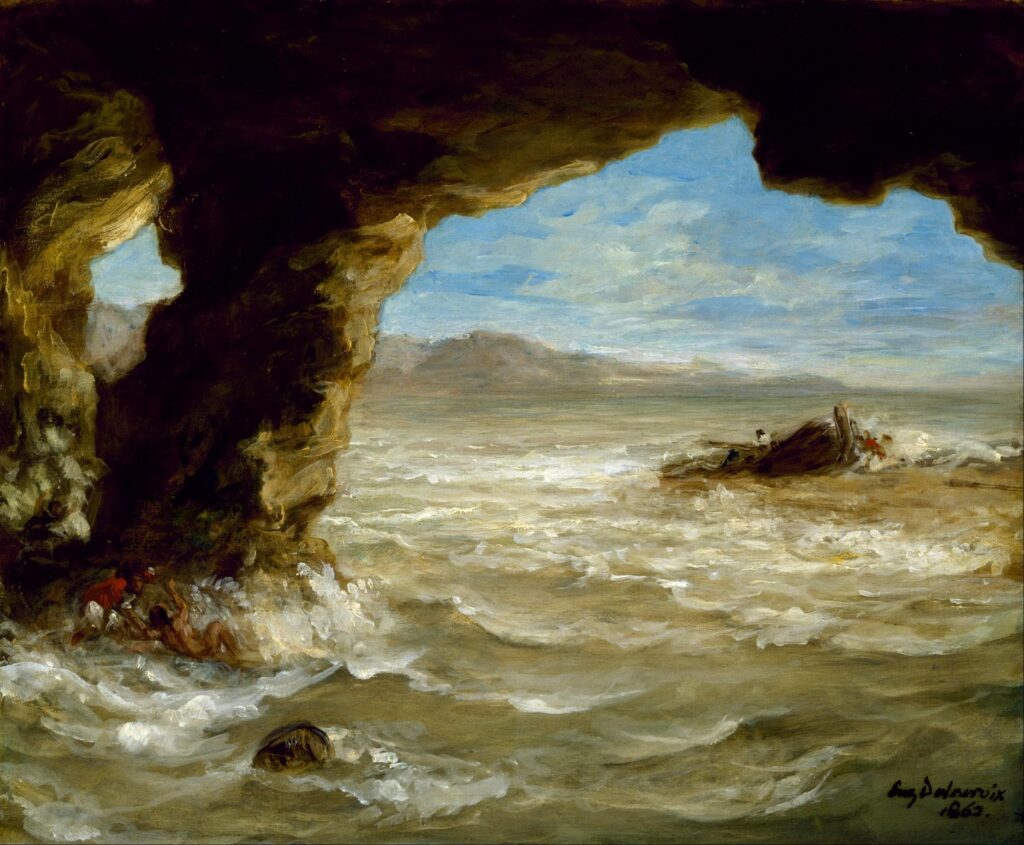
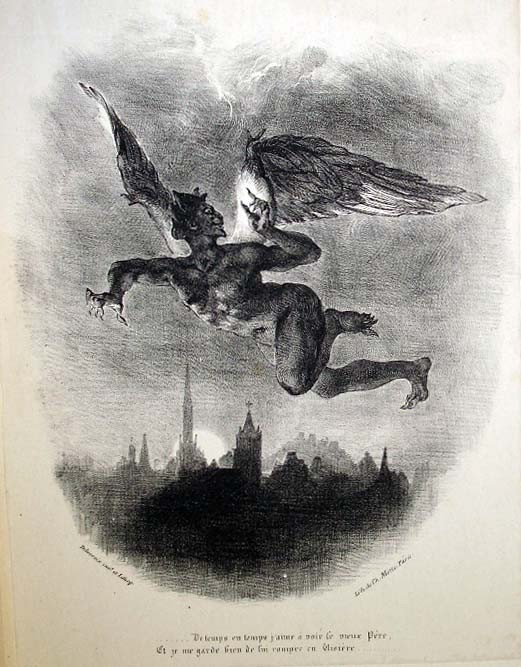
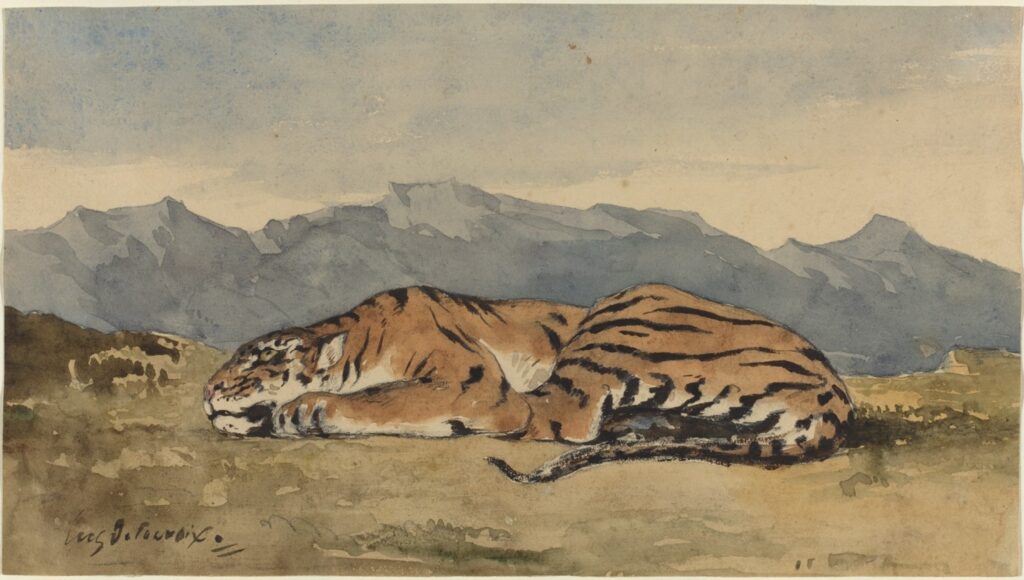
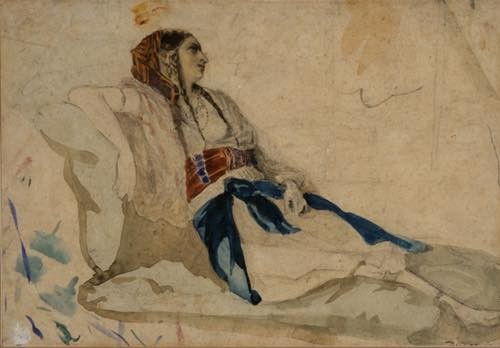
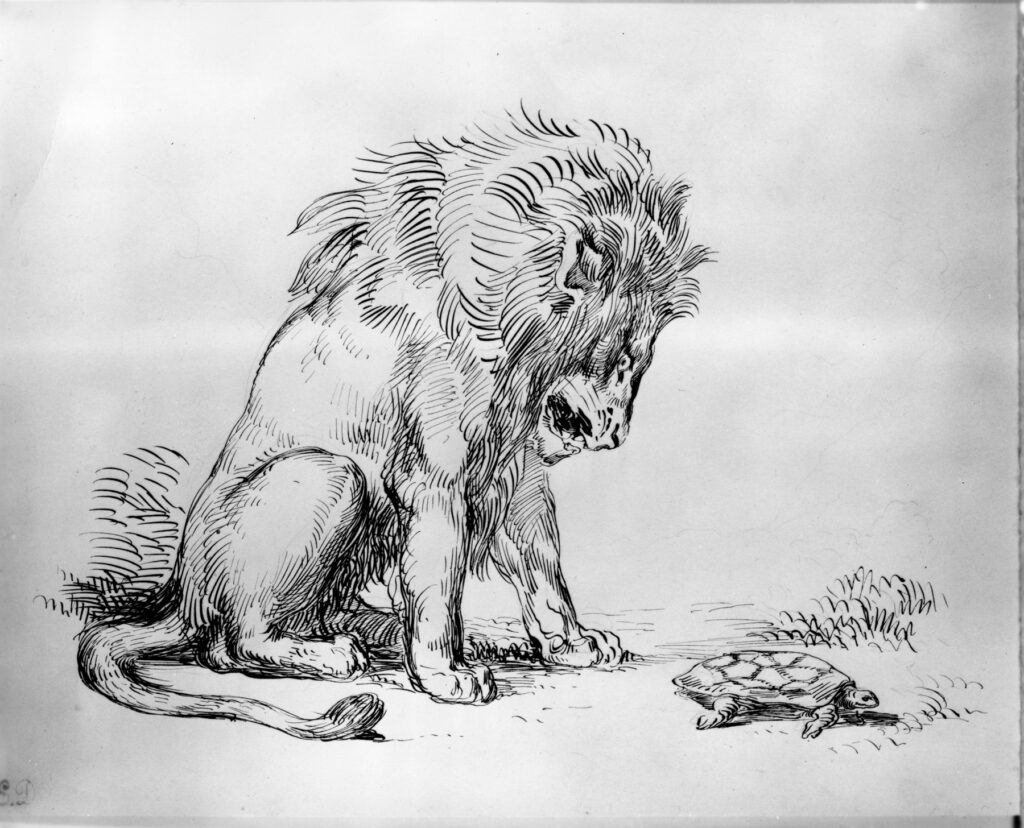
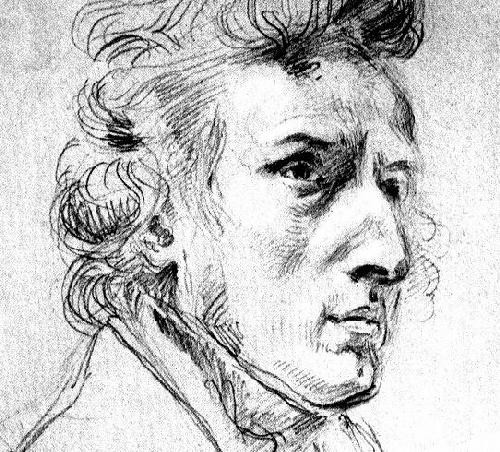
Eugène Delacroix, April 26, 1798–August 13, 1863, was born in Charenton-Saint-Maurice, near Paris. He studied at the Lycée Louis-le-Grand and entered the studio of Pierre-Narcisse Guérin in 1815, where Théodore Géricault was among his fellow students.
Delacroix made his Salon debut in 1822. He worked in painting, drawing, watercolor, pastel, and lithography, and received major public commissions for the Palais Bourbon, the Palais du Luxembourg, and Saint-Sulpice. A journey to Morocco and Algeria in 1832 supplied subjects for many later works.
Delacroix continued working in Paris until his death there in 1863. His former home and studio became the Musée national Eugène-Delacroix. Major collections of his work are held by the Louvre, the National Gallery in London, and the National Gallery of Art in Washington DC.
Karl Bodmer
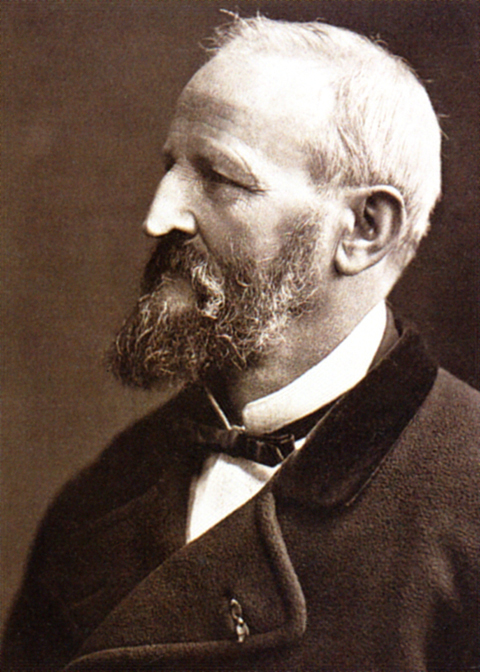
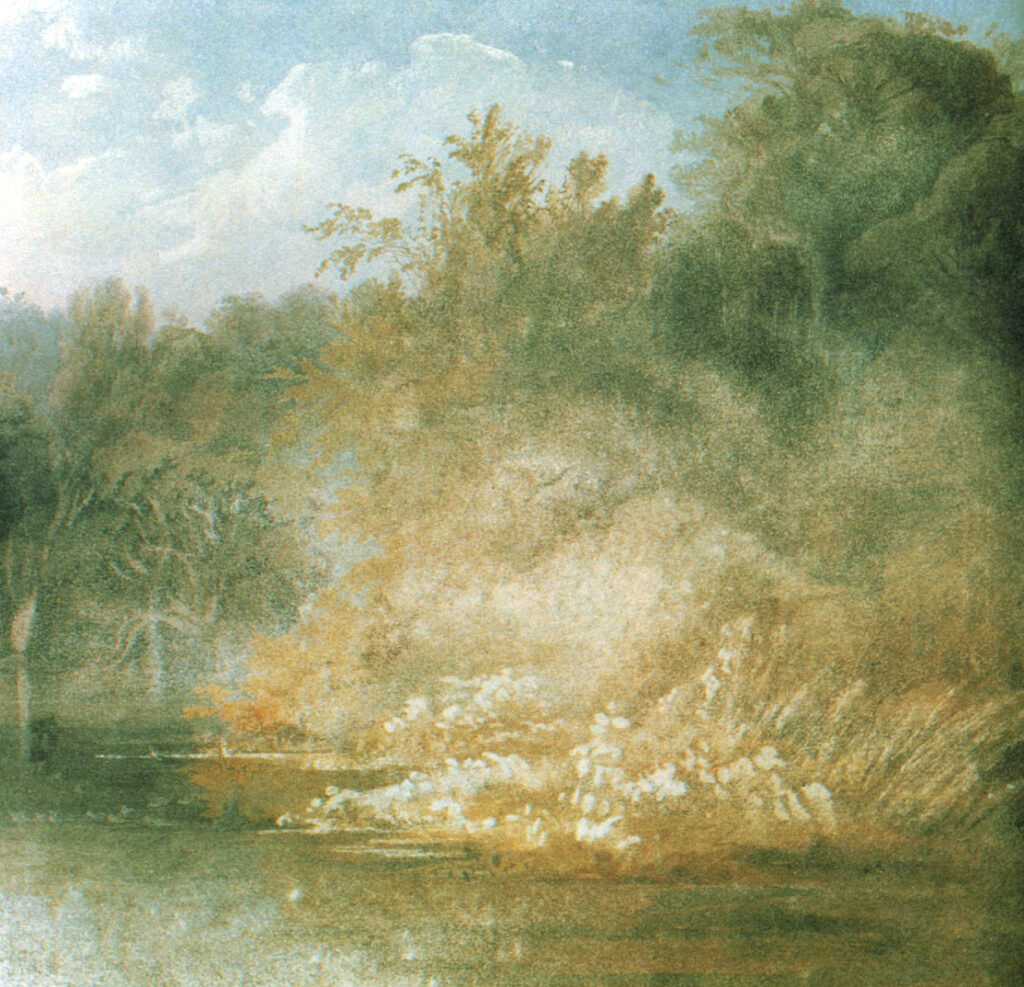
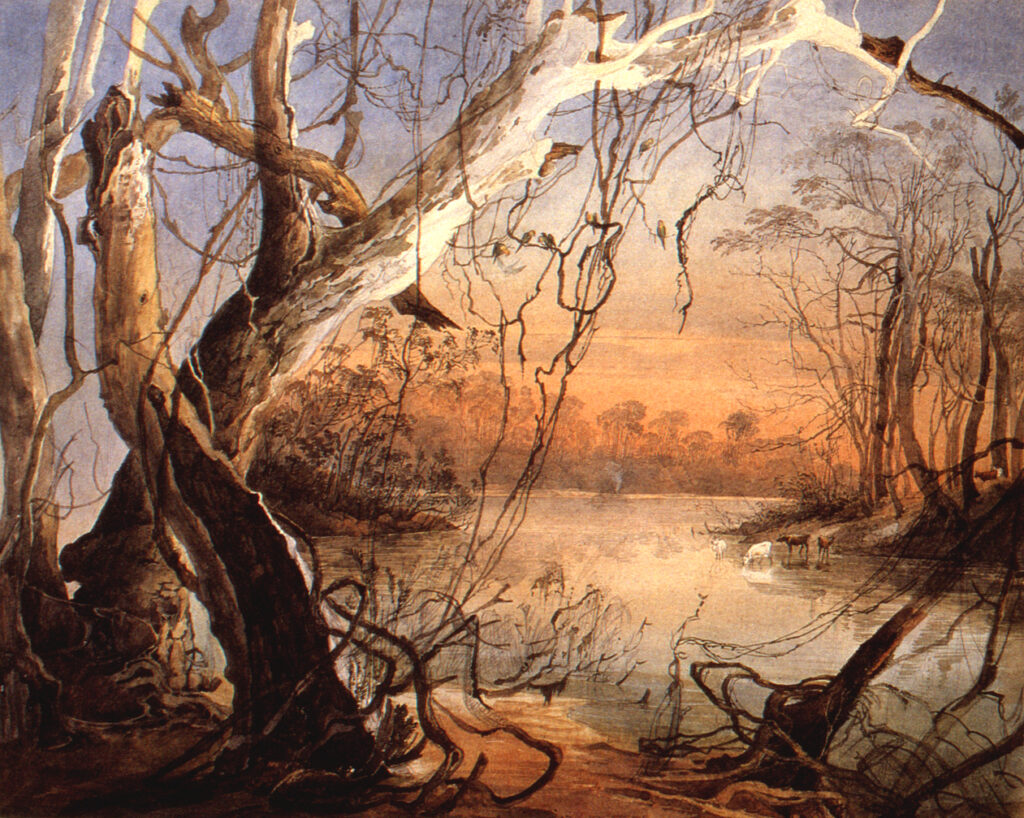
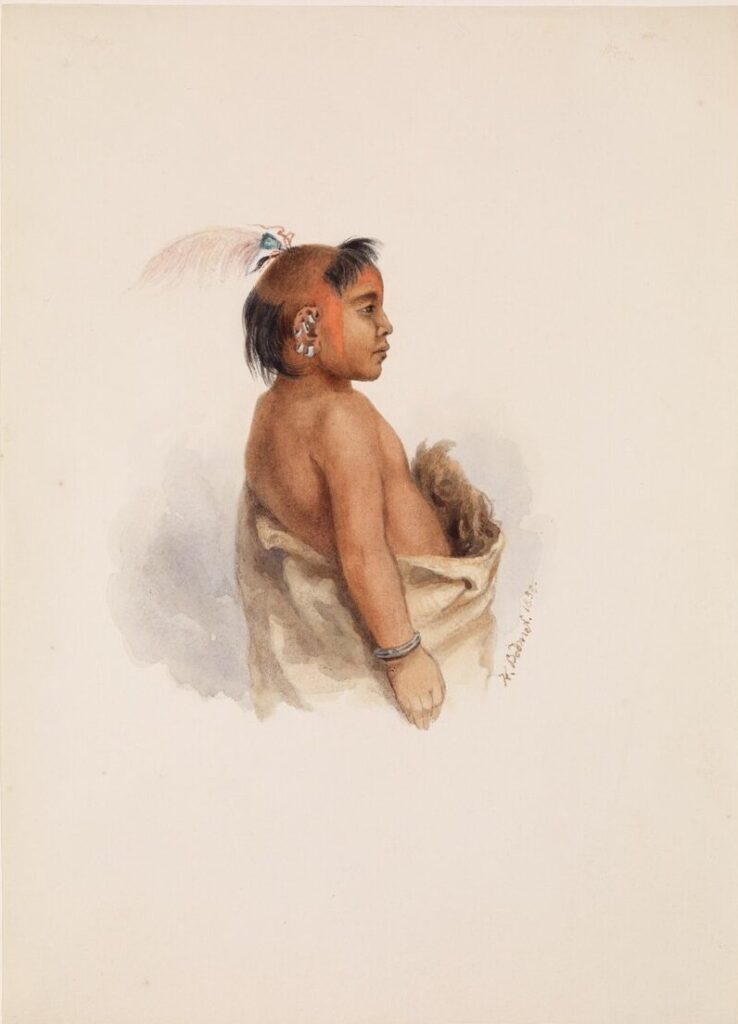
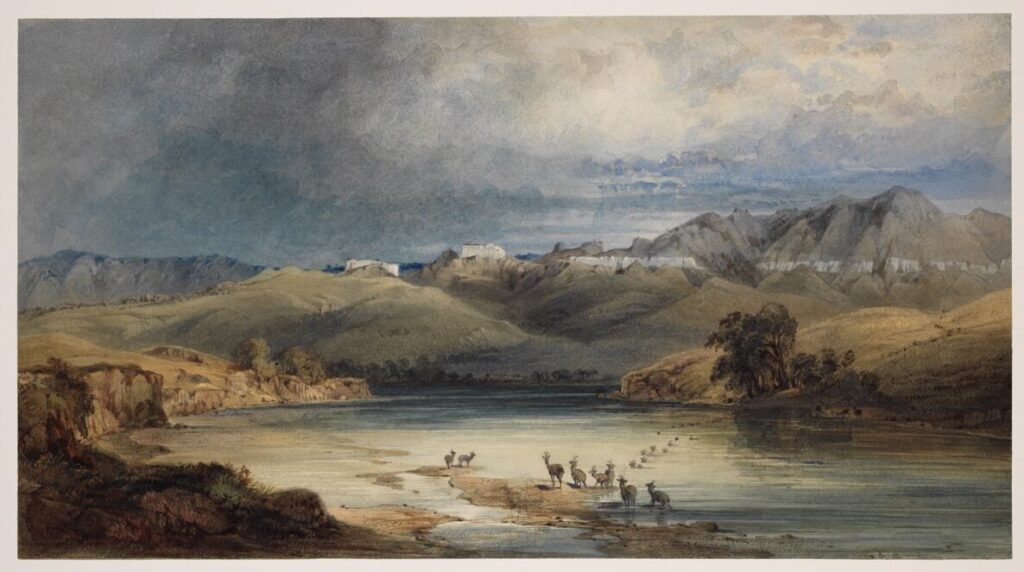
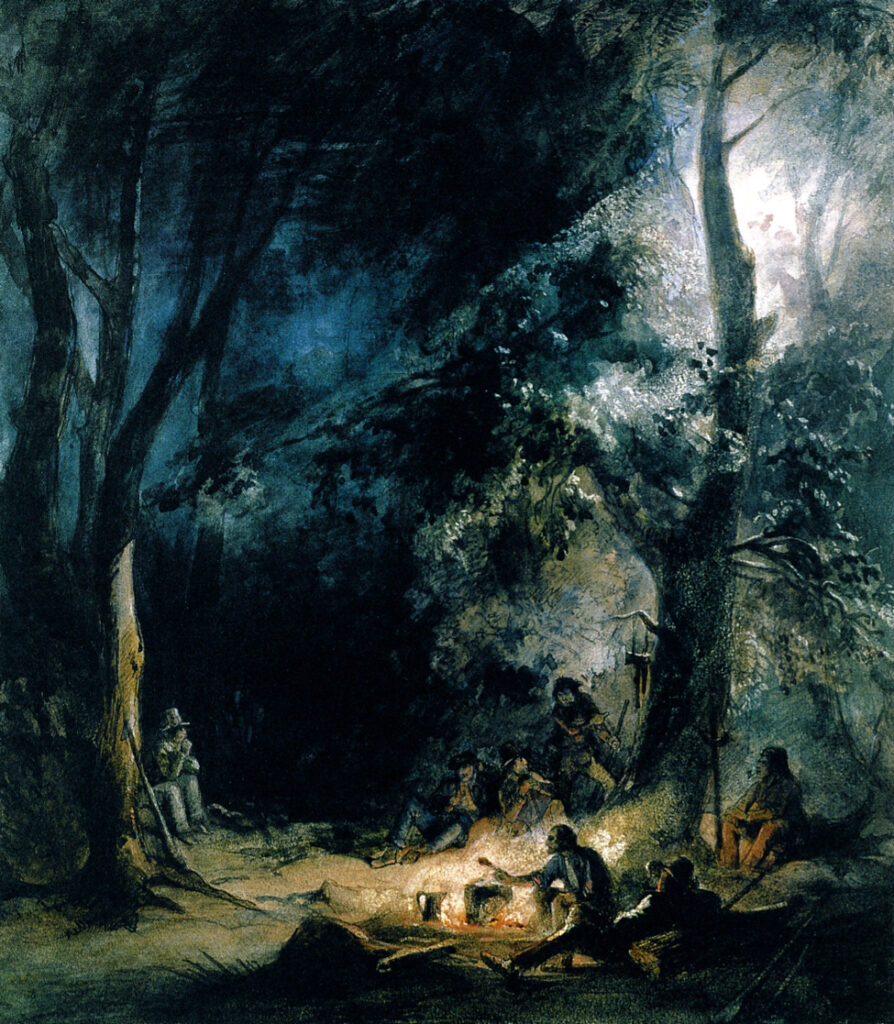
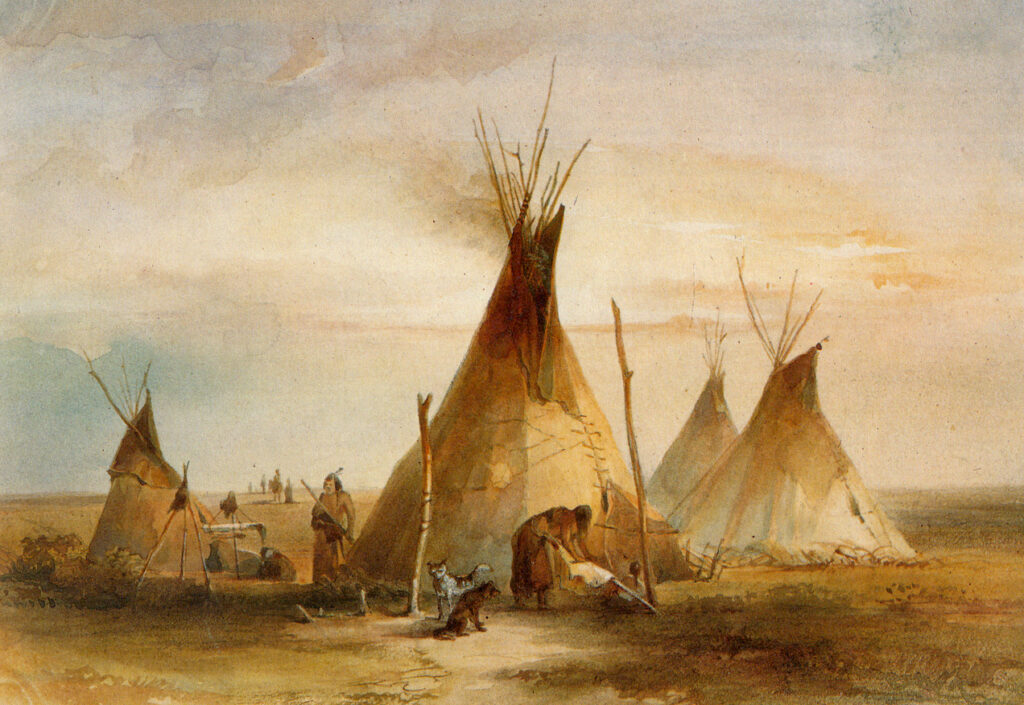
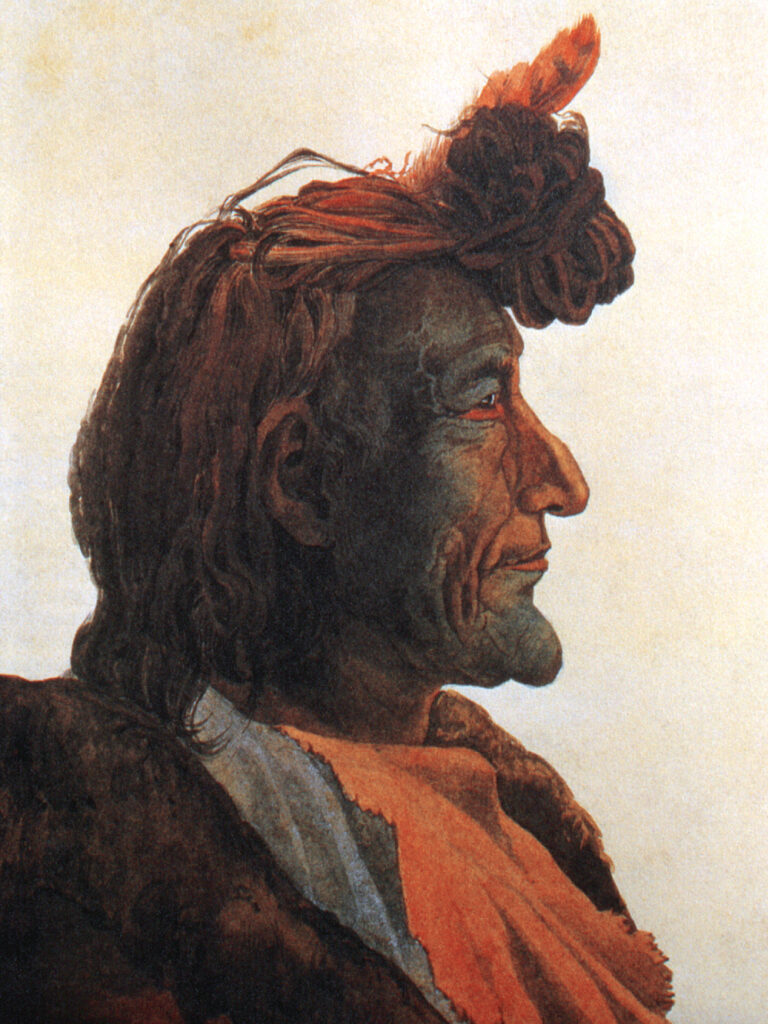
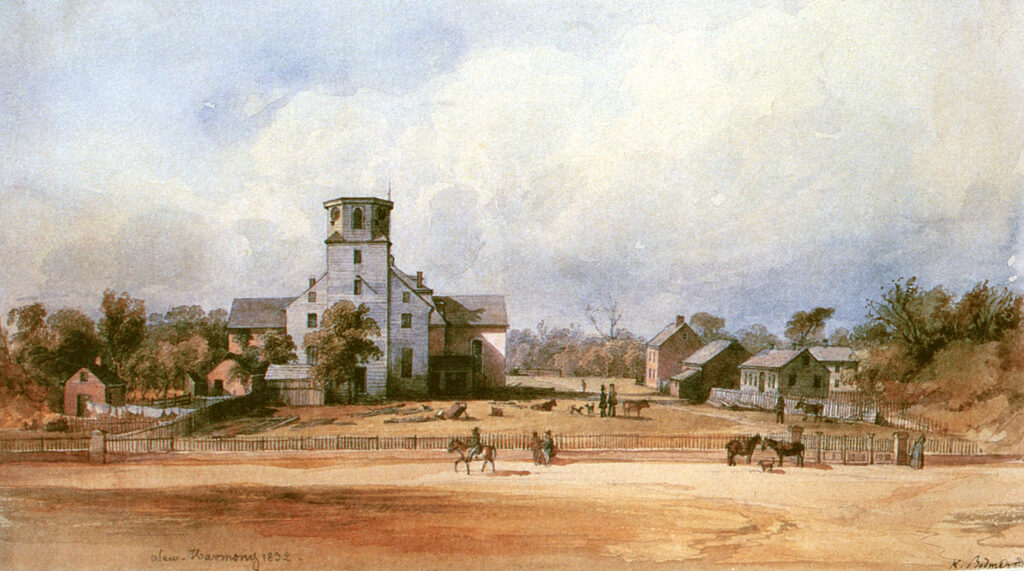
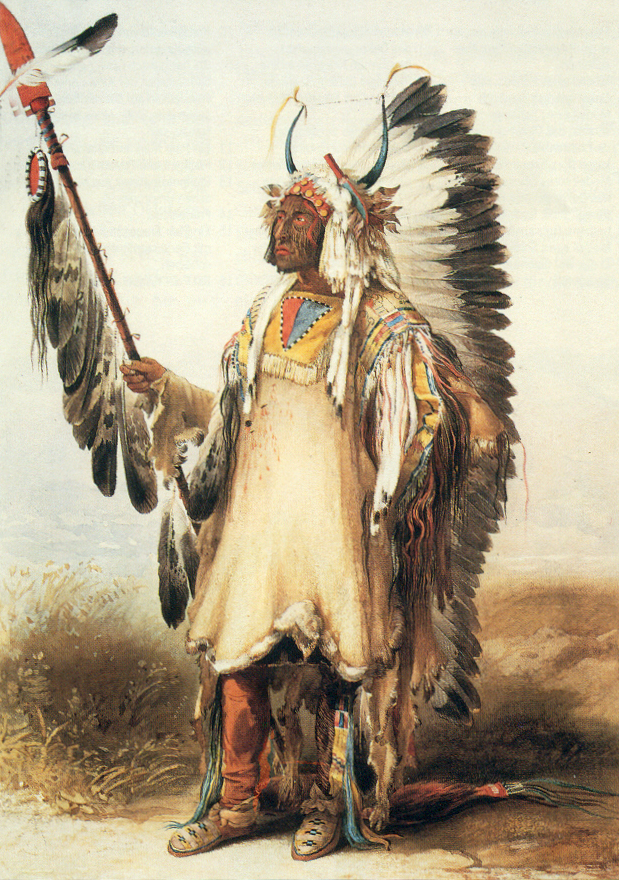
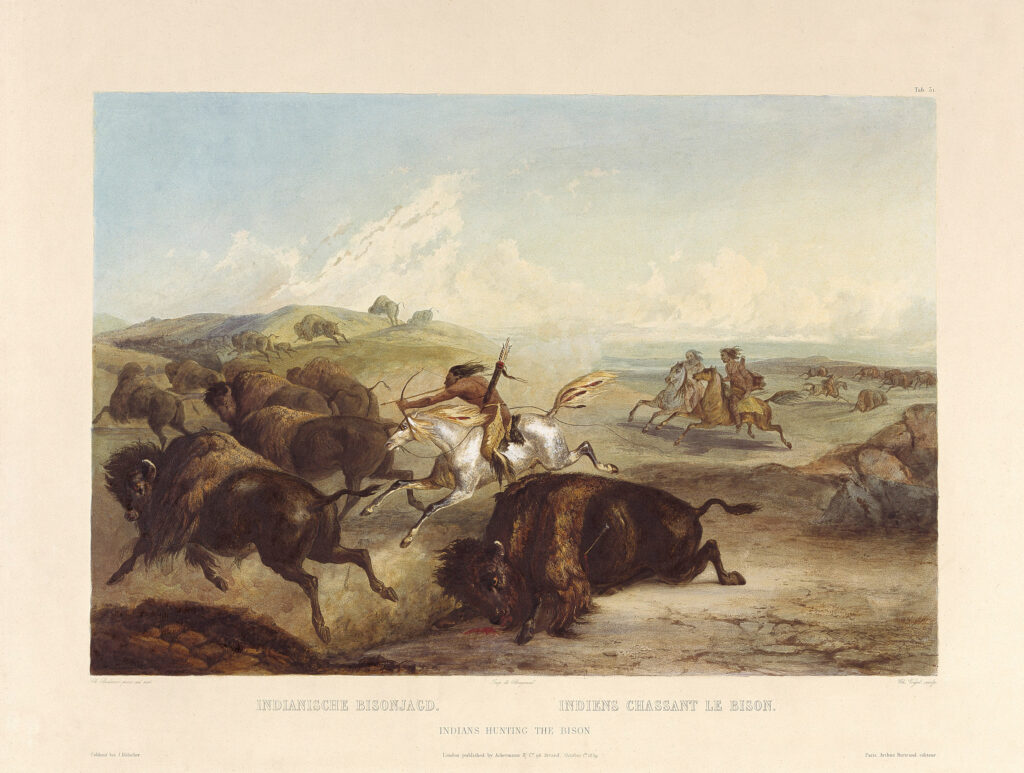
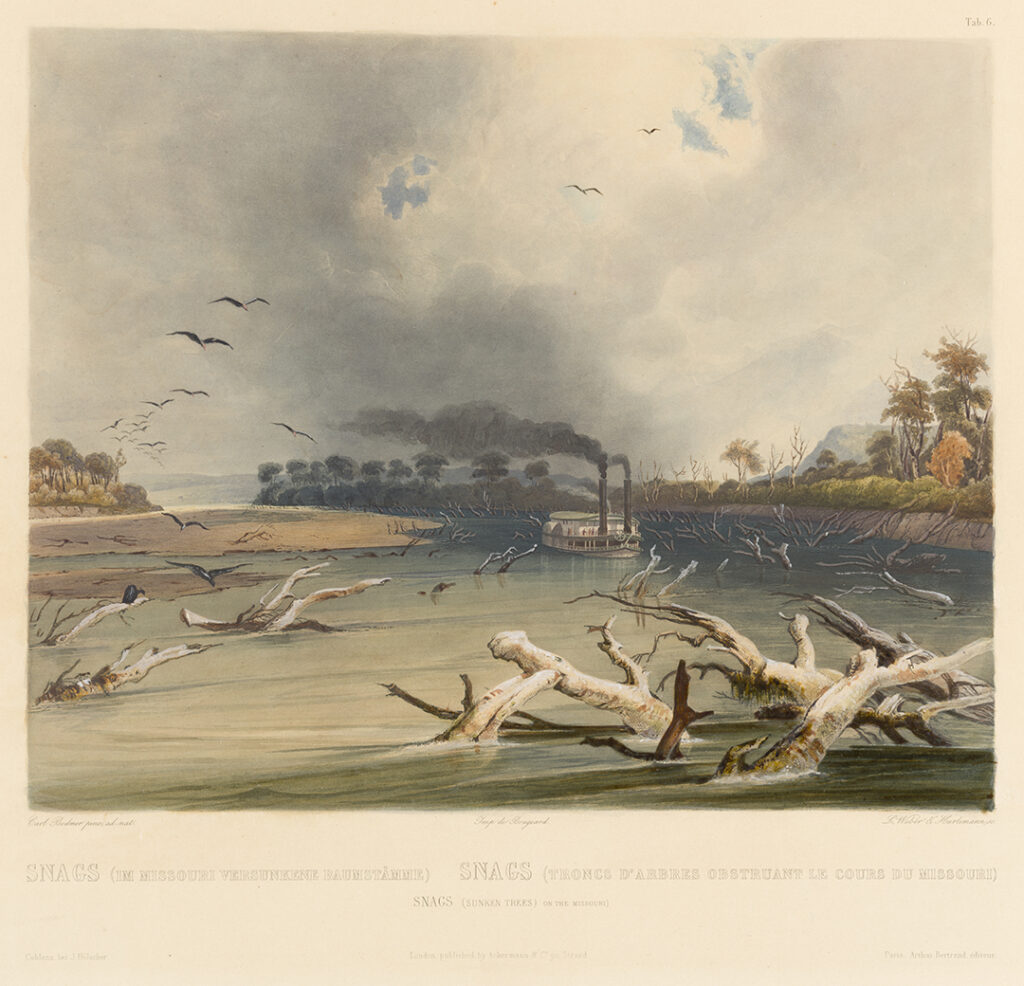
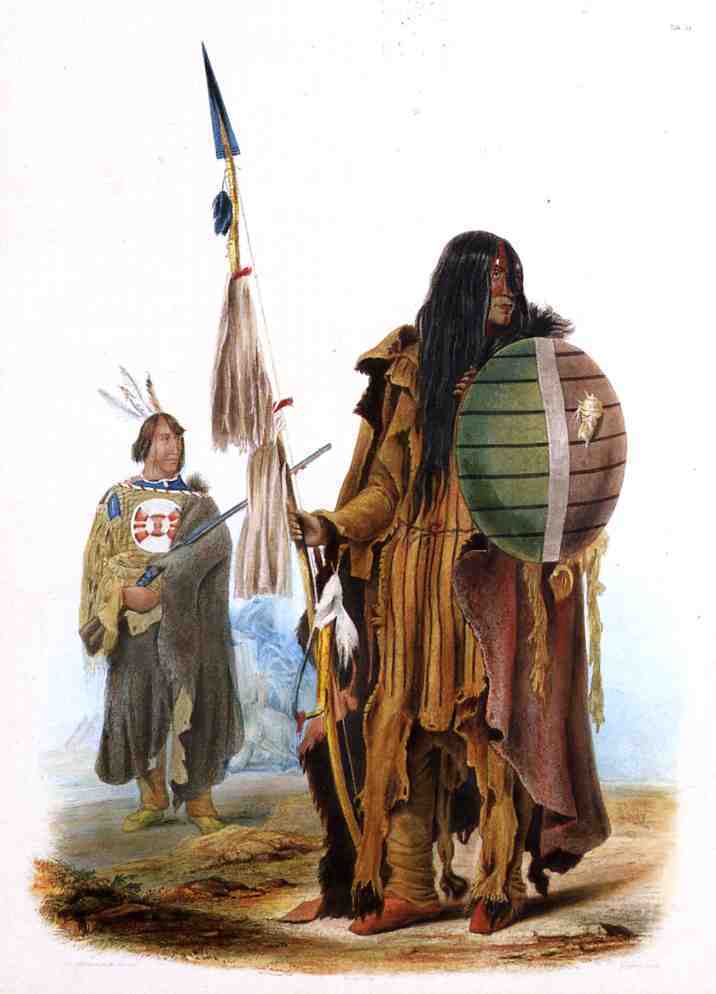
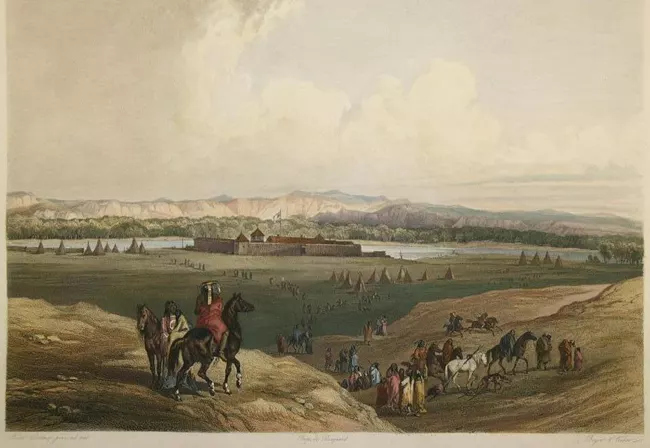
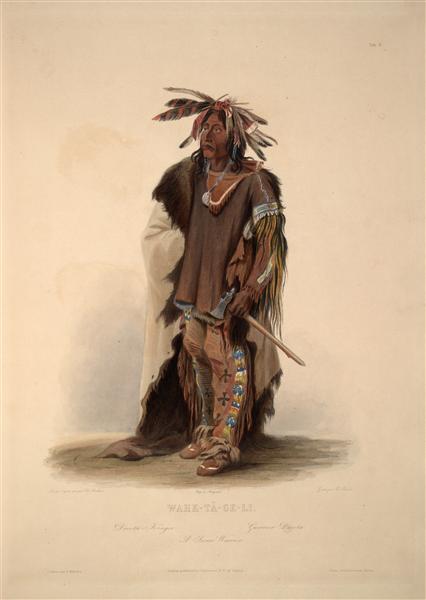
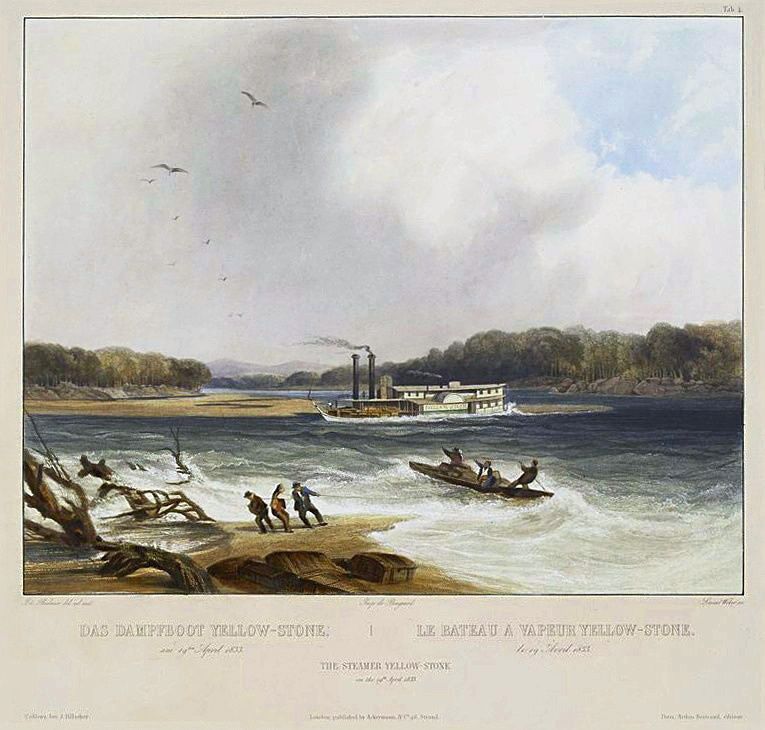
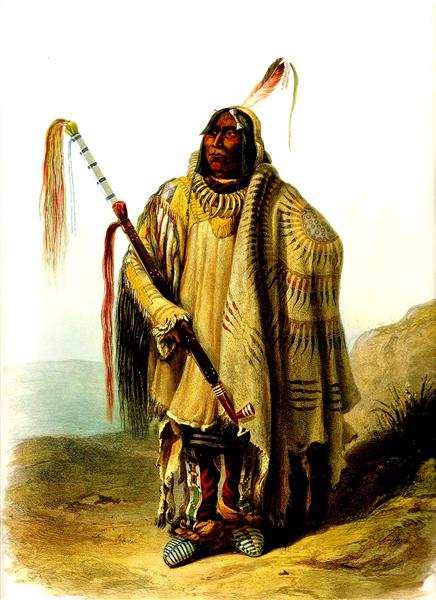
Karl Bodmer, February 11, 1809–October 30, 1893, was a Swiss painter and printmaker. Born in Zurich, he studied drawing and painting with his uncle, Johann Jakob Meyer, a landscape painter and engraver. He later traveled and worked in the Rhine and Moselle regions.
In 1832–1834, Bodmer accompanied Prince Maximilian of Wied on an expedition to North America, producing landscapes and portraits. His drawings and watercolors supplied the basis for the aquatint illustrations of Maximilian’s published account. He settled in Paris in 1836 and moved to Barbizon in 1849, where he associated with Jean-François Millet and Théodore Rousseau.
Joslyn Art Museum holds the collection of Bodmer’s North American expedition watercolors and drawings received in 1986. Other works are held by the Metropolitan Museum of Art and Crystal Bridges Museum of American Art. Bodmer died in Paris.

Filippo Lippi
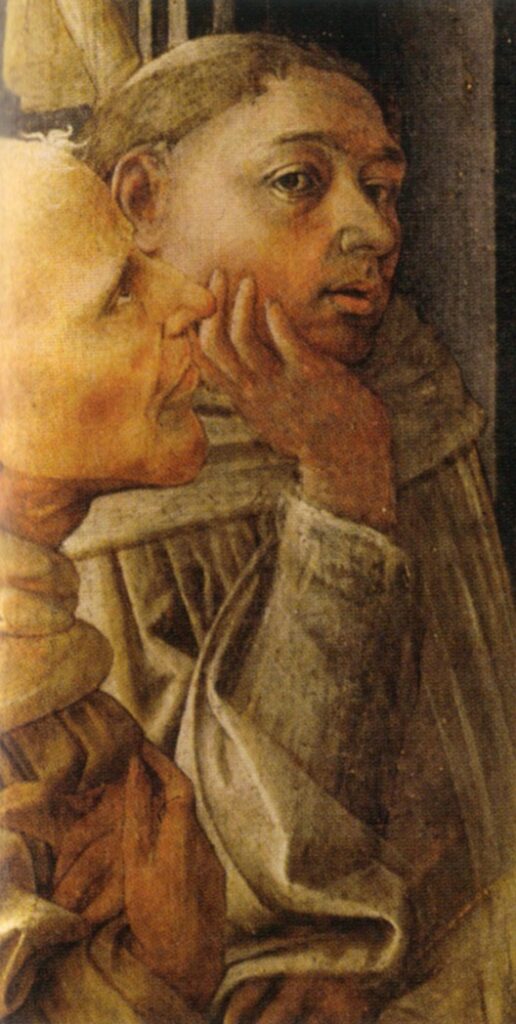
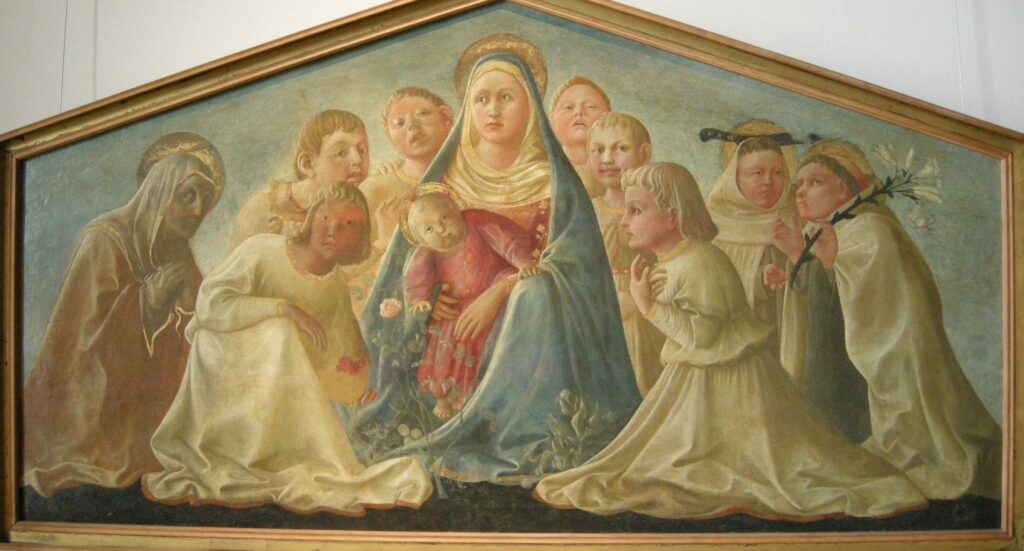
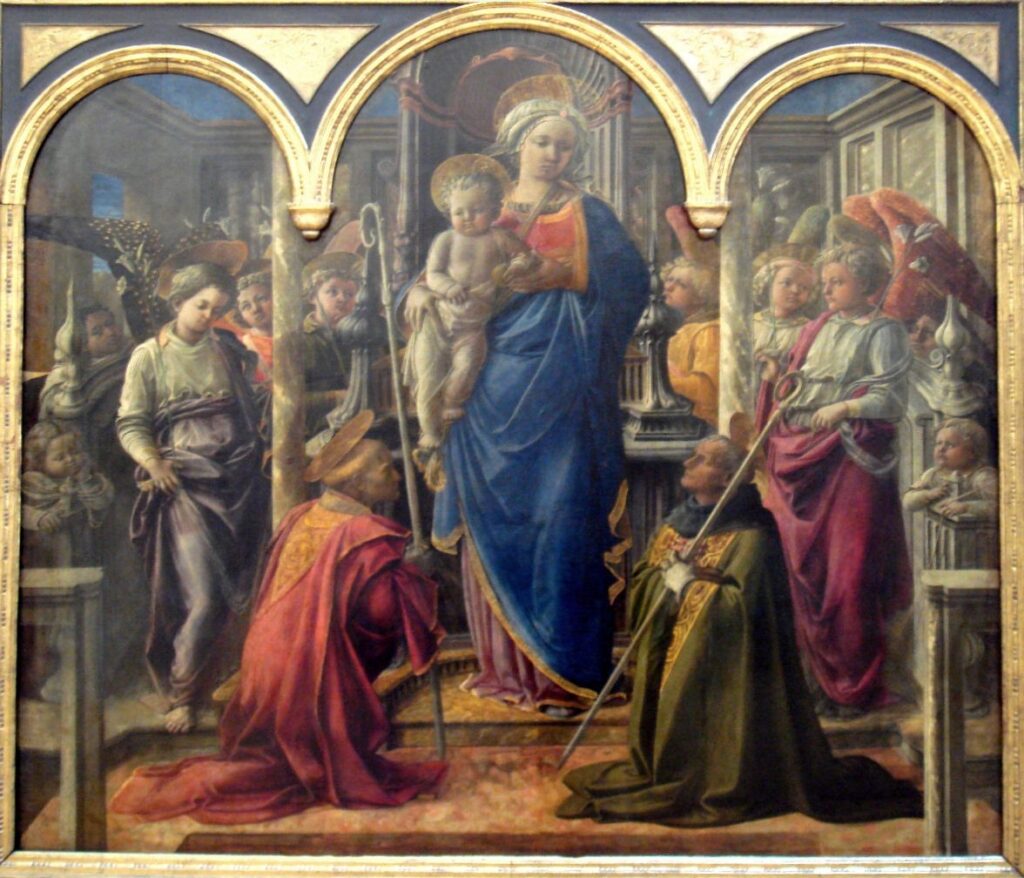
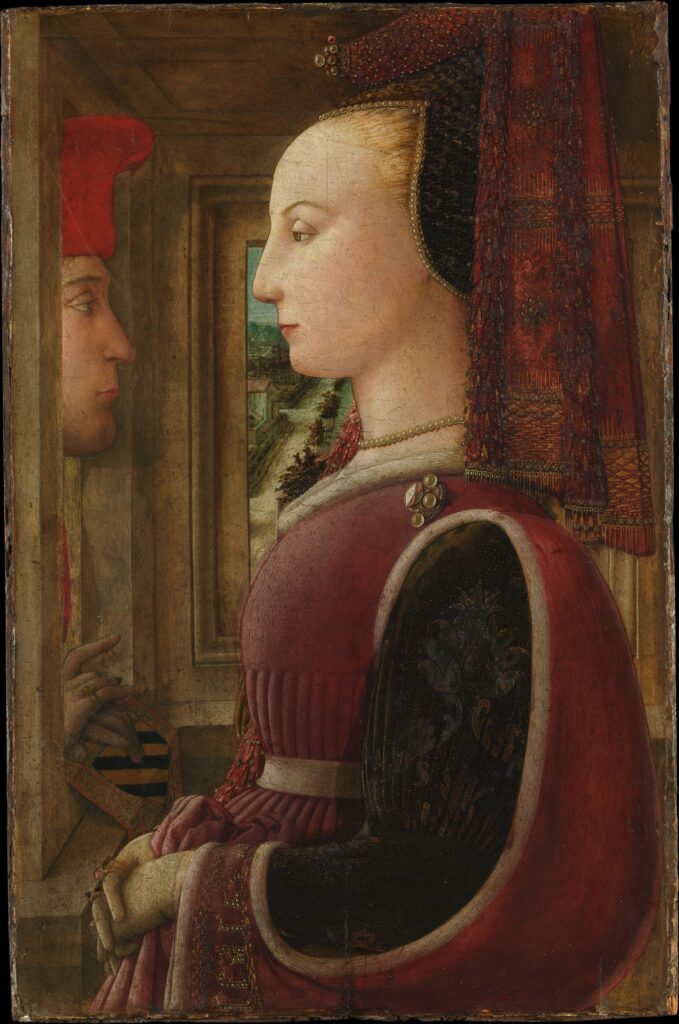
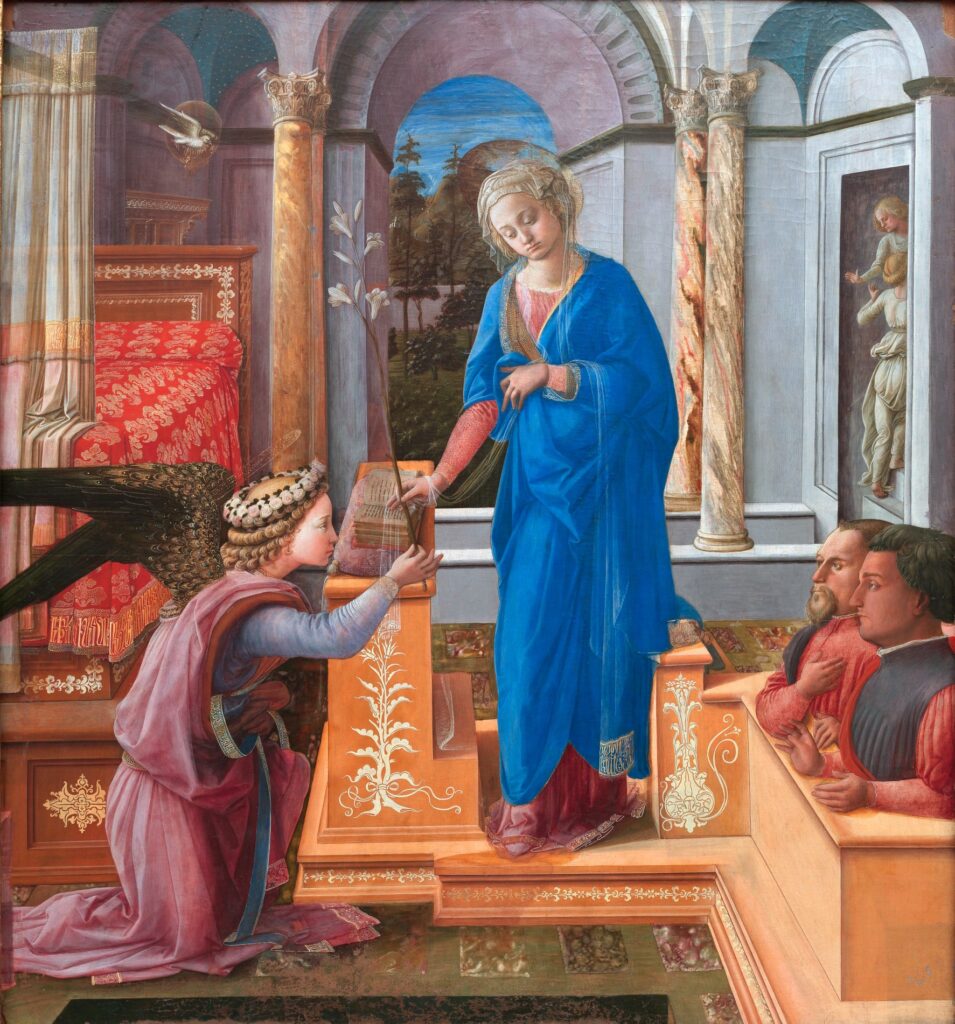
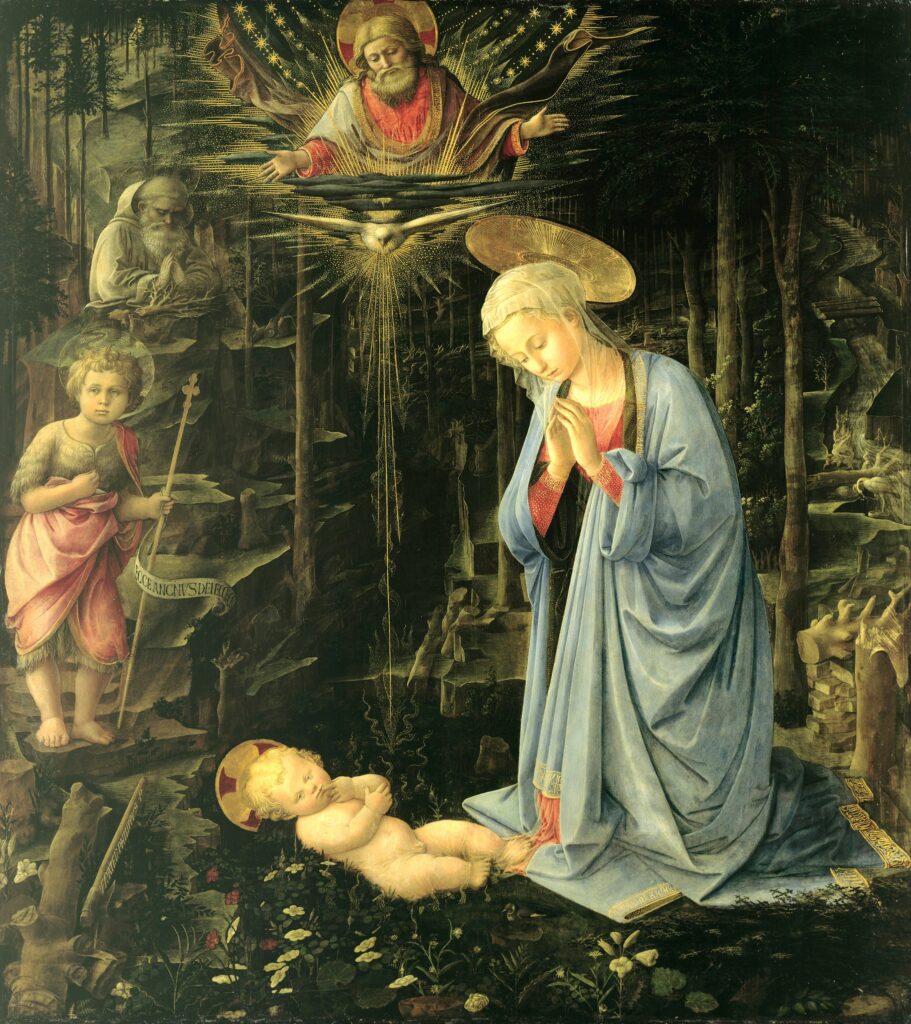
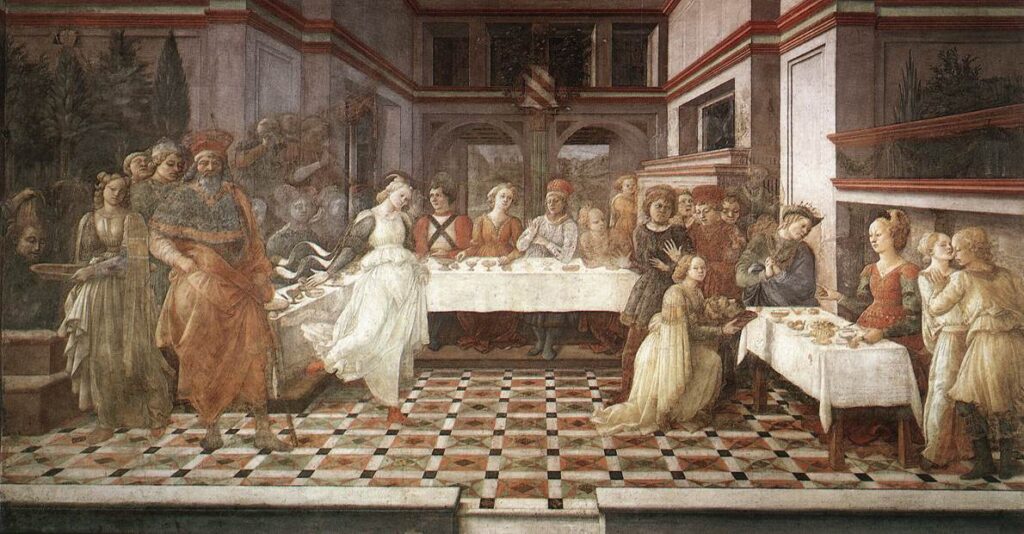
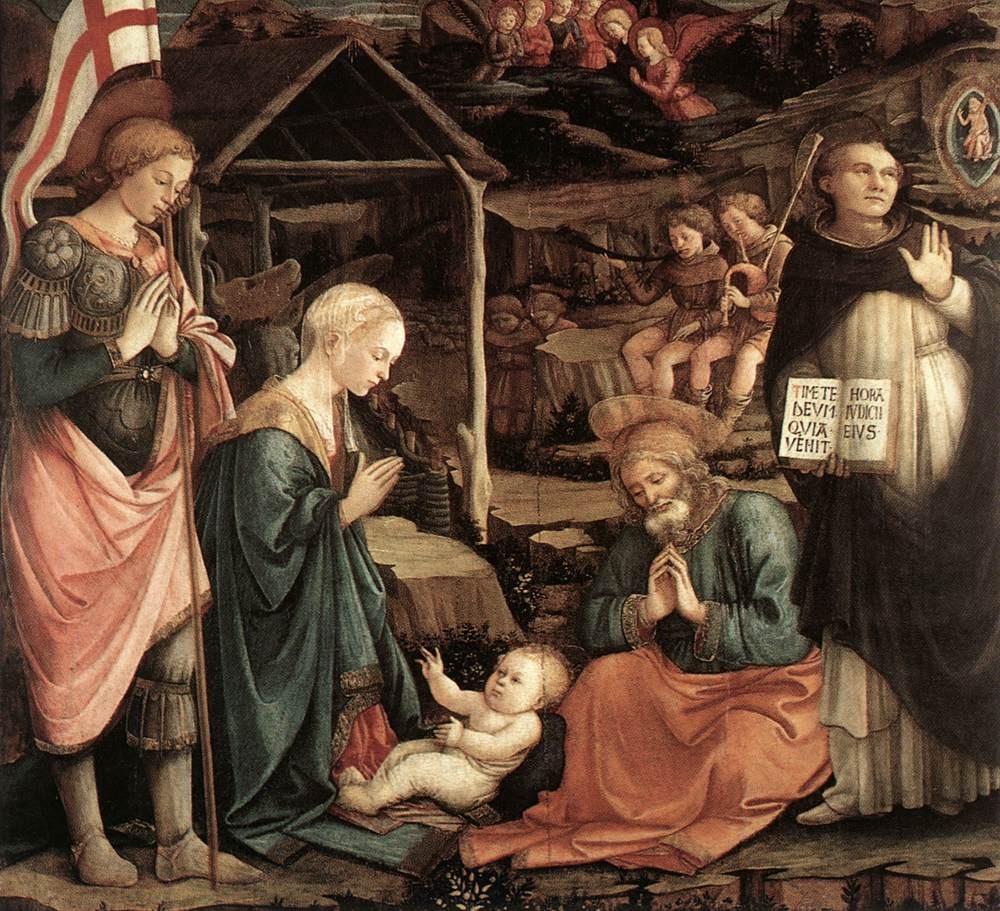
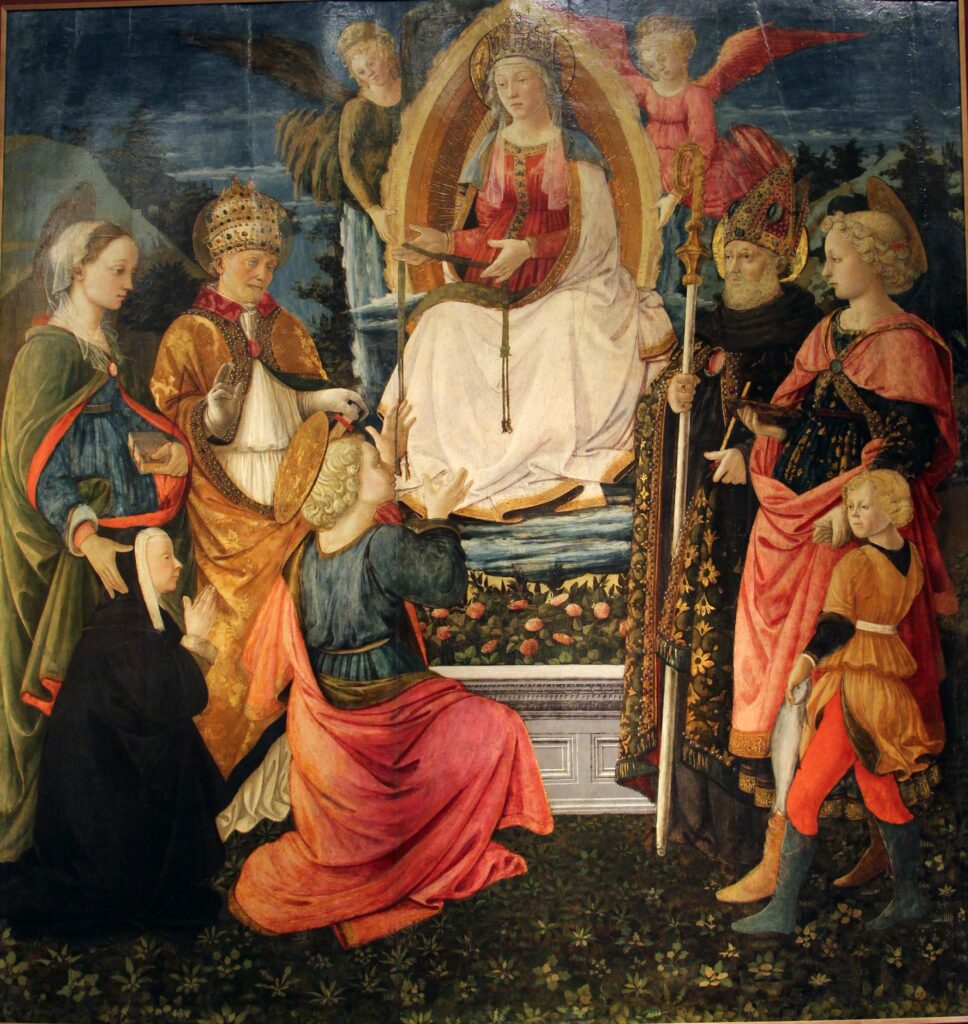
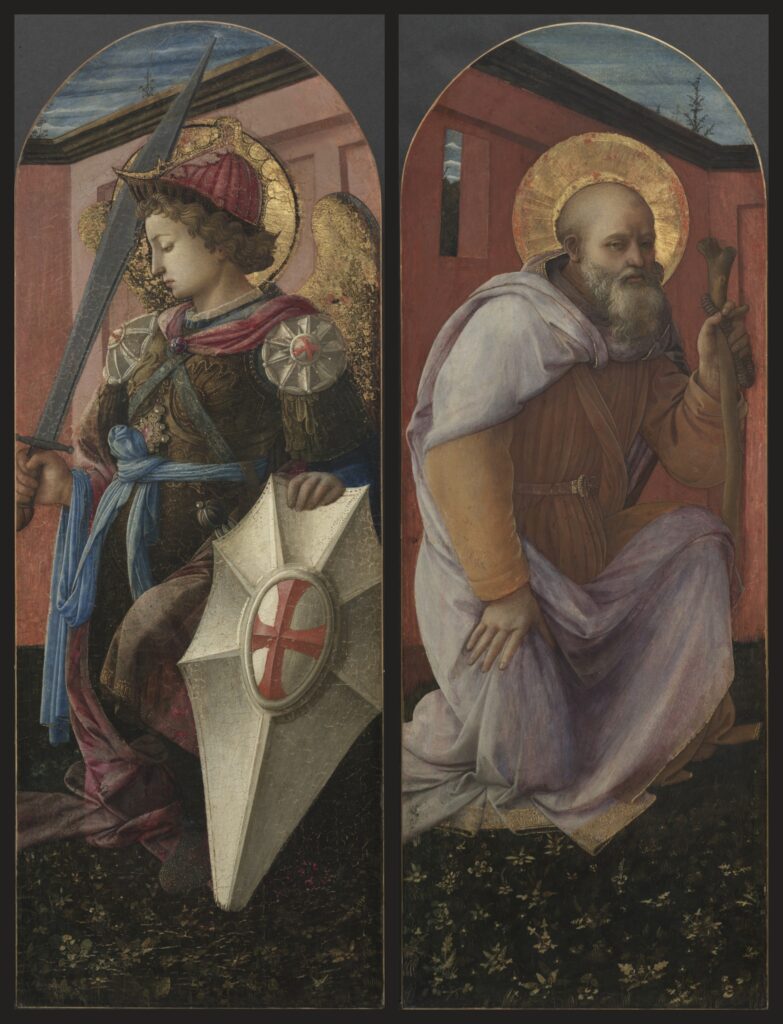
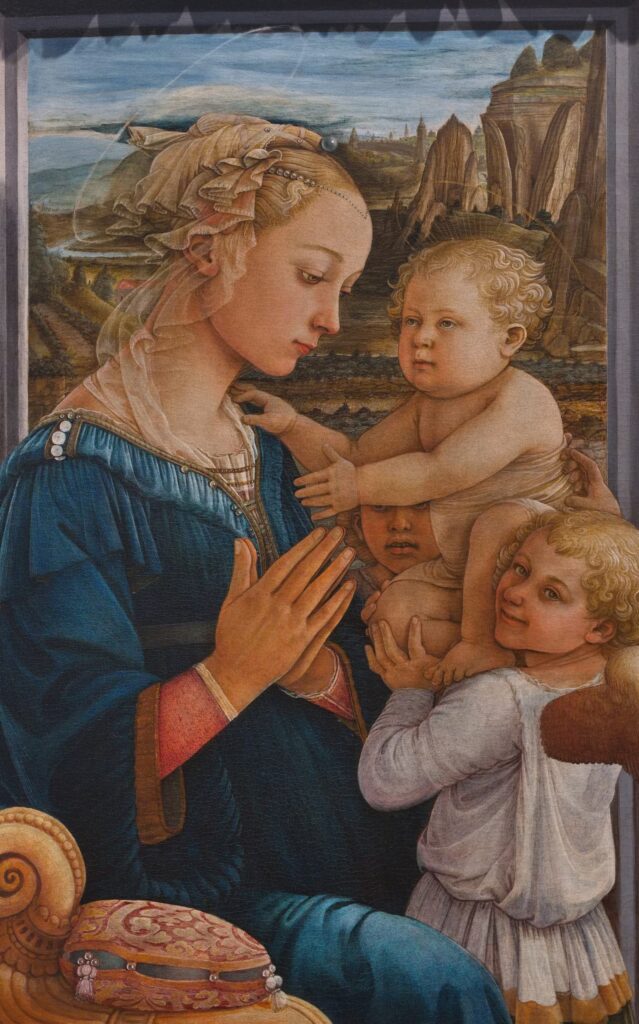
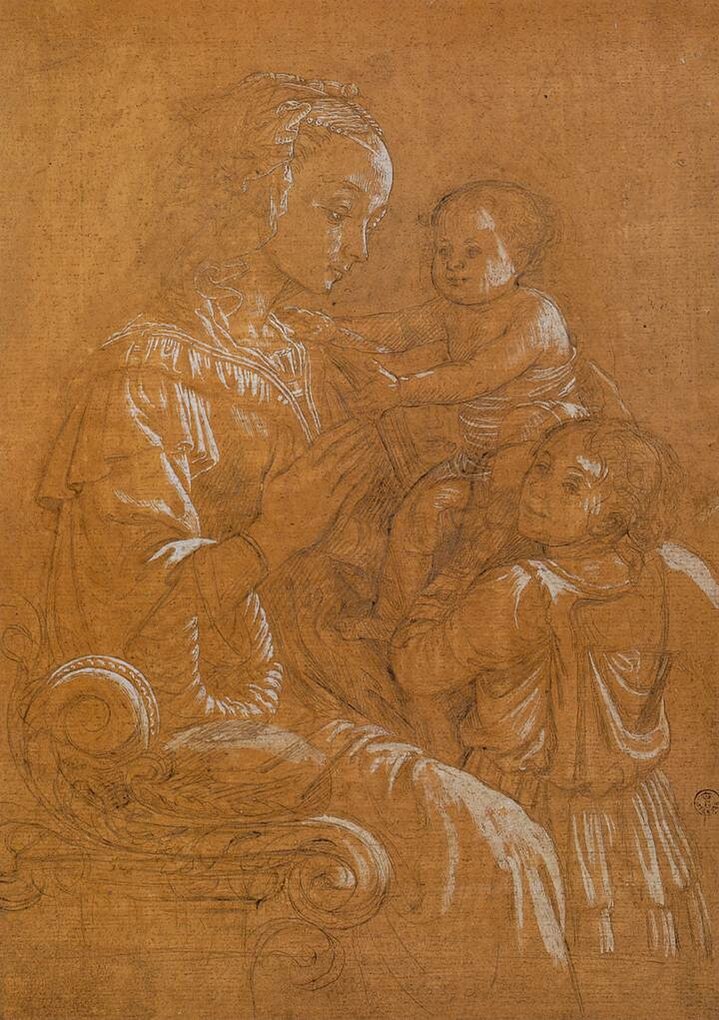
Filippo Lippi (c 1406–1469) was an Italian painter of the Early Renaissance. Born in Florence, he entered the Carmelite monastery of Santa Maria del Carmine as a child and became a friar, while developing as an artist amid the innovations of Masaccio and his circle.
Lippi combined sculptural figures and convincing spatial settings with graceful line, luminous color and an increasingly intimate treatment of sacred subjects. He worked for the Medici and other prominent patrons in Florence and Prato, where his fresco cycle in the cathedral choir is among his major achievements.
His later paintings, especially his representations of the Madonna and Child, helped shape Florentine art in the second half of the fifteenth century. Lippi was the father of the painter Filippino Lippi and an important influence on Sandro Botticelli. He died at Spoleto in 1469.
Théodore Géricault
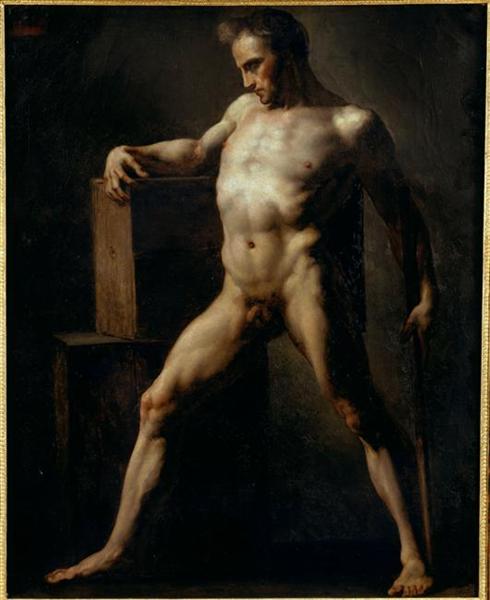
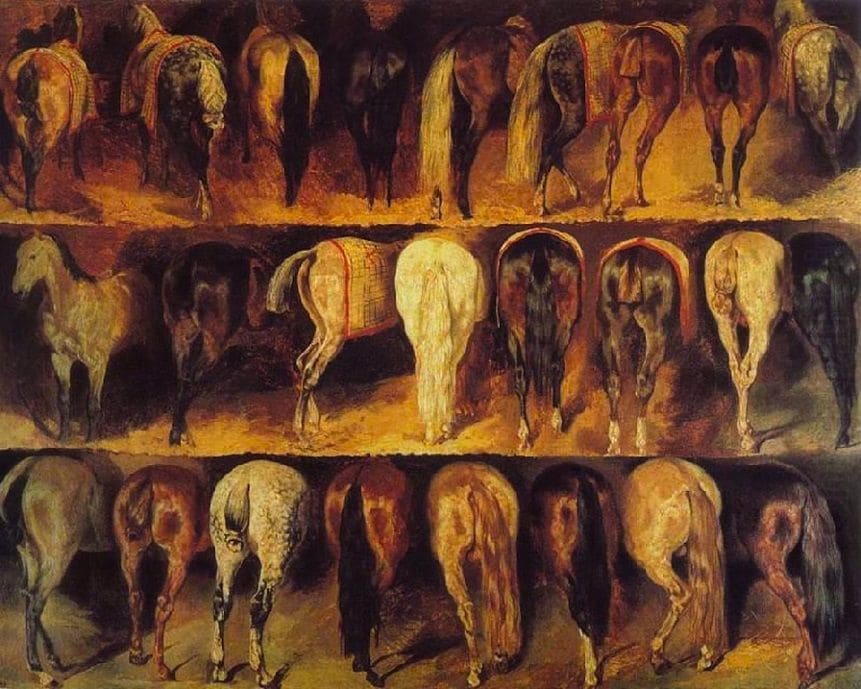
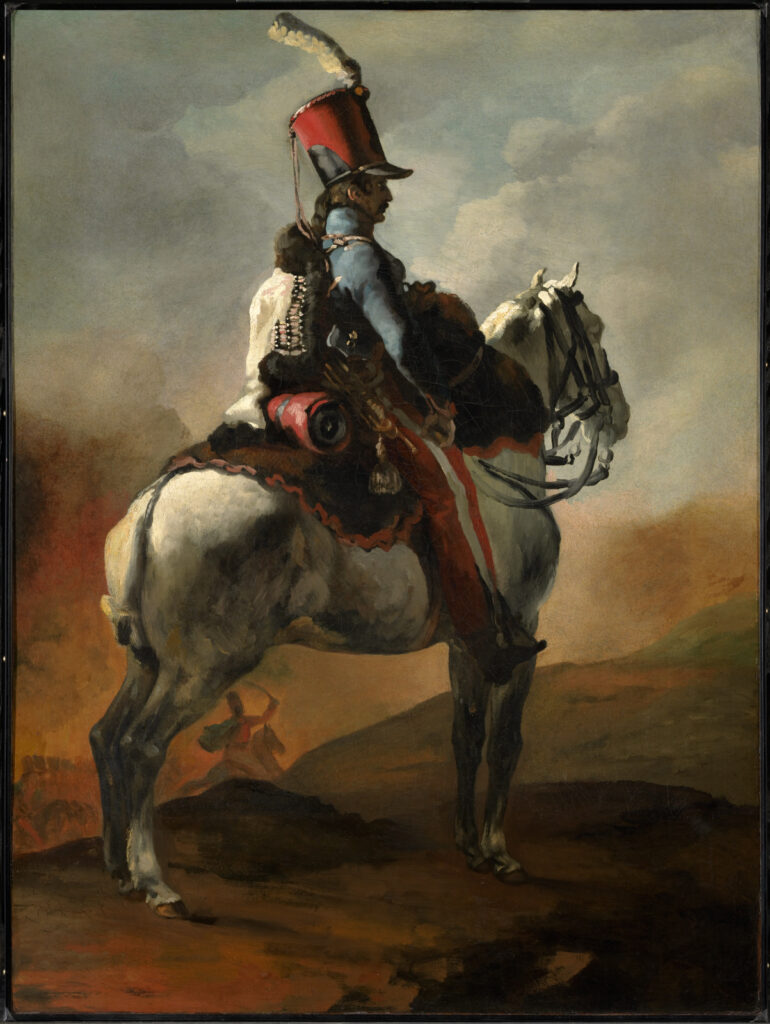
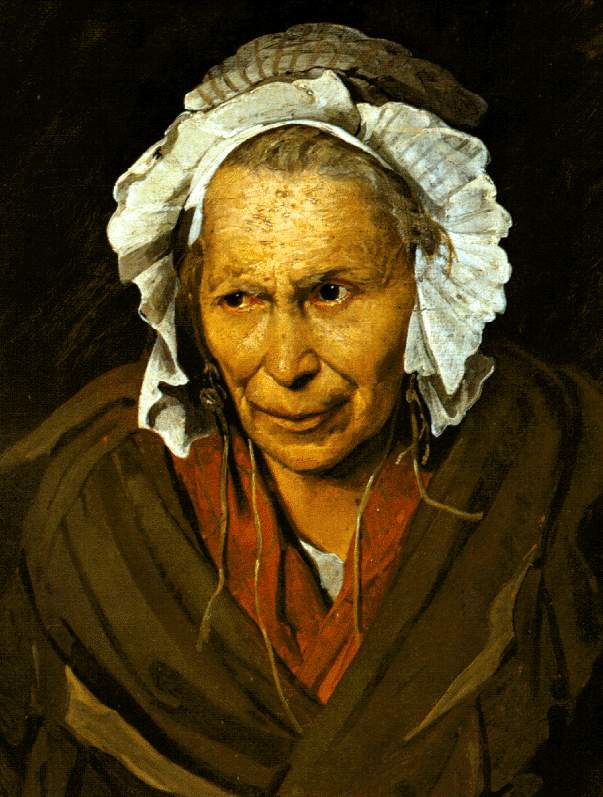
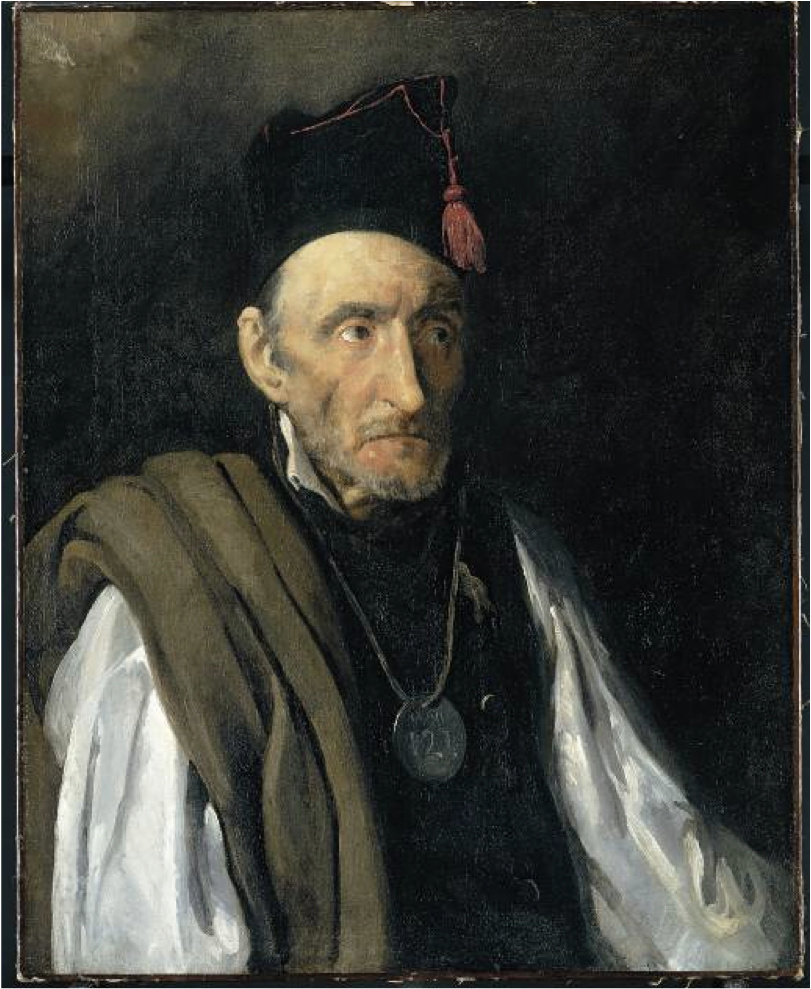
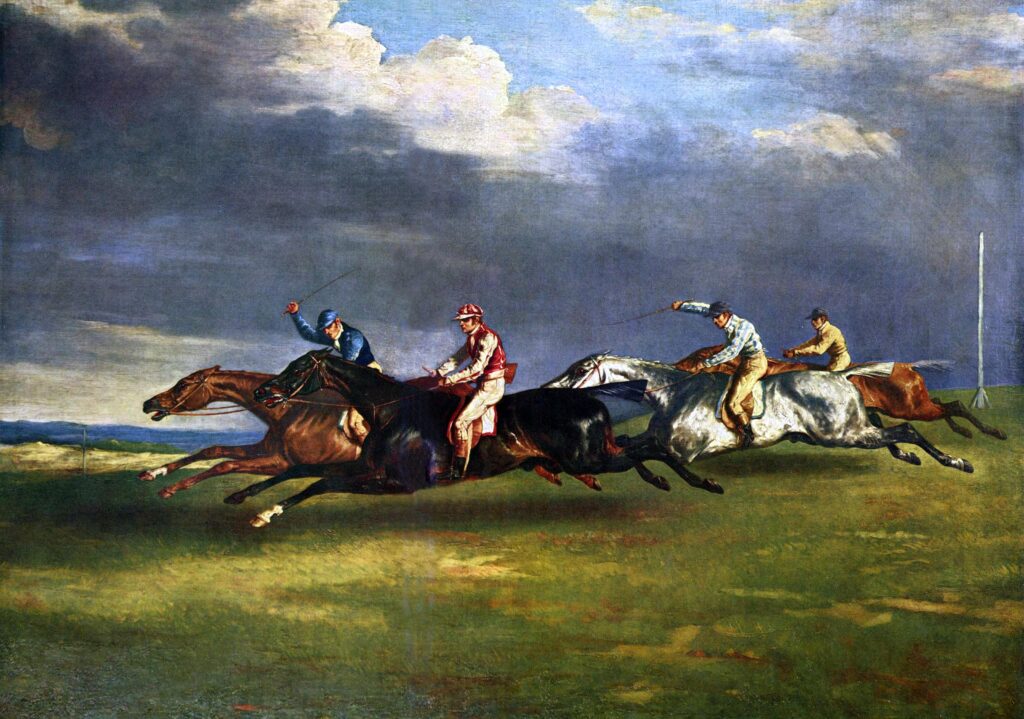
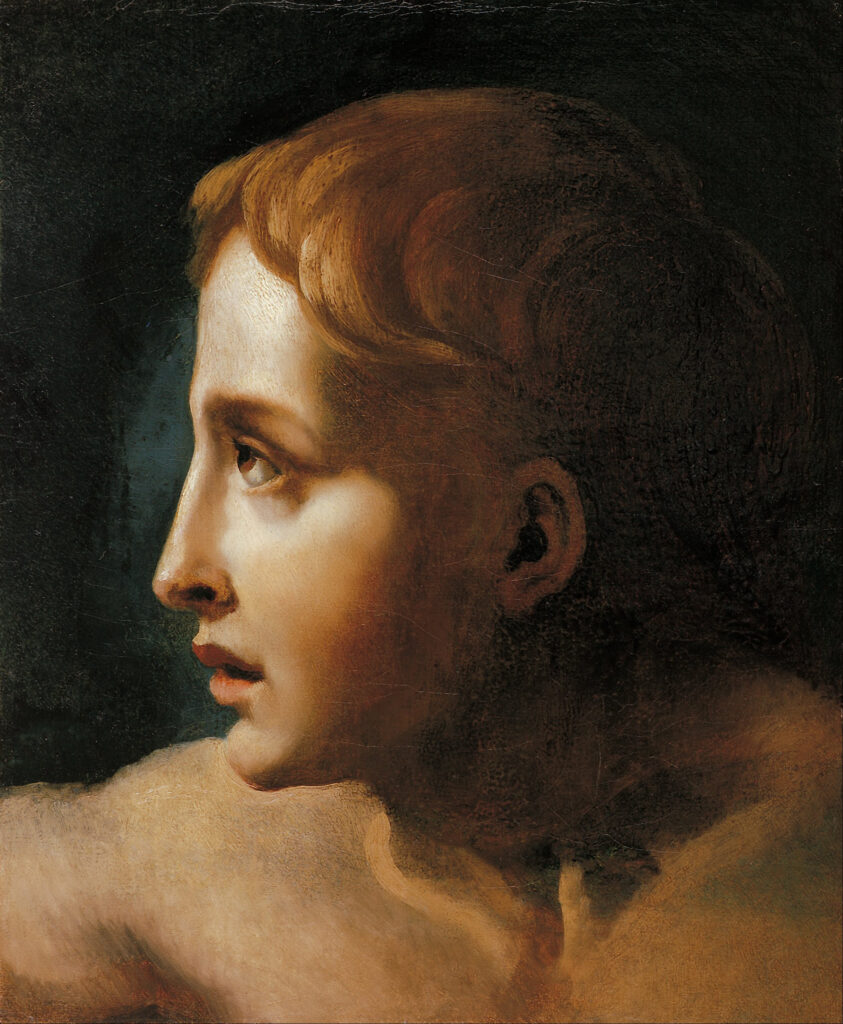
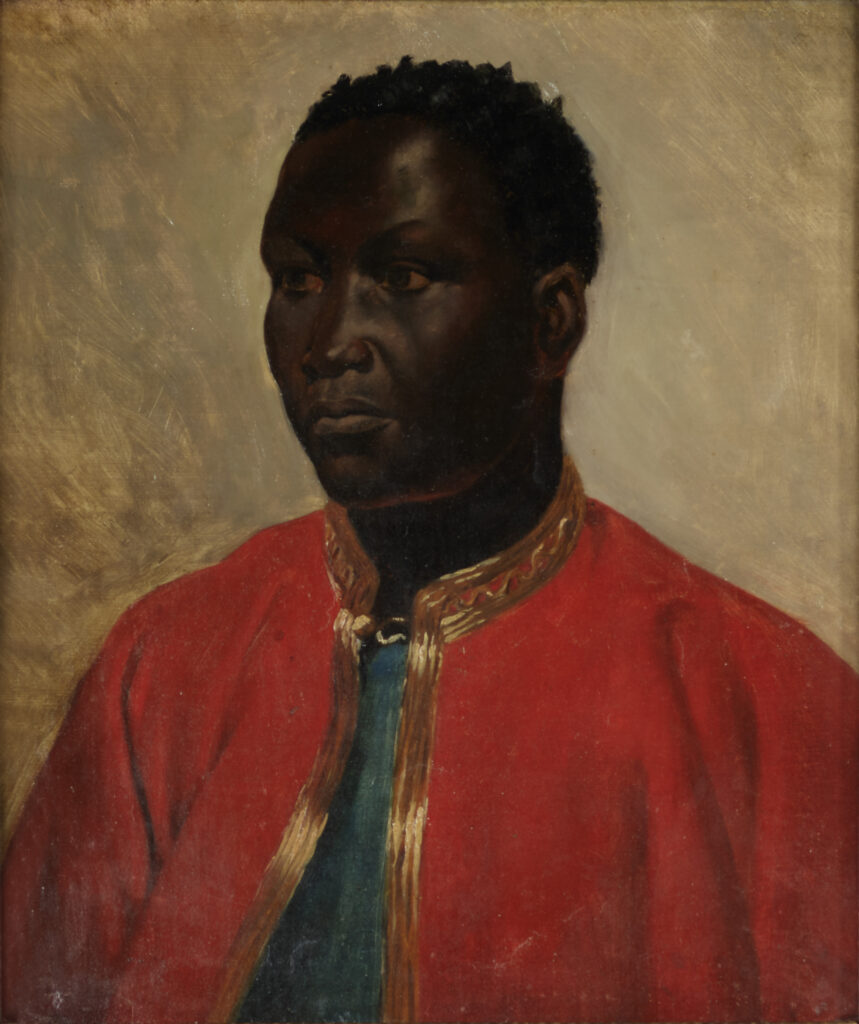
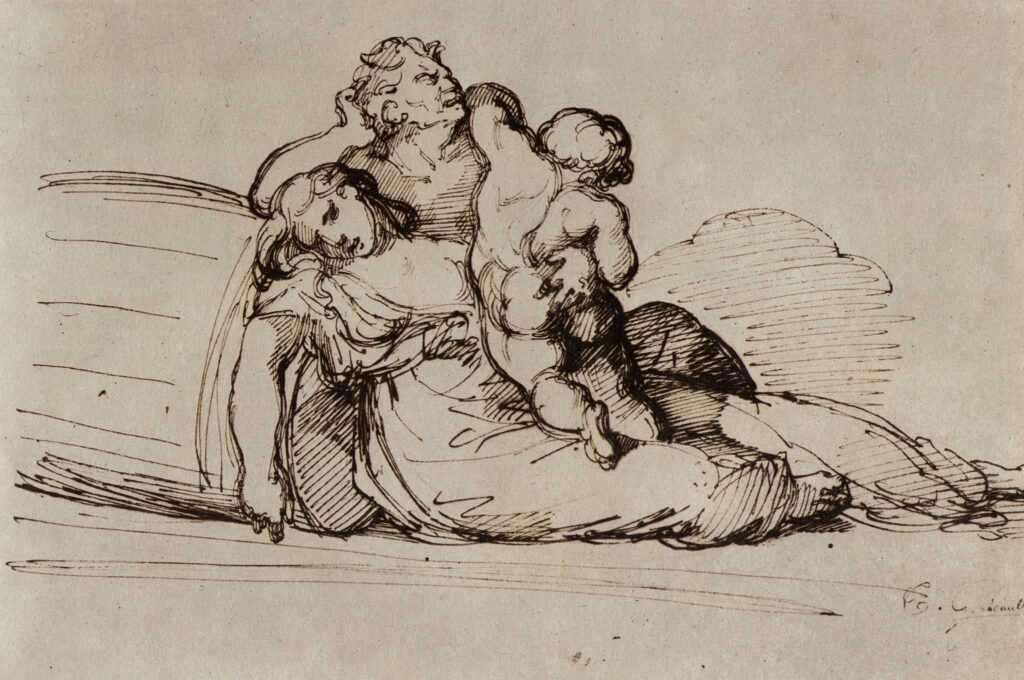
Théodore Géricault, September 26, 1791–January 26, 1824, was a French painter and lithographer associated with Romanticism.
He studied in Paris with Carle Vernet and Pierre-Narcisse Guérin. His early major paintings included The Charging Chasseur and The Wounded Cuirassier.
Géricault is best known for The Raft of the Medusa. He also produced portraits, horse studies, figure studies, landscapes, and lithographs.











Lovis Corinth
Lovis Corinth, July 21, 1858 – July 17, 1925, was a German painter, printmaker, and writer associated with German Impressionism and the Berlin Secession. He was born Franz Heinrich Louis Corinth in Tapiau, East Prussia (now Gvardeysk, Russia). After initial training at the Academy of Fine Arts in Königsberg, he studied at the Academy of Fine Arts Munich under Ludwig von Löfftz and later attended the Académie Julian in Paris, where he studied with William-Adolphe Bouguereau, Tony Robert-Fleury, and Jules Lefebvre.
Corinth worked in portraiture, landscape, still life, religious subjects, mythology, and literary themes. His early work reflects academic naturalism, while later paintings incorporated increasingly vigorous brushwork and expressive color. He was associated with the Berlin Secession and became one of its leading figures alongside artists such as Max Liebermann and Max Slevogt. Following a stroke in 1911, his style became more painterly and expressive, particularly in his Walchensee landscapes, self-portraits, and late religious compositions.
Corinth taught at a private painting school for women in Berlin, where one of his pupils was Charlotte Berend-Corinth, whom he later married. Berend-Corinth became an important artist in her own right and a key source for documenting his life and work. Major collections holding Corinth’s paintings include the Alte Nationalgalerie, Neue Pinakothek, Kunstmuseum Basel, National Gallery Prague, the Lenbachhaus, and the Metropolitan Museum of Art.


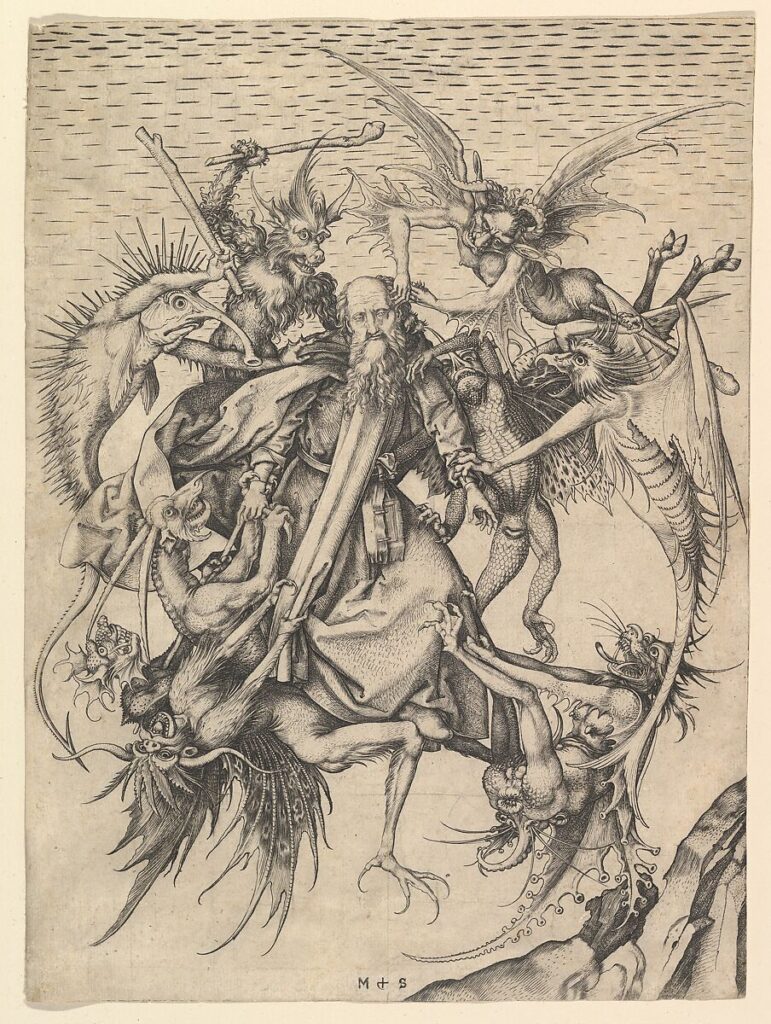
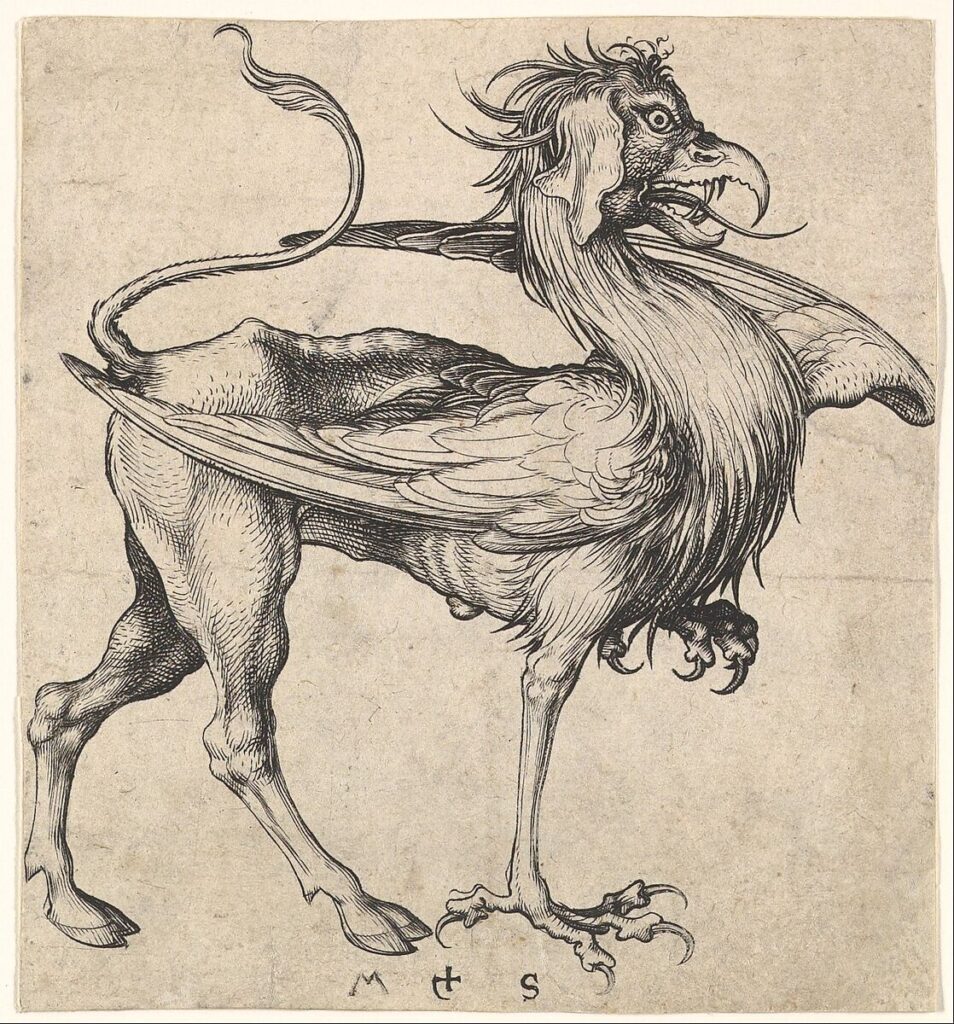
Martin Schongauer
Martin Schongauer, German artist, ca. 1435/50–1491