Ilya Repin
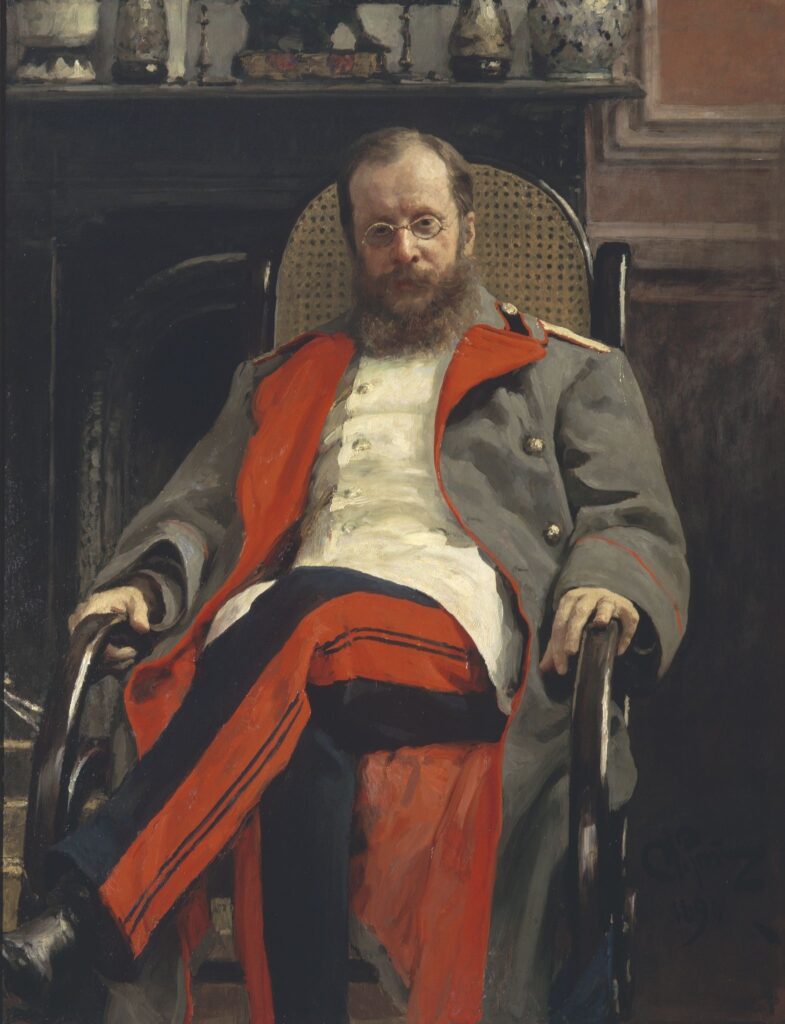
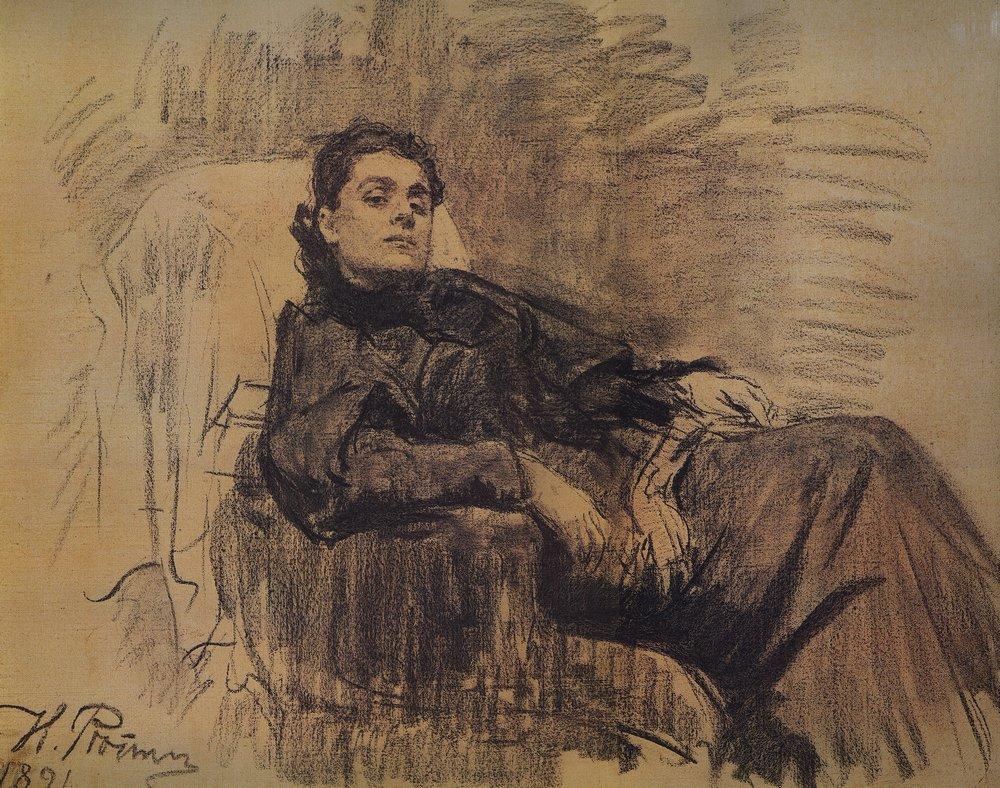
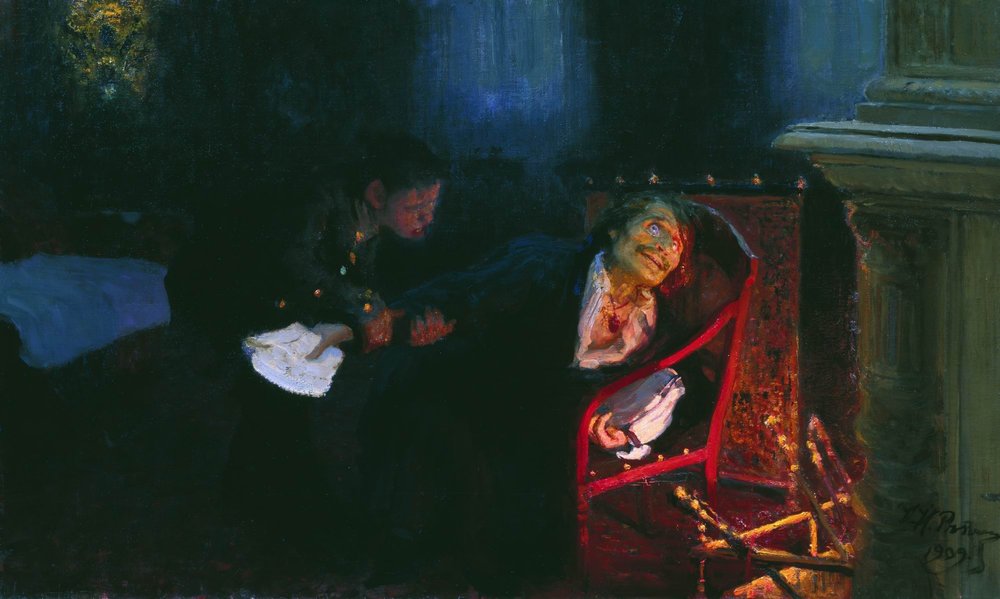
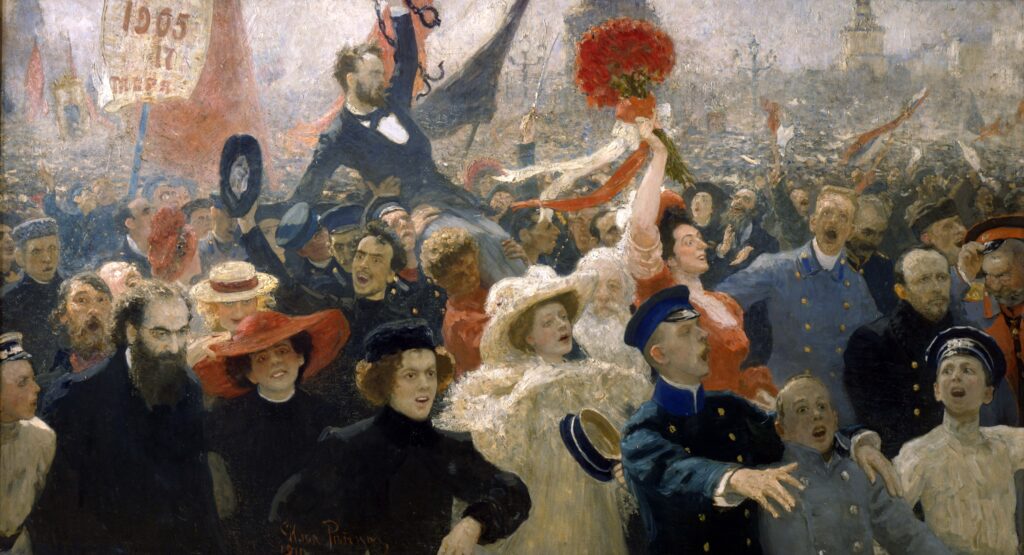
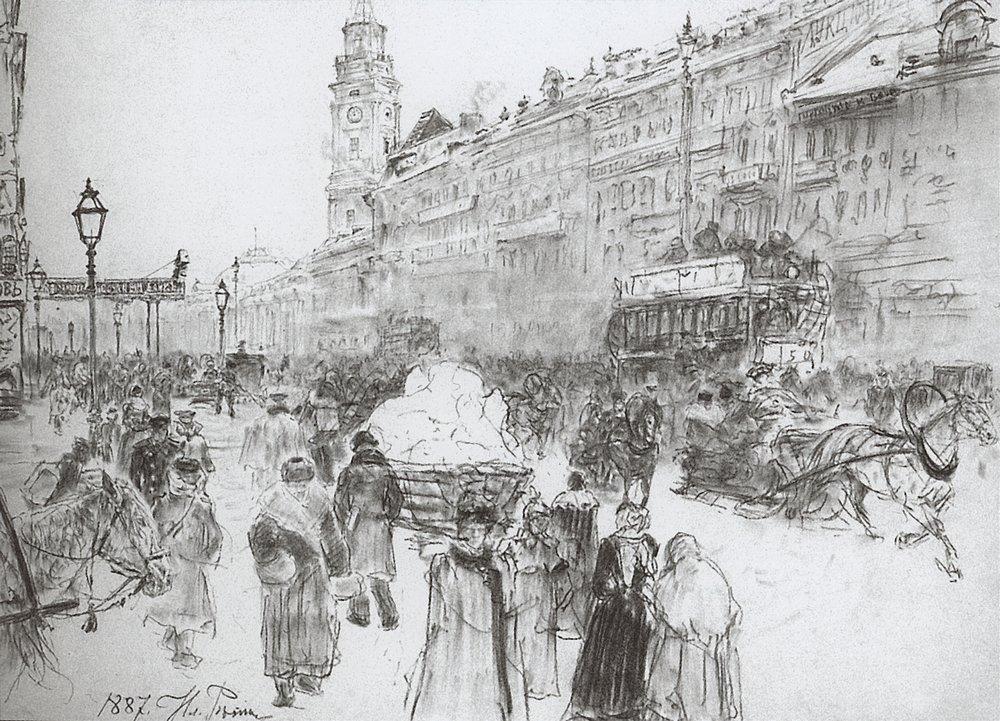
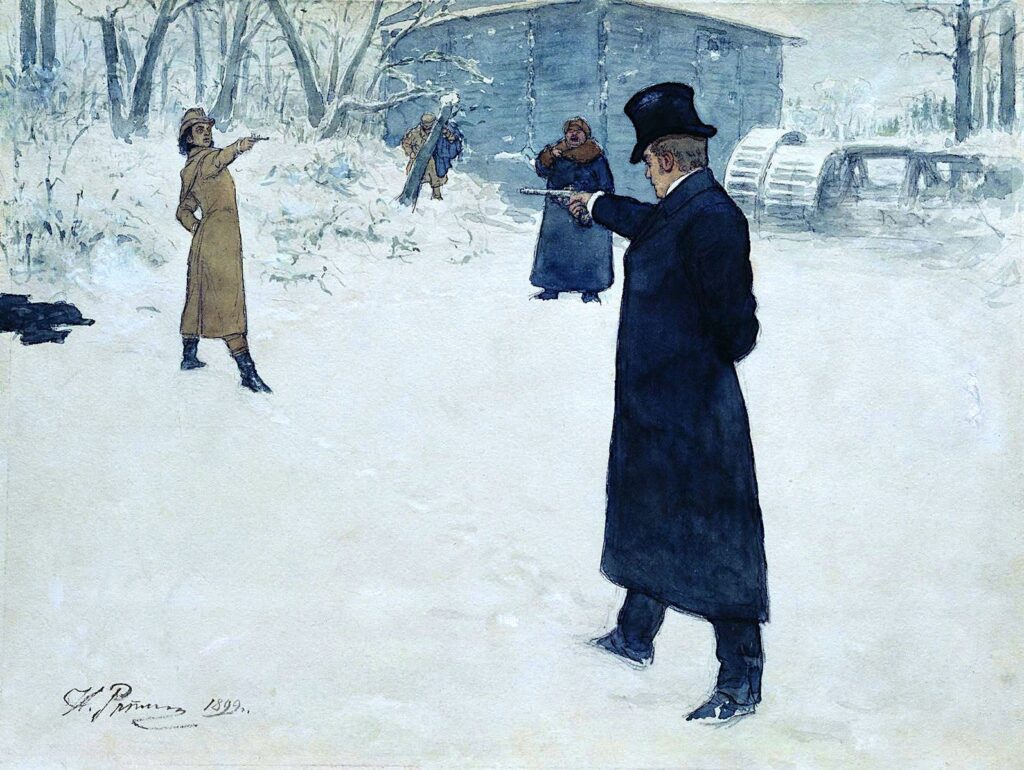
Ilya Yefimovich Repin, August 5, 1844 – September 29, 1930, was a Russian painter and draftsman associated with realism and the Peredvizhniki.
Repin studied at the Imperial Academy of Arts in Saint Petersburg and worked with Ivan Kramskoi and other artists connected to the reformist Russian art movement. His subjects included portraits, historical scenes, genre paintings, literary subjects, and scenes of contemporary Russian life.
His work is held by the State Tretyakov Gallery, Moscow; State Russian Museum, St Petersburg; Ateneum, Helsinki; and other public collections.

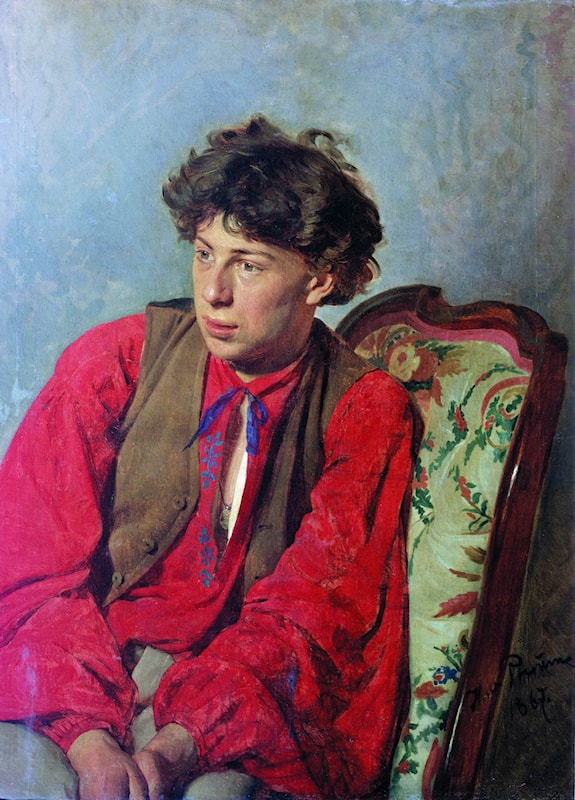

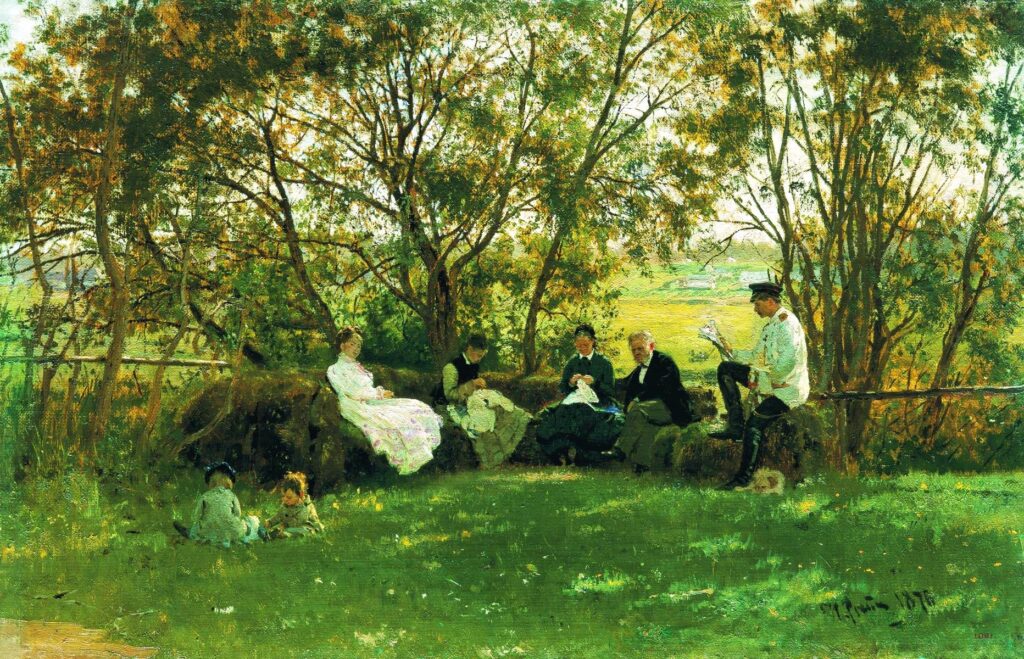


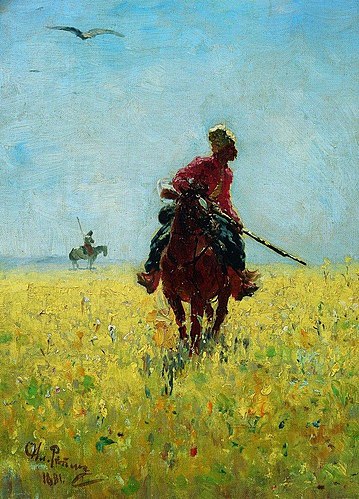

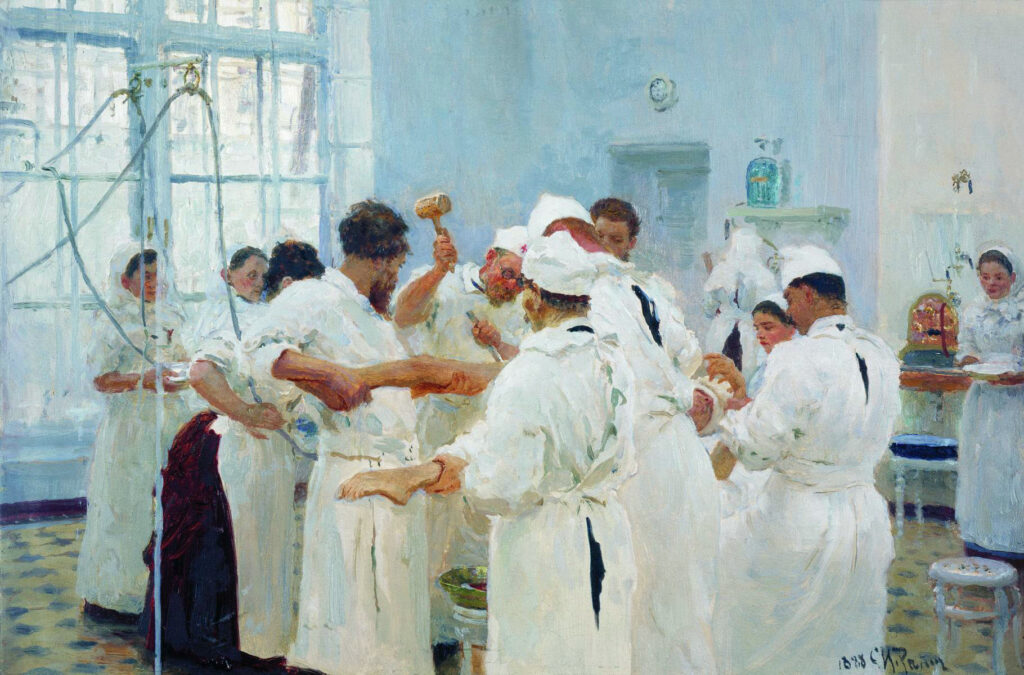




Vasily Vasilyevich Vereshchagin
Vasily Vasilyevich Vereshchagin, October 26, 1842 – April 13, 1904, was a Russian painter, writer, soldier, and traveler born in Cherepovets. After training in the Naval Cadet Corps, he studied at the School of Drawing of the Society for the Encouragement of the Arts and the Imperial Academy of Arts in Saint Petersburg, then in Paris with Jean-Léon Gérôme and Alexandre Bida.
Vereshchagin accompanied Russian military campaigns in Central Asia and the Balkans and traveled widely in India, the Middle East, East Asia, Europe, and the United States. He organized his paintings in major series devoted to Turkestan, the Russo-Turkish War, India, Palestine, and Napoleon’s 1812 invasion of Russia, and exhibited them internationally.
Vereshchagin died during the Russo-Japanese War when the battleship Petropavlovsk struck mines near Port Arthur. Major holdings of his work are in the State Tretyakov Gallery, the State Russian Museum, and the State Historical Museum; other works are held by the Brooklyn Museum and regional Russian collections.


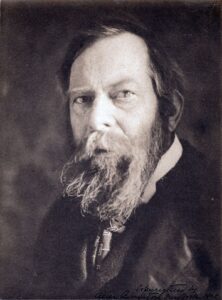
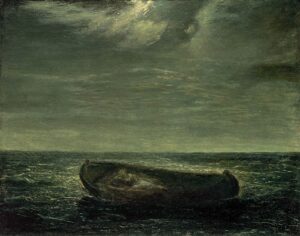
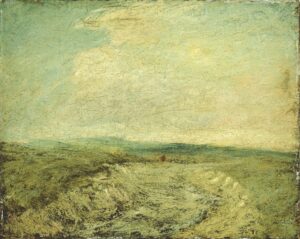
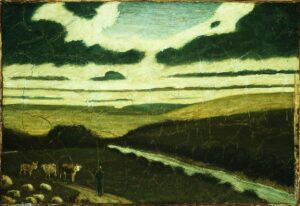
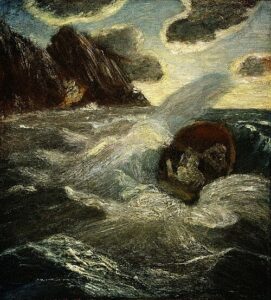
Alfred Pinkham Ryder
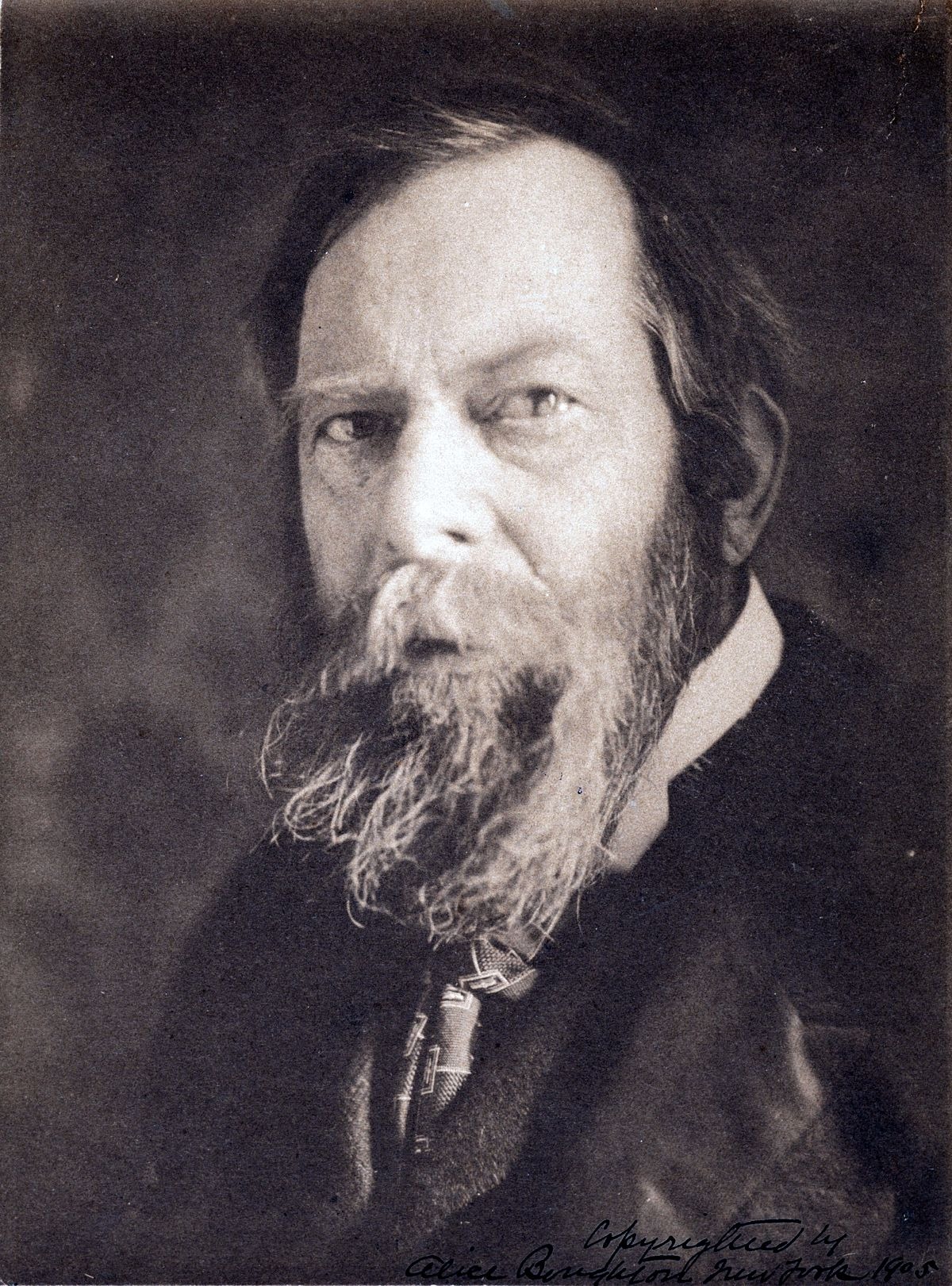
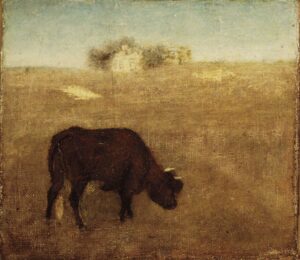
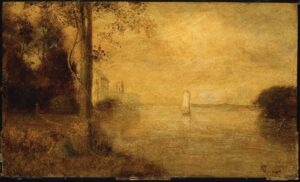
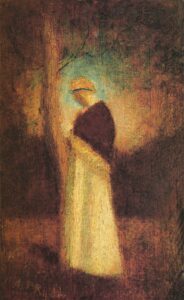
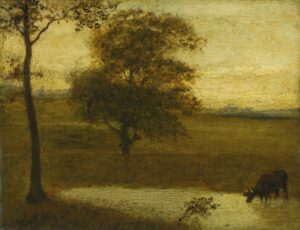
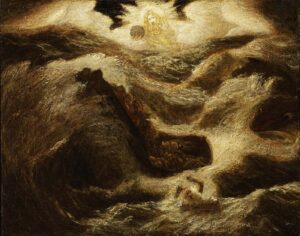
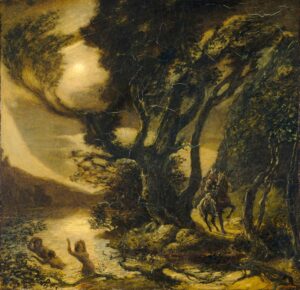
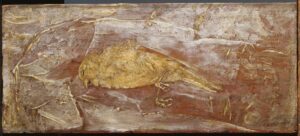
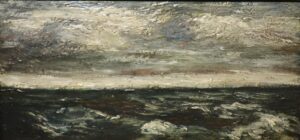
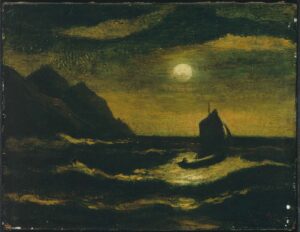
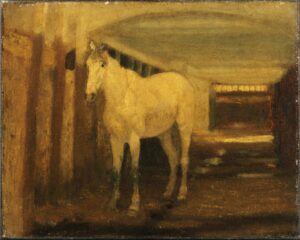
Albert Pinkham Ryder, March 19, 1847–March 28, 1917, was an American painter born in New Bedford, Massachusetts. He studied under William Edgar Marshall and at the National Academy of Design in New York. He traveled in Europe and studied the work of the Barbizon and Hague schools.
Ryder became a founding member of the Society of American Artists in 1877 and exhibited with it through 1887. His paintings include landscapes, seascapes, and subjects drawn from literature and religion. Works by Ryder are held by the Metropolitan Museum of Art, the Smithsonian American Art Museum, the National Gallery of Art, and other public collections.
After 1900, Ryder produced fewer new paintings and sometimes reworked earlier pictures. His health declined in 1915, and he died in 1917 in New York. The Metropolitan Museum of Art held a memorial exhibition of his work in 1918.
Dedicated to the memory of Thor Furulund, Norwegian painter, June 12, 1943 – January 16, 2016, who loved Pinkham Ryder
Alonso Cano
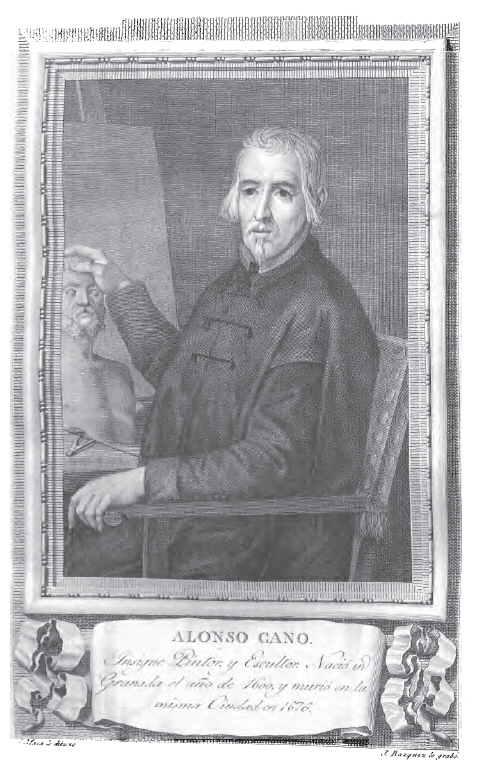
Alonso Cano Almansa or Alonzo Cano, Spanish painter, architect, and sculptor, 19 March 1601 – 3 September 1667









Henri Matisse
Henri Matisse, December 31, 1869–November 3, 1954, was a French artist known chiefly as a painter, draftsman, printmaker, sculptor and designer. He studied law before turning to art, attending the Académie Julian and the École des Beaux-Arts in Paris, where he studied with Gustave Moreau.
Matisse exhibited with the artists called the Fauves and became one of the principal figures of early twentieth-century modern art. His work encompassed painting, drawing, sculpture, printmaking, book illustration, stage design, ceramics and, during his later years, compositions made from gouache-painted cut paper.
Major collections of his work are held by the Centre Pompidou, the Museum of Modern Art, the State Hermitage Museum, the Barnes Foundation, the Baltimore Museum of Art, the Musée de l’Orangerie and the Musée Matisse in Nice.


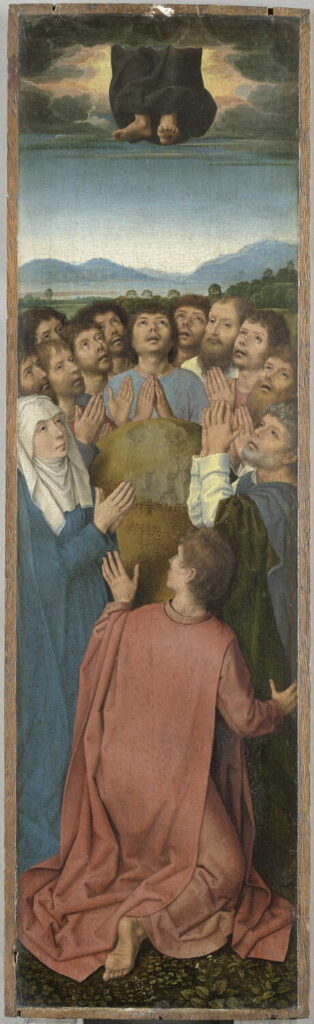
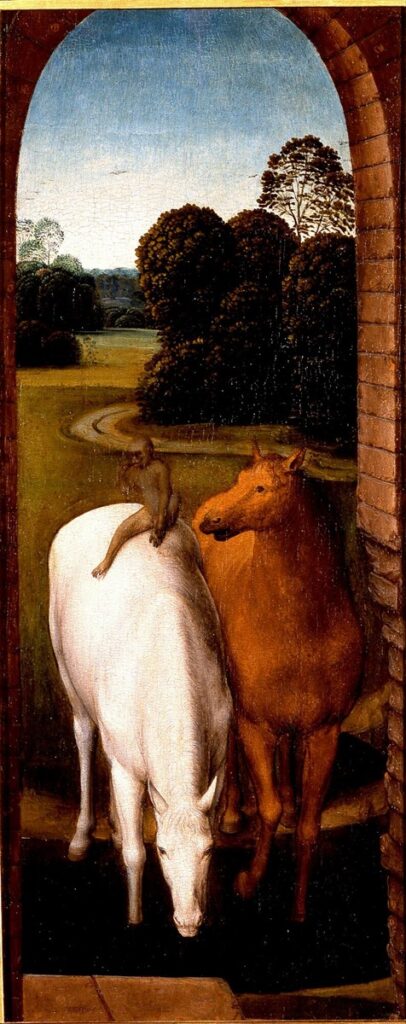
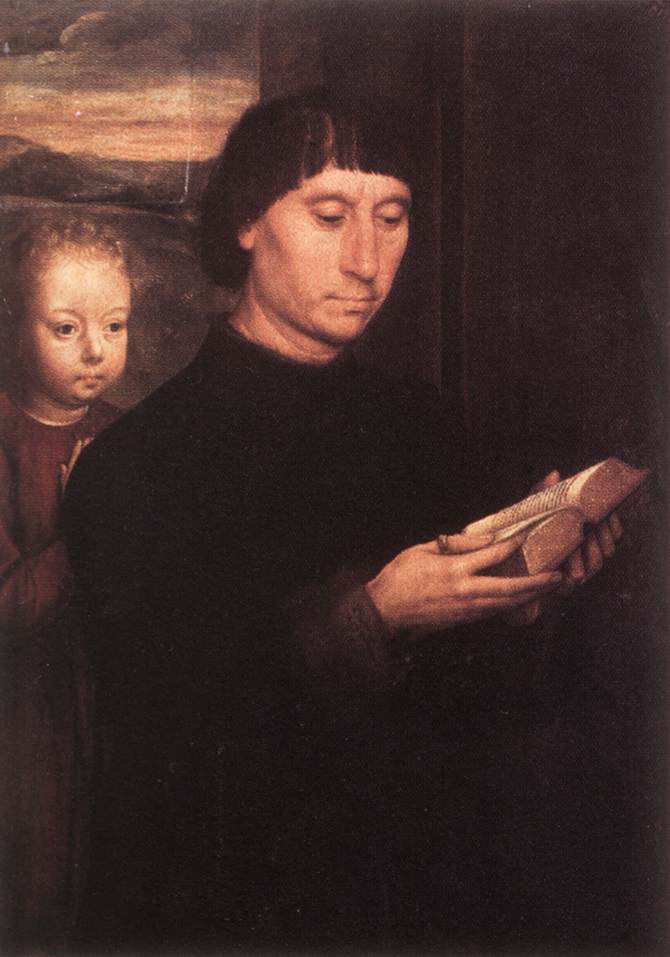
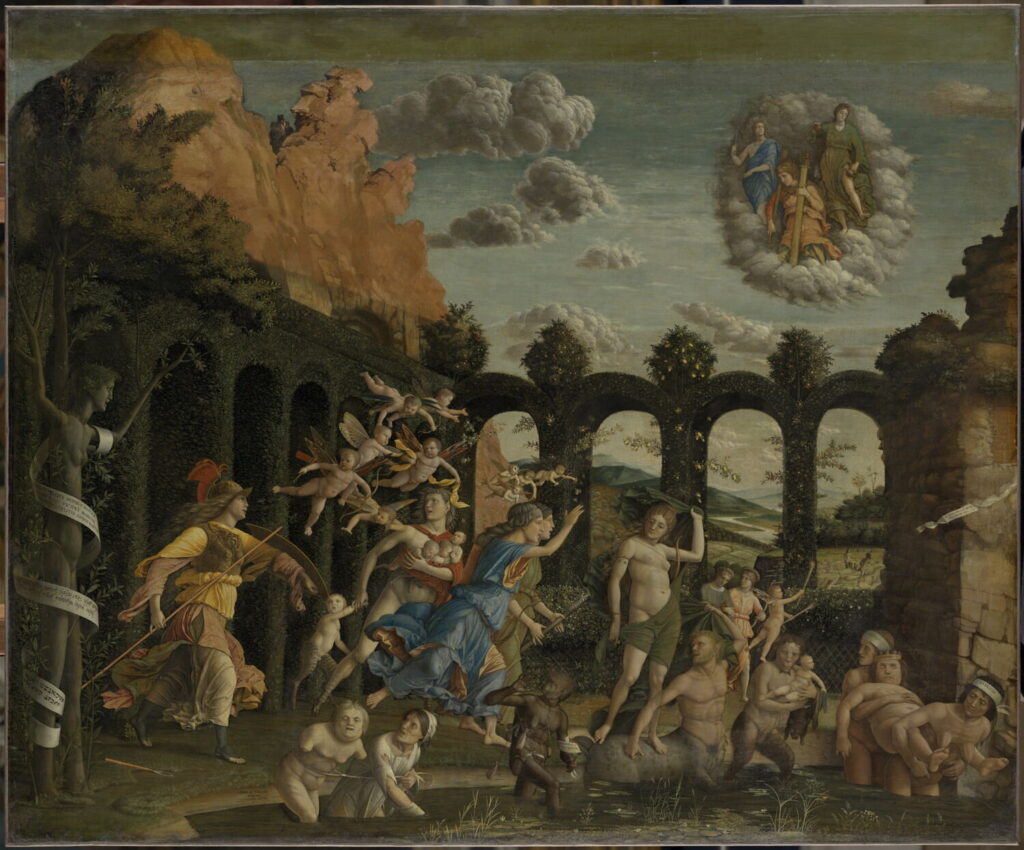
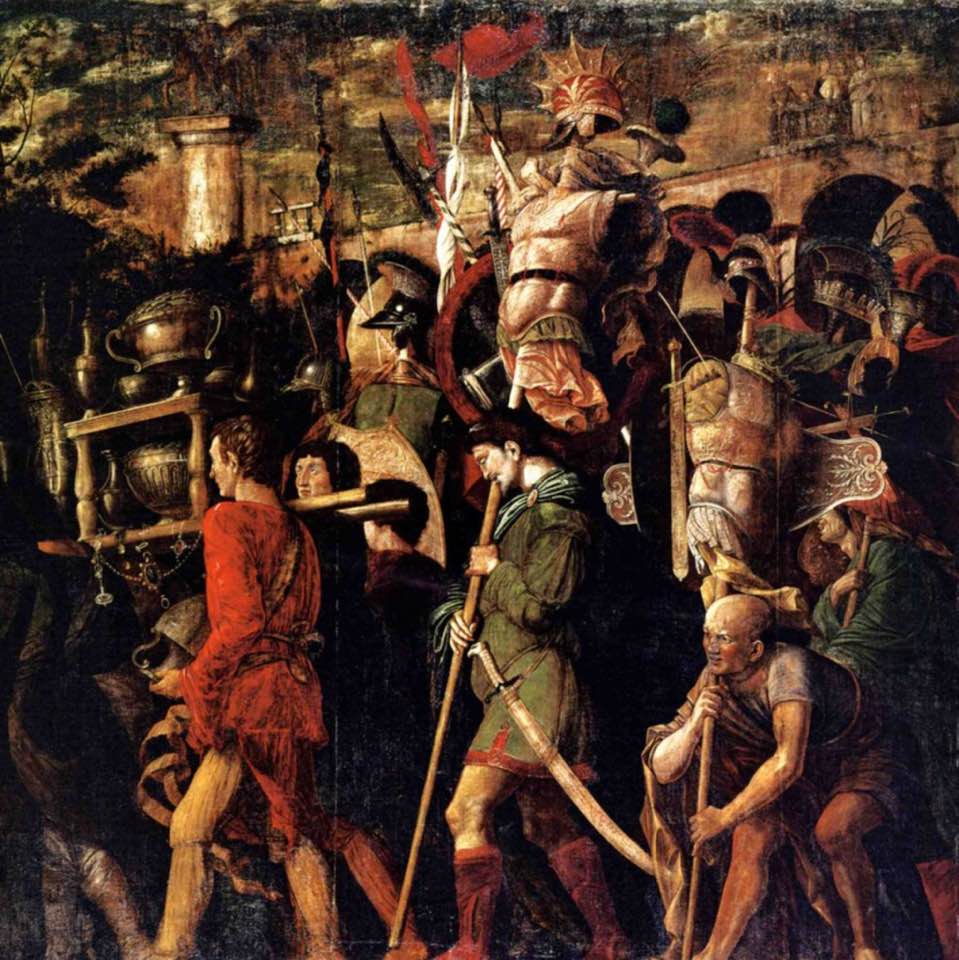
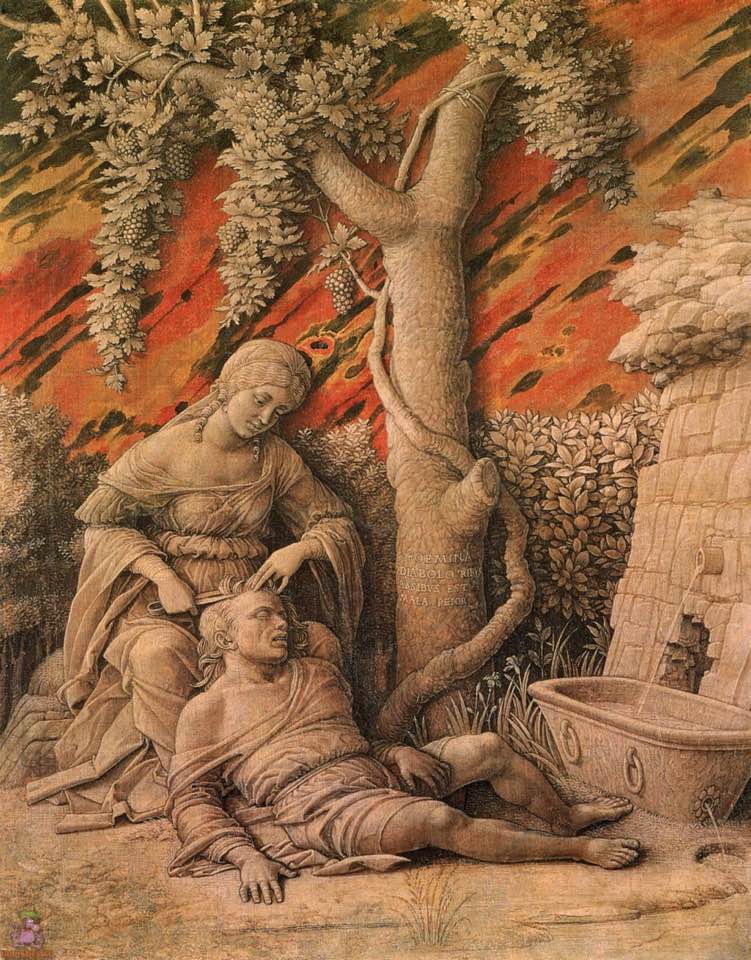
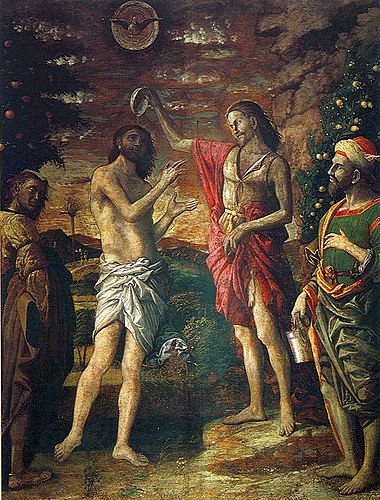
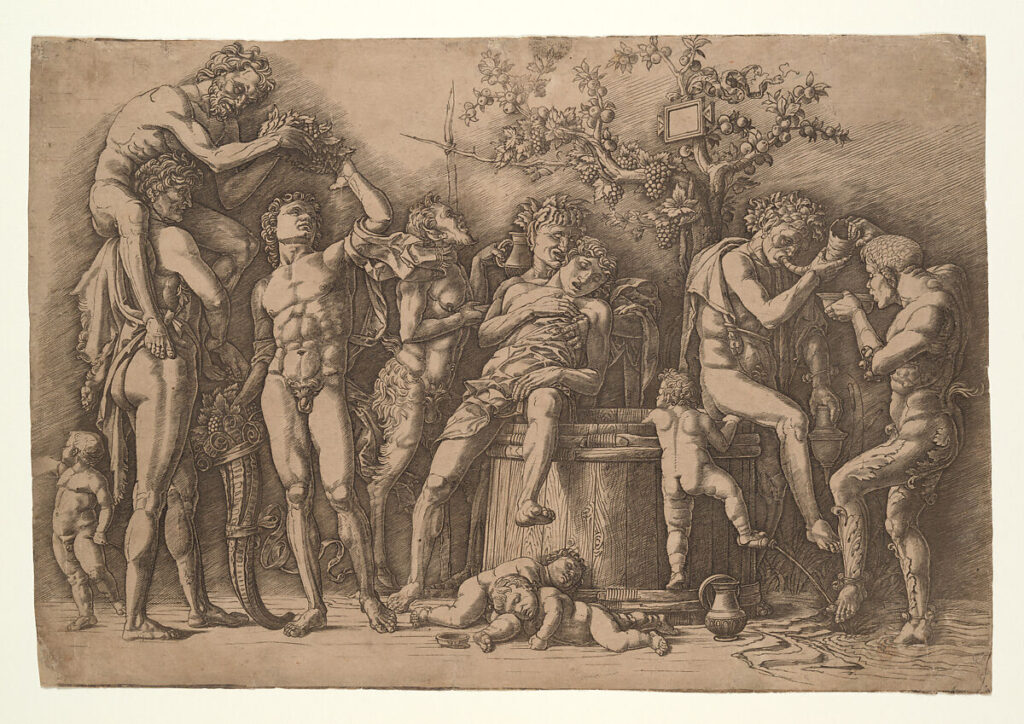
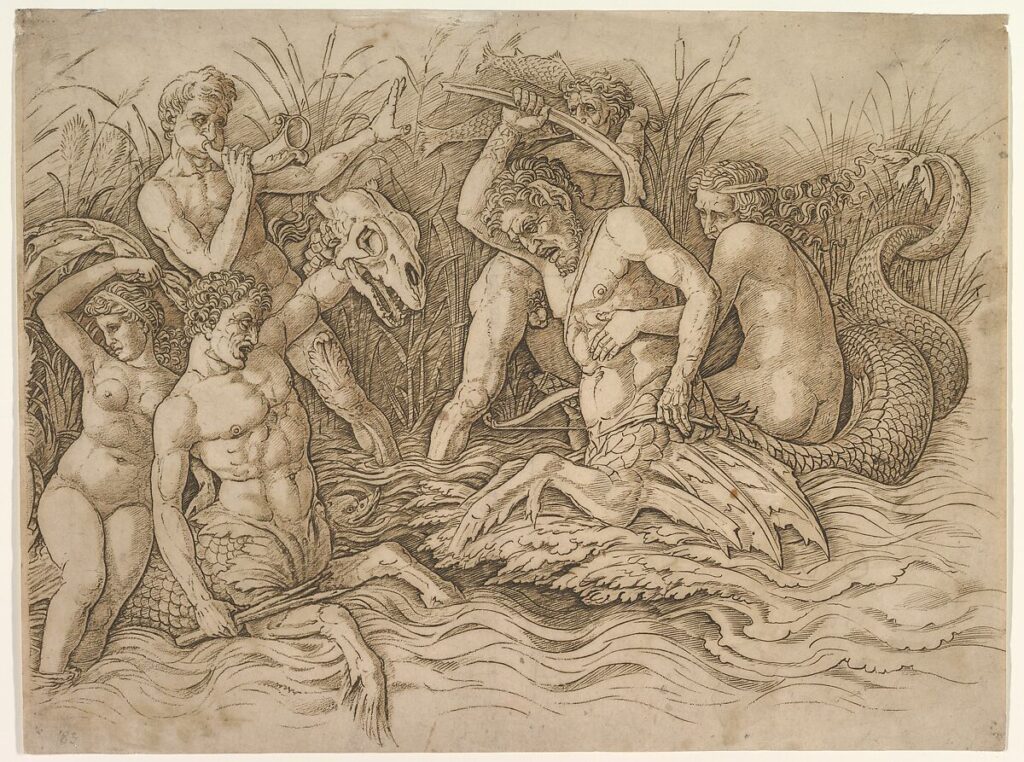
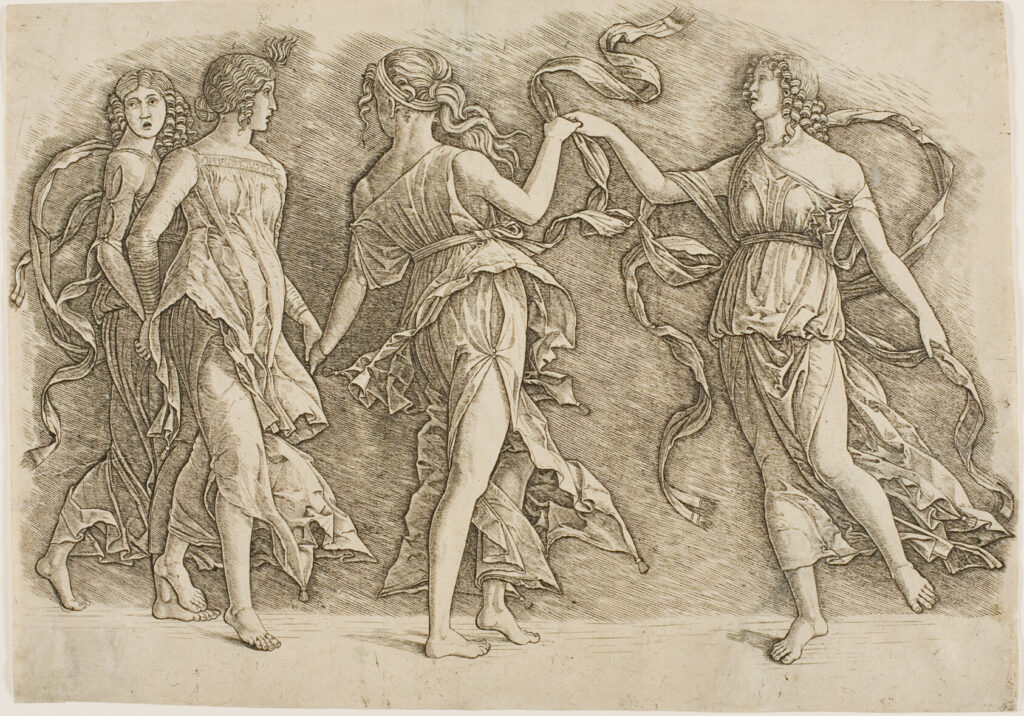
Andrea Mantegna
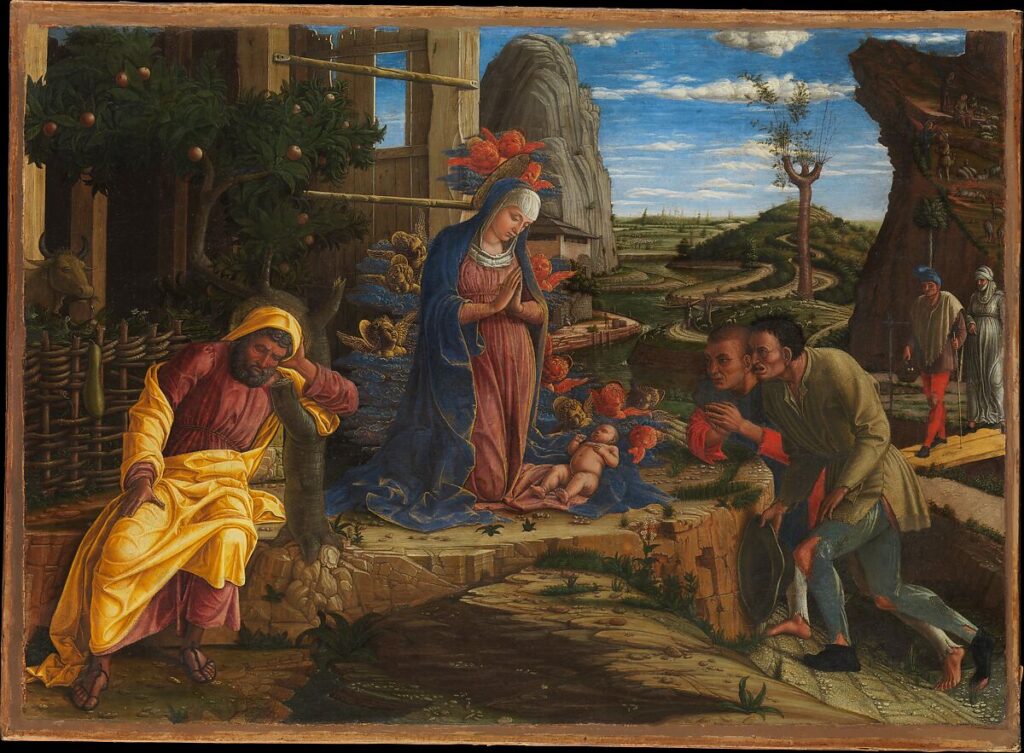
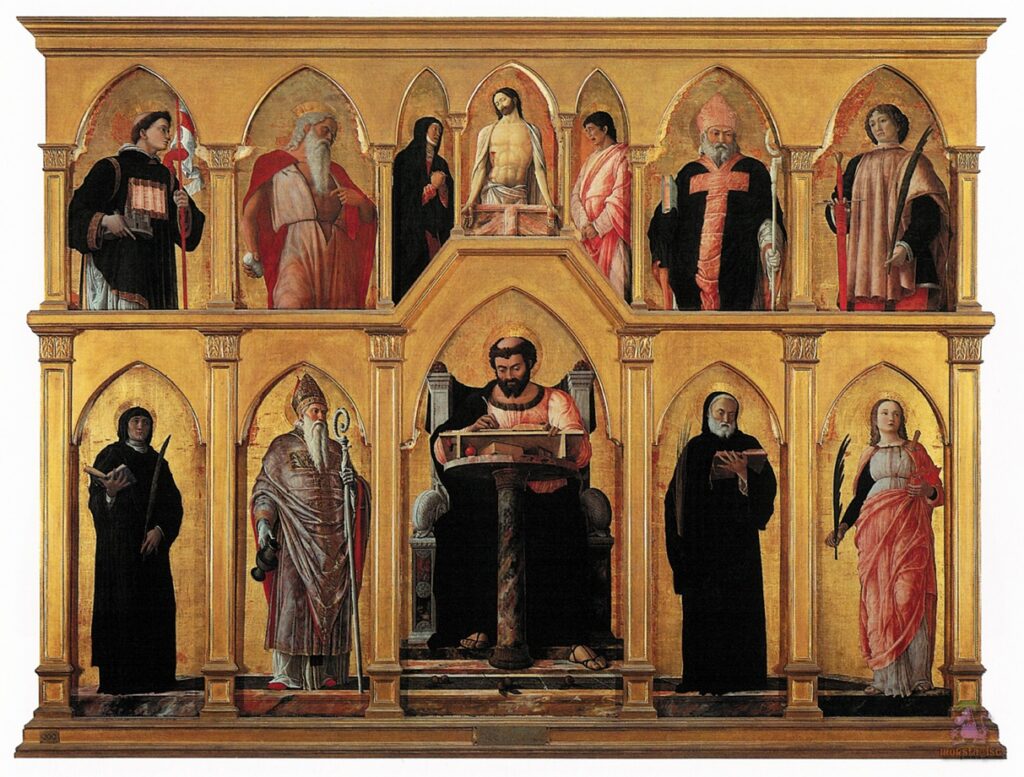
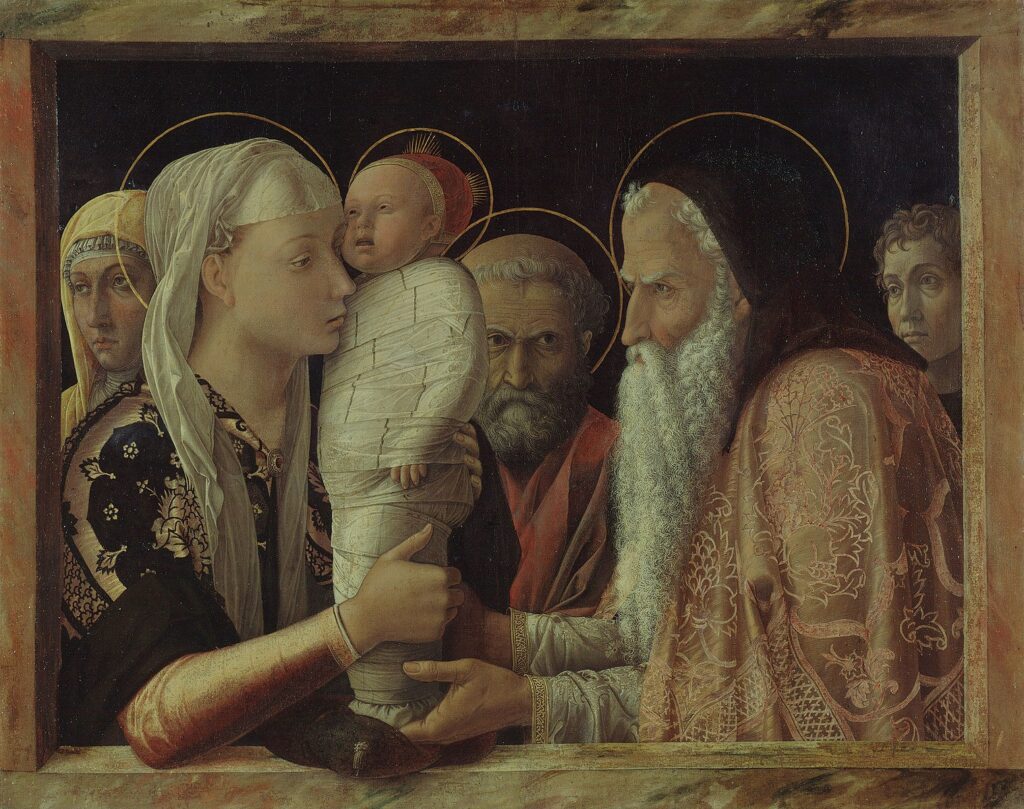
Andrea Mantegna, c 1431 – September 13, 1506, was an Italian Renaissance painter, draftsman, and printmaker. He was born near Padua and trained in the workshop of Francesco Squarcione.
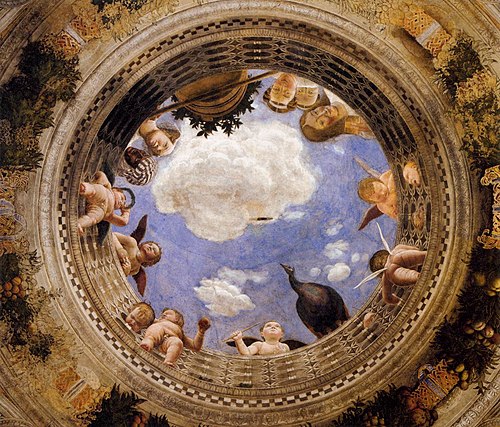
Mantegna developed a highly sculptural style shaped by classical antiquity, linear perspective, and sharply defined forms. In 1460 he became court painter to the Gonzaga family in Mantua, where he created the Camera degli Sposi and later worked on The Triumphs of Caesar.
He married Nicolosia Bellini, daughter of Jacopo Bellini and sister of Giovanni Bellini, linking him to one of Venice’s leading artistic families. His paintings, drawings, and prints had a broad influence on Renaissance art in Italy and northern Europe.