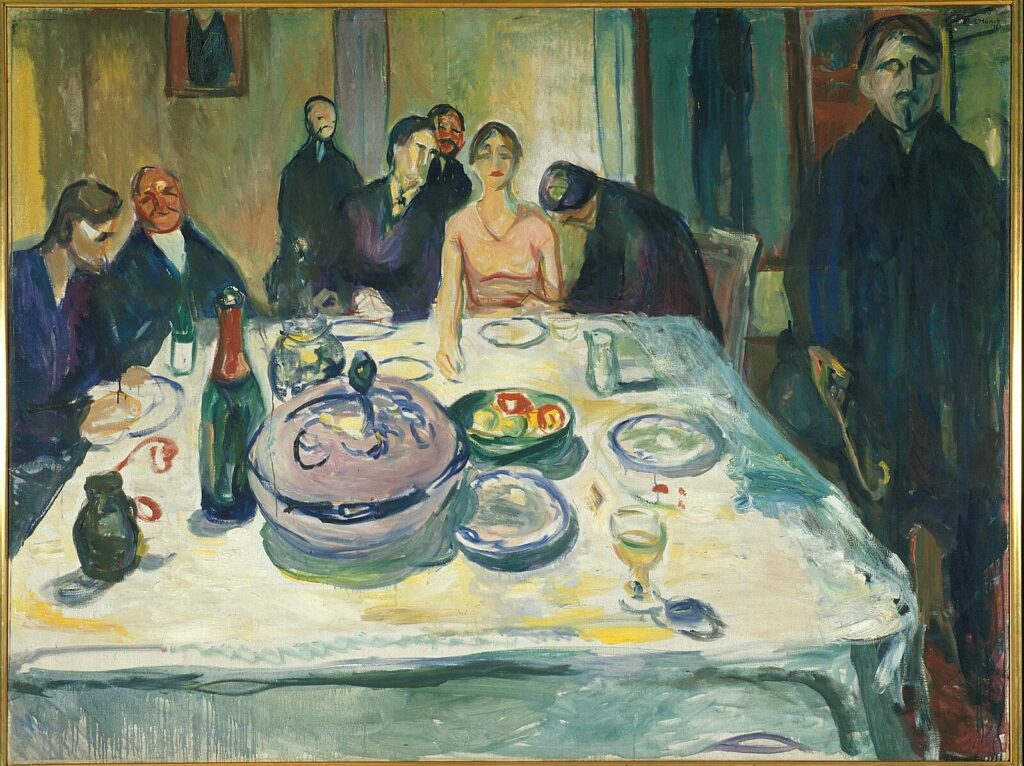
Edvard Munch
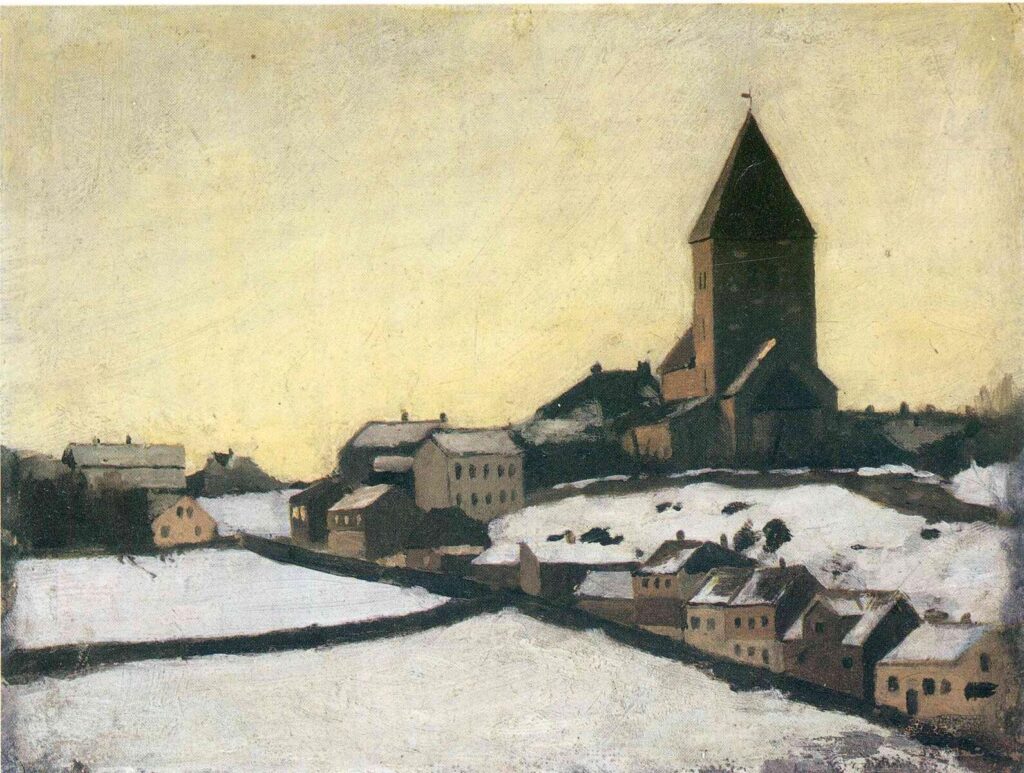
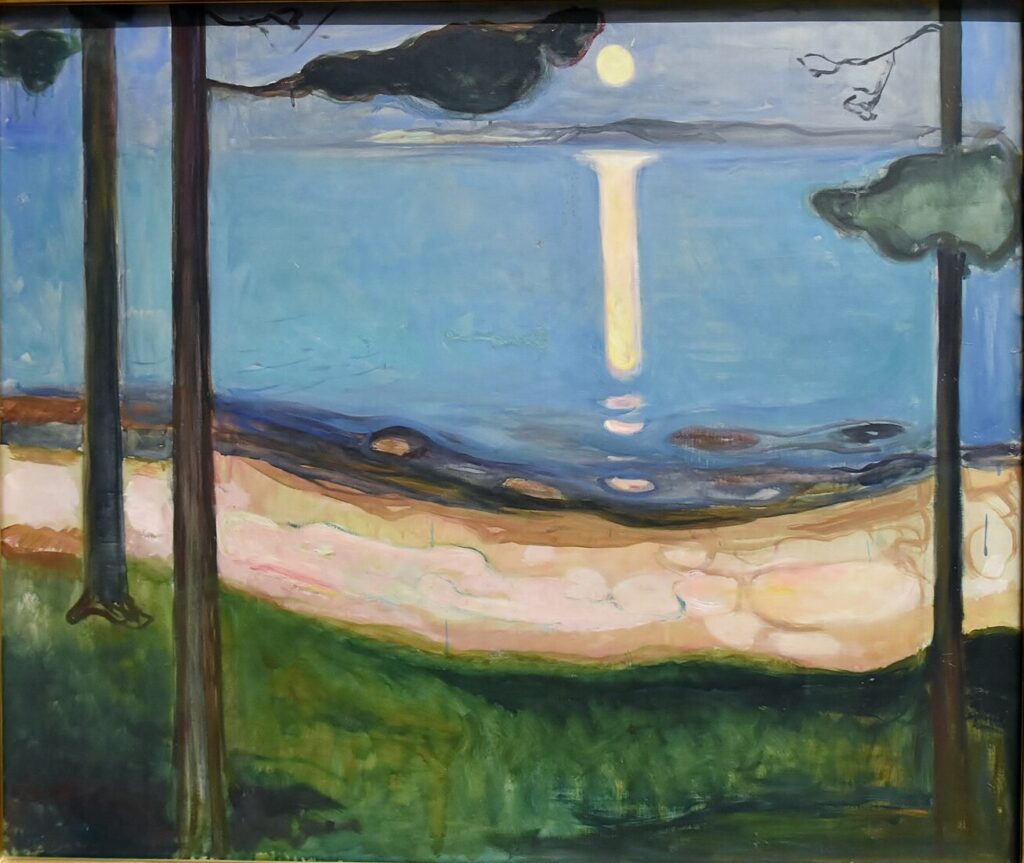
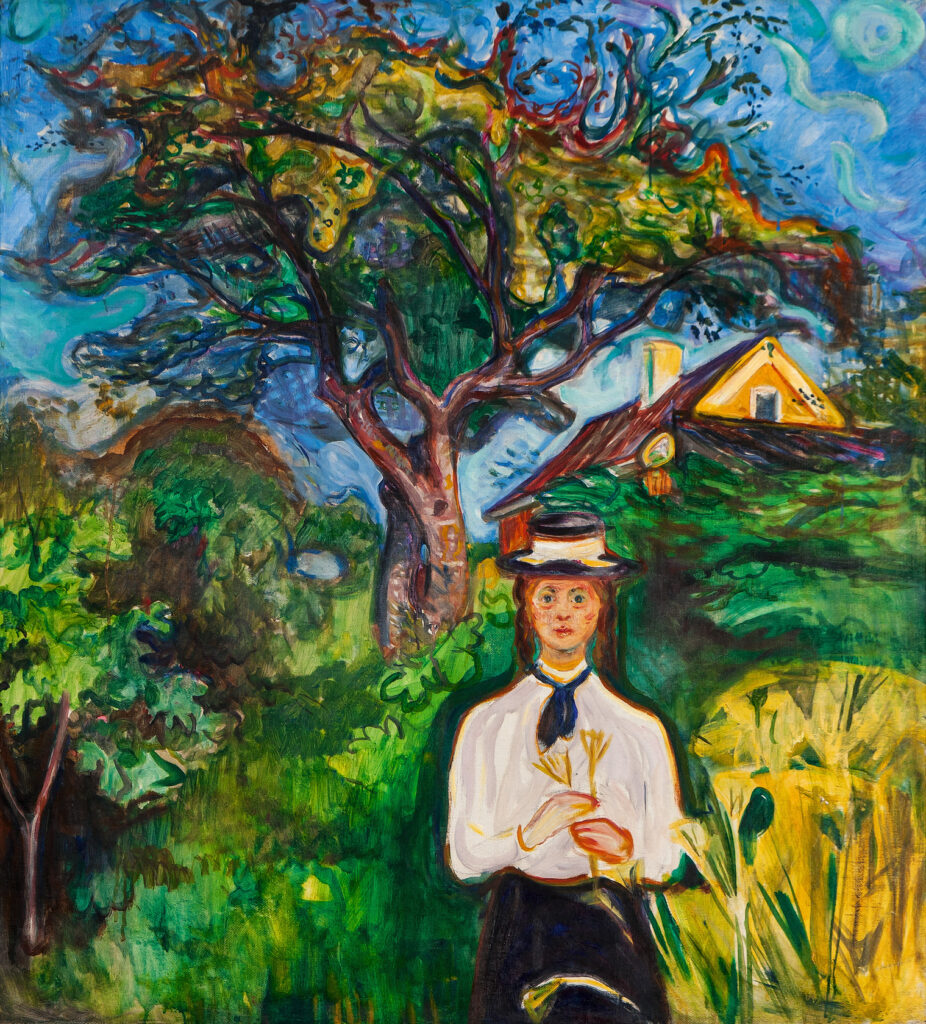
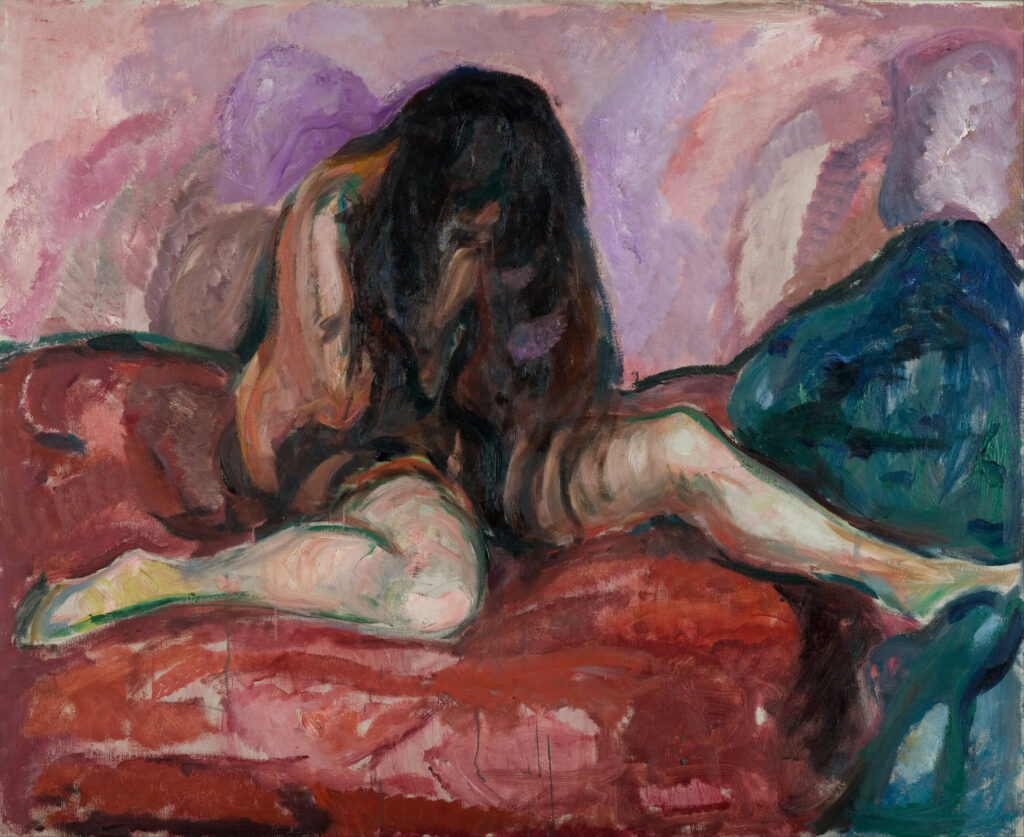
Edvard Munch, December 12, 1863–January 23, 1944, was a Norwegian painter, printmaker, and draftsman. Born at Ådalsbruk near Løten, he studied at the Royal School of Art and Design in Christiania and worked with Christian Krohg and the circle around Hans Jæger.
Munch lived and exhibited in Paris and Berlin, while returning frequently to Norway. He developed a substantial painted and graphic oeuvre, including lithographs, woodcuts, etchings, and paintings, and received major public commissions in Norway.
After 1916 Munch lived and worked largely at Ekely, outside Oslo. He bequeathed a large body of work to the City of Oslo; it forms the core of the Munch Museum’s collection. His works are also held by the National Museum, Oslo, KODE, and major museums internationally.









Sir Thomas Lawrence
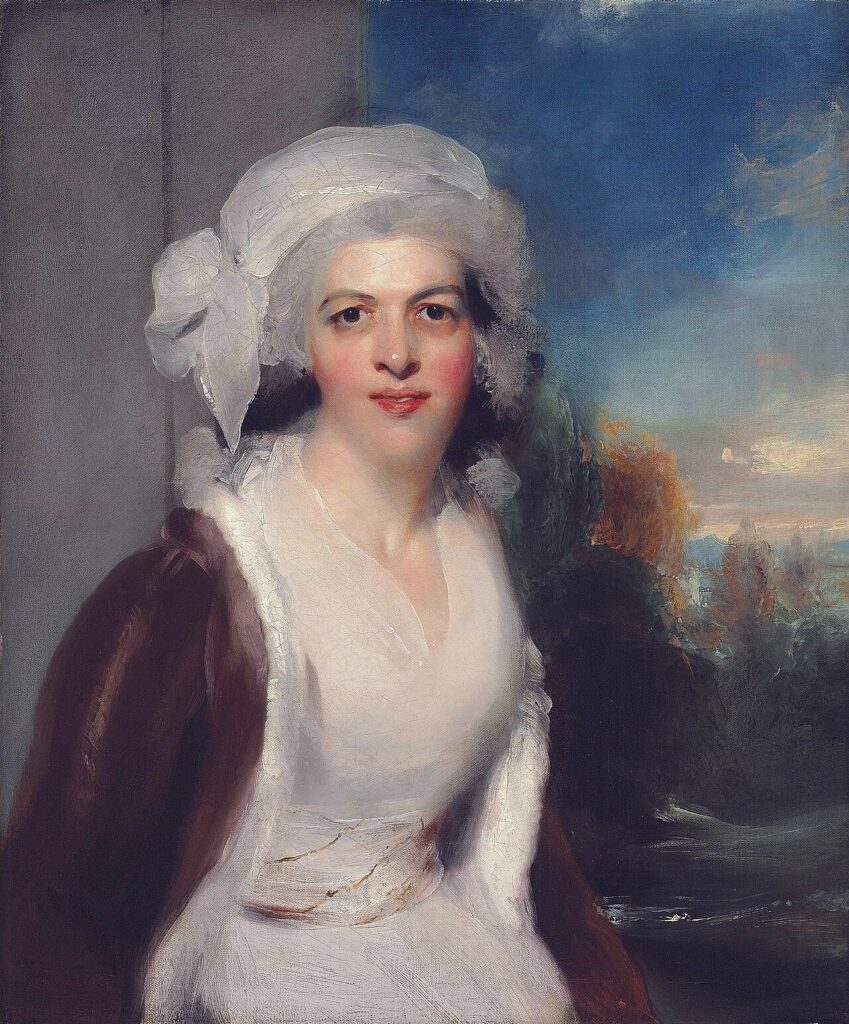
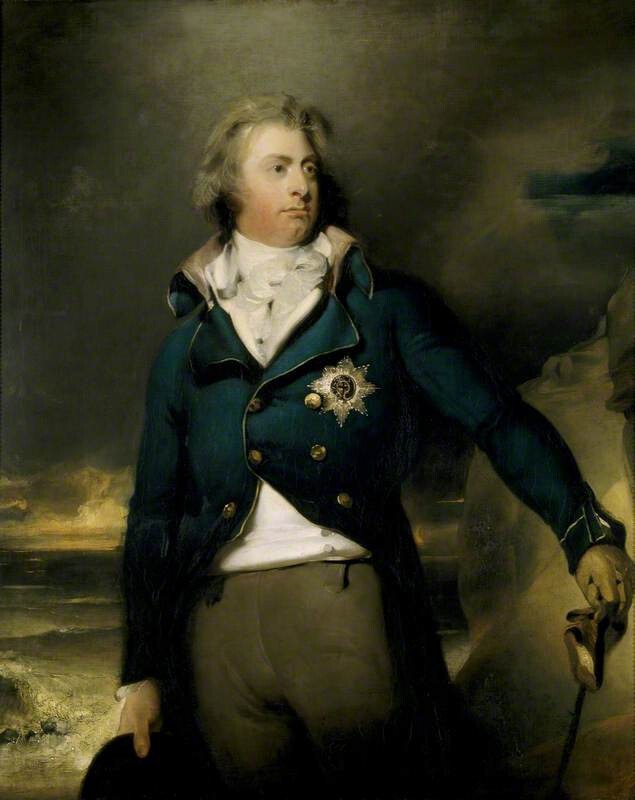
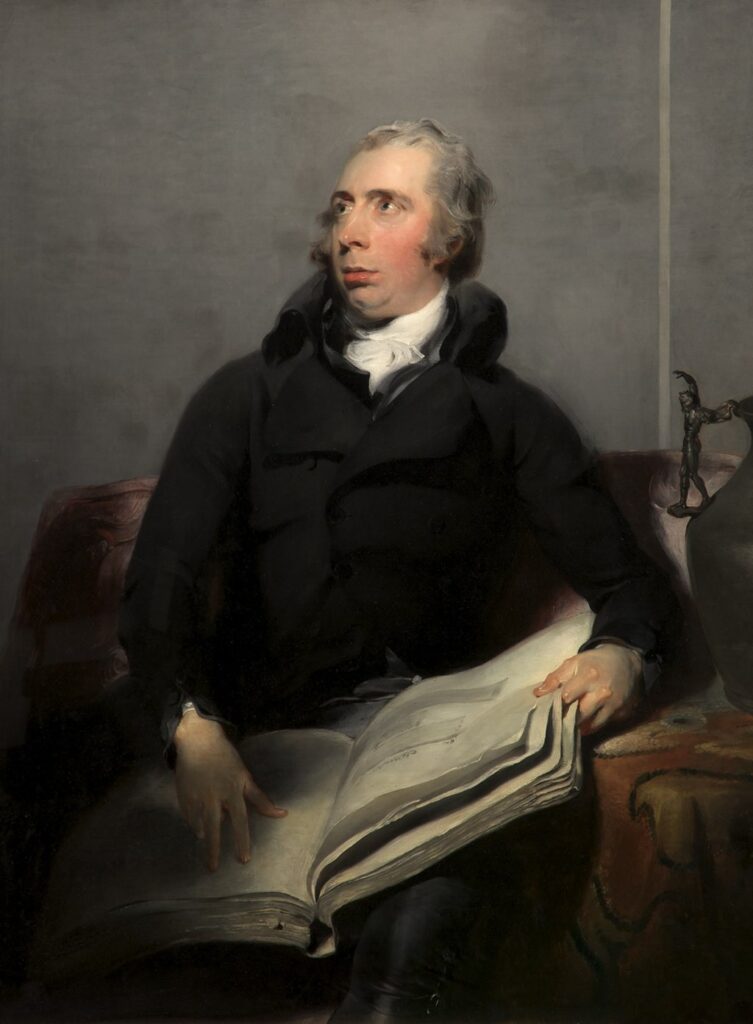
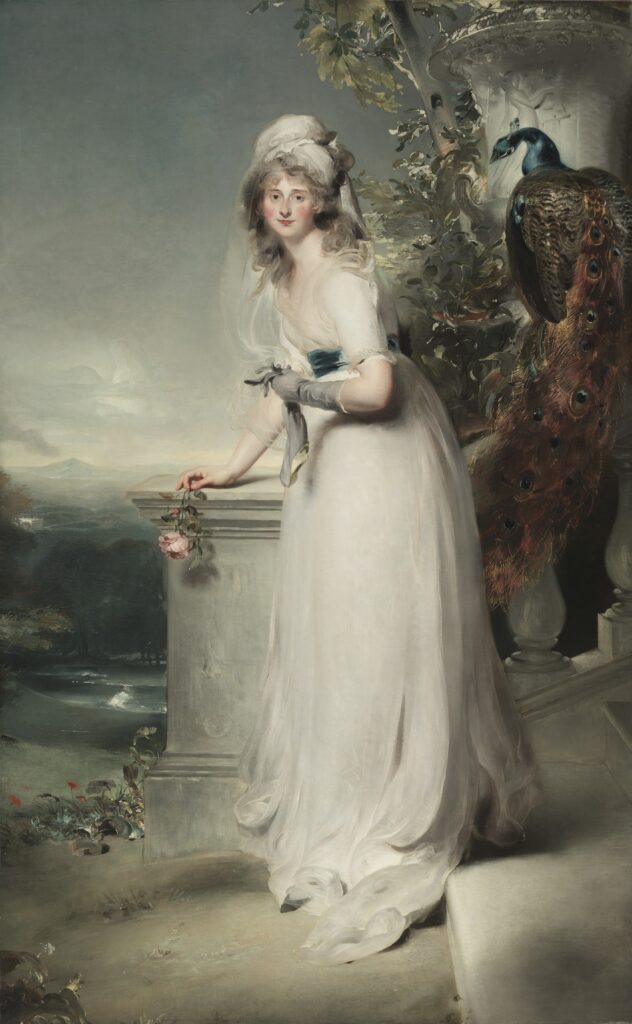
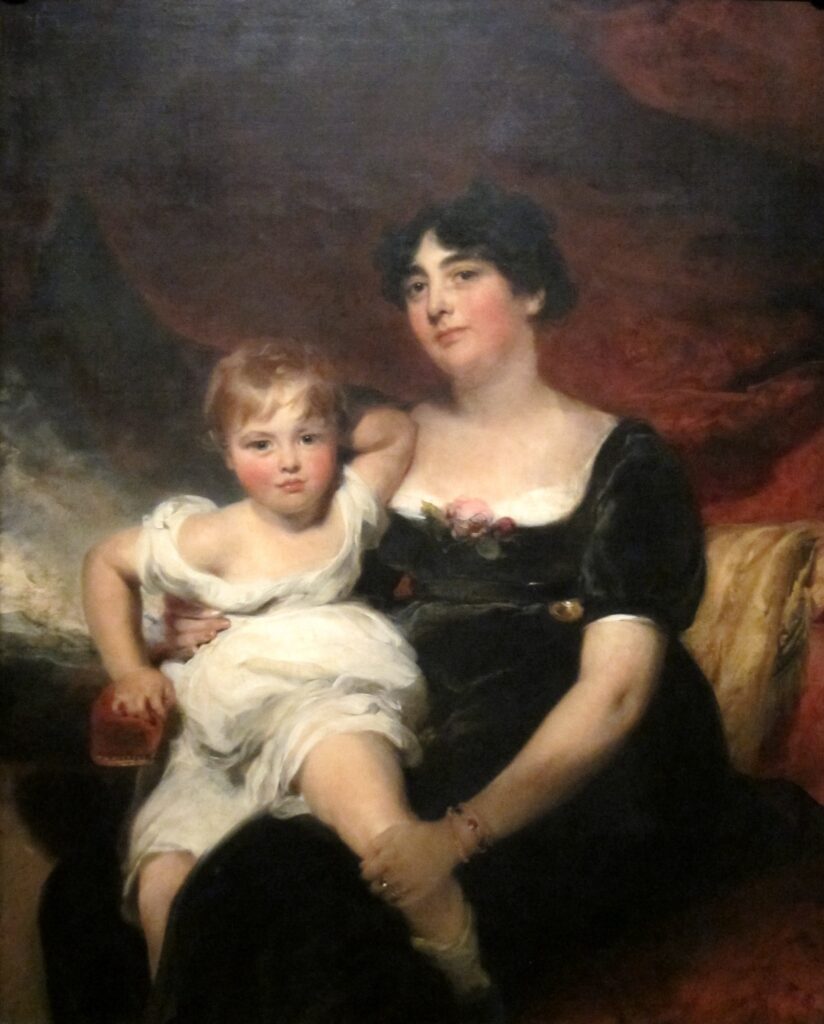
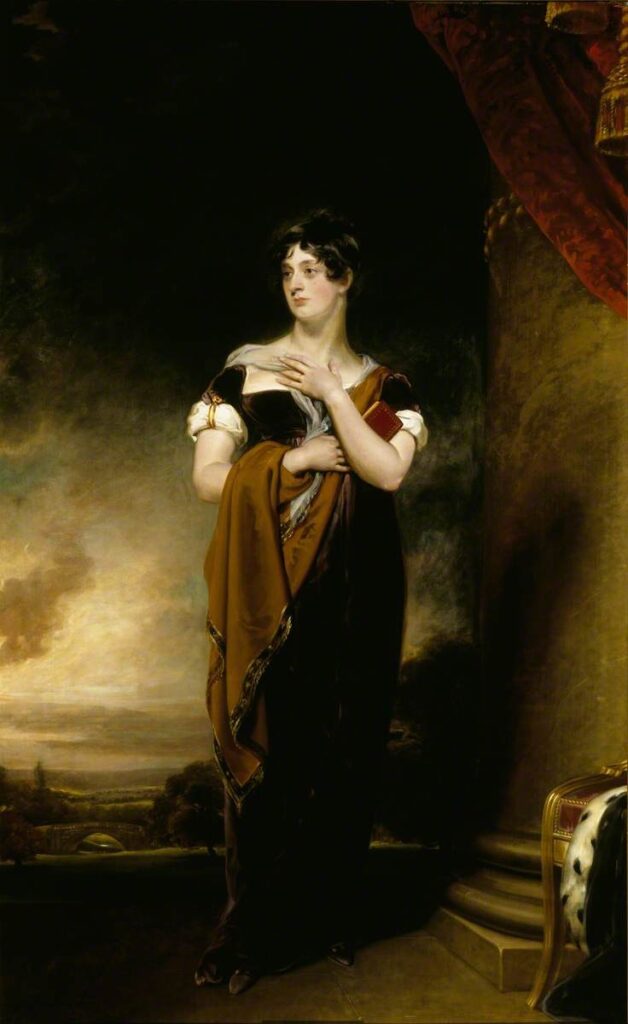
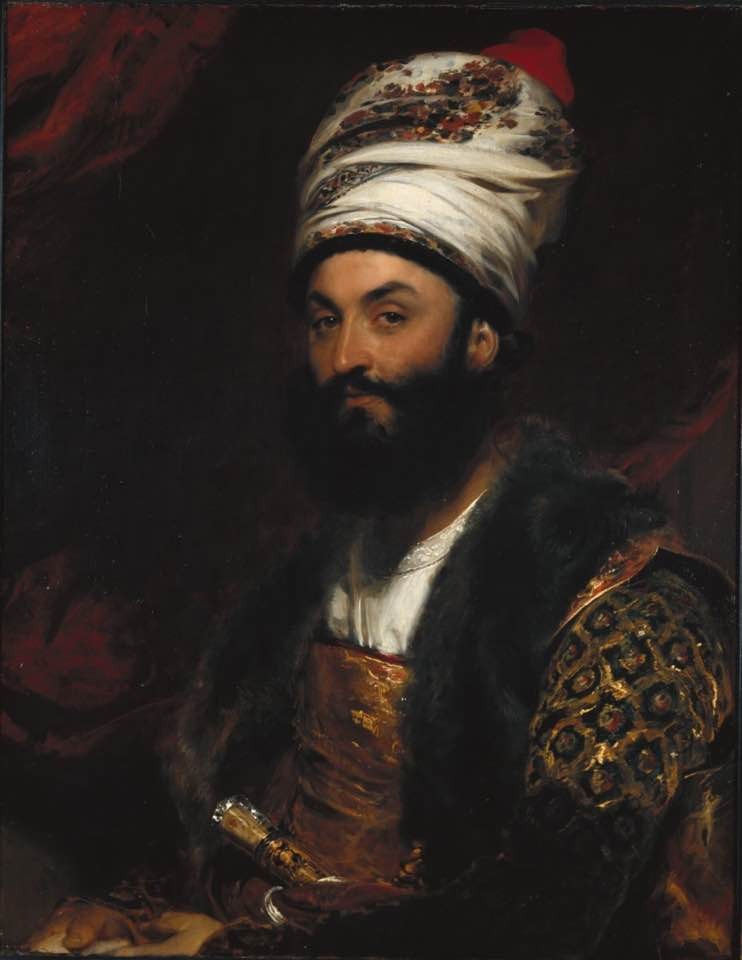
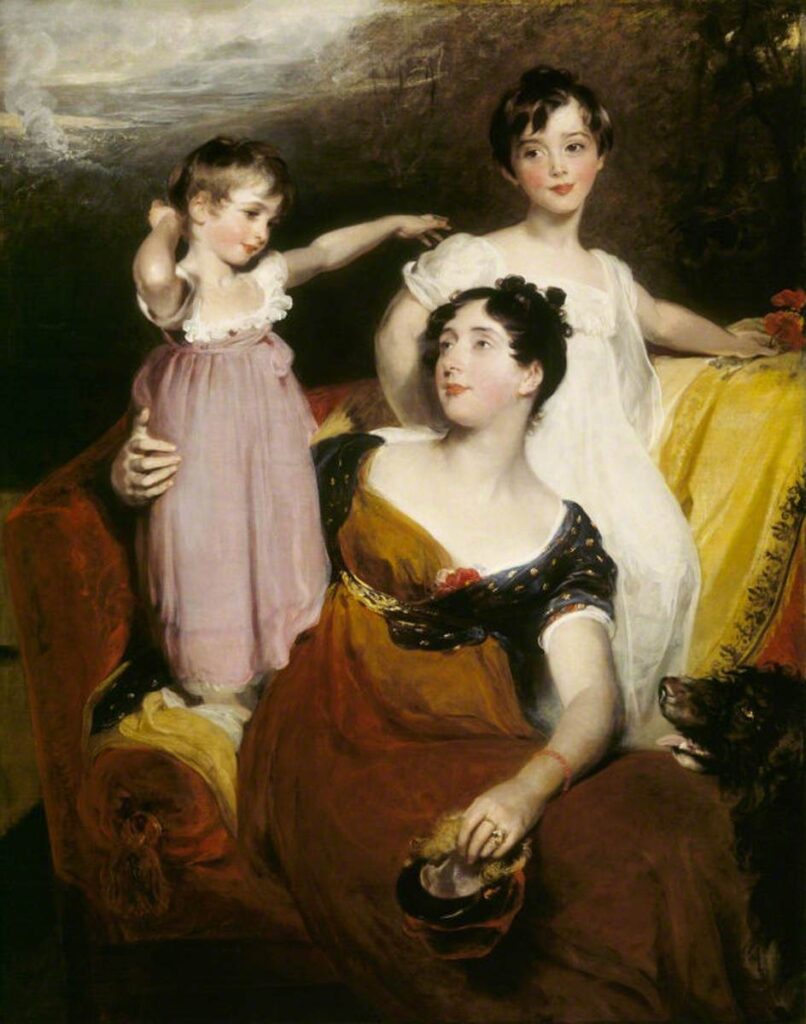
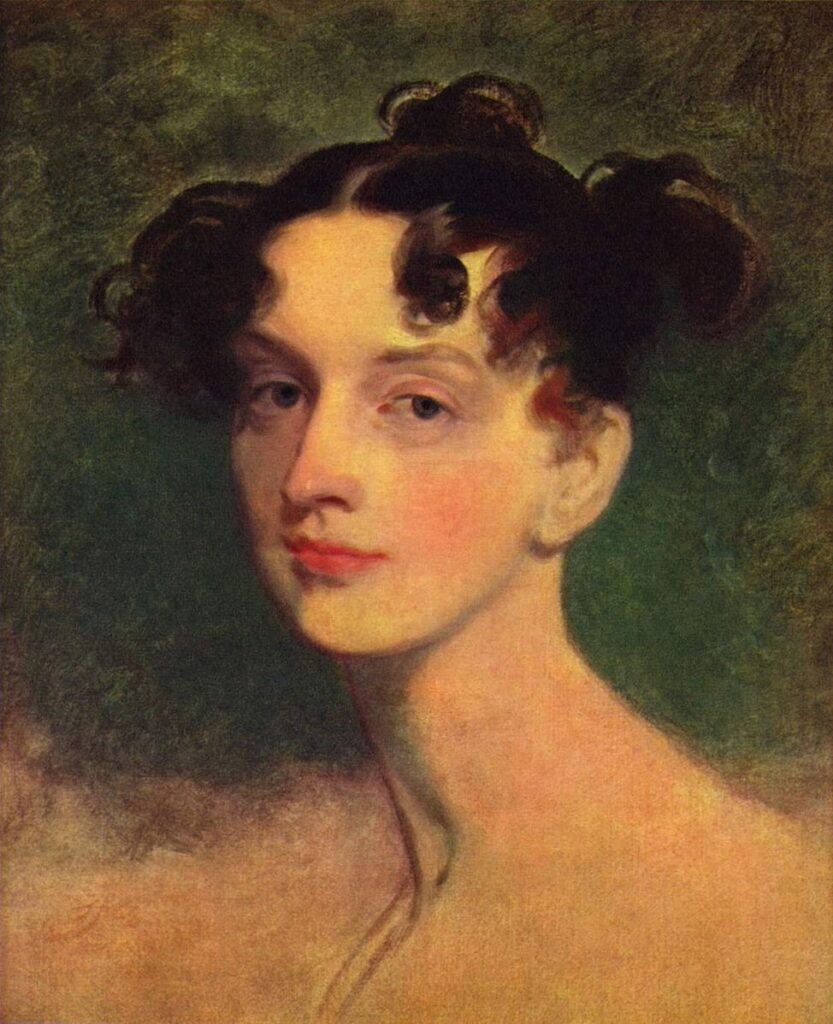
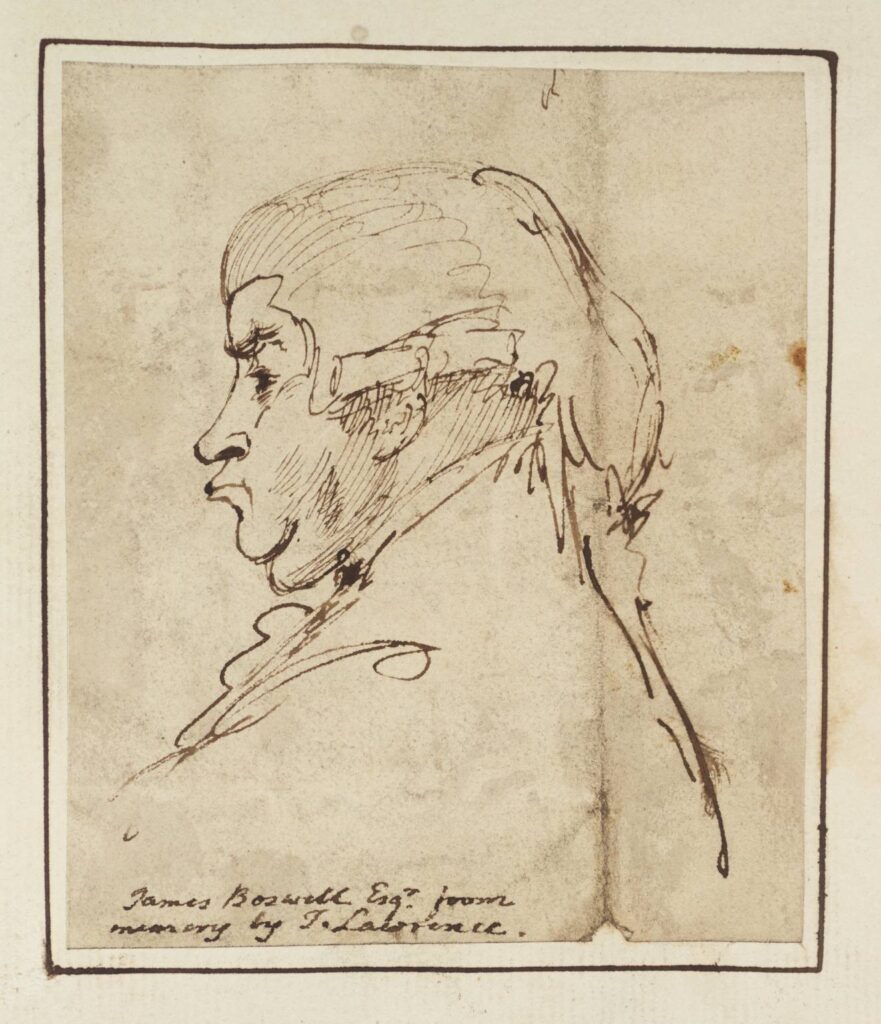
Sir Thomas Lawrence, April 13, 1769–January 7, 1830, was an English portrait painter born in Bristol. He showed an early aptitude for drawing, worked as a portraitist in Bath, and briefly attended the Royal Academy Schools in London from 1787.
Lawrence established a successful portrait practice in London and received royal commissions, including portraits of Queen Charlotte and members of the royal family. He became a full Royal Academician in 1794, was knighted in 1815, and served as President of the Royal Academy from 1820. His portraits are held by the Royal Academy of Arts, the National Gallery, the National Portrait Gallery, Tate, and other collections.
In his later years Lawrence undertook portraits of European rulers and diplomats for the Prince Regent’s Waterloo commission and assembled a major collection of Old Master drawings. He remained President of the Royal Academy until his death in London in 1830; he was buried in St Paul’s Cathedral.















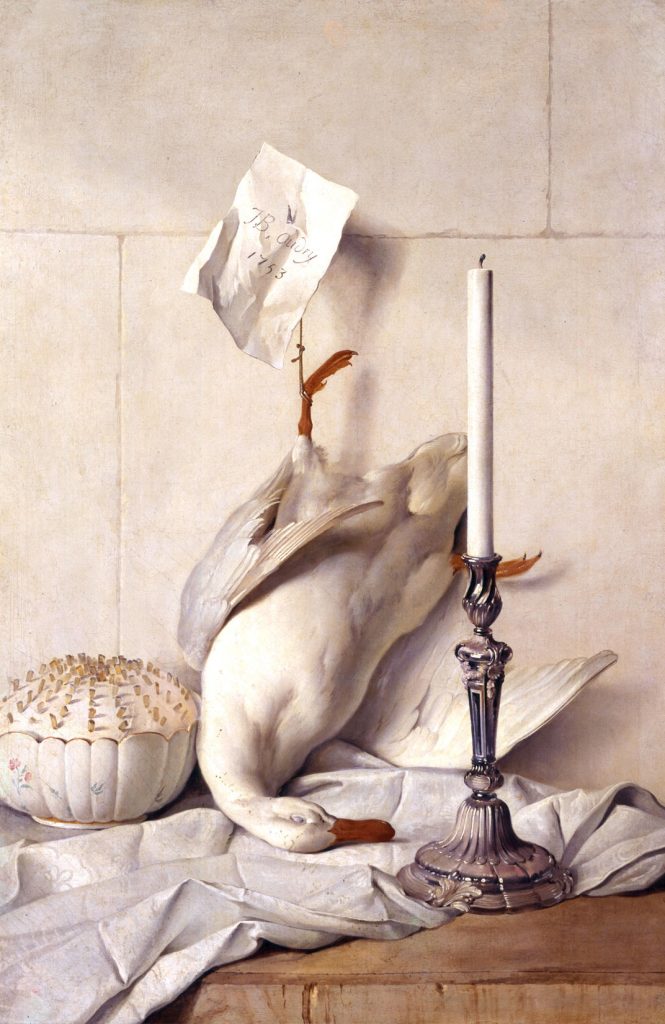
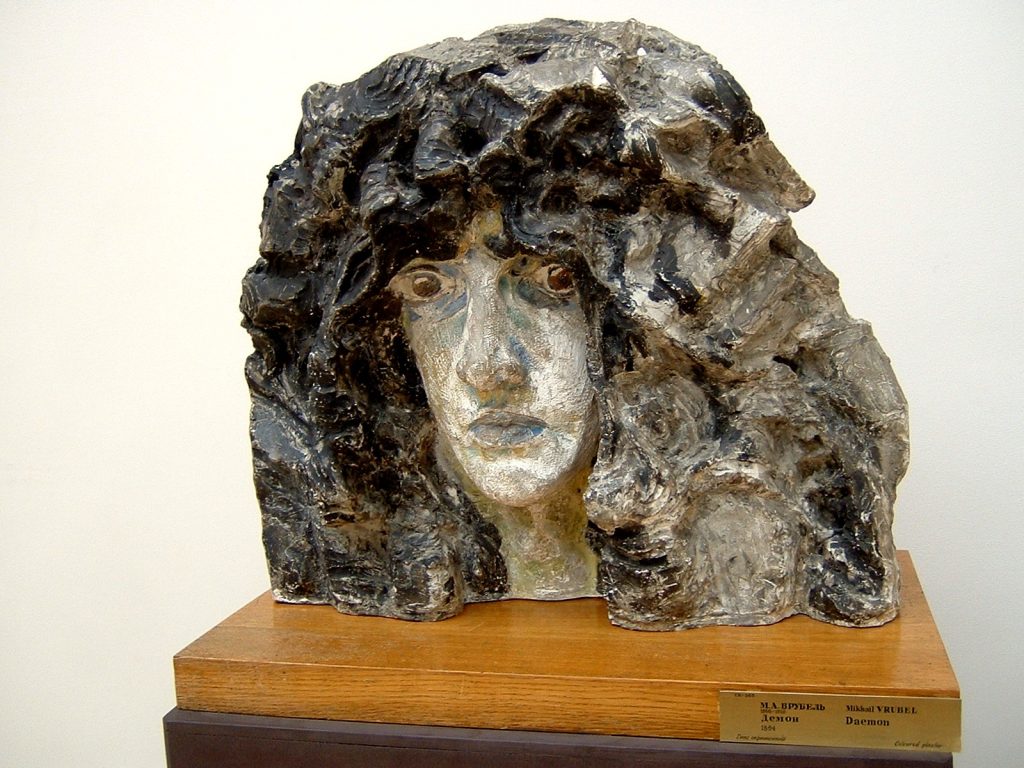
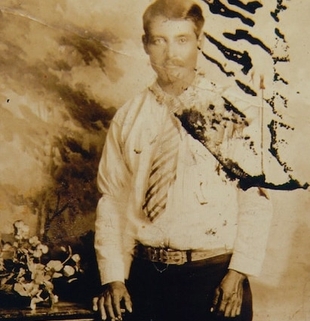
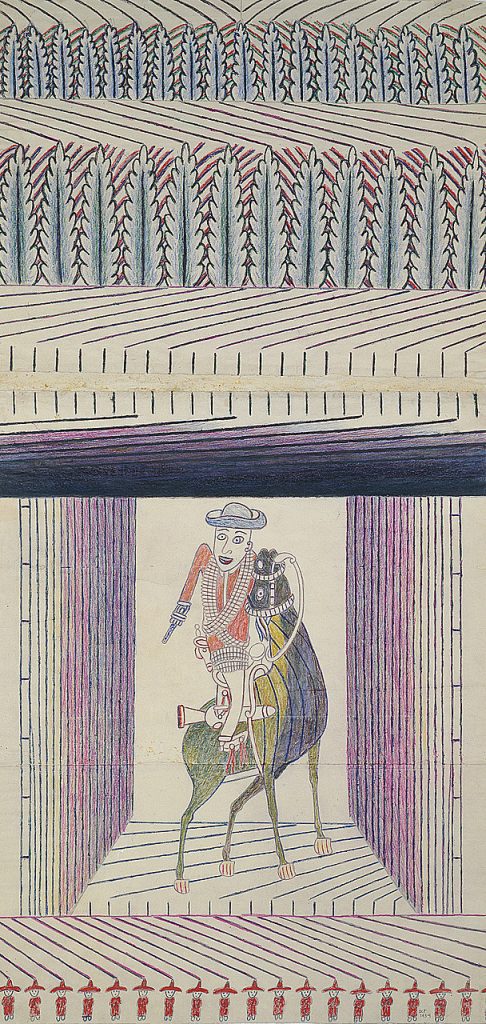
Mikhail Aleksandrovich Vrubel
Mikhail Aleksandrovich Vrubel, Russian painter, March 17, [O.S. March 5] 1856 – April 14, [O.S. April 1] 1910
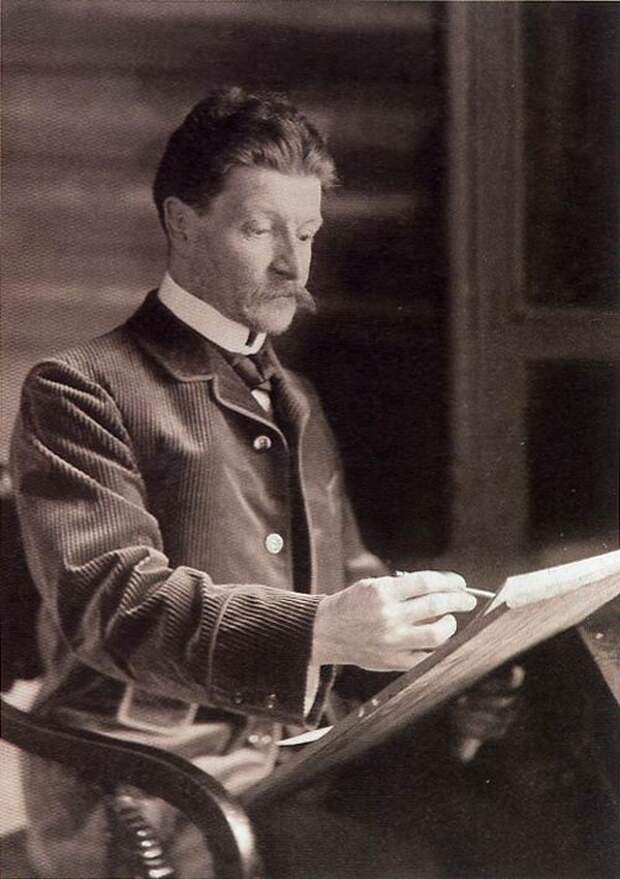
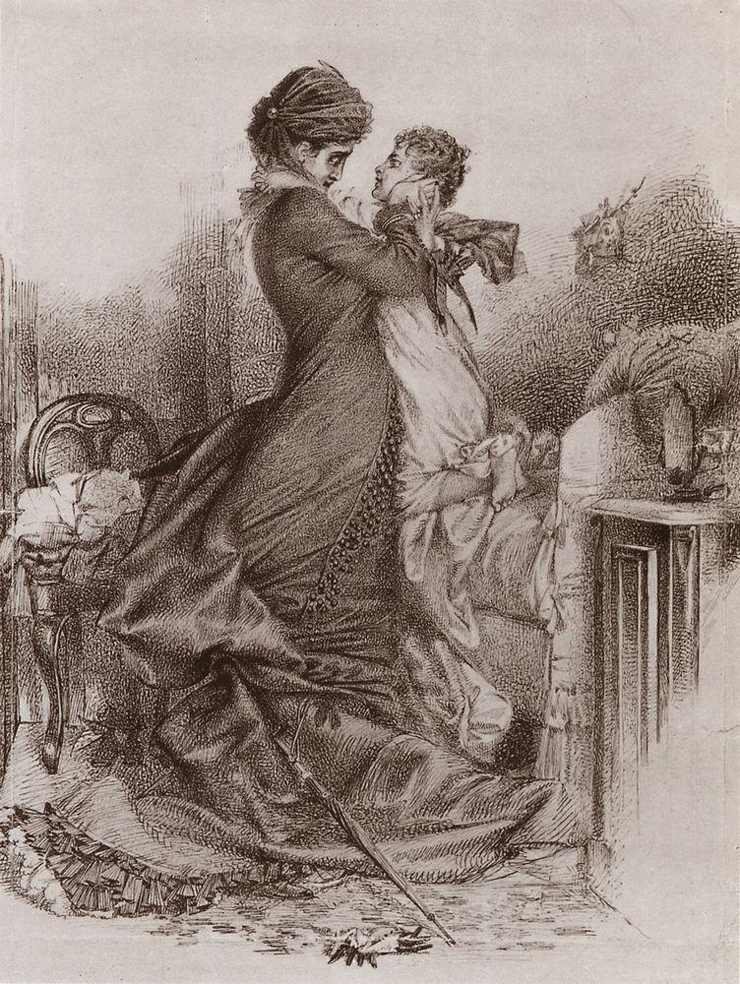
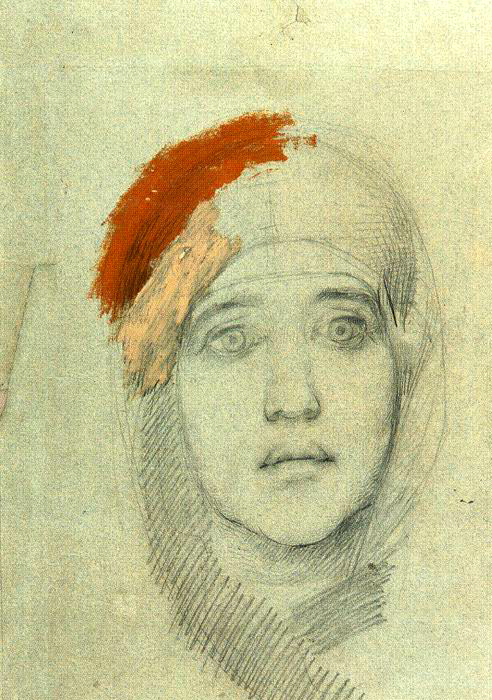

Vasily Ivanovich Surikov
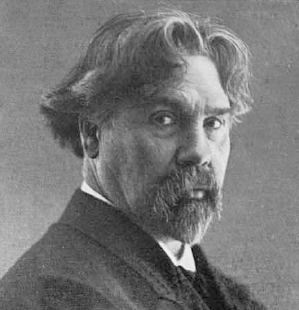
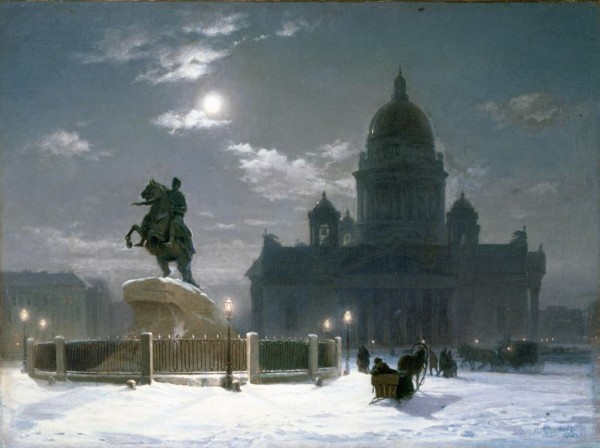
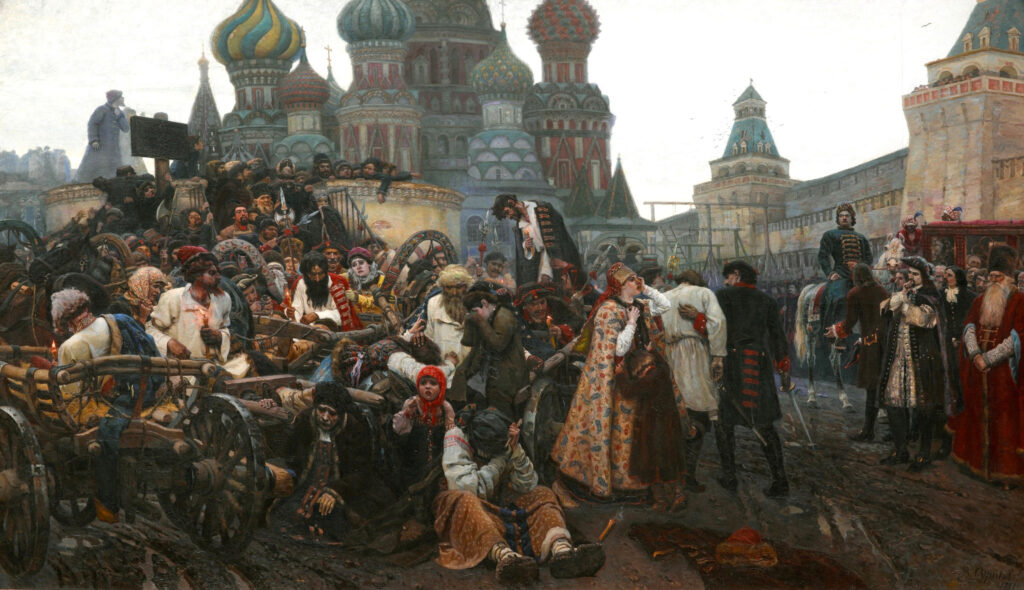
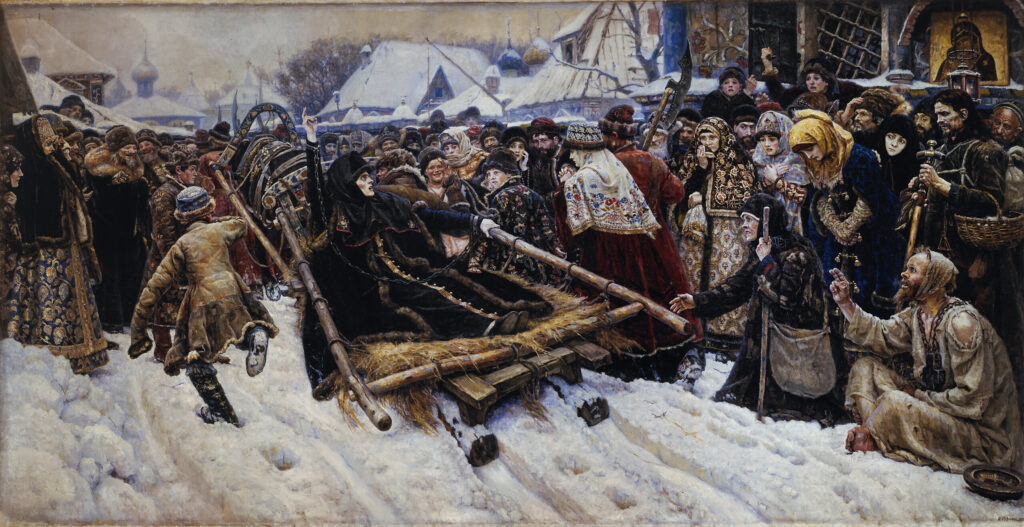
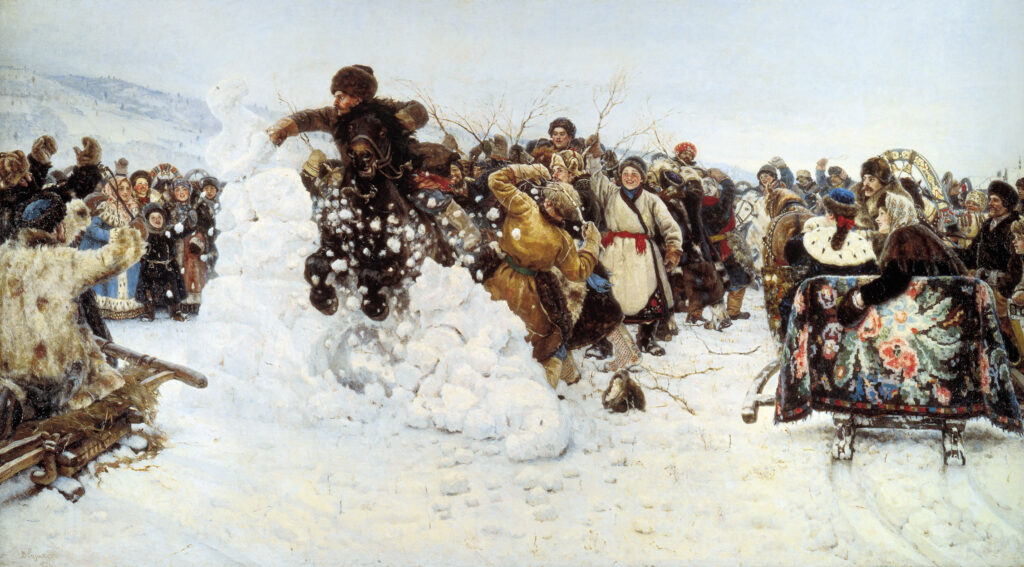
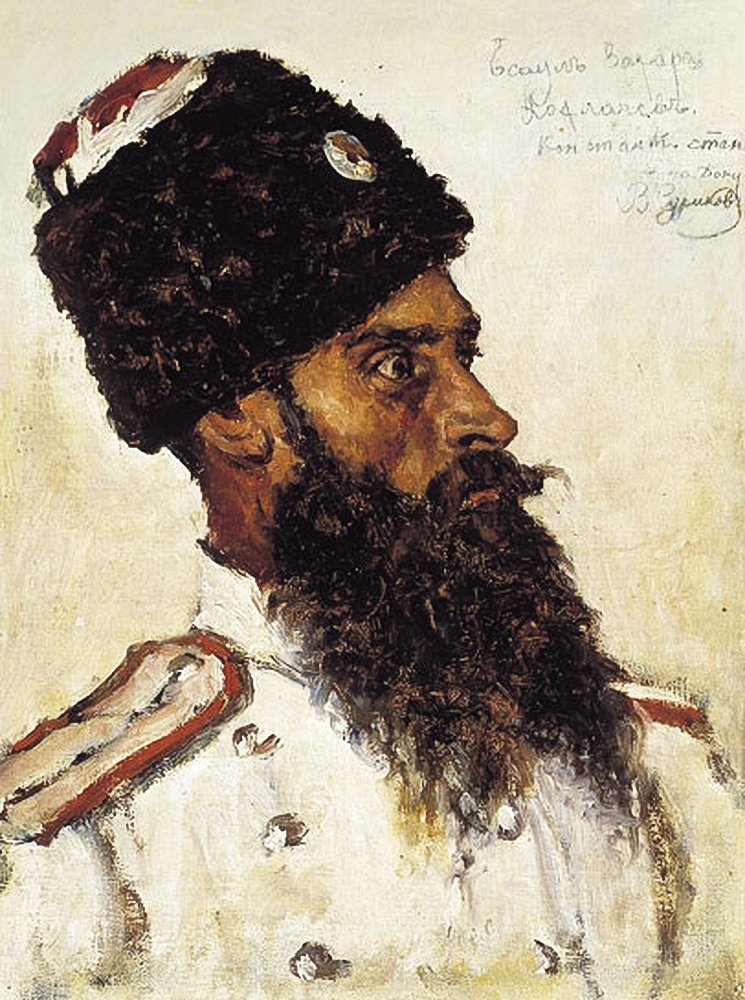
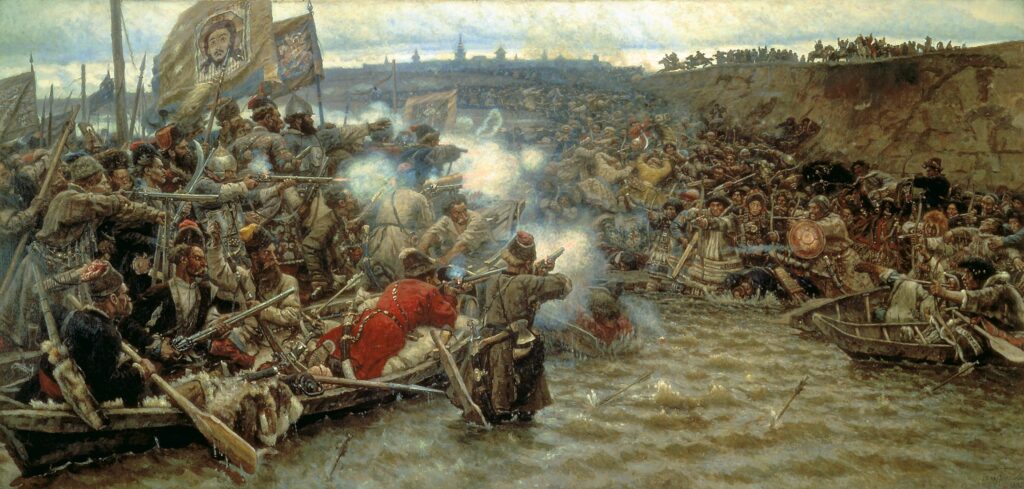
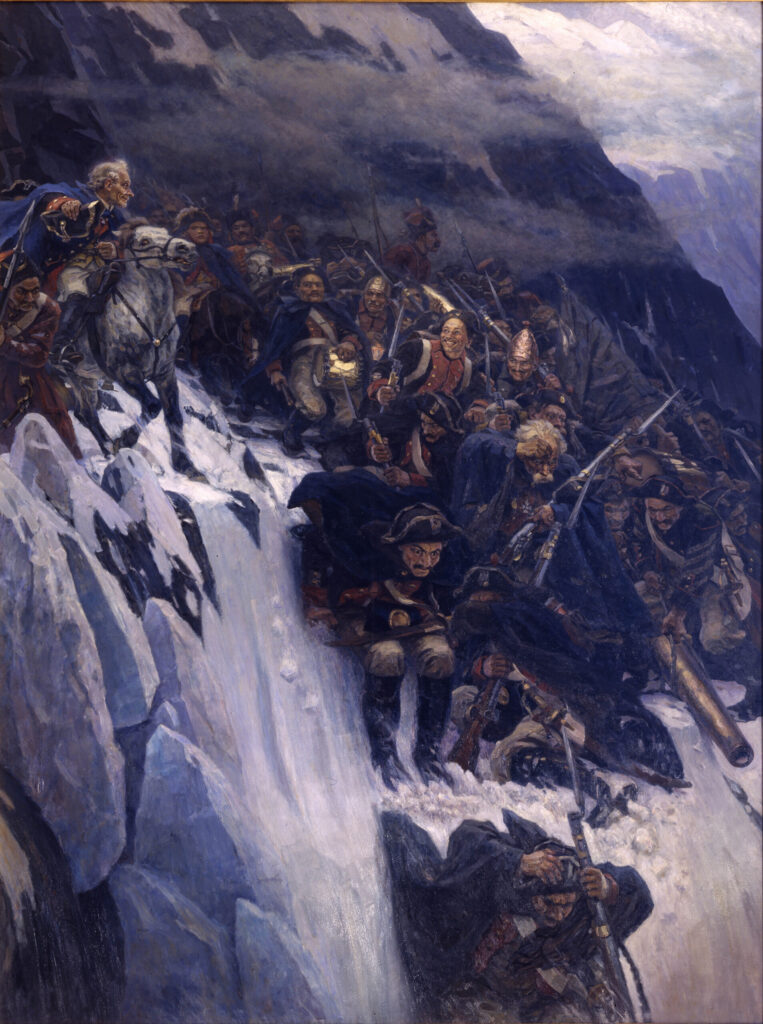
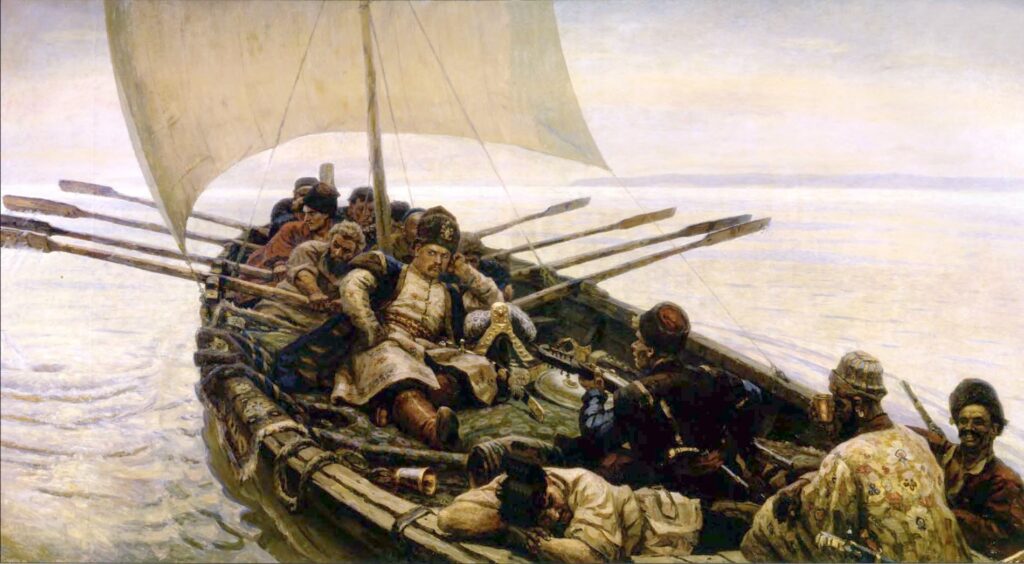
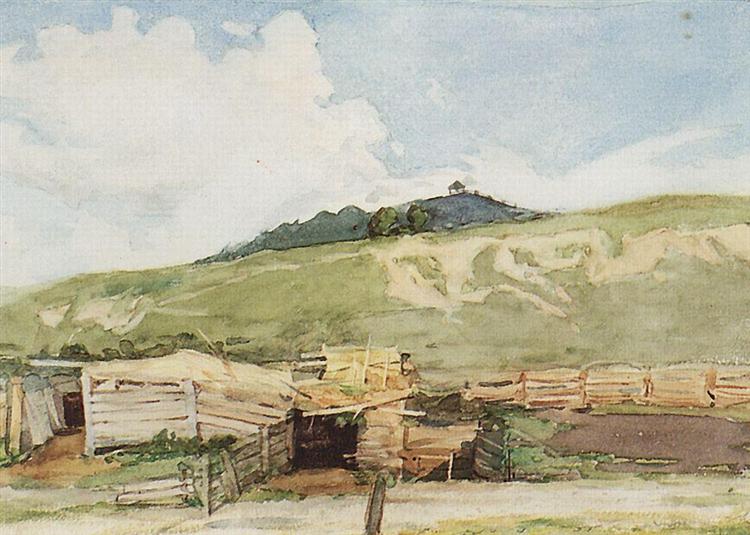
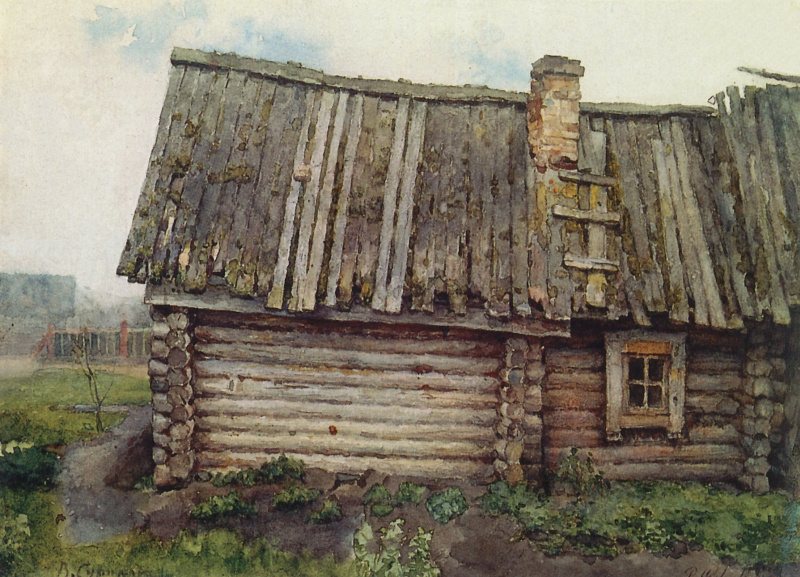
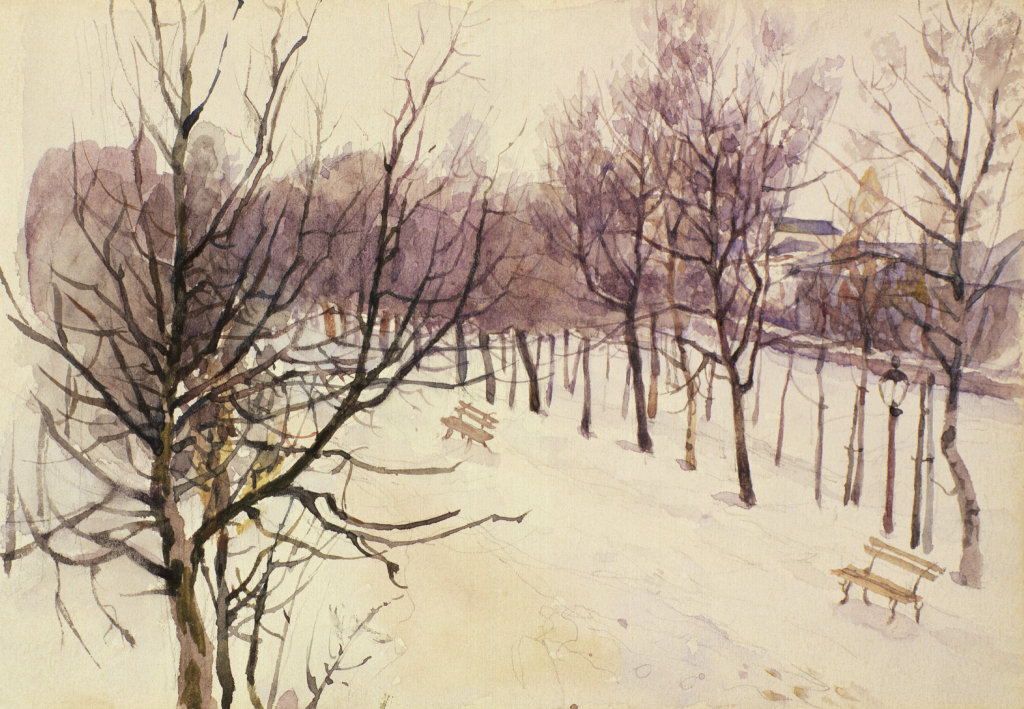
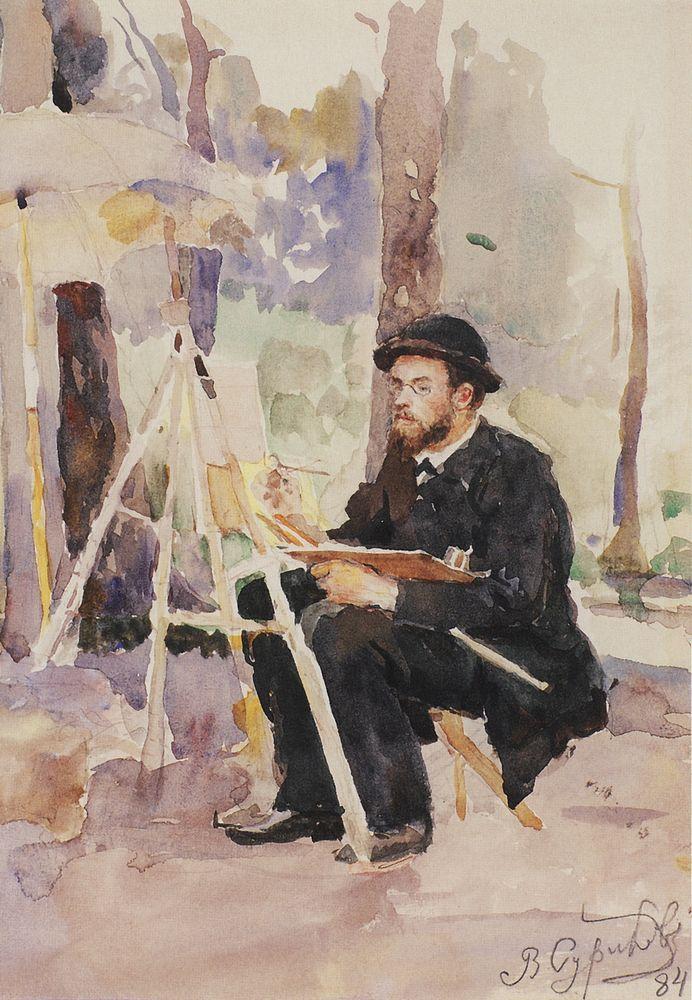
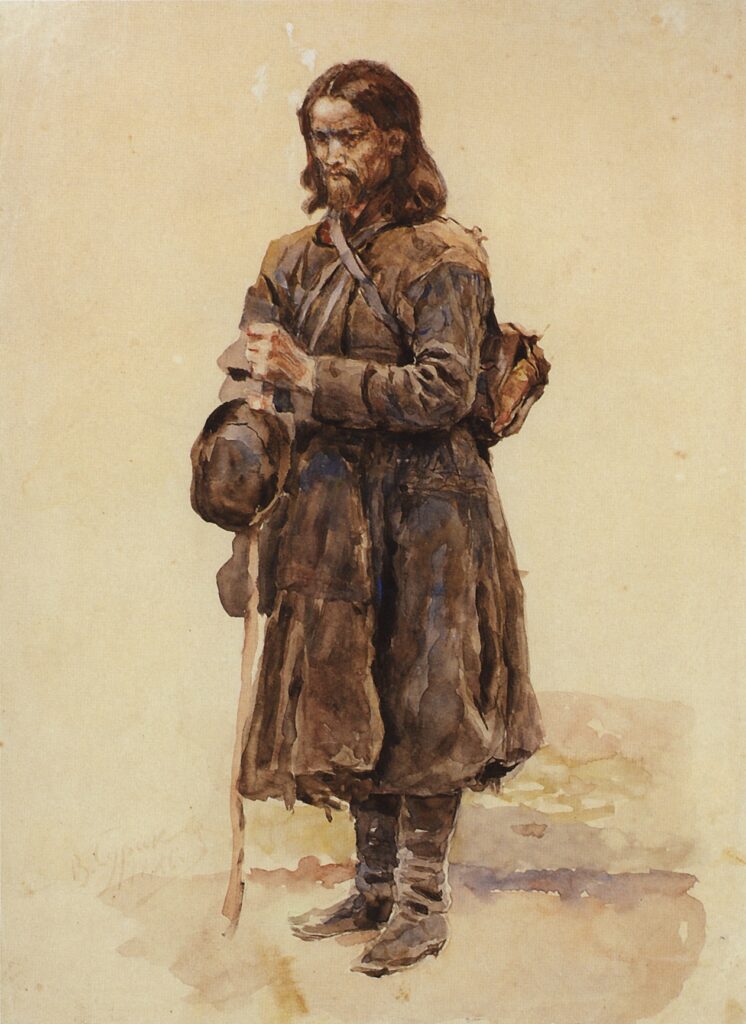
Vasily Ivanovich Surikov, January 24, 1848–March 19, 1916, was a Russian painter born in Krasnoyarsk to a family of Yenisey Cossack descent. He studied drawing with Nikolai Grebnev and attended the Imperial Academy of Arts in Saint Petersburg, where he trained under Pavel Chistyakov.
Surikov moved to Moscow in 1877 and worked on murals for the Cathedral of Christ the Saviour. He joined the Peredvizhniki in 1881 and produced large historical paintings including Morning of the Execution of the Streltsy, Boyarynya Morozova, and Yermak’s Conquest of Siberia.
He traveled in Russia and abroad, became a member of the Union of Russian Artists, and continued painting portraits, landscapes, and historical subjects. Surikov died in Moscow in 1916; major holdings of his work are in the Tretyakov Gallery, the Russian Museum, and the Vasily Surikov Estate Museum in Krasnoyarsk.
Thomas Eakins
Thomas Eakins, July 25, 1844 – June 25, 1916, was an American painter, draftsman, photographer, and teacher. He is widely regarded as one of the most important artists in the history of American art. His work is associated with realism and is noted for its close observation of the human figure, scientific accuracy, and unsentimental depiction of contemporary life.
Born and raised in Philadelphia, Eakins studied at the Pennsylvania Academy of the Fine Arts before continuing his training in Paris under Jean-Léon Gérôme. Returning to Philadelphia in 1870, he devoted his career to painting portraits, athletes, rowers, surgeons, musicians, scientists, and family members. His major works include The Gross Clinic, The Agnew Clinic, and Max Schmitt in a Single Scull. He also became an influential teacher, though controversy over his use of nude models led to his resignation from the Pennsylvania Academy in 1886.
During his lifetime Eakins achieved only limited commercial success, but his reputation grew steadily after his death. Today he is recognized as a central figure in American realism, admired for his technical skill, psychological insight, and commitment to depicting modern life with honesty and precision. His works are held by major institutions including the Philadelphia Museum of Art, the Metropolitan Museum of Art, and the National Gallery of Art.


