Posts in Category: pantheon











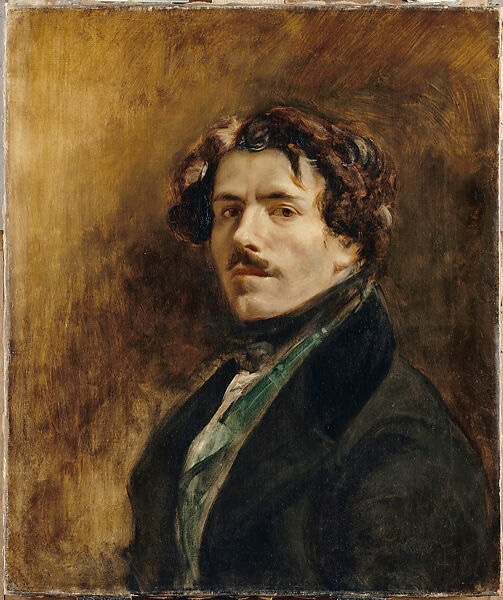








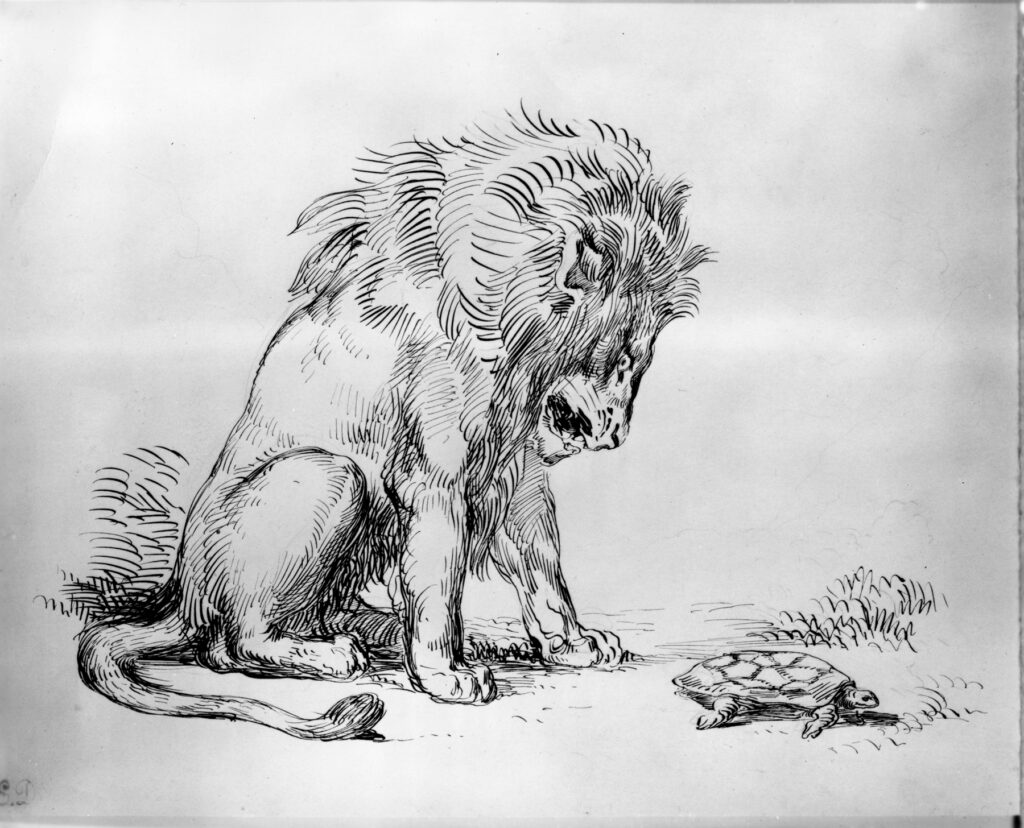
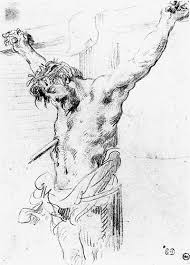
Théodore Géricault
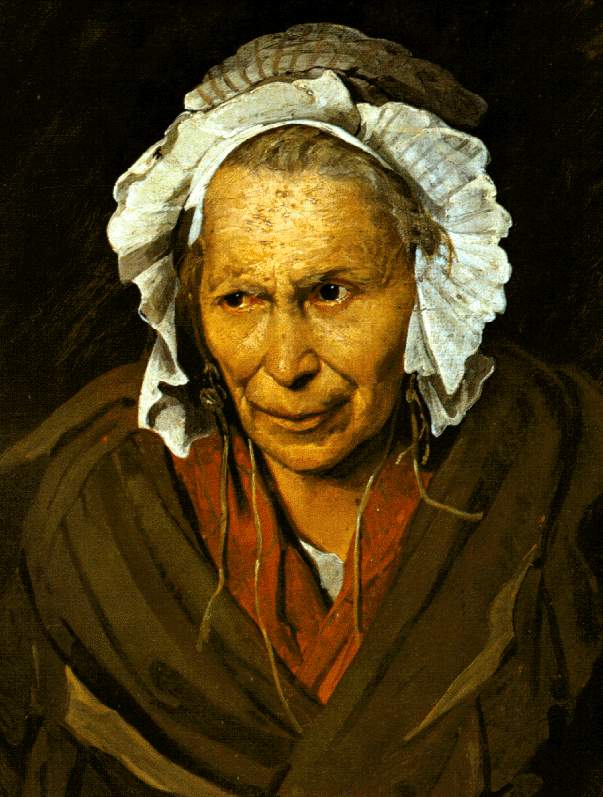
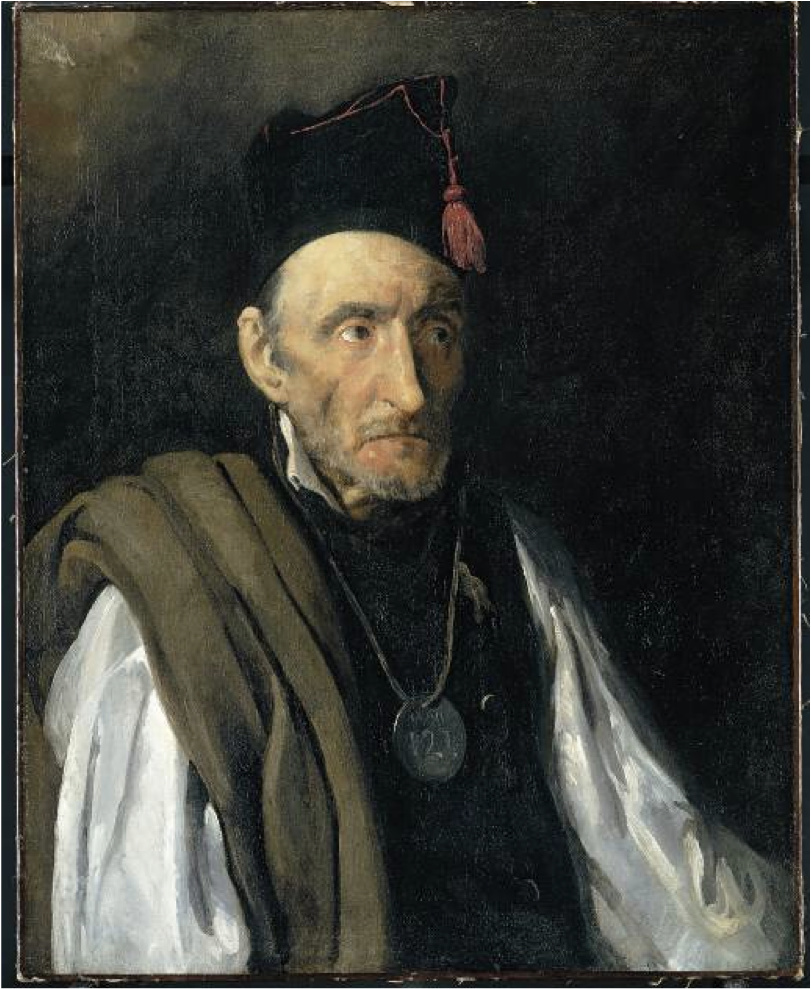
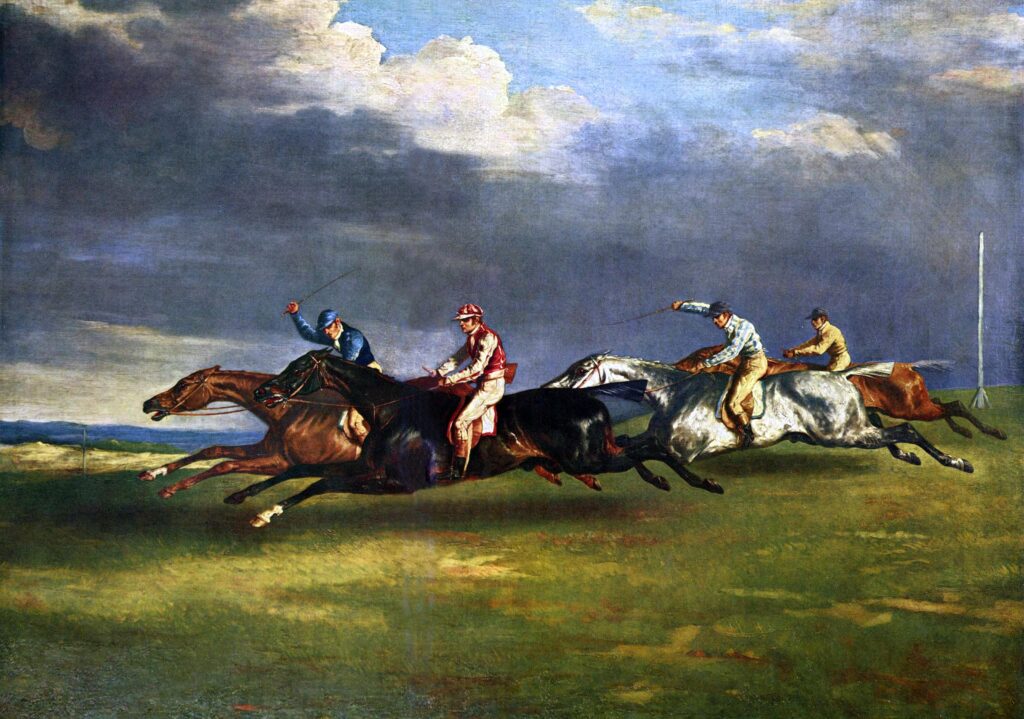
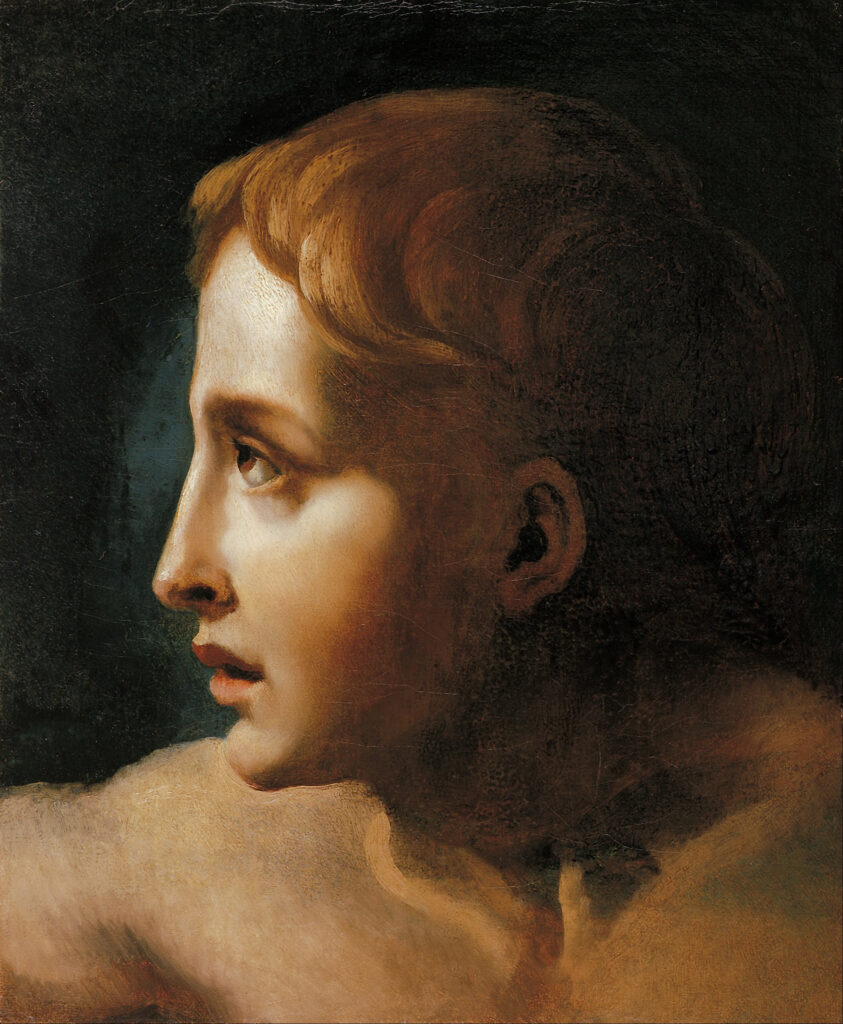
Théodore Géricault, September 26, 1791–January 26, 1824, was a French painter and lithographer associated with Romanticism.
He studied in Paris with Carle Vernet and Pierre-Narcisse Guérin. His early major paintings included The Charging Chasseur and The Wounded Cuirassier.
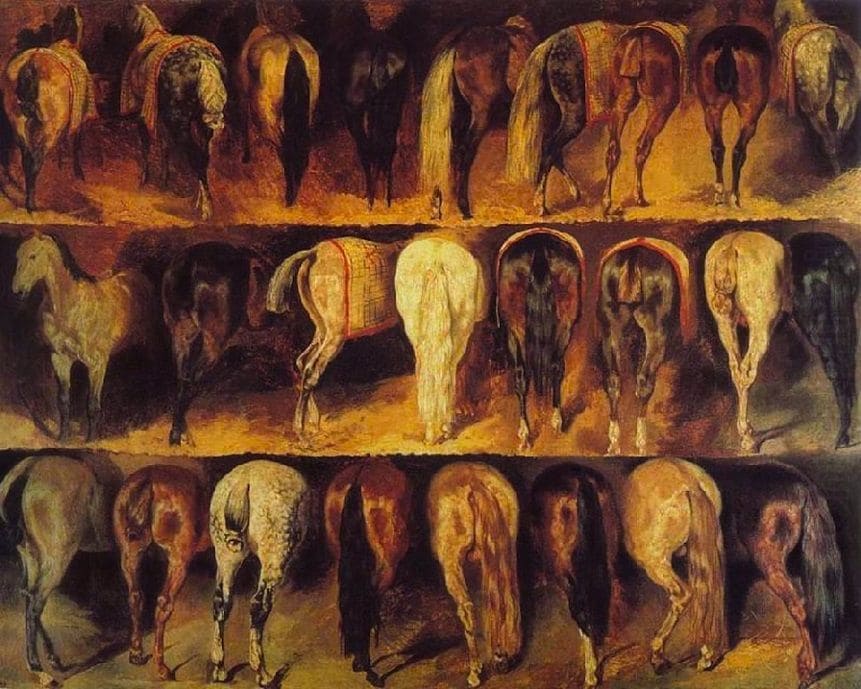
Géricault is best known for The Raft of the Medusa. He also produced portraits, horse studies, figure studies, landscapes, and lithographs.

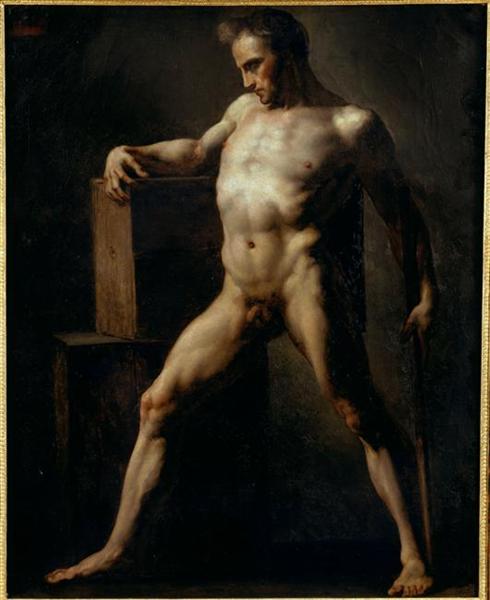














Henri Matisse
Henri Matisse, December 31, 1869–November 3, 1954, was a French artist known chiefly as a painter, draftsman, printmaker, sculptor and designer. He studied law before turning to art, attending the Académie Julian and the École des Beaux-Arts in Paris, where he studied with Gustave Moreau.
Matisse exhibited with the artists called the Fauves and became one of the principal figures of early twentieth-century modern art. His work encompassed painting, drawing, sculpture, printmaking, book illustration, stage design, ceramics and, during his later years, compositions made from gouache-painted cut paper.
Major collections of his work are held by the Centre Pompidou, the Museum of Modern Art, the State Hermitage Museum, the Barnes Foundation, the Baltimore Museum of Art, the Musée de l’Orangerie and the Musée Matisse in Nice.


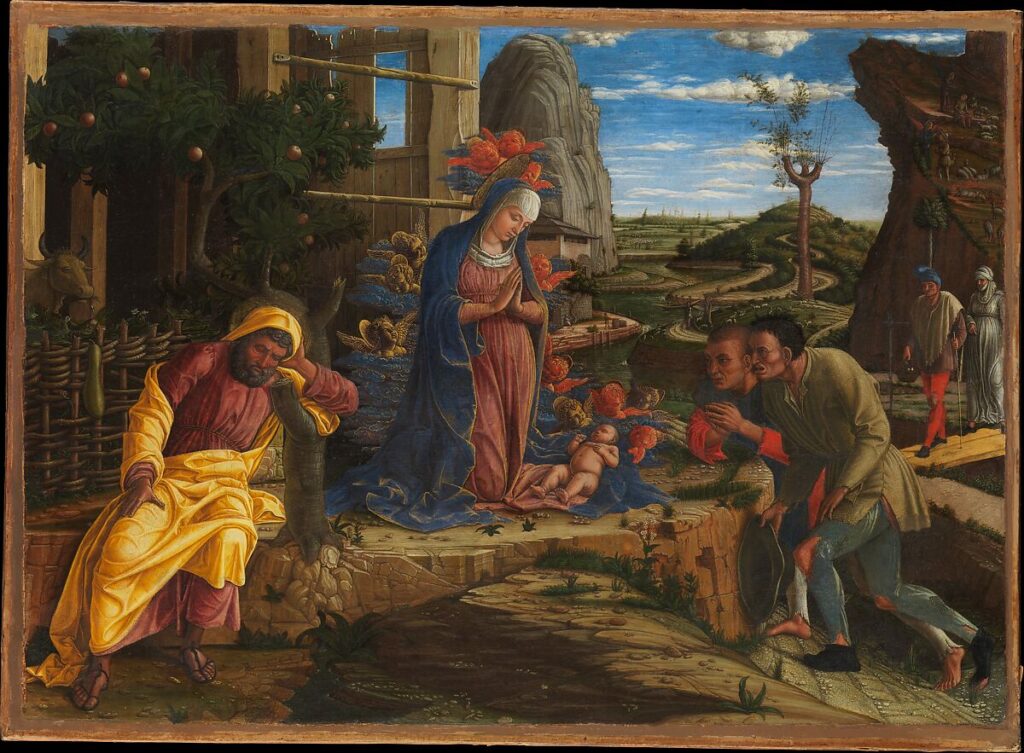
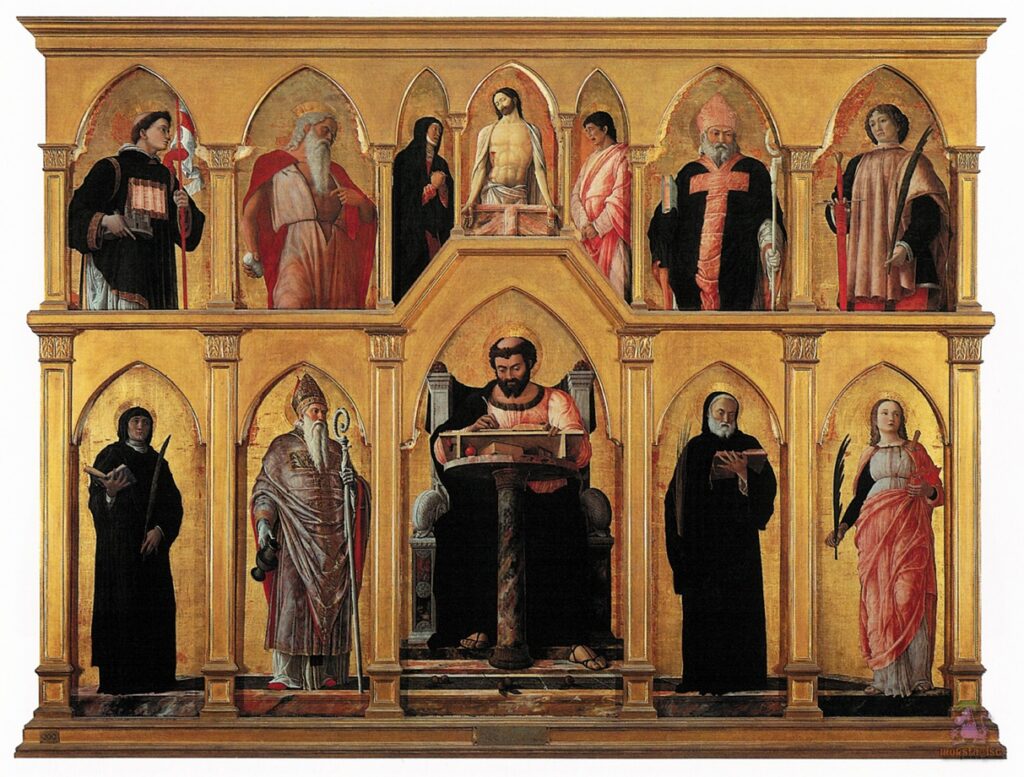
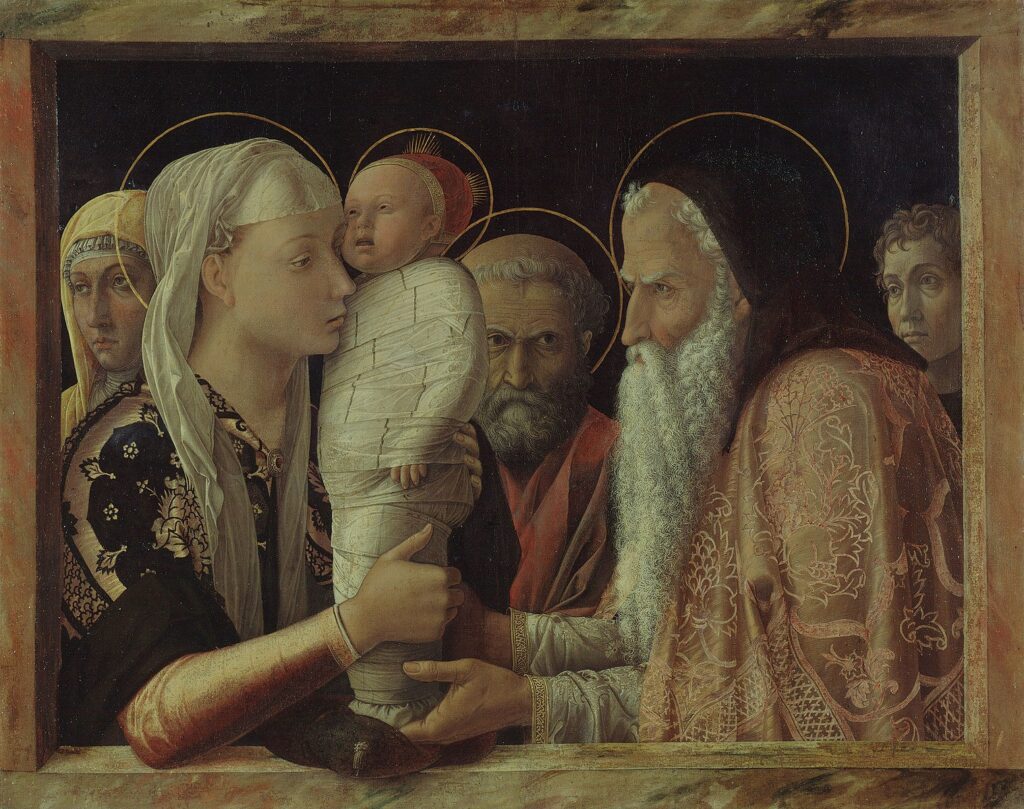
Andrea Mantegna
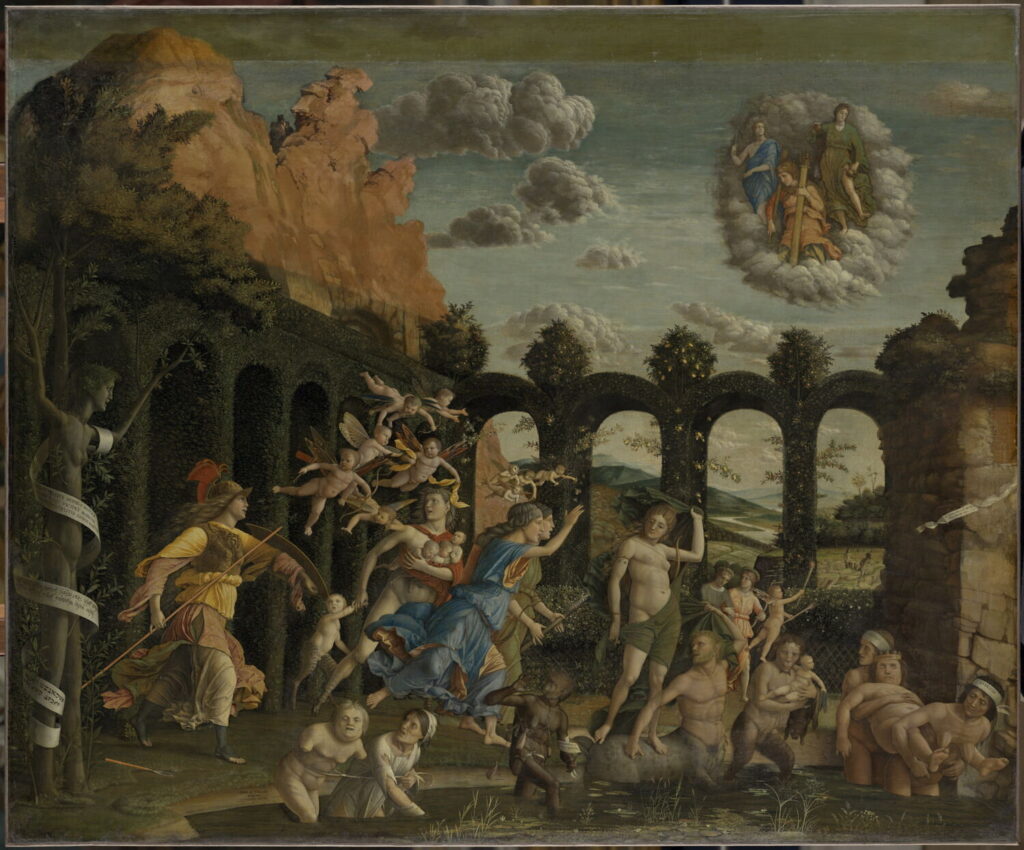
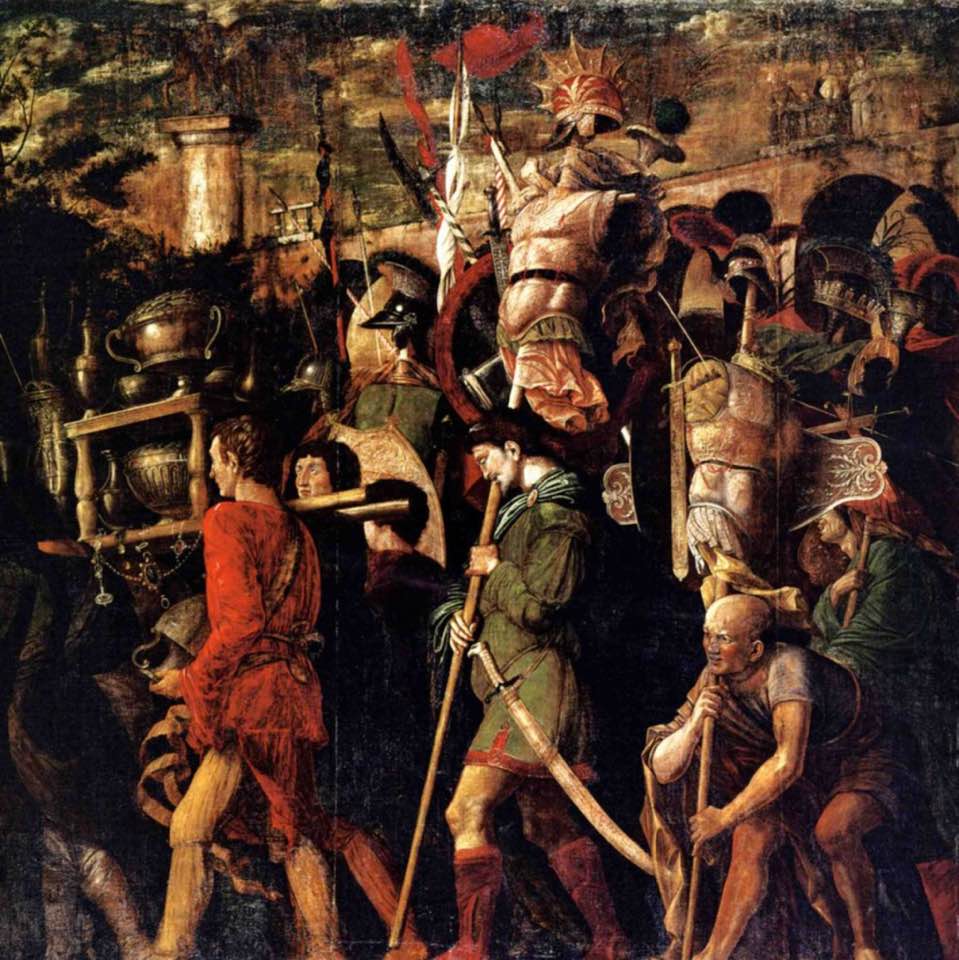
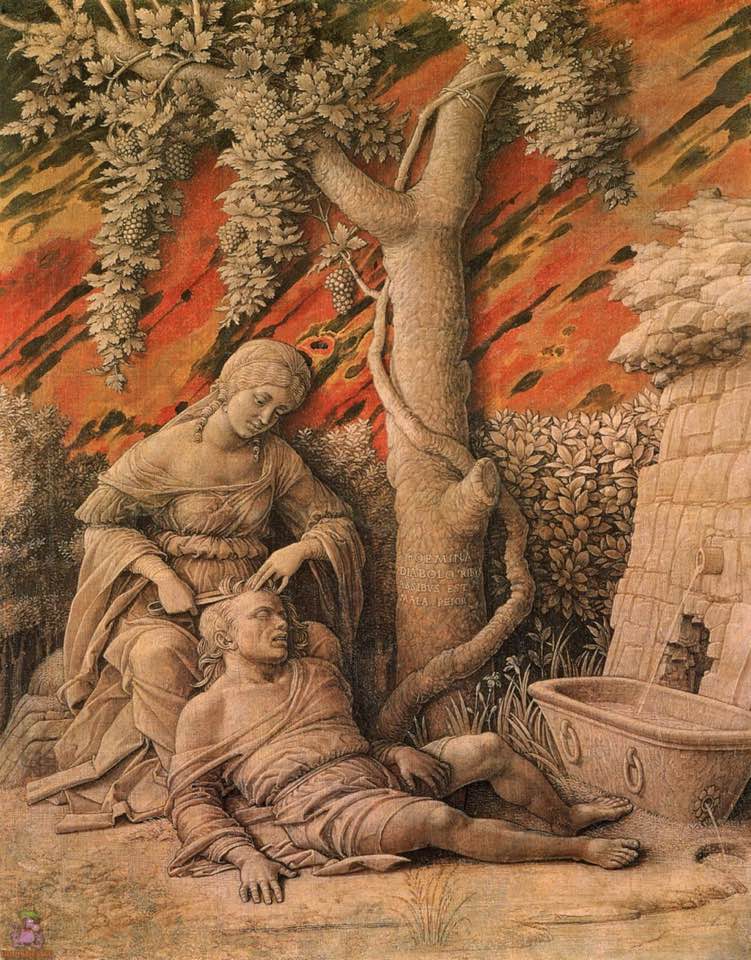
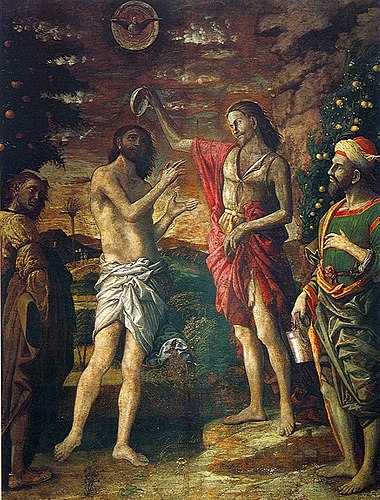
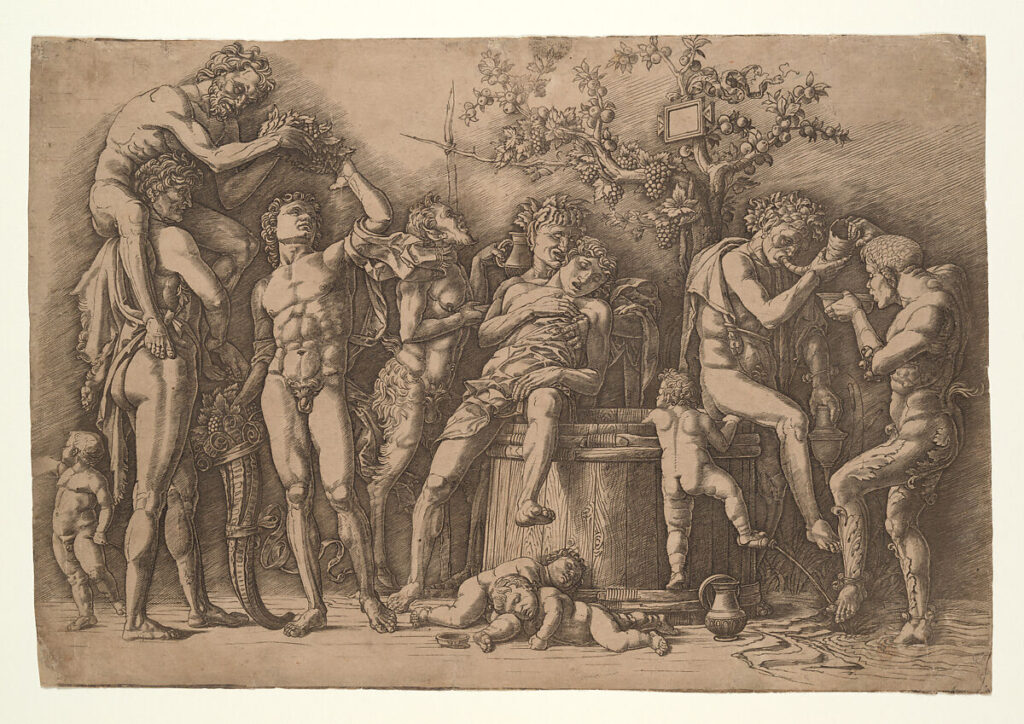
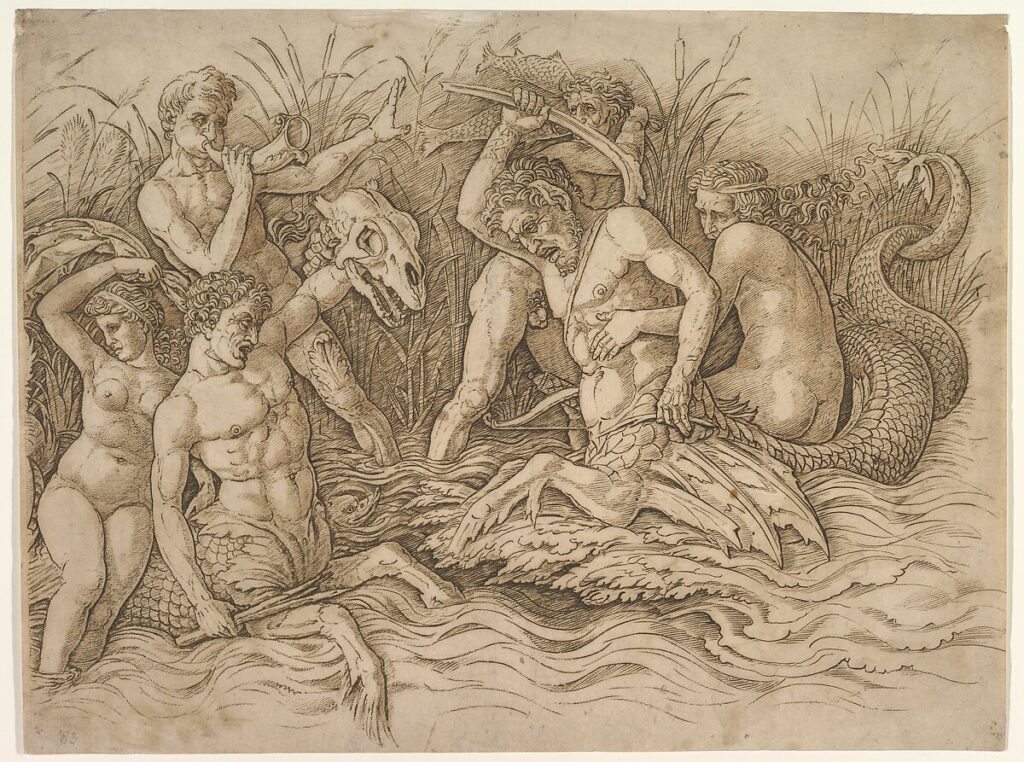
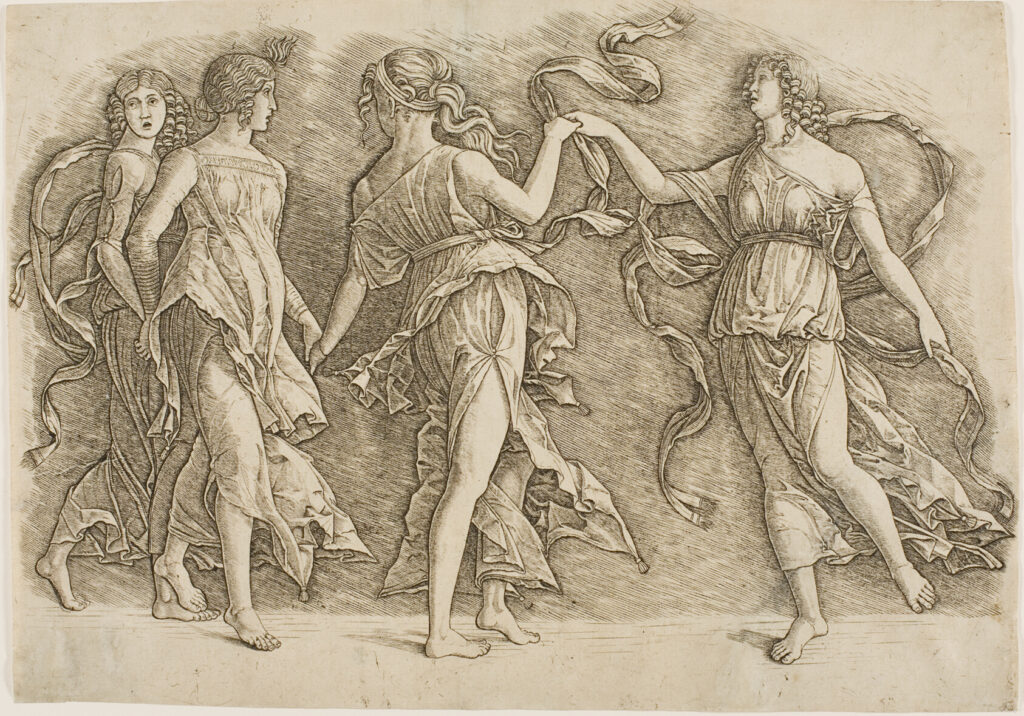
Andrea Mantegna, c 1431 – September 13, 1506, was an Italian Renaissance painter, draftsman, and printmaker. He was born near Padua and trained in the workshop of Francesco Squarcione.
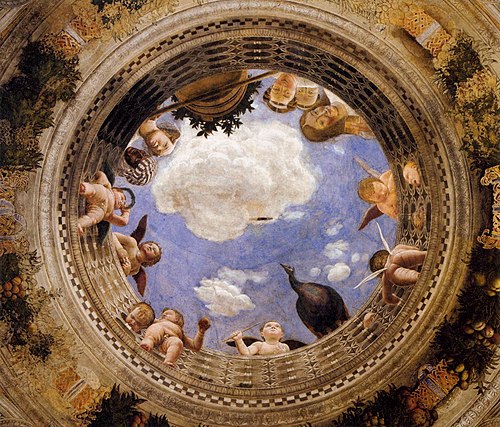
Mantegna developed a highly sculptural style shaped by classical antiquity, linear perspective, and sharply defined forms. In 1460 he became court painter to the Gonzaga family in Mantua, where he created the Camera degli Sposi and later worked on The Triumphs of Caesar.
He married Nicolosia Bellini, daughter of Jacopo Bellini and sister of Giovanni Bellini, linking him to one of Venice’s leading artistic families. His paintings, drawings, and prints had a broad influence on Renaissance art in Italy and northern Europe.