










Jacques Callot
Jacques Callot was born in Nancy, in the Duchy of Lorraine, around 1592. He trained in Italy, studying engraving in Rome before continuing his work in Florence.
Callot worked for the Medici court and later returned to Nancy. He became known for technically controlled etchings and made prints on subjects ranging from court festivals and religious scenes to beggars and soldiers.
Callot spent his final years in Nancy and died there in 1635. His prints, including The Miseries of War, were widely collected and helped shape the work of later artists such as Rembrandt and Goya.

















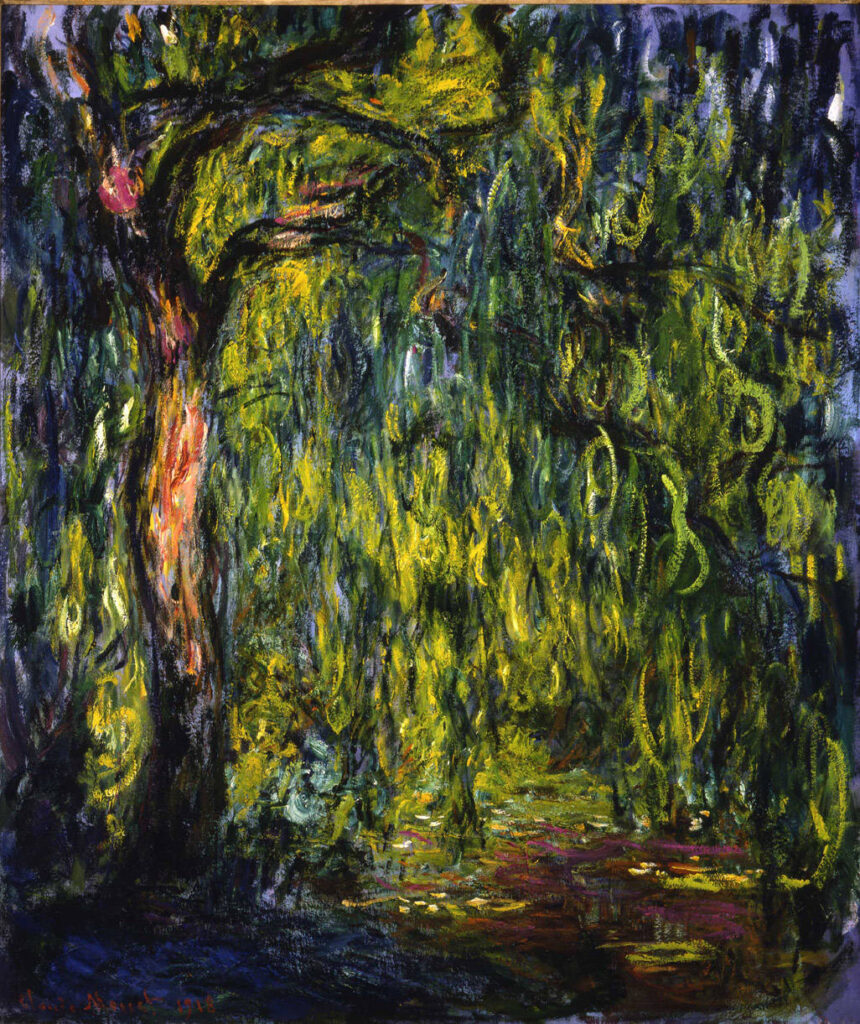
Claude Monet
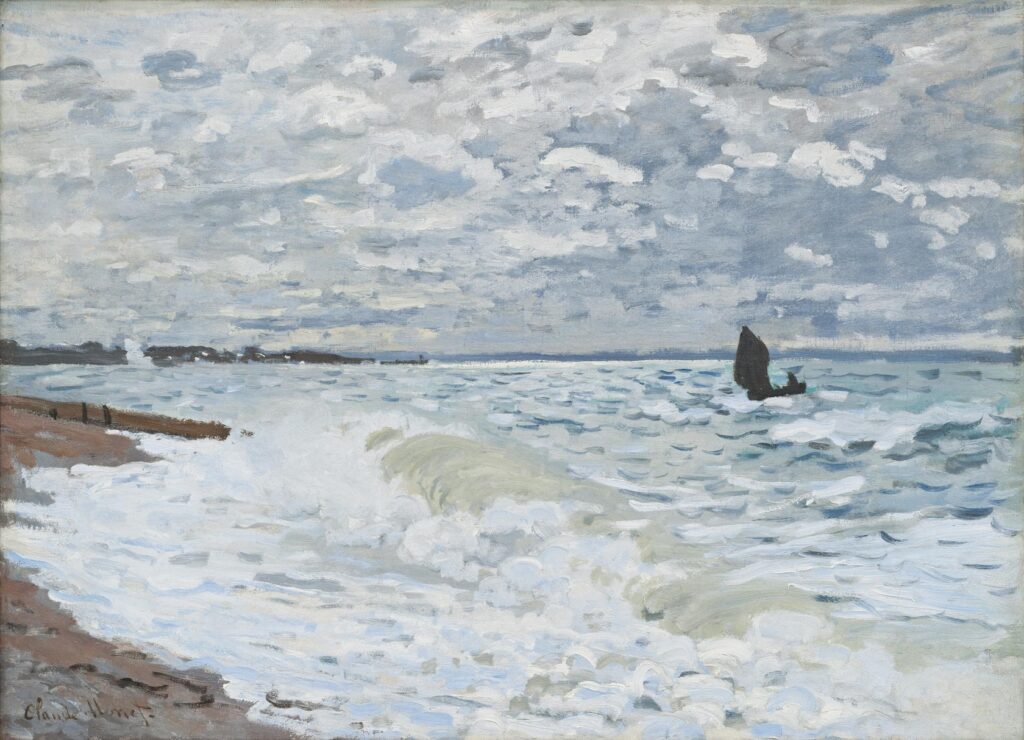
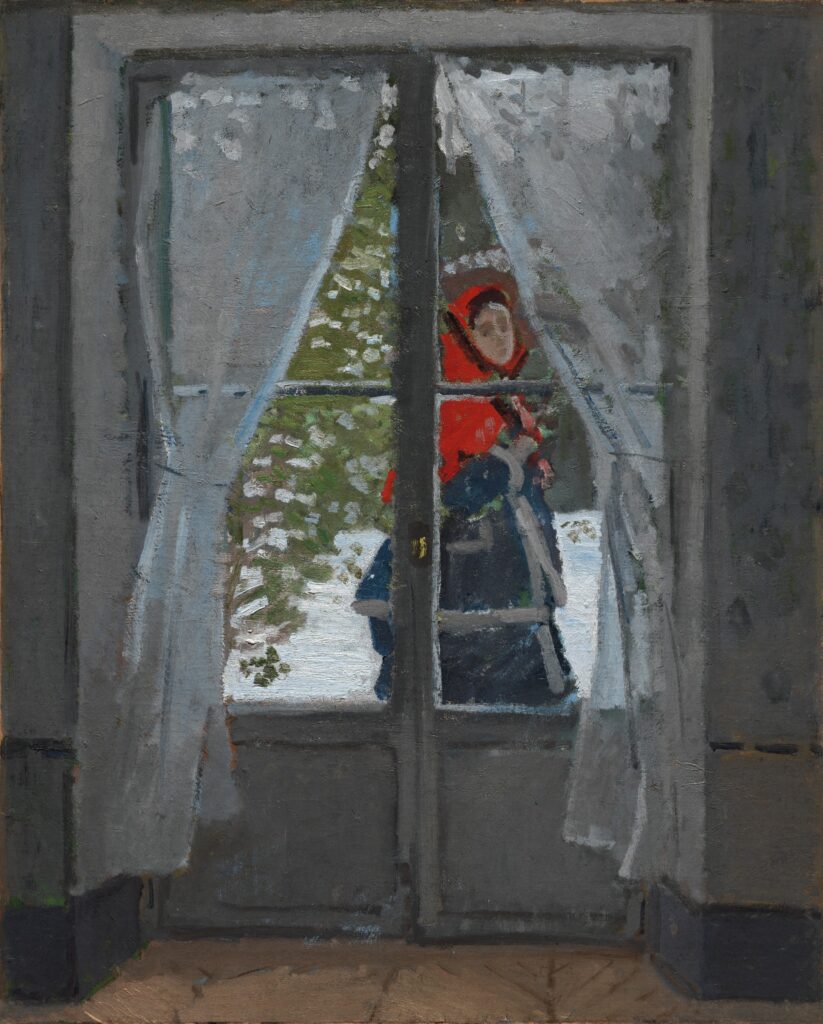
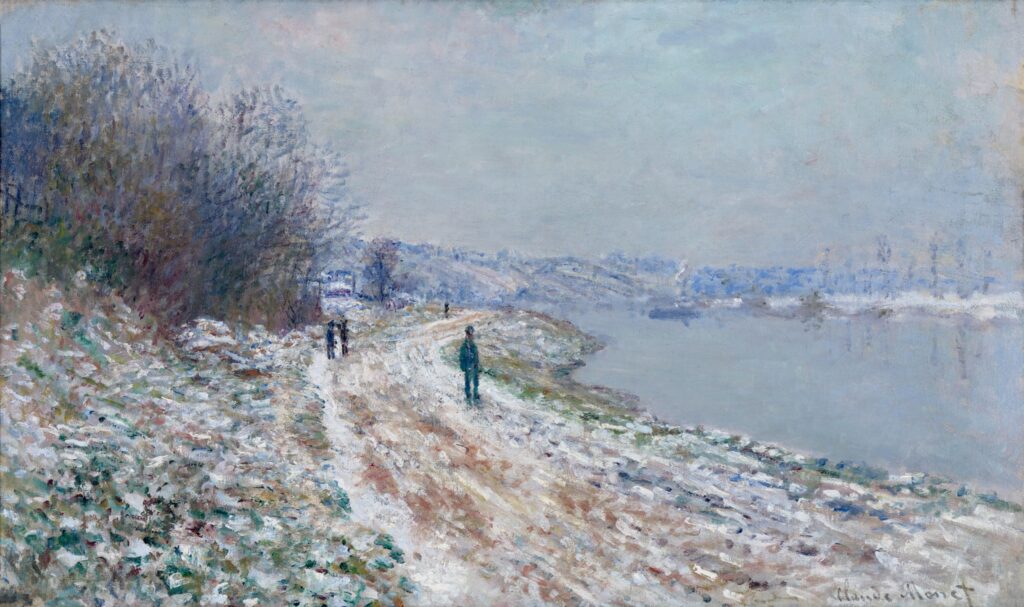
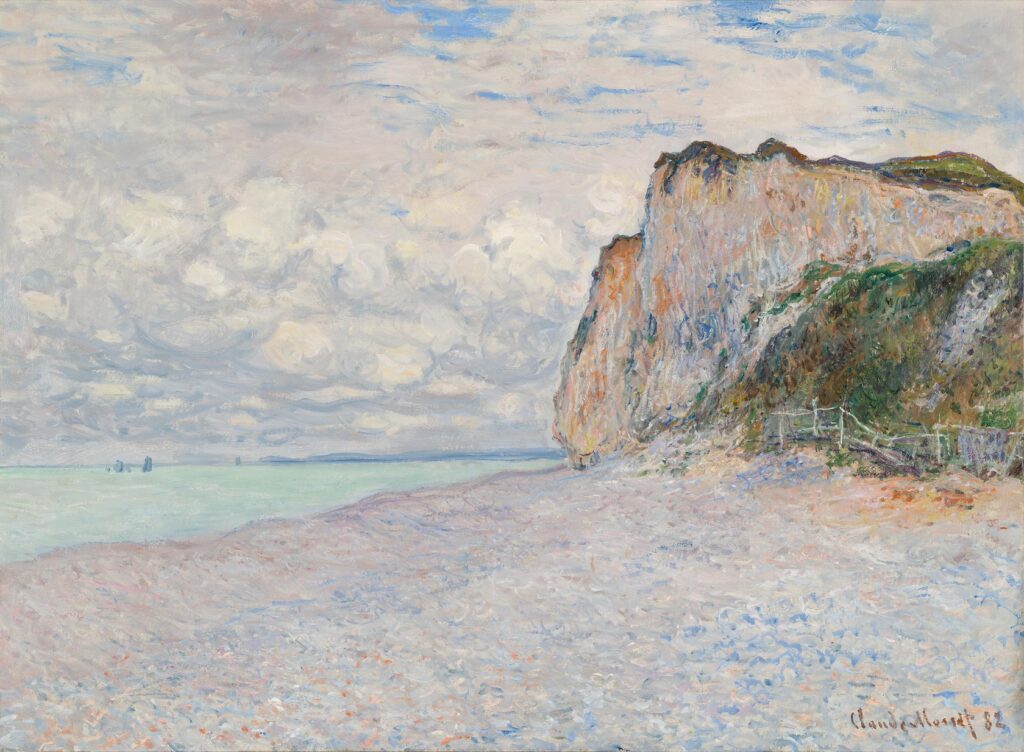
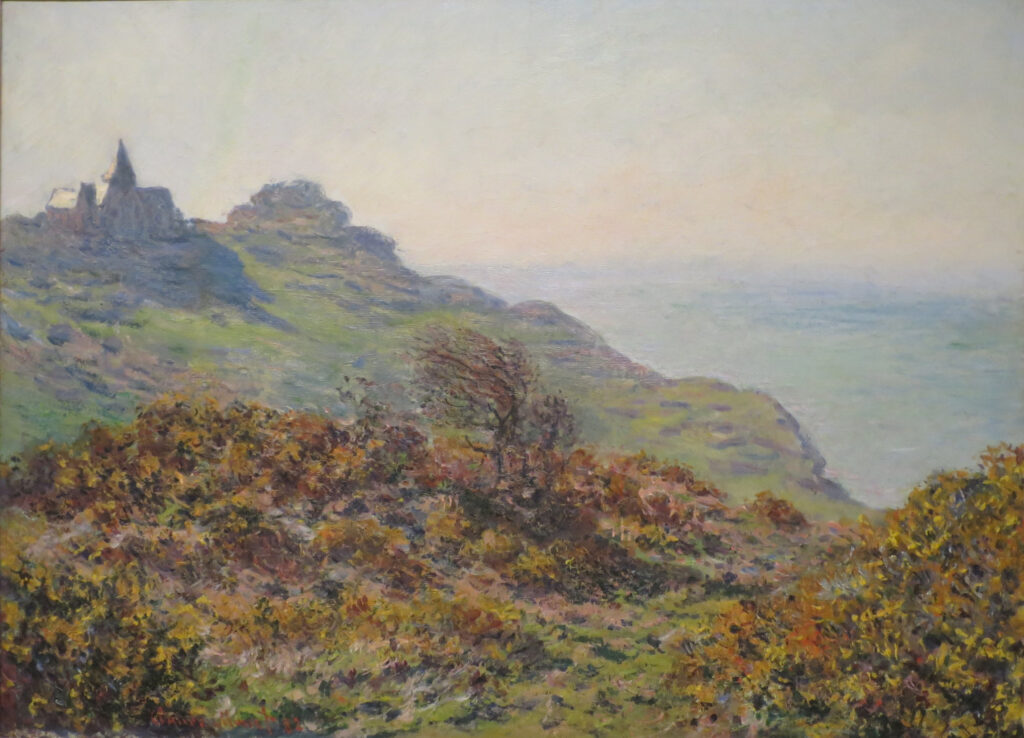
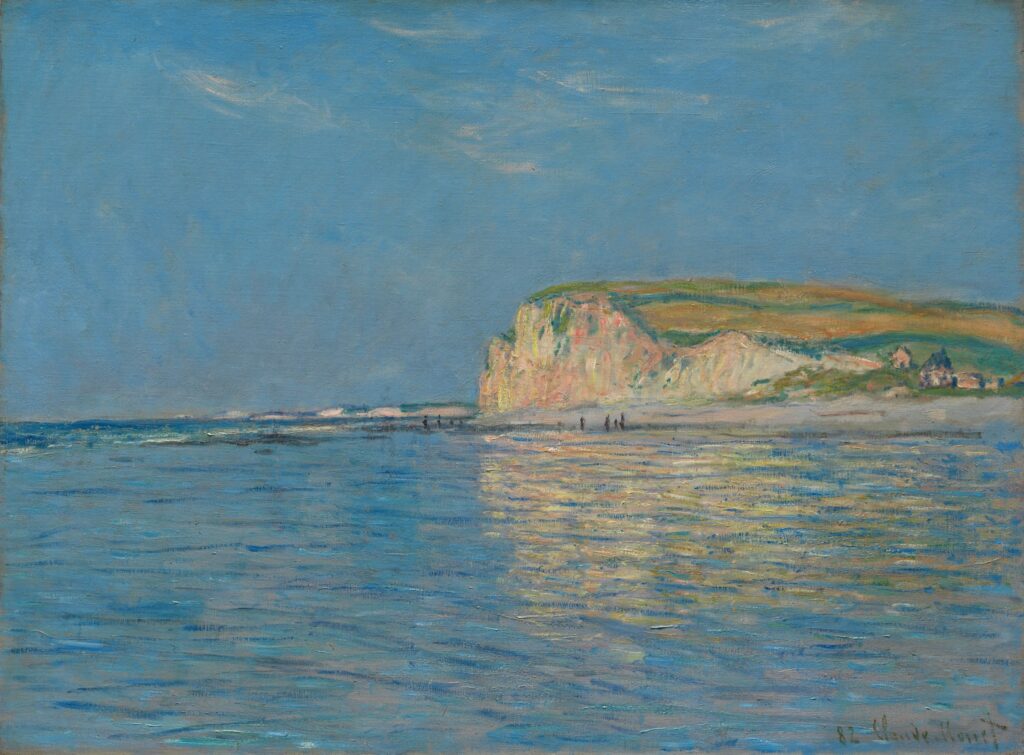
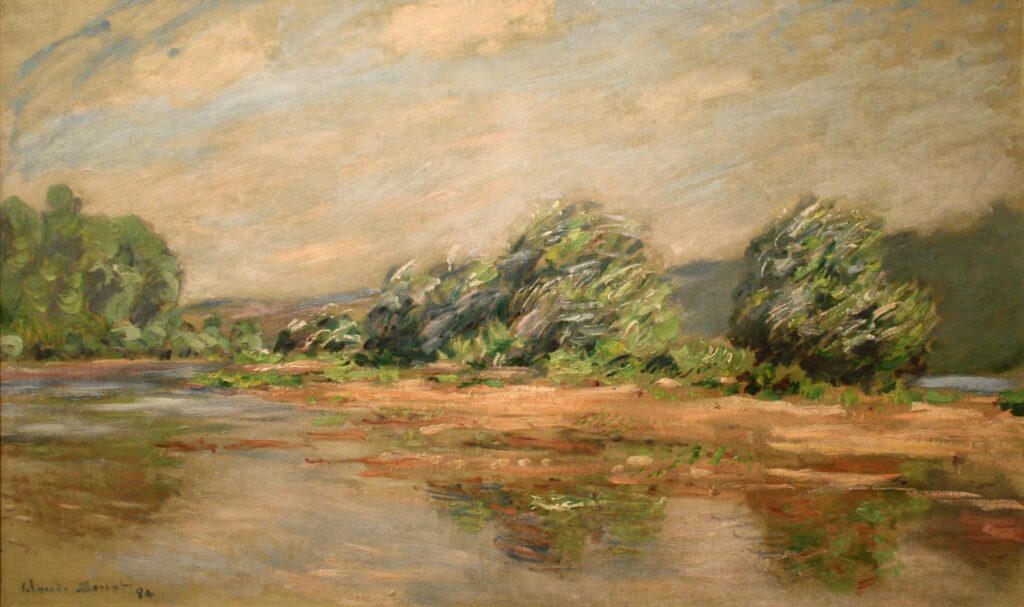
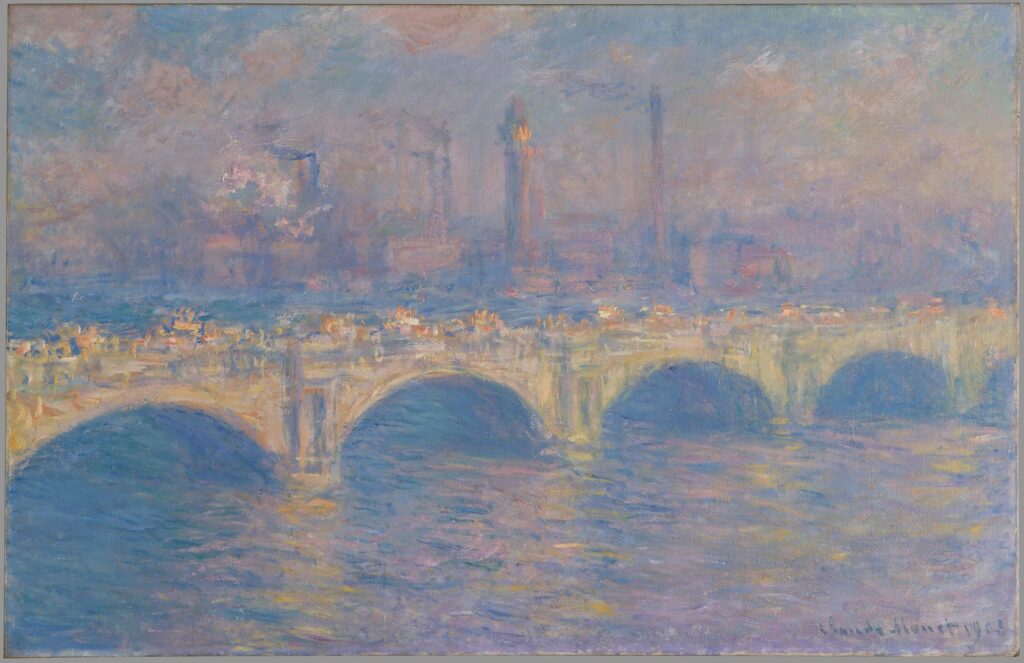
Claude Monet was born in Paris on November 14, 1840, and grew up in Le Havre. After early success as a caricaturist, he studied landscape painting with Eugène Boudin, whose practice of working outdoors helped shape Monet’s lifelong attention to light and atmosphere.
In the 1860s Monet became closely associated with Pierre-Auguste Renoir, Frédéric Bazille and Alfred Sisley. His painting Impression, Sunrise gave its name to Impressionism, and his views of Argenteuil, Vétheuil, the Normandy coast and modern Paris established him as one of the movement’s central figures.
Monet settled at Giverny in 1883. The gardens and water-lily pond he created there became the principal subjects of his late paintings, including the monumental Water Lilies decorations. He continued painting despite failing eyesight and died at Giverny on December 5, 1926.











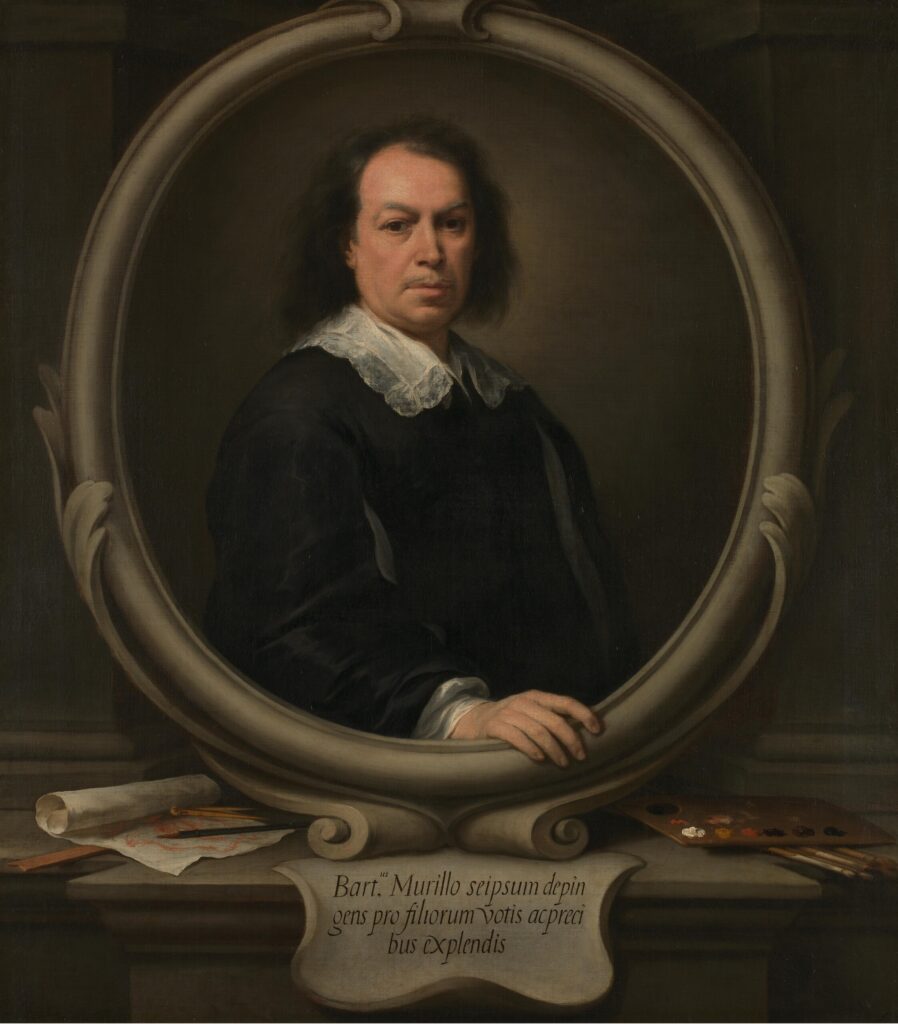
Bartolomé Esteban Murillo
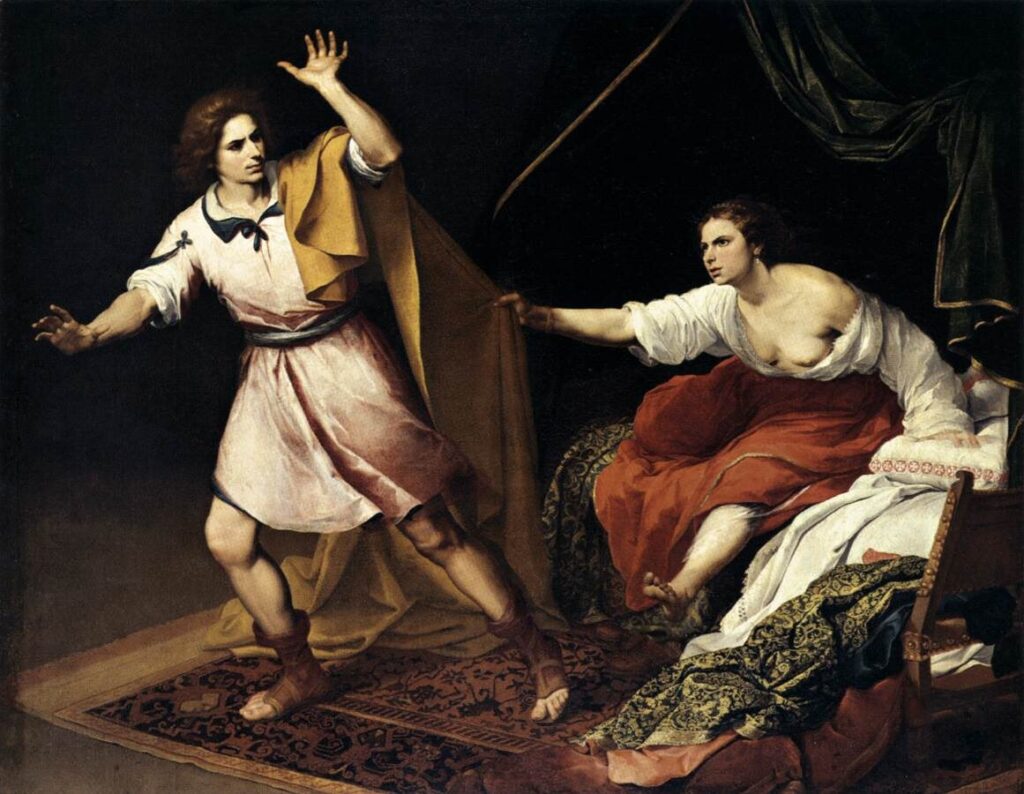
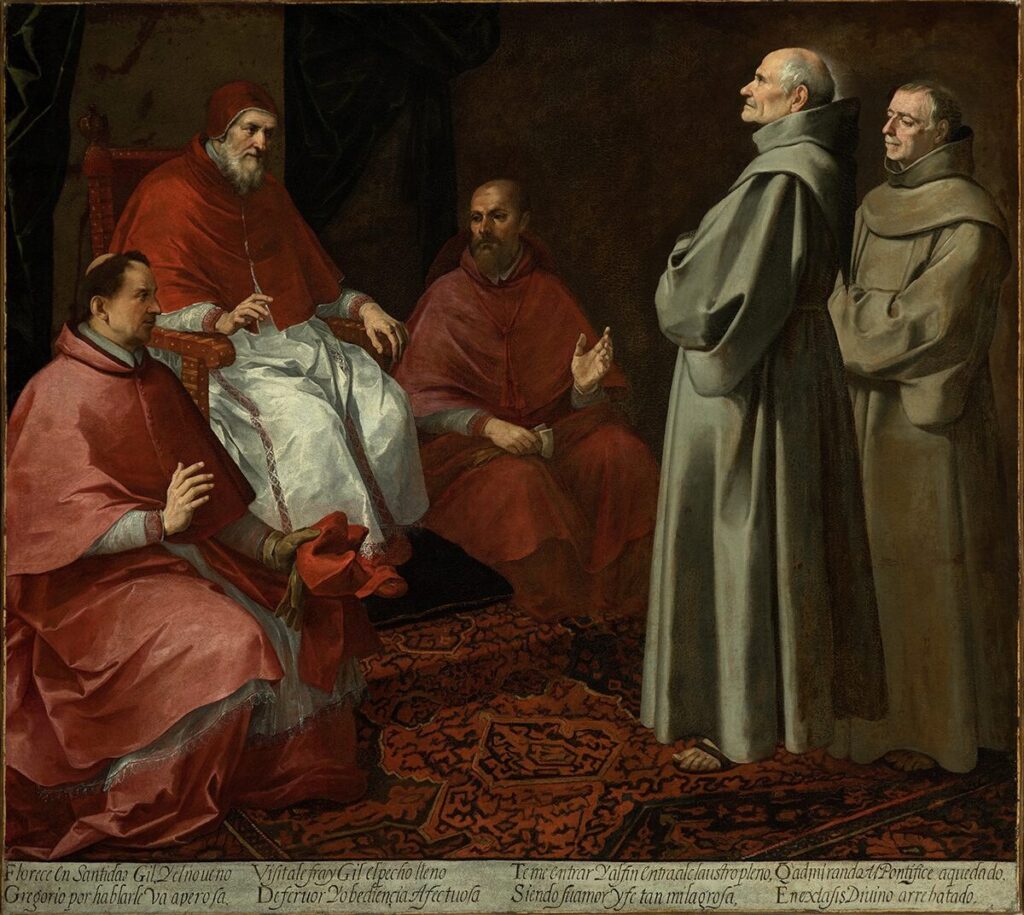
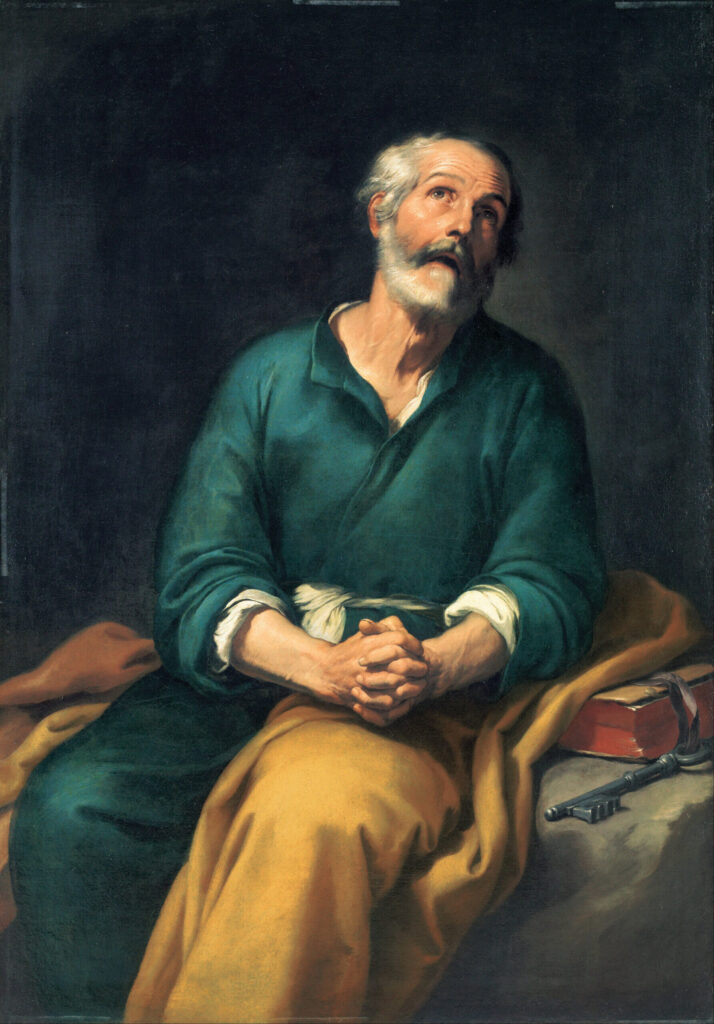
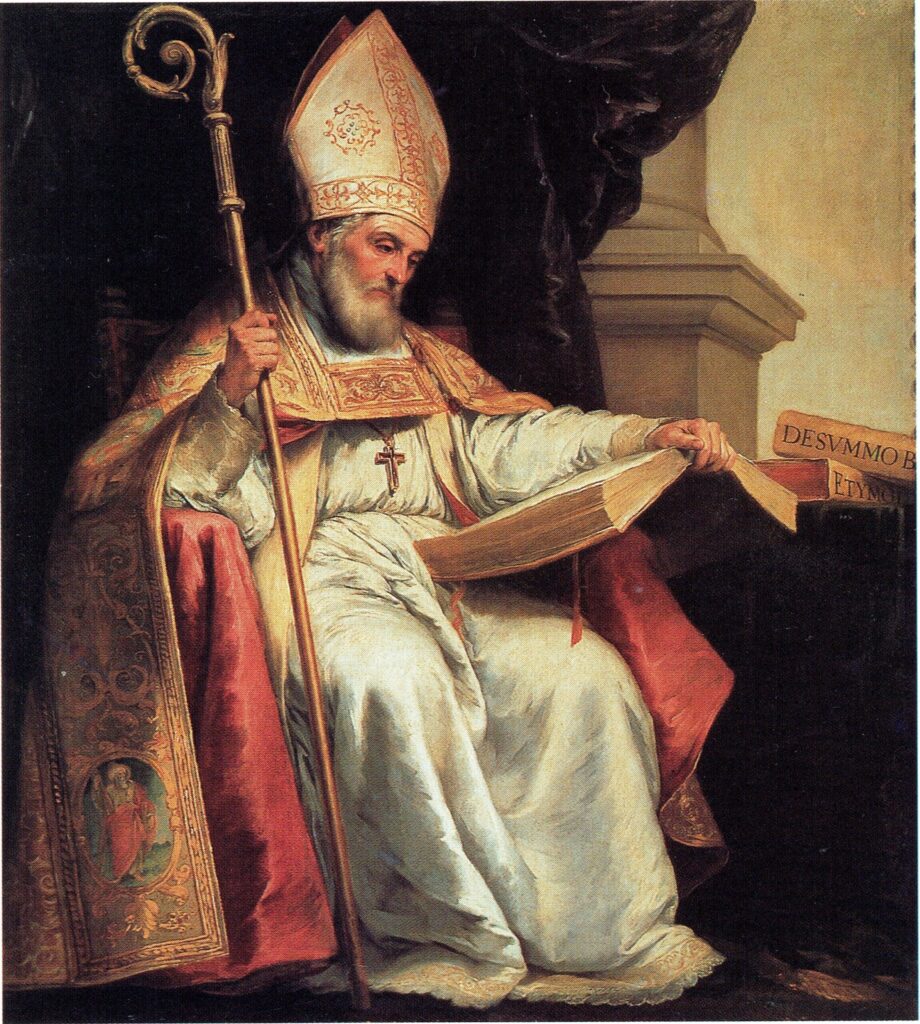
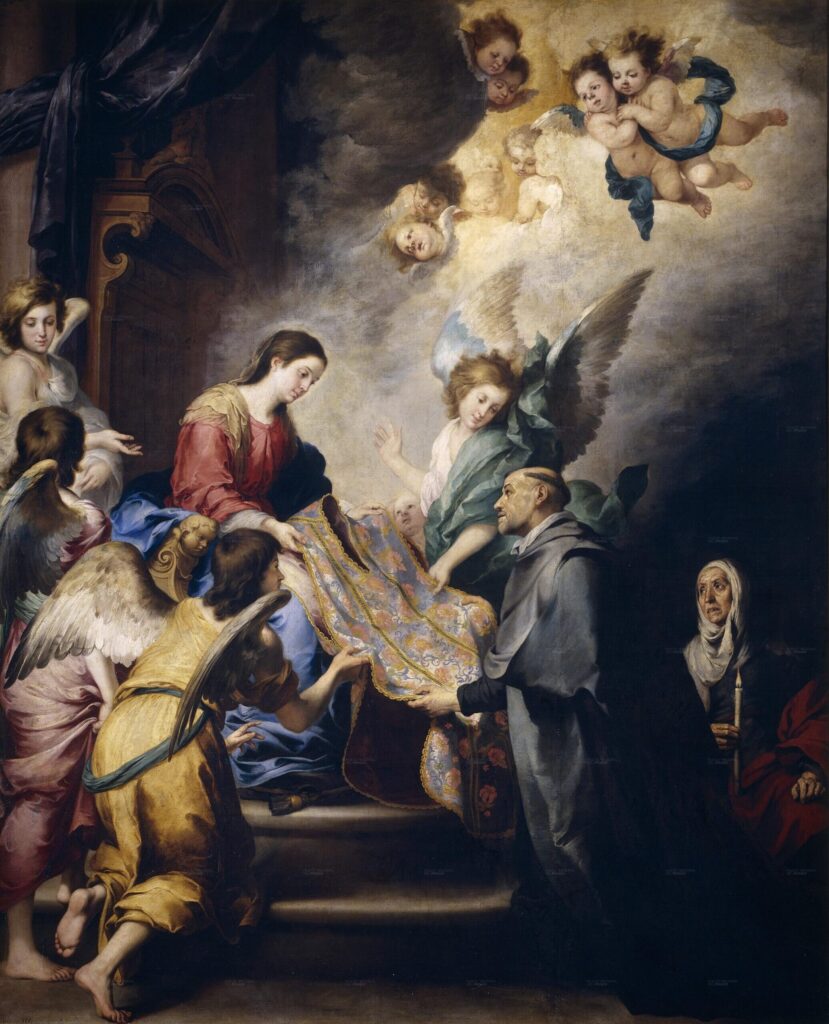
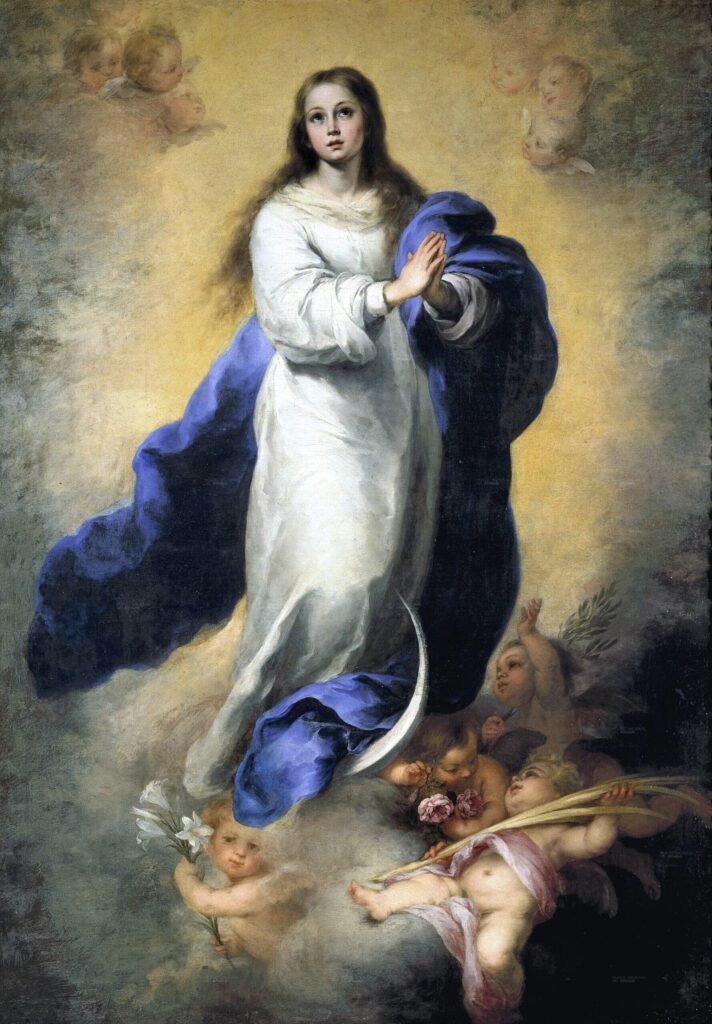
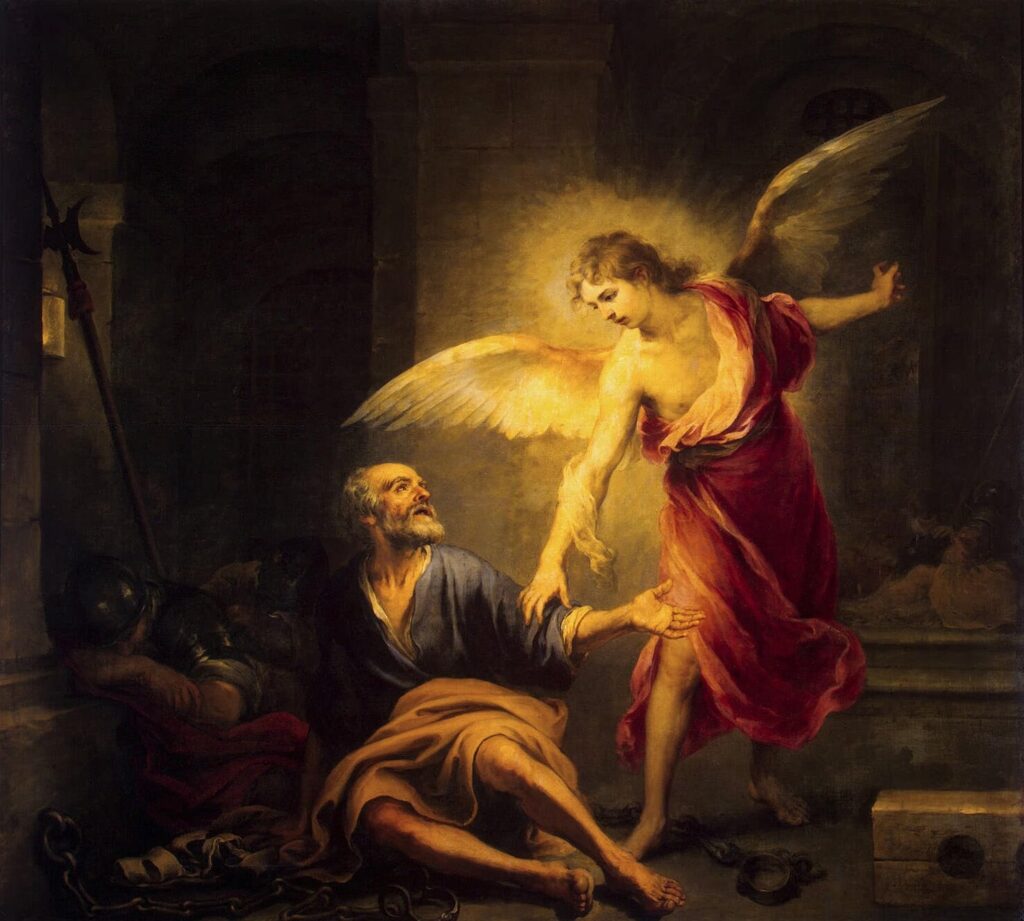
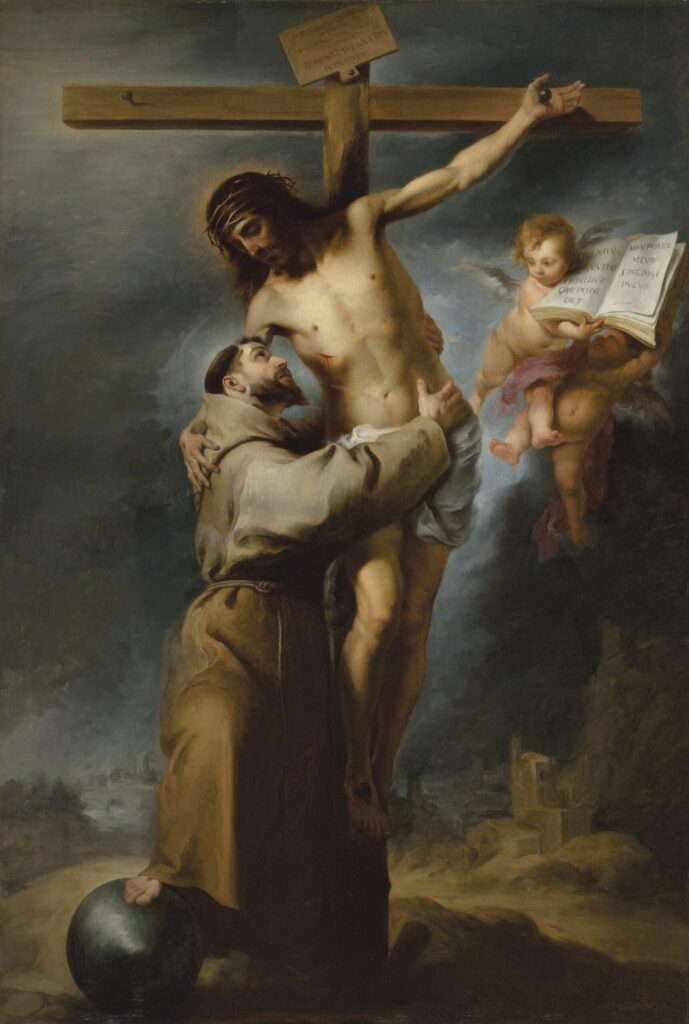
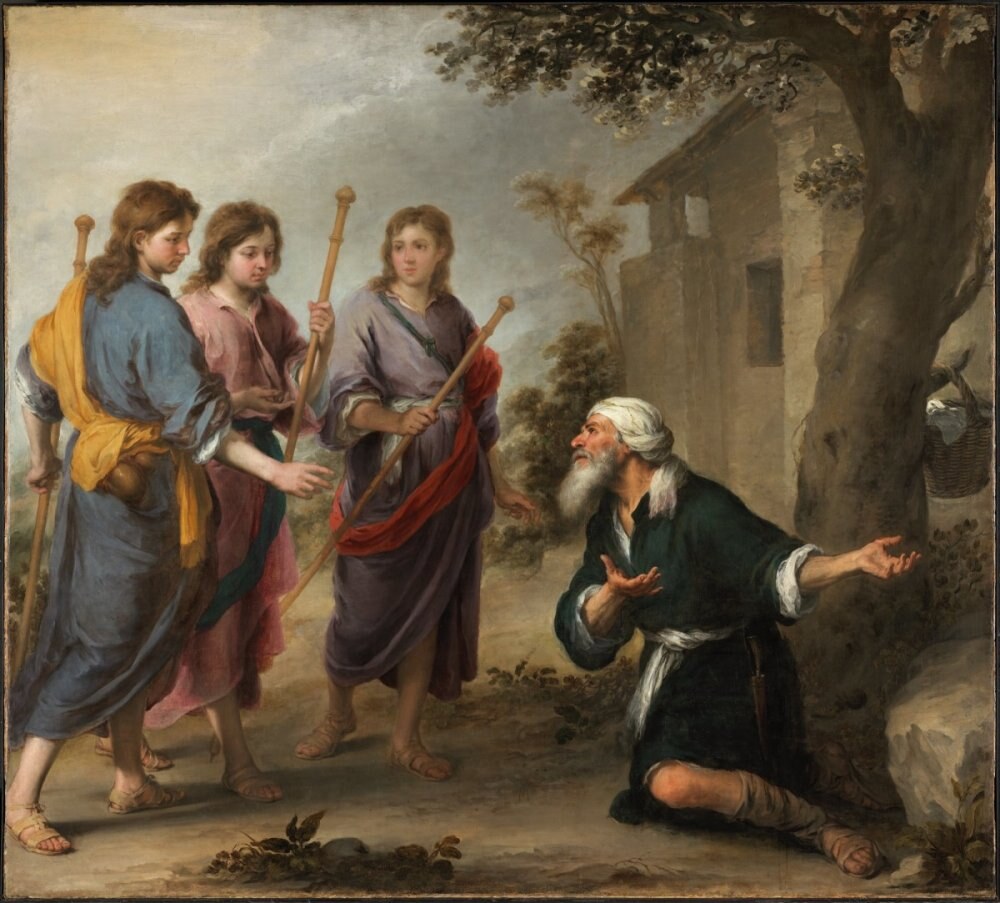
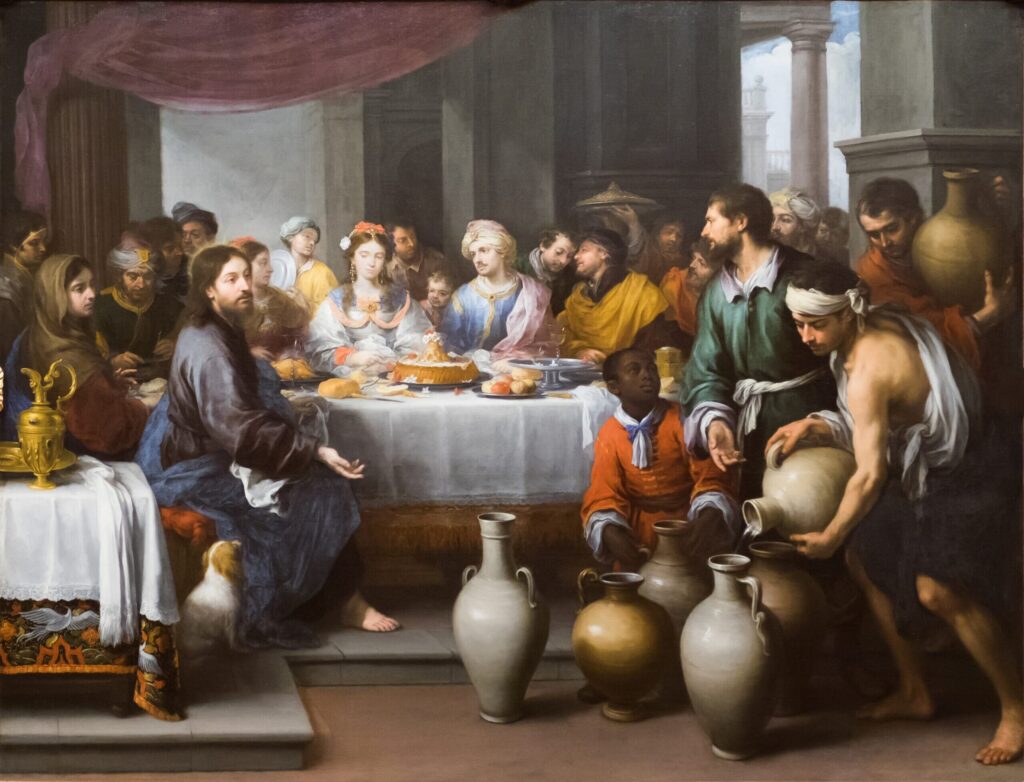
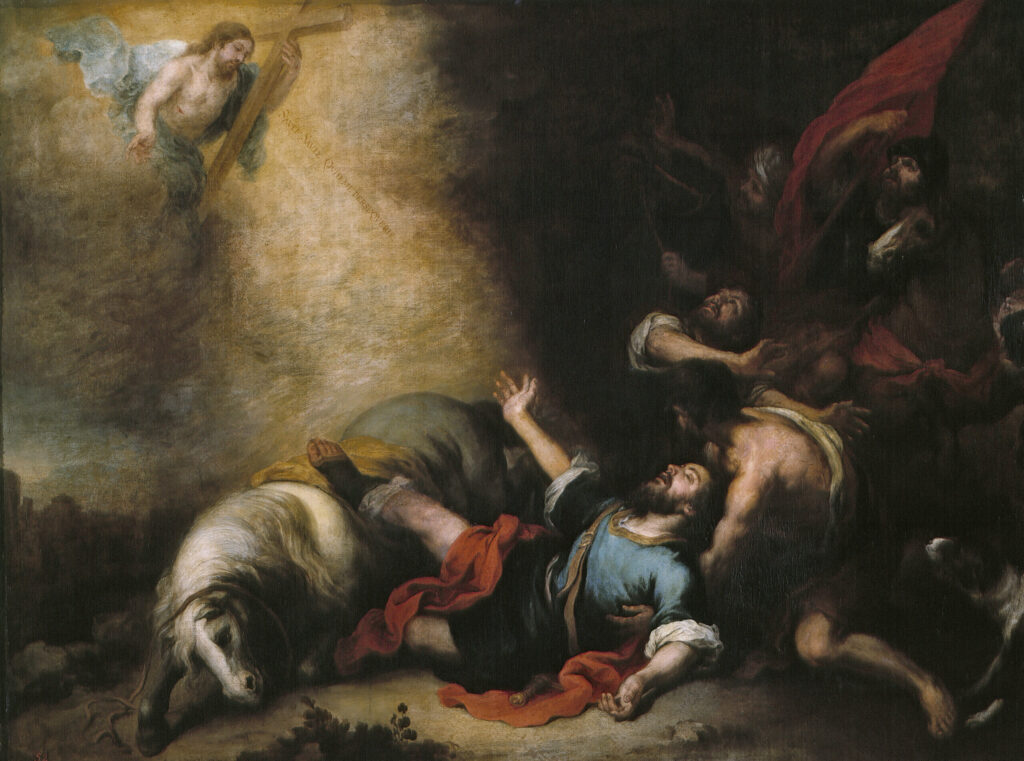
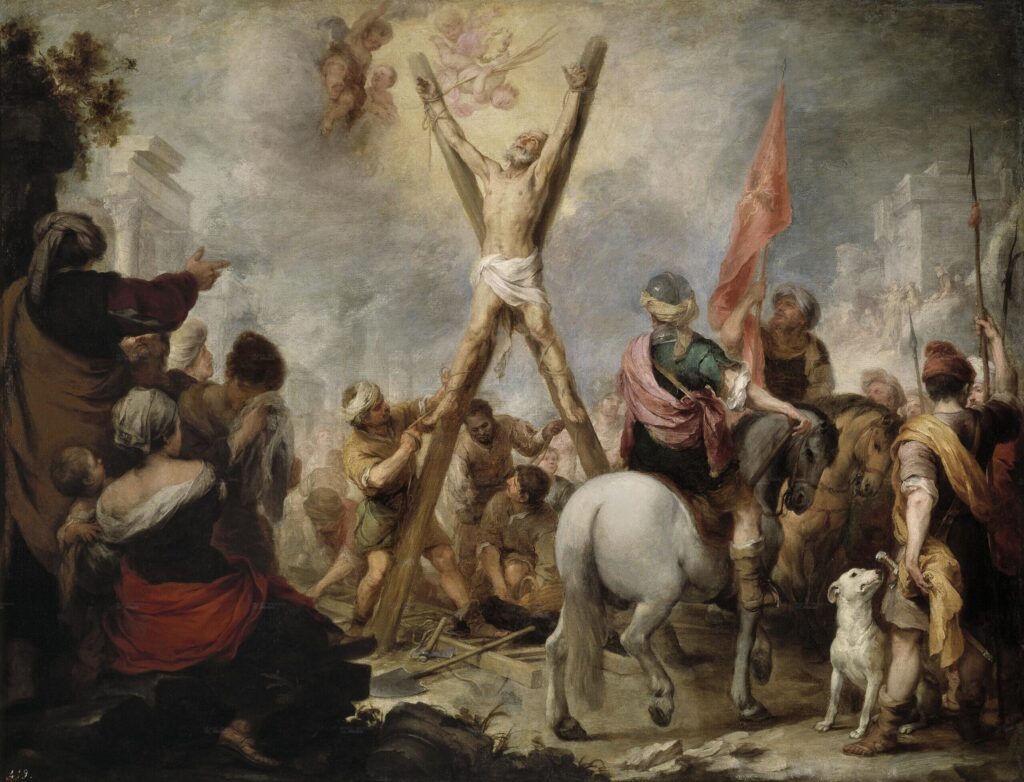
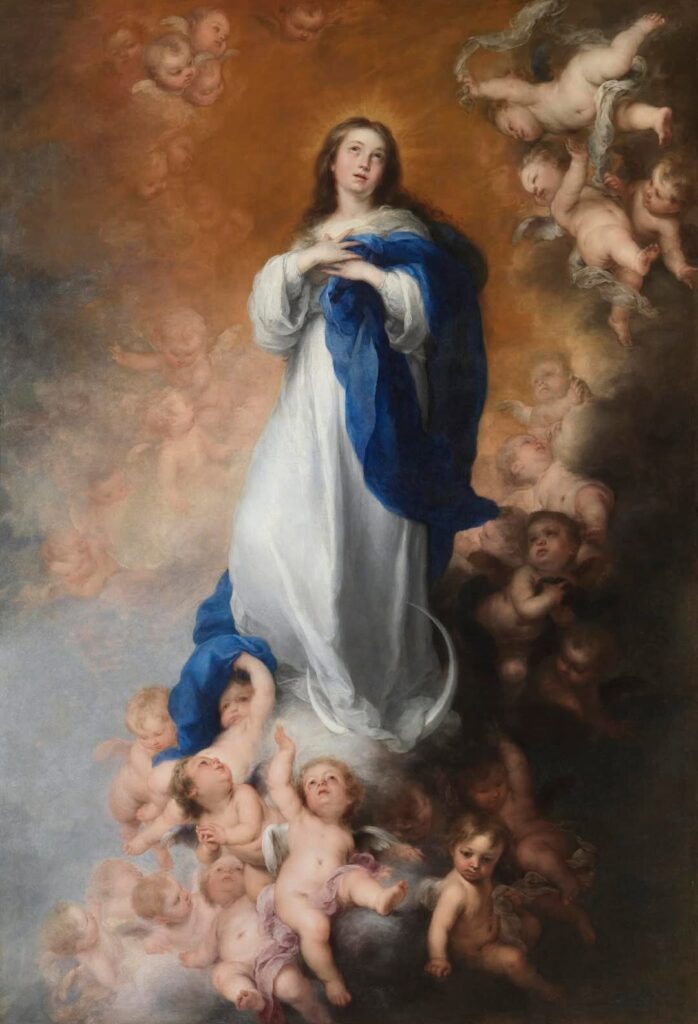
Bartolomé Esteban Murillo, December 31, 1617–April 3, 1682, was a Spanish painter born in Seville. Orphaned as a child, he trained with the Sevillian painter Juan del Castillo and studied the work of Francisco de Zurbarán, Jusepe de Ribera, Diego Velázquez, and Flemish painters.
Murillo established his career in Seville through commissions for churches, convents, charitable institutions, and private patrons. He was a founder and the first president of the Seville Academy of Fine Arts in 1660, and became known for religious paintings, genre scenes, and portraits.
Murillo died in Seville in 1682 after an injury sustained while working in Cádiz. His paintings are held in the Museo del Prado, National Gallery in London, Louvre Museum, Hermitage Museum, National Gallery of Art, and other major collections.






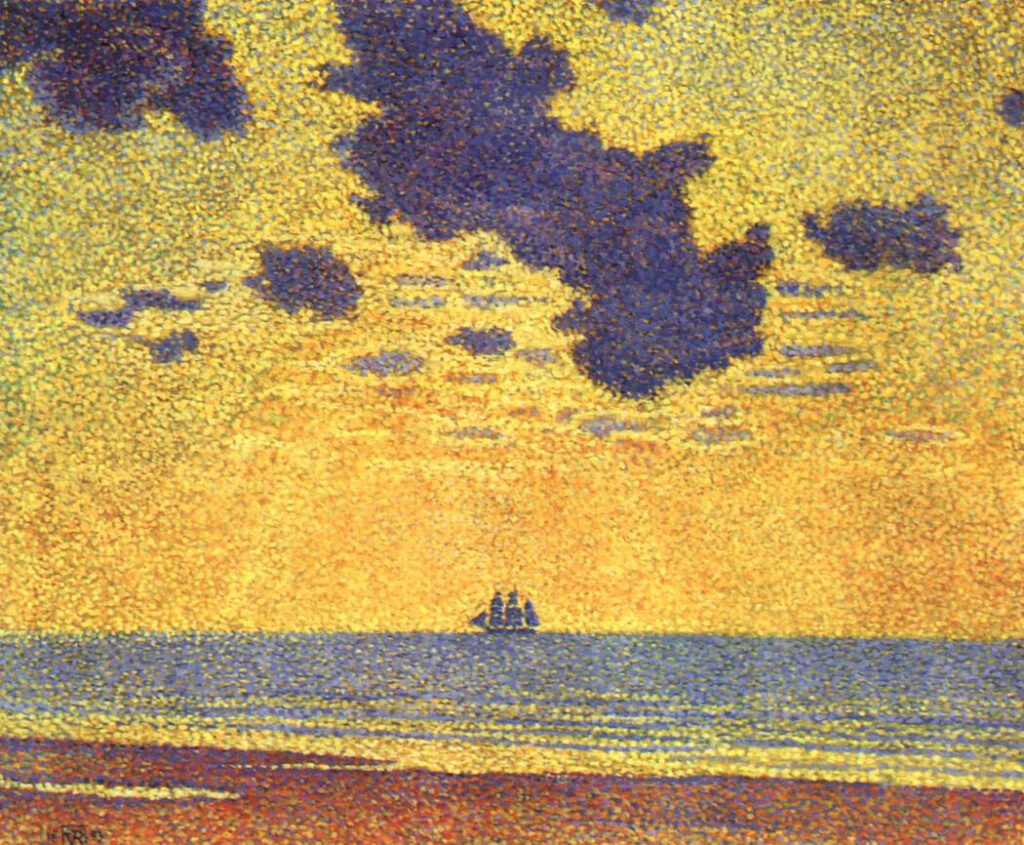
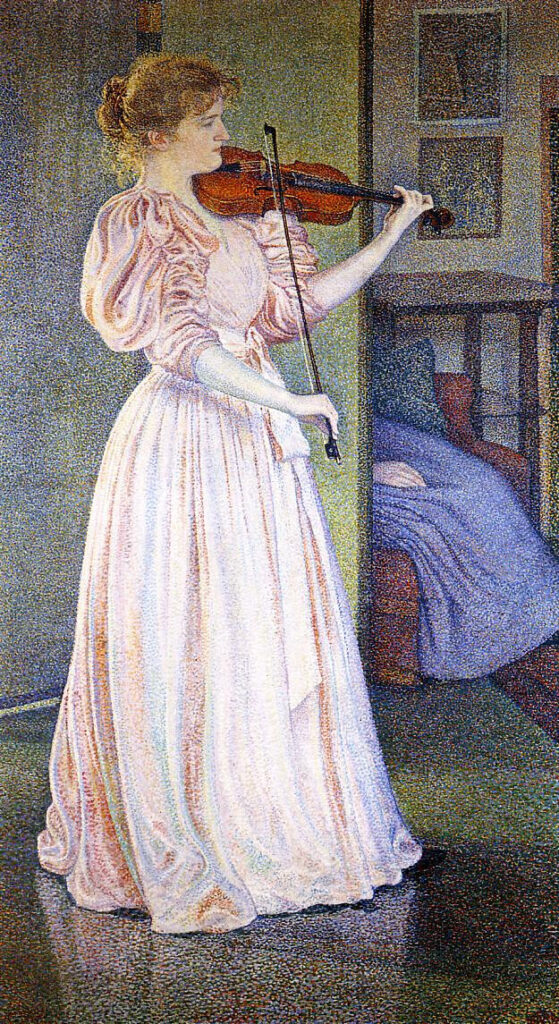
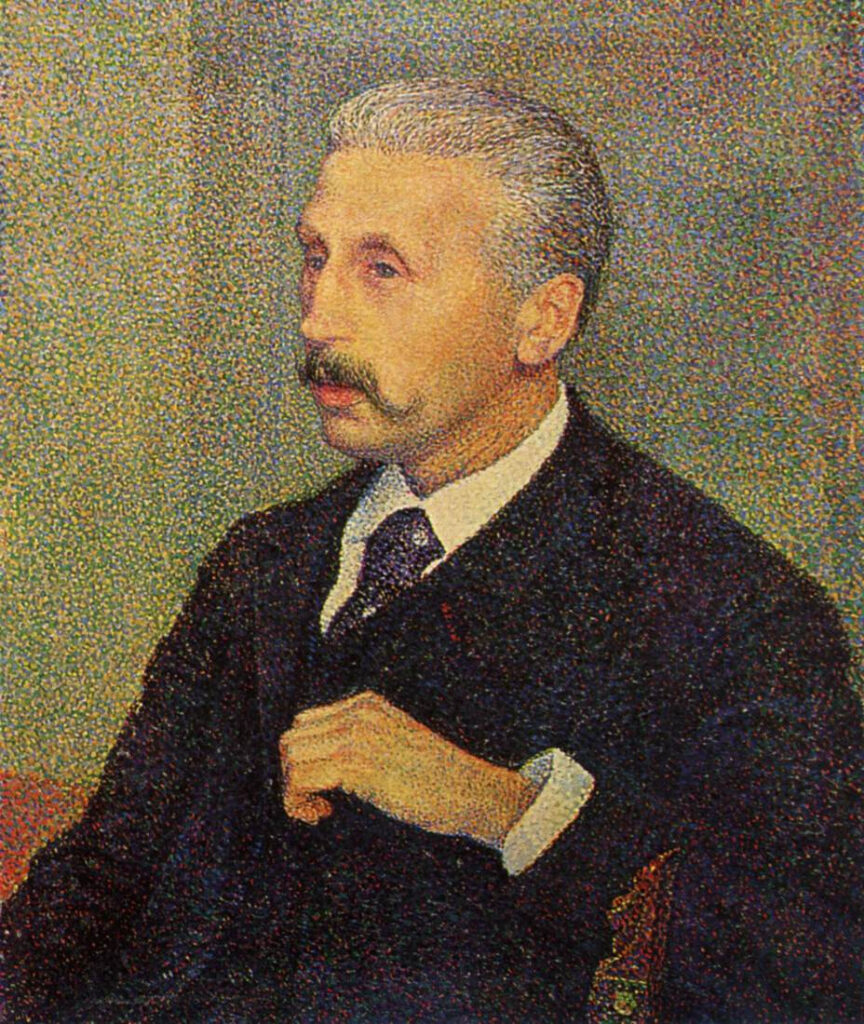
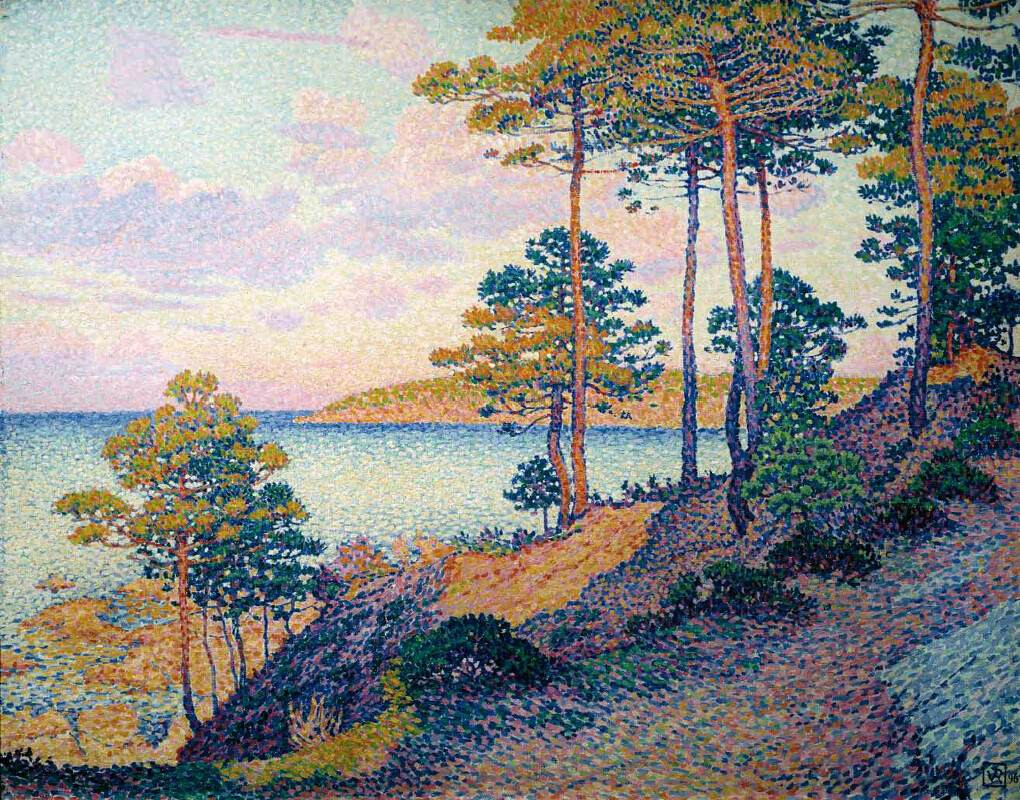
Théo van Rysselberghe
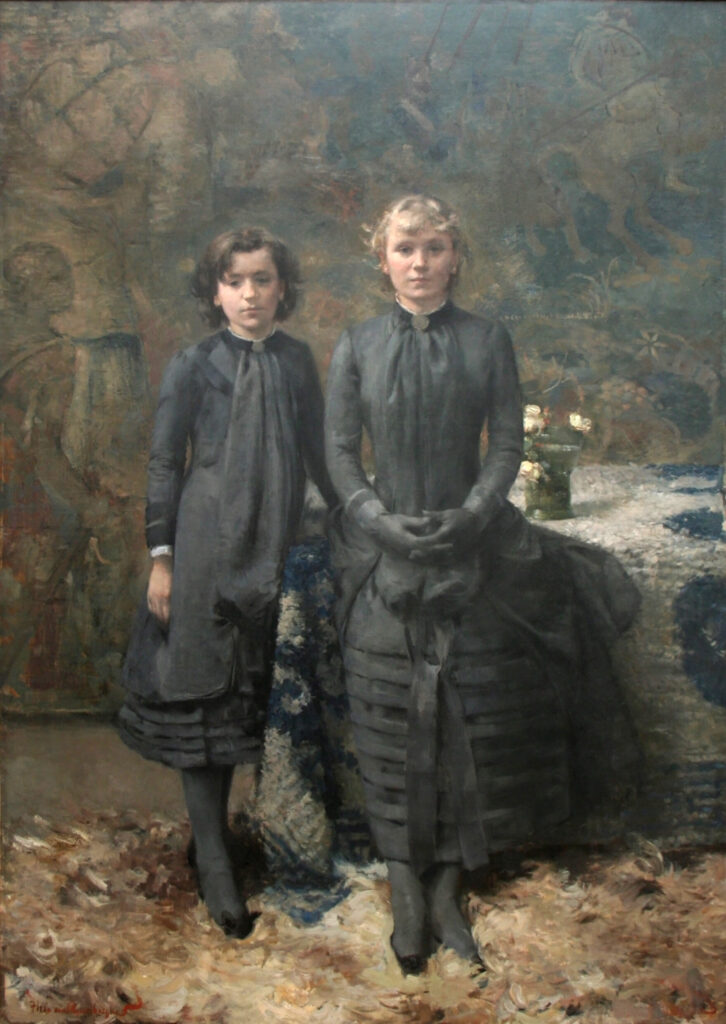
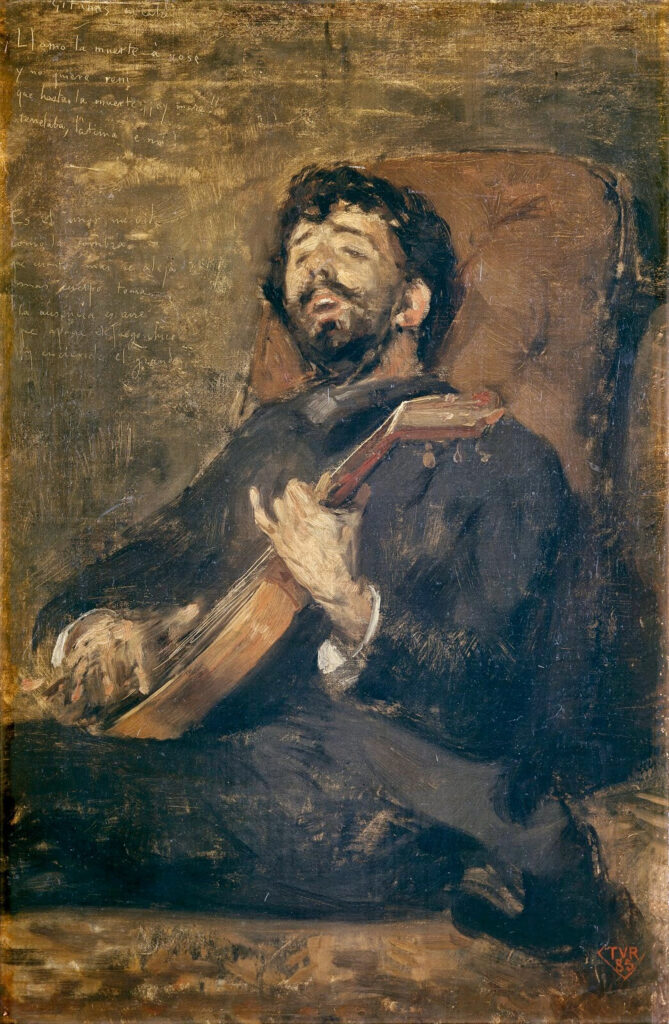
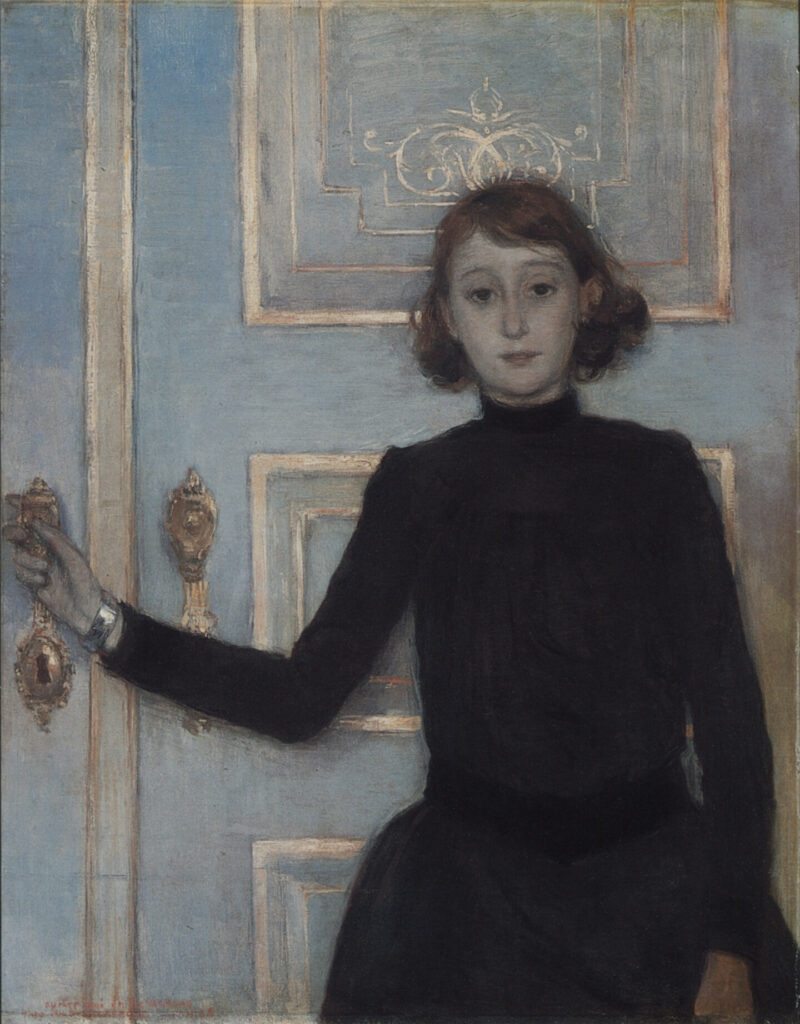
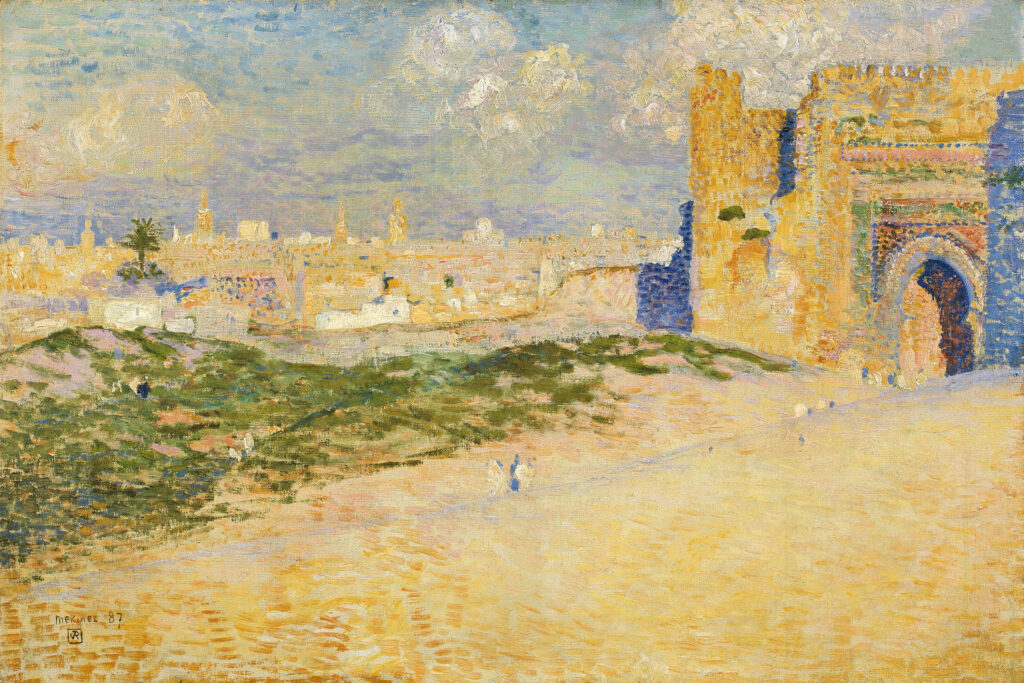
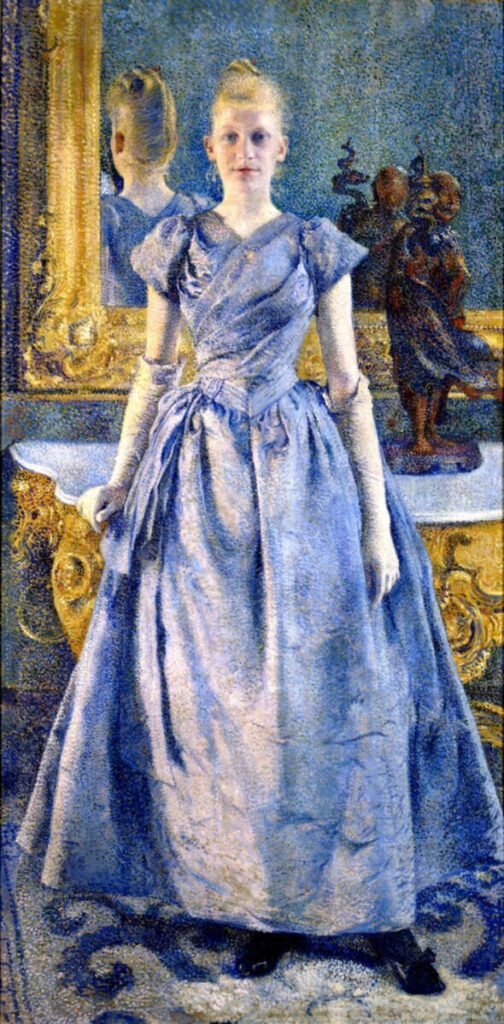
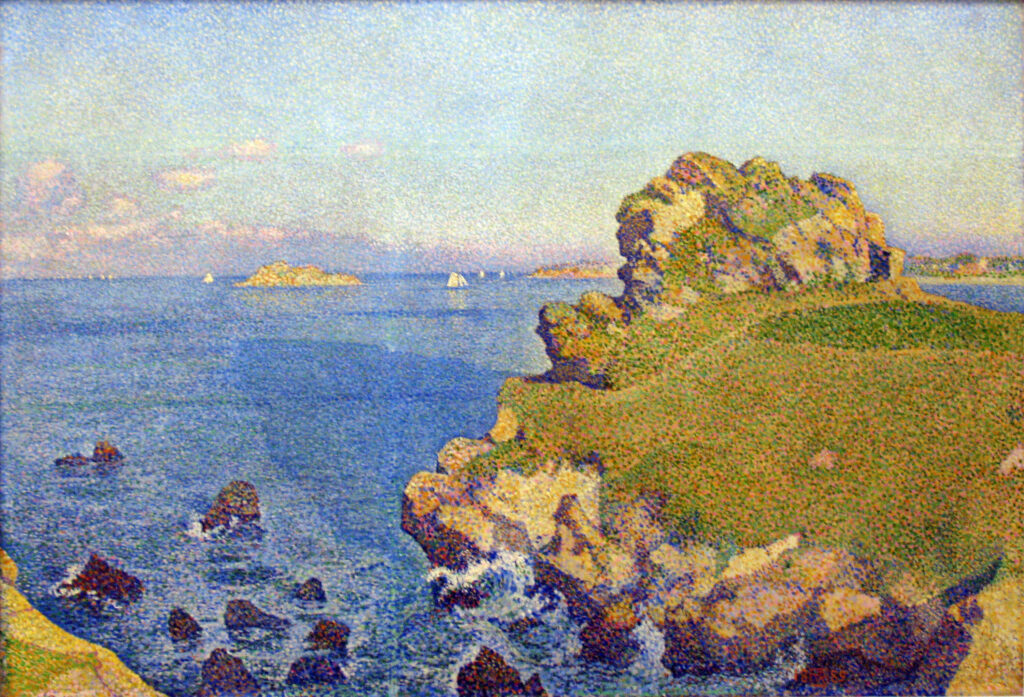
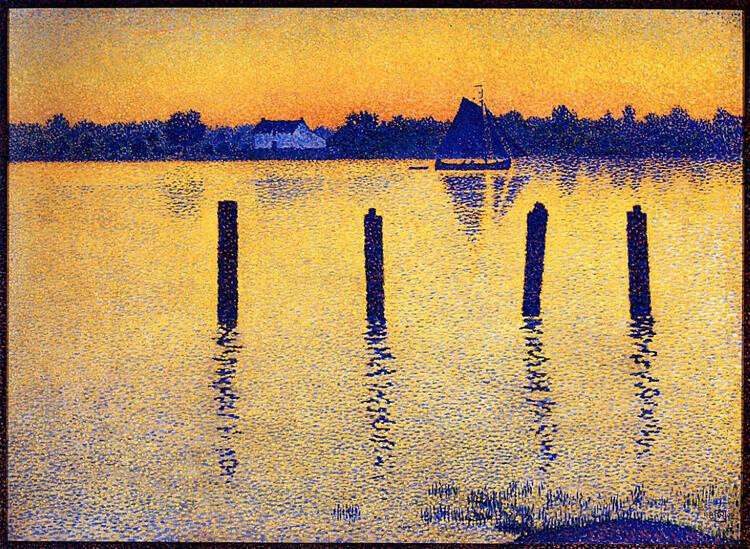
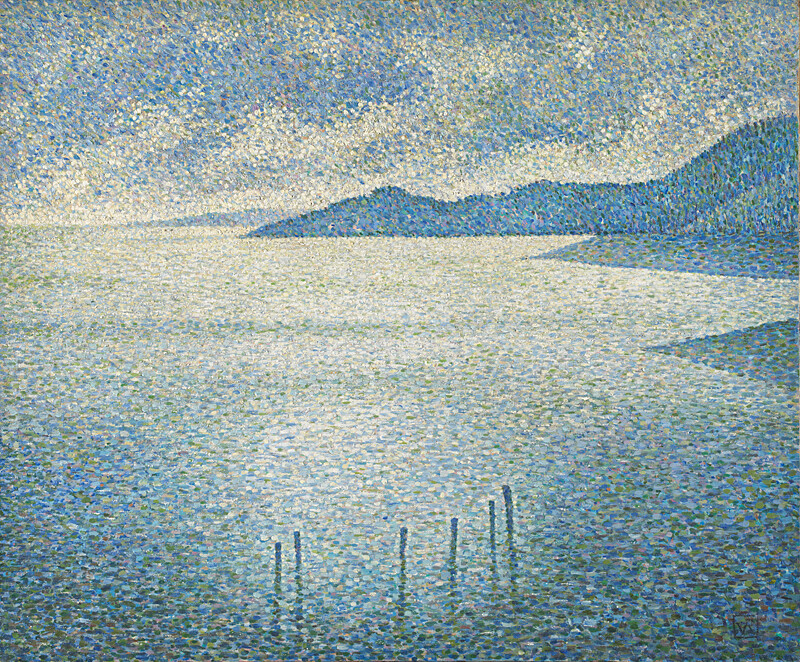
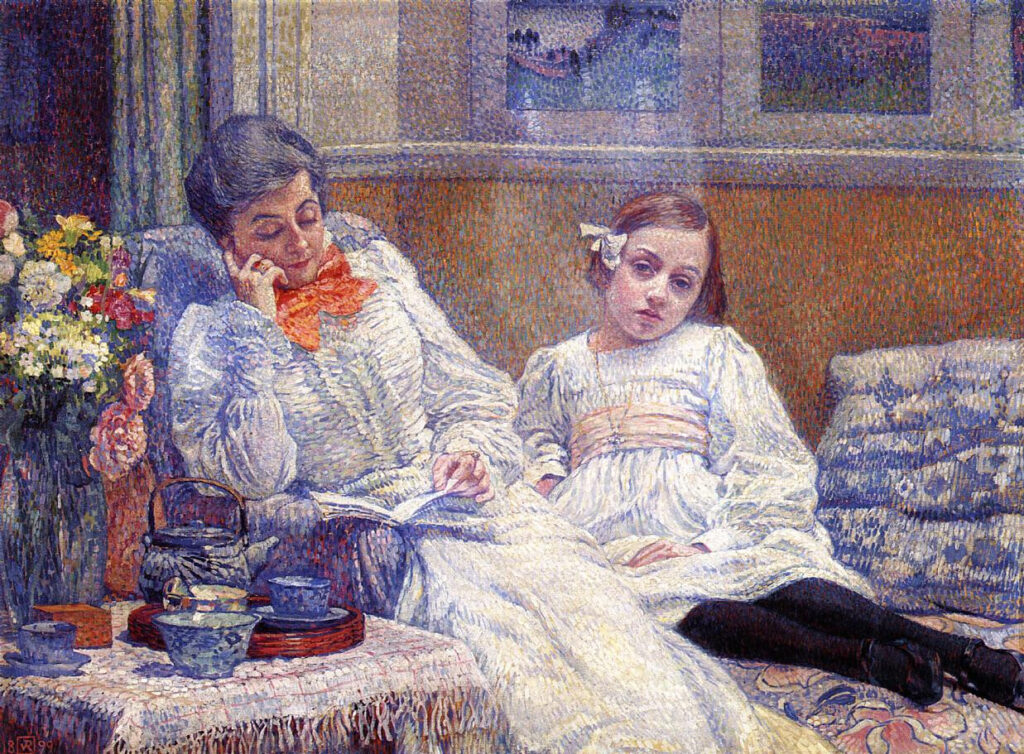
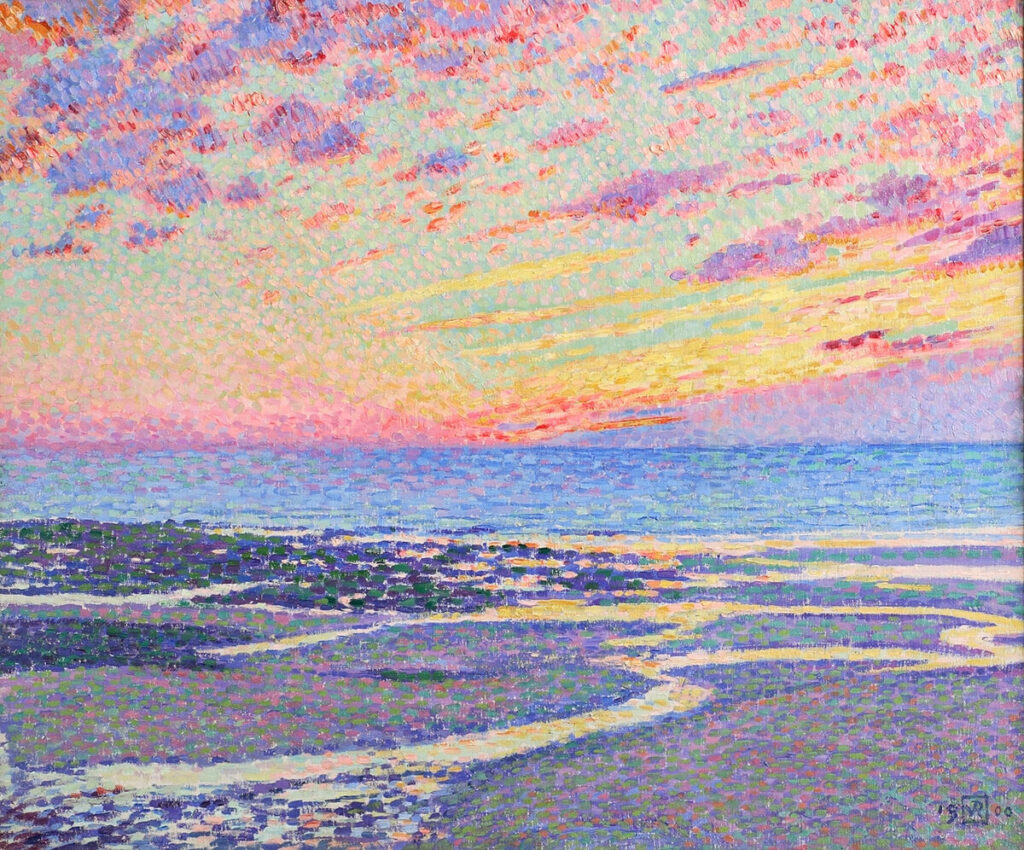
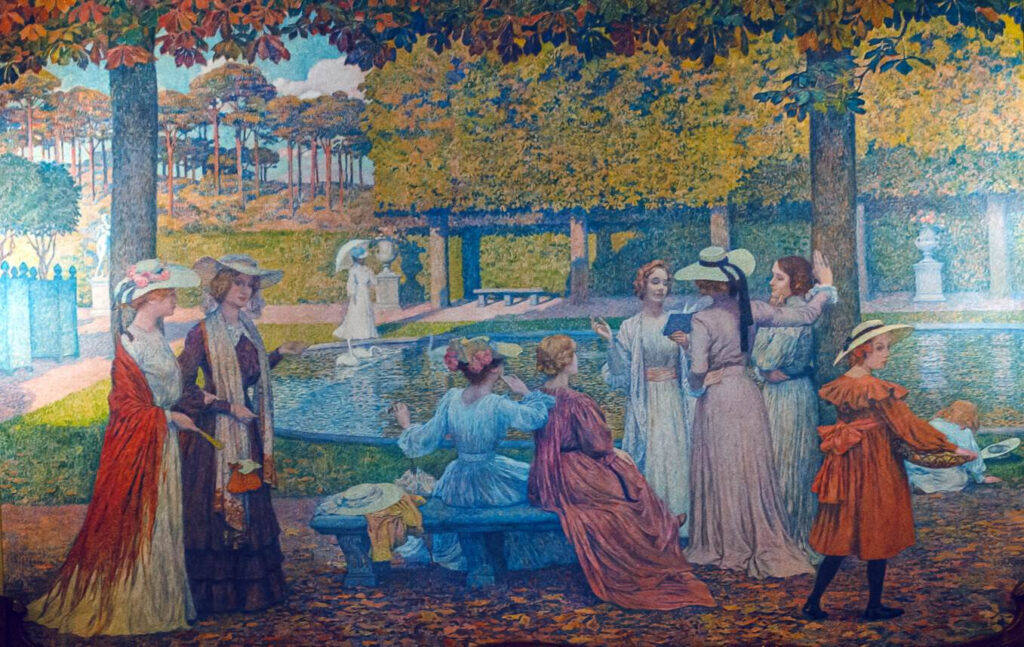
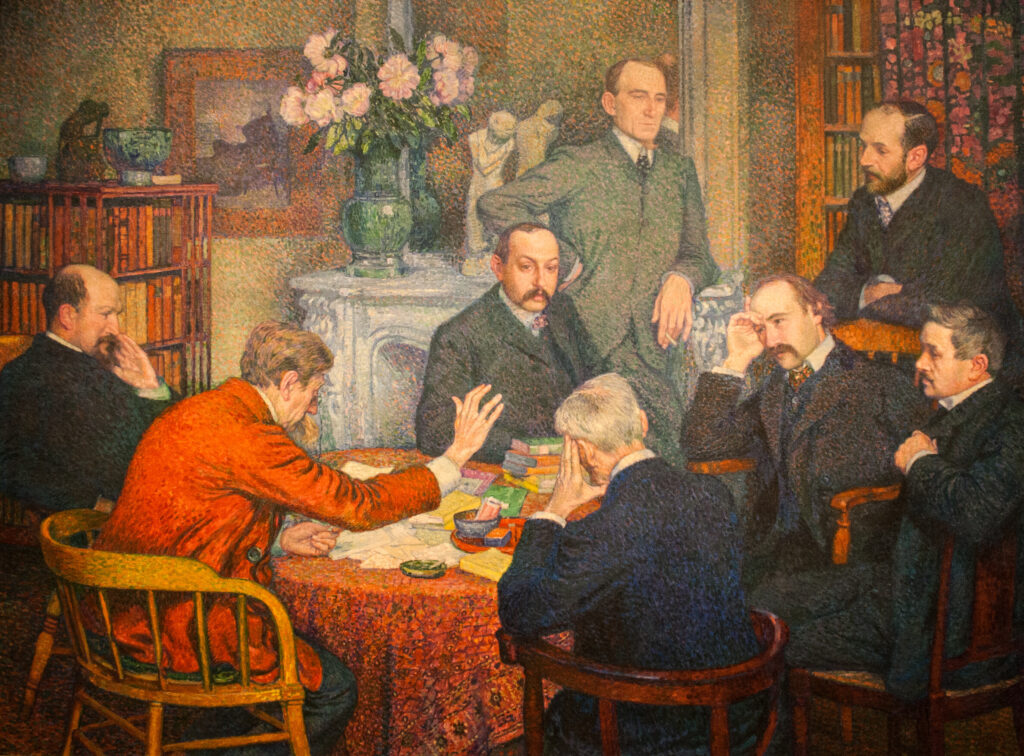
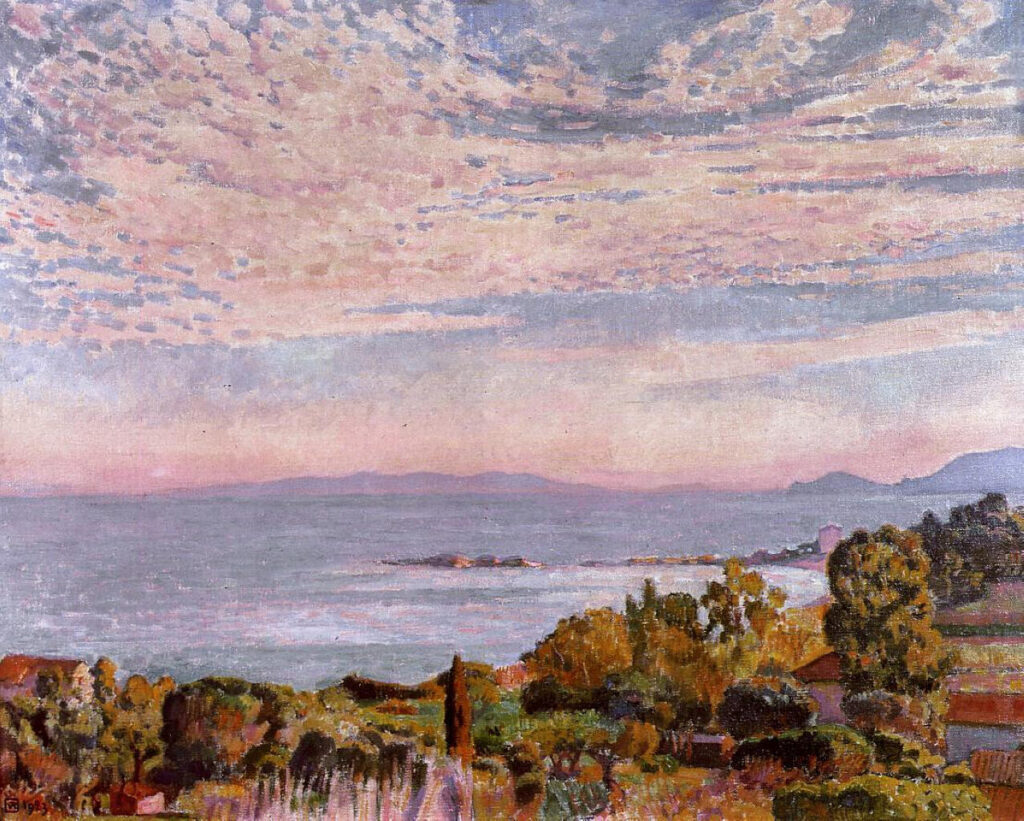
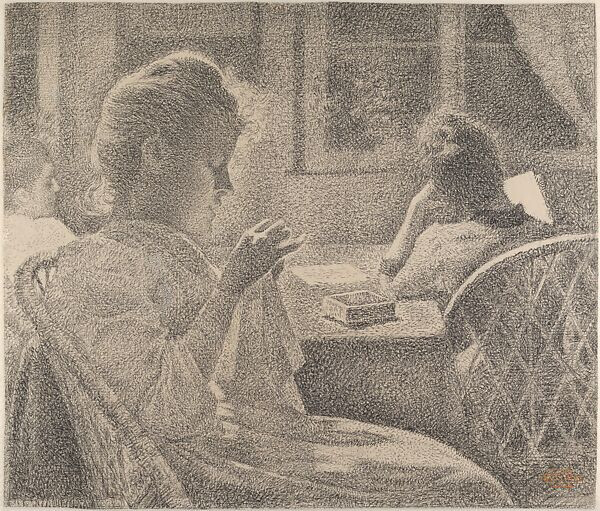
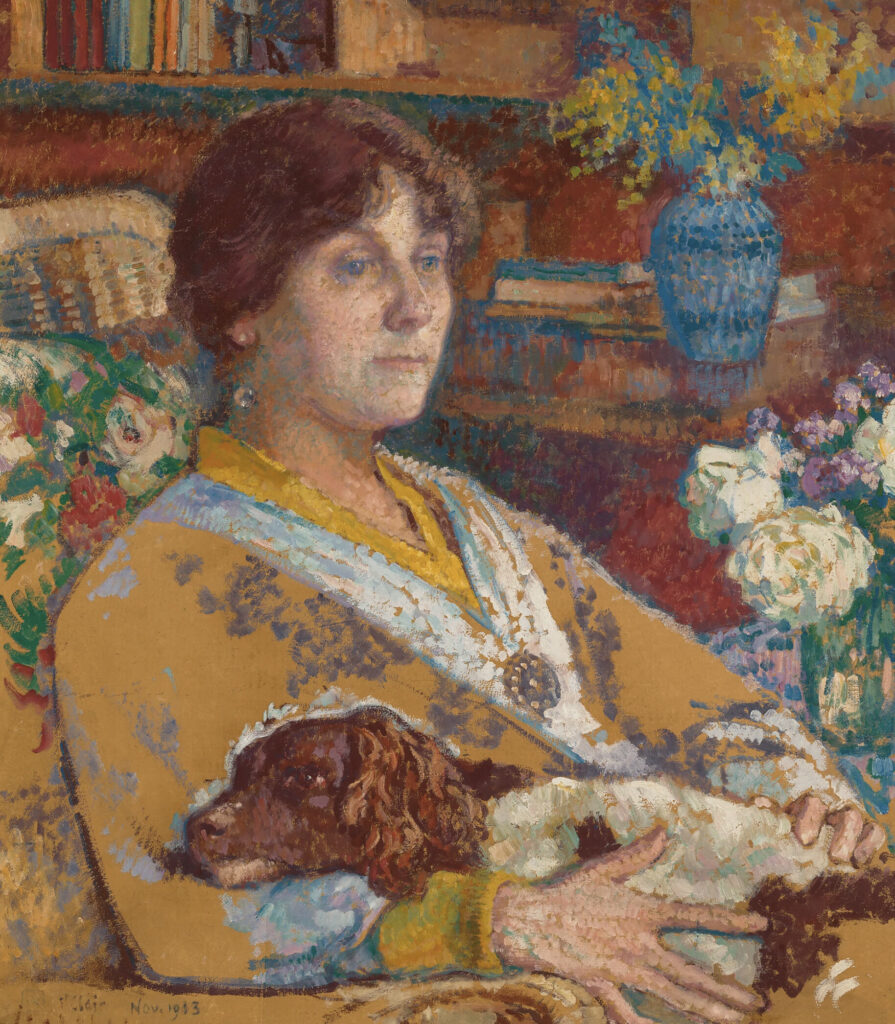
Théo van Rysselberghe, November 23, 1862–December 13, 1926, was a Belgian painter, printmaker, and designer associated with Neo-Impressionism. He studied at the Academy of Fine Arts in Ghent and, from 1879, at the Académie Royale des Beaux-Arts in Brussels under Jean-François Portaels.
In 1883 van Rysselberghe helped found Les XX, the Brussels avant-garde artists’ society, and became one of its most active members. After seeing Georges Seurat’s A Sunday Afternoon on the Island of La Grande Jatte in Paris in 1886, he adopted Divisionist methods and helped introduce Neo-Impressionism to Belgium; he also worked closely with Octave Maus and maintained associations with Paul Signac, Émile Verhaeren, Henry van de Velde, and other figures in Belgian and French modernism.
His work is held by the Royal Museums of Fine Arts of Belgium, Museum of Fine Arts Ghent, Musée d’Orsay, Kröller-Müller Museum, National Gallery, Museo Nacional del Prado, and National Gallery of Art, among other public collections.