Paul Cézanne
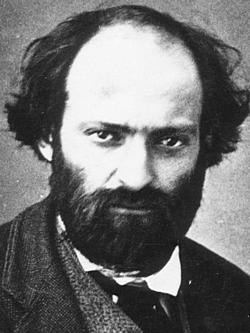
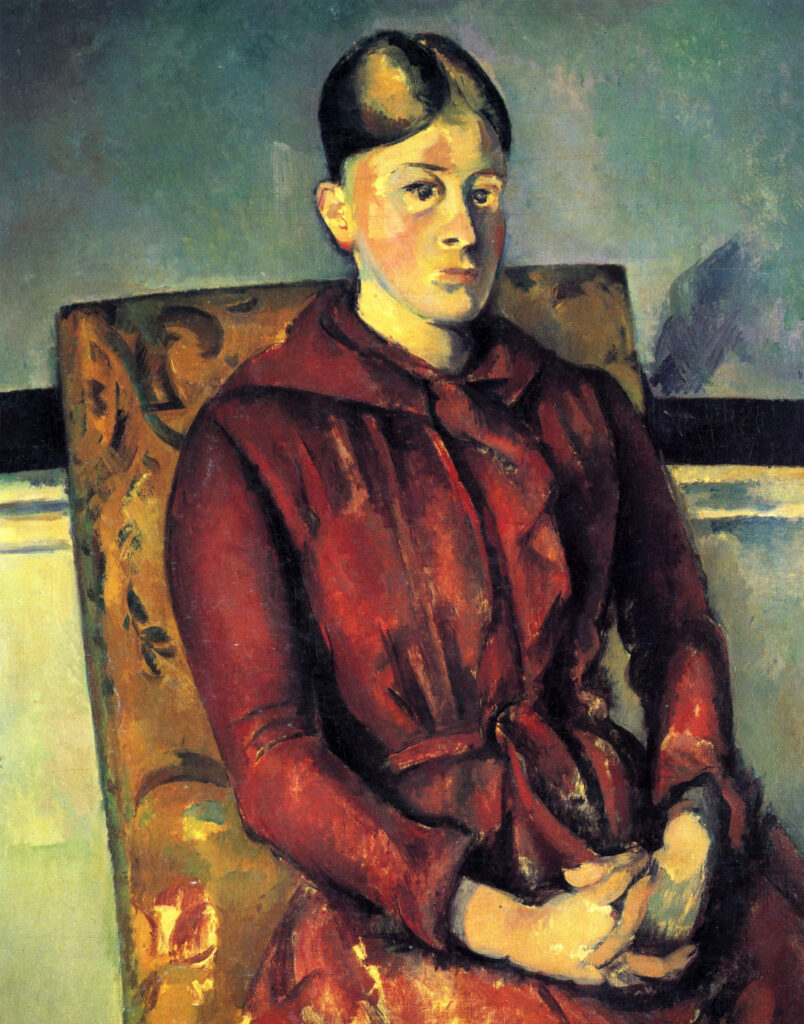
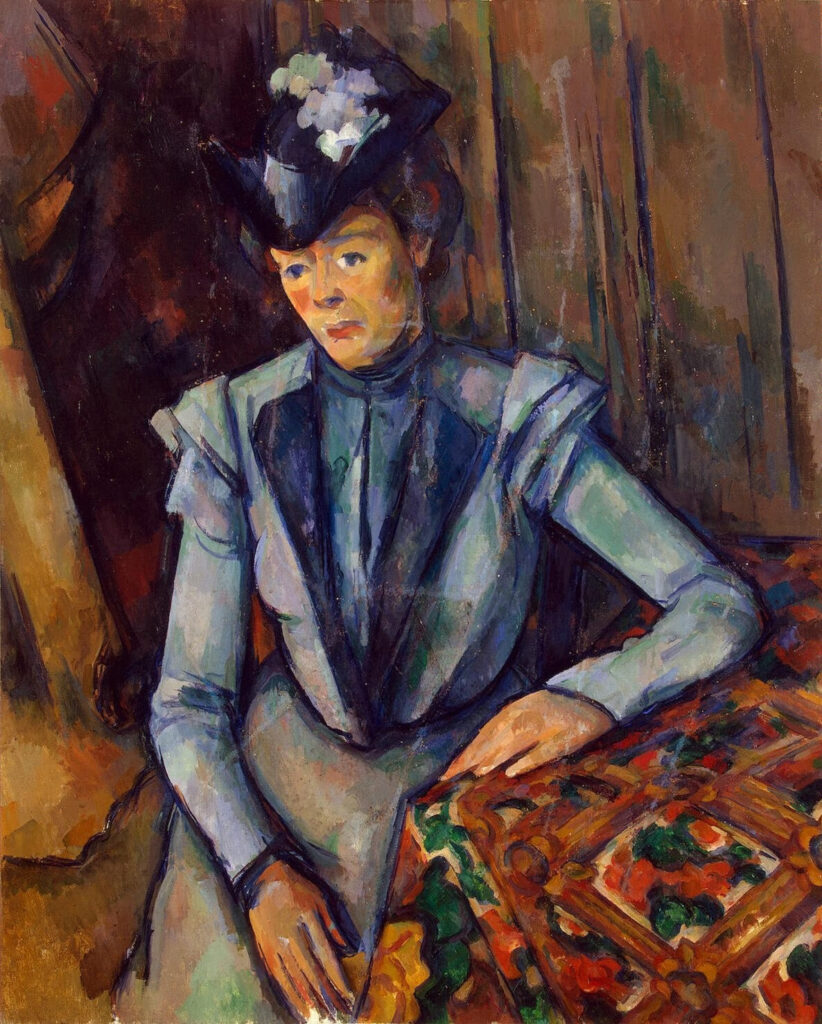
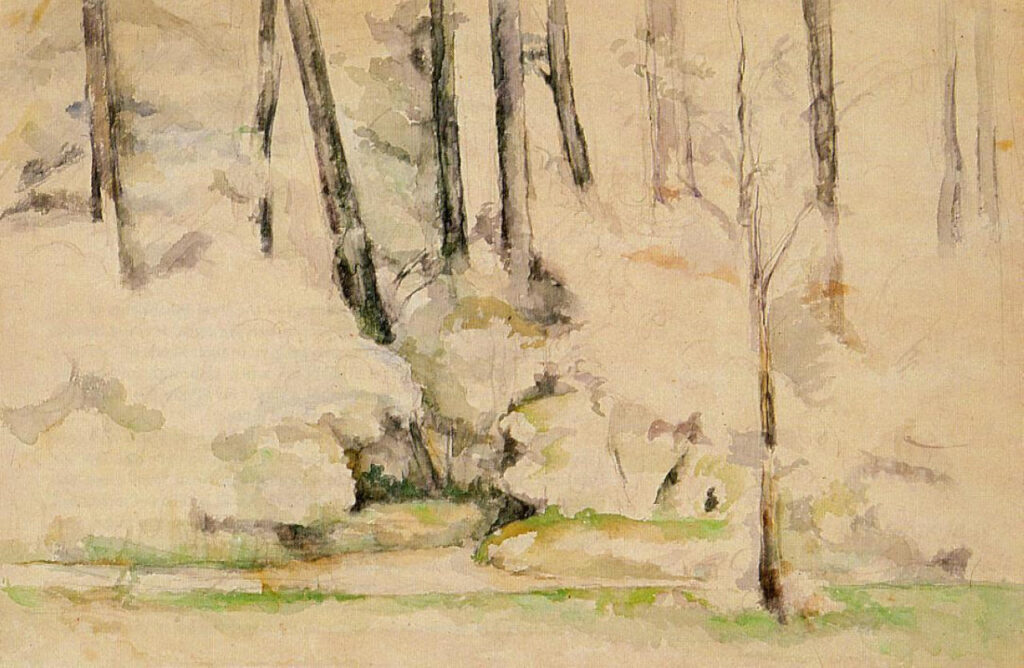
Paul Cézanne, January 19, 1839–October 22, 1906, was a French painter born in Aix-en-Provence. He studied drawing in Aix and attended the Académie Suisse in Paris, where he met Camille Pissarro. He also copied paintings in the Louvre.
Cézanne worked with Pissarro in the Paris region and associated with Claude Monet, Pierre-Auguste Renoir and other Impressionist painters. He participated in the first Impressionist exhibition in 1874. Ambroise Vollard organized his first solo exhibition in Paris in 1895. Cézanne continued working in Provence and died in Aix-en-Provence.
His paintings and watercolors are held by the Musée d’Orsay, the Metropolitan Museum of Art, the Art Institute of Chicago, the National Gallery in London, the Barnes Foundation and the J. Paul Getty Museum, among other collections.









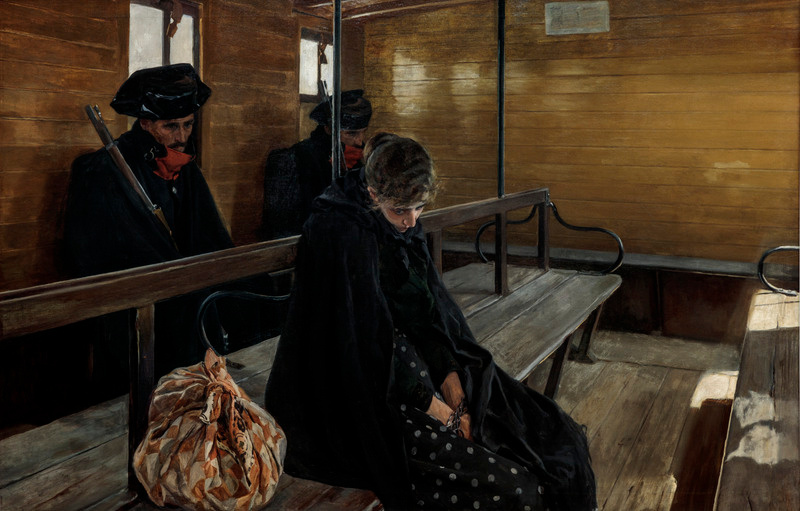
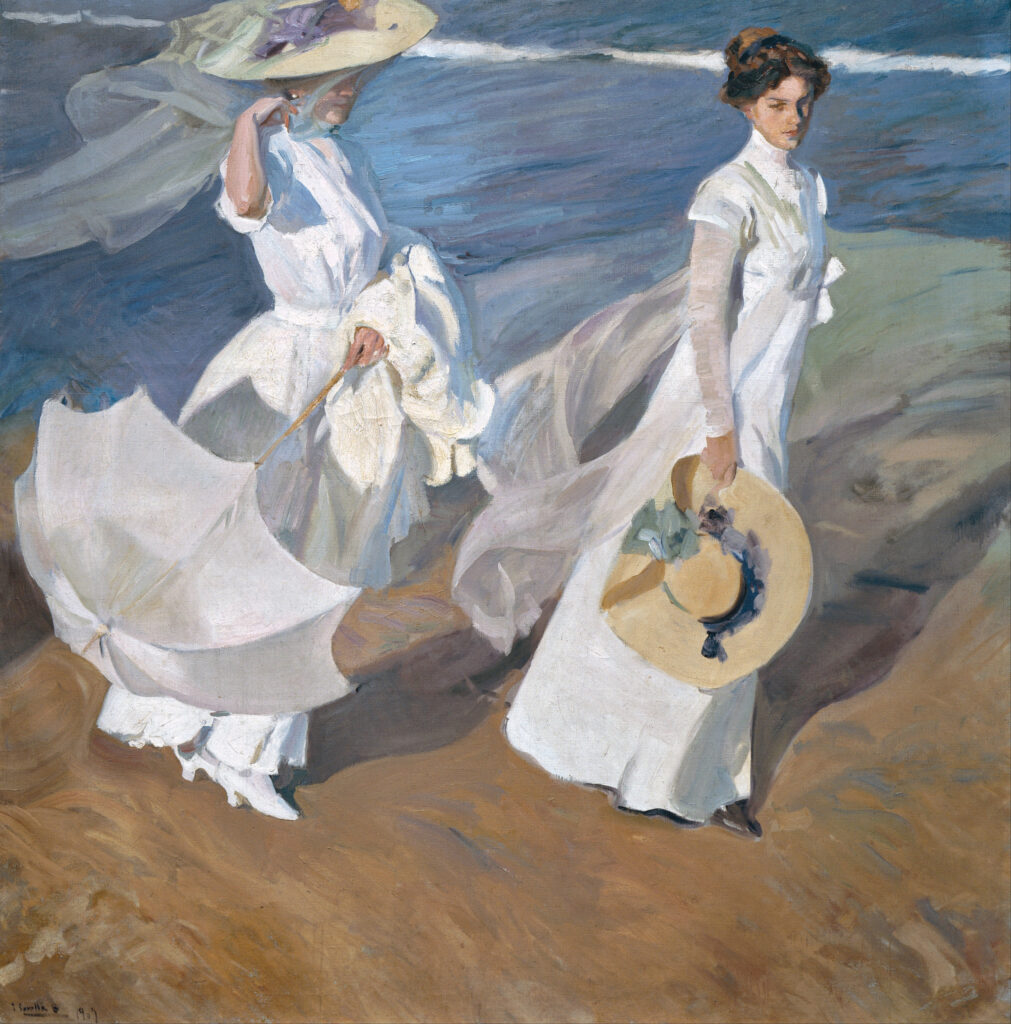
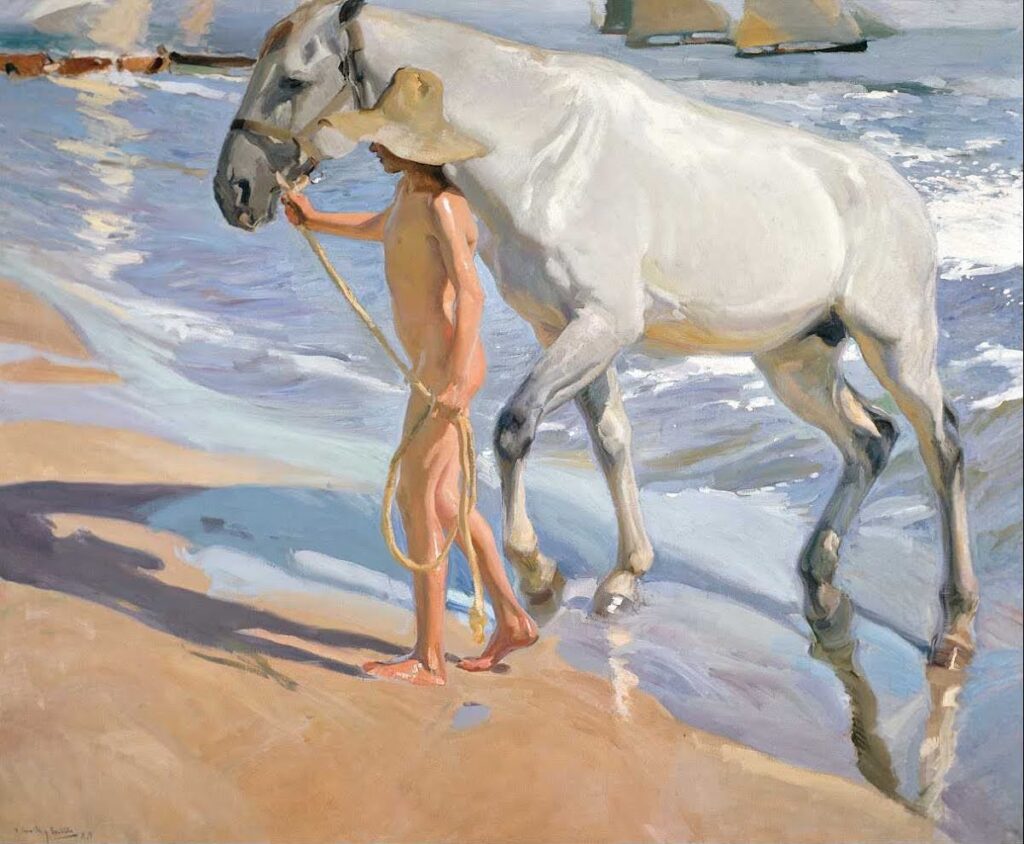
Joaquín Sorolla y Bastida
Joaquín Sorolla y Bastida, February 27, 1863–August 10, 1923, was a Spanish painter born in Valencia. Orphaned as a child, he was raised by an aunt and uncle. He trained at the School of Arts and Crafts and the Academy of San Carlos, where Gonzalo Salvá and Ignacio Pinazo introduced him to painting outdoors. A scholarship took him to Rome in 1885; he also studied contemporary painting in Paris.
Sorolla established his career in Madrid, painting portraits, landscapes, and scenes of working life, often outdoors. He received international awards and held exhibitions in Paris, London, and the United States. His 1909 exhibition at the Hispanic Society of America led to a close association with its founder, Archer Milton Huntington, who commissioned the fourteen-panel Vision of Spain.
A stroke in June 1920 ended Sorolla’s painting career. He died in Cercedilla in 1923. His widow, Clotilde García del Castillo, left their Madrid home and her collections to the Spanish state; the Sorolla Museum opened in 1932. His paintings are also held by the Museo Nacional del Prado, the Hispanic Society Museum & Library, The Metropolitan Museum of Art, and The San Diego Museum of Art.



Edward Steichen
Edward Jean Steichen, Luxembourgish American photographer, March 27, 1879 – March 25, 1973


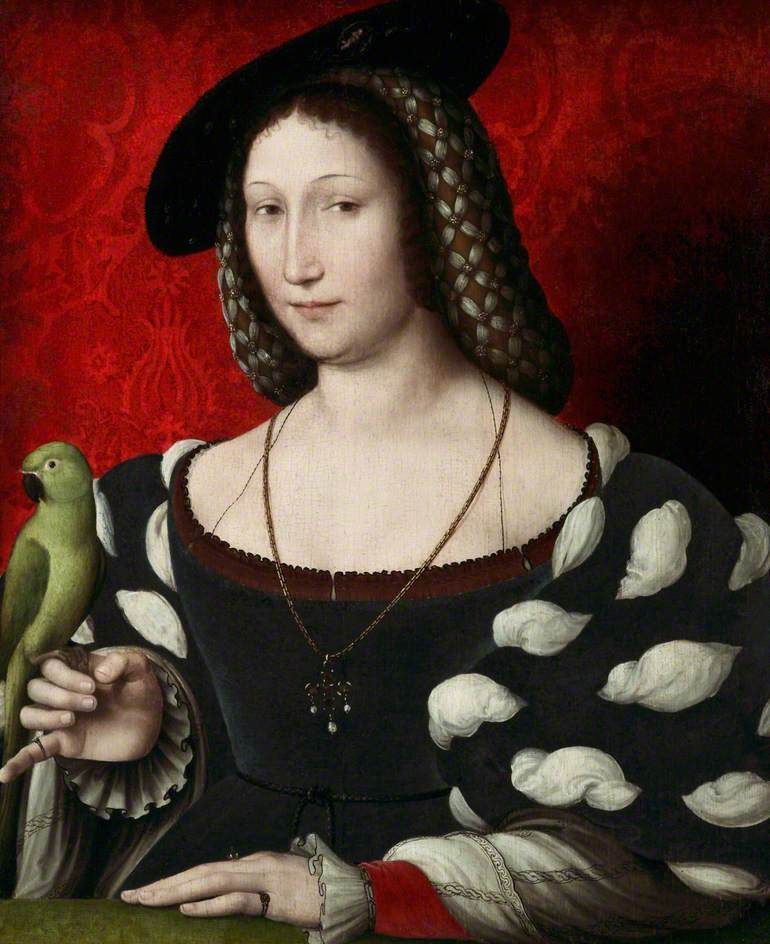

Sir Peter Lely
Sir Peter Lely, September 14, 1618 – November 30, 1680, was a painter and draftsman born Pieter van der Faes in Soest, Westphalia. He trained in Haarlem and was active in England from the 1640s.
Lely worked in portraiture, mythological and biblical subjects, and drawings. After the Restoration he became the leading court portraitist in England and was appointed Principal Painter to King Charles II in 1661. He was knighted in 1680.
His work includes portraits of members of the Stuart court and aristocracy, images of royal and literary figures, and early narrative paintings. Lely died in London in 1680.


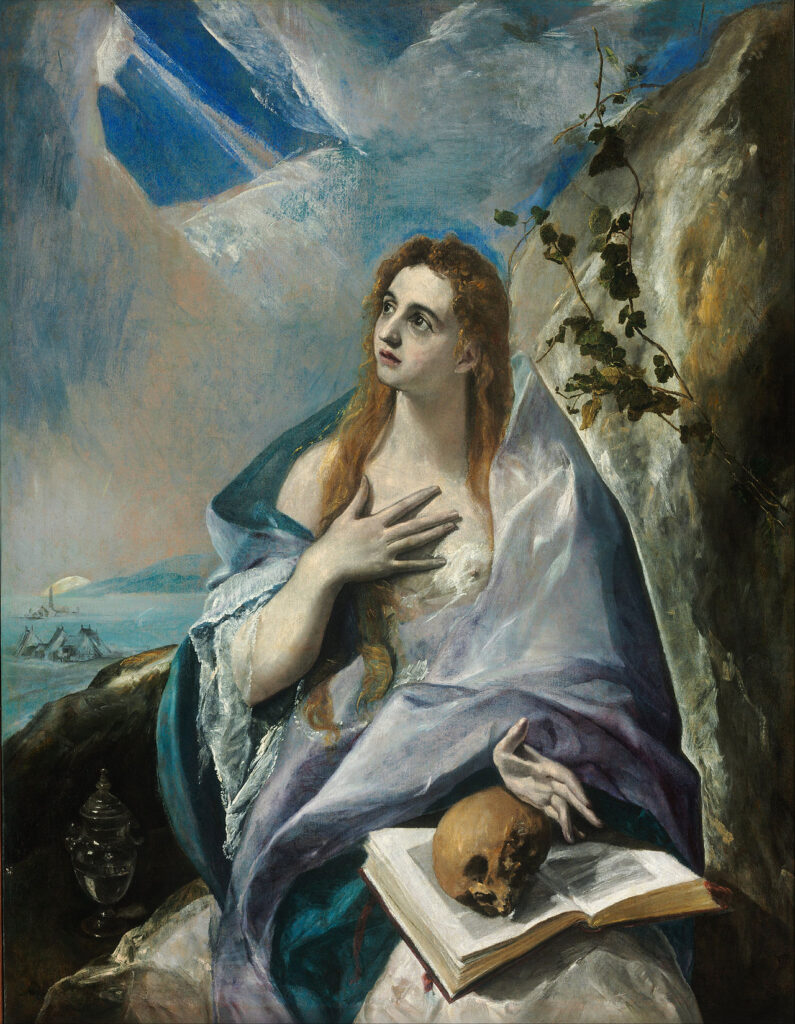
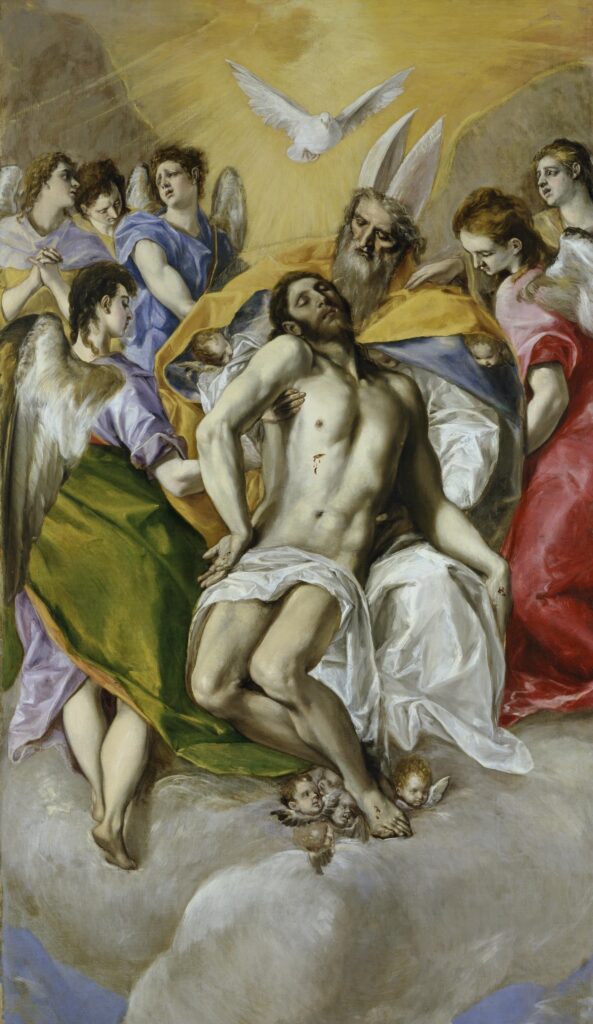
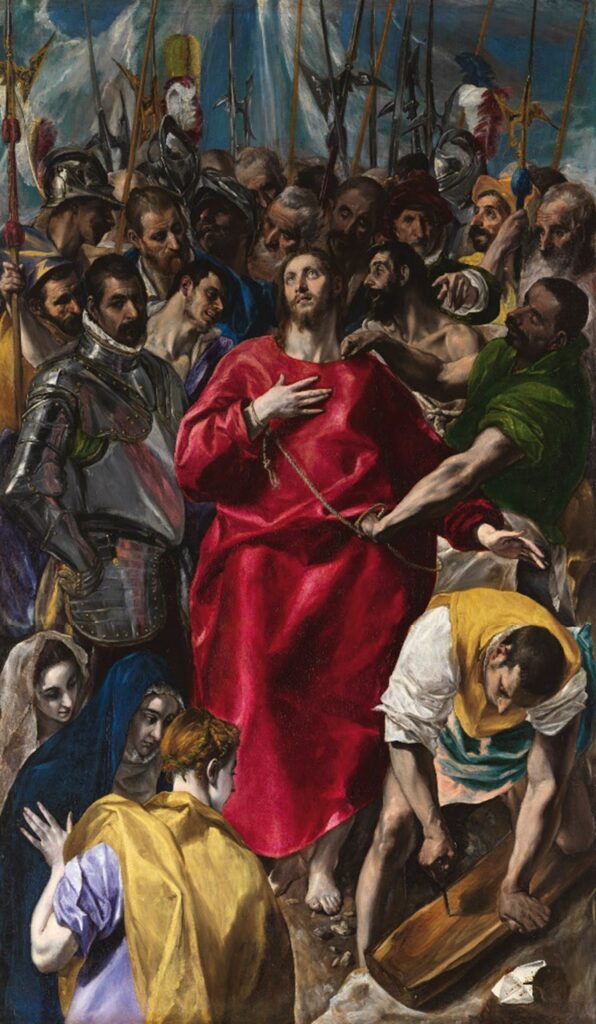
El Greco
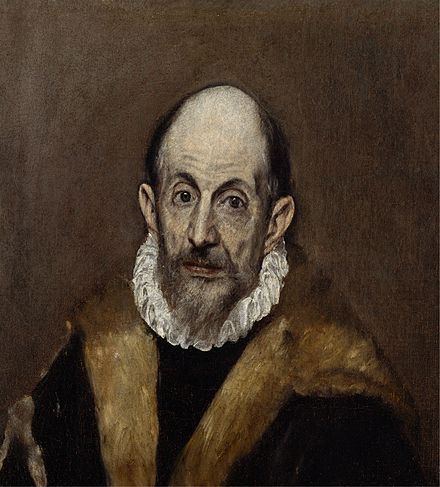
El Greco, October 1, 1541 – April 7, 1614, was a Cretan-born painter, born Domenikos Theotokopoulos in Candia. He trained in the Byzantine icon-painting tradition before working in Venice and Rome.
Known in Spain as El Greco, he settled in Toledo in 1577 and received commissions for religious foundations. His paintings combine elements of his Cretan formation with Venetian color and Roman Mannerist forms.
El Greco remained in Toledo for the rest of his life and died there in 1614. His work is represented in collections including the Museo del Prado, the National Gallery of Art, the Metropolitan Museum of Art, and the Art Institute of Chicago.






Tintoretto
Jacopo Robusti, known as Tintoretto, April 1518 – May 31, 1594, was an Italian painter of the Venetian Renaissance. Nicknamed “Il Furioso” for the speed and energy of his working method, he was one of the most prolific and ambitious artists of sixteenth-century Venice.
Tintoretto was probably trained in the workshop of Titian before establishing his own studio. His work combined the rich color of the Venetian tradition with dramatic perspective, dynamic composition, and bold lighting that anticipated many characteristics of the Baroque. His major commissions included paintings for the Scuola Grande di San Rocco, the Doge’s Palace, Madonna dell’Orto, and numerous Venetian churches and confraternities.
His paintings range from portraits and mythological subjects to monumental biblical cycles. Among his best-known works are Miracle of the Slave, Christ Washing the Disciples’ Feet, The Origin of the Milky Way, The Last Supper, and the vast decorative program for the Scuola Grande di San Rocco. Tintoretto’s workshop, later continued by his son Domenico Tintoretto and daughter Marietta Robusti, exerted a lasting influence on Venetian painting and on later European artists including El Greco, Peter Paul Rubens, Diego Velázquez, and Eugène Delacroix.


