Eugène Boudin
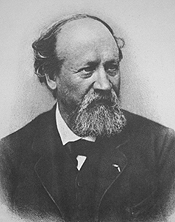
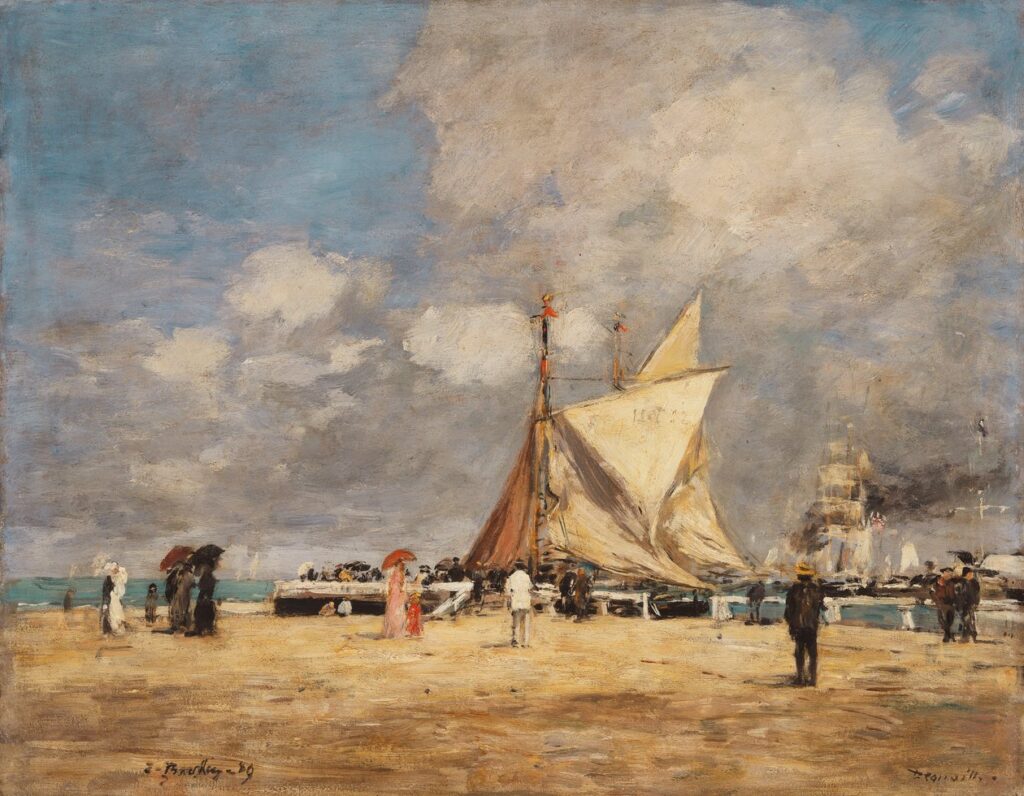
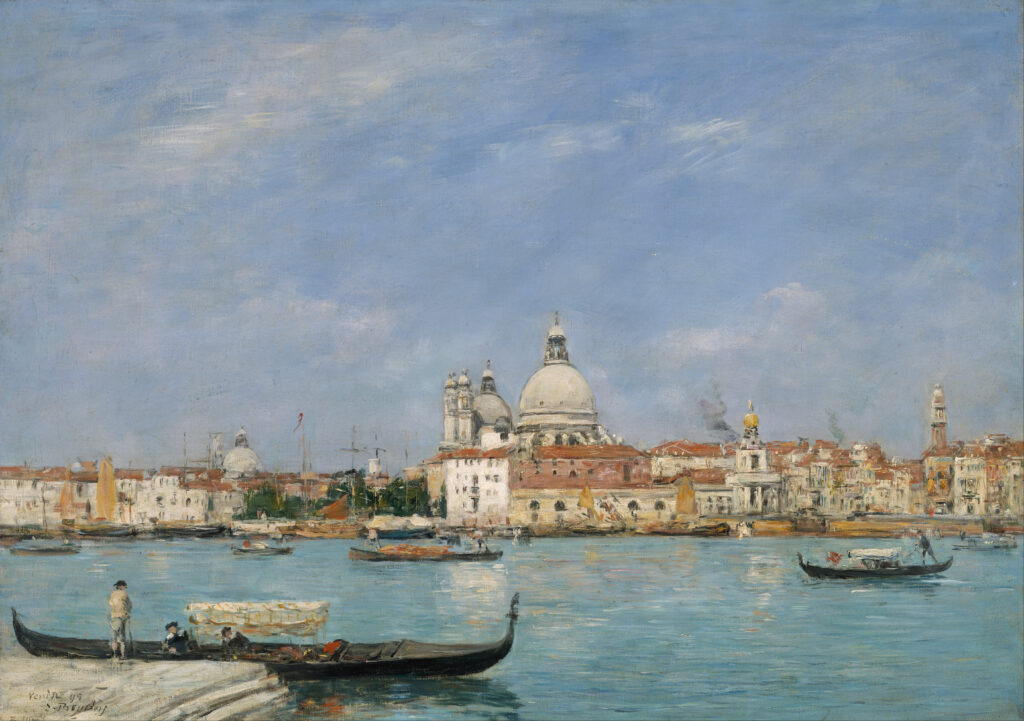
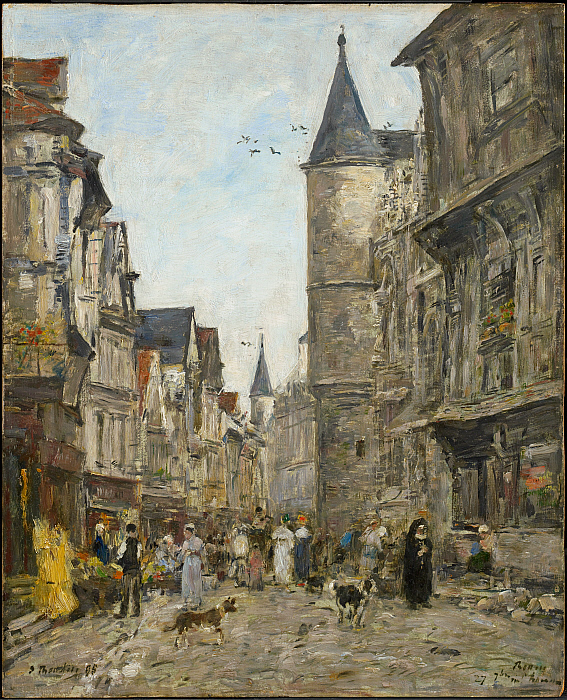
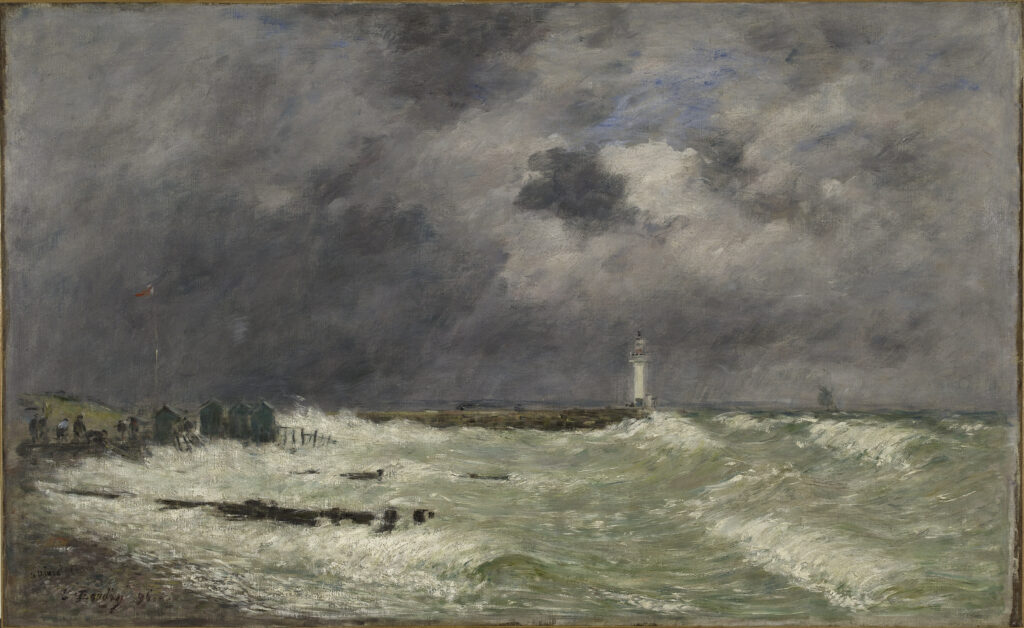
Eugène Louis Boudin, July 12, 1824 – August 8, 1898, was a French painter best known for marine subjects, coastal landscapes, and open-air studies of the sky and sea. He was born in Honfleur, Normandy, where his father worked as a harbor pilot and sailor. After working in a stationery and framing shop that served local artists, Boudin began painting and received encouragement from several established painters, including Jean-François Millet. He studied in Paris and at the Louvre while maintaining close ties to the Normandy coast.
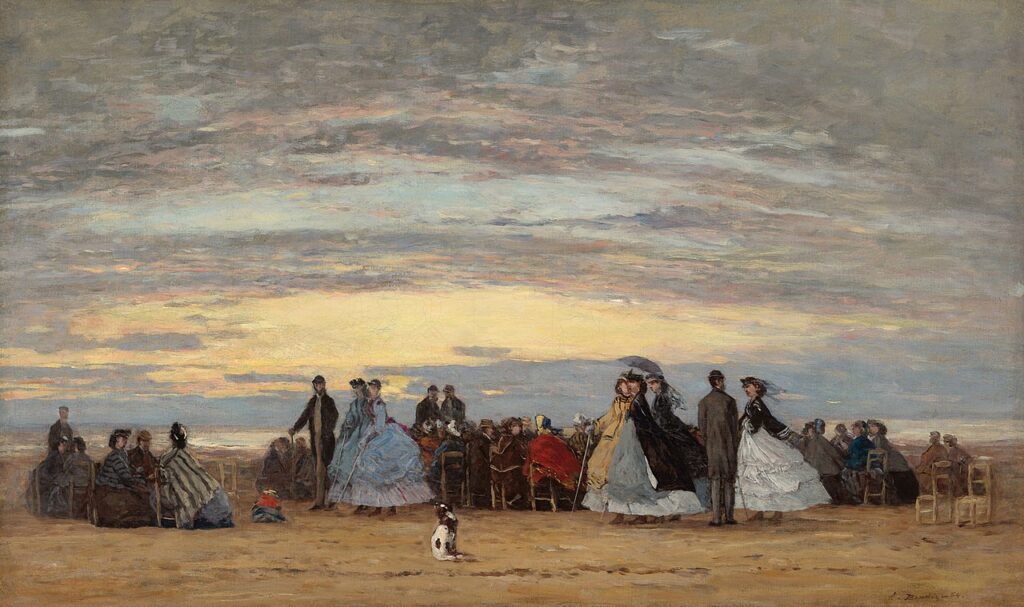
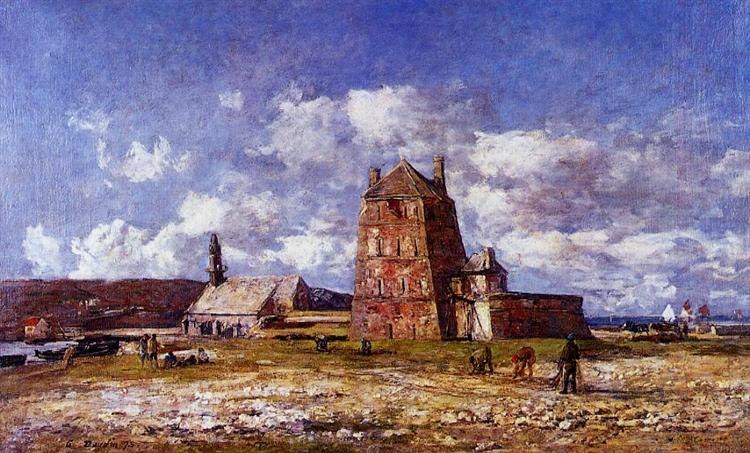
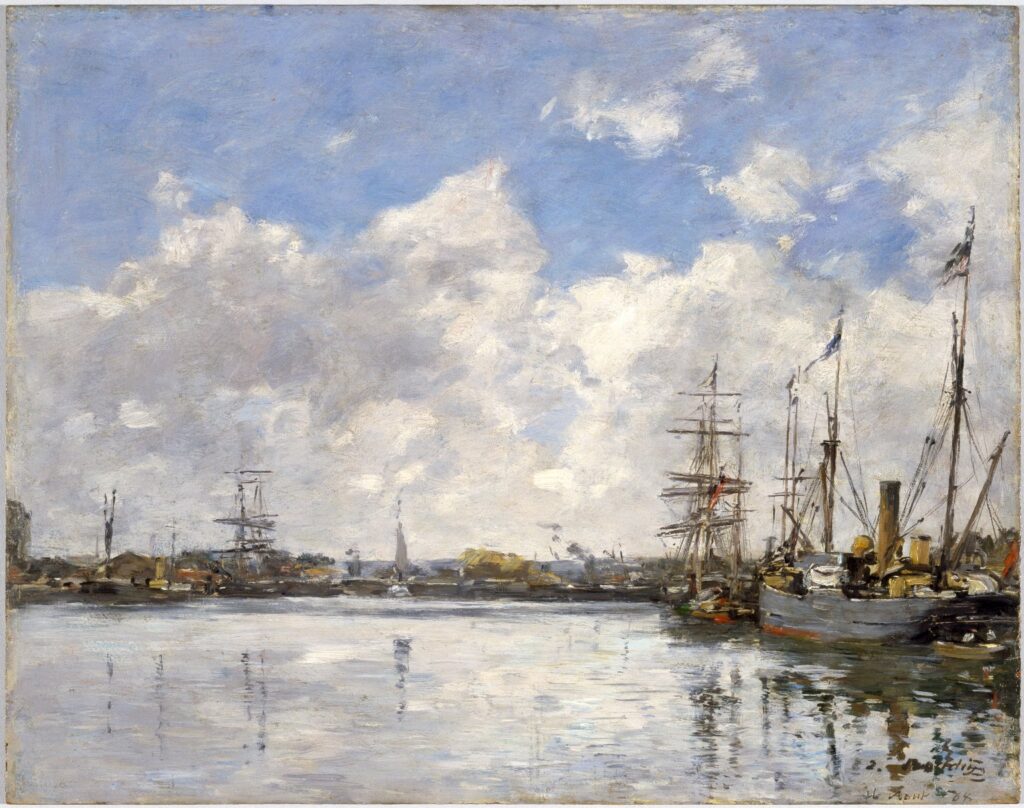
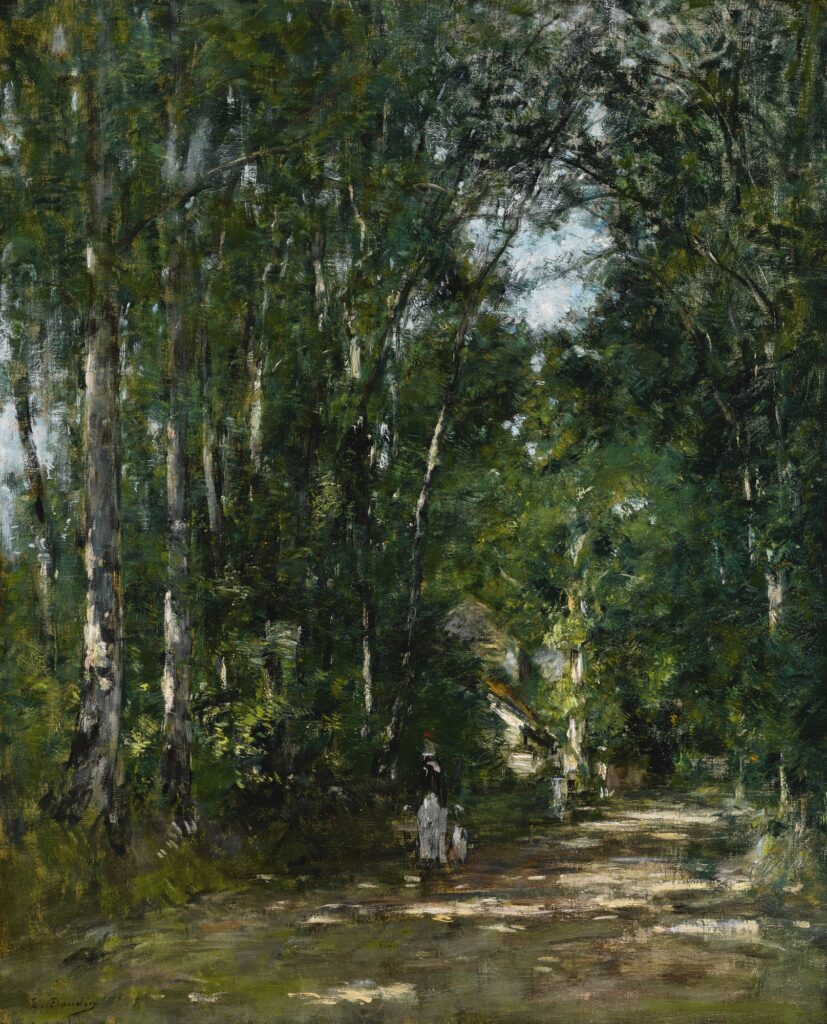
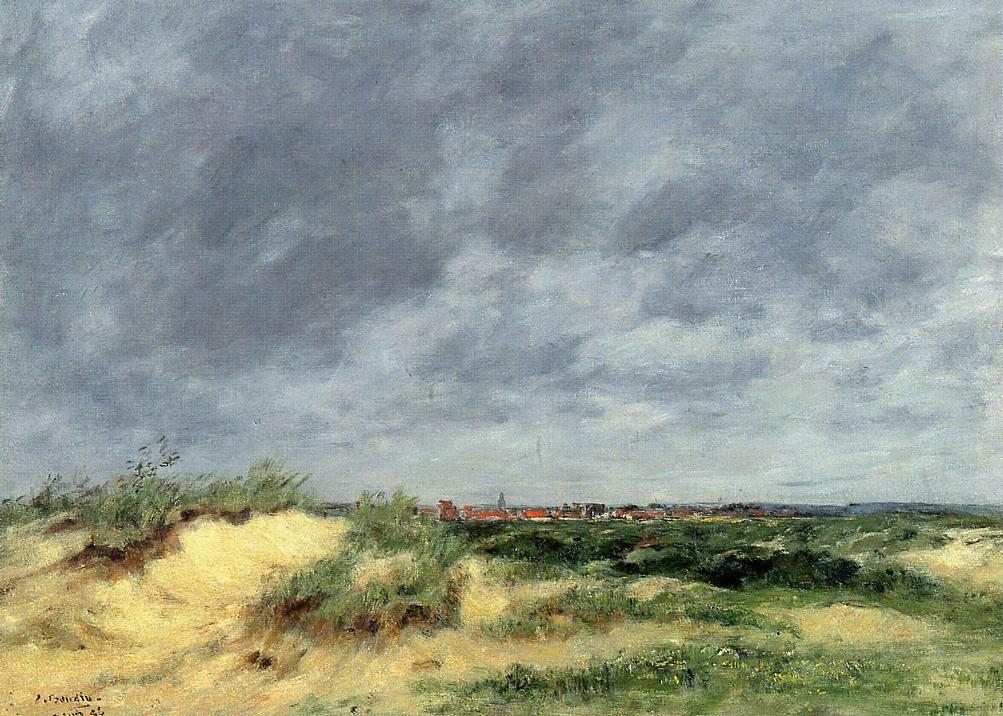
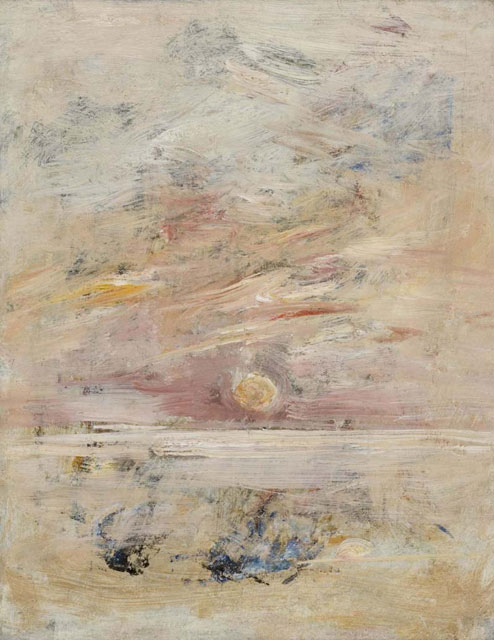
Boudin became known for scenes of beaches, harbors, fishing communities, and fashionable seaside resorts. He was an early practitioner of painting outdoors, producing numerous oil sketches directly from nature. His studies of changing weather and atmospheric effects influenced younger artists, most notably Claude Monet, whom he encouraged to paint outdoors. Although associated with the development of Impressionism, Boudin maintained an independent artistic identity throughout his career and regularly exhibited at the Paris Salon as well as the first Impressionist exhibition in 1874.
Boudin did not establish a formal school of pupils, but his influence on Monet and other landscape painters was significant. His work is held in major collections including the Louvre, Paris; the Musée d’Orsay, Paris; the National Gallery of Art, Washington DC; the Metropolitan Museum of Art, New York; the Museum of Fine Arts, Boston; and the Clark Art Institute, Williamstown.


Comments are Disabled