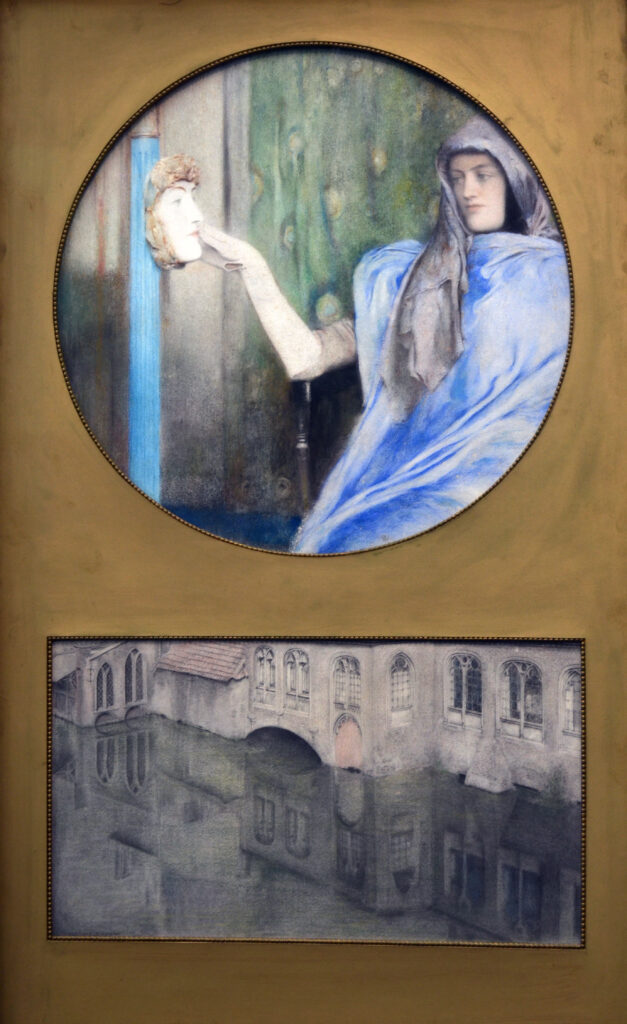
Fernand Khnopff
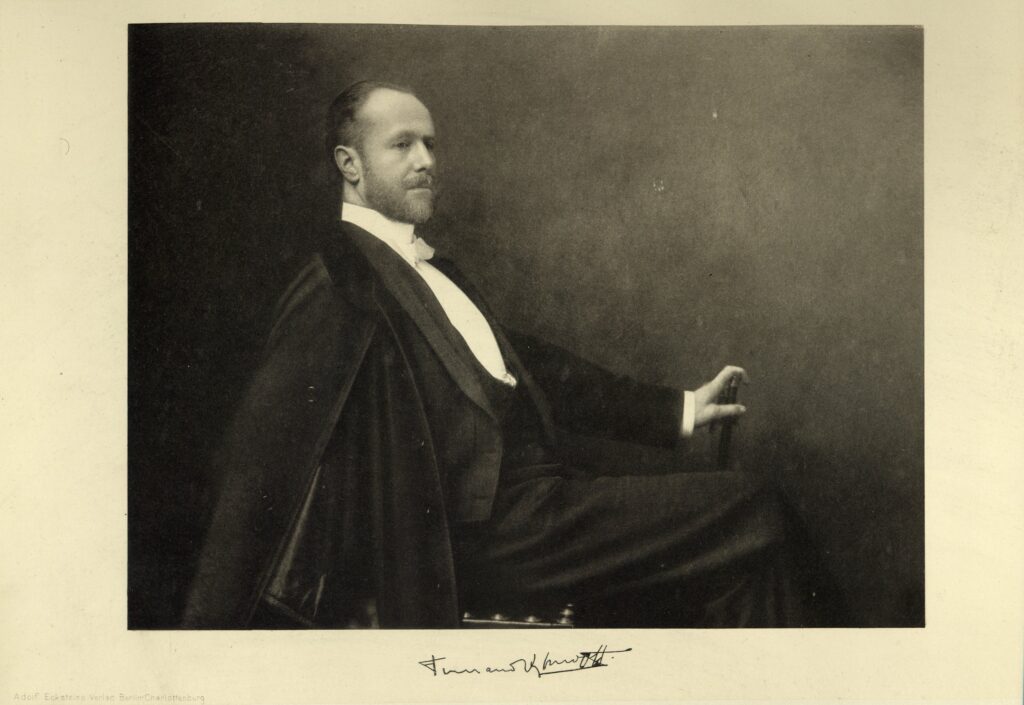
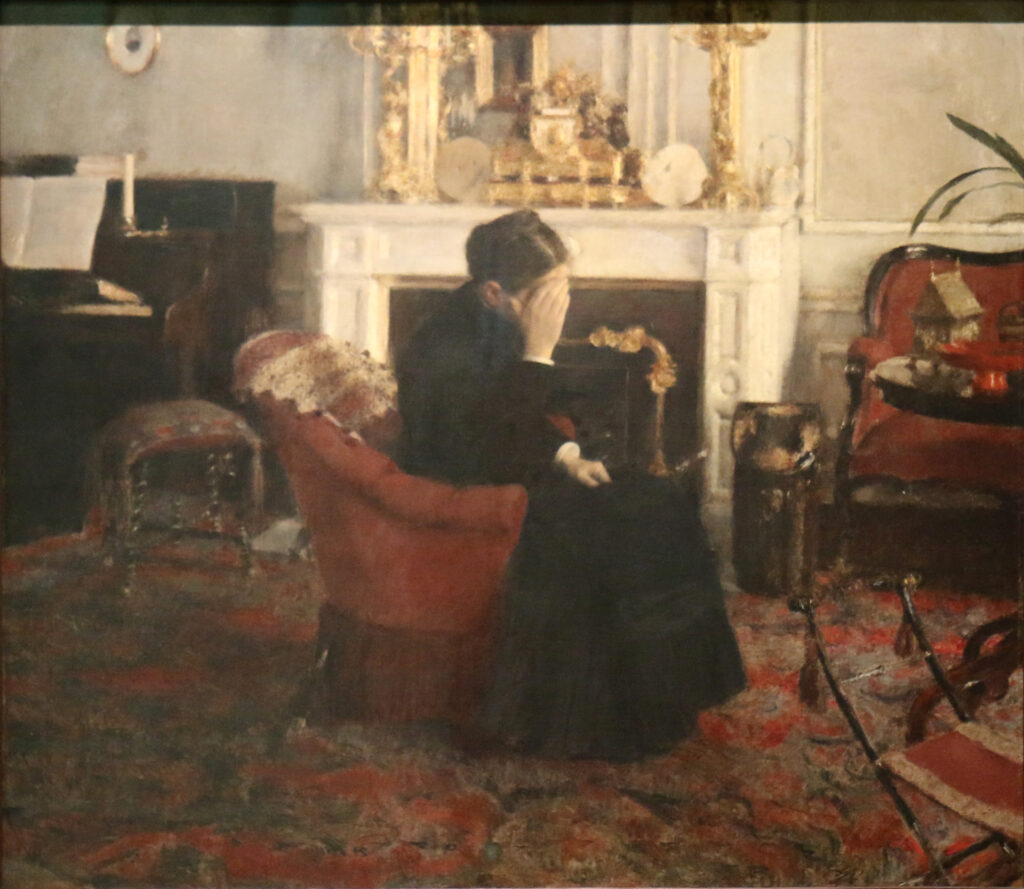
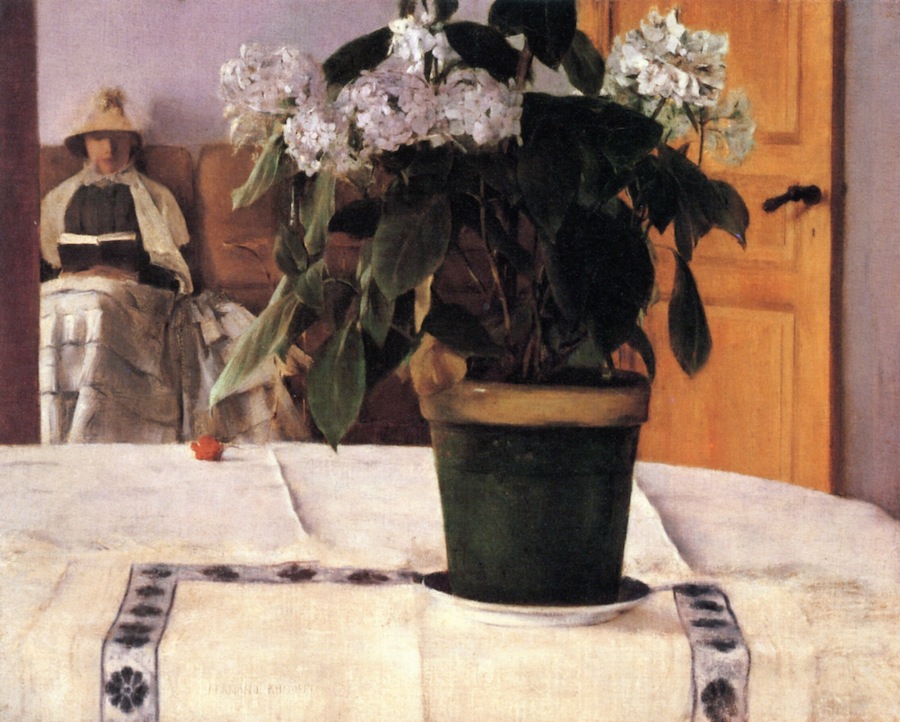
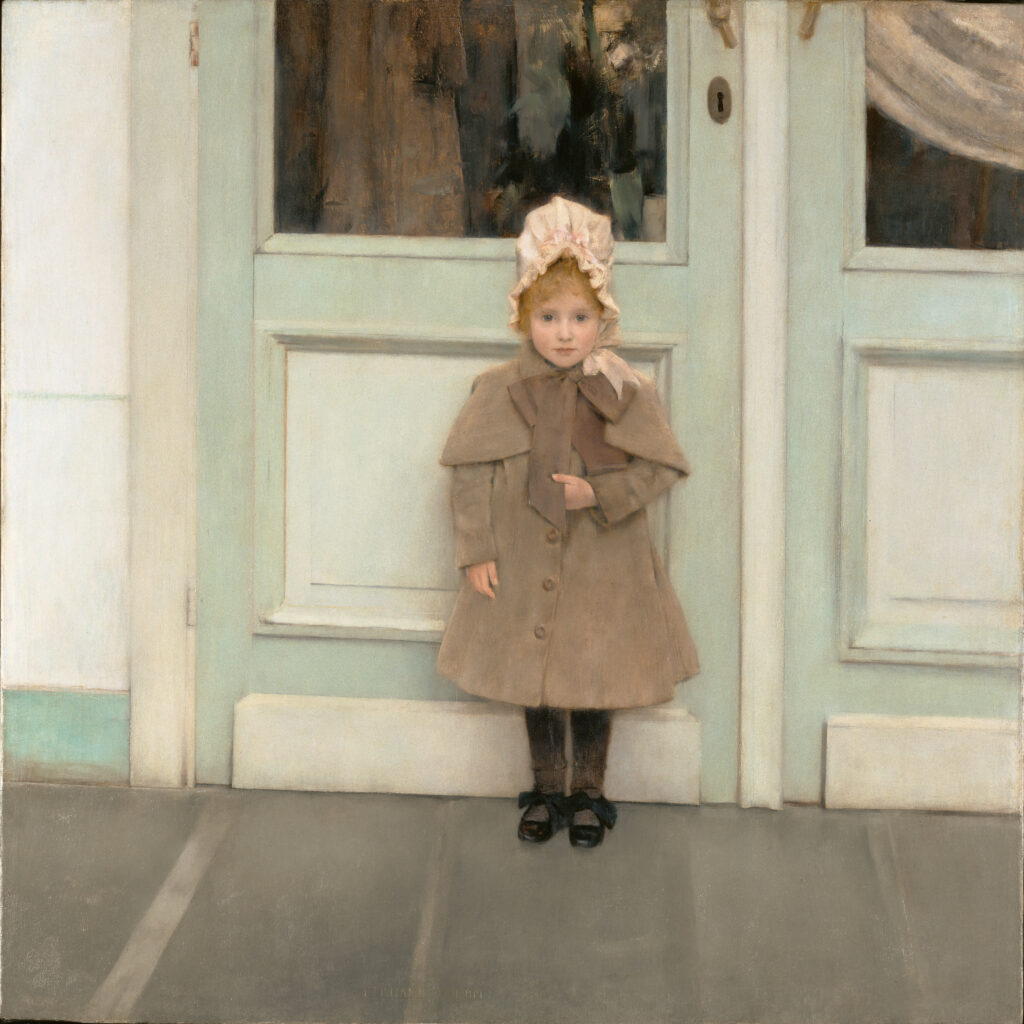
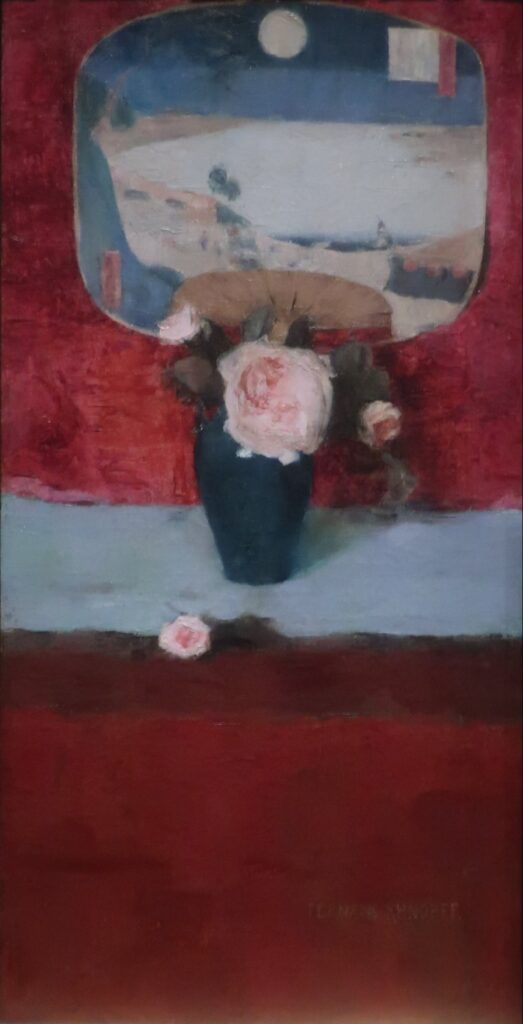
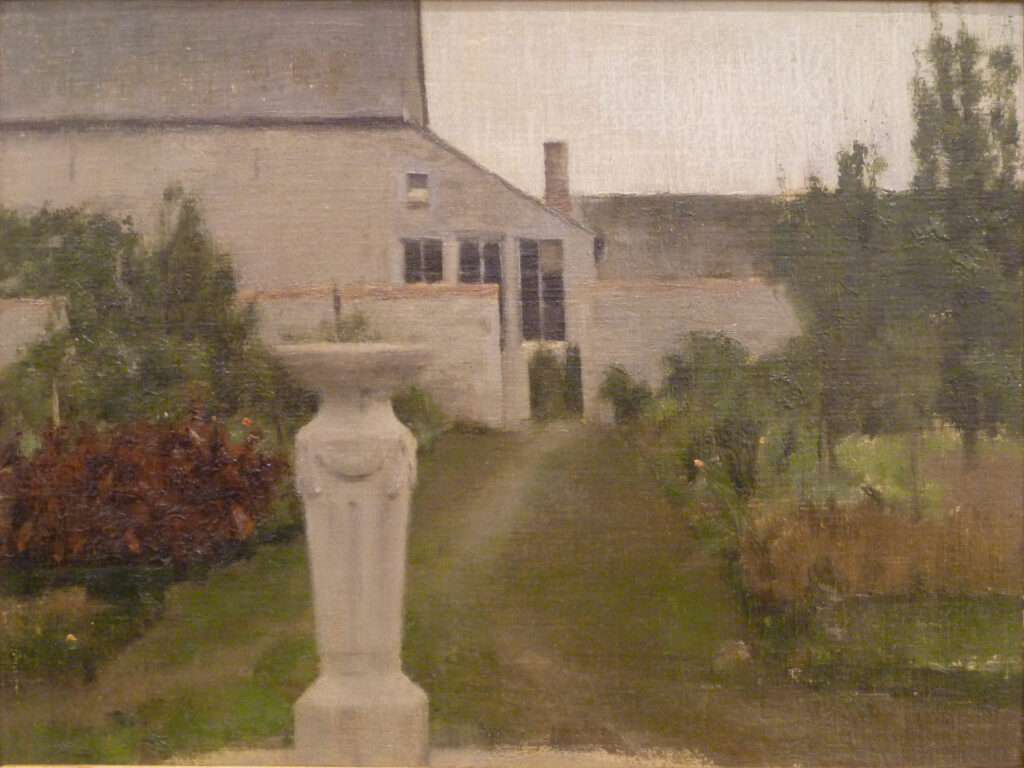
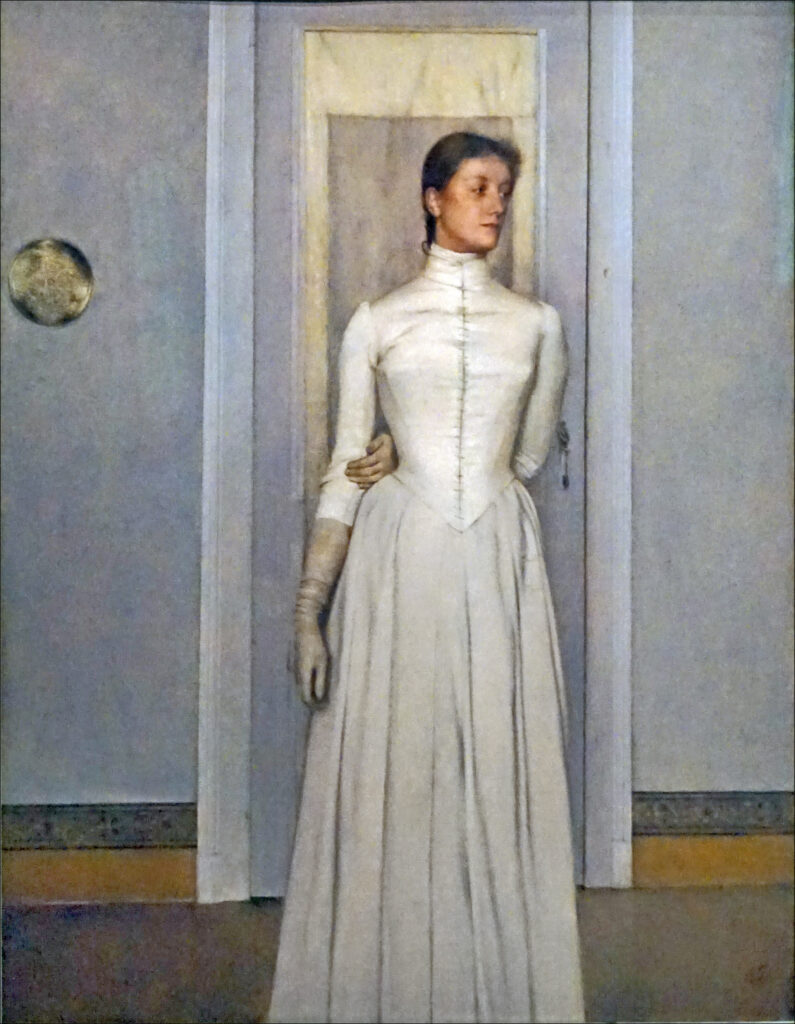
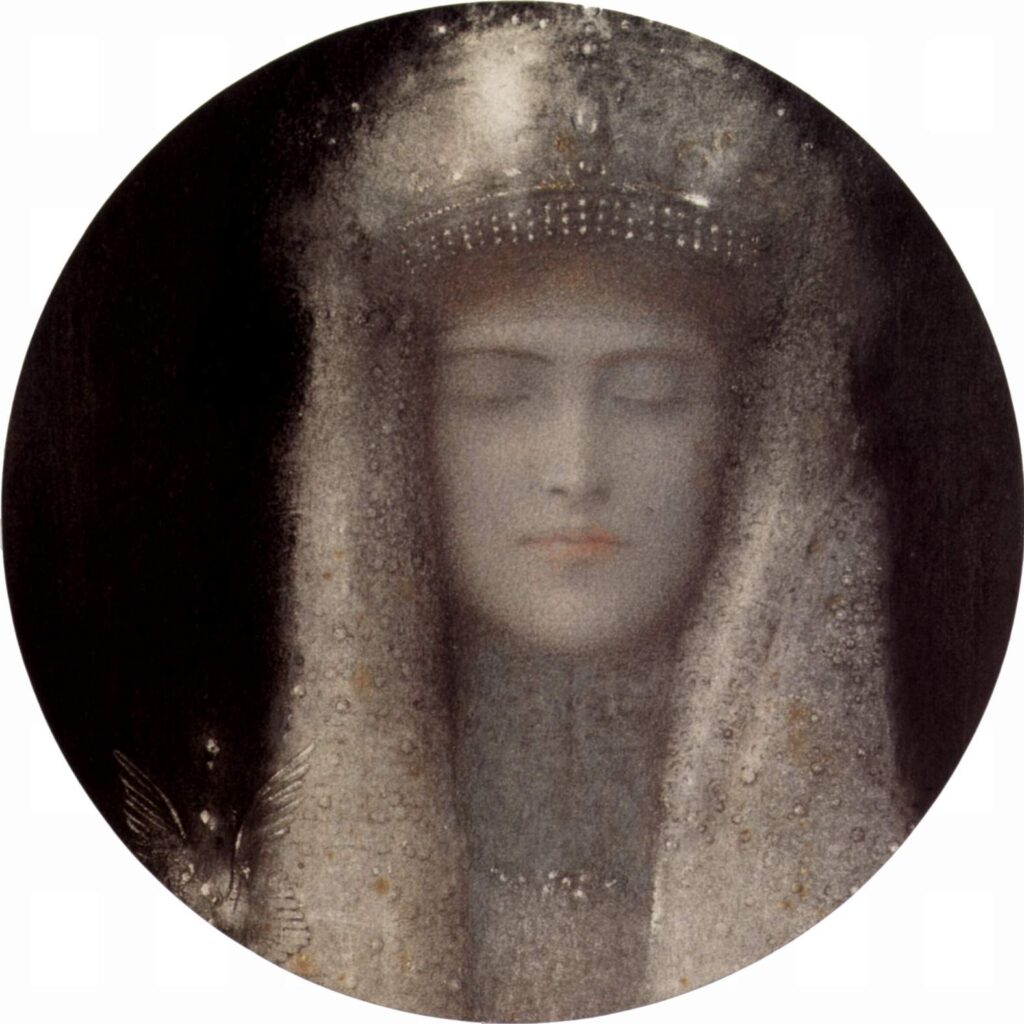
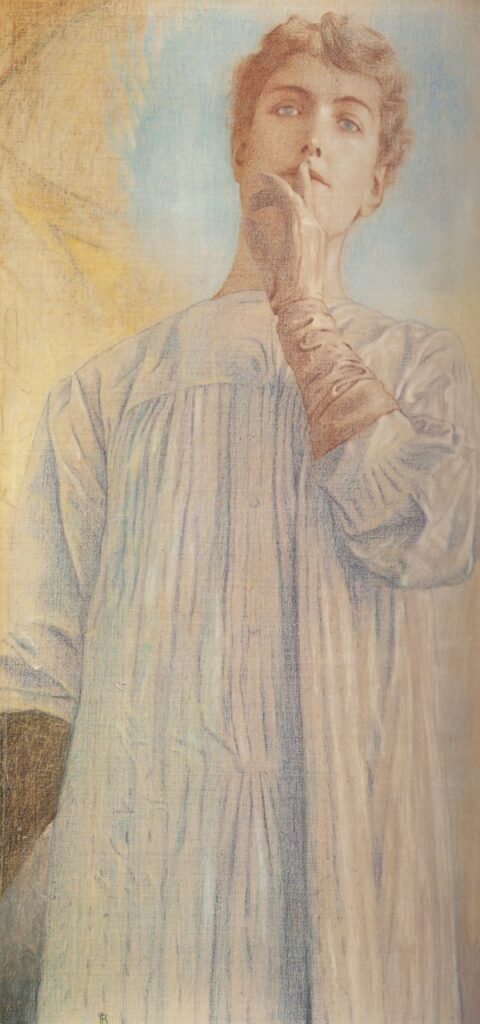
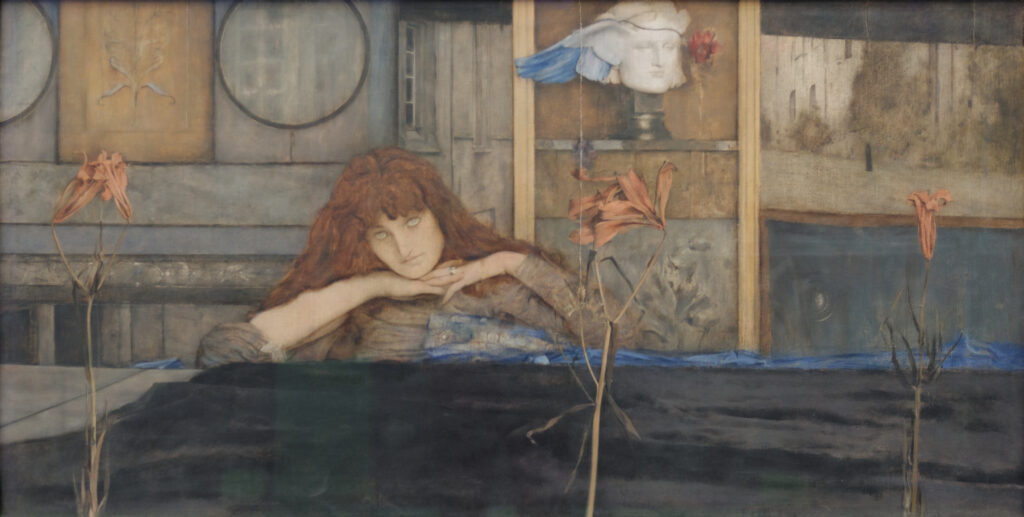
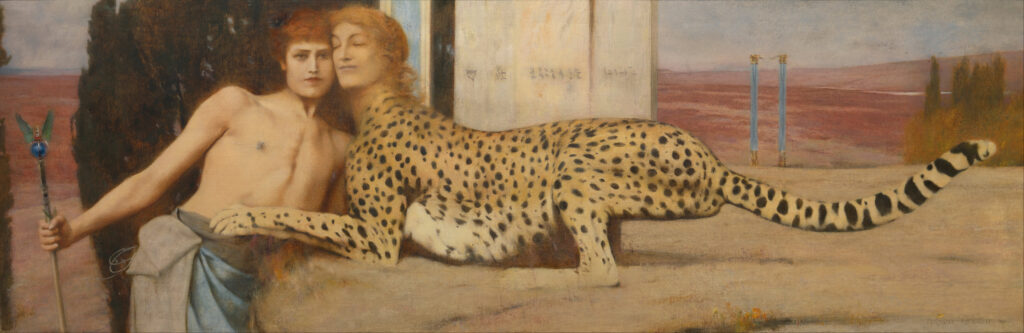
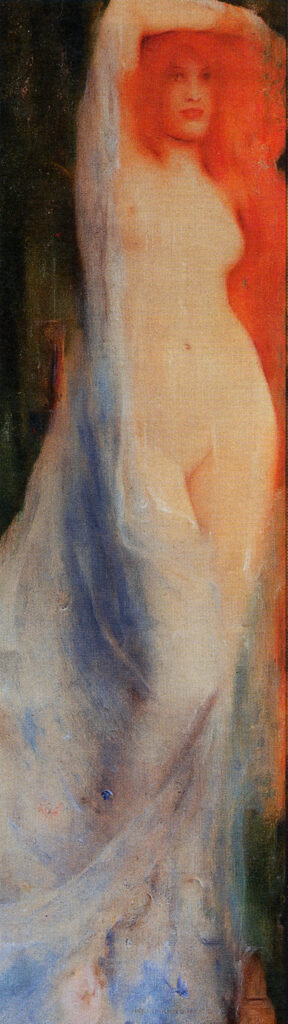
Fernand Khnopff, September 12, 1858 – November 12, 1921, was a Belgian painter, draftsman, printmaker, photographer, sculptor, and writer associated with Symbolism. Born in Grembergen, he spent part of his childhood in Bruges before his family moved to Brussels. He began legal studies at the Université libre de Bruxelles and entered the Académie Royale des Beaux-Arts in Brussels in 1876; he also worked in Paris from 1879 to 1880.
Khnopff was a founding member of Les XX in 1883 and exhibited with the group. He met Joséphin Péladan in 1885 and later exhibited with the Salon de la Rose+Croix. From 1892 until 1914, he wrote the Brussels correspondence for *The Studio*; in the following decade, he designed costumes and sets for productions at the Théâtre Royal de la Monnaie in Brussels.
His works are held by the Royal Museums of Fine Arts of Belgium, the Metropolitan Museum of Art, the J. Paul Getty Museum, the Groeningemuseum, the Neue Pinakothek, the Musée d'Orsay, the Royal Museum of Fine Arts Antwerp, and other public collections.
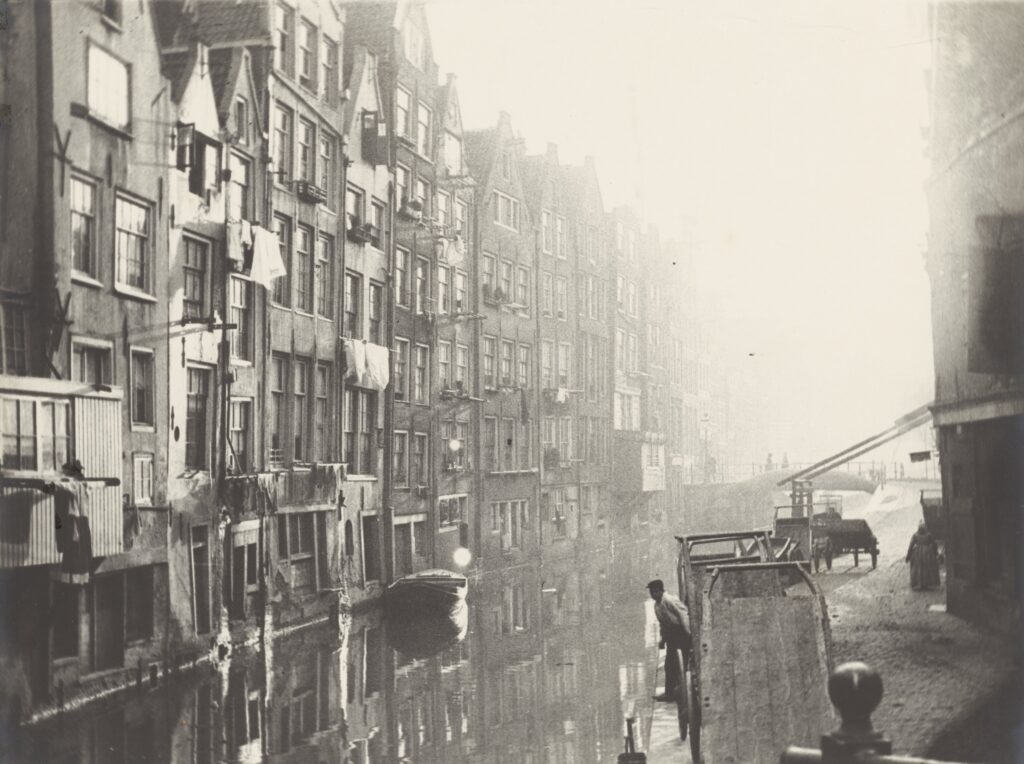
George Hendrik Breitner
George Hendrik Breitner, September 12, 1857 – June 5, 1923, was a Dutch painter, draftsman, printmaker, and photographer. Born in Rotterdam, he received drawing instruction from Christoffel Neurdenburg and studied at the Royal Academy of Art in The Hague from 1876 to 1880. He then lived chiefly in The Hague and Amsterdam; Amsterdam was his principal base from 1886 until his death, apart from 1903–1906 in Aerdenhout.
Breitner joined the artists’ society Pulchri Studio in 1880 and contributed to the Panorama Mesdag in 1880–1881. In The Hague he associated with artists of the Hague School, including Jozef Israëls, Jacob Maris, and Anton Mauve, and he worked alongside Vincent van Gogh in 1882–1883. In Amsterdam he was associated with Amsterdam Impressionism and the Tachtigers; Arti et Amicitiae gave him a retrospective exhibition in 1902. His students included Kees Maks and Marie Henri Mackenzie.
Principal museum collections of Breitner’s work include the Rijksmuseum, Amsterdam; Stedelijk Museum Amsterdam; Museum Boijmans Van Beuningen, Rotterdam; Centraal Museum, Utrecht; Royal Museum of Fine Arts Antwerp; Dordrechts Museum; and RKD – Netherlands Institute for Art History, The Hague.



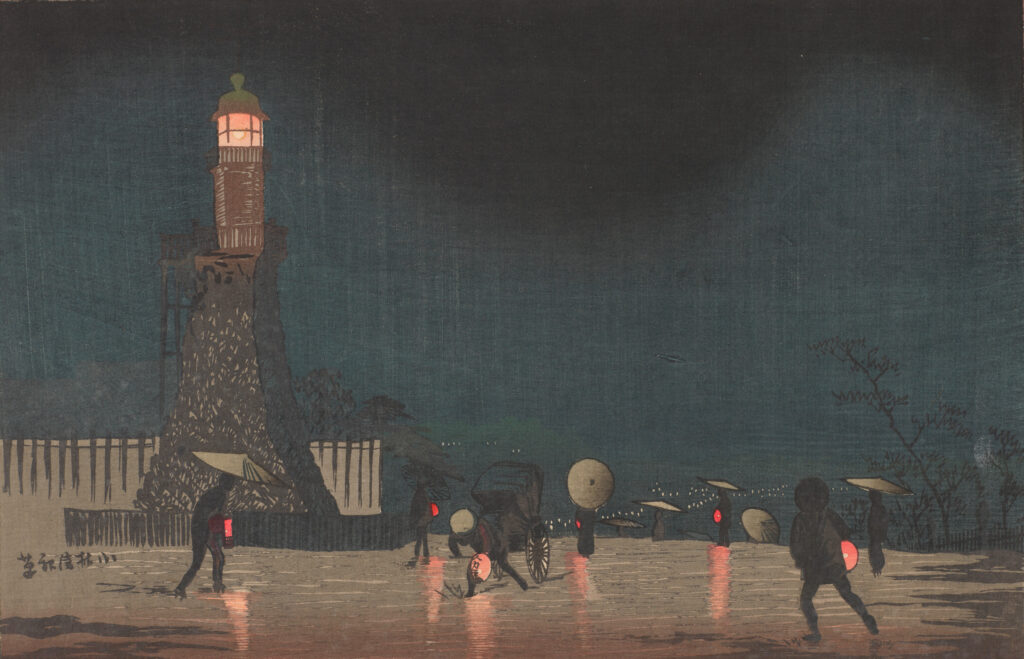
Kobayashi Kiyochika
Kobayashi Kiyochika, September 10, 1847 – November 28, 1915, was a Japanese painter, print designer, and illustrator active from the late Edo period through the Meiji era. Born in Honjo, Edo, as Kobayashi Katsunosuke, he came from a family connected to the Tokugawa shogunate administration and left with the Tokugawa retinue after the restoration of imperial rule in 1868. He returned to Tokyo in 1874 and began producing woodblock prints there in 1876.
Kiyochika was largely self-taught. He associated with Shibata Zeshin and Kawanabe Kyōsai, though the extent of formal study with either artist is uncertain; he also engaged with Western pictorial methods circulating in Yokohama and Tokyo. From 1876 to 1881, he made ninety-three views of Tokyo, and he later worked in book, magazine, and newspaper illustration, painting, and prints relating to the Sino-Japanese and Russo-Japanese wars.
In 1894, Kiyochika opened an art school. His students included Inoue Yasuji, Taguchi Beisaku, and Tsuchiya Kōitsu. Principal collections of his work include the National Museum of Asian Art, Smithsonian Institution; the Metropolitan Museum of Art; the Los Angeles County Museum of Art; the Museum of Fine Arts, Boston; the Honolulu Museum of Art; the Ota Memorial Museum of Art; and the British Museum.




John Atkinson Grimshaw
John Atkinson Grimshaw, September 6, 1836 – October 31, 1893, was an English painter of landscapes, town views, dockyards, and figure subjects. Born in Leeds, he worked as a clerk for the Great Northern Railway before leaving that employment in 1861 to become an artist. He was self-taught and began exhibiting in Leeds in 1862.
Grimshaw exhibited under the patronage of the Leeds Philosophical and Literary Society and later showed at the Royal Academy and the Grosvenor Gallery. He lived and worked in Leeds, maintained a second home in Scarborough during the 1870s, and painted subjects in Leeds, London, Liverpool, Glasgow, Hull, Scarborough, and Whitby. His sons Arthur and Louis, and two other children, also became painters.
His work is held by Leeds Art Gallery, which has the largest public collection of his work, as well as the Ashmolean Museum, Scarborough Art Gallery, Laing Art Gallery, the Philadelphia Museum of Art, and the Fine Arts Museums of San Francisco.


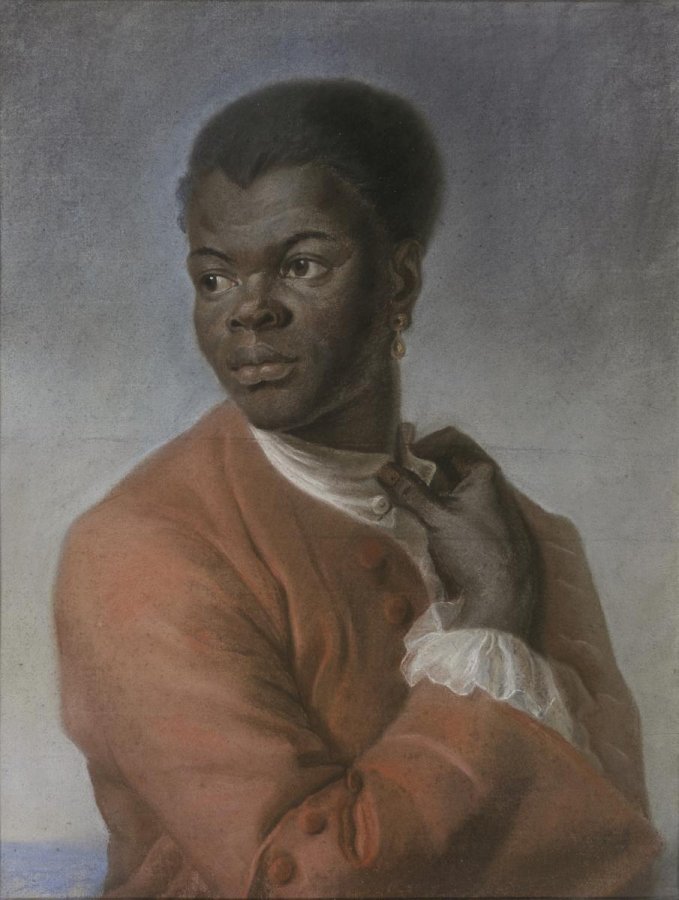
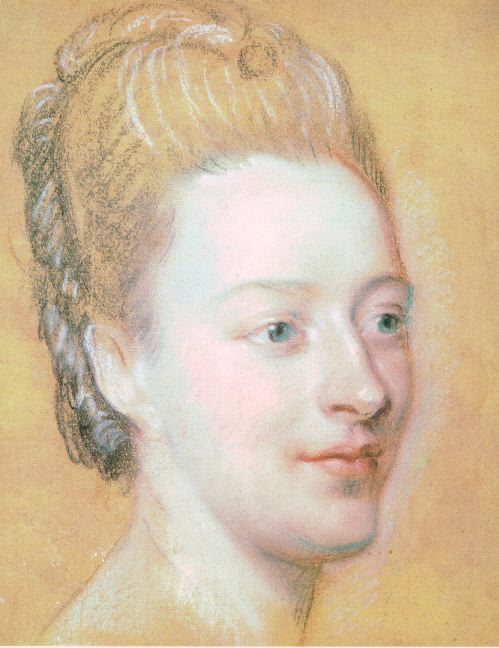
Maurice Quentin de La Tour
Maurice Quentin de La Tour, September 5, 1704 – February 17, 1788, was a French pastellist and portrait painter, born and died in Saint-Quentin. He attended the college at Saint-Quentin, moved to Paris in 1724, and studied with the Flemish artist Jacques Spoëde; accounts also identify training with the engraver Tardieu and the painter Jean Restout.
La Tour was agréé by the Académie royale de peinture et de sculpture in 1737 and became an academician in 1746. He exhibited at the Salon from 1740 to 1760 and worked in Paris and Saint-Quentin. His sitters included members of the French court, writers, philosophers, and other public figures. Adélaïde Labille-Guiard received instruction from him in pastel.
In 1778, La Tour founded a drawing school in Saint-Quentin. His works are held by the Louvre Museum, Musée des beaux-arts Antoine Lécuyer, Musée de Picardie, MAH Museum of Art and History, National Galleries of Scotland, Alte Pinakothek, Museu Nacional d'Art de Catalunya, the Metropolitan Museum of Art, and the National Gallery of Art.



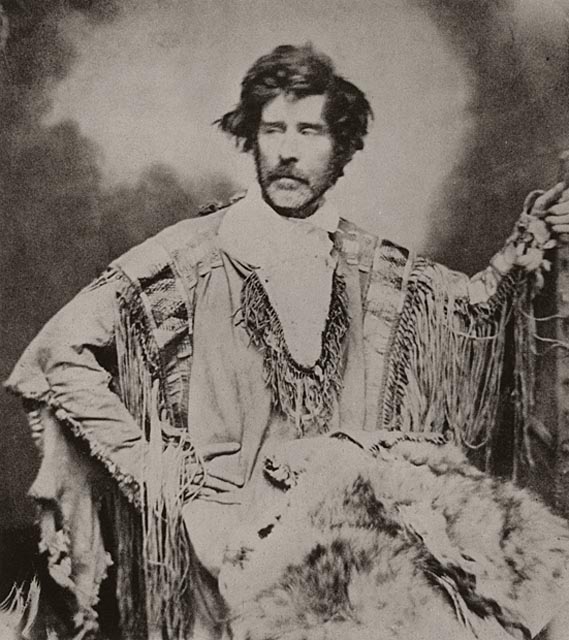
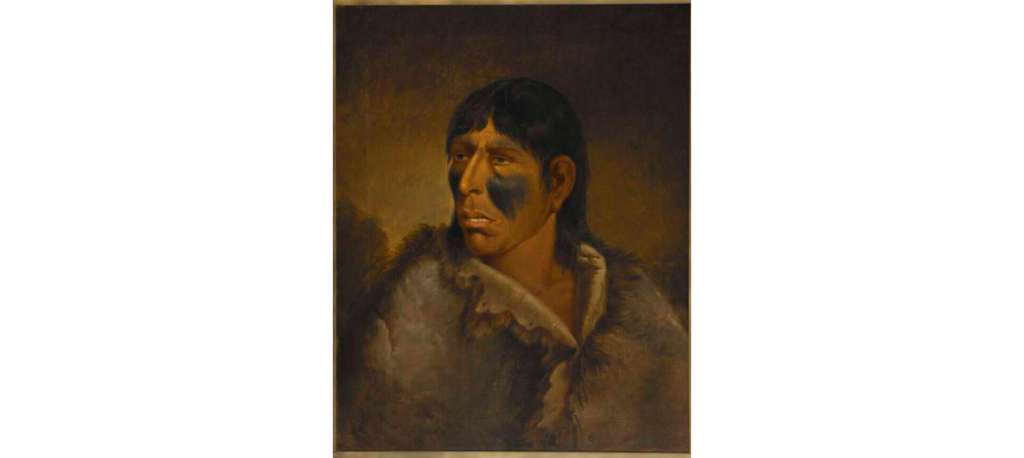
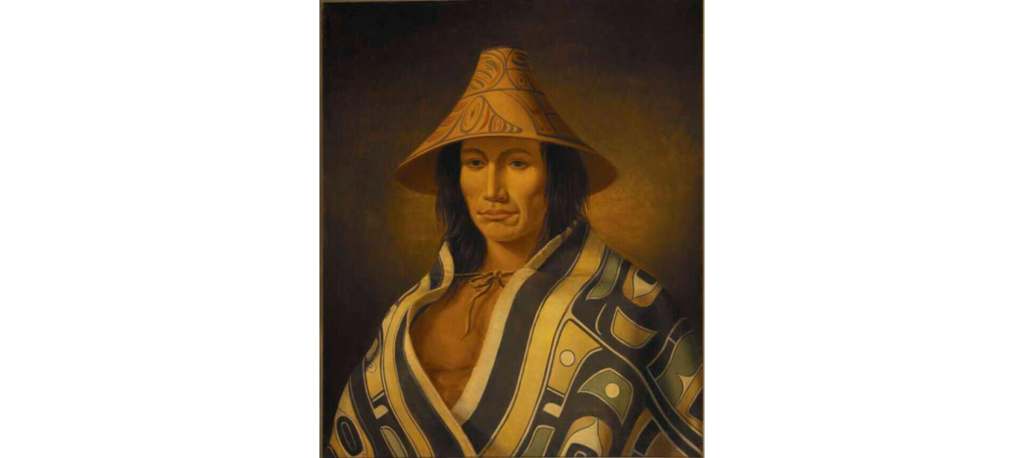
Paul Kane
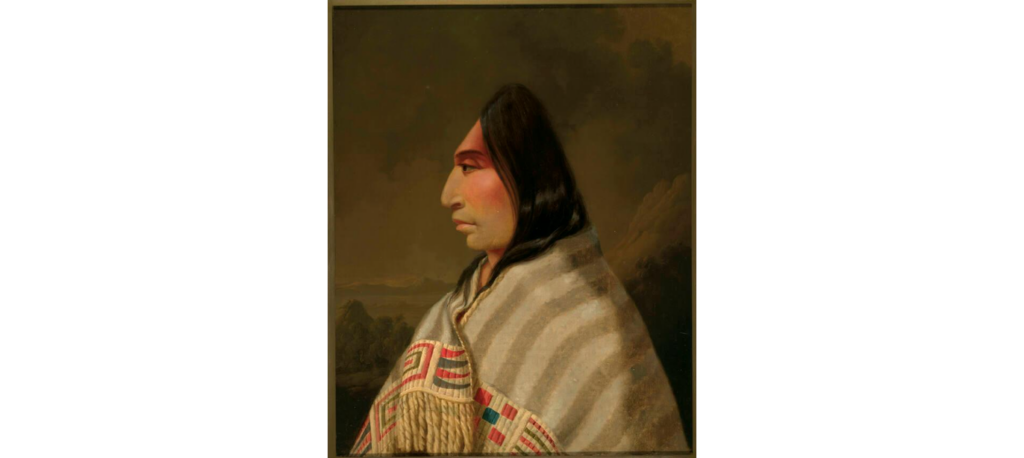
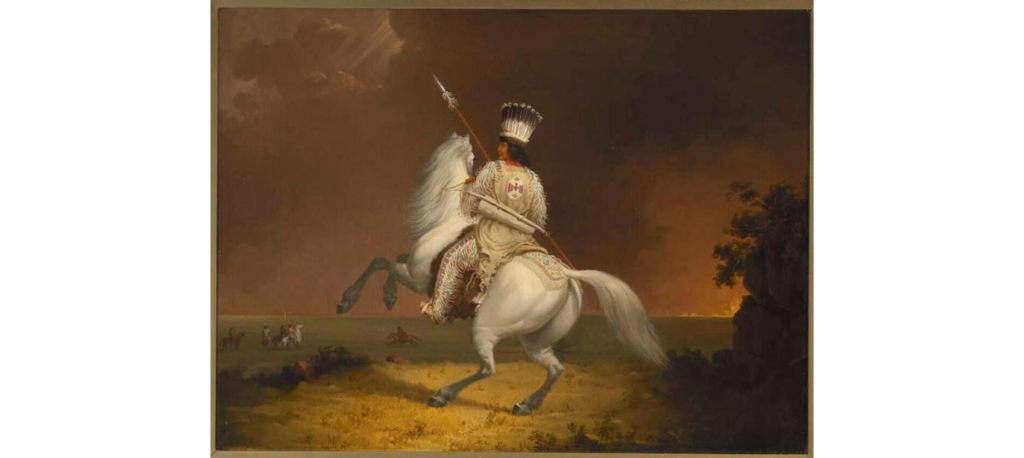
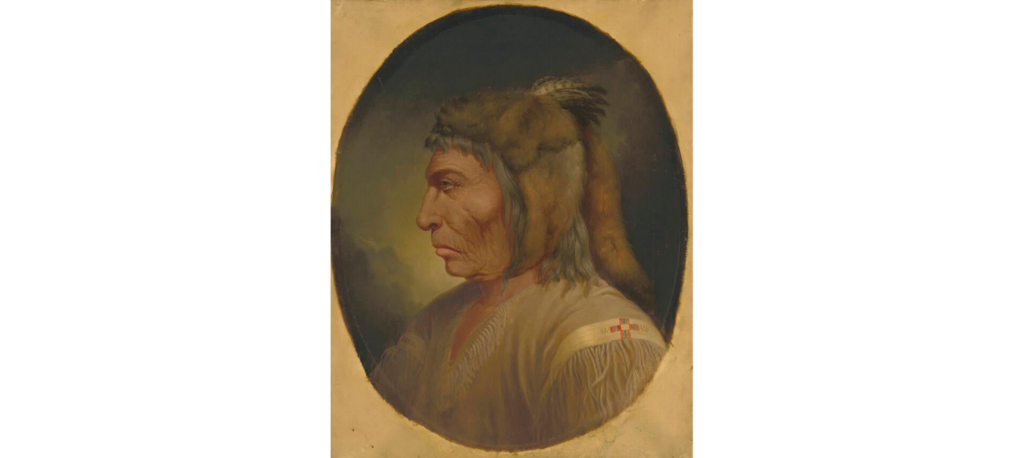
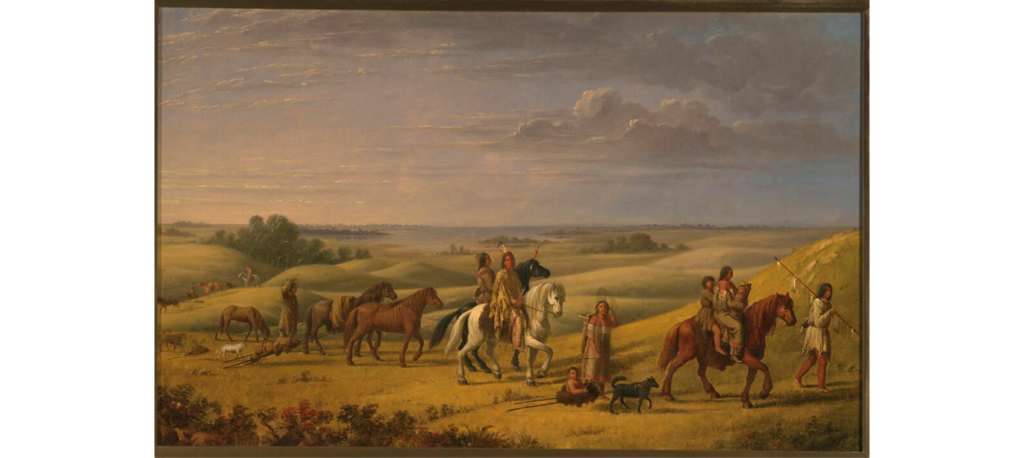
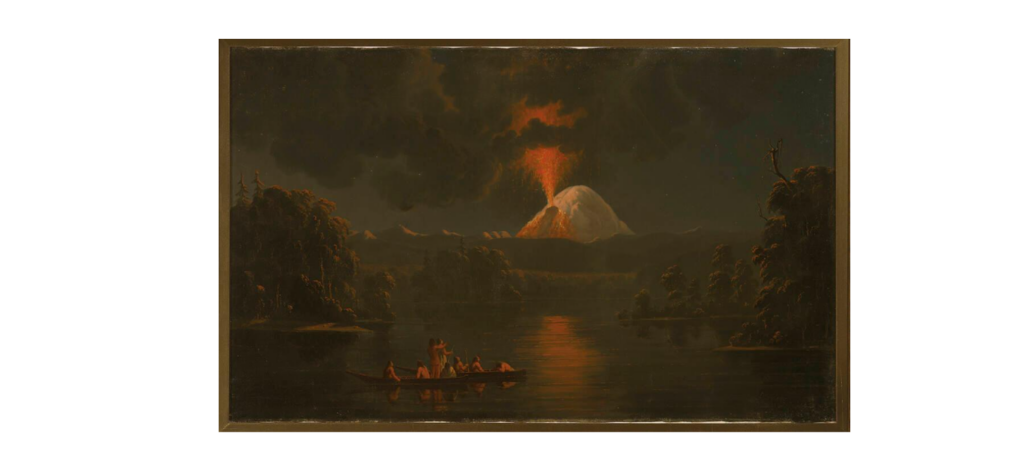
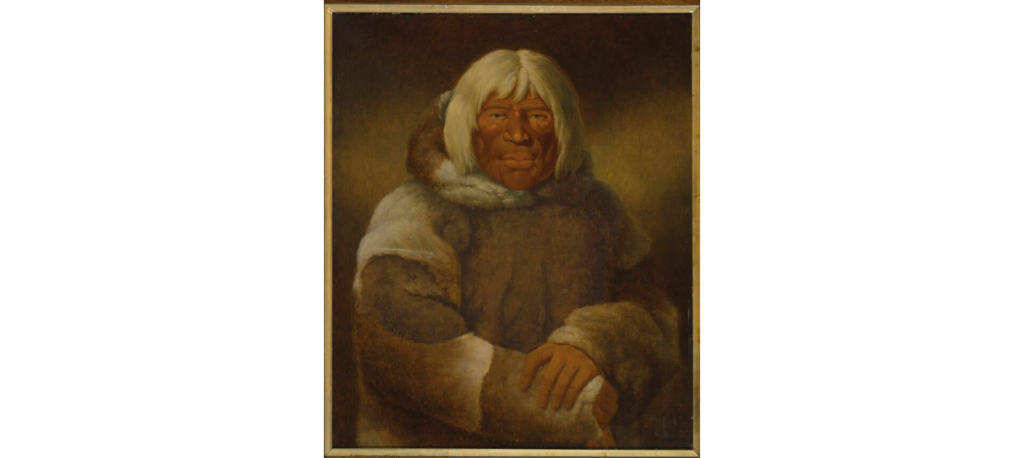
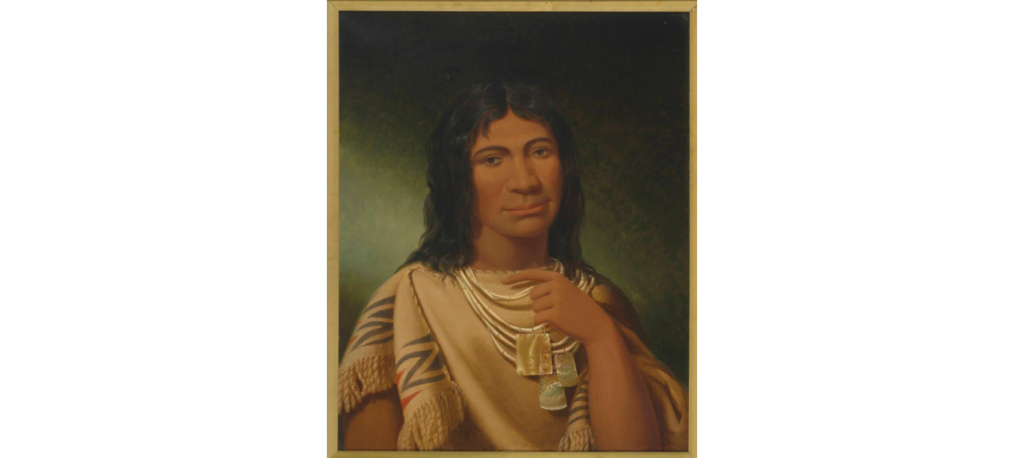
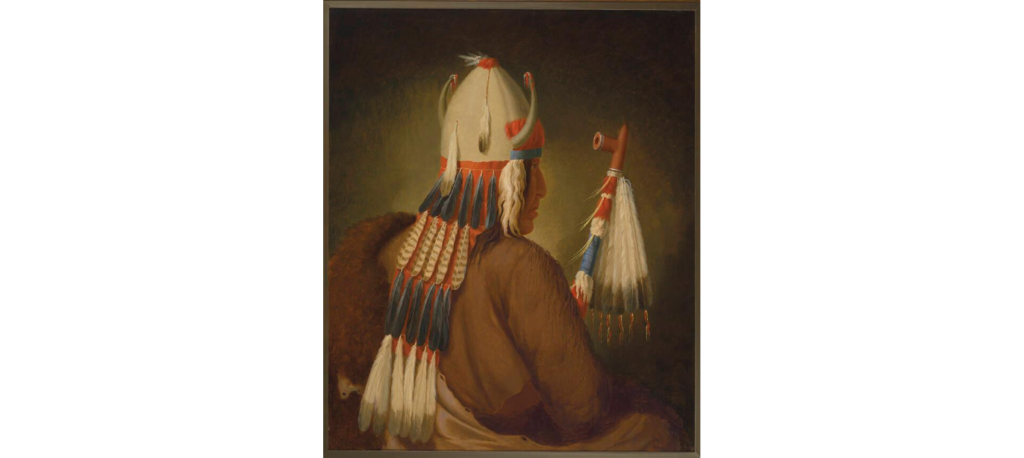
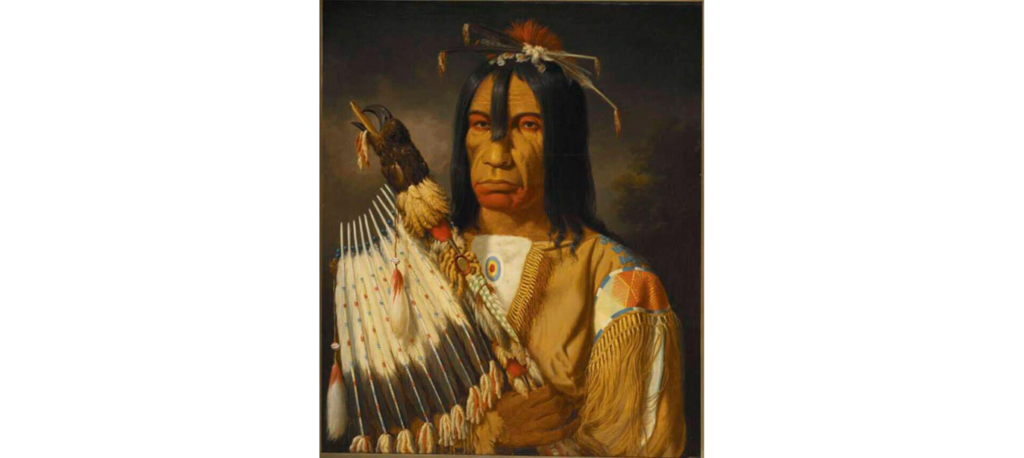
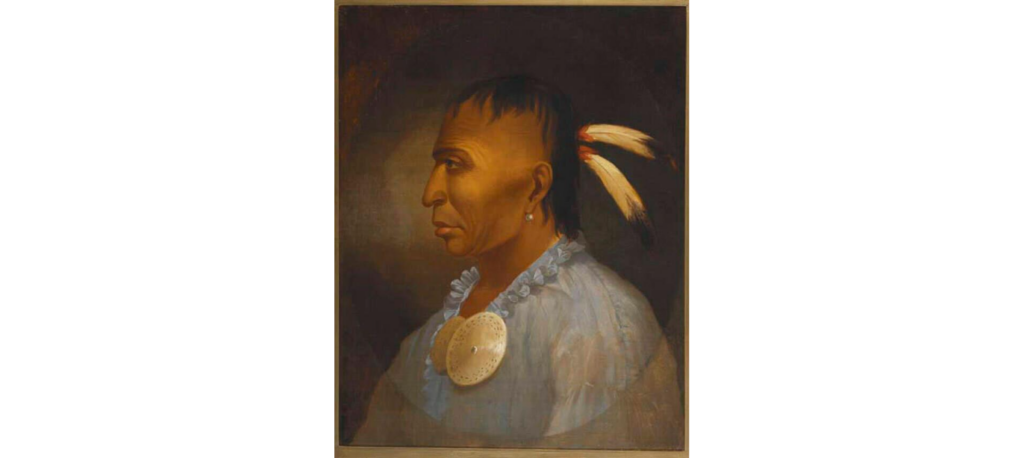
Paul Kane, September 3, 1810 – February 20, 1871, was an Irish-born Canadian artist. His family moved from Mallow, County Cork, to York, Upper Canada, around 1819. He was largely self-taught, worked as a furniture decorator and later as a coach, sign, and house painter, and may have received instruction from Thomas Drury, drawing master at Upper Canada College.
Kane exhibited with the Society of Artists and Amateurs of Toronto in 1834. He travelled in the United States and Europe before returning to Toronto in 1845, then made journeys through the Canadian West between 1845 and 1848. George William Allan became his principal patron and commissioned a cycle of one hundred paintings. Kane published Wanderings of an Artist among the Indians of North America in 1859. No documented students have been identified for this biography.
Principal collections of Kane's work include the Royal Ontario Museum, Toronto; the National Gallery of Canada, Ottawa; and the Stark Museum of Art, Orange, Texas. The Royal Ontario Museum holds the Allan cycle; the National Gallery of Canada holds eleven surviving paintings from the commission for the Library of Parliament; and the Stark Museum of Art holds a substantial group of field sketches.
Joseph Wright of Derby
Joseph Wright of Derby, September 3, 1734 – August 29, 1797, was an English painter of portraits, narrative scenes, and landscapes. Born and active for much of his life in Derby, he trained in London under the portrait painter Thomas Hudson from 1751 and returned for further instruction in 1756–1757. He also worked in Liverpool from 1768 to 1771 and travelled in Italy from 1773 to 1775.
Wright exhibited with the Society of Artists and the Royal Academy of Arts. He was associated with Derby’s scientific and industrial circle and with figures connected to the Lunar Society, although he was not a member of it. The printmaker William Pether reproduced several of Wright’s paintings as mezzotints, helping to circulate his work. William Tate was among his pupils.
Derby Museums holds the largest collection of Wright’s work, including paintings, drawings, prints, letters, and related archives. Other principal collections include the National Gallery, London; the National Gallery of Art, Washington DC; the J. Paul Getty Museum, Los Angeles; the Yale Center for British Art, New Haven, CT; the National Gallery of Victoria, Melbourne; Tate; the Metropolitan Museum of Art, New York; and the Hermitage Museum, Saint Petersburg


Arthur Rackham
Arthur Rackham, September 19, 1867 – September 6, 1939, was an English illustrator and painter born in London. He studied at the City of London School and the Lambeth School of Art.
Rackham worked as a book and magazine illustrator and became one of the best-known British illustrators of the early twentieth century. His illustrated books include Rip Van Winkle, Peter Pan in Kensington Gardens, Alice's Adventures in Wonderland, A Midsummer Night's Dream, Grimm's Fairy Tales, The Rhinegold & the Valkyrie, and The Romance of King Arthur.
Rackham worked in pen and ink, watercolor, and book illustration. He died in Limpsfield, Surrey, in 1939.


Abram Efimovich Arkhipov
Abram Efimovich Arkhipov, August 27, 1862 – September 25, 1930, was a Russian painter associated with the Peredvizhniki (Wanderers) and later the Union of Russian Artists. Born into a peasant family in Ryazan Province, he studied at the Moscow School of Painting, Sculpture and Architecture under Vasily Perov, Vasily Polenov, and Vladimir Makovsky. He later became a professor at the Moscow School, where he taught many younger Russian painters.
Arkhipov first gained recognition for realist genre scenes depicting the lives of peasants, laborers, and workers, including his celebrated paintings of washerwomen and Volga boat travelers. Beginning around 1900, his work evolved toward increasingly brilliant color and expressive brushwork, especially in his portraits of peasant women in traditional dress from the Ryazan region. These later paintings remain among the most recognizable images of Russian Impressionism.
Today Arkhipov’s paintings are held by the Tretyakov Gallery, the Russian Museum, the Scientific Research Museum of the Russian Academy of Arts, the Belarusian National Museum of Arts, and numerous regional museums throughout Russia and Eastern Europe. His work forms an important link between nineteenth-century Russian Realism and the more colorful, painterly tendencies of the early twentieth century.


Gabriel von Max
Gabriel von Max, August 23, 1840 – November 24, 1915, was an Austrian-born painter active mainly in Munich. He studied in Prague, Vienna, and Munich, and became associated with late nineteenth-century Symbolism and academic painting.
His work included religious subjects, literary scenes, portraits, and images connected with spiritualism and psychical research. He was also known for paintings of monkeys, often presenting them in human roles or situations.
Von Max taught at the Munich Academy and built large collections related to anthropology, ethnography, and natural history. His interests in science, mysticism, and animal behavior shaped much of his mature work.


