Lawren Harris
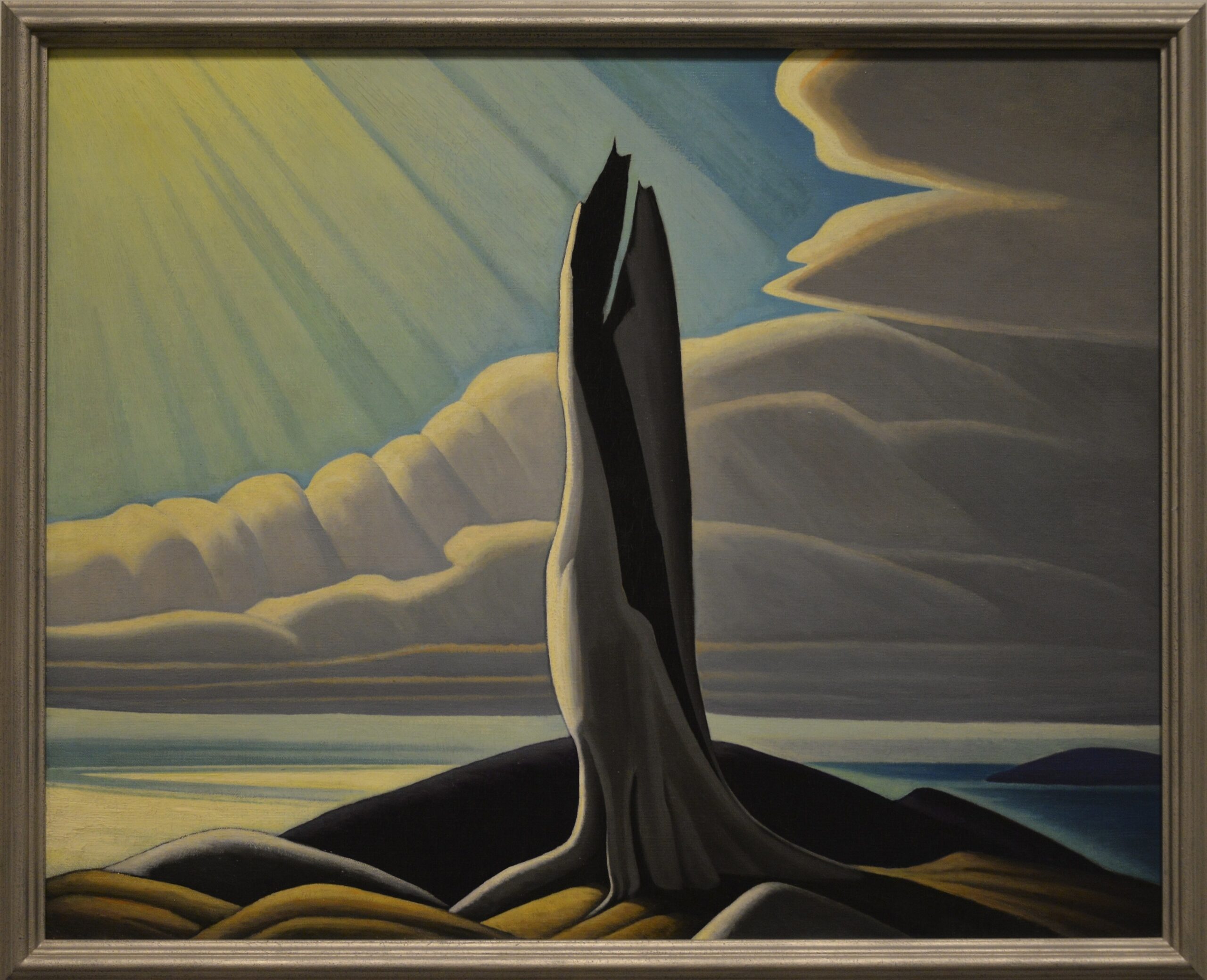
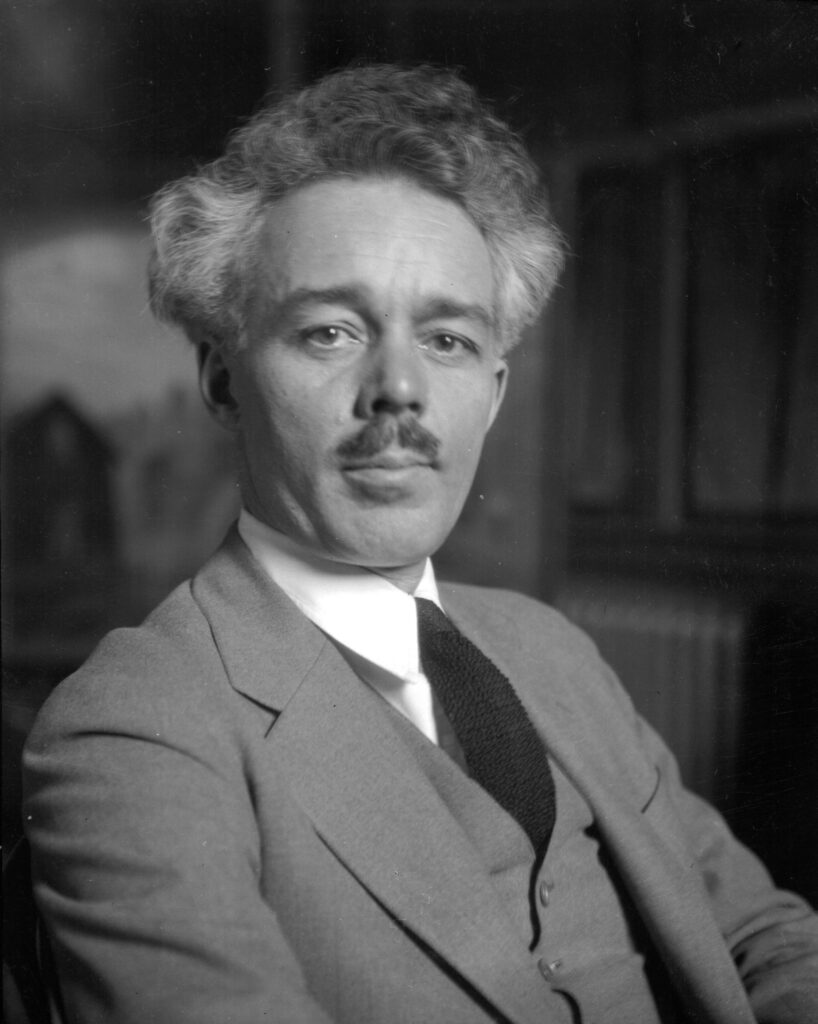
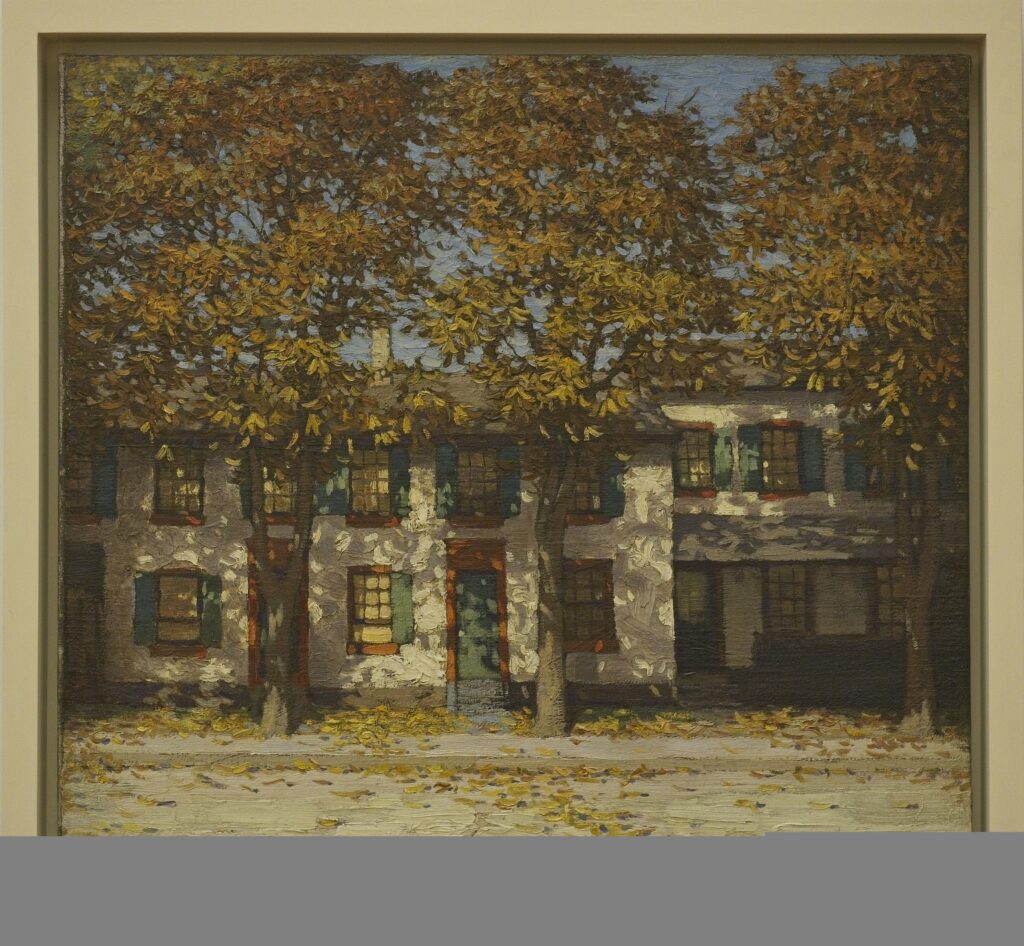
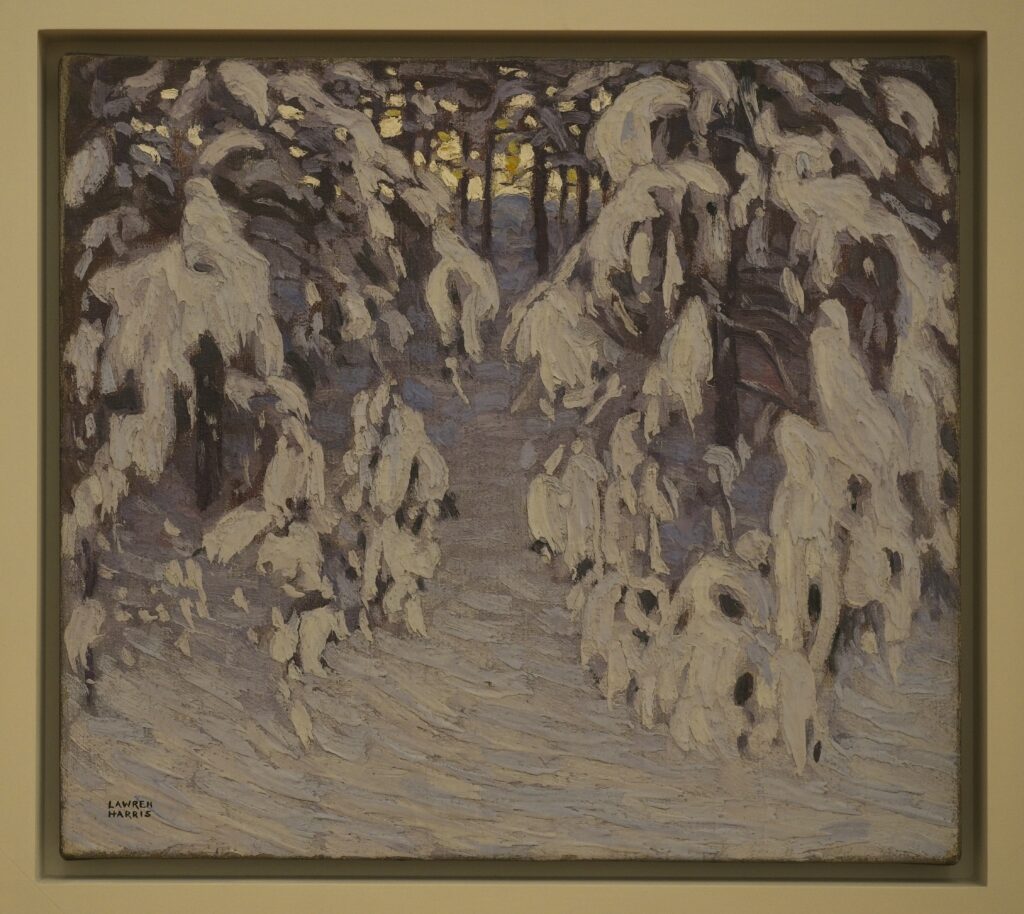
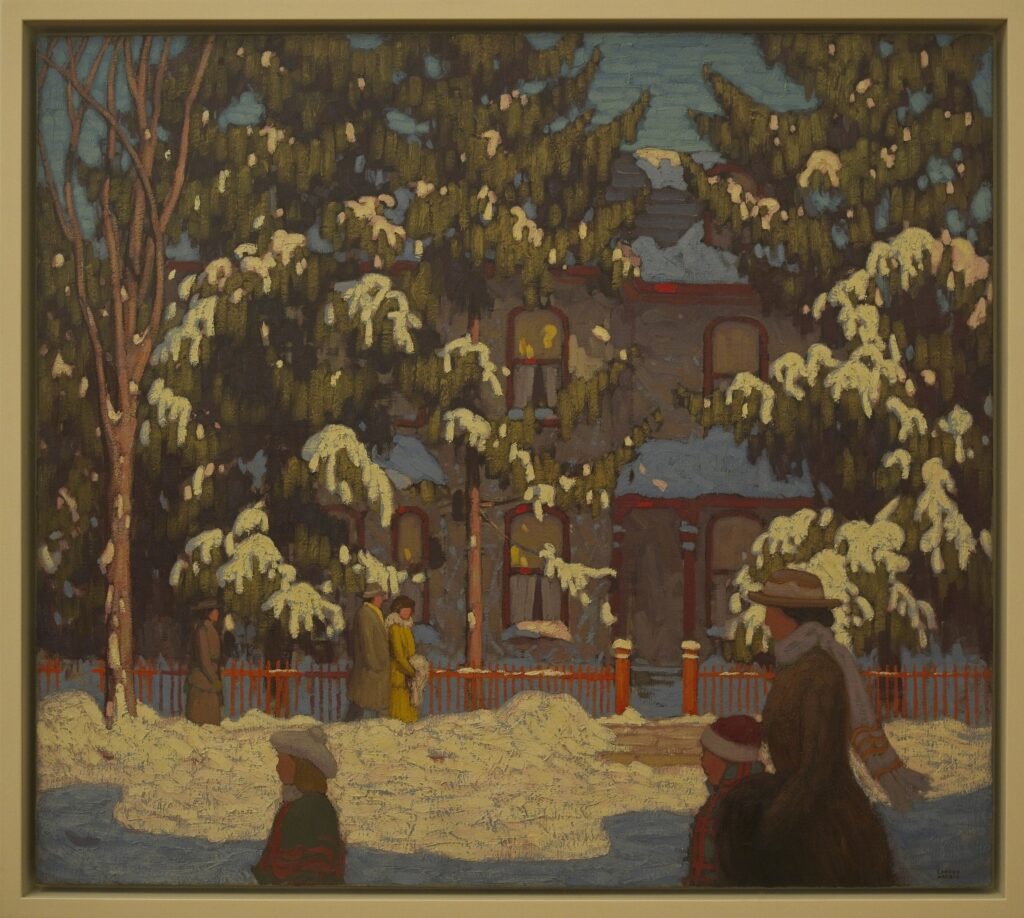
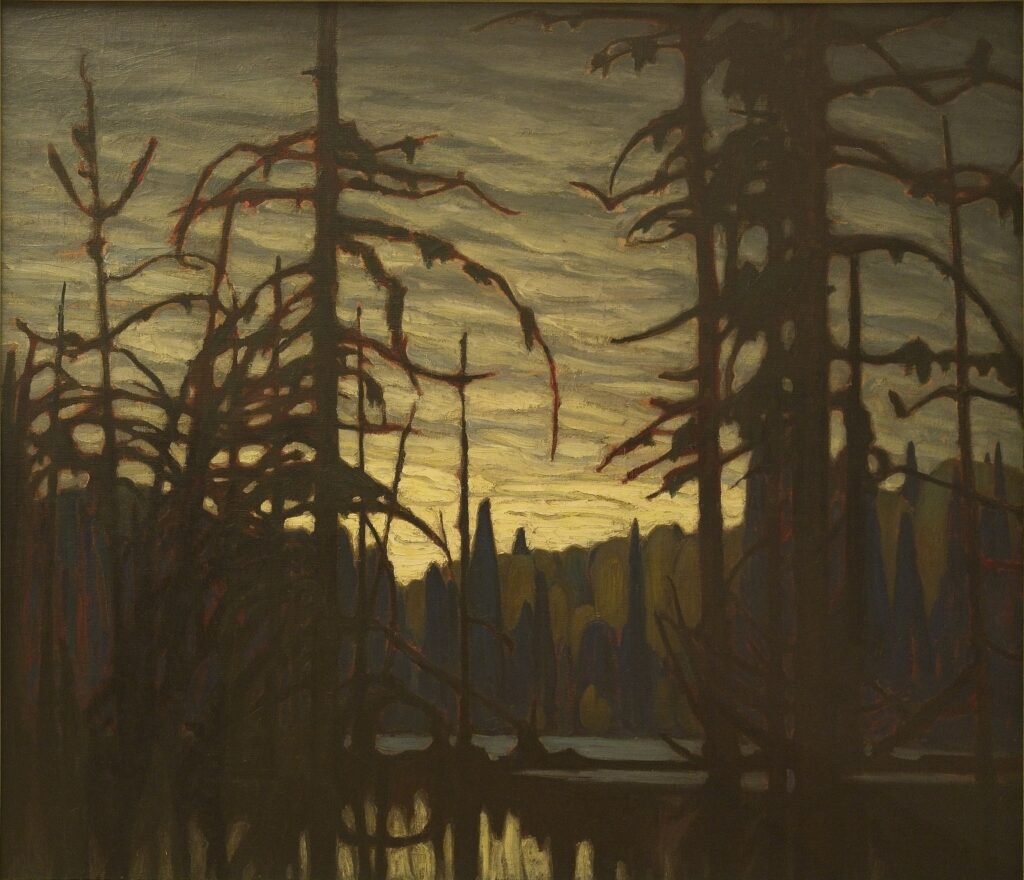
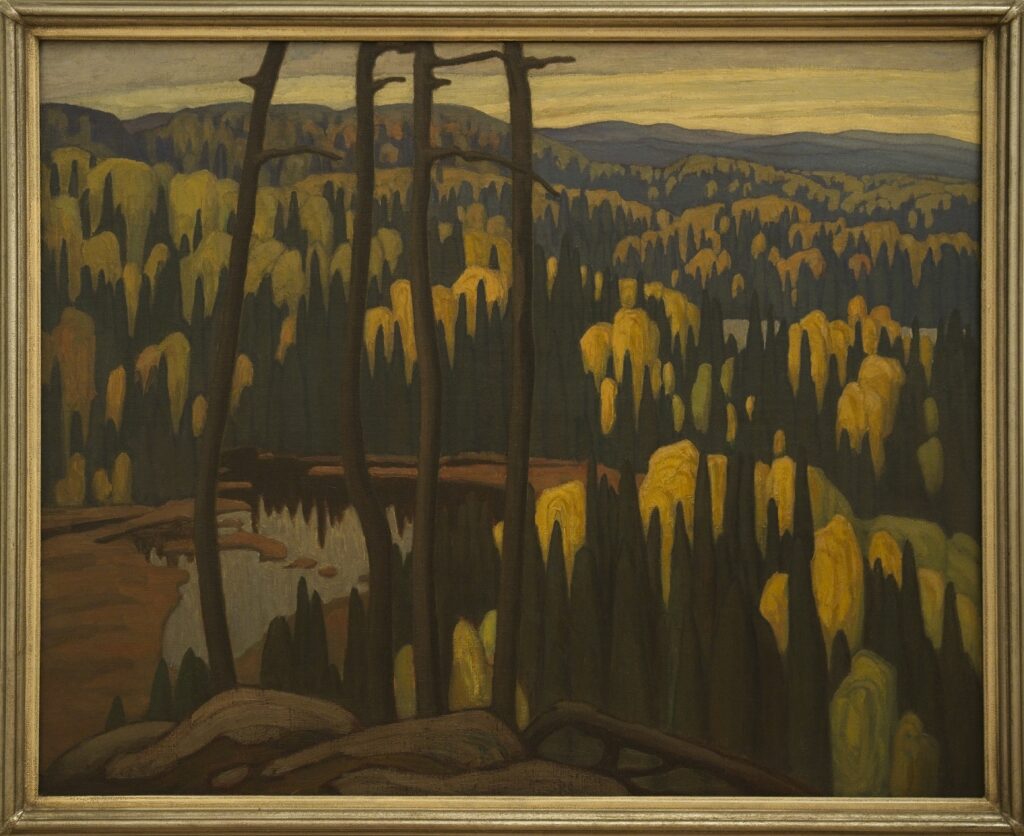
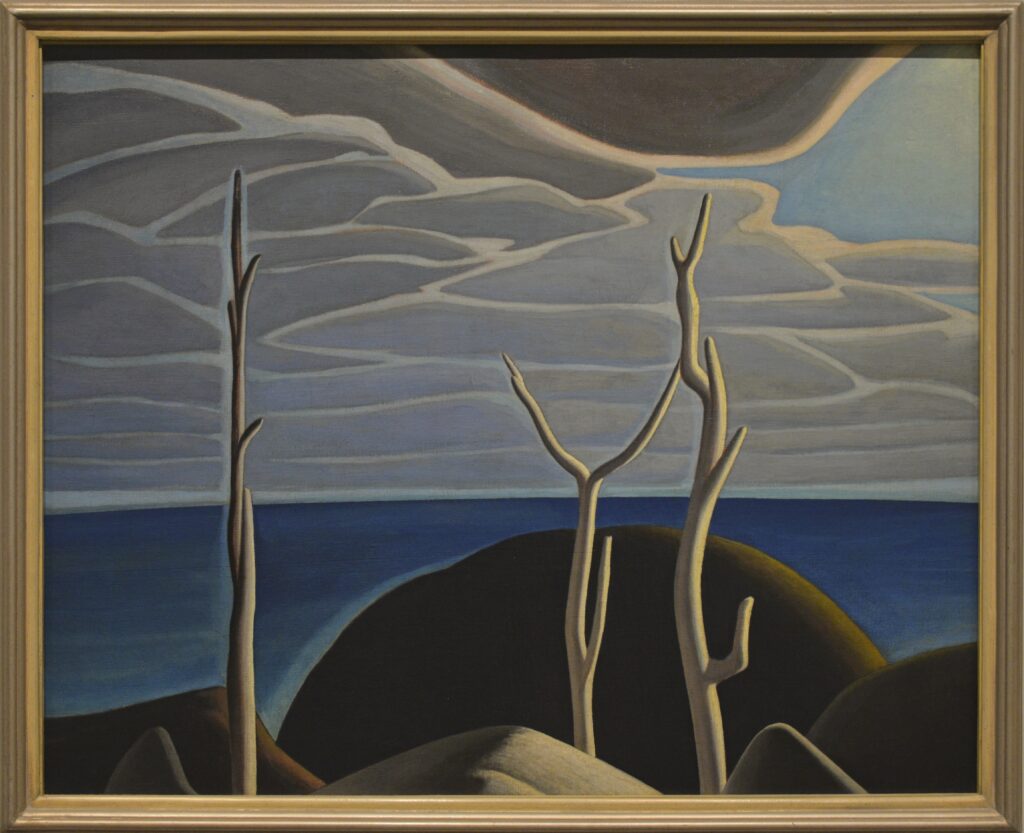
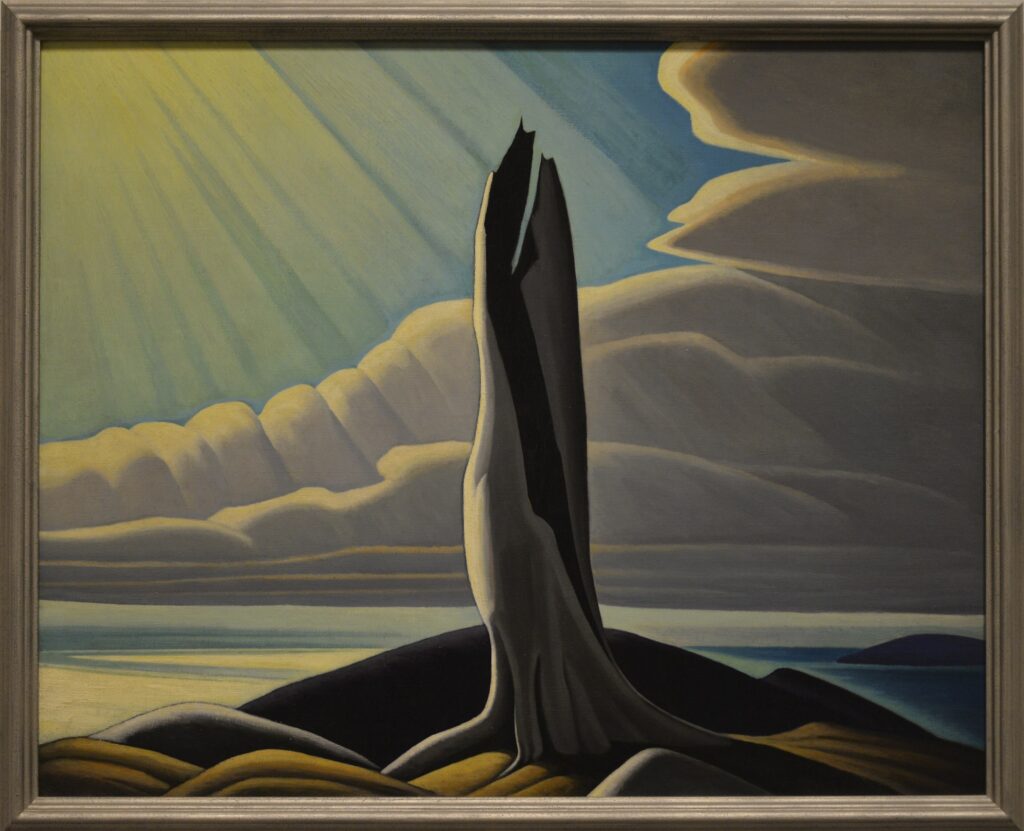
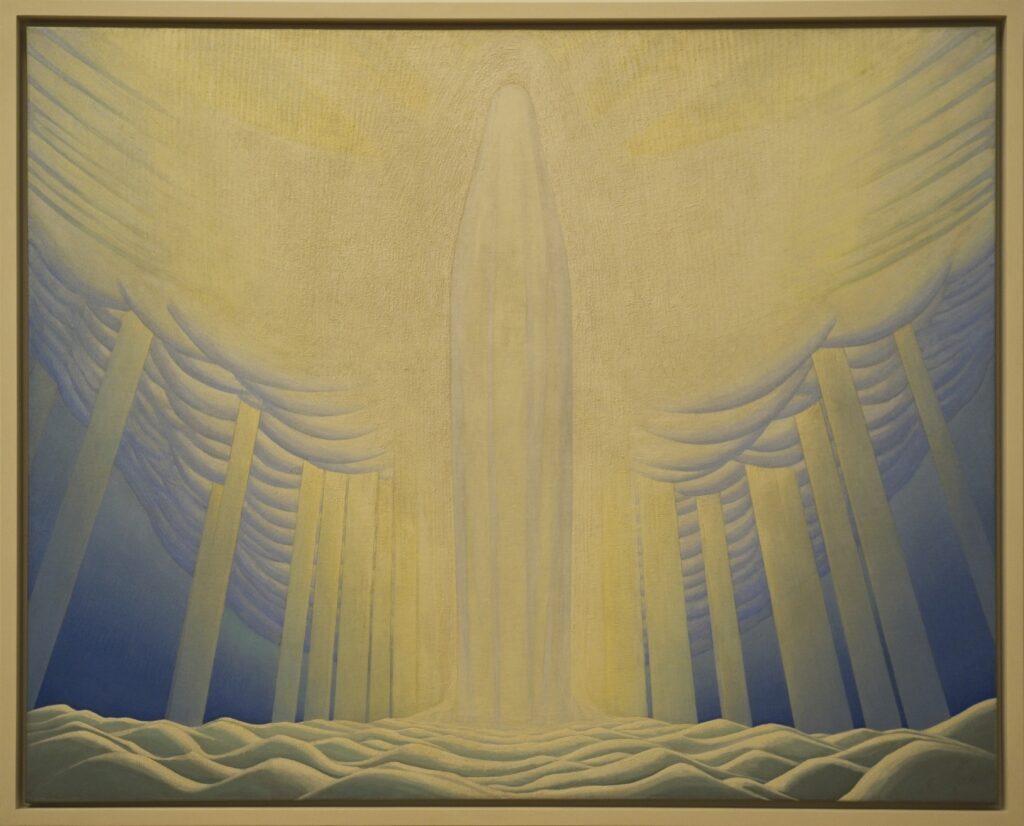
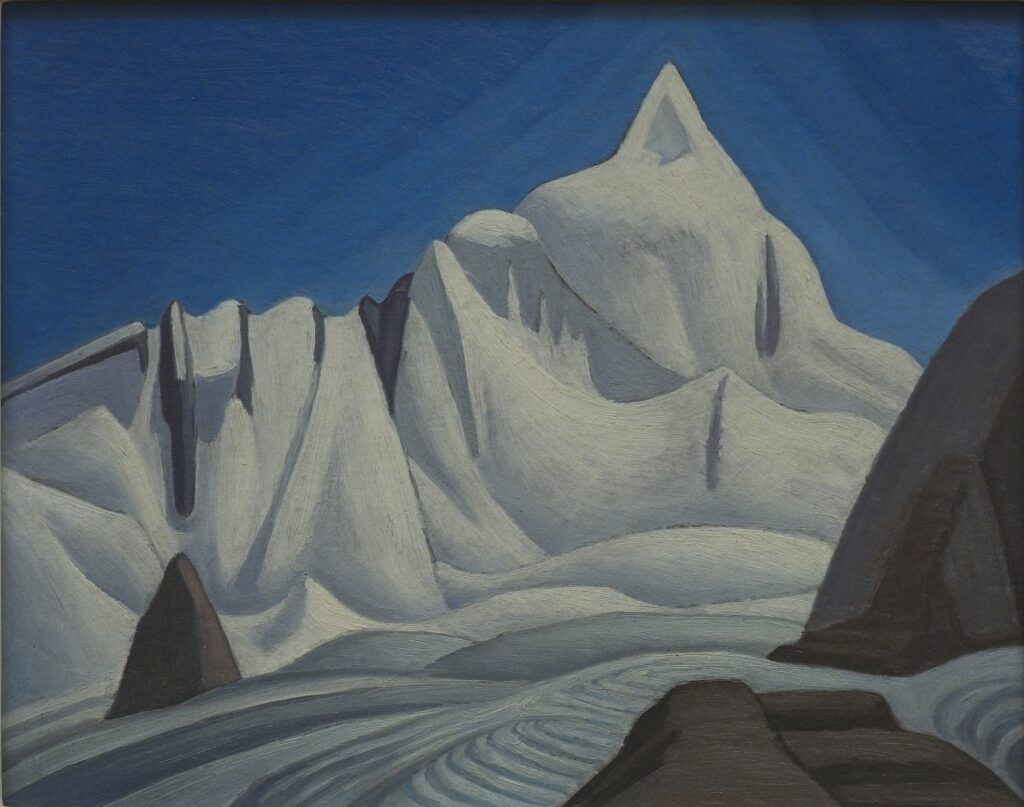
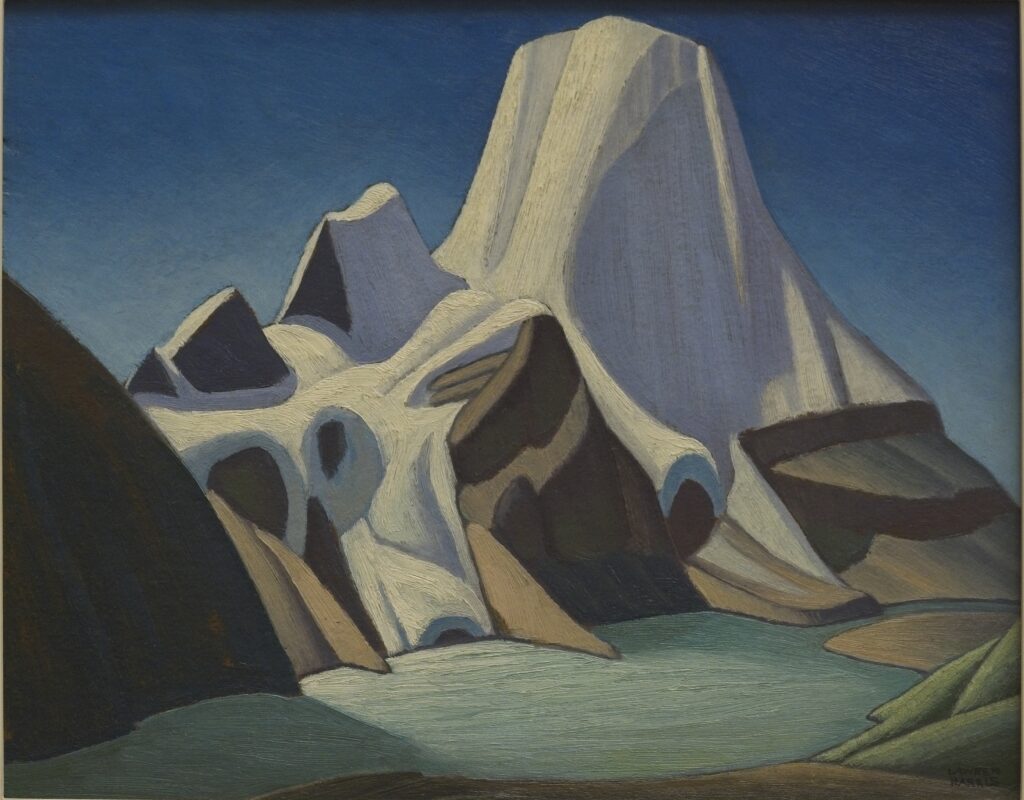
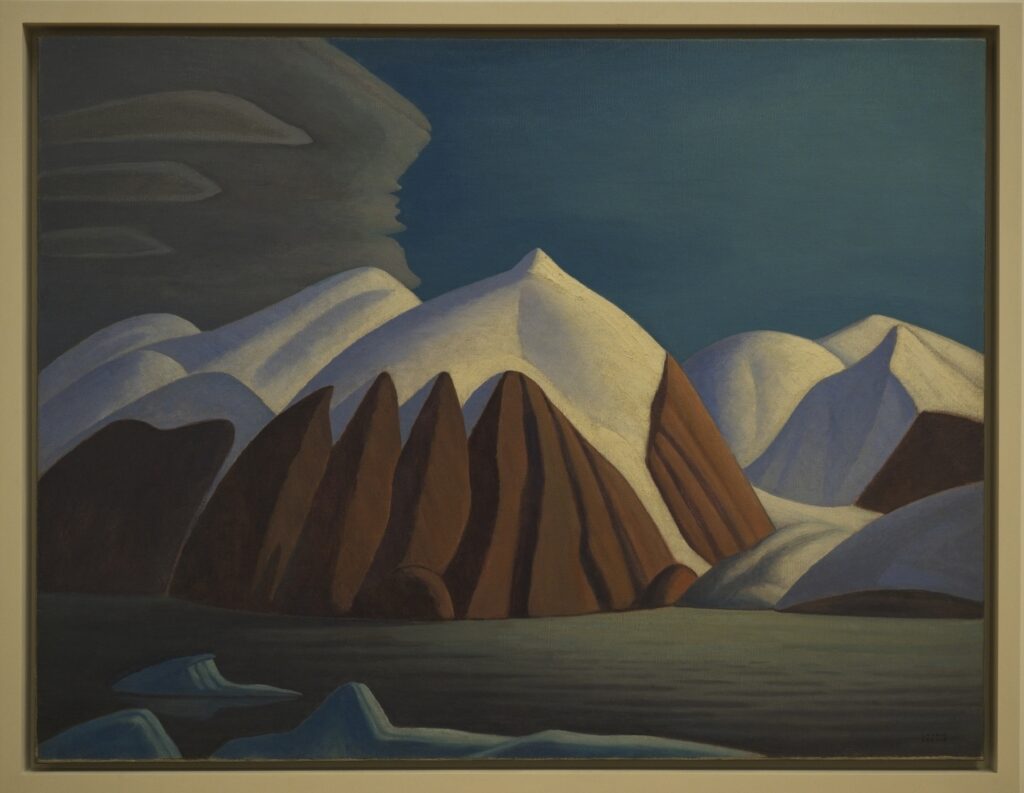
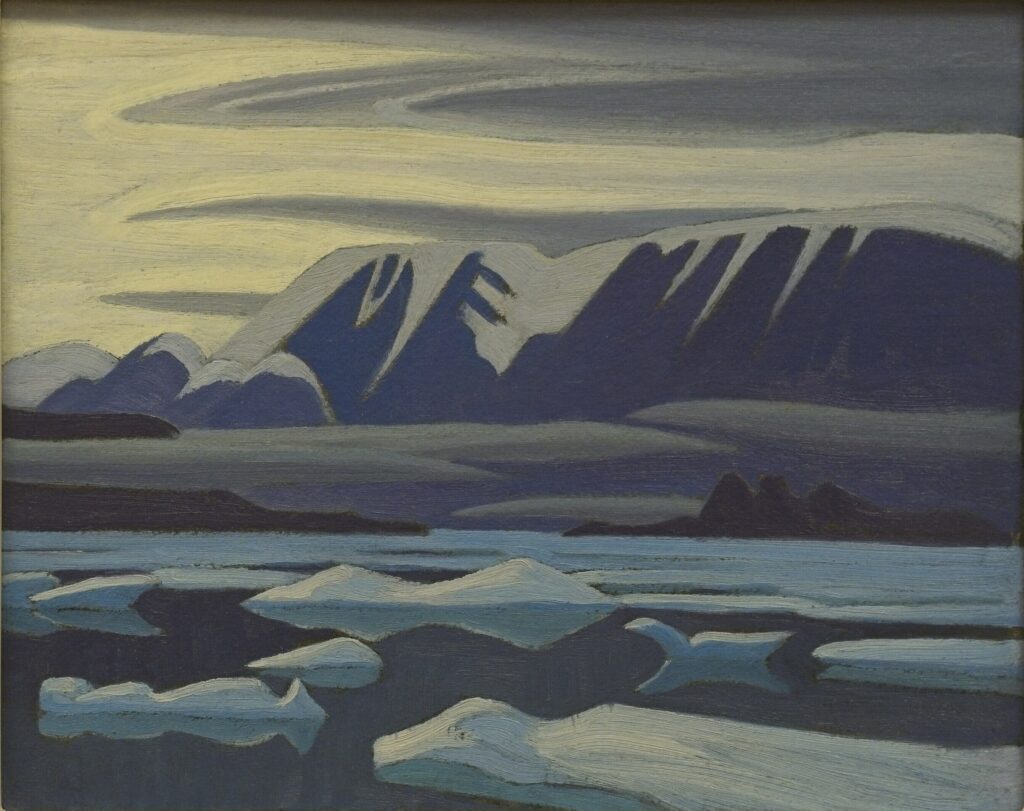
Lawren Stewart Harris, October 23, 1885 – January 29, 1970, was a Canadian painter born in Brantford, Ontario. He attended St. Andrew’s College and the University of Toronto before studying art in Berlin from 1904 to 1907, principally under Adolf Schlabitz and Franz Skarbina.
After returning to Toronto, Harris painted urban subjects and helped finance the Studio Building for Canadian artists. He was a founding member of the Group of Seven in 1920 and worked in Algoma, along Lake Superior, in the Rocky Mountains, and in the Arctic; during the 1930s he increasingly turned to abstraction and helped establish the Canadian Group of Painters and the Transcendental Painting Group.
Harris settled in Vancouver in 1940 and continued painting and writing about abstraction until his death there in 1970. His work is held by the National Gallery of Canada, the Art Gallery of Ontario, the McMichael Canadian Art Collection, and the Vancouver Art Gallery.
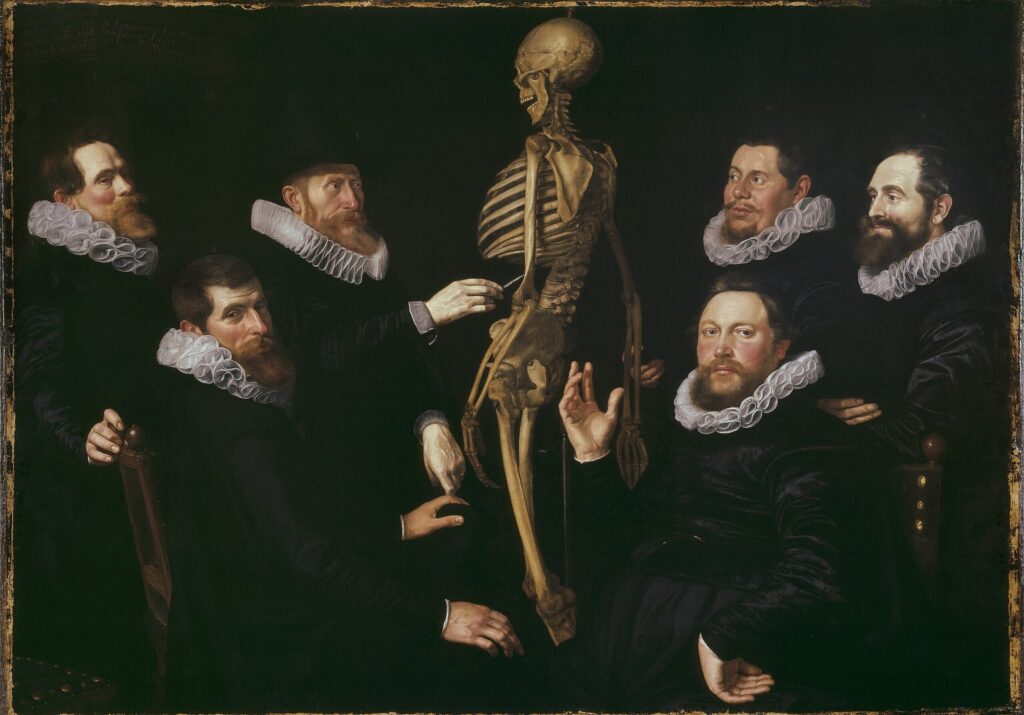
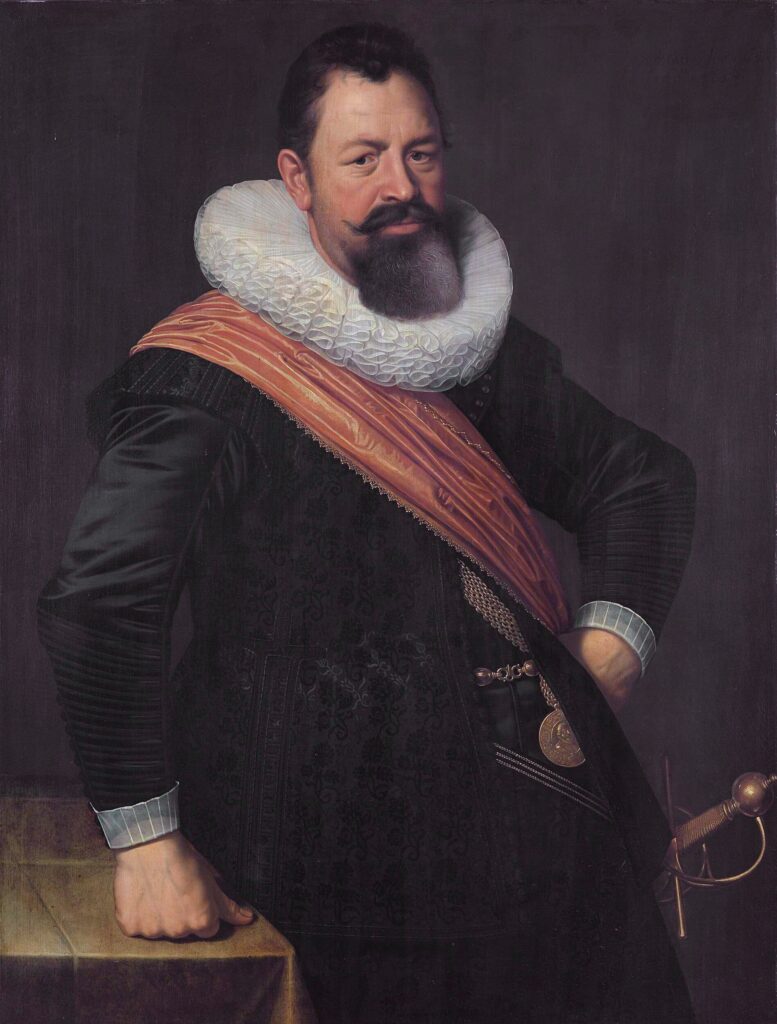
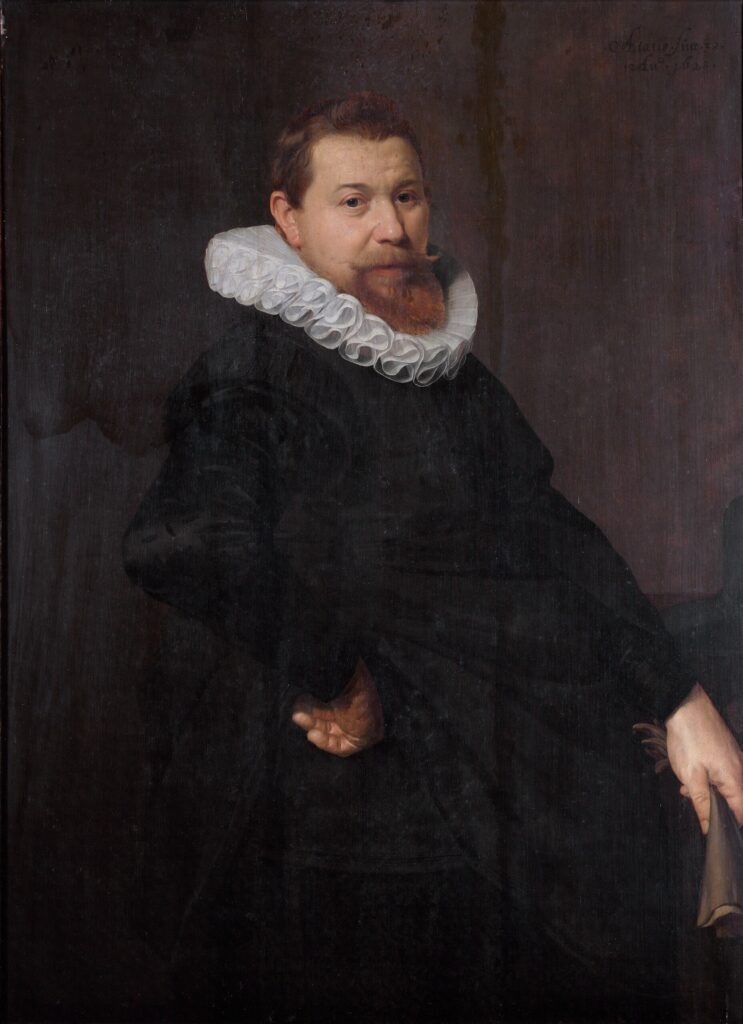
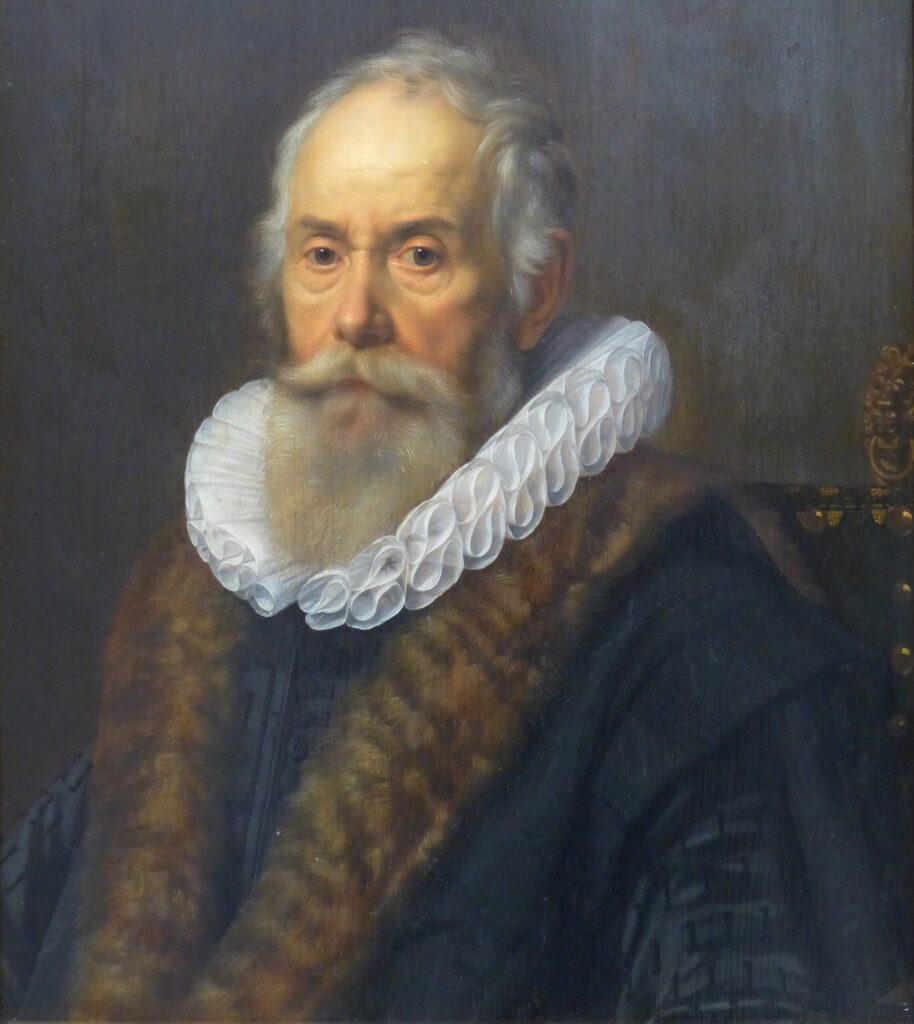
Nicolaes Eliaszoon Pickenoy
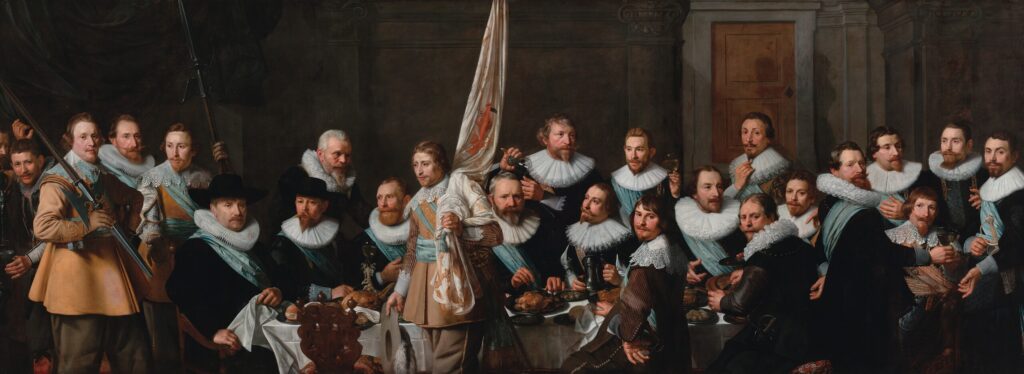
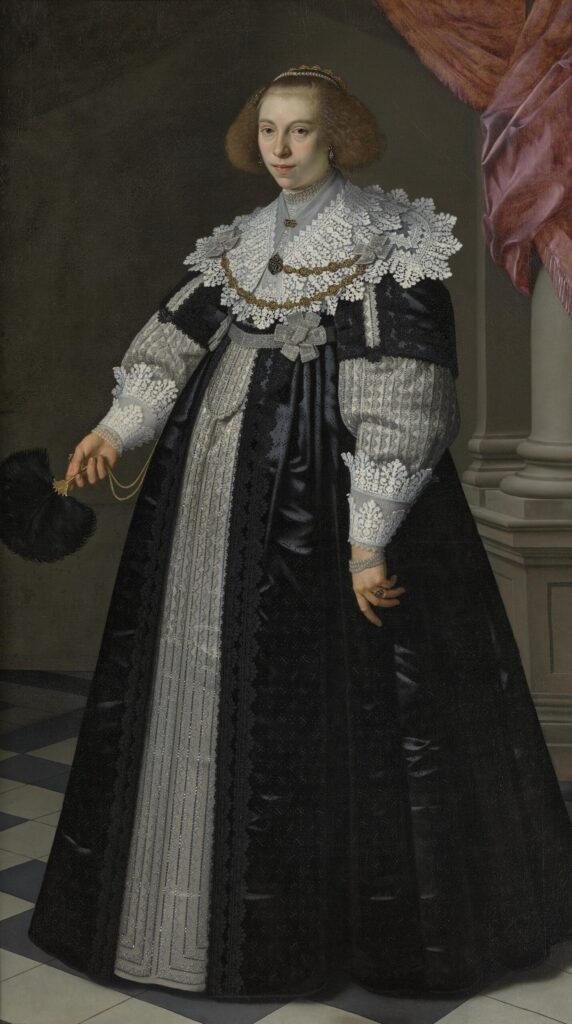
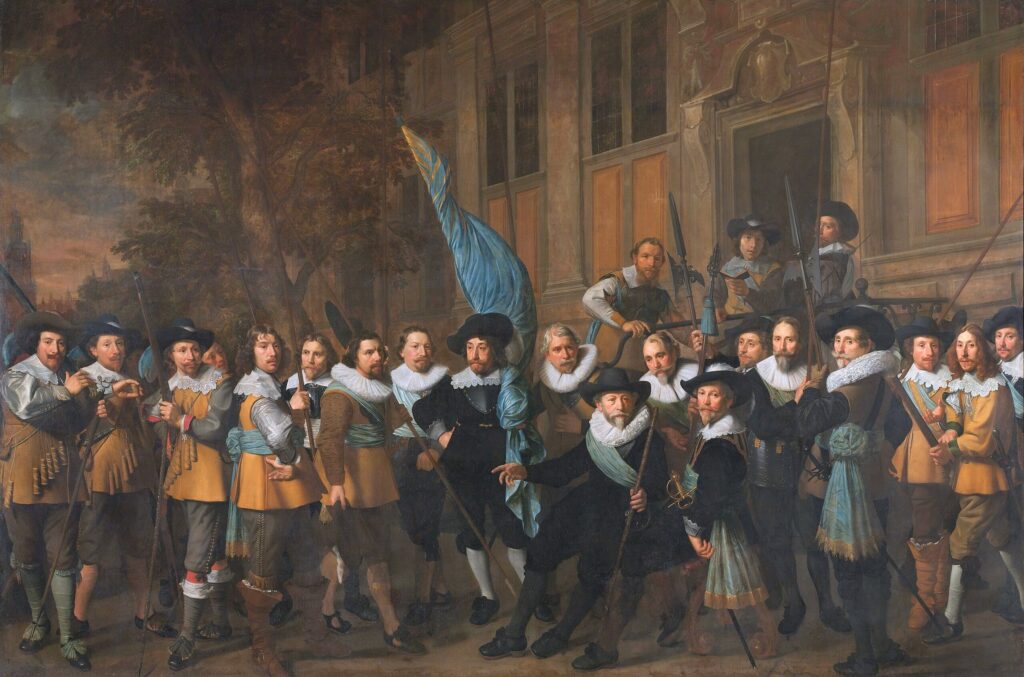
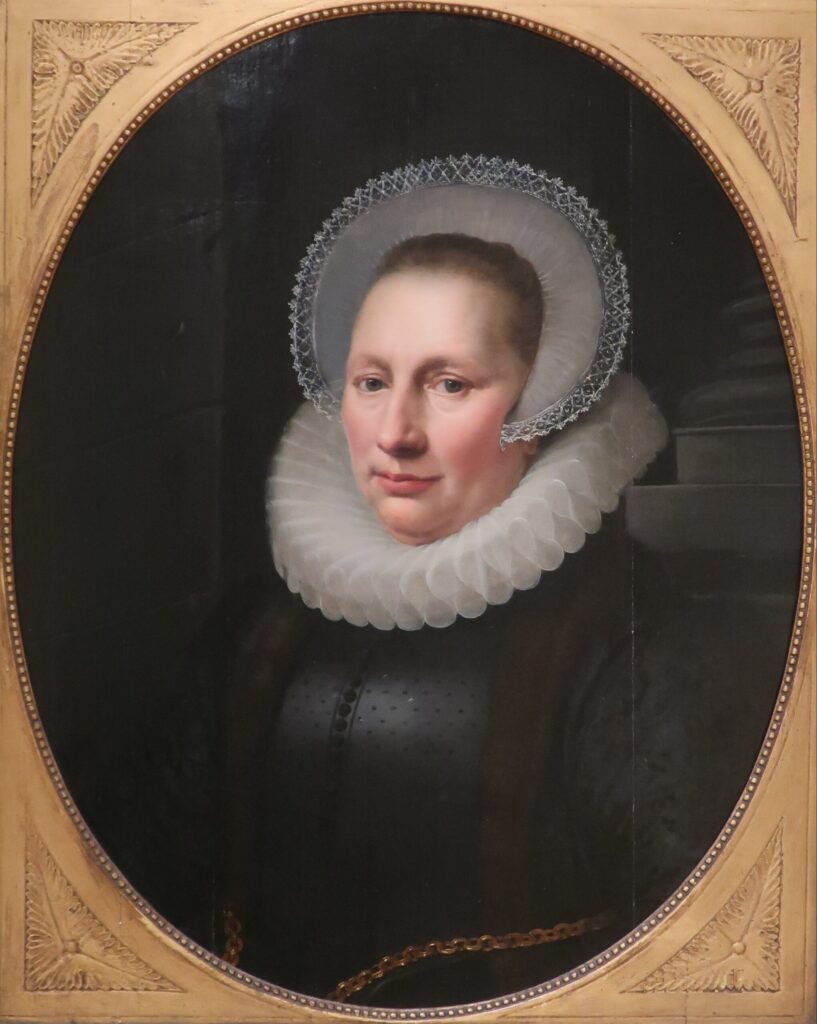
Nicolaes Eliaszoon Pickenoy, baptized January 10, 1588, and deceased between May 1650 and October 1656, was a Dutch painter born in Amsterdam to parents from Antwerp. The son of a monumental mason, he probably trained with the Amsterdam portraitist Cornelis van der Voort.
After Van der Voort’s death in 1624, Pickenoy and Thomas de Keyser became leading portrait painters in Amsterdam. He produced individual portraits, large group portraits of civic guards and institutional regents, and a small number of religious and mythological paintings. Bartholomeus van der Helst may have studied with him.
Pickenoy remained active in Amsterdam from 1619 into the 1640s. His paintings are held by the Louvre Museum, Rijksmuseum, Amsterdam Museum, J. Paul Getty Museum, Gemäldegalerie, Detroit Institute of Arts, and other collections.




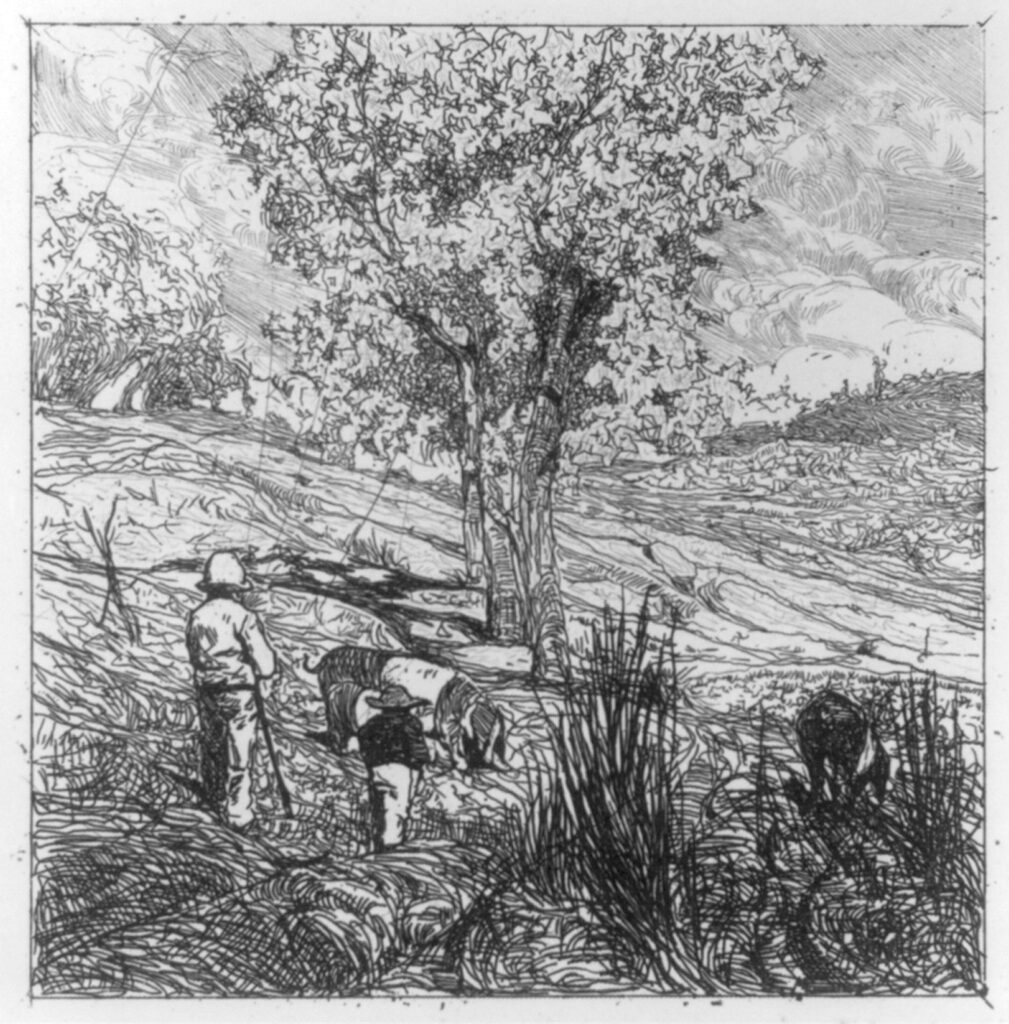
Giovanni Fattori
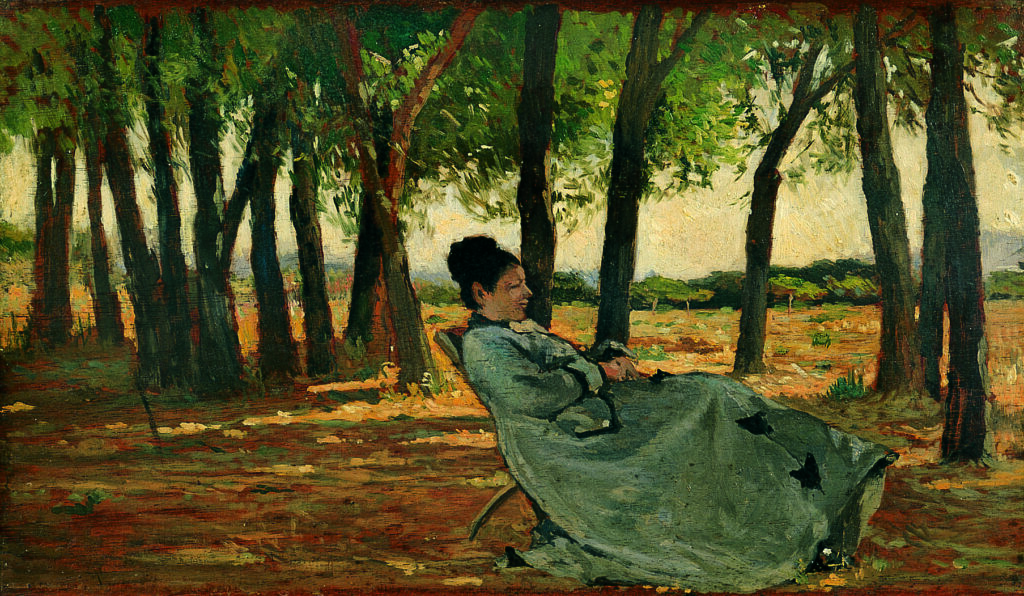
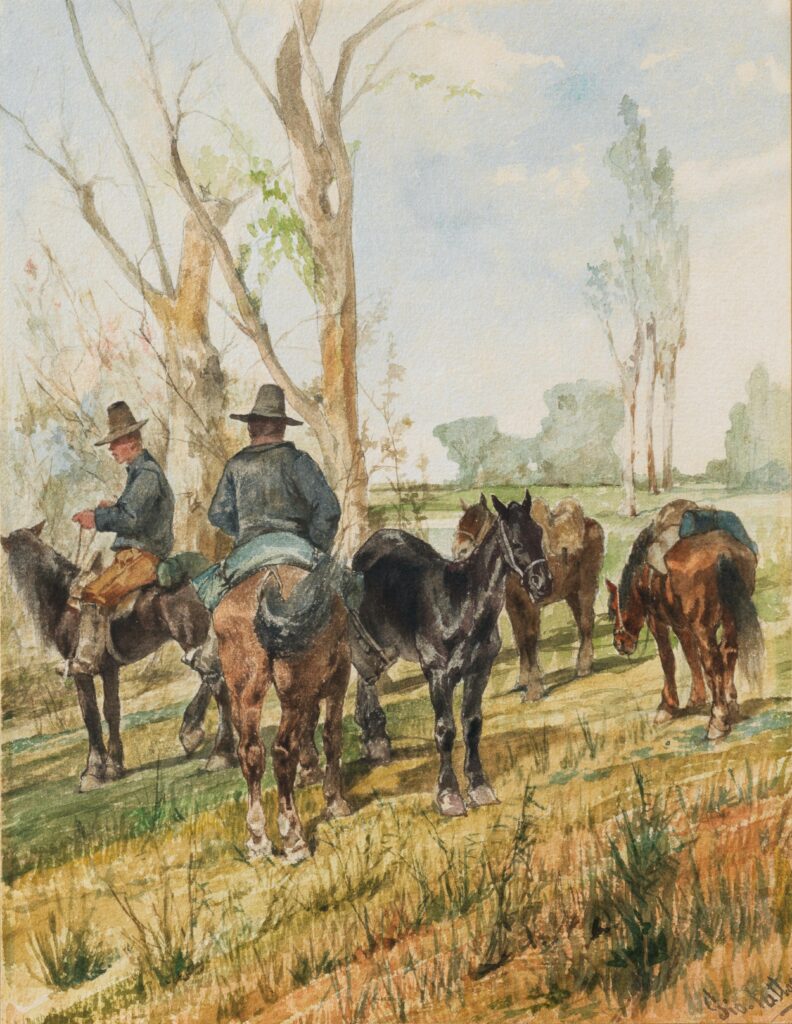
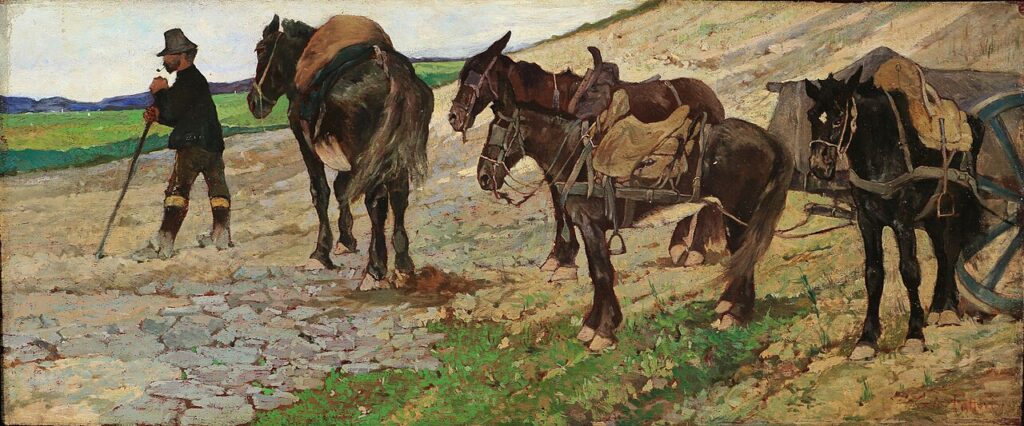
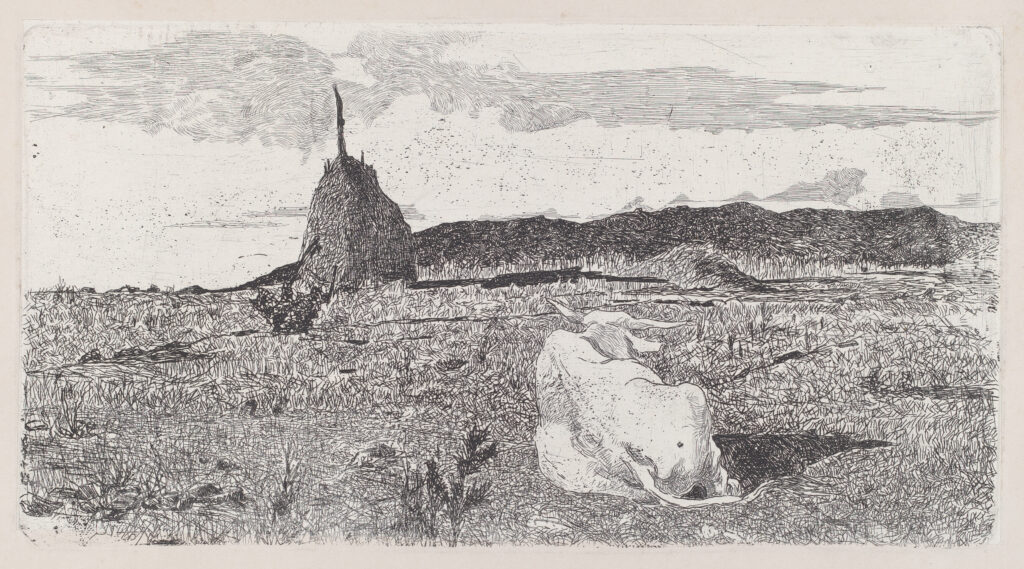
Giovanni Fattori, September 6, 1825 – August 30, 1908, was an Italian painter and printmaker born in Livorno. He studied there with Giuseppe Baldini before moving to Florence, where he trained with Giuseppe Bezzuoli and at the Academy of Fine Arts.
In Florence, Fattori frequented the Caffè Michelangiolo and became a leading member of the Macchiaioli. He painted historical subjects, scenes of military and rural life, landscapes, portraits, and later produced many etchings; from 1869 he taught at the Academy of Fine Arts, where his students included Plinio Nomellini and Amedeo Modigliani.
Fattori remained active in Florence until his death in 1908. Major holdings of his work are in the Museo Civico Giovanni Fattori, Livorno; the Gallery of Modern Art in the Pitti Palace, Florence; and the National Gallery of Modern and Contemporary Art, Rome.






Giulia Lama
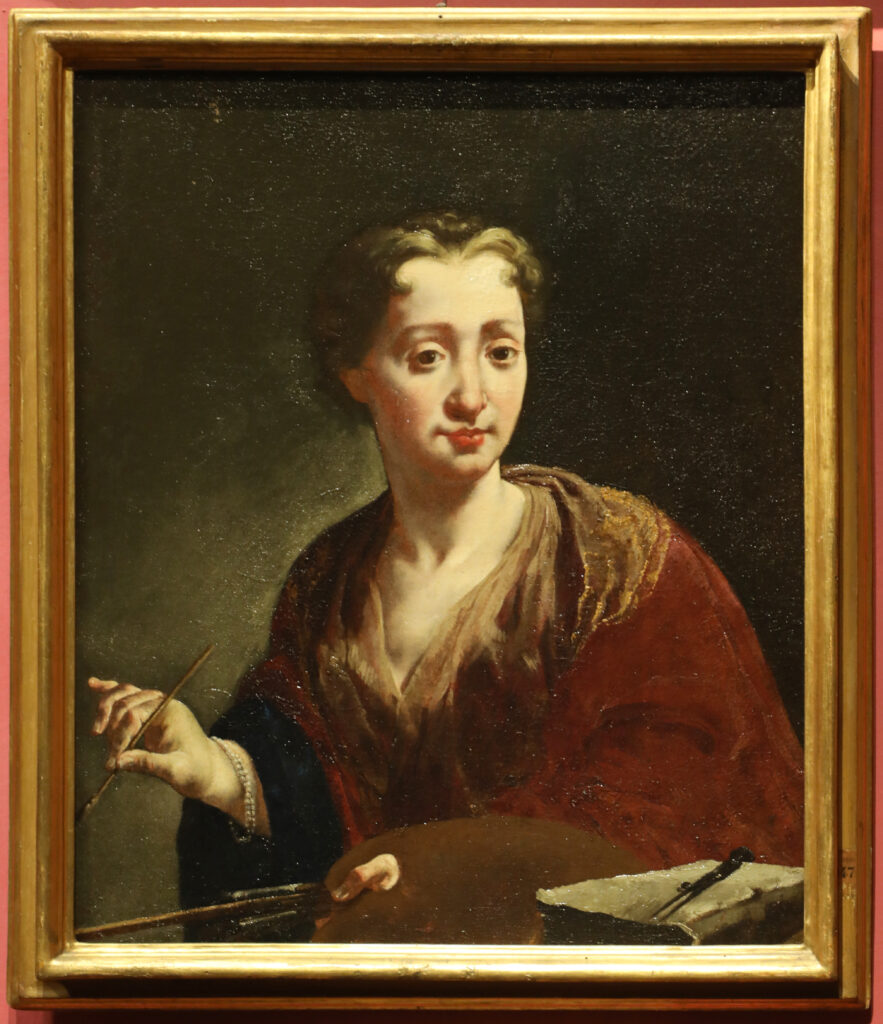
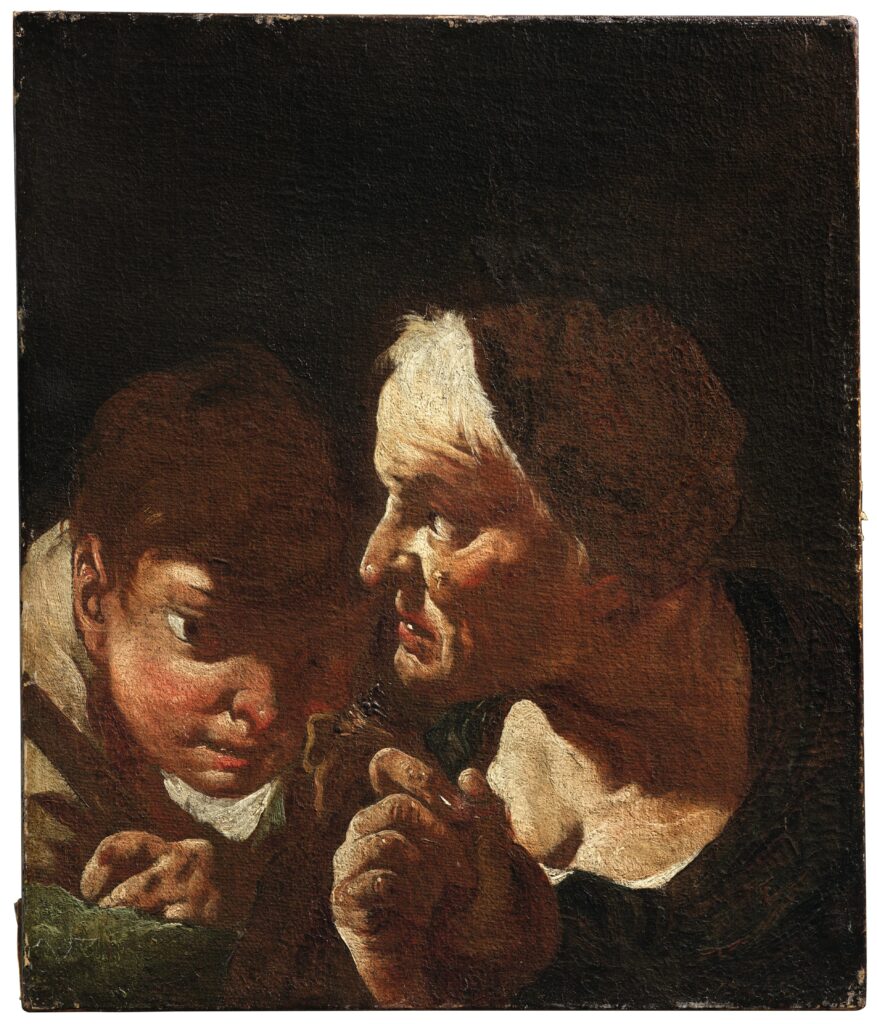
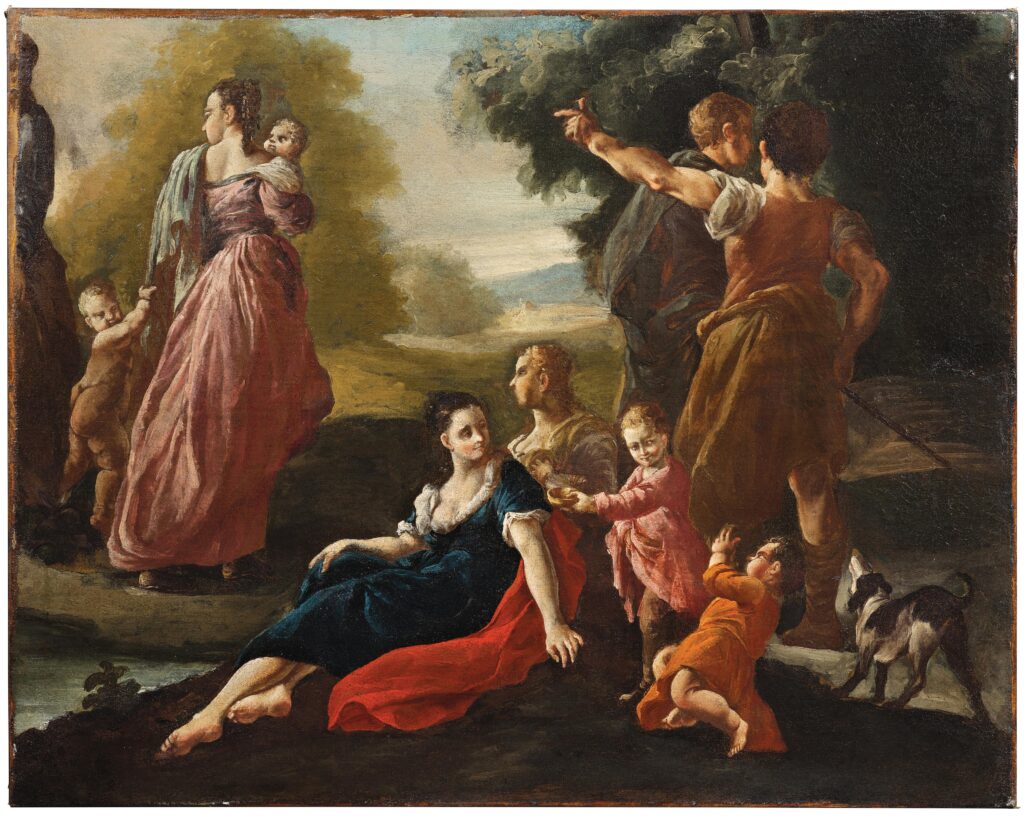
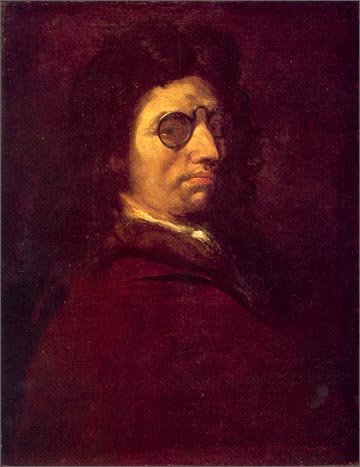
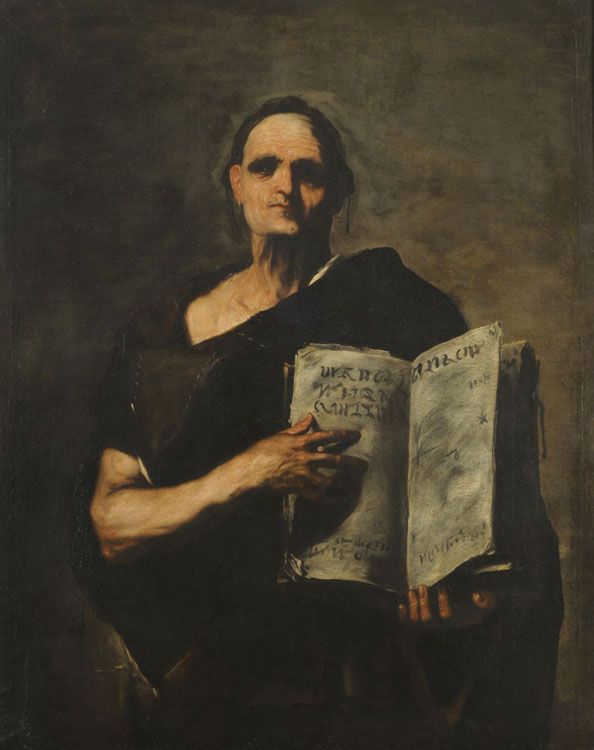
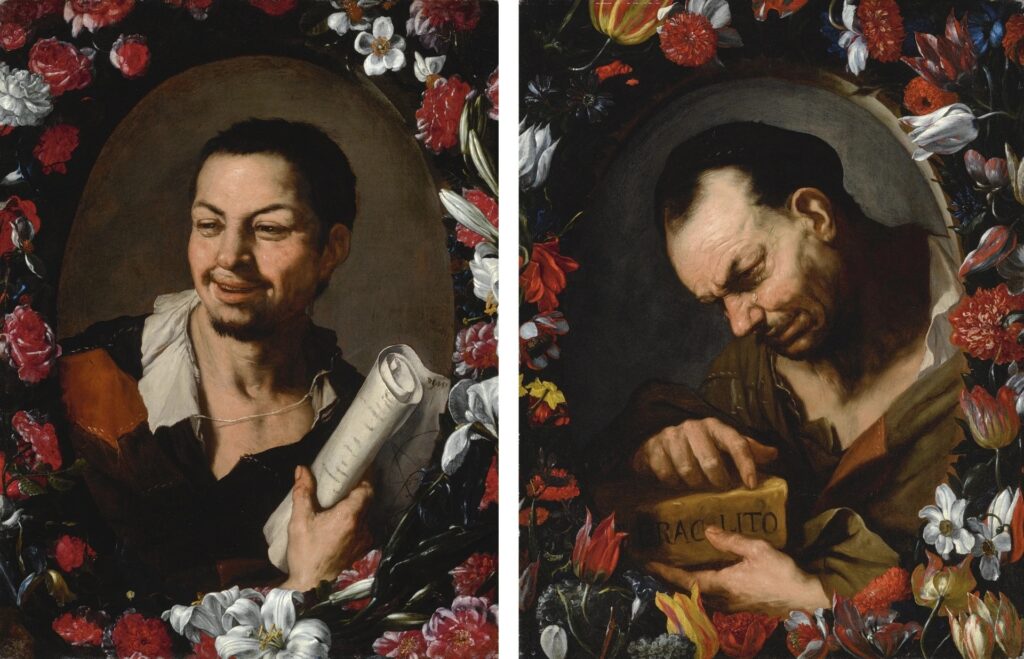
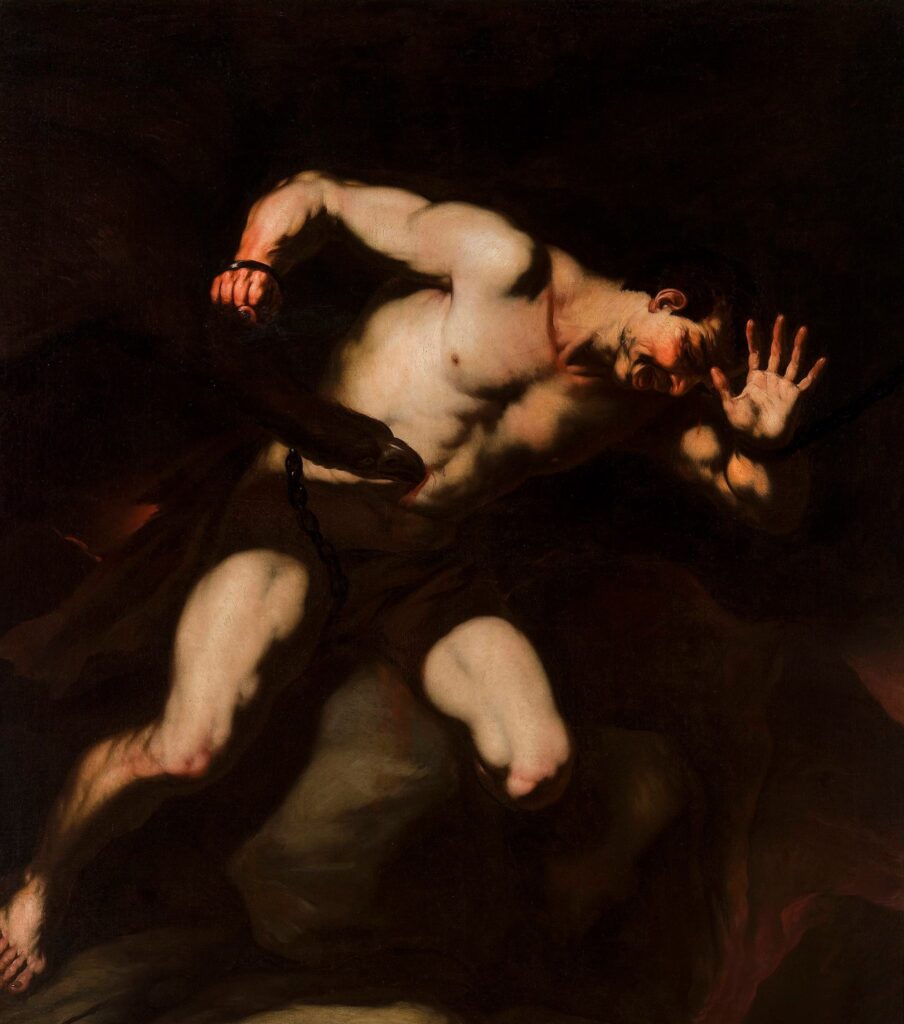
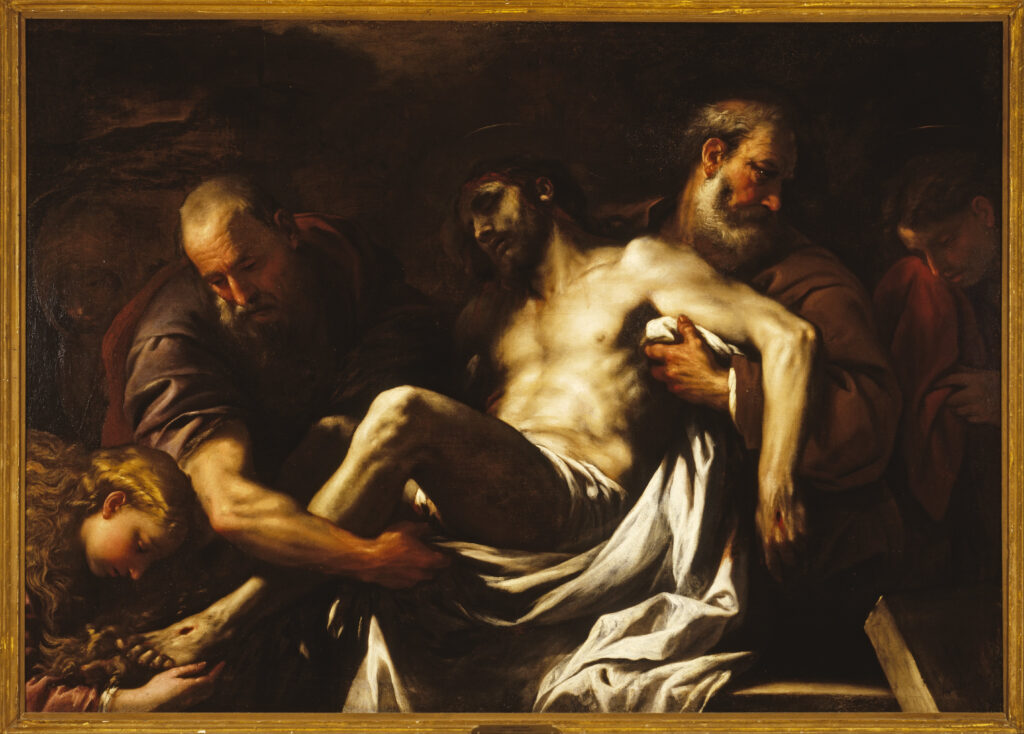
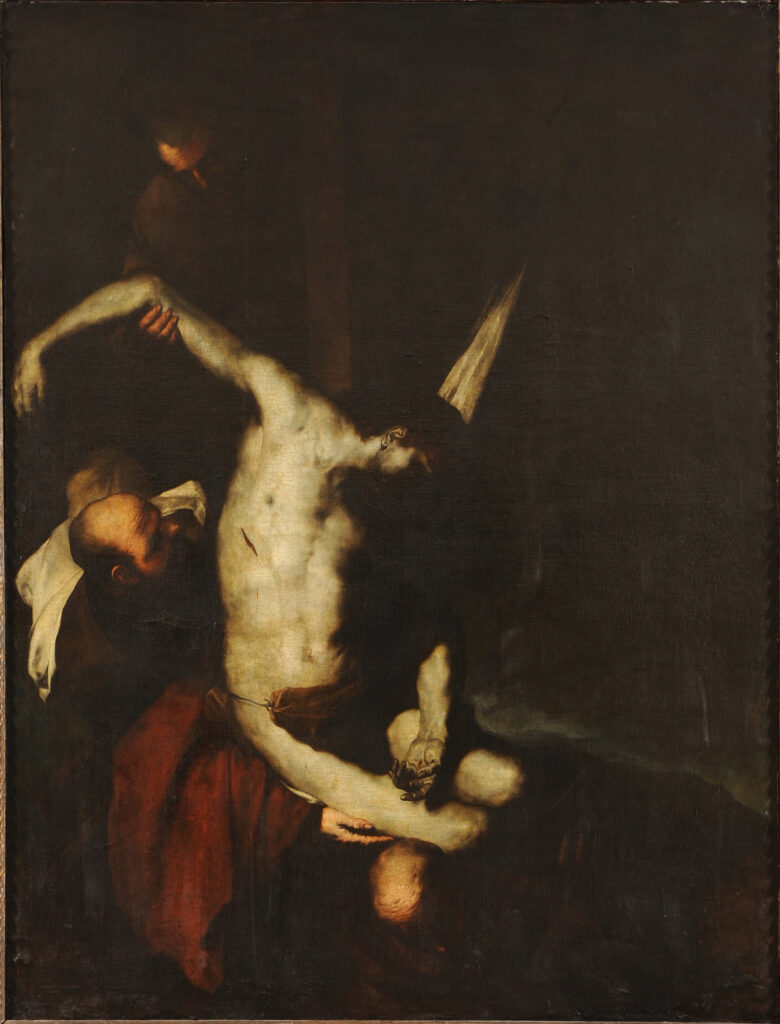
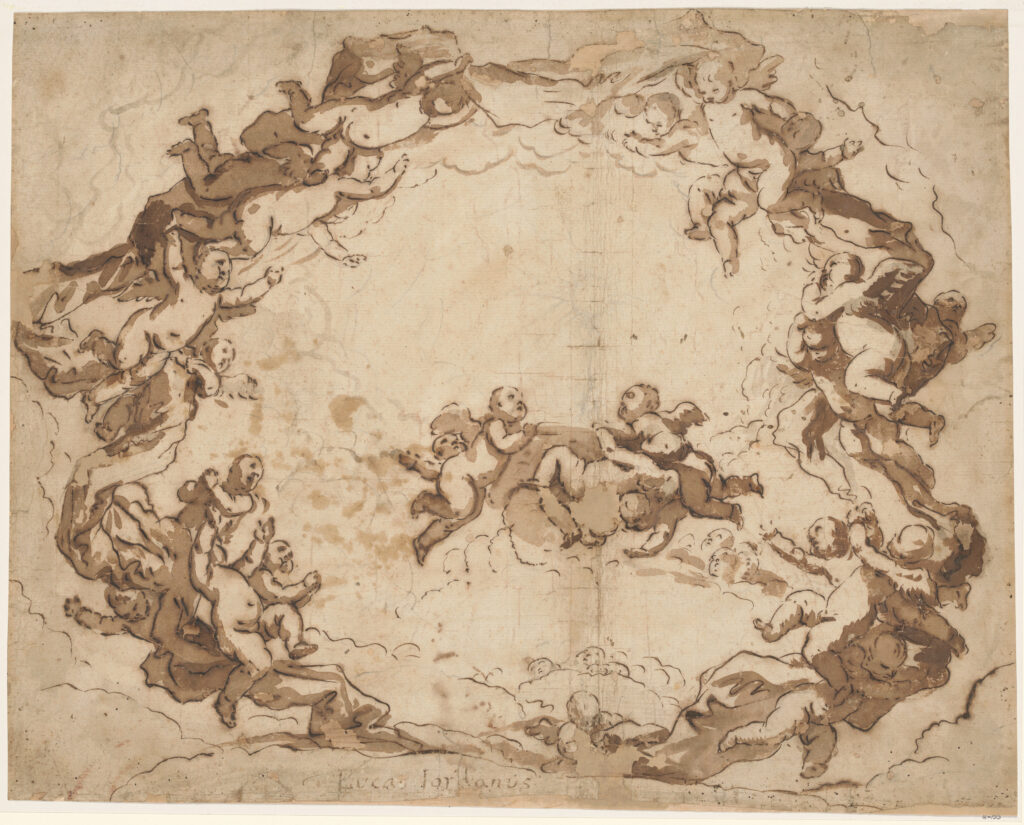
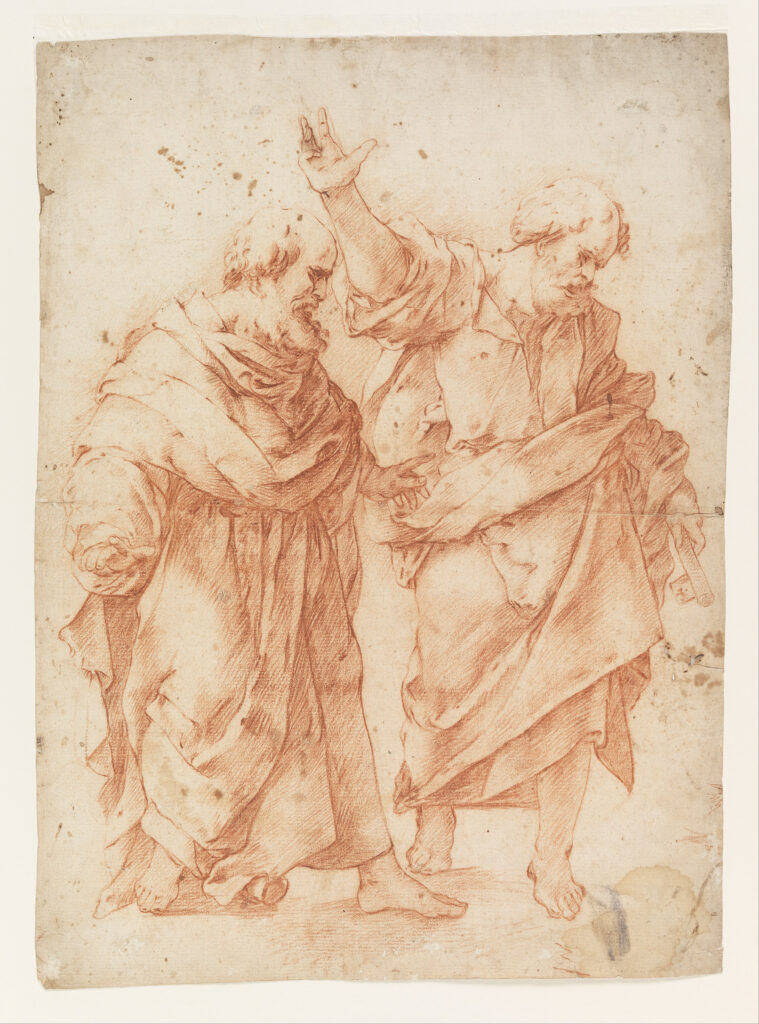
Giulia Lama, October 1, 1681 – October 8, 1747, was an Italian painter, draftsman, poet, and mathematician born and active in Venice. She received her first artistic and mathematical instruction from her father, the painter Agostino Lama, and trained in the circle of Antonio Molinari alongside her friend Giambattista Piazzetta.
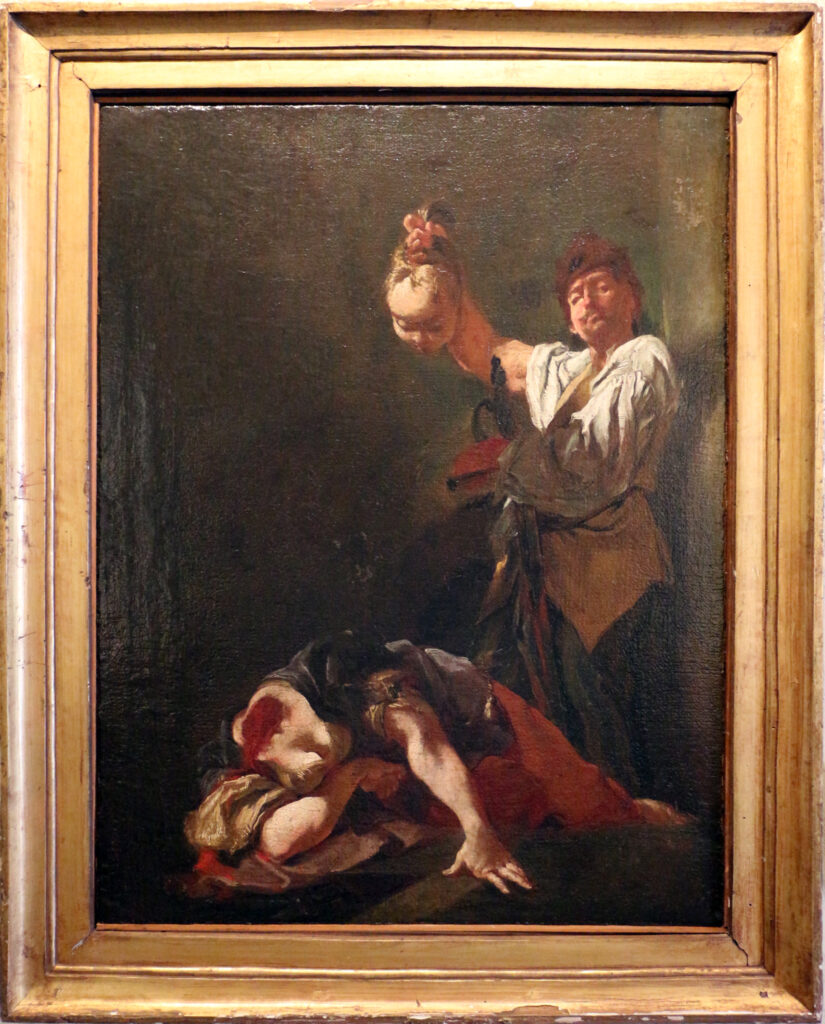
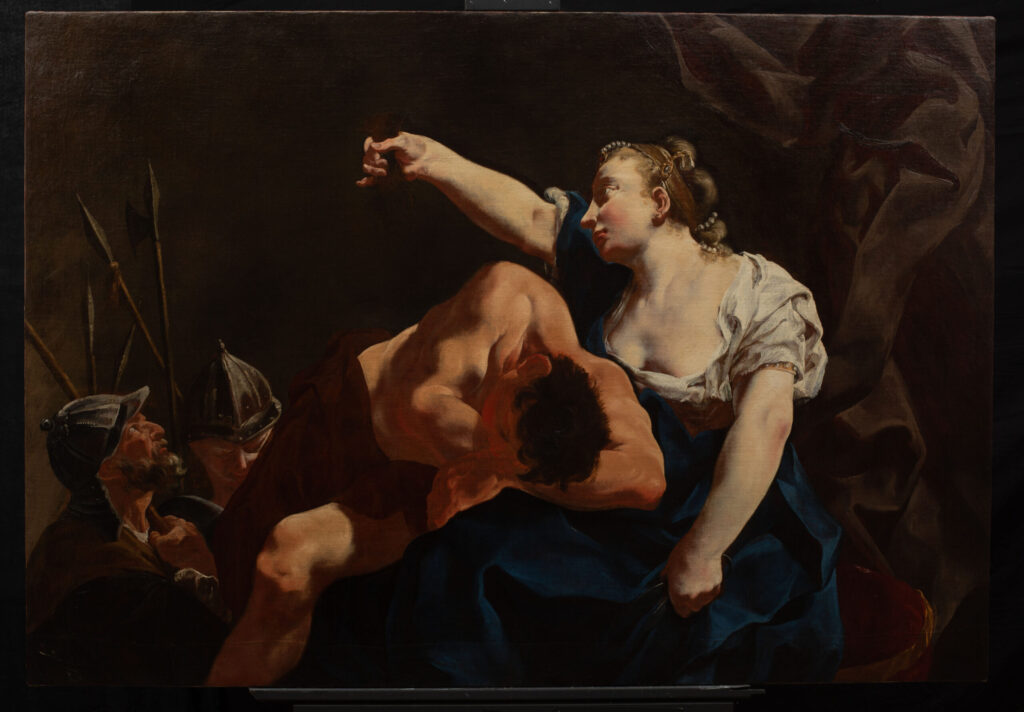
Lama established an independent career as a portraitist and history painter, receiving private commissions and producing large religious paintings and altarpieces for Venetian churches. Her surviving drawings show that she studied both male and female figures from life, and she was also known in contemporary intellectual circles for her poetry and mathematical learning.
Lama remained in Venice throughout her life and was buried in the Church of Santi Giovanni e Paolo. Her paintings and drawings are held by the Uffizi Gallery, Gallerie dell’Accademia, Ca’ Rezzonico, and Musée des Beaux-Arts, Quimper; the modern recovery of her work has included the reattribution of paintings formerly assigned to several male contemporaries.


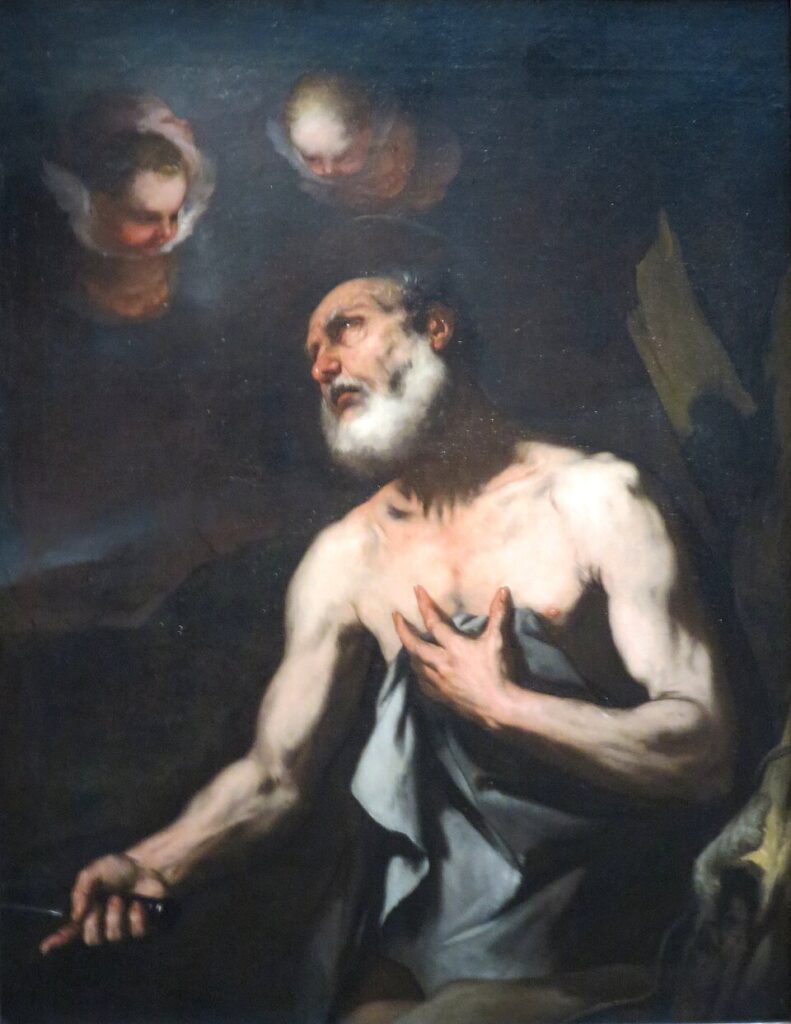
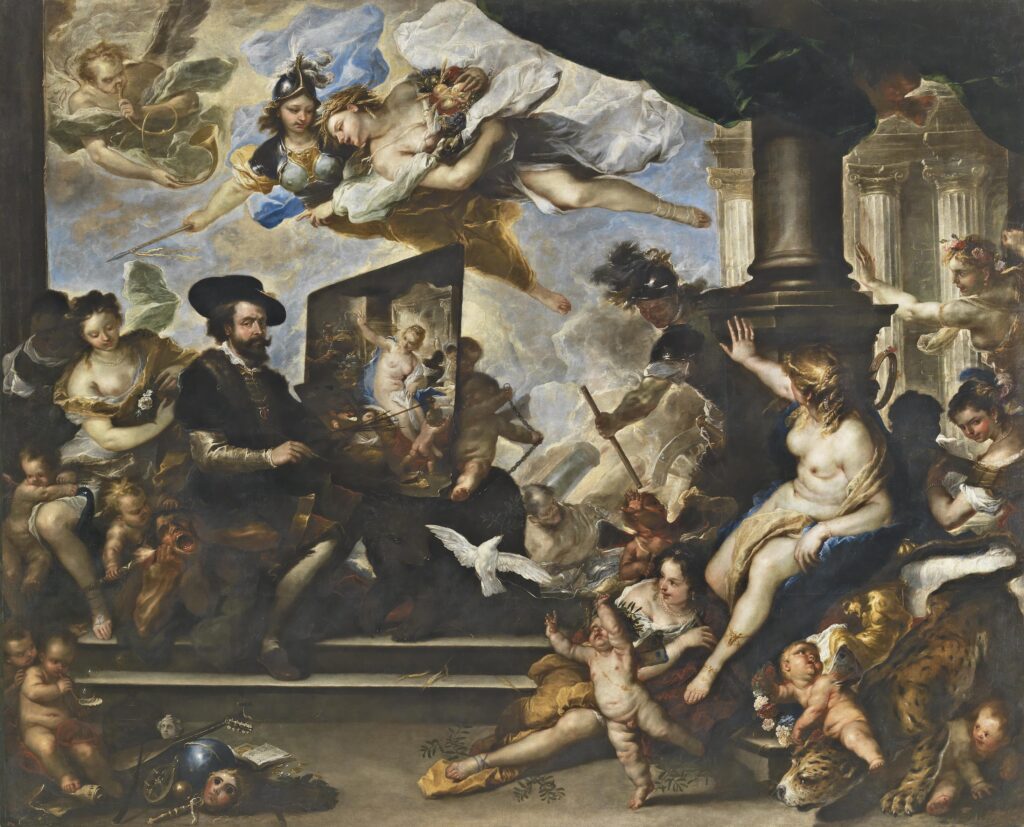


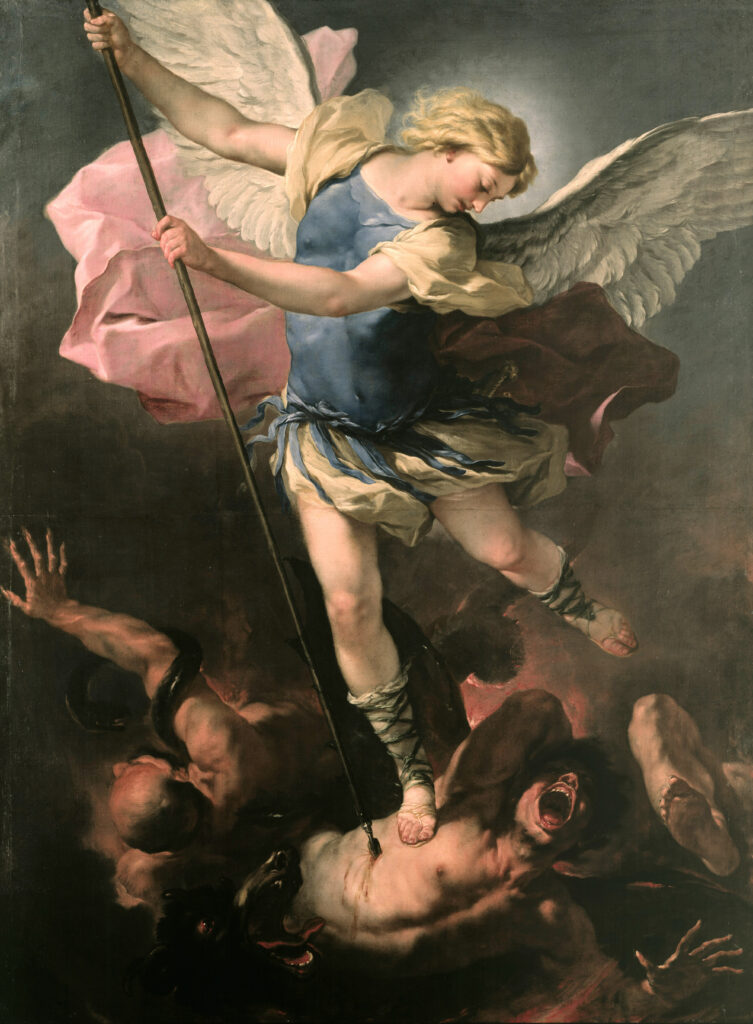
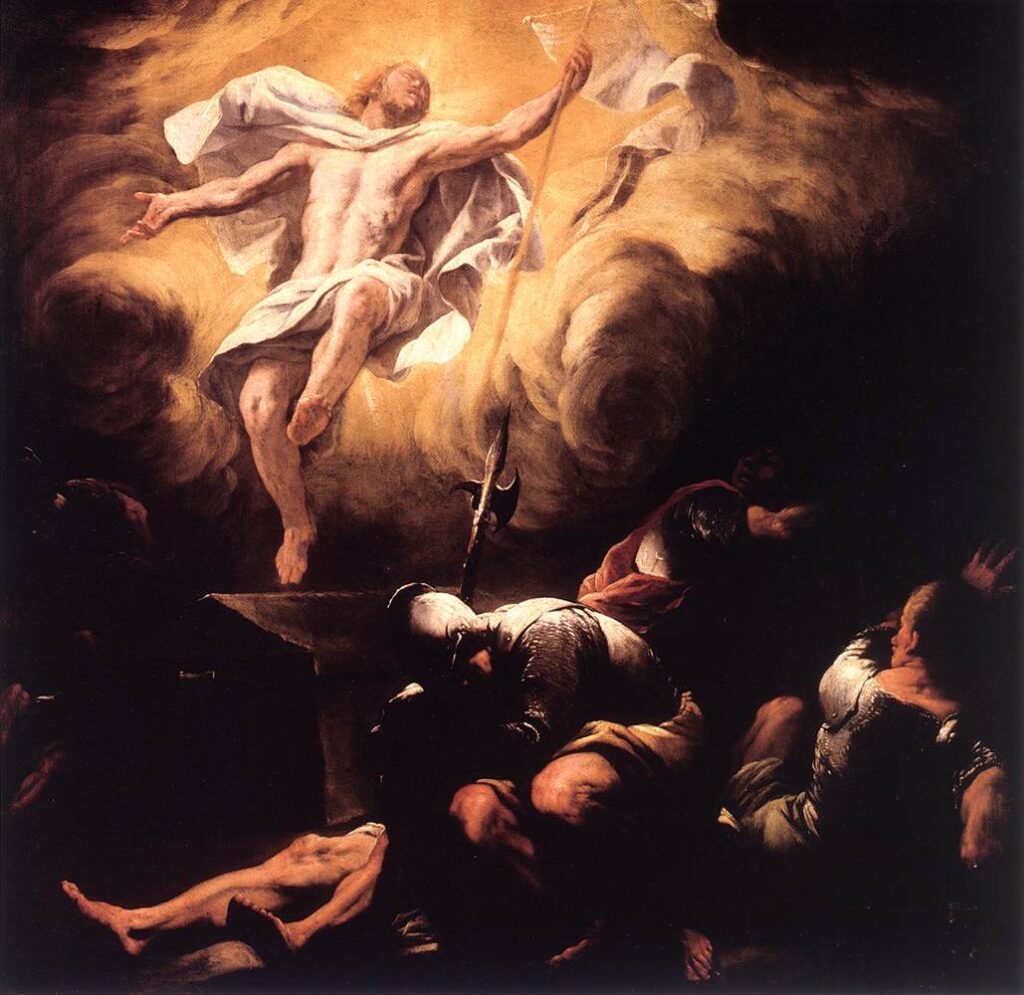





Alexandre Cabanel
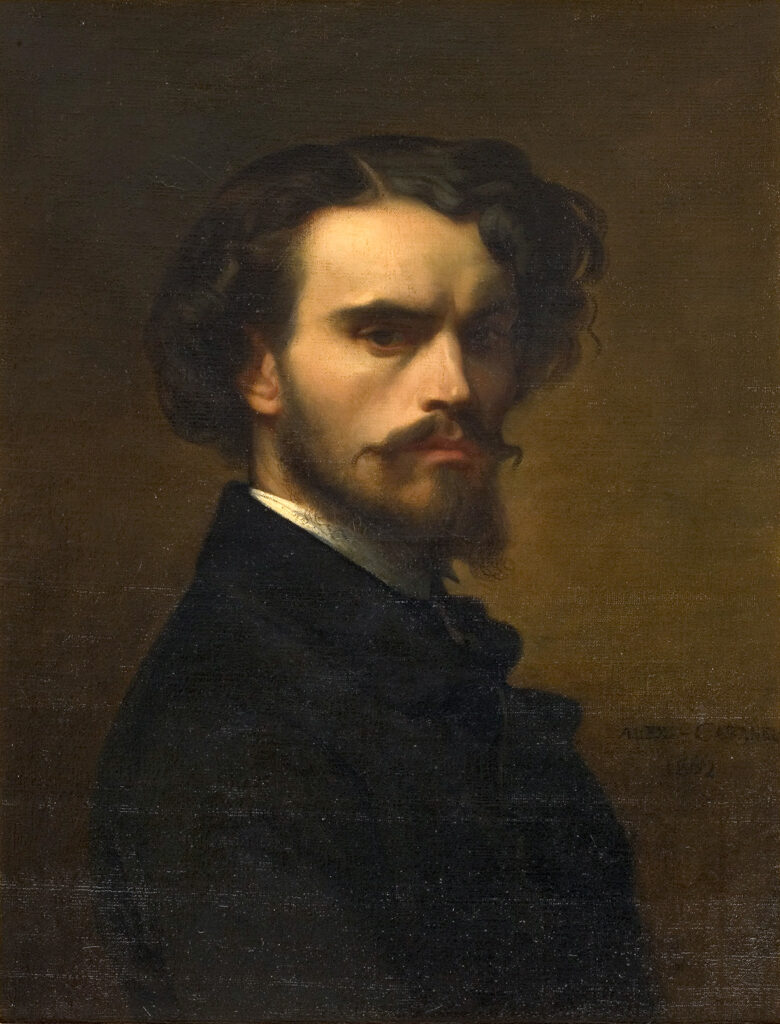
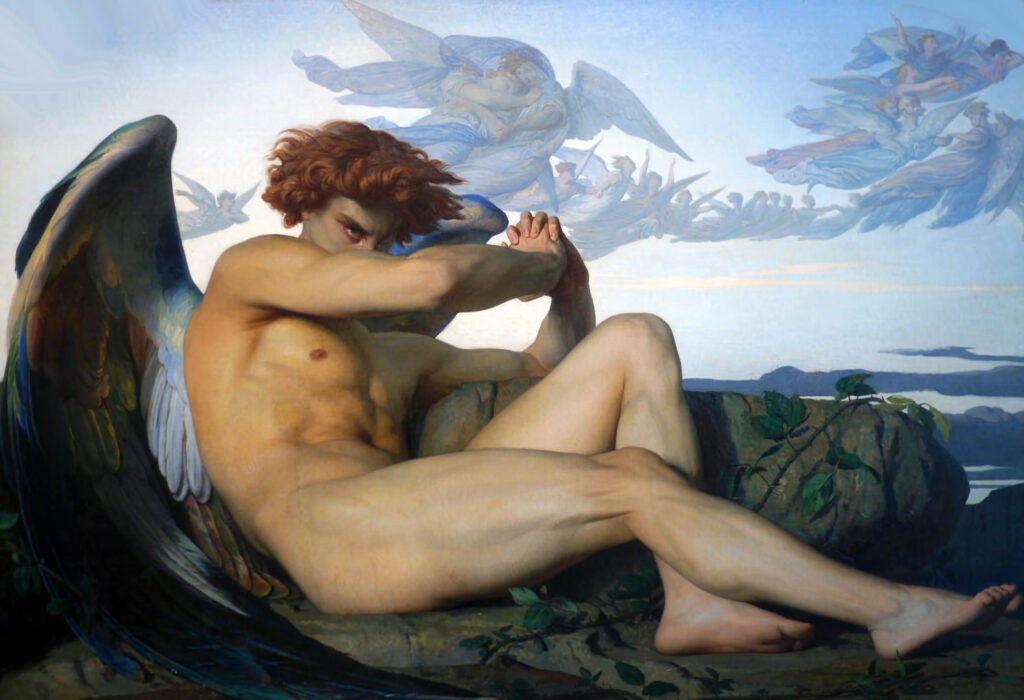
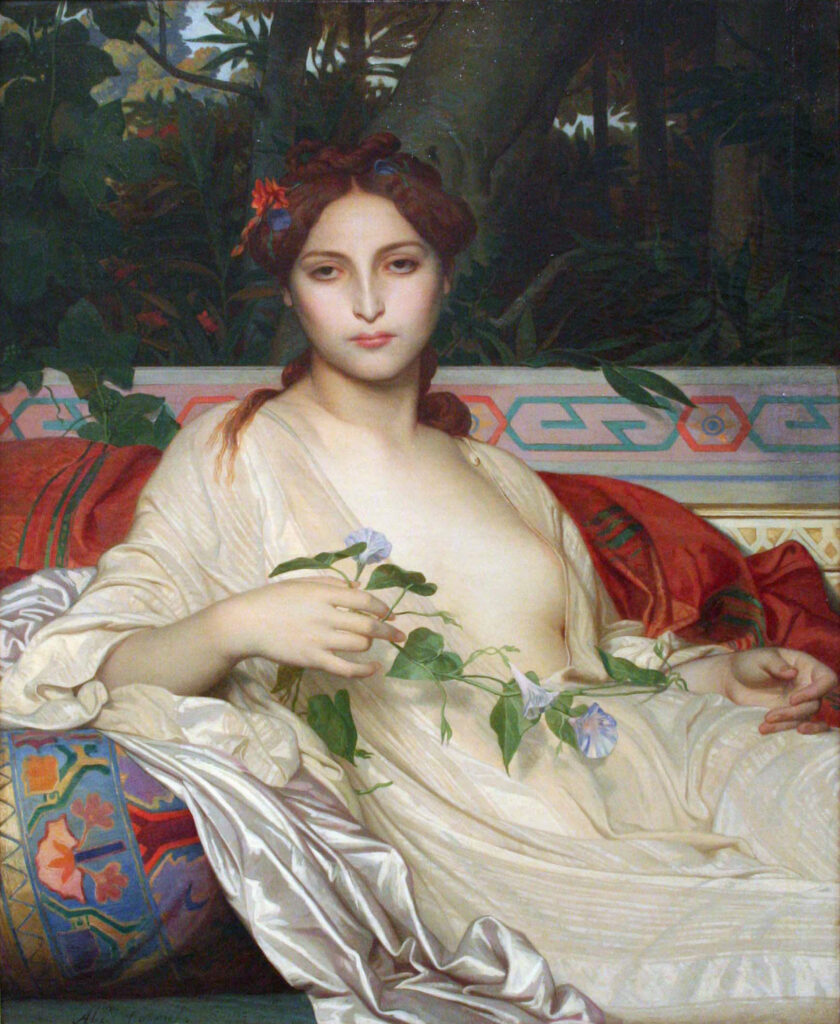
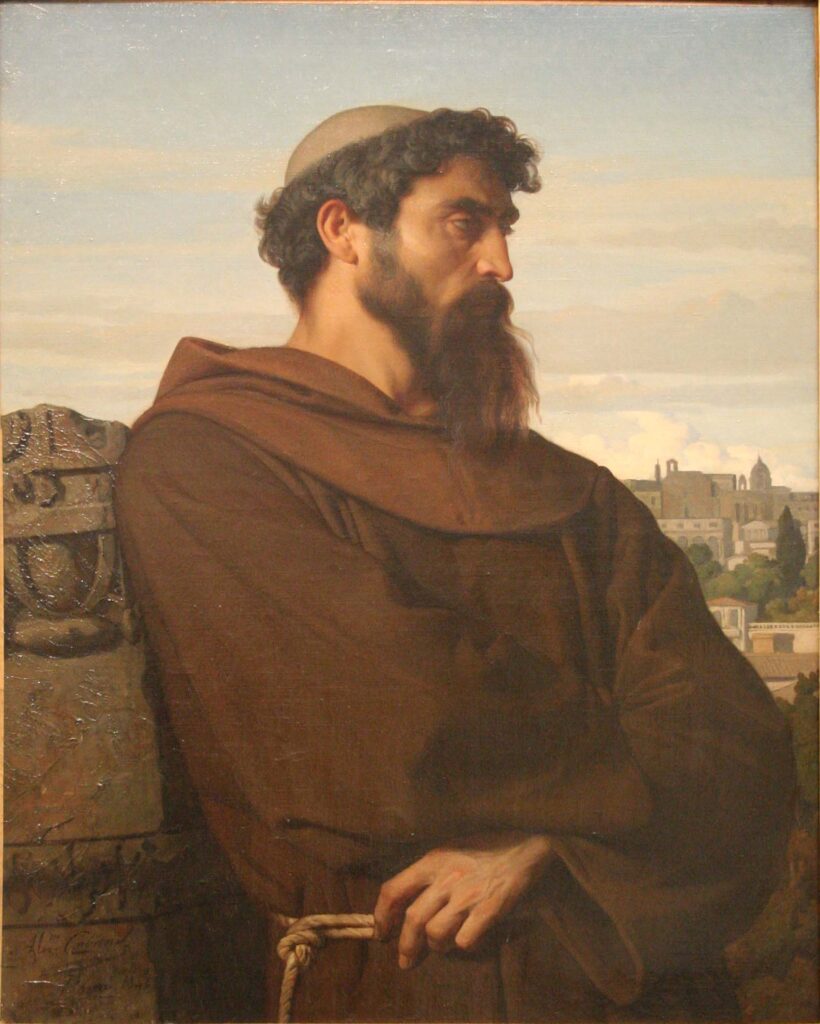
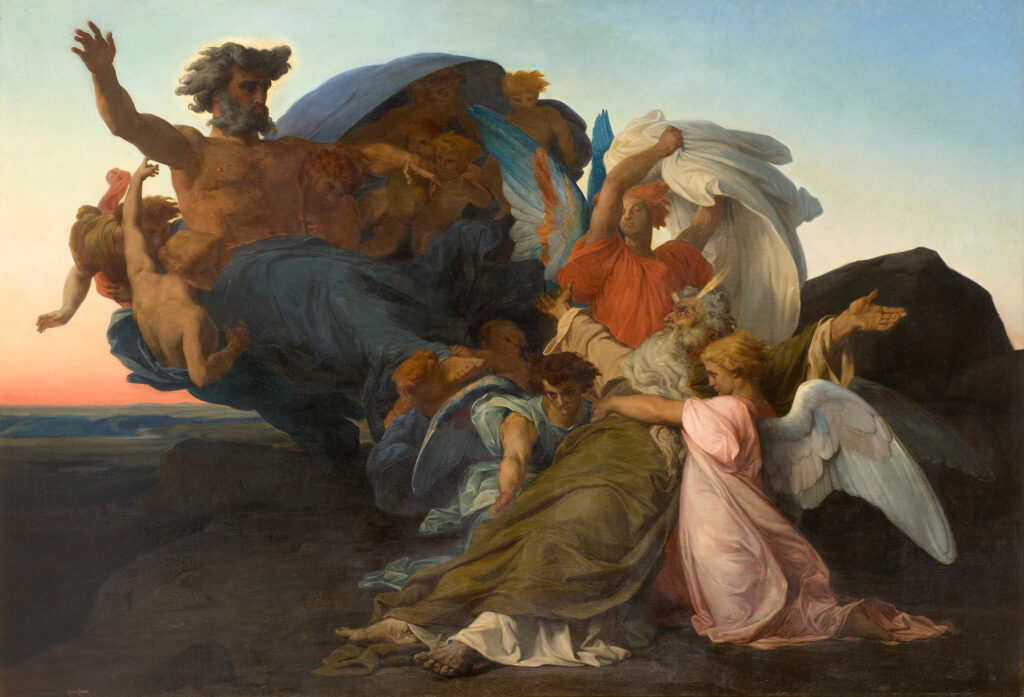
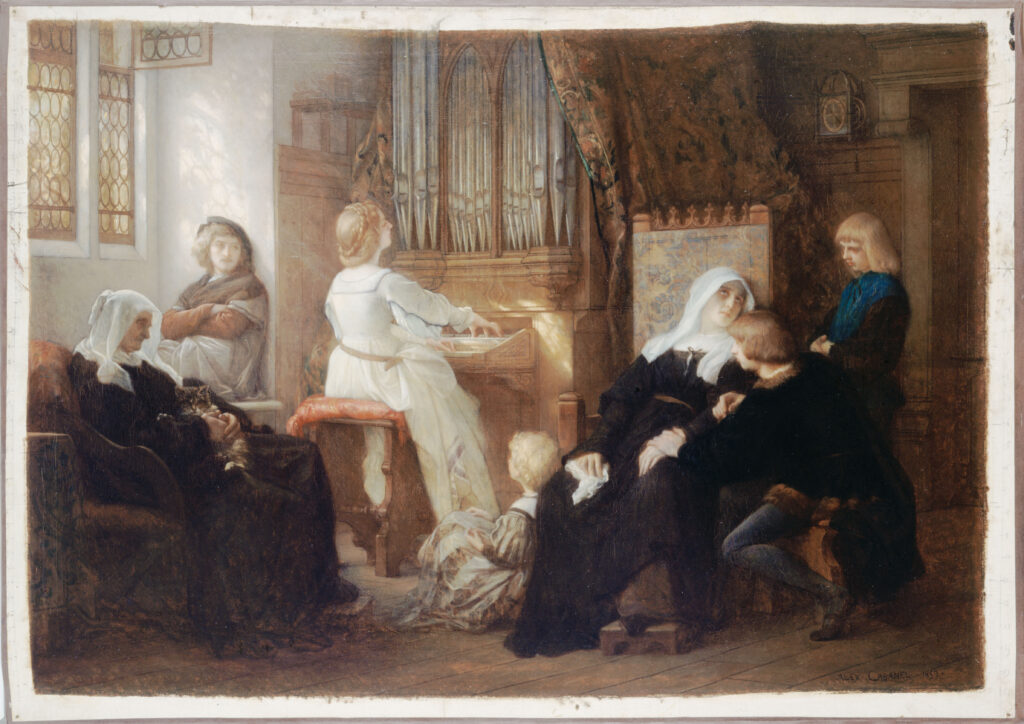
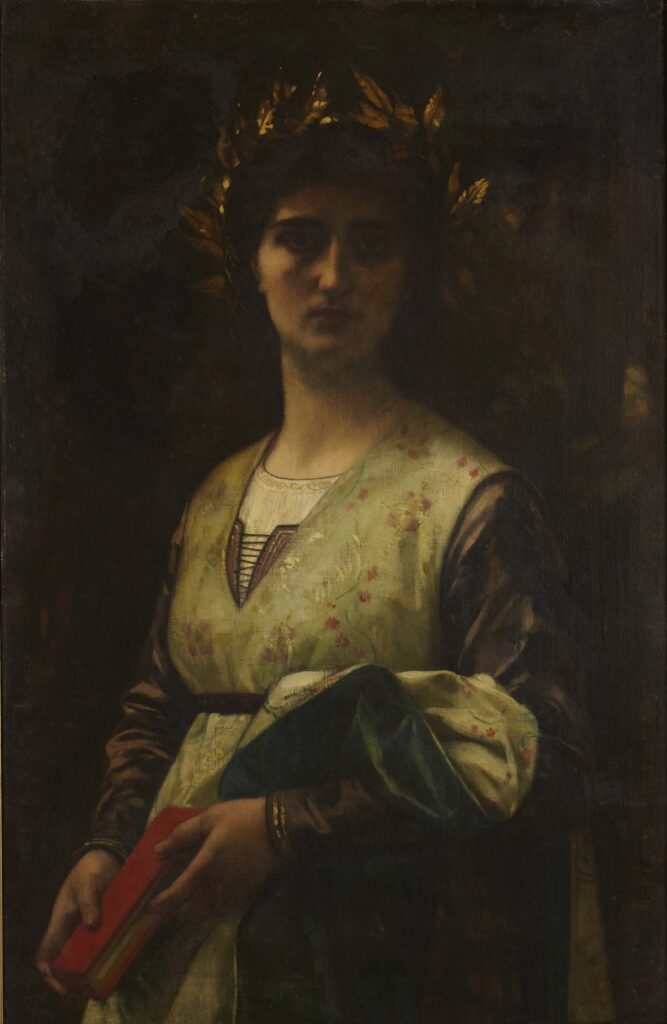
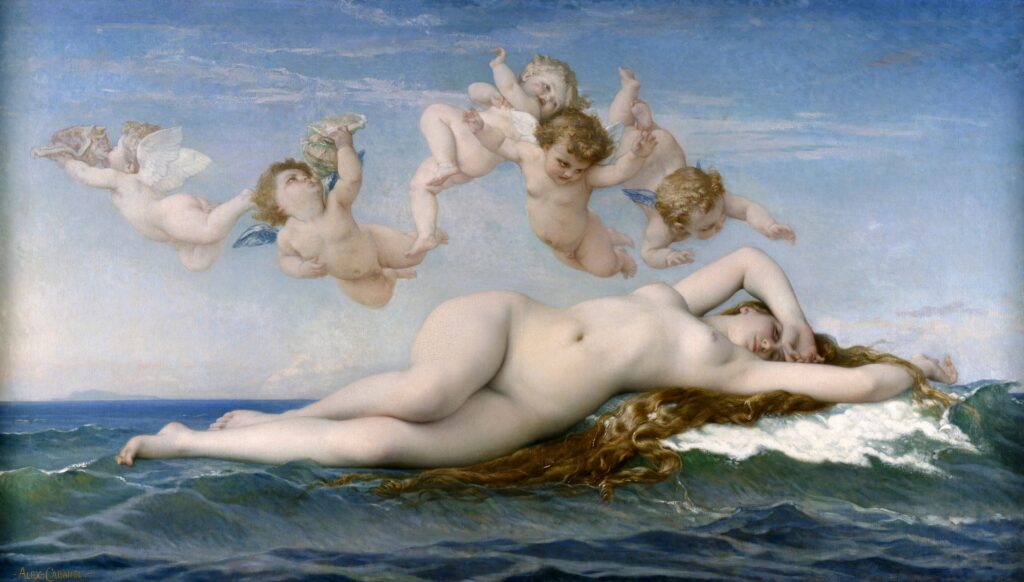
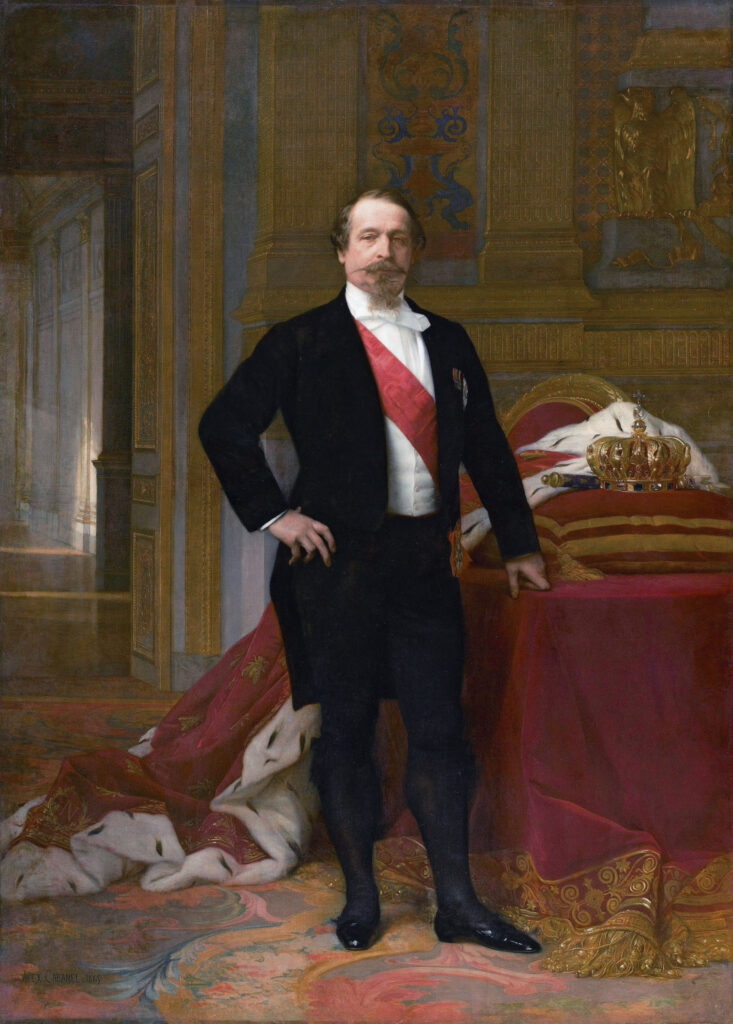
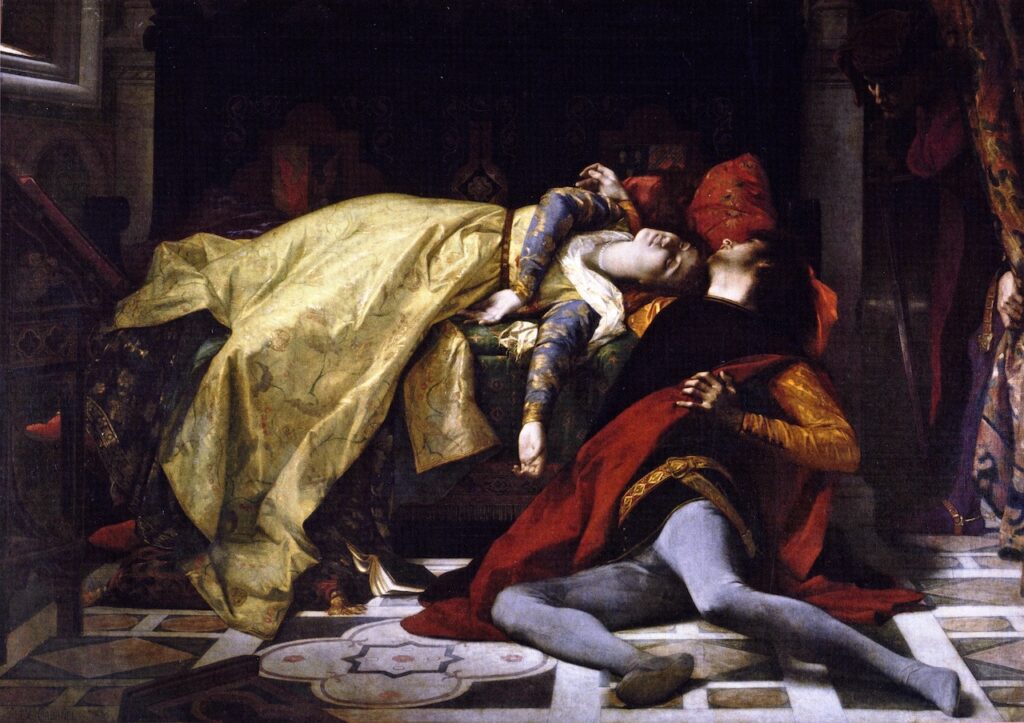
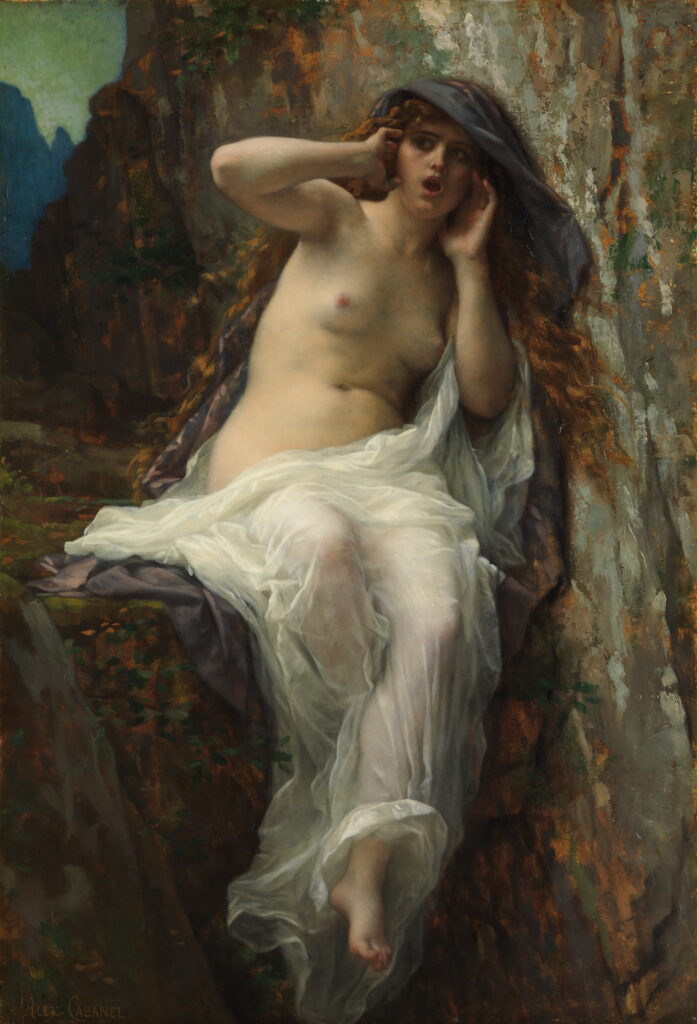
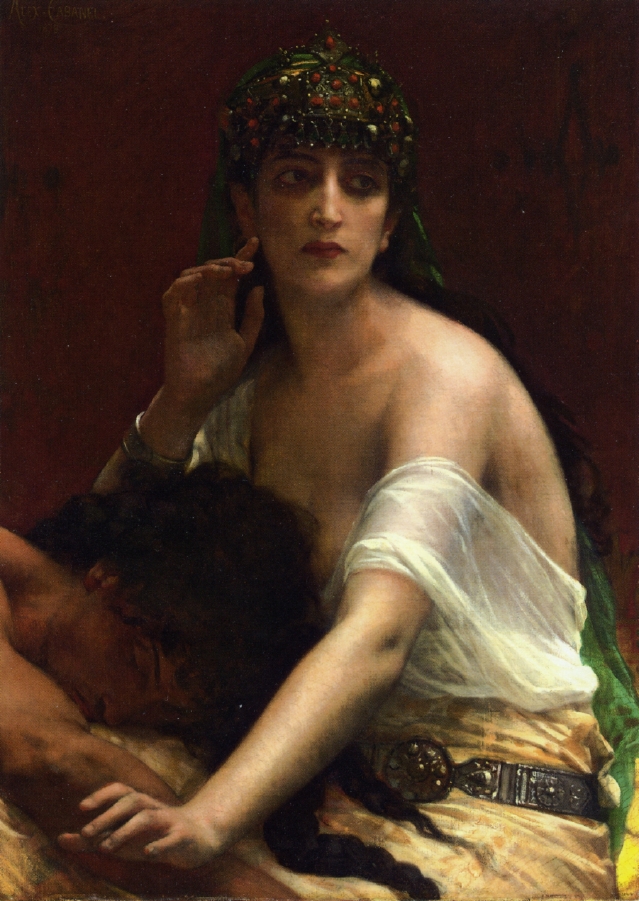
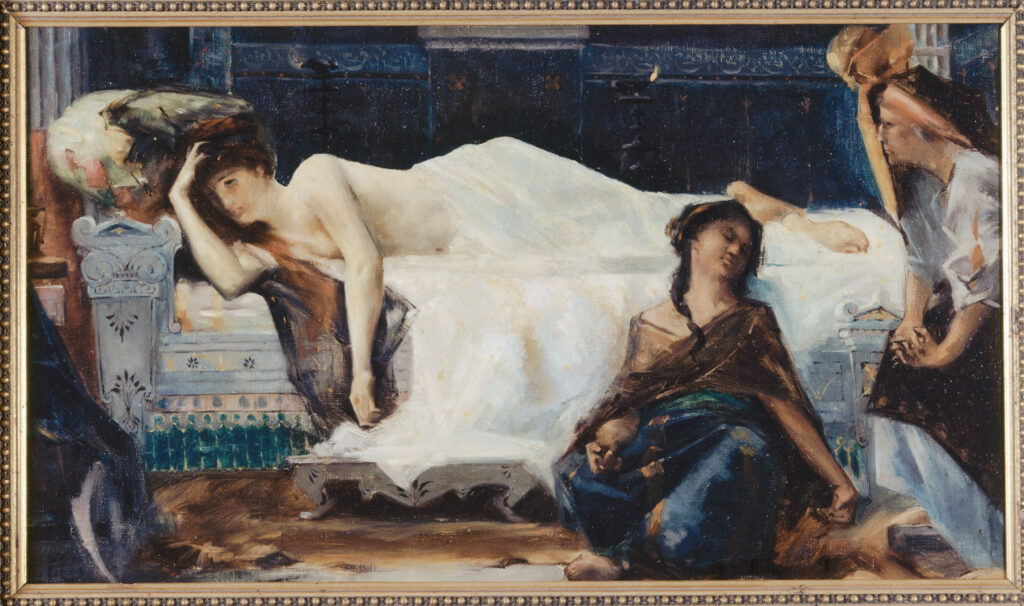
Alexandre Cabanel, September 28, 1823 – January 23, 1889, was a French painter and teacher. Born in Montpellier, he first studied at the city’s free drawing school and moved to Paris in 1839 on a municipal scholarship. From 1840 he studied at the École des Beaux-Arts in the studio of François-Édouard Picot. In 1845 he received the second first Prix de Rome and was a resident at the Villa Medici in Rome until 1850.
Cabanel returned to Paris in 1850 and worked on history, religious, mythological, decorative, and portrait paintings. He received commissions from Napoleon III and produced decorations for public buildings and Paris residences. From 1863, following the reform of the École des Beaux-Arts, he directed one of its three painting studios. He taught several hundred students, including Aristide Maillol, Jules Bastien-Lepage, Eugène Carrière, Henri Regnault, and Ernest Michel.
The Musée Fabre holds the largest group of Cabanel’s works, including about fifty paintings and nearly two hundred drawings. His works are also held by the Musée d’Orsay, the Metropolitan Museum of Art, the Princeton University Art Museum, the Petit Palais, and the Château de Compiègne
Théodore Chassériau
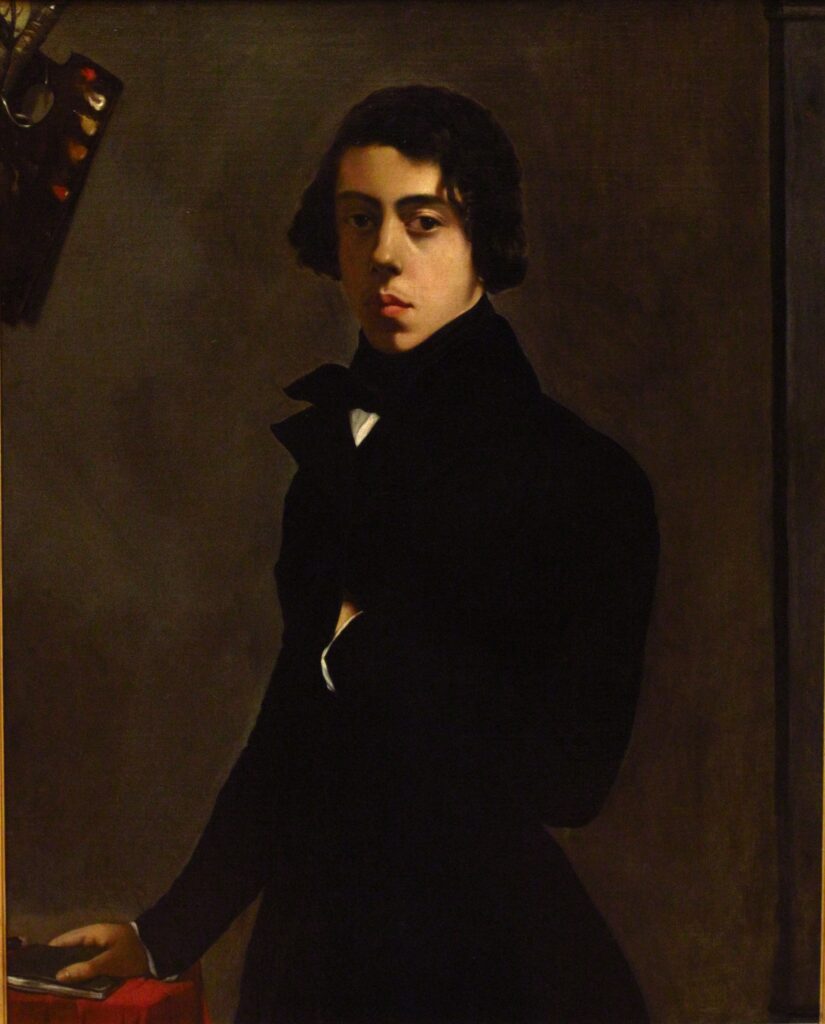
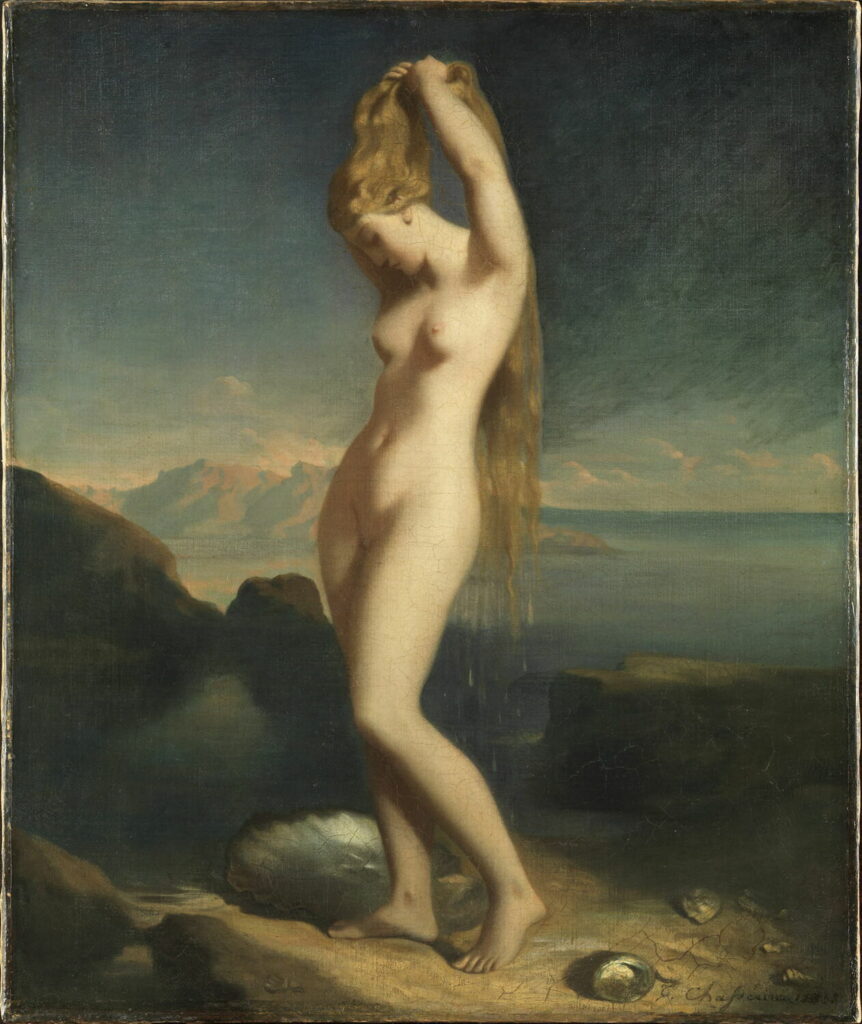
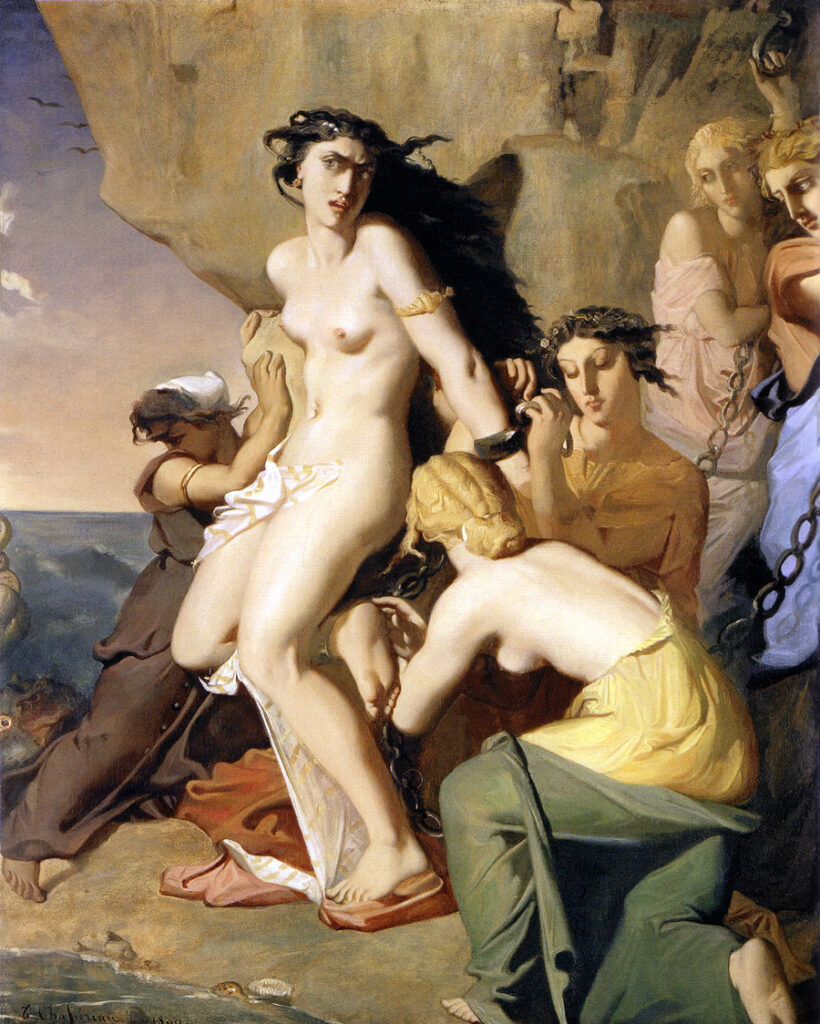
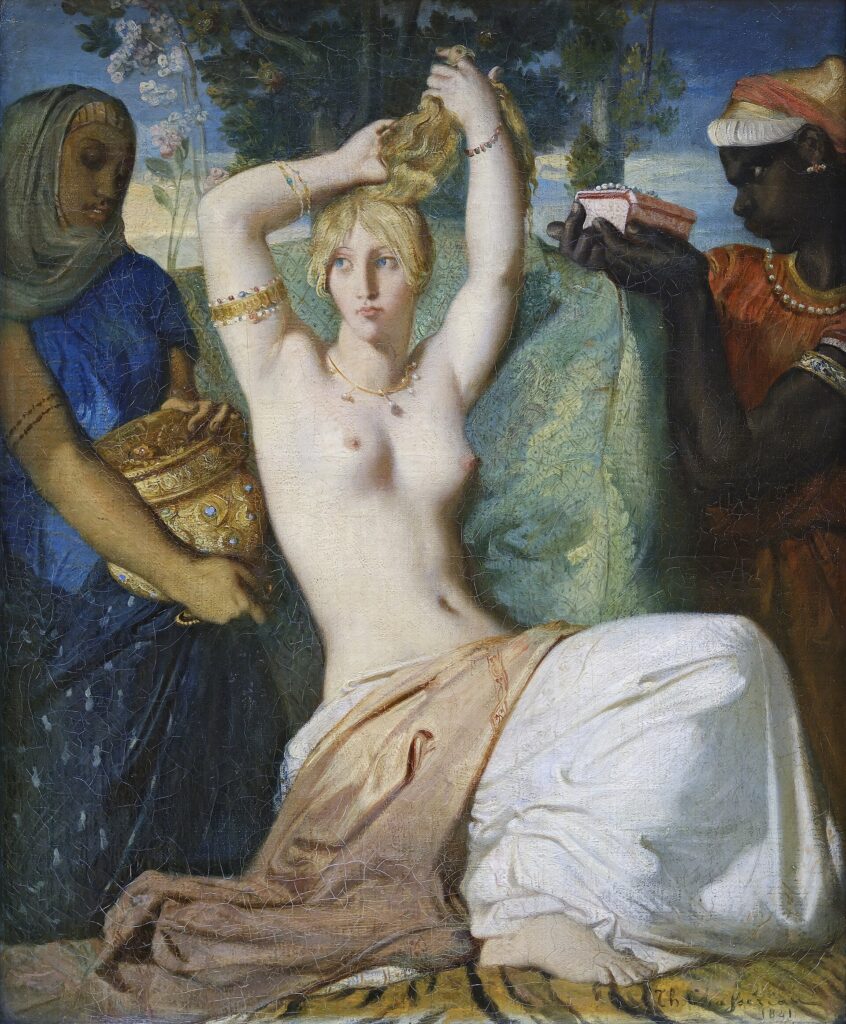
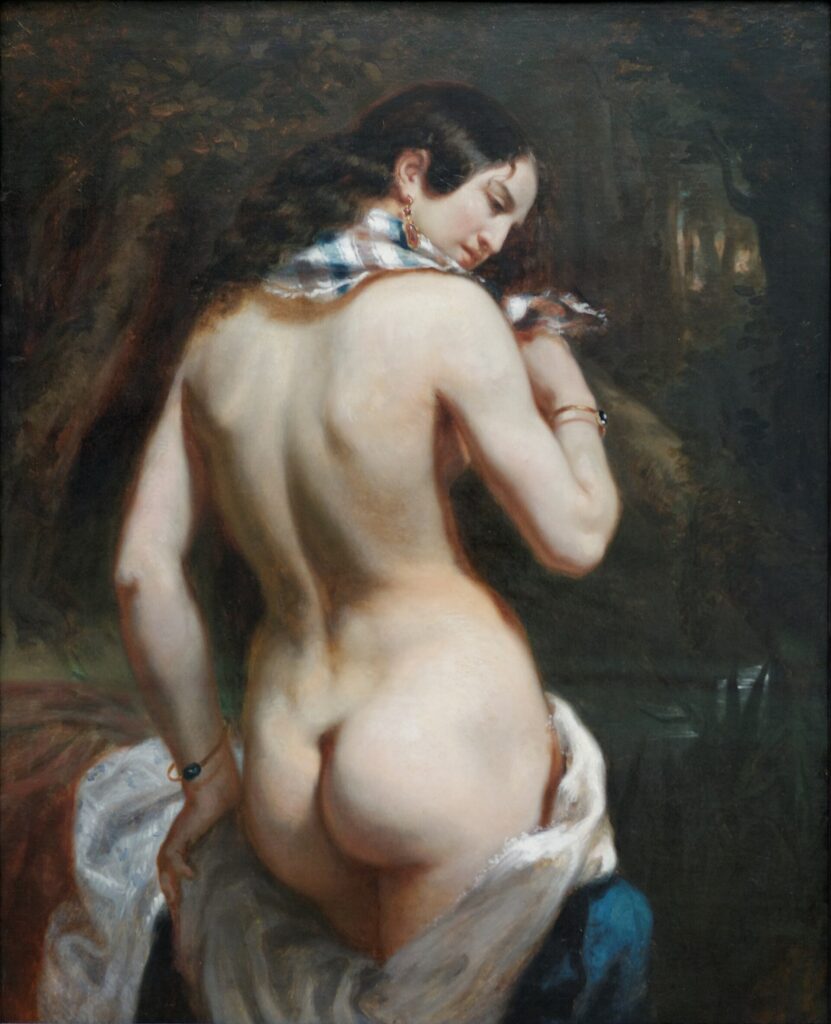
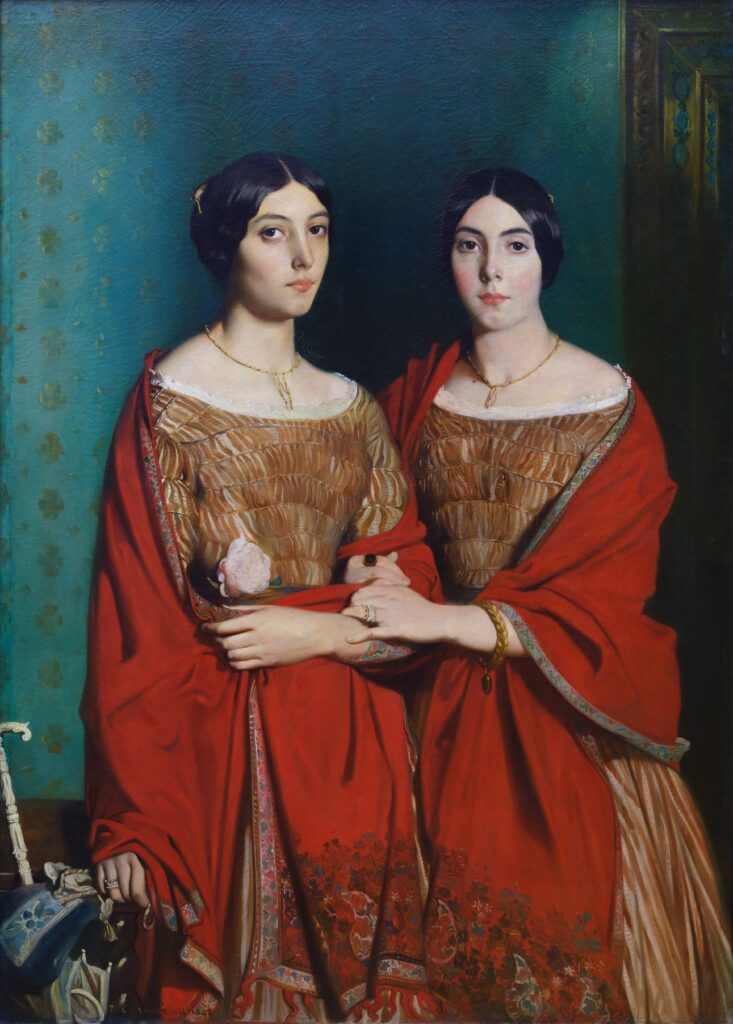
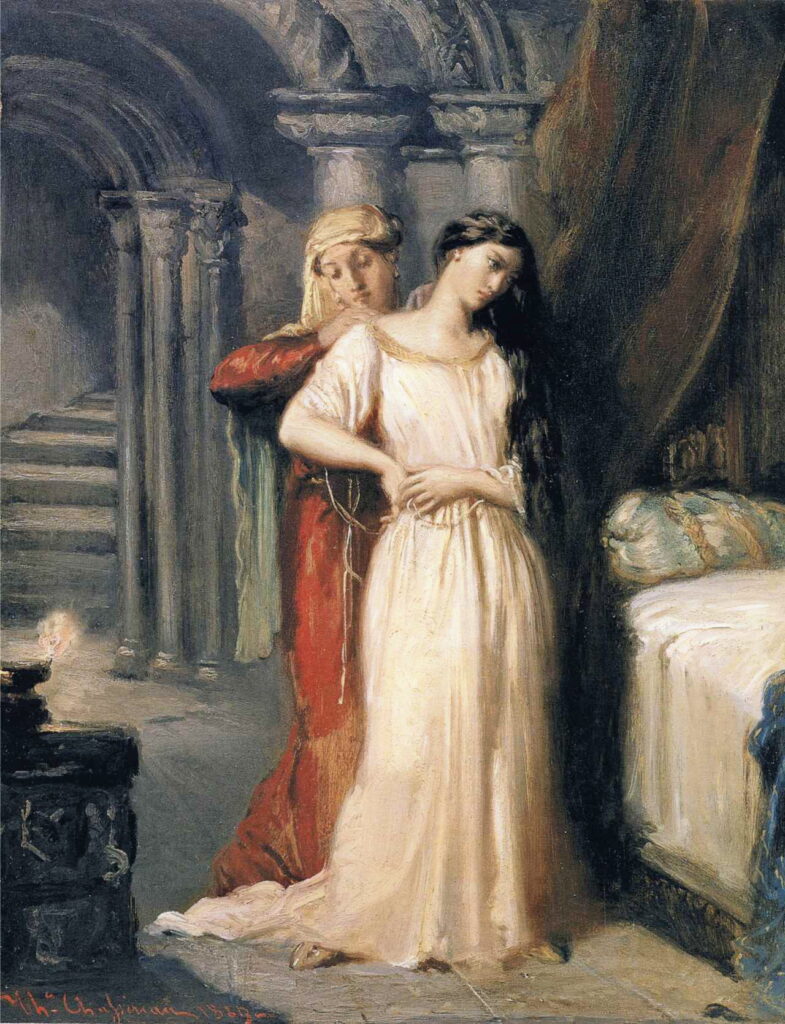
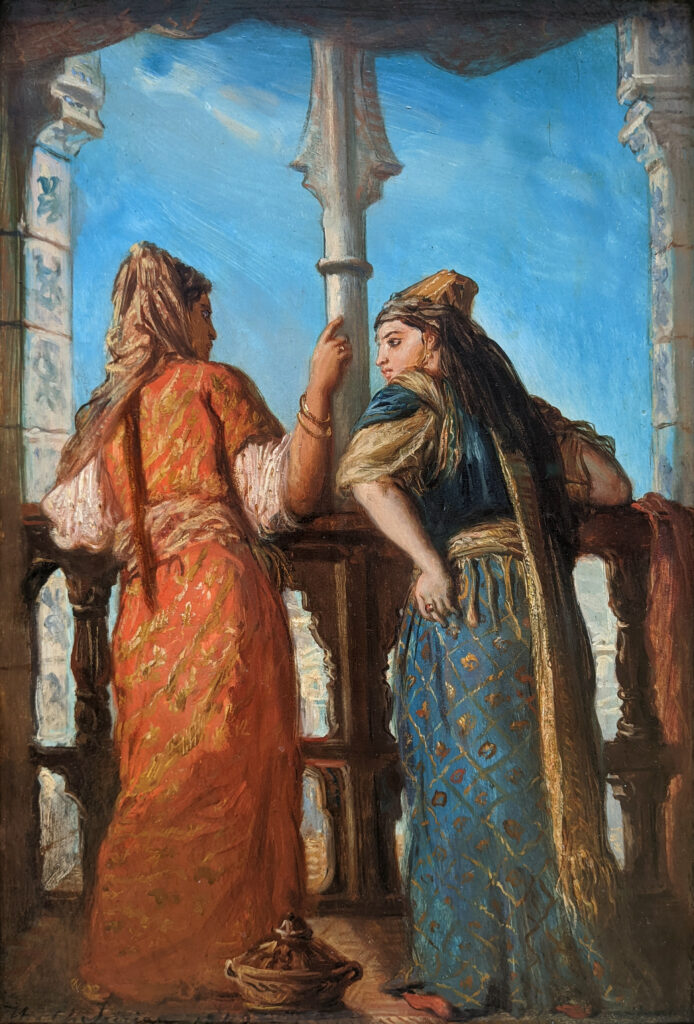
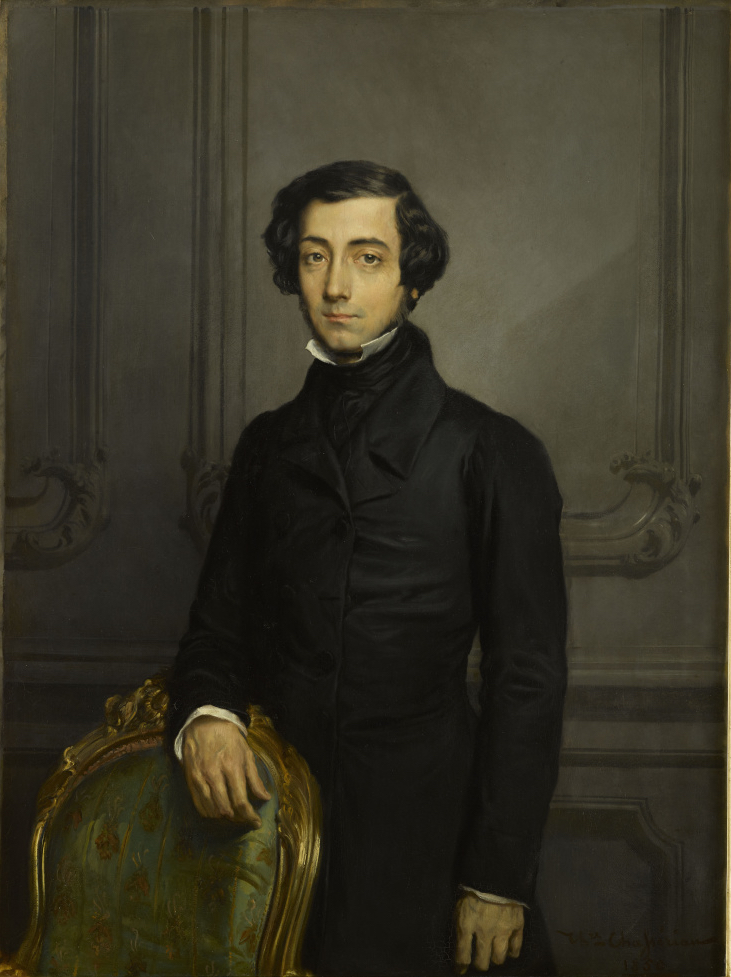
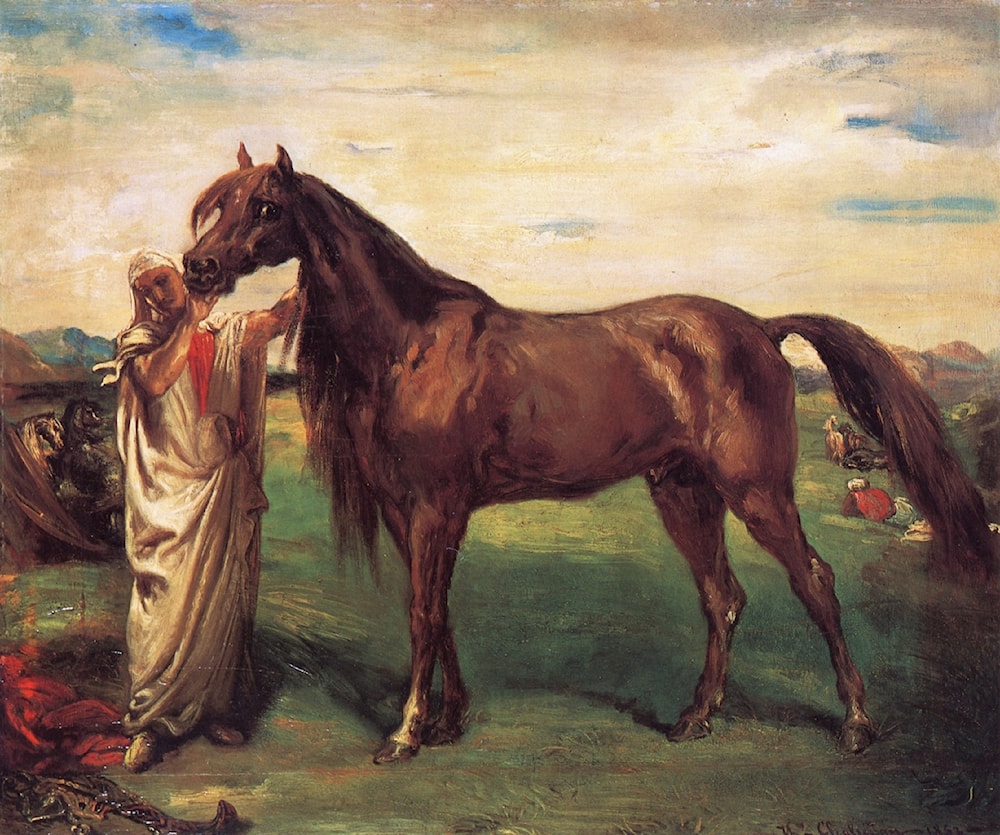
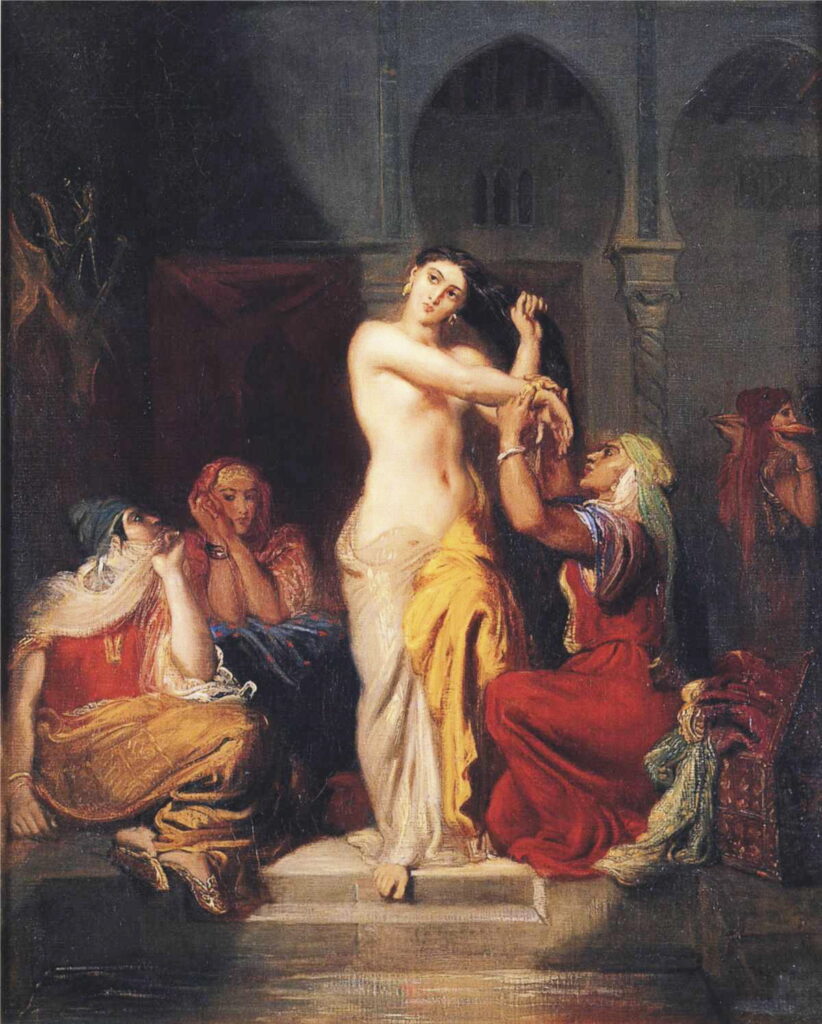
Théodore Chassériau, September 20, 1819 – October 8, 1856, was a French painter, watercolorist, draftsman, and printmaker. He was born at Sainte-Barbe de Samaná, Saint-Domingue, and died in Paris.
Chassériau studied with Jean-Auguste-Dominique Ingres from 1830 and entered Ingres’s studio at the École des Beaux-Arts in 1833. He exhibited at the Salon from 1836, joined Ingres in Rome in 1840, and later worked in Paris. His travel to Algeria in 1846 informed a group of North African subjects. He also undertook decorative commissions for Parisian public buildings and churches.
His works are held by the Musée du Louvre and Musée d’Orsay, Paris; the Musée des Beaux-Arts de Strasbourg; the Metropolitan Museum of Art, New York; the Harvard Art Museums; the National Gallery of Art, Washington; and the Musée Ingres Bourdelle, Montauban.


Mikalojus Konstantinas Čiurlionis
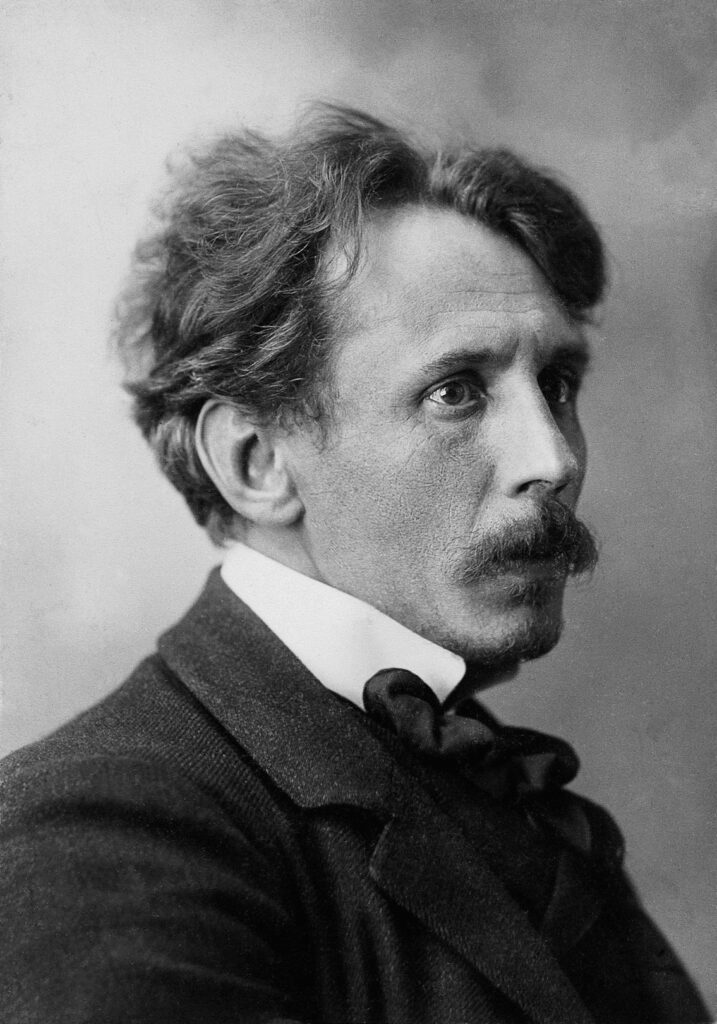
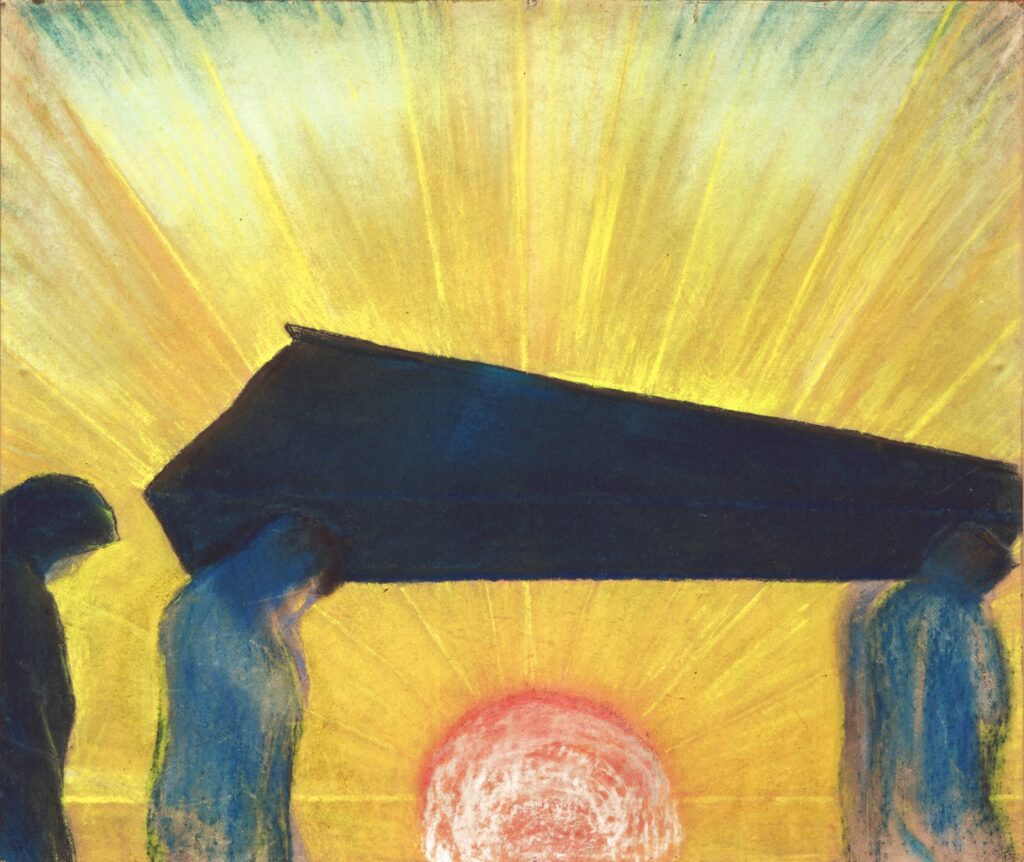
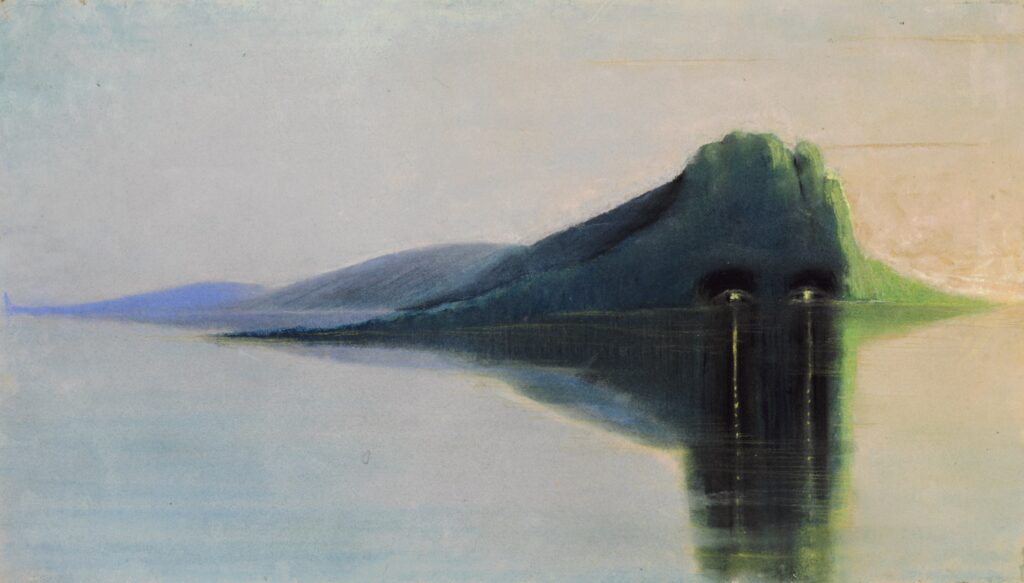
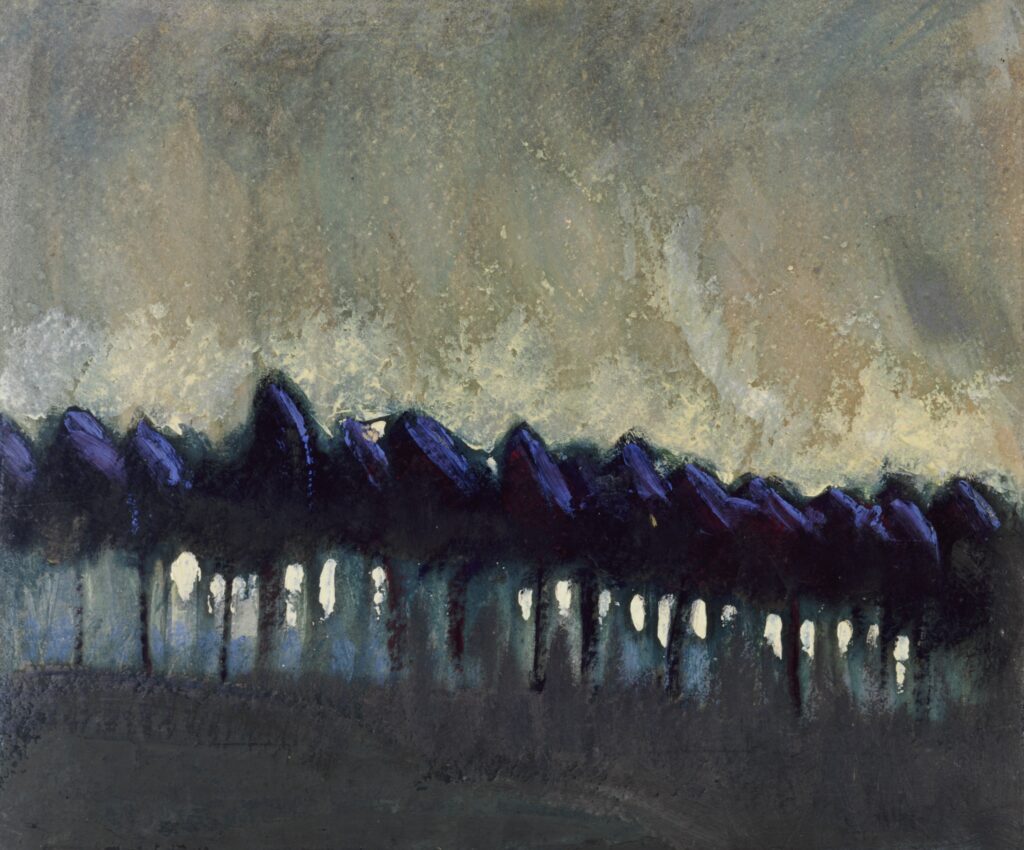
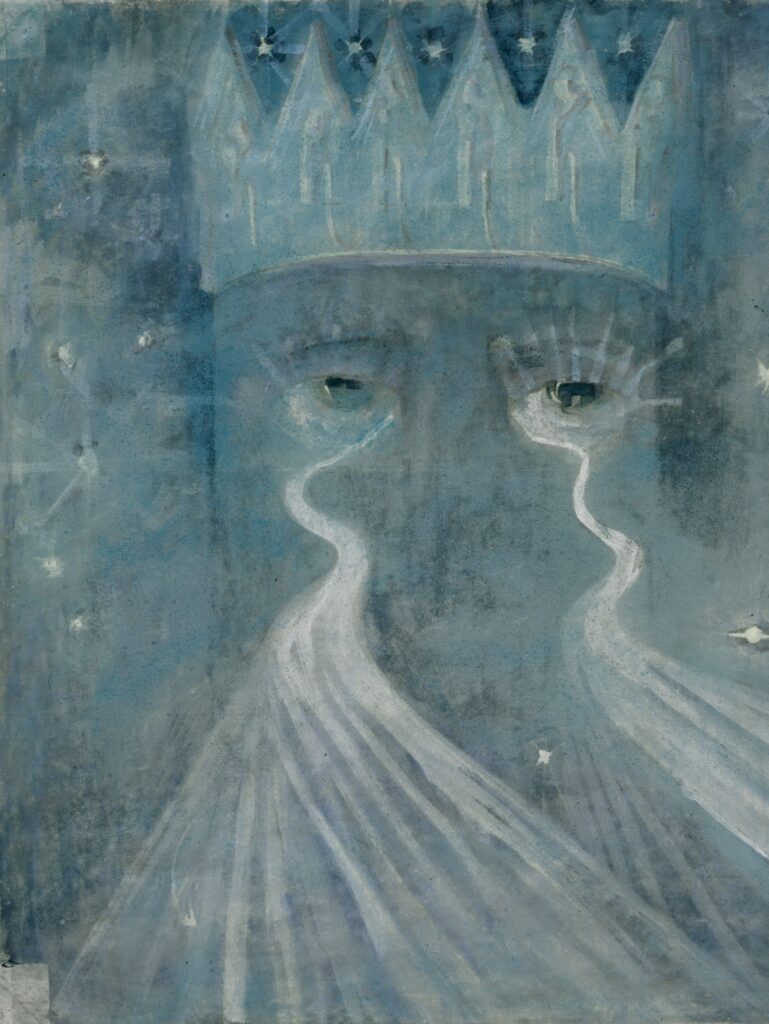
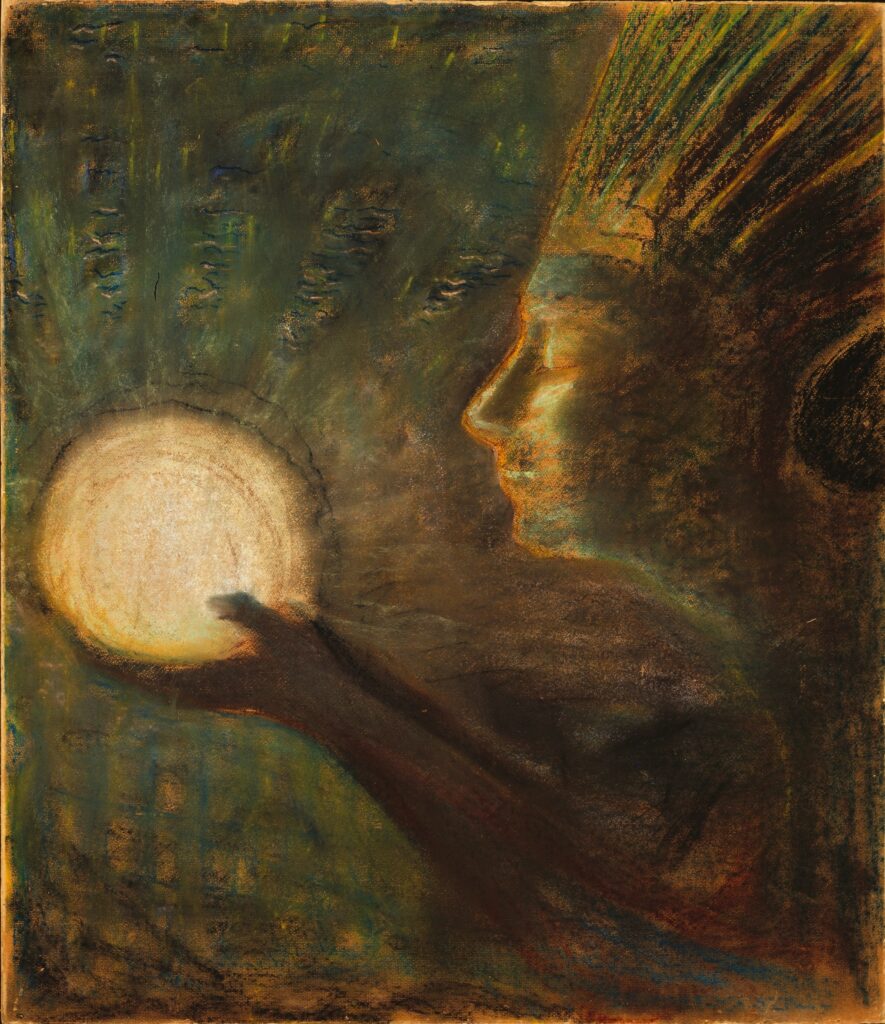
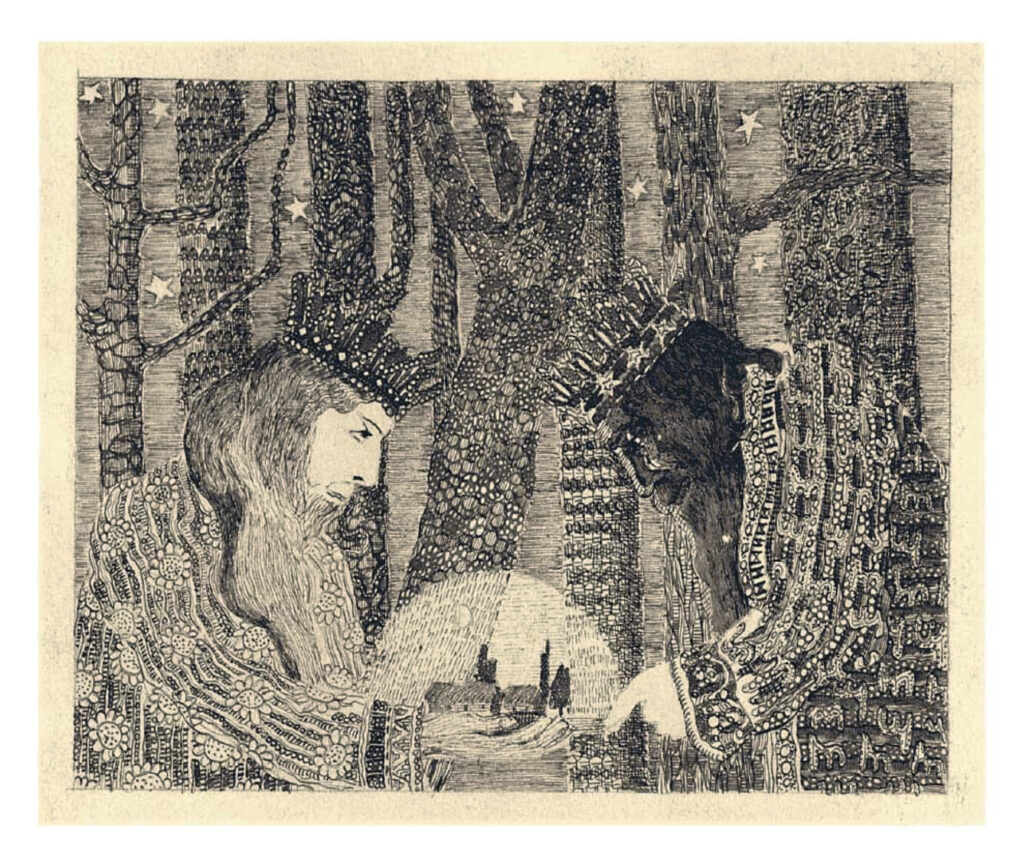
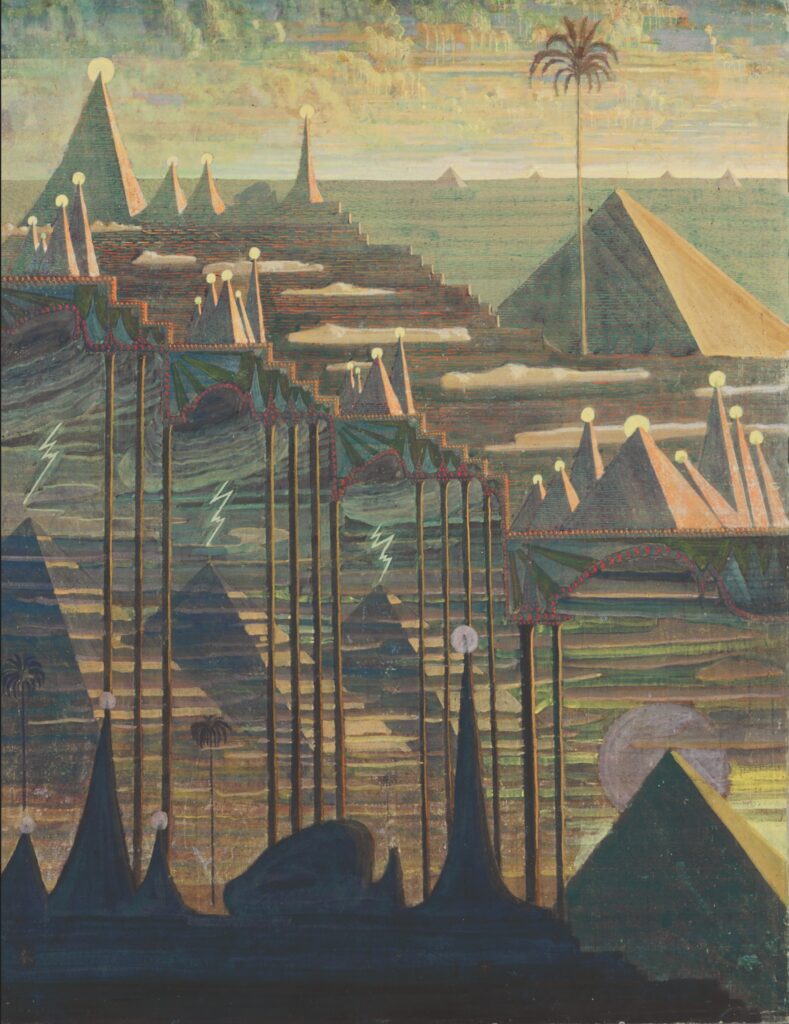
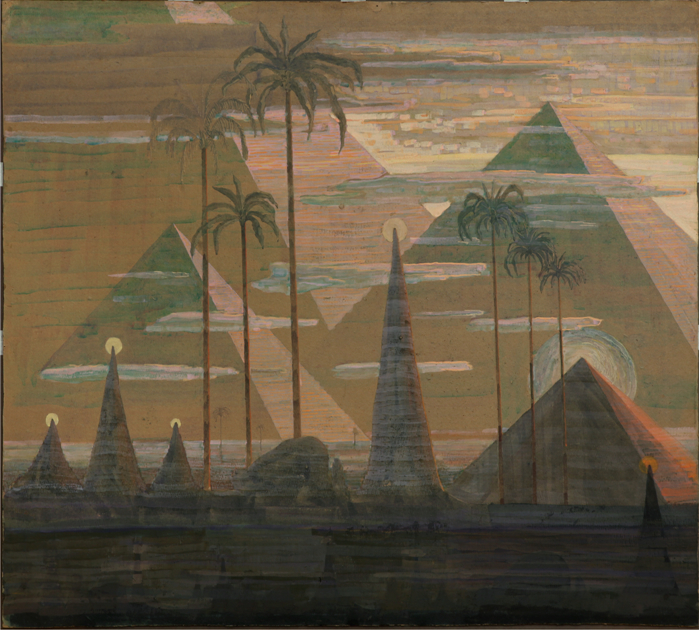
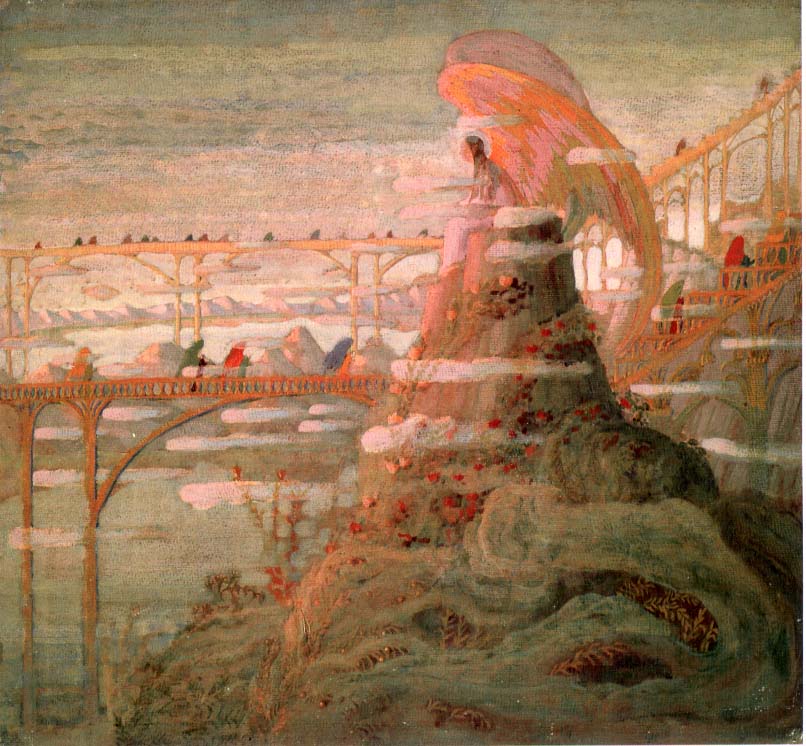
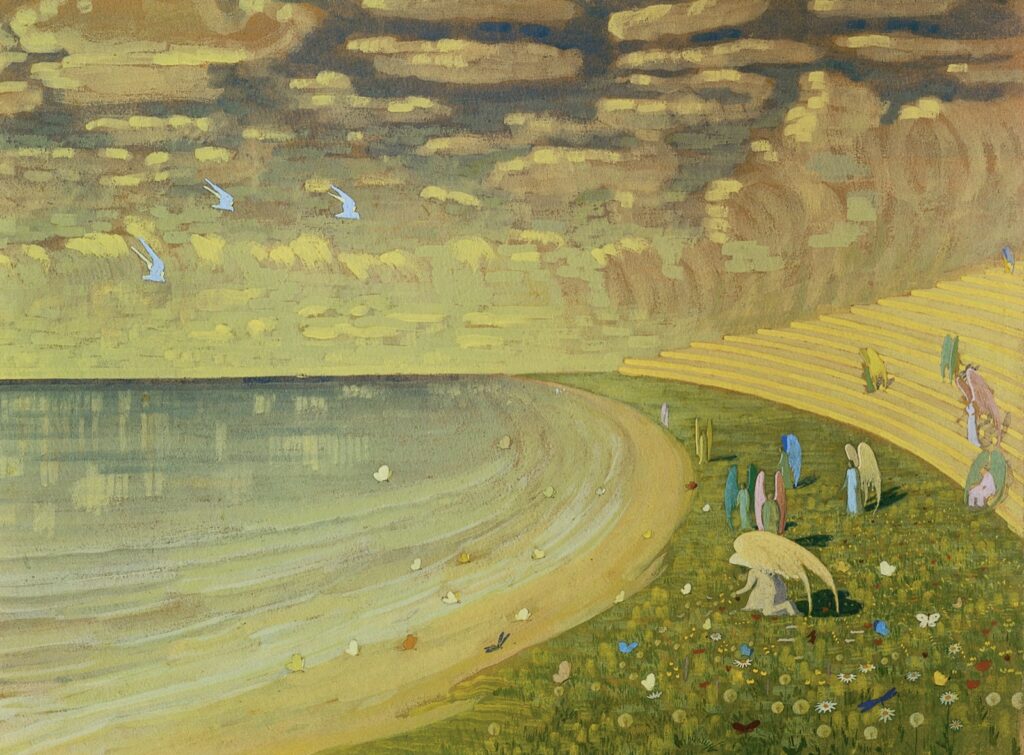
Mikalojus Konstantinas Čiurlionis, September 22, 1875 – April 10, 1911, was a Lithuanian painter, composer, and cultural worker. He studied piano and composition at the Warsaw Music Institute from 1894 to 1899 with Tadeusz Brzeziński, Antoni Sygietyński, and Zygmunt Noskowski, then composition and counterpoint at the Leipzig Conservatory with Carl Reinecke and Salomon Jadassohn.
Čiurlionis attended drawing classes in Warsaw in 1902–1903 and studied at the Warsaw School of Fine Arts from 1904 to 1906 under Kazimierz Stabrowski. He participated in the Lithuanian Art Society, helped organize Lithuanian art exhibitions, worked with its chorus, and was active in the cultural life of Vilnius and St Petersburg.
The principal collection of his work is held by M. K. Čiurlionis National Museum of Art, Kaunas, Lithuania. Other works are held by the Lithuanian National Museum of Art, National Museum in Warsaw, and the State Russian Museum.


Hiroshi Yoshida
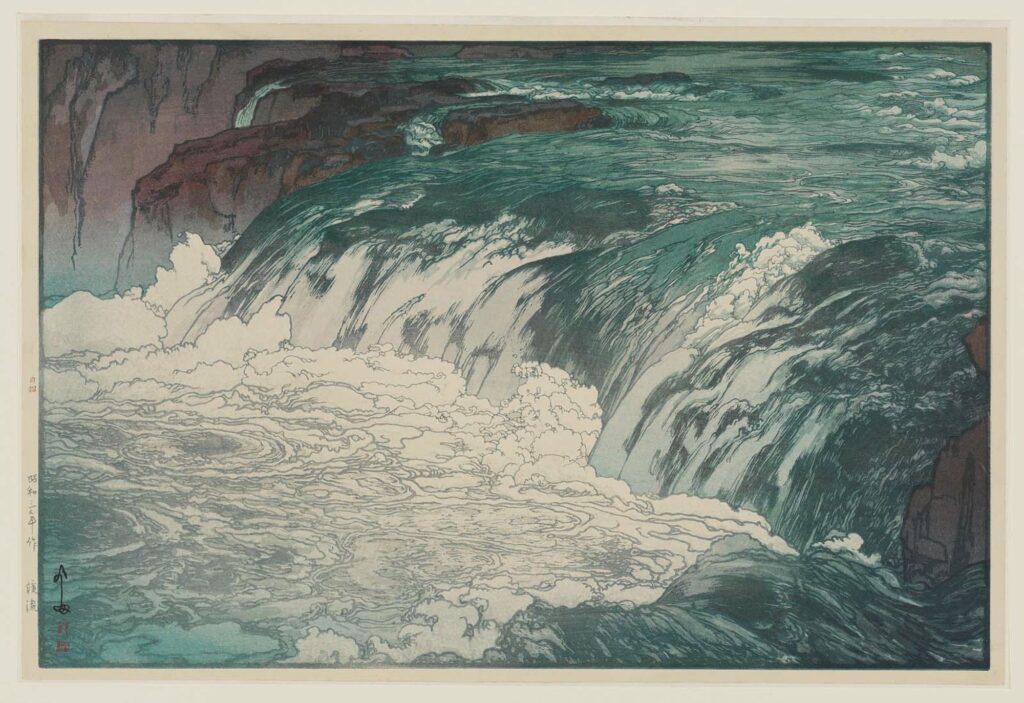
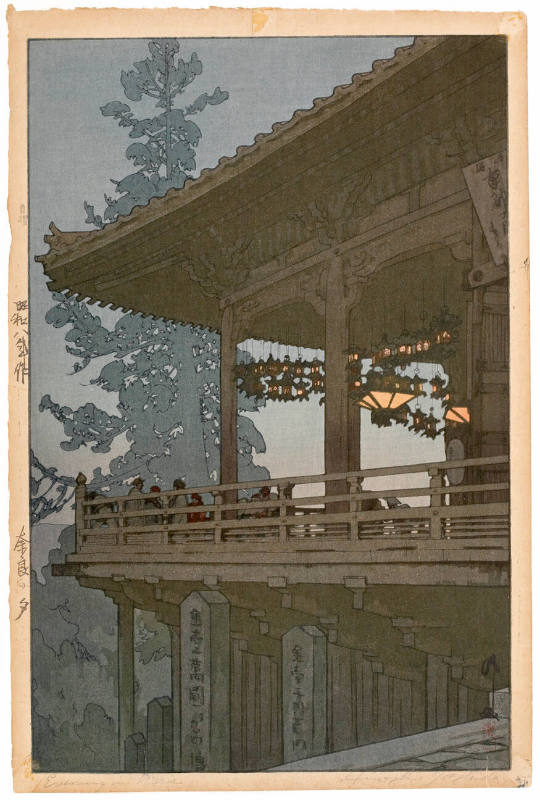
Hiroshi Yoshida, September 19, 1876 – April 5, 1950, was a Japanese painter and printmaker. Born Hiroshi Ueda in Kurume, he was adopted in 1891 by his art teacher, Yoshida Kasaburō. He studied painting in Kyoto with Tamura Sōritsu and then Western-style painting at Koyama Shōtarō’s Fudōsha school in Tokyo.
Yoshida joined the Meiji Fine Arts Society and helped establish the Taiheiyō Gakai (Pacific Art Society) in 1902. He traveled in the United States and Europe from 1899, published his first woodblock print in 1920, and later founded the Japan Mountain Painting Association. His sons Tōshi Yoshida and Hodaka Yoshida also became artists.
Yoshida’s work is held by the British Museum, the Art Institute of Chicago, the Museum of Fine Arts, Boston, the Honolulu Museum of Art, the Toledo Museum of Art, and the Tokyo Fuji Art Museum.






Anton Mauve
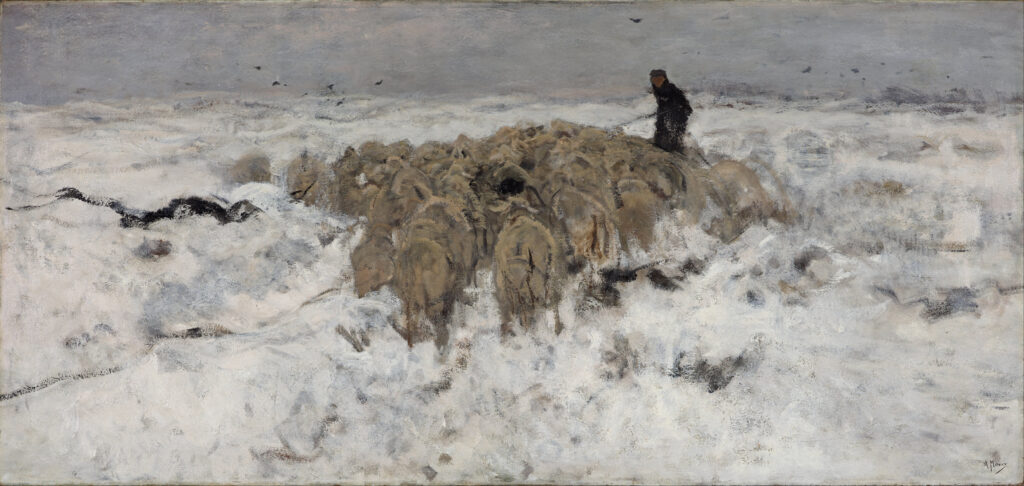
Anton Mauve, September 18, 1838 – February 5, 1888, was a Dutch painter, draughtsman, watercolorist, and etcher. Born in Zaandam, he grew up in Haarlem and trained there with the animal painter Pieter Frederik van Os from about 1854 to 1857; he also studied with Wouterus Verschuur and Paul Gabriël. He worked in Amsterdam before settling in The Hague in 1871, later moving to Laren, and died while visiting Arnhem.
Mauve was a leading member of the Hague School. In 1876 he founded the Hollandsche Teeken-Maatschappij with Willem Maris and Hendrik Willem Mesdag. He worked with Willem Maris early in his career and taught Vincent van Gogh in 1881–1882; Mauve was married to Ariëtte Sophia Jeannette Carbentus, Van Gogh’s cousin.
Mauve’s work is represented in the Rijksmuseum, Amsterdam; Kunstmuseum Den Haag; Museum of Fine Arts, Houston; Carnegie Museum of Art, Pittsburgh; Toledo Museum of Art; National Museum Cardiff; The Mesdag Collection, The Hague; and Dordrechts Museum, Dordrecht.