Posts in Category: 20th Century


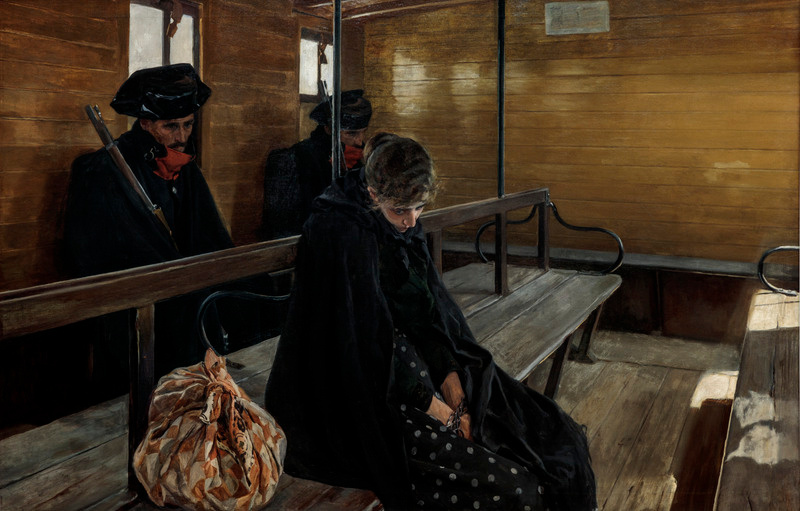
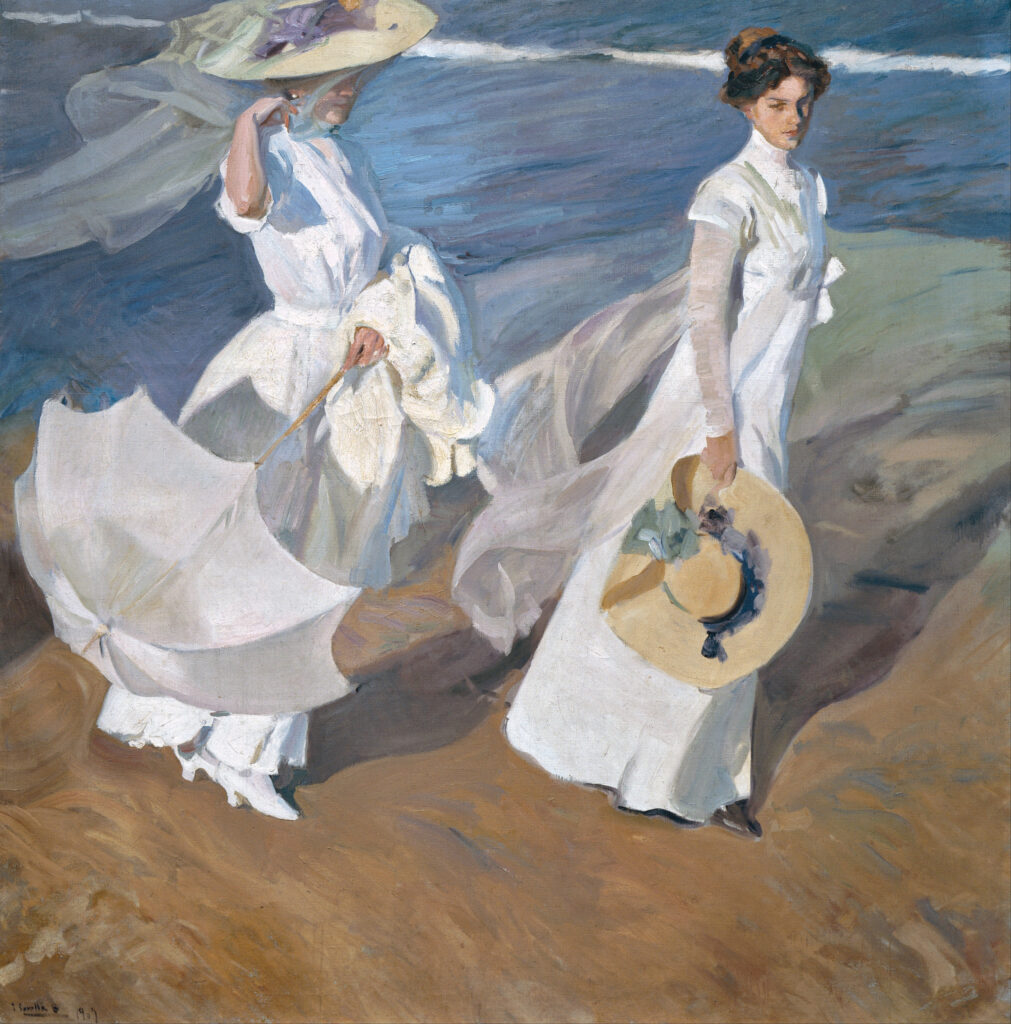
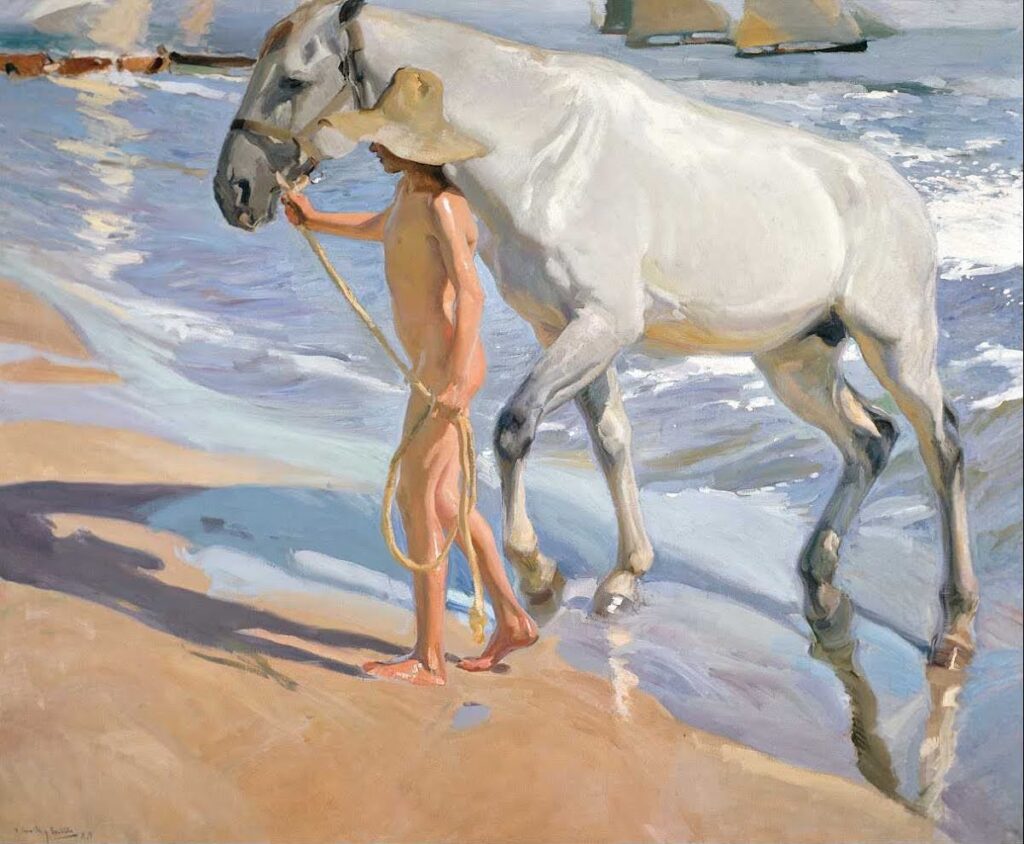
Joaquín Sorolla y Bastida
Joaquín Sorolla y Bastida, February 27, 1863–August 10, 1923, was a Spanish painter born in Valencia. Orphaned as a child, he was raised by an aunt and uncle. He trained at the School of Arts and Crafts and the Academy of San Carlos, where Gonzalo Salvá and Ignacio Pinazo introduced him to painting outdoors. A scholarship took him to Rome in 1885; he also studied contemporary painting in Paris.
Sorolla established his career in Madrid, painting portraits, landscapes, and scenes of working life, often outdoors. He received international awards and held exhibitions in Paris, London, and the United States. His 1909 exhibition at the Hispanic Society of America led to a close association with its founder, Archer Milton Huntington, who commissioned the fourteen-panel Vision of Spain.
A stroke in June 1920 ended Sorolla’s painting career. He died in Cercedilla in 1923. His widow, Clotilde García del Castillo, left their Madrid home and her collections to the Spanish state; the Sorolla Museum opened in 1932. His paintings are also held by the Museo Nacional del Prado, the Hispanic Society Museum & Library, The Metropolitan Museum of Art, and The San Diego Museum of Art.



Edward Steichen
Edward Jean Steichen, Luxembourgish American photographer, March 27, 1879 – March 25, 1973


Claude Monet
Claude Monet was born in Paris on November 14, 1840, and grew up in Le Havre. After early success as a caricaturist, he studied landscape painting with Eugène Boudin, whose practice of working outdoors helped shape Monet’s lifelong attention to light and atmosphere.
In the 1860s Monet became closely associated with Pierre-Auguste Renoir, Frédéric Bazille and Alfred Sisley. His painting Impression, Sunrise gave its name to Impressionism, and his views of Argenteuil, Vétheuil, the Normandy coast and modern Paris established him as one of the movement’s central figures.
Monet settled at Giverny in 1883. The gardens and water-lily pond he created there became the principal subjects of his late paintings, including the monumental Water Lilies decorations. He continued painting despite failing eyesight and died at Giverny on December 5, 1926.




Théo van Rysselberghe
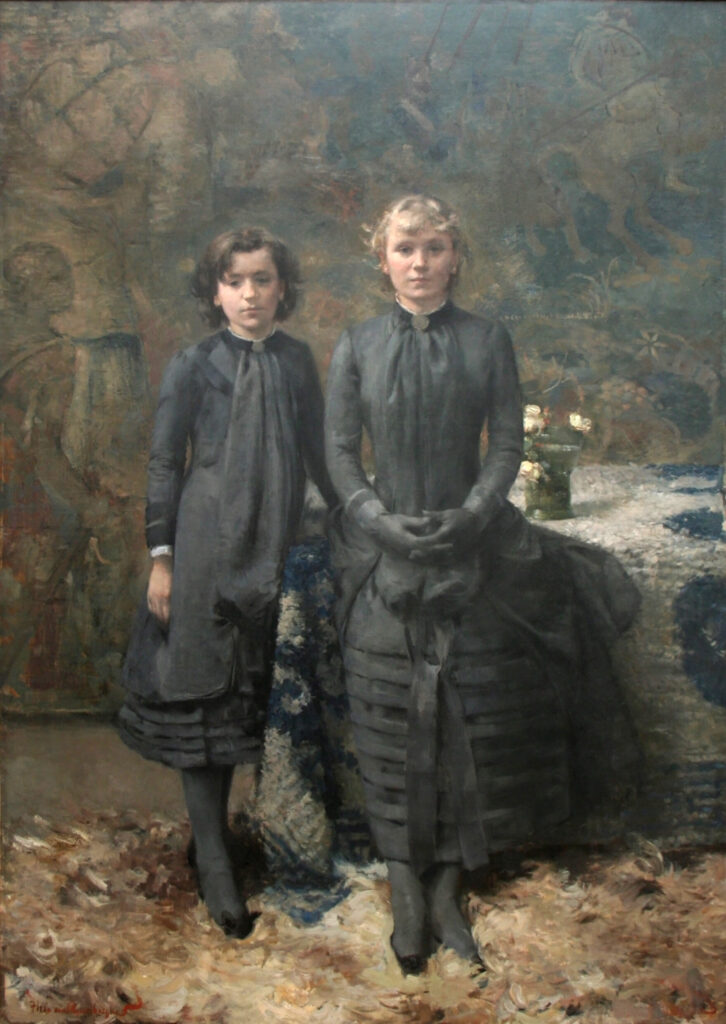
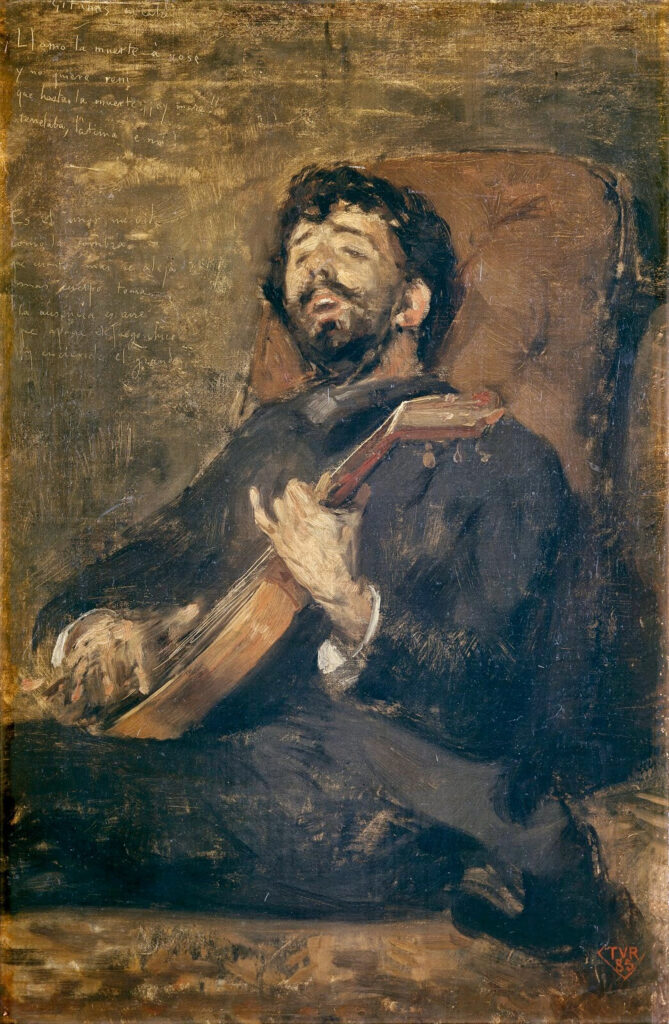
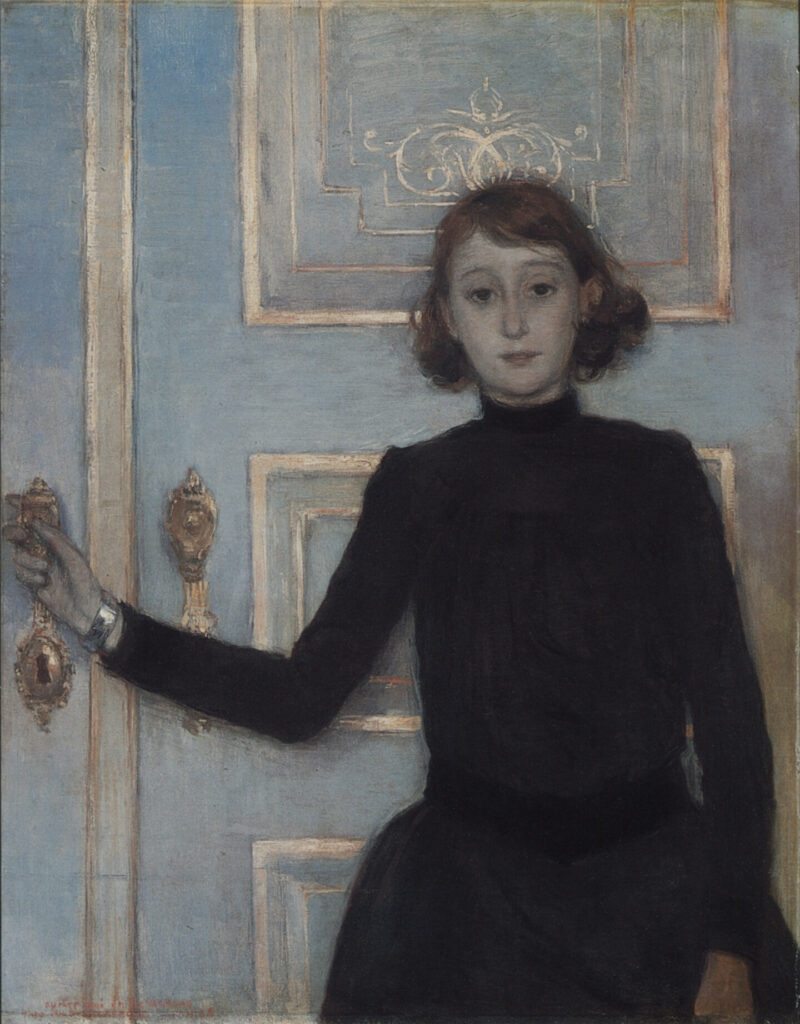
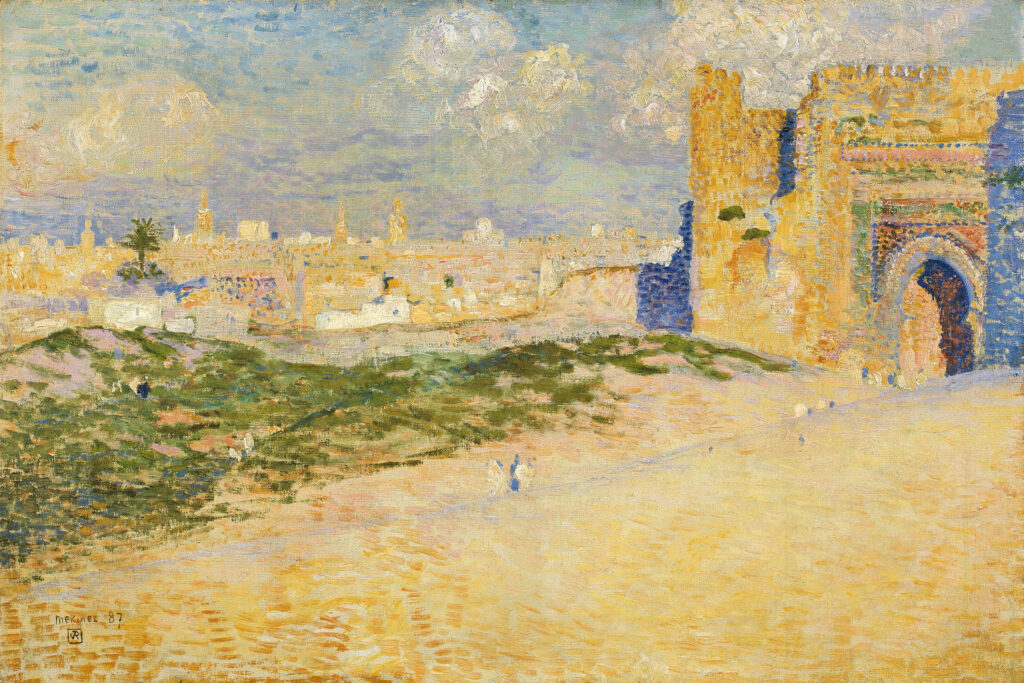
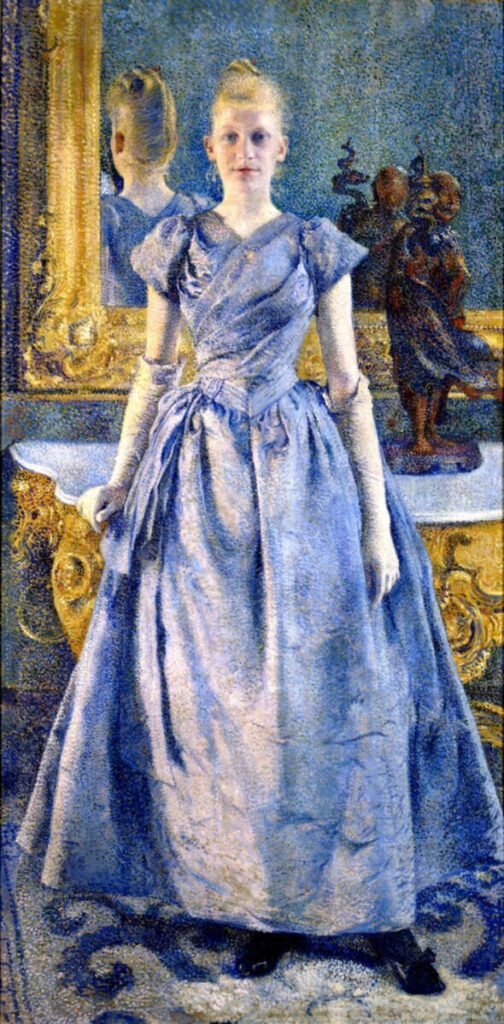
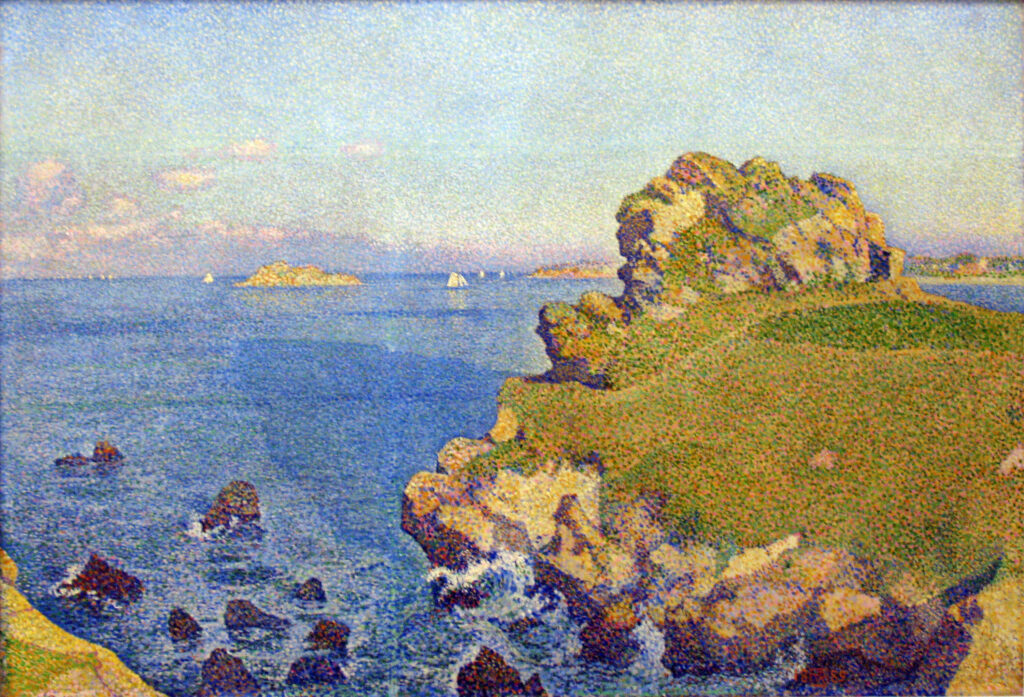
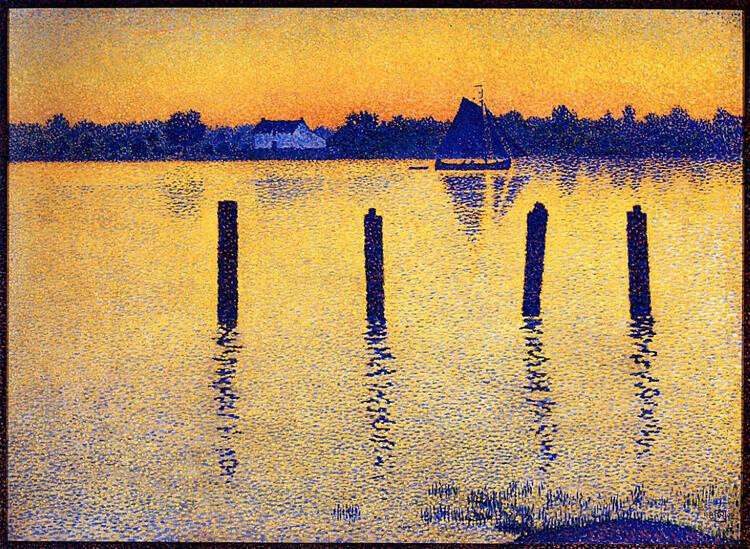
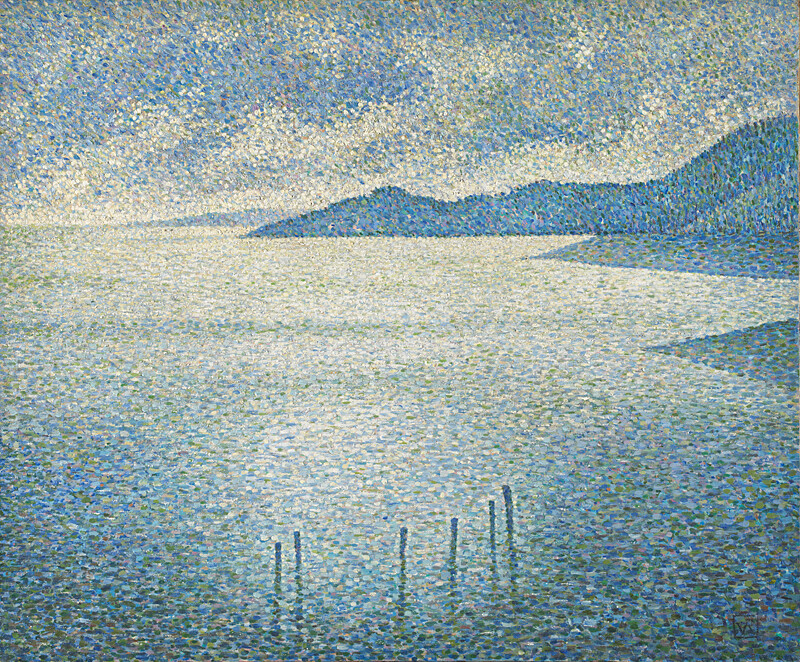
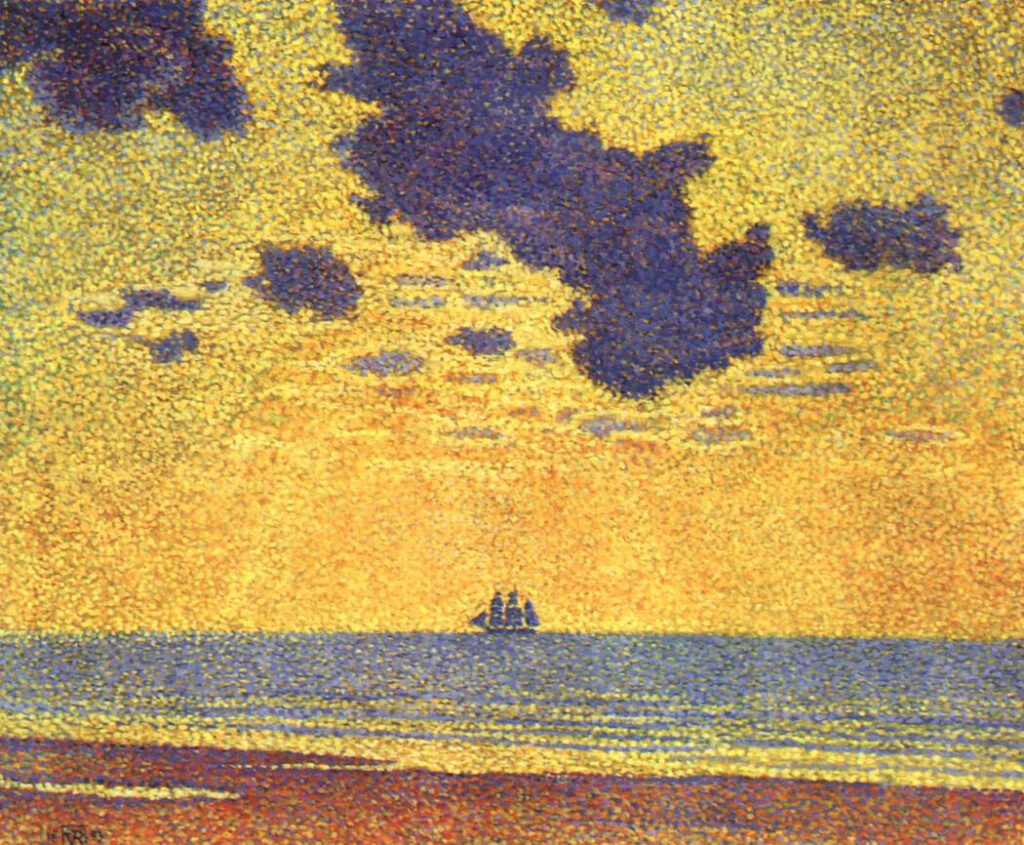
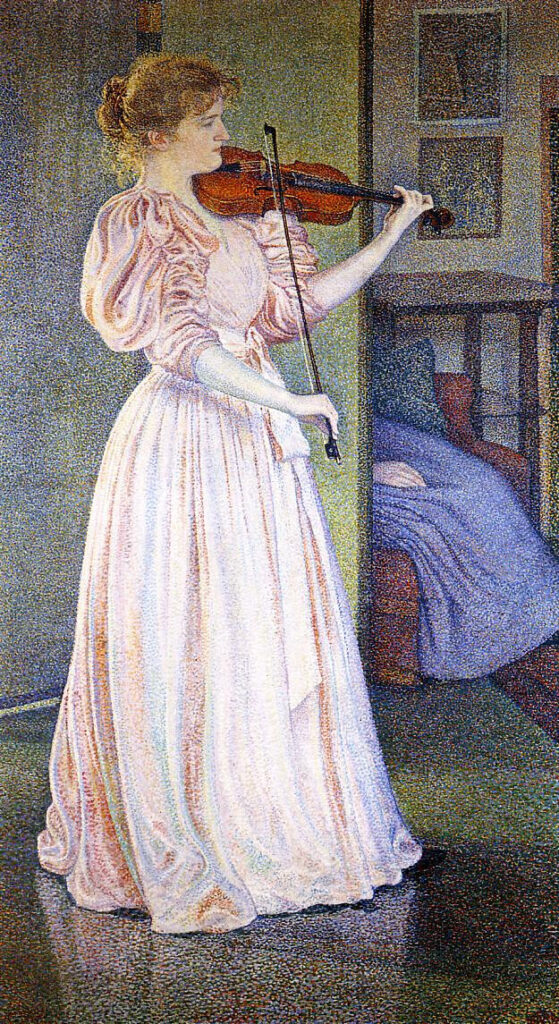
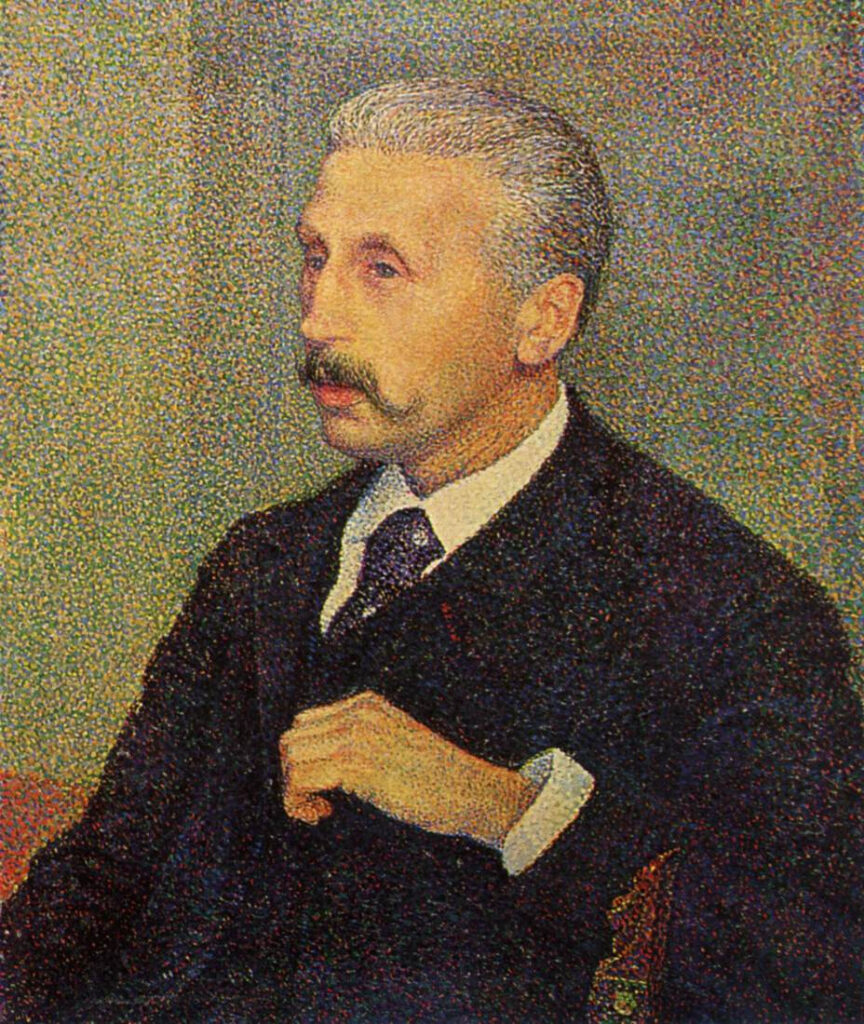
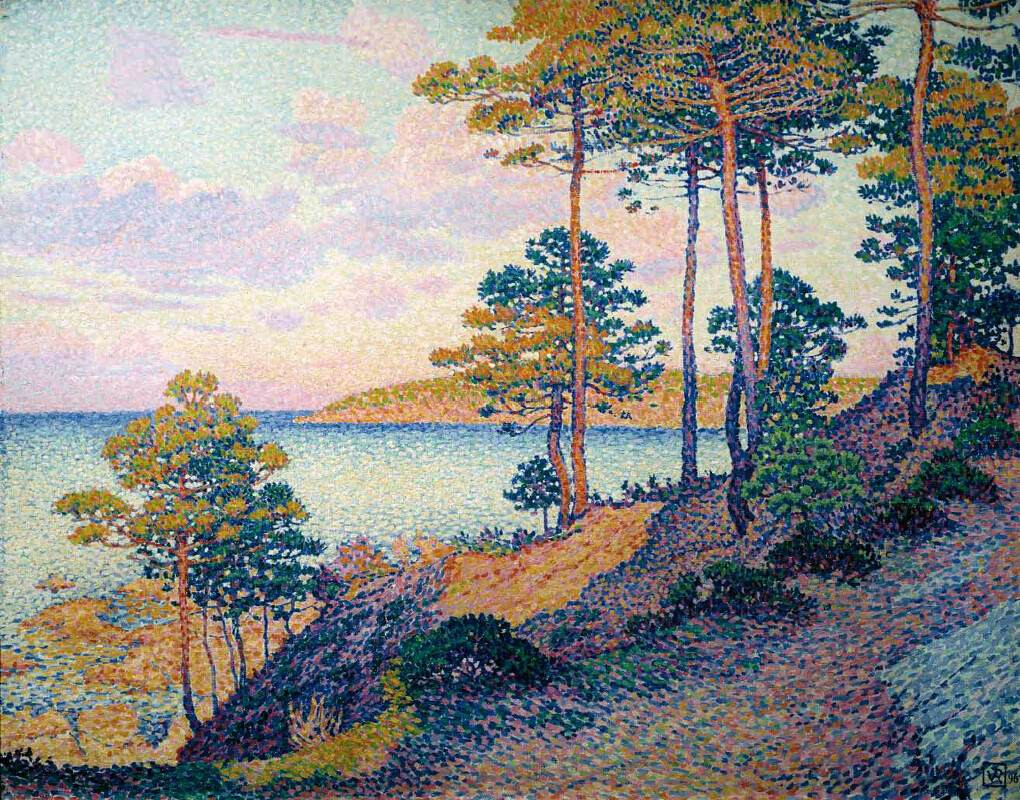
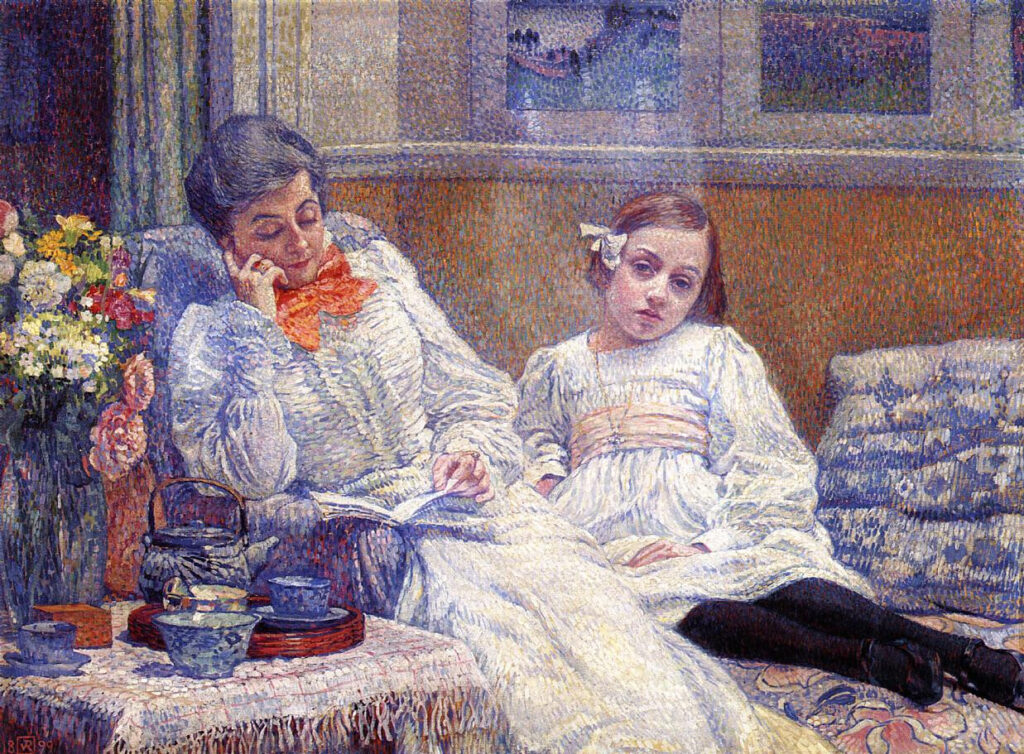
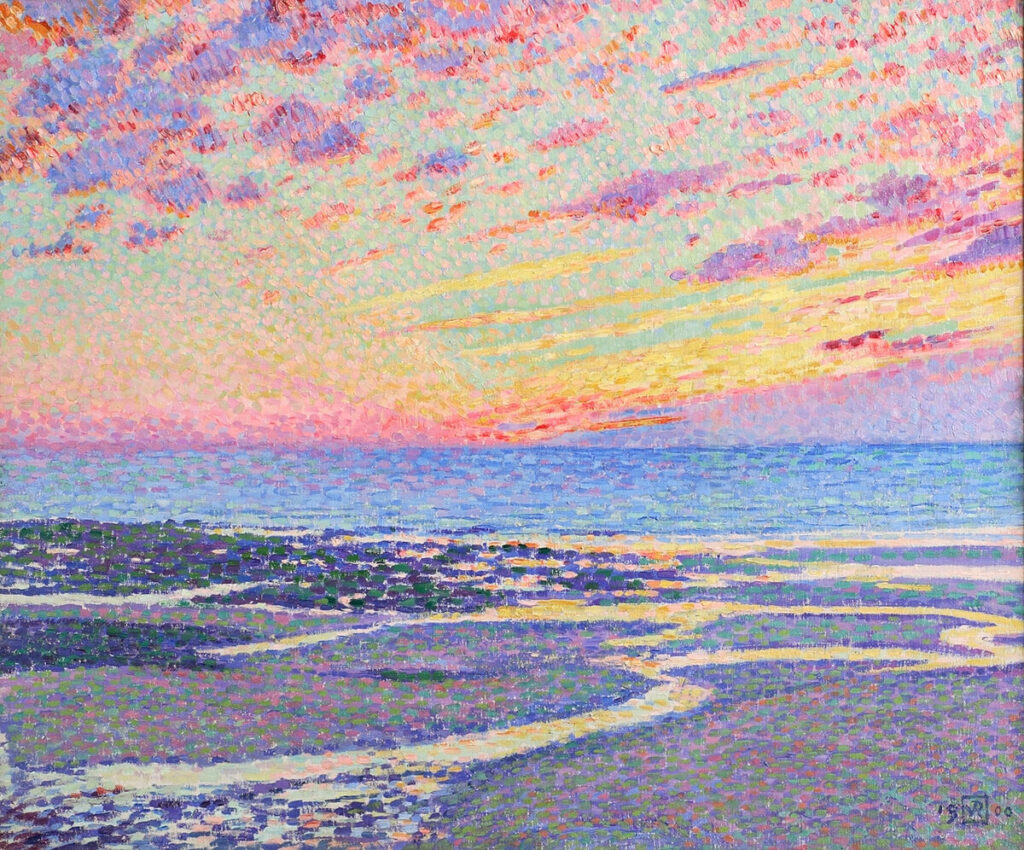
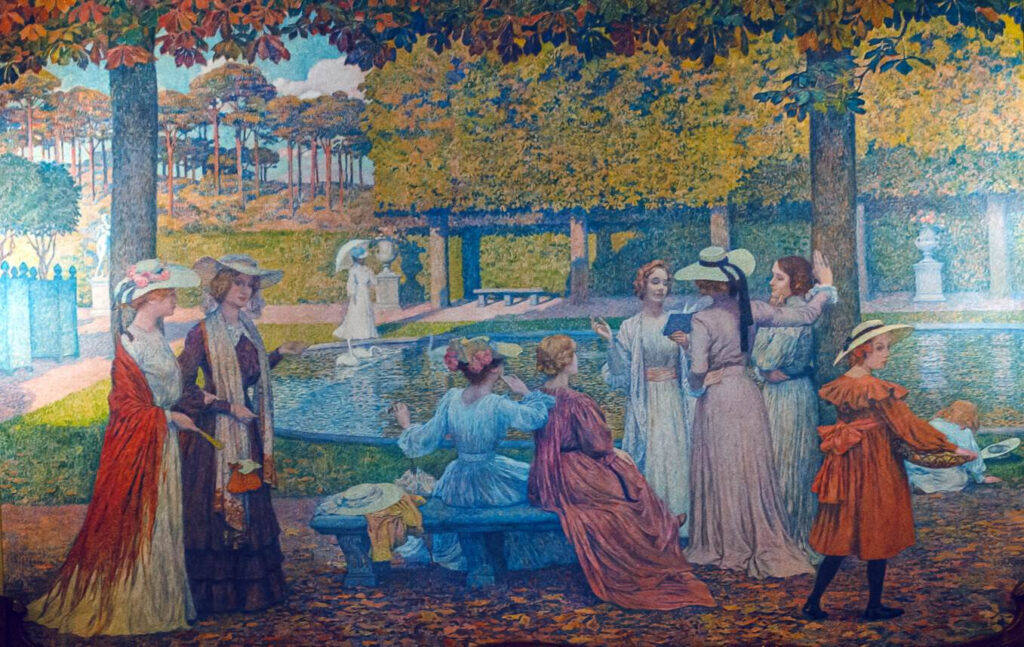
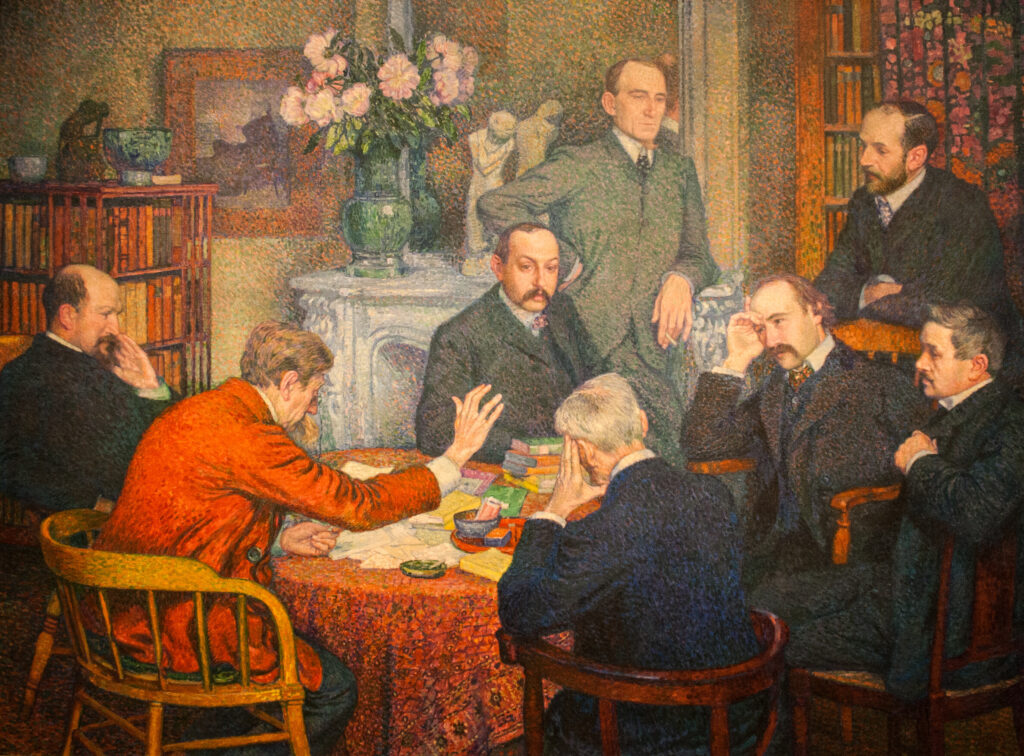
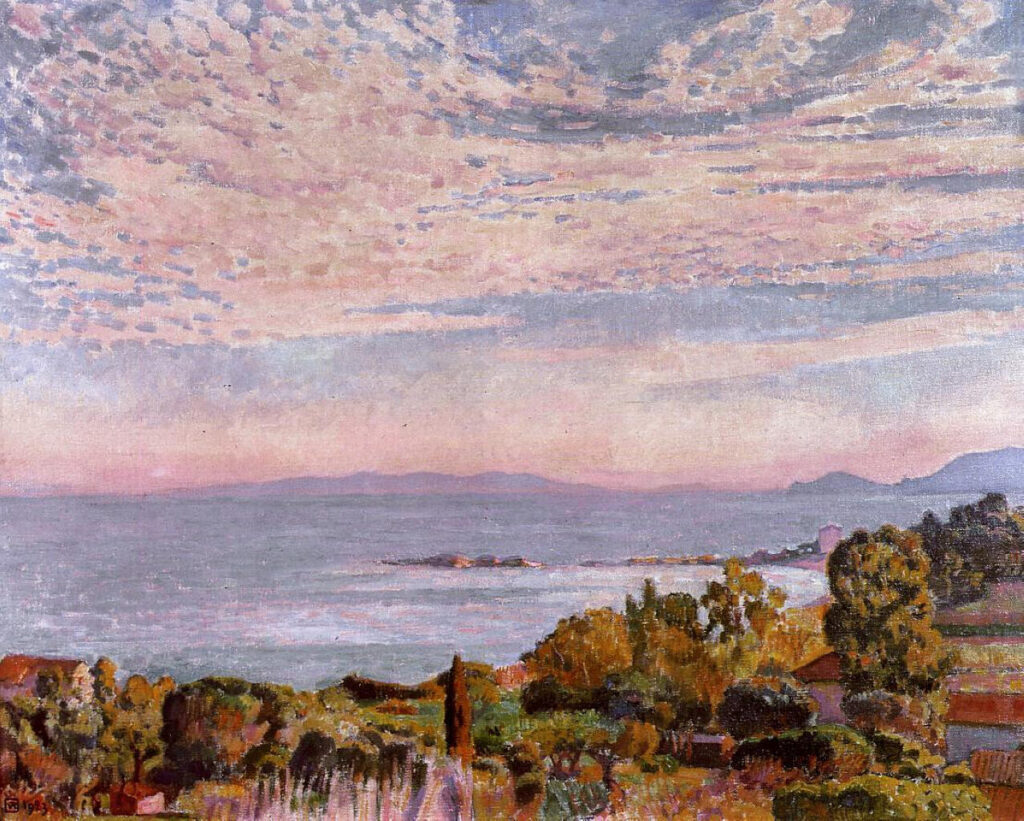
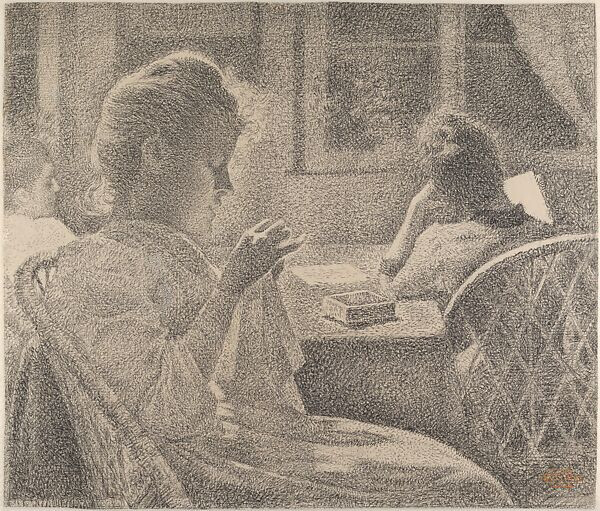
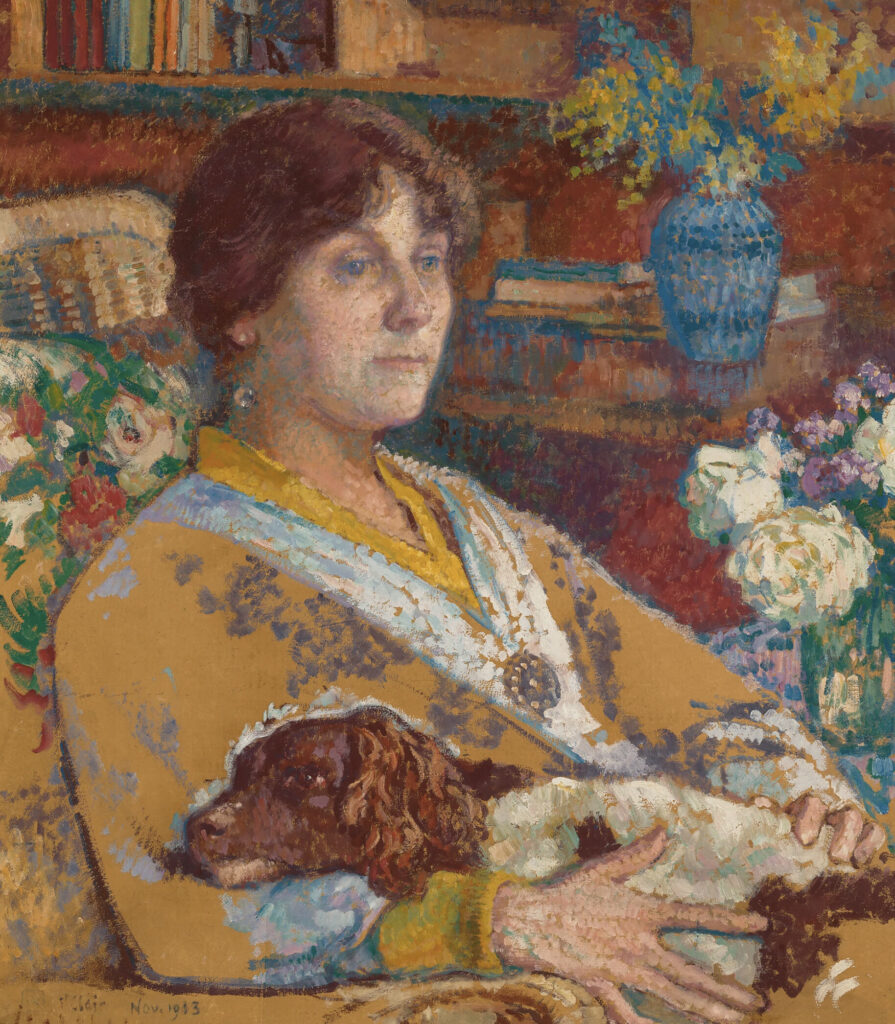
Théo van Rysselberghe, November 23, 1862–December 13, 1926, was a Belgian painter, printmaker, and designer associated with Neo-Impressionism. He studied at the Academy of Fine Arts in Ghent and, from 1879, at the Académie Royale des Beaux-Arts in Brussels under Jean-François Portaels.
In 1883 van Rysselberghe helped found Les XX, the Brussels avant-garde artists’ society, and became one of its most active members. After seeing Georges Seurat’s A Sunday Afternoon on the Island of La Grande Jatte in Paris in 1886, he adopted Divisionist methods and helped introduce Neo-Impressionism to Belgium; he also worked closely with Octave Maus and maintained associations with Paul Signac, Émile Verhaeren, Henry van de Velde, and other figures in Belgian and French modernism.
His work is held by the Royal Museums of Fine Arts of Belgium, Museum of Fine Arts Ghent, Musée d’Orsay, Kröller-Müller Museum, National Gallery, Museo Nacional del Prado, and National Gallery of Art, among other public collections.




Lovis Corinth
Lovis Corinth, July 21, 1858 – July 17, 1925, was a German painter, printmaker, and writer associated with German Impressionism and the Berlin Secession. He was born Franz Heinrich Louis Corinth in Tapiau, East Prussia (now Gvardeysk, Russia). After initial training at the Academy of Fine Arts in Königsberg, he studied at the Academy of Fine Arts Munich under Ludwig von Löfftz and later attended the Académie Julian in Paris, where he studied with William-Adolphe Bouguereau, Tony Robert-Fleury, and Jules Lefebvre.
Corinth worked in portraiture, landscape, still life, religious subjects, mythology, and literary themes. His early work reflects academic naturalism, while later paintings incorporated increasingly vigorous brushwork and expressive color. He was associated with the Berlin Secession and became one of its leading figures alongside artists such as Max Liebermann and Max Slevogt. Following a stroke in 1911, his style became more painterly and expressive, particularly in his Walchensee landscapes, self-portraits, and late religious compositions.
Corinth taught at a private painting school for women in Berlin, where one of his pupils was Charlotte Berend-Corinth, whom he later married. Berend-Corinth became an important artist in her own right and a key source for documenting his life and work. Major collections holding Corinth’s paintings include the Alte Nationalgalerie, Neue Pinakothek, Kunstmuseum Basel, National Gallery Prague, the Lenbachhaus, and the Metropolitan Museum of Art.


