



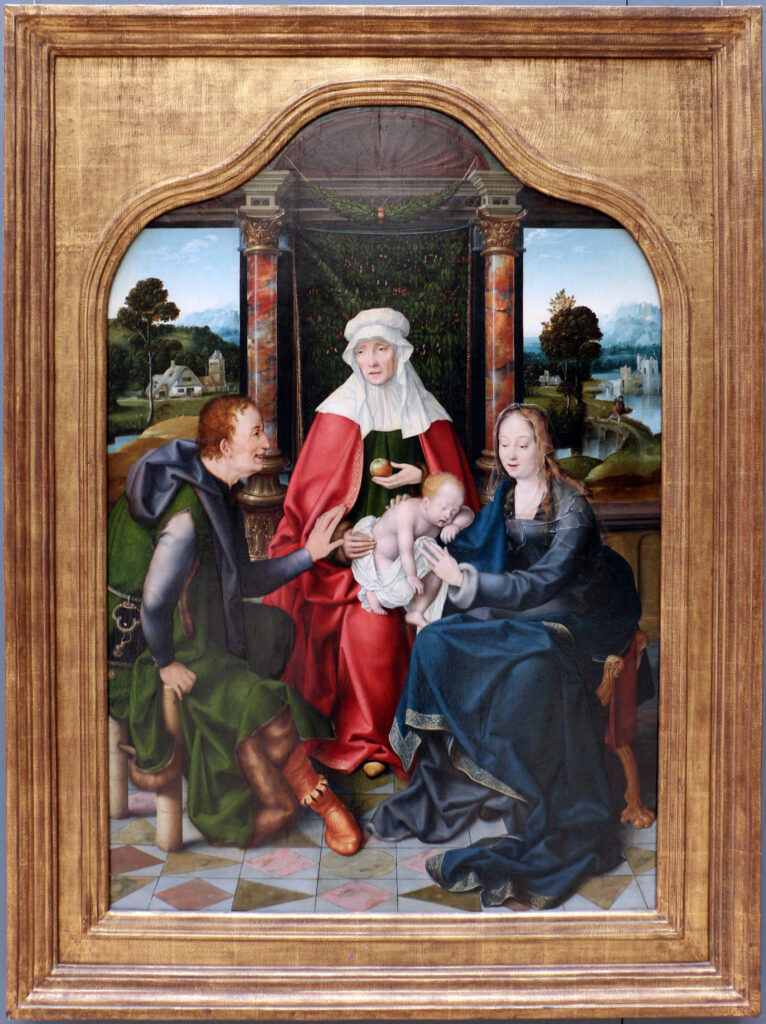


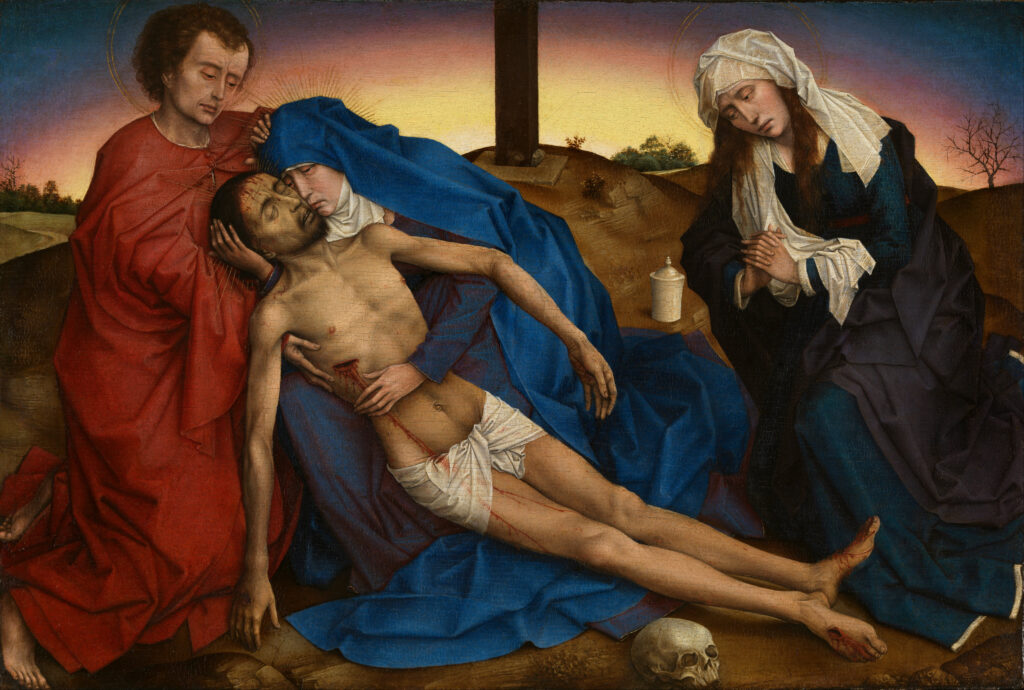

Jan Gossaert
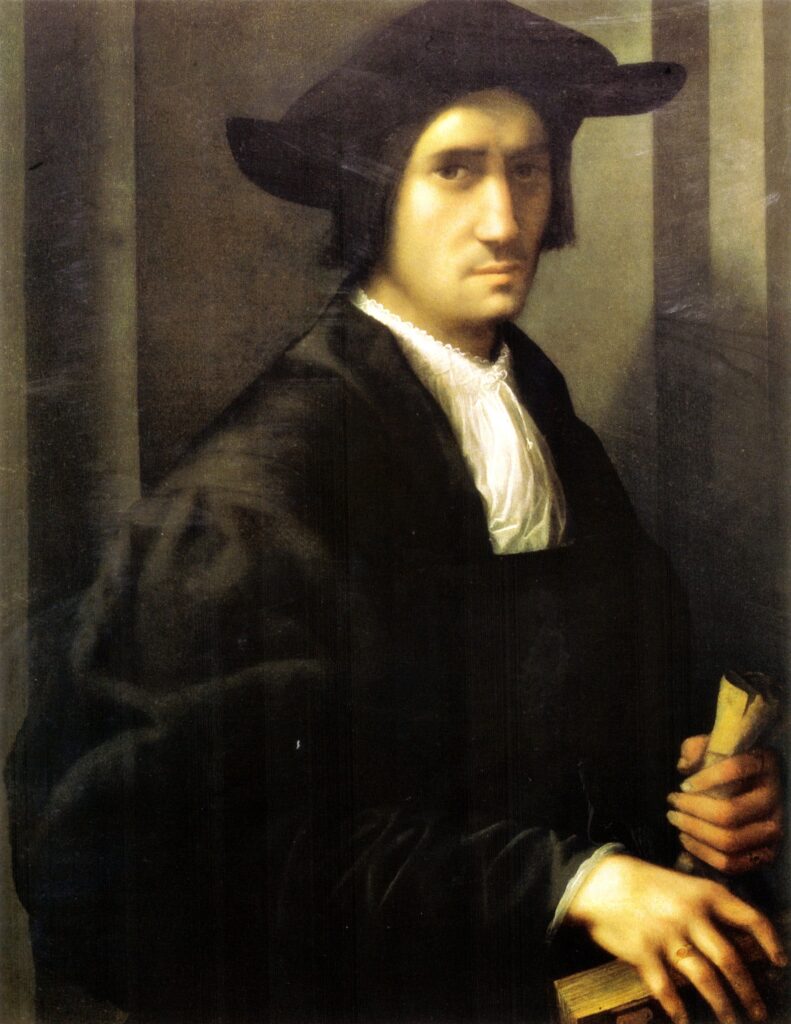
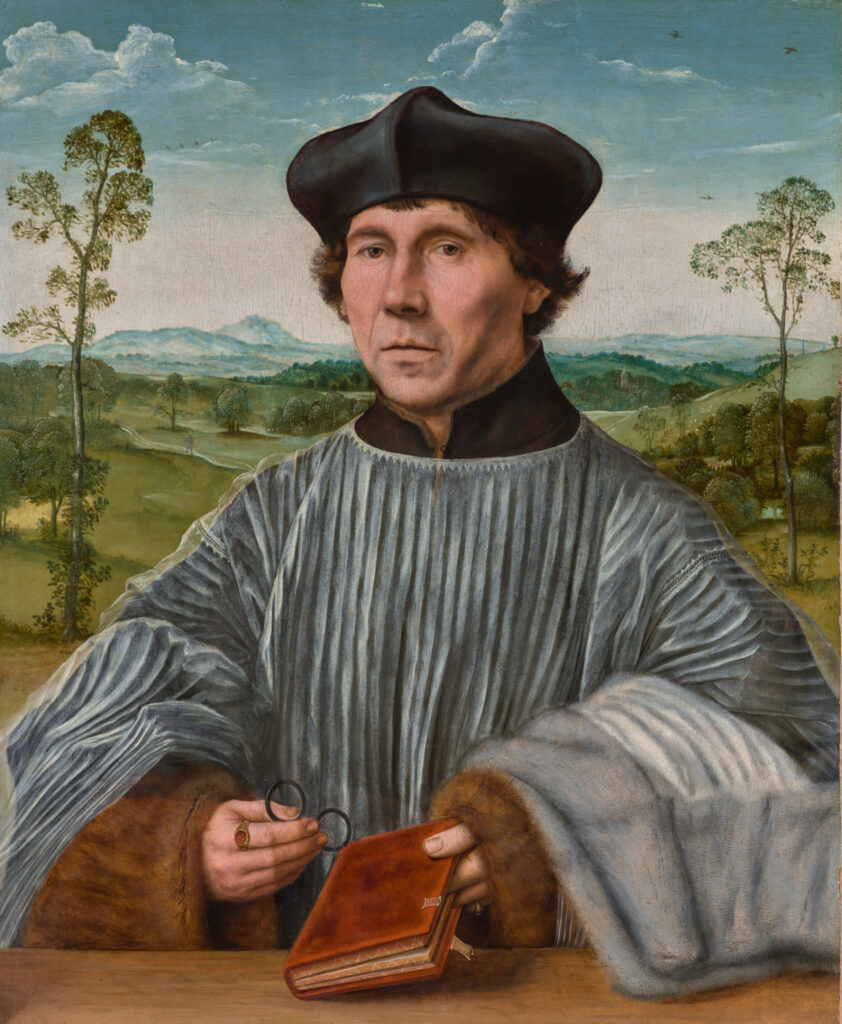
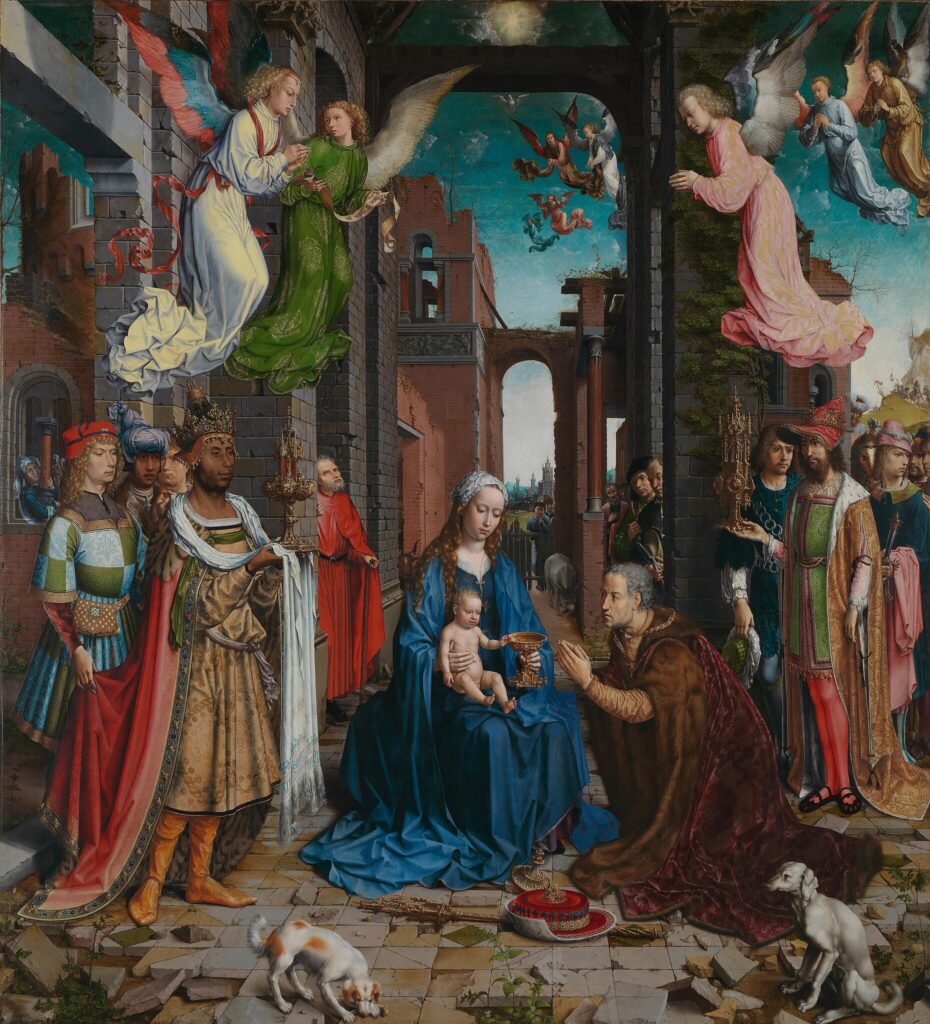
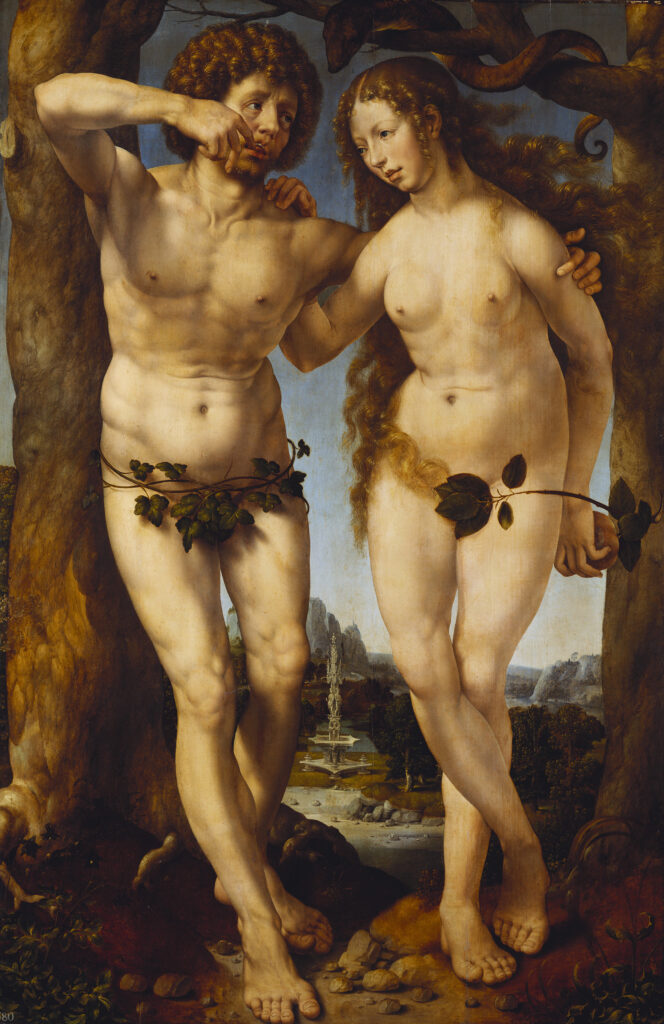
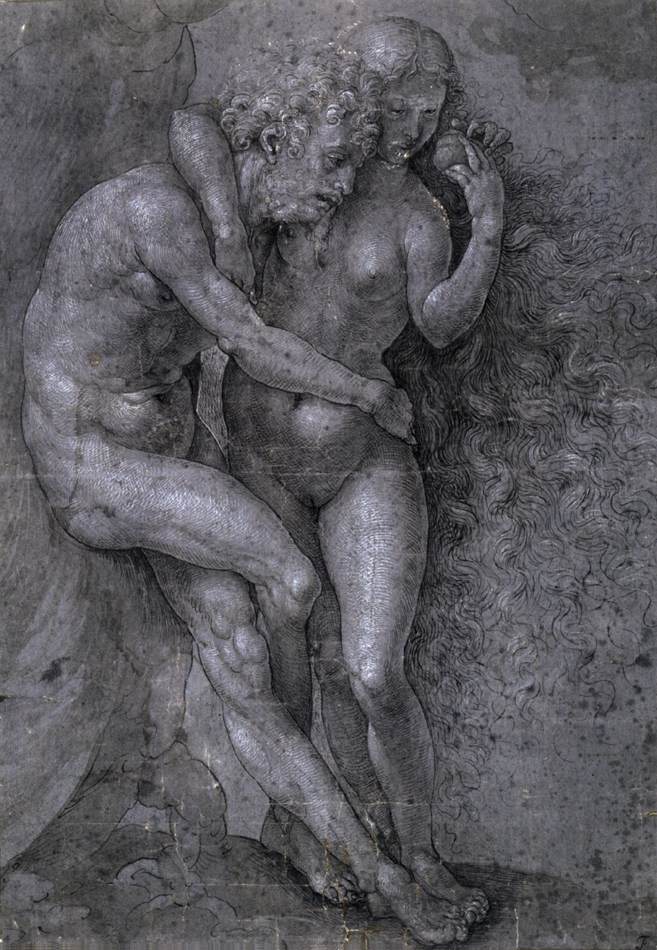
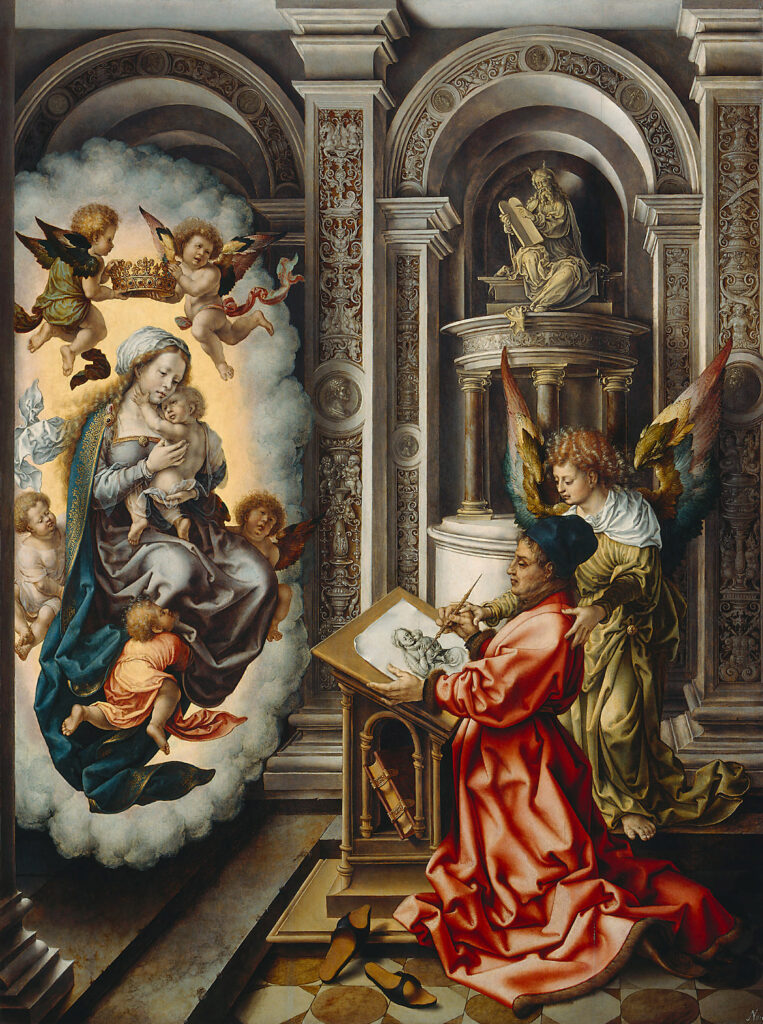
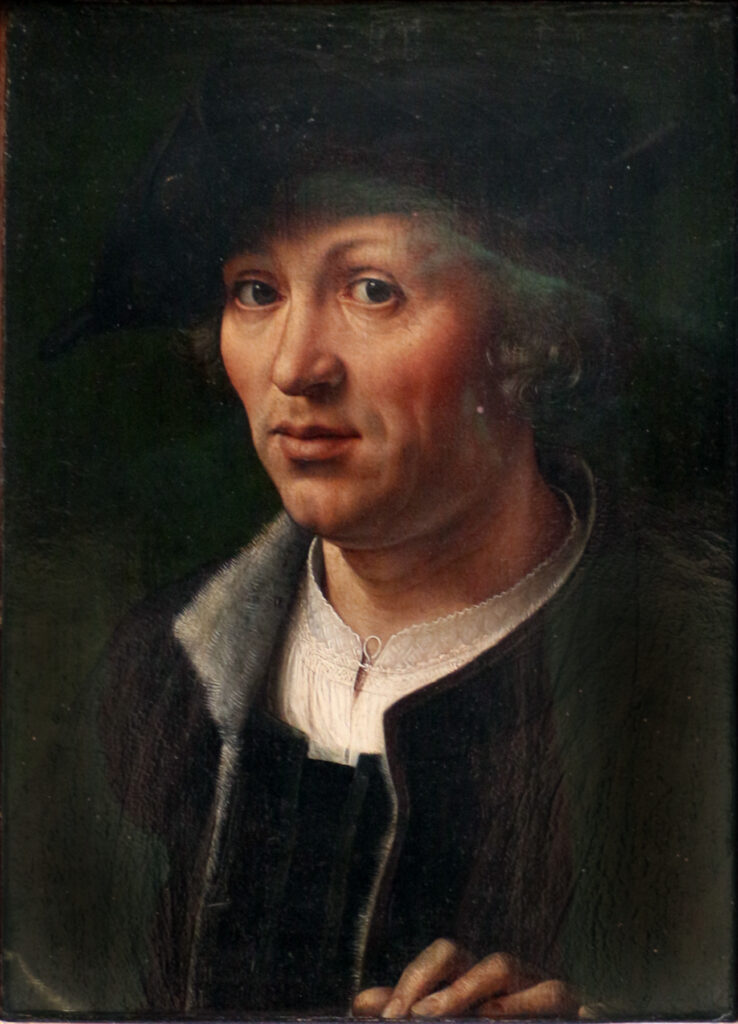
Jan Gossaert, c 1478 – October 1, 1532, was a Netherlandish painter, draftsman, and print designer of the Northern Renaissance. He was probably born in Maubeuge, then in the County of Hainaut, which gave rise to the name “Mabuse” by which he is often known. Little is known of his early training, but he was active in Antwerp by 1503 and became a master in the Guild of Saint Luke. In 1508–1509 he accompanied Philip of Burgundy on a diplomatic mission to Italy, where he studied classical antiquities and Italian Renaissance art firsthand.
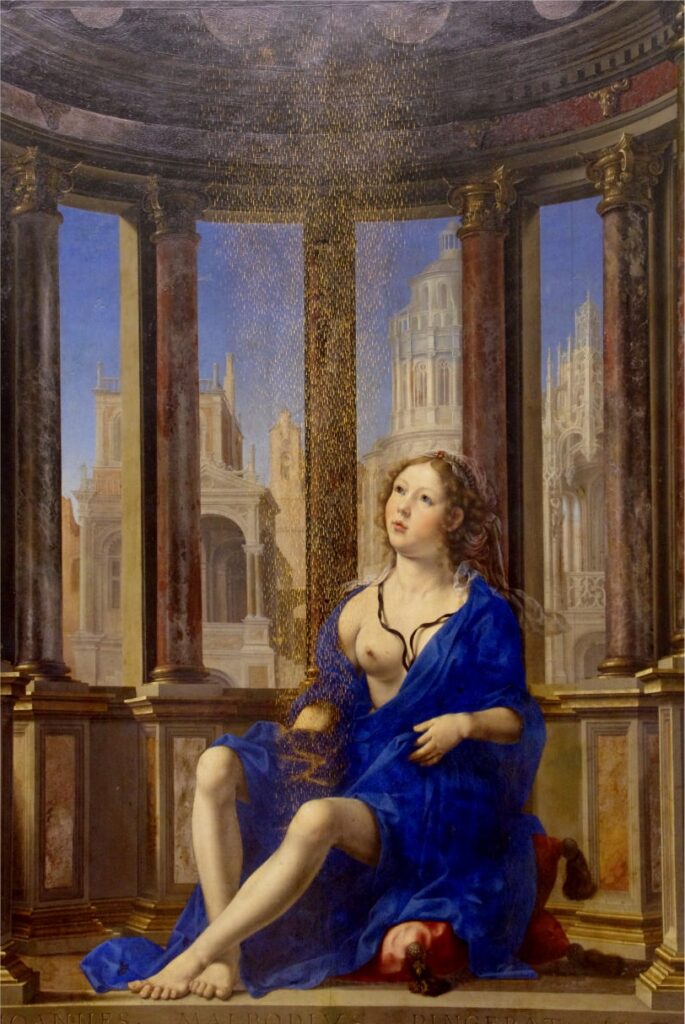
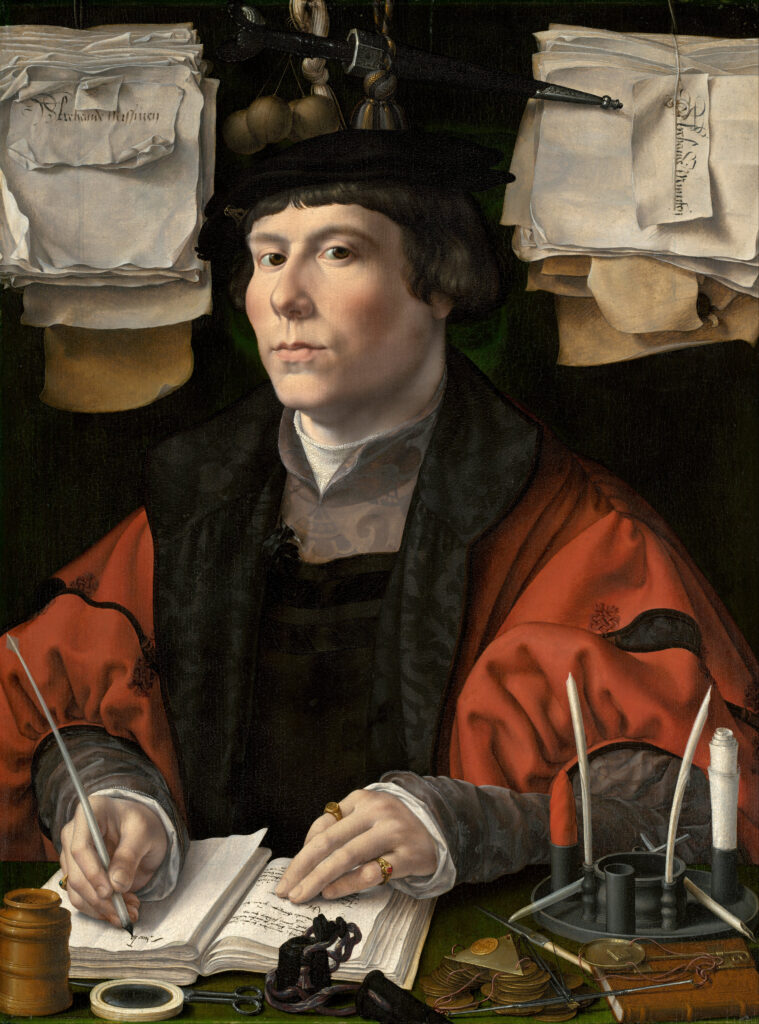
Gossaert worked for Philip of Burgundy and other aristocratic patrons in the Low Countries. His paintings include religious subjects, portraits, mythological scenes, and some of the earliest fully developed Renaissance nudes produced north of the Alps. He combined Netherlandish techniques of detailed observation and oil painting with Italianate architecture, classical motifs, and figure types derived from Renaissance models.
He helped introduce Renaissance forms into Netherlandish art and influenced a generation of painters working in the Habsburg Netherlands. His works are held in major collections including the National Gallery, London, the Metropolitan Museum of Art, the Rijksmuseum, the Gemäldegalerie, Berlin, the Prado Museum, and the Royal Museums of Fine Arts of Belgium.

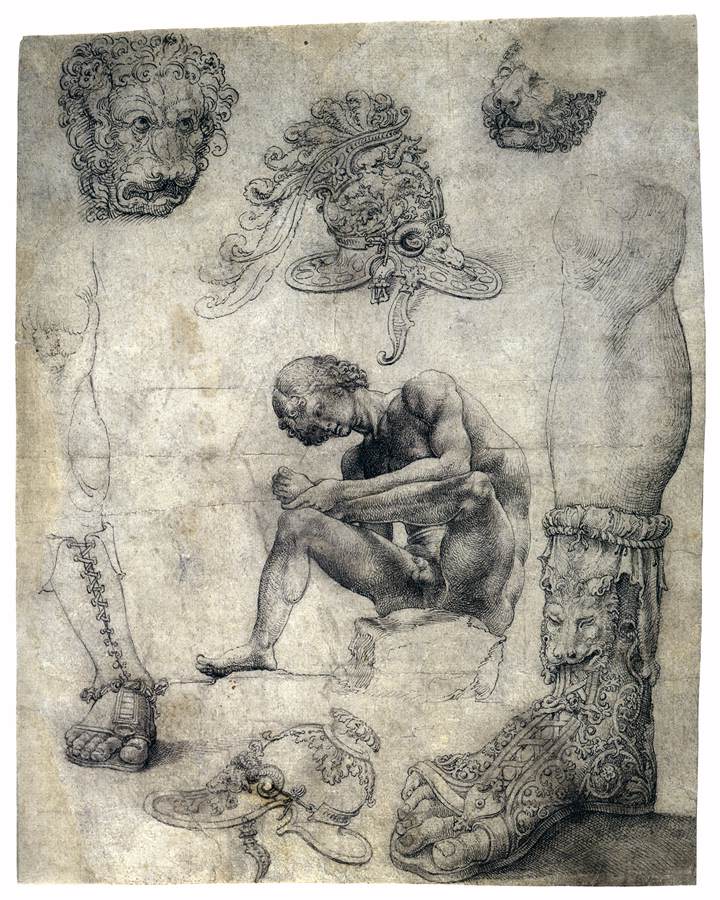
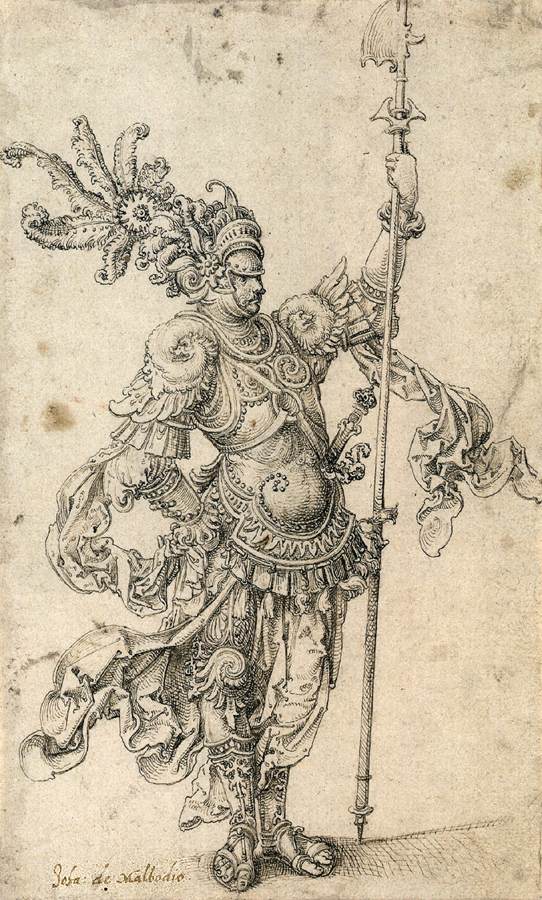





Jean Siméon Chardin
Jean Siméon Chardin, November 2, 1699 – December 6, 1779, was a French painter born in Paris, the son of a billiard-table maker. He trained in the studios of Pierre-Jacques Cazes and Noël-Nicolas Coypel and became a master painter in the Académie de Saint-Luc in 1724.
In 1728 Chardin was admitted to the Académie Royale de Peinture et de Sculpture as a painter of animals and fruits. He worked principally in still life and domestic genre painting, exhibited at the Salon from 1737, and received lodgings in the Louvre from Louis XV in 1757.
In his final decade Chardin increasingly worked in pastel, producing portraits and self-portraits. He died in the Louvre in Paris in 1779; his work is held by the Louvre Museum, National Gallery, Metropolitan Museum of Art, National Gallery of Art, and other major collections.


François Boucher
François Boucher, September 29, 1703–May 30, 1770, was a French painter, draughtsman, printmaker and designer associated with the Rococo style.
Born in Paris, Boucher trained with his father and briefly with François Lemoyne. He won the Grand Prix in 1723, worked as an engraver, traveled to Italy in 1728 and became a full member of the Académie royale de peinture et de sculpture in 1734.
Boucher produced mythological paintings, pastoral scenes, portraits, landscapes and designs for tapestries, porcelain and the theater. Patronized by Madame de Pompadour and the court of Louis XV, he was appointed First Painter to the King and director of the Académie Royale in 1765.


Jean-Antoine Watteau
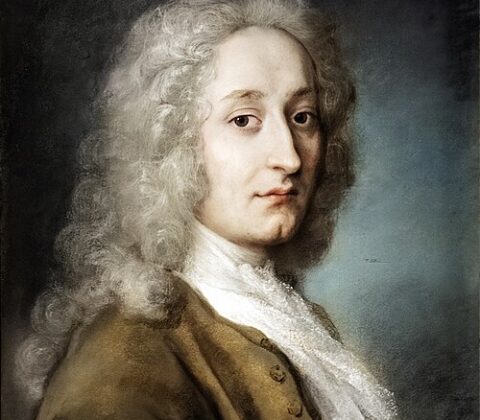
Jean-Antoine Watteau, October 10, 1684 – July 18, 1721, was a French painter and draftsman born in Valenciennes. He moved to Paris around 1702 and trained with Claude Gillot and Claude Audran III, whose work connected him with theatrical subjects and decorative painting.
Watteau became a member of the Royal Academy of Painting and Sculpture in 1717, presenting The Embarkation for Cythera as his reception piece. His paintings of actors, musicians, and elegant figures in landscape settings established the fête galante as an academic category and influenced painters including Nicolas Lancret and Jean-Baptiste Pater.
In declining health, Watteau traveled to London in 1720 and returned to France before dying at Nogent-sur-Marne at thirty-six. His paintings and drawings are held by the Louvre Museum, Metropolitan Museum of Art, Wallace Collection, National Gallery, and other major collections.


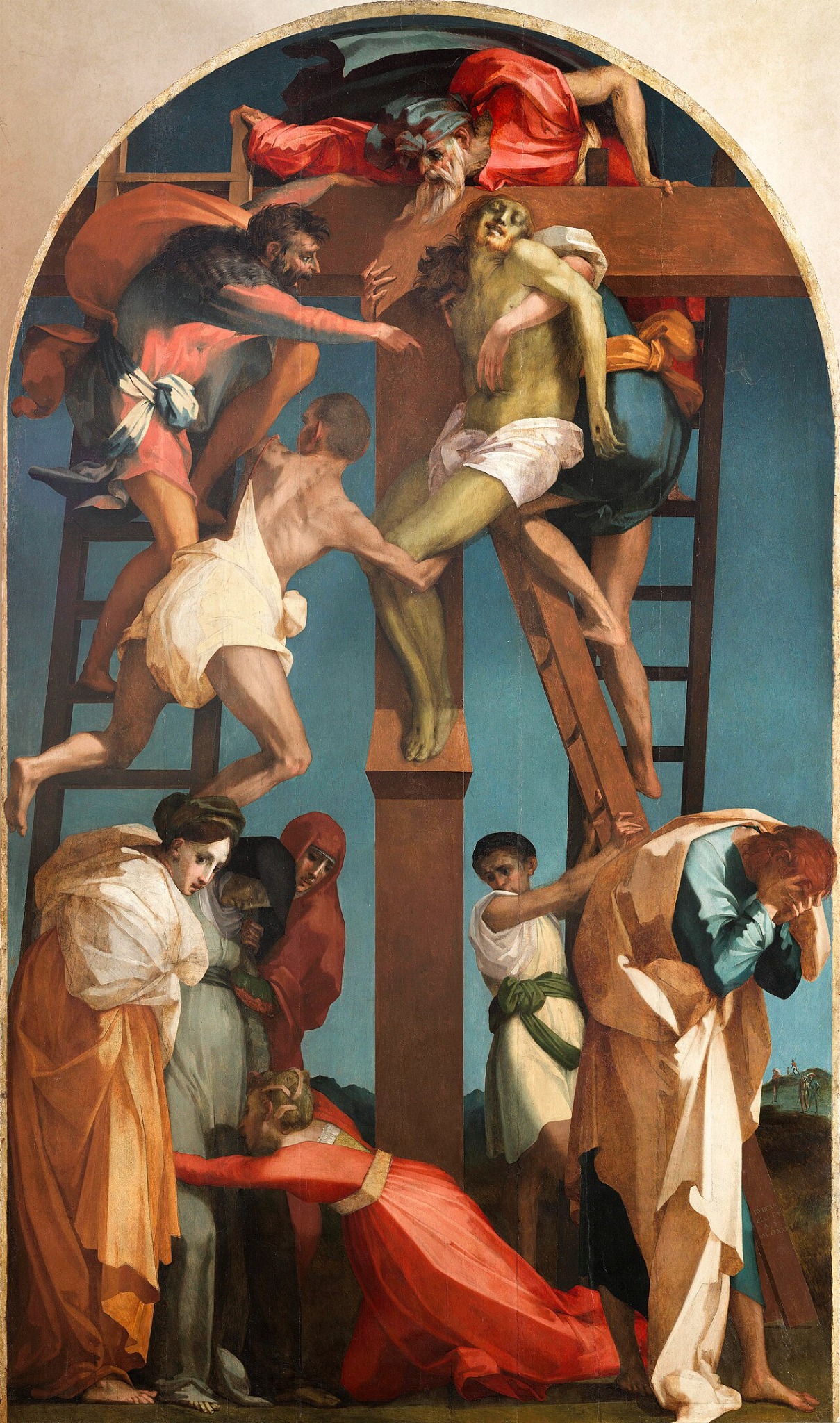
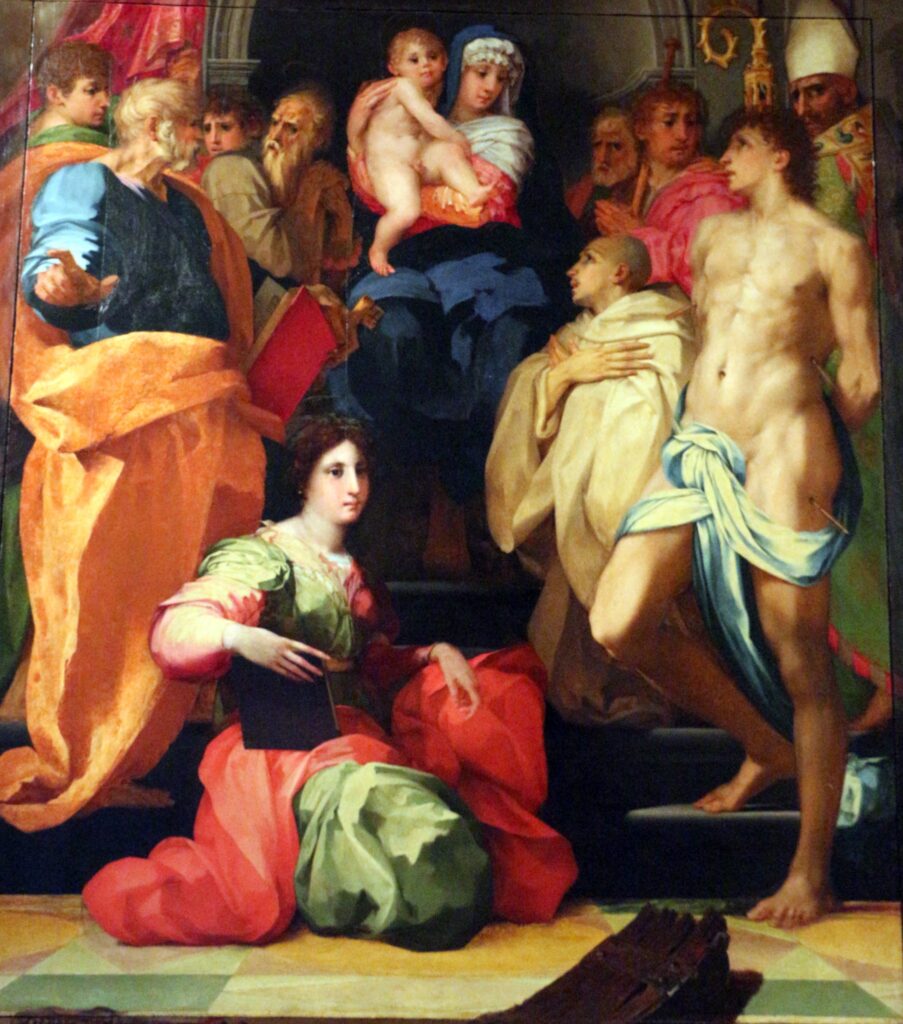
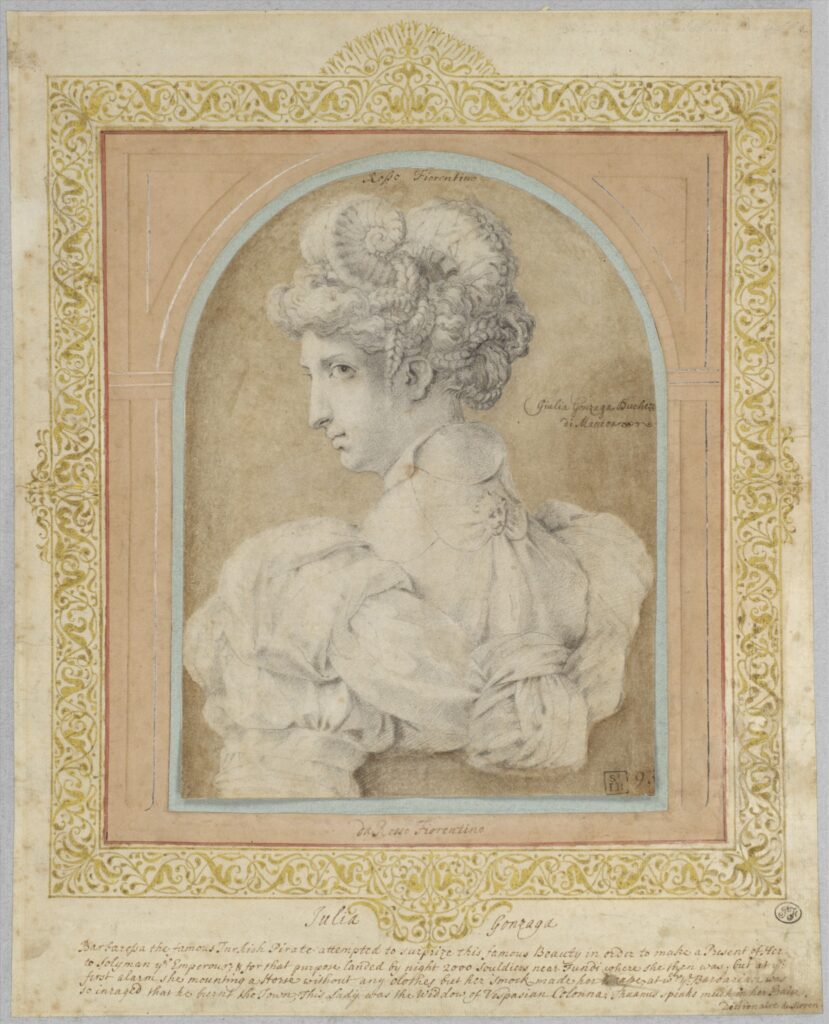
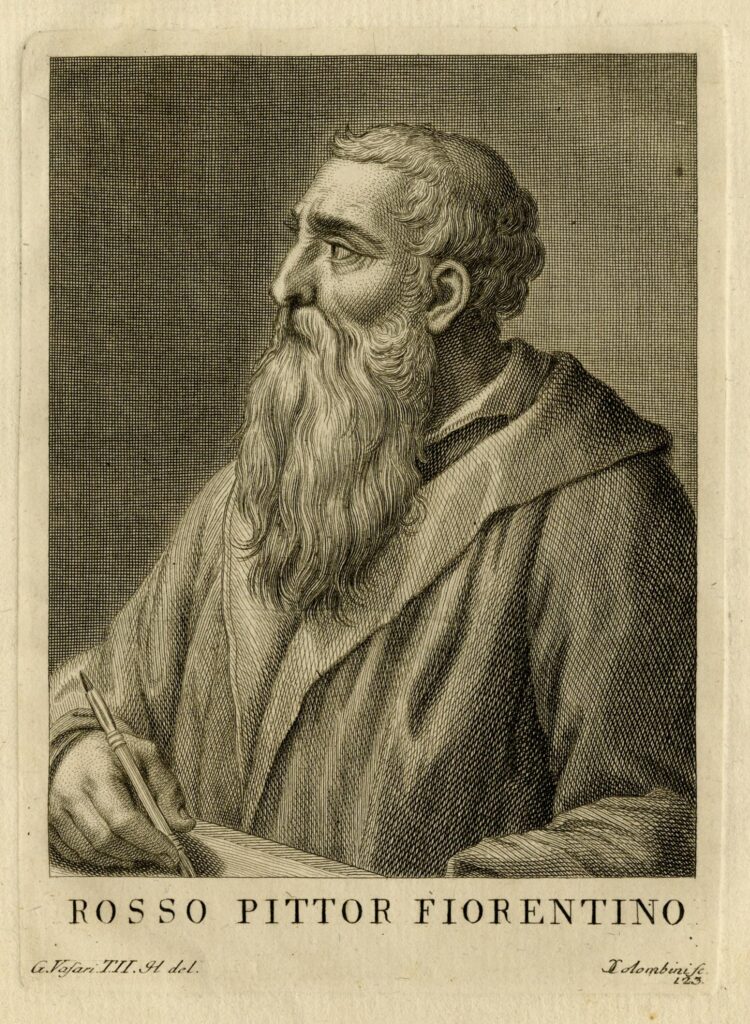
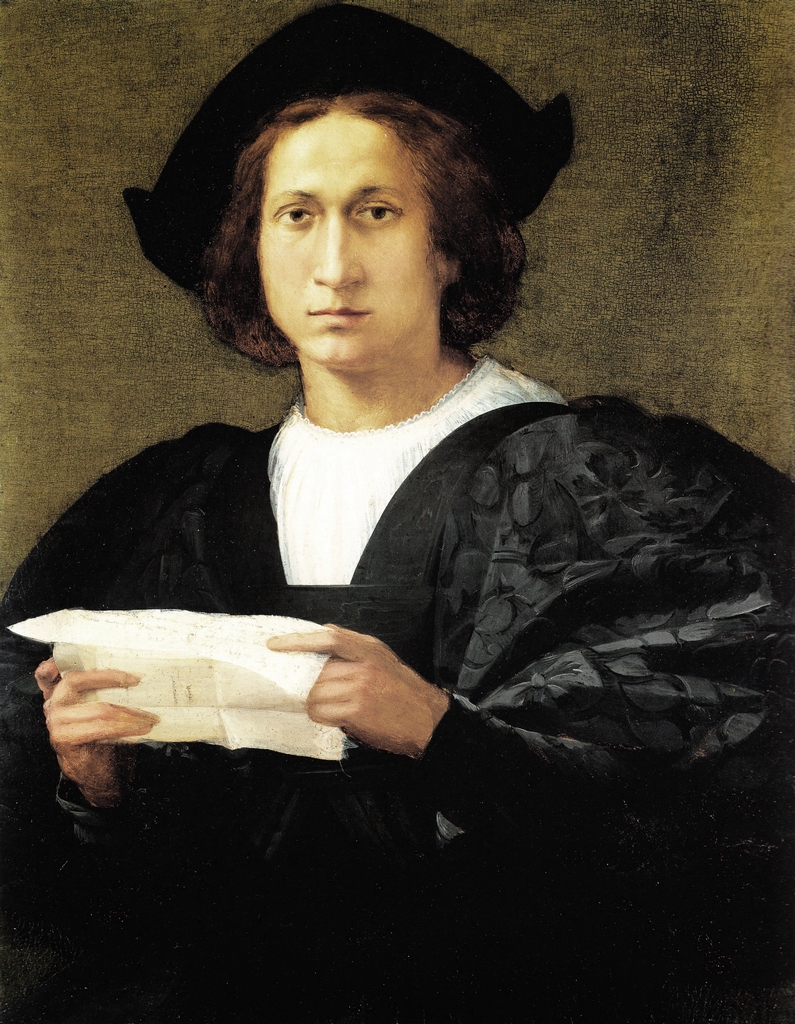
Rosso Fiorentino
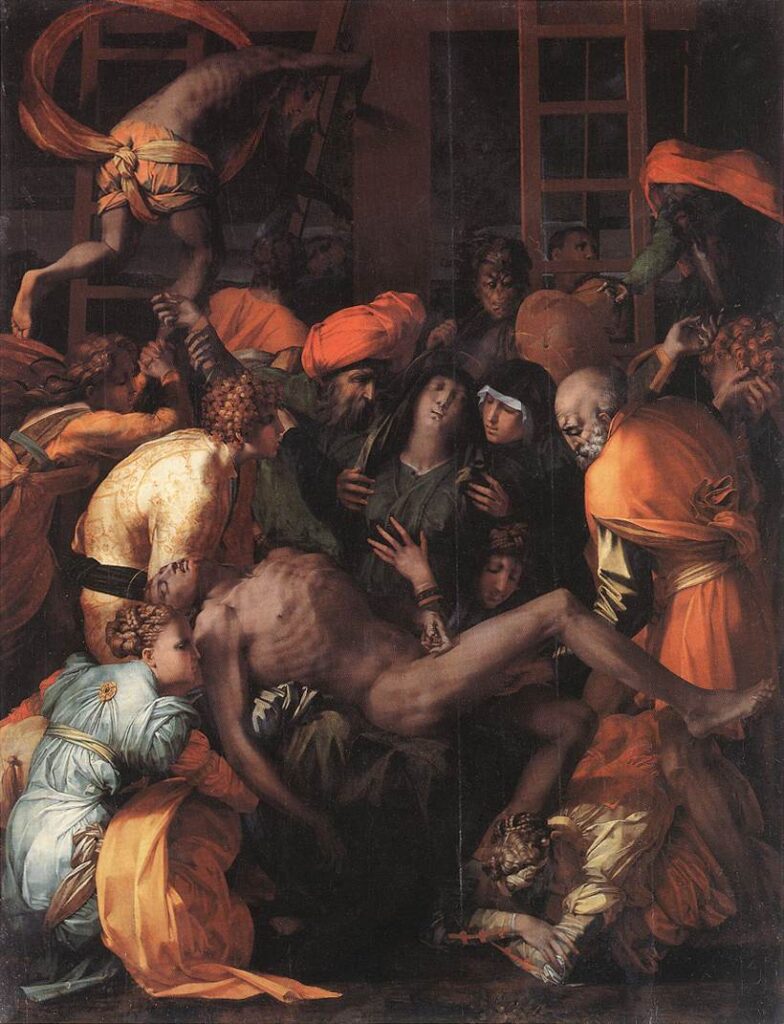
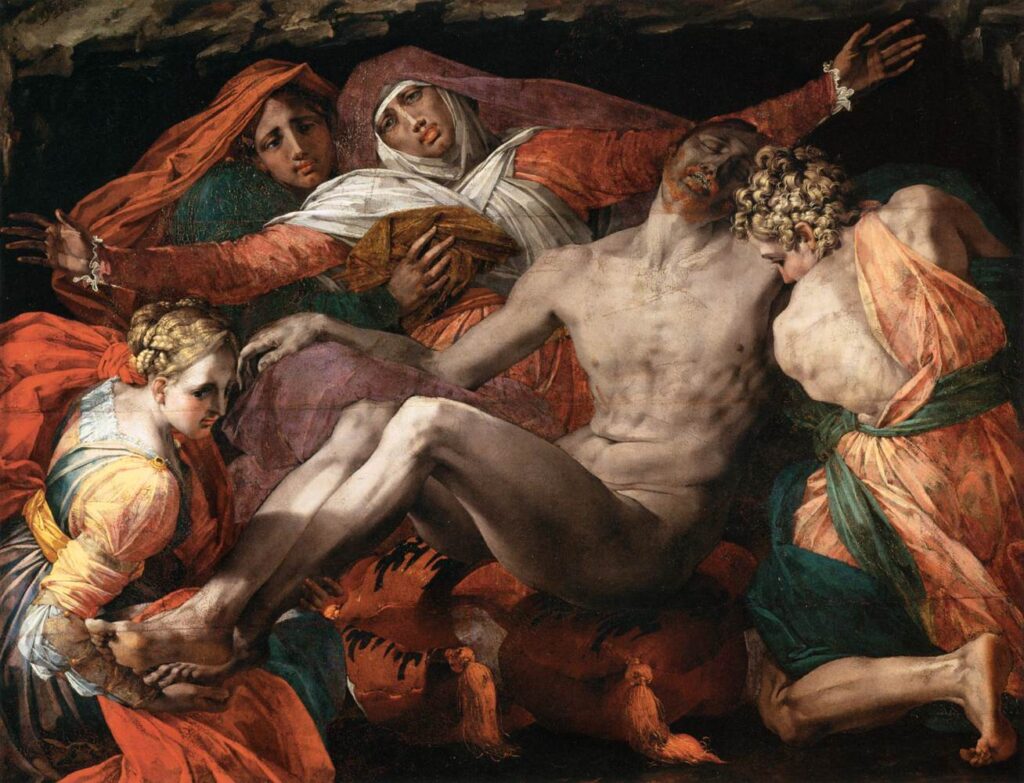
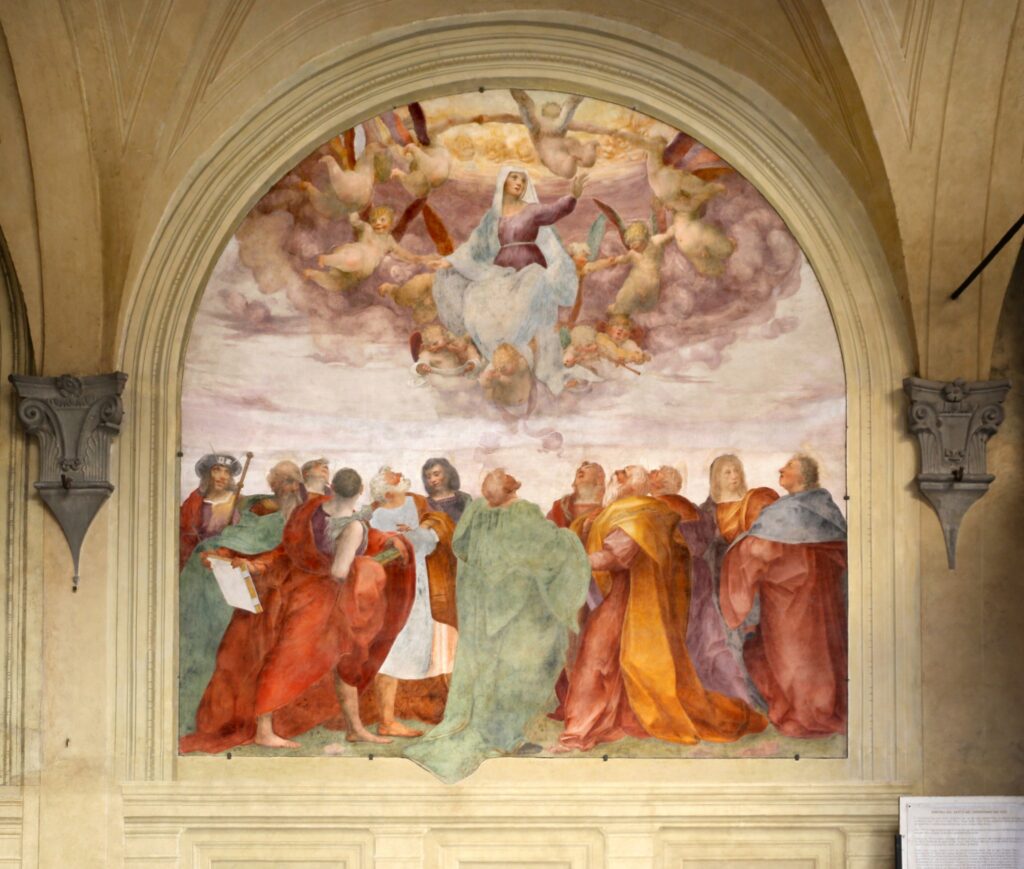
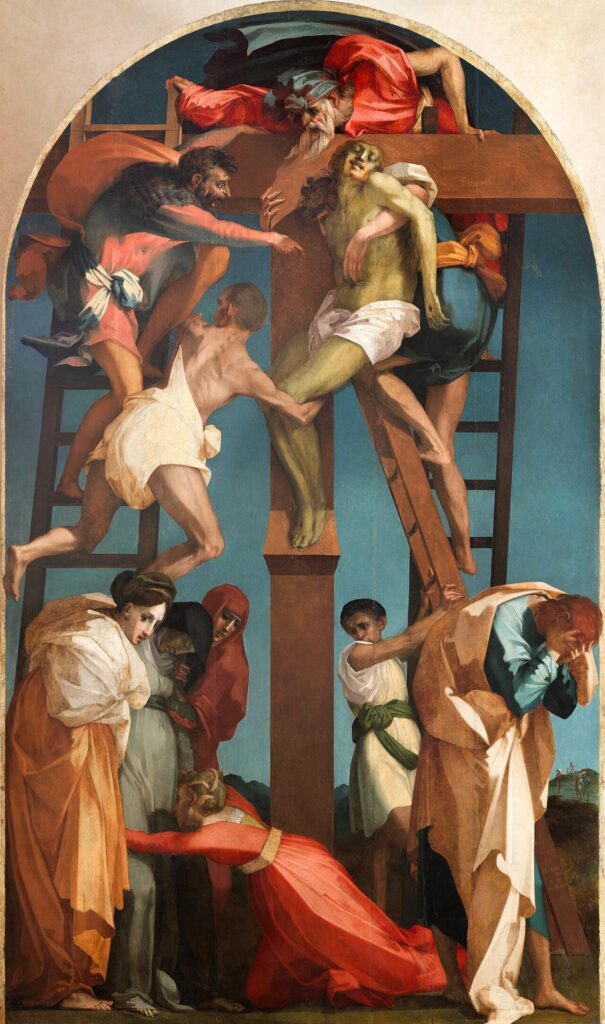
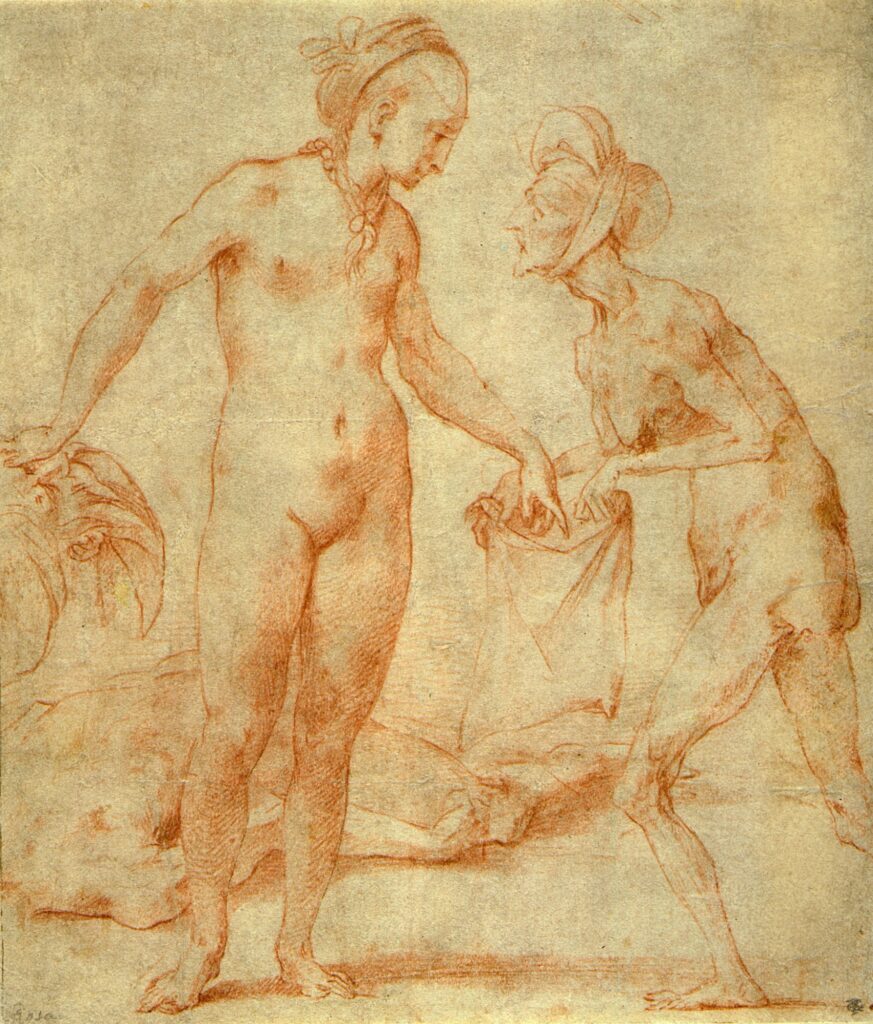
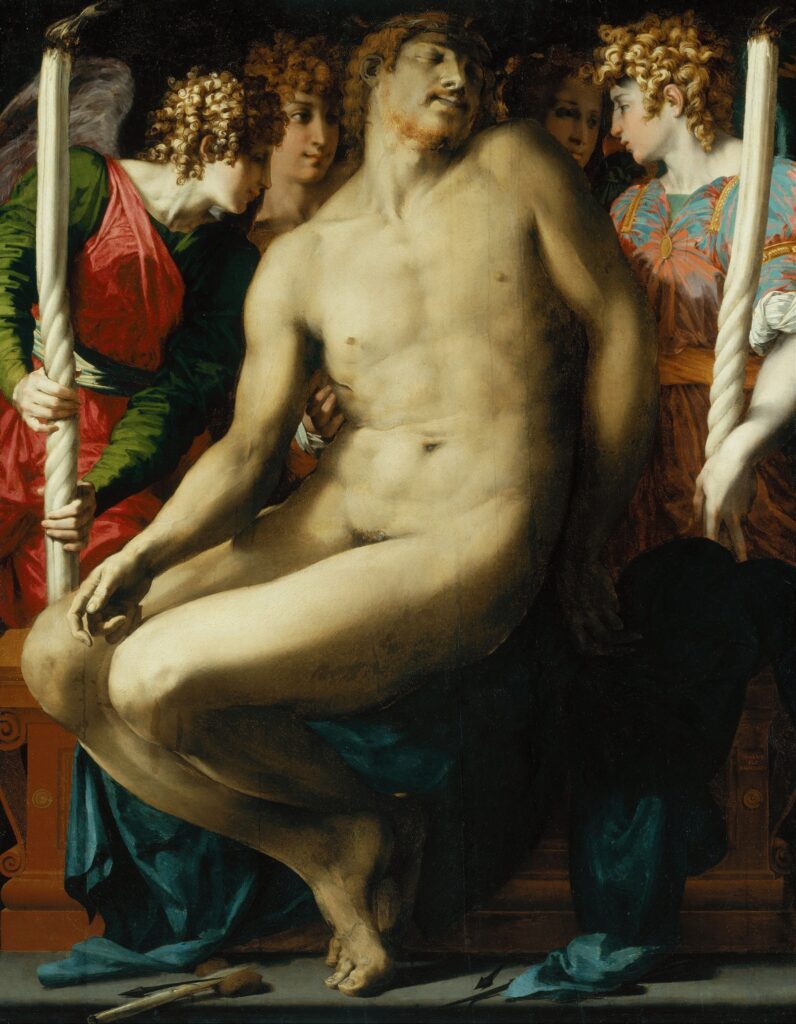
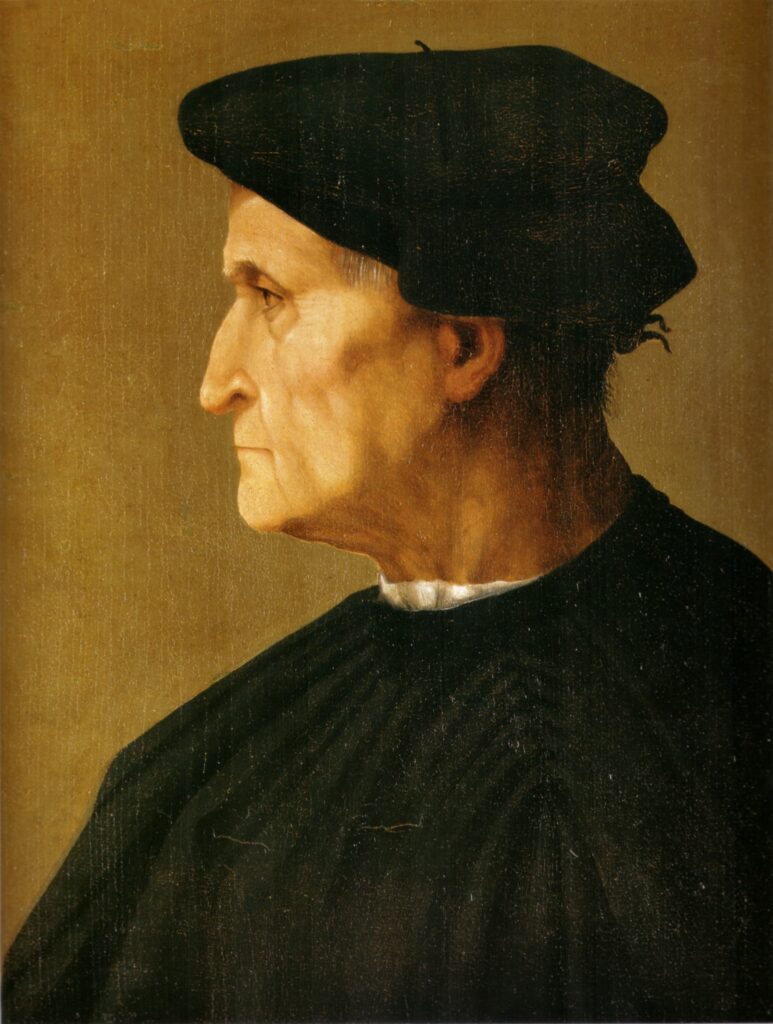
Rosso Fiorentino (Giovanni Battista di Jacopo), March 8, 1494–November 14, 1540, was a Florentine painter, draughtsman, and print designer. He trained in the workshop of Andrea del Sarto and studied the work of Michelangelo and Baccio Bandinelli. He worked in Florence from 1513 to 1523, then in Rome and elsewhere in Italy.
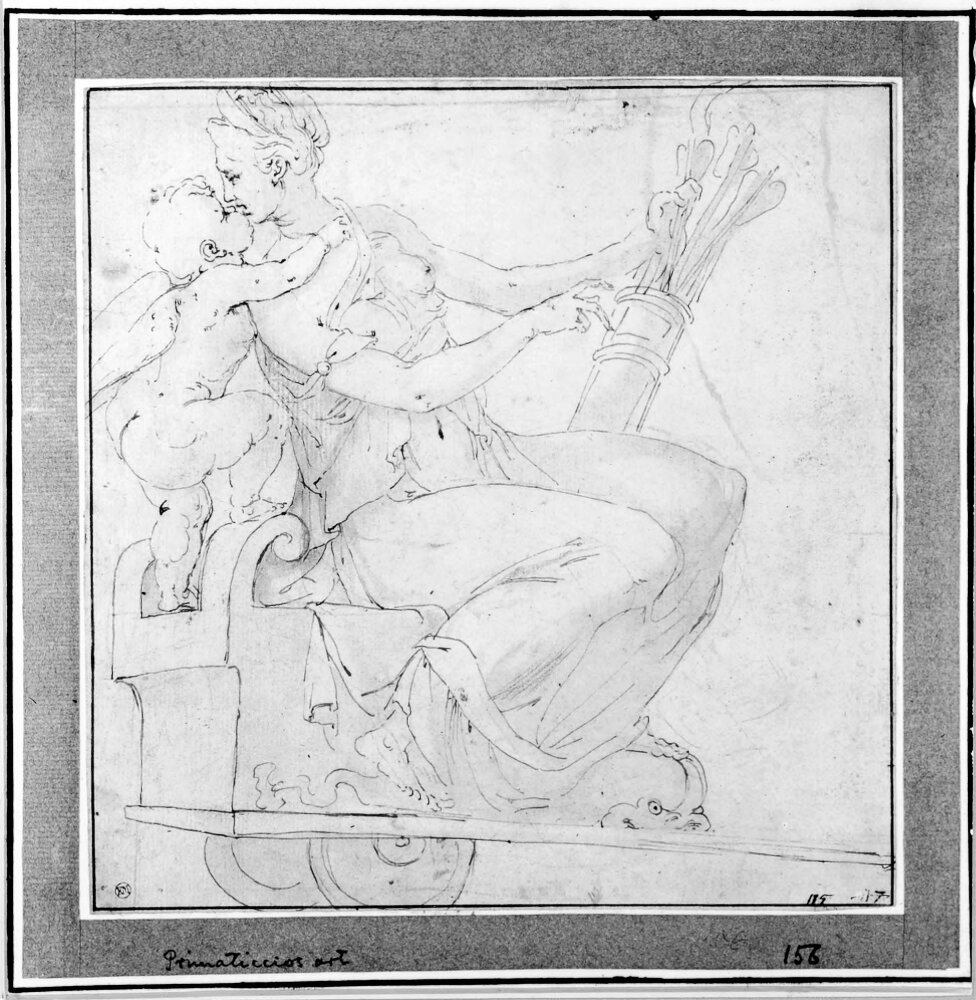
In 1530, Rosso entered the service of Francis I of France and joined Francesco Primaticcio at the royal château of Fontainebleau. He designed and painted work for the palace, including the Galerie François Ier, and helped shape the Fontainebleau school.
Paintings and drawings by Rosso Fiorentino are held by the Uffizi and Palazzo Pitti in Florence, the National Gallery in London, the Museum of Fine Arts in Boston, the Louvre in Paris, the Metropolitan Museum of Art in New York, the Los Angeles County Museum of Art, and Nationalmuseum in Stockholm.