Jean-Baptiste Camille Corot
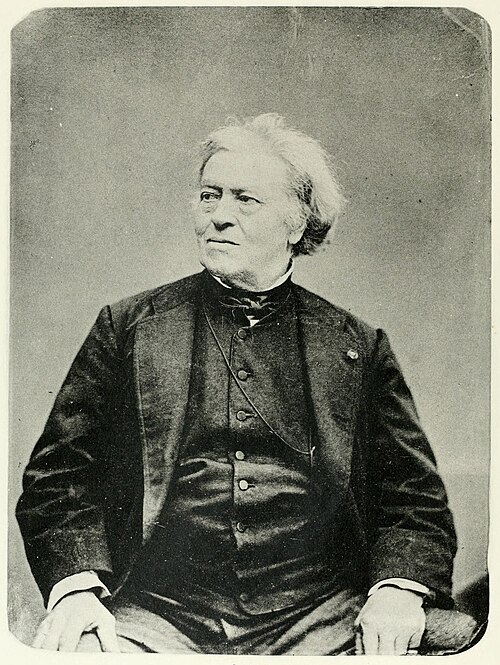
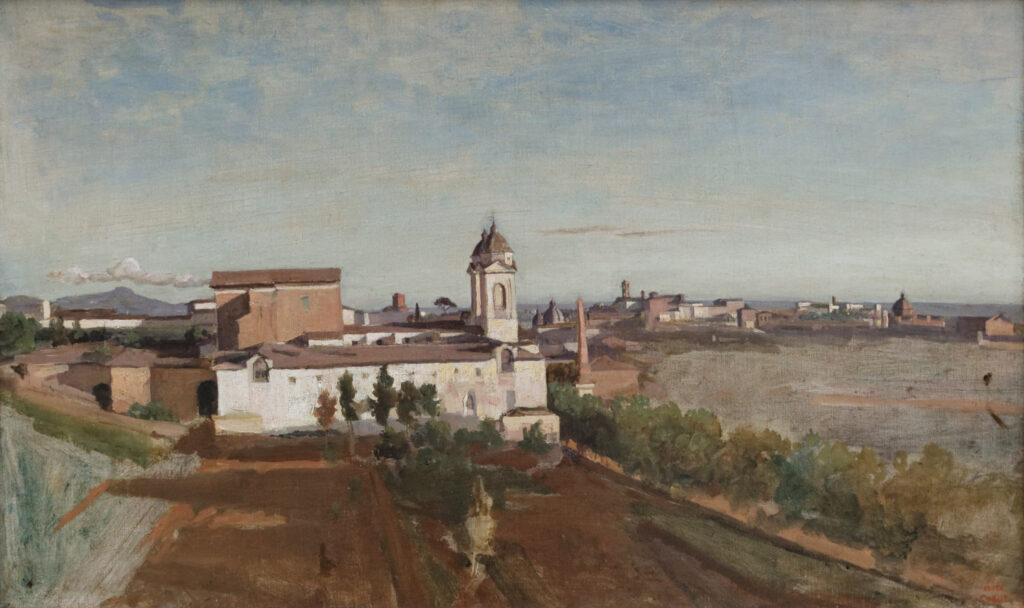
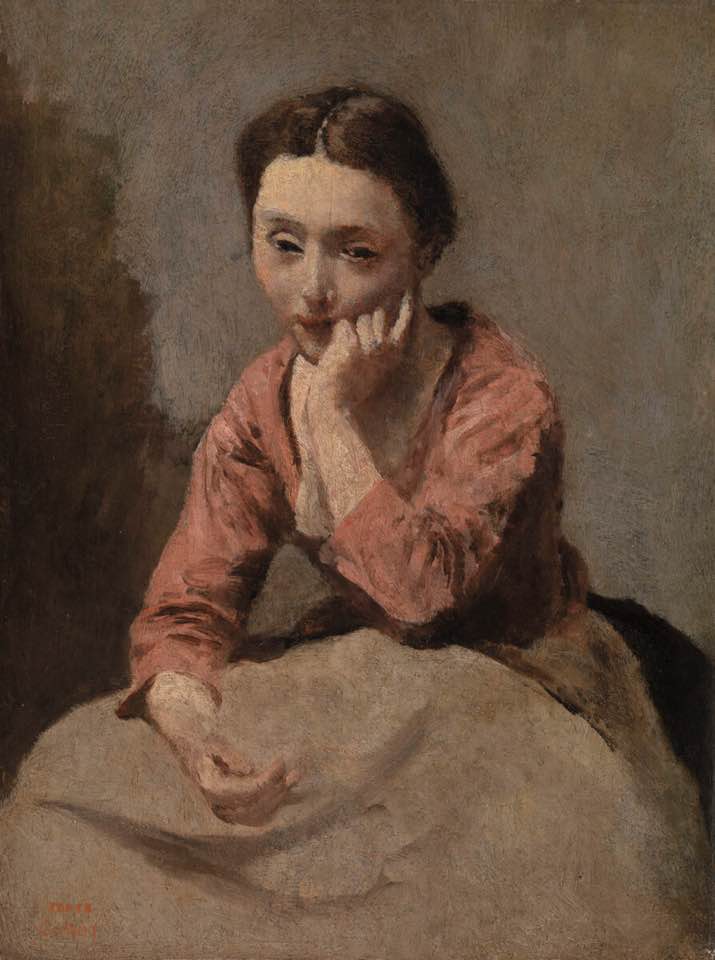
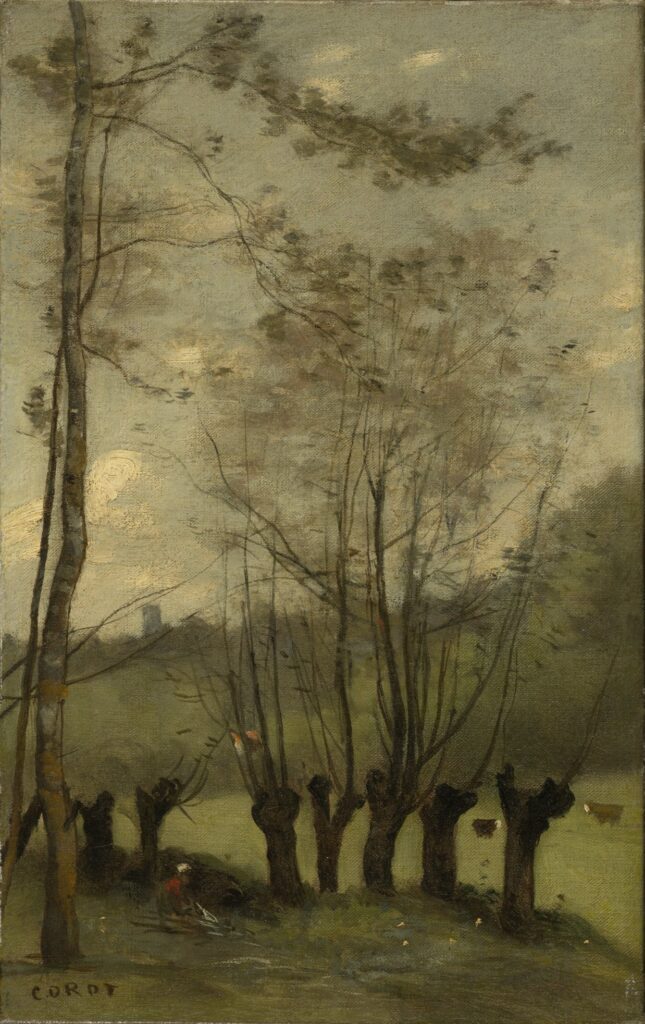
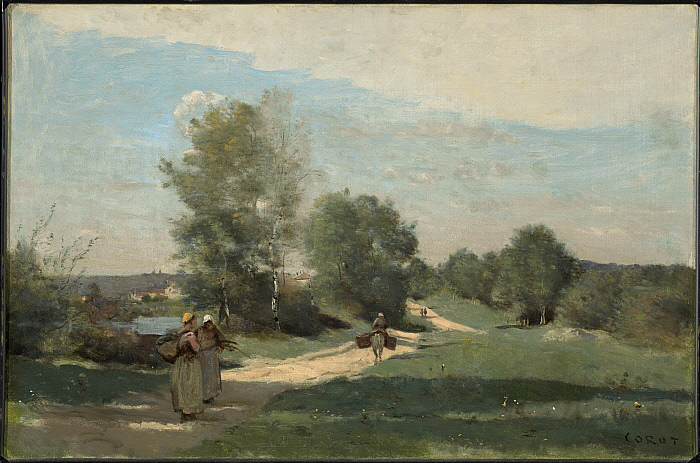
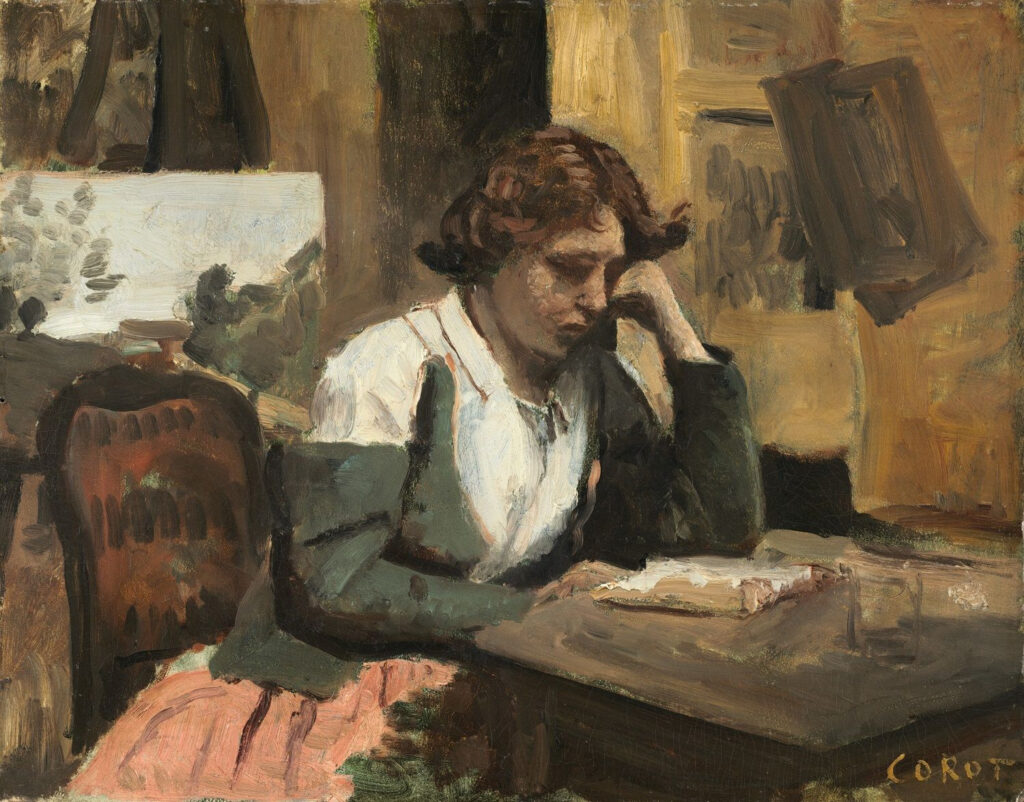
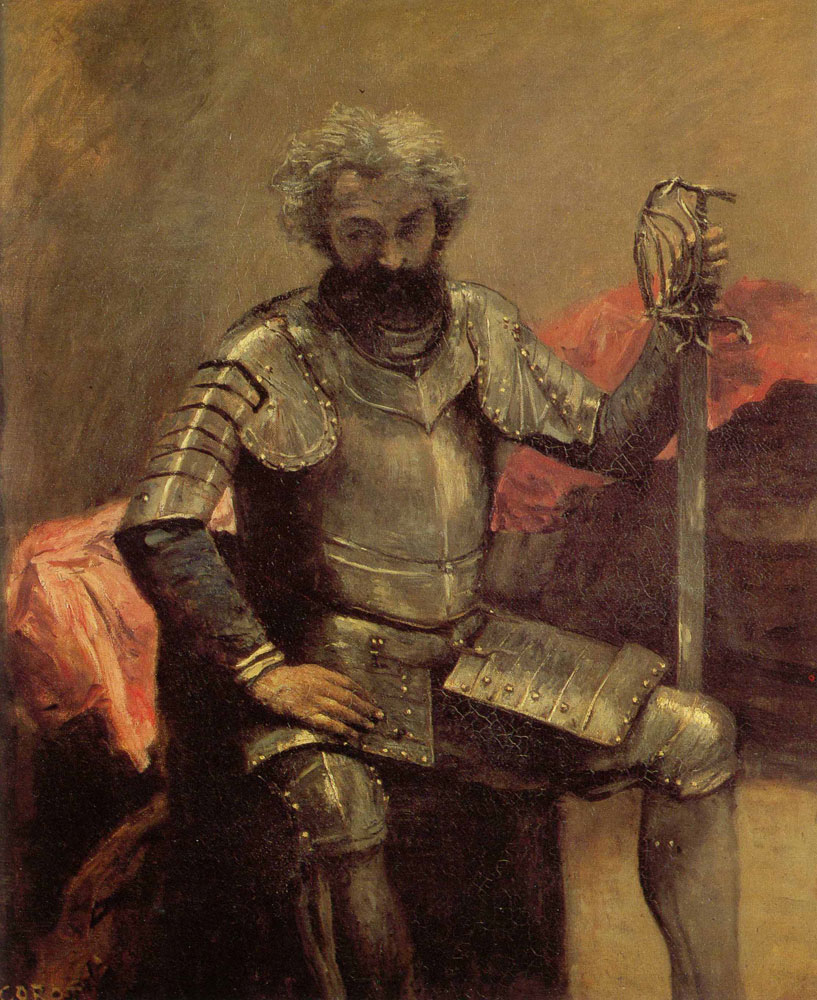
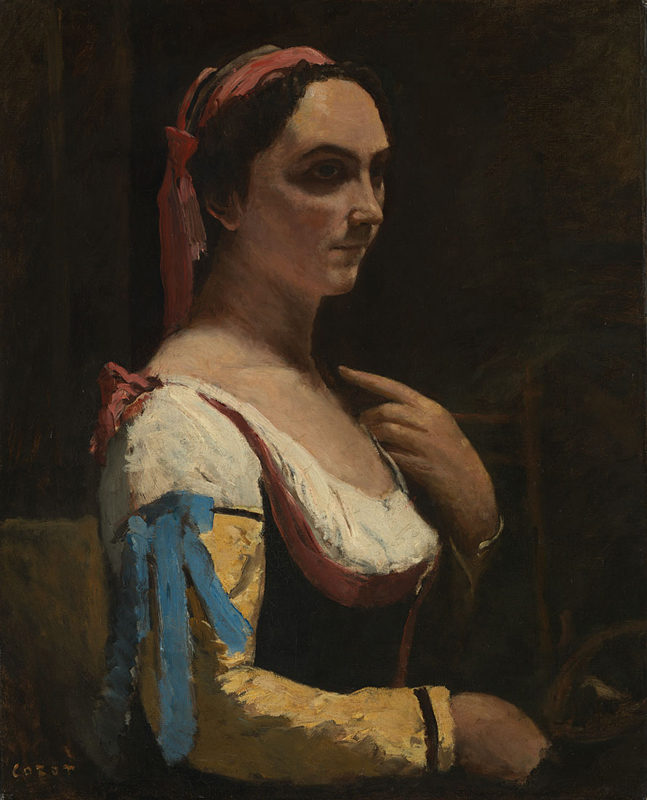
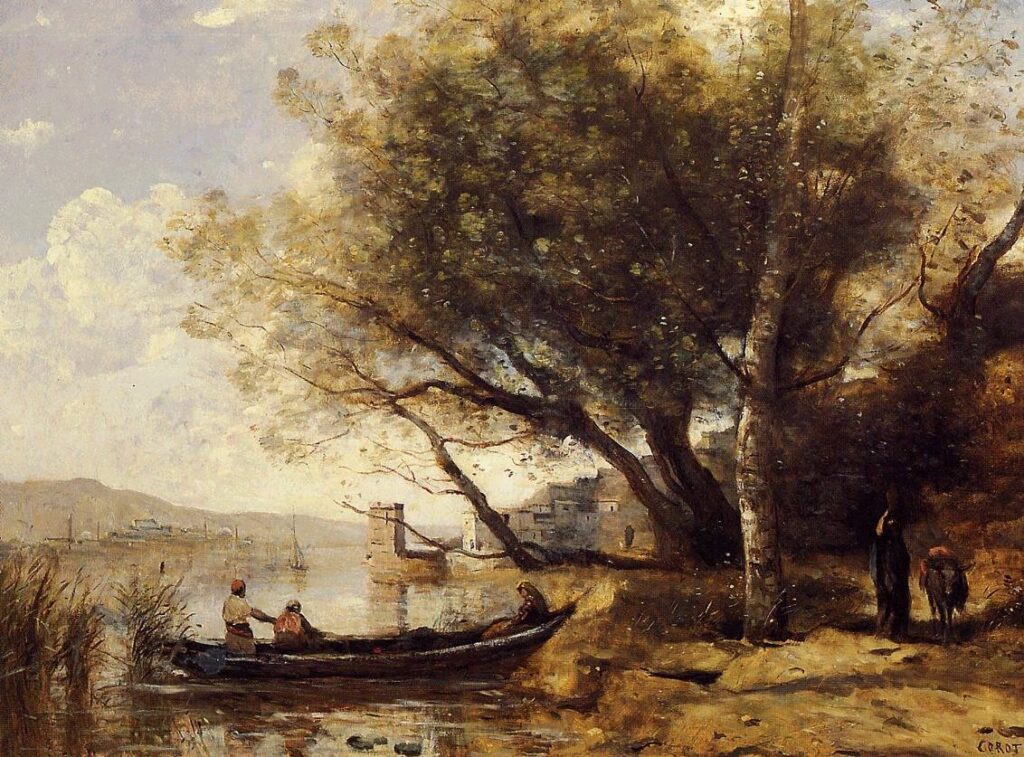
Jean-Baptiste-Camille Corot, July 16, 1796 – February 22, 1875, was a French painter and printmaker associated with the Barbizon School and the development of nineteenth-century landscape painting. Born in Paris, he was the son of prosperous cloth merchants Jacques Corot and Marie-Françoise Oberson. Intended at first for a business career, he worked in the family trade before receiving permission to pursue art. He studied with Achille Etna Michallon and later Jean-Victor Bertin, both heirs to the French classical landscape tradition. Corot made several extended trips to Italy between 1825 and 1843, working in Rome, the Campagna, Venice, and other locations while producing numerous studies from nature.
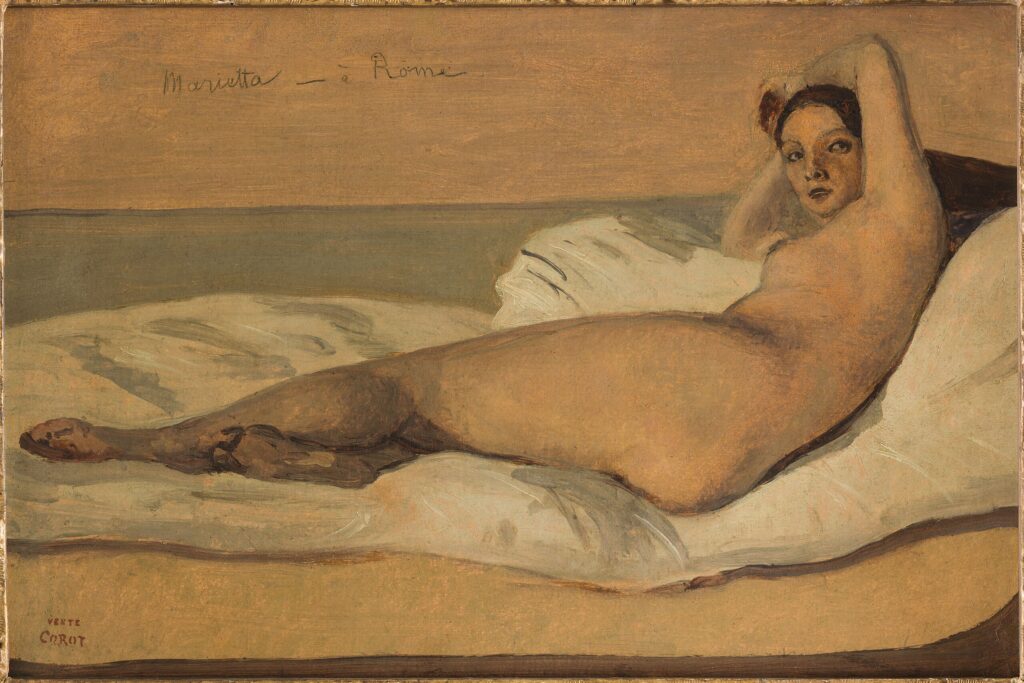
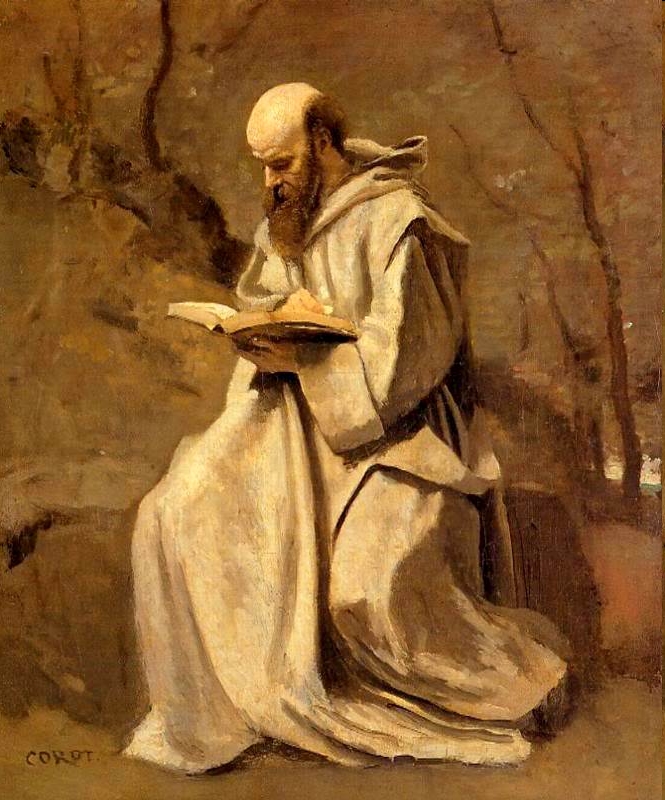
Corot became known for landscapes that combined direct observation with the compositional structure of classical painting. He worked throughout France and Italy, producing views of forests, rivers, villages, parks, and rural roads, as well as figure paintings and portraits in his later years. Although rooted in the classical landscape tradition of Claude Lorrain and Nicolas Poussin, his outdoor studies and handling of light influenced younger artists working toward naturalism and Impressionism. Corot was associated with painters of the Barbizon School, including Théodore Rousseau, Charles-François Daubigny, and Jean-François Millet, while maintaining an independent artistic practice.
Corot exhibited regularly at the Paris Salon and became one of the most respected French painters of his generation. He provided encouragement and practical assistance to younger artists, including Camille Pissarro and Berthe Morisot. His work is held by major collections including the Louvre Museum, Musée d’Orsay, National Gallery, Metropolitan Museum of Art, Clark Art Institute, National Gallery of Art, Thyssen-Bornemisza Museum, and many other institutions in Europe and North America.




David Teniers the Younger
David Teniers the Younger (1610–1690) was the most versatile and prolific member of a Flemish dynasty of painters. Born in Antwerp, he became a master of the city’s Guild of Saint Luke in 1632–1633 and married Anna Brueghel, daughter of Jan Brueghel the Elder, in 1637.
Teniers painted peasant interiors, tavern scenes, village festivals, guardrooms, alchemists, physicians, landscapes, religious pictures, portraits, and mischievous monkey scenes known as singeries. His sharp observation, small scale, and lucid handling made everyday life in the Southern Netherlands an international commodity.
From 1651 he served Archduke Leopold Wilhelm in Brussels as court painter and keeper of the Archduke’s great collection of Italian pictures. He later published its engraved catalogue, Theatrum Pictorium, in 1660—an important early model of the illustrated collection catalogue.


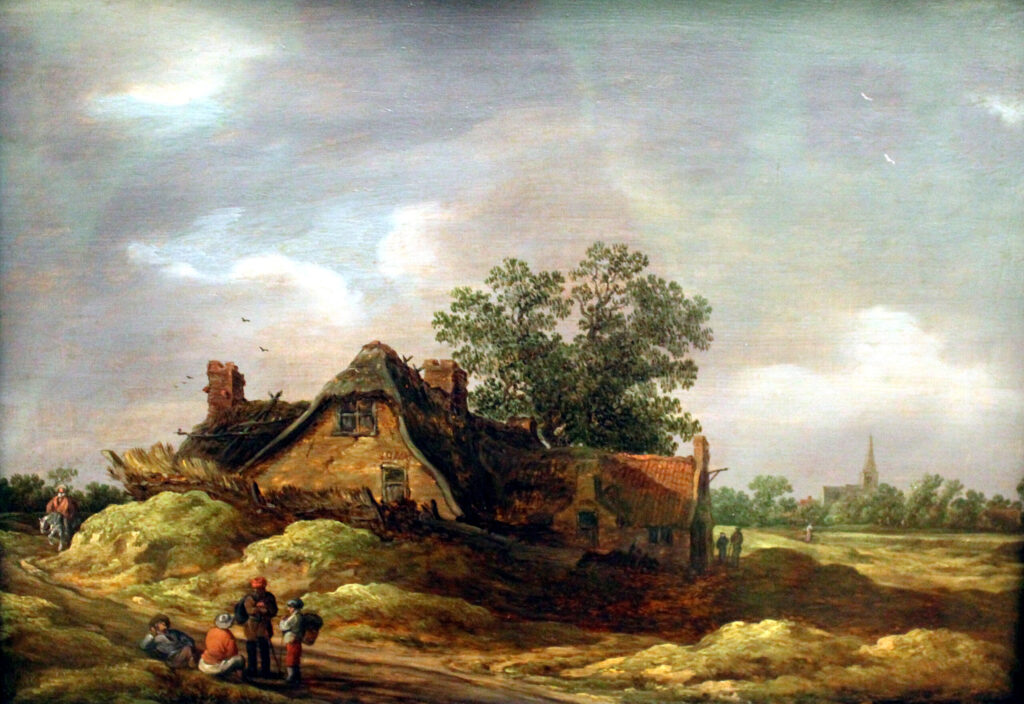
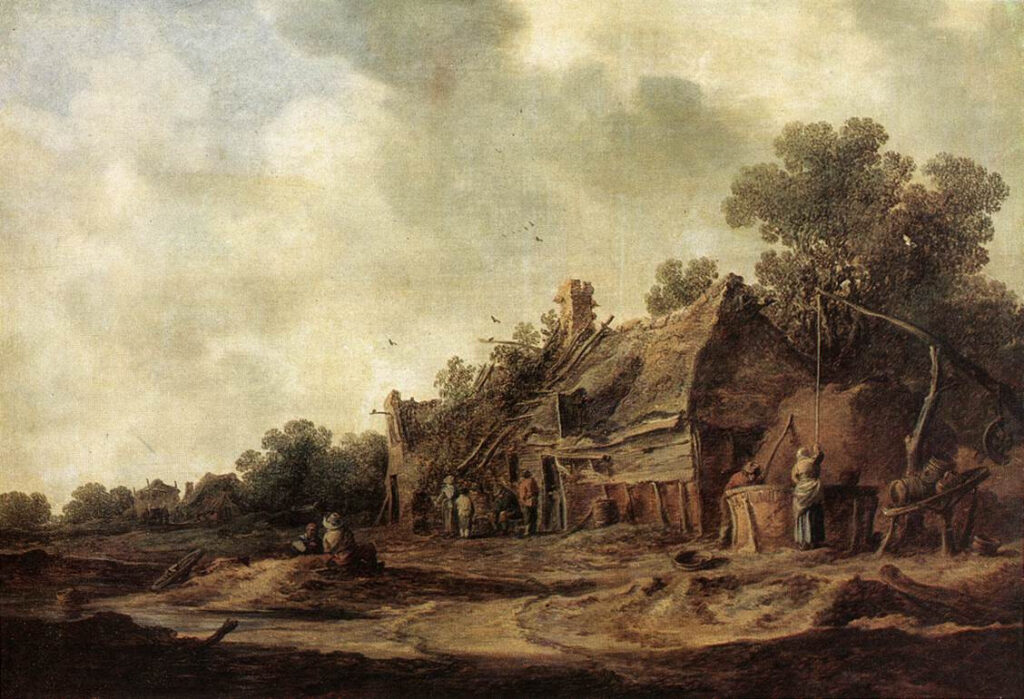
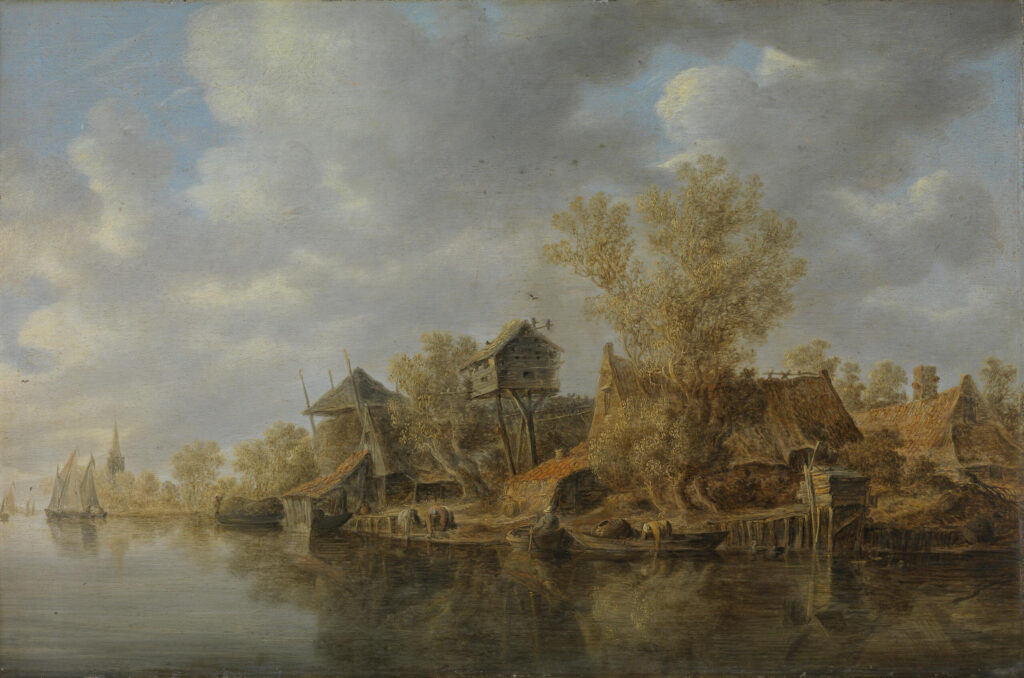
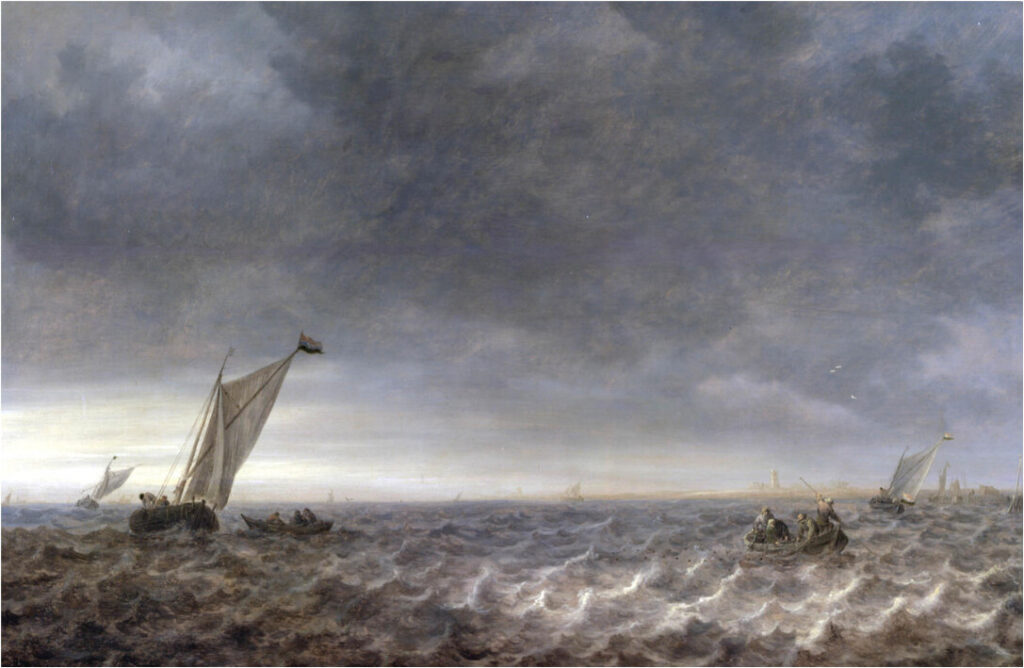
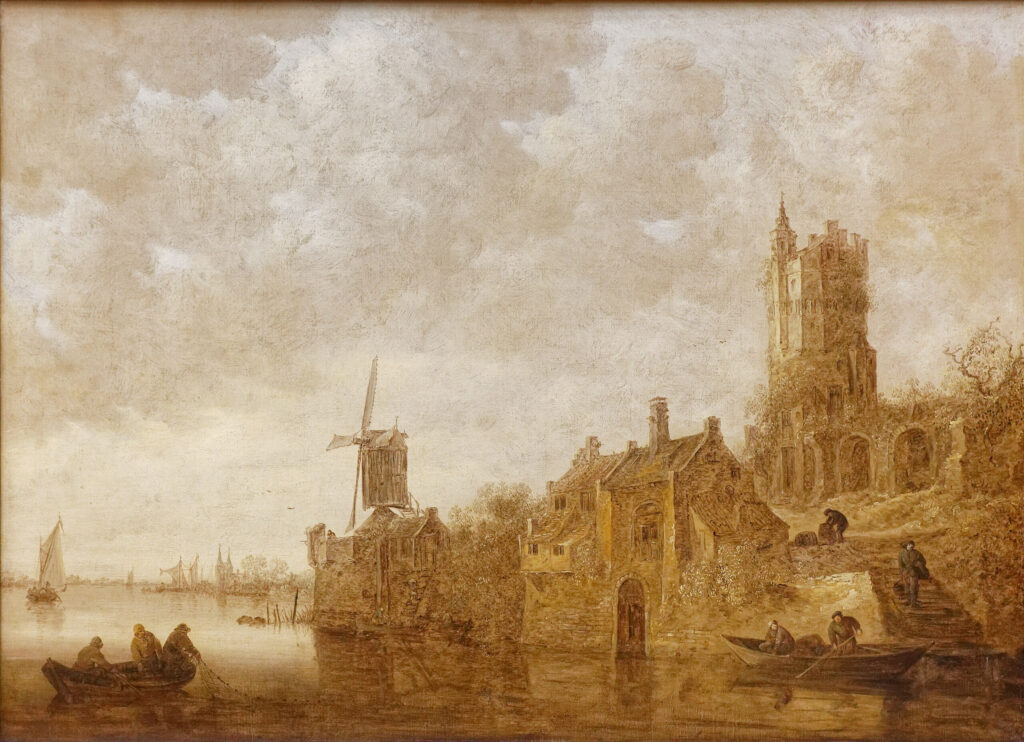
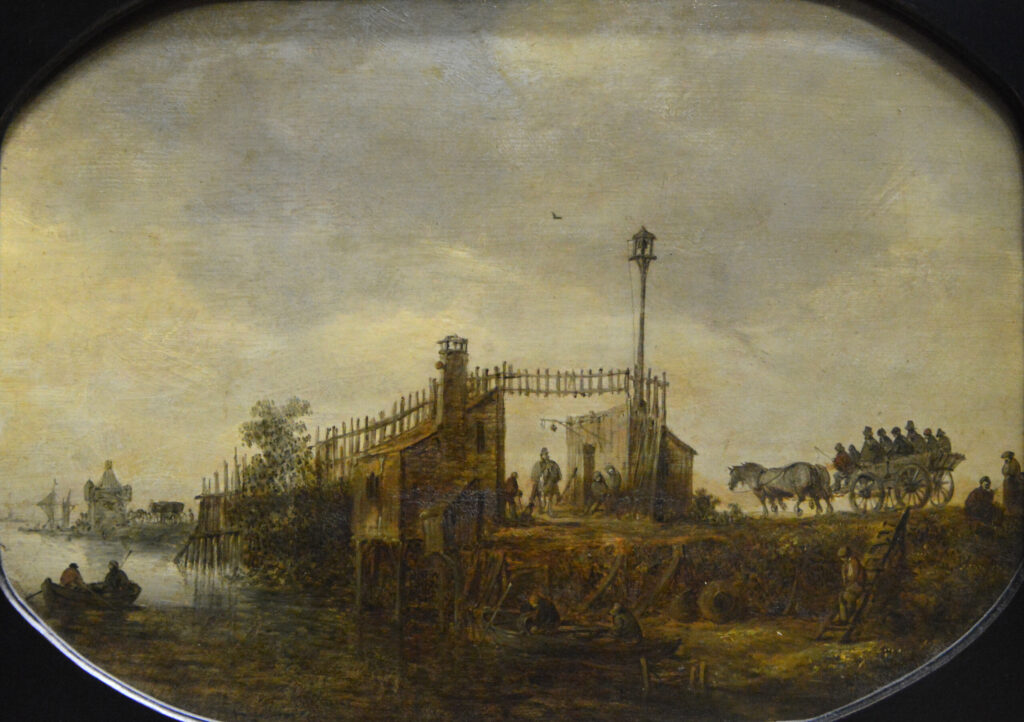
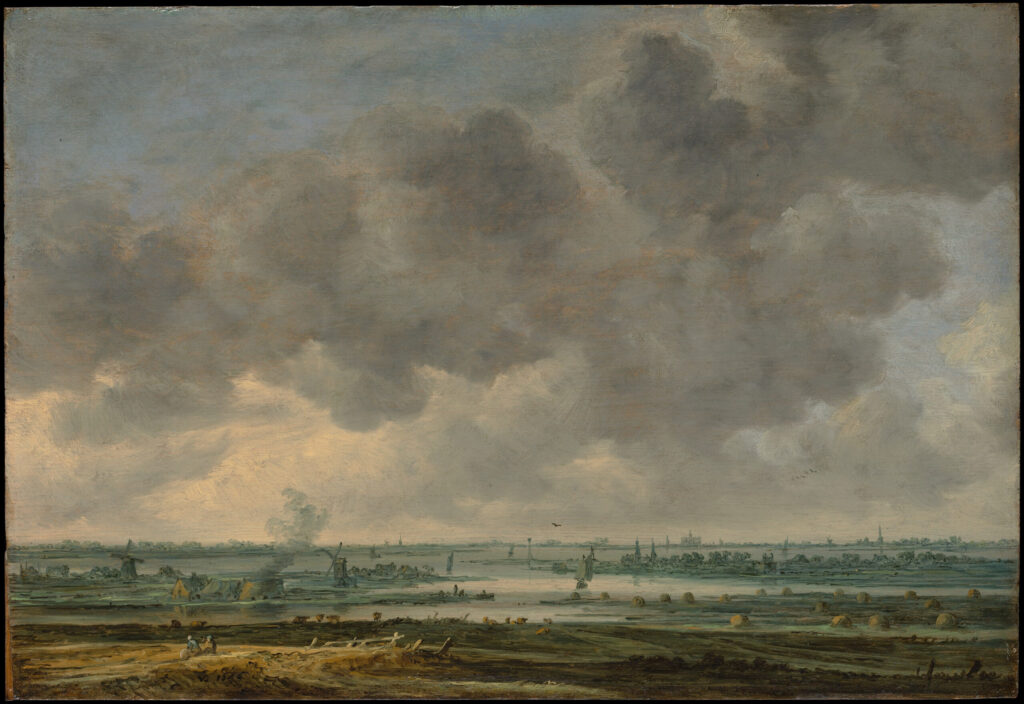
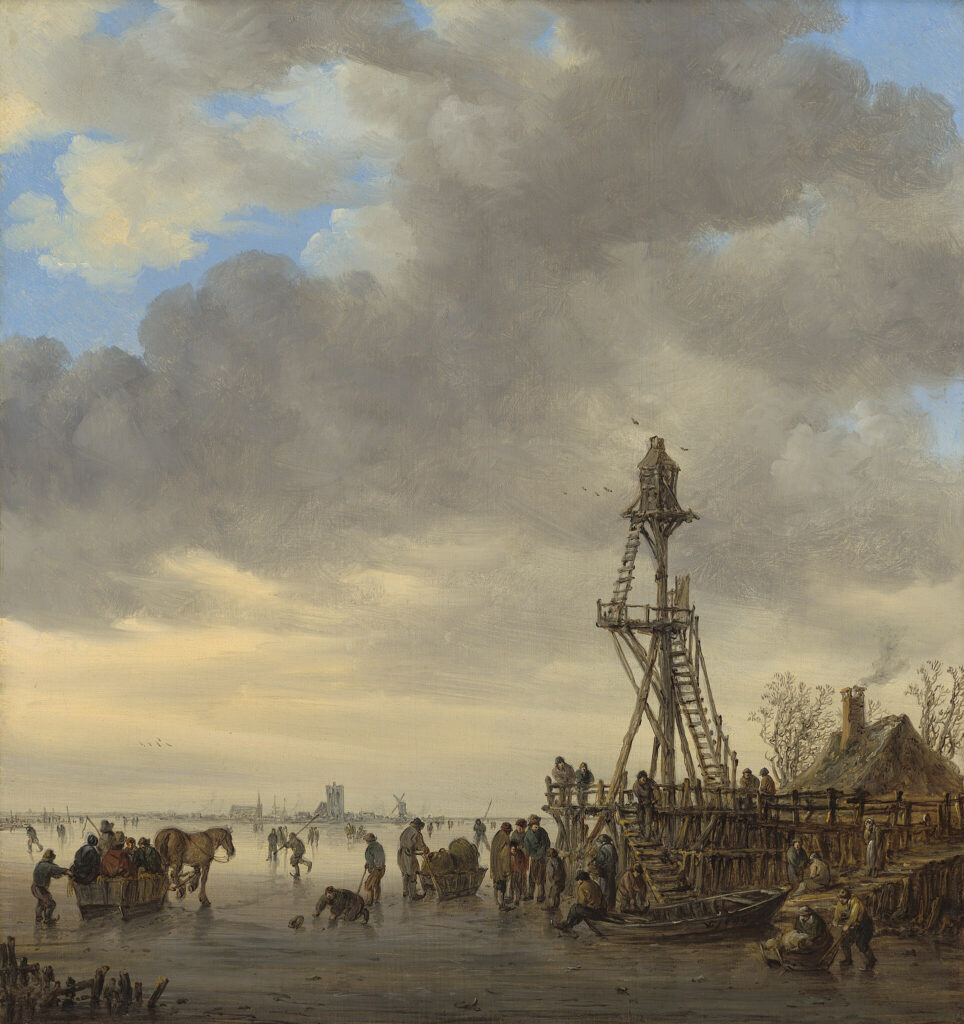
Jan van Goyen
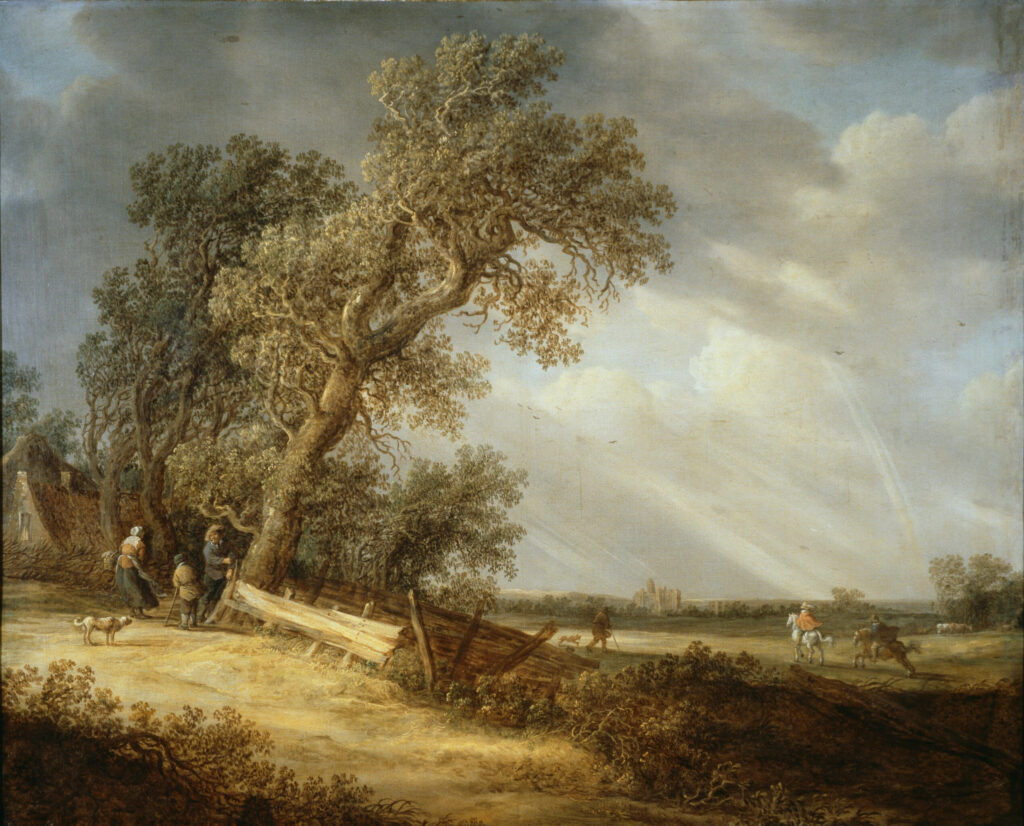
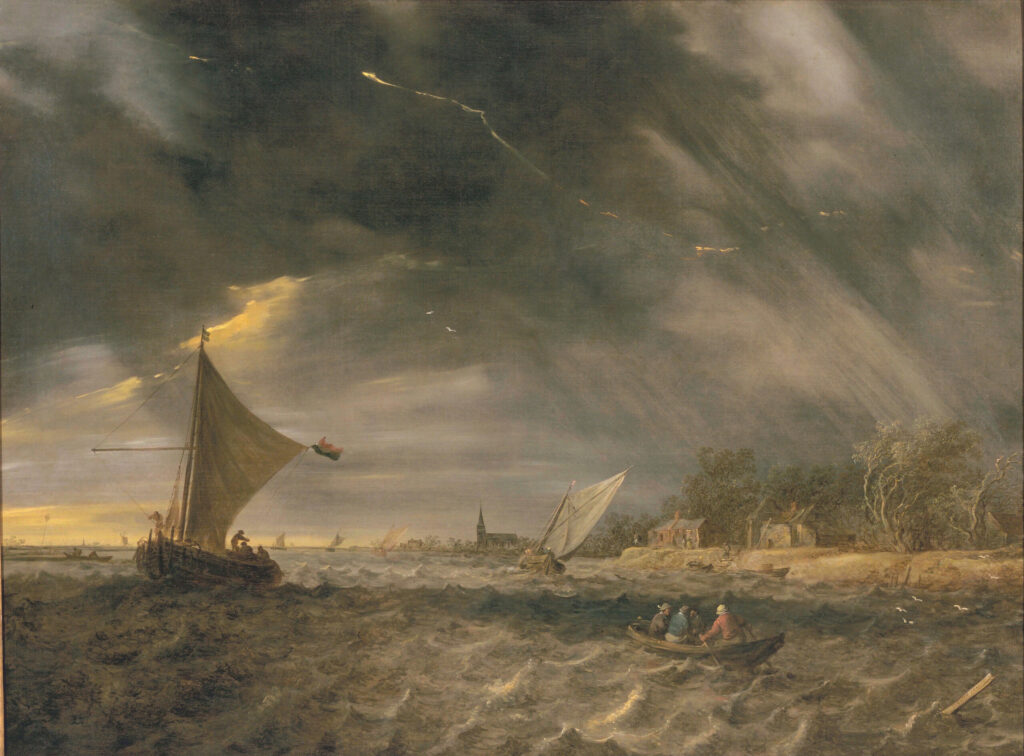
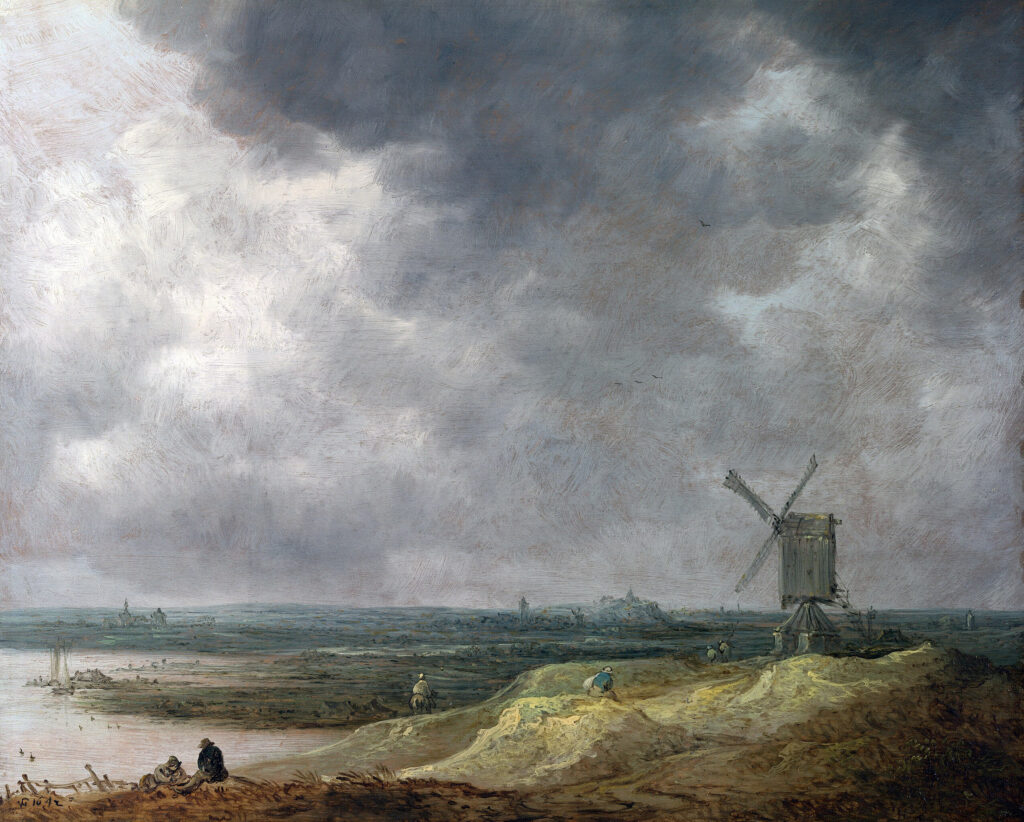
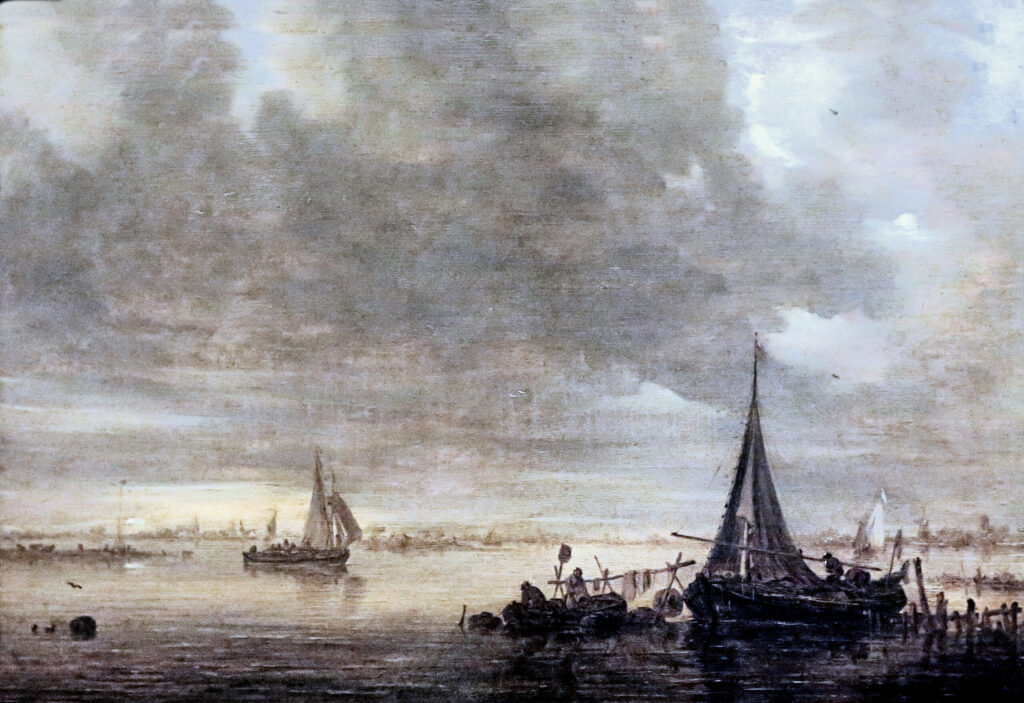
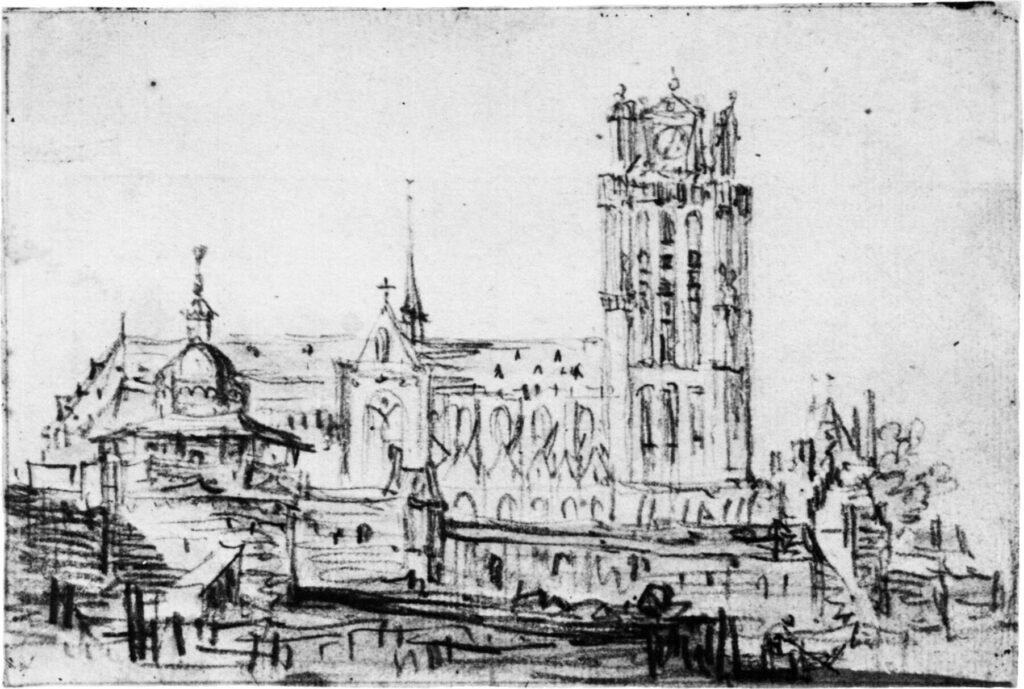
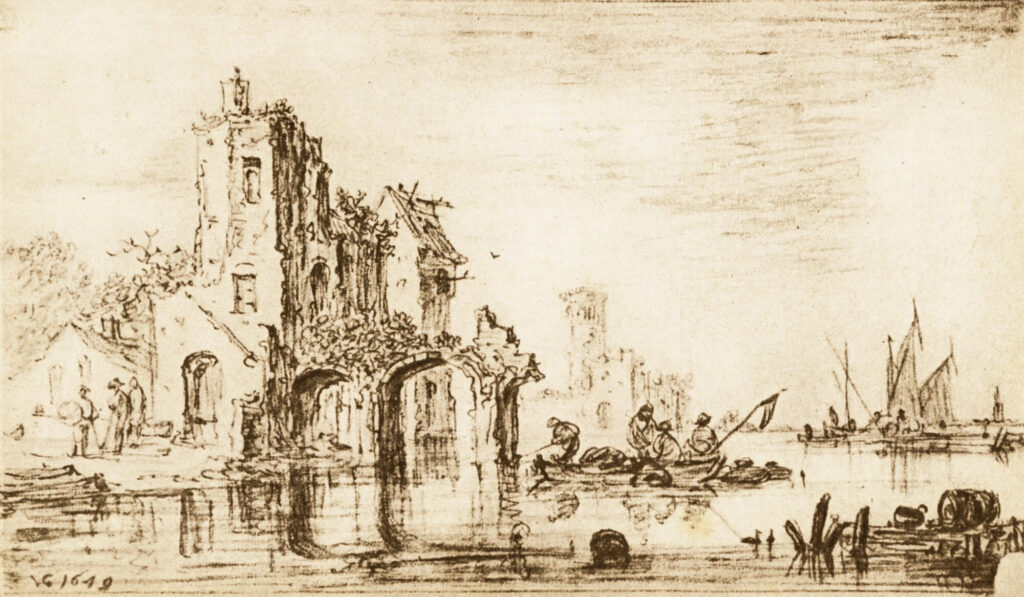
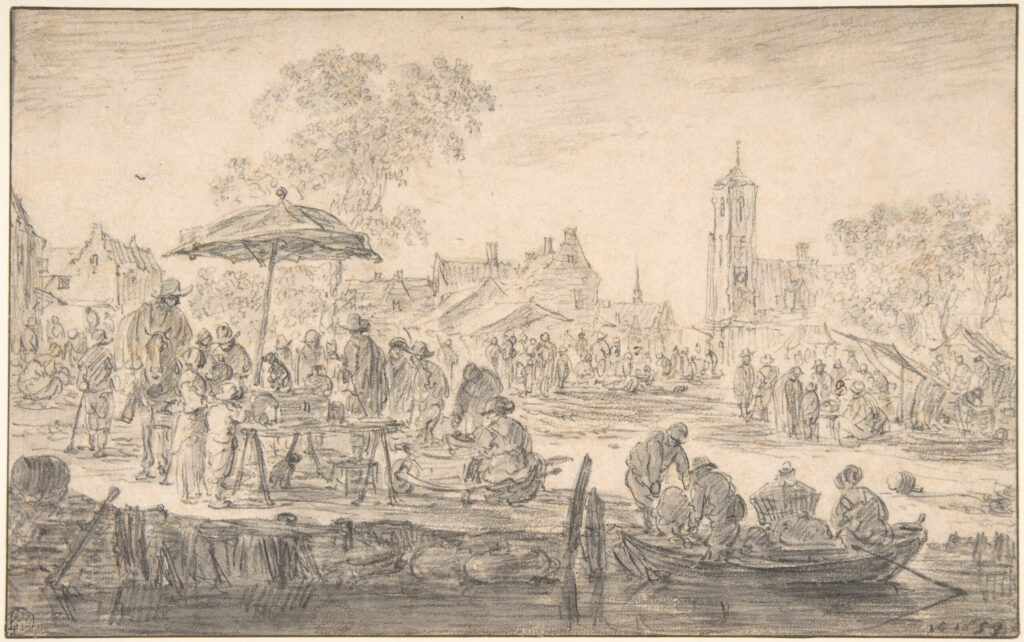
Jan van Goyen, January 13, 1596–April 27, 1656, was a Dutch landscape painter born in Leiden and active principally in Leiden and The Hague.
He trained in Leiden with Coenraet Schilperoort and other local masters, then studied in Haarlem with Esaias van de Velde. He entered the Leiden Guild of Saint Luke in 1618 and settled in The Hague in the early 1630s.
His documented pupils included Nicolaes Berchem, Jan Steen, and Adriaen van der Kabel. His paintings and drawings are held by the Rijksmuseum, Louvre Museum, National Gallery in London, Metropolitan Museum of Art, National Gallery of Art, Alte Pinakothek, and Fine Arts Museums of San Francisco, among other collections.

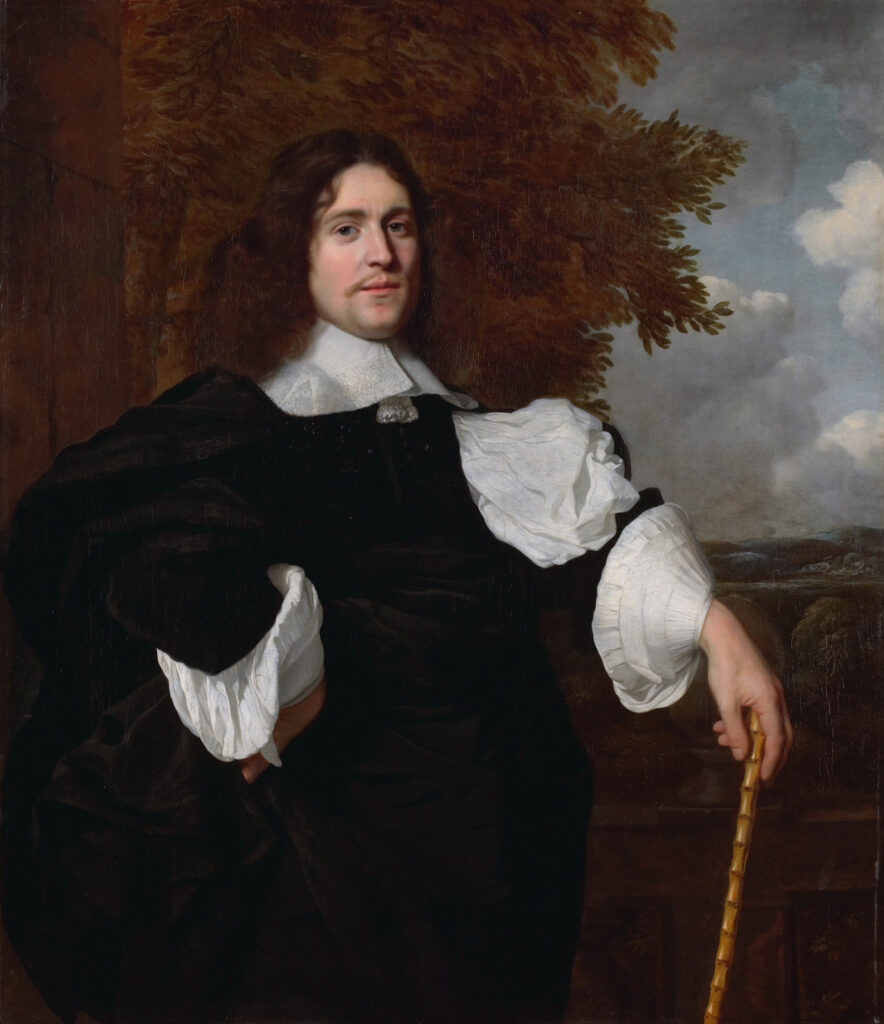
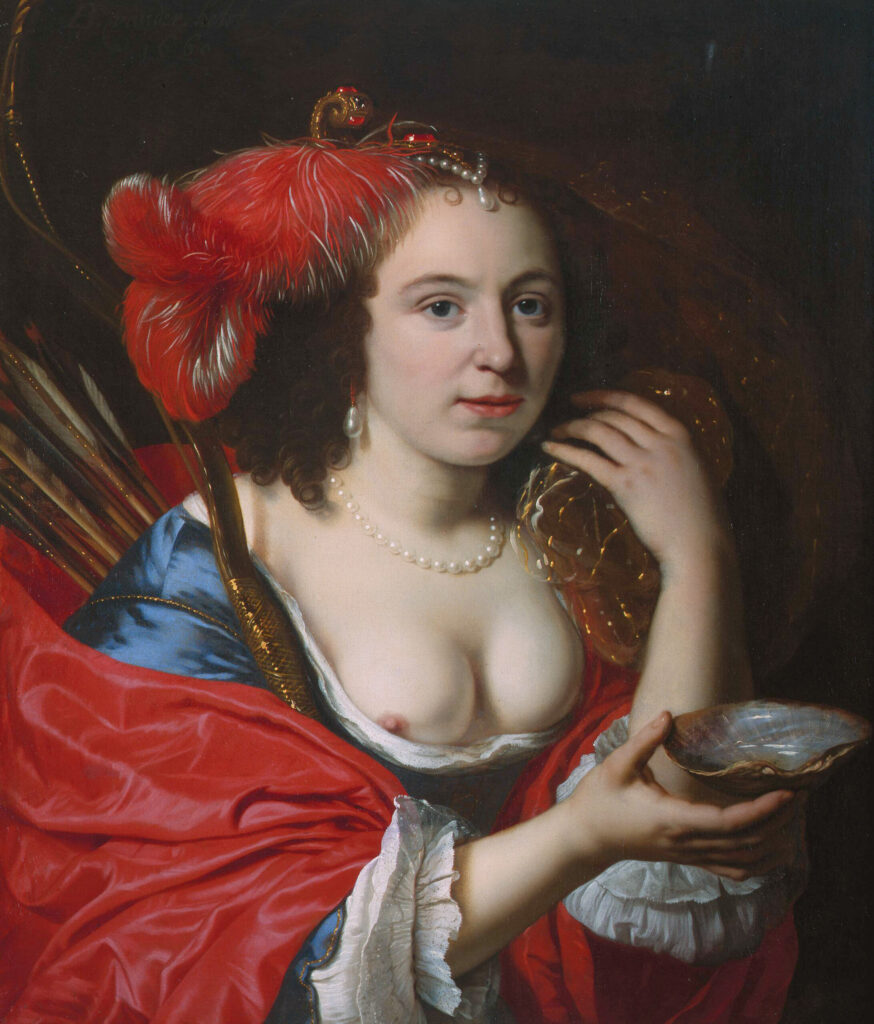
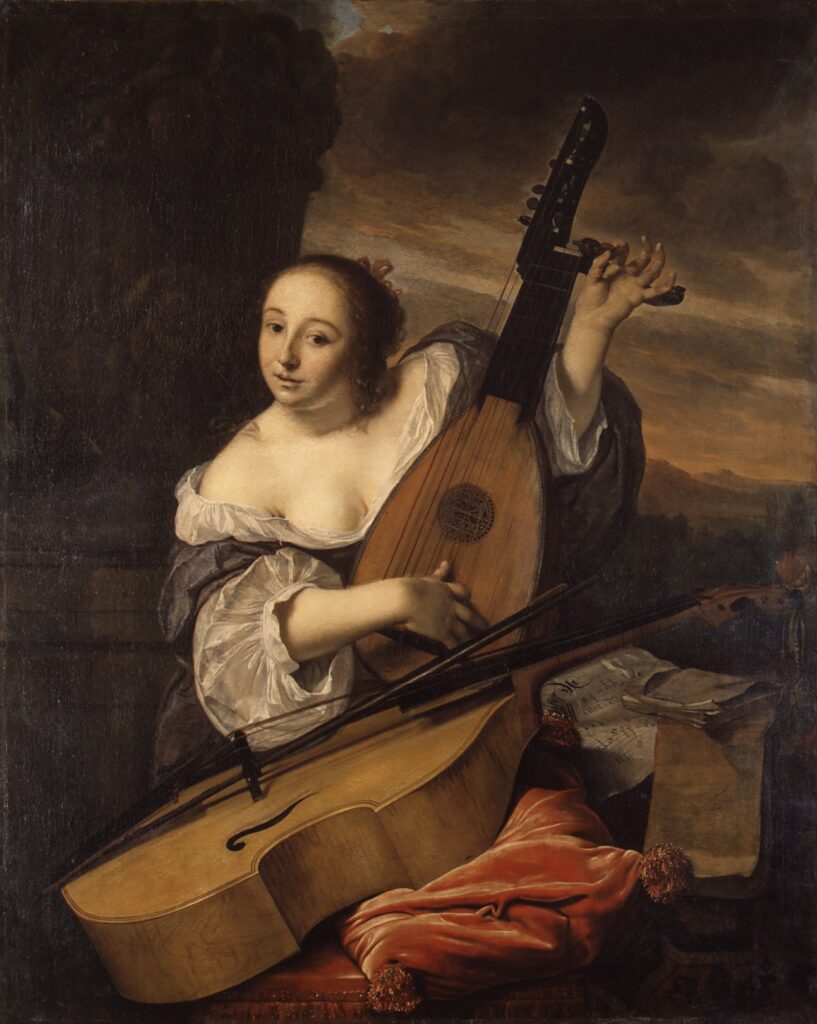
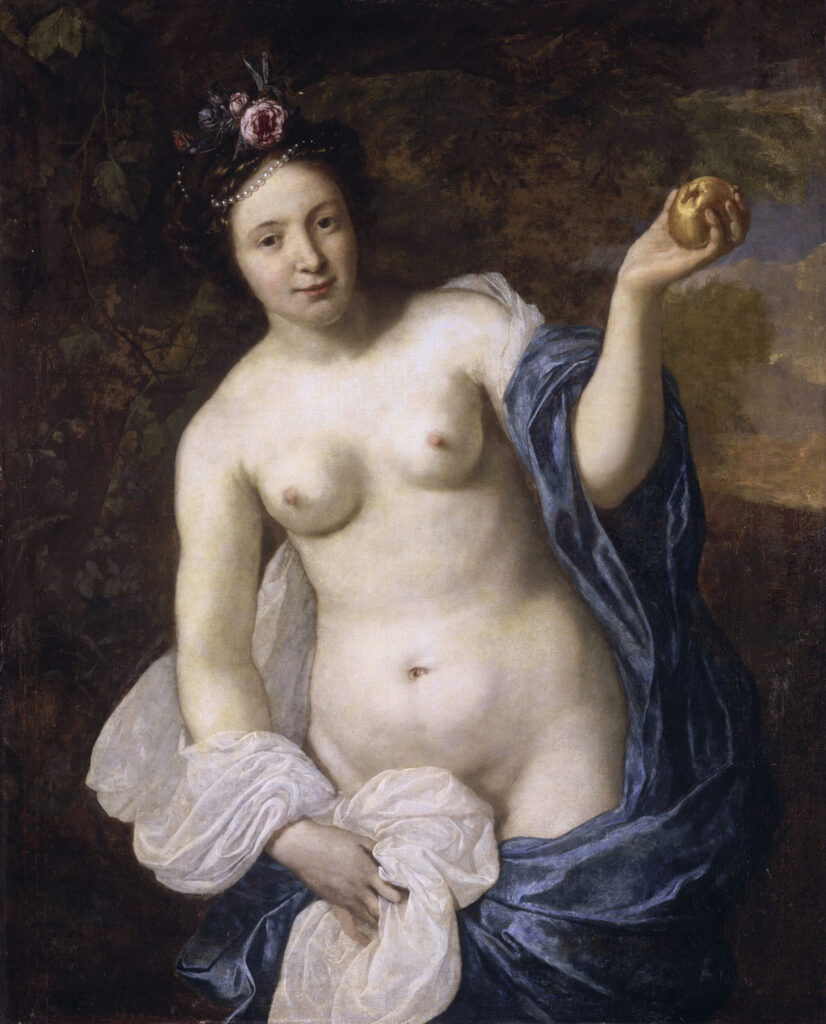
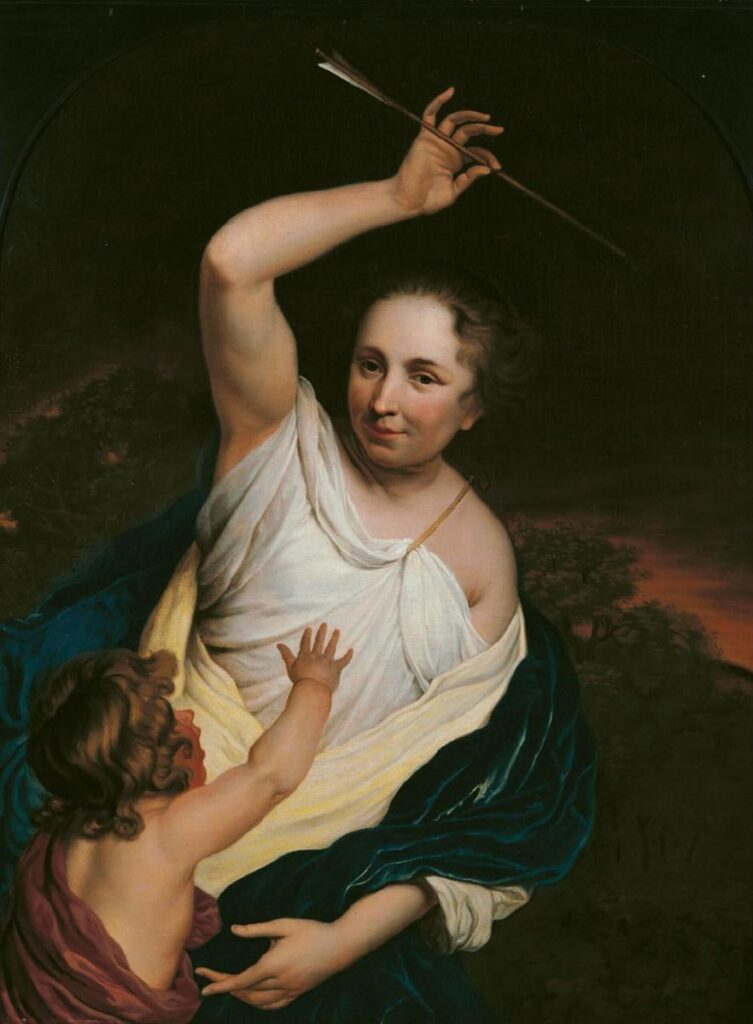
Bartholomeus van der Helst
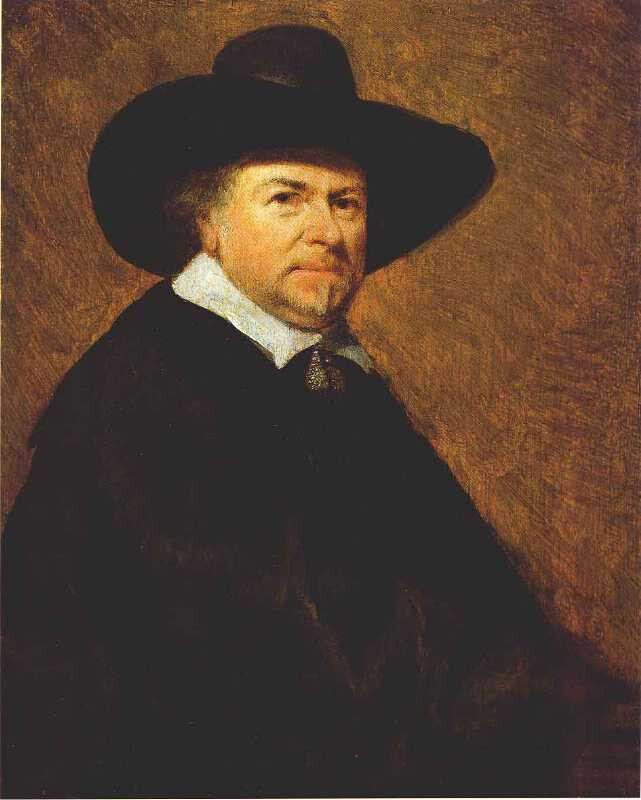
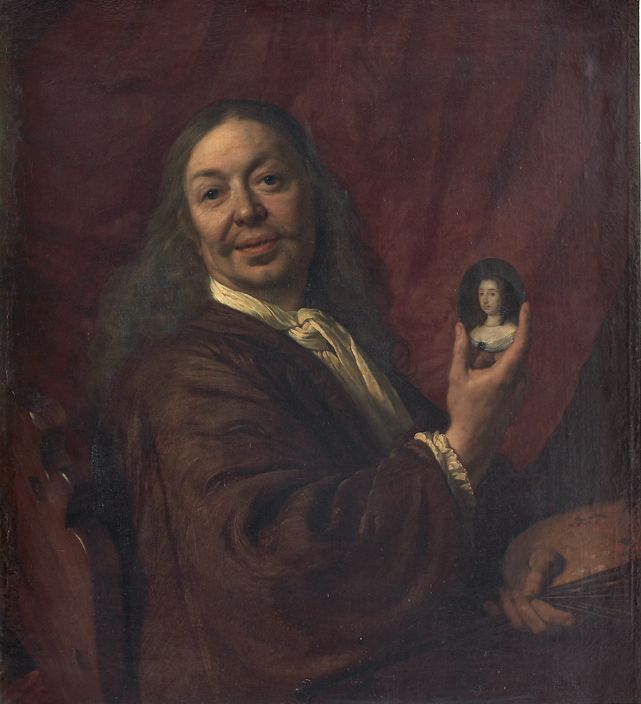
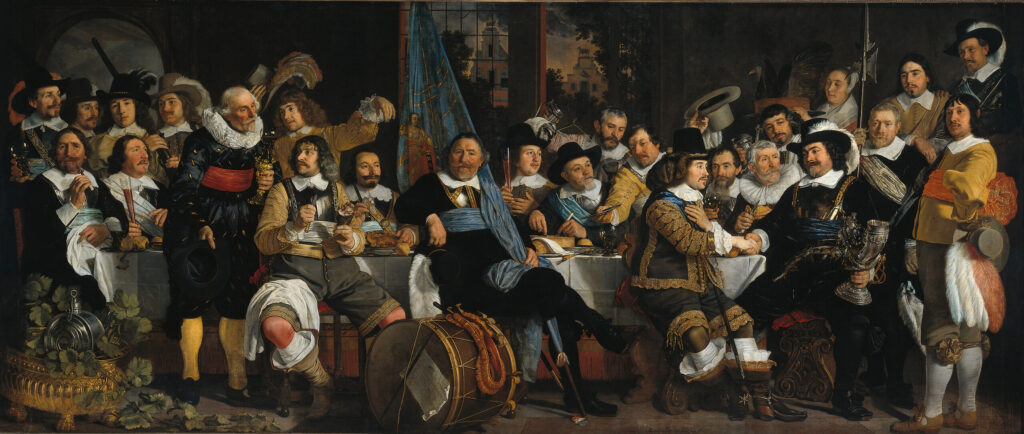
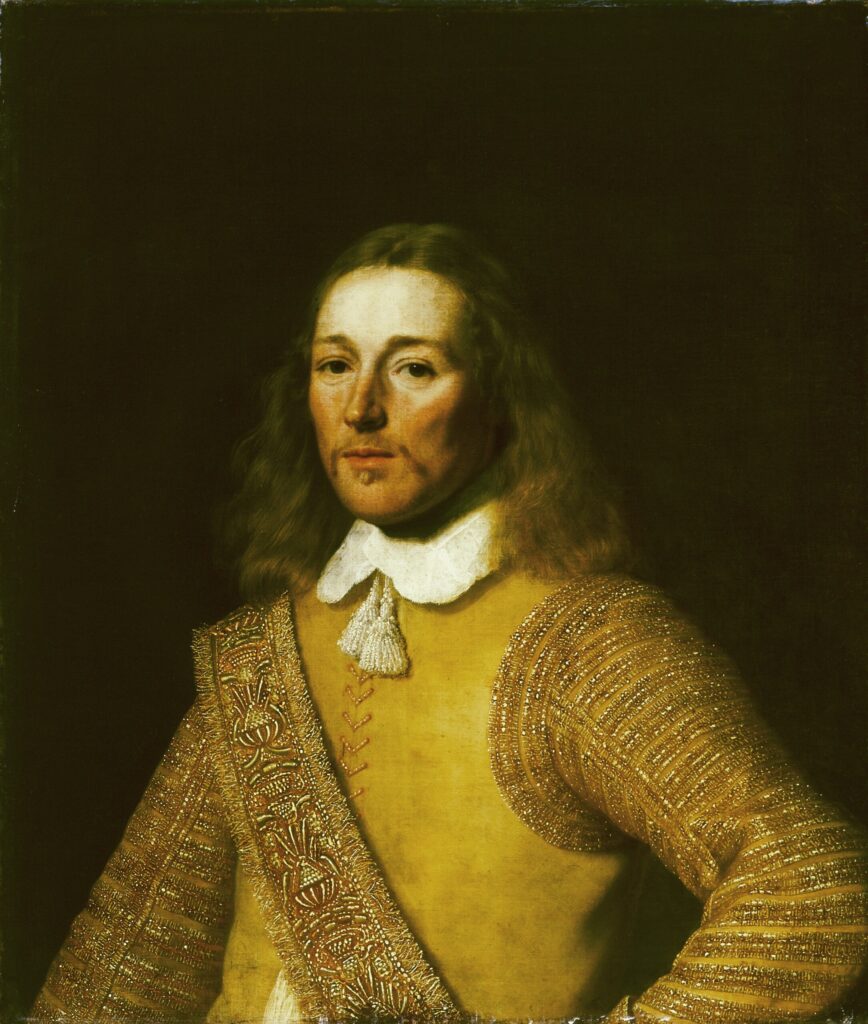
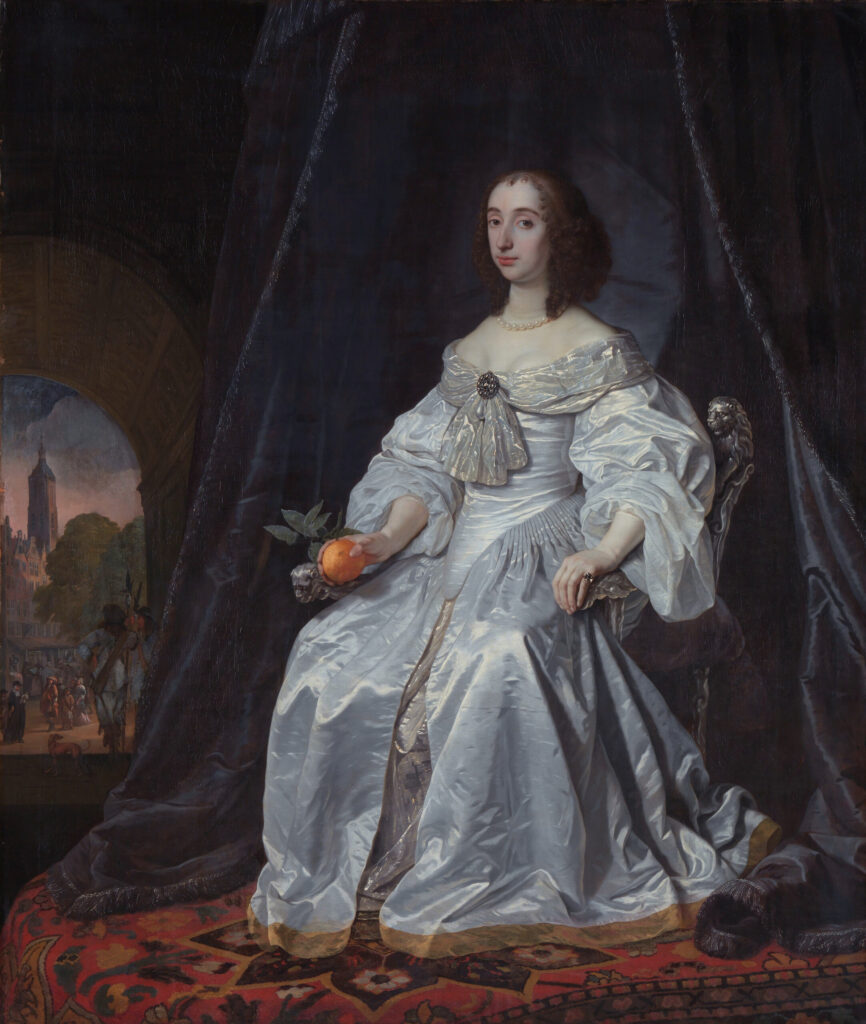
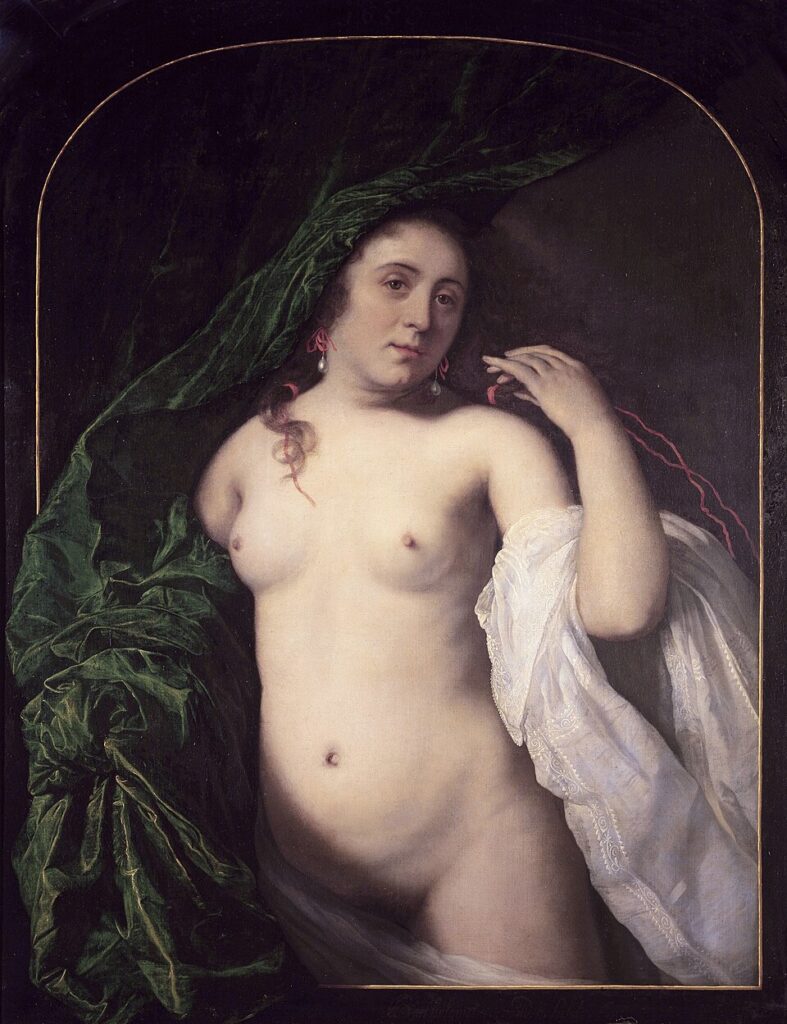
Bartholomeus van der Helst, 1613–December 16, 1670, was a Dutch painter born in Haarlem. He settled in Amsterdam before 1636 and may have trained there with Nicolaes Eliaszoon Pickenoy; his first dated painting is from 1637.
Van der Helst specialized in individual, family and civic-guard portraits for Amsterdam’s governing and mercantile families. His patrons also included members of the stadtholder’s circle, and his pupils included his son Lodewijk van der Helst and Marcus Waltes.
Van der Helst was buried in Amsterdam on December 16, 1670. His paintings are held by the Rijksmuseum, Amsterdam Museum, Louvre Museum, Metropolitan Museum of Art, Uffizi Galleries and other public collections.














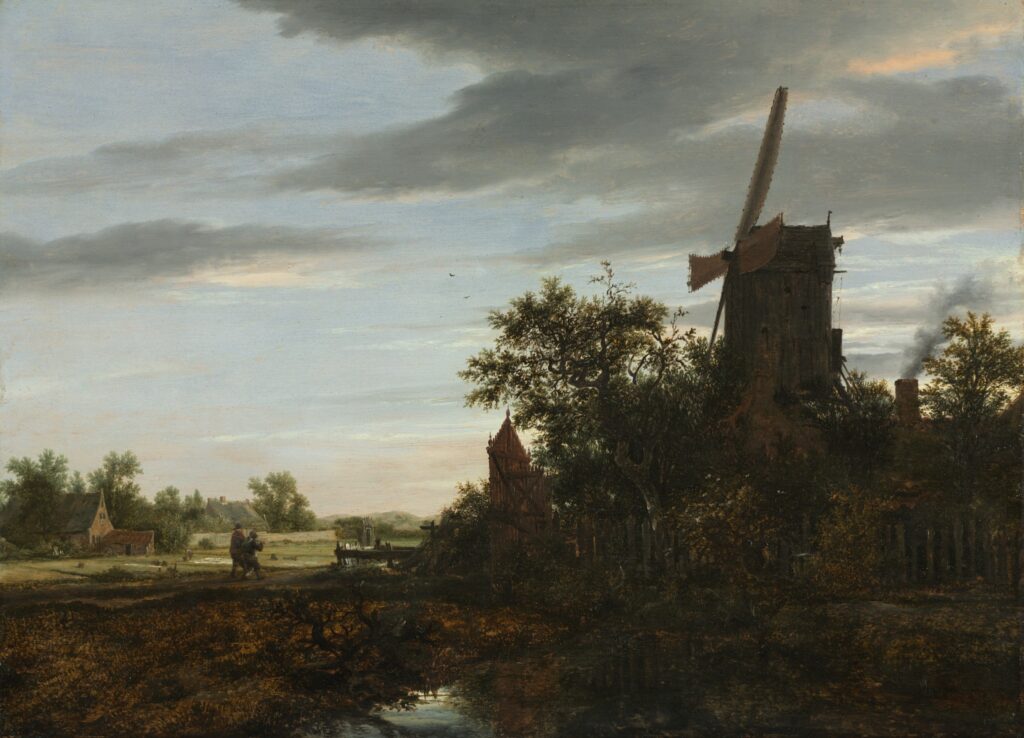
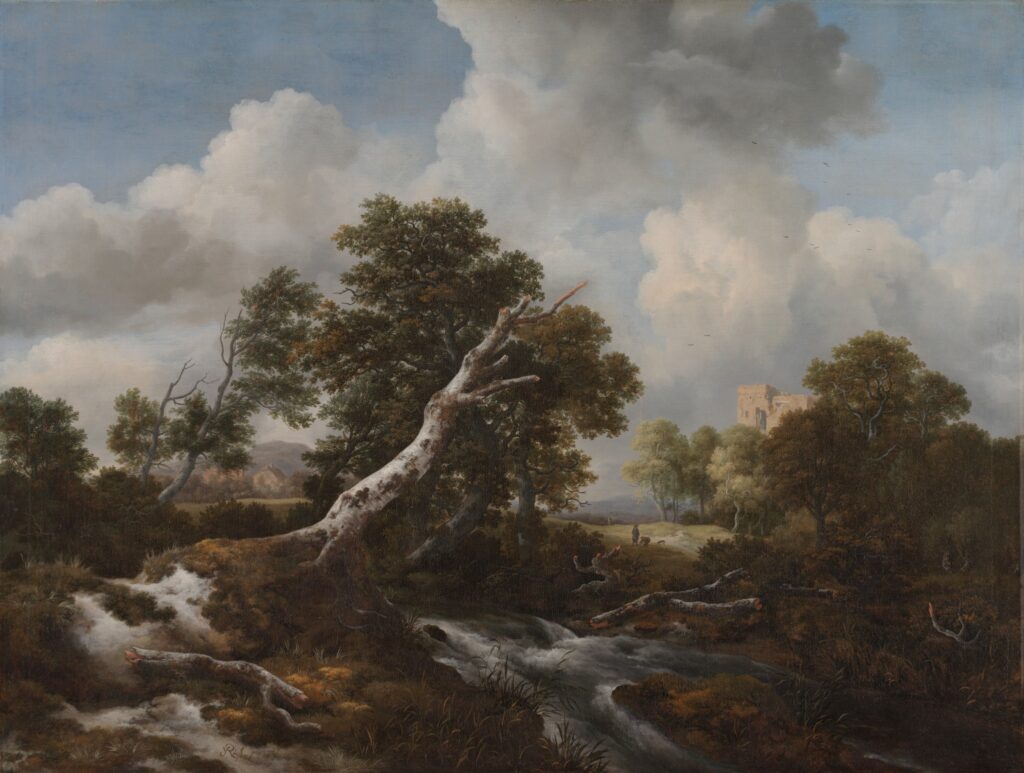
Jacob van Ruisdael
Jacob van Ruisdael, c 1629–March 10, 1682, was a Dutch painter, draftsman, and etcher from Haarlem. He entered the Haarlem Guild of St Luke in 1648 and probably learned painting from his father, Isaack van Ruisdael, and his uncle Salomon van Ruisdael.
During the early 1650s he traveled in Westphalia with Nicolaes Berchem and, about 1656, settled in Amsterdam. He painted landscapes, city views, drawings, and etchings; Meindert Hobbema was his pupil.
Ruisdael died in Amsterdam or Haarlem and was buried in Haarlem in 1682. His works are held by institutions including the Rijksmuseum, the Louvre Museum, The Metropolitan Museum of Art, and the National Gallery of Art.






Joachim Wtewael
Joachim Anthonisz Wtewael, August 1566 – August 1, 1638, was a Dutch painter, draftsman, and engraver associated with Northern Mannerism. He was born and spent most of his life in Utrecht. After training in glassmaking and engraving under his father and Josua de Beer, he traveled to Italy and France in the late 1580s while in the service of the Bishop of Saint-Malo. There he encountered the work of the Fontainebleau School and the international Mannerist style, influences that remained central to his art throughout his career.
Wtewael became one of the leading Dutch Mannerist painters of the generation before the rise of naturalism in the Dutch Republic. He is known for religious subjects, mythological scenes, allegories, portraits, and cabinet paintings executed on copper as well as larger works on canvas. His paintings are characterized by complex compositions, vivid color, and elongated figures. Although active during the lifetimes of artists such as Peter Paul Rubens and Rembrandt van Rijn, he retained a highly personal Mannerist style rather than adopting newer Baroque conventions.
In addition to his artistic career, Wtewael was a successful flax merchant and a prominent citizen of Utrecht, serving on the city council. His sons Peter and Jan Wtewael also became painters, though neither achieved his reputation. Today his works are held in major collections including the Louvre Museum, Metropolitan Museum of Art, Mauritshuis, Centraal Museum, Museo Nacional del Prado, and Rijksmuseum.


