Gerrit van Honthorst
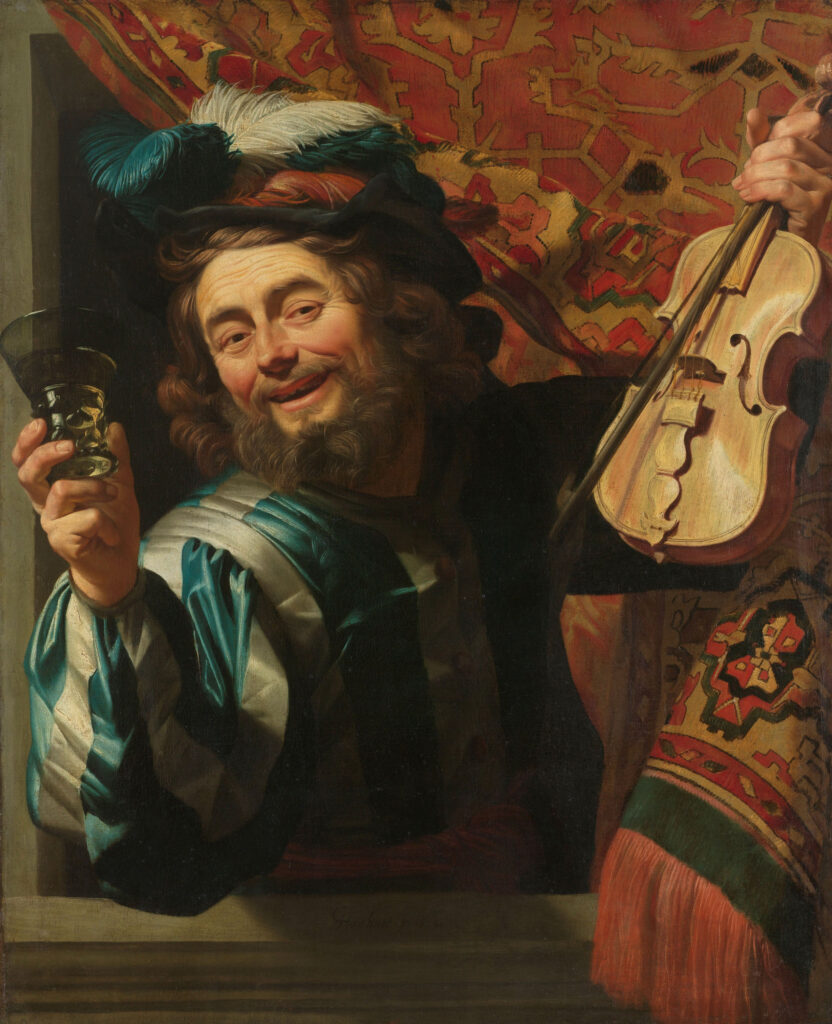
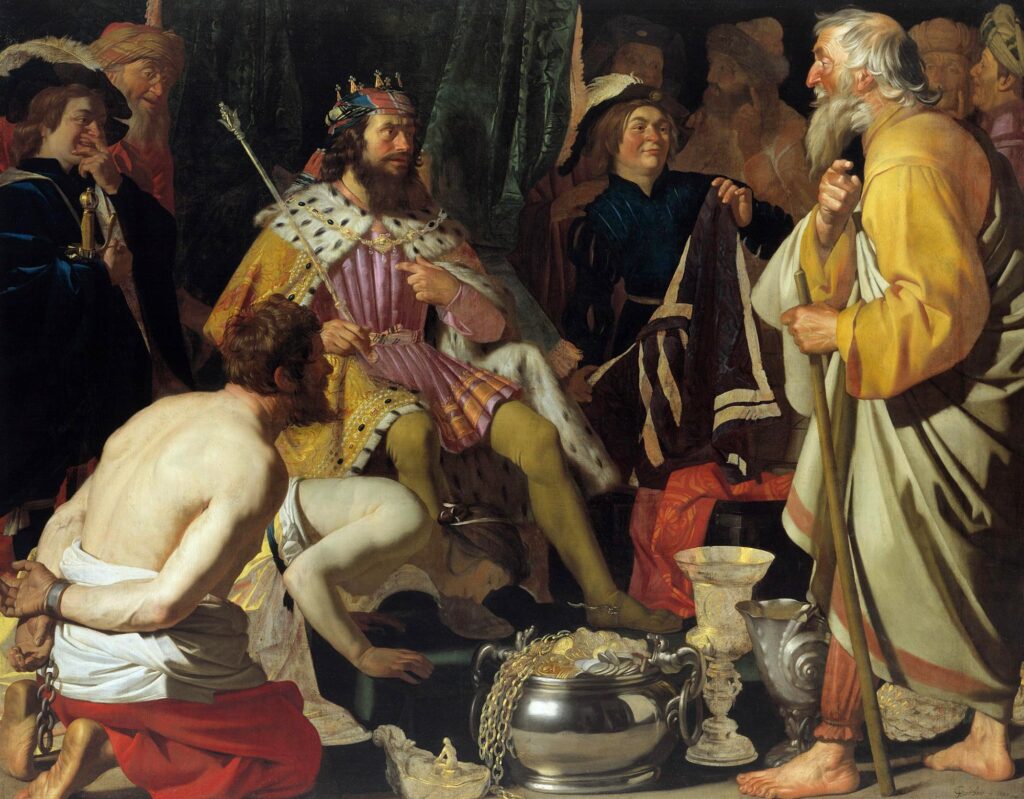
Gerrit van Honthorst, November 4, 1592 – April 27, 1656, was a Dutch painter and draftsman born in Utrecht. He trained with Abraham Bloemaert before traveling to Italy, where he worked in Rome and developed a reputation for paintings illuminated by artificial light under the influence of Caravaggio.
After returning to Utrecht in 1620, Honthorst established a large studio and became a founder of the Utrecht painters’ guild. He worked for patrons including the Orange-Nassau court, Charles I of England, and Christian IV of Denmark, and his pupils included Joachim van Sandrart, Gerard van Kuijl, and Jan Both. His work included religious and genre scenes, musical subjects, and court portraits.
Honthorst worked in The Hague during the later part of his career and returned to Utrecht in 1652, where he died in 1656. His paintings are held by collections including the National Gallery, Rijksmuseum, Centraal Museum, National Gallery of Art, J. Paul Getty Museum, Cleveland Museum of Art, and Los Angeles County Museum of Art.




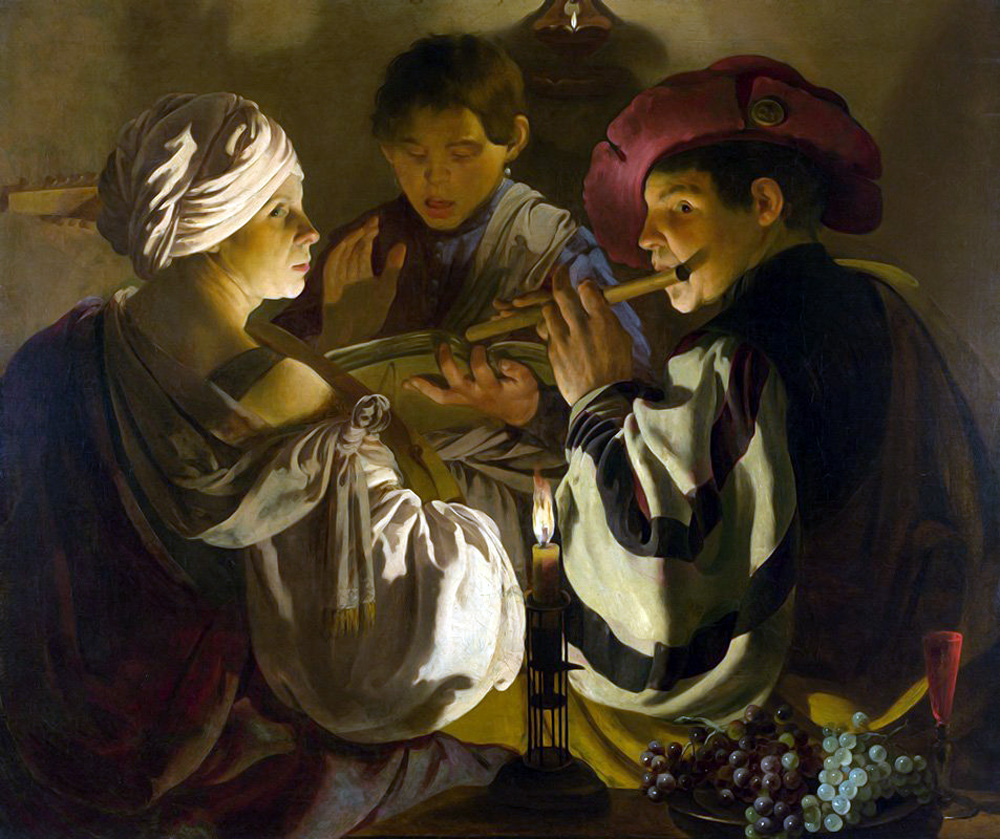
Hendrick ter Brugghen
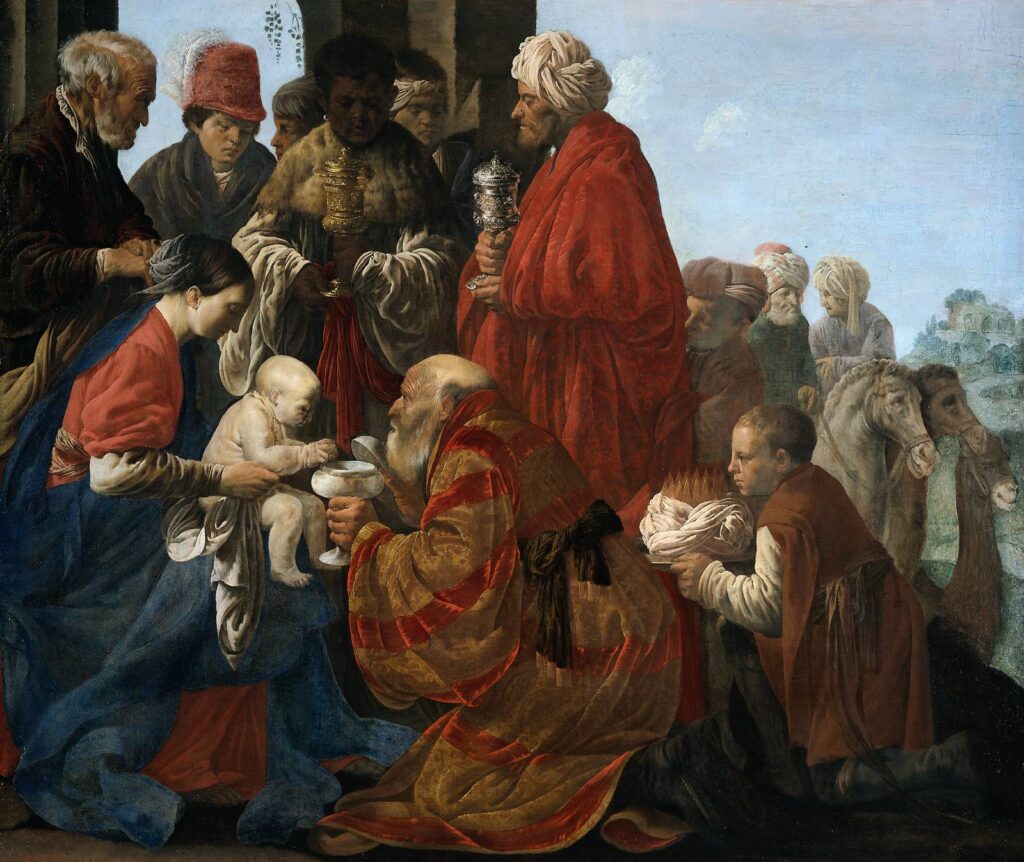
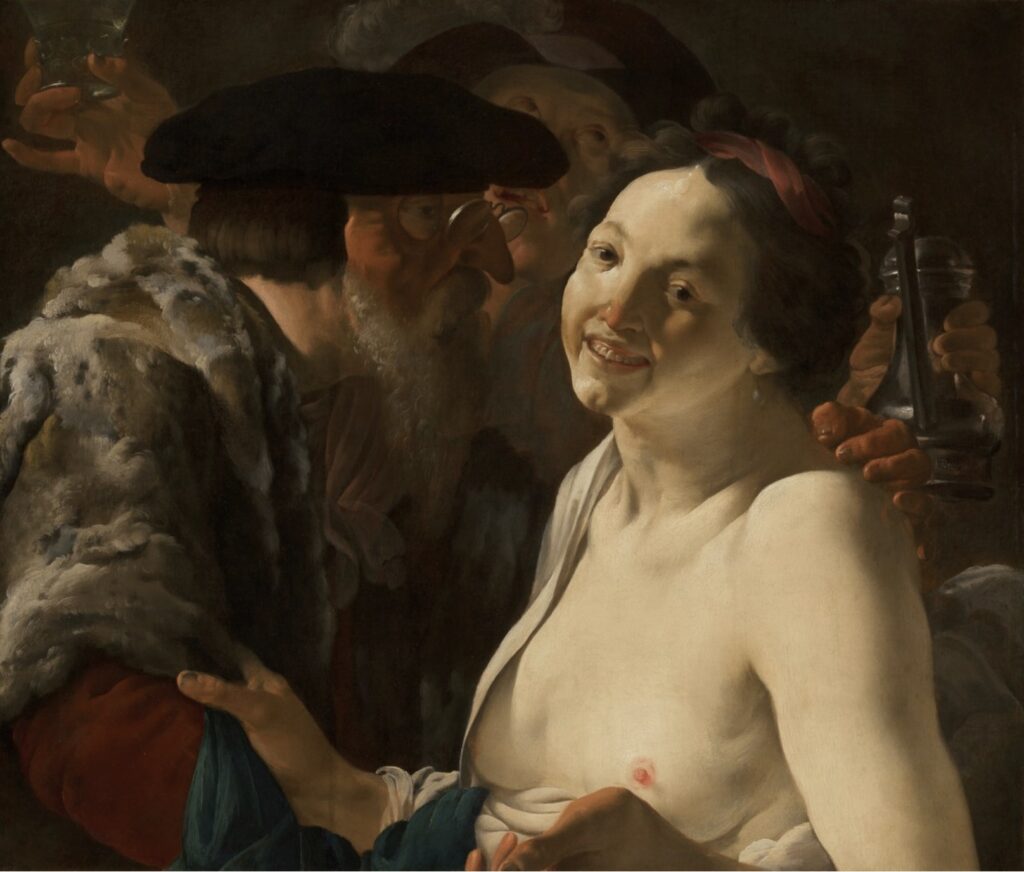
Hendrick ter Brugghen, 1588 – November 1, 1629, was a Dutch painter of religious subjects, genre scenes, musicians, and historical figures. He was probably born in The Hague and was raised in or near Utrecht.
Ter Brugghen studied with Abraham Bloemaert before traveling to Italy, where he spent about a decade and encountered the work of Caravaggio and his followers. He returned to Utrecht by 1615.
Along with Gerrit van Honthorst and Dirck van Baburen, Ter Brugghen became one of the principal Utrecht Caravaggisti. His paintings combine dramatic lighting, closely grouped figures, and direct observation with a distinctive use of pale, clear color. He died in Utrecht.






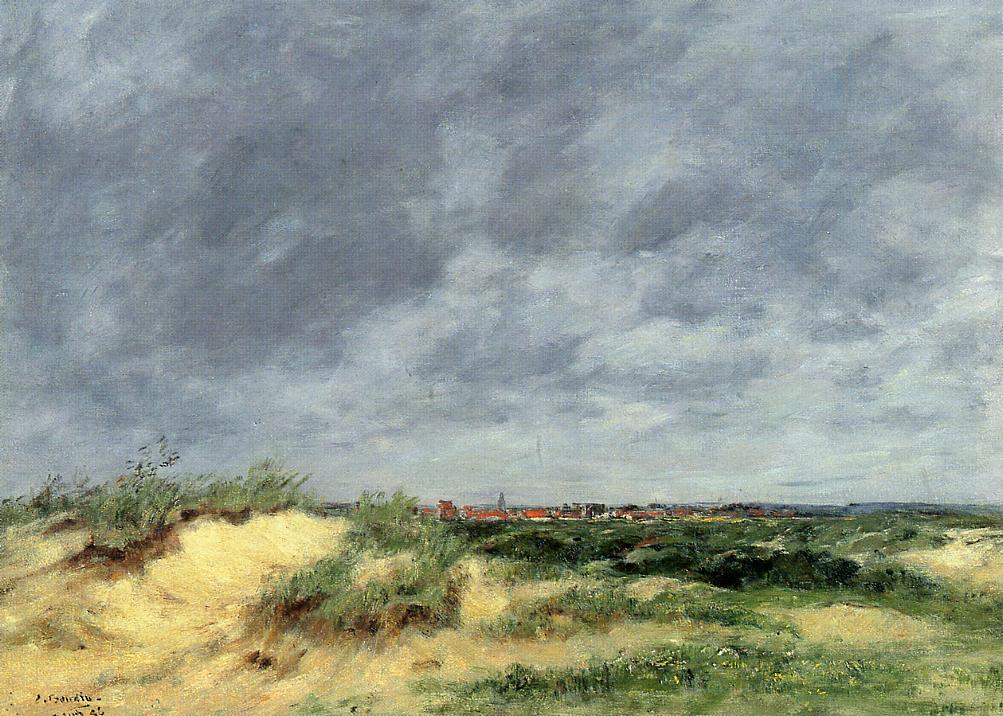
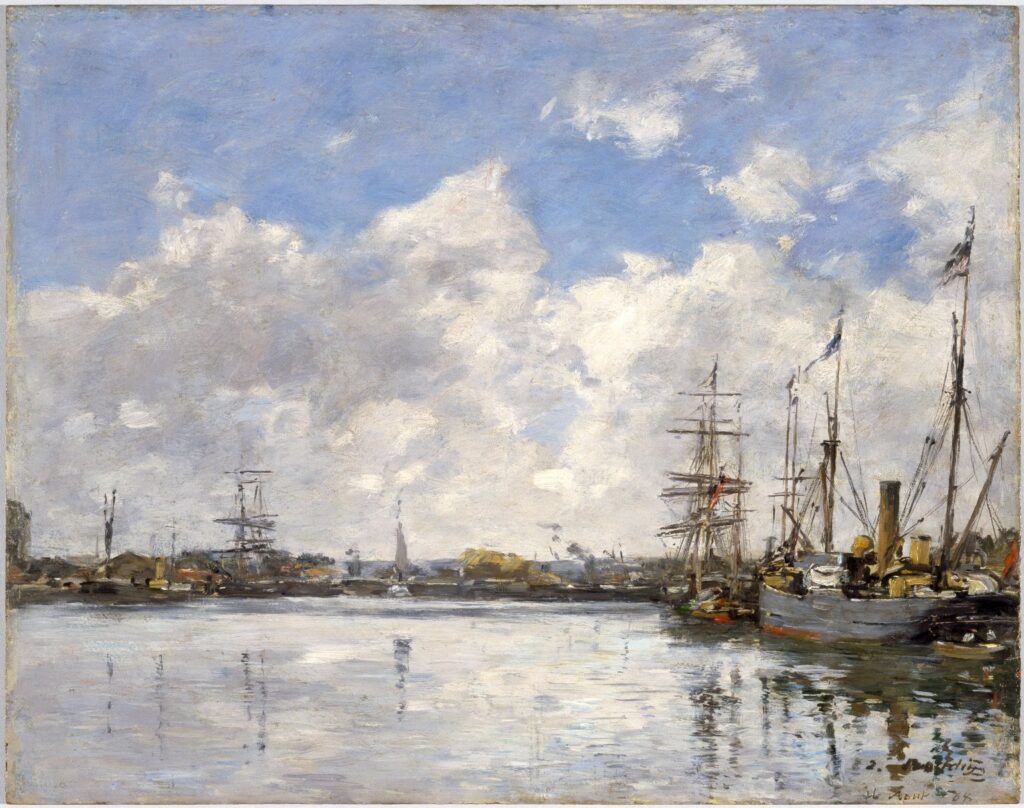
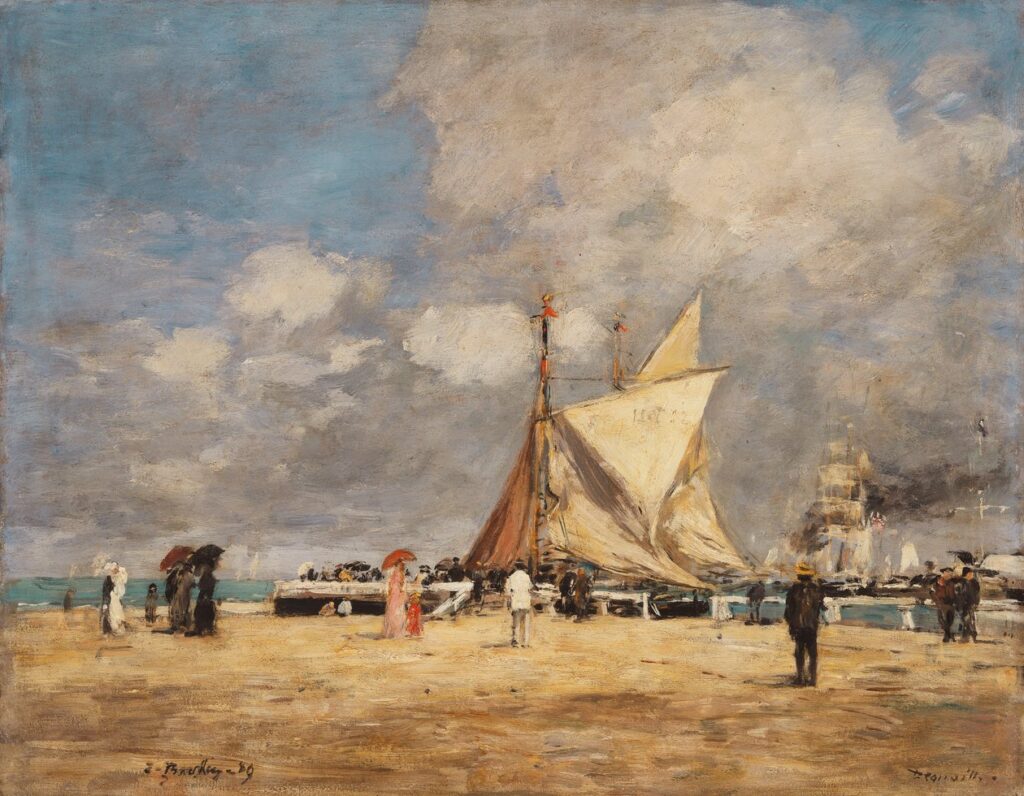
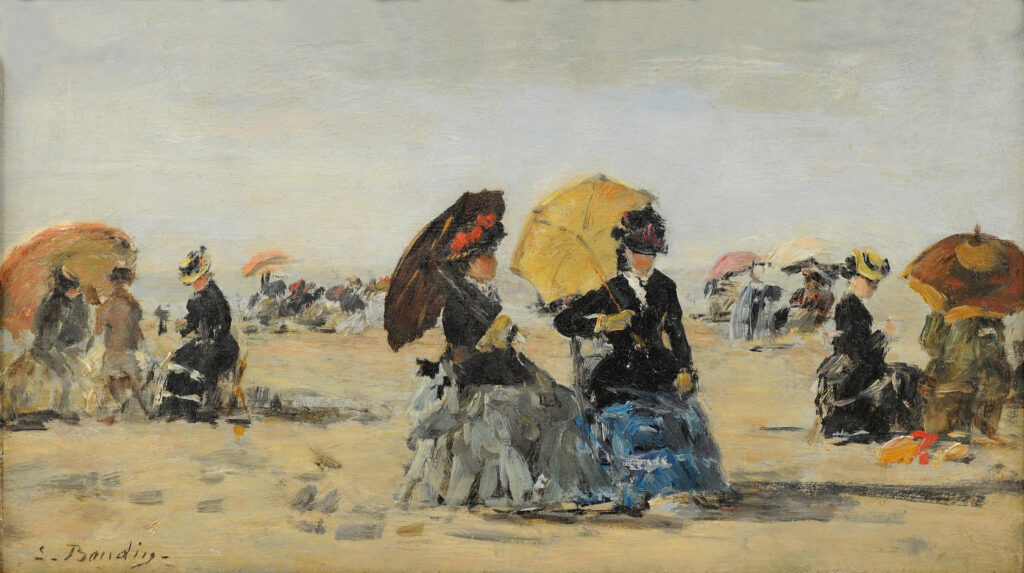
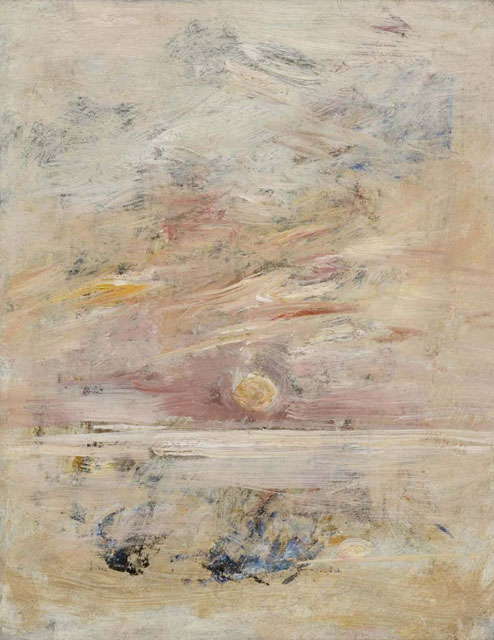
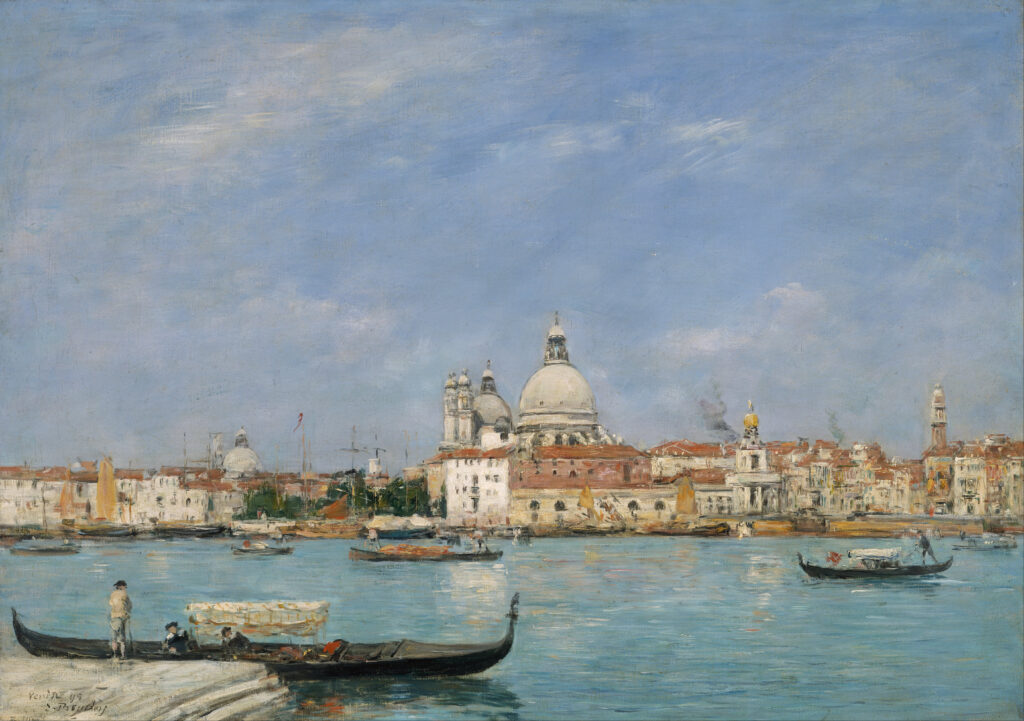
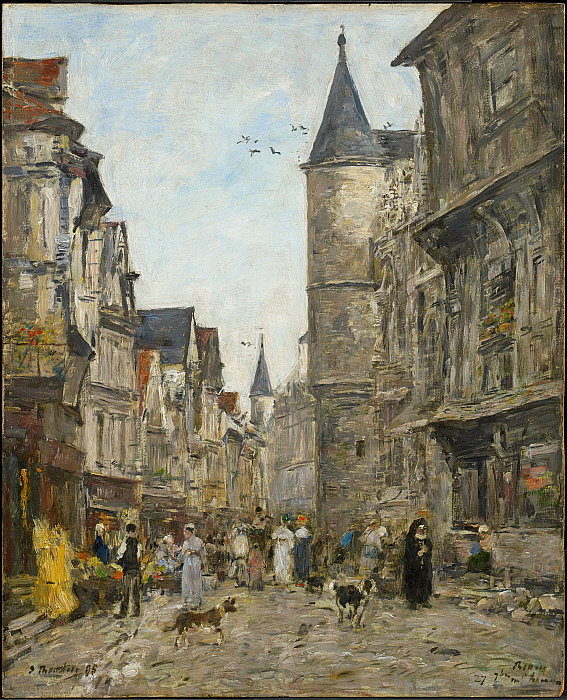
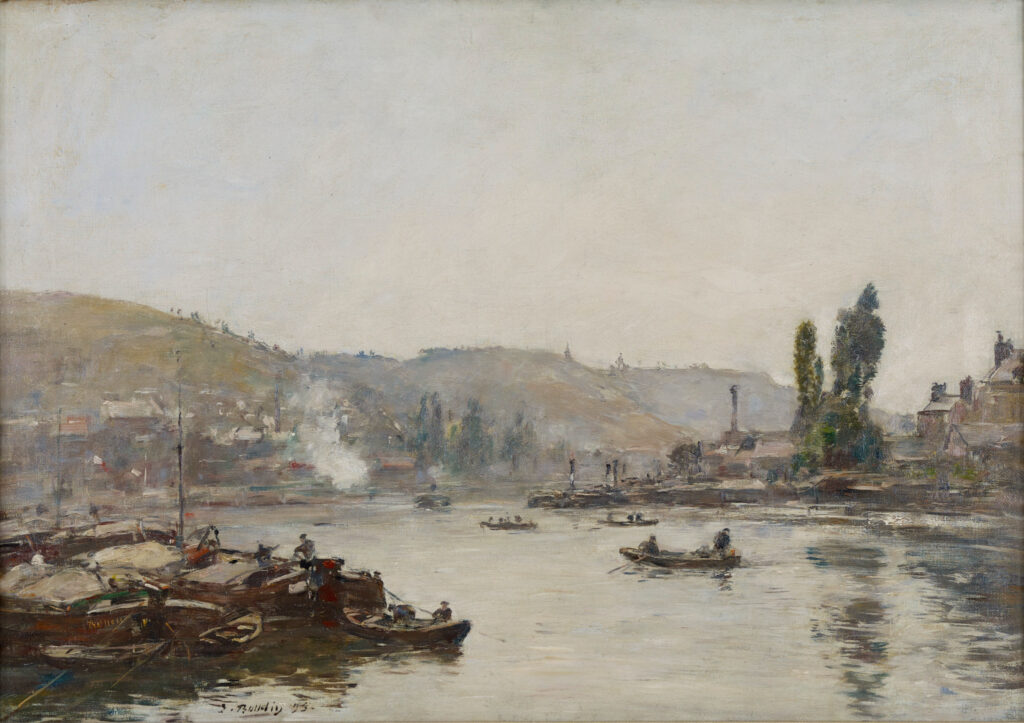
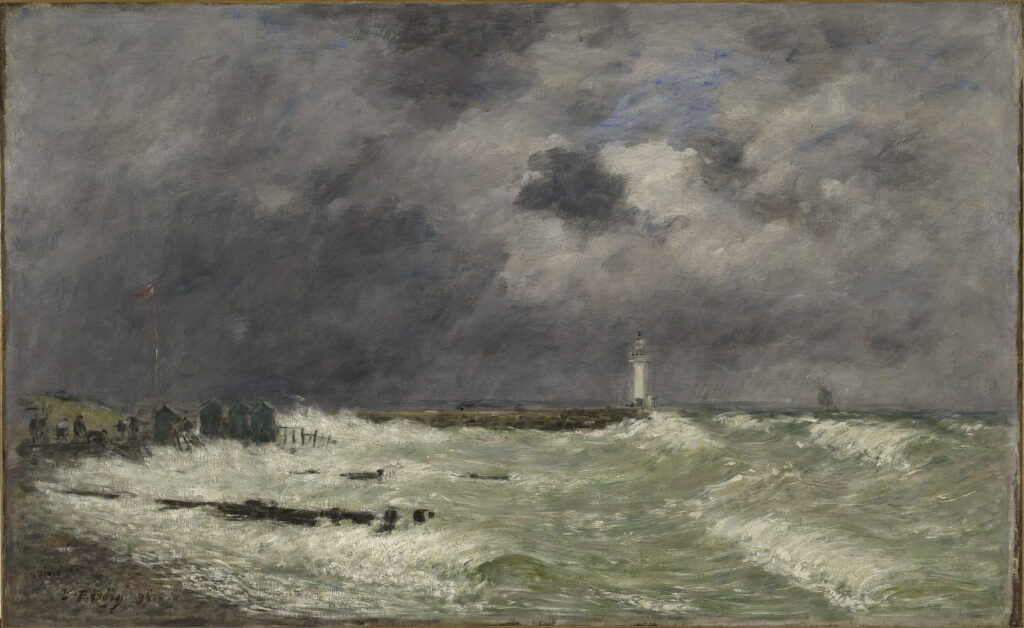
Eugène Boudin
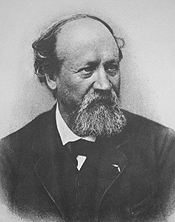
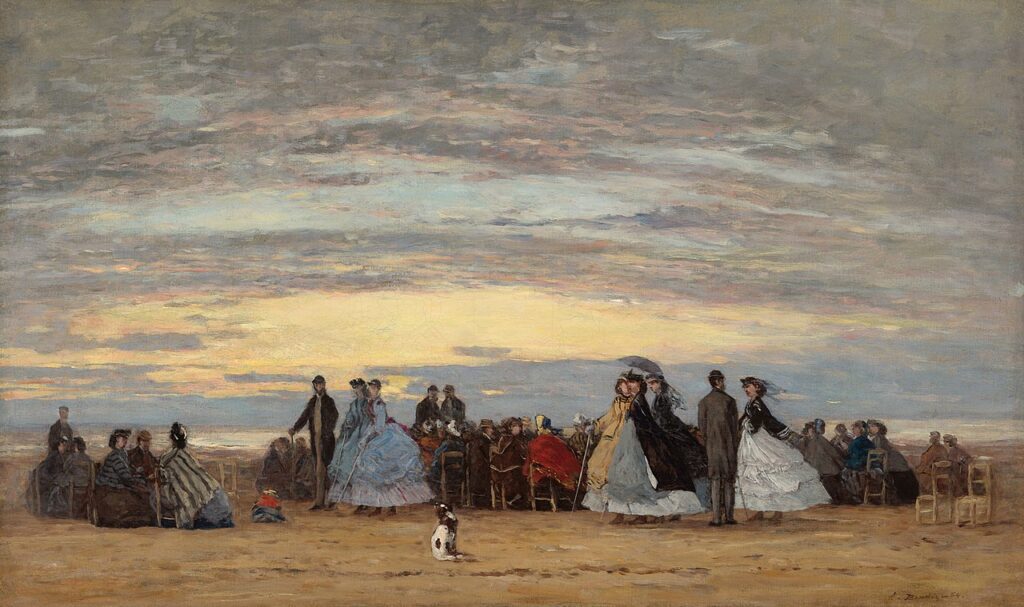
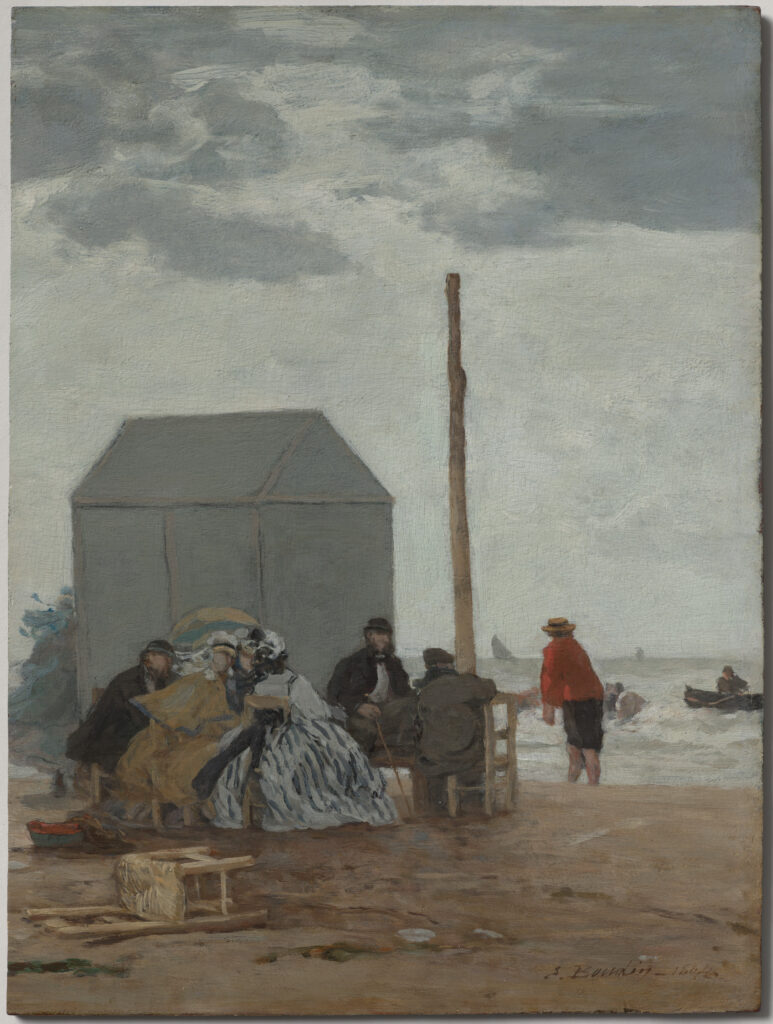
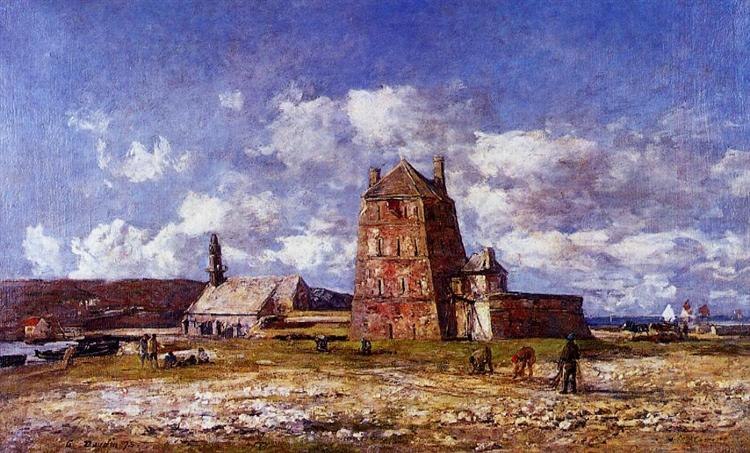
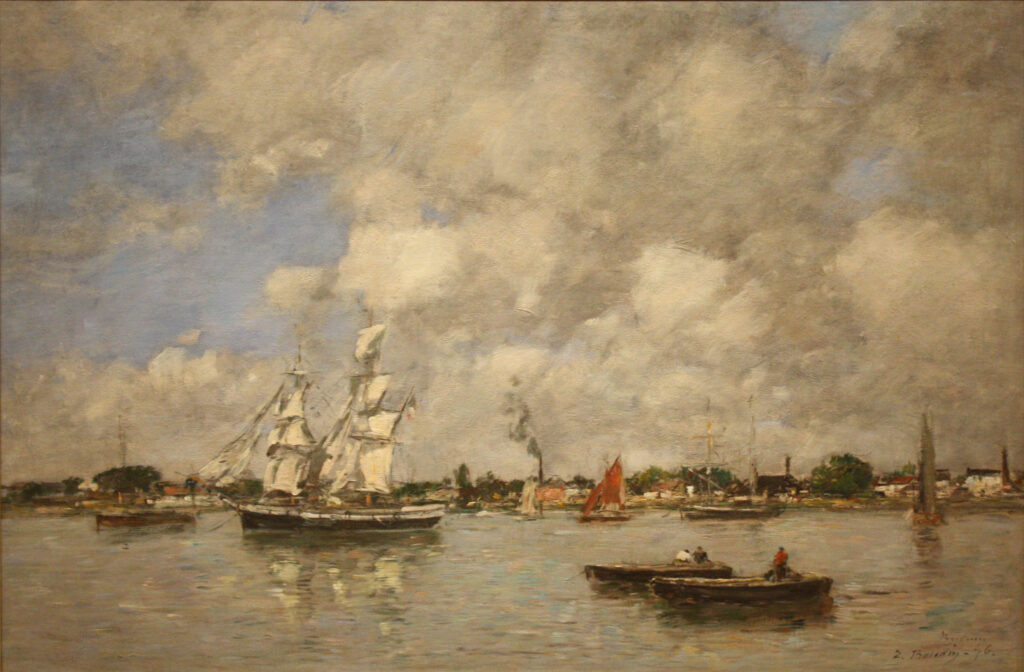
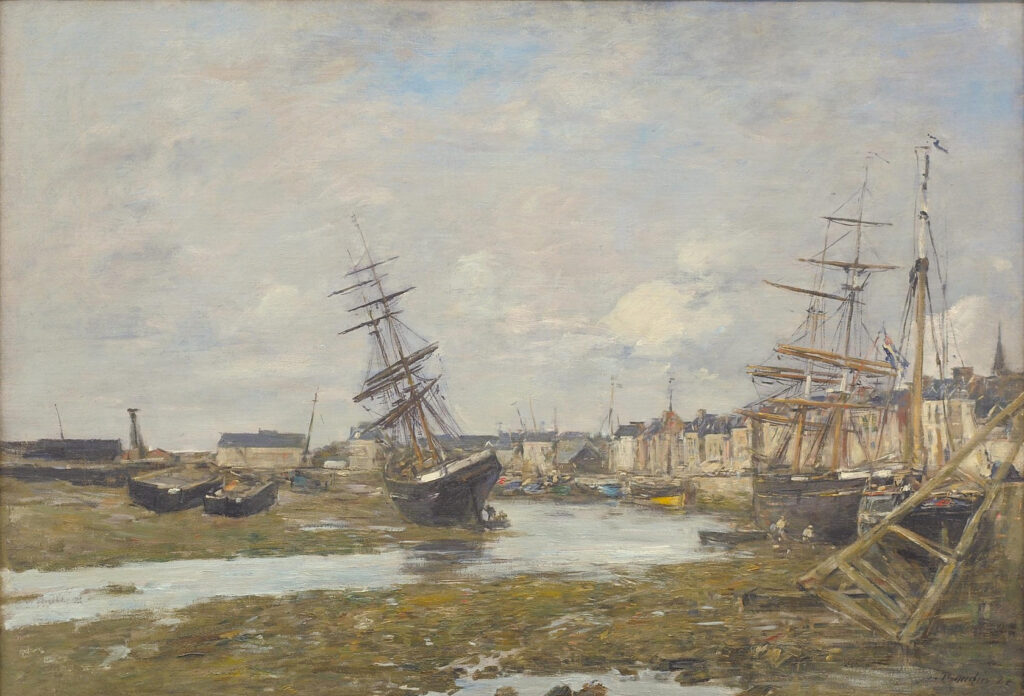
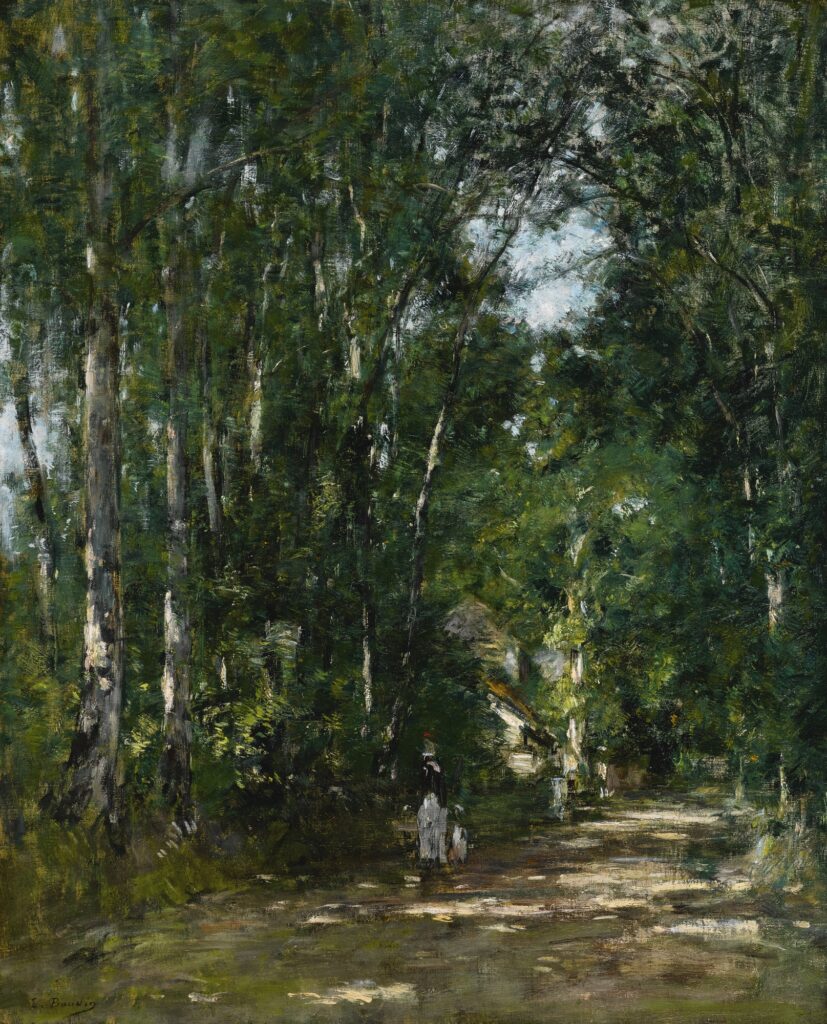
Eugène Louis Boudin, July 12, 1824 – August 8, 1898, was a French painter best known for marine subjects, coastal landscapes, and open-air studies of the sky and sea. He was born in Honfleur, Normandy, where his father worked as a harbor pilot and sailor. After working in a stationery and framing shop that served local artists, Boudin began painting and received encouragement from several established painters, including Jean-François Millet. He studied in Paris and at the Louvre while maintaining close ties to the Normandy coast.
Boudin became known for scenes of beaches, harbors, fishing communities, and fashionable seaside resorts. He was an early practitioner of painting outdoors, producing numerous oil sketches directly from nature. His studies of changing weather and atmospheric effects influenced younger artists, most notably Claude Monet, whom he encouraged to paint outdoors. Although associated with the development of Impressionism, Boudin maintained an independent artistic identity throughout his career and regularly exhibited at the Paris Salon as well as the first Impressionist exhibition in 1874.
Boudin did not establish a formal school of pupils, but his influence on Monet and other landscape painters was significant. His work is held in major collections including the Louvre, Paris; the Musée d’Orsay, Paris; the National Gallery of Art, Washington DC; the Metropolitan Museum of Art, New York; the Museum of Fine Arts, Boston; and the Clark Art Institute, Williamstown.


Alfred Sisley
Alfred Sisley, October 30, 1839 – January 29, 1899, was a British painter born in Paris to English parents. He studied in the studio of Charles Gleyre, where he met Claude Monet, Pierre-Auguste Renoir, and Frédéric Bazille.
Sisley exhibited at the Paris Salon and later participated in the Impressionist exhibitions of 1874, 1876, 1877, and 1882. He worked chiefly as a landscape painter, depicting the Seine valley, Louveciennes, Port-Marly, Saint-Mammès, and Moret-sur-Loing.
Sisley settled at Moret-sur-Loing in 1880 and remained there during his final years. He died at Moret-sur-Loing in 1899; his paintings are held by institutions including the Musée d’Orsay, National Gallery in London, Metropolitan Museum of Art, and Art Institute of Chicago.


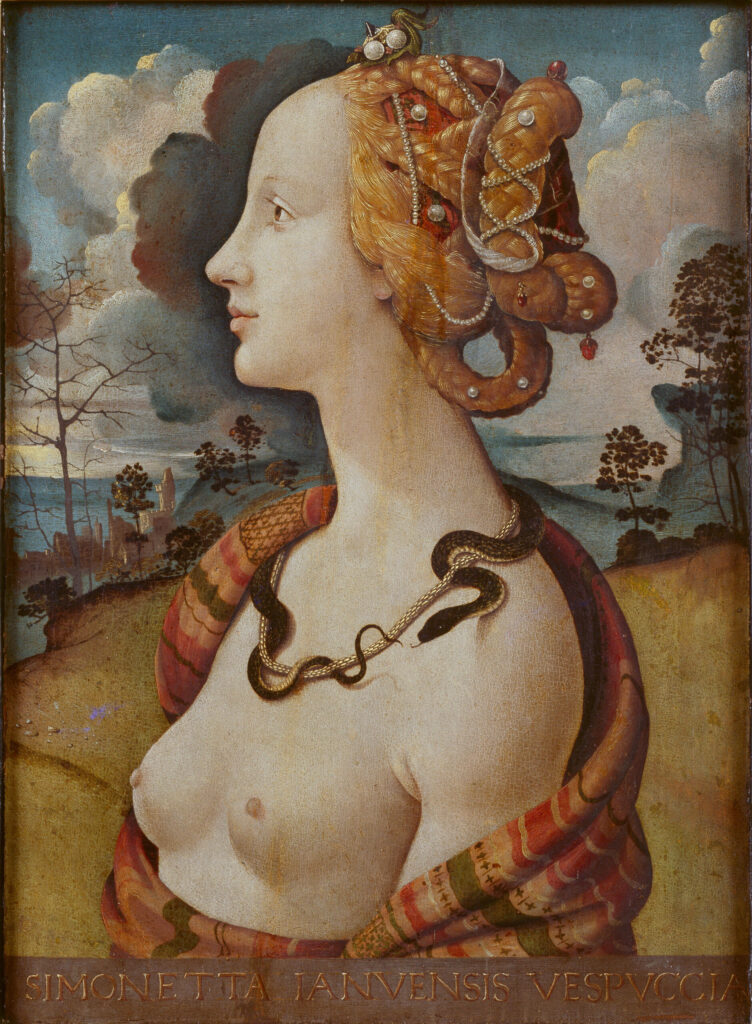
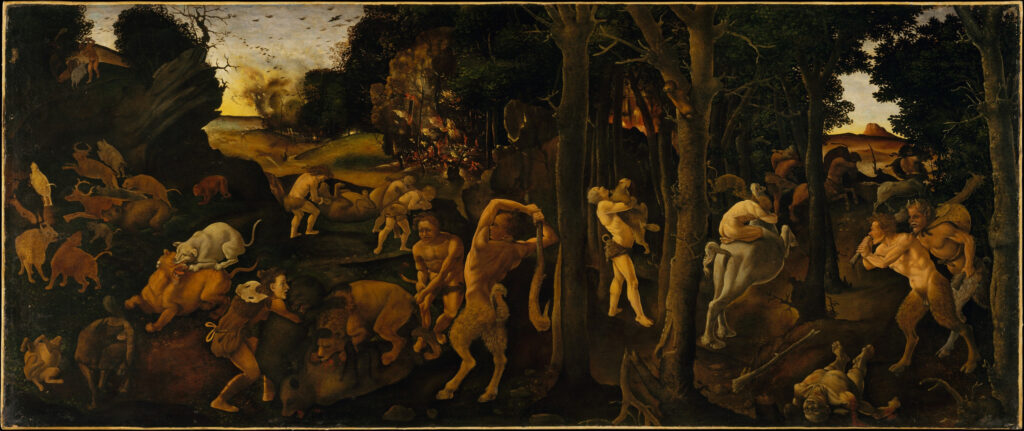
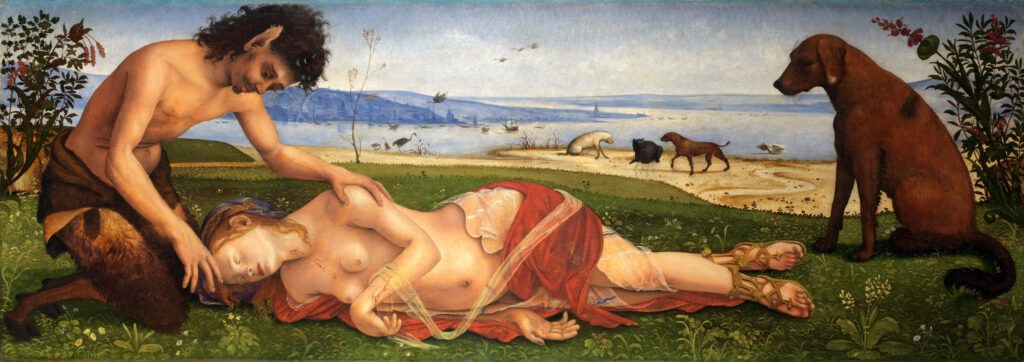
Piero di Cosimo
Piero di Cosimo, January 2, 1462–April 12, 1522, was an Italian Renaissance painter born and active in Florence. The son of Lorenzo di Piero d’Antonio, he entered Cosimo Rosselli’s workshop by 1480 and assisted him on the Sistine Chapel frescoes in Rome in 1481–1482.
He painted altarpieces, portraits, and mythological and allegorical scenes, including long spalliera panels for Florentine interiors. His work combined Florentine traditions with influences from Early Netherlandish painting and Leonardo da Vinci, and he was particularly noted for landscapes, animals, and narratives of humanity’s early history.
Piero spent his later career in Florence and died there in 1522. Andrea del Sarto was associated with his workshop according to Vasari. Major works are held by the Uffizi Gallery, National Gallery, Metropolitan Museum of Art, National Gallery of Art, and other European and North American collections.





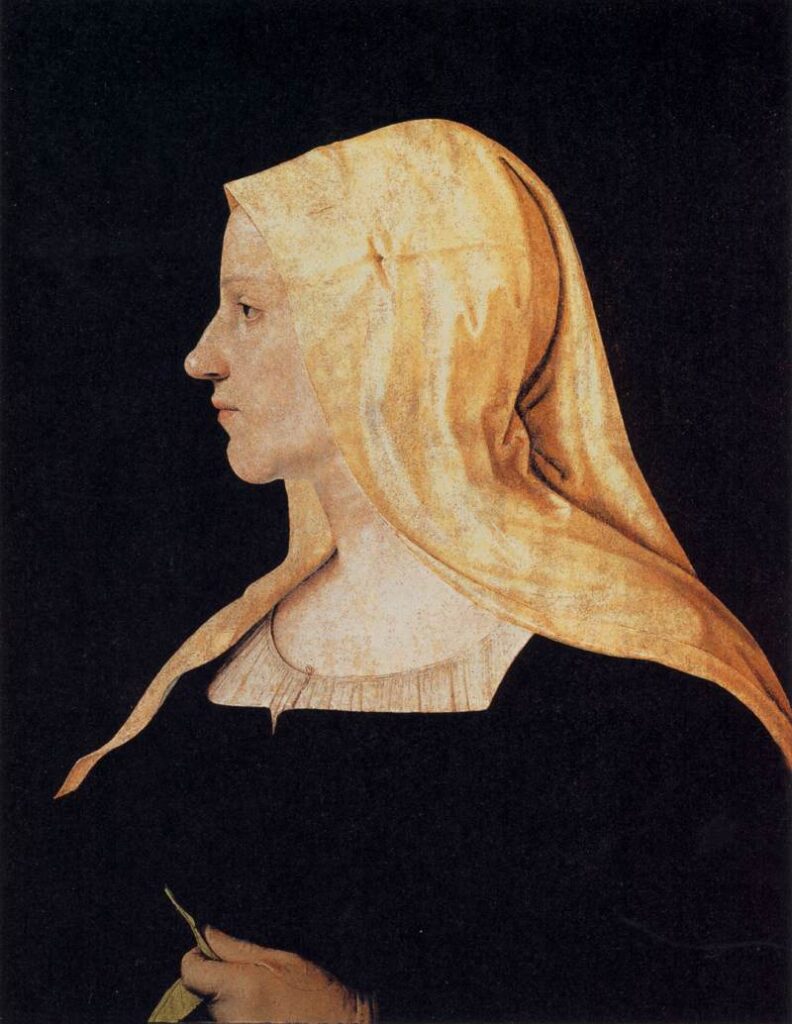
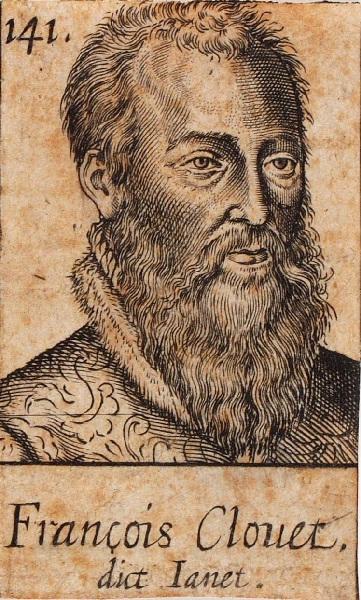
François Clouet
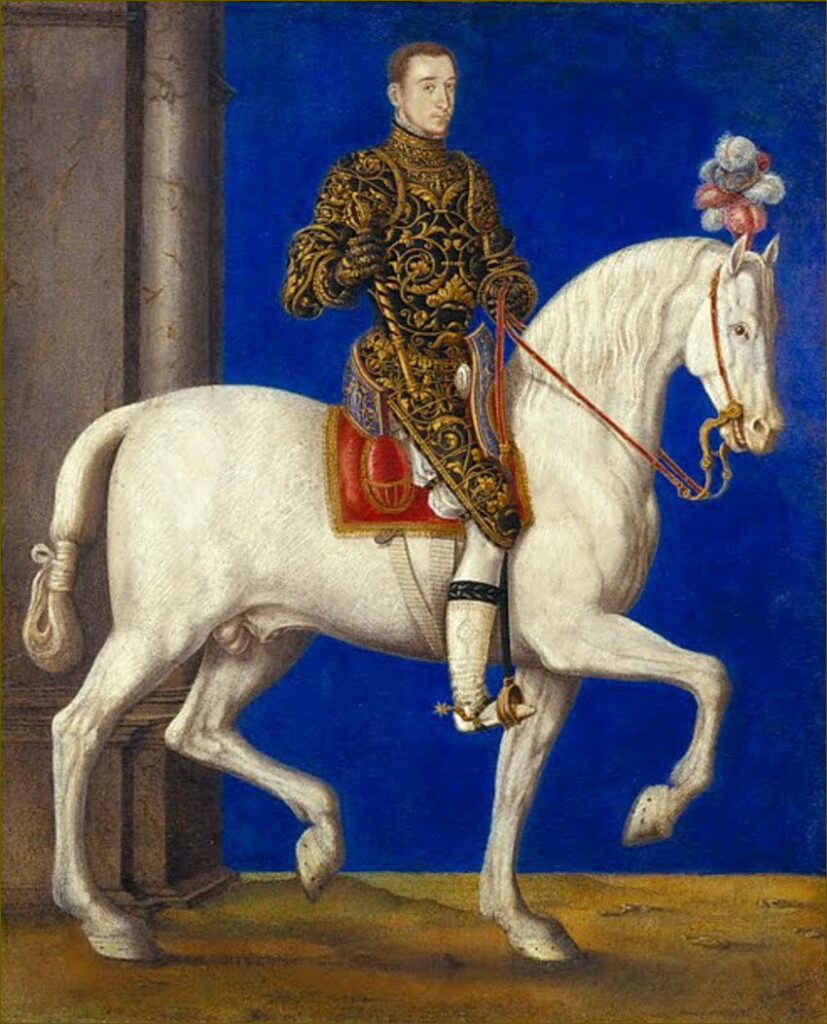
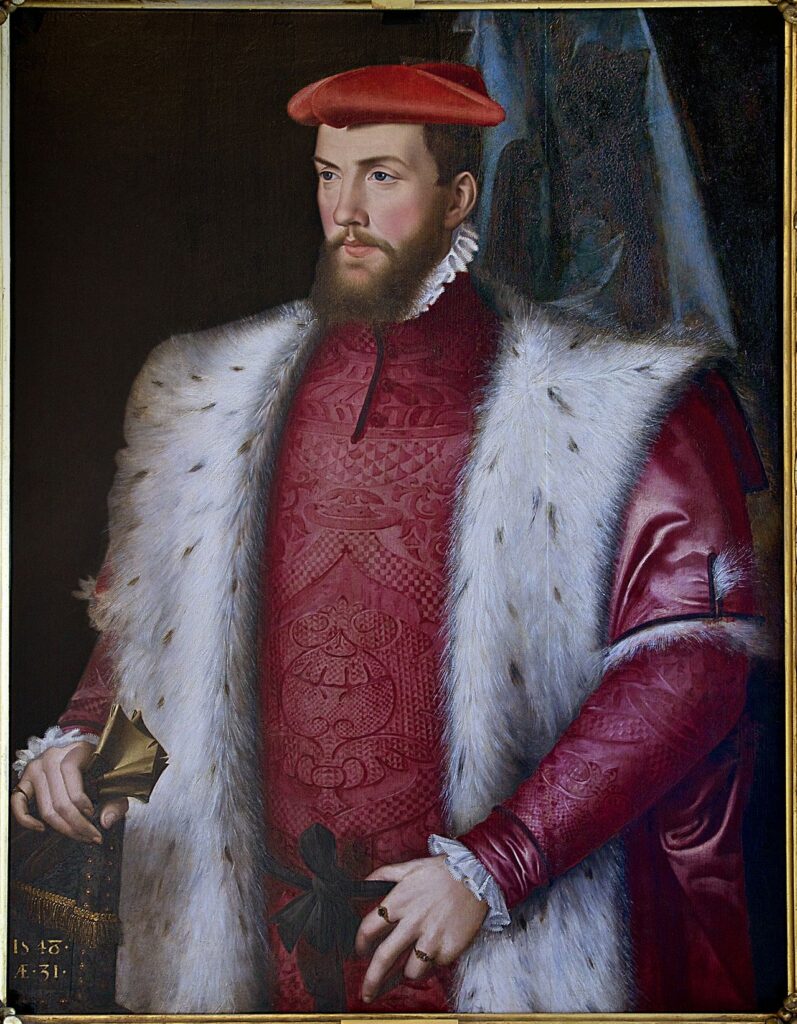
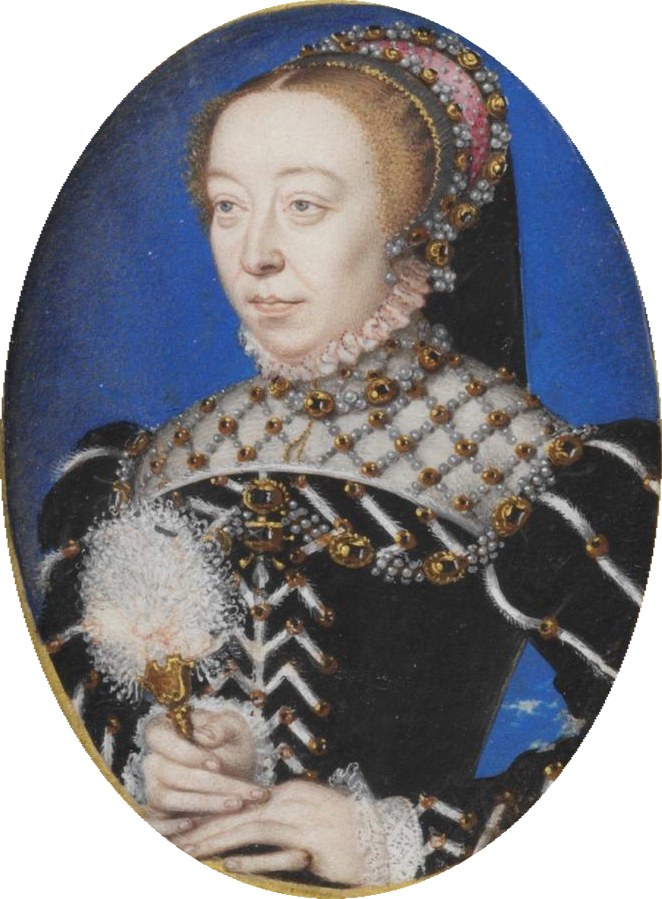
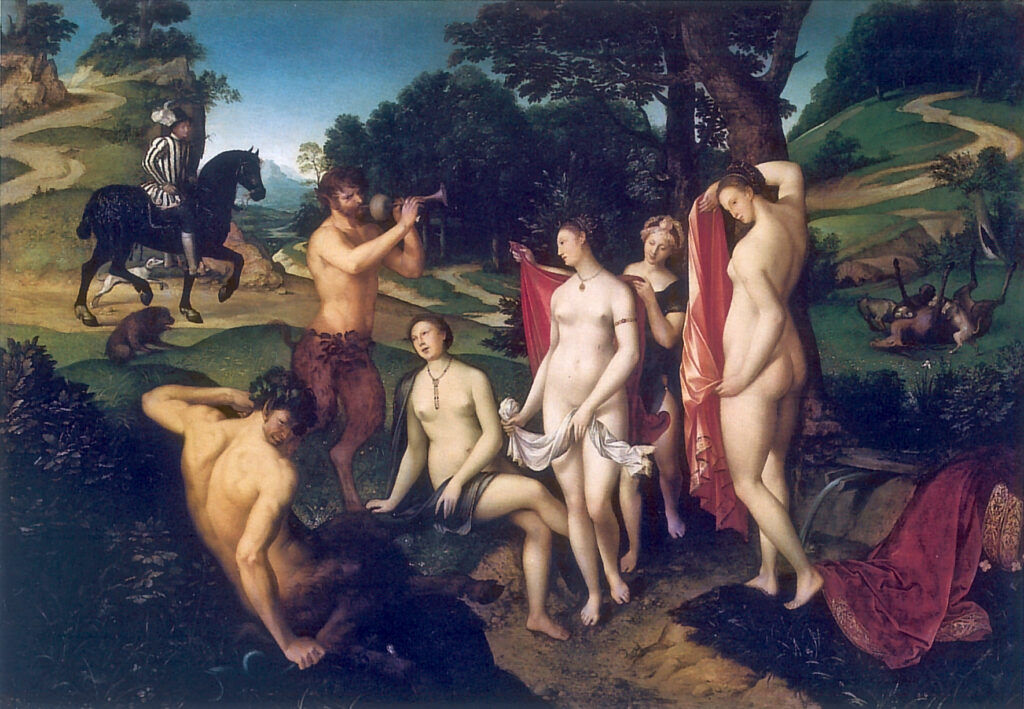
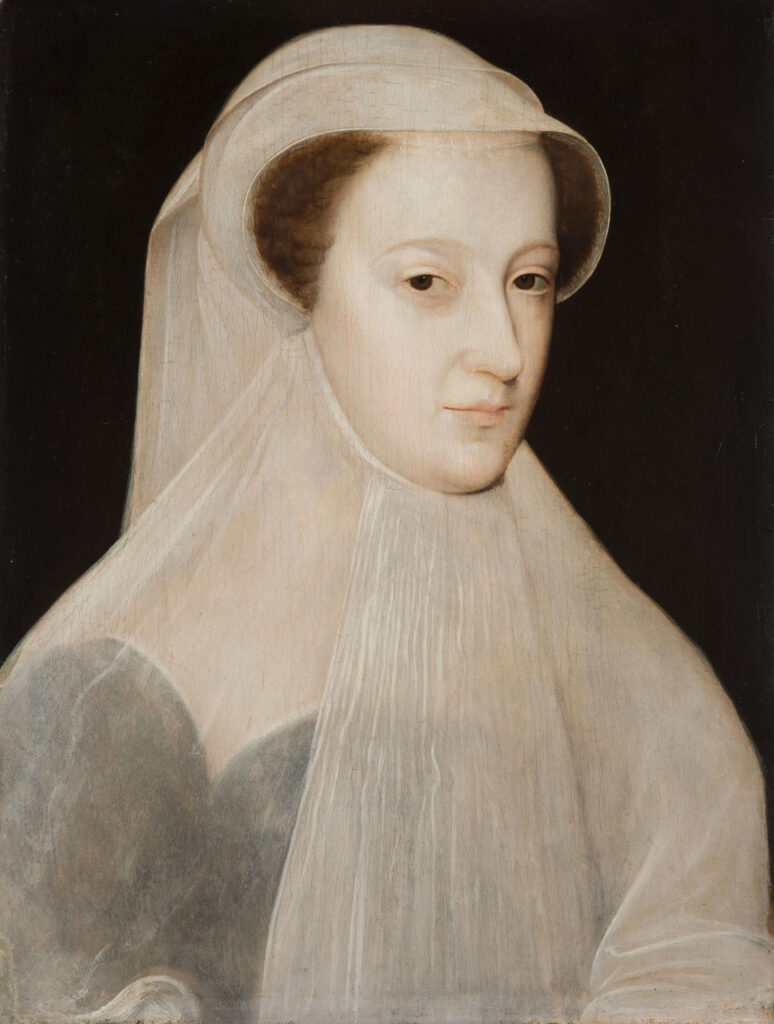
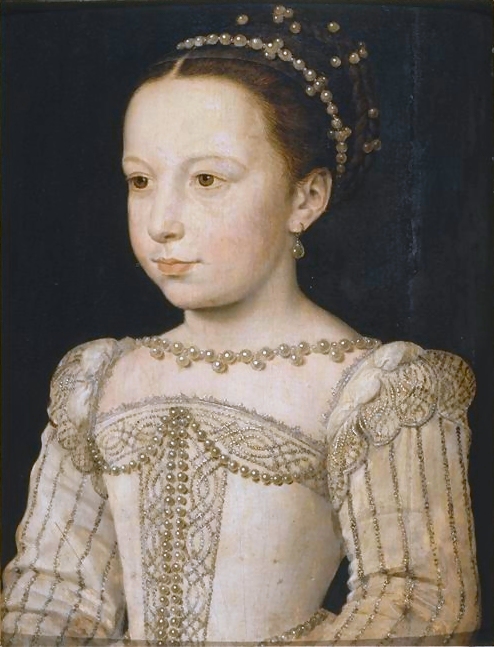
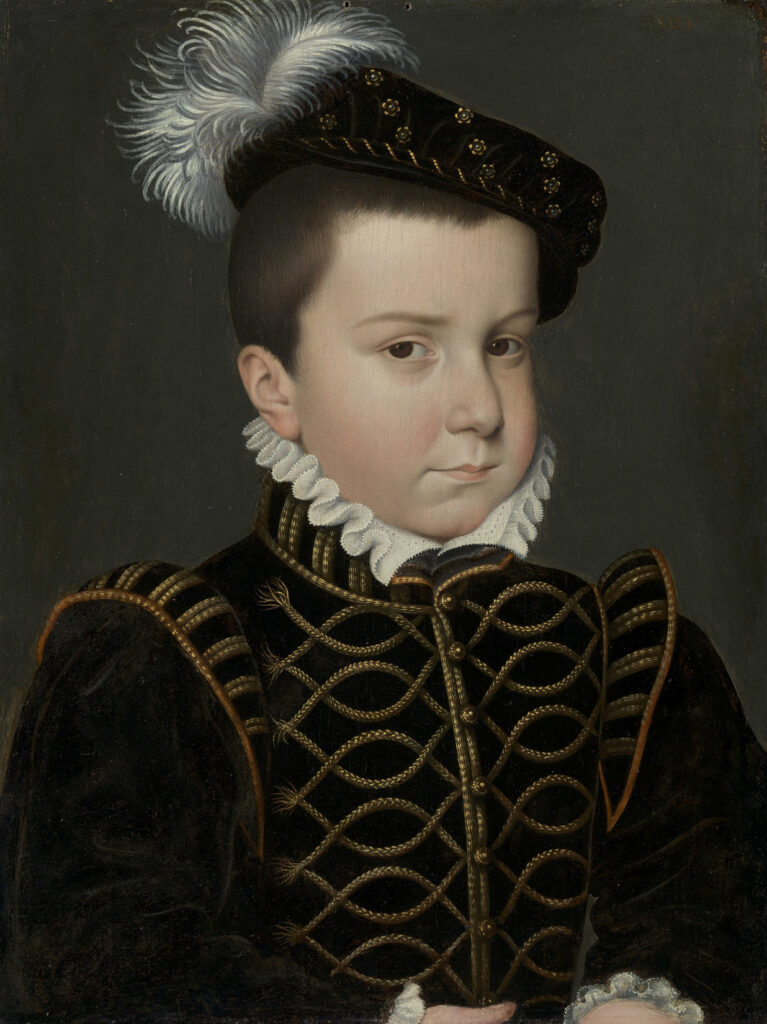
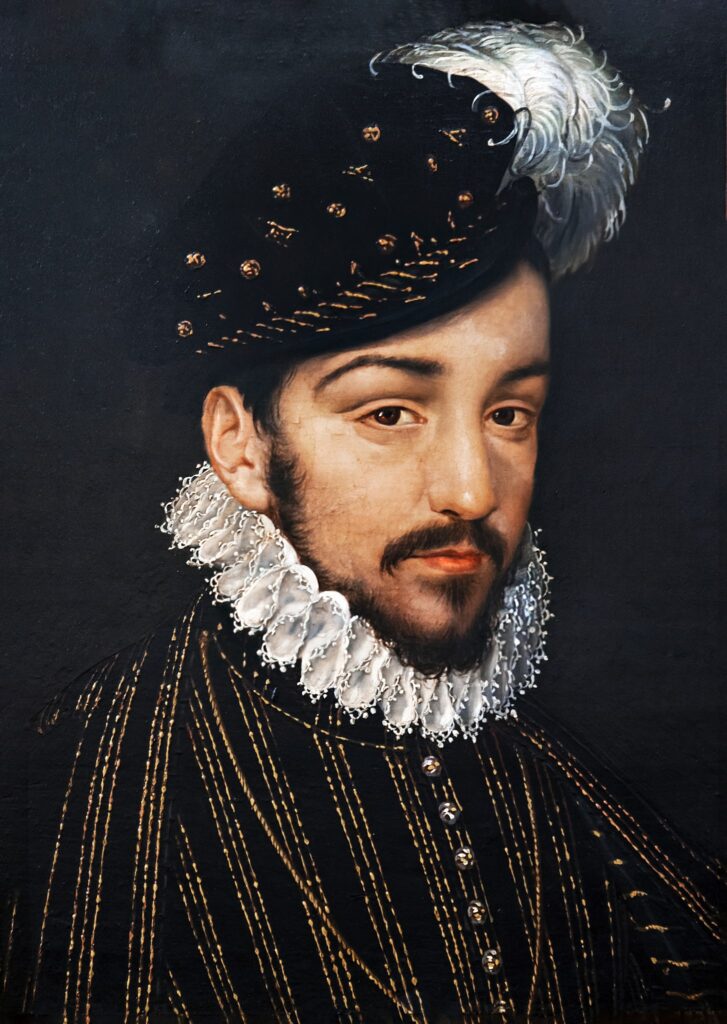
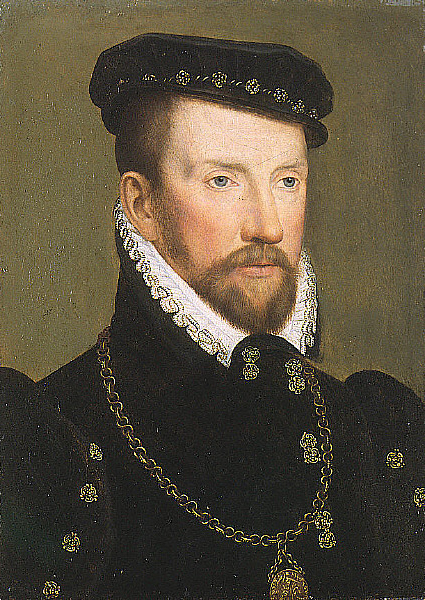
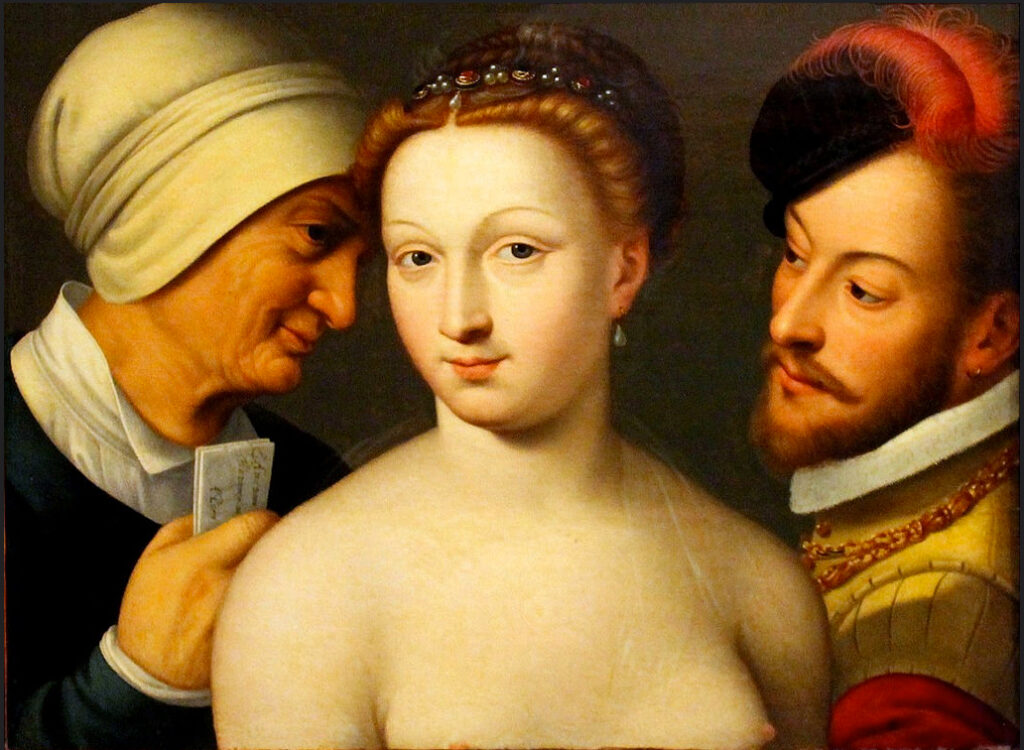
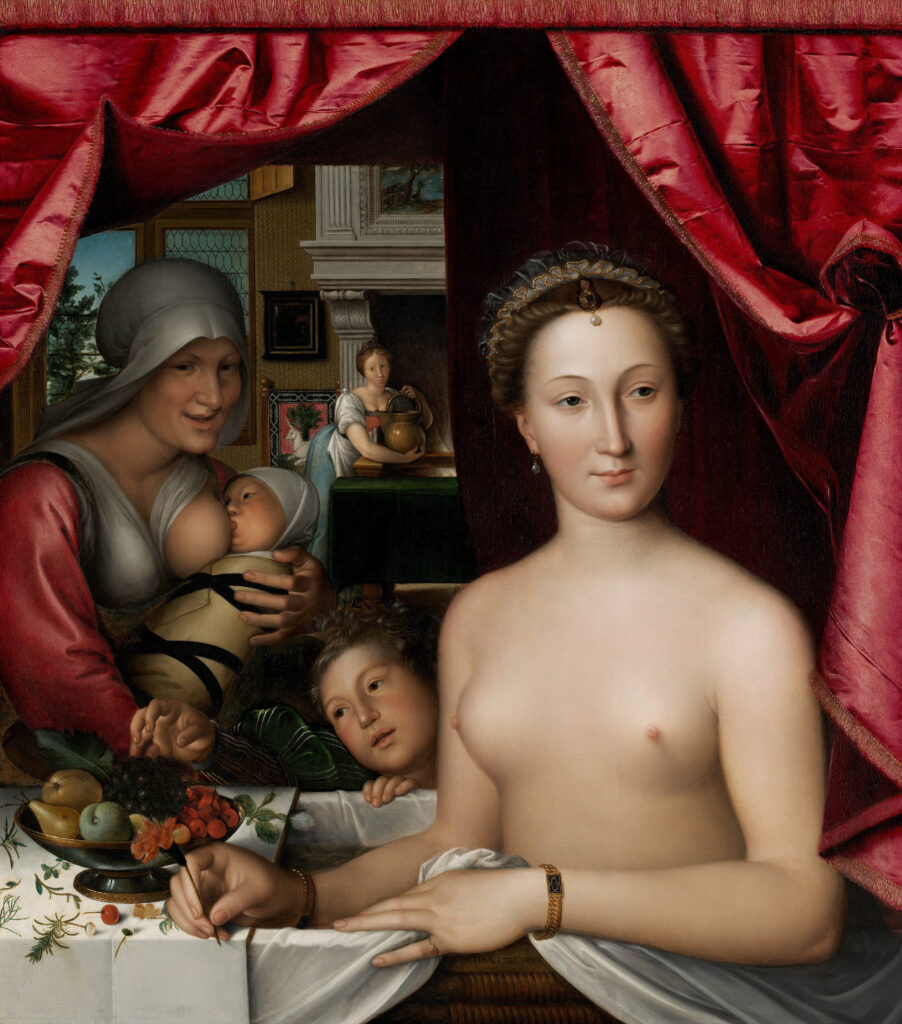
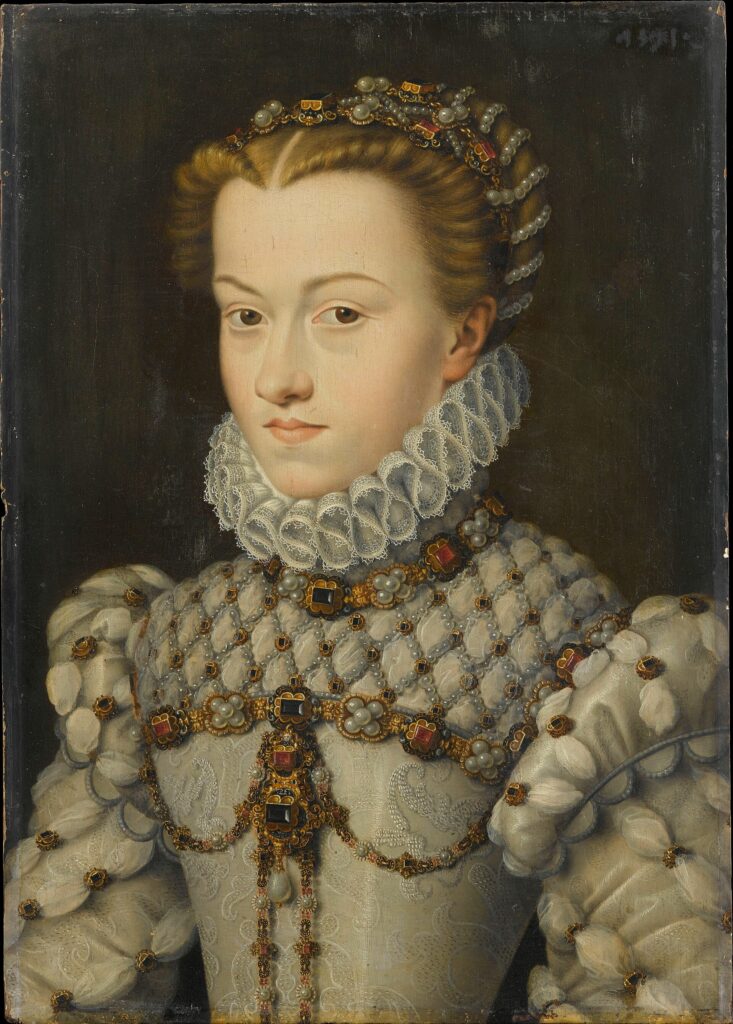
François Clouet, c 1510 – December 22, 1572, was a French painter, draftsman, and miniaturist associated with the Valois court. He was the son of Jean Clouet, whose position as court painter he inherited, and worked for Francis I, Henry II, Francis II, Charles IX, and Catherine de’ Medici.
Clouet specialized in court portraiture, including panel paintings, portrait miniatures, and portrait drawings. His work continued the Franco-Netherlandish portrait tradition established by his father while adapting it to the ceremonial and political culture of sixteenth-century France.
His works and attributed works are held by major collections including the Musée du Louvre, Musée Condé, National Gallery of Art, Royal Collection Trust, Victoria and Albert Museum, Menil Collection, and Bibliothèque nationale de France.
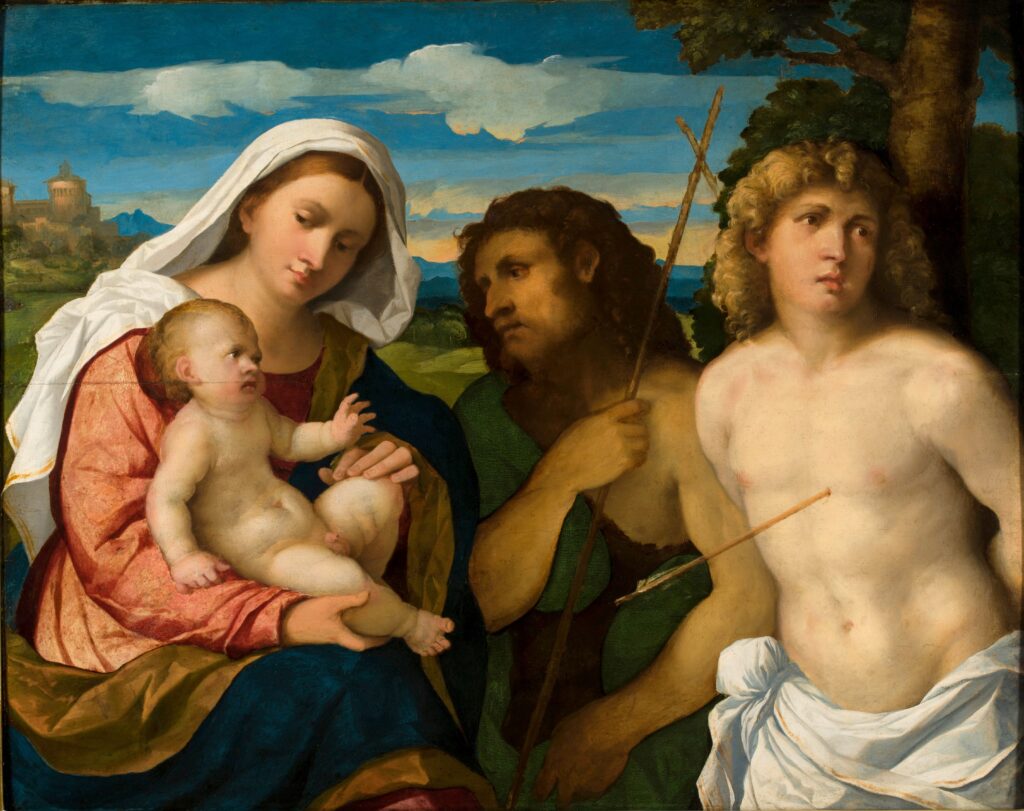
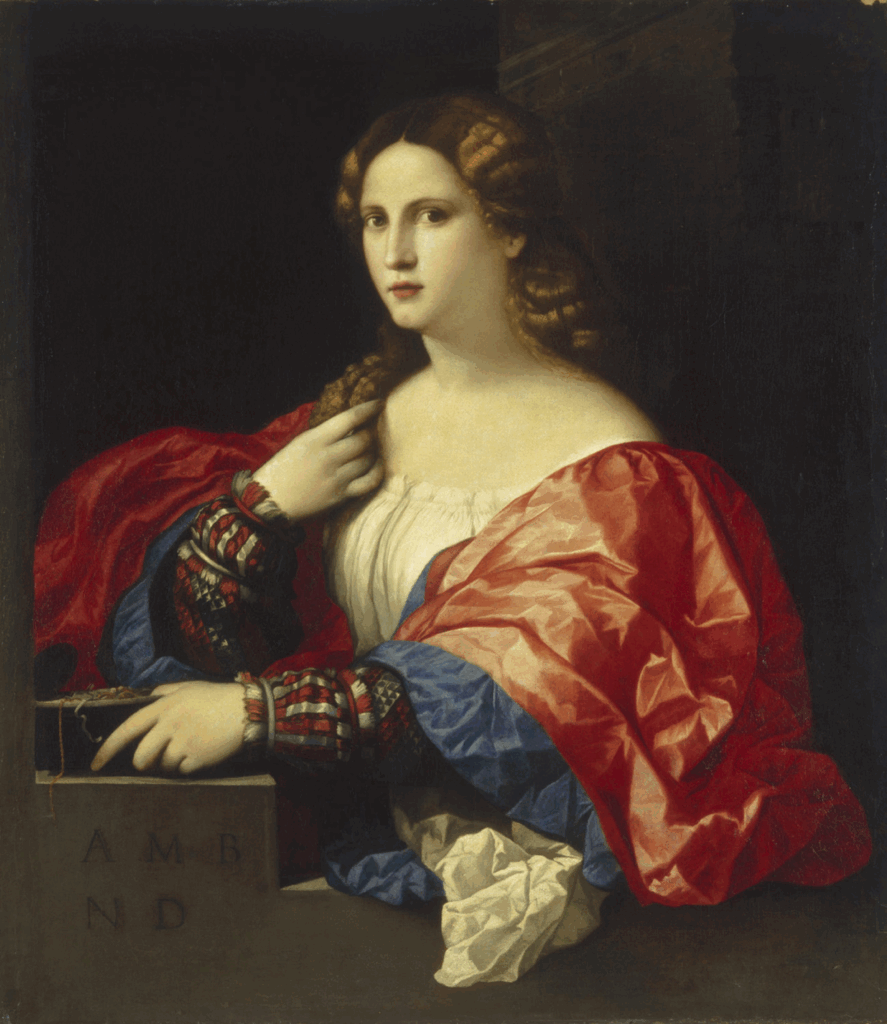
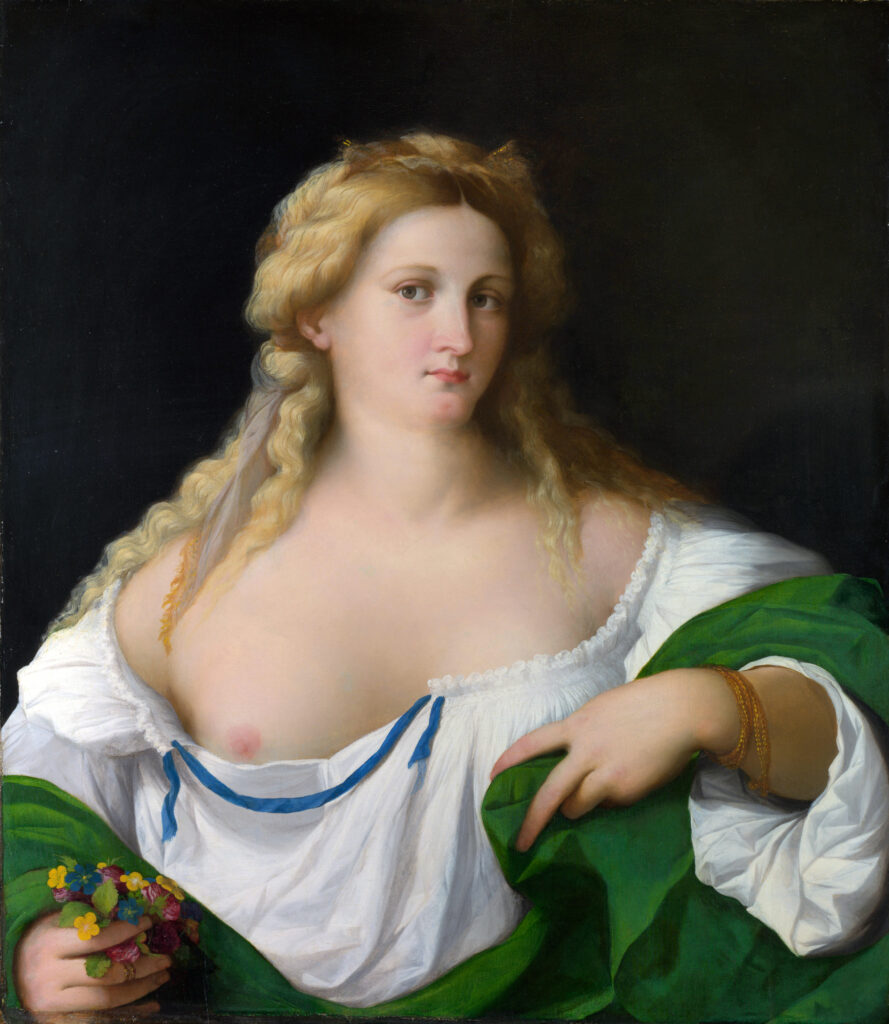
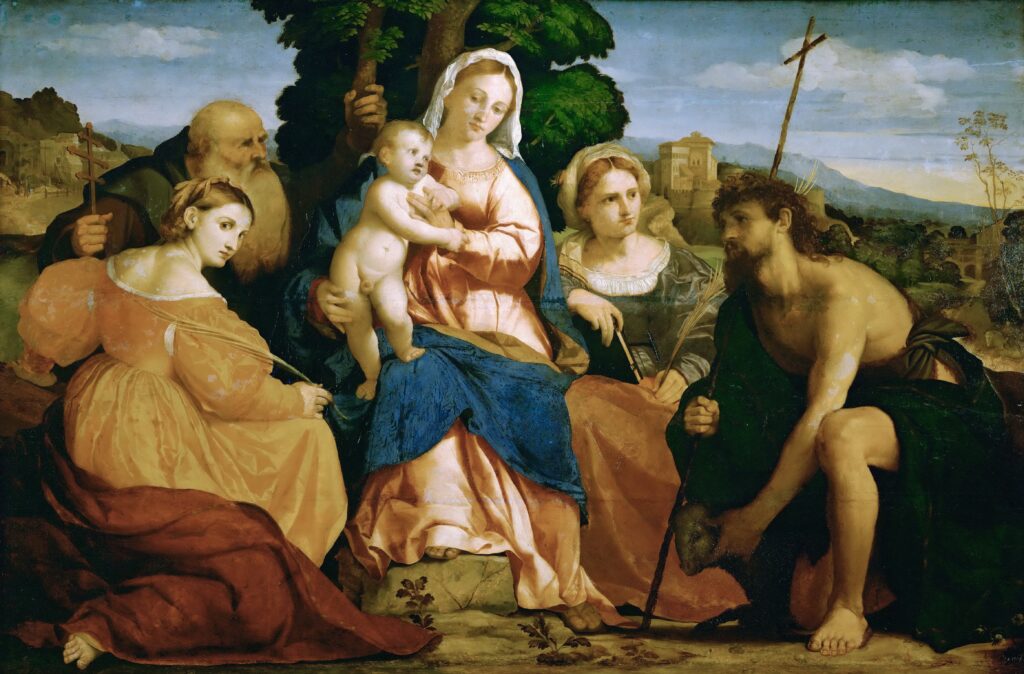
Palma Vecchio
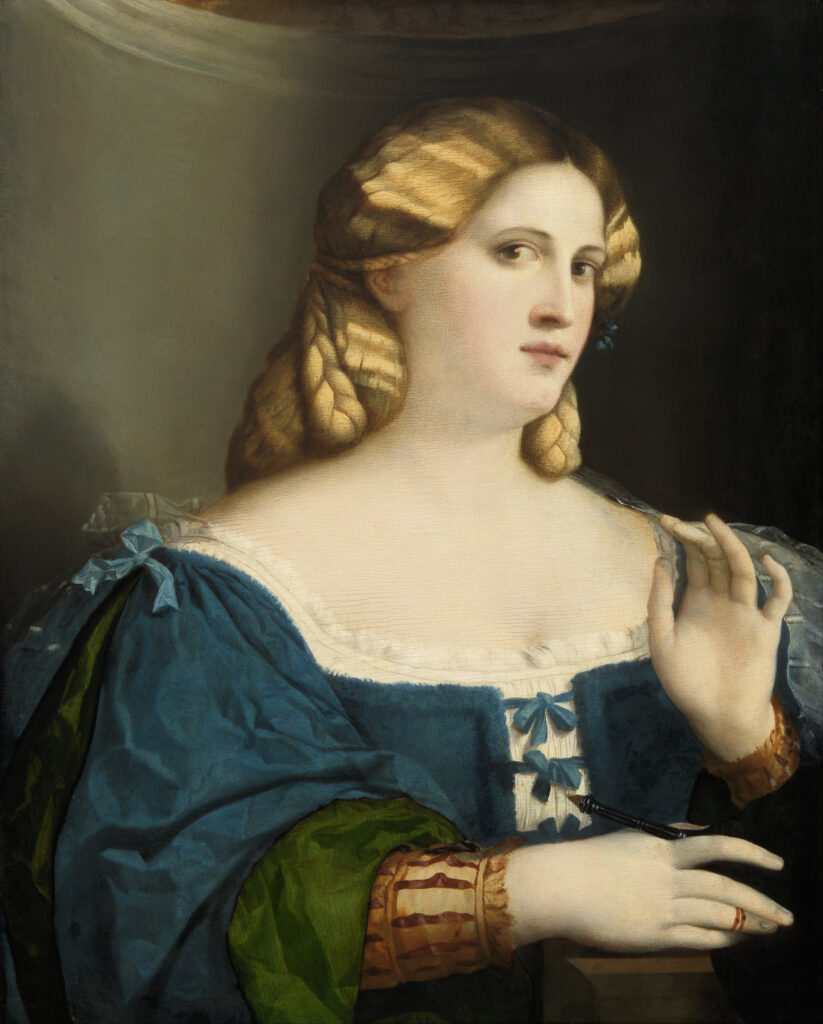
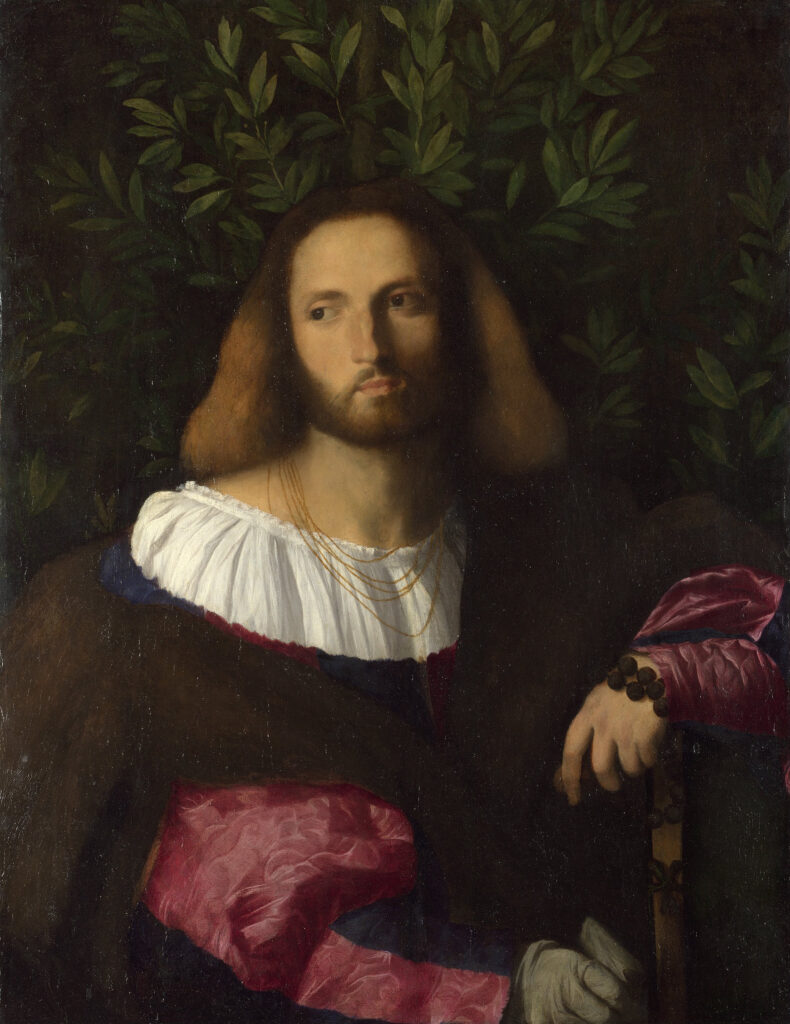
Palma Vecchio was born Jacopo Negretti around 1480 in Serina, near Bergamo. He was established in Venice by 1510 and may have trained with Andrea Previtali or another Bergamasque painter working there.
He became a successful painter of the Venetian Renaissance, specializing in sacred conversations, portraits, and idealized half-length images of women. His work combined Giorgionesque landscape and atmosphere with the rich color and substantial figures associated with Titian and contemporary Venetian painting.
Palma remained active in Venice until his death there in 1528. His paintings were widely admired and collected, and his grandnephew Jacopo Palma the Younger later became a prominent Venetian painter.




Félix Vallotton
Félix Vallotton, December 28, 1865–December 29, 1925, was a Swiss-French painter and printmaker born in Lausanne. He moved to Paris in 1882 and studied at the Académie Julian under Jules Joseph Lefebvre and Gustave Boulanger.
Vallotton exhibited at the Salon des Artistes Français and became associated with the Nabis in the 1890s. His woodcuts, paintings, portraits, interiors, landscapes, and illustrations are characterized by simplified forms, firm contours, and sharply organized areas of light and dark.
Vallotton became a French citizen in 1900 and continued working in Paris and Honfleur. He died in Neuilly-sur-Seine in 1925; his work is held by the Musée d’Orsay, Kunsthaus Zürich, Musée cantonal des Beaux-Arts de Lausanne, Kunstmuseum Bern, and other major collections.


Agostino Carracci
Agostino Carracci, August 16, 1557 – March 22, 1602, was an Italian painter, draftsman, and printmaker from Bologna. He was the elder brother of Annibale Carracci and cousin of Ludovico Carracci.
With Ludovico and Annibale, he helped establish the Carracci academy in Bologna and participated in major decorative projects, including work connected with the Farnese Gallery in Rome. His work combines Bolognese training with close study of Venetian color and central Italian figure design.
Carracci is also known for his engravings after major Italian masters, which helped circulate works by artists such as Correggio, Titian, and Veronese. His paintings and drawings include portraits, religious works, mythological scenes, and figure studies.



Paul Signac
Paul Signac, November 11, 1863–August 15, 1935, was a French painter, watercolorist, printmaker, and writer associated with Neo-Impressionism. Born in Paris, he abandoned architectural studies in 1880 and was largely self-taught, learning through close study of Claude Monet and the other Impressionists.
In 1884 Signac met Georges Seurat and helped develop the Divisionist method of applying separate touches of unmixed color according to optical theory. He was a founder of the Société des Artistes Indépendants that year and served as its president from 1908 until his death. His artistic circle included Seurat, Camille Pissarro, Maximilien Luce, Henri-Edmond Cross, Théo van Rysselberghe, and the critic Félix Fénéon; his encouragement and example also affected younger painters including Henri Matisse.
Signac traveled extensively by sailboat and worked along the Seine, the Atlantic coast, and the Mediterranean, producing paintings, watercolors, drawings, and prints. Major holdings of his work are in the Musée d’Orsay, Metropolitan Museum of Art, Museum of Modern Art, Kröller-Müller Museum, and other public collections in Europe and the United States. He died in Paris on August 15, 1935.


