Posts in Category: november 4
Gerrit van Honthorst
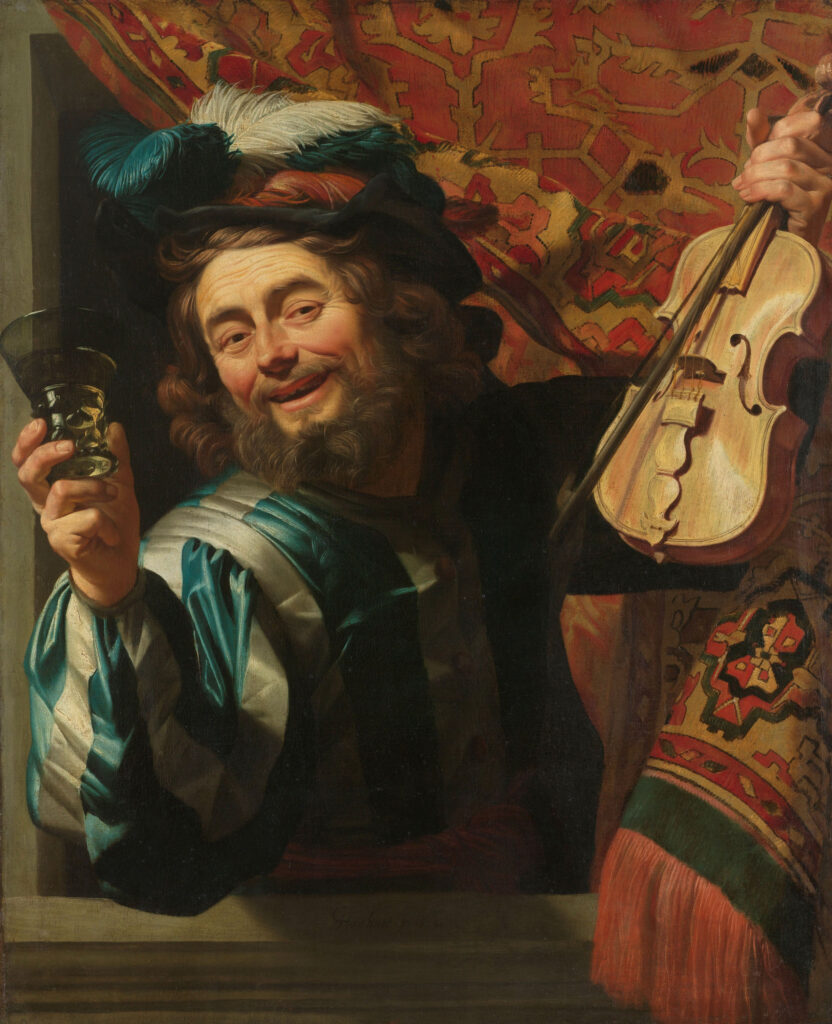
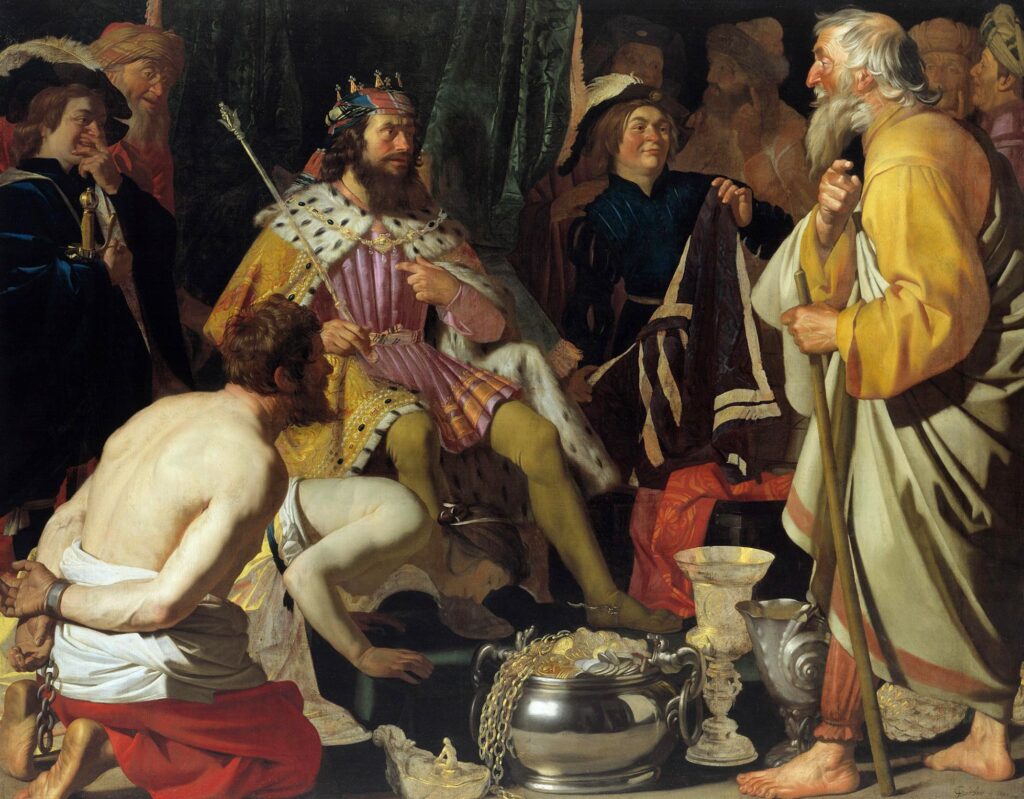
Gerrit van Honthorst, November 4, 1592 – April 27, 1656, was a Dutch painter and draftsman born in Utrecht. He trained with Abraham Bloemaert before traveling to Italy, where he worked in Rome and developed a reputation for paintings illuminated by artificial light under the influence of Caravaggio.
After returning to Utrecht in 1620, Honthorst established a large studio and became a founder of the Utrecht painters’ guild. He worked for patrons including the Orange-Nassau court, Charles I of England, and Christian IV of Denmark, and his pupils included Joachim van Sandrart, Gerard van Kuijl, and Jan Both. His work included religious and genre scenes, musical subjects, and court portraits.
Honthorst worked in The Hague during the later part of his career and returned to Utrecht in 1652, where he died in 1656. His paintings are held by collections including the National Gallery, Rijksmuseum, Centraal Museum, National Gallery of Art, J. Paul Getty Museum, Cleveland Museum of Art, and Los Angeles County Museum of Art.




Guido Reni
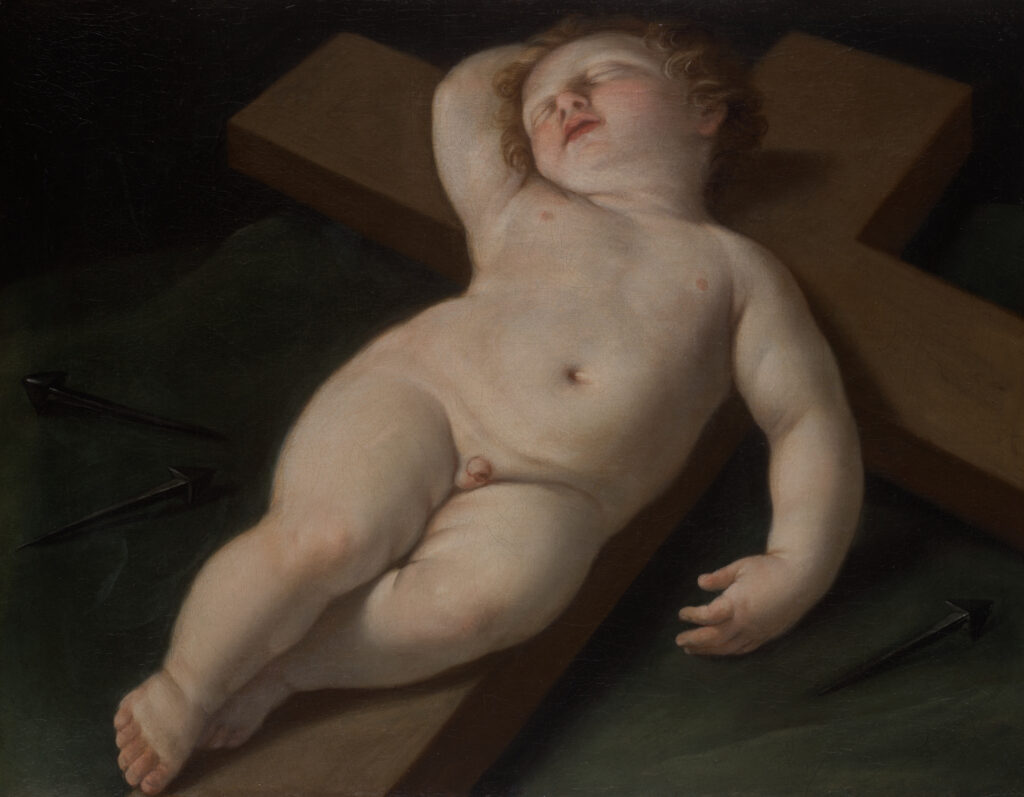
Guido Reni, November 4, 1575 – August 18, 1642, was an Italian painter and printmaker born in Bologna. He trained first with the Flemish painter Denys Calvaert and then with the Carracci at the Accademia degli Incamminati.
Reni worked in Bologna and Rome and also received commissions connected with Mantua and Naples. His career included altarpieces, frescoes, easel paintings, drawings, and prints, and his mature work is associated with the classicizing current of seventeenth-century Bolognese painting.
Reni returned to Bologna for the greater part of his later career and maintained a large studio; Simone Cantarini was among his leading pupils. He died in Bologna in 1642. His works are held by the Uffizi Gallery, Museo del Prado, National Gallery in London, Louvre, Pinacoteca Nazionale di Bologna, and other major collections.