Gerard David
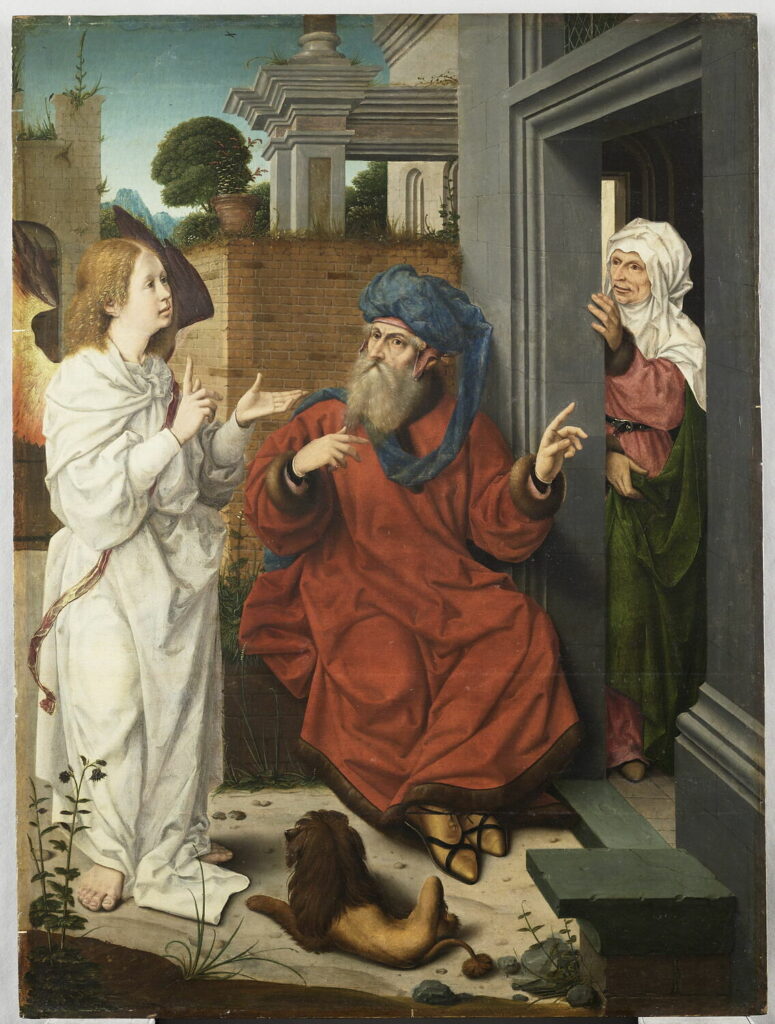
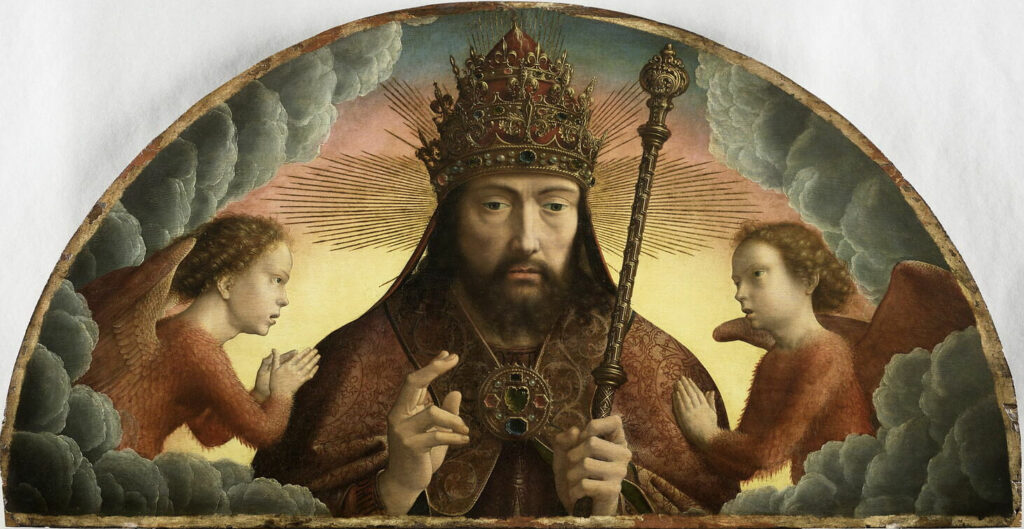
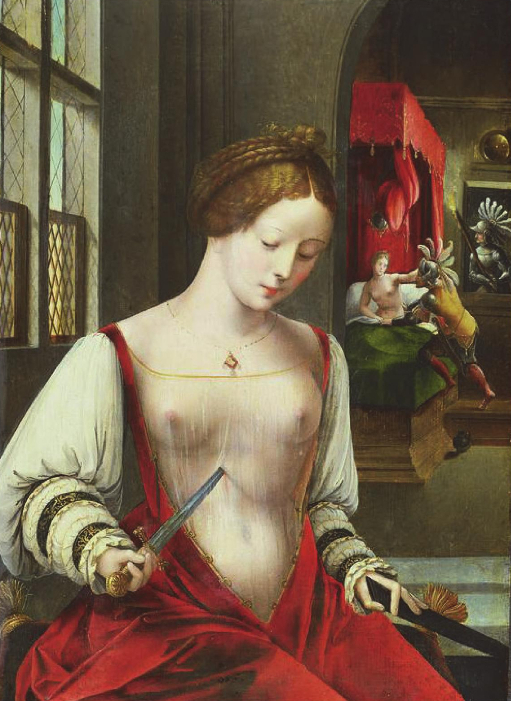
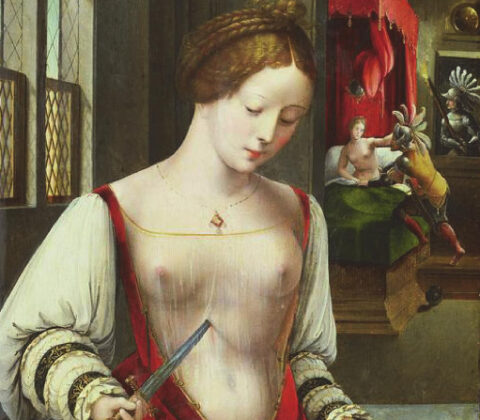
Gerard David, c 1460 – August 13, 1523, was a Netherlandish painter active mainly in Bruges. He was probably born in Oudewater and entered the Bruges painters’ guild in 1484. His training is not securely documented, but his work reflects the Bruges tradition associated with Jan van Eyck, Hans Memling, and Hugo van der Goes.
David painted altarpieces, devotional panels, portraits, and civic commissions. His Bruges work also included large public paintings such as The Judgement of Cambyses for the city authorities. He later received commissions connected with Genoese patrons, including the Cervara Polyptych and works associated with Jean de Sedano.
His workshop influenced later Bruges painters, including Adriaen Isenbrandt and Ambrosius Benson. David’s work is held by major collections including the Metropolitan Museum of Art, the National Gallery, London, the Musée du Louvre, the Kunsthistorisches Museum, the Groeningemuseum, and the Royal Museums of Fine Arts of Belgium.




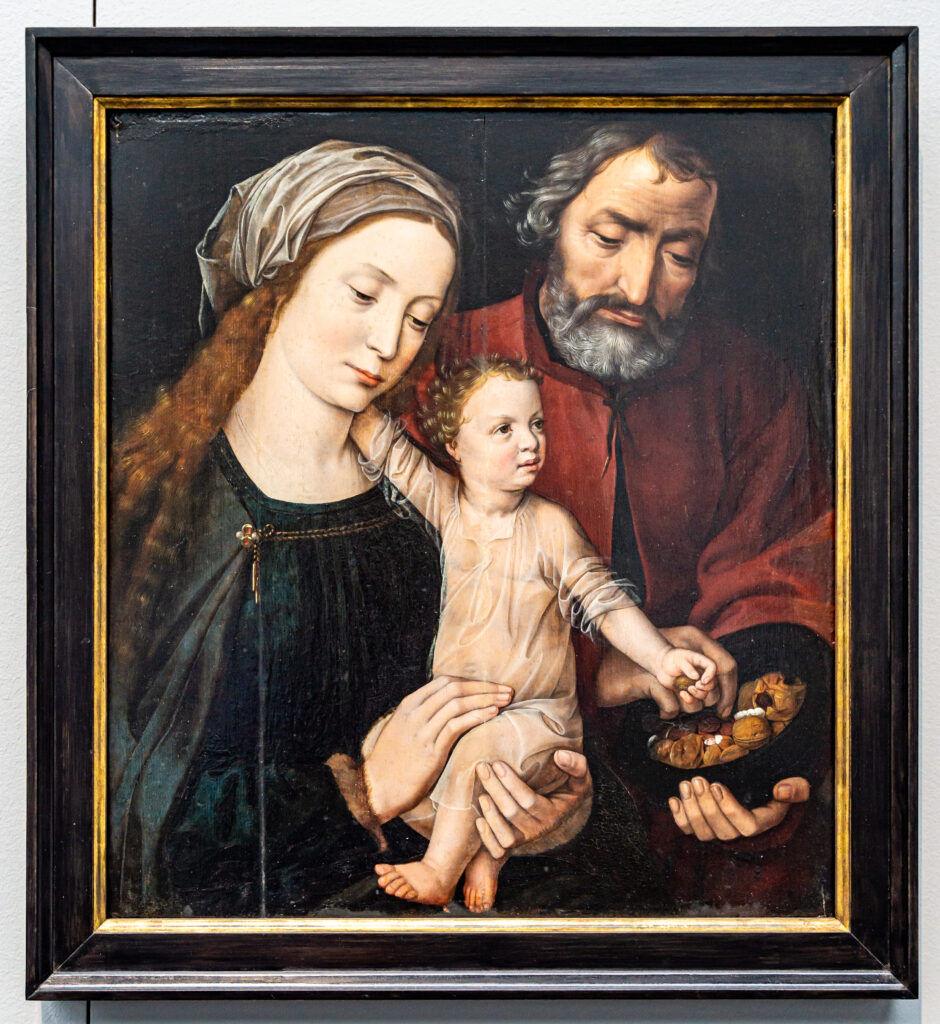
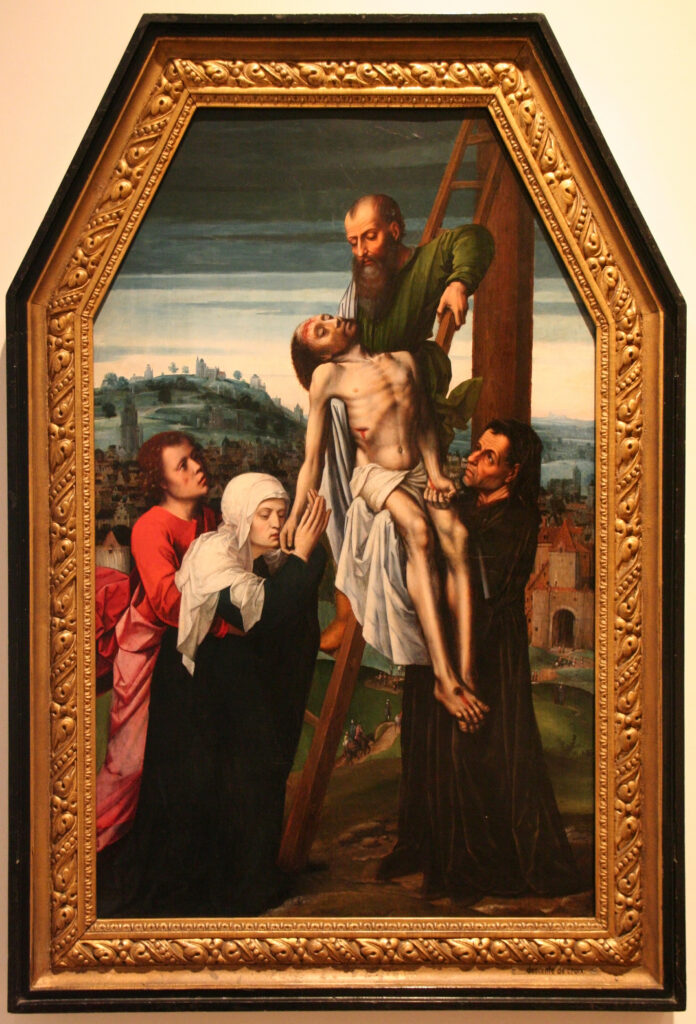
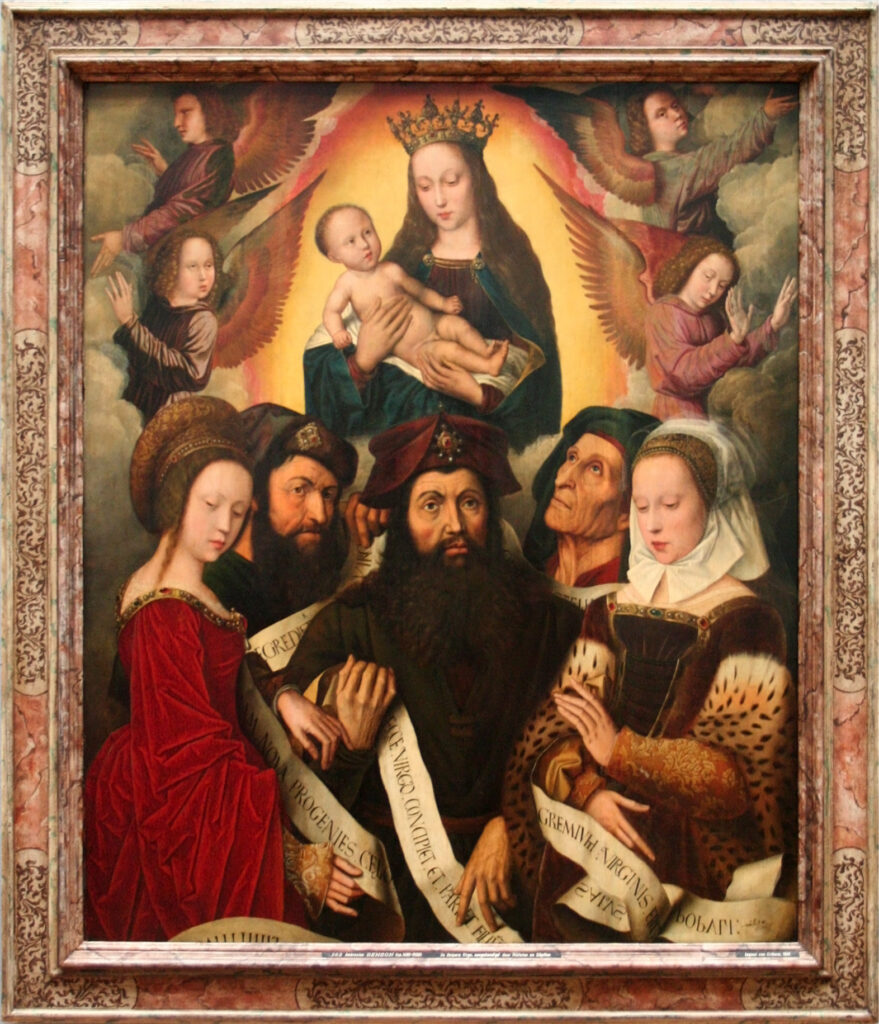
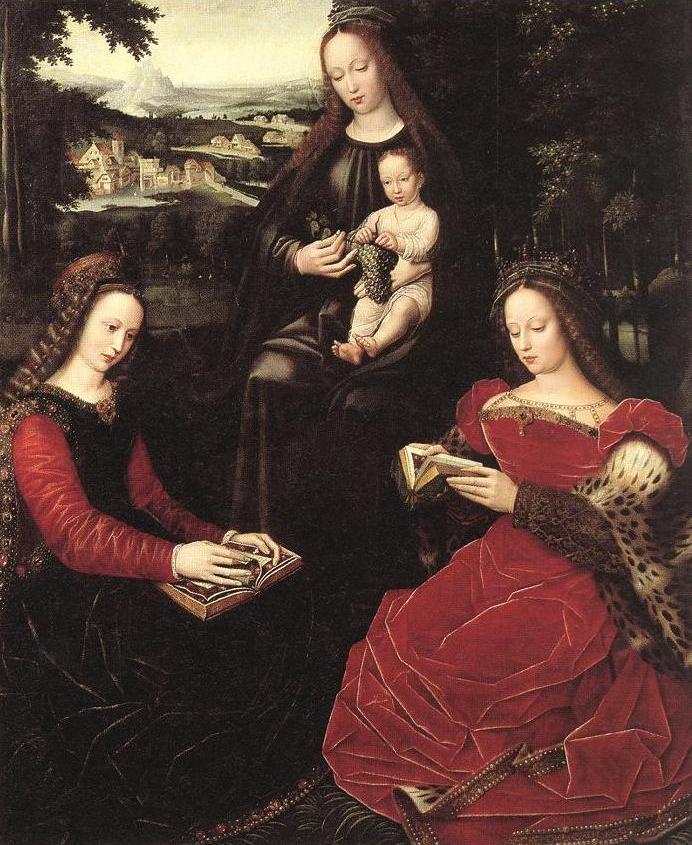
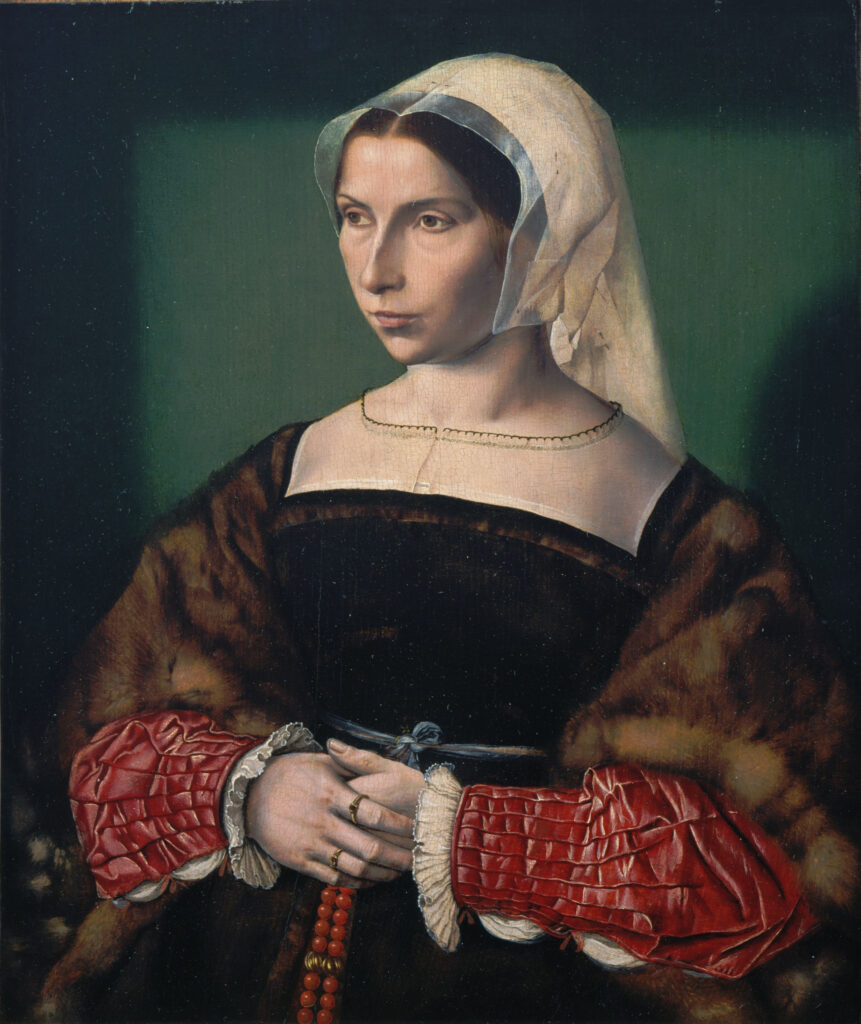
Ambrosius Benson
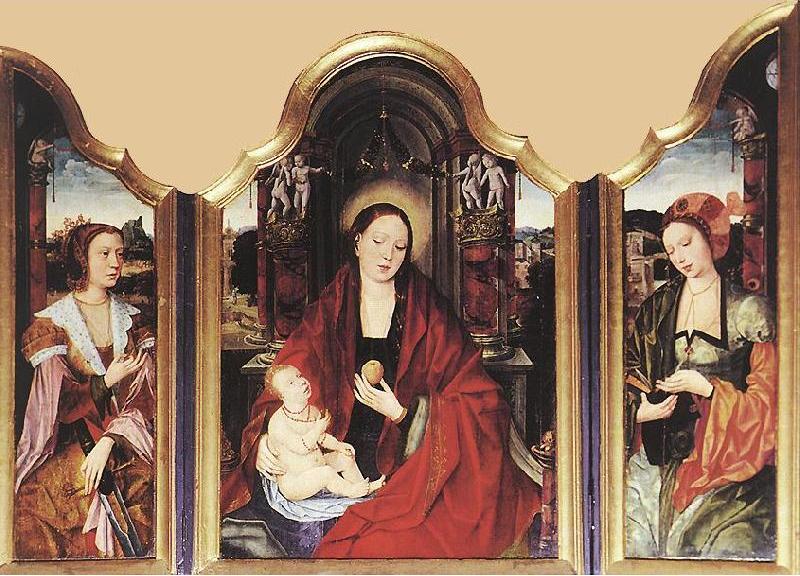
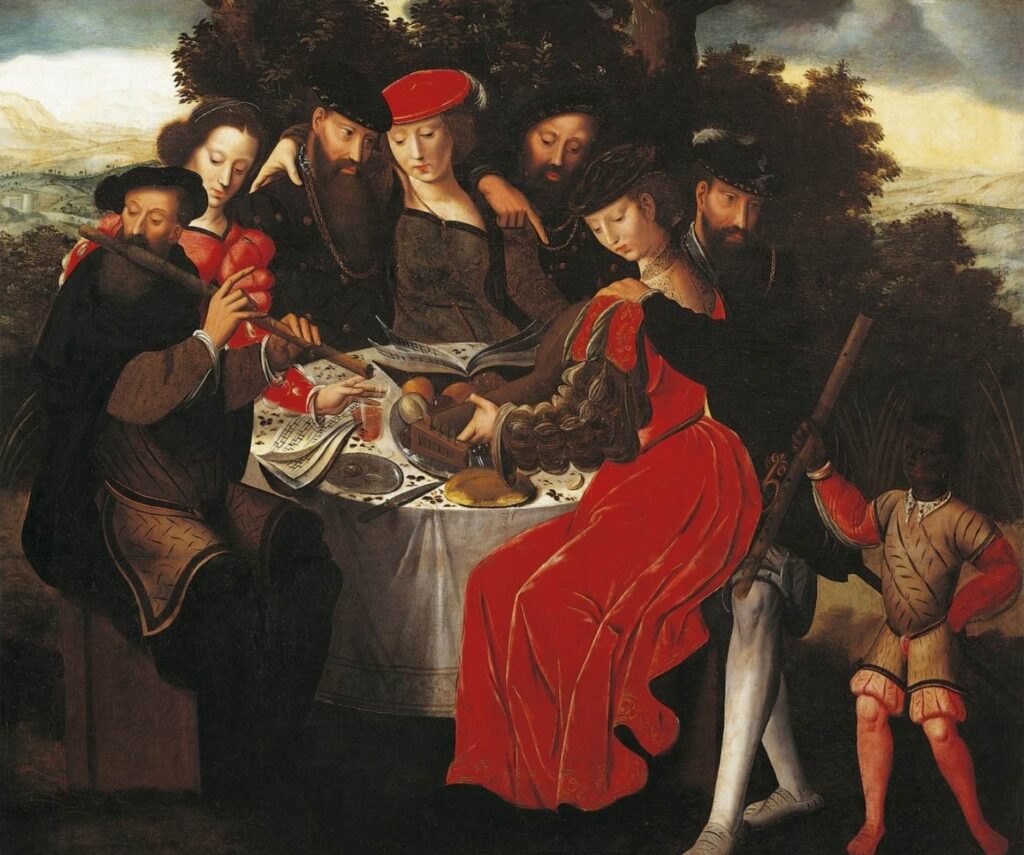
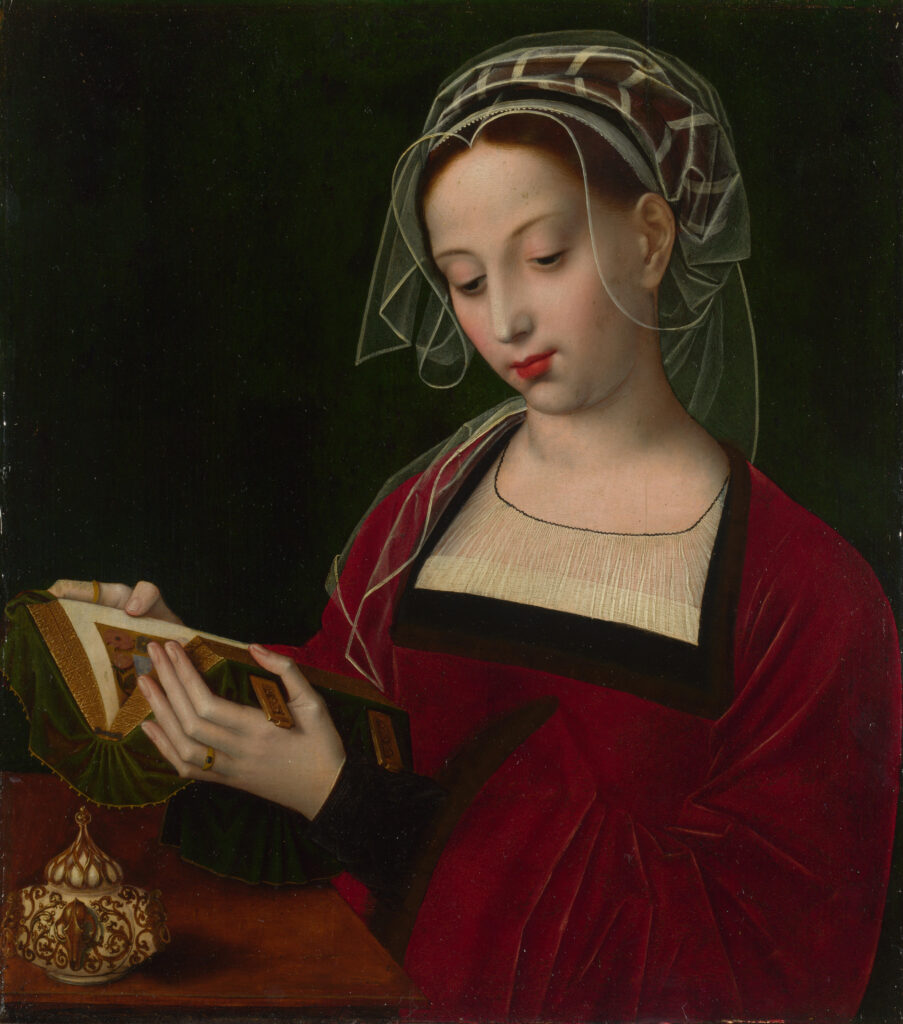
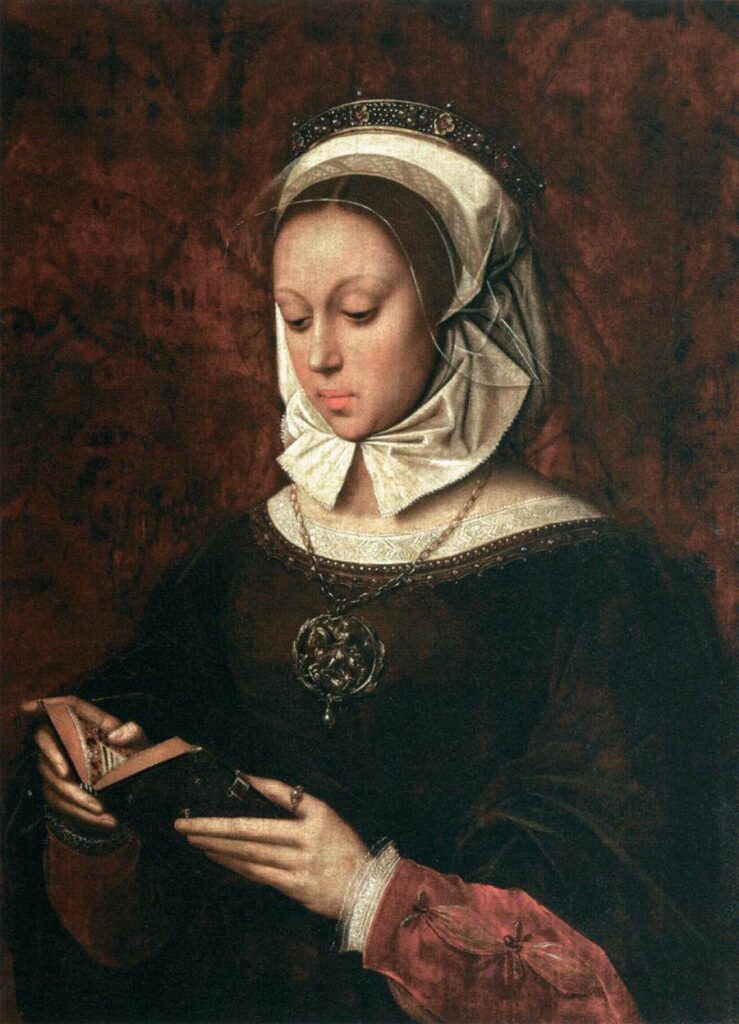
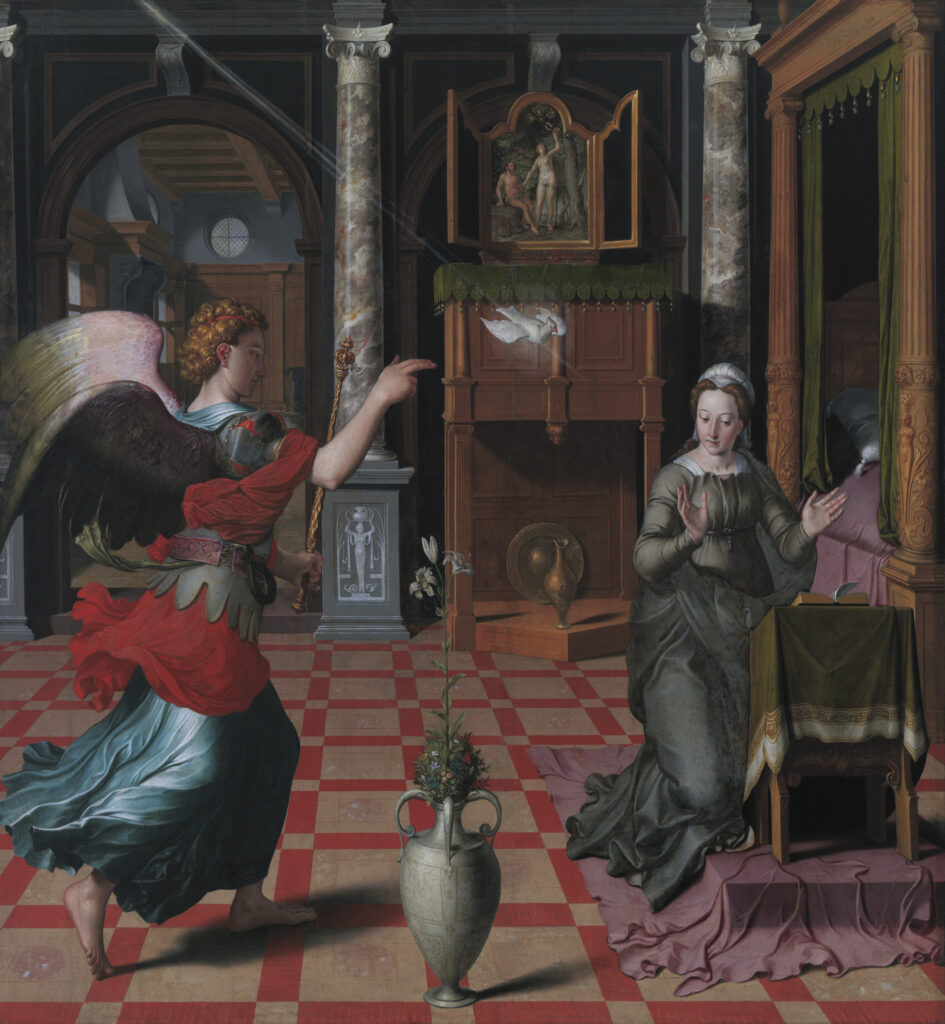
Ambrosius Benson, c 1495 – 1550, was an Italian-born painter who worked in Bruges. He entered the Bruges painters’ guild in 1519 and worked for a time in the workshop of Gerard David.
Benson established a successful workshop and served several terms in the administration of the Bruges guild. He painted religious subjects, portraits, and scenes of music and courtly company, and his sons Willem and Jan also became painters.
Benson remained active in Bruges until his death in 1550. His work is held by collections including the Groeningemuseum, National Gallery, Louvre Museum, Philadelphia Museum of Art, and Saint Louis Art Museum.

Pieter Pourbus
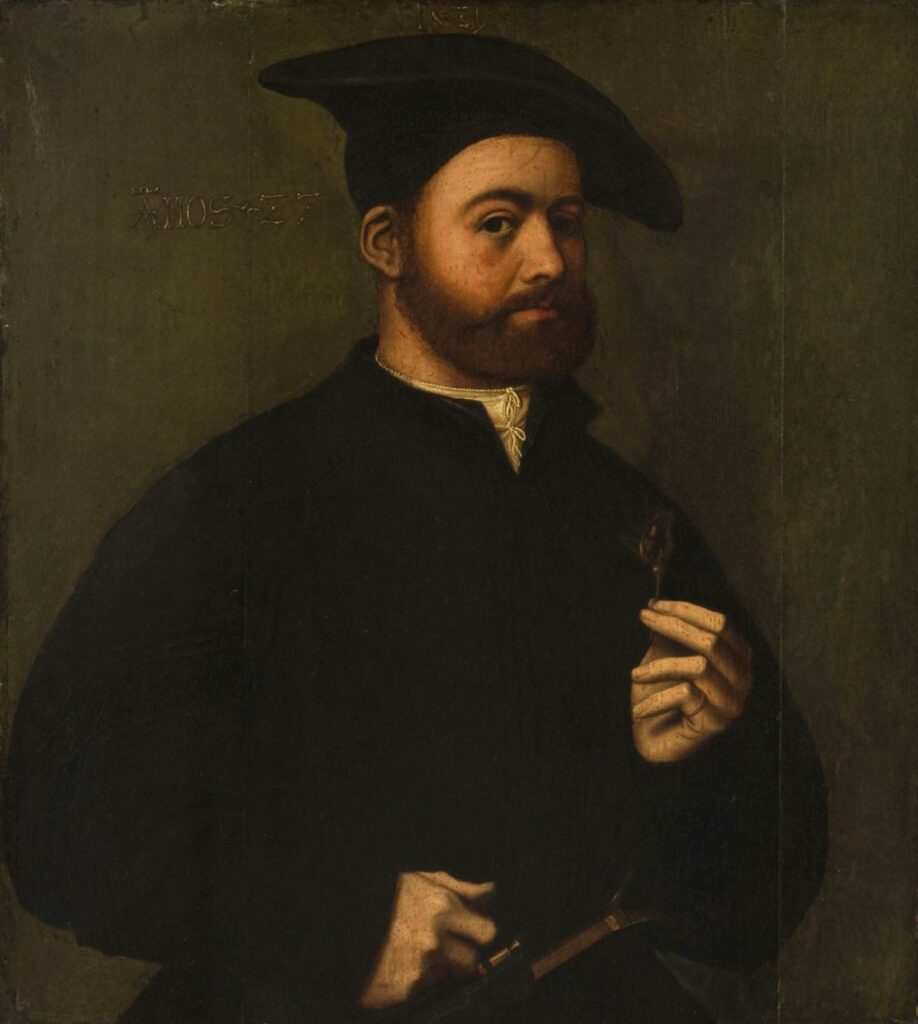
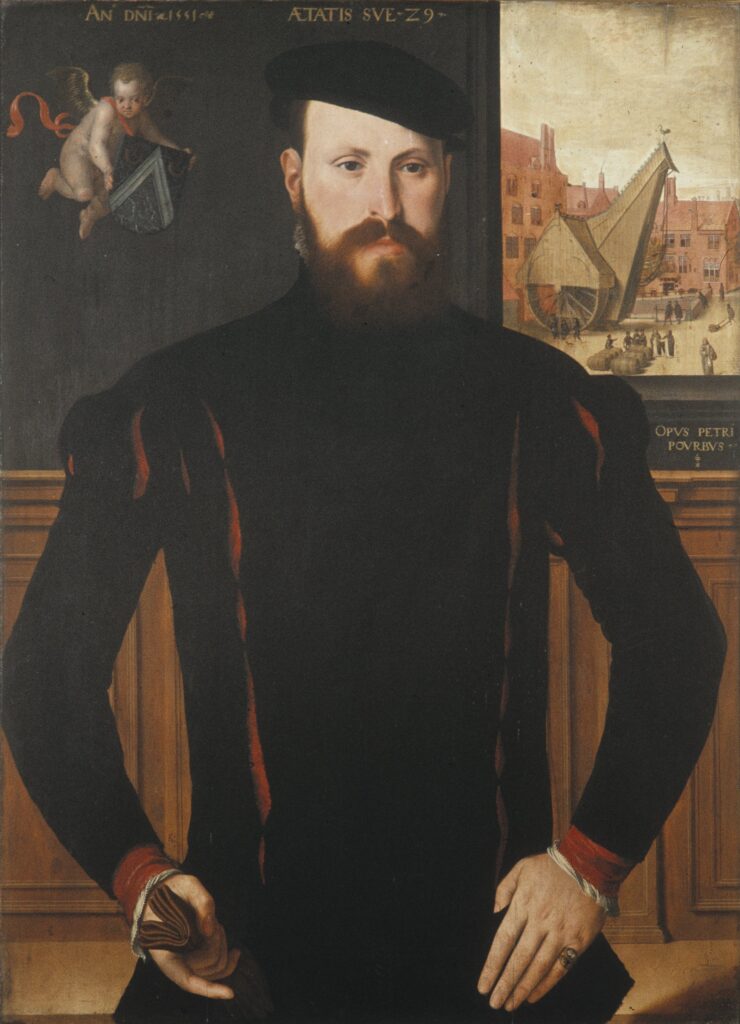
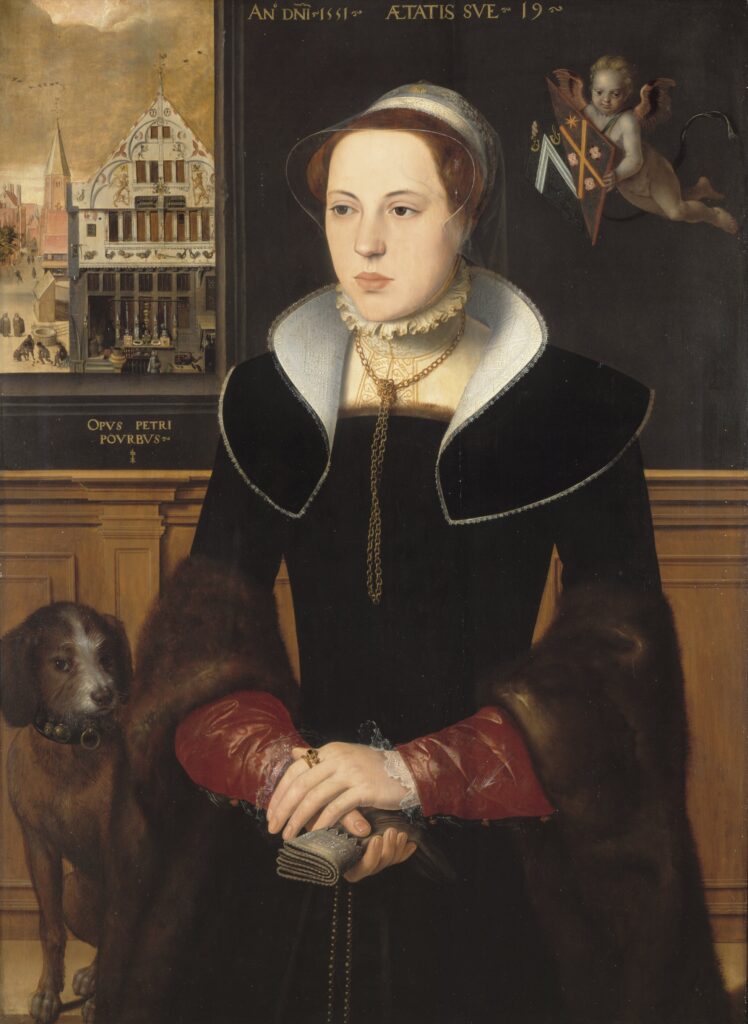
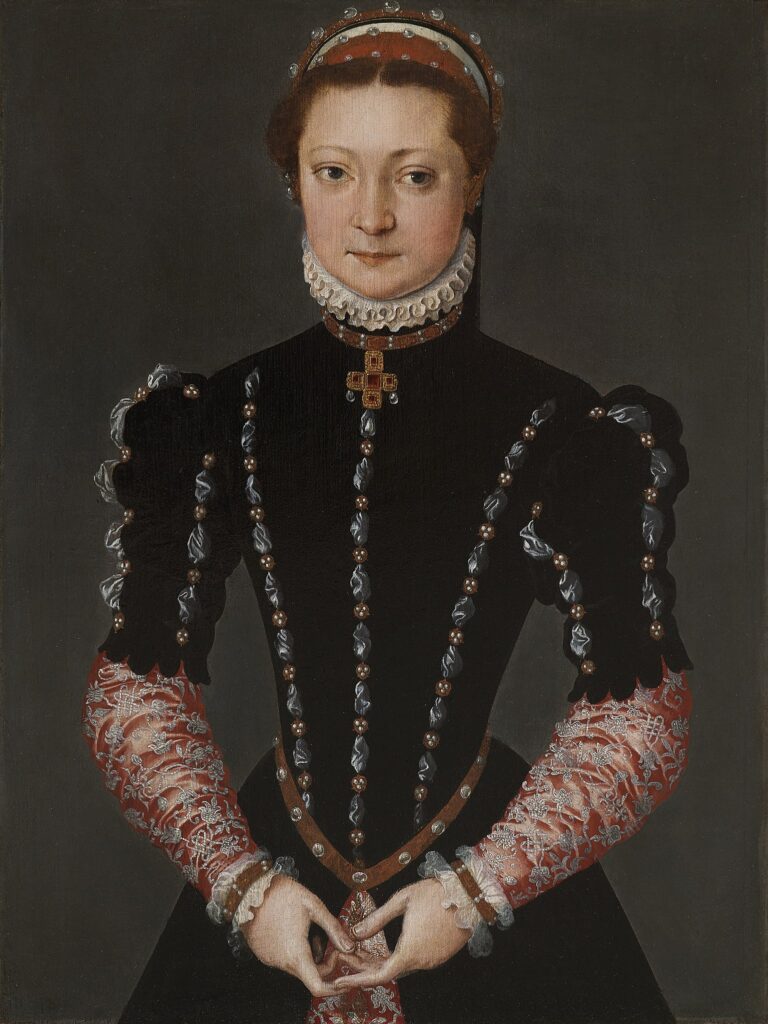
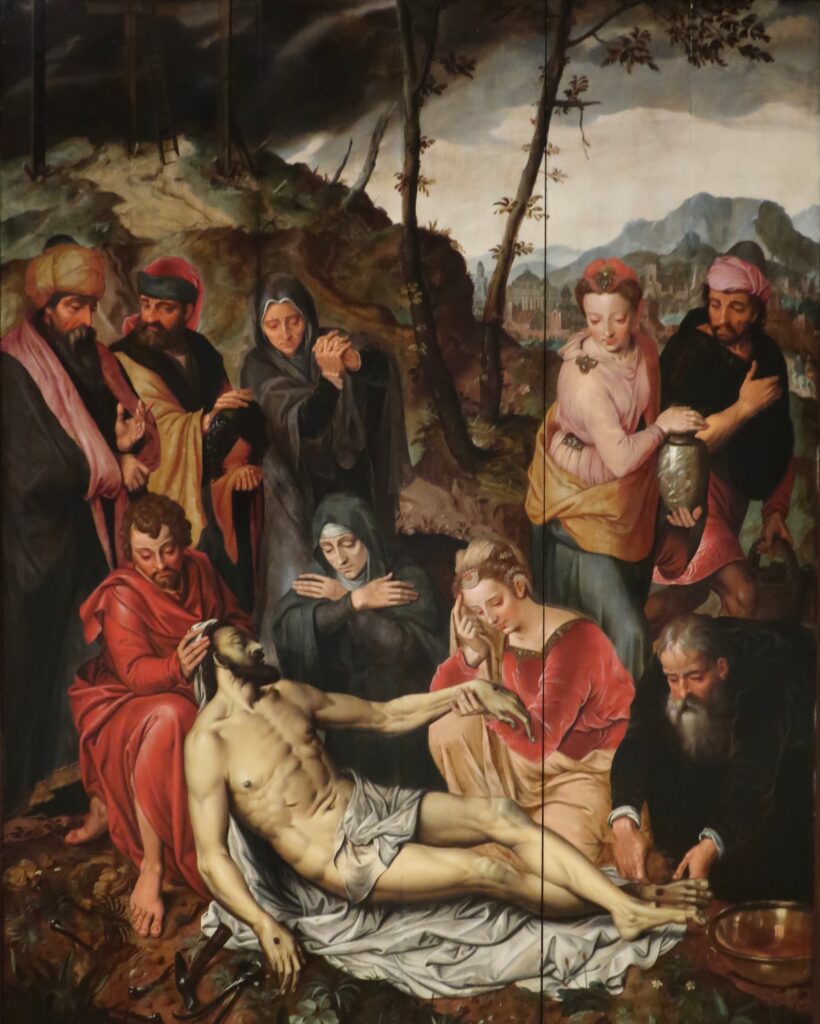
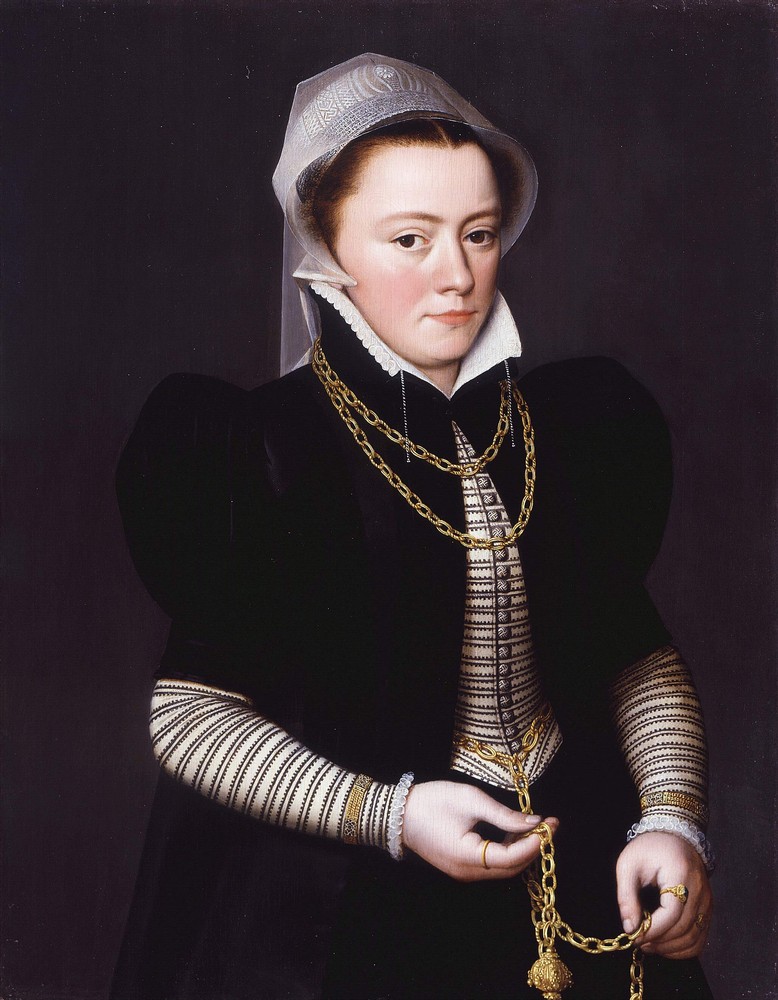
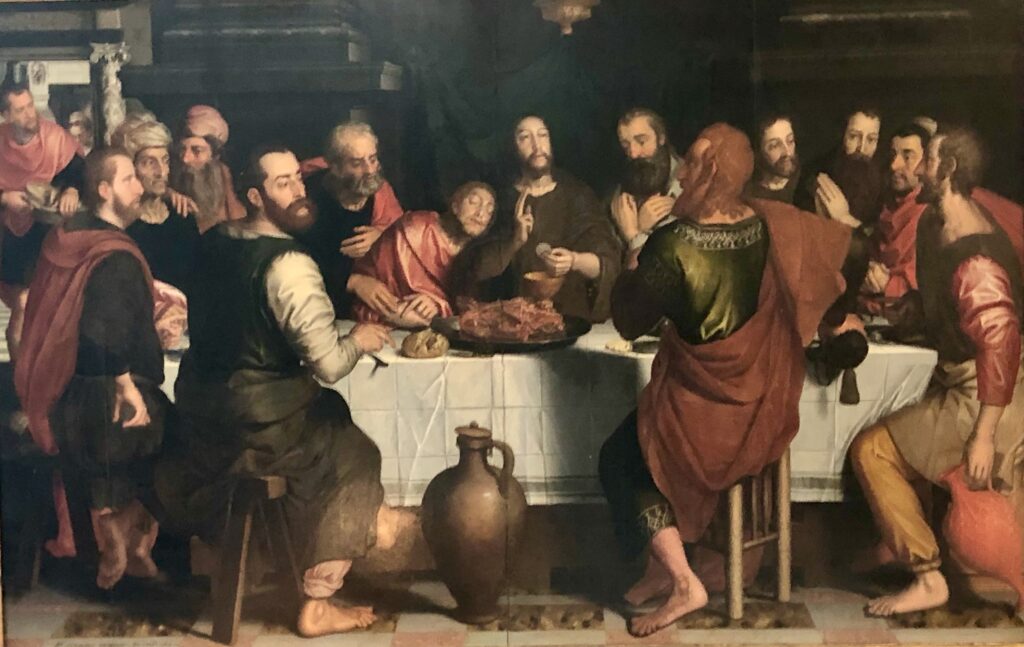
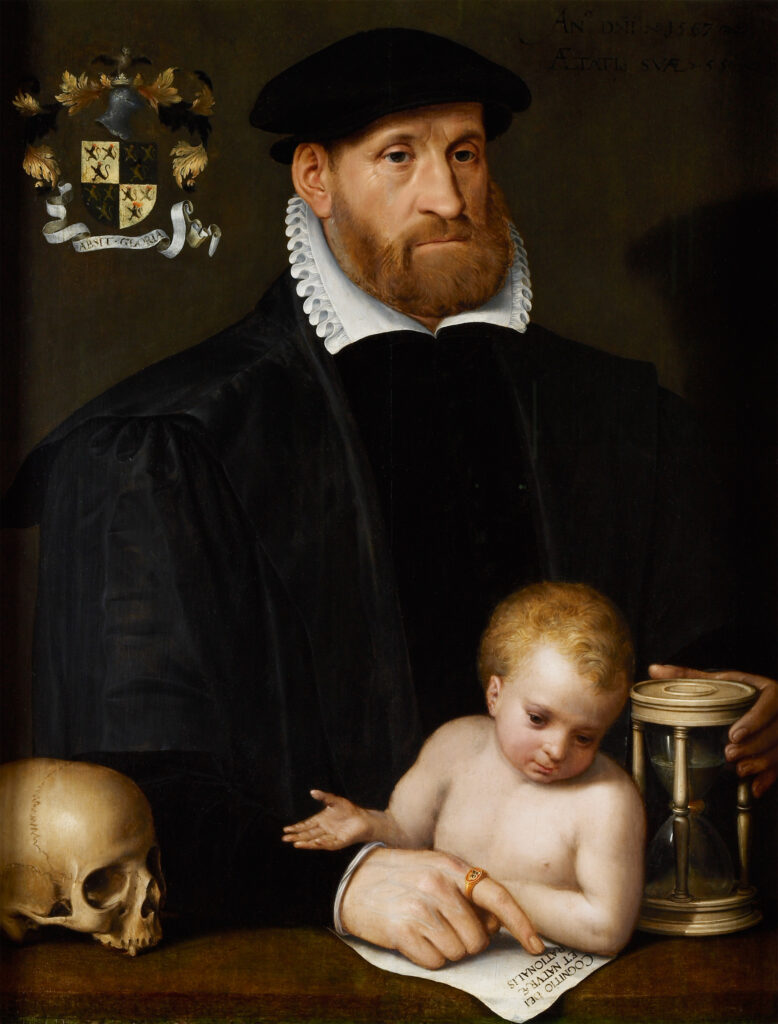
Pieter Pourbus, c 1523 – January 30, 1584, was a Flemish painter, draftsman, and cartographer. He was probably born in Gouda and settled in Bruges by the early 1540s. He became a master in the Bruges Guild of St Luke in 1543 and married Anna Blondeel, daughter of the painter Lanceloot Blondeel.
Pourbus painted portraits, religious works, altarpieces, allegorical subjects, and civic commissions. His work is associated with the Bruges tradition of detailed Netherlandish painting, adapted to mid-sixteenth-century portraiture and religious imagery. He also produced maps and topographical works, including important cartographic commissions for the region around Bruges.
Pourbus’s pupils and workshop connections included his son Frans Pourbus the Elder, who continued the family’s painting tradition. His works are held by the Groeningemuseum, Bruges; Rijksmuseum, Amsterdam; Museum Gouda; The Wallace Collection, London; Museum Mayer van den Bergh, Antwerp; and other public and private collections.


Jan de Bray
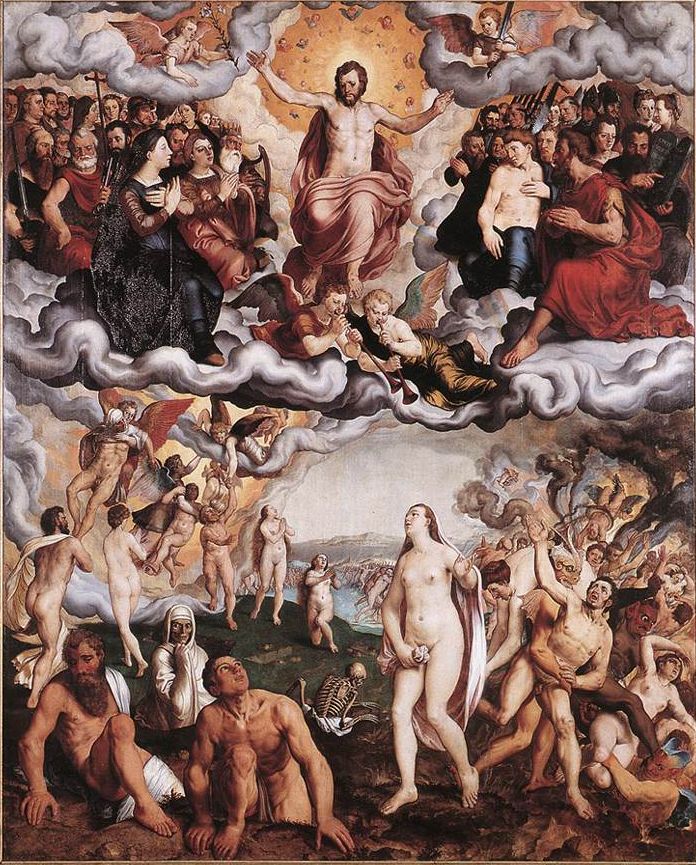
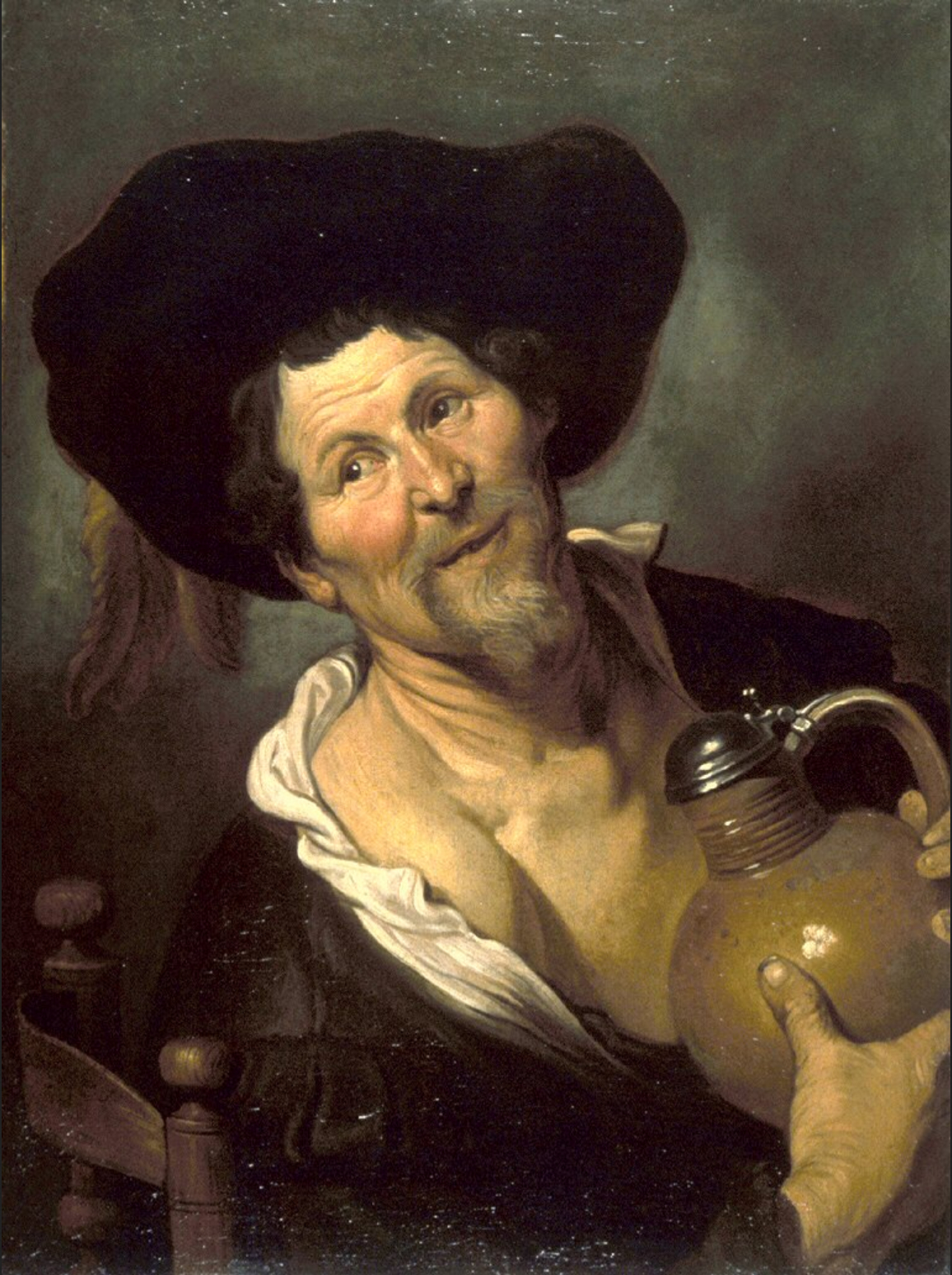
Jan de Bray, c 1627 – April 4, 1697, was a Dutch painter, draftsman, and printmaker of the Dutch Golden Age. He was born in Haarlem, the son of the painter, architect, and poet Salomon de Bray and Anna Westerbaen. He trained within his father’s workshop and belonged to a family that included several artists. He spent most of his career in Haarlem, where he became one of the city’s leading portrait and history painters.
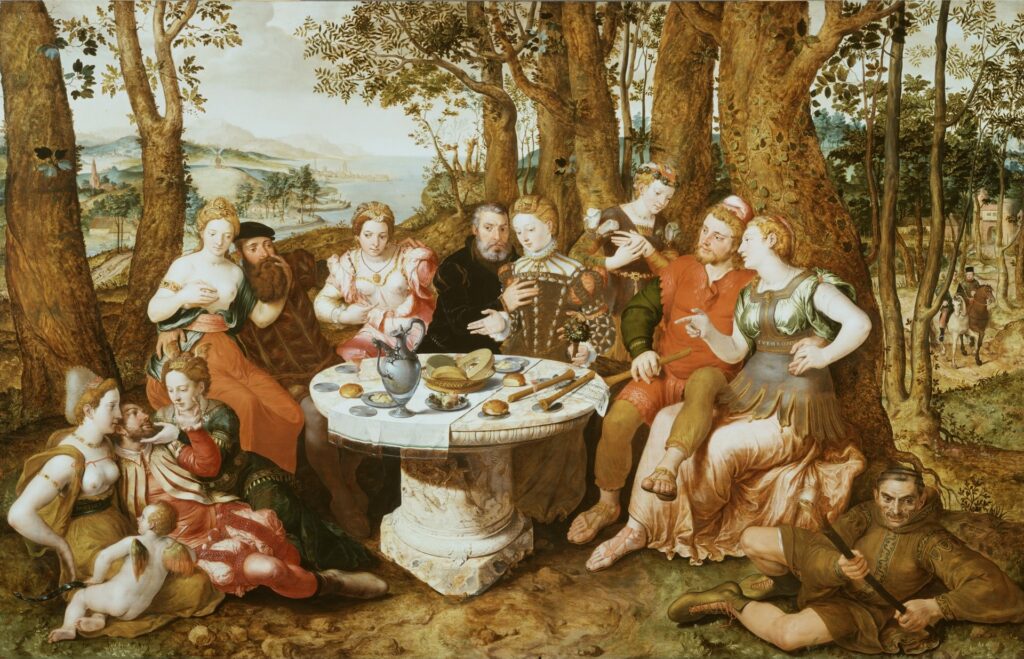
De Bray worked in portraiture, civic group portraiture, biblical subjects, mythological scenes, and history painting. His work combines careful drawing, polished surfaces, and an interest in classical subject matter. He painted numerous portraits of Haarlem regents and civic institutions, while also producing ambitious narrative works such as The Discovery of Achilles among the Daughters of Lycomedes and The de Bray Family / The Banquet of Antony and Cleopatra. His family portraits are among the most distinctive works of seventeenth-century Dutch painting.
Later in life de Bray served as dean of the Haarlem Guild of St Luke. His works are held by the Frans Hals Museum, Rijksmuseum, Louvre, Museum Boijmans Van Beuningen, National Museum in Warsaw, Currier Museum of Art, Speed Art Museum, and other public and private collections.


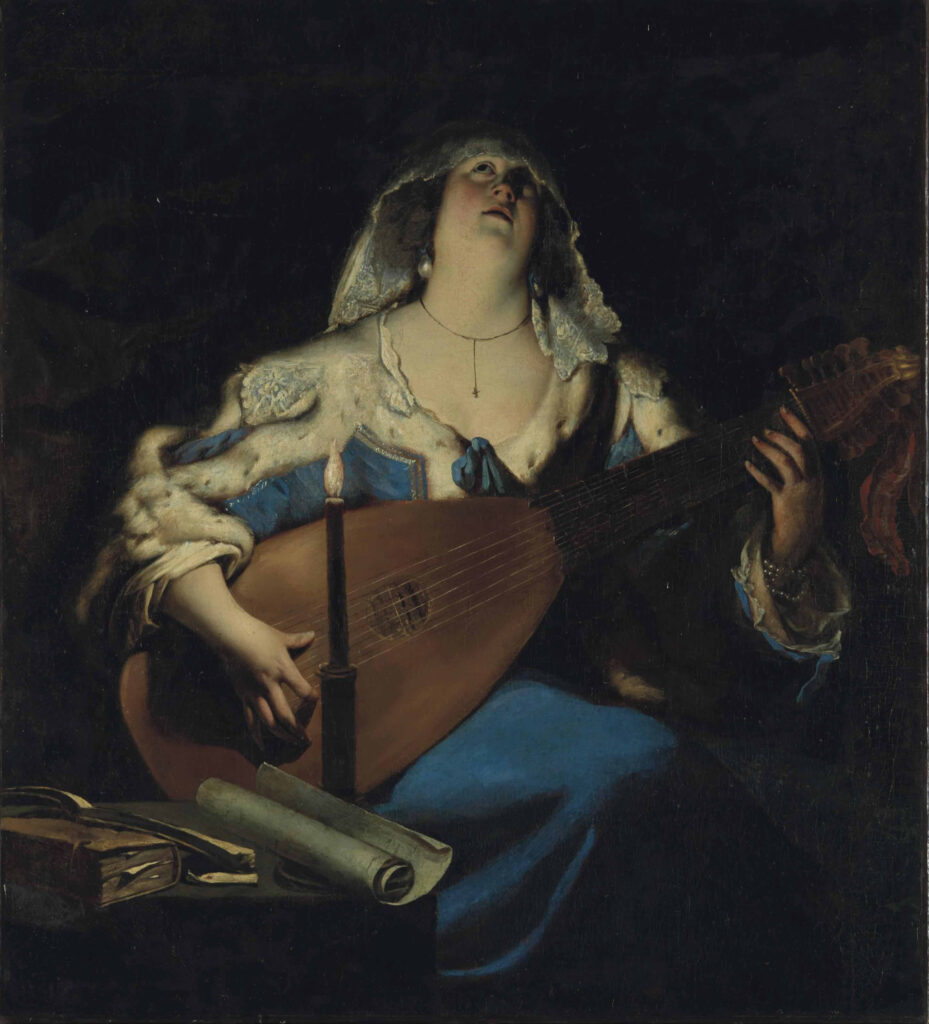
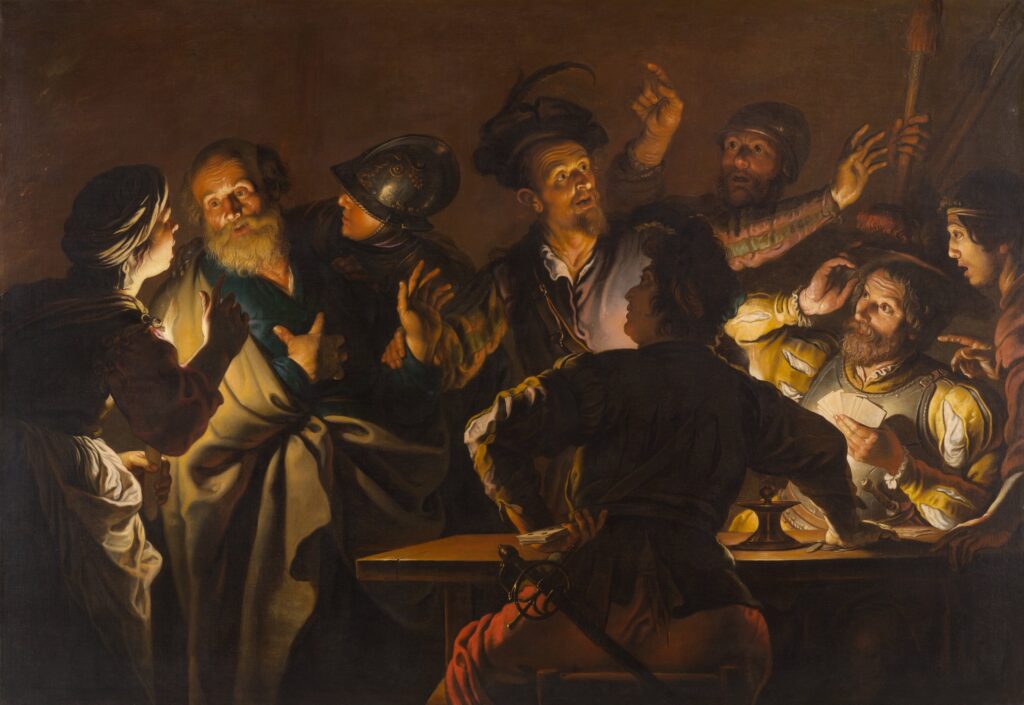
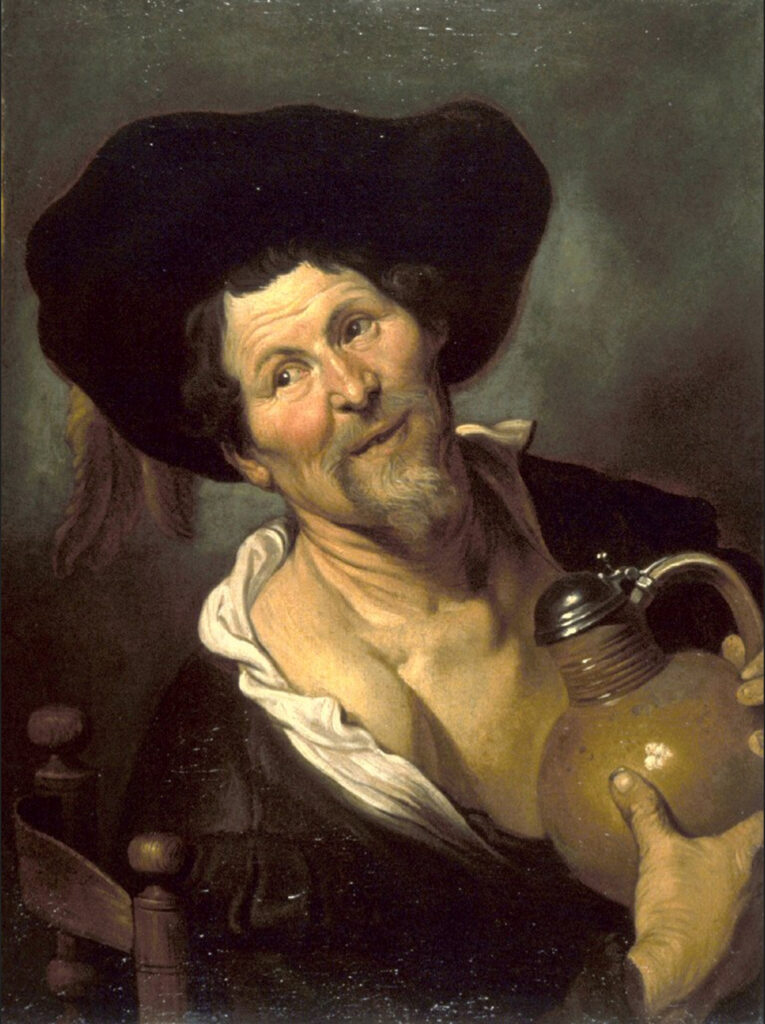
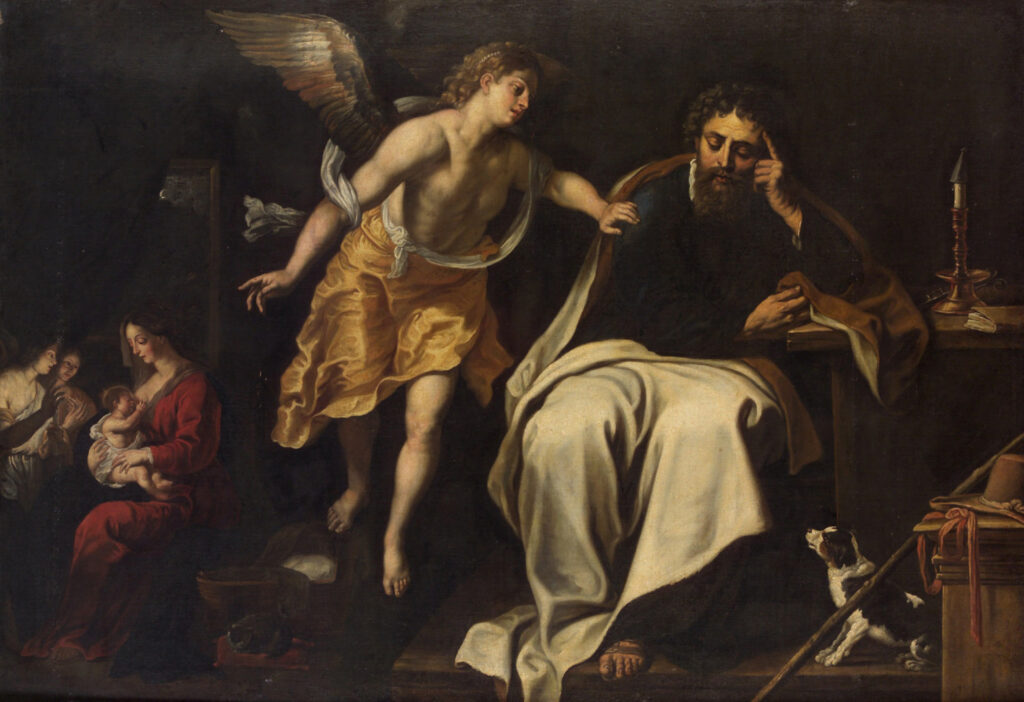
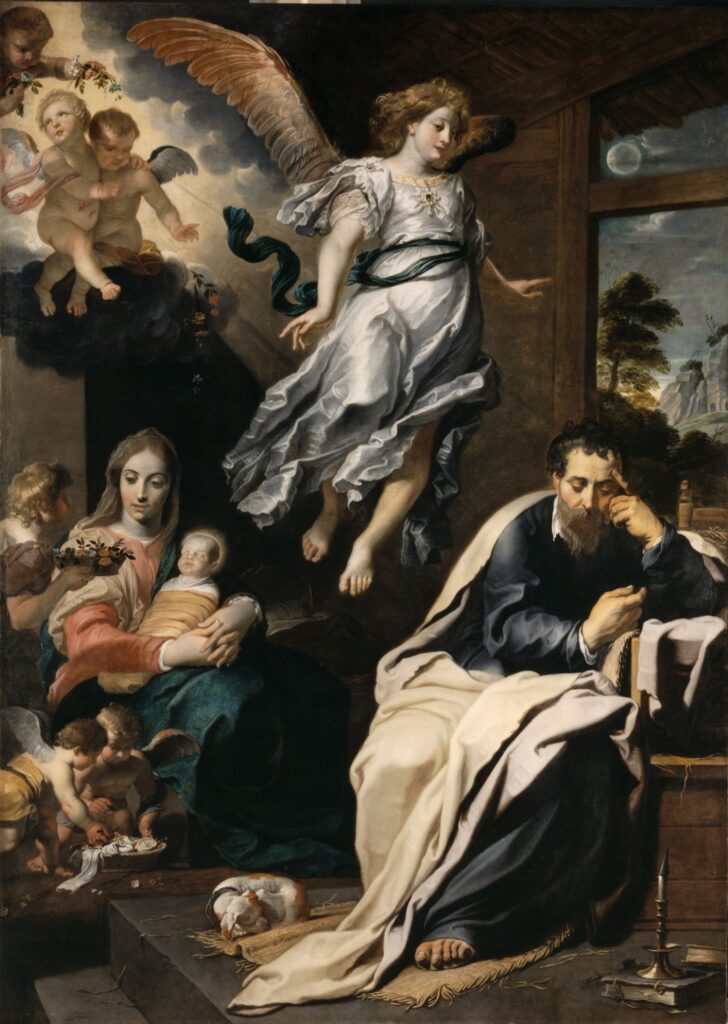
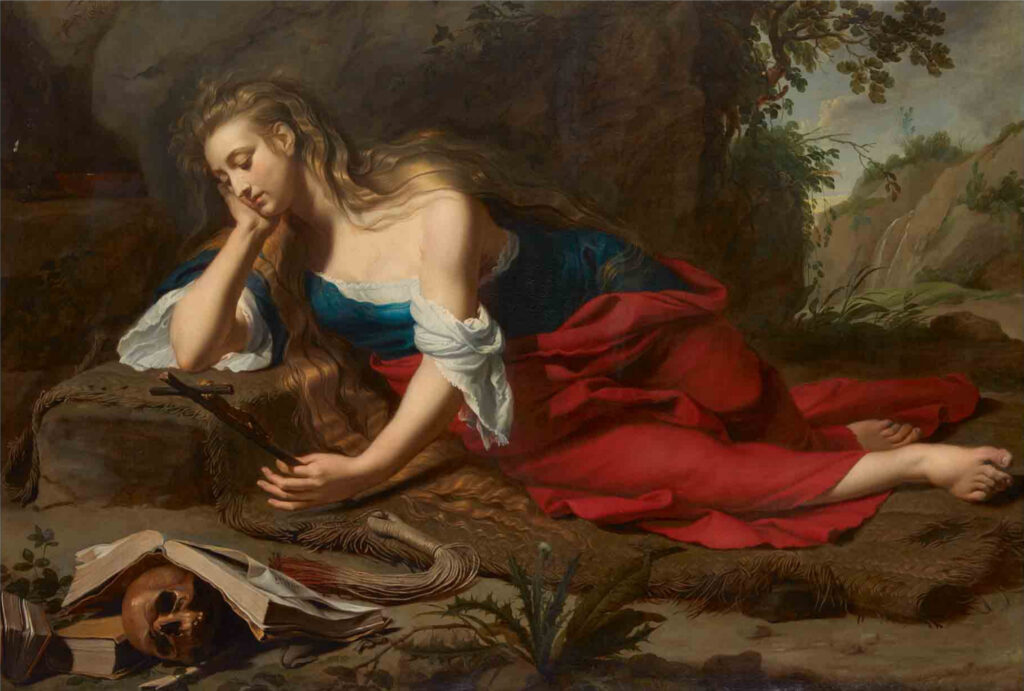
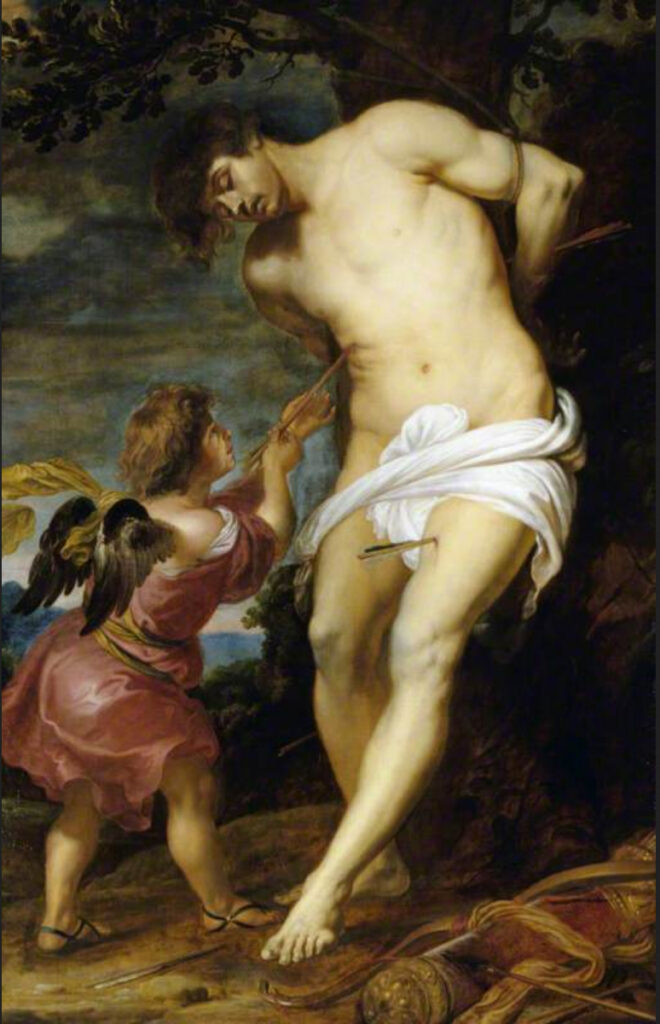
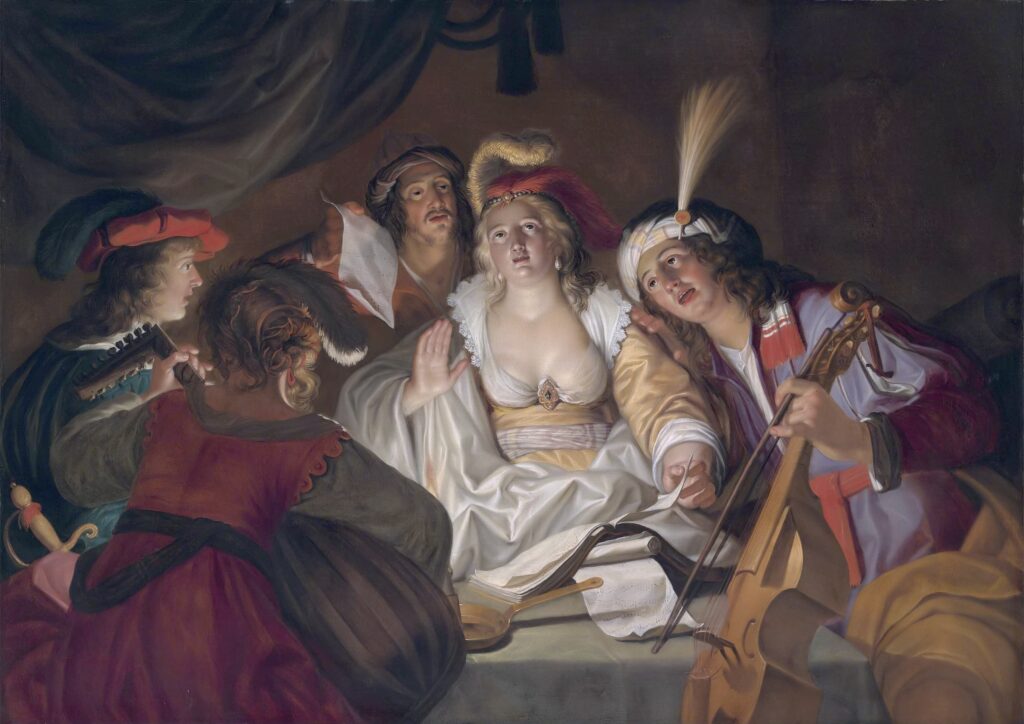
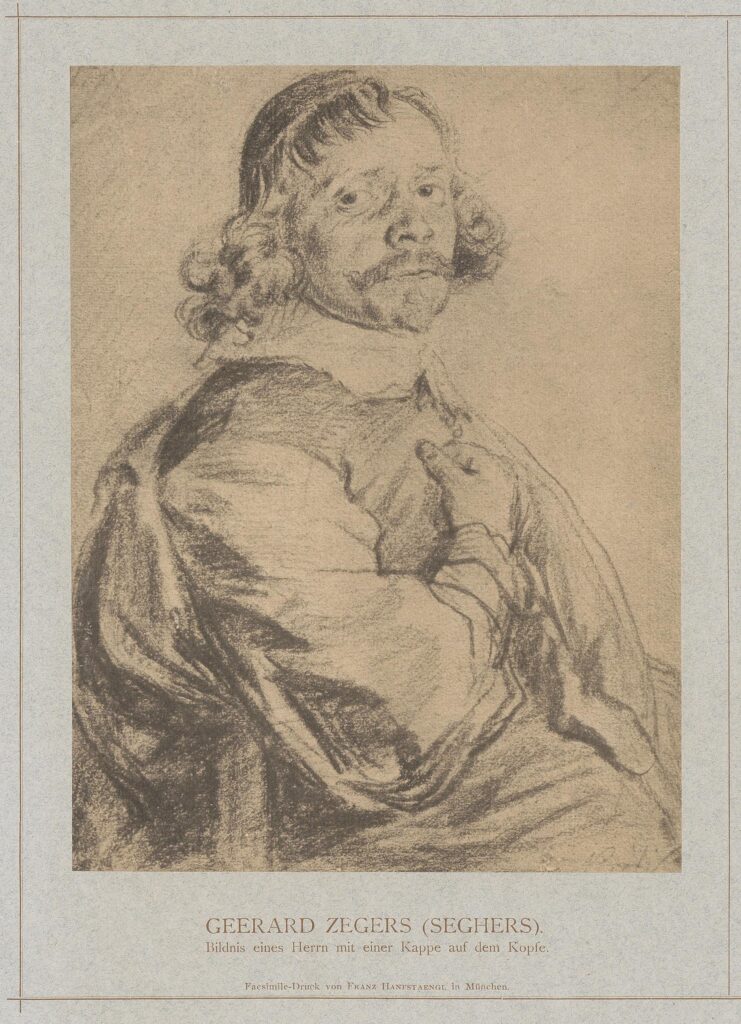
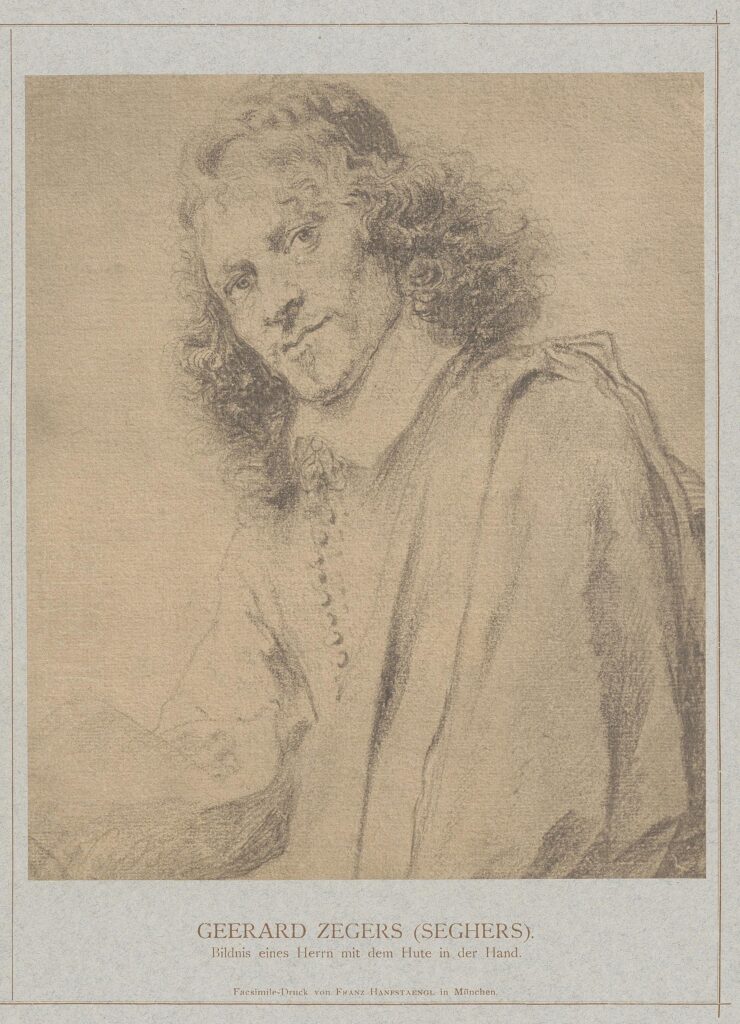
Gerard Seghers
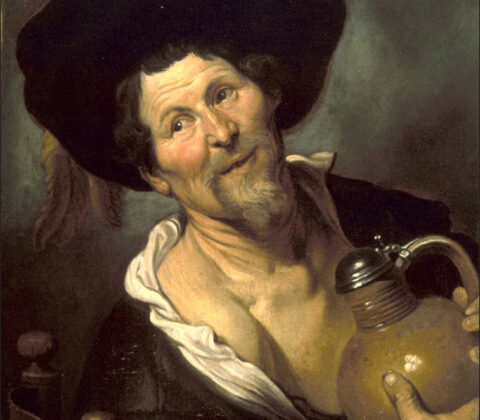
Gerard Seghers, March 17, 1591–March 18, 1651, was a Flemish painter born in Antwerp. He trained with Abraham Janssens and may also have studied with Caspar de Crayer or Hendrick van Balen.
After traveling in Italy, Seghers returned to Antwerp around 1620. His paintings show the influence of Caravaggio through dramatic light, strong contrasts, and closely observed figures, adapted to the large religious commissions and genre scenes he made for Flemish patrons.
Seghers became a leading painter in Antwerp and served as dean of the Guild of Saint Luke. His work ranged from altarpieces and biblical scenes to paintings of musicians and everyday life. He died in Antwerp in 1651.
Gentile Bellini
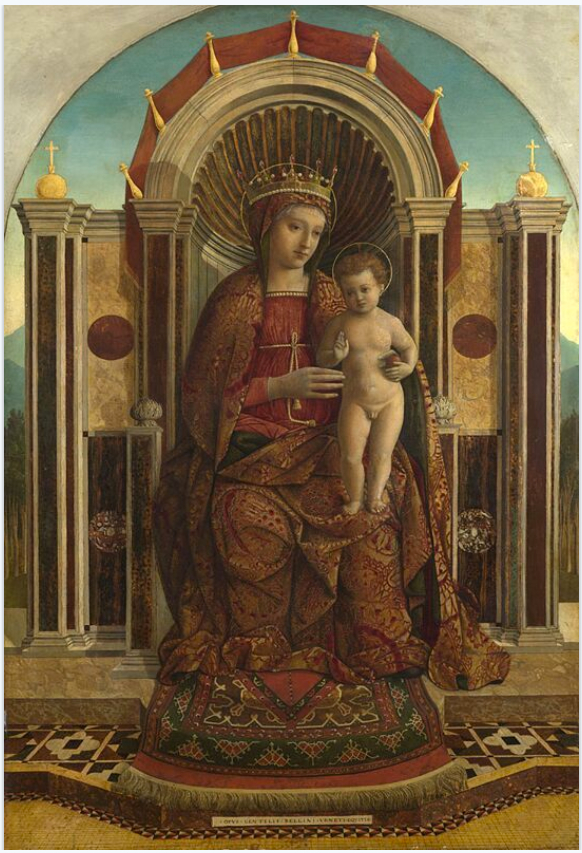
Gentile Bellini, c 1429 – February 23, 1507, was a Venetian painter of the Early Renaissance. He was born in Venice, the son of the painter Jacopo Bellini and brother of Giovanni Bellini. He trained in his father’s workshop, which was one of the leading artistic centers in Venice and helped shape the city’s developing Renaissance style. Gentile worked primarily for the Venetian state, religious confraternities, and prominent civic patrons.
His paintings are known for detailed depictions of public ceremonies, religious processions, and urban life in Venice. In 1479 he was sent by the Venetian Republic to Constantinople, where he worked at the court of Sultan Mehmed II and produced portraits and drawings that became important visual records of Ottoman society. His work combined Venetian traditions of color and pageantry with an unusually strong interest in architecture, costume, and contemporary events. He collaborated at times with Giovanni Bellini and was associated with the generation of Venetian painters that bridged the late Gothic and Renaissance periods.
Gentile maintained an active workshop and contributed to major state commissions in Venice, although he is not chiefly remembered as a teacher. His works are held by institutions including the Gallerie dell’Accademia, National Gallery, Victoria and Albert Museum, Isabella Stewart Gardner Museum, British Museum, and Gemäldegalerie. His paintings and drawings remain important sources for the study of late fifteenth-century Venice and the Ottoman world.