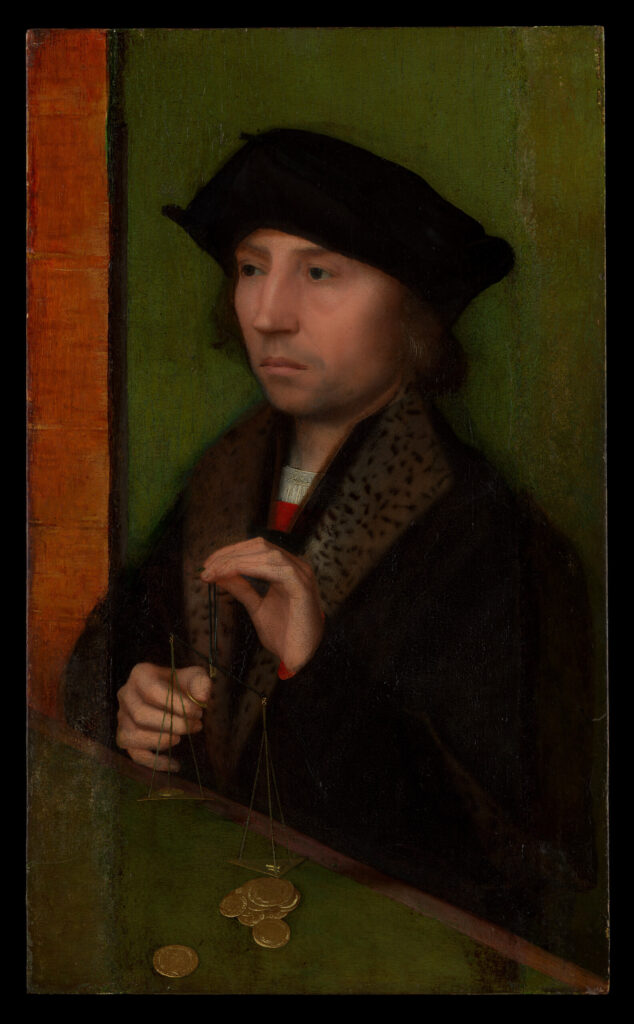
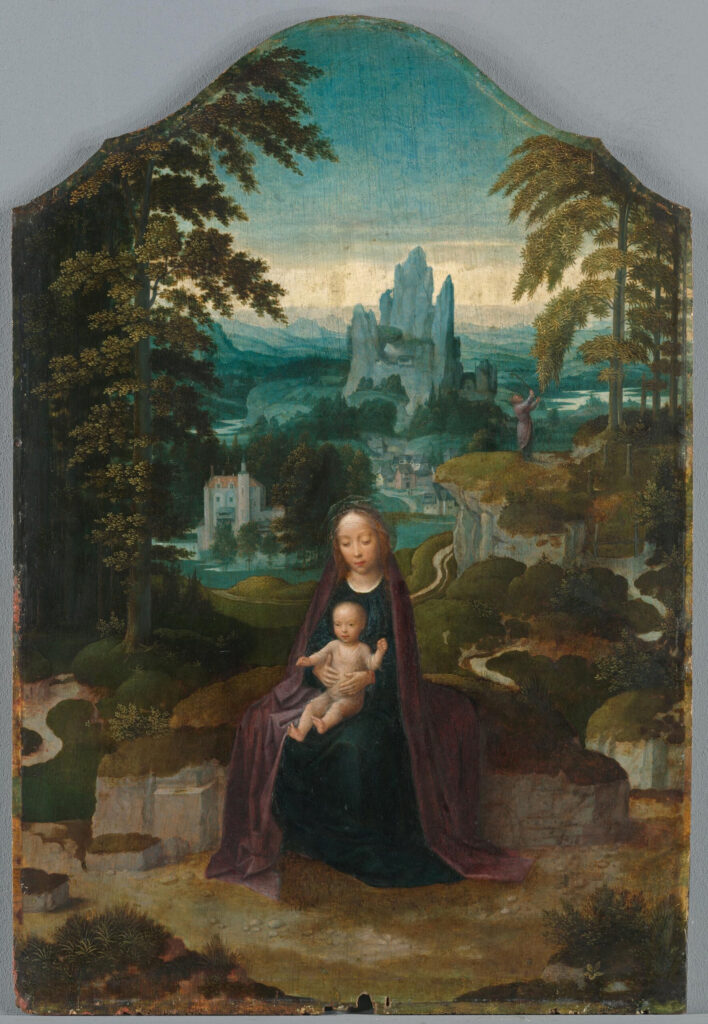
Sebastiano del Piombo
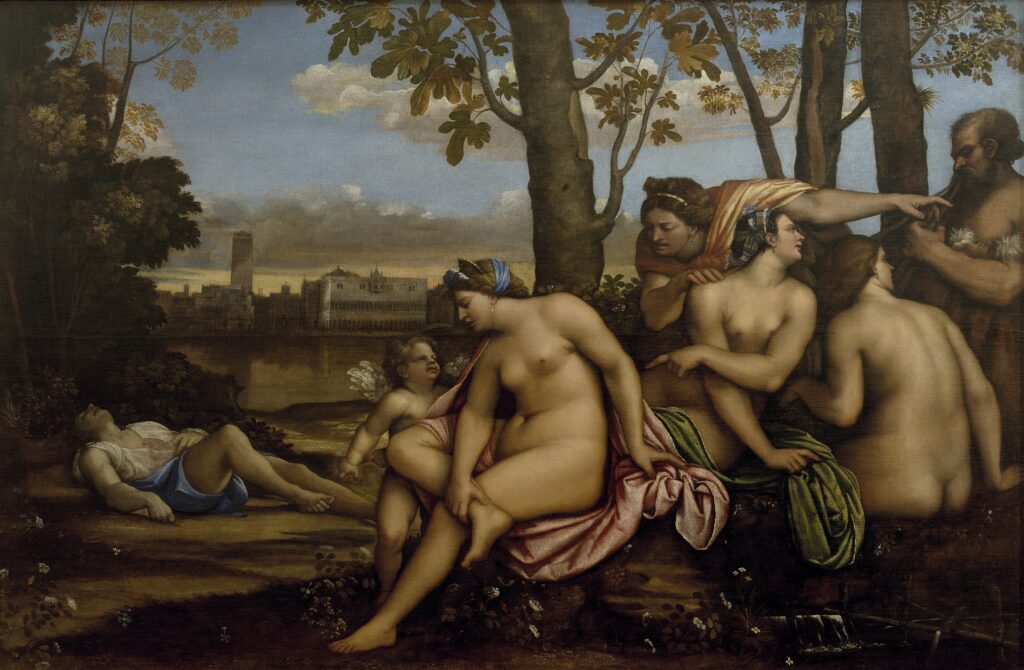
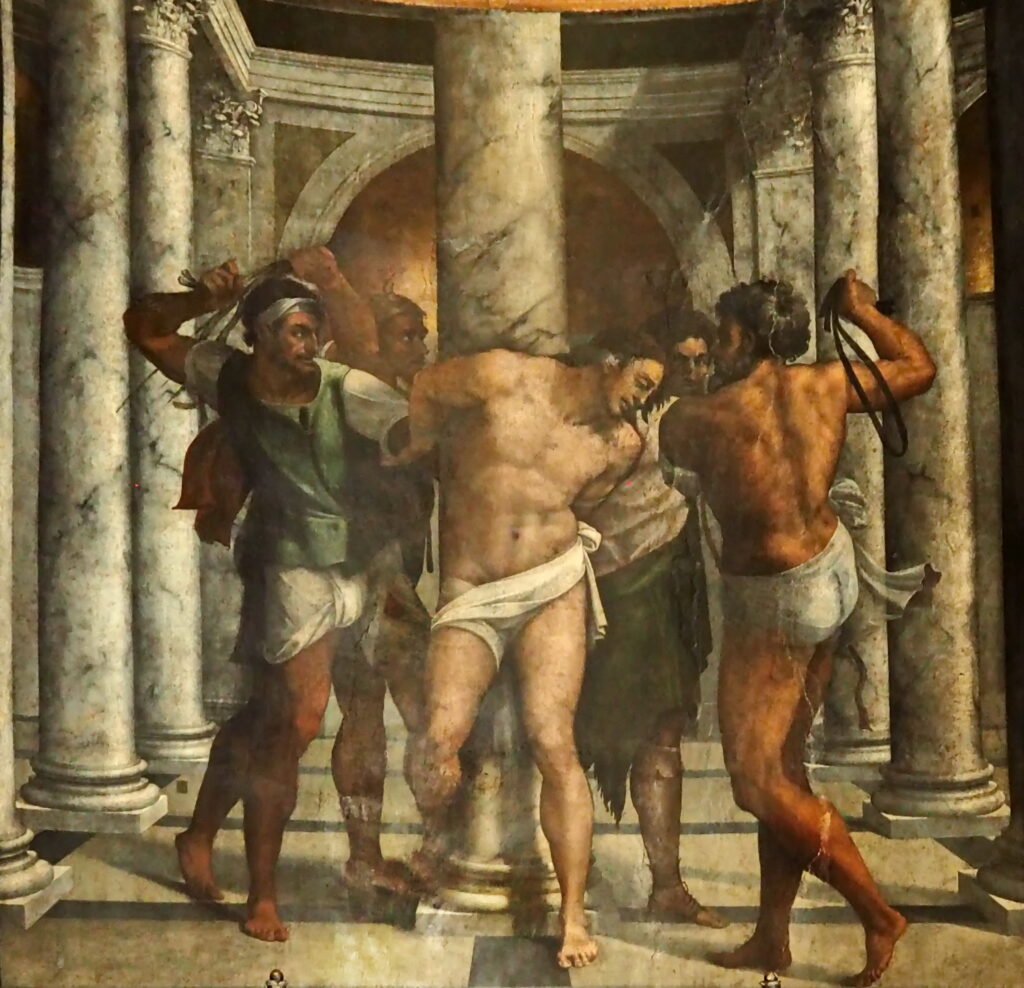
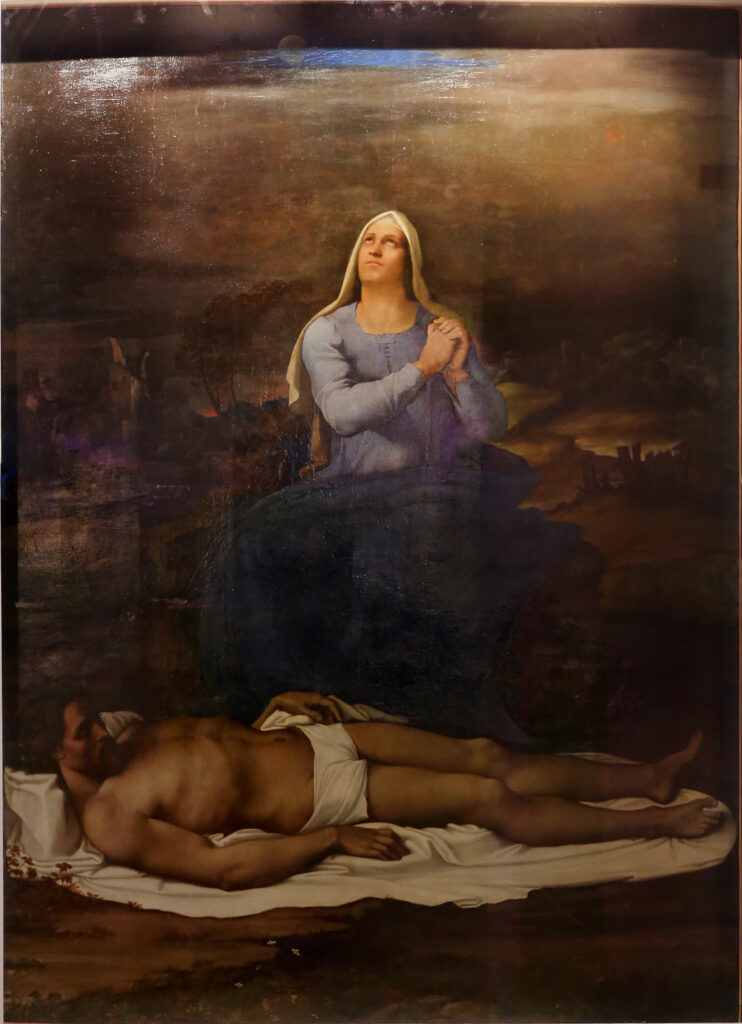
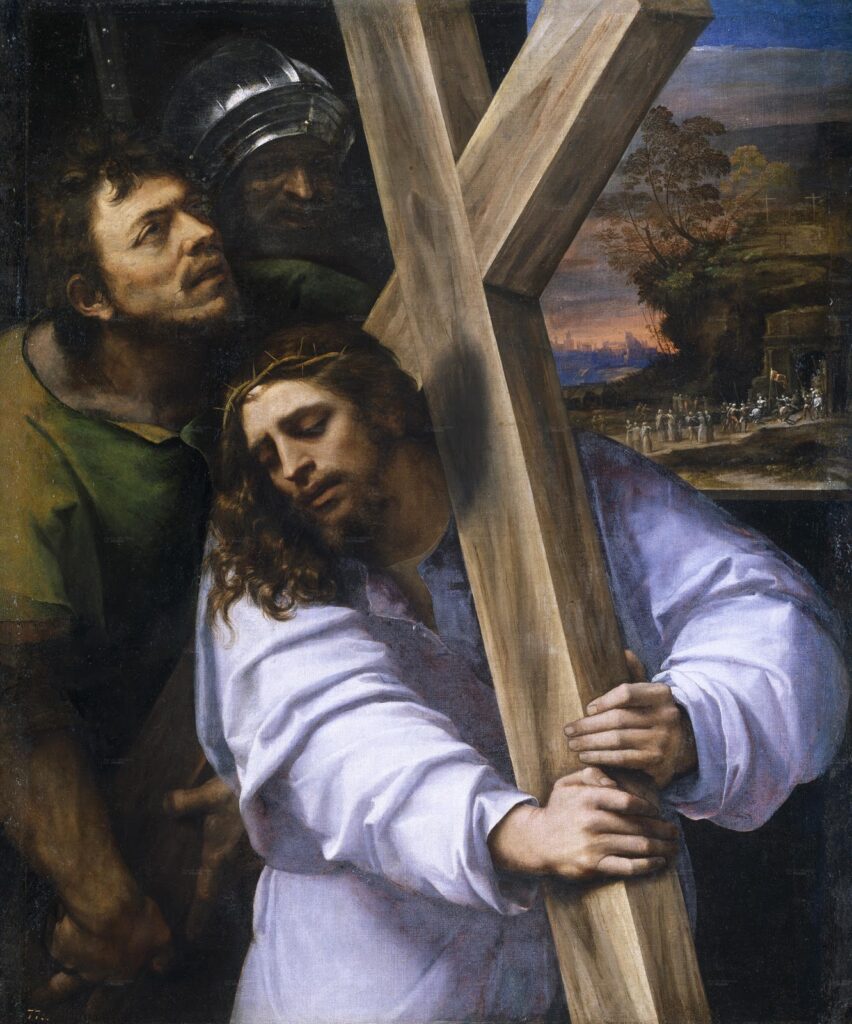
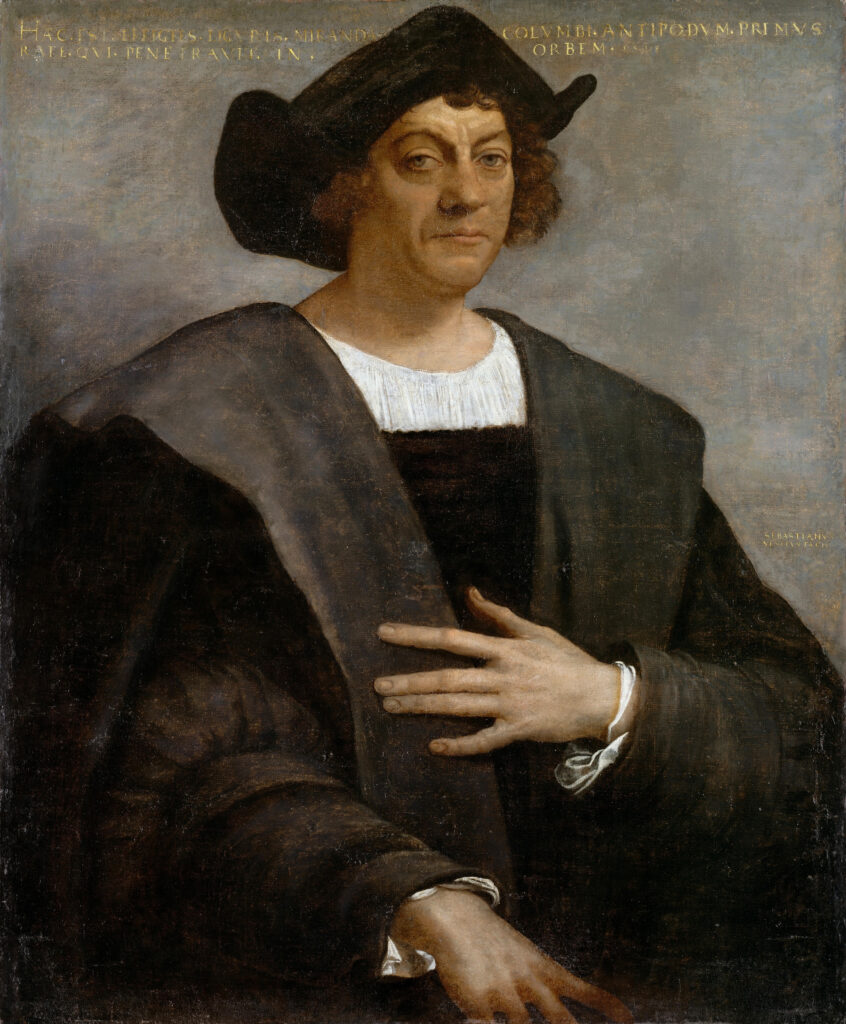
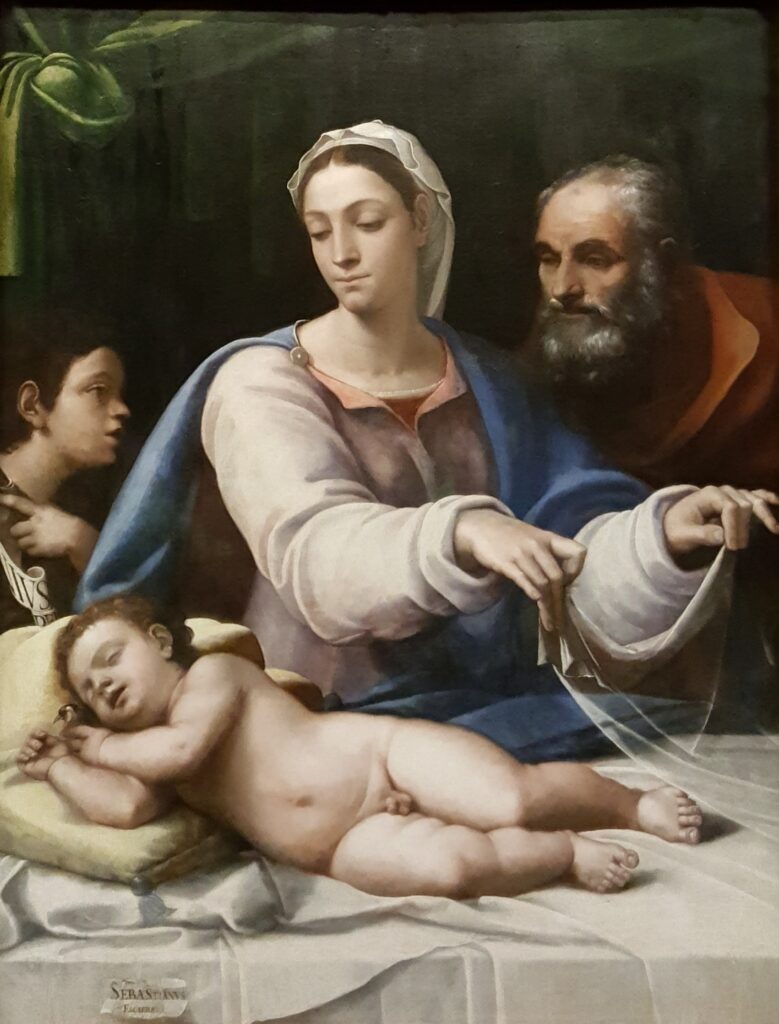
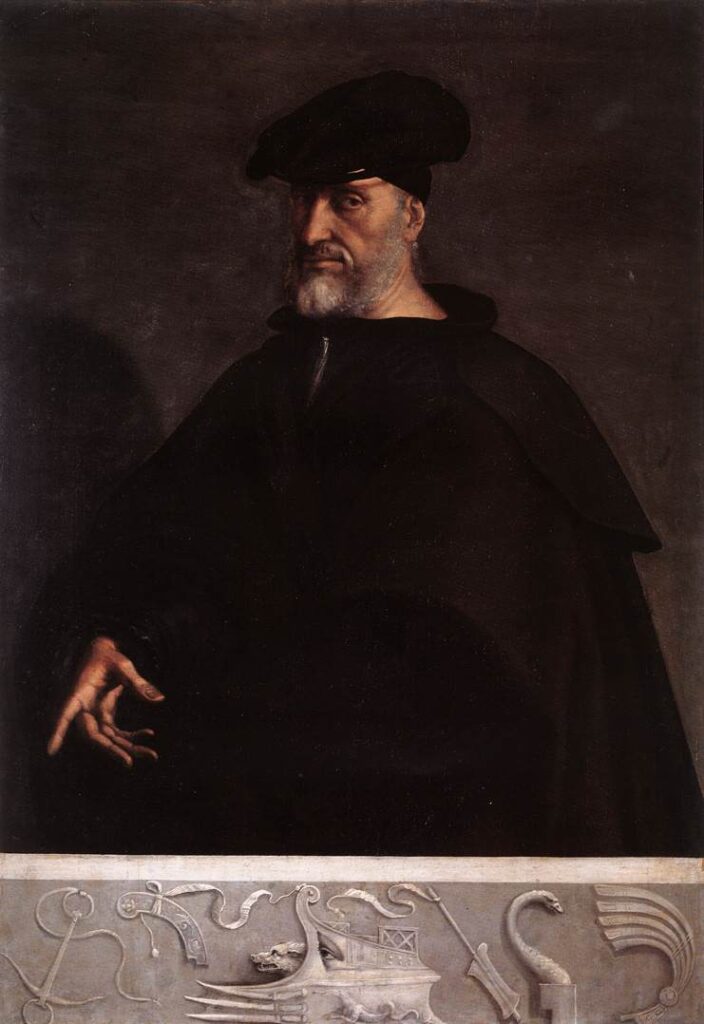
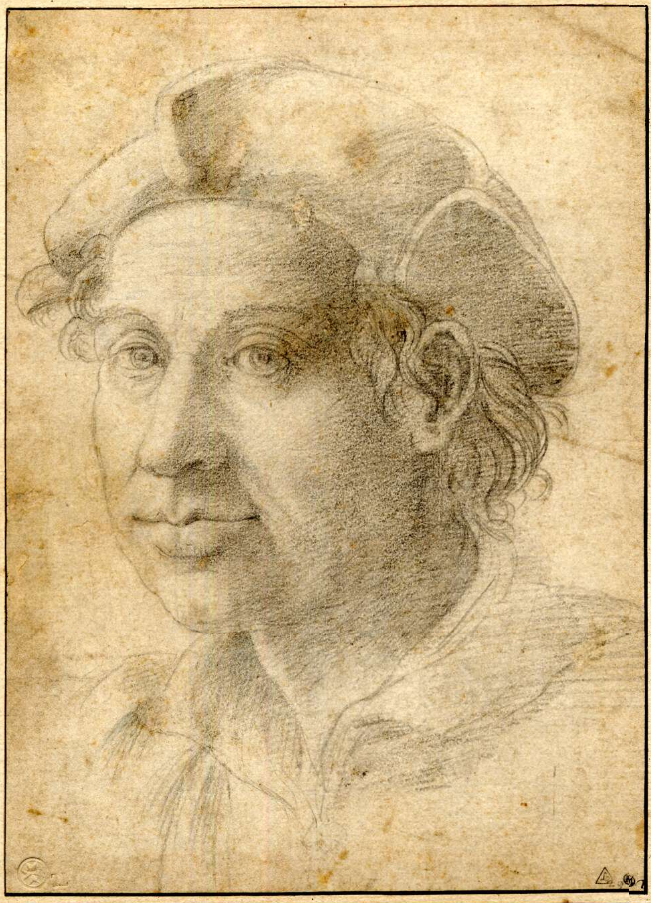
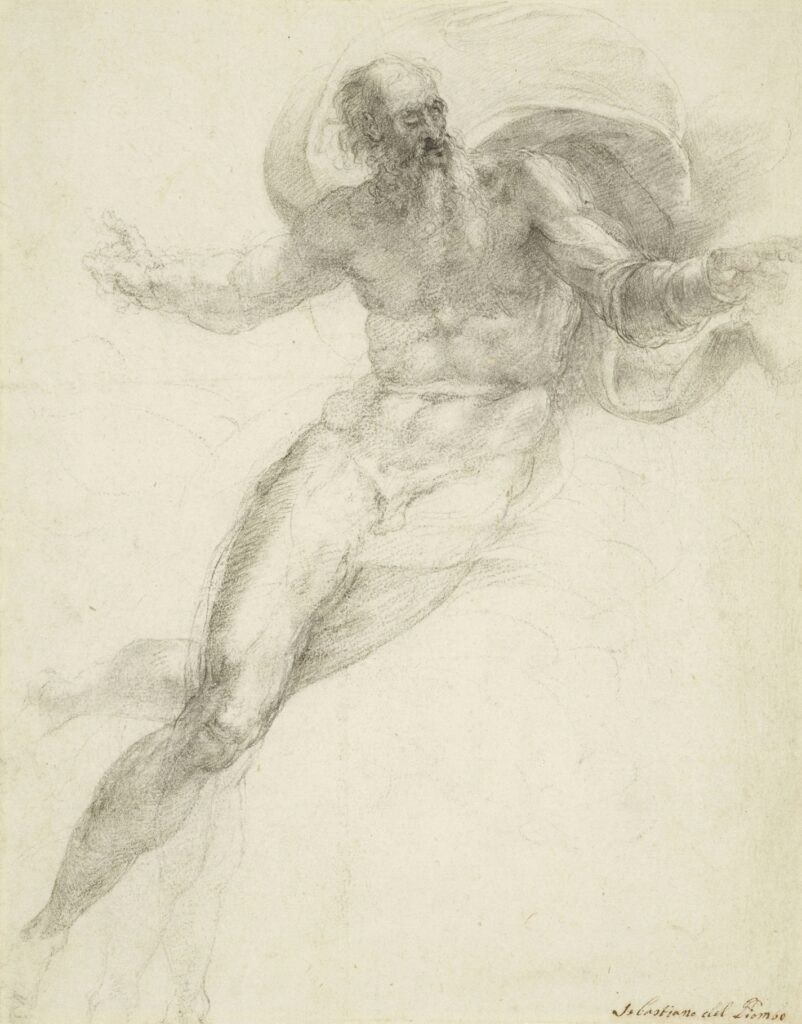
Sebastiano del Piombo, c 1485–June 21, 1547, was an Italian painter born in Venice. He was probably trained with Giovanni Bellini and Giorgione before moving to Rome in 1511 under the patronage of Agostino Chigi.
In Rome, he became close to Michelangelo and developed a distinctive synthesis of Venetian colour and Roman monumentality. He painted religious works and portraits, and in 1531 received the office of Keeper of the Papal Seal, from which his name “del Piombo” derives.
He died in Rome in 1547. His work is represented in collections including the Uffizi Gallery, Museo del Prado, Metropolitan Museum of Art, and National Gallery, London.
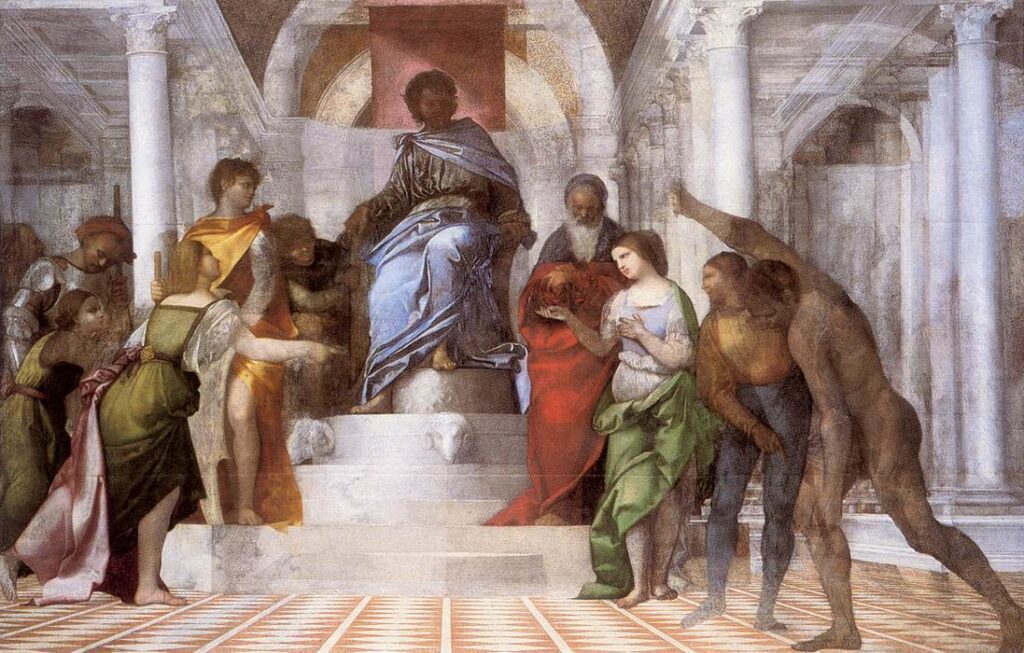
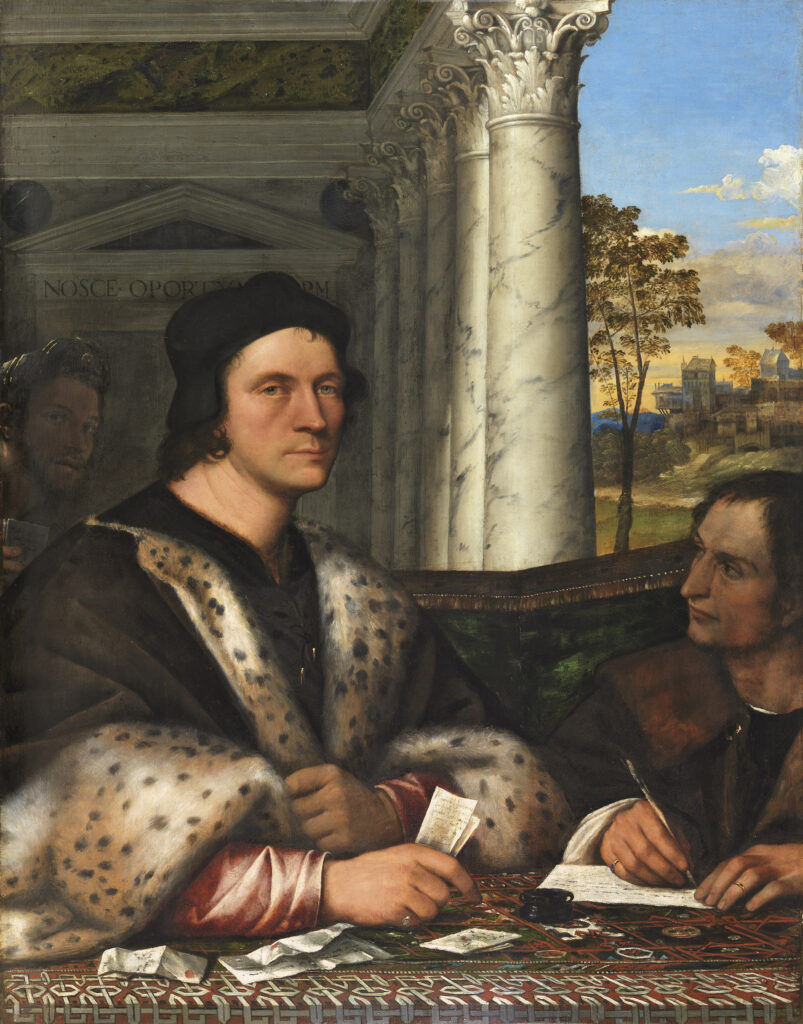
Jacques-Louis David
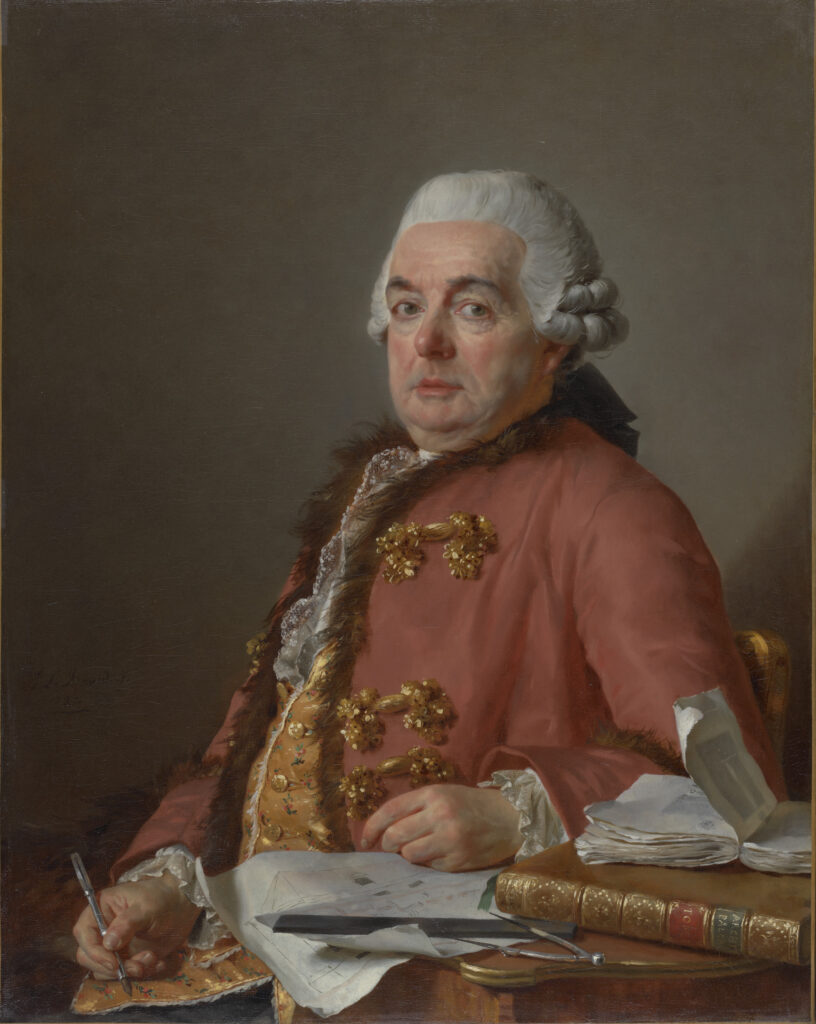
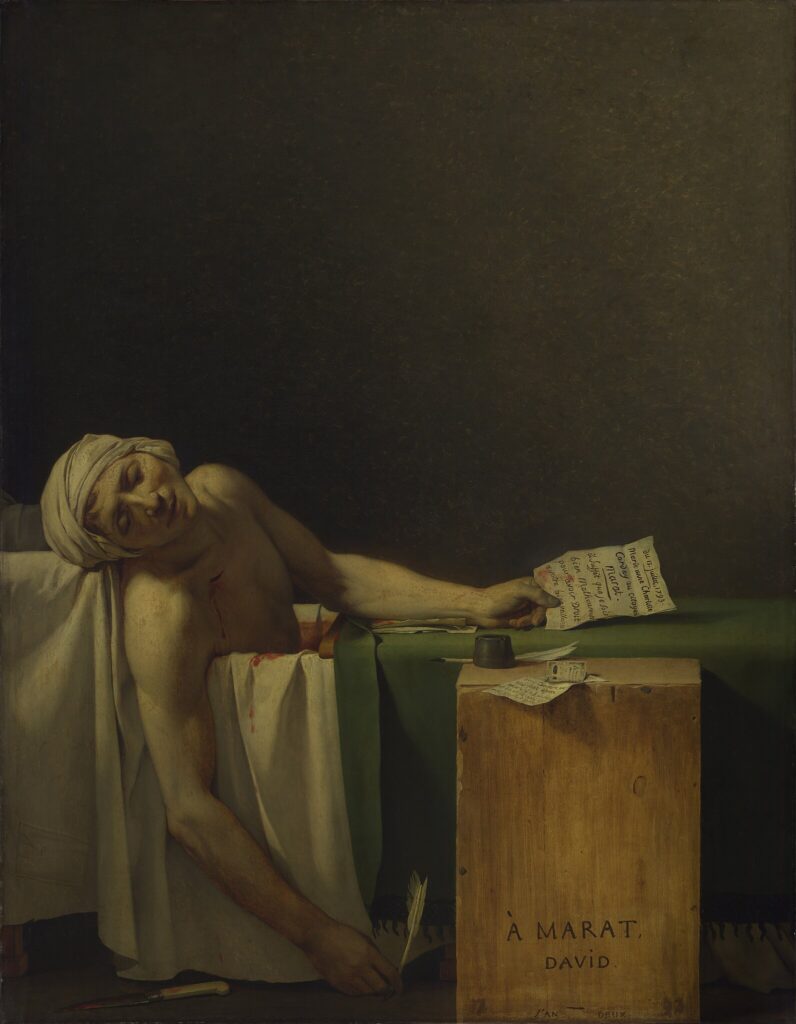
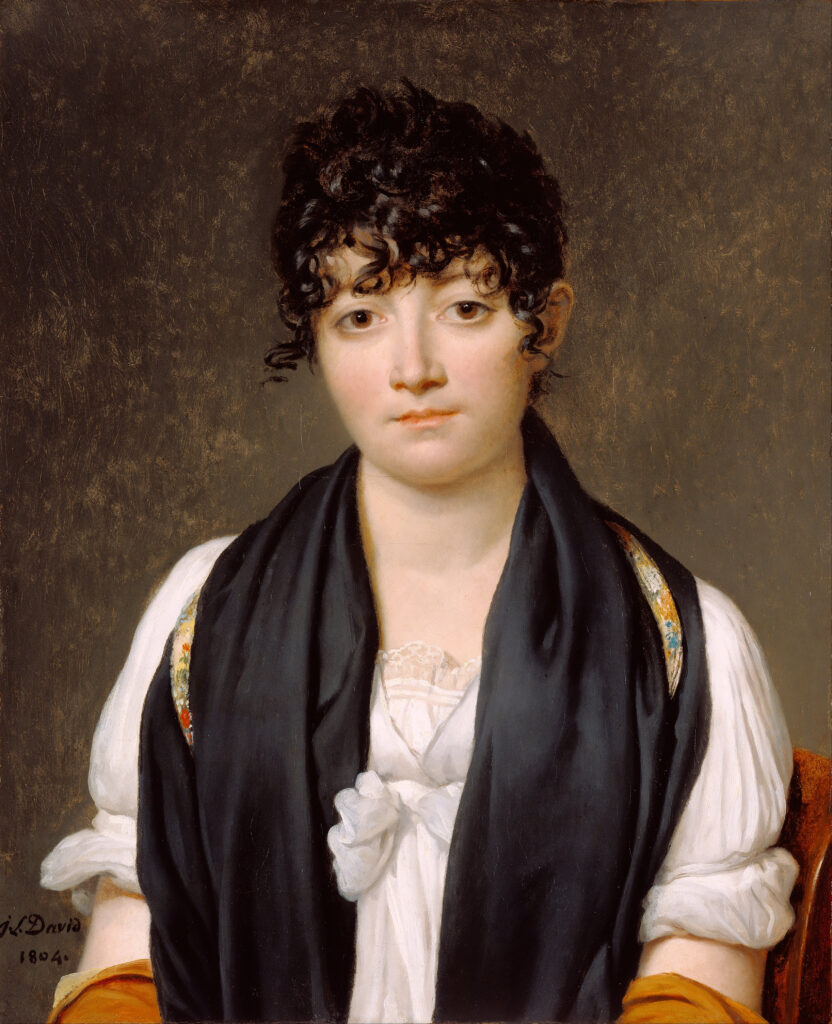
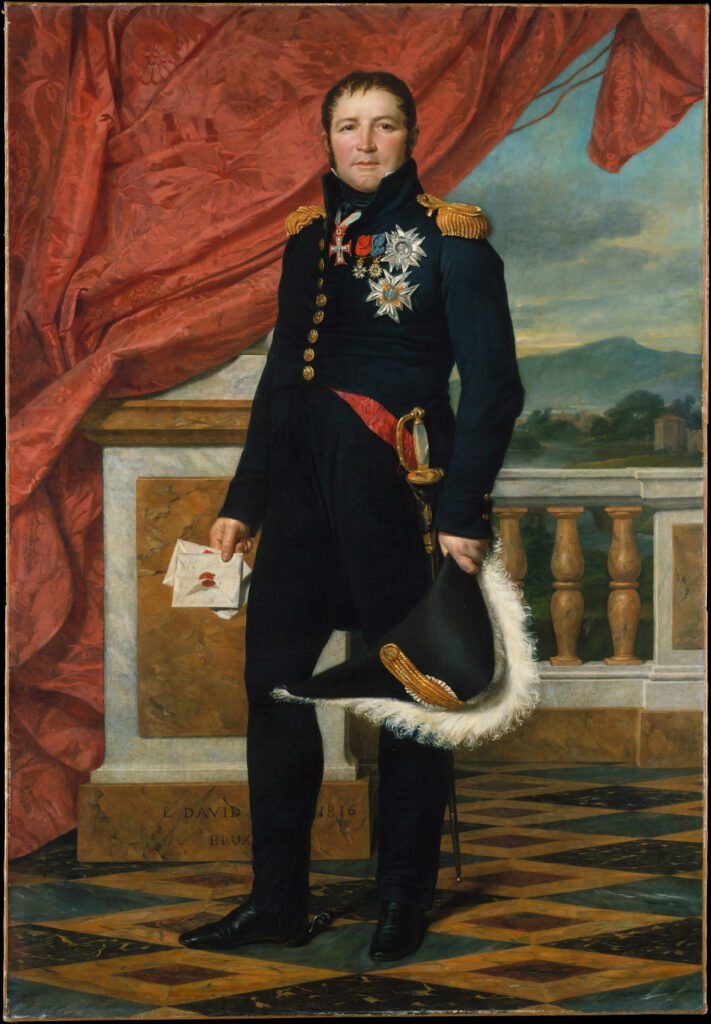
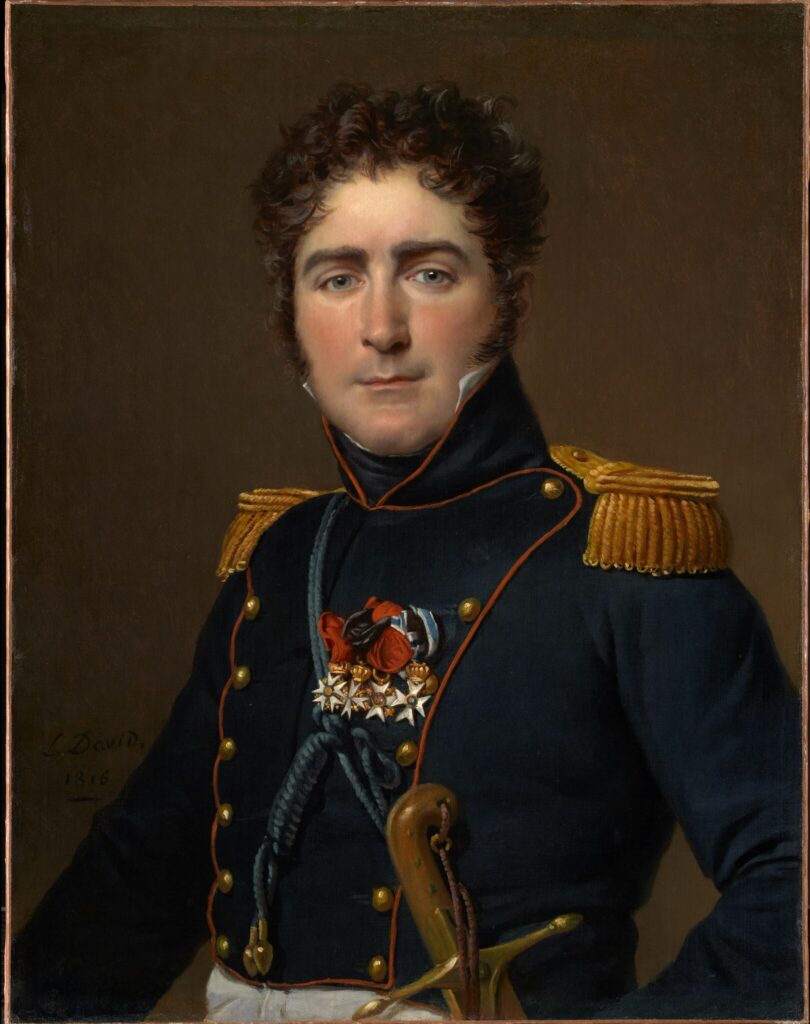
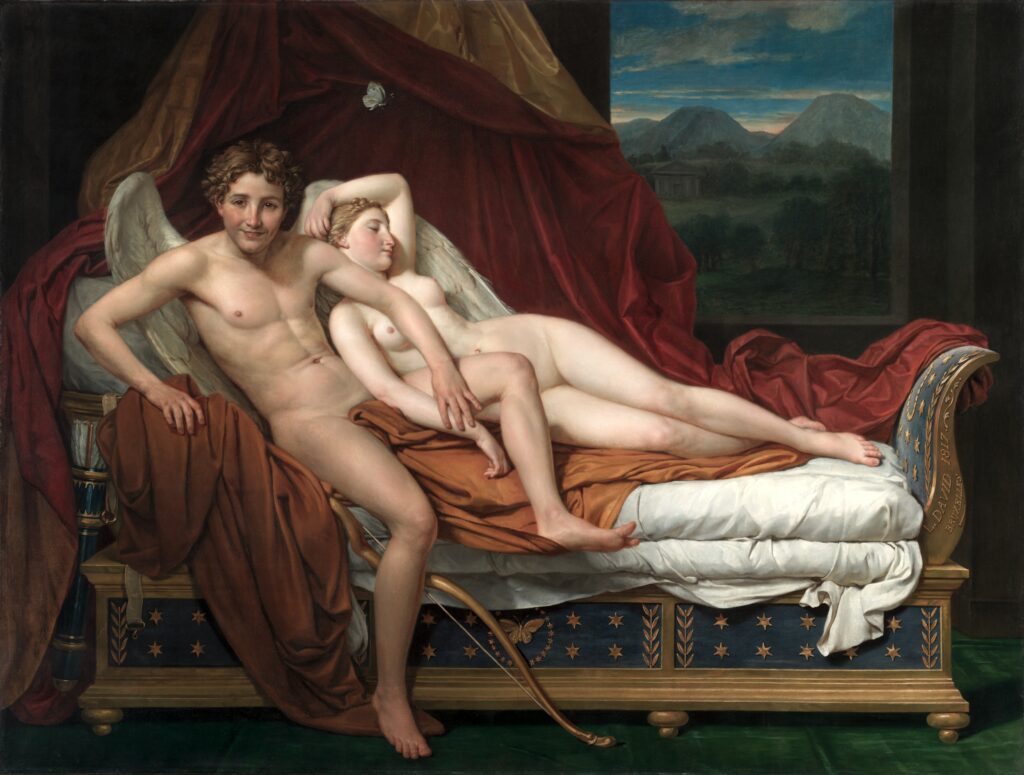
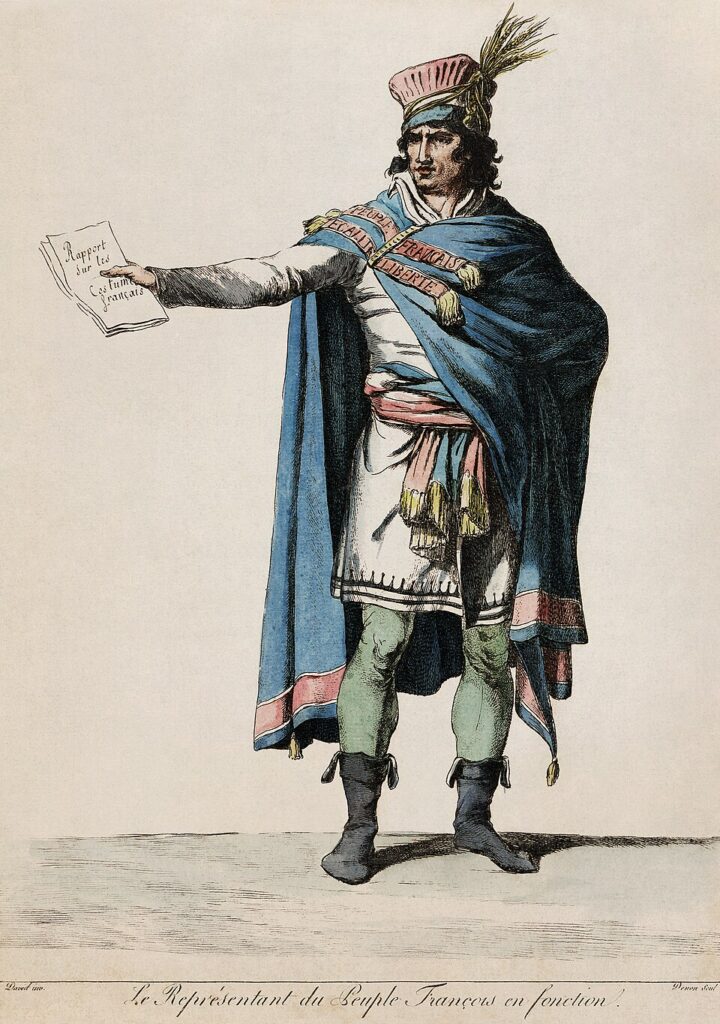
Jacques-Louis David, August 30, 1748 – December 29, 1825, was a French painter and the leading exponent of Neoclassicism. His career spanned the final decades of the Ancien Régime, the French Revolution, the Napoleonic Empire, and the Bourbon Restoration.
David studied under Joseph-Marie Vien and won the Prix de Rome in 1774, spending several years in Italy where he absorbed the art of classical antiquity and the High Renaissance. During the Revolution he served as a deputy to the National Convention, voted for the execution of Louis XVI, organized public festivals, and became the unofficial painter of the revolutionary government. After Napoleon’s rise to power, he became First Painter to the Emperor and produced many of the defining images of the Napoleonic era. Following the Bourbon Restoration, he went into exile in Brussels, where he spent the remainder of his life.
Among David’s many pupils were Antoine-Jean Gros, François Gérard, Anne-Louis Girodet de Roussy-Trioson, Jean-Auguste-Dominique Ingres, and Jean-Baptiste Isabey. Through both his own paintings and the accomplishments of his students, David established the French academic tradition that dominated European history painting during the first half of the nineteenth century.








Aert de Gelder
Aert de Gelder, October 26, 1645 – August 27, 1727, was a Dutch painter and draftsman born in Dordrecht. He trained there with Samuel van Hoogstraten before working in Rembrandt’s Amsterdam studio from 1661 to 1663.
De Gelder returned to Dordrecht and remained active there for the rest of his career. He painted biblical histories and portraits and continued to use the broad handling and dramatic lighting associated with Rembrandt’s late work.
De Gelder died in Dordrecht. His works are held by the Rijksmuseum, J. Paul Getty Museum, Mauritshuis, State Hermitage Museum, and other major collections.




Adriaen Isenbrandt
Adriaen Isenbrandt, c 1485–July 1551, was a Netherlandish painter active in Bruges. His birthplace and early training are not documented; he entered the Bruges painters’ and saddlemakers’ guild as a master in 1510.
An early source associated him with Gerard David, whose workshop and compositions influenced the paintings attributed to Isenbrandt. Isenbrandt repeatedly held offices in the Bruges guild, maintained a workshop, and worked with Albert Cornelis and Lancelot Blondeel on decorations for the 1520 entry of Emperor Charles V into Bruges; Cornelis van Callenberghe is the only documented assistant in his workshop.
Paintings attributed to Isenbrandt are held by the Metropolitan Museum of Art, the National Gallery of Art, the J. Paul Getty Museum, Musea Brugge, the Royal Museums of Fine Arts of Belgium, and the Alte Pinakothek.