Antonio da Correggio
Antonio Allegri da Correggio, August 1489 – March 5, 1534, was an Italian Renaissance painter active primarily in Parma and the surrounding region of Emilia. Born in Correggio, near Reggio Emilia, he was the son of Pellegrino Allegri. Little documentation survives regarding his early training, but he was probably influenced by the Mantegna tradition through local artists and by the work of Andrea Mantegna. He was later exposed to the art of Leonardo da Vinci and Venetian painting, influences that shaped his mature style.
Correggio is known for religious altarpieces, mythological subjects, portraits, and monumental fresco decorations. His major commissions include the Camera di San Paolo, the church of San Giovanni Evangelista, and the cathedral of Parma, where he developed innovative illusionistic ceiling paintings that became influential throughout the sixteenth and seventeenth centuries. His paintings combine soft modeling, dynamic movement, and complex spatial effects, helping to bridge the High Renaissance and the Baroque.
Although he did not establish a large workshop, his work strongly influenced later artists, particularly Parmese painters such as Parmigianino and later Baroque masters. Important collections of his work are held by the Louvre Museum, the Kunsthistorisches Museum, the Gemäldegalerie, the Gemäldegalerie Alte Meister, the Hermitage Museum, and the Thyssen-Bornemisza Museum, while his fresco cycles remain in Parma.


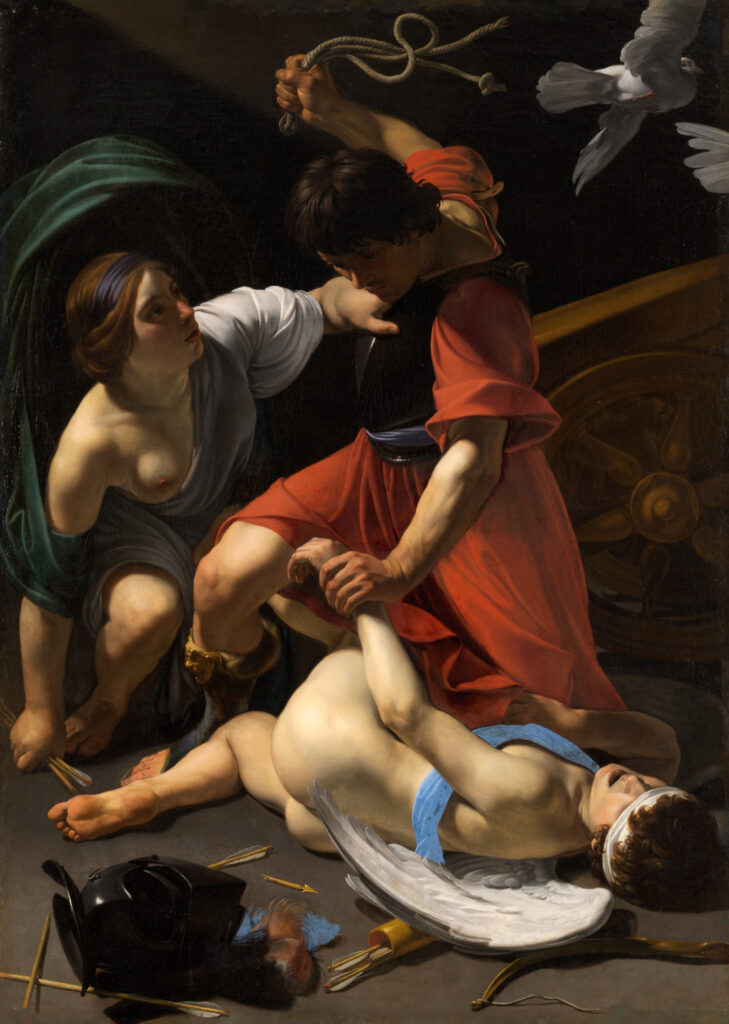
Valentin de Boulogne
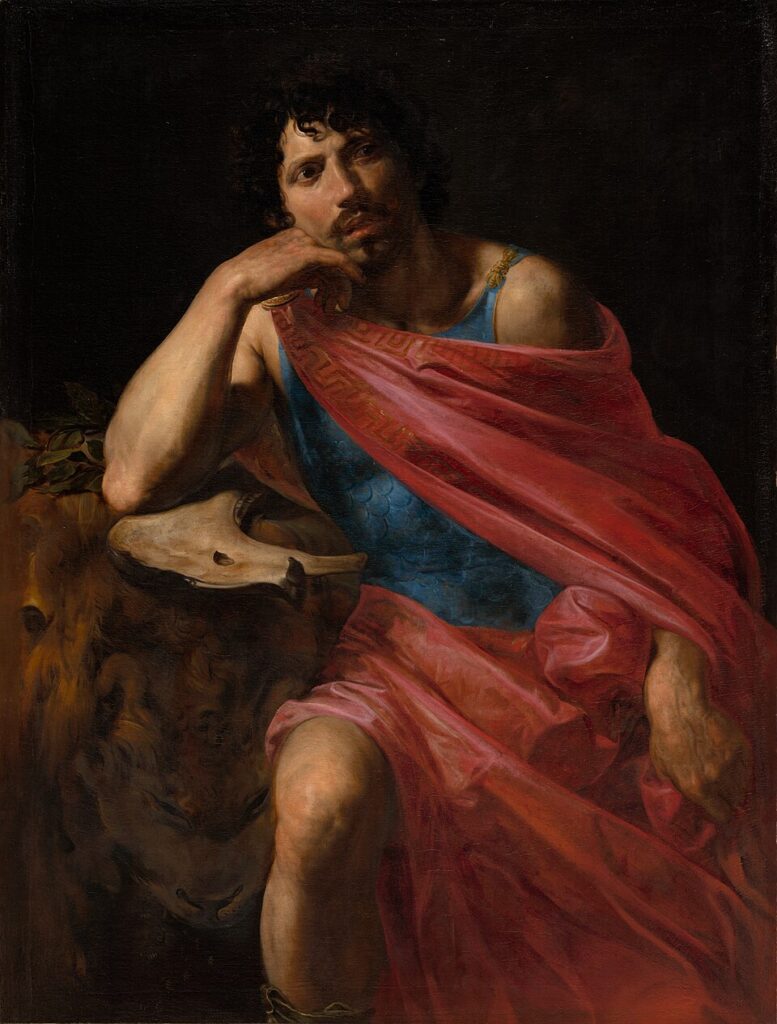
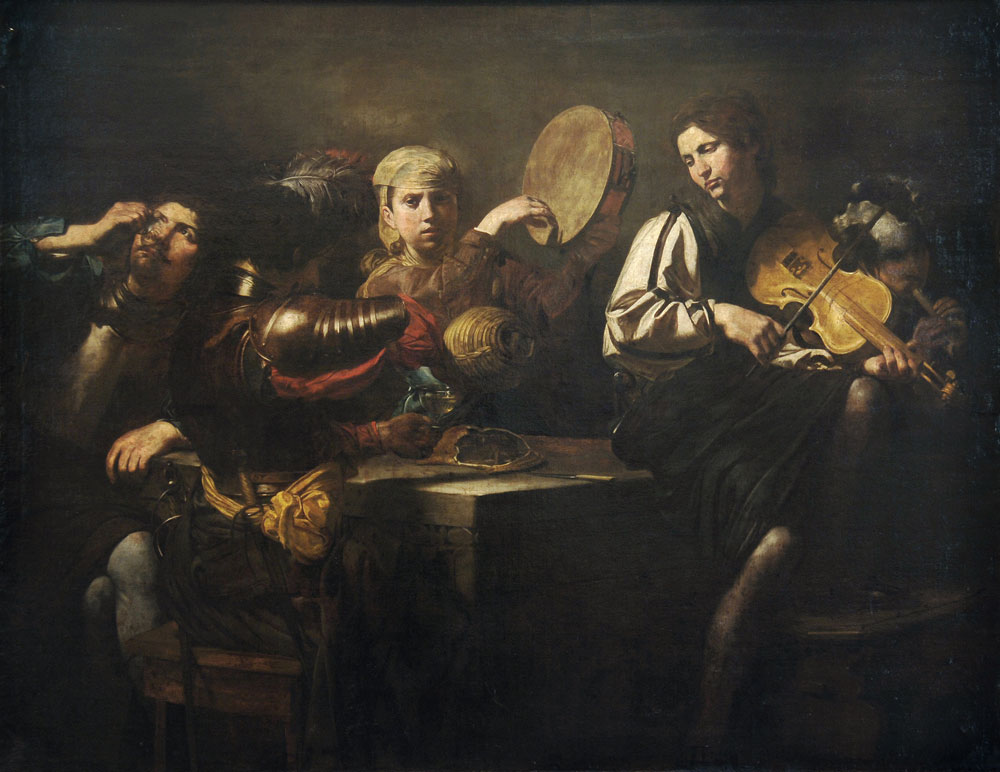
Valentin de Boulogne, January 3, 1591–August 18, 1632, was a French painter born in Coulommiers. He was the son of a painter and glazier and probably received his earliest training in his father’s workshop; no formal teacher is documented.
He settled in Rome, where he is documented by 1614, and spent his career there. He associated with northern European artists around the Bentvueghels and developed his work through close study of Caravaggio and Bartolomeo Manfredi; no students are securely documented.
His paintings are held by the Louvre Museum, Vatican Museums, National Gallery in London, National Gallery of Art in Washington, J. Paul Getty Museum, Cleveland Museum of Art, and other public collections.




Simon Vouet
Simon Vouet, January 9, 1590–June 30, 1649, was a French painter born in Paris. He received his first training from his father, Laurent Vouet, and traveled to Constantinople, Venice, and Rome, where he worked from 1614 and became president of the Accademia di San Luca in 1624.
Vouet married the painter Virginia da Vezzo in 1626 and returned to France in 1627 after being recalled by Louis XIII. As Premier peintre du Roi, he directed a large Paris workshop and produced religious paintings, portraits, altarpieces, and decorative schemes for royal and aristocratic patrons. His students and associates included Charles Le Brun, Eustache Le Sueur, Pierre Mignard, François Perrier, and Michel Dorigny.
Vouet remained a leading court painter until his death in Paris in 1649. His work is held by the Louvre Museum, the Metropolitan Museum of Art, the National Gallery of Art, the Museum of Fine Arts of Lyon, and other major collections.


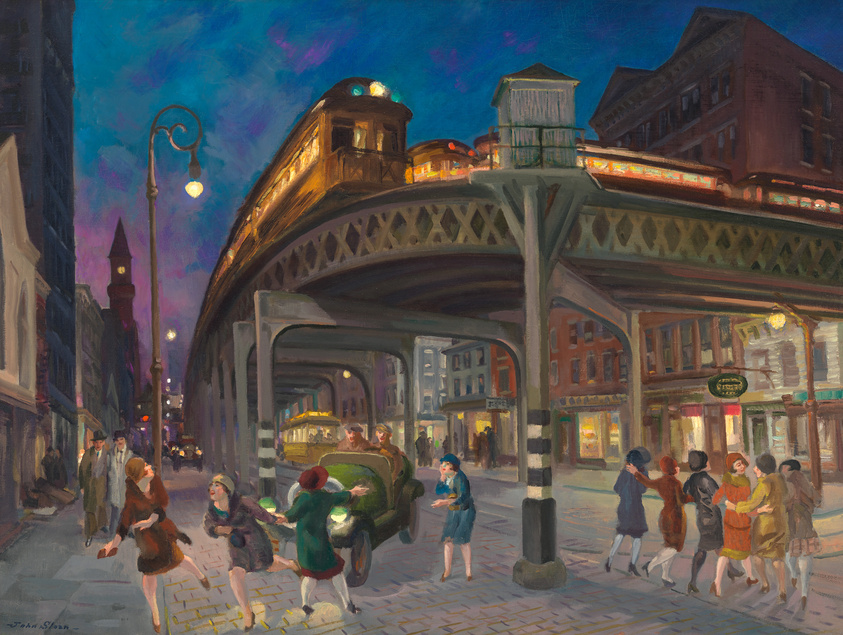
John Sloan
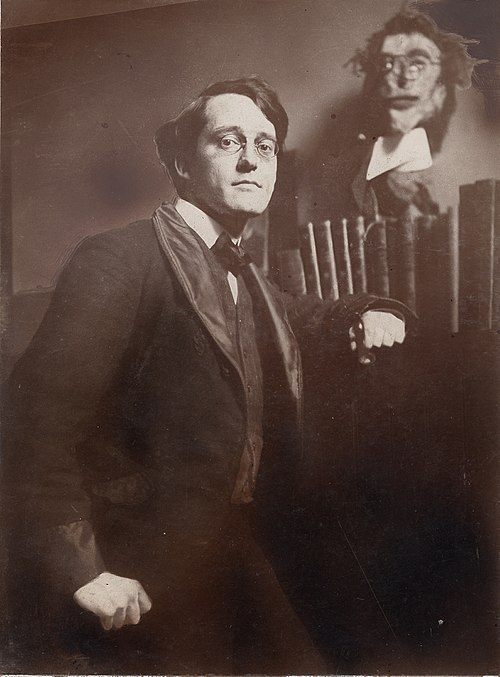
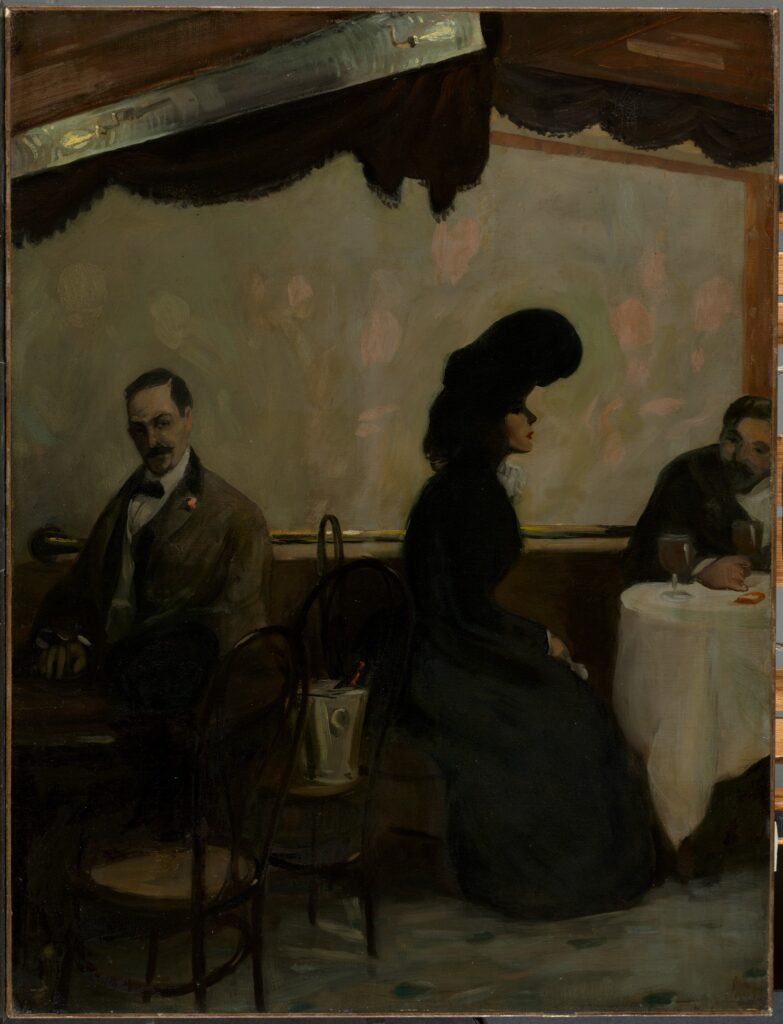
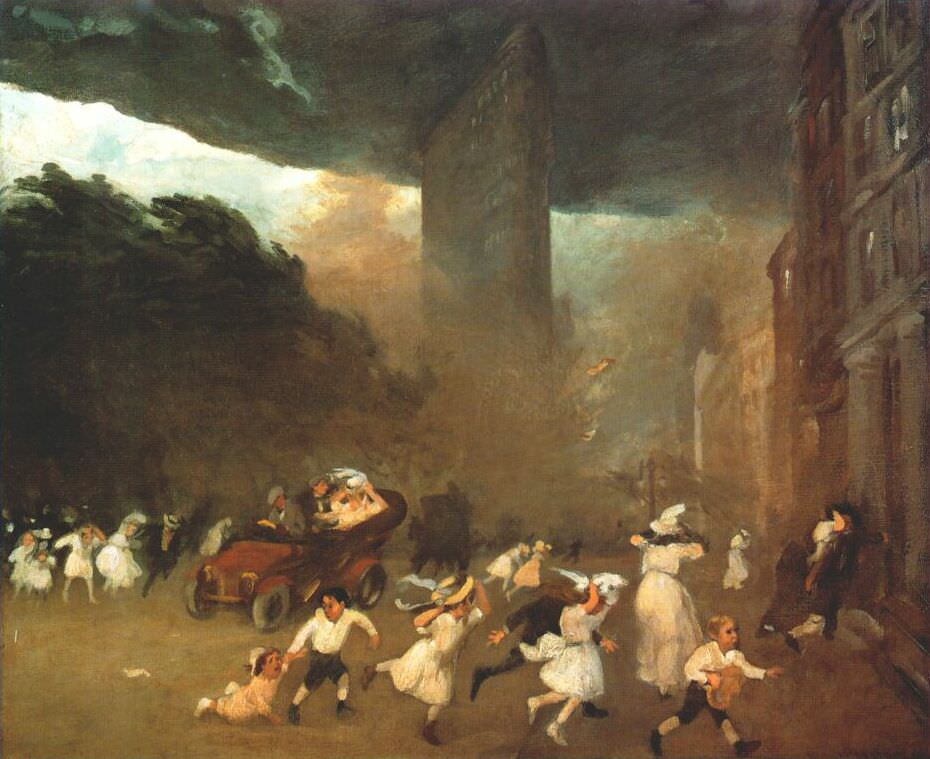
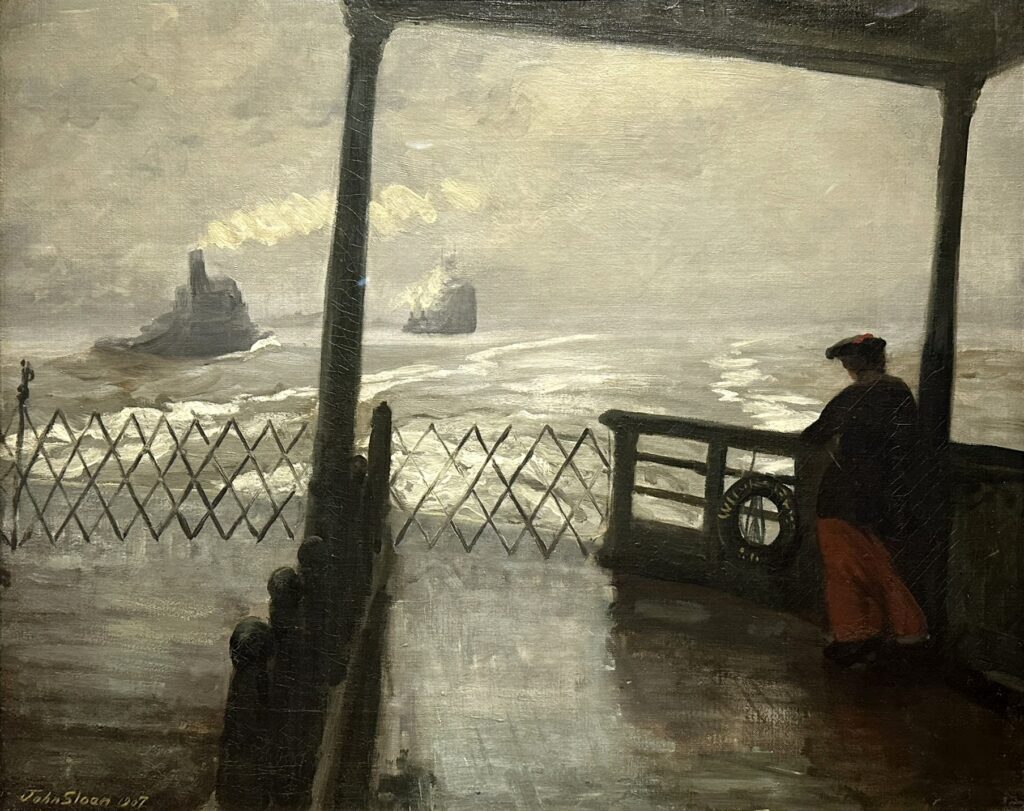
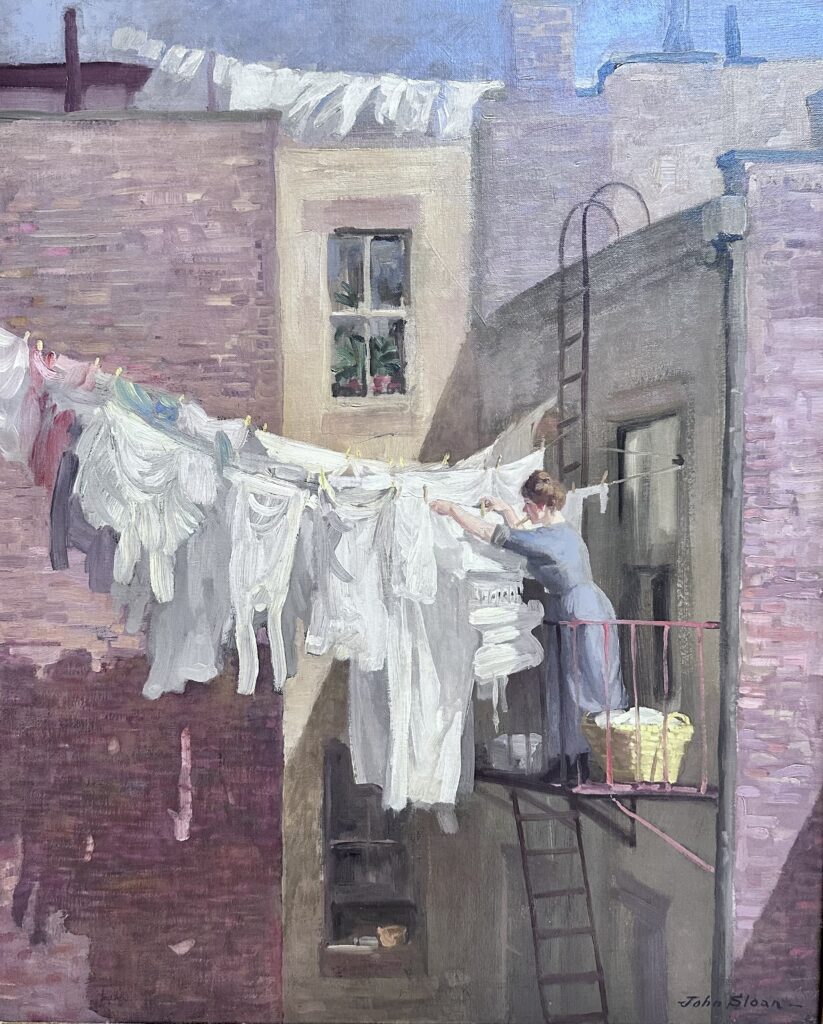
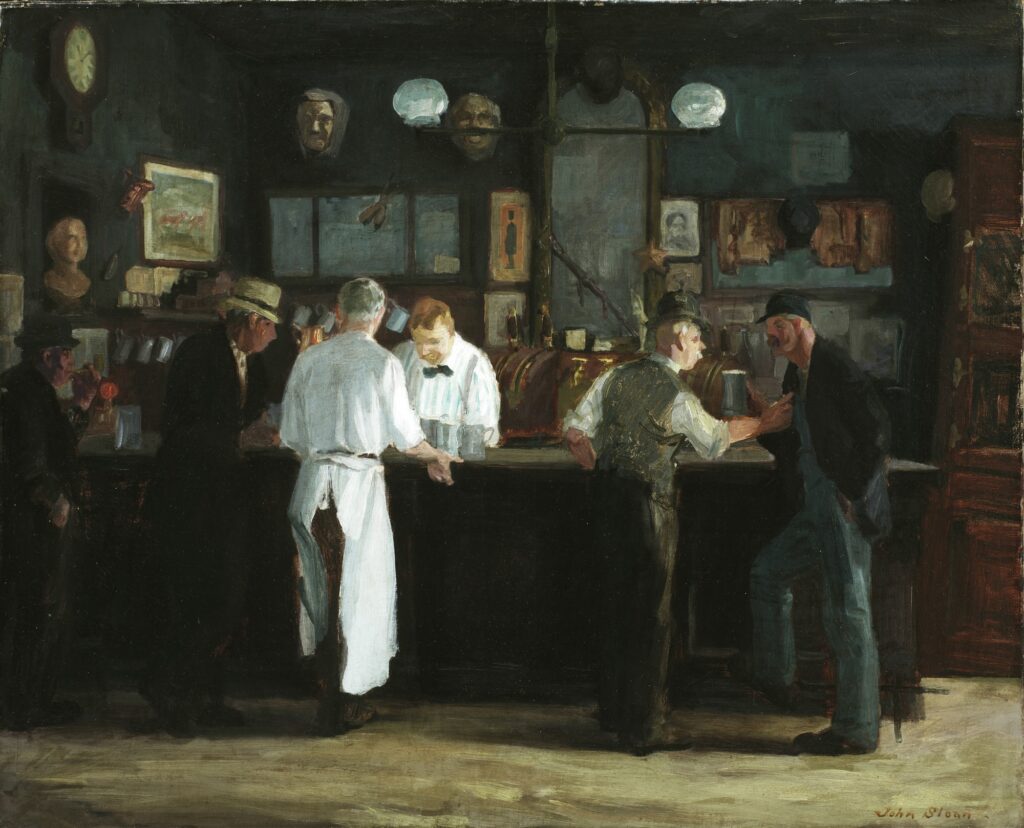
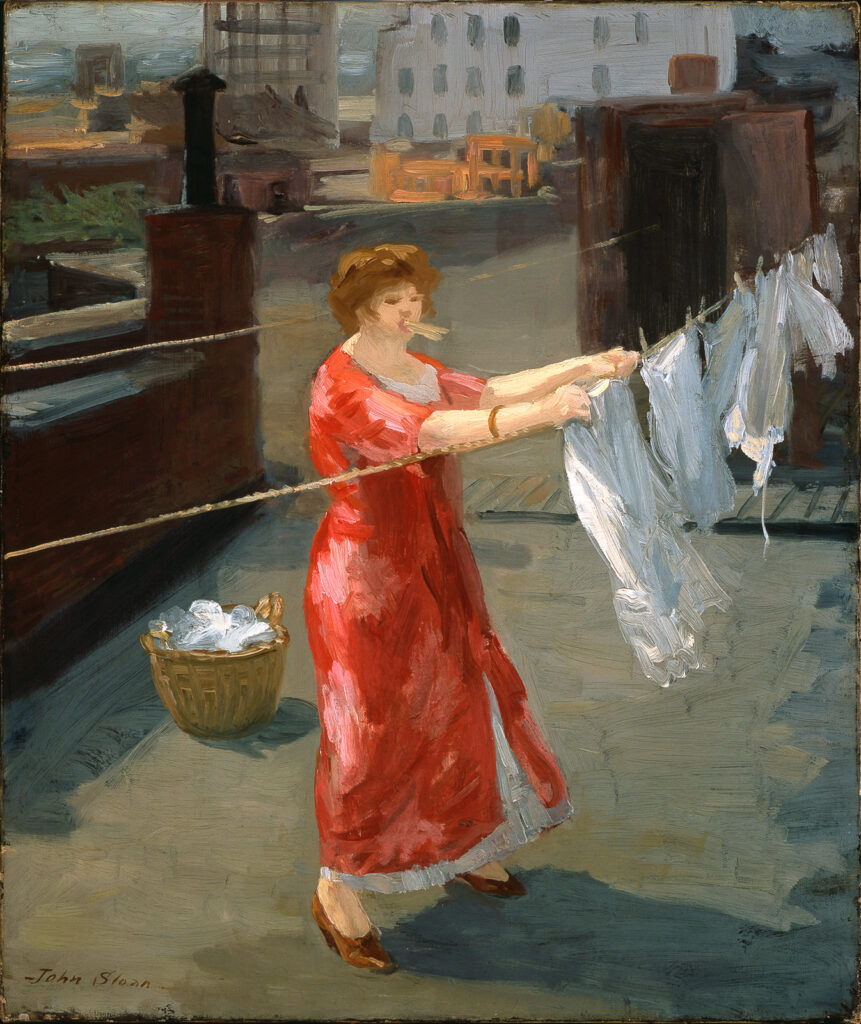
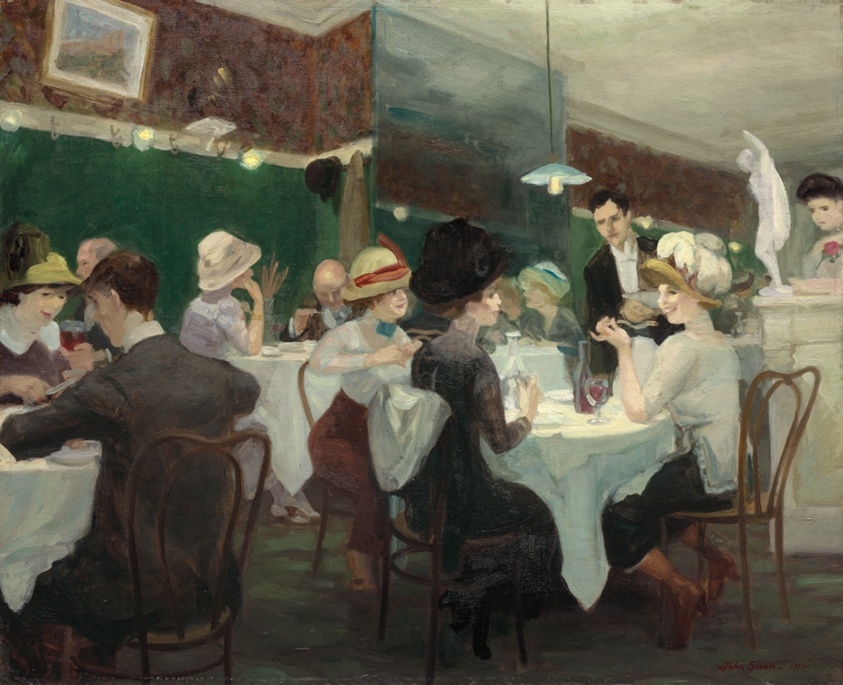
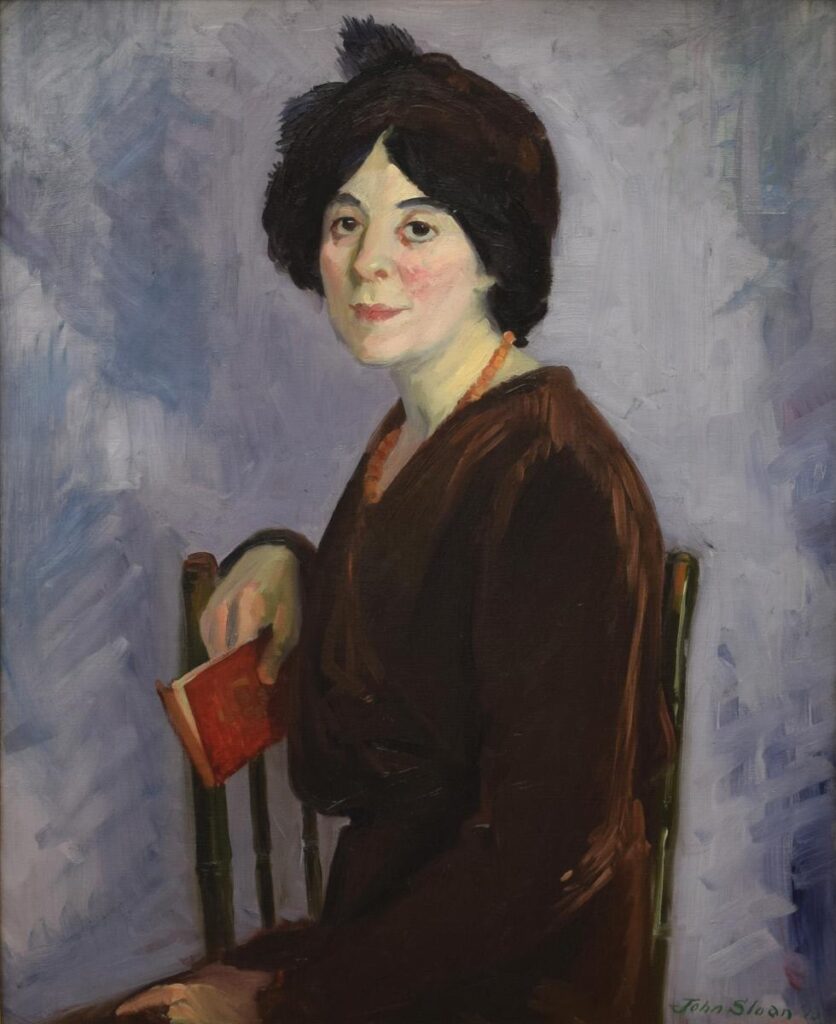
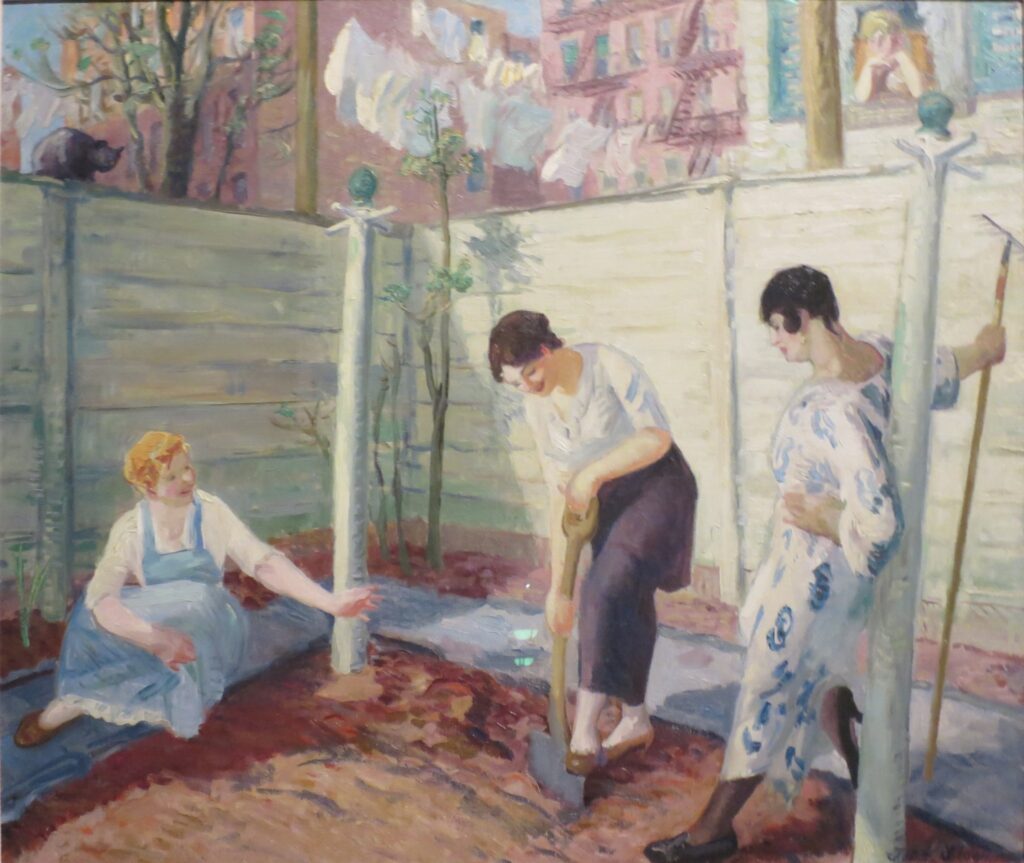
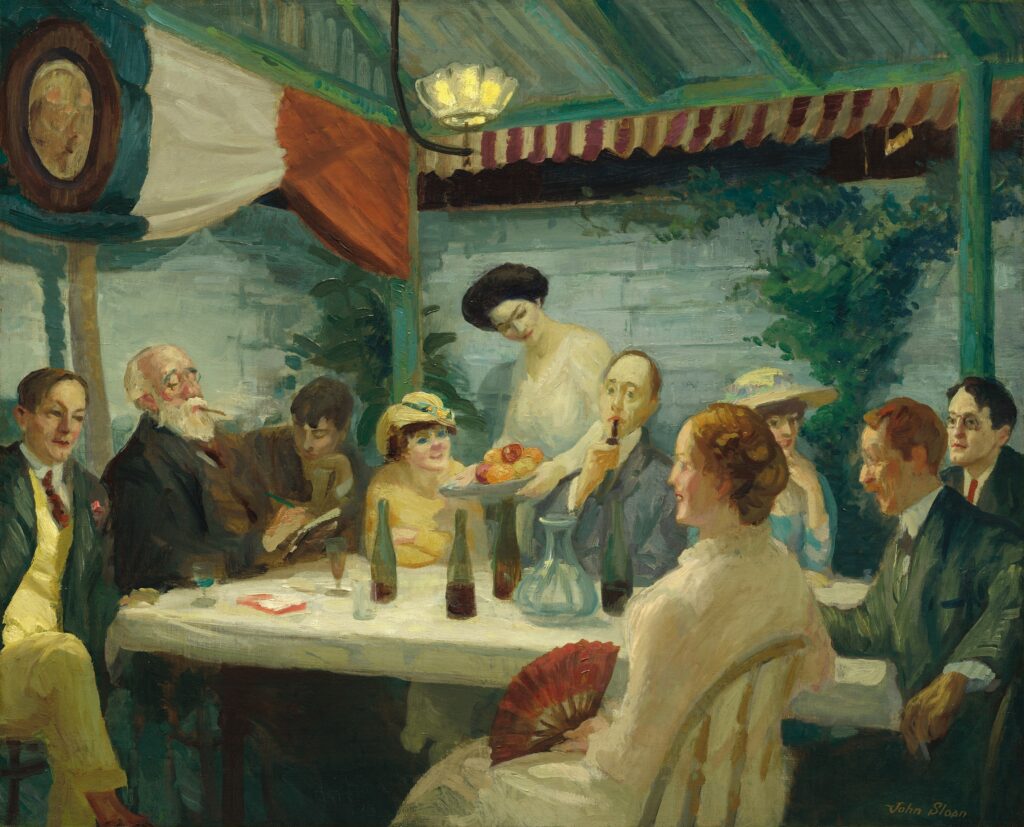
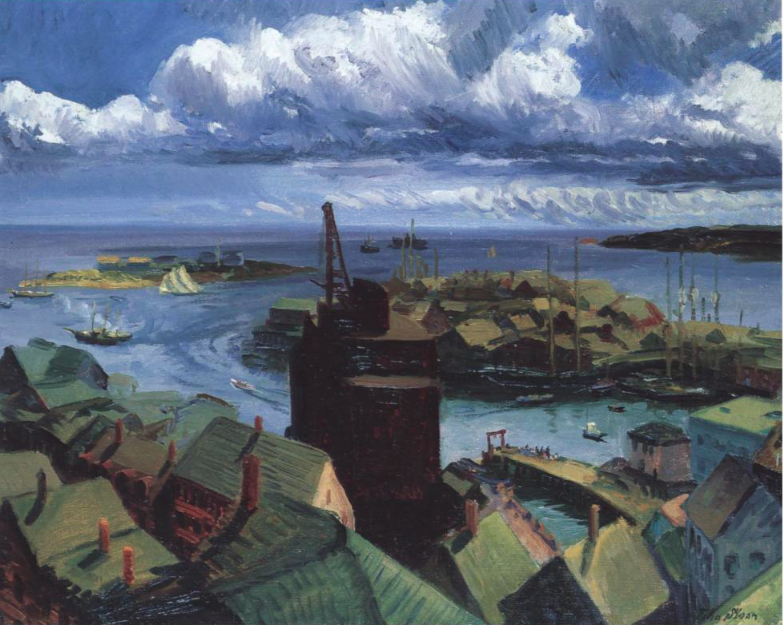
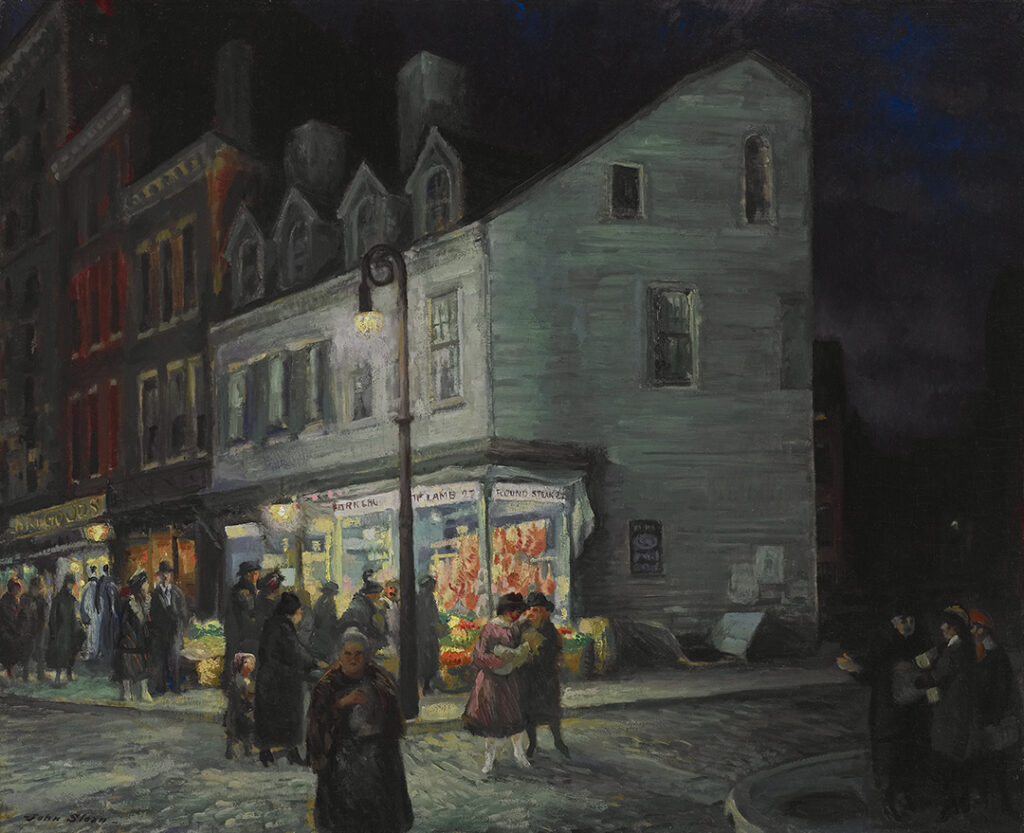
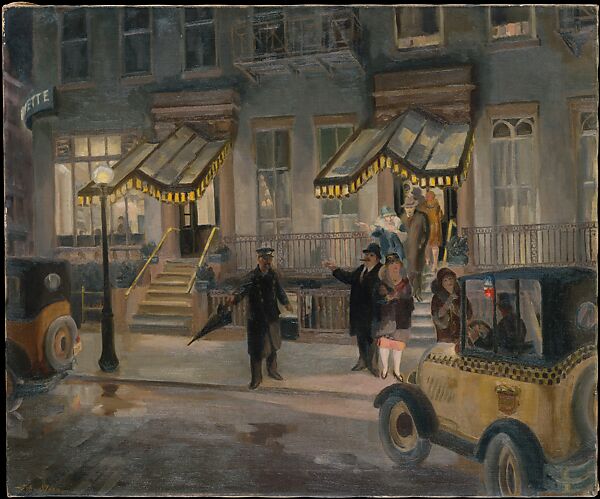
John French Sloan, August 2, 1871 – September 7, 1951, was an American painter, printmaker, illustrator, and teacher associated with the Ashcan School and The Eight. Born in Lock Haven, Pennsylvania, he trained at the Pennsylvania Academy of the Fine Arts and worked as a newspaper illustrator in Philadelphia.
Sloan was closely associated with Robert Henri, William Glackens, George Luks, and Everett Shinn. He painted urban scenes, interiors, rooftops, restaurants, and public spaces, especially in New York, and also made etchings documenting city life.
He taught at the Art Students League of New York, where his students included Alexander Calder, Reginald Marsh, and Barnett Newman. His work is held by the Metropolitan Museum of Art, National Gallery of Art, Whitney Museum of American Art, Smithsonian American Art Museum, and Cleveland Museum of Art.

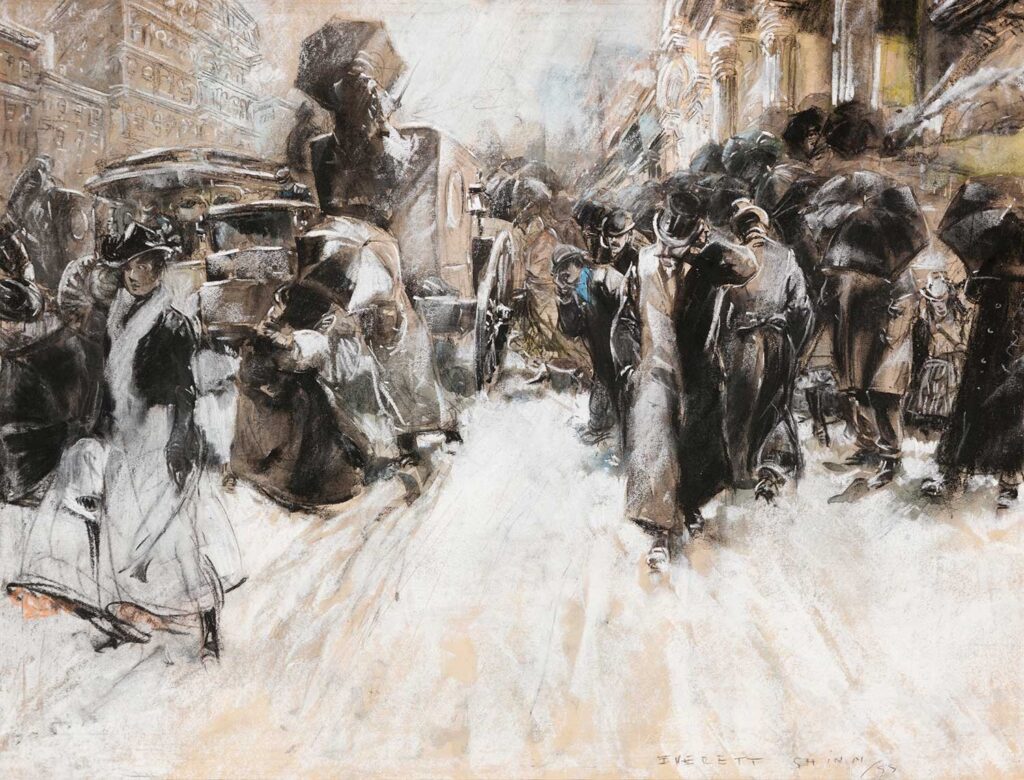
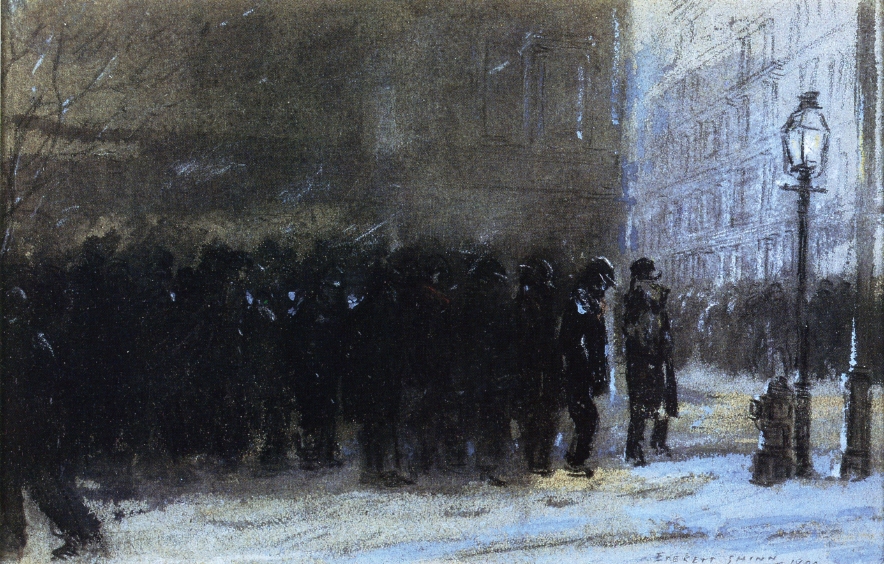
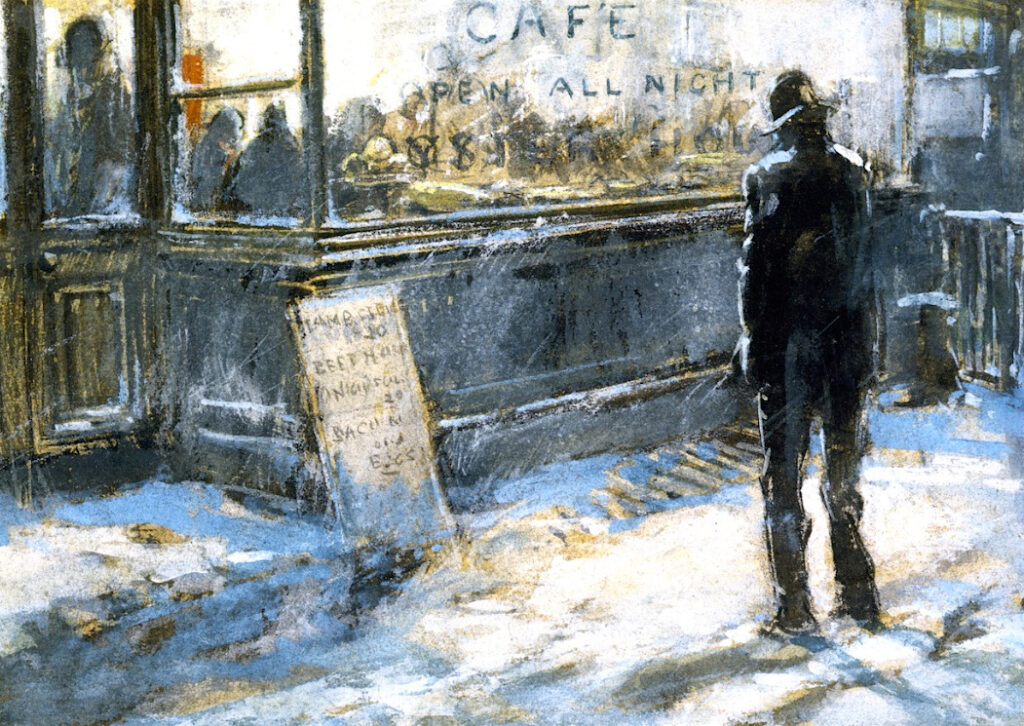
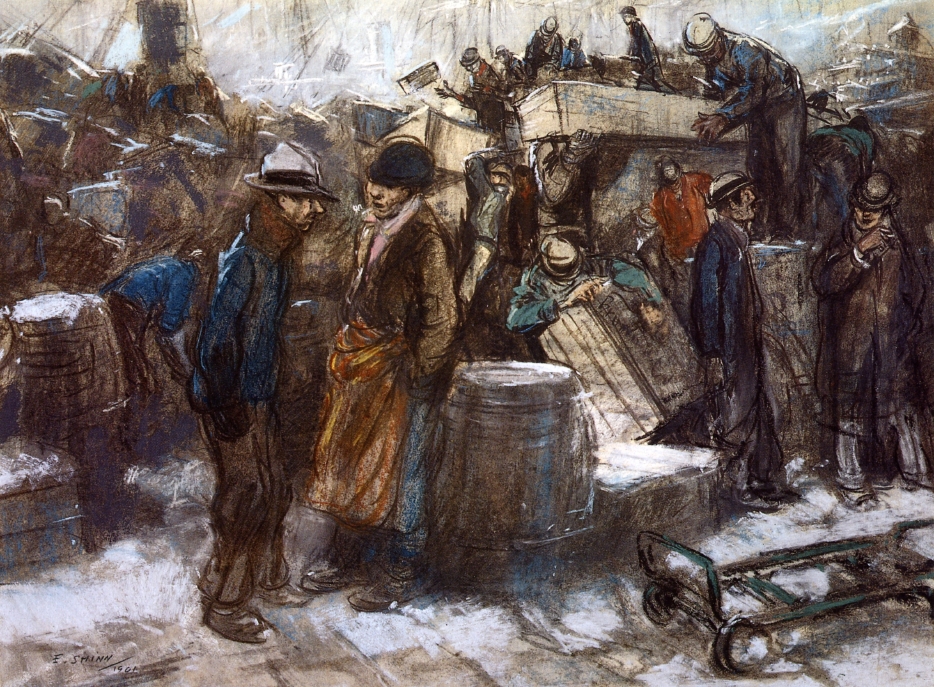
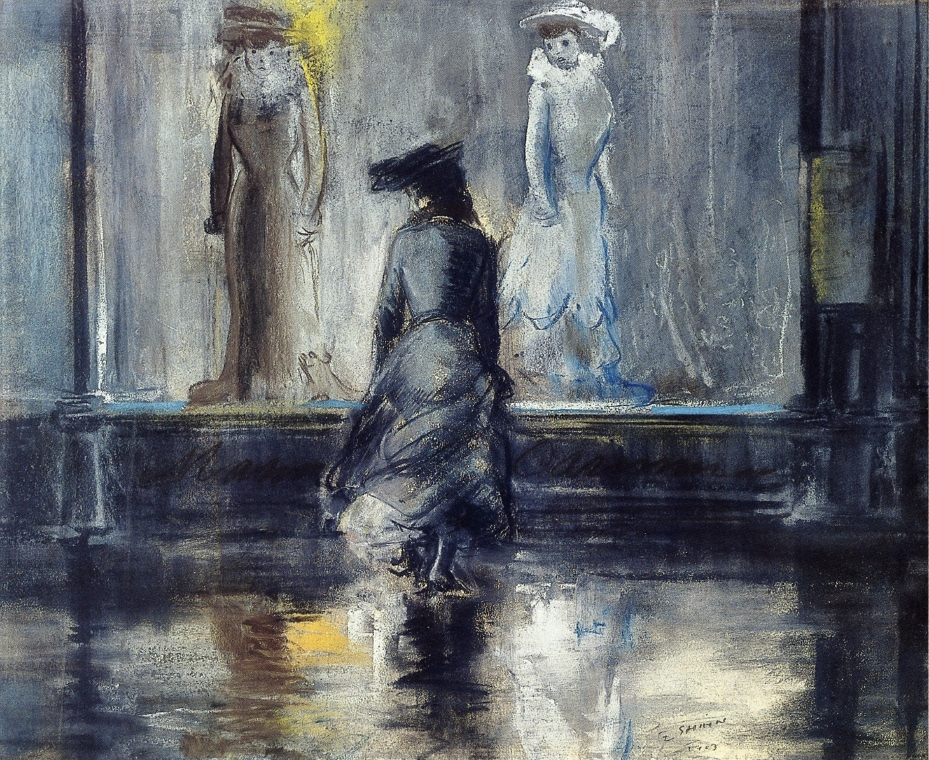
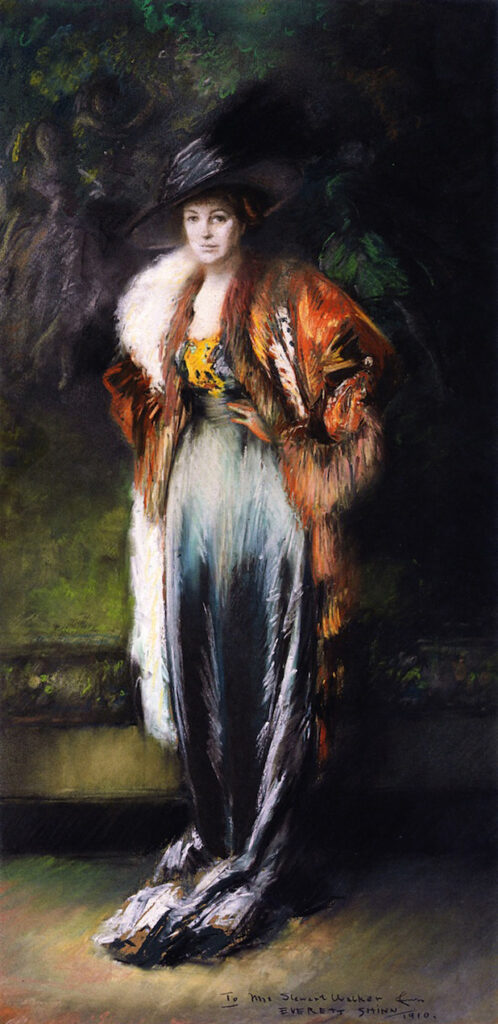
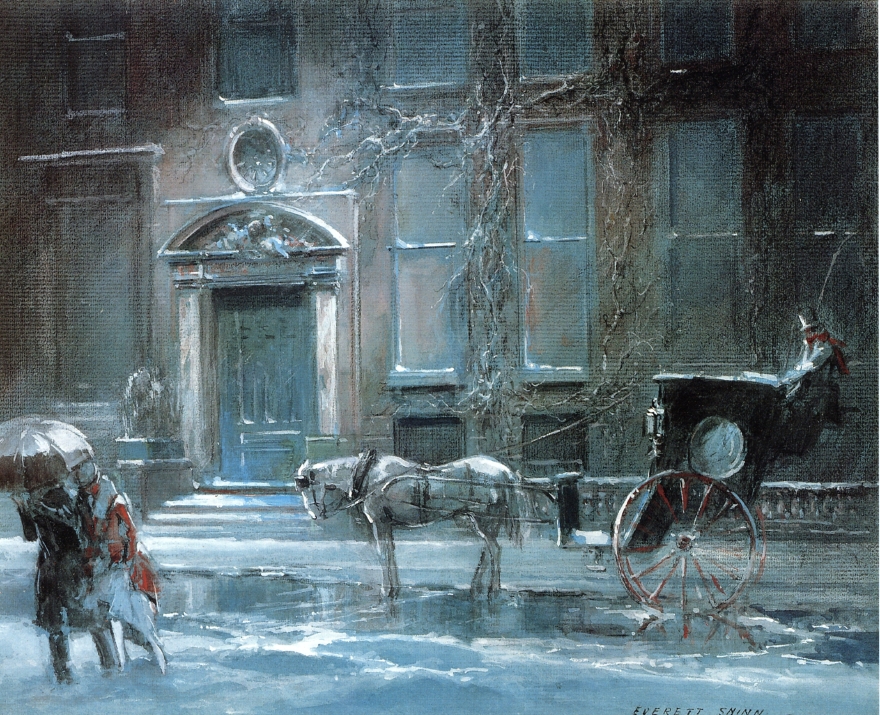
Everett Shinn
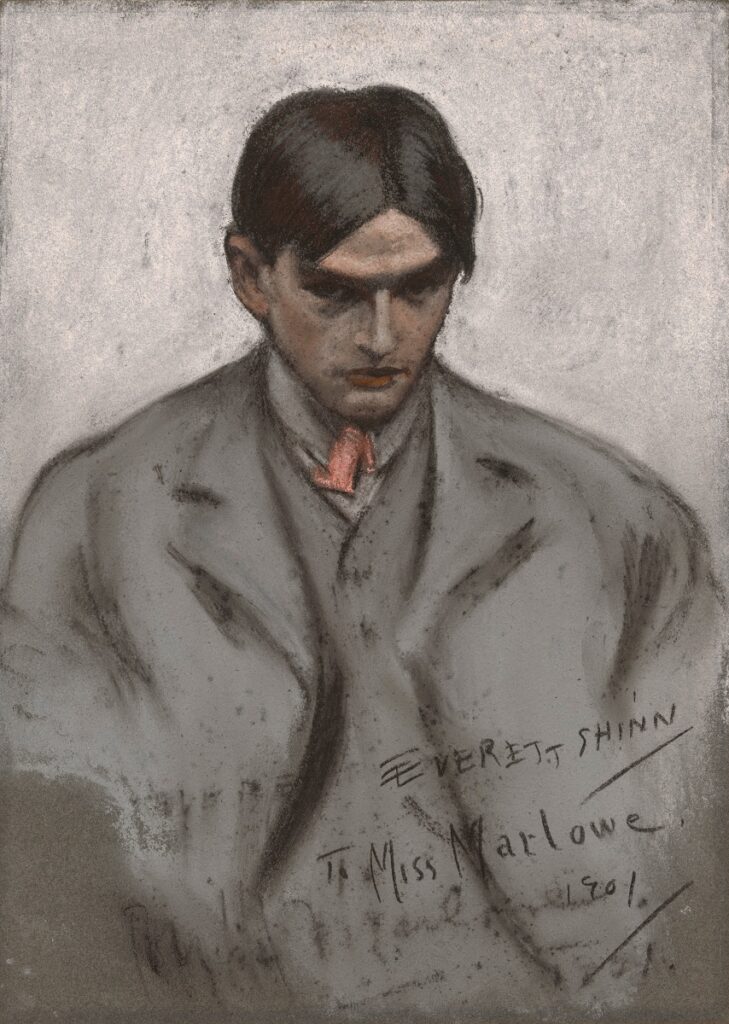
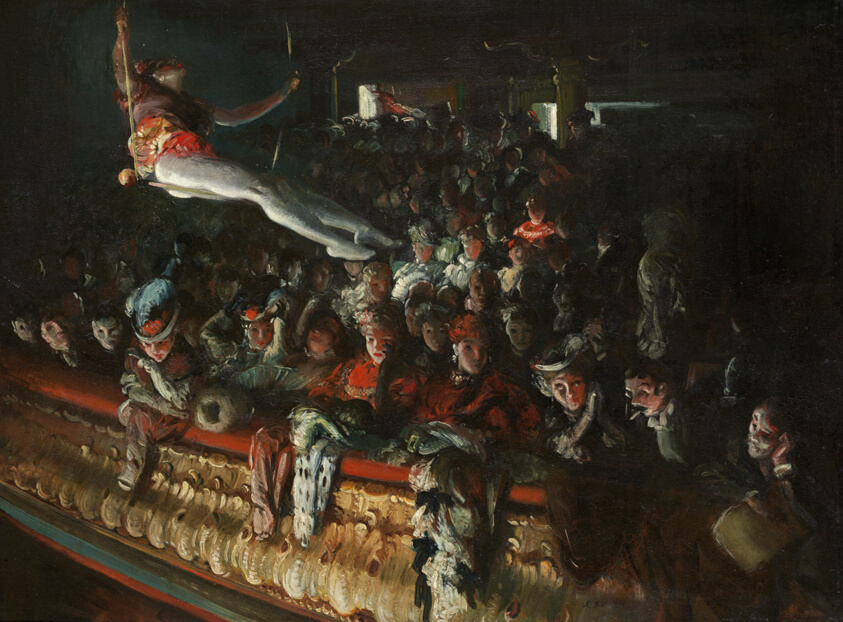
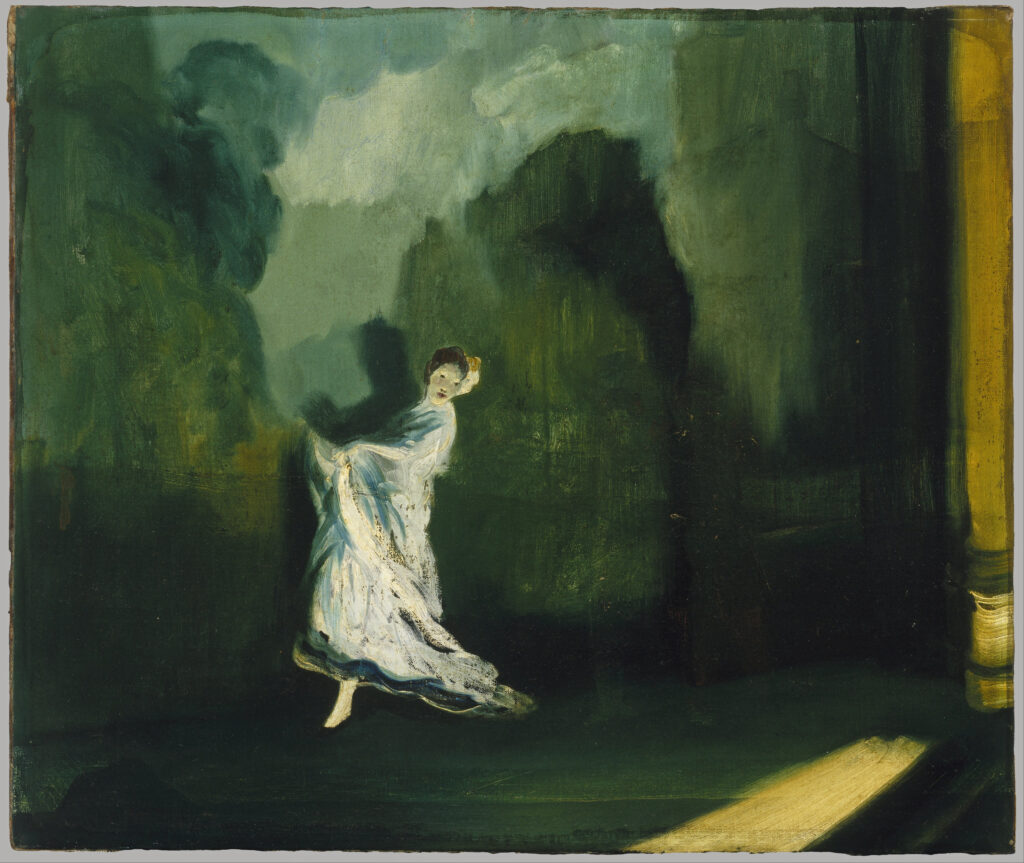
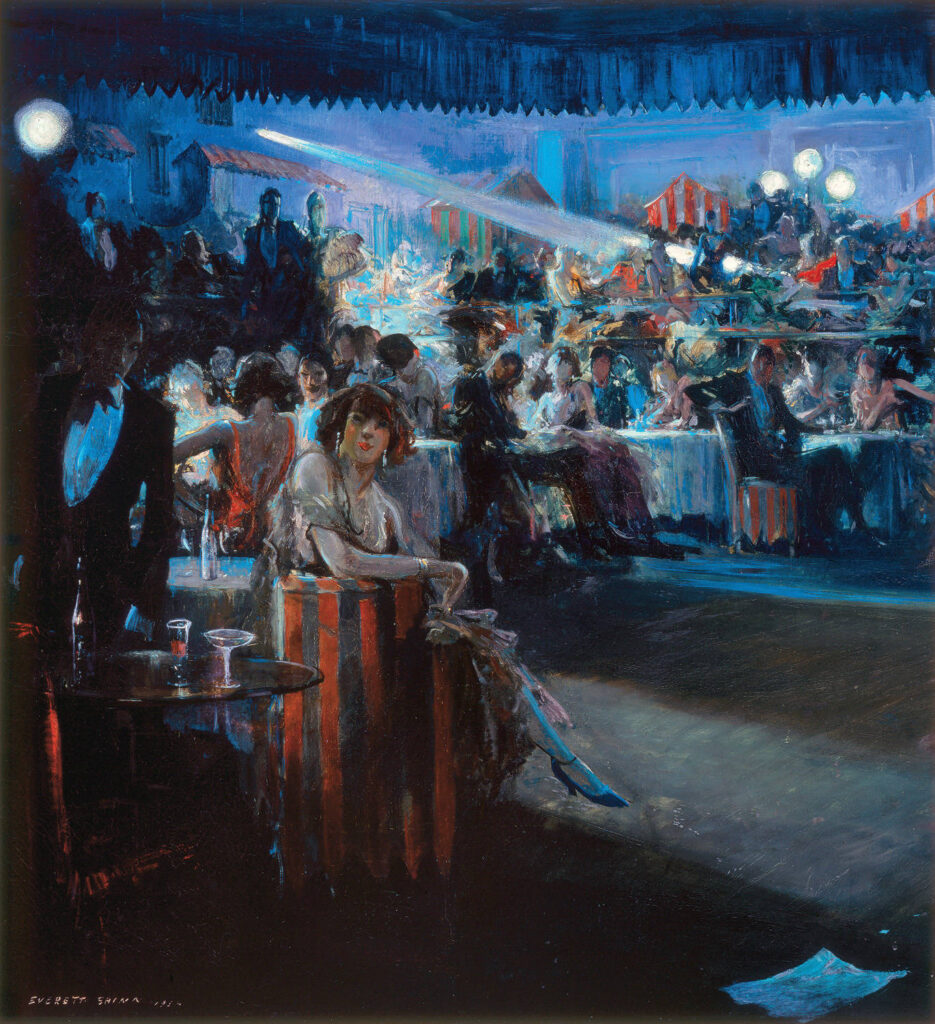
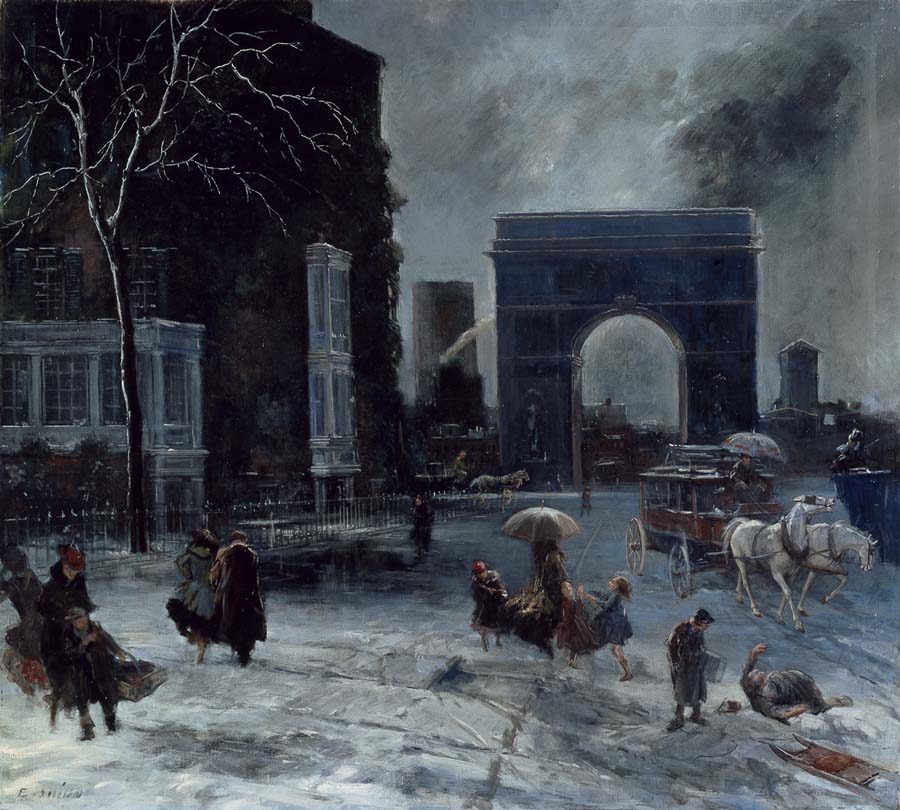
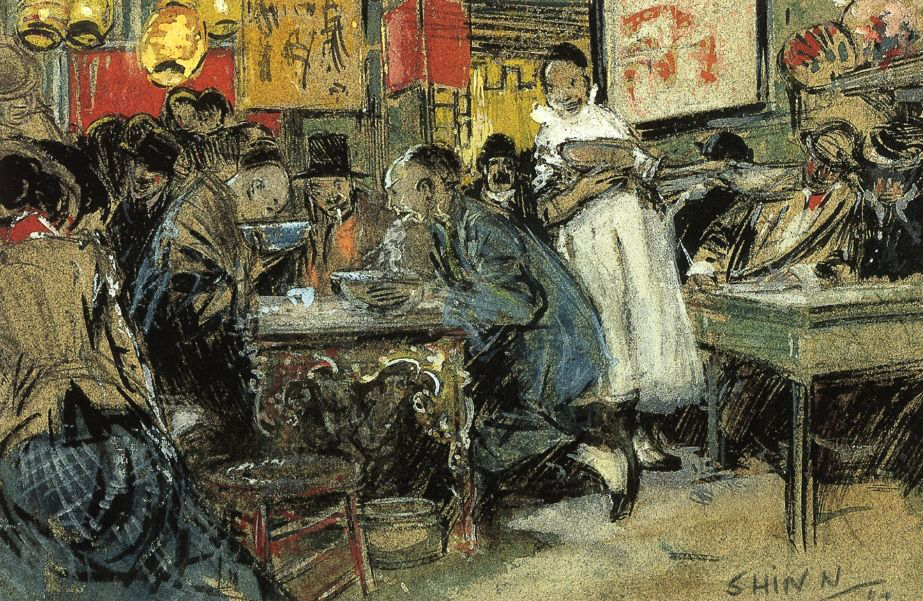
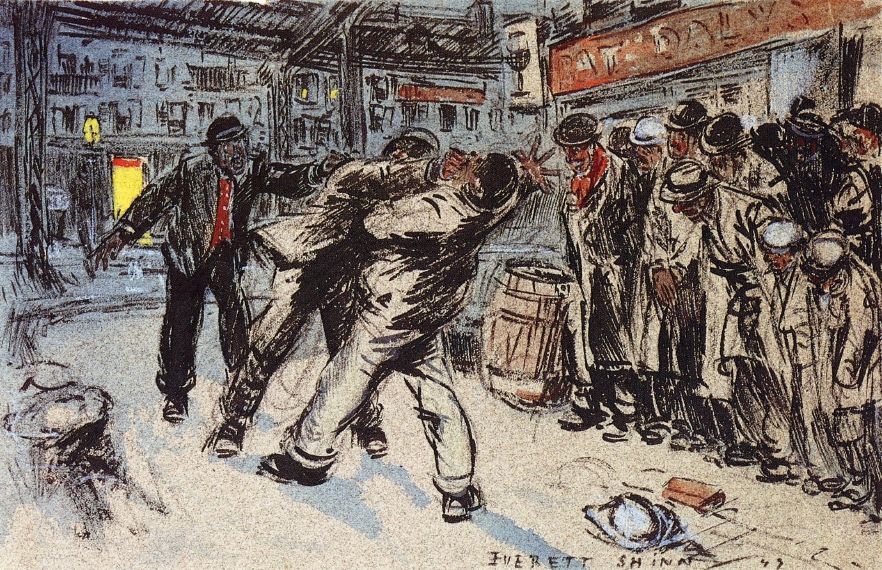
Everett Shinn, November 6, 1876 – May 1, 1953, was an American painter, illustrator, and designer born in Woodstown, New Jersey. He studied mechanical drawing at the Spring Garden Institute in Philadelphia and attended the Pennsylvania Academy of the Fine Arts, where Thomas Anshutz was among his teachers.
Shinn began his career as a newspaper illustrator at the Philadelphia Press and moved to New York in 1897. Associated with Robert Henri, John Sloan, William Glackens, and George Luks, he exhibited with The Eight in 1908 and became known for urban scenes, theatrical subjects, and extensive work in pastel.
Shinn also produced magazine illustrations, murals, theatrical designs, and later decorative commissions. His work is represented in the National Portrait Gallery, Art Institute of Chicago, Brooklyn Museum, Smithsonian American Art Museum, Milwaukee Art Museum, and other American collections. He died in New York City in 1953.
Giuseppe Maria Crespi
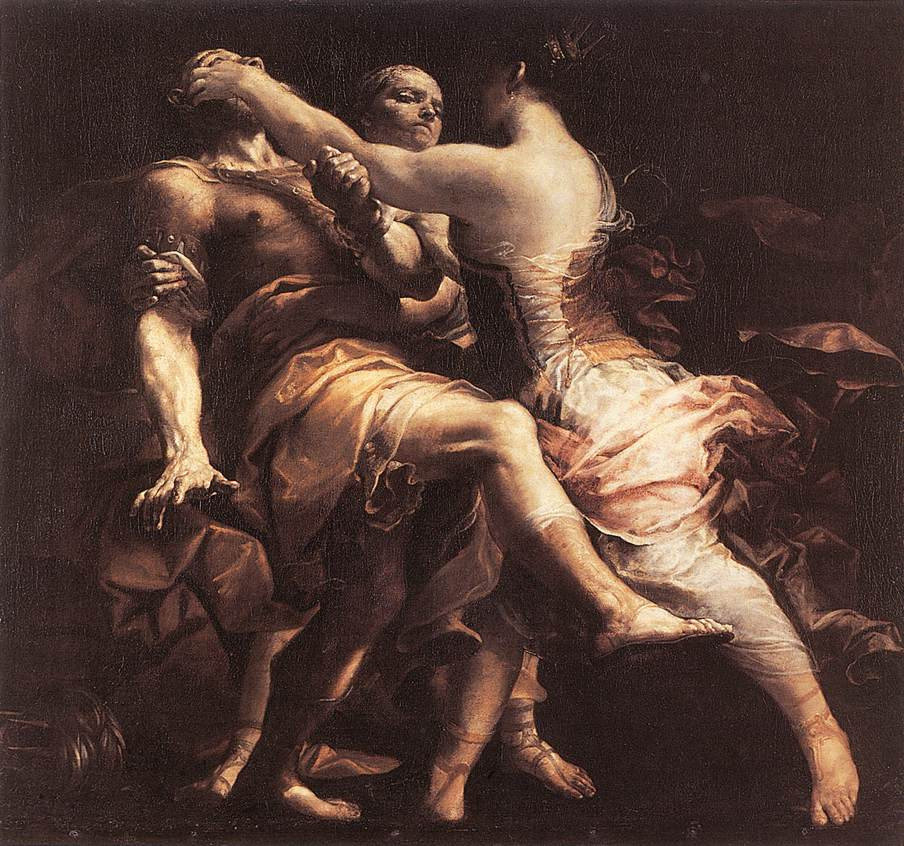
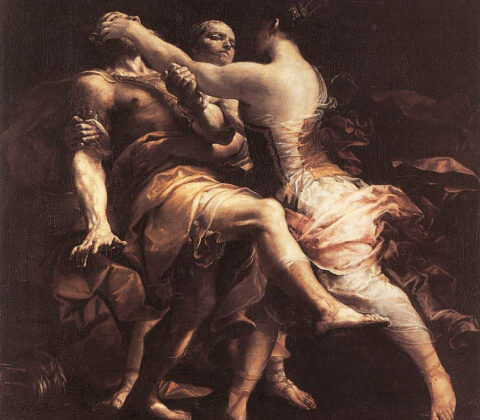
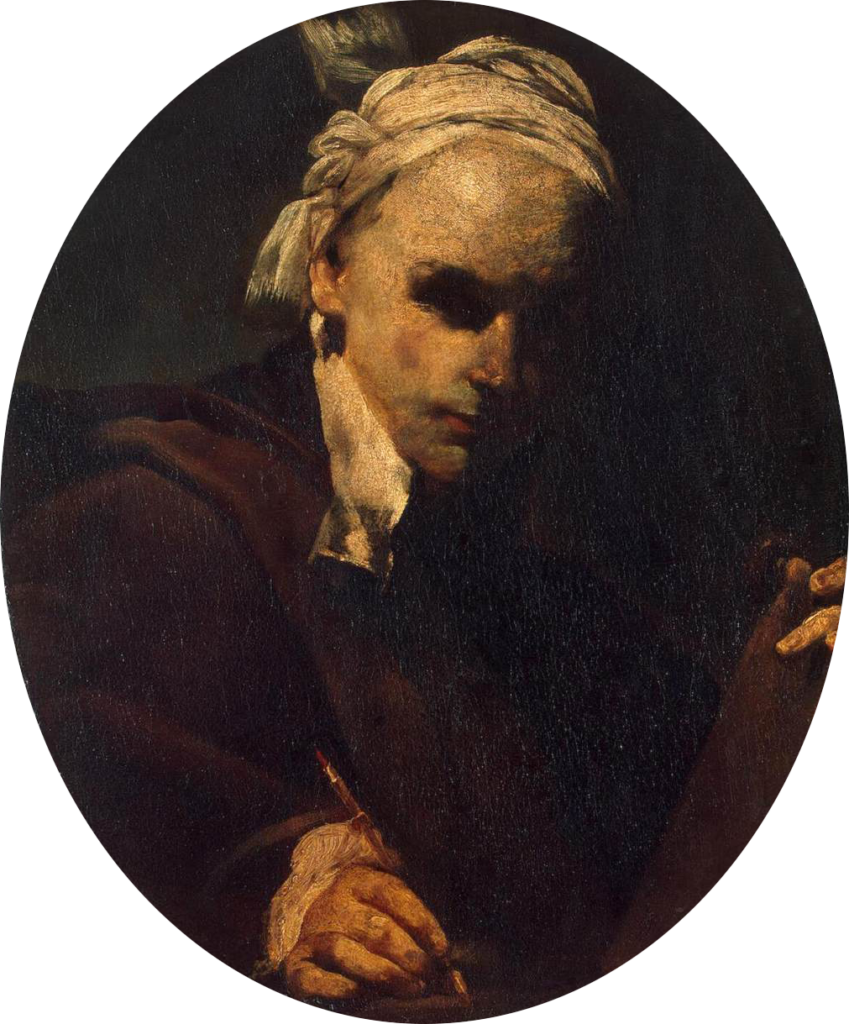
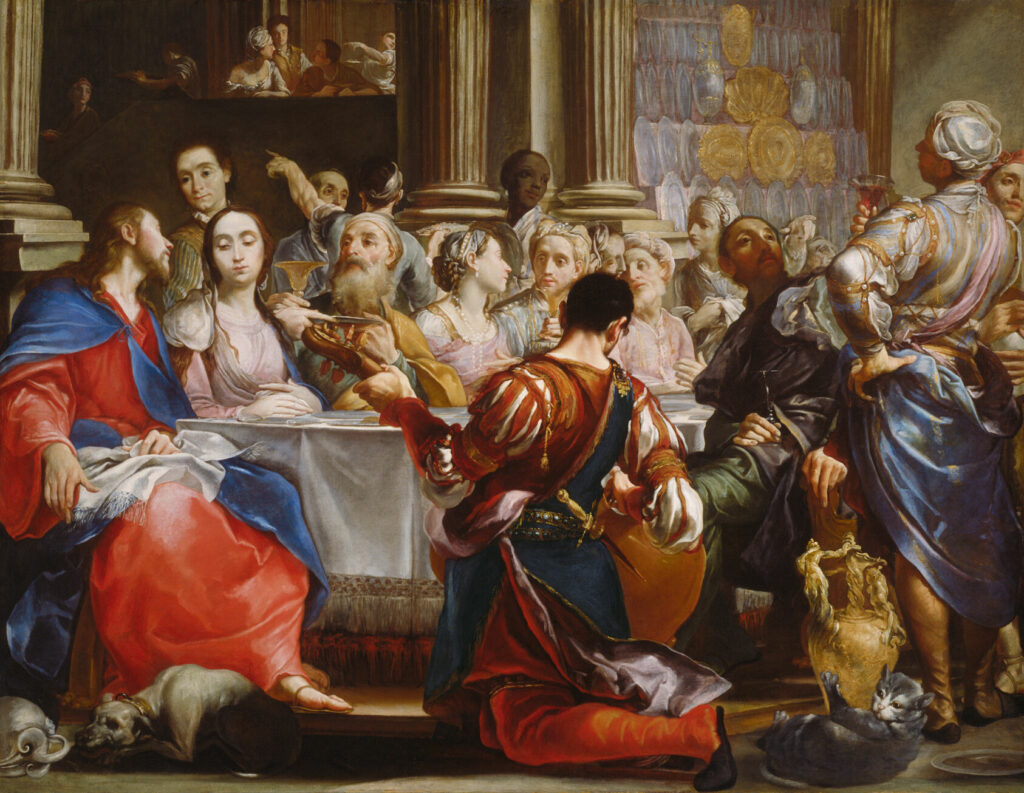
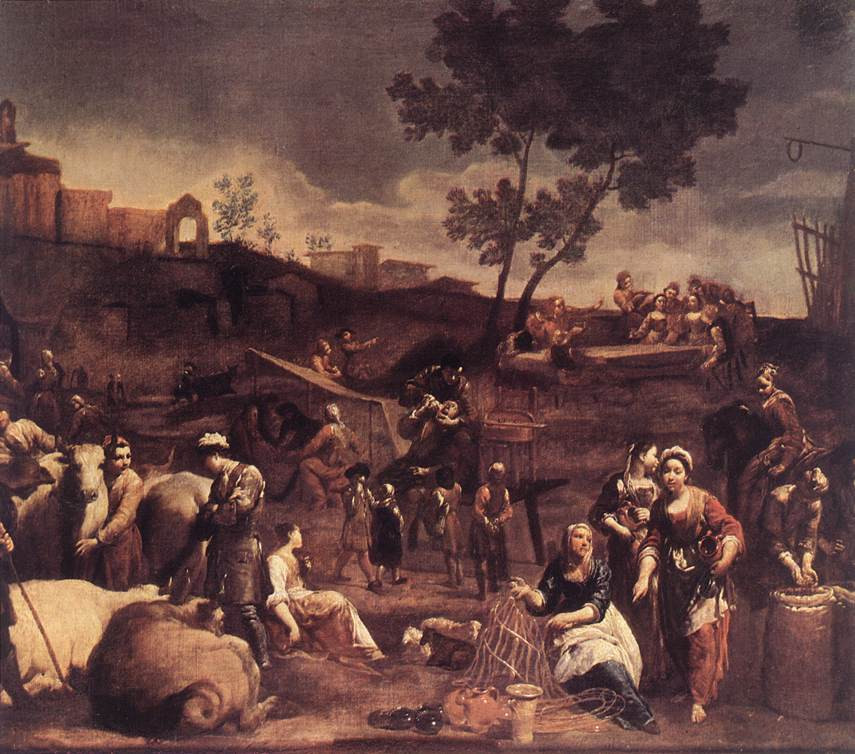
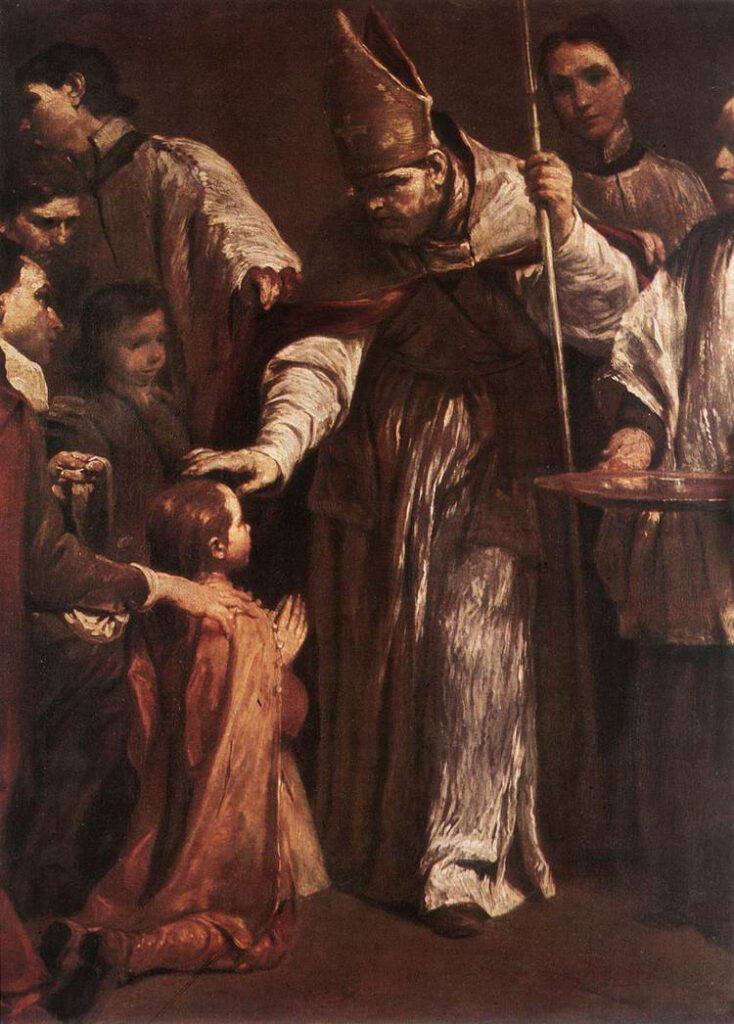
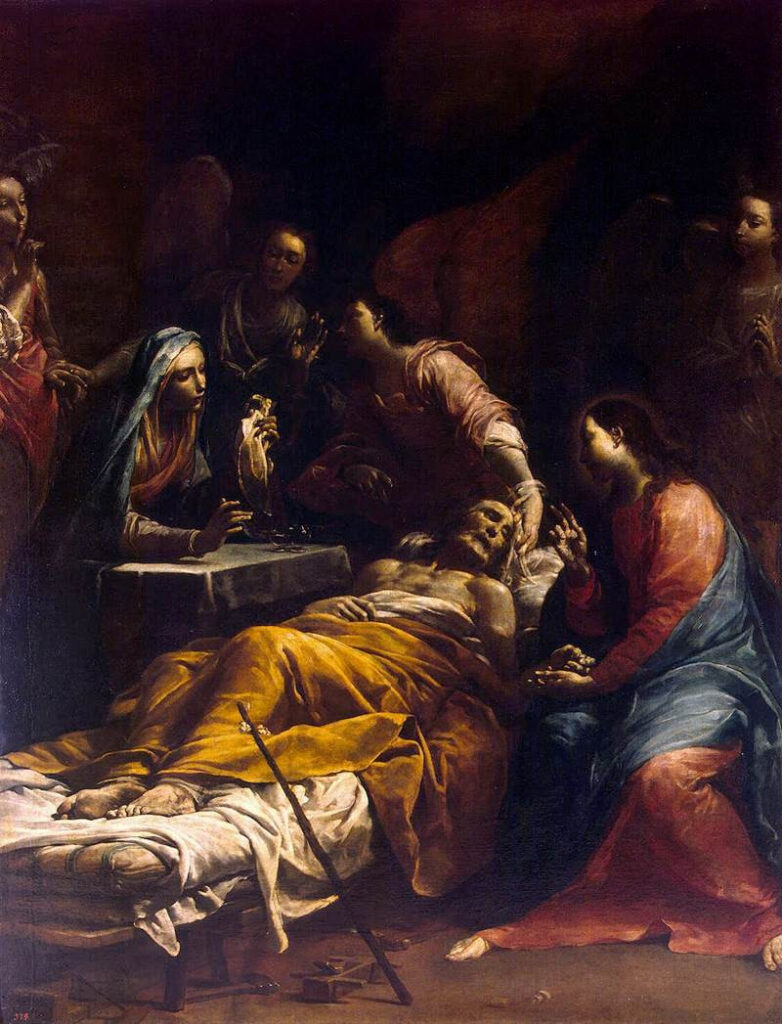
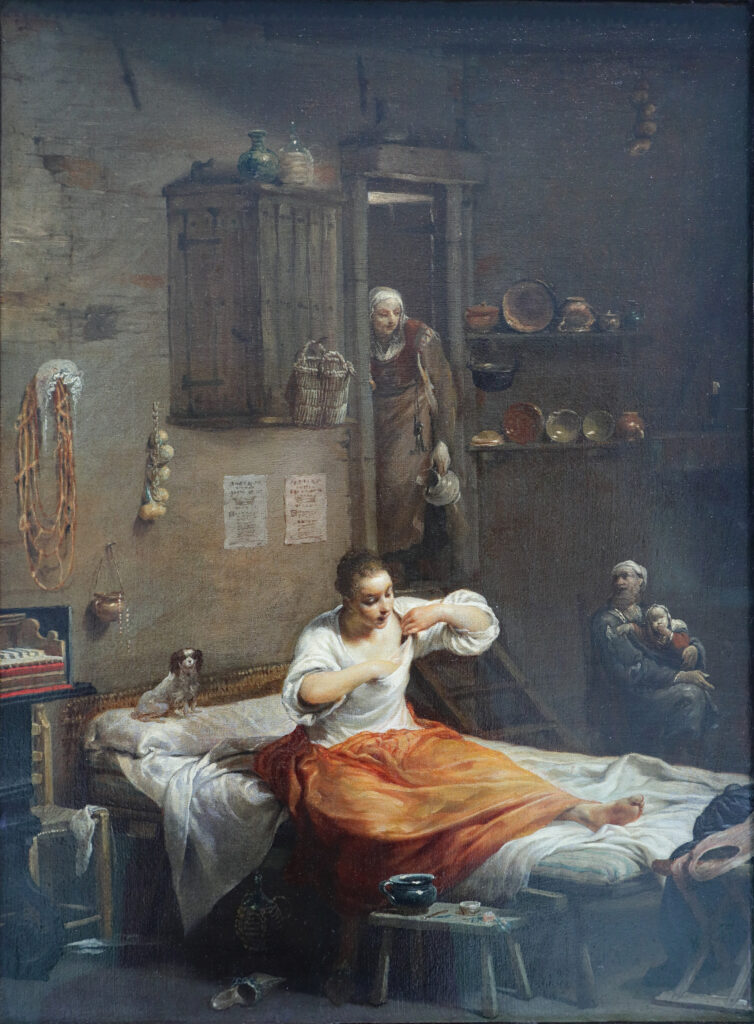
Giuseppe Maria Crespi, March 14, 1665–July 16, 1747, was an Italian painter born and active chiefly in Bologna. He first studied with Angelo Michele Toni, then with Domenico Maria Canuti, Carlo Cignani, and Giovanni Antonio Burrini. He also studied works by Correggio, Barocci, and Venetian painters during travels in northern Italy.
Crespi became known as lo Spagnolo and developed an independent style informed by Bolognese traditions and a broad range of Italian and northern European painting. He established a school in Bologna whose pupils included more than thirty artists; among those associated with his circle were Pietro Longhi and Giovanni Battista Piazzetta. His sons Luigi, Ferdinando, and Antonio Liborio also trained under him.
His works are held in major collections including the Uffizi Galleries, the Louvre, the Art Institute of Chicago, the National Gallery in London, the National Gallery of Art in Washington, the State Hermitage Museum, and the Museo Nacional Thyssen-Bornemisza.




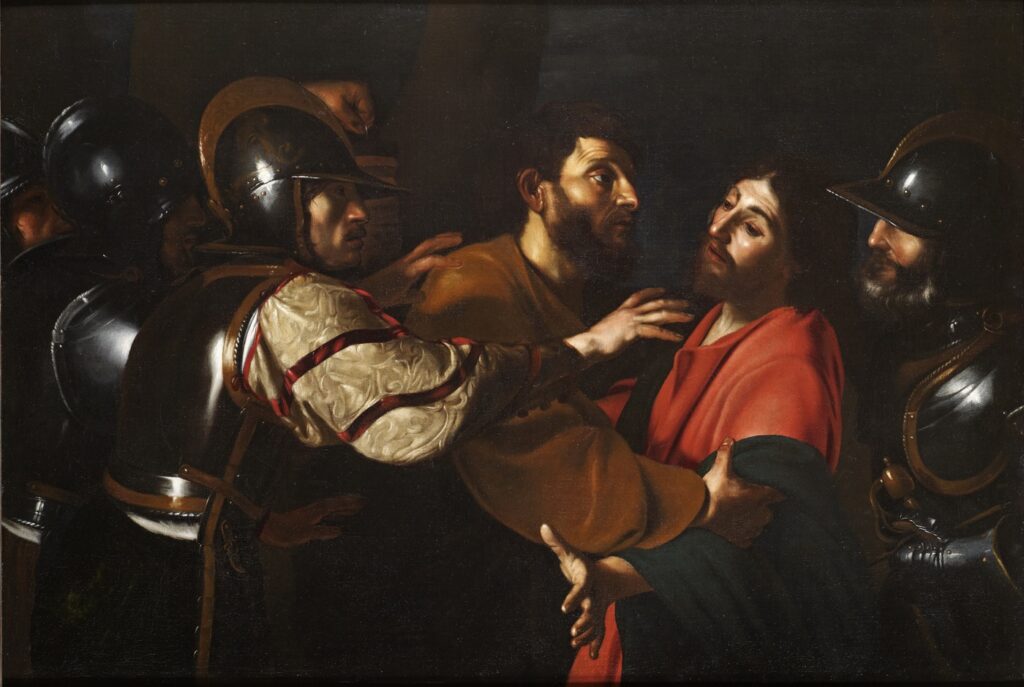
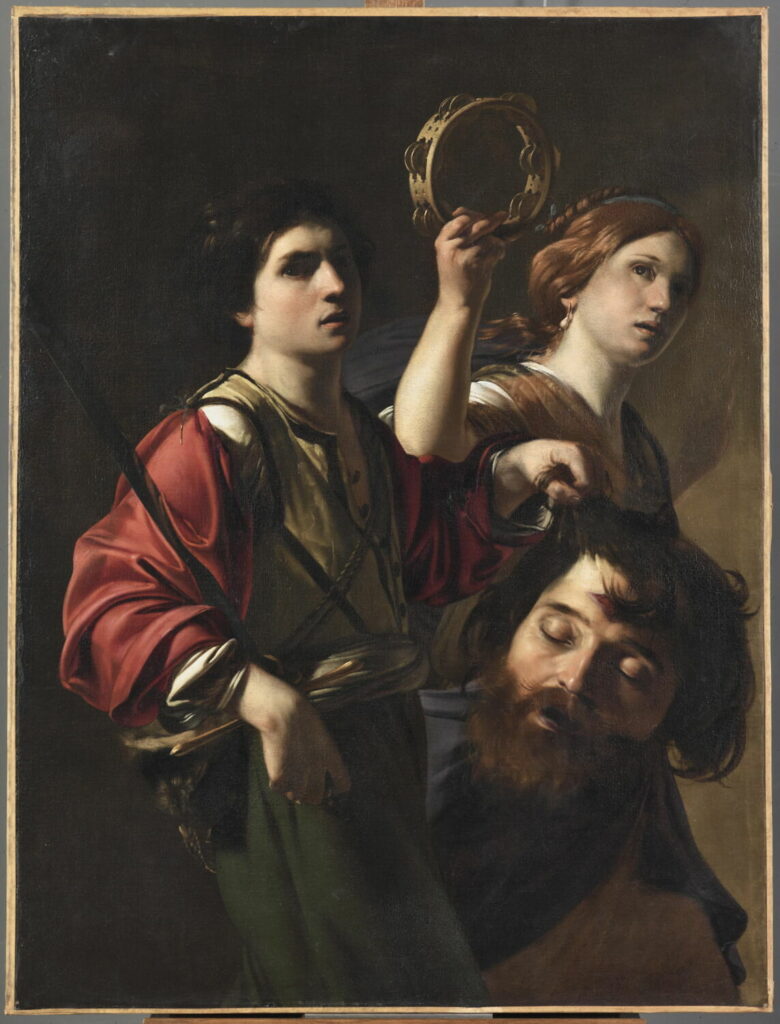
Bartolomeo Manfredi
Bartolomeo Manfredi, August 25, 1582 – December 12, 1622, was an Italian Baroque painter and one of the earliest and most influential followers of Caravaggio. Working primarily in Rome, he helped establish the dramatic style known as Caravaggism through his powerful use of light, naturalistic figures, and closely observed scenes from everyday life and the Bible.
Although little is known about his early training, Manfredi developed a distinctive interpretation of Caravaggio’s innovations. His paintings of musicians, gamblers, soldiers, saints, and biblical narratives were widely admired and became models for many artists from Italy and northern Europe. His influence was especially important in shaping the work of later Caravaggisti.
Manfredi died in Rome at the age of forty. Though his career was relatively brief, his paintings remain among the finest examples of early seventeenth-century Italian Baroque art and are preserved in major museum collections throughout Europe, Japan, and the United States.