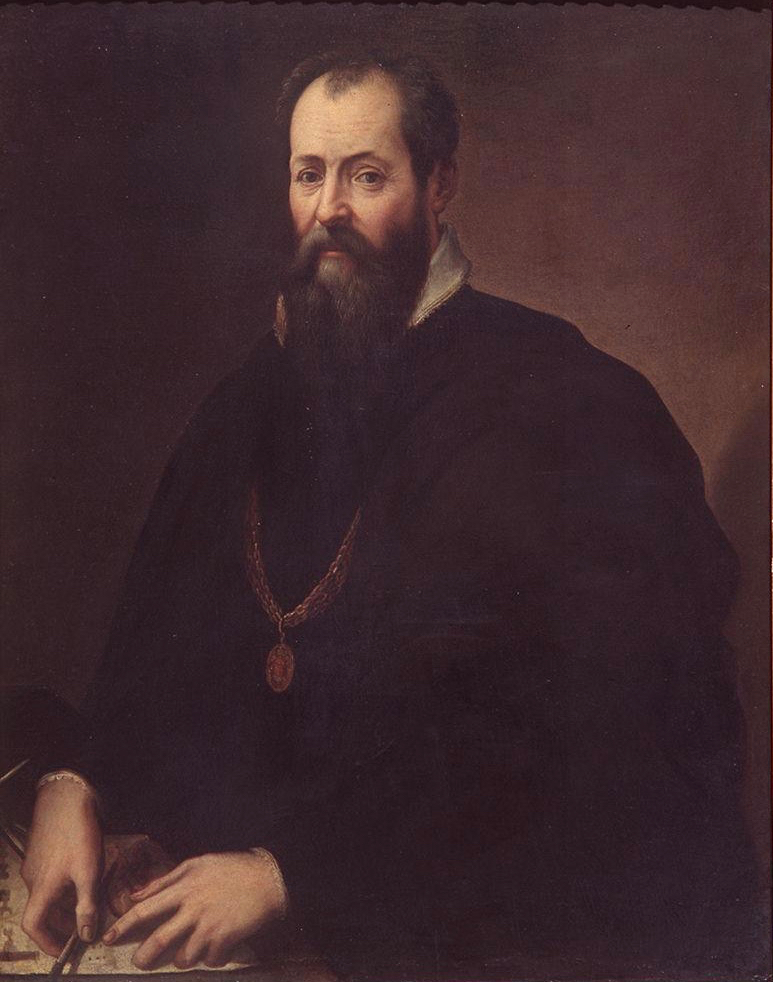
Giorgio Vasari
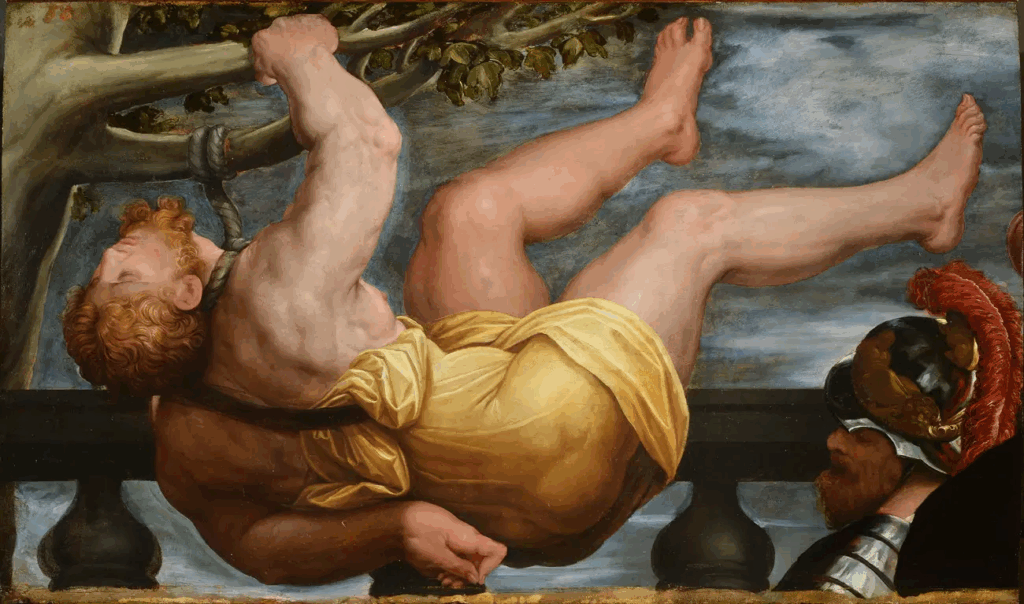
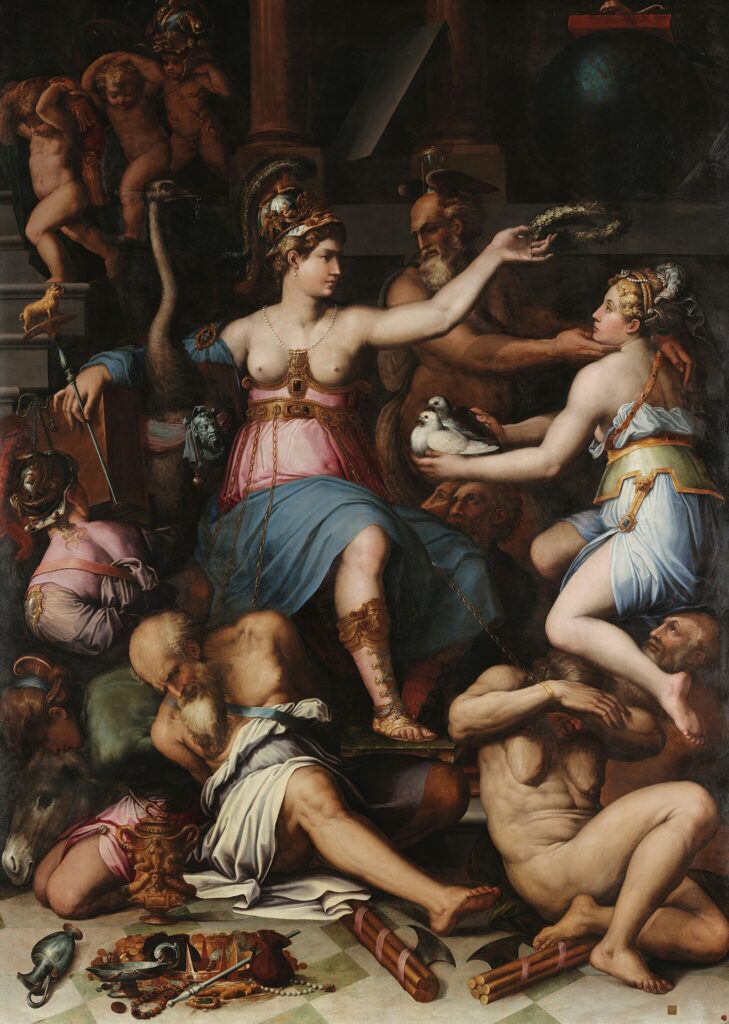
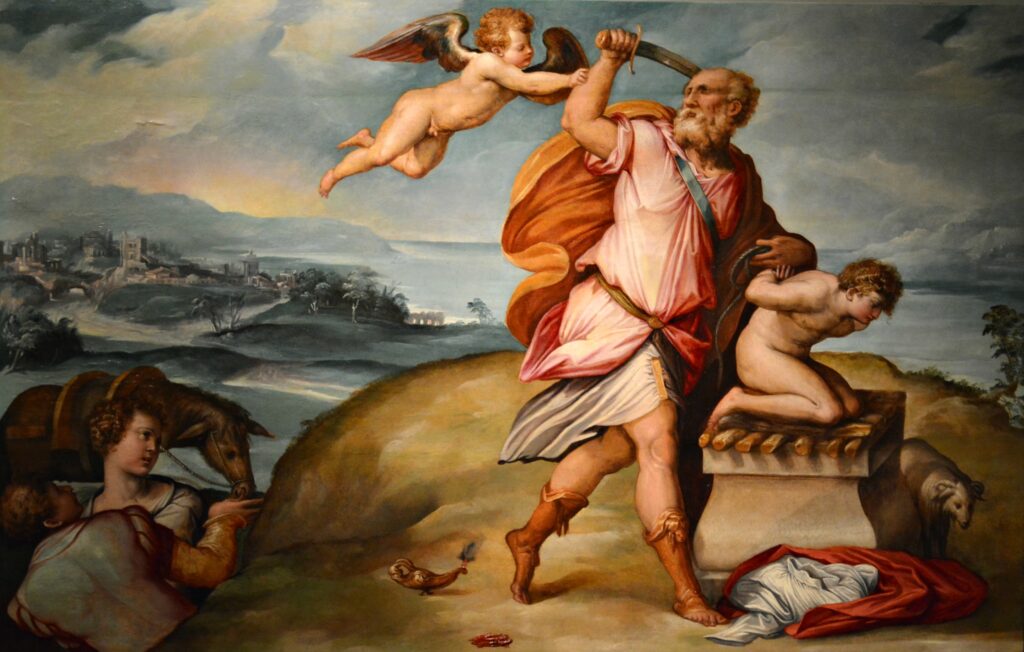
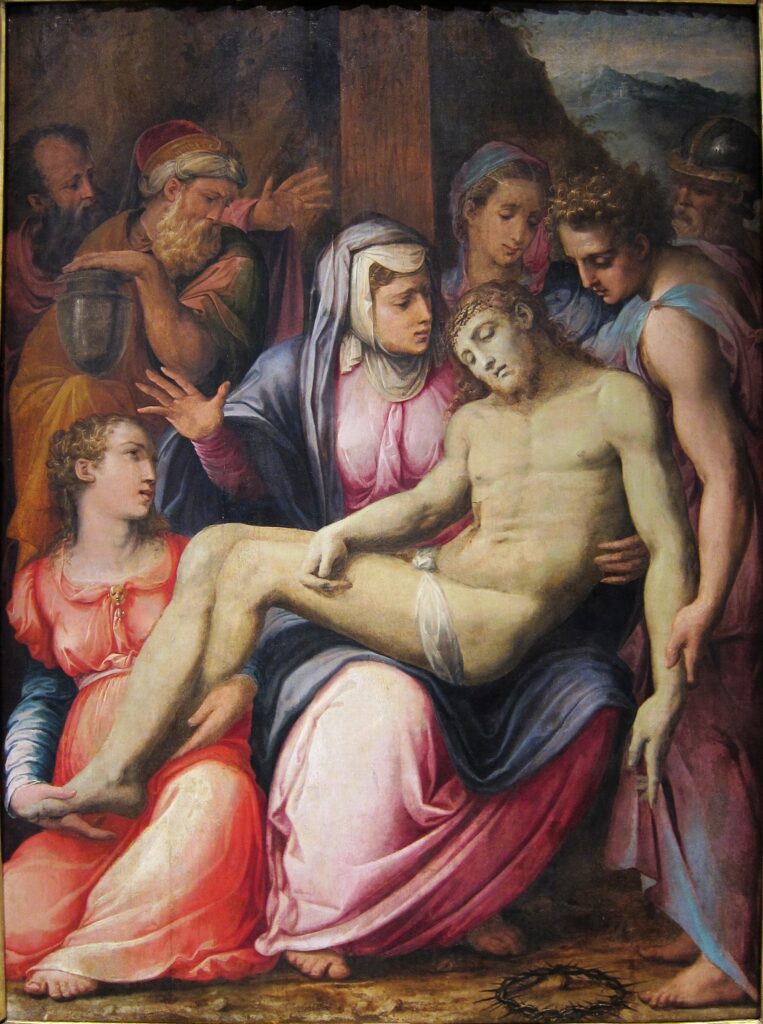
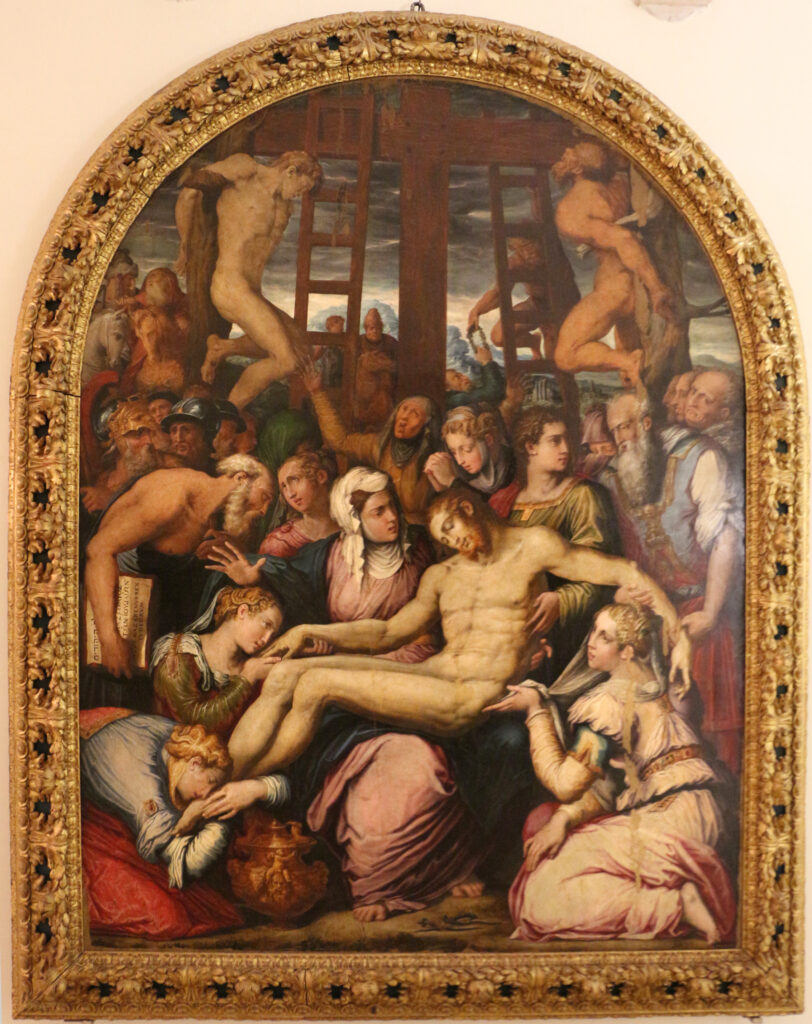
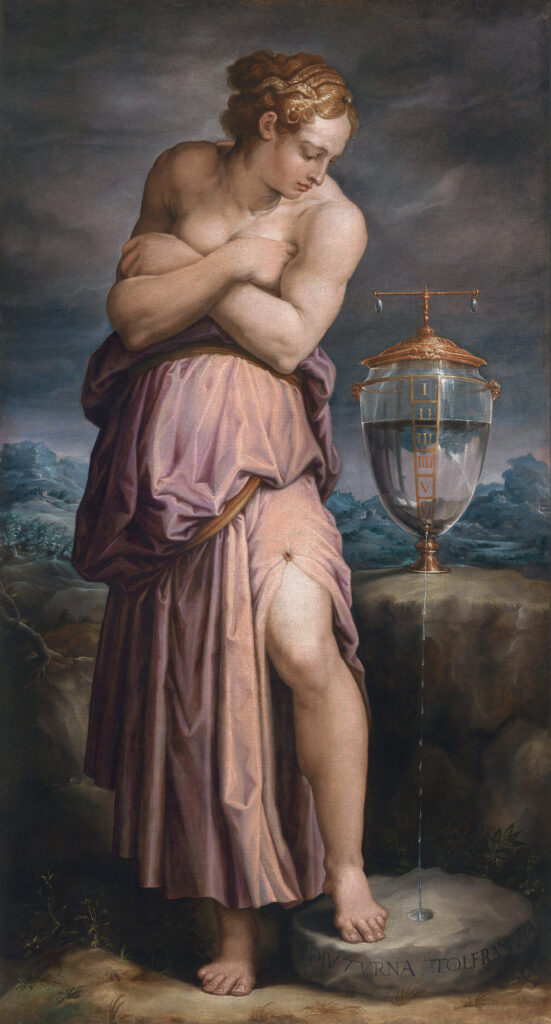
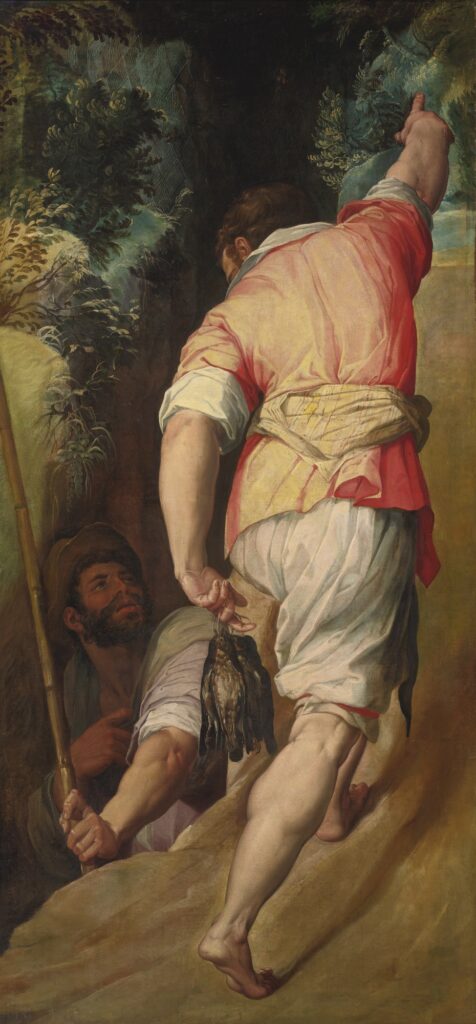
Giorgio Vasari, July 30, 1511 – June 27, 1574, was an Italian painter, architect, writer, and historian of the late Renaissance. He was born in Arezzo and trained first with Guillaume de Marcillat before entering the artistic circles of Florence. There he came under the influence of Andrea del Sarto, Michelangelo, and members of the Medici court. Vasari spent much of his career working for Medici patrons in Florence and elsewhere in Italy, while also undertaking architectural commissions and court projects.
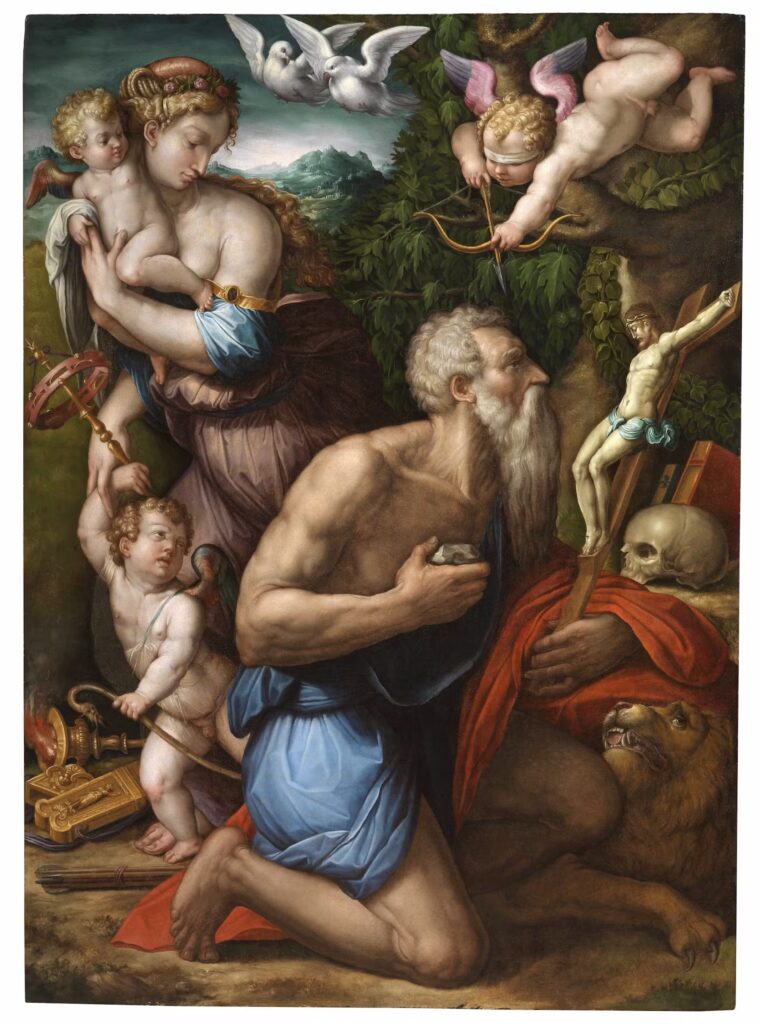
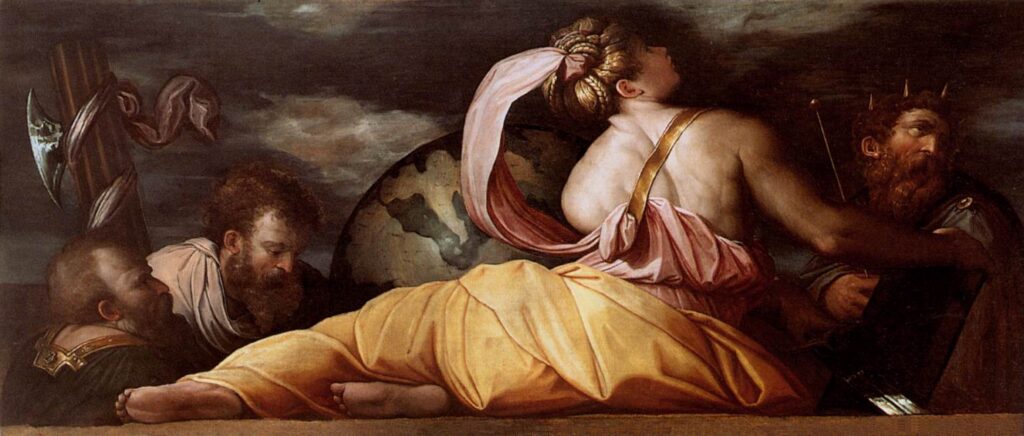
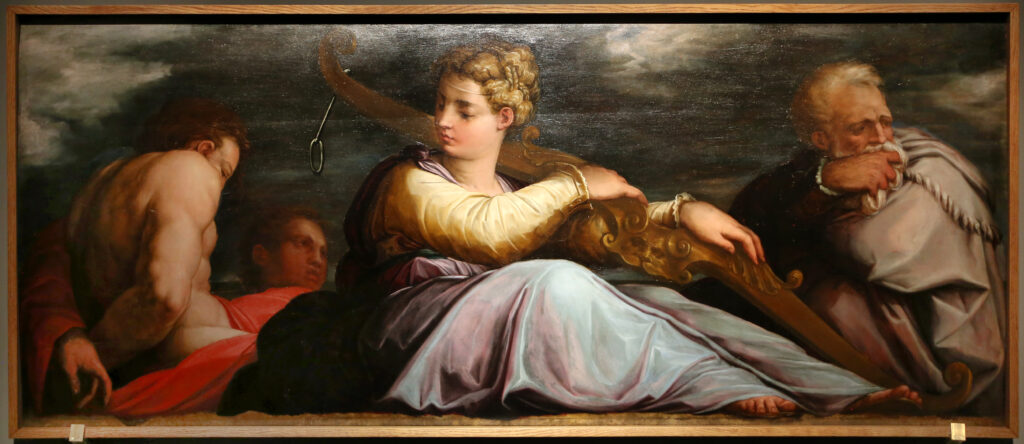
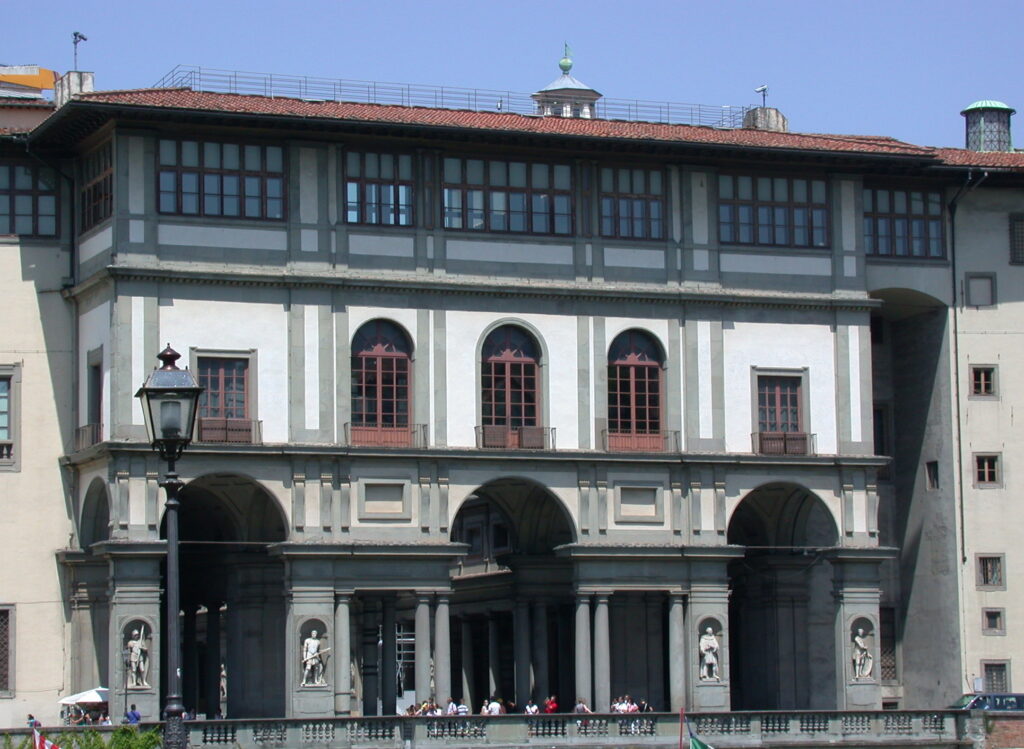
Vasari worked in fresco, panel painting, decorative cycles, portraiture, religious subjects, allegories, and large-scale court commissions. His style is associated with Mannerism and reflects the influence of Michelangelo and the artistic culture of mid-sixteenth-century Florence and Rome. In addition to his artistic production, he designed buildings and urban projects, including work connected with the Uffizi in Florence. He is also known for Lives of the Most Excellent Painters, Sculptors, and Architects, first published in 1550 and expanded in 1568, which remains a major source for the study of Renaissance art.
Vasari supervised large workshops and trained numerous assistants who participated in his extensive decorative programs. His paintings, drawings, and frescoes are held by the Uffizi Gallery, Palazzo Pitti, Museo di Capodimonte, Gallerie dell'Accademia, Getty Museum, National Gallery, National Museum of Western Art, Ravenna Art Museum, and other public and private collections.




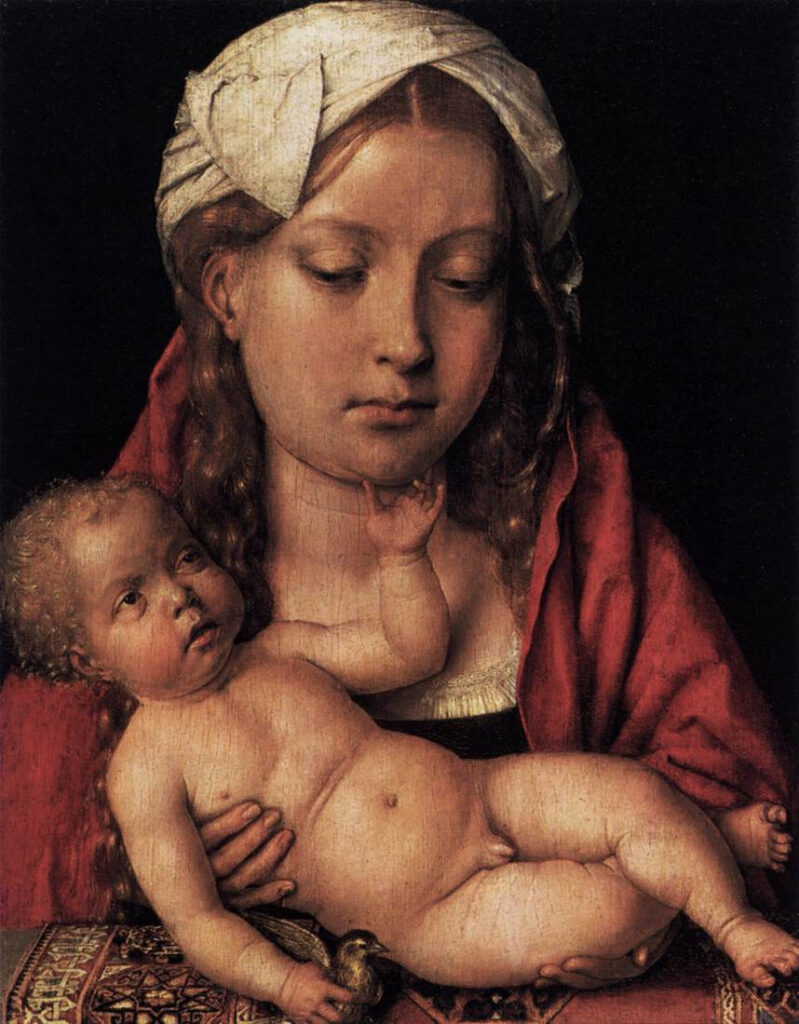
Michel Sittow
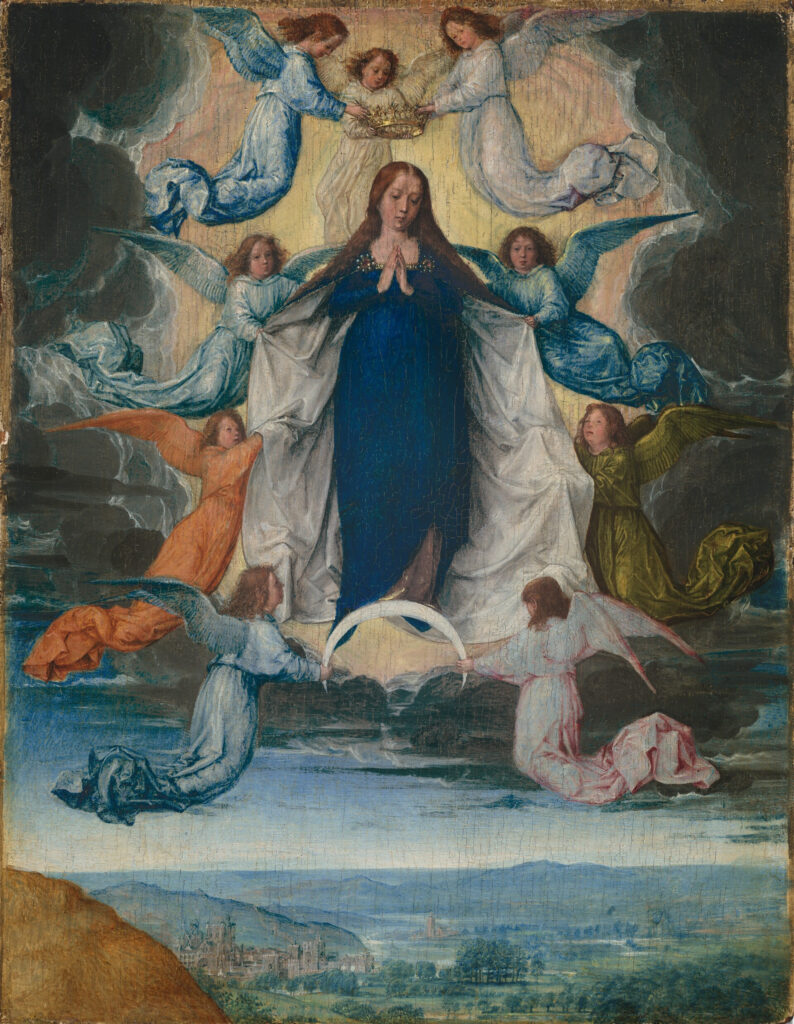
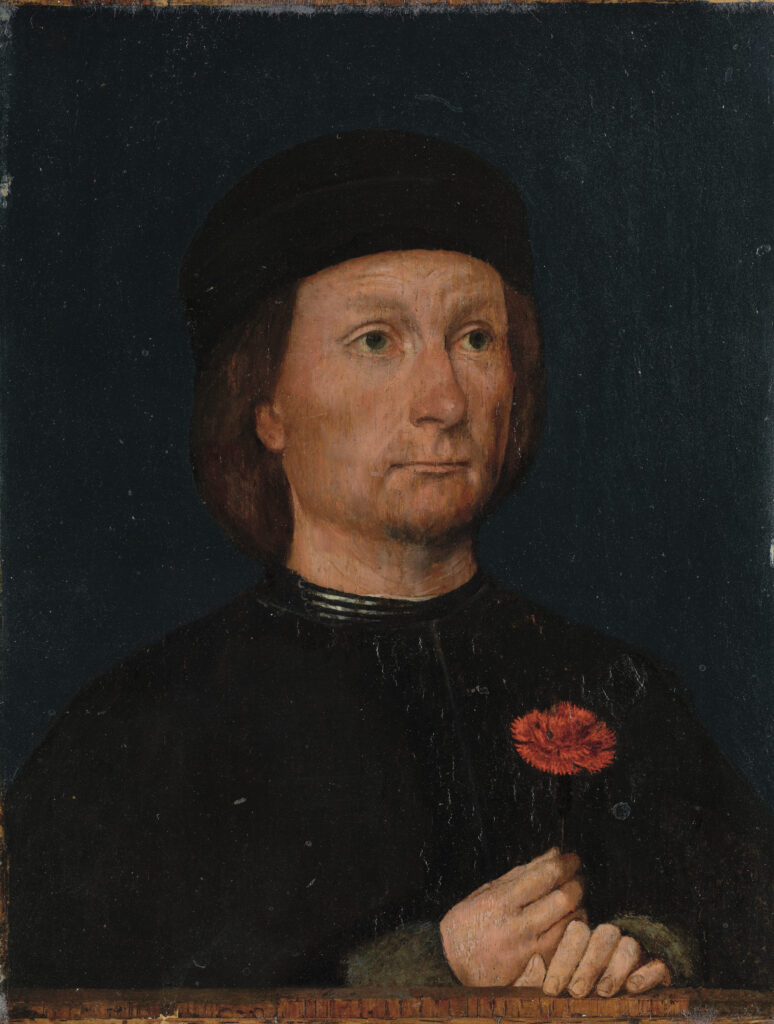
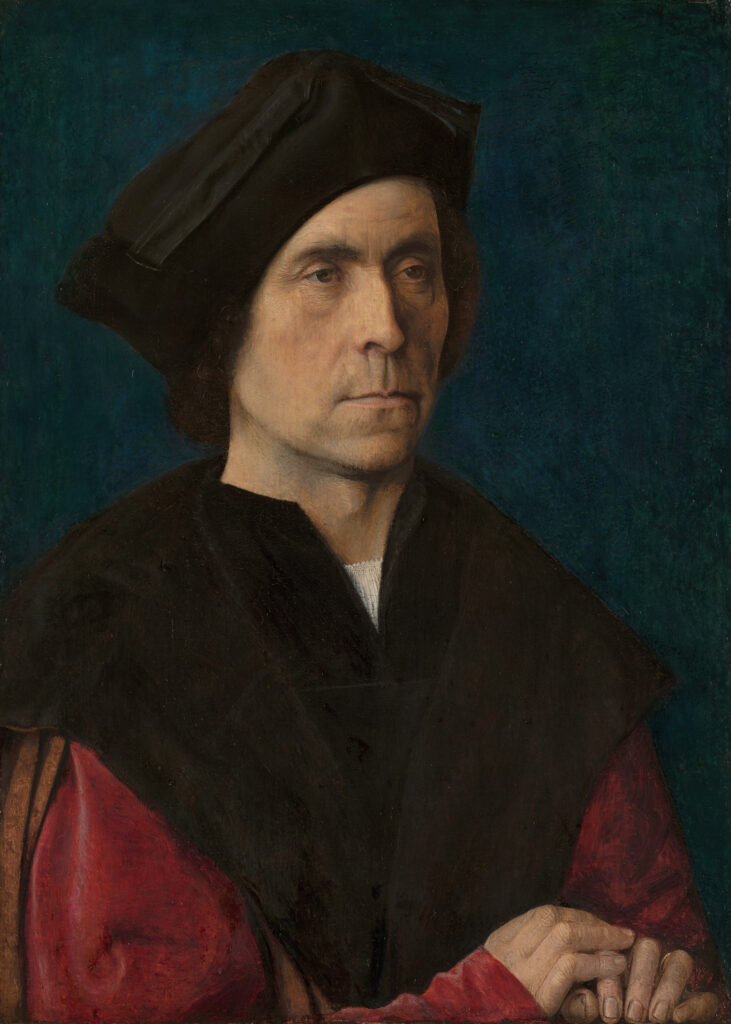
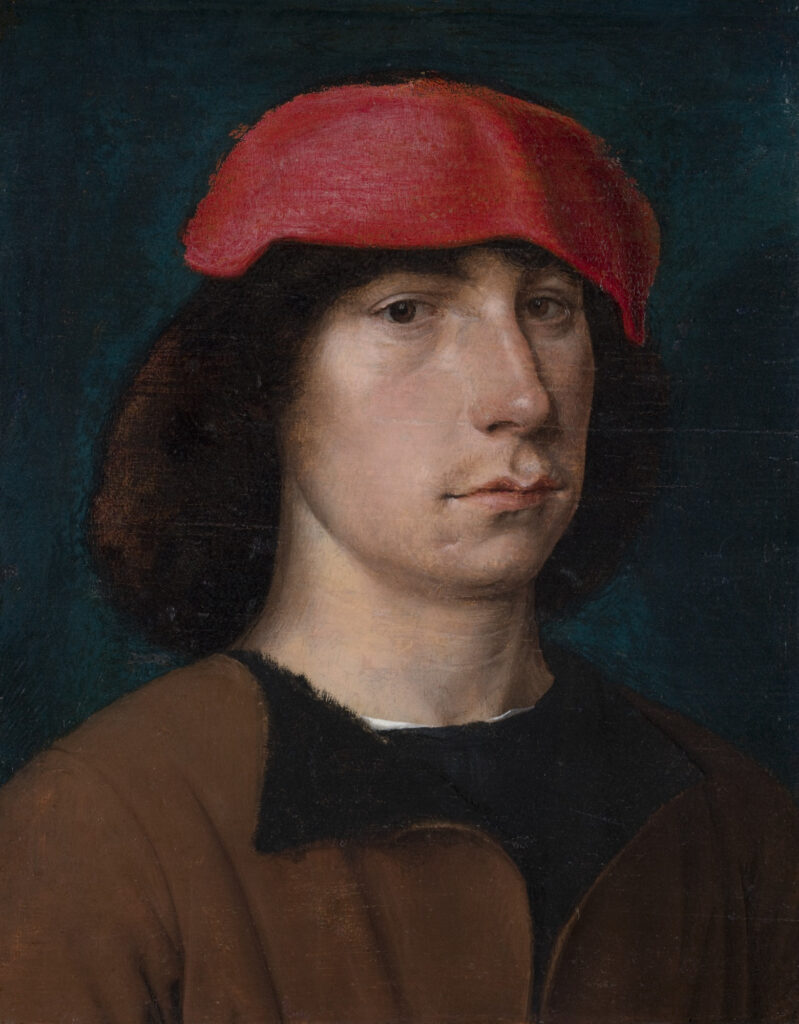
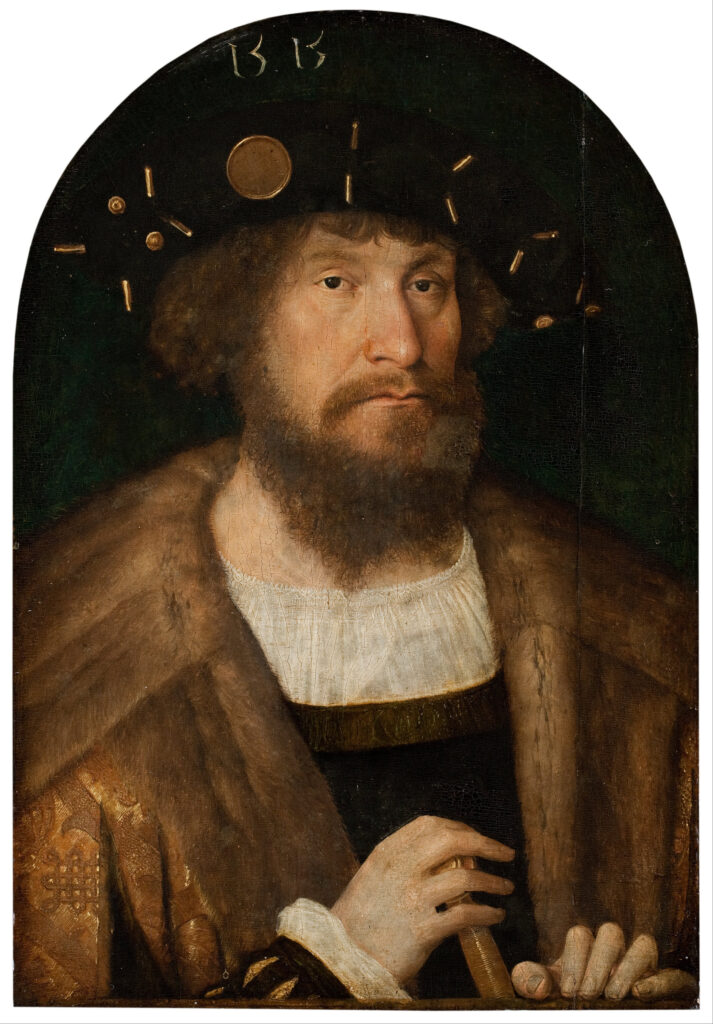
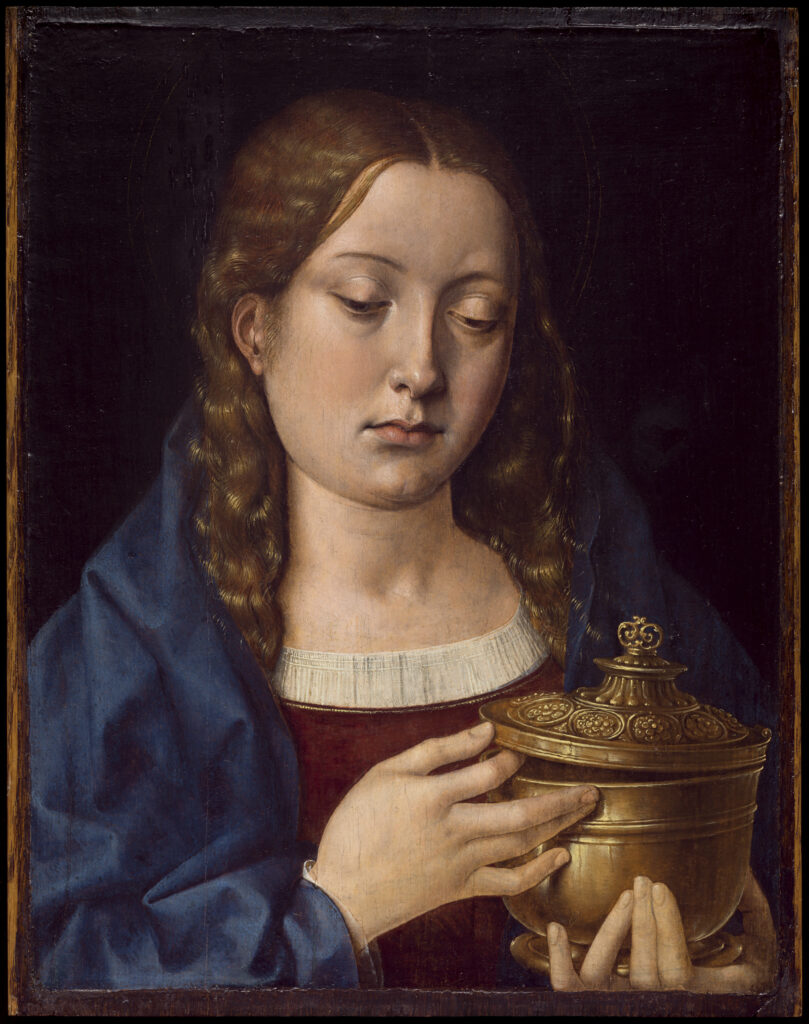
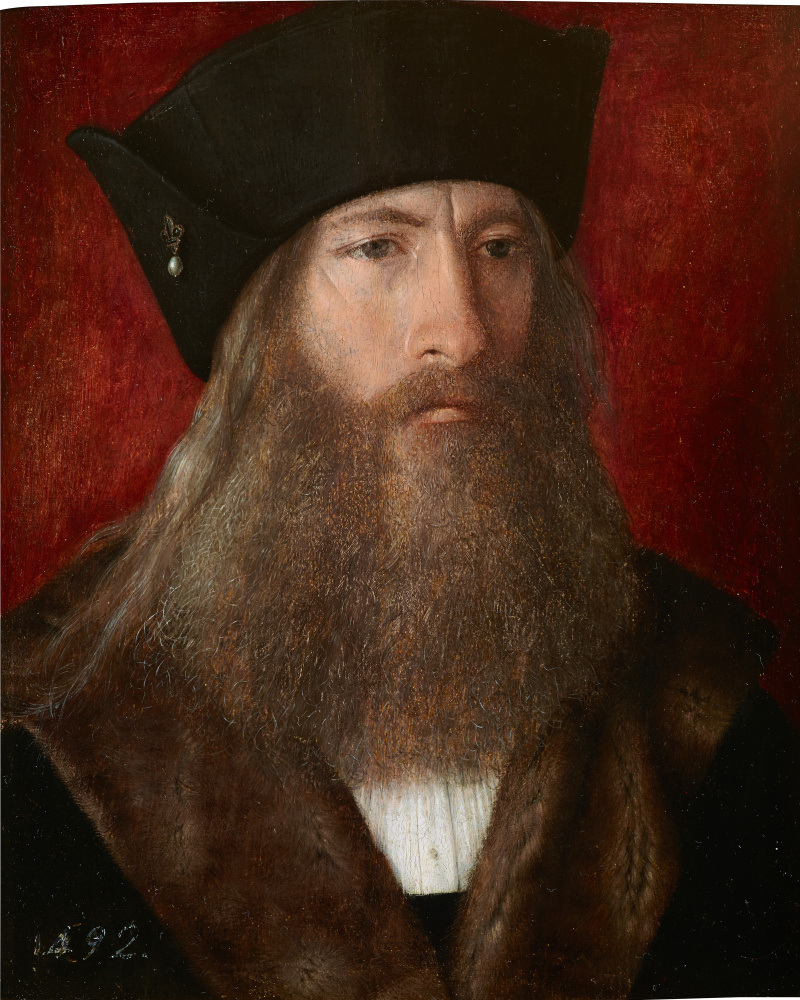
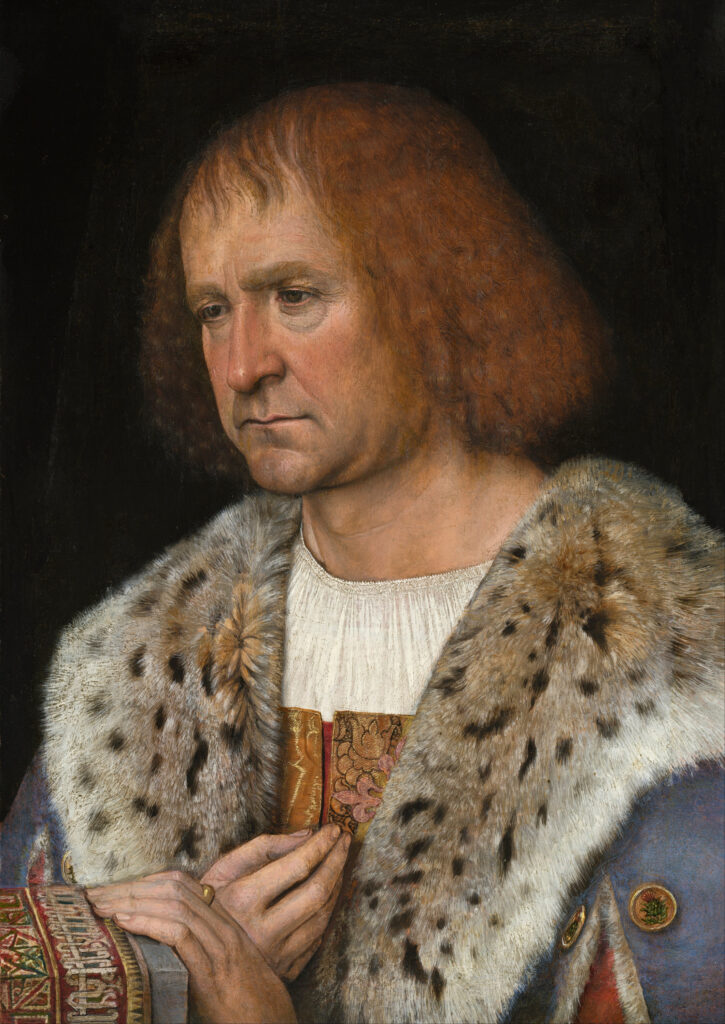
Michel Sittow, c 1469–December 1525, was an Estonian painter born in Reval, now Tallinn, and associated with Early Netherlandish art. He probably received his earliest training from his father, the painter and sculptor Clawes van der Sittow, before moving to Bruges in 1484; an apprenticeship with Hans Memling is plausible but undocumented.
By 1492 Sittow served Queen Isabella of Castile as a court painter and portraitist and collaborated with Juan de Flandes on small devotional panels for her collection. After Isabella’s death, his work took him among several European courts, including those of Philip the Fair, Margaret of Austria, Charles V, and Christian II of Denmark. He returned to Reval in 1506, joined the local artists’ guild in 1507, and resumed work there after further court service by 1518.
Paintings by or attributed to Sittow are held by the National Gallery of Art, the Mauritshuis, the J. Paul Getty Museum, the Detroit Institute of Arts, the Kunsthistorisches Museum, Statens Museum for Kunst, the Gemäldegalerie, and the Art Museum of Estonia’s Niguliste Museum. He remained active in Reval until his death in late December 1525.


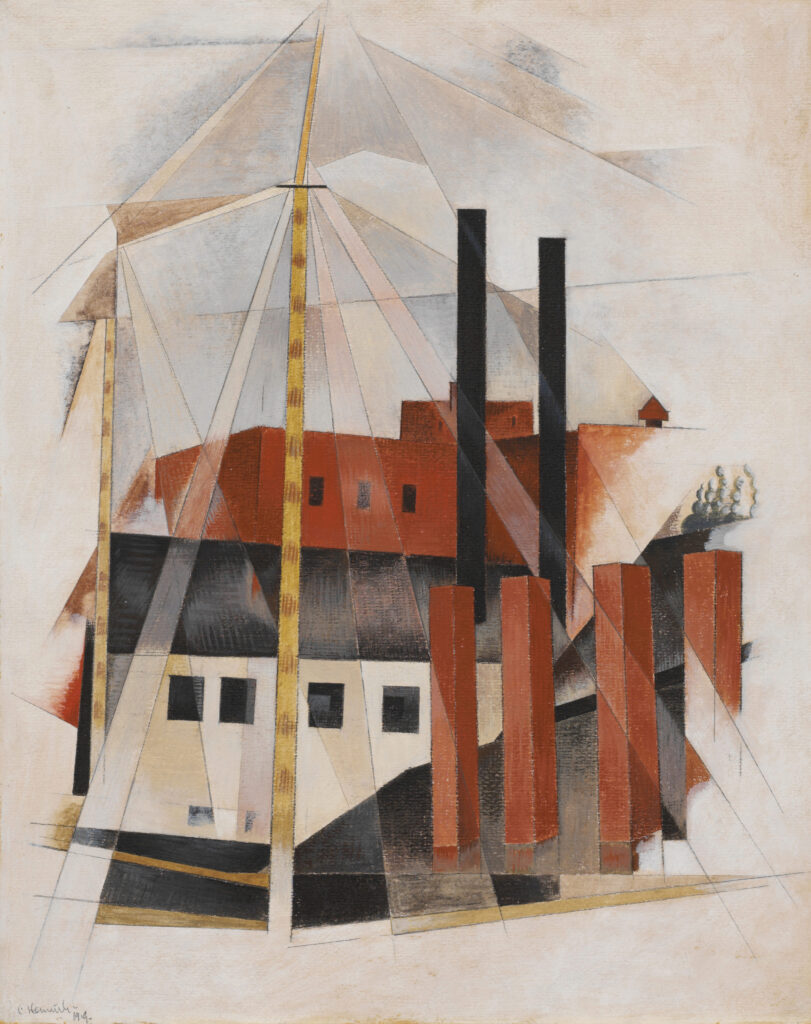
Charles Demuth
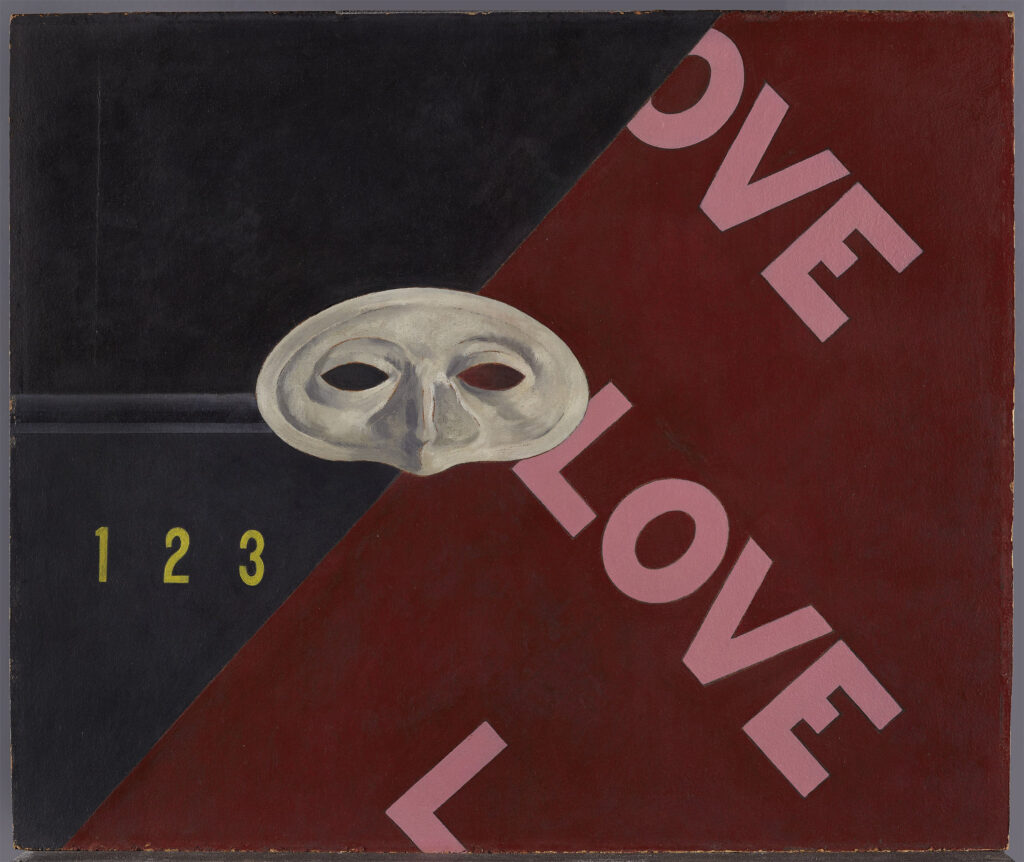
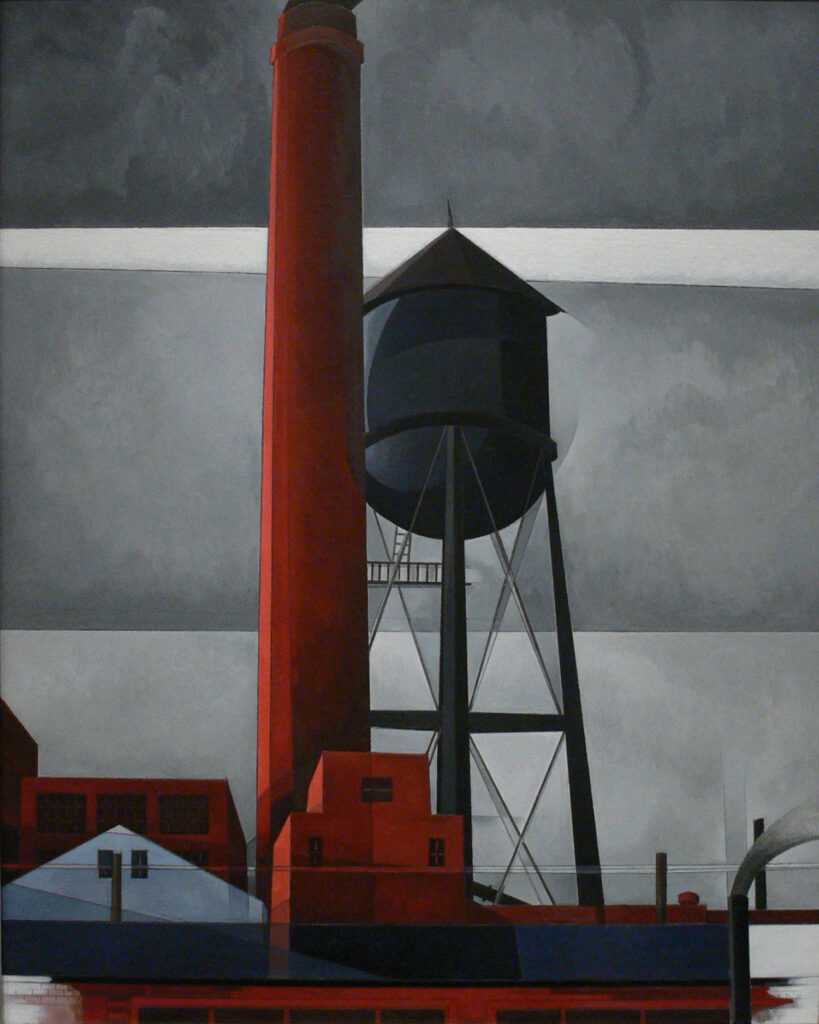
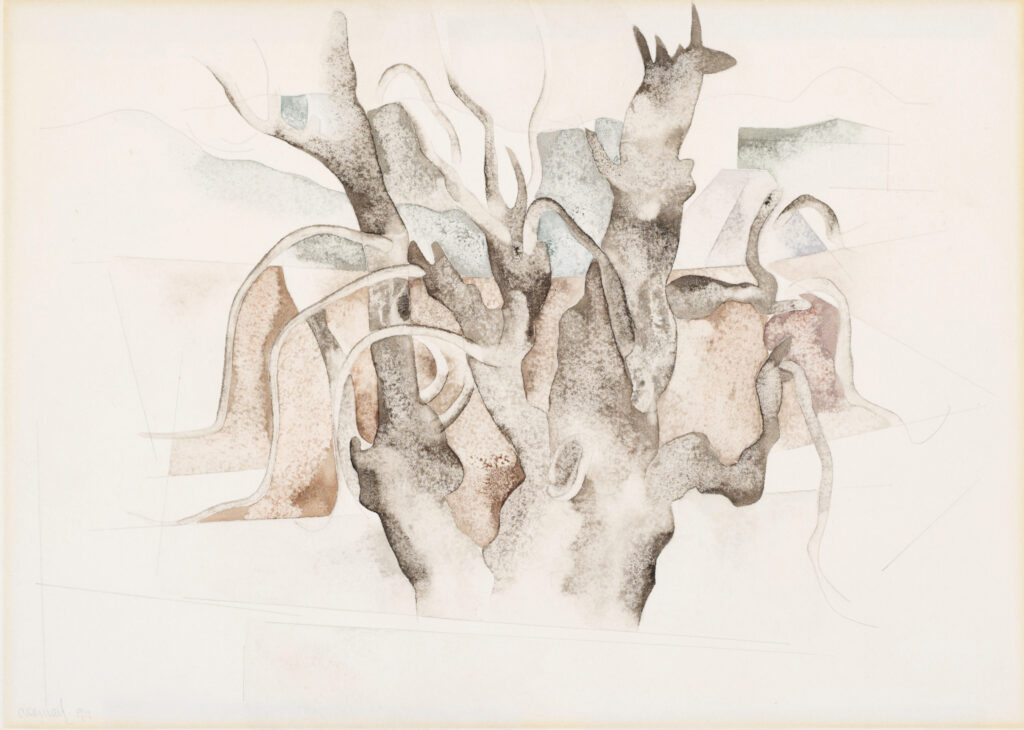
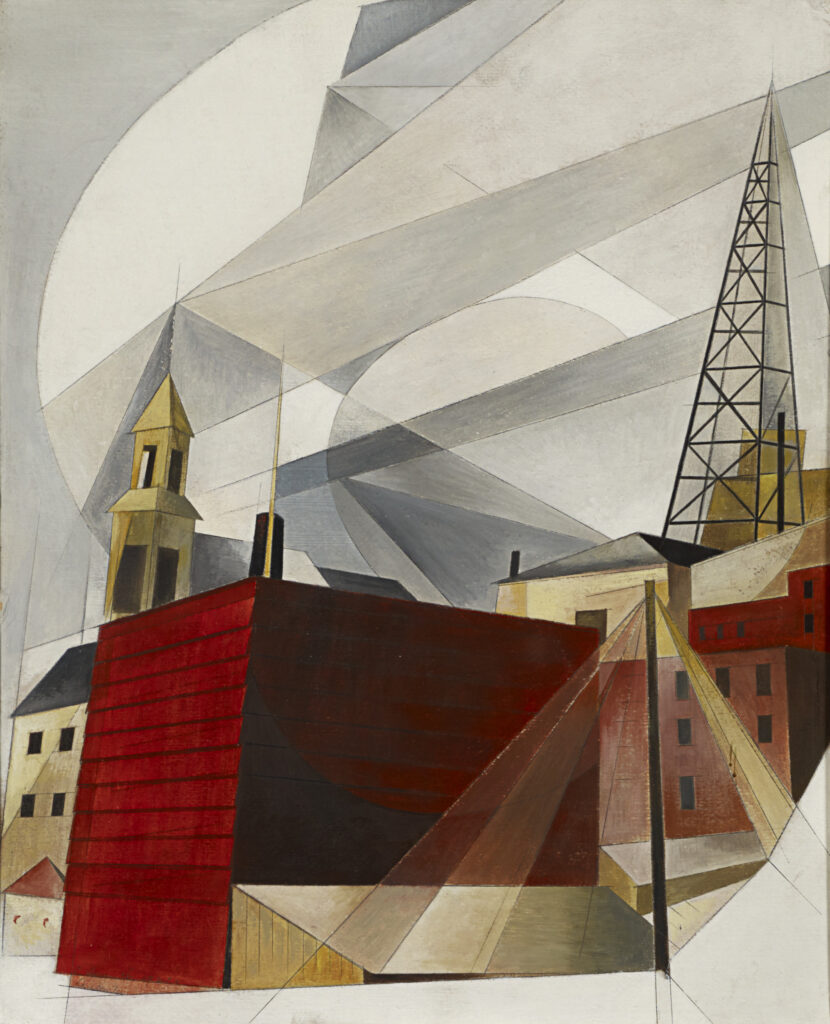
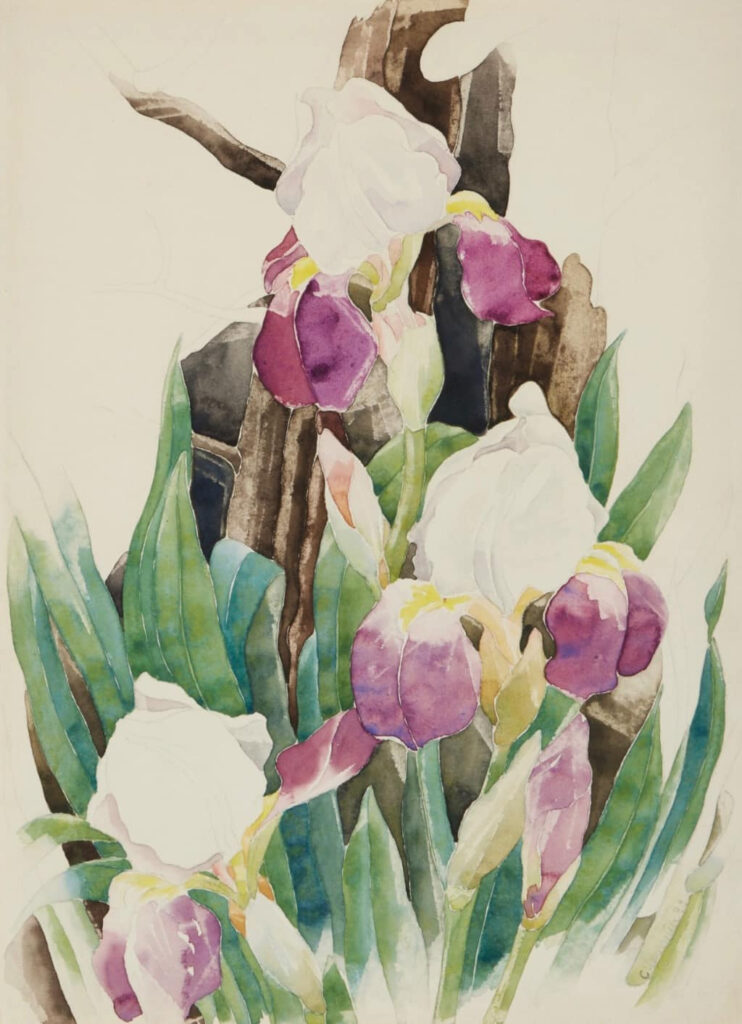
Charles Demuth, November 8, 1883 – October 23, 1935, was an American painter and watercolorist associated with Precisionism and early American modernism. He received his first formal art training at the Drexel Institute of Art and studied at the Pennsylvania Academy of the Fine Arts under Thomas Anshutz and William Merritt Chase. He also studied at art academies in Paris during extended European visits.
Demuth worked primarily in Lancaster, Pennsylvania, while participating in modernist circles in Philadelphia, New York, Paris, and Provincetown. He was a friend of William Carlos Williams, Marsden Hartley, Georgia O’Keeffe, and Albert C. Barnes, and his work was promoted by Alfred Stieglitz alongside that of Arthur Dove, John Marin, Hartley, and O’Keeffe.
Demuth is represented in the collections of the Metropolitan Museum of Art, Museum of Modern Art, Whitney Museum of American Art, Barnes Foundation, Philadelphia Museum of Art, Cleveland Museum of Art, Smithsonian American Art Museum, and Demuth Museum of Art.










Jan Sanders van Hemessen
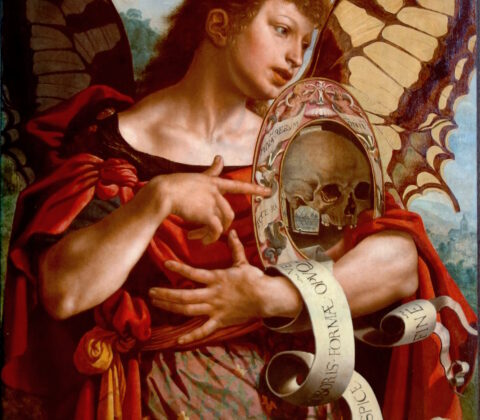
Jan Sanders van Hemessen, c 1500–c 1566, was a Flemish painter born in Hemiksem near Antwerp. He was apprenticed to Hendrick van Cleve I in Antwerp in 1519–1520 and became a master in the city’s Guild of Saint Luke in 1524.
Van Hemessen maintained a successful Antwerp workshop and served as dean of the Guild of Saint Luke in 1548. He painted religious subjects, portraits, and moralizing scenes drawn from contemporary life, and he trained his daughter Catharina van Hemessen, who became a successful portrait painter.
His last dated paintings are from the 1550s, and the circumstances and place of his death remain uncertain. His works are held by institutions including the Kunsthistorisches Museum, Museo del Prado, State Hermitage Museum, Art Institute of Chicago, and Royal Museums of Fine Arts of Belgium.



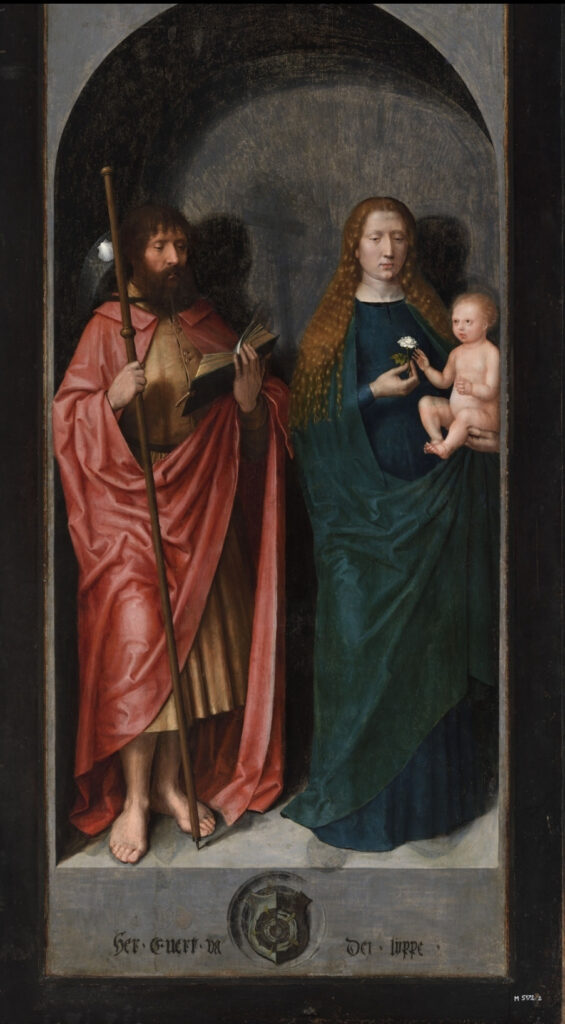
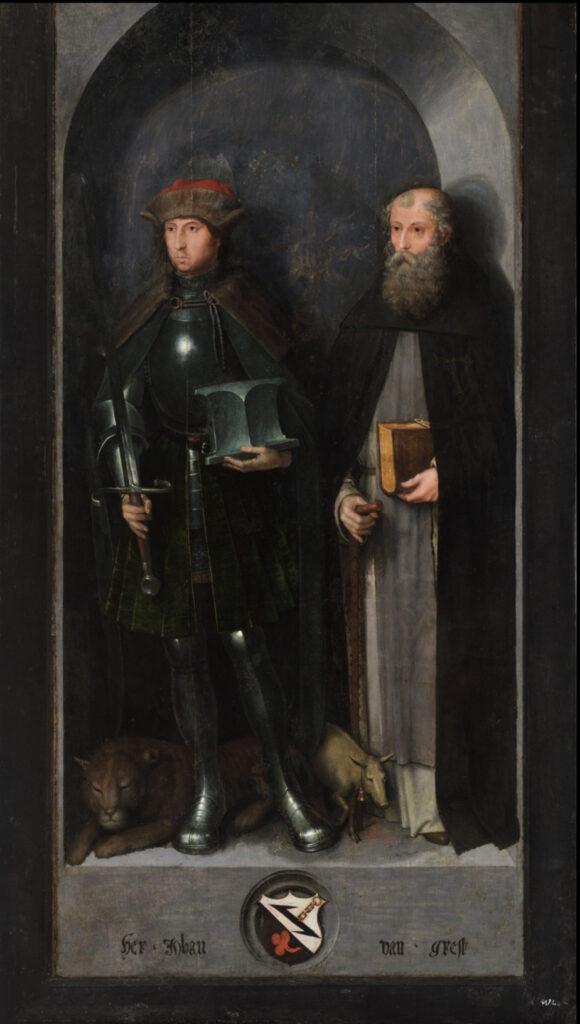
Jan Mostaert
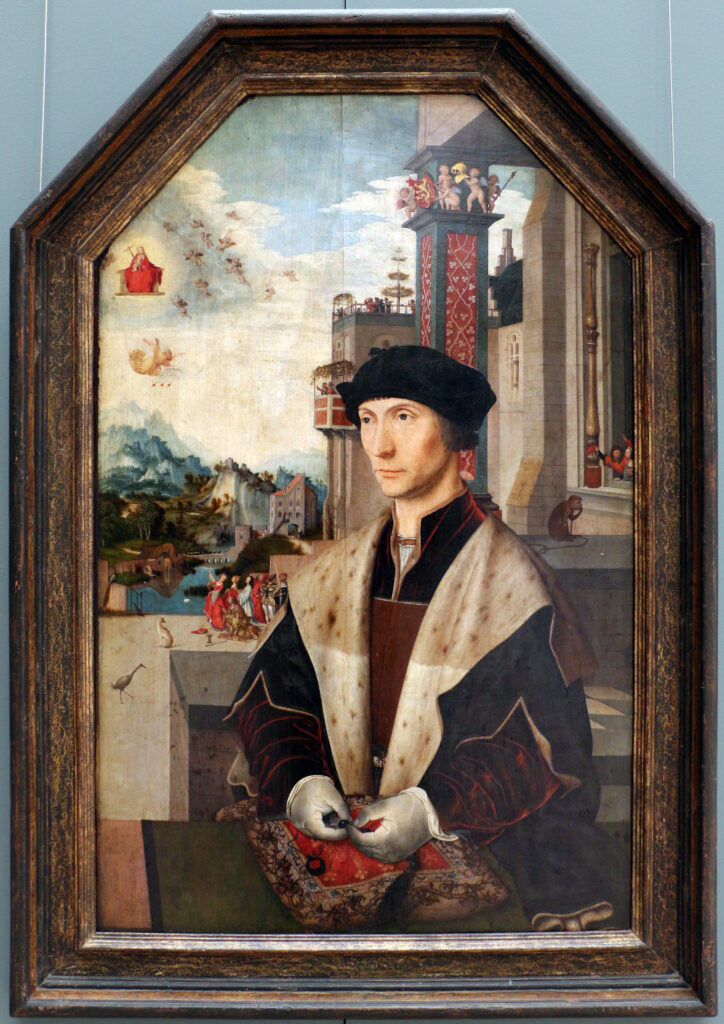
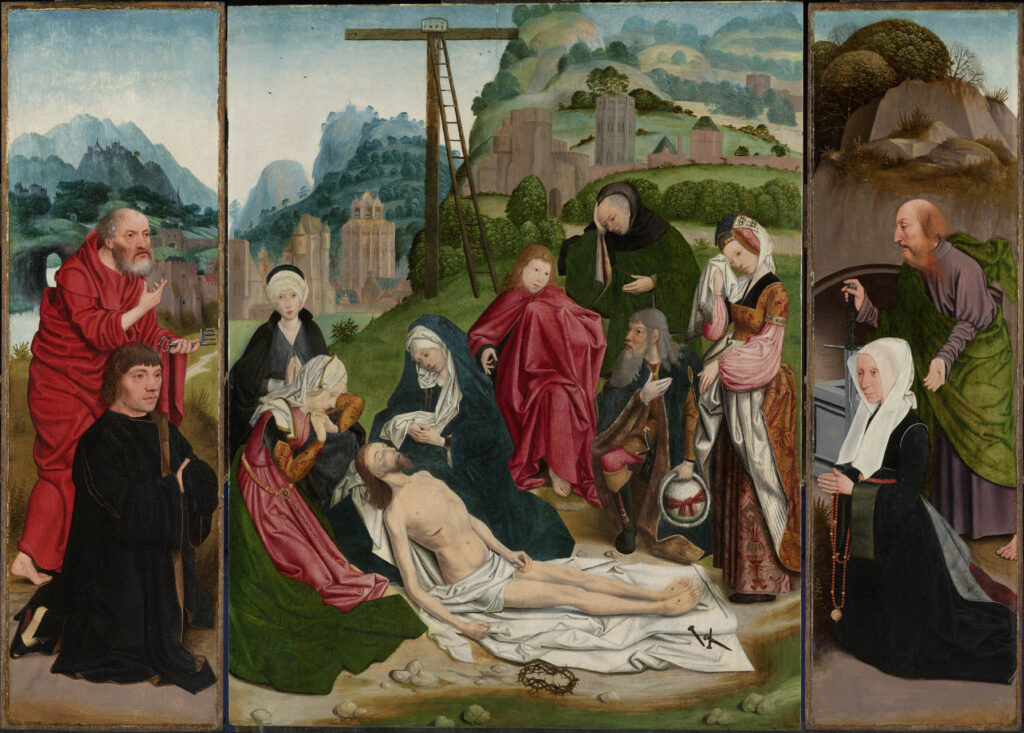
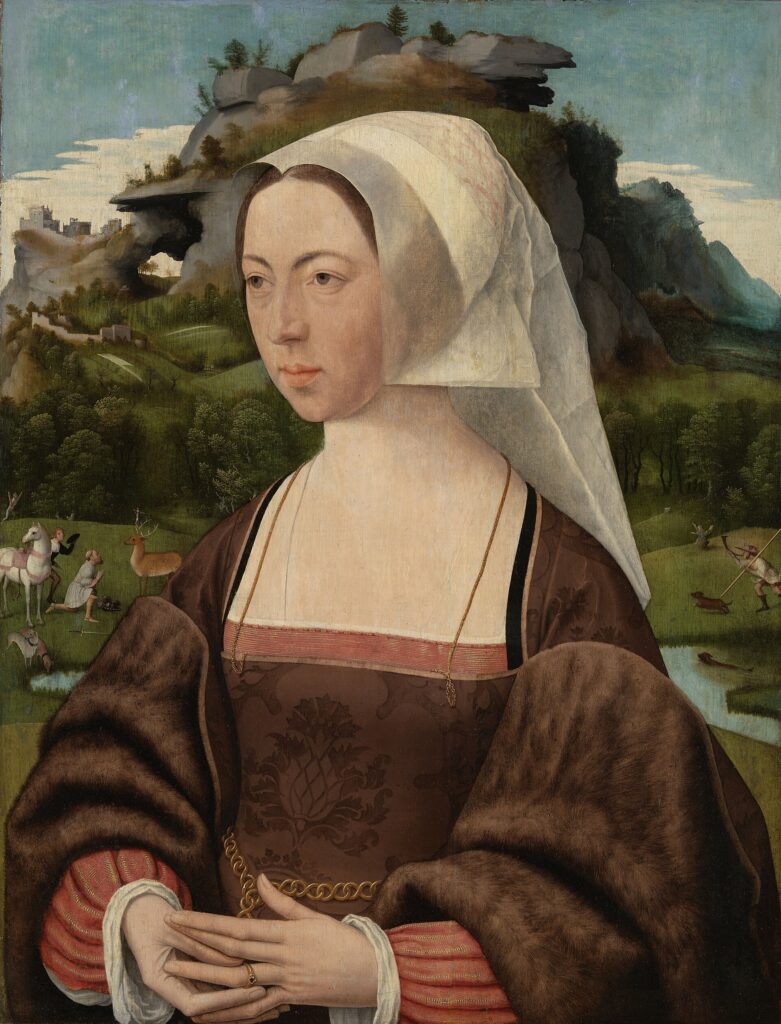
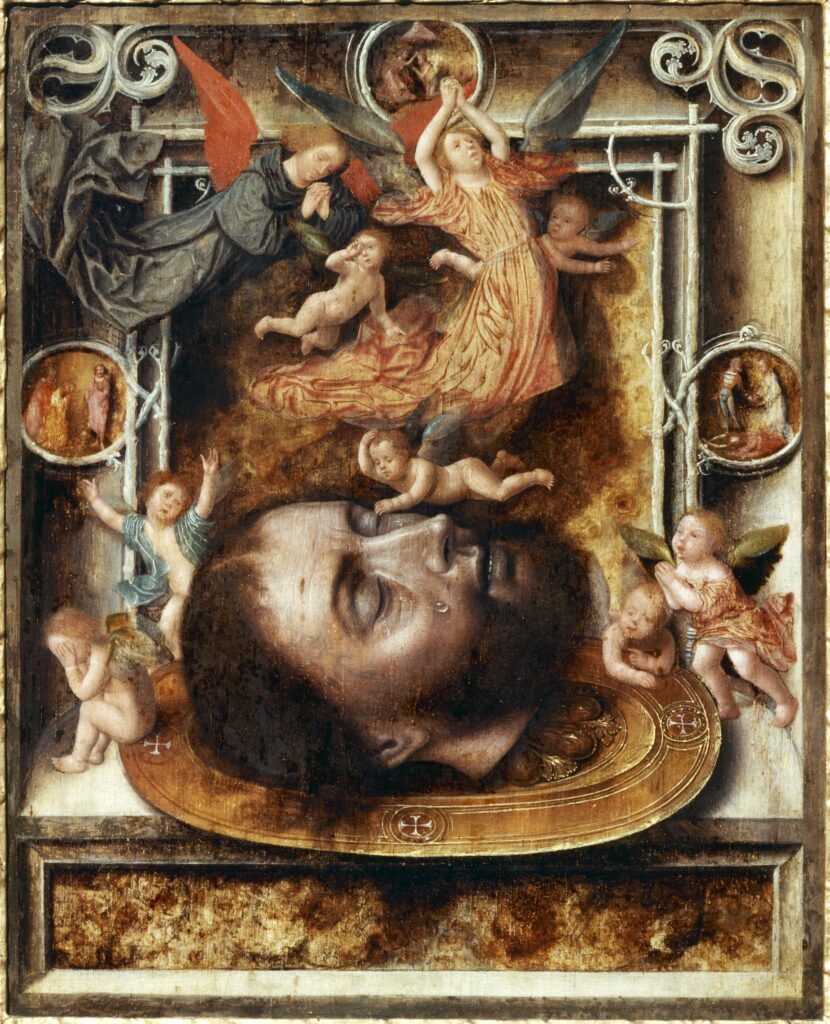
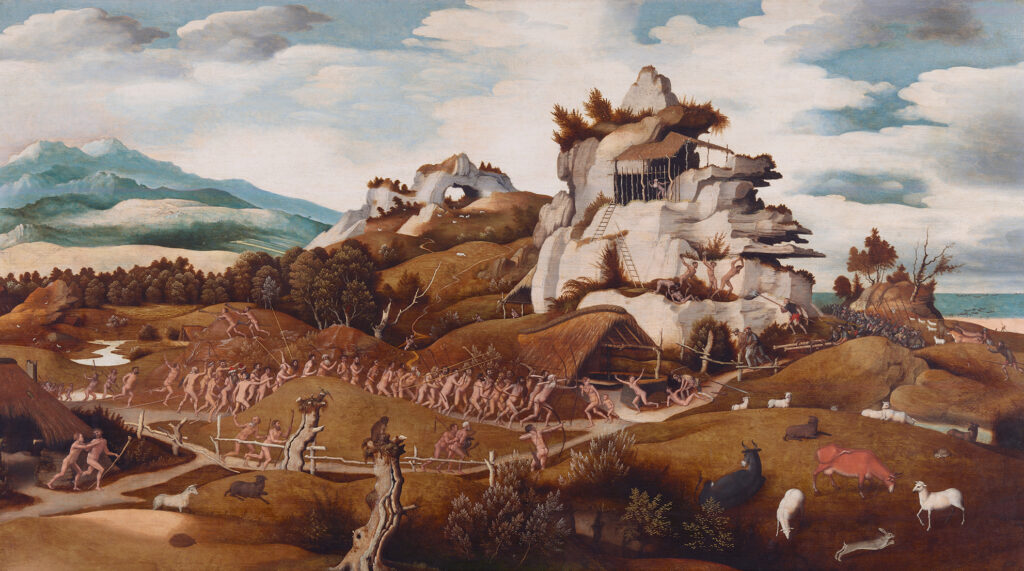
Jan Mostaert, c 1475 – 1552/1553, was a Dutch painter active mainly in Haarlem. He was associated with the late Gothic and early Netherlandish tradition and is thought to have trained in Haarlem, where he became a member of the painters’ guild and later served as dean.
Mostaert painted portraits, religious subjects, and narrative panels. His work is connected with courtly and civic patrons in the northern Netherlands, including Margaret of Austria’s circle. His paintings combine Netherlandish detail with early sixteenth-century figure types, architectural settings, and landscape backgrounds.
His works are held by the Rijksmuseum, Amsterdam; Saint Louis Art Museum; Philadelphia Museum of Art; Thyssen-Bornemisza Museum, Madrid; Royal Museums of Fine Arts of Belgium, Brussels; and Museum Mayer van den Bergh, Antwerp.





Francisco de Zurbarán
Francisco de Zurbarán, November 7, 1598 – August 27, 1664, was a Spanish painter born in Fuente de Cantos in Extremadura. He was apprenticed in Seville to Pedro Díaz de Villanueva and established an early workshop in Llerena before returning to Seville.
Zurbarán became closely associated with the city’s religious institutions and received major commissions from the Dominicans, Mercedarians, Franciscans, and Carthusians. He specialized in devotional paintings, monastic subjects, saints, portraits, and still lifes, using sharply defined forms and strong contrasts of light and shadow.
Zurbarán moved to Madrid during the 1650s and remained there until his death. His paintings are held in major collections including the Museo Nacional del Prado, National Gallery in London, Metropolitan Museum of Art, and Museum of Fine Arts of Seville.


