Posts in Category: july 30
Giorgio Vasari
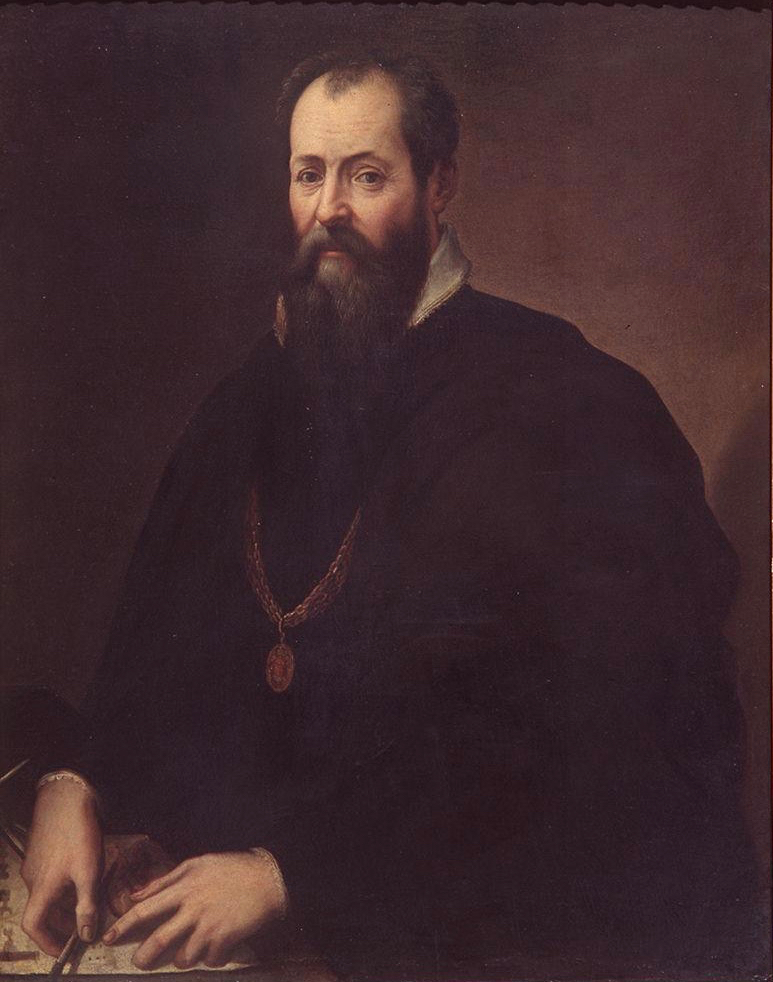
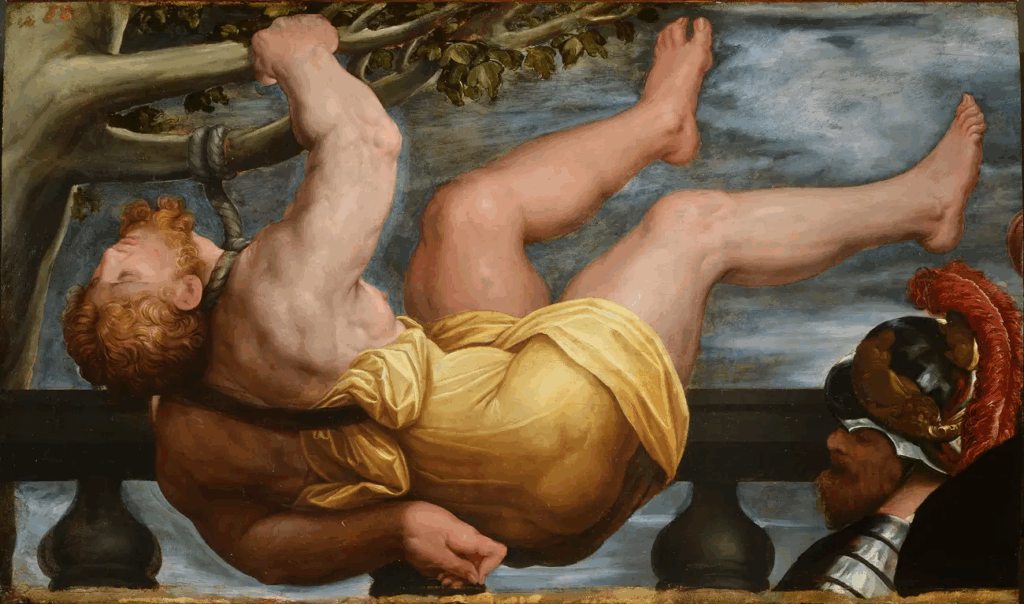
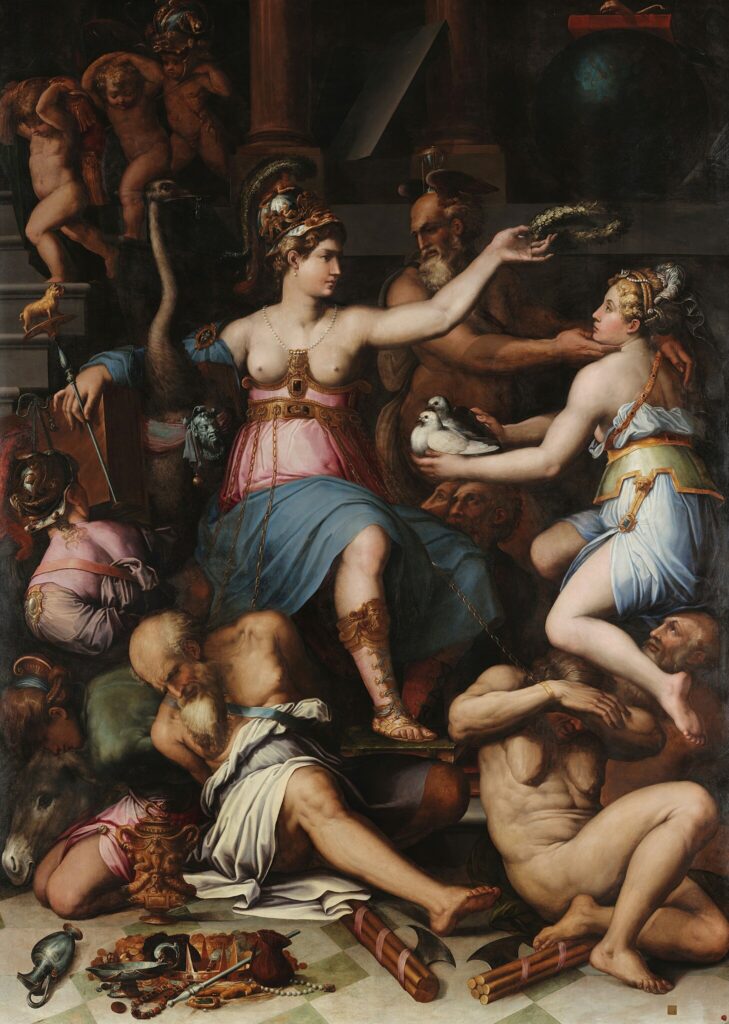
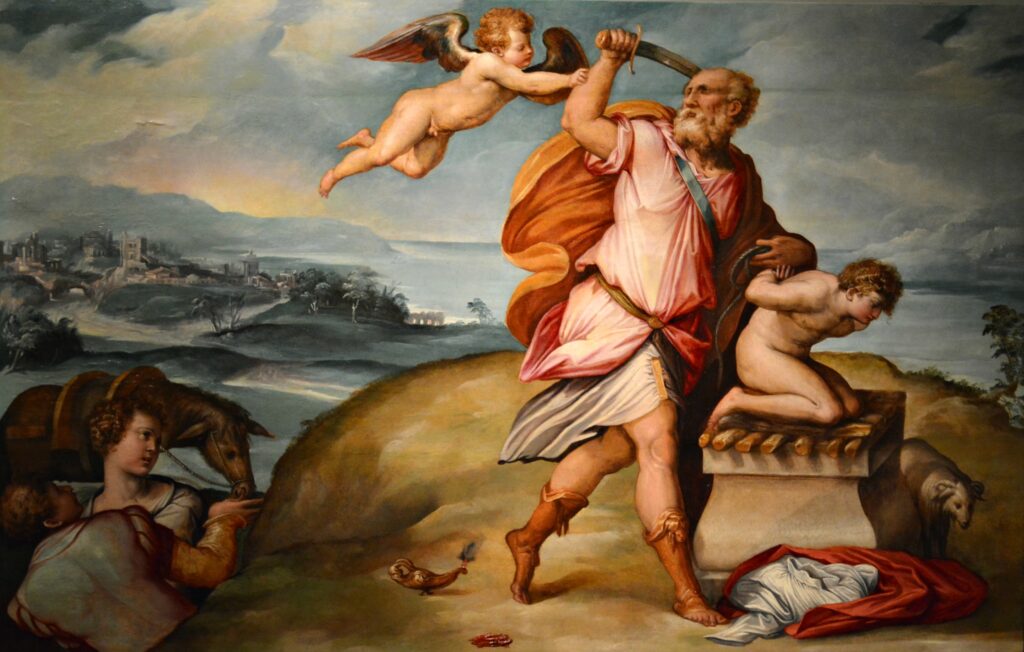
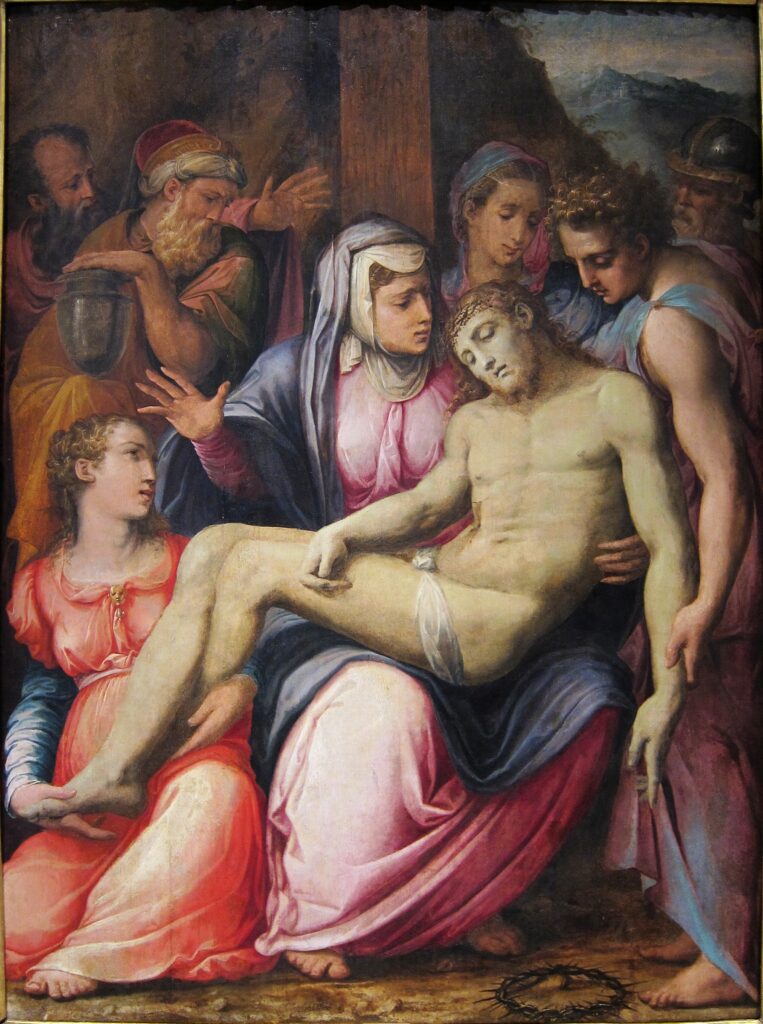
Giorgio Vasari, July 30, 1511 – June 27, 1574, was an Italian painter, architect, writer, and historian of the late Renaissance. He was born in Arezzo and trained first with Guillaume de Marcillat before entering the artistic circles of Florence. There he came under the influence of Andrea del Sarto, Michelangelo, and members of the Medici court. Vasari spent much of his career working for Medici patrons in Florence and elsewhere in Italy, while also undertaking architectural commissions and court projects.
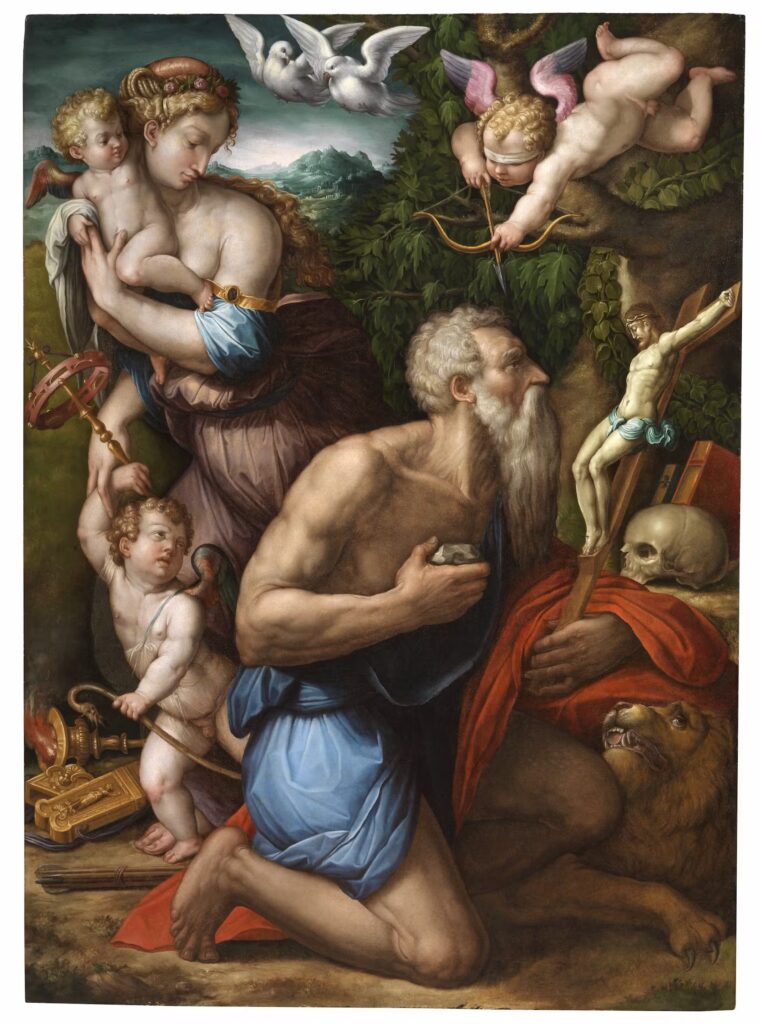
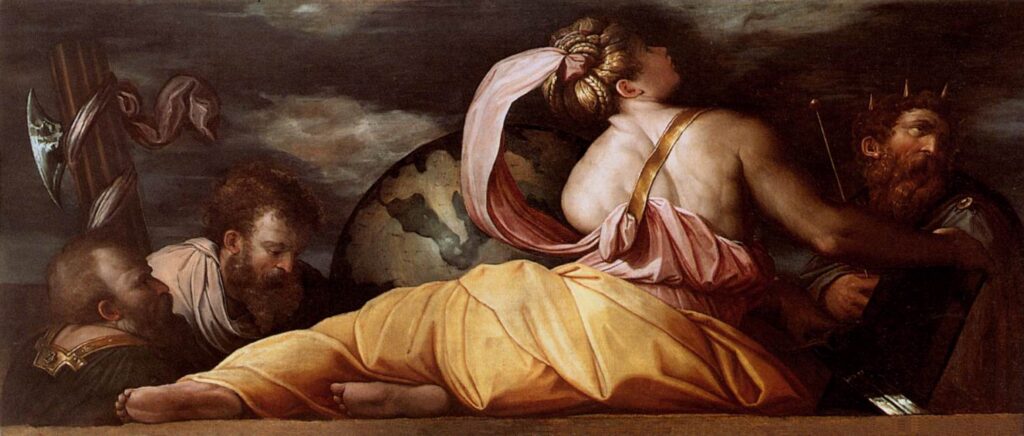
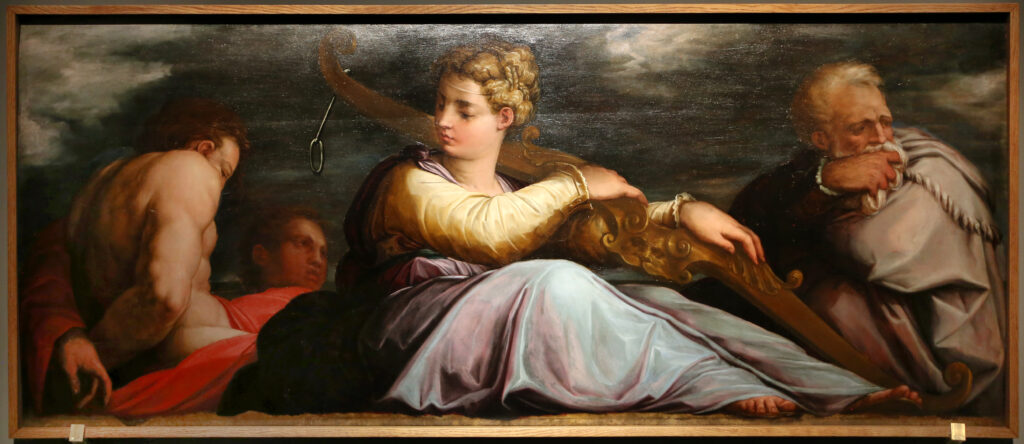
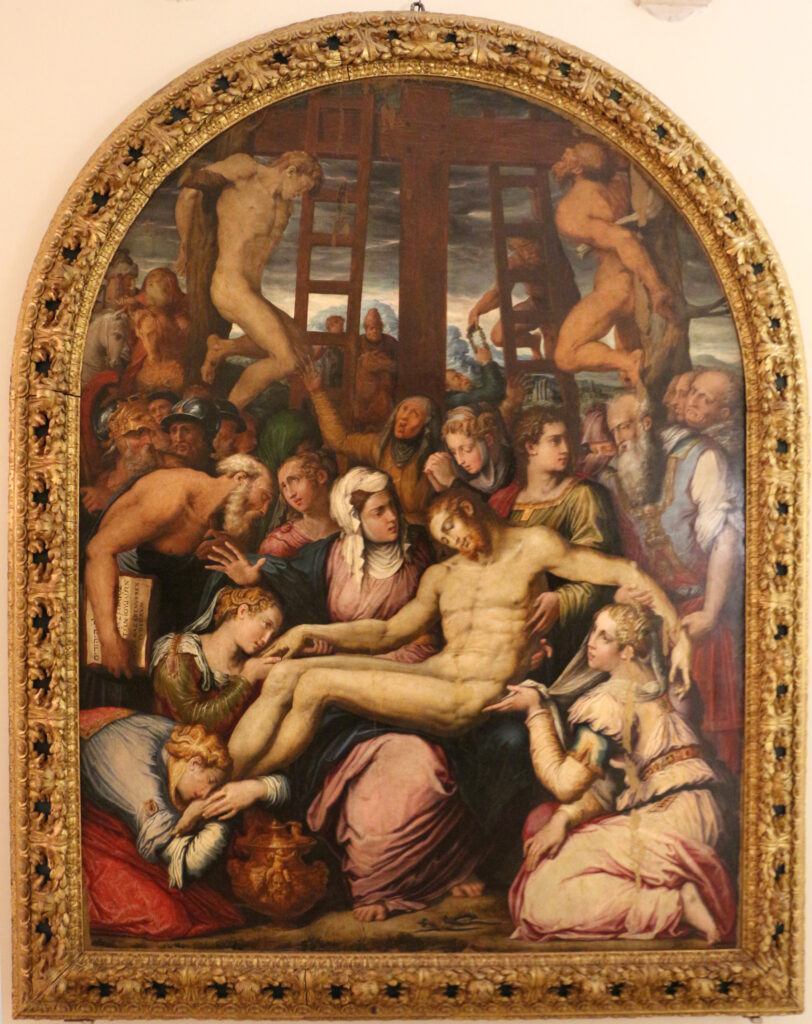
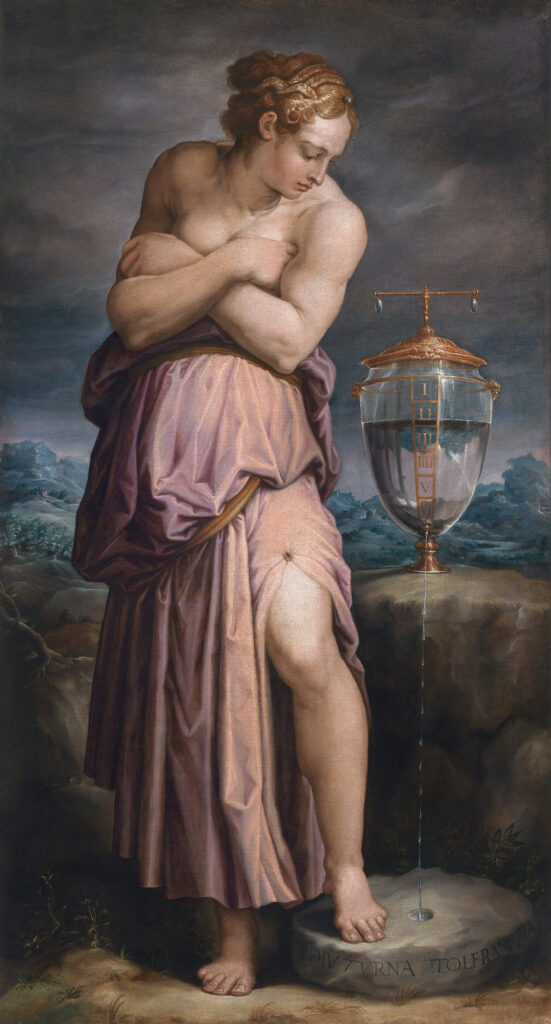
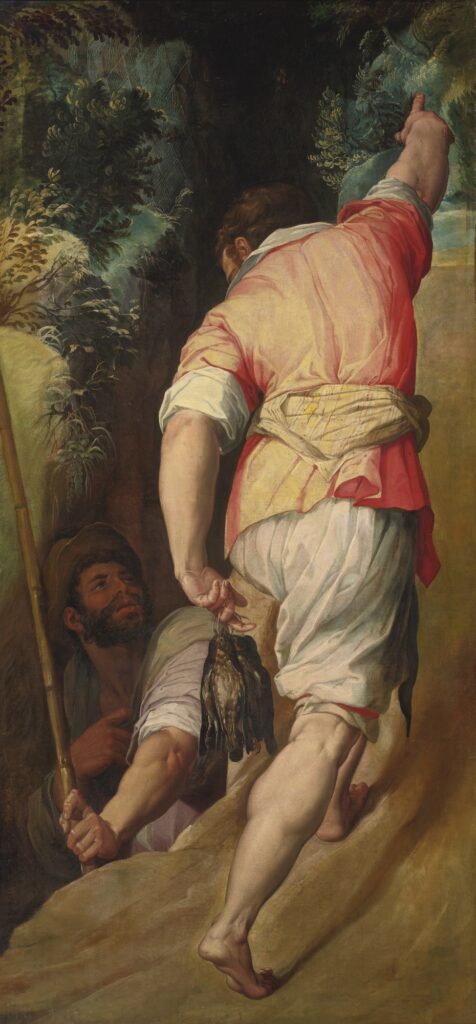
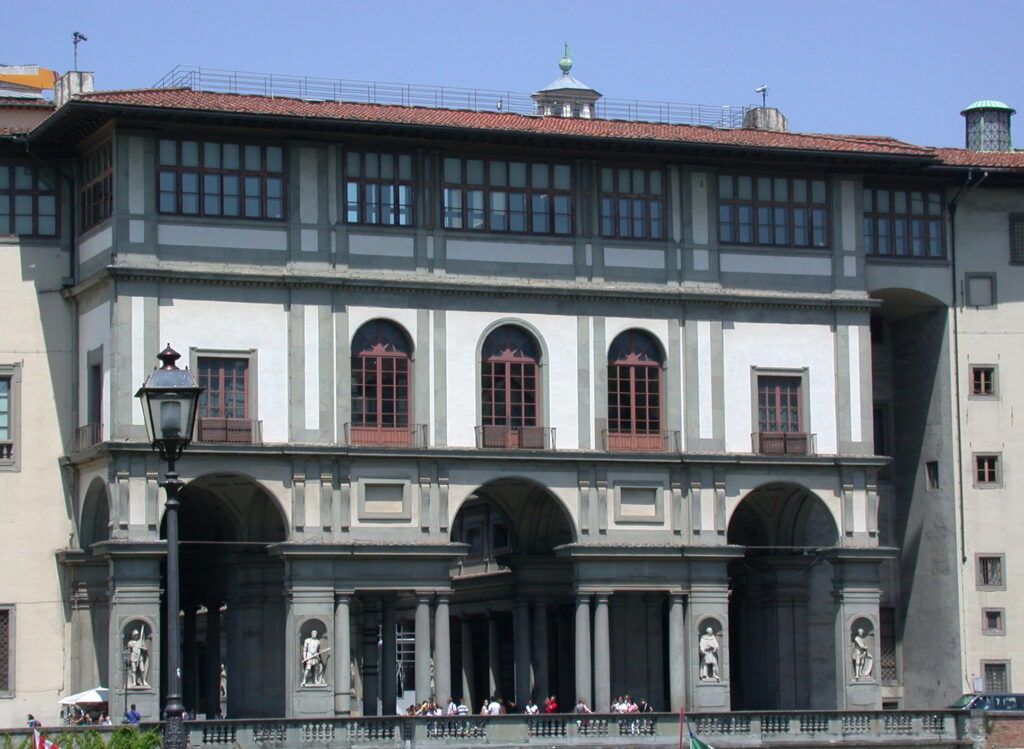
Vasari worked in fresco, panel painting, decorative cycles, portraiture, religious subjects, allegories, and large-scale court commissions. His style is associated with Mannerism and reflects the influence of Michelangelo and the artistic culture of mid-sixteenth-century Florence and Rome. In addition to his artistic production, he designed buildings and urban projects, including work connected with the Uffizi in Florence. He is also known for Lives of the Most Excellent Painters, Sculptors, and Architects, first published in 1550 and expanded in 1568, which remains a major source for the study of Renaissance art.
Vasari supervised large workshops and trained numerous assistants who participated in his extensive decorative programs. His paintings, drawings, and frescoes are held by the Uffizi Gallery, Palazzo Pitti, Museo di Capodimonte, Gallerie dell'Accademia, Getty Museum, National Gallery, National Museum of Western Art, Ravenna Art Museum, and other public and private collections.