William Merritt Chase
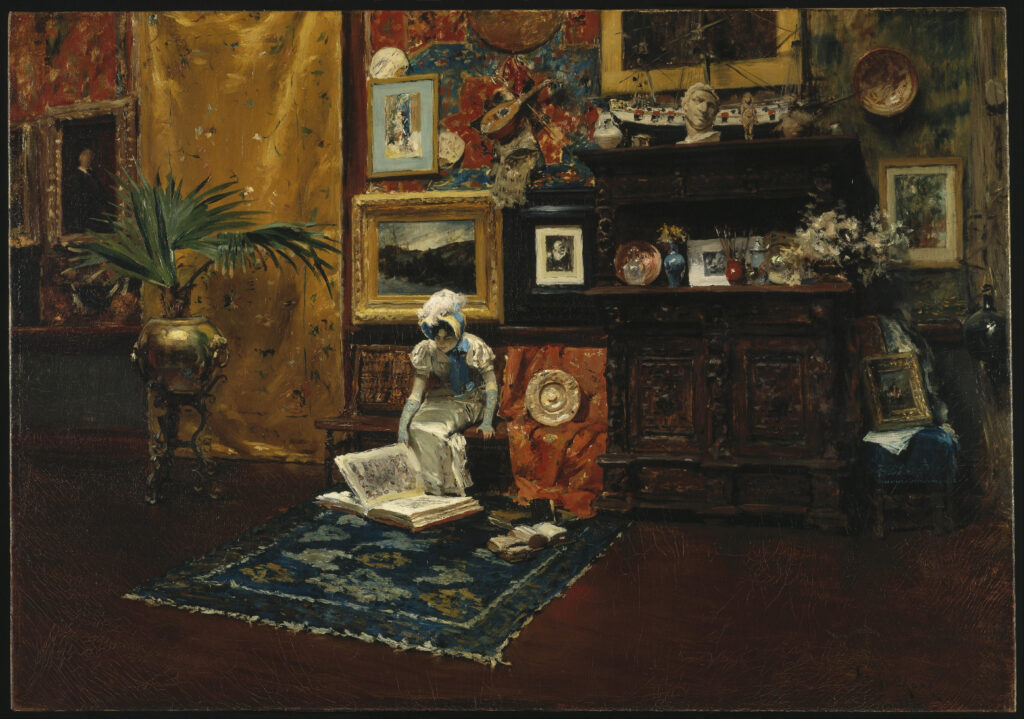
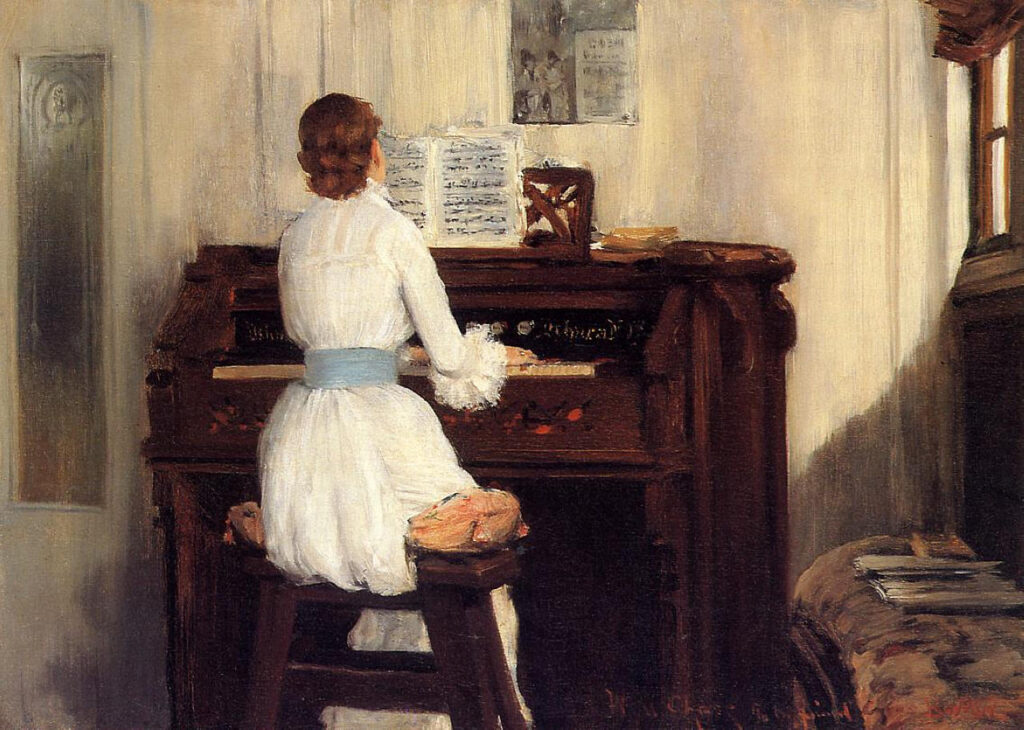
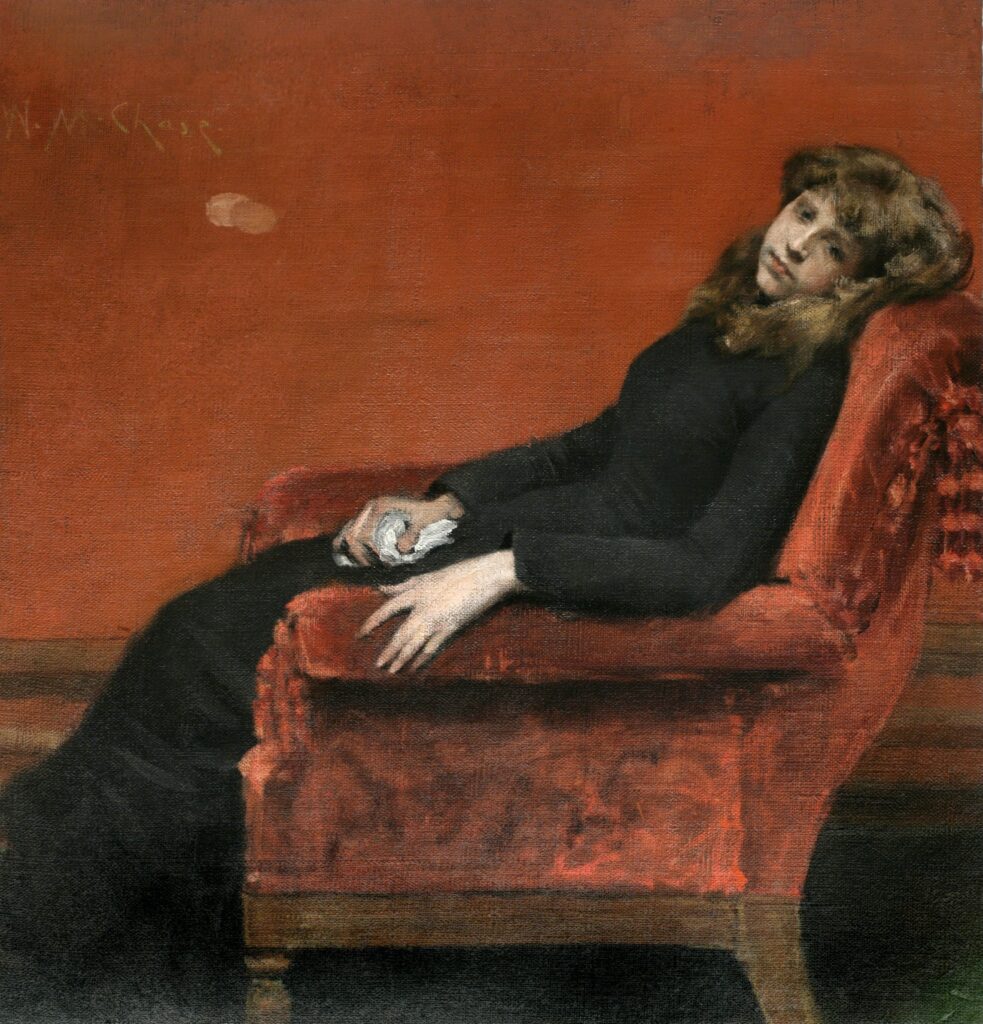
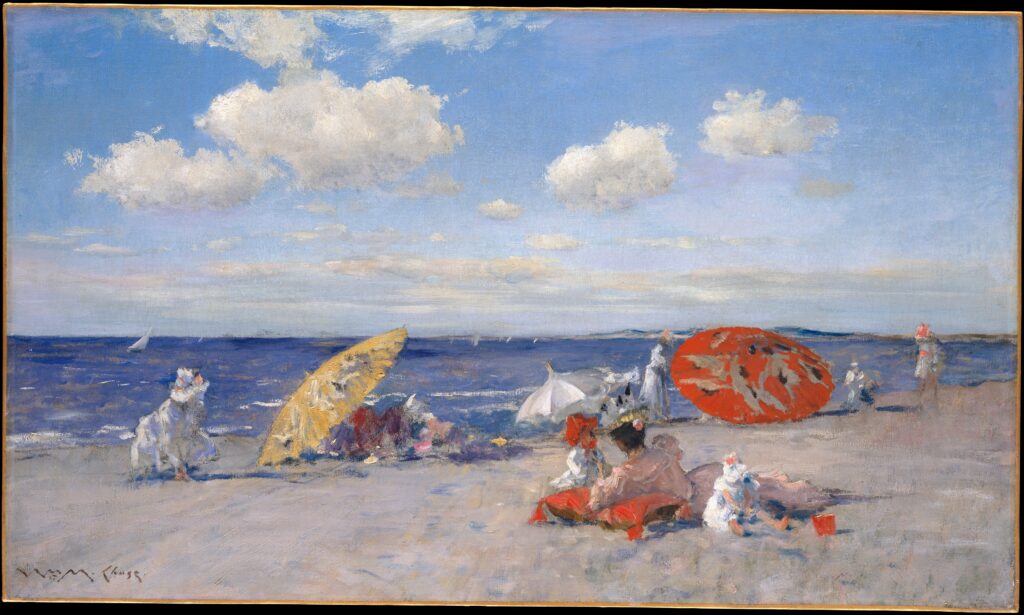
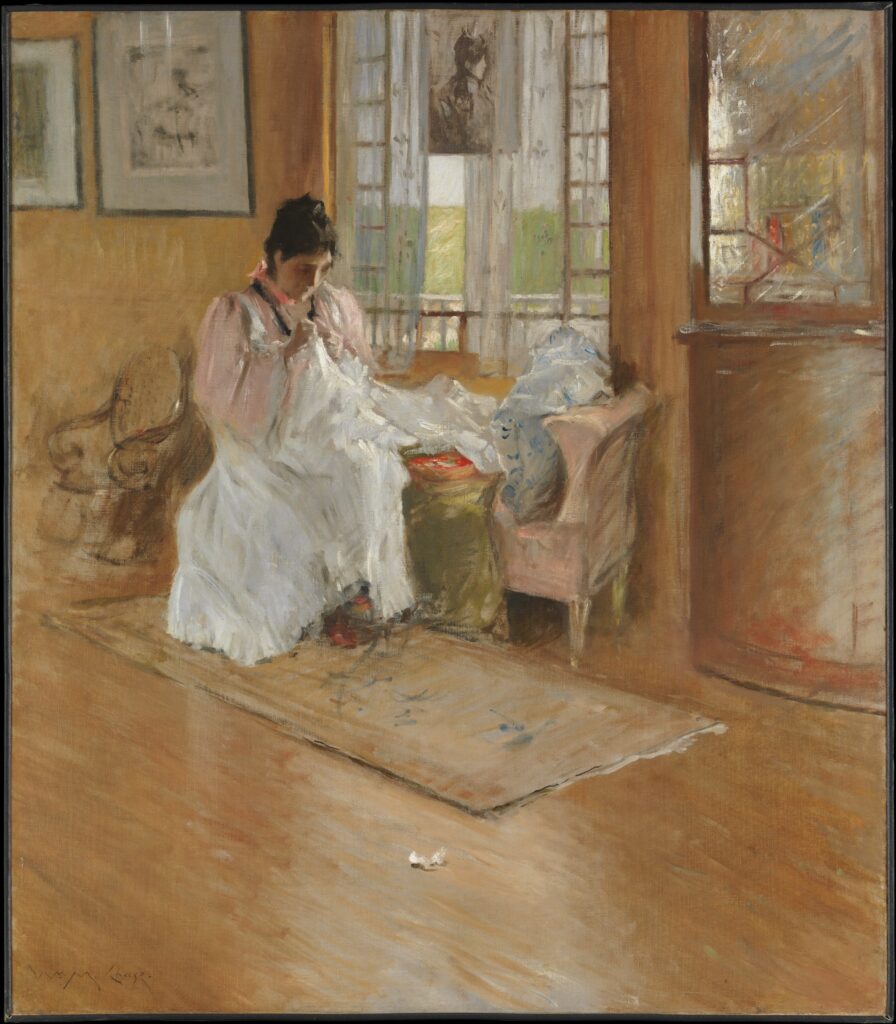
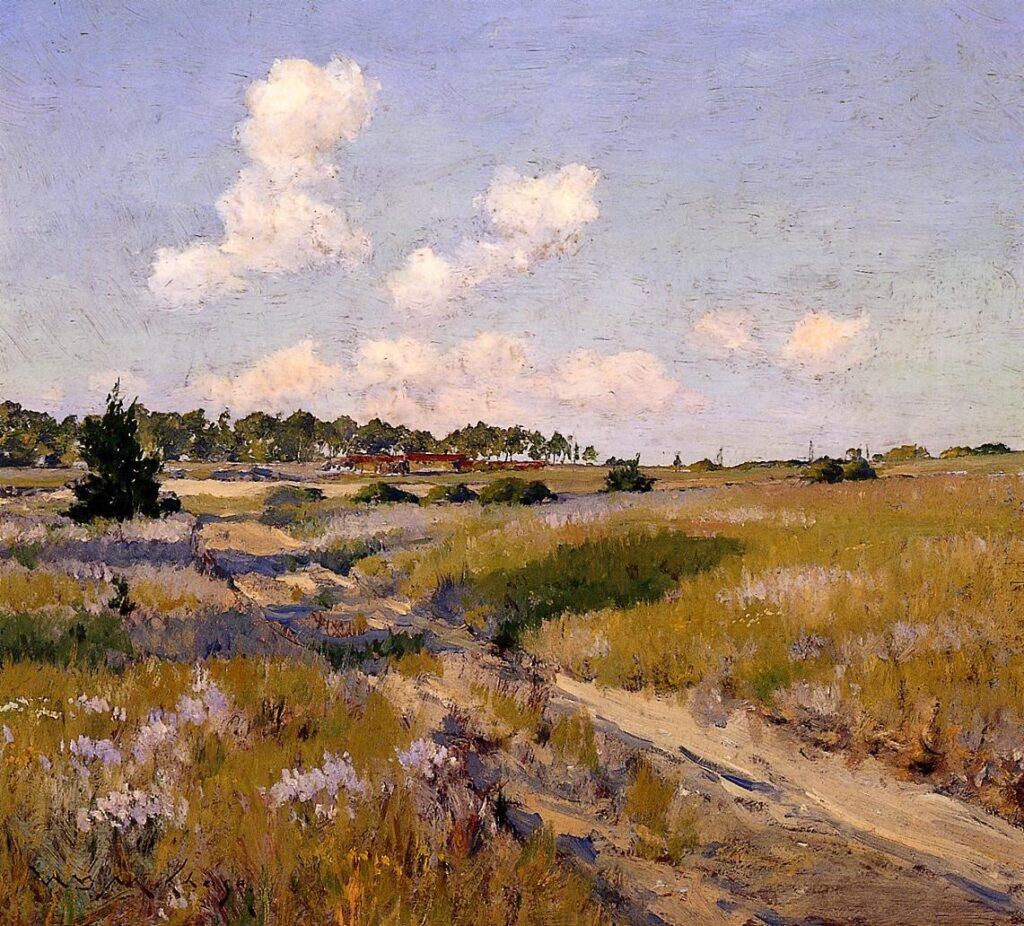
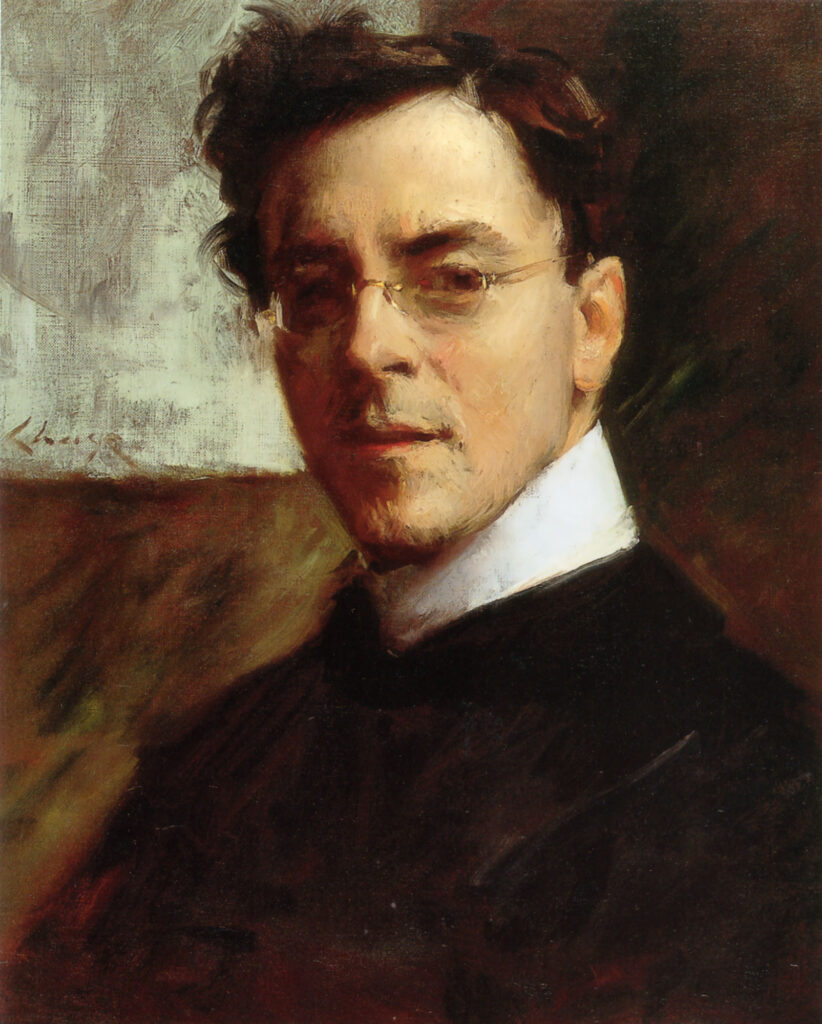
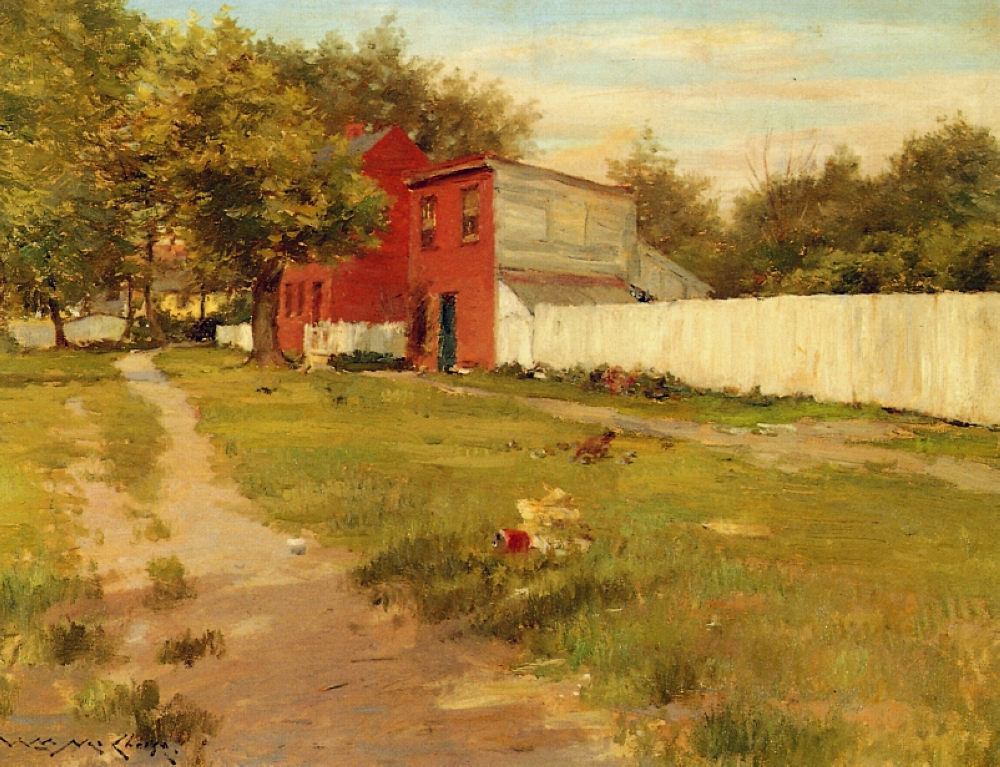
William Merritt Chase, November 1, 1849 – October 25, 1916, was an American painter and teacher. Born in Williamsburg, now Nineveh, Indiana, he studied in Indianapolis, at the National Academy of Design in New York, and from 1872 at the Royal Academy in Munich, where his teachers included Alexander von Wagner and Karl von Piloty; he also worked in Venice with fellow American artists including Frank Duveneck and John Twachtman.
Chase returned to New York in 1878 and taught at the Art Students League, later teaching at several other American art schools. He directed the Shinnecock Hills Summer School of Art from 1891 to 1902 and founded the Chase School of Art, later the New York School of Art. He worked in portraiture, still life, interiors, urban park scenes, and plein-air landscape in both oil and pastel; his students included Georgia O’Keeffe, Marsden Hartley, Edward Hopper, and Joseph Stella.
In 1902 Chase joined Ten American Painters and continued painting and teaching into his final years. He died in New York in 1916. His work is held by the Metropolitan Museum of Art, National Gallery of Art, Smithsonian American Art Museum, Brooklyn Museum, National Academy of Design, and other major American collections.




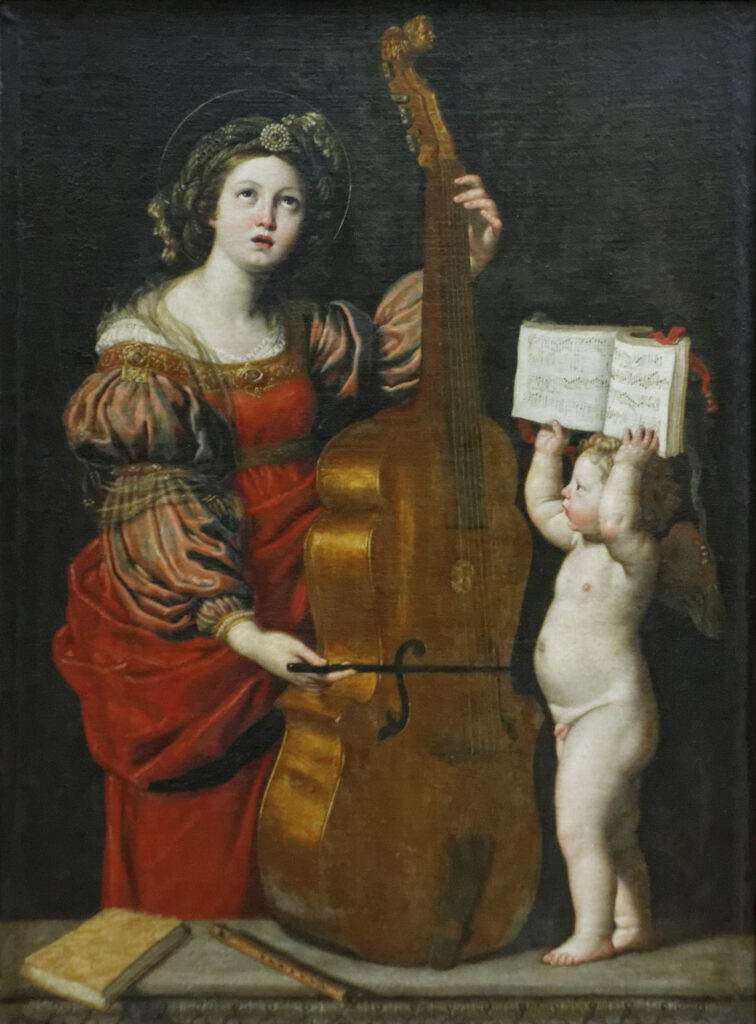
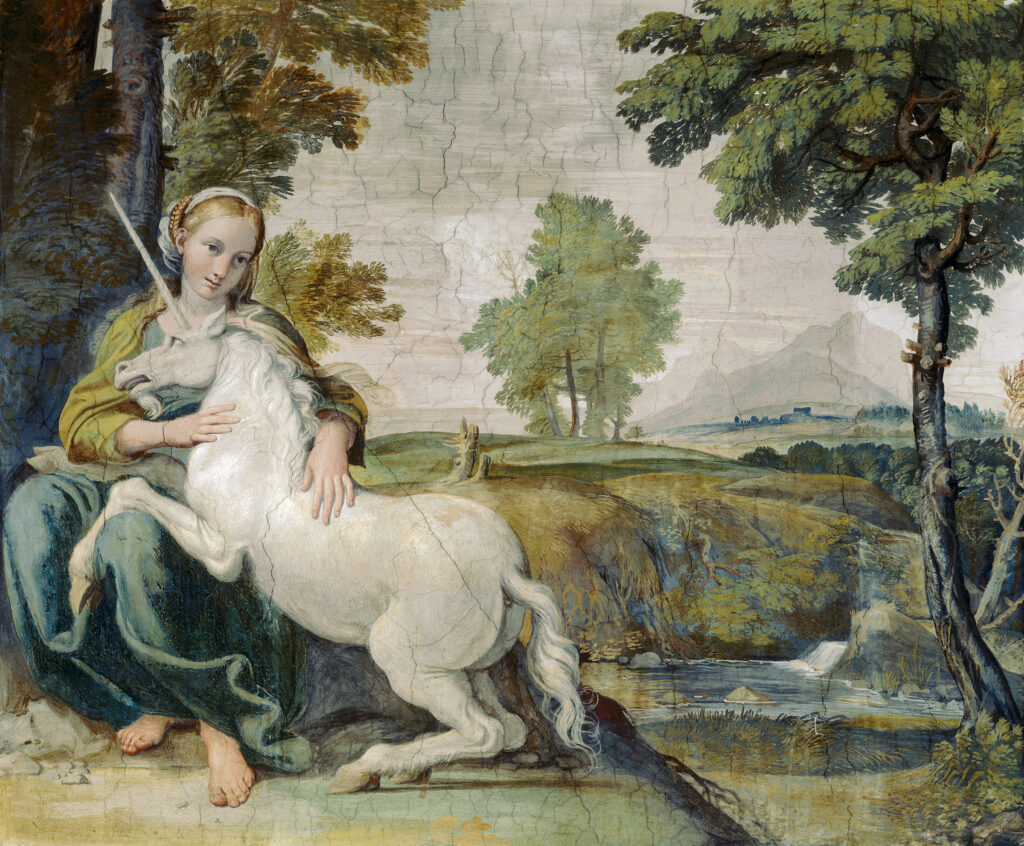
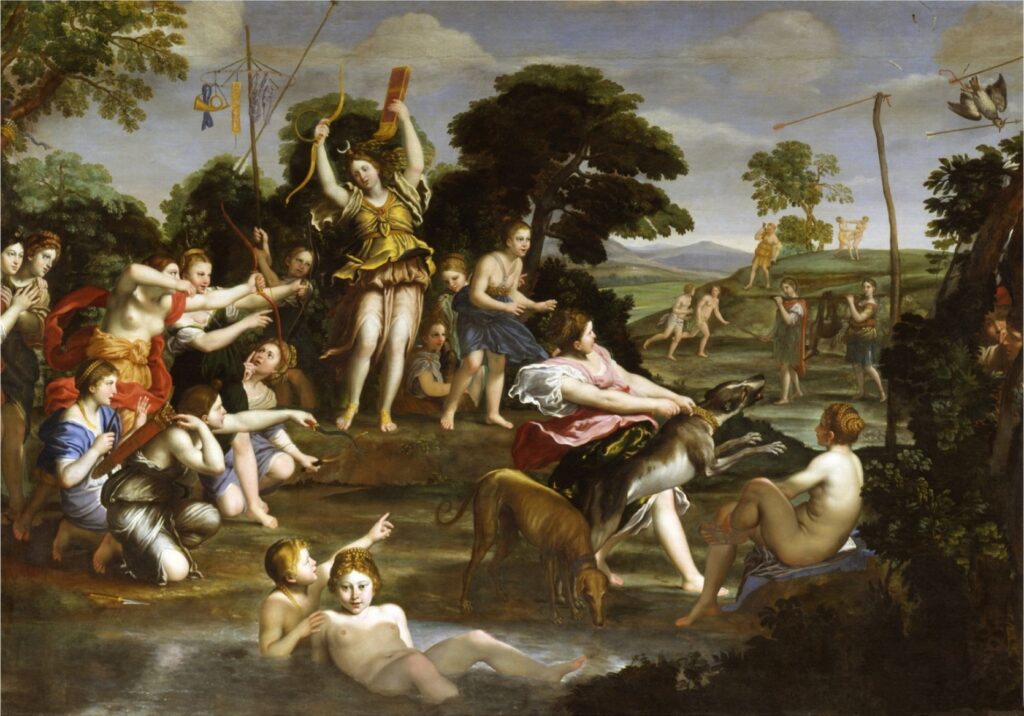
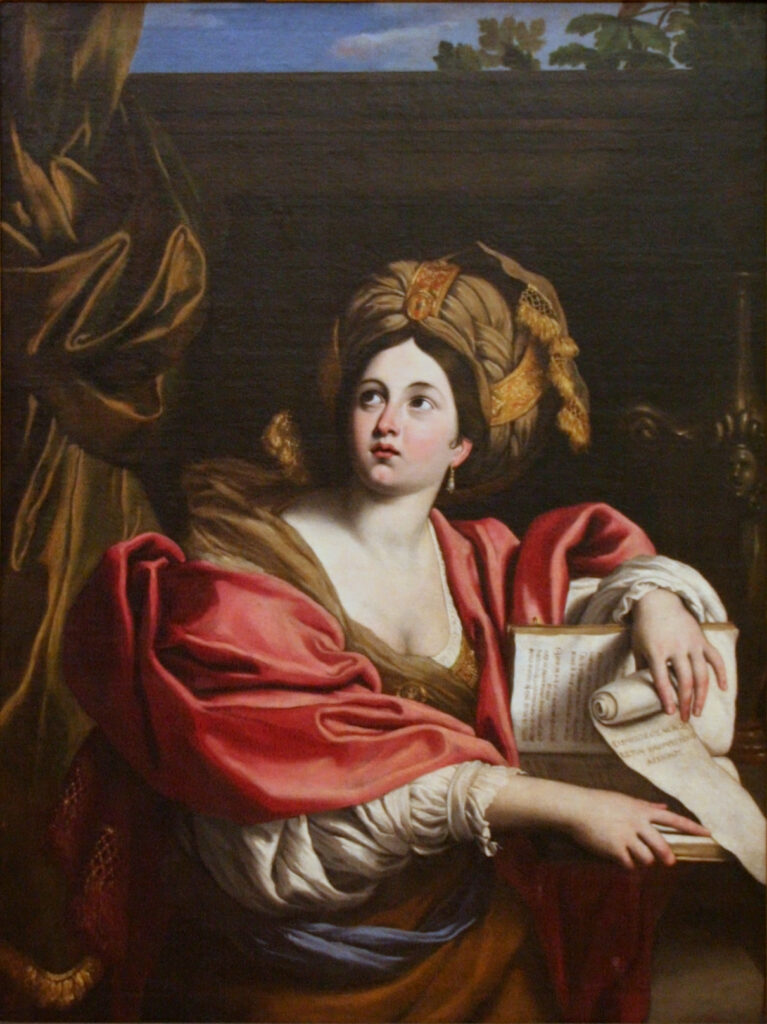
Domenichino
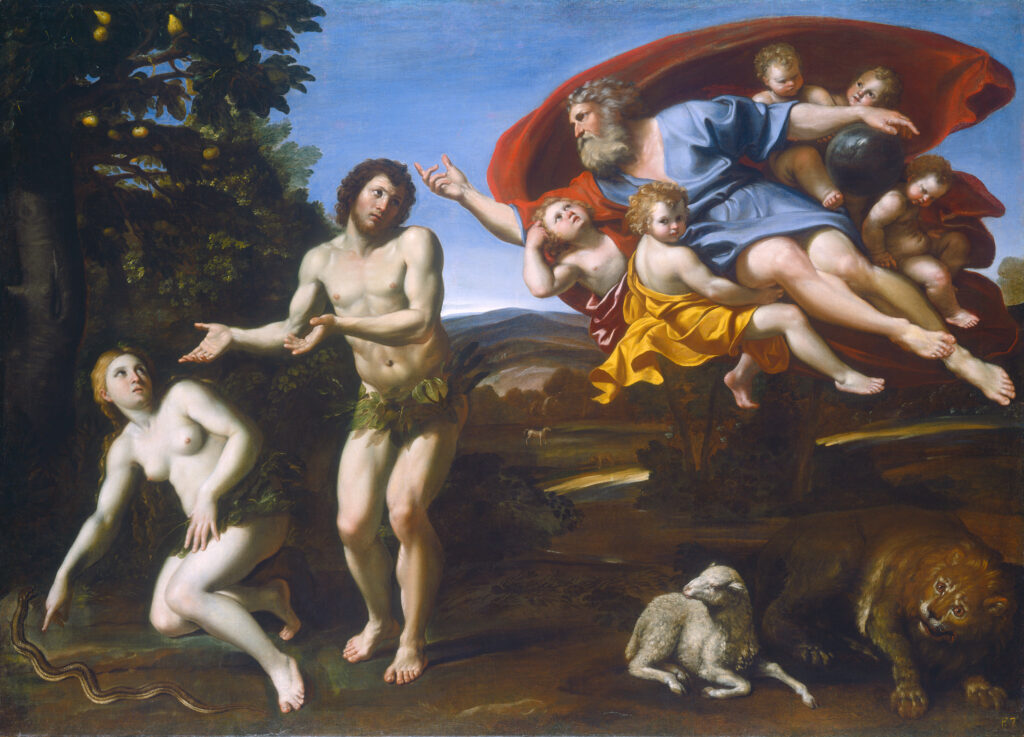
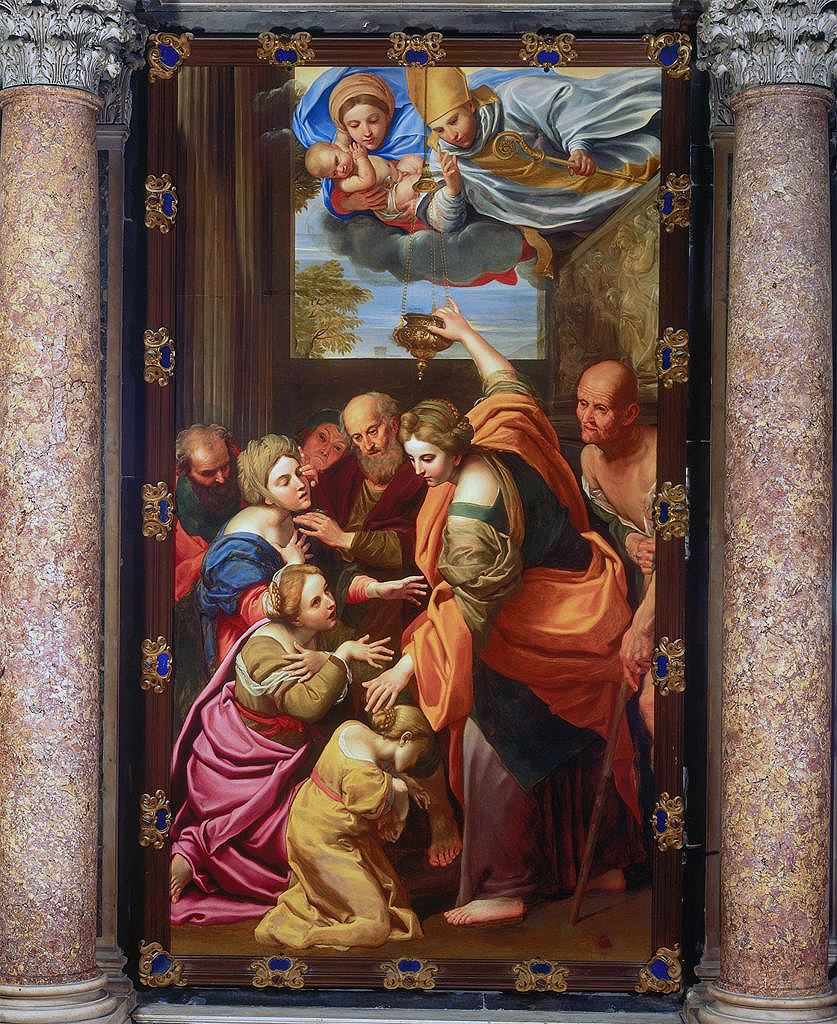
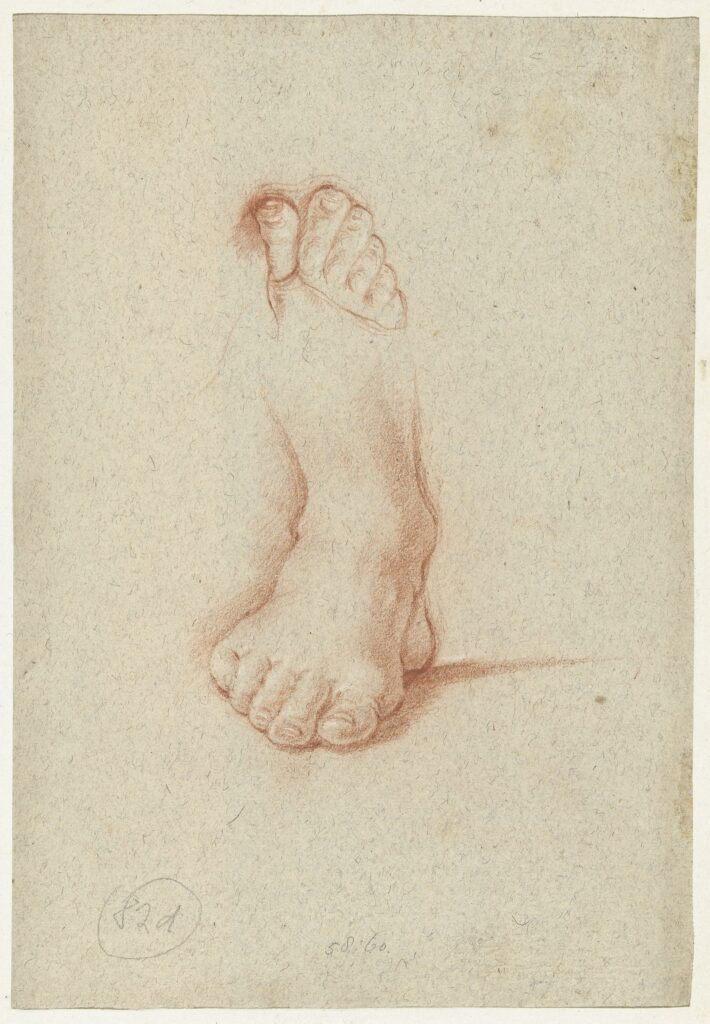
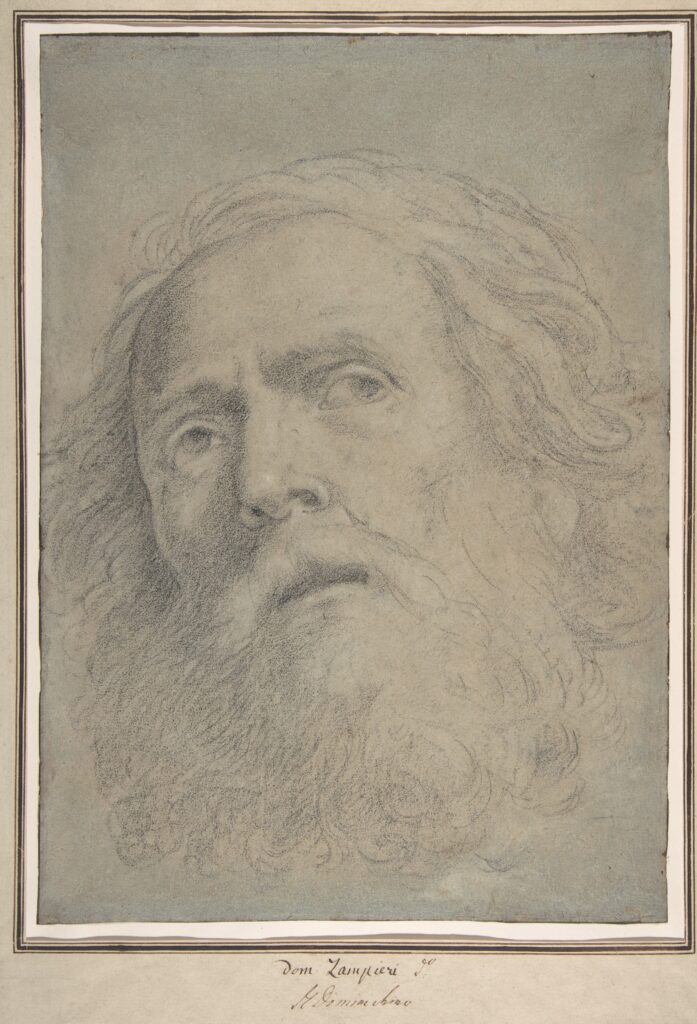
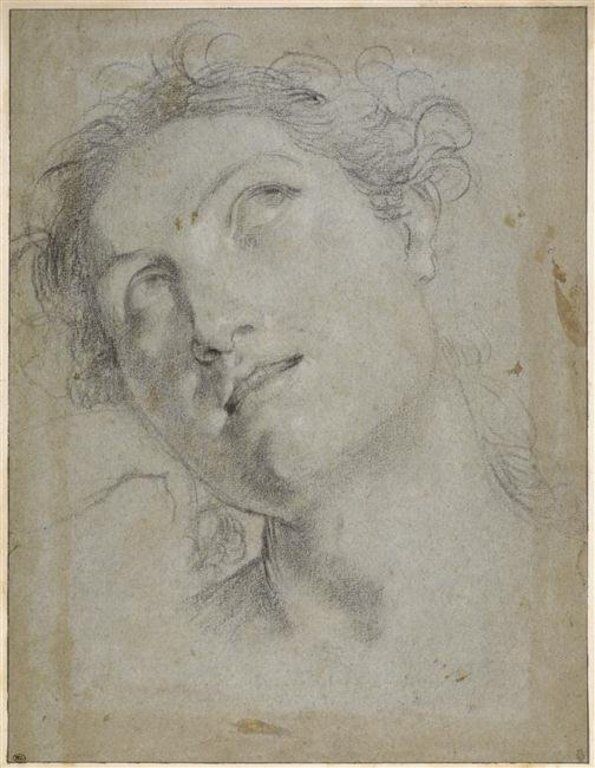
Domenichino, October 21, 1581 – April 6, 1641, was an Italian painter born Domenico Zampieri in Bologna. He trained first under Denys Calvaert and then in the Carracci Academy before moving to Rome in 1602, where he became a pupil and assistant of Annibale Carracci.
He worked in Rome, Bologna, Fano, and Naples, producing altarpieces, fresco cycles, drawings, and landscapes. His major commissions included the frescoes in Sant’Andrea della Valle in Rome and the decoration of the Chapel of Saint Januarius in Naples Cathedral.
Domenichino died in Naples while the cathedral commission was still unfinished. His paintings and drawings are held by collections including the Musée du Louvre, the National Gallery of Art, the J. Paul Getty Museum, the Metropolitan Museum of Art, and the Royal Collection.






Frank Duveneck
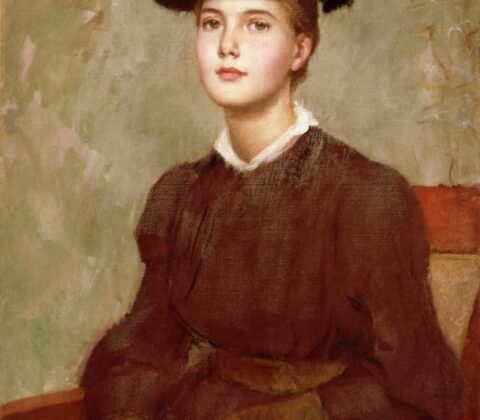
Frank Duveneck, October 9, 1848 – January 3, 1919, was an American painter, printmaker, sculptor, and teacher. Born in Covington, Kentucky, to German immigrant parents, he apprenticed with a church-decoration firm before studying at the Royal Academy of Fine Arts in Munich under Wilhelm von Diez and working in the circle of Wilhelm Leibl.
Duveneck established schools in Munich and Polling and taught groups of American students in Germany and Italy who became known as the “Duveneck Boys.” His students included John Henry Twachtman, Otto Henry Bacher, John White Alexander, and Elizabeth Boott, whom he married in 1886. He worked chiefly as a portrait and figure painter and also produced etchings and sculpture.
After Elizabeth Duveneck’s death in 1888, he returned to the United States and taught at the Art Academy of Cincinnati, becoming chairman of its faculty in 1905. His work is held by the Cincinnati Art Museum, Metropolitan Museum of Art, National Gallery of Art, Smithsonian American Art Museum, Museum of Fine Arts, Boston, and other public collections.


William Henry Fox Talbot
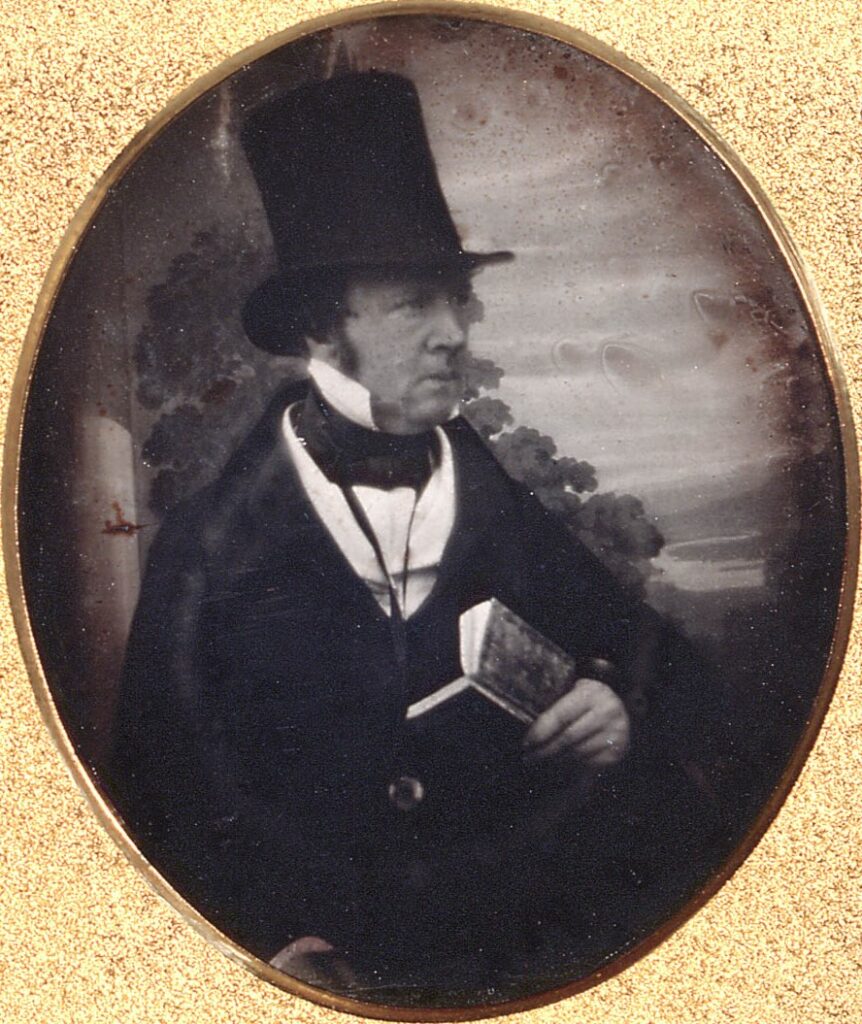
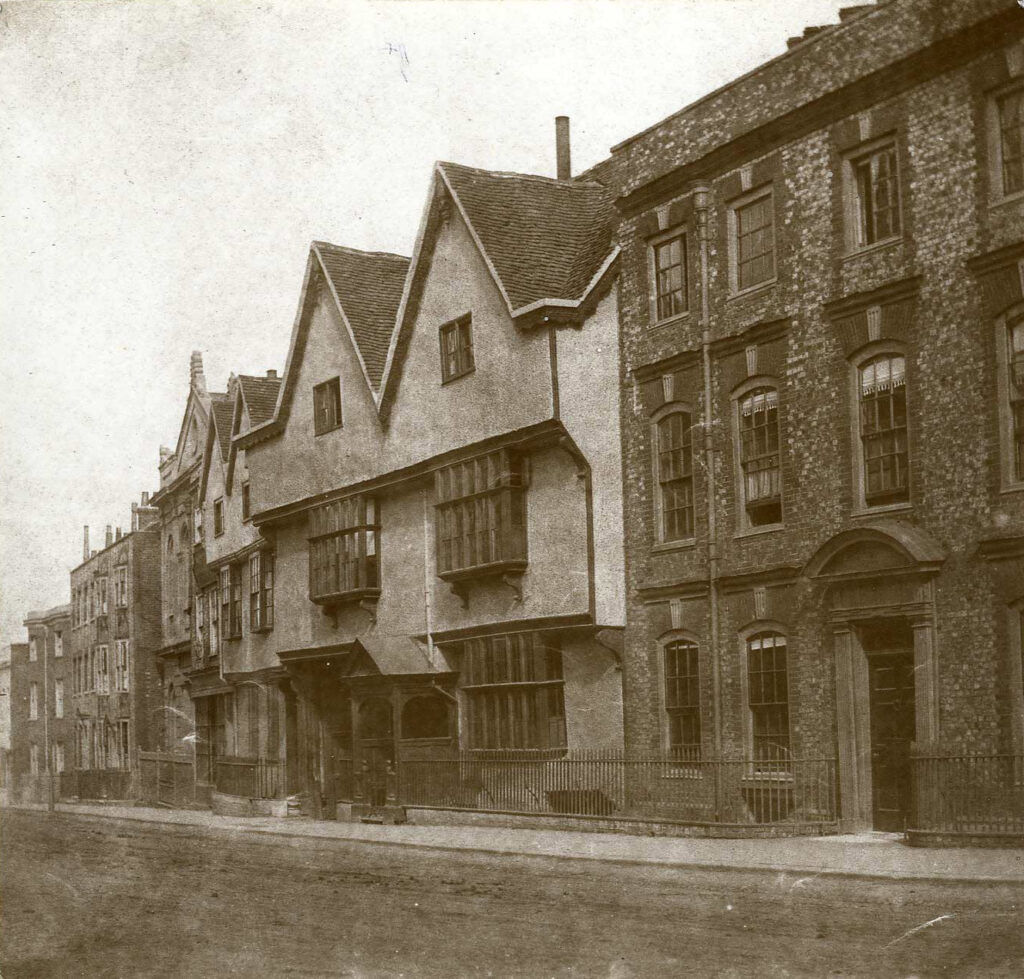
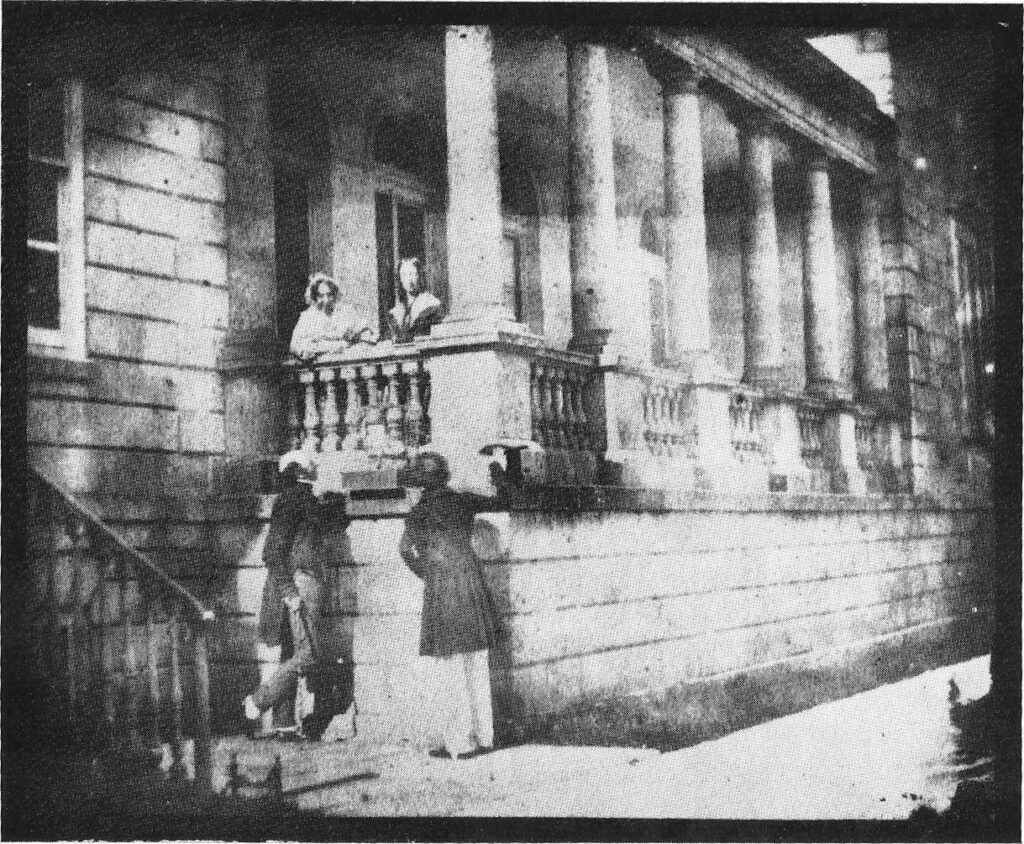
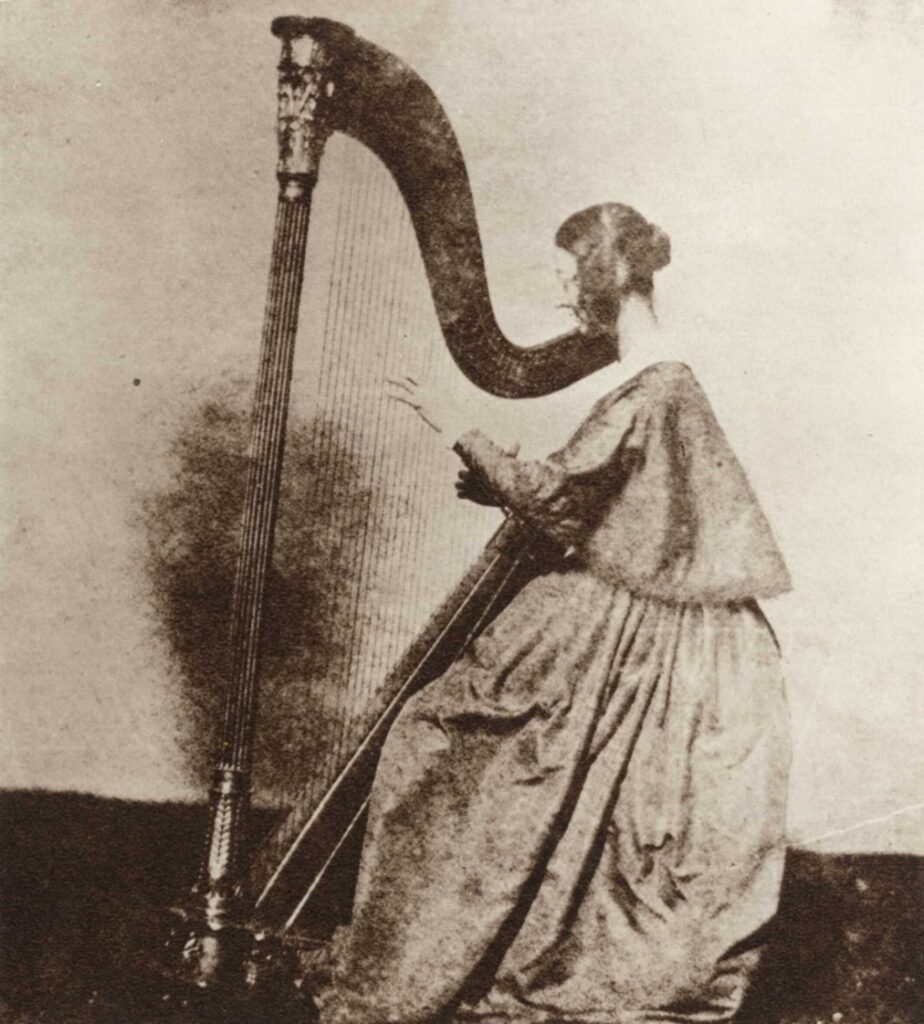
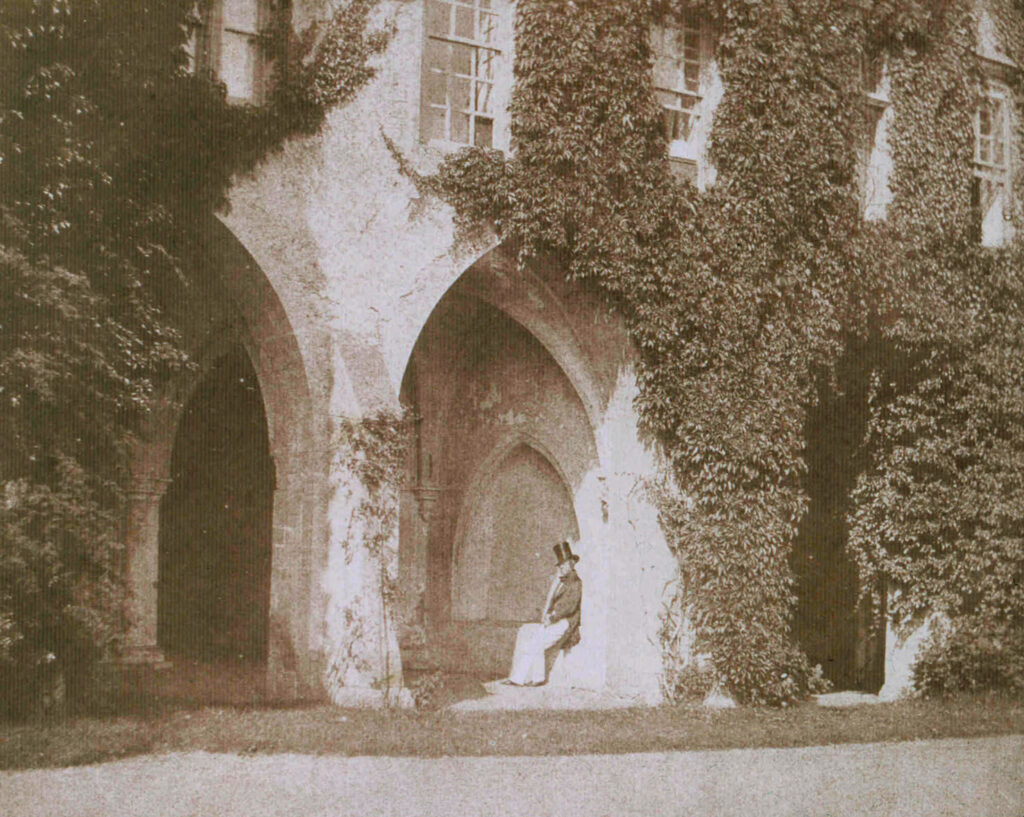
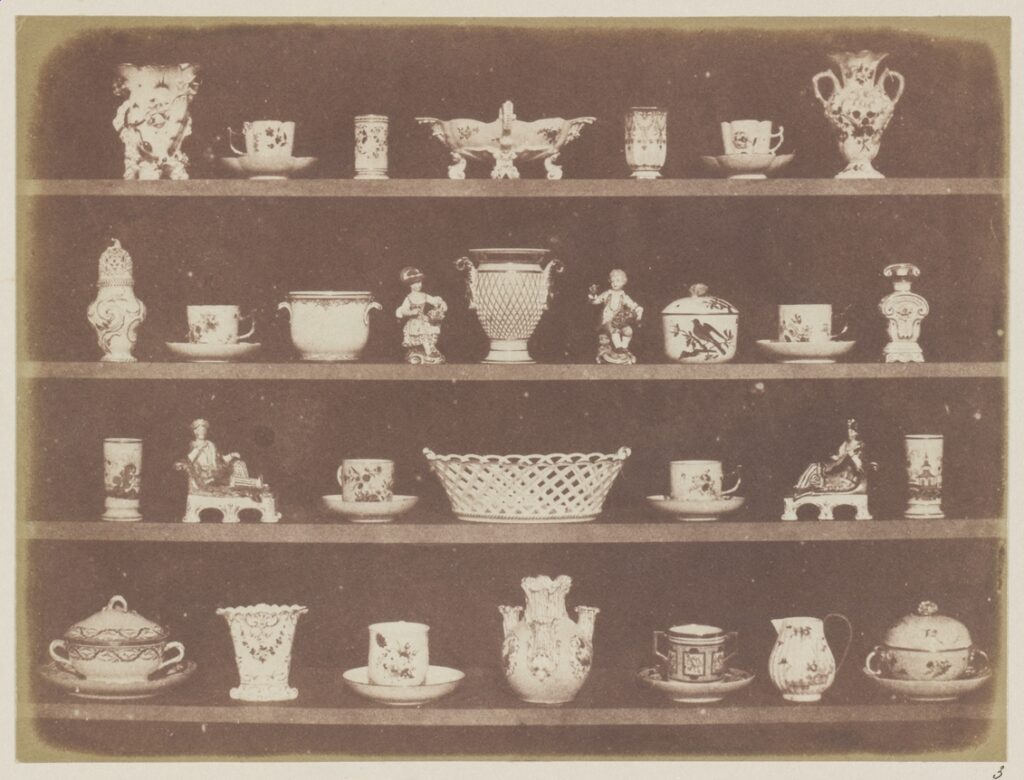
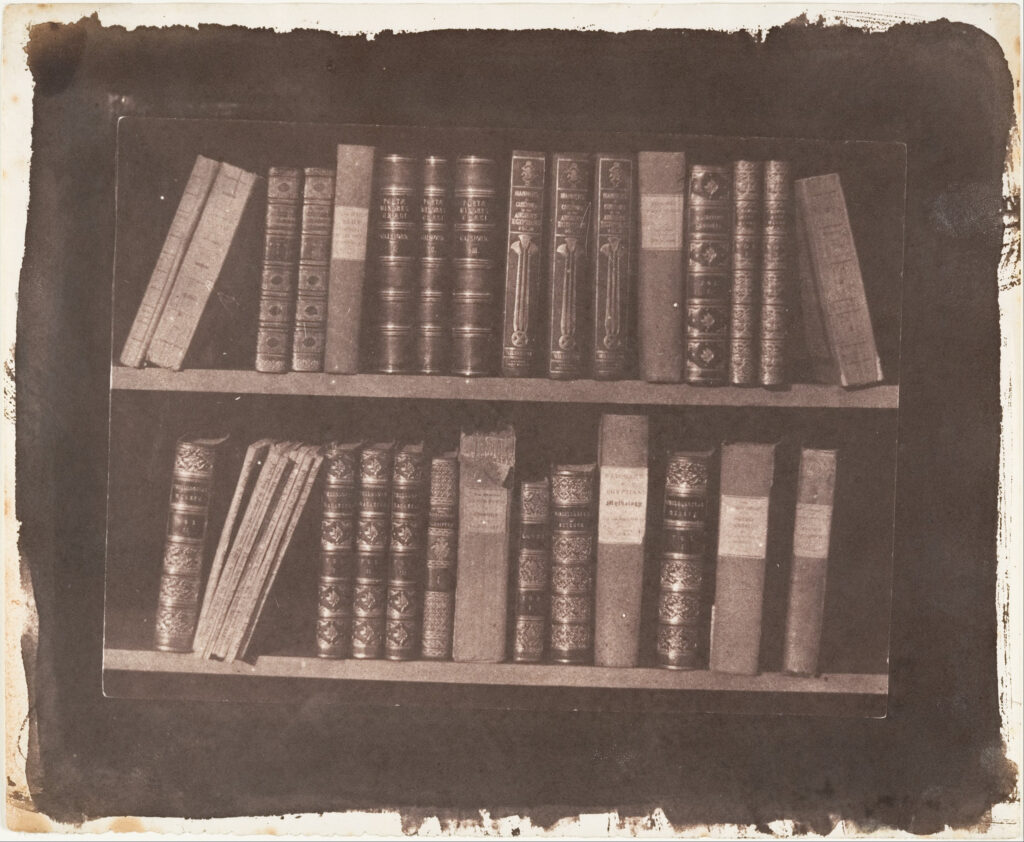
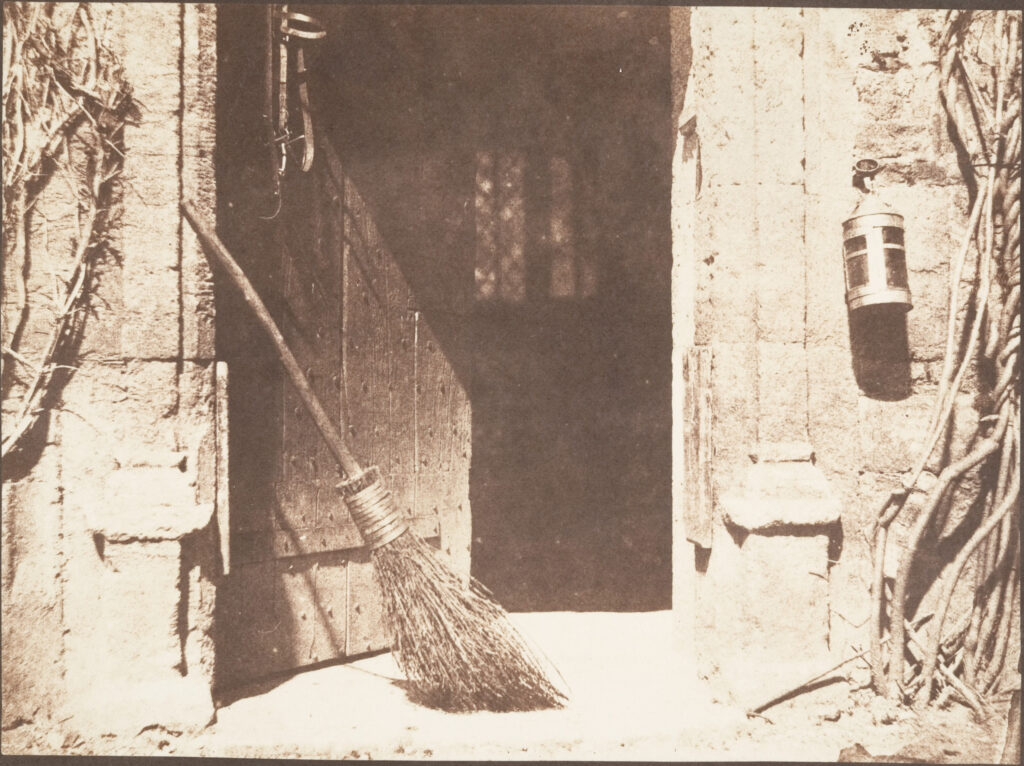
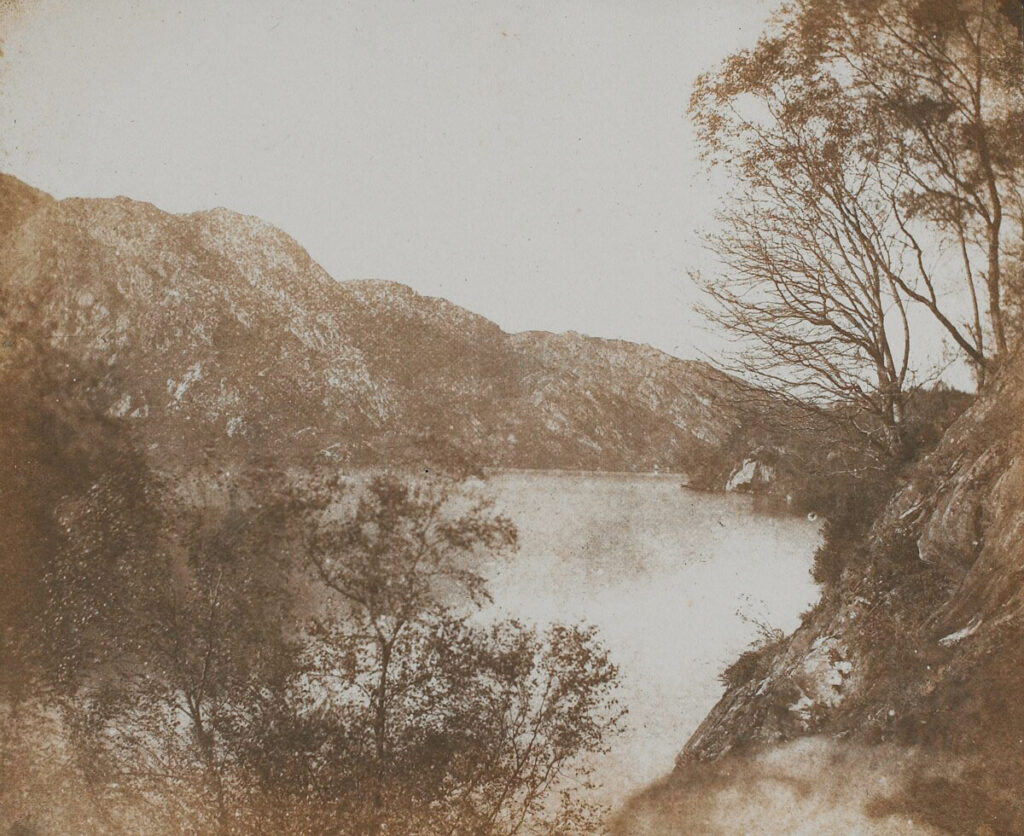
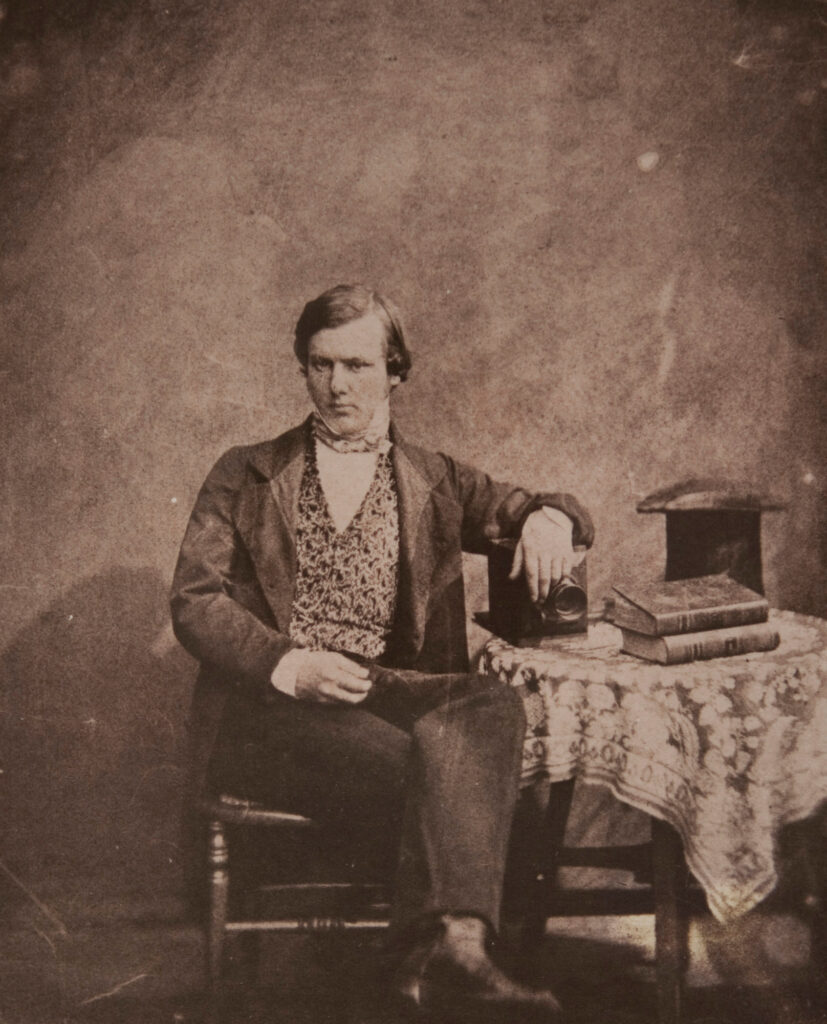
William Henry Fox Talbot, February 11, 1800–September 17, 1877, was a British photographer, scientist, and writer. Born at Melbury House in Dorset, he was educated at Harrow and Trinity College, Cambridge. His mother, Elisabeth Theresa Feilding, took an active role in his early education. He lived at Lacock Abbey in Wiltshire.
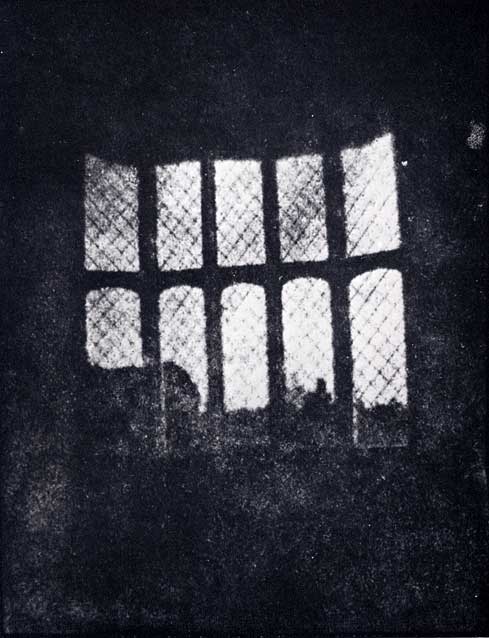
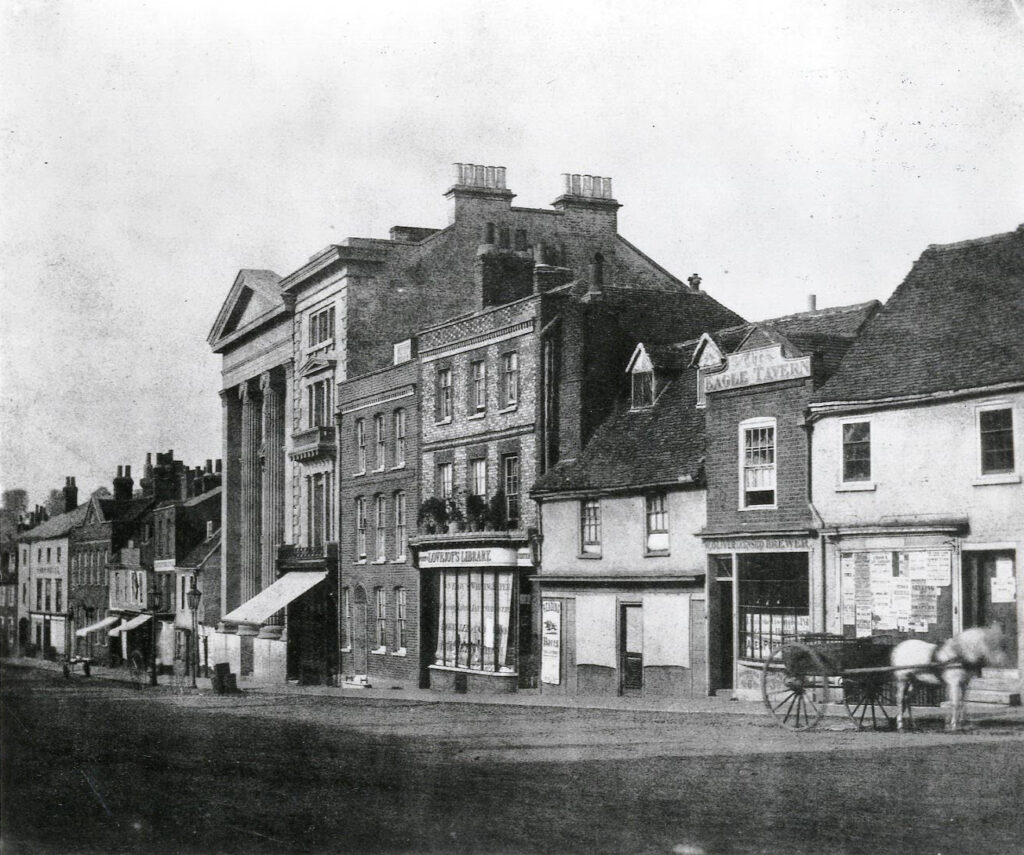
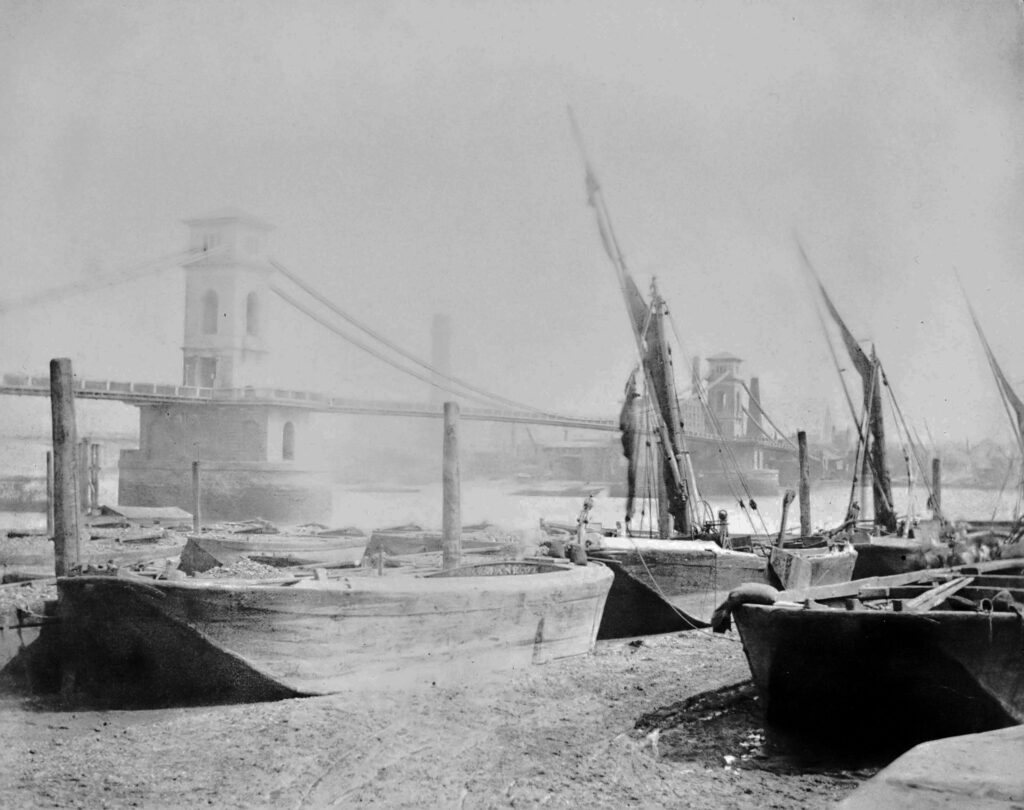
Talbot began his photographic experiments in the 1830s. He developed photogenic drawing and the calotype, a paper negative process that allowed multiple positive prints from one negative. He shared scientific interests and correspondence with John Herschel and David Brewster, and announced his photographic process in 1839.
His photographs appeared in The Pencil of Nature (1844–1846), an early book illustrated with original photographs, and Sun Pictures in Scotland (1845). He died at Lacock Abbey. His work is held by the National Science and Media Museum, the British Library, and The Metropolitan Museum of Art, among other collections.
Isaac Levitan
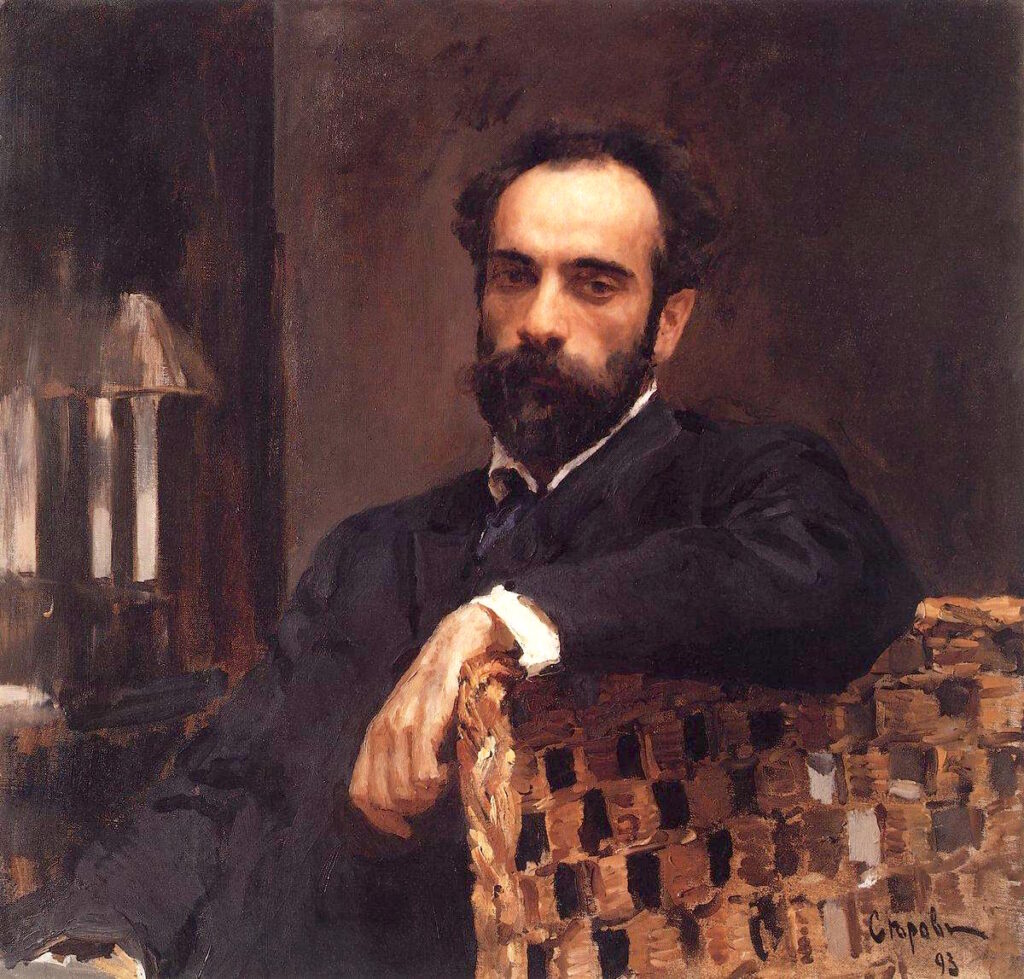
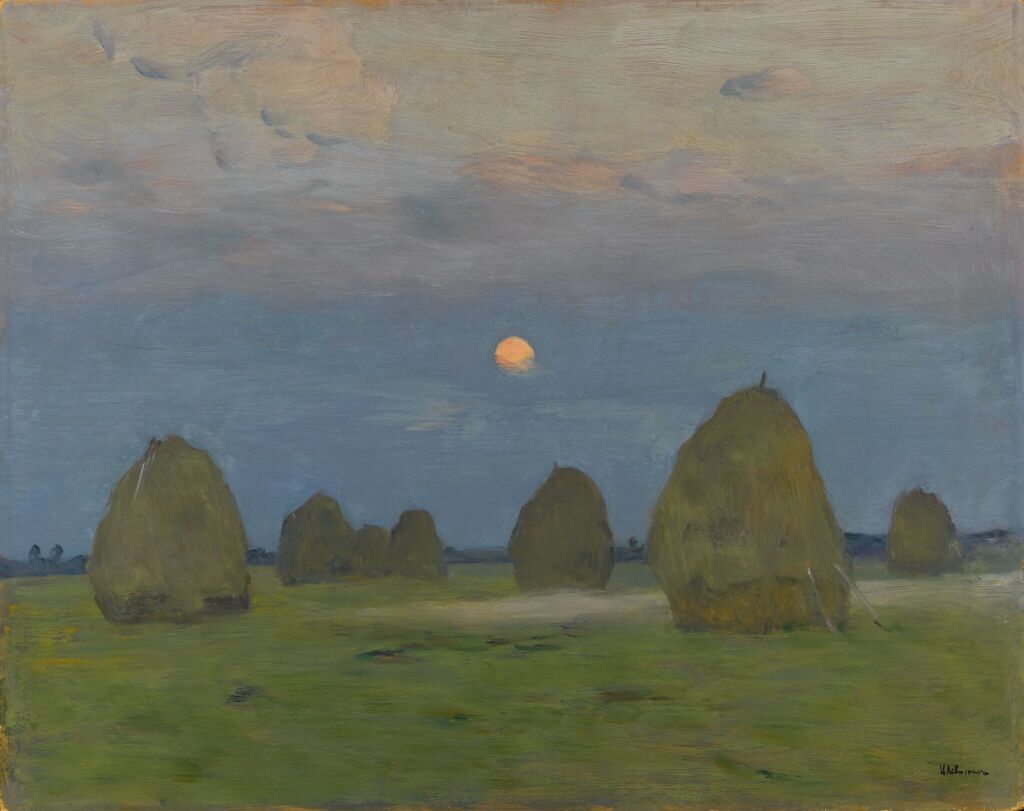
Isaac Levitan, August 30, 1860 – August 4, 1900, was a Russian painter associated with landscape painting and the Peredvizhniki.
He studied at the Moscow School of Painting, Sculpture and Architecture, where his teachers included Alexei Savrasov and Vasily Polenov. He was closely associated with Anton Chekhov and with painters including Valentin Serov.
Levitan is best known for Russian landscape paintings often described as “mood landscapes,” including Birch Grove, Evening Bells, The Vladimirka Road, March, and Twilight. Haystacks



Constant Troyon
Constant Troyon, August 28, 1810 – February 21, 1865, was a French painter associated with the Barbizon School. Although he began his career as a landscape painter, he became one of the nineteenth century’s leading animal painters, especially renowned for his depictions of cattle and pastoral life.
Born in Sèvres, Troyon initially painted porcelain for the Sèvres manufactory before turning to landscape painting. Influenced by the forests of Fontainebleau and by Dutch seventeenth-century animal painters, he combined carefully observed landscapes with powerful studies of cattle, sheep, and rural labor. His paintings were widely admired during his lifetime and received medals at the Paris Salon and the Exposition Universelle.
Today Troyon’s work is represented in major museums including the Musée d’Orsay, the Louvre Museum, the Metropolitan Museum of Art, the Walters Art Museum, the Clark Art Institute, and the Minneapolis Institute of Art. His paintings remain among the finest examples of the Barbizon School’s celebration of the French countryside.


Ivan Yakovlevich Bilibin
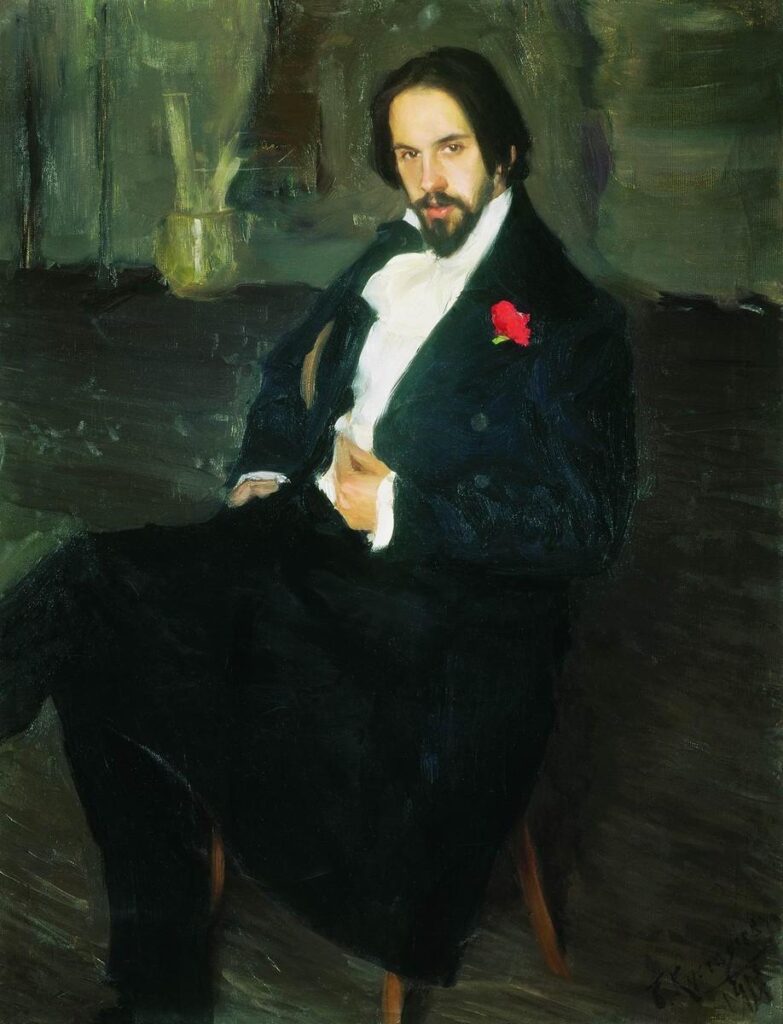
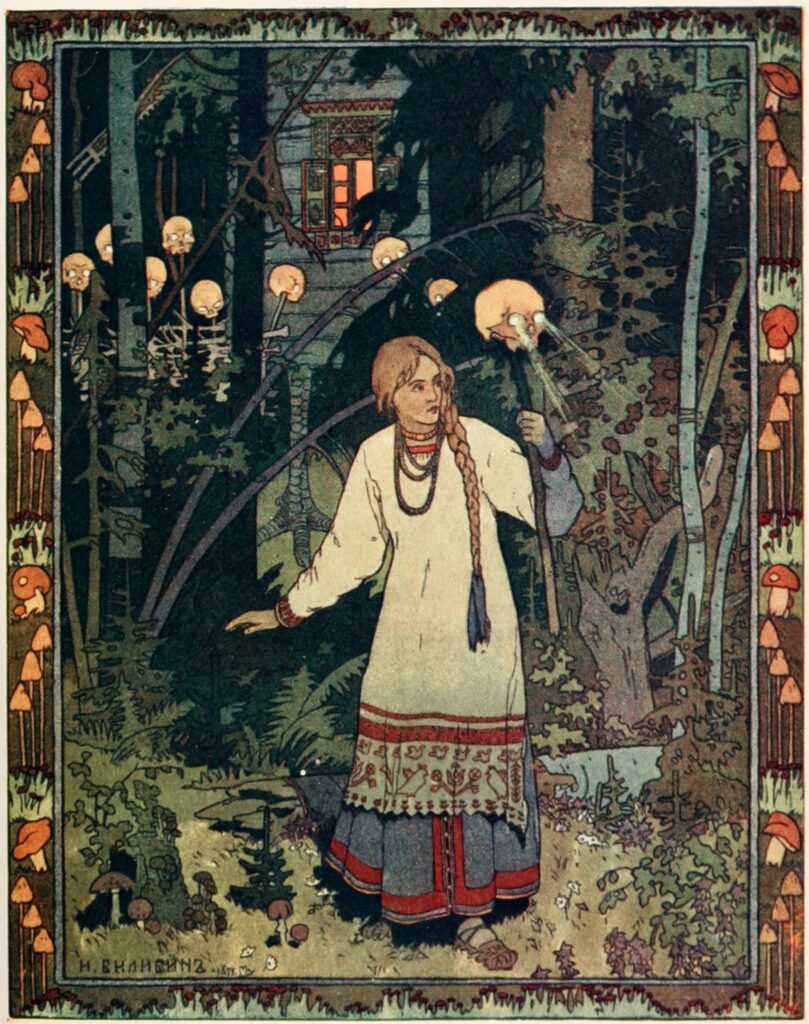
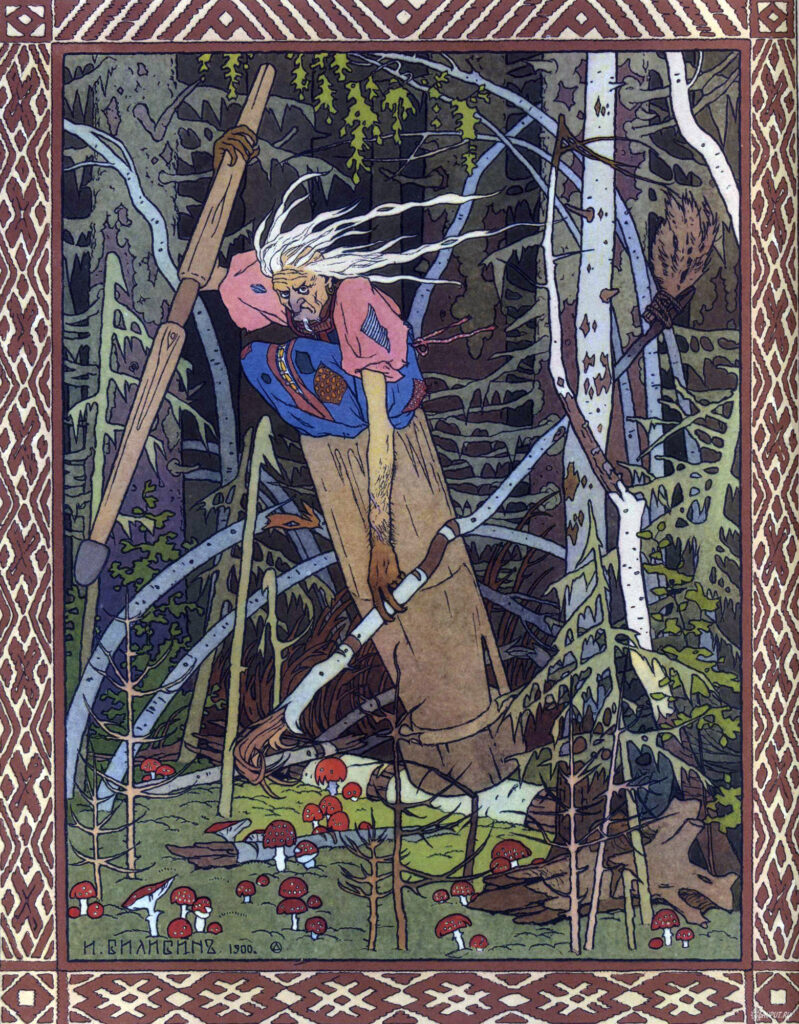
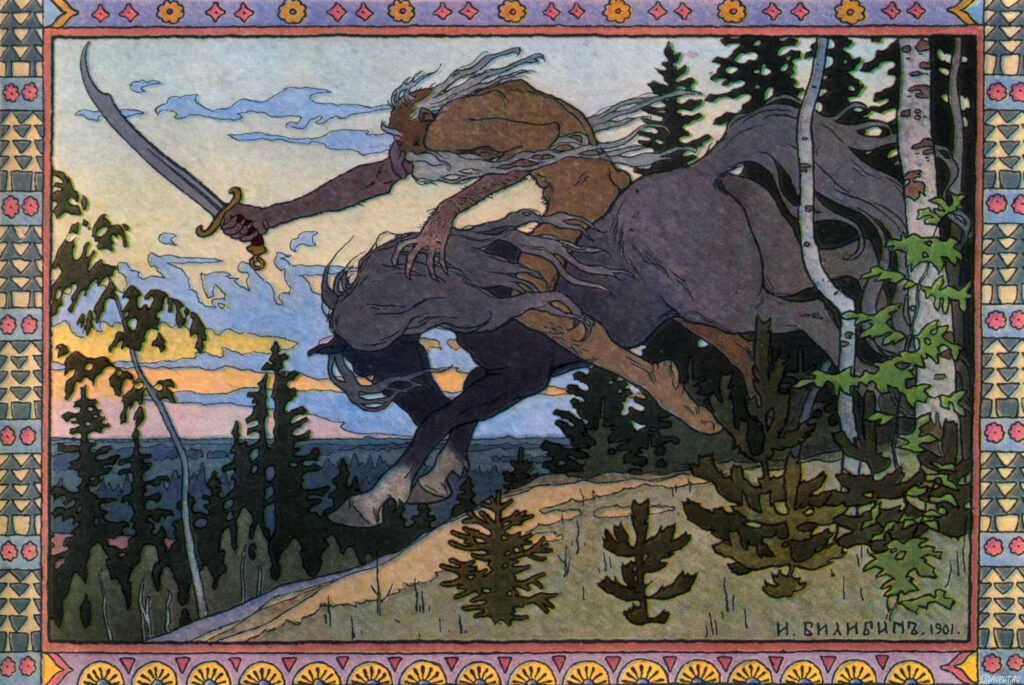
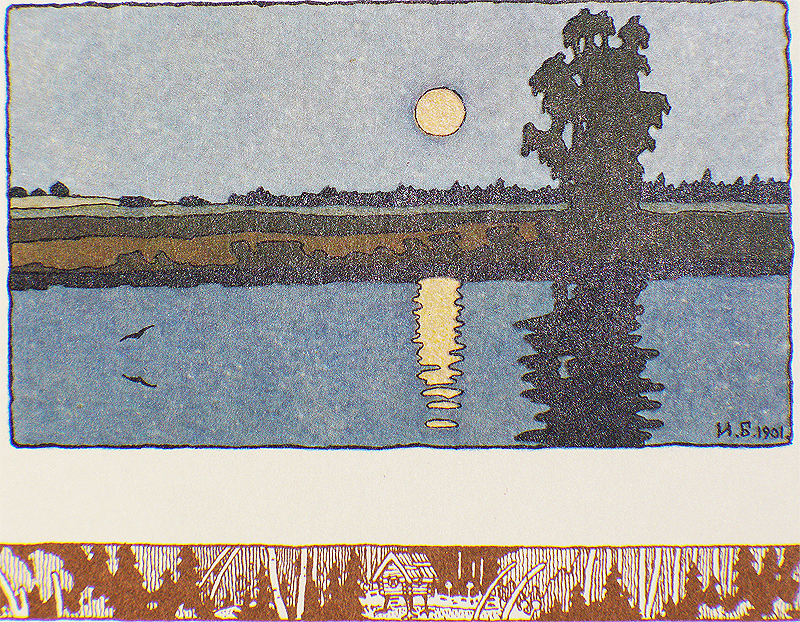
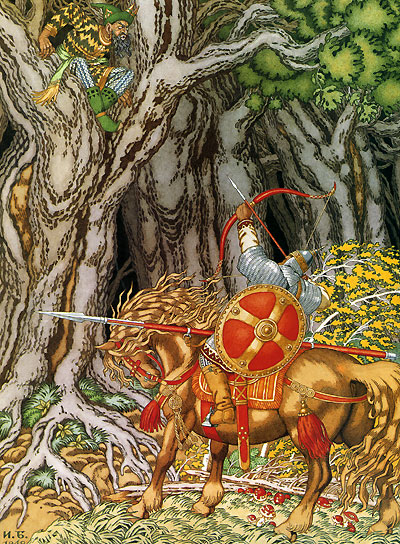
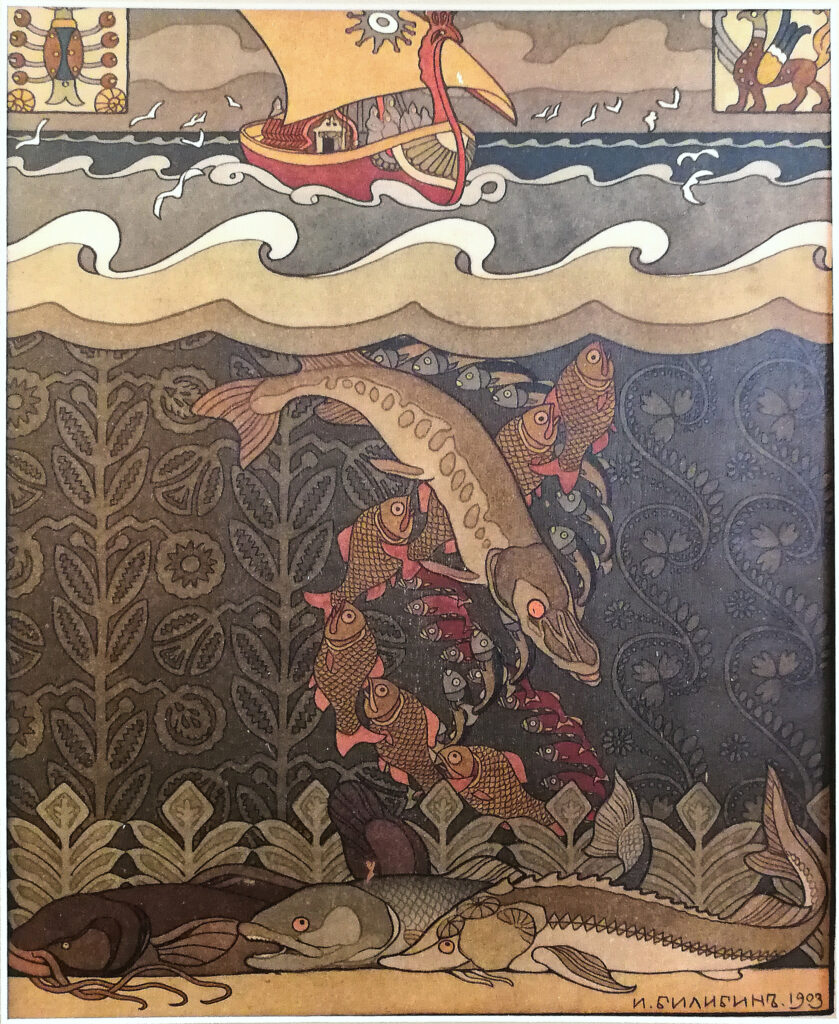
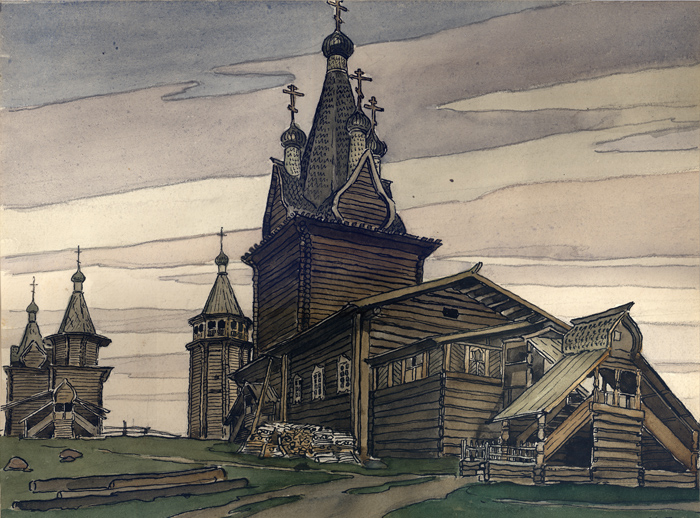
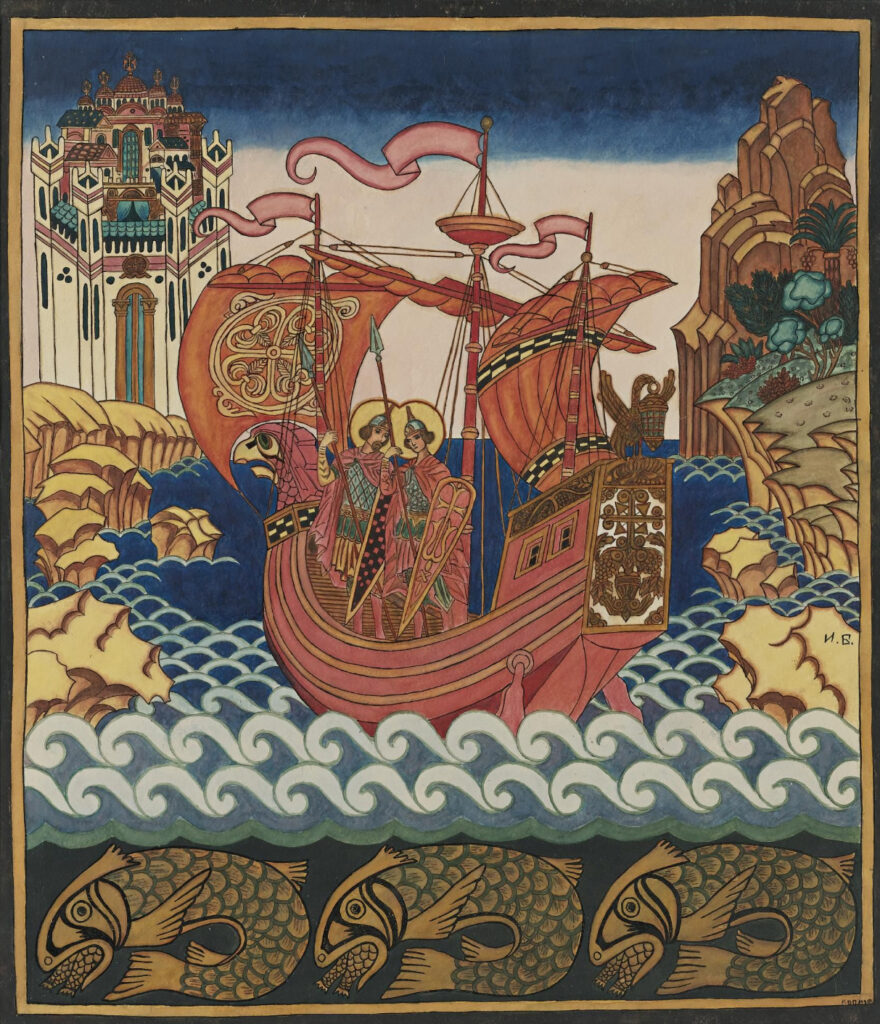
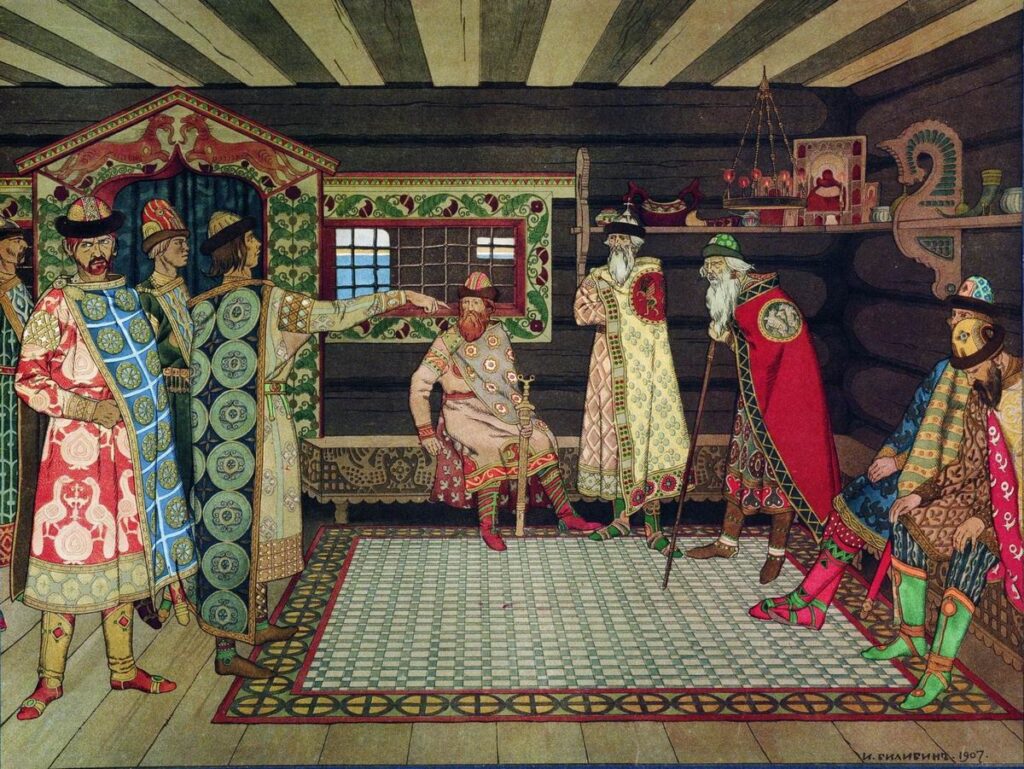
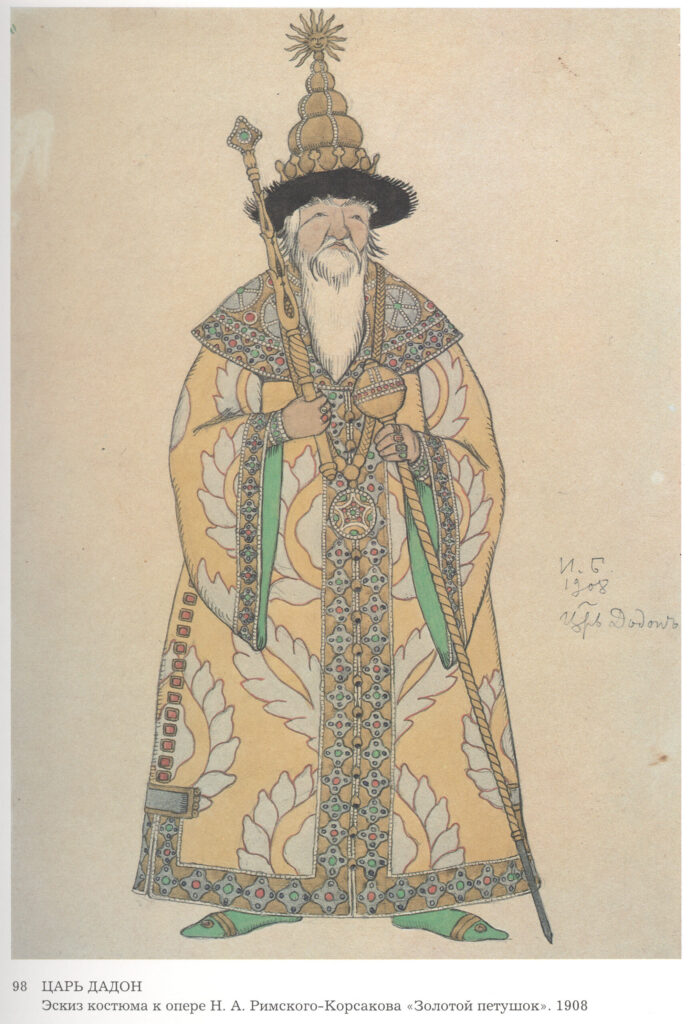
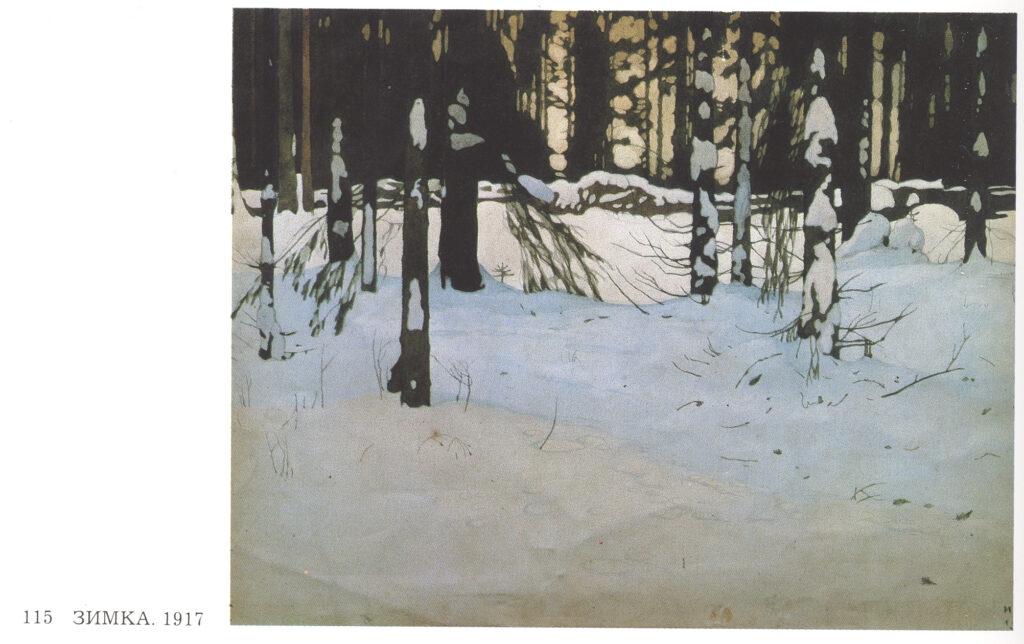
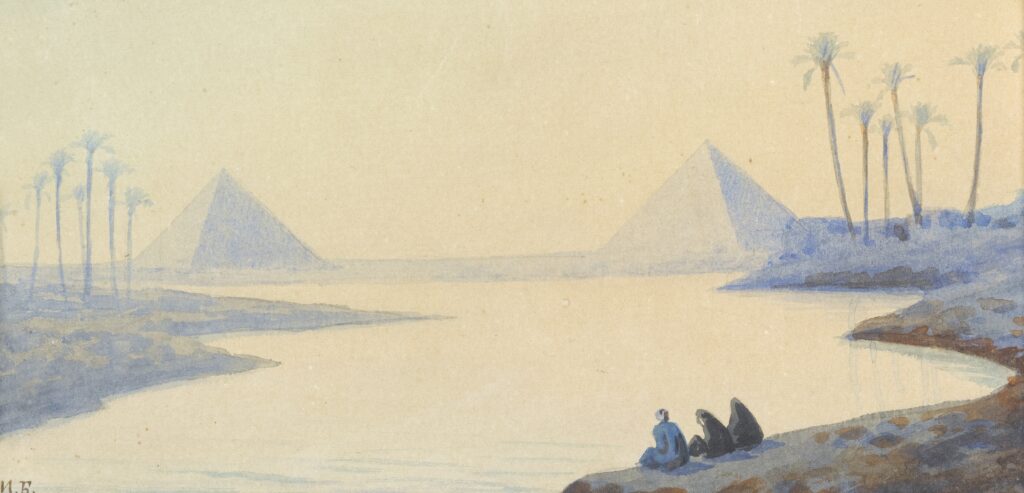
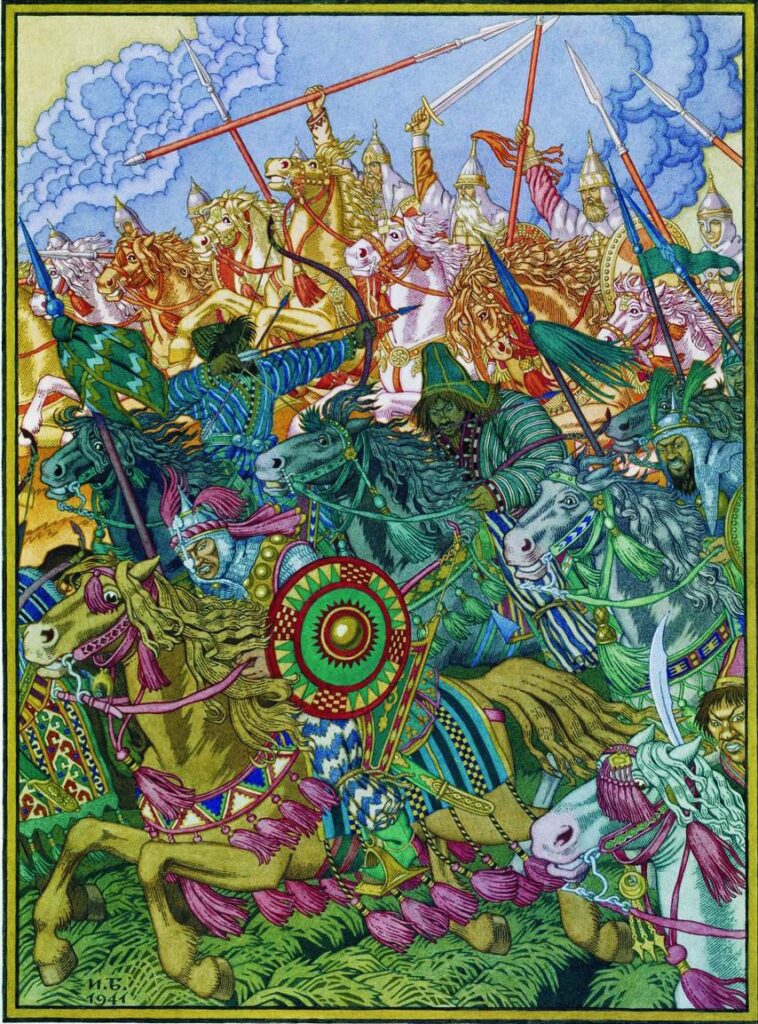
Ivan Bilibin, August 16, 1876 – February 7, 1942, was a Russian illustrator, stage designer, and graphic artist.
He is best known for his illustrations of Russian fairy tales and epic subjects, using strong outlines, patterned surfaces, and motifs drawn from medieval Russian art and folk design.
Bilibin also designed sets and costumes for opera and theater. He worked in Russia, traveled in North Africa and the Middle East, lived abroad after the Russian Revolution, and returned to the Soviet Union in the 1930s.
John Henry Twachtman
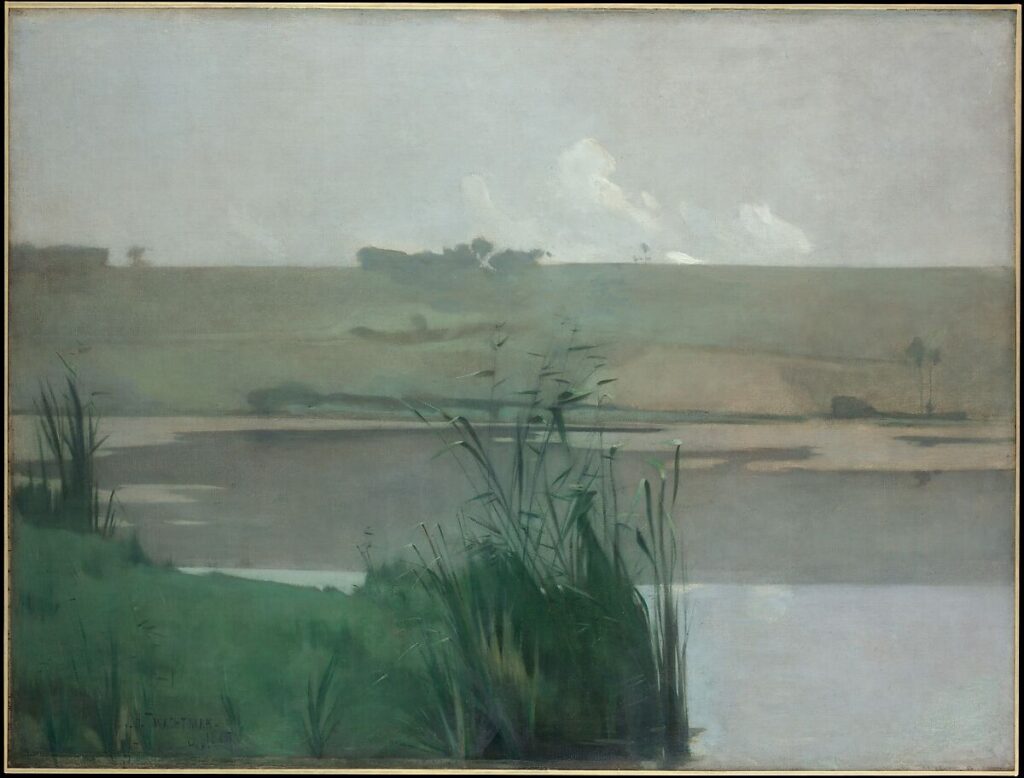
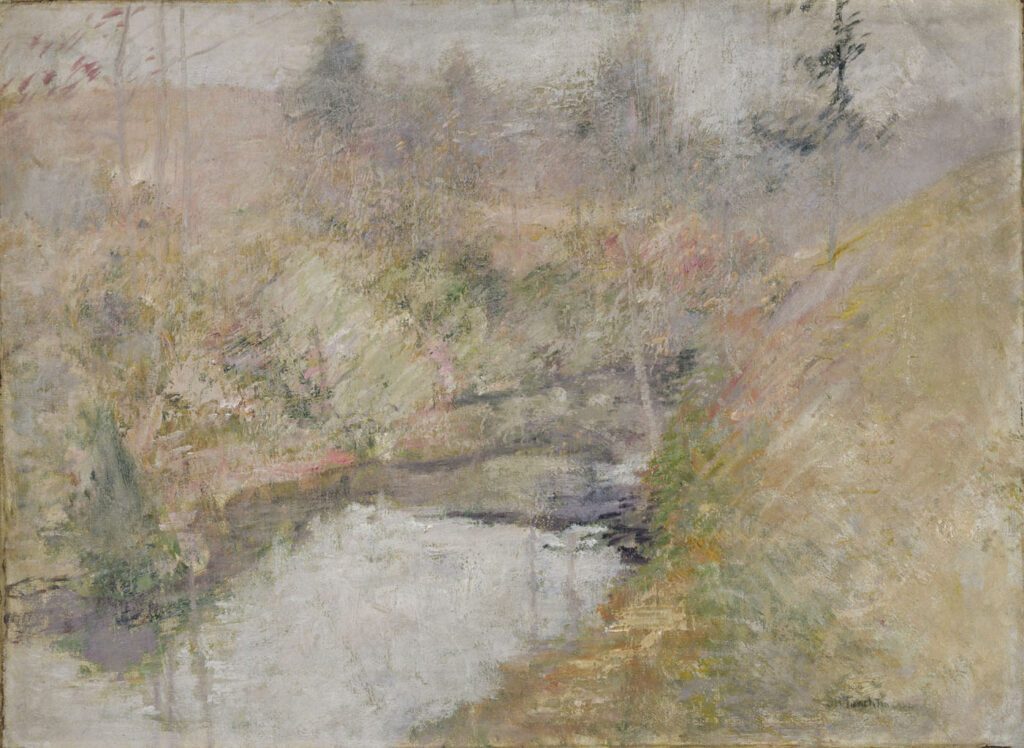
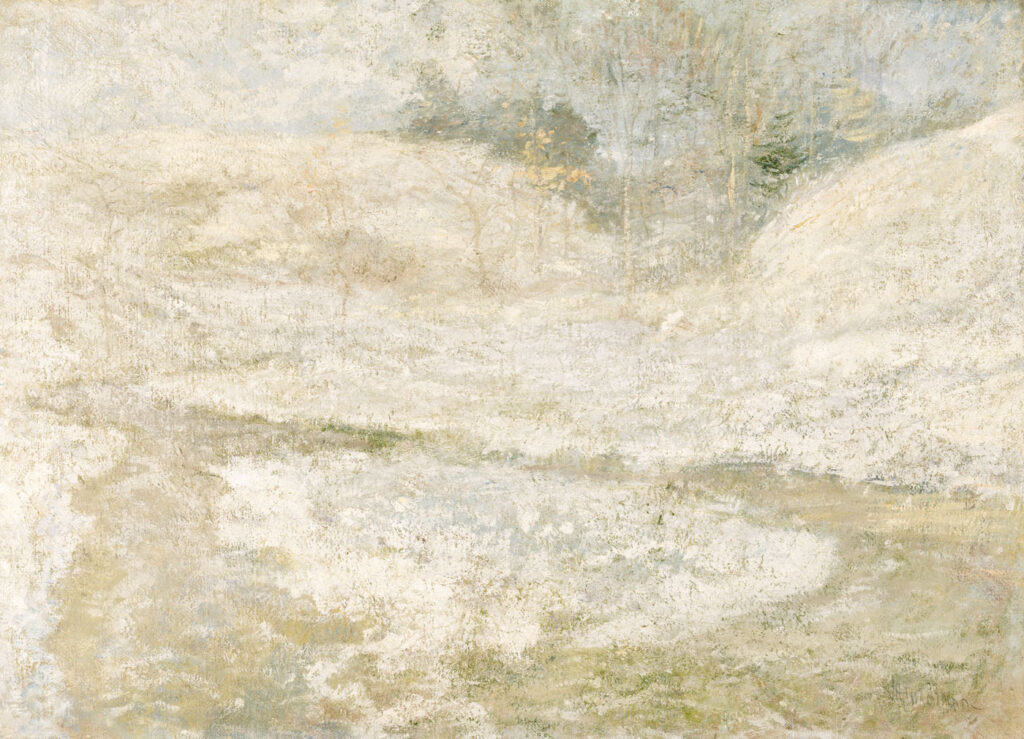
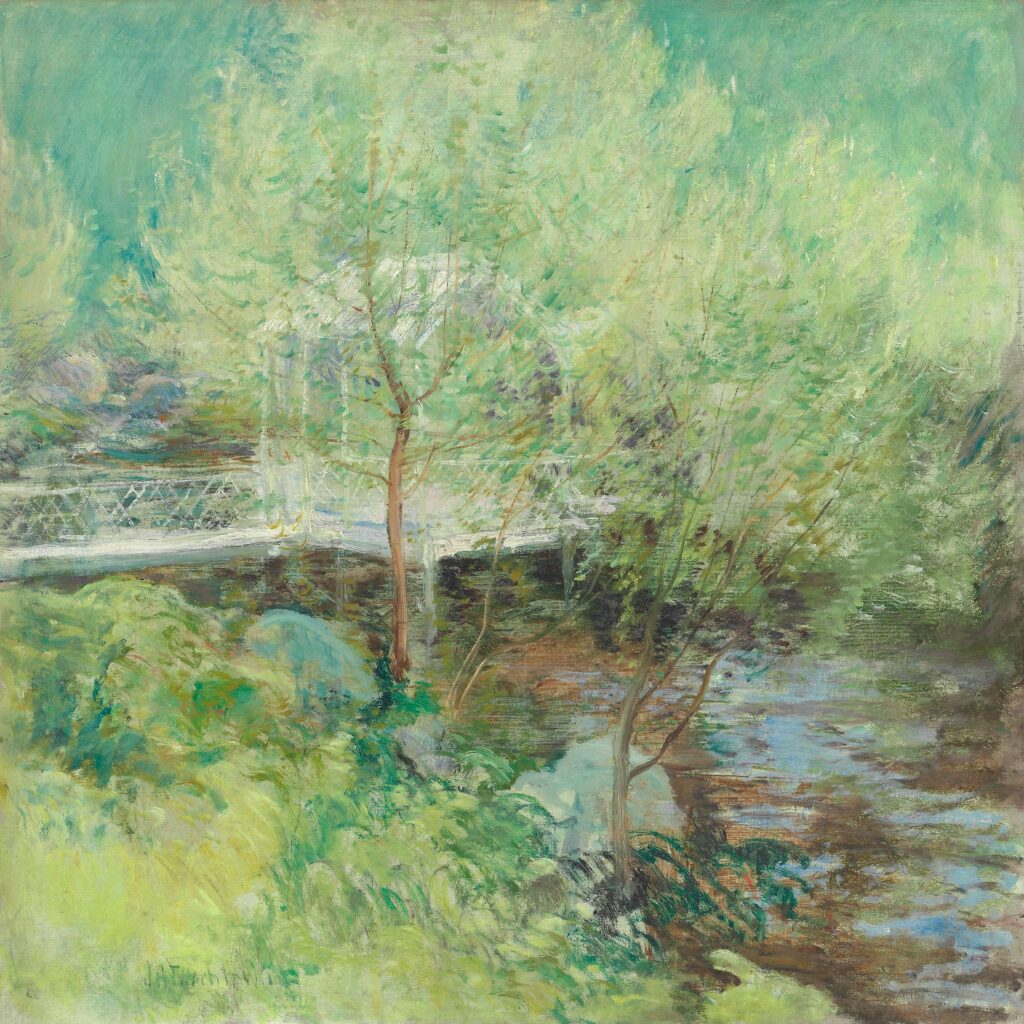
John Henry Twachtman, August 4, 1853 – August 8, 1902, was an American painter and printmaker associated with American Impressionism and Tonalism. He studied at the Ohio Mechanics Institute, the McMicken School of Design in Cincinnati, the Royal Academy of Fine Arts in Munich, and the Académie Julian in Paris.
Twachtman worked closely with J. Alden Weir and Theodore Robinson, and he was one of The Ten American Painters, the group that separated from the Society of American Artists in 1898. He taught at the Art Students League of New York, where his students included Ernest Lawson and Helen Turner.
His paintings are held by the Metropolitan Museum of Art, the Art Institute of Chicago, the Smithsonian American Art Museum, the National Gallery of Art, the Cincinnati Art Museum, and other major US collections.







Jan van Scorel
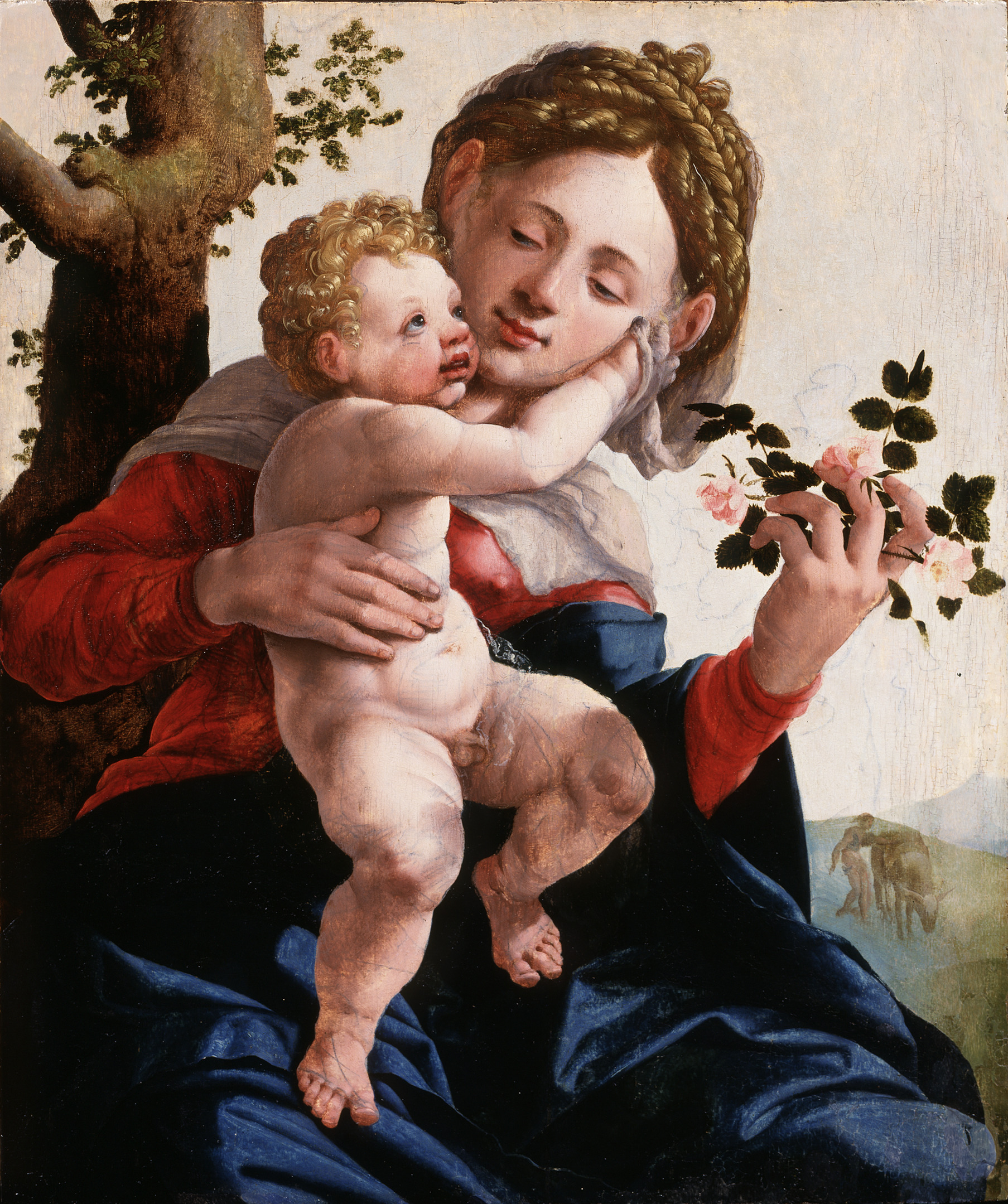
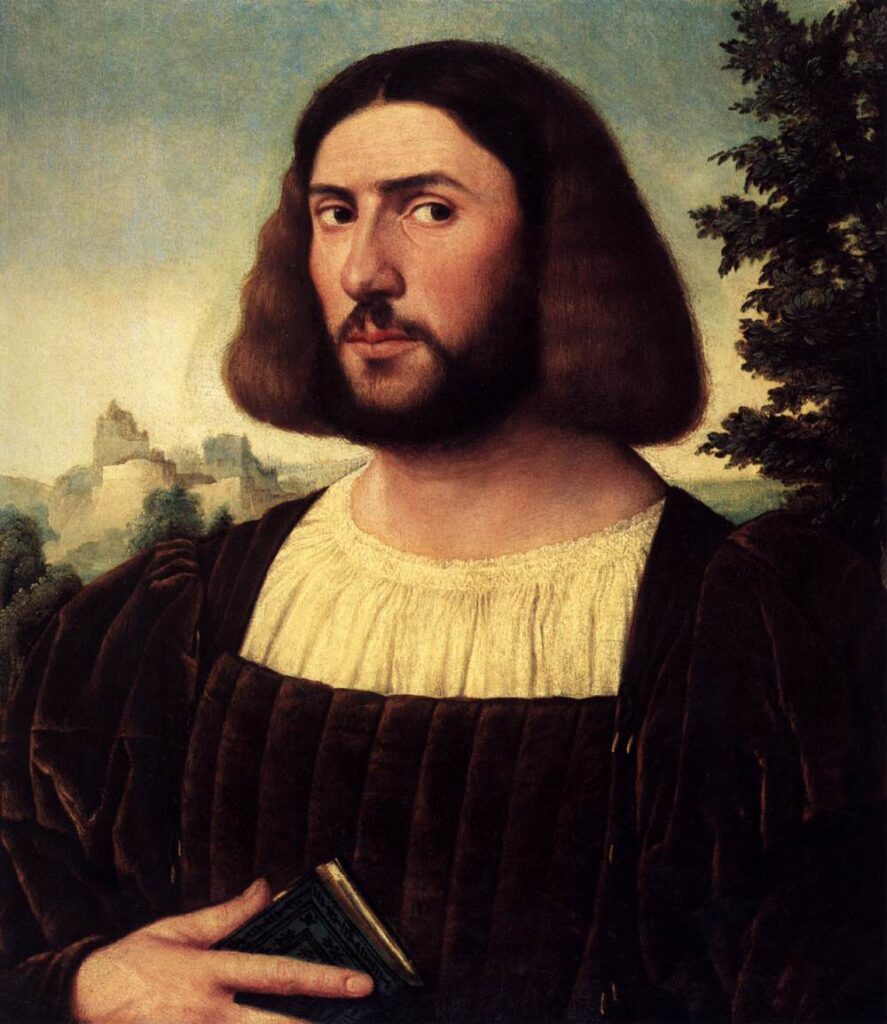
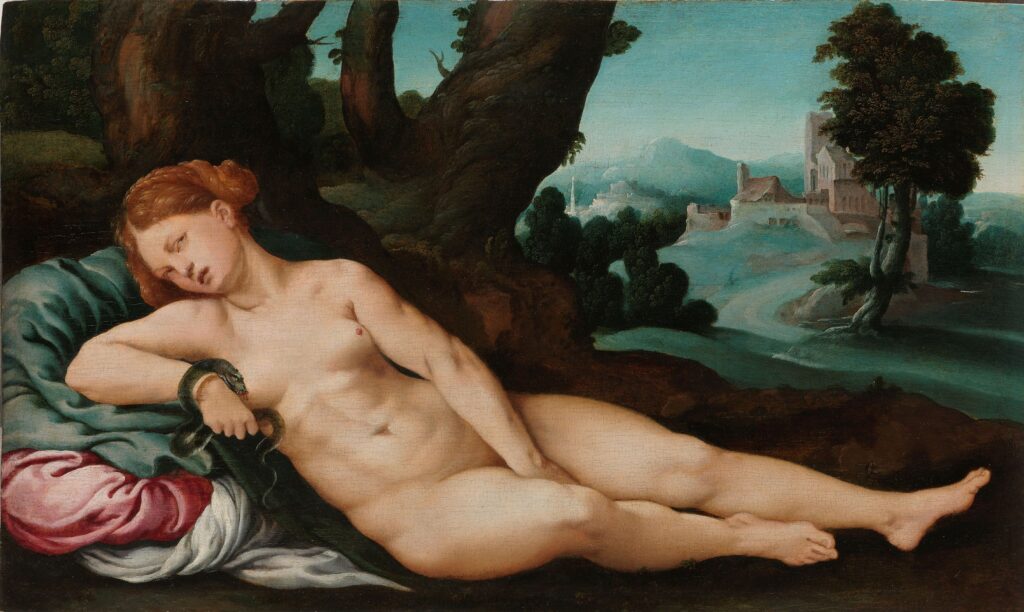
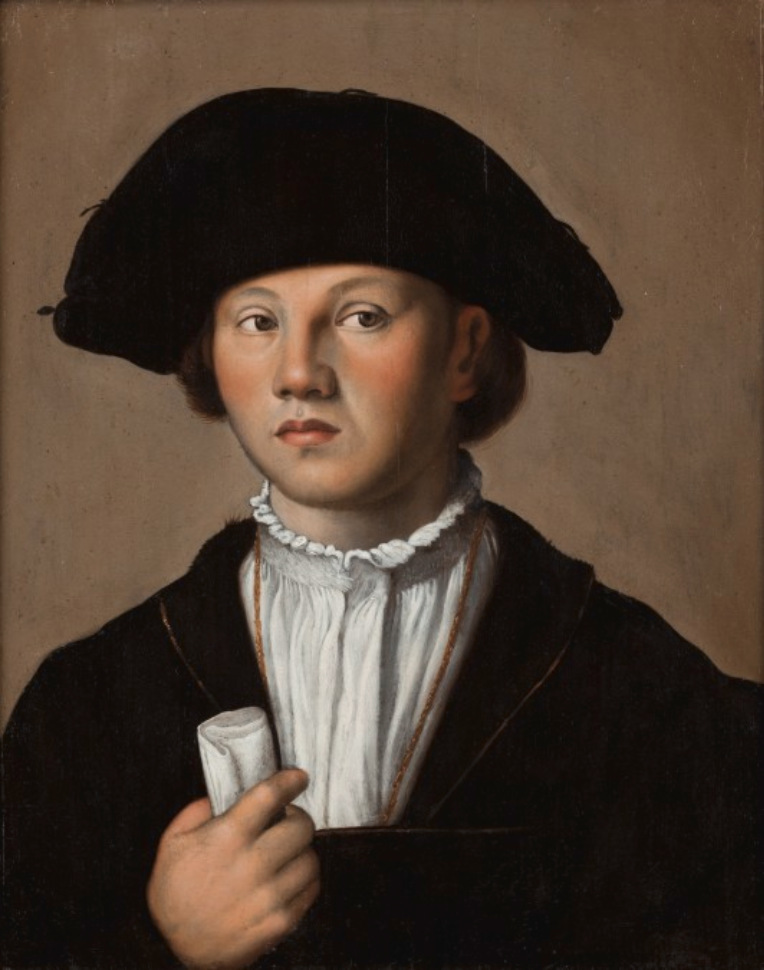
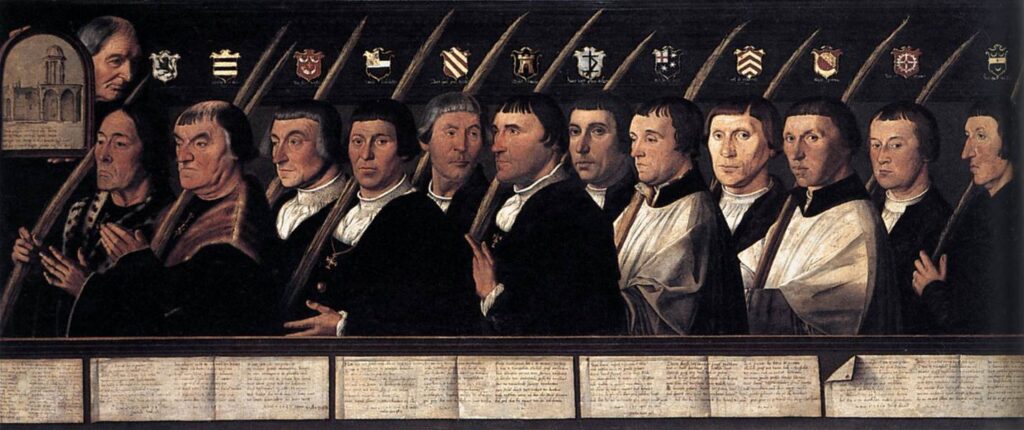
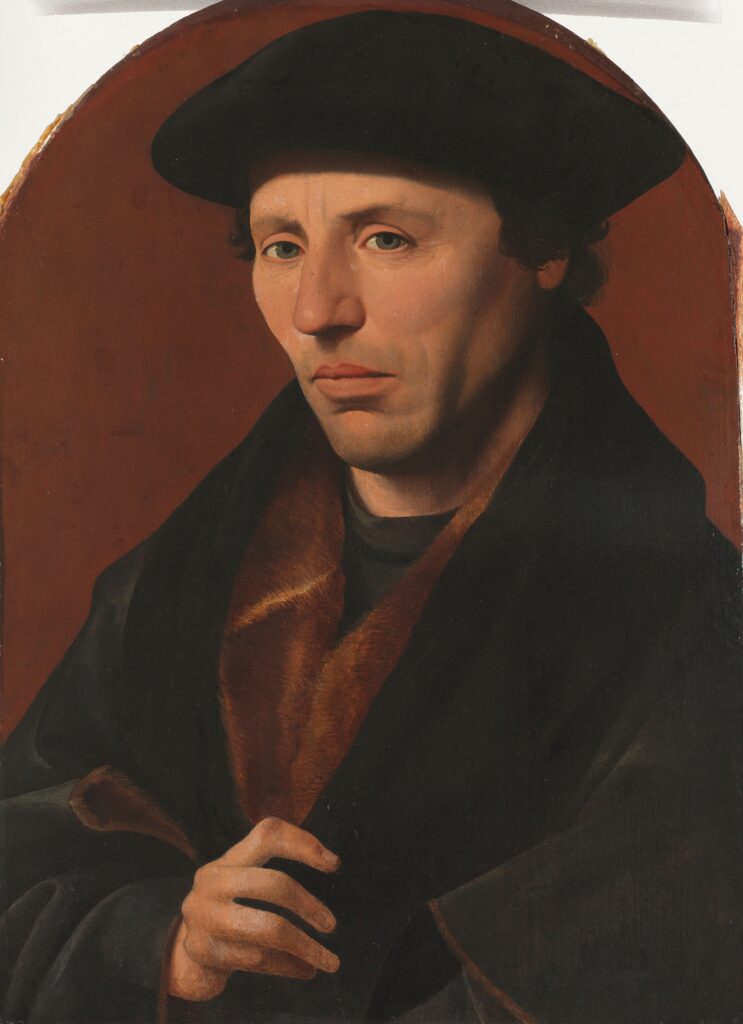
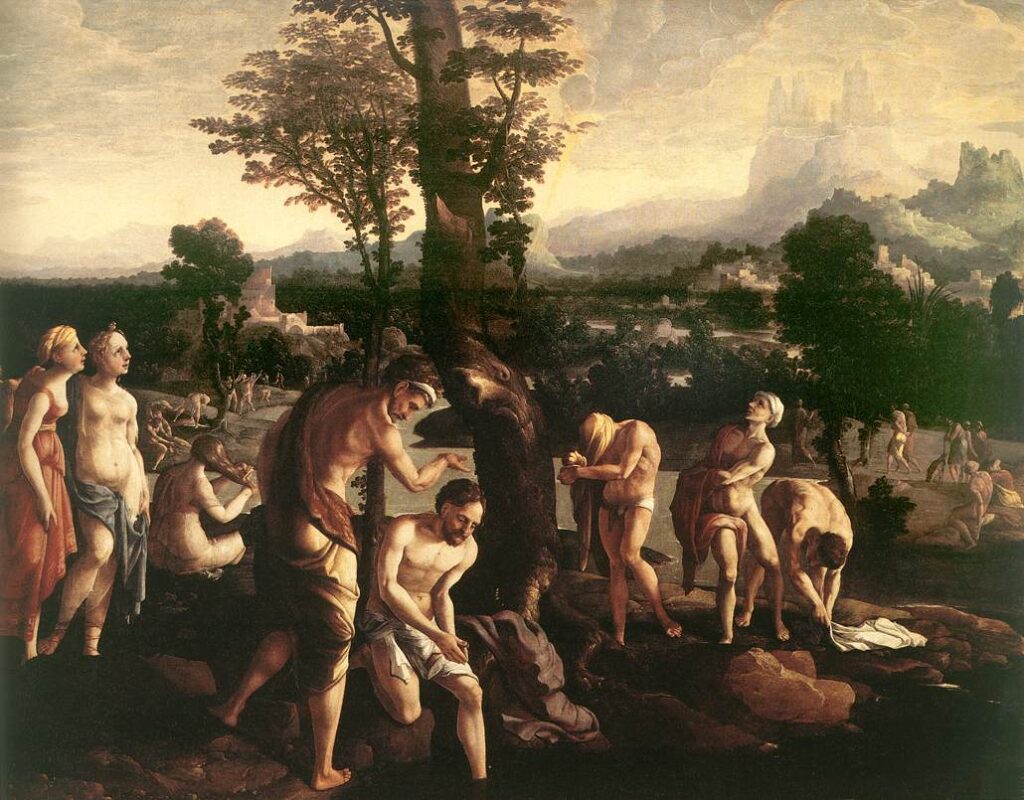
Jan van Scorel, August 1, 1495 – December 6, 1562, was a Dutch painter, draftsman, architect, engineer, and cleric of the Northern Renaissance. Born in Schoorl, North Holland, he trained with several masters in Alkmaar and Amsterdam before traveling extensively through Germany, Austria, Italy, and the Holy Land. During his stay in Rome he entered the circle of Pope Adrian VI and served as curator of the papal antiquities collections in the Belvedere.
Van Scorel became one of the principal transmitters of Italian Renaissance ideas to the Netherlands. His work combined Netherlandish traditions of portraiture and religious painting with influences absorbed from artists such as Raphael and Michelangelo. He painted portraits, altarpieces, mythological subjects, and large group portraits, and was active primarily in Utrecht and Haarlem.
He maintained an influential workshop and helped shape the development of sixteenth-century Dutch painting. Among the artists associated with his circle or influence were Maarten van Heemskerck, Anthonis Mor, and Lambert Sustris. His works are held in major collections including the Rijksmuseum, Frans Hals Museum, Museo del Prado, National Gallery, Gemäldegalerie, and the Museo Nacional Thyssen-Bornemisza.







Sir Joshua Reynolds
Sir Joshua Reynolds, July 16, 1723 – February 23, 1792, was an English painter and one of the leading portraitists of eighteenth-century Britain. Born in Plympton, Devon, he was the son of Samuel Reynolds, a clergyman and schoolmaster. Reynolds received his initial artistic training from Thomas Hudson in London and later traveled extensively in Italy between 1749 and 1752, studying the works of Raphael, Michelangelo, Titian, and other Old Masters. Upon returning to England, he established a highly successful portrait practice in London. In 1768 he became the first president of the Royal Academy of Arts and was knighted by King George III.
Reynolds specialized in portraiture, developing what became known as the British form of the Grand Manner. Drawing on Renaissance and Baroque precedents, he sought to elevate portrait painting by combining likeness with references to classical history, mythology, literature, and allegory. His sitters included members of the royal family, aristocracy, military officers, actors, writers, and intellectuals. Among his most notable portraits are those of Sarah Siddons, David Garrick, Omai, and numerous leading figures of Georgian Britain.
As president of the Royal Academy, Reynolds delivered a series of influential lectures known as the Discourses on Art, which shaped artistic education in Britain for generations. He was associated with many of the leading cultural figures of his era, including Samuel Johnson, Edmund Burke, Oliver Goldsmith, and James Boswell. Reynolds's works are held by major collections including the National Gallery, Tate Britain, the National Portrait Gallery, the Wallace Collection, the Royal Collection, the National Gallery of Art, the Metropolitan Museum of Art, and numerous regional museums and historic houses throughout the UK and abroad.


