Marc Chagall
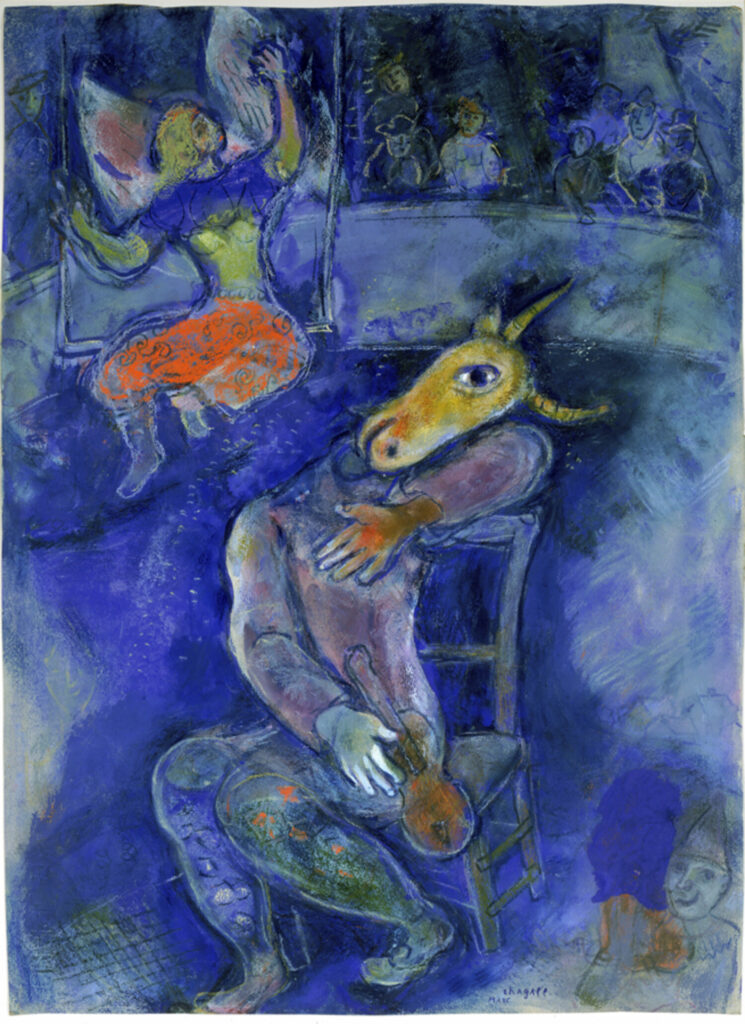
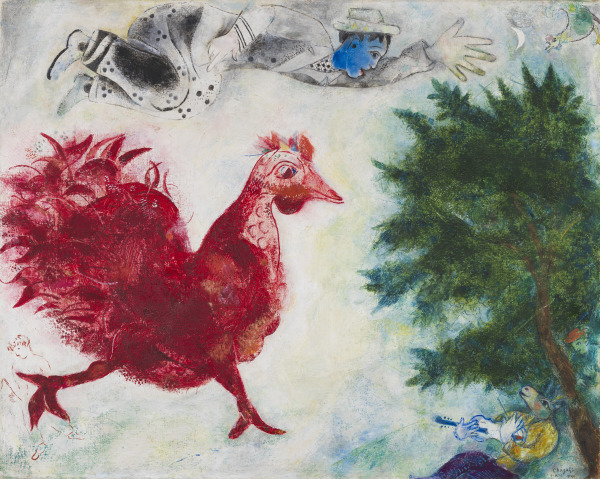
Marc Chagall, Russian-French painter, July 6, 1887 – March 28, 1985.
Chagall was born Moishe Shagal near Vitebsk, then in the Russian Empire, now Belarus. He first studied in Vitebsk with Yehuda Pen, then in Saint Petersburg, and later in Paris at the Académie de La Palette. His teachers and artistic contacts included Pen in Vitebsk and, in Paris, exposure to Cubism, Fauvism, and the wider avant-garde.
Chagall lived in Vitebsk, Saint Petersburg, Paris, Berlin, Moscow, and again Vitebsk before leaving Soviet Russia in 1922. He lived in France for much of his mature career, spent the Second World War years in the United States, and returned to France after the war, eventually settling in the south of France.
His work combines modernist color and form with imagery drawn from Jewish life, Russian village memory, folklore, dreams, lovers, animals, musicians, and biblical themes. His major genres include painting, drawing, printmaking, book illustration, stained glass, tapestry, stage design, and large decorative commissions.
Chagall served briefly as Commissar of Arts for Vitebsk after the Russian Revolution and founded the People’s Art School there. He had major exhibitions in Europe and the United States and later received large public commissions, including stained glass windows and ceiling decorations. He was more important as a founder and artistic leader than as a formal teacher; artists associated with the Vitebsk school included El Lissitzky and Kazimir Malevich.



John Singleton Copley
John Singleton Copley, American painter, July 3, 1738 - September 9, 1815
Copley was born in Boston and had no formal academic art education. He was largely self-taught, though he probably learned the use of painting and engraving tools from his stepfather, Peter Pelham, a portrait painter, engraver, and teacher. Benjamin West and Sir Joshua Reynolds later encouraged him to study in Europe.
Copley worked first in Boston, with a temporary stay in New York in 1771–1772 and a brief visit to Philadelphia. In 1774 he left Boston for London and then traveled through Paris, Genoa, Rome, Naples, Florence, Parma, Mantua, Venice, and other European cities before settling permanently in London.
His early work is best known for precise, direct, psychologically observant portraits of colonial Americans, often with sharply rendered fabrics, objects, and social details. After moving to Britain, he increasingly worked in grander historical, political, and narrative subjects, while continuing to paint portraits.
His honors included election as a Fellow of the Society of Artists of Great Britain in 1766, Associate of the Royal Academy in 1776, Royal Academician in 1783, and Foreign Honorary Member of the American Academy of Arts and Sciences in 1791. No formal pupils are securely associated with him, though John Trumbull was strongly impressed by him as a young artist.


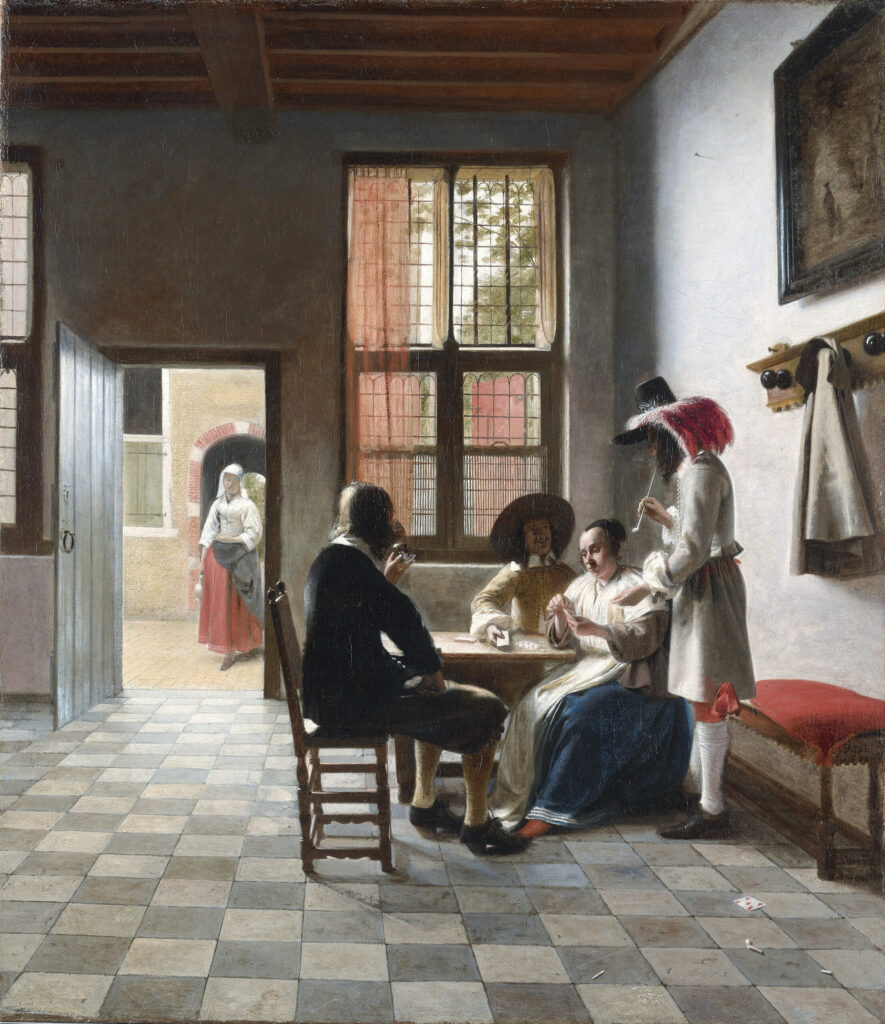
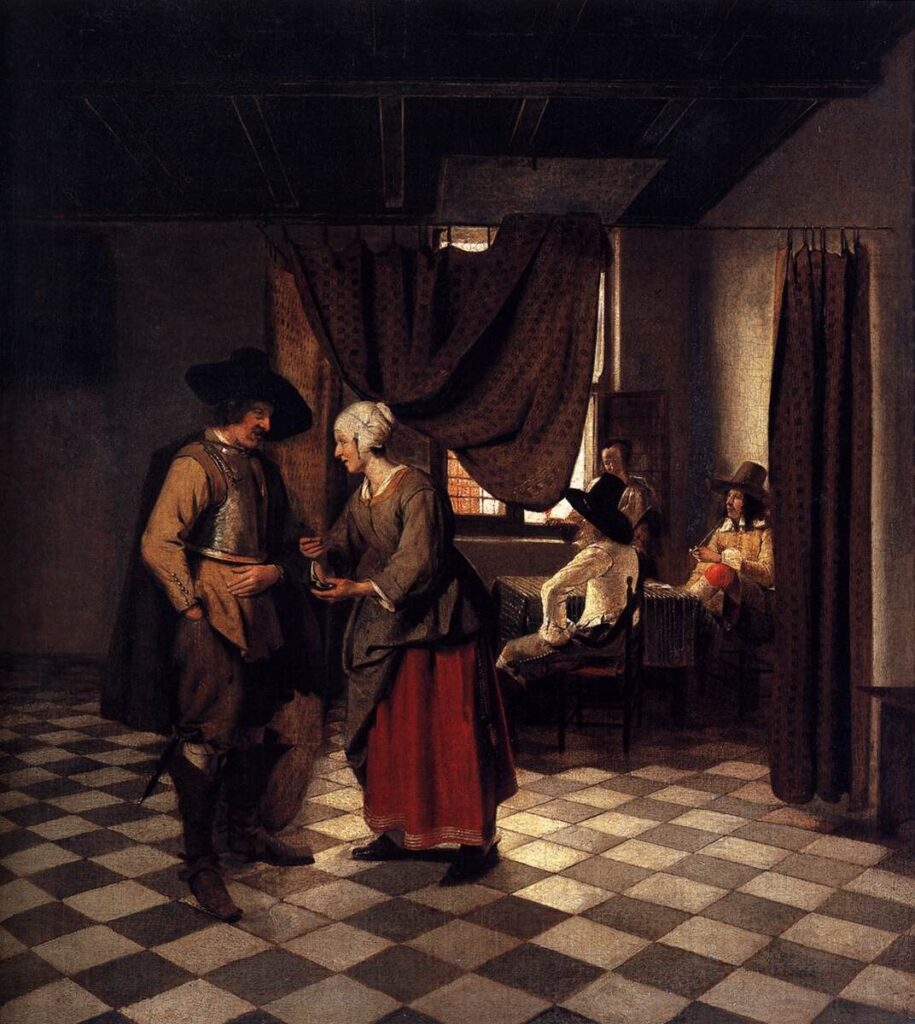
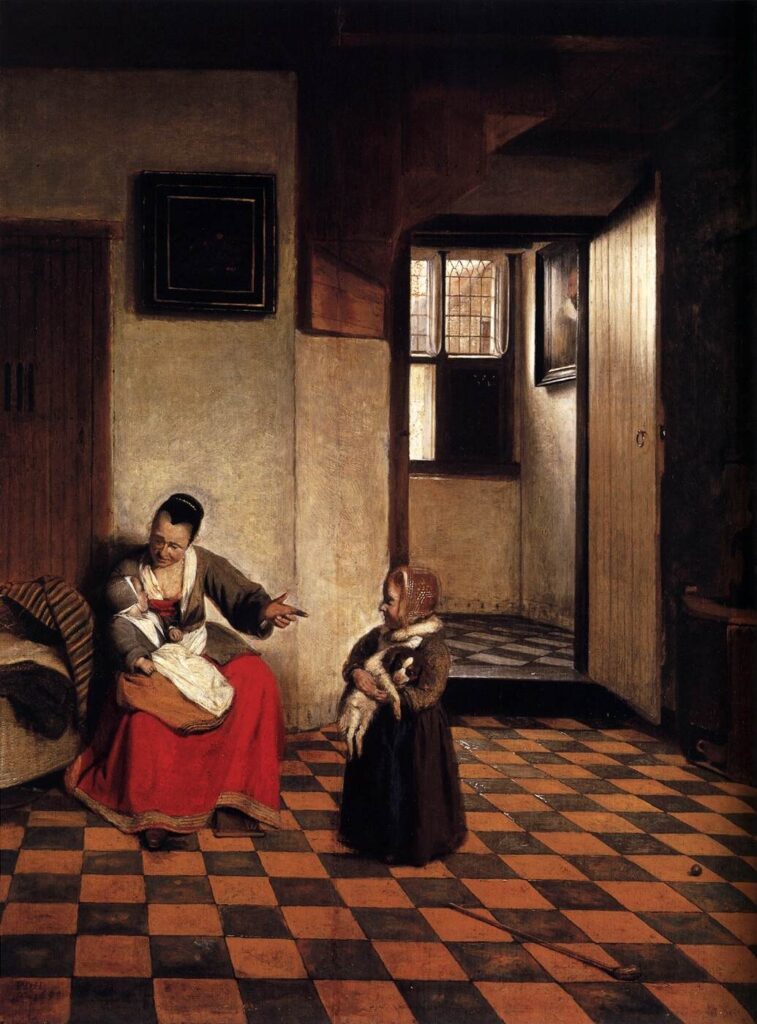
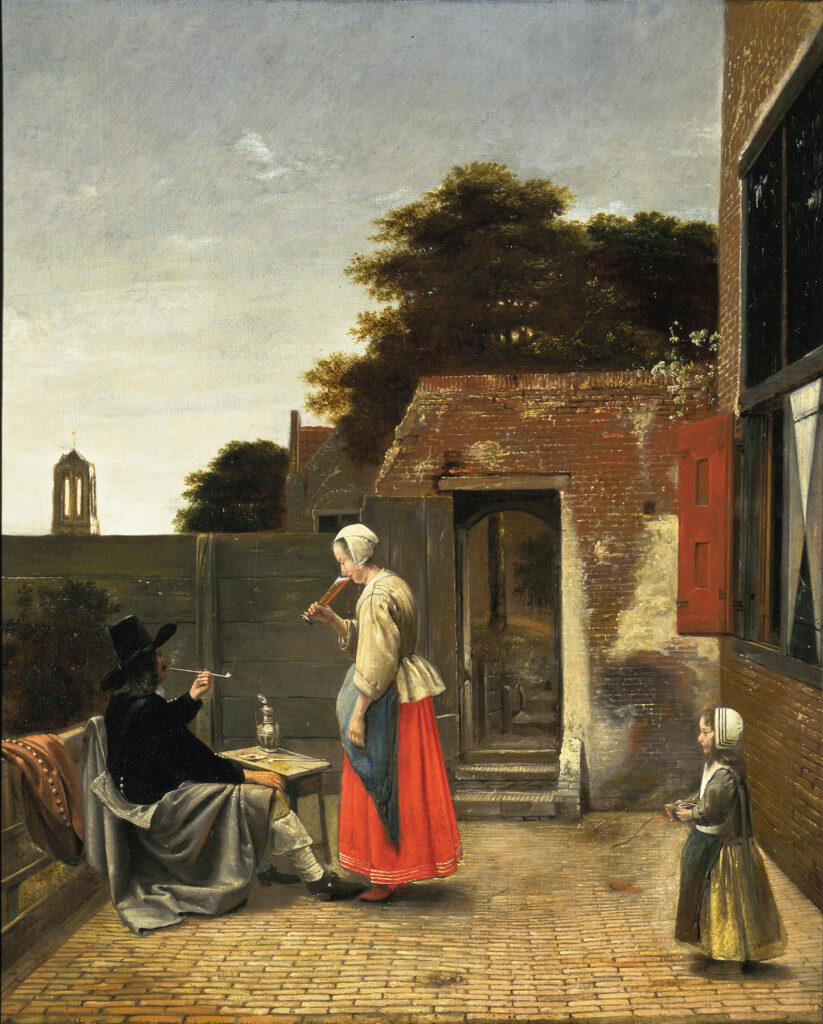
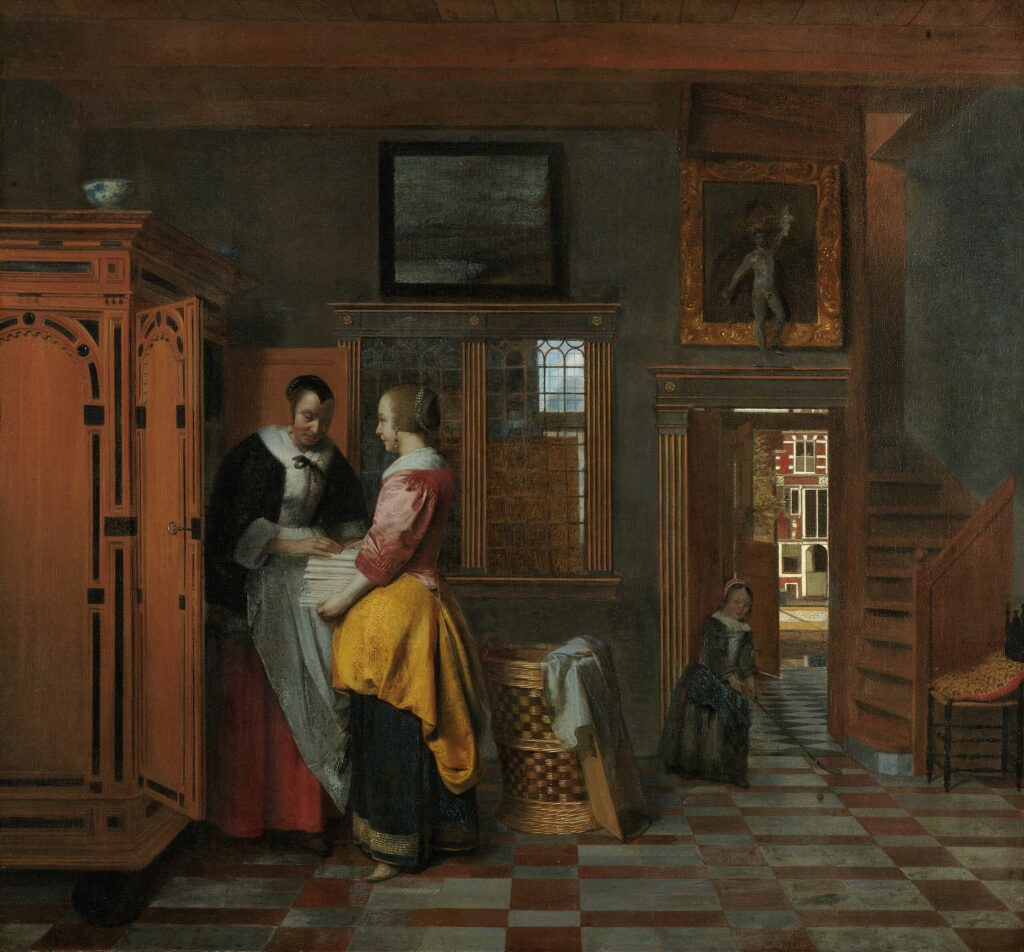
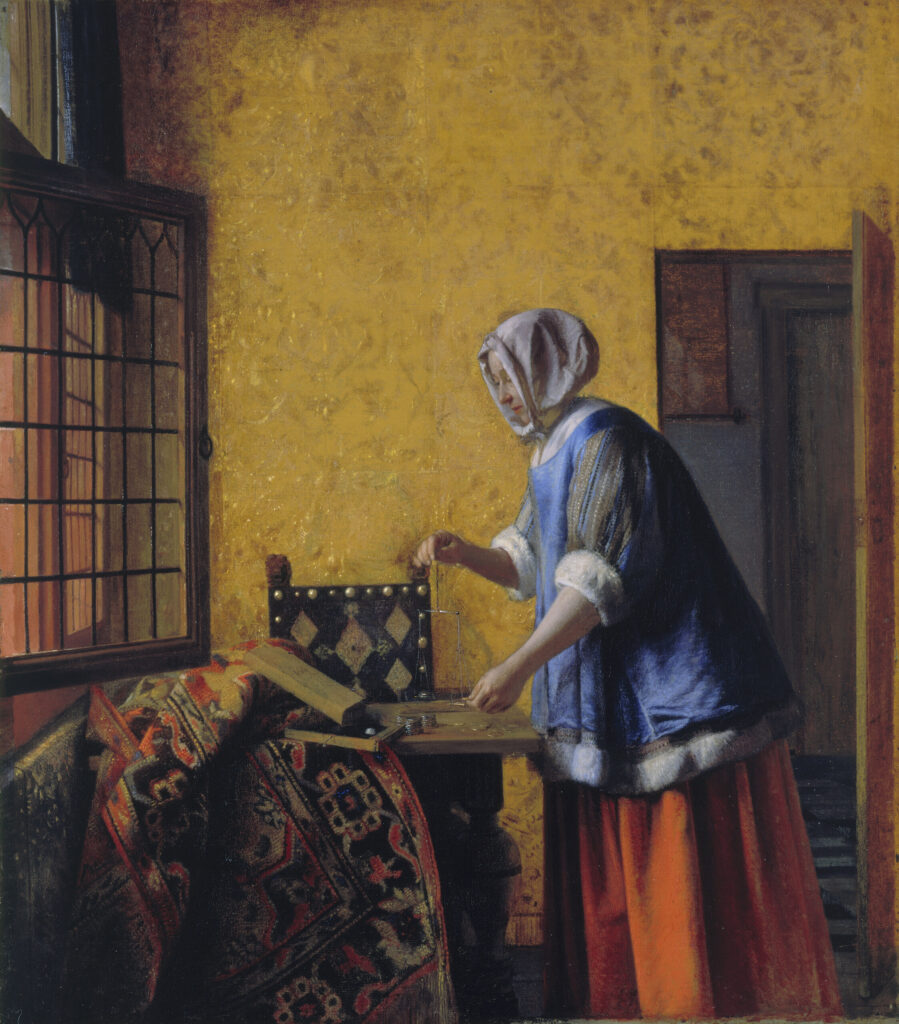
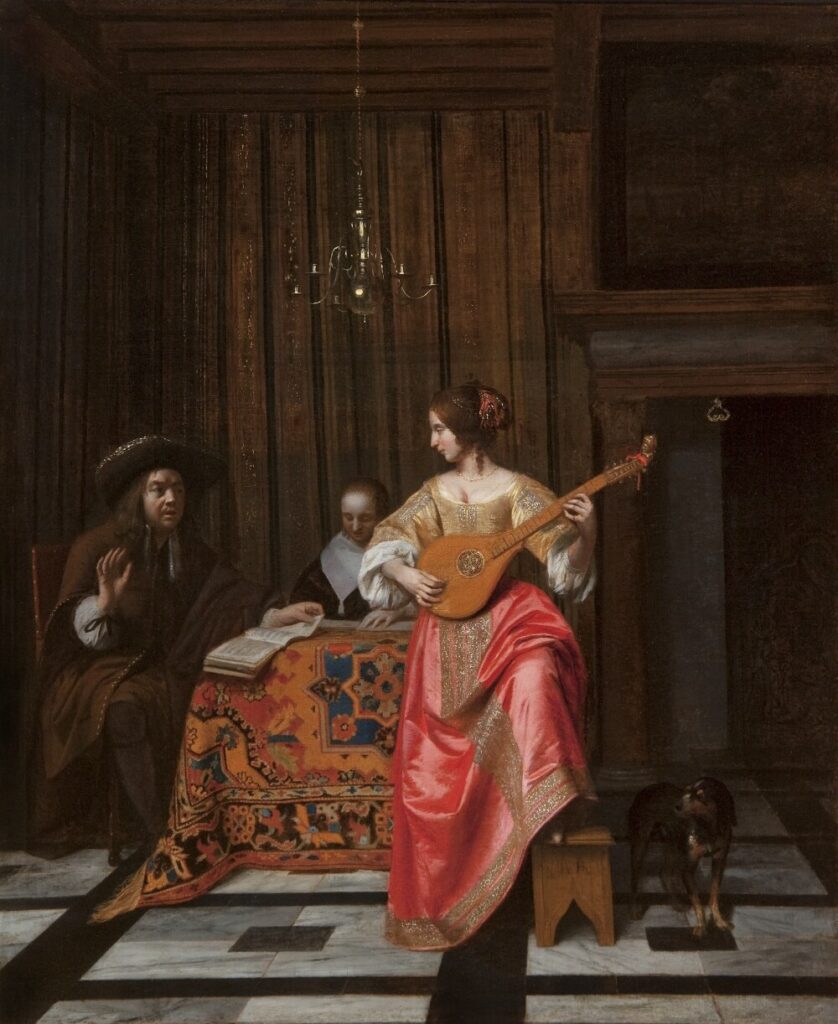
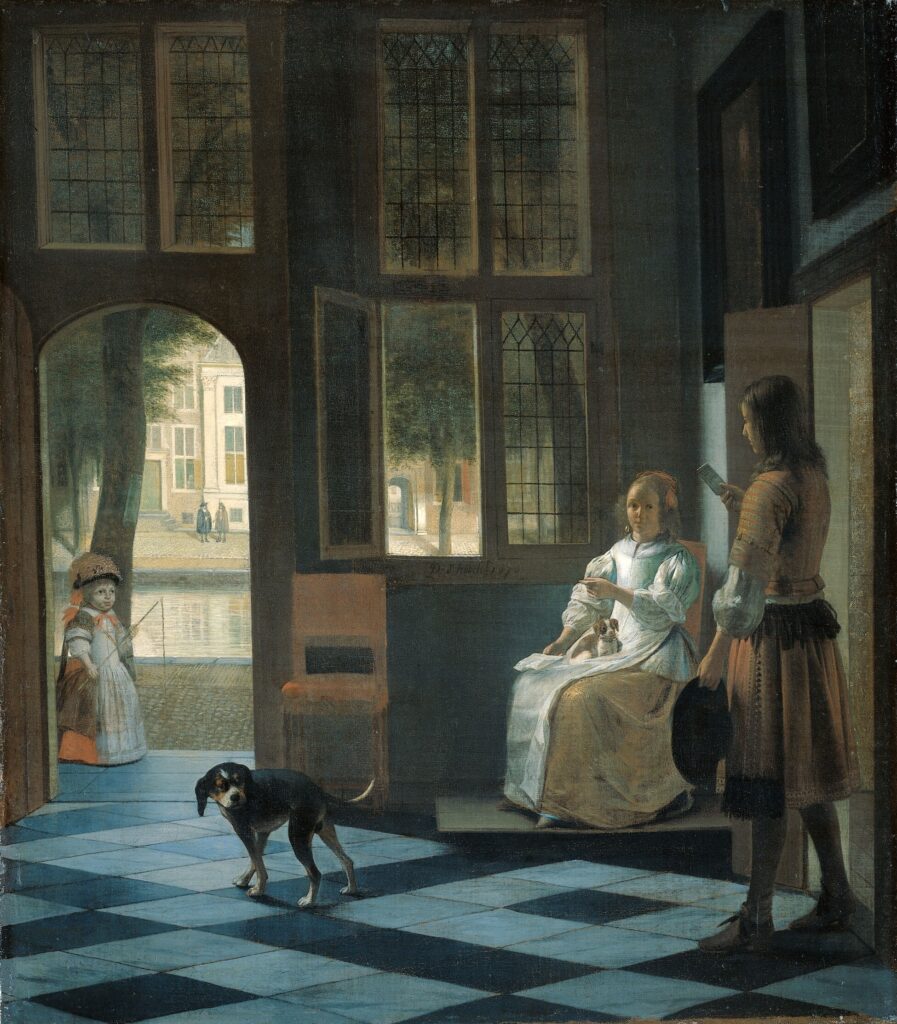
Pieter de Hooch
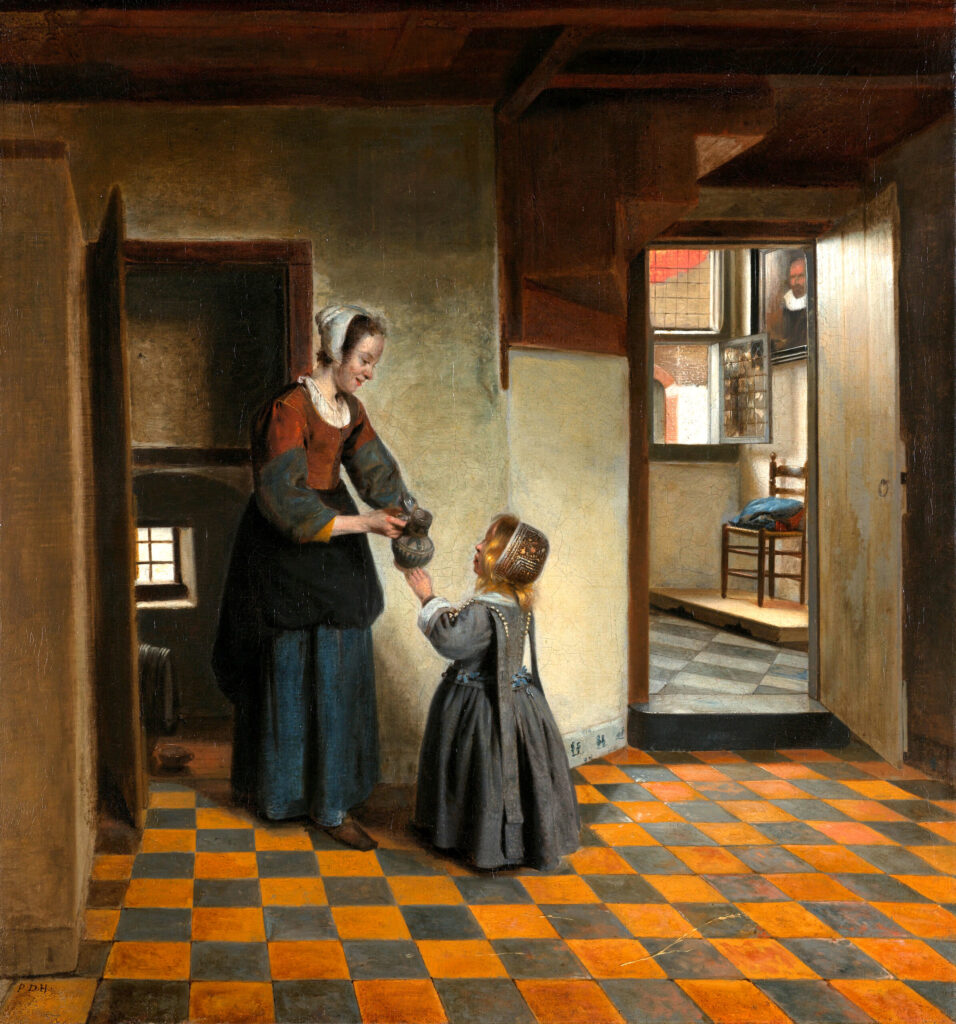
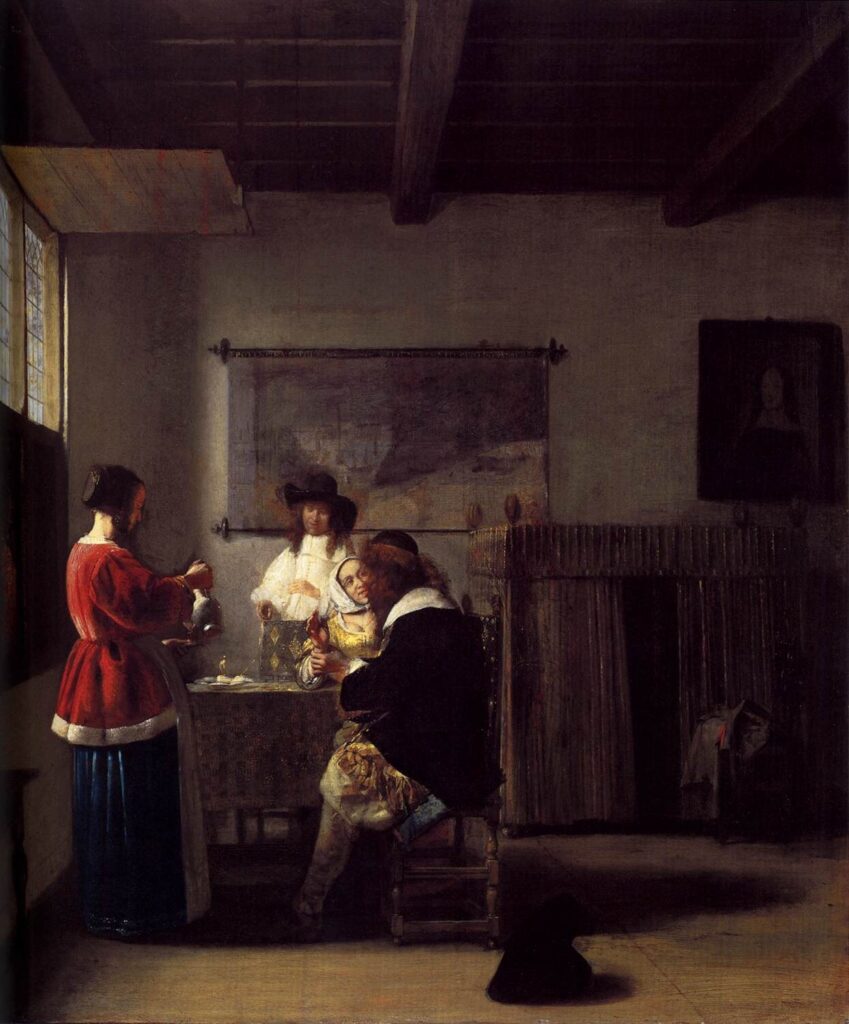
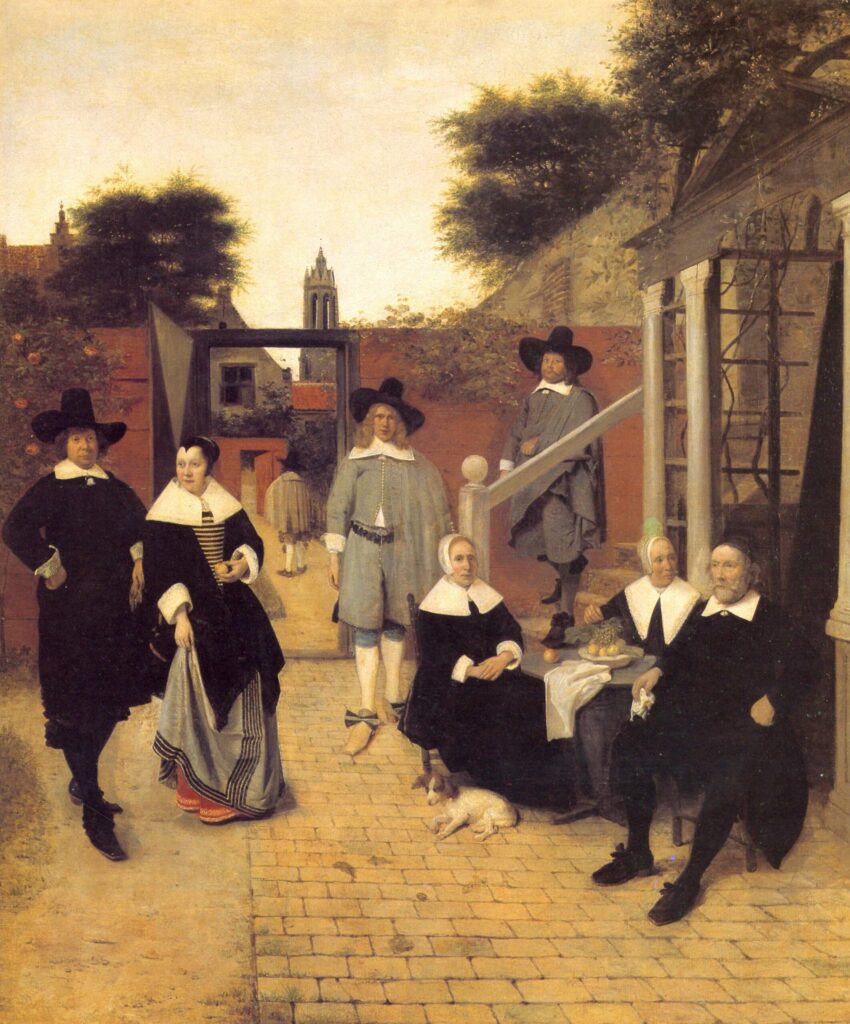
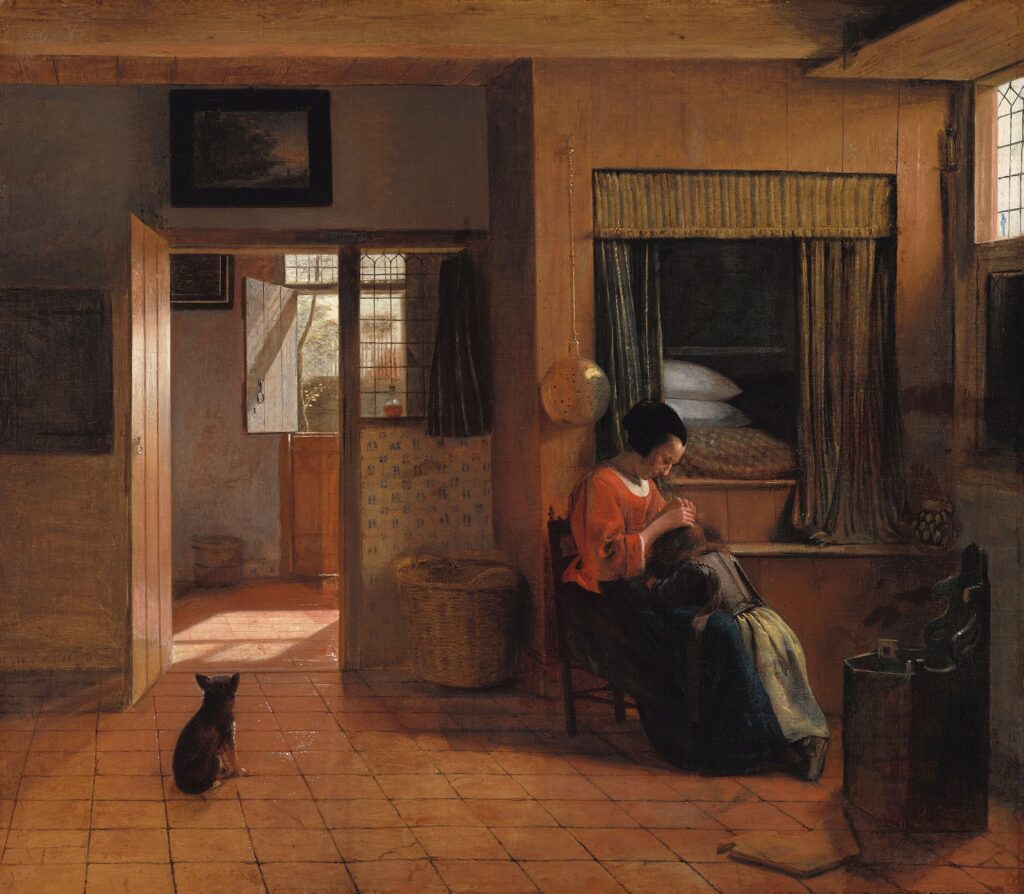
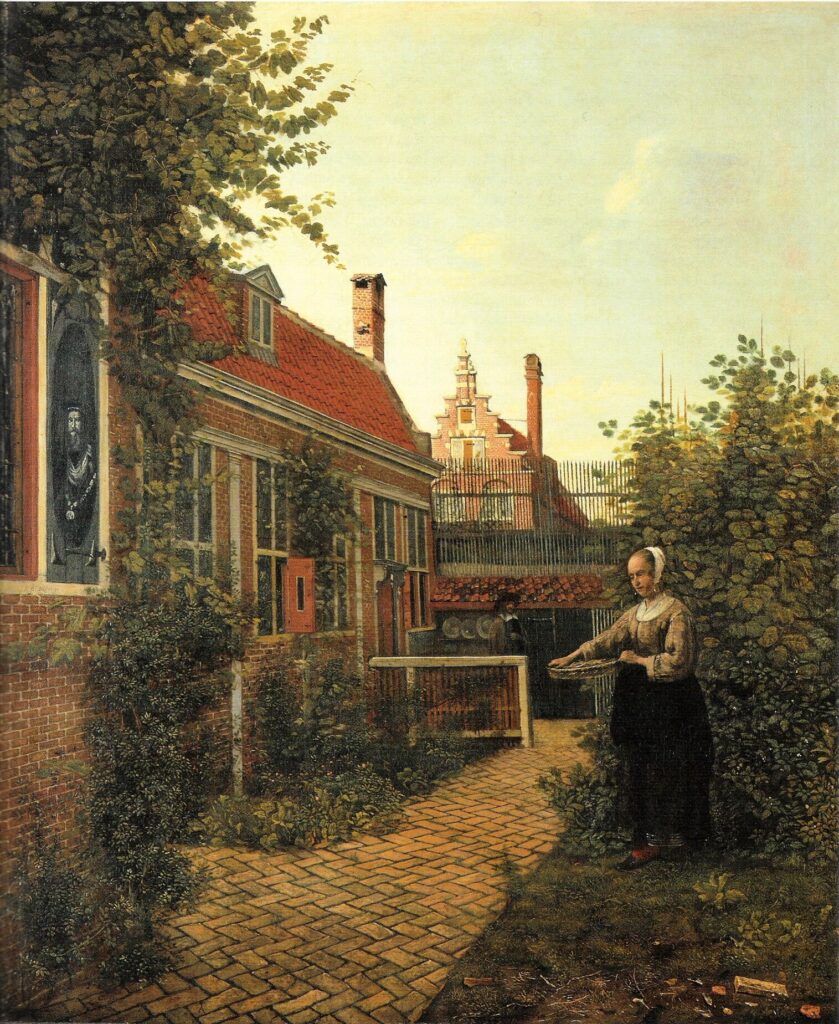
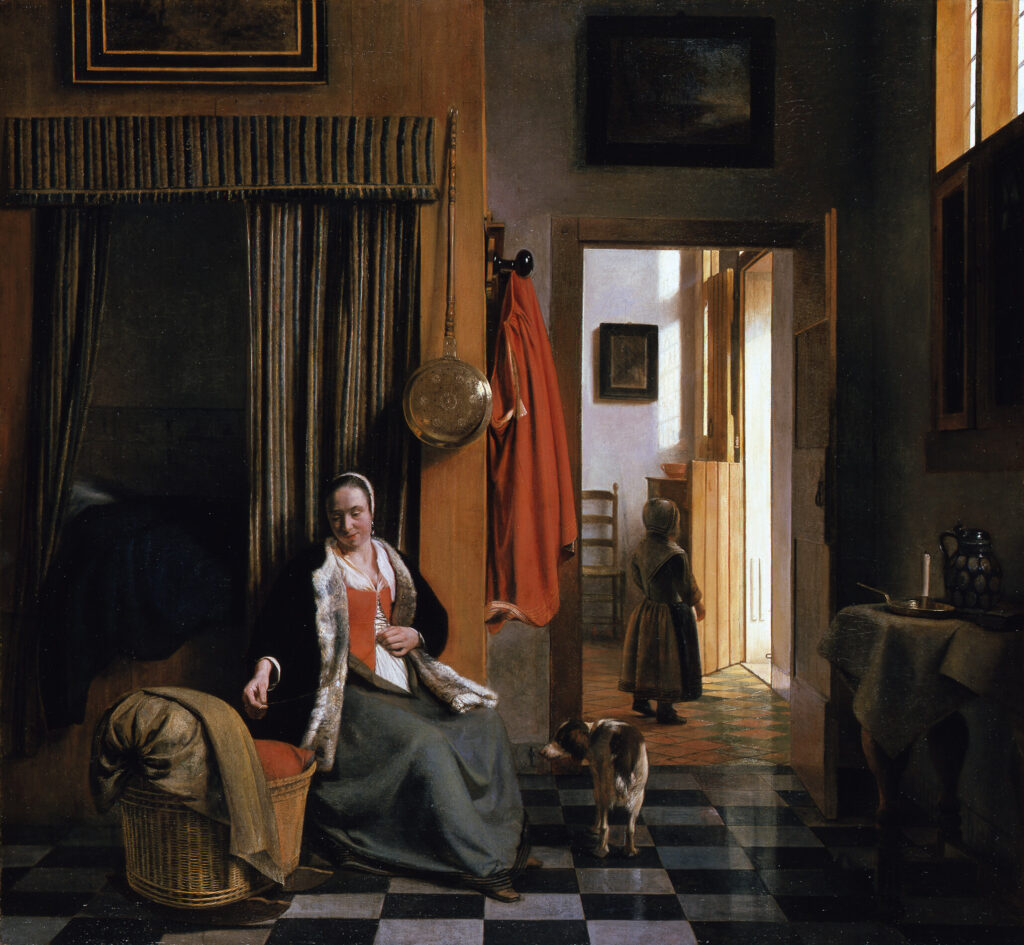
Pieter de Hooch, baptized December 20, 1629–after 1679, was a Dutch painter born in Rotterdam. According to Arnold Houbraken, he trained in Haarlem with the landscape painter Nicolaes Berchem. He worked in Rotterdam before settling in Delft, where he was recorded by 1652 and joined the Guild of Saint Luke in 1655.
De Hooch specialized in domestic interiors, courtyards, guardrooms, and company scenes. His Delft paintings are characterized by carefully constructed perspective, adjoining rooms and courtyards, tiled floors, and natural light. Around 1660 he moved to Amsterdam, where his settings became larger and more elaborate.
De Hooch was last securely documented in Amsterdam in 1679; the date and circumstances of his death remain unknown. His paintings are held by the Rijksmuseum, Metropolitan Museum of Art, Mauritshuis, National Gallery, Royal Collection, Gemäldegalerie, and other major collections.
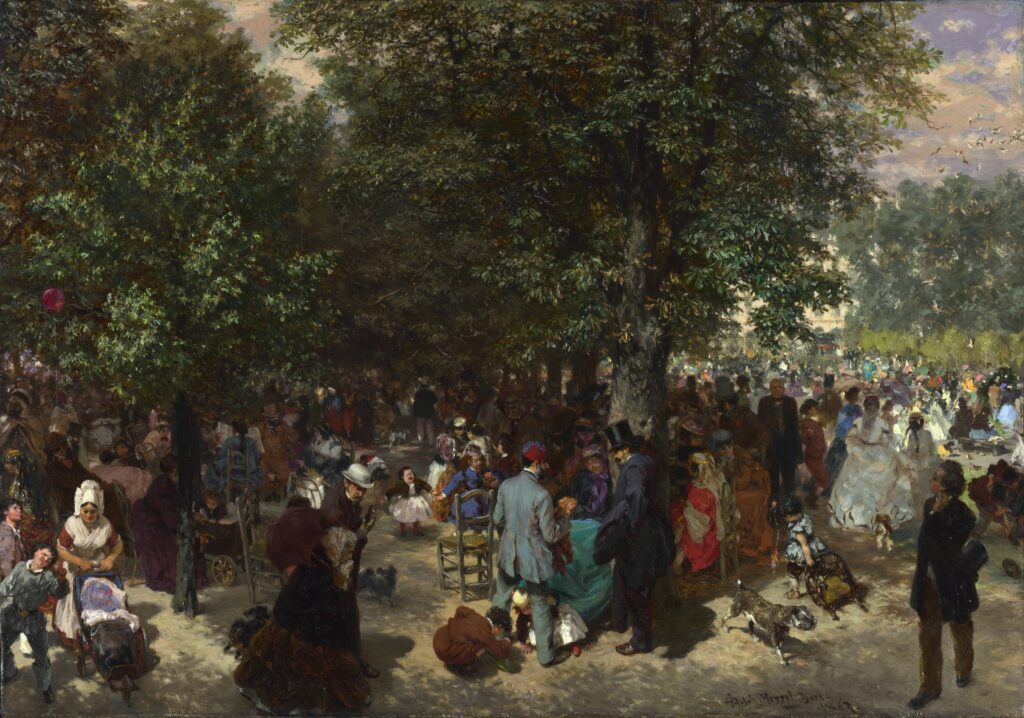
Adolph von Menzel
Adolph von Menzel, December 8, 1815–February 9, 1905, was a German painter, draftsman, printmaker, and illustrator. Born in Breslau, he moved with his family to Berlin in 1830 and trained largely outside an academy while working in his father's lithographic workshop.
Menzel first gained wide recognition for his illustrations to Franz Kugler's history of Frederick the Great. He later painted Prussian history, modern urban life, interiors, landscapes, and industrial subjects, while producing thousands of drawings. Major collections of his work are held by the Nationalgalerie in Berlin, Hamburger Kunsthalle, the National Gallery, London, and other European and American museums.
He was ennobled in 1898 and thereafter used the name Adolph von Menzel. Menzel died in Berlin in 1905 and received a state funeral; his work remains central to accounts of nineteenth-century German art and Realism.







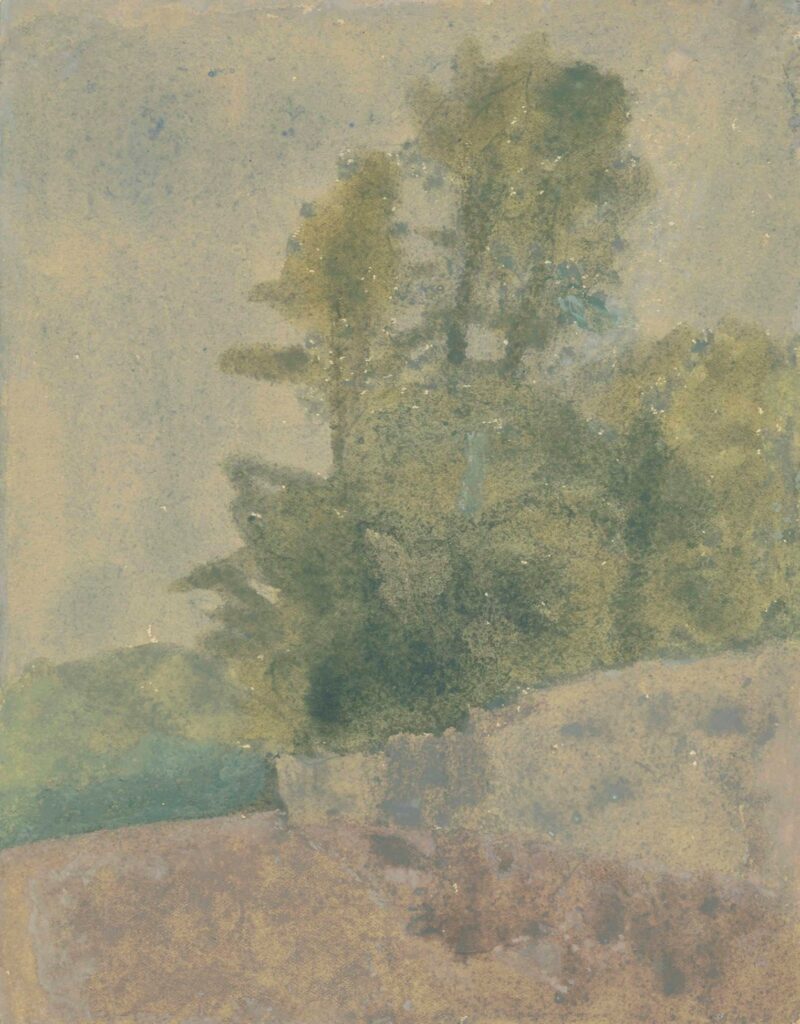

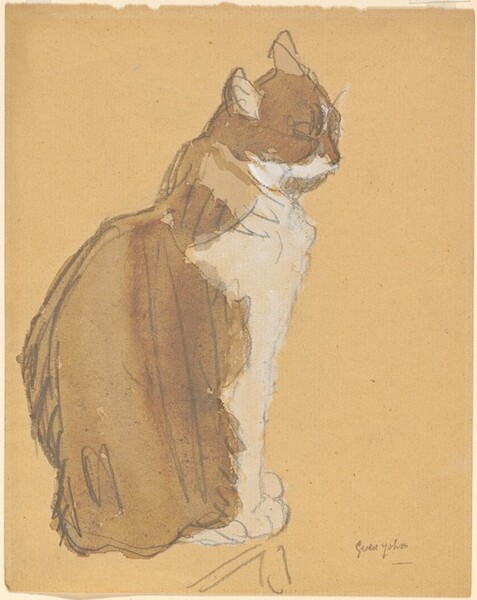
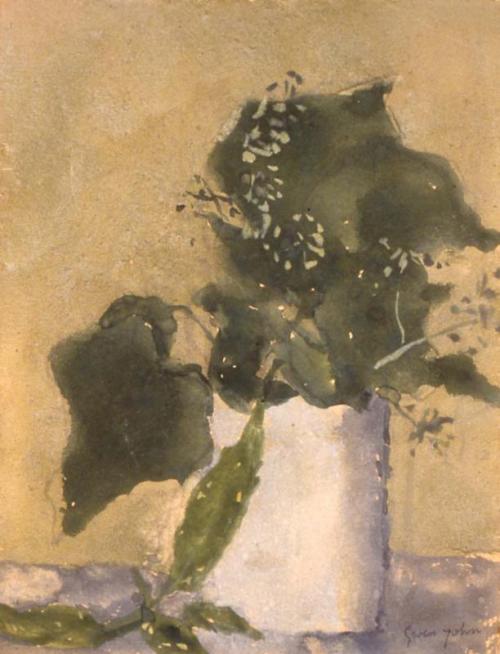
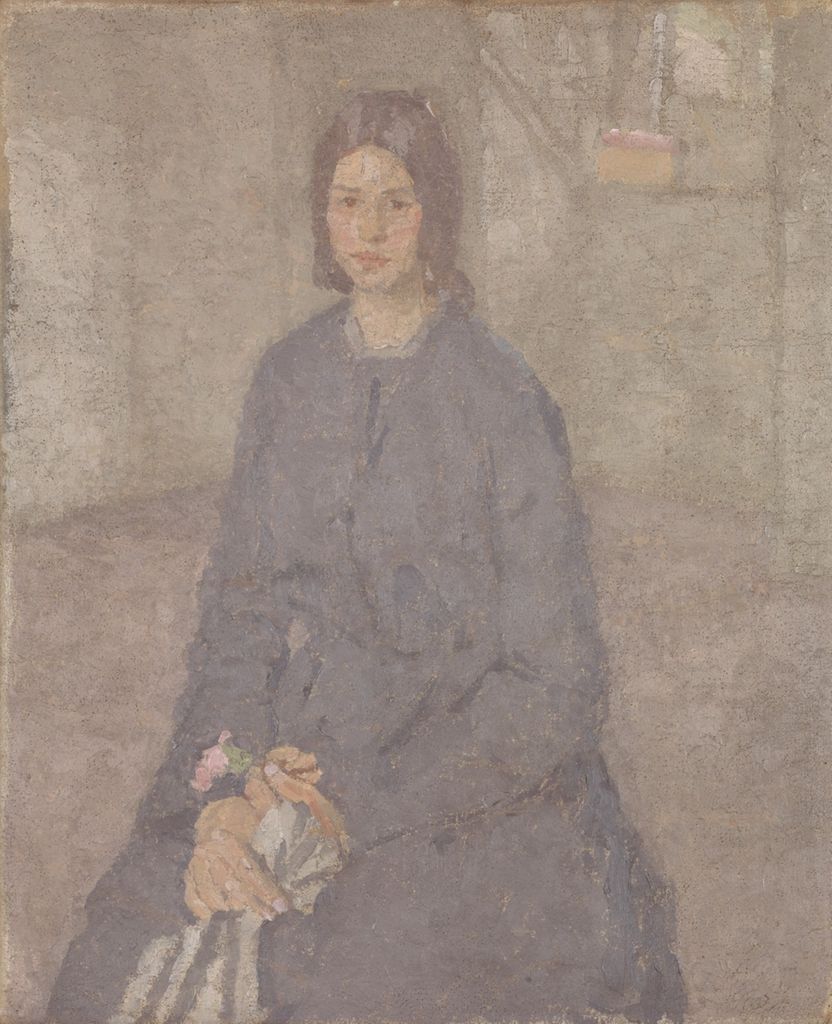

Richard Parkes Bonington
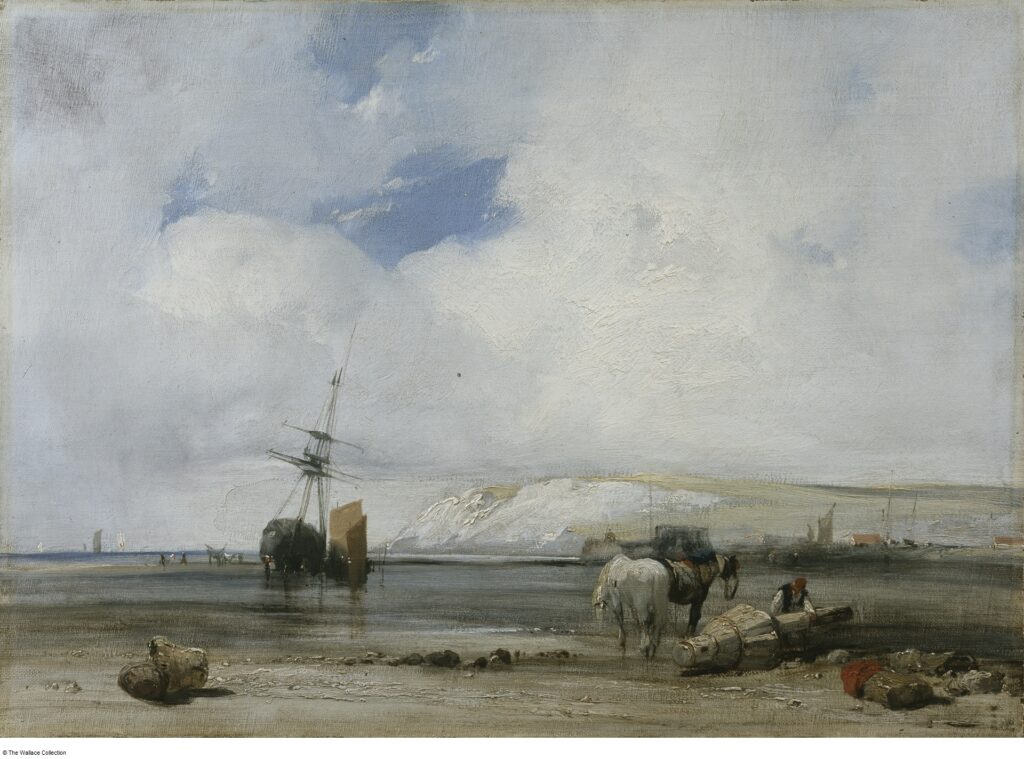
Richard Parkes Bonington, October 25, 1802 – September 23, 1828, was an English painter born near Nottingham who spent most of his short life in France. He first studied with Louis Francia in Calais, then entered the Paris studio of Antoine-Jean Gros, where he became friends with Paul Huet and met Eugène Delacroix.
Bonington painted landscapes, coastal scenes, architectural views, and historical subjects in watercolor and oil. He traveled through Normandy and Picardy, visited England in 1825, and journeyed through Switzerland to Venice in 1826. At the Paris Salon of 1824, he received a gold medal alongside John Constable and Copley Fielding.
Bonington died of tuberculosis in London at the age of twenty-five. His work is held by the National Gallery, Tate Britain, the Wallace Collection, the Louvre Museum, and other major public collections.




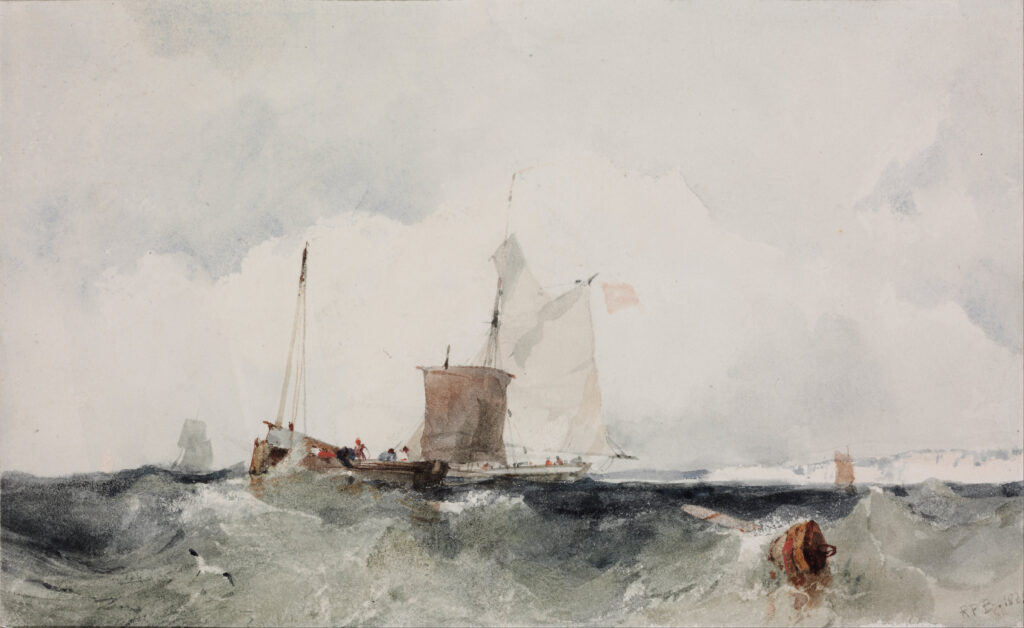


Lucas van Leyden
Lucas van Leyden, c 1494 – August 8, 1533, was a Netherlandish painter and printmaker born and active in Leiden. He was the son of the painter Huygh Jacobsz and trained in Leiden.
Van Leyden produced engravings from an early age and also painted portraits, religious subjects, and genre scenes. He met Albrecht Dürer in Antwerp in 1521 and was a leading Netherlandish artist of his generation.
Van Leyden died in Leiden in 1533. His works are held by institutions including the National Gallery, London; Museum De Lakenhal, Leiden; the Rijksmuseum, Amsterdam; the Metropolitan Museum of Art, New York; and the National Gallery of Art, Washington DC.


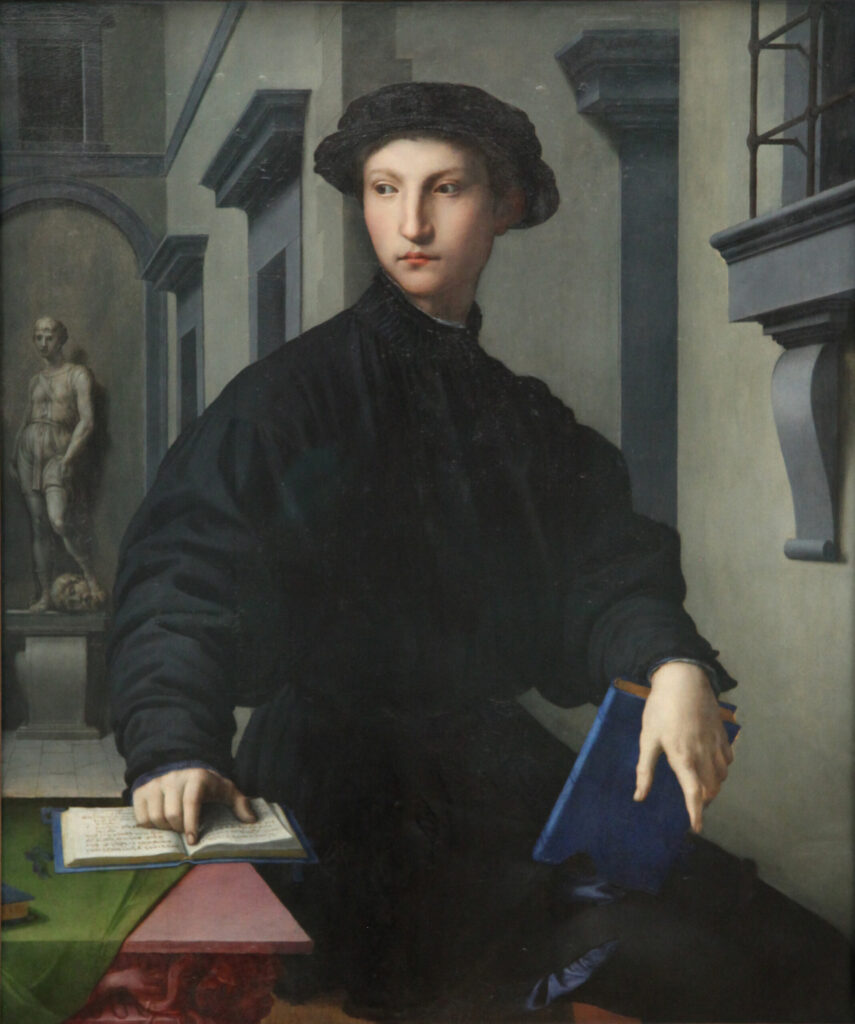
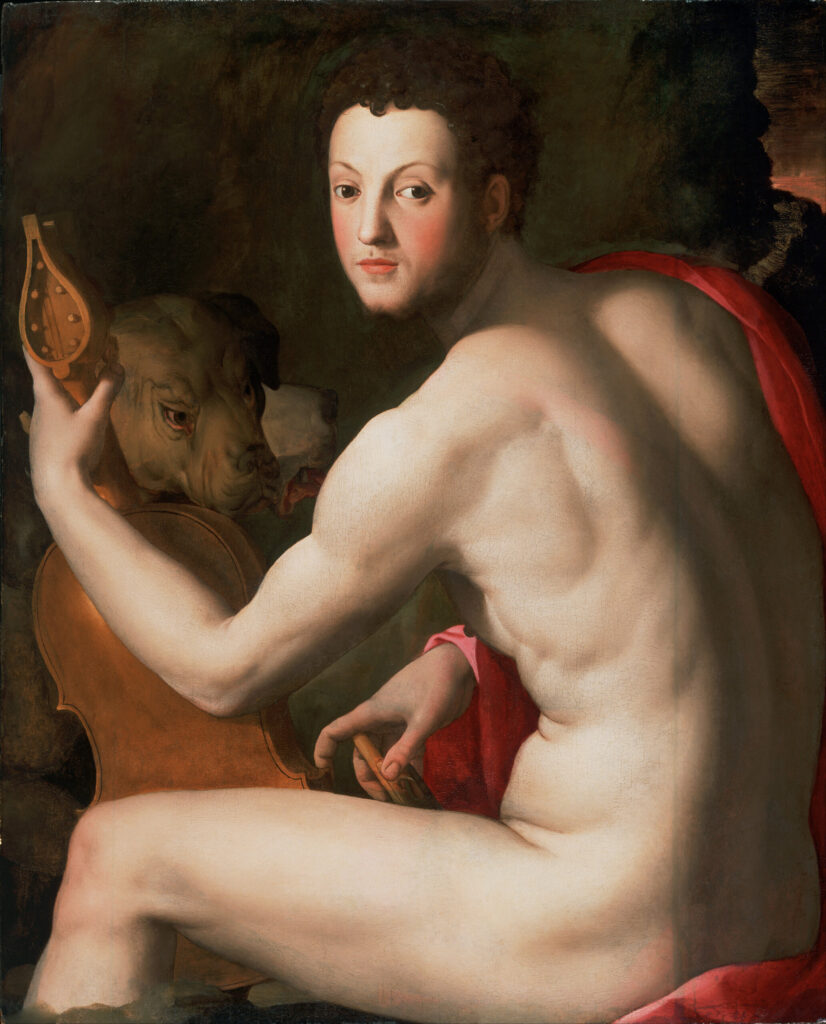
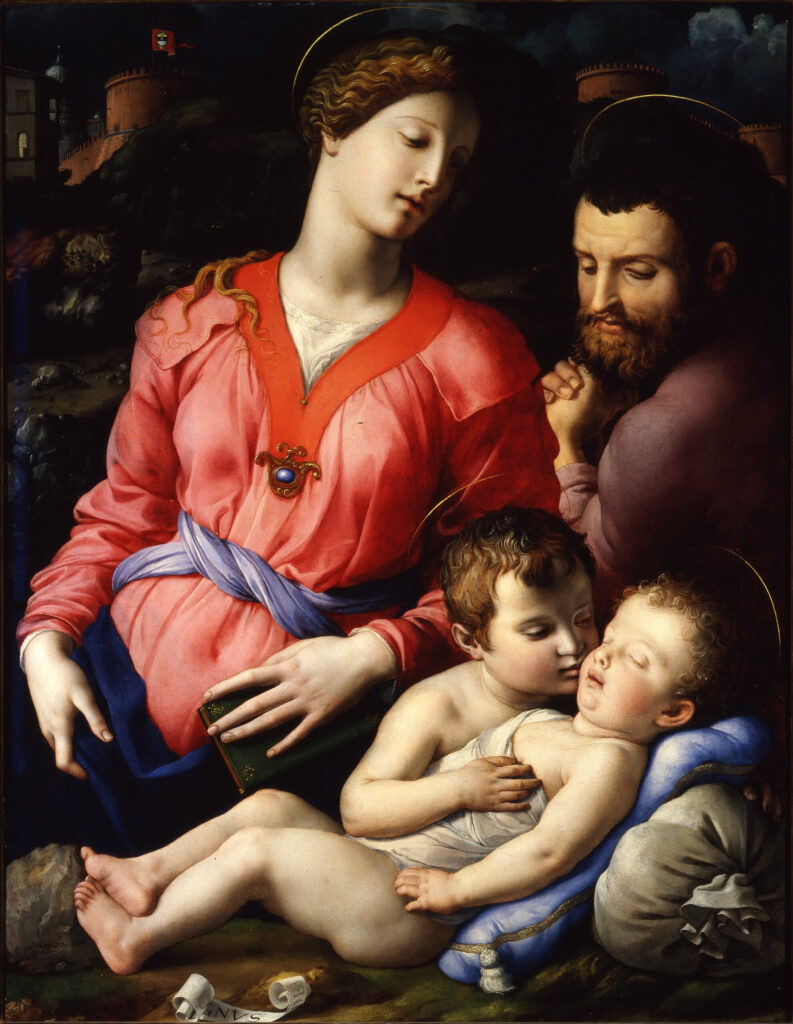
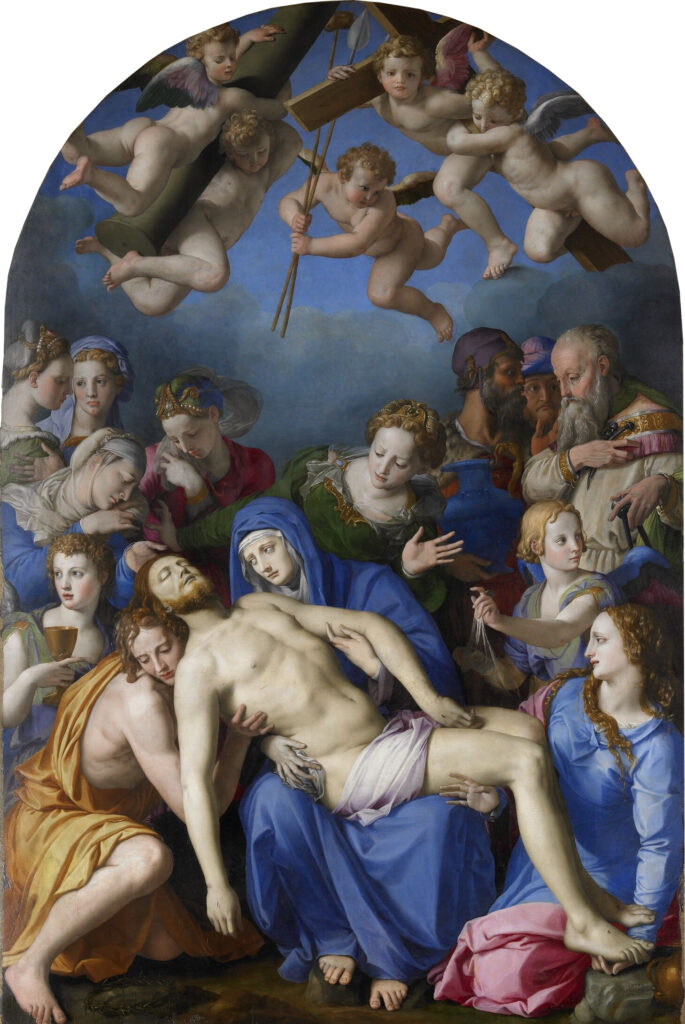
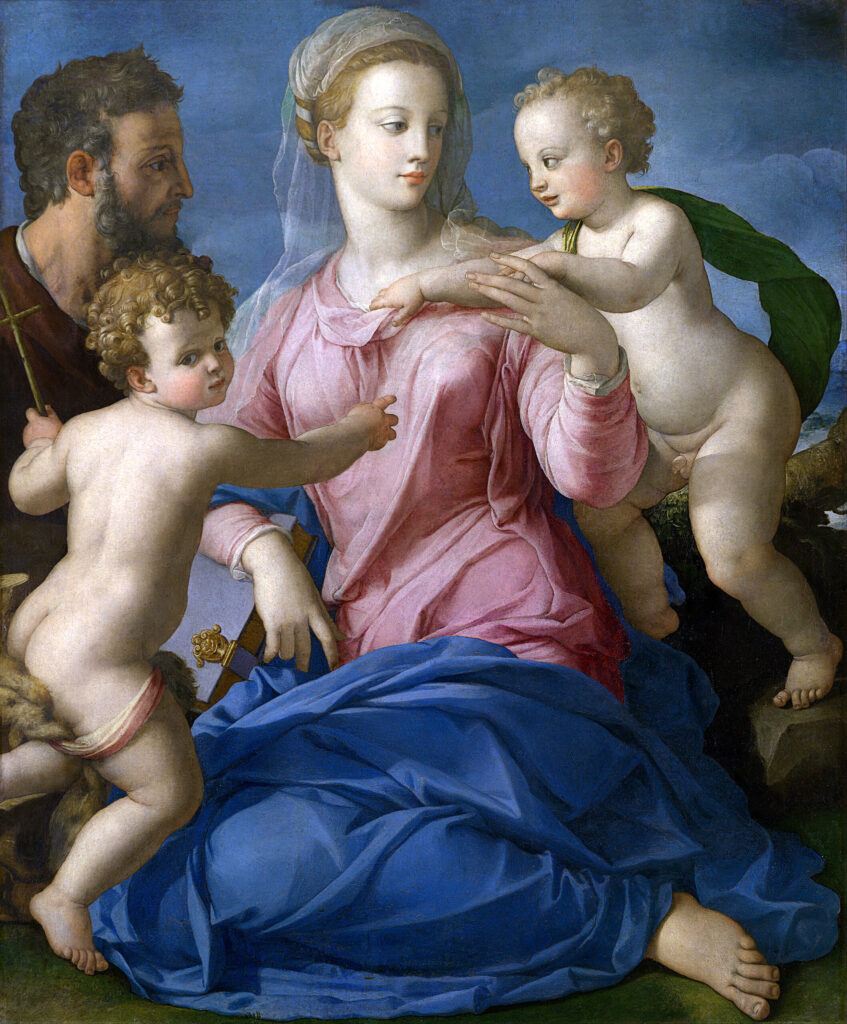
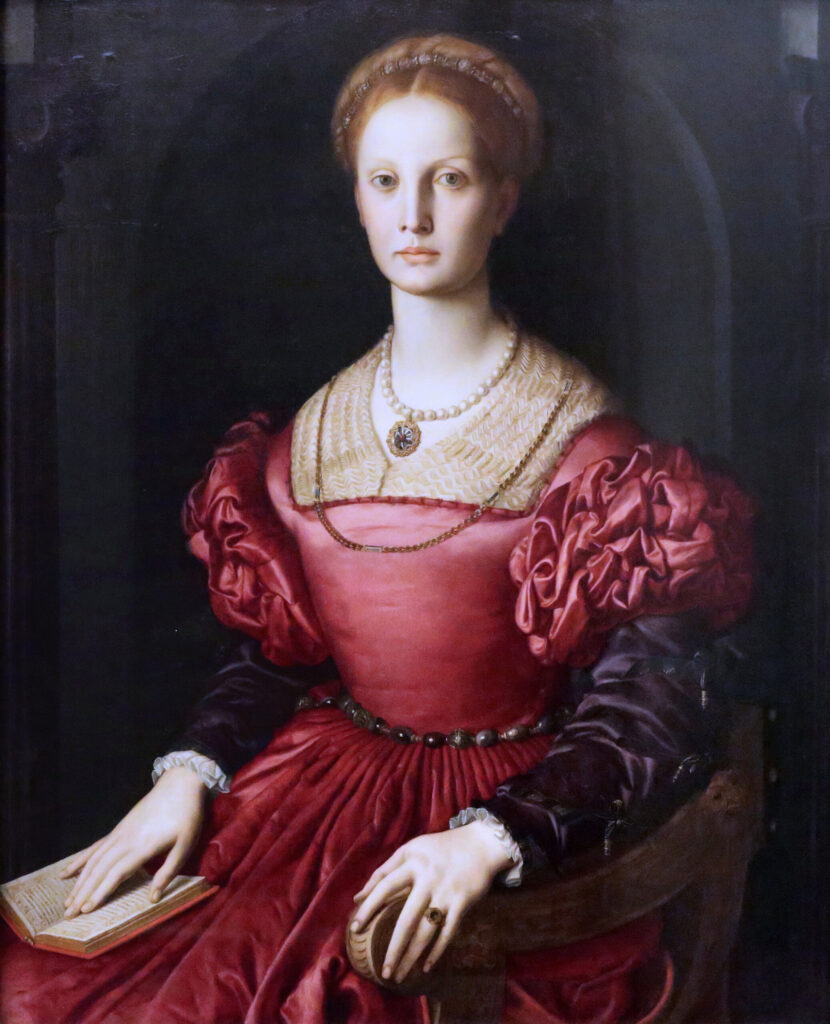
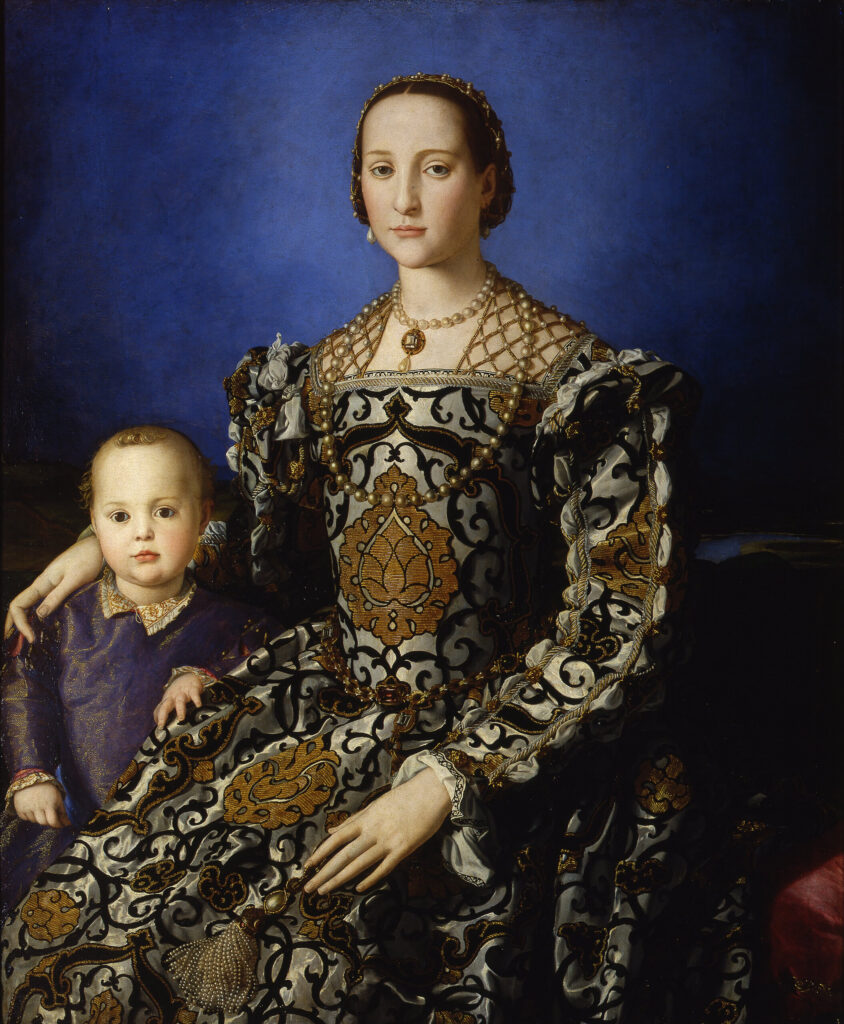
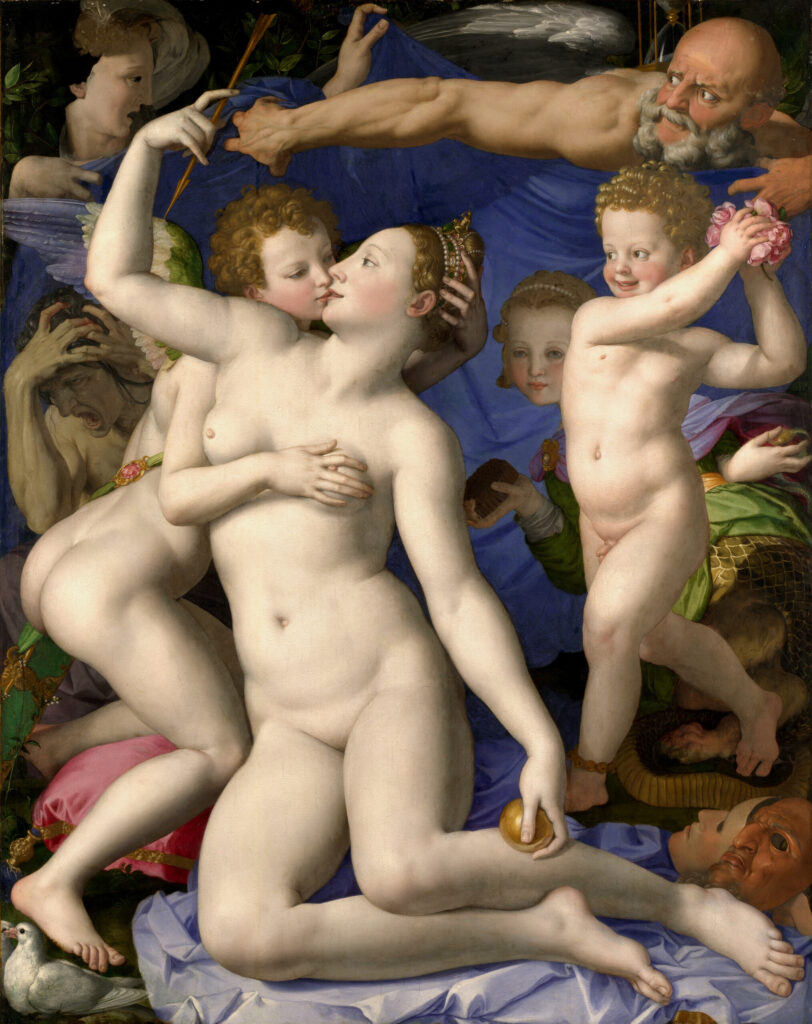
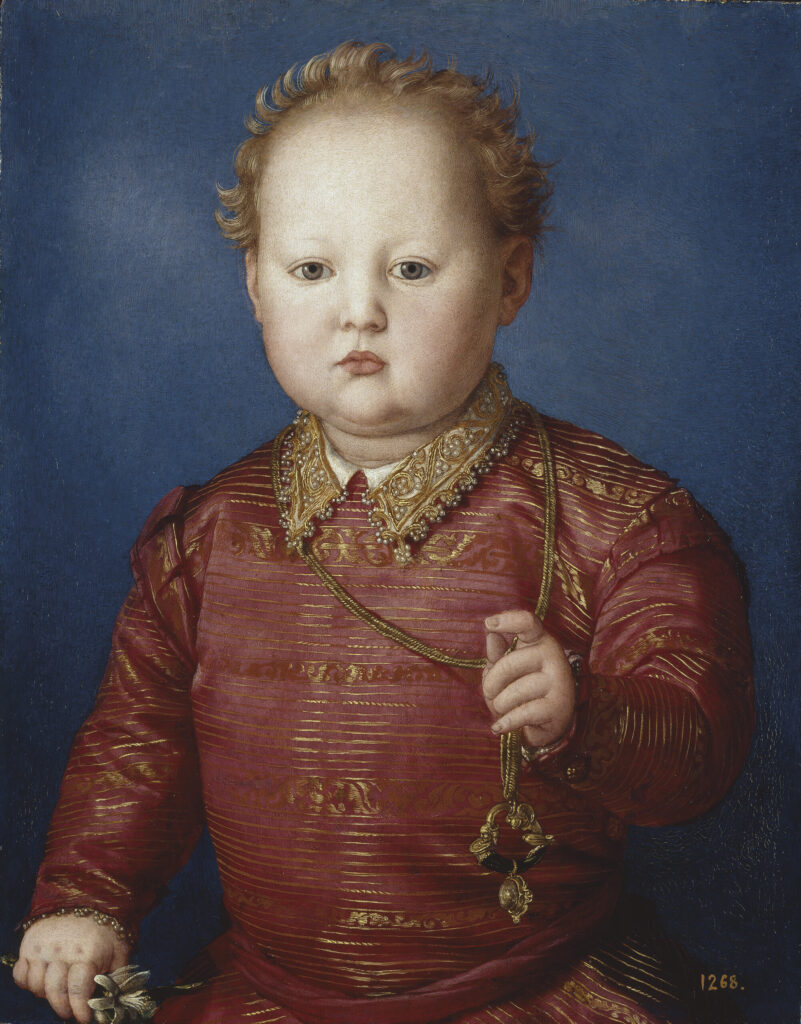
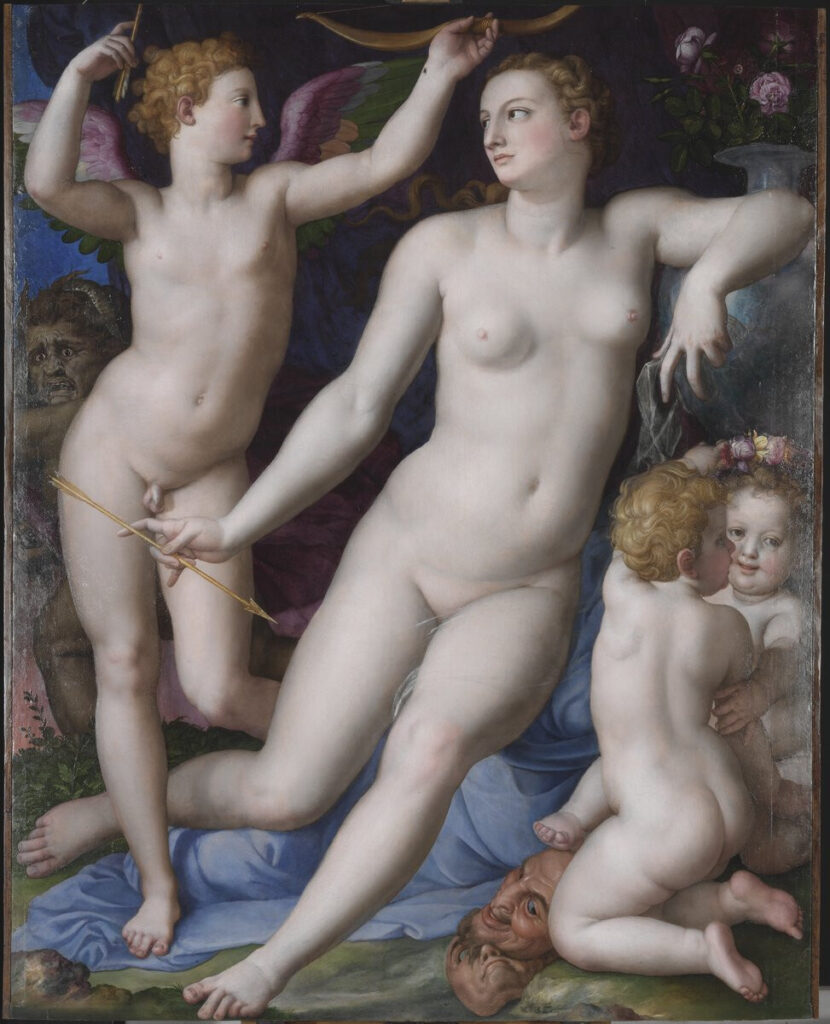
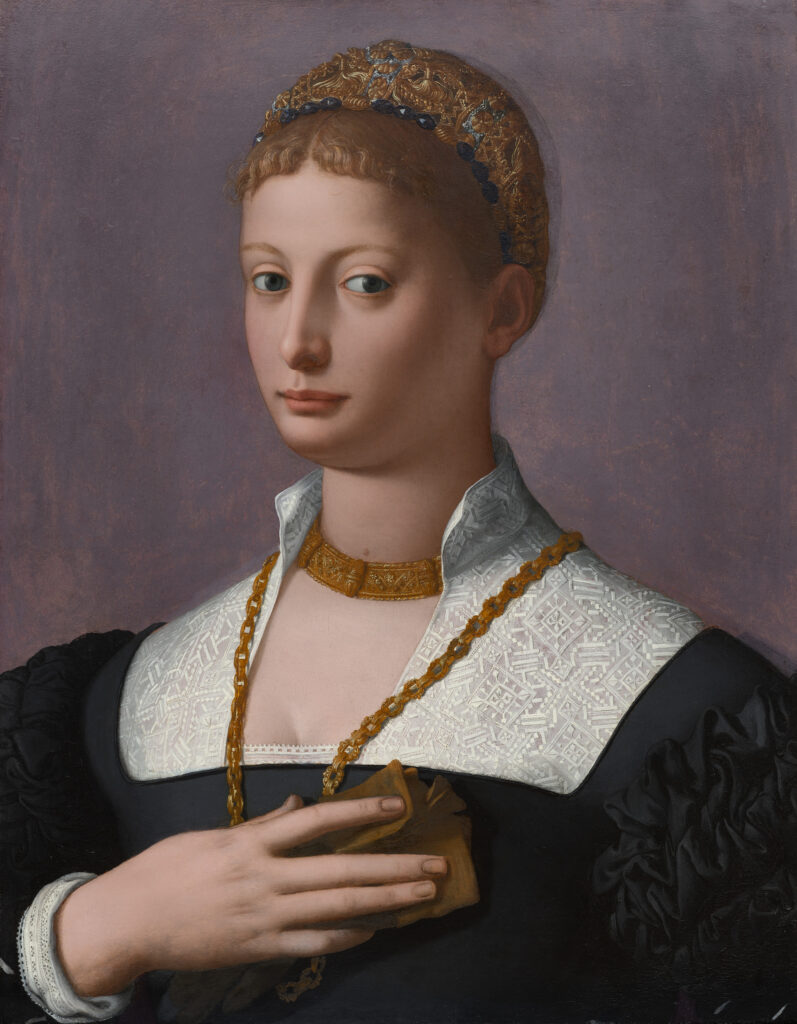
Bronzino
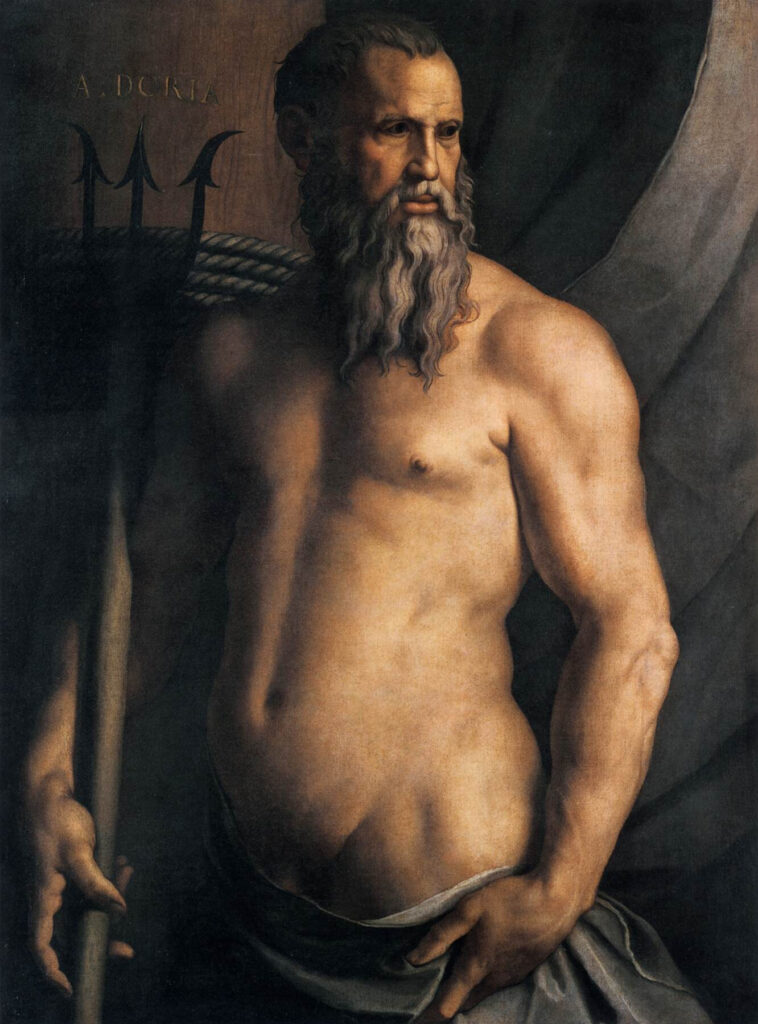
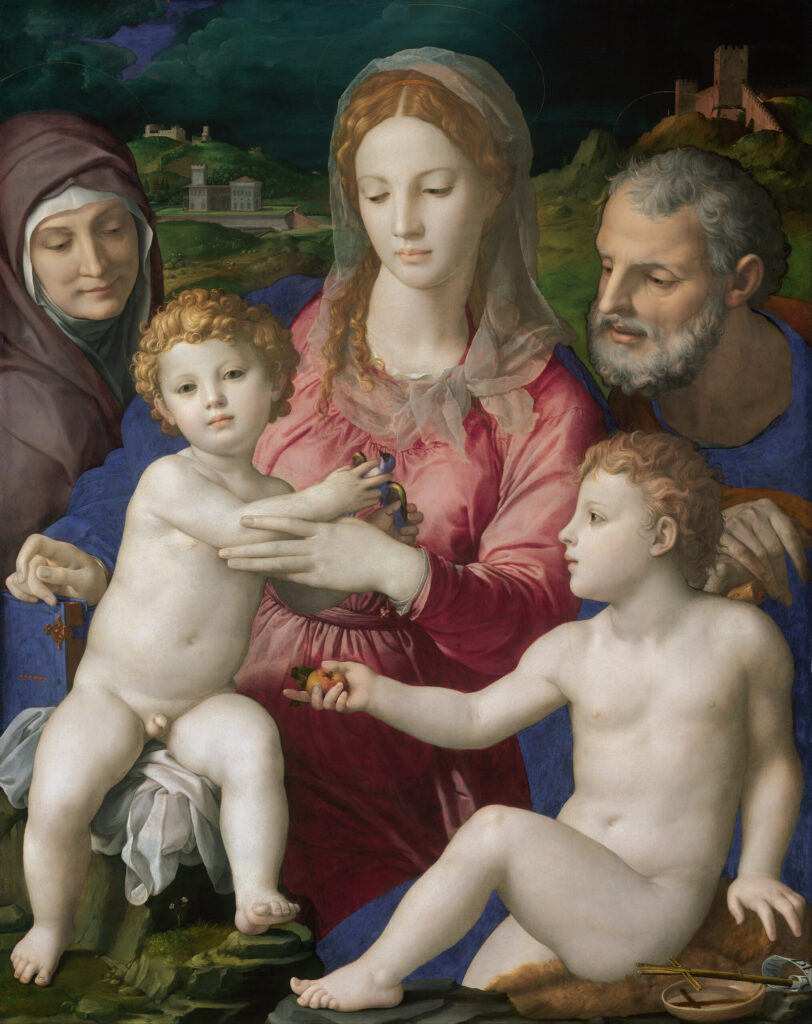
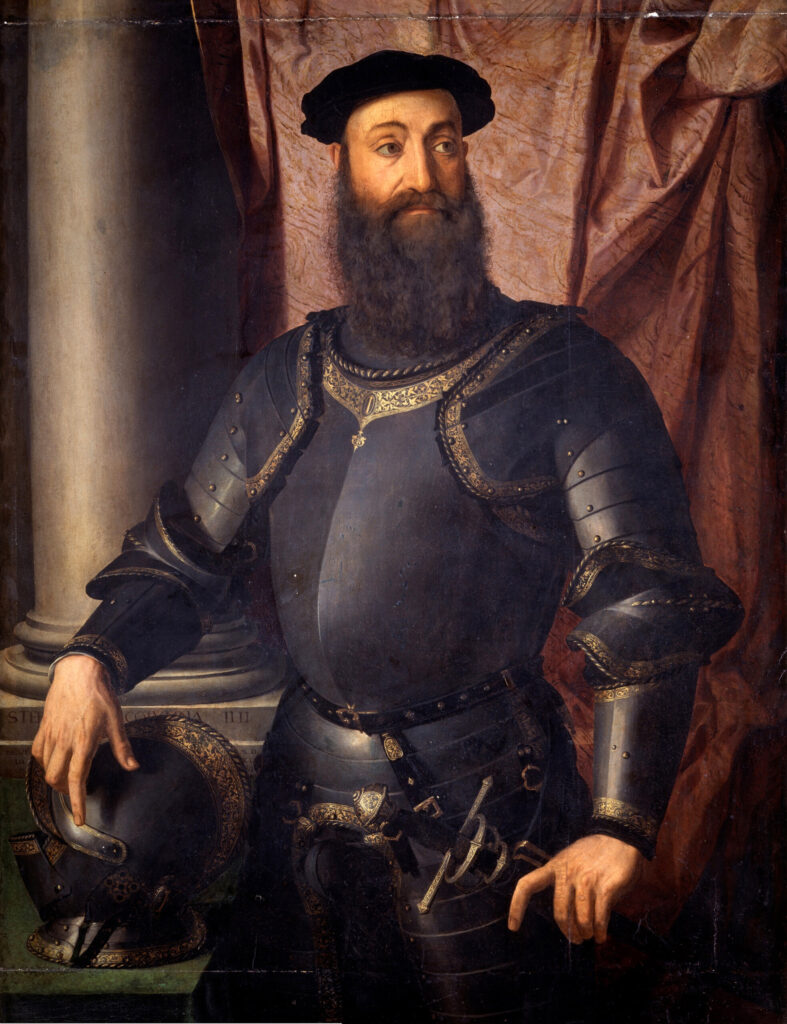
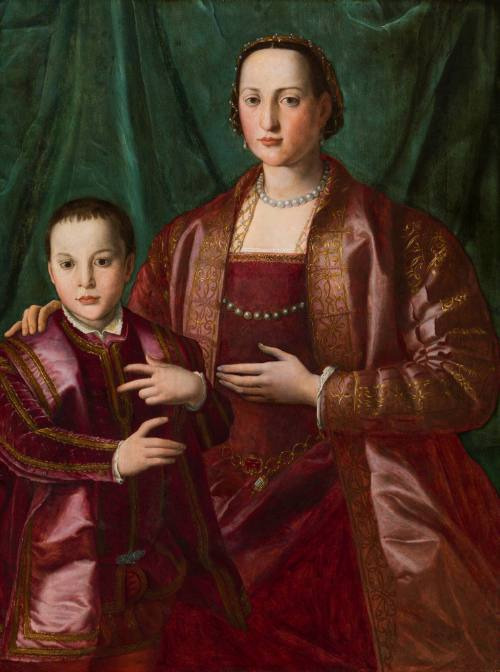
Agnolo Bronzino, November 17, 1503–November 23, 1572, was an Italian painter, draftsman, and poet associated with Florentine Mannerism. Born Agnolo di Cosimo in Monticelli near Florence, he first trained with Raffaellino del Garbo and then with Jacopo Pontormo, who became his principal teacher and collaborator.
Bronzino assisted Pontormo on major commissions and worked briefly at the court of Urbino before establishing his career in Florence. From the late 1530s he served Cosimo I de' Medici and Eleonora di Toledo as a court artist, producing portraits, religious paintings, frescoes, tapestry designs, and works for Medici ceremonies and residences.
Alessandro Allori entered Bronzino’s household and workshop as his pupil and continued his artistic legacy. Bronzino’s paintings and drawings are held by the Uffizi Gallery, National Gallery in London, Metropolitan Museum of Art, Kunsthistorisches Museum, Pinacoteca di Brera, Museo del Prado, and other major collections.
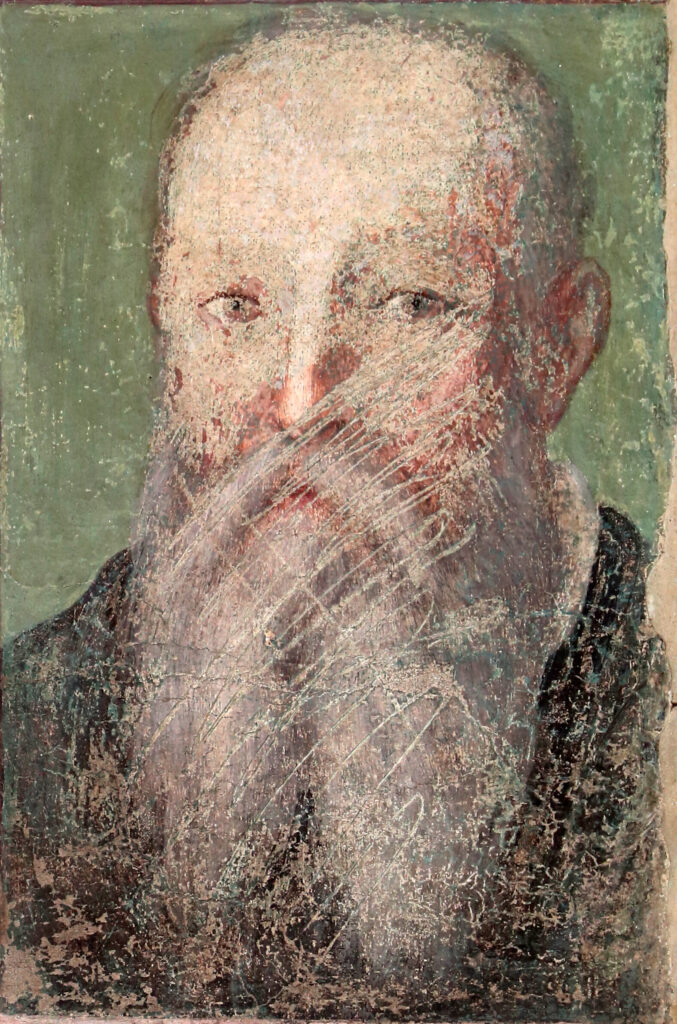
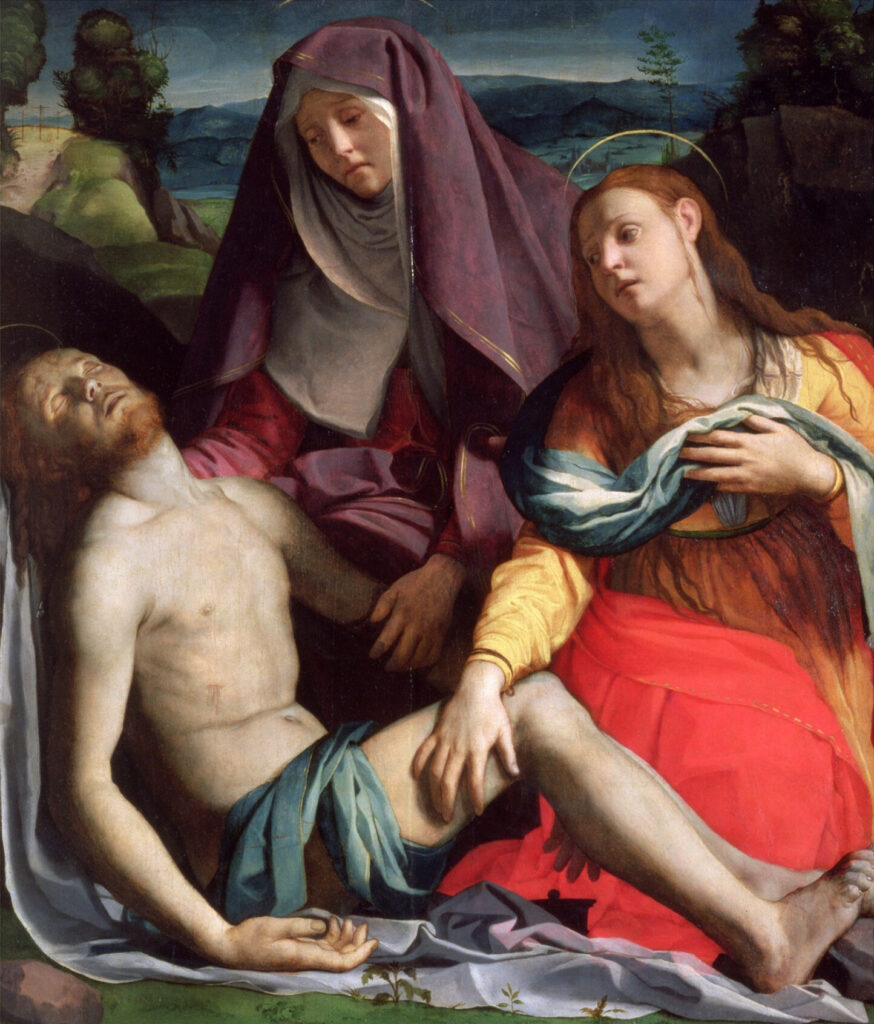
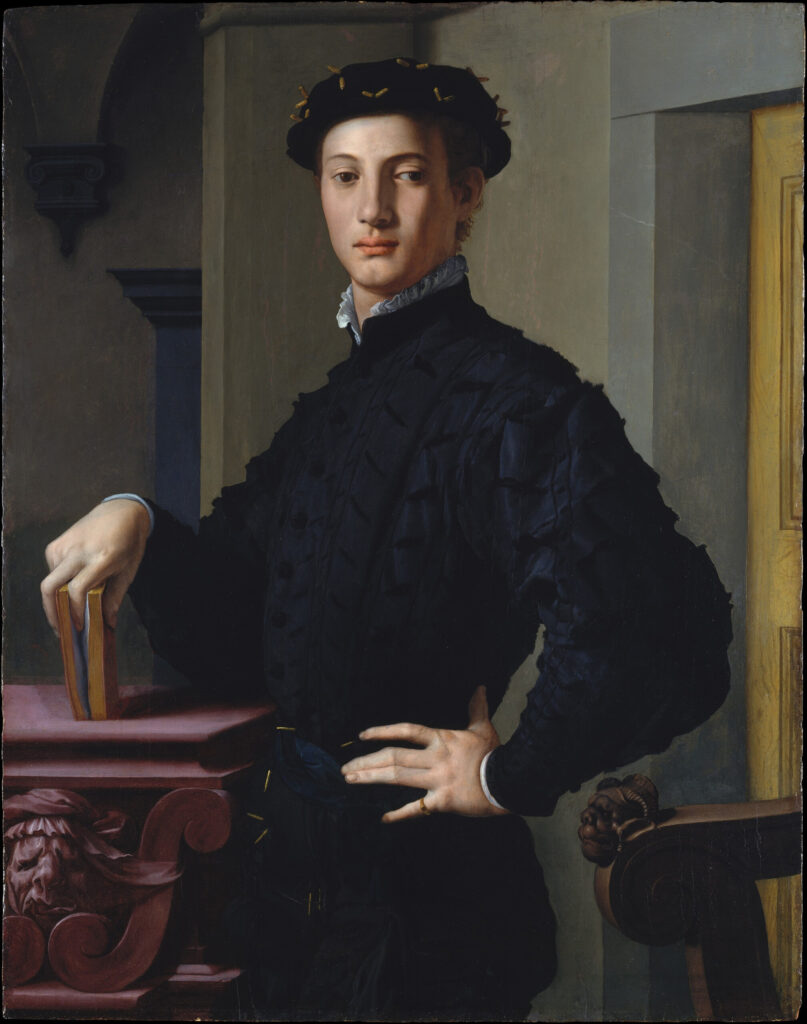
Jacopo Bassano
Jacopo Bassano, born Jacopo dal Ponte around 1510 in Bassano del Grappa, trained first with his painter father, Francesco da Ponte, and then studied in Venice. He was known by the name of his native town.
Bassano returned to Bassano del Grappa and led a family workshop. He painted altarpieces, biblical subjects, landscapes, and portraits, often bringing animals, rural settings, and closely observed natural detail into religious scenes.
He died in 1592. His sons Francesco, Giovanni Battista, Leandro, and Gerolamo continued the workshop and extended the Bassano manner well into the following century.


