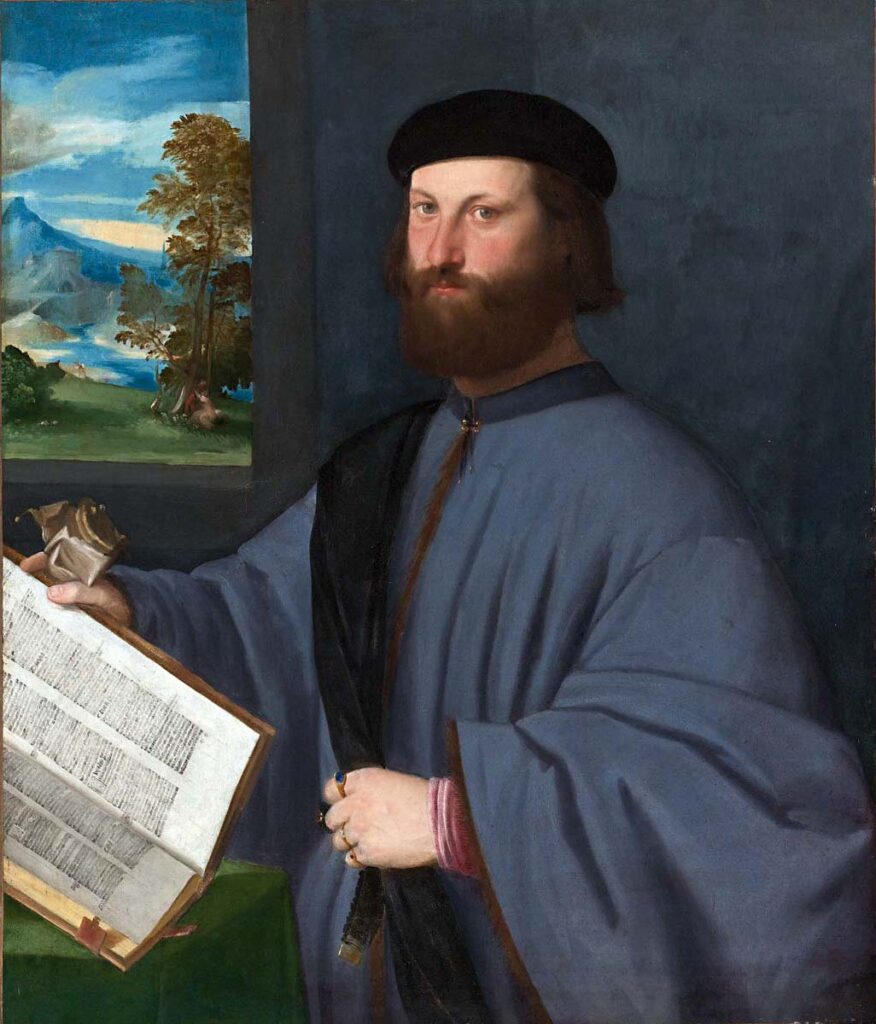
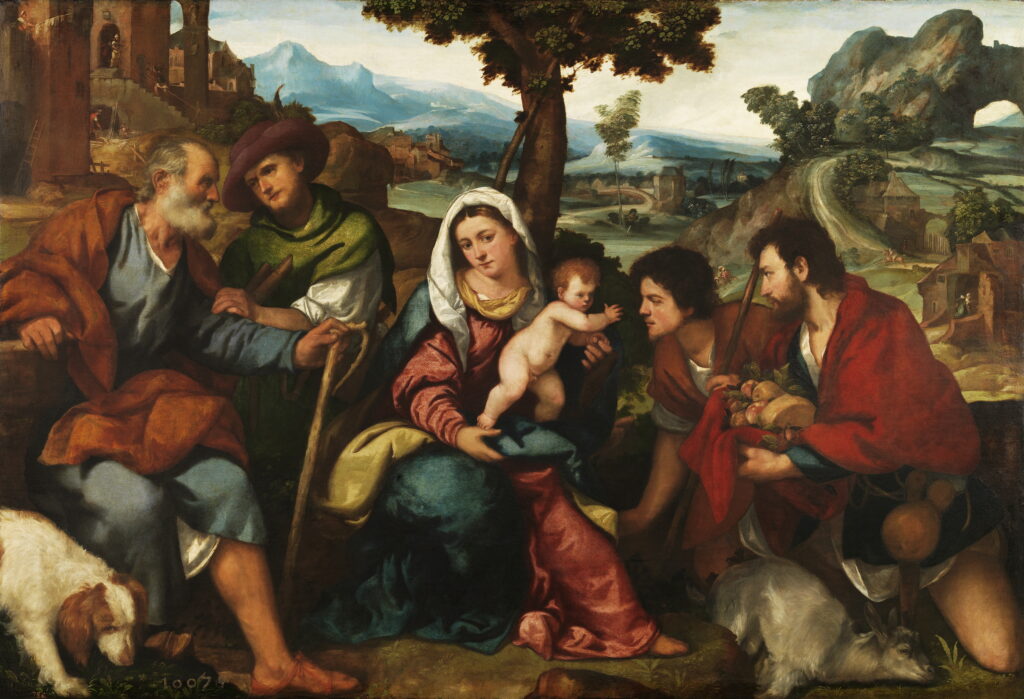
Bonifazio Veronese
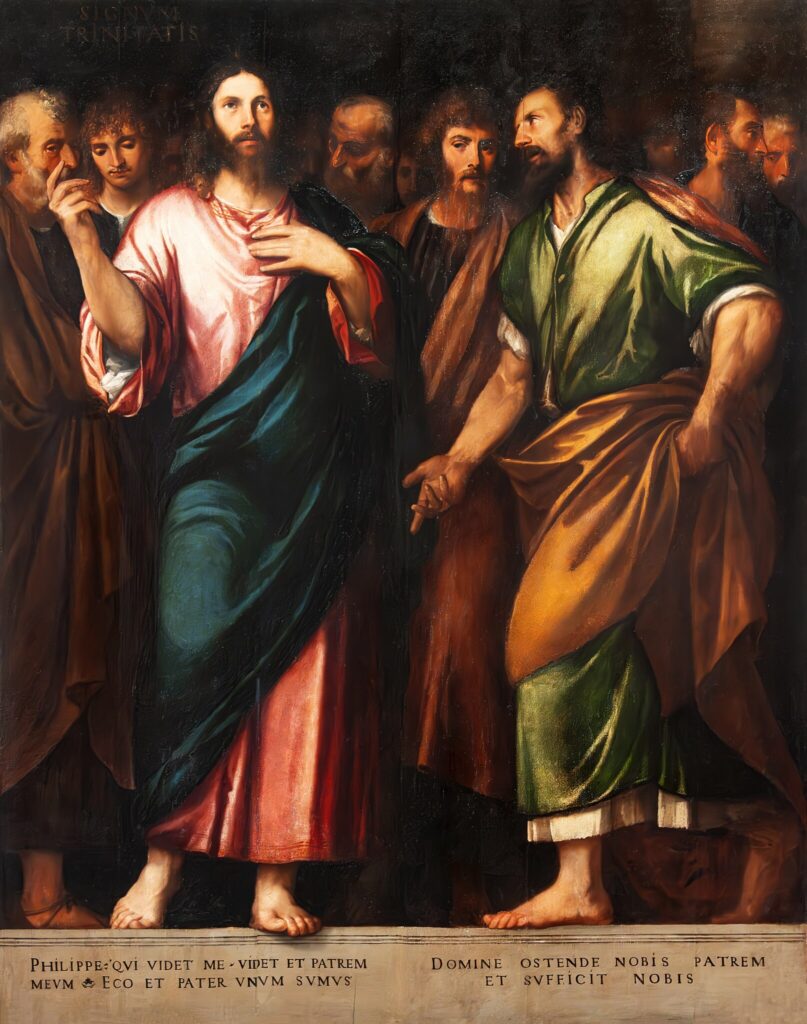
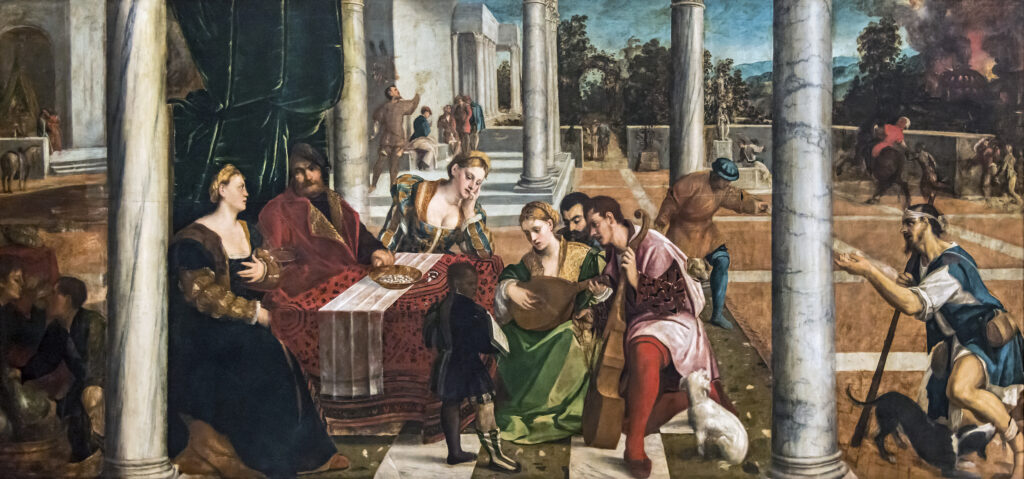
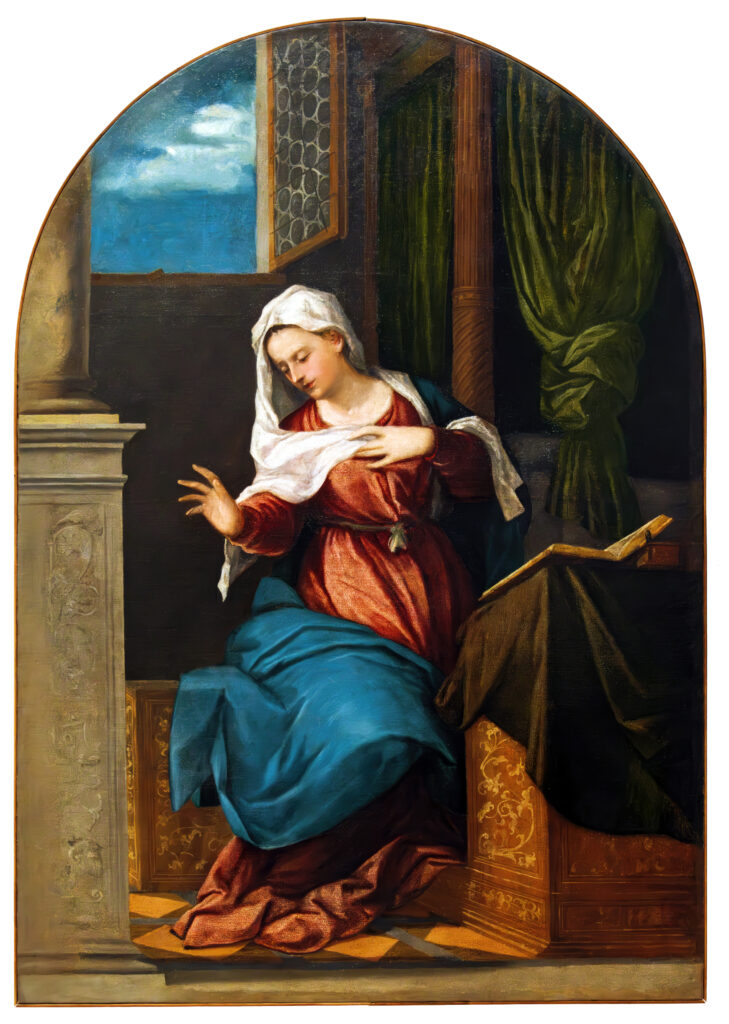
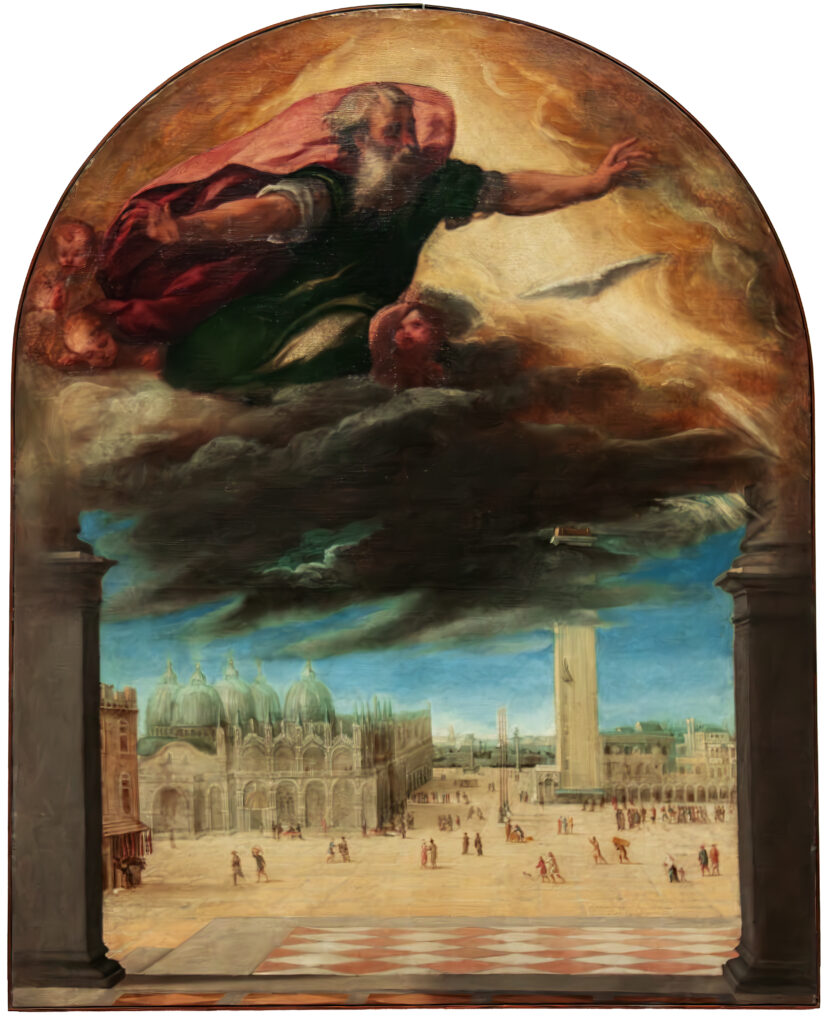
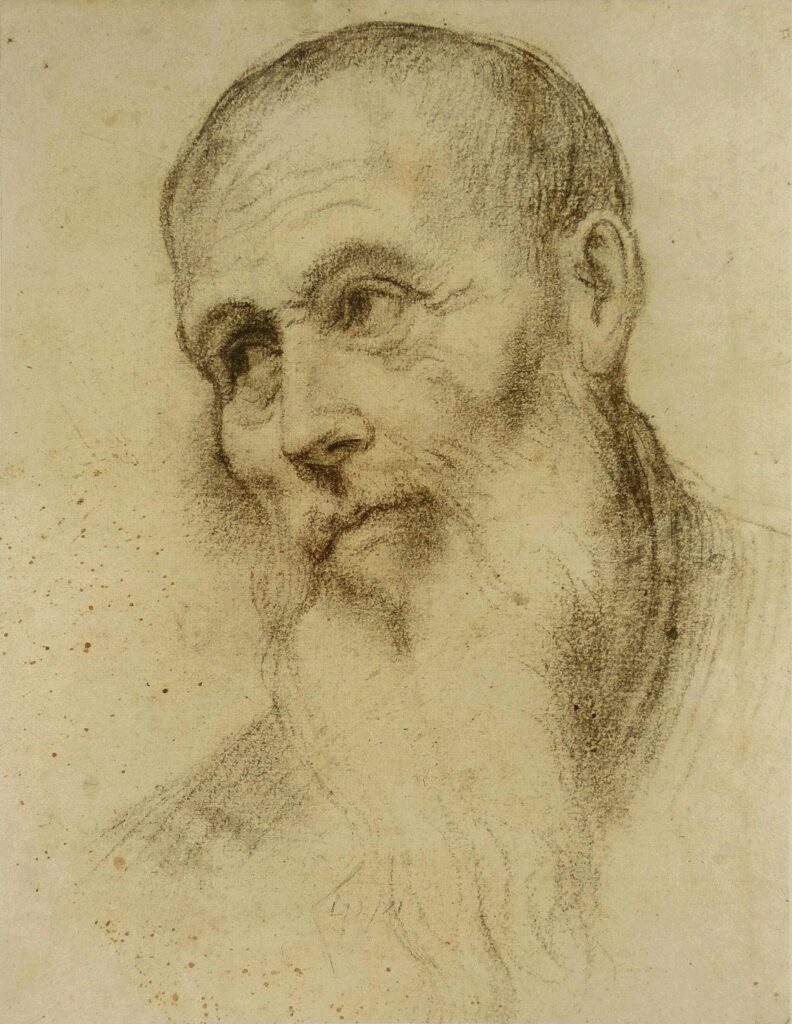
Bonifazio Veronese, c 1487 – October 19, 1553, was an Italian Renaissance painter born Bonifazio de’ Pitati in Verona. His family moved to Venice around 1505, and he is generally believed to have trained in the workshop of Palma Vecchio.
He established a large workshop in Venice and produced altarpieces, devotional paintings, portraits, and large narrative cycles. His work reflects the influence of Palma Vecchio, Giorgione, and Titian; among his principal commissions was the long series painted for the Palazzo dei Camerlenghi.
Bonifazio remained active in Venice until his final years and died there in 1553. His paintings are held by the Gallerie dell’Accademia, Museo del Prado, Louvre Museum, National Gallery in London, and other major collections, and his workshop influenced younger Venetian painters including Andrea Schiavone and Tintoretto.





William Daniell
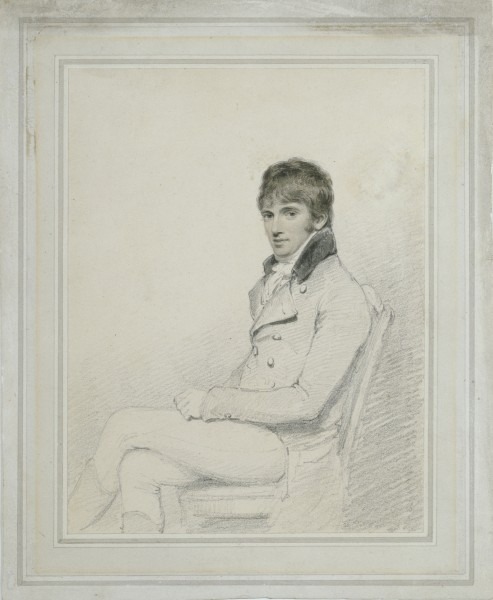
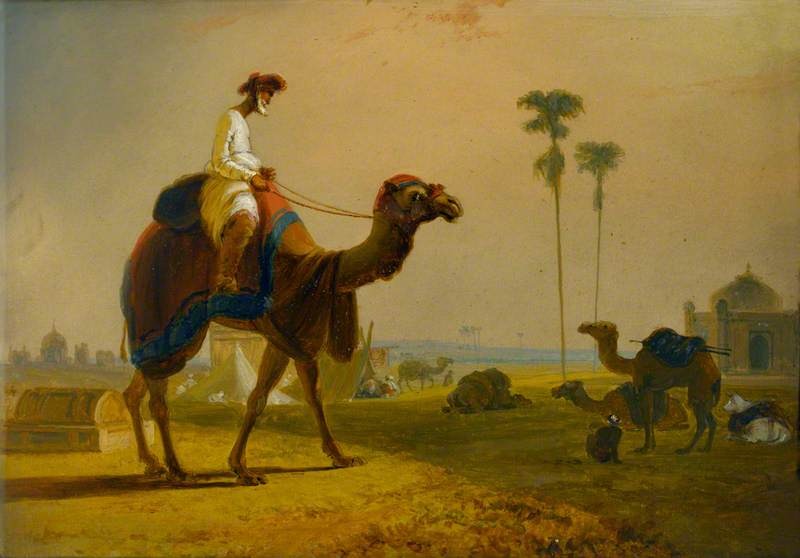
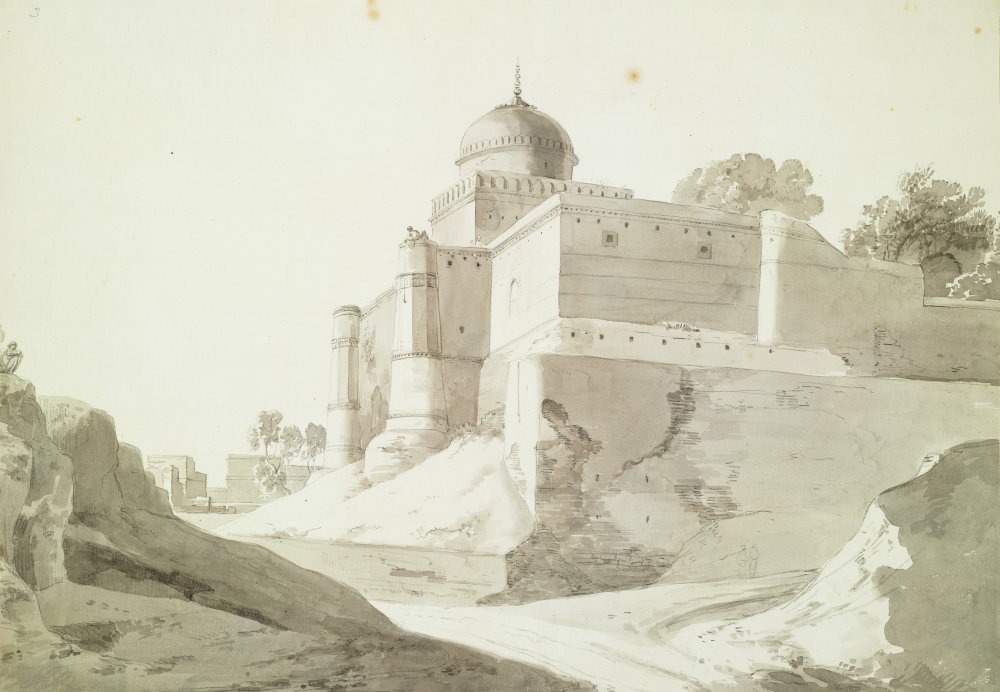
William Daniell was born in Kingston upon Thames in 1769 and trained under his uncle, Thomas Daniell. As a teenager he accompanied Thomas to India, where the pair traveled widely and recorded architecture, landscapes, and everyday life in drawings and paintings.
After returning to Britain in 1794, the Daniells transformed their Indian studies into Oriental Scenery, issued in six parts from 1795 to 1808. William became a highly accomplished aquatinter as well as a landscape and marine painter, combining topographical precision with dramatic atmosphere.
Daniell later traveled around the British coast for A Voyage Round Great Britain, published in eight volumes from 1814 to 1825 with 308 aquatints. Elected a Royal Academician in 1822, he continued exhibiting marine, Indian, and panoramic subjects until his death in London on August 16, 1837.





Giovanni Boldini
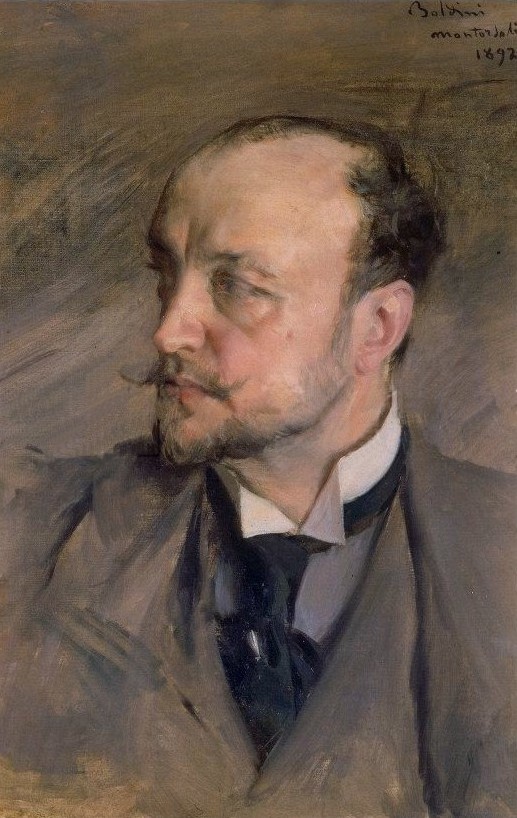
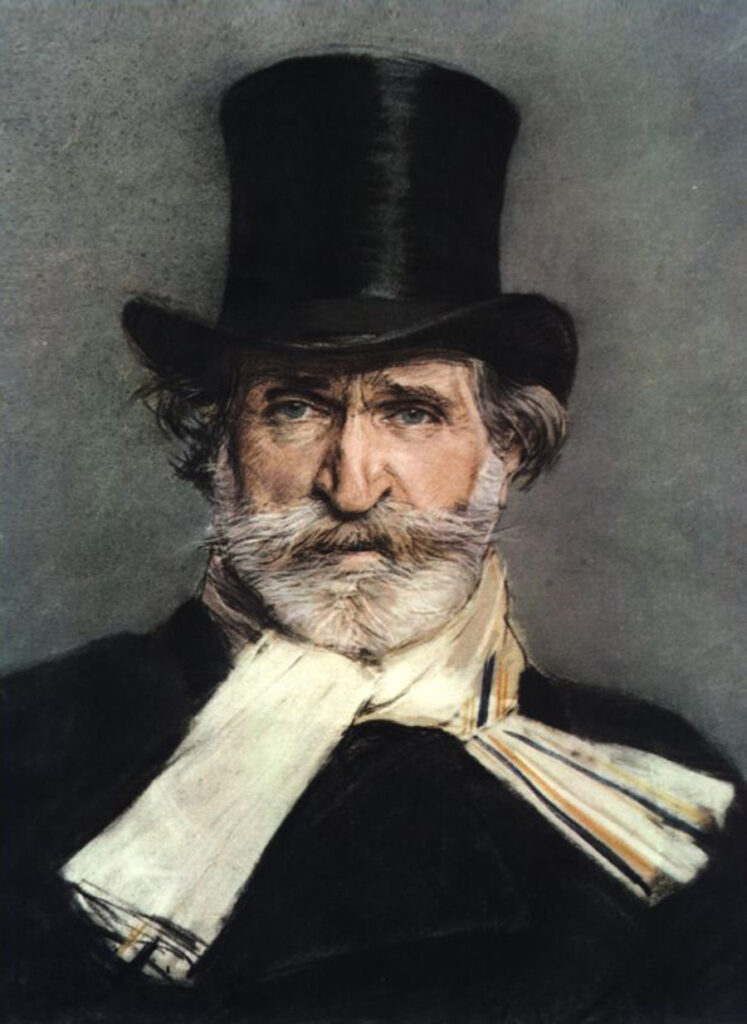
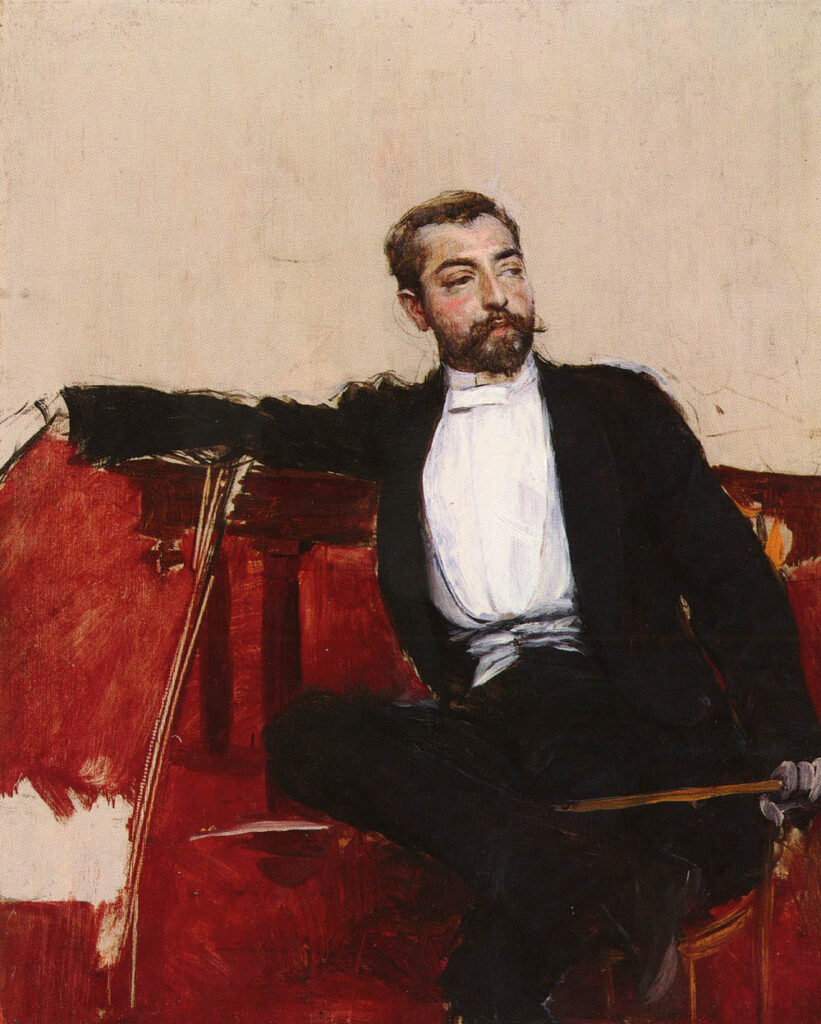
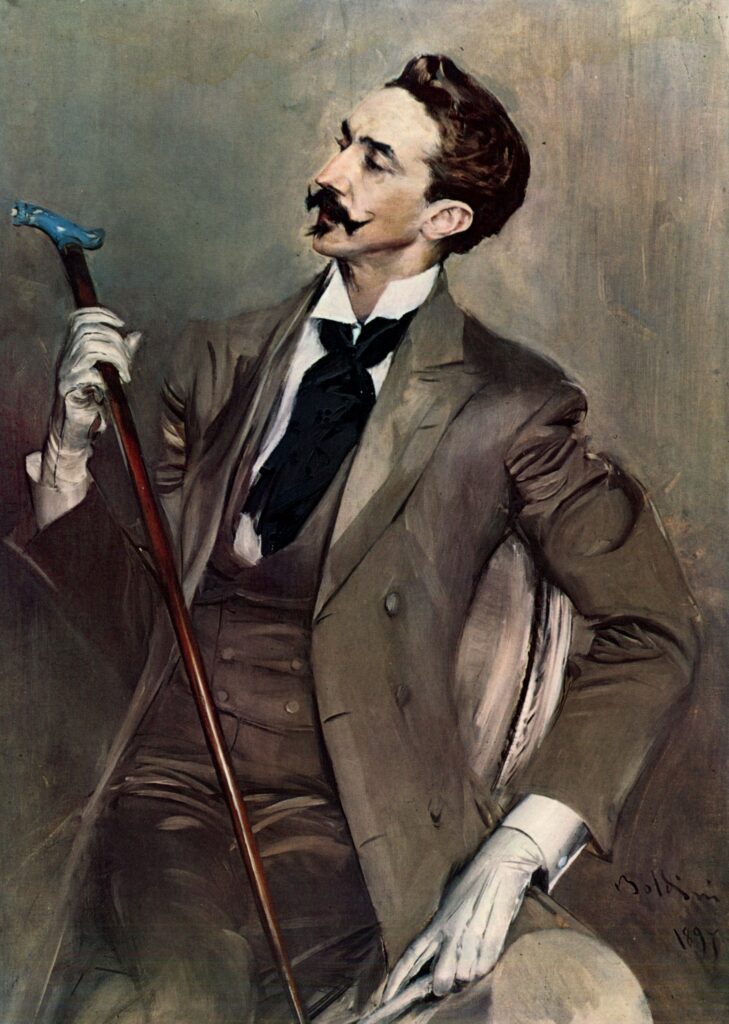
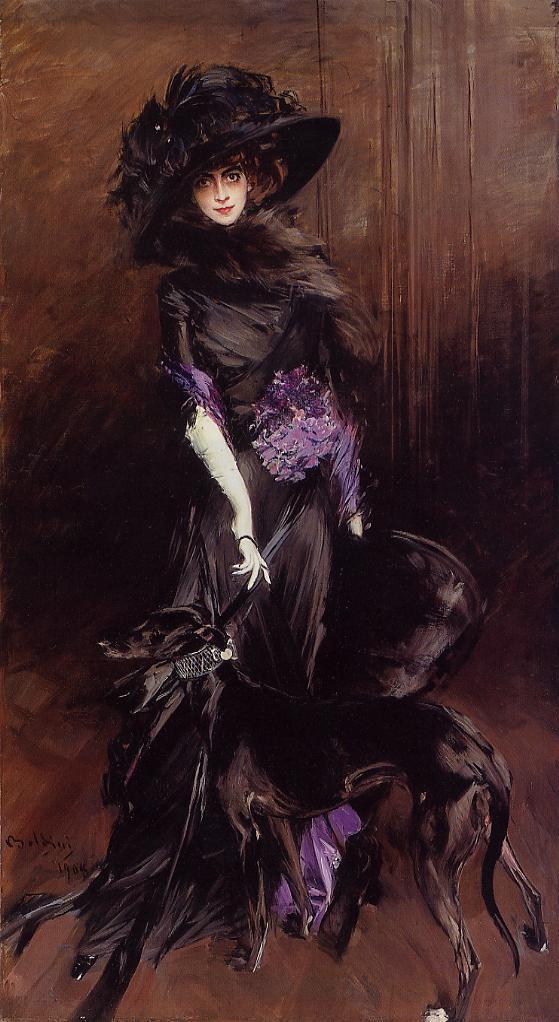
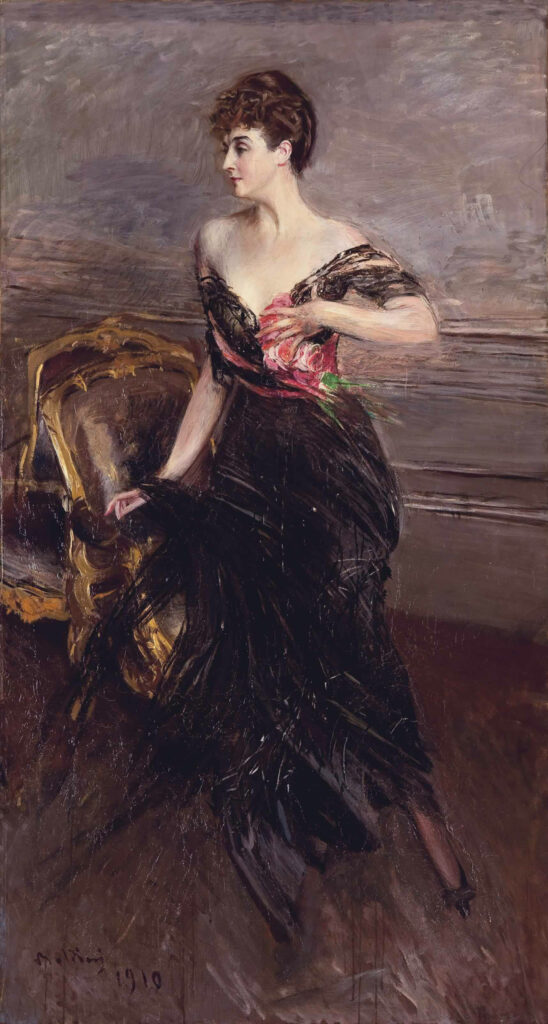
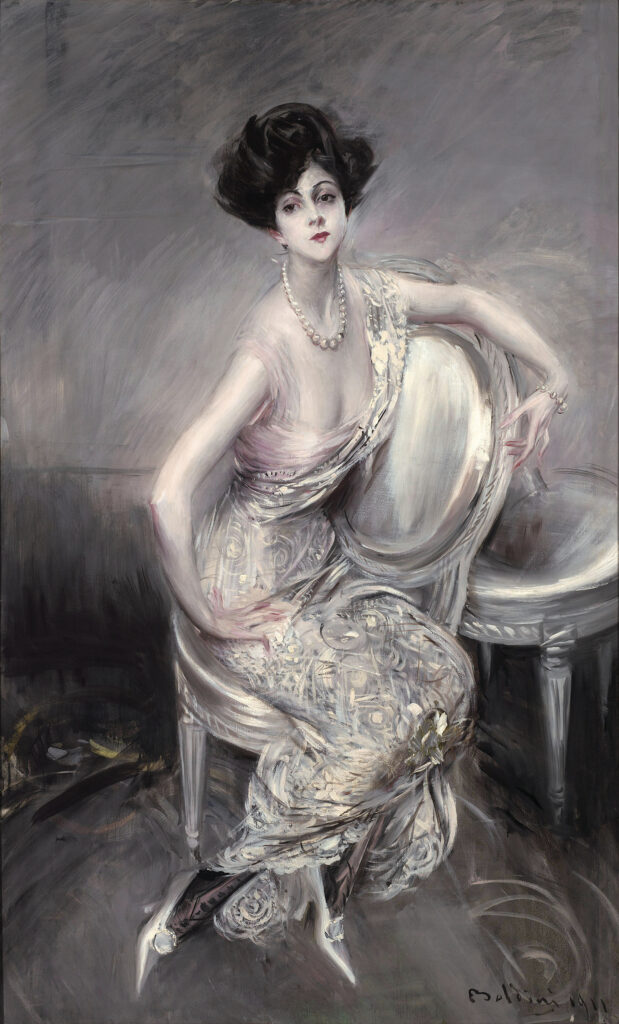
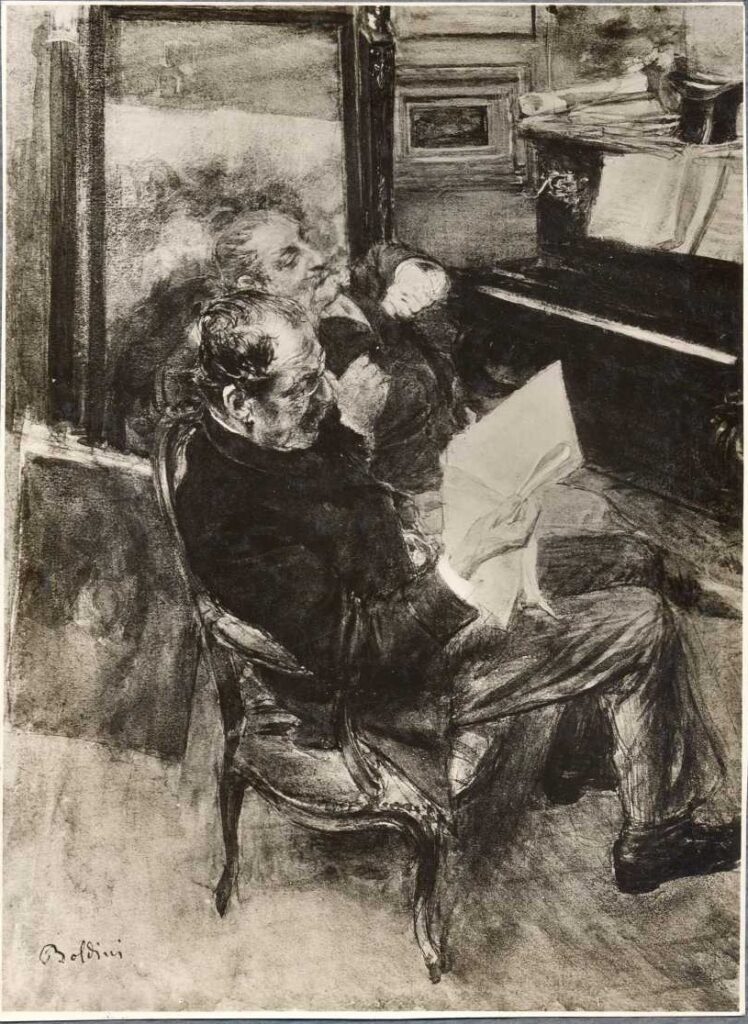
Giovanni Boldini, December 31, 1842–January 11, 1931, was an Italian painter born in Ferrara. He first trained with his father, Antonio, and later studied in Florence, where he associated with the Macchiaioli painters.
After periods in Florence and London, Boldini settled in Paris in 1871. He became a sought-after portraitist, working in oil, pastel, and drawing for an international circle of artists, writers, musicians, and society figures.
Boldini died in Paris in 1931. His work is represented in collections including the Uffizi Gallery, the National Gallery of Modern and Contemporary Art in Rome, the Musée d’Orsay, the Metropolitan Museum of Art, and the Louvre Museum.





Luca Cambiaso
Luca Cambiaso, October 18, 1527–September 6, 1585, was an Italian painter and draftsman born in Moneglia, in the Republic of Genoa. He trained under his father, Giovanni Cambiaso, and worked with him on fresco decorations in Genoa. His early work was influenced by Michelangelo and the painters of northern Italy.
Cambiaso worked extensively in Genoese churches and palaces, producing frescoes, religious paintings, and mythological subjects. He collaborated with Giovanni Battista Castello and developed a drawing method that reduced the human figure to simplified geometric forms. His later paintings also included nocturnal scenes with concentrated light effects.
In 1583 Philip II summoned Cambiaso to Spain to work on the decoration of the Escorial. He died there in 1585. His work is represented in Genoese collections and in museums including the Museo Nacional del Prado, the Metropolitan Museum of Art, and the National Gallery of Art. His pupils included Lazzaro Tavarone and Giovanni Battista Paggi.


Cornelis van Poelenburgh
Cornelis van Poelenburch, 1594/1595 – 1667, was a Dutch painter from Utrecht. By 1610 he was apprenticed to Abraham Bloemaert, and he was first recorded in Rome in 1617.
Poelenburch painted small-scale Italianate landscapes with biblical, mythological, and classical subjects. He worked for Cosimo II de’ Medici in Florence in 1620–1621, later worked at the courts in The Hague, and was appointed court painter to Charles I in 1637.
After living in London from 1637 to 1641, Poelenburch returned to Utrecht, where he died in 1667. His work is represented by institutions including the National Gallery, London; the Rijksmuseum, Amsterdam; the Metropolitan Museum of Art, New York; and the National Gallery of Art, Washington DC.


Georgia O’Keeffe
Georgia O’Keeffe, November 15, 1887–March 6, 1986, was an American painter born in Sun Prairie, Wisconsin. She studied at the School of the Art Institute of Chicago and the Art Students League of New York, then attended Teachers College, Columbia University, where the ideas of Arthur Wesley Dow were important to her development.
After teaching in Virginia, South Carolina, and Texas, O’Keeffe exhibited drawings at Alfred Stieglitz’s gallery 291 in 1916. She moved to New York in 1918, married Stieglitz in 1924, and developed a career that included abstraction, flowers, New York subjects, and landscapes.
O’Keeffe first worked in New Mexico in 1929 and made it her principal home after Stieglitz’s death in 1946, living at Ghost Ranch and Abiquiú. She died in Santa Fe; her work is represented in major collections including the Metropolitan Museum of Art, the Museum of Modern Art, the Art Institute of Chicago, the Whitney Museum of American Art, and the Georgia O’Keeffe Museum.


Meindert Hobbema
Meindert Hobbema, October 31, 1638 – December 7, 1709, was a Dutch landscape painter born and active in Amsterdam. Orphaned as a teenager, he became a pupil of Jacob van Ruisdael by 1655.
Hobbema specialized in wooded landscapes, watermills, cottages, roads, and streams. Most of his surviving paintings date from the late 1650s and 1660s, and his figures were sometimes supplied by other artists, including Adriaen van de Velde.
In 1668 Hobbema married and became a municipal wine gauger, after which his artistic production declined. He died in Amsterdam and is represented in collections including the Rijksmuseum, National Gallery, National Gallery of Art, Mauritshuis, and Frick Collection.


Hercules Seghers
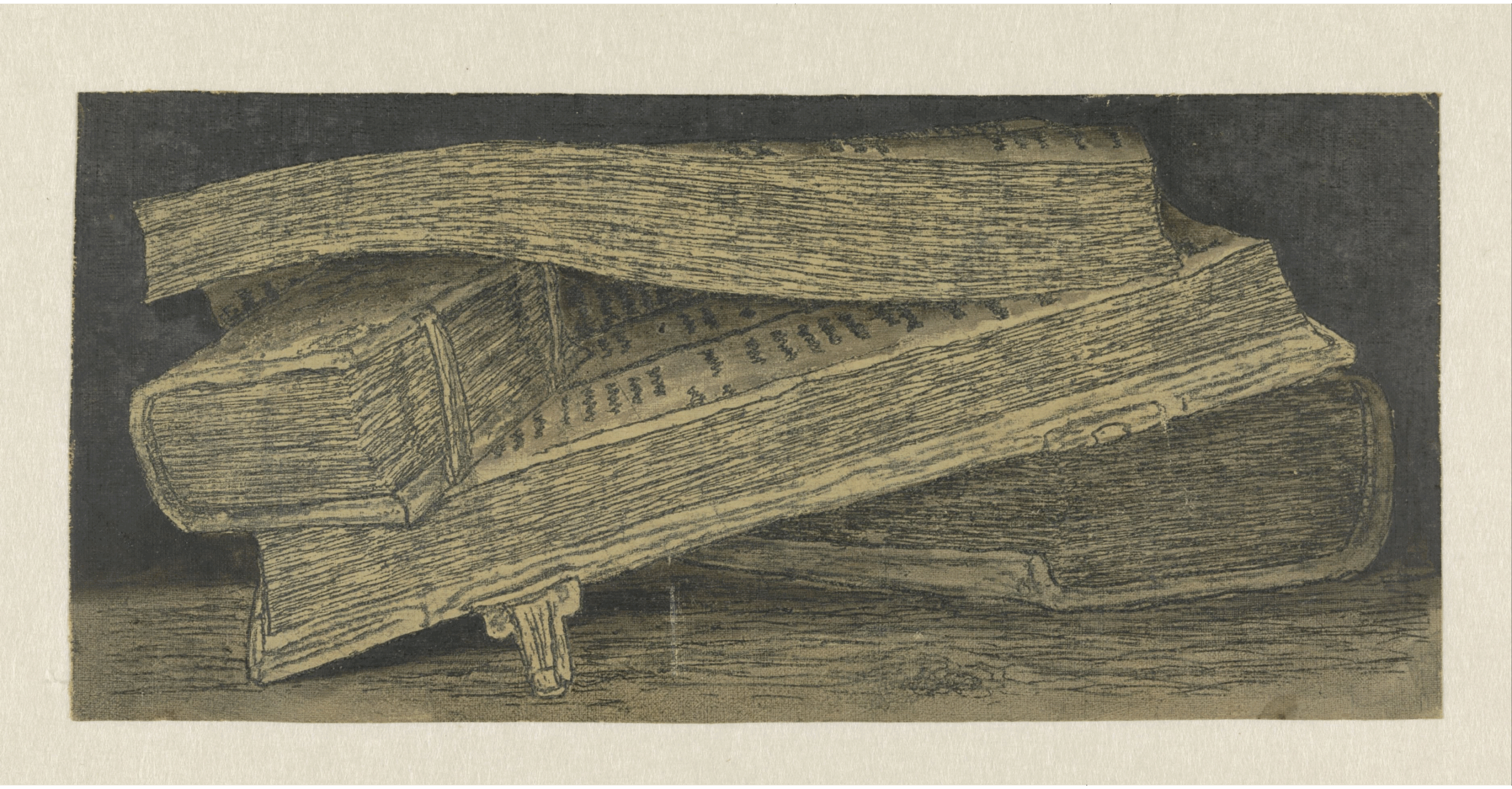
Hercules Seghers, c 1589/1590 – c 1633/1640, was a Dutch painter and printmaker born in Haarlem. He probably trained in Amsterdam with the Flemish landscape painter Gillis van Coninxloo and was admitted to the Haarlem Guild of Saint Luke in 1612.
Seghers worked in Haarlem, Amsterdam, and The Hague. He specialized in landscapes and developed experimental printmaking methods, using colored inks, prepared paper or textiles, and extensive hand coloring to make individual impressions from the same plate.
Seghers was documented in The Hague in 1632 and 1633, but the date and place of his death are uncertain. Rembrandt owned several of his paintings and reworked one of his etched plates; Segers’s works are held by the Rijksmuseum, Mauritshuis, Uffizi Gallery, and other collections.


William Hodges
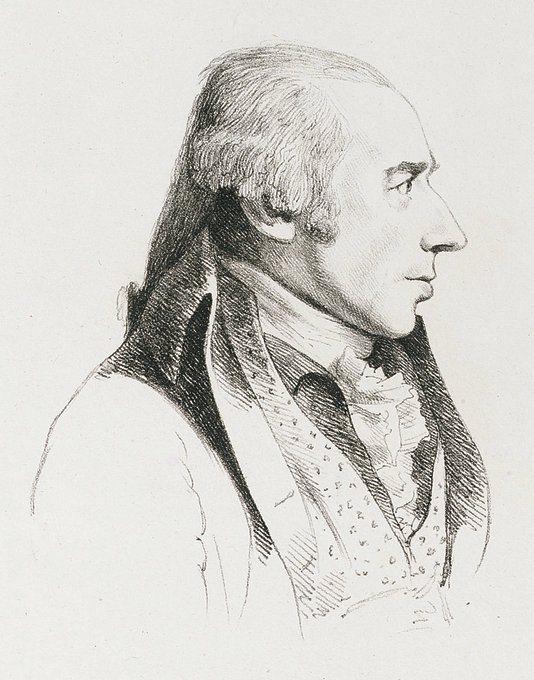
William Hodges, October 28, 1744 – March 6, 1797, was an English landscape painter and printmaker born in London. He trained at William Shipley’s drawing school and became a pupil and assistant of the landscape painter Richard Wilson.
Hodges accompanied Captain James Cook’s second Pacific voyage aboard Resolution from 1772 to 1775 as expedition artist. He later worked in India under the patronage of Warren Hastings, published Select Views in India, and was elected a Royal Academician in 1787.
After further travel in Europe, Hodges continued to exhibit at the Royal Academy until 1794 and retired from painting in 1795. He died at Brixham, Devon, in 1797; important holdings of his work are in the National Maritime Museum, British Museum, and Yale Center for British Art.


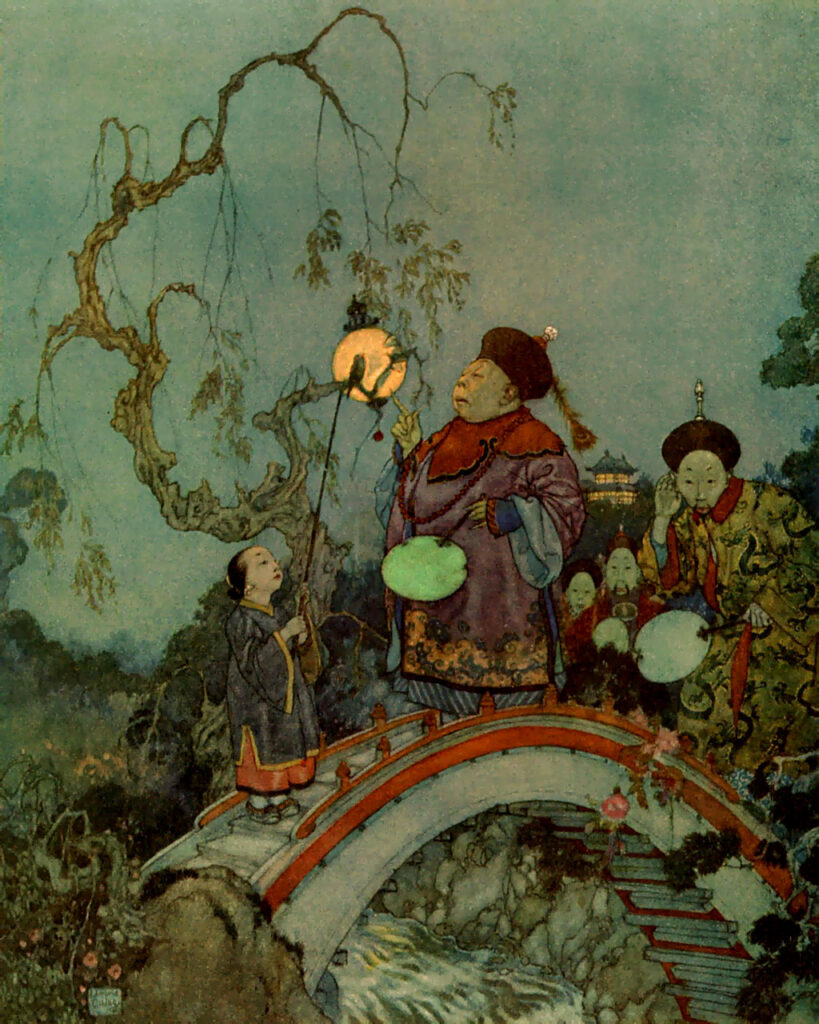
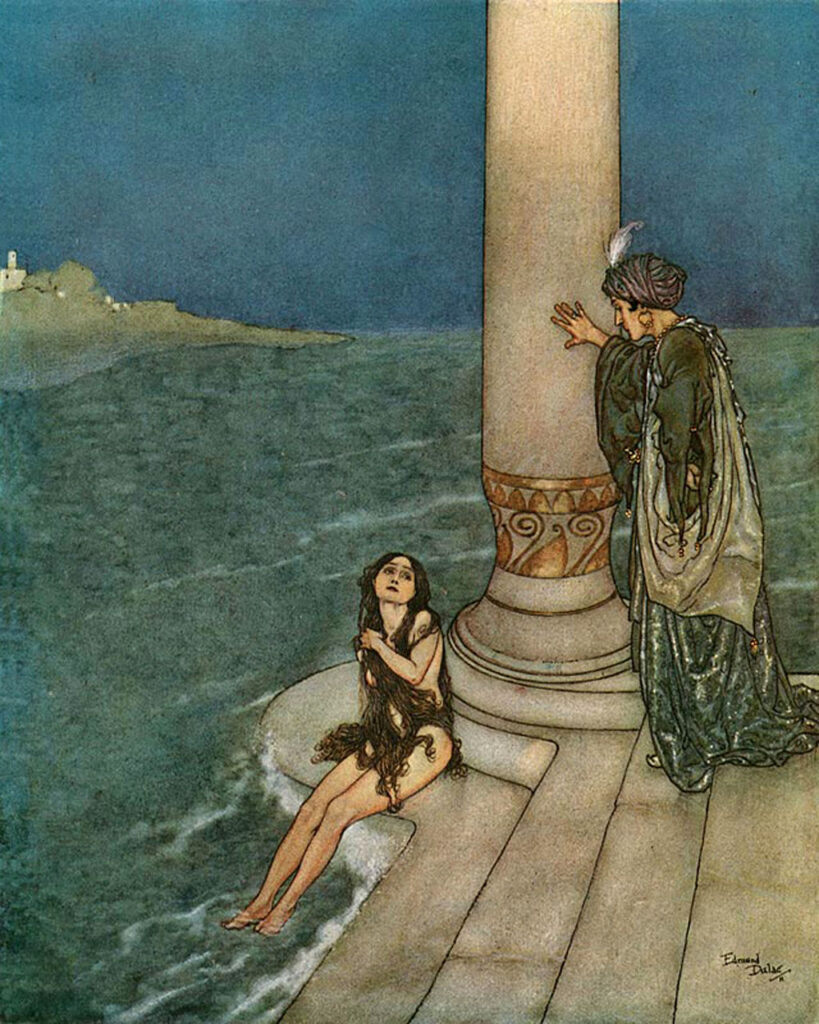
Edmond Dulac
Edmond Dulac, October 22, 1882 – May 25, 1953, was a French-born British illustrator, painter, and designer. Born in Toulouse, he studied law while attending the École des Beaux-Arts de Toulouse, then briefly studied at the Académie Julian in Paris before moving to London in 1904.
Dulac began his British career by illustrating editions of the Brontë novels. He became known for color illustrations in gift books published by Hodder & Stoughton, including The Arabian Nights, The Tempest, The Rubáiyát of Omar Khayyám, and Stories from Hans Andersen, and became a British citizen in 1912.
After the market for deluxe illustrated books declined, Dulac worked in portraiture, theater design, magazines, medals, banknotes, and postage stamps. He died in London while completing illustrations for Milton’s Comus; his work is represented in collections including the National Portrait Gallery and the Victoria and Albert Museum.